Tag: Center City

  • Philadelphia should use the Waymo testing period to get this right, not rush it

    Philadelphia should use the Waymo testing period to get this right, not rush it

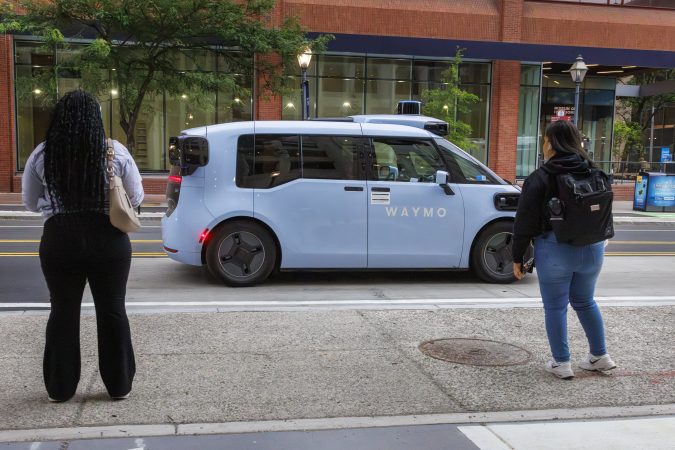
    Waymo’s driverless cars have been rolling through Center City for almost a year now. Still with a trained specialist behind the wheel, still without a commercial launch date.

    Some of our local elected officials have expressed concerns about driverless vehicles on Philadelphia streets. Based on what has happened in other cities, their concerns are not unfounded. When it comes to deploying robotaxis, Philadelphia should slow down, not speed up.

    The pattern that has emerged across the country is that problems that should have been caught during testing are instead being confronted when the autonomous vehicles have already been deployed and are carrying passengers.

    Start with what happened in Austin, Texas, this spring. When a gunman opened fire outside a bar on Sixth Street, killing three people and wounding more than a dozen, several Waymo vehicles ended up blocking the emergency response. One sat sideways in the road as an ambulance tried to get through, with bystanders shouting at it to move, while a police officer worked the car’s speaker system trying to get a human being on the line.
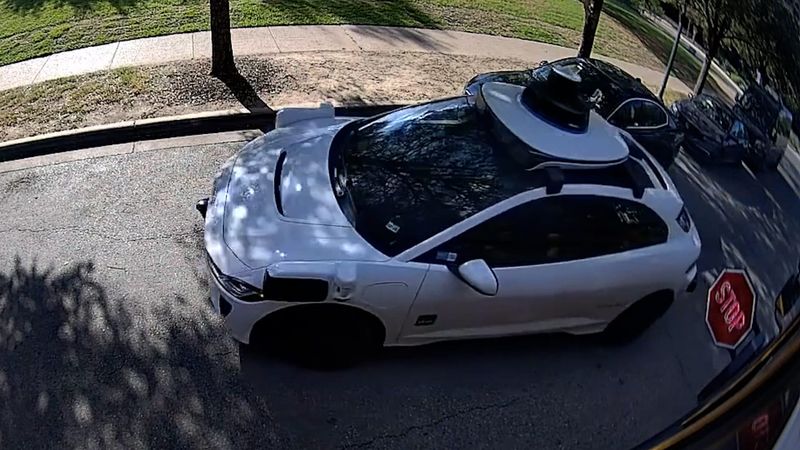
    The safety of Waymo robotaxis has repeatedly been questioned. In December of last year, Waymo had to replace software that allowed the autonomous vehicles to pass stopped school buses in Austin, Texas, and Atlanta. And earlier this year in Austin, writes Amy Witherite, the robotaxis blocked emergency responders’ access to the site of a shooting with mass casualties.Austin Independent School Distri

    In San Francisco, fire crews and other first responders have had to physically take control of stalled Waymos to move them out of the way during emergencies. These aren’t isolated glitches.

    Federal regulators counted at least six incidents nationally in which first responders had to take control of a Waymo vehicle during an emergency. In July, the National Highway Traffic Safety Administration told the industry that emergency scenes are not rare or extreme “edge cases,” and that an automated vehicle unable to interact safely with first responders is a danger to the public.

    That’s the backdrop against which Philadelphia is being asked to move forward.

    Councilmember Nina Ahmad gave voice to concerns after a City Council hearing in May. “Progress for the sake of progress isn’t enough. We need to look at the impact of that progress,” she said during a news conference. She wasn’t the only Council member who expressed reservations, or whose questions for Waymo went unanswered at the hearing.

    Under state law, PennDot holds the authority to certify these vehicles for full commercial service. City officials have said Philadelphia is preempted from regulating this technology at all.

    After Waymo vehicles became immobilized and helped bring San Francisco traffic to a standstill during the city’s July Fourth celebration, Mayor Daniel Lurie called for stronger statewide standards that verify that the autonomous vehicles’ systems can handle major events and emergencies before they are allowed to operate. His message was simple: “Prove it before you deploy it.”

    Here is the question I’d ask before this moves one step further in Philadelphia: Have the police officers, firefighters, and paramedics who will be on the street been trained, specifically and verifiably, to handle a car that will not pull over for a siren, will not respond to a hand signal or a flare, and has no driver to negotiate with?

    A first responder trained to deal with a human behind the wheel is not automatically equipped to deal with an empty vehicle that only takes instructions from a call center hundreds or thousands of miles away. Austin’s ambulance crews and San Francisco’s fire companies found out about that gap in real time, during emergencies — Philadelphia doesn’t have to.

    The company cites a substantial reduction in serious-injury collisions compared with human drivers, and that’s worth weighing. But a strong overall safety record and a specific, unresolved gap around emergency scenes are not the same question, and cities where Waymo has already launched are the ones now writing the incident reports.

    Philadelphia has something Austin and San Francisco didn’t have when they signed up for driverless service at scale: time.

    This is the moment to apply Mayor Lurie’s standard: Prove it before you deploy it.

    Amy Witherite is a traffic safety advocate and founder of the Witherite Law Group, which has offices in Philadelphia.
  • Ellen Yin’s newest Philly restaurant is an all-day aperitivo bar built for snacking and sipping

    Ellen Yin’s newest Philly restaurant is an all-day aperitivo bar built for snacking and sipping

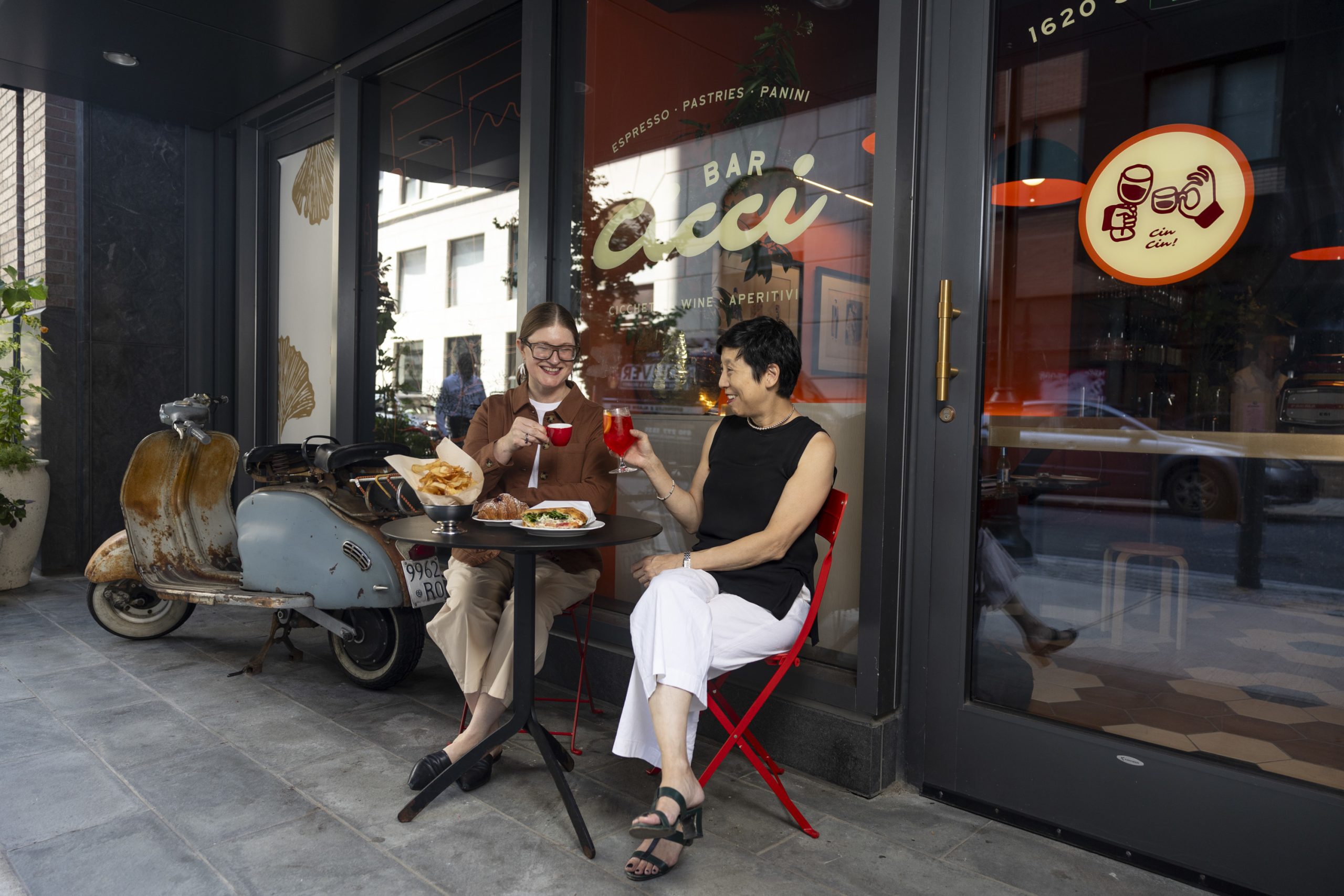
    Ellen Yin’s newest Philly restaurant doesn’t have a grand opening date yet, but it does have a vintage-looking light blue Lambretta scooter parked out front.

    Why? To set the mood.

    The acclaimed restaurateur’s latest project is Bar Cicci, an all-day aperitivo bar soft-opening Aug. 18 at 1620 Sansom St., just next door to Uchi. Inspired by Yin’s longstanding, almost obsessive love of northern Italy, the bar is an ode to the country’s casual drinking culture, with classic pastries in the morning followed by sandwiches in the afternoon and snacks and spritzes in the evening.

    Yin has traveled to Italy more than any other country. There, “a bar is a place where you go in the morning to have an espresso and meet up with your neighbors, chit-chatting away,” she said. “And that morning ritual turns into sandwiches and gelato at lunch time, and then [drinks] at dinner.”

    Pronounced “Bar CHEE-CHEE,” the name is a play on the Italian word ciccio, a term of endearment for something small and plump. The menu — curated by Yin and Christina McKeough, the culinary director for High Street and the Bread Room — will be a smorgasbord of little things. The dayside, counter service-only lineup will feature traditional Italian pastries and sandwiches. Starting at 4 p.m., the menu will switch to showcase 20 small plates and a rotating array of cicchetti (or snacks), with prices falling between $5 and $20 each.

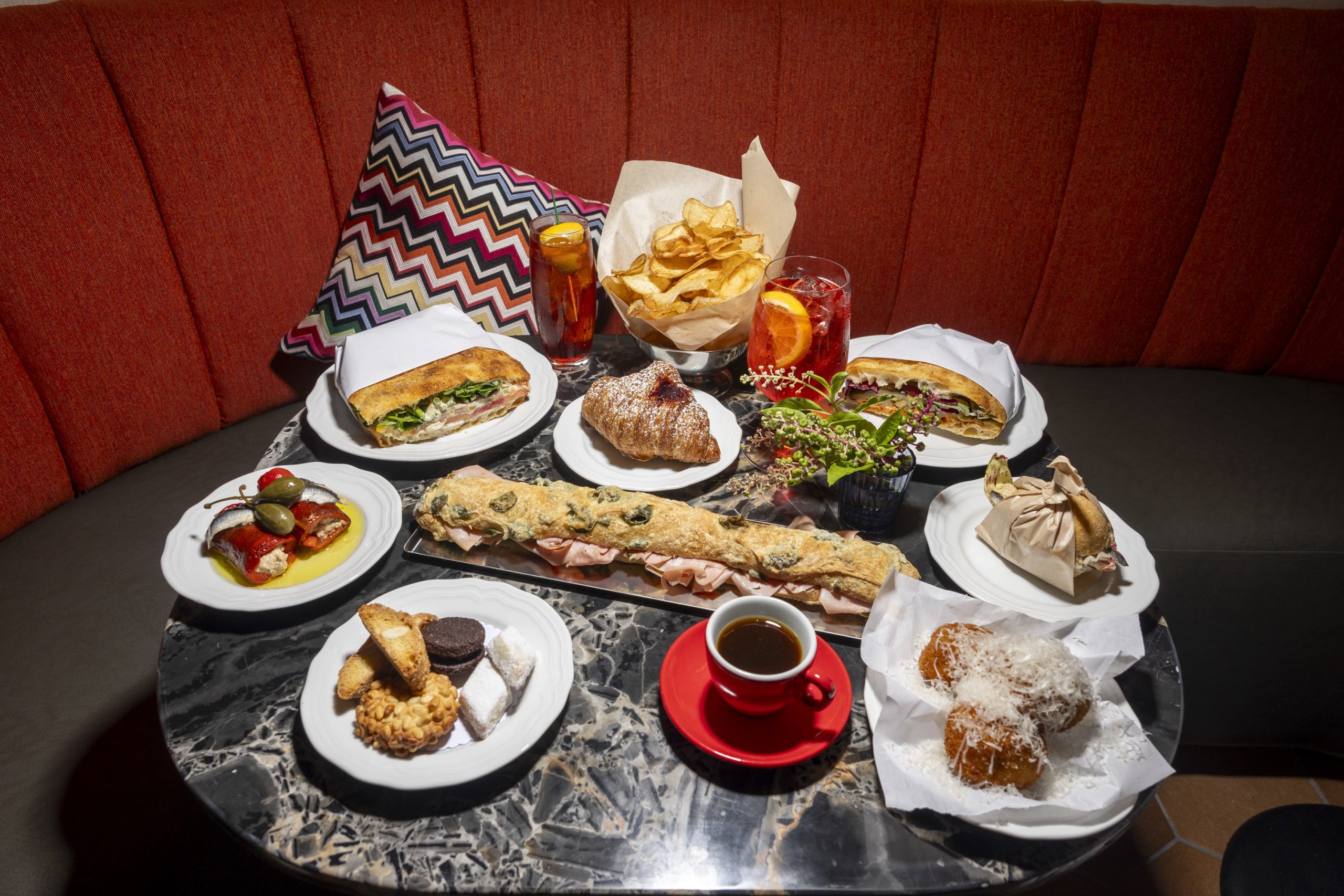
    An assortment of sandwiches, small plates, pastries, and drinks that will be available at Bar Cicci, Ellen Yin’s new restaurant set to open in mid-August. Tyger Williams / Staff Photographer

    Yin envisions Bar Cicci as a catchall space for those who live and work around Rittenhouse Square. In theory, a customer could stop in three times in one day: first for coffee and a pastry on the way to work, then again for a business lunch, and once more for pre-dinner drinks.

    Cicci will be Yin’s sixth Philly restaurant as part of High Street Hospitality, the restaurant group Yin cofounded with chef Eli Kulp. Fork, her first, opened in 1997 and went on to become one of Old City’s most enduring fine dining restaurants. She would follow it up with High Street — one of the city’s first all-day cafes, now located in Center City’s Franklin Residences — and a.kitchen, the Rittenhouse Square hotel restaurant. The Bread Room, known for its grown-up pop-tarts and morning buns, is the group’s bakery.

    Yin and McKeough had been working on Bar Cicci since April 2025. It’s their first themed project. “We don’t just get to do what we want here,” Yin said. Everything in the space has some tie to northern Italy, down to its groovy accent pillows.

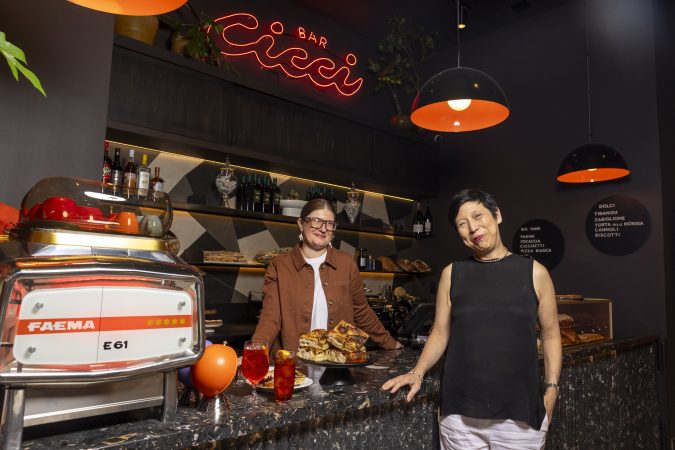
    High Street/The Bread Room culinary director Christina McKeough (left) and restaurateur Ellen Yin outside Bar Cicci, their new restaurant inspired by northern Italy. The light blue Lambretta scooter helps set the mood.Tyger Williams / Staff Photographer

    Bar Cicci’s 30-seat dining room channels 1970s Milan. Plush burnt-orange banquettes decorated with Missoni-style striped pillows wrap around black marble tables that interior designer Marguerite Rodgers repurposed from the lobby bar inside the Franklin Residences.

    The counter is outfitted with a modernized Faema E-61, at one point Italy’s best-selling and only semiautomatic espresso machine. Even the dome-shaped mid-century modern light fixtures — a holdover from when Sandler’s on 9th occupied High Street’s space at 101 S. Ninth St. — cast a slightly hazy glow, as if you’re sitting in a scene from a film.

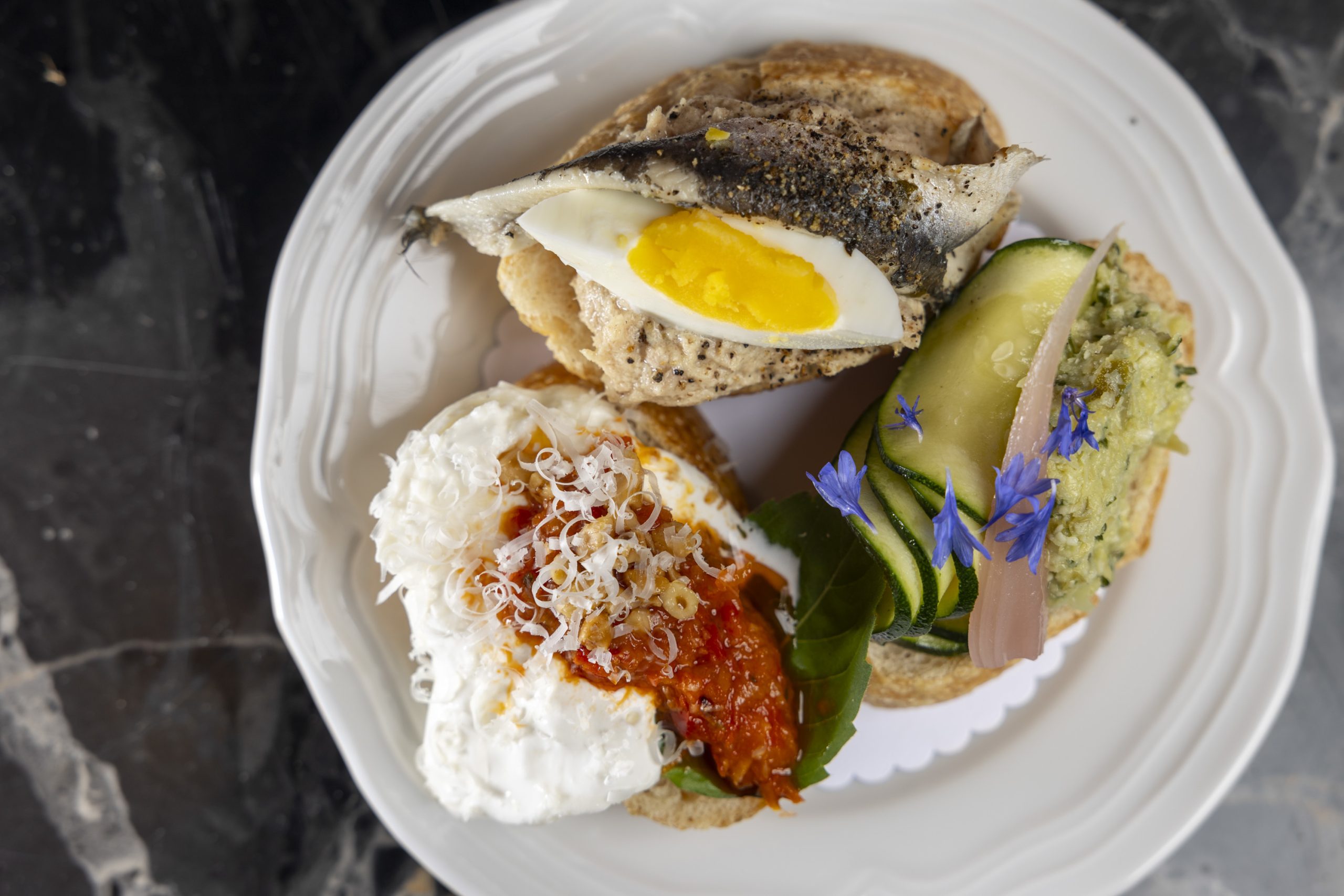
    An assortment of cicchetti at Bar Cicci. The crostini-like snacks are a Venetian speciality meant to be served with wine.Tyger Williams / Staff Photographer

    The vibe is inspired by Yin and McKeough’s favorite bars from research trips to Venice and Milan, such as Milan’s Bar Basso, where Yin recalled being offered seemingly endless pours of Campari. The duo intend for Bar Cicci to be an introduction to Italy’s slower-paced aperitivo hour, a time in the early evening when lower-ABV cocktails are paired with bite-sized snacks designed to get people socializing without pretense.

    Aperitivo is “supersocial,” McKeough said. “A lot of bars in Italy, people aren’t even sitting down. They’re standing up.”

    Sandwiches, spritzes, and snacks

    The centerpiece of Bar Cicci’s evening menu will be a rotating array of cicchetti, crostini-esque bites that you typically eat with a glass of wine while standing. The restaurant will offer about a dozen at a time, in sets of three or five, all prepared on McKeough’s version of an Italian baguette, which is chewier than its French counterpart.

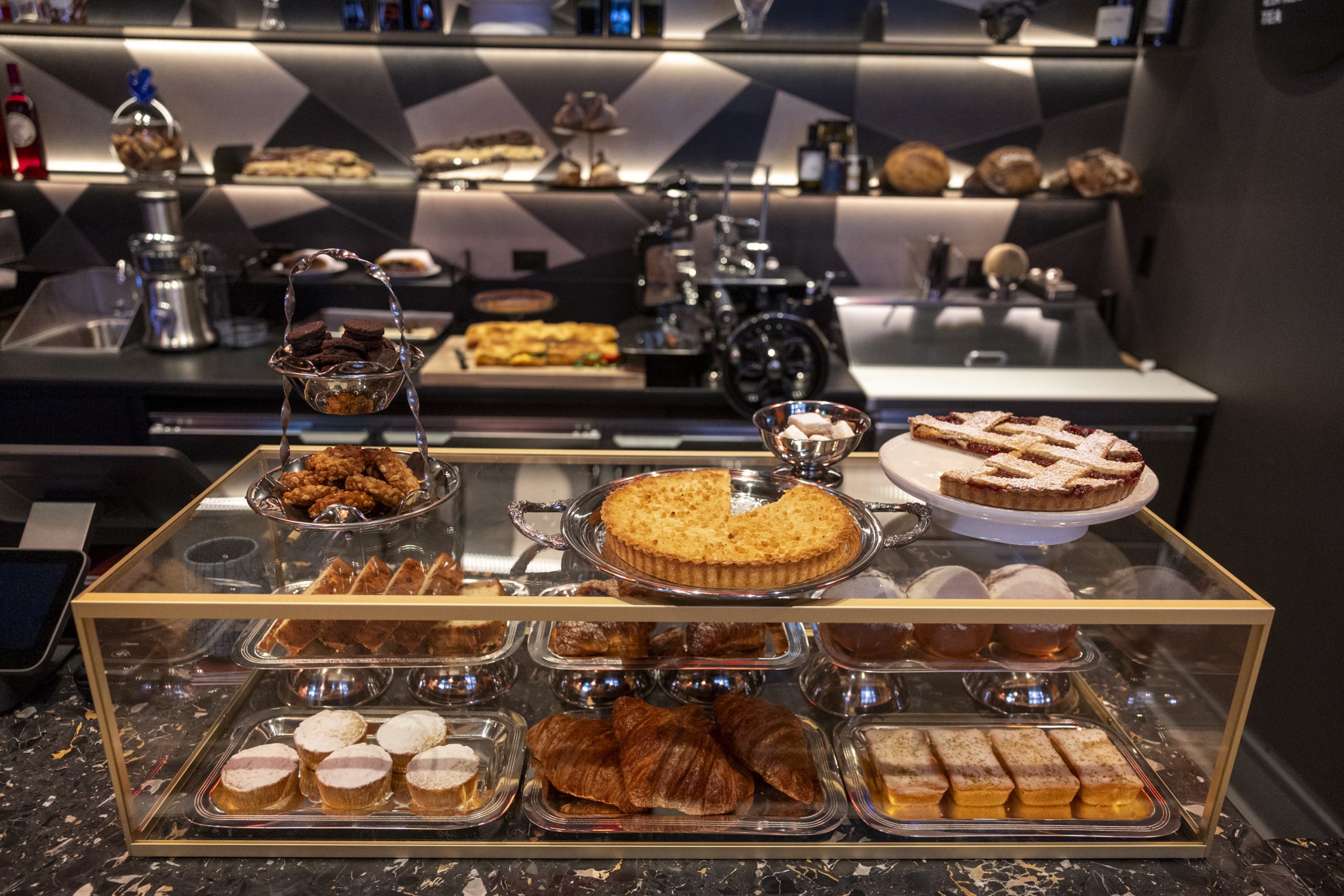
    The pastry case at Bar Cicci is full of classic Italian pastries such as maritozzi and cornetti. Tyger Williams / Staff Photographer

    The bread was the hardest to perfect, according to McKeough, and the most crucial to get right: “No matter where we went, [the cicchetti] were always so easy to eat … you could take a bite without it falling apart.” She anticipates Bar Cicci’s opening lineup will include Venetian standards such as salted cod and tuna with eggs.

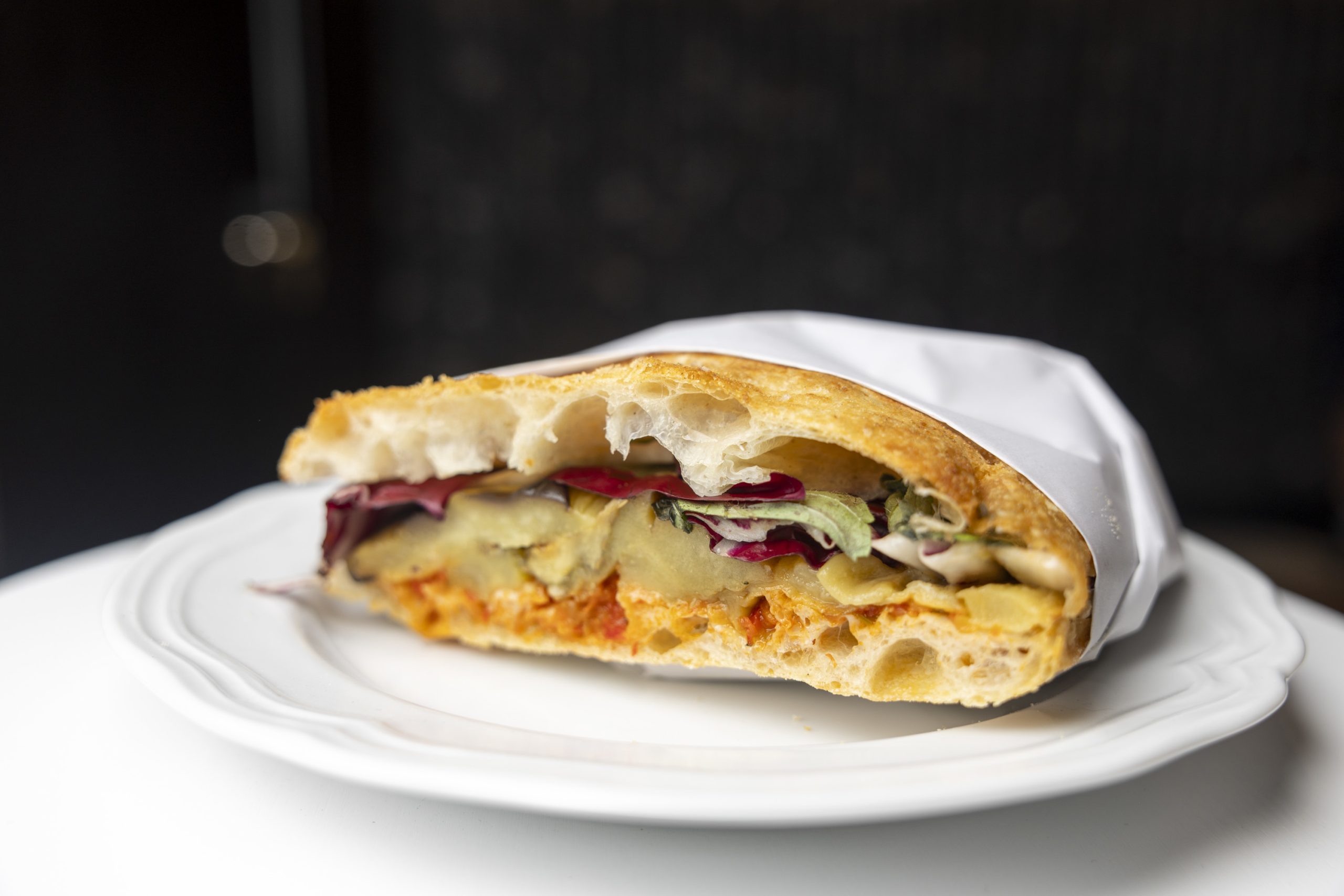
    The Bread Room will bake all the bread for Bar Cicci’s lunchtime sandwiches, will which include a long olive oil sfilatino loaf filled with mortadella; tuna and jammy egg on slider-sized rolls; and Roman-style pizza biancas layered with eggplant, bomba, and radicchio or anchovies, watercress, and tomato tonnato.

    A pizza bianca sandwich from Bar Cicci, which will be baking all of its breads in house.Tyger Williams / Staff Photographer

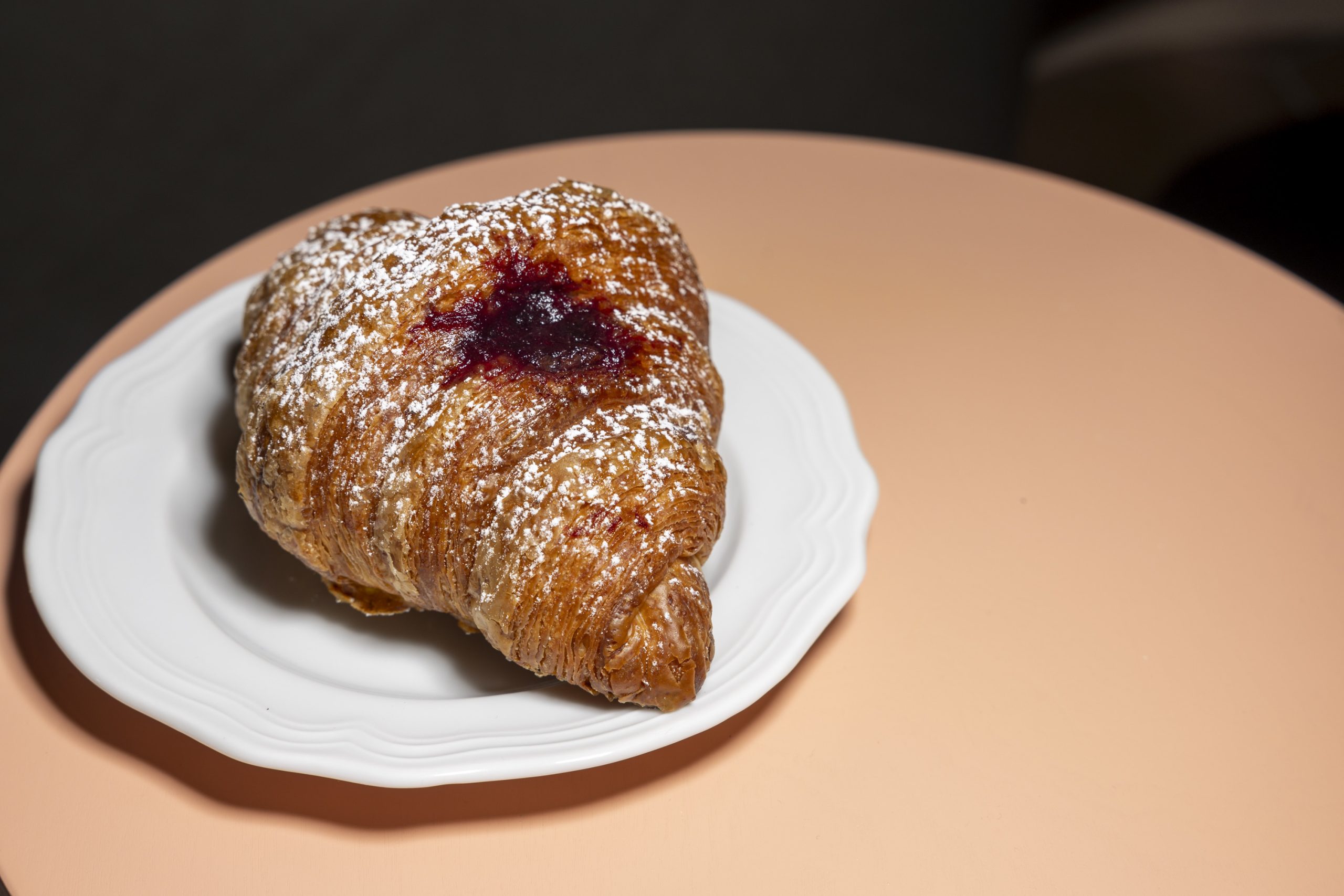
    As for the grab-and-go case, it will contain tried-and-true pastries that range from trendy cream-stuffed maritozzi to Italian-style chocolate chip pound cake and five versions of cornetti, which McKeough likened to a “reverse-engineered croissant.”

    Bar Cicci will serve dark-roast espresso and coffee from Arkansas-based roaster Onyx and Italian-style wines from Mural City Cellars, the popular Fishtown winery. The restaurant is going all in on aperitivi with its cocktail lineup, which will include a spaghett-style Aperol spritz, foamy espresso martinis al freddo, and the Garibaldi, a Campari cocktail made with the juice of a whole orange.

    For McKeough and Yin, the hope is that the food, if not cocktails, will make people linger.

    “There’s just something about a little bite that makes you want to have another drink,” McKeough said.

    A cornetto filled with seasonal jam at Bar Cicci.Tyger Williams / Staff Photographer

    Bar Cicci, 1620 Sansom St. Suite C3, 215-515-3793, barcicciphl.com. Hours: 8 a.m. to 9 p.m. Tuesday through Friday; 9 a.m. to 10 p.m. Saturday (to start). Soft-opening Aug. 18.

  • Spritzes, sports bars, and Korean fried chicken: August’s restaurant opening lineup

    Spritzes, sports bars, and Korean fried chicken: August’s restaurant opening lineup

    From Ellen Yin’s Italian aperitivo bar to a restaurant built around a community recipe contest, August’s opening calendar reflects the breadth of Philadelphia’s dining scene. Here’s what’s expected to debut this month — and what’s still to come.

    Note that in most cases, opening dates will not be locked in until shortly before the debuts.

    Christina McKeough (left) and Ellen Yin outside Bar Cicci.Tyger Williams / Staff Photographer

    Bar Cicci (1620 Sansom St., Rittenhouse): Ellen Yin’s all-day aperitivo bar, located next to Uchi, is targeting a mid-August opening. In sum: 30 seats, espresso and pastries in the morning, sandwiches by day, and spritzes, cicchetti, and small plates by night, all in a Milan-inspired space complete with a vintage Lambretta scooter out front.

    Cecilia (266 E. Fourth St., Bridgeport): The crew from Blue Bell Inn in Blue Bell and Horsham’s Copper Crow has revamped Taphouse 23 into a modern American bar-restaurant with a comfort-food menu and massive patio sporting a wood-burning oven. It’s targeting a late-month opening.

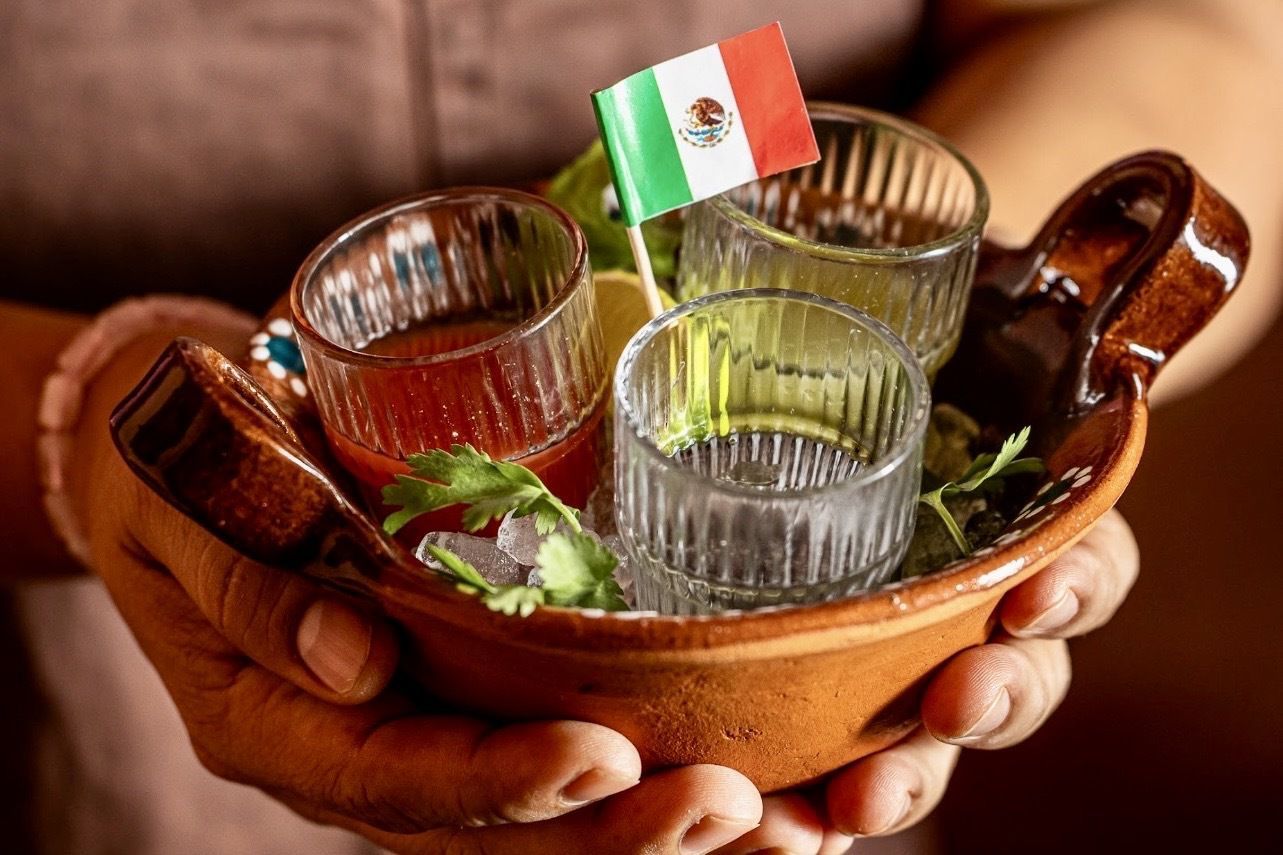
    La Bandera is the signature cocktail at Mixteca.Courtesy of Apres Cru

    Mixteca (2113 E. York St., East Kensington): Billed as a neighborhood agave bar and restaurant, this New York City import from hospitality veterans Jeff Bell and Victor Lopez is headed to the former Martha space, with an opening later this month. The roughly 100-seat venue will spotlight tequila, mezcal, Bacanora, and raicilla with 10 margarita variations, agave twists on classic cocktails, and zero-proof drinks alongside contemporary Mexican fare featuring handmade tortillas, ceviche, tacos, and family-style pork al pastor.

    Recipe Philly’s recipe judges are (from left) Clara Park, Josh Moore, and Jennifer Carroll.Tom Gralish / Staff Photographer

    Recipe Philly (1401 Arch St., Center City): Local home cooks take the spotlight at this restaurant at Broad and Arch Streets built around a public recipe competition, with winning family dishes earning a permanent spot on the menu alongside the cooks’ stories. Opening Aug. 13, the concept blends restaurant, community cookbook, and reality-show competition into one distinct experience.

    Toll Man Joe’s (1141 Pine St., Washington Square West): Returning to Philadelphia nearly five years after its pandemic closure, this sports bar will take the former location of the long-running Mixto. Founder Lori Penrose aims to open later in the month to catch football season.

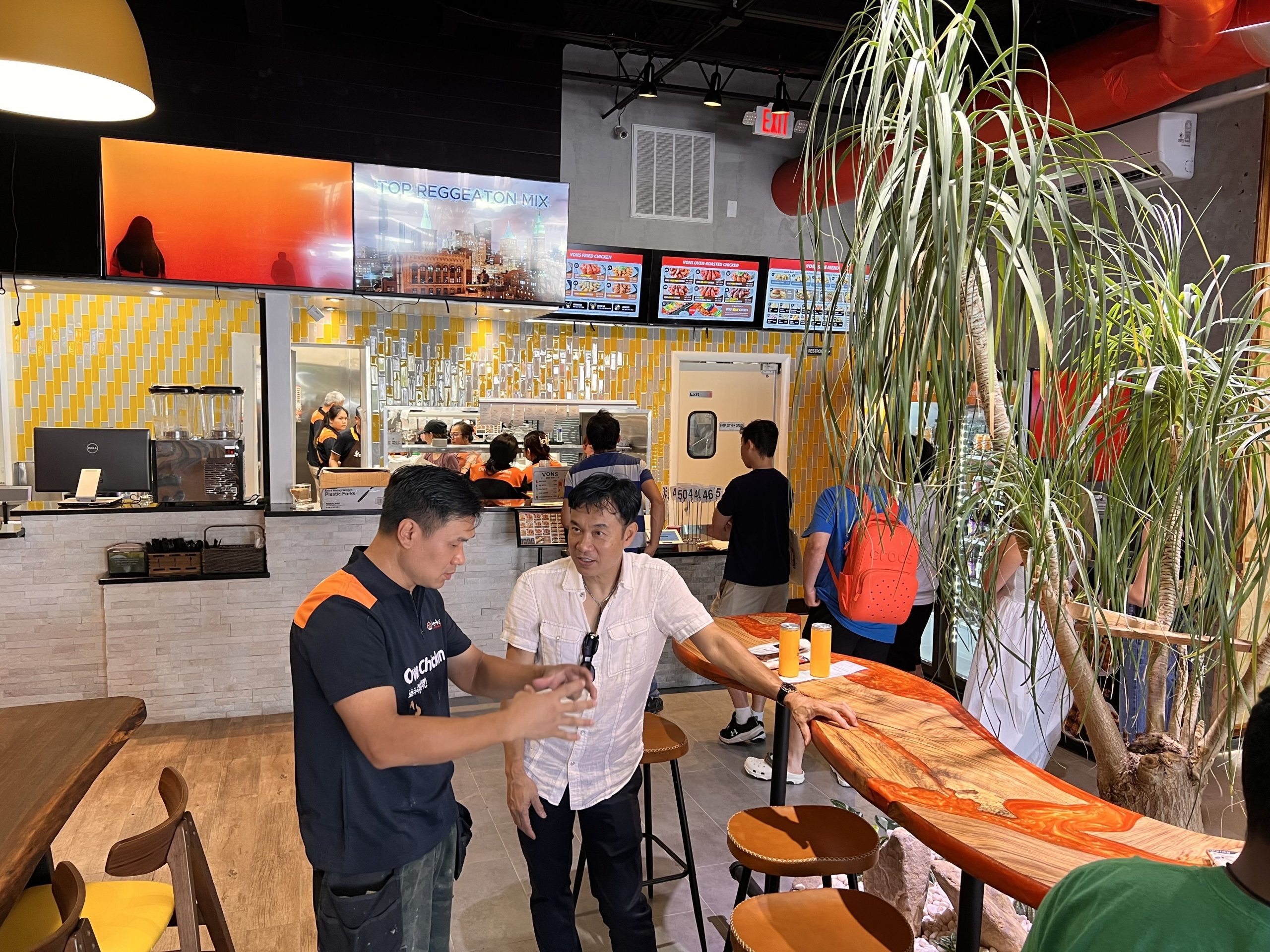
    Vons Chicken is set up with a counter and table seating.Michael Klein / Staff

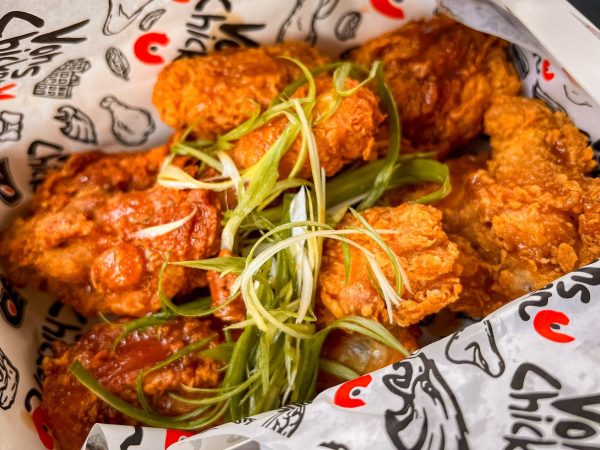
    Vons Chicken (1714 Washington Ave., South Philadelphia): This South Korean-rooted chain, big on the West Coast, opened last weekend in a Point Breeze strip mall next to AutoZone with a roomy dining area offering counter service. Menu includes crispy Korean fried chicken as well as oven-roasted chicken slicked with sauces, plus sides such as kimchi fried rice and tteokbokki. Local franchisee Thao Le, who first tasted Vons in California while visiting family, has assorted restaurant experience, including serving at Pietro’s Italian in Center City. Ever crave a beer with fried chicken? Vons secured a liquor license and stocks mostly local bottles in a fridge.

    Looking ahead

    Restaurants targeting September debuts include the Fishtown and Rittenhouse locations of Washington, D.C.-rooted bagel chain Call Your Mother; the all-day bar-restaurant Eggcetera Haus, filling the former Redcrest at Sixth and Bainbridge Streets on the Queen Village/Bella Vista line; and the New Orleans-inspired Philly Po Boy at Front and Berks Streets in Kensington. The Fishtown opening of Adda, the edgy Indian restaurant from New York’s Unapologetic Foods, is targeting October.

  • Federal and state officials highlight Medicaid fraud in Philadelphia

    Federal and state officials highlight Medicaid fraud in Philadelphia

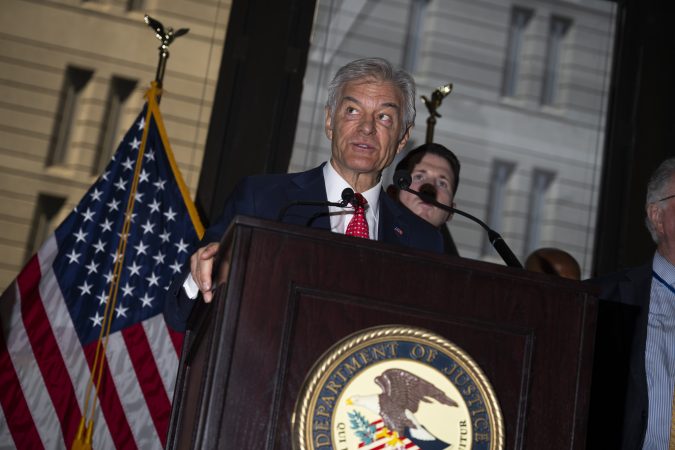
    Federal and state officials including Mehmet Oz, head of the Centers for Medicare and Medicaid Services, and Pennsylvania Attorney General David Sunday were in Philadelphia on Tuesday to highlight efforts to combat the persistent problem of Medicaid billing fraud in home care.

    During a news conference in Center City, officials outlined Pennsylvania cases involving a personal-care assistant who billed Medicaid 1,000 times for more than 24 hours of work in a single day, another who billed for helping his father in South Philadelphia while being arrested in Chester, and an agency that billed Medicaid $225,000 for services provided by an aide who was dead.

    Federal and state prosecutors used the occasion to announce charges against 18 people and one agency in mostly unrelated cases for defrauding Pennsylvania’s Medicaid program of $4 million by billing for home-care services they did not provide. The alleged fraud occurred roughly over the last five years.

    The alleged fraud in these cases filed over the last two weeks is tiny compared with the size of the program. Pennsylvania spent $8.1 billion on home-care services last year, up from $2.3 billion in 2020, when the program expanded and thousands more people started getting paid to provide home care.

    “Used properly by honest citizens, the program allows those with physical ailments to be cared for by those they trust the most,” said Colin McDonald, of the Justice Department’s National Fraud Enforcement Division. “But infiltrated by greedy and deceitful opportunists, this program becomes a money tree, a gravy train for criminal fraudsters.”

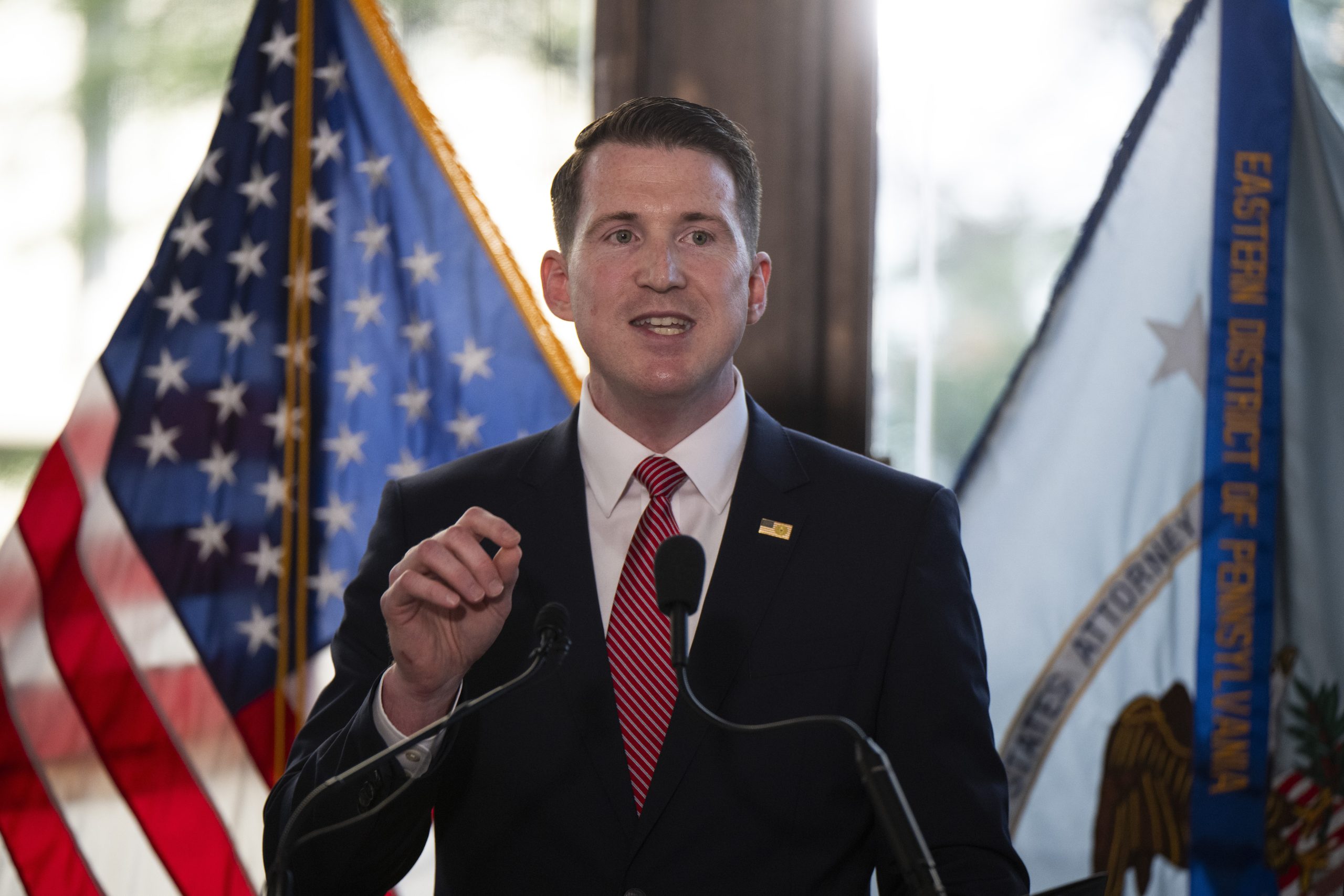
    Colin McDonald, Assistant Attorney General, Department of Justice National Fraud Enforcement Division, speaks as federal and state law enforcement officials announce healthcare fraud charges, Tuesday, August 4, 2026 in Philadelphia.Joe Lamberti / For The Inquirer

    The U.S. Department of Justice shared details on six new cases. The Pennsylvania attorney general recently filed five new cases.

    The biggest case involved $1.5 million in billings from a personal-care assistant registered with 13 agencies who more than 1,000 times charged Medicaid for more than 24 hours in a single day, Sunday said. On one occasion, the aide billed for 126 hours in a single day, Sunday said.

    Federal prosecutors charged Benevolent Home Health Care with billing 600 times in 13 months for a personal-care aide who was dead. That case originated during the arrest of the husband of one of its owners on drug-trafficking charges, said David Metcalf, U.S. attorney for the Eastern District of Pennsylvania.
    As the man was being arrested, he told agents from the Drug Enforcement Agency that he had to clock out of his shift as a home-care aide, even though he was not providing services. When asked about it, according to Metcalf, he said: “Everybody is doing this. If that’s a problem, you’d have to arrest the whole city,”

    Attorneys for Khaleelah Williams and Saleemah Davis, Benevolent’s owners, said they had no comment.

    In other cases, defendants billed for providing services while they were in prison, working at one of Philadelphia’s sports stadiums, or vacationing in Saudi Arabia, Jamaica, or Colombia

    This story has been updated to correct the name of the agency Mehmet Oz heads.

  • Booker Rowe, celebrated trailblazing Black violinist with the Philadelphia Orchestra, has died at 85

    Booker Rowe, celebrated trailblazing Black violinist with the Philadelphia Orchestra, has died at 85

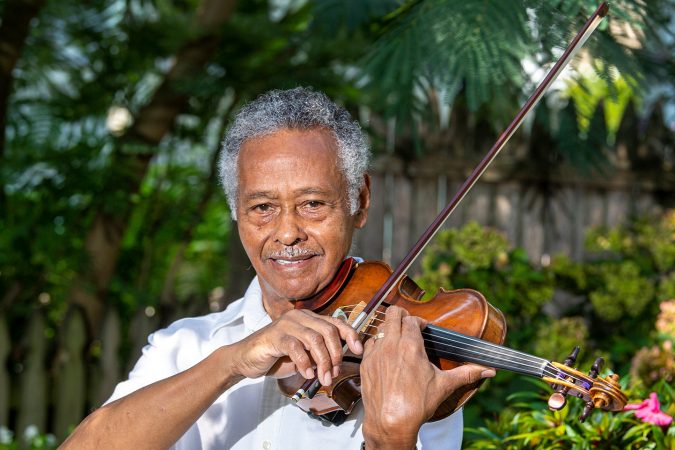
    Booker Rowe, 85, of Philadelphia, award-winning violinist, the first Black musician to play with the Philadelphia Orchestra and the Nashville Symphony String Quartet, the second permanent full-time Black player in the Philadelphia Orchestra, teacher, mentor, and role model, died Friday, July 31, of complications from pneumonia and sepsis at Jefferson Abington Hospital.

    A lifelong musician — he played piano at age 5 and violin at 11 — Mr. Rowe was invited by famed music director Eugene Ormandy in 1968 to become the first Black musician to perform with the Philadelphia Orchestra. He was a substitute violin during most of the 1968-69 season and returned for good in 1971 as the orchestra’s second Black permanent full-time member.
    Mr. Rowe stayed for 49 years.

    “My first day, I came in late from New York, and the orchestra was already rehearsing, and I sat myself down on the last stand to play,” Mr. Rowe told The Inquirer’s Peter Dobrin in 2020. “The sound was amazing. It was like stereo all around me. The stage was slanted down, and when the brass and winds would play I had to brace myself with my right leg from being blown off stage. It was just so beautiful.”

    For five decades, until his retirement in 2020, Mr. Rowe played with half a dozen elite conductors and traveled the world in the orchestra’s second violin section. He and his colleagues gave thousands of memorable performances at the Academy of Music, the Kimmel Center, and the Mann Center in Philadelphia, Carnegie Hall and the Lincoln Center in New York, and the Saratoga Performing Arts Center in Saratoga Springs, N.Y.

    They played at the 1993 World Series at Veterans Stadium, for Pope Francis in 2015, and at the Vail Music Festival in Colorado. They played in Europe, South America, Asia, and elsewhere around the world.

    This photo of Mr. Rowe (left) appeared in the Daily News in 1993Newspapers.com

    In 1973, the orchestra made a historic 10-day, five-concert cultural exchange tour in China, and Mr. Rowe told the Daily News afterward that he visited a commune and returned with Chinese instruments. In 2008, he mingled with former Secretary of State Alexander Haig and other international notables after a concert in Beijing.

    In 2013, he posed for pictures with the Chinese welcoming contingent at Shanghai Airport. “Booker was such a kind soul, and his passion, his artistry, and his humanity are woven into who we are,” Yannick Nézet-Séguin, the orchestra’s music and artistic director, said in a tribute.

    Ryan Fleur, the orchestra’s president and chief executive officer, said: “He was a warm and steadying presence in our orchestra.”

    Born in Kentucky, Mr. Rowe and his family moved to North Philadelphia when he was 2. His father was a singer, and his mother played piano, and they “pushed me in the direction of classical music,” he told the Daily News in 1981.

    He became concertmaster for the West Philadelphia High School orchestra, the All-City high school orchestra, and the old all-Eastern Conference college orchestra. He earned a bachelor’s degree in music at Temple University in 1963 and a master’s degree in music at Yale University in 1968.

    Before Philadelphia, he played solo in New York and with symphony orchestras in Nashville, New Haven, Conn., and Washington. Later, he played with the old Symphony Club of Philadelphia, the Lansdowne Symphony Orchestra, and other local groups.

    Mr. Rowe (left) stands with fellow musicians Andre Watts (center) and Renard Edwards.Courtesy of the family

    He also got freelance gigs with Sammy Davis Jr., Isaac Hayes, Smokey Robinson, the Supremes, Barbra Streisand, Aretha Franklin, and other stars. He played with chamber music ensembles around the country and gave dozens of free concerts for children, churches, and community and scholarship fundraisers.

    He championed racial and ethnic diversity, and was active with the Philadelphia Orchestra’s cultural diversity initiative. He sought and performed work by Black and other minority composers, and mentored dozens of colleagues and students.

    He encountered at least one racist incident that first year in Philadelphia and told the Daily News in 1981: “The time was right for an Afro-American in the Philadelphia Orchestra. It was just a matter of finding somebody who was ready.”

    Mr. Rowe and his family lived in Center City, East Mount Airy, and Germantown. Courtesy of the family

    A friend said on Facebook: “His legacy and historical contributions are unparalleled.”

    Mr. Rowe taught at Settlement Music School and gave private lessons. He earned music and service awards from City Council, the American Foundation for Negro Affairs, and other groups.

    In 2019, he was asked to advise young musicians in a video interview for the Philadelphia Orchestra website, philorch.ensembleartsphilly.org. “Practice, practice, practice,” he said. “But also enjoy, enjoy, enjoy. Do it with love in your heart.”

    Booker Taliaferro Washington Vance Rowe Jr. was born Dec. 10, 1940, in Lexington, Ky. In Philadelphia, he studied at the old Philadelphia Musical Academy and Settlement Music School, and his father worked at RCA Victor records in Camden. So their home was always filled with music.

    Mr. Rowe (rear center) stands with Philadelphia Orchestra colleagues and members of the Chinese welcoming contingent in 2013.

    Jan Regan / Philadelphia Orchestra

    He met soprano Patsy Baxter at a Philadelphia Orchestra concert, and they married in 1970 and had a son, Landis, and a daughter, Vivian. They lived in Center City, East Mount Airy, and Germantown, and visited his family often back in Kentucky and Tennessee.

    Mr. Rowe enjoyed puzzles, hiking and kayaking with his family, and tai chi. Friends noted his “kindness,” “million-dollar smile,” and “cheerful presence” in Facebook tributes.

    “He liked people,” his wife said. “He liked socializing. He liked to stick with one thing and concentrate on it.”

    His son said: “My father and I always had a good time together, and we never knew when playful sparring would break out.”

    Mr. Rowe and his wife, Patsy, married in 1970.
    Jose F. Moreno / Staff Photographer

    His daughter said: “He was very fiery and lovable. He was always who he was. He was one of a kind.”

    In addition to his wife and children, Mr. Rowe is survived by a daughter-in-law, Maria, two granddaughters, and other relatives.

    A celebration of his life is to be held later.

    Mr. Rowe (rear second from left) enjoyed time with his family.Courtesy of the family
  • A longtime Bala Cynwyd bistro is closing, and Center City Italian restaurant veterans are moving in

    A longtime Bala Cynwyd bistro is closing, and Center City Italian restaurant veterans are moving in

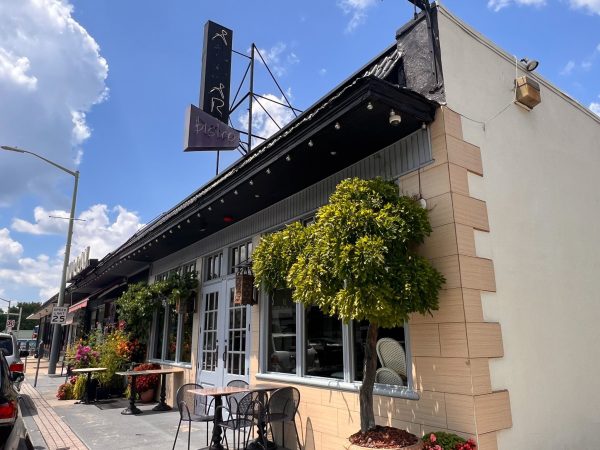
    After more than three decades, the Wakim family is handing off Bala Cynwyd’s Aldar Bistro to veterans of Center City’s Gran Caffè L’Aquila, who plan to transform the longtime Lebanese restaurant into a soft-lit, white-tablecloth Southern Italian destination called Bruzi.

    Two Philly-based couples from Cosenza in Calabria — Luciano and Tania Spensierato and Marco Mondello and Anna Bellizzi — are buying the restaurant at 285 Montgomery Ave. from Joseph Wakim and family.

    The sale, contingent on approval of the liquor license transfer, will end the Wakims’ 34-year run at Aldar, which will be open during the transfer process. The restaurant succeeded the family’s Italian restaurant, Allegresse, which opened in 1980.

    The Wakims — brothers Joseph, Michel, and George, and sister Fadia — also own Murray’s Deli next door, as well as Evviva, a restaurant, catering venue, and private-events space in Narberth.

    “We all grow older, and it’s time to step aside,” Joseph Wakim said. “Over the past five years, we probably had 10 suitors, and I said, ‘No, thank you.’”

    He said he ultimately chose the two couples because they were “the right families for us to pass the torch to.”

    Tania Spensierato said Aldar “checked all the boxes we were looking for. We wanted to be on the Main Line. We wanted tall ceilings, an existing liquor license, and a space that was roomy but not enormous. We weren’t looking for a 200- or 300-seat restaurant. We wanted a spacious kitchen so the chef would have room to do what he does best.”

    “We also wanted to be part of a community,” she said. “Bala Cynwyd and Lower Merion really fit that vision. The location on Montgomery Avenue was exactly what we were looking for.”

    Aldar will remain open until the liquor-license transfer is approved, a process that Wakim believes could be completed in September. The new owners then anticipate about two months of renovations before opening Bruzi in late October or November.

    Luciano Spensierato has worked behind the bar at Gran Caffè L’Aquila since 2015, while Marco Mondello joined the Center City restaurant a year later as a bartender. Tania Spensierato works in retail, though her background is in restaurants. Bellizzi is a scientist at Temple University.

    The name Bruzi refers to the ancient people of Calabria, where all the partners trace their roots. Tania Spensierato, a first-generation Italian American, said the restaurant is intended to reflect that heritage.

    The menu will focus on house-made pastas and traditional Calabrian cooking. Planned dishes include sliced black boar prosciutto, Calabrian cheeses, fusilli with slow-cooked meat sauce, baked lamb with tomatoes, olives, and roasted peppers, and grilled tuna with arugula.

    The beverage program also will be a centerpiece. Marco Mondello, an Italian-trained sommelier, plans to open with about 100 Italian wines and expand the list over time. Spensierato, who has worked as a bartender for 35 years, said cocktails will also play a prominent role.

    Glynis Tart of Verden Interior Design will give the dining room a modern Mediterranean makeover with blue-and-gold accents inspired by the Calabrian flag, along with olive trees and other greenery, Tania Spensierato said. A small retail section will sell imported Italian products.

    The partners have hired an Italian-born chef currently working in Florida but declined to identify him until a later date. “Our first priority is simply to get started,” Tania Spensierato said. “One goal at a time.”

  • House of the week: A condo in Washington Square West for $339,900

    House of the week: A condo in Washington Square West for $339,900

    Zachery McKinnon grew up in Michigan but moved to various places, always fostering a passion for art and home renovation.

    Now, after over a decade in the East, he is selling the Washington Square West condo he bought last year. He is drawn back home for a long stay to help his parents.

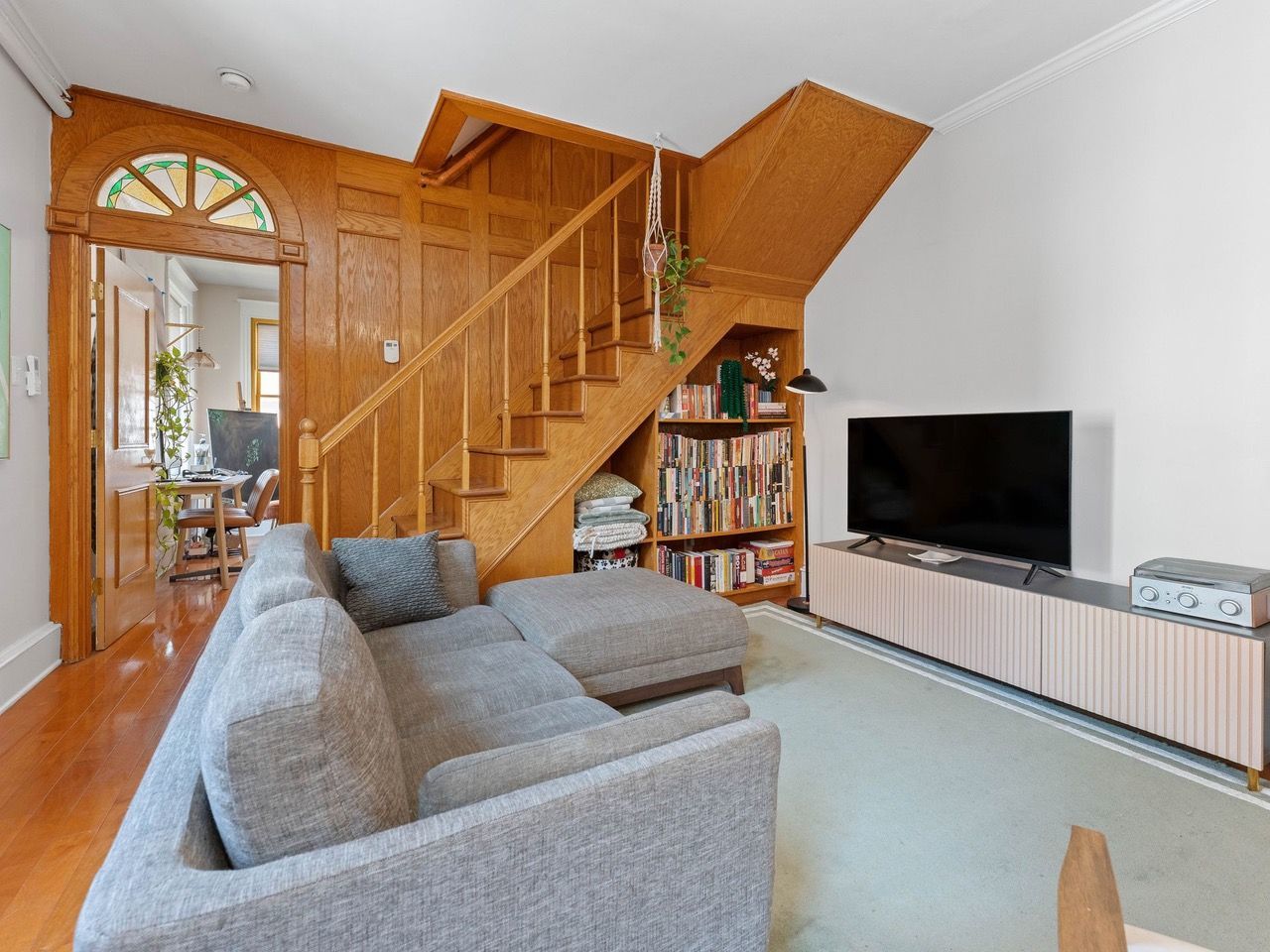
    Living room with stairway to rooftopCal Media

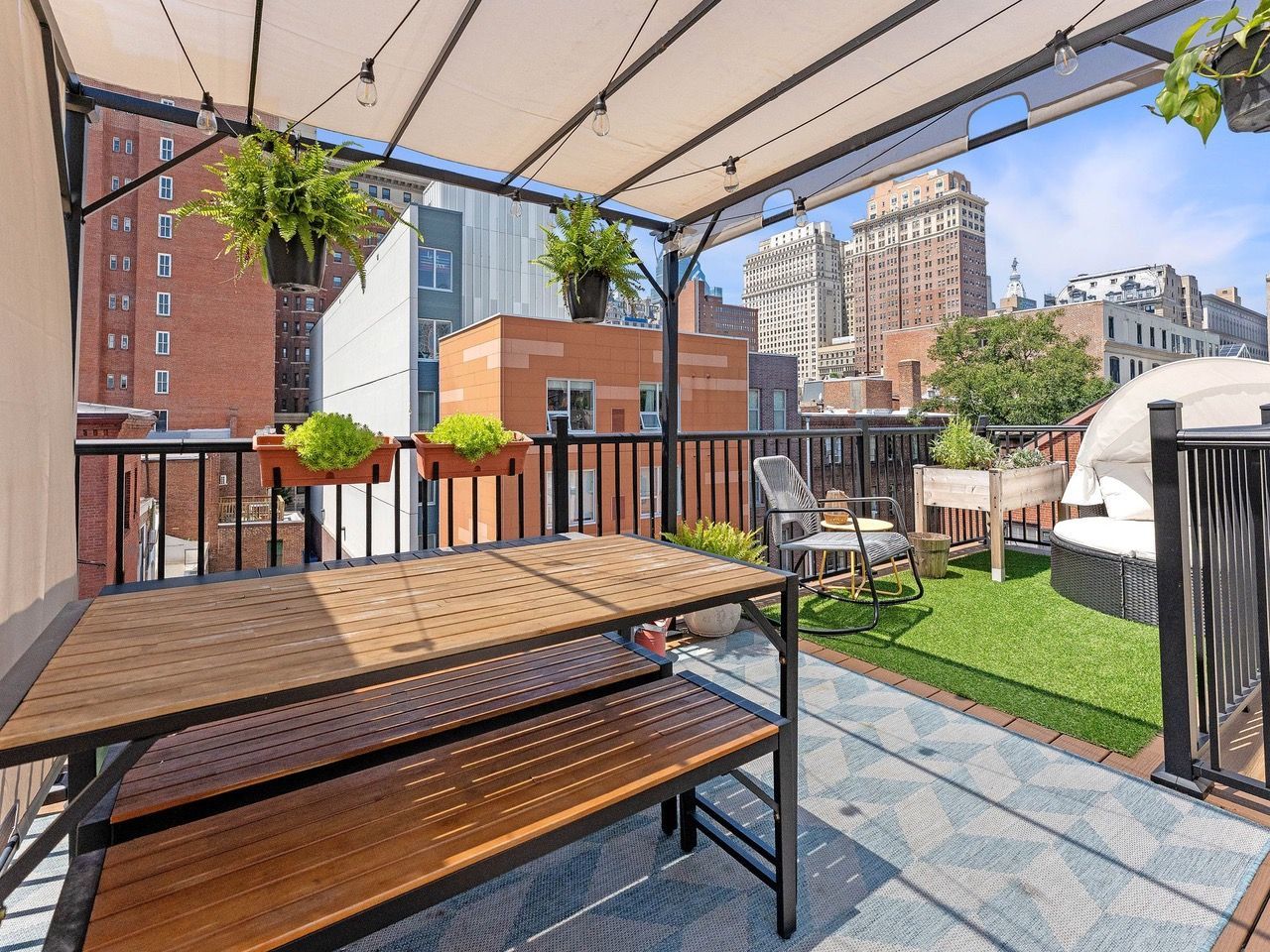
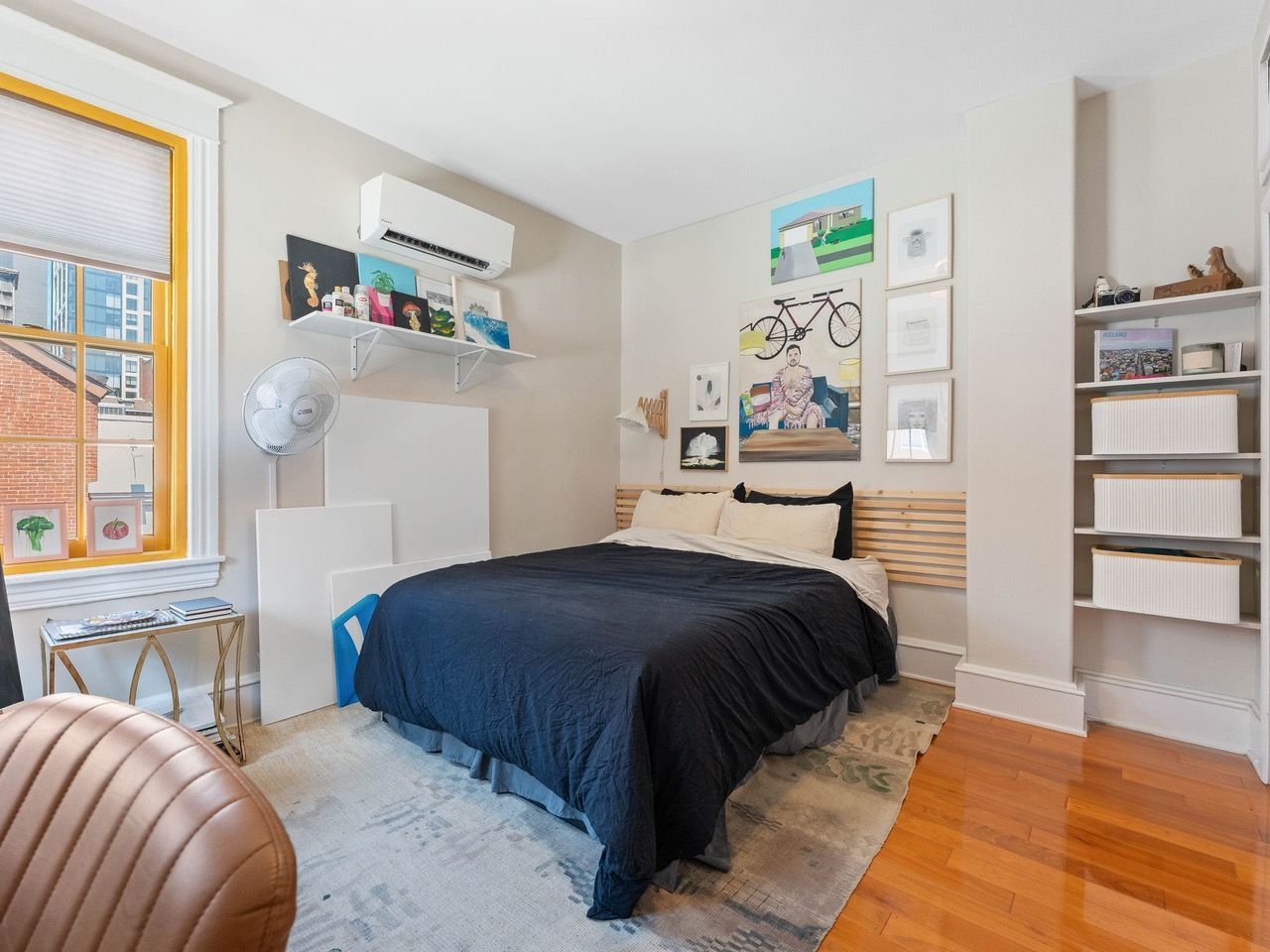
    His one-bedroom, one-bathroom condo spans 603 square feet. “The rooftop was really why I bought the place,” said McKinnon, who works in data analytics for an education nonprofit.

    The condo’s proximity to City Hall, Thomas Jefferson University Hospital, the Kimmel Center for the Performing Arts, Old City, South Street, Chinatown, and SEPTA Regional Rail were convenient for McKinnon, who doesn’t own a car.

    RooftopCal Media

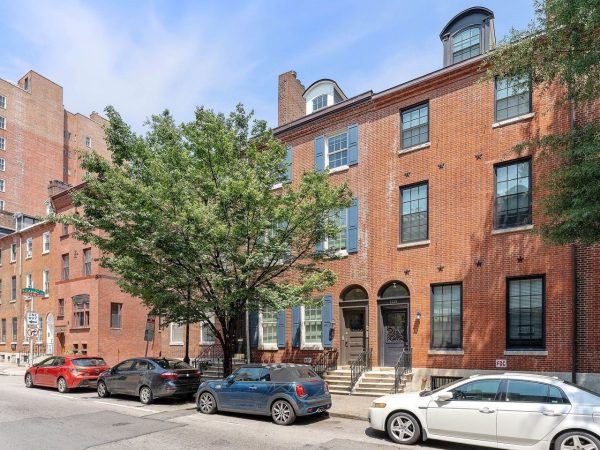
    The six-unit building, the Aldrich, was built in the 1820s and is on the Philadelphia Register of Historic Places. It underwent a major renovation in 2021, including new floors.

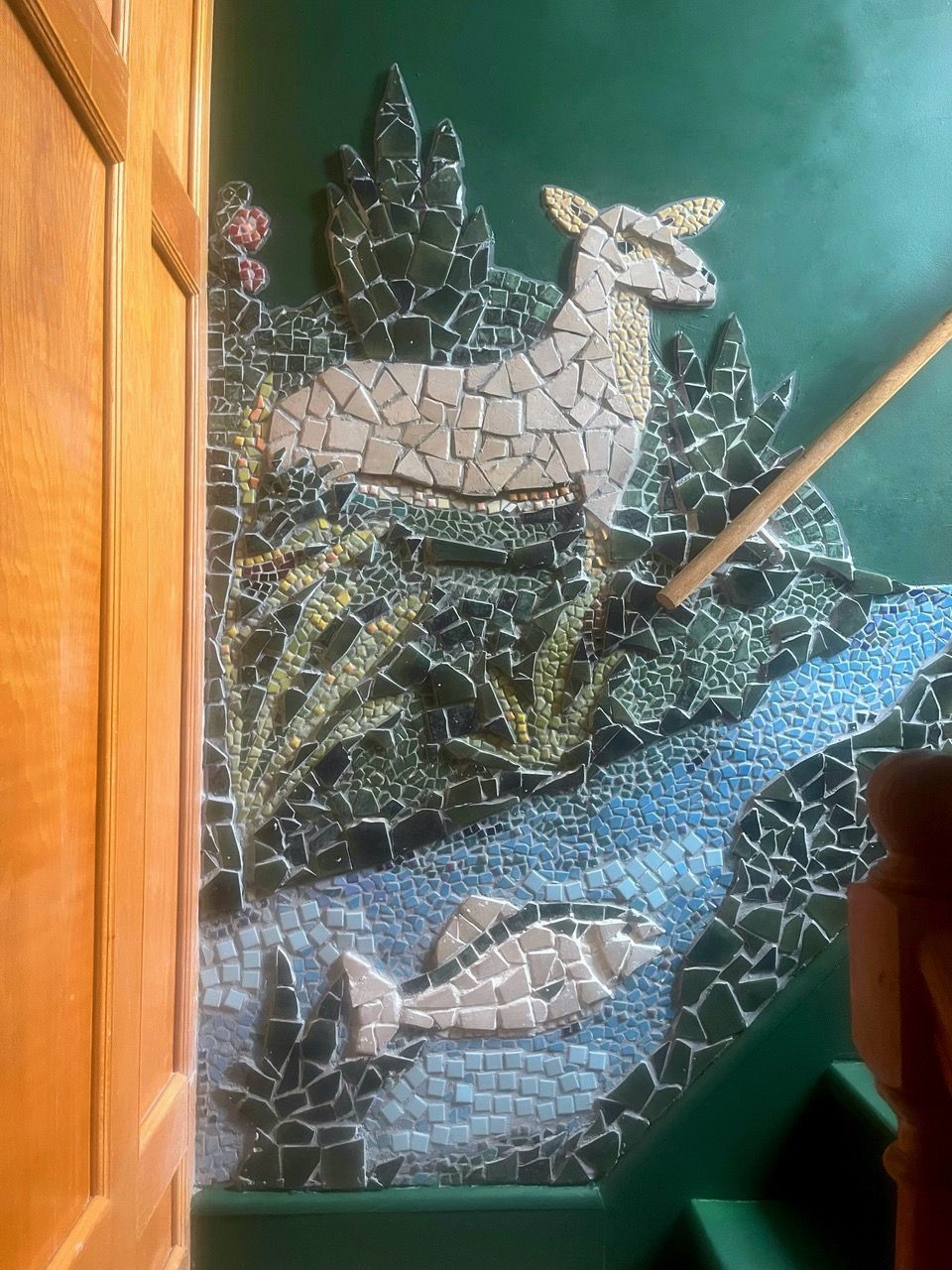
    McKinnon did some work on the condo’s kitchen and added mosaics throughout the unit. He is an admirer of mosaic artist Isaiah Zagar.

    Mosaic by Zachery McKinnonCal Media/Aaron Cantu

    The unit has tall windows, high ceilings, an in-unit washer and dryer, and dedicated basement storage.

    There is year-round mini-split AC and gas heat.

    BedroomCal Media

    The condo building is pet-friendly.

    The unit is listed by James A. Olivieri of Penn Jersey Realty for $339,900.

    Editor’s note: This story has been updated to reflect a change in the listing price.

  • 18 new restaurants that opened in the Philly suburbs this summer

    18 new restaurants that opened in the Philly suburbs this summer

    An eclectic crop of new restaurants has opened over the last several months across the Philadelphia suburbs in Pennsylvania, New Jersey, and Delaware. Some — like the three sports bars in Camden County alone — are breathing new life into familiar addresses. Others mark ambitious first ventures.

    Here are 18 of them, from Phoenixville to Gloucester Township to Wilmington.

    Pennsylvania

    Academy Grill (424 S. Bethlehem Pike, Fort Washington): Michael Sloane and Jay Rosenthal’s group, Fine Line Dining, has transformed the former Cantina Feliz into a polished white-tablecloth destination. Jeffrey Power, longtime chef at the erstwhile Dettera in Ambler, oversees a menu of house-made pasta, seafood, and steaks.

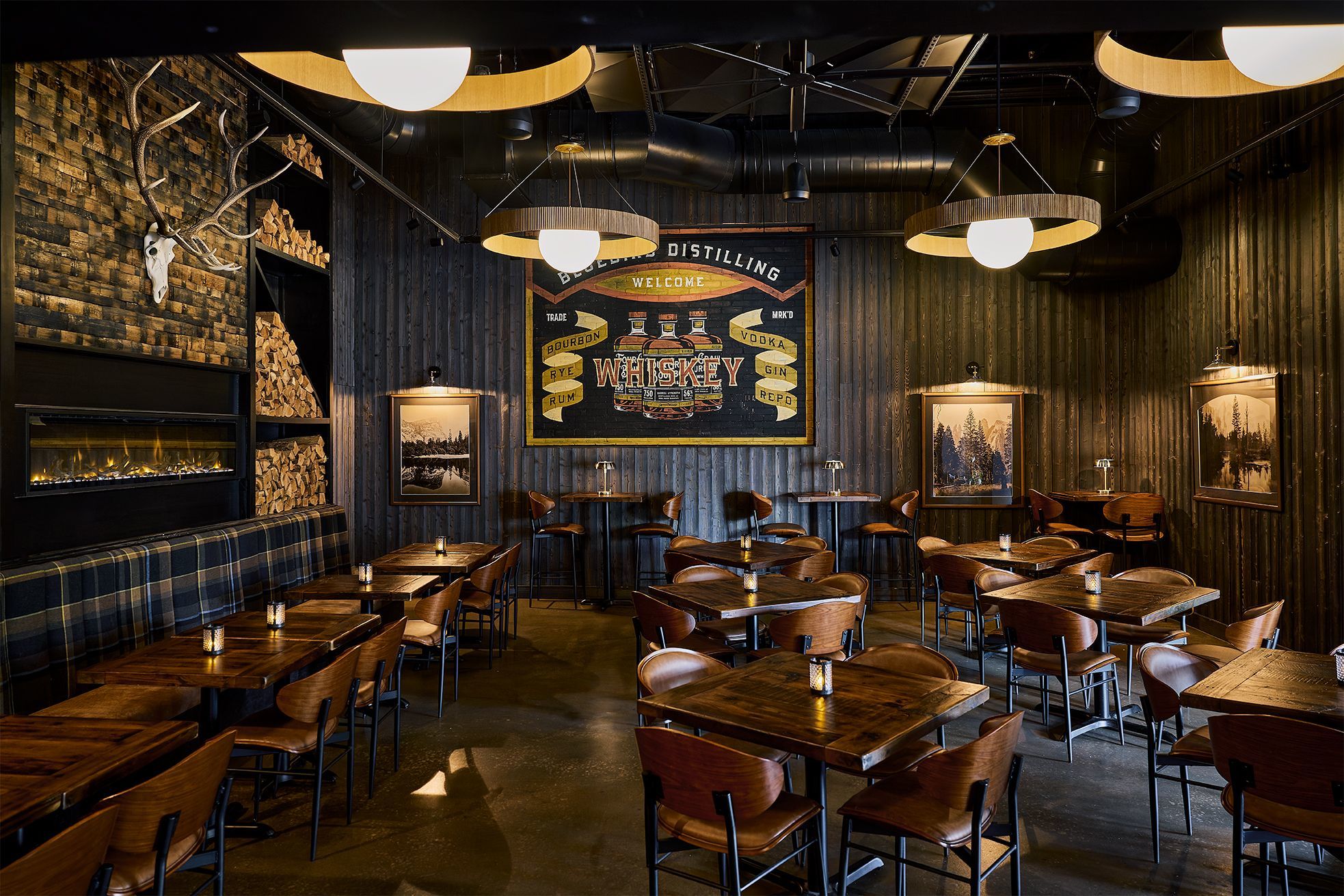
    Bluebird Distilling has reopened with a new neo-Neapolitan pizzeria and restaurant.Photos courtesy of Ed Newton

    Bluebird Distilling & Dough House (100 Bridge St., Phoenixville): Bluebird Distilling has expanded its flagship into a full restaurant built around cocktails and neo-Neapolitan pizza. Chef Devon Migeot, formerly of Zahav and Laser Wolf, makes dough with Italian stone-ground flour and bakes bread in-house. The $2.2 million renovation also added an expanded bar and dining room.

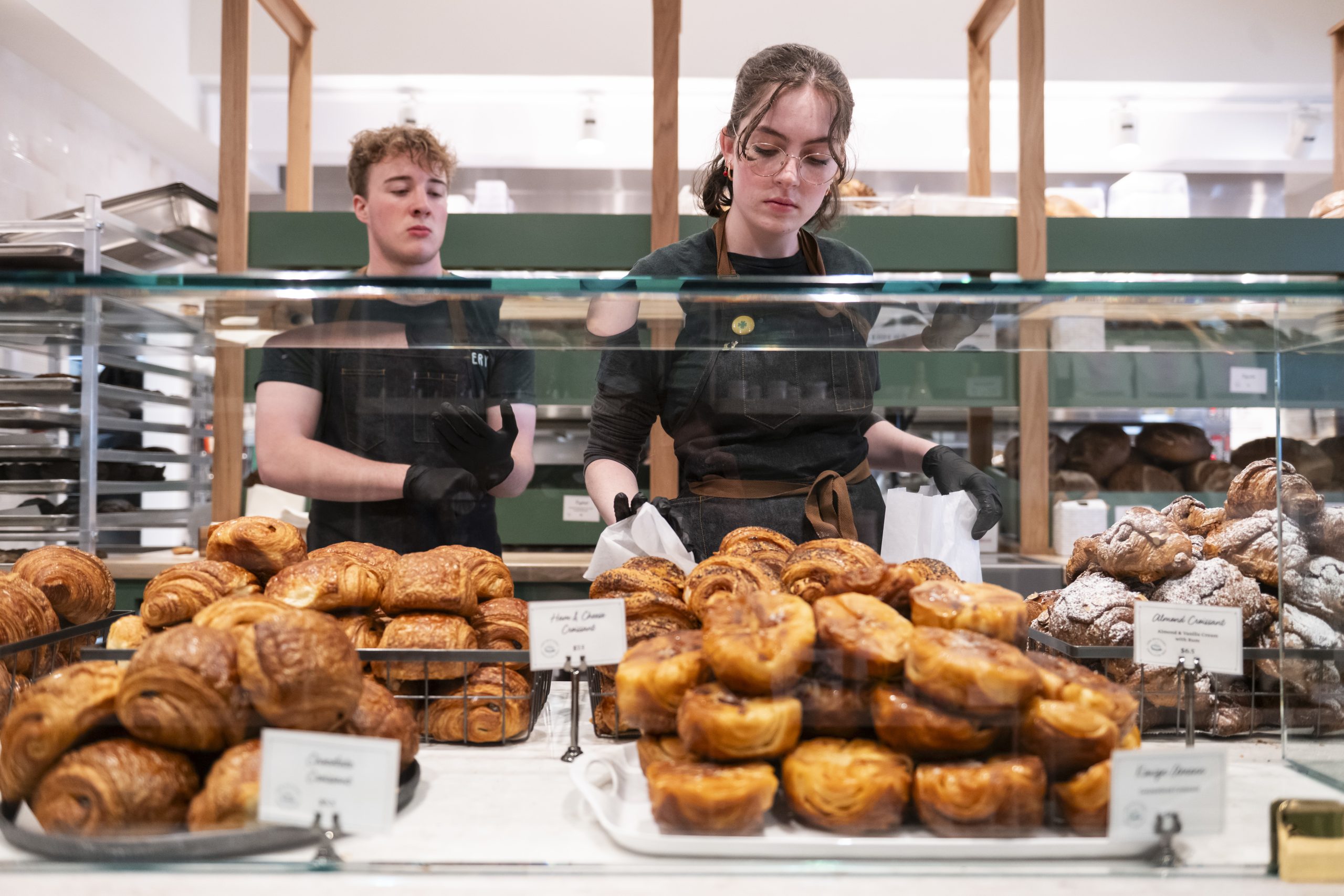
    Noah Clifford (left) and Sofia Siano working the pastry case at the Buttery in Bryn Mawr.Allie Ippolito / For The Inquirer

    The Buttery Bryn Mawr (836 W. Lancaster Ave., Bryn Mawr): The Malvern bakery-cafe opened its Main Line expansion with 82 indoor seats and daily service from 7 a.m. to 5 p.m. The menu includes sourdough breads, pastries, Turkish eggs (poached eggs cooked in garlicky yogurt with a drizzle of spicy butter), sandwiches, and seasonal lunch dishes, plus grab-and-go foods after the kitchen closes at 3 p.m.

    Cleavers (103 Squire Dr., Newtown Square): The Center City cheesesteak shop grand-opened its second location last month at Ellis Preserve, offering cheesesteaks, chicken cheesesteaks, burgers, sandwiches, fries, and milkshakes.

    The Coffee Station (1117 Smithbridge Rd., Glen Mills): The Delaware County breakfast-and-lunch operator took over the former Meghan’s Restaurant, which had occupied the building for 27 years. The menu includes omelets, pancakes, breakfast sandwiches, burgers, hoagies, wraps, soups, and salads. Other locations are in Morton and Garnet Valley.

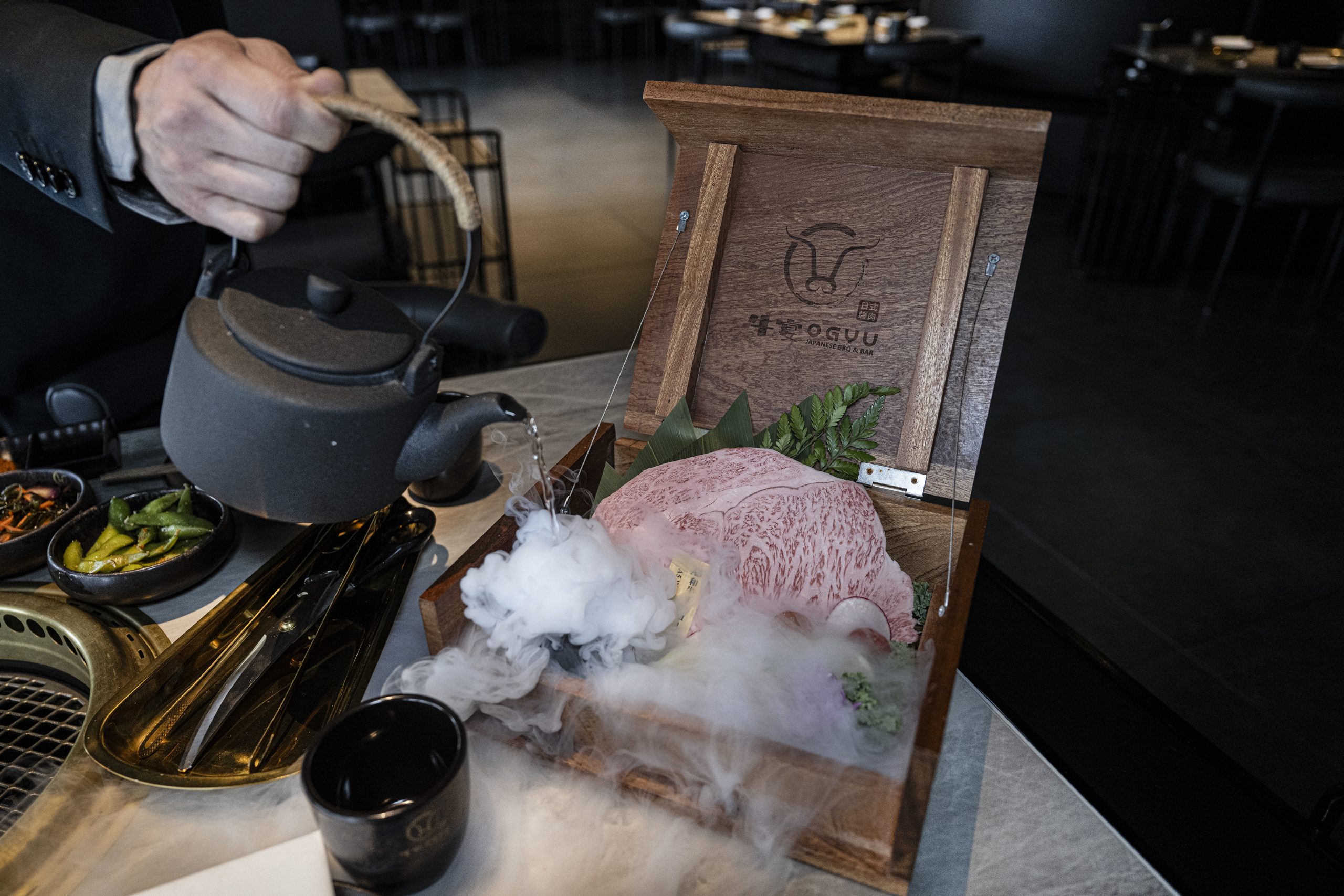
    Tabletop and tableside cooking are offered at Ogyu Japanese BBQ.Jose F. Moreno / Staff Photographer

    Ogyu Japanese BBQ & Bar (60 Greenfield Ave., Ardmore): Restaurateur Sam Li’s upscale yakiniku restaurant occupies the former Iron Hill Brewery. Customers grill premium Wagyu and other meats on tabletop burners, choosing from fixed-price packages or à la carte selections. The dramatically remodeled space includes black-and-gold finishes, marble-paneled walls, a large bar, and private dining rooms.

    Upper Darby’s Tina Fey offers Jimmy Fallon a slice of Pica’s pizza on the “Tonight” show in 2014.Lloyd Bishop / NBC

    Pica’s Italian Market (1101 Sussex Blvd., Broomall): After closing its landmark Upper Darby dining room earlier this year, the Pica family soft-opened this mostly takeout shop in a Delco light-industrial park, carrying the restaurant’s signature square pizzas, sandwiches, prepared foods, and other Italian specialties. Pica’s, which hit the national radar in 2014 when locally raised Tina Fey sampled its pizza on the Tonight show, traces its roots to Frank Pica Sr.’s West Philadelphia pizzeria. There’s a West Chester location, too.

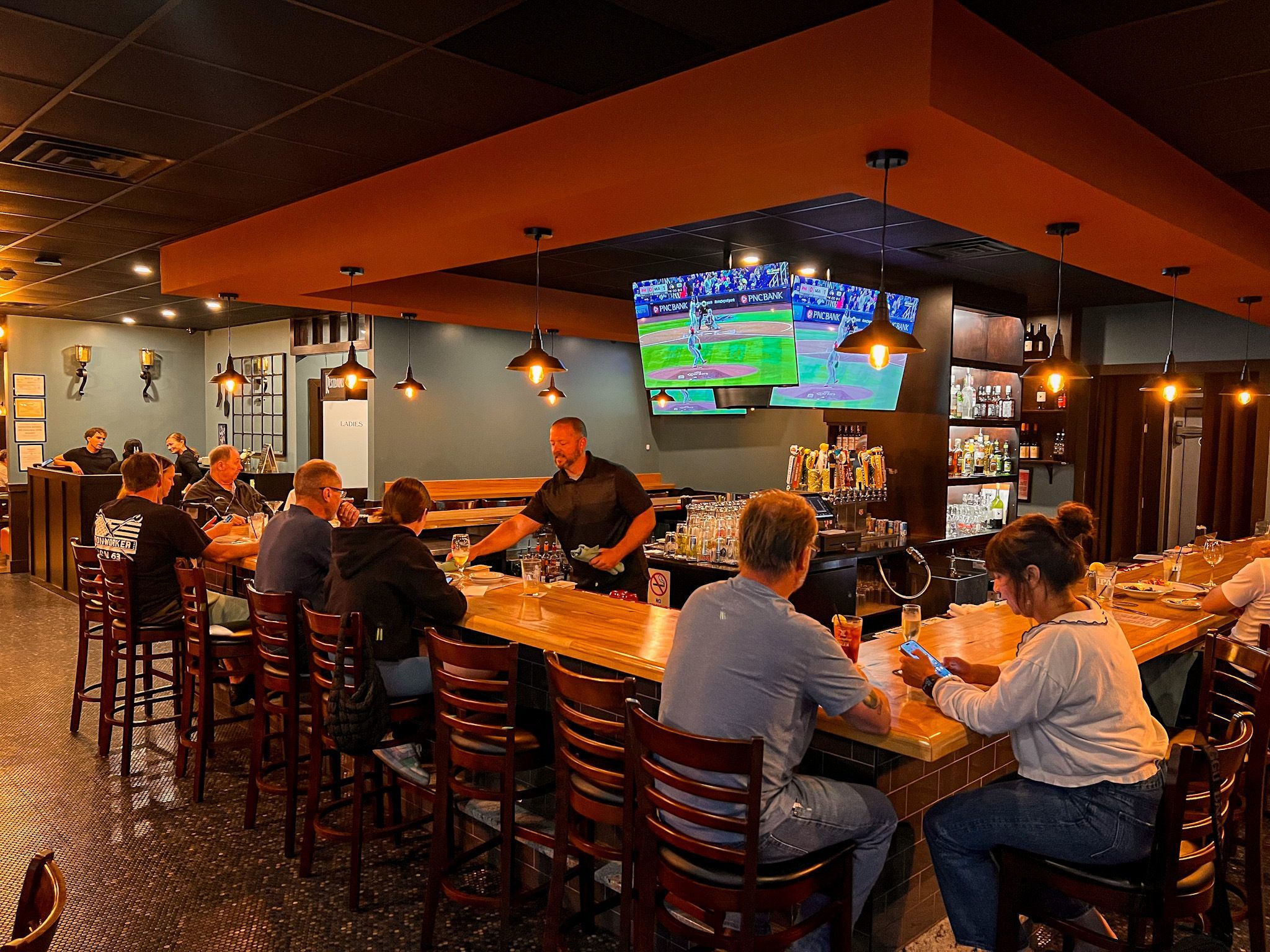
    P.J. Whelihan’s (2920 S. Eagle Rd., Newtown): The regional sports-bar chain took over the former Iron Hill Brewery at the Village at Newtown with its signature wings, burgers, sandwiches, salads, and American entrees, backed by numerous televisions and a broad draft-beer selection. Most of Iron Hill’s existing layout was retained.

    Pomelo Rooftop Terrace at the Brandywine, 165 King of Prussia Rd., King of Prussia.The Brandywine

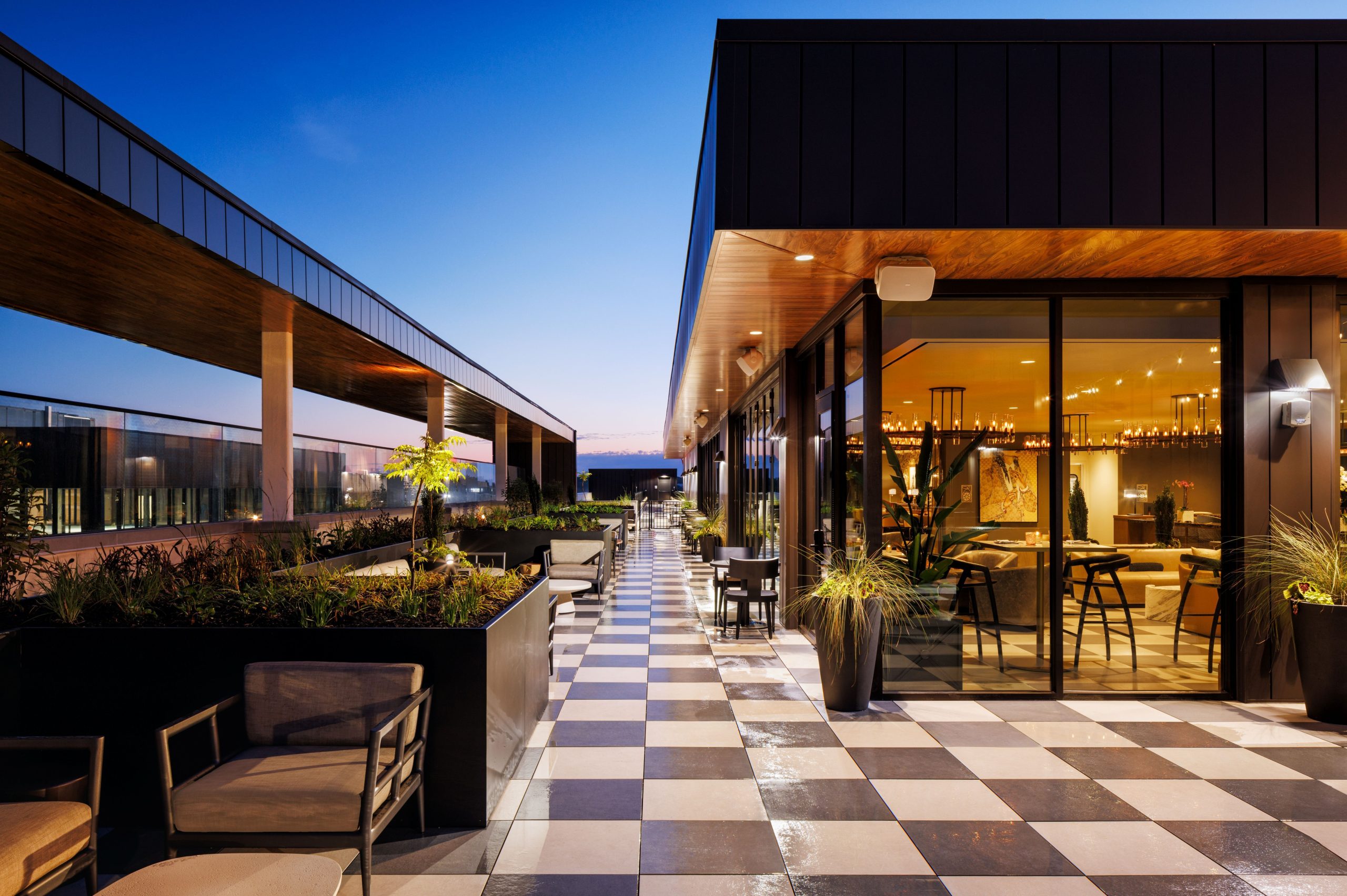
    Pomelo Rooftop Terrace (165 King of Prussia Rd., Radnor): This expansive rooftop bar and lounge atop The Brandywine hotel in Radnor (with 136 seats, inside and out) will grand-open Aug. 8 with chef Michael Davies’ menu of shareable plates (e.g. oysters, scallop crudo, a smash burger, grilled branzino, lion’s mane mushroom cake), raw bar, botanical-focused cocktails, wine, and beer. Weekend brunch begins Aug. 22.

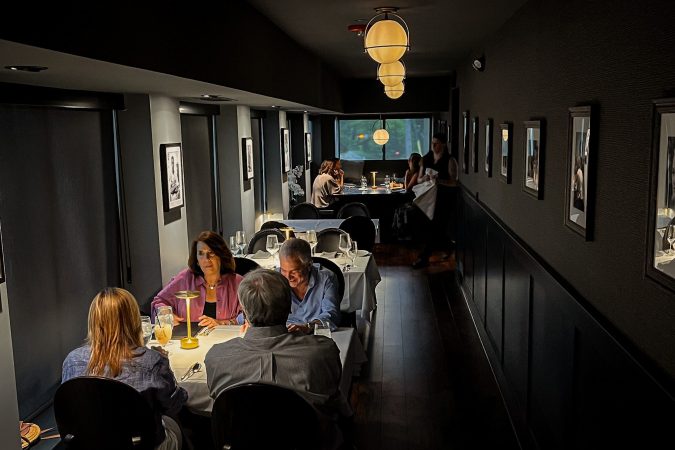
    Porter (34 E. Butler Ave., Ambler): This newcomer is in the former Gypsy Blu space on the first floor of Ambler’s historic former Wyndham Hotel, offering contemporary American cooking in a candlelit, vintage-inspired dining room. Menu includes oysters, pasta, risotto, seafood, and meat dishes. Gaslight, a separate craft-cocktail bar with small plates, is upstairs.

    Rick’s Tavern (201 W. Seventh Ave., Conshohocken): Chef Derek Davis runs the show at Rick and Gale Mahoney’s modern tavern on the rebuilt site of Pizza Time Saloon and Old Time Saloon. The two-story restaurant honors those neighborhood institutions with wood-fired pizza while adding house-made pasta, cocktails, private-event space, and live music upstairs on Friday and Saturday nights.

    The bar at the Scratch Kitchen by Gallo’s, 575 Horsham Rd, Horsham.Michael Klein / Staff

    The Scratch Kitchen at Gallo’s (575 Horsham Rd., Horsham): The Harvey family, owners of Gallo’s Seafood in Northeast Philadelphia, is behind this casual, roomy neighborhood restaurant in the former Farm & Fisherman Tavern. Chef Bob DeLange, the owners’ son-in-law, combines seafood dishes from Gallo’s with burgers and bar food inspired by Harv’s Burger Bar, Gallo’s adjoining Northeast Philadelphia tavern.

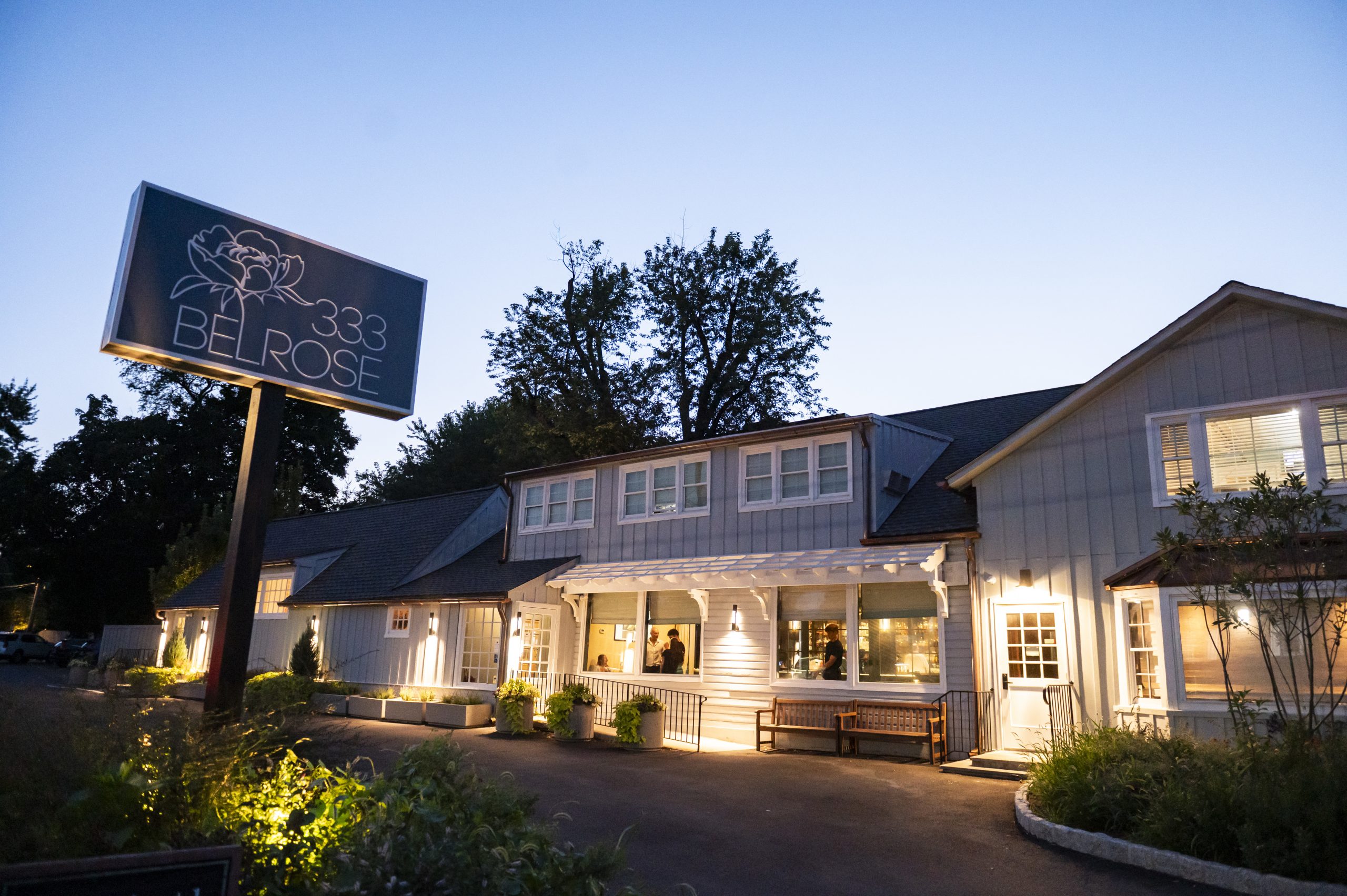
    The exterior of 333 Belrose in Radnor’s St. Davids’ area.Allie Ippolito / For The Inquirer

    333 Belrose (333 Belrose Lane, Radnor): The longstanding contemporary American restaurant has reopened under chef Ross Essner after an extensive renovation that flipped the positions of the bar and main dining room.

    Yume Sushi in the Shoppes at English Village, 1460 Bethlehem Pike, North Wales.Michael Klein / Staff

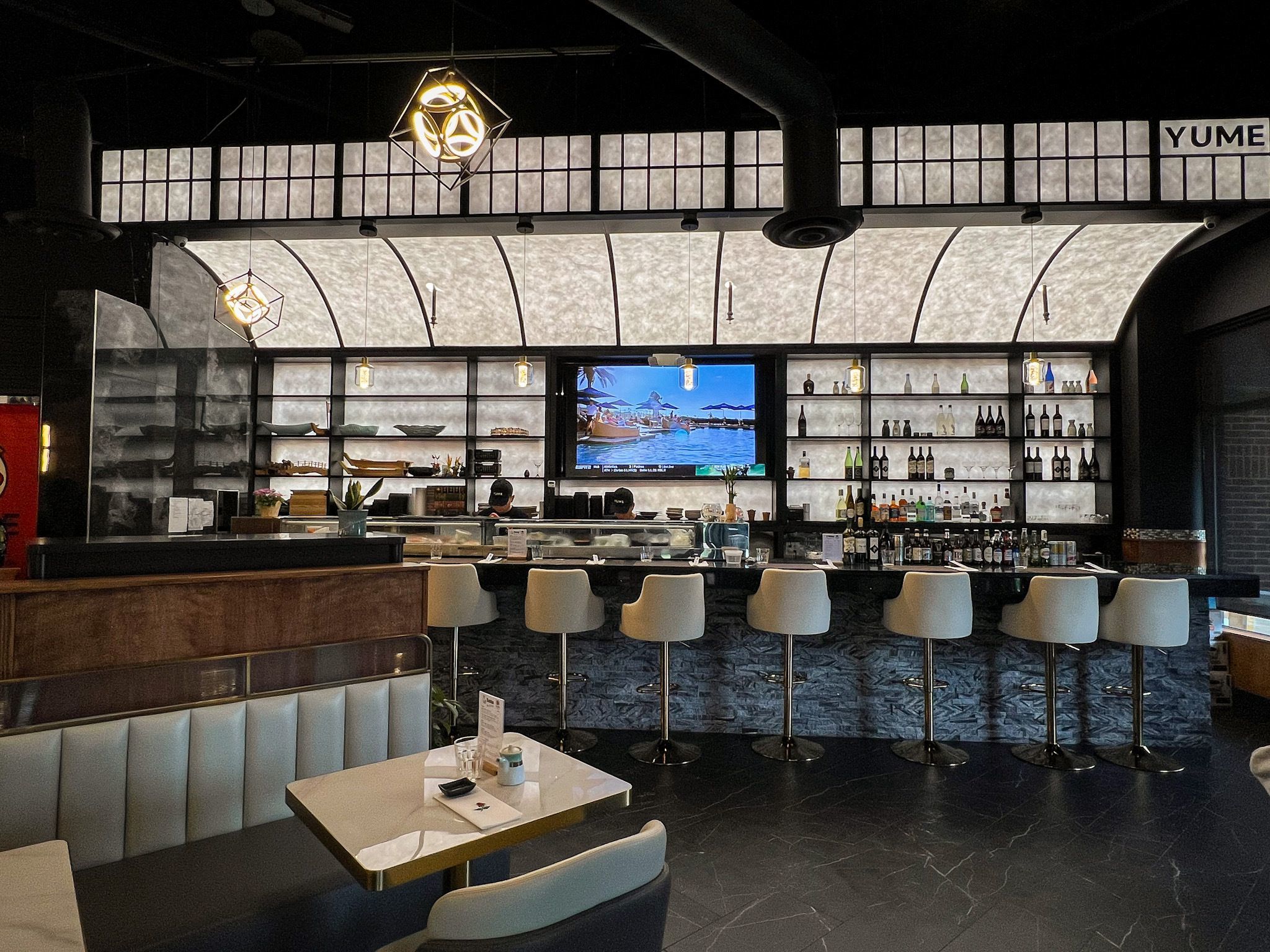
    Yume Sushi (1460 Bethlehem Pike, North Wales): This Japanese restaurant has opened in the Shoppes at English Village, down the row from Trader Joe’s. Co-owner and head chef Kevin Wan brings about a decade of sushi experience to the venture. The menu centers on sushi, sashimi, rolls, and Japanese-Asian fusion dishes.

    New Jersey

    Flying Pig Tavern & Tap (1300 Blackwood-Clementon Rd., Gloucester Township): The sprawling former Favorites off-track-betting building has come up as the fifth unit in a growing group. Menu of pizzas, burgers, wings, tacos, and entrees shares billing with live bands, darts, shuffleboard, and a covered tiki bar. A sixth location is planned for the former Andalusia Bar & Grill space in Bensalem.

    Home Team Tavern (267 S. Black Horse Pike, Mount Ephraim): Greg D’Alesio has turned the former Mount Ephraim Bar & Grill into a compact, sports-themed neighborhood tavern. Its scratch kitchen serves pizzas, burgers, wings, sandwiches, and elevated bar food, alongside draft cocktails and beer.

    Thirsty Turtle Tavern (270 White Horse Pike, Barrington): This new concept from SAS Restaurant Group in the former Chuck Lager space features an open kitchen, burgers, pizza, sushi, cocktails, draft beer, and an outdoor patio behind garage doors. It operates daily; weekday happy hour and weekend brunch are expected to begin in the fall.

    Delaware

    Ezme (625 N. Market St., Wilmington): Chef Antimo DiMeo and the Bardea Restaurant Group opened this coastal Mediterranean restaurant across from Bardea Food & Drink. Inspired by cuisine from Turkey, Greece, and the Aegean coast, the menu encompasses mezze, raw-bar dishes, handmade breads, grilled seafood, and fire-driven preparations accented with herbs, citrus, and spices. Both à la carte and tasting-menu formats are available.

  • William Way center’s proposed demolition would erase an important Philly landmark

    William Way center’s proposed demolition would erase an important Philly landmark

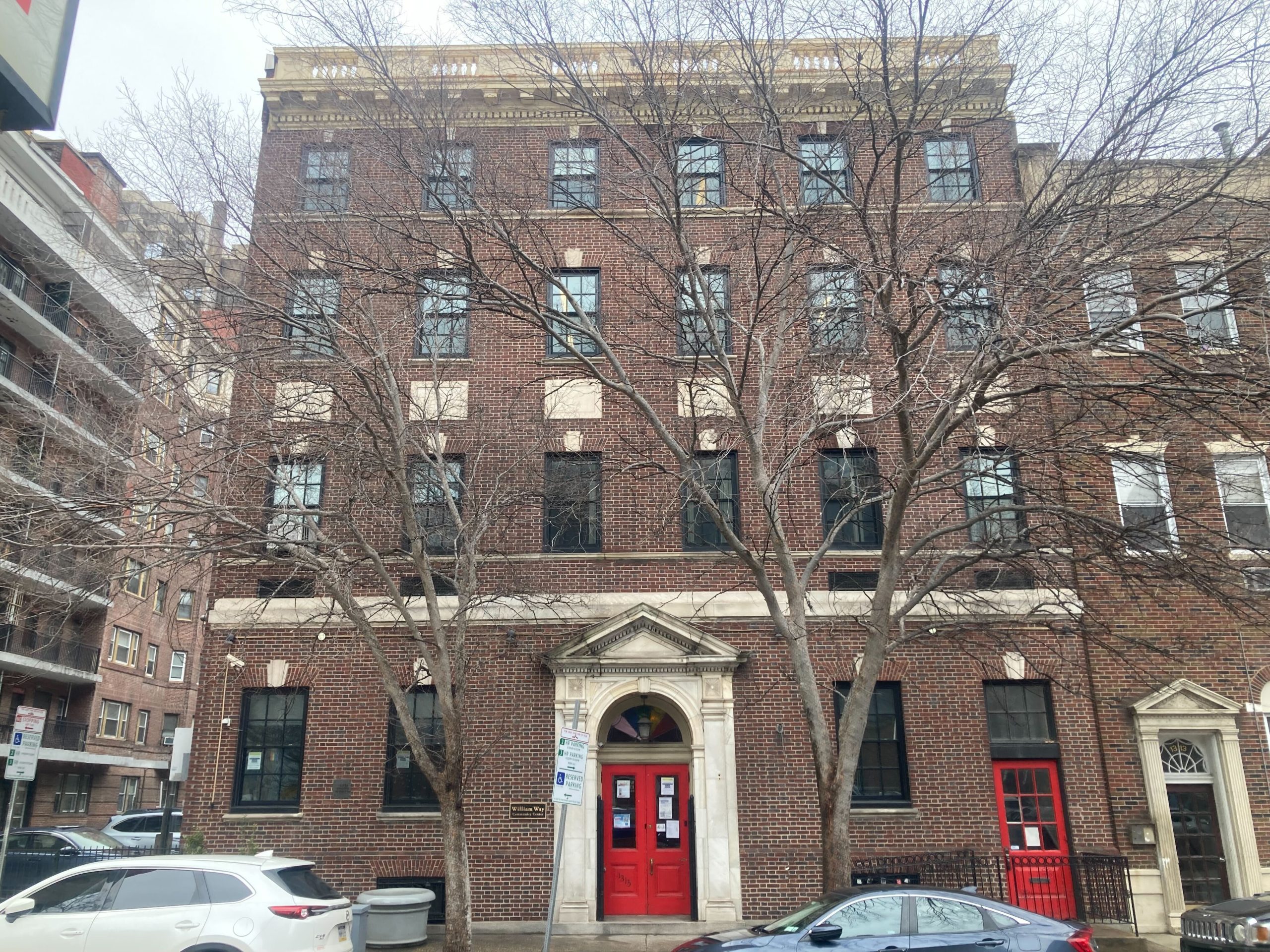
    The first time people openly referred to the pocket of Center City between Jefferson University and Broad Street as the “Gayborhood” was 1995. Within a year, the William Way LGBT Community Center made it official by purchasing a stately, Georgian-style clubhouse at Juniper and Spruce. The building has been a refuge for Philadelphia’s LGBTQ+ community ever since.

    Sadly, that groundbreaking haven is now closed. It was shuttered in December to address maintenance issues, including an outbreak of black mold. At the time, the board said it was gearing up for a major renovation and would temporarily relocate its core services to St. Luke’s church on 13th Street.

    Just three months later, William Way’s board abruptly changed course and revealed the center would be demolished to build subsidized housing aimed at LGBTQ+ seniors.

    The announcement came not from William Way’s board, but from Mark Segal, a longtime activist who founded the Philadelphia Gay News and oversees a nonprofit that has built affordable housing, the dmhFUND. The timing was noteworthy: The plan was made public a few days after a Common Pleas Court judge overturned the neighborhood’s historic district protections.

    Segal’s announcement stunned William Way regulars, including many former board members. Sure, COVID-19 had scrambled the organization’s finances, as it did for many Philadelphia nonprofits. Revenue and donor gifts fell precipitously. The center laid off nearly a third of its staff in 2024, and its longtime director, Chris Bartlett, retired soon after.

    The building was known to be in poor condition. But total demolition? Nothing suggested that the building was unsalvageable, including a major facilities assessment by Metcalfe Architecture & Design in late 2024.

    While there is no doubt that the building requires extensive renovations, demolition is the wrong solution. It would rob all of Philadelphia — not just its LGBTQ+ community — of a major cultural touchstone.

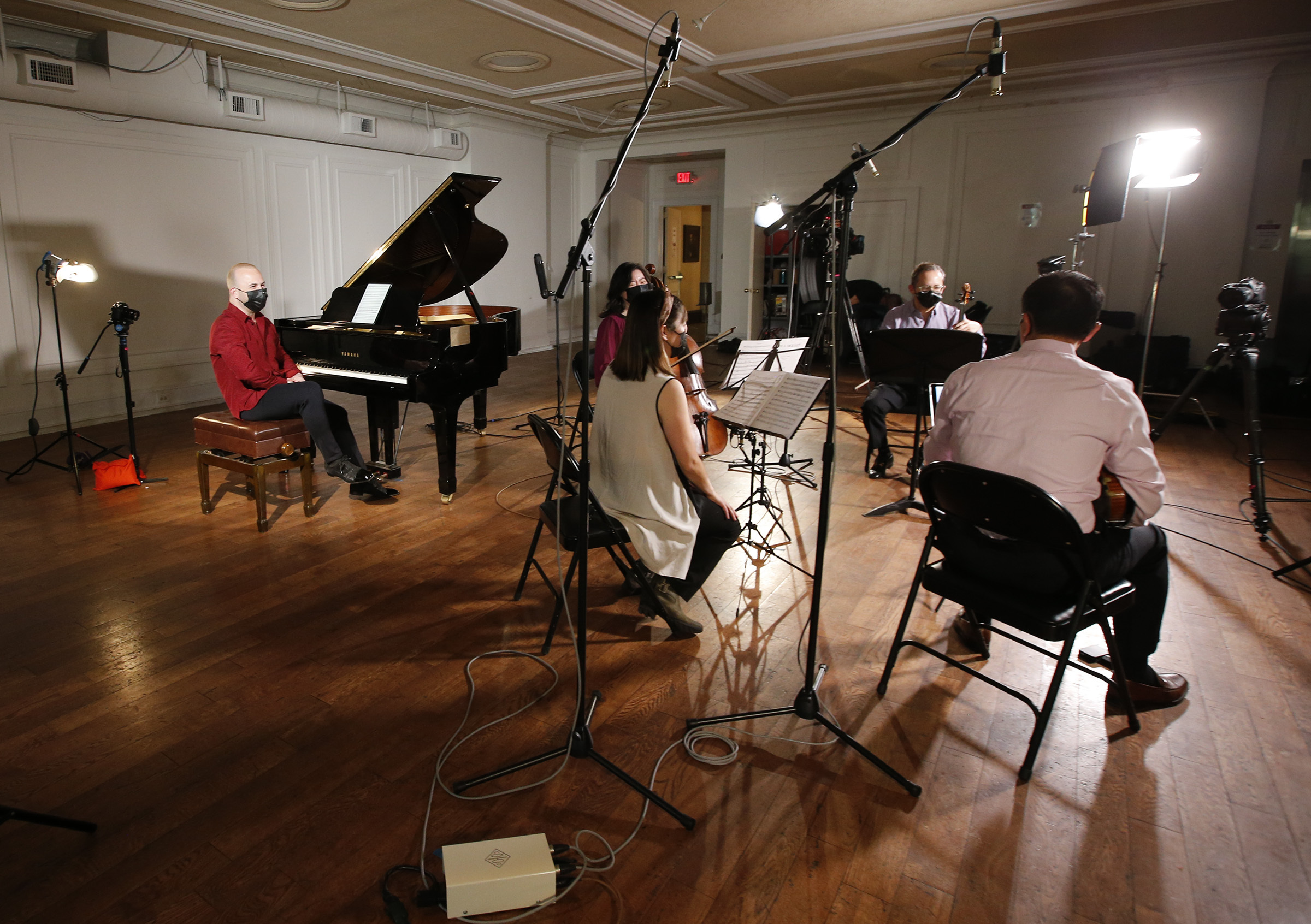
    Philadelphia Orchestra music director Yannick Nézet-Séguin filmed a series called “Our City, Your Orchestra” in the William Way center ballroom in 2021, along with violist Pierre Tourville and other musicians.YONG KIM / Staff Photographer

    A civil rights landmark

    Although the William Way center has called 1315 Spruce St. home for only three decades, its presence has transformed the 19th-century building — originally a private club for engineers — into a civil rights landmark.

    This is where Philadelphia’s LGBTQ+ community fought to address the AIDS crisis, advance marriage equality, and be accepted into the mainstream of American life. It’s where they attended cabarets in the elegant ballroom and art exhibits in the wood-trimmed parlor. The building’s visibility makes it the architectural equivalent of being out.

    Beyond losing a place with profound cultural resonance, the demolition would break up the historic 1300 block of Spruce Street, a stretch that is still remarkably intact despite the presence of two unsightly parking lots at the Juniper Street corners.

    Although the block’s large townhouses, which were built for lawyers and doctors in the 1840s, have been divided into apartments, the row retains most of its original architectural features and reads as a single ensemble. The William Way building, which was created in 1929 by fusing two townhouses behind a single facade, was designed to blend in with its neighbors.

    No one would consider demolishing other community anchors, such as Christ Church in Old City, Mother Bethel A.M.E. Church in Center City, Rodeph Shalom synagogue in Spring Garden. So why is this one being written off so casually?

    The 1300 block of Spruce Street, where the William Way Center is located, remains a largely intact architectural ensemble. The townhouses date from the 1840s and were originally private homes occupied by doctors and lawyers.Inga Saffron

    I couldn’t get any of William Way’s board members or employees to answer that question. A communications consultant did provide written responses to several queries, but eventually directed me to Segal.

    He told me that the financially strapped nonprofit had reached out to him because of his development experience, as well as his long association with the center. The second-floor ballroom is named in his honor.

    Segal was also the guiding force behind the John C. Anderson Apartments on 13th Street, the first subsidized housing in the United States marketed to low-income LGBTQ+ seniors. After the building opened to raves in 2014, Segal began searching for another Gayborhood site for a second affordable project. But land prices in the desirable Washington Square West neighborhood were just too high.

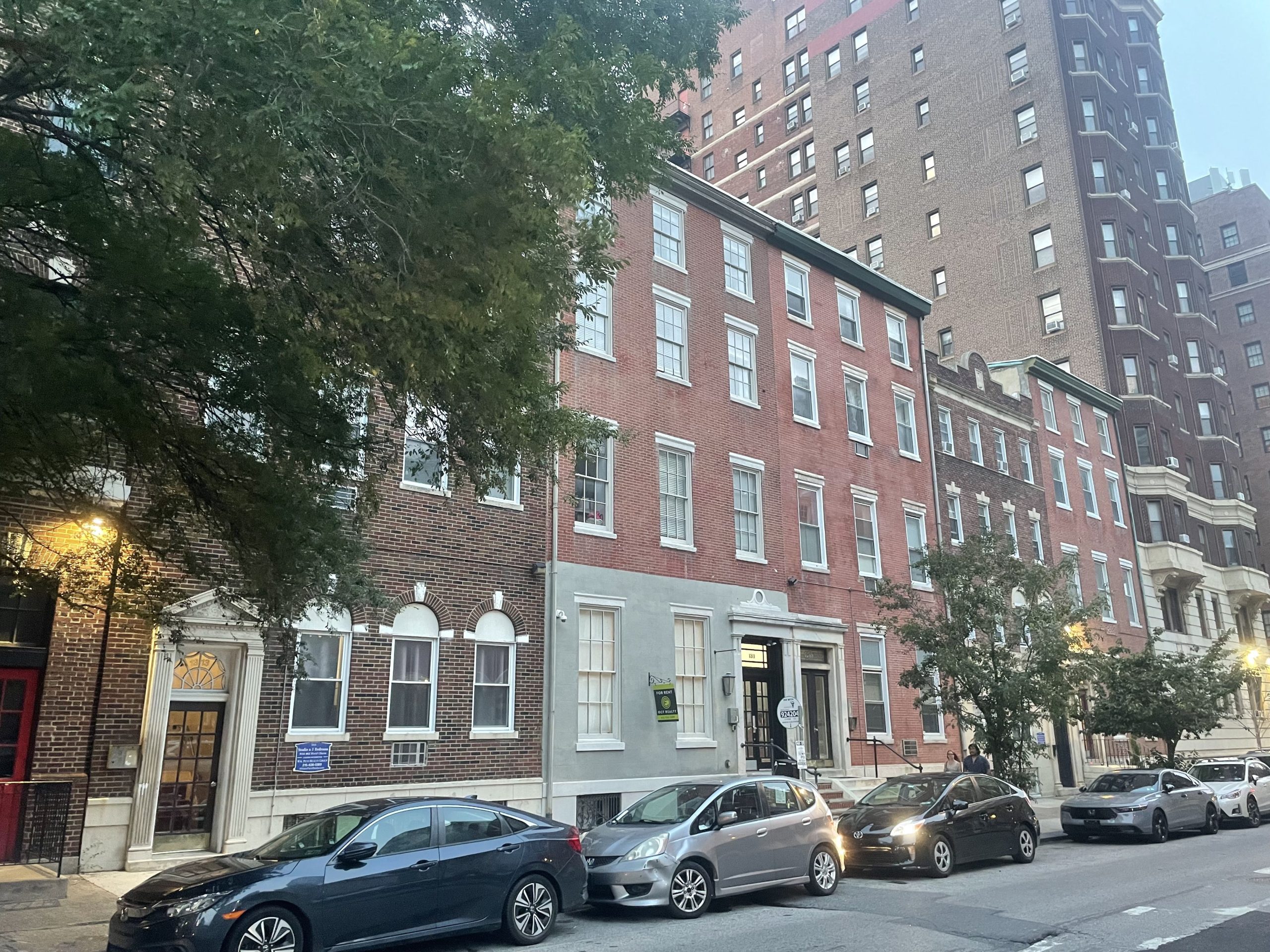
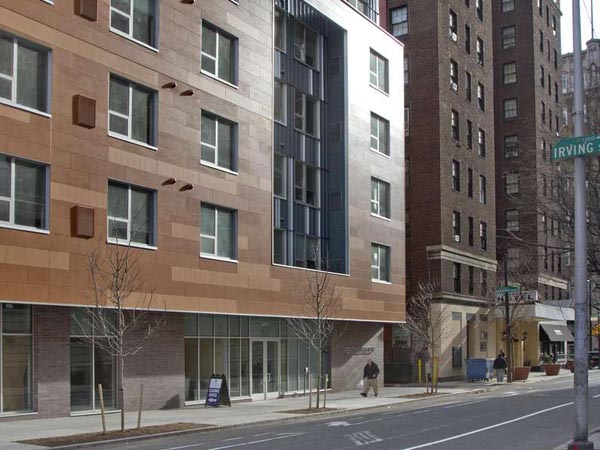
    Completed in 2014, the John C. Anderson apartments at 13th and Spruce Streets were the first subsidized housing in the U.S. marketed to low-income LGBTQ+ seniors.

    A new plan for William Way

    William Way’s troubles provided a solution.

    Segal told the board he could replace its 180-year-old clubhouse with a mid-rise building that would include both subsidized apartments and a new home for William Way. The board chairs, Dave Huting and Laura Ryan, readily accepted the deal and signed a letter of intent with the dmhFUND earlier this year. In exchange for providing the land, William Way would be given a condo space large enough to accommodate its programs for a dollar.

    Completing that project won’t be easy, however. To raise money for the apartments, Segal and the dmhFUND will have to cobble together a mix of federal, state, city, and private grants. Most affordable housing projects rely heavily on Low Income Housing Tax Credits from Washington, and there is stiff competition for those funds. Any new construction on the site would also require Philadelphia Historical Commission approval, even though the historic district is currently in limbo.

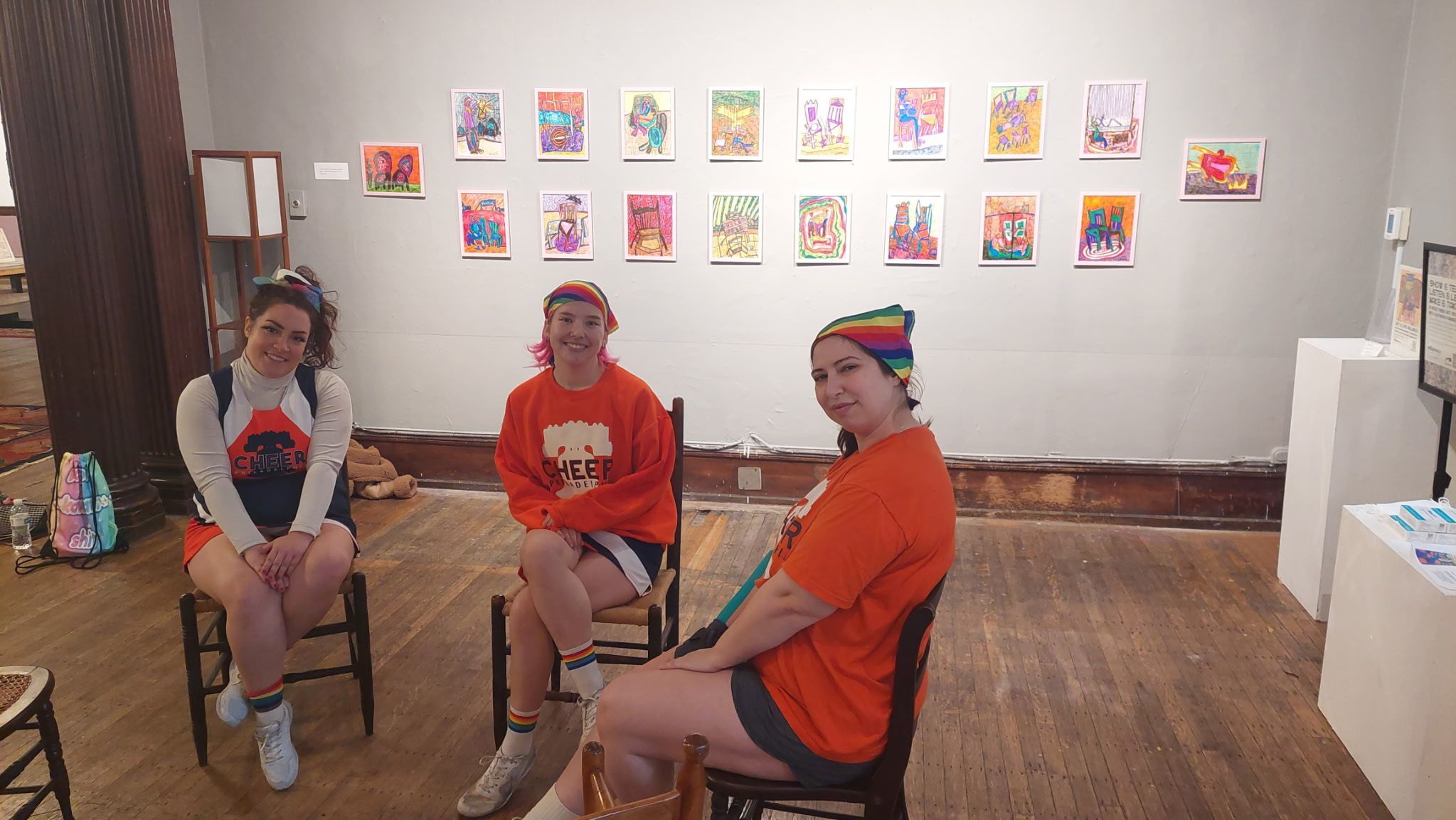
    Artist Kathryn Pennepacker staged one of the last art exhibits in the William Way center’s wood-trimmed reception area. Titled “You are welcome here. I saved a chair for you,” it encouraged visitors to sit, talk and view her artwork.Courtesy of Kathryn Pennepacker

    Because of those hurdles, Segal told me, it could take five to seven years to complete the apartments. During that time, William Way would be without a permanent home. And once it moves back to Spruce Street, it’s unlikely the new space will have the same level of visibility as the existing building.

    Segal says he is undaunted by the challenge. “People told me John C. Anderson was impossible,” he said. “People told me all the things I’ve fought for were impossible.”

    Despite the Metcalfe report’s conclusions and a more upbeat assessment from J&M Preservation Studio, Segal maintains that the building is too far gone to be saved at a reasonable price. In his view, William Way must now choose between saving itself or saving the building.

    Alternatives to demo?

    It’s hard to believe the situation is that binary. Several people who have been involved in the center’s programs told me that the decision to go with Segal’s plan was made by a small circle of board members, without consulting the larger William Way community and its longtime donors.

    Demolition “wasn’t even mentioned” as an option at the organization’s 50th anniversary gala celebrations in February, held just a week before the arrangement with Segal became public, noted Paul Steinke, executive director of the Preservation Alliance for Greater Philadelphia and a former William Way board member.

    In a guest essay published last month in the Philadelphia Gay News, Steinke and a group of activists urged the board to hold a community meeting where the issues could be aired and debated. Segal has responded by forming an advisory board composed of a handpicked group of William Way staff, activists, elected officials, and neighborhood residents.

    In 2022, Gov. Josh Shapiro spoke in the parlor of the William Way center, where he received endorsements from a variety of LGBQT+ leaders. TYGER WILLIAMS / Staff Photographer

    Before COVID interfered, the board had been working on a design to reconfigure the building to address longstanding circulation issues. The plan called for slicing off the back of the structure and inserting a small tower with space for offices or apartments. The arrangement would have preserved the facade and the two most important ceremonial rooms, the ballroom and the large lobby area.

    Why not use that idea to create affordable housing?

    Segal argues that it would be difficult to insert two separate entrances — one for the William Way center, the other for the apartments. But there are plenty of narrow rowhouses in Philadelphia that have separate entrances serving apartments. I know it’s heresy in progressive circles to say this, but how about partnering with a market-rate developer who could finish the overbuild in less than five years?

    An even faster option? Renovate the existing building. It can be done in stages so the center could move back sooner.

    The William Way LGBT Community Center already has two entrances, which could be repurposed to serve an apartment tower inserted behind the front rooms.Jake Blumgart / Staff

    Building affordable housing in Center City, close to transit, is a noble goal, and Segal deserves praise for making it a priority. But there is something seriously wrong when we demolish a building rich in Philadelphia history, while leaving the surface parking lots that flank it in place.

    Since COVID, Philadelphia has lost a series of legacy cultural institutions that shaped the city’s identity. The Painted Bride. The Atwater Kent history museum. And, most painful of all, the University of the Arts.

    William Way worked too hard for visibility to now be erased.

  • Philadelphia dental clinic reopens two months after patients were urged to get tested for HIV

    Philadelphia dental clinic reopens two months after patients were urged to get tested for HIV

    A Center City dentist is reopening her practice this week after correcting infection-control lapses that health inspectors say put patients at risk of HIV and other communicable diseases.

    Kirti Chopra’s license was temporarily suspended in May after an inspection by the Philadelphia Department of Public Health found she was not following sterilization protocol.

    She was ordered to temporarily close her practice, Smiles at Rittenhouse Square, located at 255 S. 17th St., Suite 2507. The practice is also known as Smiles on the Square.

    The Pennsylvania Board of Dentistry reinstated her license under probation earlier this month after she agreed to four years’ probation and a $10,000 civil fine, plus about $4,400 in fees to cover the cost of the investigation.

    Chopra told The Inquirer she resumed seeing patients on Thursday.

    Chopra also hired a consultant to oversee infection-control improvements, including new policies for storing sterile supplies and staff training on sanitation protocol.

    “I will work tirelessly to rebuild trust with my patients and demonstrate accountability,” Chopra said in a statement.

    She said she was “deeply sorry” to her patients and grateful to the health department for working with her to reopen.

    Sterilization problems lead to shutdown

    The Philadelphia health department said Thursday its recommendations had been “satisfactorily implemented.”

    “We are not opposed to the practice reopening, subject to continued compliance with their agreement with the state,” James Garrow, deputy health commissioner, said in a statement.

    In March, the health department had cited the clinic for reusing saline bags and a vial of septocaine, a local anesthetic, that were supposed to be thrown out after having been used on a patient.

    During its investigation, the Pennsylvania Board of Dentistry did not find evidence the partially used vial of septocaine had been reused with another patient.

    Reusing these types of single-use medical supplies can expose patients to HIV, hepatitis C, hepatitis B, and other diseases that are transmitted through blood or saliva.

    She was ordered to shut down the practice in May, when the Pennsylvania Department of State temporarily suspended her license pending an investigation by the dentistry board.

    The Philadelphia health department in May issued a public notice urging Chopra’s patients to get tested for HIV, hepatitis C, and hepatitis B.

    Reopening with safety improvements

    In an interview with The Inquirer, Chopra said she began addressing the health department’s concerns immediately after the March citation.

    She overhauled sanitation policies, set up new procedures to ensure used dental tools are kept separate from sterile instruments, and purchased a new ultrasonic cleaner. The independent consultant she hired to oversee that work will conduct quarterly inspections, she said.

    “The goal is to not look at the past but outlook at the future, and the future is to provide quality care to my patients,” Chopra said. “This is the most humbling experience of my life, and I’ve learned my lesson the hard way.”

    Chopra has been licensed to practice dentistry in Pennsylvania since 2021 and purchased her Rittenhouse Square practice in April 2025.

    Staff were trained on the new protocols and equipment, and Chopra plans to work with Learn2Prevent, a dental compliance and education company, to provide annual infection-control training.

    Under her agreement with the Pennsylvania Board of Dentistry, Chopra’s practice will be monitored for infection-control safety and is subject to unannounced inspections.