Tag: Center City

  • McGlinchey’s Bar is back on the market as Center City’s pub scene continues to shift

    McGlinchey’s Bar is back on the market as Center City’s pub scene continues to shift

    Center City’s tavern landscape is shifting again.

    The building housing the shuttered McGlinchey’s Bar is back on the market after a planned sale fell through. Chef-restaurateur Townsend “Tod” Wentz wants to sell the Hayes, the American tavern he opened in the former Irish Pub building on Walnut Street near 12th. And Cherry Street Tavern, another historic watering hole whose owners announced plans to sell earlier this year, appears close to finding a buyer.

    The biggest surprise may be McGlinchey’s.
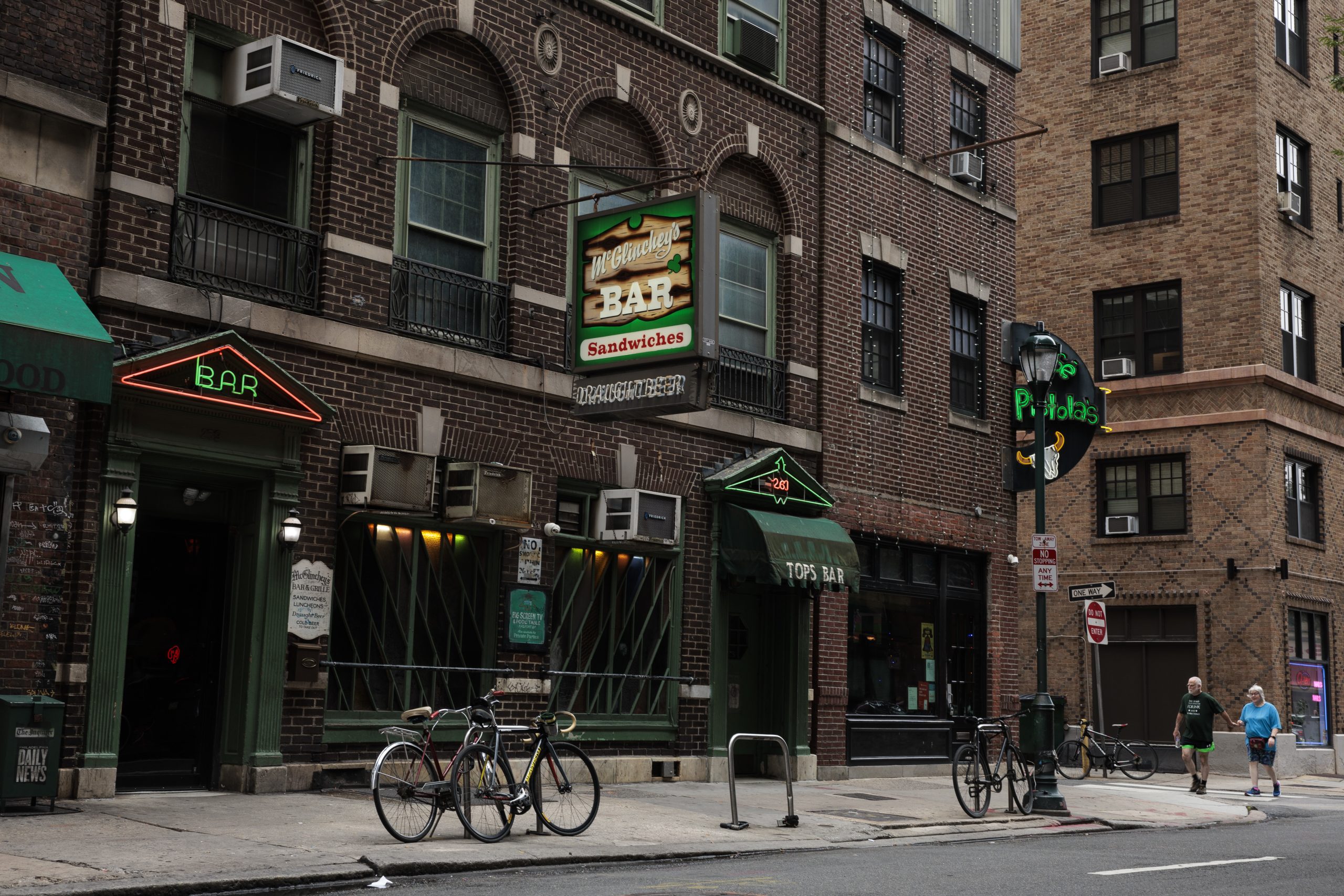
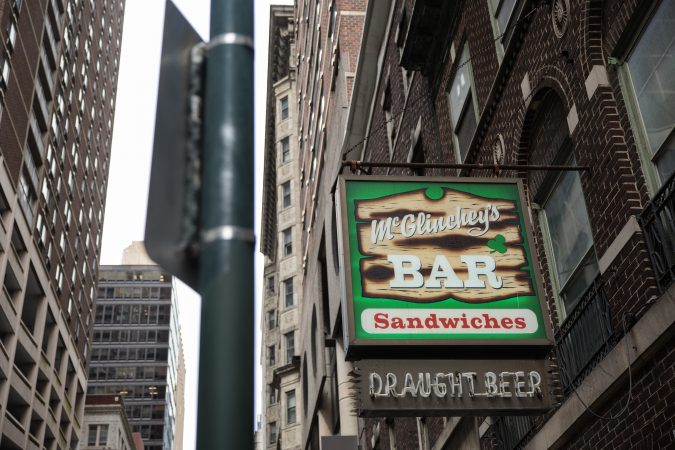
    The building housing McGlinchey’s had been a bar for 90 years before last summer’s shutdown.Monica Herndon / Staff Photographer

    In April, Alterra Property Group confirmed that it was under agreement to buy the building at 259 S. 15th St., home to McGlinchey’s for more than 90 years before the dive bar closed in summer 2025. But Leo Addimando, Alterra’s cofounder and managing partner, said Wednesday that the company “decided not to proceed.”

    The building is listed by Nadia Bilynsky and Dennis Carlisle of MPN Realty at $2.45 million. The offering includes the liquor license, two bars, a stage, a small kitchen, and a shell-condition third floor. The property, which occupies nearly 5,000 square feet, is being marketed as a turnkey bar-restaurant opportunity or a redevelopment site.

    A few blocks east, another familiar address is available.

    Wentz has listed the Hayes, his 268-seat American tavern at 1123 Walnut St., through Veronica Blum and Joe Scarpone at MPN with an asking price of $2.93 million. City records show that it sold for $2.3 million in 2019.
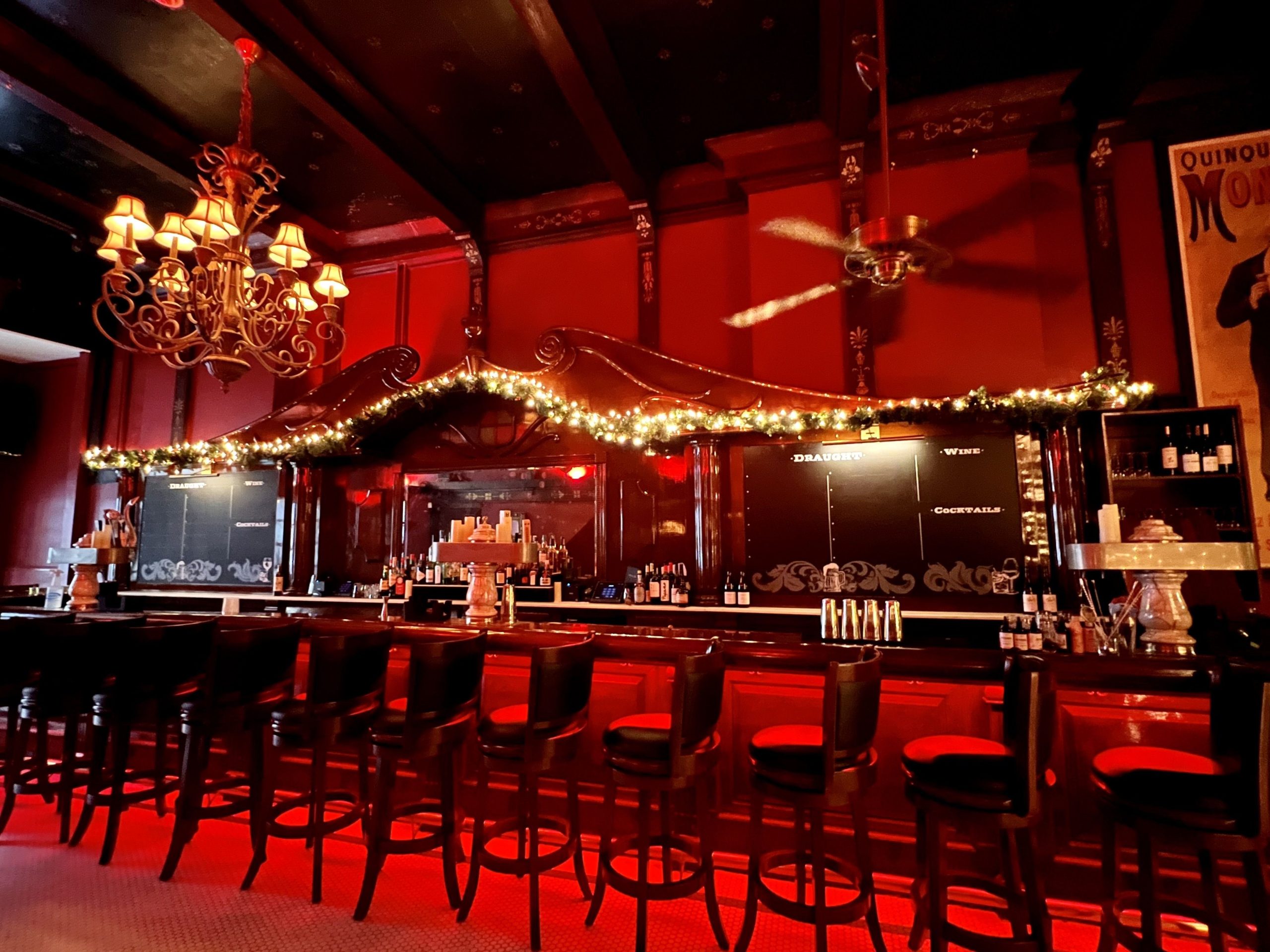
    The Hayes, at 1123 Walnut St., previously was the short-lived Pearl Tavern, after many years as the Irish Pub.Michael Klein / Staff

    Wentz said he intends to keep the restaurant open until a sale.

    Wentz said the decision reflects a personal shift after years of expanding his restaurant group with his wife, Gordana Kostovski. “I want to take advantage of the increase in the real estate market,” he said. “I think it’s time to capitalize on some things and put some money to work elsewhere in my private life.”

    “I just kept opening restaurants instead of buying a shore house or buying a bigger home,” said Wentz, 58. “I don’t want to go into my 60s with that same mindset.”
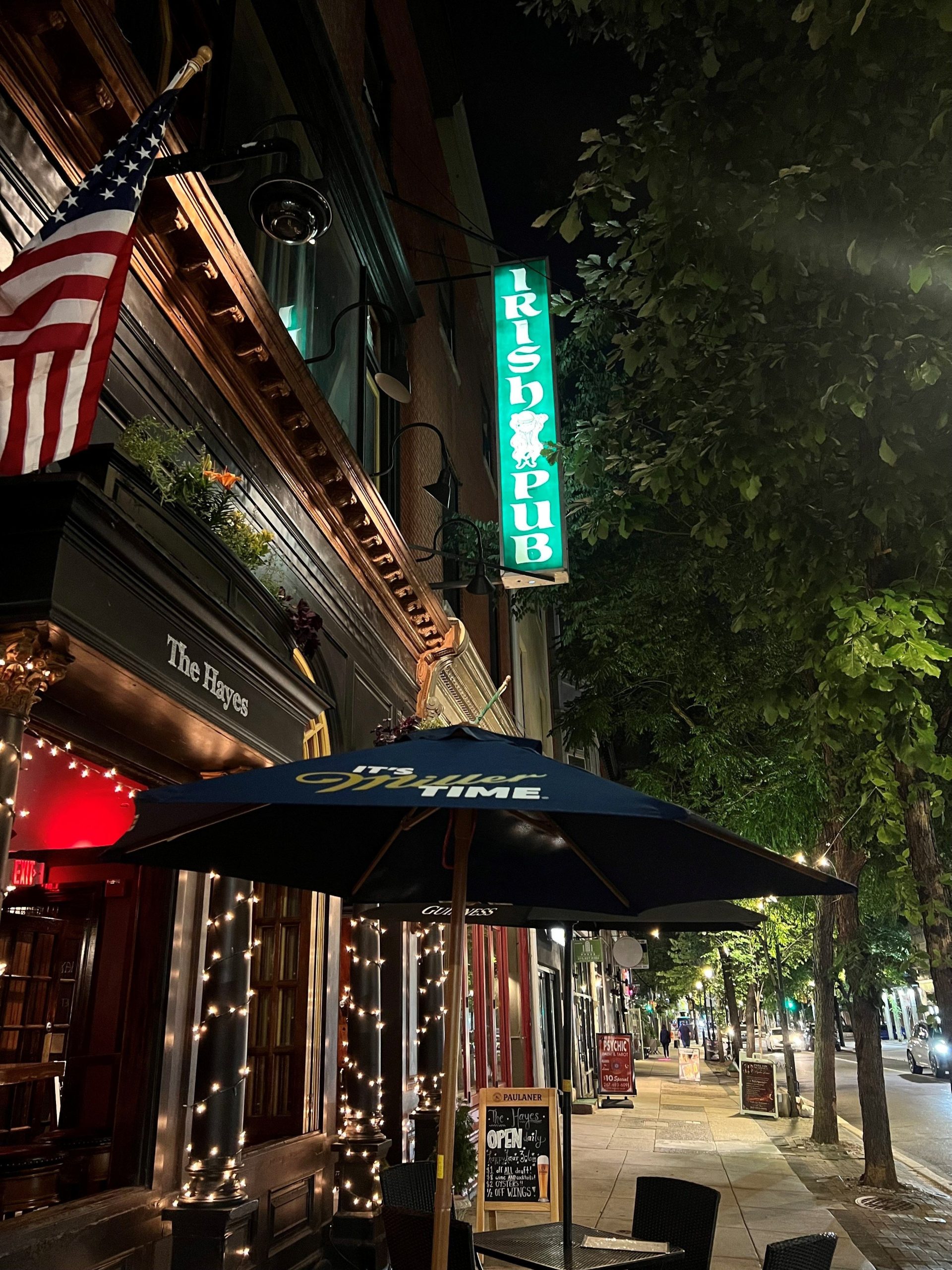
    The Hayes at 1123 Walnut St., seen on June 16, 2026, still has the original sign of the Irish Pub, its previous occupant.Michael Klein / Staff

    The Hayes occupies one of Center City’s best-known tavern addresses.

    Richard and Catherine Burke opened the Irish Pub there in 1980, bringing with them the concept they had established in Atlantic City. For nearly four decades, it was a gathering place for lawyers, police officers, theatergoers, and neighborhood regulars, known for its carved wooden back bar, inexpensive food, and walls covered with framed newspapers and playbills.

    When longtime operator Mark O’Connor closed it in July 2019, he said he wanted to focus on the second Philadelphia Irish Pub location, at 2007 Walnut St.

    Wentz bought 1123 Walnut later that year, briefly opened Pearl Tavern before the pandemic derailed those plans, then renovated the property and reopened it as the Hayes in 2023. He owns Oloroso next door as well as Caribou Café across the street, A Mano in Fairmount, and Oltremare in Rittenhouse. A sixth restaurant, Townsend on East Passyunk, is closed pending repairs from water damage after a fire next door in May.

    The listing includes the 6,776-square-foot building, restaurant equipment, liquor license, and outdoor seating. The restaurant occupies the first two floors, while the upper levels contain office and unfinished space. The through-block property extends from Walnut Street to Moravian Street.
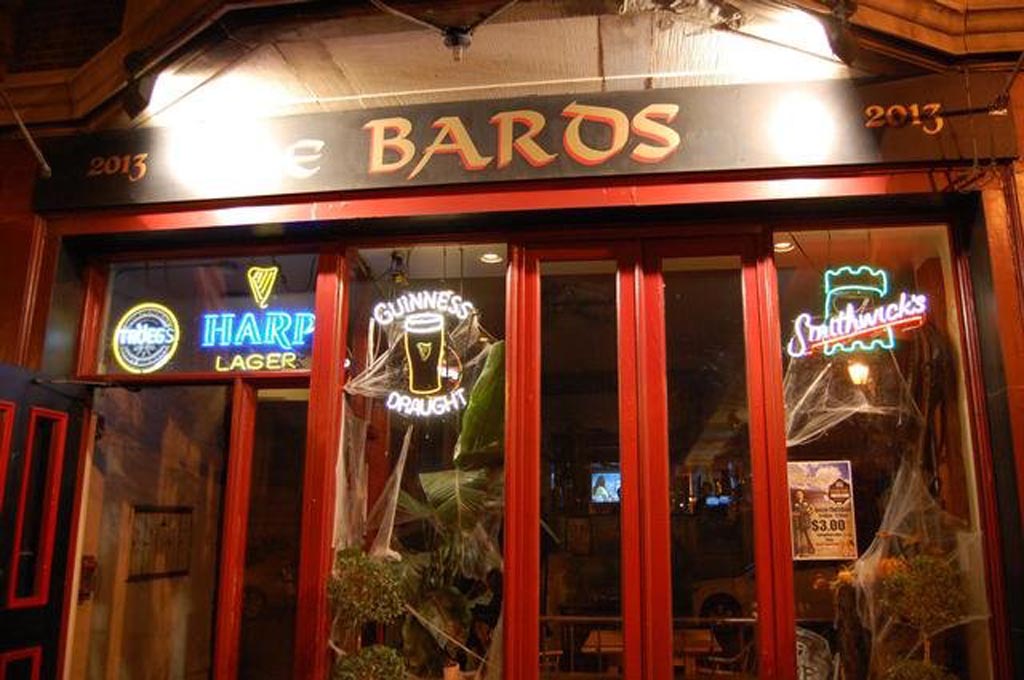
    The Bards at 2013 Walnut St. closed in 2020.

    The Hayes’ listing is the latest chapter in a broader reshaping of Center City’s pub scene. Over the last two decades, Philadelphia has lost a number of big names: Downey’s at Front and South Streets closed in 2016 after four decades. Finnigan’s Wake, the sprawling multilevel pub at Third and Spring Garden Streets, closed in 2014 and is now GoPuff’s headquarters. In 2020, the pandemic led to numerous shutdowns, such as Manny Brown’s at 512 South St. and the Bards at 2013 Walnut St.

    The sister Irish Pub at 2007 Walnut St. also never reopened after the pandemic. Earlier this year, restaurateur Dan Tsao, owner of EMei, purchased the property for a future hospitality project. One of the remaining stalwarts, the Black Sheep at 17th and Latimer Streets, was closed by a fire in May, though owner James Stephens said he hopes to reopen by Christmas.
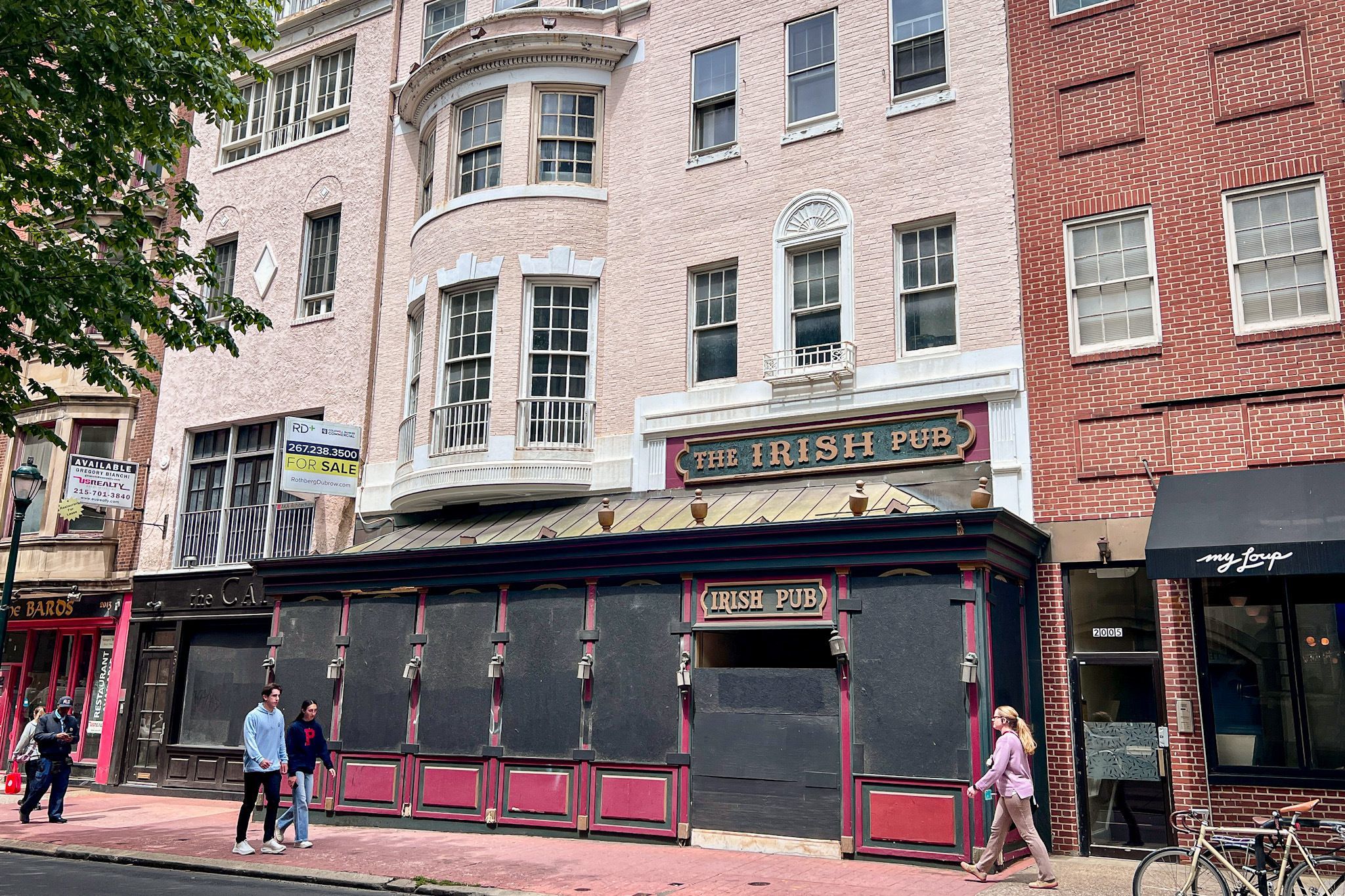
    The former Irish Pub, 2007 Walnut St., on April 30, 2026.Michael Klein / Staff

    Meanwhile, Cherry Street Tavern, whose owners announced plans to sell earlier this year, also appears headed toward new ownership. A manager told The Inquirer on Wednesday that a sale is believed to be close, though no agreement has been announced publicly.

    Meanwhile, the longtime Bonner’s Irish Pub’s future is secure, said owner Danny Bonner, who opened at 23rd and Sansom Streets in 1994.

    Bonner, 71, put the building on the market in 2024, hoping to attract a developer. Instead, he struck a deal with the owner of the property next door to pursue an apartment project that would incorporate a new Bonner’s into its lobby.
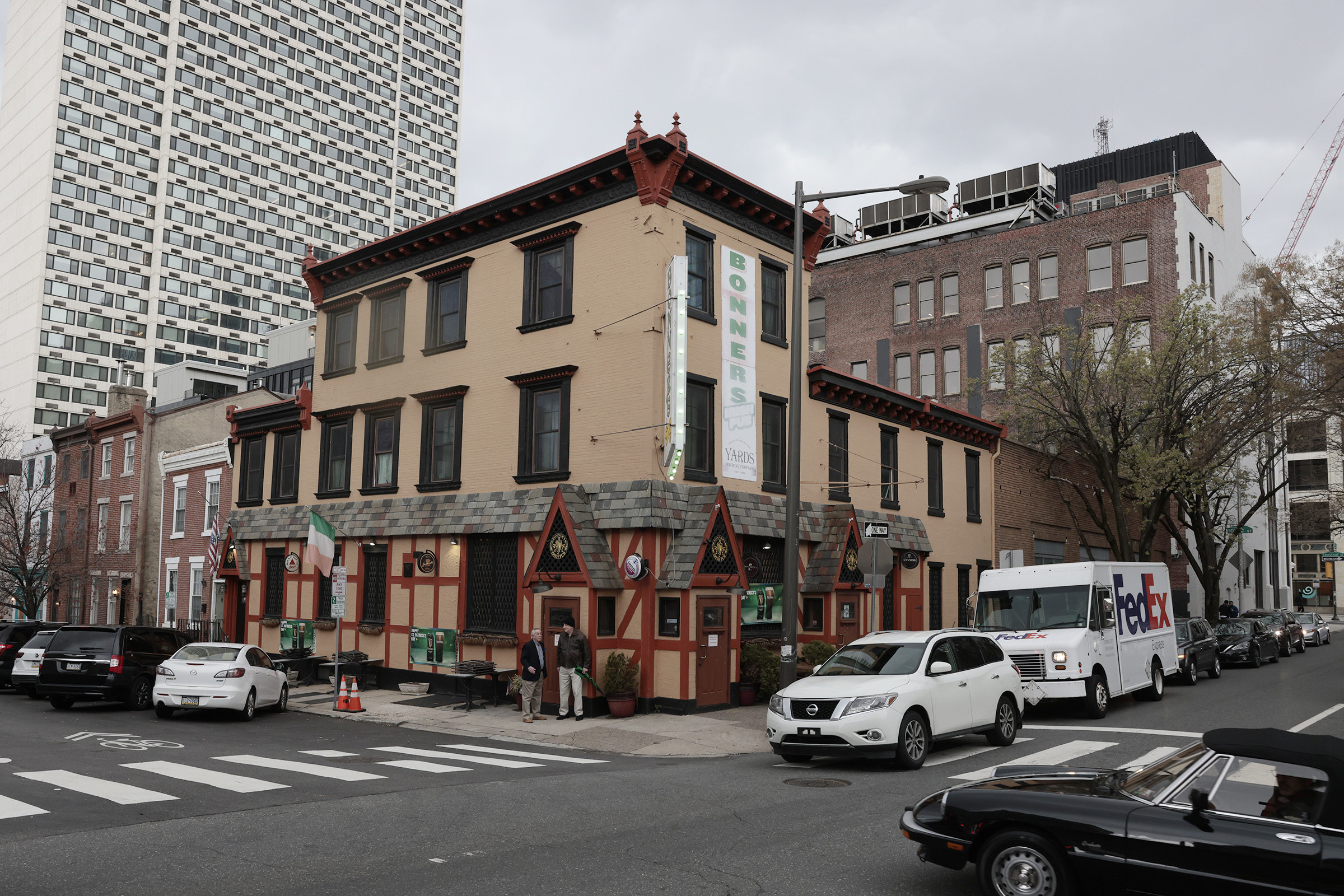
    Bonner’s Irish Pub at 120 S. 23rd St. in April 2024.Elizabeth Robertson / Staff Photographer

    Bonner said one preliminary plan calls for a roughly 3,200-square-foot Bonner’s, about 900 to 1,200 square feet larger than the current pub. There is no timetable for the development, whose price tag Bonner estimated at $45 million to $55 million. The existing bar will remain open until construction begins.

    “Where I’m located, we’re fortunate,” Bonner said. “We get professionals, union guys, and loyal neighborhood customers.”
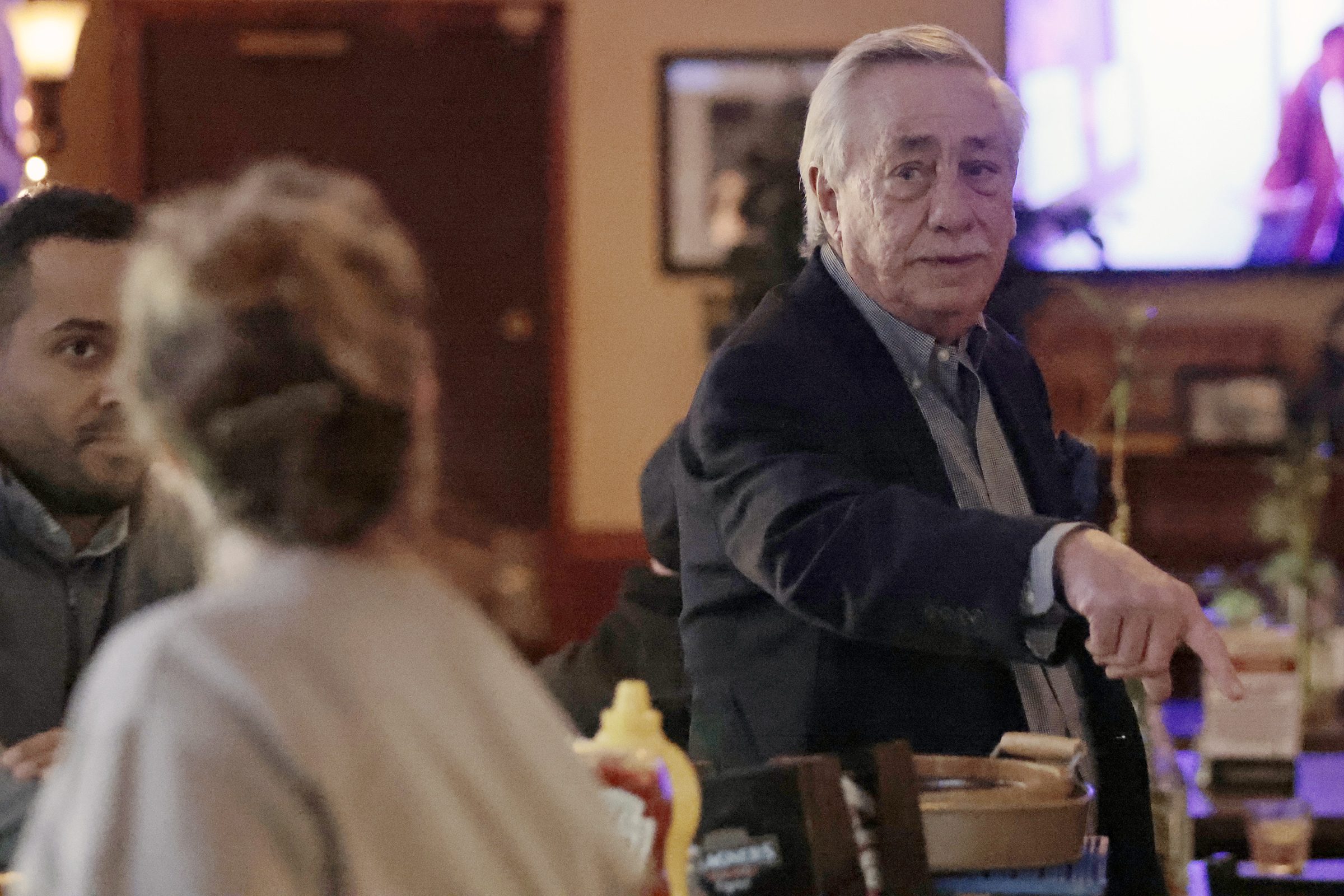
    Bonner’s Irish Pub owner Danny Bonner chatting with patrons in April 2024. Elizabeth Robertson / Staff Photographer

    Bonner hopes the project will allow the bar to outlast him.

    “You have to leave some kind of legacy,” he said. “We’re losing too many mom-and-pop operations. All these big franchises are coming in. Philadelphia is still a city of neighborhoods, and we’re losing that. My customers walk in, and while I don’t know every single one, I probably know 70% of them by their first name.”

    Staff writers Mike Newall and Jake Blumgart contributed to this article.
  • The city plans to pay up to $75,000 to help measure the economic impact of Philly’s major events in 2026

    The city plans to pay up to $75,000 to help measure the economic impact of Philly’s major events in 2026

    When Mayor Cherelle L. Parker faced questions about spending on Philadelphia’s Fourth of July concert, she promised a “fiscal impact report” that would help determine how the economic benefits of the concert and other major events in Philadelphia during 2026 compared with their cost to city taxpayers.

    It turns out the city will have to spend a bit more taxpayer money to get to the bottom of that inquiry.

    The finance department is looking to hire a consulting firm for up to $75,000 to provide “economic analysis services to better understand the economic and fiscal impact of Philadelphia’s 2026 events and related activity on the local economy,” according to a contract opportunity posted on the city’s website last week. Responses are due Aug. 5.

    The contract solicitation calls for an evaluation of “event-related visitation, tourism activity, and associated economic activity” and estimates of “state and local tax revenues generated by event-related economic activity,” among other things. But it does not ask the consultant to produce an accounting of the city’s spending on those events.

    Andrew Richman, a top attorney in the city law department, said the administration will also produce an analysis of the city’s spending related to the major events hosted in Philly during 2026, including the nation’s 250th birthday, FIFA World Cup games, and the MLB All-Star Game.

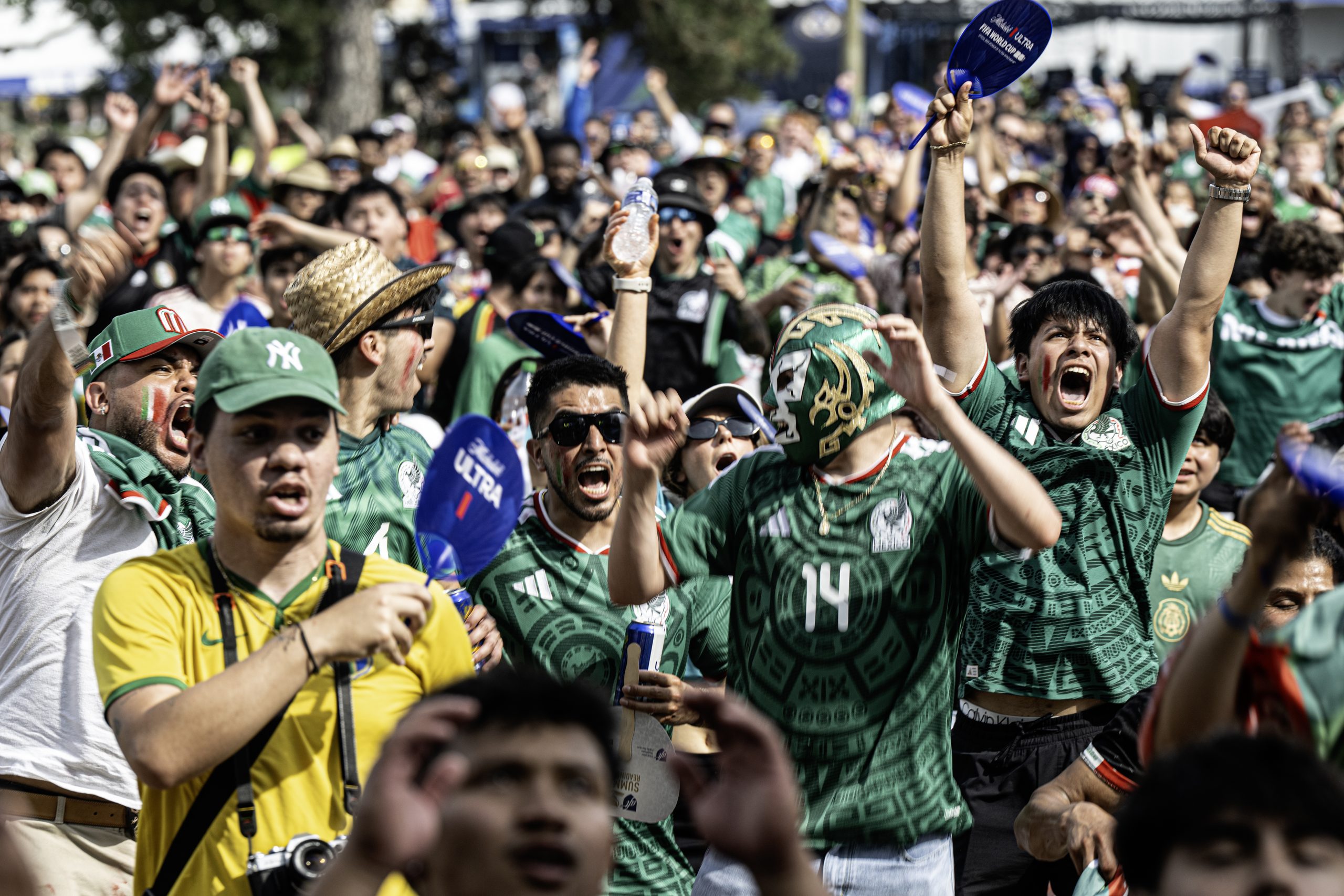
    Fans celebrate after Mexico scores against South Africa while watching the FIFA World Cup opening match on a giant screen during the opening day of the FIFA Fan Festival at Lemon Hill on Thursday, June 11, 2026, in Philadelphia.Jose F. Moreno / Staff Photographer

    “As a standard operating procedure in the Parker administration, there will be financial accounting that details every dollar and cent spent on 2026-related activities, analysis including all expenses, and economic impact of all activities and investments associated with 2026,” Richman said.

    The mayor’s office did not respond to a request for comment on when that accounting will take place.

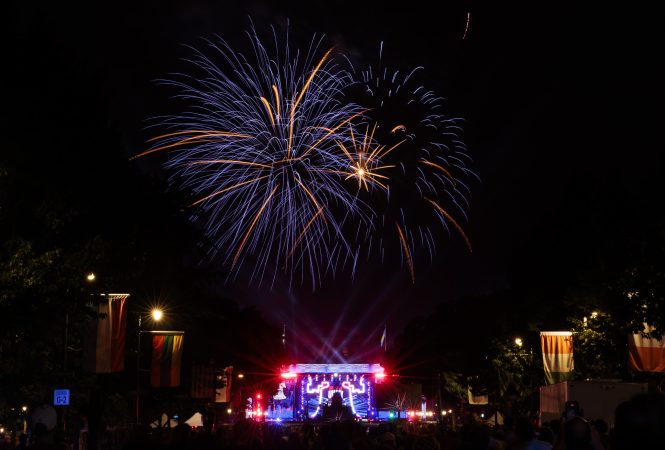
    Parker’s administration this year took over management of the July Fourth concert and fireworks show on the Ben Franklin Parkway, which for years had been handled by the nonprofit Welcome America, a public-private partnership created by the city in the 1990s.

    Parker instead hired ESM Productions, a for-profit company led by well-known concert producer Scott Mirkin, and renamed the event the “One Philly: Unity Concert for America,” a version of her slogan, “One Philly: A United City.”

    Pennsylvania Governor Josh Shapiro and Philadlephia Mayor Cherelle L. Parker at the One Philly: Unity Concert for America on the Benjamin Franklin Parkway on Saturday, July 4, 2026, in Philadelphia.Yong Kim / Staff Photographer

    The changes resulted in a much more expensive concert than in years past. The city agreed to pay ESM about $15.5 million to put on the show, The Inquirer reported after obtaining the contract. The previous year’s concert cost Welcome America about $3 million, a source with knowledge of the event told The Inquirer.

    Those sums did not include costs related to city employees, such as sanitation workers and overtime for police officers who worked the event.

    Inclement weather, including extreme heat in the afternoon and a thunderstorm that disrupted the concert for hours in the evening, limited attendance at what Parker had hoped would be a major event.

    The city’s coming analyses, however, will include all of 2026’s major events, not just the concert.

    Parker has said her administration will spend $120 million on this year’s celebrations, and she has pledged to ensure communities across Philadelphia, not just Center City, benefit from the investment, which includes beautification projects in neighborhood commercial corridors and funding for block parties and events across the city. The administration has not yet provided details on how much was dedicated to the concert or any other specific event this year.

    “At the end of our celebration, you will be able to see an accounting of how that $120 million was spent,” Parker said at a July 1 news conference.

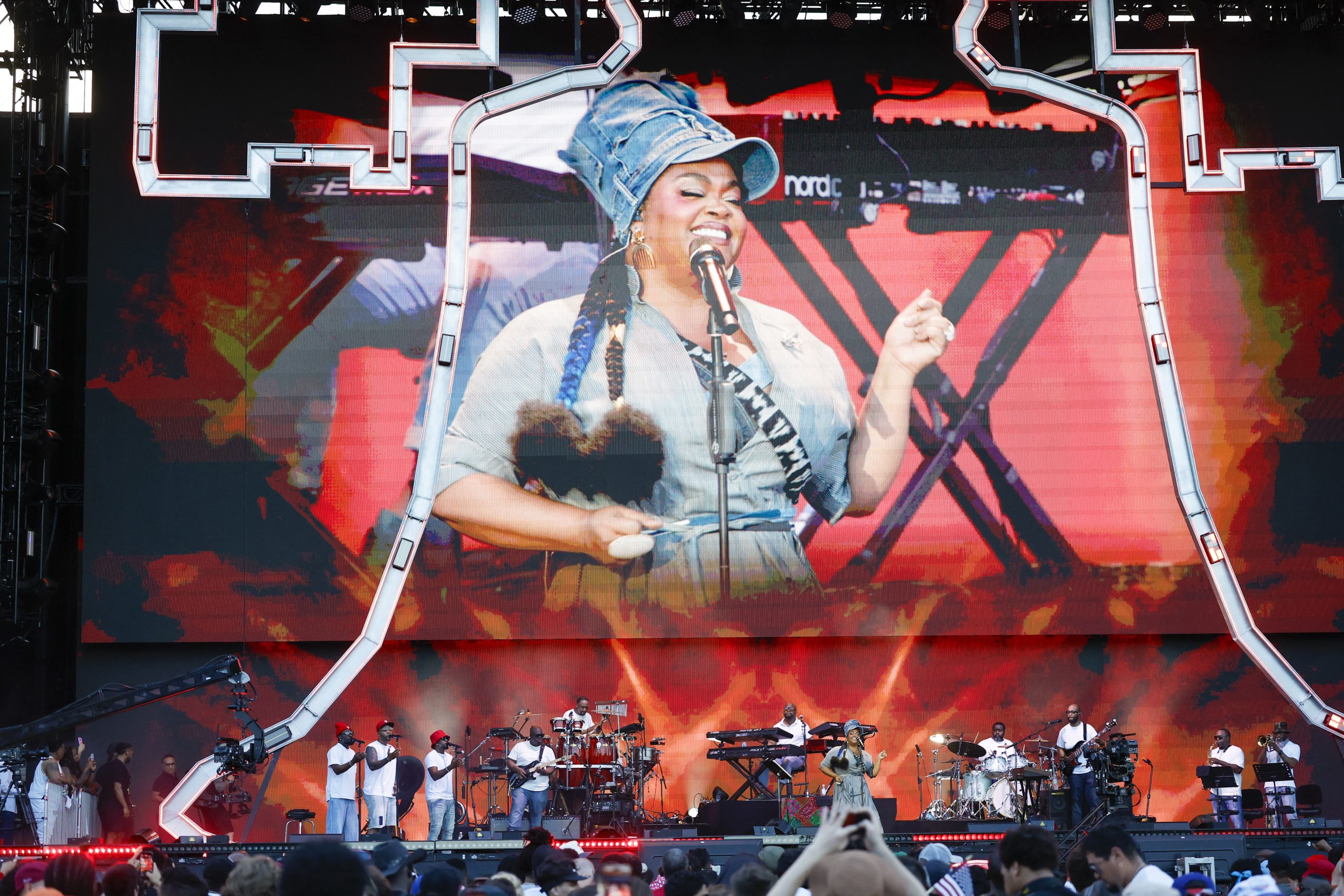
    Jill Scott takes to the stage for One Philly: Unity Concert for America on the Benjamin Franklin Parkway on Saturday, July 4, 2026, in Philadelphia.Yong Kim / Staff Photographer

    Economic impact analyses produced by paid consultants often include rosy estimates that public officials use to justify priorities. Academics who study their work for years have cited issues including inflated assumptions for visitors’ spending and understated or omitted opportunity costs for economic activity displaced by a large project or event.

    “Most economic impact studies are commissioned to legitimize a political position rather than to search for economic truth,” John L. Crompton, a professor at Texas A&M University, wrote in an influential 2006 paper published in the Journal of Travel Research. “Often, this results in the use of mischievous procedures that produce large numbers that study sponsors seek to support a predetermined position.”

    This year’s July Fourth concert was supposed to be headlined by Christina Aguilera, but the pop star ended up not taking the stage after the city paused the event around 9 p.m. due to the storm. The show resumed shortly after midnight, pushing the fireworks to about 2:30 a.m. July 5.

    Parker’s office on Wednesday did not respond to a request for comment on whether the city would receive any refund in light of Aguilera not performing.

    All other scheduled performers went ahead with their sets, including the Roots, Jill Scott, Meek Mill, DJ Jazzy Jeff, and Will Smith, who said Parker reached out to him personally to ensure he came back after the weather delay.

  • Our favorite restaurant sundaes | Let’s Eat

    Our favorite restaurant sundaes | Let’s Eat

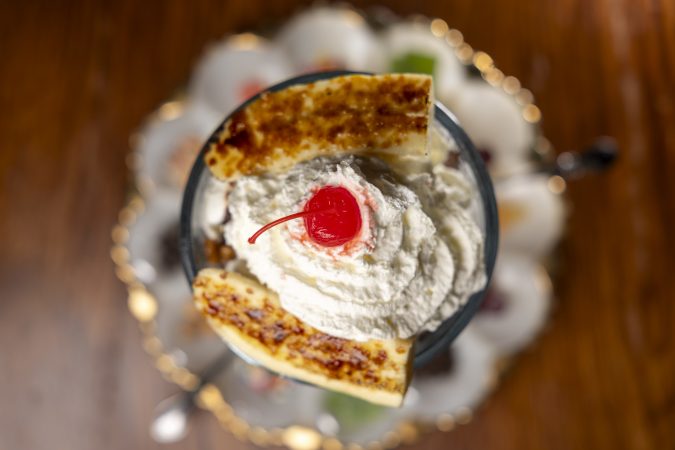
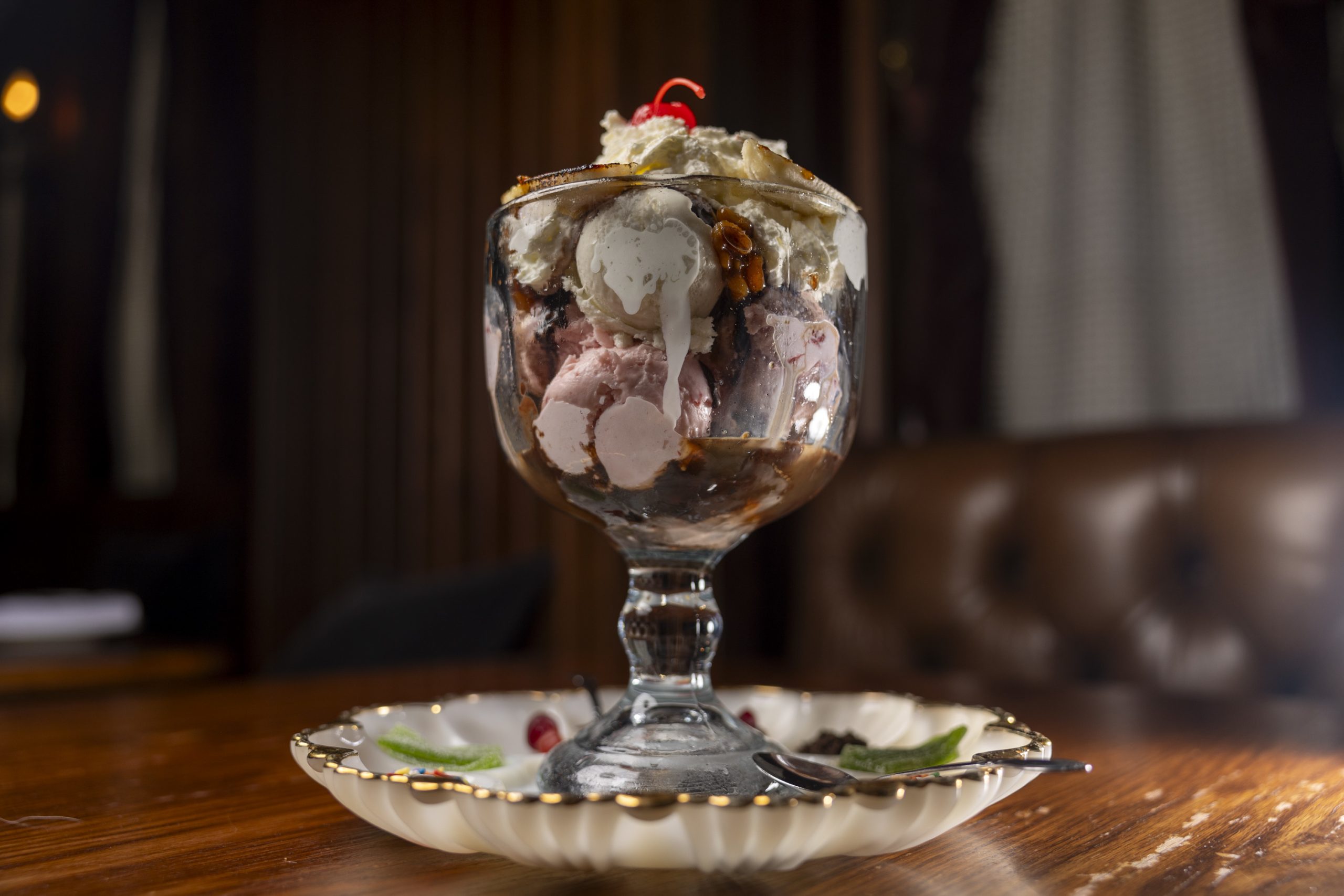
    We know how to truly cap off a restaurant meal: a decadent ice cream sundae. Here are seven we love.

    Also in this edition:

    • Home cooks make the menu: Your first look at Recipe Philly, a $3.8 million restaurant with a novel concept opening in Center City.
    • Craig LaBan review: Terra Grill in Northern Liberties.
    • News: Read on for word of new restaurants in Queen Village and Kensington, and word of a Michelin-recommended restaurant’s expansion.

    — Mike Klein

    If someone forwarded you this email, sign up for free here.

    Our favorite restaurant sundaes

    What caps a meal better than a cool and creamy ice cream sundae? Hira Qureshi shares seven of these decadent treats found on restaurant menus.

    🍧 Two Philadelphia water ice makers locked down the top prizes at a water-ice festival at the Jersey Shore.

    A new restaurant where home cooks set the menu

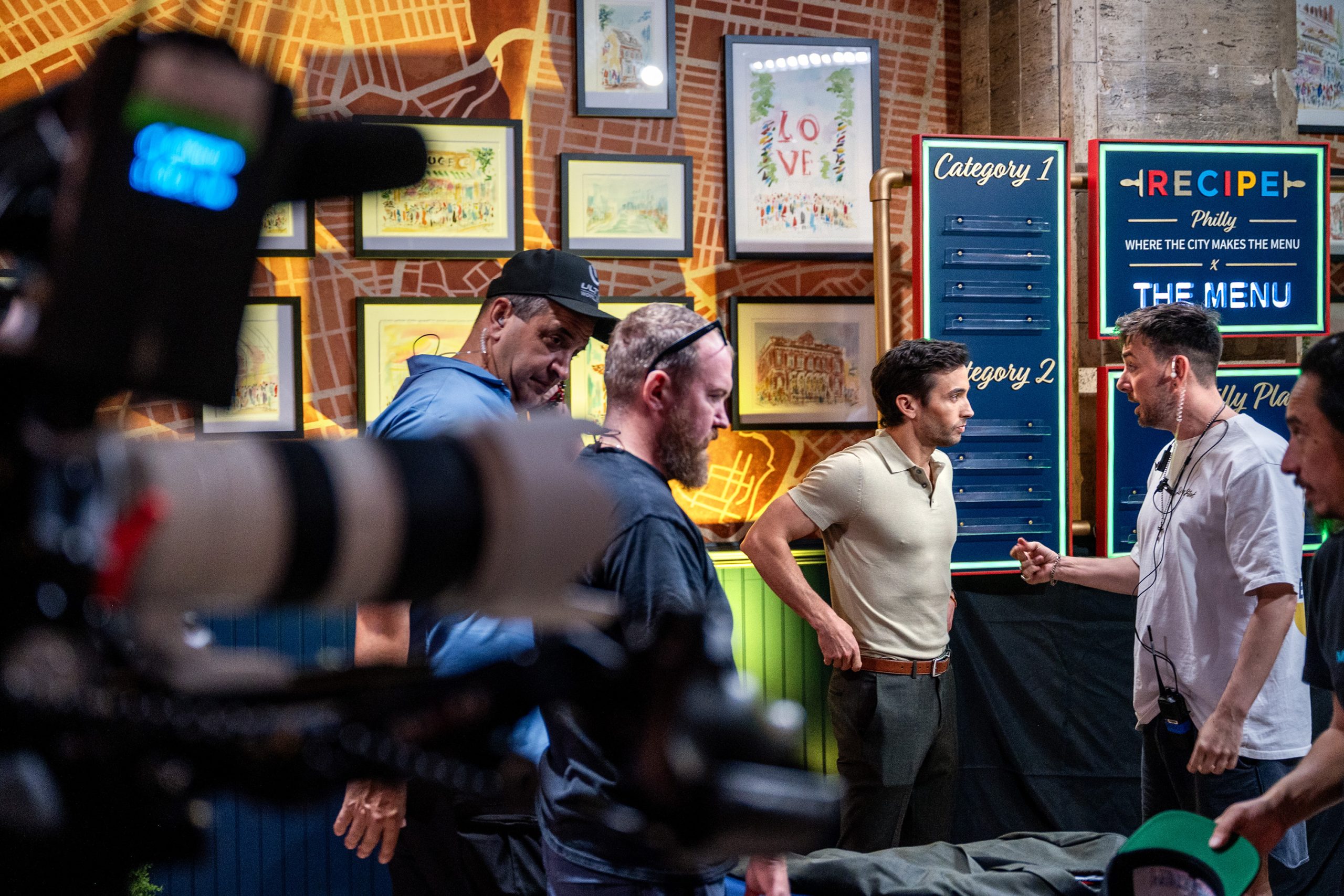
    Here’s your first look at Recipe Philly, where home cooks — not pro chefs — contribute the recipes to create the menu. It’s also the basis for a reality series, filming now in advance of the restaurant’s mid-August opening.

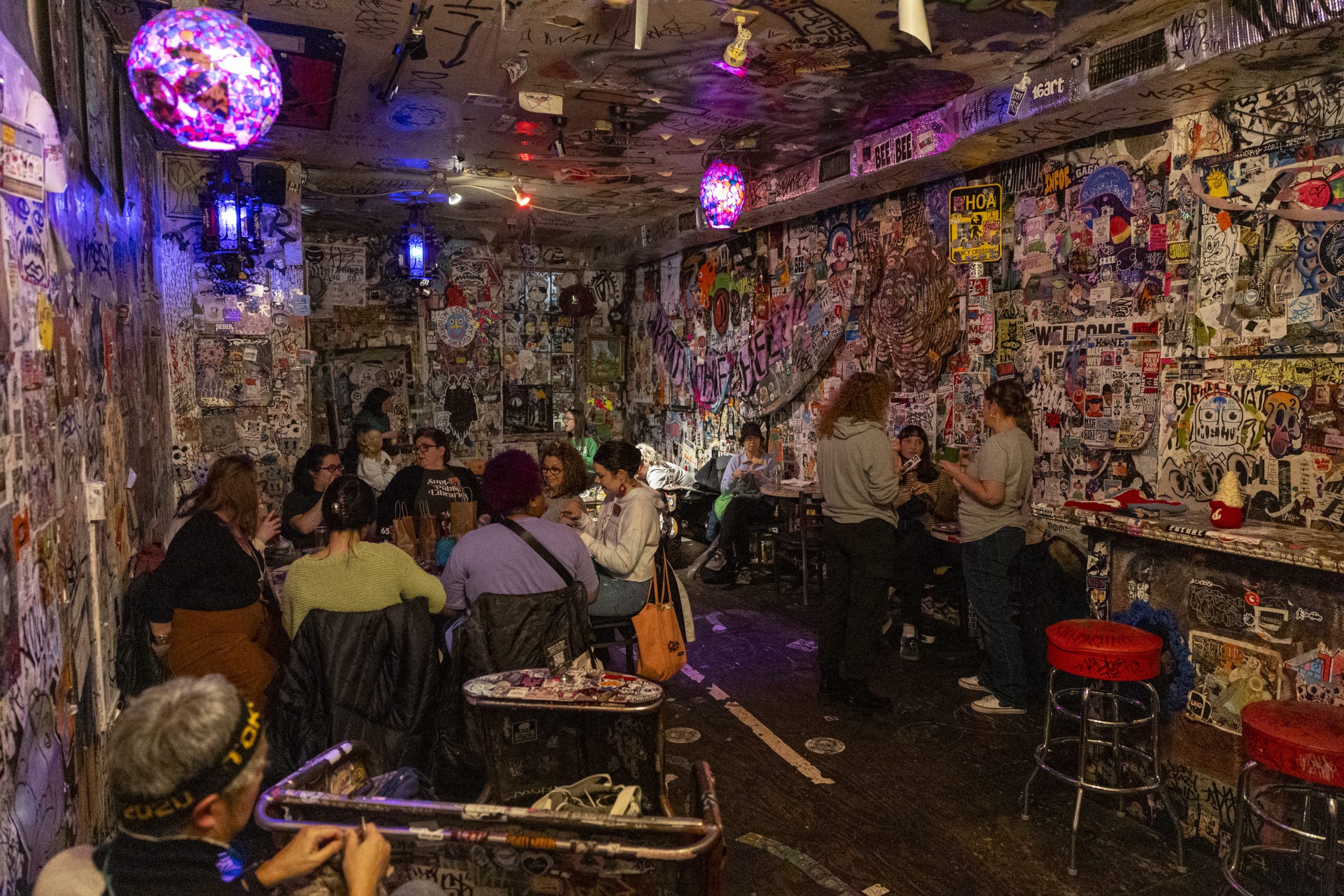
    Why is Tattooed Mom not allowed to host live shows?

    Tattooed Mom has hosted countless drag shows and burlesque performances since it opened on South Street in 1997. But the city has shut down those events (but not the bar itself) over a missing assembly license. Getting one could take six months, its owner tells Beatrice Forman.

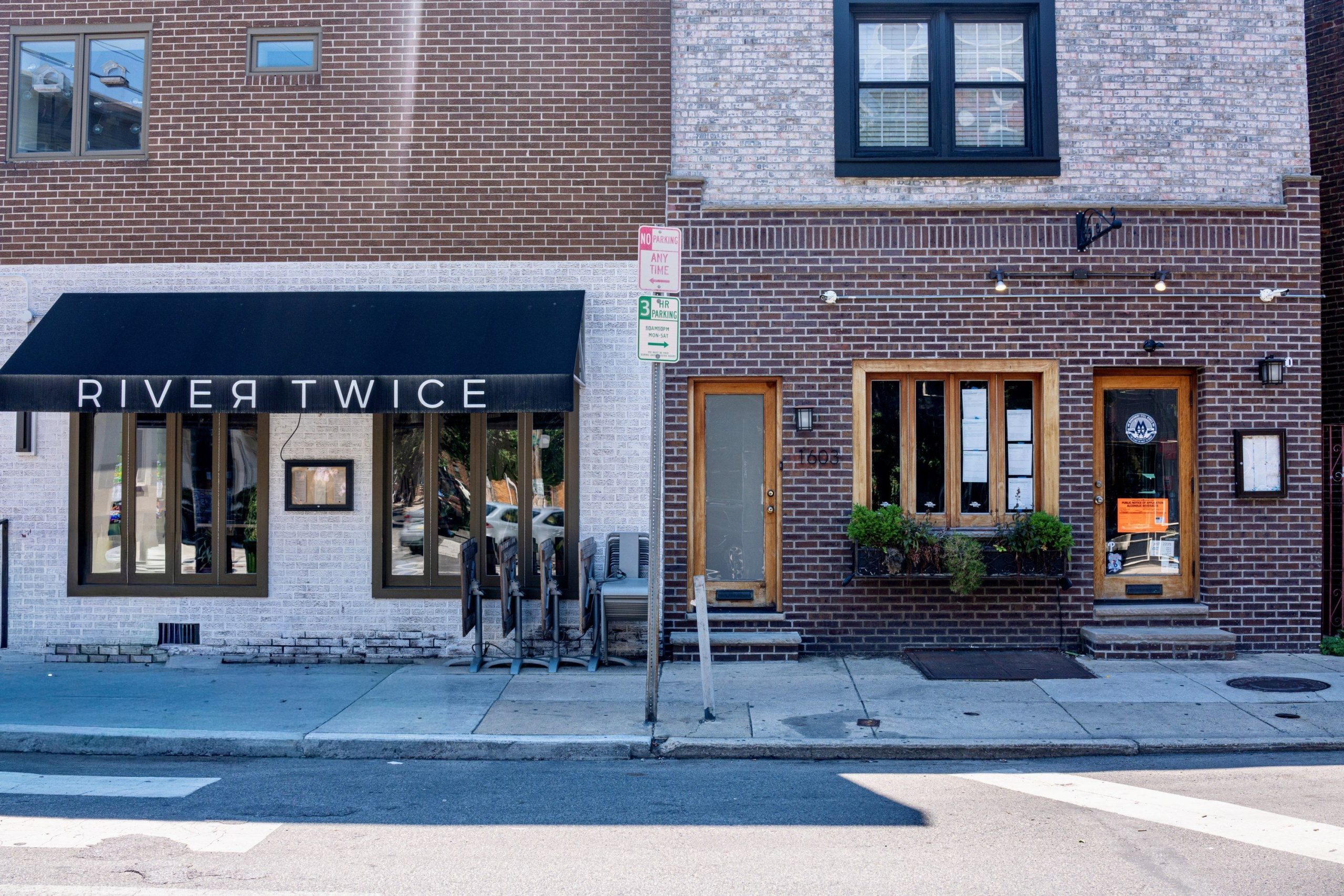
    River Twice is expanding

    River Twice on East Passyunk is expanding next door, and that means a real bar, more seating, and new opportunities to eat one of our favorite burgers.

    Craig LaBan reviews Terra Grill

    Critic Craig LaBan visits Terra Grill, a newcomer from globetrotting chef Laurent Tourondel in Northern Liberties’ Piazza Alta, where he found “a textbook chophouse vibe” and a “something for everyone” menu. Read on for his review.

    The best things we ate last week

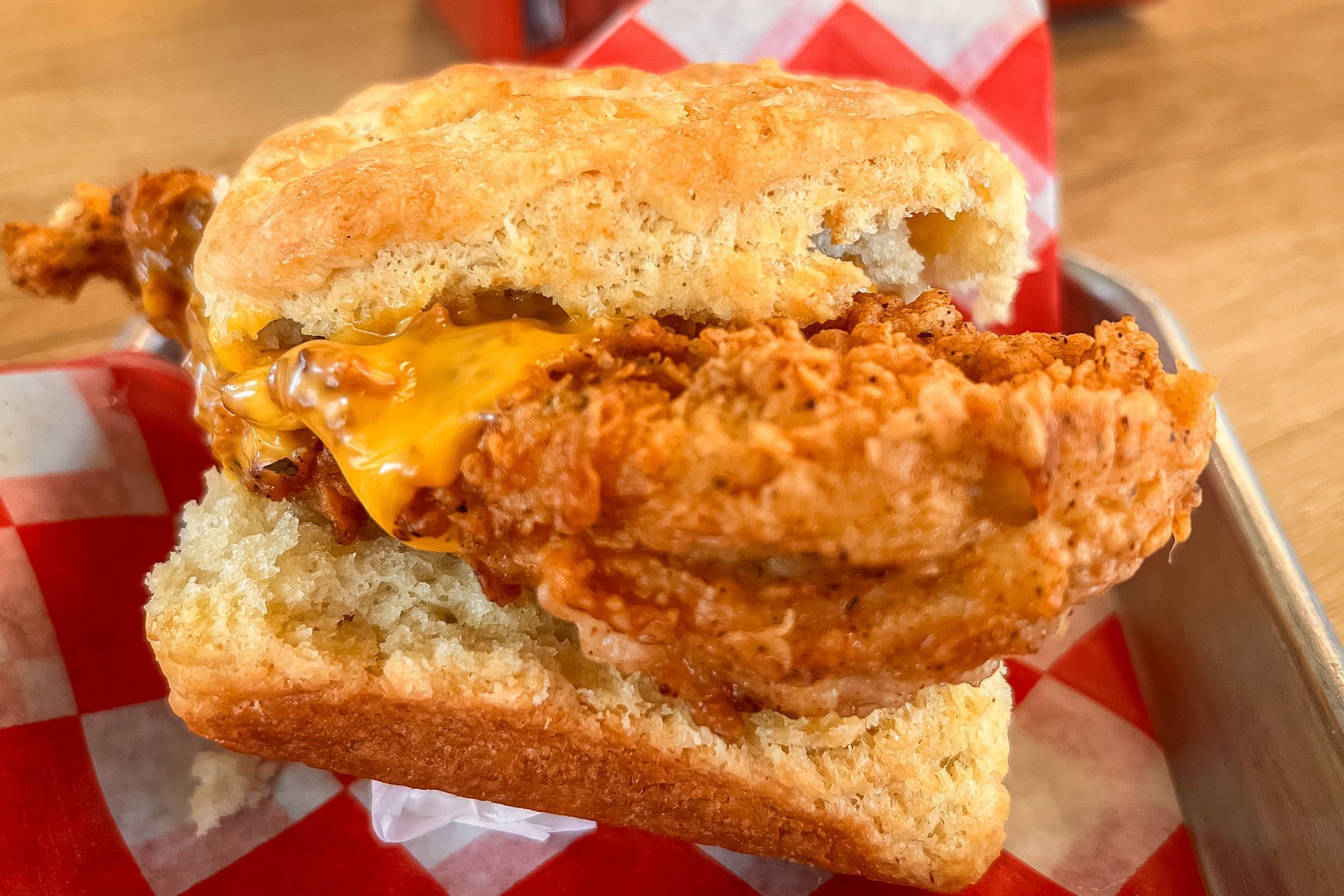
    The food team caught up with a tasty chicken biscuit sandwich in Plymouth Meeting, hot dogs in Bella Vista, loaded fries in Northern Liberties, and a winning bowl of gyu-don from a food truck.

    Scoops

    Eggcetera Haus will replace the shuttered Redcrest Kitchen at Sixth and Bainbridge Streets, likely in the next few weeks. Husband-and-wife team Rey Tamaka and Vina Kencana will operate the all-day bar-restaurant. Tamaka, who spent the last six years as head chef at an Old City brunch restaurant, will oversee a modern American menu spanning breakfast, lunch, and dinner, while Kencana will manage operations. Breakfast will feature specialty coffee from Philadelphia’s Vibrant Coffee Roasters, with dinner service adding pasta, steaks, cocktails, and comfort food. Hours will be 8 a.m.-9 p.m. daily. Queen Village/Bella Vista will get another all-day option next spring when Sabrina’s Cafe opens at Fifth and Bainbridge, down the block from mainstay Famous 4th Street.

    Sabrina’s Cafe — speaking of which — is behind a new venture aimed at the late-night crowd. Spence De Abreu, the 21-year-old son of Sabrina’s founders Robert and Raquel De Abreu, is hoping for a late-July opening of Big Spence’s, a sandwich operation at 1816 Callowhill St., a few doors from the Art Museum-area Sabrina’s. It will run via delivery services and pickup (no seating), offering six sandwiches at launch, with additional menu items expected over time. Initial hours will vary, with service planned as late as 2 a.m. during the fall, when college students are back. Opening is tentatively scheduled for July 29.

    Scampi, chef Liz Grothe’s Queen Village Italian-ish restaurant, has added a beverage program in partnership with Northeast Philly winemaker Camuna Cellars. The tie-in allows spirits and beer options from Pennsylvania producers, including Fell to Earth vermouthery. BYOB is OK, with a $15-per-bottle corkage fee. Scampi also has collabs planned for August: Percy (at Percy) on Aug. 21; Habibi Supper Club (at Scampi) on Aug. 23; and an Italian American pasta night with chef Wyatt Piazza at Kiddo on Aug. 30.

    Chimney Rustic Ales closed its brewery in Hammonton, N.J., in June 2025, in anticipation of opening in Philadelphia. Brewmaster/owner Dan Borrelli is seeing light at the end of a city-permitting tunnel, so he’s looking at a late-2026 opening at 2153 E. Lehigh Ave. in Kensington. Borrelli said this location will have a full kitchen and a chef (to be named later) serving what he calls “elevated bar food, with some seafood mixed in.” Borrelli had a seafood truck called Minnow Seafood Co. “We’re not trying to earn a Michelin star,” he said. “We just want to serve food that’s a little more upscale than you’d typically find at a brewery or neighborhood bar.” He specializes in lagers but also offers IPAs — because “they make up about 60% of the market, so you kind of have to have them.”

    Restaurant report

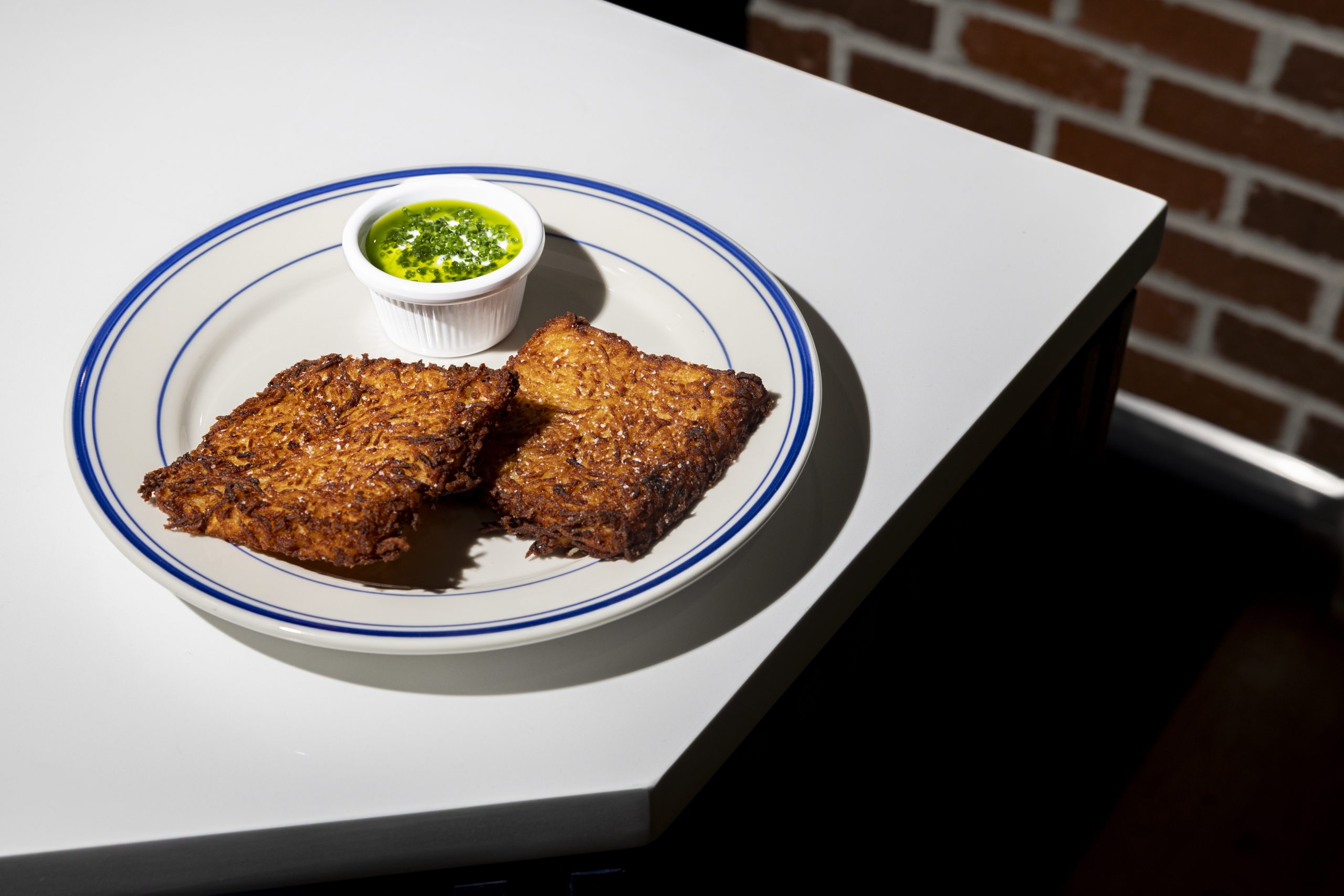
    Schmaltz, a new arrival in Point Breeze, is drawing long lines with latkes, blintzes, and a craveable breakfast sandwich.

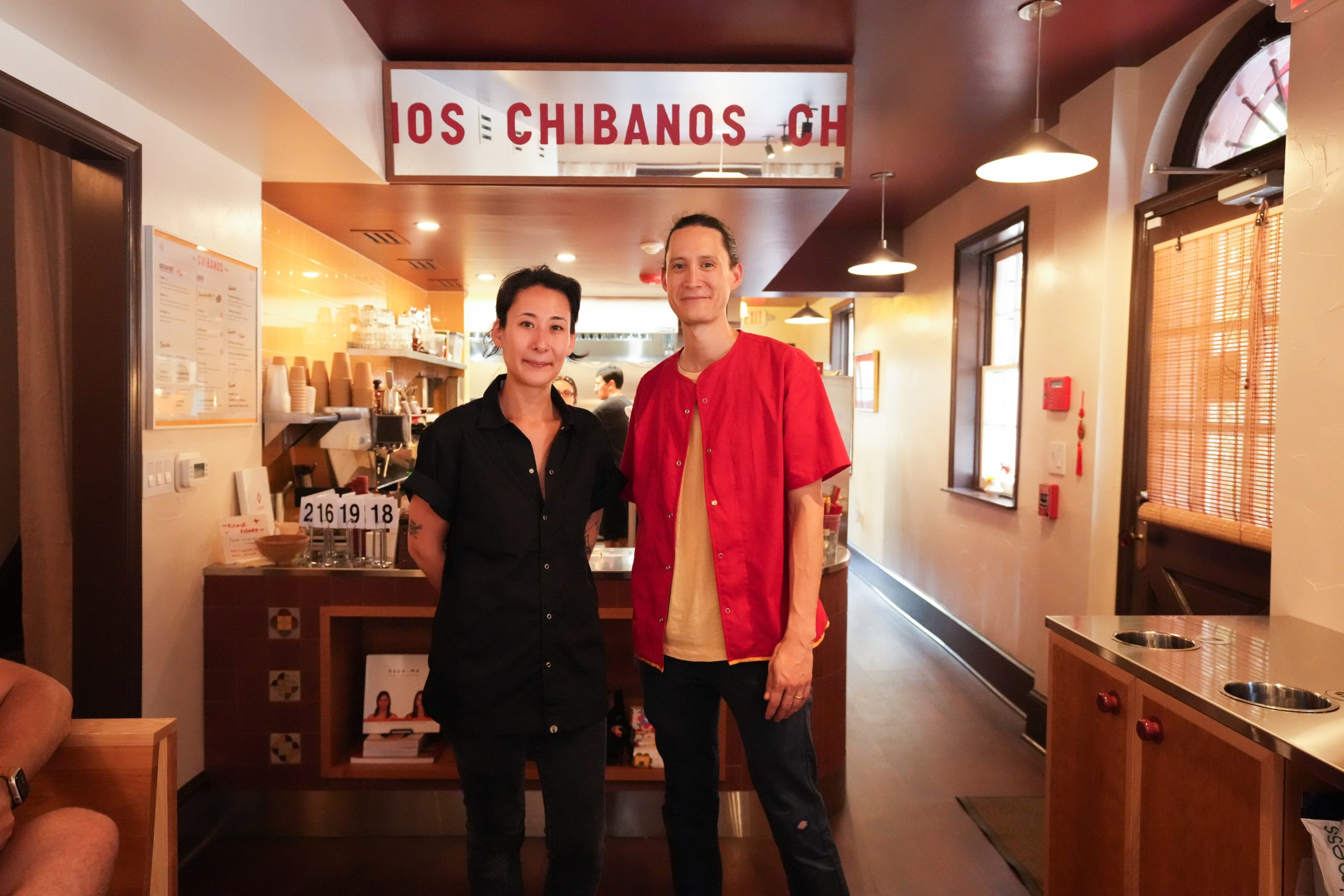
    Chibanos has opened at the former Effie’s in Washington Square West, and Delco-raised owner Evan Fong Jaroff expresses his Chinese-Cuban background through pressed sandwiches, fried yuca, flan, and croquetas. Beatrice Forman tells a fascinating story of food and culture.

    Call Your Mother, the D.C. bagel-sandwich chain, has signed a third Philly lease before the first shop even schmeared its first bagel.

    EMei’s Dan Tsao is taking over a fourth landmark restaurant location — the home of Old Original Bookbinder’s — as part of the Sichuan restaurant’s ambitious expansion.

    Briefly noted

    Townsend on East Passyunk Avenue has been closed since early May after extensive water damage from a fire next door. Chef/owner Tod Wentz has swung part of the French menu to Oltremare, his Mediterranean seafooder at 2121 Walnut St. “Townsend at Oltremare” offers a hybrid menu from Townsend executive chef Alex Nissley through at least the end of the summer.

    Baby’s Kusina & Market in Brewerytown returns Thursday, two weeks after a plumbing issue caused a flood. One change: Dinner service has been paused for the foreseeable future. Meanwhile, Baby’s will do a popup at 11 a.m. Monday at Farina Di Vita (250 Catharine St.) with a roast pork adobo sandwich.

    Hop Sing Laundromat (1029 Race St.) is pricing all cocktails at $12 for the summer, discounted from $17-$21; it’s open from 5 p.m. Thursday-Saturday.

    ❓Pop quiz

    Local bartenders have been foraging recently for what prized ingredient to make amaro?

    A) black walnuts

    B) wormwood

    C) rhubarb root

    D) truffles

    Find out if you know the answer.

    🚗 Winners! Last week’s quiz asked you to guess how many miles Craig LaBan put on his car while scouting restaurants for his Jersey Shore dining package. We had a tie — the total was 1,034 and two readers guessed 1,000, so I ordered a runoff. Jan D. of Norristown submitted “1,005” (29 miles under) while Ed H. of Philadelphia offered “1,066” (32 miles over). What’s 3 miles among friends? I’m sending Inquirer swag to both, along with my sincere thanks for reading.

    📖 Catch up with Craig’s Shore favorites here.

    Ask Mike anything

    Please update us on a couple of bakeries, like Manna near Norris Square and Del Buono’s, where McMillan’s was in South Jersey. — Scot T.

    Saif Manna, adding a brick-and-mortar location at 110 W. Berks St. in Kensington, is aiming for a soft-opening of Manna Bakery tomorrow, followed by a grand opening on July 30. Meanwhile, the PR machine is revving up for the opening of Del Buono’s, in a partnership with Al DiBartolo’s custom-cake studio DiBartolo’s Kakery, at 15 Haddon Ave. in Haddon Township’s Westmont section. Soft opening is planned for mid-August, with an Aug. 29 grand opening tied to Haddon Township Summer Music Festival.

    📮 Have a question about food in Philly? Email your questions to me at mklein@inquirer.com for a chance to be featured in my newsletter.

    By submitting your written, visual, and/or audio contributions, you agree to The Inquirer’s Terms of Use, including the grant of rights in Section 10.

  • Lights, cameras, recipes: Philly’s home cooks are creating the menu for a new Center City restaurant

    Lights, cameras, recipes: Philly’s home cooks are creating the menu for a new Center City restaurant

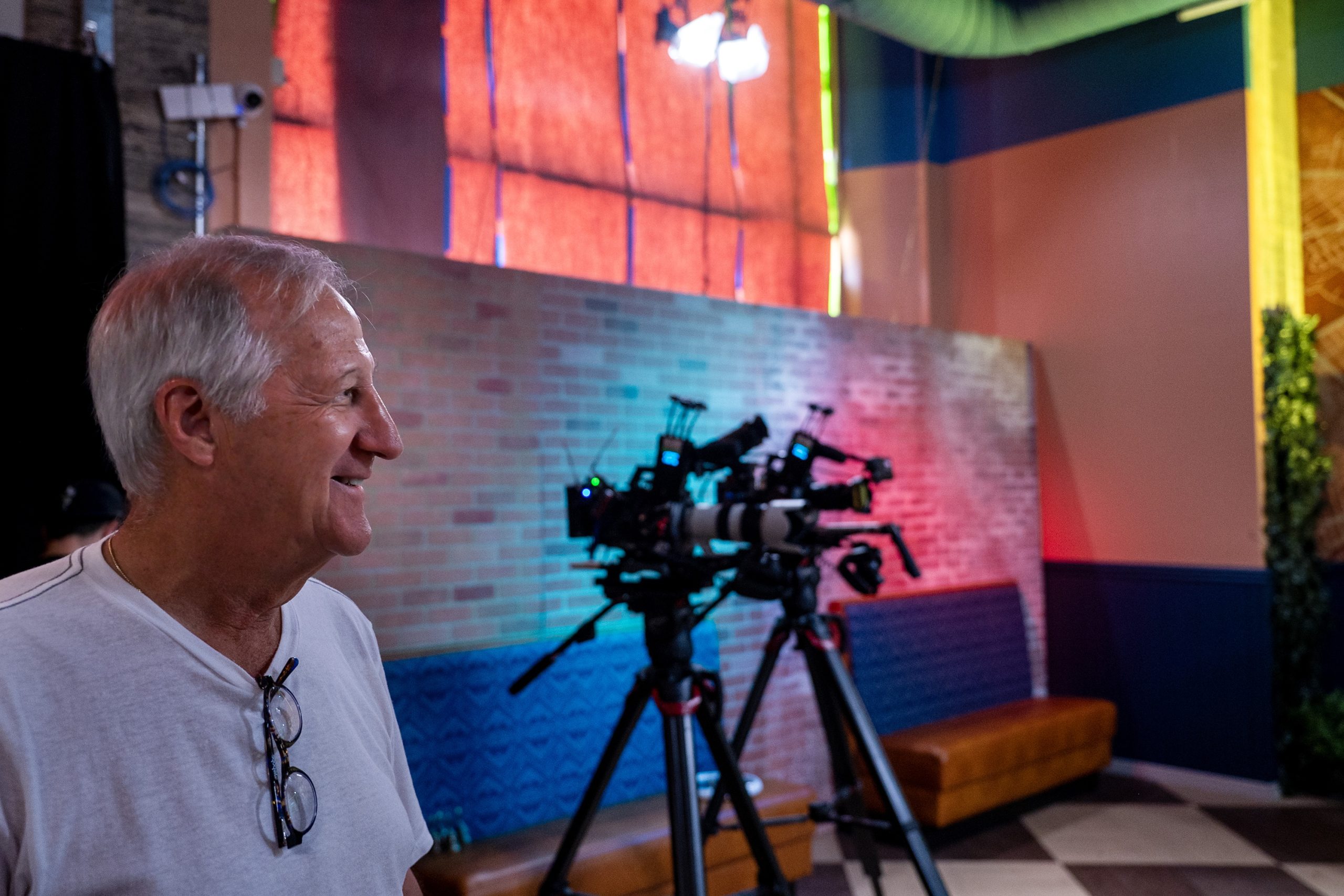
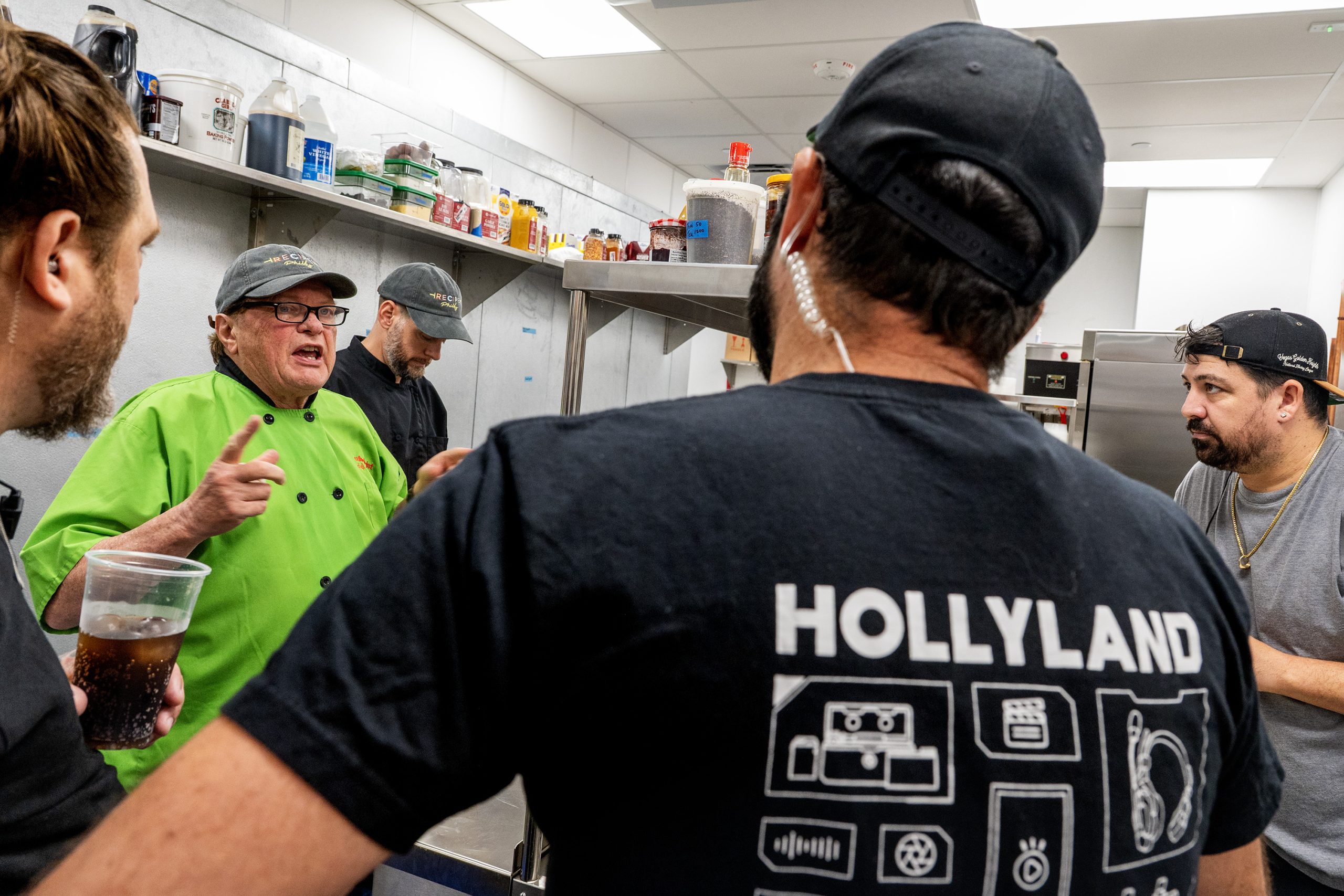
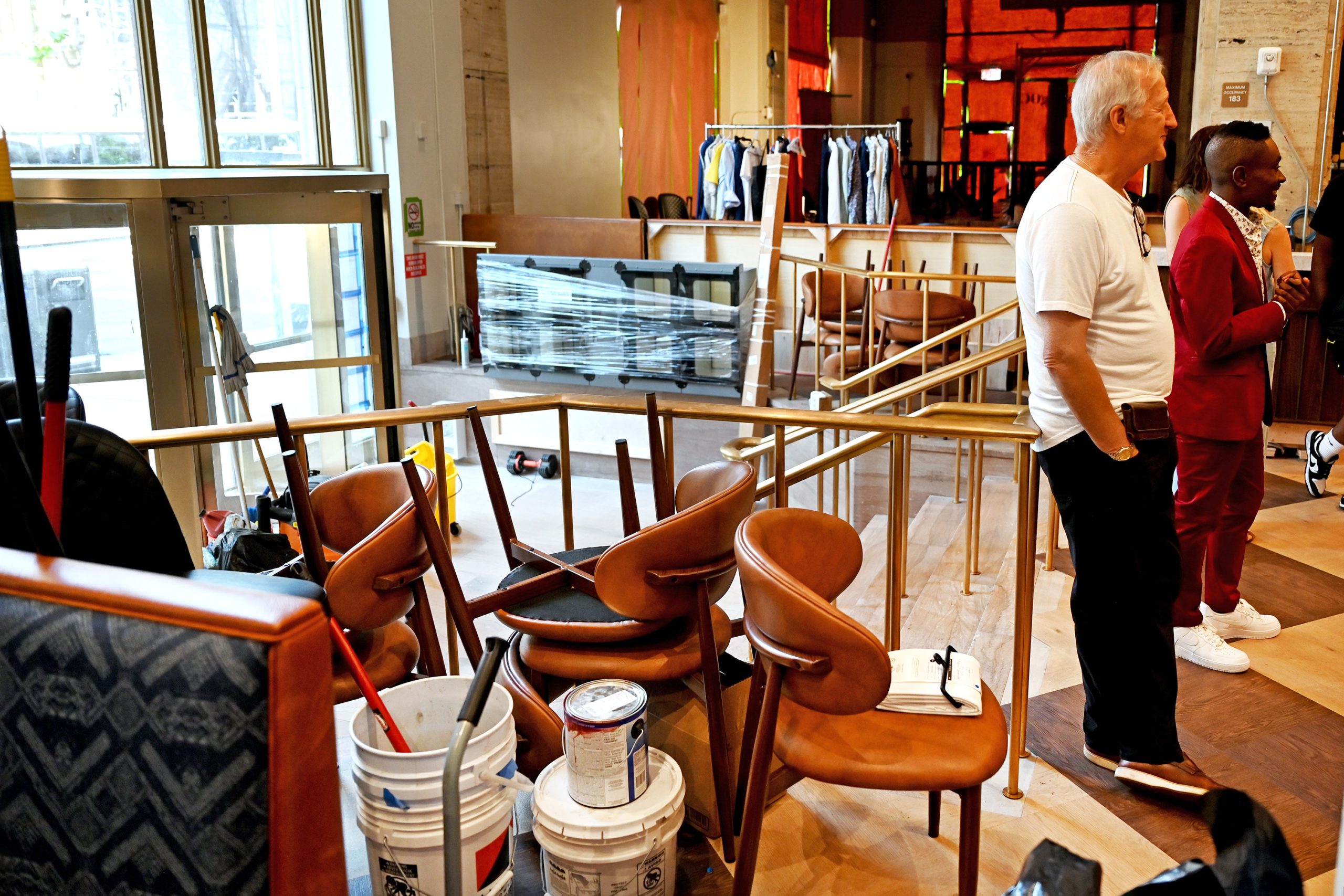
    It’s three weeks before Recipe Philly’s opening day. The kitchen is finished, most of the 100 workers have been hired, and the dining room is a jumble of chairs, tables, and unfinished walls. But instead of construction crews applying finishing touches, cameras and lights have taken over.

    Opening a restaurant has been likened to putting on a show, and Recipe Philly — on the site of the long-ago McDonald’s at Broad and Arch Streets — is exactly that.

    Ed Baumstein, who dreamed up the Recipe Philly restaurant and reality series, on the set before contestants arrive.Tom Gralish / Staff Photographer

    Its creator, retired corporate executive Ed Baumstein, decided to turn the making of the restaurant into a reality show. When Recipe Philly opens in mid-August, customers won’t be ordering entrees created by an executive chef. They’ll be eating dishes developed by home cooks across the Philadelphia region whose recipes survived months of auditions, judging, recipe testing, and filming for an eight-episode series that Baumstein is shopping around.

    Everything is under wraps. The producers are keeping the outcome secret, declining to identify contestants or winning recipes.

    Recipe Philly’s roots date to the 2008 recession, when Baumstein was running SolomonEdwards, the Philadelphia consulting firm he founded in 1999. As businesses tightened spending, his chief financial officer suggested canceling the company’s annual holiday party.

    Instead, Baumstein invited employees to his suburban home for a potluck dinner.

    “I was just blown away by the enthusiasm that our colleagues brought to the Christmas party,” Baumstein said. “They were super-excited about making their dishes. They watched the buffet table to see who was eating their dishes. We gave out little prizes, and just getting that three minutes of fame was unbelievable.”

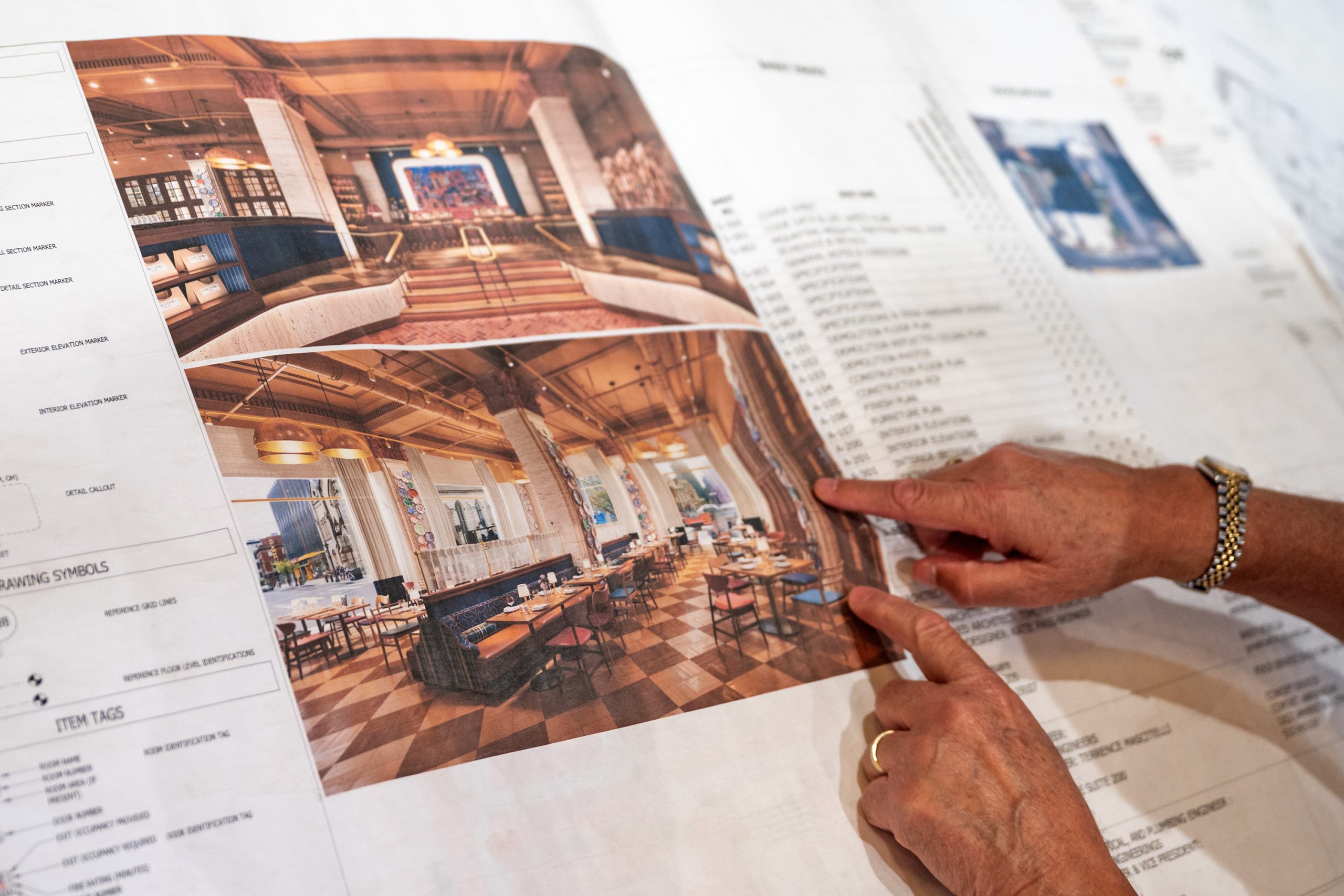
    Ed Baumstein looks over plans for Recipe Philly, which is expected to open in mid-August.Tom Gralish / Staff Photographer

    When Baumstein, 70, sold his company and retired nearly four years ago, he decided to turn that idea into Recipe Philly — a $3.8 million investment and his first restaurant. At 150 seats in the dining room and 22 at the bar, “we decided to go big,” Baumstein said.

    He announced the project last November with a casting call inside the Convention Center’s Broad Street atrium, where more than 1,000 people showed up to fill out recipe cards and share stories behind their dishes. Producers narrowed the field to 100 contestants, then further winnowed the competition to roughly 60 who advanced to the filmed cooking round.

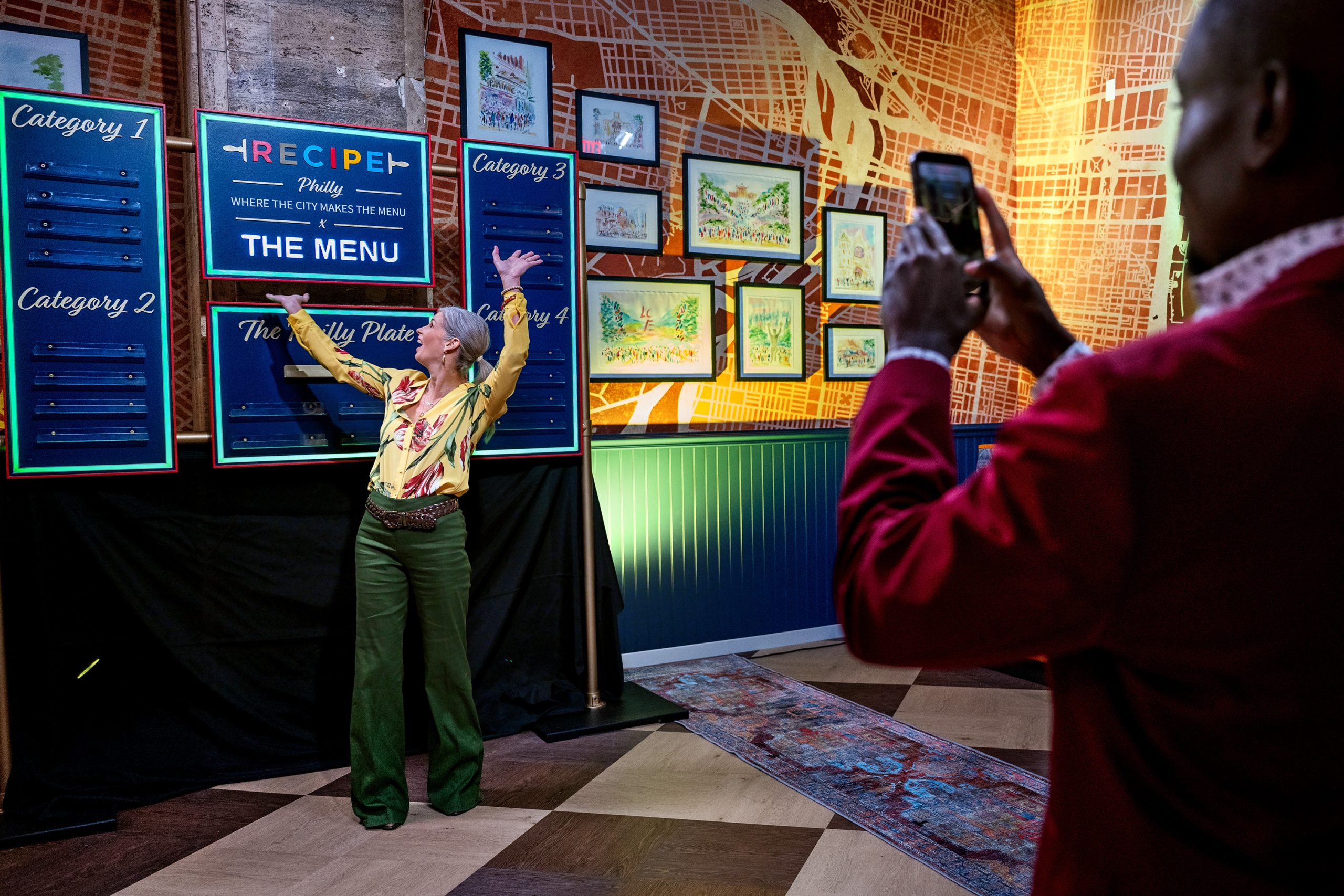
    Josh Moore (right) photographs fellow judge Jennifer Carroll on the set of Recipe Philly.Tom Gralish / Staff Photographer

    Contestants competed in categories including appetizers, soups and salads, poultry, seafood, pasta, meat entrées, desserts, and an “other” category for creative outliers. The process ultimately yielded 31 recipes that will appear on the restaurant’s opening menu.

    The competition didn’t end there. The remaining episodes being filmed this month have shifted from building the menu to crowning a champion.

    Sixteen contestants earned “silver spoons” from the judges and advanced into semifinal rounds devoted to particular categories. Those winners will compete for $70,000 in prize money — including one winner of $10,000. But regardless of who wins, the original 31 recipes will be served opening night.

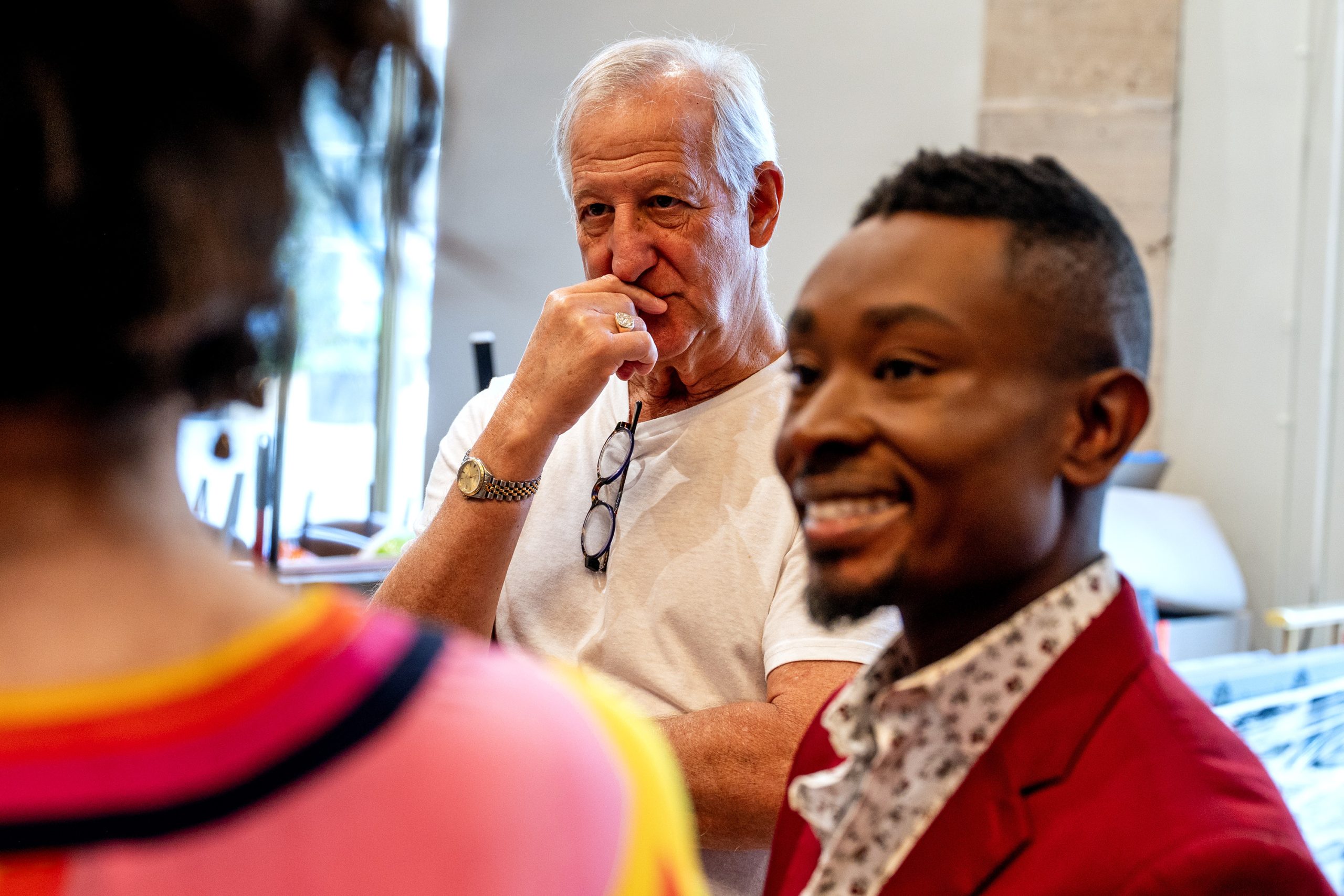
    Ed Baumstein (center) chats with Recipe Philly judges Clara Park (left) and Josh Moore.Tom Gralish / Staff Photographer

    “The city is building the menu,” said Josh Randall, a veteran casting producer for American Idol who is the show’s host and one of its producers. “These aren’t celebrity chefs. They’re neighbors, friends, brothers, sisters, parents — people who ordinarily wouldn’t have an opportunity to be on television.”

    Randall said that distinction attracted him to the project. When Baumstein first approached him, the concept was still evolving.

    “As a documentary, maybe it’s a 90-minute film,” Randall said. “As a competition, I thought it could sustain eight episodes.”

    Chef Andy Revella (left) talks the production staff in the kitchen at Recipe Philly. At right is supervising producer Jon Espinoza.Tom Gralish / Staff Photographer

    But he insisted that the show avoid the drama that dominates many reality competitions.

    “A lot of reality television is cutthroat,” Randall said. “I was drawn to the chance to create something lighter that celebrates people rather than tearing them down.”

    This might be the friendliest reality series ever. The judges — Jennifer Carroll, a veteran of Top Chef; Clara Park, a Chopped champion; and influencer Josh Moore, who goes by @josheatsphilly — say they’ve cried multiple times while hearing the stories. “You end up rooting for everyone,” Park said.

    Carroll said nearly every contestant arrived with more than a recipe.

    Ed Baumstein (left) in the still-unfinished Recipe Philly restaurant.Tom Gralish / Staff Photographer

    “Every contestant has a personal story behind the dish,” she said. “Some recipes have been passed down through generations. Others are completely original.”

    She said the judges make a point of talking with contestants after judging because rejection can sting.

    “This show is the opposite of a lot of competitive cooking shows,” Carroll said. “It’s not about tearing people down or humiliating them. It’s about lifting them up.”

    Moore conceded that he expected more sentimental cooking than exceptional cooking.

    “I wondered whether someone might show up with something very simple,” he said. “Instead, people have really brought their best.”

    For Park, one of the biggest surprises has been watching Philadelphia’s diversity emerge through its food.

    “You literally see all the different neighborhoods and ethnic communities of Philadelphia come to life through these dishes,” she said. “There are dishes I’ve never seen before that are emblematic of certain cultures.”

    Behind the scenes, another challenge awaited. Home recipes are scaled to the dinner table. Some require elaborate preparation. Many rely on instinct rather than measurements.
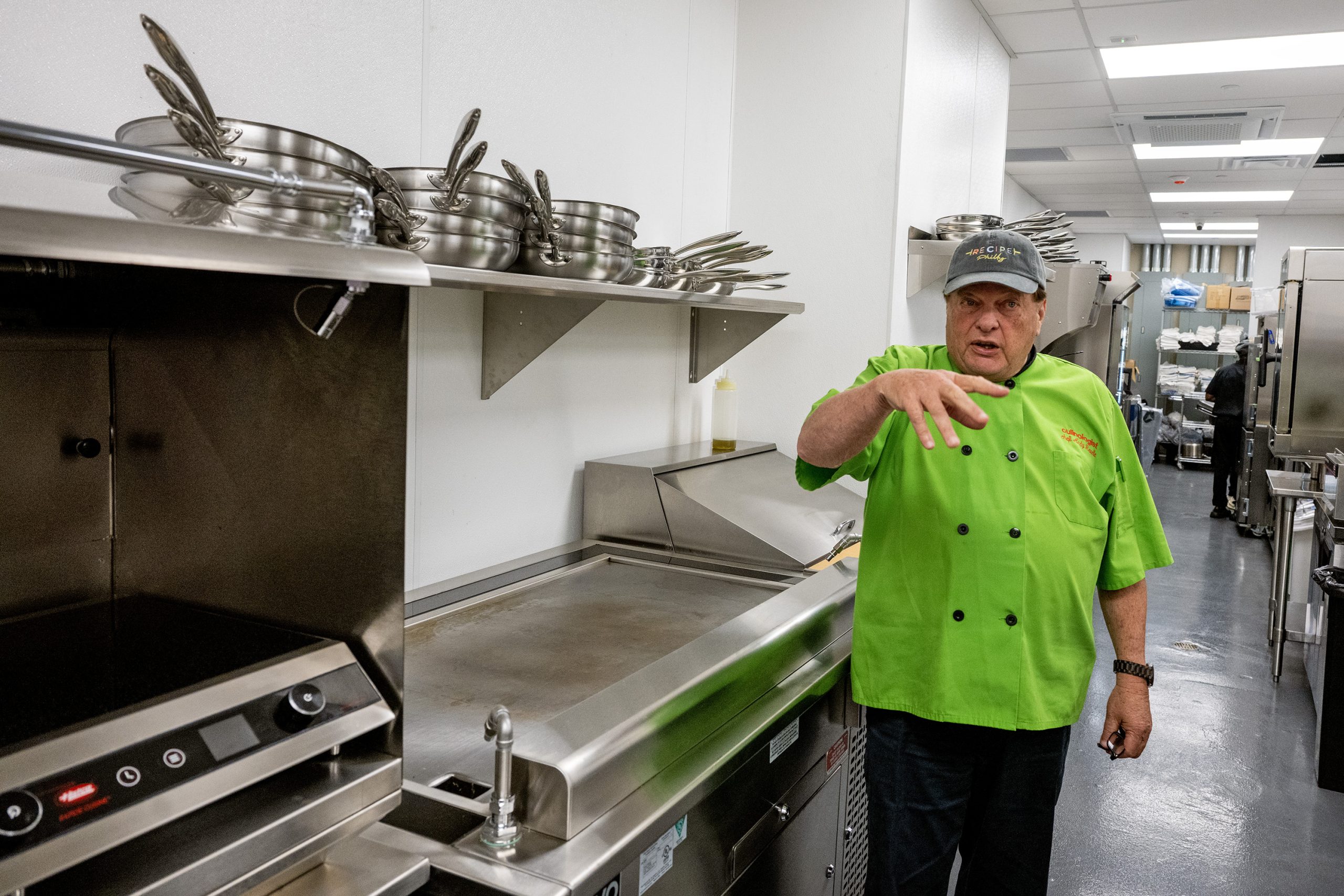
    Chef Andy Revella in the kitchen, which has hoodless venting, at Recipe Philly.Tom Gralish / Staff Photographer

    That work fell to chef Andy Revella, 74, the restaurant’s operating partner, whose resume includes Bennigan’s, Steak & Ale, Rainforest Cafe, and Harrah’s restaurants worldwide. Jarrett O’Hara, formerly culinary director of Federal Donuts, is vice president of culinary operations.
    “We’re just going to take their recipe and say, ‘Here’s how we’d do it in a restaurant,’” Revella said. “The flavor, the taste, and the look stay the same. The process is different.”

    The judges also had to consider labor, food costs, consistency, and whether recipes could realistically be reproduced hundreds of times.

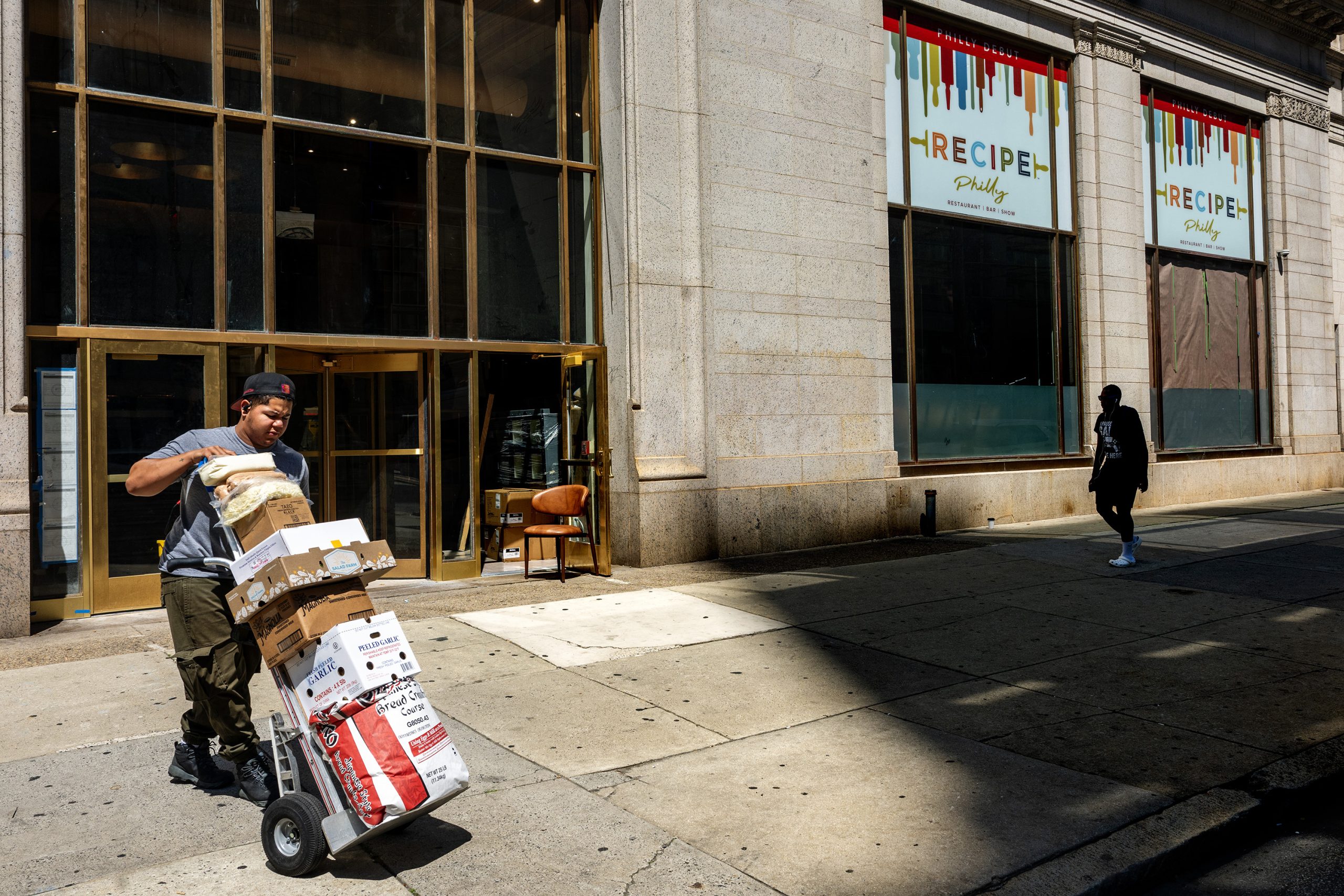
    Food is delivered to Recipe Philly for the filming.Tom Gralish / Staff Photographer

    “What one person can prepare at home is very different from what a restaurant can consistently reproduce for hundreds of guests,” Park said.

    Even the kitchen itself departs from convention.

    Revella has set up all-electric kitchen featuring self-contained filtration systems, advanced grease interception, and other technology designed to improve indoor air quality while reducing wastewater.

    “When we talk about a green kitchen, the first thing you’ll notice is there are no traditional exhaust hoods,” Revella said. “We don’t put grease into the air.”

    The flat-top griddle, which ordinarily would sit beneath a hood, is equipped with a device that traps grease and smoke.

    Baumstein said the environmental approach mattered as much as the technology.

    “I grew up with Earth Day and environmental awareness,” he said. “Doing something positive for the environment has always mattered to me.”

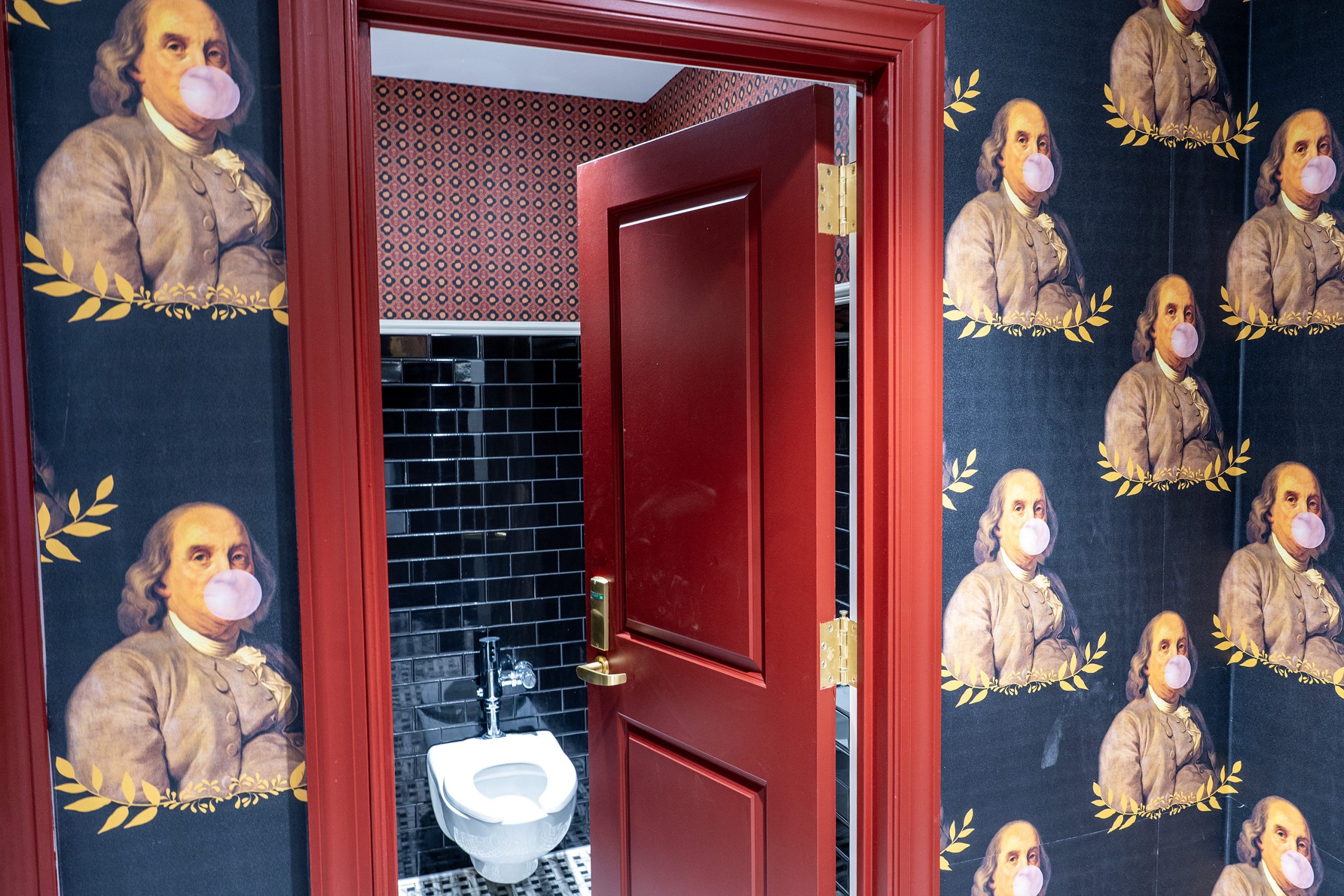
    The restaurant, designed by Nelson Worldwide, aims to feel more like someone’s home than a television set. Warm wood tones, intentionally mismatched plateware, a mural of the Italian Market behind the bar, a wall of vintage rolling pins, and a 40-seat private dining room reinforce the idea that the menu began in home kitchens. The look is whimsical in the restrooms, with wallpaper depicting Ben Franklin blowing a bubblegum bubble.

    Restrooms at Recipe Philly.Tom Gralish / Staff Photographer

    “We wanted people to feel like they were walking into someone’s home kitchen,” Baumstein said. “Since the restaurant is built around home cooks, we wanted every aspect of the design to reflect that idea.”

    Recipe Philly will serve lunch and dinner. Baumstein said entrees will be priced from $25 to $35.

    Randall hopes diners eventually see past the television-production aspect and recognize something more enduring.

    “I fell in love with the heart of the project,” he said. “Then I met the people from the city and realized they had stories that deserved to be told in a fun way.”

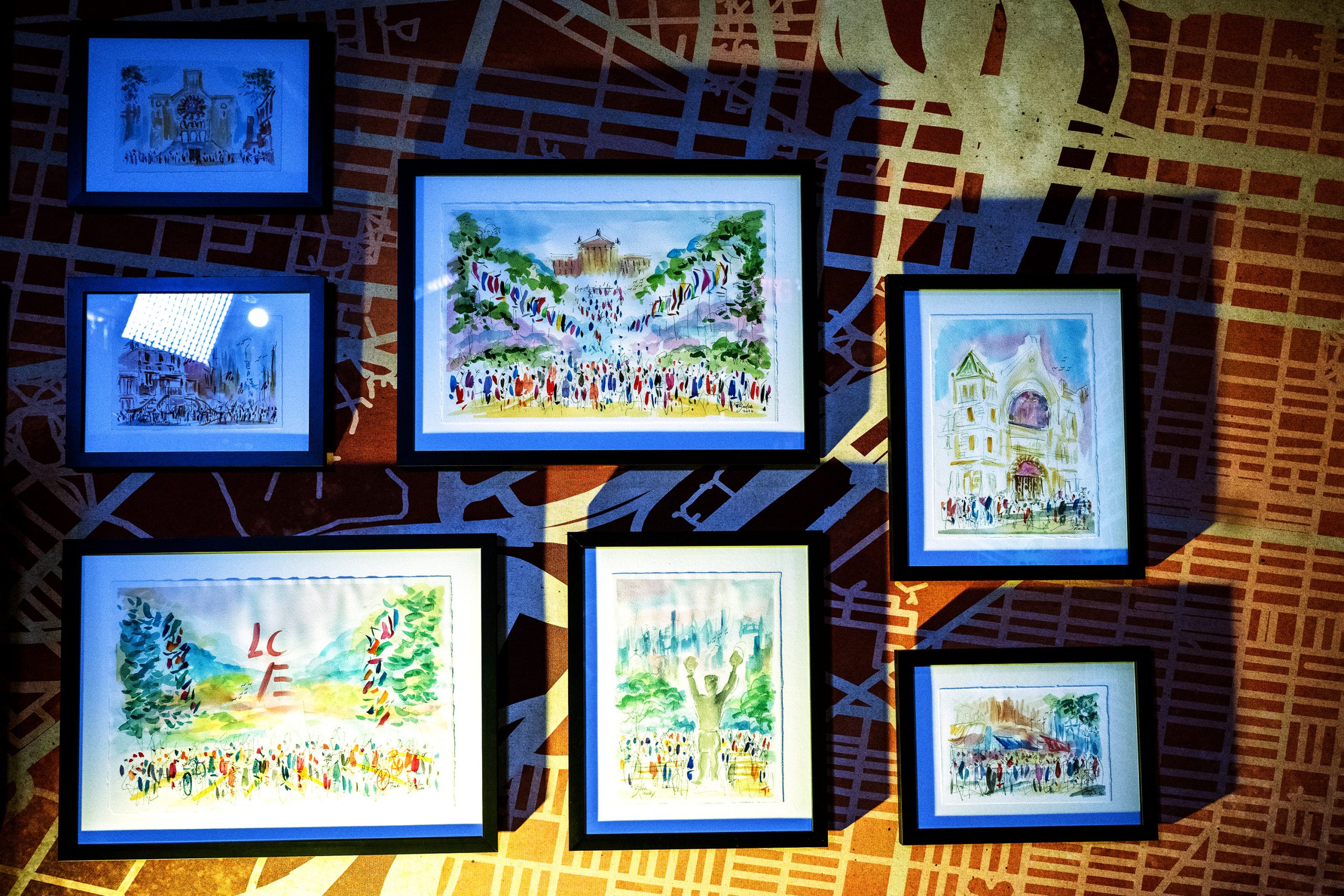
    Watercolors by Philadelphia artist Joe Barker decorate the set of Recipe Philly.Tom Gralish / Staff Photographer
  • Emil DeJohn, celebrated clothing designer and longtime college fashion professor, has died at 88

    Emil DeJohn, celebrated clothing designer and longtime college fashion professor, has died at 88

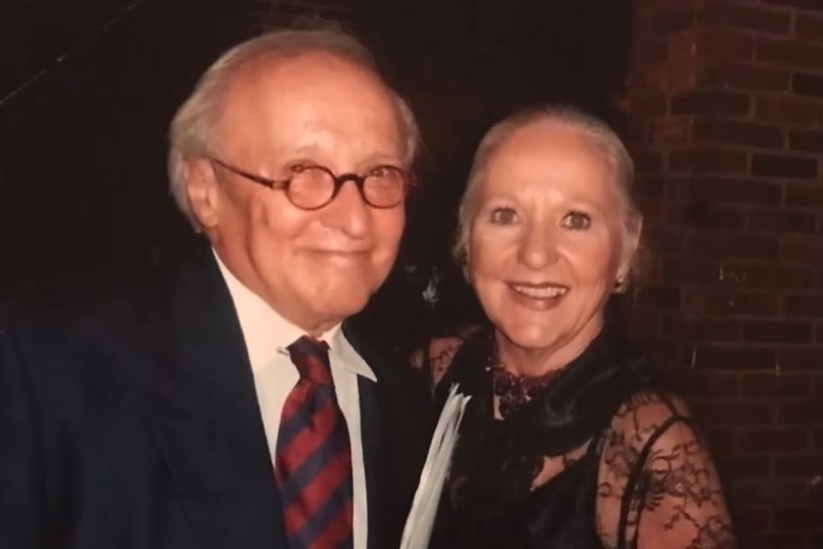
    Emil DeJohn, 88, of Ambler, celebrated clothing designer, longtime college department chair and professor of fashion, lecturer, volunteer, and mentor to generations of designers, tailors, dressers, models, and students, died Wednesday, June 24, of a heart attack at his home.

    Born in Philadelphia, Professor DeJohn worked for 37 years with Bill Blass and other notable clothing designers on Seventh Avenue in New York, and for 21 years as chair of the fashion department at Moore College of Art and Design, director of fashion career development at Drexel University, and professor of fashion at the now-closed Art Institute of Philadelphia.

    He designed clothing of all kinds for men, women, and children for Jones New York, OshKosh B’Gosh, and other international labels from 1960 to 1997. He established his own label, Alex DeJohn by Emil, in the 1980s, and his creations appeared on the covers of Vogue, Harper’s Bazaar, and other magazines.

    Several of his gowns were offered to singer Barbra Streisand in the 1960s, and he received design compliments from, among others, film star Elizabeth Taylor and Andre Leon Talley, former editor-at-large at Vogue. In the 1980s, he was chosen by then-first lady Nancy Reagan to design a colorful clothing collection promoting her “Just Say No” antidrug campaign.

    In New York, Professor DeJohn showed designs at Bergdorf Goodman, Saks Fifth Avenue, Neiman Marcus, and Macy’s. In Philadelphia, he showed at Bonwit Teller and other top shops.

    He also showed in London, Paris, Milan, Hong Kong, and elsewhere around the world. He lectured about fashion at other universities, represented the industry at high school career fairs, and mentored many young designers.

    At fashion shows, they always gave him a front-row seat. “It’s an incredible profession,” he told The Inquirer in 2001. “Lots of ups and just as many downs. I wouldn’t trade one day.”

    In 1997, looking to engage less with consumers and more with emerging designers, Professor DeJohn left the workshops and showrooms in New York for classrooms in Philadelphia. He spent six years as chair of the fashion design department at Moore, several years as director of fashion career development at Drexel, and finally retired in 2018 as a professor of fashion at the Art Institute.

    At Moore, Professor DeJohn recruited Bob Mackie, Betsey Johnson, and other renowned designers to meet his students and provide internships and jobs. At Drexel, he oversaw the Crystal Star Award for design program and taught a class called Aspects of Fashion and Merchandising.

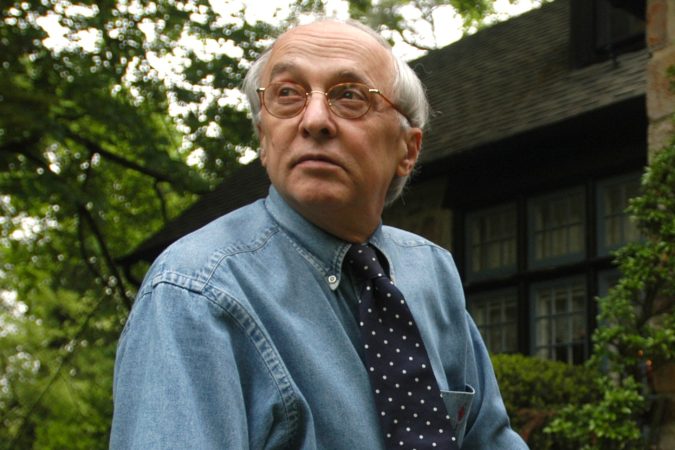
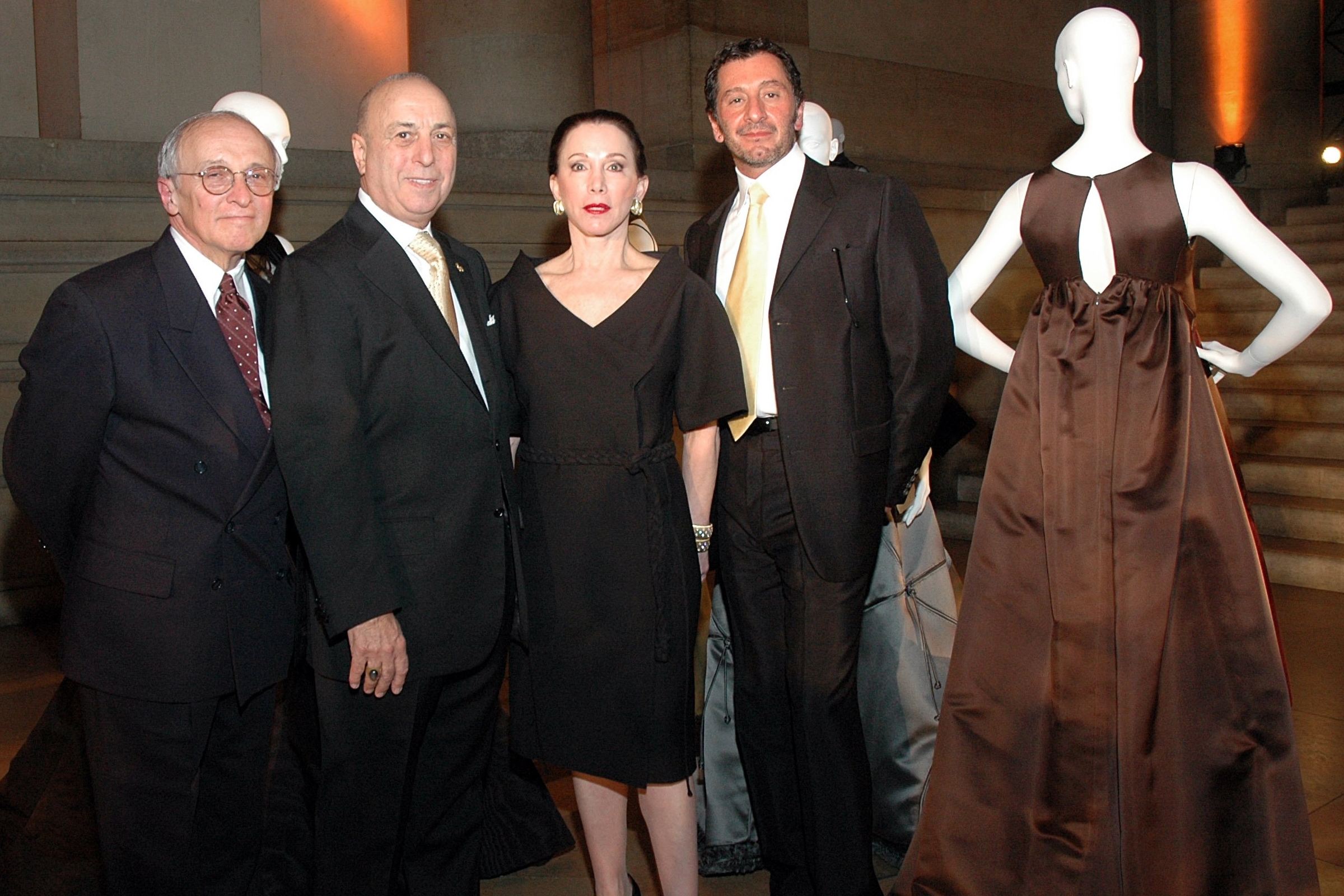
    Professor DeJohn (left) attended many galas as director of the Crystal Award for design at Drexel. Emil DeJohn

    He hosted a fashion club at the Art Institute and was named the school’s 2017 Teacher of the Year. “He was always happy to answer our questions and tell us about the industry,” a former student said in a tribute. Another said: “He inspired all of us to dream big.”

    Professor DeJohn won the city’s Phashion Phest Philadelphia Award for design in 2001 and told The Inquirer: “Teaching the students has been a gift to me. I never envisioned anything I could enjoy more than designing. But this has become an amazing part of my life. I actually love coming to work.”

    He earned other awards for design and his volunteer work at the Rowan House, the Ronald McDonald House, and other nonprofits. “He stood as a beacon of hope,” said his granddaughter Alexandra, “always making everyone feel like he believed in them, always bringing out what made them special.”

    His granddaughter Isabella said: “His legacy continues to inspire me every day.”

    Professor DeJohn met Bette Anne DeChiaro at a dance at the Shore when he was 17, and they married in 1963. Courtesy of the family

    Emil Joseph DeJohn was born Dec. 20, 1937, in his mother’s bedroom in South Philadelphia. The youngest of three children, he discovered art in grade school, took art classes at Fleisher Art Memorial, and graduated from John Bartram High School.

    He earned a bachelor’s degree in fine arts at the old Pennsylvania Museum and School of Industrial Art in 1959. He won the school’s design citation as a senior and worked at first as an illus­trator for the Bul­letin’s fashion pages.

    He met Bette Anne DeChiaro at a dance at the Shore when he was 17, and they married in 1963. They had a daughter, Leisa, and a son, Christian, and lived in Center City, Wyncote, and Ambler.

    Professor DeJohn liked antiques, flowers, and anything blue and white. He supported the old Carmelites monastery in Philadelphia and belonged to St. Luke the Evangelist Church in Glenside.

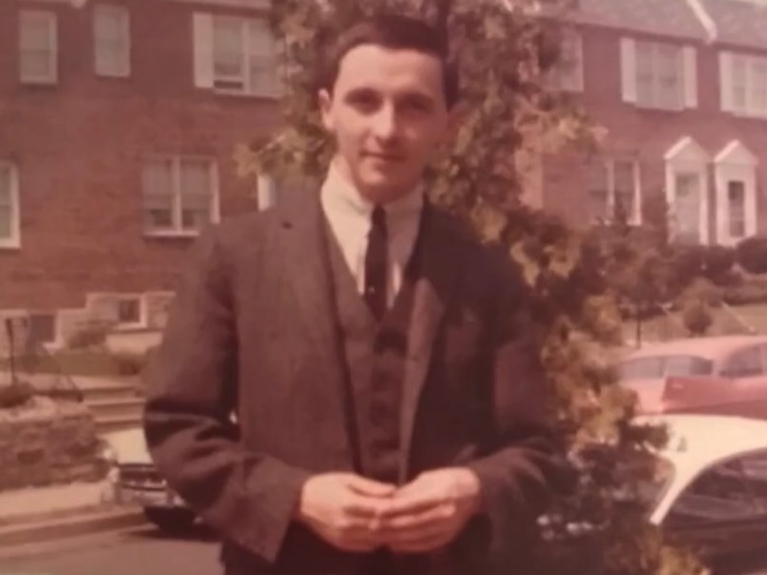
    Professor DeJohn first became interested in art and fashion in grade school. Courtesy of the family

    He made friends on his daily two-hour train rides to New York and said he never considered leaving Wyncote. “I loved leaving all that and coming home to cut the grass,” he told The Inquirer in 2001. “My neighbors didn’t even know what I did for a living.”

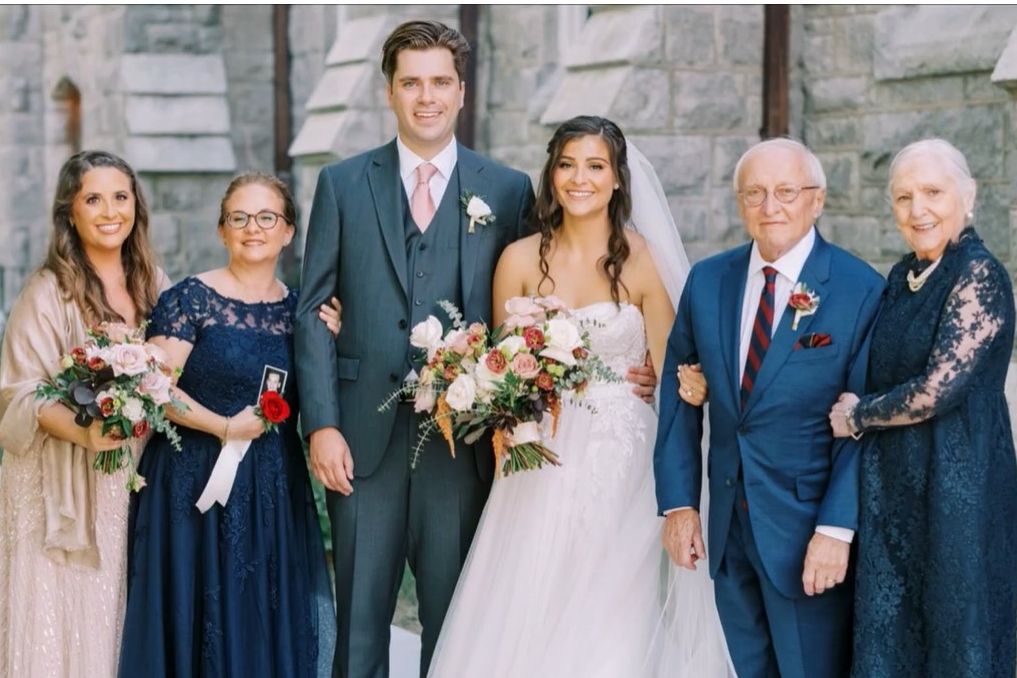
    He designed his daughter’s wedding dress, took his granddaughters to mesmerizing fashion events, and made memorable trips to Ocean City, N.J., Longwood Gardens, New Hope, New Mexico, and Florida. He especially enjoyed decorating his home and Christmas tree with ornaments and live flowers.

    “He made us all feel seen and special,” his daughter said. “He did that for everyone he met.”

    In addition to his wife and children, Professor DeJohn is survived by four grandchildren, one great-granddaughter, and other relatives. A sister, a brother, and a son-in-law died earlier.

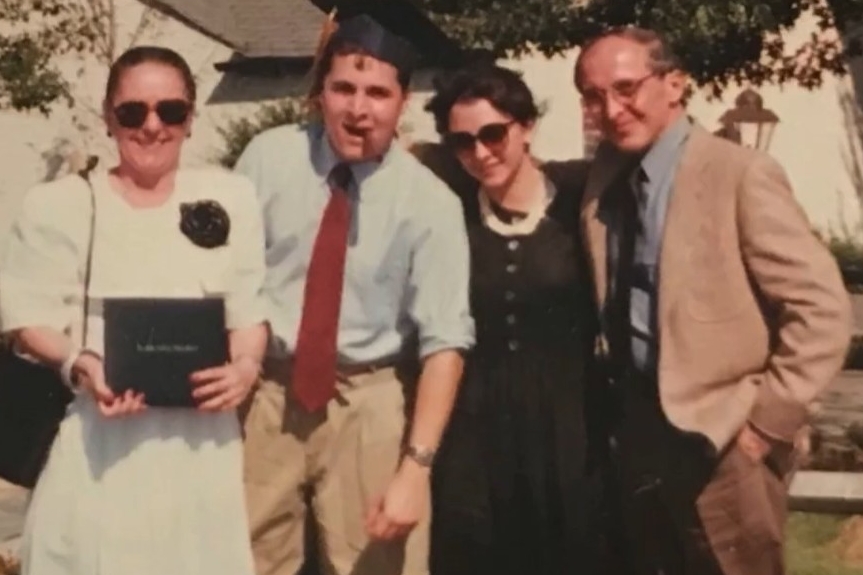
    Professor DeJohn (right) said he would never leave Wyncote for New York. Courtesy of the family

    Services were held earlier.

    Donations in his name may be made to the Carmel of Jesus Crucified Monastery, Attn: Mother Pia, Box 308, Muenster, Texas 76252.

    Professor DeJohn (second from right) enjoyed time with his family.Courtesy of the family
  • Philadelphia offers forgivable $50,000 loans to help small businesses expand | Expert Opinion

    Philadelphia offers forgivable $50,000 loans to help small businesses expand | Expert Opinion

    Want $50K for your business, along with coaching and advice to help it grow? The City of Philadelphia has a program to provide just that.

    Since 2021, the city has been offering forgivable loans of up to $50,000 for businesses through its annual Boost Your Business program. Applications for this year’s program opened in June and will close Aug. 31. Up to 20 businesses will be selected.

    To be eligible, your business must be independently owned (this includes some franchises), located in Philadelphia, in operation for at least two years, and have at least $350,000 in annual revenue. Businesses also must be paid up or have an approved payment plan for all local, state, and federal taxes. And they must have all necessary licenses and permits, including an active Philadelphia commercial activity license.

    Applicants must provide a budget and growth plan, as well current financial statements and two years of federal business tax returns. Any debt must be disclosed and anyone with more than a 20% interest in your business must provide authorization. Eligible businesses that are seeking city contracts are encouraged to apply.

    The growth plan is a key document. That’s because businesses selected for the program are facing “unique barriers in accessing critical funding and resources that are needed to help their business grow,” according to the city’s Department of Commerce and its partner in the program, the Philadelphia Industrial Development Corp. (PIDC). The awards are made in the form of a loan, which can be forgiven assuming the business meets its stated growth goals.

    “Applications are scored for feasibility of the growth plan and whether and how this $50K will enable the business to achieve that growth,” said Miaya Darby, a senior manager of small business resources at the city’s Department of Commerce.

    The department looks at businesses’ plans to create jobs or compete for projects, Darby added. Favor is given to those who “can show how their business is integral to the success of other Philadelphia businesses and how their business gives back to the community.”

    Darby emphasized that the program is designed not only to help businesses grow, but also to support entrepreneurial development.

    “Through funding, business support services, and one-on-one coaching, participants gain the tools, knowledge, and resources needed to strengthen their leadership, build sustainable business practices, and position their businesses for long-term success,” she said.

    The application process takes time. Rolanda Robinson, a 2024 winner who owns Carefully Caring Home Care Agency in Mount Airy, said applicants should be careful with their due diligence and think ahead about how they’re going use the funds.

    “Just make sure whatever you want to add to your business is feasible and attainable,” she said. “It’s a loan that is forgiven and turned into a grant, so you don’t want to mess that up.”

    The program aims to help businesses obtain new contracts, increase revenue, and create jobs for Philadelphians.

    Winning applicants get one-on-one and monthly coaching sessions, peer networking, and other shared learning resources. They will also have access to experts in tax, human resources, finance, and operations through workshops and presentations. Previous recipients consistently said the coaching and peer network proved as valuable as the funding itself.

    Marc Coleman, who owns The Tactile Group in Center City, said the coaching, peer learning, and access to outside experts are just as valuable as the loan.

    “It’s not only the money; it’s the support,” said Coleman, whose software development company got the loan in 2024. “The professional development, that’s something that cannot be downplayed.”

    Mentorship and coaching was also most valuable for Ian Smith, who runs an architecture, planning, and interior design services firm in Fishtown and won his award in 2024.

    “The $50,000 is nice, but in the grand scheme of things, that money goes quick,” he said. “One of the best things about the program is that you’re there with a bunch of different types of business owners, experts, and advisers, and when you’re in a room of people that are cheerleaders, it’s invaluable.”

    When you own a business, Smith noted, “it’s a lonely space. You’re dealing with problems and you need to vent.”

    Coleman said the PIDC’s guidance helped his company “refine our plan” and move the business forward “in ways that we wouldn’t have come up with by ourselves.”

    Darby says the program’s real impact on past participants is reflected by receiving loan forgiveness each year.

    “Their achievement speaks to the hard work, growth, and dedication,” she said. “Not only have their businesses grown, but they have also grown as business owners throughout the process.”

    Interested business owners can learn more at the next Boost Your Business information session online and in-person Aug. 10.

  • Northern Liberties’ new steakhouse is solid, but in need of a soul

    Northern Liberties’ new steakhouse is solid, but in need of a soul

    My Uber driver could be forgiven for becoming a tad disoriented as we gingerly approached Terra Grill. After all, this newly cobbled stretch of Germantown Avenue in Northern Liberties has not appeared on a Philadelphia map since the 19th century, when the massive Schmidt’s Brewery rose here in 1860 on 14-plus acres east of North Second Street.

    The legendary brewery is long gone, closed in 1987, demolished in 2000, and replaced in 2007 by developer Bart Blatstein’s original Piazza project, which supercharged gentrification of this once-industrial neighborhood. The mixed-use development quickly sputtered after an ownership change in 2013, just as nearby Fishtown and Kensington began to thrive.

    Can Terra Grill help revive the Piazza dream? I’m not convinced a steakhouse alone will do the trick, even if it’s something different for Northern Liberties. (Remember the short-lived “vibe dining” of meat-forward SIN?)

    But the development’s current owners, Post Brothers, clearly hope this modern American grill will help restore at least some of the neighborhood’s shine. It’s a $6 million anchor for the Piazza Alta, a new 1,100-unit high-rise complex targeted to families, not just the “frat boys in backwards trucker hats” that Post CEO Michael Pestronk said occupied the Piazza during its decline under their predecessor, Kushner Cos., whose tenure saw falling rents and shuttered retail storefronts.

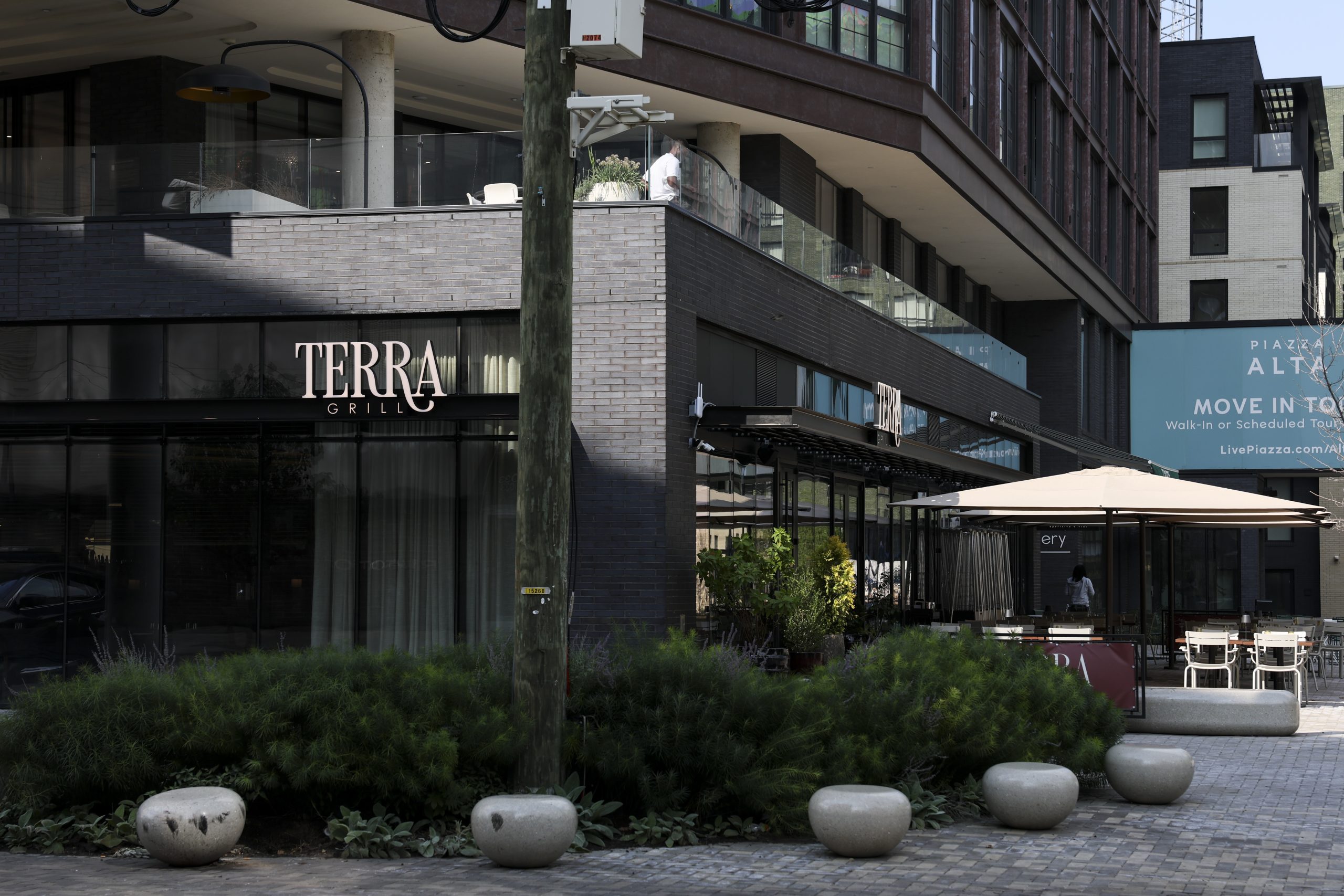
    The exterior of Terra Grill on July 9 in Philadelphia.Monica Herndon / Staff Photographer

    The fact that there are people blithely wandering across our car’s path as we approach Terra Grill’s landscaped facade is both confusing and deliberate. Post Brothers has resisted adding road striping to the avenue (a technically private stretch now open to the public) to “prevent it from becoming a speedway.” The unmarked stones are meant to foster a street-facing, Euro-style pedestrian plaza.

    Recruiting a nationally known chef for this project in Laurent Tourondel is also part of the strategy to give the neighborhood an upscale, Center City-esque aura — signaling that this once-edgy neighborhood has a new polish on top of its existing gastropubs (Standard Tap, North Third), cutting-edge vegan cooking (Pietramala), brunch spots (Honey’s Sit ‘N Eat, Cafe La Maude) and standout BYOBs (Pera, Apricot Stone). With an apartment boom bringing thousands of new residents and median incomes skyrocketing over the last decade, the affluence and density is suddenly there to potentially support something fancy like Terra Grill, whose entrees hover in the mid-$30s before you even touch the $50-plus prime steaks.

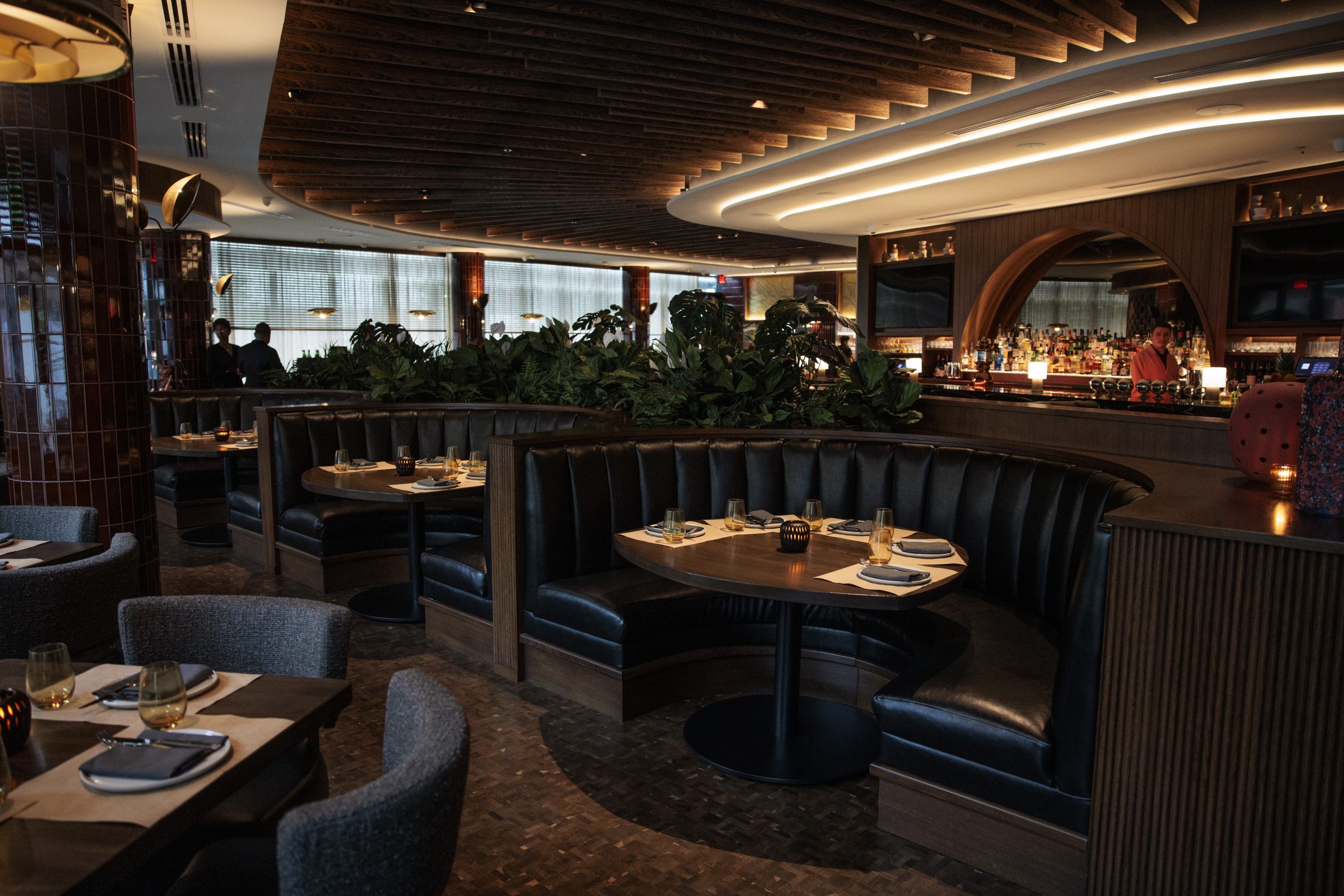
    The interior of Terra Grill on July 9 in Philadelphia.Monica Herndon / Staff Photographer

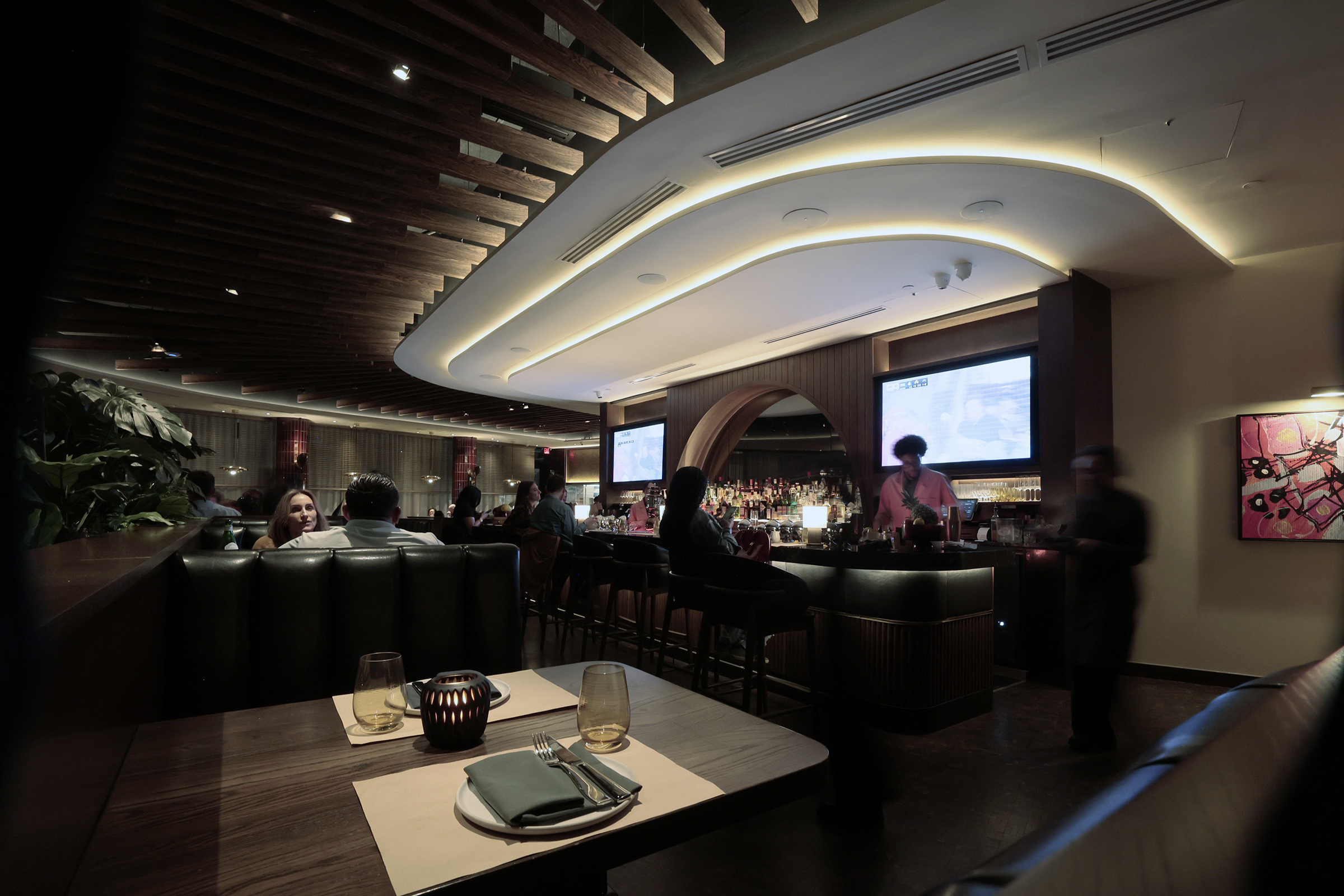
    Is it a particularly adventurous place to dine? Not especially. But that may not matter. The restaurant exudes a textbook chophouse vibe, with circular booths clad in cushy black leather, a marble-topped bar, dark wood accents, walls of wine bottles, and hot pans of fresh, salt-speckled Parker House rolls served with little crocks of whipped miso-garlic butter.

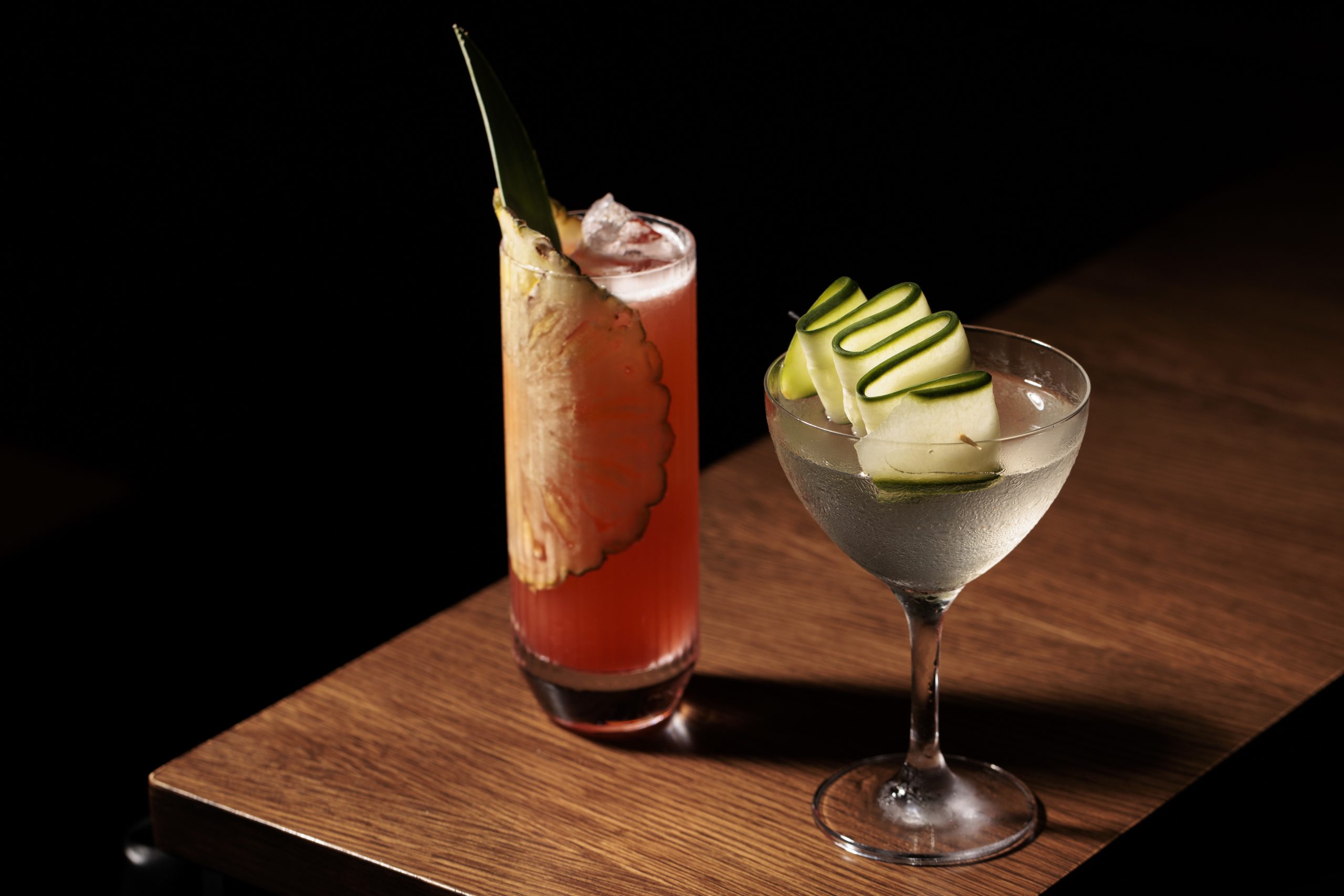
    There are culinary twists on classic cocktails to spark the meal, like the Quick & Dirty, an entry-level dirty martini washed with tzatziki yogurt and piqued with giardiniera brine, or the Golden Hour white Negroni, infused with red and golden raspberries as a nod to Philly’s Clover Club.

    The Crazy Bird and Quick & Dirty cocktails at Terra Grill on July 9.Monica Herndon / Staff Photographer

    It’s the bar program’s nod to the kitchen ethos of the French-born Tourondel, a respected chef based out of New York best known for BLT Steak (which he no longer owns) and BLT Fish, which briefly held one Michelin star and is now closed. Tourondel has since evolved into a management chef for hire, having opened 58 restaurants, from Kazakhstan to Panama, over the course of his career. He now operates 12 locations under his company, from Manhattan (L’Amico) to South Beach, where we recently dined on a delicious and stylish rendition of steak and eggs for brunch at LT Steak & Seafood.

    Terra Grill is large, with 139 seats inside and 50 on the patio, alongside the chef’s cozier and more casual Roman-inspired Scusi Pizza. But the menu is essentially straight off the Tourondel rack: quality ingredients in familiar dishes treated with a thoughtful flourish or a seasonal touch. In other words, something for everyone.

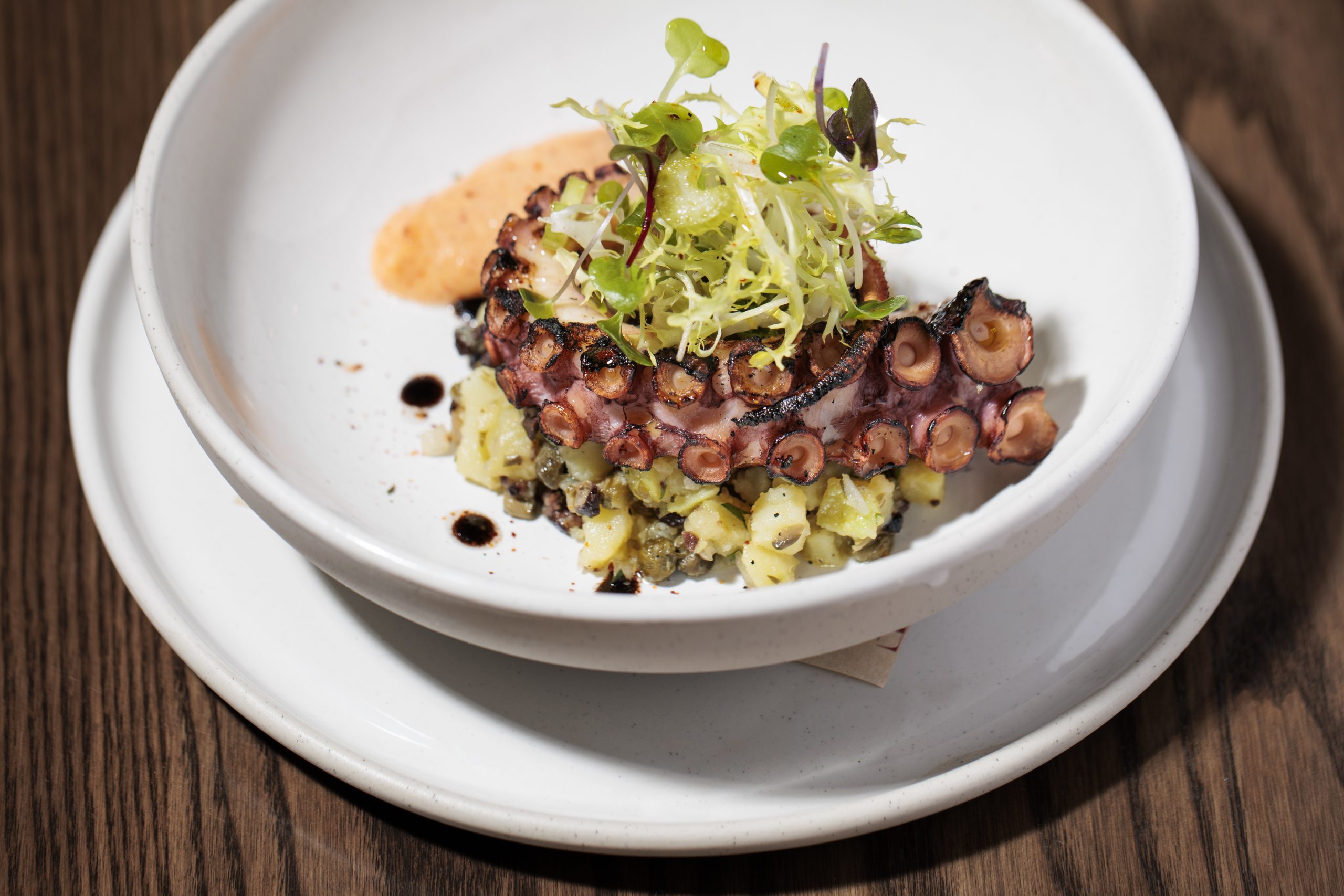
    The grilled octopus at Terra Grill.Monica Herndon / Staff Photographer

    I especially enjoyed Tourondel’s octopus starter, coiled into a thick ring with its tentacles pointing out over a hash of crushed fingerling potatoes bright with lemon, olive oil, espelette aioli, and black dots of cured-olive purée. A baked crab cake is meaty and fresh, and fun to eat from the shell that it’s been stuffed back into.

    Beside such successes, though, there are some fusion dishes that felt off-key, like the fried calamari with sweet chili dip, or the chimichurri-dabbed short ribs wrapped in bao buns whose puffy hinges had gone stale. A luxe hot dog encased in puff pastry with Gruyère and sauerkraut would have been delicious had its Wagyu dog not been so dense and rubbery. (Just as with burgers, a Wagyu pedigree does not make a hot dog better.) A tuna tartare stuffed into a flower-like bloom of shaved watermelon radishes beneath an avocado dome was flavorful and satisfying. But a mizuna salad draped with yuzu-dipped slices of yellowtail was awkward to eat and a waste of good fish.

    The prime rib eye with dauphine potato puffs and grilled asparagus at Terra Grill.Monica Herndon / Staff Photographer

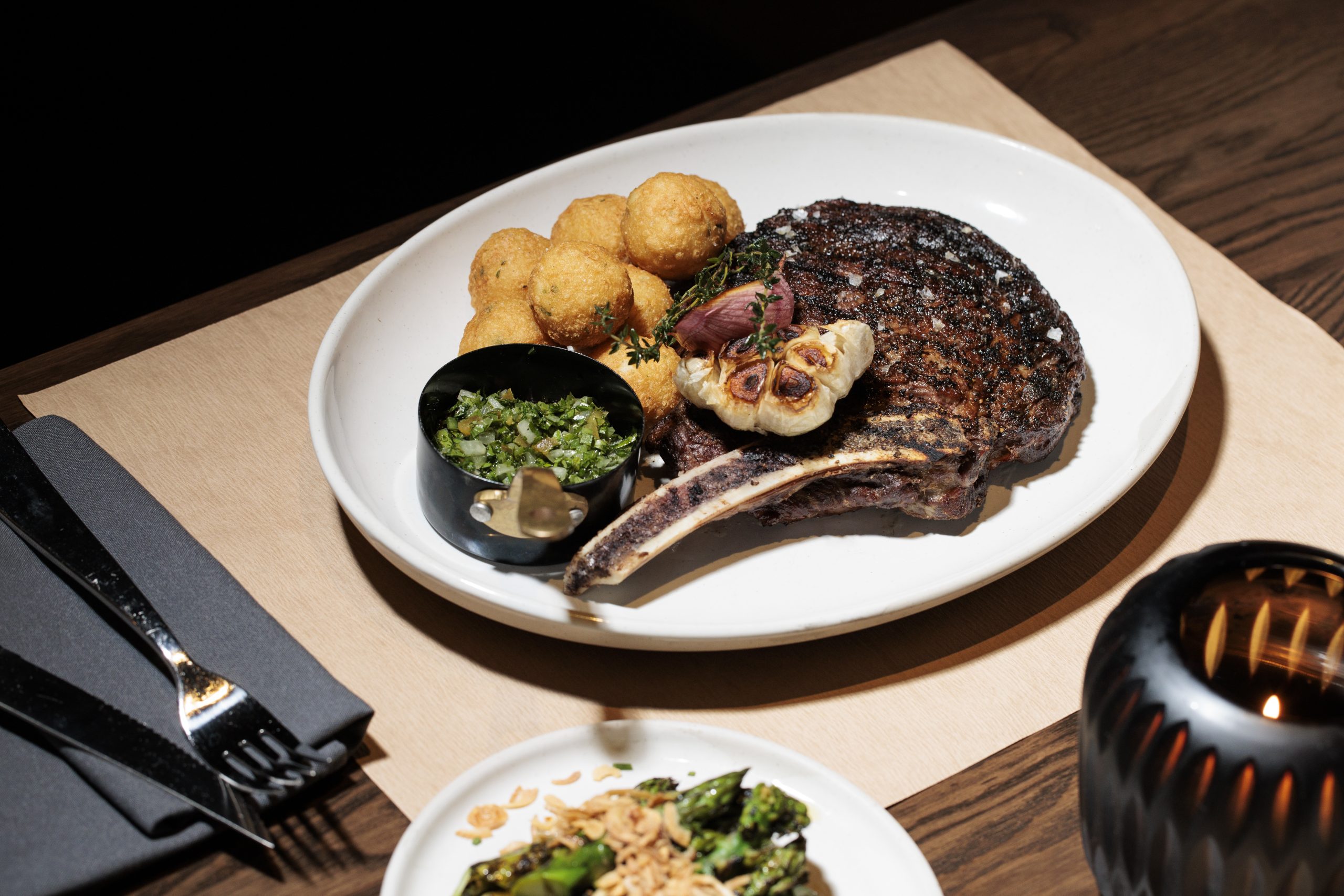
    The entrees are naturally headlined by the steaks — all high-quality prime grade (except for the Angus filet mignon) and properly cooked over the live flames of a hardwood grill, served simply with the sauce and side of your choice. The 22-ounce rib eye was the ultimate beefy cut of the four options, and also the most expensive at $98. The entry-level skirt steak wasn’t huge for $52 (and oddly, more expensive than the signature dish at Tourondel’s Skirt Steak in Midtown Manhattan), but the 10-ounce flap of black garlic-marinated beef glazed in hoisin was delicious, especially with crispy croquettes of dauphine potato puffs on the side.

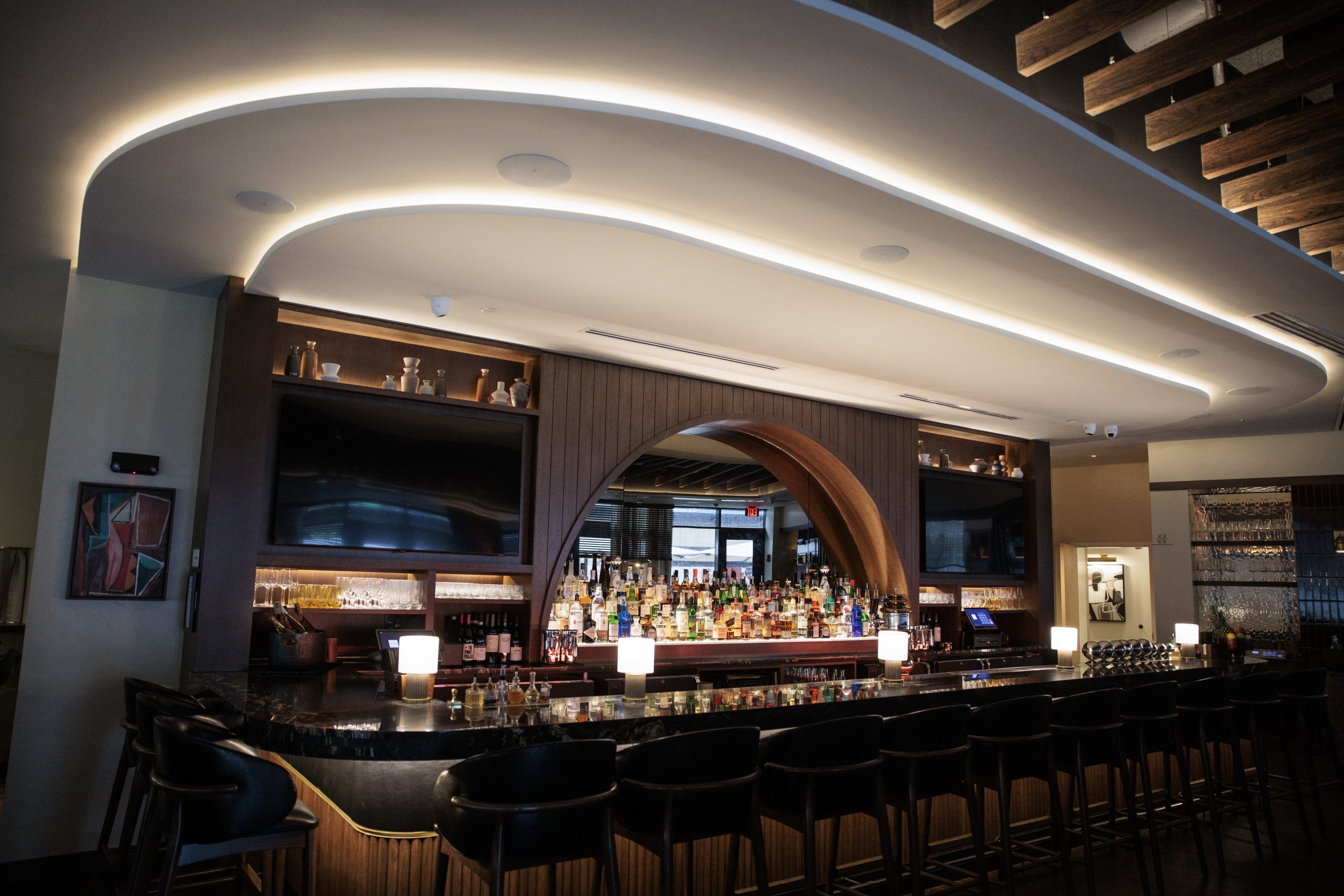
    The bar at Terra Grill restaurant, 1099 Germantown Ave.Elizabeth Robertson / Staff Photographer

    Considering designer Olya Volkova’s attention to fostering the clubby comforts of a swank dining room, it’s a shame the mood is so often squashed by the glaring flash of big TVs behind the central bar. It speaks to a personality conflict this fledgling restaurant is still trying to resolve: Is Terra Grill a special-occasion destination, or a chic weekly hangout for neighbors to watch the Phillies over a $28 burger?

    I’d actually come back for that prime beef burger encrusted with seven different kinds of peppercorns and topped with molten raclette cheese — if only they manage not to overcook it next time.

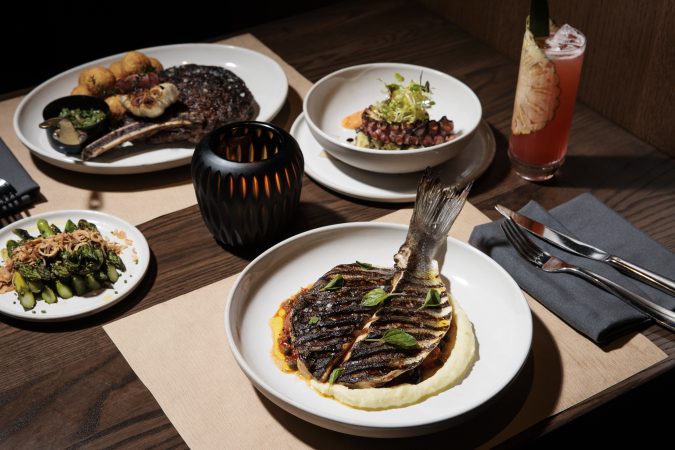
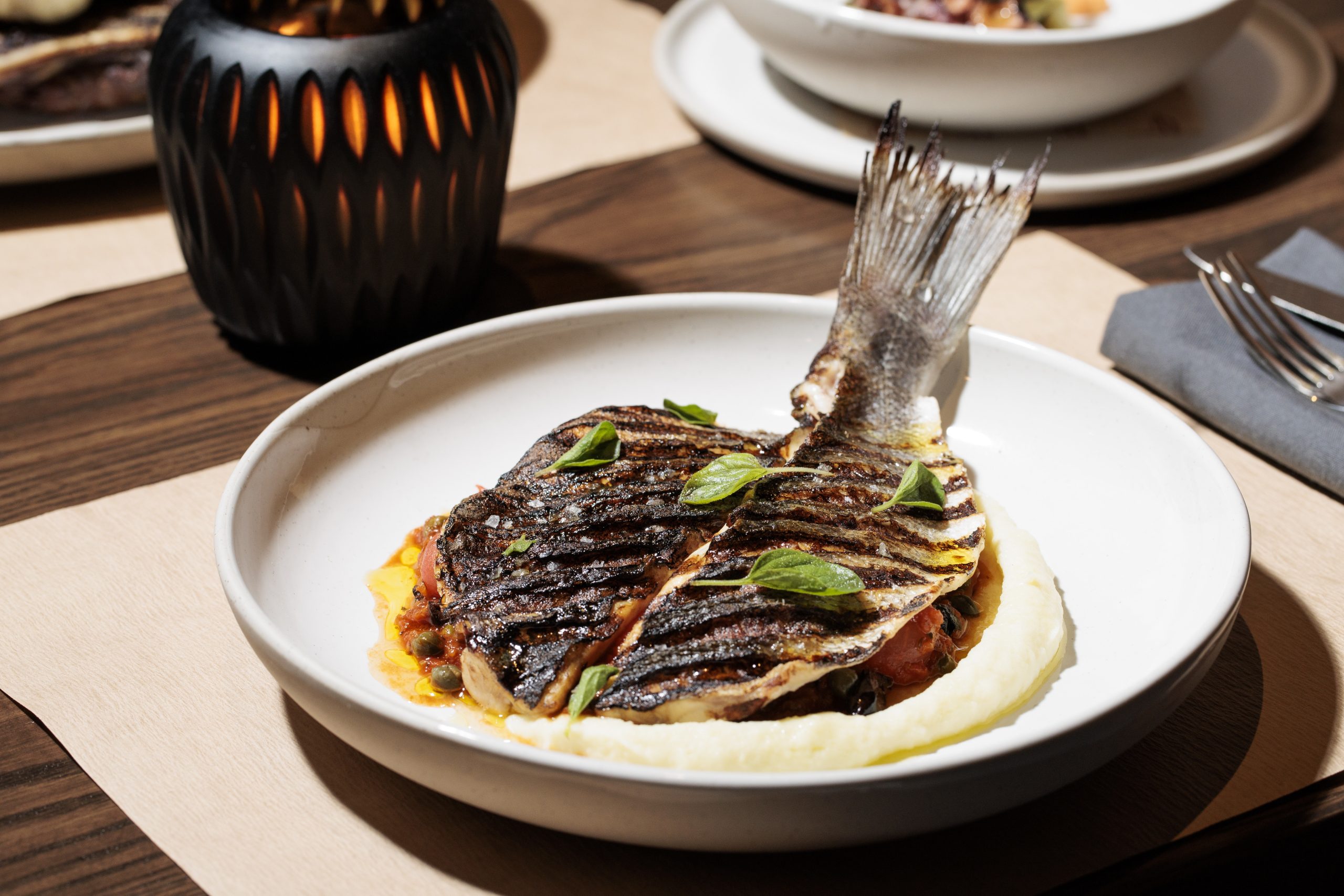
    I can also see returning for the excellent branzino, which gets butterflied and crisped skin-side down over the wood fire and served with a seasonal garnish — a lemon-soy salsa verde in spring, and now a summery puttanesca of blistered tomatoes with capers and olives. That fish is a fair deal at $36. However, even the chef conceded the entree of head-on red shrimp was “a little small” when I sent him a picture of my plate with three crustaceans for $36.

    The grilled branzino puttanesca at Terra Grill.Monica Herndon / Staff Photographer

    The rigatoni in lamb Bolognese is understandably popular with Terra’s regulars, both hearty and flavorful for $28. But it also feels random on a menu that has few other Italian flourishes — even if Tourondel’s adjacent pizzeria, Scusi, is right next door.

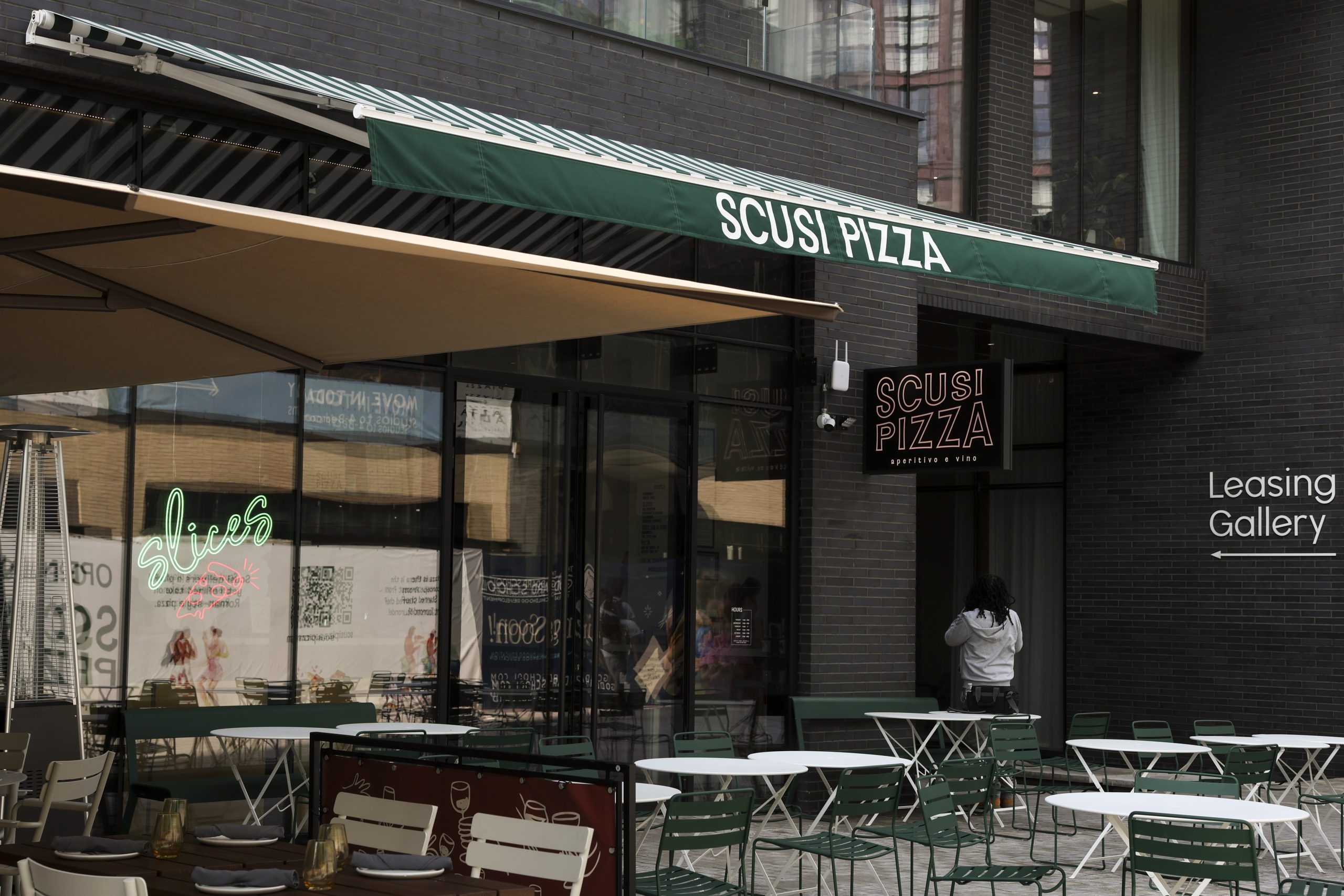
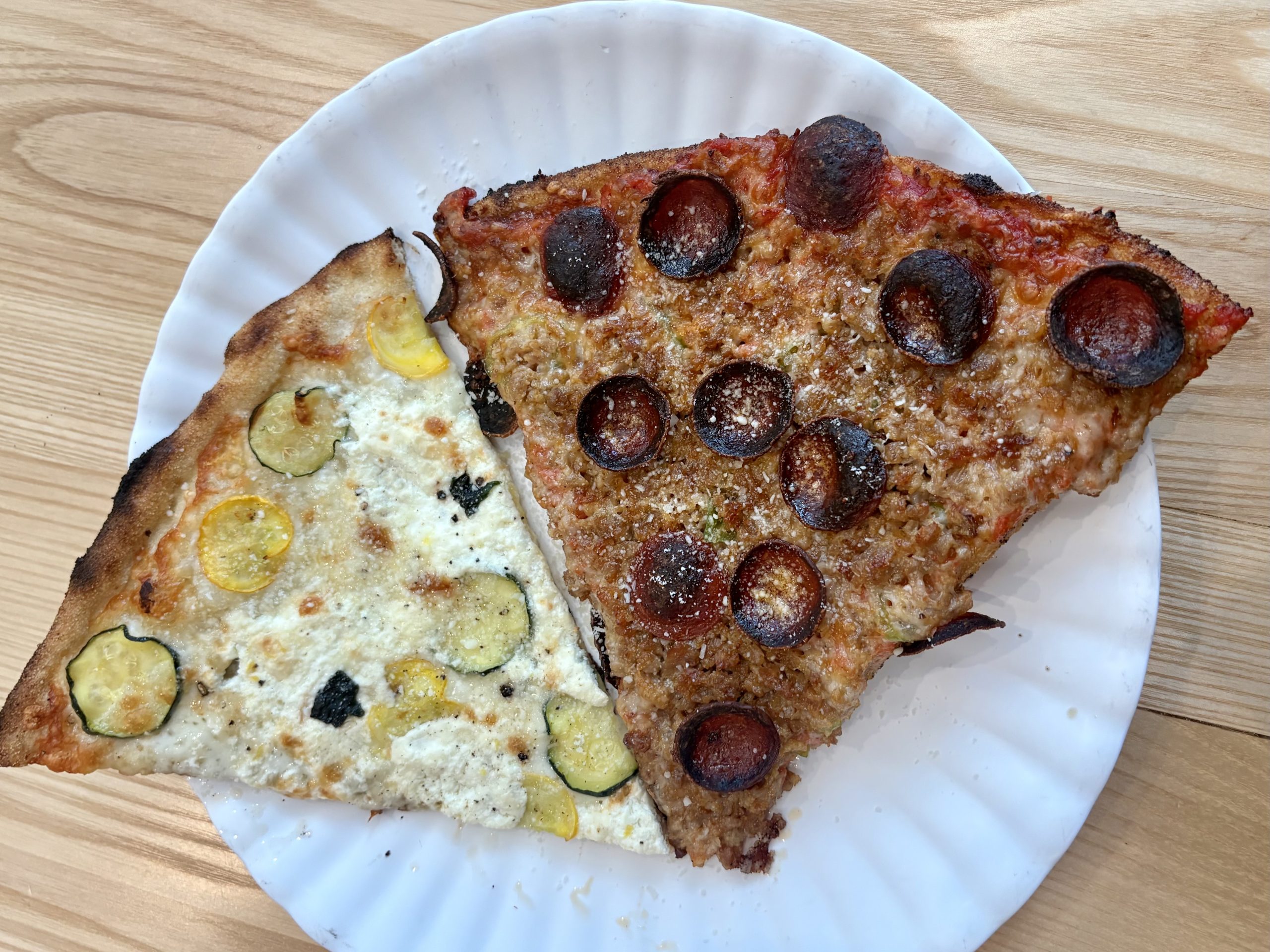
    With its blond wood, aperitivo hour, and appealing menu of salads and pies (many available by the slice), Scusi could very well be just the affordable counterpart Terra needs. But its thin-crusted Roman pies were so strangely heavy from a blend of grains, including bran, that the dough was leaden and tough. My weighty slice of sausage and pepperoni was also incinerated.

    Two slices of pizza at Scusi, located in the Piazza Alta in Northern Liberties.Craig LaBan / Staff
    Scusi Pizza next door to Terra Grill.Monica Herndon / Staff Photographer

    Having previously enjoyed Tourondel’s Neapolitan-style Sag Pizza in the Hamptons, I know he’s capable of good pies. But Scusi’s troubled crusts reflect one of the perils of having a remote-control chef conducting from out of state.

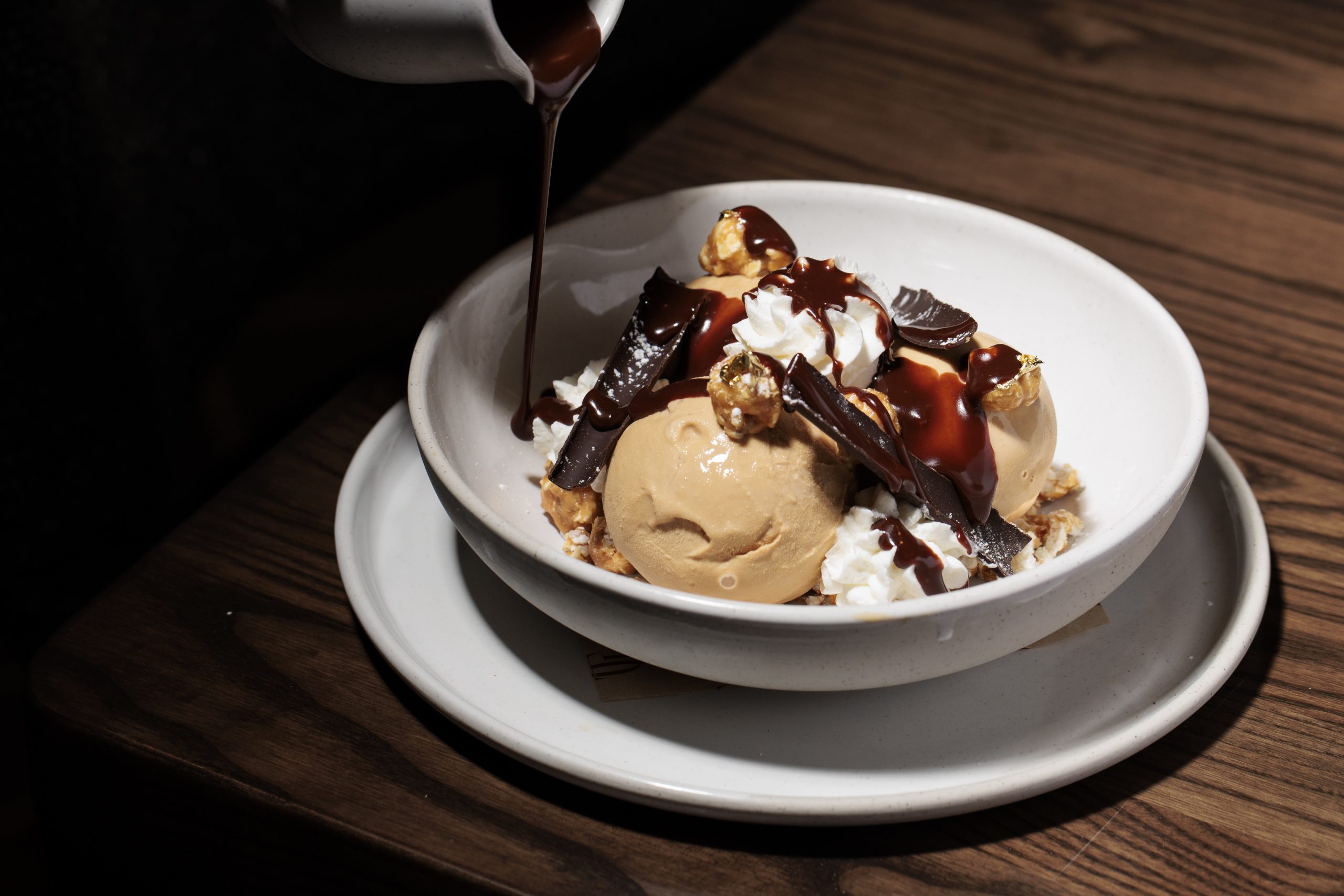
    Even more difficult than executing recipes, though, is finding the soul of a cookie-cutter concept, such that it feels like it fits the fabric of a place. Of course, in a literal blank slate like the Piazza Alta, the right restaurant can help set that tone. I did enjoy much of my food here, including the whimsical finale of a caramel popcorn sundae with a tableside chocolate sauce drizzle.

    There are good ingredients in place. And the service is friendly enough (despite some rushed pacing with the starters). But there is still a paint-by-numbers corporate energy to Terra Grill.

    The caramel popcorn sundae at Terra Grill.Monica Herndon / Staff Photographer

    Maybe its stride will come with more customers: The restaurant was less than half full during my visits. Perhaps they will materialize if the neighborhood gains the kind of momentum its developers hope to conjure — including the promise of an undisclosed local star chef slated to take a prime space across from Terra. Tourondel’s restaurants alone do not carry the gravity to fully animate this recently revived stretch of Germantown Avenue, but Terra could complement a broader scene. Just like the chaotic, slow-motion traffic patterns outside the restaurant’s doors, it feels like a work in progress.


    Terra Grill

    1099 Germantown Ave., 267-962-0011, terragrillrestaurant.com

    Dinner 5 to 9 p.m. Sunday, Wednesday, and Thursday; until 10 p.m. Friday and Saturday. Brunch 11 a.m. to 3 p.m Saturday and Sunday.

    Entrees, $28-$98.

    Wheelchair accessible.

    A little over half the menu items are gluten-free, with several others being easily modified with care to avoid cross contamination. Fried items are not available.

    Menu Highlights: Parker House rolls; fried calamari; lemon chicken parm sandos; grilled octopus; stuffed crab cake; grilled branzino; Terra burger; prime steaks (skirt; strip, rib eye); potato puff dauphine; caramel popcorn sundae.

    Drinks: Creative takes on classic cocktails with culinary twists are front and center, including a tzatziki-washed riff on a dirty martini and the rummy Crazy Bird tinged with bitter Campari. The sub-50 label wine list covers multiple styles with a balance of big names (Whispering Angel, Jordan) and lesser-known options (Decibel, Txakoli rosé). There are solid choices by the glass at $20 and under.

    The interior of Terra Grill on Thursday, July 9, 2026 in Philadelphia.Monica Herndon / Staff Photographer
  • Memorial honoring woman killed by drunk driver moved hours after its installation on Spruce Street

    Memorial honoring woman killed by drunk driver moved hours after its installation on Spruce Street

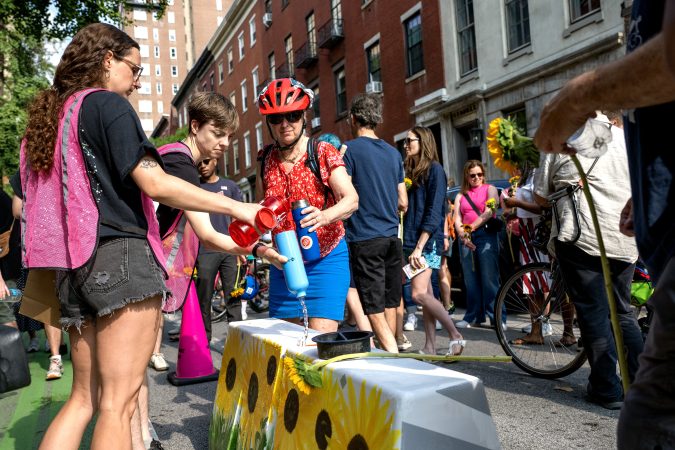
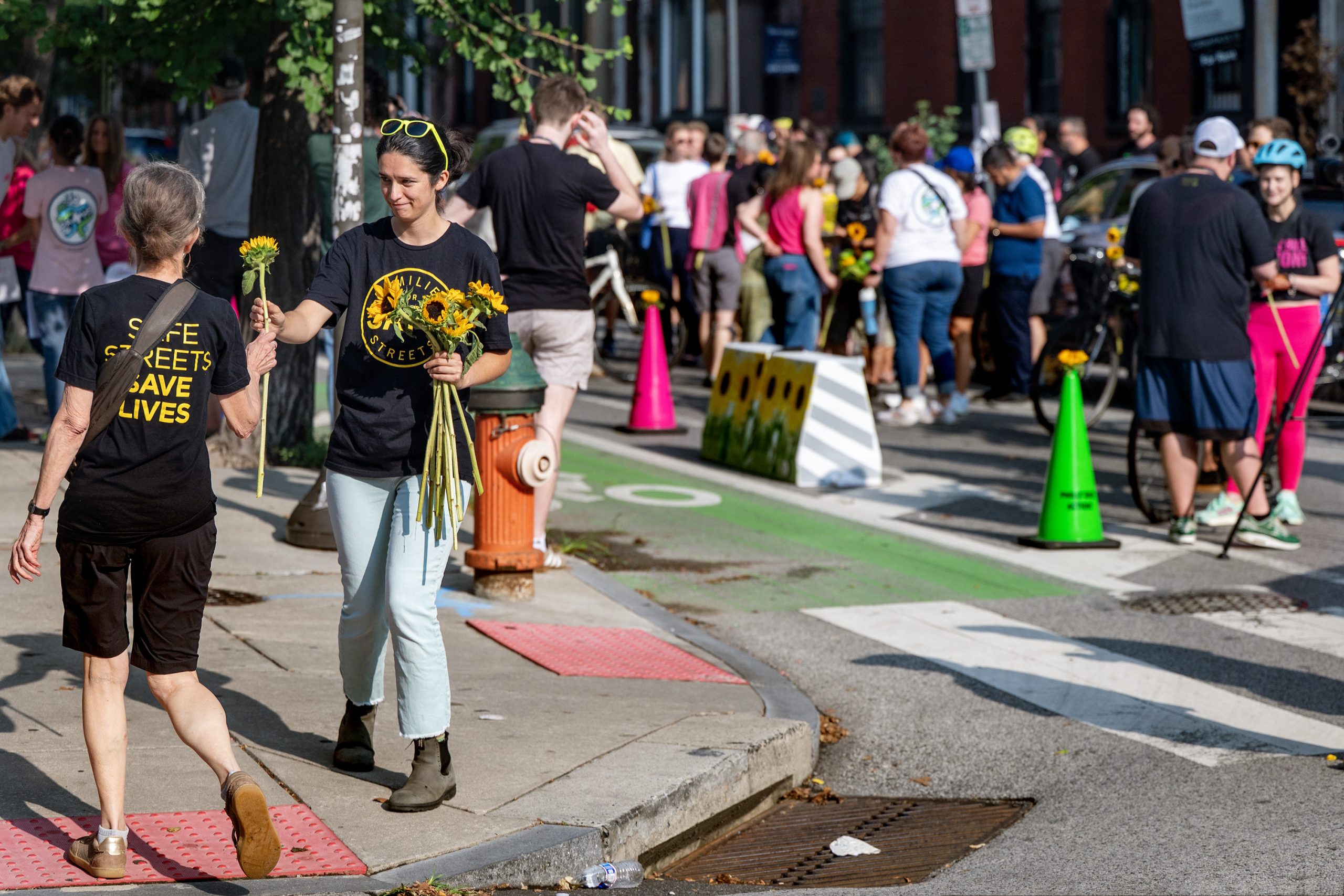
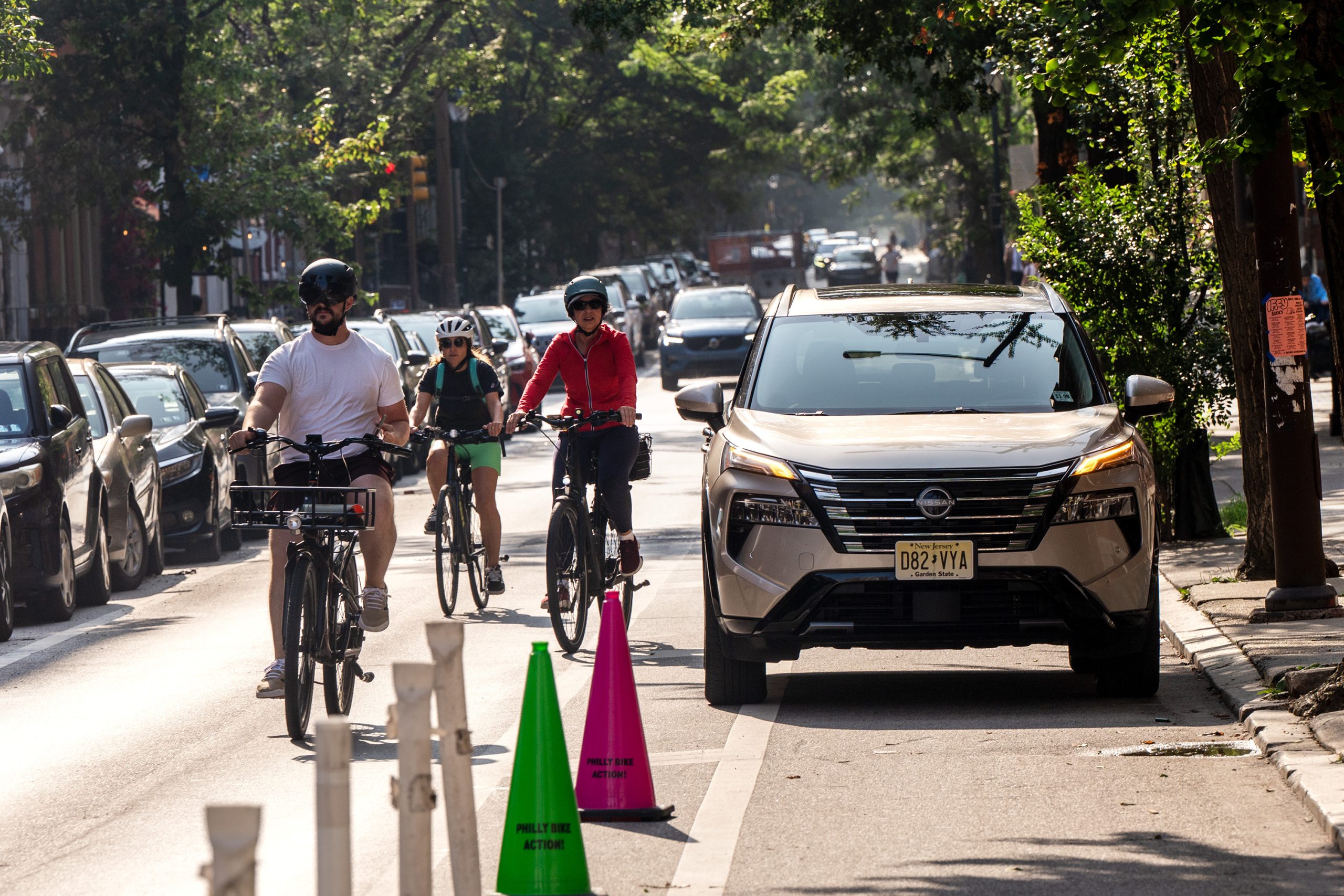
    A four-foot plastic traffic barrier was placed in the bike lanes on 18th and Spruce Streets on Sunday. Painted white and adorned with 12 sunflowers, the small protective barrier would not only protect cyclists from cars, but represent the people killed by drivers since the death of Barbara Friedes, a pediatric doctor who, in 2024, was killed where the painted barrier was placed while riding her bike home from work.

    But just hours after hundreds of people, including City Council President Kenyatta Johnson, helped install the barrier during a memorial for Friedes, it was removed, said Jessie Amadio, an organizer for Philly Bike Action, which organized the memorial.

    The swift removal led the group to suspect city crews may have removed it, sparking an outcry from supporters who contacted city departments and Mayor Cherelle L. Parker.

    “It takes years to protect a bike lane but hours to remove bike lane protection?” Philly Bike Action wrote on Instagram. “Drained and removed on a Sunday like it was the most pressing business in the entire City today.”

    The city has said it was not aware of any removal efforts on its part.

    Later Sunday, Philly Bike Action members found the memorial barrier tucked behind a dumpster in the alleyway behind Temple Beth Zion-Beth Israel, mere feet away from where it was placed. The city contends crews would have taken it to a sanitation facility or other waste removal site.

    Hanna Kahler hands out sunflowers as family, friends, and Philly Bike action members arrive at Barbara’s Angel Bike at 18th and Spruce for a memorial Sunday. Barbara Friedes, a 30-year-old Children’s Hospital of Philadelphia doctor, was killed on her bike on the spot by a drunk driver in July 2024.Tom Gralish / Staff Photographer

    The city’s Managing Director’s Office said it was unaware of any city employee taking part in the memorial barrier’s removal.

    “We just need more time to ask every single person who might have been out there, but everybody who has been asked at this point who worked in that area on Sunday did not remove them,” a spokesperson said.

    The office has been investigating since Sunday afternoon, checking with the Philadelphia Police Department, the Fire Department, the Streets Department, and the Department of Sanitation as to whether one of their crews removed it. The spokesperson said that no city department issued an order for employees to remove the barrier.

    The Police Department reported back that it did not have nearby surveillance footage showing the area where the barrier was placed to identify who may have removed it. Police canvassed the area Monday to gather additional information and doorbell surveillance footage, a spokesperson said.

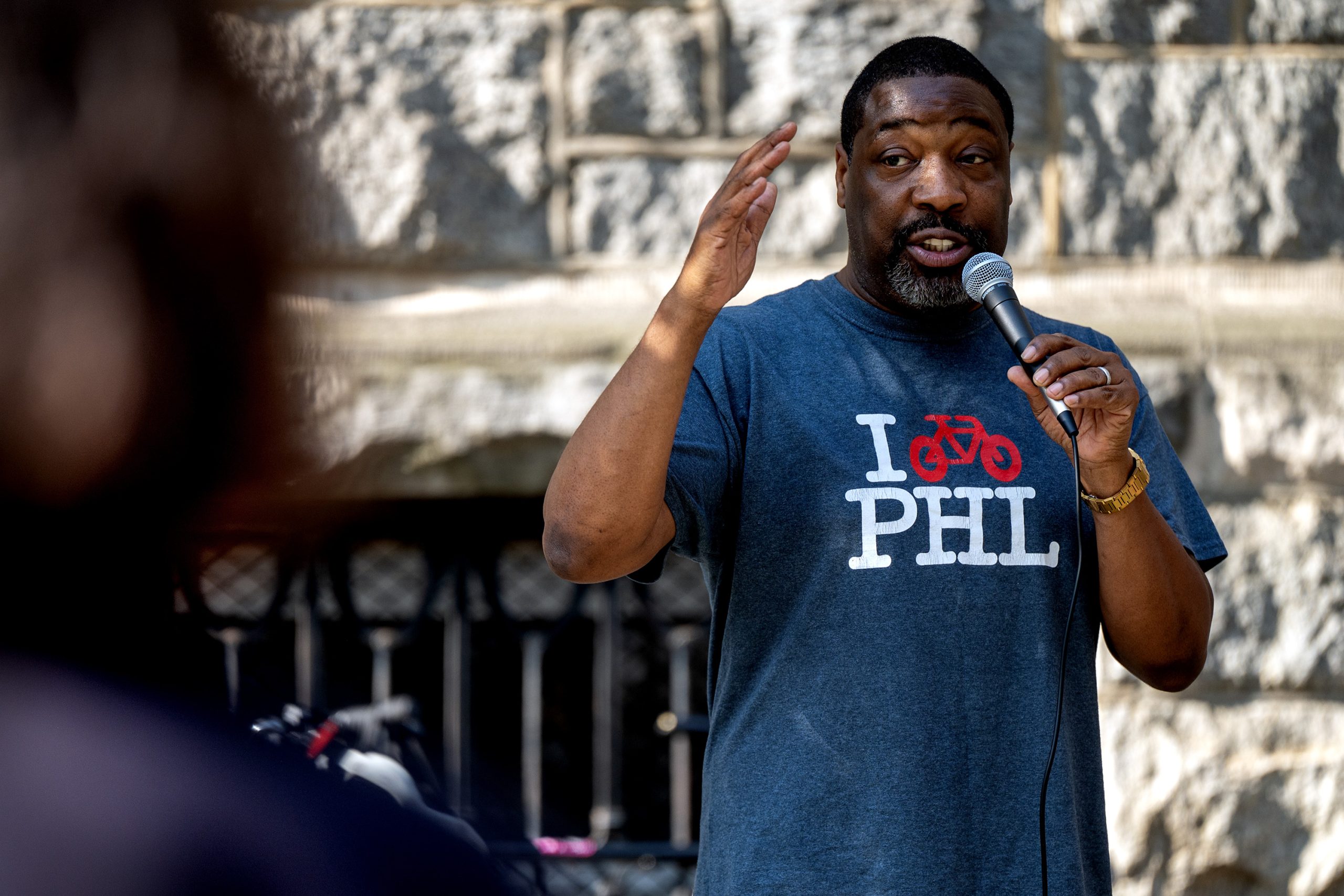
    City Council President Kenyatta Johnson speaks as friends, family, and Philly Bike Action members gather at the angel bike for Barbara Friedes at 18th and Spruce for a memorial Sunday. Friedes, a 30-year-old Children’s Hospital of Philadelphia doctor, was killed on her bike at the intersection by a drunk driver in July 2024. Johnson pledged he would remain committed to finding ways to protect cyclists in Philadelphia.Tom Gralish / Staff Photographer

    In Philadelphia, the majority of people killed in vehicle crashes are pedestrians and cyclists, according to recent PennDot data. While overall crashes have declined since 2020, the number of drivers crashing into non-motorists has stayed the same or increased.

    Following the deaths of Friedes and other cyclists and pedestrians, the city pledged $4.8 million to install permanent concrete bike lane barriers along Spruce and Pine Streets in Center City. Part of this plan was to convert parking spaces along these streets into loading zones intended to give vehicles a place to briefly stop instead of in bike lanes. However, the neighborhood group Friends of Pine and Spruce sued on the grounds that the city had no legal authority to remove parking spaces to create “neighborhood loading zones.”

    A car is parked in the bicycle lane in the 1700 Block of Spruce Street on Sunday even as family, friends, and Philly Bike Action members gather at Barbara Friedes’ Angel Bike at 18th and Spruce for a memorial. Friedes, a 30-year-old Children’s Hospital of Philadelphia doctor, was killed on her bike at the intersection by a drunk driver in July 2024.Tom Gralish / Staff Photographer

    The city has since delayed the Spruce and Pine Streets safety project due to a 2025 court injunction. Common Pleas Judge Damaris L. Garcia recently denied the city’s motion to dissolve the injunction, and the project remains on pause.

    While Philly Bike Action recognizes the need for the city to wait on legal proceedings, the group believes the judge’s order should still allow the construction of barriers as the injunction targets “ongoing construction” and efforts associated with proposed “neighborhood loading zones, or related restrictions on Pine and Spruce Streets.” However, the addition of “related restrictions” introduced ambiguity and has kept the city’s plans stalled.

    “We can’t wait another two to five years,” Amadio said. “The barrier is not much bigger than the curbs on the end of the road and will prevent cars from merging into the bike lane and hurting people.”

  • Citizens Bank says it has ended lending to private prison companies used by ICE

    Citizens Bank says it has ended lending to private prison companies used by ICE

    Citizens Bank no longer funds two private-prison companies that house people detained by federal immigration services, the company said in a statement on its investor page Friday.

    The federal government has purchased some facilities it had been using from private prison operator CoreCivic and plans to buy some from the GEO Group, so those companies no longer need as much capital, according to the bank. Citizens now finds it “appropriate to exit” those lending relationships, the bank said.

    Citizens, based in Rhode Island, has the largest bank branch network in the Philadelphia area, according to FDIC data, and ranks among the dozen largest U.S. commercial banks.

    Opponents of the facilities have asked for “assurances in writing” from Citizens Bank that the GEO Group and CoreCivic relationships are over, said Peyton Fleming, a spokesperson for De-ICE Coalition, which organized protests against the bank.

    Earlier this month, CoreCivic announced the sale of two prisons in California to the U.S. for $1.5 billion.

    Protests against Avelo Airlines’ role in transporting deportees for immigration agencies ended last winter after ICE purchased its own airplanes.

    A billboard near the Route 420 exit of I-95 North in Delaware County pressuring Citizens Bank to stop funding private prison operators who housed deportees for federal agencies.Indivisible Highlands

    De-ICE in a statement Friday called Citizens’ decision “an important victory for the people who refused to let a major bank finance human suffering brought on by ICE detention activities of the current federal administration.”

    De-ICE backers sponsored signs, trucks, a billboard on northbound I-95 near the Route 420 exit, a flyover banner before the Major League All-Star Game, and pickets in the region urging Citizens to drop the prisons. The group took credit for the decision, said Debbie Travers, a healthcare consultant and a leader of Indivisible Highlands and Beyond, a Wilmington-based group opposed to aggressive worker and family deportations.

    Citizens, one of the few big banks to finance private prison companies, also was targeted in New Jersey and other states by local ordinance proposals urging towns to withdraw public accounts from Citizens. Jersey City and Montclair voted earlier this summer to withdraw more than $300 million in total from Citizens, according to NJ.com.

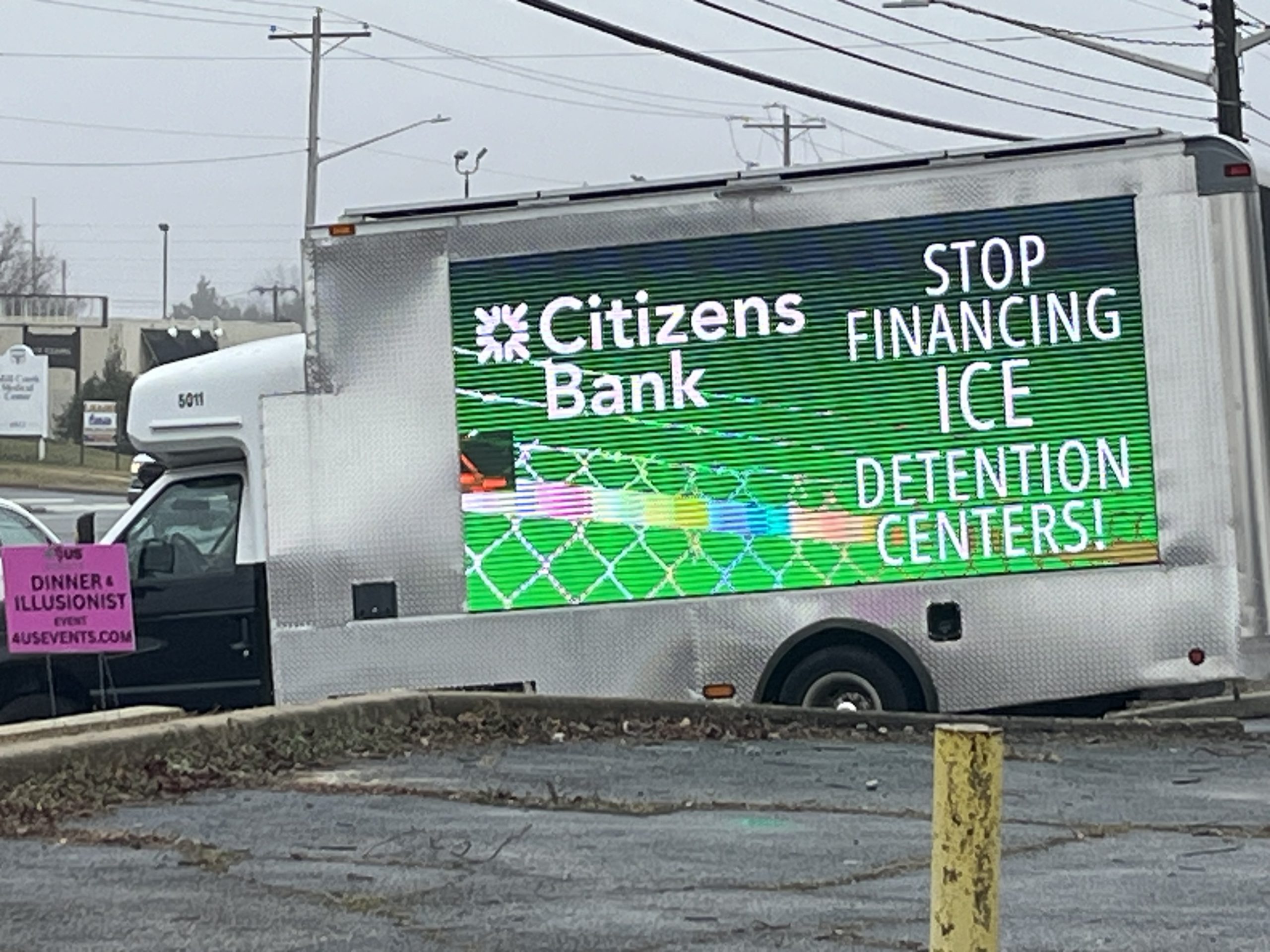
    This truck, adorned with illuminated signs urging “Citizens Bank Stop Financing ICE Detention Centers,” was parked near a Citizens branch in Delaware as part of a national protest March 5. Organizers said they visited 68 branches, including several in the Philadelphia area.Joseph DiStefano

    In its statement, Citizens said that due to privacy concerns, it hadn’t previously commented on its relationships with private prison owners and U.S. Immigration and Customers Enforcement detention center operators CoreCivic, which Citizens had served since 2011, and the GEO Group, which Citizens has financed since 2018.

    Activists, including Philadelphia and Delaware chapters of Indivisible, complained that Citizens funding enabled the GEO Group, of Boca Raton, Fla., to operate the Moshannon Valley Processing Center in central Pennsylvania, Delaney Hall in New Jersey, and more than a dozen ICE prisons where conditions have been criticized. CoreCivic, of Brentwood, Tenn., ran the Elizabeth Detention Center in New Jersey, among others.

    Protest organizers, including local branches of Indivisible, said they had marched outside at least 70 of Citizens’ 988 full-service branches, including locations in Center City and Northwest Philadelphia last winter and spring.

    The bank said it has been “disappointed that the activists have dragged it into what is largely a political matter” and complained they mischaracterized the bank as anti-immigrant, pointing to its record of funding agencies that serve immigrants and other nonprofit support.

    Citizens also said bank regulators don’t allow them “to deny banking services to individuals and to lawful businesses based on political or religious considerations, a practice referred to as ‘debanking.’”

    The federal Office of the Comptroller of the Currency, a bank regulatory agency in the Treasury Department, is reviewing banks and has threatened to punish them for politically motivated debanking, citing private prison operators, gun makers, and oil companies among the industries the administration wants to protect.

    Banks “must consider these regulatory and contractual frameworks in making decisions on who to bank or not bank,” Citizens said. “Fair access to bank funding should be something all should agree with. Political concerns should be addressed through political channels.”

    De-ICE spokesperson Fleming said group members believe “public conscience and community resistance” helped change the policy, adding that “doing some good does not cancel out the harm caused by these business relationships.”

    In 2019, eight large U.S. banks including JPMorgan Chase & Co. and Citibank agreed to stop funding private-prison operators.

    In 2024, Citizens’ banking arm agreed to lead a group of lenders raising $1.3 billion for the GEO Group, which operates 82 prisons for state and federal agencies, some of which house immigration detainees.

    Last year, Citizens led a group of lenders, mostly smaller Southern banks, in raising $500 million for CoreCivic, to pay down debt and “for general corporate purposes.”

  • ‘The Frog Commissary Cookbook’ remains a Philadelphia icon over 40 years after its debut

    ‘The Frog Commissary Cookbook’ remains a Philadelphia icon over 40 years after its debut

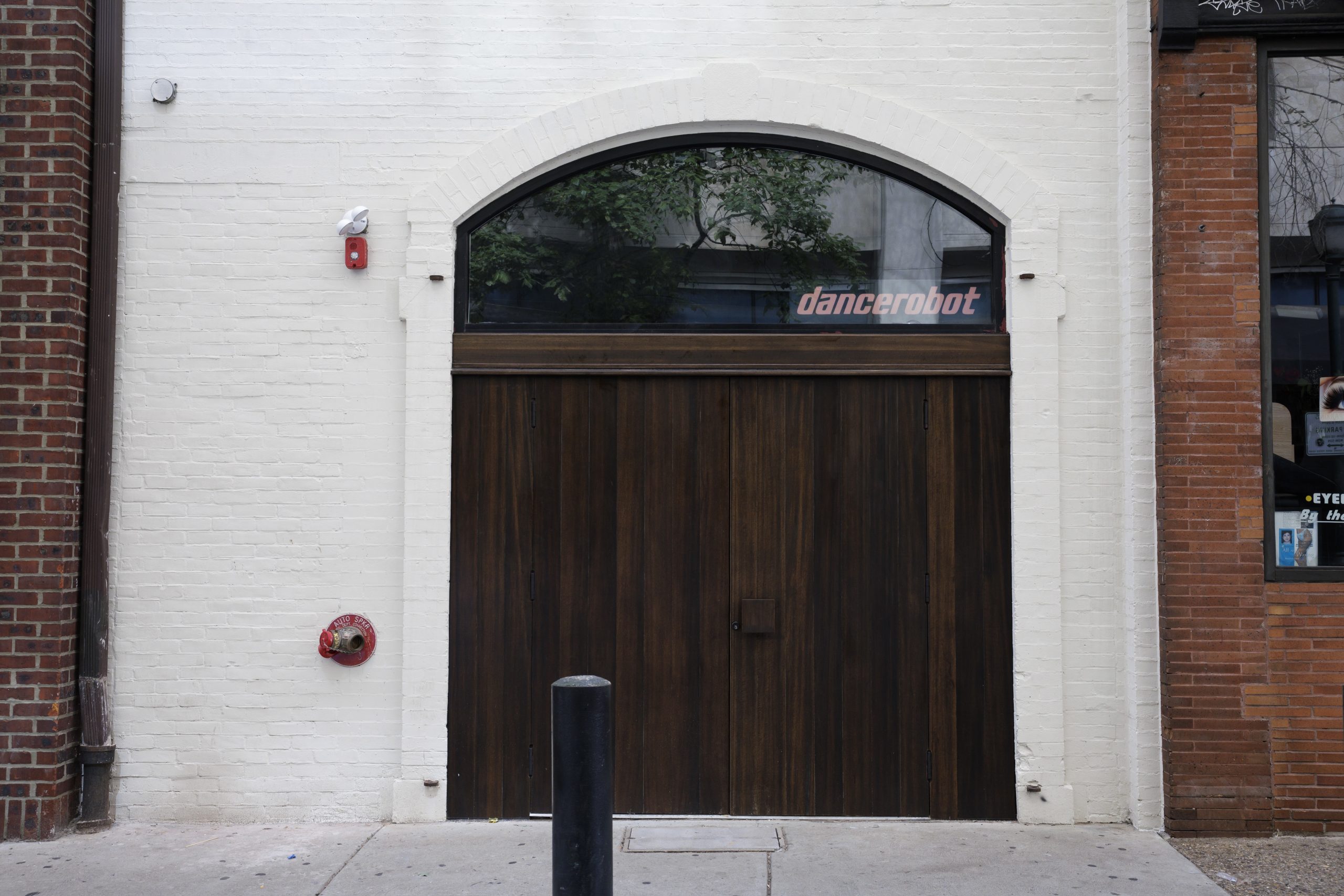
    Chef Justin Bacharach hadn’t read up on the history of 1710 Sansom St. before he opened dancerobot there in September. He knew it was previously a bottle shop with a deli, but was otherwise too busy to give it much thought.

    That changed just before opening night, when Bacharach’s business partner, chef Jesse Ito, brought in a copy of The Frog Commissary Cookbook. A regular at Royal Sushi gifted it to the James Beard Award-winning chef, telling Ito that dancerobot was once home to the Commissary, a legendary counter-service spot that was part of Philadelphia’s dining renaissance when it opened in 1977.

    The gift triggered an immediate reaction: “It was the first cookbook that I really put eyes on and paged through,” Bacharach, 35, said. His parents kept a copy in their Bucks County home, and his mother baked the book’s most famous recipe, an elaborate carrot cake, for special occasions.

    “This is fate,” Bacharach said. Now, more than 30 years after the Commissary closed, the cake is once again being served at the same Sansom Street address.

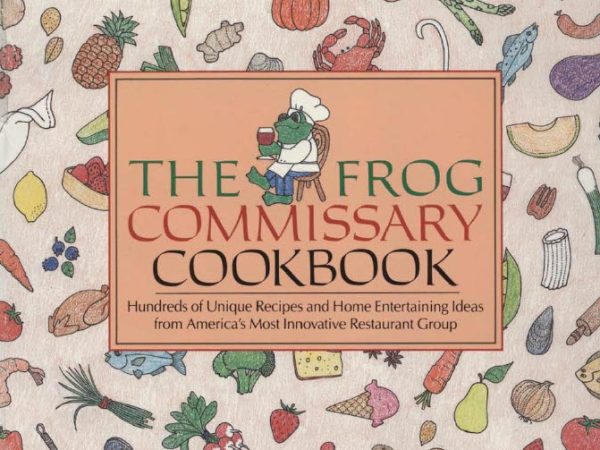
    Written by Steven Poses, Anne Clark, and Becky Roller, and published in 1985, The Frog Commissary Cookbook pulled together recipes from the Commissary, its innovative older sibling Frog, and Poses’ other restaurants. The peach-colored volume, peppered with Roller’s charming illustrations, quickly became a Philly staple. It taught home cooks and industry professionals alike how to entertain and introduced them to ingredients then unfamiliar to many Philadelphians, such as Sichuan peppercorns, Thai curry pastes, and good-quality balsamic vinegar.

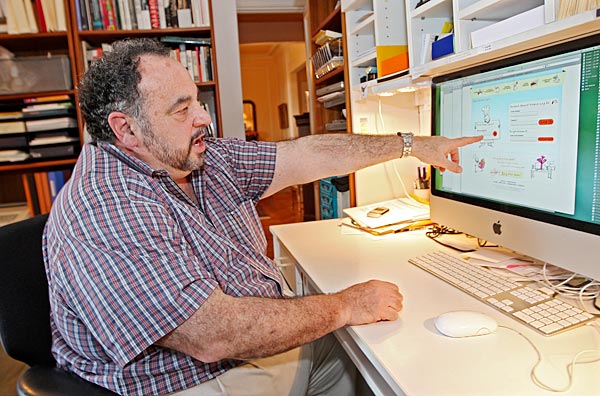
    Steve Poses, owner of the now-closed Frog and the Commissary, at work on his cookbook website in 2009. The restaurateur is a co-author of “The Frog Commissary Cookbook.”MICHAEL BRYANT / Staff Photographer

    Today, The Frog Commissary Cookbook remains an essential part of Philadelphia’s culinary fabric. But it still feels like a secret: beloved locally, yet relatively unknown elsewhere.

    “This was the book that everyone wanted because it was our book,” said Lexy Bloom, a Philadelphia native and editorial director at Knopf Cooks, a major cookbook publisher. It was Philly’s version of The Silver Palate Cookbook, the era’s national breakout cookbook. “Everybody had it; everybody cooked from it,” she said.

    The Frog Commissary Cookbook allowed home cooks to make recipes like the carrot cake and strawberry heart tarts that they knew and loved, but also had “this really interesting global palate that I think was unusual at the time and exciting to people,” Bloom said. “This book is so playful and experimental.”

    A post about the book in the 183,000-member Vintage Philadelphia Facebook group elicited nearly 1,000 comments. Some were about copies passed down through generations. Others described editions that were packed up as keepsakes. At least one was about a copy lost in a divorce and later replaced at an estate sale.

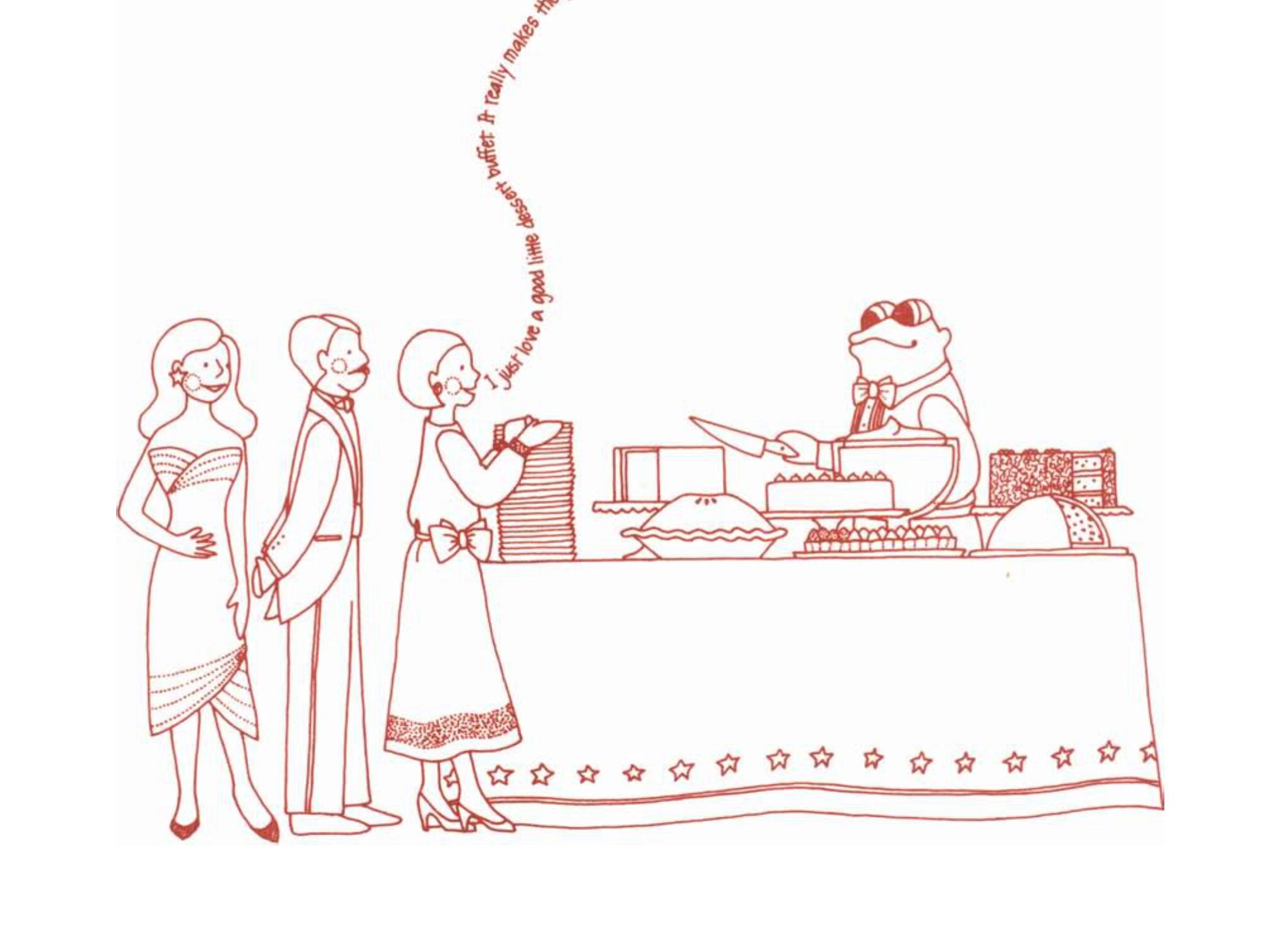
    An illustration by Rebecca Roller from “The Frog Commissary Cookbook,” which is still available in e-book form.Illustrations reprinted with permission by Doubleday, an imprint of Penguin Random House, LLC

    “Each tear and mark tells a story of countless delicious meals shared with family,” said one commenter with a tattered book. When it came out, another added, young women like her were “so excited to cook something that their mothers couldn’t.”

    Barb Cohan-Saavedra, who owned the longstanding French-Mexican restaurant Paloma, used to serve The Frog Commissary Cookbook’s cheesecake. “I now have 1,500+ cookbooks and this remains one of my favorites,” she wrote.

    (The book has also played an important part in this author’s life — particularly the sweet recipes, like the heart tarts developed by Clark, my unofficial culinary tutor and teacher at the Philadelphia School.)

    For help, just call

    The cookbook included a note in early editions: “Because this book is the result of a living organization, should you have a problem with any recipe in the book, just call us … or write to us,” it read. “We will find someone who can help you.”

    From the book’s 1985 publication until the Commissary’s 1994 closure, the restaurant received three to five calls a week from readers, Poses estimated in a recent interview. One of them was Nanci Schwartz Gilberg, 75, of Penn Valley, who called about making the book’s Champagne cream sauce for capelliniwith bay scallops for a party of 100. Wondering if she could prepare the dish ahead of time, she rang the restaurant. Someone there asked if she would like to speak to Poses.

    The authors’ note from “The Frog Commissary Cookbook” encouraged readers to call the restaurant directly if they had any questions.Illustrations reprinted with permission by Doubleday, an imprint of Penguin Random House, LLC.

    “Are you kidding? I would love it,” Schwartz Gilberg remembered responding. Poses recommended making the sauce á la minute. Schwartz Gilberg ultimately didn’t follow his advice, but the recipe worked anyway, she said.

    Answering questions was simply “part of the commitment we made,” Poses said. “It was part of the philosophy from the very beginning: ‘How can we help?’”

    The result struck “the note of a community cookbook,” explained Bloom, likening it to volumes published by churches and synagogues that were popular at the time. “It gives a great sense of how essential the Frog/Commissary was.”

    Even before the book came out, the restaurants’ staff would write down recipes for guests who asked. And while Frog and the Commissary closed in 1987 and 1994, respectively, Poses and Clark still field the occasional questions.

    A carrot cake — and a culture — endures

    Like its inspirations, The Frog Commissary captured a time when Philadelphia’s culinary scene started to push beyond steakhouses, red sauce joints, and fish houses to create its own version of New American food. Alongside Western recipes like country pâté and chicken with brandied mustard cream sauce were ones for Thai beef and Siamese chicken curries enriched with pastes that Thai kitchen staffers introduced to Poses.

    The book is also a time capsule of the 1980s, an era when corn oil was more common, salt was less important in desserts, and people weren’t debating over the term “fusion.”

    An illustration by Rebecca Roller of a woman sitting on a lobster from “The Frog Commissary Cookbook.”Illustrations reprinted with permission by Doubleday, an imprint of Penguin Random House, LLC.

    The restaurants’ — and subsequently the book’s — recipes drew inspiration from the team’s travels and heritage, plus the Foods of the World series published by Time-Life. The staff would taste and discuss everything as a group. “We were not afraid to tweak it and make it ours,” Clark said. “If it didn’t taste good, it didn’t fly.”

    The Commissary and its accompanying market were a favorite of High Street Hospitality founder Ellen Yin. In some ways, they inspired her to open Fork and its erstwhile offshoot Fork: etc, she said. The book’s sidebars on setting up a bar and serving oysters taught her how to entertain.

    For a time, the book remained in the group’s cookbook library at the old High Street on Market. When staff needed ideas for canapés or instructions for making spring rolls, Yin would tell them to look through its pages. “These passed hors d’oeuvres are classic,” she said.

    The exterior of dancerobot at 1710 Sansom St., where Anne Clark’s carrot cake recipe from “The Frog Commissary Cookbook” is being served on Fridays and Saturdays.Monica Herndon / Staff Photographer

    Now out of print, the cookbook has staying power thanks to an e-book (including one available from the Free Library of Philadelphia) and a steady stream of copies that cycle through the city’s used bookstores. Many of its recipes — mushroom-barley soup, vegetarian chili with bulgur, and the chocolate chip fudge cake referred to as “killer cake” — are still home-cook staples.

    But, most of all, readers bake and reminisce about Clark’s carrot cake. At dancerobot, slices are available on Fridays and Saturdays, and may eventually become a permanent offering, Bacharach said.

    It’s a mostly faithful adaptation. When the restaurant’s pastry chef and baker, Sophie Wieber, tested the cake, Bacharach tasted something slightly new: “You did something different. I think I know what it is,” he said. It was more salt — Wieber’s only tweak — “and it was perfect.”