Tag: Center City

  • Competition was tight at the first Philadelphia Parallel Parking Association Championship

    Competition was tight at the first Philadelphia Parallel Parking Association Championship

    There was no curbing Philadelphians’ enthusiasm at the first Philadelphia Parallel Parking Association (PPPA) Championship at Headhouse Plaza in Society Hill on Saturday, as hundreds of revved-up spectators gathered to watch 14 competitors put themselves into a tight spot.

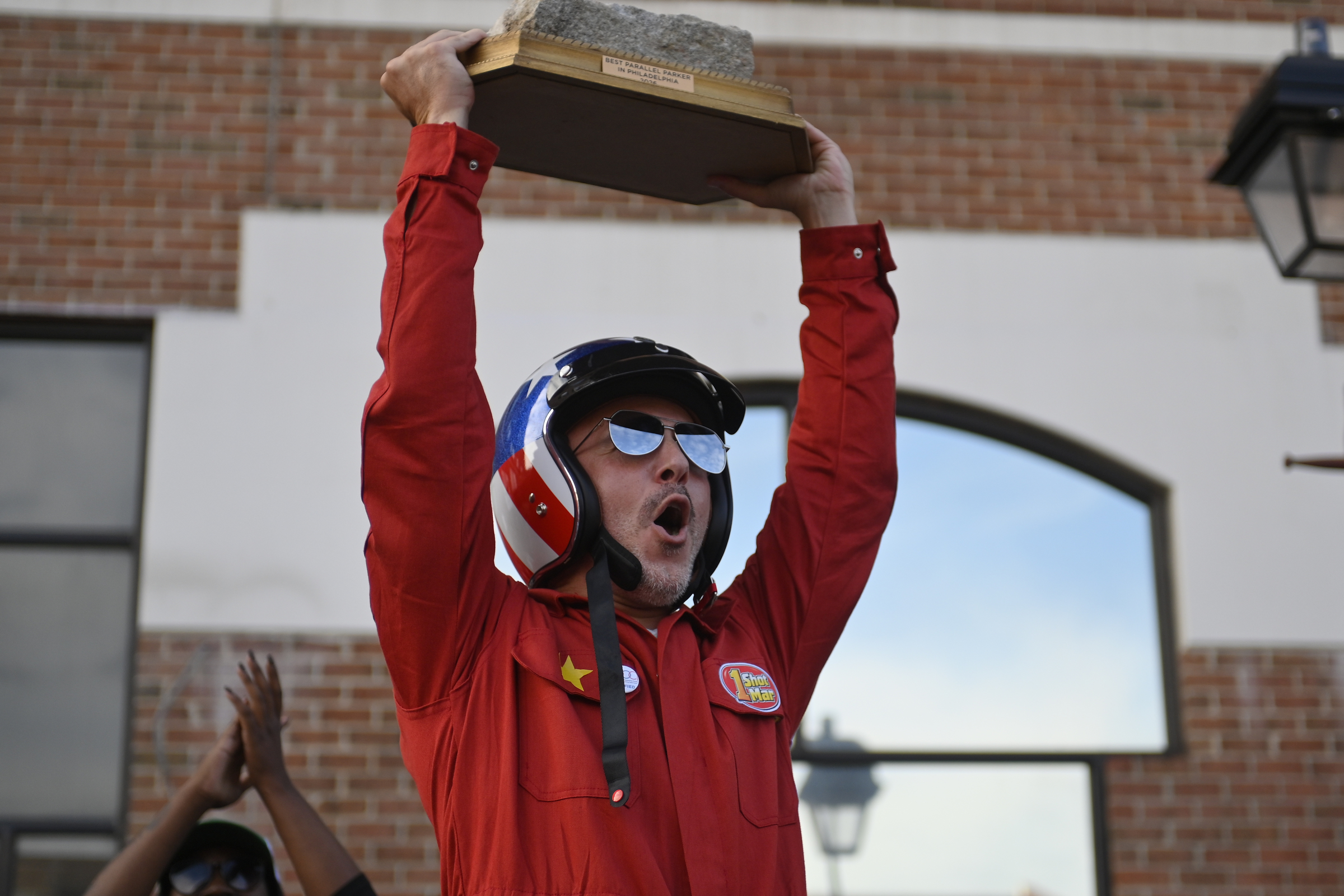
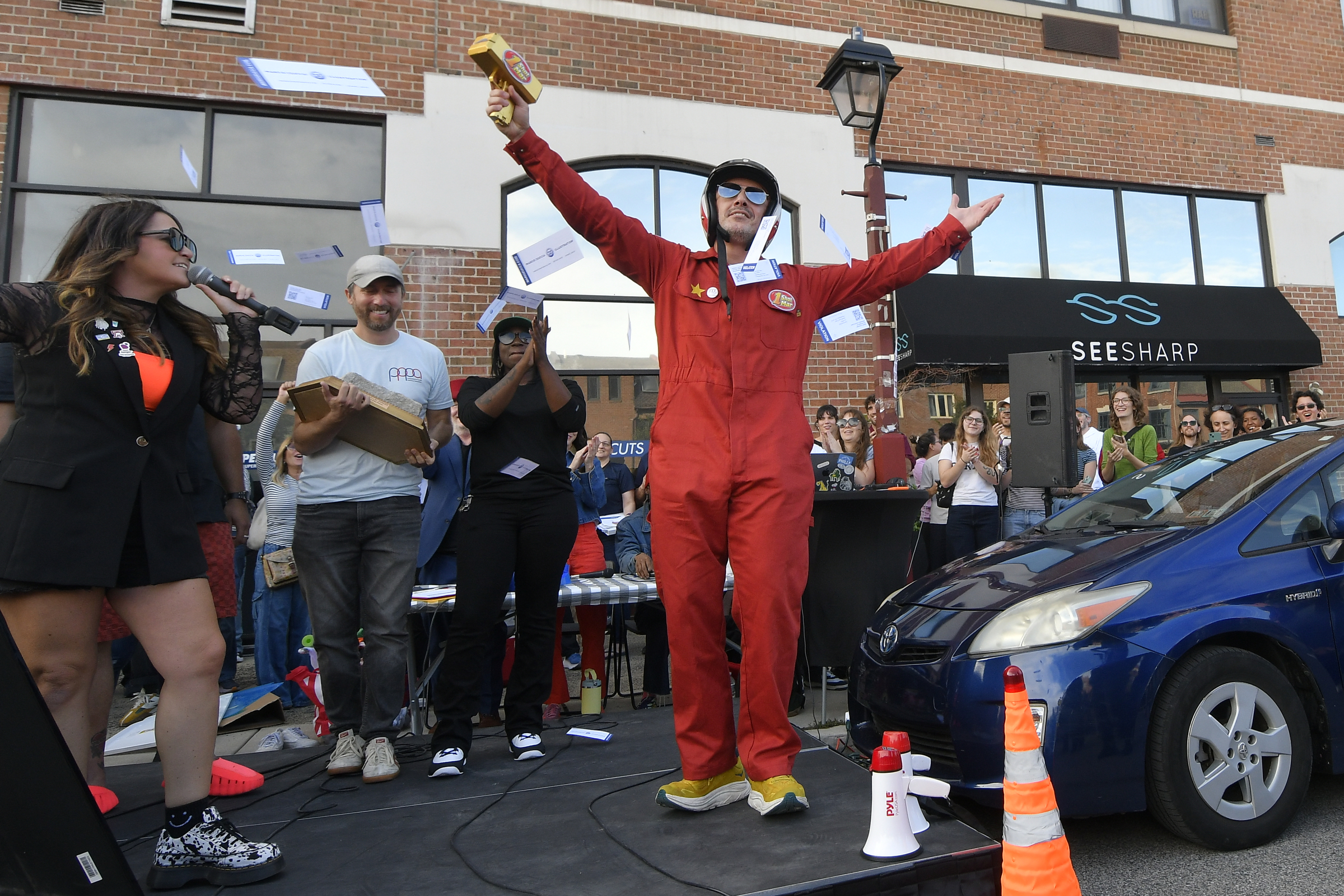
    After several rounds, one of which involved dodging things like a spontaneous Eagles fan celebration and a snow-shoveling citizen using a folding chair for savesies, Mario “One-Shot Mar” Zucca of West Mount Airy was crowned the Best Parallel Parker in Philadelphia.

    “Total bliss,” Zucca said, of the feeling that washed over him when he won the title. “It was amazing.”
    Mario Zucca wins the first Parallel Parking Championship at Headhouse Plaza.Bastiaan Slabbers/ For the Inquirer

    While his win had a lot to do with skill, it also had a lot to do with flair. Zucca, who is an artist and illustrator, donned a red stuntman suit and, just prior to competing in the final round, opened up the hatchback of his 2012 Mazda and out popped a bunch of balloons, including a gold “1,” which remained tied to his car as he parked. After revealing the balloons, he then ran up and down the crowd with a money gun shooting fake Philadelphia Parking Authority (PPA) traffic tickets with his nickname on it into the audience.

    For winning the title, Zucca received bragging rights for a year, a trophy with a piece of a curb on it, and $76 to pay for his next parking ticket.
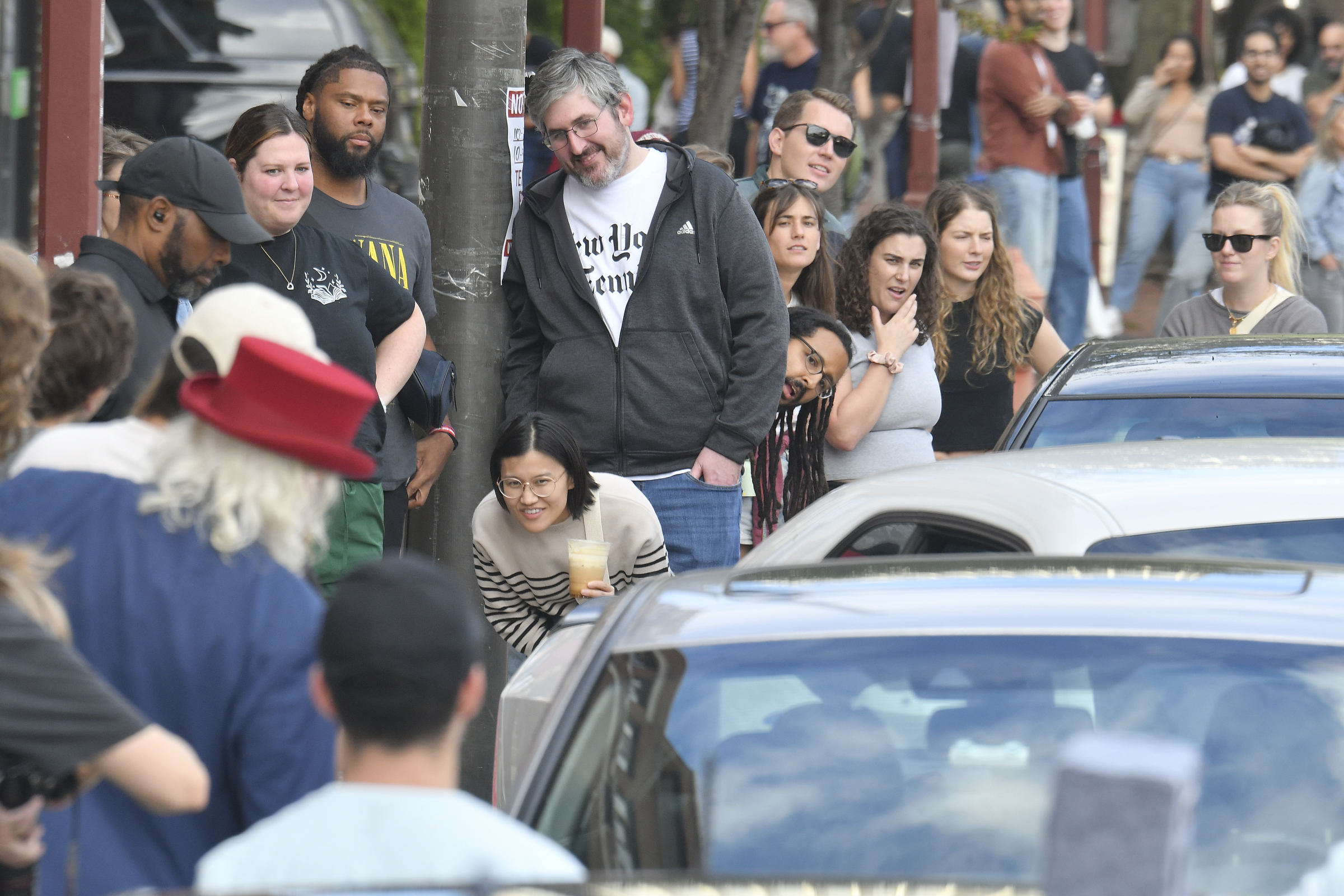
    The crowd looks on as drivers compete in the first Parallel Parking Championship at Headhouse Plaza on Saturday.Bastiaan Slabbers/ For the Inquirer

    Adam Wodka, self-appointed commissioner of the newly formed PPPA, which is not affiliated with the PPA, also made a surprise announcement at the start of the championship that the PPA had reached out to him and promised to give the top three finalists free parking in any Center City garage for the month of October.

    Rounding out the finalists were LaTasha “Tasha” Hall of Northeast Philly, a heavy equipment operator who works at the Delaware River Port Authority, and Shafir “Pirate One Shot” Mondal of Norris Square, whose dad owns Mondal Driving School.

    Mondal, who outfitted his car with decals from the manga series One Piece and wore a Monkey D. Luffy hat, said even though he didn’t win, the experience was worth it.
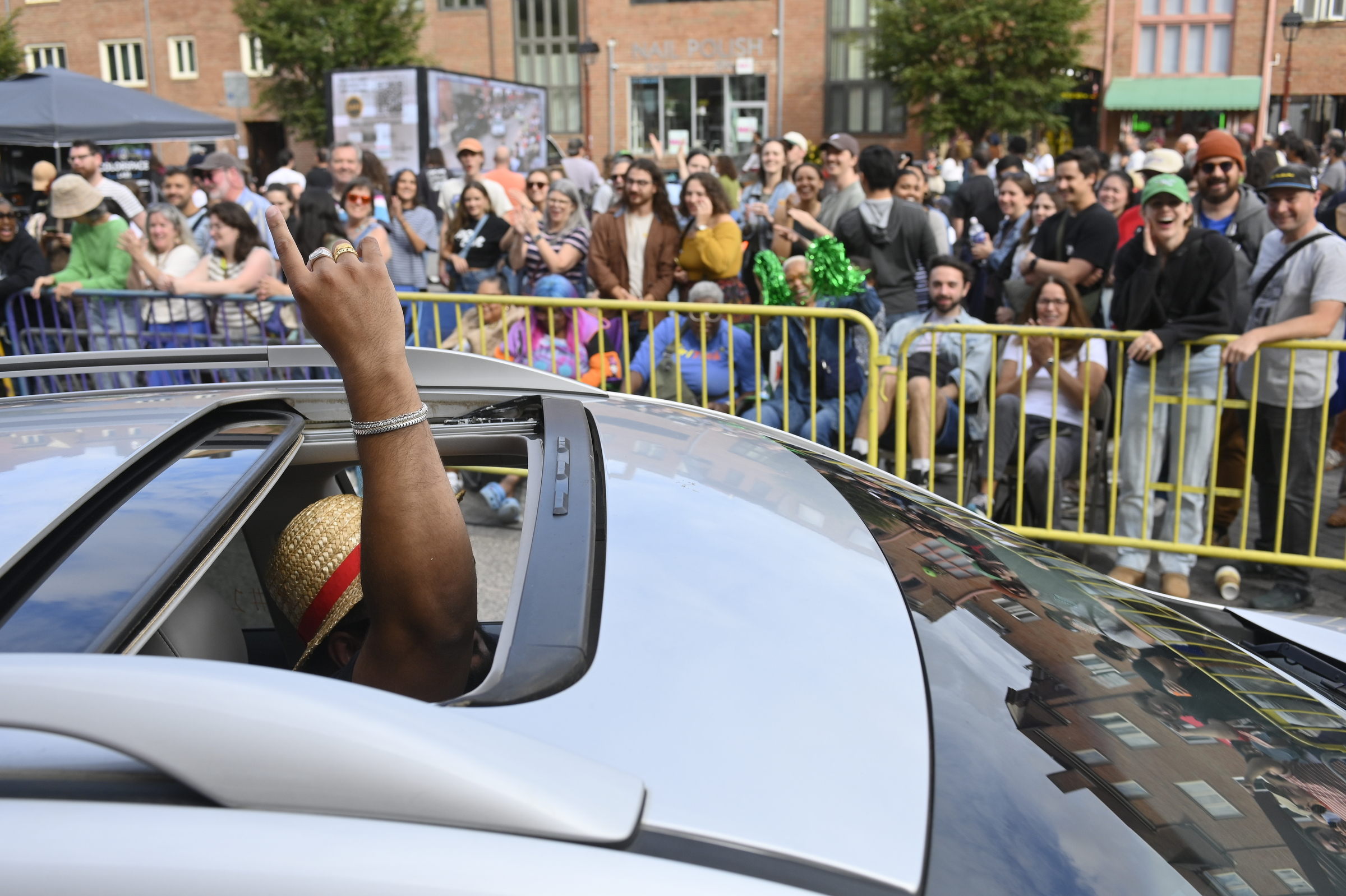
    The crowd reacts as Shafir “Pirate One Shot” Mondal sticks his hands through the sunroof of his car after competing in the first Philadelphia Parallel Parking Championship at Headhouse Plaza Saturday. Bastiaan Slabbers/ For the Inquirer

    “I feel great. I loved the energy that people had for parallel parking and the love they had for Philadelphians,” he said.

    Nearly 900 people applied for the first PPPA Championship, which Wodka created earlier this year to promote excellence in parallel parking. Ten finalists were chosen by PPPA’s executive board, which is made up of seven of Wodka’s friends, and five were chosen by a popular vote online.

    In classic Philly fashion, one of the competitors didn’t show up (he’s probably still circling the block looking for a space) and most of those who did participate didn’t use their turn signals.
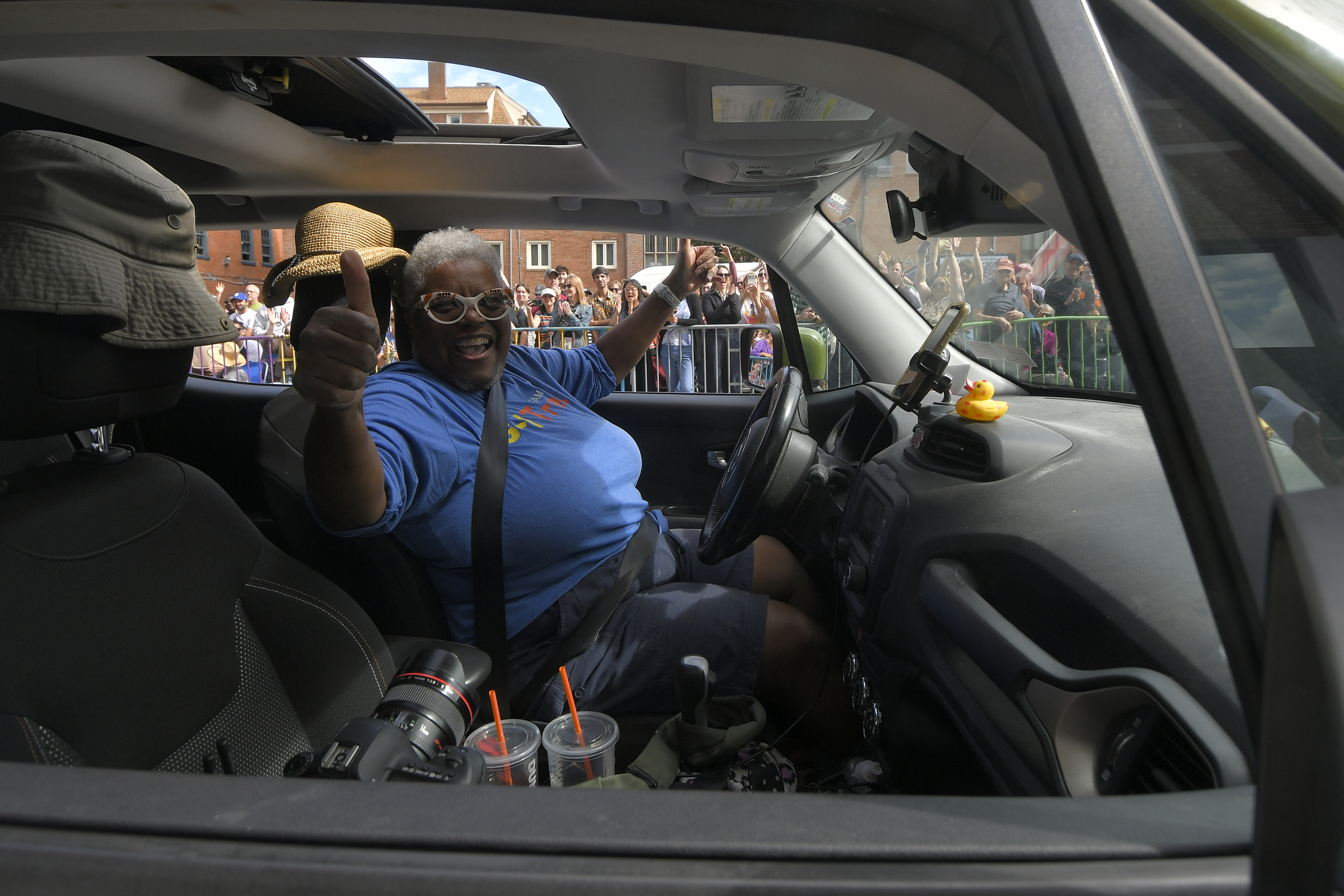
    Cynthia Malachi White, aka “Cynthia Strawberry,” of Mount Airy, competes in the first-ever Philadelphia Parallel Parking Championship at Headhouse Plaza on Saturday.Bastiaan Slabbers/ For the Inquirer

    As DJ Elevator Machine Room pumped music about cars and emcee Marisa Magnatta and referee Rebekah Rickards pumped up the crowd, competitors faced off in their own vehicles without using their backup cameras in three separate categories:

    1. One shot: Get closest to the curb in one attempt.
    2. Tight squeeze: With 18 inches of clearance, park closest to the curb using the least amount of moves.
    3. Under duress: Park as fast as you can while faced with distractions.

    The tight squeeze category was definitely the most challenging, with many competitors giving more than just a light tap to the cars in front and behind them. Those vehicles were owned by Wodka and his partner, who offered them up as a sacrifice.

    Under duress was a crowd-favorite category in which drivers had to try to ignore any number of things they might encounter on a Philly road, including a Mummers parade, a spontaneous fan celebration, a trash can fire, Philly Elmo and his drum line, a Ben Franklin impersonator, and, of course, a woman with a folding chair and a serious case of the savesies.
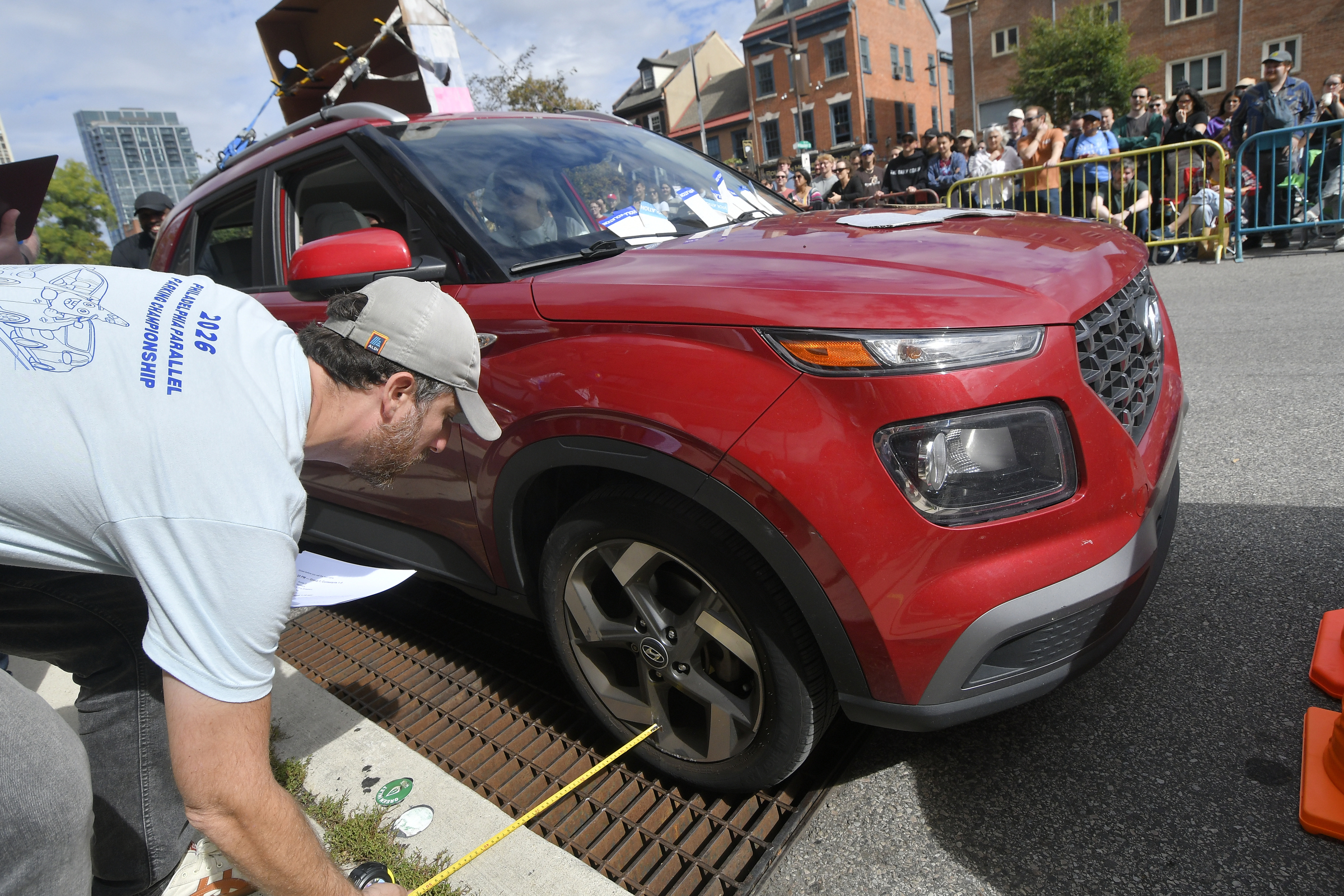
    Philadelphia Parallel Parking Association Commissioner Adam Wodka measures a competitor’s distance from the curb during the PPPA Championship Saturday. Bastiaan Slabbers/ For the Inquirer

    Competitors were given points based on their closeness to the curb and how many moves they made. The three judges — pub owner Fergus “Fergie” Carey, viral crossing guard Jamele Ransom, and comedian and social media influencer Betsy Kenney — were also able to hand out three points every round to whomever they chose to influence the scores. The top three scorers then went on to the final round, where the winner was chosen by the judges.

    “I always say parking is made worse with an audience and this is one hell of an audience,” Carey said.

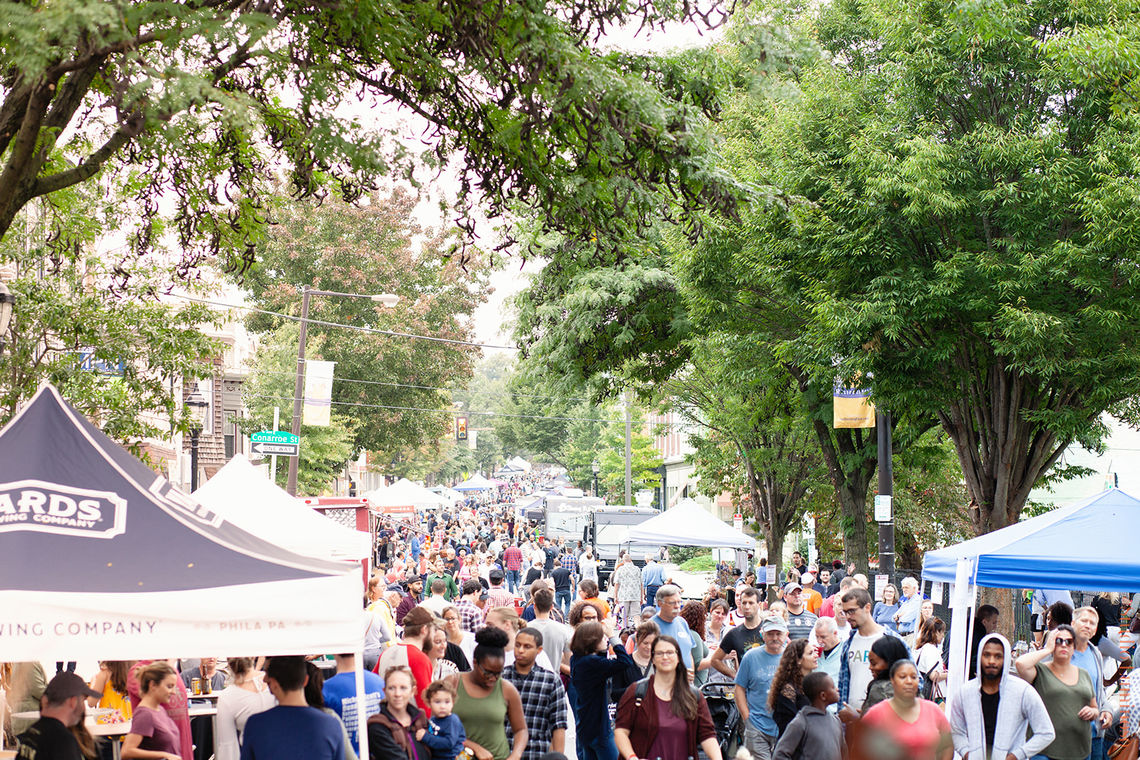
    The crowd of backseat drivers came with kids, dogs, and posters, and residents around the plaza came out on their balconies and rooftops to watch the spectacle.

    Philadelphia’s newest mascot also made his debut at the event. Parallel Pete is a giant orange traffic cone with fuzzy dice, rearview mirrors, and an unsettlingly anxious face.

    Proceeds from a merchandise table went to Families for Safe Streets Greater Philadelphia, a program of the Bicycle Coalition of Greater Philadelphia.
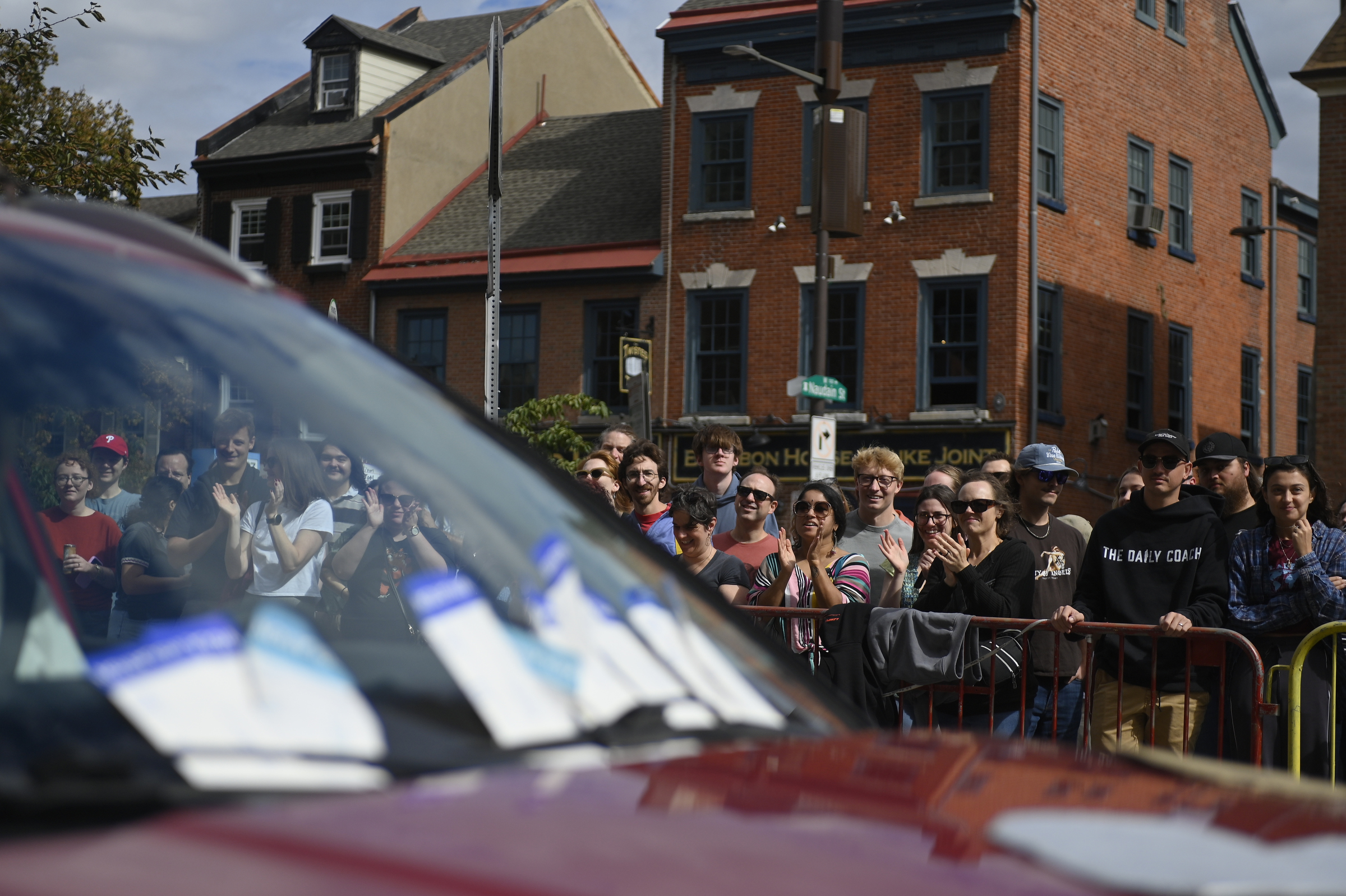
    The crowd reacts as a driver who has papered their windshield in parking tickets competes in the Philadelphia Parallel Parking Association Championship on Saturday at Headhouse Plaza. Bastiaan Slabbers/ For the Inquirer

    While he made no promises, Wodka said he’d love nothing more than to have the championship become an annual event.

    “I love the energy. I love that people had fun with it,” he said. “It’s tough out there and we all have stuff going on, so it was really great for a few hours to just celebrate and be silly and have fun.”
  • Philly protesters rally for sexual assault survivors as the Cornell rape case receives national attention

    Philly protesters rally for sexual assault survivors as the Cornell rape case receives national attention

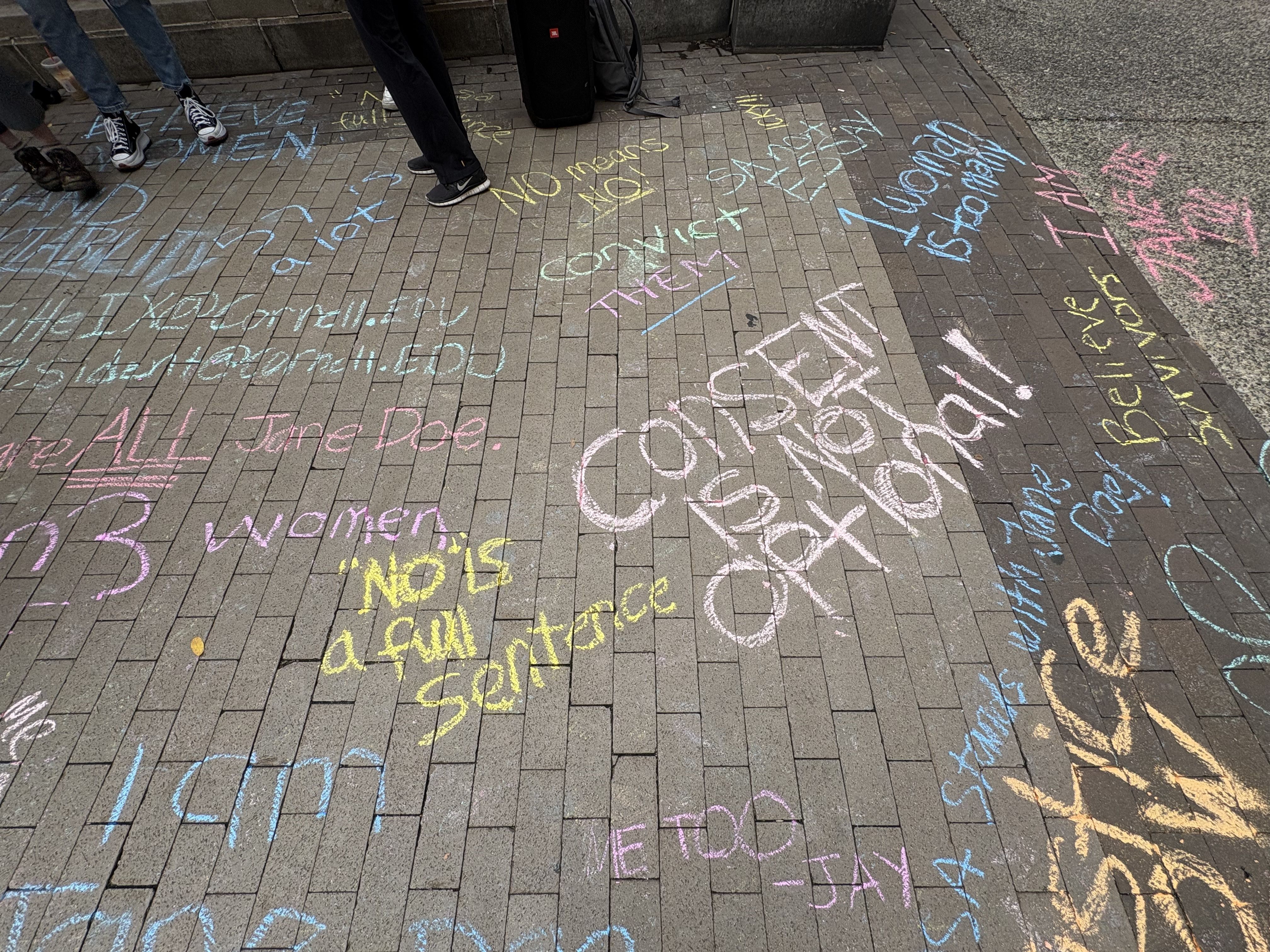
    Dozens galvanized on Saturday morning in Center City to decry rampant sexual abuse on college campuses and support Jane Doe, the former Cornell University student who said she was gang-raped at a fraternity house in 2024.

    The Cornell allegations have recaptured the spotlight after the woman, identified only as Jane Doe, recently filed a lawsuit, roiling the Ivy League school, and renewing the national debate about colleges’ handling of sexual assaults and campus safety.

    In recent weeks, those conversations have reverberated across social media, in private chats and group texts nationwide, on prime-time broadcasts, and, now, 230 miles away, in Rittenhouse Square.

    On Saturday, the group of mostly young women protesters — many of whom said they had experienced sexual violence — held up signs and scribbled messages in sidewalk chalk, sharing stories of their own survival while expressing their frustration, exasperation, and collective grief. Scores of passersby, there for the weekly Rittenhouse Farmers Market, paused to listen or watch.

    “I want people to be angry,” said organizer Delaney Brannon. “I want to make people who are afraid to talk about [sexual assault] uncomfortable because we need to talk about it.”

    Brannon, 26, said she has felt sick, on edge, and “in fight or flight” mode hearing about developments in the Cornell case this week.

    “There’s something about this specific case that’s so deeply disturbing and unnerving,” she said.

    The latest in the Cornell rape investigation

    In September, Jane Doe sued the university, the fraternity, and seven men she alleged were involved, as well as others, claiming she was plied with alcohol and drugs and repeatedly assaulted. One of the men sent a crude Snapchat message inviting other fraternity brothers to join in, according to a screenshot included in the lawsuit.

    Campus police and administrators and the local prosecutor are also under scrutiny for their handling of the 2024 case, including their failure to pursue criminal charges against the accused men despite Jane Doe’s unequivocal assertion to police that she had been raped.

    At the time, Cornell launched its own investigation that resulted in some of the students being expelled or suspended, while others were ordered to write essays, according to the lawsuit. Cornell doesn’t deny that the essays were part of the punishment for some of the men but has declined to give details on how each were sanctioned.

    The criminal investigation was reopened this week and is being led by New York’s attorney general.

    Many at Saturday’s demonstration called the allegations — and Cornell’s response — shocking and horrifying but said they were “not surprised.” The refrain “I am Jane Doe” has become a rallying cry on social media in solidarity with Jane Doe, while also illustrating the pervasiveness of sexual violence. According to a World Health Organization report, one in three women worldwide have experienced physical or sexual violence in their lifetimes.

    “This problem is not isolated — it is everywhere,” said Ray Epstein, a consent and prevention specialist who founded Student Activists Against Sexual Assault (SAASA) while a student at Temple University.

    “I guarantee you even if you don’t think that you know a Jane Doe in your life, you do — you absolutely do,” she said. “It is everywhere.”

    The group also voiced dismay at officials’ initial response and the lack of consequences.

    “No one is held accountable — universities don’t do anything,” said Jacqueline Hill, a Temple student and SAASA’s marketing director. “When they know they can get away with it, they’re going to keep doing it.”

    To Hill and others, “actual accountability” is the only effective deterrent. Attendee AJ McCormick, 26, added: “Silence is how systems like this survive.”

    Jo Buyske, a third-generation Cornellian woman, said drinking and Greek Life was central to the school’s culture when she was a student. Seeing Jane Doe’s allegations, she’s “sure that exact thing happened while I was there.”

    “I’m horrified, I’m embarrassed,” Buyske, 66, said of her alma mater, asking, “Where are the grown-ups? The university is the grown-up in absentia.”

    Brannon, the organizer, was surprised at Saturday’s showing, saying she expected to be — and was willing to be — standing alone. For some, the turnout was encouraging but bittersweet.

    “I’m so sorry that we all relate,” Brannon said.

    Epstein added, “I hope we can find some form of hope in how many people are rallying now.”

    “Isn’t it kind of moving?”

    The Associated Press contributed to this article.

  • Philadelphia protesters demanded PPA stop leasing parking spaces to ICE

    Philadelphia protesters demanded PPA stop leasing parking spaces to ICE

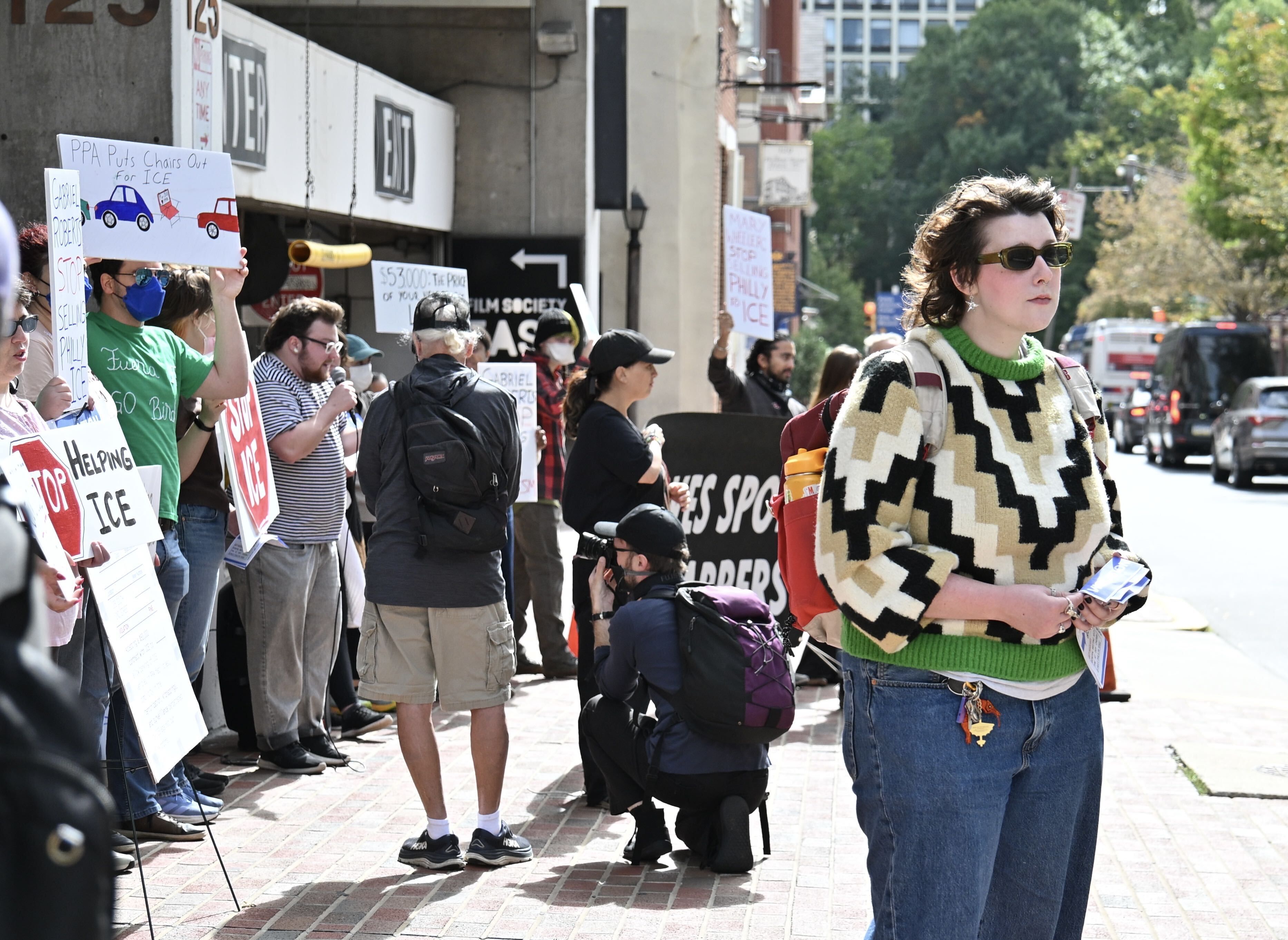
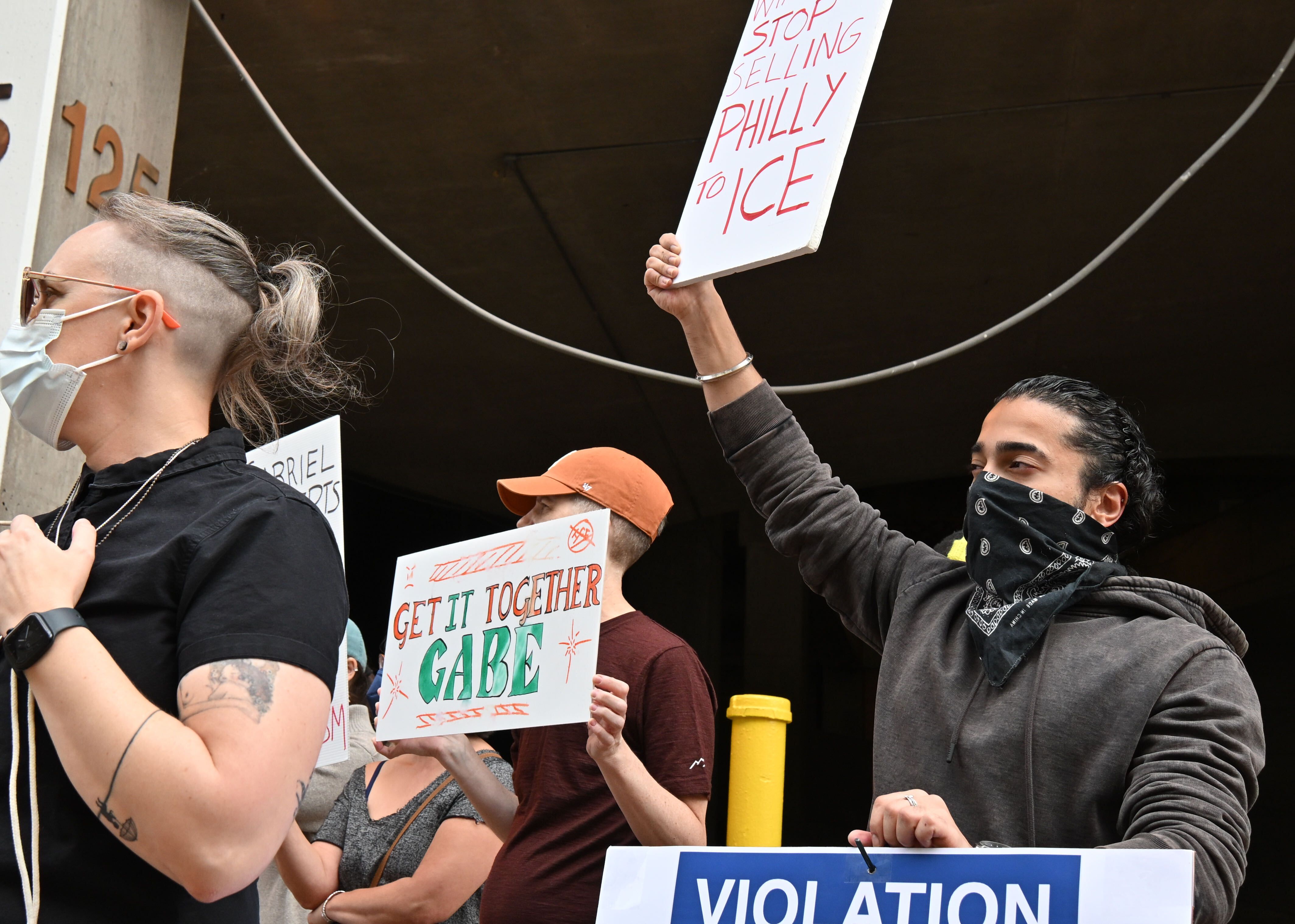
    About two dozen No ICE Philly activists gathered Saturday outside a parking garage in Old City, demanding the Philadelphia Parking Authority end an arrangement with Immigration and Customs Enforcement.

    At issue are 16 parking passes at the federally owned garage on Second Street, which is managed by the PPA. The group sang protest songs, held signs, and passed out informational flyers that resembled oversized PPA parking tickets.

    “Who doesn’t know what these things look like, you know?” said one activist handing out flyers.

    Group organizer Jay Bergen said the rally is meant to pressure the PPA — and to let people know that ICE is using the parking garage.

    “It’s scary that you could be parking downtown, and unbeknownst to you, parking next to an ICE agent,” Bergen said.

    Bergen, a 34-year old pastor at the Germantown Mennonite Church, pointed to public records showing a $53,520 contract that allows “for parking of government vehicles for ICE Homeland Security investigations” at the garage.

    That contract was set to expire at the end of September, but another one, beginning in October and running through at least next September, gives Department of Homeland Security “16 leased parking spaces,” records show. ICE is part of DHS.

    PPA spokesperson Martin O’Rourke declined to comment on the contracts.

    An activist holds “violations” resembling PPA parking tickets to pass out to people, while a crowd gathers to demand the PPA stop leasing parking spaces to ICE.Brett Sholtis

    Bergen said the group opposes ICE for “kidnappings” of immigrants and others, including people who have lived legally in the community for decades. One recent example is a 30-year-old nurse from Delaware County, who was arrested while taking her son to Disneyland.

    Bergen said most people detained by ICE did nothing wrong. Some had minor lapses in paperwork or had been convicted of summary or misdemeanor crimes.

    “Their goal is terror. It’s not public safety in any meaningful way,” Bergen said.

    The local ICE field office did not respond to a request for comment Saturday.

    At the rally, protester Akarsh Balaji said that the amount of money PPA makes on the contracts is “less than what they spend every year on salt to de-ice the streets.”

    Balaji said he’s seen ICE harass his Puerto Rican neighbors in West Kensington. Puerto Ricans are Americans — so is Balaji, who is of Indian ethnicity — but that doesn’t seem to matter, he said.

    “Nobody should have to live in fear, or be told that they’re harmful to society,” Balaji said.

    Balaji said he got involved with the group in February after feeling a need to do something, “and be part of a movement that is so much bigger than I was.”

    No ICE Philly has been active since ICE ramped up activities under the Trump administration last year. In January, protesters blocked vehicle access to a Center City garage used by ICE. In March, nearly a dozen protesters were arrested while blocking the garage.

    “We want to make it as difficult as possible for ICE to do its job,” Bergen said.

    In Philly, ICE has faced obstacles from residents and elected officials. In April, the city adopted some of the nation’s most aggressive polices aimed at restricting ICE. The legislation took effect in July but the federal Department of Justice sued the city over some of its directives.

    Bergen said ICE has changed its tactics since early this year, when its Operation Metro Surge in Minnesota — and the killings, captured on video, of U.S. citizens Renee Nicole Good and Alex Pretti — led to overwhelming public opposition to the agency.

    “But the fear has not gone down. I heard this week about someone whose mother is afraid to go to doctor’s appointments, because she’s afraid ICE might grab her,” Bergen said.

  • Philly’s historic Wanamaker Building is getting a new $4 million event venue

    Philly’s historic Wanamaker Building is getting a new $4 million event venue

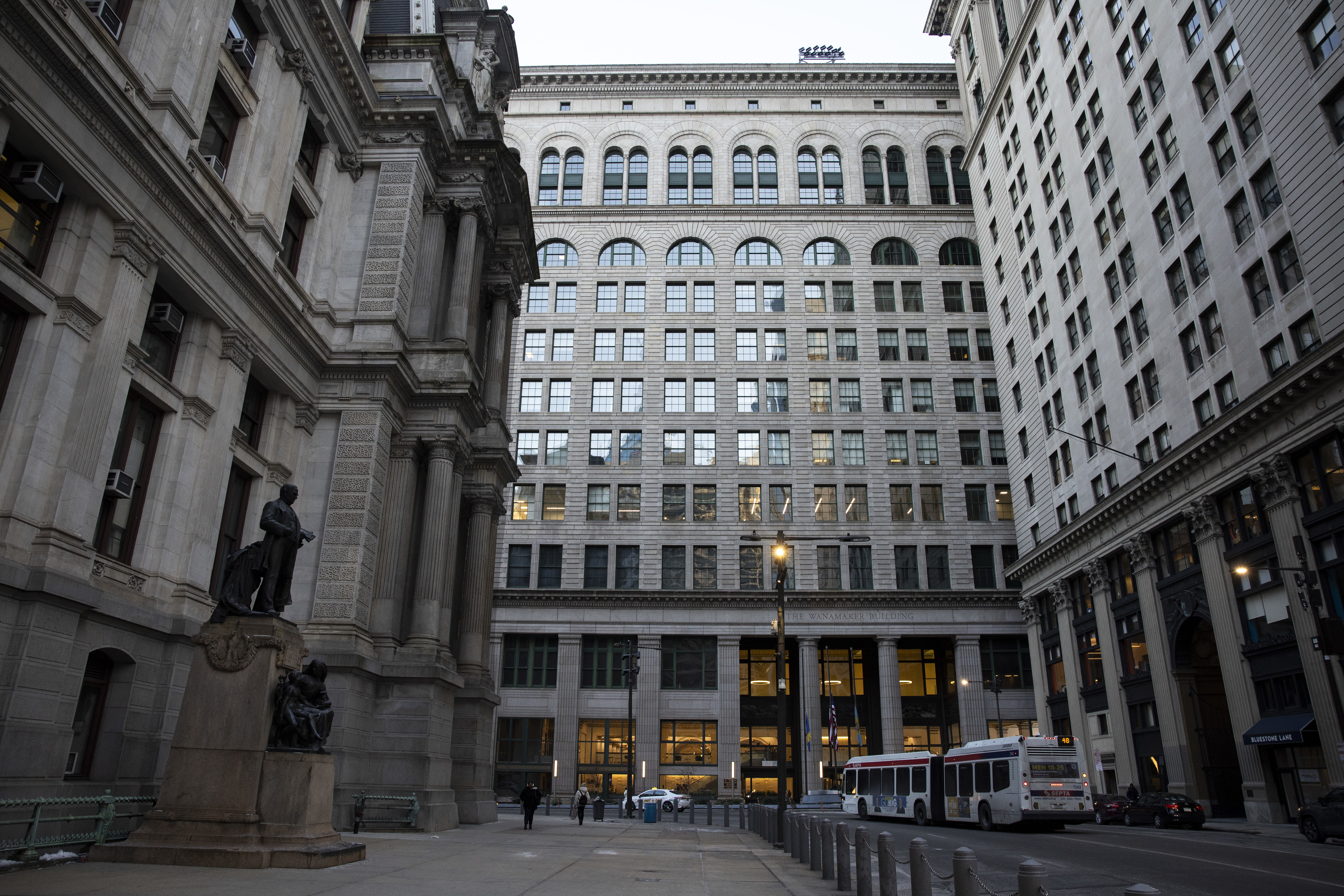
    The historic Wanamaker Building in Center City will soon be home to a new $4 million event space.

    The Wanamaker Room, the latest addition to the Finley Catering portfolio, will be able to serve as a standalone venue or an expansion of the Crystal Tea Room, where Finley has held weddings and banquets for 25 years.

    The new 5,000-square-foot space, on the same floor as the Crystal Tea Room, is currently under construction, according to the Finley team, and is set to open in early 2027.

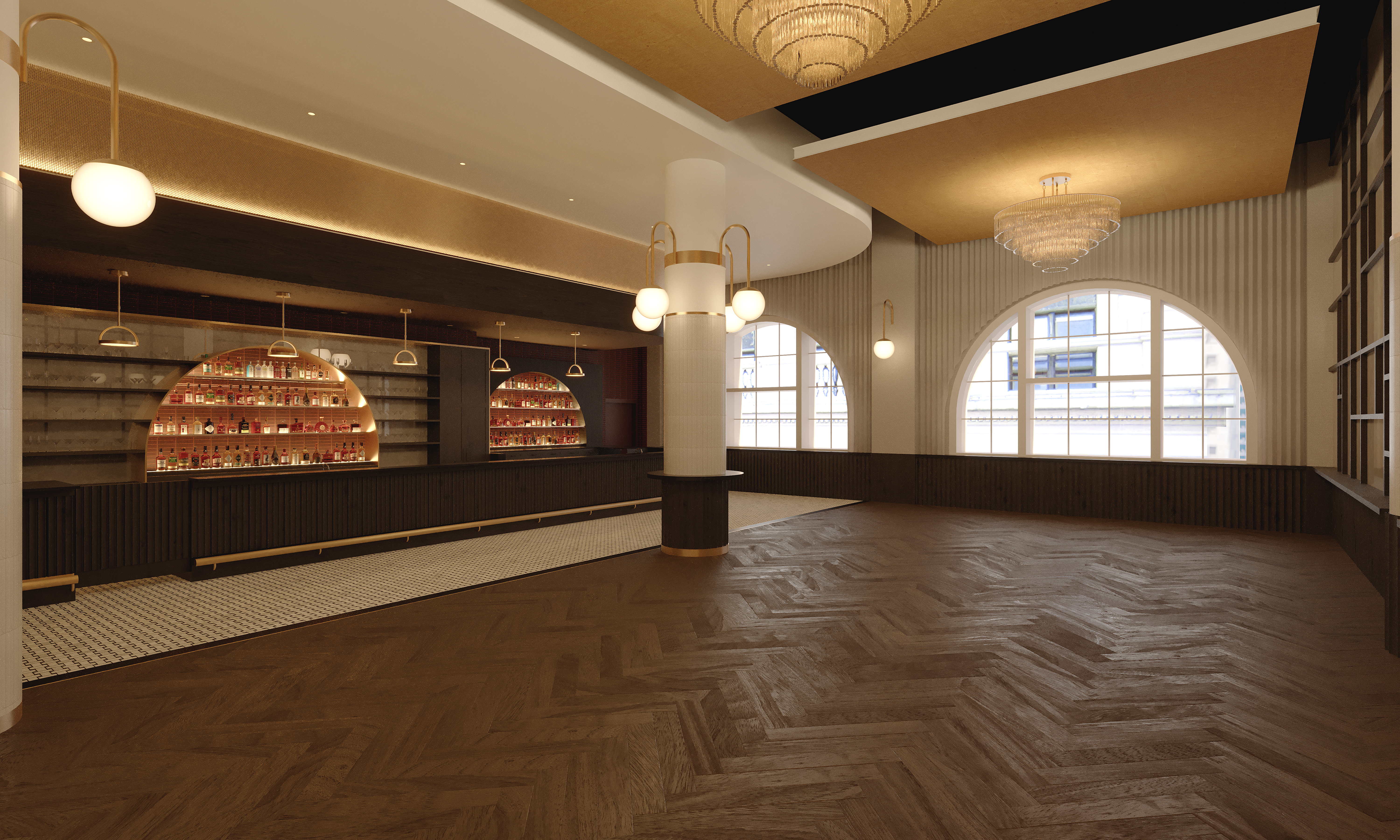
    A rendering of the bar area in the Wanamaker Room at the Crystal Tea Room, which is set to be the latest venue in Finley Catering’s portfolio when it opens in 2027.Courtesy JKRP Archiects

    “The Wanamaker Room is an investment in the guest experience and in the future of this landmark space,” owner and CEO Steve Finley said in a statement. “We’re excited to give our clients new possibilities for their events while continuing to welcome people to the heart of Philadelphia.”

    With large windows overlooking City Hall, the Wanamaker Room will serve as the new cocktail-hour space for weddings at the Crystal Tea Room, a grand ballroom that can fit up to 1,200 people.

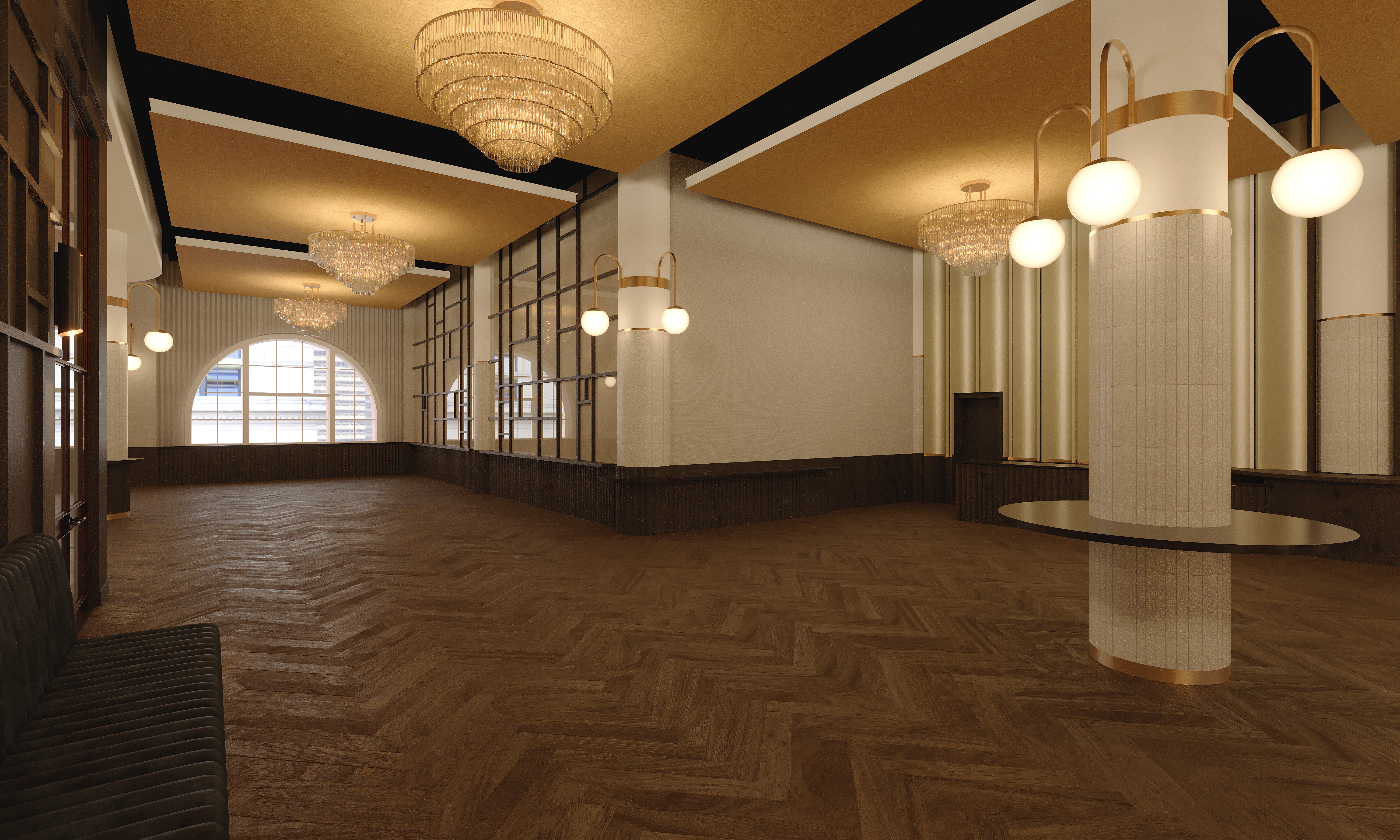
    The Wanamaker Room will also be available to book for independent events, such as corporate functions, rehearsal dinners, and cocktail receptions, with space for as many as 400 guests.

    A rendering of the “flex space” at the Wanamaker Room at the Crystal Tea Room, which is set to be the latest venue in Finley Catering’s portfolio when it opens in 2027.Courtesy JKRP Archiects

    The new addition marks the latest change for the Wanamaker Building. Last year, its iconic Macy’s closed after occupying the bottom floors for 19 years. Like many brick-and-mortar retailers, the 435,000-square-foot location had struggled since the pandemic, and the company deemed it “underproductive.”

    The nearly 1-million-square-foot office portion of the building also took a hit from the pandemic. Its new owners, New York-based TF Cornerstone, have plans to transform the space with renovated offices, loft-style apartments, and a rooftop pool.

    The company also wants to bring new retail, entertainment, and fitness outlets to the Macy’s shell, which it has owned since 2019. TF Cornerstone has said it sees the building being “a mixed-use anchor for Center City.”

    Finley Catering, a 50-year-old family-run business with roots in the Philly suburbs, leases its ninth-floor space in the Wanamaker Building, recently renewing for another 29 years.

    The company also operates the Ballroom at the Ben and Union Trust in the city, as well as two suburban venues, The Ivy at Ellis Preserve and The Ballroom at Ellis Preserve, both in Newtown Square.

  • 🍻 Grab a stein at Roxtoberfest and more | Things to do

    🍻 Grab a stein at Roxtoberfest and more | Things to do

    Hey folks! I’m back with another random assemblage of events, attractions, and competitions happening this week.

    Some may leave you frightened, while others make up your favorite seasonal activities — pumpkin picking and Oktoberfest-themed entertainment.

    Then there’s one that may fuel your competitive spirit when it comes to squeezing your car into an impossible parking spot.

    Read below to see what’s happening this weekend:

    – Earl Hopkins (@earlhopkins_, Email me at thingstodo@inquirer.com)

    If someone forwarded you this email, sign up for free here.

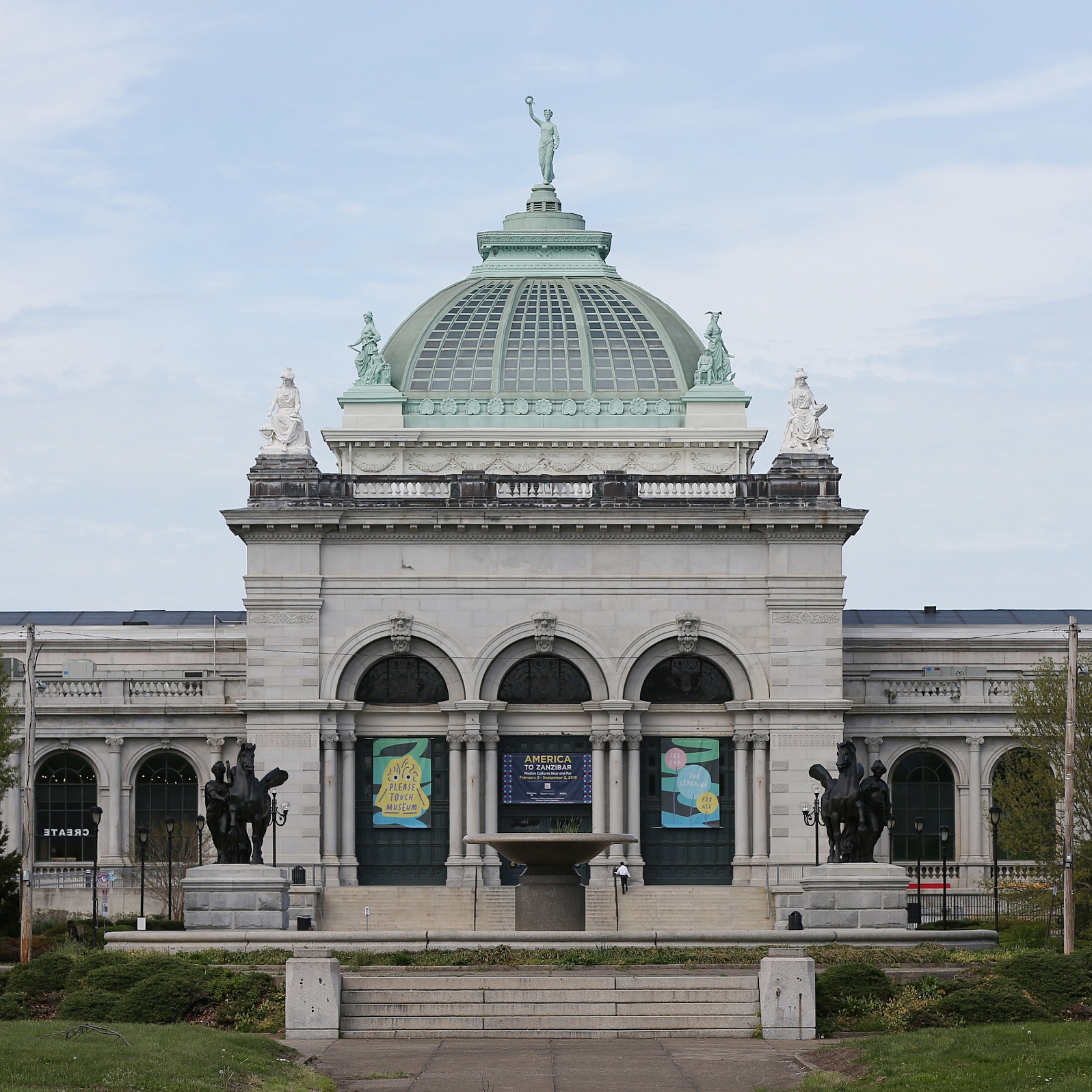
    The Please Touch Museum turns 50

    Memorial Hall, which now houses the Please Touch Museum, is pictured in West Fairmount Park in Philadelphia on Tuesday, April 23, 2019. The building is one of the few surviving structures from the 1876 Centennial Exhibition.Tim Tai / Staff Photographer

    The Please Touch Museum turns 50 with two days of events for children and their caregivers.

    Guests can enjoy toddler sing-alongs, juggling, music, dancing, art-making, story times, and an end-of-day parade on Saturday and Sunday.

    While both days are currently sold out, museum organizers are taking walk-ins when possible.

    Click here for more information on the two-day celebration.

    The best things to do this week

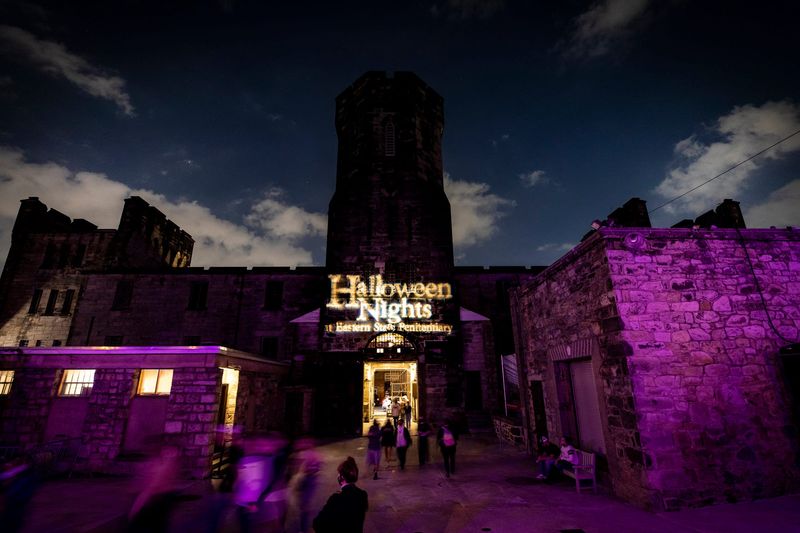
    Eastern State Penitentiary hosts Halloween Nights, a festival-like attraction with characters dressed as scary clowns, zombies, vampires and other ghouls — but not prisoners or prison guardsEastern State Penitentiary

    🇺🇸 A trip to historical grounds: The Revolutionary Germantown Festival, which marks the devastating loss George Washington endured before retreating to Valley Forge in 1777, is happening this Saturday. The free event will feature living history interpreters, hands-on activities with craftspeople, tours of the Chew House, and other activities.

    🎭 A Broadway classic: The Broadway classic, Mamma Mia!, is hitting the stage at the Academy of Music for a limited run. Make your way to the Center City theater before the final curtain call on Sunday.

    🍺 Celebrate Oktoberfest in Northwest: Head to Roxborough on Saturday for the 14th annual Roxtoberfest street festival. Visitors can enjoy German-themed entertainment, including live music, a stein-holding competition, a scarecrow walk, and more.

    👻 Frightening nights: Visit the haunting cell blocks and frightening attractions at Eastern State Penitentiary during Halloween Nights. The month-long experience kicks off Friday, likely giving even the bravest of guests a scare or two.

    📅 My calendar picks this week: Philadelphia Regatta Cup, Proximity: A Street Photography Exhibition, In Community Exhibition. Here’s our full list for the week.

    Philadelphia Parallel Parking Association Championship

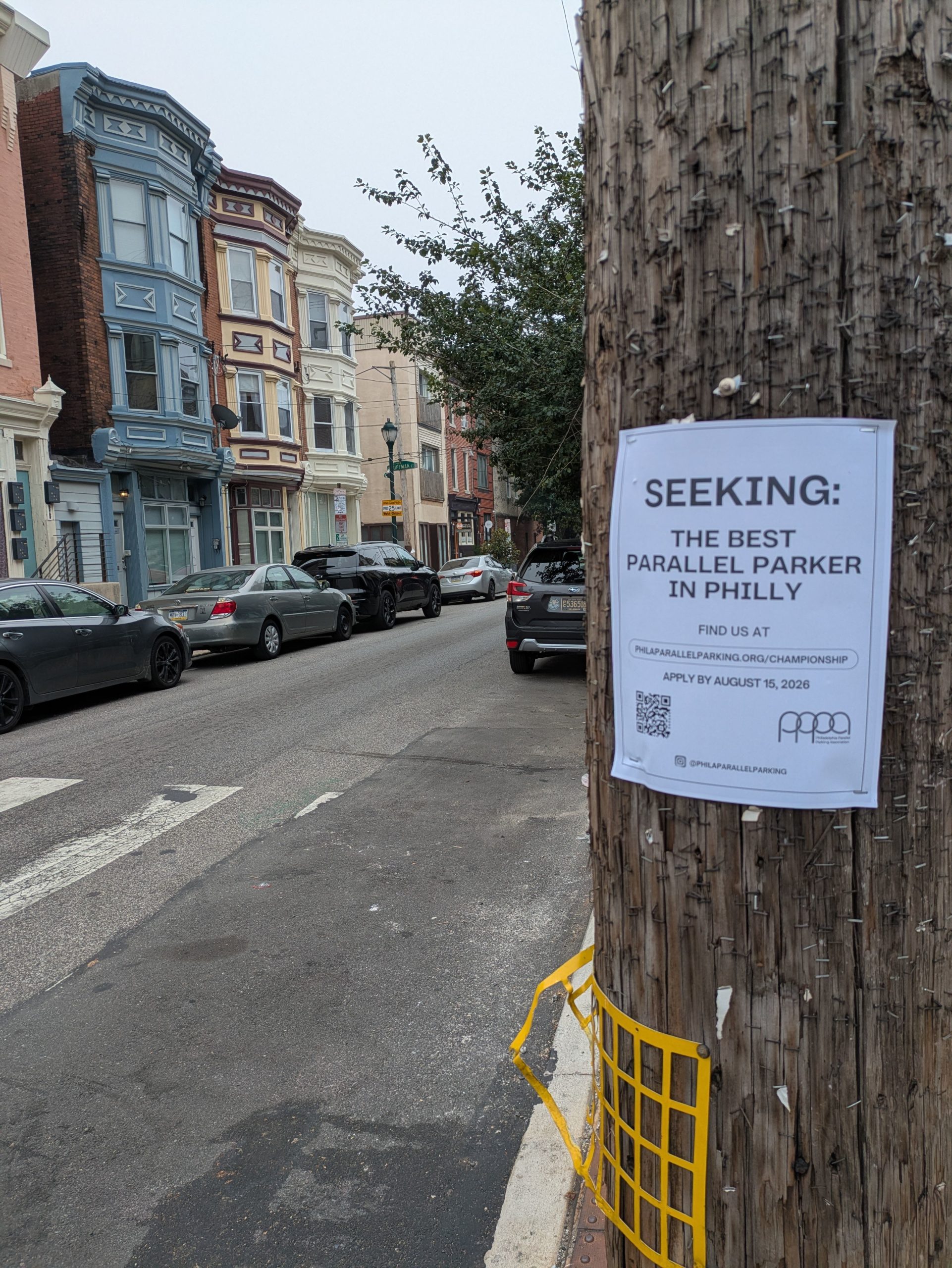
    A sign advertising the 2026 Philadelphia Parallel Parking Association Championship is affixed to a pole across from some fine examples of parallel parking in the city.Courtesy of Adam Wodka

    Adjust your mirrors. Strap in your seat belt, and roll up to Headhouse Plaza for the Philadelphia Parallel Parking Association Championship.

    Fifteen competing drivers will test their skills across three events. The first gives drivers a chance to park as close to the curb as possible. The second challenges drivers to navigate a tight squeeze while making the fewest maneuvers. The third will test how well drivers can park under duress.

    The free event will take place from 1-4 p.m. on Saturday. It will also be livestreamed for those unable to attend.

    Click here for more details.

    Fall fun this week and beyond

    Tanelsa Franklin-Phillips outside the Film Society Center, in Philadelphia, Oct. 5, 2025.Jessica Griffin / Staff Photographer

    🎥 A reel movie fan’s dream: Experience classic movies in 35mm for the 35th anniversary of the Philadelphia Film Festival and the 25th anniversary of the Philadelphia Film Society. Screenings for REEL October are happening at the Film Society Center and running through Oct. 11.

    🎨 Builders and makers: Street art and architecture collide at the 22nd Design Philadelphia Festival starting Thursday. The nearly two-week festival will feature lectures, panel discussions, and installations for emerging and seasoned designers.

    🎃 Pumpkin patch at Liberty Point: Make your way to Liberty Point this Saturday for pumpkin picking, carnival games, a photo booth, and other fall-themed activities through Nov. 1.

    Staffer picks

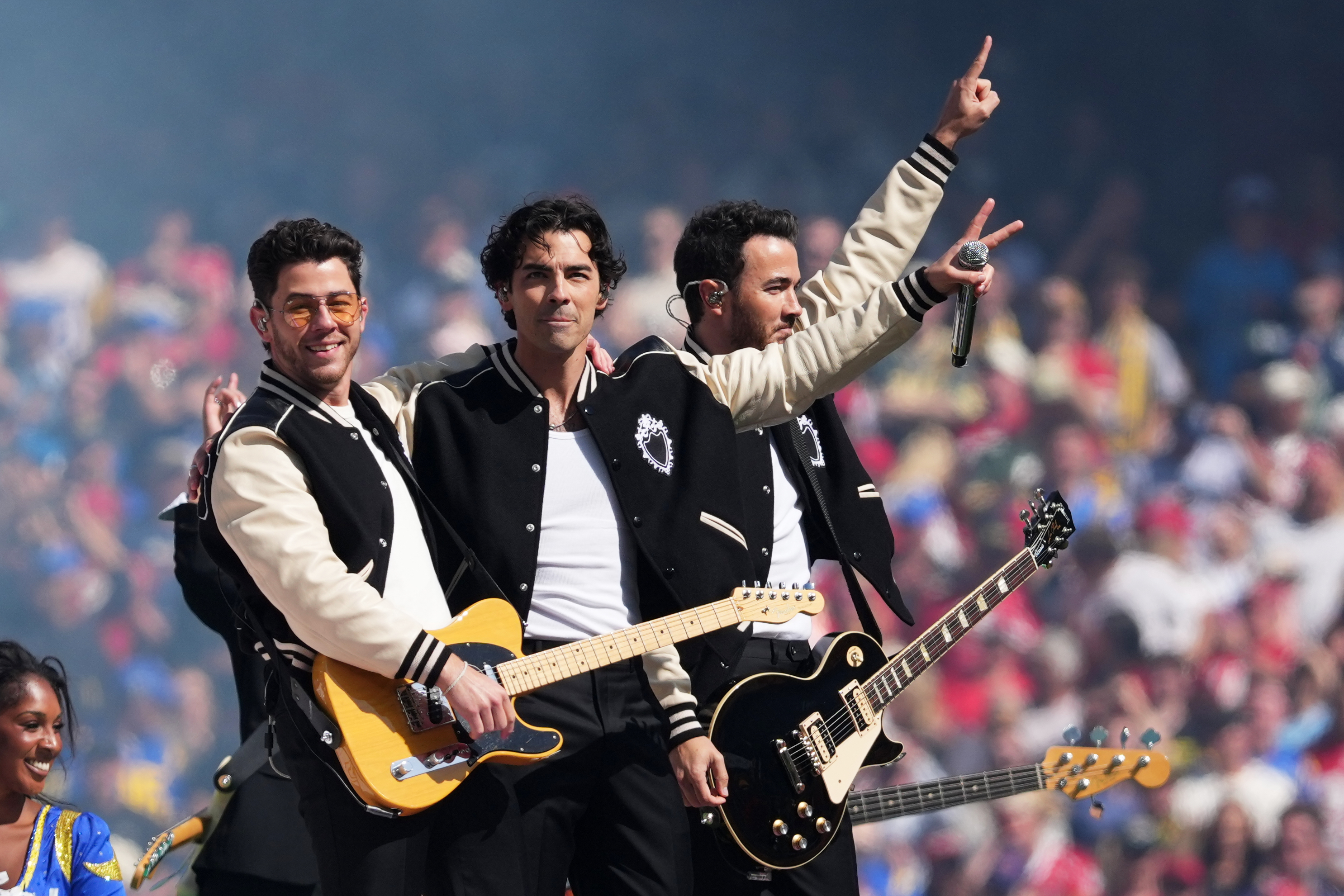
    The Jonas Brothers perform during halftime of an NFL football game between the Los Angeles Rams and the San Francisco 49ers, Friday, Sept. 11, 2026, in Melbourne, Australia. (AP Photo/Scott Barbour)Scott Barbour

    Here’s a list of the best concerts this weekend.

    🎤 Thursday: Rapper Logic will hit the Highmark Mann stage alongside Memphis legend Juicy J and Bay Area native G-Eazy for a supreme rap show.

    🎸 Friday: The Jonas Brothers are dropping into South Philly to perform at Xfinity Mobile Arena, with support from singer-songwriter Magnus Ferrell and DJ Deleasa.

    🔊 Saturday: South Korean rock band Wave to Earth will grace the Met Philadelphia stage with their lo-fi, indie surf-rock jams as part of their “Pieces Tour.”

    🎤 Monday: Stanley Simmons, whose music floats between folk and indie-rock, is set to headline at World Cafe Live on Monday.

    ❓Pop quiz

    Where did the Please Touch Museum originally open its doors?

    A) Memorial Hall

    B) Academy of Natural Sciences

    C) Franklin Institute

    D) Parkway Central Library

    Here’s the answer to last week’s question: What year was the first Concilio’s Annual Puerto Rican Day Parade in Philadelphia? Answer: 1964

    Ask Earl anything

    Many of you have questions about each week’s listings, and others about Philly’s arts, culture, and entertainment scene.

    I have you covered. Have a question? Email me for a chance to have it answered in an upcoming newsletter.

    That’s all folks! Enjoy your weekend, and feel free to sharpen up your parking skills if you feel so inclined. This writer here will certainly appreciate it.

    – Earl Hopkins

    By submitting your written, visual, and/or audio contributions, you agree to The Inquirer’s Terms of Use, including the grant of rights in Section 10.

    Giphy.comCourt
  • Woman killed in Center City identified as a West Philly teacher

    Woman killed in Center City identified as a West Philly teacher

    Philadelphia police have identified the victim of a fatal car crash in Center City as a teacher at a West Philly elementary school.

    Zoe Schemm, 26, was attempting to catch a bus near 19th and Lombard Streets when the driver of another vehicle struck her at 6:42 a.m. Wednesday. Schemm suffered severe injuries after becoming trapped underneath the vehicle and was pronounced dead at the scene, according to police.

    The driver of the white Audi sedan was traveling west on Lombard when the car hit Schemm while she was crossing the street. The driver remained at the scene. Police are investigating but have made no arrests.

    Schemm was a teacher at Belmont Charter Elementary School in West Philadelphia. Belmont Charter’s elementary and middle school held classes virtually Thursday to give its community space to grieve Schemm’s death.

    “Belmont Charter Network is heartbroken by the unexpected death of a member of our school community. She was a valued teacher who cared deeply for her students and made a lasting impact during her time at Belmont. Her loss is being felt deeply across our community,” Aquilla Waller, Belmont Charter’s head of school, said by email.

    “I’m heartbroken that a young Belmont Charter teacher lost her life after being struck by a vehicle. … This is another somber reminder of how important it is to make sure our streets are safe,” City Councilmember Jamie Gauthier, who represents West Philadelphia, said in a social media statement.

  • Black Panther-style group members arrested in Chester, as mayor decries their presence

    Black Panther-style group members arrested in Chester, as mayor decries their presence

    The leader of a Philadelphia offshoot of the Black Panther Party for Self-Defense was charged with a firearms crime for carrying a concealed gun without a permit in the city of Chester — and the group’s growing visibility in the Delaware County community is sparking a clash with the city’s mayor.

    Paul Birdsong, who founded Philly’s Panther group, was arrested this summer during what the group says was an armed community patrol of Chester’s streets.

    Birdsong had been carrying two holstered handguns, one of which police said was partially obstructed by his waistband and constituted carrying a concealed weapon, according to the affidavit of probable cause for his arrest.

    Birdsong, 40, is out on bail and appeared earlier this month in Magisterial District Court, where a judge ruled he should stand trial for that crime.

    The judge dismissed two counts of disorderly conduct and one count of resisting arrest stemming from the July 11 incident, court records show.

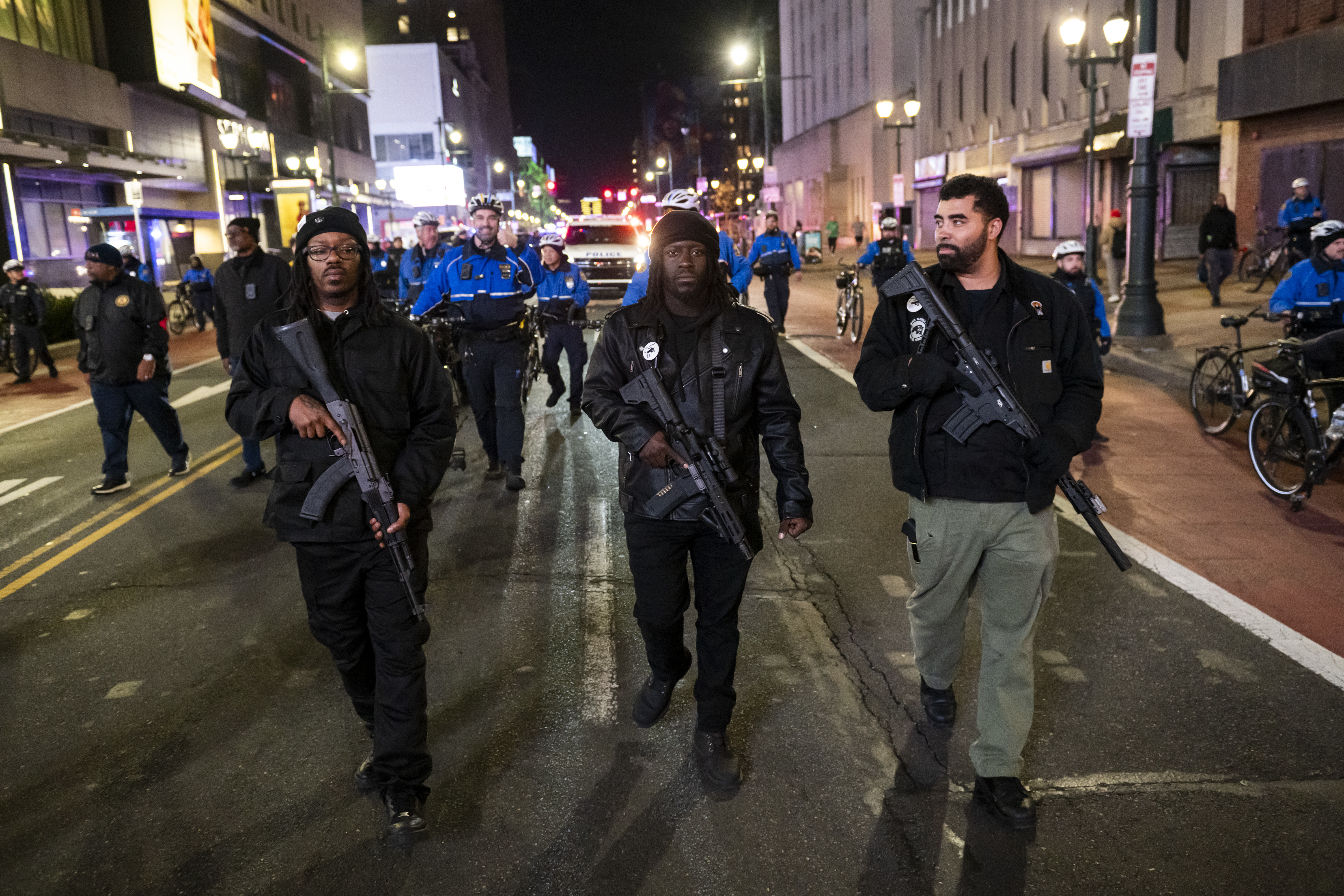
    Birdsong’s arrest, as well as the arrest of another Panthers member in Chester in August, marked the latest run-in between police and the armed citizens group, which is styled after the 1960s political and militant organization. The Panthers first made headlines this winter during anti-ICE protests during which they carried assault-style weapons in Center City.

    Panthers members say they are Second Amendment advocates and regularly conduct patrols in the name of public safety. They say the guns are not meant to intimidate, but to deter crime and encourage responsible firearms ownership. The group also holds weekly giveaways of food and essential supplies for those in need.

    But Chester Mayor Stefan Roots has decried the group’s foray in the city, saying its presence has created “horrible optics” as officials try to reduce gun violence, especially among young people.

    To address the Panthers’ presence, Roots and members of Chester City Council met with Birdsong and other members in a closed-door meeting on Tuesday.

    Councilmembers appeared to have left the meeting with supportive views of the group. But tensions flared when Roots grew frustrated during talks and abruptly left the gathering early, according to Birdsong.

    Roots declined to comment Tuesday, saying only that he had not been aware of the Panther members’ arrests. He did not immediately respond to an additional request for comment Wednesday.

    Birdsong made headlines in May when Philadelphia police revoked his city-issued gun license along with those of four other Panthers.

    The following month, in an unusual show of federal oversight, the Department of Justice’s Civil Rights Division opened an investigation into whether the police department violated the Second Amendment by revoking gun licenses without proper cause. The filing did not name Birdsong or other Panthers in the inquiry.

    A spokesperson for DOJ did not return a request for comment on the status of the investigation. A police spokesperson referred The Inquirer to the city’s law department, which declined to comment.

    After the restrictions in Philadelphia, Panthers became active in Chester, where members have patrolled in the past.

    In July, Birdsong was armed when he was stopped by a police officer near Barclay and West 5th Streets, according to the affidavit of probable cause for his arrest.

    The officer said that he recognized Birdsong from a past encounter in Chester, and that he stopped him after seeing one of his handguns holstered “inside his right pants pocket with the majority of the firearm being concealed from view,” the document said.

    Birdsong questioned why he was stopped and began to record the interaction, the affidavit said. He began to “curse and yell” when additional officers arrived, and he was detained, the document said.

    In an interview this week, Birdsong disputed the officer’s account. He said that the gun was clearly visible and that he believes the enforcement was racially motivated.

    “They’re arresting us as an effort on their part to bully us, to scare us,” he said.

    Carrying a firearm in the open without a license is legal in Pennsylvania — but not in Philadelphia, where a license is required to carry either open or concealed.

    Birdsong’s lawyer, Lyandra Retacco, said the matter would be resolved in court.

    The July incident was not the only time Panthers have clashed with Chester police.

    On Aug. 28, member William Ozah was charged with disorderly conduct and evading arrest after police said he ran from an officer who attempted to stop him for having a knife protruding from his pants pocket, according to the affidavit of probable cause for his arrest.

    The officer used a Taser to subdue Ozah, the document said. During the chase, the officer said, Ozah tried to reach into a satchel, which he believed concealed a firearm.

    After detaining Ozah, officers recovered a knife and a Bryna SD pepper-ball pistol — a less-lethal firearm that uses compressed gas to shoot projectiles filled with a chemical irritant.

    He was held for court on both charges, court records show.

    Meanwhile, Panthers have continued their Chester presence.

    In addition to armed patrols, the group is handing out informational pamphlets to those curious about the group’s mission: to “protect and defend ourselves and our beautiful Black people,” it said.

    The group had arrived, the pamphlet said, because “people reached out to us for help.”

    This article has been updated to reflect comments made by Birdsong’s attorney.

  • A pedestrian was killed in a car crash in Center City

    A pedestrian was killed in a car crash in Center City

    A pedestrian was killed in a car crash in Center City on Wednesday morning, police said.

    At about 6:42 a.m., Philadelphia police responded to a report of a crash involving a vehicle and pedestrian near 19th and Lombard Streets. The victim was a woman in her 20s and she was pronounced dead at the scene, according to police.

    The woman was crossing Lombard Street when the vehicle driver, who was traveling westbound, struck her. The driver remained at the scene, and no arrests have been made.

    Police are investigating the incident.

    Last year, Philadelphia reported its fewest number of traffic-crash deaths since 1928. But the city still remains dangerous for pedestrians and cyclists.

    Overall crashes declined from 2020 to 2025, while crashes involving non-motorists have stayed the same or increased, according to an analysis of Pennsylvania Department of Transportation data by the group Philly Bike Action. Fifty-five percent of people killed in Philly traffic crashes last year were non-motorists, and 52% of serious injuries from crashes occurred when a driver hit someone not in a car, the group found.

  • 41 arrested in HUD-backed operation targeting Philly fugitives receiving public housing assistance

    41 arrested in HUD-backed operation targeting Philly fugitives receiving public housing assistance

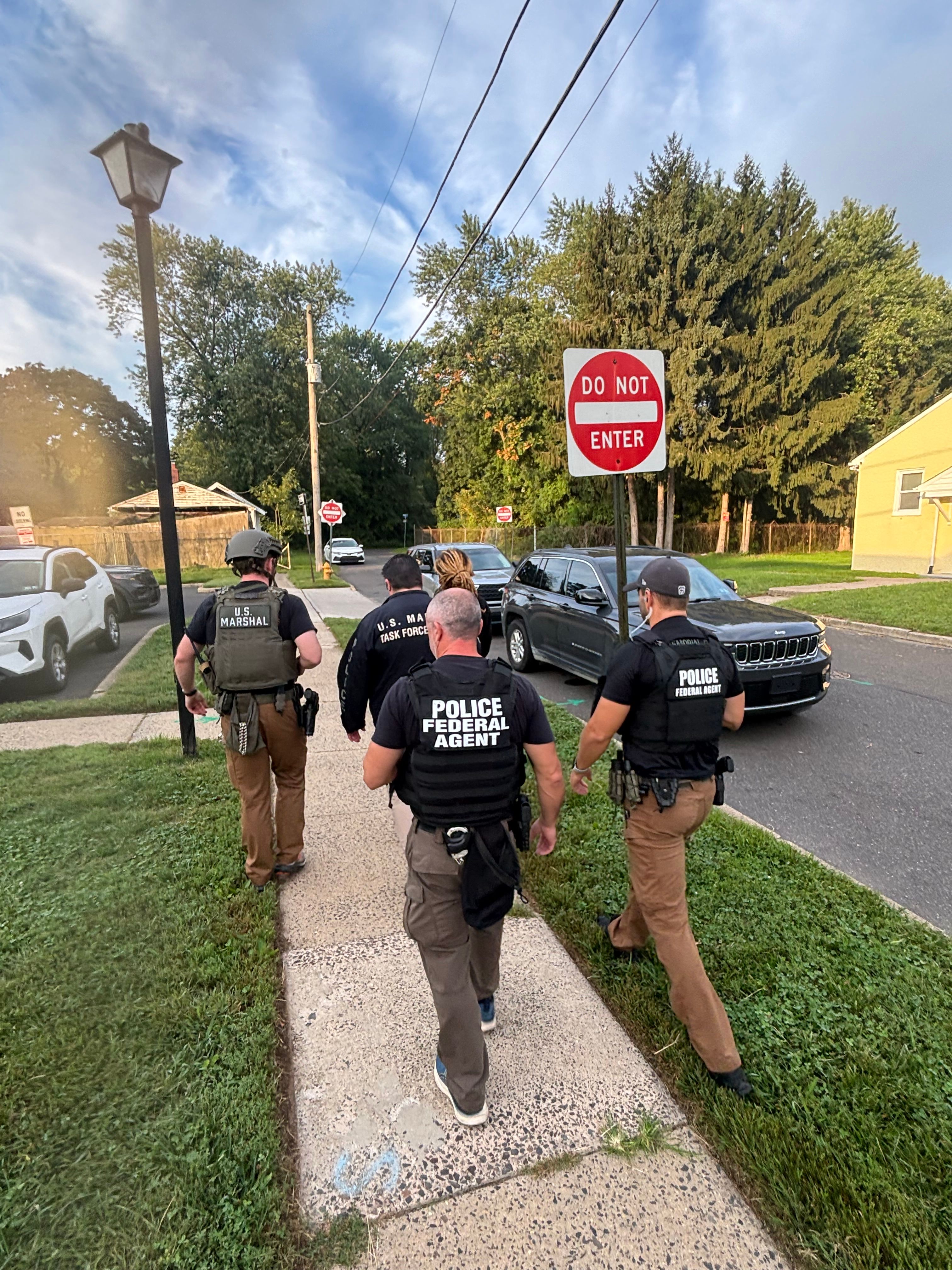
    Forty one people in Philadelphia and surrounding areas were arrested in a sweeping operation conducted by the U.S. Marshals Violent Crime Fugitive Task Force this month, the agency said Monday.

    The effort, dubbed “Operation Moving Day” targeted people wanted for violent felonies who were living in federally subsidized housing.

    The initiative is part of a larger federal criminal enforcement campaign being carried out in cities across the country this year by the Inspector General’s Office of the Department of Housing and Urban Development with support from U.S. Marshals.

    The Philadelphia-area operation led to the arrests of people wanted for felonies including arson, aggravated assault, armed robbery, crimes against children, and at least one shooting.

    Robert Clark, a spokesperson for the U.S. Marshals’ Eastern Pennsylvania Violent Crime Fugitive Task Force, said most of those arrested during the operation were living in private apartment units and had been receiving subsidized rental assistance through federal programs.

    Arrests occurred in neighborhoods across the city, according to Clark, along with a handful of arrests occurred outside city limits and as far north as Lehigh County.

    Among those arrested was a 31-year-old man wanted by Philadelphia police for his role in an early August shooting. The incident occurred on the 3300 block of North Smedley Street and left a woman hospitalized with a shoulder injury.

    Marshals also arrested a 23-year-old employee of Bregy Elementary School in South Philadelphia who had been charged with indecent assault and unlawful contact with a minor in late August, Clark said.

    The operation marked the first time U.S. Marshals in Eastern Pennsylvania took part in a joint law enforcement effort backed by HUD, he said.

    This summer, U.S. Marshals task forces in other major cities have aided HUD in arresting fugitives living in federally subsidized housing, such as Kansas City, Mo., Memphis, Minneapolis, and most recently in New York and New Jersey.

    The arrests were part of a national operation called ‘Operation Clean House.” The initiative launched after the success of an operation in Columbus, Ohio last winter that led to the arrests of more than 50 people with outstanding felony warrants, Clark said.

    A spokesperson for HUD did not immediately return a request for comment.

    In February, after 16 people were arrested in a similar operation in Minneapolis, U.S. Department of Housing and Urban Development Acting Inspector General Brian D. Harrison said the operation had successfully targeted “dangerous fugitives” living in federally subsidized housing.

    “Defeating fraud in housing remains a top priority for HUD OIG,” Garrison said in a statement. “HUD housing is America’s housing serving millions of deserving Americans, and we are unwavering in our commitment to ensuring accountability throughout HUD’s programs.”

  • A political scientist studied the rise of grassroots activism in local government. Philly was his case study.

    A political scientist studied the rise of grassroots activism in local government. Philly was his case study.

    In the five years he spent researching his book Mobilization Politics, Haverford College political scientist Stephen J. McGovern interviewed former Mayor Jim Kenney and other Philadelphia elected officials, political activists, campaign consultants, labor leaders, and protesters.

    The book, which covers events from the 2010s through Mayor Cherelle L. Parker’s victory in the 2023 election, uses Philly as a case study to examine the national rise of grassroots progressive politics over the last two decades. McGovern details how local activists employed bottom-up tactics to win major policy victories in areas like criminal justice reform, helping to decrease the jail population, and immigration, leading to Philly becoming a so-called sanctuary city.

    The activists often used an inside/outside strategy, McGovern wrote, of leaning on officials they helped elect, like District Attorney Larry Krasner, and publicly pressuring more moderate ones, like Kenney.

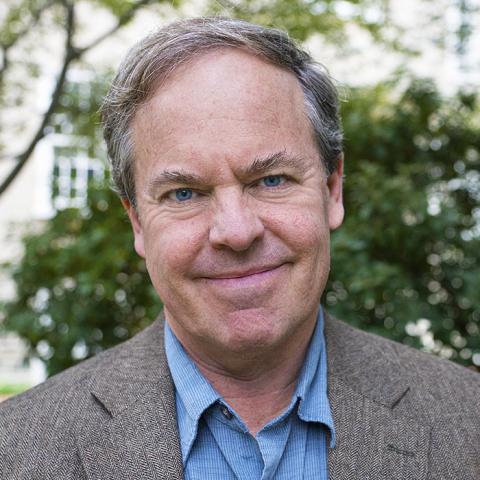
    Haverford College political scientist Stephen J. McGovern authored the 2025 book “Mobilization Politics,” on grassroots activism in Philadelphia.Sean Walsh

    McGovern also explores areas where progressives have fallen short of their goals, and the problems associated with a brand of politics driven by groups that tend to be more affluent and white than the city as a whole. Much of the new type of political organization has been driven by millennials born outside the city, McGovern found, leading to tensions over gentrification.

    McGovern recently spoke with The Inquirer about his 2025 book, the rise of the local progressive movement, and what it all means during Parker’s administration. The interview has been lightly edited and condensed for clarity.

    Your book describes how grassroots activists are really driving the agenda in Philadelphia City Hall, and, as you say, across the nation in local government. Is that an accurate summation of your thesis statement?

    I think that’s fair, and what I want to call attention to is how significant that change is. There may be a lot of people today who assume, “Well, hasn’t that always been the case in city politics?” But no, for much of the mid- to late 20th century, city politics operated in a very different way. It was much more of a top-down phenomenon, and the shift towards more bottom-up politics has been a relatively recent one. And increasingly it’s pretty widespread throughout the United States. So as a scholar of urban politics, I was interested in trying to explain how and why that happened.

    In the book, you describe various political science theories that have sought to explain urban politics in the past. Can you explain how your thesis is different from those previous schools of thought, such as “regime theory”?

    Many scholars have argued that downtown-led regimes wielded a great deal of power over urban policymaking. Regimes were led by business leaders and their allies — law firms, accounting firms, mass media relations firms, and interest groups that had an interest in promoting growth, especially pro-growth labor unions, and, of course, public officials. Basically from 1970 on, every Philadelphia mayor headed a downtown-led regime in a relatively top-down fashion, in terms of governing style. So that’s the backdrop. My book is all about how that pattern began to change around the turn of the century, and then picked up in the 2010s with a burst of social movement activity. Occupy Wall Street really started things off, but then it picked up, especially with Black Lives Matter, the immigrant rights movement, and all of that social movement protest had a catalytic effect on grassroots organizing in cities with respect to a whole host of public policy issues.

    As your book points out, much of the activism has been driven by millennial transplants who have moved into the city. Is it fair to say that trend is the main driver of this change, or one of several factors?

    That is one of the main factors in explaining why there is this big shift. But there are also some underlying changes in the local political environment, what social movement scholars sometimes call the “political opportunity structure.” One of those changes is a decline in the organizing capacity of the downtown business community, which had been so dominant. It started to create a vacuum. Into that vacuum steps young people. Populations had been steadily declining in virtually all big American cities. They started to stabilize around 2000, and you see an influx of young people who are relatively well educated, more likely to be professional, more likely to be progressive, more likely to get involved in local politics. Some people call it the “back to the cities” movement.

    What’s different about these newcomers compared with other left-leaning groups that have sought to impact city politics in the past?

    In the past, a lot of young people tended to get involved in protest politics. People on the left were very wary about engaging in electoral politics. The folks who are moving into Philadelphia after 2000 increasingly are participating in more conventional politics, including electoral politics, and that’s a big change. That escalates when Bernie Sanders runs for president in 2016. One of the lessons learned for lots of people who volunteered for him is: This is something we can do at the local level.

    As you note, the groups driving this style of politics tend to be more affluent, more educated, and more white than Philadelphia as a whole. That’s created a lot of friction. There’s a debate over whether this is a phenomenon that will be limited to gentrified areas, or whether it will grow into a cross-racial or cross-class coalition. Is it fair to say that’s the central question going forward?

    Absolutely. So much of this is turf-oriented. The millennials and Gen Zers moving into Philadelphia tended to congregate in neighborhoods that attract a lot of white, middle-class people who were relatively well educated, and so those became significant bases of progressive politics. The challenge then becomes organizing in other neighborhoods. Some of the grassroots groups made impressive inroads. I’m thinking about campaigns for Larry Krasner, in particular, in lower-income, predominantly Black and brown neighborhoods, where a group like Reclaim Philadelphia or the 215 People’s Alliance were pretty effective. But in many cases, it was fairly difficult for a group like Reclaim Philadelphia to venture into neighborhoods beyond their comfort zones, if you will. They were mindful of some of the skepticism that residents of those neighborhoods felt towards the millennials and Gen Zers flocking into the city and contributing to gentrification. Somebody from Reclaim Philadelphia might be knocking on the door talking about the affordable housing crisis, and people answering the door might look at them and say, “You’re actually a big part of the problem here.” This tension between so-called new Philadelphians and old Philadelphians became more pronounced, and navigating those tensions becomes a real challenge.

    Your book finishes with the 2023 mayor’s race, when Cherelle L. Parker defeated more progressive candidates and won the election with a “law and order” platform. So perhaps that was a surprising twist on your thesis at the end of your research.

    She’s obviously fascinating. She’s a shrewd operator. In the primary election, two progressives split the vote. And being the only prominent Black candidate worked to her advantage. But since she’s been elected, she’s been very skillful about maneuvering in ways that have brought back a return of the traditional kind of urban politics — a top-down governing coalition led by a somewhat resurgent business community and pro-growth unions, the building trades unions, and a somewhat resurgent establishment-oriented Democratic Party, all of which is led by Parker. This is very reminiscent of standard politics of the mid- to late 20th century. So in some ways, Philadelphia is a bit of an aberration in that it’s moved backwards, if you will, recently. But I still see lots of evidence that bottom-up grassroots activism remains a force, and will become much more impactful in the next four years.

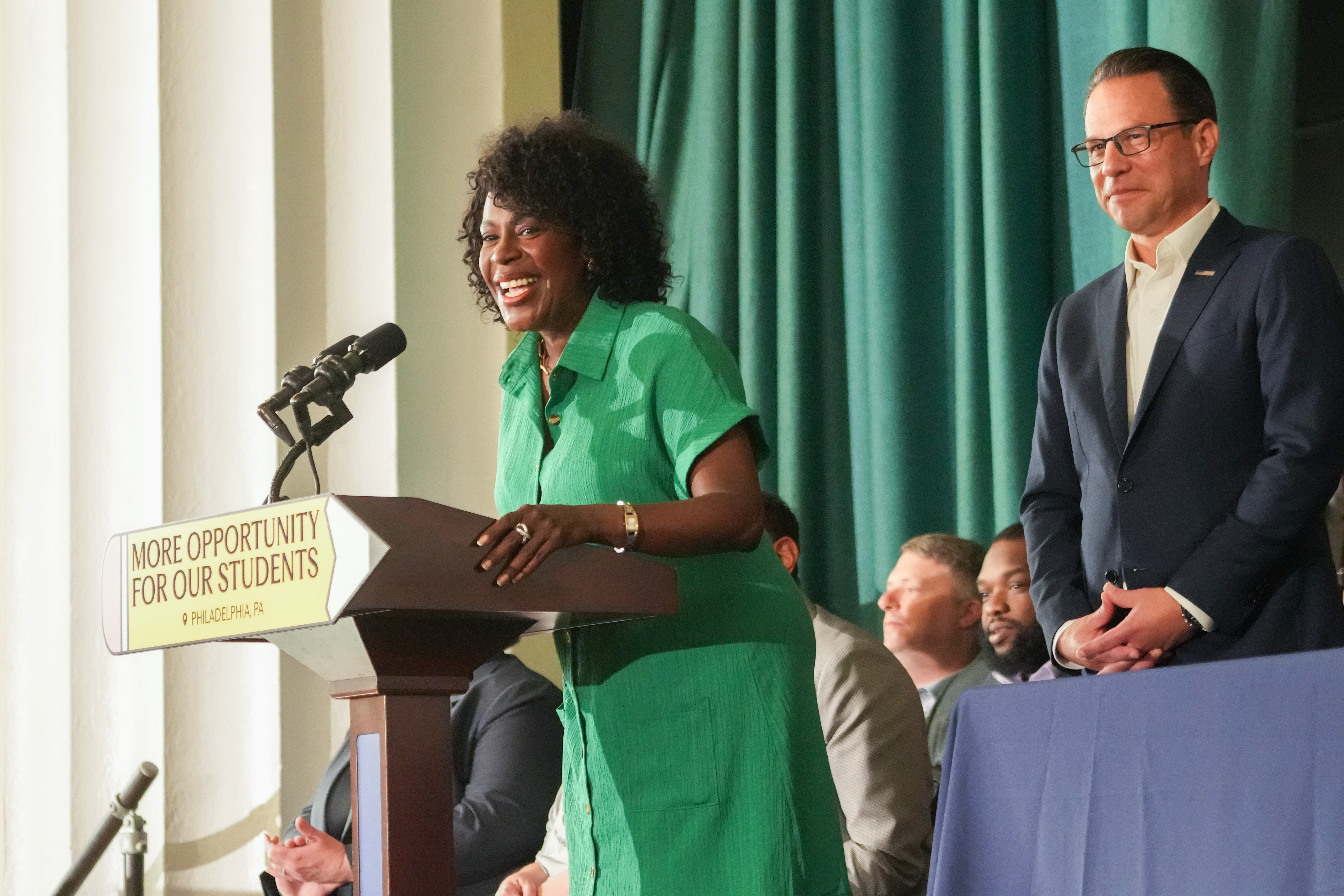
    Mayor Cherelle L. Parker speaks at Vare-Washington Elementary School to highlight the historic education investments included in the 2026-27 state budget, in Philadelphia, July 14, 2026.Jessica Griffin / Staff Photographer
    For what it’s worth, Parker herself seems to be mindful that grassroots politics are still relevant. We reported last year that she ordered a bunch of copies of a book called Performative Outrage: How Manufactured Fury Undermines Local Government and Public Service, and was handing it out to people. So I think it’s safe to say she isn’t a fan of the trends you described. You alluded to Parker returning to a “regime theory” style of politics. What’s an example of that?

    The 76ers’ arena, for example. She was siding with the Sixers and other downtown-oriented interests that wanted to see the arena in Center City on East Market Street, and discounting the views of community groups, most prominently Chinatown. There’s a general mode of governance style associated with Parker that’s very uncomfortable with dealing with grassroots-oriented groups. That’s just not her style. She’s much more comfortable dealing with downtown business elites and people in the building trades unions. Her whole mindset is much more comfortable with the old ways of governing cities.

    Parker won in 2023, when Joe Biden was president. Progressives in Philly and elsewhere seem to do better when Trump is in office. This spring Democrats just elected Chris Rabb, a progressive firebrand, in a high-profile primary for a Philly congressional seat.

    Politics is cyclical. Donald Trump has had that effect of reinvigorating lots of activists. So there was a lull in progressive activism in the city for a while, but it’s on the rise again. But it takes time to regroup, especially on the activist side. Some groups last for a long time, but the norm is for groups to be quite ephemeral. New groups have to pop up, often involving activists who had been involved in the old groups. The transition costs are pretty steep. Somebody like Chris Rabb winning doesn’t surprise me at all. There will probably be more successes in the next two or three years. That said, progressive activists have lots of challenges. They’re in a holding pattern right now.

    Thanks for your time. That’s all I’ve got. Is there anything I didn’t touch on that you want to include?

    I’m an urban politics specialist. I wrote this book. I devoted five years of my life to it. But in the last year or two, I’ve been so fixated on what’s going on in national politics and Donald Trump and the threat that he and his administration pose to democracy. With that in mind, I just want to say that urban politics in general offers some hope for people who are increasingly demoralized. At the local government level, partisan polarization isn’t nearly as intense. We’ve got divisions between progressives and moderates, but that’s nothing like what we’re seeing in national politics. There’s real hope for city governments to address big problems and offer real solutions. There’s a path forward. One can make a case that right now, democracy in American cities is actually thriving.