Federal and state officials including Mehmet Oz, head of the Centers for Medicare and Medicaid Services, and Pennsylvania Attorney General David Sunday were in Philadelphia on Tuesday to highlight efforts to combat the persistent problem of Medicaid billing fraud in home care.
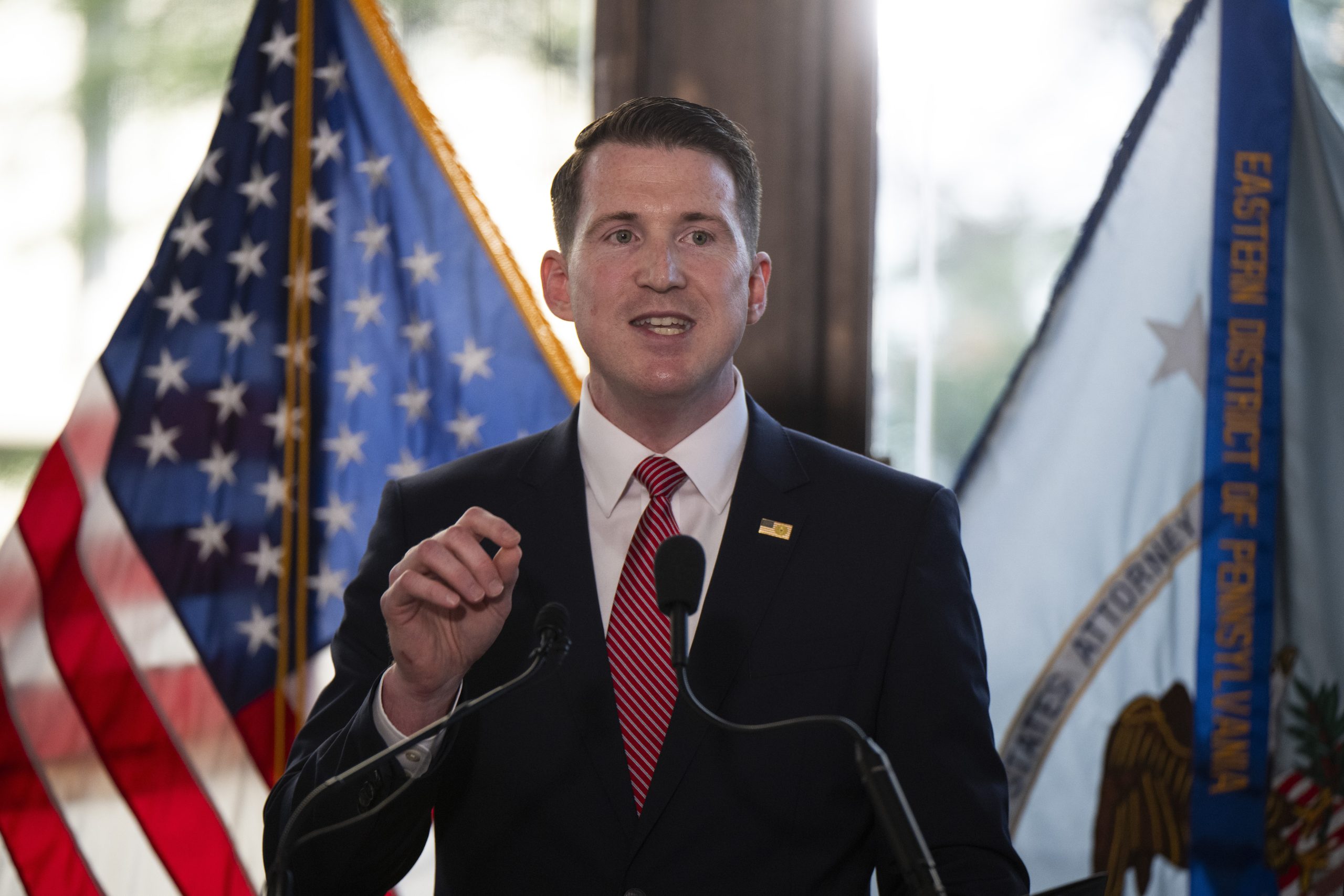
During a news conference in Center City, officials outlined Pennsylvania cases involving a personal-care assistant who billed Medicaid 1,000 times for more than 24 hours of work in a single day, another who billed for helping his father in South Philadelphia while being arrested in Chester, and an agency that billed Medicaid $225,000 for services provided by an aide who was dead.
Federal and state prosecutors used the occasion to announce charges against 18 people and one agency in mostly unrelated cases for defrauding Pennsylvania’s Medicaid program of $4 million by billing for home-care services they did not provide. The alleged fraud occurred roughly over the last five years.
The alleged fraud in these cases filed over the last two weeks is tiny compared with the size of the program. Pennsylvania spent $8.1 billion on home-care services last year, up from $2.3 billion in 2020, when the program expanded and thousands more people started getting paid to provide home care.
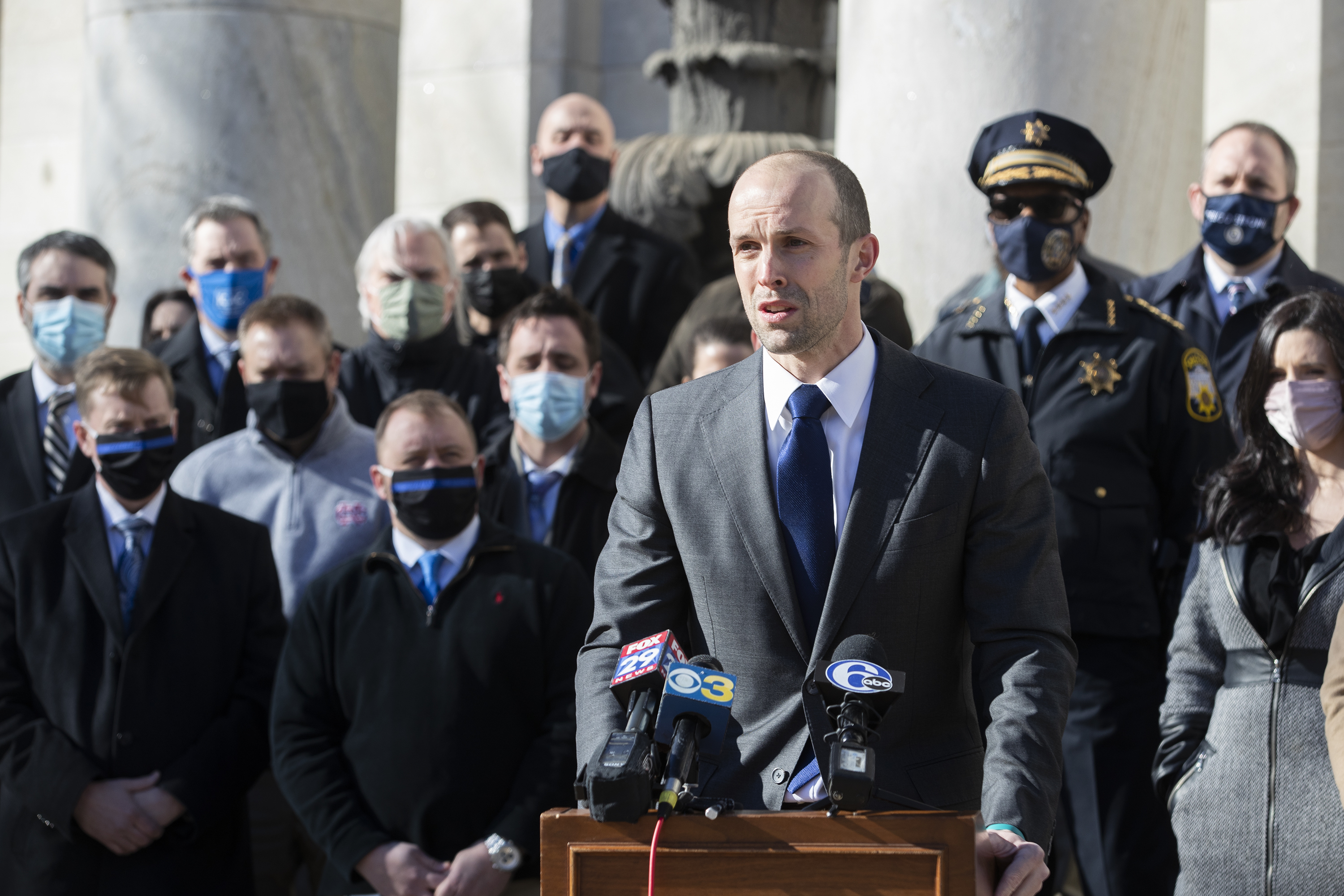
“Used properly by honest citizens, the program allows those with physical ailments to be cared for by those they trust the most,” said Colin McDonald, of the Justice Department’s National Fraud Enforcement Division. “But infiltrated by greedy and deceitful opportunists, this program becomes a money tree, a gravy train for criminal fraudsters.”
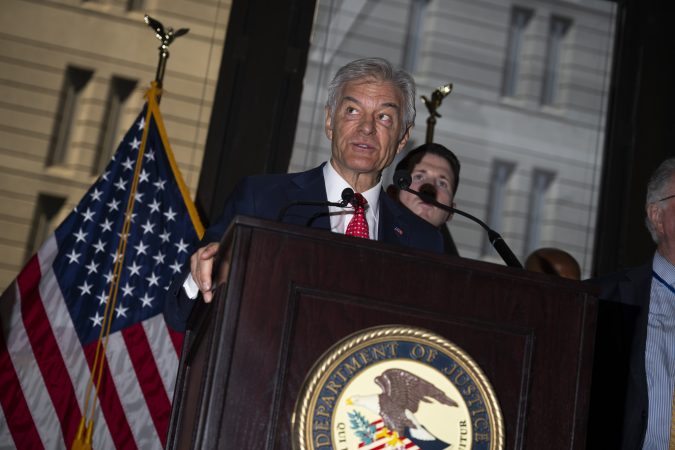
Colin McDonald, Assistant Attorney General, Department of Justice National Fraud Enforcement Division, speaks as federal and state law enforcement officials announce healthcare fraud charges, Tuesday, August 4, 2026 in Philadelphia.Joe Lamberti / For The Inquirer
The U.S. Department of Justice shared details on six new cases. The Pennsylvania attorney general recently filed five new cases.
The biggest case involved $1.5 million in billings from a personal-care assistant registered with 13 agencies who more than 1,000 times charged Medicaid for more than 24 hours in a single day, Sunday said. On one occasion, the aide billed for 126 hours in a single day, Sunday said.
Federal prosecutors charged Benevolent Home Health Care with billing 600 times in 13 months for a personal-care aide who was dead. That case originated during the arrest of the husband of one of its owners on drug-trafficking charges, said David Metcalf, U.S. attorney for the Eastern District of Pennsylvania.
As the man was being arrested, he told agents from the Drug Enforcement Agency that he had to clock out of his shift as a home-care aide, even though he was not providing services. When asked about it, according to Metcalf, he said: “Everybody is doing this. If that’s a problem, you’d have to arrest the whole city,”
Attorneys for Khaleelah Williams and Saleemah Davis, Benevolent’s owners, said they had no comment.
In other cases, defendants billed for providing services while they were in prison, working at one of Philadelphia’s sports stadiums, or vacationing in Saudi Arabia, Jamaica, or Colombia
This story has been updated to correct the name of the agency Mehmet Oz heads.
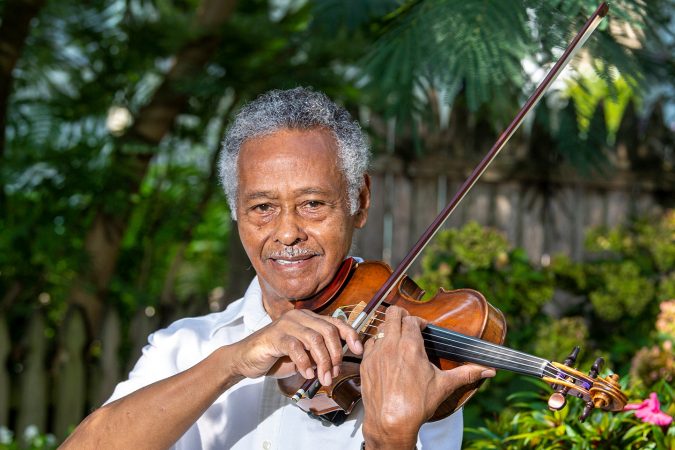
Booker Rowe, 85, of Philadelphia, award-winning violinist, the first Black musician to play with the Philadelphia Orchestra and the Nashville Symphony String Quartet, the second permanent full-time Black player in the Philadelphia Orchestra, teacher, mentor, and role model, died Friday, July 31, of complications from pneumonia and sepsis at Jefferson Abington Hospital.
A lifelong musician — he played piano at age 5 and violin at 11 — Mr. Rowe was invited by famed music director Eugene Ormandy in 1968 to become the first Black musician to perform with the Philadelphia Orchestra. He was a substitute violin during most of the 1968-69 season and returned for good in 1971 as the orchestra’s second Black permanent full-time member.
Mr. Rowe stayed for 49 years.
“My first day, I came in late from New York, and the orchestra was already rehearsing, and I sat myself down on the last stand to play,” Mr. Rowe told The Inquirer’s Peter Dobrin in 2020. “The sound was amazing. It was like stereo all around me. The stage was slanted down, and when the brass and winds would play I had to brace myself with my right leg from being blown off stage. It was just so beautiful.”
For five decades, until his retirement in 2020, Mr. Rowe played with half a dozen elite conductors and traveled the world in the orchestra’s second violin section. He and his colleagues gave thousands of memorable performances at the Academy of Music, the Kimmel Center, and the Mann Center in Philadelphia, Carnegie Hall and the Lincoln Center in New York, and the Saratoga Performing Arts Center in Saratoga Springs, N.Y.
They played at the 1993 World Series at Veterans Stadium, for Pope Francis in 2015, and at the Vail Music Festival in Colorado. They played in Europe, South America, Asia, and elsewhere around the world.
This photo of Mr. Rowe (left) appeared in the Daily News in 1993Newspapers.com
In 1973, the orchestra made a historic 10-day, five-concert cultural exchange tour in China, and Mr. Rowe told the Daily News afterward that he visited a commune and returned with Chinese instruments. In 2008, he mingled with former Secretary of State Alexander Haig and other international notables after a concert in Beijing.
In 2013, he posed for pictures with the Chinese welcoming contingent at Shanghai Airport. “Booker was such a kind soul, and his passion, his artistry, and his humanity are woven into who we are,” Yannick Nézet-Séguin, the orchestra’s music and artistic director, said in a tribute.
Ryan Fleur, the orchestra’s president and chief executive officer, said: “He was a warm and steadying presence in our orchestra.”
Born in Kentucky, Mr. Rowe and his family moved to North Philadelphia when he was 2. His father was a singer, and his mother played piano, and they “pushed me in the direction of classical music,” he told the Daily News in 1981.
He became concertmaster for the West Philadelphia High School orchestra, the All-City high school orchestra, and the old all-Eastern Conference college orchestra. He earned a bachelor’s degree in music at Temple University in 1963 and a master’s degree in music at Yale University in 1968.
Before Philadelphia, he played solo in New York and with symphony orchestras in Nashville, New Haven, Conn., and Washington. Later, he played with the old Symphony Club of Philadelphia, the Lansdowne Symphony Orchestra, and other local groups.
Mr. Rowe (left) stands with fellow musicians Andre Watts (center) and Renard Edwards.Courtesy of the family
He also got freelance gigs with Sammy Davis Jr., Isaac Hayes, Smokey Robinson, the Supremes, Barbra Streisand, Aretha Franklin, and other stars. He played with chamber music ensembles around the country and gave dozens of free concerts for children, churches, and community and scholarship fundraisers.
He championed racial and ethnic diversity, and was active with the Philadelphia Orchestra’s cultural diversity initiative. He sought and performed work by Black and other minority composers, and mentored dozens of colleagues and students.
He encountered at least one racist incident that first year in Philadelphia and told the Daily News in 1981: “The time was right for an Afro-American in the Philadelphia Orchestra. It was just a matter of finding somebody who was ready.”
Mr. Rowe and his family lived in Center City, East Mount Airy, and Germantown. Courtesy of the family
A friend said on Facebook: “His legacy and historical contributions are unparalleled.”
Mr. Rowe taught at Settlement Music School and gave private lessons. He earned music and service awards from City Council, the American Foundation for Negro Affairs, and other groups.
In 2019, he was asked to advise young musicians in a video interview for the Philadelphia Orchestra website, philorch.ensembleartsphilly.org. “Practice, practice, practice,” he said. “But also enjoy, enjoy, enjoy. Do it with love in your heart.”
Booker Taliaferro Washington Vance Rowe Jr. was born Dec. 10, 1940, in Lexington, Ky. In Philadelphia, he studied at the old Philadelphia Musical Academy and Settlement Music School, and his father worked at RCA Victor records in Camden. So their home was always filled with music.
Mr. Rowe (rear center) stands with Philadelphia Orchestra colleagues and members of the Chinese welcoming contingent in 2013.
Jan Regan / Philadelphia Orchestra
He met soprano Patsy Baxter at a Philadelphia Orchestra concert, and they married in 1970 and had a son, Landis, and a daughter, Vivian. They lived in Center City, East Mount Airy, and Germantown, and visited his family often back in Kentucky and Tennessee.
Mr. Rowe enjoyed puzzles, hiking and kayaking with his family, and tai chi. Friends noted his “kindness,” “million-dollar smile,” and “cheerful presence” in Facebook tributes.
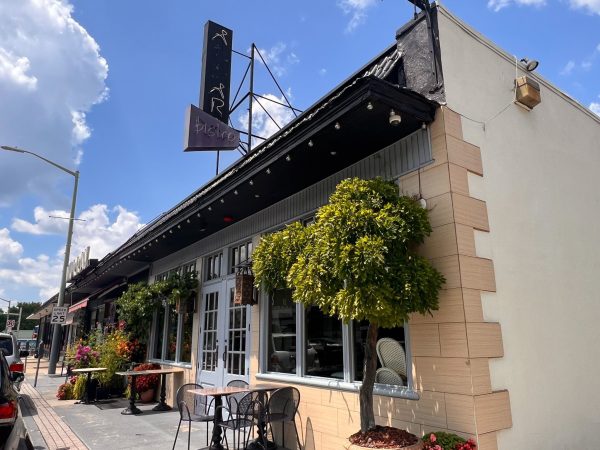
After more than three decades, the Wakim family is handing off Bala Cynwyd’s Aldar Bistro to veterans of Center City’s Gran Caffè L’Aquila, who plan to transform the longtime Lebanese restaurant into a soft-lit, white-tablecloth Southern Italian destination called Bruzi.
Two Philly-based couples from Cosenza in Calabria — Luciano and Tania Spensierato and Marco Mondello and Anna Bellizzi — are buying the restaurant at 285 Montgomery Ave. from Joseph Wakim and family.
The sale, contingent on approval of the liquor license transfer, will end the Wakims’ 34-year run at Aldar, which will be open during the transfer process. The restaurant succeeded the family’s Italian restaurant, Allegresse, which opened in 1980.
The Wakims — brothers Joseph, Michel, and George, and sister Fadia — also own Murray’s Deli next door, as well as Evviva, a restaurant, catering venue, and private-events space in Narberth.
“We all grow older, and it’s time to step aside,” Joseph Wakim said. “Over the past five years, we probably had 10 suitors, and I said, ‘No, thank you.’”
He said he ultimately chose the two couples because they were “the right families for us to pass the torch to.”
Tania Spensierato said Aldar “checked all the boxes we were looking for. We wanted to be on the Main Line. We wanted tall ceilings, an existing liquor license, and a space that was roomy but not enormous. We weren’t looking for a 200- or 300-seat restaurant. We wanted a spacious kitchen so the chef would have room to do what he does best.”
“We also wanted to be part of a community,” she said. “Bala Cynwyd and Lower Merion really fit that vision. The location on Montgomery Avenue was exactly what we were looking for.”
Aldar will remain open until the liquor-license transfer is approved, a process that Wakim believes could be completed in September. The new owners then anticipate about two months of renovations before opening Bruzi in late October or November.
Luciano Spensierato has worked behind the bar at Gran Caffè L’Aquila since 2015, while Marco Mondello joined the Center City restaurant a year later as a bartender. Tania Spensierato works in retail, though her background is in restaurants. Bellizzi is a scientist at Temple University.
The name Bruzi refers to the ancient people of Calabria, where all the partners trace their roots. Tania Spensierato, a first-generation Italian American, said the restaurant is intended to reflect that heritage.
The menu will focus on house-made pastas and traditional Calabrian cooking. Planned dishes include sliced black boar prosciutto, Calabrian cheeses, fusilli with slow-cooked meat sauce, baked lamb with tomatoes, olives, and roasted peppers, and grilled tuna with arugula.
The beverage program also will be a centerpiece. Marco Mondello, an Italian-trained sommelier, plans to open with about 100 Italian wines and expand the list over time. Spensierato, who has worked as a bartender for 35 years, said cocktails will also play a prominent role.
Glynis Tart of Verden Interior Design will give the dining room a modern Mediterranean makeover with blue-and-gold accents inspired by the Calabrian flag, along with olive trees and other greenery, Tania Spensierato said. A small retail section will sell imported Italian products.
The partners have hired an Italian-born chef currently working in Florida but declined to identify him until a later date. “Our first priority is simply to get started,” Tania Spensierato said. “One goal at a time.”
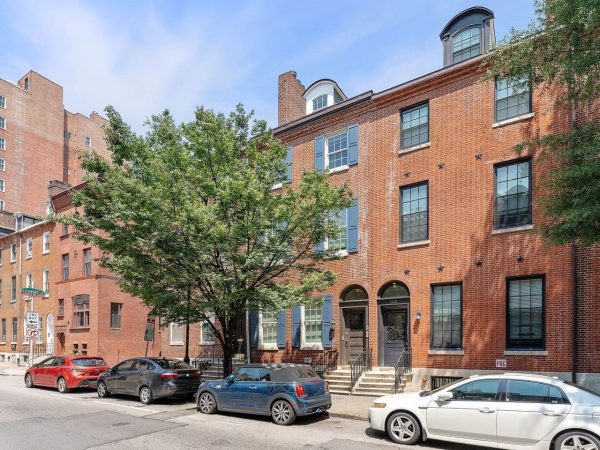
Zachery McKinnon grew up in Michigan but moved to various places, always fostering a passion for art and home renovation.
Now, after over a decade in the East, he is selling the Washington Square West condo he bought last year. He is drawn back home for a long stay to help his parents.
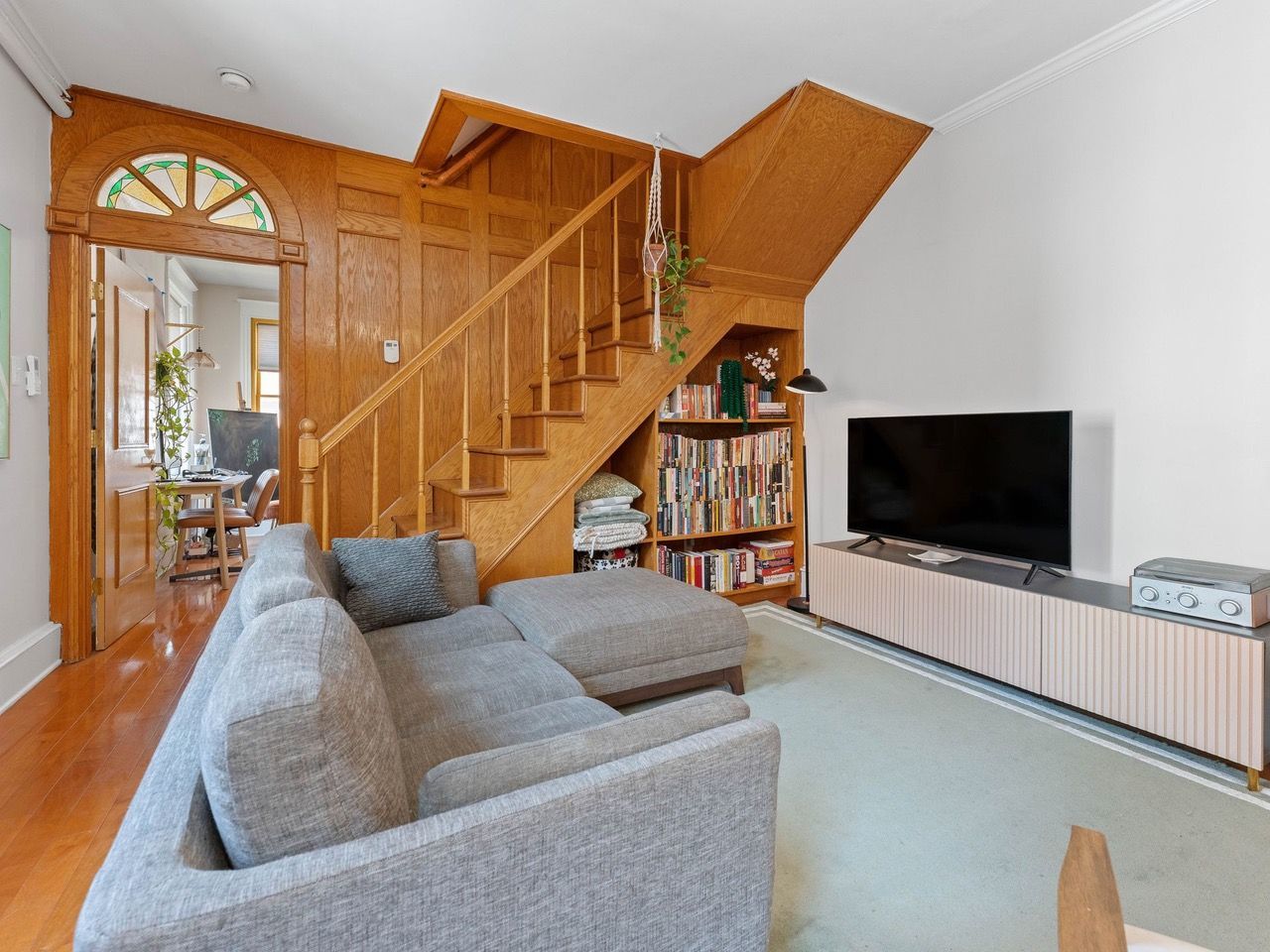
Living room with stairway to rooftopCal Media
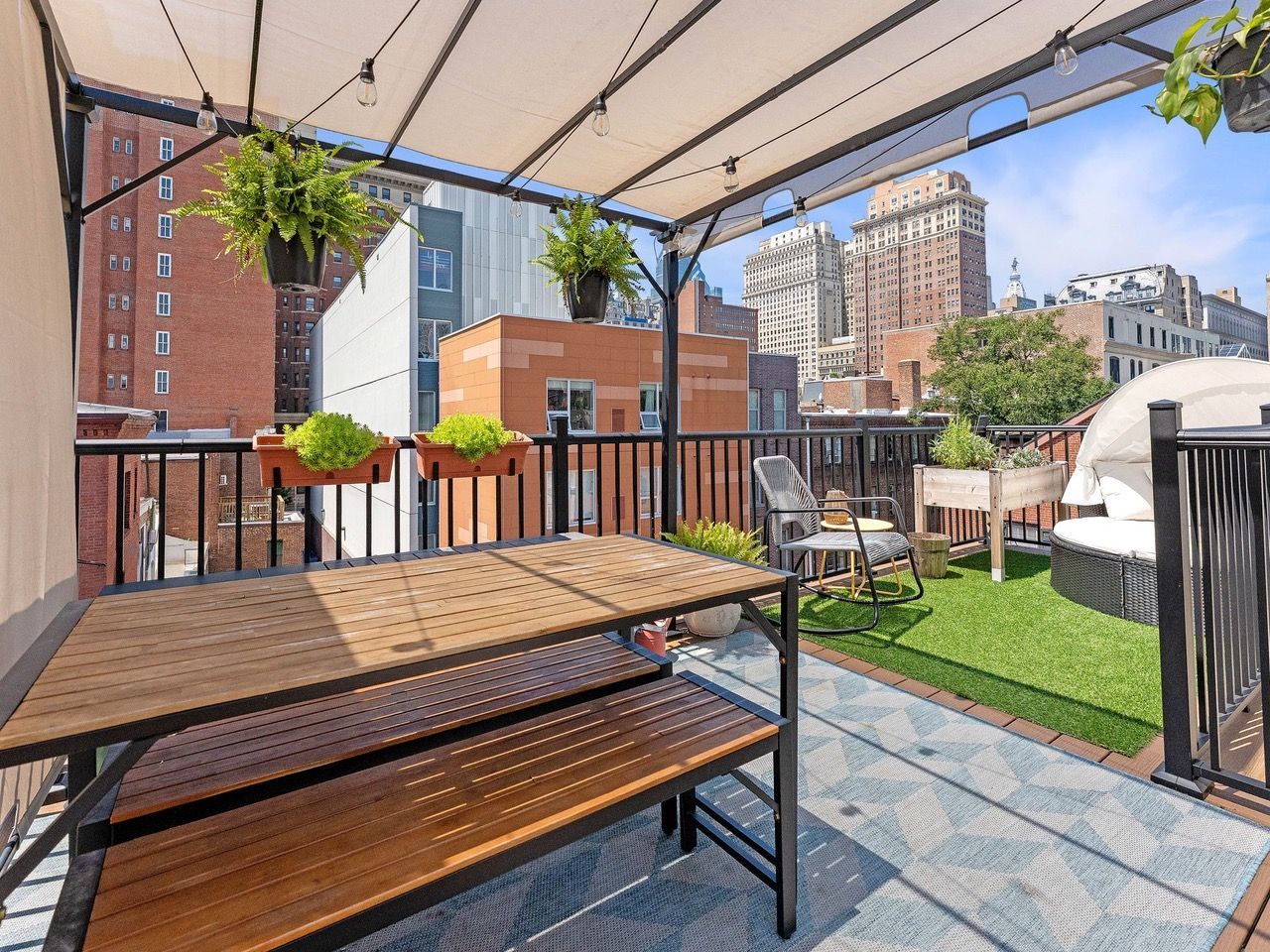
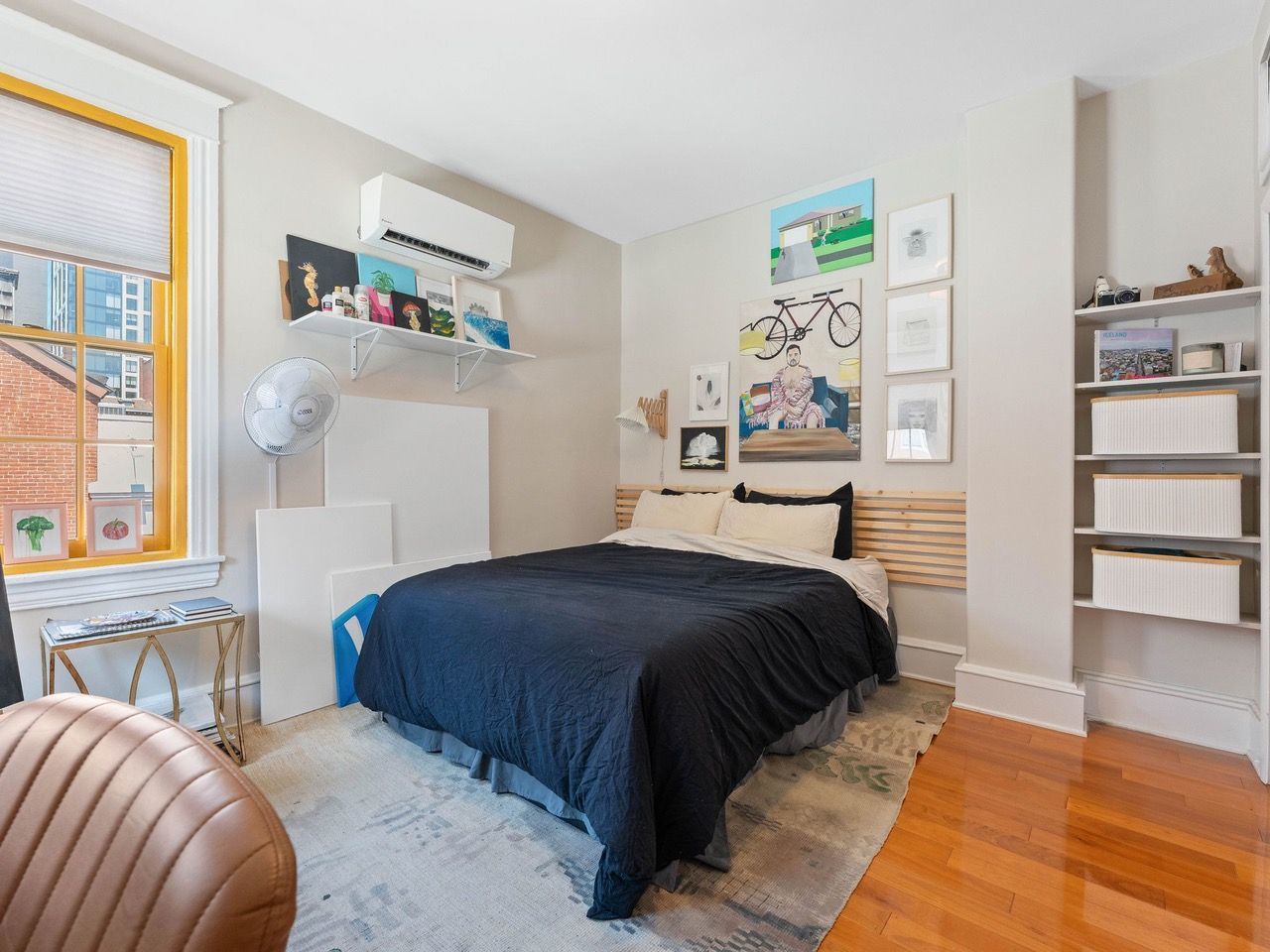
His one-bedroom, one-bathroom condo spans 603 square feet. “The rooftop was really why I bought the place,” said McKinnon, who works in data analytics for an education nonprofit.
The condo’s proximity to City Hall, Thomas Jefferson University Hospital, the Kimmel Center for the Performing Arts, Old City, South Street, Chinatown, and SEPTA Regional Rail were convenient for McKinnon, who doesn’t own a car.
RooftopCal Media
The six-unit building, the Aldrich, was built in the 1820s and is on the Philadelphia Register of Historic Places. It underwent a major renovation in 2021, including new floors.
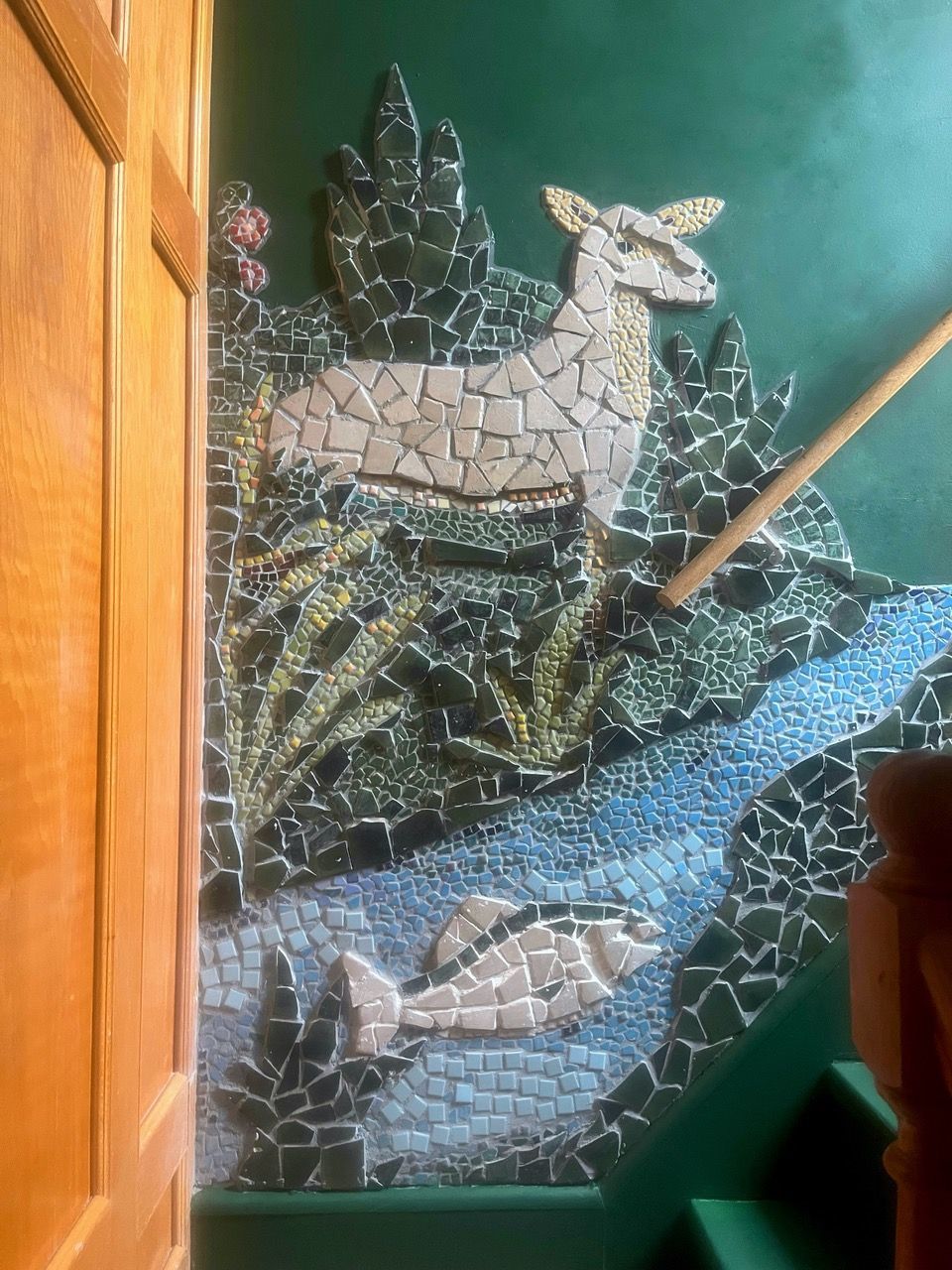
McKinnon did some work on the condo’s kitchen and added mosaics throughout the unit. He is an admirer of mosaic artist Isaiah Zagar.
Mosaic by Zachery McKinnonCal Media/Aaron Cantu
The unit has tall windows, high ceilings, an in-unit washer and dryer, and dedicated basement storage.
There is year-round mini-split AC and gas heat.
BedroomCal Media
The condo building is pet-friendly.
The unit is listed by James A. Olivieri of Penn Jersey Realty for $339,900.
Editor’s note: This story has been updated to reflect a change in the listing price.
An eclectic crop of new restaurants has opened over the last several months across the Philadelphia suburbs in Pennsylvania, New Jersey, and Delaware. Some — like the three sports bars in Camden County alone — are breathing new life into familiar addresses. Others mark ambitious first ventures.
Here are 18 of them, from Phoenixville to Gloucester Township to Wilmington.
Pennsylvania
Academy Grill (424 S. Bethlehem Pike, Fort Washington): Michael Sloane and Jay Rosenthal’s group, Fine Line Dining, has transformed the former Cantina Feliz into a polished white-tablecloth destination. Jeffrey Power, longtime chef at the erstwhile Dettera in Ambler, oversees a menu of house-made pasta, seafood, and steaks.
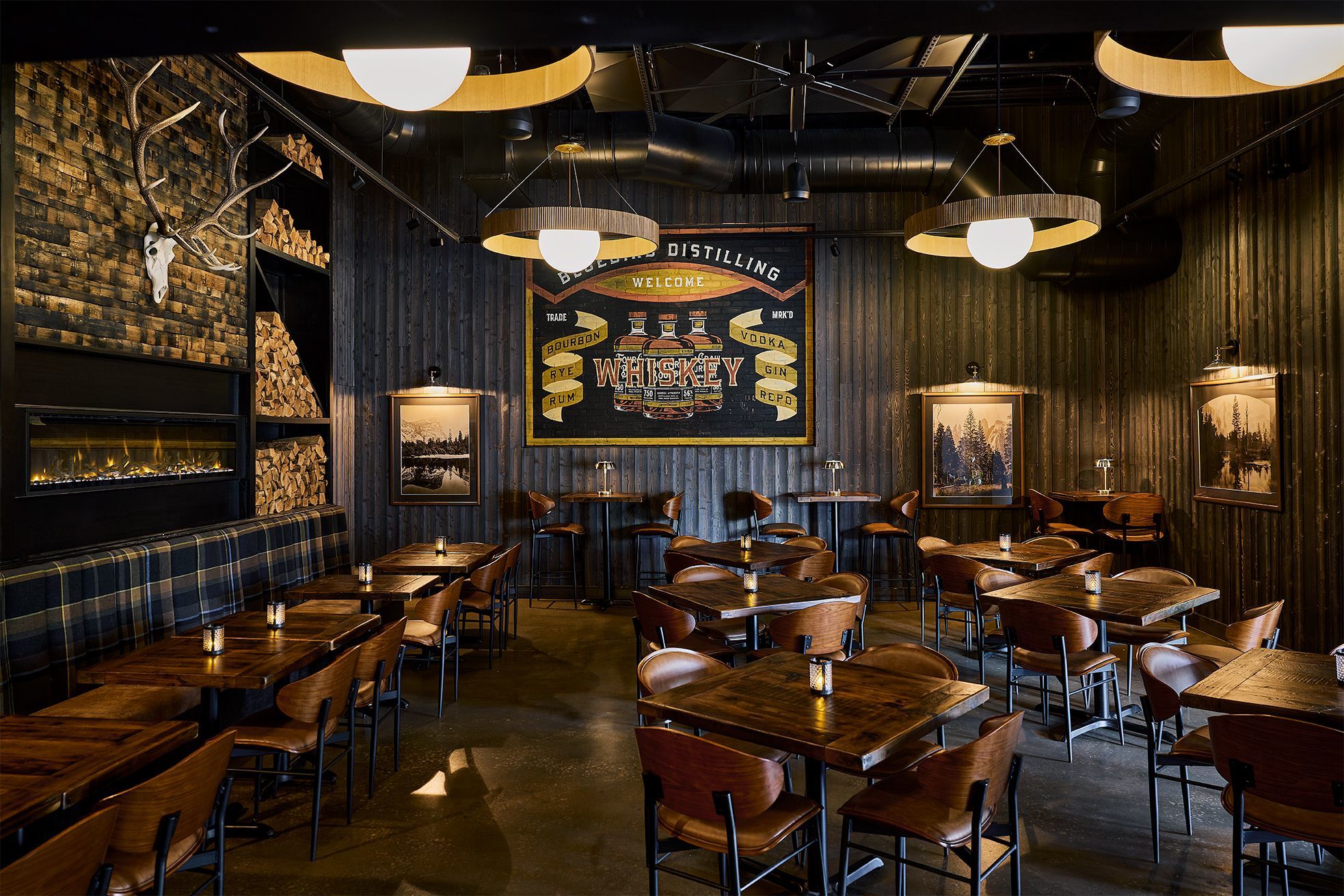
Bluebird Distilling has reopened with a new neo-Neapolitan pizzeria and restaurant.Photos courtesy of Ed Newton
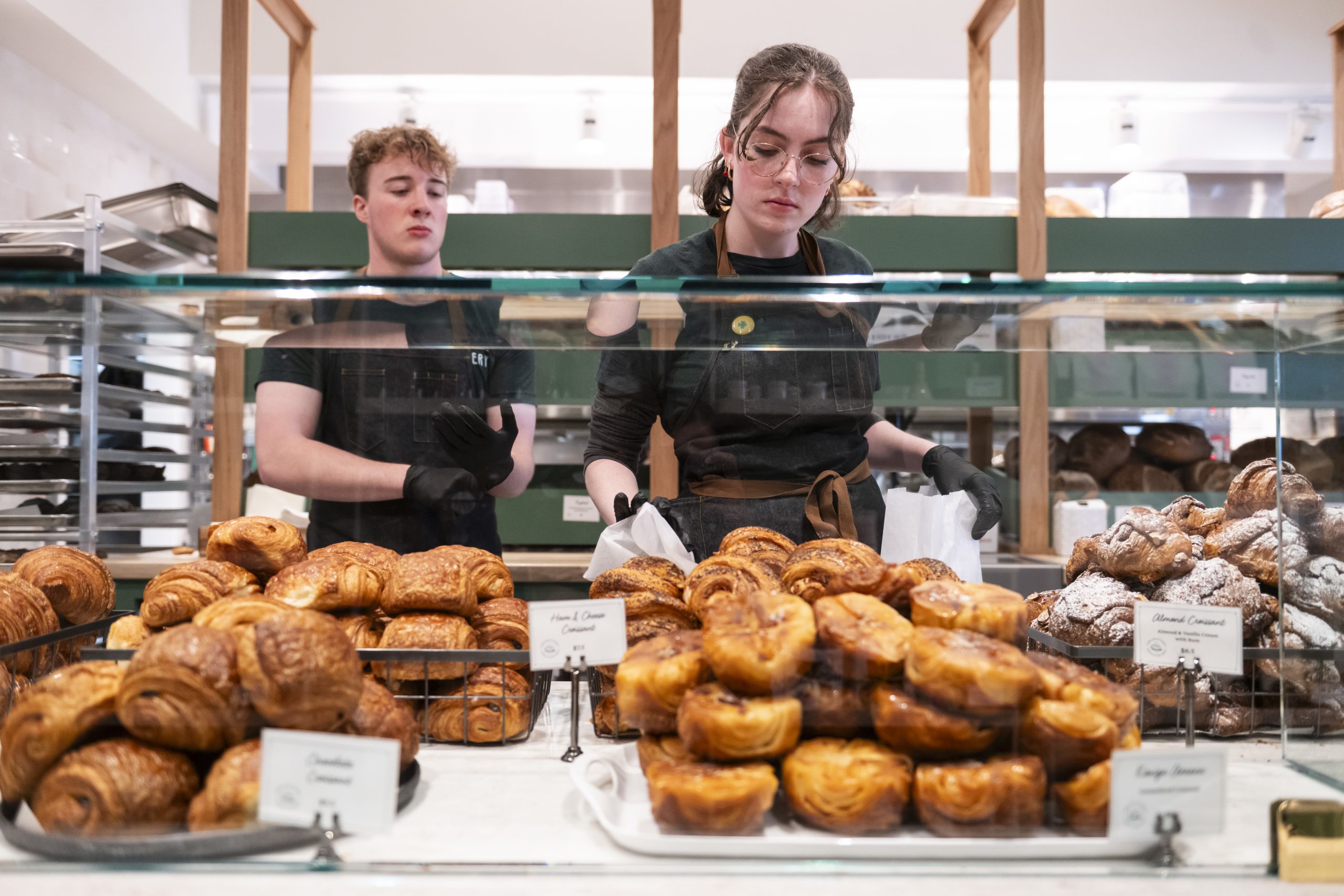
Noah Clifford (left) and Sofia Siano working the pastry case at the Buttery in Bryn Mawr.Allie Ippolito / For The Inquirer
The Buttery Bryn Mawr (836 W. Lancaster Ave., Bryn Mawr): The Malvern bakery-cafe opened its Main Line expansion with 82 indoor seats and daily service from 7 a.m. to 5 p.m. The menu includes sourdough breads, pastries, Turkish eggs (poached eggs cooked in garlicky yogurt with a drizzle of spicy butter), sandwiches, and seasonal lunch dishes, plus grab-and-go foods after the kitchen closes at 3 p.m.
Cleavers (103 Squire Dr., Newtown Square): The Center City cheesesteak shop grand-opened its second location last month at Ellis Preserve, offering cheesesteaks, chicken cheesesteaks, burgers, sandwiches, fries, and milkshakes.
The Coffee Station (1117 Smithbridge Rd., Glen Mills): The Delaware County breakfast-and-lunch operator took over the former Meghan’s Restaurant, which had occupied the building for 27 years. The menu includes omelets, pancakes, breakfast sandwiches, burgers, hoagies, wraps, soups, and salads. Other locations are in Morton and Garnet Valley.
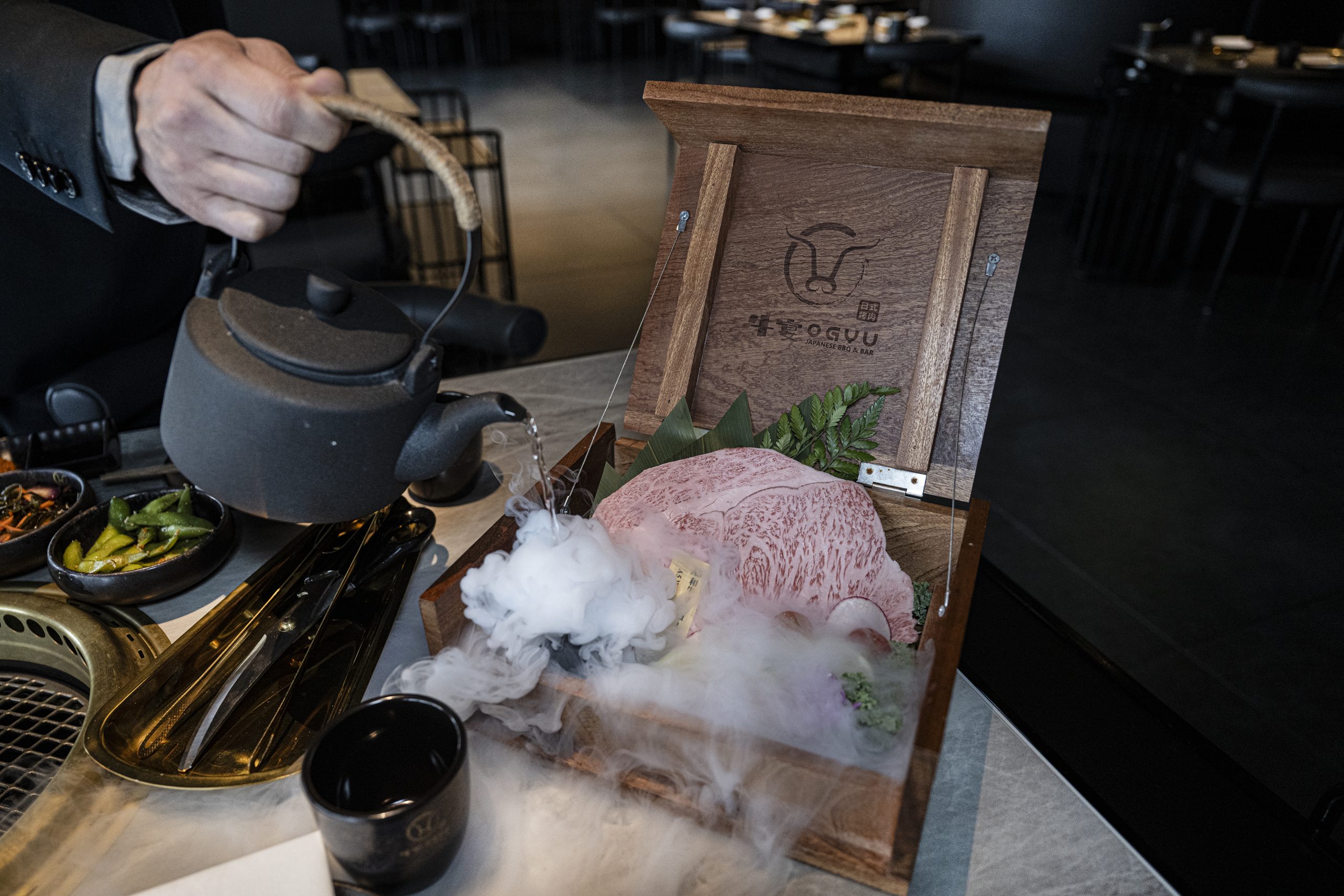
Tabletop and tableside cooking are offered at Ogyu Japanese BBQ.Jose F. Moreno / Staff Photographer
Ogyu Japanese BBQ & Bar (60 Greenfield Ave., Ardmore): Restaurateur Sam Li’s upscale yakiniku restaurant occupies the former Iron Hill Brewery. Customers grill premium Wagyu and other meats on tabletop burners, choosing from fixed-price packages or à la carte selections. The dramatically remodeled space includes black-and-gold finishes, marble-paneled walls, a large bar, and private dining rooms.
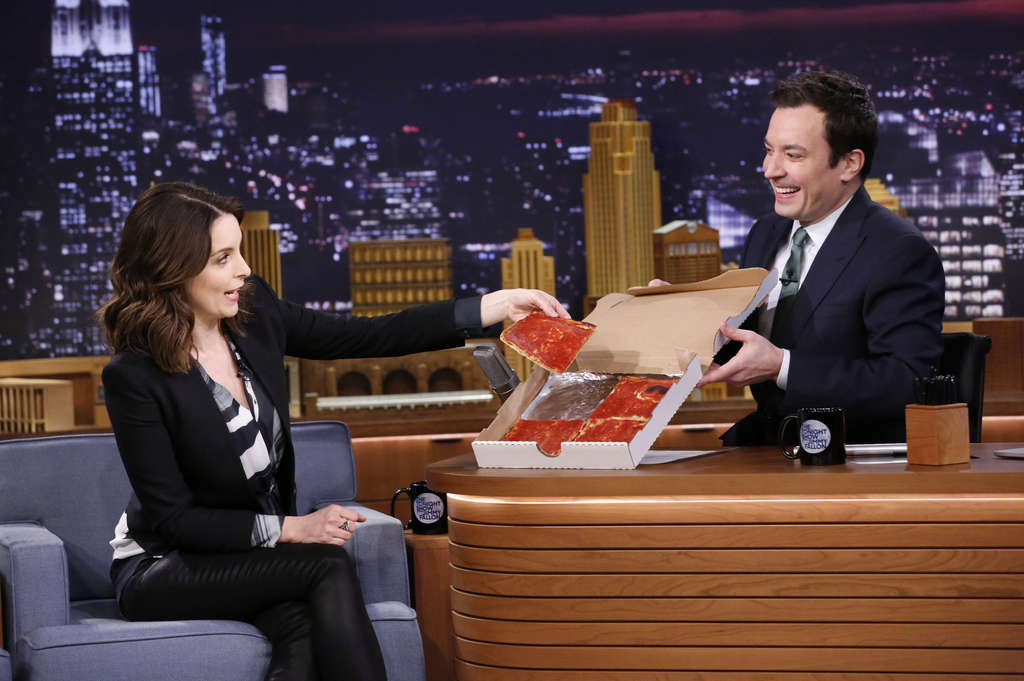
Upper Darby’s Tina Fey offers Jimmy Fallon a slice of Pica’s pizza on the “Tonight” show in 2014.Lloyd Bishop / NBC
Pica’s Italian Market (1101 Sussex Blvd., Broomall): After closing its landmark Upper Darby dining room earlier this year, the Pica family soft-opened this mostly takeout shop in a Delco light-industrial park, carrying the restaurant’s signature square pizzas, sandwiches, prepared foods, and other Italian specialties. Pica’s, which hit the national radar in 2014 when locally raised Tina Fey sampled its pizza on the Tonight show, traces its roots to Frank Pica Sr.’s West Philadelphia pizzeria. There’s a West Chester location, too.
P.J. Whelihan’s (2920 S. Eagle Rd., Newtown): The regional sports-bar chain took over the former Iron Hill Brewery at the Village at Newtown with its signature wings, burgers, sandwiches, salads, and American entrees, backed by numerous televisions and a broad draft-beer selection. Most of Iron Hill’s existing layout was retained.
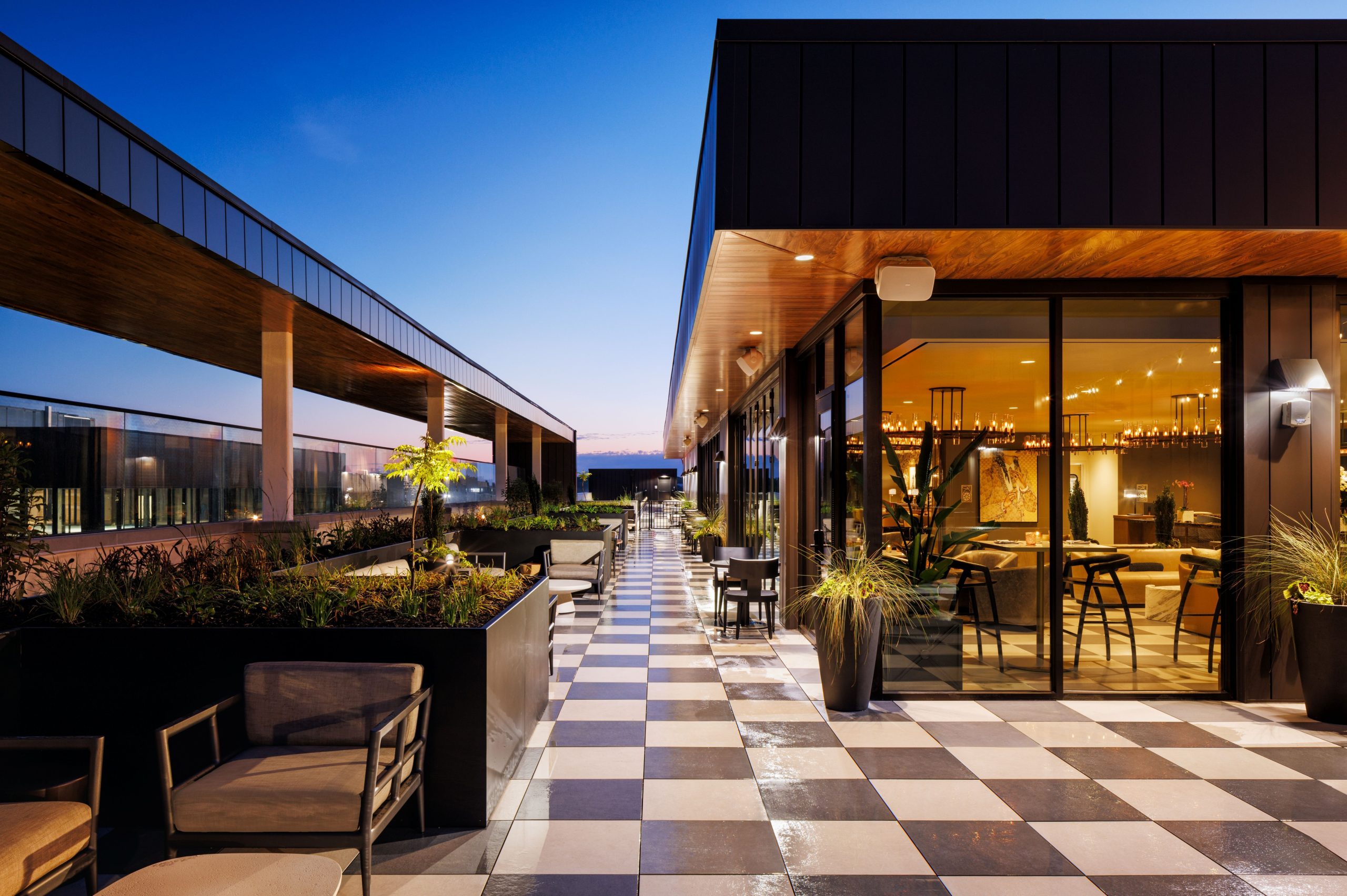
Pomelo Rooftop Terrace at the Brandywine, 165 King of Prussia Rd., King of Prussia.The Brandywine
Pomelo Rooftop Terrace (165 King of Prussia Rd., Radnor): This expansive rooftop bar and lounge atop The Brandywine hotel in Radnor (with 136 seats, inside and out) will grand-open Aug. 8 with chef Michael Davies’ menu of shareable plates (e.g. oysters, scallop crudo, a smash burger, grilled branzino, lion’s mane mushroom cake), raw bar, botanical-focused cocktails, wine, and beer. Weekend brunch begins Aug. 22.
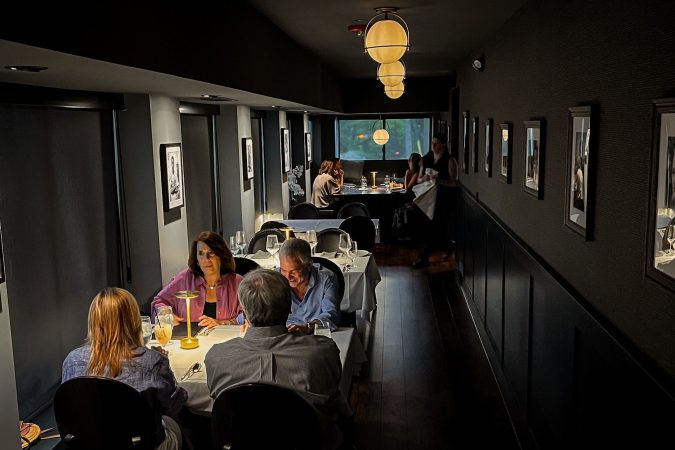
Porter (34 E. Butler Ave., Ambler): This newcomer is in the former Gypsy Blu space on the first floor of Ambler’s historic former Wyndham Hotel, offering contemporary American cooking in a candlelit, vintage-inspired dining room. Menu includes oysters, pasta, risotto, seafood, and meat dishes. Gaslight, a separate craft-cocktail bar with small plates, is upstairs.
Rick’s Tavern (201 W. Seventh Ave., Conshohocken): Chef Derek Davis runs the show at Rick and Gale Mahoney’s modern tavern on the rebuilt site of Pizza Time Saloon and Old Time Saloon. The two-story restaurant honors those neighborhood institutions with wood-fired pizza while adding house-made pasta, cocktails, private-event space, and live music upstairs on Friday and Saturday nights.
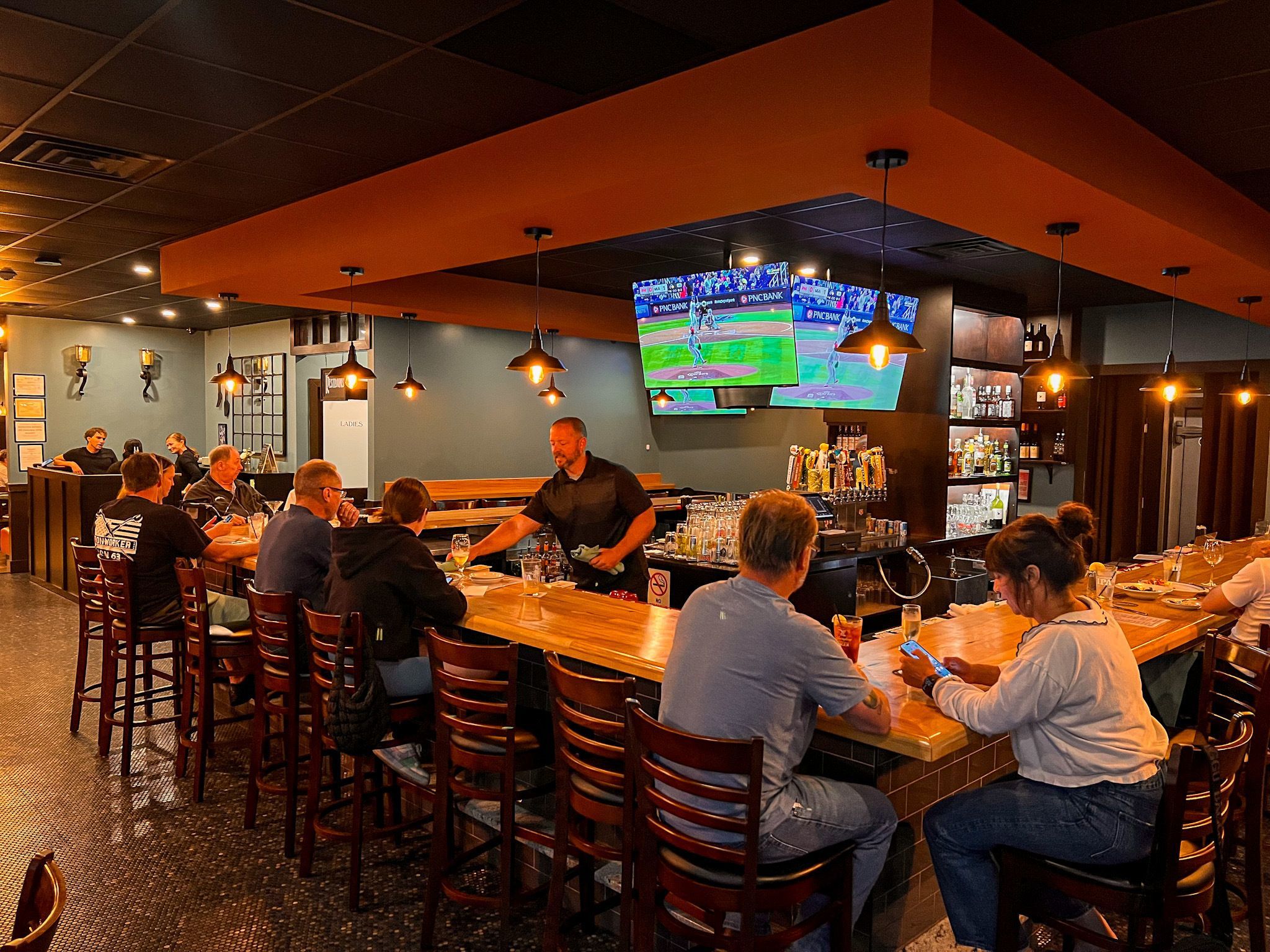
The bar at the Scratch Kitchen by Gallo’s, 575 Horsham Rd, Horsham.Michael Klein / Staff
The Scratch Kitchen at Gallo’s (575 Horsham Rd., Horsham): The Harvey family, owners of Gallo’s Seafood in Northeast Philadelphia, is behind this casual, roomy neighborhood restaurant in the former Farm & Fisherman Tavern. Chef Bob DeLange, the owners’ son-in-law, combines seafood dishes from Gallo’s with burgers and bar food inspired by Harv’s Burger Bar, Gallo’s adjoining Northeast Philadelphia tavern.
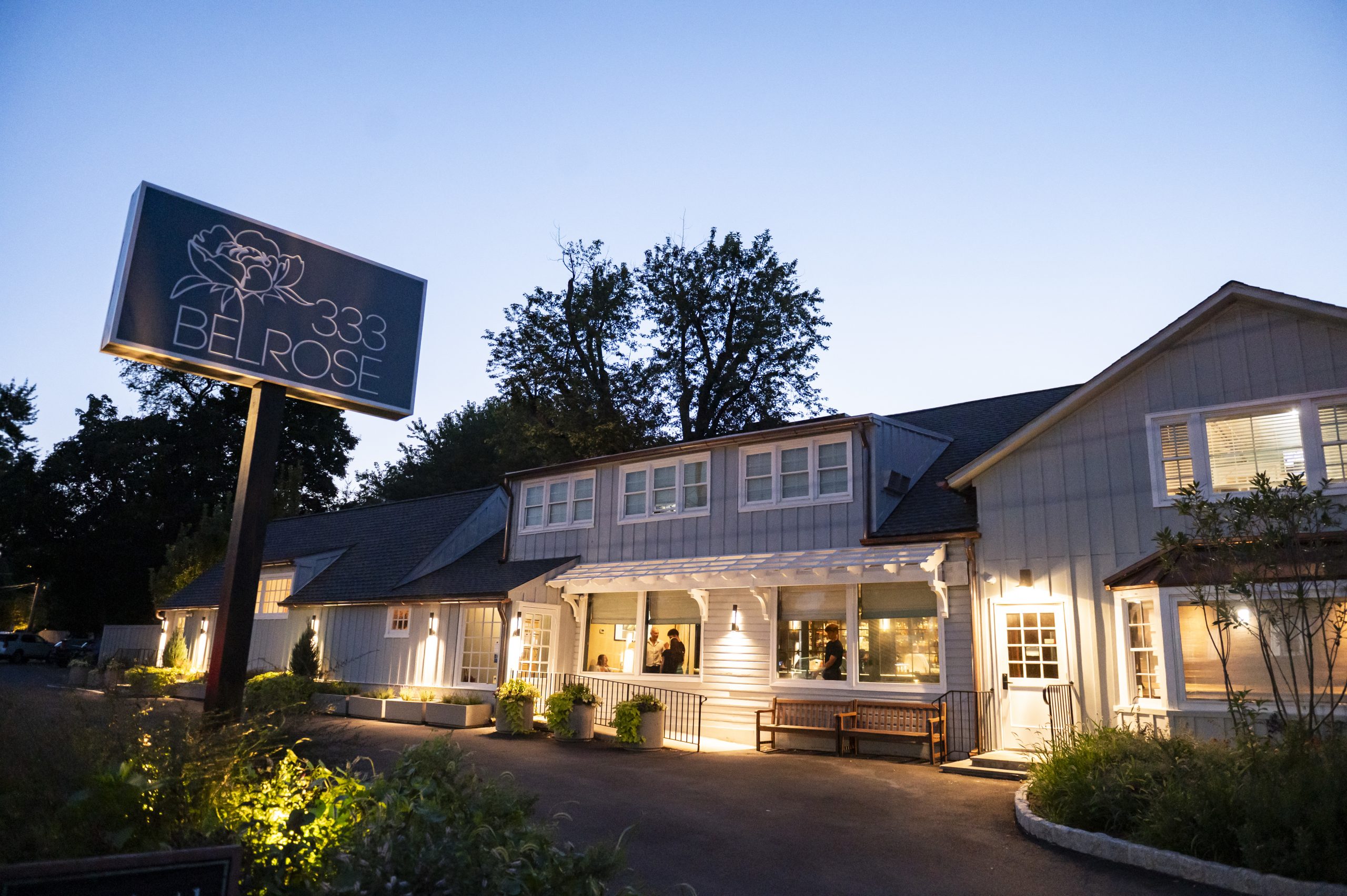
The exterior of 333 Belrose in Radnor’s St. Davids’ area.Allie Ippolito / For The Inquirer
333 Belrose (333 Belrose Lane, Radnor): The longstanding contemporary American restaurant has reopened under chef Ross Essner after an extensive renovation that flipped the positions of the bar and main dining room.
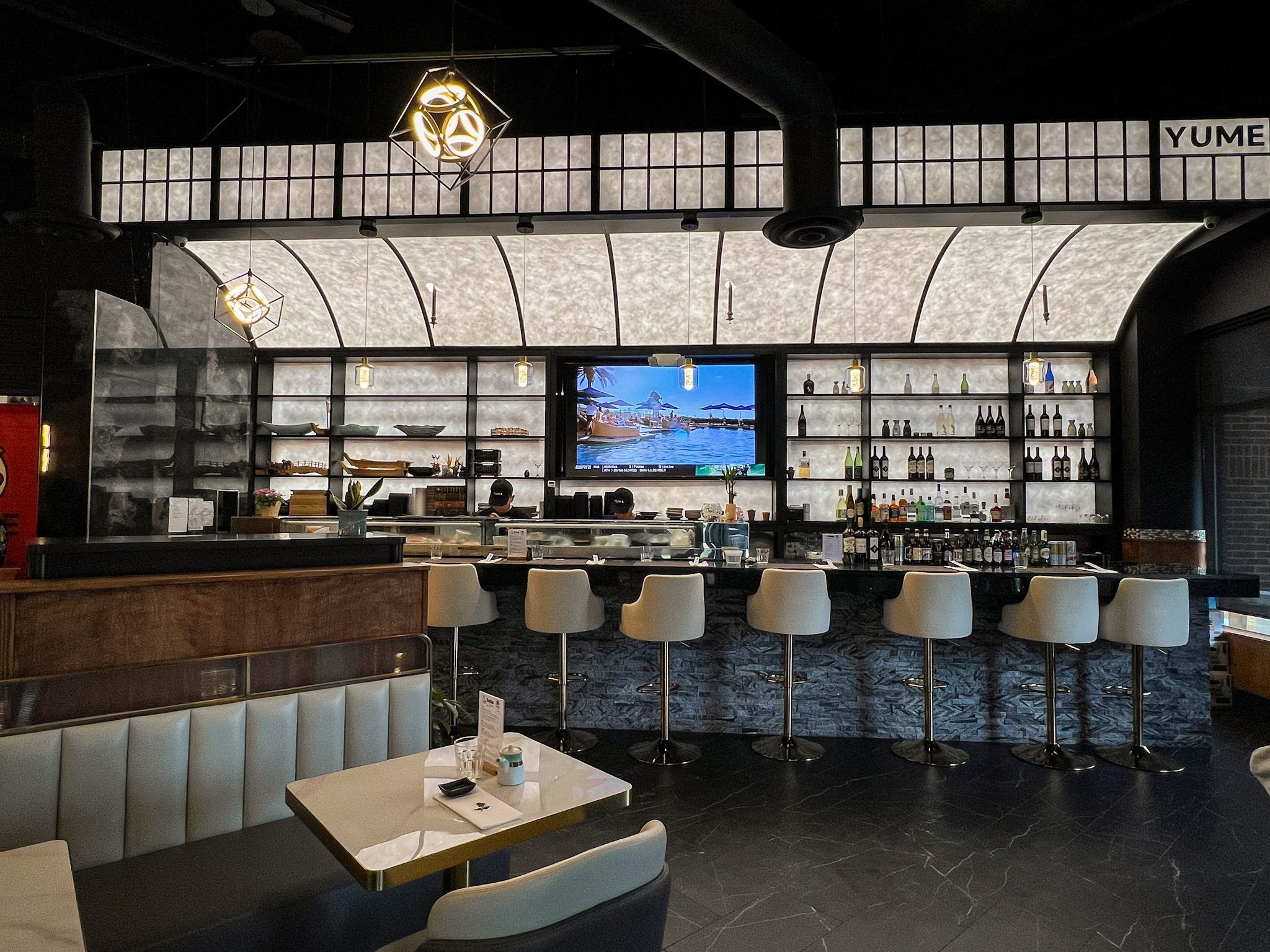
Yume Sushi in the Shoppes at English Village, 1460 Bethlehem Pike, North Wales.Michael Klein / Staff
Yume Sushi (1460 Bethlehem Pike, North Wales): This Japanese restaurant has opened in the Shoppes at English Village, down the row from Trader Joe’s. Co-owner and head chef Kevin Wan brings about a decade of sushi experience to the venture. The menu centers on sushi, sashimi, rolls, and Japanese-Asian fusion dishes.
New Jersey
Flying Pig Tavern & Tap (1300 Blackwood-Clementon Rd., Gloucester Township): The sprawling former Favorites off-track-betting building has come up as the fifth unit in a growing group. Menu of pizzas, burgers, wings, tacos, and entrees shares billing with live bands, darts, shuffleboard, and a covered tiki bar. A sixth location is planned for the former Andalusia Bar & Grill space in Bensalem.
Home Team Tavern (267 S. Black Horse Pike, Mount Ephraim): Greg D’Alesio has turned the former Mount Ephraim Bar & Grill into a compact, sports-themed neighborhood tavern. Its scratch kitchen serves pizzas, burgers, wings, sandwiches, and elevated bar food, alongside draft cocktails and beer.
Thirsty Turtle Tavern (270 White Horse Pike, Barrington): This new concept from SAS Restaurant Group in the former Chuck Lager space features an open kitchen, burgers, pizza, sushi, cocktails, draft beer, and an outdoor patio behind garage doors. It operates daily; weekday happy hour and weekend brunch are expected to begin in the fall.
Delaware
Ezme (625 N. Market St., Wilmington): Chef Antimo DiMeo and the Bardea Restaurant Group opened this coastal Mediterranean restaurant across from Bardea Food & Drink. Inspired by cuisine from Turkey, Greece, and the Aegean coast, the menu encompasses mezze, raw-bar dishes, handmade breads, grilled seafood, and fire-driven preparations accented with herbs, citrus, and spices. Both à la carte and tasting-menu formats are available.
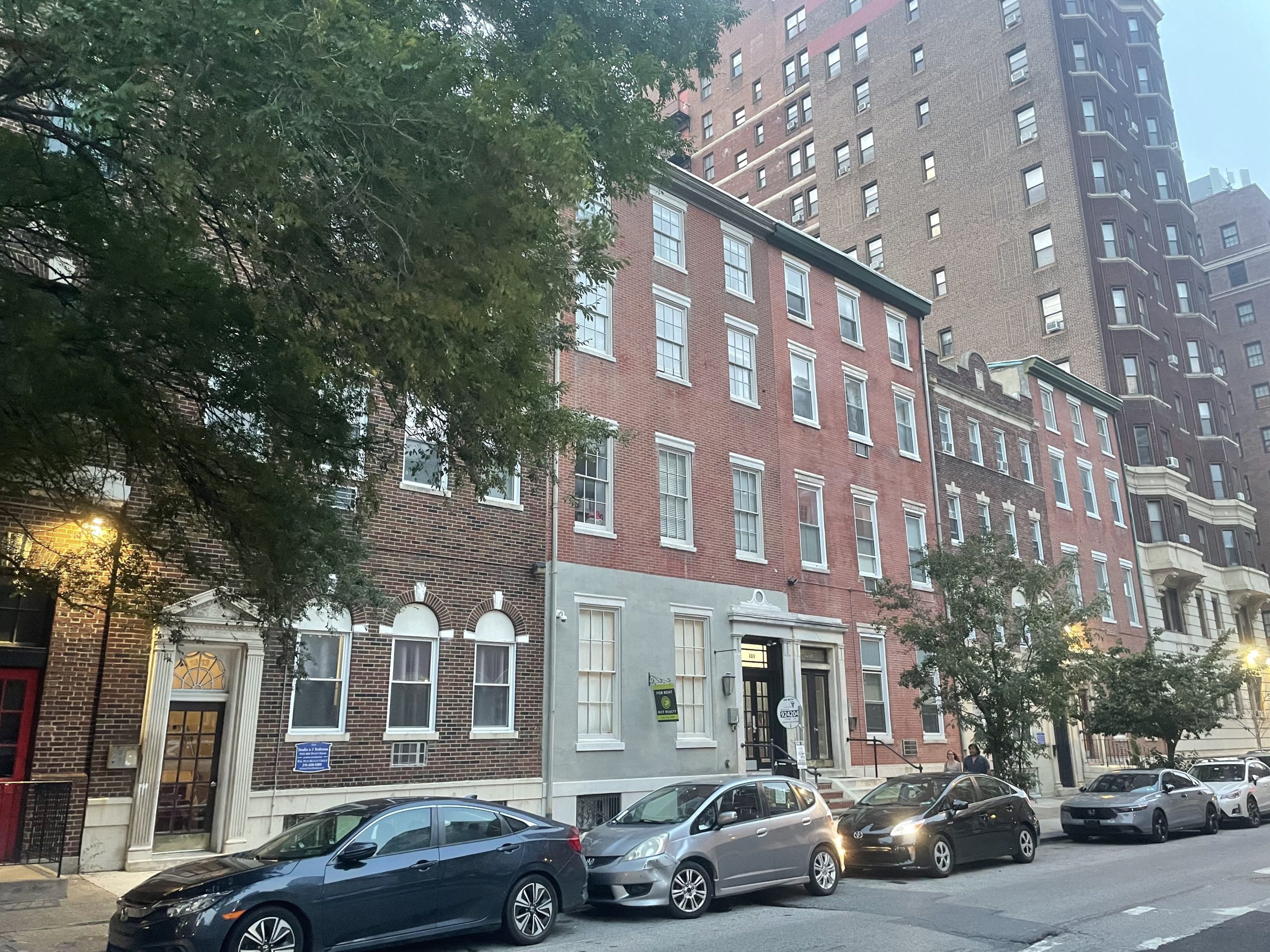
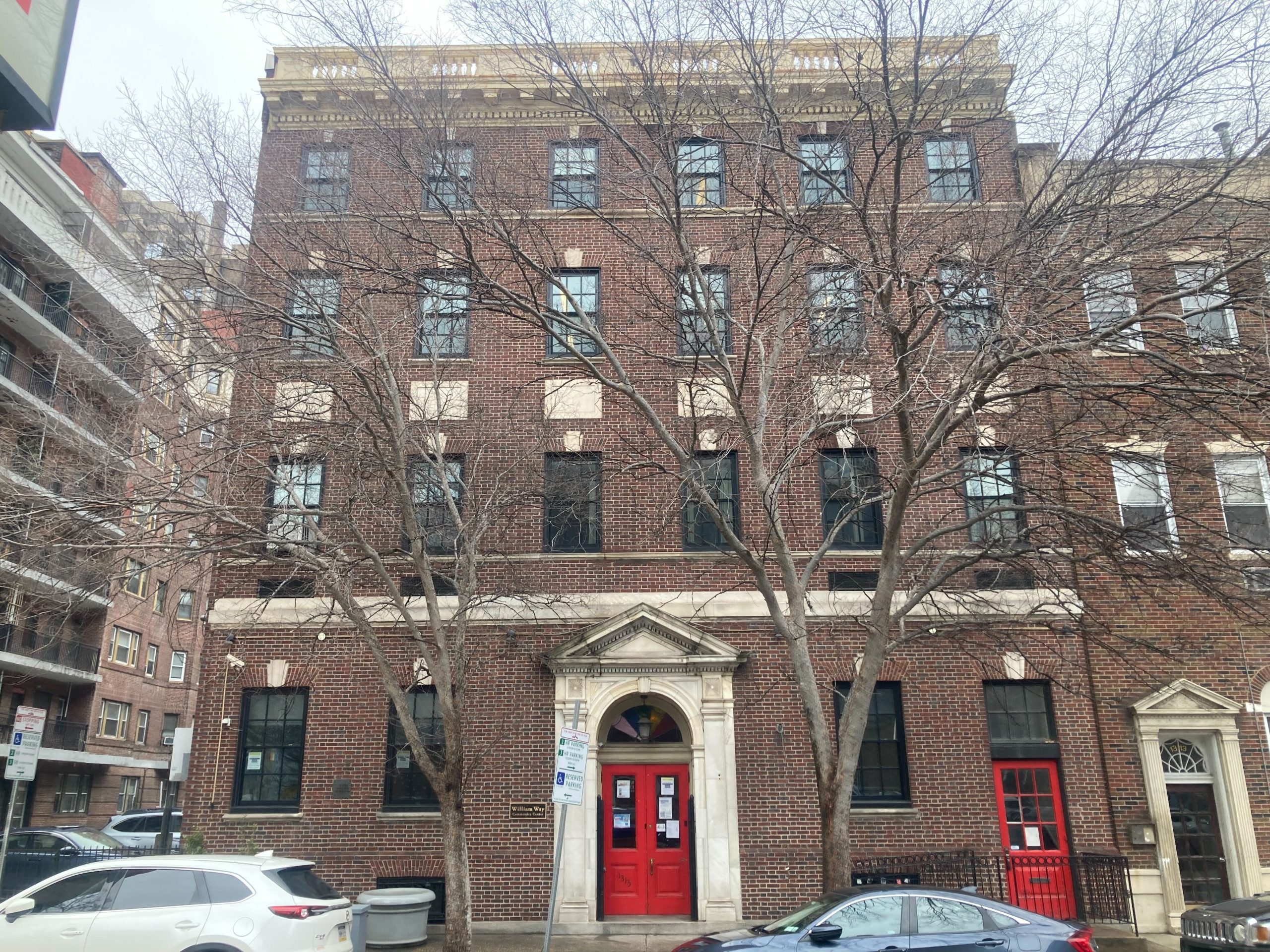
The first time people openly referred to the pocket of Center City between Jefferson University and Broad Street as the “Gayborhood” was 1995. Within a year, the William Way LGBT CommunityCenter made it official by purchasing a stately, Georgian-style clubhouse at Juniper and Spruce. The building has been a refuge for Philadelphia’s LGBTQ+ community ever since.
Sadly, that groundbreaking haven is now closed. It was shuttered in December to address maintenance issues, including an outbreak of black mold. At the time, the board said it was gearing up for a major renovation and would temporarily relocate its core services to St. Luke’s church on 13th Street.
Just three months later,William Way’s boardabruptly changed course and revealed the center would be demolished to build subsidized housing aimed at LGBTQ+ seniors.
The announcement came not from William Way’s board, but from Mark Segal, a longtime activist who founded the Philadelphia Gay News and oversees a nonprofit that has built affordable housing, the dmhFUND. The timing was noteworthy: The plan was made public a few days after a Common Pleas Court judge overturned the neighborhood’s historic district protections.
Segal’s announcement stunned William Way regulars, including many former board members. Sure, COVID-19 had scrambled the organization’s finances, as it did for many Philadelphia nonprofits. Revenue and donor gifts fell precipitously. The center laid off nearly a third of its staff in 2024, and its longtime director, Chris Bartlett, retired soon after.
The building was known to be in poor condition. But total demolition? Nothing suggested that the building was unsalvageable, including a major facilities assessment by Metcalfe Architecture& Design in late 2024.
While there is no doubt that the building requires extensive renovations, demolition is the wrong solution. It would rob all of Philadelphia — not just its LGBTQ+ community — of a major cultural touchstone.
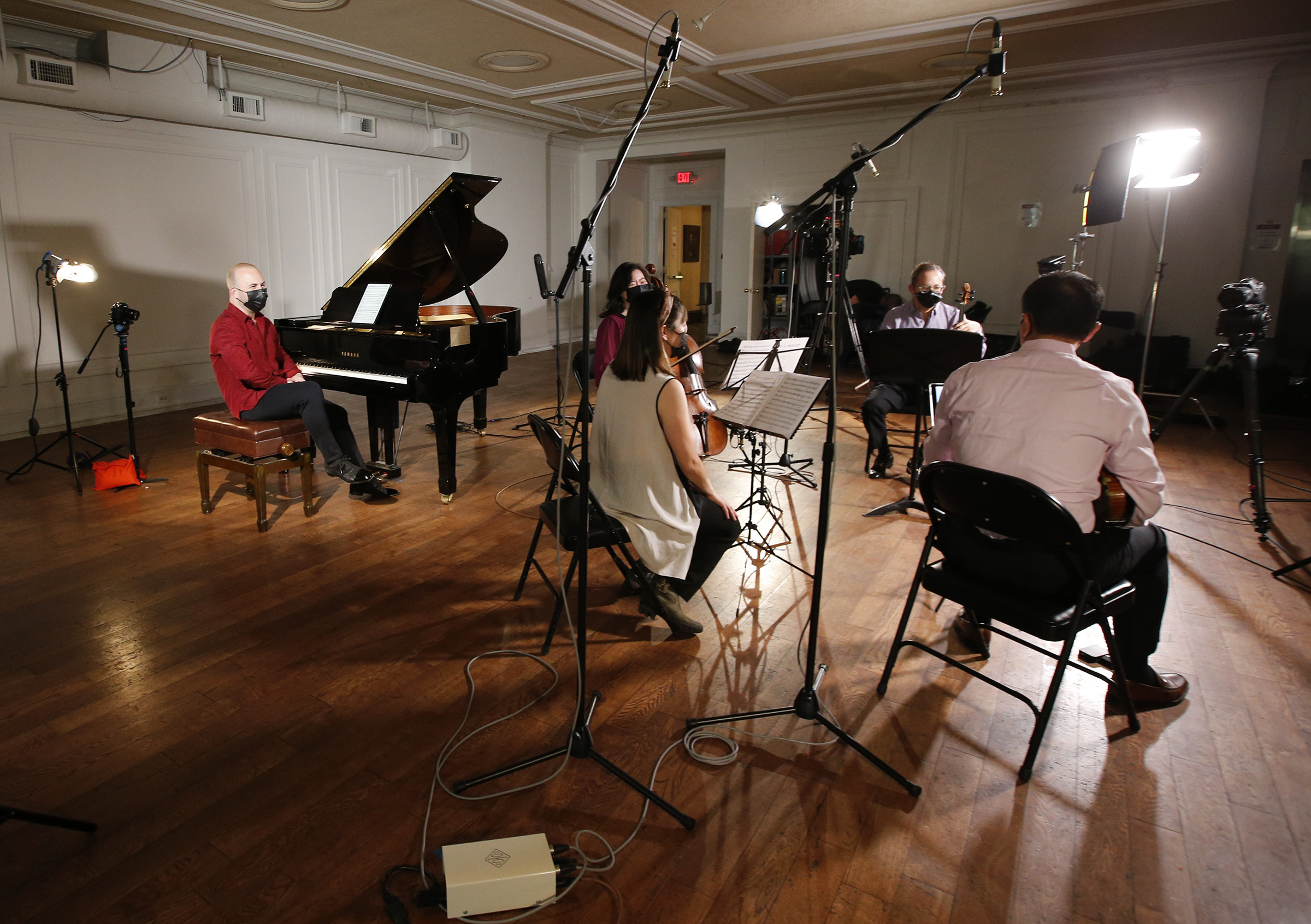
Philadelphia Orchestra music director Yannick Nézet-Séguin filmed a series called “Our City, Your Orchestra” in the William Way center ballroom in 2021, along with violist Pierre Tourville and other musicians.YONG KIM / Staff Photographer
A civil rights landmark
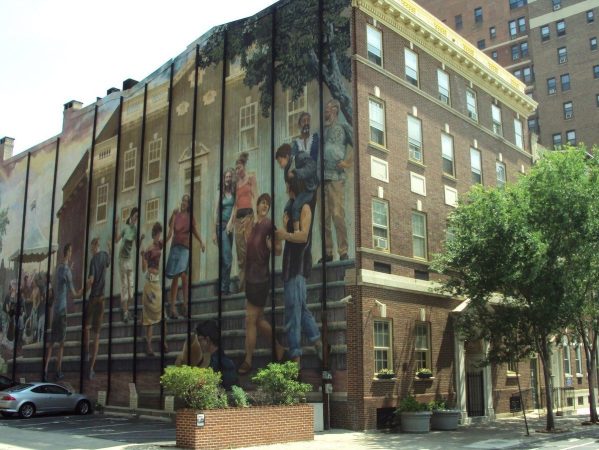
Although the William Way center has called 1315 Spruce St. home for only three decades, its presence has transformed the 19th-century building — originally a private club for engineers — into a civil rights landmark.
This is where Philadelphia’s LGBTQ+ community fought to address the AIDS crisis, advance marriage equality, and be accepted into the mainstream of American life. It’s where they attended cabarets in the elegant ballroom and art exhibits in the wood-trimmed parlor. The building’s visibility makes it the architectural equivalent of being out.
Beyond losing a place with profound cultural resonance, the demolition would break up the historic 1300 block of Spruce Street, a stretch that is still remarkably intact despite the presence of two unsightly parking lots at the Juniper Street corners.
Although the block’s large townhouses, which were built for lawyers and doctors in the 1840s, have been divided into apartments, the row retains most of its original architectural features and reads as a single ensemble. The William Way building, which was created in 1929 by fusing two townhouses behind a single facade, was designed to blend in with its neighbors.
No one would consider demolishing other community anchors, such as Christ Churchin Old City, Mother Bethel A.M.E. Churchin Center City, Rodeph Shalom synagoguein Spring Garden. So why is this one being written off so casually?
The 1300 block of Spruce Street, where the William Way Center is located, remains a largely intact architectural ensemble. The townhouses date from the 1840s and were originally private homes occupied by doctors and lawyers.Inga Saffron
I couldn’t get any of William Way’s board members or employees to answer that question. A communications consultant did provide written responses to several queries, but eventually directed me to Segal.
He told me that the financially strapped nonprofit had reached out to him because of his development experience, as well as his long association with the center. The second-floor ballroom is named in his honor.
Segal was also the guiding force behind the John C. Anderson Apartments on 13th Street, the first subsidized housing in the United States marketed to low-income LGBTQ+ seniors. After the building opened to raves in 2014, Segal began searching for another Gayborhood site for a second affordable project. But land prices in the desirable Washington Square West neighborhood were just too high.
Completed in 2014, the John C. Anderson apartments at 13th and Spruce Streets were the first subsidized housing in the U.S. marketed to low-income LGBTQ+ seniors.
A new plan for William Way
William Way’s troubles provided a solution.
Segal told the board he could replace its 180-year-old clubhouse with a mid-rise building that would include both subsidized apartments and a new home for William Way. Theboard chairs, Dave Huting and Laura Ryan, readily accepted the deal and signed a letter of intent with the dmhFUND earlier this year. In exchange for providing the land, William Way would be given a condo space large enough to accommodate its programs for a dollar.
Completing that project won’t be easy, however. To raise money for the apartments, Segal and the dmhFUND will have to cobble together a mix of federal, state, city, and private grants. Most affordable housing projects rely heavily on Low Income Housing Tax Credits from Washington, and there is stiff competition for those funds. Any new construction on the site would also require Philadelphia Historical Commission approval, eventhough the historic district is currently in limbo.
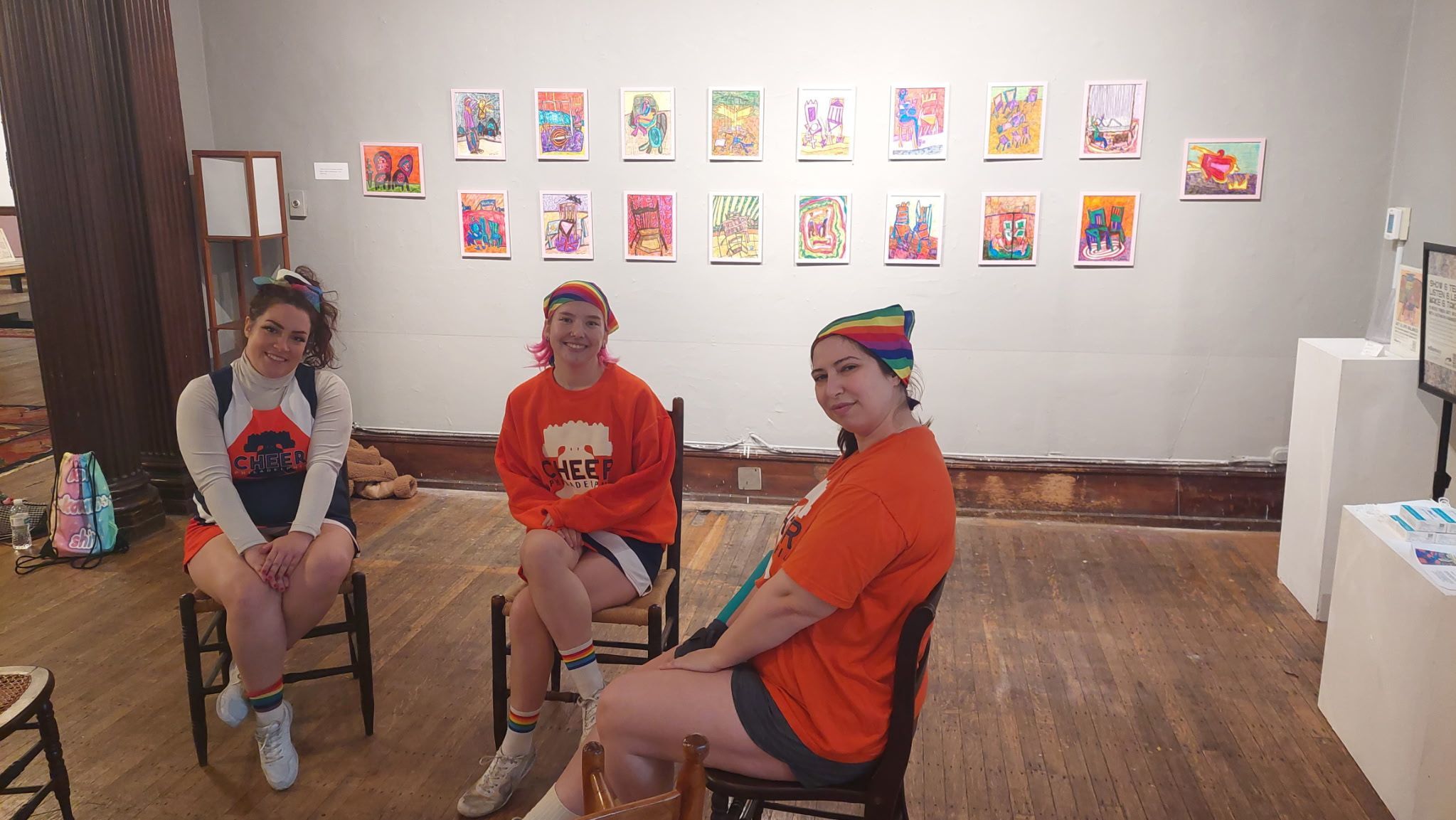
Artist Kathryn Pennepacker staged one of the last art exhibits in the William Way center’s wood-trimmed reception area. Titled “You are welcome here. I saved a chair for you,” it encouraged visitors to sit, talk and view her artwork.Courtesy of Kathryn Pennepacker
Because of those hurdles, Segal told me, it could take five to seven years to complete the apartments. During that time, William Waywould be without a permanent home. And once it moves back to Spruce Street, it’s unlikely the new space will have the same level of visibility as the existing building.
Segal says he is undaunted by the challenge. “People told me John C. Anderson was impossible,” he said. “People told me all the things I’ve fought for were impossible.”
Despite the Metcalfe report’s conclusions and a more upbeat assessment from J&M Preservation Studio, Segal maintains that the building is too far gone to be saved at a reasonable price. In his view, William Way must now choose between saving itself or saving the building.
Alternatives to demo?
It’s hard to believe the situation is that binary. Several people who have been involved in the center’s programs told me that the decision to go with Segal’s plan was made by a small circle of board members, without consulting the larger William Way community and its longtime donors.
Demolition “wasn’t even mentioned” as an option at the organization’s 50th anniversary gala celebrations in February, held just a week before the arrangement with Segal became public, noted Paul Steinke, executive director of the Preservation Alliance for Greater Philadelphia and a former William Way board member.
In a guest essay published last month in the Philadelphia Gay News, Steinke and a group of activists urged the board to hold a community meeting where the issues could be aired and debated. Segal has responded by forming an advisory board composed of a handpicked group of William Way staff, activists, elected officials, and neighborhood residents.
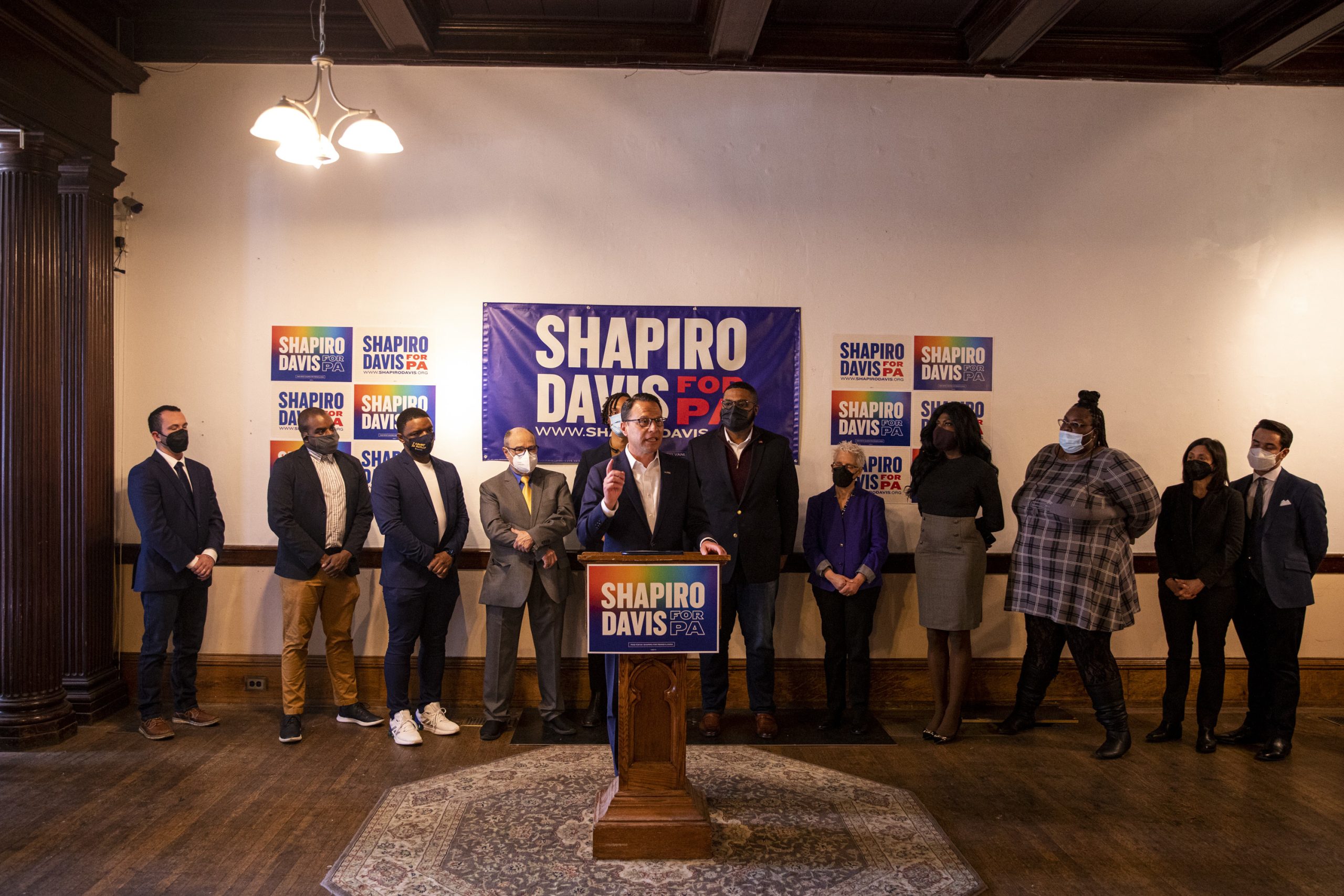
In 2022, Gov. Josh Shapiro spoke in the parlor of the William Way center, where he received endorsements from a variety of LGBQT+ leaders. TYGER WILLIAMS / Staff Photographer
Before COVID interfered, the board had been working on a design to reconfigure the building to address longstanding circulation issues. The plan called for slicing off the back of the structure and inserting a small tower with space for offices or apartments. The arrangement would have preserved the facade and the two most important ceremonial rooms, the ballroom and the large lobby area.
Why not use that idea to create affordable housing?
Segal argues that it would be difficult to insert two separate entrances — one for the William Way center, the other for the apartments. But there are plenty of narrow rowhouses in Philadelphia that have separate entrances serving apartments. I know it’s heresy in progressive circles to say this, but how about partnering with a market-rate developer who could finish the overbuild in less than five years?
An even faster option? Renovate the existing building. It can be done in stages so the center could move back sooner.
The William Way LGBT Community Center already has two entrances, which could be repurposed to serve an apartment tower inserted behind the front rooms.Jake Blumgart / Staff
Building affordable housing in Center City, close to transit, is a noble goal, and Segal deserves praise for making it a priority. But there is something seriously wrong when we demolish a building rich in Philadelphia history, while leaving the surface parking lots that flank it in place.
Since COVID, Philadelphia has lost a series of legacy cultural institutions that shaped the city’s identity. The Painted Bride. The Atwater Kent history museum. And, most painful of all, the University of the Arts.
William Way worked too hard for visibility to now be erased.
The Olney man at the center of a sprawling investigation into the disappearance of at least two women in recent years was taken into federal custody Tuesday and will be detained until trial.
Eugene Albert Horsch, 44, was arraigned Tuesday on a federal firearms charge — a case that relates to his alleged actions on June 19, when a U.S. Park Police officer near Independence Hall reported seeing a black BMW parked in a restricted zone and next to a fire hydrant.
The officer reported hearing a woman in the vehicle express fear of being injured and then seeing pairs of scissors in the front seat area. A search of the vehicle, in part based on Horsch’s actions, led to the discovery of a switchblade and a glass pipe in Horsch’s pants and two firearms under the car’s front seat.
Horsch — who was not allowed to possess guns because of felony convictions — had been charged for that same conduct last week by the Philadelphia District Attorney’s Office and he was being held in a city jail on $500,000 bail. City prosecutors also charged him with having cocaine, heroin, and marijuana in his car.
But the federal gun charge — and the decision by U.S. Magistrate Judge Pamela A. Carlos to detain him until trial — effectively ensures that Horsch will not be able to post bail or secure his release as his case proceeds. And that will give authorities time to continue investigating him in connection with questions potentially far more serious than illegally possessing guns.
In the days after Horsch was arrested with the firearms in Center City, investigators who searched his decrepit rowhouse in Olney found another gun and materials to grow marijuana.
But more concerning, they also discovered a variety of more unusual materials — including barrels of chemicals in the basement, urns holding the cremated remains of at least one of his relatives, documents tied to at least two women who have been missing for years, and a handwritten letter that described hurting people and mentioned the serial killer Ted Bundy.
Officials have said police have not discovered any human remains in the house. But investigators did find a significant amount of blood inside, sources told The Inquirer this week, although it was not clear whether it was human blood. And authorities have been testing a variety of materials they’ve recovered from the house, such as the chemicals in vats stored in his basement.
The probe is also seeking to learn more about potential connections between Horsch and at least two missing women with ties to his home.
One is Blair Tonzelli, who might have worked there as a home health aide and who was reported missing in Kensington in 2023. Some of Tonzelli’s friends told police after she disappeared that they worried that something bad had happened to her and that they had told police that Horsch was a “sociopath,” according to police documents obtained by The Inquirer.
In addition, when Horsch was arrested in Center City earlier this month, a woman who was with him falsely identified herself as Tonzelli and later told police that she did so because Horsch had given her a fake identification with Tonzelli’s name.
The other missing woman is Amy McHale, the ex-wife of Horsch’s father, who was last heard from at the Olney property in 2016. Horsch’s father, Raymond “R.C.” Horsch — now deceased — was an erotic photographer and drug manufacturer who had published several works of fiction, including one described as an “autobiographical memoir of a caring, empathetic serial killer.”
Eugene Horsch, during his brief appearance in federal court Tuesday, said little beyond responding to routine legal questions. He will likely be held at Philadelphia’s Federal Detention Center as his case proceeds toward trial.
His attorney, Jerome Brown, said afterward that he didn’t believe Horsch had harmed any of the women at the center of the investigation.
“As far as I know, I’d be shocked if [police] found any harm related to those missing persons at that location,” Brown said.
Philadelphia police found a “significant amount” of blood inside the decrepit Olney house linked to the investigation of at least two missing women, multiple law enforcement sources said.
The sources, who spoke on the condition of anonymity to discuss an ongoing investigation, said forensic testing has not yet determined whose blood it is or whether it’s even human — a process that could take several weeks to complete. But, the sources said, police are prepared to excavate the front and backyards of the West Chew Avenue home in the coming weeks in search of potential human remains.
Deputy Police Commissioner Frank Vanore declined to confirm or comment on the discovery Monday afternoon, citing the ongoing investigation. Vanore said Friday that police had not recovered any human remains from the home and were awaiting testing of the tubs of chemicals and other materials found in the basement.
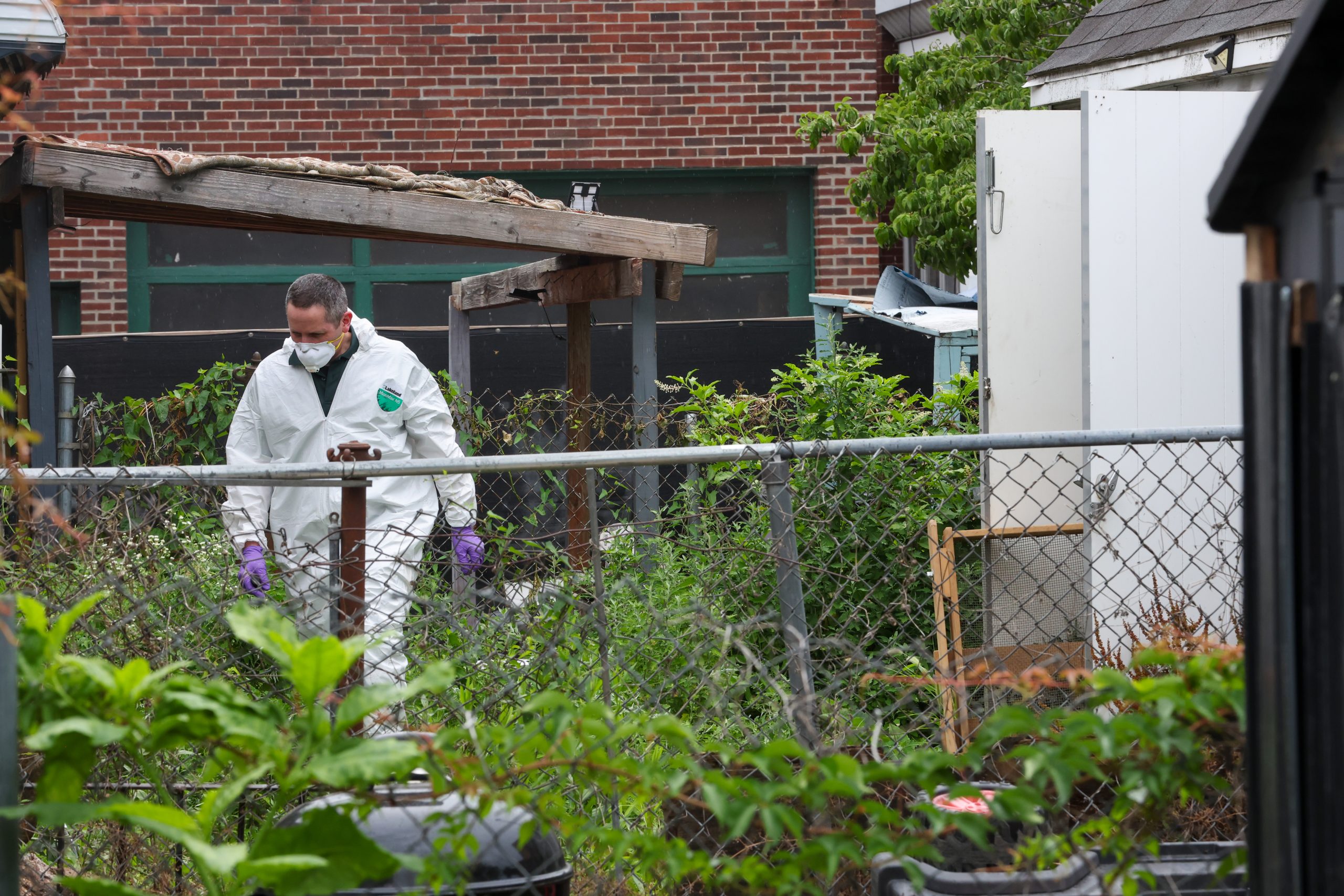
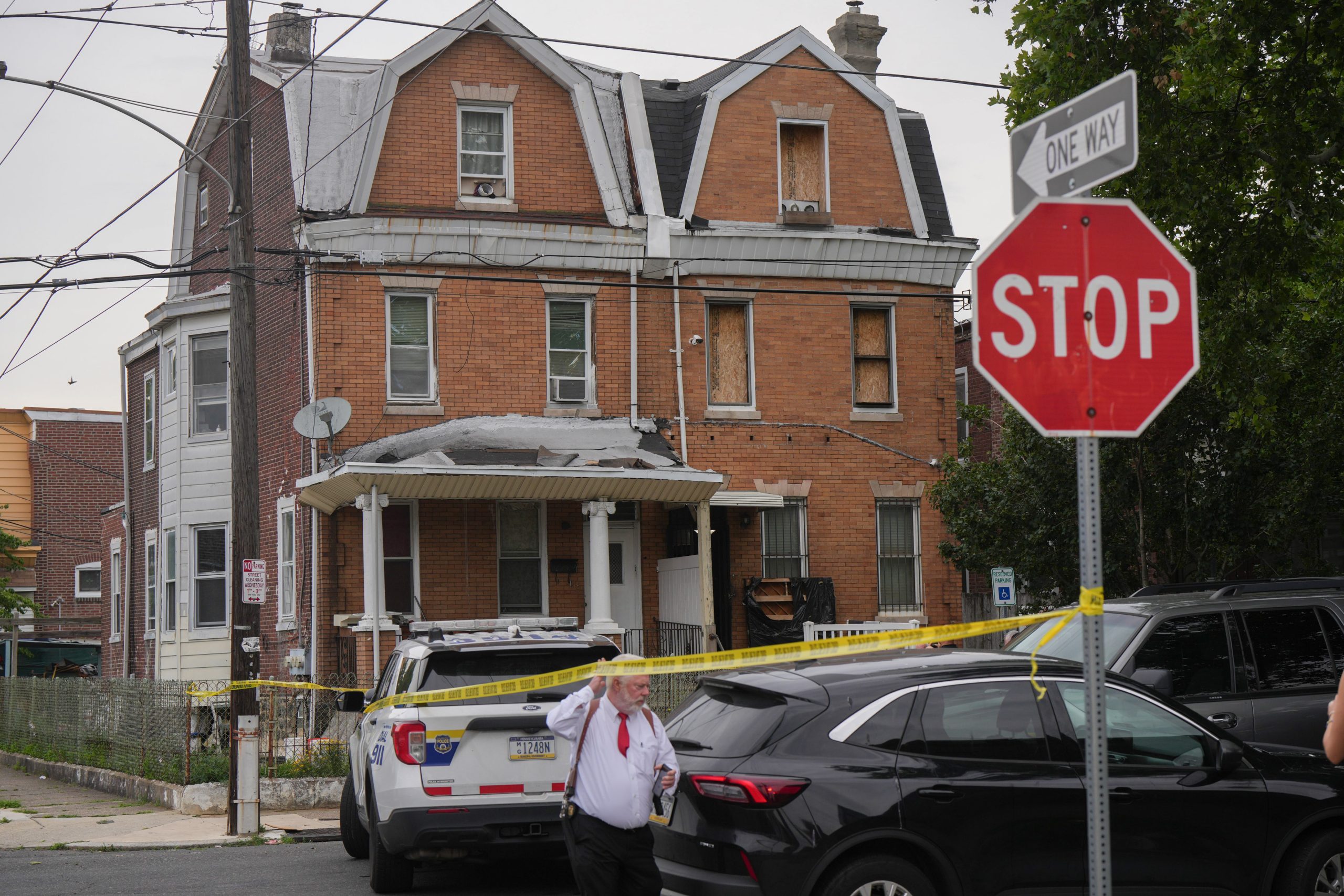
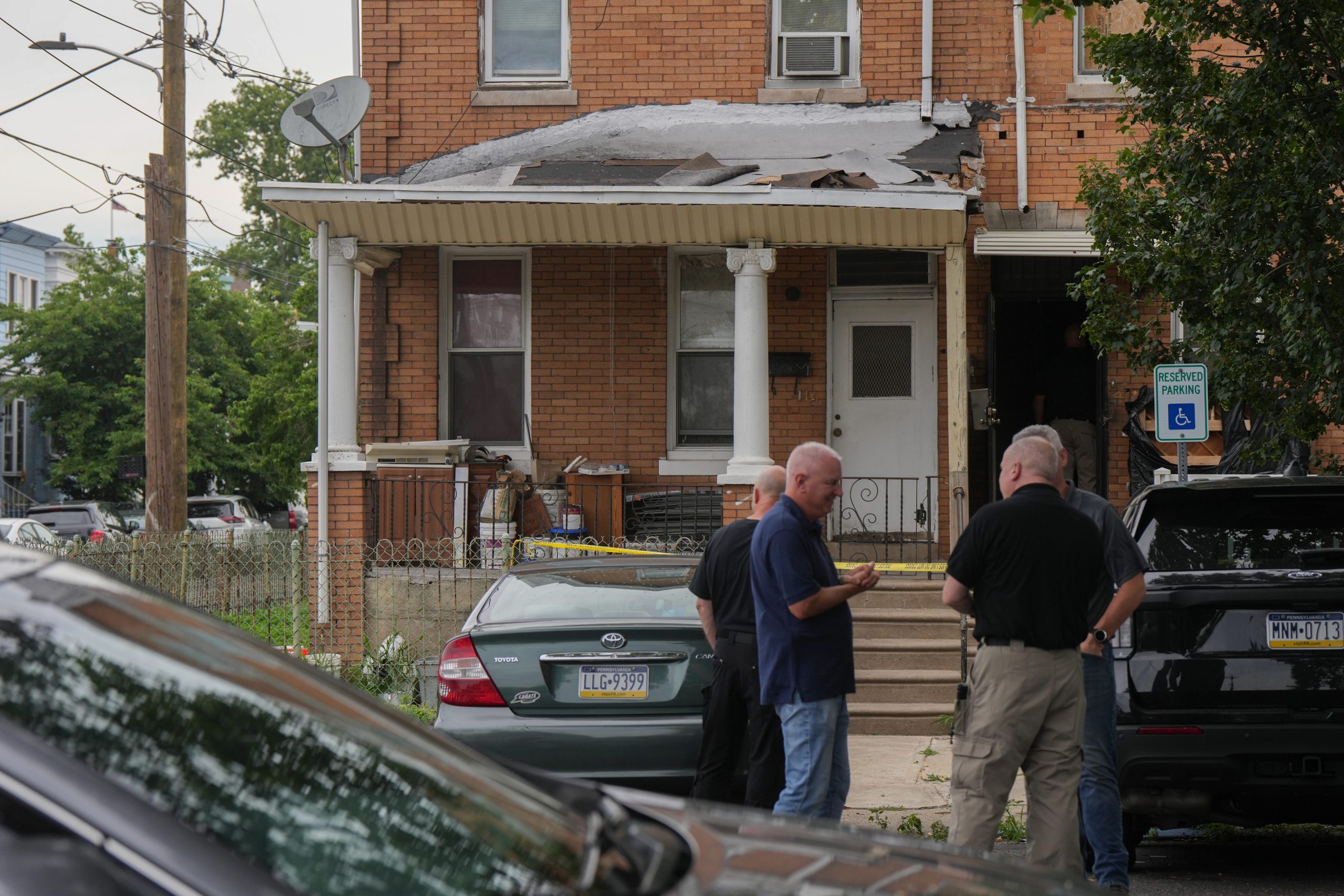
Forensic investigators search the backyard of 417 W. Chew Ave. on June 27.Aidan T. Gallo / Staff Photographer
The finding marks the latest development in an unusual saga that began after the arrest of Eugene Albert Horsch, 44, the owner of the Olney home now being searched by law enforcement for a second week in connection with the disappearance of at least two women who have been missing for years.
Horsch was arrested June 19 after U.S. Park Police saw him parked in his black BMW near Sixth and Market Streets, acting suspiciously. When a ranger approached the car, police said, he heard a woman in the back seat say, “You’re going to hurt me” and saw drug paraphernalia.
Police searched the car and reported recovering two guns with obliterated serial numbers, as well as cocaine, fentanyl, and marijuana, a cattle prod, switchblade knives, handcuffs, and a fake U.S. Drug Enforcement badge featuring Horsch’s photo.
The woman with Horsch falsely identified herself to the officers as Blair Tonzelli, a 38-year-old woman who had been reported missing in Kensington in 2023, police said.
The woman, 39, later told investigators that she gave Tonzelli’s name because she had open warrants for her arrest in ongoing drug cases and that Horsch had made her fake identification cards in that name and said she could use it if she was ever stopped and questioned by police, sources said.
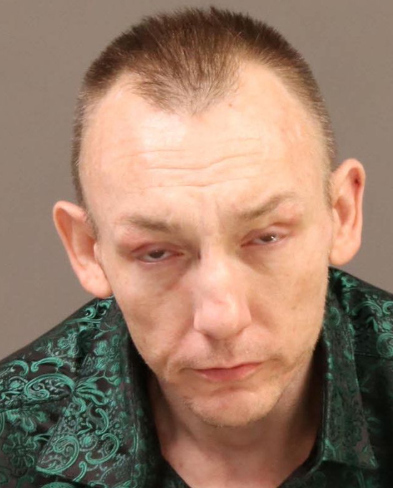
Eugene Albert Horsch, 44, was arrested June 19 for illegal gun possession and drug crimes. Courtesy of Philadelphia police
The woman said she did not know Tonzelli or even that she was missing — but the way Horsch spoke about her and other women made her feel like something bad had happened to her, the sources said.
Philadelphia homicide detectives then began reviewing that missing woman’s case, and, alongside federal law enforcement, searched Horsch’s home at 417 W. Chew Ave. last week.
That search produced a trove of bizarre discoveries: a basement with drums filled with chemicals, bottles of unknown substances, Tonzelli’s bank card, the death certificate of another woman, and what appeared to be urns holding at least one of Horsch’s relatives’ cremated remains.
Investigators also found another handgun, materials used to grow marijuana, and a 55-gallon drum with connections to waterlines leading into a hole in the ground.
Federal investigators also discovered a multipage, unsigned, handwritten letter that appeared to describe hurting people and referenced the serial killer Ted Bundy, according to the affidavit of probable cause to search the home that was obtained by The Inquirer.
Eugene Horsch lived at 417 W. Chew Ave. with his father until he died last year. Jessica Griffin / Staff Photographer
Law enforcement sources said police were working to determine whether the writings were part of a novel or screenplay. Horsch’s late father, Raymond “R.C.” Horsch was a known drug manufacturer and erotic filmmaker who had published several works of fiction with violent, masochistic themes, including one described as an “autobiographical memoir of a caring, empathetic serial killer.”
The probe into the younger Horsch took another twist when investigators learned that Raymond Horsch’s ex-wife Amy McHale was last seen at the Olney property in 2016 and has not since be located. A lawyer for Eugene Horsch and his father said the two men had nothing to do with McHale’s disappearance and said she struggled with substance abuse and mental illness.
Horsch has been charged with illegal gun possession and drug crimes by Philadelphia authorities.
He is also facing a federal gun possession charge, court records show. The U.S. Attorney’s Office filed a complaint against Horsch on Friday, charging him with possession of a firearm by a felon and centering their allegations on the guns that park rangers found in his car during an encounter in Center City earlier this month.
Horsch has not yet been arraigned in that matter, and he remained in a city jail, held on $500,000 bail as of Monday afternoon. But the case could give federal prosecutors an opportunity to argue to a judge that he remain in federal custody until trial.
This is a developing story and will be updated.
Staff writers Jesse Bunch, Max Marin, Barbara Laker, and Chris Palmer contributed to this article.
During a weeklong search of a crumbling Olney twin, federal agents and Philadelphia police found guns and drugs, tubs of chemicals, a curious unsigned letter, and fake law enforcement badges as they were investigating the homeowner’s connection to at least two women who have been missing for years.
The unusual investigation began under similarly bizarre circumstances: U.S. Park Police encountered Eugene Albert Horsch, 44, acting suspiciously in his black BMW parked near Sixth and Market Streets on the morning of June 19, Deputy Police Commissioner Frank Vanore said.
As the ranger approached the car, Vanore said, he heard a woman in the backseat say, “You’re going to hurt me.” The woman then falsely identified herself to the officers using the name of a 38-year-old woman who had been reported missing in Kensington in February 2023, said the sources, who spoke on the condition of anonymity to discuss an ongoing investigation.
The woman, 39, later told investigators that she’d given the alias because she had open warrants for her arrest in ongoing drug cases, and that Horsch had previously made her fake identification cards in that name, telling her she could use it if she was ever stopped and questioned by police, the sources said.
And later, the sources said, she told officials that she did not know that missing woman — but feared something bad may have happened to her.
Eugene Albert Horsch, 44, of Philadelphia.Courtesy of Philadelphia police
When police searched Horsch’s car outside Independence Hall, they recovered two firearms with obliterated serial numbers, as well as cocaine, fentanyl, and marijuana, according to an affidavit of probable cause for his arrest. What’s more, a source said, the car also contained a collapsible baton, a cattle prod, switchblade knives, and a fake U.S. Drug Enforcement badge with Horsch’s photograph under the name “Eugene Frederick Steiner.”
Horsch was taken into custody and charged with illegal gun possession and drug crimes. He’s currently being held on $500,000 bail at Curran-Fromhold Correctional Facility.
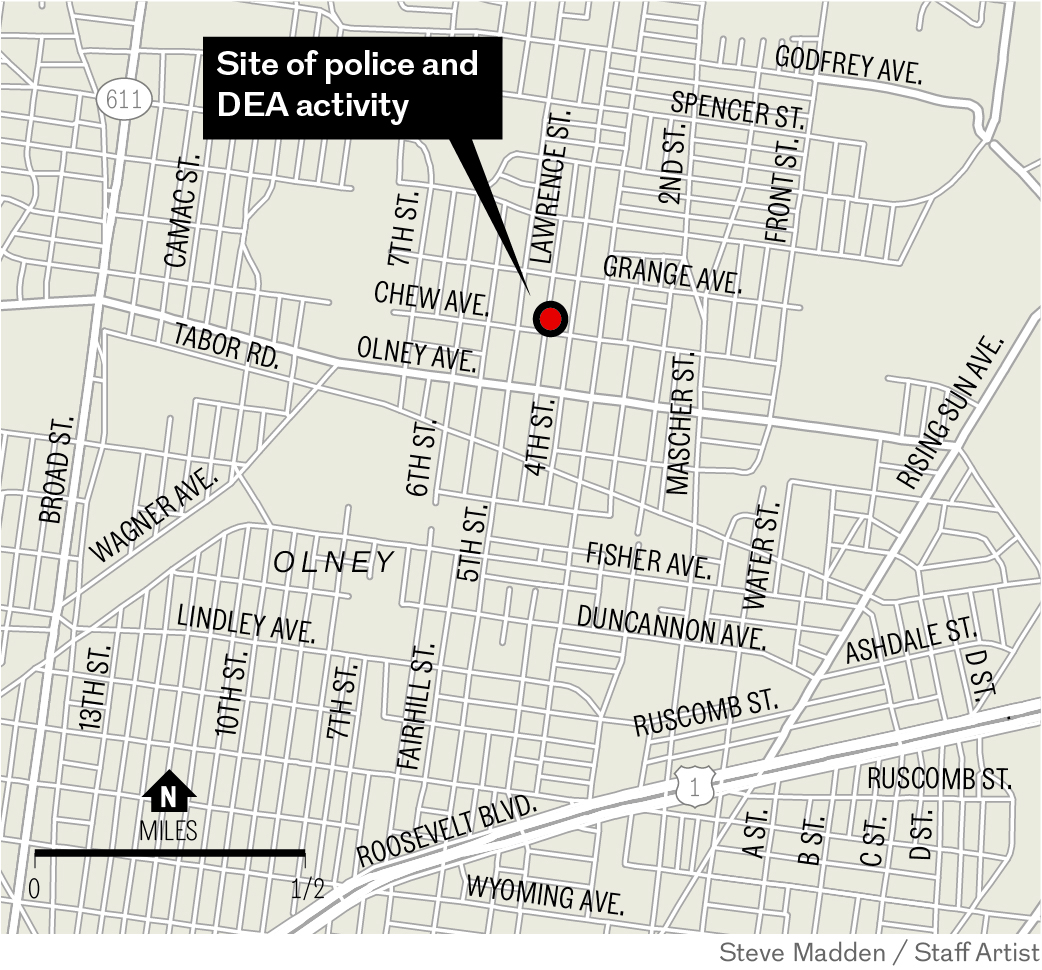
Officials with federal drug enforcement began searching Horsch’s home on the 400 block of West Chew Avenue alongside Philadelphia police on June 19.
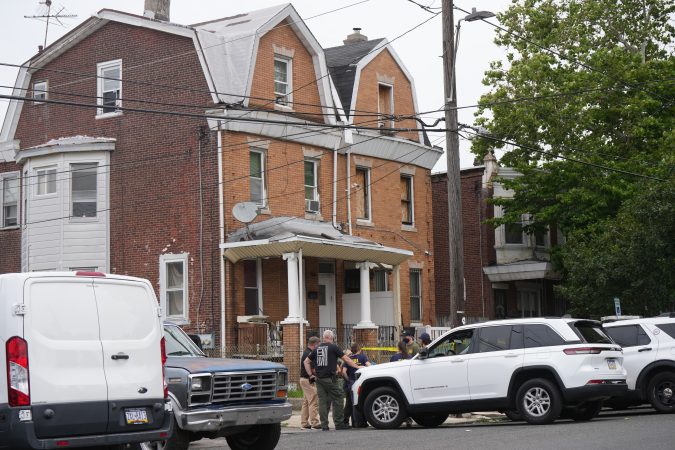
The house at the 400 block of W. Chew Avenue in Olney being investigated.Steve Madden
Vanore, in a news conference Friday, said the conditions of the boarded-up twin and materials recovered inside of it — including hidden compartments, drums filled with chemicals, and what appeared to be urns holding at least one of Horsch’s relatives’ cremated remains — only deepened the mysteries of the case.
And investigators soon found themselves confronting a second concerning thread: Horsch’s late father, R.C. Horsch, a convicted drug manufacturer and erotic filmmaker, had an ex-wife who was last seen at the Olney property in 2016 and has never been found.
Horsch’s attorney, Jerome Brown, said he did not have details about the ongoing police investigation.
Brown said R.C Horsch, who died in 2025, had been questioned in the June 2016 disappearance of his ex-wife Amy McHale, of South Philadelphia. She suffered from mental health and substance abuse issues, he said.
“This is much ado about nothing,” Brown said of the missing persons investigation. “They’re barking up the wrong tree.”
Inside Horsch’s home, investigators found another handgun, chemicals and bottles of liquid that forensics investigators in white hazmat suits were still working to identify on Friday, Vanore said. There was also a 55-gallon drum with connections to waterlines leading into a hole in the ground, he said, and materials to grow marijuana upstairs.
Federal investigators also found a multipage and unsigned handwritten letter that described references to hurting unspecified people, and references to the serial killer Ted Bundy, according to an affidavit of probable cause to search the home that was obtained by The Inquirer.
“Acting on emotion is where problems occur. What I don’t think I told you was that the first time it was planned ahead of time. The threat was made before you know who came over and I already had a 2ft zip tie in my pocket and a drum set up,” the letter said, according to the affidavit.
According to the warrant, it went on: “I had been ready and waiting and I damn sure showed no hesitation. And it was fun.”
Law enforcement sources said investigators were working to verify the authenticity of the letter, who wrote it, and whether it was meant to serve as a portion of a novel or screenplay. Horsch’s father published several works of fiction with masochistic themes, including one described as an “autobiographical memoir of a caring, empathetic serial killer.”
Police also found bank cards in the name of the woman who went missing in 2023, and also recovered what appeared to be a death certificate for another woman who died last year, the document stated.
Vanore said no human remains were found inside the home.
Forensic experts from the FBI are now analyzing the liquids and materials recovered in the home, he said.
Vanore said it wasn’t clear whether the chemicals were intended for a drug manufacturing operation or another purpose.
“We just don’t know what he’s doing, if he’s producing something, if he’s making something, if he’s irrigating something, we don’t know,” Vanore said. “I’m not a chemist, but from what I’ve been told … they could have been explosives.“
And, he said, it was too early to say whether the evidence would speak to any of the missing person cases tied to the property. He declined to identify the woman who had been reported missing in 2023 and did not answer questions related to the ongoing investigation into McHale’s disappearance.
“We’re certainly going to look into the activities that went on at that house,” he said.
Investigators on W. Chew Avenue.Jessica Griffin / Staff Photographer
News reports of the search of the Horsch home reopened wounds for McHale’s family. Gloria McHale said her daughter struggled with mental health issues and a drug addiction, and was married to R.C. Horsch for several years before disappearing June 14, 2016.
In an interview Friday, she said when police questioned R.C. Horsch at the time of her daughter’s disappearance, he said he last saw McHale drinking vodka before he went to bed, and that when he woke up, she was gone.
“I knew that wasn’t right,” McHale’s mother said. “She wouldn’t disappear. She had a daughter and grandkids. Her daughter was about to get married.”
Prior to his arrest last week, Eugene Horsch had a criminal history that included at least 10 other arrests for drug possession, dealing, assaults and drunk driving. He was sentenced to four to eight years in prison after police discovered $1.9 million worth of cannabis inside the Chew Avenue home in 2013, court records show.
He was arrested again in May 2025 for possession of marijuana and amphetamines and handed three years’ probation.
Then, in March, he was charged with aggravated assault after police said he stabbed a man in the stomach at Eighth and Market Streets. Prosecutors withdrew the charges in May after a witness failed to appear in court, court records show.
Since his release from jail, he appeared to be living back at his rundown home on Chew Avenue, a property that city inspectors cited as vacant and unsafe in recent years and that neighbors described as an increasingly off-putting presence on the block.
On Friday morning, anxiety swirled along the typically quiet residential neighborhood, about a mile from the Montgomery County border.
A security camera mounted on Horsch’s home between the boarded-up windows on the upper floors looked out over an overgrown yard where at least a dozen local and federal agents collected and tested evidence into the late afternoon.
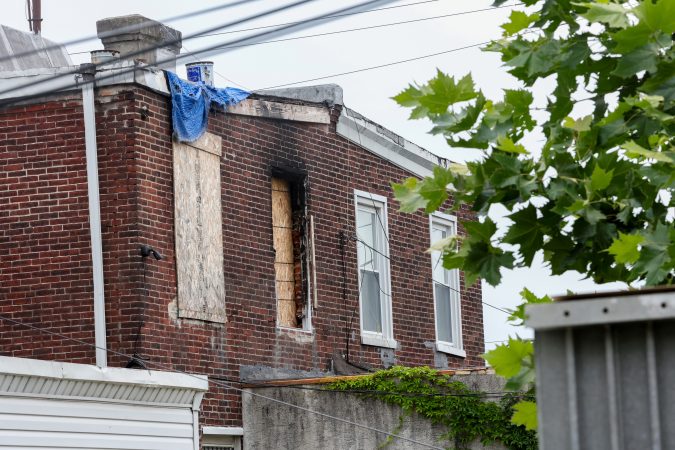
Sid Brunson, a construction worker who lives nearby and occasionally cut the grass in front of Horsch’s house, said Horsch often had women who appeared to use drugs at his property. A fire broke out on the upper floors of the property several months ago, he said, which led to plywood covering the windows.
He described his neighbor as a “quiet” and “real jittery” man who kept to himself.
“He always had a nice shirt on like he was going to the office,” Brunson said, “but he never gave you enough time to talk because he was always rushing.”
Staff Writers Ryan W. Briggs, Samantha Melamed, Brett Sholtis, Michelle Myers, Isabel Maney, Andrea Padilla, and Jesse Bunch contributed to this article.
Tanner Rouse will be Delaware County’s new top law enforcement officer, but he’snot new to the work.
Rouse will be sworn in on Jan. 5 as district attorney after his predecessor, Jack Stollsteimer, steps down to assume the county judgeship he won in November. Rouse, 42, will finish out the final two years of Stollsteimer’s term after working as his first assistant since 2020.
In a recent interview, Rouse discussed the strides in reducing violent crime he and his colleagues have made under Stollsteimer — the first-ever Democrat to serve as district attorney in Delaware County — as well as how he plans to continue those advances.
The short answer: Keeping the same playbook, but “putting a personal stamp on it,” as an offensive coordinator does when he takes over as head coach, said Rouse, an avid Eagles fan and ambitious Little League coach.
A former Philadelphia prosecutor under Seth Williams, Rouse credited the lessons he learned from investigating gun violence in the city, along with the recruitment of several former colleagues he brought over the county line, withimproving the way crime is prosecuted in Delaware County.
“We have demonstrated you can reform the criminal justice system and that it doesn’t have to come at the expense of stopping violent crime,” Rouse said. “They’re not mutually exclusive.”
Who is Tanner Rouse?
Rouse, a Phoenixville-area native, is the son of the late Willard Rouse III, the prominent Philadelphia developer behind One and Two Liberty Place. After graduating from the University of Wisconsin and Fordham Law School, Rouse spent seven years in the Philadelphia District Attorney’s Office, prosecuting crimes in Center City and North Philadelphia.
Rouse left the office in 2017, months before Larry Krasner took over. He practiced civil law for a time and ran an ultimately failed campaign to unseat then-State Sen. Tom McGarrigle before Stollsteimer called and offered him the first assistant job.
At the time, Rouse said, the offer was unexpected. But, looking back, he now considers it one of the greatest opportunities of his career.
What is Rouse most proud of from his tenure as first assistant?
The most notable achievement of his tenure to date in the district attorney’s office, Rouse said, is the steep reduction of gun violence in Chester.Shootings are down 75% since 2020. Rouse credits community outreach efforts for that, especially through the Chester Partnership for Safe Neighborhoods program, overseen by veteran homicide prosecutor Matt Krouse, whom Rouse worked with in Philadelphia and recruited to join him in Delaware County.
The partnership’s fundamental philosophy is a combination of focused deterrence programs Rouse helped oversee in Philadelphia that target repeat offenders, as well as community outreach efforts run by trusted neighborhood figures.
Rouse said he never wanted to be a faceless presence in the county and made it his priority to get out and form relationships in all of the municipalities he served, visiting community meetings, block parties, and even a few pickup basketball games.
“I don’t do this job from behind a desk,” he said, speaking in his county courthouse office. “And I think demonstrating that commitment and that care by being more present in those communities, and not just being kind of the big, scary law enforcement agency on a hill is incredibly important.”
Rouse said he is proud of other reforms including creating a diversionary unit in the office, revamping its drug court and instituting a special “child’s court,” created by Kristen Kemp — Rouse’s chosen first assistant and an expert in special-victims’ cases — that allows young victims to testify against adult offenders in a more comfortable environment.
The county’s jail population is down 50% as well, something Rouse says is a result of approaching prosecuting crimes in a humane, logical way.
What are his priorities as district attorney?
Rouse said he plans to create a similar community outreach program in Upper Darby, a community he said is “on the verge of some big things.”
“It’s not as if we’re saying, ‘We’re coming in here to take on Upper Darby and what goes on there,’ but more of, ‘Guys, look, we’re not just the people you pick up and call when there’s a crime.’”
He also expressed interest in creating reciprocity agreements with his counterparts in the other collar counties around Philadelphia, specifically when it comes to handling drug cases and providing treatment to the people caught up in them.
How has his time in Philadelphia influenced his work in Delco?
Rouse said he cut his teeth in the city working alongside veteran prosecutors, and he’s worked to bring that environment of mentorship to Delaware County.
He said he and his more senior deputies often sit in on trials, giving feedback to younger staff members just as his mentors did for him nearly two decades ago.
“That’s how I got better, and that’s one of the roles I most cherish here,” he said.