Tag: Center City

  • Olney house raid uncovers curious letter, drugs, chemicals, fake DEA badges — and possible links to two missing women

    Olney house raid uncovers curious letter, drugs, chemicals, fake DEA badges — and possible links to two missing women

    During a weeklong search of a crumbling Olney twin, federal agents and Philadelphia police found guns and drugs, tubs of chemicals, a curious unsigned letter, and fake law enforcement badges as they were investigating the homeowner’s connection to at least two women who have been missing for years.

    The unusual investigation began under similarly bizarre circumstances: U.S. Park Police encountered Eugene Albert Horsch, 44, acting suspiciously in his black BMW parked near Sixth and Market Streets on the morning of June 19, Deputy Police Commissioner Frank Vanore said.

    As the ranger approached the car, Vanore said, he heard a woman in the backseat say, “You’re going to hurt me.” The woman then falsely identified herself to the officers using the name of a 38-year-old woman who had been reported missing in Kensington in February 2023, said the sources, who spoke on the condition of anonymity to discuss an ongoing investigation.

    The woman, 39, later told investigators that she’d given the alias because she had open warrants for her arrest in ongoing drug cases, and that Horsch had previously made her fake identification cards in that name, telling her she could use it if she was ever stopped and questioned by police, the sources said.

    And later, the sources said, she told officials that she did not know that missing woman — but feared something bad may have happened to her.
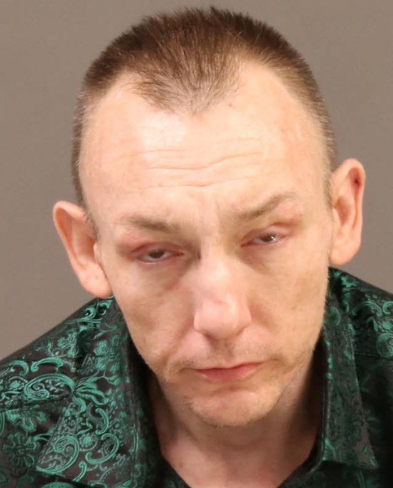
    Eugene Albert Horsch, 44, of Philadelphia.Courtesy of Philadelphia police

    When police searched Horsch’s car outside Independence Hall, they recovered two firearms with obliterated serial numbers, as well as cocaine, fentanyl, and marijuana, according to an affidavit of probable cause for his arrest. What’s more, a source said, the car also contained a collapsible baton, a cattle prod, switchblade knives, and a fake U.S. Drug Enforcement badge with Horsch’s photograph under the name “Eugene Frederick Steiner.”

    Horsch was taken into custody and charged with illegal gun possession and drug crimes. He’s currently being held on $500,000 bail at Curran-Fromhold Correctional Facility.

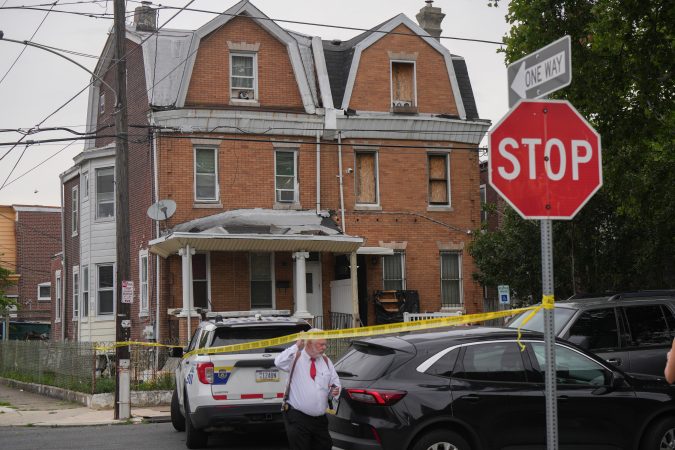
    Officials with federal drug enforcement began searching Horsch’s home on the 400 block of West Chew Avenue alongside Philadelphia police on June 19.
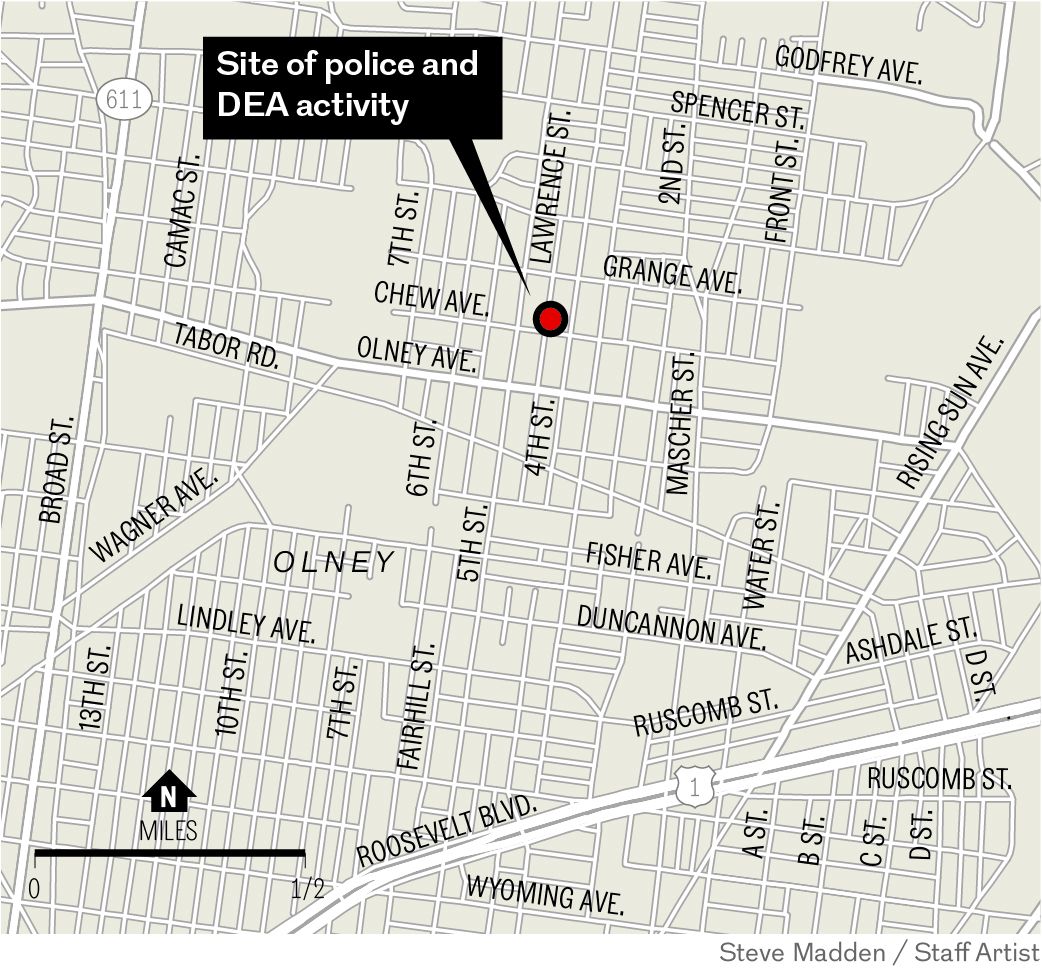
    The house at the 400 block of W. Chew Avenue in Olney being investigated.Steve Madden

    Vanore, in a news conference Friday, said the conditions of the boarded-up twin and materials recovered inside of it — including hidden compartments, drums filled with chemicals, and what appeared to be urns holding at least one of Horsch’s relatives’ cremated remains — only deepened the mysteries of the case.

    And investigators soon found themselves confronting a second concerning thread: Horsch’s late father, R.C. Horsch, a convicted drug manufacturer and erotic filmmaker, had an ex-wife who was last seen at the Olney property in 2016 and has never been found.

    Horsch’s attorney, Jerome Brown, said he did not have details about the ongoing police investigation.

    Brown said R.C Horsch, who died in 2025, had been questioned in the June 2016 disappearance of his ex-wife Amy McHale, of South Philadelphia. She suffered from mental health and substance abuse issues, he said.

    “This is much ado about nothing,” Brown said of the missing persons investigation. “They’re barking up the wrong tree.”

    Inside Horsch’s home, investigators found another handgun, chemicals and bottles of liquid that forensics investigators in white hazmat suits were still working to identify on Friday, Vanore said. There was also a 55-gallon drum with connections to waterlines leading into a hole in the ground, he said, and materials to grow marijuana upstairs.

    Federal investigators also found a multipage and unsigned handwritten letter that described references to hurting unspecified people, and references to the serial killer Ted Bundy, according to an affidavit of probable cause to search the home that was obtained by The Inquirer.

    “Acting on emotion is where problems occur. What I don’t think I told you was that the first time it was planned ahead of time. The threat was made before you know who came over and I already had a 2ft zip tie in my pocket and a drum set up,” the letter said, according to the affidavit.

    According to the warrant, it went on: “I had been ready and waiting and I damn sure showed no hesitation. And it was fun.”

    Law enforcement sources said investigators were working to verify the authenticity of the letter, who wrote it, and whether it was meant to serve as a portion of a novel or screenplay. Horsch’s father published several works of fiction with masochistic themes, including one described as an “autobiographical memoir of a caring, empathetic serial killer.”

    Police also found bank cards in the name of the woman who went missing in 2023, and also recovered what appeared to be a death certificate for another woman who died last year, the document stated.

    Vanore said no human remains were found inside the home.

    Forensic experts from the FBI are now analyzing the liquids and materials recovered in the home, he said.

    Vanore said it wasn’t clear whether the chemicals were intended for a drug manufacturing operation or another purpose.

    “We just don’t know what he’s doing, if he’s producing something, if he’s making something, if he’s irrigating something, we don’t know,” Vanore said. “I’m not a chemist, but from what I’ve been told … they could have been explosives.“

    And, he said, it was too early to say whether the evidence would speak to any of the missing person cases tied to the property. He declined to identify the woman who had been reported missing in 2023 and did not answer questions related to the ongoing investigation into McHale’s disappearance.

    “We’re certainly going to look into the activities that went on at that house,” he said.
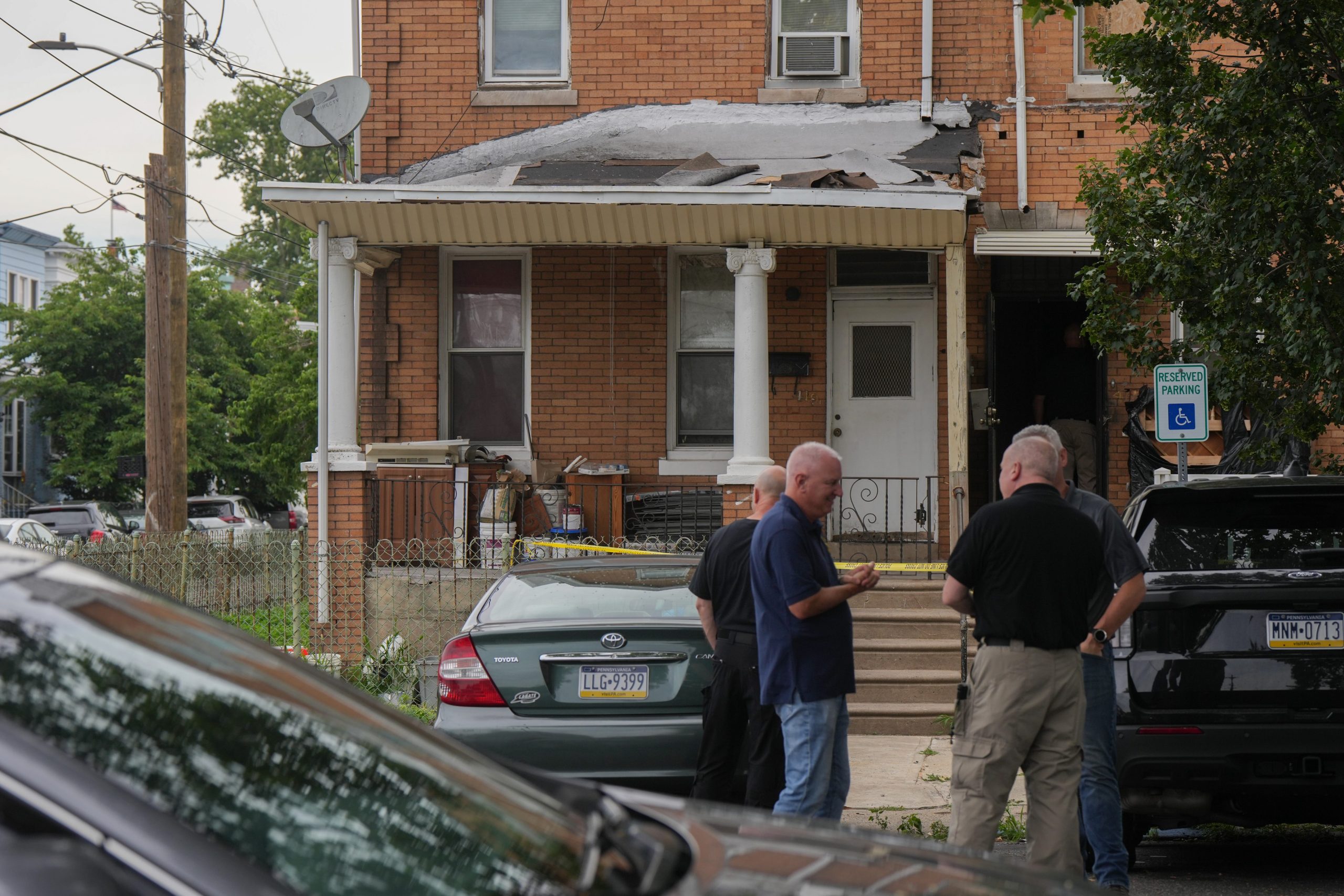
    Investigators on W. Chew Avenue.Jessica Griffin / Staff Photographer

    News reports of the search of the Horsch home reopened wounds for McHale’s family. Gloria McHale said her daughter struggled with mental health issues and a drug addiction, and was married to R.C. Horsch for several years before disappearing June 14, 2016.

    In an interview Friday, she said when police questioned R.C. Horsch at the time of her daughter’s disappearance, he said he last saw McHale drinking vodka before he went to bed, and that when he woke up, she was gone.

    “I knew that wasn’t right,” McHale’s mother said. “She wouldn’t disappear. She had a daughter and grandkids. Her daughter was about to get married.”

    Prior to his arrest last week, Eugene Horsch had a criminal history that included at least 10 other arrests for drug possession, dealing, assaults and drunk driving. He was sentenced to four to eight years in prison after police discovered $1.9 million worth of cannabis inside the Chew Avenue home in 2013, court records show.

    He was arrested again in May 2025 for possession of marijuana and amphetamines and handed three years’ probation.

    Then, in March, he was charged with aggravated assault after police said he stabbed a man in the stomach at Eighth and Market Streets. Prosecutors withdrew the charges in May after a witness failed to appear in court, court records show.

    Since his release from jail, he appeared to be living back at his rundown home on Chew Avenue, a property that city inspectors cited as vacant and unsafe in recent years and that neighbors described as an increasingly off-putting presence on the block.

    On Friday morning, anxiety swirled along the typically quiet residential neighborhood, about a mile from the Montgomery County border.

    A security camera mounted on Horsch’s home between the boarded-up windows on the upper floors looked out over an overgrown yard where at least a dozen local and federal agents collected and tested evidence into the late afternoon.

    Sid Brunson, a construction worker who lives nearby and occasionally cut the grass in front of Horsch’s house, said Horsch often had women who appeared to use drugs at his property. A fire broke out on the upper floors of the property several months ago, he said, which led to plywood covering the windows.

    He described his neighbor as a “quiet” and “real jittery” man who kept to himself.

    “He always had a nice shirt on like he was going to the office,” Brunson said, “but he never gave you enough time to talk because he was always rushing.”

    Staff Writers Ryan W. Briggs, Samantha Melamed, Brett Sholtis, Michelle Myers, Isabel Maney, Andrea Padilla, and Jesse Bunch contributed to this article.
  • Rachel Maddow recalls her ‘formative’ time in Philly and the city’s most overlooked hero ahead of MS NOW event

    Rachel Maddow recalls her ‘formative’ time in Philly and the city’s most overlooked hero ahead of MS NOW event

    Rachel Maddow’s brief turn as a Philadelphian began with her bicycle being stolen on the first day of a new job.

    “I got to work at 9 a.m. and I got out for lunch before noon, because I didn’t have anything to do,” Maddow said. “My bike was already gone.”

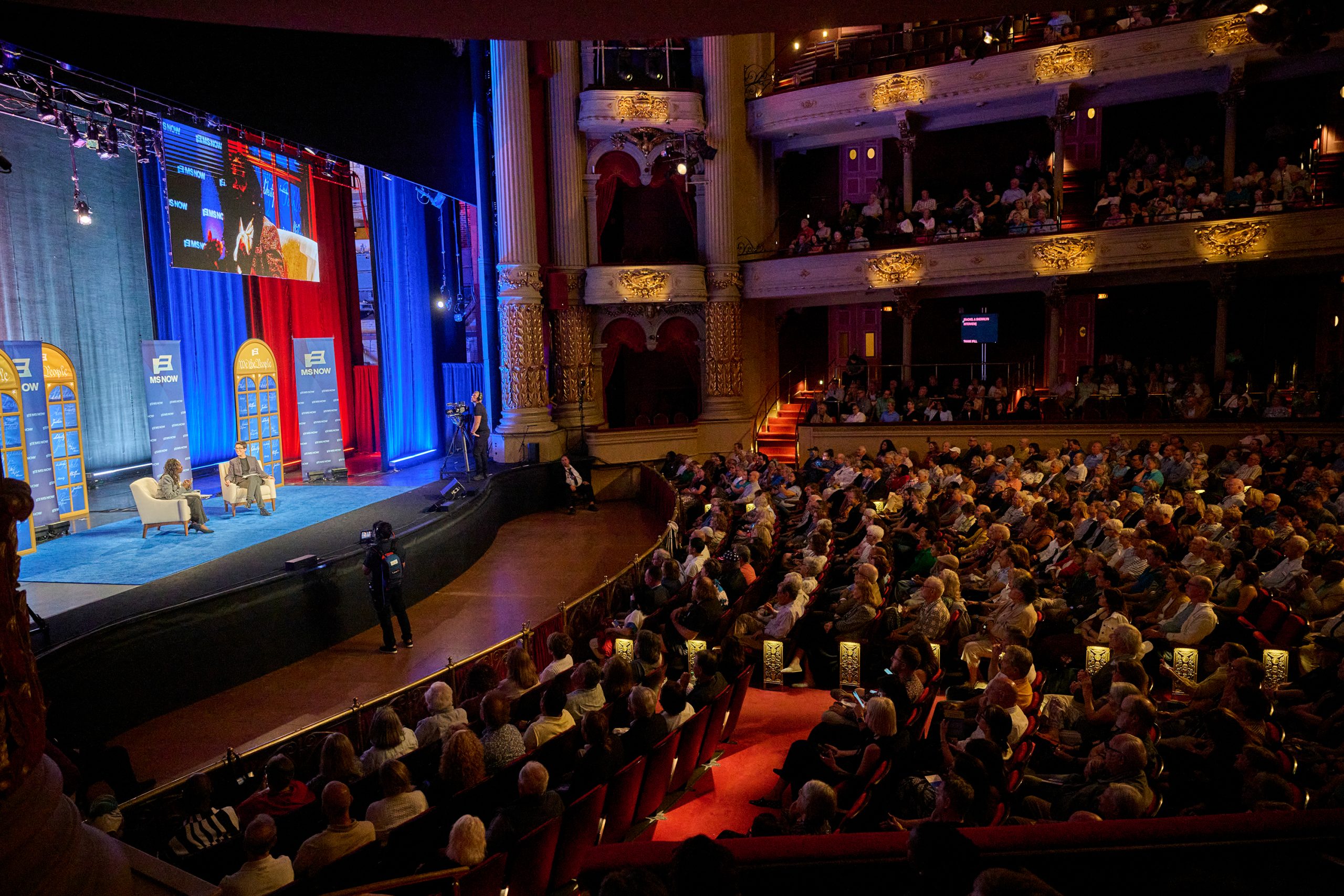
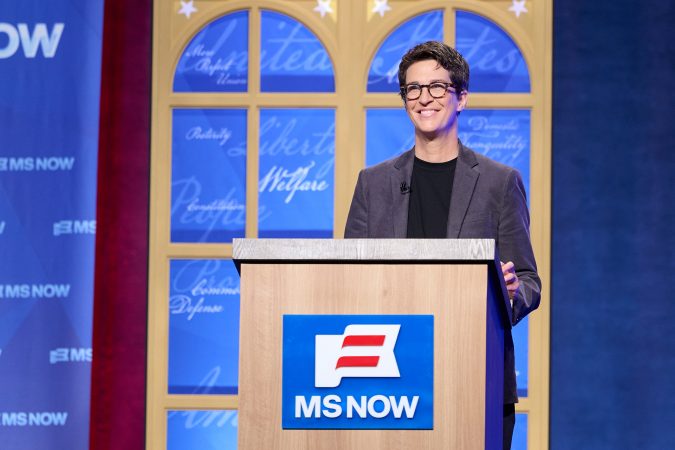
    MS NOW’s top star was in Center City on Thursday night to interview constitutional legal expert Sherrilyn Ifill live in front of nearly 2,000 people at the Academy of Music.

    But prior to the event, she reminisced about her brief time in Philly in the early 1990s, shortly after she came out as gay during her freshman year of college at Stanford University.

    “It didn’t go well at home, so it was a bit of a scramble in terms of like paying for college, figuring out what I was going to do, where I was going to live,” Maddow said. “And I got an internship at a think tank at Penn.”

    Maddow lived in West Philadelphia and basically ate nothing but Ethiopian food for a few months, though she can’t remember the name of the street: “It was in the 40s and it was one of the tree-named streets.”

    In college she was an AIDS activist and focused on healthcare policy, so landing at the University of Pennsylvania’s Leonard Davis Institute of Health Economics seemed liked an ideal fit.

    Maddow said her job was to answer the phone. But the internship didn’t last long.

    “I was not an additive,” Maddow said. “I don’t think I was an asset to the organization.”

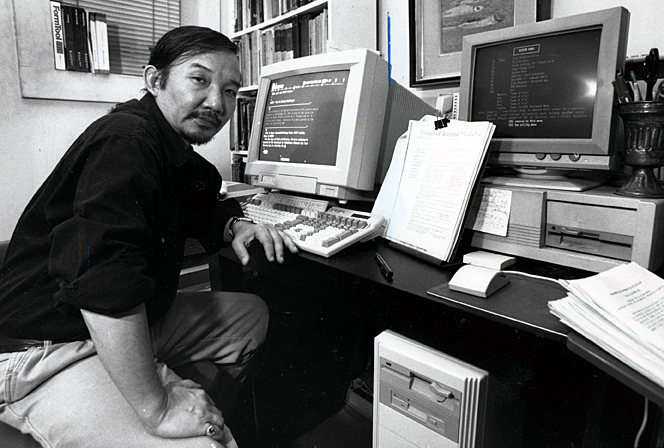
    Kiyoshi Kuromiya seen here in 1992, was a gay civil rights activist who helped establish ACT UP Philly. GEORGE REYNOLDS / Staff Photographer, file

    Maddow’s activism began when she was still in high school, when she began working at a hospice for people who were dying during the AIDS epidemic.

    Still, those few months living in Philadelphia influenced Maddow’s developing political voice. She idolized ACT UP Philly, an activist organization fighting for people with HIV/AIDS, and thinks that gay civil rights activist Kiyoshi Kuromiya is the city’s most overlooked hero for the work he did helping connect people with hard-to-find information about the virus and treatment.

    “He saved millions of lives,” Maddow said. “The city needs to build a statue for Kiyoshi Kuromiya.”

    Maddow has returned to Philly a number of times over the years, and every time she does, it makes her feel like she’s 19 again. Things have changed — seeing Indego bicycles to rent on street corners after hers was stolen is pretty jarring — but though her time living here was brief, she didn’t hesitate saying, “Philly was really formative for me.”

    “The thing I loved about Philly at the time, and that I kind of fell in love with, even before I really knew what to do with it, was the really sparky, edgy, impolite activist spirit,” Maddow said. “I think I’m just a middle-class polite kid who doesn’t like to offend anybody, and Philly kind of shook me out of that a little bit, and made me aspire to edgier things.”

    More live events and a new app coming from MS NOW

    Nearly 2,000 people attended Thursday night’s event at the Academy of Music. MS NOW

    A strong Philly current ran through MS NOW’s event Thursday night, which highlighted the messy history of the American experiment leading up to the country’s 250th anniversary next week.

    MS NOW president Rebecca Kutler, who oversaw the event, is a Philly native who grew up in Center City and later Montgomery County. Host Ali Velshi lives in Bryn Mawr and commutes to New York every day to host The 11th Hour, which he recently took over as part of a lineup change.

    Former White House press secretary for then-President Joe Biden and current MS NOW host Jen Psaki was also part of Thursday event, where she interviewed Pennsylvania Gov. Josh Shapiro, who was raised in Upper Dublin Township in Montgomery County. Psaki doesn’t have any connection to the area other than friends who live here — and

    “My mother’s best friend of 70 years lives here,” Psaki said.

    Thursday’s event was part of a larger strategy of engagement at the network after breaking away from NBC and becoming part of Versant, hence the name change from MSNBC to MS NOW. Ratings are up, but the cord-cutting trend is undeniable, so MS NOW is attempting to secure a digital future while it remains a popular TV destination.

    The network has now hosted three large fan events since 2024 and another is planned for Sept. 26 ahead of the midterm elections, though further details have not been announced. Attendees in Philly on Thursday night received a free, one-year subscription to MS NOW’s membership product that is set to launch soon. It will act as a streaming platform and online community for the network’s progressive fans and provide access to its biggest stars.

    “We’re always looking for ways to connect with our MS NOW community, to meet more viewers where they are, and to engage them in new ways,” said Lauren Peikoff, the network’s executive producer of live events.

    Cecil Parker, a Philadelphia musician, said the state of affairs in Washington compelled him to attend Thursday’s event.

    “Urgency. That’s the all-encompassing word,” Parker said, who often tunes into MS NOW to get their take on the news. “They have their opinions, but it’s based on the facts. So I dig that.”

    Some audience members traveled from as far as Arizona and California to have a chance to hear Maddow and her MS NOW colleagues in person.

    Tony Clyburn and his wife, Lisa, drove more than 10 hours from West Columbia, S.C., to take part. A radio host back home, Clyburn said it was inspiring being in a room with people from different walks of life who want what’s best for their neighbors and their country.

    “These gatherings are good because they’re as close to a town hall as we can get,” Clyburn said.

  • City officials plan to revamp Market Street from Sixth Street to City Hall

    City officials plan to revamp Market Street from Sixth Street to City Hall

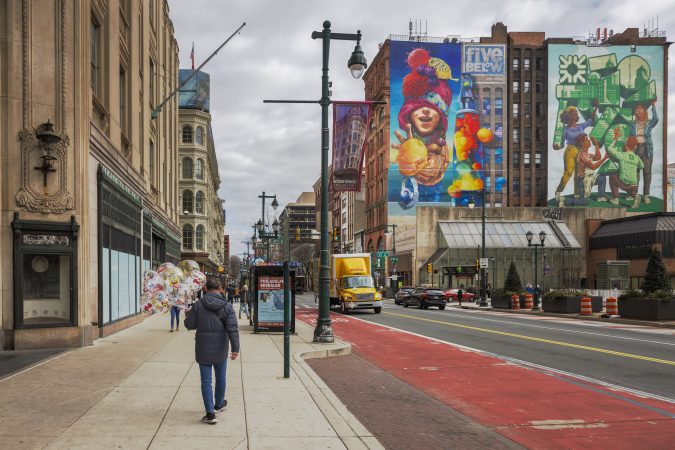
    Philadelphia officials are planning a major renovation of Market Street’s sidewalks, landscaping, and streetscapes, from Sixth Street toward City Hall.

    The announcement of a $2.5 million federal grant to begin the planning and design comes on the heels of the recently completed renovation of the thoroughfare in Old City from Second to Sixth streets. That effort took 18 months of construction and $16 million.

    The stretch to City Hall poses more logistical problems and could prove a heavier lift because of its dense use.

    The planned revamp is part of Mayor Cherelle L. Parker’s pledge to revitalize the Market East corridor.

    Most recently, the row of storefronts on the 900 block of Market owned by Comcast and Harris Blitzer Sports & Entertainment have begun hosting small pop-up businesses for the summer, as the city celebrates the 250th anniversary of the Declaration of Independence.

    The Department of Planning and Development is overseeing the revitalization, and the public-private Market East Corridor Advisory Group is helping to craft a vision.

    The new $2.5 million grant from the U.S. Department of Transportation, which the city will match, is limited to planning the streetscape along Market Street between 6th and Juniper Streets.

    Construction is years away, said Kelley Yemen, Philadelphia’s director of the Office of Multimodal Planning. Her office is gathering information to evaluate everything from traffic patterns to potential road diets and bike lanes.

    “Everything’s on the table at this point,” Yemen said.

    Safety remains a primary driver, she said, given that the section of Market Street is situated on the city’s “high-injury network.”

    However, she said redesigning the corridor poses unique logistical challenges compared with the recent improvements in Old City.

    Market East serves as a major commercial hub with heavy transit use, requiring planners to balance the needs of transit riders, pedestrians, and cyclists.

    Additionally, the shallow depth of the underground subway system may constrain surface-level landscaping.

    Yemen explained that any trees or plantings must account for the height of the subway ceiling, potentially leading to elevated planters rather than vegetation that’s rooted in the ground.

    The city is working with the consulting firm WSP and a team of subconsultants to develop design options.

    Yemen anticipates the design will take two to three years, as the city also has to navigate federal environmental reviews.

    Though the planning phase is now paid for, the city does not yet have money to fund construction and will likely look to federal or state grants for help in the future.

    Public involvement will be a key next step, she said.

    The planning commission is expected to launch a broader public engagement push this July to gather community input on the larger Market East revival.

  • Ember & Ash closed indefinitely after major fire

    Ember & Ash closed indefinitely after major fire

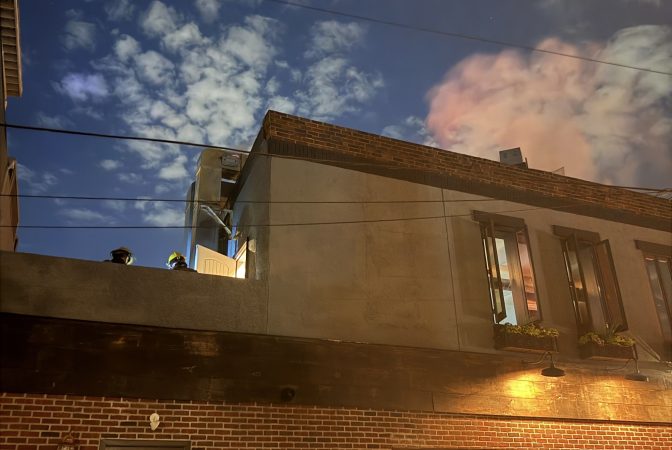
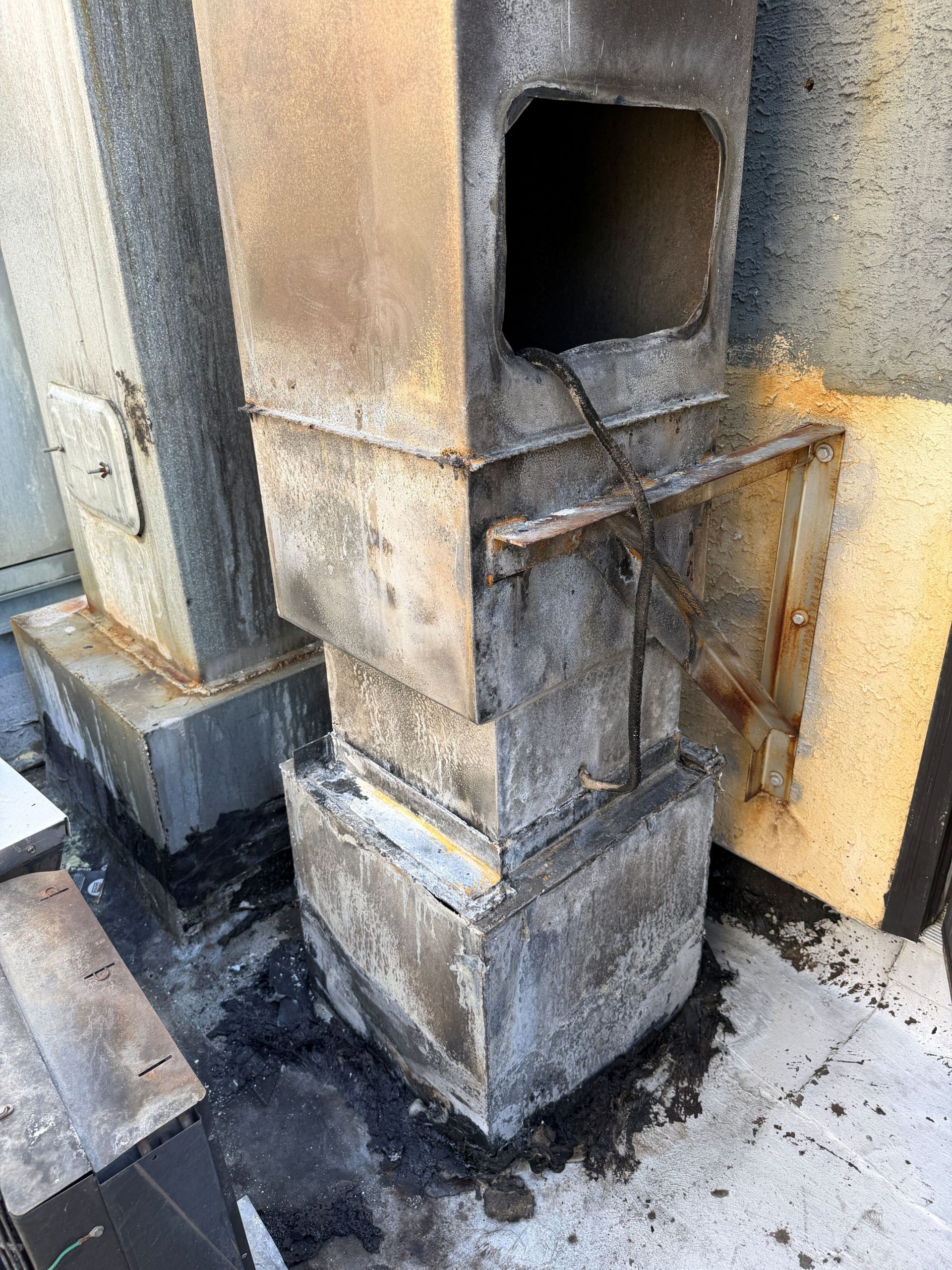
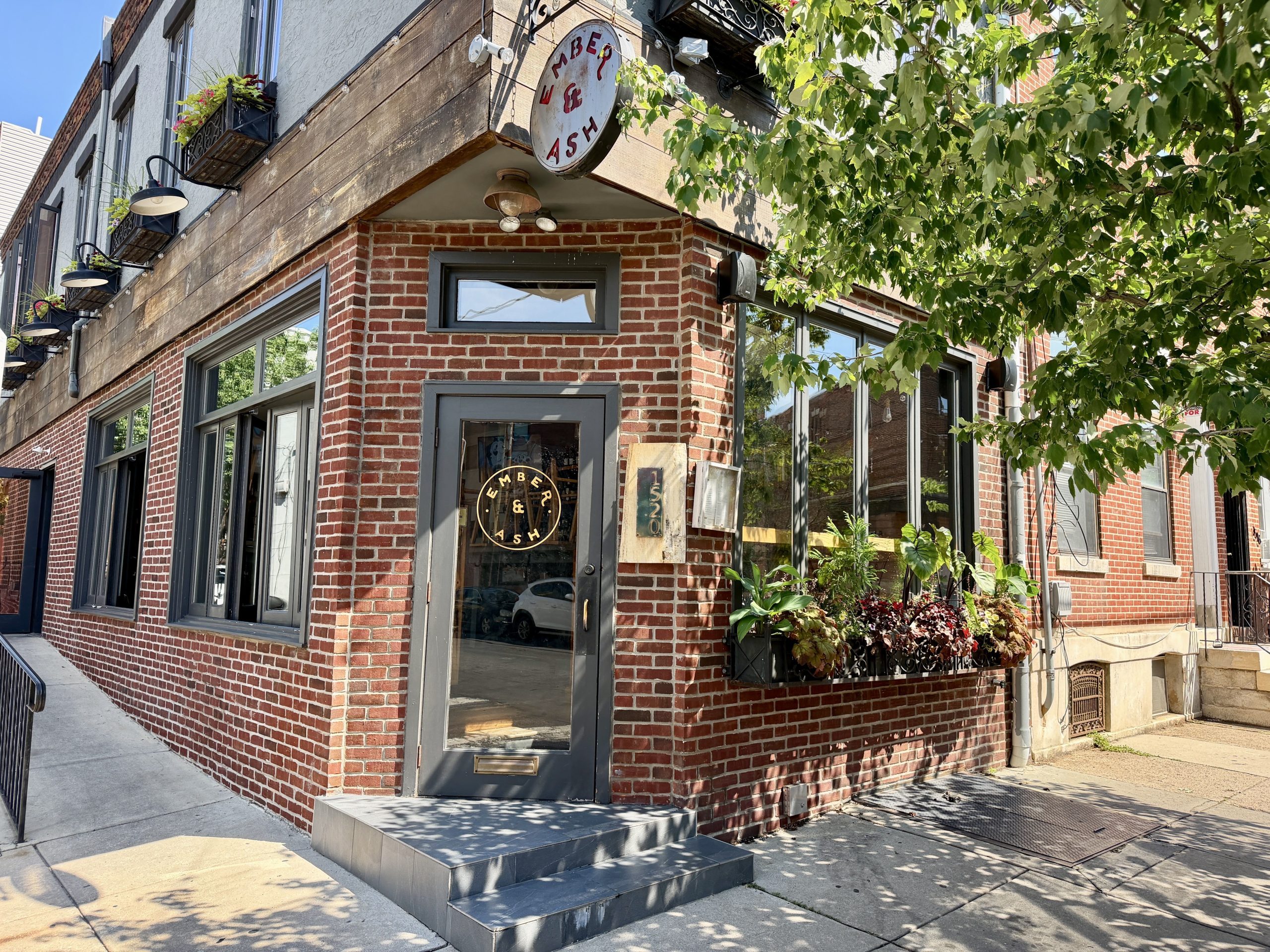
    Ember & Ash restaurant on East Passyunk Avenue in South Philadelphia is closed indefinitely after a late-night fire Wednesday sent flames to the roof through its ventilation system, its owners said.

    No injuries were reported. Owner Lulu Calhoun said she, her husband and chef-partner Scott Calhoun, and another chef, John Forkin, were leaving for the evening through the kitchen door about 10:20 p.m. when they heard a loud sound from above.

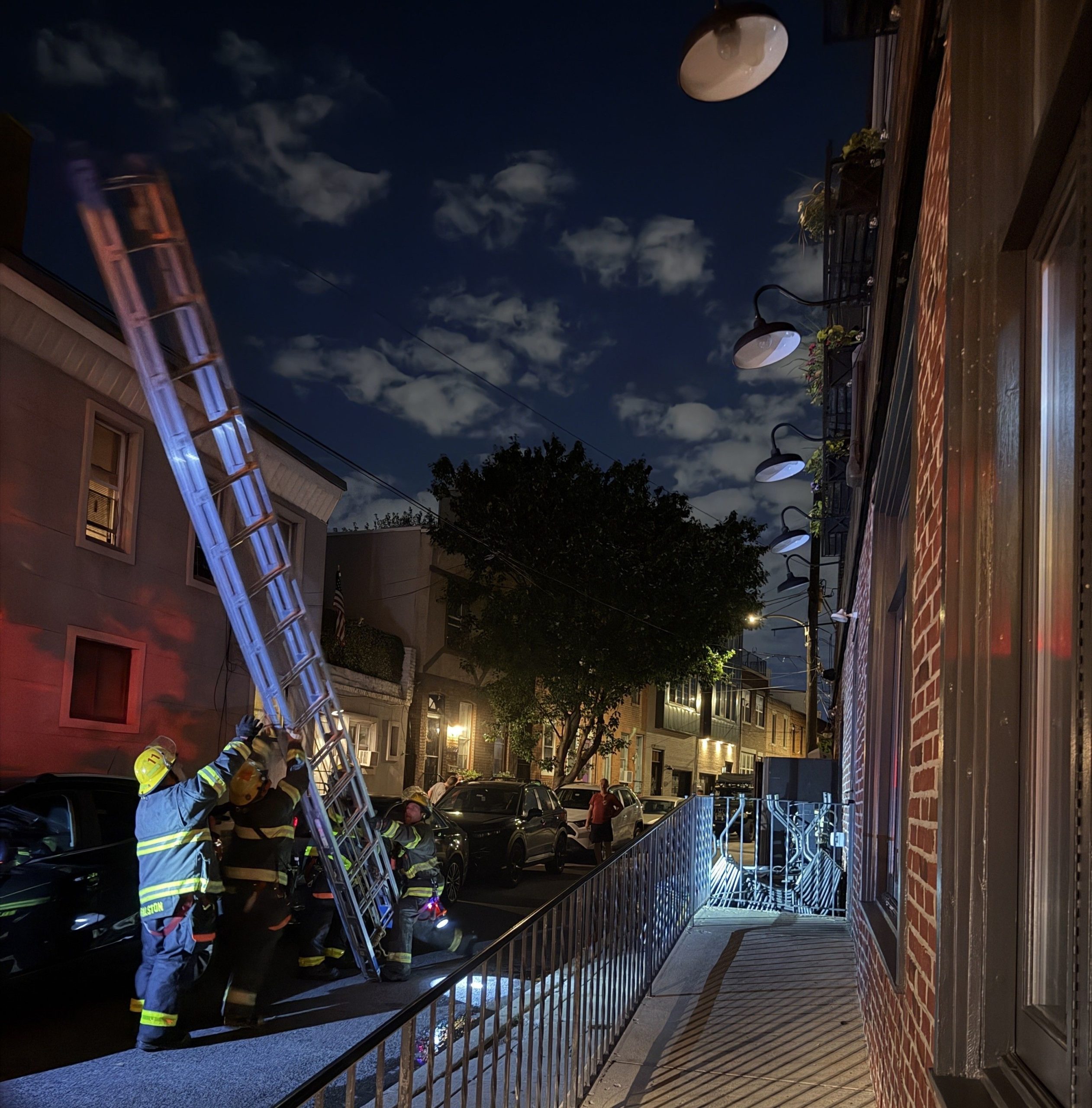
    Firefighters positioning a ladder outside of Ember & Ash, 1520 E. Passyunk Ave., on June 24, 2026.Lulu Calhoun

    “We didn’t know what it was,” she said. “We thought maybe like a helicopter or a jet.”

    Scott Calhoun looked up to see fire on the roof. He grabbed fire extinguishers and ran upstairs to try to put it out, she said.

    The couple called 911, and firefighters arrived almost immediately. Ember & Ash is about two blocks from Ladder 11 at 12th and Reed Streets, a fire company that was restored in 2024 after having been shuttered for 15 years. “We’re just so grateful, because it could have been a much, much worse situation,” Lulu Calhoun said.

    A charred portion of the ventilation system at Ember & Ash, 1520 E. Passyunk Ave., as seen June 25, 2026.Lulu Calhoun

    Thursday morning, the full extent of the destruction was still being assessed, but she said the restaurant was facing professional cleanup for water throughout the building and repairs to the hood and roof. Fire damage was not apparent from the Passyunk Avenue sidewalk. The Philadelphia Fire Department said the fire was under control in about an hour and 20 minutes but had no information on its cause.

    The restaurant, home of one of The Inquirer’s favorite burgers, employs about 16 people, Calhoun said, adding that supporting them is now their most urgent concern.

    “That’s the part that’s the most heartbreaking,” she said. “It’s not only our livelihoods, but our entire team.”

    She said the timeline for repairs was not yet known, adding that the duct work had been professionally cleaned recently as part of maintenance.

    Ember & Ash, 1520 E. Passyunk Ave., on June 25, 2026.Lulu Calhoun

    The hearth at Ember & Ash, a live-fire restaurant built around a custom wood-burning grill made by Grills by Demant, has been the center of the kitchen since the restaurant’s opening in late 2020.

    Fires that travel through ventilation systems can sideline a restaurant for months because damage is not always immediately visible and insurance claims can drag on. Kampar in Bella Vista has been closed since a February 2025 fire and has not announced a reopening date. Black Sheep in Rittenhouse has been closed since a May 18 fire. Tequilas in Center City was shuttered for about two years after a 2023 fire, though owners spent some of that time creating a second restaurant, La Jefa, in its rear dining room.

    Calhoun said Ember & Ash was contacting customers with bookings along with parties that had reserved private events in July and August.

  • Parts of Fairmount Park were not only the site of America’s first paper mill, but also the country’s first company town

    Parts of Fairmount Park were not only the site of America’s first paper mill, but also the country’s first company town

    We take paper for granted now. But in the late 1600s, when Pennsylvania’s founder William Penn recruited German papermaker and preacher William Rittenhouse to manufacture the writing parchment in the New World, paper was a luxury.

    England’s King William III made it difficult for his subjects — at home and in the Americas — to have it. Like many monarchs of his day, he believed it was the Crown’s duty to record history.

    The English imported paper from other European countries. So, to make matters worse, colonists who managed to appeal to the king for paper were double and triple taxed. They got fed up and went about securing their own paper to document the goings on in the government, inform citizens, record history, and ultimately plan a revolution.

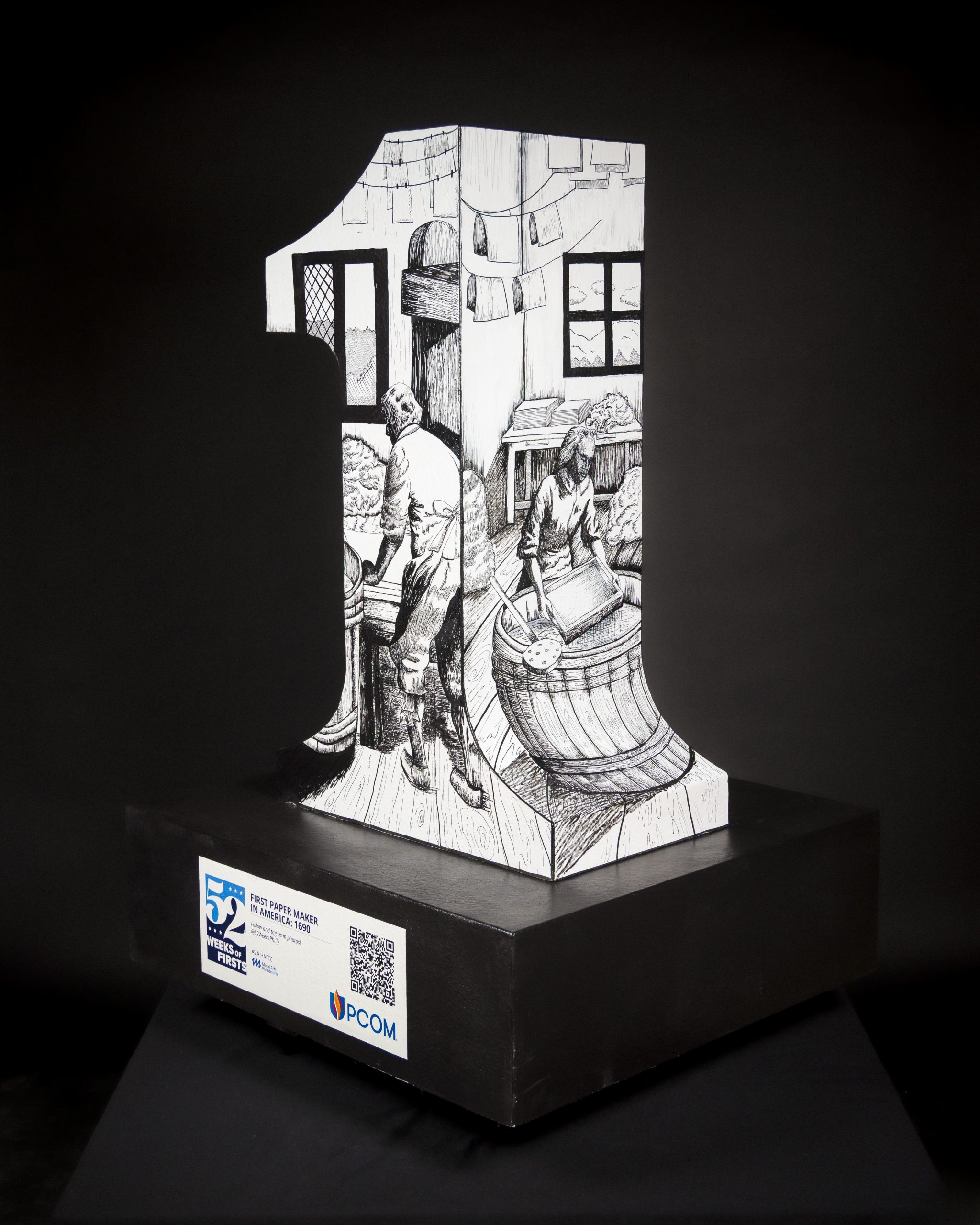
    Artist Ava Haitz’s No. 1 honors the country’s first paper mill, celebrating the invention and craftsmanship that made widespread written communication possible.Ava Haitz for Colibri Workshop

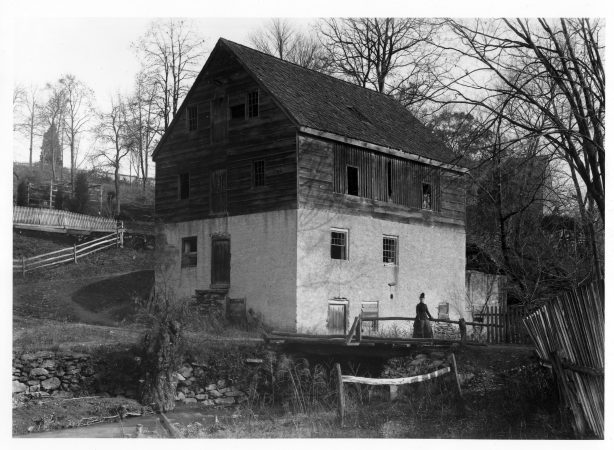
    In 1690, Rittenhouse partnered with Philadelphia’s first printer, William Bradford, to build America’s first paper mill, situated in northwest Philadelphia and powered by the Monoshone Creek, a tributary of the Schuylkill.

    The paper mill will be celebrated this Saturday at Historic RittenhouseTown, part of a series of weekly “Firstival” celebrations. Firstivals are the Philadelphia Historic District’s yearlong birthday nod to places and events with Philadelphia roots. The day parties are a hallmark of this year’s Semiquincentennial fetes.

    At the Rittenhouse mill, paper was made from linen rags fashioned from flax grown in Germantown, that were broken down and shaped into sheets. The mill grew quickly as Rittenhouse, America’s first Mennonite bishop, provided paper for Bibles and Quaker and Mennonite texts in German.

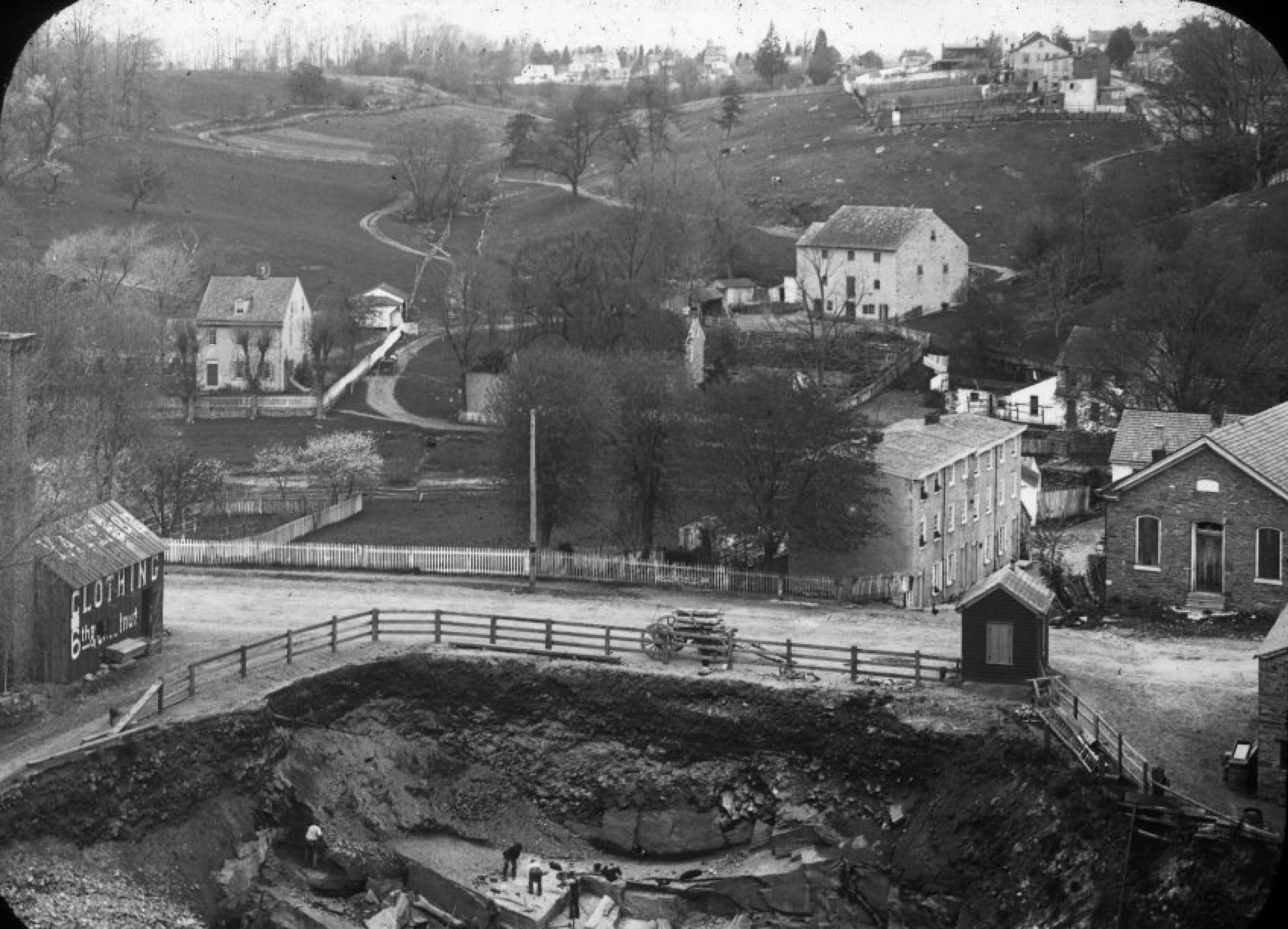
    An aerial view of RittenhouseTown circa 1840-1860. The site eventually grew to more than 200 acres.Historic Rittenhouse Town

    Rittenhouse’s first paper mill was destroyed by a flood, said Alexander Jones, preservation and education manager at Historic RittenhouseTown.

    Then “Rittenhouse rebuilds and he buys out his partner,” Jones said. “The paper mill becomes his sole enterprise. Instead of hiring workers, he recruits his family and it becomes a giant company town. There is a church, a blacksmith, stone houses, a bake house, and more than 40 buildings with five or six of them under what is now Lincoln Drive.”

    RittenhouseTown’s paper mill was the only source of paper in America for more than 40 years, Jones said. It would grow to more than 200 acres.

    David Rittenhouse — Rittenhouse’s great-grandson and the astrologer, clockmaker, and first director of the U.S. Mint after whom Rittenhouse Square is named — was born in his family’s RittenhouseTown homestead in 1732.

    The town thrived for more than a century.

    By the mid-1800s, the paper mill began to slow down as dyes from textile and carpet manufacturers and chemicals from blacksmithing started to pollute the Schuylkill. The filthy water made it nearly impossible to produce good quality paper at the mill.

    The Fairmount Park Commission began acquiring parts of RittenhouseTown through a series of purchases and donations from 1890 to 1917. The city demolished many of the town’s buildings, including a barn that, Jones said, was razed and rebuilt within a year.

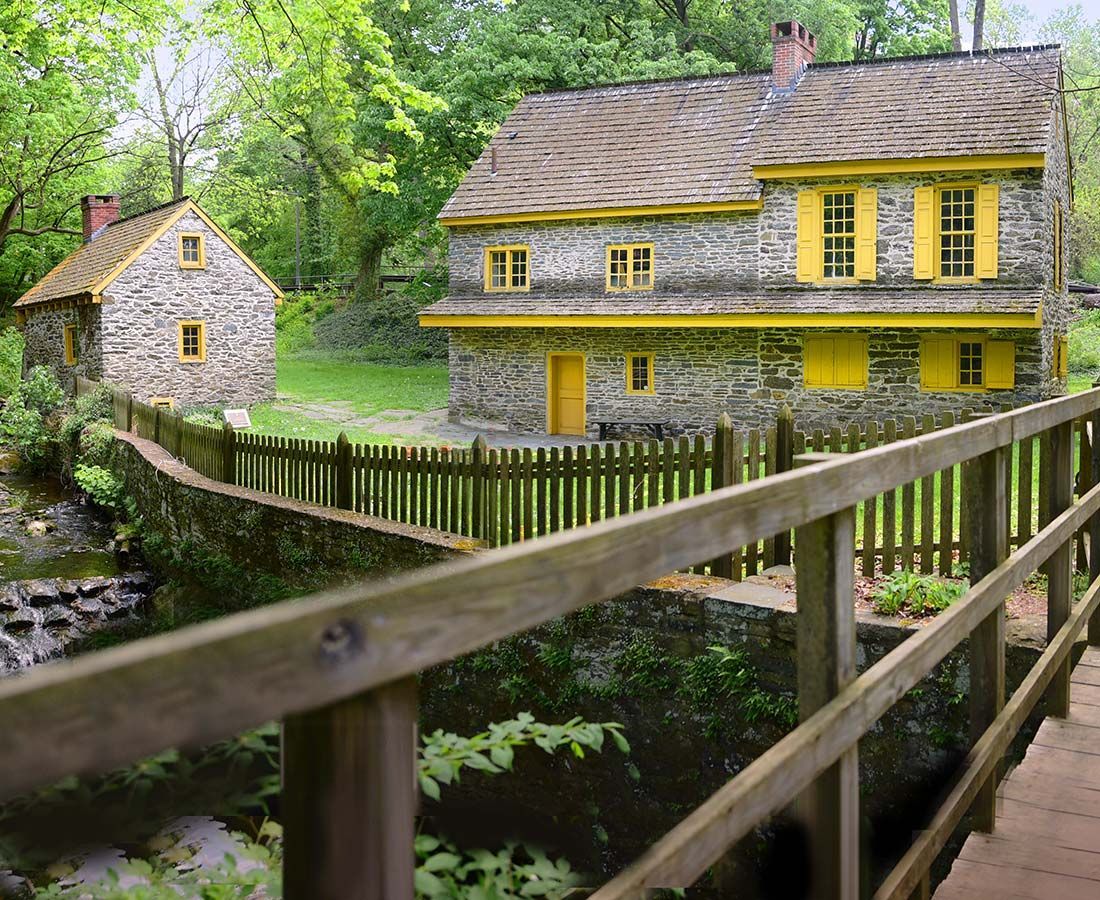
    RittenhouseTown’s homestead and bakehouse. The first permanent home for the Rittenhouse family and birthplace of David Rittenhouse, great-grandson of William Rittenhouse for whom Center City’s Rittenhouse Square is named.Al Cassidy for Historic Rittenhouse Town

    By that time, however, the Rittenhouse family had spread throughout the Philadelphia region from Center City to Blue Bell, Jones said.

    Today, RittenhouseTown spans 20 acres nestled in Fairmount Park right behind Lincoln Drive. Six of the original buildings remain, serving as a reminder that RittenhouseTown was the first building block of American industry.

    “The paper mill really got the ball rolling for Philadelphia,” Jones said. “And from that first came so many other American firsts in Philadelphia: the first Mennonite bishop, the first company town, and America’s first director of the U.S. Mint.”

    This week’s Firstival is Saturday, June 27, 11 a.m.-1 p.m., at Historic RittenhouseTown, 208 Lincoln Drive.

    The Inquirer is highlighting a “first” from the Philadelphia Historic District’s 52 Weeks of Firsts program each week. A “52 Weeks of Firsts” podcast, produced by All That’s Good Productions, drops every Tuesday.

  • Philly has the cheapest office space of any Northeast city, report says

    Philly has the cheapest office space of any Northeast city, report says

    In the post-pandemic hybrid-work environment, Philadelphia office space remains cheaper than most other major metro areas, according to a new report from the online real estate platform Commercial Cafe.

    Asking rents for Philly offices were $31.26 per square foot on average as of May, the report found. That makes Philadelphia the only major market in the Northeast below the national average of $33.61 per square foot.

    Relative to other major U.S. markets, only Chicago, Houston, and Phoenix recorded lower average asking rents.

    Elsewhere in the Northeast, Manhattan averaged the most expensive asking rents at more than $69 per square foot, according to the report. Boston’s asking rents were around $44 and New Jersey’s were more than $35.

    Philadelphia’s 18.4% office vacancy rate, meanwhile, was slightly higher than the other Northeast markets, as well as the national average of 17.6%, according to the report.

    The analysis, released last week, reflected the broader challenges that all office markets are up against. In Philadelphia and elsewhere, the office landscape has shrunk since the pandemic, with many employers downsizing their space amid the rise of hybrid work.

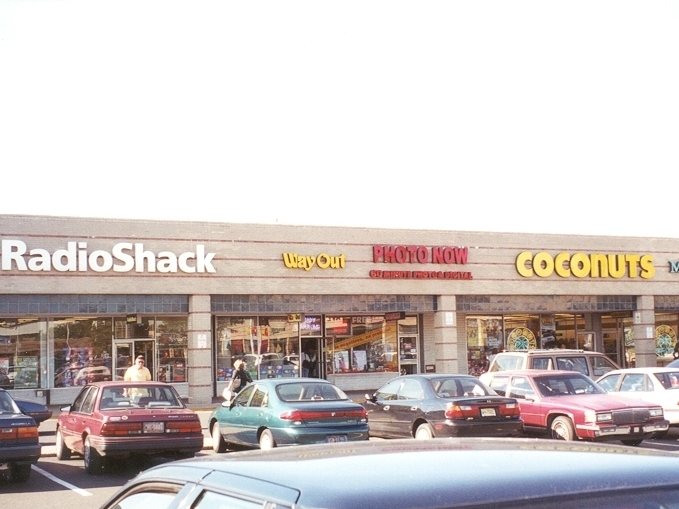
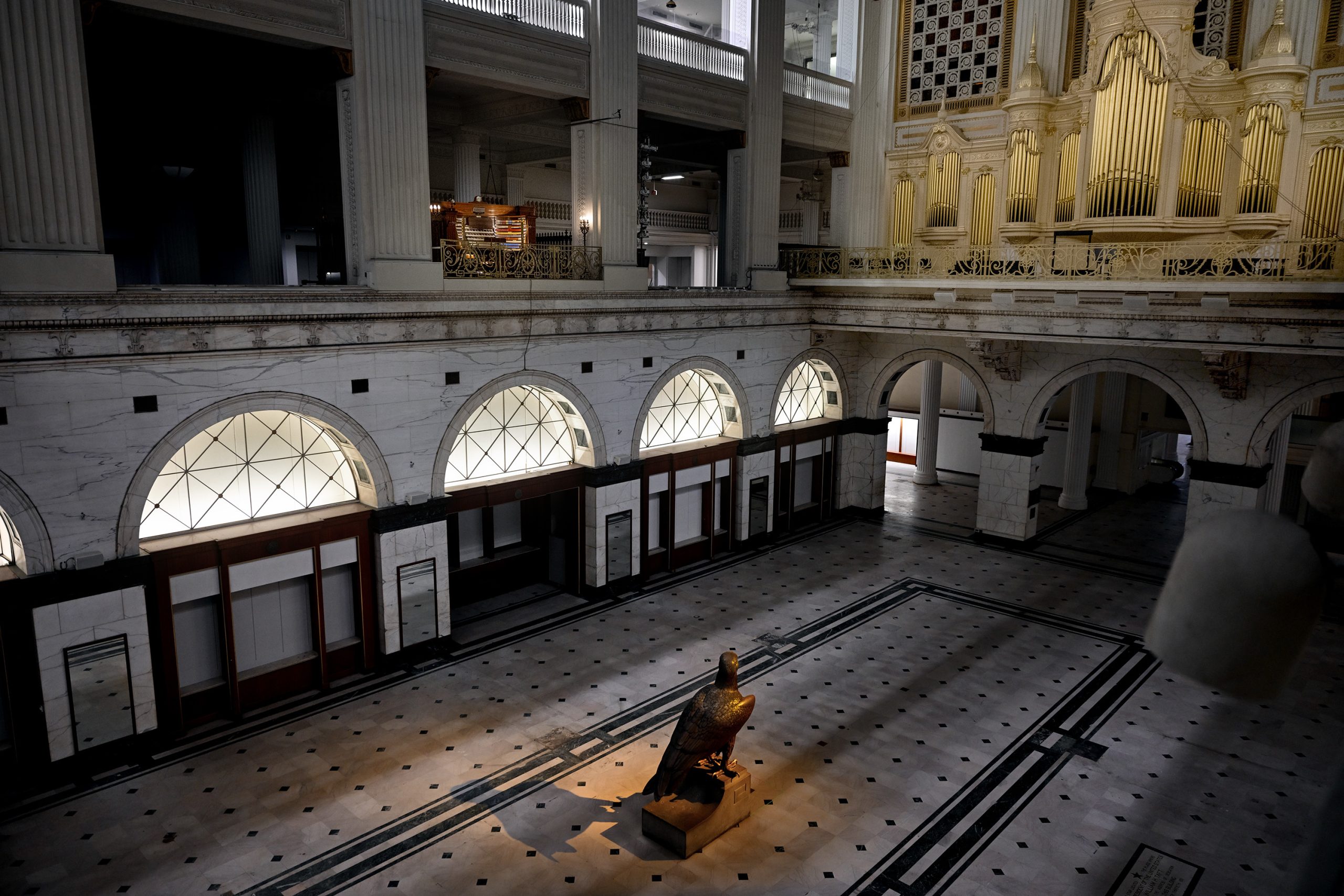
    Some Center City office buildings have plummeted in value and are now becoming apartment complexes. Among them: The iconic Wanamaker Building and Centre Square, better known as the “Clothespin building” for the sculpture outside it.

    Chubb’s new 18-story tower at 2000 Arch St. may be Center City’s last new office building for a while, local industry experts say.

    Between January and May, $220 million in office sales were recorded in Philadelphia, according to the Commercial Cafe report, and $387 million in New Jersey. In the Garden State, 630,000 square feet of offices were under construction, found the report, which did not have under-construction data for Philadelphia.

    Peter Kolaczynski, the director of Yardi Research, helped compile the report, and noted the trend toward office reuse.

    “The destruction of value that we have discussed for years is showing through in the sales data,” Kolaczynski said in a statement. “With this decrease cost in acquisition comes opportunity — whether that is conversions to apartments, repositioning to best-in-class office and coworking, or full-on redevelopment and revitalization projects.”

  • Meek Mill joins the July 4 ‘One Philly: Unity Concert for America’ lineup

    Meek Mill joins the July 4 ‘One Philly: Unity Concert for America’ lineup

    The event billed as the nation’s largest free concert and biggest celebration of America’s 250th anniversary just got bigger.

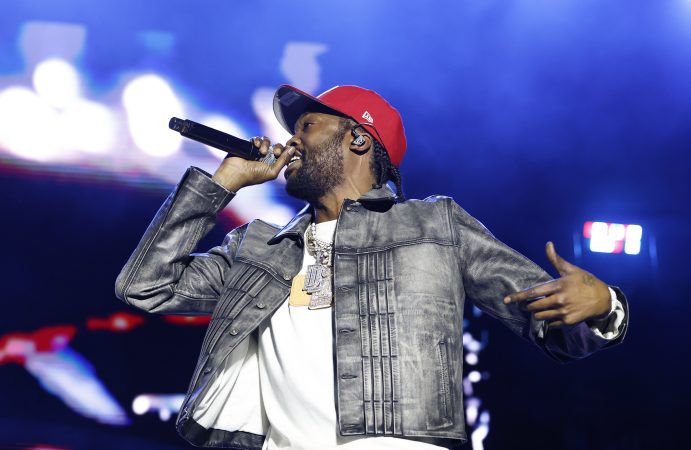
    Meek Mill will join headliners Christina Aguilera, Jill Scott, and The Roots to perform at the “One Philly: Unity Concert for America” on July 4 on the Benjamin Franklin Parkway.

    ESM Productions and Live Nation Urban announced the addition of the Dreams and Nightmares rapper to the Parkway bill on Tuesday morning, hot off his Saturday night performance at “Lit in AC,” a hip-hop festival featuring early 2000s bling-era rappers T.I., Eve, Shyne, Havoc, and Ms. Jade.

    Will Smith & DJ Jazzy Jeff; Kathy Sledge, lead singer of ’70s R&B girl group Sister Sledge; and State Property, the Philly hip-hop collective that includes Beanie Sigel, Freeway, Peedi Crakk, and Chris and Neef, are also scheduled to perform.

    While the bill includes mostly Philadelphia-area musicians — Aguilera grew up outside Pittsburgh — performers also include Seal, the Brit whose hit “Kiss From a Rose” still stops music fans in their tracks; Infinity Song, the Detroit-born soft rock and soul family; and Jordan Davis, the Louisiana-born country music singer.

    Comedian and part-time Media resident Wanda Sykes is hosting. Gillie da Kid and Wallo267 are also slated to make an appearance.

    The nearly seven-hour show will start at 5 p.m. and end just before midnight, with a fireworks finale to follow. Admission to the concert starts at 3 p.m.

    The “One Philly: Unity Concert for America” is presented by the City of Philadelphia and produced by Center City-based ESM Productions with executive producers Scott Mirkin, Shawn Gee (The Roots’ manager and head of Live Nation Urban), and Roots frontman Ahmir “Questlove” Thompson.

    Wawa is a sponsor of the concert, but the show is not part of Wawa Welcome America, the series of events leading up to the July 4 holiday, which this year will include concerts with Queen Latifah, Eve, Idina Menzel, and Pink Sweat$, among others.

    The “One Philly: Unity Concert for America,” according to the news release announcing the event, is “designed as a non-partisan celebration of unity, diversity, and democracy” that brings together “voices, perspectives, and performances that reflect the richness of the American experience across generations and genres.”

  • Inside the $70 million makeover of Roosevelt Mall

    Inside the $70 million makeover of Roosevelt Mall

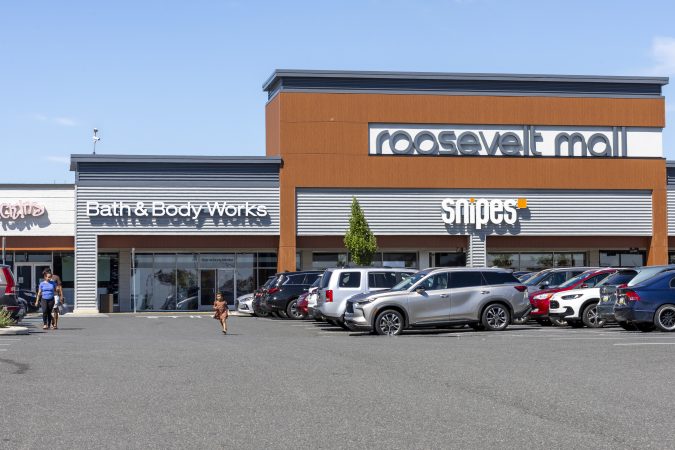
    As Brixmor Property Group executives began transforming the Roosevelt Mall, they briefly debated whether to change the name.

    After all, the 60-year-old Northeast Philly shopping center is undergoing a more than $70 million makeover that promises to bring it into the modern age with new tenants, upgraded facades, and a better layout.

    As Brixmor executives walked around the 620,000-square-foot complex on a recent day, they said they already see the outdoor mall becoming a community hub — with a gym, an organic grocer, and new fast-casual dining options.

    Despite these changes, they have decided the Roosevelt Mall should not be rebranded.

    “It’s an iconic name,” said David Vender, Brixmor Property Group’s executive vice president for the north region, who is based in Conshohocken. “People know it as a landmark.”

    Brixmor operates about 350 shopping centers nationwide, but some of its top executives — including new CEO Brian Finnegan, who grew up in Roxborough — have soft spots for Philly, forged by personal or family connections to the region.

    During a visit to the Roosevelt Mall last week, they said they were proud of their local properties.

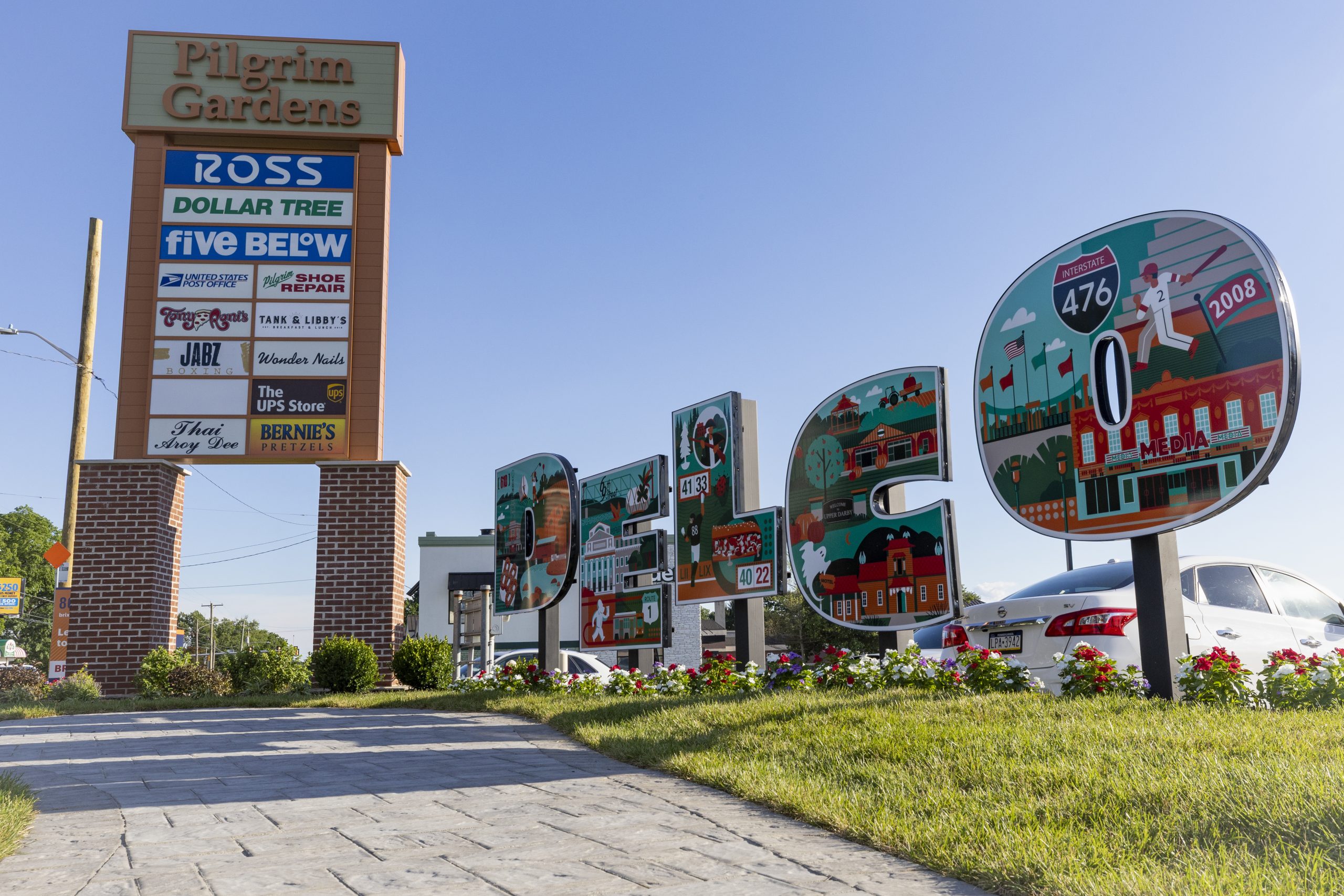
    Those include the Village at Newtown in Bucks County and Pilgrim Gardens in Drexel Hill, where the company recently built an artful “Delco” sign to tap into local pride.

    A new Delco sign is shown at Pilgrim Gardens in Drexel Hill on June 16.Aidan T. Gallo / Staff Photographer

    And they said their connection to the community around the Roosevelt Mall has only grown stronger since last year’s plane crash, which killed eight people, injured two dozen, damaged nearby homes, and left an 8-foot-deep crater in front of the mall.

    Even before the tragedy, they said, they considered how their local redevelopments affected the Philly-area residents who shop, eat, and drive by their centers every day.

    At the Roosevelt Mall — which sits on 36 acres between Cottman Avenue, Roosevelt Boulevard, and Bustleton Avenue — these decisions have begun to pay off.

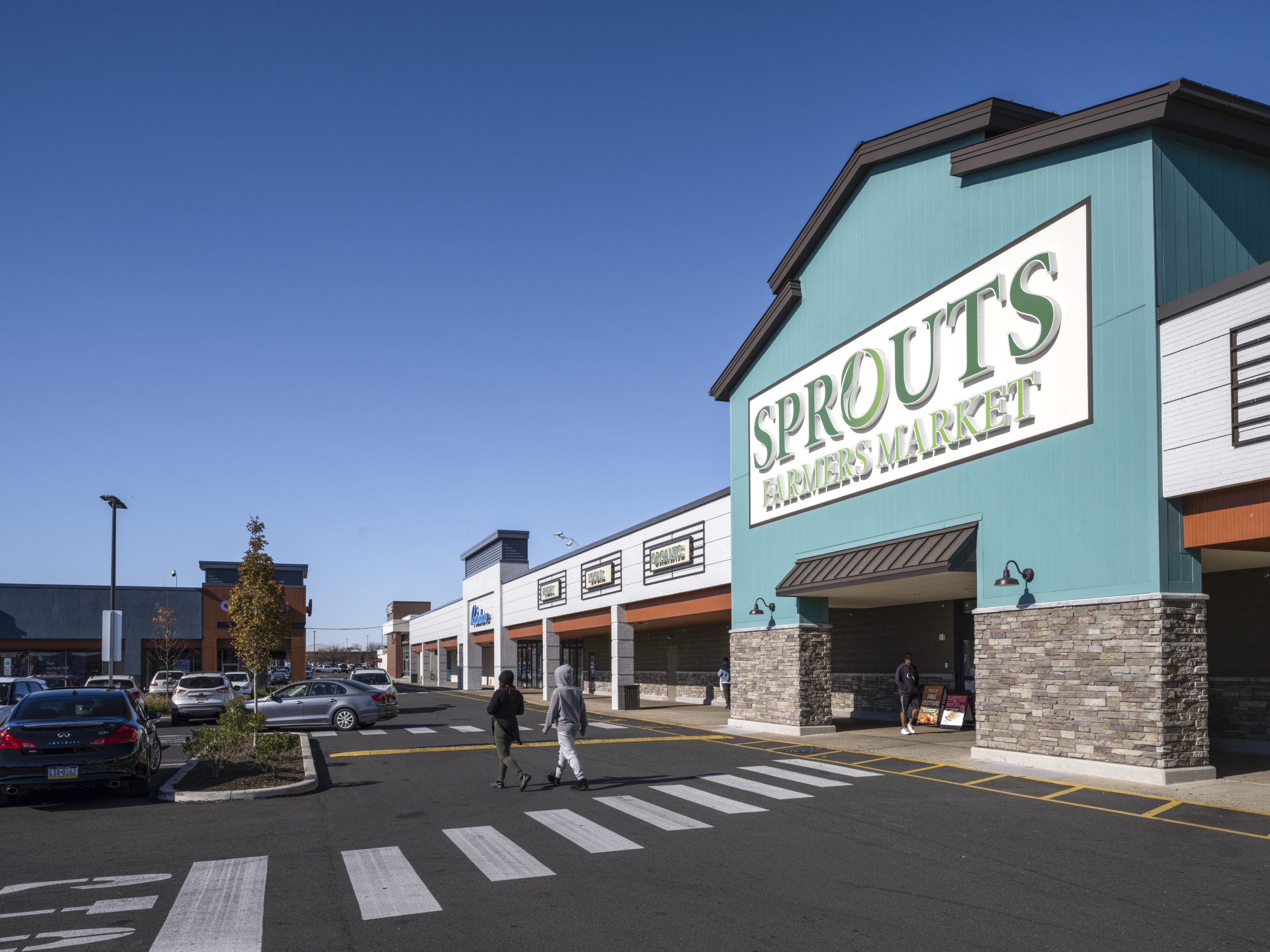
    In the last year, the center logged 6.3 million visits, a 5% year-over-year increase and a 19% jump when compared with the 12 months before Sprouts Farmers Market’s 2024 opening, according to company executives.

    Occupancy was over 98% this spring, they said, and customers spend about 35 minutes there on average, on par with the national average for all Brixmor complexes.

    When you’re able to bring together “higher-quality food and beverage, fitness, service … then you’re also able to attract more elevated retail” stores, said Finnegan, noting that Ulta Beauty and Victoria’s Secret are among the tenants signed on for the next phase of the Roosevelt Mall’s redevelopment.

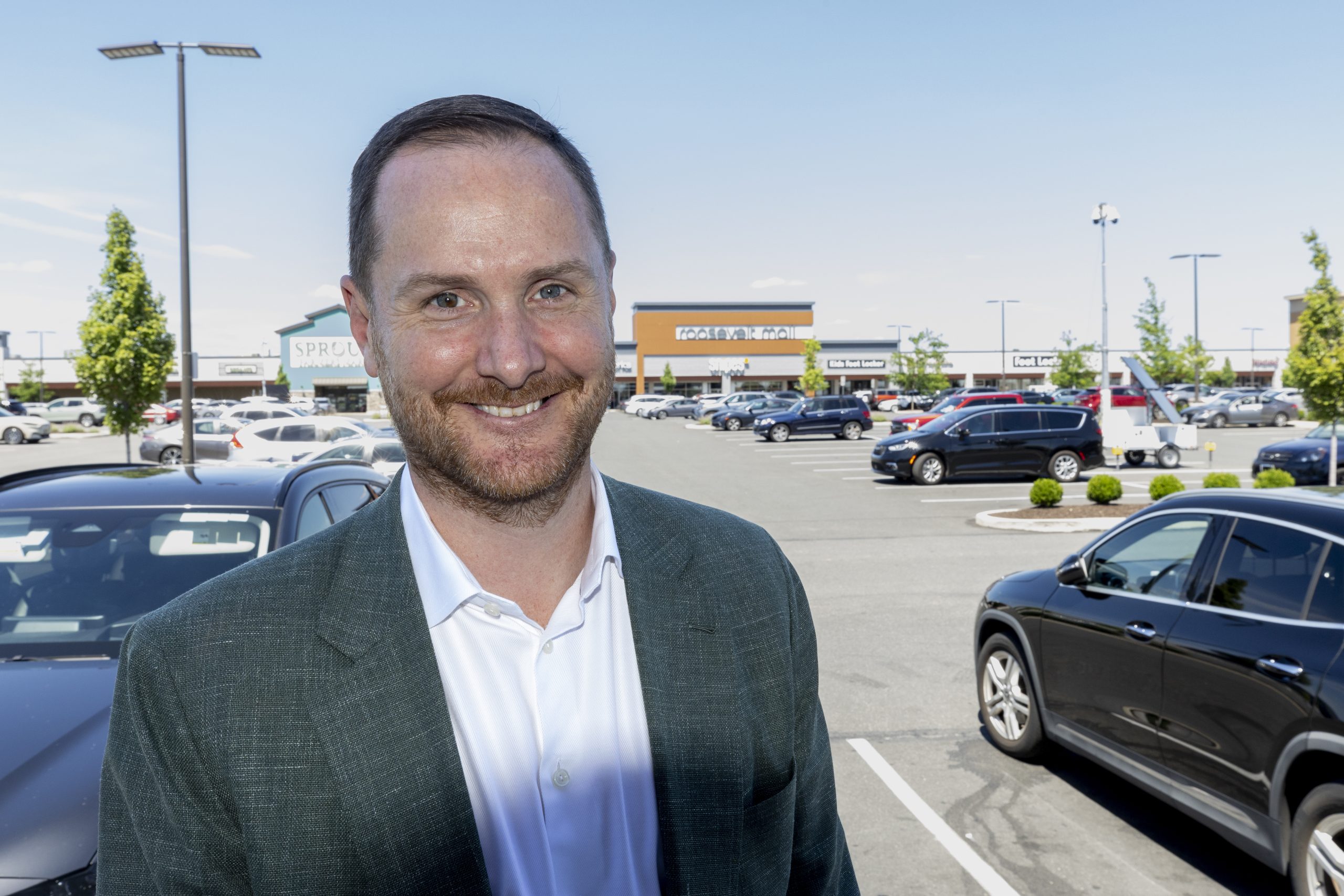
    Brian Finnegan, CEO and president, at Brixmor Property Group, at the Roosevelt Mall in Northeast Philadelphia.Aidan T. Gallo / Staff Photographer

    Achieving the tenant mix of a modern shopping center

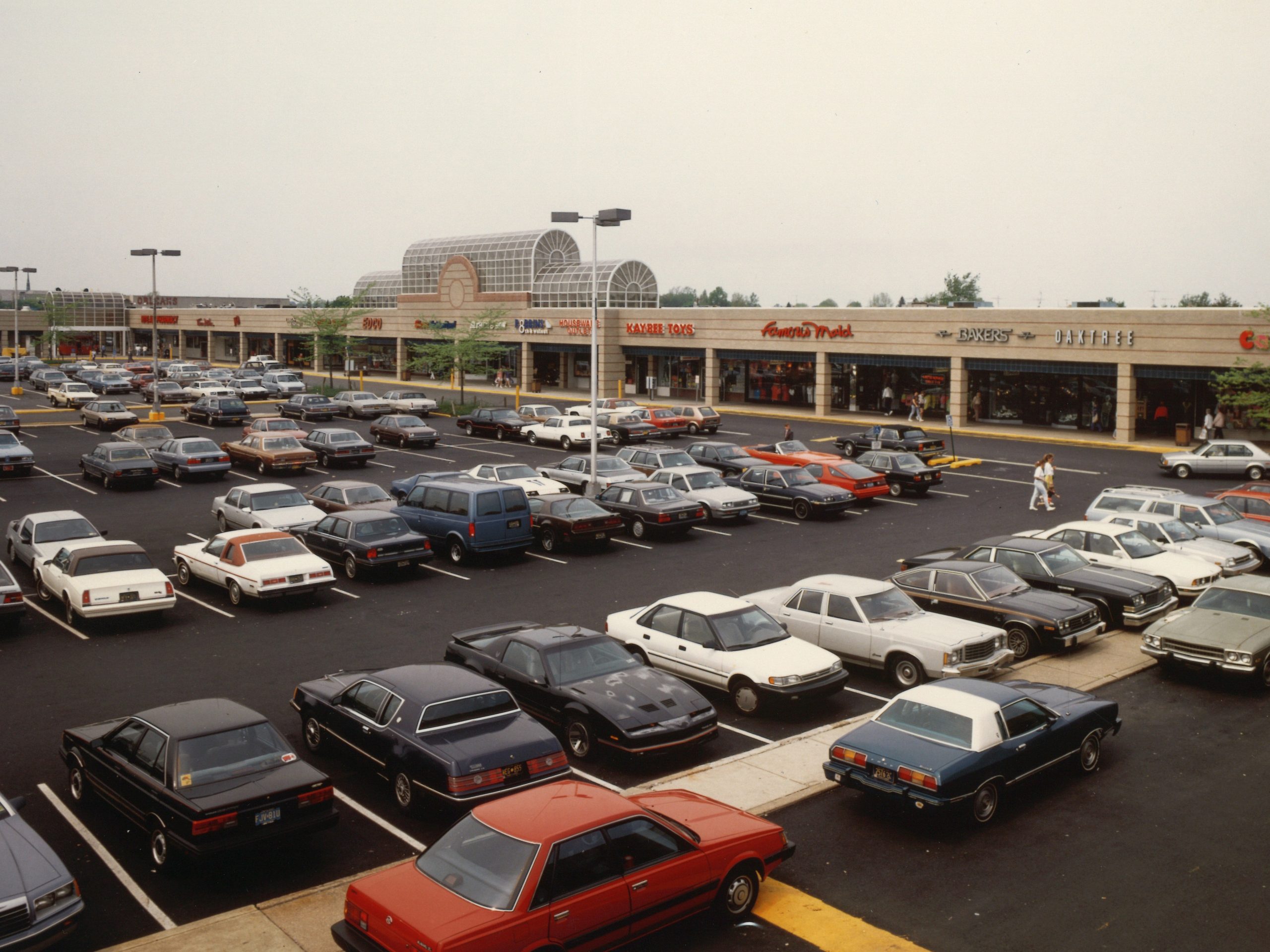
    When the Roosevelt Mall opened in 1964, its main promenade was referred to as “Chestnut Street Northeast,” with several outposts of Center City clothing stores, according to an Inquirer article from the time.

    The shopping center had apparel shops, such as Baker Shoes and Famous Maid, as well as “the Cavalier, a cafeteria-style restaurant with a game room and a retail bakery,” The Inquirer reported. It was anchored by an S. Klein’s discount department store.

    The Roosevelt Mall was built as part of the Roosevelt Boulevard shopping complex, bordered by Cottman and Castor Avenues. The larger development — which also had Gimbels and Lit Bros. department stores — was called the country’s largest “in-town” shopping center at the time.

    Roosevelt Mall in Northeast Philadelphia is shown in earlier days, long before Brixmor Property Group remodeled the property.Courtesy Brixmor Property Group

    Decades later, consumers can buy clothes, home goods, even groceries online with just a few clicks. So shopping centers need more than just retail stores, said executives at Brixmor, which became the Roosevelt Mall’s owner more than a decade ago.

    They said they have intentionally brought in tenants that customers may visit multiple times a week and added more pedestrian walkways, open-air plazas, and outdoor seating.

    “Historically, shopping centers were very utilitarian, and now they’re really becoming more community assets, so we’re really careful about our merchandising mix,” said Ryan Guheen, Brixmor’s senior vice president of development.

    Roosevelt Mall in Northeast Philadelphia is shown in earlier days, long before Brixmor Property Group remodeled the property.Courtesy Brixmor Property Group

    The latest redevelopment push began around 2020, when Brixmor opened an LA Fitness outpost on the site of a former Turf Club off-track betting venue, near a new Oak Street Health clinic.

    Since then, the company has constructed buildings in underused sections of the parking lot and filled them with popular chain eateries like Raising Cane’s chicken; the American-Chinese food spot Panda Express; and Tous les Jours, a Korean-French bakery and coffee shop.

    The Sprouts organic grocer has driven traffic to the center since it opened in 2024, and a nearby Wonder dine-in food hall and delivery kitchen opened last year.

    Annual customer visits to Roosvelt Mall have increased 13% since Sprouts organic grocer opened there in 2024.Courtesy of Brixmor Property Group

    The 37,000-square-foot under-construction building, set to house a Victoria’s Secret and an Ulta, will also include fast-casual staples like Shake Shack and Cava, which serves Mediterranean bowls and pitas.

    Tenants like these, Guheen said, provide “multiple opportunities for people to stay on property to shop retail, get their workout in, go to the bakery, get a coffee.”

    Some mall retailers have found homes in shopping centers

    As Brixmor executives diversify the tenant mix at their shopping centers, they say they do not see retail stores going extinct.

    In fact, as some indoor malls deteriorate or become residential-focused town centers, “the open-air strip centers benefit,” Vender said, as traditional mall retailers look to open more stores in outdoor complexes.

    Elsewhere in the Northeast, the Franklin Mall, formerly Franklin Mills, has been in decline for years and was recently listed for sale. Real estate investor Dean Adler has said he wants to buy the 137-acre mall and turn it into a youth sports complex with a hotel and Margaritaville-themed water park.

    Seven miles away, the Roosevelt Mall is home to several shops that were once found almost exclusively in enclosed malls, such as Bath & Body Works, Foot Locker, and the forthcoming Victoria’s Secret. These companies’ higher-ups have pivoted in recent years, adding more locations in open-air centers.

    “It’s not like retailers are leaving malls en masse … at least in the best malls,” Finnegan said. But “as they open stores in open-air shopping centers with grocery stores, with fitness uses, with elevated food and beverage, they’re seeing the sales performance” — and then want to keep investing in shopping centers.

    Longer-standing retail tenants are continuing to see success, too. Finnegan said the Roosevelt Mall’s 300,000-square-foot standalone Macy’s is among the company’s top-performing locations in the region, rivaling the King of Prussia Mall store.

    The department store is the center’s largest driver of traffic, recording more than 900,000 annual visits, said Brixmor executives, who are not worried about the department store closing as the Center City store did last year.

    As seen in September, the Macy’s in the Wanamaker Building in Center City now sits empty. It closed last year.Tom Gralish / Staff Photographer

    A Rita’s Water Ice franchise has also stayed put in the Roosevelt Mall for decades, Finnegan said.

    Company executives said they are optimistic this momentum will continue. Along with the under-construction section, redevelopment plans also include another standalone building that has yet to break ground — and the cost of which is not included in the current price tag.

    Finnegan put it simply: “Opportunity begets opportunity.”

  • A man was shot on the Market-Frankford Line in Center City

    A man was shot on the Market-Frankford Line in Center City

    A man was shot in the stomach while riding the L train in Center City on Thursday afternoon.

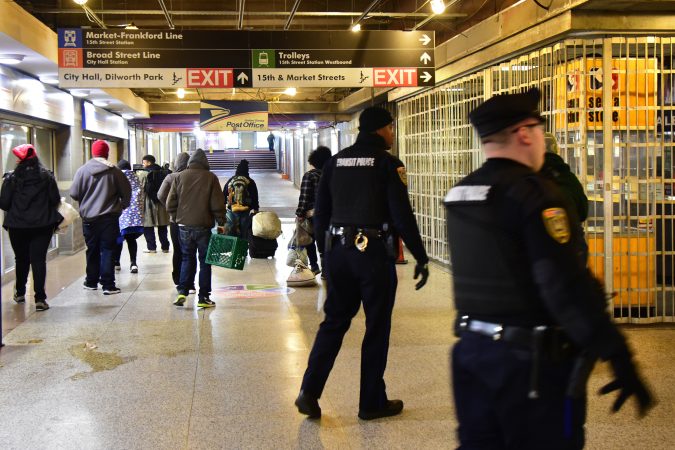
    SEPTA Transit Police were investigating the shooting, which occurred around 1:30 p.m. on a westbound L train, also known as the Market-Frankford Line, at 15th Street Station located under City Hall and Dilworth Plaza.

    Police transported the injured man, who was not identified, to a nearby hospital, where he was in stable condition, according to SEPTA. A search was underway for a suspect, whom police did not identify.

    L train and trolley service resumed after having been stopped for around 30 minutes, a SEPTA spokesperson said.

  • These athletes all received heart transplants. Now they’re representing Philadelphia at the Transplant Games of America.

    These athletes all received heart transplants. Now they’re representing Philadelphia at the Transplant Games of America.

    One Team Philly athlete underwent a heart transplant while experiencing homelessness at 14.

    Another is on his third organ transplant after a severe case of COVID-19.

    And a third received his new heart three weeks after his daughter was born.

    All are competing, from Thursday through this weekend, at the Transplant Games of America, an Olympic-style event for transplant recipients, living donors, and donor families. Held in Denver this year, the competition celebrates organ donation and showcases life after a transplant.

    The local nonprofit Gift of Life Donor Program organized Team Philly, whose 86 athletes hail from eastern Pennsylvania, South Jersey, and Delaware. They are competing thanks to transplants ranging from hearts and lungs to kidneys, livers, and other organs.

    The Inquirer spoke to three athletes about their journeys with heart transplantation and motivation to compete.

    Evett Hawks is competing in Denver this week as part of Team Philly.Monica Herndon / Staff Photographer

    Childhood as a two-time transplant recipient

    Evett Hawks stared at the mirror in awe.

    After months looking “white as a sheet,” the West Philadelphia native saw in the bathroom mirror a 14-year-old girl whose cheeks were rosy. Her skin was warm and she could feel her fingers.

    “I want to look like this forever,” she recalls thinking.

    A photo of Evett Hawks smiling after her second transplant at age 14.Courtesy of Gift of Life Donor Program

    Hawks, who was born with a hole in her heart, underwent her first transplant at age 3 after a cardiac arrest episode landed her on life support. The donor heart kept her healthy for a decade, until her body started shutting down again in 2006.

    Doctors diagnosed her with end-stage heart failure. At the time, she and her mother were living in a shelter without a permanent home.

    “Why me?” and “This isn’t fair” thoughts overwhelmed her, as she moved to Children’s Hospital of Philadelphia to wait for a new heart.

    She started to doubt her odds of finding a match as months passed. She watched other pediatric patients die before they could get their own transplants.

    “Oh, I’m going to die, too,” Hawks recalled thinking.

    After nearly a year at CHOP, doctors found her a heart.

    While recovering from her surgery, Hawks saw a little boy who was still on the transplant waiting list walking laps around the hospital floor.

    He abruptly stopped in front of her room and said, “I can’t do this anymore. It just is too hard.”

    His nurse took him back to his room.

    Hawks said to herself, if “he can’t do it, I’m going to do it.”

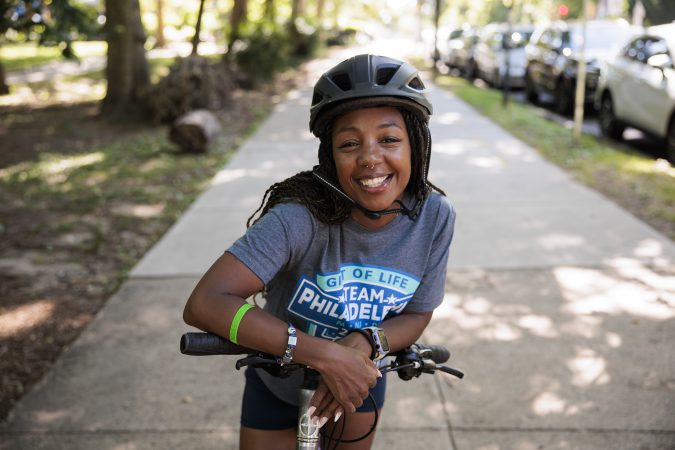
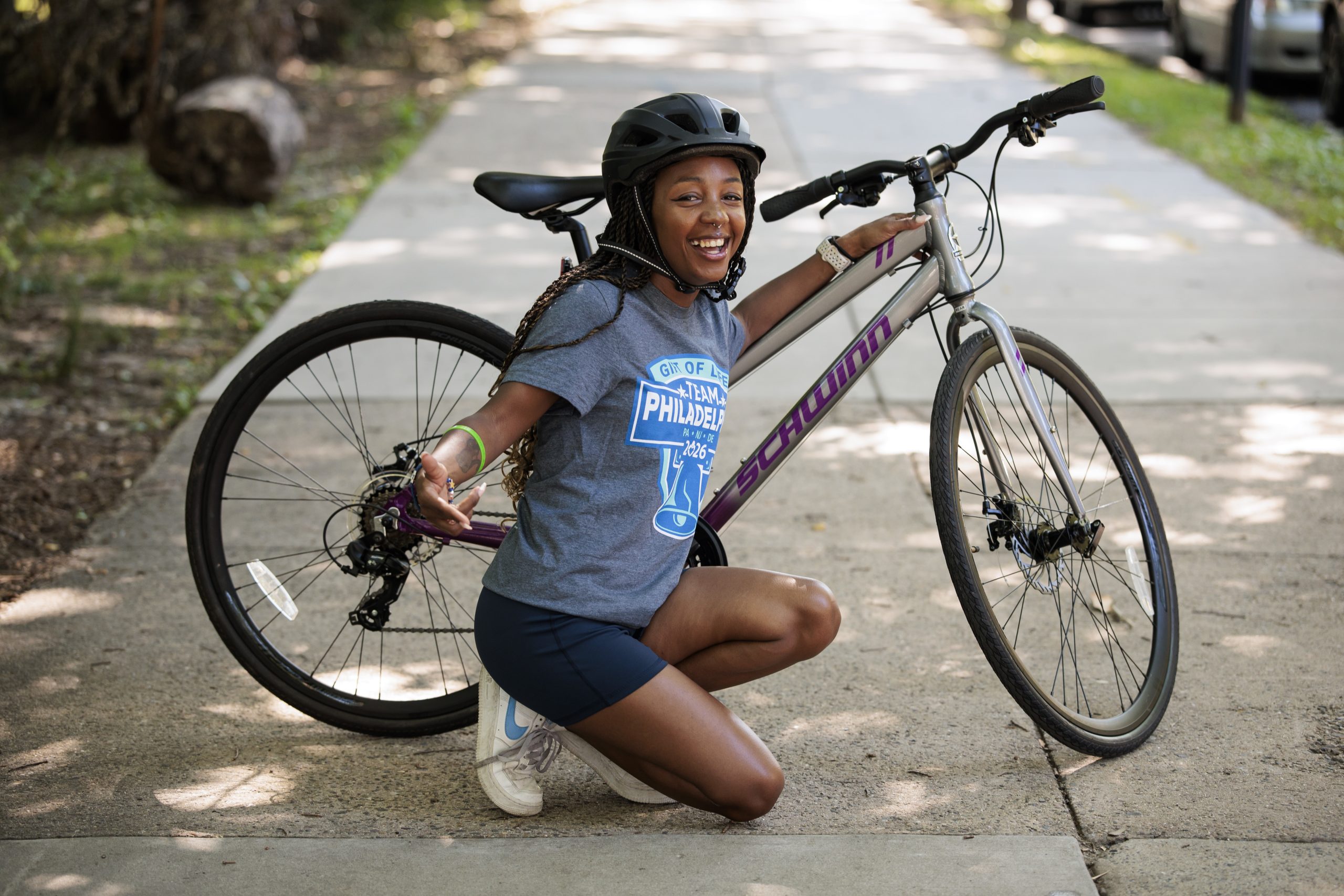
    Now, nearly two decades later, at 33, she is competing in her first Transplant Games in the cycling and singing events. She has trained by biking seven miles to and from her job as a registration specialist at Carvana.

    “The goal is just to do my best, and maybe come back with a medal,” she said.

    Evett Hawks will compete in the cycling and singing events at the Transplant Games of America.Monica Herndon / Staff Photographer

    Rebuilding his life after three transplants

    Leston Hall Sr.’s heart stopped in December 2022.

    Airlifted to Thomas Jefferson University Hospital in Center City, he learned from doctors that he could not leave the hospital without heart and kidney transplants. His organs had suffered major damage from an earlier COVID-19 infection.

    Hall, who lives in Bridgeton, N.J., had received his first kidney transplant in 2013 due to familial hypertension. At the time, he had an identified donor: his wife, Tonia.

    This time, he didn’t know how long he would have to wait for a match.

    Then in his 50s, he was so sick he required a scooter to get around. Mostly, he lay in bed.

    “I was barely holding on,” he said.

    Other patients would invite him out on walks, but he always declined. He finally agreed to go with them one day, thinking, “Maybe they’ll leave me alone.”

    They became an inseparable group of four that he now considers “family for life.” Their friendship helped him endure the difficult waiting period that lasted until June 2023, when doctors found him a new heart and kidney.

    After the surgeries, Hall struggled to adjust back to living at home. He hesitated to go down stairs for fear of not being able to get back up, and kept a chair by the stove whenever he cooked.

    Over time, he built his leg strength back up by using an elliptical machine.

    By early August, he was able to cook without the chair. He surprised his wife with a dinner of chicken breast, rice, broccoli, and green beans — the first full meal he had cooked since coming home.

    Leston Hall Sr. pictured with his wife, Tonia, and daughter, Shales.Courtesy of Leston Hall Sr.

    Hall celebrated the three-year anniversary of getting his new heart and kidney last week.

    At his first Transplant Games this week, he is competing in pickleball, cornhole, basketball, and poker.

    Hall said he is grateful “just to be able to accept that challenge.”

    Leston Hall Sr. celebrated his 60th birthday last October. He is pictured with his sons Lavon and Leston Hall Jr.Courtesy of Leston Hall Sr.

    Wanting to see his children grow up

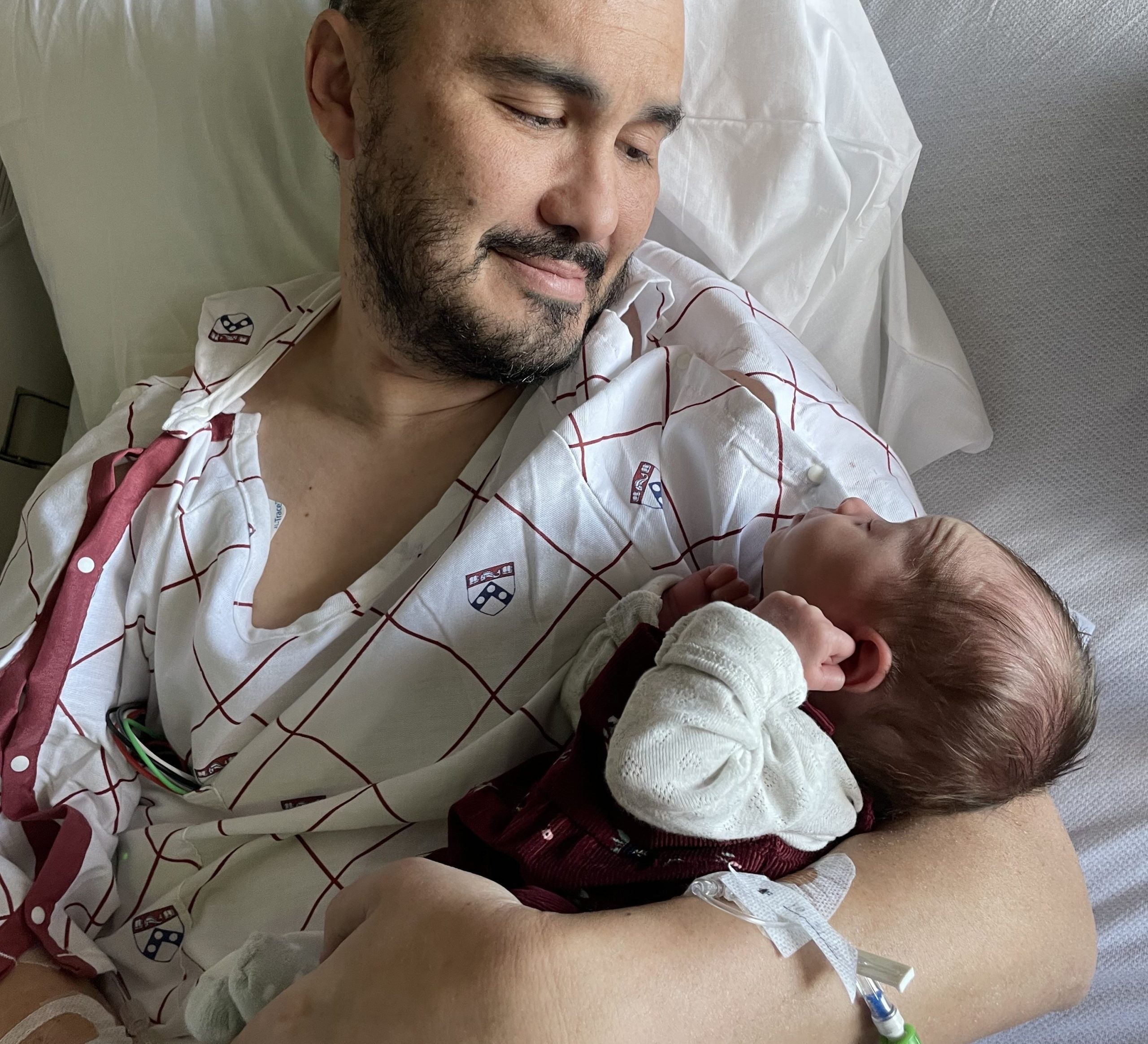
    Todd French watched his daughter’s birth over FaceTime in October 2021 from his bed at the Hospital of the University of Pennsylvania.

    He had learned he needed a heart transplant earlier that month.

    “All I could think about was, ‘I would do whatever to get to watch them grow up,’” he said, referring to his son and newborn daughter.

    In October 2021, Todd French used FaceTime from his hospital bed at HUP to watch his wife give birth. His wife, Lauren, brought their newborn daughter to meet him before his transplant.Courtesy of Todd French

    The teacher from Milford, Del., had exhausted other treatment options for his cardiac sarcoidosis, an autoimmune disease where cells clump up in heart tissue and interfere with its functioning. For eight years, his heart would randomly beat out of control in episodes called “V-tach.”

    “It caused the electrical system in my heart to kind of go haywire,” French said.

    Doctors placed a defibrillator — a device that shocks the heart back into a normal rhythm — in his chest and conducted ablation procedures. However, the episodes recurred. Each time, the defibrillator would deliver a painful shock that felt like “a mule kick to the chest,” he said.

    After suffering 22 shocks in two hours in 2021, he was admitted to the hospital to wait for a transplant.

    On Nov. 11, 2021, three weeks after his daughter’s birth, French received a donor heart.

    With the help of a personal trainer and cardiac rehab, he rebuilt his lung capacity. Today, he teaches physical education at Milford High School.

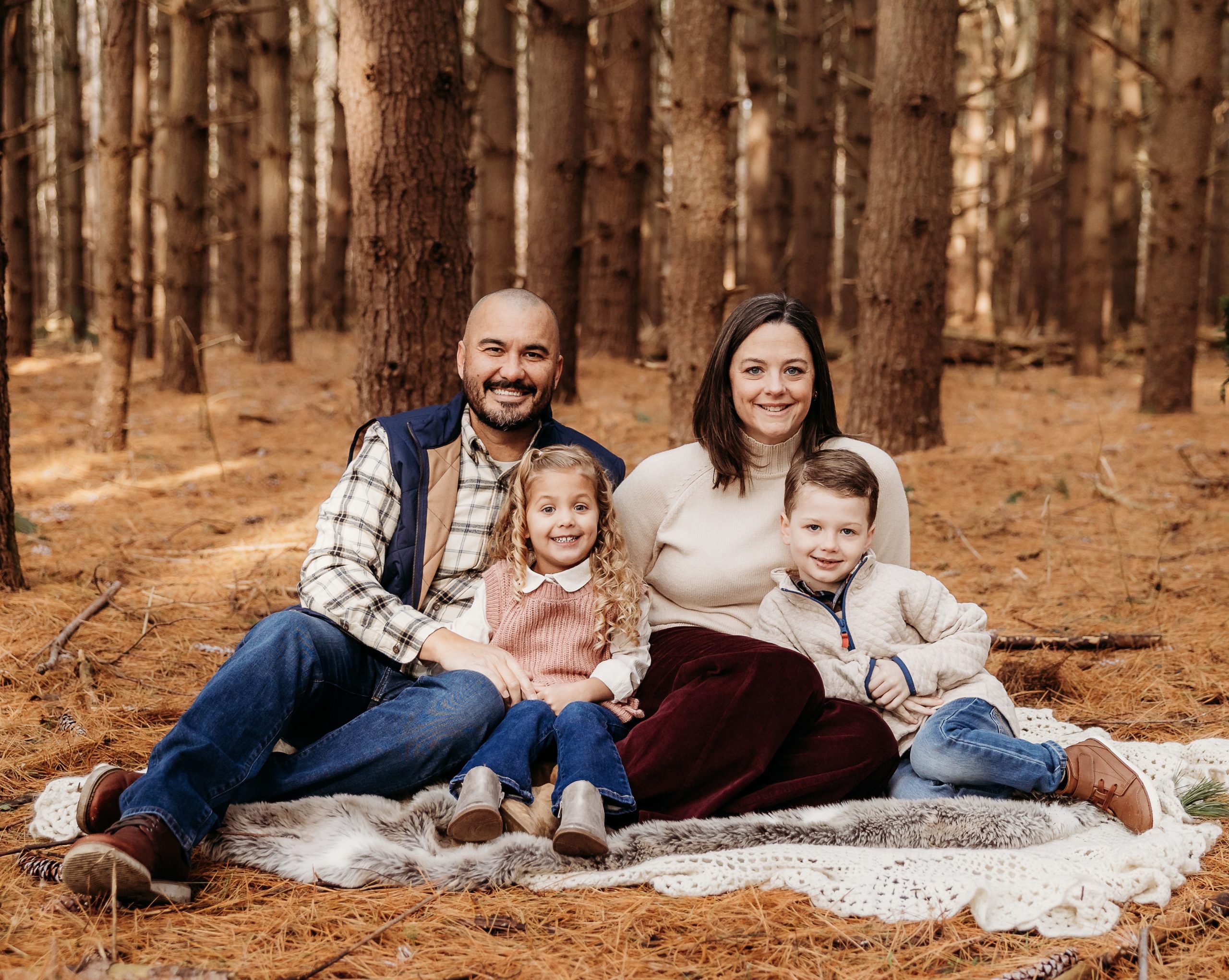
    A family photo taken in November 2025.Courtesy of Todd French

    Staying active and healthy is “a respect thing,” he said. “You want to honor the person that helped you and your family.”

    At his first Transplant Games in 2024, he won two gold medals in golfing events and a silver medal in Texas Hold ’em.

    He is hoping to win the golfing events again this year.

    “It gives an opportunity to shine a light on everything that a transplant does for people,” he said.