Tag: Center City

  • How to have a Perfect Philly Day, according to historian, author, and educator Michelle Craig McDonald

    How to have a Perfect Philly Day, according to historian, author, and educator Michelle Craig McDonald

    Philadelphia historian, author, and educator Michelle Craig McDonald knows her coffee. Especially the revolutionary kind.

    McDonald, who serves as an academic adviser for PBS’s series Drive By History, is the author of the new book, Coffee Nation: How One Commodity Transformed the Early United States.
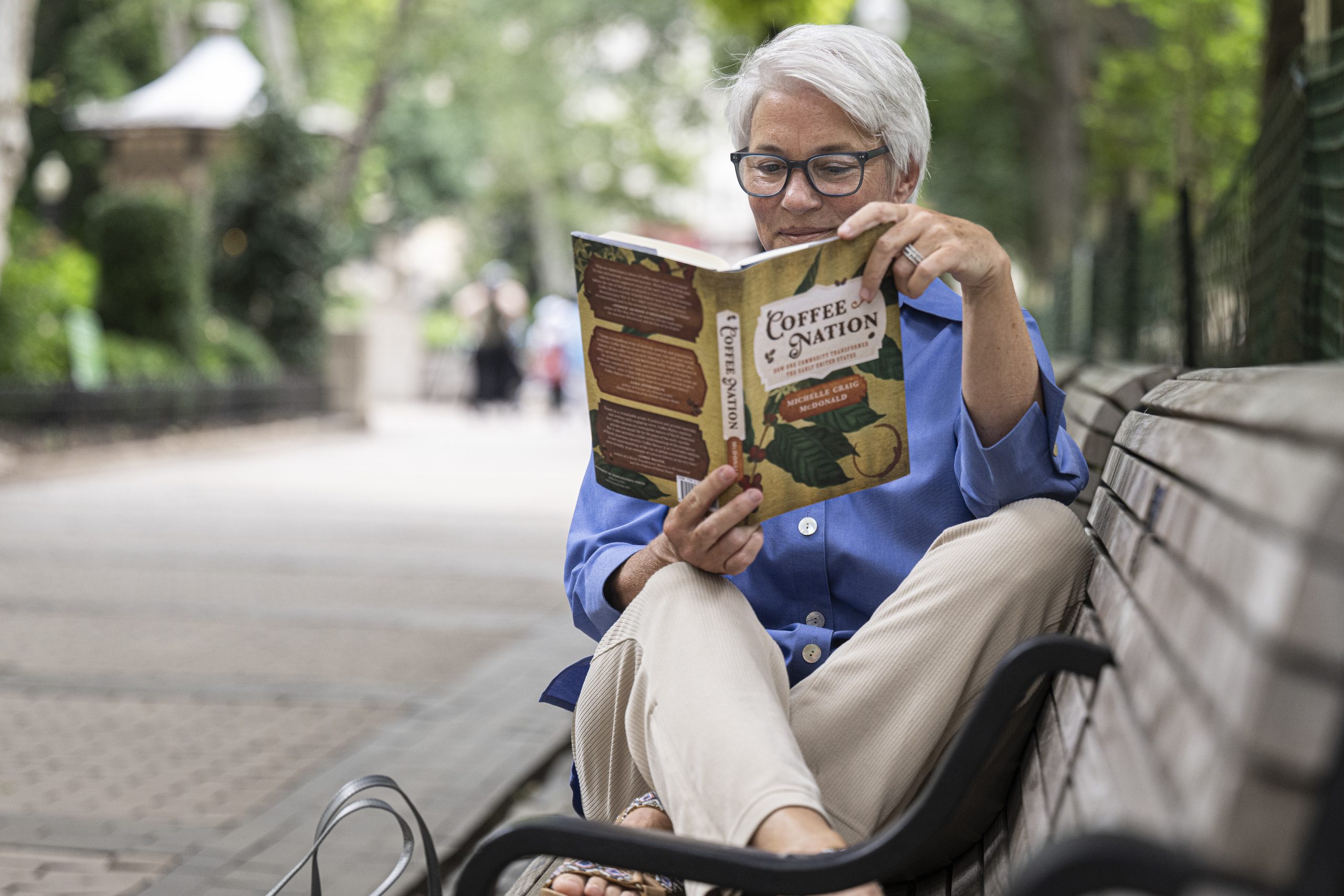
    Philly historian and educator Michelle Craig McDonald enjoys reading in Rittenhouse Square Park. She is the author of “Coffee Nation: How One Commodity Transformed the Early United States.”
    Jose F. Moreno / Staff Photographer

    Telling the story of America and coffee, McDonald traces the bean’s beginnings from slavery-based plantations of the Caribbean and South America in the early 1700s through its prominence in Colonial life to the rebranding of the exotic good as an American staple. McDonald details the emergence of coffee shops, like the Old London Coffee House at Front and Market Streets, as critical Revolutionary-era hubs for politics and business.

    “Within 50 years of our independence, the United States becomes one of the largest suppliers of coffee to the world — but we can never grow it,” said McDonald. So in this moment, when we think about independence, coffee really reminds us that the United States remains deeply tied and deeply embedded with the economies of the region. It was not just a self-sustaining nation that looked inward.”

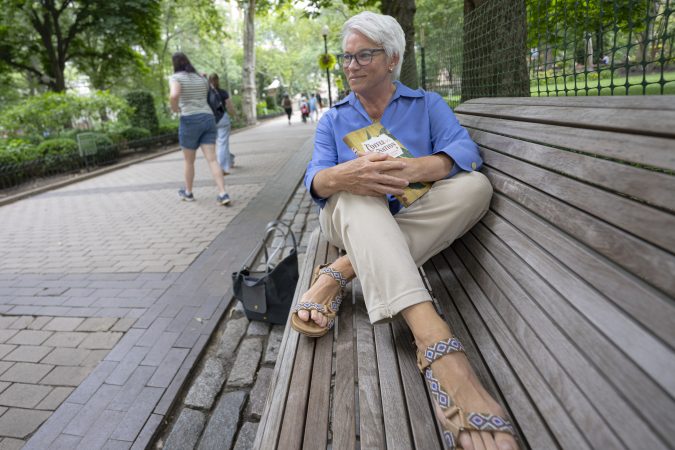
    Given the nature of her research, it’s no surprise that McDonald’s Perfect Philly Day revolves around food and drink. McDonald, a Southern California native who lives in Rittenhouse Square with her husband and fellow historian, Roderick A. McDonald, said her perfect day includes lots of coffee and cooking, a great Philly workout, and reading crime novels in Rittenhouse Square.

    6:30 a.m.

    My coffee pot is my first spot. I’m going to need fortification if I’m going to tackle the day’s news. I just go with the tried and true Colombian roast from Trader Joe’s.

    When we are down the Shore, my favorite comes from Remedee Coffee, started by two sisters who source their beans from Colombia. It’s a great small business.

    On a perfect day, this is when we do our New York Times games — like Connections or Wordle — which we do together. My sister says it’s cheating. I like to say it’s “collaborating.”

    8:30 a.m.

    I love cooking of all kinds, but baking is my first love. My go-to on a perfect day is a batch of scones. I have a recipe that I got online from a website called Love and Lemons. It’s a base recipe. You can make anything you want. Cranberry, orange walnut, apricot, ginger almond, or my brother-in-law’s favorite, which I know because he buys the ingredients every time I visit, blueberry lemon.

    I used to head over to Metropolitan Bakery on 19th Street, which I am still mourning the loss of.

    I loved their Millet Muffins and raisin walnut bread. My freezer is stuffed with both because I bought as many as I could before they closed. And I’m slowly rationing them so I don’t lose them quickly.

    9:30 a.m.

    We have a solid division of labor in the household. I do the cooking. But my husband does the shopping. While the scones are in the oven, he may well be on his way down to the Italian Market on his vintage 1962 Schwinn bicycle — expertly serviced by Curtis at Via Bicycle on Broad Street. He’s a fan favorite!

    My husband is the provisioner of the house. I get to take what he brings back from the list — and sometimes not from the list. It feels like my own personal version of Chopped. He comes home with five ingredients and says, “What can you do with this?’”

    10 a.m.

    I’m hitting the gym. I do love eating, which means I need to pay the piper. I go to Pure Barre in Center City. It’s wonderful. It’s a class — a core-based workout that does weightlifting, planks, pushups. An hour there, any day I can get it, gives me enough brownie points for the rest of the day’s culinary adventures.

    If the weather is nice, we might substitute a bike ride down the Schuylkill River Trail. Manayunk is a great destination.

    Noon

    That’s when Small World Seafood is in the area with deliveries. It’s an Old City business that was born out of necessity. The owner provided fresh seafood to restaurants during the COVID-19 pandemic. Then he began an online business selling directly to customers. You can get anything — halibut, skate steaks, steelhead trout, oysters, clams — for a lazy cooking night.
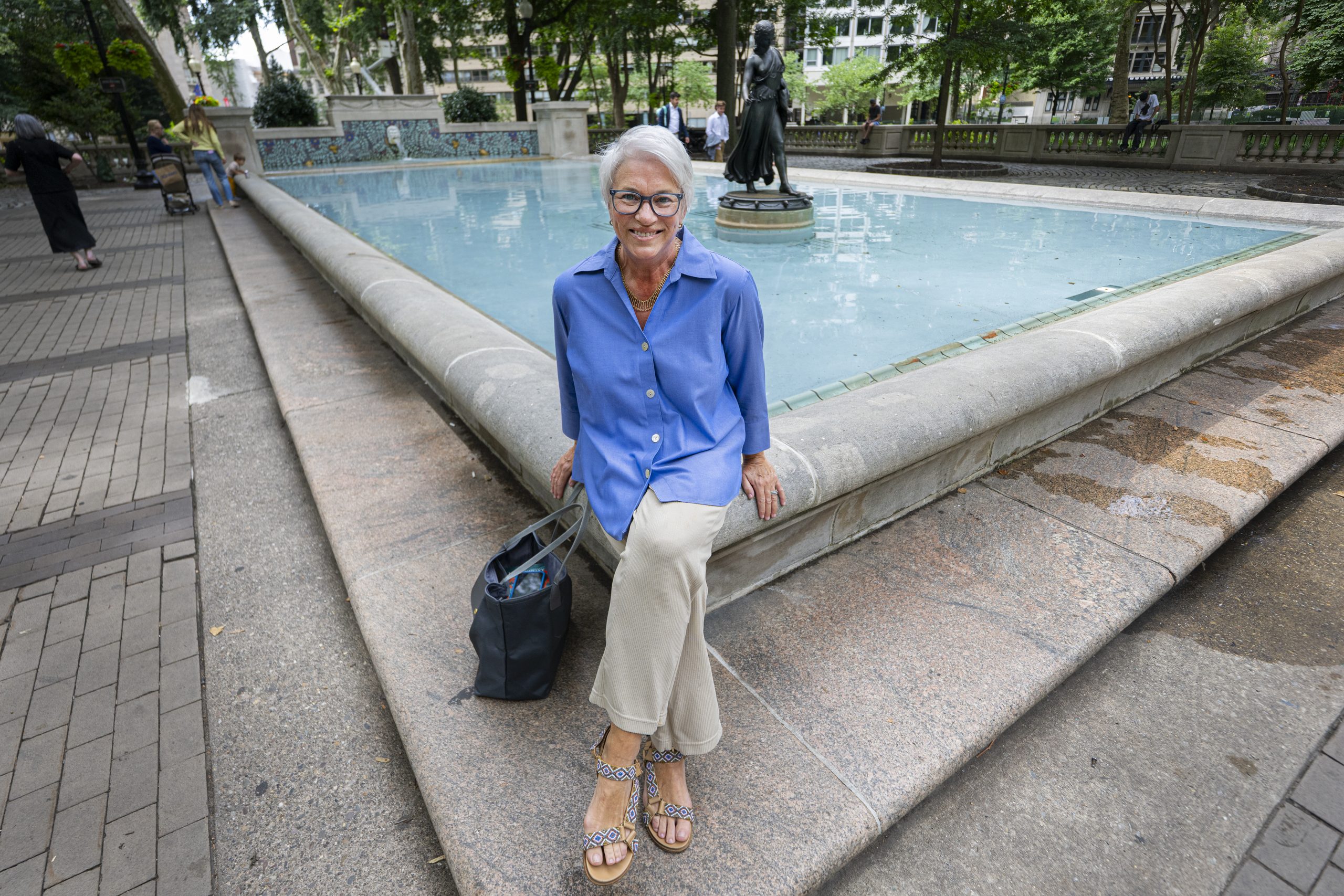
    Michelle Craig McDonald’s perfect Philly day includes lots of coffee and cooking, a great Philly workout, and reading crime fiction in Rittenhouse Square.Jose F. Moreno / Staff Photographer

    1 p.m.

    I’ve got the fish and I’m marinating it for dinner. Steelhead trout is one of my favorites, so super easy, a little bit of soy, a little bit of orange, a little bit of brown sugar, a little bit of maple, and garlic.

    2 p.m.

    On a perfect day, when I can while my time away, you will find me reading in Rittenhouse Square. I have an abiding passion for crime fiction. Ann Cleeves. Donna Leon.

    And if it’s not great weather, you could still find me reading, but probably in one of any of a dozen coffee shops that are within walking distance of my house.

    There was a great article that just ran recently in The Inquirer about the rise of Yemeni coffee shops in the city, such as Moka & Co.

    3 p.m.

    This is where it’s going to get busy. I would be remiss if I didn’t bring a little history and culture into this day. The American Philosophical Society has a wonderful project called “The Revolutionary City: A Portal to the Nation’s Founding.” It’s a partnership where five Philadelphia historical institutions — the APS, the Library Company of Philadelphia, the Historical Society of Pennsylvania, the Kislak Center at Penn Libraries, and the Museum of the American Revolution — came together to plan for 2026, and all their exhibits build on each other. Now I know that’s a long afternoon. Readers can pick and choose and see the others on their second favorite perfect Philly day [laughter].

    6 p.m.

    My husband and I cook together. If it’s Saturday, the compulsory listen is “The Many Moods of Ben Vaughn.” Cooking is my way to unwind and my husband is an excellent sous chef.

    8 p.m.

    We tend to have a leisurely meal with a glass of wine or two, and review the day’s exploits. An episode of television in the evening is a good escape. We are huge PBS fans. We love British crime dramas. We are huge fans of Shetland, a Scottish crime drama, and Vera, an old British crime drama with a curmudgeonly police detective.

    10 p.m.

    I am not a night owl. But I will confess to a wee dram of bourbon most evenings. Then, a little more light reading. And it’s time for lights out.


    This interview has been edited for length and clarity.
  • What we missed on our roundup of Philadelphia’s 76 most iconic dishes

    What we missed on our roundup of Philadelphia’s 76 most iconic dishes

    We knew that a list of 76 iconic Philadelphia foods would leave something out. It did. After hearing from readers — and revisiting a few of our own debates — we had to mention six items that deserve a place in the city’s culinary canon. They don’t replace the original 76; they just expand the conversation.

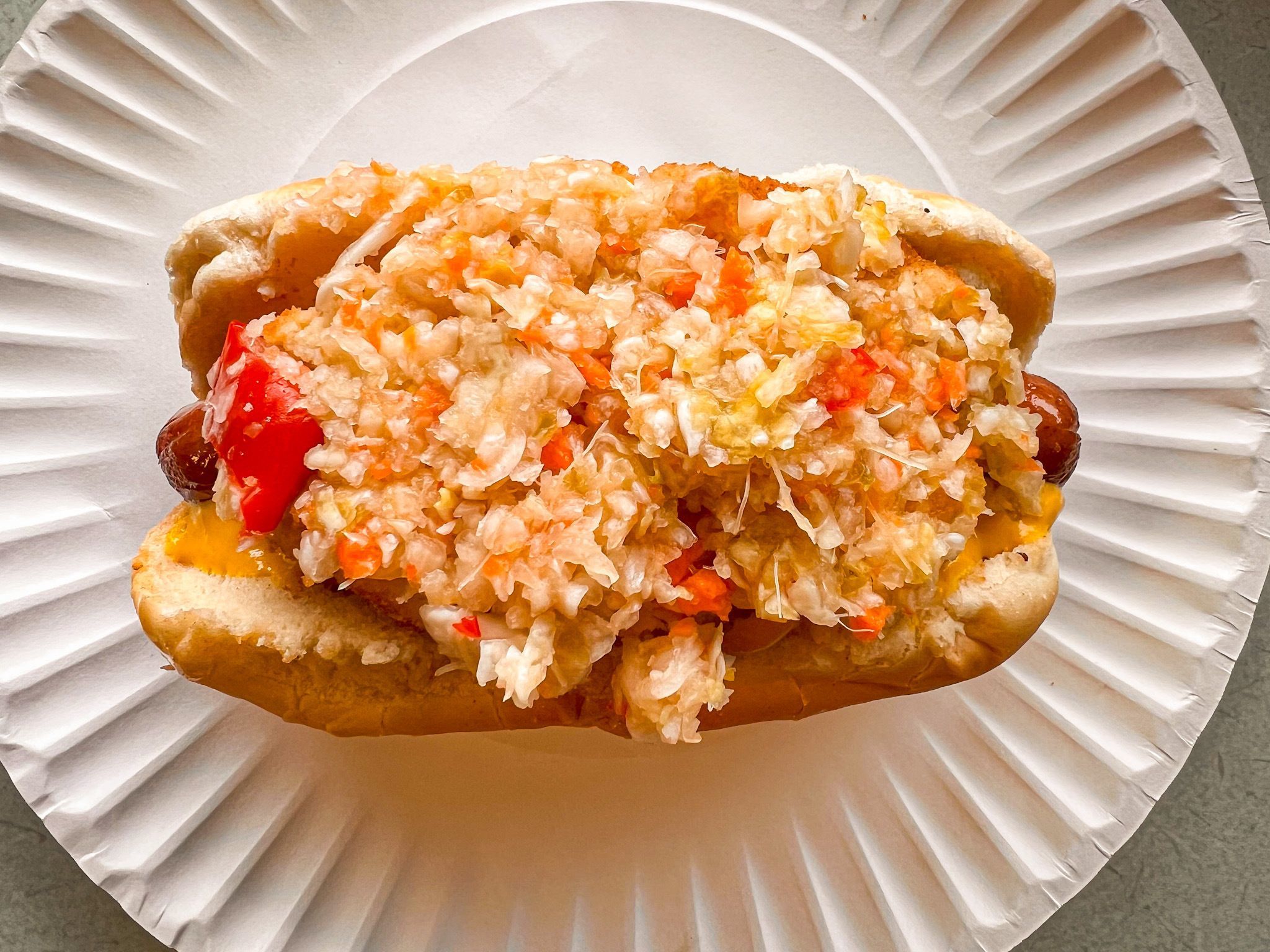
    The ‘combo’: Hot dog and fishcake on a roll

    The hot dog-fish cake combo topped with pepper hash at Lenny’s Hot Dogs in Feasterville.Michael Klein / Staff

    Long before Philadelphia claimed the cheesesteak as its signature sandwich, another pairing drew a following: the hot dog and fishcake combo. Culinary historians generally agree that Abe Levis (rhymes with “crevice”) created it in 1895 by pressing a fried fish cake atop a grilled frank on the same bun at his luncheonette on Sixth Street near Lombard.

    Instant surf-and-turf!

    Levis also created Champ Cherry, the bright-red, cider-like soda that became the combo’s traditional companion. The Old Original Levis shop changed hands several times, spawned a few short-lived offshoots, and finally closed in 1992 under owner Elliott Hirsh, who later revived Levis as a store in Abington from 2012 to 2017 while marketing Champ Cherry in cans.

    But tastes have changed and the brands are moribund, as Hirsh, now 80, acknowledged: “I’ve been actively trying to find someone that wants to take it over. And not even sell it. Just take it over. I’d hate to die and take it with me, but that’s what we’re going to do.”

    The hot dog-fishcake combo, at least, survives. Just after World War II, Levis rival Lenny’s Hot Dogs, who also sold them from a stand nearby at Fifth and Passyunk.

    Lenny’s secret sauce was the pepper hash — a sweet-and-sour relish of cabbage and bell peppers that cuts through the richness of the dish — created by owner Lenny Kravitz’s mother, Ida.

    Kravitz expanded Lenny’s to several locations from Mount Airy to Margate, N.J. In the 1980s, he sold his final shop, at 6620 Castor Ave. in the Northeast, to Wayne Knapp. Kravitz died in 1998.

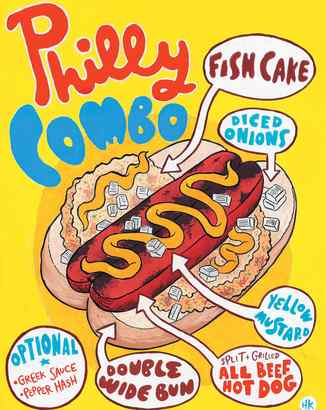
    Hawk Krall’s illustration of the “surf ’n turf” Philly combo (fishcake and frank) was originally done for SeriousEats.com.Hawk Krall

    Knapp later relocated Lenny’s to Feasterville. That shop, as well as Johnny Hot’s, John Danze Jr.’s truck stop on Delaware Avenue in Fishtown, are among the few standard-bearers of this classic. Be sure to add a squirt of yellow mustard and a smattering of diced onions, as illustrator Hawk Krall suggested in his 2009 poster print of the sandwich.

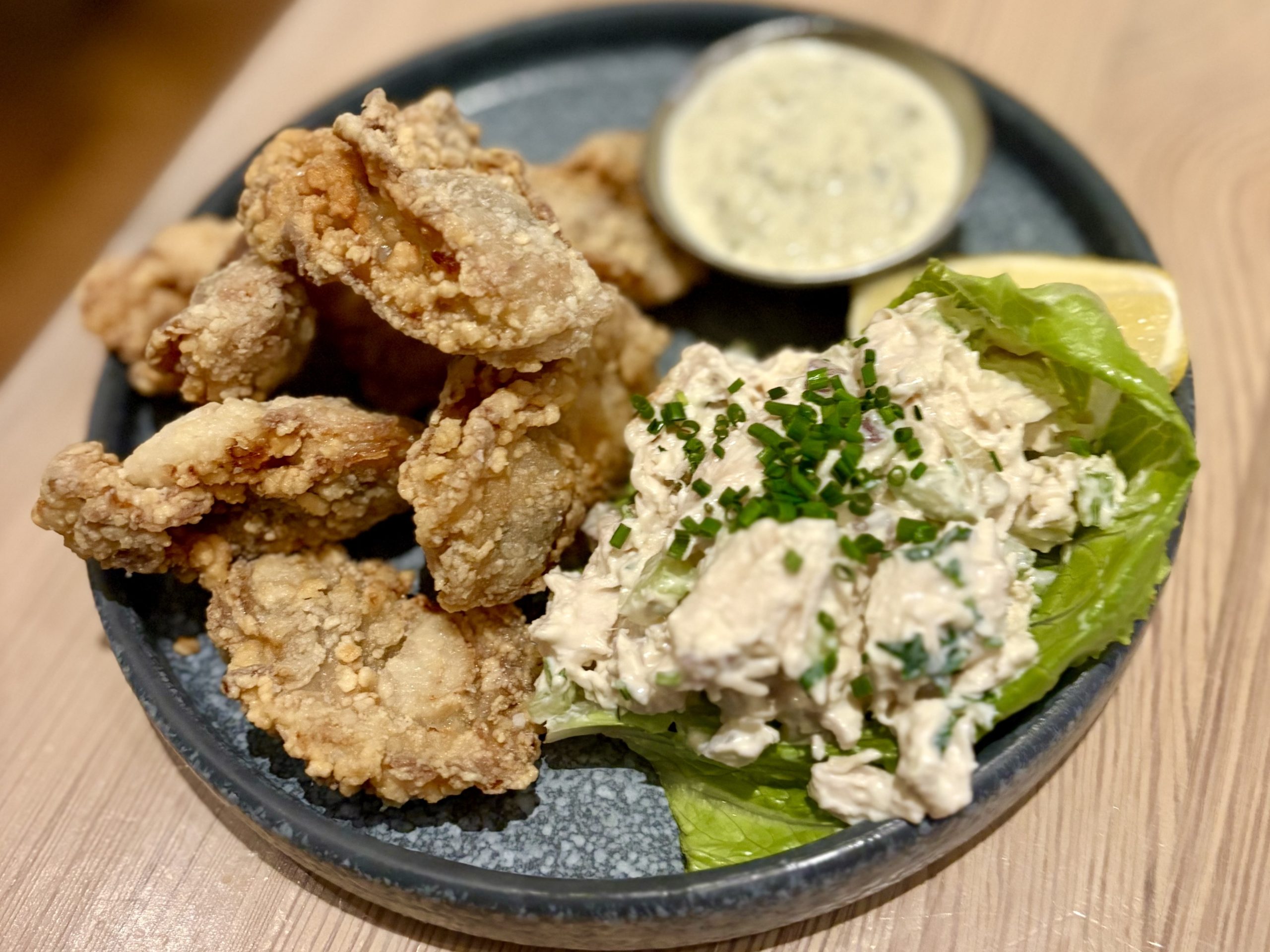
    Chicken salad and oysters

    Fried oysters with chicken salad from Oyster House.Craig LaBan / Staff

    As for another curious combo, only in Philadelphia would someone look at cool, creamy chicken salad and crunchy fried oysters and think, “Of course those belong together.”

    The unlikely pairing has been a local specialty for well over a century, dating to the city’s grand oyster houses, hotels, and taverns in the late 1800s. One popular explanation of its origin holds that tavern keepers paired cheap, plentiful oysters with more expensive chicken to stretch a serving. Food historian William Woys Weaver has noted that Philadelphia’s finest hotels elevated the dish, serving chicken salad dressed with tarragon mayonnaise and encircled by crisp fried oysters. More humble versions turned up in neighborhood brew houses and lunch counters across the city.
    Similar dishes appeared in New York, Baltimore, and Boston, and some historians believe that Philadelphia’s influential Black catering families helped popularize the combination. What is certain is that chicken salad and oysters were served at an organizing meeting of Philadelphia’s Union League in 1862.

    The combo’s popularity has ebbed in recent years, and its primary home is now Oyster House near Rittenhouse Square, whose family ownership dates back nearly 80 years.

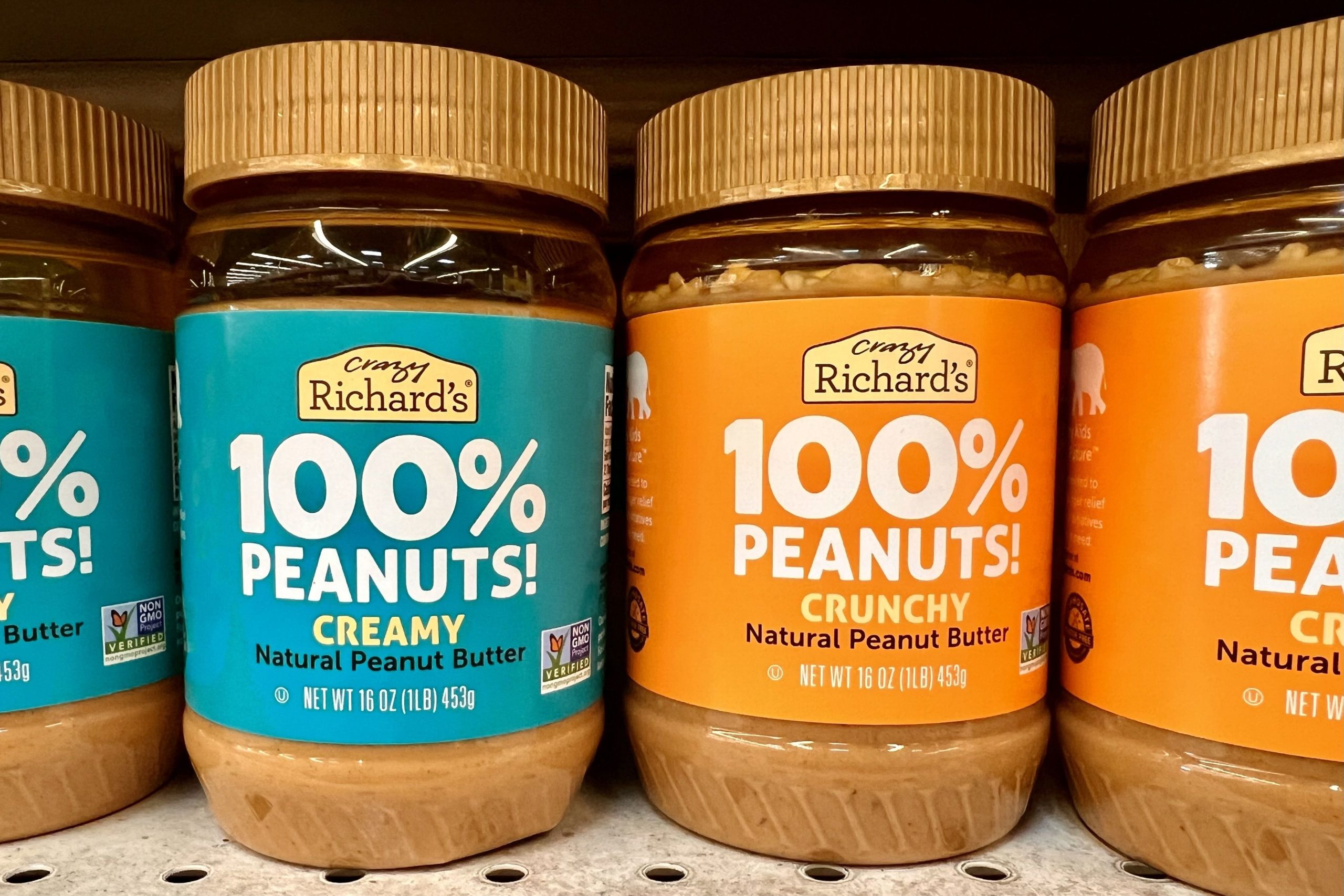
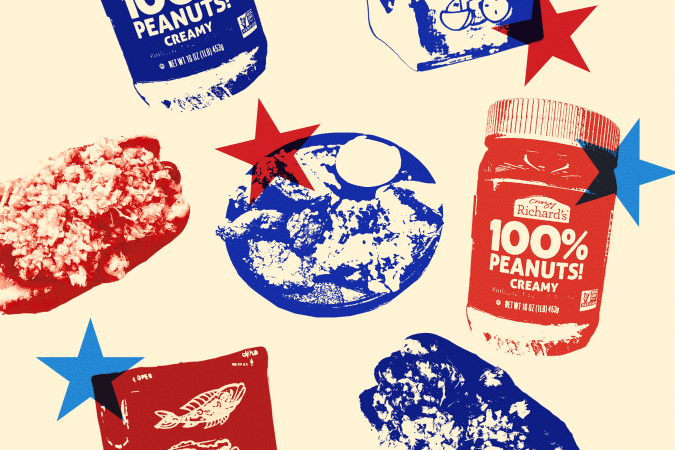
    Crazy Richard’s Peanut Butter

    Crazy Richard’s Peanut Butter, founded in 1972, is still available on grocery shelves.Michael Klein / Staff

    Life was all Skippy and Jif in the early 1970s when a Philadelphia music teacher decided to grind peanuts in his kitchen because he couldn’t find peanut butter that tasted the way he remembered.

    Richard Marcus was a conductor, pianist, radio host, and founder of the Society Hill School of Music & Art. Frustrated by the sweetened, homogenized spreads that dominated grocery shelves, he bought five pounds of peanuts at Reading Terminal Market, roasted them, and blitzed them in his blender. The result was nothing more than peanuts — no sugar, salt, or oils.

    Friends loved it. By 1972, they convinced him to package it. Marcus produced an initial run of about 144 jars, selling them through Philadelphia delis and health-food stores. He called it Crazy Richard’s, his wink to skeptics who thought he was nuts for marketing a peanut butter that separated naturally and required stirring.

    Word of mouth did the rest. Marcus eventually gave up his music school to run the business full time, first contracting production in Conshohocken before opening plants in Pennsauken and later Bellmawr. At its peak under his ownership, Crazy Richard’s sold about 750,000 jars a year throughout the Mid-Atlantic and Northeast and by mail. Marcus insisted that there was no secret recipe: “It’s just ground peanuts.”

    In 1991, Ohio’s Krema Nut Co. bought Crazy Richard’s and kept Marcus’ one-ingredient recipe intact. Today, 12 years after his death, the brand is sold nationwide. The “Crazy Richard” on the label is still the Philadelphia musician who proved that sometimes the simplest ideas stick.

    Fishtown Iced Tea

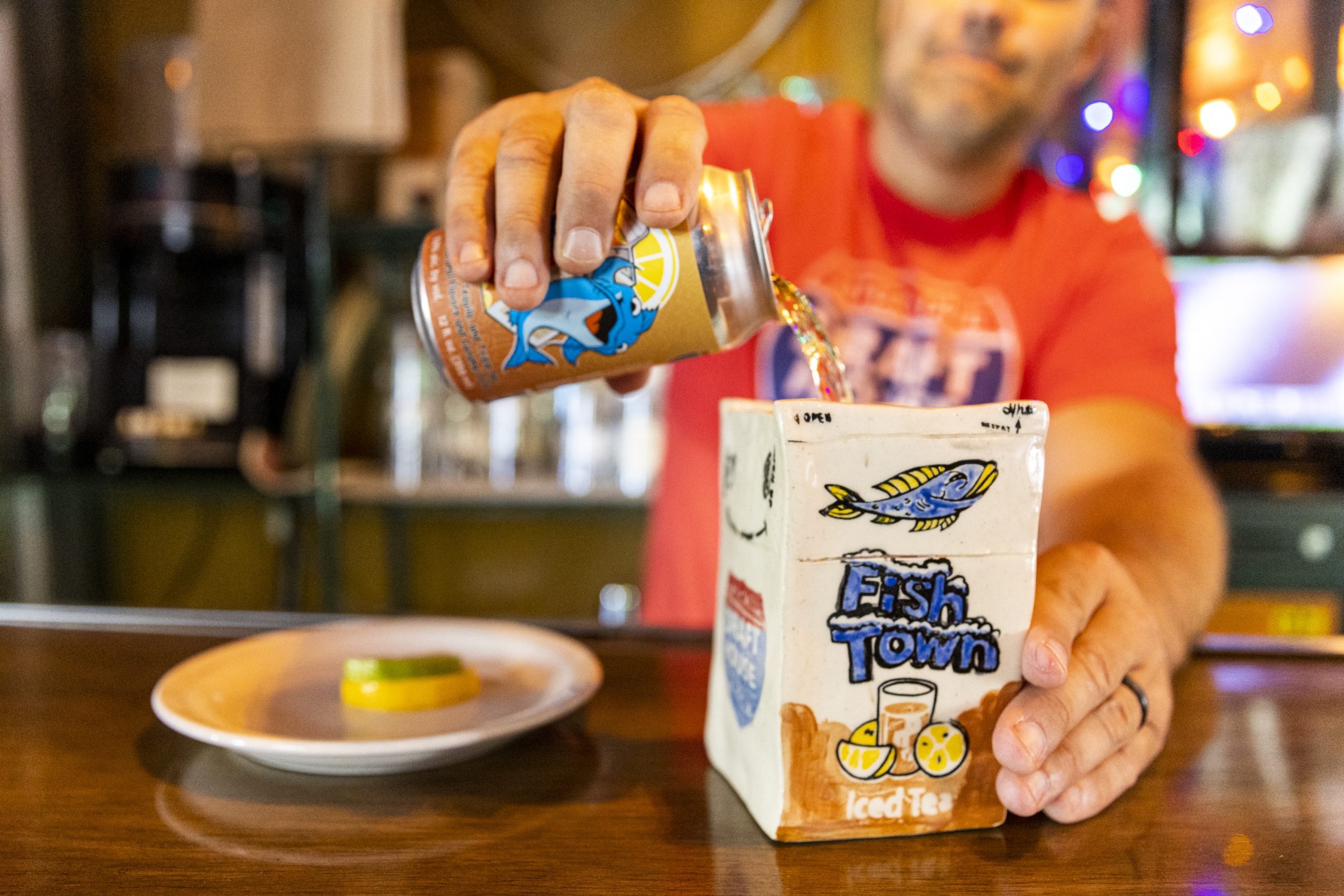
    Canned Fishtown Iced Tea is poured by Interstate Drafthouse co-owner Mike McCloskey into a custom-made ceramic carton.Tyger Williams / Staff Photographer

    Long Island has its iced tea. Why shouldn’t Fishtown? Created in 2013 at Interstate Drafthouse on Palmer Street, Fishtown Iced Tea spikes a 16-ounce carton of Arctic Splash iced tea with a shot of Jim Beam bourbon, turning a childhood lunchbox staple into an adult version of the sugary, dangerously smooth cocktail. Its roots are distinctly regional. Besides milk, Lehigh Valley Dairy, Wawa, Swiss Farms, and Turkey Hill also sold iced tea in pint cartons that generations of Philadelphians grew up drinking.

    During the pandemic, when Pennsylvania temporarily allowed to-go cocktails, Interstate sold enough Fishtown Iced Tea to keep the bar afloat. In 2022, the popularity inspired a canned version from Rectified Spirits, made with vodka, rum, tequila, and triple sec instead of bourbon.

    In a twist, the ready-to-drink cocktail debuted just as Lehigh Valley discontinued Arctic Splash cartons, ending an era for the drink that inspired it.

    Edamame dumplings from Buddakan

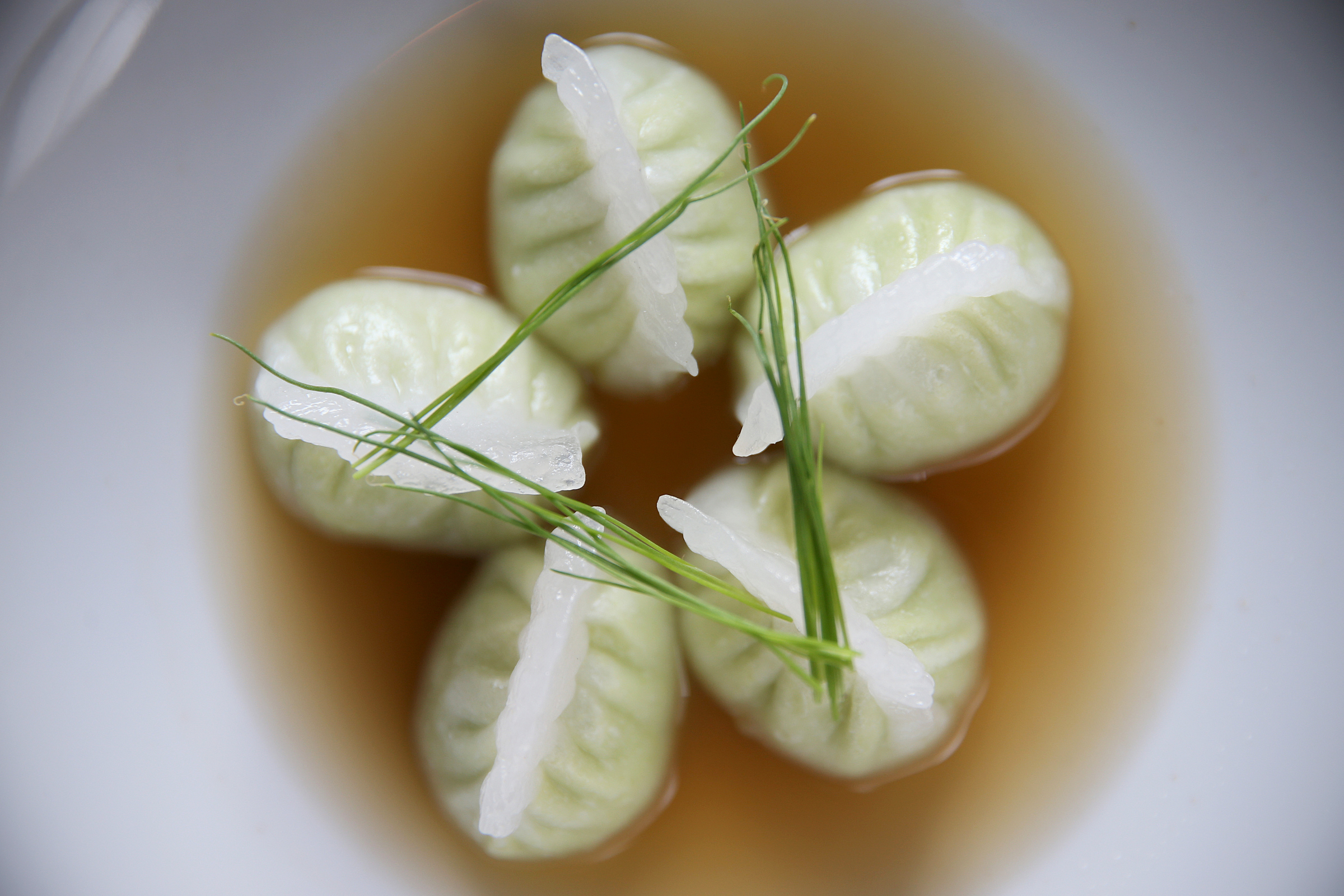
    The edamame dumplings at Buddakan.Tim Tai / Staff Photographer

    One of Buddakan’s signature dishes is the edamame dumpling, filled with mashed soybeans and served in a truffled Sauternes-shallot broth. Michael Schulson, then chef de cuisine at Stephen Starr’s Old City destination, came up with the idea in 2000 while developing the menu for Starr’s next project, Pod, whose opening in University City was six months away. “Every dish I made, Stephen would say, ‘We’re putting this on the menu at Buddakan,’” Schulson said. “I’d say, ‘What about Pod?’”

    The original version was an edamame ravioli, featuring a yellow pasta wrapper in a caramelized Sauternes-shallot broth, transforming what was then an unfamiliar ingredient to many American diners — young Japanese soybeans — into one of Buddakan’s signature dishes. (It made it onto Pod’s menu, too.) When Buddakan New York opened in 2006 with Schulson leading the kitchen, the ravioli evolved into the translucent har gow-style dumpling that has since become its best-known form, before it later arrived on the menu in Philadelphia. It’s still a bestseller.

    After leaving Starr, Schulson adapted the concept at his restaurant Sampan, serving edamame dumplings in a caramelized shallot and sake broth, and later at Double Knot with truffles.

    Cheesesteak egg rolls

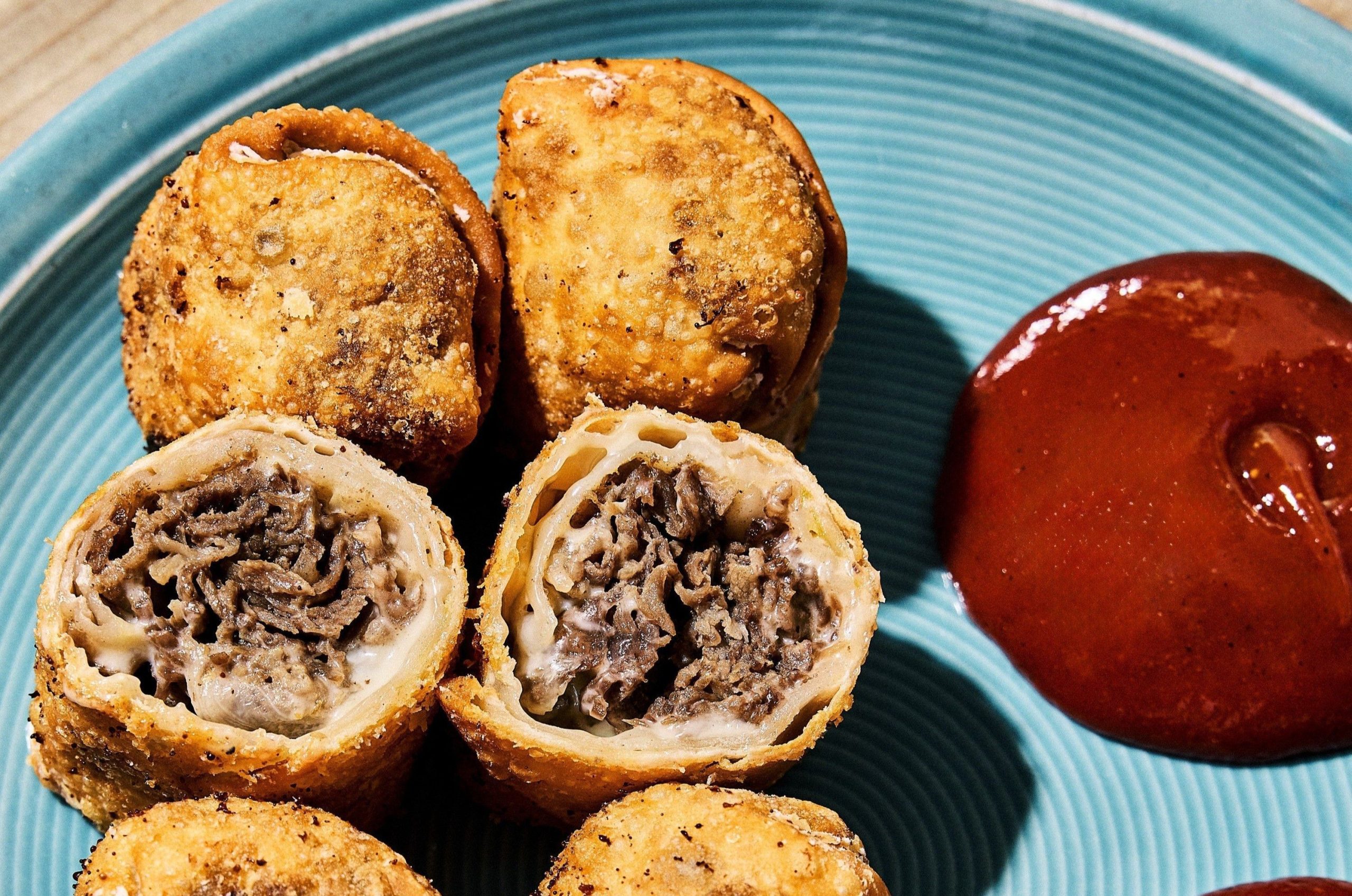
    The cheesesteak egg roll from Continental Mid-town.Courtesy of Starr Restaurants

    Stuff steak and cheese into an egg-roll wrapper, deep-fry it, and you’ve got one of Philadelphia’s signature mashups: the cheesesteak egg roll.

    They’re everywhere now, from neighborhood pubs to white-tablecloth steakhouses, and go by “spring rolls” at some places, but their rise can be traced to two nearly simultaneous Philadelphia stories in the mid-1990s.

    One unfolded at the old Four Seasons Hotel on the Parkway. Former chef David Jansen said that after preparing a banquet for the New York Rangers in 1994 or 1995, prep cook Mui Lim put leftover cheesesteak filling into spring roll wrappers and fried them as a snack for the kitchen crew. They went on the menu soon after at the hotel’s Swann Lounge. Today’s Four Seasons Philadelphia, now at the Comcast Technology Center, serves wagyu cheesesteak spring rolls with sweet-and-spicy pepper relish.

    The other story played out in Old City, where the novelty became a menu staple at the Starr-owned Continental. In 1996, Starr hired Sam “Chef Sammy D” DeMarco to develop dishes for the year-old restaurant. DeMarco already served a Philly cheesesteak dumpling at First, his New York restaurant, but Starr wanted something original.

    DeMarco turned the dumpling into a cheesesteak spring roll. “It was taking a classic, nostalgic American snack and presenting it in a fresh way,” said DeMarco, now executive chef at Bungalows Resort in Scottsdale, Ariz.

    Like the old Buzz Aldrin cocktail, the roll became a classic. Starr said Continental Mid-town, near Rittenhouse Square, now sells 500 a week.

    From the Continental, the idea spread rapidly. Davio’s owner Steve DiFillippo was joining staff for a preshift meal at his former Center City Philadelphia location shortly after it opened in 1999 when chef David Boyle served cheesesteak egg rolls that his wife had made at home. DiFillippo insisted that they be added to the bar menu, overruling managers who felt that they were too déclassé for a posh steakhouse. The Boston-based Davio’s turned the line into a frozen-food item, selling millions through supermarkets and QVC until rising beef prices during the pandemic made them impractical, DiFillippo said. They’re still on the restaurant menus in King of Prussia and elsewhere.

    Though DiFillippo copyrighted the name “Philly Cheese Steak Spring Rolls” in 2002, “I’m not going to claim I invented anything,” he said. “But I was the first one to take them into stores and really commercialize them.”

  • Mayor Parker defends decision to host July 4th Parkway concert despite dangerous heat and high price tag

    Mayor Parker defends decision to host July 4th Parkway concert despite dangerous heat and high price tag

    Mayor Cherelle L. Parker on Wednesday defended the city’s upcoming July Fourth concert, a seven-hour outdoor spectacle featuring performances from Christina Aguilera, Jill Scott, The Roots, and more, amid concerns over the nearly 100-degree forecast and revelations that the event will cost taxpayers millions more than in years past.

    The city has dealt with high temperatures before and has battle-tested personnel and protocols prepared for the evening, Parker told reporters at a news conference in front of the stage at the foot of the Philadelphia Museum of Art steps.

    She also addressed the detractors head on.

    “I do not apologize to anyone about making sure that the city of Philadelphia, as the sixth-largest city in the nation, the birthplace of democracy, we were going to have a celebration that is fitting to and for our historical significance and prominence,” Parker said. “One that could be seen, respected, and honored, not just in our city and commonwealth and nation but in the world.”

    Parker described the concert as the largest July Fourth concert in the city’s history. For an occasion as momentous as the nation’s 250th anniversary in the city that bills itself the birthplace of America, Parker said Philadelphia must rise to the occasion and prove it can achieve ambitious undertakings.

    Parker said her administration scaled up the experience, including moving the stage back to accommodate an estimated 300,000 concertgoers, and made the stage larger.

    “We won’t get a second chance to do this over again, Philadelphia,” Parker said. “We only turn 250 years old once in a lifetime.”

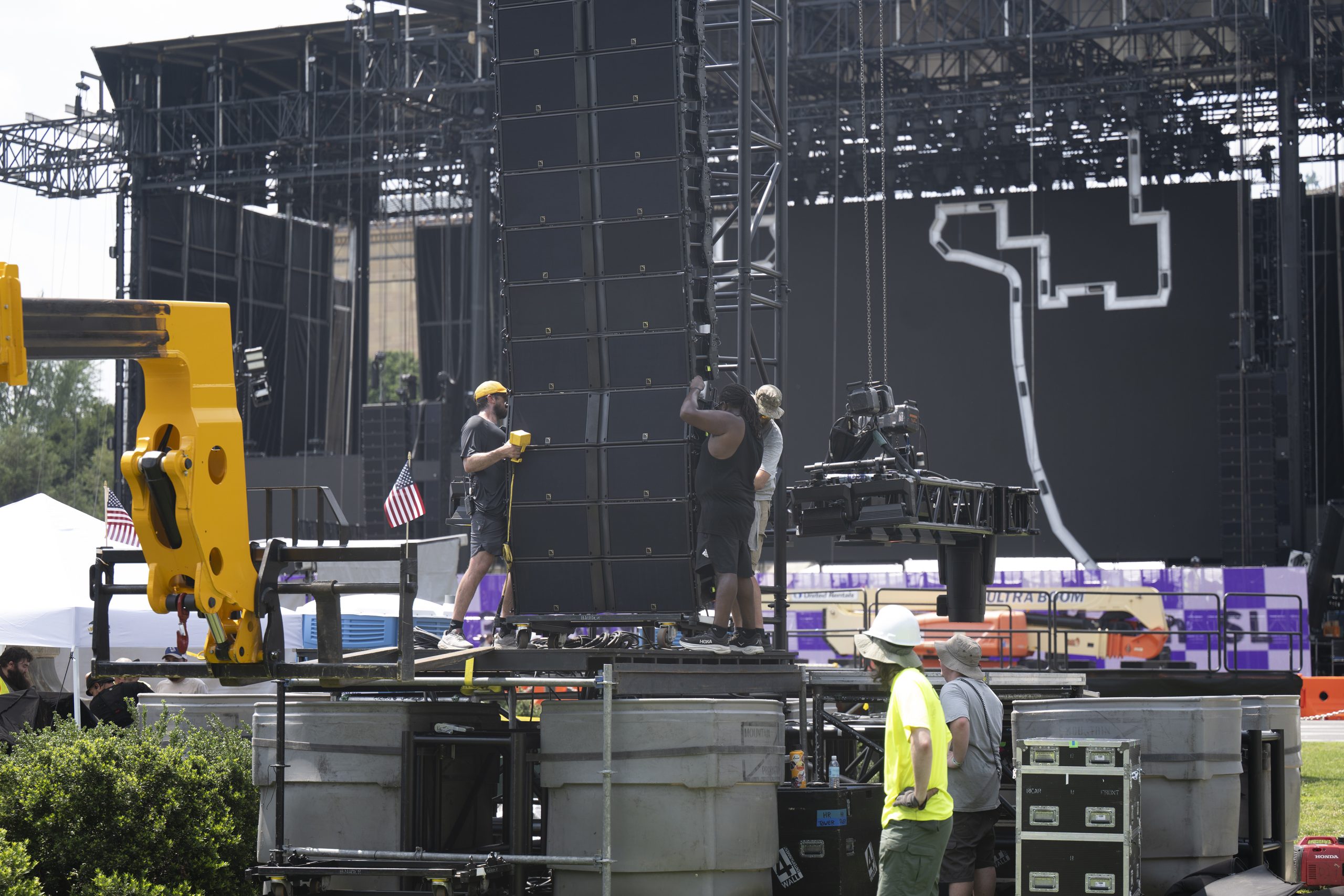
    Ground crews set up speakers on the stage on Wednesday in preparation for the July 4 concert expected to draw thousands to the Benjamin Franklin Parkway.Jose F. Moreno / Staff Photographer

    Parker recalled feeling the mounting pressure to prove Philadelphia could rise to the occasion of honoring the nation’s 250th anniversary shortly after the start of her tenure as mayor.

    “‘Philadelphia lacks ambition. They’re thinking too small. We need a leader. Where is the legacy project?’” Parker recalled from the discourse of the time. “The critics were right. Philadelphia, as the birthplace, we couldn’t do what every other city was doing. We couldn’t just do something that was average, something that was mediocre. What we did had to be a reflection of this moment and our history.”

    Parker’s news conference came hours after The Inquirer reported online that this year’s July Fourth concert will cost taxpayers millions more than in years past because the mayor’s administration hired ESM Productions, a for-profit company, to put on the annual show. For years, the concert has been produced by Welcome America, a nonprofit established by the city.
    The Inquirer reported that the city is set to pay ESM $15.5 million to put on the show, and that last year’s iteration of the Welcome America concert cost the organization about $3 million.

    Parker defended ESM and its founder, Scott Mirkin, as “the gold standard in planning large-scale global events, not just in America but across the world.” And she vowed that the city would produce a “fiscal impact report” after the event to account for how much money the city spent on this year’s festivities.

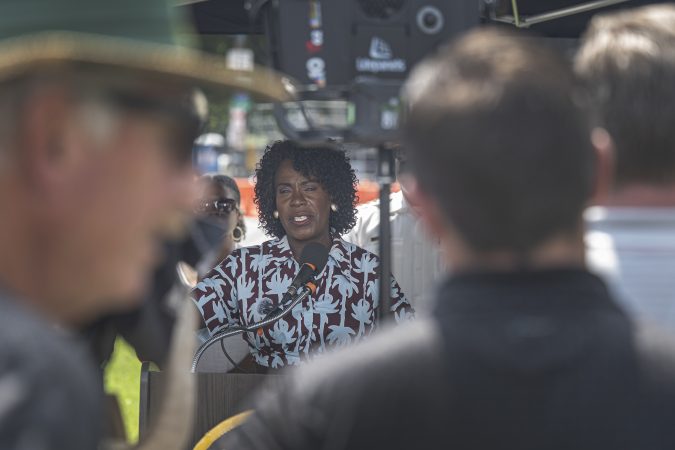
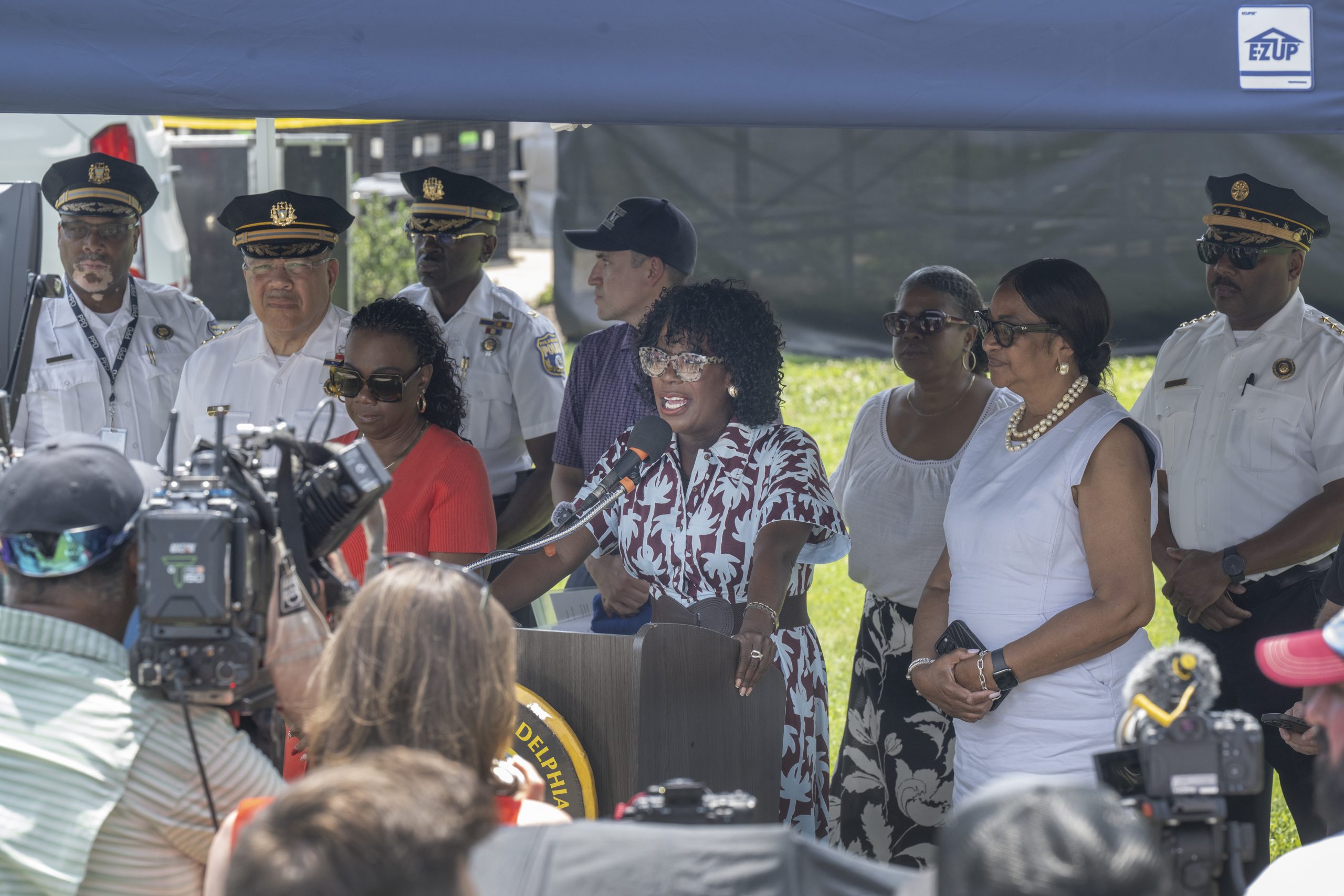
    Mayor of Philadelphia Cherelle L. Parker speaks during a news conference under a tent Wednesday, July 1, 2026, in Philadelphia, outlining public safety and transportation plans ahead of a July 4 concert expected to draw thousands to the Benjamin Franklin Parkway.Jose F. Moreno / Staff Photographer

    She also noted that former Mayor Jim Kenney put his own stamp on the annual July Fourth concert when he took office in 2016 — and took some heat for it. The Roots had headlined the concert since 2009, but Kenney’s administration went a different direction and The Roots were sidelined.

    Roots drummer Ahmir “Questlove” Thompson didn’t mince words at the time, writing on Facebook that the decision was “arrogance in the HIGHEST order courtesy of your new leader.”

    When Parker took office, she knew she wanted the spotlight back on the beloved local hip-hop group.

    “I’m proud to have The Roots back home,” Parker said.

    In terms of weather and safety, the city has proven this summer that it can host large-scale events in the heat seamlessly, said Philadelphia Police Commissioner Kevin J. Bethel.

    The city has already hosted five World Cup games, which have gone off without a hitch, Bethel said. For the July Fourth event, the department will be executing one of its largest deployments since the papal visit in 2015. That will include hundreds of officers across Center City and many more at the stadium and along the Parkway.

    “I want everybody to come and have a good time. Don’t mess up the party,” Bethel said.

    In order to keep people cool, the city will run 40 air-conditioned cooling centers, 150 pools and spray grounds, enhanced homeless service outreach, and extra fire department medics, said Dominick Mireles, Philadelphia’s deputy managing director for community safety. Along the Parkway, there will be misting fans and shade structures, he added.

    Parker said she’s confident every Philadelphian interested in participating will be able to do so safely and will look back on the day fondly.

    “I want people to remember where they were when America turned 250 years old and what we did here in the place when it all happened,” Parker said.

  • 🍸 The coolest drink of the Summer of 2026 | Let’s Eat

    🍸 The coolest drink of the Summer of 2026 | Let’s Eat

    The temperature is approaching triple digits. (Or is that tipple digits?) Here’s one boozy relief drink you should know about.

    Also in this edition:

    • Down the shore: Craig LaBan hits the mainland for tasty meals.
    • Flying saucer returns: The city finally has signed a restaurant tenant at LOVE Park.
    • “Cambodian speakeasy”: Read on for restaurant dish.

    — Mike Klein

    If someone forwarded you this email, sign up for free here.

    Water ice martinis and other cooling treats

    The water ice martini is the cocktail of the summer, and Beatrice Forman chatted up the owner of John’s Water Ice, who developed it with Saloon.

    🍧 Extraordinary “ordinary” water ice: Here are our favorites.

    Ice cream options

    🍦 Stella’s Ice Cream out of Idaho (yes, Idaho) just opened on Front Street in Fishtown/Kensington, and Bea has the early scoop.

    🍦 Winners, rocking a feel-good message, is new on South Street in Graduate Hospital. As Kiki Aranita says, Winners’ appeal is more than just the flavors, like Sweet Success S’mores.

    🍦 Our guide to our favorite ice cream is right here.

    Down the shore with Craig LaBan

    Critic Craig LaBan is back from his annual Jersey Shore exploration, and he’s shaking the sand out of his notebook. In Part One of his roundup, he heads to the mainland to find some gems. Read that here.

    Looking ahead: Part Two, Craig’s reviews from Long Beach Island and thereabouts, will be online this weekend. On July 11, he’ll share his discoveries from points farther south in Part Three.

    Ember & Ash shuttered by fire

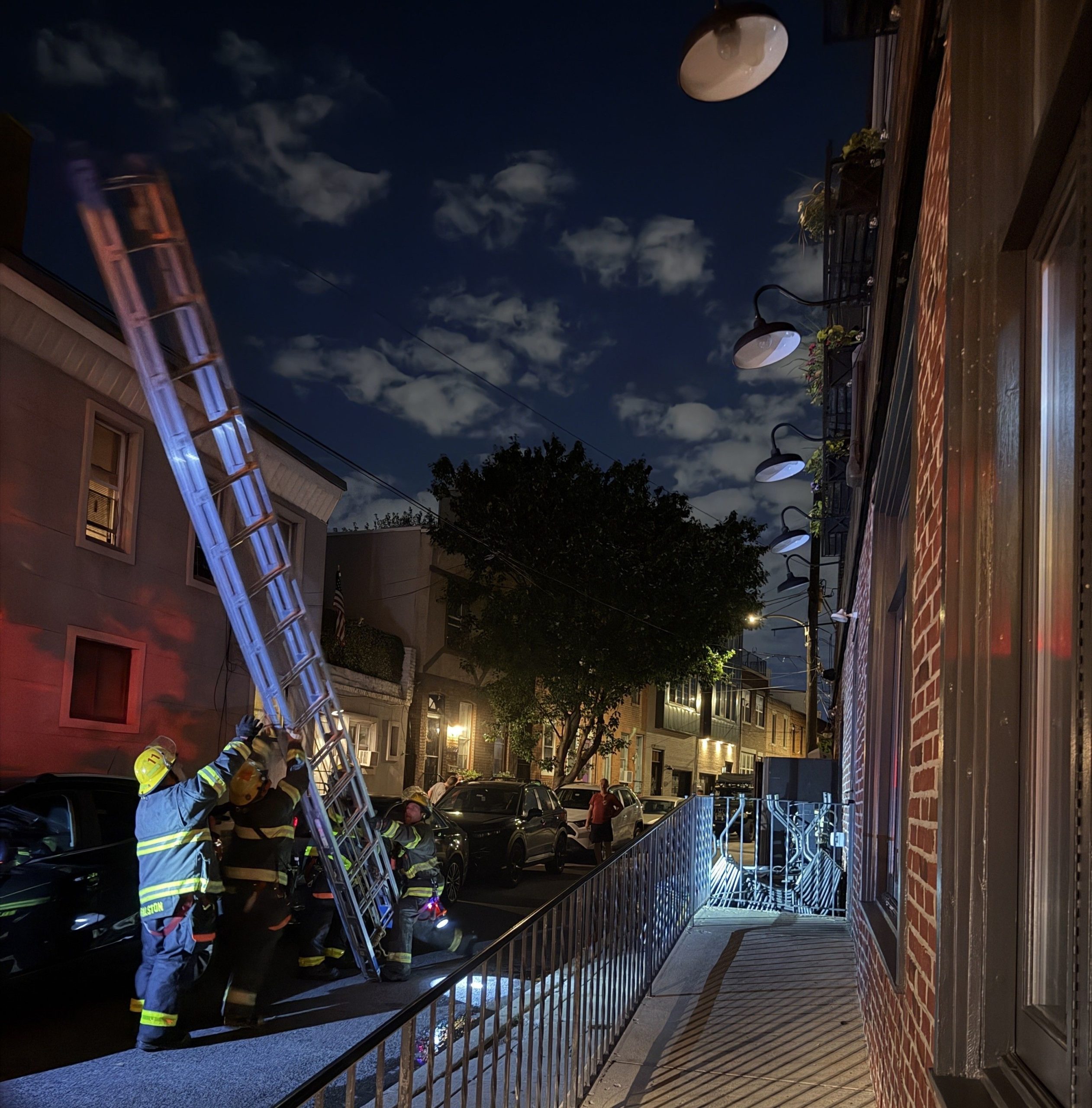
    Ember & Ash on East Passyunk Avenue will be closed for an undetermined period after smoke and flames shot up through the ventilation last week just after closing time. No injuries were reported.

    ‘Flying saucer’ building has liftoff

    This weekend will see the debut of Broad Street Beer Garden at LOVE Park, the first phase of a planning reuse of the so-called flying saucer building at 16th and JFK. Here’s the long history of the city landmark.

    The best things we ate last week

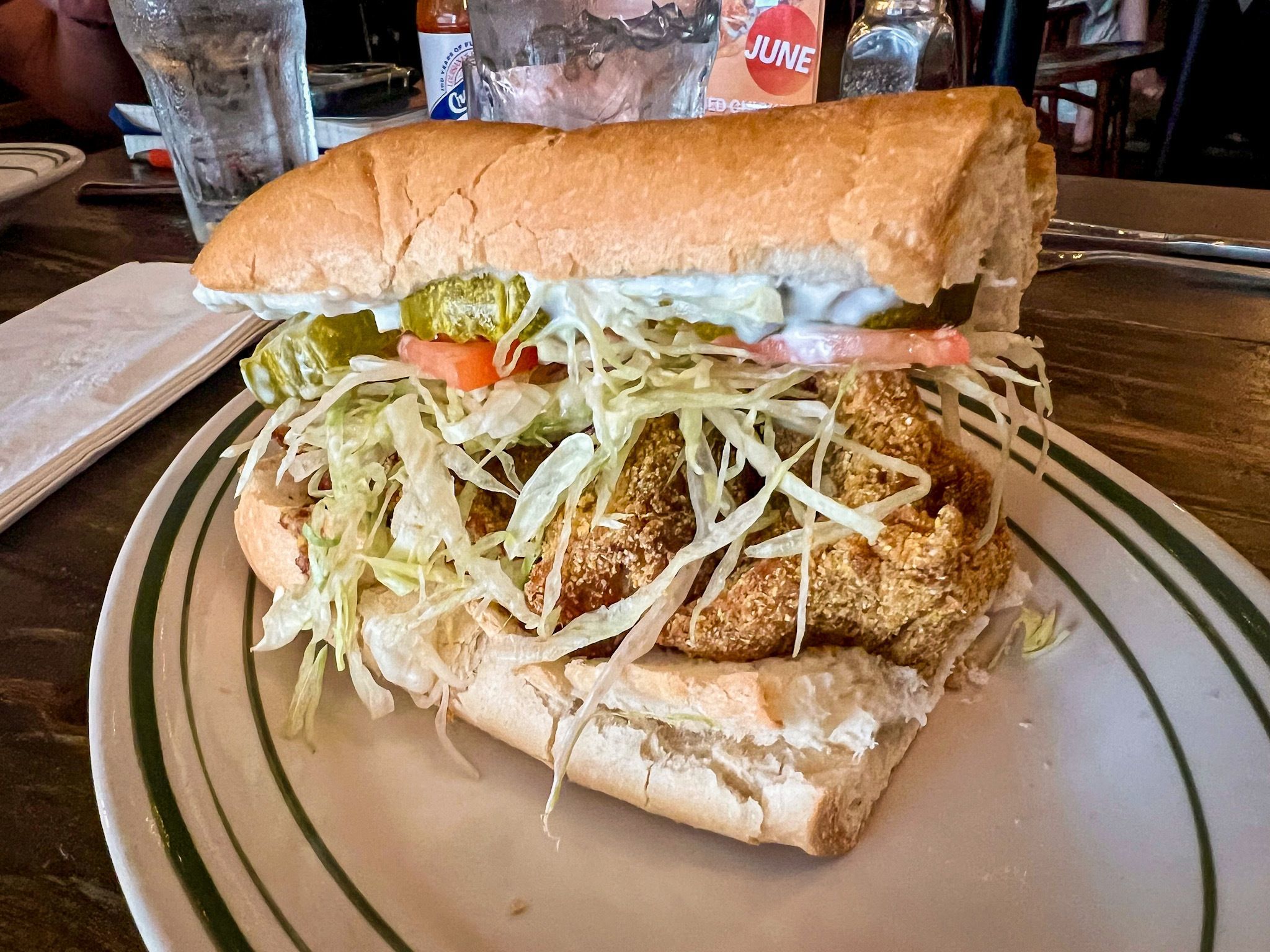
    We munched on fried silverfish that reminded us of French fries in Little Saigon, Argentine empanadas in West Philly, and a vegan po’ boy in Old City that tasted like the original.

    Scoops

    Intrigue! Albert Zheng, whose holdings include Javelin in Fairmount, is backing a yet-to be-named dual concept on the way to 808 Chestnut St., formerly a Dunkin’ Donuts. In front, the feature will be wagyu omakase, while the rear will be what he calls a Cambodian speakeasy. He says it’s six or seven months out.

    Mylar Bar, a cocktail bar inspired by the spirit of South Philly’s Dino’s Party Center, is expected to open later this summer from hospitality veterans Liv Arterbridge and Gina Piccari. They bought the former building at Ninth and Morris Streets where Dino’s sold balloons, decorations, and party supplies for decades before it moved across the street. “We want the whole thing to feel like a party,” Arterbridge said. “Nostalgic, fun, a little silly, intentionally unserious — but not a theme bar,” Piccari said. Cocktails will include martinis, punches, and classic drinks, alongside draft beer and familiar favorites. A full kitchen, led by chef Colin White, formerly of Sally and Emmett, will serve shareable “party snacks” and larger plates. They plan to offer late-night desserts, so food will be available until 1 a.m. with the bar wrapping at 2. Arterbridge, whose resume includes Cry Baby, Poison Heart, and a.bar, met Piccari while working at Boot & Saddle, where Piccari was manager. Piccari is now behind the bar at Le Virtù.

    Restaurant report

    Sixteen restaurants, bakeries, cafes, and bars — including Lillian’s, shown above — are opening in July. Read on for the rundown.

    Penny’s Bagels, on its way (for the last two years) to 212 Kings Highway East in Haddonfield, will hand out 250 red, white, and blue bagels on July 3 at the borough’s parade. The shop is eyeing an August opening, says owner Chris Fetfatzes.

    Maru, a fast-casual Korean-inspired restaurant from David Backhus and the team behind the now-closed Oori, is expected to open in August in what is now Collective Coffee & Bakery, which Backhus also owns, at 2922 Conestoga Rd. in Glenmoore. Maru’s menu will feature Korean fried chicken sandwiches, wings, tenders, house-made mochi doughnuts, and specialty coffee, while continuing to serve Collective Coffee and honor existing coffee subscriptions.

    Briefly noted

    Ota-Ya in Newtown has announced that Friday will be its last day after 30 years with the retirement of owners Jeff Wong and Cindy Tam.

    PETA is launching its “Nice Cream Trail,” highlighting 10 shops across the state serving vegan ice cream, and there are five local spots on the list: Dreams Ice Cream Factory in Glenside, Lu & Aug’s in Ardmore, the Main Freeze in Lansdale, Milk Jawn in South Philadelphia and Northern Liberties, and Scoop DeVille in Center City and Queen Village. The first Pennsylvania resident to complete the trail by visiting all 10 participating shops through August will win a vegan ice cream party with PETA’s “iScream” truck for themselves and up to 50 guests. Details are here.

    Two local BBQ chefs, Matt Groark (Medford Lakes, N.J.) and Maxwell McGibbon (Newark, Del.), are competing on Food Networks’ Pitmasters, premiering July 13 at 9 p.m.

    Diner en Blanc registration is still open. This year’s version of the pop-up picnic is Aug. 20.

    Miller’s Ale House, in the shopping center next to the Home Depot in Springfield, Delaware County, closed this week after 13 years, while Fishtown is abuzz with speculation that Bottle Bar East, which opened at 1308 Frankford Ave. around the same time in late 2012, has closed. The phone is down, and owners could not be reached for comment

    We all tried a new cheesesteak-flavored olive oil. I won’t say you have to.

    ❓Pop quiz

    Fountain Porter, the South Philly bar, just raised the price of its celebrated burger. How much is it now?

    A) $5

    B) $7

    C) $8

    D) $9

    Find out if you know the answer.

    Ask Mike anything

    When is Adda ever going to open in Fishtown? — Rich C.

    True, Adda has been a long time coming, since I initially wrote about it in June 2025 with an end-of-2025 target. Adda — from New York City’s Unapologetic Foods, whose establishments are acclaimed for their bold, no-holds-barred approach to Indian cooking — is now looking at a late-fall opening at 1700 Frankford Ave., the new building across from the Fishtown post office.

    Corrigendum: Reader Stephanie points out that Kalaya is the third Philadelphia restaurant, not the second, to win the James Beard Award for outstanding restaurant, as I wrote two weeks ago. Zahav was the first in 2019, while Friday Saturday Sunday won in 2023.

    📮 Have a question about food in Philly? Email your questions to me at mklein@inquirer.com for a chance to be featured in my newsletter.

    By submitting your written, visual, and/or audio contributions, you agree to The Inquirer’s Terms of Use, including the grant of rights in Section 10.

  • Danny’s Guitar Shop, a destination for Main Line musicians, has closed after 17 years

    Danny’s Guitar Shop, a destination for Main Line musicians, has closed after 17 years

    Danny’s Guitar Shop, an independent guitar store and lesson center run by musician Dan Gold, closed its doors after 17 years in downtown Narberth.

    Over nearly two decades, Gold forged connections along the Main Line, sold guitars to celebrities, brought outdoor music to Narberth’s streets, and, briefly, starred in a TV show that drew on his talents as a self-proclaimed “kibitzer.”

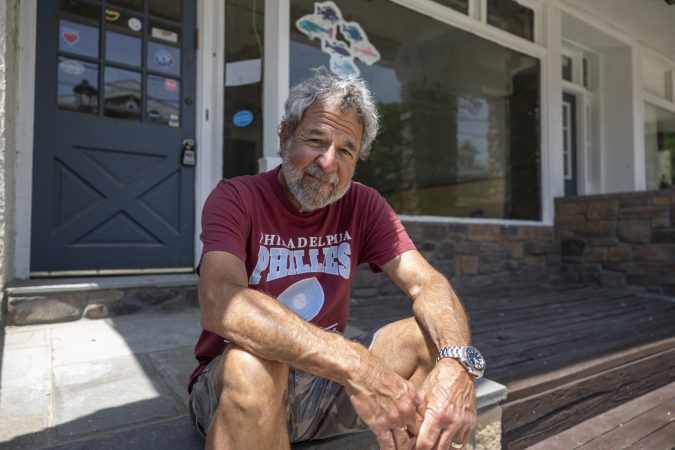
    Gold, 72, said retirement was already on his mind when his landlord raised the rent beyond what Gold could pay. Danny’s officially closed at the end of May. As Gold prepares for the next chapter, which will be filled with swimming, traveling, and playing bass in Broken Arrow, his Neil Young cover band, he said his time in Narberth was “just perfect.”

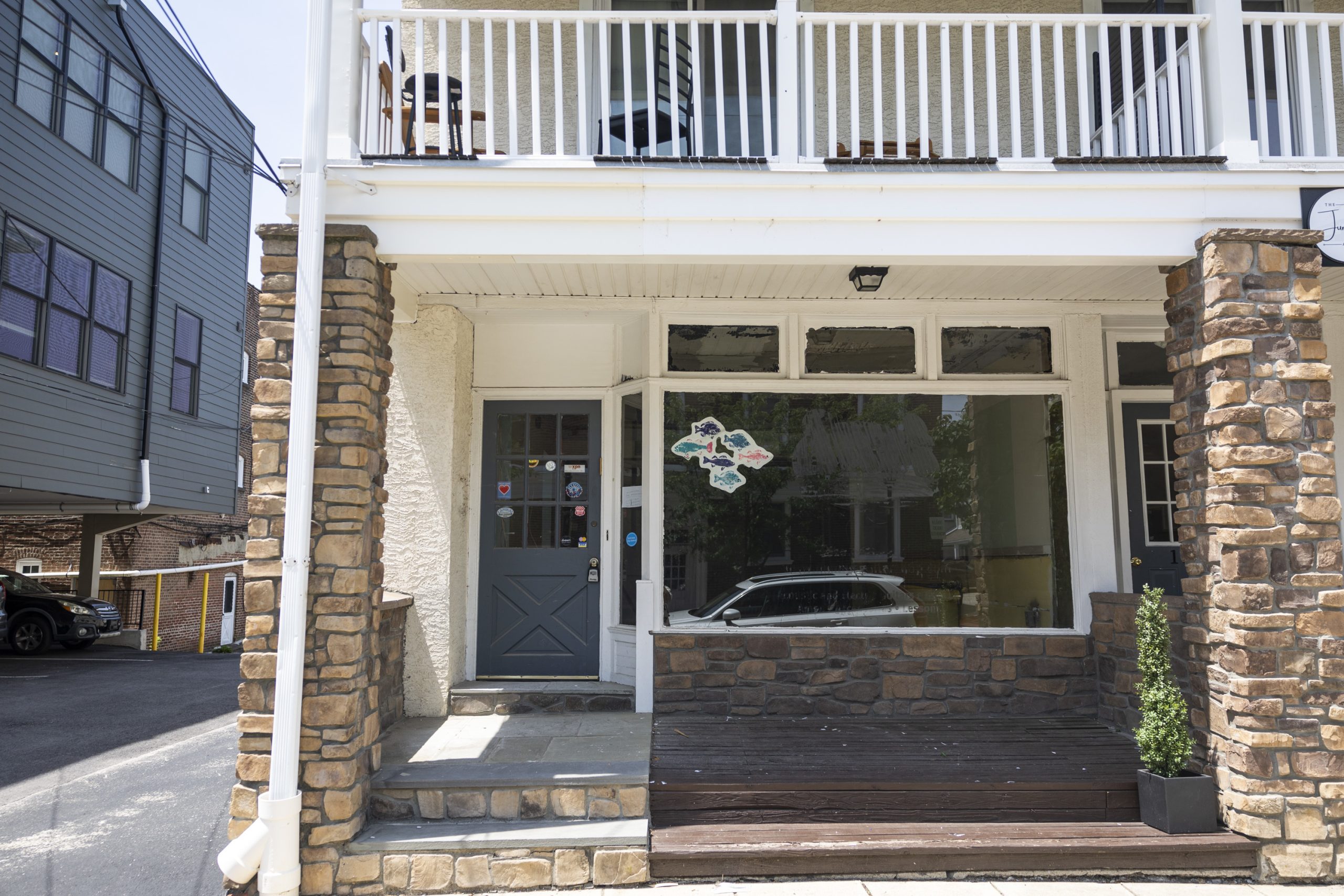
    The former storefront of Danny’s Guitar Shop in Narberth. Tyger Williams / Staff Photographer

    Gold opened Danny’s Guitar Shop in June 2009, right as the country had begun to dig itself out of the Great Recession. Guitar store Medley Music of Bryn Mawr had closed the year prior, and Center City’s 8th Street Music had moved across the bridge to New Jersey, leaving a vacuum for guitar lovers in Philly’s western suburbs.

    Gold, a Newtown Square resident, grew up in Havertown and graduated from Haverford High School and Temple University. He started his career as a schoolteacher before taking a gig as a district sales manager for Fender Guitars, traveling across the region, from rural Pennsylvania to North Jersey, selling instruments and accoutrements.

    Though it was risky to open a brick-and-mortar store at the heels of the financial crisis, Gold was bullish on the prospect. His mentors told him that as long as he ran guitar lessons, he’d be able to pay the rent. Gold had always loved Narberth’s “very distinct, charming personality” and was smitten with the Forrest Avenue storefront right away, with its ample natural light and welcoming front porch.

    When Danny’s opened in 2009, the Main Line Times described it as having promptly “established itself as that rare kind of clubhouse — the kind where everybody’s allowed in.”

    Over the years, the storefront’s shaded porch became the site of dozens of guitar recitals and summer evening jam sessions. Narberth residents gathered outside of Danny’s to talk about the news and the neighborhood gossip, and Gold always had treats for local dogs. Gold helped bring live music to Narberth during First Fridays and the annual July Fourth celebration. Ahead of a recital last fall, Gold posted on Facebook: “Students playin’ on the porch this Sunday 3:00! Bring a chair and come hang out!”

    “Danny is loved around here and for good reason,” said Ed Ridgway, president of the Narberth Business Association, who took guitar lessons at Danny’s.

    Ridgway described Danny’s as resembling an “old-timey barbershop.” If you asked Ridgway to make a list of 10 things that define Narberth’s downtown, he said Danny‘s would be on the list.

    “He was just such a good presence in Narberth,” said Tracy Tumolo, owner of Narberth art and gift shop Sweet Mabel Store.

    “This place,” Gold said. “It just fit me like a glove.”

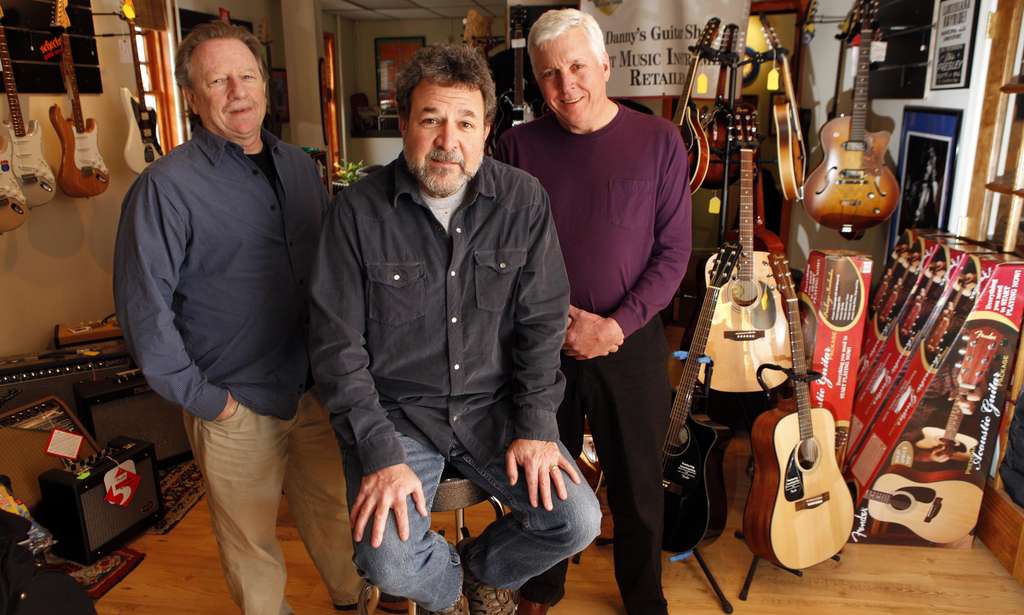
    Danny Gold (center) pictured at Danny’s Guitar Shop in Narberth in 2018 with partners Larry Freedman (left) and Ron Stanford. LAURENCE KESTERSON / Staff Photographer

    Every once in a while, a star or two would stop into Danny’s Guitar Shop while visiting the area or prepping for a show at Ardmore Music Hall. The Eagles’ Timothy B. Schmit bought a few guitars and gave Gold backstage passes when the band played Atlantic City. Wilco’s John Stirratt stopped by, as did Dweezil Zappa, Frank Zappa’s son. Tumolo said Gold always encouraged them to shop at Narberth’s other businesses.

    In 2014, Gold starred in a 13-episode series on WHYY-TV’s YArts cable channel, which aimed “to do for guitars what Anthony Bourdain has done” for international cuisine or ”Mike Rowe for the art of cleaning septic tanks,” according to an Inquirer story from the time. In the series, Gold explored the origins of Klezmer music, interviewed the scholar who wrote the definitive book on the history of the accordion, and spent quality time with electric guitar giant Paul Reed Smith.

    Lessons were the biggest part of Gold’s business model at Danny’s, as his mentors predicted. He did a large consignment and secondhand business, as well, as he was mostly selling to first-time and beginner players.

    “The lessons made me a destination store. It’s never like I carried away wheelbarrows full of money, but we were able to make a modest living and enjoy doing what we were doing,” Gold said.

    Like many brick-and-mortar merchants, Gold said it became more difficult over time to keep up with the ubiquitous online marketplace. Consumers can now buy any model of guitar, in any color, at any time. Music stores across the country have shuttered in recent years, pointing to online shopping as a factor in their decline.

    On one hand, Gold feels somewhat liberated from the day-to-day responsibilities of running his namesake storefront. On the other hand, there’s a lot he’ll miss — the people, the borough, watching the neighborhood kids grow up.

    At the end of the day, Gold said, “It’s been a great run.”

    This suburban content is produced with support from the Leslie Miller and Richard Worley Foundation and The Lenfest Institute for Journalism. Editorial content is created independently of the project donors. Gifts to support The Inquirer’s high-impact journalism can be made at inquirer.com/donate. A list of Lenfest Institute donors can be found at lenfestinstitute.org/supporters.

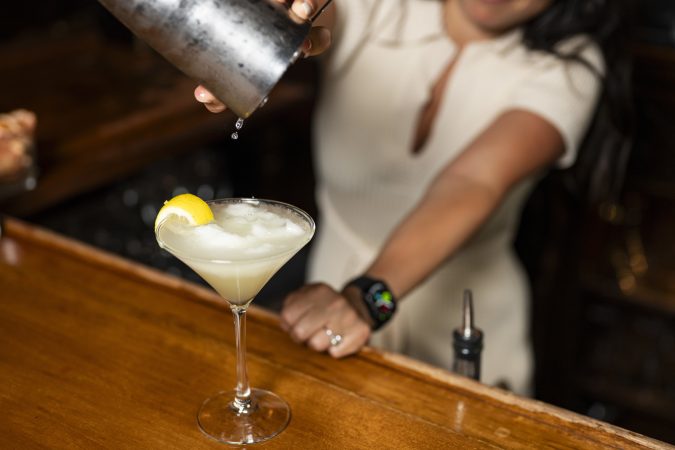
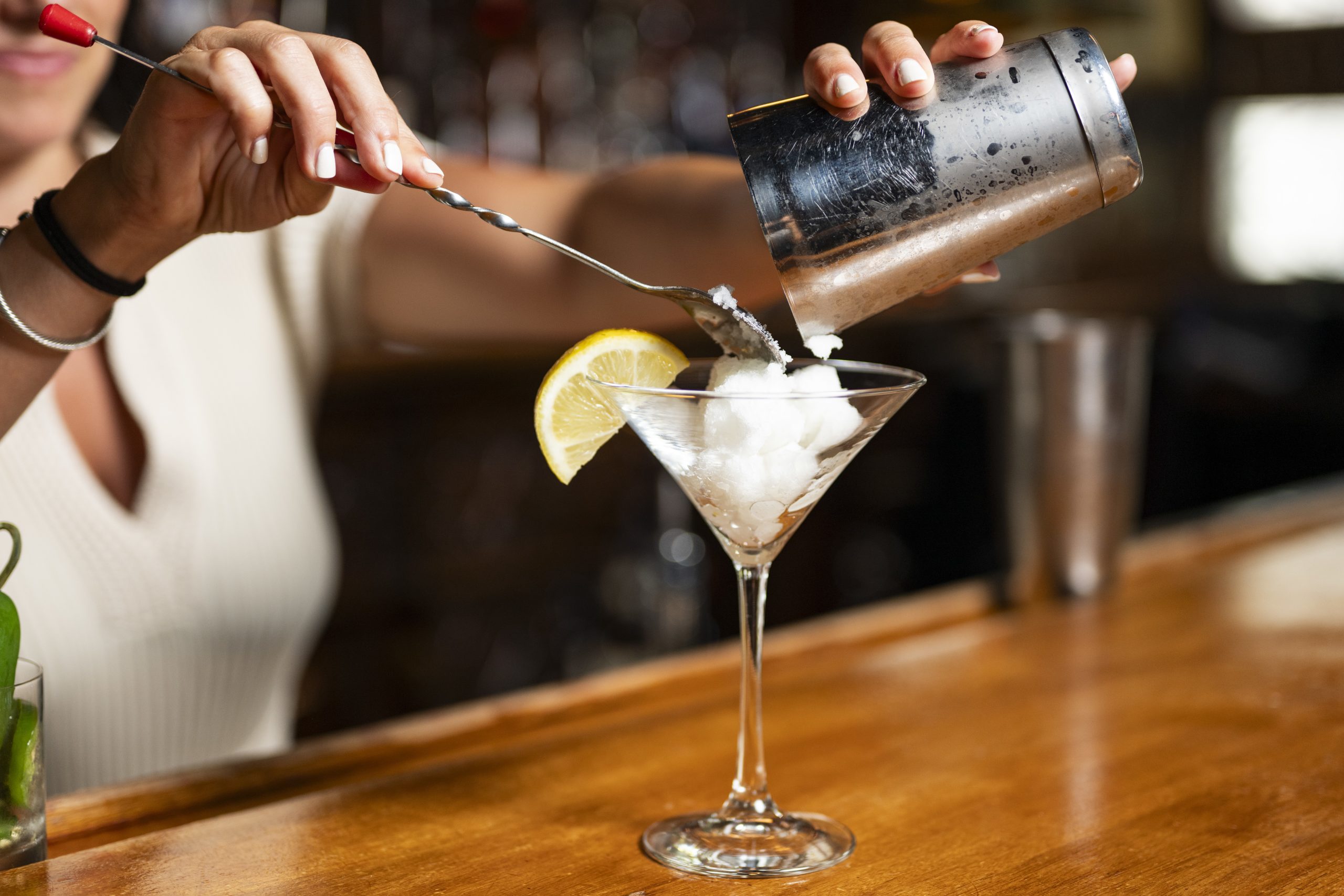
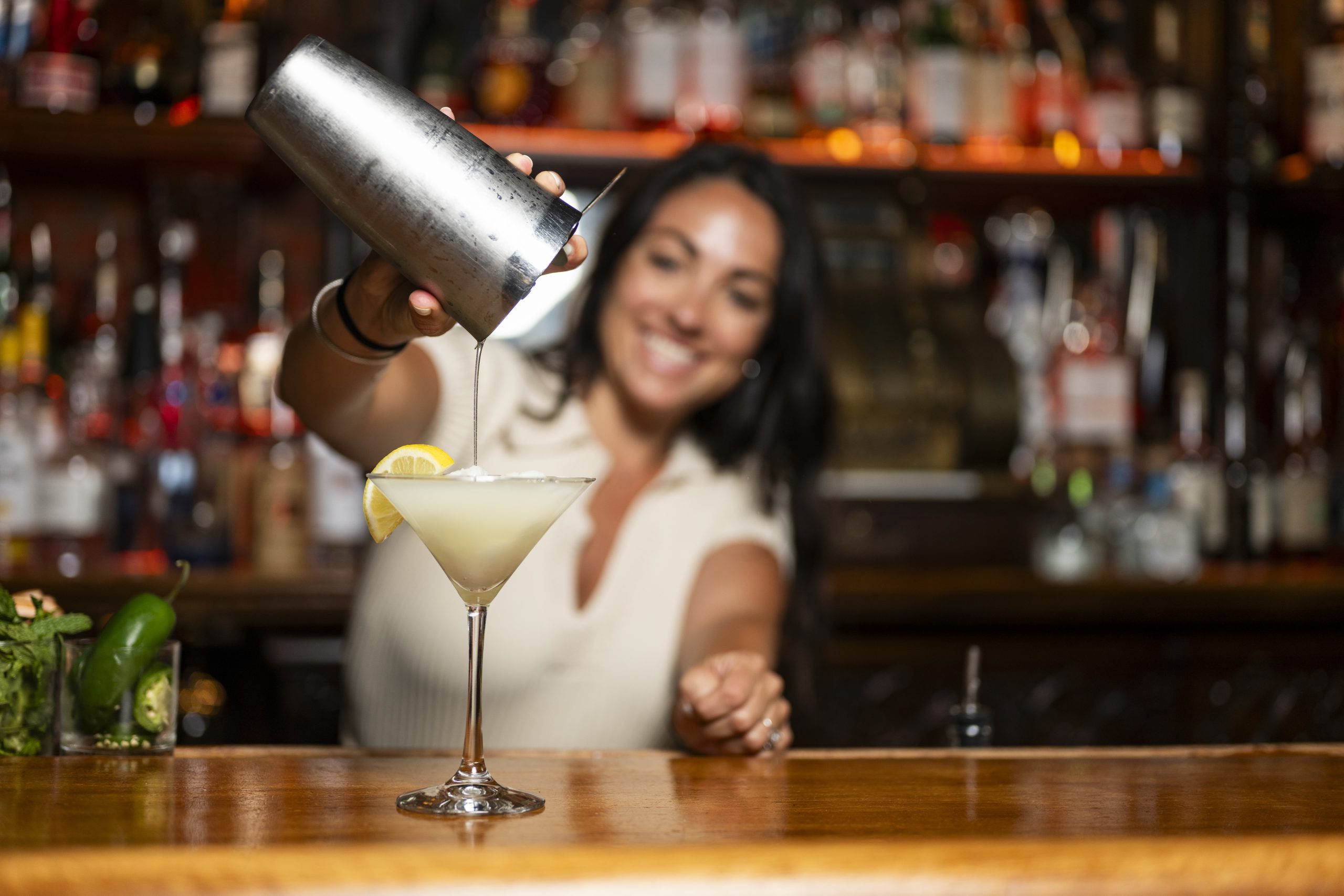
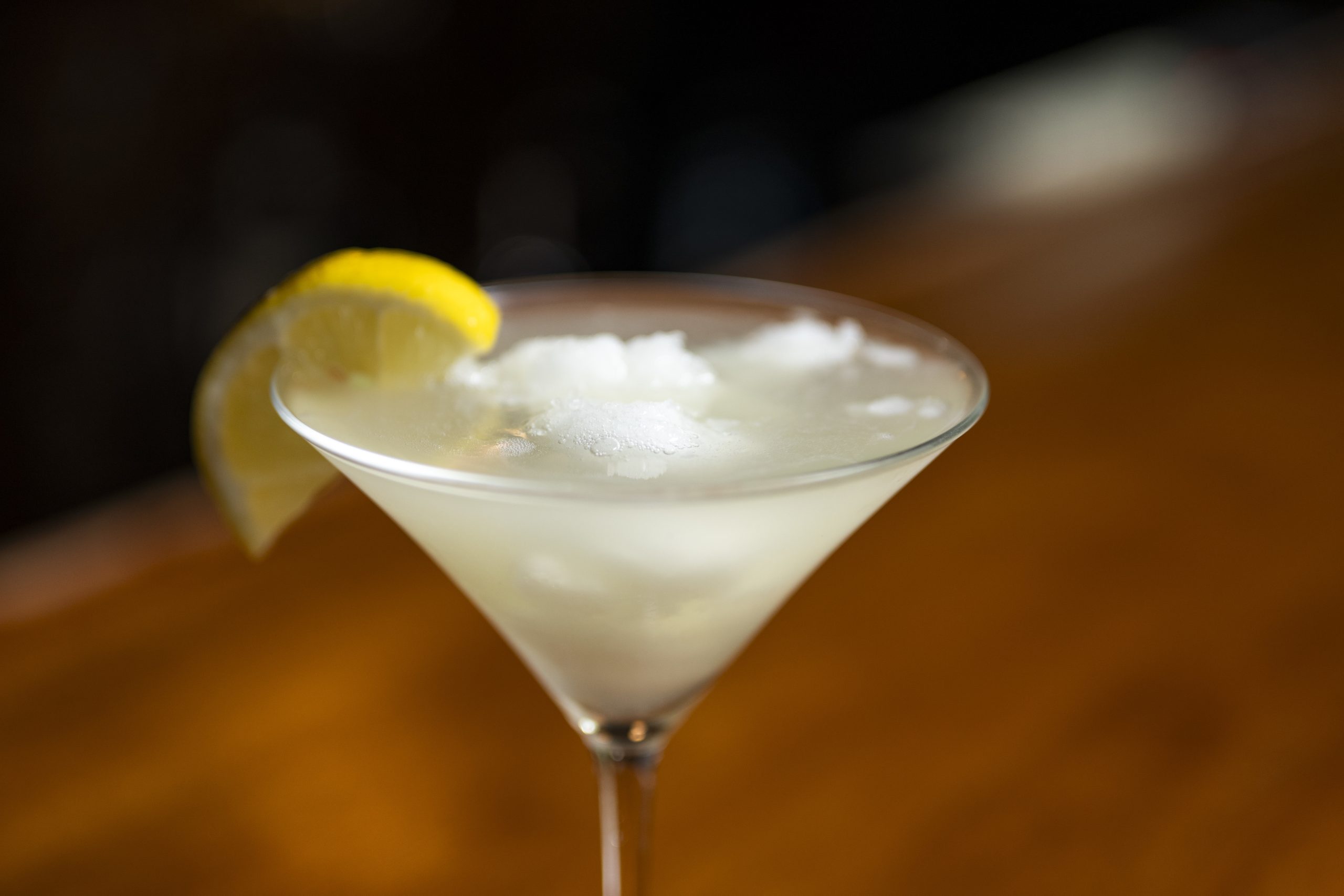
  • The water ice martini is the quintessential Philly summer cocktail

    The water ice martini is the quintessential Philly summer cocktail

    If you were to distill the energy of a South Philly summer into a cocktail, it might look like water ice shaken with vodka in a martini glass, garnished with a pretzel stick. It would taste like the syrupy-sweet melted ice left in the cup and be crushable enough to knock back on a hot afternoon.

    That’s the water ice martini, a cocktail invented in the early 2000s at one of the neighborhood’s most famous red sauce joints. The drink was a hidden gem for decades, but has found new life this summer as copycats and riffs emerge at bars around Philly and down the Shore that are looking to stand out in a sea of Hugo spritzes, espresso ‘tinis, and soft serve margaritas.

    “Anyone that’s grown up in South Philadelphia grew up on water ice with pretzel sticks and pumpkin seeds. Its been a thing in my family for three generations,” said Vera Masi, the sales manager at Popi’s Restaurant in Packer Park, where the cocktail recently went viral. “Pairing that with a martini is a guaranteed hit.”

    The first water ice martini on record was poured in 2002 at Saloon by Anthony Cardullo, the third-generation John’s Water Ice owner who was then just a bartender. Called the Iceberg, the drink involves adding a scoop of John’s lemon water ice to a shaker with limoncello and Ketel One Citreon vodka. It then gets poured over a second scoop of lemon water ice in a glass.

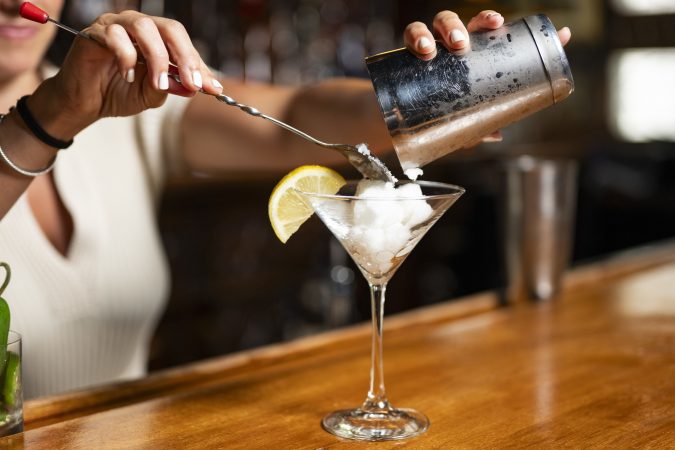
    Gigi Bello, bar manager at Saloon, makes an Iceberg martini using lemon water from John’s. The cocktail has remained a bestseller since they started serving it in 2002.Allie Ippolito / For The Inquirer

    It’s the restaurant’s most enduring cocktail hit, according to manager Frankie Santore. Saloon sells at least 150 Icebergs per week in the summer, he said, making it their bestseller. To keep up, Cardullo has to drop off gallons of fresh made water ice each week.

    Other versions have cycled through Saloon — a pineapple ice painkiller and a melon ice midori sour, to name a few — but the Iceberg is the only one that has lasted, most recently inspiring a dupe that uses Cardullo’s recipe at the Ventnor Social in New Jersey. The restaurant has “never for a second” thought to use anything other than John’s water ice for its cocktails.

    “It’s all fresh fruit,” Santore said. “Anthony’s squeezing the lemons himself.”

    Gigi Bello, bar manager at Saloon, pours an Iceberg martini.Allie Ippolito / For The Inquirer

    Popi’s started serving their own versions of the water ice martini last summer after getting the idea from Rowhome Magazine editors Dorette Jackson and Dawn Rhodes. The 33-year-old Italian restaurant sources its water ice from Pop’s for two reasons, owner Gina Rucci said: It’s down the street, and “our names went together.”

    Popi’s has its own version of a lemon ice martini (aptly called the Limoncellotini), but its other offerings pull from the colors of the rainbow, like a neon orange mango water ice martini called the Gritty and a vibrant red strawberry water ice daiquiri. The restaurant used to sell about 20 a day last summer, said bar manager Laura Kreschollek. Now, they’re averaging 50.

    “People were coming in just for these,” said Masi. “We kept running out of water ice and were sneaking out to Pop’s in the middle of the day.”

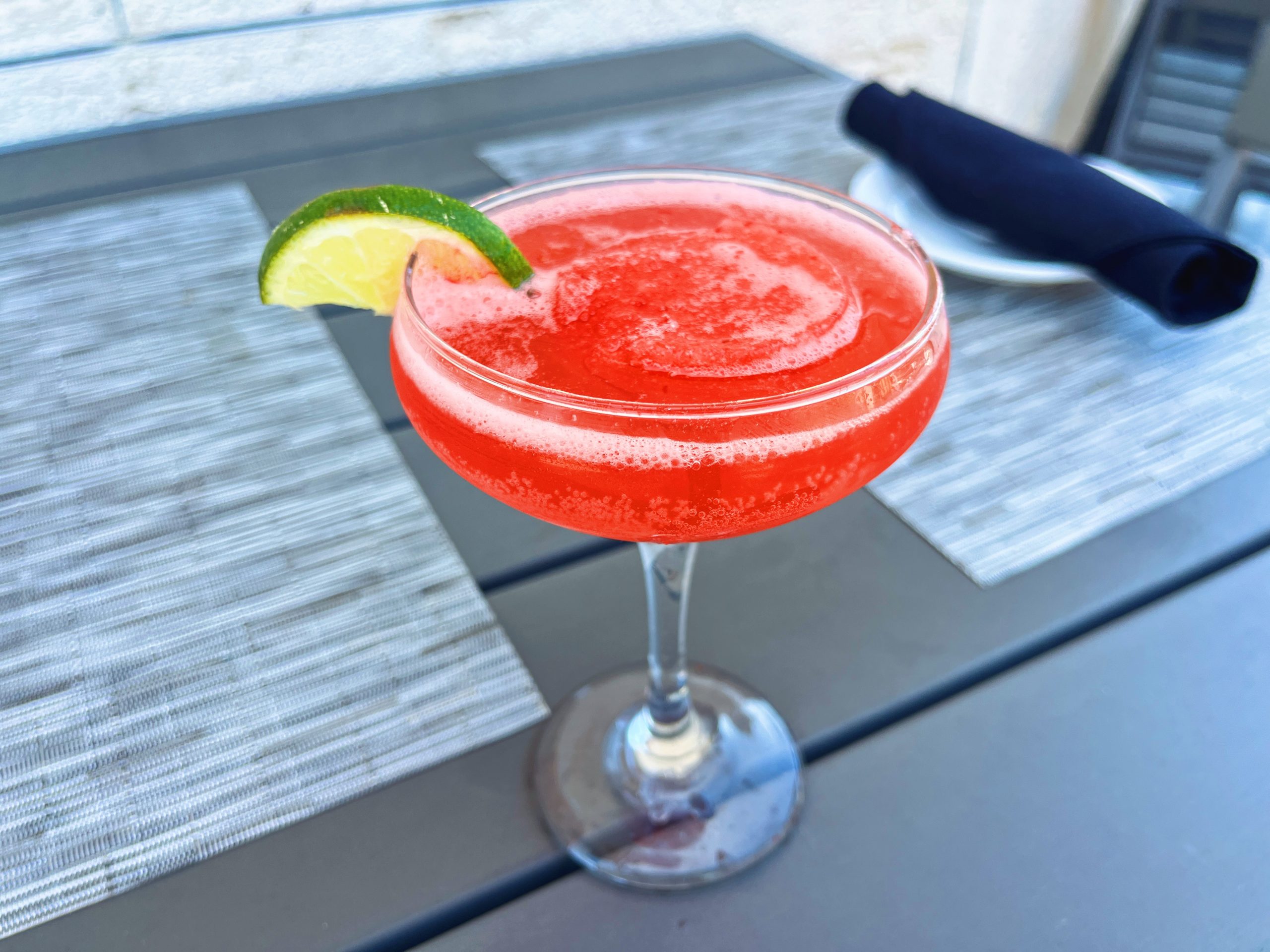
    A strawberry daiquiri made with Pop’s Homemade Italian Ice at Popi’s Restaurant, 3120 S. 20th St.Beatrice Forman / Staff

    Naturally, the evolution would continue with spiked gelati. Philly could get its first in the early fall, when James Beard Award-winning South Jersey bartender Danny Childs aims to open his bar Field Day in Northern Liberties.

    Childs told The Inquirer he plans to serve the treat year round using his signature Slow Drinks approach. While the vanilla soft serve will come from 1-900-ICE-CREAM, Childs said, the boozy water ice will be made from scratch with local and foraged produce that change with the season. He’s envisioning a lineup of cherry, blueberry, and pawpaw (a fruit native to the Mid-Atlantic that tastes like a mango) to start.

    The cocktail-dessert hybrid was driven by a mix of nostalgia and peer pressure. Childs wanted a nod to his childhood in Delaware County, where he grew up using a soft pretzel as a spoon to scoop up water ice. He also wanted to one-up the alcohol-infused ice creams already on the market.

    “I was like, ‘Someone is going to do spiked gelati before us,’” Childs said. ”We have to hurry.”

    The Iceberg martini from Saloon, which was created by current John’s Water Ice owner Anthony Cardullo.Allie Ippolito / For The Inquirer

    Here are four places where you can find boozy water ice in all its forms, from vodka-infused scoops to martinis.

    Where to find boozy water ice in Philly

    Saloon

    This classic Italian joint in Bella Vista has been serving its signature $18 Iceberg martini since 2002, when current John’s Water Ice owner Anthony Cardullo invented it while working at the restaurant’s bar. It does indeed look like icebergs disintegrating into the Arctic as it melts, but the drink goes down easy — sweet, icy, and citrusy without tasting artificial. Also be on the lookout for Cardullo’s nightly water ice cocktail specials.

    📍750 S. Seventh St. 📞 215-627-1811, 🌐 saloonrestaurant.net

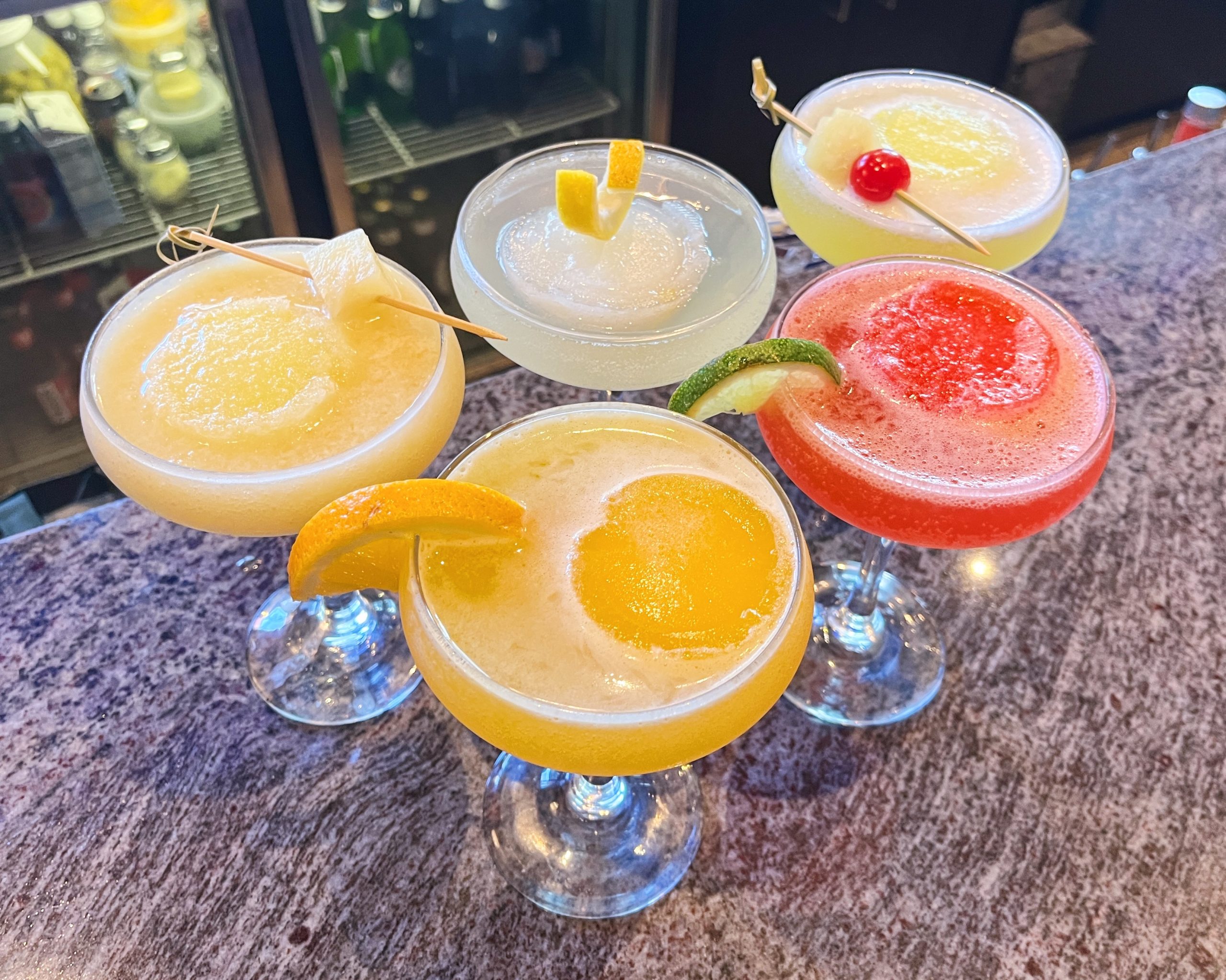
    A lineup of water ice martinis made with Pop’s homemade Italian ice at Popi’s Restaurant. Clockwise from left: The Pineapple Pizzaz, Limoncellotini, piña colada, strawberry daiquiri, and the Gritty.Beatrice Forman / Staff

    Popi’s Restaurant

    At Popi’s, the pours are heavy and the water ice is extra sweet. This 33-year-old Italian restaurant near the sports complex in Packer Park gained a new reputation in 2025 when it started serving brightly colored cocktails sweetened with Pop’s homemade Italian ice. Normally $16 and $20 during the World Cup, the cocktails run the gamut from the Gritty (a vodka martini with orange juice and mango water ice) and Pineapple Pizzaz (a pineapple vodka martini with pineapple water ice) to a strawberry daiquiri with a disk of — you guessed it — strawberry water ice floating in the middle. If you’re not susceptible to a sugar rush, it’s easy to have several in one sitting.

    📍3120 S. 20th St. 📞 215-755-7180 🌐 popisrestaurant.com

    Triangle Tavern

    Best known for its excellent vegan wings and cheesesteaks, Triangle Tavern also serves scratch-made boozy water ice year round. Flavors rotate seasonally and range from mango and pomegranate in the summer to pumpkin spice in the fall and crisp peppermint in the winter. Spun in a slushie machine with a handle of vodka, the $12 cocktails are served in a pint glass garnished with a hard pretzel rod for an extra dose of South Philly flair.

    📍1338 S. 10th St. 📞 215-800-1992 🌐 triangletavernphilly.com

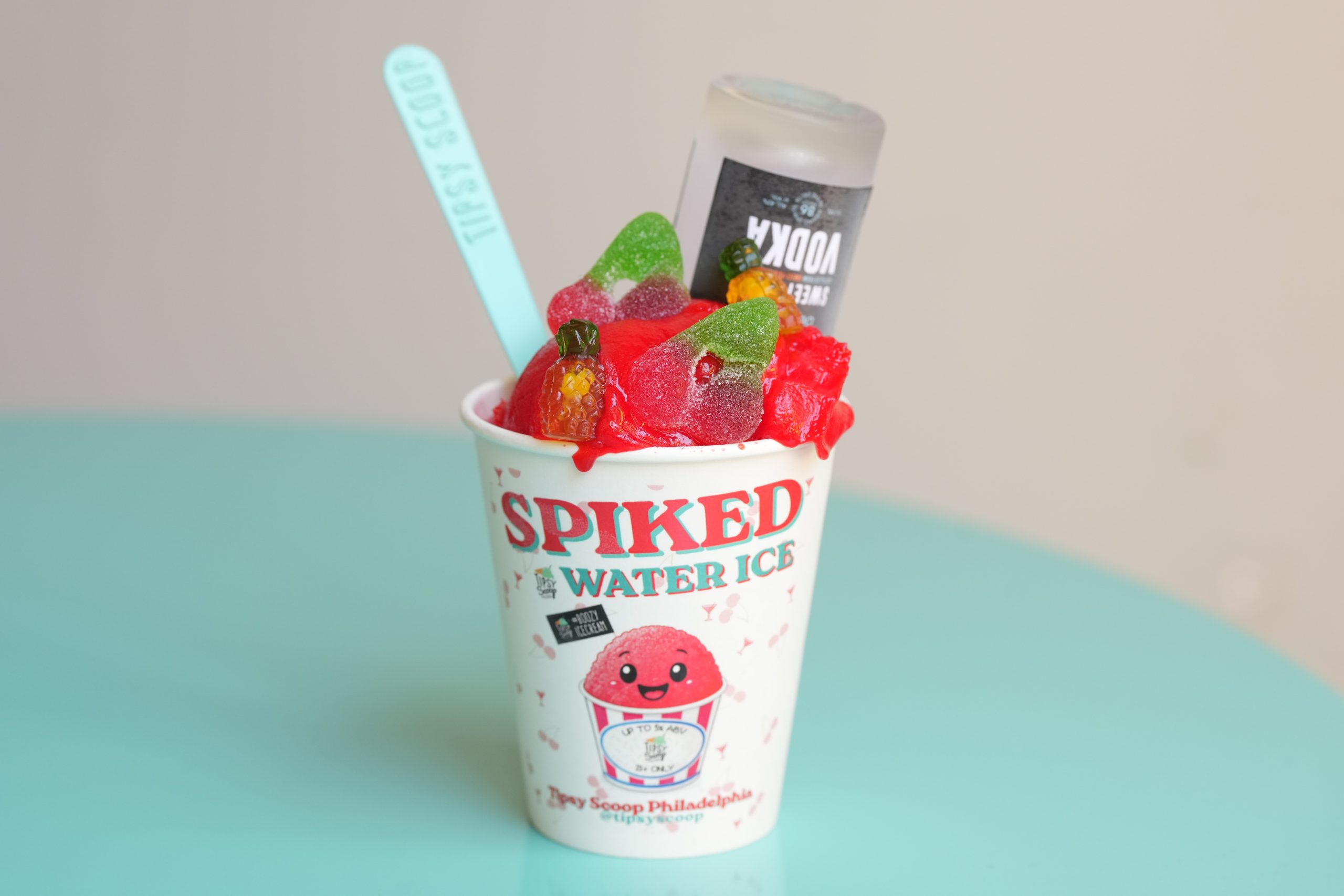
    The Philly Phreeze sundae at Tipsy Scoop in Rittenhouse Square, which is comprised of vodka-infused cherry water ice topped with gummy candies.Jessica Griffin / Staff Photographer

    Tipsy Scoop

    This New York City-based ice cream chain has been infusing ice cream and sorbet with alcohol since 2013. After opening its first Philly outpost inside the Rittenhouse Square BOTLD location, the brand added a cherry water ice spiked with vodka to its menu. Our suggestion: Order the $14 sundae version — which comes topped with chewy cherry and pineapple gummies in a novelty cup — and consider springing for the chilled vodka shooter. It’s entirely too much in the best way possible, and the water ice is delightful despite being made by a New Yorker. Red enough to stain your tongue, it tastes like a handful of maraschino cherries.

    📍119 S. 18th St. 📞 917-388-2862 🌐tipsyscoop.com/pages/philadelphia

  • The ‘flying saucer’ building at LOVE Park will host a beer garden and then a restaurant

    The ‘flying saucer’ building at LOVE Park will host a beer garden and then a restaurant

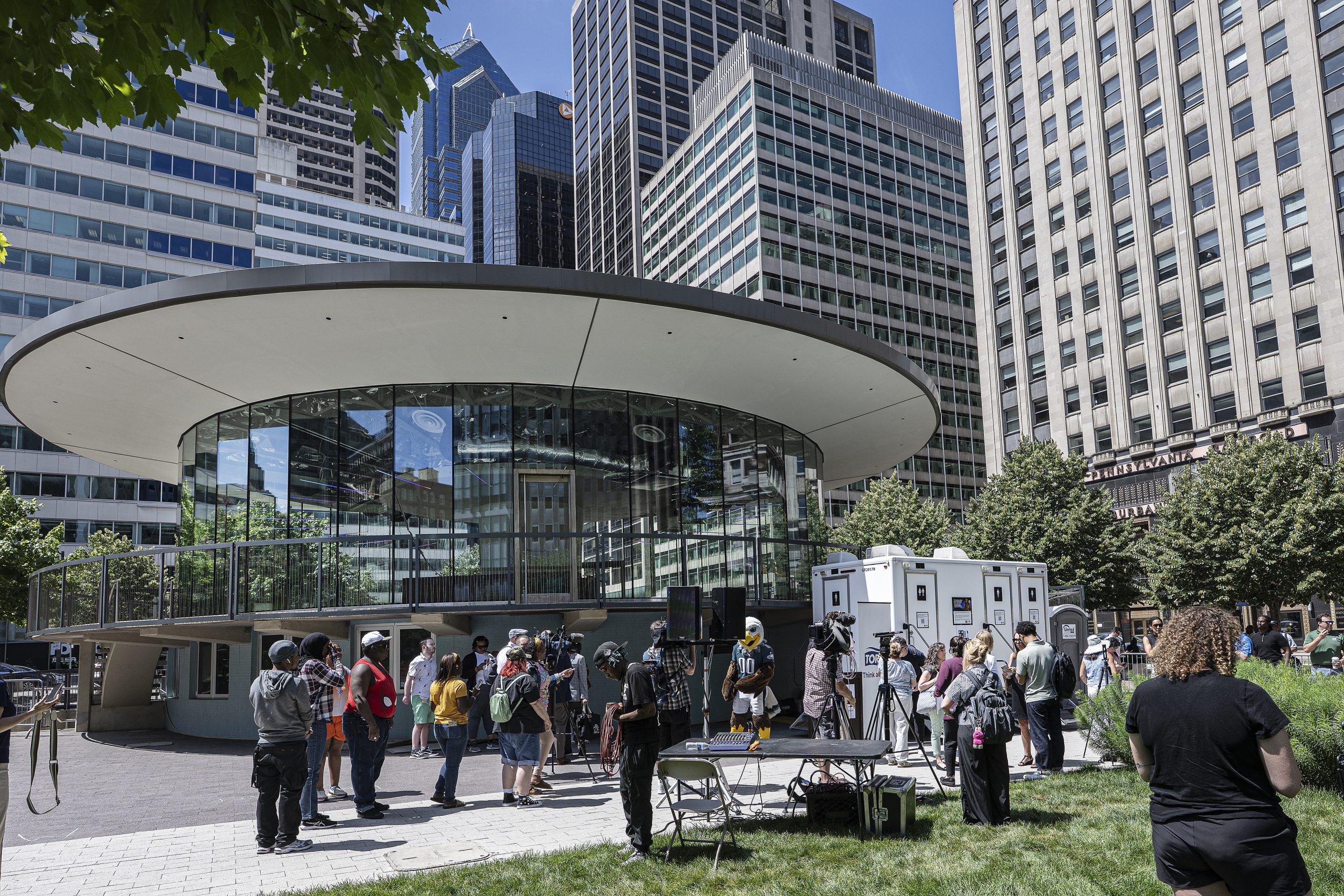
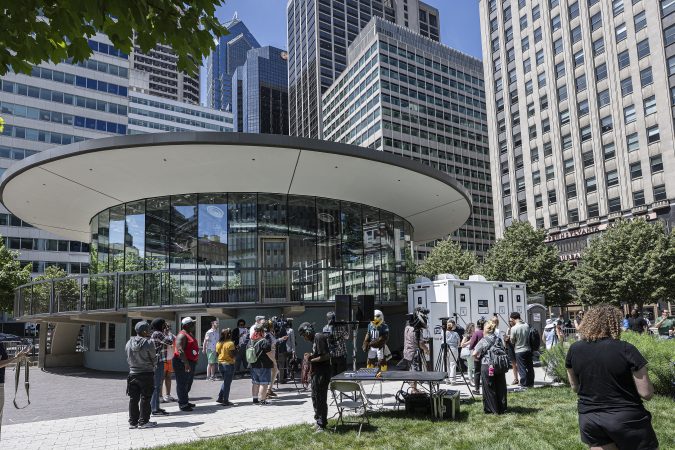
    More than six decades after it landed in LOVE Park, Philadelphia’s long-shuttered “flying saucer” building is preparing for its next mission. The first step begins Saturday — not inside the circular glass pavilion itself, but with a new outdoor beer garden surrounding it.

    Broad Street Beer Garden at LOVE Park is the opening phase of a food-and-drink operation led by Broad Street Brewing, the Bucks County brewery selected by the Philadelphia Department of Parks & Recreation as its operator after years of fits and starts.

    Saturday’s debut, on the final FIFA World Cup game in Philadelphia and amid the hoopla surrounding America250 festivities, will feature a beer garden with a limited food menu. Two Philadelphia companies, Rival Bros. Coffee and High Street Hospitality Group, will be involved as well. High Street, which operates Fork, a.kitchen, and the Bread Room, will assume a larger culinary role when the restored pavilion itself reopens in early 2027 as a year-round cafe, restaurant, and coffee bar. Its name has not yet been announced.

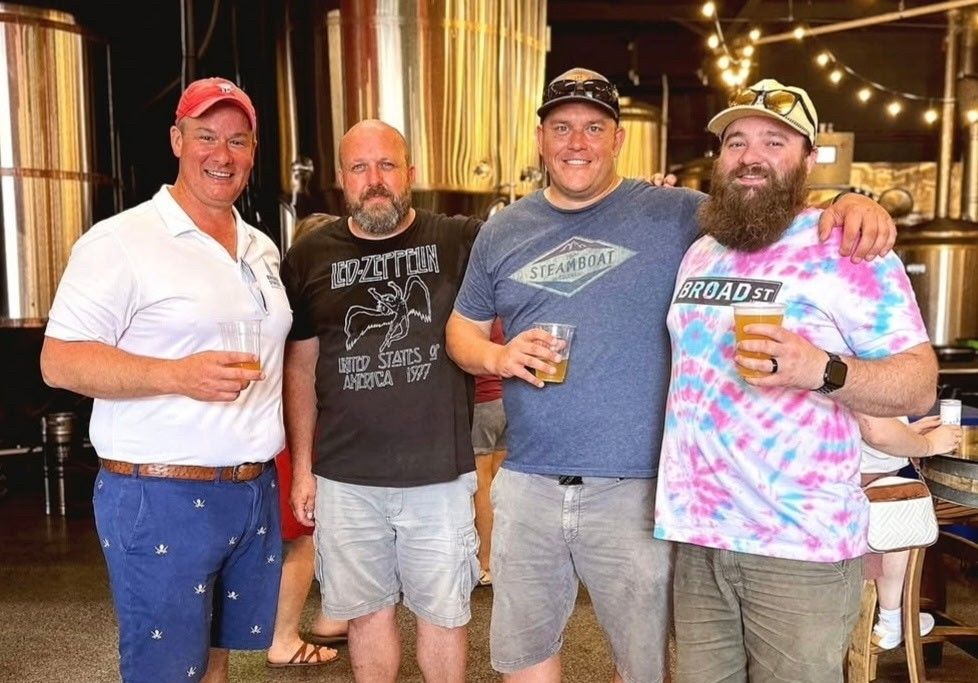
    Broad Street Brewing’s partners (from left) Ed Webber, Tim Lohse, and Brandon Wellington with brewer Andrew Balmer.Courtesy of Broad Street Brewing

    For the Parks & Recreation Department, the concession is about more than filling the building at 16th Street and JFK Boulevard. Revenue from the operation will be reinvested in LOVE Park and the Benjamin Franklin Parkway, helping fund programming, maintenance, and improvements.

    “This has been a long time coming,” said Katie Burns Kays, the department’s director of business and event development. “Our goal wasn’t just to find somebody to fill the space. We wanted a strong partner who would bring the kind of energy and story we want to be telling at LOVE Park, for both residents and visitors.”

    Kays said officials hope the arrangement becomes “a sustainable funding model for our public spaces.”

    Broad Street Brewing, which opened three years ago in Bristol, emerged from a field of applicants that included Four Corners Management, operator of Parks on Tap; Triple Bottom Brewing Co.; Tica’s Taco; Bower Penn, which operates Bower Cafe locations; and Little Susie’s Coffee & Pie, according to city documents.

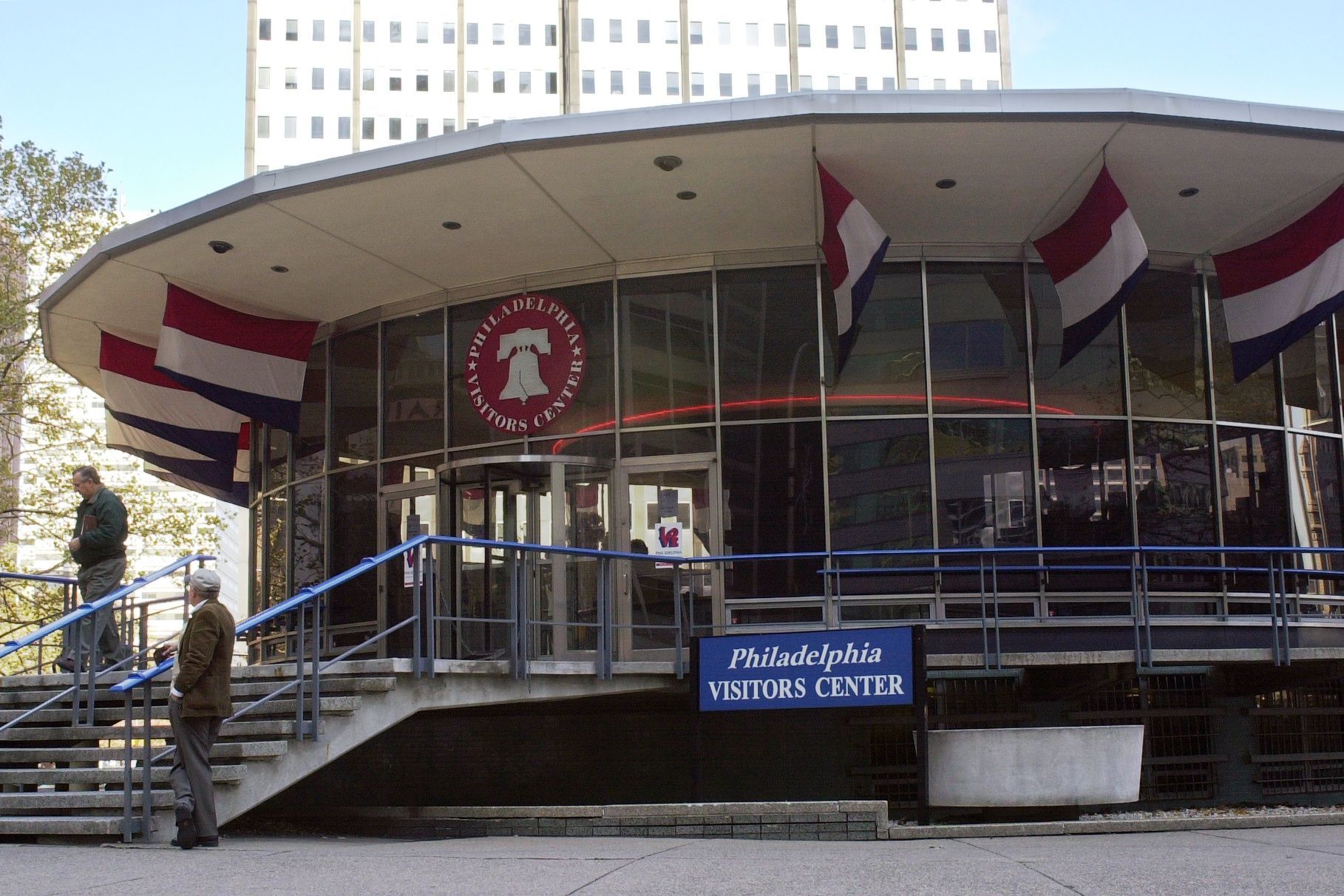
    The center in November 2001, just before the Independence Visitor Center opened at Sixth and Market Streets. Tom Gralish / Staff Photographer

    Kays said the city used what it calls a “best value” procurement process, weighing community engagement, operational experience, partnerships, and programming alongside revenue. Financial terms were not disclosed. The department’s standard concessions run for one year with up to four renewals, and Parks & Recreation plans to seek City Council approval this fall for a longer-term agreement to support the investment, Kays said.

    “It’s exciting to feature three local businesses rather than a national chain,” Kays said. “We really want visitors to experience Philadelphia through Philadelphia businesses.”

    For Broad Street co-owner Brandon Wellington, the project is also something of a homecoming. When Wellington lived at Broad and Race Streets, he first began brewing beer before setting the hobby aside for more than a decade. During the pandemic, he and longtime friends Ed Webber and Tim Lohse left their previous careers to launch Broad Street. Although the brewery established its production facility and taproom there, Wellington said the long-term goal was always to return to Philadelphia. He reached out to High Street partner Ellen Yin — whom he knew through his commercial kitchen-ventilation business — about partnering.

    The opening phase will occupy the terrace surrounding the pavilion and about a third of the adjacent lawn, with about 250 seats divided among cafe tables, picnic tables, and Adirondack chairs. Wellington said the goal was to create a gathering place for commuters, office workers, tourists, and park visitors while bringing regular live music and community programming to LOVE Park. The initial beverage program will feature at least eight Broad Street beers on draft.

    Broad Street Brewing expects to operate the outdoor beer garden through late October, serving beer alongside grab-and-go items such as smash burgers and maintaining a presence during Christmas Village as the permanent indoor build-out continues.

    Once the historic pavilion can be outfitted with a commercial kitchen, the partners expect to open a year-round operation with about 100 indoor seats. High Street will oversee the food program, while Rival Bros. anchors the cafe. Wellington said they also envision rotating guest chefs and an automated tap wall pouring Broad Street beers alongside selections from breweries across Philadelphia. The indoor operation is expected to debut around March 2027.

    “I just don’t want people to think this is simply a beer garden,” Wellington said. “While it’s being quarterbacked by a brewery, this will be Center City’s ultimate open-air hub — an oasis where local commuters, corporate professionals, and tourists can relax and connect.”

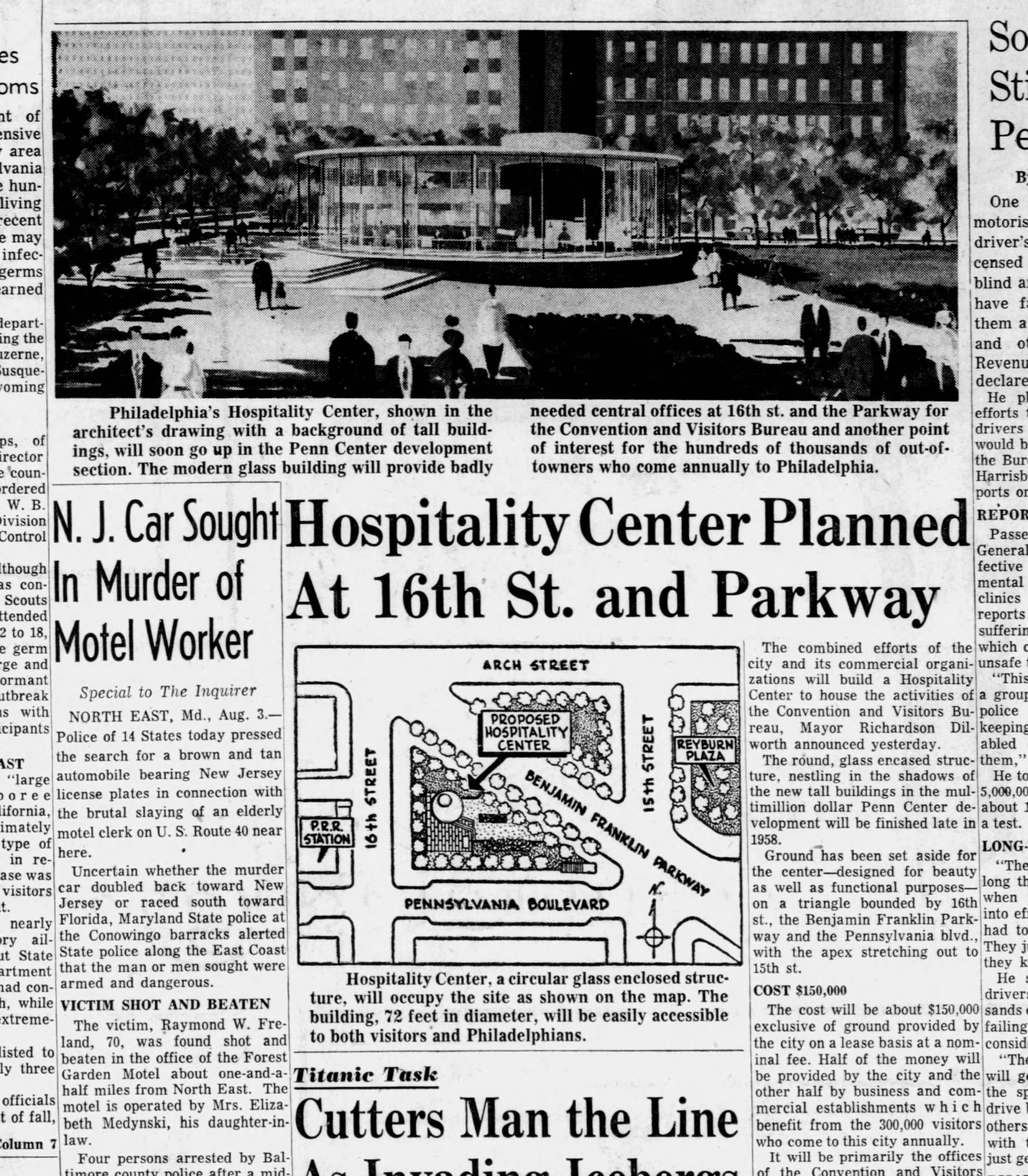
    On Aug. 4, 1957, The Inquirer reported the plan for what become the flying saucer-like building. In those days, Ben Franklin Parkway extended through what is now JFK Plaza to City Hall.Newspapers.com

    Long before it became known as Philadelphia’s “flying saucer,” the pavilion was conceived in the late 1950s as the Philadelphia Hospitality Center at what was then the corner of 16th Street and Pennsylvania Boulevard. News accounts placed the price tag at $150,000, exclusive of the land provided by the city.

    Designed by Roy F. Larson of Harbeson, Hough, Livingston & Larson, the circular building opened in 1960 as a visitor information center for an era when families increasingly arrived by automobile. Its broad cantilevered roof and nearly continuous glass walls embodied the optimism of the Space Age and Philadelphia’s postwar redevelopment under city planner Edmund Bacon.

    The pavilion predates both Robert Indiana’s LOVE sculpture and the boulevard that now borders it. When it opened, the roadway, which bisected the plaza, was called Pennsylvania Boulevard. Following President John F. Kennedy’s assassination in 1963, it was renamed John F. Kennedy Boulevard, giving the plaza the name by which it is now universally known.

    Renamed the Fairmount Park Welcome Center shortly after opening, the building later served as park offices, a cafe, a concession stand, and exhibition space. After the Independence Visitor Center opened at Sixth and Market Streets in 2001, however, it gradually lost its original purpose and sat vacant for years.

    Its future appeared uncertain during LOVE Park’s 2016-18 reconstruction. Although some questioned whether the aging structure should be demolished, preservation advocates successfully argued that it was among Philadelphia’s finest surviving examples of midcentury modern civic architecture. The city instead invested about $5.6 million to restore the pavilion, replacing its roof, mechanical systems, and custom-curved glass while preserving its distinctive appearance. It was added to the Philadelphia Register of Historic Places in 2025.

    The rehabilitation did not immediately produce a tenant. In 2019, restaurateurs Marcie Turney and Valerie Safran planned a restaurant called Loveluck before withdrawing during the pandemic, and a subsequent request for proposals drew no bids.

    Last year, the city broadened its search, seeking a cafe, taproom, or other community-oriented food-and-beverage concept instead of a traditional restaurant. More than 50 prospective operators responded.

    Kays said the city deliberately slowed the process to avoid repeating earlier missteps.

    “The city has tried this before, and the business was not set up for success,” she said. “We wanted to be much more intentional this time.”

  • The Olney man being investigated for his connections to missing women will be held in federal custody

    The Olney man being investigated for his connections to missing women will be held in federal custody

    The Olney man at the center of a sprawling investigation into the disappearance of at least two women in recent years was taken into federal custody Tuesday and will be detained until trial.

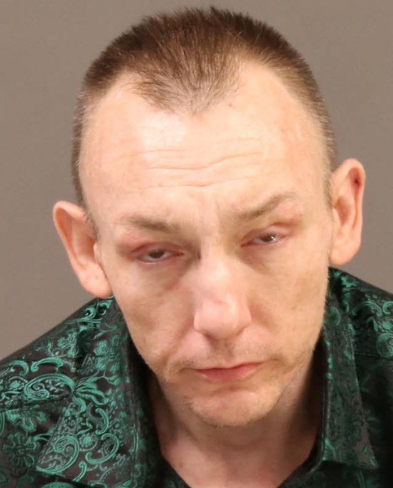
    Eugene Albert Horsch, 44, was arraigned Tuesday on a federal firearms charge — a case that relates to his alleged actions on June 19, when a U.S. Park Police officer near Independence Hall reported seeing a black BMW parked in a restricted zone and next to a fire hydrant.

    The officer reported hearing a woman in the vehicle express fear of being injured and then seeing pairs of scissors in the front seat area. A search of the vehicle, in part based on Horsch’s actions, led to the discovery of a switchblade and a glass pipe in Horsch’s pants and two firearms under the car’s front seat.

    Horsch — who was not allowed to possess guns because of felony convictions — had been charged for that same conduct last week by the Philadelphia District Attorney’s Office and he was being held in a city jail on $500,000 bail. City prosecutors also charged him with having cocaine, heroin, and marijuana in his car.

    But the federal gun charge — and the decision by U.S. Magistrate Judge Pamela A. Carlos to detain him until trial — effectively ensures that Horsch will not be able to post bail or secure his release as his case proceeds. And that will give authorities time to continue investigating him in connection with questions potentially far more serious than illegally possessing guns.

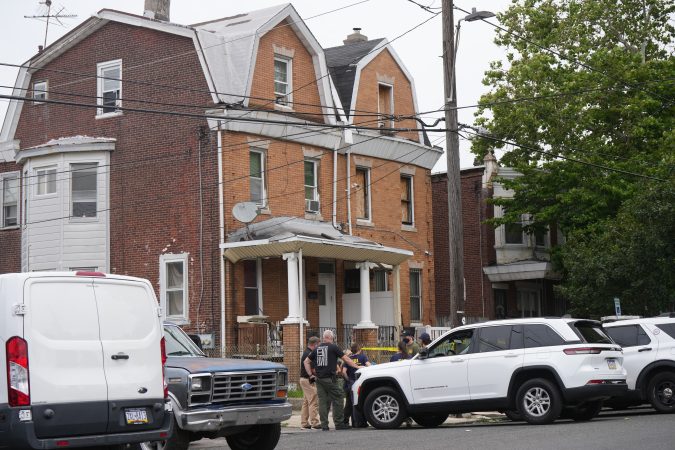
    In the days after Horsch was arrested with the firearms in Center City, investigators who searched his decrepit rowhouse in Olney found another gun and materials to grow marijuana.

    But more concerning, they also discovered a variety of more unusual materials — including barrels of chemicals in the basement, urns holding the cremated remains of at least one of his relatives, documents tied to at least two women who have been missing for years, and a handwritten letter that described hurting people and mentioned the serial killer Ted Bundy.

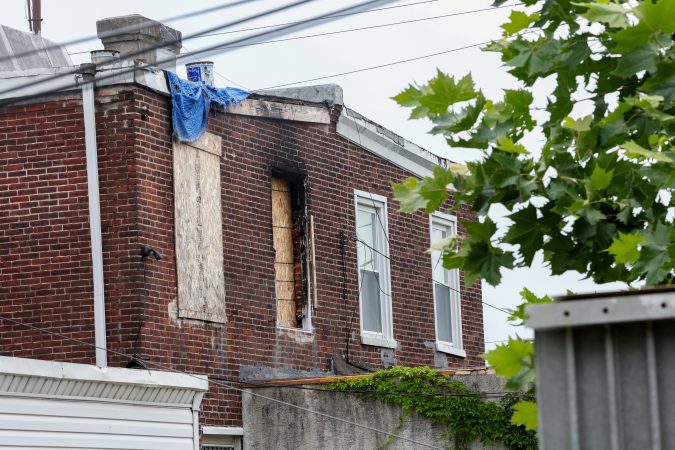
    Officials have said police have not discovered any human remains in the house. But investigators did find a significant amount of blood inside, sources told The Inquirer this week, although it was not clear whether it was human blood. And authorities have been testing a variety of materials they’ve recovered from the house, such as the chemicals in vats stored in his basement.

    The probe is also seeking to learn more about potential connections between Horsch and at least two missing women with ties to his home.

    One is Blair Tonzelli, who might have worked there as a home health aide and who was reported missing in Kensington in 2023. Some of Tonzelli’s friends told police after she disappeared that they worried that something bad had happened to her and that they had told police that Horsch was a “sociopath,” according to police documents obtained by The Inquirer.

    In addition, when Horsch was arrested in Center City earlier this month, a woman who was with him falsely identified herself as Tonzelli and later told police that she did so because Horsch had given her a fake identification with Tonzelli’s name.

    The other missing woman is Amy McHale, the ex-wife of Horsch’s father, who was last heard from at the Olney property in 2016. Horsch’s father, Raymond “R.C.” Horsch — now deceased — was an erotic photographer and drug manufacturer who had published several works of fiction, including one described as an “autobiographical memoir of a caring, empathetic serial killer.”

    Eugene Horsch, during his brief appearance in federal court Tuesday, said little beyond responding to routine legal questions. He will likely be held at Philadelphia’s Federal Detention Center as his case proceeds toward trial.

    His attorney, Jerome Brown, said afterward that he didn’t believe Horsch had harmed any of the women at the center of the investigation.

    “As far as I know, I’d be shocked if [police] found any harm related to those missing persons at that location,” Brown said.

  • Police find ‘significant amount’ of blood inside Olney house linked to investigation of missing women, sources say

    Police find ‘significant amount’ of blood inside Olney house linked to investigation of missing women, sources say

    Philadelphia police found a “significant amount” of blood inside the decrepit Olney house linked to the investigation of at least two missing women, multiple law enforcement sources said.

    The sources, who spoke on the condition of anonymity to discuss an ongoing investigation, said forensic testing has not yet determined whose blood it is or whether it’s even human — a process that could take several weeks to complete. But, the sources said, police are prepared to excavate the front and backyards of the West Chew Avenue home in the coming weeks in search of potential human remains.

    Deputy Police Commissioner Frank Vanore declined to confirm or comment on the discovery Monday afternoon, citing the ongoing investigation. Vanore said Friday that police had not recovered any human remains from the home and were awaiting testing of the tubs of chemicals and other materials found in the basement.

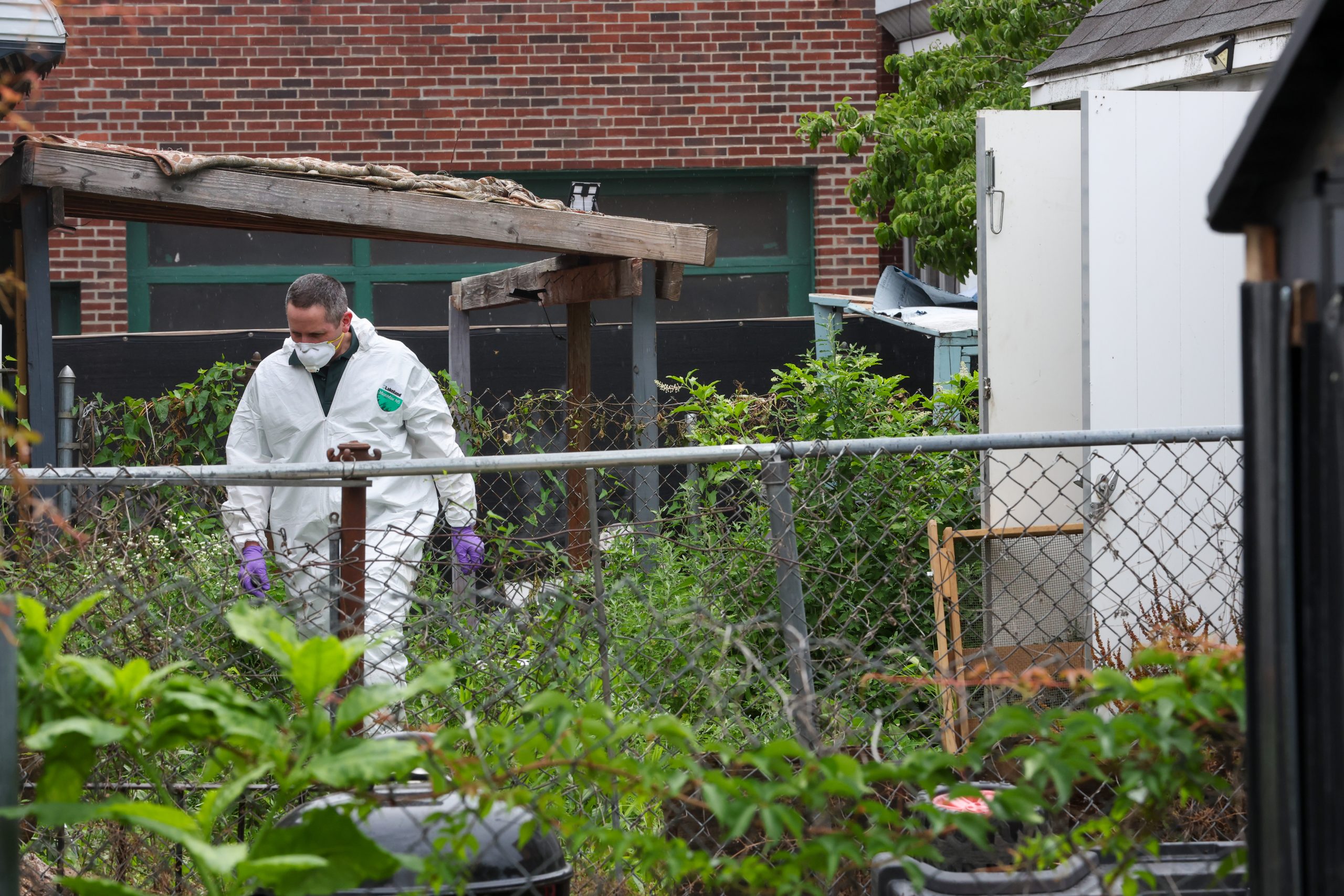
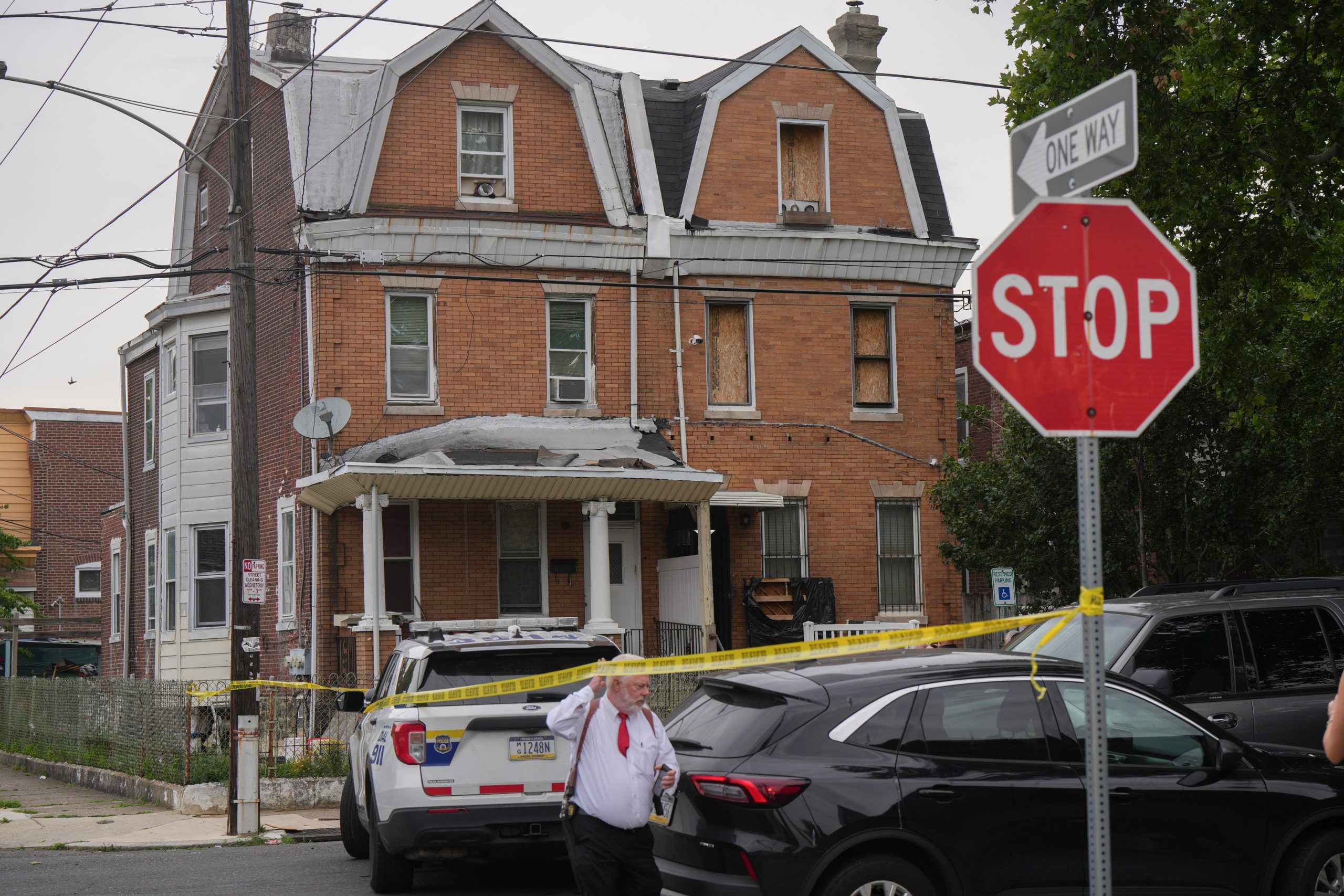
    Forensic investigators search the backyard of 417 W. Chew Ave. on June 27.Aidan T. Gallo / Staff Photographer

    The finding marks the latest development in an unusual saga that began after the arrest of Eugene Albert Horsch, 44, the owner of the Olney home now being searched by law enforcement for a second week in connection with the disappearance of at least two women who have been missing for years.

    Horsch was arrested June 19 after U.S. Park Police saw him parked in his black BMW near Sixth and Market Streets, acting suspiciously. When a ranger approached the car, police said, he heard a woman in the back seat say, “You’re going to hurt me” and saw drug paraphernalia.

    Police searched the car and reported recovering two guns with obliterated serial numbers, as well as cocaine, fentanyl, and marijuana, a cattle prod, switchblade knives, handcuffs, and a fake U.S. Drug Enforcement badge featuring Horsch’s photo.

    The woman with Horsch falsely identified herself to the officers as Blair Tonzelli, a 38-year-old woman who had been reported missing in Kensington in 2023, police said.

    The woman, 39, later told investigators that she gave Tonzelli’s name because she had open warrants for her arrest in ongoing drug cases and that Horsch had made her fake identification cards in that name and said she could use it if she was ever stopped and questioned by police, sources said.

    Eugene Albert Horsch, 44, was arrested June 19 for illegal gun possession and drug crimes. Courtesy of Philadelphia police

    The woman said she did not know Tonzelli or even that she was missing — but the way Horsch spoke about her and other women made her feel like something bad had happened to her, the sources said.

    Philadelphia homicide detectives then began reviewing that missing woman’s case, and, alongside federal law enforcement, searched Horsch’s home at 417 W. Chew Ave. last week.

    That search produced a trove of bizarre discoveries: a basement with drums filled with chemicals, bottles of unknown substances, Tonzelli’s bank card, the death certificate of another woman, and what appeared to be urns holding at least one of Horsch’s relatives’ cremated remains.

    Investigators also found another handgun, materials used to grow marijuana, and a 55-gallon drum with connections to waterlines leading into a hole in the ground.

    Federal investigators also discovered a multipage, unsigned, handwritten letter that appeared to describe hurting people and referenced the serial killer Ted Bundy, according to the affidavit of probable cause to search the home that was obtained by The Inquirer.

    Eugene Horsch lived at 417 W. Chew Ave. with his father until he died last year. Jessica Griffin / Staff Photographer

    Law enforcement sources said police were working to determine whether the writings were part of a novel or screenplay. Horsch’s late father, Raymond “R.C.” Horsch was a known drug manufacturer and erotic filmmaker who had published several works of fiction with violent, masochistic themes, including one described as an “autobiographical memoir of a caring, empathetic serial killer.”

    The probe into the younger Horsch took another twist when investigators learned that Raymond Horsch’s ex-wife Amy McHale was last seen at the Olney property in 2016 and has not since be located. A lawyer for Eugene Horsch and his father said the two men had nothing to do with McHale’s disappearance and said she struggled with substance abuse and mental illness.

    Horsch has been charged with illegal gun possession and drug crimes by Philadelphia authorities.

    He is also facing a federal gun possession charge, court records show. The U.S. Attorney’s Office filed a complaint against Horsch on Friday, charging him with possession of a firearm by a felon and centering their allegations on the guns that park rangers found in his car during an encounter in Center City earlier this month.

    Horsch has not yet been arraigned in that matter, and he remained in a city jail, held on $500,000 bail as of Monday afternoon. But the case could give federal prosecutors an opportunity to argue to a judge that he remain in federal custody until trial.

    This is a developing story and will be updated.

    Staff writers Jesse Bunch, Max Marin, Barbara Laker, and Chris Palmer contributed to this article.

  • See what $405,000 can buy you in the Fairmount, Drexel Hill, and Camden County housing markets | The Price Point

    See what $405,000 can buy you in the Fairmount, Drexel Hill, and Camden County housing markets | The Price Point

    The Price Point compares homes listed for similar sale prices across the region to help readers set expectations about house hunting.

    According to recent Zillow data, homes with “character” — visual distinction and a sense of history — are all the rage.

    As the birthplace of the nation, the Philadelphia region has its fair share of drool-worthy older homes of all shapes, sizes, and price tags.

    In May, the median sale price for homes in the Philadelphia metropolitan area was $405,000.

    So, here are three pre-World War II homes in the Philadelphia region that about $405,000 can buy — all with ample “character.”

    A Fairmount condo with a private patio

    This second-floor condo boasts a desirable location, according to its listing agent, Jeniffer Benner with Home Sweet Home PHL.

    It’s situated on a tree-lined street in the heart of the Art Museum neighborhood, with easy walkability to Center City, the Schuylkill River Trail, and Roberto Clemente Park just a block away.

    Benner said a main draw is the property’s private rear patio, which is “tough to find in condo spaces.”

    Built in 1920 with a major remodel in 2014, the home’s living room boasts modern features and touches of the past with its traditional red brick exterior. It has nine-foot ceilings, custom shutters, hardwood floors, recessed lighting, and crown molding. The built-in entertainment center has been a favorite of prospective buyers.

    “A lot of people think that’s a really nice feature, rather than having a blank box like some of the newer construction condos,” Benner said. “They like that character.”

    There are two bedrooms and two bathrooms, with the primary suite including two closets, one a walk-in.

    Benner said the condo fee is minimal — $223 per month — because it only covers exterior maintenance and insurance for the townhouse’s three units. Compared to city condo fees that can reach upward of $1,000 a month, the cost is “very affordable.”

    The property was listed for sale in March for $420,000. The listing price has since come down to $410,000.

    A Tudor-style home in Drexel Hill

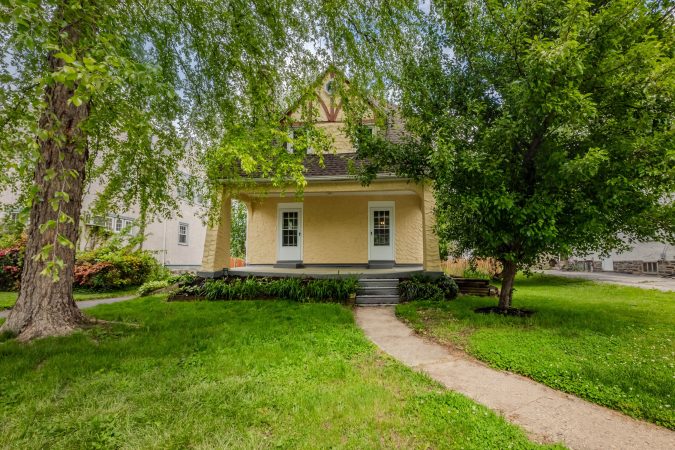
    This Tudor-style home in Drexel Hill has an old-fashioned feel, as most of the neighborhood’s homes were built between 1925 and 1934, said listing agent Jason Cox with Long & Foster Real Estate.

    “This is a throwback, and that’s one of the reasons people love it,” said Cox.

    Two columns frame the property’s double-entry doors, which Cox said is an imprint of historical Drexel Hill homes. The kitchen’s mullioned glass-front cabinets and the bathroom’s checkered-tile accents further the home’s traditional aesthetic.

    The front yard is shaded by a willow tree, and the backyard is spacious enough for a garden, play set, pool, or all of the above.

    The three-story home has one full bathroom and five bedrooms — rare for its listing price. There are three larger bedrooms on the second floor, in addition to a smaller room that could double as an office, and a finished attic with skylights on the third floor.

    The living room has a traditional brick fireplace, and the dining room features access to a deck that is a prime location for outdoor grilling. Recently repainted and carpeted, the home is move-in ready.

    Cox, who lives a block away from the property, “can’t say enough about the neighborhood.” Ideal for families, the home is walking distance from the local elementary and middle schools, and is a five-minute drive from Upper Darby High School. In the neighborhood, some families have stayed for two or three generations.

    The property was listed for sale in May for $400,000.

    A complete renovation in Magnolia, Camden County

    Sitting on more than a half-acre, this home’s standout feature is its expansive backyard. About three years ago, the homeowners installed a patio and a gazebo with a mounted TV, transforming the empty space.

    “It makes the outside feel like the inside, and it can be screened in,” said listing agent Aaron Wallace with KW Main Street. “It’s the best thing about this property.”

    The four-bedroom, two-bath property was built in 1911 but underwent a major renovation in 2020. The contractor did everything “soup to nuts,” Wallace said, including the roof, windows, both bathrooms, and kitchen. “They left no stone unturned with this renovation.”

    The bright and airy ground floor includes the mudroom, living room, dining room, kitchen, and full bathroom. Going up a level, there are three bedrooms and the second full bathroom. On the third floor, there’s a generously-sized carpeted room that can be utilized as a bedroom, office, or an alternative living space.

    Another highlight is the living room’s fireplace, which is framed by a wooden chevron accent wall and serves as a focal point in the house.

    Magnolia’s pre-K-8 school is within walking distance from the home, and there is a baseball field behind the house that hosts local games. Wallace said the homeowners enjoy watching games from their gazebo.

    “It has a great small-town feel, and the big city is not too far away,” said Wallace.

    The property was listed for sale in June for $400,000.