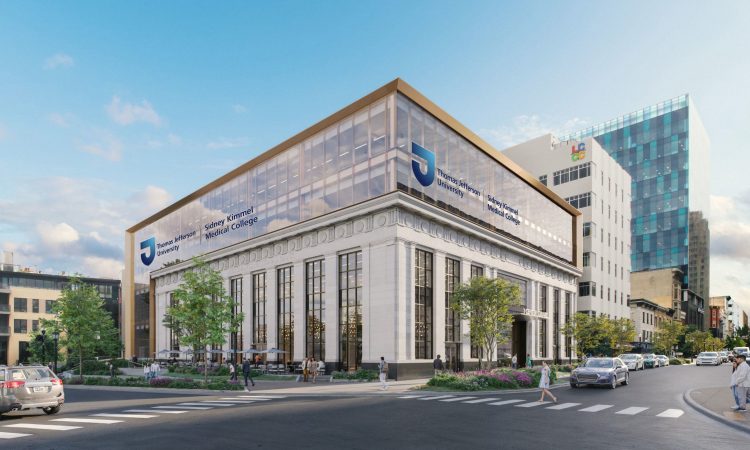
Thomas Jefferson University is bringing its medical education offerings to Allentown, with a new four-year regional campus set to enroll students in 2029, officials announced Monday.
The site will offer the same curriculum as Jefferson’s main campus in Center City, including the same assessment standards, learning objectives, and graduation requirements.
Once opened, the Allentown location of the Sidney Kimmel Medical College will mark the school’s second regional expansion. The university announced plans last month to open Delaware’s first four-year medical school in 2028.
University leaders hope the move will create pathways for workforce development in the Lehigh Valley and help meet regional healthcare needs.
“Physicians are more likely to practice where they train,” Said Ibrahim, dean of Sidney Kimmel Medical College, said in a statement. “Establishing a four-year campus of Sidney Kimmel Medical College in the Lehigh Valley will expand opportunities for medical education, strengthen regional connections, and build a pipeline of physicians who are committed to serving this community for generations.”
What is known so far
The new regional campus will reside at One Center Square in downtown Allentown and span more than 54,000 square feet.
Students will complete clinical training at Jefferson Health – Lehigh Valley region hospitals and outpatient practices.
The regional campus will enroll 45 students starting in July 2029 — slightly more than the Delaware campus’ 40 students in 2028. Last year, theincoming class in Center City included 286 students.
Jefferson declined to comment on the cost of the new regional campus.
The university also announced plans in May to expand other academic programs to the Lehigh Valley this fall, including graduate-level nursing education, paramedicine, and respiratory therapy programs.
Local politicians celebrated the expansion for its potential to recruit future healthcare workers to the region.
“An Allentown School District student with a dream to be a doctor can do pre-med at Cedar Crest College and now stay in Allentown for her MD. A Muhlenberg College student who comes from Puerto Rico or Connecticut who falls in love with Allentown can become a doctor right here and stay here,” Allentown Mayor Matt Tuerk said in a statement.
When Home Appétit moved into a space just off City Avenue in West Philadelphia in 2020, founder and CEO Lee Wallach thought the company would stay five to 10 years.
But given the business’ quick growth, particularly during the pandemic, the company is already “bursting at the seams,” Wallach said. The meal delivery company is moving to East Falls in September, to a former catering facility Wallach bought and is renovating.
Home Appétit, founded in 2013 in Wallach’s Center City apartment, is on track to bring in $10 million in revenue this year, Wallach says. His company delivers roughly 16,000 to 20,000 meals a week within a 50-mile radius.
Wallach sees untapped customers and opportunities he can now pursue.
In addition to buying the new headquarters for a little over $2 million, he plans to spend between $3 million and $4 million on renovations and business upgrades, which he’s been able to do through bank financing. He’s building out a fleet of delivery vans, opening a pickup window, and setting up the business to make and sell more meals. That includes hiring dozens more employees.
With that, Wallach predicts, Home Appétit will “have almost unlimited potential for growth.”
Why Home Appétit grew as some competitors fizzled
In Home Appétit’s early days, Wallach planned to discontinue chicken cutlets. Breading the chicken by hand and cooking it was very labor intensive for his small team, he says.
“I tried to take them off the menu, and I had many customers messaging me that I couldn’t do that,” Wallach said. “They’ve been on the menu ever since.”
It was an early lesson in what keeps people coming back to Home Appétit. Wallach’s earliest customers were doctors. Today, customers include doctors, nurses, and professors, as well as young families, and new parents who receive meal delivery as a gift. Of his original first five customers, two still buy his meals.
In recent decades, plenty ofmeal kit companies such as Blue Apron and HelloFresh have tried to shake up home cooking, providing customers with premeasured ingredients and detailed instructions. But they have faced retention challenges.
Home Appétit, on the other hand, offers fully prepared heat-and-eat or ready-to-eat meals — so do several competitors.
Factor has Keto and vegan options; Thistle offers gluten-free and dairy-free meals; and CookUnity brings together distinct chefs to craft menus.
They’re all helped by a trend of people eating fewer meals out, said Michael Infranco, a RetailStat analyst who covers businesses such as Wegmans, HelloFresh, and Kroger.
But the industry is facing competition from grocery stores that offer prepared meals and delivery, he says. Some are partnering with Uber Eats or DoorDash.
There’s a lot of industry pressure around trends, says Wallach, who has steered clear of them.
“People are looking for protein, and people look for macros, and everybody wants to count calories, and everybody wants to know how many carbs are in [their food],” he said. “That’s not really us.”
His business doesn’t cater to a specific diet, he says. Instead, his team aims to make “restaurant quality” food.
“We’re not just dumping butter or dumping salt into a dish to make it taste good,” Wallach said. “We’re finding different ways and using different techniques to really elevate the flavor and the profile of the meals that we prepare.”
Home Appétit sets itself apart because of its focus on the long-term, Wallach said. He wants it to be an “essential service” to its customers.
That’s been true for Ricky Grenis of Northern Liberties. He and his wife, Bonnie, have been considering a move to the suburbs and often joke that they must stay in the Home Appétit delivery range, Grenis said.
“It’s hard to put a price on the convenience that it provides us as two working parents,” said Grenis, 37, who has two young children andworks in the wine industry. The couple tried out a few national meal-kit companies, but they were unimpressed by the ingredients and still had to cook.
Grenis is a vegetarian, but Bonnie isn’t, and Home Appétit allows them to order meals that both can enjoy, as well as kid-friendly options. “It literally feels like we have a private chef,” said Grenis.
The only downside, he said, is the amount of plastic packaging. “If we could figure out how to even be more sustainable, that would be a plus,” he said.
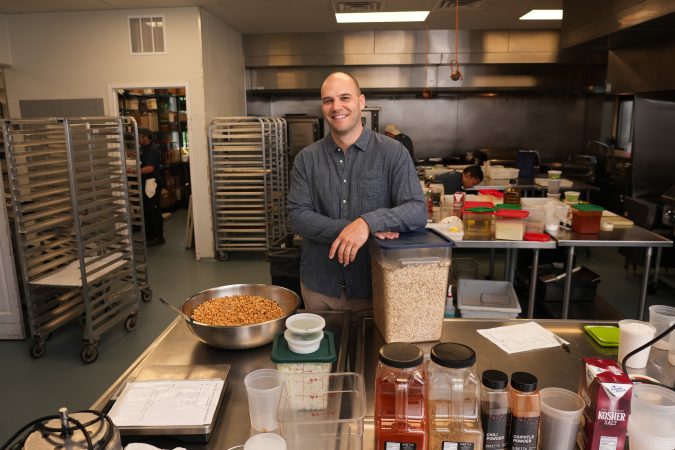
Lee Wallach at the company’s kitchen.Jessica Griffin / Staff Photographer
Staying competitive, and focused on the Philly area
On a recent day in July, Home Appétit’s entree menu included a miso-glazed salmon bowl with bok choy and brown rice, a pulled buffalo chicken sandwich, and a “Southwest Salad” with tortilla strips and buttermilk dressing. The company also offers small plates and add-ons such as roasted asparagus, steamed broccoli, and hard-boiled eggs.
Customers can order anytime between Tuesday and Friday night, to receive their meals the following Monday.
The minimum order costs $100 and covers four to six meals for a single person. Customers can also increase their order size for more people.
While some businesses have struggled with rising food costs, Wallach says Home Appétit has been partly insulated because it sources products from cooperatives and small farms.
“That’s kind of been a bit of a competitive advantage for us, and has allowed us to control our prices a little bit more,” he said.
Still, economic conditions have changed since 2013, particularly the costs of labor. He increased prices for the first time last year. While the basic order still costs $100, adding more people to an order now costs more.
The new headquarters is 23,000 square feet, up from the current 3,500-square-foot space, as well as a leased office in South Philly. With the move, the company will consolidate under one roof.
Wallach plans to have a staff of 200 to 250 by 2028. He currently employs roughly 50 full-time kitchen staff and 10 corporate employees. Meals are delivered by 40 to 50 drivers, who are mostly contractorsin their own vehicles.
Tech company founder Lilly Chen, 30, orders most of her food to her Chinatown apartment, where she lives with her cofounder. She has tried every food delivery service under the sun, she says, but Home Appétit stands out because of its delivery model. She says it’s because the company doesn’t outsource delivery.
“There’s a lot of other meal providers, that because they don’t own it, if something goes wrong — the food spoils or it’s late or you can’t find a delivery — they just kind of have to refund you and then you’re on your own,” Chen said.
Wallach plans to launch pickup at the new location, which customers have been asking for. Home Appétit also got its first refrigerated van.
Under the company’s current model, food gets delivered in insulated bags with ice packs in contractors cars, which puts a limit on how far meals can travel — but Wallach plans to expand the company’s delivery zone as he adds additional refrigerated vans.
He also plans to deliver on more days, not just Mondays, starting next year.
“If we can start delivering [closer to the weekend] and deliver to the Shore, I think it’s a home run for us for the summer months,” Wallach said.
He might pursue other markets in the future, perhaps Boston or Washington, D.C. But for now, Wallach is focused on the Philadelphia region, he says.
“There’s a ton of untapped opportunity here,” he said. “I’m excited to finally be able to take advantage.”
I’ve been mesmerized by kibbeh nayyeh since my days as a teenage busboy at Phoenicia, the trailblazing Lebanese fine-dining destination just outside of Detroit in Birmingham, Mich. It was my first encounter with a dish that showcased raw meat — in this case, puréed raw lamb mixed with bulgur wheat and spices. And my determination to eat as much of it as possible while on extra-long breaks in the walk-in (instead of cleaning tables) was likely one reason I wasn’t a very good busboy. It did provide, however, one of the earliest sparks in my career as a curious eater. Now, I order it almost every chance I get.
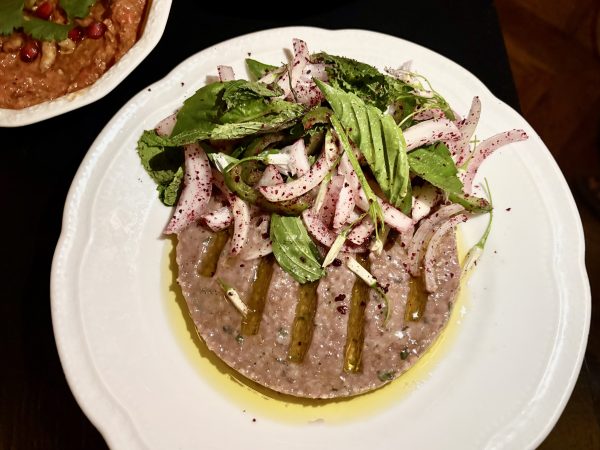
But no kibbeh nayyeh has stopped me in my tracks and triggered a childhood flashback quite like the incredibly soft and vividly spiced version at Suraya. One of the first recipes taught to executive chef Nick Kennedy by Maude El-Harouny — the Lebanese mother of co-owners Roland Kassis and Nathalie Richan — before Suraya’s 2017 opening, it’s a picture of the classic dish at its best. Lean lamb loin is puréed to a silky smoothness before it’s blended with bulgur, puréed onions, jalapeños, and herbs — basil, marjoram, allspice, mint, and cinnamon — before getting shaped into a dimpled pink puck with deep divots for good olive oil.
The spreadable, pâté-like base itself is flavorful enough, but that peppery olive oil and the garnish piled on top, with sumac-dusted raw onions and basil and mint that deliver a contrast of juicy crunch and herbal freshness, elevates the dish overall to another level. One that’s powerful enough to remind me of my first transporting raw taste of kibbeh nayyeh several decades ago. Suraya, 1528 Frankford Ave., 215-302-1900, surayaphilly.com
— Craig LaBan
Omakase at Kissho House
Omakase experiences in Philadelphia run the boardfrom the $78 tasting at Yuhiro in Fishtown to the $355 extravaganza in the back room of James Beard Award-winning chef Jesse Ito’s Royal Sushi & Izakaya. How about one with ambition and value, priced down the middle?
For that, there’s chef Jeff Chen’s Edomae-style omakase at his 12-seat counter downstairs at Kissho House, which opened last year in a former Rittenhouse law office. Chen, a Hiroki alum, delivers the goods without gimmicks, from the appetizers (octopus, asari clams, and Japanese river crab) through the nigiri sequence, which caps off with a toro hand roll and clam soup, followed by strawberry monaka for dessert. Few $150 omakases include well-sourced ingredients (anago from Tsushima, akami from Spain, uni from Hokkaido), and creative bites like king salmon with dry tomato, truffle sauce, and roe in a spring roll shell, plus Wagyu with sea bream and caviar. Kissho House, 1522 Locust St., 610-332-7387, kisshohouse.com
— Michael Klein
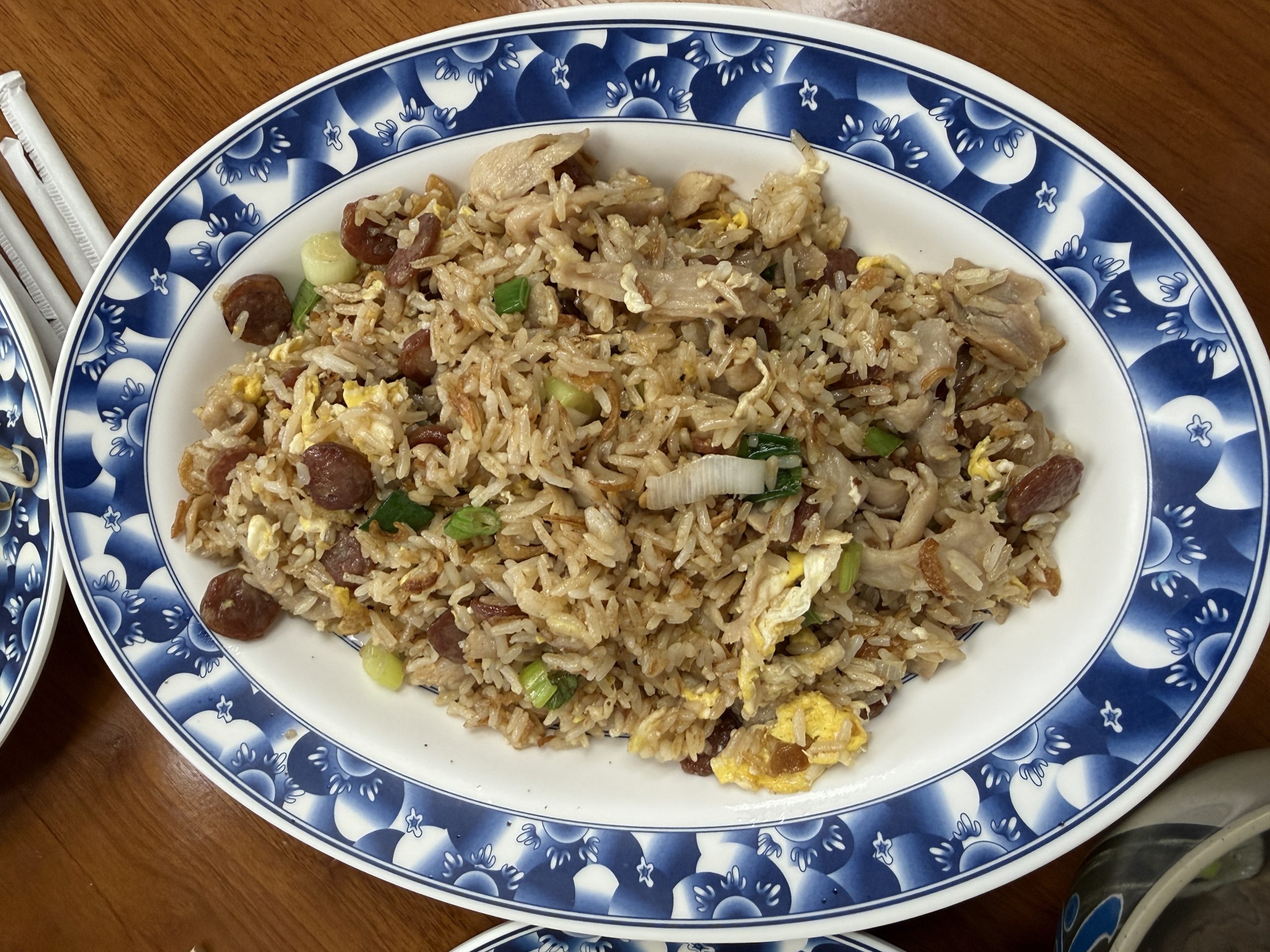
The Bai Cha Sach Mon (chicken fried rice with chinese sausage) at Heng Seng Restaurant, 2217 S. Seventh St.Kiki Aranita / Staff
Chicken fried rice with Chinese sausage (Bai Cha Sach Mon) at Heng Seng Restaurant
I went to Heng Seng Restaurant in South Philly with a craving for Cambodian dry egg noodles. At $15 for a small portion, they hit the spot, bouncy and crinkled yet firm with a side of beef shank bone broth for dipping or sipping. But there was a sleeper hit: the $17 chicken fried rice (called bai cha sach mon in Khmer) with smoky, sweet lap cheong or Chinese sausage.
I usually think of fried rice as a little silly but also a little clever — an excellent way for a restaurant to use day-old rice, which makes for better fried rice than fresh rice. So when the platter landed in front of me, I was delighted but also a little perplexed. How could these slivers of chicken be so tender and flavorful? How could the individual grains of jasmine rice have such a lovely robust texture? Heng Seng’s dishes are heavily influenced by Teochew cuisine (Chinese Cambodians are primarily Teochew Chinese, originally from the Chaoshan region in eastern Guangdong) with its exceptionally earthy, savory fried rice. With a little bit of egg, scallion, and that sweet lap cheong seeping fat into the rice, this version is certainly worth seeking out. Heng Seng Restaurant, 2217 S. Seventh St., 215-755-5390, hengsengrestaurant.com
— Kiki Aranita
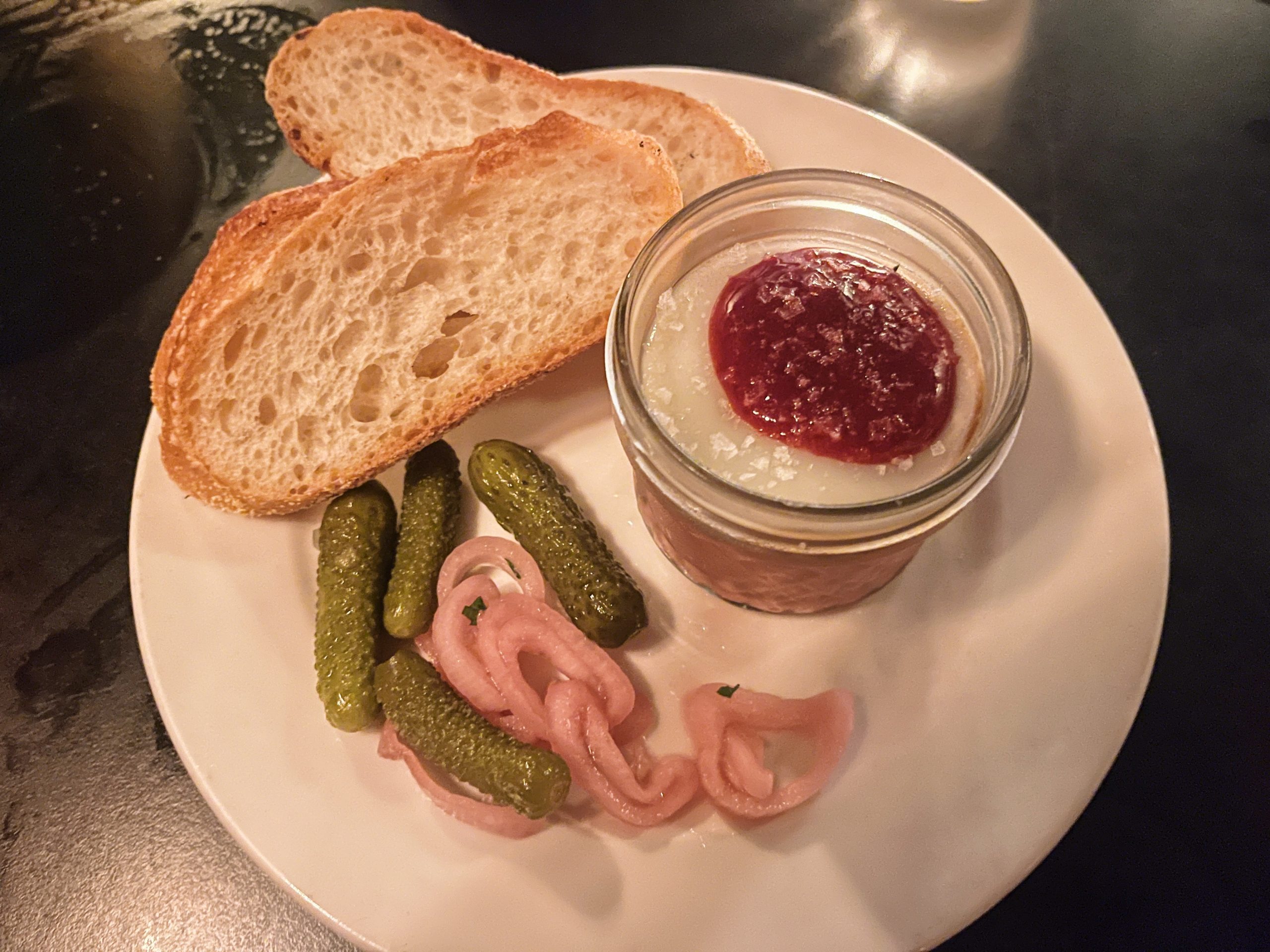
The chicken liver mousse at Royal Boucherie, 52 S. Second St.Beatrice Forman / Staff
Chicken liver mousse at Royal Boucherie
I’ve long considered chicken liver mousse the gateway drug to my beloved chopped liver. Its creamy texture and less polarizing flavor is a good stepping stone to the hard stuff — the chunkier, funkier, and less ritzy mounds of chopped liver behind the counter at most respectable Jewish delis. If it’s your first time eating spreadable liver, the mousse at Old City’s Royal Boucherie is perfect, a textbook example served in a cute little mason jar with crusty bread and cornichons on the side for dipping. Topped with a seasonal berry jam and flecks of flaky salt, the mousse has all the right flavors: a little sweet, a little earthy and rich without feeling heavy. I scraped the jar clean.
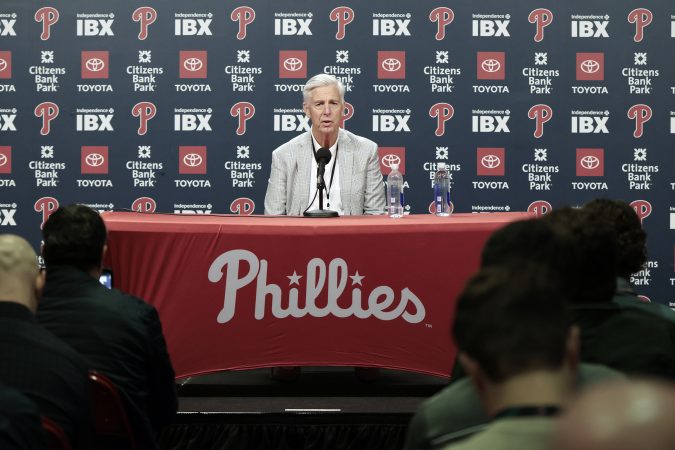
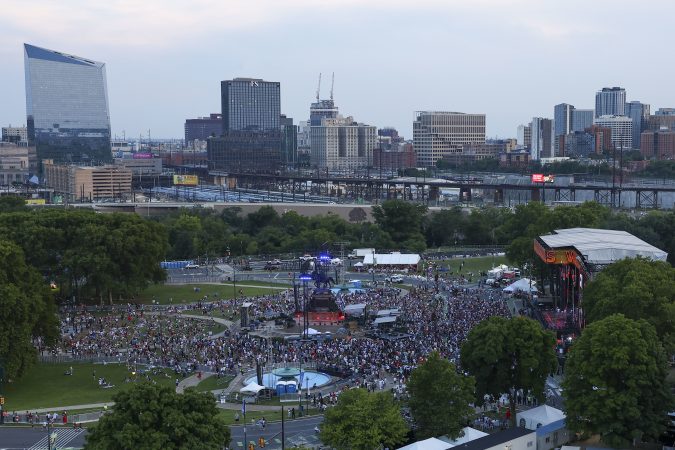
The 2026 Major League Baseball draft kicks off Saturday in Center City Philadelphia as part of the All-Star festivities, taking place in the City of Brotherly Love for the first time since the production hit the road in 2021.
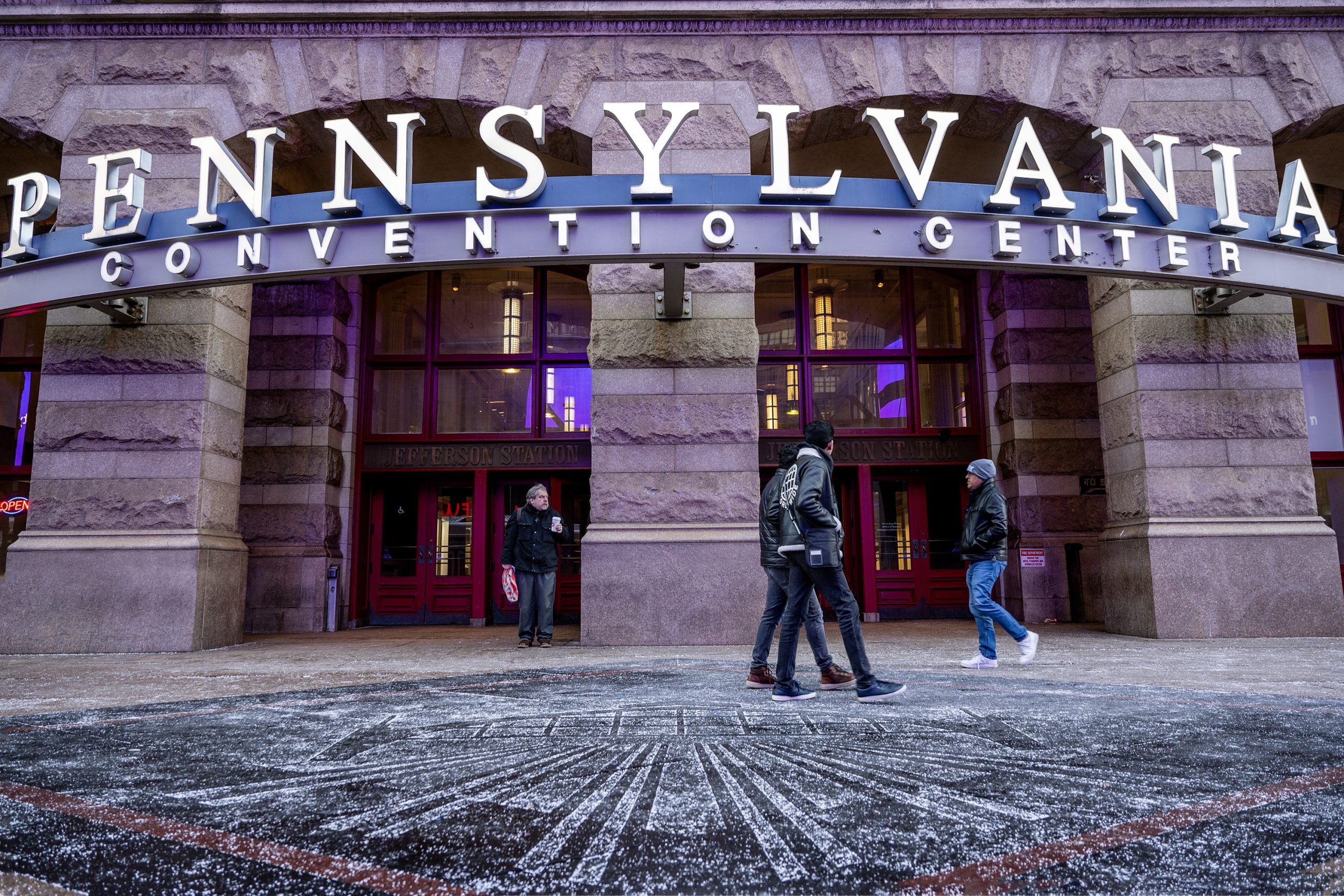
Another first? NBC will broadcast the first hour and a half of the draft, which kicks off at 1 p.m. Saturday at the Pennsylvania Convention Center. It’s the first time since MLB started televising the draft live in 2007 that it’ll air on broadcast TV, at least until it switches over to the MLB Network at 2:30 p.m.
The MLB draft hasn’t historically been a big TV draw because of how long it takes players to make it to the big leagues. Last year’s No. 1 pick, shortstop Eli Willits, is just 18 and is currently playing for the Washington Nationals’ single-A team in Fredericksburg, Va.
The fastest top pick to be called up? Former third baseman (and one-time Phillie) Dave Roberts, who started just one day after being taken with the No. 1 pick by the San Diego Padres in 1972.
For the fourth-straight year, the first six picks of the draft were determined by a lottery that took place in December. The Chicago White Sox enter the draft with the No. 1 pick for the first time since 1977, when they took future Hall of Famer Harold Baines.
The Phillies don’t technically have a first-round pick; they were pushed back 10 spots because their 2025 roster exceeded the second surcharge of MLB’s luxury tax. As a result, they have the No. 36 pick, the first time in franchise history they’ve received such a penalty.
Here’s everything to know about the MLB draft:
2026 MLB draft TV schedule
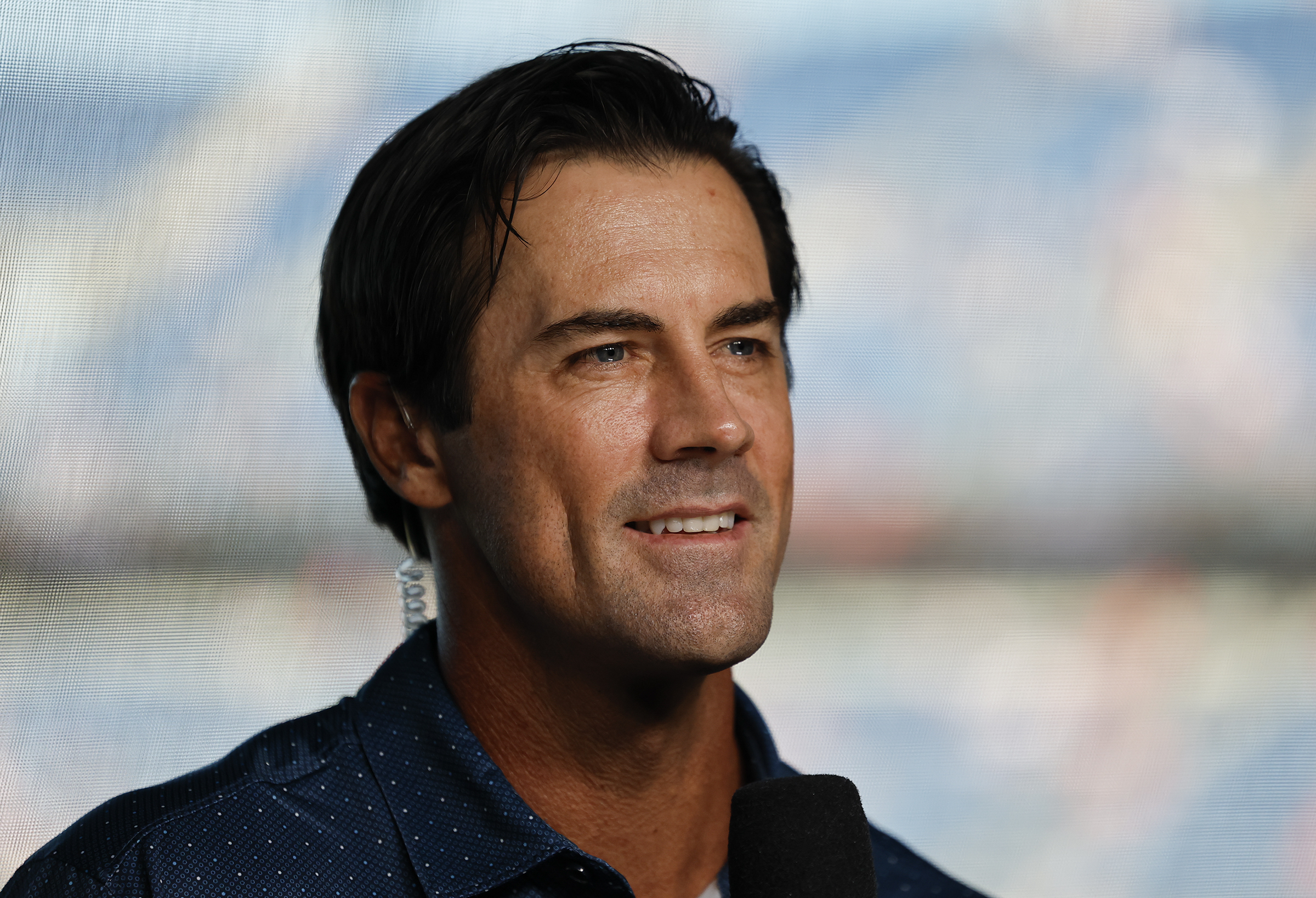
Former Phillies pitcher Cole Hamels will be among the analysts on TV for the 2026 MLB draft. Yong Kim / Staff Photographer
The 2026 MLB draft is scheduled to begin Saturday at 1 p.m. Philly time at the Pennsylvania Convention Center and run through 7:45 p.m., but not all of it will air on TV.
NBC will broadcast the first hour and a half, covering the first 10 picks, before handing off to MLB Network at 2:30 p.m. The event will shift to streaming only at 4:30 p.m., with both Peacock (which is streaming the entire draft) and MLB.com carrying the proceedings through the fourth round.
Rounds 5 through 20 will stream on Peacock and MLB.com Sunday beginning at 11:30 a.m.
While NBC is dipping its toes into broadcasting the draft, MLB Network will be handling the production. A new face this year will be 2008 World Series MVP Cole Hamels, who will provide analysis alongside Mark DeRosa, Harold Reynolds, and former Colorado Rockies general manager Dan O’Dowd. Coverage will be hosted by Greg Amsinger.
Phillies 2026 MLB draft picks
The 2026 MLB draft will take place at the Pennsylvania Convention Center in Center City.Tom Gralish / Staff Photographer
The Phillies have five picks Saturday: Nos. 36, 64, 100, 128, and 135.
They’ll get 16 more Sunday, beginning with the No. 161 pick in the fifth round and ending with the No. 209 pick in the 20th round.
Yes, the MLB draft is long, but a lot shorter than it used to be. The draft used to last 40 rounds before being cut down during the COVID-19 pandemic. Prior to 2011, it ran upwards of 50 rounds.
Who will the Phillies draft with their first-round pick?
It’s really anyone’s guess who the Phillies will take with the No. 36 pick, but experts have some thoughts.
In his final MLB mock draft, ESPN insider Kiley McDaniel has the Phillies selecting 2026 grad Archer Horn, a shortstop prospect who already committed to Stanford after batting .406 with six homers this year for St. Ignatius Prep in San Francisco.
One other name McDaniel mentioned is Taj Marchand out of South Carolina, another high school shortstop, who hit .531 with 13 home runs this year. But Marchand is expected to be taken before the Phillies are on the clock.
MLB Network’s Jonathan Mayo predicted the Phillies would take Notre Dame pitcher Jack Radel in his most-recent mock draft.
The Phillies drafted pitching prospect Gage Wood with their first-round pick last year. Yong Kim / Staff Photographer
The Phillies have had some success landing major league players in recent years, with three former first-round picks — Justin Crawford, Bryson Stott, and Alec Bohm — currently starting for the team.
Two former first-round picks play for other teams. Mickey Moniak, the No. 1 pick in the 2016 draft, was traded to the Los Angeles Angels in 2022 and currently plays for the Colorado Rockies. Pitcher Mitch Abel, taken with the No. 15 pick in 2020, was traded to the Minnesota Twins last year in the deal that landed closer Jhoan Duran.
Here are the Phillies recent first-round picks:
!function(){“use strict”;window.addEventListener(“message”,function(a){if(void 0!==a.data[“datawrapper-height”]){var e=document.querySelectorAll(“iframe”);for(var t in a.data[“datawrapper-height”])for(var r,i=0;r=e[i];i++)if(r.contentWindow===a.source){var d=a.data[“datawrapper-height”][t]+”px”;r.style.height=d}}})}();
MLB draft first-round order
This year, the first round of the draft has just 25 true picks. Three teams — the Phillies, New York Yankees, and New York Mets, exceeded MLB’s surcharge tax threshold in 2025, pushing their first-round picks 10 spots down into the second round.
The Atlanta Braves and Houston Astros were awarded picks for promoting prospects
There are also a handful of compensatory picks that will take place after all the first-round picks have been made.
Here is the order for the first round, including supplemental picks that begin with No. 26:
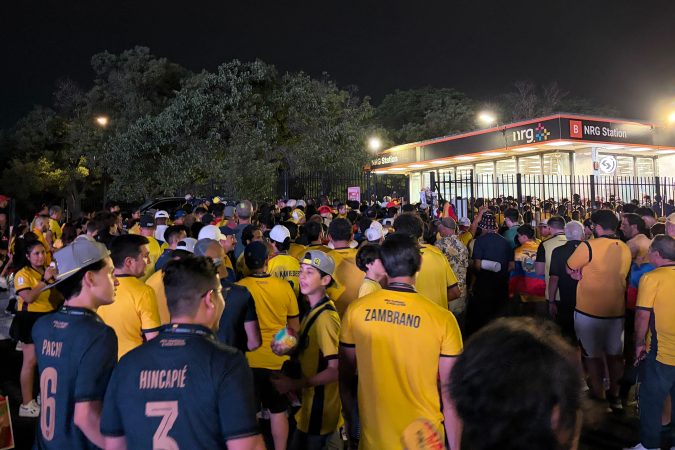
After Brazil beat Haiti in a World Cup match last month, 29,162 fans swarmed NRG Station to catch the subway.It was SEPTA’s second-highest reported crowd for a single stadium-complex event.
And the largest? The 31,087 people rode the B line after the Eagles won the NFC Championship in January 2025.
For three summer weeks, Philadelphia visitors leaned on transit — 155,333 passengers rode the subway also known as the Broad Street Line alone, SEPTA said.
From June 14 through July 4, the city hosted six World Cup matches, FIFA’s Fan Fest, and celebrations of the 250th anniversary of Independence Day.
“This was a unique opportunity for SEPTA — possibly one we will not get again for many years,“ spokesperson Andrew Busch said. ”We think there is a lot we can learn that will help improve special event service and everyday operations.”
Regional Rail also saw bumps in ridership, as did transit, primarily bus routes, serving the Fan Fest at Lemon Hill in Fairmount Park, SEPTA said. Bus routes 32 and 48 provided direct service, while Routes 7 and 49 had stops within walking distance of the festival entrance.
It helped that Brazil and Haiti’s June 19 game fell on the federal holiday of Juneteenth … and that sponsor Airbnb paid SEPTA to provide free rides home for people using the Broad Street Line on match days between halftime and the final whistle.
On July 4, when Paraguay and France met in an elimination round game and people were coming to Independence Day events, ridership on the overall system was up 15% compared to the previous year. Broad Street Line ridership was 62%; Regional Rail was up 48% and the lines serving FanFest were up 21%.
Transit agency analysts focused on post-match boardings on northbound trains at NRG Station because it was the most straightforward way to identify fans who attended the game and traveled on SEPTA, officials said.
Some riders headed to the stadium area were going to Stateside Live or checking out pregame festivities.
Customer service lessons learned, according to SEPTA:
Using megaphones to communicate with riders in crowded stations broke through the noise, helping people unfamiliar with SEPTA navigate.
Bringing a DJ to NRG Station soothed post-match crowds waiting for outbound trains. “More than a couple of dance parties broke out, and we think it helped keep the atmosphere festive,” Busch said.
SEPTA moved its start and end point for the B Line for the Sports Express trips from Fern Rock to Girard, easing crowds in Center City and shortening turnaround time.
Ridership on the Airport Regional Rail line typically increased 20% or more on the day before and day after a match.
Regional Rail’s Trenton line on the Northeast Corridor also carried more passengers than usual, as people took NJ Transit from New York City and northern New Jersey and connected to SEPTA.
While there were complaints about crowding, few major incidents were reported.
SEPTA gets another test next week with the MLB All-Star Game July 14 and related events, though they are expected to have a smaller impact.
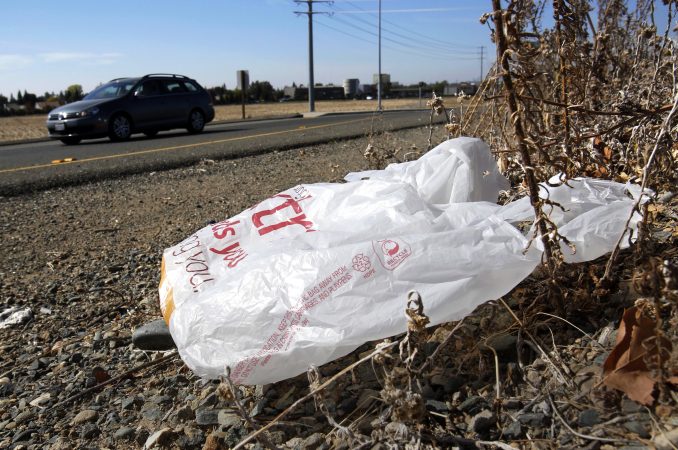
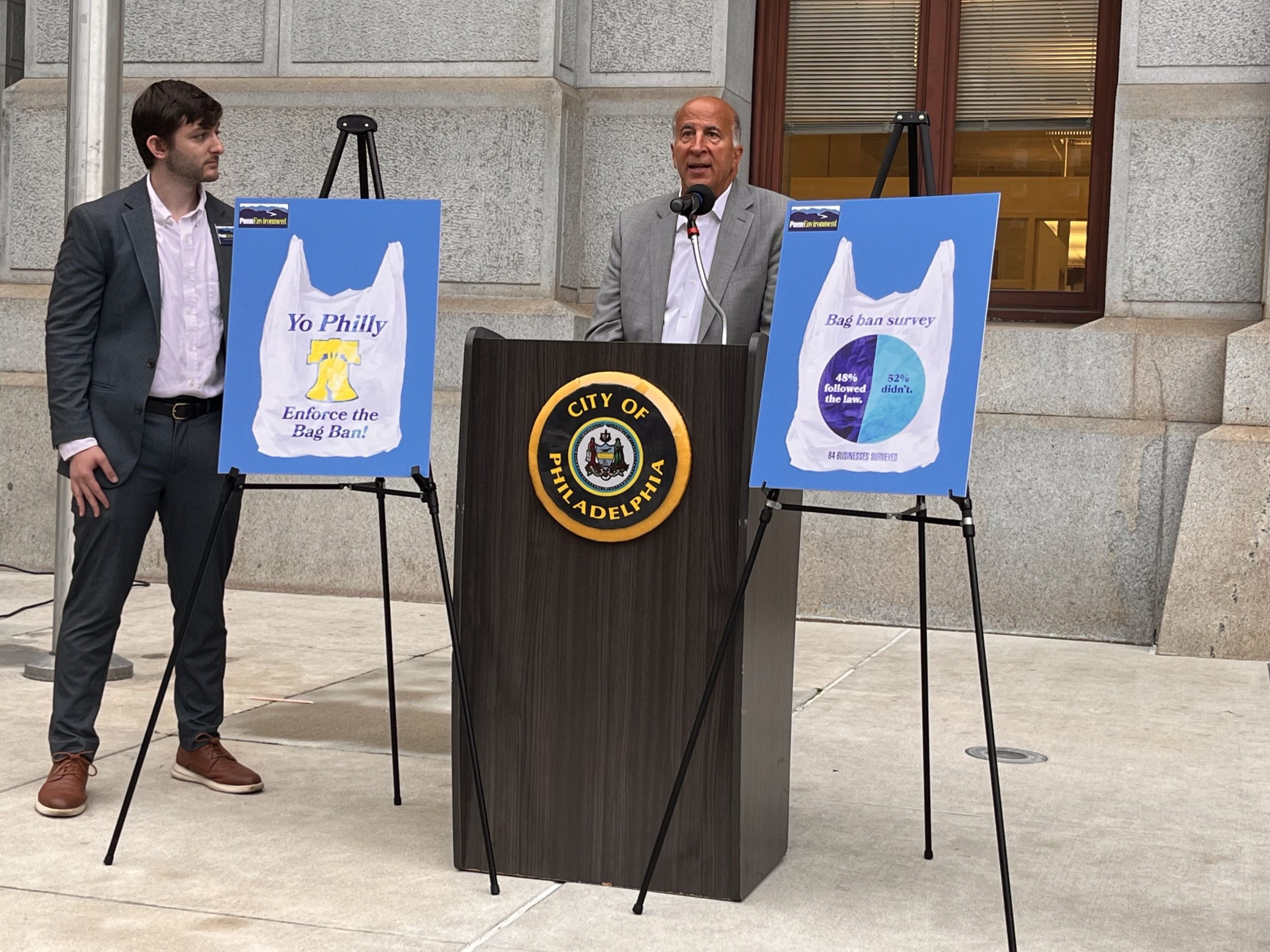
A sampling of retailers, takeout businesses, pharmacies, convenience stores, and food stores shows half are violating Philadelphia’s ordinance that bans plastic bags and requires a fee on paper bags.
That’s according to the PennEnvironment Research & Policy Center, which sent members to purchase items in 80 stores across the city and in neighborhoods with varying demographics.
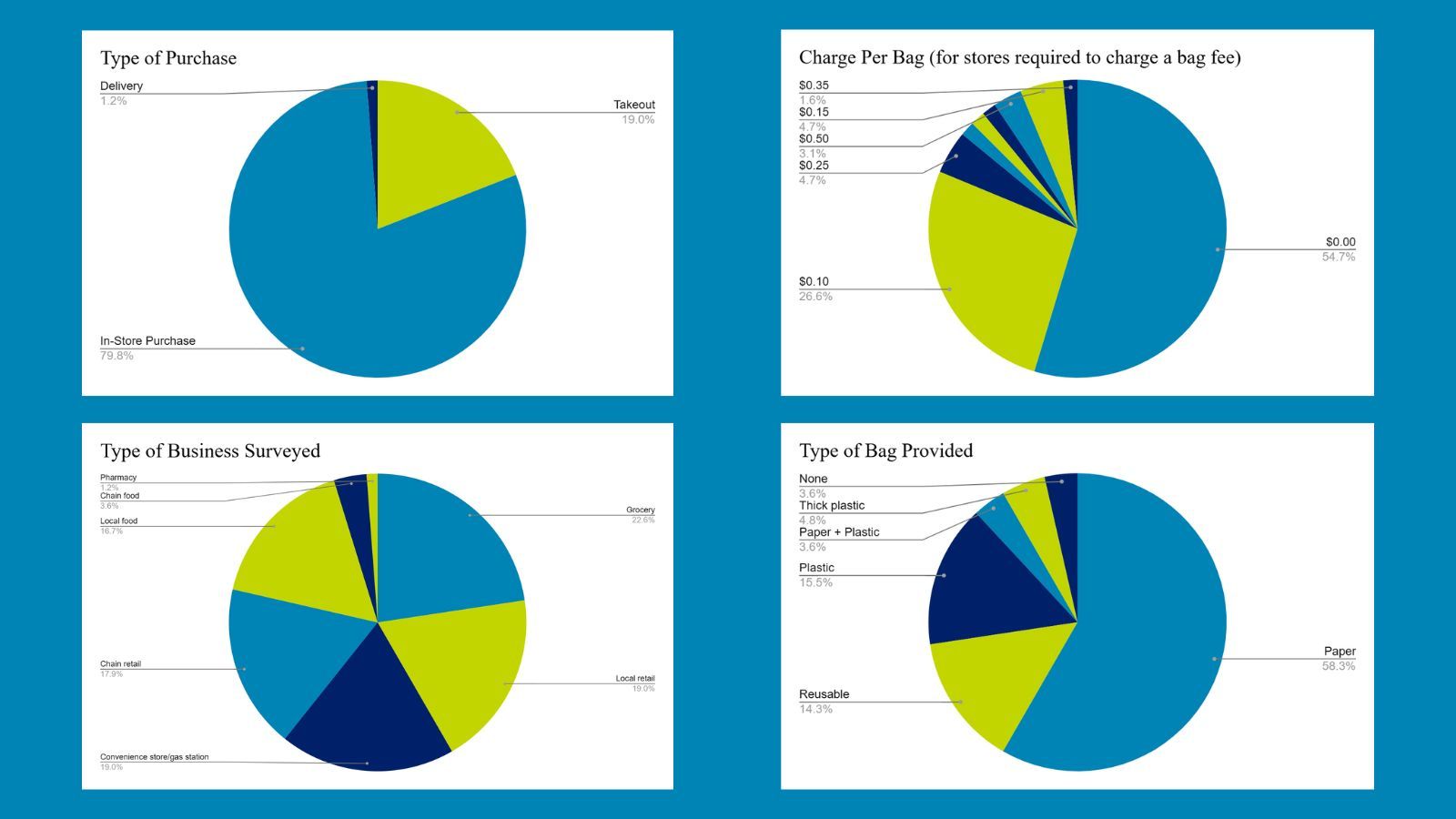
The nonprofit advocacy group’s survey found:
55% of businesses violated at least one key provision of the law.
50% of businesses failed to charge a 10-cent fee on paper or reusable bags.
20% of businesses provided plastic bags that have been illegal for years.
Faran Savitz, a zero-waste advocate for PennEnvironment, said during a news conference Thursday outside City Hall that the group didn’t just scrutinize chain stores like Wawa, although those larger operations were generally compliant.
He said the 80 stores surveyed were chosen to represent multiple types in all neighborhoods, although they amount to only a fraction of businesses in the city,
“We wanted to look at as many different types of businesses and hit as many different neighborhoods in the city as possible, so we could get a sense of is this concentrated on one neighborhood or is it spread geographically everywhere,” Savitz said. “We found that this is a pretty widespread problem.”
Charts from a survey of stores conducted by the nonprofit advocacy group PennEnvironment show what the report calls widespread noncompliance of Philadelphia’s revised plastic bag law that went into effect in January 2026.PennEnvironment
Savitz said that chain stores tend to know the law and its requirements. Many small businesses remain unaware.
However, the survey did highlight some positive momentum. Currently, three-quarters of surveyed businesses no longer distribute plastic bags. That’s a significant improvement from the group’s previous investigations that caught half of all stores providing them.
The city’s updated bag ordinance
Philadelphia’s original plastic bag law, introduced by Councilmember Mark Squilla, was passed in 2019 but was phased in slowly. It went into full effect in 2021.
After that, paper bag usage skyrocketed, said Squilla, who represents the 1st District, including parts of South Philadelphia, Center City, and the River Wards. Although paper bags are biodegradable, they require more energy to produce and the cutting down of trees.
Squilla introduced an updated bag ordinance last year, which was approved by City Council, and went into effect in January. It required a 10-cent fee on paper bags.
The goal of the fee, Squilla said, is to change shoppers’ behavior and get them to bring reusable bags to the store.
Squilla called the violations found by PennEnvironment “disappointing,” but said he knew compliance would be a challenge.
“Our goal is to end single-use plastic bags in our waste stream and in the city of Philadelphia,” Squilla said.
To close the compliance gap, PennEnvironment is urging Licenses and Inspections to improve education and enforcement, and asking residents to report noncompliant businesses to the city’s 311 system.
Faran Savitz (left) of PennEnvironment Research & Policy Center and Philadelphia Councilmember Mark Squilla, at lectern, discuss PennEnvironment’s findings outside City Hall on July 9. Frank Kummer
Plastic bags
Ryan Rabenold, environmental program coordinator at the Pennsylvania Resources Council, said the city’s law is key to reducing waste, noting that most reusable plastic bags do not get recycled.
Plastic bags contribute to litter, require fossil fuels to produce, and become microplastics in the environment when they break down.
“They either get lost in the system, are contaminated with food or grease, which makes them unrecyclable, or they simply get blown away when we’re trying to collect them,” Rabenold said. “When they do end up in our recycling system … they contaminate materials that are recyclable and force them to be removed from the system.”
Rabenold noted that microplastics have been detected in human blood and tissue.
“We are feeling the impacts of something that we may not be able to see, Rabenold said.
“It’s better for our health and the environment to use one thing 1,000 times,” Rabenold said of reusable bags, “rather than use 1,000 things once.”
Rothman Orthopaedics plans to open three new surgery centers over the next year and keep adding doctors in its Philadelphia-area market, as the large physician-owned group refocuses growth efforts on its original territory.
“Our biggest priority in the near term is strengthening our core business here, in Southeastern Pennsylvania and New Jersey,” Rothman CEO Christian Ellison said. “We’re not gonna ignore opportunities. We’ll be opportunistic around things that make strategic sense.”
Rothman has seen more success after following the lure of fast population growth to Florida, where it opened offices in the Orlando area in 2020 in partnership with AdventHealth.
“Florida has been a big success, because we’ve had the partnership down there with Advent Health that’s been kind of mutually beneficial,” said Ellison, who became Rothman’s CEO last fall.
The Philadelphia draw
The practice headquartered in Center City already has 24 locations in the Greater Philadelphia market. That number includes facilities that Rothman operates in partnership with Jefferson Health, Main Line Health, AtlantiCare, and RWJ Barnabas.
Rothman located itsnewest office in West Chester, an area where Rothman had little market share, according to Ellison. He also sees opportunity in other parts of the Philadelphia region and contiguous markets.
To make that growth possible, Rothman is partway through an effort to hire 41 physicians by the end of this year. That represents a 20% increase and will bring Rothman’s total to 214 physicians, the company said.
The need for ambulatory surgery centers
Rothman is a partner in nine surgery centers in Pennsylvania and New Jersey and two surgical hospitals (Rothman Orthopaedic Specialty Hospital in Benslam and Physicians Care Surgical Hospital in Limerick).
Those outpatient facilities account for nearly two-thirds of Rothman’s surgeries. Even the surgical hospitals function primarily as ambulatory centers, Ellison said. The remaining third of surgeries takes place in acute-care hospitals.
“We are challenged for operating room capacity right now, both in the acute care hospitals, as well as in our ASCs, and so we feel like we need to bring more operating rooms online,” Ellison said.
What’s more, Medicare and private insurers want more procedures done in lower-cost surgery centers. In the future, insurers will pay the same price for an outpatient knee replacement whether its done in a hospital of freestanding surgery center, Ellison predicted.
Rothman hasn’t finalized locations for the new surgery centers, but Ellison said he expects two to be in Southeastern Pennsylvania and one in New Jersey. The centers will likely be in areas where Rothman has an established patient base.
The physician group prefers to open the new centers independently, as opposed to going through partnerships like it has historically. “We think we’re uniquely positioned to manage that patient experience in the surgical environment,” Ellison said.
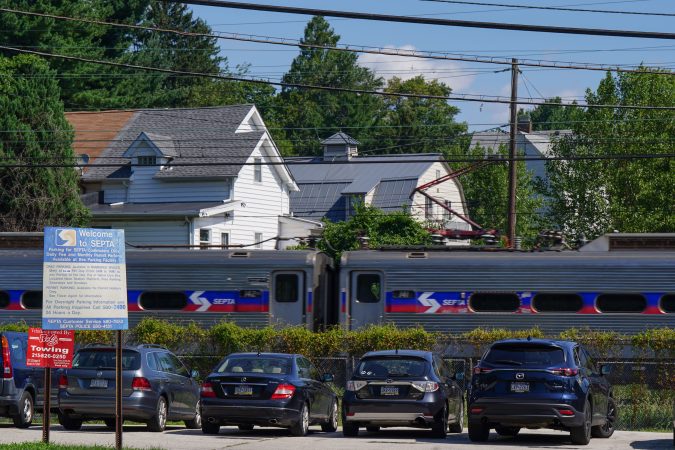
SEPTA is trading Glenside Regional Rail riders three daytime trains for new off-peak options, more train cars, and new schedules aimed at reducing congestion between Glenside and Wayne Junction.
The Warminster Line, which runs through southeastern Montgomery County, is the only Regional Rail line losing multiple trains under systemwide changes that began on July 5 to make trains more consistent and prevent delays.
The new schedule cuts two weekday trains that left Glenside at 8:40 a.m. and 2:47 p.m. for Center City, and one weekday train that left Suburban Station at 4:53 p.m. toward Warminster.
The morning train cut leaves a 27-minute gap in service to Center City from Glenside, while the afternoon cuts each add five minutes or less to the wait for the next train.
SEPTA also added a train to the Warminster Line that leaves Suburban Station at 11:35 p.m. on weekdays, and a train on the West Trenton Line that leaves Suburban Station at 5:28 a.m.
The late-night train will serve airport workers, and the dawn departure is convenient for people who commute into the suburbs, SEPTA spokesperson Kelly Greene said.
The changes SEPTA made across the commuter rail system this week are aimed at improving consistency and reliability, the agency said.
“As SEPTA continues to increase the number of train cars available for service, trains will be longer and provide more space for riders,” officials wrote in a statement.
Between Wayne Junction and Glenside, SEPTA said, it hopes the new schedule will help “prevent trains from bunching together, which can cause delays.”
The 8:40 a.m. train from Glenside was cut to reduce congestion, Greene said, and had the lowest ridership of the trains running around that time.
Other changes affecting the Abington area include new departure times for some trains on the Lansdale/Doylestown, Warminster, and West Trenton Lines.
SEPTA put out a full list last month of what is changing on each line, along with updated train schedules.
This suburban content is produced with support from the Leslie Miller and Richard Worley Foundation and The Lenfest Institute for Journalism. Editorial content is created independently of the project donors. Gifts to support The Inquirer’s high-impact journalism can be made at inquirer.com/donate. A list of Lenfest Institute donors can be found at lenfestinstitute.org/supporters.
Five people were arrested ahead of Philadelphia’s July Fourth celebration after protesters attempted to set an American flag on fire, according to police.
A small group of protesters gathered outside Washington Square around 6 p.m. Saturday, with signs calling for “No celebrations of empire” and proclaiming “All empires fall.”
According to video of the incident, what began as a peaceful protest unraveled as an unidentified woman attempted to light an American flag on fire.
“During the protest, one of the individuals in the group placed an American flag on the sidewalk and doused it with a large amount of an accelerant,” a Philadelphia police spokesperson said in a statement.
Burning an American flag is considered a protected form of free speech, upheld by the Supreme Court. But burning a flag on a public street in Philadelphia is generally prohibited due to the city’s strict safety rules on setting fires.
After police intervened to prevent the flag from being lit on fire, a few protesters yelled obscenities at police and refused to leave the area, despite repeated calls from officers.
“The group was given multiple warnings to disperse from the area and refused, leading to five arrests,” police said.
The five individuals, who were not from Philadelphia and ranged in age from 18 to 25, were charged with failing to disperse and have since been released.
There were no injuries reported, police said, and the remaining protesters gathered in a peaceful march through Center City following the incident, ending at the Wanamaker Building.
Police said there were no arrests on the Parkway or outside Lincoln Financial Field, which hosted Philly’s final World Cup match Saturday. There were also no arrests stemming from other protests that happened across the city Saturday.
As the most popular dinner reservation times trend earlier and daycaps (aka late afternoon drinks) replace post-dinner cocktails, some Philadelphia bars and restaurants are forgoing happy hour for something with a chiller, convivial vibe: aperitivo.
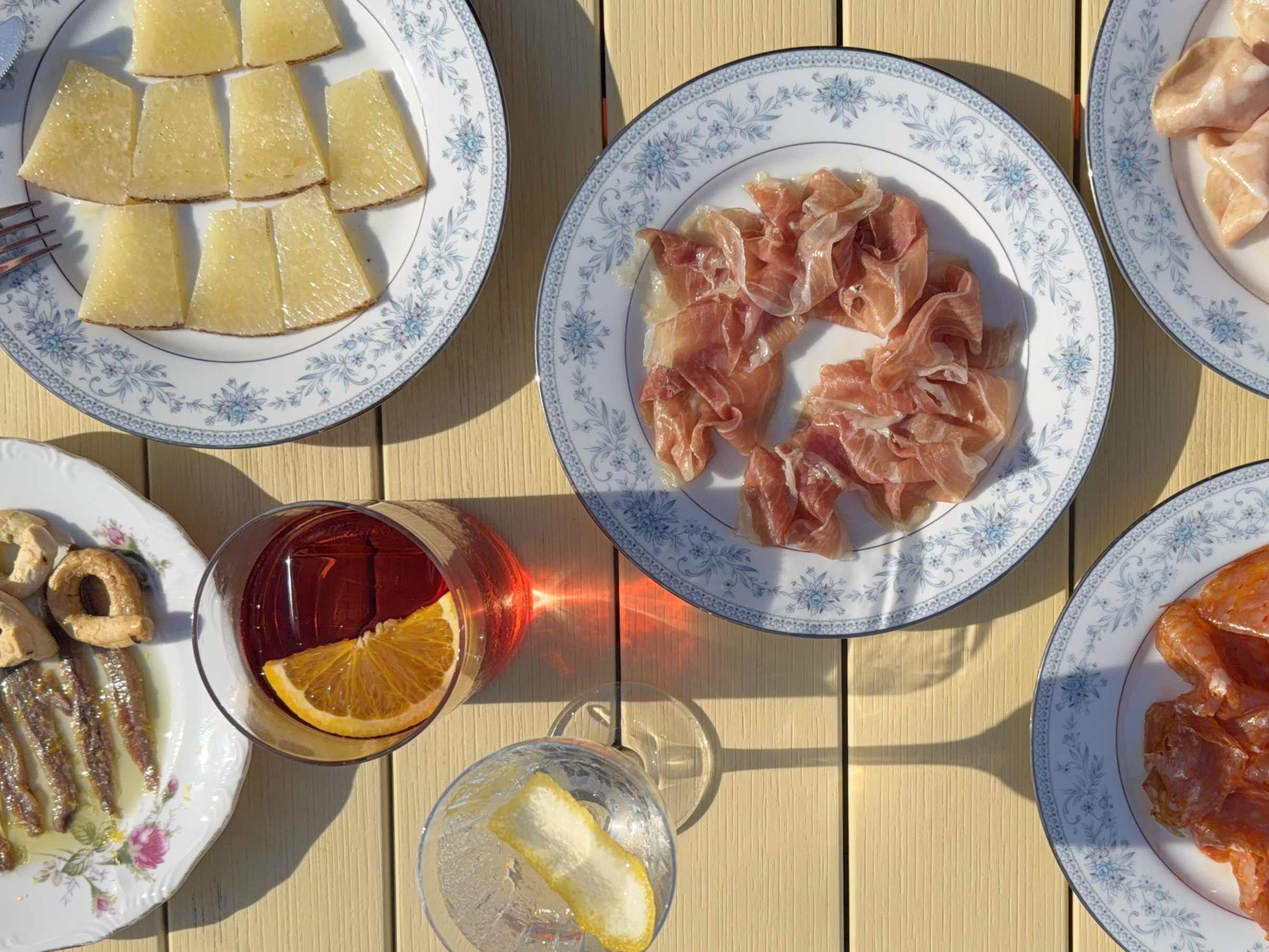
A longstanding European tradition, aperitivo — which means “to open” in Italian — refers to the late afternoon and early evening hours ripe for lighter-paced drinking and snacking. While other countries have their own words for it (“apéro” in France, “la hora del Vermut” in Spain), the menu always includes fortified wines, bittersweet cocktails and liqueurs, and small bites meant to stimulate appetites.
The ritual is a natural fit for Philadelphia, the so-called “Frenchest city in America,” and its rise of Euro-American-inspired bars and restaurants. Operators are leaning into food-driven aperitivo hours to stretch out the day longer and cater to diners that are going home earlier and drinking less. Signature aperitivo drinks — classic negronis, savory vermouths, and bittersweet amaris — aren’t as heavy or fast-paced as half-priced beer and shot specials, and often come with sidecars of salty snacks, like cured meats, olives, and bread. Others, like an Aperol spritz or an Americano perfecto (a spaghett-style cocktail with beer, Vermouth, Campari, and an orange slice), tend to be lower in ABV.
People are “drinking earlier, coming right from work, and getting a small spritz, a snack, and then going to dinner,” said Benjamin Kirk, the beverage director at Michelin-key Hotel Anna & Bel, which offers an aperitivo menu three days a week at its cocktail lounge, Caletta. “You don’t see people out as late as you normally would since the pandemic.”
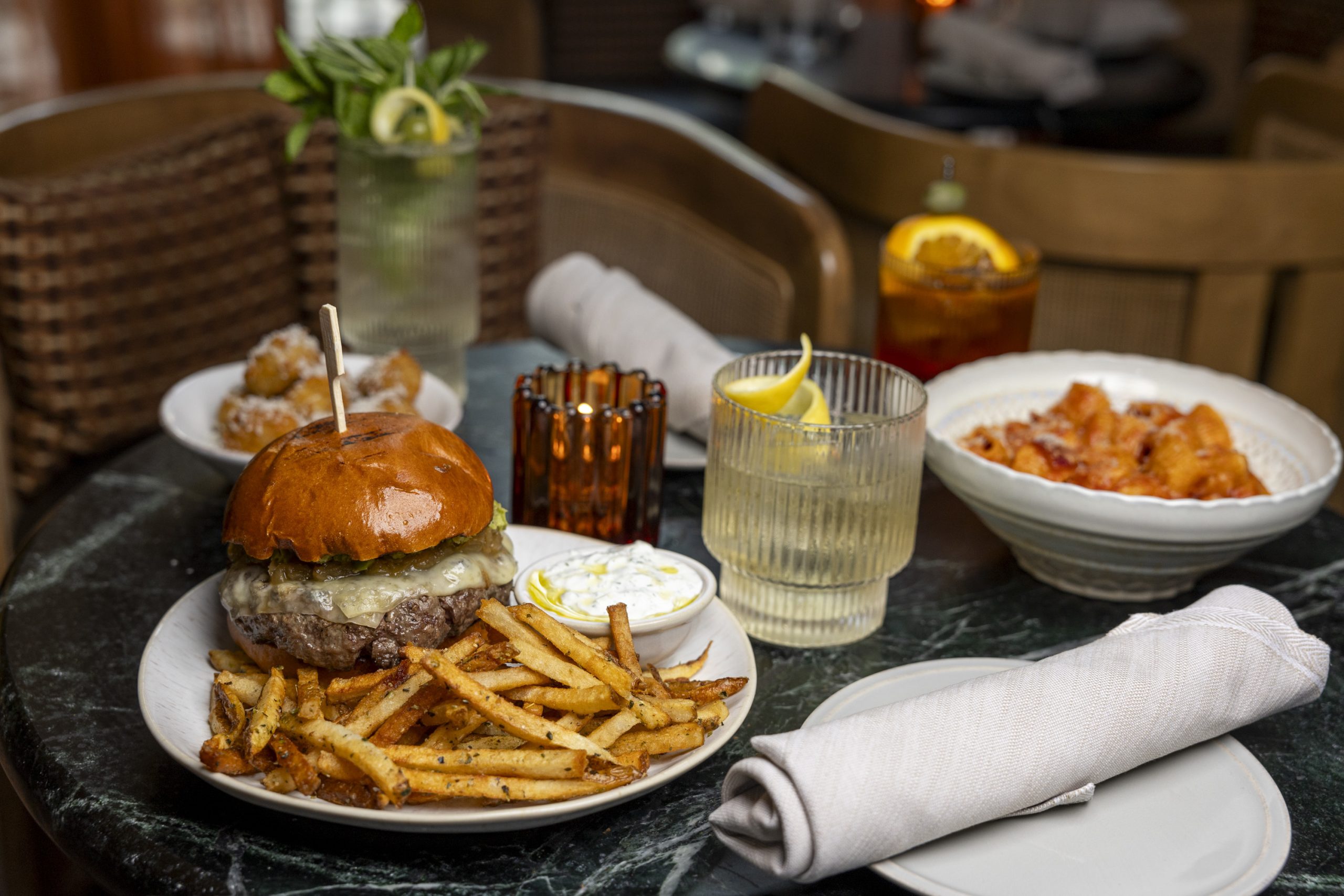
A cheeseburger and fries, the rigatoni all Amatriciana, and croquettes are all part of the aperitivo menu at Caletta in Fishtown.Tyger Williams / Staff Photographer
Aperitivo is also more casual, less hurried, and lower pressure than a sit-down dinner or an after-work date. Reservations aren’t required, and it’s not uncommon to see friends popping in and out for a drink or kids joining family at the table.
“It’s a lot easier to roll into aperitivo with a stroller and get a glass of wine with kids while you are catching up with friends rather than going to a bar,” said Chris DiPiazza of the South Philly bakery Mighty Bread, which started offering aperitivo hour in August 2024.
Apéro is also “a marathon, not a sprint,” said Chloé Grigri, whose bars Superfolie, the Good King Tavern, Le Caveau, and Supérette all offer some version of late afternoon drink and food deals year-round. For Grigri, the purpose is less about pushing discounts so customers can drink more than it is about finding ways to intertwine French culture with happy hour. In Bella Vista, for example, the Good King Tavern is expanding daily apéro deals from 3 to 6 p.m. during the World Cup games (and beyond) to include discounted charcuterie, tartines, and “Frenchie-Americana” drink specials like Suze and Mountain Dew highballs and whiskey and Kronenburg citywides. “It’s the sort of thing you’d stumble across in Paris today in my opinion, but better,” she said.
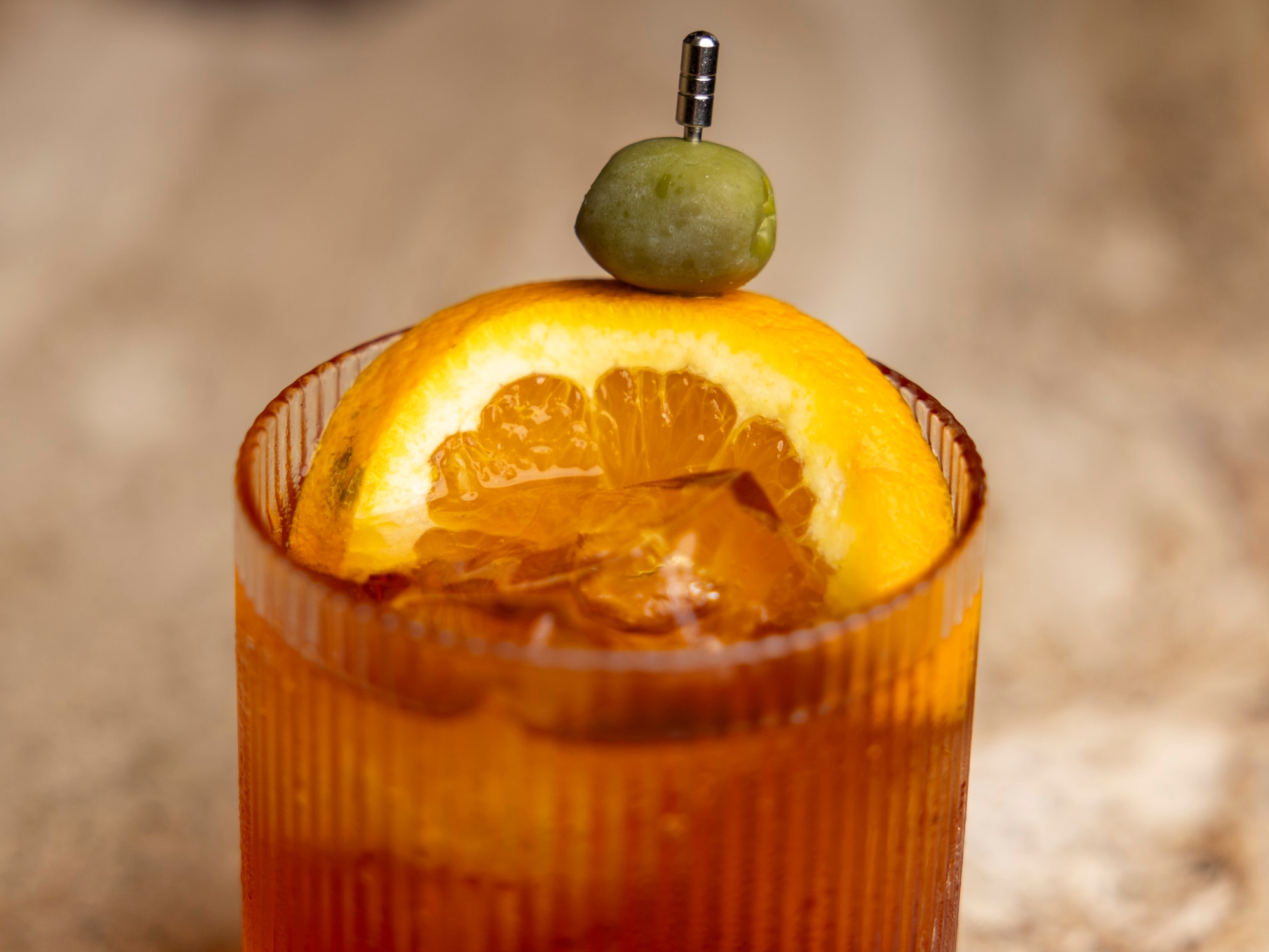
The Americano? Americano!, a vermouth cocktail that’s available only during aperitivo at Caletta.Tyger Williams / Staff Photographer
Still, prices at aperitivo tend to hover at $8 to $16 — roughly between the cost of a beer or glass of wine — which can attract customers during slower weekday business hours, said Le Virtù general manager Chris O’Brien. In the restaurant on East Passyunk Avenue’s monthly wine club newsletter, O’Brien said that 2026 has been “our busiest year on record by a long shot” with an uptick in patio reservations, where its all-you-can-eat northern Italian aperitivo events take place.
Similarly at Fishtown’s Caletta, Kirk said he’s seen a midweek bump with more guests requesting aperitivo hours even during offseason months. Grigri also noted the timing of the World Cup this summer has worked well for her businesses across the board. “Le Caveau had an immediate noticeable uptick,” in business, she said, alongside Good King Tavern and Supérette, where aperó has had a steadier and slower build. “It’s about getting people in right before our normal busy hours,” said Grigri.
Here are eight places to sip, linger, and graze al fresco for aperitivo in Philly.
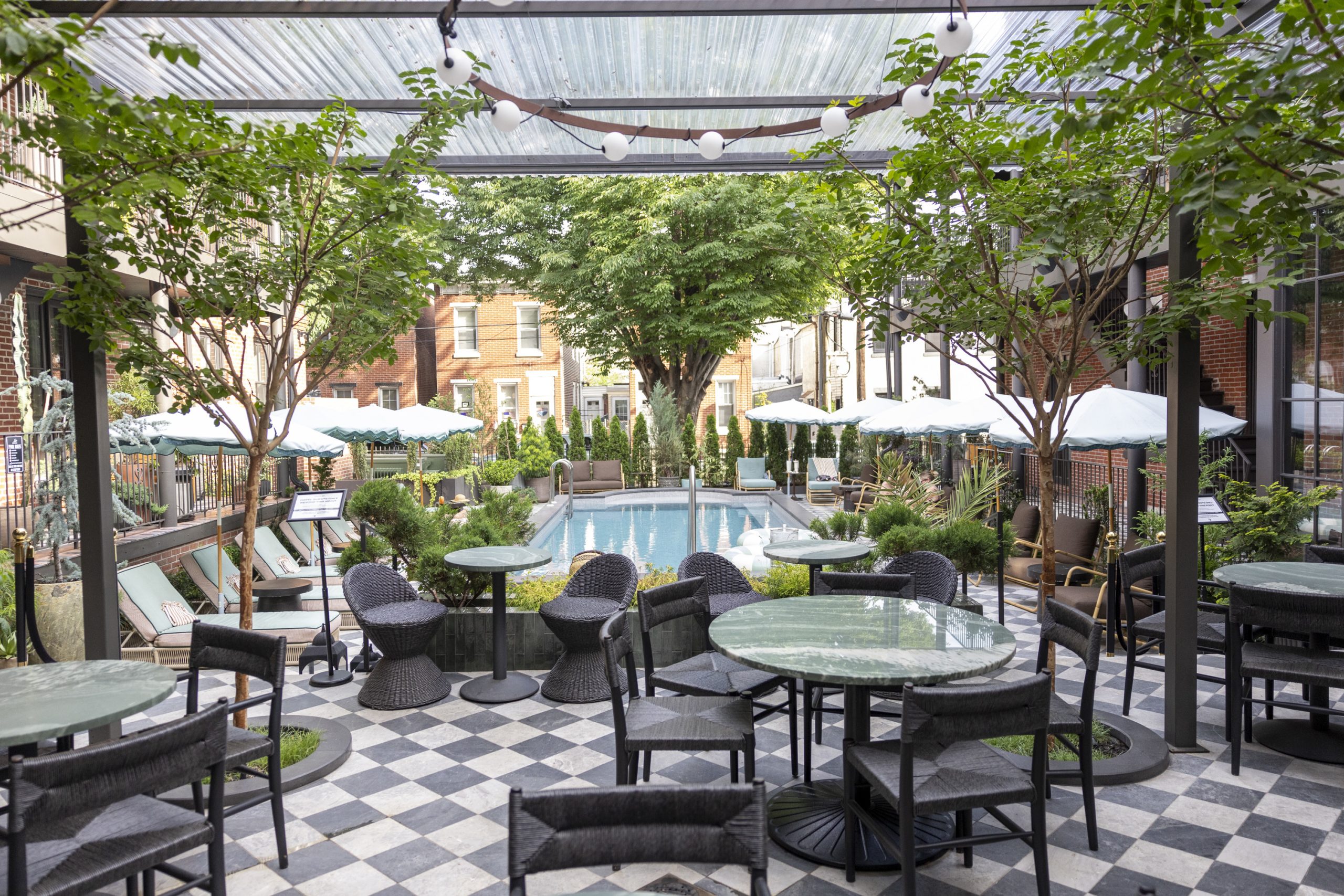
Outdoor seating at Caletta, which offers an aperitivo menu from 4 to 7 p.m. Wednesdays through Fridays.Tyger Williams / Staff Photographer
Where to find aperitivo in Philly
Caletta
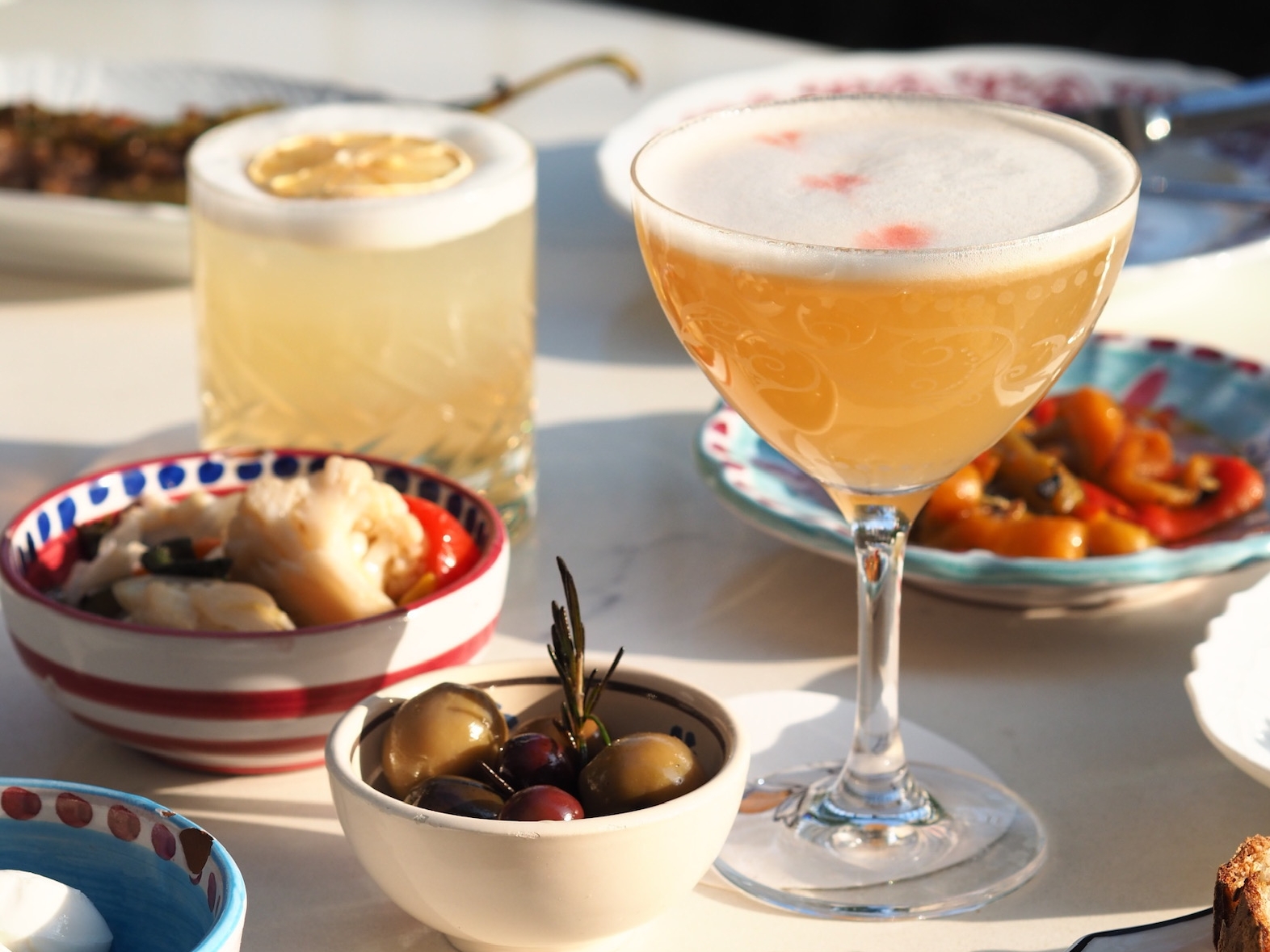
Caletta’s patio aperitivo (Wednesday through Friday from 4 to 7 p.m.) transports you from a quiet Fishtown block to the Mediterranean coastline. At this hotel bar, the cocktails include split-based, lower ABV drinks that use house-made liqueur blends and fortified wines, like the “Americano? Americano!,” which includes a mix of coffee liqueur, sweet vermouth, red bitters, orange, and olive. A bonus: Your first drink comes with a complimentary salty snack dish of mixed nuts, roasted peppers, or salami with house-made focaccia.
📍1401 E. Susquehanna Ave., Philadelphia, Pa. 19125, 📞267-682-8253 🌐 calettafishtown.com
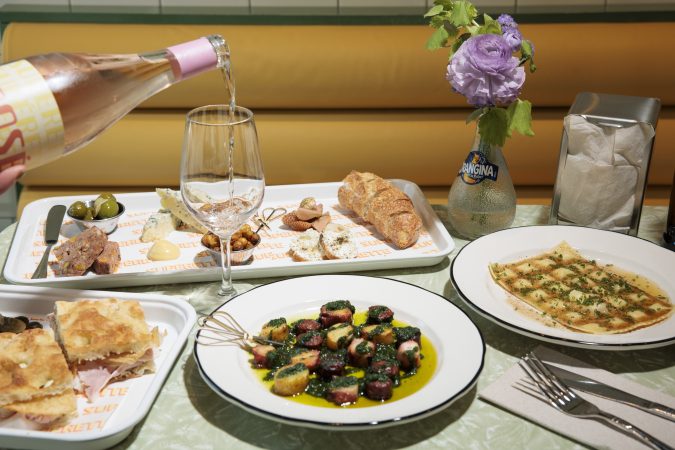
A selection of complimentary aperitivo snacks alongside two cocktails at Sorellina, 699 N. Broad St.Courtesy S
Sorellina
At owner Joe Cicala’s casual pizzeria in the Divine Lorraine, aperitivo is baked into the regular menu. Every table gets a few olives and tuna-stuffed peppers to snack on while deciding what to order for dinner. Italian-style bitter cocktails, imported beers, and amari anchor the bar program, though Cicala has noticed more customers ordering nonalcoholic bitter sodas — perhaps influenced by summer Euro trips, he noted.
Banshee’s dedicated aperitivo section features Spanish-style small plates of croquettas and patatas bravas, among others, plus drink specials from 5 to 6 p.m. daily. The Mediterranean-inspired bar in Graduate Hospital folds cocktails from Spain (Kalimotxo), France (Kir), and Italy (the not-discounted-but-still-excellent Spring Americano with strawberry vermouth and rhubarb aperitivo) into one concise menu. Our recommendation: Order everything, including a side of the house-made sourdough.
📍1600 South St., Philadelphia, Pa. 19146 📞 267-876-8346 🌐 bansheephl.com
A spread of stuzzichini (bite-size appetizers from Northern Italy) at one of Le Virtú’s summertime aperitivo events.Courtesy Le Virtú
Le Virtù
For a glimpse of more communal-style aperitivo, East Passyunk’s Le Virtù hosts one-off seasonal patio gatherings throughout the summer that draw from the culture of Abruzzo, Italy, where owner Francis Cratil-Cretarola is from. Programming — typically on a Wednesday, weekend afternoon, or early evening — is lightly curated with unlimited buffet-style stuzzichini (bite-sized northern Italian appetizers) for $35 and $14 wines by the glass in collaboration with a rotating mix of producers and importers. Follow @levirtuphila on Instagram for upcoming events.
This retail shop, tasting room, and cocktail bar adjacent to the Gayborhood lets you choose your aperitivo experience — order a drink and stay awhile or buy bottled-in-state products for at-home concoctions. Either way, you can’t go wrong with its “Slayborhood Spritz,” featuring Apologue persimmon liqueur, Kyro pink gin, prosecco, and club soda or a lemon herbaceous amaro with Fast Penny Spirits Americano Bianca.
Light bites and negroni cocktails from Irwin’s aperitivo menu, which runs Wednesday through Friday from 5 to 7 p.m.Alli DelGrippo
Irwin’s
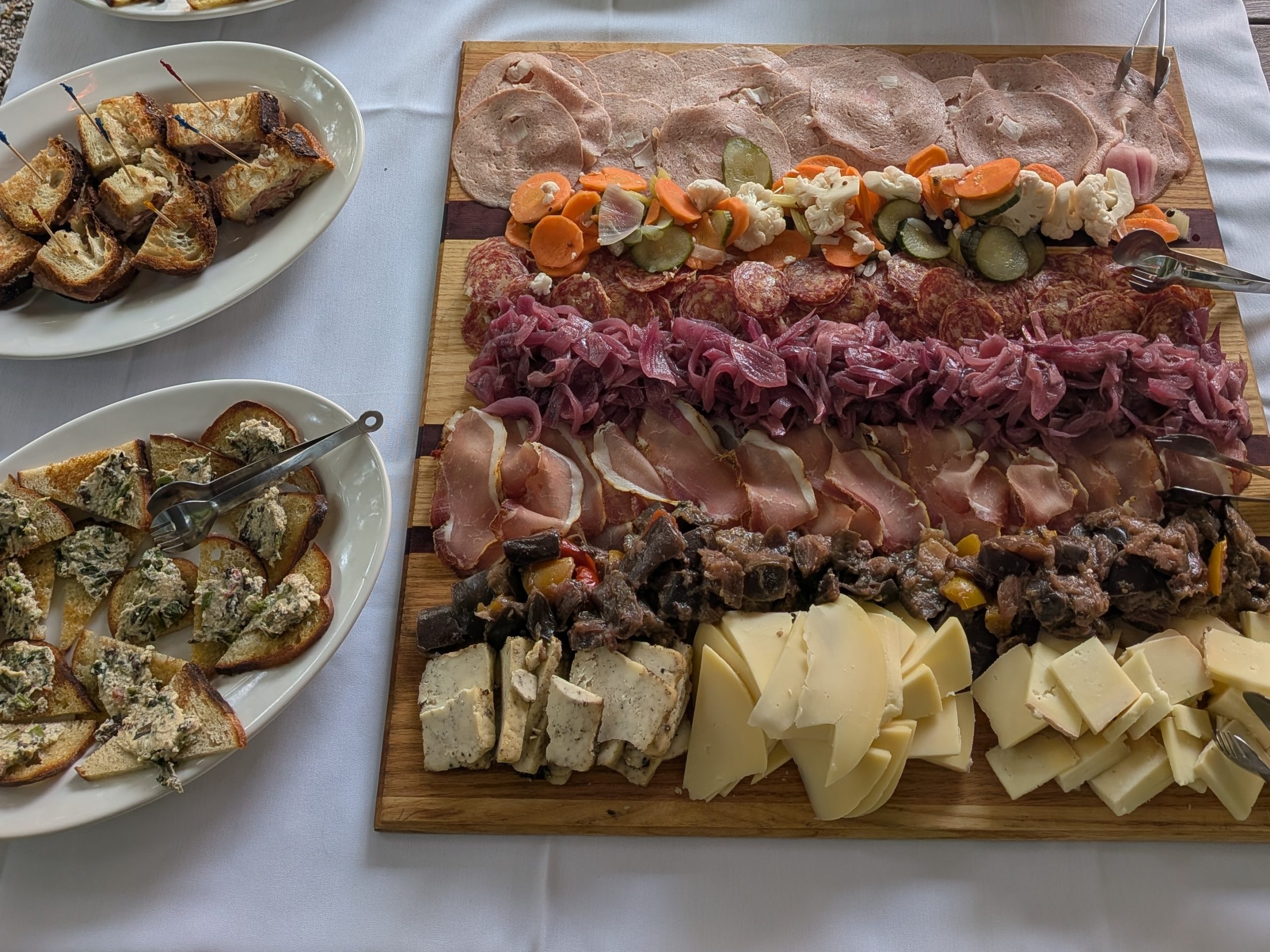
Nothing beats a rooftop hang — especially with classic Sicilian drinks and snacks. Irwin’s, just across the hall from Bok Bar, hosts aperitivo hour inside and out on the roof every Wednesday through Friday from 5 to 7 p.m. during the summer. Everything on the menu is $13 or less: Negroni cocktails, charcuterie and formaggi, anchovies, tomato pie, and eggplant caponata (a chef Michael Ferreri family recipe for an antipasto vegetable stew).
This James Beard Award-nominated South Philly bakery is home to a family-friendly aperitivo. On weekdays year-round (except Tuesdays) from 4 to 6 p.m. you can enjoy Philly-Italian bites, cocktails, beer, and wine inside or in the courtyard. Snacks highlight bread in various forms: “Mighty Munch” with baguette chips, candied nuts, and seasoned pretzel chips; focaccia; and scallop toast with fermented aji chili butter. There are easy-sippers with Pennsylvania-made spirits, too, like Char & Stave coffee Amaro and soda, a ready-to-drink sparkling wine spritz, and Mighty Bread’s own Italian semolina pilsner, Amici Del Pane.
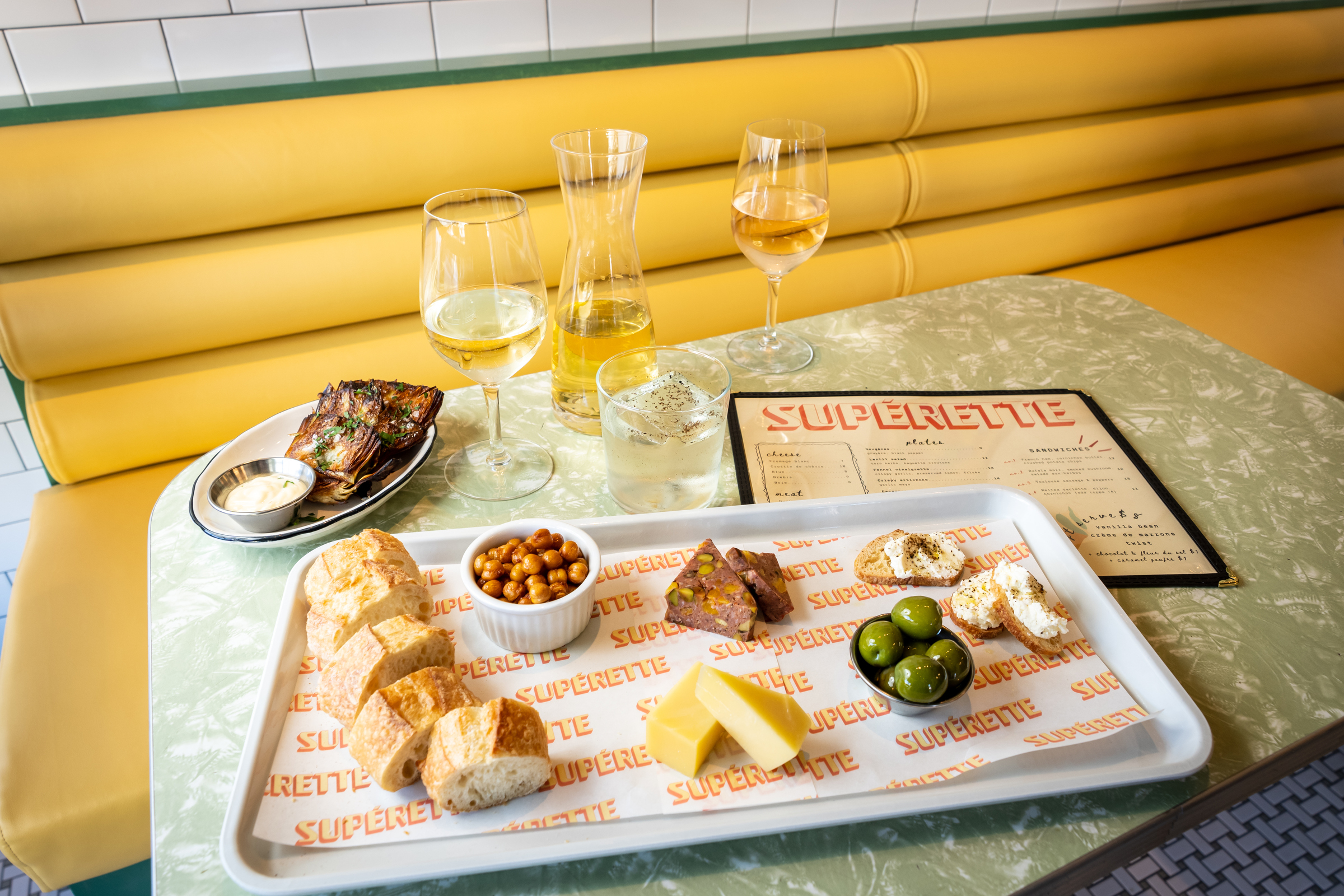
A snack board at Supérette, a restaurant, bottle shop, and wine bar on East Passyunk Avenue.Jessica Griffin / Staff Photographer
Supérette
Supérette captures that quintessential French-style apéro energy: Customers drift in and out the door, shopping for natural wine in the bottle shop or sipping highballs at the bar. The day-to-night vibes at Chloe Grigri’s épicerie and wine bar on East Passyunk Avenue invite spontaneous meetups fueled by olives, mini-chip-filled jambon-and-beurre sandwiches, and Frenchie disco fries (aka nachos with shredded cheese, local spam, cornichon relish, and crème fraîche). Better yet: Apéro is every weekday year-round from 3 to 6 p.m.