Tag: Camden County

  • Haddonfield high school junior wins prestigious, all-expenses-paid Coolidge Scholarship, only a few awarded in country

    Haddonfield high school junior wins prestigious, all-expenses-paid Coolidge Scholarship, only a few awarded in country

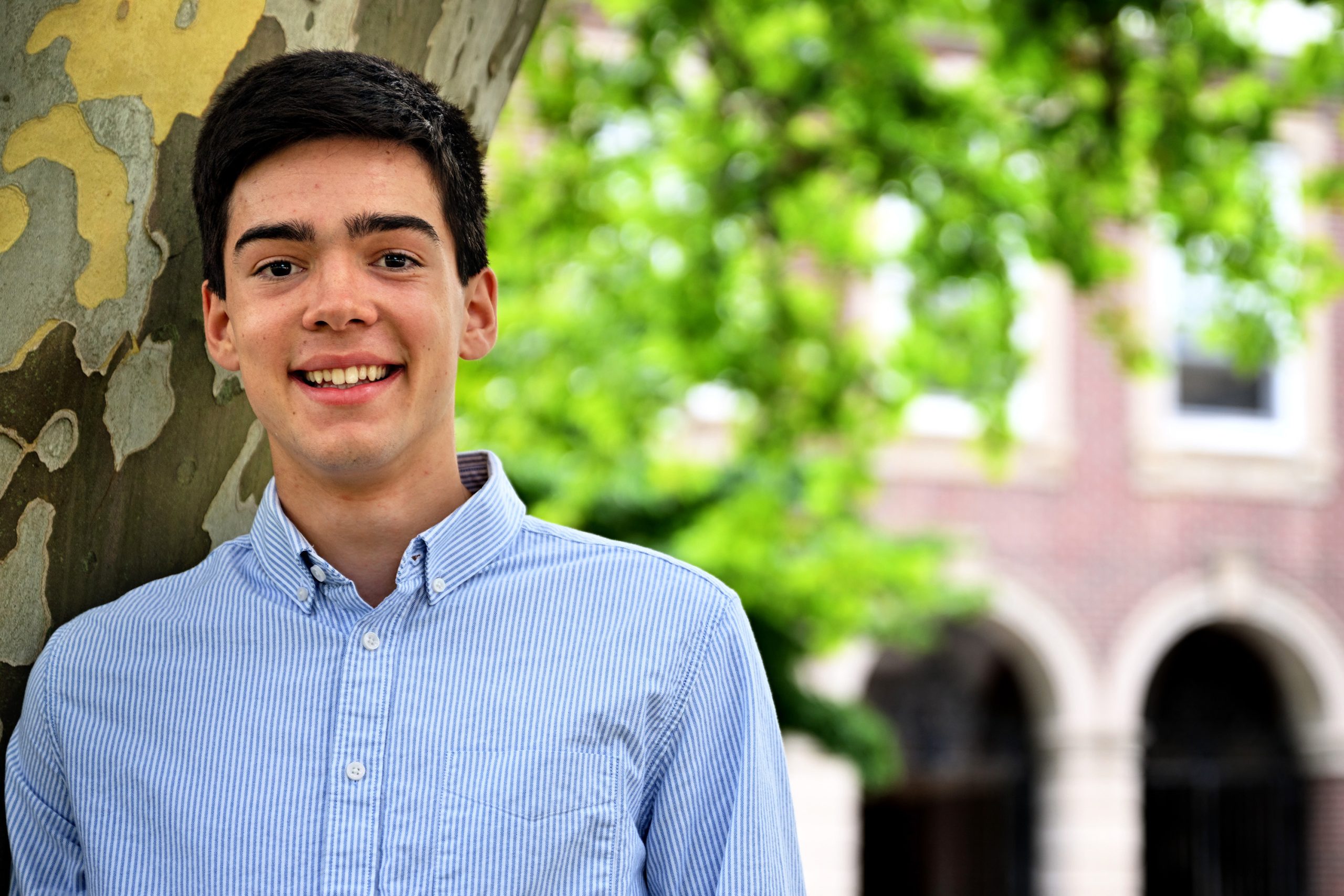
    As he prepares for his senior year at Haddonfield Memorial High School, Luke Patterson has a big decision to make: What college to attend? He has a blank check to go anywhere.

    Patterson, 17, was awarded an all-expenses-paid merit scholarship from the Calvin Coolidge Presidential Foundation. The four-year award will cover tuition, room and board, and related expenses for him to attend any college in the United States.

    He was among five students nationwide selected from among 4,200 applicants, said Matthew Denhart, the foundation’s president. He is the first recipient from South Jersey since the foundation began awarding the scholarships in 2016, he said.

    “It doesn’t matter to us where they go,” Denhart said in an interview. “The sky is the limit.”
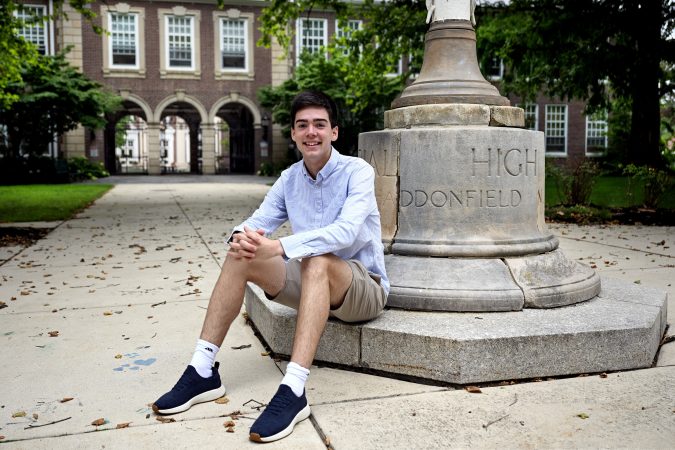
    Haddonfield Memorial High School rising senior Luke Patterson poses at the school Tuesday, July 7, 2026. He has been awarded a Coolidge Scholarship, a prestigious, highly competitive full-ride merit award that pays for four years of tuition, room, board, and expenses at any accredited U.S. college or university.Tom Gralish / Staff Photographer

    Patterson learned about the scholarship last year when he noticed a track teammate reading Coolidge’s autobiography. The teammate was reading the book to apply for the scholarship.

    In order to apply, Patterson was also required to read Coolidge’s autobiography and study policies during his administration, write several essays and get recommendation letters. Applicants must demonstrate humility and a commitment to public service, qualities endeared by Coolidge.

    He then traveled to Plymouth Notch, Vermont, Coolidge’s birthplace and where the foundation is located, for a final interview. He fielded questions from a panel chaired by the state’s former governor, James H. Douglas.

    “I expected to be nervous, but I actually felt pretty comfortable,” he said. The foundation requests that recipients do not disclose details about the interview process.

    Said Denhart: “Luke was just a real star.”

    At Haddonfield High, which enrolls about 870 students in grades 9 through 12, Patterson is an honors student, participates on the track and cross country teams, and writes for the school newspaper, covering school board meetings.

    Patterson also is a member of the Anti-Bias Club and serves as historian of the Student Council, and has been tapped to help spearhead a project this school year to create a timeline for the school’s 100th anniversary, Principal Tammy McHale said.

    “Where good things are happening, Luke is around it,” McHale said.
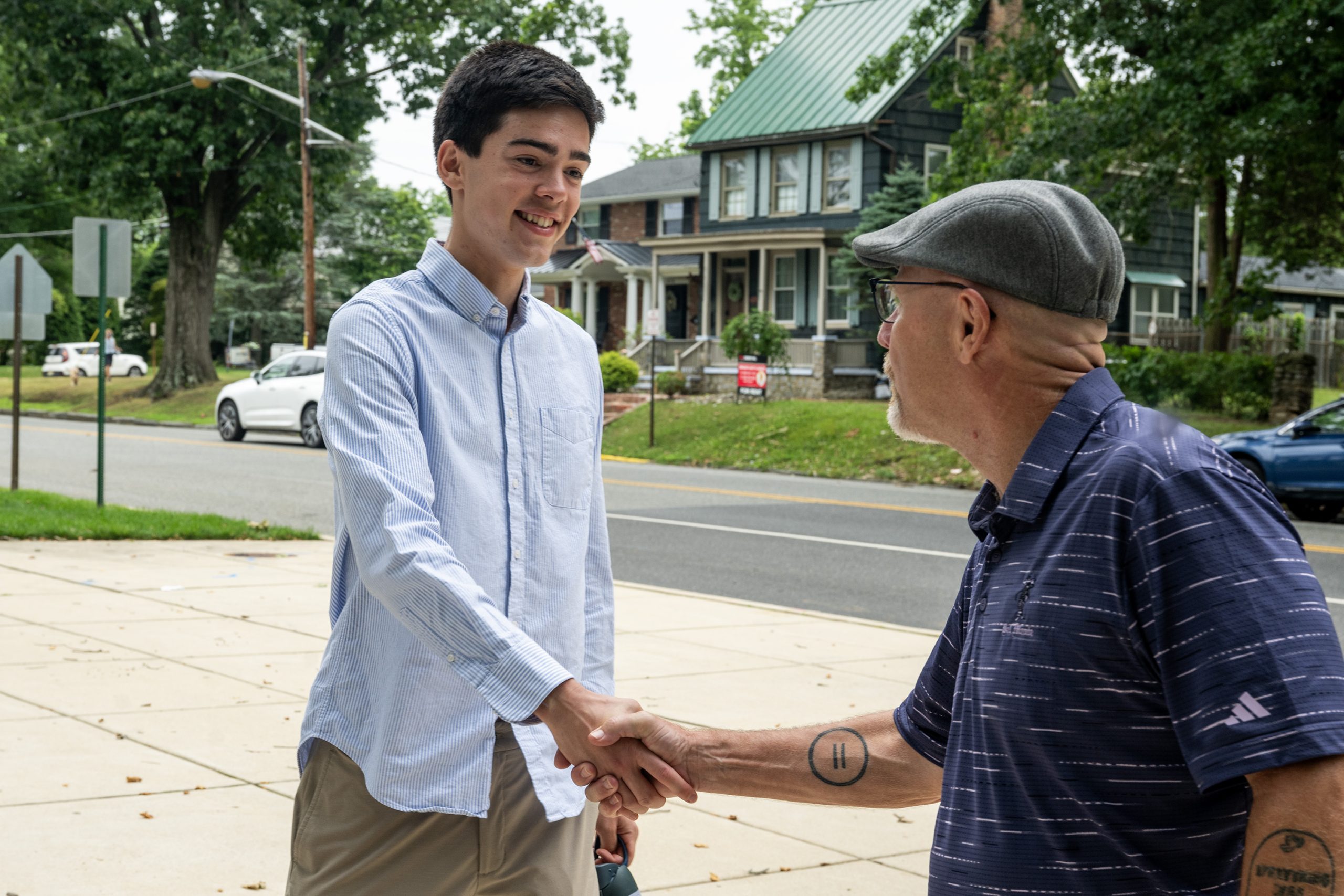
    Haddonfield Superintendent of Schools Chuck Klaus (right) happens to pass by as Haddonfield Memorial High School rising senior Luke Patterson is at the school Tuesday, July 7, 2026. Patterson has been awarded a Coolidge Scholarship, a prestigious, highly competitive full-ride merit award that pays for four years of tuition, room, board, and expenses at any accredited U.S. college or university.Tom Gralish / Staff Photographer

    Patterson also is a cadet with the Civil Air Patrol, a youth auxiliary of the U.S. Air Force, and an active member of Grace Episcopal Church in Haddonfield.

    English teacher David Scorsolini noted in a recommendation letter that Luke had demonstrated humility in his world literature class, one of the scholarship’s requirements. Patterson showed respect for his classmates and their perspectives, he said.

    “It takes a great deal of humility to read, and more importantly, to listen. Luke listens,” Scorsolini wrote in an email.

    Patterson credits his teachers for preparing him to apply for the scholarship. He was surprised when he got a call that he had been selected.

    “I was completely shocked,” he said. “Over the next days, I realized how many doors this opens.”

    It will ease the financial burden on his parents, who also have a younger daughter, Clara, he said.

    “I’m just really proud of all that he has done,” said his mother, Ellen Patterson. “Obviously, the scholarship is amazing.”

    The foundation launched the scholarship program to better educate young people about Coolidge, considered one of the least-known presidents, Denhart said.
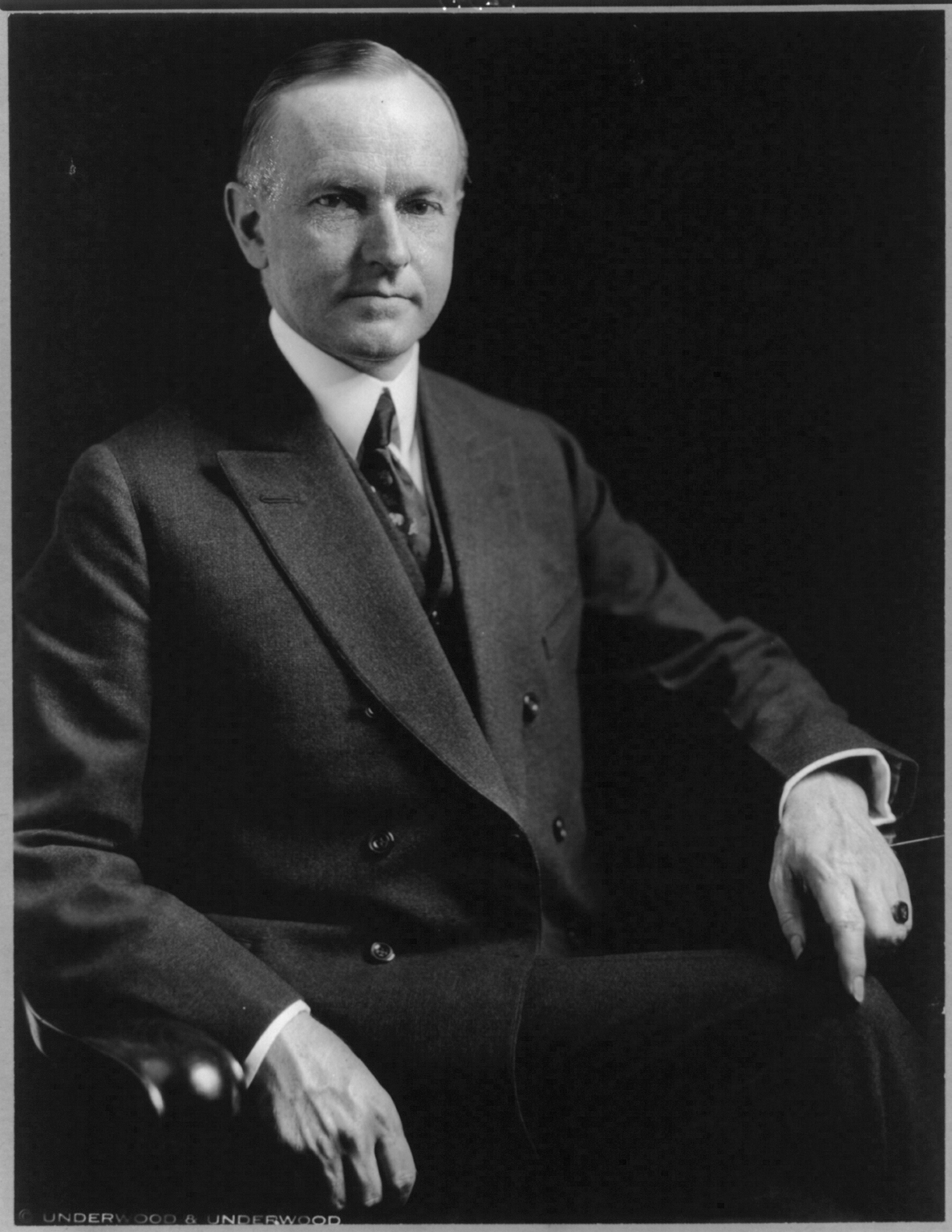
    Calvin Coolidge’s seated portrait, June 6, 1924.Library of Congress

    The program seeks students who embody the principles and ideas that defined Coolidge’s term as the 30th U.S. President. Coolidge was known for his humility as well as his support for political bipartisanship, public education, and local self-government.

    This is the 11th class of scholars sponsored by the foundation, Denhart said, and since 2016, nearly 50 students have passed through the program. The foundation also awards smaller scholarships to its top 100 finalists.

    The scholars are not expected to follow the politics of Coolidge, a Republican who had a reputation as a small-government conservative, Denhart said. They study his history and public policies and debate at an annual seminar, he said.

    Patterson said he plans to spend the summer finalizing his college choices and writing essays. He is undecided about a possible major.

    “The really cool thing about the scholarship is that it opens up all kinds of possibilities,” Patterson said.

    He is considering joining an ROTC program and possibly becoming a U.S. Air Force pilot.

    Patterson wants to encourage underclassmen to consider applying for the scholarship. His advice:

    “Don’t be afraid to put yourself out there. You never know what might happen,” he said.
  • Archaeologists looked for artifacts at an Underground Railroad site in Cherry Hill. Here’s what they found.

    Archaeologists looked for artifacts at an Underground Railroad site in Cherry Hill. Here’s what they found.

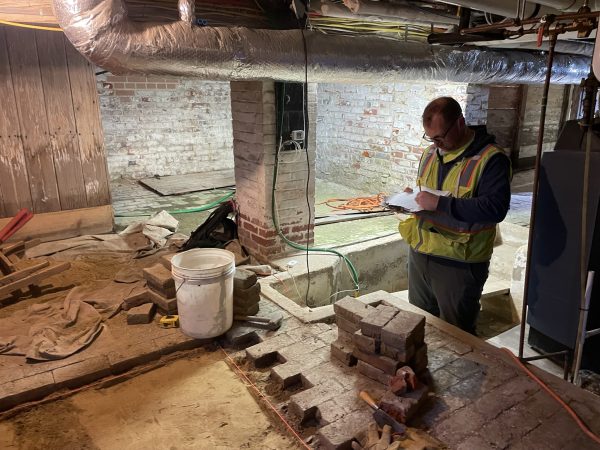
    Archaeologists have nearly wrapped up their analysis of artifacts found at Cherry Hill’s Croft Farm, a historic Underground Railroad site where items have accumulated over thousands of years.

    That catalog includes 6,300 ceramic fragments, hundreds of bones, and belongings of the Lenni-Lenape Indigenous people who once inhabited the land along the Cooper River.

    In February, Cherry Hill Township invited the public to spectate the dig at Croft Farm, a property purchased by Cherry Hill in 1985 and since added to the National Register of Historic Places. It sits at a dead end behind a playground and a dog park, and Megan Brown, deputy chief of staff for Cherry Hill Mayor David Fleisher, said lifelong residents tend to not know it exists.

    The township recruited PS&S, an architectural firm headquartered in Somerset County, a year before the February dig to oversee cultural resource management at the site, triggered by renovations to preserve a building there.

    Upgrades to the Kay-Evans House, an 18th-century home at Croft Farm that once served as a stop along the Underground Railroad, are funded in part by a $638,000 grant from the New Jersey Historic Trust, which requires work to ensure the safety of historic artifacts found there. Those items will become Cherry Hill Township property.

    Brown said the artifacts collected could find their way into public displays on the first floor of the house.

    “We do tell the history, but kind of more as a whispering,” Brown said. “We’re going to start really yelling about it.”

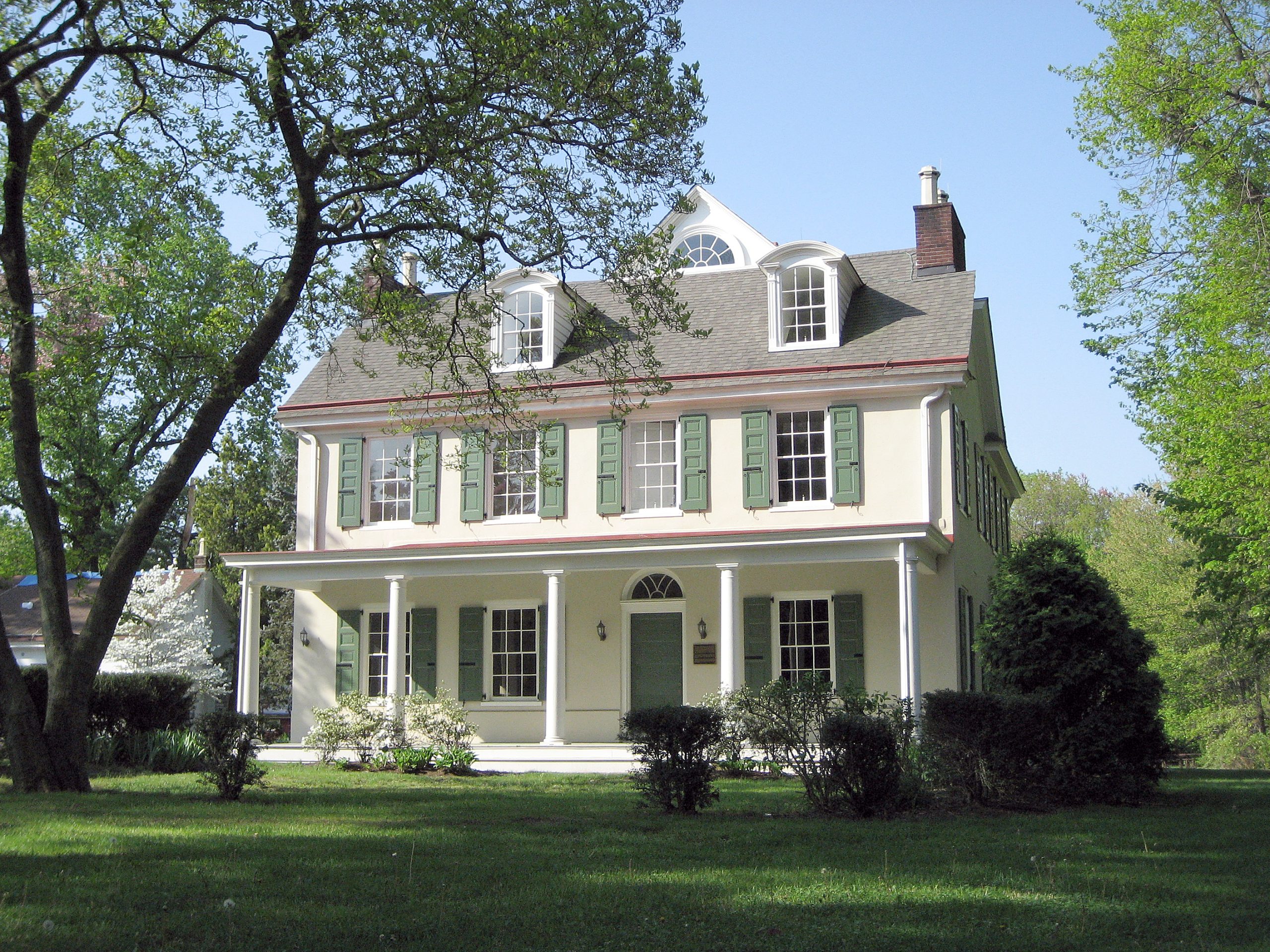
    The Kay-Evans House, a historic building at Croft Farm in Cherry Hill, is home to Cherry Hill Township’s Recreation Department.Cherry Hill Township

    Hundreds of ceramics

    Croft Farm has housed generations of people living along the Cooper River, and artifacts like ceramics help archaeologists identify lifestyle and socioeconomic changes over time.

    The land at Croft Farm was purchased by the Kay family in the early 18th century, and around 1750, Quaker Isaac Kay built an early version of the building now known as the Kay-Evans House, which today houses the Cherry Hill Recreation Department.

    In the 19th century, the Evans family moved onto the property and expanded the home. Like other Quakers, owner Thomas Evans and his son Josiah were members of the New Jersey Abolition Society who pushed to end slavery and support the Underground Railroad, according to the township’s online history of Croft Farm.

    Matthew Tomaso, the senior director of cultural resources for PS&S, said the firm found material spanning from the 18th century to the early 20th century. About 1,000 artifacts come from the 18th and 19th centuries, including when the Evans family helped operate the Underground Railroad.

    Nineteenth-century hand-painted polychrome ceramic sherds are among the artifacts found by PS&S during site work at Croft Farm in Cherry Hill. Matt Kraemer

    Matthew Kraemer, a PS&S archaeologist on the project, said the type of ceramics discovered on the site varied by time period, from 18th-century Staffordshire slipware to more creamware, pearl ware, earthenware, and whiteware as time went on.

    The ceramics, buried by time, were not found in one piece. Tomaso said his team sorted through thousands of tiny fragments to assemble 359 vessels.

    Kraemer said he is looking at how the ceramics change through time, since a transition from simple to fancy bowls could indicate shifting values among the Quakers, traditionally known for their modesty.

    The location where the ceramics are found matters, too. Since enslaved people often used backyards as outdoor kitchens, Kraemer said, finding ceramics outside the house is telling, since that tradition likely continued as formerly enslaved people fled northward.

    A 19th-century annular banded dipware ceramic refit, with shards pieced together by PS&S archaeologists, is one artifact found during site work at Croft Farm in Cherry Hill, New Jersey.Matt Kraemer

    “If we find a higher proportion of hollowware in the backyard, then we know this could further indicate, from an archaeological point of view, involvement in the Underground Railroad,” Kraemer said.

    The Croft Farm site is known as a former home to previously enslaved people, including Joshua Saddler, who founded nearby Saddlertown, a Black settlement in what is today Haddon Township.

    ‘An awful lot of butchering’

    Chelsea Carriere, another archaeologist at PS&S, said she had not expected to find so many animal remains, since nearby water typically makes bones degrade faster.

    But Carriere ended up with a stash of 480 bone fragments showing human alteration, or bones with burn or cooking marks.

    So far, she has identified goat, cow, sheep, rodent, and turtle bones, along with a raccoon scapula, clearly chopped, and animals likely trapped and hunted, like rabbits. While historical documents show pigs lived on the property, Carriere did not find many pig bones, though she said it could be that the animals were butchered elsewhere or were cooked in a way that did not make for good preservation.

    “We can dive into what the recipes of the time were and see if there’s any correlation between the cut marks we’re seeing and what kind of foods were typically cooked or fashionable during certain periods,” Carriere said.

    The team also found bones in the Kay-Evans House basement, which Tomaso said was strange, since people did not usually throw away organic waste indoors.

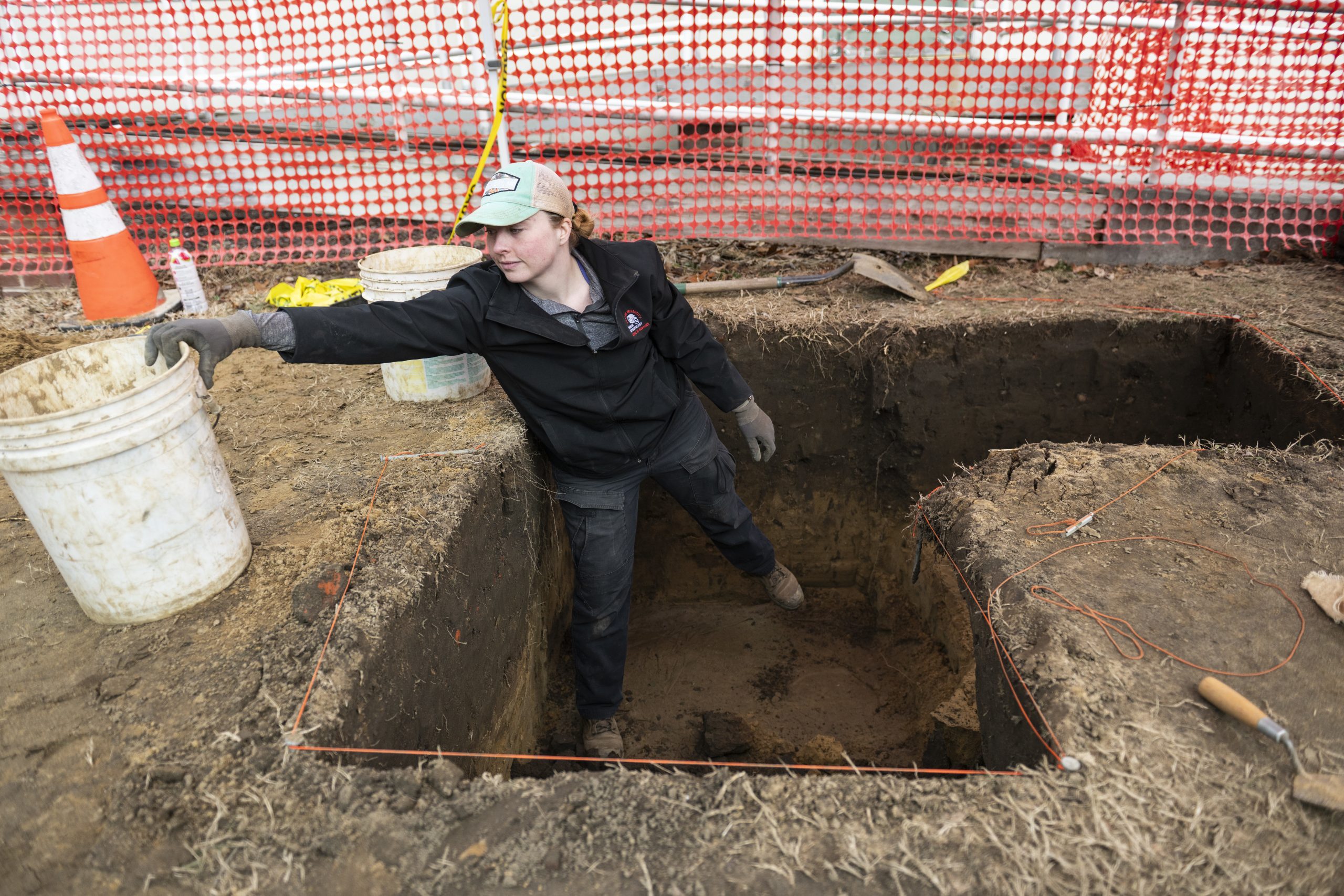
    Chelsea Carriere, archeologist with PS&S, grabs for a bucket while digging at Croft Farm in Cherry Hill, N.J. on Saturday, Feb. 21, 2026. Allie Ippolito / For The Inquirer

    Studying those remains will help Carriere determine how the people living there butchered and prepared their food, and how the Evans family lived off the land. Bones with rough, choppy markings could indicate at-home butchery by a novice, while clean cuts imply meat purchased from a local butcher.

    “You would kind of expect to see a change there where people might be having more access to store-bought cuts of meat in the 19th century during the Evans family’s occupation,” Tomaso said. “And one of the things I think is really interesting … is that it seems like they’re doing an awful lot of butchering right there on the property.”

    Over 4,500 years

    Most of the recently found artifacts came from the last 300 years, but some items go back further, including ones PS&S archaeologists have not disturbed at Croft Farm.

    “We now know that it was probably reoccupied over about 4,500 years or more,” Tomaso said. “So that’s kind of cool.”

    Before white settlers came to Croft Farm in the late 17th century, the Lenni-Lenape Indigenous people are known to have lived on the land. Tomaso said artifacts from the Indigenous people are deeper in the ground, and seemingly less intact.

    But based on the site’s location and proximity to water, Tomaso said, he suspects Native American tribes used the land for thousands of years, though not continuously. PS&S has bolstered that timeline with the Indigenous artifacts its team managed to find, including triangular projectile points typical of the Woodland Period long before the arrival of white colonists.

    The absence of some typical artifacts caught Tomaso’s eye, too. The Croft Farm site had very few glass and liquor bottles, and few smoking apparatuses, and Tomaso said the team is still trying to figure out why.

    “I think that these guys might have been practicing temperance, which would have been common for the Evans period, really uncommon for the Kays, even among Quakers,” Tomaso said. “Because 18th century, basically, people just drank all the time. For example, beer was not considered an alcoholic beverage.”

    Once the project is wrapped up and the data compiled, PS&S will report its findings to the state, Tomaso said.

    In the meantime, Brown said, Cherry Hill is working toward awarding a bid for construction at the Kay-Evans House and finding ways to increase the public’s awareness of the Croft Farm property.

    “You can really just kind of disappear from Cherry Hill in this location,” Brown said. “It’s really beautiful and we’re really just looking forward to having people take more advantage of it and having people get to understand it better.”

  • Cheltenham, Gloucester Township schools under investigation as federal officials target sexual abuse by teachers

    Cheltenham, Gloucester Township schools under investigation as federal officials target sexual abuse by teachers

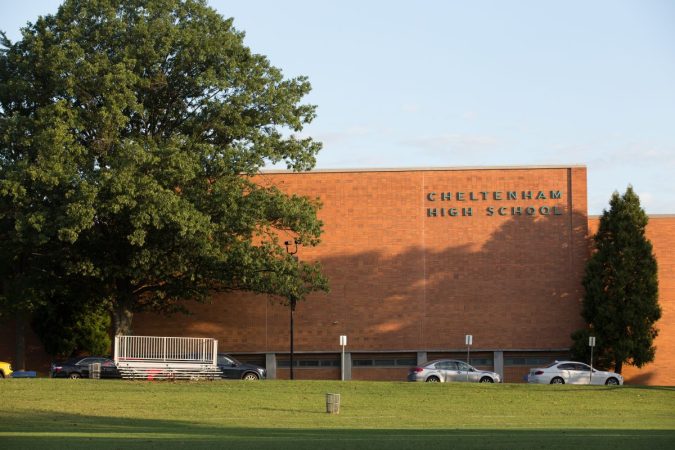
    The Cheltenham School District is being investigated by the U.S. Department of Education as federal officials target sexual misconduct by teachers that they say schools nationally have been too lax in addressing.

    Cheltenham is one of 20 public school districts under investigation by the DOE’s Office for Civil Rights based on responses the districts provided to a federal civil rights data collection survey in 2023-24, which “suggest that districts might not be addressing staff on student sexual misconduct appropriately,” the Education Department said in a statement Friday.

    The department did not specify which districts were under investigation, but Cheltenham informed community members of the probe Sunday.

    The Gloucester Township School District in Camden County is also under investigation, according to a list obtained by ProPublica. Officials in the district, which enrolls about 6,600 students, did not immediately respond to a request for comment Tuesday.

    The investigations were announced as part of a broader initiative by the Education Department “to protect students from adult sexual predators in schools,” with guidance sent to all school districts outlining federal legal requirements for responding to sexual harassment and abuse.

    In its statement Sunday, Cheltenham said it would cooperate fully with the Office for Civil Rights.

    “To be clear, the district is not aware of any instances where allegations of sexual assault or abuse by district employees have not been properly investigated and handled — for the 2023-2024 school year or any other year,” the district said in the statement.

    It was not clear what Cheltenham, a district of 4,100 students in Montgomery County, reported as part of the federal survey that triggered the investigation. The Education Department did not respond to questions Tuesday about the investigation.

    The department’s website indicates it collects data from school districts about offenses that occurred at schools, including documented incidents or allegations of sexual assaults by staff members, as well as the outcomes of sexual assault allegations — whether staff members were determined to be responsible, and whether they resigned, retired, or had duties reassigned before a final determination.

    Kevin Kaufman, a Cheltenham spokesperson, said the district was not aware of any assaults or alleged sexual assaults of students by district staff in the 2023-24 school year.

    In a “Dear Colleague” letter to school leaders Friday, U.S. Education Secretary Linda McMahon said there was a “a troubling and recurring pattern in schools across the nation of credible reports of sexual abuse and harassment by adults in positions of authority going uninvestigated, institutional cultures that protect employees over students, and administrative indifference that allows predatory conduct to fester.”

    The letter cited research from 2003 finding that close to 10% of eighth- to 11th-grade students had experienced sexual misconduct by an educator.

    It also pointed to a ProPublica report from May, finding that California had not revoked the professional licenses of at least 67 educators after school districts determined they had committed sexual misconduct.

    The letter told school leaders that the federal Elementary and Secondary Education Act conditions federal funding on rules that prohibit schools “from helping a school employee or contractor obtain a new position when there is knowledge or probable cause to believe that the individual engaged in sexual misconduct involving a student.”

    It also said Title IX requires schools “to respond appropriately and address claims of sexual harassment,” independently investigating claims even if it also reports them to law enforcement.

    “Institutions that fail to comply with federal law may face the loss of federal funding,” McMahon said in the letter. She said the department ”will fully enforce federal law and employ every resource at its disposal to protect children from sexual predators.”

    In its statement, the Education Department said the investigations into Cheltenham and other districts — which it did not name — “will determine if the districts have appropriate policies and procedures in place to ensure accurate data collection and reporting of these incidents occurs and if their handling of allegations of sexual harassment, including sexual assault by district employees, complies with federal law.”

    Cheltenham’s statement said the district has policies that prohibit sexual harassment and abuse “and outline the investigatory steps that the district will follow in the event that any such allegations are made.”

    Cheltenham and Gloucester Township are not the only local districts facing federal Office for Civil Rights probes. Earlier this year, the office announced that it was investigating the Great Valley School District for a policy allowing transgender girls to participate on girls’ sports teams.

  • Camden County wants to spend $400M to make Cooper River swimmable and improve other waterways

    Camden County wants to spend $400M to make Cooper River swimmable and improve other waterways

    Camden County officials announced a $400 million master plan Tuesday to protect the county’s network of rivers, lakes, and streams such as the Cooper River.

    They are hoping voters will approve a referendum in the fall to help pay for it over the next decade.

    That waterway network is threatened by aging infrastructure, stormwater runoff, industry, and changing regulations that have left it degraded. A comprehensive plan is imperative, officials said.

    An ultimate goal, they say, is that residents may one day be able to swim safely in Cooper River Lake without a health risk.

    “Repair. Replenish. Recreate,” County Commissioner Jeffrey Nash said. “Those three words summarize the generational change that Camden County is about to embark on to improve the quality of our water bodies.”

    County, state, and local officials made the announcement at the Camden County Municipal Utilities Authority headquarters in Camden, backed by representatives from various environmental groups and nonprofits.

    To raise the money, officials are assembling federal, state, and government grants and loans, as well as help from private nonprofits.

    Voters could be key

    But they also said a planned voter referendum on increasing the county’s open space tax to $0.03 per $100 of assessed property value is key to secure permanent funding. Voters will weigh in on Election Day, Nov. 3.

    The rate would nudge up from $0.02. That means someone with property assessed at $500,000 would pay $150 a year toward open space, up from the current $100.

    Waterways that would see increased protection include:

    • Cooper River Lake, which spans Camden, Pennsauken, Cherry Hill, Collingswood, and Haddon Township.
    • Kirkwood Lake in Lindenwold.
    • Atco Lake in Waterford Township.
    • Pennsauken Creek, which runs through Pennsauken, Maple Shade, and Cherry Hill.
    • Big Timber Creek, which spans multiple towns.
    • Evans Pond and Wallworth Lake in Cherry Hill and Haddonfield.

    Nash said the county’s population growth over the last 100 years can be attributed to people drawn to the waterways. But increased population also resulted in the need for more sewer lines and attention to aging infrastructure.

    “We stand at a crossroads, and we have a choice to make: Either we’re going to shrug our shoulders and pass this problem on to the next generation, or we’re going to do something that is generational,” Nash said.

    The cost breakdown

    The plan calls for:

    • $200 million to fix aging combined sewer systems that overflow during storms.
    • $75 million for dredging and other methods to reduce sediment.
    • $50 million for rehabilitation of sanitary sewer systems across multiple towns.
    • $50 million to restore recreational lake areas.
    • $25 million for green infrastructure.

    And it includes an unspecified amount for continued planning, monitoring, and management.

    Scott Schreiber, executive director of the Camden County Municipal Utilities Authority, called the plan “a comprehensive strategy that addresses every major factor affecting the health of our rivers, lakes, and streams.”

    He said it represents a new way of thinking about water quality by coordinating across towns, rather than planning by one municipality at a time.

    “Water doesn’t recognize political boundaries or municipal borders,” Schreiber said.

    The biggest chunk of money will go to address combined sewer overflows (CSOs), which are now antiquated. A combined sewer system collects rainwater runoff and household sewage into one pipe. Normally, it can transport all of that to a sewage treatment plant. But storms can bring so much water that they can exceed the system’s capacity. When that happens, untreated stormwater and wastewater flow into bodies of water, such as the Delaware River.

    Schreiber said projects are being designed and built to capture and treat much more stormwater before it reaches the Delaware.

    Separately, money will be used to repair and rehabilitate aging sewer systems, reducing leaks and groundwater infiltration that pollutes waterways.

    He said the infrastructure money will also be used to install rain gardens, permeable pavement, and bioswales, which are typically sloped channels covered with vegetation and designed to capture or slow stormwater.

    The county will start a regular dredging operation to remove decades of accumulated and contaminated sediment in lakes and ponds to improve aquatic habitat, restore ecological function, and create overall healthier waterways.

    And the county plans to restore recreational lakes by improving public access, bolstering shorelines, and boosting overall water quality.

    Officials plan to finance part of the plan through the New Jersey Water Bank, an independent state authority that provides low-interest loans for water quality infrastructure projects.

    However, Schreiber said, the voter referendum will be key. If voters approve it, the referendum would provide $7 million per year that could be used to pay off that debt and pay for other improvements.

    ‘Vibrant waterfront communities’

    Don Baugh, founder of the nonprofit Upstream Alliance, which has helped Camden County build its first water trail, called the master plan a major step.

    “I feel like I should pinch myself,” he said. “This is the dream of restored waterways, swimmable waterways, kids playing in the water, and vibrant waterfront communities.”

    Daniela Solano-Ward, mayor of Collingswood, one of five towns that border Cooper River Lake, said the new coordination by the county is vital.

    “Collingswood can do very little to alter our geographic reality,” she said. “We are bordered by Cooper River to the north and Newton Lake to the south. Ultimately, protecting urban watersheds has fallen to local government. But with 35 municipalities in Camden County, the weight of this lift is too heavy for any one of us to shoulder alone.”

  • A $130 million renovation breathes life back into former Northgate, a long-troubled Camden high-rise

    A $130 million renovation breathes life back into former Northgate, a long-troubled Camden high-rise

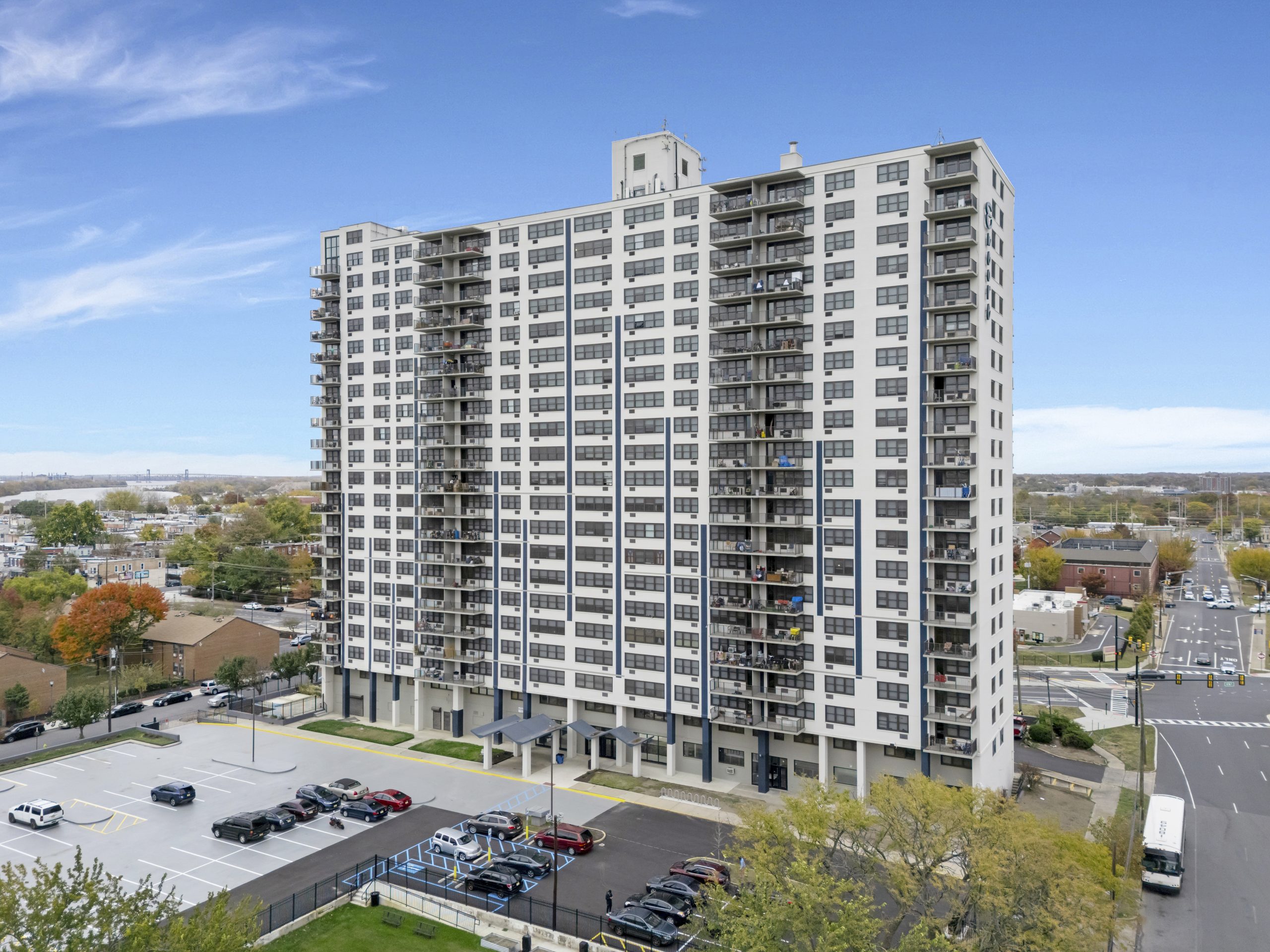
    An apartment building with living conditions that Camden’s mayor described as “deplorable” just two years ago has undergone a transformation thanks to a $130 million overhaul.

    For years, the 21-story affordable-housing tower previously known as Northgate 1 has been plagued by poor living conditions, safety concerns, and mismanagement.

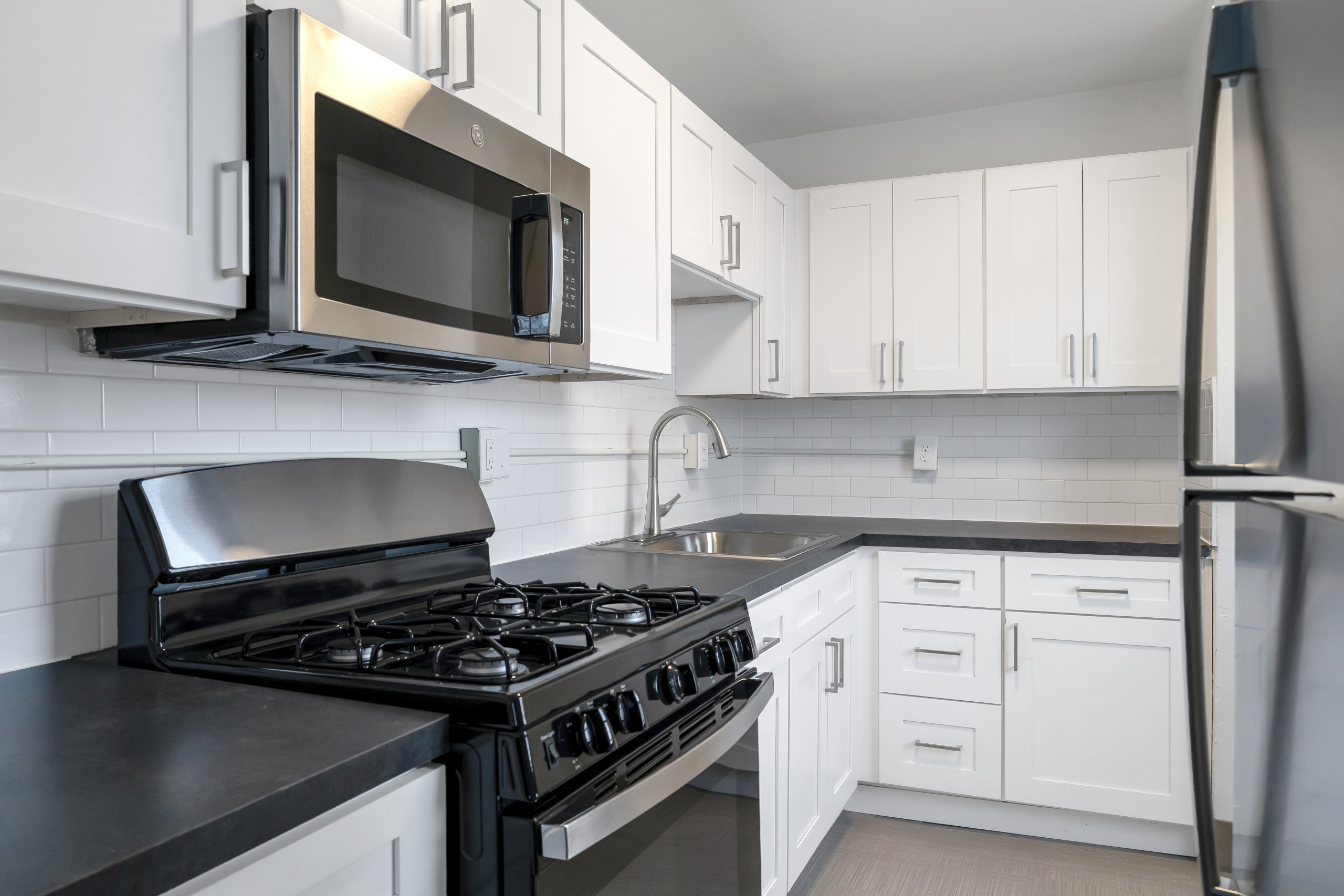
    Now under the ownership of Hudson Valley Property Group, the 321-unit building is nearly unrecognizable following top-to-bottom renovations that were completed in August 2025. Each unit was equipped with new kitchens, bathrooms, HVAC, and more as residents remained in the building throughout the construction process via on-site relocation.

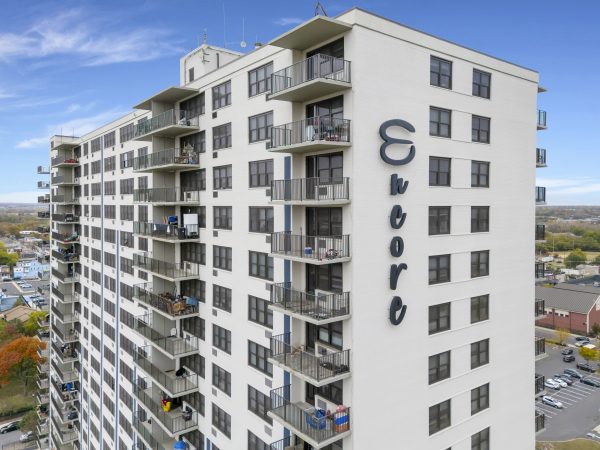
    Formerly known as Northgate 1, the long-troubled North Camden apartment building has been transformed by a $130 million renovation.Linda Pedroso

    The building’s future as affordable housing has also been secured for the next 20 years after the company extended the property’s Section 8 contract, ensuring residents for 96.5% of the units pay no more than 30% of their income on rent. The Encore is also restricted to households earning no more than 60% of the median income.

    “They did everything they said they were going to do as far as fixing up the units and giving us a lot of amenities and other things like that,” said Karen Merricks, a nearly 30-year resident of the building and president of the tenant’s association.

    Built in 1962 and now called The Encore, the apartment tower overlooking the Benjamin Franklin Bridge was viewed at the time as a sign that Camden’s future was bright.

    Billed as a luxury residence, the building featured amenities like a swimming pool, a shopping “colonnade,” an underground garage, and a two-story penthouse with private roof deck access.

    But the vision for the tower never materialized, and soon saw high vacancy rates and an ownership change decades later.

    The Encore includes a playground, gym, business center, and community room for residents in North Camden.Linda Pedroso

    The building continued to deteriorate over time as maintenance requests went unanswered, units were illegally sublet, and it became a site for drug activity, Merricks said.

    A 2022 inspection resulted in 1,000 violation notices, The Inquirer previously reported.

    “Just a lot of chaos and confusion,” Merricks said of that time.

    For the first time in her nearly three decades as a resident, she began to feel unsafe in the building she called home.

    Merricks was not alone, which is why safety was one of the first things Hudson Valley worked to address when they took ownership of the building in 2024, said Andy Cavaluzzi, cofounder and partner of Hudson Valley Property Group.

    “A tremendous amount went in there because we wanted to be able to change not just the physical side of [the building]. … We were changing the whole perception and the culture, and that starts then with the operations and security,” Cavaluzzi said.

    They worked on developing a security plan for the building that included a small number of armed personnel as well as major upgrades like cameras, access control, perimeter fencing, and vehicular gates.

    “Now I’m back to feeling safe,” Merricks said. “They have armed guards here, security to make sure that no one’s coming in, roaming the hallways, smoking drugs in the exits, and stuff like that. That’s all been eliminated.”

    ‘Every part of the building was touched’

    Hudson Valley Property Group spent about $150,000 on each unit’s renovations at The Encore.Linda Pedroso

    New York-based Hudson Valley Property Group specializes in projects like The Encore — buying rental properties with troubled histories and preserving affordable apartments and undertaking extensive renovations.

    They spent about $150,000 renovating each unit, in addition to building-wide infrastructure improvements like all new plumbing and electrical, and exterior repairs, Cavaluzzihe said.

    “Every unit was touched, every part of the building was touched,” he said.

    Residents can also take advantage of a fitness center, a computer lounge, a community room, and a children’s room with an indoor playground. Through a partnership with Citizens Bank, Encore residents also have free internet service for the next 15 years.

    Shared by hundreds of residents, the building also now has a working laundry room for the first time in years, he said.

    The site of the former pool is now an urban farm in partnership with Highlands Alliance where residents can learn how to grow their own food and have first dibs on any produce that is harvested before it is sold at local farmer’s markets. The revenue generated from sales will go back into running the farm, Cavaluzzi said.

    The Encore has an urban farm on site where residents can learn to grow their own food.Linda Pedroso

    “Affordable housing doesn’t mean it’s a place that it’s less expensive rent but you’re going to have a lesser living experience,” he said. “That’s not what it means and it doesn’t have to mean that.”

    Camden Mayor Victor G. Carstarphen said he was “impressed” by the enhancements, and called the transformation “simply remarkable” in a statement.

    Driving across the bridge from Philadelphia, the building is hard to miss. Before renovations, it was clear to anyone driving by that it was in disrepair.

    Now, the building stands out for a different reason.

    Repairs to the facade and roof along with new windows, glass doors, and balcony fencing have transformed the tower “from this amazingly big eyesore that was there” into a beacon of positivity for the city, Cavaluzzi said.

    “This is like Camden showing anyone else who wants to come in like, ‘Look, they were able to do it. This is what we want, this is what we expect,’” he said. “We want to be able to to elevate the city and we’re not OK with the status quo.”

  • Collingswood’s vibrant downtown needs a weekday evening boost, business owners say

    Collingswood’s vibrant downtown needs a weekday evening boost, business owners say

    Nab a table at Collingswood’s Sabrina’s Cafe at 11 a.m. on a Sunday without a wait? Good luck with that.

    A dinnertime walk-in at one of the town’s many vaunted restaurants might be easier. On a weekday, you’ll practically be a shoo-in.

    Despite its reputation as a South Jersey dinner destination — owing to longtime red-sauce staples like Villa Barone and Il Fiore and newer fine-dining joints like Hearthside and June BYOB — restaurant owners on Collingswood’s popular Haddon Avenue say business isn’t booming on weeknights.

    With thinner margins brought on by the higher costs of food, supplies such as to-go containers, and labor, it’s getting harder for some of these spots to get by.

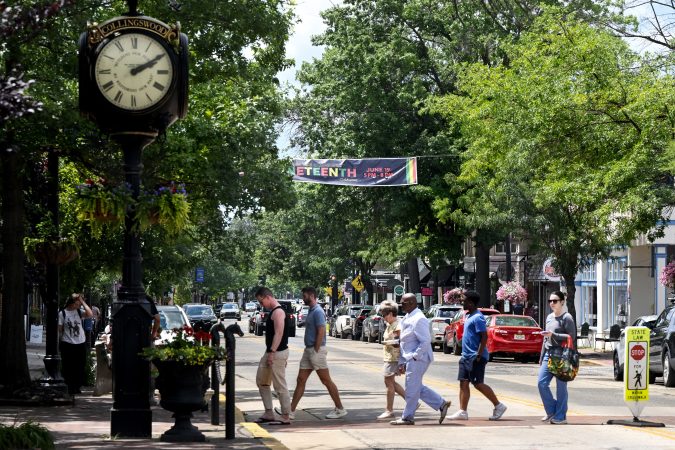
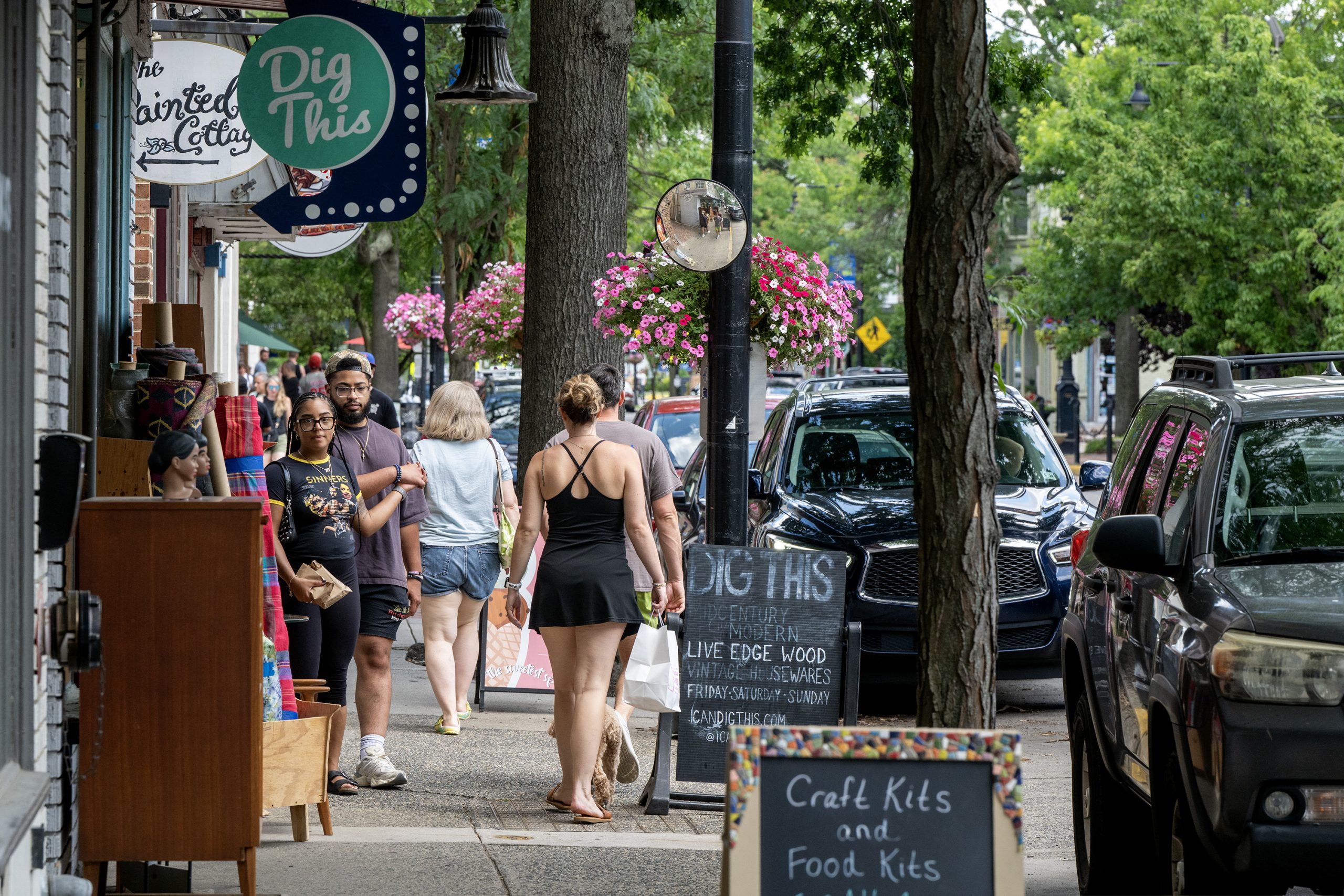
    The Camden County town of 14,000 is hopping with energy on weekend days thanks to the beloved Saturday morning farmer’s market, a bevy of city-organized events, and Collingswood’s variety of stores. But the energy on Haddon Avenue often fizzles come evening.

    Business owners of all types point to one main reason: Collingswood is dry.

    “During the day on Saturday when we’re prepping, there are people walking around everywhere, but on the weekdays after 5 o’clock, there’s just nobody walking around,” said Dominic Piperno, chef and owner of Hearthside, which opened on Haddon Avenue in 2017.

    People walk along Haddon Avenue in Collingswood. Elected officials and business owners say the town needs more experiential businesses.Tom Gralish / Staff Photographer

    Piperno said weekday evenings have become increasingly quiet in the past few years. There was a boom just after COVID-19 restrictions lifted, when folks were happy to get out of their homes, but it didn’t last. He and other Haddon Avenue restaurant owners say inflation and the rising cost of living are partly to blame, with disposable income for many out the window.

    Giovanni Barone, whose family has owned and operated Haddon Avenue Italian restaurant Villa Barone for 32 years, thinks the town could make some changes to support restaurants. He motioned toward nearby Haddon Township, which has long allowed alcohol sales and on-site consumption.

    There, “on a weekday night — Wednesday or Thursday, for example — I drive down the street and it’s packed,” Barone said. “We’re losing a bit of that piece of the pie.”

    A thriving daytime scene

    Yet amid the challenges, Collingswood’s share of Haddon Avenue is experiencing a wave of new businesses filling long-vacant storefronts and injecting fresh daytime activity.

    Kaival Patel of John’s Friendly Market in nearby Haddon Heights is preparing to open a convenience store-like concept in Collingswood with a deli case and prepared foods in the former Wawa space, likely this summer.

    The business was courted by Collingswood Commissioner and Deputy Mayor Amy Henderson Riley. She campaigned with Mayor Daniela Solano-Ward on the promise of ensuring downtown continued to welcome diverse business owners and shoppers of various income levels. James Maley, a commissioner since 1989 and Collingwood’s mayor from 1997 until Solano-Ward took office, continues to serve as a commissioner.

    “We’re replacing Wawa in our own way,” Patel said. “We’ve heard that people used to get their groceries from Rite Aid next door that closed, too, so we’re going to try to add groceries as much as possible.”

    Nearby, a bank that has sat empty for years is primed for a new life as a three-storefront building topped with condos, said Keller Williams real estate agent Pat Ciervo. The parking lot will become public parking, Ciervo said — a perk for that end of downtown.

    Charm bar and permanent jewelry studio Chatterbox celebrated its first anniversary July 4. Business has been good for owners Douglas and Nikki Coleman. People are eager to support a Black- and family-owned business, Douglas Coleman said.

    Douglas and Nikki Coleman at their business Chatterbox in Collingswood.Tyger Williams / Staff Photographer

    “Weekends have been very steady for us,” he said. Weekday business fluctuates, “but this has become a destination for people, just the store in itself. We’ve had people come from Boston and Virginia.”

    Lindsey Ferguson, Collingswood’s director of business and community development, praised the store.

    “We have loved the addition of Chatterbox because, simply, their business model includes waiting for your jewelry, so people then walk around and shop” at other businesses on the avenue like suburban birding store House Finch or Occasionette gift shop, she said.

    Ferguson would like to see more so-called experiential businesses like Chatterbox and nearby pottery-painting studio All Fired Up! And she’d like to add nighttime businesses “that can kind of lift everybody up.”

    Ends of the Earth, a cigar lounge that recently debuted in Collingswood’s former fire station, is open until 7 p.m. on Thursday, Friday, and Saturday — a welcome evening addition, according to Ferguson.

    Ferguson said the chasm between daytime and nighttime foot traffic along Haddon Avenue dates to the pandemic years, when some businesses began closing earlier.

    But that lack of deep overlap between so-called daytime and nighttime businesses has left Collingswood’s restaurant scene in the lurch.

    The inside of Douglas and Nikki Coleman’s business Chatterbox in Collingswood.Tyger Williams / Staff Photographer

    ‘Let’s not mess this up’

    Liquor was prohibited by ordinance in Collingswood in the 19th century, dating back to its Quaker roots.

    Now Collingswood’s three-person Board of Commissioners, which includes Henderson Riley and Solano-Ward, is considering a resolution to put liquor sales on the ballot in November.

    “It’s a conversation we need to keep having as a community,” Henderson Riley said. “It would be an influx of cash into the town that would be up to voters to decide.”

    In 2015, Collingswood voted to allow craft breweries, and now Raccoon Taproom operates on Haddon Avenue under a state-issued limited brewery license. The license allows operator Swedesboro Brewing to serve beer in the taproom.

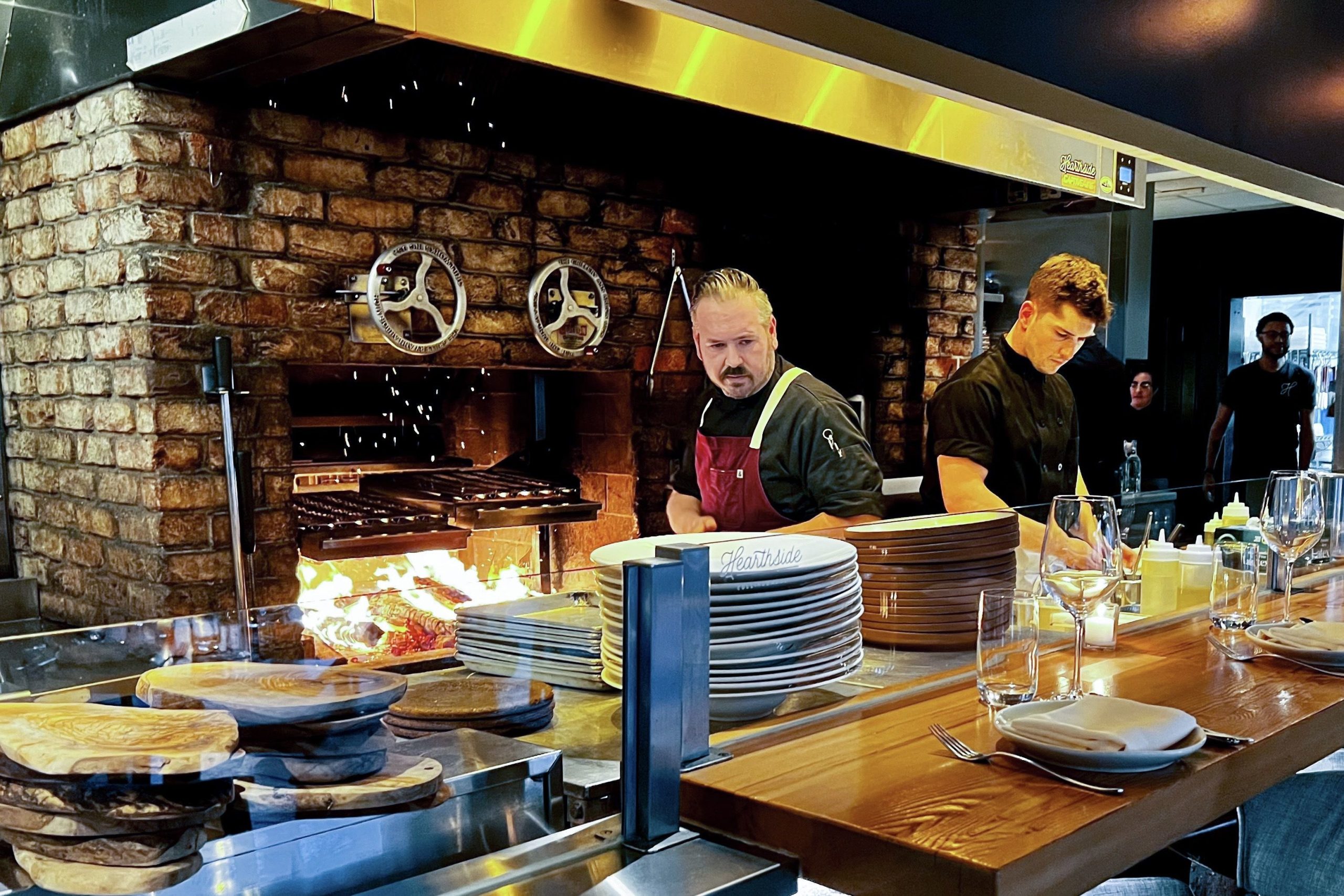
    Chef-owner Dominic Piperno (left) with line cook Christopher Ross at Hearthside in Collingswood in 2023.Michael Klein / Staff

    Henderson Riley said officials are concerned about how to equitably distribute the restaurant and retail liquor licenses. Collingswood would receive up to four, based on its population, which isn’t enough for all of its dinner-serving establishments. And if they are auctioned to the highest bidder, Ferguson noted, out-of-town restaurant groups could come in and create even more competition for licenses.

    “We want to keep restaurants open. We want to keep our downtown thriving,” Henderson Riley said. “We see neighboring towns that are open a little later than us, and the main reason is liquor.”

    And as a result, Henderson Riley said, the restaurants in those neighboring towns have a lower price point for their food.

    Nearby Haddonfield is also a dry town but allows businesses to operate under state-issued manufacturing licenses — not just for beer — and is now home to a brewery, a winery tasting room, and a distillery. Piperno, of Hearthside, sees how these businesses help feed the area’s restaurants, even if the restaurants can’t sell alcohol.

    “My wife and kids and I will walk Haddonfield at night, and like on a Monday, Tuesday, it’s jamming,” Piperno said. “It just has helped that downtown a lot, especially with younger families.”

    Piperno said Fridays and Saturdays at Hearthside are still “jammed,” but “it’s really hard to survive this industry with just two really busy nights.” The restaurant plans to relocate to Haddon Township in 2027, where it will have a liquor license.

    “It’s a bittersweet thing for us because we love Collingswood,” Piperno said, “but something has to change.”

    Still, for Collingswood, much already has. Former Mayor Maley is owed much of the credit, says Henderson Riley, the deputy mayor.

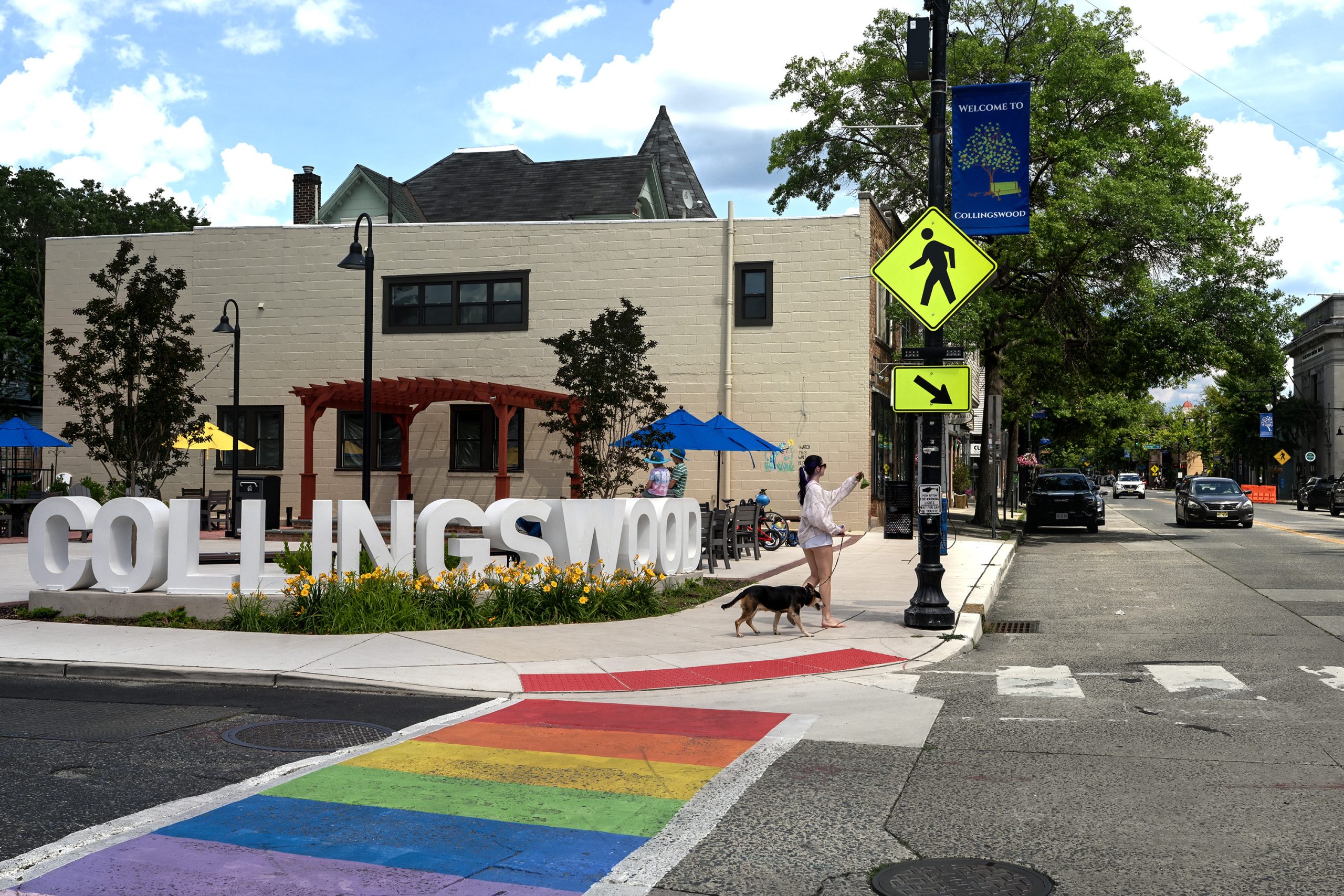
    The downtown pocket park with a “Collingswood” sign.Tom Gralish / Staff Photographer

    Henderson Riley recalled Maley’s efforts to attract new homeowners by incentivizing converting former duplexes into single-family homes, and appeals to Philadelphia’s LGBTQ+ population to move across the bridge.

    “Part of what drew us here was what he used to call the Collingswood story,” Henderson Riley, who has lived there for 15 years, said. The businesses and restaurants that germinated from it are the basis of Haddon Avenue’s reputation today.

    Nikki Coleman, of Chatterbox, grew up in Cherry Hill and has watched throughout her life as Collingswood’s downtown transformed from a dingy strip into a robust retail scene. She has shared her observances with her husband.

    “This has been a great case study for how to take a town and really bring a certain dynamic to it that I think a lot of other small towns wish they had,” Douglas Coleman said. “I don’t know if we’re doing anything wrong, but it’s more of a ‘Let’s not mess this up.’”

  • How four families received behind-the-scenes All-Star experiences in Philadelphia

    How four families received behind-the-scenes All-Star experiences in Philadelphia

    Mastery Cramer Hill students Joshua Medina and Alyssa Negron were feeling confident about their chances in the MLB Players STEM League regional tournament last month at Drexel.

    The two 14-year-olds were competing against 24 other middle schoolers in a board game in which players use statistics to draft teams and batting lineups. MLB Players STEM League is a baseball-inspired program created by the Major League Baseball Players Association’s Players Trust that integrates the real-world game into the classroom.

    “The strategies that me and Alyssa had, nobody could take it and use it for themselves,” Medina said. “We felt [empowered] to win everything. And some of the competitors were my classmates, and they were cheering us on in the final game. It was very heartwarming.”

    Medina and Negron finished with a 4-1 record to take home the title, win tickets to a Phillies game, and earn a behind-the-scenes look at the All-Star Game and Home Run Derby.

    “These students are two of many incredible achievers who have done great and have learned from the game,” said Amy Hever, executive director of the Players Trust. “And they are going to be seen by many. We are excited about seeing how other students and other youth are like, ‘Wow, that could be me. I could have this opportunity and also get to play this really cool, fun game. Sign me up.’”

    Although the STEM League led to an opportunity for the Negron family to attend the All-Star festivities, Alyssa’s father, Jonathan, is more proud of her growth in her first year competing.

    “She’s been more open to trying new things than before,” Jonathan said. “She never really wanted to before, but this was her last year at Mastery, so I was like, ‘Hey, let’s try whatever you want. I got your back. We’ll get through it together.’ And she tried this out, and she said her math wasn’t that good. But, hey, they both came out together and got through it.”

    Medina and Negron met players like Brandon Marsh on the field at the Phillies game against the New York Mets that they attended. Now, they’re looking forward to meeting even more All-Stars this weekend.

    “It was really fun meeting the players,” Alyssa said. “Like, you hear about them all on TV. So to meet one in person was a good experience. I’m looking forward to meeting new players and spending time with everybody who is going. I want to meet Juan Soto, Aaron Judge, and Shohei Ohtani.”

    Joshua Medina, 14, and Alyssa Negron, 14, met the Phillies’ Brandon Marsh ahead of a game against the New York Mets last month.Players Trust

    Medina and Negron aren’t the only ones who will be treated to a behind-the-scenes All-Star experience. Through the Players Trust’s Players Exchange program, which teaches communication skills through insight from MLB players, 12-year-old Philadelphia native Isabella Gonzales will act as an interview correspondent during media day.

    Players Trust also partnered with Kyle Schwarber’s Neighborhood Heroes, which supports first responders, military personnel, and their families, to bring the family of late Central Berks Regional Police Officer Kristen Yeager for a close-up of the All-Star action.

    Yeager died in a crash as she was responding to an emergency call on May 29. She left behind three children: Tanner (9), Conner (8), and Carli (5) and her husband, Dustin.

    “It’s amazing, you know, the people that do this stuff behind the scenes,” Dustin said. “You don’t necessarily know that it’s going on until there’s an unfortunate event. But in my case, it’s just amazing that there’s people out there willing to do that work and give you and others that experience when you’re at a loss. For the kids to have that experience to see the park, to get that distraction, to let them know there’s good out there even when bad things happen. There’s still people that do amazing things and help you out.”

    This won’t be the first time the family experiences Citizens Bank Park. A few weeks after the incident, Schwarber met with the family on the field.

    “We went down and met him, and he sat with the kids for a little bit and invited us to the Home Run Derby,” Dustin said. “I think it’s still hard for them to even grasp the whole situation like how good of a player he is, how lucky they are to be able to sit with him for half an hour and talk to him. They just asked questions like ‘How many home runs he hit?’ They were interested and happy to meet him.”

    Dustin, who works at FirstEnergy Stadium, and his family typically attend Reading Fightin’ Phils games. But the 10,000-seat minor league park is dwarfed by the 42,901-seat Citizens Bank Park.

    “It’s cool to see their eyes open up when you walk down there and see something that big on that scale,” Dustin said. “Having them be on the field again, that’s just a once-in-a-lifetime experience for the kids. Just looking forward to their reaction and even afterward, explaining to them how lucky they are to get this experience, even though it came from a tragedy.”

  • ‘Your life is officially over’: Oregon man who murdered Cherry Hill veterinarian sentenced to 30 years in prison

    ‘Your life is officially over’: Oregon man who murdered Cherry Hill veterinarian sentenced to 30 years in prison

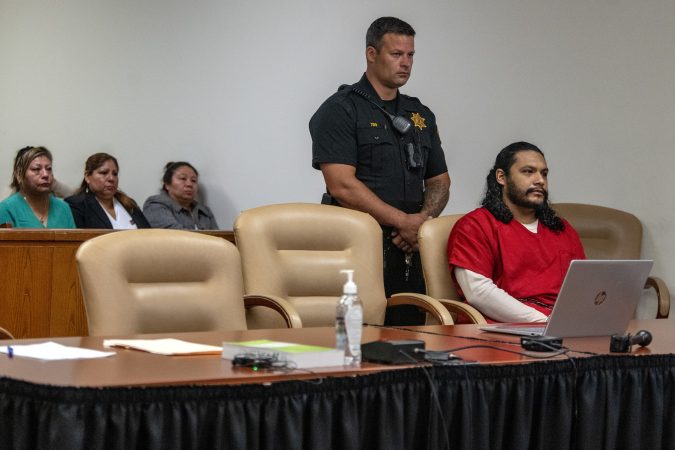
    An Oregon man on Thursday was ordered to spend 30 years in prison for fatally stabbing a beloved South Jersey veterinarian at the vet’s Cherry Hill home.

    Cristian Custodio-Aquino, 28, of Portland, pleaded guilty to first-degree murder in June for the killing of 45-year-old Michael Anthony.

    The body of Anthony, a divorced father of two, was discovered on the front lawn of his home in Cherry Hill’s Barclay Farm section in December 2024.

    He had been stabbed in the body, neck, and head. Detectives used a variety of methods to link Custodio-Aquino to the crime, including the collection of DNA from a pair of prescription eyeglasses he had left at the crime scene.

    During Custodio-Aquino’s sentencing before Camden County Superior Court Judge Judith Charny, Anthony’s family members spoke tearfully of late veterinarian, who they described as kind, wickedly funny, and a devoted father to his sons.

    Above all, they grappled for answers as to why Custodio-Aquino murdered Anthony that morning on his front lawn.

    “You took all of the future moments that should have belong to him,” said Patricia Anthony Gershefski, one of Anthony’s sisters.

    Anthony Gershefski said her brother was warm and sensitive, even moving his veterinarian practice just to be closer to his children.

    The brutal nature of the crime confounds the family to this day.

    In her career as a professional psychologist, Anthony Gershefski said, she has found “no diagnostic category for the deliberate destruction of another person’s life in this savage and grotesque manner.”

    Kyle Bartsch, Anthony’s partner, said in a statement read by prosecutors that Anthony had filled their home on Sharrowvale Road with love and laughter.

    His death, Bartsch said, leaves “a permanent void in the lives of those who knew him.”

    While Custodio-Aquino’s attorneys had previously suggested that prosecutors did not have enough evidence to convict their client of murder, they were mum throughout the proceeding.

    In addition to the eyeglasses investigators linked to the Peru native, license plate readers captured Custodio-Aquino’s car entering and exiting Anthony’s neighborhood that morning, and forensic experts later recovered a sample of the veterinarian’s blood from the vehicle.

    Prosecutors believe Custodio-Aquino traversed the country in a fit of jealousy that fall before killing Anthony.

    He had previously dated Anthony’s partner, Bartsch, and once lived with the man in Haddon Township before the couple separated in 2021 after a domestic dispute, according to prosecutors.

    Custodio-Aquino, given the opportunity to address the court, spoke so softly that Charny asked that he repeat himself.

    Raising his voice, he said: “I do agree that the world is less than without Michael Anthony.”

    He was sentenced to 30 years in a state correctional facility without parole. Charny offered few words on the ruling beyond wishing Custodio-Aquino good luck.

    It was Henry Anthony, Anthony’s teenage son, who saved some of the most biting remarks for his father’s killer.

    “Your life is officially over,” Anthony said, turning to look at Custodio-Aquino. “I honestly wonder what your reason for living will be for the next 30 years.”

  • EMR will reopen Camden facility after recent fire, following judge’s ruling

    EMR will reopen Camden facility after recent fire, following judge’s ruling

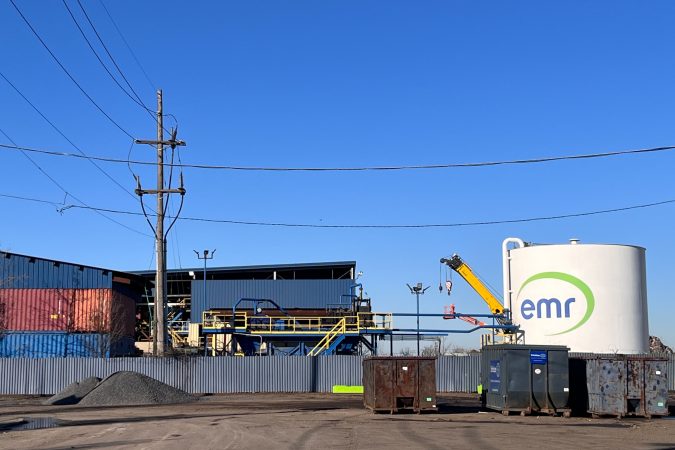
    The EMR scrap metal recycling plant will reopen after Camden suspended its operations following a late May fire, the latest in a string of fires in recent years.

    The decision fell to Camden Superior Court Judge Stephen J. Polansky on Wednesday after the Camden City Council voted unanimously on Tuesday against a settlement that would have allowed EMR to reopen under certain safety precautions. EMR had sued Camden for suspending its junkyard license last month for the facility, where Camden officials say there have been more than a dozen fires in the last six years.

    Shortly after the hearing, New Jersey Gov. Mikie Sherrill’s office announced that she signed a bill into law aimed at increasing safety in the scrap metal industry led by Assembly member Bill Moen, a Camden County Democrat. He introduced the bill after a four-alarm fire in February 2025 at EMR.

    The court fight to open EMR

    The judge said EMR can open its doors only if it follows a list of safety precautions. The company’s legal team told The Inquirer that it had already fulfilled those requirements and is ready to open as soon as the judge submits his order.

    “We intend to open and operate in accordance with the judge’s order, which directly incorporates the recommendations of EMR’s third-party fire expert,” Joe Balzano, CEO of EMR USA, told The Inquirer after the hearing Wednesday. “EMR is the only scrap metal recycling facility in the state of New Jersey that has a facility-wide fire suppression system installed and operating.”

    Among the required precautions are a 24-7 fire watch, fire suppression system testing, and procedures for scanning material coming into the facility and responding to fires.

    In court, EMR’s legal team argued that the city did not have the authority to suspend its license without proper hearing or notice, and that the company has undergone irreparable harm as a result. It has lost millions of dollars, endured tainted industry relationships, and, as of Wednesday morning, sent more than 300 layoff notices, said Kathleen Campbell, a lawyer for EMR.

    The fire took place on May 29, at which point EMR voluntarily shut down its operations. The city issued an immediate suspension notice days later, on June 4. A big question in the courtroom was whether there was enough of an emergency at that point that the city could circumvent its normal due process.

    “The city can regulate,” Campbell said in court. “What it can’t do is continue an emergency shutdown when there is no basis for it. The fire is over. The testing that this court authorized is complete.”

    She argued that the city is more worried about a “desire to keep EMR closed” than an actual immediate danger.

    William Tambussi, the city’s lawyer, argued that the possibility of another fire was enough to present an emergency.

    Camden Fire Chief Jesse Flax talks with people during a community meeting for residents, affected by a 2025 fire at EMR, at MJD Fieldhouse Gym on Broadway in Camden on Sunday, February 23, 2025.Elizabeth Robertson / Staff Photographer

    “The city is required and has the right to protect its citizens from the harms that come,” he said in court.

    Tambussi said after the hearing that the judge’s decision is still a win for the city because the safety precautions EMR has to follow overlap with what the city wants from the company.

    “The judge found that the city rushed the process, which the city doesn’t apologize for,” he said in an interview.

    Camden and EMR will meet again in court in August, where they will assess whether EMR has complied. The city can also attempt to shut down EMR through a full hearing process if it finds that the company has violated its terms of opening. The city cannot, however, just shut the company down.

    A new law stemming from a Camden County legislator’s fight against EMR

    The law Sherrill signed on Wednesday, which goes into effect in a year, will require heat detection equipment, publicly accessible fire safety plans developed with local fire officials, and compliance with certain fire prevention standards. It also requires fire suppression systems that can be remotely operated and limits the height allowed for piles of material.

    The legislation is part of a four-bill package Moen has been pushing for in Trenton, but is the only one to make it to the governor’s desk before the summer recess.

    “We were met at every step of the way with opposition from a well-funded industry,” Moen said in an interview Wednesday.

    Balzano, the CEO of EMR USA, said in an interview Wednesday that he believes his Camden site is mostly in line with what the new law requires. But he said the height limit would be “very detrimental to the industry and probably to the environment,” arguing that it is too broad and applies to scrap metal that is not prone to fires. He said that could have “unintended consequences” by having scrap metal spread out across more space.

    “I fully support the premise of it,” said Balzano, who has pointed to lithium-ion batteries as a source of scrap metal fires.

    Moen emphasized that while the issue of scrap metal fires has become particularly important in Camden, it is not restricted to the city’s borders. Scrap metal sites in Vineland and Newark, for example, have also seen fires in recent years.

    “This will be the first step in hopefully many of the state bringing greater transparency, accountability, and an expected level of responsibility for these scrap facilities,” Moen said.

  • Rite Aid is gone. Its shells remain, with some becoming gyms and car washes.

    Rite Aid is gone. Its shells remain, with some becoming gyms and car washes.

    It’s been almost a year since the last Philly-area Rite Aids closed their doors for good after years of financial trouble.

    But the pharmacy chain’s distinct facade still dots the landscape — in suburban shopping centers, on the corners of congested intersections, sometimes even smack dab in the middle of city blocks.

    Some of these buildings are still vacant, surrounded by overgrown grass and empty parking lots. Others are getting new life as dollar stores, medical clinics, daycares, Spirit Halloweens, and a Rally House sports retailer.

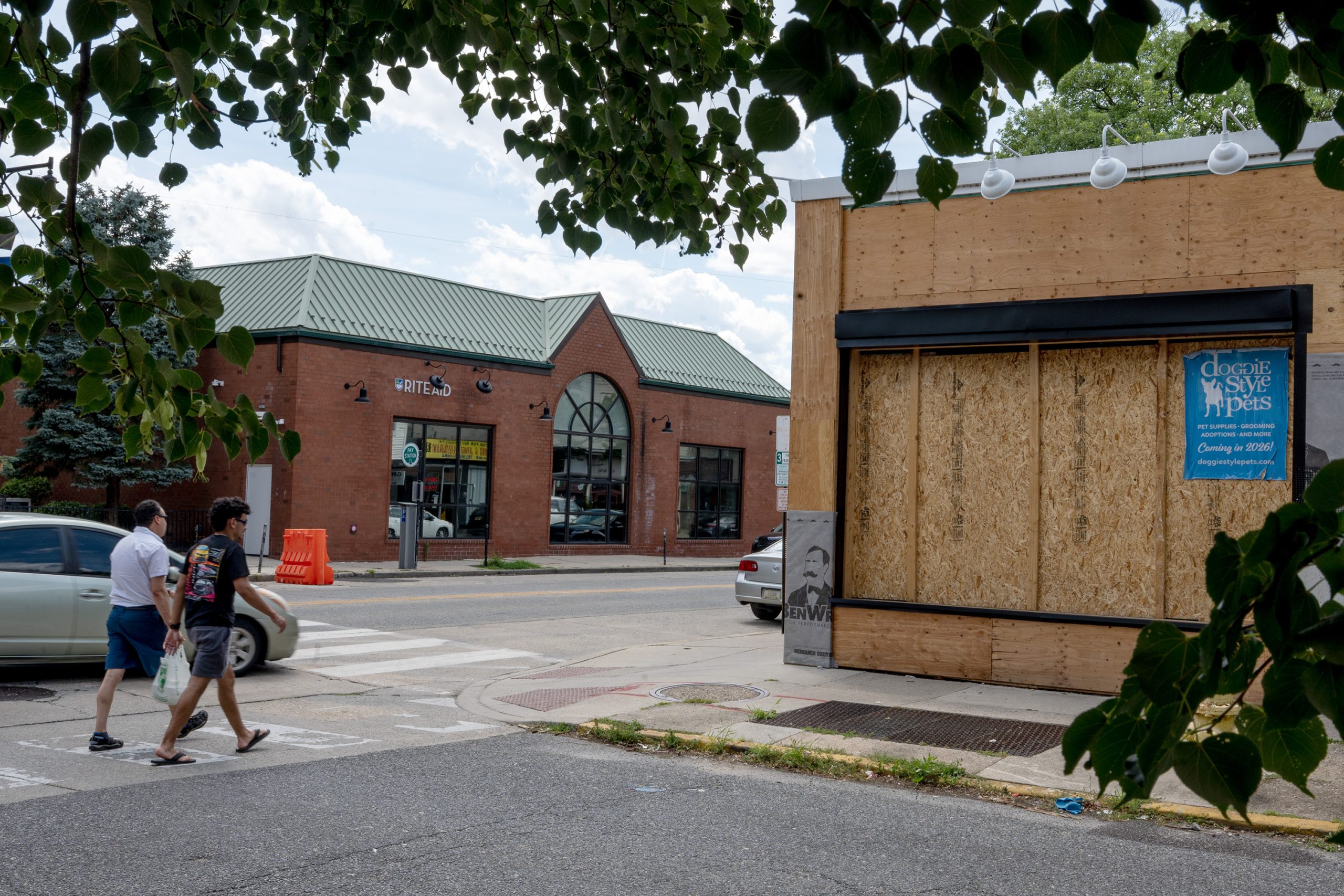
    A former Rite Aid (left, rear) and former Wawa (right) sat empty in Collingswood in June. Tom Gralish / Staff Photographer

    The 8,000- to 16,000-square-foot shells are ideal for only so many tenants, real estate experts have said, and it is not unusual for these kinds of properties to take several months or more to lease.

    Here is a look at what’s happening at a few local zombie Rite Aids:

    South Jersey Rite Aids are becoming fitness centers

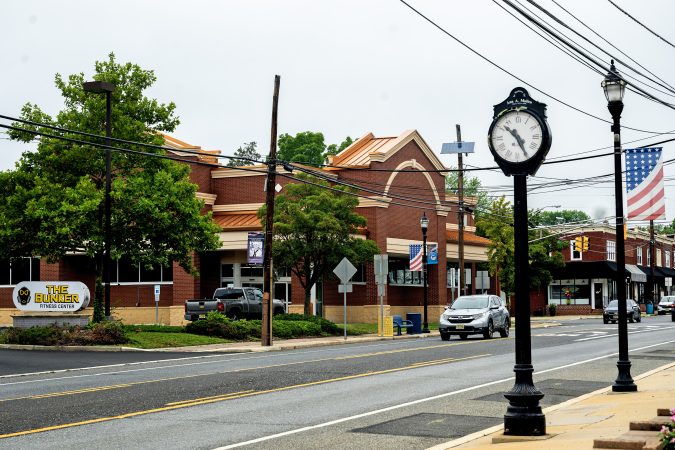
    A former Rite Aid in Blackwood, Camden County, has been a gym for more than a year, and its owners soon plan to open a second location at another old Rite Aid in Cherry Hill.

    Nick Bennett, CEO of the Bunker Fitness Center, said the owner of the Blackwood Rite Aid building approached him after seeing the gym’s content on TikTok. At the time, Bennett said, the gym was outgrowing its 3,000-square-foot space in Franklinville, Gloucester County.

    When he went to see the 13,000-square-foot former Rite Aid in Blackwood, he said, it had already been demolished inside.

    “It was just wide open,” Bennett said. “That floor plan works for our business model because gyms are open. You don’t really need to put up walls.”

    Steve Cristelli works out at the Bunker Fitness Center in Blackwood. Tom Gralish / Staff Photographer

    Another plus, he said: Pharmacies have rows of refrigerators, which require electrical outlets, and the Bunker crew could use those outlets to plug in workout equipment.

    The old Rite Aid on Black Horse Pike needed “very little” work, just paint and rubber floors, Bennett said, and was easily transformed into the exercise and recovery space he had envisioned. The gym opened in 2025.

    “We’re smashing it,” Bennett said, with thousands of members who pay between $49 and $59 a month for the 24/7 gym, which has cardio and strength machines, weights, a sauna, and a cold plunge. He declined to provide specific sales or membership figures for competitive reasons.

    The Bunker Fitness Center operates inside a former Rite Aid in Blackwood.Tom Gralish / Staff Photographer

    But Bennett said the business is doing so well that it is expanding into another former Rite Aid, 12 miles away in Cherry Hill with franchisee Jack Prendergast.

    That 10,000-square-foot pharmacy shell at Brace and Kresson Roads closed more recently and needs a bit more work inside, Bennett said. When they signed the lease, he said, it “looked like a Rite Aid.”

    Bennett said he and Prendergast are demolishing the interior, aiming for a September opening.

    In Delco, a Rite Aid could become a township’s first car wash

    The former Rite Aid in Newtown Square may get new life as a car wash.

    The store at West Chester Pike and St. Alban’s Circle closed last year. In February El Car Wash, a Florida-based chain looking to expand into Pennsylvania, New Jersey, and Maryland, applied to open there, said Newtown Township Solicitor Rich Sokorai.

    On its website, El Car Wash lists several other Philly-area locations as “coming soon,” including Cherry Hill, Drexel Hill, Feasterville, and Maple Shade.

    The Newtown Square Rite Aid operated a drive-through, Sokorai said, and drive-throughs are permitted in that commercial zone. After a June meeting, the township zoning hearing board is considering whether to permit the car wash, with a decision expected in the coming weeks.

    A Rite Aid with a “store closing” sign last summer.Tom Gralish / Staff Photographer

    If approved, it would be the only car wash in Newtown Township, the solicitor said.

    Residents of the neighborhood behind the old Rite Aid have expressed concerns to local officials, Sokorai said, “because they fear traffic.”

    Others have said they are looking forward to a new business moving into the vacant space on a prime corner, Sokorai said. Even before the Rite Aid closed last summer, its shelves were often empty, the solicitor said, and “it was dying a slow death.”

    Temple University buys another old Rite Aid

    Temple “T” flags fly on North Broad Street.Tom Gralish / Staff Photographer

    Temple University recently bought a second former Rite Aid on North Broad Street.

    The school recently closed on the old Rite Aid building on the 2100 block of North Broad for $9.25 million, according to spokesperson Stephen Orbanek. He said ArchWell Health, which operates a primary-care clinic for seniors there, will remain the tenant.

    “This property’s location, directly across the street from James S. White Residence Hall, supports the priorities of our campus safety and physical environment plan,” Orbanek said.

    This latest Rite Aid acquisition comes two years after Temple bought a Rite Aid and its surrounding shopping center near Temple University Hospital for $8.2 million. The Rite Aid is being converted into Temple Health neurology offices.

    The moves are part of a broader expansion of the university’s footprint on Broad Street, which includes the January acquisition of a vacant property at the site of a former McDonald’s for $8 million.

    Editor’s Note: This story has been updated to indicate that Temple Health plans to open neurology offices at the previously acquired Rite Aid building.