Tag: Bucks County

  • Bucks County sheriff’s deputy took naked pics of people in custody and shared them, DA says

    Bucks County sheriff’s deputy took naked pics of people in custody and shared them, DA says

    A Bucks County sheriff’s deputy used his personal cell phone to take naked pictures of two people he encountered as part of his job, including a mentally ill man at whose home he was serving an arrest warrant, prosecutors said Monday.

    Ryan Gaffney, 46, has been charged with official oppression for taking the photos, as well as unsworn falsification to authorities for lying about the photos and attempting to dissuade investigators by sending them doctored screenshots of his phone’s photo library.

    Gaffney, of Feasterville, shared the photos to get “his kicks” with civilian employees at the Bucks County Justice Center, Bucks County District Attorney Joe Khan said at a news conference Monday.

    “Mr. Gaffney’s conduct is a disgrace. It’s an abuse of the trust given to him by the sheriff’s office and by taxpayers,” Khan said. “When a deputy sheriff breaks the law, and lies about it, he erodes the public trust that our law enforcement officers work every day to build.”

    Gaffney was charged via summons, and has not yet been arraigned on the charges, court records show. He was fired from his position with the county sheriff’s office in June, officials said Monday.
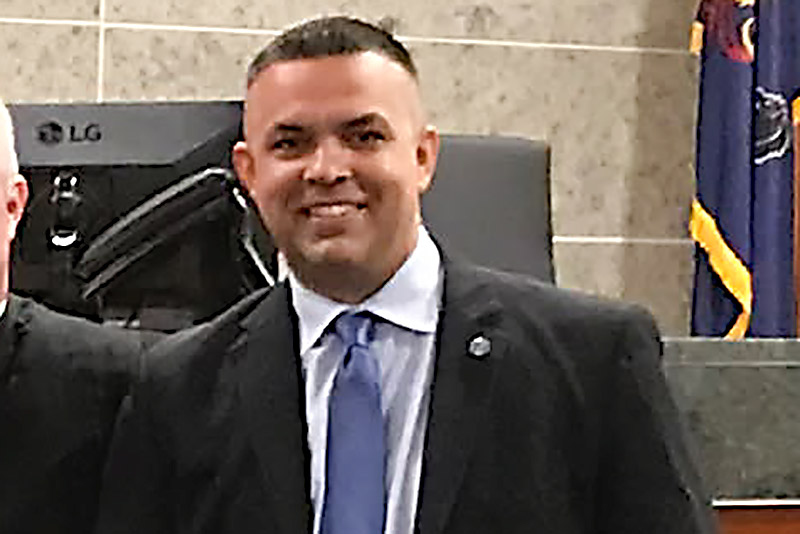
    Ryan Gaffney was sworn in as a Bucks County sheriff’s deputy in 2023.Courtesy Bucks County Commissioners

    Gaffney’s attorney, Paul Lang, said Monday that he will “address this case in court, not through one-sided social media posts or press conferences.”

    “Ryan Gaffney deserves due process, not trial by publicity,” Lang said. “These are allegations, not facts, and we look forward to answering them where they belong, in a courtroom.”

    The photo of the first victim was taken Jan. 30, when Gaffney and four other sheriff’s deputies served a warrant at the man’s home in Middletown Township, according to the affidavit of probable cause for his arrest.

    When the deputies arrived, the document said, the man was naked from the waist down, and asked deputies to allow him to put pants on. Before he could do so, Gaffney used his personal cell phone to take a photo of the man’s genitals, according to the affidavit.

    A review of Gaffney’s body-worn camera footage showed that he placed his hand over the camera while taking the surreptitious photo. Other deputies at the scene said they were unaware that Gaffney had taken the photo until later.

    One of those deputies saw Gaffney sharing the photo with female civilian employees at the courthouse, and reported his conduct, the affidavit said. Investigators later learned he had also texted the photo to other contacts in his cell phone.

    Bucks County Sheriff Danny Ceisler said Monday that he reported Gaffney’s conduct to Khan’s office immediately after learning about it.

    The former deputy’s behavior, Ceisler said, “was beyond unacceptable and not in any way representative of the highly professional deputies who serve this county with integrity every day.”

    While investigating the case, county detectives found that Gaffney had taken a photo of another person during a separate arrest in December 2024.

    A photo of that person’s buttocks, taken while he was handcuffed, was shared with 12 people, including other members of the sheriff’s office’s warrant division, the document said.

    While being questioned by investigators, Gaffney denied taking the photographs and signed a sworn affidavit affirming that. Through his attorney, he also provided screenshots of his phone’s photo library that showed the photos were not on the device.

    However, investigators downloaded the contents of Gaffney’s phone, and were able to recover both images, which had been deleted.

    Gaffney was sworn in as a sheriff’s deputy in June 2023.

    Before joining the office, Gaffney served in Iraq with the Air Force in 2005, and as a part-time officer with Penndel Police, according to Bucks County Commissioners.

    Gaffney also works as a part-time officer with Hulmeville Borough Police, one of three members of the police force in the small municipality, and was sworn in there in late 2022, according to a borough newsletter published in January 2023.

    Hulmeville Police Chief John Baran did not respond to a request for comment Monday.

  • Former Bucks County man who voted twice for President Donald Trump in 2020 sentenced to six months of house arrest

    Former Bucks County man who voted twice for President Donald Trump in 2020 sentenced to six months of house arrest

    A former Bucks County man who voted twice for President Donald Trump in the 2020 election was sentenced Wednesday to six months of house arrest and three years of probation.

    Matthew Laiss was found guilty by a jury earlier this year of casting two ballots in the 2020 election: first by mail in Pennsylvania, where he had once lived in Ottsville, and then again in person in Florida, where he was living at the time.

    Laiss, 32, said in court Wednesday that his actions were “stupid” and a mistake. And his lawyer said that Laiss never meant for both votes to actually count — that he had wrongfully assumed election officials would identify he had voted twice and only count one of his ballots.

    “In hindsight, it wasn’t good judgment,” Laiss said.

    Prosecutors, however, said they did not believe that, in part because they said Laiss misled FBI agents about his actions when he was confronted years later. And Assistant U.S. Attorney Mark Dubnoff said Laiss had shown a “striking” lack of remorse for what he did, repeatedly saying it was the result of his age or mental health at the time, as opposed to realizing he had committed a crime.

    “Mr. Laiss has not accepted ownership of what he did,” Dubnoff said.

    U.S. District Judge Joseph F. Leeson Jr. said Laiss’ crimes were serious and had affected “all citizens of this country.”

    But he declined to send Laiss to prison, noting that Laiss had already lost his job as an insurance salesman as a result of the case, and that he would have the felony conviction on his record for the rest of his life.

    The U.S. Attorney’s Office charged Laiss last year with crimes including voter fraud and voting more than once in a federal election.

    Prosecutors said records showed that Laiss had filled out and returned a mail-in Pennsylvania ballot in October 2020. And less than a week later, they said, he went to a polling place in Florida and voted again.

    Laiss later said in court documents that he voted twice for Trump. And as his case progressed toward trial, he sought to claim that his actions were covered by pardons Trump extended to people who tried to help him overturn the results of the 2020 election, which Joe Biden won.

    Leeson denied Laiss’ motion, and in March, Laiss, now a resident of Bethlehem, was found guilty by a federal jury in Allentown.

    Prosecutors announced Laiss’ case alongside the indictment of a Philadelphia woman, Miya Pack, who was separately charged with voting twice in the 2020 election. She pleaded guilty last month and is awaiting sentencing.

    Still, attorneys said cases involving people casting multiple ballots were relatively rare in eastern Pennsylvania. Laiss’ lawyer said the only other comparable case in the region that unfolded in recent years was that of Philip C. Pulley, a Philadelphia landlord who voted in the city, Montgomery County, and Florida in 2020 and 2022. He was also sentenced to probation.

    Trump has nonetheless made frequently questionable or false statements about the prevalence of voter fraud, particularly in instances where his opponents or Democrats have won. Election officials and experts generally agree that voter fraud has not historically occurred at widespread rates or in ways that could lead to incorrect outcomes.

  • Army laser weapon maker plans 100 hires at a new $30 million Bucks County factory

    Army laser weapon maker plans 100 hires at a new $30 million Bucks County factory

    Attalon, a company that makes laser weapons for the U.S. Army, plans a new $30 million headquarters in Trevose, Bucks County, and will hire for more than 100 engineering, technical, and management jobs in the next few years, company officials said Tuesday. The headquarters will include a factory.

    The company moved its headquarters to Philadelphia from California in January when it was bought by Boston- and U.K.-based private-equity giant Advent from Coherent Corp., which is based in Western Pennsylvania.

    The new plant will be “a major expansion of our U.S. manufacturing footprint” and will focus on protective metal coatings and crystal production, chief executive John Bergeron said in a short, recorded presentation that aired at the Pennsylvania Defense and Innovation Summit on Tuesday in Carlisle, Pa.

    Bergeron was named CEO by the new owner in January. He was previously an operating executive at GE, Raytheon, and other military contractors. Attalon also has facilities in California, Michigan, Colorado, Connecticut, Florida, Ohio, and central New Jersey.

    The company’s laser warfare products and optical assemblies have been deployed along the Mexico border, where the Army shot down a wayward Border Patrol drone last winter. The company has also sought Navy contracts.

    In moving to the Philadelphia area, Attalon will locate in a longtime center of the military aerospace industry. The region is home to Lockheed Martin missile and L3Harris military communications factories, as well as helicopter makers Boeing and Leonardo, electronic sensor giant TE Connectivity, and aerospace systems makers Innovative Aerosystems, Triumph Group, and Analytical Graphics Inc., among others.

    President Donald Trump is expected to address the chief executives of Boeing, Lockheed Martin, and dozens of other military contractors on the summit’s second day on Wednesday, and more investment announcements are expected.

    The event was introduced by military officers and Sen. Dave McCormick (R., Pa.), an Army veteran and former private equity CEO, who last year hosted Trump at a similar event announcing $90 billion in data center and electric power projects for Pennsylvania.

    Along with companies in Pittsburgh and in central Pennsylvania, a pair of Philadelphia-area defense start-ups also announced expansion plans at the event Tuesday.

    Deepwave, which makes artificial intelligence-backed radio-frequency systems for government and telecommunications companies, will hire 20 business development staff to boost sales after negotiating with the Air National Guard to improve systems for aging F-16 jet fighter aircraft, chief executive John Ferguson said in a video presentation.

    “Our manufacturing is all in Pennsylvania,” Ferguson said, noting that state-backed Ben Franklin Technology Partners centers were among Deepwave’s early investors, along with Philadelphia-based NextFab Ventures and Philadelphia-based Robin Hood Ventures.

    Deepwave is based on Walnut Street in Center City.

    Also, Karman Space & Defense, a publicly traded, California-based missile and hypersonic systems maker with a facility in Horsham, said it would invest $2.7 million in expanding that plant and add 20 new “high-tech” jobs.

    This story has been updated to correct the identify of an investor in Deepwave. It is Robin Hood Ventures of Philadelphia.

  • More than 80,000 Pa. retired teachers, police officers, and firefighters will get a pension bump — some for the first time in decades

    More than 80,000 Pa. retired teachers, police officers, and firefighters will get a pension bump — some for the first time in decades

    HARRISBURG — For the first time in two decades, more money will soon be flowing into the pockets of Pennsylvania’s retired public school teachers, firefighters, police officers and other state employees.

    Negotiated as part of this year’s state budget, more than 80,000 retired public sector employees will receive monthly increases to their pension plans as part of a cost-of-living adjustment that advocates have sought for years.

    Passing a pension bump has long been an objective of state lawmakers in both parties. And after legislators and Gov. Josh Shapiro approved the spending plan on Sunday, both Democratic and Republican leaders claimed credit for the pension boost, saying it was a product of their advocacy during negotiations.

    Public school teachers and other state employees who retired before July 2, 2001, will receive a tiered monthly payment based on their date of retirement. Similarly, police officers and firefighters who retired more than five years ago will receive additional monthly payments ranging from $50 to $300 dollars depending on how long they have been retired.

    In 2001, the state legislature passed Act 9, which gave a pension boost to public sector workers who retired after 2002, but it was not retroactive and does not increase with inflation.

    “Nobody gets into public education to become rich, they do it because they have a great love for the educating of our public school students,” said Aaron Chapin, president of the Pennsylvania State Education Association. “We know that when we get into education that we’re not going to retire very wealthy and be millionaires. We understand that. But we also need to make sure that these pensions are keeping up with the cost of living.”

    Retired teachers and other former public workers will begin seeing the cost-of-living increase to their pensions this month, while retired police officers and firefighters will see the bump starting next month.

    The state’s largest teachers union has advocated for the adjustment for many years. Those efforts included a union-coordinated campaign for teachers who retired before 2001 and did not receive a pension bump to share their stories with lawmakers, through meetings, letters, and media appearances.

    Chapin said the former teachers told their representatives “the stories of how challenging this has been for them and their colleagues, whether it was paying the mortgage or the rent, paying the electricity bills, maybe not taking medication that month.”

    At a news conference on Sunday evening before signing the $50.8 billion state budget, Shapiro called the pension increase “real money back in people’s pockets.”

    Democratic lawmakers in the state House, he said, “made crystal clear that they wanted to stand up and put more money back in the pockets of workers who had given our commonwealth so much.”

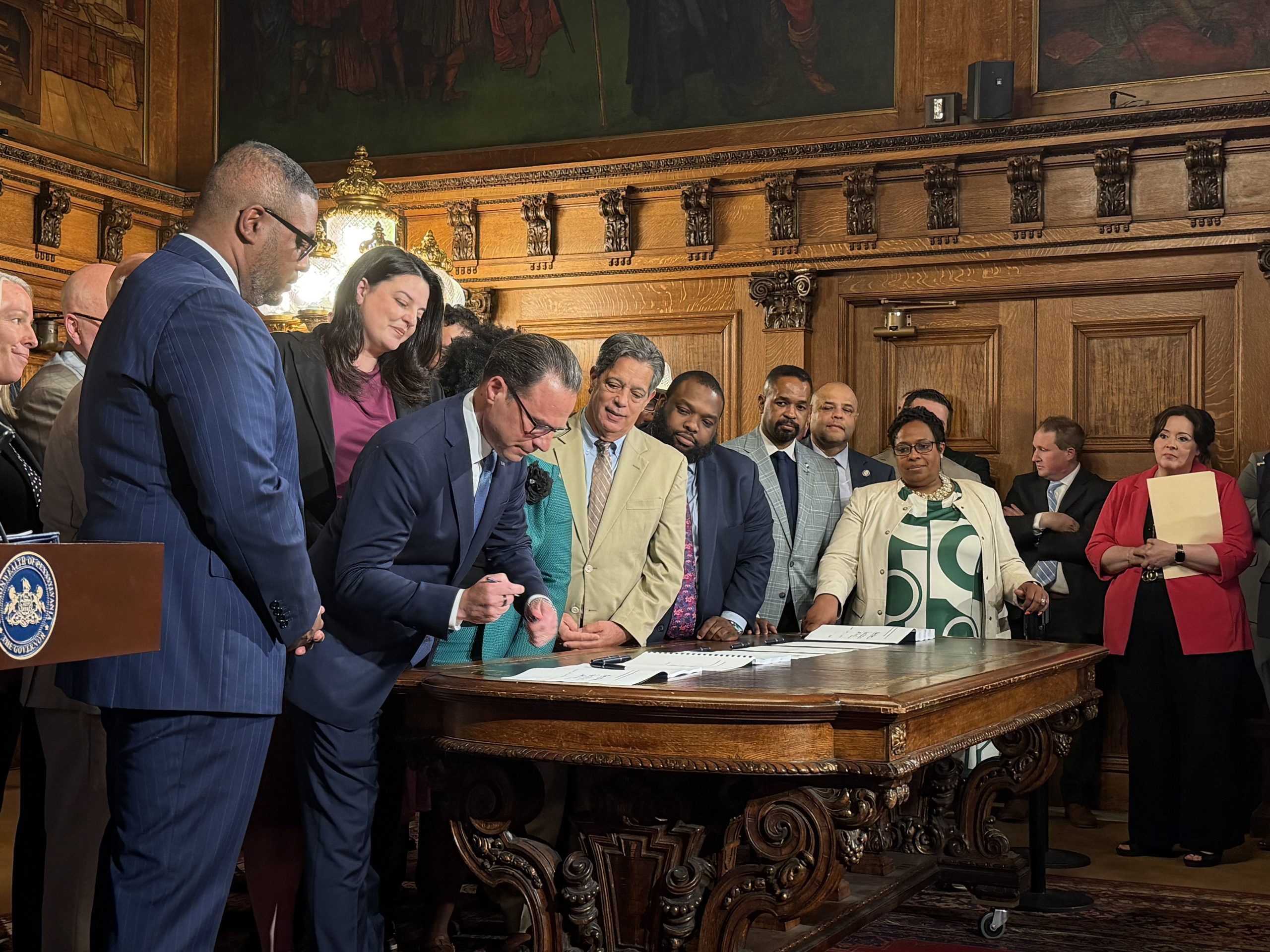
    Gov. Josh Shapiro, flanked by fellow state Democrats, signs the 2026-27 Pennsylvania state budget in Harrisburg on Sunday.Gillian McGoldrick / Staff

    “It’s definitely something our retirees have said to us for years,” said Kevin Ressler, the secretary of the Pennsylvania Professional Fire Fighters Association. “When you think about what things cost just 10 years ago until now, everything has gone up.”

    State legislators last approved a cost-of-living adjustment for police and firefighters in 2002. Since then, inflation has resulted in a 86% price increase, according to the U.S. Bureau of Labor Statistics.

    State Sen. Frank Farry (R., Bucks), a volunteer fire chief in Lower Bucks County, said members of both parties felt that it was time to pass the pension increase.

    First responders “dedicated decades of work to the community, just like our educators who dedicated decades of work to helping our young people grow and learn,” he added.

    While municipalities pay a portion of the pensions for first responders and public school teachers, the state will pay for all costs associated with the pension increase, Farry said. The increase, estimated to cost around $168 million annually, will come from revenue generated from an existing tax on internet gaming, he said.

    The state’s Fraternal Order of Police said in a statement that while no adjustment “can fully repay the commitment these men and women made throughout their careers,” the increase “restores a measure of fairness by helping ensure their retirement benefits better reflect today’s economic realities.”

    State Sen. Katie Muth (D., Montgomery) said the pension increases are the “high point” of this year’s policy changes negotiated as part of the overall budget deal.

    “These are our oldest retirees, many of them living in poverty,” she said. “This is a good moment, but a late moment. This should have been done quite some time ago.”

    The average age of retirees eligible for the cost-of-living increase in the state’s main two pension funds is just over 81 and 84 years old, respectively.

    The new pension bump, meted out monthly, is not set to automatically increase next year. Lawmakers from both parties have pushed for pensions to increase annually, indexed to inflation.

    State Sen. Tracy Pennycuick (R., Montgomery) — who sponsored a bipartisan bill to provide the pension increase to first responders — said that she hopes Harrisburg can now work to pass legislation to provide a yearly cost-of-living adjustment.

    “This is sending a very powerful message to young professional firefighters and police officers that we will continue to take care of you with cost-of-living adjustments in retirement,” she added.

    Ethan Young is an intern with the Pennsylvania Legislative Correspondents’ Association.

  • Federal legislation would increase pathogen testing for infant formula following botulism cases

    Federal legislation would increase pathogen testing for infant formula following botulism cases

    A 2-month-old Bucks County infant was struggling to swallow and could hardly hold his head up.

    He was diagnosed last month with infant botulism, a rare, potentially deadly infection that affects the nervous system and can lead to paralysis.

    The family and their lawyer believe the baby, now recovering at home, ingested the bacteria that causes the infection from an infant formula subsequently recalled by its manufacturer, Nara Organics, over contamination concerns.

    Federal legislation proposed this spring could protect babies by requiring formula manufacturers to test for more pathogens. The bill, HR 7867, is awaiting hearings in the House Committee on Energy and Commerce.

    “I want responsible manufacturers, responsible industry partners, who say we know there is a risk of this and we’re going to be ahead of the game,” said U.S. Rep. Madeleine Dean, a Montgomery County Democrat and cosponsor of the bill.

    When asked for comment on the proposed legislation, Nara Organics pointed to safety protocols posted on its website saying the company exceeds the U.S. Food and Drug Administration’s current requirements.

    The New York-based company said it voluntarily recalled all of its infant formula on June 13 “in an abundance of caution,” after the FDA and the Centers for Disease Control and Prevention reported three cases of infant botulism in babies who had consumed Nara formula.

    As of July 6, a fourth case had been confirmed, and FDA testing identified the botulism-causing bacterium C botulinum in some of the company’s formula, according to an update posted on the company’s website.

    Nara Organics did not comment directly on the proposed regulations. When asked for its position on the legislation, the Infant Nutrition Council of America, which represents manufacturers, said its members “share the goal of ensuring families have access to safe, high-quality infant formula.”

    “Infant formula is among the most highly regulated foods in the United States, and INCA supports science-based, risk-based improvements that strengthen infant formula safety,” the organization said in a statement.

    The push to bolster regulations comes several years after federal regulators and lawmakers started looking more closely at infant formula safety in 2022, when a massive recall for a non-botulism bacterial contamination left shelves bare for months.

    But two recent infant botulism outbreaks linked to formula show the inadequacy of the steps that companies are already taking, said Bill Marler, a Seattle-based food safety lawyer who is representing Erica and Micky Goldfin, the Yardley couple whose son developed botulism after being fed Nara Organics formula.

    “We need to do more to protect these kids,” Marler said.

    A dangerous infection

    Infant botulism occurs when babies ingest C botulinum in foods or dust and dirt particles. The bacteria’s spores colonize in the large intestine and release a toxin that affects the nervous system.

    Symptoms include changes in facial expressions, such as smiling less, slow feeding, constipation, and low energy. Untreated, the toxin can spread and cause paralysis, making it hard for babies to breathe and eat.

    Infants are at greatest risk of illness because their digestive systems are still developing and less able to fight off infection.

    Nationally, 181 cases of infant botulism were reported in 2021, the most recent year for which CDC data are available.

    The Goldfins’ baby, identified by the initials W.G. in court records, spent two nights in the intensive care unit at the Children’s Hospital of Philadelphia, where he was treated with BabyBIG, the botulism antitoxin that is manufactured by the California Department of Public Health. The medication’s antibodies bind to the toxin and neutralize it, improving symptoms within 48 hours.

    On June 6, he returned home, where he is feeding well again, and regaining movement in his arms and legs. He is receiving weekly physical therapy for developmental delays in his gross and fine motor skills, according to the lawsuit.

    Testing challenges

    Federal regulators began looking more closely at infant formula in 2022, after Abbott Nutrition issued a massive recall over concerns of non-botulism bacterial infections.

    Abbott temporarily shut down one of the largest formula manufacturing plants in the country while it investigated the cause of the contamination, leaving families scrambling to find the formulas they relied on for their infants and medically fragile children.

    Pinpointing the exact source of contaminants can be challenging.

    The bacteria that causes botulism, for instance, could have been present in the Nara Organics’ powdered milk formula, in dust that settled on the packages during transportation, in the water used to mix it, or on the hands of those preparing the food, said Molly Potter, a senior clinical dietitian with Nemours Children’s Health in Delaware.

    According to its website, Nara Organics tests its formulas throughout the manufacturing process, first testing raw ingredients, then during production, and again with the final product.

    The tests the company uses include so-called sulfite-reducing clostridia (SRC) enumeration, which a leading international food-safety group recommends for identifying spores of the bacteria that causes infant botulism.

    But research published in June in the medical journal Frontiers in Microbiology found that SRC enumeration testing suggests that test wasn’t sufficient to consistently detect the bacteria.

    Researchers from IEH Laboratories & Consulting Group, a Washington-based firm that specializes in laboratory testing and analysis for the food industry, worked with ByHeart to analyze its infant formulas that had been linked to at least 28 cases of infant botulism this year and last.

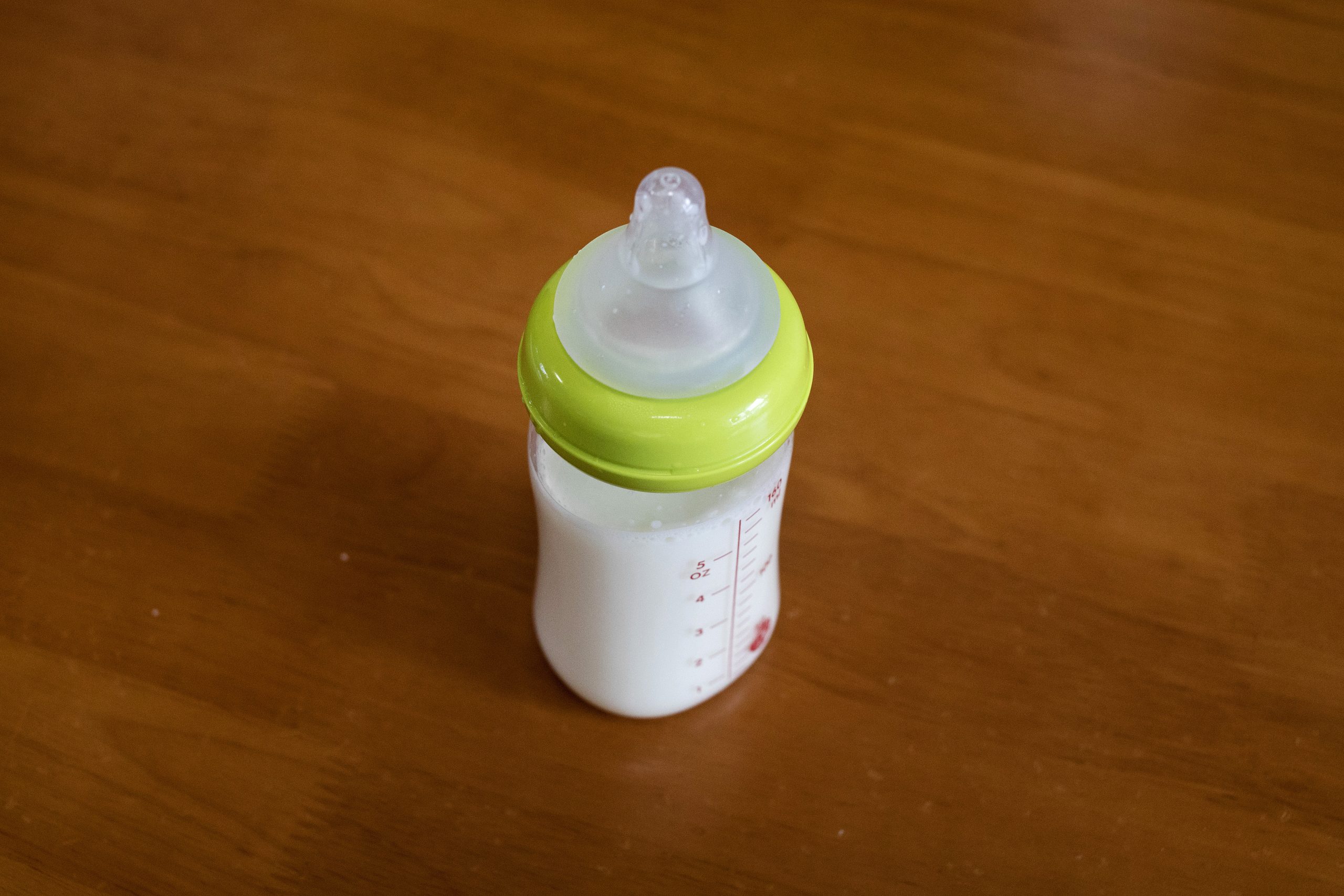
    A bottle of milk prepared from infant formula.Giulia Marchi

    Improving safety

    Dean said she hopes the proposed legislation will open up more conversation about how best to improve infant formula safety.

    The bill tasks the FDA with developing a list of pathogens that formula companies should test for, and working with manufacturers to begin any tests they aren’t already doing.

    The FDA would also set a schedule for how often manufacturers need to test for the new list of pathogens.

    Under the legislation, companies would be required to report contamination results within a day, and retain records of positive test results.

    Dean is among more than two dozen lawmakers to sign on as cosponsors. Rep. Jefferson Van Drew, who represents South Jersey’s 2nd District, is one of two Republican cosponsors.

    Potter, the Nemours dietitian, said she hopes increased testing will help families feel more at ease.

    In the meantime, parents can reduce the risk to their children by only purchasing formula from reputable stores, checking expiration dates, and storing powdered formula canisters properly. Caregivers should make sure to mix formula in clean equipment, and wash their hands before preparing and feeding it to a baby.

  • Historical Jericho Farm estate in Bucks County is on the market for $18.8 million

    Historical Jericho Farm estate in Bucks County is on the market for $18.8 million

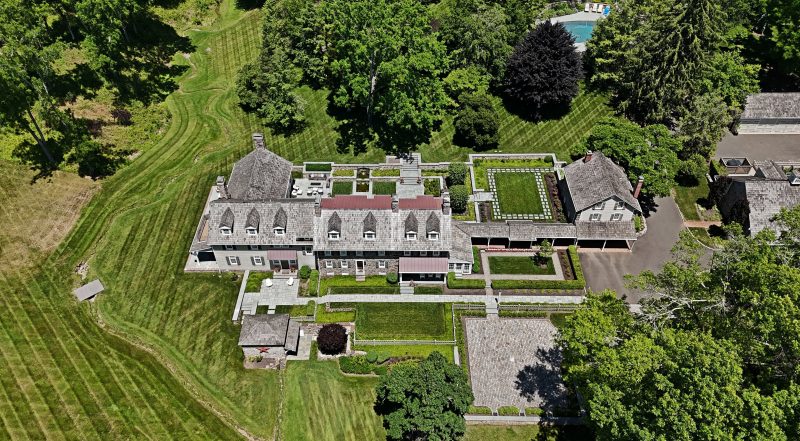
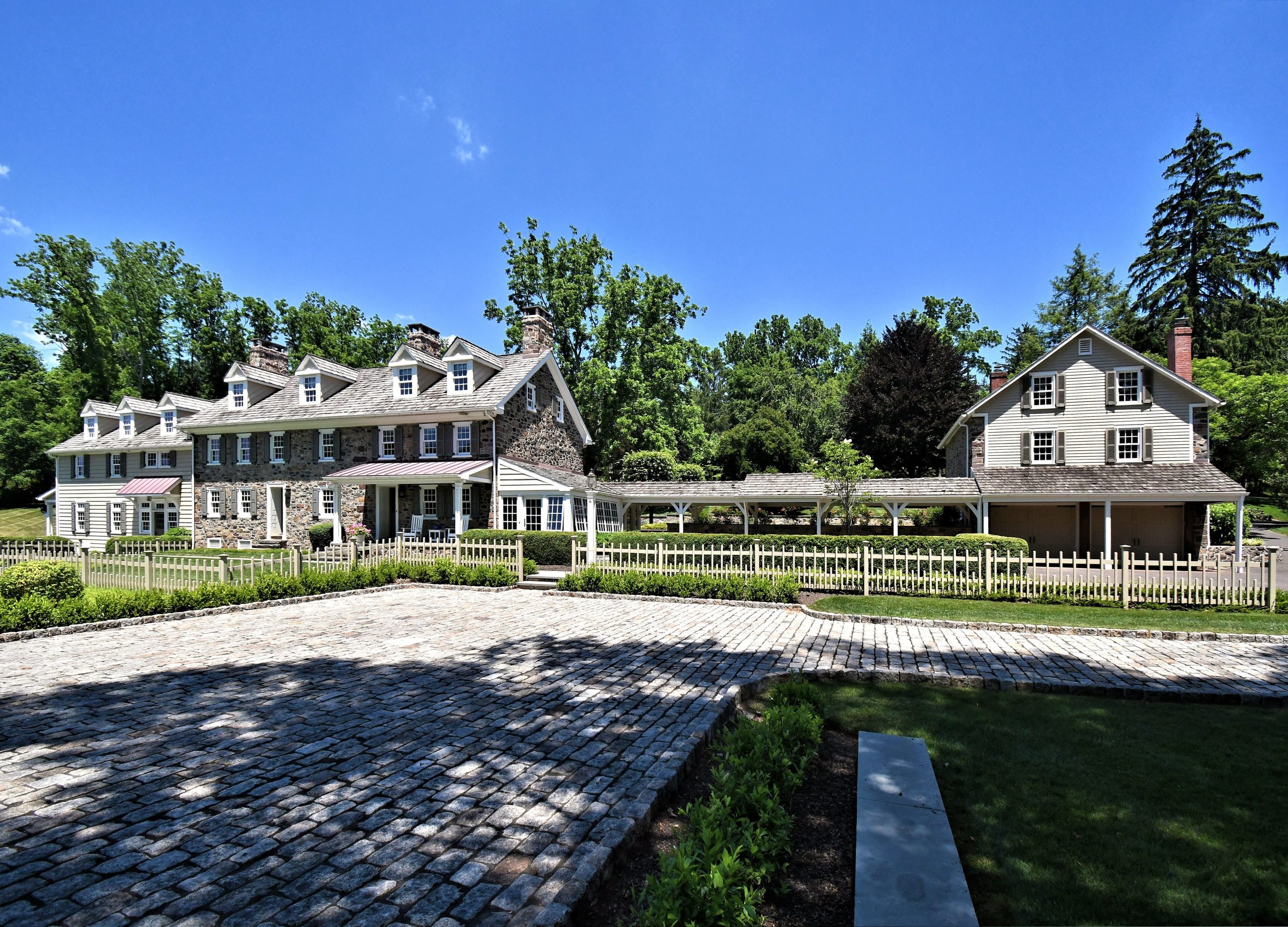
    The 147-acre Jericho Farm estate in Upper Makefield is listed for sale for $18.8 million. The primary residence on the property was built in 1765 but underwent a complete renovation when purchased by former Du Pont de Nemours CEO and current executive chairman Edward Breen in 2012.

    Located at 465 Pineville Rd., this secluded estate features its original stone exterior and exposed wooden beams.

    There are a total of 11 structures on the property.Jerry Biggans

    Subsequent additions to the estate have resulted in a total of 11 structures, including three dwelling units: a 7,800-square-foot main house; a three-bedroom, two-bath cottage; and a complete one-bedroom apartment as a guest house.

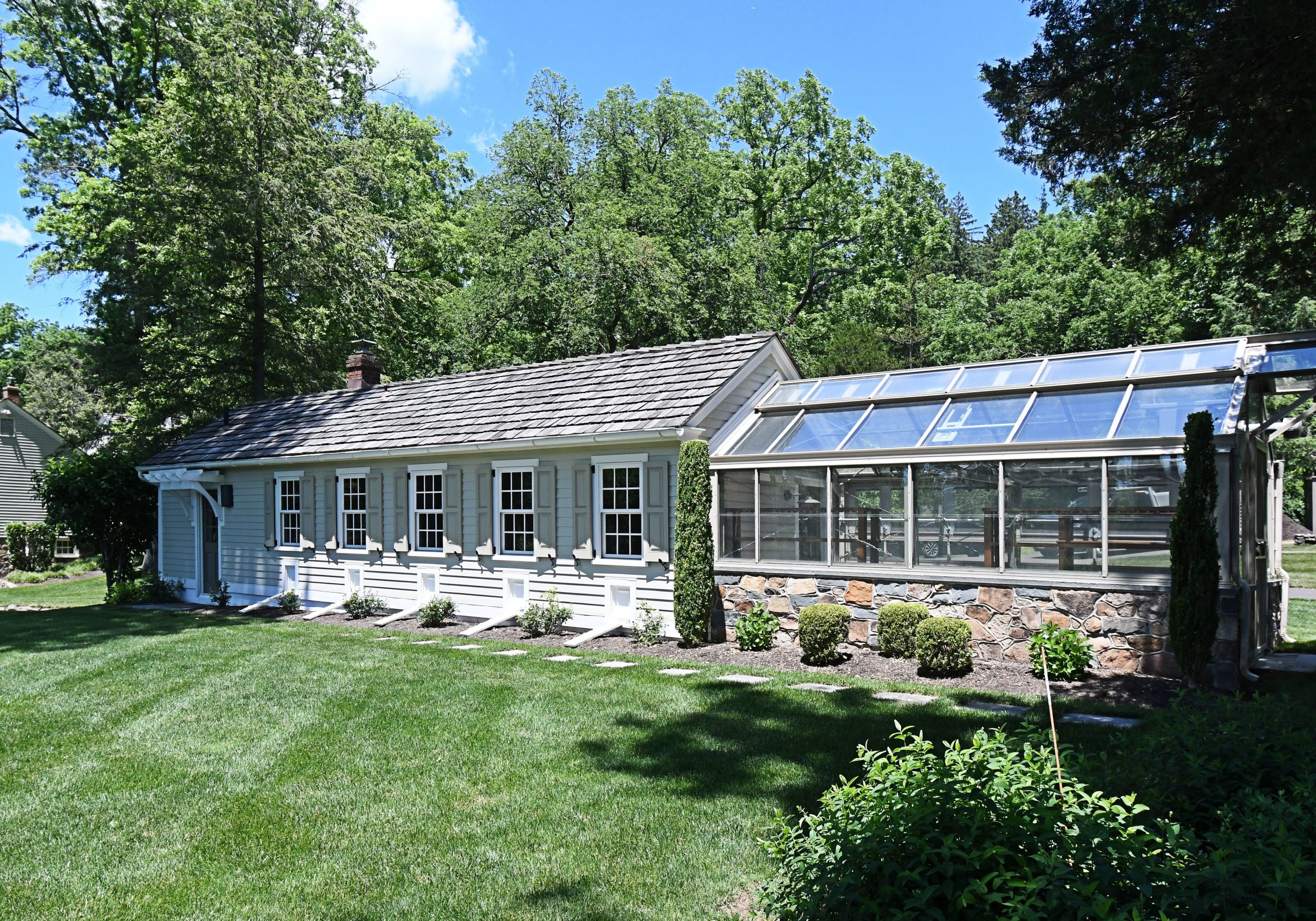
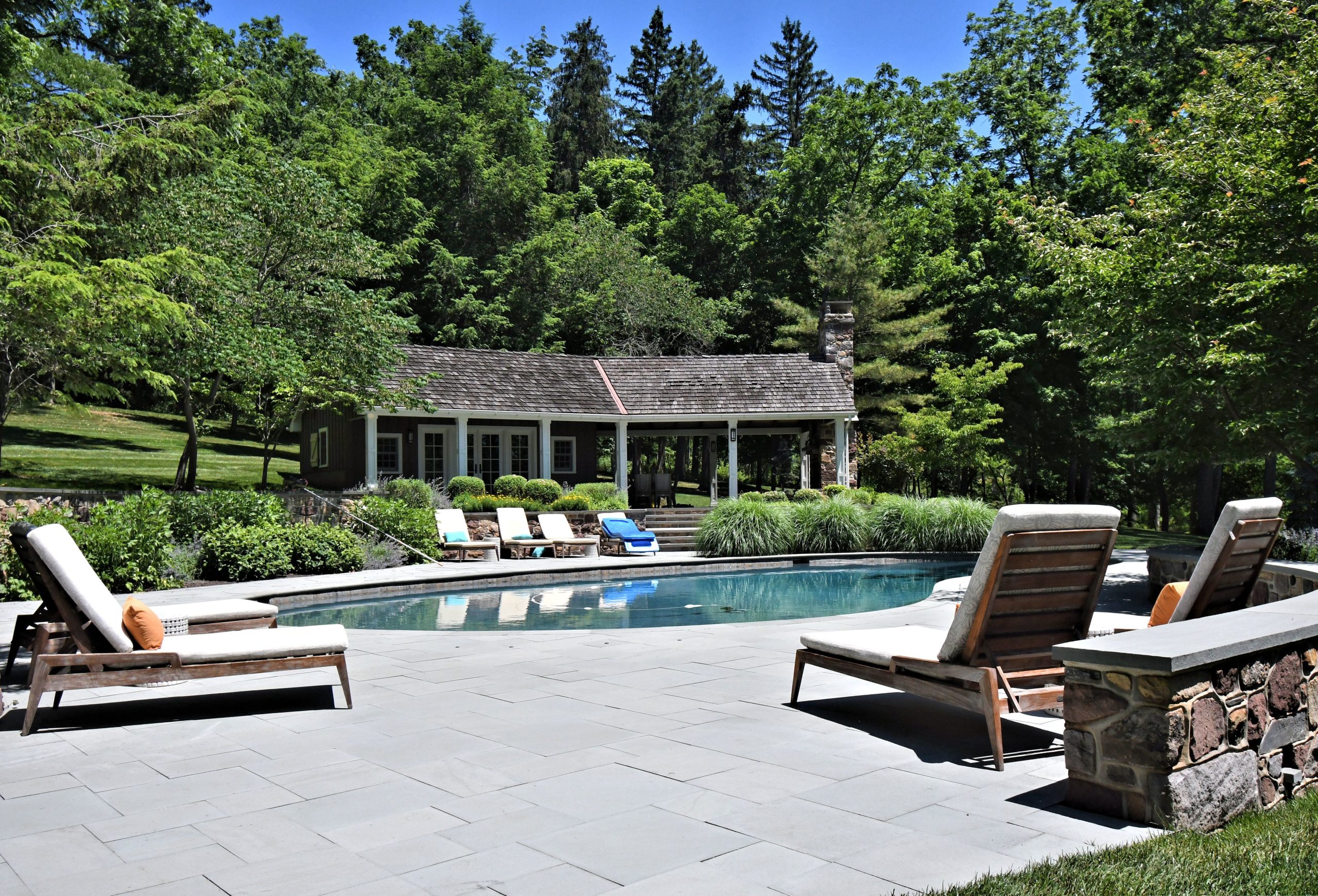
    There’s also a pool house, multiple outdoor patios, a two-level office with a gym, a greenhouse, an eight-stall horse barn, and a chicken coop.

    The greenhouse, which is attached to a lounge area.Jerry Biggans

    “This is the most exclusive property,” said listing agent Jack Lacey of Berkshire Hathaway HomeServices Fox & Roach, who listed the property alongside Perry Epstein. “I don’t even have enough adjectives to describe it.”

    Breen and his wife, Lynn, purchased the estate for $4.2 million in 2012. Before moving in, they embarked on a four-year renovation with architect Paul Kiss of OSK Designs and master builder Tim Sager of Ferman Lex Custom Homes.

    Every structure on the estate was updated “bottom to top,” said Lacey.

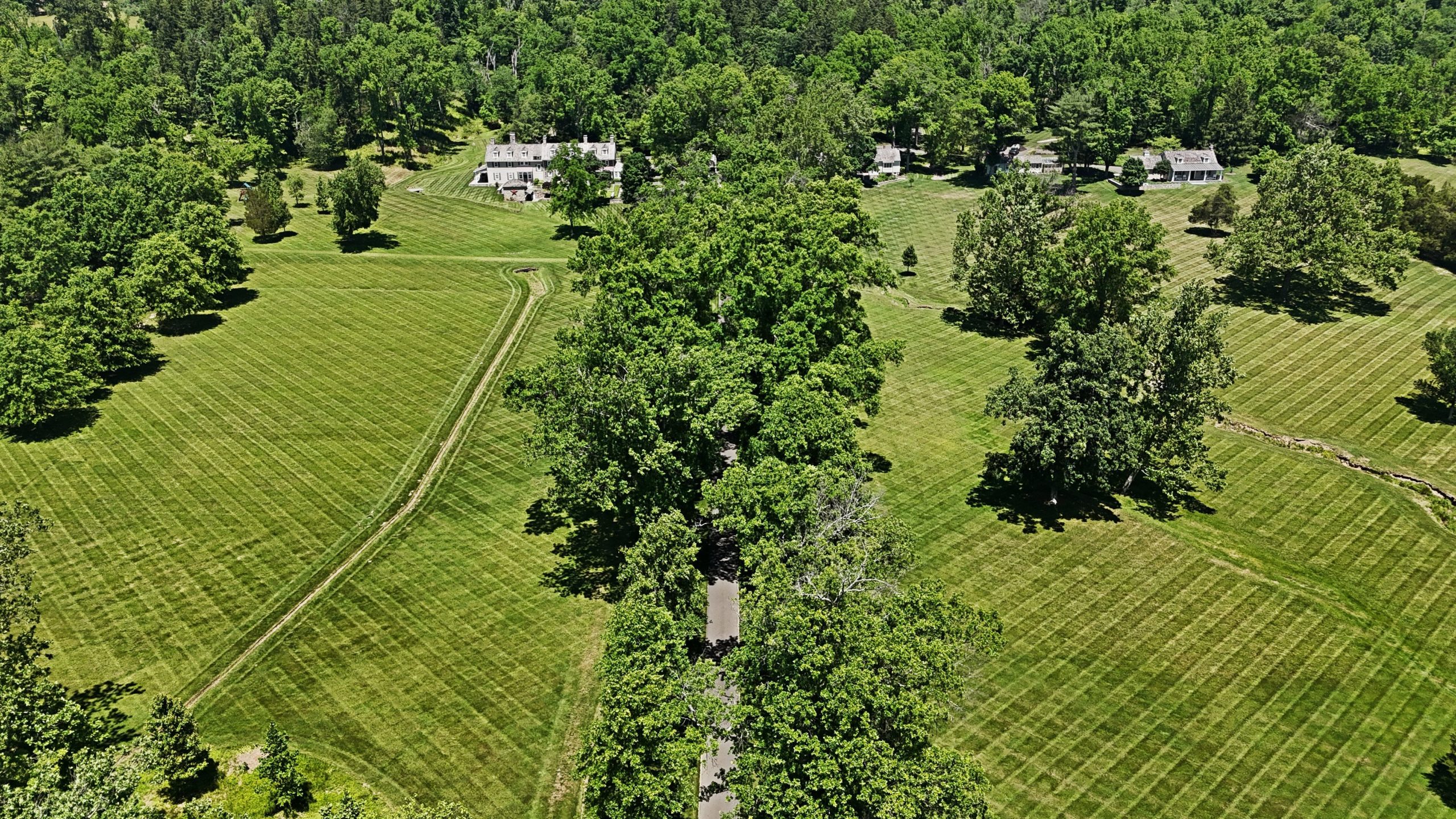
    The estate’s lot is about 30% manicured grounds and 70% woodlands, with walking trails throughout the forest leading to the top of Jericho Mountain.

    The 147-acre estate has forested trails leading to the top of Jericho Mountain.Jerry Biggans

    “You could hike on your property every day and be in the best shape of your life if you wanted to,” said Epstein.

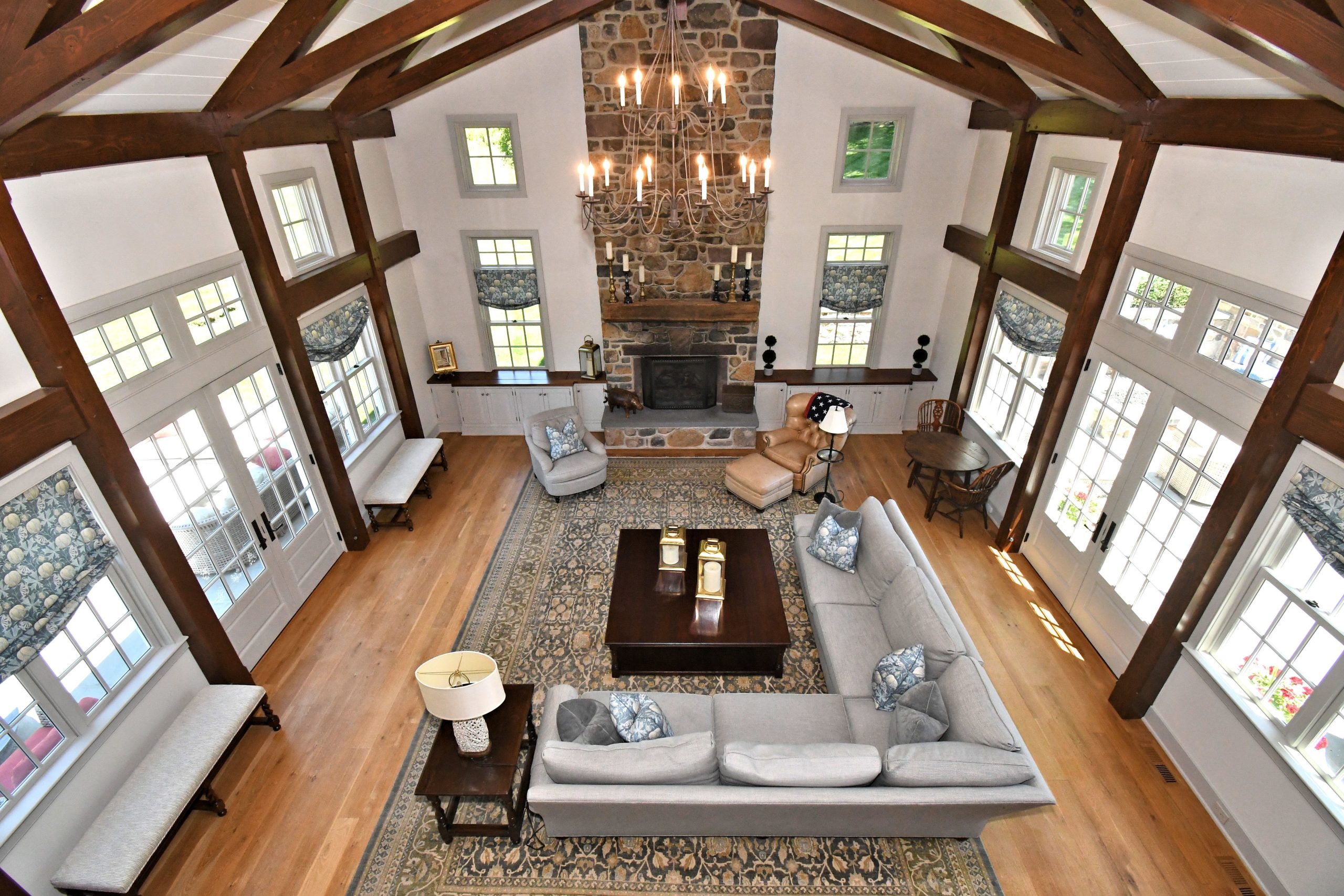
    The main house has three levels, boasting four bedrooms, four full bathrooms, and two half-baths. A glass-enclosed conservatory with its components imported from England is a highlight of the main floor, along with an office, sunroom, living room, and kitchen with an 18-foot island and custom cabinetry.

    The two-level living room in the main house.Jerry Biggans

    The two other dwelling units — named the cottage and the guest house — are outfitted with bedrooms, bathrooms, and kitchen utilities, allowing for multigenerational living. “If this were a family compound,” Epstein said, “everybody would have their own space.”

    Epstein said Upper Makefield is the most sought-after township in Bucks County. It has the seventh-highest median income of all Pennsylvania municipalities, according to 2024 American Community Survey data. The estate is about a 15-minute drive to Newtown, 12 minutes to New Hope, and 20 minutes to cross over the Delaware River to New Jersey.

    “It’s not like you’re out in the sticks here,” Epstein said. “But you do have the ultimate privacy for your location.”

    The pool and pool house.Jerry Biggans
  • Philly chefs are leading a brunch renaissance

    Philly chefs are leading a brunch renaissance

    The golden age of brunch has arrived in Philadelphia, borne on the menus of chefs who are reinventing the genre.

    All over the city, from Manong in Fairmount to dancerobot and Little Water in Rittenhouse and Rice & Sambal in South Philly, chefs who had long focused on dinner are turning their attention to brunch-specific menus, some available just one day a week. The results are dazzling.

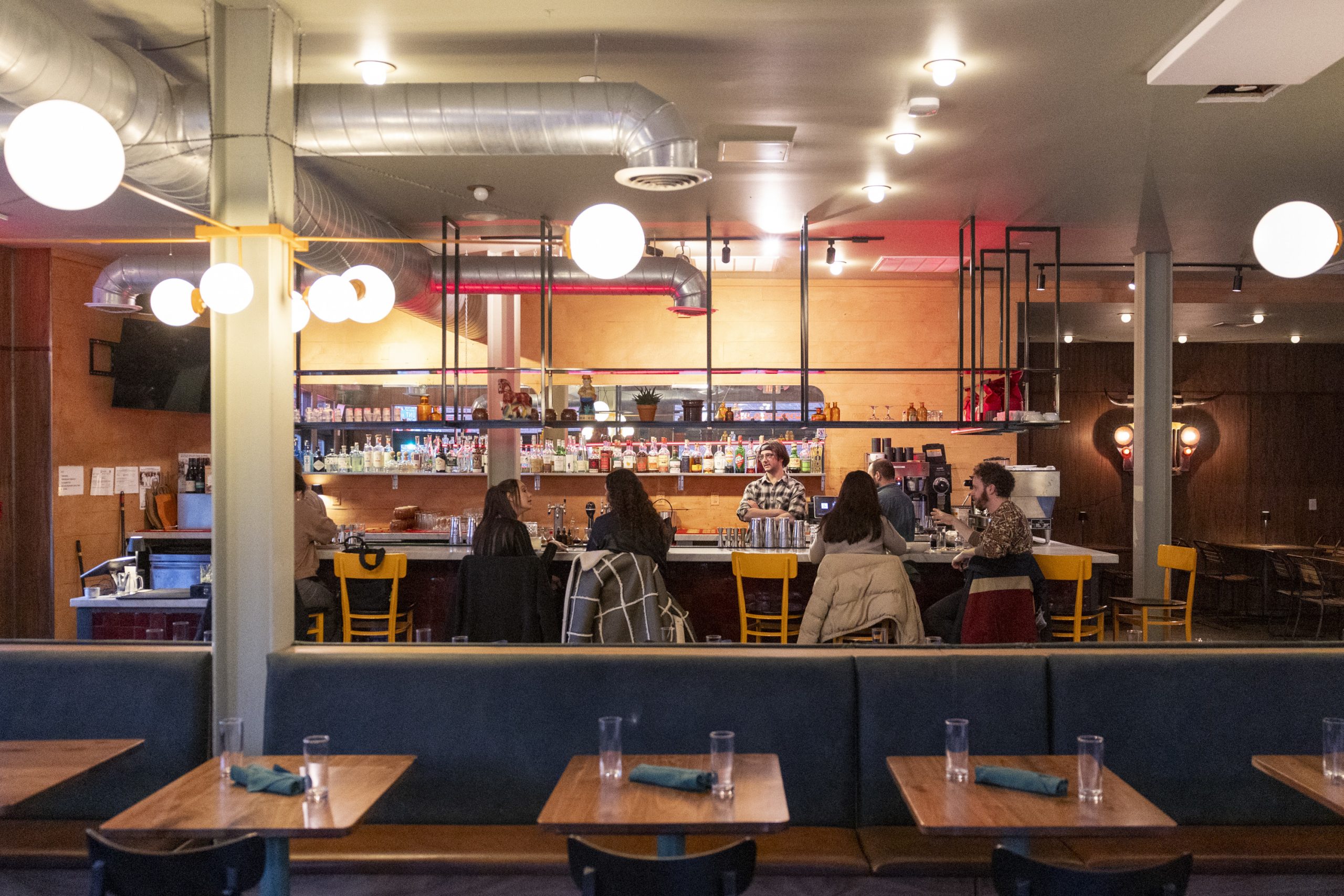
    Customers enjoying drinks and food at the bar at Manong.Tyger Williams / Staff Photographer

    To many in the restaurant industry, the very word brunch conjures up feelings of dread. “Brunch menus are an open invitation to the cost-conscious chef, a dumping ground for the odd bits left over from Friday and Saturday nights or for the scraps generated in the normal course of business,” Anthony Bourdain wrote in his seminal memoir, Kitchen Confidential. And the stigma against the not-quite-breakfast, not-quite-lunch meal, often accompanied by endless mimosas, has endured. Until now.

    For Chance Anies of Manong, brunch is an opportunity.

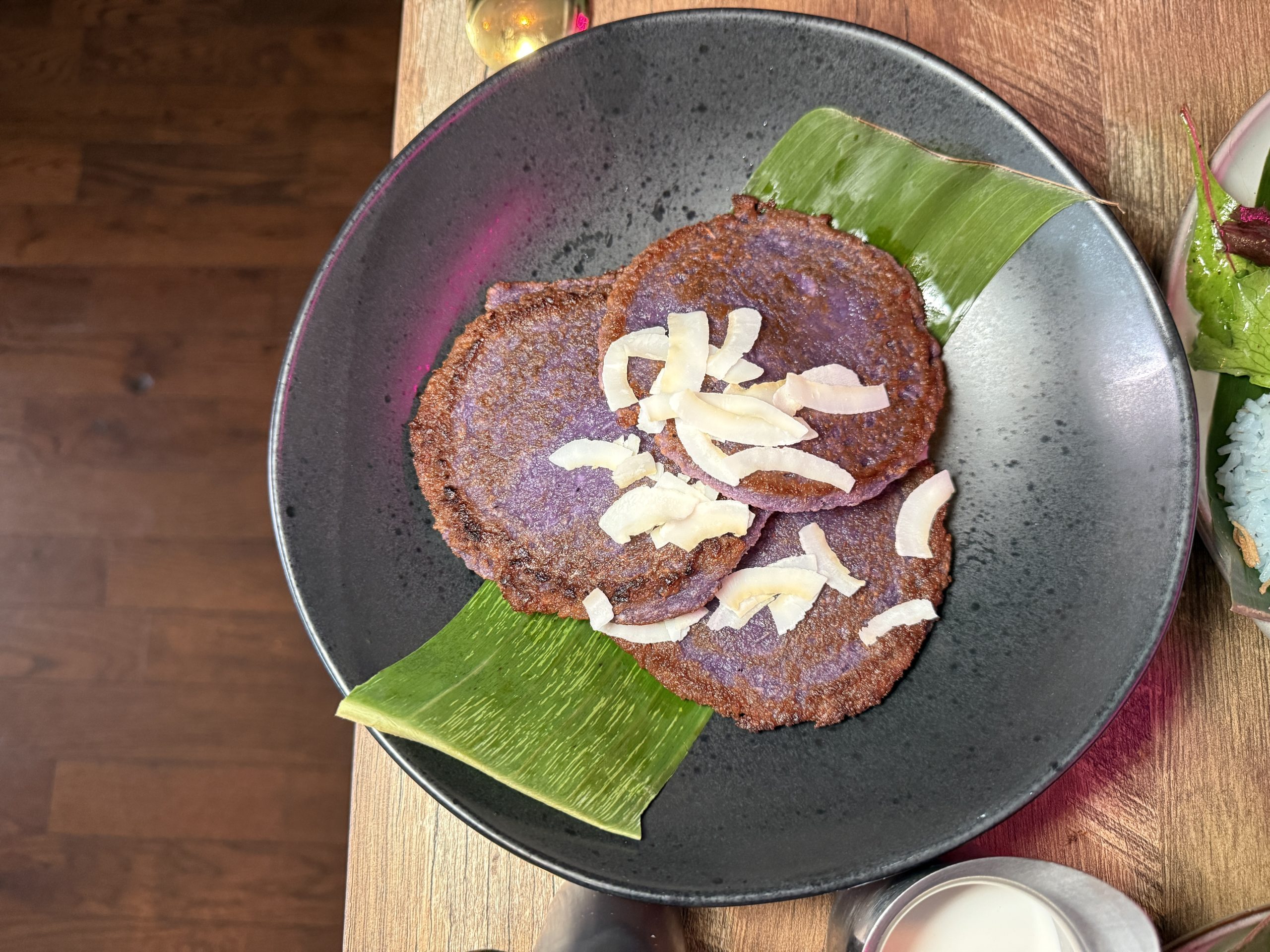
    Wingko, cassava, and coconut pancakes on Rice & Sambal’s new brunch menu.Kiki Aranita / Staff

    “I love that we’re making Spam,” said Anies. “It’s ironically the first food I got made fun of for eating at school because my dad would make me Spam and rice for lunch as a kid. I had kids calling me ‘Spam.’”

    Anies is also making his own version of the processed meat, a highly labor-intensive activity compared to popping open a can. “We grind pork shoulder and smoked ham, and some other ingredients, then set the farce in a terrine mold to steam. After pressing overnight, we slice them into little Spam squares,” he said.

    Manong’s house-made Spam is served on pandesal, a soft, buttery Filipino bread, in the breakfast sandwich at brunch, served seven days a week from 8 a.m. to 2 p.m. “Pandesal was the thing that got me into cooking, so having an outlet for the recipe I’ve been developing for over 10 years has been a cool full-circle moment,” said Anies.

    Diana Widjojo’s Rice & Sambal on East Passyunk in South Philly has been open for two years, but only recently started serving Sunday brunch. Widjojo had toyed with starting brunch service last year, “but I didn’t market it very well.” She officially restarted brunch two weeks ago because “I thought it would be fun.”

    Rice & Sambal’s brunch-specific snacks, savory items, and sweet dishes are extensive and only served on Sunday from 11 a.m. to 3 p.m. (a la carte, no reservations taken). They range from crispy tofu to lumpia (vegetable and bamboo-stuffed spring rolls) to a Sumatran rendang that is cooked far longer than her typical Javanese rendang, so that it’s “spicier and more fragrant — I cook the curry until the coconut milk turns into oil.”

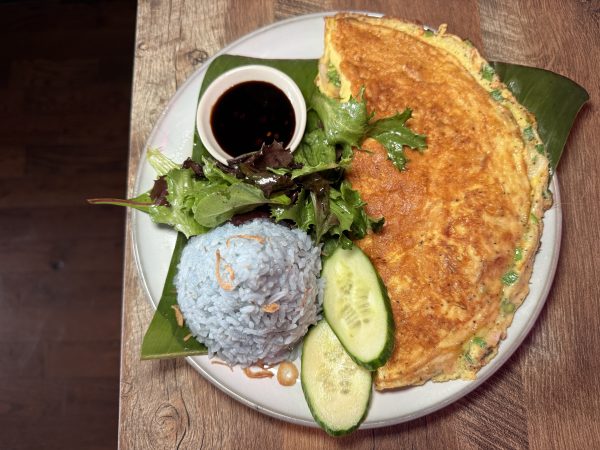
    And then there are dishes like her Indonesian omelet ($17) and Wingko ($12). The omelet is stuffed with fragrant shallots and served with spicy sambal ketchup. The Wingko pancakes are made of cassava and shredded coconut and colored a deep purple with ube. No maple syrup here, but rather a little pitcher of coconut milk and a squeeze bottle of sweet palm sugar syrup are provided for you to decorate your pancakes.

    There are also fun drinks like Happy Soda, served in a wine glass and consisting of coconut-pandan syrup, seltzer, and condensed milk, Indonesian coffee, and numerous tea drinks, including a deeply nourishing beras kencur ($7), made of ginger, turmeric, and rice. There’s excitement, creativity, and joy embedded in all these beverages — it’s a menu that dovetails with a rise in Indonesian cafes in Philadelphia.

    In Rittenhouse, other previously dinner-focused fine-dining chefs are celebrating brunch. Little Water’s Sunday brunch (11 a.m. to 4 p.m.) is spectacular. On the menu, there’s a dish of fried oysters on beef tartare, blanketed in golden hollandaise and tucked in with pickled surprises, sometimes a gherkin, sometimes another pickled vegetable, that you discover through little bites. You can also add caviar to fancy seafood, like Sweet Amalia oysters slicked with Alabama white sauce.

    La Jefa’s brunch is equally marvelous, served Wednesday through Sunday (10 a.m. to 2:45 p.m.). It features Guadalajaran twists on American brunch standards, like chilaquiles tucked into omelets or lengua given the pastrami treatment and layered into a sandwich. You get to wash it down with a beverage menu spiked with corn, tepache, and other fascinating ferments.

    Also in Rittenhouse, dancerobot’s weekend brunch (Saturdays and Sundays 10:30 a.m. to 3 p.m.), has quietly become an incubator for incredible creativity, led by chef Justin Bacharach and sous chef Christina Betz, but featuring dishes from many other chefs and cooks on staff.

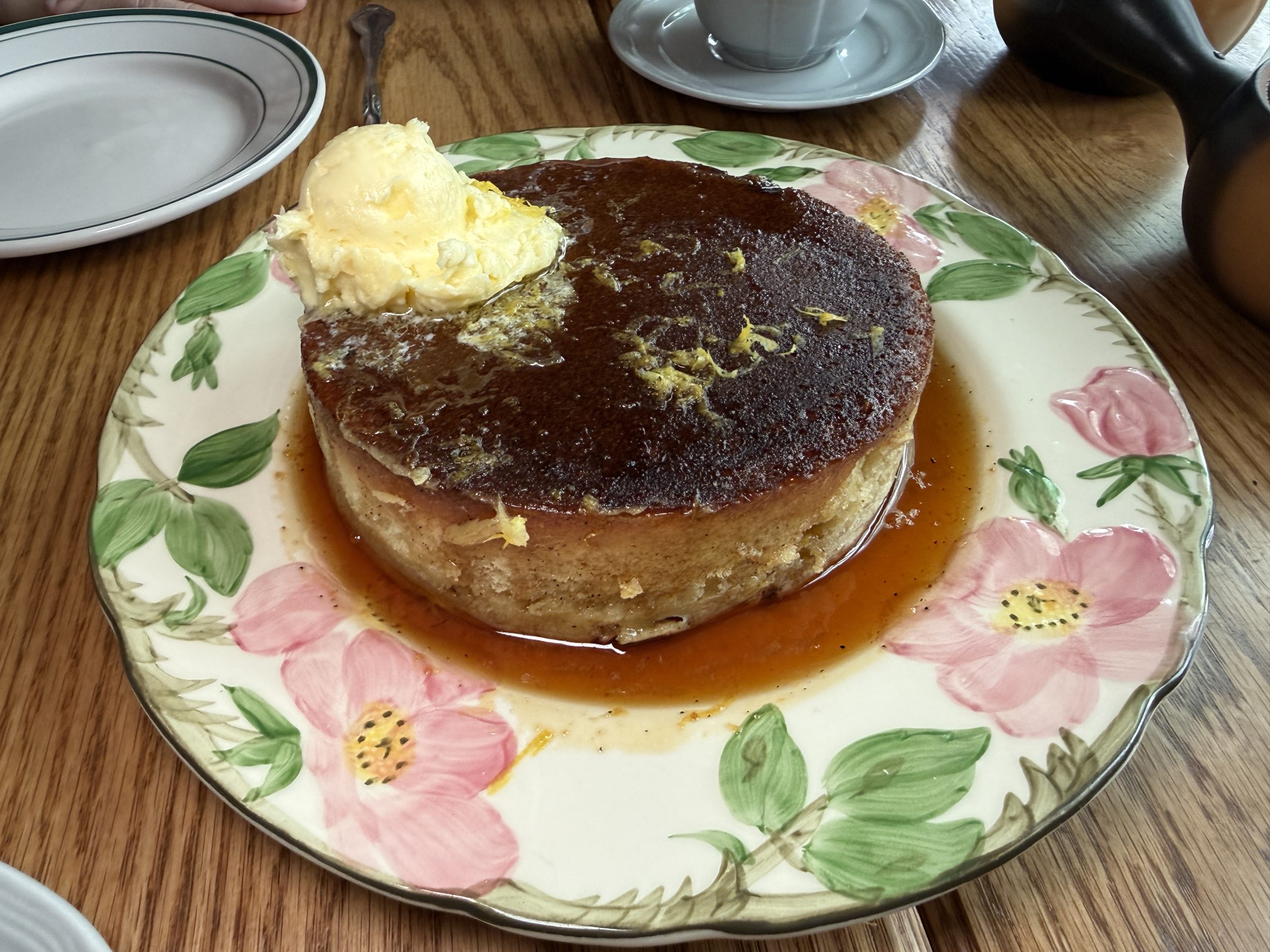
    The sourdough pancake at dancerobot should be shared with everyone at the table.Kiki Aranita / Staff

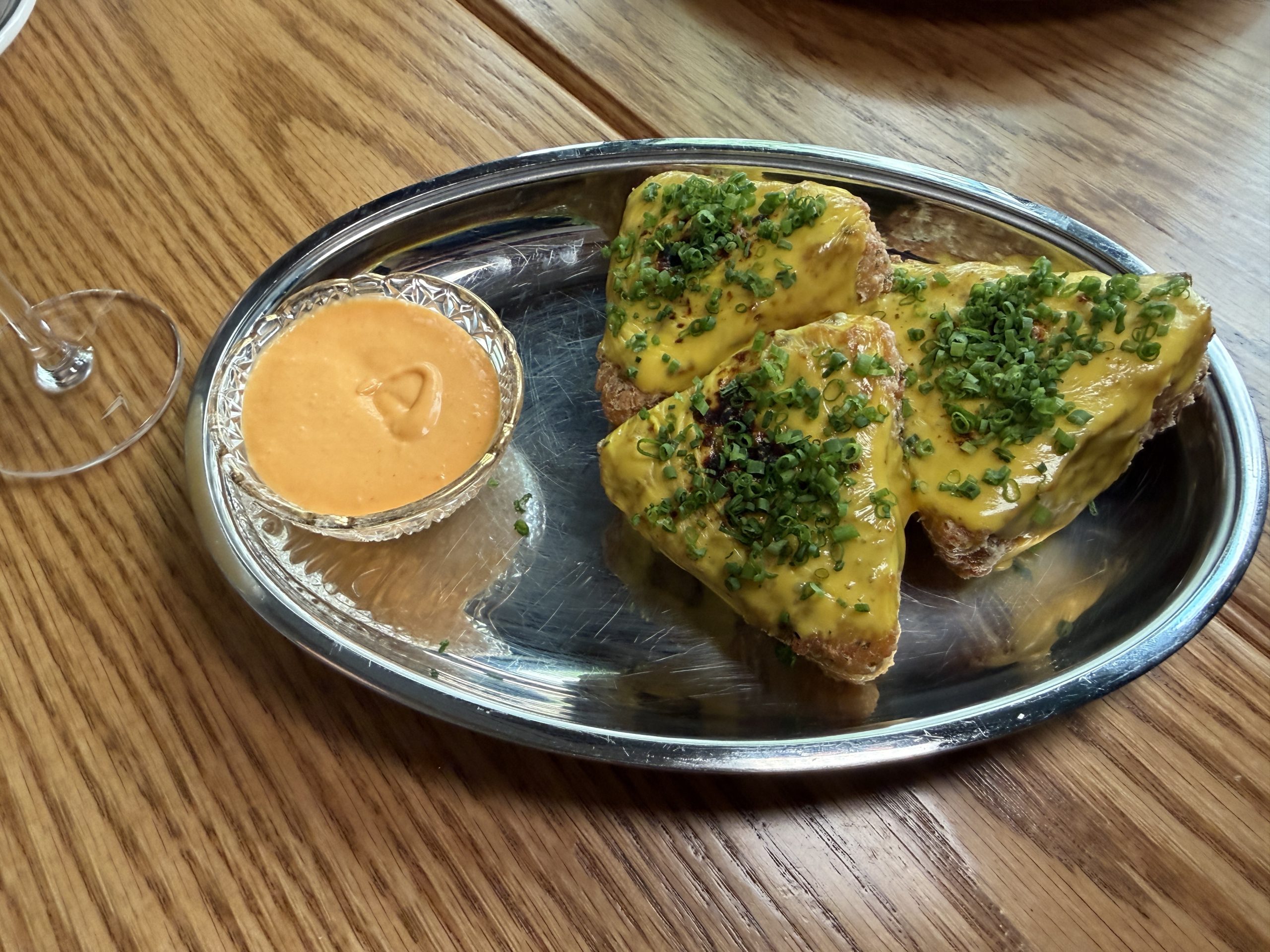
    Bucks County native Bacharach grew up with classic diner omelets, pancakes, French toast, and bacon, egg, and cheese breakfast sandwiches, but these brunch stalwarts are completely scrambled up at dancerobot, where bacon, egg, and cheese are fashioned into crispy, crusted onigiri, and omelets are omurice, splayed open tableside into a blanket of egg curds, and pancakes are meant to be shared with the whole table.

    “It’s an homage to fluffy Japanese pancakes,” Bacharach said. But his have more depth and oomph. They also have delightfully crispy edges. His sourdough pancakes, by the way, are made with the starter Amanda Shulman, the Michelin star-earning chef who also recently opened a restaurant serving brunch, gave him five years ago.

    The Caesar salad inari at dancerobot is a riff on the “girl dinner” trend.Kiki Aranita / Staff

    Pastry chef Sophie Wieber contributed cinnamon buns served with amazake-cream cheese frosting. Sous chef Drew Kornrumpff conceived a brilliant interpretation of “girl dinner” by stuffing pockets of aburaage, or fried tofu skin, with Caesar salad and topping them with ikura. Everything is original, delicious, and a little wacky.

    Bacon, egg, and cheese onigiri at dancerobot.Kiki Aranita / Staff

    “Brunch is a breath of fresh air,” Bacharach said. “The people are happier, the sun is out.”

    Dancerobot is also leaning into the creativity brunch can offer by teaming up with chef friends in Philly and beyond, hosting brunch club events with Chicago’s Kasama and soon, Middle Child Clubhouse.

    This new era of brunch is whimsical and riveting, a far cry from the dreaded services Bourdain once complained about.

    All these chefs reinventing brunch have one more thing in common: They don’t have time to go out for brunch themselves. “Usually I am too tired to go to brunch,” Widjojo said. “I can’t remember the last time I did, but if I could, I would.”

  • Burlington County man caught in child trafficking sting drove an hour to have sex with underage girl, DA says

    Burlington County man caught in child trafficking sting drove an hour to have sex with underage girl, DA says

    Christopher Reynolds thought he was talking to a woman looking to exchange money for sex with her 13-year-old daughter, Bucks County prosecutors said Thursday.

    Reynolds was adamant about certain graphic details while negotiating the price for the encounter, and even offered a higher rate so the woman could buy her daughter an emergency contraceptive pill, according to the affidavit of probable cause for his arrest.

    But in reality, Reynolds was speaking to an undercover detective who investigates human trafficking. And Reynolds, 35, was arrested late Wednesday after driving nearly an hour from New Jersey to a motel in Bensalem.

    Reynolds, of Browns Mills, Burlington County, has been charged with criminal attempt to engage or perform a commercial sex act with a minor, criminal attempt to commit trafficking in individuals, and related crimes. He was held in lieu of $500,000 bail, and there was no indication that he had hired an attorney.

    District Attorney Joe Khan said Reynolds’ arrest “sends an unmistakable message to those who look to prey on children in our communities.”

    “This is the exact kind of proactive, aggressive enforcement the public can expect from our office’s revamped anti-trafficking operation,” he said. “We are going to use every tool and technology at our disposal, and we will continue to hunt down those who attempt to exploit vulnerable individuals.”

    Investigators say the undercover detective first started communicating with Reynolds on Tuesday, after he responded to an ad on a website offering “taboo” with an underage girl, the affidavit said.

    After negotiating the price and duration of the encounter, Reynolds agreed to meet the girl’s mother at a motel on Lincoln Highway. He nearly called off the appointment when detectives declined to send nude images of the girl, but relented when they sent a digitally de-aged photo of a female detective.

    Investigators arrested Reynolds as soon as he entered the motel, the affidavit said. He was carrying $300 and a bottle of Mountain Dew, items the undercover detective told him to bring to the meeting while posing as the girl’s mother.

    Reynolds is scheduled to appear before a district judge for his preliminary hearing on July 16.

  • Philadelphia shipwrights hand-built a replica of the boat Washington used to cross the Delaware. Yes, you can climb on it.

    Philadelphia shipwrights hand-built a replica of the boat Washington used to cross the Delaware. Yes, you can climb on it.

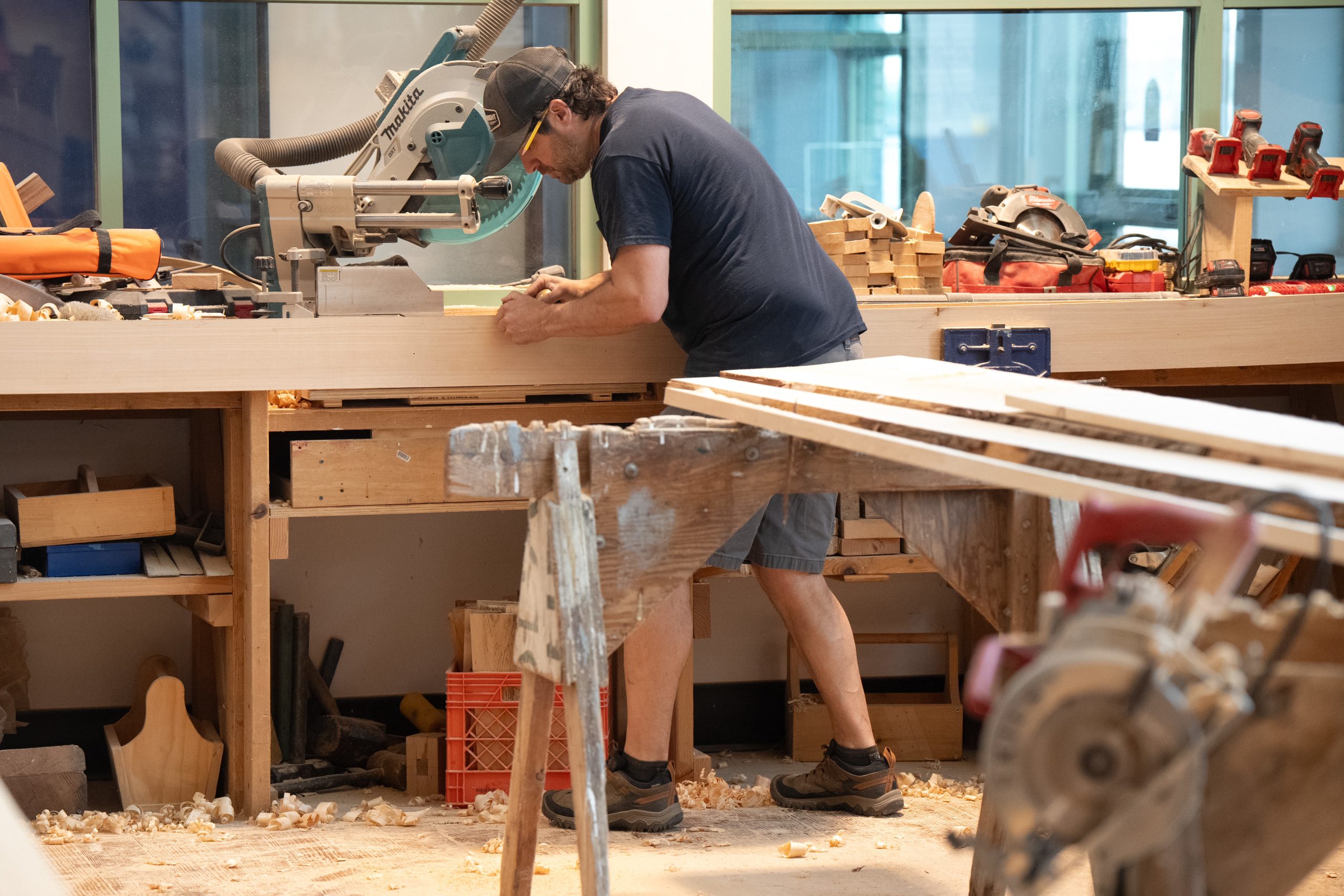
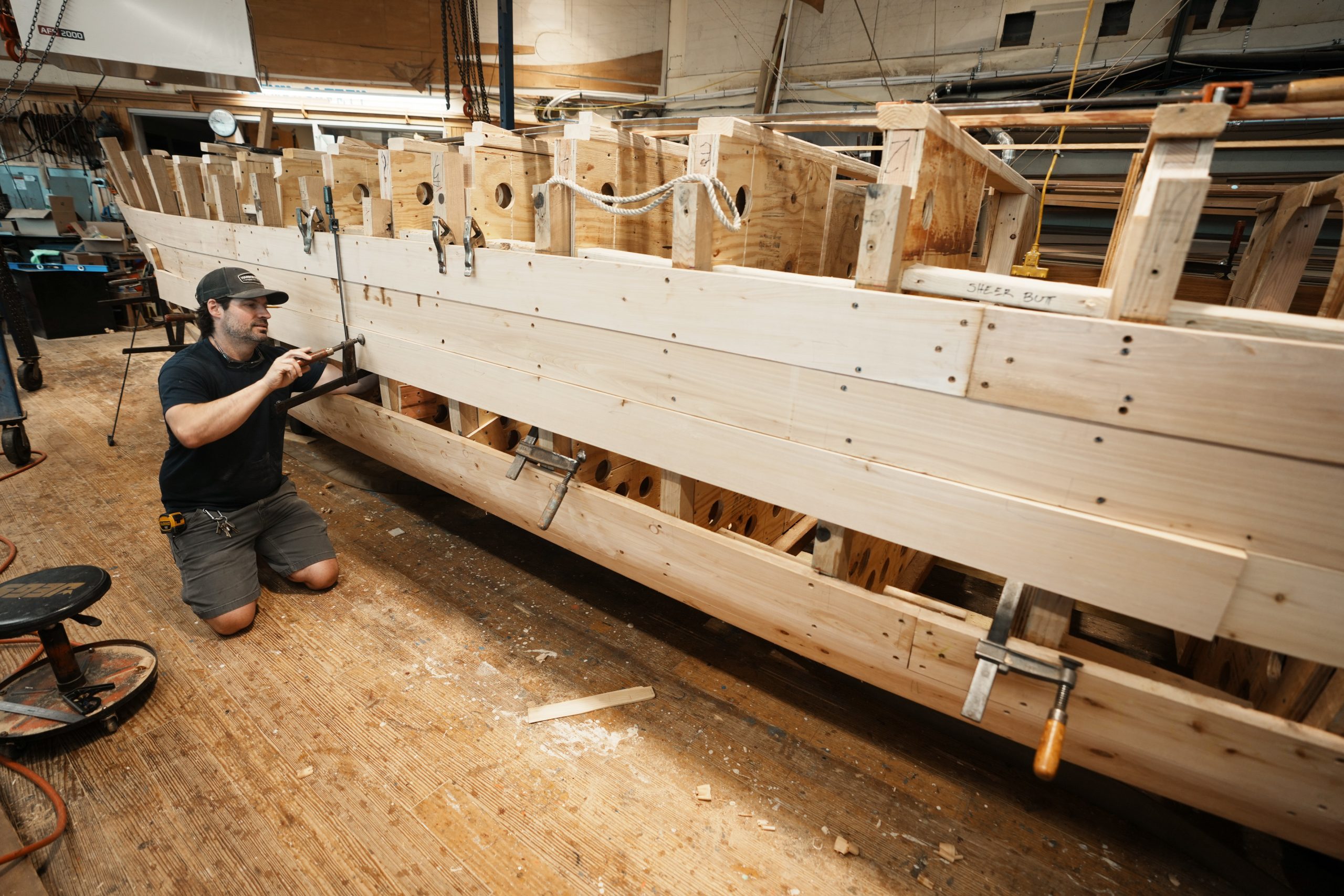
    The floor of David Dormond’s workshop is scattered with wooden planks, shaving piles, and machines that scream “DO NOT TOUCH!” In the middle of it all sits a 40-foot-long, 3500-pound wooden boat that looks like it could hold an army.

    That’s because it’s meant to. Well, sort of.

    It’s a Durham boat, named because the design was used to transport iron from Durham Ironworks in Bucks County to Philadelphia. It is better known as being the model of boat George Washington used to cross the Delaware with his Patriot troops on Christmas in 1776.

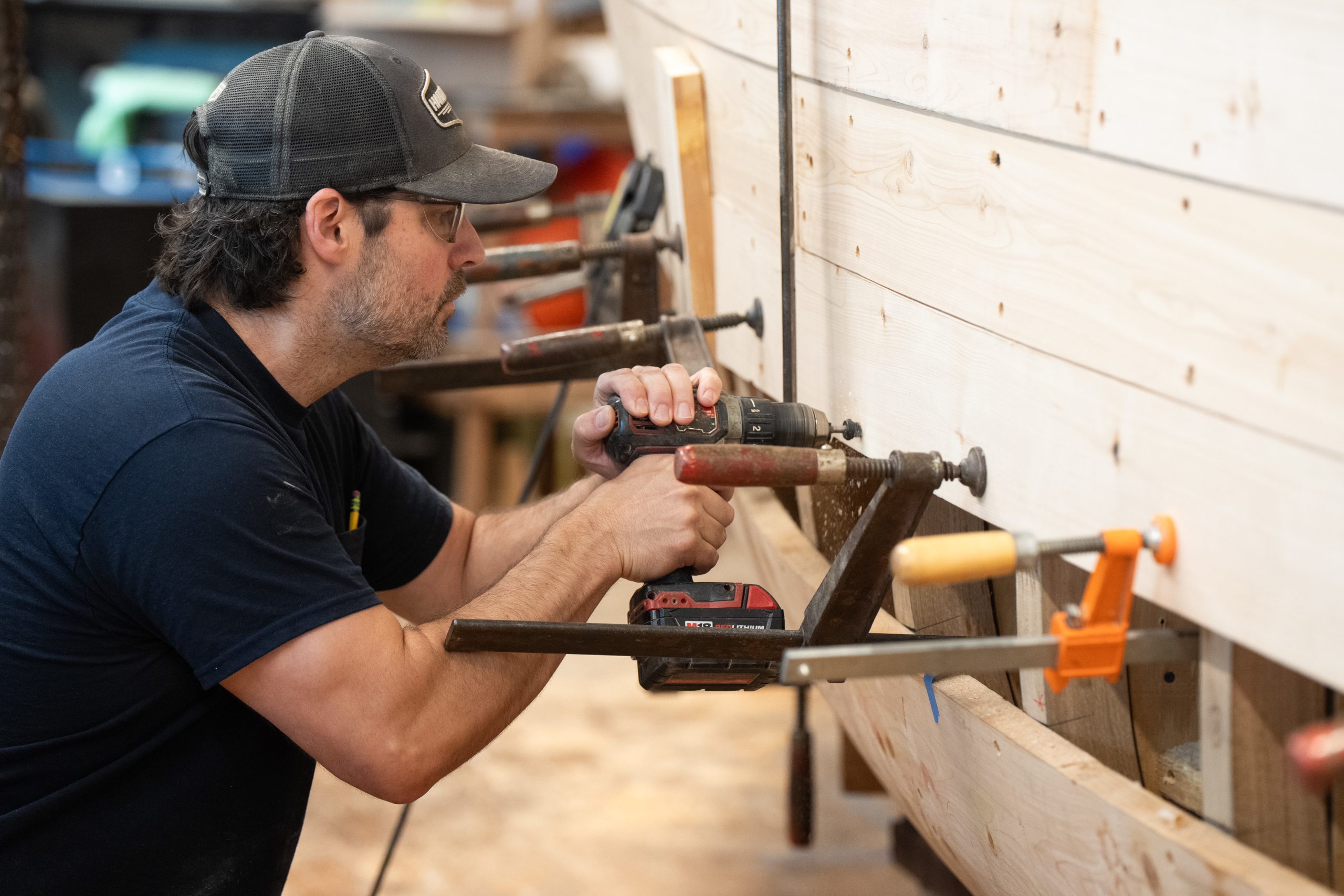
    At the Independence Seaport Museum in Philadelphia, David Dormond is replicating the boat Washington used to cross the Delaware River, June 18, 2026.Jessica Griffin / Staff Photographer

    “The moment Washington decided to use these boats to cross the Delaware and storm Trenton changed the tide of the [Revolutionary] War,” said Dormond, who is the director of the Seaport Boat Shop at the Independence Seaport Museum (ISM). “It was one of the pivotal points for the U.S. in gaining our freedom.”

    Dormond and his team have built a full-scale replica of the Durham boat to be displayed in Washington Crossing Historic Park. Authenticity was at the forefront of its construction, with Dormond committed to making the boat as historically accurate as possible.

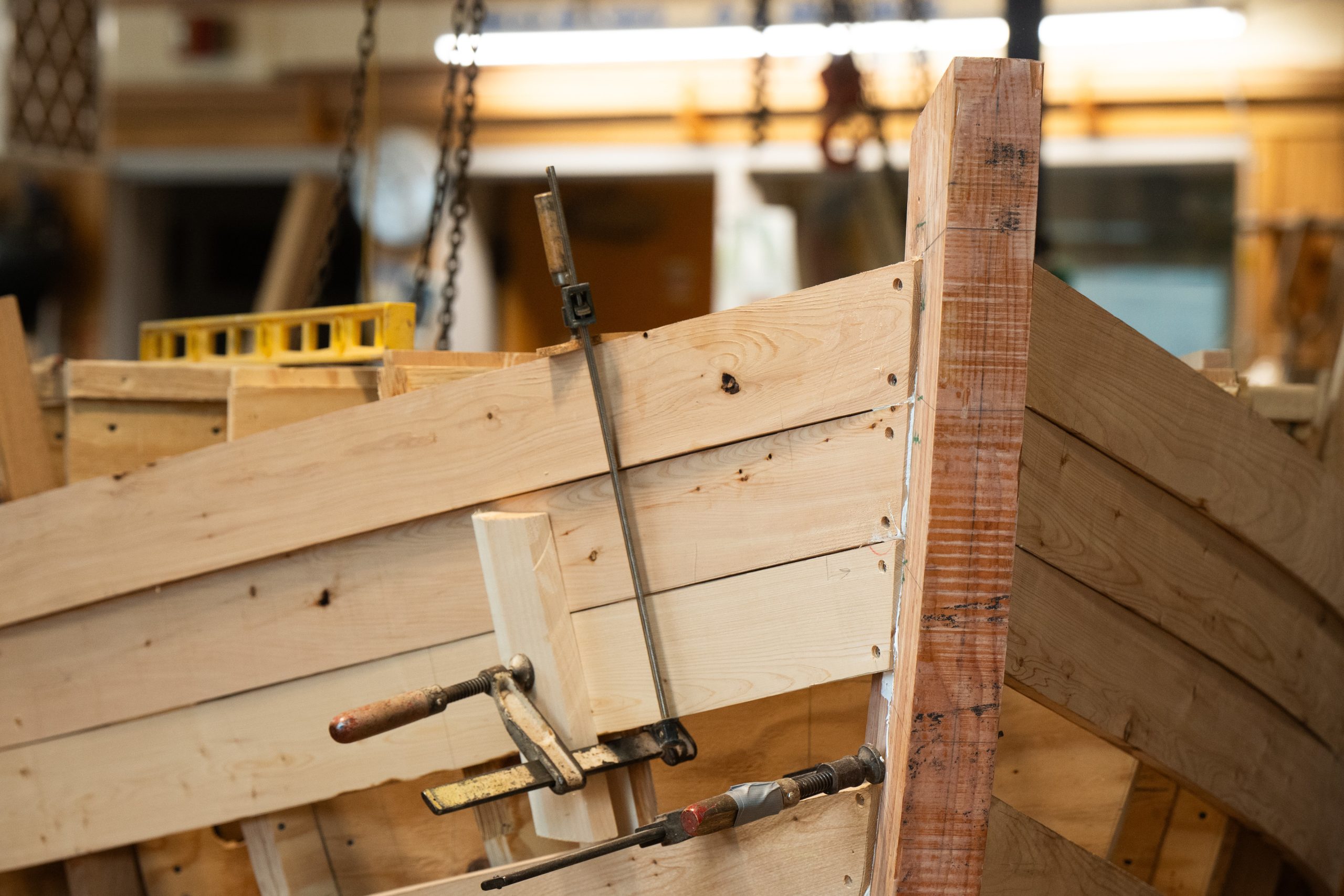
    The wood for the replica was sourced locally, including cedar from Medford, N.J., and white oak for the framing from Reading.

    David Dormond and his team have spent more than a year constructing the boat in the Seaport Boat Shop at the Independence Seaport Museum in Philadelphia.Jessica Griffin / Staff Photographer

    “The reason we do that is to keep things just the same as they would’ve been in the 1700s,” Dormond said. “When they were building these boats, they weren’t bringing lumber in from across the country, they were using what they had available to them, so we follow in that tradition.”

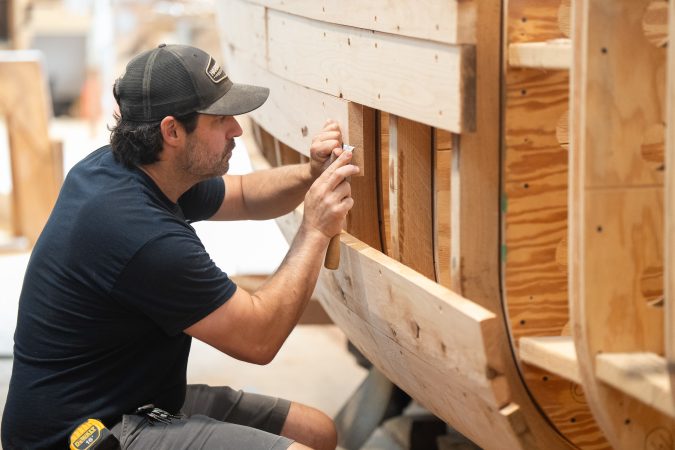
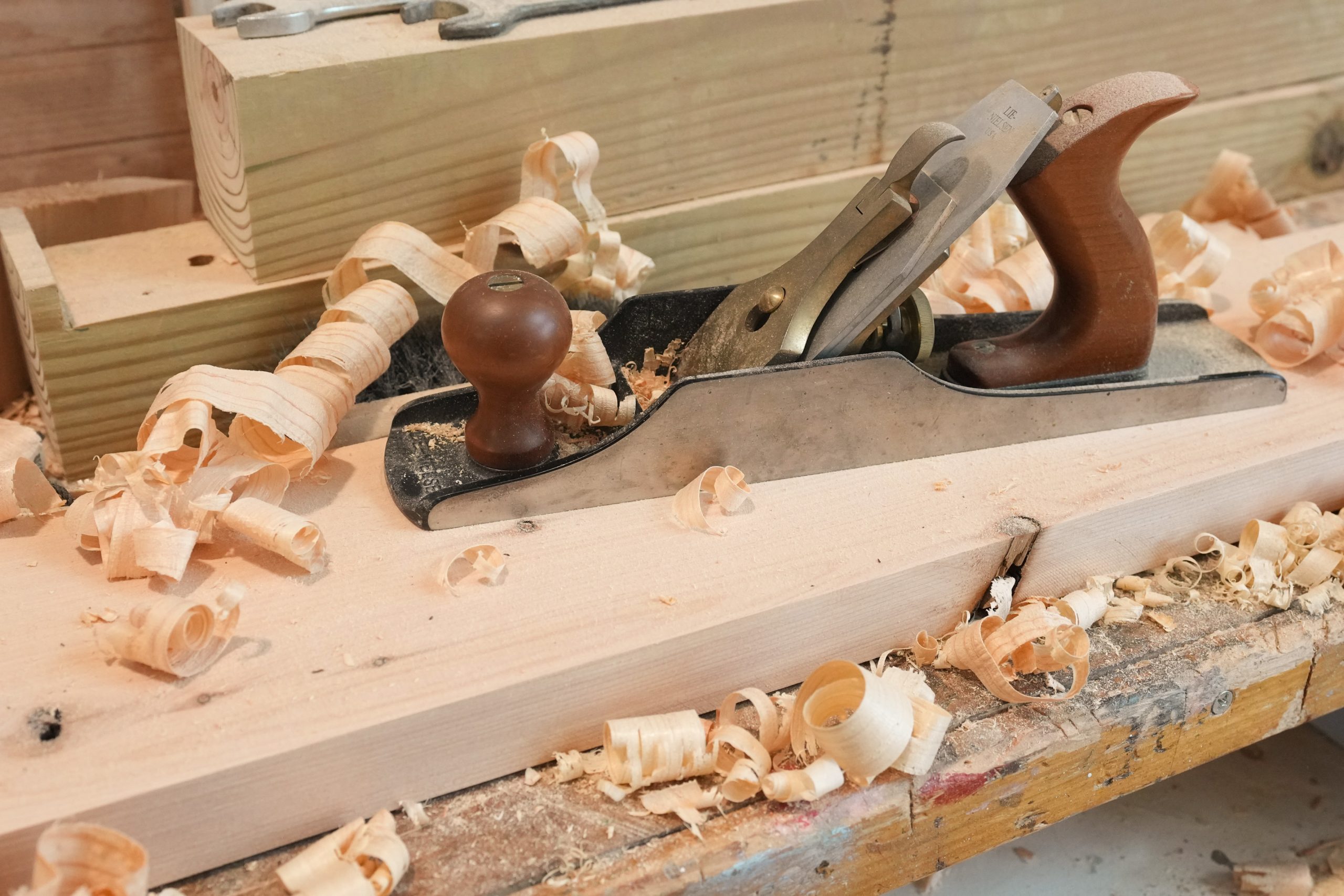
    Nearly every part of the boat was handmade by Dormond and his team, down to the bolts holding the wood together. They steam-bent the frames and used 18th-century-style spokeshaves and batten strips to help shape the boat like they would have in Washington’s day.

    But this boat, now on display in Washington Crossing Historic Park, isn’t just for viewing. Visitors will be able to board the ship and see how grand it was in height and length, but also how cramped the 8-feet-wide interior was for the 2,400 soldiers that crossed the Delaware.

    Most of the boat was handmade, with emphasis on using 18th-century materials to make it as period-accurate as possible.Jessica Griffin / Staff Photographer

    The park currently has four Durham boats that sit on the water and are used for historical reenactments. This new boat will be parked on land along the waterline, and will be the first that visitors can walk onto and interact with directly.

    “We were talking about some of the things that people are interested in learning about when they come to the park, but that they can’t necessarily experience. [And] people often asked about the Durham boats,” said Jennifer Martin, director of Friends of Washington Crossing, who collaborated on the boat project with ISM.

    Martin said civilian support played a vital role in the Revolutionary War, and part of that was boat-building.

    “This was trade work. This is something that was passed on and learned,” she said. “I think that there’s an art to handcrafting things and getting people to understand that life was very different in the 18th century.”

    At the Independence Seaport Museum in Philadelphia, David Dormond is replicating the boat Washington used to cross the Delaware River, June 18, 2026.Jessica Griffin / Staff Photographer

    Planning for the build started two years ago, with full-time construction beginning in spring 2025. The plans were made by a designer in Maine in the 1960s; Dormond and his team modified them to be truer to what they know of boat-building processes of the 1700s.

    Dormond has built boats at ISM for almost 13 years, and this one is “one of the bigger vessels that we’ve done,” he said. The shop cycles between larger construction projects and simpler boat restorations, commissioned by both institutions, like Washington Crossing, and private customers.

    “It’s a part of our history, so it’s neat to bring back and share that with the public and create something that will be a landmark for visitors at the park for years to come.”

    The Durham boat project is part of a larger revitalization of the riverside at Washington Crossing Historic Park for America’s 250th. This includes a new ADA-accessible trail complete with signs with original artwork that depicts the history being taught.

    At the Independence Seaport Museum in Philadelphia, David Dormond is replicating the boat Washington used to cross the Delaware River, June 18, 2026.Jessica Griffin / Staff Photographer

    The park has also invested greatly in a Williamsburg-style experience for the roughly 10,000 field trip students that visit every year. Activities such as hands-on butter churning, gardening, blacksmithing, woodwork, quill handwriting, and soldiers drills give visitors a glimpse into 18th-century living.

    “When people come to the park, a lot of our programs are free,” Martin said. “We wanted to be really intentional with creating more of these living history, immersive learning opportunities that people could experience every day that they come to the park.”

    Though the shop’s team has some finishing touches to make, the boat is currently on display at Washington Crossing Park, ready for visitors amid the nation’s 250th anniversary.

    It will be officially completed and installed by the end of July. It will be posted in the park indefinitely, with Dormond and his team assisting with any maintenance needs to keep it preserved for many years, and visitors, to come.

    The Durham boat is on display at Washington Crossing Historic Park, 1112 River Rd., Washington Crossing, Pa. washingtoncrossingpark.org

  • The ‘flying saucer’ building at LOVE Park will host a beer garden and then a restaurant

    The ‘flying saucer’ building at LOVE Park will host a beer garden and then a restaurant

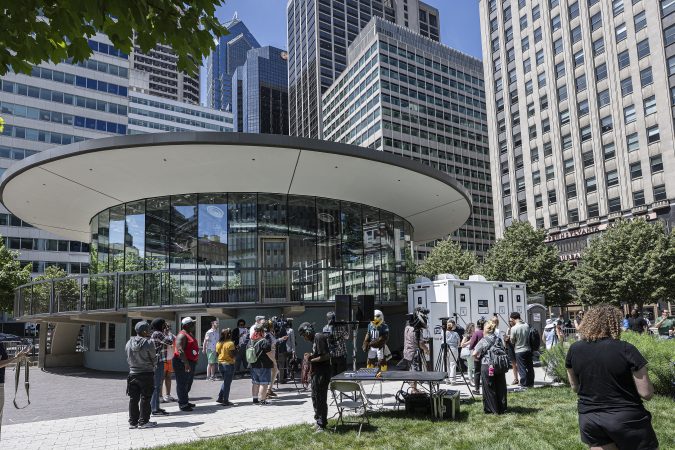
    More than six decades after it landed in LOVE Park, Philadelphia’s long-shuttered “flying saucer” building is preparing for its next mission. The first step begins Saturday — not inside the circular glass pavilion itself, but with a new outdoor beer garden surrounding it.

    Broad Street Beer Garden at LOVE Park is the opening phase of a food-and-drink operation led by Broad Street Brewing, the Bucks County brewery selected by the Philadelphia Department of Parks & Recreation as its operator after years of fits and starts.

    Saturday’s debut, on the final FIFA World Cup game in Philadelphia and amid the hoopla surrounding America250 festivities, will feature a beer garden with a limited food menu. Two Philadelphia companies, Rival Bros. Coffee and High Street Hospitality Group, will be involved as well. High Street, which operates Fork, a.kitchen, and the Bread Room, will assume a larger culinary role when the restored pavilion itself reopens in early 2027 as a year-round cafe, restaurant, and coffee bar. Its name has not yet been announced.

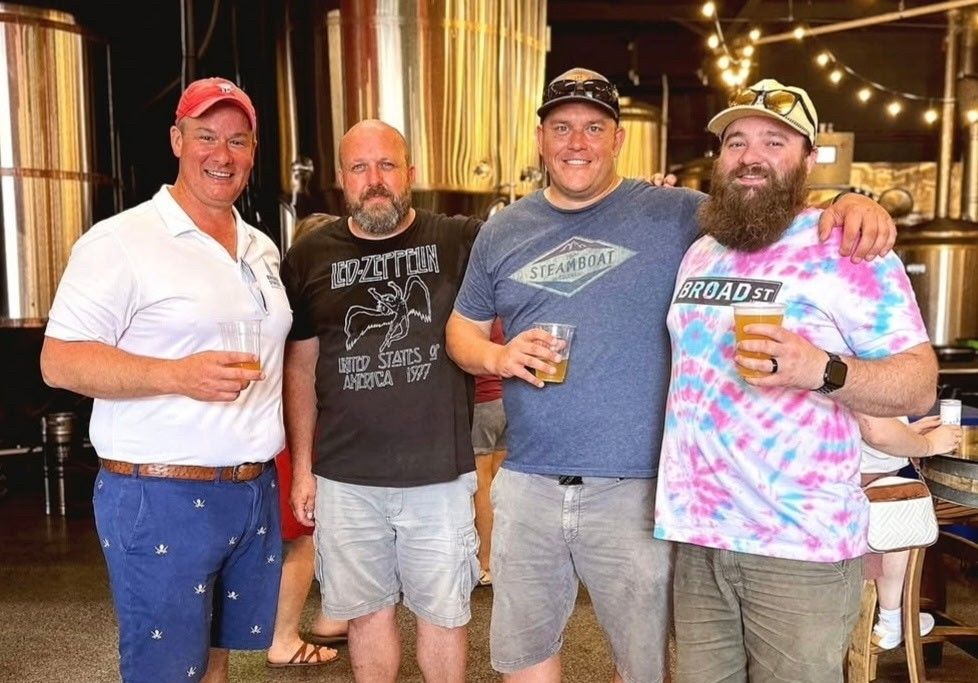
    Broad Street Brewing’s partners (from left) Ed Webber, Tim Lohse, and Brandon Wellington with brewer Andrew Balmer.Courtesy of Broad Street Brewing

    For the Parks & Recreation Department, the concession is about more than filling the building at 16th Street and JFK Boulevard. Revenue from the operation will be reinvested in LOVE Park and the Benjamin Franklin Parkway, helping fund programming, maintenance, and improvements.

    “This has been a long time coming,” said Katie Burns Kays, the department’s director of business and event development. “Our goal wasn’t just to find somebody to fill the space. We wanted a strong partner who would bring the kind of energy and story we want to be telling at LOVE Park, for both residents and visitors.”

    Kays said officials hope the arrangement becomes “a sustainable funding model for our public spaces.”

    Broad Street Brewing, which opened three years ago in Bristol, emerged from a field of applicants that included Four Corners Management, operator of Parks on Tap; Triple Bottom Brewing Co.; Tica’s Taco; Bower Penn, which operates Bower Cafe locations; and Little Susie’s Coffee & Pie, according to city documents.

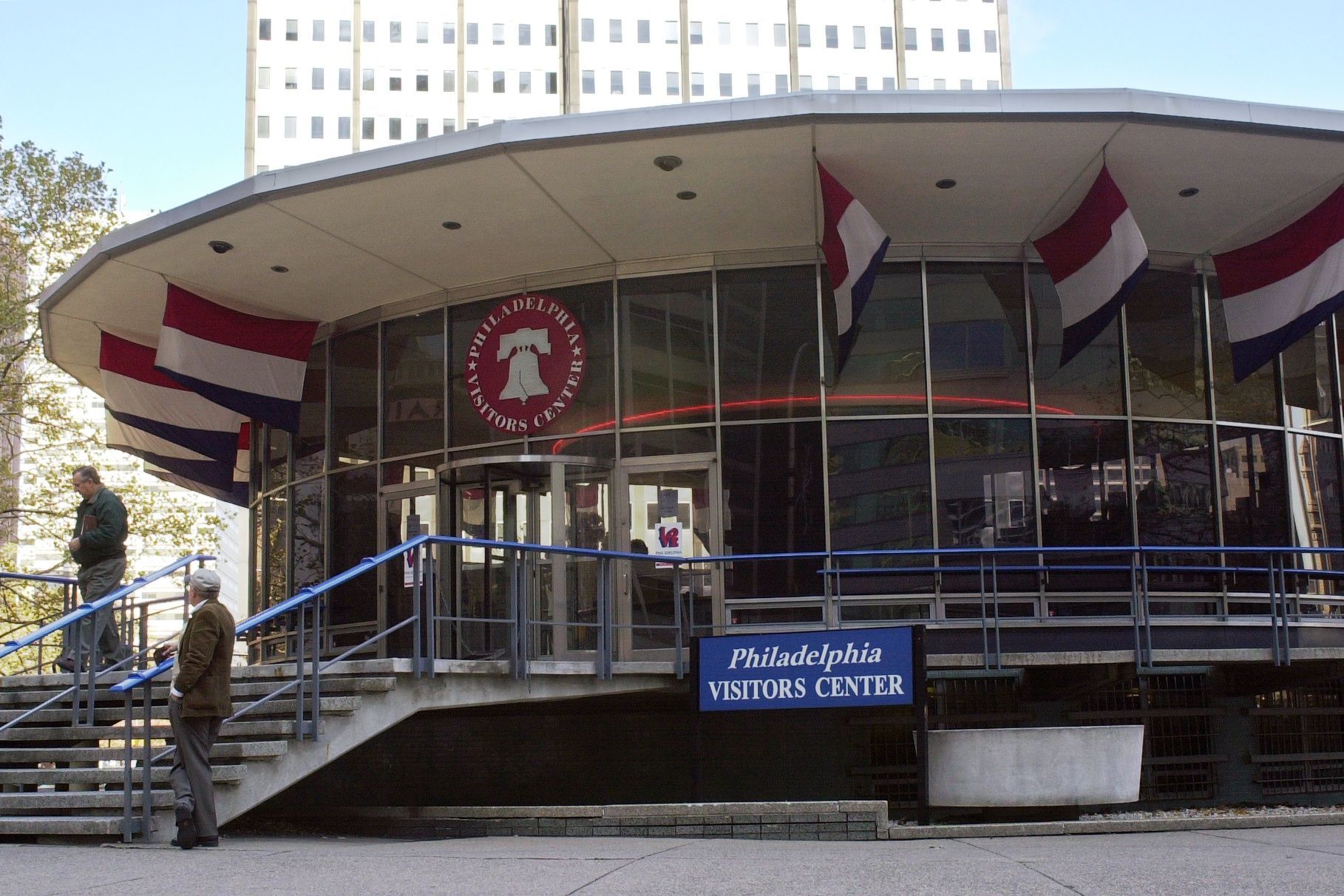
    The center in November 2001, just before the Independence Visitor Center opened at Sixth and Market Streets. Tom Gralish / Staff Photographer

    Kays said the city used what it calls a “best value” procurement process, weighing community engagement, operational experience, partnerships, and programming alongside revenue. Financial terms were not disclosed. The department’s standard concessions run for one year with up to four renewals, and Parks & Recreation plans to seek City Council approval this fall for a longer-term agreement to support the investment, Kays said.

    “It’s exciting to feature three local businesses rather than a national chain,” Kays said. “We really want visitors to experience Philadelphia through Philadelphia businesses.”

    For Broad Street co-owner Brandon Wellington, the project is also something of a homecoming. When Wellington lived at Broad and Race Streets, he first began brewing beer before setting the hobby aside for more than a decade. During the pandemic, he and longtime friends Ed Webber and Tim Lohse left their previous careers to launch Broad Street. Although the brewery established its production facility and taproom there, Wellington said the long-term goal was always to return to Philadelphia. He reached out to High Street partner Ellen Yin — whom he knew through his commercial kitchen-ventilation business — about partnering.

    The opening phase will occupy the terrace surrounding the pavilion and about a third of the adjacent lawn, with about 250 seats divided among cafe tables, picnic tables, and Adirondack chairs. Wellington said the goal was to create a gathering place for commuters, office workers, tourists, and park visitors while bringing regular live music and community programming to LOVE Park. The initial beverage program will feature at least eight Broad Street beers on draft.

    Broad Street Brewing expects to operate the outdoor beer garden through late October, serving beer alongside grab-and-go items such as smash burgers and maintaining a presence during Christmas Village as the permanent indoor build-out continues.

    Once the historic pavilion can be outfitted with a commercial kitchen, the partners expect to open a year-round operation with about 100 indoor seats. High Street will oversee the food program, while Rival Bros. anchors the cafe. Wellington said they also envision rotating guest chefs and an automated tap wall pouring Broad Street beers alongside selections from breweries across Philadelphia. The indoor operation is expected to debut around March 2027.

    “I just don’t want people to think this is simply a beer garden,” Wellington said. “While it’s being quarterbacked by a brewery, this will be Center City’s ultimate open-air hub — an oasis where local commuters, corporate professionals, and tourists can relax and connect.”

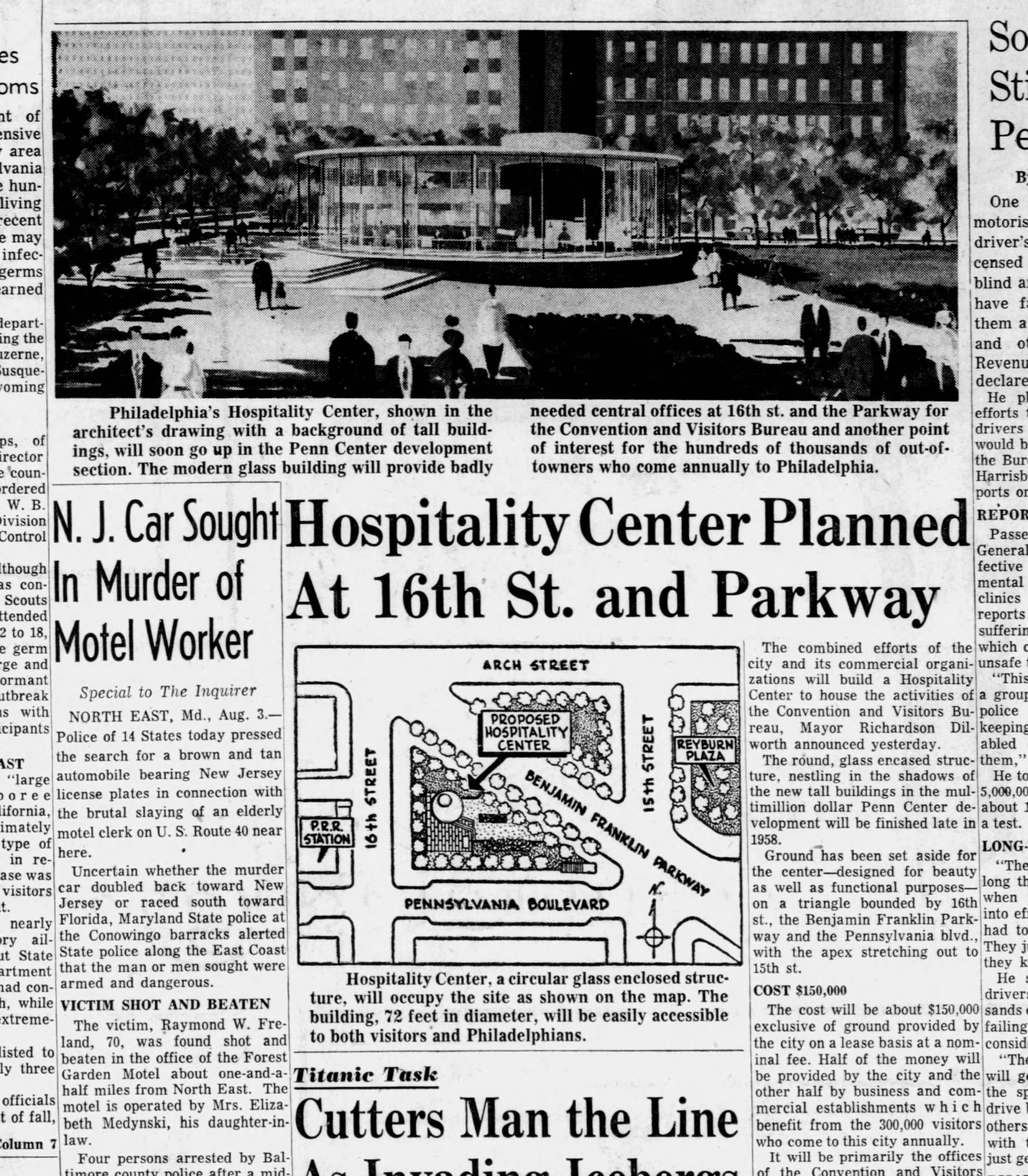
    On Aug. 4, 1957, The Inquirer reported the plan for what become the flying saucer-like building. In those days, Ben Franklin Parkway extended through what is now JFK Plaza to City Hall.Newspapers.com

    Long before it became known as Philadelphia’s “flying saucer,” the pavilion was conceived in the late 1950s as the Philadelphia Hospitality Center at what was then the corner of 16th Street and Pennsylvania Boulevard. News accounts placed the price tag at $150,000, exclusive of the land provided by the city.

    Designed by Roy F. Larson of Harbeson, Hough, Livingston & Larson, the circular building opened in 1960 as a visitor information center for an era when families increasingly arrived by automobile. Its broad cantilevered roof and nearly continuous glass walls embodied the optimism of the Space Age and Philadelphia’s postwar redevelopment under city planner Edmund Bacon.

    The pavilion predates both Robert Indiana’s LOVE sculpture and the boulevard that now borders it. When it opened, the roadway, which bisected the plaza, was called Pennsylvania Boulevard. Following President John F. Kennedy’s assassination in 1963, it was renamed John F. Kennedy Boulevard, giving the plaza the name by which it is now universally known.

    Renamed the Fairmount Park Welcome Center shortly after opening, the building later served as park offices, a cafe, a concession stand, and exhibition space. After the Independence Visitor Center opened at Sixth and Market Streets in 2001, however, it gradually lost its original purpose and sat vacant for years.

    Its future appeared uncertain during LOVE Park’s 2016-18 reconstruction. Although some questioned whether the aging structure should be demolished, preservation advocates successfully argued that it was among Philadelphia’s finest surviving examples of midcentury modern civic architecture. The city instead invested about $5.6 million to restore the pavilion, replacing its roof, mechanical systems, and custom-curved glass while preserving its distinctive appearance. It was added to the Philadelphia Register of Historic Places in 2025.

    The rehabilitation did not immediately produce a tenant. In 2019, restaurateurs Marcie Turney and Valerie Safran planned a restaurant called Loveluck before withdrawing during the pandemic, and a subsequent request for proposals drew no bids.

    Last year, the city broadened its search, seeking a cafe, taproom, or other community-oriented food-and-beverage concept instead of a traditional restaurant. More than 50 prospective operators responded.

    Kays said the city deliberately slowed the process to avoid repeating earlier missteps.

    “The city has tried this before, and the business was not set up for success,” she said. “We wanted to be much more intentional this time.”