Blog

  • Lower Merion police request funds for a ‘first responder’ drone as anxieties about surveillance spike nationwide

    Lower Merion police request funds for a ‘first responder’ drone as anxieties about surveillance spike nationwide

    Lower Merion’s police department has requested funds for a program that would automatically dispatch a drone to the scene of certain 911 calls.

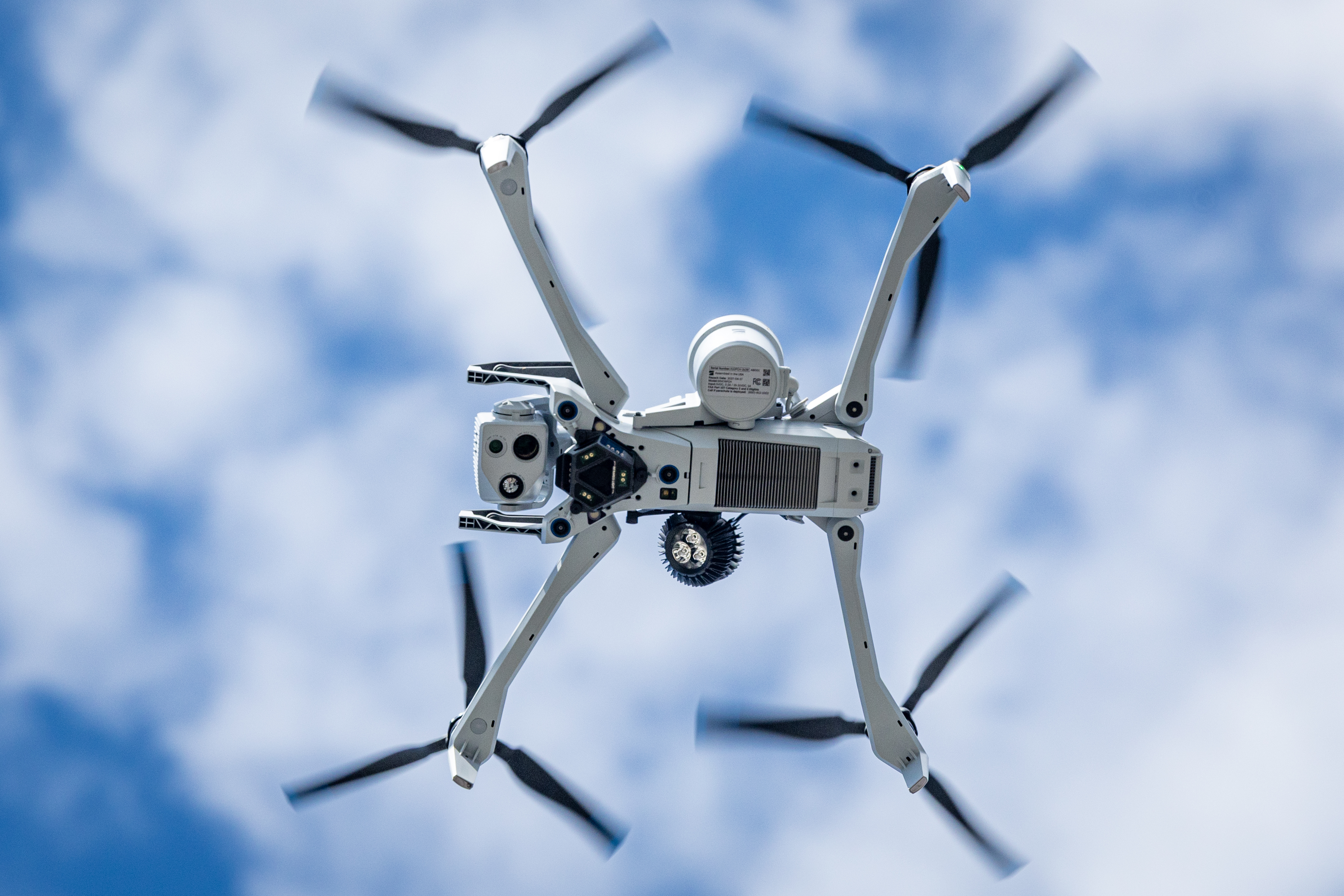
    Andy Block, Lower Merion’s police superintendent, pitched commissioners on Axon’s Drone as First Responder program during a Wednesday budget workshop, describing the technology as a “force multiplier” for the police department that could provide officers with information before they arrive at a crime scene. The department requested $375,000 for a five-year investment in one drone.

    The proposal was met with skepticism from commissioners, many of whom expressed hesitancy about approving funding for the program without strict policies on the books, warning of “mission creep” and privacy violations as anxiety about surveillance technology balloons nationwide.

    What is the Drone as First Responder program?

    Under the program, a drone would be stationed at a dock in Lower Merion and would be automatically launched when 911 dispatchers receive reports of certain incidents, which are classified by codes. Specific codes would release the drone to the site of an incident, a process that would typically happen within 30 seconds of the call coming in, Block said. Once the drone launches, one remote operator, a police officer, would watch the live video feed and evaluate if and where resources should be sent.

    The automated drones differ from Lower Merion’s five existing drones, which require manual setup and launch by an officer once a dispatch is ordered, adding minutes of lag time, Block told commissioners at the budget workshop.

    First responder drones could help officials get ahead on burglaries, missing persons incidents, fires, and area searches, and could evaluate if police are needed at a scene without taking the time and resources to dispatch officers to every call, the police superintendent said.

    Axon, the drone manufacturer, currently provides Lower Merion’s records management system, body cameras, tasers, and in-car cameras. The township moved over to Axon’s systems in January 2025.
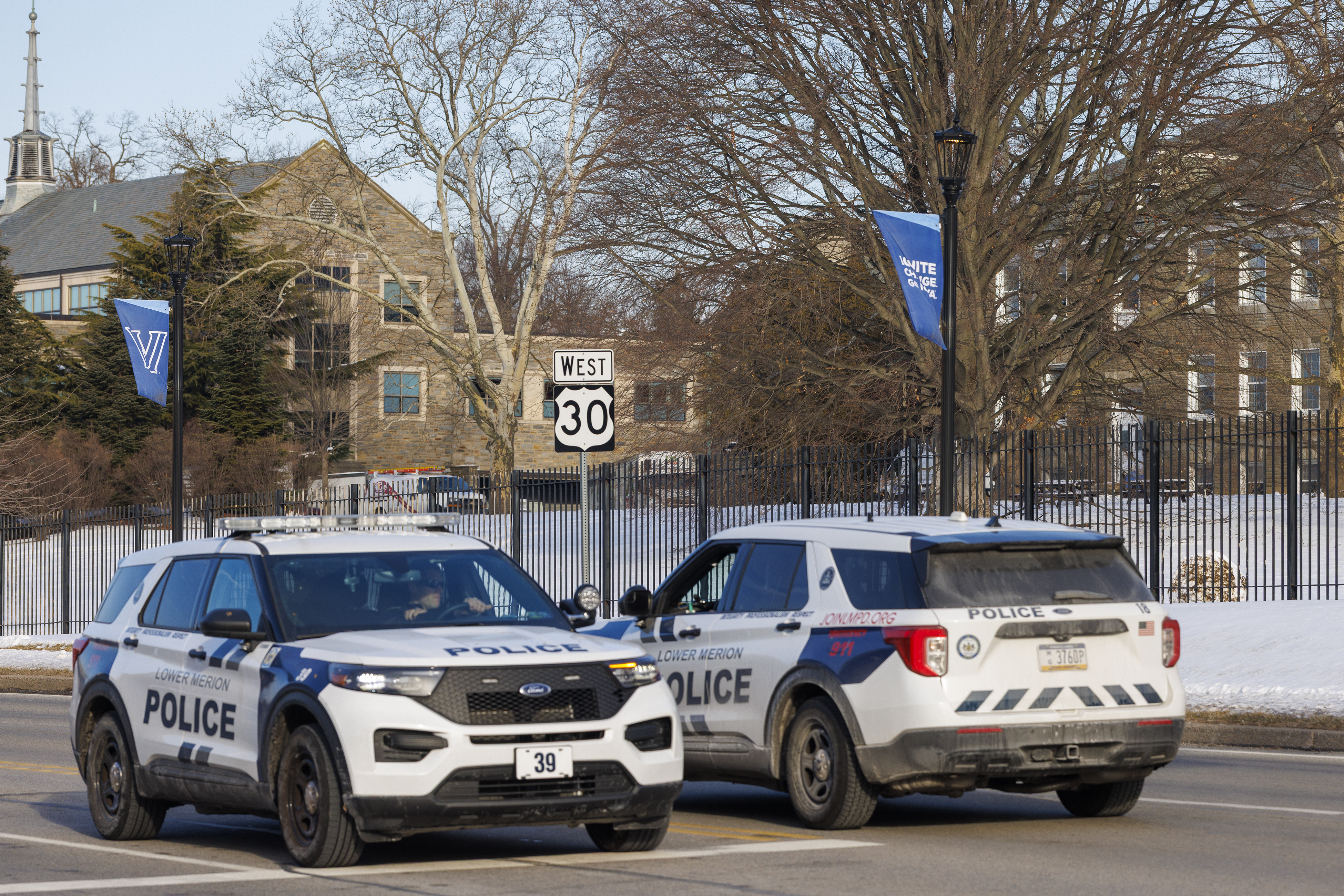
    Lower Merion’s police superintendent has said Axon’s automated drones would improve office response time. Alejandro A. Alvarez / Staff Photographer

    Block described recent incidences where first responder drones could have helped police officers respond more quickly and effectively, including a 2024 Meredith Road home invasion and a recent road rage incident on the Blue Route, which led to a suspect chase in Lower Merion.

    He touted the versatility of the drones, floating their potential use for other purposes, including traffic and code enforcement. The Montgomery County District Attorney’s office confirmed that Lower Merion is legally allowed to use drones for traffic enforcement.

    Bensalem launched a “drone as first responder” program earlier this year, which Block described as a model for Lower Merion, calling Bensalem’s program “very impressive.”

    Concerns over privacy

    The Drone as First Responder program was pioneered by the Chula Vista, Calif., police department, which in 2018 became the first municipal police department in the country to deploy the technology. Between 2018 and 2024, the department’s first responder drones made more than 20,000 flights.

    Since then, the technology has grown in popularity among police departments across the country, with municipalities from Washington to Kentucky signing on. A police department in Missouri said its Drone as First Responder program helped with 12 felony arrests in two months this summer.

    Police in Chula Vista have said the technology improved their response times and helped officers deescalate dangerous situations. Yet an investigation by WIRED found that the drones surveilled poorer residents far more frequently than wealthier residents, and were often dispatched for minor issues like vandalism and loud music, in addition to more serious incidents. All the while, residents who regularly encountered the drones reported “feeling constantly watched.” The Chula Vista Police Department has said its drones do not conduct random surveillance or search for suspicious activity.

    Lower Merion commissioners on Wednesday shared apprehension about the implications for residents’ privacy should automated drones begin traversing the township’s airspace.

    No official vote on the funding was taken at the budget workshop. Commissioners said they would need to see clearer policy guidelines before moving the drone into the budget.

    “Surveillance and privacy is a really big issue right now,” commissioner Maggie Harper Epstein said, adding that the program “would be a tough thing to communicate to the residents of the township.”

    Todd Sinai, the board’s president, warned that “there is a difference” between a police officer piloting a drone toward the site of a potential crime and a drone launching automatically “because someone just called something in, and it flies over the township to get to the site, recording along the way.”

    Many criticized the request to approve funding before putting policy guidelines on the books.

    “Until we see what that policy is, I would be very uncomfortable giving support to this,” commissioner Daniel Bernheim said.

    Block clarified that Lower Merion already has a drone policy in place but would need to update its code to specifically include the automated drones.

    A ‘no-brainer’ for law enforcement

    Not everyone shared concerns.

    Commissioner Charles Gregory called the drone program a “no-brainer” and said that the minutes saved with the automated devices could be the difference between life and death in extreme situations.

    Commissioner Louis Rossman said the program “is a great idea” and “just seems like the future.”

    Rossman referenced a series of residential burglaries in the township, saying the drone program may have been able to assist with apprehending offenders who have “eluded” law enforcement.

    This suburban content is produced with support from the Leslie Miller and Richard Worley Foundation and The Lenfest Institute for Journalism. Editorial content is created independently of the project donors. Gifts to support The Inquirer’s high-impact journalism can be made at inquirer.com/donate. A list of Lenfest Institute donors can be found at lenfestinstitute.org/supporters.

  • Elevated inflation keeps pressure on Fed to raise interest rates

    Elevated inflation keeps pressure on Fed to raise interest rates

    U.S. inflation stayed stubbornly high in August, bolstering the case for the Federal Reserve to raise interest rates at its meeting next week.

    The consumer price index report, released Friday, showed overall inflation remained elevated at an annual pace of 3.4%, after a 0.4% rise from July. “Core” inflation, which strips out volatile food and energy items, rose 0.3% in August, or 2.4% from a year earlier.

    The data is factoring heavily into the Fed’s forthcoming policy deliberations, set for Tuesday and Wednesday. Policymakers stipulated this summer that if inflation did not soon moderate, they stood ready to raise rates. Officials have yet to precisely define what “soon” means, but many have run out of patience.

    The Fed’s preferred inflation gauge is the personal consumption expenditures price index, but officials closely scrutinize the CPI report and other metrics for a comprehensive picture of the backdrop. Core measures are paid the most attention given that they are seen as a reliable way to track how persistent inflation is proving to be.

    Policymakers are also digesting a multitude of new risks. The global price of oil is back up above $100 a barrel as the Iran war continues to disrupt supply. President Donald Trump has reignited a trade war with Canada. And on Wednesday, he vowed to distribute a $5,000 check to every American adult if Republicans keep control of Congress in November midterm elections, a bump to economic activity that could further fuel inflation.

    In the wake of Friday’s data release, traders in federal funds futures markets now see 90% odds that the Fed will raise rates by a quarter of a percentage point next week. Since January, they have stood at a range of 3.5% to 3.75%.

    Raising rates just months before the election would undoubtedly stoke tension with Trump. Last week, the president threatened to halt a broad swath of U.S. trade unless the Fed slashed rates. Cutting borrowing costs is not even under consideration.

    Still, that has not stopped the administration from trying to tamp down borrowing costs using its own tools. Treasury Secretary Scott Bessent has over the past month embarked on a series of interventions to keep a lid on long-term Treasury yields to little success. The 10-year Treasury yield is now trading just shy of 5%.

    This tension no doubt makes the stakes for Kevin Warsh, the Fed chair, exceptionally high heading into the meeting. Late last month, Warsh delivered a closely watched speech at the central bank’s annual conference in Jackson, Wyo., that sought to underscore his commitment to fighting inflation after some doubts had emerged.

    He indicated enough of an openness to raising rates that investors quickly piled on bets that the Fed would raise rates in September. But Warsh last month purposely left vague what specifically would tip him in that direction.

    “Here is my standard: We must be confident that underlying inflation is moving to our objective, clearly and at sufficient speed,” he said. “Otherwise, we have work to do.”

    What Warsh is trying to avoid is a redux of the reaction he faced after the Fed’s last meeting in July. Then, he failed to provide sufficient reasoning for standing pat and sowed confusion about how he planned to make good on his pledge to return inflation to the 2% target.

    Warsh’s job as chair next week will be to corral his colleagues, while also providing a clear-cut rationale for whatever decision is ultimately made.

    There is already a group of policymakers who support higher rates on the basis that the Fed’s current policy settings are not restraining demand. Higher rates would not only expedite the return of 2% inflation, they argue, but also ensure that expectations about inflation do not suddenly shift higher.

    The counterargument to raising rates rested on the assumption that inflation was going to decelerate in the latter half the year, giving the Fed flexibility to hold off on taking action. John C. Williams, who as president of the Federal Reserve Bank of New York is vice chair of the policy-setting committee, espoused this view, arguing that policy was in a “good place.” Still, he made clear that he would support higher rates if the data did not cooperate.

    Christopher J. Waller, a Fed governor, also recently suggested that he was inclined to hold rates steady next week, but only if inflation continued to cool.

    August’s data challenges the narrative that inflation is indeed cooling in a timely way.

    One closely watched subset of the CPI report is called supercore inflation, which tracks prices of services excluding energy and housing. It accelerated to 0.5% in August and is up 3% from a year ago.

    Energy prices were a big driver of overall inflation. Gasoline costs were up 3.9% in August. Prices for fuel oil, which is used to heat homes, jumped even more, at 10.1%. That also helped to drive a rise in airline fares, which jumped 2.7% in July. Compared with the same time last year, they are up nearly 25%.

    The impact of Trump’s initial round of tariffs, however, seems to have faded. Goods prices appear to have stabilized after last year’s shocks. Household furnishings are up less than 1% since this time last year. Apparel prices were up 3.6% over the year, but were flat in August compared with July. Still, these prices were recorded before Trump’s latest round of punishing tariffs on Canadian imports.

    This article originally appeared in The New York Times.

  • Isao Harimoto, Hiroshima survivor and a baseball star in Japan, dies at 86

    Isao Harimoto, Hiroshima survivor and a baseball star in Japan, dies at 86

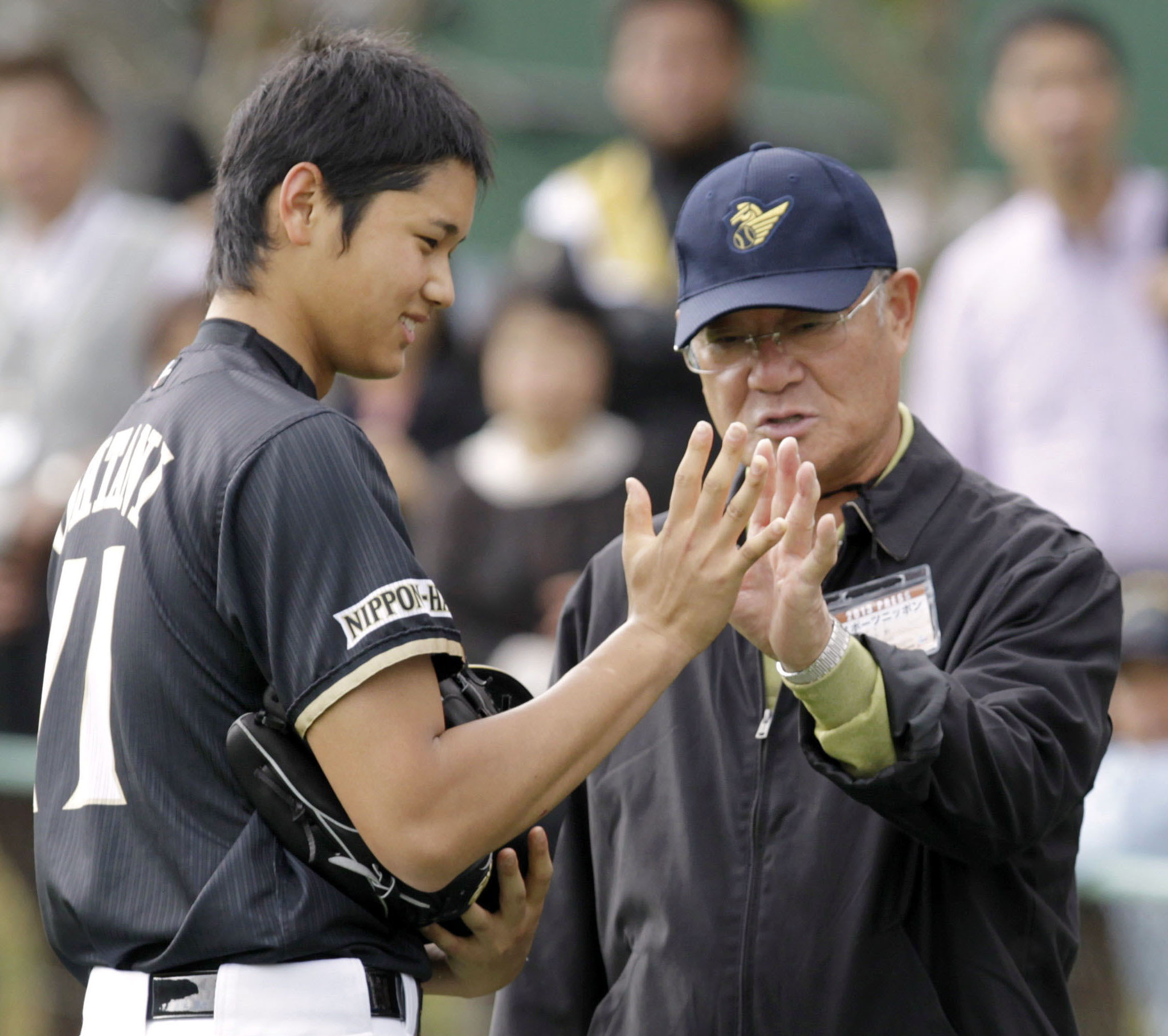
    Isao Harimoto, who survived the Hiroshima atomic bombing as a child and went on to have more hits than anyone else in the history of Japanese baseball, died Wednesday in Tokyo. He was 86.

    His death, in a hospital, was announced by the Meikyukai, or the Golden Players Club, one of Japan’s baseball halls of fame. No cause was given.

    Mr. Harimoto earned the nickname Hit Machine for collecting a record 3,085 of them in a long career than stretched from the late 1950s to the early ’80s. He won seven league batting titles.

    He was the only player to collect 3,000 hits in Japan. (Ichiro Suzuki had 4,367, but more than 3,000 came after he moved to the American major leagues.)

    But Mr. Harimoto was far from a slap hitter; 504 of those hits were home runs, putting him seventh on the all-time list for Japan. He also stole 319 bases, won an MVP award, and was an 18-time All Star.

    After his time as a player, he became an outspoken commentator on the game.

    Isao Harimoto was born on June 19, 1940, in Hiroshima, Japan, to Korean parents who had emigrated the year before. His Korean name was Jang Hun. His mother, Pak Sun Bun, was a cook and his father, Jang Sang Jeong, sold scrap metal and various secondhand items from a cart.

    Harimoto was 5 when the atomic bomb was dropped on the city, about a mile and a half from where he lived. “There was a flash and an enormous roar,” he told the Chugoku Shimbun newspaper in 2011. “The next thing I knew, my mother was shielding me and my sister, three years older, with her body, though her back was covered in blood due to flying shards of glass.”

    The event was not frequently discussed in his home. “My mother wanted to forget; I think she wanted to completely erase her memories of that day,” he told the Mainichi, a Japanese English-language newspaper, in 2020. He lost a sister, Jang Jeom Ja, in the bombing, and his mother burned all photographs of her, he said. He himself did not discuss the cataclysm publicly until well after his baseball career.

    He was proud of his Korean heritage despite being bullied for it as a child and facing prejudice during his career.

    “A lot of ethnic Koreans in Japan assimilate into Japanese society,” said Robert Whiting, author of You Gotta Have Wa (1989), the definitive book in English about Japanese baseball. “Harimoto did not. He talked about the fact that his mother never spoke Japanese in the house, and he was very proud of that fact.”

    Mr. Harimoto was also critical of other athletes in Japan with Korean backgrounds who hid their ethnicity. Only late in life did he become a Japanese citizen.

    He burned his right hand in an accident as a young child, an event that contributed to his becoming a left-handed hitter when he took up baseball in fifth grade. Despite his talent, he lost a few chances at places on top high school teams because of a reputation as a troublemaker, deserved or not.

    In 1958, he visited South Korea for the first time with a team of Korean Japanese high school students. He met his grandparents and later said he truly connected with his Korean roots for the first time.

    His rigorous, disciplined approach to batting, and an ability to consistently hit up the middle, soon brought him to the top leagues. In 1959, playing with the Tokyo-based Toei Flyers, he hit .275, good enough to be named rookie of the year. He got much better over the next two seasons, hitting .302, and then .336. He played left field, and fielding was not his strong suit, but as a hitter, he performed strongly and consistently for two decades.

    Many of the teams he played on were not among the elite in the Japan leagues. He was part of a Japan Series-winning team only once, in 1962, when his Flyers beat the Hanshin Tigers in seven games. That was also the year he was named the Pacific League’s most valuable player. (The Flyers adopted their current name, the Nippon Ham Fighters, during his time with the team.)

    Mr. Harimoto’s most spectacular season was 1970, when he hit .383 with 34 home runs and 100 RBI, all career highs.

    He was a large player by the Japan leagues’ standards at the time, listed at 5 foot 11 and 187 pounds. And he was not afraid of players, American or Japanese, who were bigger still. “If there was a brawl on the field, he was always in the middle of it,” Whiting said. “He was a scary guy; no one wanted to fight him. He wasn’t afraid to show his temper and challenge people on the field.”

    Despite Mr. Harimoto’s batting success, he never could shake a reputation in Japan for being a bit of a bad boy. He enjoyed a drink and was involved in a few fights.

    He moved on to the Yomiuri Giants in 1976 and the Lotte Orions in 1980. He retired after the 1981 season at 41.

    After his playing days were over, Harimoto became a commentator on the game with a reputation for saying what he thought. “He didn’t seem to have a filter,” Whiting said. “He was very protective of the Japanese game and critical of players who went to the States to play, thinking they should be loyal to the Japan leagues.”

    Harimoto worked for the Korea Baseball Organization and helped establish that country’s national league in 1982, though he later split with the group over slights he believed he received.

    Speaking out against nuclear weapons was also a big part of his later life. “Which is more important: protecting human lives or holding on to nuclear weapons?” he asked in the Chugoku Shimbun in 2011. “These two things are poles apart. It’s inhuman to permit the existence of weapons that can annihilate people in an instant, when they’re just trying their best to live.”

    This article originally appeared in the New York Times.

  • Women’s hoops fans celebrate Unrivaled’s return as ticket sales outpace last year’s record-breaking Philly event

    Women’s hoops fans celebrate Unrivaled’s return as ticket sales outpace last year’s record-breaking Philly event

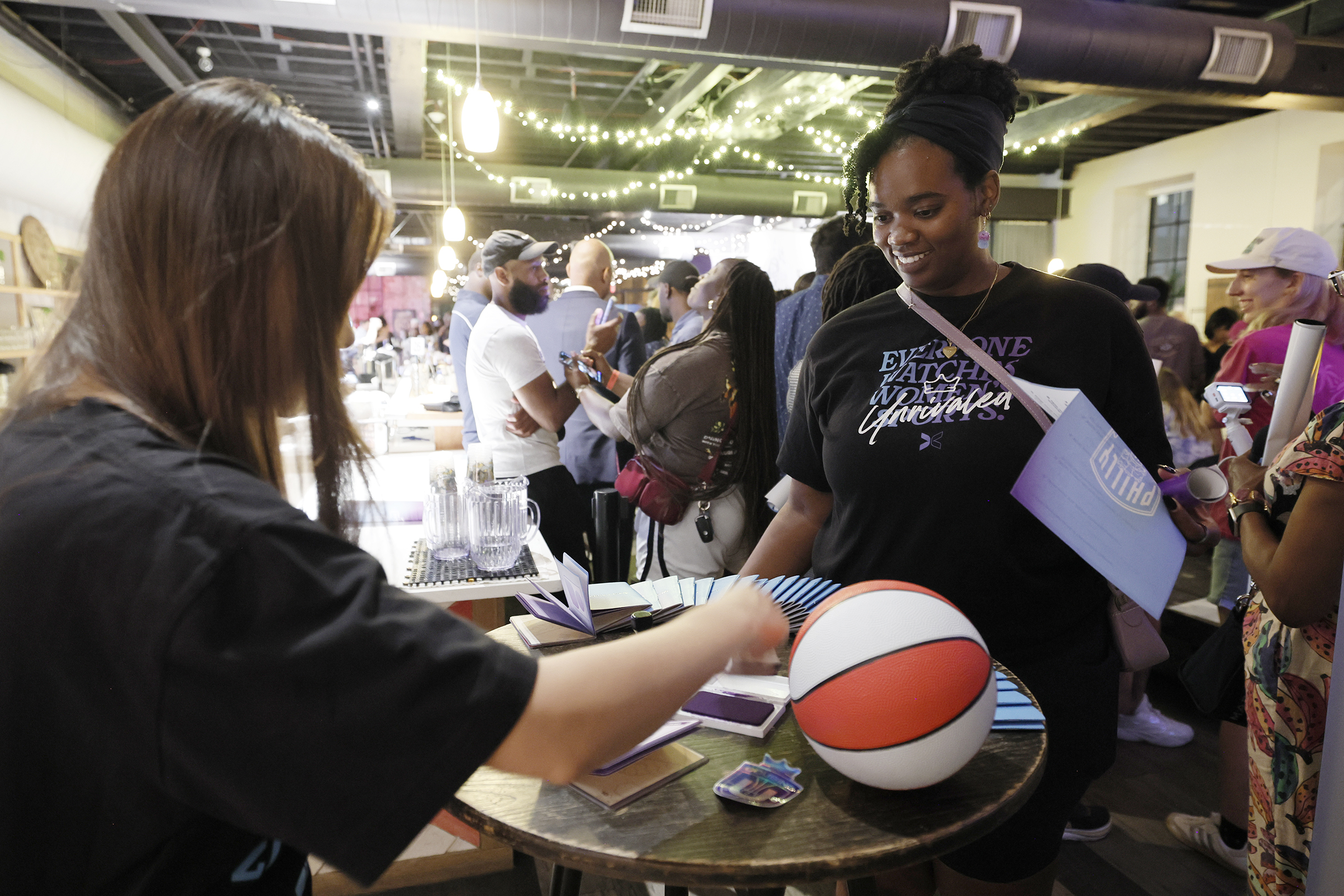
    Seven hours after Unrivaled announced its return to Philadelphia on Thursday, the city’s diehard women’s basketball community was lined up around the block at Dock Street South for a celebratory block party. The event was hosted by Unrivaled, the women’s professional three-on-three league that serves as a second season for several WNBA stars.

    After a record-setting first go-around at Xfinity Mobile Arena, Miami-based Unrivaled is expanding its presence in other cities. Philly will be the third stop on the league’s 2027 bus tour, and one of eight cities outside of Miami that will host games next year.

    “Obviously, tens of thousands of people are going to buy tickets, but to see the people pull up in their Unrivaled gear, waiting in line, it speaks to how diehard their fandom is,” Kirby Porter, chief brand officer at Unrivaled, said. “For us, we want to do things that are engaging fans in digital, but especially in real life, which is I think even more long-lasting.”

    Porter said that Unrivaled’s internal data showed that the Northeast is one of their strongest markets, and all three of the announced stops — in Boston, New York, and Philly — are in the region. Unrivaled wants to “fill the gap” in Boston and Philly, two cities that are not currently home to WNBA franchises, which leads to a large fan appetite for live women’s events.

    Katie Chen (left) stamps the Unrivaled passport for Ren Gaines, of Pennsauken, during Thursday’s Unrivaled party.Elizabeth Robertson / Staff Photographer

    Unrivaled, in collaboration with Xfinity, handed out freebies, including fan passports, which could be completed with an Unrivaled trivia game to win a free poster.

    Ticket sales for Unrivaled’s return are already trending above the 2026 stop, according to Ashley Lunkenheimer, the vice president of the Philadelphia Sisters. In addition to helping bring a WNBA team to Philly in 2030, the Sisters helped secure the city as Unrivaled’s first tour stop and bring it back. After setting a venue record and a record for pro women’s basketball, they’re setting their sights on raising the ceiling even higher.

    Thursday was a huge start. About 250 fans came out to celebrate the league’s return, including Mayor Cherelle L. Parker, one of the biggest supporters of bringing Unrivaled to Philadelphia. She led a spirited cheer of “Philly is Unrivaled” to kick off the evening.

    Ashley Lunkenheimer (left) is the vice president of the Philadelphia Sisters, the women’s sports advocacy group that has played a major role in brining the WNBA, Unrivaled, and more to the city.Elizabeth Robertson / Staff Photographer

    “People that I didn’t know — man, woman, young, old, didn’t matter — were coming up to me and saying that Unrivaled was one of the best sporting events they’d ever been to,” Lunkenheimer said. “Everybody who didn’t go, they had FOMO.”

    Last year’s games brought out celebrities like Dawn Staley, Kylie and Jason Kelce, Kyle Lowry, Robin Roberts, and Leslie Jones, while big-name players like Paige Bueckers, Marina Mabrey, and locals Natasha Cloud and Kahleah Copper were on the court.

    If you want to avoid any FOMO after next year’s event, you can get tickets here.

  • Local brewery admits to late paychecks, pays nearly $583,000 to workers

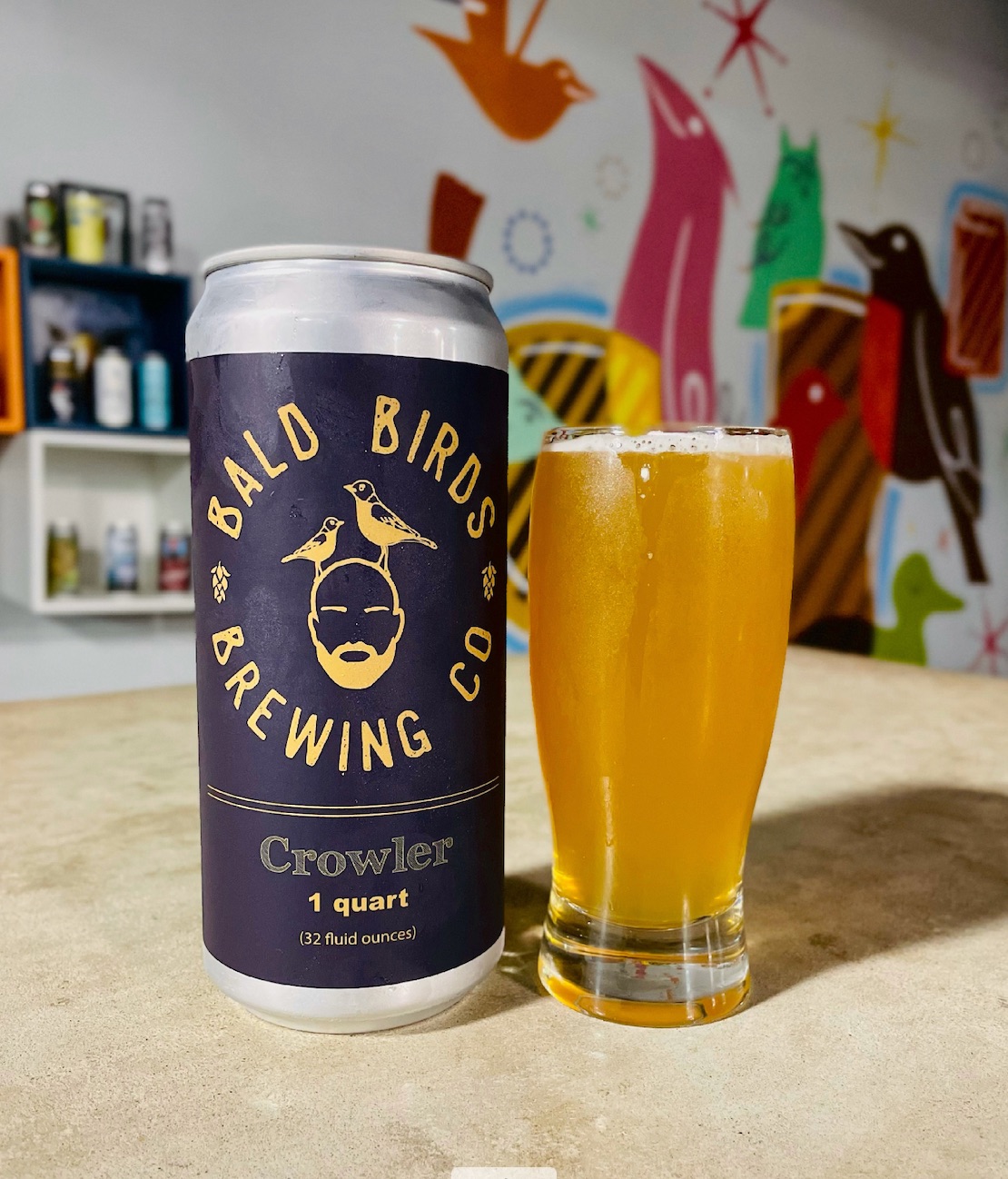
    Local brewery admits to late paychecks, pays nearly $583,000 to workers

    State regulators on Thursday announced that Bald Birds Brewing Co. violated state wage law at its Montgomery County and Lycoming County locations, and that the state recovered what amounted to several thousand dollars per worker.

    But the brewery is taking issue with that description, contending that it voluntarily paid back staff after a payroll delay.

    Gov. Josh Shapiro’s administration says it recovered more than $500,000 in wages and an additional more than $64,000 in damages for Bald Birds workers through an investigation by the Pennsylvania Department of Labor & Industry.

    Brewery owner Joey Feerrar said the business made those payments without “any enforcement action,” and “calculated the penalties itself.” Feerrar says the department “did not recover anything.”

    All this took place during what seems to have been a time of change for Bald Birds. The company closed its taprooms in Audubon and King of Prussia over the summer, as it refocuses on manufacturing and distribution, according to the website Breweries in Pennsylvania. That work is done through a partnership with Yards Brewing Co. and Connecticut’s Two Roads, called B3 Beverage Co.

    “There was no agreement. No settlement, order, or payment plan was ever proposed or signed,” Feerrar said in a statement.

    State regulators said they started receiving complaints from Bald Birds workers in January. They directed the company to pay the late wages in August and the company did so a few days later, a department statement said.

    “After reviewing the complaints and conducting an audit of the employer’s records, L&I determined Bald Birds Brewery failed over the course of several months to pay employees on time,” the statement reads.

    The total paid was nearly $583,000 to 124 workers including wages and damages. Under the state’s wage law “liquidated damages may be assessed when wages remain unpaid for more than 30 days beyond a regularly scheduled payday,” according to L&I.

    The state said many workers went five weeks without paychecks.

    A state announcement Thursday put the total at nearly $650,000, but the Department of Labor & Industry corrected its own statement Friday.

    “The Department’s irresponsible description of these events has had an immediate and significant impact on the company, including jeopardizing the livelihood of every employee they claim to be championing,” Feerrar said in a statement.

    “We worked in good faith and transparency with the Department, striving to do the right thing in a difficult situation, and that diligence was erased in a few keystrokes,” Feerrar said

    Bald Birds Brewing Company got its start in 2018 with a location in Audubon. Owner Feerrar joined the B3 partnership with Yards last year.

  • Prosecutor leading probe into Trump foes resigns, vows investigation will continue

    Prosecutor leading probe into Trump foes resigns, vows investigation will continue

    The top prosecutor leading a wide-ranging conspiracy investigation into President Donald Trump’s political foes resigned Thursday afternoon.

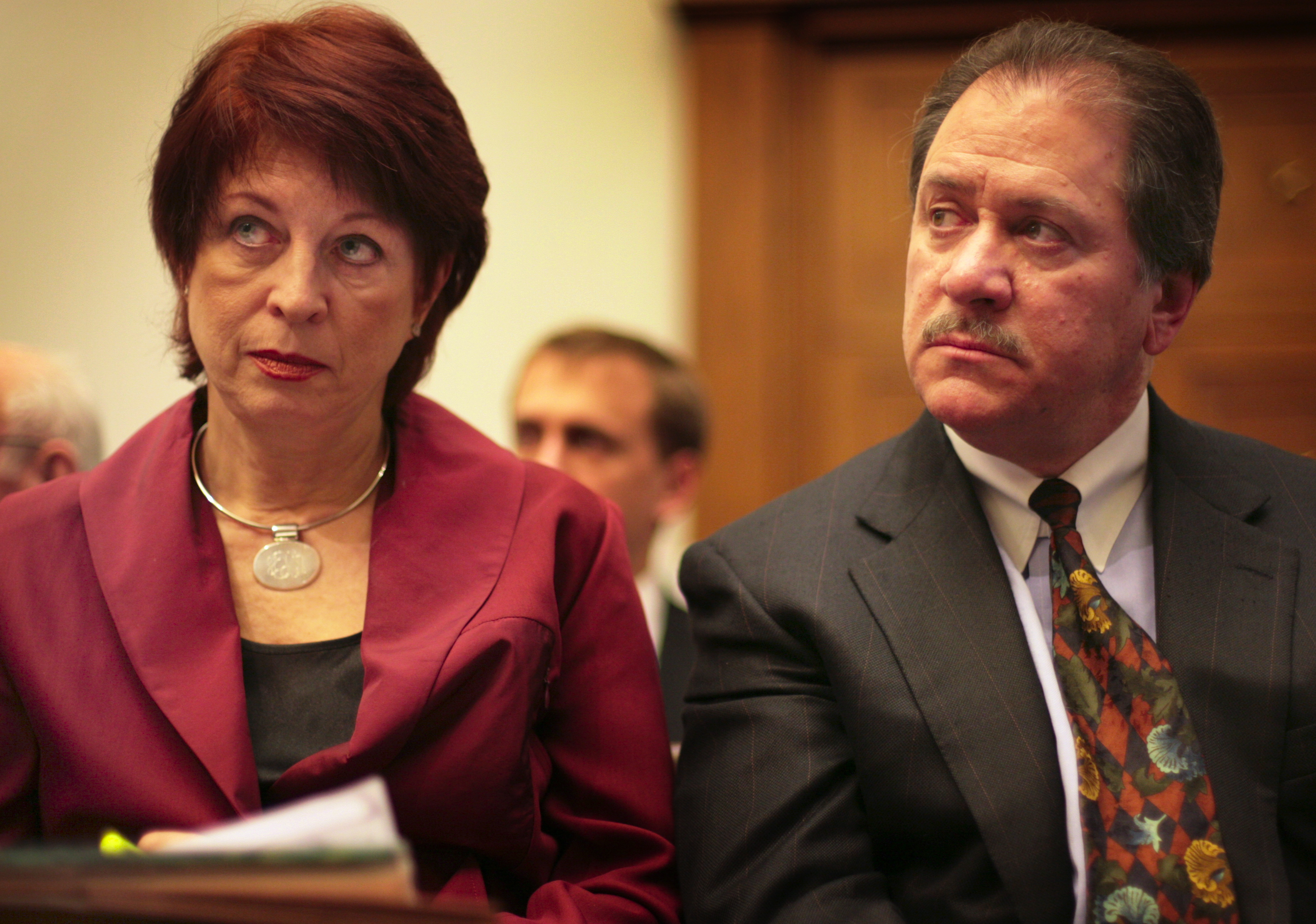
    Joseph diGenova — a Trump loyalist who has pushed a baseless theory that the FBI was out to get Trump during his 2016 campaign — told the Washington Post that he has submitted his resignation papers to Attorney General Todd Blanche amid disagreements over the pace of the investigation.

    He did not elaborate on what specific disagreements led to his sudden departure at what appears to still be an early stage of the high-profile investigation.

    DiGenova’s wife, Victoria Toensing, an attorney who was brought in as part of the prosecution team alongside him, was expected to resign Friday, diGenova added.

    “It was a privilege and an honor to serve the [Justice] Department and president,” diGenova said in a brief interview, noting that the probe would continue after his departure.

    DiGenova’s departure comes as the Trump administration has put pressure on the Justice Department to prosecute the president’s political foes. Trump repeatedly expressed frustration with former Attorney General Pam Bondi’s pace — and limited success — in overseeing efforts to target his rivals.

    The president fired Bondi in April.

    DiGenova added Thursday evening in a text that he believed there was evidence to build cases in the conspiracy probe, but said “time was needed to build those cases” and “people differ on how long that should take.”

    ABC News first reported on his resignation. The Justice Department did not immediately respond to a request for comment. Toensing confirmed that she would be resigning, but declined to comment further.

    DiGenova, a former U.S. attorney for the District of Columbia, has suggested without evidence that an FBI investigation into potential ties between Russia and the 2016 Trump campaign was a hoax perpetrated to keep Trump from becoming president. He was tapped in April to lead the conspiracy investigation, among the biggest and most legally complicated that the Justice Department is pursuing as part of Trump’s vow to prosecute his political enemies.

    The investigation, which is based in Florida, hinges on an unusual and untested legal theory: that previous administrations conspired for years to violate Trump’s rights through a series of investigations, beginning with the Obama administration’s scrutiny of ties between Russia and the 2016 Trump campaign.

    The probe is looking in part at the decade-old actions of former Obama administration officials, including former director of national intelligence James R. Clapper Jr. and former CIA director John Brennan, who played significant roles in investigating the possible Russia ties.

    So far, prosecutors have issued a flurry of subpoenas but have not issued any indictments, according to people familiar with the probe, speaking on the condition of anonymity to discuss an ongoing investigation.

    DiGenova, 81, was U.S. attorney during the Reagan administration and later served as a lawyer for the Trump campaign. He was brought into the Justice Department this year specifically to work on the sprawling conspiracy investigation in Florida, landing the job after publicly lobbying for it.

    In an interview this summer on the podcast of former Trump lawyer Rudy Giuliani, diGenova claimed that Trump’s decision to fire Bondi was at least in part tied to a lack of progress on the investigation into Brennan as part of the conspiracy probe.

    “The president was ripping mad about the fact that there was no progress on the lawfare investigation in Miami,” diGenova said. He was hired weeks after Bondi’s firing.

    DiGenova took over the investigation from a career national security prosecutor in South Florida, Maria Medetis Long, who left the case after expressing discomfort with its direction, the Post previously reported.

    While diGenova headed the operations of the probe itself, it falls under the broad jurisdiction of Jason Reding Quiñones, the Senate-confirmed prosecutor who runs the U.S. attorney’s office in South Florida. DiGenova said he expects Quiñones to continue pushing forward with the inquiry.

    “I am sure he will continue the investigation vigorously,” he said.

  • Meta’s new AI logo looks like an AI version of Mural Arts Philadelphia’s logo

    Meta’s new AI logo looks like an AI version of Mural Arts Philadelphia’s logo

    Meta released its new personal AI agent on Tuesday and named it Muse (like this bot is going to inspire humanity to write the next great tragedy and not relegate us to become the lead characters in one).

    Of course, Muse could refer to the act of thinking about something very carefully, but that would be even more ironic, given that some experts in the field have sounded alarm bells that AI is advancing faster than humanity is prepared for.

    Admittedly, I didn’t hear about the launch until two days after its release (I’m not a tech reporter and still keep a paper calendar), but I was surprised by how it did come to my attention.

    In a post on Threads, user @rpennone pointed out how similar Muse’s stroke-like “M” logo is to the logo of one our city’s most beloved institutions, Mural Arts Philadelphia.

    View on Threads

    I pulled up the two logos on my computer, put them side-by-side, and it painted a pretty clear picture.

    Part of our DNA

    Typically an “M” is two sets of arches, sometimes with a little rat tail on the upper left side for flair. But both of these Ms have three peaks and valleys with little rat-tail flairs at both ends. Granted, Muse’s logo is blue, while Mural Arts’ is typically purple (though like Gritty’s belly button, it can change colors), and the former’s logo also has more fluid lines, while the latter’s are more rigid. Still, the resemblance is enough to make you go “hmm…”

    View on Threads

    Given how much people are worried about AI copying everything we create, this isn’t going to help the situation. Maybe nobody outside of Philly would catch it, but Mural Arts is a part of the very fabric of this city, part of its DNA, and someone here was bound to notice the similarity and defend its honor. Nobody paints our baby into a corner.

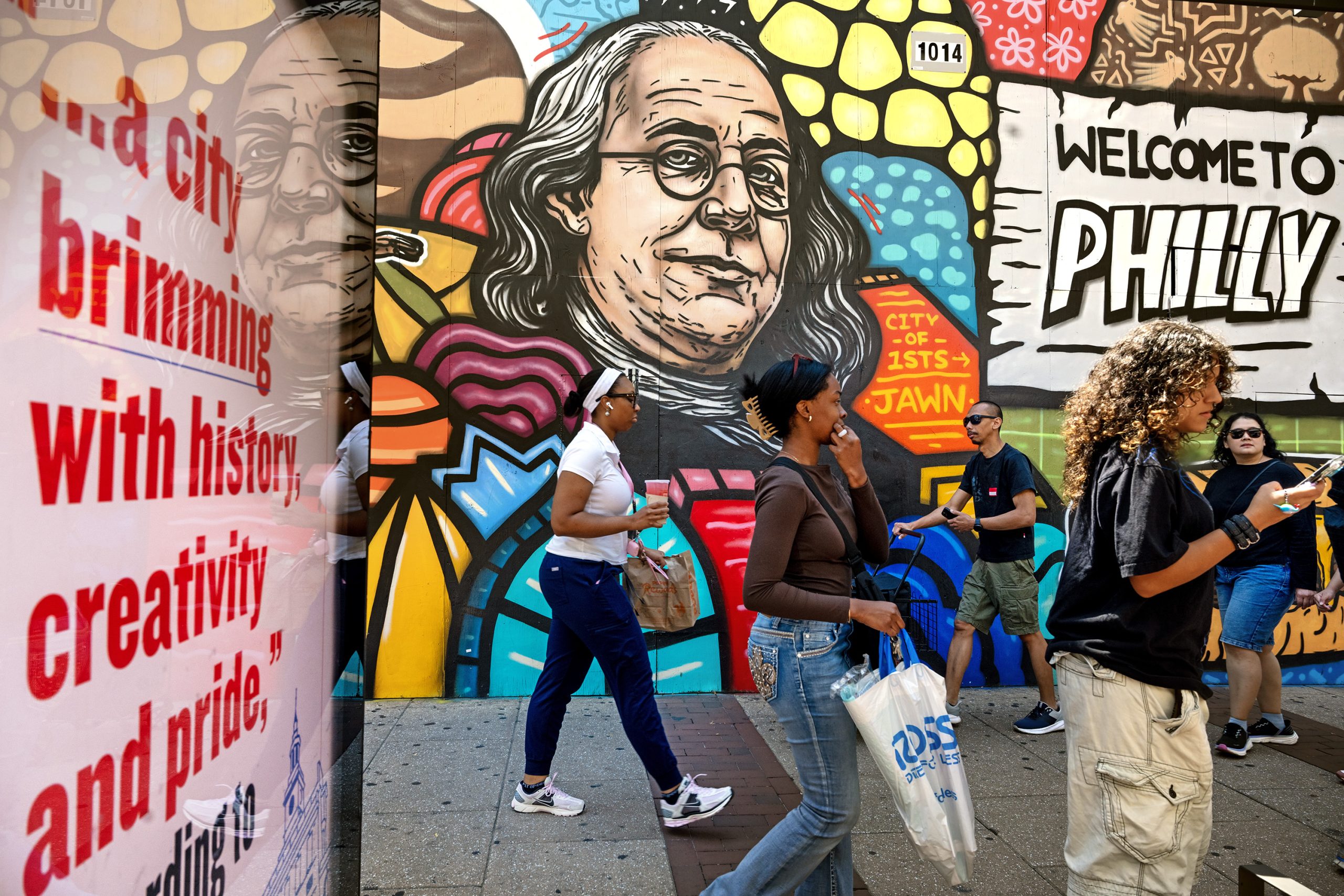
    The 150-foot “Welcome to Philly” mural by artist Alloyius McIlwaine on the 1000 block of Market Street. The mural was a collaboration between Mural Arts Philadelphia, the Center City District, Comcast, HBSE, and the ownership group of the 76ers.Tom Gralish / Staff Photographer

    For its part, Mural Arts was very diplomatic about the matter. Spokesperson Frank Luzi told me there’s no concern on the nonprofit’s part about copyright infringement and there are no plans for legal action.

    “They feel like they are two very different organizations,” he said.

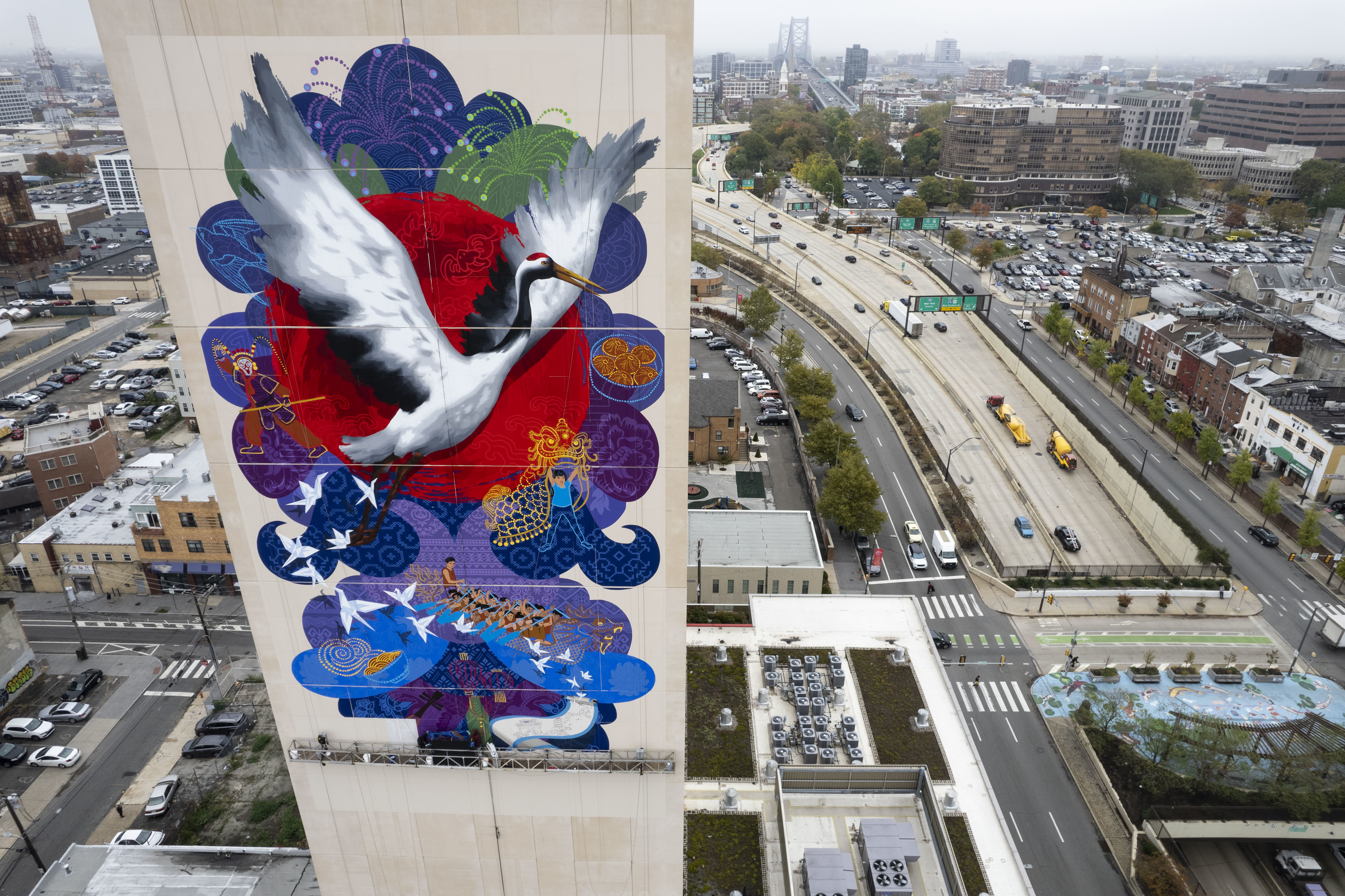
    Designed by artist Chenlin Cai, “The Past Supporting the Future” mural in Chinatown was collaborative project by the Philadelphia Chinatown Development Corporation, Mural Arts Philadelphia, and the Philadelphia Housing Development Corporation.Monica Herndon / Staff Photographer

    ‘Definitely a resemblance’

    Here’s the interesting thing, Muse’s logo was designed by a human who “cut my creative teeth in Philadelphia,” according to her website.

    Jessica Hische is a lettering artist and author specializing in “typographical work for logos, film, books, and other commercial applications,” whose previous clients include companies like Target and Hallmark and people like Barack Obama and Wes Anderson. Based in Oakland, Calif., she graduated from Temple University’s Tyler School of Art and Architecture in 2006 with a bachelor’s degree in design and illustration.

    I reached out to ask her about the similarities in the logos. In an e-mailed statement, she said Meta contacted her after doing its own sketch of an M inspired by a pen stroke or scribble. She said she refined the design by “playing with the stroke angles, end treatments, and vertical rhythm.”

    Hische sent me a screenshot of the “M” Meta provided her and 30-plus variations she worked on until she landed on the final version.

    I had to squint pretty hard to detect the differences, but lettering isn’t my field of expertise. Meta’s initial version does look more rigid and even more like Mural Arts’ logo, while Hische’s is more fluid.

    Mural Arts Philadelphia lead teaching artist and muralist Jamee Grigsby (left) and an apprentice continue painting a mural focused around what accessible justice looks like, at the Mayfair Athletic Club in Russo Park on Edmund Street in Philadelphia on July 30, 2024.Elizabeth Robertson / Staff Photographer

    Hische said she was familiar with the Mural Arts program from her time in Philly but hadn’t seen its logo, which was created by J2, a Philly-based branding company, and debuted in 2016.

    “There’s definitely a resemblance (and it would have been even closer had we landed on the brushier versions of the “M” I had explored!) but ultimately what Meta hired me to do was to make the mark they had created less rigid and more fluid,” Hische wrote. “The rigidity, regularity, and perfect symmetry are defining qualities of the Mural Arts M (along with the brush stroke treatment), and it’s a great logo.”

    Common threads

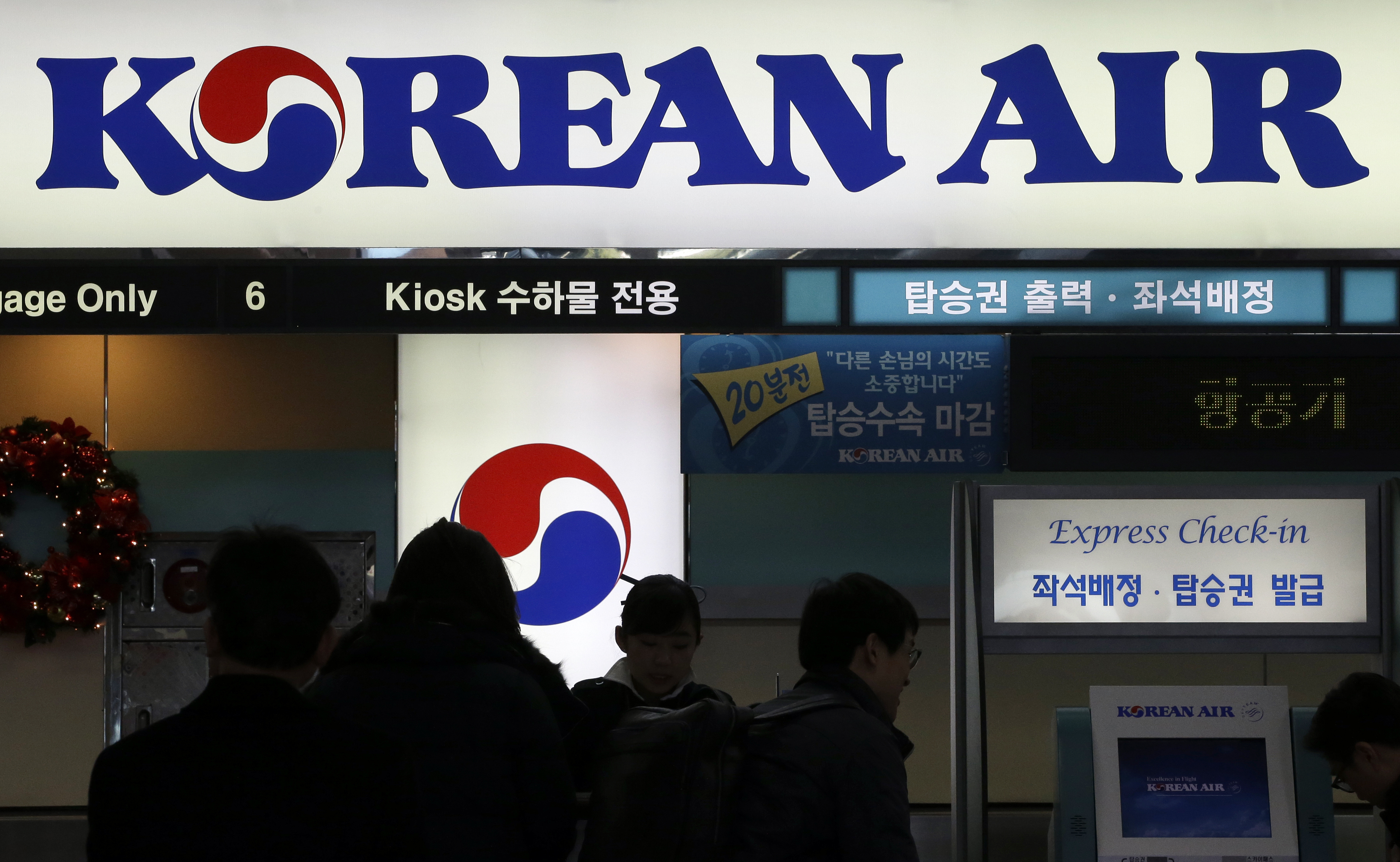
    I appreciated Hische’s response and recognition of the resemblance. It’s not the first time logos have looked similar (Korean Air’s logo looks more like the Pepsi logo than the Pepsi logo does). It’s unclear where or how Meta came up with the original “M” logo Hische was asked to fine-tune. Meta did not return my requests for comment.

    The logo for Korean Air bares an uncanny resemblance to Pepsi’s logo. Lee Jin-man

    Later in the day, I saw Hische was catching flak online from people in her field for a completely different reason.

    Because the digital world is a creepy stalker, as I was scrolling on Threads that evening, my feed suddenly become flooded with posts about Hische from people I don’t follow. Users on Threads — which is owned by Meta — were both condemning her for working on Meta’s AI project and defending her for working on it. Hische also penned her own nine-part Thread explaining her rationale, which includes the line “I have literally been touching grass more because of AI” and ends with a pitch for her latest children’s book.

    I couldn’t help but wonder if this is right where Threads wanted me to end up. Why did that initial post about the logos from someone I didn’t follow pop up in my feed? Why did it also end up in the feed of an editor who sent it my way, confirming for me I should write this piece?

    I thought I was pulling a thread, but maybe Threads was pulling me all along.

  • Beauty brand Dove is picking up the tab at South Street’s Marsha’s this Saturday. Here’s why.

    Beauty brand Dove is picking up the tab at South Street’s Marsha’s this Saturday. Here’s why.

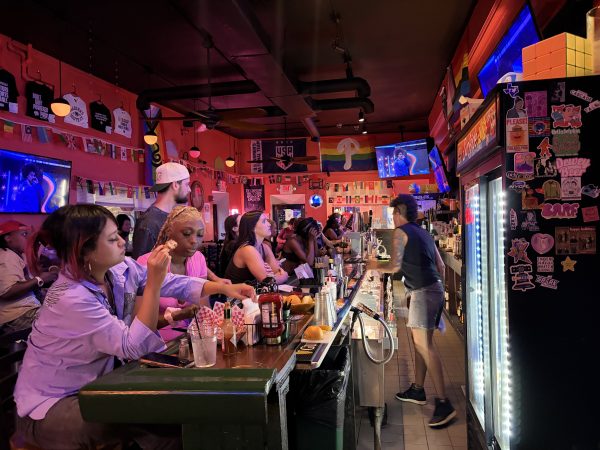
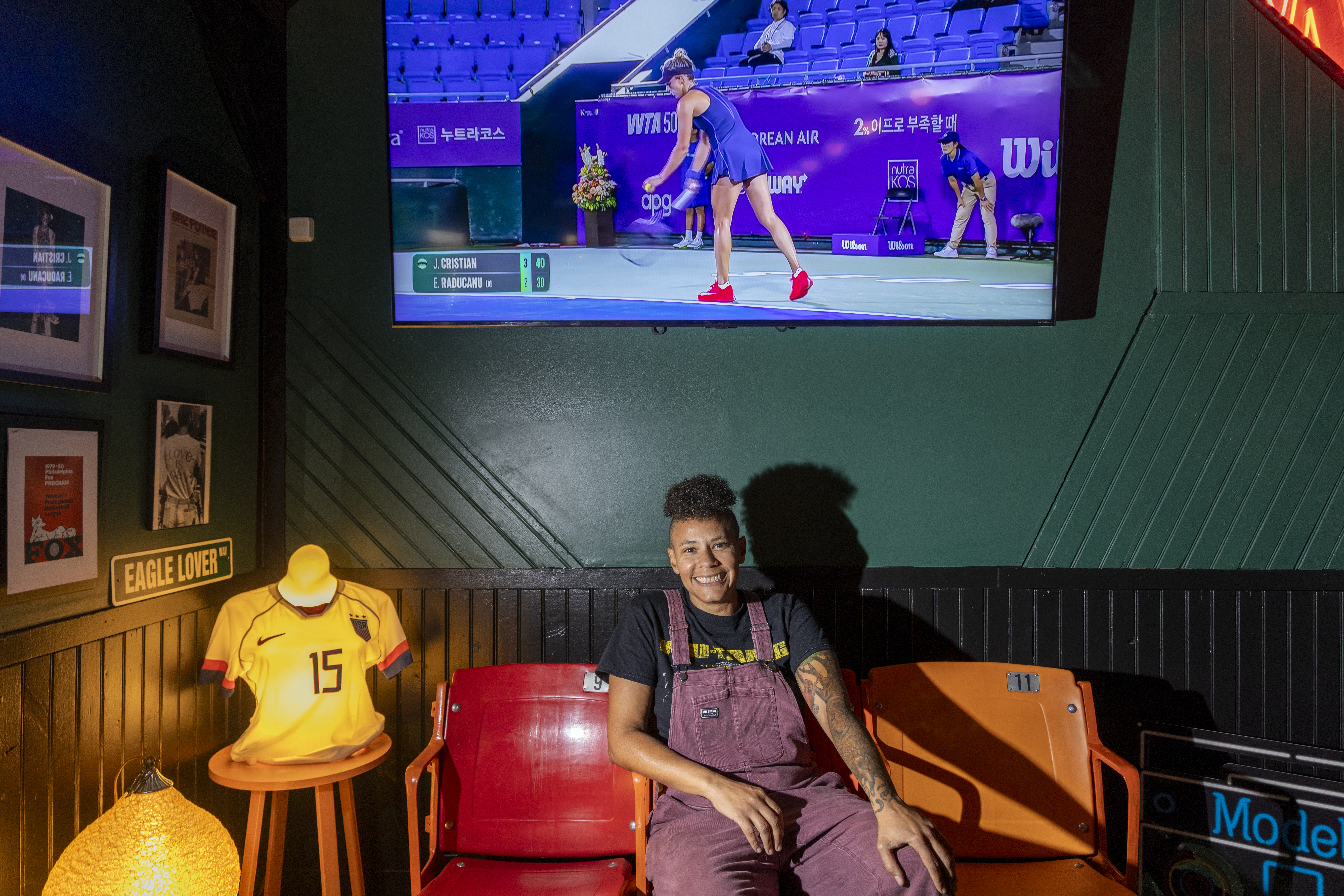
    Nearly a year after its opening, Marsha’s, Philly’s only female-centric sports bar, is gathering staff and supplies to celebrate a partnership that the owner, Chivonn Anderson, says is “definitely a first.”

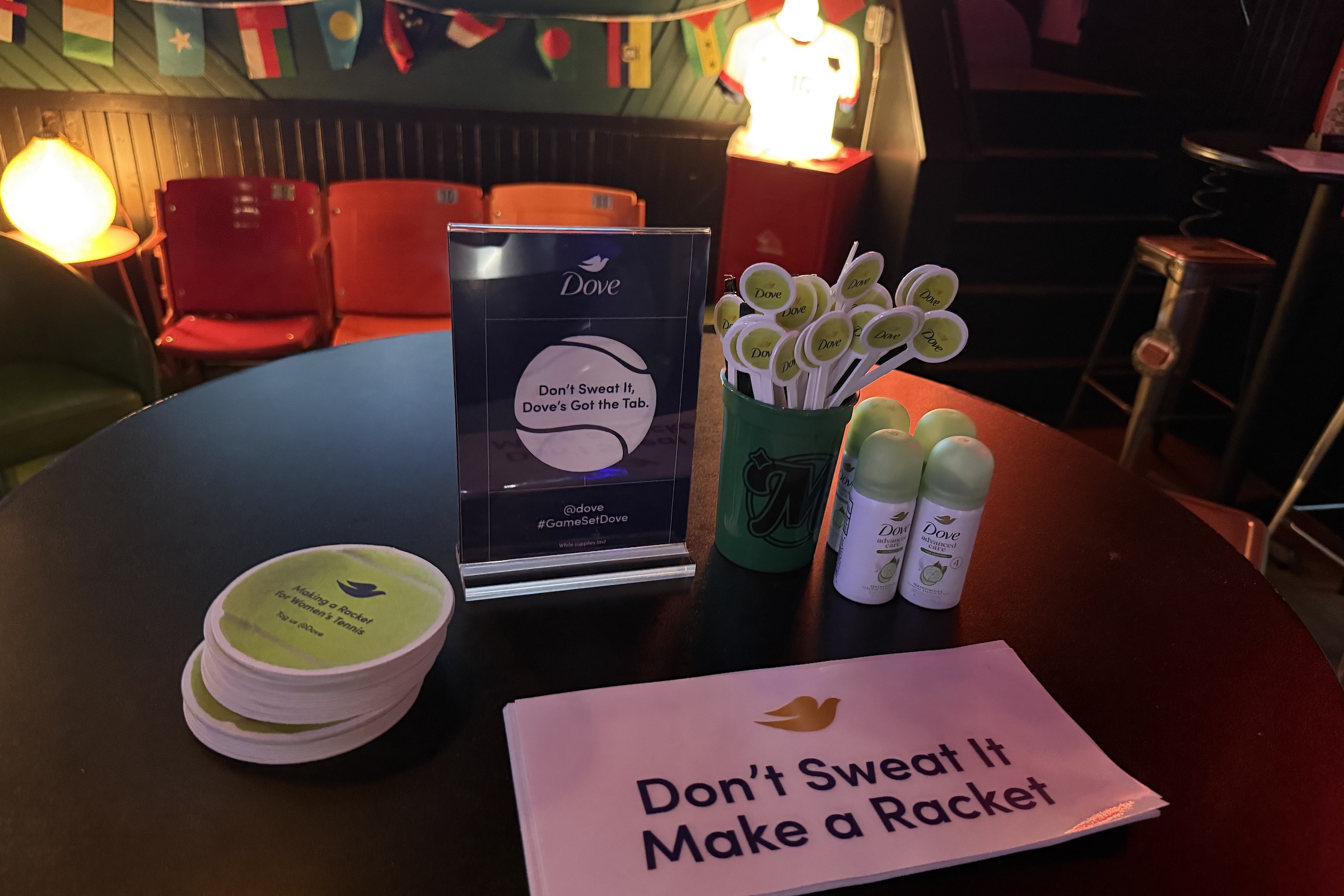
    Dove, a national sponsor of the U.S. Open, is picking up the tab at 10 women-owned sports bars around the country during the U.S. women’s singles final this Saturday. Dove will pay for all food and drinks at the South Street bar during the game, or until supplies last, and will also be doing complimentary giveaways. For Anderson, the campaign is a dream come true.

    “When I received an email from Dove’s PR company saying that they were looking to partner with women’s sports bars, we were just taken aback,” Anderson recalled. “Between 4 [p.m.] and 7 p.m., they’re going to pick up the tab for everybody that’s in the bar watching the finals, which is insane and amazing.”

    Marsha’s owner Chivonn Anderson says she was surprised that her bar was picked as one of several that will take part in Dove’s promotion. Melissa Lyttle / For The Inquirer

    Marsha’s is preparing to be busy. Anderson has been gathering a full staff to help things flow as smoothly as possible. The bar will still open at noon, so patrons hoping to grab a seat for the game should plan to arrive early. Anderson says that “People are encouraged to tip, but there is a gratuity for the three hours of service paid for by Dove.”

    Marsha’s is no stranger to a busy night, though, having gathered plenty of practice during the WNBA season and, more recently, serving as one of the few bars in the area to stream NWSL and WPBL games. The bar’s first anniversary is on Sept. 19, and it marks a big milestone not only for Anderson — but for women’s sports.

    “It’s really exciting to see that our one-year anniversary is next week,” Anderson said. “To see all the things that we have been able to do in this past year feels really good. … The momentum has been there for a while. It’s just now women’s sports are finally getting their due publicity, and people are really paying attention to it.”

    The match will pit Aryna Sabalenka against Elena Rybakina as the two meet in a Grand Slam final for the second time this year. Rybakina beat Sabalenka at the Australian Open earlier this year.

    A look at some of the Dove items that will be available at Marsha’s on Saturday.Becca O'Reilly / For The Inquirer

    The partnership is part of Dove’s “Don’t Sweat It. Make a Racket” campaign, an initiative Anderson says is doing the right thing by “highlighting small businesses that are trying to bring more awareness to this industry.”

    “These advertisers are starting to realize that there’s a whole market out there that is untapped,” Anderson said.

    Marsha’s will offer its full menu Saturday, including a pasta buffet and a Mexican buffet, and will sample new cocktails that could be added to the regular menu. The team hopes to use Saturday to “put their best foot forward” and highlight all Marsha’s has to offer, in both food and community space. The unexpected partnership is a boon for any bar, but especially for a space like Marsha’s.

    “I really think that Dove is kind of setting a precedent moving forward in women’s sports,” Anderson said. “I think it’s a wonderful idea, and I hope other businesses kind of take note of what they’re doing, because it is pretty significant.”

  • Trial remains elusive for purported mastermind accused of plotting 9/11 attacks

    Trial remains elusive for purported mastermind accused of plotting 9/11 attacks

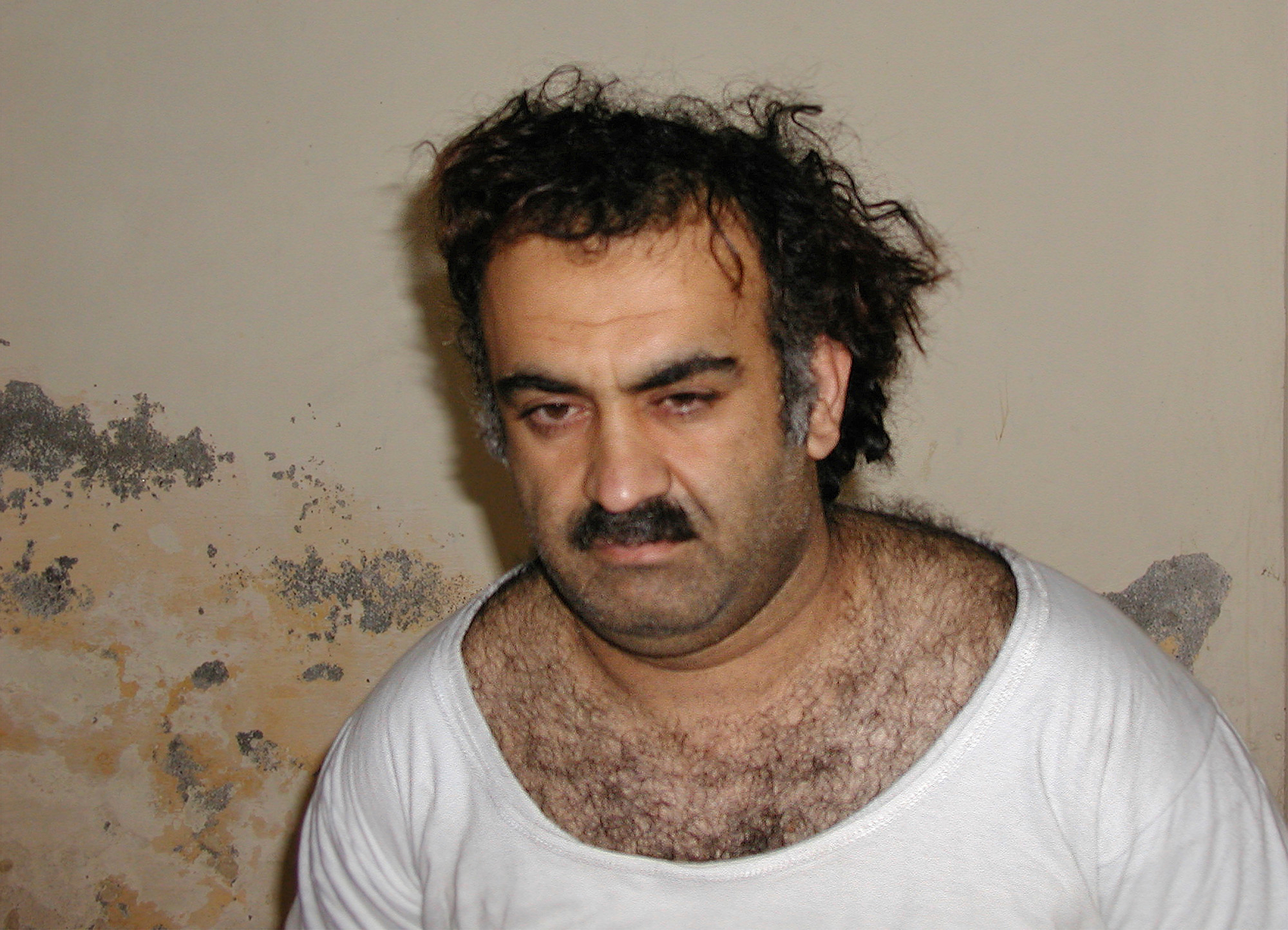
    NEW YORK — Two decades after U.S. authorities locked Khalid Sheikh Mohammed away at a military detention center in Cuba, the purported mastermind of the Sept. 11 attacks sometimes seems barely any closer to being put on trial than the day he arrived.

    A judge recently set a 2028 date for Mohammed to finally be tried before a military tribunal, but some lawyers predict it will never happen — not that year or any other year. They say the maze of legal issues that arose because Mohammed was tortured following his 2003 capture in Pakistan is too twisted to ever be straightened out.

    A fleeting bid to put him on trial in a civilian court in New York City was shouted down years ago over security concerns.

    A plea agreement that would have kept Mohammed imprisoned for life, but spared him from a possible execution, began to collapse shortly after it was announced in 2024, and finally died for good last year.

    “It’s all contaminated by politics and the lack of accountability on torture,” said Joshua Dratel, an attorney who played a part in assuring that Mohammed has proper legal representation.

    In late August, the U.S. military judge who set a June 5, 2028, trial date for Mohammed and three others charged in the Sept. 11 attacks ruled that prosecutors could not use an alleged confession he made to the FBI in 2007. Those statements were deemed tainted because Mohammed was subjected to “enhanced interrogation techniques” overseas, including the simulated drowning technique called waterboarding.

    While the ruling was a blow to the prosecution, the U.S. government decided not to appeal, in part because doing so could have further delayed a possible trial.

    Meanwhile, Mohammed remains jailed in Guantanamo Bay, where he was brought on Sept. 5, 2006, following more than three years in secret prisons in other countries.

    Victims’ families still hope a trial will happen

    Terry Strada, whose husband, Tom, died at the World Trade Center on Sept. 11, said that she and other people who lost family members still hope a trial will someday happen.

    “We very much want to see this come to an end at some point. We do want to see justice served. It’s just as important as 25 years ago,” she said.

    But Strada, the national chair of the group 9/11 Families United, also said she would rather have Mohammed rot at Guantanamo Bay indefinitely than get behind a resolution that would involve dropping the death penalty as a possibility. Strada said she worries that if Mohammed is not executed, future U.S. leaders might someday be tempted to swap him for Americans held prisoner elsewhere in the world.

    The death penalty, she said, “fits the crime and it would prevent that from ever happening. And that’s important to me.”

    Mohammed was captured in Pakistan in 2003, accused of developing and directing the 9/11 attacks, as a leader of the Islamic militant group al-Qaeda. Some of the delays in his legal proceedings have stemmed from his treatment after he fell into U.S. control. A U.S. Senate report pointed to his extended torture in CIA custody, including 183 sessions of waterboarding.

    Plans for a civilian trial were dropped

    For a time in 2009, it seemed Mohammed was headed to New York after then-Attorney General Eric Holder announced plans to try him and four other men charged in the Sept. 11 attacks in a Manhattan courthouse just blocks from the World Trade Center site.

    Then-President Barack Obama, who had pledged to close the Guantanamo detention center, said Mohammed would face “the most exacting demands of justice.”

    Almost immediately, opposition arose. Some critics predicted Mohammed would use a trial as a platform to spread hateful views of America and its allies. Others cited security concerns, saying it could again make New York a terrorist target. Former New York City Mayor Rudy Giuliani, a Republican, called the plan unwise and said it showed “a lack of concern for the rights of the public.”

    Plans for a civilian trial were dropped.

    “It was a charade in many respects,” Dratel said.

    The military tribunal system, he said, has proven itself to be a worse solution, unable to function efficiently, without a proper structure, and without fidelity to federal courts.

    “Each time you reach an impasse, no one knows what to do,” he said.

    David Raskin, a Washington lawyer now in private practice who would have led the government’s prosecution of Mohammed in New York if it hadn’t been abandoned, said in an essay published in the Washington Post on Wednesday that he is confident a civilian trial would have ended with a conviction. The military commissions, on the other hand, “became a defense lawyer’s dream,” beset by “endless litigation over their legality and procedures.”

    “I predict there will never be a completed military commission trial for Mohammed and the other Sept. 11 defendants,” he said.

  • CIA releases intelligence sent to White House before Sept. 11

    CIA releases intelligence sent to White House before Sept. 11

    WASHINGTON — Tucked at the end of a Sept. 10, 1998, intelligence report sent to President Bill Clinton’s White House was a warning about al-Qaida that more than a quarter-century later seems prescient.

    Al-Qaida, a CIA analyst wrote, “may fly an explosive-packed airplane into a U.S. city.”

    On Friday, the 25th anniversary of the Sept. 11, 2001, terrorist attacks, the CIA released 69 never-before-seen presidential intelligence briefs detailing what it had discovered about Osama bin Laden and al-Qaida in the run-up to the day.

    The release, according to agency officials, is their largest focused on the Sept. 11 attacks. The intelligence analyses that were sent directly to the president and senior policymakers are among the agency’s most closely guarded documents, and the CIA’s standard practice is to release them only after about 40 years, to ensure no sources are compromised and minimize any potential tension with allies.

    The documents do not appear to contain major new revelations, and they remain redacted to obscure the sources of the information. But the briefings provide details of what the CIA was telling Presidents Clinton and George W. Bush in the months and years before the attacks, along with an intelligence report provided in the early morning hours of Sept. 12.

    The documents released Friday reinforce the central findings of the National Commission on Terrorist Attacks Upon the United States and its 2004 report: U.S. intelligence agencies warned about al-Qaida consistently but failed to understand the scale of the attack the group had in mind.

    John Ratcliffe, the CIA director, said the documents were being released to honor the memory of those killed on Sept. 11, along with the CIA officers who subsequently gave their lives.

    “Twenty-five years ago, the 9/11 attacks struck a blow to our nation, but they did not break us,” Ratcliffe said. “Generations of CIA officers have since dedicated their careers to securing justice for our fallen Americans and ensuring al-Qaida would never again harm our country.”

    Still, the documents demonstrate that the CIA repeatedly brought to Bush and Clinton the threat posed by bin Laden to directly attack the United States.

    In a briefing Thursday, CIA analysts said that before Sept. 11, terrorist threats were not a primary focus to collect intelligence on, and reporting on bin Laden and al-Qaida was limited. Reading the old reports, the analysts said, it was clear that the agency knew al-Qaida wanted to attack America. But what that would look like, intelligence officials said, was not clear, with a large amount of noise obscuring the clues.

    Working through the newly released documents, dating from Feb. 13, 1998, to Sept. 12, 2001, various strands of threat intelligence rise to the surface and then disappear. The 1998 intelligence about the explosive-laden plane, for example, does not make another prominent appearance in the warnings given to the White House.

    The CIA analysts said it was rare that the agency could follow the full story arc of a threat or plot. Various threats come and go from the agency’s warnings.

    Part of the problem was finding ways to provide effective warnings, said a senior CIA official, who spoke on the condition that their name not be used, in keeping with the agency’s practice. As the CIA wrote more presidential-level reports on al-Qaida, there were concerns about “warning fatigue,” the CIA official said.

    A senior CIA counterterrorism analyst said collection from human sources before the attacks was “not fantastic.” The overall collection on al-Qaida, CIA officials said, was spotty.

    A small group of intelligence analysts worked on terrorism threats. But it was nothing like the priority it became on Sept. 12, 2001. As a result, there was a steady drumbeat of warnings, yet almost all were frustratingly vague.

    The idea that the intelligence community was aware of plotting around explosive-laden planes in September 1998 has been known. The commission mentions a report circulating about al-Qaida’s interest in using an airplane with explosives aboard to attack the United States, but it did not say the report reached the president.

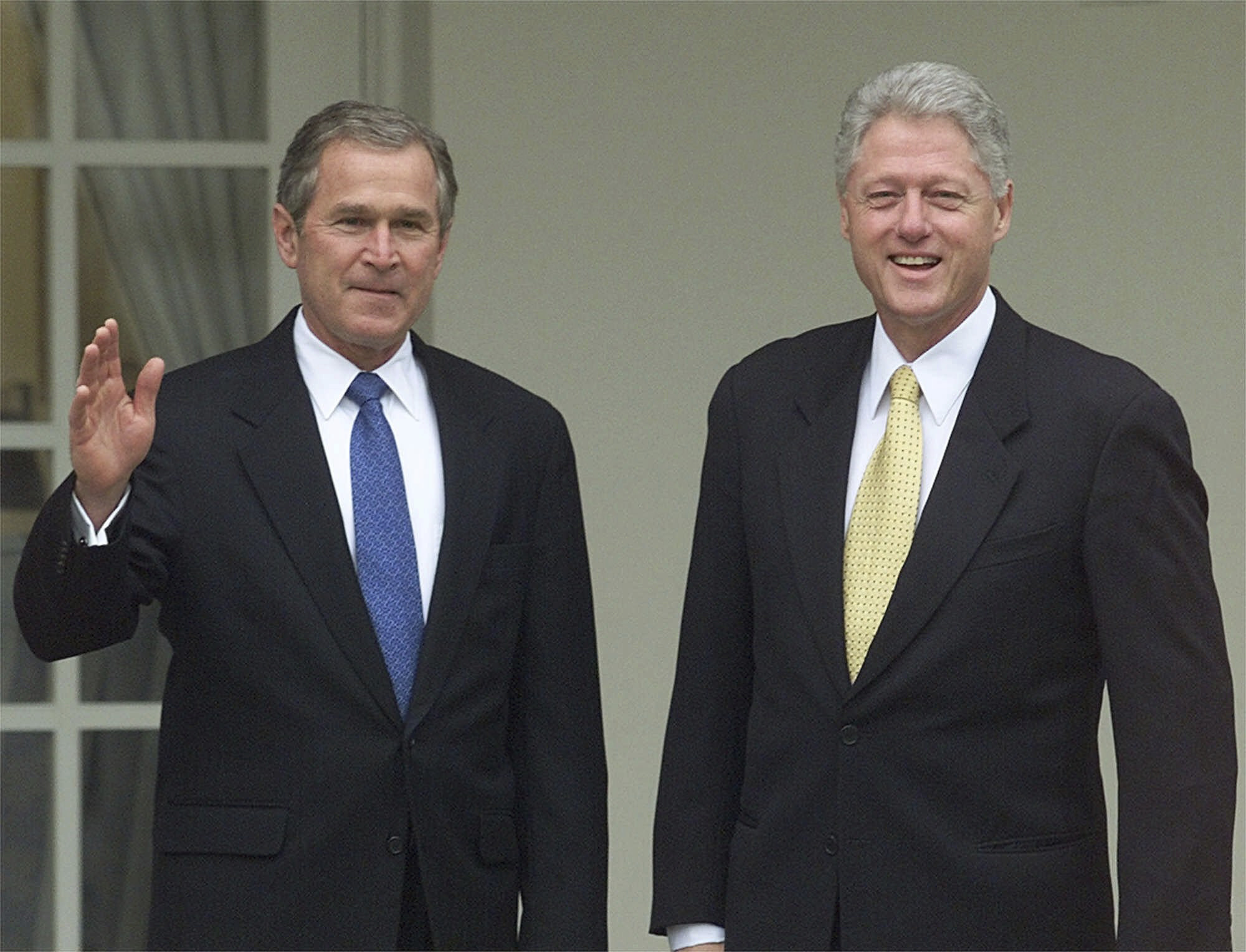
    Bush and Clinton told the commission they understood the threat of al-Qaida, although the final report concluded that “we do not believe they fully understood just how many people al-Qaida might kill, and how soon it might do it.”

    The CIA released one document from after the fact, a “situation report” for the president sent to the White House at 4 a.m. on Sept. 12. Such updates are supposed to be factual, with minimal analysis. And despite the gravity of what happened on that day 25 years ago, the analysts wrote in their usual detached style.

    Before the attack, analysts wrote regularly about the threat, but the CIA officials acknowledged that their warnings did not capture the scope of what al-Qaida had in mind. That was in part because the reporting was not there. But the commission said this also resulted from a failure of imagination.

    The senior CIA counterterrorism analyst said the agency since Sept. 11 had come a long way and was better at “thinking outside the box.” The lesson of Sept. 11, she said, was that intelligence agencies had to think more creatively.

    Those intelligence failures, as well as the others identified by the commission such as a lack of information sharing between the CIA and FBI, led to a reorganization of the federal government’s national security structure. The Department of Homeland Security was created, bringing together various law enforcement agencies, as was the Office of the Director of National Intelligence, which works to improve collaboration among the FBI, the CIA, and other spy agencies and set analytical standards.

    The postattack reviews also changed how intelligence reports were written. The documents released Friday reflect the earlier era. Today, intelligence reports are peppered with assessments of analysts’ “confidence level,” how well-sourced a particular conclusion is. Although it is clear from the old reports that the CIA had high confidence in al-Qaida’s goal to strike the United States, and doubts about the specifics of various plots, that assessment was not made explicit for policymakers.

    Two members of the commission were allowed to review the presidential daily briefs from the time leading up to the attacks, but the agency fought against distributing them more widely. Two briefs were released amid pressure from the commission and the public.

    Jamie Gorelick, a commission member who reviewed the presidential daily briefs, said the summary of the documents that she co-wrote informed the commission’s work, although the commission was not allowed to release or quote the documents.

    These presidential briefs “are consistent with the commission’s assessment of the preattack intelligence,” said Gorelick, who served as deputy attorney general in the Clinton administration.

    Still, even if the underlying material has been well understood, the newly released documents are likely to be closely examined by historians of the intelligence agency.

    A July 1998 document, given to Clinton five weeks before al-Qaida attacked two embassies in Africa, outlined the group’s intent to attack America. That document tracked the warning repeated years later in the Aug. 6, 2001, presidential briefing released by the government under pressure from the 9/11 Commission.

    That 1998 report cited four “questionable sources” but said al-Qaida’s ambitions to strike the United States were “plausible,” given bin Laden’s comments.

    A document from Aug. 3, 1999, discussed the possibility that the intelligence being collected on al-Qaida could be a deception. That document was generated in response to questions from senior Clinton administration officials. The analysis noted that because so many potential targets came up in intelligence collection, al-Qaida could have been engaged in “a deliberate effort to mislead us.”

    “The diverse targets mentioned in the reporting, combined with a high incidence of Bin Ladin-related walk-ins, suggest a deliberate effort to mislead us,” the CIA wrote, using the government’s spelling for bin Laden.

    The commission also highlighted the intelligence community’s worries about deception, noting that Defense Secretary Donald Rumsfeld had leaned into the theory that al-Qaida was spreading misinformation that it intended to attack.

    A presidential intelligence document from July 24, 2001, appeared to describe the lull that the commission outlined in its report. The document reported that for the second time in two weeks, “an expected imminent Bin Ladin-sponsored terrorist operation has been postponed, but preparations for other near-term attacks may still be in train.”

    The intelligence report noted suspicious activity among individuals who had received a cryptic message the previous month. At the time, the collection was fuzzy. After the fact, the report looks like a missed warning.

    The last document release by the agency before the Sept. 11 attacks came on Aug. 28, 2001. That document in some ways read like a follow-up to the Aug. 6 report, potentially explaining why no attack had occurred despite the earlier warning.

    The report insisted that al-Qaida remained a threat, though it made no mention of attacks on the homeland or attacks with planes. Instead, the presidential note mentioned “assassination, kidnapping, the use of rockets, mortars and other longer-range weapons, as well as crude chemical or biological attacks.”

    The intelligence report also discussed how Qaida operations could be delayed or disrupted.

    In a final note that foreshadowed how bin Laden would ultimately be found nearly a decade later, the Aug. 28 report concluded that “inexperienced couriers or suicide bombers also make mistakes that expose plot details.”

    This article originally appeared in the New York Times.