Category: Entertainment Wires

  • Frank Beard, drummer of boogie-rock trio ZZ Top, has died at 77

    Frank Beard, drummer of boogie-rock trio ZZ Top, has died at 77

    NEW YORK — Frank Beard, the drummer for the Texas boogie-rock trio ZZ Top who kept the tempo for the band’s biggest hits like “Sharp Dressed Man,” “Gimme All Your Lovin’,” and “Legs,” has died. He was 77.

    Mr. Beard was in hospice care when he died Tuesday at his ranch in Richmond, Texas, with family members at his side, according to publicist Bob Merlis. Band cofounder and guitarist Billy Gibbons, on tour with bassist Elwood Francis, hailed Mr. Beard in a statement.

    “Today, Elwood and I lost a great friend and collaborator, and the world lost one of the most naturally innovative drummers and a great and true son of Texas. His signature backbeat was key to keeping ZZ on top. The band of which he was part for six decades is going to keep on keeping on as he had wished,” Gibbons said.

    ZZ Top sold more than 50 million records and had six singles that reached No. 1 on Billboard’s Mainstream Rock Airplay chart. Seven of their albums have been in the Billboard 200’s Top 10 and they earned three Grammy Award nominations.

    “I’ve found the people I was meant to play with,” Beard says in the 2019 documentary ZZ Top: That Little Ol’ Band from Texas. “I never wanted to quit, and never wanted to get fired.”

    Drummers went to social media to pay tribute to Mr. Beard’s influence, including Rage Against the Machine’s Brad Wilk, who wrote his mind was blown seeing Mr. Beard’s two-hand shuffle live in high school. Former Guns N’ Roses drummer Matt Sorum called Mr. Beard “a very special and unique man behind the kit.”

    How the band came together

    Mr. Beard, from Frankston, Texas, met Gibbons in a band called the Moving Sidewalks and later introduced bassist and vocalist Dusty Hill who had been in several bands with Mr. Beard.

    The trio formed ZZ Top in 1969, naming themselves in part after blues singer Z.Z. Hill and influenced by the British power trio Cream and Jimmy Reed. They maintained their original lineup for more than five decades. Their signature look — long, bushy beards on Gibbons and Hill, and dark sunglasses for all — didn’t change much, either.

    When Rolling Stones guitarist Keith Richards helped induct the trio into the Rock & Roll Hall of Fame in 2004, he joked: “These cats know their blues and they know how to dress it up. When I first saw them, I thought, ‘I hope these guys are not on the run, because that disguise is not going to work.’ ”

    ZZ Top songs — with their sly and humorous lyrics — were popular in Hollywood, which used “Gimme All Your Lovin’” in Happy Feet, “Sharp Dressed Man” in Evan Almighty, “Legs” in Air, “Sleeping Bag” in I, Tonya, “Tush” in Dazed and Confused, “Mexican Blackbird” in From Dusk Till Dawn, and “La Grange” in Armageddon.

    “The best way to describe ZZ Top is we’re interpreters of a great American art form,” Gibbons told the Dallas Morning News.

    Their debut release, ZZ Top’s First Album, came out in 1970. Their sound was described as a hybrid mixing elements of rock, blues, and funk into a steaming-hot Houston stew. They called themselves a “Little Ol’ Band From Texas.”

    Breaking through

    Three years later, they broke through commercially with “La Grange,” a funky blues song on the album Tres Hombres that paid tribute to the Chicken Ranch, a brothel outside of the Texas town of La Grange that operated from 1905 until 1973 and was immortalized in the Broadway show and the film The Best Little Whorehouse in Texas. Gibbons has ascribed the power of “La Grange” to its simplicity — just two chords and a Robert Johnson-inspired guitar solo.

    The band went on to have such hits as “Tush” and “Cheap Sunglasses.” But their 1983 Eliminator — named after one of Gibbons’ custom cars — added more production elements, synthesizers, and drum machines to their stripped-down sound and yielded the hits “Gimme All Your Lovin’,” “Legs,” and “Sharp-Dressed Man.” The band toured with a Texas-shaped stage, live rattlesnakes, and a longhorn steer.

    Long beards weren’t always part of the band’s look. Gibbons said it happened by accident: In 1976, the trio took a long break and scattered. Mr. Beard went to Jamaica, Hill went to Mexico, and Gibbons went to France.

    “Although we were speaking by phone, this was pre-video phone. And Dusty and I did not know that we had gotten so lazy that we had decided to forget to shave,” Gibbons told The Tribune in San Luis Obispo in 2010. “So after three years we returned and showed up, and lo and behold here was this sort of wacky-looking image. And it just kind of stuck with us.”

    A boost from MTV

    The band’s rock-chic cool played well on the nascent MTV crowd and their videos, featuring models in short skirts emerging from one of Gibbons’ custom roadsters, became a mainstay.

    They kept the beards, hats and cheap sunglasses in the video trilogy of “Gimme All Your Lovin’,” “Sharp Dressed Man,” and “Legs,” made with director Tim Newman.

    “ZZ Top reveled in the humor and ridiculousness of it all, busting their synchronized dance moves and spinning their white-fur guitars. These guys always got the joke, at a time when other bands were still just nervously lip-syncing in front of brick walls,” Rolling Stone said in 2021.

    In 2012, superstar producer Rick Rubin helped update the trio’s sound with the band’s comeback album, La Futura. The album landed at No. 6 on the Billboard chart, their highest position since 1990’s Recycler, some 22 years previously.

    Hill died in 2021.

    In March 2025, the band announced via Instagram that Mr. Beard would temporarily step away from the band’s tour to tend to foot and ankle problems. Mr. Beard died weeks after ZZ Top called off its Aug. 5 concert at the Hollywood Bowl due to his health issues.

    Mr. Beard is survived by his wife, Debbie Meredith, and three children.
  • Bill Rasmussen, ESPN co-founder, dies at 93

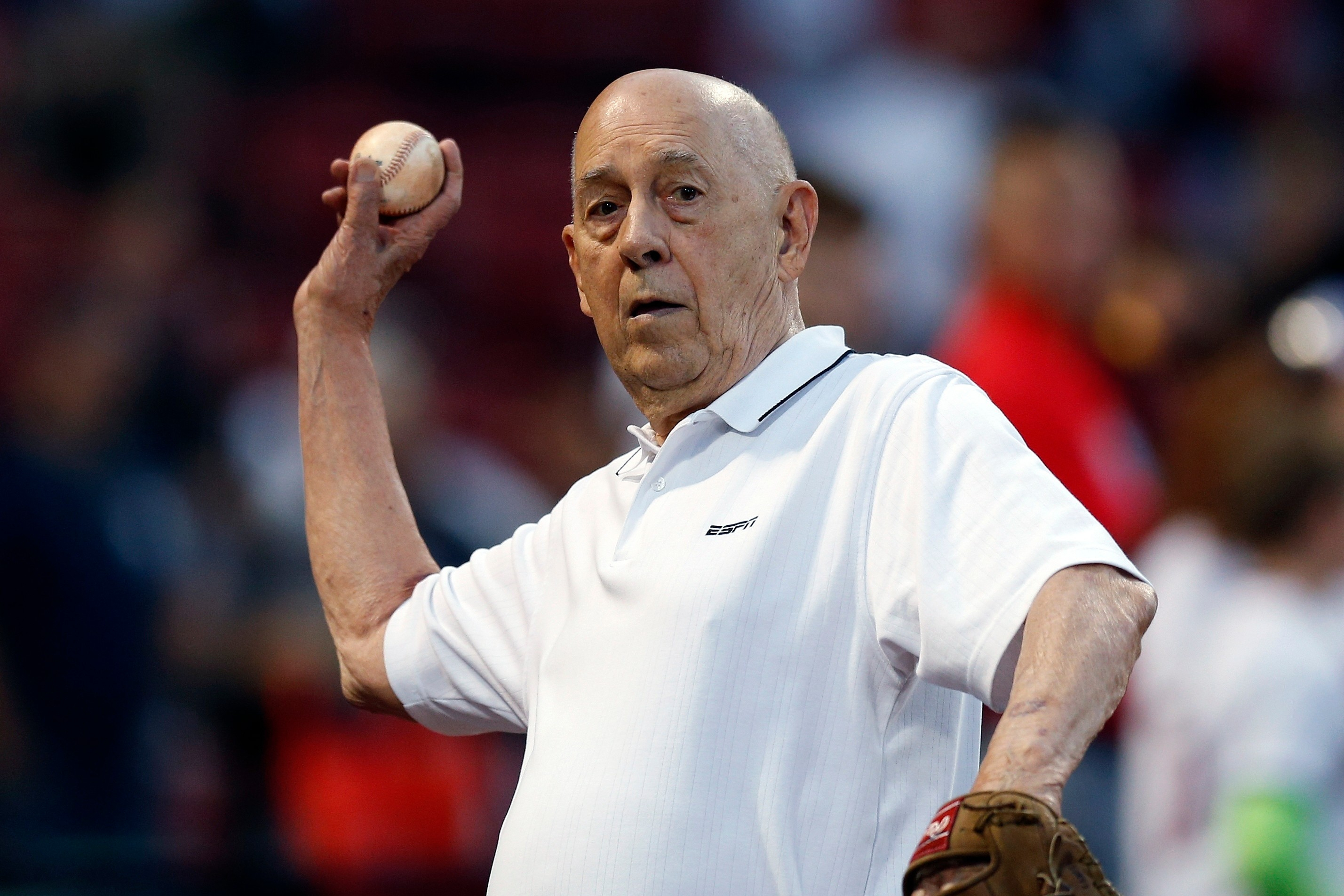
    Bill Rasmussen, ESPN co-founder, dies at 93

    LAND O’ LAKES, Fla. — Bill Rasmussen, who co-founded ESPN in 1979 after being fired from a public relations job in the World Hockey Association, died Tuesday. He was 93.

    ESPN historian Mike Soltys said Mr. Rasmussen died at his Florida home from the effects of Parkinson’s disease. Mr. Rasmussen announced in 2019 that he had been diagnosed with the degenerative disease in 2014.

    “Bill was a remarkable man — a visionary and an innovator who conceived the idea of a network entirely devoted to sports,” ESPN chairperson Jimmy Pitaro said in a statement. “Quite simply, none of us would be here today if it wasn’t for Bill’s passion and all the hard work and entrepreneurial spirit he put into building ESPN in the late 1970s — key aspects of our company culture that still carry on to this day.”

    Mr. Rasmussen and his son Scott came up with the idea of a network carrying sports around the clock, and it would revolutionize Americans’ TV-watching habits. But the pair didn’t stick around long. They were forced out after only a year by ESPN majority owner Getty Oil.

    Bill Rasmussen’s original idea was a cable channel covering only Connecticut sports. Many cable operators in the state were skeptical, but someone suggested buying satellite time to reach a national audience.

    ESPN was launched on Sept. 7, 1979. George Grande welcomed viewers to the first SportsCenter broadcast before the network’s first live event, a slow-pitch softball game between the Kentucky Bourbons and the Milwaukee Schlitz.

    “In those days, we didn’t know if we’d last four weeks, four years, let alone 40-some, but we knew it was special,” Grande said. “Bottom line was Bill Rasmussen was the true purveyor of the original American dream, and he gave us all something very special that we still have today.”

    The Rasmussens secured financial backing from Getty Oil and a rights deal with the NCAA, and built a studio in Bristol, Conn., still under construction when ESPN went on the air.

    The Getty investment and the deal with the NCAA occurred on the same day.

    “When someone tells you you can’t do something, you want to prove them wrong,” Bill Rasmussen said. “Many, many people told us there wasn’t enough sports to do a 24-hour channel. I didn’t argue with anybody. I just thought they were wrong and I was right.”

    When the Rasmussens were forced out of ESPN in 1980, Getty owned 85% of the network. Texaco, which had acquired Getty, sold its interest in ESPN to ABC in 1984.

    Bill Rasmussen and ESPN were estranged until 1999, when company executives invited him to the 20th anniversary celebration. Since then, he has been embraced and recognized for his vision of creating an all-sports network. He toured the country in 2019 for the 40th anniversary and gave speeches at Walt Disney Co. and ESPN events.

    “Bill was our George Washington and a good friend,” said veteran anchor Chris Berman, who joined ESPN three weeks after the network launched in 1979. “He was such a grateful person and every sports fan can be grateful for Bill. He wasn’t a glass half-full guy; his glass was always overflowing with optimism. He greeted everyone with a smile and we can all smile knowing Bill’s legacy.”

    Born in Chicago, Mr. Rasmussen earned degrees from DePauw University in Indiana and Rutgers University and served in the Air Force. He started an advertising services business, then worked in radio and television as a broadcaster during the 1960s.

    He was hired in 1974 as public relations director for the WHA’s New England Whalers in Hartford, Conn. The team’s entire front office was fired in 1978, and Mr. Rasmussen soon turned his attention to brainstorming with his son on the creation of sports on cable TV with the help of a $9,000 credit card advance.

    “There was a whole lot of chutzpah and a whole lot of vision, and they’re maxed out on their credit cards. It’s the American dream,” said Bob Ley, one of the network’s original anchors.

    Mr. Rasmussen was inducted into the Sports Broadcasting Hall of Fame in 2025.

    Mr. Rasmussen was preceded in death by his wife of 56 years, Lois, in 2011 and is survived by two sons, Scott Rasmussen and his wife, Laura, and Glenn Rasmussen, daughter Lynn Van Hollebeke and her husband, Louie, seven grandchildren, one great-grandson, and one great-granddaughter. In addition to his wife, Mr. Rasmussen was predeceased by his brothers Robert and Donald Rasmussen, sister Vivien, and a grandson.

  • A dispute about fact vs. fiction at the trial over Tupac Shakur’s 1996 killing in Las Vegas

    A dispute about fact vs. fiction at the trial over Tupac Shakur’s 1996 killing in Las Vegas

    LAS VEGAS — A prosecutor said Monday that while few have been willing to speak about the 1996 killing of Tupac Shakur, Duane “Keffe D” Davis is the “one person who has a hard time being silent.”

    “Let’s be clear, Duane Davis did not pull the trigger. But he did plan the shooting in retaliation of the beating of his nephew,” Chief Deputy District Attorney Binu Palal told jurors at the start of Davis’ Las Vegas trial. “Remarkably, you will learn that from Duane Davis himself.”

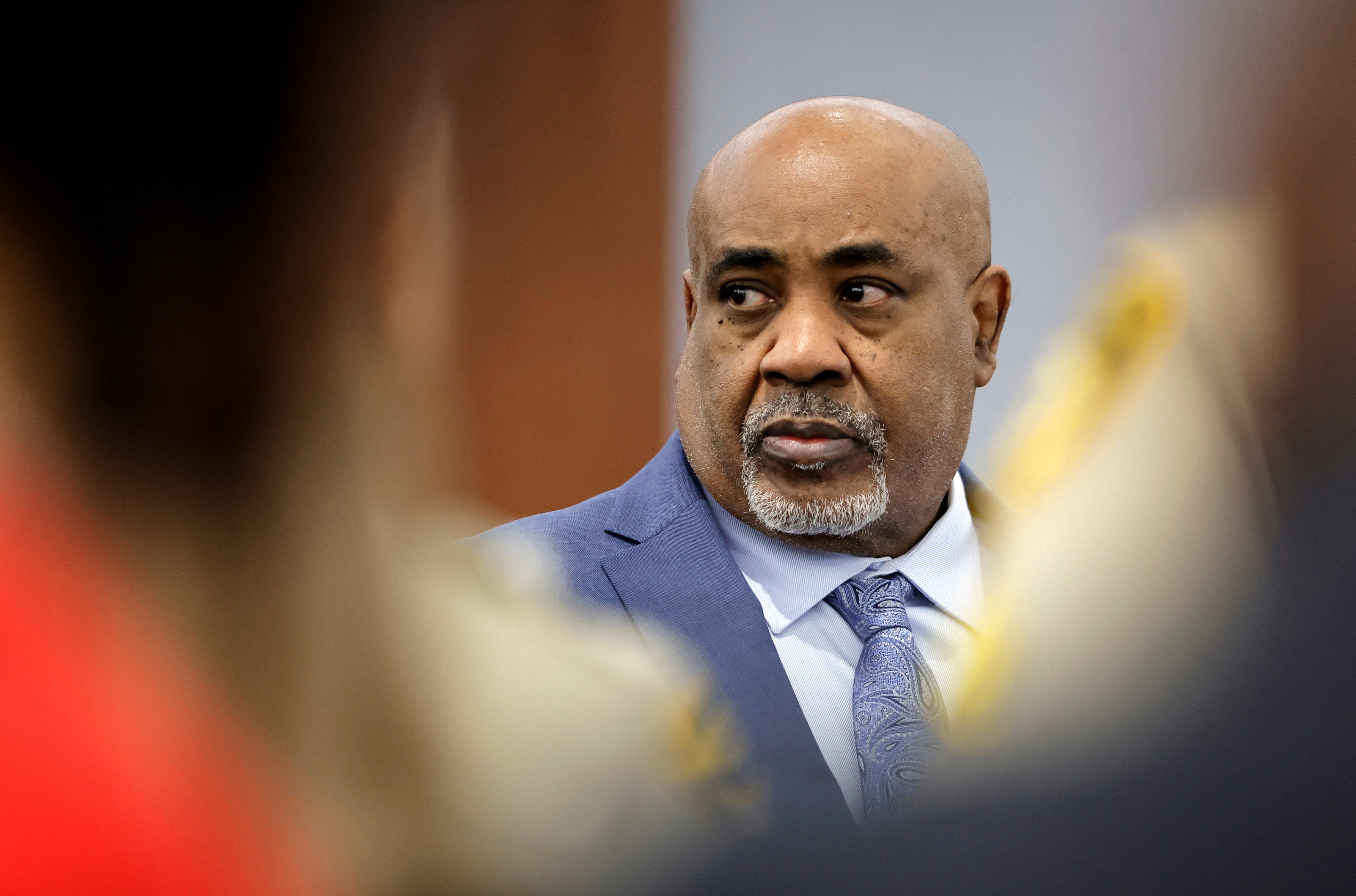
    Davis, 63, is charged with murder with a deadly weapon with the intent to promote, further, or assist a criminal gang in Shakur’s death. He pleaded not guilty. His lawyer in the defense opening called the prosecution’s narrative “fiction.” If convicted, Davis faces life in prison.

    Palal showed jurors video of Shakur’s entourage attacking Davis’ nephew Orlando “Baby Lane” Anderson outside a boxing match at the MGM Grand hours before the shooting on Sept. 7, 1996.

    Davis spent the next two hours planning how to get even, said Palal, and Shakur was gunned down “in an act of revenge.”

    What he told investigators in 2008

    In a 2008 interview with a federal task force investigating the killing of Shakur’s rival, the Notorious B.I.G., Davis instead talked about the Shakur shooting. He described handing a gun to the men in the back seat of a white Cadillac that fired on a black BMW with Shakur and Marion “Suge” Knight inside.

    As prosecutors played audio of Davis explaining the moment Shakur was shot, members of Shakur’s family, including his stepbrother Maurice “Mopreme” Shakur, stared ahead and listened intently from the audience.

    Palal told jurors Davis held onto a visceral hatred for Shakur for decades that drove him to speak.

    He said as early as 1998, the defendant talked to the FBI and admitted he had been in Las Vegas the night of the shooting. He spoke again in 1999 to the FBI and said again he was in Las Vegas then but denied responsibility.

    In 2009, he admitted to his role in the killing in an interview with Las Vegas police, Palal said.

    “And now 30 years later, we’re going to ask you to finally hold Duane Davis accountable,” Palal said.

    He also showed jurors the 2019 memoir that Davis co-authored, Compton Street Legend, that the prosecution will use and that the defense fought to keep out of the trial, along with several of the defendant’s interviews.

    How Davis’ legal team is defending him

    Davis, wearing a blue suit and tie, watched the presentation while sitting next to his attorney. He sat quietly with his hands folded on the table in front of him, occasionally nodding along as his attorney spoke.

    “The state has just told you what they believe is the evidence in this case,” attorney Michael Sanft said to jurors in his opening. “What they are telling you, they are representing as fact, when it’s really fiction.”

    Sanft said Davis wasn’t previously charged for the 1996 killing because law enforcement knew that he was “full of crap.”

    “There’s no facts,” he said, to back up what Davis said in his book.

    The defense attorney also pointed to missing documents in the original investigation and distrust between Los Angeles and Las Vegas police departments. He pointed out that the Compton Police Department was shut down in September 2000 due to corruption.

    He called one detective’s work “biased,” “sloppy,” and “incomplete.” He said retired Detective Clifford Mogg read portions of Davis’ book into the record as if it were fact, but said Mogg didn’t verify claims in it.

    Most eyewitnesses didn’t live to trial

    The story of the drive-by shooting has long gripped the hip-hop community, partly because no one was charged until Davis was indicted in 2023.

    The other three men riding in the Cadillac have all died in the years since.

    “When he says he’s the only person who can tell what happened, he’s right,” Palal said.

    Shakur remains a cultural icon and is considered one of the most influential and versatile rappers of all time, despite dying at 25. He was nominated for six Grammy Awards and was inducted into the Rock & Roll Hall of Fame in 2017.

    Witnesses describe the night Tupac was shot

    Retired Las Vegas police officer Garry Dale was the first of the 35 to 45 witnesses the prosecution plans to call at the trial, which is expected to last about a month. He recounted how he and another officer stopped a car carrying Knight and Shakur because the vehicle didn’t have a license plate. They let the pair go with a warning.

    About 10 minutes later the two officers responded to a call about a shooting and found Shakur being pulled from the car by EMTs, Dale said. Knight had been grazed by bullets, but told the officers to take care of Shakur, he testified.

    Dale jumped in the ambulance and tried to get Shakur to tell him who shot him. The retired officer said that Shakur said something like “no, we’ll take care of it.”

    Another witness, Ingrid Stokes, testified that she and her friends were heading home from Las Vegas when they encountered Shakur and Knight, who was friends with a woman in Stokes’ group.

    Knight invited them to a nightclub, she said, and they decided to meet them there.

    The car Stokes was riding in was one lane over and a car length ahead of Knight’s vehicle, when they heard gunshots while stopped at an intersection, she said.

    Stokes said they feared more gunfire and drove away, almost hitting a white four-door vehicle in the process.

    When they returned to the scene, police treated them like suspects, she said, and made them sit on the sidewalks. She was scared to talk about the case, worried about poor treatment from law enforcement and the potential for retribution from the unknown shooter.

    “Snitches get stitches,” she said.

  • Hayden Panettiere, who starred in the television series ‘Heroes’ and ‘Nashville,’ dies at 36

    Hayden Panettiere, who starred in the television series ‘Heroes’ and ‘Nashville,’ dies at 36

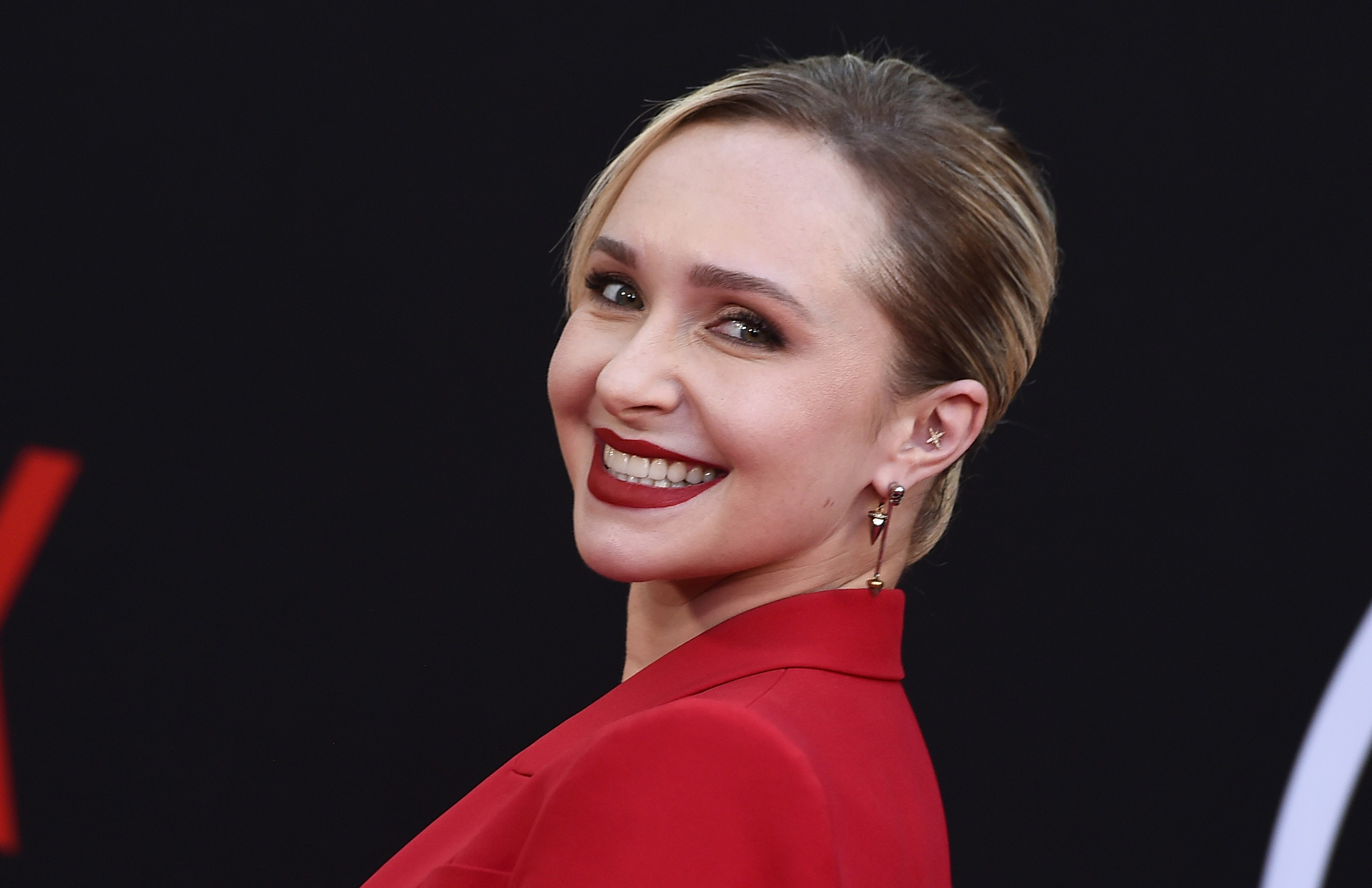
    Hayden Panettiere, a former child actor who rose to fame and starred in TV shows Heroes and Nashville, died Aug. 16 in South Carolina. She was 36.

    South Carolina’s Greenville County Coroner’s Office confirmed her death, saying she was in cardiac arrest before she died. Emergency medical services responded to a 911 call reporting a cardiac arrest at 1:51 p.m. on Sunday at a residence in Greenville, where they found Ms. Panettiere unresponsive. She was pronounced dead at 2:32 p.m. after lifesaving measures were attempted. There were no signs of trauma, and the cause of death needs further investigation, the office said in a statement.

    In May, Ms. Panettiere released a memoir, This Is Me: A Reckoning, in which she detailed her life growing up in the spotlight, and her struggles with postpartum depression, substance abuse, and domestic abuse.

    She began acting as a child, gaining her first television credit before she turned 5 on the soap opera One Life to Live. At 10, she starred in the movie Remember the Titans.

    Her big break came when she played a high school cheerleader with regenerative superpowers in Heroes in 2006; the TV series ran for four seasons. She later portrayed rising country artist Juliette Barnes on Nashville. She also had roles in the Scream horror franchise, Bring It On: All or Nothing and the rom-com I Love You, Beth Cooper.

    Tributes to the actor poured in Monday. “I wish the world had more time with you because I had a burning curiosity about who you were becoming. I saw this beautiful Phoenix rising from the ashes,” actor Viola Davis posted on Instagram.

    In an interview on Jay Shetty’s On Purpose podcast released in May, Ms. Panettiere described her debilitating anxiety, alcoholism, and custody battle over her child, circumstances she said were written into her character on Nashville. “It felt like it never ended. I didn’t know where Juliette began and Hayden ended,” she said.

    In her memoir and press tour interviews, she described her struggles with postpartum depression, drugs, and alcohol, and the death of her brother three years ago. She also discussed the pressure to please everyone and her fractured relationship with her mother, who served as her manager for years in her childhood, where “everything was business.”

    “I finally feel like I have shaken off all of this darkness and this negativity. … And that means I closed one door and another door is opened,” she said on the podcast. “And I can feel all the … exciting possibilities. I feel like I have a lot more life to live.”

    Auditioning before she could walk

    Ms. Panettiere began acting when she was 11 months old, auditioning for a Playskool train commercial. By 1994, she landed a role on ABC’s soap opera One Life to Live.

    “Part of me just wanted to have friends, a place at a cafeteria table, teachers who were kind to me, and lots of fun at recess. But another part of me loved the rush I got from acting and the fact that it made Mom so proud,” she wrote in her memoir.

    At 10 years old, she had caught the attention of the casting director for Remember the Titans. She went on to play Sheryl Yoast, a football-loving preteen. “As Sheryl, I was strong and authentic, and on Remember the Titans I was the happiest I’d ever felt as an actor,” Ms. Panettiere wrote.

    Soon after, at 12, she secured a guest role as the nerdy babysitter on Malcolm in the Middle. The role was thanks to her mother, Lesley Vogel, who had played the wife of Bryan Cranston’s character on Loving. In her memoir, Ms. Panettiere recalled Cranston, an episode director for Malcolm, saying, “Hayden is so wrong for this role, but we’re going to make this work.”

    Once Ms. Panettiere turned 17, she was well known by casting executives, and she was asked to audition for the role of Claire Bennet — the Texas cheerleader with self-healing powers on NBC’s Heroes. She is best known for her performance in Heroes and her role as Juliette Barnes on Nashville.

    Barnes’ struggles with postpartum depression and addiction mirrored Ms. Panettiere’s life. In her memoir, Ms. Panettiere wrote about realizing the Nashville writers were modeling the script after her life; playing Barnes became “looking in a funhouse mirror, seeing a distorted reflection,” and diving “headfirst into my own hell.” She took a leave of absence from the show to seek professional treatment.

    Struggles with addiction

    Ms. Panettiere had long struggled with body dysmorphia, anxiety, and depression, according to her memoir. In the book, she described one paparazzi photograph of herself that showed the back of her thighs. A magazine published it with a banner over her legs: “CELLULITE.”

    At an industry event, when she was about 16, a former representative pulled her aside to offer her a “happy pill” before a press interview, she recalled in her memoir. The pills, Ms. Panettiere wrote, “were the gateway drug that ushered me toward the good of pharmaceuticals and the downfall of addiction.”

    While nerves pushed her forward as a child actor, they eventually overtook her, she wrote. She was prescribed Klonopin but turned to alcohol since it interfered less with work.

    After the birth of her daughter in 2014, her drinking increased as she dealt with postpartum depression. Antidepressants wouldn’t mix well with alcohol, and “I wasn’t ready to stop drinking,” Ms. Panettiere said on a 2023 television appearance. Around the same time, an old neck injury had flared up, and she’d begun taking opioids, she said.

    Ms. Panettiere developed jaundice from alcohol abuse. In the memoir, she recalled a doctor’s warning that she’d be dead in five years if she didn’t stop drinking.

    She put herself in rehab during the middle of production for the fourth season of Nashville in 2015. The producers temporarily wrote her character out of the script. By her return, Ms. Panettiere’s personal life matched much of the script: Juliette Barnes had postpartum depression, an alcohol and pill addiction, and an impending divorce.

    At the time of writing her 2026 memoir, Ms. Panettiere was in recovery.

    A complex personal life

    Ms. Panettiere’s personal life was relentlessly complex and often tragic. Her parents separated in 2008 while Ms. Panettiere was starring on Heroes, and their protracted divorce proceedings concluded in 2016.

    Ms. Panettiere was in an on-and-off relationship with the Ukrainian heavyweight fighter Wladimir Klitschko from 2009 to 2018. The couple got engaged in 2013 but never married.

    After the birth of their daughter, Kaya, in 2014, Ms. Panettiere’s postpartum depression led her to seek treatment for substance abuse. In 2018, Klitschko requested full custody of Kaya in Ukraine; Ms. Panettiere granted it.

    From 2018 to 2022, Ms. Panettiere dated actor Brian Hickerson. Their breakup resulted in Ms. Panettiere obtaining a protective order against Hickerson, and her memoir describes their relationship as physically abusive.

    Ms. Panettiere’s brother, Jansen — a fellow actor — died in 2023 at 28 from complications of an enlarged heart. Ms. Panettiere, 33 at the time, said she had “lost half my soul.”

    In adulthood, Ms. Panettiere had a difficult relationship with Vogel, her mother, she said. A former soap opera actor, Vogel was her daughter’s manager early on, and she disputed Ms. Panettiere’s accounts of being pushed too hard in her childhood acting years.

    Besides her father and her mother, survivors include her daughter, who lives with Klitschko. Ms. Panettiere had said in May she maintained a strong bond with her daughter and remained close to Klitschko.

  • Mark Rydell, the Oscar-nominated director of ‘On Golden Pond,’ dies at 97

    Mark Rydell, the Oscar-nominated director of ‘On Golden Pond,’ dies at 97

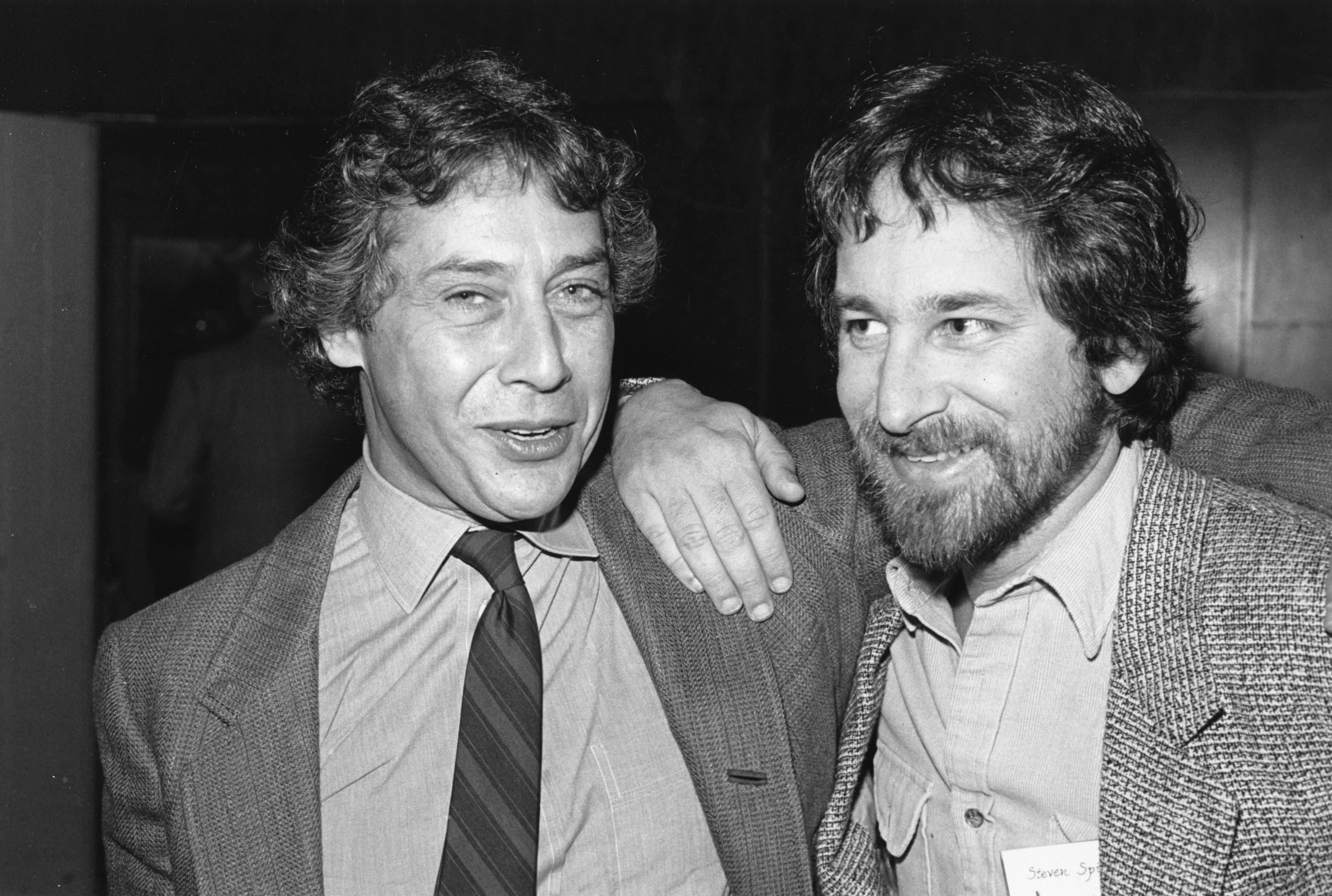
    LOS ANGELES — Mark Rydell, the Oscar-nominated director of the sentimental blockbuster On Golden Pond who worked with such Hollywood heavyweights as Henry Fonda, Katharine Hepburn, Steve McQueen, and John Wayne, has died. He was 97.

    His daughter, Amy Rydell, told the Hollywood Reporter that her father died Thursday of natural causes at a retirement community for the entertainment industry in the Woodland Hills section of Los Angeles.

    “Hard to put into words how much I loved my dad,” she posted Friday on her Instagram account. “He was truly one of a kind. Funniest and most talented person I’ve ever known.”

    ‘On Golden Pond’ earned 10 Oscar nominations

    On Golden Pond, which teamed Fonda with Hepburn and his daughter, Jane Fonda, was nominated for 10 Oscars. Henry Fonda and Hepburn won leading acting honors and the film won for screenplay, which Ernest Thompson adapted from his play of the same name. Mr. Rydell was nominated for directing but lost to Warren Beatty for Reds.

    It earned over $119 million at the box office, making it the second-highest grossing film of 1981 behind Raiders of the Lost Ark.

    On Golden Pond was Henry Fonda’s final movie role. He starred as Norman Thayer, an emotionally brittle and distant father who becomes more accessible at the end of his life after his teenage grandson spends the summer with him and his wife, Ethel (played by Hepburn), at their cottage in New England. The film’s story resembled Fonda’s real-life relationship with daughter Jane, who said working on the movie together helped resolve some of their issues. The elder Fonda died at age 77 months after winning his only Oscar.

    Mr. Rydell’s other Oscar-nominated films were The Fox in 1967, The Reivers with McQueen in 1969, Cinderella Liberty with James Caan and Marsha Mason in 1973, The Rose with Bette Midler in 1979, and The River with Mel Gibson and Sissy Spacek in 1984.

    Born Mortimer Harold Rydell on March 23, 1929, in New York City, he studied with jazz pianist Teddy Wilson at the Julliard School of Music. During a stint in the Army, he spent two years in Japan developing entertainment for military personnel. He majored in English and philosophy at New York University.

    Early acting career opposite Steiger, Cassavetes, Mineo

    He turned to acting when he won a scholarship to the Neighborhood Playhouse in New York. Among his early jobs were roles on the CBS soap operas The Edge of Night and As the World Turns.

    Mr. Rydell made his Broadway debut in Seagulls Over Sorrento with Rod Steiger. In 1956, he made his movie acting debut opposite John Cassavetes and Sal Mineo in Don Siegel’s Crime in the Streets.

    Among his film acting credits were Robert Altman’s The Long Goodbye in 1973 and Woody Allen’s Hollywood Ending in 2002.

    Mr. Rydell moved into directing television, helming episodes of Mr. Novak, Ben Casey, I Spy, The Wild Wild West, The Long, Hot Summer, The Fugitive and Gunsmoke.

    He made his feature-film directorial debut with 1967’s The Fox starring Sandy Dennis, and it was a hit.

    Two years later, Mr. Rydell directed McQueen in the comedy-drama The Reivers.

    Teaming with Sydney Pollack

    Mr. Rydell and Sydney Pollack, who became friends during their acting days, formed Sanford Productions in 1971. Among their efforts were the films Jeremiah Johnson starring Robert Redford and Scarecrow with Al Pacino and Gene Hackman, which won the Cannes Film Festival’s top honor, the Palme d’Or.

    Mr. Rydell directed Wayne in 1972’s The Cowboys. He reunited with Caan for the 1976 flop Harry and Walter Go to New York.

    He scored a major hit with 1979’s The Rose, with Midler in her Oscar-nominated role as a self-destructive rock star loosely based on Janis Joplin.

    Mr. Rydell re-teamed with Caan and Midler in For the Boys in 1991, but it wasn’t successful.

    “He was an actor of note before he became a director, and I was so lucky to have met him when I did; he taught me so much on The Rose and later on For The Boys,” Midler posted on Instagram. “Two Oscars nominations both because of him. He was the actor’s whisperer; just a few words was all it took to understand what was needed. Devoted to Meisner. So many happy memories.”

    TV movies and series among his credits

    Mr. Rydell directed the pilot of the hit ABC drama Family in 1976.

    Among his TV movie directing credits were McBride and Groom, Crime of the Century with Isabella Rossellini and Stephen Rea, and James Dean, which earned actor James Franco a Golden Globe award. Mr. Rydell also appeared in the movie as Warner Bros. chief Jack Warner.

    He directed the movies Intersection in 1994 and Even Money in 2006.

    In 2009, Mr. Rydell, Oscar-winning actor Martin Landau, and screenwriter Lyle Kessler taught a film workshop at UCLA. Mr. Rydell and Landau were co-artistic directors of the Actors Studio West, teaching and coaching actors, writers, and directors.

    “All great art rests on telling the truth,” Mr. Rydell told UCLA’s student newspaper the Daily Bruin. “The real pursuit of an artist is to tell the truth.”

    Besides his daughter, he is survived by son Christopher. The siblings, who went into acting, were from his first marriage to actor Joanne Linville. He had another son, Alexander, from his second marriage to producer Esther Rydell.

  • Some U.S. adults are using AI for financial guidance, but few trust it, Gallup poll finds

    Some U.S. adults are using AI for financial guidance, but few trust it, Gallup poll finds

    NEW YORK — Some U.S. adults are using artificial intelligence for financial guidance, but it’s far from the most trusted source of advice, according to a new Gallup survey conducted in partnership with Edward Jones, a financial services firm.

    About 1 in 5 Americans who have sought financial advice in the past year turned to AI, the survey found. But among U.S. adults overall, only about 3 in 10 have “a great deal” or “some” confidence in its expertise for managing money, according to the survey, including just 3% who trust AI “a great deal.”

    The poll, which was conducted in the spring and looked at the views of adults who are at least 21, found a disconnect between the resources Americans trust for financial advice and the ones they actually rely on. About 8 in 10 U.S. adults have at least “some” confidence in financial advisers. But only about one-third of U.S. adults who sought financial advice turned to a professional financial adviser, with far more, 73%, saying they relied on their own internet research.

    As the use of AI increases, financial experts say consumers should be cautious about fully trusting these tools. Using AI as a tool at the start of a learning journey and then combining this knowledge with other trusted sources can be the best way to engage with new and traditional financial guidance tools, said Taha Choukhmane, associate professor at MIT’s Sloan School of Management.

    “I would encourage people to use AI to explain and define,” Choukhmane said. “If you’re interested in knowing what the stock market is, what the difference between a mutual fund and an index fund is. Using AI to explain these concepts can be very useful because it can empower people to get the most out of these methods.”

    Most Americans have sought financial guidance from at least one source in the past year, the survey found. In addition to those who said they used internet research, financial advisers, or AI, 35% went to a parent, sibling, or relative, while 26% got information from news, media, or social media. About 2 in 10 said they turned to a friend or an author, speaker, or influencer, and fewer relied on an employer or retirement plan provider, a robo-adviser or a teacher or professor.

    Younger generations are more likely to say they’ve used AI for financial advice, while older adults are more likely to have turned to a professional financial adviser.

    Affordability can often deter younger adults from hiring a financial adviser. While doing research online, asking family and friends and using AI can have minimal costs, hiring a professional can require a bigger financial commitment. About a quarter of Gen Z and millennial adults who looked for financial advice in the past year went to AI, compared to 16% of Gen Xers and just 7% of baby boomers. But while only 14% of Gen Z adults and 21% of millennials who sought guidance turned to a professional financial adviser, that rose to 34% of Gen X adults and about half, 55%, of baby boomers.

    Since AI interacts with specific user prompts, the advice can vary depending on how questions are asked. But asking general questions about personal finance can help people understand complex financial terms. Choukhmane also recommends asking AI to provide references to trusted sources to verify the information provided.

    While AI can be utilized for research, some financial experts are skeptical about the legal responsibilities of the technology. Certified financial planners have a legal responsibility to give the most fitting advice while AI tools don’t. Ultimately, the decisions a person makes based on AI advice are their responsibility.

    “Fiduciary responsibility is very real,” said Bobbi Rebell, certified financial planner and founder of Financial Wellness Strategies. “There’s no AI that is a fiduciary. It doesn’t really know your life; it’s not asking you all the questions.”

    The poll of 5,075 U.S. adults ages 21 and older was conducted March 20-April 6, 2026, using a sample drawn from Gallup’s probability-based panel, which is designed to be representative of the U.S. population. The margin of sampling error for U.S. adults overall is plus or minus 1.8 percentage points.

    Amelia Thomson-Deveau contributed to this article.

  • Kennedy Center votes to restore Trump’s name and close for 2 years, challenging a judge’s order

    Kennedy Center votes to restore Trump’s name and close for 2 years, challenging a judge’s order

    WASHINGTON — The battle over the Kennedy Center’s future escalated Thursday as President Donald Trump’s allies on the board took new steps to commemorate him with physical changes to the iconic performing arts institution that could defy a federal court order.

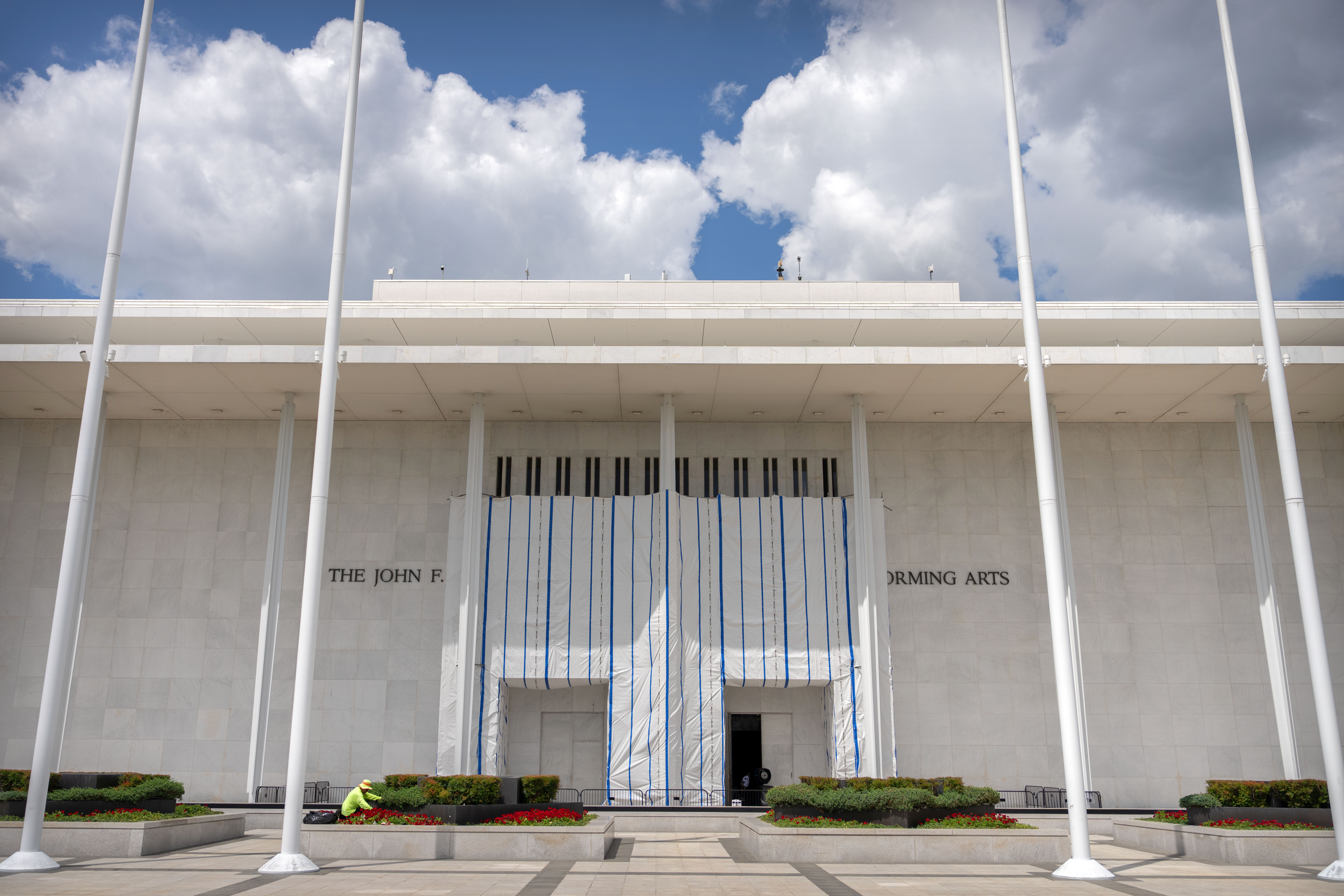
    During an hourslong meeting that was conducted virtually, the board voted to add Trump’s name to the building’s facade so it would read “The John F. Kennedy Center for the Performing Arts Restored and Renovated By President Donald J. Trump.” The plaza in front of the building would be named after Trump and most of the space at the venue would be closed for two years to allow for substantial renovations.

    The changes, described by Rep. Joyce Beatty, an Ohio Democrat who is an ex-officio board member, and her lawyers, amount to a dramatic test of U.S. District Judge Christopher Cooper. He ruled in May that letters affixed to the building that spelled out Trump’s name were added illegally and he ordered their removal, a decision that the Republican administration failed to persuade courts to overturn. At the same time, Cooper blocked a two-year closure that was set to take effect July 5, saying an earlier board vote authorizing the shuttering was “ill-informed and seemingly preordained.”

    “This latest development is a transparent effort to circumvent the Court’s ruling, and flies in the face of the statutes that Congress passed,” Beatty said in a statement. ”I will continue to fight for this treasured national monument.”

    A representative of the Kennedy Center did not immediately respond to a request for comment.

    Much of Thursday’s board meeting was expected to focus on the extent of closures required to allow for renovations that the Kennedy Center’s management says are needed to improve safety. In response to the judge’s criticism of the earlier vote, the institution’s leaders said they would provide the board with three options to consider.

    They included a complete closure or a partial closure that would allow “some continued public access and limited programming in spaces unaffected” by the work. A third option would “consider a highly limited series of phased closures to address only the Center’s most serious infrastructure needs while scheduling and maintaining a full slate of programming.”

    Ultimately, the board decided to close the building for two years while leaving the potential for some degree of programming to still happen in an outdoor space known as the Reach. The decision to move ahead with the two-year closure, in addition to the moves to memorialize Trump, could revive questions about whether the board seriously considered the full range of options.

    During Trump’s second term, the Kennedy Center has become an unlikely — and highly visible — metaphor of presidential power. While he largely ignored the institution during his first round in Washington, Trump moved quickly to oust the institution’s leadership when he returned to office in January 2025 and replaced it with a board of trustees that named him chairperson.

    His name was quickly added to the building, before coming down in June in response to Cooper’s order. The area where it once stood is now covered by a massive tarp.

    Trump’s push to remake the nation’s capital

    The Kennedy Center moves are part of Trump’s broader push to reshape the physical landscape of the nation’s capital in ways that have few modern parallels.

    He demolished the East Wing of the White House and is building a controversial ballroom in its place, though an appeals court ruled last week that construction should stop because Congress didn’t approve the project. Trump has said he will take the case to the Supreme Court.

    His remodel of the Lincoln Memorial Reflecting Pool has also stumbled after algae returned and U.S. Attorney Jeanine Pirro refuted his claims that a vandal was responsible for the damage.

    Meanwhile, Trump is planning extensive renovations of a golf course in East Potomac Park, which could significantly reduce the public’s access to running and biking paths. He is also moving forward with a triumphal arch that will sit near Arlington National Cemetery.

    Trump has derided the Kennedy Center as “rusted, rotted, and rat and bug infested” and threatened to hand the building over to Congress after Cooper rejected the closure and the addition of the president’s name to the building.

    The institution’s leadership has argued that it’s in genuine need of repair and updating.

    Matt Floca, the Kennedy Center’s executive director and chief operating officer, guided a group of journalists through the building in April, highlighting severe water damage that he said corroded steel in some places as thin as tissue paper. Some pieces of equipment, including several 800-ton chillers that help cool the building, are decades old and in need of replacement.

    At the time, Floca said he considered doing the repairs individually but insisted it was his recommendation to Trump to close the building and move forward with the renovation all at once.

    “When the president asked: ‘How do you make these projects the best? How do you make them really excellent and deliver them efficiently?’ my recommendation was you close the building and you do everything over a definite period of time, two years,” he said.

    More recently, the legal battles became the subject of barbs and jokes as comedian Bill Maher accepted the Mark Twain Prize for American Humor in late June. At the start of the program, Pamella Roland DeVos, a Kennedy Center trustee appointed by Trump, described the institution as a “national cultural center open not just for some but for every American patron who wants to experience the greatest art and expression the world has to offer.”

    “The responsibility that comes with it is one our board takes very seriously,” she said.

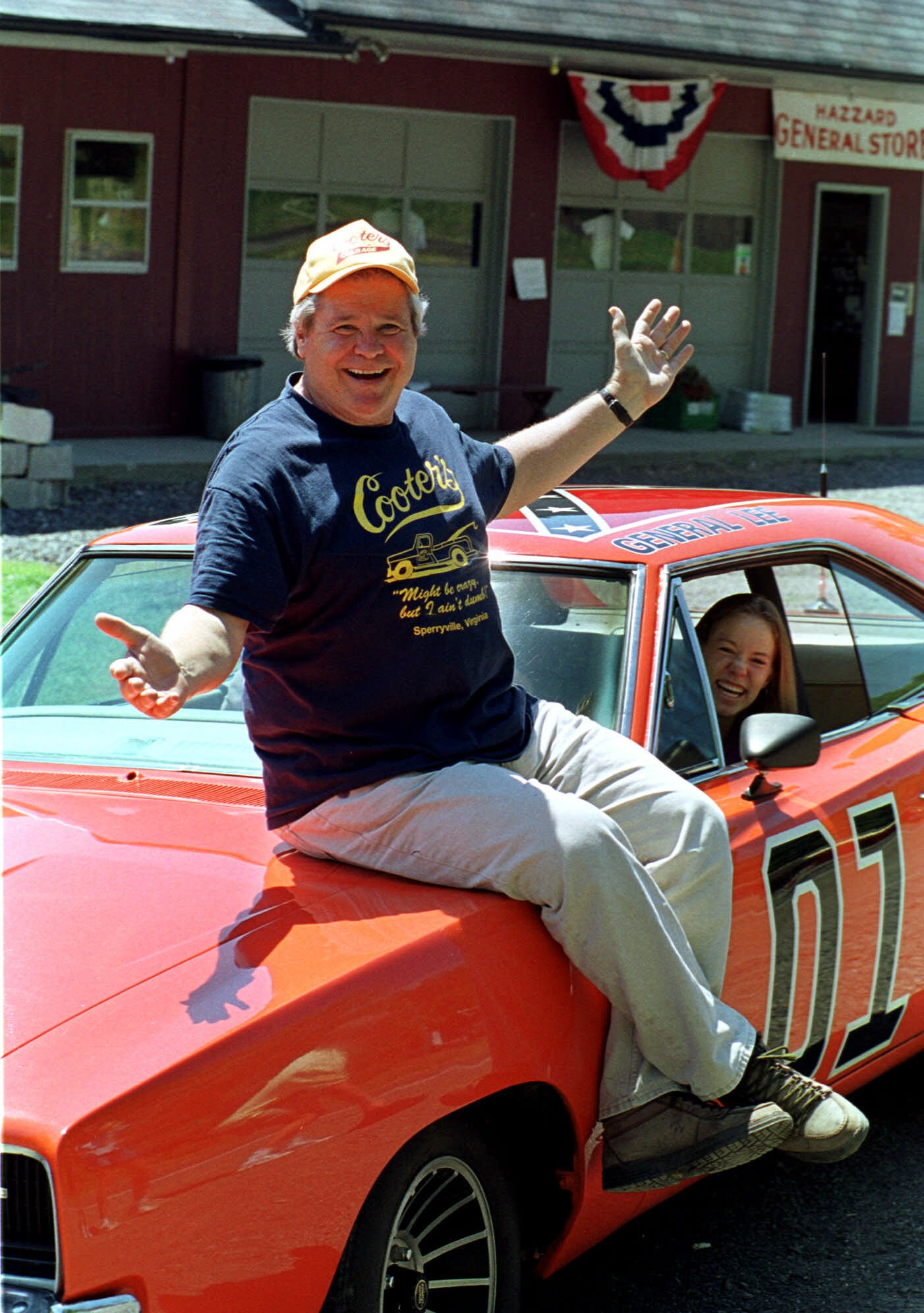
  • Ben Jones, ‘Dukes of Hazzard’ actor and 2-term U.S. House member, dies at 84

    Ben Jones, ‘Dukes of Hazzard’ actor and 2-term U.S. House member, dies at 84

    Ben Jones, who played the good ol’ boy mechanic in The Dukes of Hazzard TV series and parlayed his fame into a political career and two terms in the U.S. House, has died. He was 84.

    Mr. Jones had a heart attack in his home Sunday in Washington, Va., as he was waiting to watch his beloved Atlanta Braves play baseball, his wife, Alma Viator, said on social media. Rappahannock County Sheriff Connie Compton confirmed his death.

    Mr. Jones’ fame came from his role as Cooter Davenport, the mechanic who got the Duke boys out of jams as they tried to do the right thing and fight the corrupt Boss Hogg in the fictional Hazzard County, Ga.

    After playing Cooter for all seven seasons of the series from 1979 to 1985, Mr. Jones turned to politics and was elected to the U.S. House from a district near Atlanta in 1988. The Democrat served two terms before he was redistricted out of the seat.

    Mr. Jones was born in North Carolina and in college got involved in acting and civil rights, he wrote in his autobiography Redneck Boy in the Promised Land: The Confessions of ‘Crazy Cooter.’

    Acting took over his life. Mr. Jones performed in numerous stage productions and had a few minor TV and movie roles in Atlanta during the 1970s before his life-defining break came on a TV show Jones defended as a modern-day morality tale and a fine example of Southern values.

    For seven seasons, Mr. Jones was one of a small band of friends and family helping Bo and Luke Duke in The Dukes of Hazzard. The brothers were on probation for running moonshine and were constantly trying to clear their names and stop the crooked and powerful Boss Hogg from stealing or cheating.

    The Duke boys drove a modified 1969 Dodge Charger called the General Lee with a Confederate flag on its roof. Cooter owned Cooter’s Garage in the town square. Nearly every episode involved a car chase with jumps and stunts and a patrol car badly in need of repairs.

    Cooter was often on the CB radio in his pickup truck saying, “Breaker one, Breaker one. I might be crazy but I ain’t dumb. Crazy Cooter coming at you.”

    The Dukes of Hazzard was a hit for CBS and its popularity never waned. It went into syndication and later became a prominent fixture on cable’s Nashville Network.

    Mr. Jones also credited the series with pulling him out of a self-destructive, alcoholic lifestyle that led to the failure of several marriages.

    ″It was like being in a Beatles movie,″ Mr. Jones said. ″Our lives changed.″

    Tom Wopat, who played Luke Duke, said Mr. Jones was an integral part of making the series work.

    “Ben Jones was a fine friend and a fierce advocate of all the best things we can offer in the entertainment business. He will be sorely missed,” Wopat wrote on Instagram.

    After The Dukes of Hazzard, Mr. Jones went into politics. He kept his aw-shucks personality, but took the issues seriously. In his four years in Washington, Mr. Jones was known as a Democrat who could buck his party. He was liberal on social issues and conservative on economics.

    But even in politics, he made a splash. After losing in 1992 in his redrawn district, Mr. Jones ran for Congress again in 1994. He lost to Newt Gingrich in the elections that elevated the Republican to the Speaker’s Office.

    Mr. Jones would file an ethics complaint that Gingrich used tax-deductible donations to fund his partisan college course, leading to a House reprimand and Gingrich’s decision to leave the body.

    Mr. Jones always embraced his role as Cooter. After moving to Virginia, he would open at least three Cooter’s country stores in Nashville and Pigeon Forge, Tenn., and near his home. They sold plenty of T-shirts, key chains, and insulated tumblers and included Dukes of Hazzard memorabilia like one of the 300 or so General Lee cars used and abused in the TV series.

    The show and Cooter lived on because it was funny, had plenty of action and car chases, and had a good, family-friendly heart, Mr. Jones told the Richmond Times-Dispatch at a 2001 car show where he played in a band, signed autographs, and met fans.

    “The show reflects the values of the heartland of America. The good guys always win,” Mr. Jones said.

  • Beloved author Benjamin Alire Sáenz, first Latino PEN/Faulkner winner, dies at 71

    Beloved author Benjamin Alire Sáenz, first Latino PEN/Faulkner winner, dies at 71

    NEW YORK — Benjamin Alire Sáenz, an award-winning fiction writer and poet who drew upon his sexuality and his life on the Southern border, has died at age 71. He was the first Latino to win the PEN/Faulkner prize.

    Mr. Sáenz, who produced a story collection that won the PEN/Faulkner prize and a young adult novel that received acclaim from readers and reviewers and condemnation from censors, died last week in El Paso, Texas, after a lengthy illness, according to a spokesperson for Simon & Schuster Children’s Publishing. Additional details were not immediately available.

    Mr. Sáenz, born in Old Picacho, N.M., was an ordained Catholic priest who eventually left the order and came out as gay. His Aristotle and Dante Discover the Secrets of the Universe, the story of two Mexican American boys falling in love, was published in 2012 and received a pair of citations for outstanding LGBTQ+ literature: a Stonewall Honors Book Award and the Lambda Literary Award.

    Hamilton playwright Lin-Manuel Miranda, who narrated the audio edition and helped produce a 2023 film adaptation, wrote in an Instagram post that he was “heartbroken” over Mr. Sáenz’s death.

    “Rest easy, maestro,” Miranda wrote. The movie starred Max Pelayo and Reese Gonzales as the title characters and also featured Eva Longoria.

    The novel’s love story led to its being removed temporarily from a school district in Granbury, Texas, and to bans in Russia and in Belarus.

    Mr. Saenz’s other books included the sequel Aristotle and Dante Dive into the Waters of the World, the poetry collection The Book of What Remains, and such adult novels as In Perfect Light and Names on a Map.

    He received the PEN/Faulkner award in 2013 for Everything Begins & Ends at the Kentucky Club, a story collection set in El Paso, and across the border in Juarez, Mexico. Starting in the 1990s, he taught for decades at the University of Texas at El Paso, where he had received a master’s degree in creative writing. He served as chair of the school’s creative writing department before retiring in 2016.

    Next month, Simon & Schuster will publish When the World Was Happy, which draws in part upon the loss of his niece in 1990 in a Las Cruces, N.M., bowling alley shooting. He was reminded of that tragedy by the 2022 school shooting in Uvalde, Texas.

    “That was when I decided that this was not gonna leave me alone until I wrote about it,” he wrote in an author’s note shared by the publisher. “I wanted to write a book about how people survive and live through something as senseless as this.”

  • Sydney Towle, content creator who documented life with cancer, dies at 26

    Sydney Towle, content creator who documented life with cancer, dies at 26

    Sydney Towle, a social media content creator who projected enduring optimism as she chronicled her life with a rare form of cancer, has died, according to her family. She was 26.

    Ms. Towle was diagnosed with cholangiocarcinoma, an aggressive form of cancer in the bile ducts, in August 2023. Her mother, Elizabeth Morrow, and brother, Austin Towle, posted a video to her TikTok account confirming she died Wednesday.

    “Syd went peacefully last night after an almost three-year long battle with cholangiocarcinoma,” her brother said. “She fought really hard, and we’re so proud of her, and we thank all of you for your support over the years.” Ms. Towle’s mother said they appreciated the messages of support and that “she will not be forgotten.”

    Her family described her as “an endless ray of sunshine” and a friend to many. Sydney Elizabeth Towle was born in Newburyport, Mass., on Nov. 15, 1999, and grew up in Hobe Sound, Fla., according to the New York Times. The newspaper reported that she died at the National Institutes of Health in Bethesda, Md.

    At the time of her diagnosis, Ms. Towle already had a presence on social media where she shared videos from her everyday life. She often posted from the beach and loved the outdoors. She was an avid surfer and runner.

    Once she received the diagnosis at age 23, she began posting her unvarnished reality of the disease and treatment while holding fast to her hobbies, style, and positive attitude. She had over 1 million followers on TikTok alone.

    In a video posted days after she was diagnosed, Ms. Towle said, “I’m in good spirits, I’m smiling. If anything, it just makes me appreciate life more.” That essentially became the ethos that guided her online presence, where she shared videos of herself running, going out with friends, and traveling alongside videos from a hospital bed or at chemotherapy appointments.

    In a column this year advocating for increased funding for research of the rare disease, Ms. Towle’s mother wrote that she had seen her daughter become “a beacon of hope for so many” through her candid online presence. “Thousands of people send her messages, stop her on the street, and leave comments on her videos, describing how her vulnerability has helped them through their own struggles,” Morrow wrote in February.

    Ms. Towle graduated from Dartmouth College in 2022, where she studied government and environmental studies. She worked as a social media manager at Epic Games.

    She had posted on her LinkedIn account about plans to run the 2026 New York City Marathon in November to raise money for the Cholangiocarcinoma Foundation. She had raised more than $10,000 for the nonprofit that advocates for research and provides patients and caregivers with resources.

    “I know it might seem crazy to try to run a marathon with everything going on,” she wrote on the platform months ago. But she noted the importance of hope in her experience with the disease. “Hope keeps us alive, it keeps us going, it makes the impossible seem possible.”

    Ms. Towle is survived by her mother and brother. Her father, Philip Towle, died in 2016.