Category: Entertainment Wires

  • CBS announces Tony Romo’s permanent exit following arrest for operating a vehicle while intoxicated

    CBS announces Tony Romo’s permanent exit following arrest for operating a vehicle while intoxicated

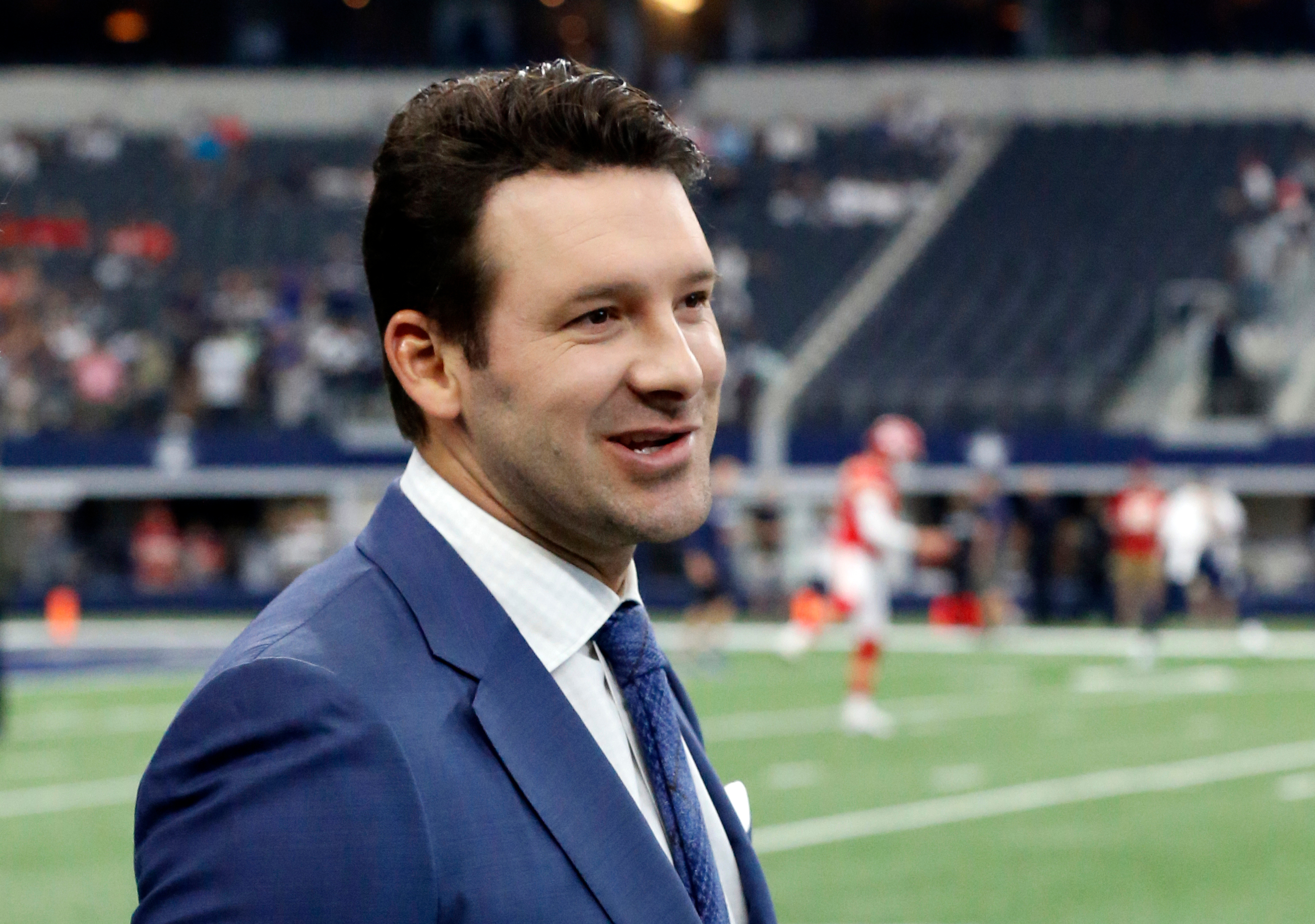
    CBS Sports and Tony Romo have officially parted ways, one month after the former Dallas Cowboys quarterback pleaded no contest to charges of operating a vehicle while intoxicated.

    Romo had been on leave since his July 23 arrest in Wisconsin. He had been the lead game analyst for CBS’ NFL coverage since 2017.

    “CBS Sports and Tony Romo have mutually agreed to part ways,” CBS Sports said Friday in a statement. “We thank Tony for his contributions over the past nine years and wish him the best moving forward.”

    Analyst JJ Watt had joined play-by-play announcer Jim Nantz and sideline reporter Tracy Wolfson on CBS Sports’ lead NFL team during Romo’s absence. Watt will continue in that role now and all other CBS teams will remain the same.

    Romo was arrested following a traffic stop as he was driving south on Interstate 43 in Wisconsin. He pleaded no contest to a charge of operating while intoxicated on Sept. 1 and issued a statement apologizing for the actions that led to his arrest.

    According to Milwaukee County court records, Romo lost his driving privileges for six months and was ordered to complete an alcohol assessment program.

    “The past month has been difficult, but it has also been personally significant,” Romo said Sept. 1 in a statement on Instagram. “It has required me to confront and own my mistakes fully — to the Lord, to myself, to my family and now to the public.”

    Romo said the multiple back surgeries that led to his retirement as a player “left me with constant, debilitating pain.” He noted that the pain “led to a dependence on pain medication, and my efforts to get off those medications led to an over-reliance on alcohol.”

    “None of this is an excuse,” Romo said. “These are my failures and I take responsibility for them.”

    Romo said he is working with a team of doctors to address his health and “make the necessary changes.”

    The 46-year-old Romo made four Pro Bowl appearances during a playing career that ran from 2004-16 and was spent entirely with Dallas.

  • Judge hears arguments without immediately ruling in lawsuit over White House ban on 3 news outlets

    Judge hears arguments without immediately ruling in lawsuit over White House ban on 3 news outlets

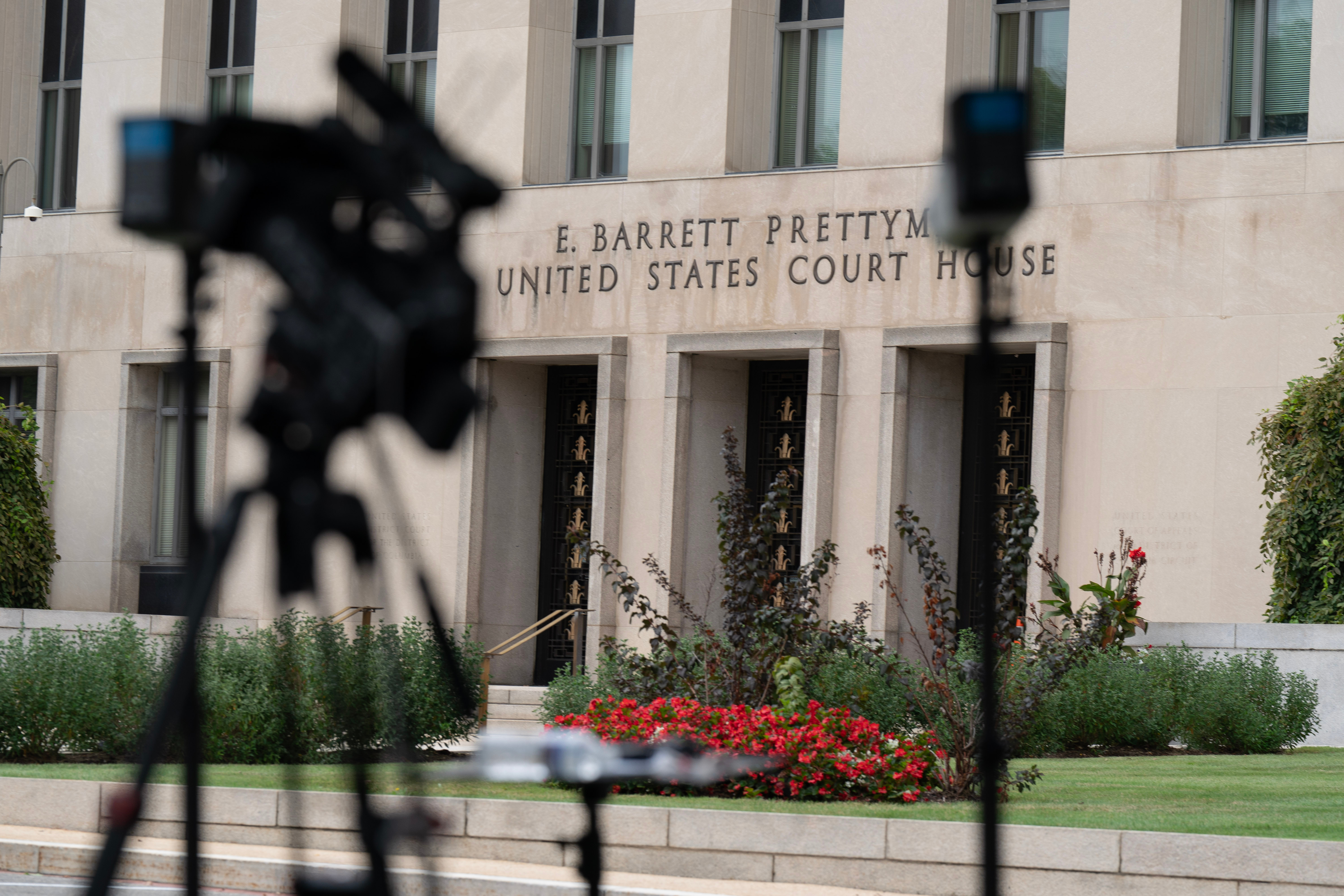
    WASHINGTON — A federal judge weighing whether to block President Donald Trump’s ban of three news outlets from White House grounds expressed some skepticism Wednesday in response to the government’s defense of the move.

    U.S. District Judge Timothy Kelly, who was nominated by Trump in 2017, didn’t rule from the bench after hearing arguments in an extraordinary showdown between Trump and media outlets whose coverage he dislikes.

    But the judge questioned whether the administration met its legal responsibilities and provided the news outlets with adequate due process before banning them on Friday, assailing what he called “fake news.” More recently, the president has said negative coverage was dangerous for the country.

    The news outlets argued they were singled out because of the content of their coverage — in other words, viewpoint discrimination — and called the ban a “blatant violation” of the First Amendment.

    Kelly said his decision must be guided by courts’ prior rulings in comparable First Amendment cases, even if the government disagrees with them.

    “I think it is fair to say that the processes that the court laid out wasn’t followed here,” Kelly said.

    It wasn’t clear when Kelly, who ordered a CNN journalist’s access restored in a similar case in 2018 — would issue a decision on the news outlets’ request for a restraining order. But he said he’d rule as soon as possible.

    CNN, Politico and MS NOW each told The Associated Press they’d have no comment on the emergency hearing.

    Prior rulings indicate journalists should be heard before press passes are revoked

    Kelly opened by reminding both sides that he’s required to apply case precedent.

    The rulings in two prior cases over press access — including one that went to the U.S. Supreme Court — made clear that journalists were entitled to an opportunity to be heard before they have their press passes revoked.

    Justice Department attorney Michael Velchik argued that the rulings in the earlier cases were wrong.

    “Access to the White House is a privilege, not a right,” Velchik said.

    Theodore Boutrous Jr., attorney for the outlets, called the ban an “unprecedented, unreasonable punishment” and said there was “not a semblance of due process.”

    The administration doubled down on its contention that it has the right to decide who can set foot in the White House.

    “The president should be able to take immediate action to protect national security,” Velchik told the court.

    In response, Boutros said, “Suddenly it’s a national security case,” arguing that the president brought up that point only after the lawsuit was filed.

    The Trump administration outlined ‘reporting incidents’ of each news outlet

    In a filing late Tuesday, administration lawyers argued that the ban does not violate the First Amendment, which guarantees the right to a free press. It contended that the outlets, in their reporting, violated “standards of professionalism and decorum expected of those given access to the White House complex, including by trafficking in verifiable falsehoods about national security and other issues and publishing sensitive or classified information.”

    The administration went on to detail letters that were sent to each outlet that identified “a non-exhaustive list of reporting incidents, including those that have threatened national security and spread falsehoods.”

    The “reporting incidents” cited in the filing included: CNN reporting on “‘top-secret’ construction details related to the East Wing bunker”; MS NOW reporting “on an alleged leak investigation”; and Politico publishing “a document detailing funding for the White House ballroom containing intricate descriptions of how the Secret Service would invest in security improvements.”

    Further examples were given in individual letters. Politico’s letter detailed six incidents of reporting, including in June citing a “senior administration official … granted anonymity” predicting whether a preliminary deal would end the conflict with Iran.

    That item appeared to reference a background briefing set up by the White House, where an official briefed reporters on condition of anonymity under ground rules set by the White House itself. Several other outlets also reported the official’s remarks.

    Major networks continue to refrain from covering Trump for the media pool

    The ban prompted other media outlets to take action in solidarity. The five-network U.S. network press pool — a rotating cast of news outlets that covers the president, and to which CNN belongs — decided to suspend coverage of Trump events until further notice.

    After the hearing Wednesday, the networks were poised to continue their ban on filming Trump coverage. At Joint Base Andrews, where the president was to formally welcome Chinese President Xi Jinping later, journalists from Fox News, CBS and NBC were present but not shooting video, and some appeared to be breaking down their cameras.

    Other television outlets whose crews were present, according to signs on their tripods and cameras, were NewsNation, Newsmax, Right Side Broadcasting Network, One America News and LindellTV.

    Ahead of Wednesday’s hearing, an amicus brief was filed by other news groups, urging the court to immediately restore the three outlets’ White House access.

    The brief — filed by the Reporters Committee for Freedom of the Press, the White House Correspondents’ Association and 49 media outlets and industry groups, including The Associated Press, The New York Times and Reuters — says “the targeted expulsion of news media from White House grounds injures the public interest” and ”unassailable First Amendment law makes any viewpoint-based decision to bar reporters from a nonpublic forum constitutionally repugnant.”

    The proceedings are historic, said Katie Fallow, deputy litigation director at the Knight First Amendment Institute at Columbia University.

    “No president has taken this explicit of a step” to ban entire news outlets because he doesn’t like their reporting, she said. “There have been various presidents throughout history who have grumbled about the press or threatened to take more major steps, but really there was nothing at this level before Trump.”

  • Harvey Weinstein is sentenced to 15 years in prison for 2006 sex crime in New York

    Harvey Weinstein is sentenced to 15 years in prison for 2006 sex crime in New York

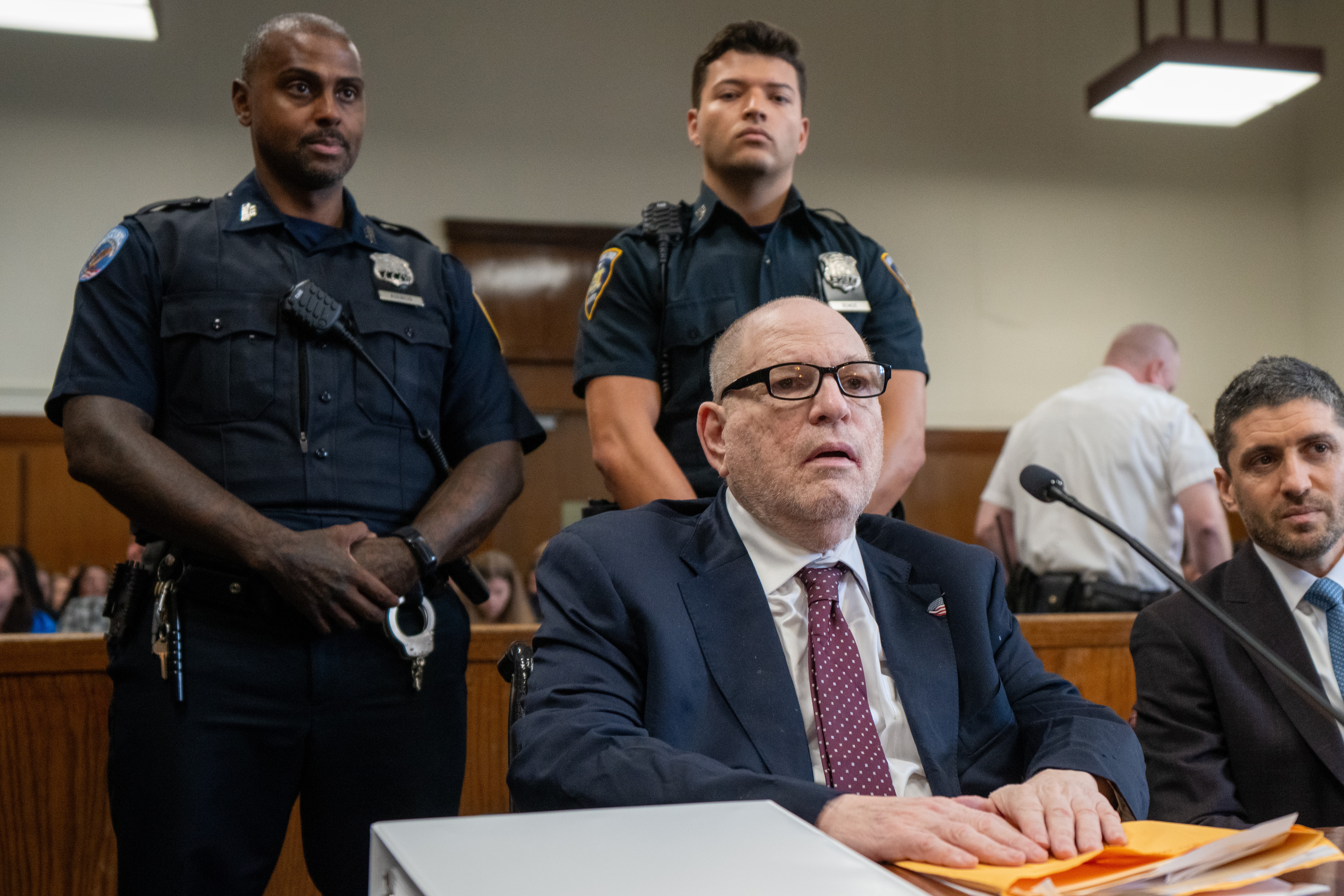
    NEW YORK — Harvey Weinstein, the disgraced movie mogul, was sentenced in Manhattan to 15 years in prison Wednesday for a felony sex crime in another #MeToo reckoning.

    Weinstein’s sentencing for sexually assaulting one-time TV production assistant Miriam Haley followed a legal odyssey spanning more than six years. His 2020 conviction was overturned by New York’s highest court. A second jury found Weinstein guilty again at a retrial last year.

    Once among the most powerful figures in the entertainment industry, Weinstein was an Oscar-winning producer whose hits included Shakespeare in Love, Pulp Fiction and Chocolat. But his downfall came quickly after sexual assault allegations in 2017 set off the #MeToo movement.

    Weinstein, 74, is expected to appeal and maintains that he never raped or sexually assaulted anyone. He is now likely to remain behind bars well into his 80s. Seated in a wheelchair, he was quickly moved out of the courtroom after the sentencing, while some of his accusers hugged and brushed away tears.

    Weinstein and his victim both spoke in court

    Weinstein faced up to 25 years in prison for sexually assaulting Haley at his Manhattan apartment in 2006. He has already served more than six years as his case cycled through the criminal justice system. Haley gave her account of the assault at two trials, and again addressed the court Wednesday.

    “Having been sexually assaulted by Harvey Weinstein has had a devastating effect on my life and sense of security that may never go away. Making the decision to speak up will have me looking over my shoulder for years to come,” Haley said.

    “It’s a life sentence for me,” she added.

    Minutes later, Weinstein apologized while reiterating his innocence.

    “Reflecting on all that has happened since 2017 has helped me recognize how my past conduct has negatively affected others. I live with many regrets and sincerely apologize to anyone I have affected with my actions,” he said.

    Some of his accusers who were in court shook their heads while he spoke.

    Weinstein is the face of MeToo, judge says

    Judge Curtis Farber said Weinstein was once a king in the movie industry, “but recognition for these achievements will pale in comparison to what you did.”

    He said Weinstein is now known as “a sexual predator, the literal face of the MeToo movement.”

    The judge said Weinstein treated women as “mere objects to be played with and discarded” and still hasn’t accepted responsibility, portraying himself as a victim during jailhouse interviews.

    Haley afterward said she was happy with the sentence, while saying it’s clear that Weinstein has not acknowledged what he did. “I think he still feels entitled, and that’s part of the problem,” she said.

    Haley’s lawyer, the famed victims’ rights attorney Gloria Allred, rejected any suggestion that Weinstein’s sentencing means the MeToo era is over.

    “Women are empowered in a way they have never been before,” she said.

    Why Weinstein is being sentenced a second time

    Weinstein was originally sentenced to 23 years in prison after a jury convicted him of assaulting Haley and raping an aspiring actress, Jessica Mann, in 2013.

    Tried for a second time last year, he was again convicted of a first-degree criminal sex act for assaulting Haley, who has also gone by the name Mimi Haleyi. In a messy split verdict, the jury acquitted him of forcibly performing oral sex on another woman, Kaja Sokola, and could not reach a verdict on a rape charge involving Mann.

    After another retrial ended in a hung jury in May, Manhattan prosecutors dropped the rape charge rather than pursue a fourth trial after Mann said she could not bear to testify again.

    Weinstein’s health issues pushed the defense to ask for leniency

    Defense lawyer Jacob Kaplan wanted three more years on top of the six years Weinstein already served, saying a longer sentence would make it more likely that Weinstein dies in prison.

    Weinstein has been in the hospital six times since 2025, Kaplan said, while dealing with blood cancer, congestive heart failure, and kidney issues.

    Weinstein is also awaiting resentencing in a separate rape case in Los Angeles. A California appeals court upheld the 2022 conviction but threw out his original 16-year sentence because the judge had considered his New York convictions — that were later thrown out — as an aggravating factor.

    After shuffling between state prison, where he tested positive for COVID-19 early in the pandemic, and New York City’s notorious Rikers Island complex, Weinstein has been housed at a medical unit for inmates at Bellevue Hospital in Manhattan.

    Haley describes the assault that led to Weinstein’s conviction

    Haley, 49, is a former entertainment producer now working in advertising.

    She said she met Weinstein through a mutual connection and worked briefly as a production assistant on Project Runway, a reality competition show that he produced.

    Haley said she accepted an invitation to visit Weinstein’s apartment and after chatting briefly, he lunged to kiss her, she testified. She said she rebuffed him, but he grabbed her, forcibly backed her into a bedroom and sexually assaulted her, ignoring her pleas to stop.

    She recalled Weinstein asking, “Don’t you think we’re much closer now?” after either the alleged assault or a subsequent occasion when she says she had unwanted, but not forced, sex with him.

    She also recalled telling him after the second encounter, “You know you can’t keep doing this.”

    The Associated Press does not typically identify people who say they are victims of sexual assault unless they grant permission, which Haley, Sokola and Mann have done.
  • Presley Gerber, son of Cindy Crawford and model, dies at 27

    Presley Gerber, son of Cindy Crawford and model, dies at 27

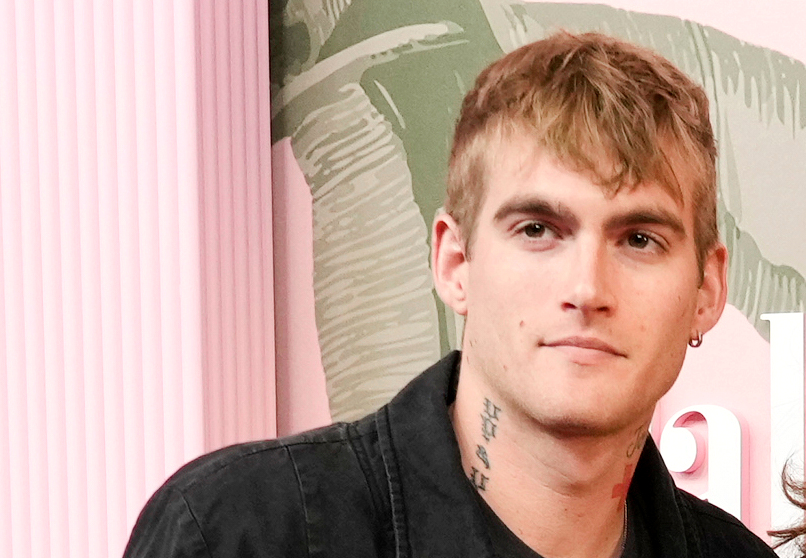
    LOS ANGELES — Presley Gerber, the son of supermodel Cindy Crawford and businessperson Rande Gerber, died Sunday at age 27, a family representative said.

    Mr. Gerber died at a rehabilitation facility, according to online records of the Los Angeles County Medical Examiner. The medical examiner did not provide a cause of death Sunday. An autopsy was performed, but more testing is required before investigators can give a cause, according to the medical examiner’s website.

    The death was confirmed by Allie Jenkins, a representative for Crawford and Rande Gerber, who were married in 1998.

    “The family is asking for privacy during this very difficult and painful time,” Jenkins said in an email Sunday night.

    Mr. Gerber was a model and the older brother of model and actor Kaia Gerber. He had been open about his struggles with mental health and substance abuse, documenting his journey on Instagram. He even started a “Mental Health Mondays” series on the platform to raise awareness and share wellness tips. Across multiple episodes, he related his own experiences with substances ranging from ketamine to kratom, as well as his time at rehabilitation facilities.

    He posted an Instagram video in March from Mexico, where he said he planned to take ibogaine, a potent psychedelic that is being studied as a treatment for opioid addiction, post-traumatic stress disorder and other conditions. Ibogaine — known to sometimes trigger potentially fatal heart problems — is banned in the U.S. under the federal government’s most restrictive category for illegal, high-risk drugs, although President Donald Trump directed his administration to ease restrictions and spur research.

    Raised in Malibu, Calif., Mr. Gerber signed with the management agency IMG as a teenager and made his runway debut for Moschino at 16. In 2018, he appeared alongside his mother — whose famous beauty mark he inherited — in a Pepsi Super Bowl ad that paid homage to her 1992 commercial for the soda brand. That same year, he and his sister shot a campaign for Calvin Klein jeans.

    Mr. Gerber later signed with DNA Models. His biography on the agency’s website describes him as an entrepreneur and model who was inspired by “his mother’s legendary modeling career and his father’s lucrative business career.” Rande Gerber’s businesses have included restaurants, nightlife companies, and Casamigos — a tequila brand he cofounded with George Clooney and Mike Meldman that was sold to Diageo in a $1 billion deal.

    Mr. Gerber’s modeling biography also described him as an “avid surfer and skater.” In an Instagram video posted in July 2025, Mr. Gerber described growing up as a dedicated athlete who spent hours in the water nearly every day — a routine that came to a halt when he started working. With less physical activity, Mr. Gerber said, he was put on more medication and his quality of life suffered.

    “For me it took 10 years of looking back at my life being like, ‘Well, what changed?’ A lot of the time people would ask like, ‘You were such a happy kid; what happened to you?’” he recalled. “What happened was life happened and I wasn’t able to worry about one thing, which was my next meal and then get back in the ocean. Like I had to start making money, I had to start — I got a job.”

    In an interview with Vogue last month, Kaia Gerber praised her brother for being so open about his experience with addiction.

    “My parents for most of our lives were very, very private and didn’t share anything—and now we have this absolute teacher, my brother, who says, ‘I’m gonna be very human for everyone,’” she told the magazine. “There’s only so much you can hide from the world. And trying to put a lid on something just makes the person feel like you’re ashamed of them.”

    In addition to his testimonial videos, Mr. Gerber’s Instagram was a collection of modeling shoots and memories that stretched back to childhood. His life around cameras influenced his own interest in photography as an art form.

    “I have always been the type of person to stop and take a picture when everybody is just focused on the destination,” he told Vogue in 2016, on the occasion of his runway debut. “I feel like people walk by a countless amount of beauty in the world every day, and I hope that I don’t miss all of it.”

  • Tiny wild cat newly identified as a species draws curious visitors in Bolivia

    Tiny wild cat newly identified as a species draws curious visitors in Bolivia

    COROICO, Bolivia — A tiny wild cat hidden away in the cloud forests of Bolivia has become an unlikely tourist attraction, drawing a stream of visitors hoping for a glimpse of the animal that scientists have identified as a brand new species.

    There is just one problem: Tigrino, as he has been affectionately dubbed, doesn’t like the attention.

    The small, spotted feline with large, leopardlike spots is easily stressed, so caretakers at the wildlife sanctuary near La Paz keep him out of public view, turning away the crowds eager for a closer look. When the Associated Press visited Sunday, Tigrino cautiously emerged from his shelter, sniffed the air and paced around for a few minutes before slipping back into the foliage.

    Tigrino belongs to Leopardus tilcayo, the first living wild cat species described by scientists in more than a century. At just 18 inches from head to the base of his tail and 3 pounds, he is smaller than the average house cat.

    The discovery published Thursday in the journal Current Biology set off a flurry of excitement on social media. Visitors from across Bolivia and beyond have flocked to the Senda Verde Wildlife Sanctuary, where Tigrino has lived since 2017, when a family brought him there after trying unsuccessfully to make a house cat of him.

    “Tigrino has become, in just a few days, an ambassador for conservation,” said sanctuary co-founder Marcelo Levy, adding that the new species designation has helped raise awareness about the need to protect wild cats and their habitat in Bolivia’s tropical forests.

    “He’s such a tiny animal, and he has become something so important,” Levy said.

  • States settle lawsuit over Paramount-Warner merger, clearing key hurdle for $81 billion deal

    States settle lawsuit over Paramount-Warner merger, clearing key hurdle for $81 billion deal

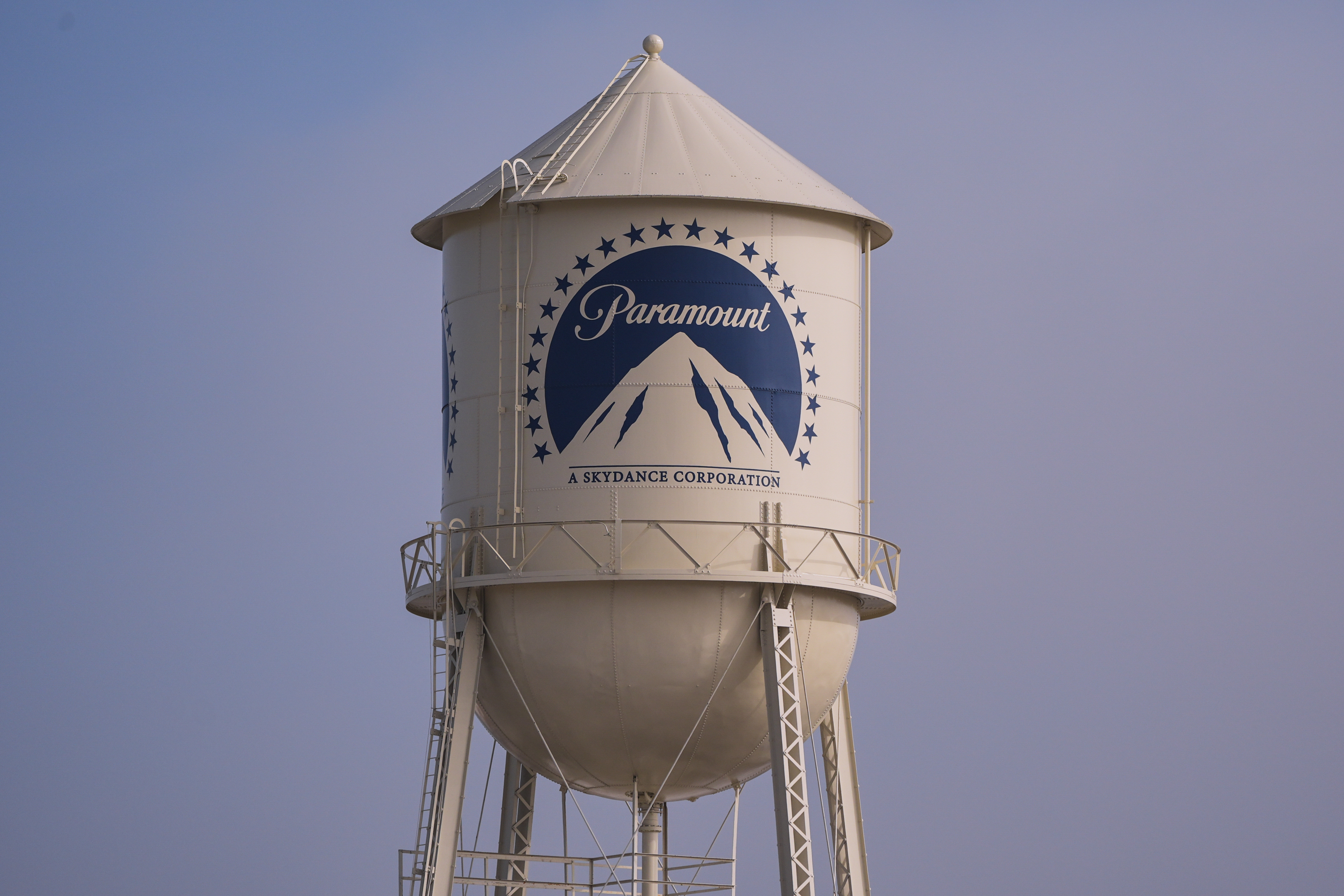
    CHICAGO — California Attorney General Rob Bonta announced a settlement with Paramount in a lawsuit his state led challenging the company’s acquisition of Warner Bros. Discovery on Monday, effectively paving the way for the mega merger to move forward, with some new commitments.

    The $81 billion blockbuster deal will bring together two of Hollywood’s oldest studios, key TV networks like CBS and CNN, and streaming platforms HBO Max and Paramount+, as well as decades of libraries with titles ranging from Harry Potter to Top Gun.

    But terms of Monday’s agreement include what Bonta called “court enforceable” requirements for Skydance-owned Paramount to increase domestic production and establish monitoring of editorial independence of the company’s news operations.

    The settlement still needs final court approval. Bonta maintained that Monday’s agreement “is not a vote of support for this merger” — but that he was always willing to come to the table and “find a strong solution that protects competition and consumers.”

    The coalition of states — including entertainment heavyweights like California and New York — sued to block the merger back in July, alleging a Paramount-Warner combo would “extinguish competition” and lead to fewer choices for consumers, particularly movie theatergoers and cable customers across the U.S.

    Accompanied by a complaint also filed by the Writers Guild of America, the challenge was headed toward a full antitrust trial set to kick off in March.

    Paramount said the allegations were meritless, but previously agreed to delay its transaction well into next year so the case could make its way through court. It then quickly called for a settlement — arguing that it had satisfied all regulatory clearances worldwide (including from the Trump administration’s Justice Department ) and the states’ challenge was its “final obstacle.”

    As reports of the states reaching a settlement with Paramount emerged Monday, critics decried the deal — while warning of what further consolidation could mean in an industry already controlled by just a few major players.

    “Today, billionaires have yet again bribed, censored, and bullied their way to the top,” Alvaro Bedoya, senior adviser at the American Economic Liberties Project and former FTC commissioner, said in a statement earlier Monday. “Layoffs will follow. People from L.A. to Atlanta will lose their jobs, small businesses will lose their contracts, your cable bill and movie ticket will be even more expensive.”

  • MS NOW, CNN, and Politico say their journalists were denied access to White House after Trump ban

    MS NOW, CNN, and Politico say their journalists were denied access to White House after Trump ban

    NEW YORK — Reporters from three major news organizations — CNN, MS NOW, and Politico — were denied access to the White House on Saturday, a day after President Donald Trump said he was barring them because of reporting he found to be “fake news.”

    The actions were a clear escalation of Trump’s long-running efforts — in the courts and through administrative action — to restrict news coverage by journalists he finds objectionable, and the latest test of First Amendment protections in the United States. Trump had said Friday he would ban all three outlets because of coverage he disliked.

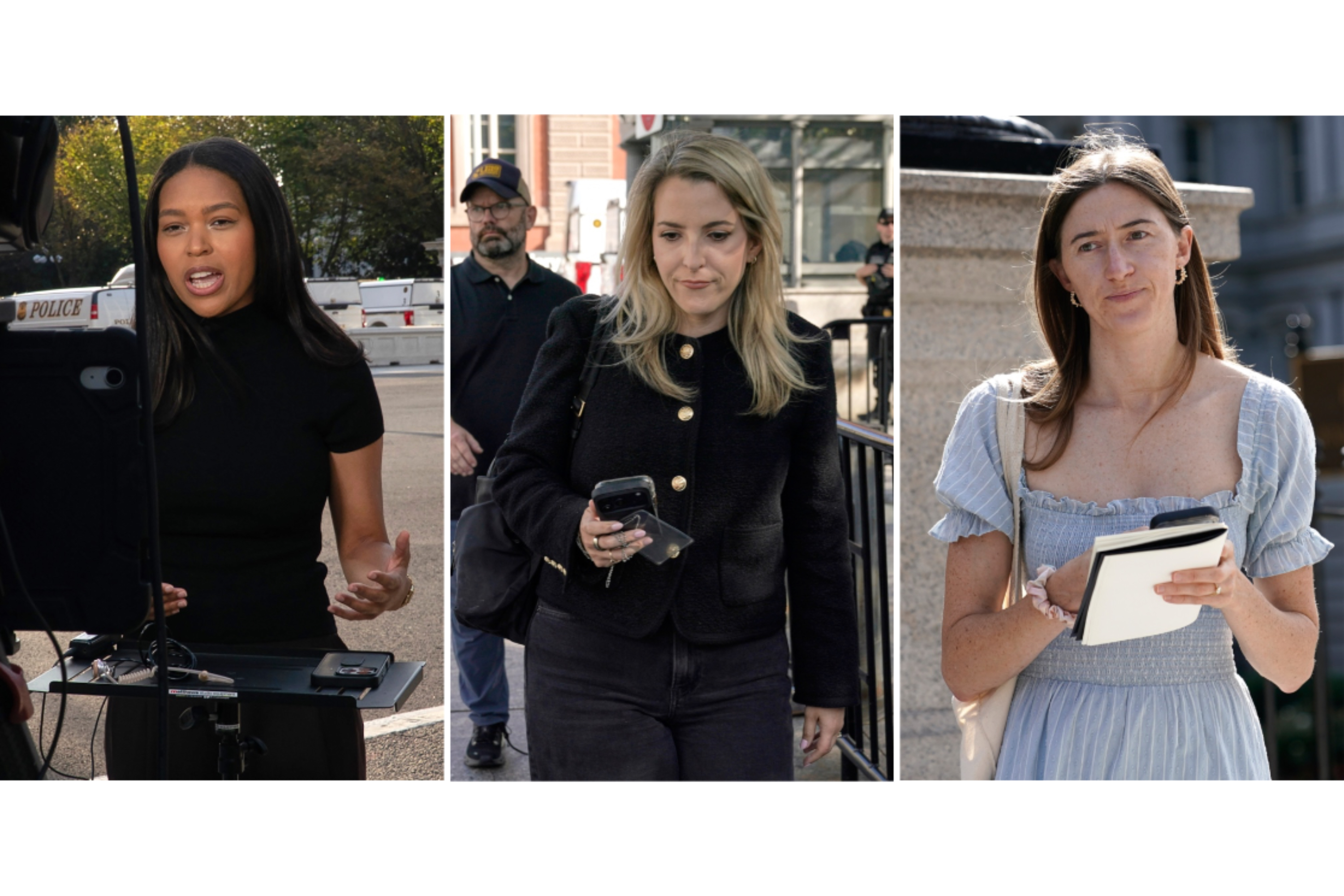
    White House reporters from the two cable networks — Betsy Klein of CNN and Akayla Gardner of MS NOW — both went live to report they’d been turned away when arriving for their jobs at the White House. Soon after, Politico said its White House reporter Cheyenne Haslett was also denied entry and had her badge confiscated.

    Politico editor-in-chief Jonathan Greenberger said in a statement to the Politico newsroom: “We stand by her and all reporters here covering the White House. … We will vigorously defend our First Amendment rights.”

    CNN and MS NOW issued similar statements. “We will not be deflected from our duty to hold the government and other public bodies to account,” CNN said.

    “The White House belongs to the American people and the decisions made inside are funded by our tax dollars,” MS NOW said in its statement. “MS NOW intends to take any and all steps necessary to defend our First Amendment rights and the essential role of independent journalism in our democracy.“ ‘

    In his second term, Trump and his administration have upped the ante and punished certain media outlets, both in the courtroom and through regulatory action. Trump has also lashed out at individual reporters in person or over social media, sometimes in strikingly personal terms — insulting them in briefings, or in his recent speech at the White House Correspondents’ Association dinner.

    CNN and MS NOW correspondents are turned away

    Network correspondents are usually present on the weekends when the president is in Washington or at nearby Camp David. Trump is at the presidential retreat in Maryland this weekend.

    MS NOW’s Gardner reported that she had walked through two gates successfully, but once she got to where her badge needed to be scanned, an officer told her it was disabled and asked her to hand it over. He said the decision “was above him,” she reported. An MS NOW producer was able to get in, but a photographer’s badge was also disabled, Gardner said.

    Klein, senior White House reporter at CNN, also said her badge had been deactivated. It was confiscated, and she was handed back the clear plastic case. She said she was referred to the White House press office for further information.

    Amy Kristin Sanders, a professor at Pennsylvania State University and an expert in media law, said it has “become pretty clear that this administration is not interested in playing by traditional First Amendment rules and norms.

    “The second Trump administration’s efforts to crack down on press freedom and delegitimize independent journalism far exceed those of any other modern American president,” Sanders said. ”It is not an exaggeration to say his hostile actions toward news organizations and individual reporters have a chilling effect on freedom of expression around the world.”

    CNN media analyst Brian Stelter called the move “a direct threat to press freedom in the United States.”

    “It’s so much bigger than CNN,” Stelter said. “This is a free speech test in America.”

    Trump calls these and other outlets ‘fake news’

    The president wrote on his social media site Friday that effective immediately, “I am banning” CNN, MS NOW, and Politico “from the White House as a result of their constant ‘reporting’ FAKE NEWS!” Minutes later, speaking at an event in the Oval Office, Trump was asked to explain his statement.

    “Because they’re fake news,” he said. “You get so tired of reading and seeing fake news. When you look at CNN, it’s just fake. That’s why their ratings are no good. When you look at MS NOW … it’s fake news.”

    “And when you look at Politico … the stories they wrote are fake. So there’s a lot of news and there may be others to join them, and maybe they can get better,” he said. “But our country has to have honest news.”

    The move follows the president’s decision last year to bar Associated Press reporters from the Oval Office, Air Force One, and other events in retaliation for the news outlet’s decision not to follow his lead in changing the name of the Gulf of Mexico, which lies partially in Mexican and other waters. The AP said that it would note when appropriate that Trump had ordered it renamed the “Gulf of America.”

    The AP filed suit and the case is ongoing. Since returning to office, Trump has pursued other legal action against a variety of different outlets, including the New York Times, the Wall Street Journal, and the BBC. His administration is also involved in a long-simmering confrontation involving ABC over renewal of its broadcast licenses.

    The AP said Saturday it supported the news organizations banned this week. In a statement, it said: “No news organization — or person — should be retaliated against by the government over the words they use.”

  • Trump says he is banning CNN, MS NOW, and Politico from the White House

    Trump says he is banning CNN, MS NOW, and Politico from the White House

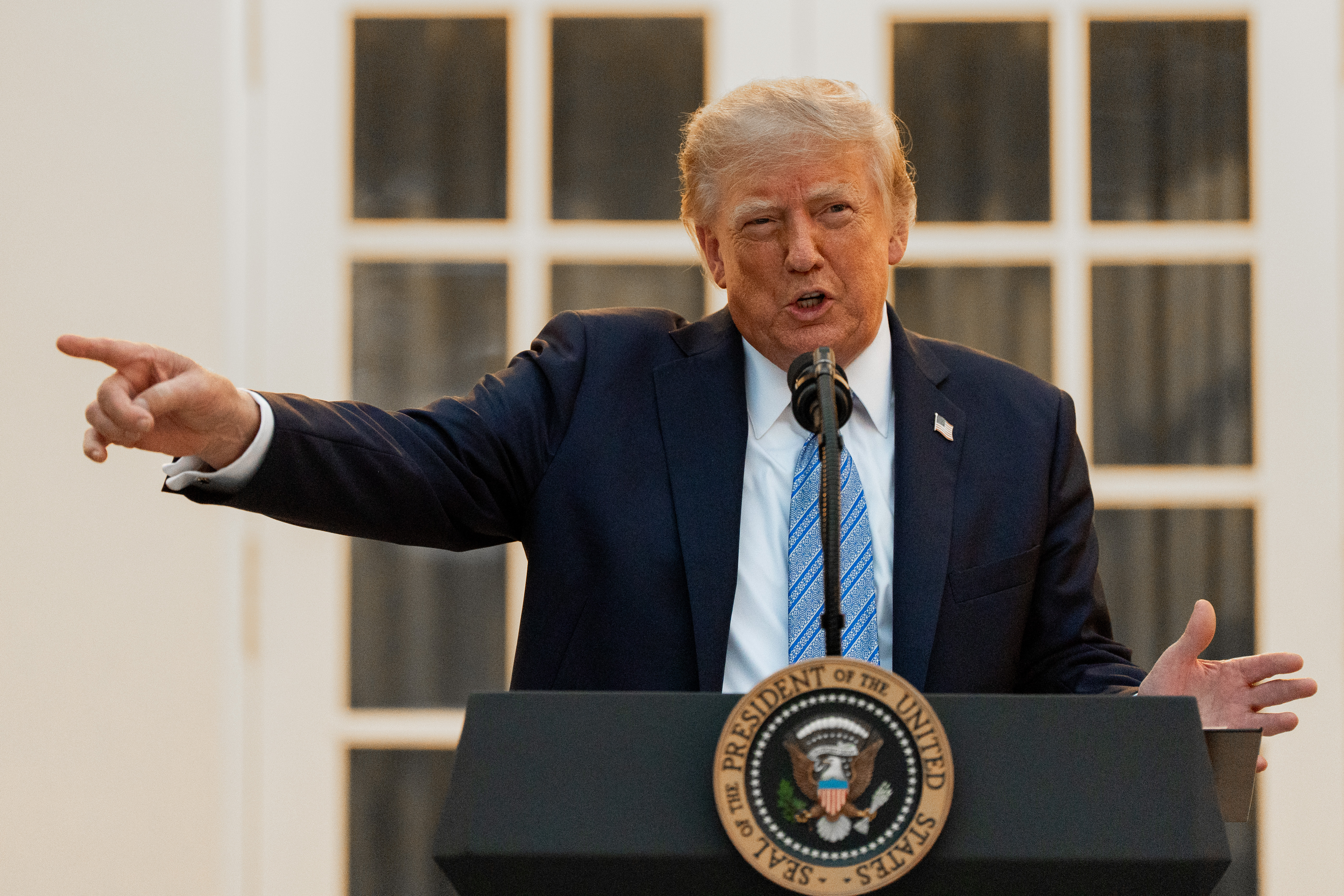
    President Donald Trump said on Friday that he would ban CNN, MS NOW, and Politico from the White House, although it was unclear how such a prohibition would be enforced or legally defended.

    The president’s abrupt proclamation, which he said was “effective immediately,” came in a post on Truth Social, the social media platform he owns.

    Journalists from those news outlets were still working as usual on the White House grounds on Friday afternoon, and there were no immediate signs that they were being evicted.

    Speaking later with reporters in the Oval Office, Trump said he announced a ban “because they’re fake news. You get so tired of reading and seeing fake news.” He added, “You get sick of it.”

    Asked exactly what he meant by a ban, the president replied: “A very simple ban. I don’t want them in my office. I don’t want them here. I would say the ban would go as far as you can. And if they could straighten themselves out, I’d love it.”

    Asked if his ban could survive a court challenge, Trump replied, “I don’t think that a court should allow fake news to be written day after day after day.”

    CNN said in a statement that Trump’s ban would be “an illegal assault” on a “fundamental and constitutionally-protected right.”

    “We have a right under the U.S. Constitution to do that reporting without hindrance or interference from the government,” the network said.

    A spokesperson for MS NOW declined to comment. A spokesperson for Politico did not immediately respond to a request for comment. An inquiry to the White House Correspondents’ Association was not immediately returned.

    A prospective ban would open yet another front in Trump’s ever-expanding battles with the news media, whose output he has increasingly attempted to control using a variety of bureaucratic levers and intimidation tactics. The president has filed lawsuits and used government tools like subpoenas to target newspapers, late-night talk show hosts, corporate media conglomerates, and journalists whose reporting he dislikes.

    In his social media post on Friday, Trump warned that he might add other organizations to his prospective ban, writing, “Other Fake News Media Outlets to follow.”

    Trump expanded on his feelings at his Oval Office appearance, echoing the usual protestations about the media that he unspools at rallies, news conferences, and in interviews. “They purposely write negative news,” the president said. “And they do that because they want to try and diminish the Republicans and a Republican administration.”

    Any prospective ban on journalists from specific news outlets would almost certainly prompt a legal challenge.

    Trump has tried to bar some news organizations from parts of the White House in the past. During his first term, he revoked a White House pass for Jim Acosta, the former CNN journalist. CNN succeeded in restoring Acosta’s press credentials in court.

    This term, Trump has attempted to bar Associated Press journalists from parts of the White House, including the Oval Office and Air Force One. The AP has sued to restore its access, but that case remains in litigation; in the meantime, AP photographers have had continued access to the Oval Office. Its print journalists have had more limited access.

    His administration has also taken command of the daily White House press pool, a small, rotating group of reporters who relay the president’s daily activities to the public. Previously, the Correspondents’ Association chose which outlets participated; now, the administration handpicks the news outlets that are included.

    Jameel Jaffer, the executive director of the Knight First Amendment Institute at Columbia University, said that the ban floated by Trump on Friday is clearly unconstitutional because it would punish news organizations for the content of their reporting.

    “If President Trump means to expel these news organizations from the White House press pool, his action is doubly unconstitutional because the press pool is a ‘public forum’ under the First Amendment, which means the president can’t exclude journalists from it on the basis of their viewpoints,” Jaffer said.

  • Judge orders Kennedy Center to provide 30 days’ notice before making any major physical changes

    Judge orders Kennedy Center to provide 30 days’ notice before making any major physical changes

    WASHINGTON — A federal judge on Thursday ordered the Kennedy Center to provide 30 days’ notice before making any major physical changes to the building, including demolishing it as President Donald Trump has threatened.

    U.S. District Judge Christopher Cooper said his ruling would “avoid any confusion on that score given more recent events,” including the sudden closure of the building to the public on Wednesday.

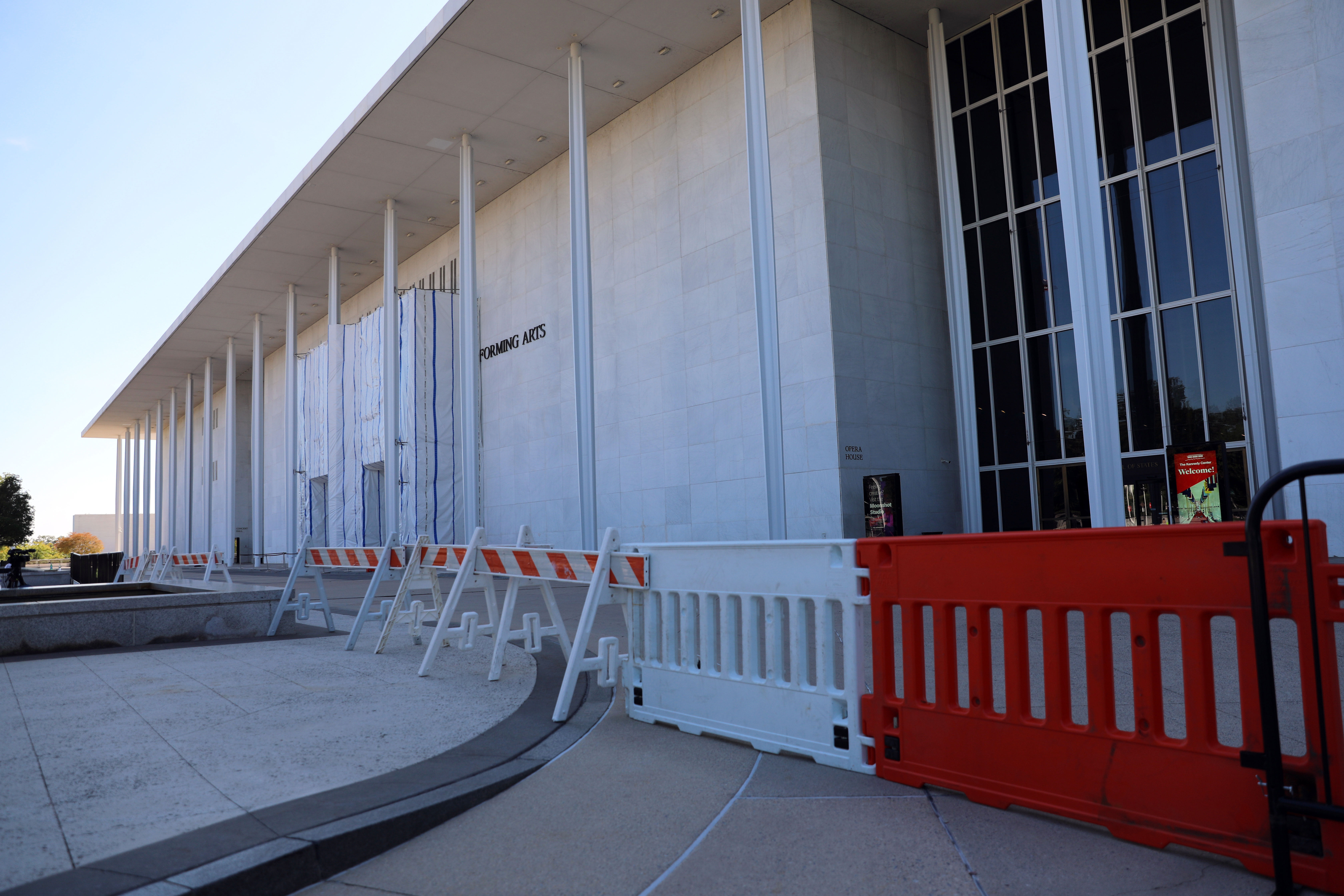
    Matt Floca, the Kennedy Center’s executive director and chief operating officer, said he closed the iconic performing arts center temporarily due to “acute risks to public safety resulting from continued structural deterioration” of the aging building. The building will be closed for at least seven days to “assess existing safety risks in those portions of the main building exhibiting severe structural deterioration,” Floca said.

    The temporary closure, which occurred without notice Wednesday, is separate from a vote Tuesday by the Kennedy Center’s board to close the performing arts center indefinitely for repairs, Floca and other officials said. The closure was based on an inspection of the roof terrace canopy and a partial ceiling collapse earlier this month, Floca said. The closure may be extended after evaluation next week, he said.

    The announcement of the closure came in response to a court case filed by a Democratic congresswoman who is a trustee and sought an emergency court hearing to prevent what she called the building’s “unlawful closing.”

    Rep. Joyce Beatty, an Ohio Democrat and an ex-officio member of the Kennedy Center board, has led efforts to block President Donald Trump’s name from being added to the building. Beatty had a verbal confrontation with the Republican president Tuesday during a virtual board meeting.

    Beatty’s lawyers said in a court filing Thursday that the board members’ “rationale that they are only temporarily closing the Kennedy Center is a plain pretext to justify shutting down the Center permanently. The facts before the Court are deeply concerning.”

    Cooper denied a request by Beatty’s legal team to hold a hearing to clarify the board’s actions and intent. But he agreed to their request “to make crystal clear” that his order prohibits demolition of the building.

    The Trump-aligned board, chaired by the president, voted to close the center after Cooper blocked the institution from returning Trump’s name to the building.

    Trump, who was named the Kennedy Center’s chairman last year by loyalists on the board, said Wednesday that his efforts to restore the aging building deserve recognition, “because frankly, if we don’t do that, it’s going to close. It’ll end up being ripped down. It’s in very, very bad shape, very dangerous shape.”

    Congress has allocated $257 million to cover the repairs, but Trump said they only would happen if the board was permitted to move forward with plans to add his name to the building.

    On Thursday, Barbra Streisand, a Kennedy Center honoree in 2008, questioned the closing of the center for repairs and called the controversy surrounding its operation “galling and painful to witness.”

    Of Trump’s attempts to add his name to the center, she said in a statement to The Associated Press: “You can easily imagine my indignation at seeing this revered institution become the subject of such a bitter struggle over one man’s name and unchecked ego.”

    The Kennedy Center board voted in August to inscribe Trump’s name on the Kennedy Center’s facade so it would read “The John F. Kennedy Center for the Performing Arts Restored and Renovated By President Donald J. Trump.” If the Trump Kennedy Center Fund reached $100 million, another inscription would be added reading “Endowed by the Trump Kennedy Center Fund.”

    The plaza in front of the Kennedy Center would also have been renamed in Trump’s honor.

    All of those proposals were shot down Tuesday by Cooper, who ruled that nothing could happen “without Congress’s blessing.”

    Cooper ruled in May that the Kennedy Center illegally added Trump’s name to the building, ordering it removed. The institution’s leaders complied in June but left a tarp and scaffolding in place where Trump’s name was once displayed.

    Streisand told AP she was deeply honored to be included in the 31st annual class of Kennedy Center Honorees, adding, “for me, and for so many artists, that honor represented something larger than a career recognition. It represented a belief in the importance of art to the life of a democracy.”

  • Centenarians living in Japan exceed 100,000 for the first time

    Centenarians living in Japan exceed 100,000 for the first time

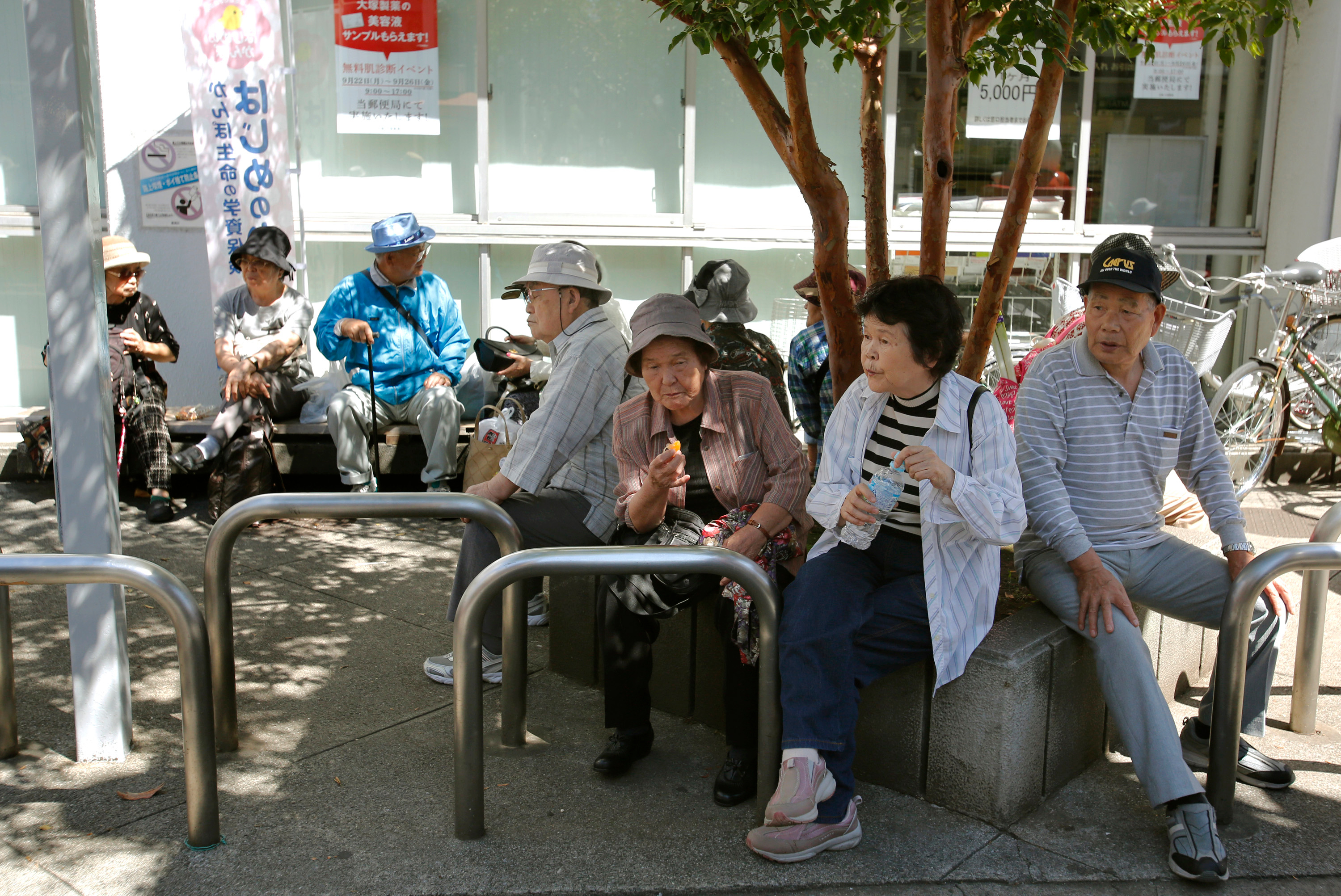
    TOKYO — The number of people aged 100 or older in Japan surpassed a record 100,000 this year, the latest government figures show, underscoring the country’s rapidly aging and declining population.

    The Health and Welfare Ministry statistics released Tuesday show Japan now has 107,677 centenarians, up 7,914 from the previous year and exceeding the 100,000 mark for the first time. Nearly 88% of them are women.

    Kyoto resident Fuyo Kishimoto was recently recognized as the oldest Japanese woman at age 114. Japan’s oldest male is 112-year-old Hikaru Kato from Kumamoto in southern Japan.

    The figures were released to mark this year’s Sept. 15 Respect the Aged day, when healthy and active centenarians are honored by the government with a letter from Prime Minister Sanae Takaichi and a silver sake cup.

    “I’m very pleased that many people are living a long, healthy and active lives,” Health Minister Kenichiro Ueno told reporters Tuesday, citing progress in medical technology, healthy lifestyle, and diet as contributing factors.

    Ueno noted the importance of maintaining a sustainable social security system as the population continues to age and decline.

    Many younger people, however, are not optimistic about their future.

    The National Institute of Population and Social Security Research last week released the results of a survey indicating more than 20% of both men and women who are single and aged between 18 and 34 have no intention of ever marrying, with nearly half saying they see no benefit in marriage.

    Ueno acknowledged the reasons for marriage reluctance among young people include the high costs of raising and educating children and the mental and physical burden on working parents. He said the government will continue addressing their concerns and attempt to turn around problems related to Japan’s aging population and dwindling births.

    Japan’s drastic population decline is inevitable, experts say, noting the country’s total fertility rate dropped to a record low 1.14 in 2025, far below the 2.1 children needed to be born to each Japanese woman to maintain the current population.

    Japan’s total population during the 2020 census stood at 126 million, almost 30% of which were 65 or older. Experts estimate there will be a decline to 87 million by 2070 with nearly 40% aged 65 or older, according to the national institute.

    There were 153 people aged 100 or older in Japan when centenarian surveys began in 1963. They exceeded 1,000 in 1981 and surpassed 10,000 in 1998, according to the Health and Welfare Ministry.