Category: Real Estate

  • Tom Corcoran, retired president of the Delaware River Waterfront Corp., has died at 82

    Tom Corcoran, retired president of the Delaware River Waterfront Corp., has died at 82

    Tom Corcoran, 82, of Philadelphia, retired president of the Delaware River Waterfront Corp., founding president and former chief executive officer of the old Cooper’s Ferry Development Association in Camden, former business administrator for the city of Camden, onetime Peace Corps program director in West Africa, mentor, and poetry enthusiast, died Sunday, Aug. 30, of complications from dementia at his home in Center City.

    Born in Chicago and a graduate of Loyola University Chicago, Mr. Corcoran earned a master’s degree in public administration at the University of Pennsylvania’s Wharton School in 1975 and never strayed far from the Delaware River after that. He spent 25 years, from 1984 to 2009, as president and CEO of the Cooper’s Ferry Development Association on the Camden waterfront, and eight years, from 2009 to 2017, as president of the Delaware River Waterfront Corp. in Philadelphia.

    He championed what he called “the two cities, one waterfront strategy” and was especially adept, former colleagues said, at political maneuvering and marshaling funds and projects. Former colleagues on both sides of the Delaware called him “a tireless public servant,” “a visionary urban planner,” and an “economic development strategist with short-term practicality and long-term vision.”

    In Camden, Mr. Corcoran added more than $550 million of investments to the waterfront area and oversaw the development of what is now the Freedom Mortgage Pavilion, the Adventure Aquarium, Wiggins Waterfront Park, the Riverlink Ferry, several office buildings, and other projects. Another New Jersey developer called him a “cult figure” among state lawmakers.
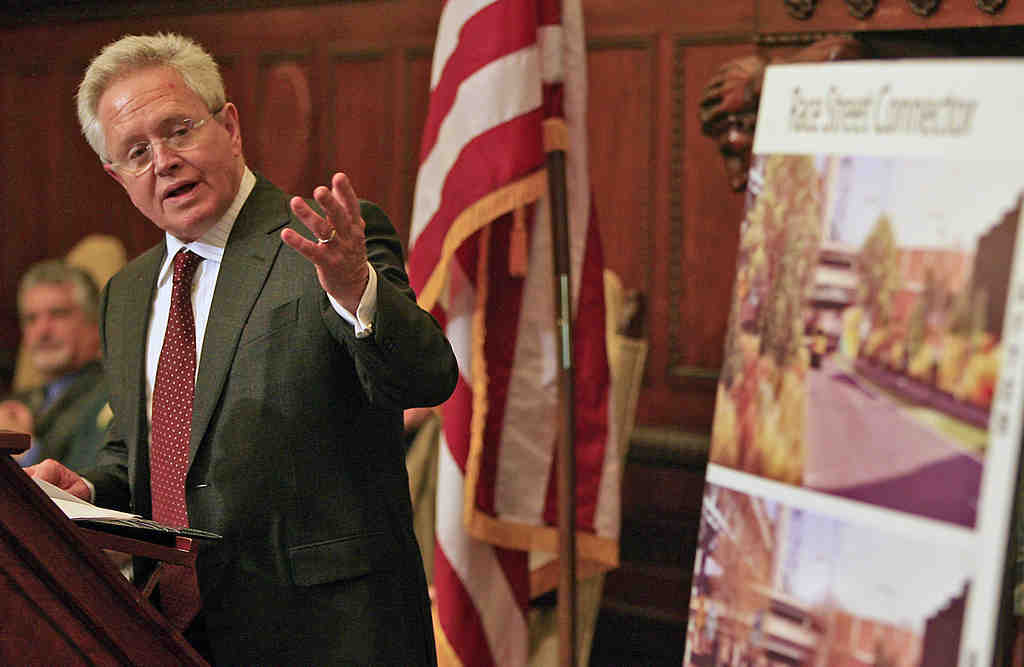
    Mr. Corcoran talks at City Hall in 2011 about creating a string of parks along the Delaware River.Akira Suwa / Staff Photographer

    He said education as well as development was key to building a strong local economy and told The Inquirer in 2006: “Until Camden has a good-quality education system, we’re not going to be able to attract families with school-age children back to the city.”

    Dana L. Redd, former Camden mayor and current president and CEO of Camden Community Partnership, said on Facebook that Mr. Corcoran often slept on a cot in his Camden office and left daily handwritten messages that his project managers called “love notes.” Redd said: “He challenged a generation of urban leaders to think bigger, believe in Camden, and dream about what the city could become.”

    In Philadelphia, he initiated the Race Street and Washington Avenue pier parks, the Spruce Street Harbor Park, a miles-long bike and walking trail, and the I-95 overpass park to reconnect Center City with its waterfront. “The more we look at the concept of one waterfront, two states, the more opportunities we’re going to find,” he said when he left Camden for Philadelphia in 2009.

    When he retired in 2017, he said: “Instead of swinging for the fences, we decided we would hit singles and doubles and bunts and sacrifices, steal bases, and do whatever we could. Eventually, we thought, we’d always get back to the center.”

    Mr. Corcoran (left) shakes hands with then-Mayor Michael Nutter in 2009 after joining the Delaware River Waterfront Corp. Alejandro A. Alvarez / Staff Photographer

    Longtime colleague and friend Bill Hankowsky said: “It is truly unique that a single individual could have the vast impact across two facing waterfronts in the center of one of the country’s major urban metros.”

    Earlier, Mr. Corcoran served nine years, from 1975 to 1984, in Camden city government, rising from administrative aide to business administrator. In 2001, he earned a Good Neighbor Award from the Camden County chapter of the American Red Cross for his “integral role in the revitalization of the city.”

    In the 1960s, Mr. Corcoran joined the Peace Corps after college and spent seven years in Africa building dams and wells with local farmers. He spoke French and the local African language, and rose to program director.

    “What an exemplary life he led,” a former Peace Corps colleague said in a tribute, “without fanfare or drama and always with service to others.”
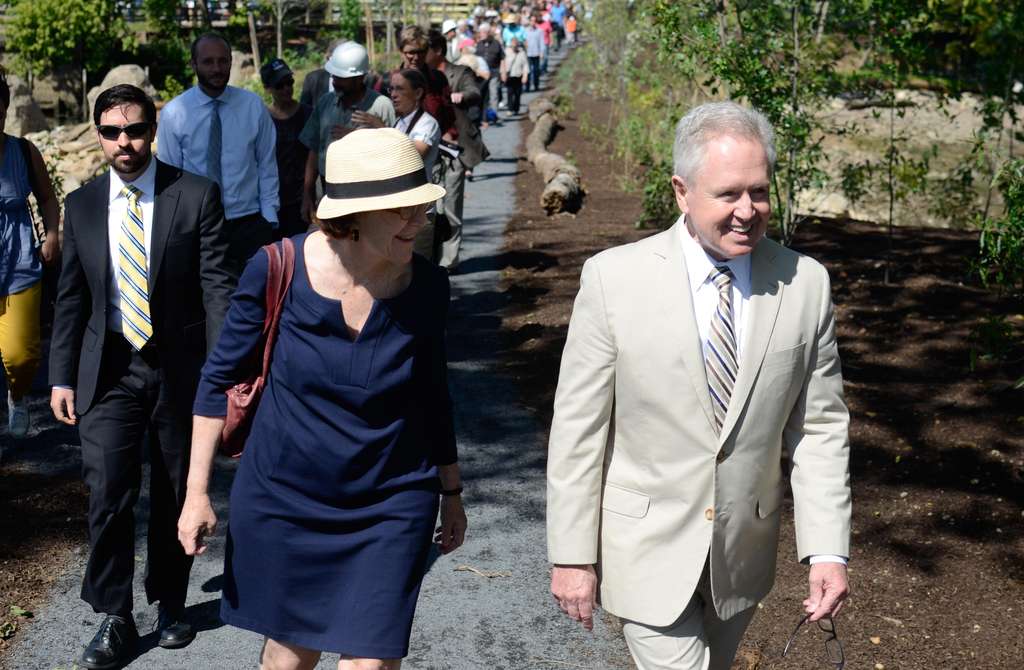
    Mr. Corcoran (right) led visitors on a tour of the Washington Avenue pier park in 2014.Viviana Pernot / Staff Photographer

    Off the waterfront, Mr. Corcoran was enthralled by poetry and his Irish heritage. He liked to recite lines from Ulysses and other poems, and sing songs from the old country.

    “He was a true Renaissance man who had a remarkable vision for communities and people,” a former colleague said. Former colleague John Grady said: ”Tom was a giant, unassuming, persistent force for the local community.”

    Thomas Patrick Corcoran was born May 13, 1944. He earned a bachelor’s degree in political science at Loyola in Chicago and rode camels to work in Africa during his time in the Peace Corps.

    He met Robin Lowey at a dinner society event, and they married in 2003, and lived in Camden and Philadelphia. They enjoyed traveling and dining together, and hashing over world affairs.

    Mr. Corcoran and his wife, Robin Lowey, married in 2003. Courtesy of friends

    In 2009, he said he often peered through a telescope at the Philadelphia waterfront from his home in Camden and wondered how he would develop Penn’s Landing. “He’s the one who brought together the business leaders and was able to steer through difficult political waters,” then-Camden County freeholder Jeffrey Nash said in 2009.

    His wife said: “He was a kind and generous gentleman. He was a good, nice person.”

    In addition to his wife, Mr. Corcoran is survived by three sisters, a brother, and other relatives.

    Services were held Thursday.

    Donations in his name may be made to the Caplan Caring Difference Fund at the Penn Memory Center, Office of the Treasurer, Box 71332, Philadelphia, Pa. 19176.
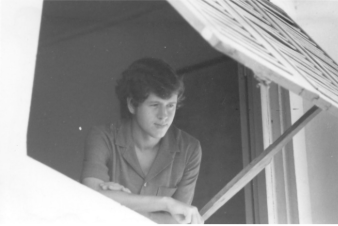
    Mr. Corcoran spent seven years in the Peace Corps after college. Courtesy of friends
  • What Burlington Stores’ HQ move to Philly means, by the numbers

    What Burlington Stores’ HQ move to Philly means, by the numbers

    Philadelphia officials are celebrating the news that Burlington Stores is moving its headquarters to University City’s Schuylkill Yards.

    With the relocation, set to start in two to three years, the discount retailer says it will invest a total of $370 million in the city. The company plans to keep warehouses in Burlington County, including on the site of its current headquarters, where it has been based for more than half a century.

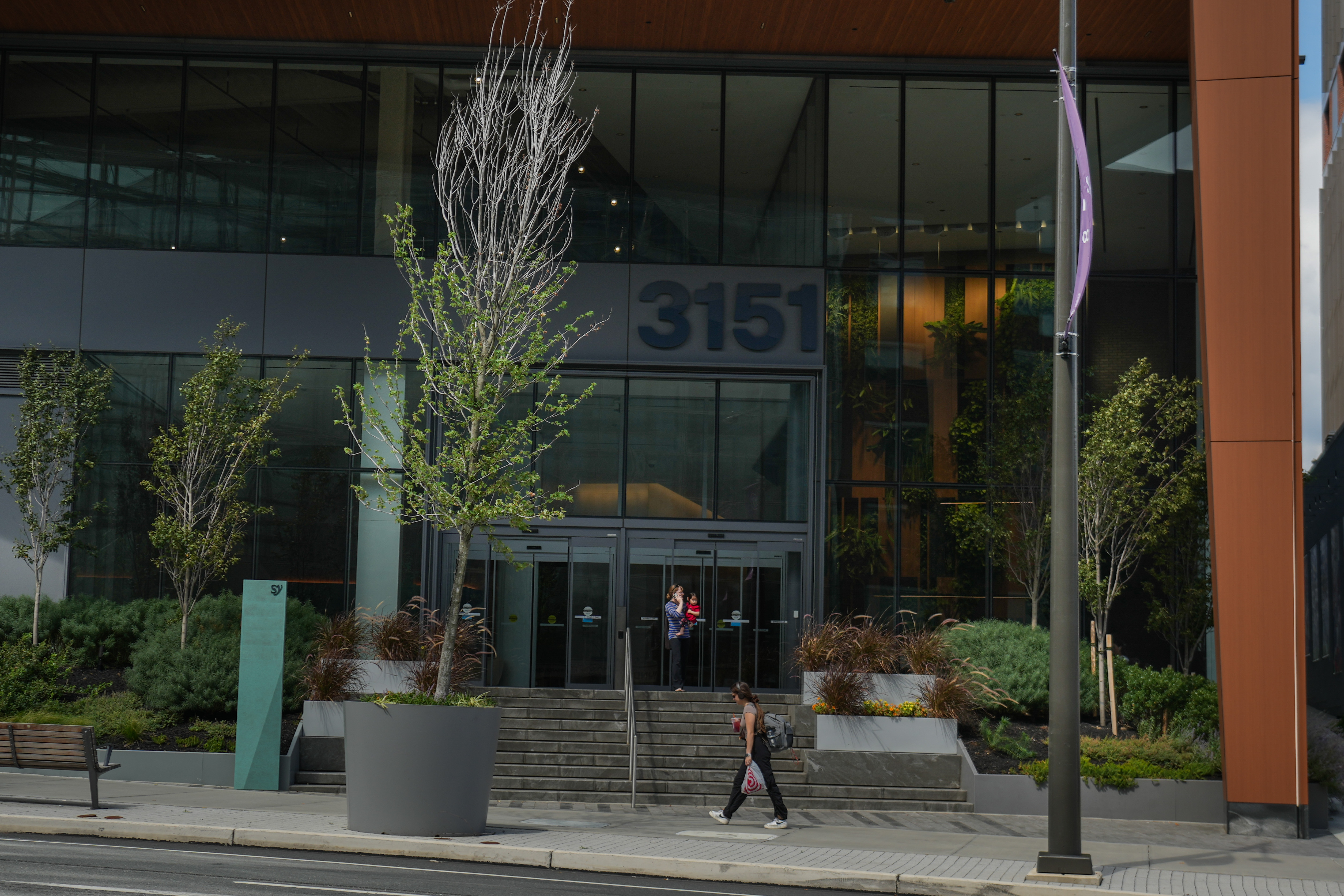
    Here’s what else to know about the big numbers related to Burlington’s move to 3151 Market St.

    What does it cost to move to Schuylkill Yards?

    $370 million: What Burlington plans to spend on the move

    • $240 million: How much Burlington is paying for the 441,000-square-foot building, according to a Thursday SEC filing by Brandywine Realty Trust. That’s about $544 per square foot.
    • $130 million: How much Burlington plans to spend on “design and development of the space, creating an HQ built for collaboration and the modern needs of Burlington’s corporate workforce,” a spokesperson said.

    $223 million: What Brandywine had spent on 3151 Market, as of June 30, according to its latest earnings report.

    (function() { var l = function() { new pym.Parent( ‘burlington-move__graphic’, ‘https://media.inquirer.com/storage/inquirer/ai2html/burlington-move/index.html’); }; if(typeof(pym) === ‘undefined’) { var h = document.getElementsByTagName(‘head’)[0], s = document.createElement(‘script’); s.type = ‘text/javascript’; s.src = ‘https://pym.nprapps.org/pym.v1.min.js’; s.onload = l; h.appendChild(s); } else { l(); } })();

    $168 million: How much Brandywine estimates it will get from the sale. The company said in an SEC filing that it has a $57.3 million mortgage on the building that will be repaid at closing, which is set for later this month.

    96%: The vacancy rate at 3151 Market, which was completed in 2024.

    Burlington Stores’ future new home at 3151 Market St., in Philadelphia. Jessica Griffin / Staff Photographer

    What government incentives are going to Burlington?

    $30 million: How much Burlington is set to receive in grants from Pennsylvania.

    $8 million: What the City of Philadelphia plans to invest in Burlington’s move, including a $7 million forgivable loan and $1 million for a year of free SEPTA passes for employees.

    How much of Burlington’s workforce is coming to Philly?

    1,500: Number of Burlington employees the company plans to move from New Jersey to Philadelphia, starting in late 2028 or early 2029

    500: Number of hires Burlington plans at its new headquarters in the next five years

    0: Number of layoffs Burlington has planned as a result of the headquarters relocation

    Inquirer reporter Joseph N. DiStefano contributed to this article.

  • Burlington Stores is moving its headquarters to Philadelphia

    Burlington Stores is moving its headquarters to Philadelphia

    Burlington Stores, the discount retailer named for its longtime South Jersey home, is spending millions on new corporate offices in Philadelphia, marking the first time in decades the city has welcomed the headquarters of a Fortune 500 company.

    The company is buying 3151 Market St., a more than 400,000-square-foot office building in Brandywine Realty Trust’s $3.5 billion Schuylkill Yards development in University City, for an undisclosed sum.

    In all, Burlington plans to spend $370 million on the move, and is set to receive another $30 million in state grants. The city is also providing a $7 million forgivable loan, a job-creation tax credit, and a $1 million investment that will give Burlington workers free SEPTA passes for a year.

    Burlington eventually plans to relocate 1,500 employees from New Jersey to the new Philly headquarters, a spokesperson said, and hire another 500. The company has no plans for layoffs.

    They plan to gradually move employees by team. The moves will begin no earlier than late 2028.

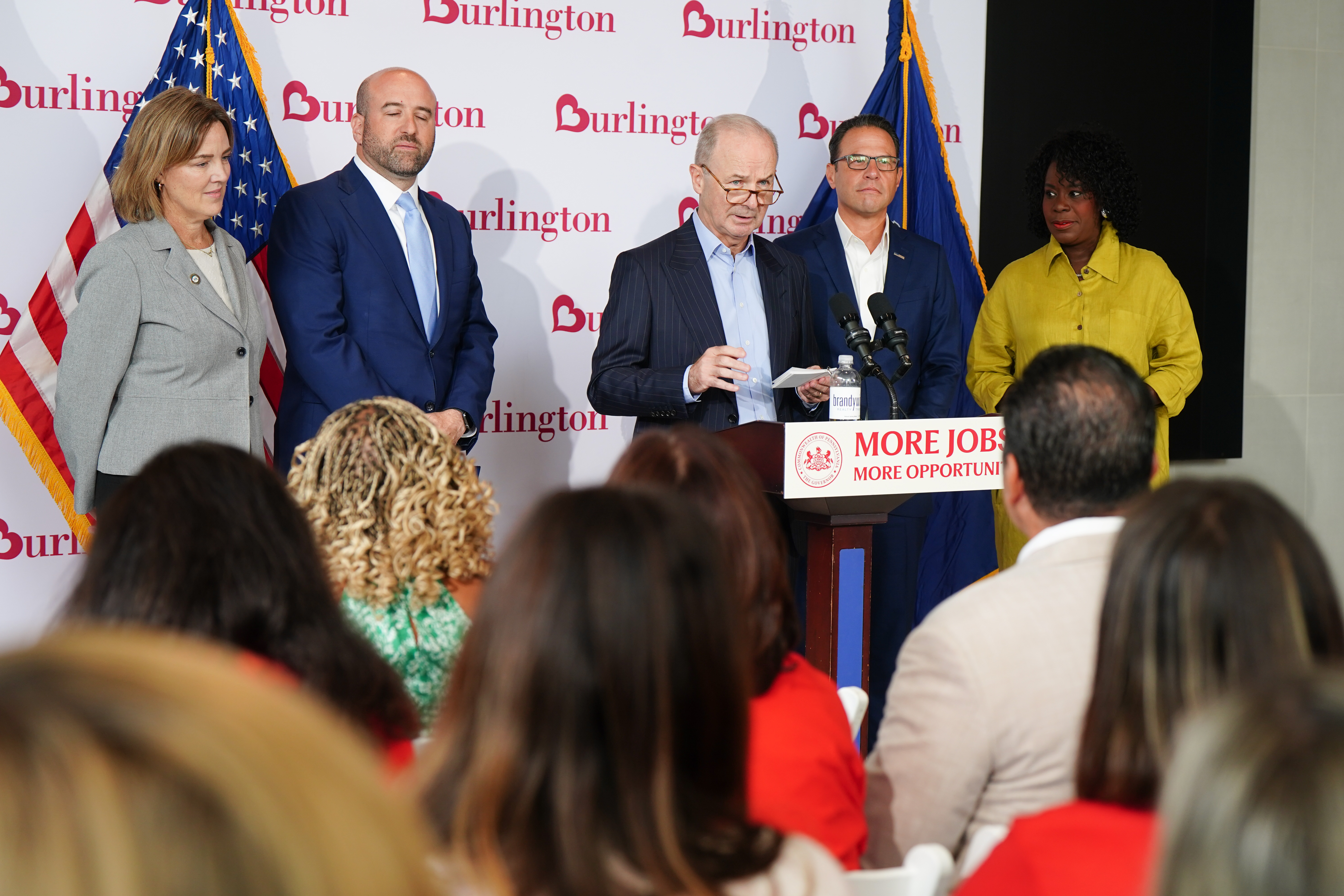
    Pennsylvania Gov. Josh Shapiro called the move “one of the largest corporate relocations ever in the commonwealth,” at an event Thursday in the lobby of Burlington’s new headquarters.

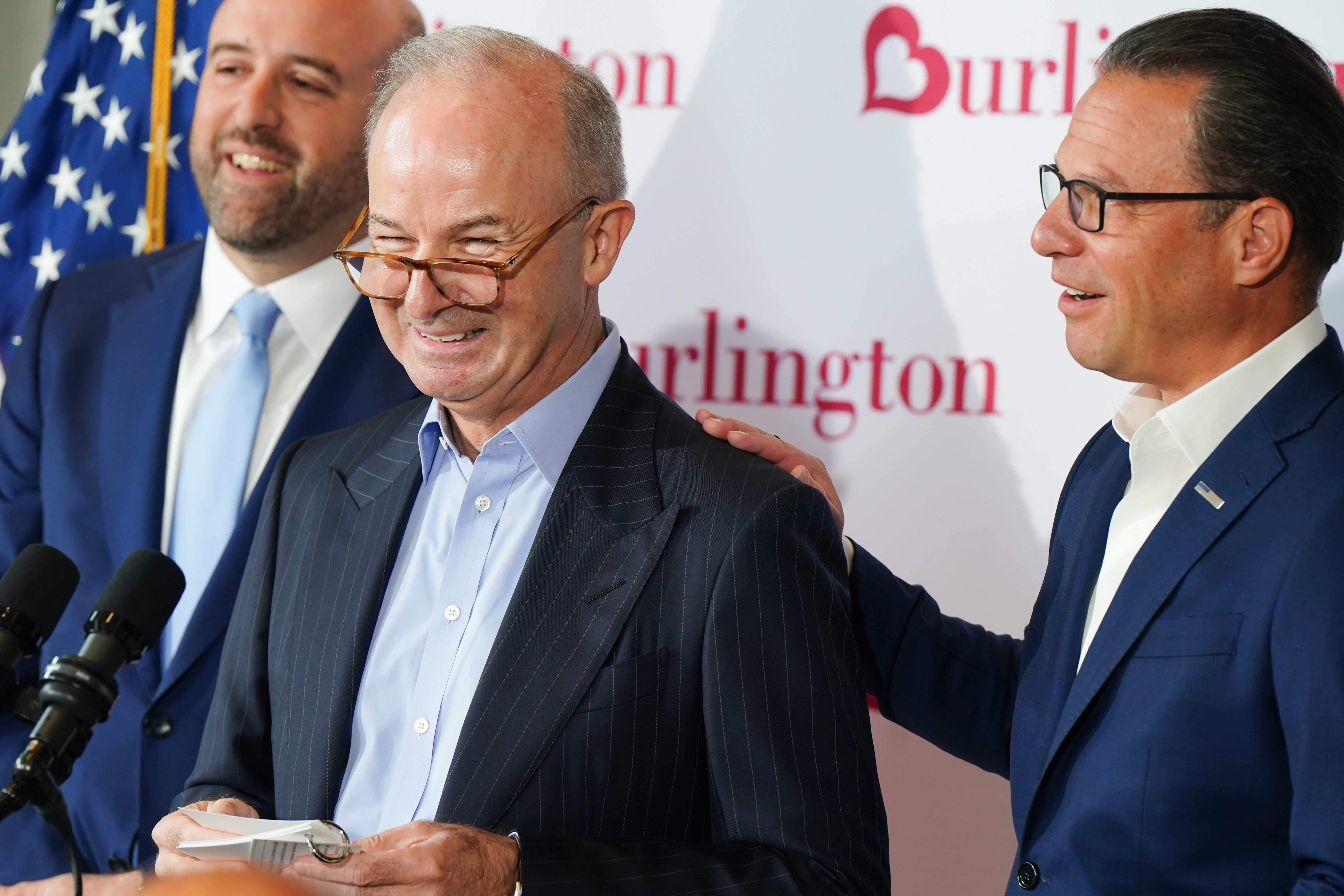
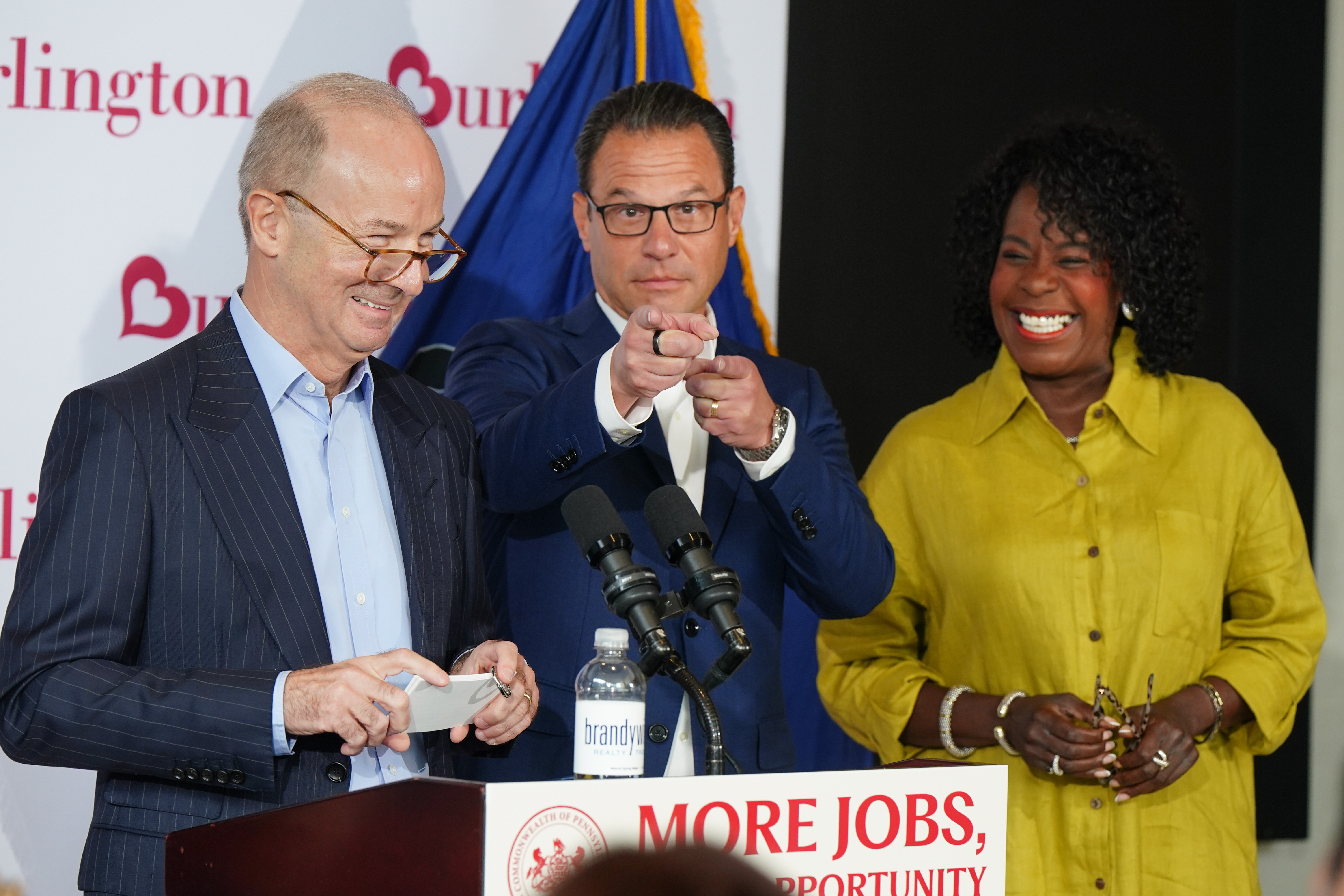
    Burlington CEO Michael O’Sullivan, Gov. Josh Shapiro, and Mayor Cherelle L. Parker announce the retailer’s forthcoming move to Philadelphia.Jessica Griffin / Staff Photographer

    “It’s going to put West Philly and our growing downtown district on the map as a premier spot for some of the largest companies in the world,” said the governor, who announced the news Thursday alongside Mayor Cherelle L. Parker, Burlington CEO Michael O’Sullivan, Brandywine Realty Trust CEO Jerry Sweeney, and other state and local officials.

    Burlington will join Comcast and Aramark, currently the only two Fortune 500 companies headquartered in Philadelphia.

    Philly’s gain comes at a loss for New Jersey: Burlington has been based in its namesake Burlington Township for more than half a century. It opened its first store there in 1972.

    New Jersey Gov. Mikie Sherrill’s office said in a statement that they were “disappointed by Burlington’s decision to relocate its headquarters.” But “the company will continue to maintain a significant presence and thousands of jobs here in New Jersey.”

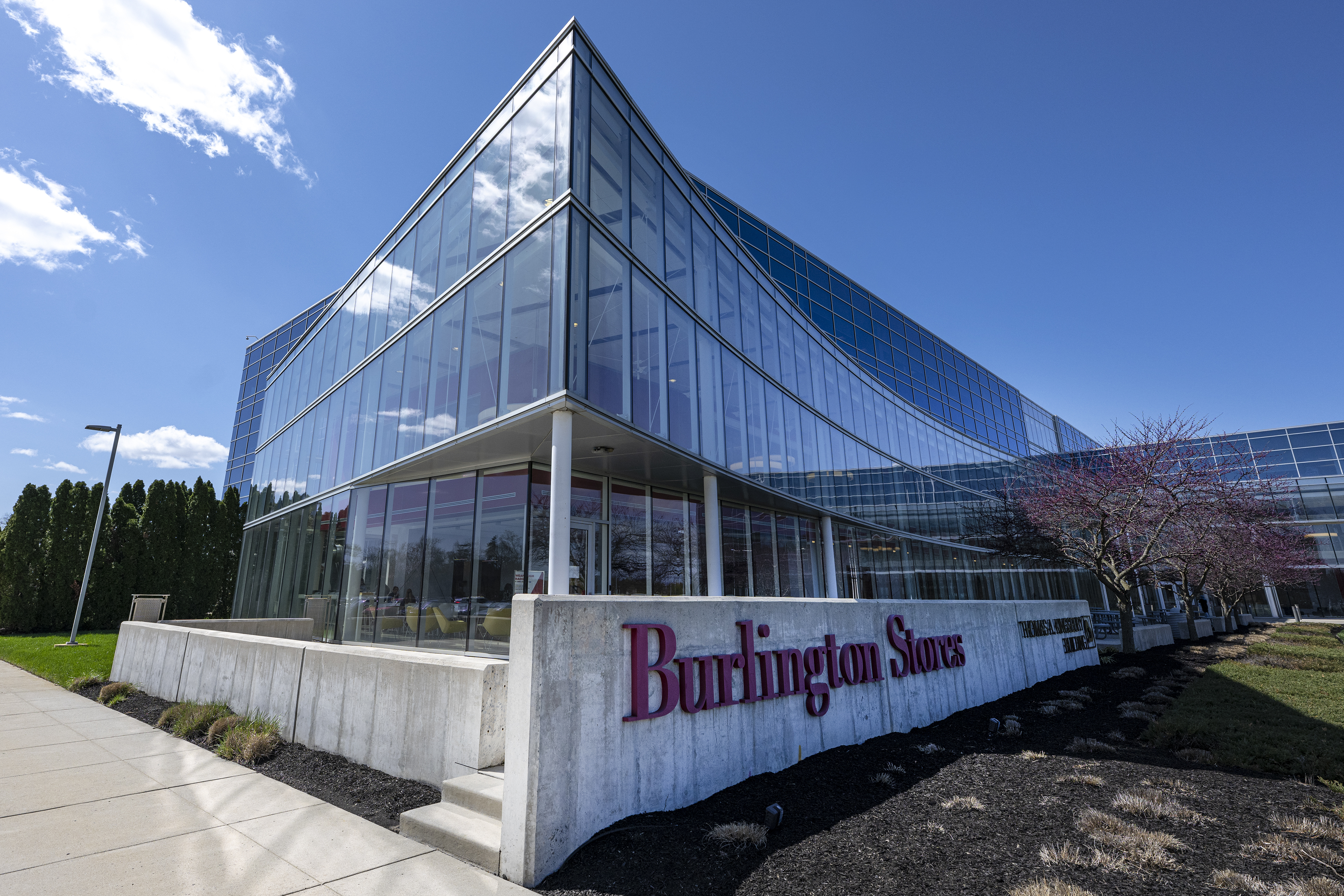
    Burlington Stores headquarters in Burlington, N.J., as seen in 2025.Jose F. Moreno / Staff Photographer

    About 4,700 people worked at Burlington’s corporate campus and warehouses in Burlington County as of last year, with 2,100 people employed in Philly-area stores. A company spokesperson said Thursday that the company employs 8,000 across New Jersey.

    As for its current headquarters on U.S. Route 130 North, Burlington intends to have it rezoned for warehouse space and turn some of the property into farmland. The company plans to keep its New Jersey warehouse and distribution centers in Burlington, Edgewater Park, Florence, and Logan Township.

    Burlington’s move is the latest win for Parker and Shapiro, who is up for reelection in November, as well as the governor’s Department of Community and Economic Development (DCED). Earlier this week, Shapiro’s administration announced $50 million in state grants and loans to help fund the yogurt company Chobani’s expansion into Allentown.

    “This is another day in what’s been just a monster week,” DCED Secretary Rick Siger said. “It’s another proof point of Pennsylvania’s strength as a business destination.”

    Burlington’s new home base will be part of Schuylkill Yards, a 14-acre project that Brandywine has undertaken with Drexel University. Its developers initially planned for the complex to include luxury housing, public space, and offices and labs.

    “What we’ve seen today is what can happen through a public-private partnership when leaders have a shared vision, a dedication to cause, and an unwavering commitment to the exciting future we can create by working together,” said Sweeney, Brandywine’s CEO, on Thursday.

    (function() { var l = function() { new pym.Parent( ‘burlington-move__graphic’, ‘https://media.inquirer.com/storage/inquirer/ai2html/burlington-move/index.html’); }; if(typeof(pym) === ‘undefined’) { var h = document.getElementsByTagName(‘head’)[0], s = document.createElement(‘script’); s.type = ‘text/javascript’; s.src = ‘https://pym.nprapps.org/pym.v1.min.js’; s.onload = l; h.appendChild(s); } else { l(); } })();

    Burlington was initially drawn to Philly because of the city’s history and culture, including its food scene, artistic institutions, and sports fandom, according to O’Sullivan. But the CEO said conversations with Shapiro and Parker “pushed this decision over the line.”

    “We found the vision that they laid out for the city and the state hugely compelling,” he said. “We were very impressed by their clear priorities and their focus on getting stuff done around economic development, education and training, public transportation, public safety, and fiscal responsibility.”

    Burlington has been expanding in recent years as more consumers, including higher-income shoppers, flock to discount retailers.

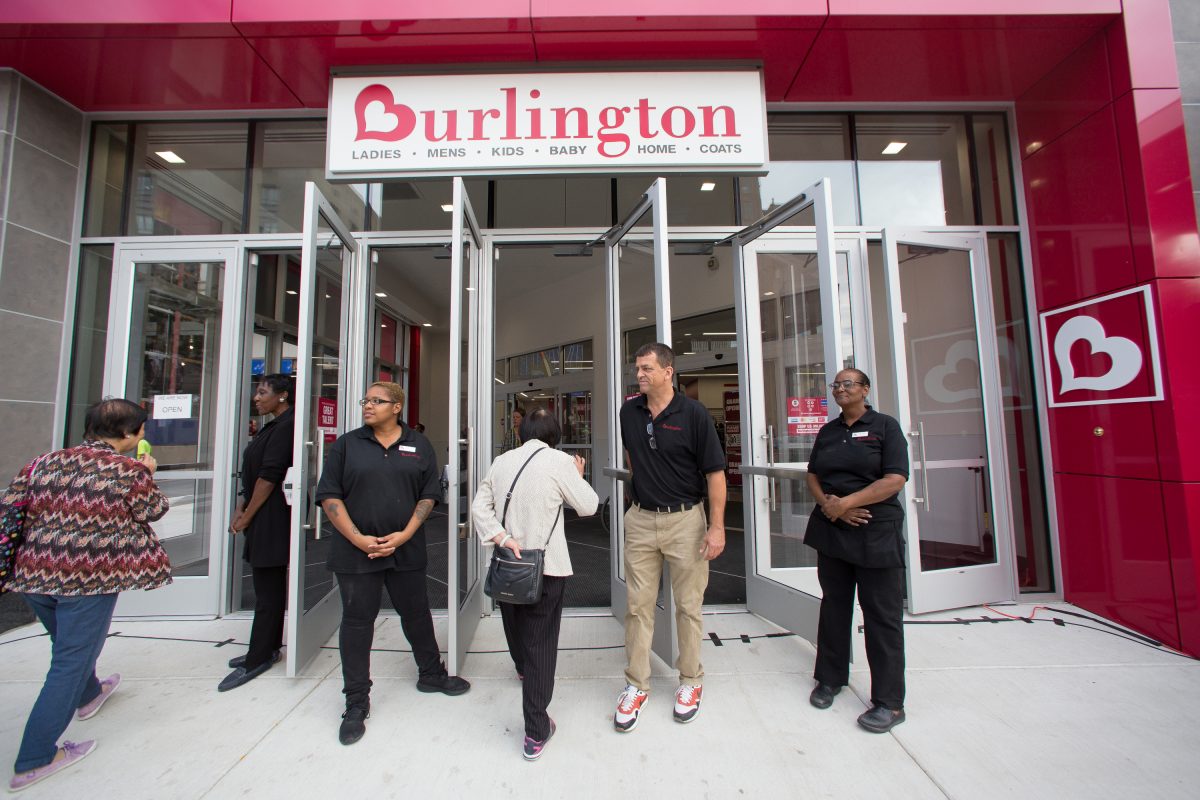
    Shoppers and employees at the Burlington Store at 833 Market St. in Philadelphia in 2018.Jessica Griffin / Staff Photographer

    As of August, the company operated 1,300 stores in 47 states, including eight in Philadelphia and dozens across the region. By the end of the year, the company plans to open another 115 stores and hire 5,000 more employees, O’Sullivan said Thursday.

    The chain’s growth has paid off, with a 21% increase in net income and a 9% jump in sales last year.

    In an earnings call, O’Sullivan attributed those numbers to the company’s tariff response, which included inventory reductions, price increases on certain items, and an aggressive cutting of expenses.

    Burlington has continued to report strong earnings in the first half of 2026, with a boost from $55 million in tariff refunds. O’Sullivan has said the company plans to put that money toward more markdowns for customers.

    Shapiro and Parker both said they had shopped at Burlington, with Shapiro patronizing the Jenkintown store and Parker frequenting the location at the former Cheltenham Mall in Wyncote.

    O’Sullivan said with a laugh: “The mayor and the governor got my full attention when they independently confirmed that they both exclusively wear clothes from Burlington.”

  • Creating shaded outdoor havens | Real Estate Newsletter

    Creating shaded outdoor havens | Real Estate Newsletter

    In the heat of summer, shade can mean the difference between relaxing on your patio or deck for hours or feeling your skin cooking in the sun for 30 minutes before you’ve had enough and head back inside.

    With housing costs as high as they are, homeowners are looking to get the most out of their properties. And they’re turning outdoor space into living space they can use for most of the year. That means adding shade.

    Options range from budget-friendly DIY shade sails and simple pergola kits to custom structures that can cost tens of thousands of dollars or more.

    A couple in Washington Square West spent about $140,000 to extend their living space into their yard with a fancy pergola.

    Keep scrolling for that story and more in this week’s edition:

    — Michaelle Bond

    If someone forwarded you this email, sign up for free here.

    Shaded outdoor living spaces

    When Amy and Bob Kothari moved from Ambler to Washington Square West, they wanted city living but didn’t want to give up the outdoor space they loved in the suburbs.

    The historically designated home they chose has an 800-square-foot yard they wanted to make the most of.

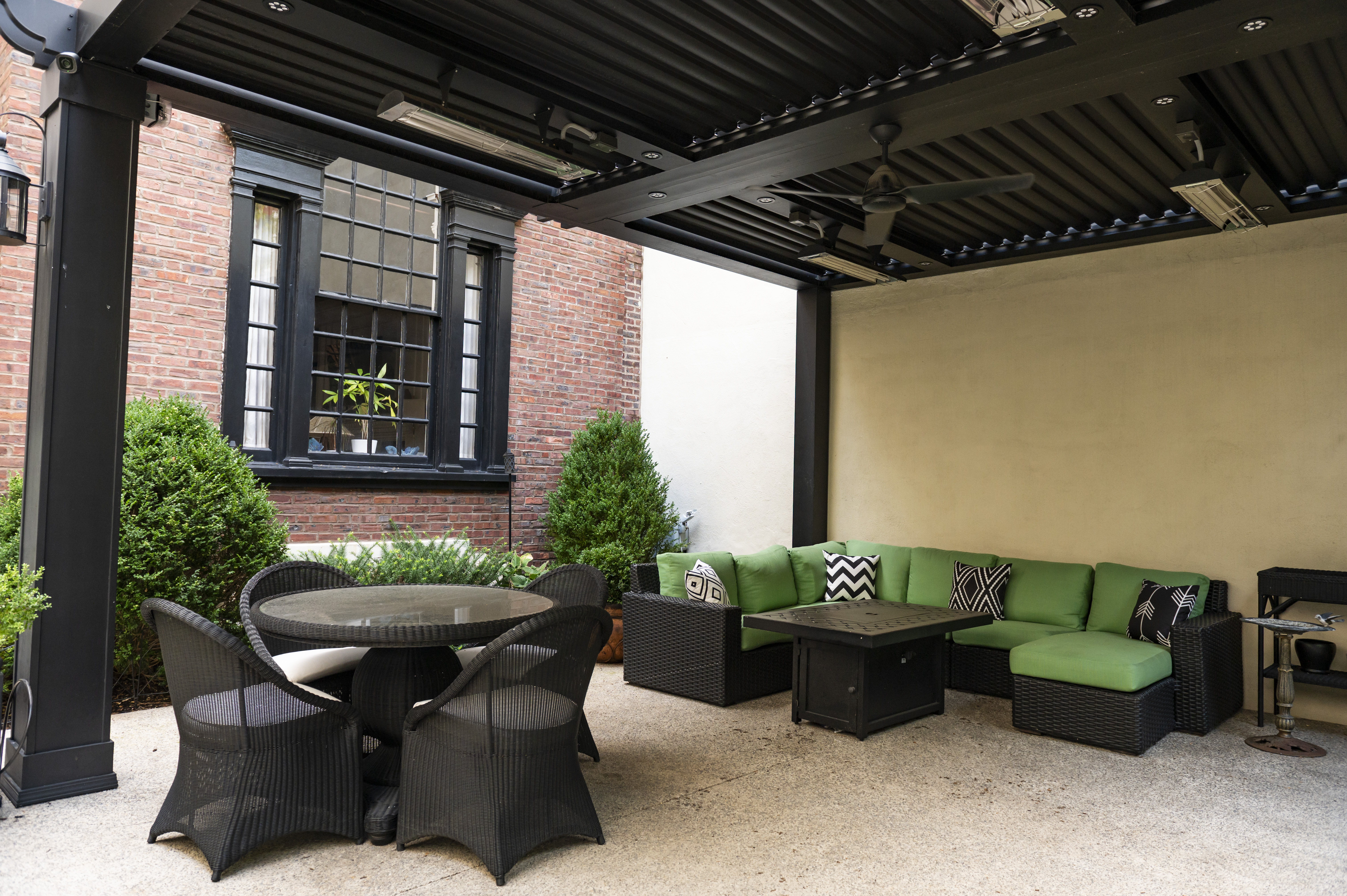
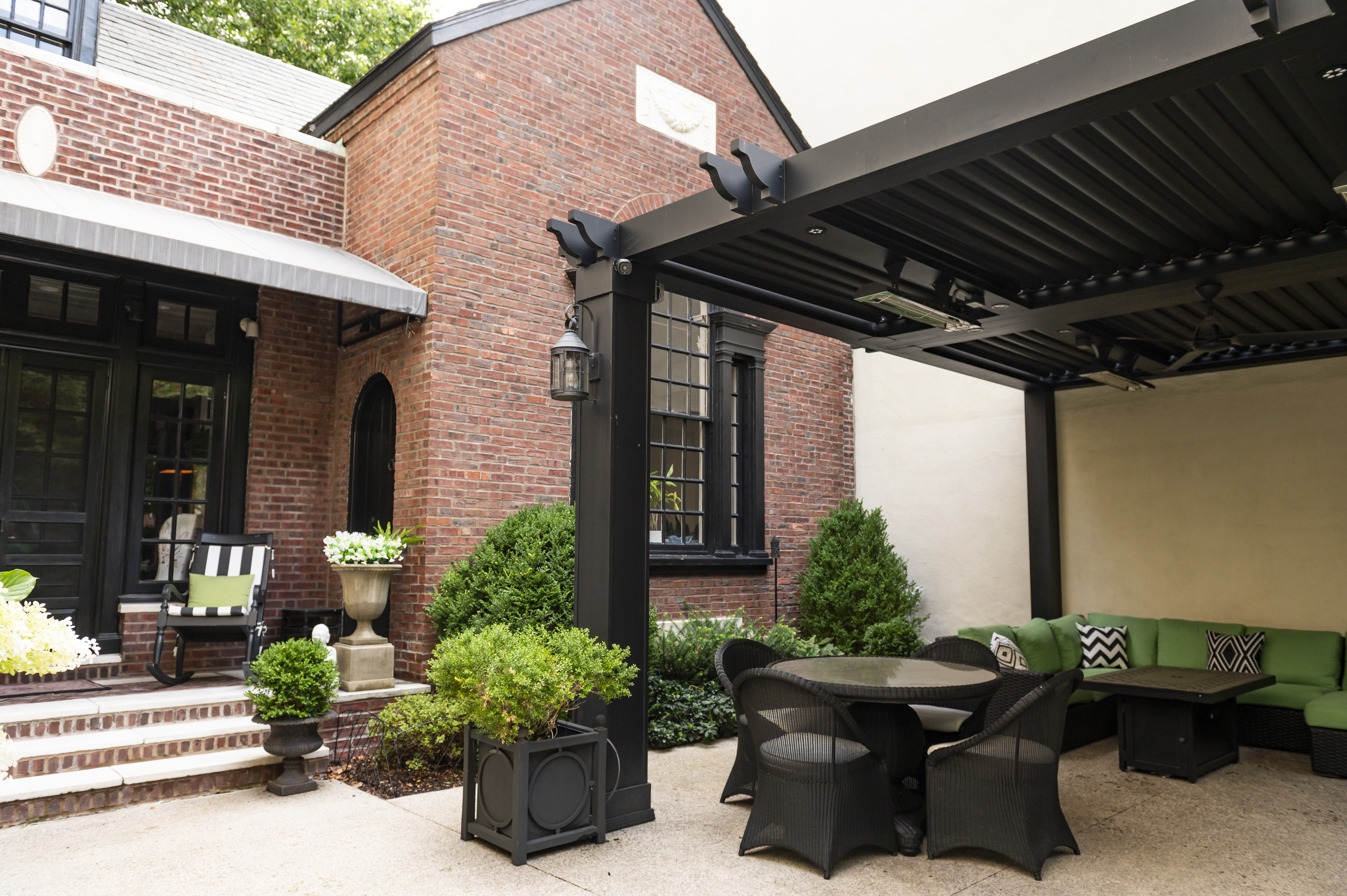
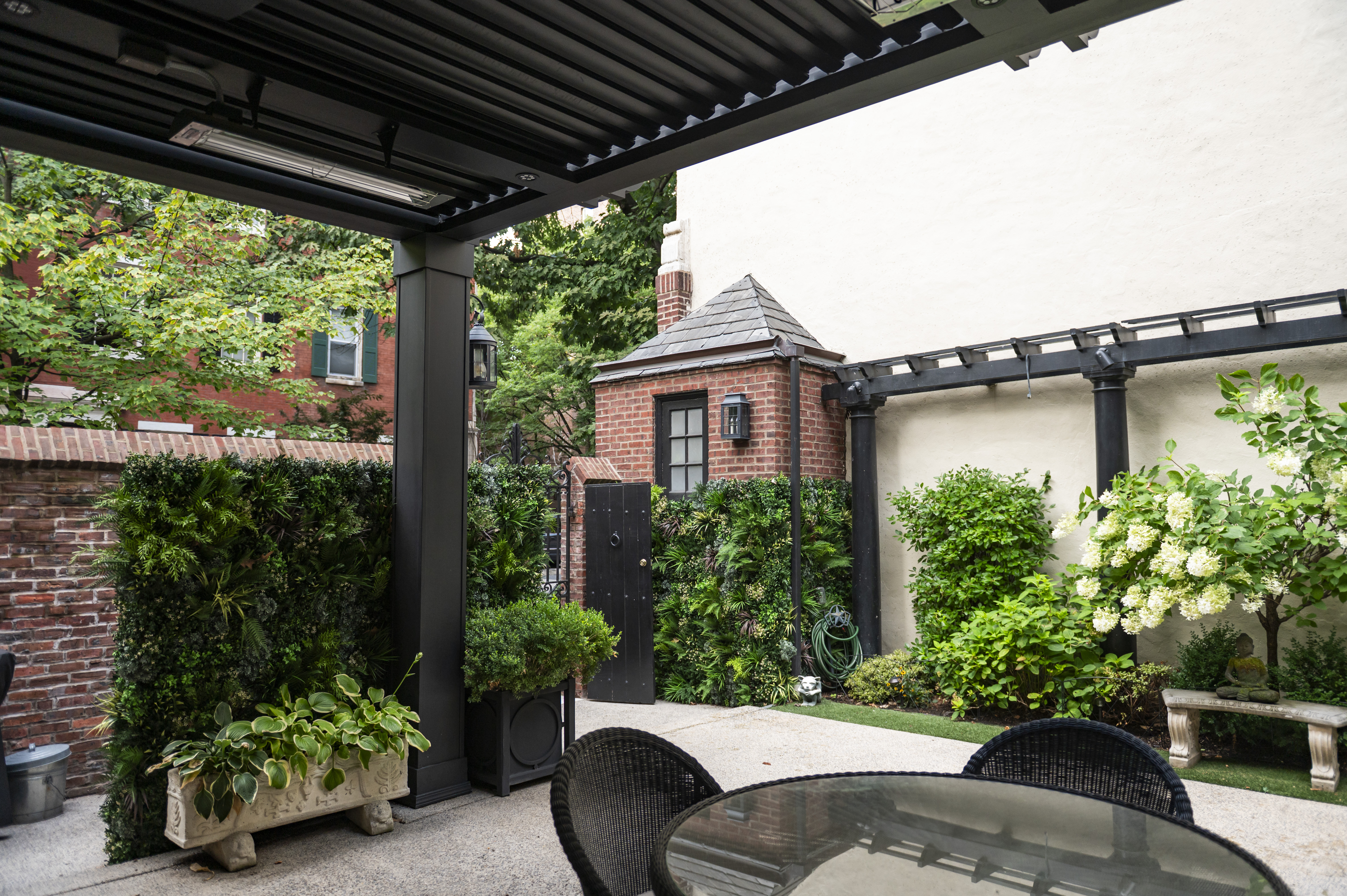
    They spent about $140,000 to transform the space. A pergola includes a ceiling fan, heaters, and a roof with slats that automatically close in the rain. The couple added lighting, brickwork, flagstone, and landscaping.

    The yard is not only a spot to relax and entertain, but it also functions as a home office.

    Homeowners like the Kotharis are extending their living spaces and keeping cool in the summer with pergolas, awnings, motorized retractable shades, screens, and UV-resistant fabric strung up for shade.

    Keep reading to learn about options and what to keep in mind.

    📮Have you done something with your outside space that makes you use it more? Tell me about it.

    Philly apartments are shrinking

    If you’ve noticed that newer Philly apartments seem smaller, you’re not imagining things. They are.

    In fact, among the country’s largest cities for renters, Philly has some of the smallest new apartments. The city ranked 88th in a list of 100.

    That’s according to a new report by RentCafe, the nationwide apartment search website.

    New Philly apartments, which the platform defined as those built between 2016 and 2025, span an average of 747 square feet — 163 fewer square feet than the national average.

    And although apartments across the country got slightly bigger last year, in Philadelphia, they’re shrinking.

    Keep reading to learn how much space apartment renters have lost and why Philly’s in-demand rental market means smaller homes.

    The latest news to pay attention to

    Home tour: Gardens in Merion Station

    I’d give myself a solid C+ in caring for plants.

    My home is filled with greenery, and my spider plant makes more babies than I know what to do with.

    But I accidentally killed the vine my mom had grown for decades. (My fault for bringing it to the office.) I couldn’t keep my money tree alive. (Is that a bad sign?) And I’ve recently learned — on my second attempt — that I can’t handle lilies. (How could drooping leaves mean I either gave them too much water or not enough?)

    But many people I’ve featured in my newsletter have had green thumbs.

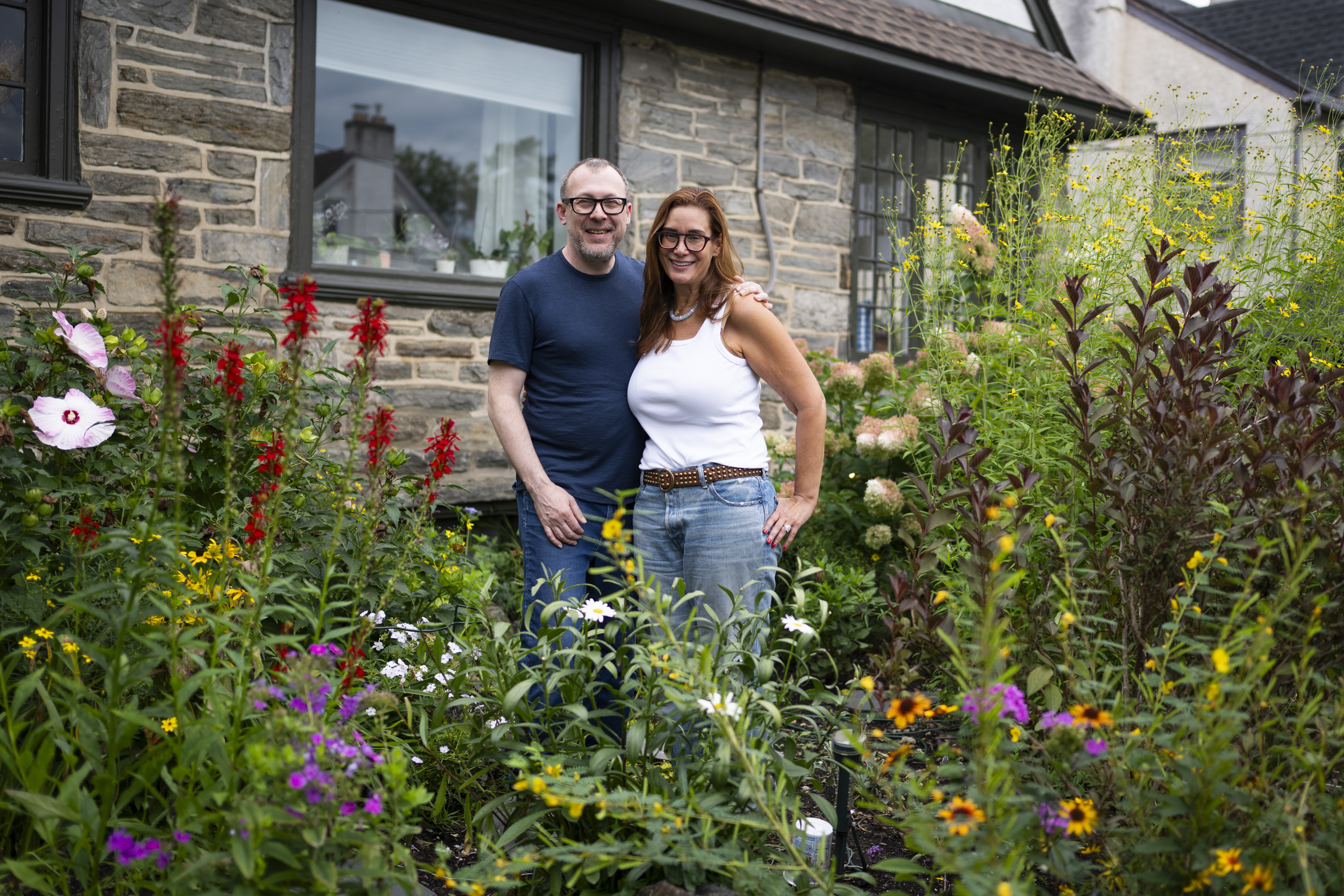
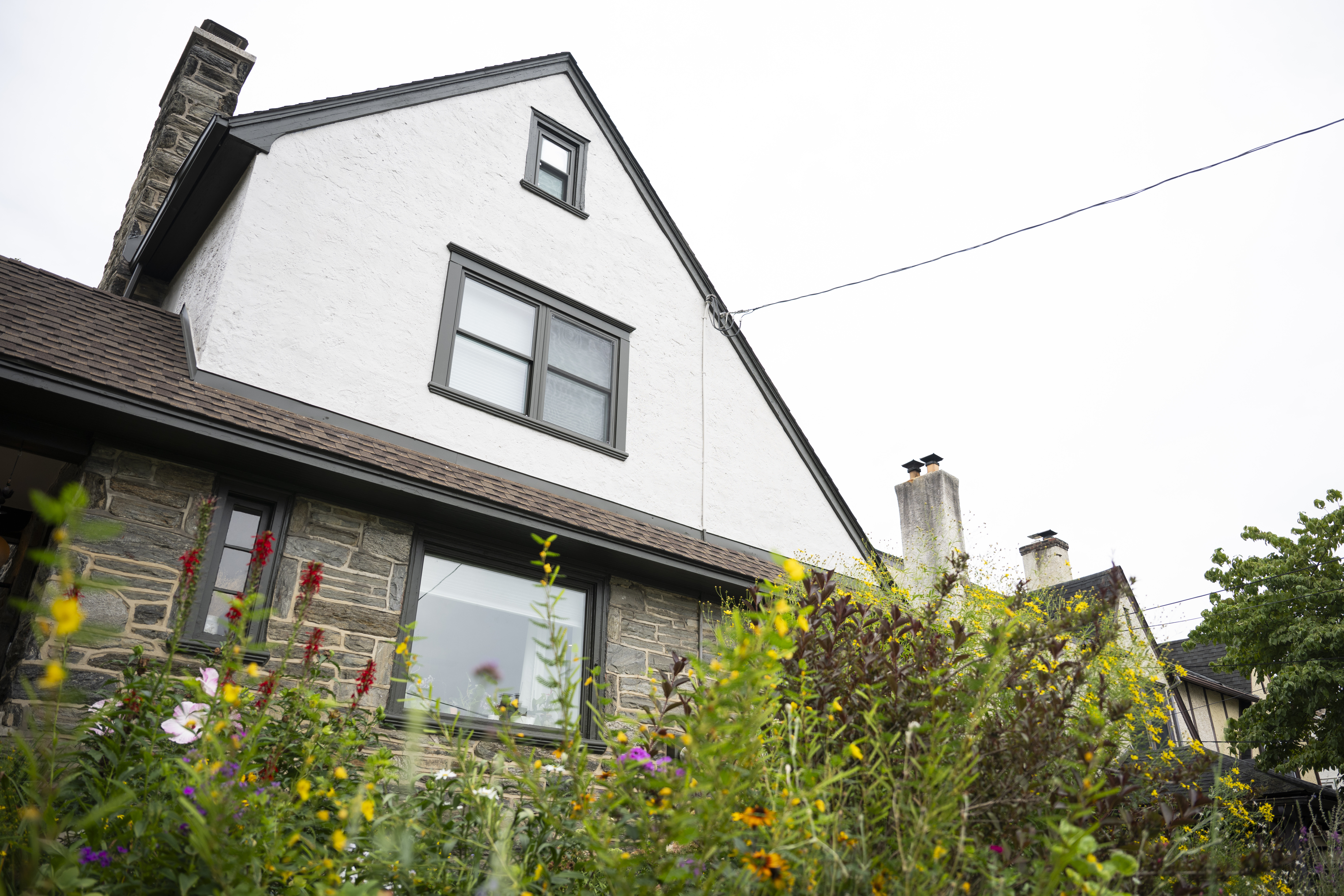
    When Laura White and her husband, Boots Levinson, bought their Merion Station home, the yard didn’t have much life. Now, it’s filled with thriving flowers, and gardens surround the house.

    White learned to garden from watching her dad and, more recently, seeking advice from neighbors.

    Take a look at the fruits of the homeowners’ labor and learn what goes into maintaining their gardens.

    📷 Photo quiz

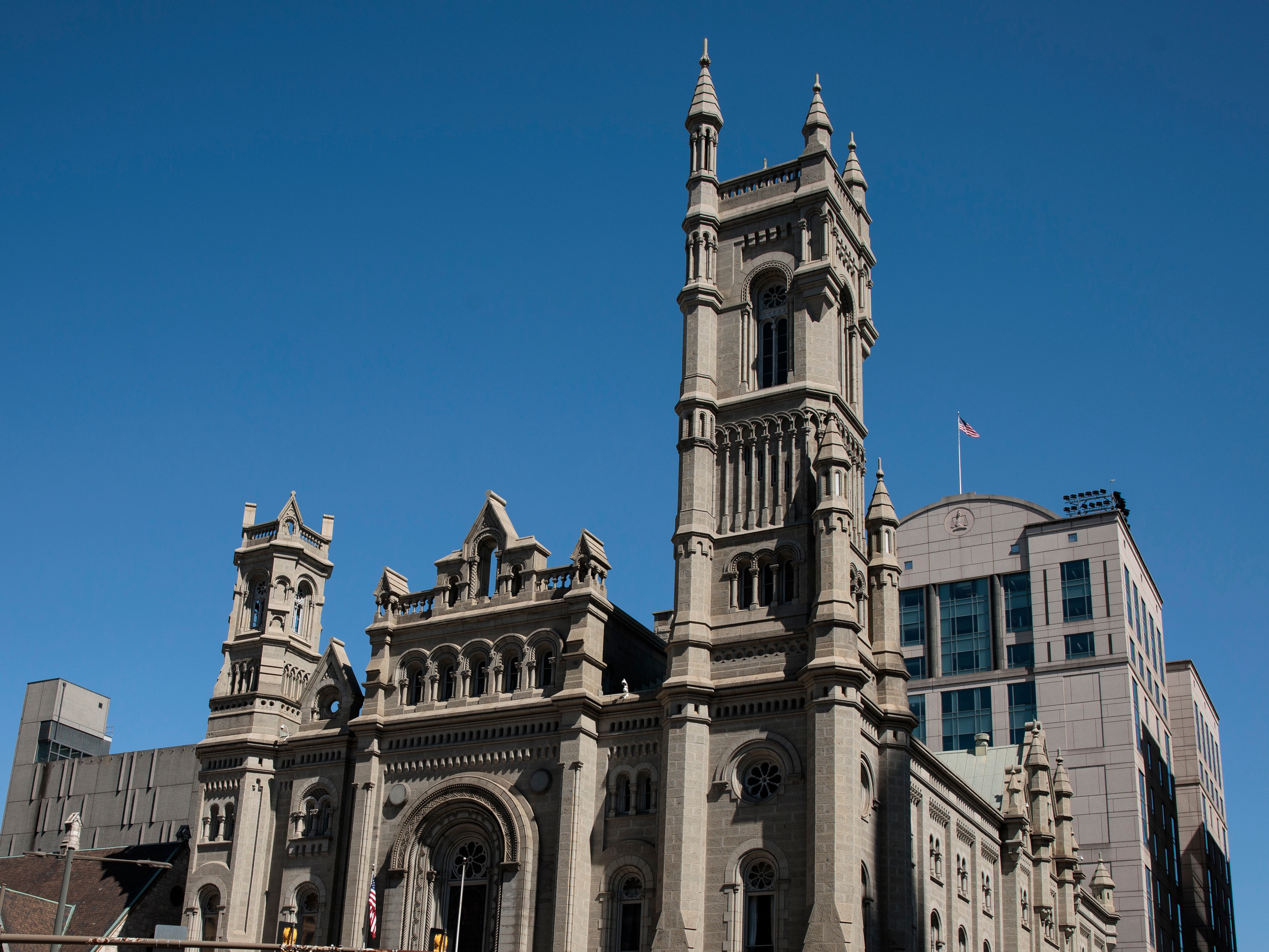
    What is this building in the foreground?

    📮 If you think you know, email me back.

    Last week’s quiz featured a photo of the Market Street Bridge.

    Bob D. and Heidi O. were among the readers who got that right. Heidi told me her grandfather worked in the Peco building in the background for 50 years.

    In case you haven’t heard, the Market Street Bridge will be closed to cars for more than a year.

    Enjoy the rest of your week.

    By submitting your written, visual, and/or audio contributions, you agree to The Inquirer’s Terms of Use, including the grant of rights in Section 10.

  • Their Merion Station yard didn’t have much life. Now it’s filled with flowers.

    Their Merion Station yard didn’t have much life. Now it’s filled with flowers.

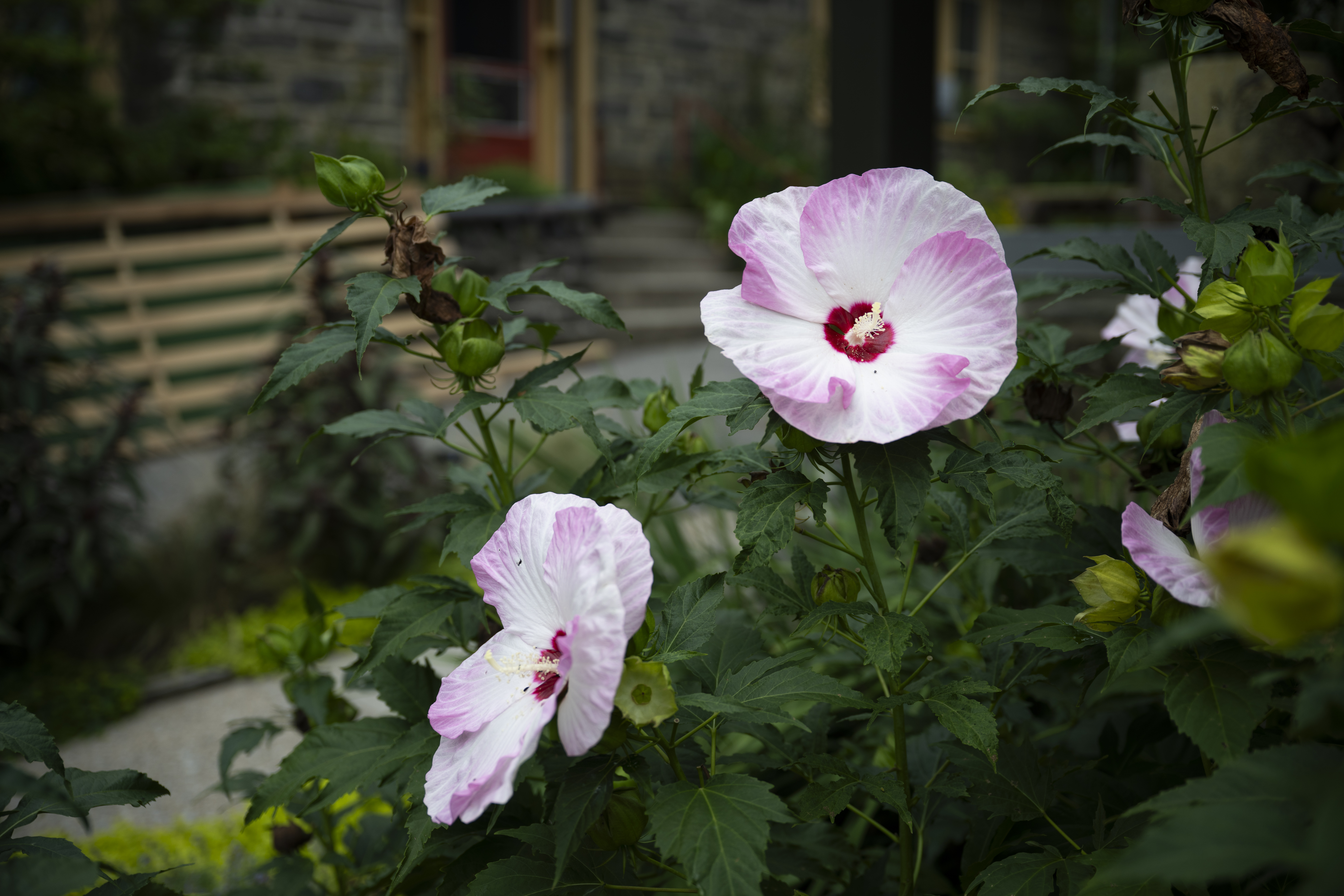
    Platter-sized hibiscus, hydrangea, cardinal flowers, small yellow blooms called partridge peas, chartreuse creeping Jenny, daisies, and lavender fill the front yard of the Merion Station home.

    The plantings extend from the porch to the curb, where parked cars push against tall stems of deep pink celosia. “It’s a hostile environment. You hope for the best,” said Boots Levinson.

    Levinson and his wife, Laura White, own the three-story Tudor surrounded by colorful vegetation.

    “Laura’s the gardener,” Levinson said. “I’m the waterer and manual laborer.”

    White and Levinson’s home is surrounded by flowering gardens.Joe Lamberti / For The Inquirer
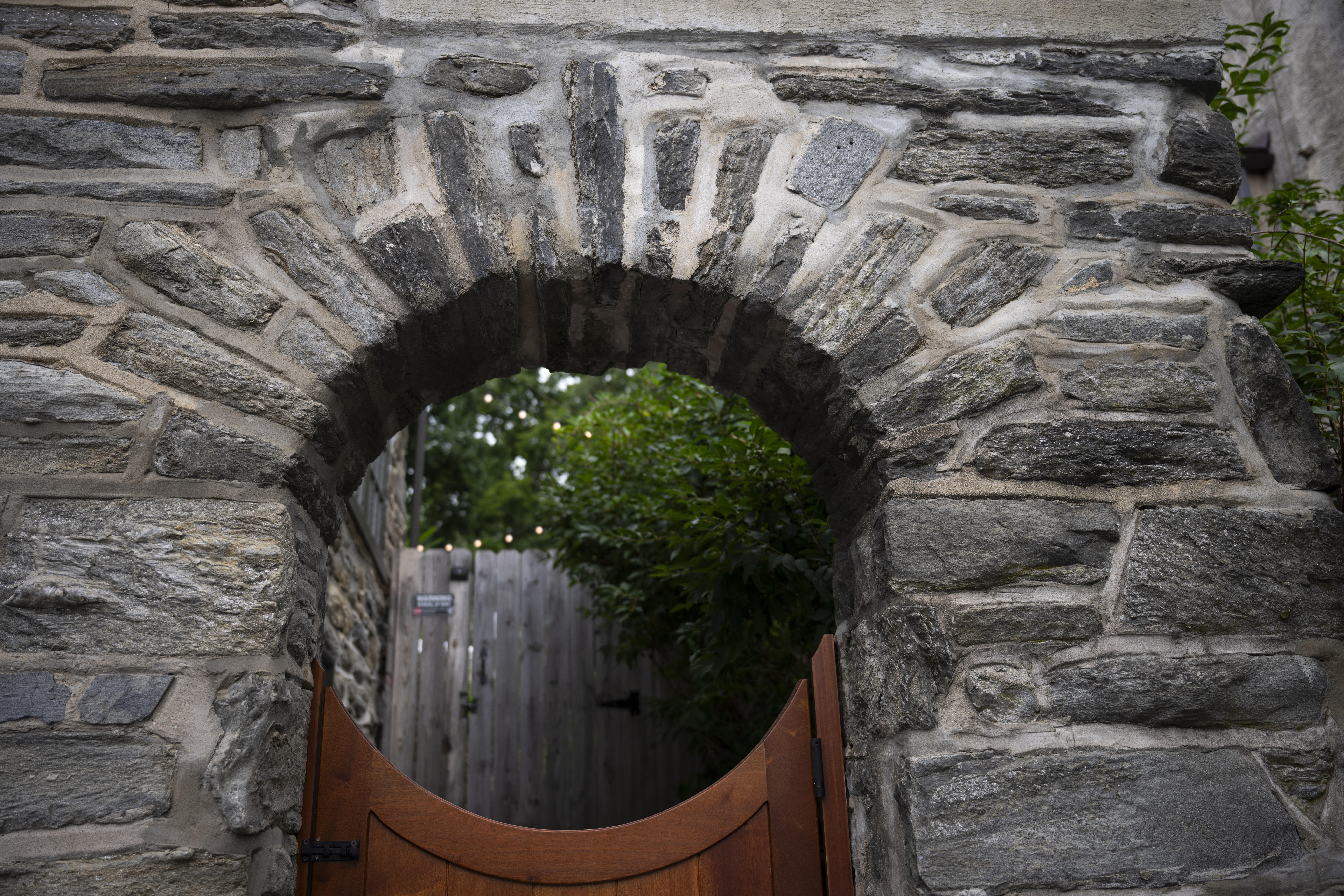
    The Tudor-style home has an arch that required repairs.Joe Lamberti / For The Inquirer

    The couple moved to the 3,000-square-foot property in 2021 from a one-bedroom condo in Center City. “We bought the first house we looked at,” White said, then conceded, “We had no idea what we were getting into.”

    The stucco-and-brick, four-bedroom, 2½-bath house had a new kitchen and bathroom. There was space to entertain and for corgis Archie and Ozzie to romp.

    Levinson and White met on Jdate, an online dating service for Jewish singles. They had in common a Midwest background. She grew up in Missouri, while he lived in Minnesota until moving to the Philadelphia area in the sixth grade. White came to Philadelphia for her medical training. The couple married in 2013.

    The house needed new air-conditioning and heating systems, and a basement leak exposed a drainage problem.

    Hibiscus flowers bloom in the front yard.Joe Lamberti / For The Inquirer
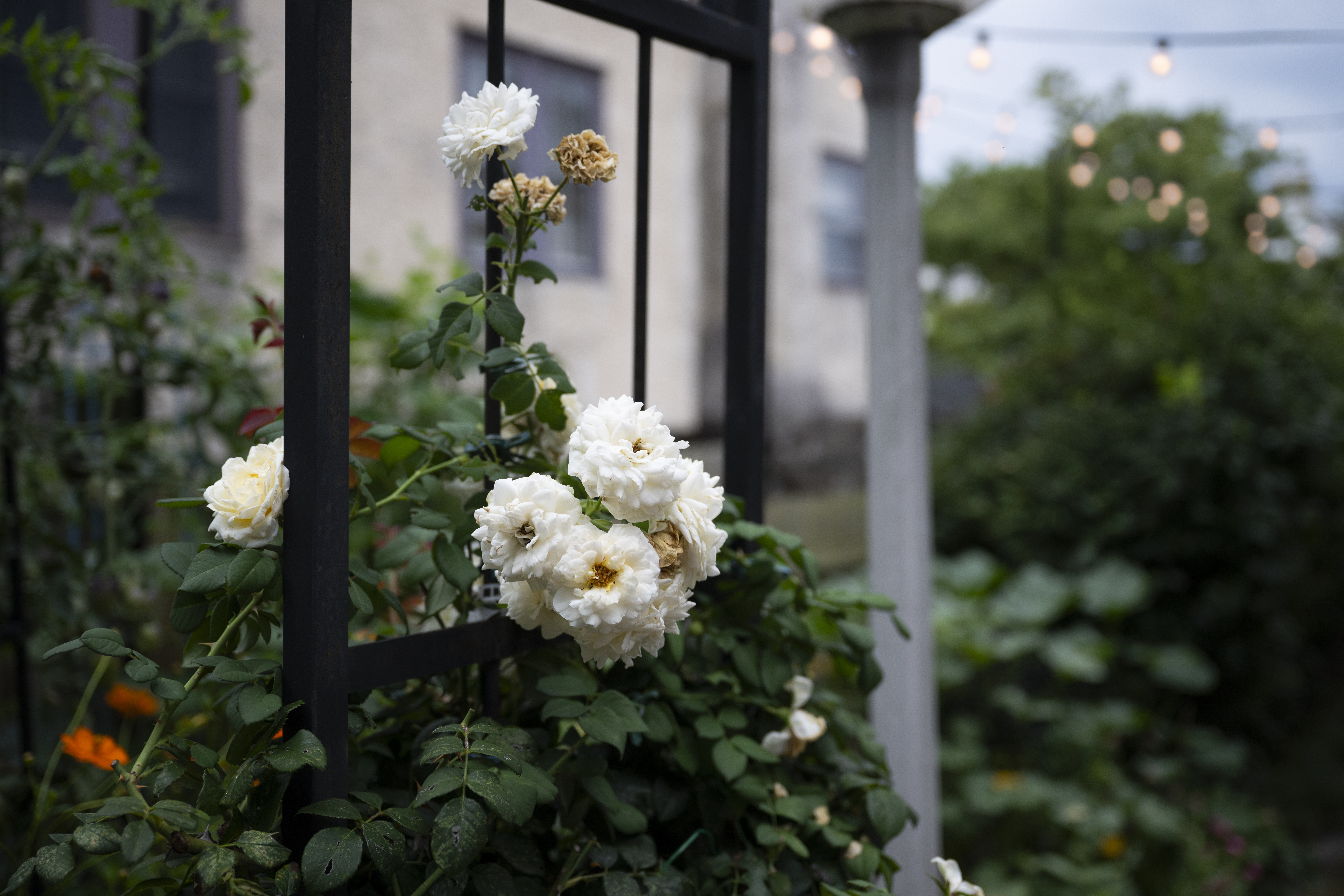
    White roses in the garden.Joe Lamberti / For The Inquirer

    Landscaping amounted to little more than a crab apple tree in the backyard, rocks and dirt, and a flower bed covering a parking space in front of the garage.

    White and Levinson hired mason Deen Vinci of Surrounded by Stone in Merion Station to repoint and repair the stone arch that leads to the backyard. Vinci also built the arch’s wood door and paved the front driveway. In the backyard he reset and repaired patio bricks.

    White furnished the patio with a wood table and chairs from Arhaus. The large umbrella from Wayfair is set in concrete so it won’t tumble over in a storm. Plants in the backyard include hydrangeas, zinnias, jasmine, dahlias, gardenia, a juniper and a pine tree.

    White, a psychiatrist, had no horticultural training. But she learned a bit from watching her father, Bruce, garden and is grateful to neighbors who share knowledge and plantings with her. Watching hummingbirds and bees flit about her flowers, she and her neighbors “have created a pollinator pathway.”

    A hummingbird enjoys cardinal flowers in White and Levinson’s garden.Joe Lamberti / For The Inquirer

    Neighbor Suzanne Kane, who tends a lush garden across the street, is a particularly helpful mentor, White said.

    Levinson, a Realtor, said his wife’s cultivating talents have been aided by her medical training. “She’s a scientist and is observant and nurturing.”

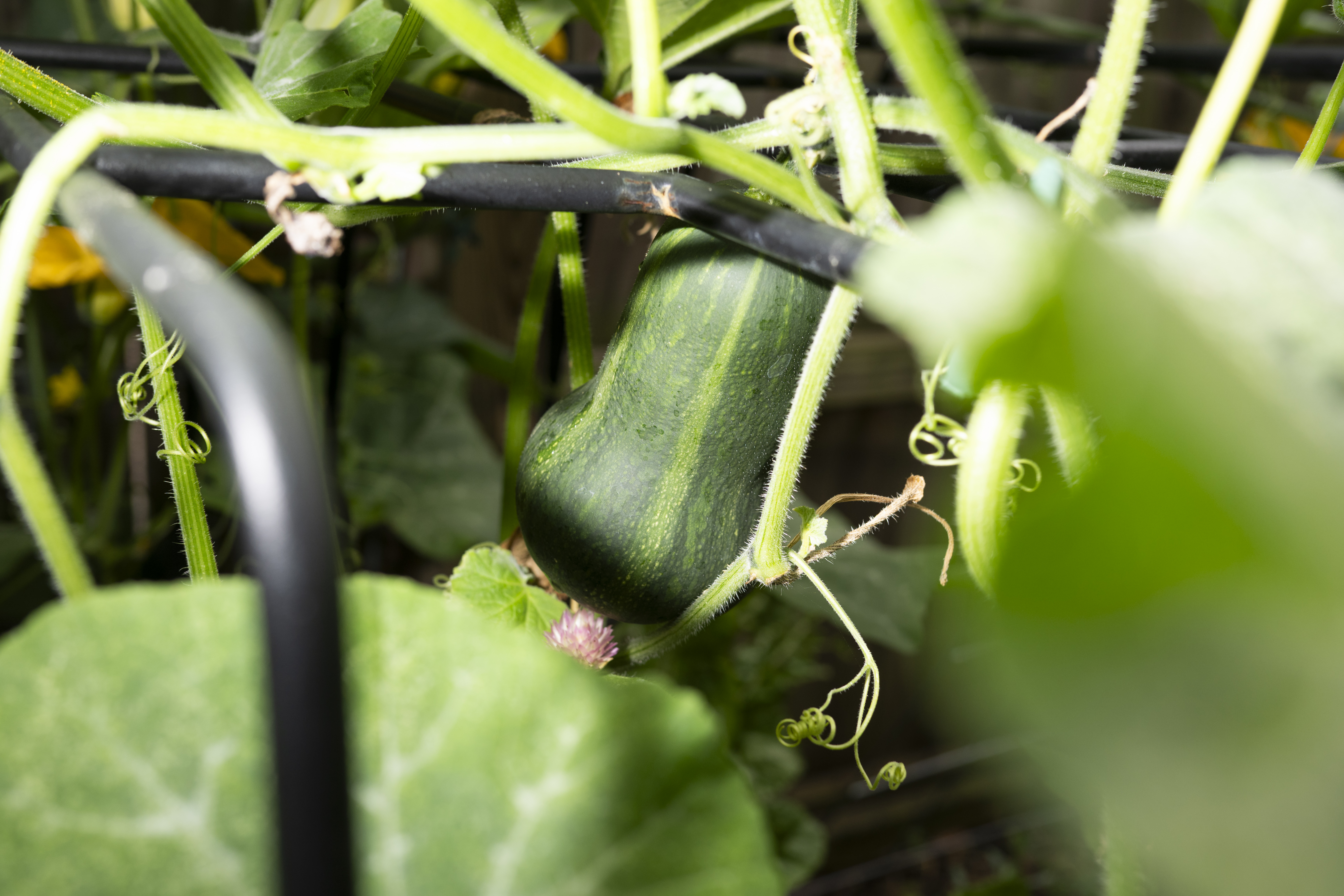
    White planted a kitchen garden on one side of the house with honeynut squash, Swiss chard, Thai and Shishito peppers, and varieties of plum tomatoes she will can. Cucumbers grow on a trellis. In late summer, Ozark strawberries are ripening. Alpine strawberries, which ripen in the front yard in late spring, are so sweet neighborhood children pilfer them.

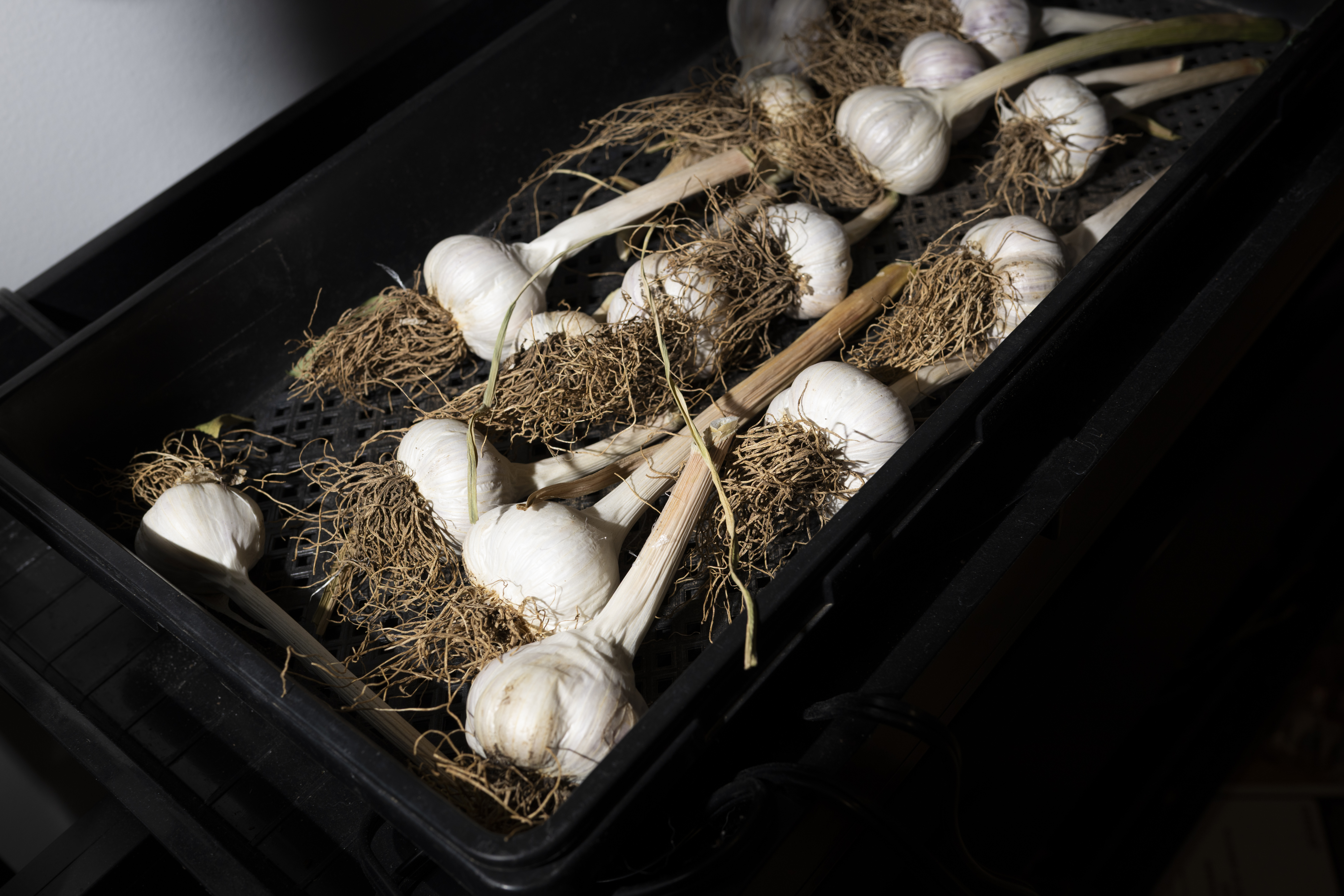
    White stores garlic harvested from her garden in the basement.Joe Lamberti / For The Inquirer
    A squash growing in the garden.Joe Lamberti / For The Inquirer

    White has harvested garlic stored in trays in the basement where she starts seeds in the winter with hydroponic lamps. She likes to garden year-round. Soon she will move the Amaryllis plants from outside to the basement for eight weeks or so before placing them in a sunny spot indoors in time for them to bloom at Christmas.

    White grows straw flowers because they are easy to dry for year-round flower arrangements. And she chooses perennial plants that span the seasons, such as Muhly grass, which turns from green in the summer to fluffy pink in the fall. Amsonia grass has blue blossoms in the spring and turns from green to gold in the fall.

    White shops for plants at several locations, including Primex Garden Center in Glenside, Wynnewood Garden Center, and Lancaster Farmers Market.

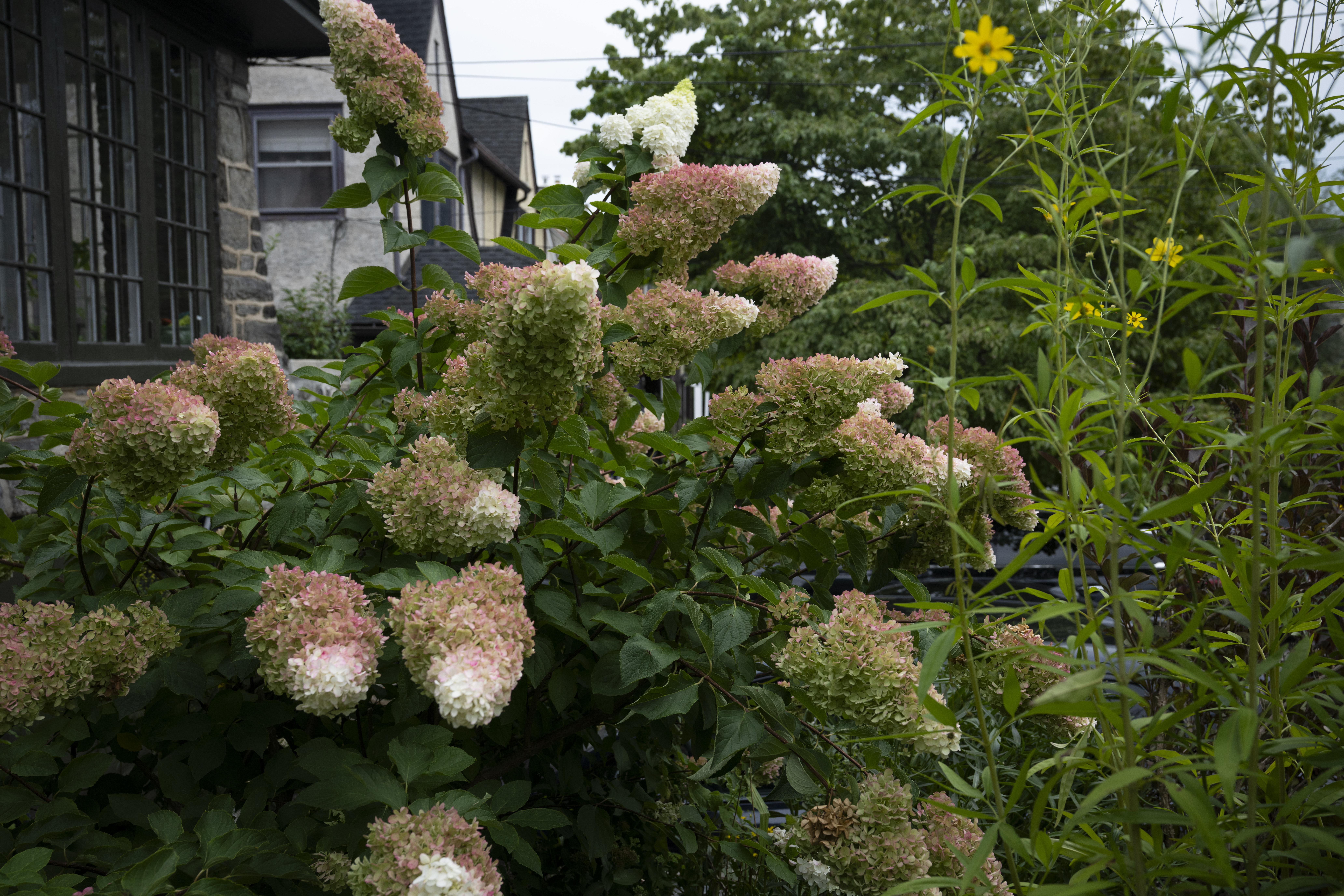
    A hydrangea in the front yard.Joe Lamberti / For The Inquirer
    A dahlia in bloom in the garden.Joe Lamberti / For The Inquirer

    Caring for the property is work.

    “Sometimes,” Levinson admitted, “I miss just paying a monthly condo fee.”

    Still, he said having gardens on all sides of his home is “like having four extra rooms.”

    Is your house a Haven? Nominate your home by email (and send some digital photographs) at properties@inquirer.com.

  • A 118-unit apartment tower is proposed for 23rd and Walnut Streets, replacing a Rite Aid

    A 118-unit apartment tower is proposed for 23rd and Walnut Streets, replacing a Rite Aid

    An 118-unit apartment building at 2301-11 Walnut St. received a warm welcome from a city-designated panel of architects and planners at Tuesday’s meeting of the Civic Design Review committee.

    The eight-story proposal is slated for land that once housed a suburban-style Rite Aid and its surface parking lot.

    The new building would include 46 underground parking spaces, 2,750 square feet of retail on Walnut Street, and 5,675 square feet of amenity space facing an interior courtyard.

    The property has long been held by Patriot Development Associates, a company that owns and operates parking facilities throughout Center City.

    In 2022, developer Trammel Crow Co., based in Dallas, proposed a 172-unit tower on the site, but the project was scuttled when interest rates began rising sharply.

    The new plans show Patriot developing the property themselves. The president of the company, Richard Zeghibe, did not respond to requests for comment.

    Philadelphia-based Boxwood Architects is designing the project. The firm is known for high-end restaurant and bar design, as well as multifamily projects.

    The architect plans a variety of plant life features, including new street trees, a green roof, and a garden in the courtyard facing Bonsall Street, as well as design detailing on the side of the building.

    “We introduced an artistic gesture on Bonsall Street, inspired by the movement of the Schuylkill River, to activate the streetscape and connect the courtyard to the neighborhood through brick screens and sculptural metal railings,” said John Weckerly of Boxwood.

    The detailing on Bonsall Street is “inspired by the movement of the Schuylkill River,” according to the project architect.[Box]wood Architects

    “Gardens and green spaces are situated throughout the project to reduce the heat island effect and create a more welcoming experience for residents and neighbors,” Weckerly said.

    The overwhelming majority of the project is comprised of one-bedroom units, with only 13 two-bedrooms.

    The proposal does not require any breaks from zoning law, so the developer only had to meet with the local community organization — the Center City Residents Association (CCRA) — in advance of Tuesday’s advisory-only meeting.

    “[We] welcome the addition of housing to the neighborhood, additional residents, and retail opportunities for more businesses,” Alex Roederer, head of CCRA’s zoning committee, said at the Tuesday meeting.

    He noted that Patriot Development had expanded the bicycle room in response to the neighborhood’s feedback and that the company was considering a Community Benefits Agreement as well. Details are not yet available.

    A close-up rendering of Patriot Development’s proposed building, with the green roof visible.[Box]wood Architects

    The Civic Design Review committee generally praised the aesthetics of the project and its potential to enliven Walnut Street as it approaches the Schuylkill.

    Multiple street-level businesses in the blocks of Walnut Street leading up to the river have shuttered since 2020.

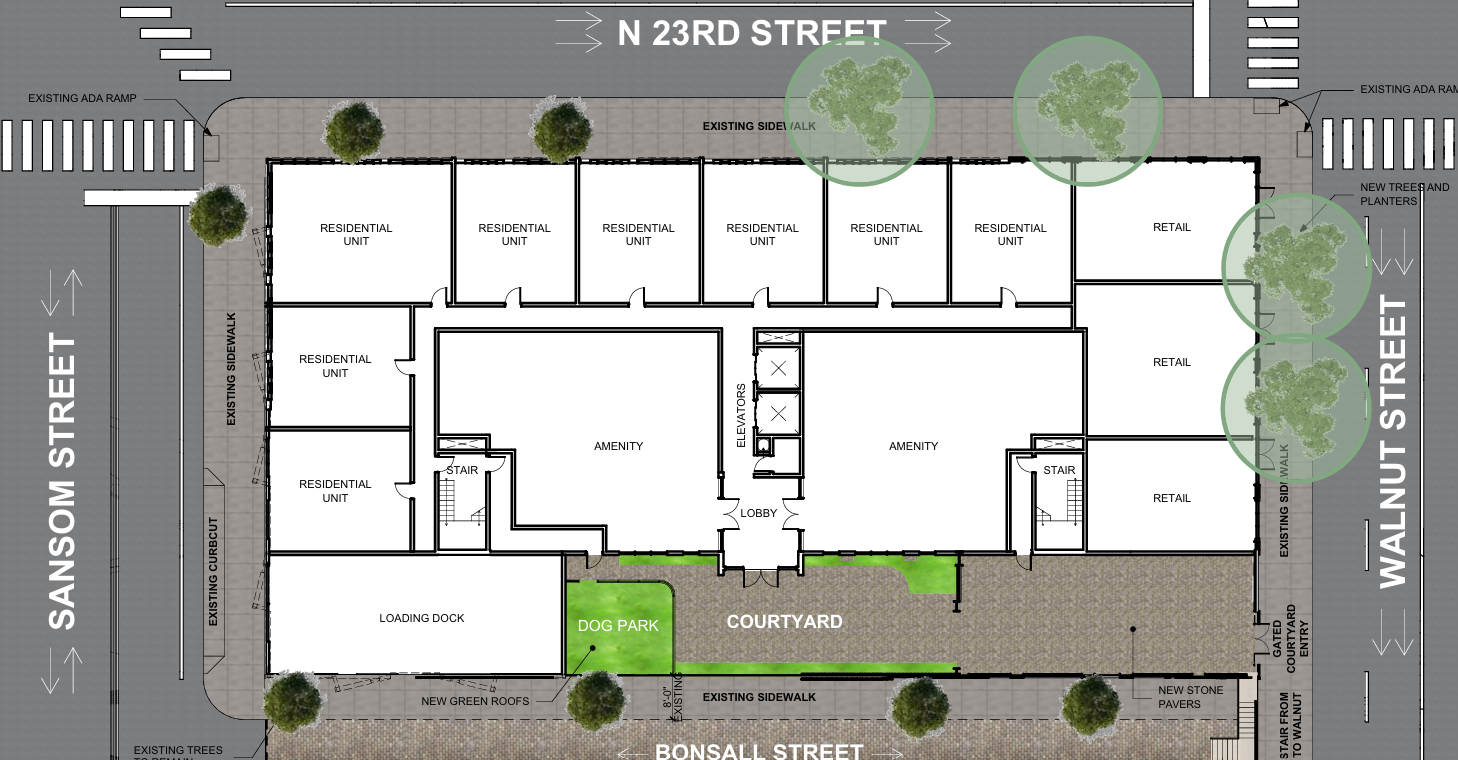
    Some members of the CDR committee encouraged the developer to add more street-level commercial space — currently only the Walnut Street side features room for retail — and others urged the architects to bring more definition to the existing street frontage.

    Alternatively, they suggested wrapping amenity space, such as a gym, around to Walnut. (Currently, the space faces the courtyard, with residential units lining Sansom and 23rd Streets.)

    A map of the ground floor of the proposed building, which unusually has apartments on the ground floor.[Box]wood Architects

    “I would just love to see how you can … make this more special because right now I’m afraid it’s just a glass surface on the sidewalk,” said Ximena Valle, an architect who chairs the committee. “If they remain empty, which they might, it’s really quite ominous. It would be more of what’s already there” — vacant space.

    When asked about specific amenities — beyond a dog park — Weckerly of Boxwood noted that those details have not been fleshed out.

    Neither have potential retail offerings, with committee members noting that the current configuration did not appear to have the back-of-house space needed to sustain a restaurant.

    However, the committee on the whole praised Boxwood and Patriot Development’s design, a contrast with the reception of Trammell Crow Co.’s project in 2022.

    “Sometimes we have developers come in, and they do the absolute minimum to make an apartment, and this is more than that,” said Dan Garofalo, an architect who is the committee’s vice chair.

    This is the second major development recently announced this summer on the western edge of Walnut Street. A 372-unit building from PMC Property Group is planned just to the west at 200-10 S. 24th St.

    “I was excited to see the project come through. It provides a great opportunity of connecting West Philly and the east side of the Schuylkill,” Valle said. Right now, “I think that pedestrian experience, pre-bridge, heading west is pretty miserable.”

  • From a simple awning to a six-figure outdoor room, how Philly homeowners add shade to their yards

    From a simple awning to a six-figure outdoor room, how Philly homeowners add shade to their yards

    Carla and Steve Red had a pair of covetable outdoor living spaces on their Fitler Square rowhouse, with a first-floor patio and a rooftop deck. But they weren’t so pleasant in the summer.

    “During Philly summers, you want to spend a lot of time outside on your patio, but the roof is basically baking in the sun,” Carla said. “There aren’t trees to cover you, and you really get crushed.”

    So last year they added some shade, and it was a game changer.

    With the help of a landscape designer and Paul Construction & Awning, the couple installed motorized retractable awnings over each deck. They now escape the summer heat and extend the outdoor season through the fall and early winter.

    The roughly 600-square-foot roof deck is the prime spot for entertaining guests and enjoying an evening glass of wine while watching the sunset. During rain showers, they’re no longer forced to retreat inside and instead enjoy the pitter-pattering of precipitation on the gray-and-white striped awning.

    The patio awning on their first level covers about half the 300-square-foot space, allowing for a mix of shade and sun. The couple also upgraded the furniture and added colorful flowers, a koi pond, and gas firepit.

    “We created extensions of the house where people really want to hang out,” said Carla, who spent about $27,000 on the two awnings. “It’s a Zen experience.”

    Outdoor structures, including pergolas, arbors, and gazebos, were added or upgraded by 35% of homeowners in 2026, according to the 2026 Houzz Outdoor Trend Study. That’s up from 20% in 2024. It’s a sign that homeowners are thinking about outdoor spaces less as occasional-use areas and more as functional living spaces, said Marine Sargsyan, head of economic research at Houzz.

    The most budget-friendly shade options, like a simple pergola kit ordered online, have price tags of a few hundred dollars at the low end. Customized structures offering year-round comfort can come with six-figure costs.

    “Shade structures are a key part of how homeowners turn outdoor areas into true extensions of the home,” Sargsyan said. “By adding comfort, definition, and protection from the elements, these structures help transform a yard, patio, or deck into an outdoor room.”

    Choosing an outdoor structure

    No matter the size of the property — from a city rowhouse’s garden to a sprawling yard in the suburbs — outdoor living can be enhanced with a thoughtfully designed shade structure. Options range from a DIY shade sail, constructed from UV-resistant fabric hung onto poles, to an elaborate gazebo outfitted with a retractable louvered roof and walls, rain and wind sensors, and radiant heat or air-conditioning.

    People just want to spend more time outside, said Gregg DiSantis, president of Distinctive Outdoor Structures in North Wales. Finding a new appreciation for the outdoors during the pandemic, homeowners sought out ways to turn their decks and patios into structures they could enjoy year-round.

    “They got used to being outside and really enjoyed it,” he said. “Now it’s a way of life.”

    Popular options include a pergola, cabana, awning, or screen. The yard’s layout and the homeowner’s budget shape the options.

    Rooftop decks, prevalent in the city and at the Shore, are a popular spot for a louvered pergola system with adjustable horizontal slats that open and close by the push of a button. The closed roof offers relief from the hot daytime sun and then opens to enjoy the evening breeze under the stars.

    Structures come in a multitude of colors, wood grains, designs, and styles. Homeowners can choose decorative features and trim to match the home’s architecture. A custom-built pergola from Distinctive Outdoor Structures costs $35,000 to $45,000 on average.

    Building an outdoor room at a historic city home

    Construction projects in the city, even for an outdoor feature, come with additional challenges. Permitting, installing electricity, and using a crane to get materials up to the roof are more likely to be part of the project. These steps take time and are costly.

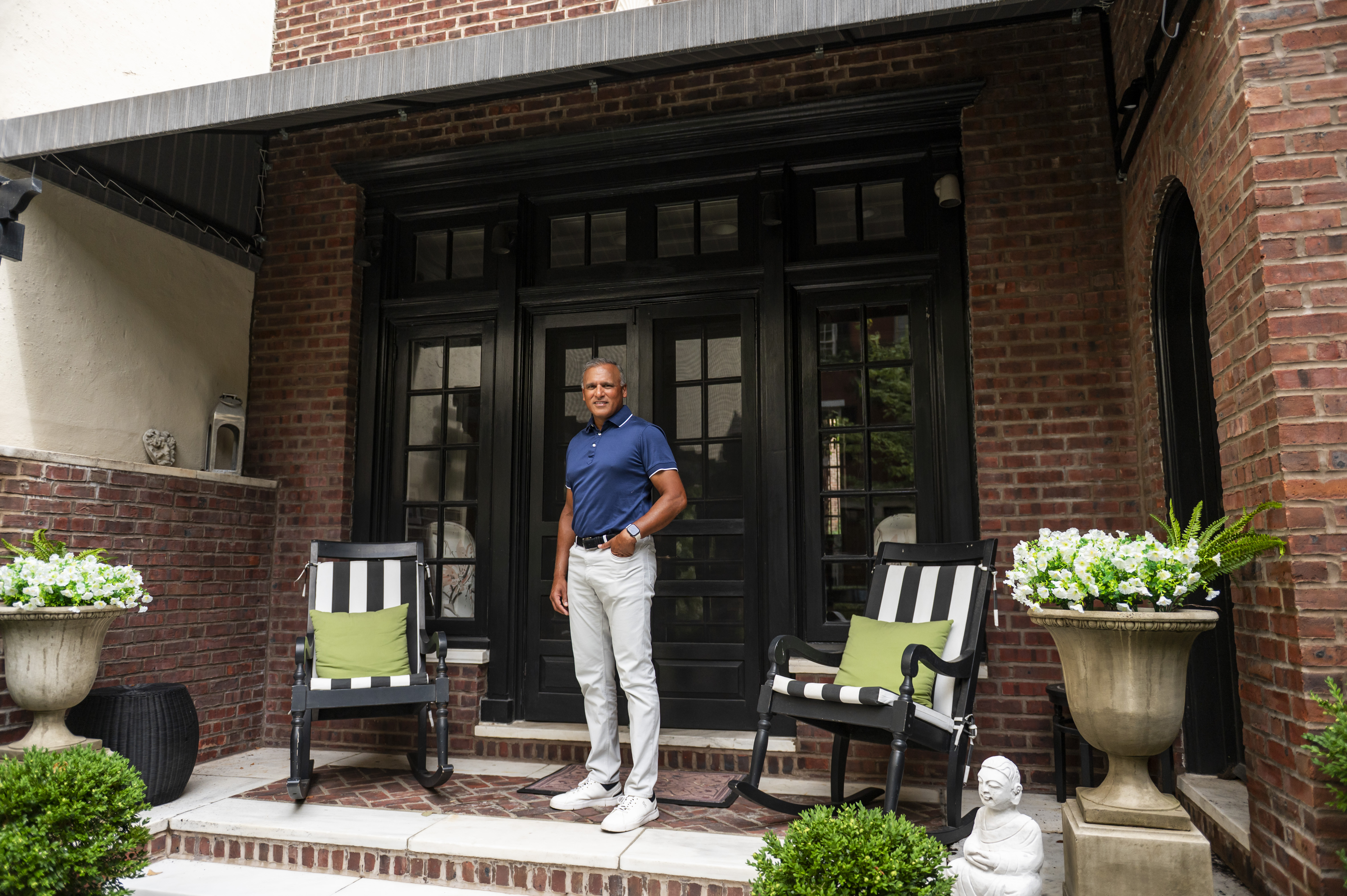
    Bob and Amy Kothari’s outdoor space at their home in Washington Square West.Allie Ippolito / For The Inquirer

    Amy and Bob Kothari took the time to see these challenges through. After many years living in the suburbs, the couple were anxious for city living when they bought a Washington Square West rowhouse in 2019. But they didn’t want to give up the outdoor space they enjoyed and depended upon when they lived in Ardmore.

    Their new home offered the best of both worlds: the benefits of urban living and an 800-square-foot yard. The house is a designated historic home, requiring special permits before starting construction.

    Distinctive Outdoor Structures built a 10-foot square pergola in their yard, complete with a louvered roof operated by a remote. In inclement weather, the roof closes automatically. The space includes lights, a ceiling fan to keep it cool in the summer, and heaters that kick on when it’s cold outside.

    They use the space to entertain, enjoy evening cocktails and morning coffee, and for private work-from-home space. The project cost about $140,000 for the pergola, brickwork, lighting, landscaping, and flagstone.

    “It’s a very functional but comfortable area,” Amy said. “It extends the inside of the house outside.”

    Budget-friendly shade

    Awnings and motorized retractable shades and screens are popular ways to create a cooler, more comfortable outdoor space.

    “An awning is ideal when the homeowner wants protection from direct sun overhead, shelter from light rain, a lower-cost alternative to building a permanent roof, and the flexibility of a retractable system — sun when desired, shade when needed,” said AnnMarie Salassa, executive assistant at Paul Construction & Awning in Skippack.

    Awnings are especially common over patios, decks, outdoor dining areas, and windows to reduce indoor heat gain.

    Bob Kothari stands in his yard, under an awning that also provides protection from the elements just off the back of the house.Allie Ippolito / For The Inquirer

    Screens are selected when homeowners want to enjoy fresh air without being bothered by mosquitoes and other insects, Salassa said. Screens also keep space clean from debris, pollen, or leaves, and reduce glare while maintaining views, she said.

    Motorized screens are often paired with covered patios or decks because they can disappear when not needed.

    “The shades we install can withstand 100-mile-per-hour winds,” DiSantis said. “They block out the sun and rain, and keep the heat in. They are a game changer in how people enjoy their spaces.”

    Motorized awnings range in price from about $6,000 to $10,000 for a 12-foot installed product, depending on the materials used, DiSantis said. A 10-foot-wide retractable screen costs $4,500 to $6,000 on average. On the lower end, the screens offer shade or keep out insects but aren’t able to withstand strong winds, he said.

    Budget-friendly shade options aren’t limited to awnings and shades. A prefabricated pergola, for instance, can be more affordable than a custom-built one. Hanso, for instance, a Scandinavian-based company with a large U.S. market, sells prefabricated aluminum gazebos and pergolas starting at $6,000. Ordered online, these are shipped to the consumer, who can then DIY the installation or hire a local contractor to help.

    Home improvement stores and other manufacturers also offer pergola kits, the simplest of which are less than $1,000.

    These structures are made with a powder coating that “last more than 30 years and does not require repainting,” Hanso CEO Darius Kunca said. And, he noted, “Aluminum kits can move with you when you move houses — simple to pack and rebuild again.”

  • An affordable housing complex with 120 apartments in Voorhees seeks planning board approval

    An affordable housing complex with 120 apartments in Voorhees seeks planning board approval

    The developer of an affordable housing apartment complex in Voorhees expects the same heavy demand from potential tenants that he experienced with a similar complex his company opened nearby in April.

    Hundreds of potential tenants fill the waiting list for available apartments at the 81-unit Victory Commons, a $30 million project that held a grand opening on April 30 at 1223 Haddonfield-Berlin Road, said Nicholas J. Cangelosi, regional vice president of The Michaels Organization, the Camden-based national developer of rental properties.

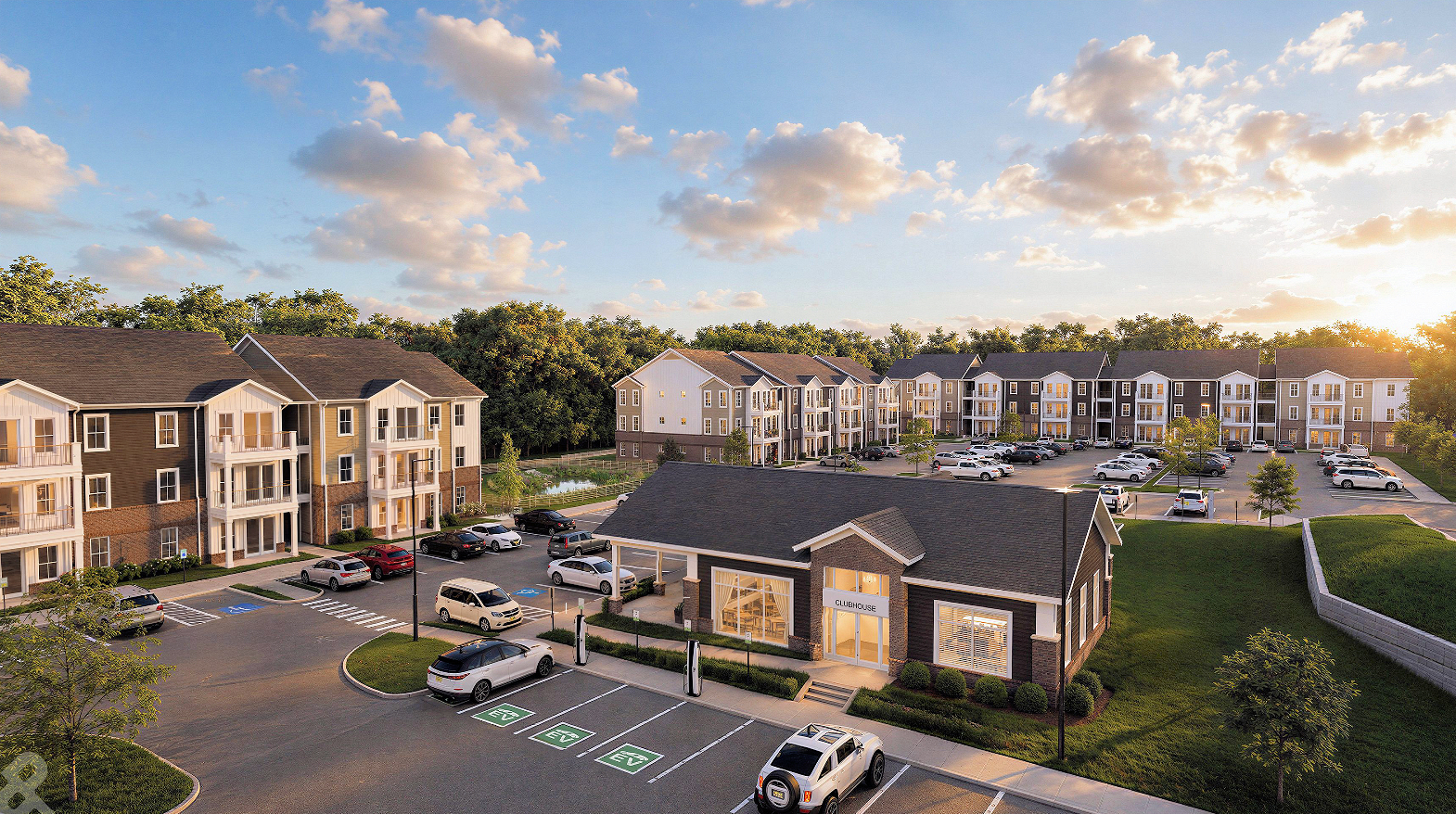
    Cangelosi said he expects far more applicants than openings when his firm opens 120 affordable housing apartments on the 6.6-acre site of the now-vacant L&L Redi Mix concrete company at 600 and 602 Centennial Boulevard.

    Centennial Housing Associates LLC, owned by Michaels, is scheduled to appear before the Voorhees Planning Board on Sept. 9 for preliminary and final site plan approvals for The Oaks at Centennial, which would feature 120 apartments built in two phases. The meeting begins at 7 p.m. after a 6:45 caucus at the Voorhees Township Municipal Building.

    The $50 million Oaks at Centennial project is included in the fourth round of the township’s affordable housing commitment.

    A third Michaels project in Voorhees, a $23 million project with 60 affordable units on Sheppard Road, has been approved by the planning board and awaits financing approval by the New Jersey Housing and Mortgage Finance Agency, Cangelosi said.

    The total of 261 units developed by Michaels in the town will be sought because families want to live in Voorhees, he said.

    The now-vacant concrete plant on the Voorhees property will be demolished to make way for the apartment complex.Neill Borowski

    Rent for the affordable units will be paid by the tenants, whose incomes must fall under a maximum amount.

    Many of the Victory Commons units have been rented to “essential workers” in the community who are employed in retail, healthcare, and schools, Cangelosi said.

    “They’re the essential backbone of the community,” he said. “They get to live close to where they work,” he added.

    Monthly rent for a two-bedroom unit at the proposed Oaks development for a family earning 60% of Area Median Income would be $1,587. Rent for a one-bedroom unit would be $1,323 and $1,834 for three bedrooms.

    In the developer’s application to the Planning Board, traffic consultant Shropshire Associates LLC of Atco estimates The Oaks would generate 43 extra trips during the morning peak hour and 60 extra trips during the afternoon peak hour.

    New Jersey’s elected leaders are focused on the shortage of housing. Gov. Mikie Sherrill in April signed an Executive Order that called for a housing plan to be delivered in September.

    “We can’t make New Jersey more affordable without making housing more affordable,” Sherrill said in a statement when she signed the order. “With this Executive Order, we are aligning every tool at our disposal to accelerate housing production and make it easier for families to put down roots in the communities they love,” she said.

    70and73.com is a hyperlocal news site focused on South Jersey, including the communities of Cherry Hill, Evesham, Mount Laurel, Voorhees, Medford, Medford Lakes, and Moorestown.

  • House of the week: A split level in Lafayette Hill for $715,000

    House of the week: A split level in Lafayette Hill for $715,000

    Hailey Price grew up in Ambler and her husband, Grant, grew up in Illinois, but both had always thought about moving to a coastal area.

    So when job opportunities made a move feasible this year, Grant, managing director for a financial firm and Hailey, a pediatric physician assistant, decided to head for Tampa, Fla.

    “If we don’t do it now we’ll never do it,” Grant recalled saying.

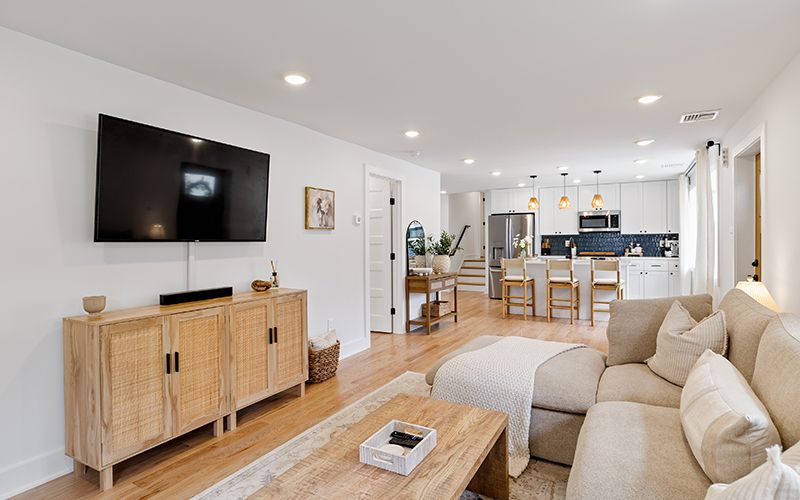
    The living room of the home, which has hardwood flooring on the main floor. Handout

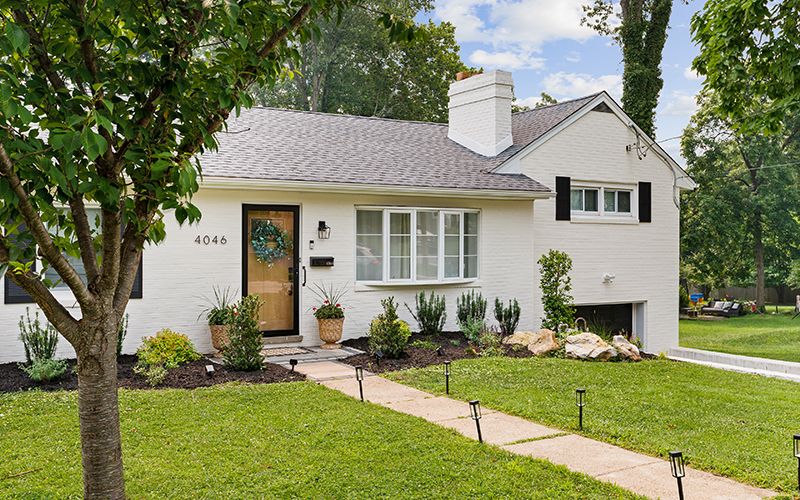
    The couple’s 2,244-foot house is in Lafayette Hill, Montgomery County, which Grant called “a good middle ground without Main Line prices.” They moved there last year from the Roxborough area.

    “There was a ton of yard space, and our dogs loved it,” he said. “And we loved how safe the neighborhood felt.”

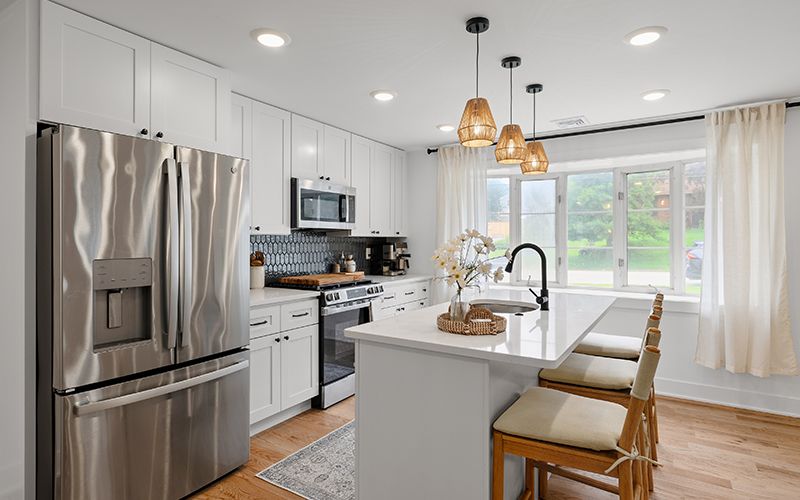
    The new kitchen has a large island with breakfast seating, soft-close cabinetry, and a tile backsplash.Handout

    The three-bedroom, 3½-bathroom house has hardwood flooring on the main floor and a brand new kitchen with a large island with breakfast seating, soft-close cabinetry, and a tile backsplash.

    The main level also has a bedroom and laundry and the upper level has the primary bedroom and another bedroom, both with full bathrooms.

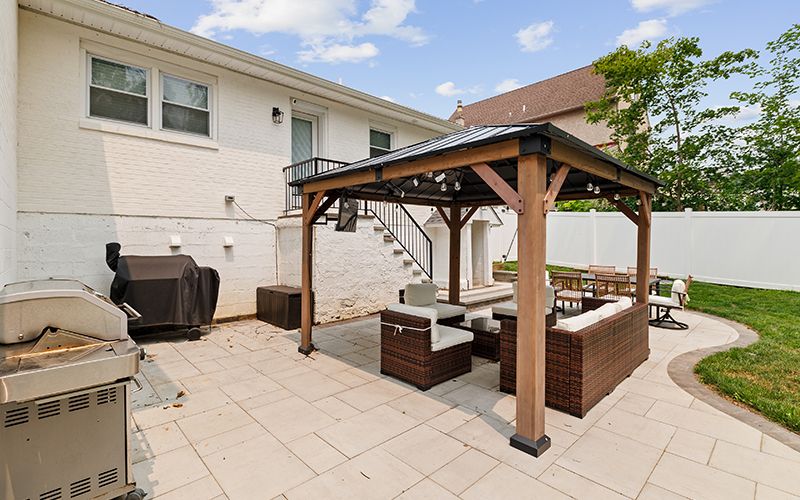
    The backyard has a new slate patio, a new white vinyl fence, and a gazebo.Handout

    The finished basement has a large entertainment area, an office area, and a powder room.

    The backyard has a new slate patio, a new white vinyl fence, and a gazebo.

    The home has an attached garage, a new roof, 200-amp electrical service, recessed lighting, and ceiling fans.

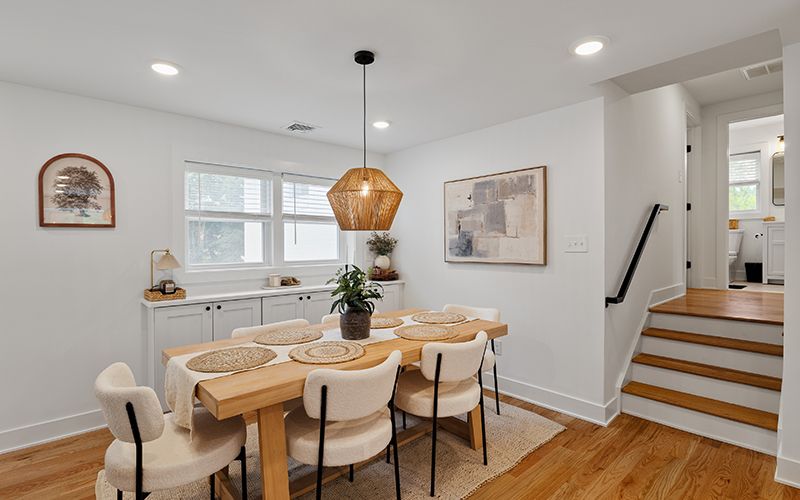
    The dining area.Handout

    The property is walkable to Miles Park and several neighborhood restaurants. It is close to I-476 and multiple SEPTA Regional Rail lines.

    The house is in the Colonial School District.

    It is listed by Jen Toadvine of Space & Co. for $715,000.

  • Philly apartments are shrinking

    Philly apartments are shrinking

    If you’re looking for a place to rent a spacious new apartment, Philly ain’t it.

    Apartments across the country got slightly bigger last year, but in Philadelphia, they’re shrinking.

    Apartments in Philly are already relatively small. Of the country’s top 100 cities with the largest apartment supply, Philadelphia ranked 88th in apartment size, according to an analysis by the nationwide apartment search website RentCafe. The report was based on apartments in buildings with 50 or more units.

    New Philly apartments, which RentCafe defined as those built between 2016 and 2025, span an average of 747 square feet — 163 fewer square feet than the national average.

    But in Philadelphia, the average new apartment shrank by 104 square feet compared to apartments built during the previous decade — basically the loss of a home office, according to RentCafe.

    Philadelphia’s position as a desirable rental market and demographic trends help explain the shrinking, according to Veronica Grecu, research analyst at RentCafe.

    “In high-demand markets, developers often prioritize studios and one-bedrooms because they can deliver more apartments per building and meet the needs of a growing number of single-person and smaller households,” Grecu said in a statement. “… the upside is more availability in markets where inventory has historically been tight.”

    Apartments currently under construction in Philadelphia average 627 square feet, according to RentCafe.

    The platform found that Philadelphia’s new three-bedroom apartments actually grew in size — by 93 square feet — as studios and one- and two-bedroom apartments shrank. But not many developers are building three-bedroom units. They made up 3% of the city’s supply of new apartments, according to RentCafe.

    (function(){function e(){window.addEventListener(`message`,function(e){if(e.data[`datawrapper-height`]!==void 0){var t=document.querySelectorAll(`iframe`);for(var n in e.data[`datawrapper-height`])for(var r=0,i;i=t[r];r++)if(i.contentWindow===e.source){var a=e.data[`datawrapper-height`][n]+`px`;i.style.height=a}}})}e()})();

    How Philly compares to other cities

    Cities in the Northeast and West dominate RentCafe’s list of places with the smallest new apartments.

    Pittsburgh was one of the top 10 cities where new apartments shrank the most in the last decade. The average size decreased by 142 square feet. But the average new apartment was 804 square feet, still larger than the average in Philadelphia.

    Seattle has the smallest new apartments. Those built in the last decade average 645 square feet, as more studios and one-bedroom apartments have been built.

    Portland, Ore., and Tacoma, Wash., have the second- and third-smallest new apartments, averaging 665 and 684 square feet, respectively.

    Tallahassee, Fla., has the largest new apartments. They average 1,156 square feet.

    Gainesville, Fla., and Baton Rouge, La., have the second- and third-largest new apartments, averaging 1,126 and 1,042 square feet, respectively.