Category: Real Estate

  • Luxury homes are getting more expensive in the Philly area, but they’re still selling fast

    Luxury homes are getting more expensive in the Philly area, but they’re still selling fast

    Luxury homes in the Philadelphia area sold faster this spring than the overall market’s already fast pace, even as the minimum price to be considered a luxury sale hit a record high.

    Strong demand for luxury homes is outpacing supply in the Philadelphia metropolitan area, which is helping boost prices.

    The multiple listing service Bright MLS defines luxury homes as those sold for prices in the top 5% of the market. In the Philadelphia area this spring, that meant homes that sold for at least $1.15 million. That price is 7.5% higher than at the same time last year, according to Bright MLS.

    (function(){function e(){window.addEventListener(`message`,function(e){if(e.data[`datawrapper-height`]!==void 0){var t=document.querySelectorAll(`iframe`);for(var n in e.data[`datawrapper-height`])for(var r=0,i;i=t[r];r++)if(i.contentWindow===e.source){var a=e.data[`datawrapper-height`][n]+`px`;i.style.height=a}}})}e()})();

    An ‘accelerating’ luxury market

    In the Philadelphia region, the luxury market is “accelerating,” with homes selling quickly, said Lisa Sturtevant, chief economist at Bright MLS. In the second quarter of the year, half of the luxury homes for sale in the region sold in six days or less, compared to 11 days or less for homes overall.

    Across the Mid-Atlantic, one-third of luxury homes sold this spring were paid for with cash. The Philadelphia area had a higher share of all-cash luxury sales — 42%. In comparison, 24% of all spring home sales in the Philadelphia region were cash sales.

    Sturtevant predicts that the luxury market will continue to be more active than the rest of the market for the second half of 2026.

    Main Line community and Shore town are among top luxury zip codes

    Two local zip codes ranked in the 10 areas in the Mid-Atlantic with the highest shares of luxury home sales this spring, according to Bright MLS.

    In the Wayne area’s 19087 zip code, 37 of 88 home sales classified as luxury sales — roughly two in five sales.

    Down the Shore in Long Beach Island’s 08008 zip code, 34 of 36 home sales were luxury sales.

    Demand for luxury

    Luxury home buyers are less deterred by elevated mortgage interest rates and rising prices than entry-level and mid-market buyers. And gains in the stock market have helped boost luxury buyers’ purchasing power and demand for homes.

    The number of new pending luxury sales rose in the second quarter of the year in the Philadelphia region. They were up roughly 9% from the same time last year to a total of 1,056.

    More luxury homeowners in the Philadelphia area listed their homes for sale in the second quarter of the year than during the same time last year. The number of new luxury listings — 1,647 — increased by about 4%.

    But the Philadelphia region doesn’t have enough luxury homes for sale to meet the demand from buyers. The number of active luxury listings — 1,102 — was down almost 5% at the end of the second quarter compared to the same time last year.

    The number of closed luxury sales this spring — 889 — was relatively flat from the same time last year. Sales ticked up 0.5%.

    The number of sales would be higher if more luxury homes were on the market, Sturtevant said.

    “Unlike the entry-level and mid-market homeowners, luxury homeowners are not as likely to need to move in response to changing family or financial circumstances,” she said in a statement. “And right now, luxury homeowners, by and large, are not exercising their discretion to sell.”

    A stalled market for starter homes

    While luxury homes sold quickly and at a premium this spring, at the other end of the housing market, starter homes lingered.

    In June, the number of starter homes for sale in the Philadelphia area was up 14% from the same time last year, according to an analysis by Zillow. And sellers cut prices in a quarter of these listings that month.

    The number of starter homes sold in May was down almost 7% from the year before.

    Zillow considers starter homes to be those in the 5th to 35th percentile of home values.

    Buyers of these homes have more choices than last year, since supply is up, said Kara Ng, senior economist at Zillow. But these buyers are also facing “financial pressures” that make saving for a down payment and taking advantage of opportunities more difficult.

  • For some families, the answer to the housing crisis is in the backyard

    For some families, the answer to the housing crisis is in the backyard

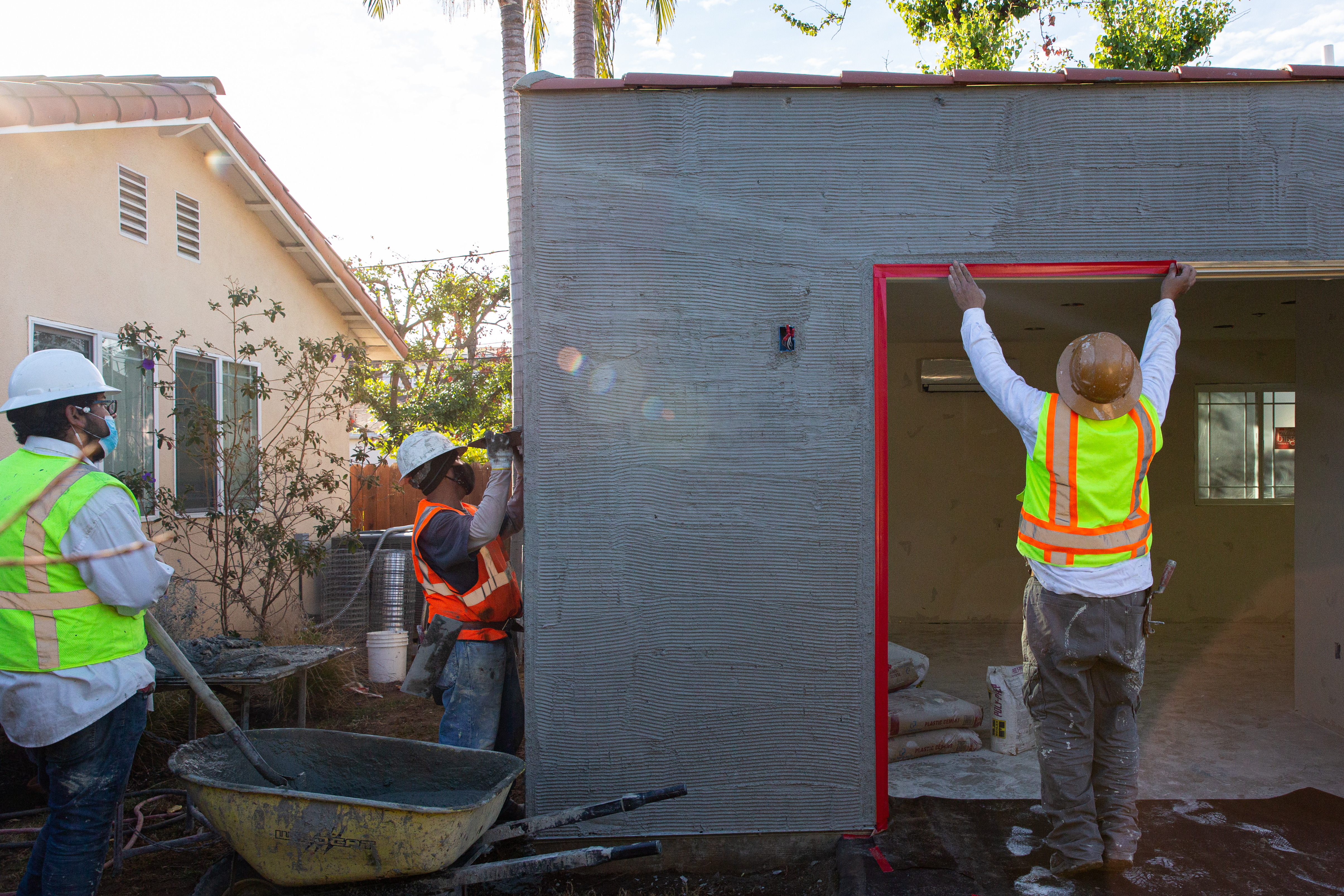
    A boom in state policies legalizing backyard housing construction is allowing some families to build multigenerational compounds for grandparents, parents, and grandchildren to all live together on the same property.

    Twenty-four states have passed laws meant to enable construction of “accessory dwelling units,” or ADUs: separate housing units attached to or located nearby existing homes. The ADUs might be converted basements, over-the-garage apartments or, frequently, small homes built in backyards. In the past two years alone, 11 states have passed laws allowing ADUs at any single-family home, according to New York University’s Furman Center, plus many more state and local laws are meant to reduce barriers to ADU construction.

    Pennsylvania lawmakers are currently considering legislation that would allow homeowners to create ADUs in places that are zoned for single-family houses without having to get special permission. The bill passed the state House in June and is now before a state Senate committee.

    While many ADUs are used as rental housing, it’s nearly as common to use ADUs for multigenerational living — often elderly parents moving into their own small home on their adult children’s property, or adult children living in their parents’ yard or above a parents’ garage instead of moving away.

    California has led the charge on legalizing ADUs, passing a string of laws over the past decade. Several surveys in the state consistently show that about 3 in 10 ADU owners have a family member living in the unit, while about 4 in 10 rent them to strangers.

    As soon as Massachusetts moved to prevent cities from restricting ADUs in 2024, Joel and Oreon Mode — who live on the outskirts of Boston — pitched the idea of building one to their son Carter and his wife, Zoe. What if the Modes built a 900-square-foot house in their backyard and moved into the new home, then sold the big house where Carter had grown up to Carter and Zoe at a steep discount?

    The Modes would have a single-story place as they got older, instead of their current home where they have to go upstairs to their bedroom. Their 33-year-old son, who had just had a baby, would get to move out of his nearby apartment into a single-family home at a price he could afford. And the Modes would have more time with their granddaughter.

    “Our home … would have gone on the market for about $1 million, which is stupid. It’s just idiotic,” Joel, 67, a special-education teacher, said in an interview. “Selfishly, we’ve got this lovely little granddaughter who we’re gaga over, and we’re very close with Carter and Zoe, and we didn’t like the idea that they would be two hours away,” where they would need to go far from Boston to find a home they could afford.

    Carter and Zoe eagerly agreed. The family all share a property now in Sudbury, Mass. Oreon, 67, recently retired from her job as a project manager and has time to care for her granddaughter, which means Carter and Zoe don’t pay for daycare either. “I’ve had my friends go: ‘Aren’t you going to get on each other’s nerves?’” Oreon said. “Yeah, probably, but that’s family. That’s what family does.”

    Christopher Lee, the lead designer at the company that built the Modes’ new backyard home, said his firm’s homes cost between $200,000 and $600,000 to build, with most running about $300,000 for a two-bedroom house.

    “When we started, it was almost all aging parents moving into people’s backyards,” he said. Lately, he’s started seeing more instances where the younger generation is living in the ADU, often people who were priced out of buying a house when prices surged during the pandemic.

    “We’re starting to see people using ADUs as starter homes,” Lee said. “We’ve done a handful now where it’s adult children moving into their parents’ backyard and they’re building a house for them and maybe a spouse and firstborn child. … There’s been some level of acceptance that high prices are here to stay. People are moving on.”

    Dohyung Kim, an urban planning professor at Cal Poly Pomona, pointed out that ADUs have been marketed as multigenerational housing long before the recent boom in policies aimed at using these small homes to ease the nationwide housing crunch. After all, the additions have long been called “granny flats” or “mother-in-law suites,” implying relatives moving in. (The homebuilder Lennar, which declined to comment for this piece, calls theirs “next gen,” in a nod toward adult children living at their parents’ homes.)

    Zoning rules that only permit one house on a lot made it illegal to build ADUs in much of America for decades, Kim said, and still exist. Often, he said, the towns that passed those rules object to the idea of the ADUs being used as rental housing as opposed to for family members.

    “Many people build ADUs and use it as a granny flat. But at the same time, many people built ADUs and rented it out,” Kim said. “The tenants used to be more likely to be low-income people of color. Historically, many cities did not want to see that happen.”

    Lindsey Fitzgerald, a sales representative for Coca-Cola, moved into an ADU on her mother’s property in Billerica, Mass., with her boyfriend and child. “When I got pregnant, my mom told us that she would be our childcare while we worked. This made all the sense to build this ADU,” she said. “It’s the cheapest way to build or buy a house right now. The market is so crazy that this is what made sense for our family.”

    Fitzgerald said that she can look right through her window into her mom’s house; her toddler son delights in going between the two homes. “As my mom gets older, then I’m also here for her to help her,” she added.

    Fitzgerald’s mother, Linda Dahl, was already used to having something of a family compound: Dahl’s sister lives in the other half of her split-level home, and her adult son lives with her in the main house.

    Dahl said, with a laugh, that her son wants her to put another ADU in her yard so that he can live there instead. “I probably could.”

    Contractor David Giacomin, who works in Maryland, said that nine times out of 10, when he builds ADUs the owner is planning for family to live in them — usually elderly parents, or sometimes adult children. Giacomin used to own a Maryland yoga studio, but he started casting about at age 50 for a new business idea when it shut down during the pandemic.

    His business has boomed thanks to a state law requiring all localities to permit ADUs by this fall, including in Rockville and Gaithersburg, cities that formerly banned most ADUs. But other requirements, like mandates to install fire-suppression sprinklers, make it much more costly to build them than he thinks it has to be — and most homeowners struggle to get a mortgage to build one.

    “If you put a pencil to it, you’d have to charge so much to get your money back in a reasonable time, that it just doesn’t make sense to have it as a rental,” Giacomin said. He thinks that’s why he’s mostly building for families.

    One of his clients, Anne Lao, plans to move into one on her daughter’s property in Silver Spring, Md., next month. Lao and her husband moved from California to live just 10 minutes away from their daughter, but since the death of Lao’s husband, Lao’s daughter encouraged her to be even closer. Lao, 70, wasn’t thrilled at the idea of living in an addition, but she agreed to live in a unit at the end of the driveway, where a detached garage used to be.

    “When I’m getting older, and if I need help, it’s just very convenient to be right next to them,” Lao said. “It just gives you a little bit more privacy and independence. They have their privacy also.”

    She looks forward to seeing her 9- and 10-year-old grandchildren nonstop. “I’m sure I’m going to have visitors every day.”

    The rise in ADUs has opened some people up to the idea who might not have considered intergenerational living before, said Wayne State University urban planning professor Kami Pothukuchi.

    “For immigrant groups that have a tradition of living in intergenerational households, where older parents will live with their adult married daughters or sons and their families, that has been common and is still common and really has nothing to do with ADUs,” Pothukuchi said. “But where ADUs are legal — that is certainly something that you’re seeing a lot more, within American families that don’t have this as their immediate tradition of living intergenerationally.”

    It’s hard to quantify just how common these family compounds are, she said, because so many ADUs, such as basements and garages, are converted into separate living spaces without permits. “If it’s unpermitted, it’s not counted.”

    Because some ADUs are counted as part of the main house and some are counted as their own household in the U.S. Census, it’s hard to parse out a trend in multigenerational households in federal data.

    David Garcia, who works on housing policy at Berkeley’s Terner Center for Housing Innovation, said he hopes future research will provide greater clarity.

    “Part of the challenge with ADUs is we want them to do a lot of things,“ he said. ”We want them to stabilize families. We want them to create more housing stock. But it’s hard for us to know exactly how much of those goals ADUs are fulfilling without better data.”

    Inquirer staff writer Michaelle Bond contributed to this article.
  • Northwest Tool Library in Mount Airy aims to make home maintenance more accessible

    Northwest Tool Library in Mount Airy aims to make home maintenance more accessible

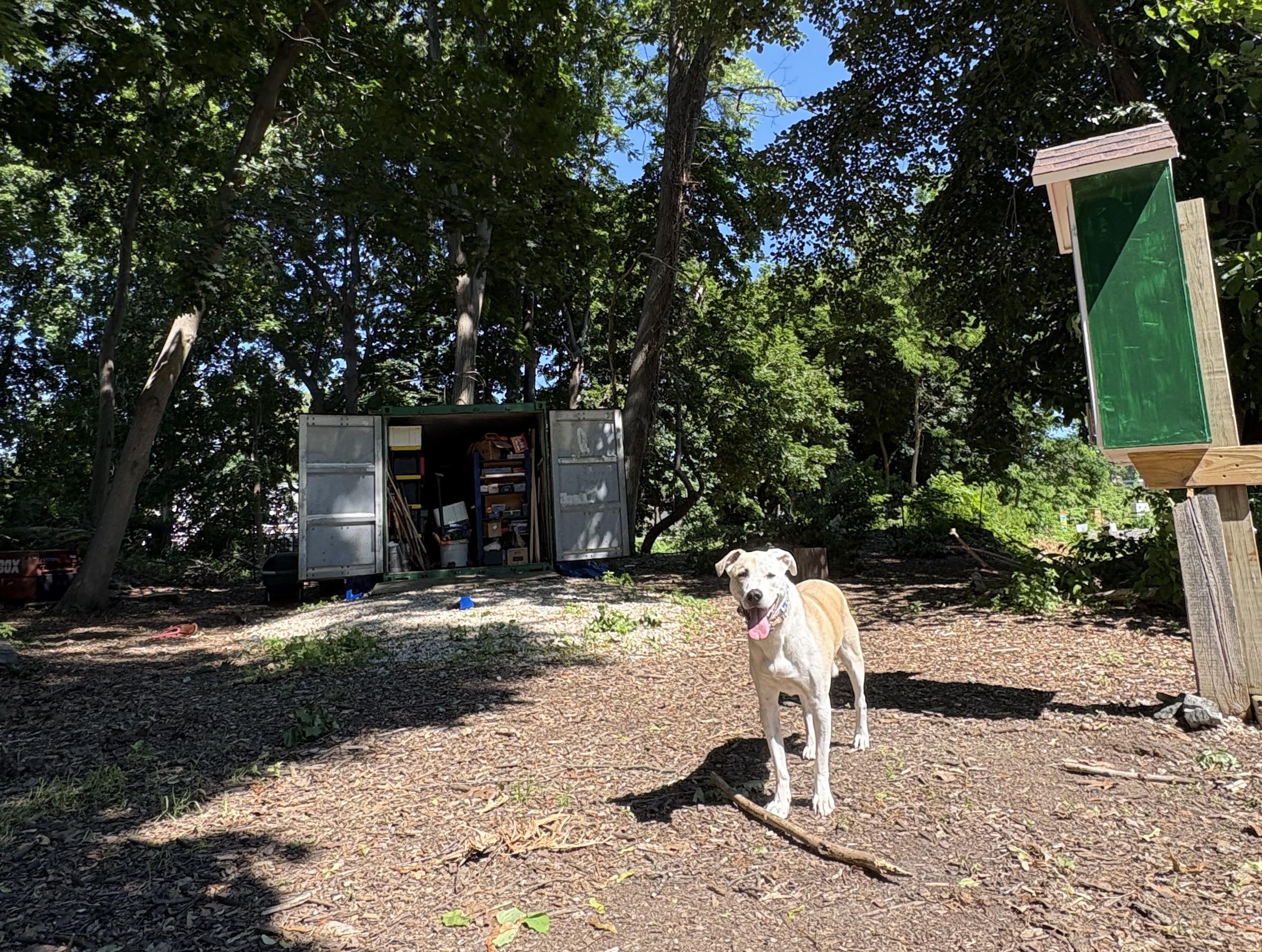
    Inside a shipping container on a lot beside SEPTA’s Carpenter train station in Mount Airy, thousands of old tools sit waiting, ready for a new life as part of the new Northwest Tool Library.

    Set to open on Sunday, the tool library will lend hand tools, power tools, ladders, and various other gadgets to members in an effort to make home maintenance more accessible.

    “We don’t all need to have leaf blowers,” said Jo Winter, executive director of West Mount Airy Neighbors (WMAN), the nonprofit civic group sponsoring the initiative. “If some of us have them in our shared space, it can be another effort to speak to the ethos of our community.”

    The idea for the project sparked a few years ago when a Mount Airy resident died and his wife donated his tools to WMAN, Winter said. The neighborhood organization runs EcoLab, a community project revitalizing green space in a once-neglected lot behind a nearby Regional Rail station, and stored the tools in a shipping container on the lot for tree tending.

    Mount Airy residents have long traded tools through the Facebook group Mount Airy Tool Exchange, especially as downsizing neighbors wanted to get rid of equipment they no longer had room for. But interest grew in having a designated tool library, as locals looked to the West Philly Tool Library as an example.

    Ash Fritzsche was one of those interested residents. As an electrician, she has taught classes at the West Philly Tool Library, but when she moved to Mount Airy, it became too far to frequent. So she got involved in bringing one northwest.

    Ultimately, WMAN realized the shipping container, which already housed landscaping tools, could also be used for “this other project everybody’s been talking about,” Fritzsche said.

    As a sponsor, WMAN provides organizational support for the library, while volunteers run the day-to-day operations.

    “It ticks all the boxes of something that would work in our community,” Winter said. “It’s mutual aid; it’s green; it’s this idea of sharing what you have, not throwing it into the trash.”

    Organizers ran tool drives to collect donations, and now the library has thousands of tools in its still-growing inventory. Once the tool library opens, volunteers will run two shifts a week on Wednesdays and Sundays when members can stop by and borrow tools.

    To join, members must pay an annual fee based on a sliding scale, so individuals contribute what they can afford. Fritzsche recommends removing three zeros from one’s annual income: If you make $50,000, pay $50 a year to support the library.

    The organizers dream bigger than a shipping container — which they have already maxed out with the size of their stock. They hope to move into a brick-and-mortar location and offer programming, such as home improvement and life skills classes.

    For example, Fritzsche believes everyone should know how to change a tire, change the oil, and know the basics of their plumbing and electrical systems, so they are empowered to be self-sufficient when something goes wrong.

    “Life is so cyber right now,” Fritzsche said. “I’m interested in any sort of simple crafts that can be taught so that people can engage with the real world.”

  • As developers clash over the future of the Bourse, their lender wants to force a sale of the building

    As developers clash over the future of the Bourse, their lender wants to force a sale of the building

    A New York City-based commercial real estate lender has asked a federal judge to force a sale of the Bourse building on Independence Mall after work ground to a halt on a hotel development amid the dissolution of a partnership between real estate magnate Dean Adler and Keystone Development + Investment.

    As the two former partners fought a battle for control of the Bourse in Delaware Chancery Court, the property has racked up millions in liens and missed at least one mortgage payment.

    The lender, KKR Real Estate Finance Trust, says it is owed more than $24 million in the latest turn in the legal drama surrounding the 131-year-old Beaux Arts building.

    In June 2024, KKR Real Estate Finance Trust lent Lubert-Adler Real Estate Funds and Keystone $83.7 million to purchase the building and convert a portion of it into a hotel, according to a lawsuit filed July 28 in federal court for the Eastern District of Pennsylvania.

    The loan also funded the purchase of 400 Market St., which was developed as planned.

    The loan agreement required Adler’s development team to show that the hotel project was near completion by the end of May 2026. But earlier this year, the Bourse’s development team “abandoned its plans to redevelop a portion of the Bourse property into a hotel and ceased work on the hotel conversion,” the complaint says.

    Adler had decided to scrap the hotel and event space plan and his partnership with Keystone, the Philadelphia Business Journal reported in April. Instead, Adler said he planned to go into business with PMC Property Group, Philadelphia’s largest apartment owner, to convert the Bourse into a multifamily property.

    Keystone filed a breach of contract suit and accused Adler of failure to provide promised funding for the project. Adler, in turn, accused Keystone of unauthorized spending and “gross negligence.”

    The two are fighting in Delaware Chancery Court for control of the property and its future. In a March ruling, reported by Law360, a judge ruled against Adler’s attempt to oust Keystone.

    The legal conflict between the two former partners has put KKR Real Estate Finance Trust’s investment at risk. By abandoning the plan and stopping construction, the suit says, the Bourse’s development team defaulted on the mortgage with more than $24 million of the principal outstanding.

    The Bourse’s owners also racked up more than $2 million in liens filed by at least five contractors for failure to pay for their work and failed to make a mortgage payment starting in June.

    KKR Real Estate Finance Trust is asking a federal judge to issue a judgment of $24.2 million plus interest and fees and to order a public auction of the Bourse building to pay back the debt.

    Keystone declined to comment on an active lawsuit, but a spokesperson said the firm remains “confident” that it will prevail in the litigation against Adler in Delaware Chancery Court.

    For his part, Adler said that he believes the legal cases with Keystone will soon be concluded and that KKR will follow.

    “I believe we are near resolution on the Bourse lawsuit with Keystone,” he said. “And then we will resolve KKR’s potential foreclosure and be ready to revitalize the Bourse like we did at 400 Market.”

    The former development partners purchased the nearby office building at 400 Market in the same deal as the Bourse and successfully converted it into apartments. KKR Real Estate Finance Trust made clear that building is not included in the lawsuit.

  • Shift Capital is selling many of its Kensington holdings

    Shift Capital is selling many of its Kensington holdings

    Shift Capital made its name in Kensington.

    The company has long styled itself as a socially conscious real estate developer, rebuilding long-vacant buildings into thriving mixed-use properties in a neighborhood challenged by poverty and addiction.

    Now 14 years after the company’s formation, it is seeking to sell its cornerstone developments in the neighborhood.

    That includes its Harrowgate flagship, the 116-unit building at 3400 J St. known as J-centrel, which is home to the renowned Vietnamese bakery and cafe Càphê Roasters.

    Kensington Corridor Trust, a nonprofit that Shift helped found, plans to purchase that property for $18 million, although it needs to raise $1.5 million more by the end of August to close on the deal.

    The organization is a neighborhood trust with the mission of acquiring properties on Kensington Avenue and placing them under community control — via a nonprofit board — to preserve affordability. Currently, most of the trust’s properties are storefronts and much smaller than J-centrel.

    “We’re excited to hand the responsibility of creating a healthy, safe neighborhood to the next group to continue the work that we’ve been doing,” said Brian Murray, CEO of Shift Capital. “It’s an exciting moment of transition to the next generation of people … who want to see Kensington be what it could be.”

    Murray says the properties Shift wants to sell represent 30% of their properties in the city.

    They are in talks with potential buyers for the old industrial building at 3775 Kensington Ave., and the artist studios, office space, and light manufacturing at 3525 I St. (MaKen Studios North) and 3401 I St. (MaKen Studios South).

    Murray emphasizes that Shift will retain a presence in Kensington. Their offices will remain in J-centrel, and they are still working on the Càphê Roasters expansion across the street at 3419-23 Kensington Ave.

    He says a sale of this kind has always been part of the plan. The investors who backed these developments in Kensington are nearing the end of their time with the fund, and Shift is not currently planning to recapitalize with new partners.

    “Our world is limited to capital that needs to be returned,” he said. “They can be as mission-driven as they would like, but that still is a limitation of the role that we can play in revitalizing and preserving neighborhoods.”

    That’s why Murray wants to sell to Kensington Corridor Trust, which Shift helped found in 2019 (although it exited the organization’s board in 2021).

    Kensington Corridor Trust owns 32 properties along the avenue, although none is close to the size of J-centrel. In preparation for the purchase, the trust has hired more staff, including a new property manager and a full-time maintenance person who used to be with Shift.

    “Shift Capital’s J-centrel property will be our single largest acquisition to date in terms of square footage, units, and cost,” said Adriana Abizadeh-Barbour, executive director of Kensington Corridor Trust.

    Abizadeh-Barbour said the trust raised a half-million dollars in early August, and she is confident it can get the $1.5 million needed before the end of the month.

    The funds raised so far include $1 million from individual donations, $1 million from the City of Philadelphia, $3 million from foundations, $3 million from investment funds, and $10 million from Community Development Financial Institution, which specifically invests in low-income areas.

    “We have a strong base of supporters who believe in community control and neighborhood power, and we’re excited to bring this under community ownership,” Abizadeh-Barbour said.

    The trust plans to make the apartments more affordable as higher income tenants move out of the building, with the goal of targeting the units to those at 60% of area median income, or roughly $50,000 for a one-person household.

    As for Shift, the company has other big plans in Philadelphia. Earlier this year it announced a partnership with Temple University over a long delayed development proposal near Amtrak’s North Philadelphia station, near Broad Street and Indiana Avenue.

    And although lenders backed away from the firm’s redevelopment of the historic Beury building at 3701 N. Broad St. in 2024 amid an increasingly difficult development environment, Murray says they “are still actively working on” the property.

    “The Kensington Corridor Trust [sale] is an exciting mission exit that we’ve been working on almost from the beginning of our work,” Murray said. “This was always a prescripted game plan to create an entity that was community controlled that could be a steward of assets in the neighborhood long term.”

  • PHA plans an 85-unit mix of rental and ownership homes in Strawberry Mansion

    PHA plans an 85-unit mix of rental and ownership homes in Strawberry Mansion

    The Philadelphia Housing Authority is planning an 85-unit mix of affordable rental and homeownership units in Strawberry Mansion, around 28th and York Streets.

    The proposal is part of a burst of PHA activity in this North Philadelphia neighborhood in recent years, as the agency has sought to use vacant land to add affordable housing to the area.

    “This proposed development at 28th and York represents exactly the kind of investment Strawberry Mansion deserves — one that replaces long-term vacancy and blight with affordable homes, open space, and renewed opportunity,” Kelvin A. Jeremiah, president and CEO of the Philadelphia Housing Authority, said in a written statement.

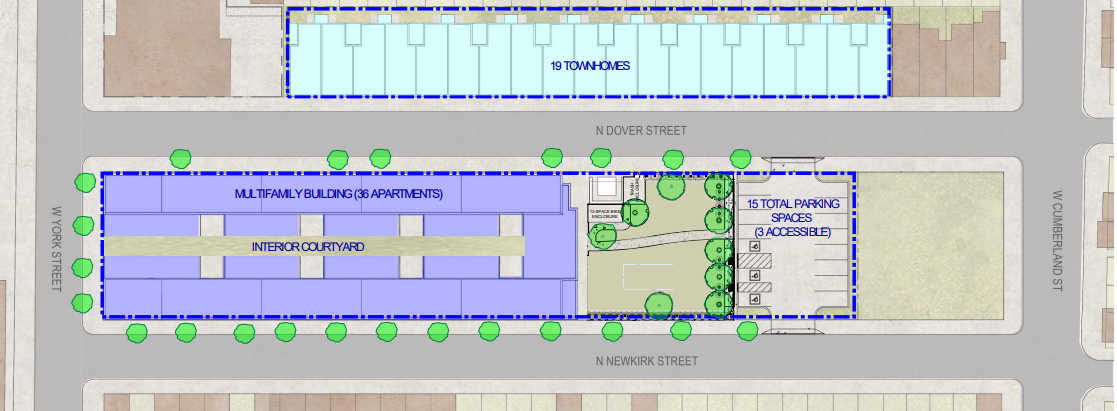
    The project has 30 single-family houses that will be built using the city’s Turn the Key program, 19 rental townhouses, and a 36-unit apartment building roughly split between one- and two-bedroom units.

    PHA also plans 15 parking spaces, street widenings to allow more parking, and a new agency-run park.

    The rental portion of the project, which includes the apartment building at 2401 N. Dover St. and the 19 rental townhouses at 2416 N. Dover St., received permission to move forward from the Zoning Board of Adjustment in late July and early August.

    The housing authority has the support of many of the area’s elected representatives, including State Sen. Sharif Street and State Rep. Keith Harris. The politically influential Laborers union also submitted testimony to the zoning board in support of the project.

    The biggest regulatory hurdle to PHA’s plans is that the land slated for multifamily development is zoned for single-family use, but the board waived that requirement after hearing from community members about PHA’s proposal.

    “I would love to see some development on Dover Street,” said Altrena Nixon, who owns a business at 29th and York Streets.

    “It’s been sitting like that for many, many, many years,” Nixon said in testimony before the zoning board. “We need the vibrancy. We need the development. We need the jobs that it’ll bring to our area.”

    Two speakers warned about the housing authority’s history in the neighborhood, arguing against adding so much density and too much affordable housing.

    All In The Family Group Associates Inc., a community organization, wanted further meetings with PHA to discuss how the project related to other nearby developments.

    In a letter, PHA declined to enter into an agreement with the group over a planned park at 27th and York Streets. All In The Family did not respond to a request for comment.

    “The PHA should not be able to get away with not coming to the table with us and ironing out these issues and ensuring that we have stability in our communities,” Odessa Tate, a member of All In The Family, said in testimony before the board.

    Councilmember Jeffery Young — who is engaged in a legal action against a ZBA ruling in favor of another 57-home development PHA proposed in Strawberry Mansion — asked the board to delay its ruling to allow more time to meet with All In The Family.

    A map showing where the rental portion of PHA’s plan will lay out.Cicada

    But the zoning board ruled in the project’s favor at hearings on July 29 and Aug. 5. Six of the nine speakers at the hearing were in favor of the project.

    “There is a dire need for affordable housing in our community, and to continue to just delay and delay and delay is counterproductive to the needs of the community,” said the Rev. Warren Marshall at the July hearing.

    The 30 homeownership units did not require zoning board permission to move forward. They will be on 29th, Newkirk, and Dover Streets and are being built by Civetta Property Group, the developer that has used the city’s Turn The Key program the most extensively.

    Construction will begin on the for-sale units in October. The rentals are slated for next year as they seek competitive Low-Income Housing Tax Credits that will become available in 2027.

    The 15-space surface parking lot will be next to the apartment building, while Dover and Newkirk Streets will be widened to allow for more on-street parking.

    A proposed park at 27th and York, meanwhile, is being described as a space for community events.

    “PHA will be responsible for development, maintenance, use procedures, and related management functions necessary to preserve the park as a community asset,” Jeremiah said in a letter to local political leaders.

    This isn’t the authority’s only current project in Strawberry Mansion. WHYY recently reported PHA also has proposed converting a 126-year-old school on North 22nd Street into a 50-unit affordable apartment building for seniors.

  • Philly watchdog says city’s property tax crackdown may have missed thousands of fraudsters — and $30 million more in revenue

    Philly watchdog says city’s property tax crackdown may have missed thousands of fraudsters — and $30 million more in revenue

    Philadelphia’s fiscal watchdog said this week that a recent city review identifying thousands of property owners cashing in on tax relief programs they are ineligible for may have only scratched the surface of the problem.

    In a report released Wednesday, City Controller Christy Brady said investigators in her office had identified about 58,000 properties that are receiving the city’s popular homestead exemption tax break and may not be eligible.

    That is far more than the 22,000 properties that Mayor Cherelle L. Parker’s administration reviewed in a two-year probe that officials said last week led to more than 13,000 property owners being kicked off tax relief programs in which they were fraudulently enrolled. The Philadelphia Department of Revenue said those owners will be charged back taxes totaling about $30 million in additional property tax revenue for the city and the cash-strapped Philadelphia School District.

    But Brady’s report suggests the city could recover millions more in owed tax revenue. Her report says the city should review an additional 36,000 properties, an investigation that could double the money the city is owed annually to $60 million.

    “Over a five-year budget, that’s a remarkable $300 million for our schools and vital city services,” Brady said in a news release.

    Christian Crespo, a spokesperson for the revenue department, said in a statement that the agency’s tax benefit review unit conducts continuous compliance reviews to identify potentially ineligible properties.

    Crespo cautioned that the controller identified thousands of properties with “potential risk factors,” which do not alone establish that a homeowner does not qualify for a tax exemption.

    He said more than 8,000 exemptions in the administration’s initial review were deemed legitimate, meaning “a homeowner can have an indicator of potential fraud and still be eligible.”

    “Revenue appreciates the Controller’s continued focus on program integrity and welcomes the opportunity to review the findings presented in the report,” he said.

    The city’s homestead exemption is by far the most popular tax break offered. The free program allows for property owners who live in their homes to deduct the first $100,000 from their property’s assessed value, saving homeowners up to $1,400 a year.

    About 250,000 property owners receive the exemption, for which residents must enroll to take part. Investigators in the city controller’s office found that more than one in five participants may not be eligible, including some with mailing addresses differing from the address of the property receiving the tax break.

    The review identified properties with other red flags, including more than 8,000 property owners receiving the exemption whose mailing addresses are listed as outside Philadelphia.

    Some were even more brazen: For example, 67 properties legally deemed vacant were receiving the exemption, totaling nearly $100,000 in annual lost revenue, Brady’s office said. In another case, one business owner received an exemption on 15 different residential properties.

    James Aros, Jr. (left), Chief Assessment Officer at the Office of Property Assessment, and Revenue Commissioner Kathleen McColgan (right) attend a Mayor Cherelle L. Parker press conference at City Hall on Monday Aug. 5, 2024, as her office prepares to release the first citywide real estate reassessment in two years.Tom Gralish / Staff Photographer

    Parker administration officials have said that recovering lost revenue is a priority, especially given the school district’s financial position. The public school system is facing a $300 million structural deficit and the school board recently voted to close 17 schools.

    The district is the only one in Pennsylvania that cannot legally increase taxes to generate revenue. Property tax revenue in the city is split, with 56% going to the school district and the remainder into the city’s accounts.

    The current property tax rate is 1.3998% of assessed value.

    Homeowners who were removed from the homestead exemption program as part of the city’s review were mailed two notices and provided an opportunity to produce evidence of their eligibility. They may still appeal the decision.

  • Philly movers make the impossible happen | Real Estate Newsletter

    Philly movers make the impossible happen | Real Estate Newsletter

    When I was getting ready to move into a Center City trinity (longtime readers will know it as “the mouse house”) in 2019, I was told my box spring would probably not make it up the narrow stairway.

    I decided to take my chances. And it looked for a second like the movers would be able to maneuver it up there. But they couldn’t make it fit, and I had to order one that folded in half.

    Turns out Philly movers aren’t magicians. But they’re overall pretty good at working with the challenges thrown at them by the city’s housing stock. They even make moving look easy.

    Keep scrolling for that story and more in this week’s edition:

    — Michaelle Bond

    If someone forwarded you this email, sign up for free here.

    Moving like a pro

    Old buildings. Tight spaces. City streets. Wild West parking. Philly’s professional movers have to navigate it all.

    One mover told my colleague that getting furniture where it needs to go sometimes means “you gotta puzzle-piece it up the stairs.”

    Older Philly homes have smaller doorways, hallways, and staircases that can be a problem for larger, modern furniture (and box springs).

    Sometimes, that means stuff has to be hoisted through windows. A mover said he once hauled furniture through trap doors in a house’s floorboards.

    Some of the more interesting items movers told us they’ve hauled into homes include:

    • retro pinball machines
    • gun safes weighing more than 600 pounds
    • an (empty) casket

    Keep reading to hear professional movers’ stories and get some moving tips.

    Contractors vs. developer

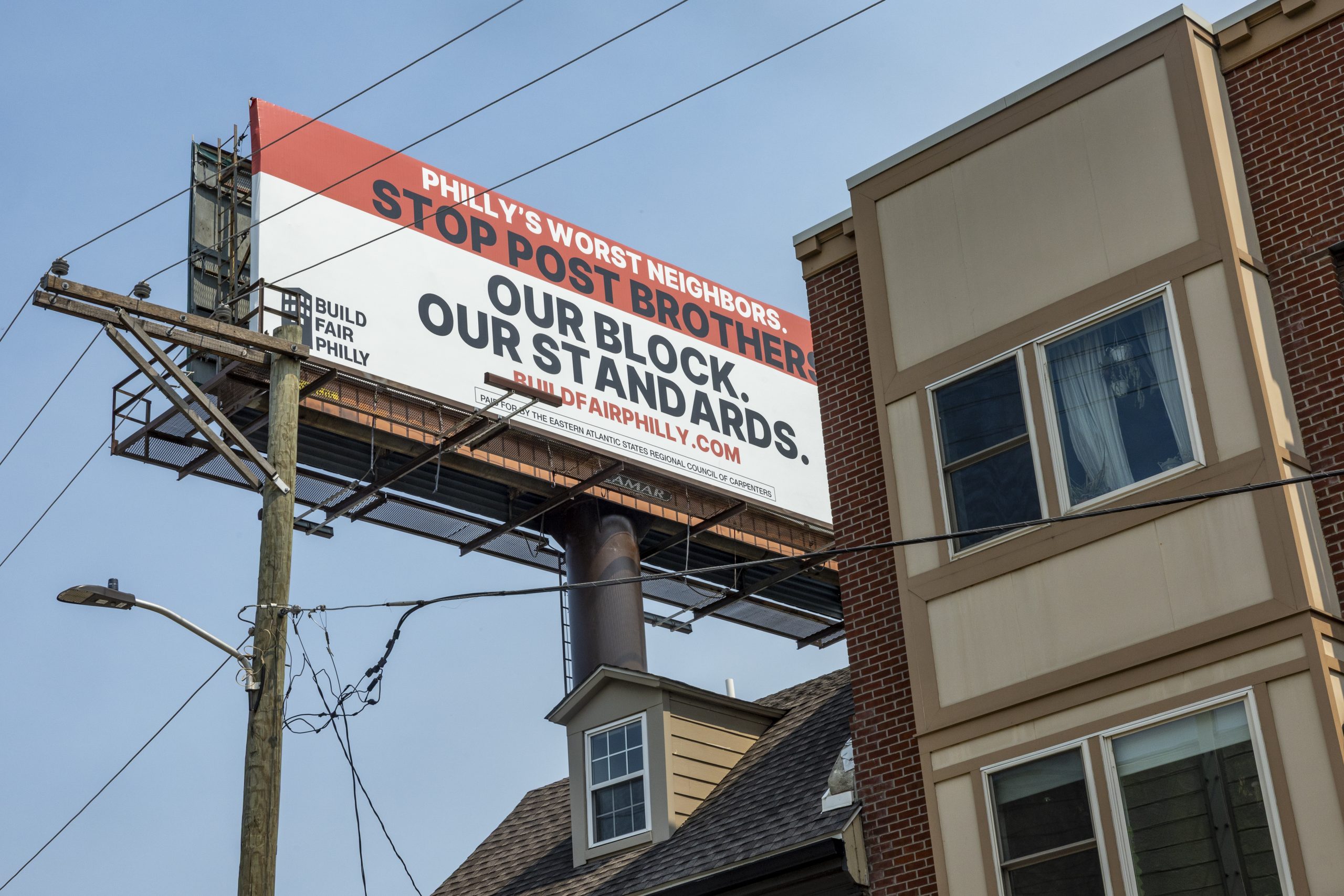
    Driving on Philly highways recently, you may have noticed billboards that call out Post Brothers, the apartment developer. The signs are part of a pressure campaign by the city’s carpenters union.

    More than a dozen Philly-area contractors, most of which are affiliated with the union, have sued the developer. They say Post Brothers owes them millions of dollars for work they did at an apartment complex at Broad Street and Washington Avenue in South Philly.

    A union official accused Post Brothers of undertaking a “Donald Trump business model” and not paying contractors.

    Post Brothers says these legal fights are really about who should pay costs that ballooned throughout the apartment project because of inflation. Spoiler: They’re saying “not it.”

    Keep reading to learn more about the allegations and what the legal saga says about today’s construction environment.

    The latest news to pay attention to

    Finding property tax help

    Philly homeowners will have new property tax bills to pay come March, thanks to new property assessments the city released in June.

    Property valuations increased citywide, but some neighborhoods are seeing higher increases than others.

    Philadelphia offers programs that help homeowners with rising property tax bills, but you’ve got to opt into them, and a lot of people don’t. Homeowners could be missing out on thousands of dollars in savings.

    To figure out which assistance programs you’re eligible for and how much you could save, use this online tool my colleagues built.

    In related news, the city has kicked more than 13,000 Philly homeowners off tax break programs they weren’t actually eligible for.

    Most of them had been getting tax relief from a program that’s only available for people’s primary residence. Now, the city is charging them back taxes.

    📮Did you successfully appeal a past property assessment? Let us know how you did it.

    Home tour: Downsized in Bella Vista

    For 26 years, Andrea and Eran Preis lived in a four-bedroom house in Queen Village. But when Andrea turned 80, their sons told them it was time to downsize.

    Now, the couple lives in a two-bedroom condo in Bella Vista.

    Andrea had to part with beloved belongings, including cookbooks, photo albums, her collection of framed embroidery, and the dining room table that seated 14.

    But she was able to keep other treasures. She still has a carved antique buffet and vintage Hanukkah oil lamps from Spain and Italy. And the condo’s walls are covered in art.

    Peek inside the home the Preises filled with the important things.

    📷 Photo quiz

    Do you know the location this photo shows?

    📮 If you think you do, email me back. You and your memories of visiting this spot might be featured in the newsletter.

    Last week’s quiz featured a shot of a pedestrian walking through the south portal of City Hall.

    Shout-out to Ian M. for knowing that.

    Enjoy the rest of your week.

    By submitting your written, visual, and/or audio contributions, you agree to The Inquirer’s Terms of Use, including the grant of rights in Section 10.

  • Downsizing in Bella Vista, they kept travel treasures and love of film in the home

    Downsizing in Bella Vista, they kept travel treasures and love of film in the home

    “When I turned 80,” Andrea Preis said, “our sons told me, ‘It’s time for you and Dad to downsize and move into a place that is more manageable.’ So we did.”

    So in 2024, Andrea and husband Eran Preis moved from a four-bedroom home in Queen Village, where they lived for 26 years, to a two-bedroom condo in Bella Vista.

    Andrea had no room for her collection of framed embroidery, her cookbooks, art books, albums of photos taken on trips all over the world, dishes, a painted cupboard, and other treasures.

    “I had to force myself,” she said, to part with beloved objects. “It made me sick. It was so hard.”

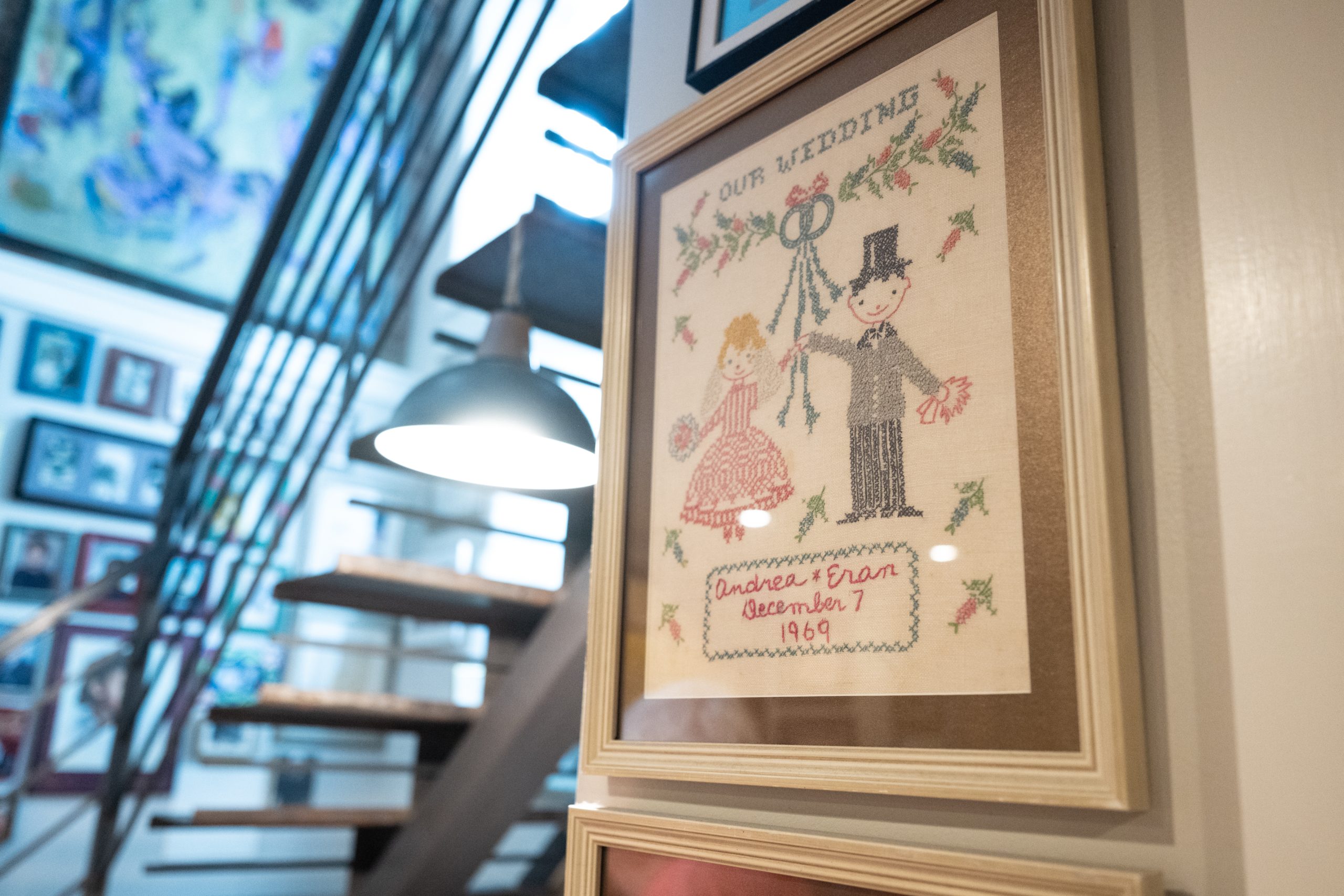
    A wedding memento embroidered by Andrea Preis’ grandmother hangs in the basement of the home.Erin Blewett / For The Inquirer
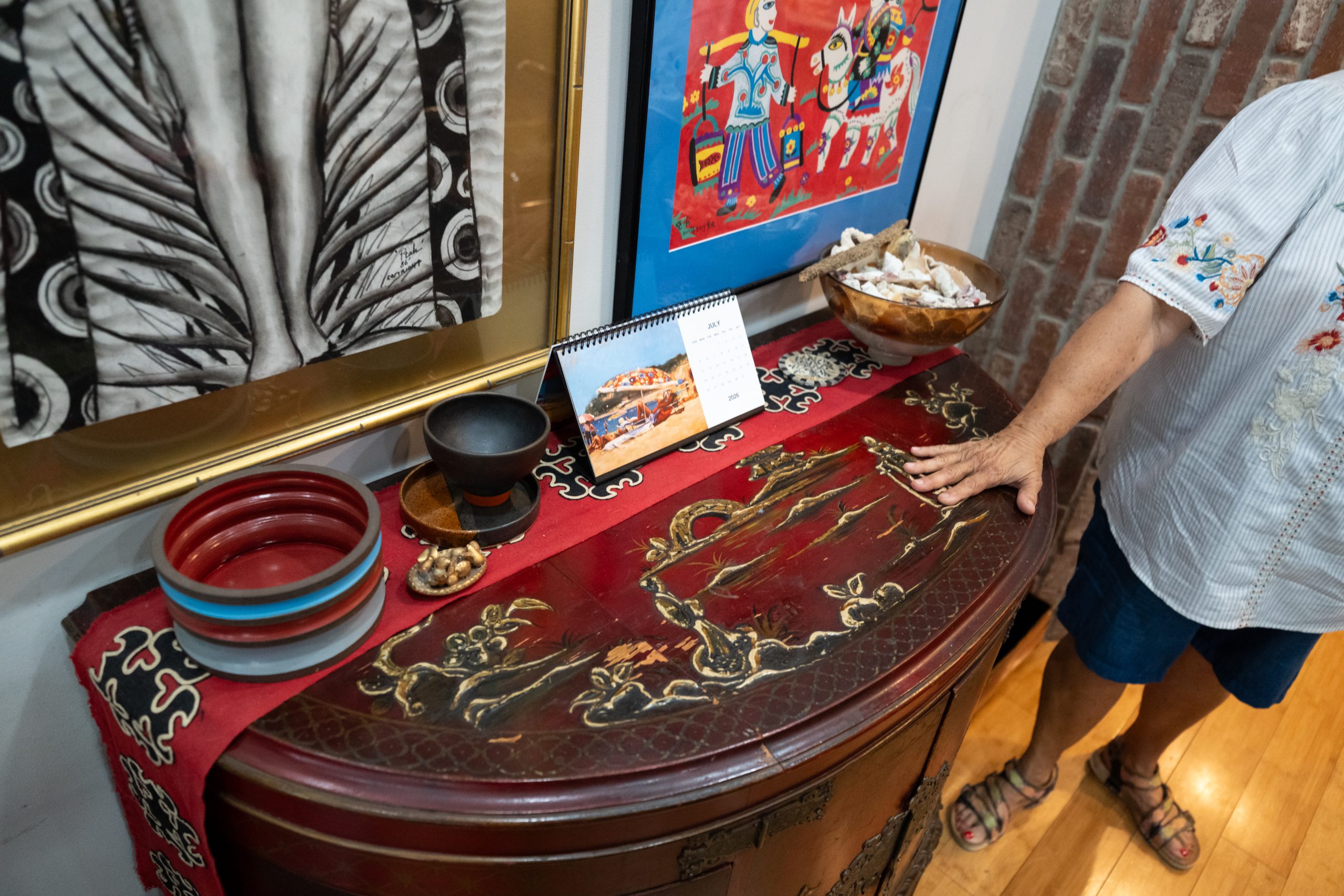
    Andrea Preis touches a cabinet at the front of the home, adorned with some of the items she has collected.Erin Blewett / For The Inquirer

    Eran, who gave away stacks of books, was less nostalgic. “We needed to be on one level and our house was starting to fall apart,” he said.

    Andrea had a house sale and later set out a table in front of her old home with items people took for free. “When I finally put away the table a woman knocked on the door wondering where everything was,” she recalled.

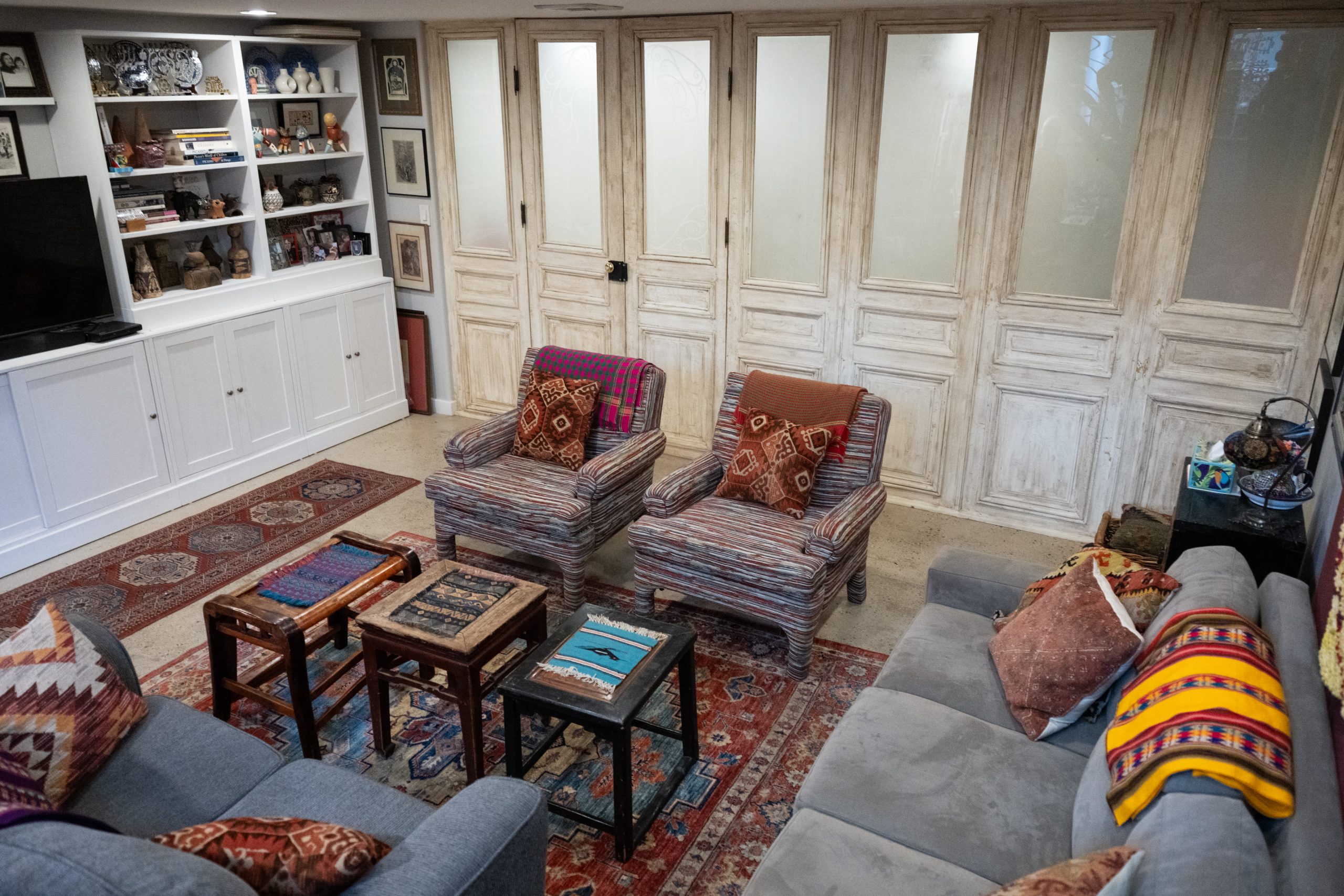
    The couple’s condo comprises the first floor and basement of the three-story rowhouse and was renovated 20 years ago. The ground floor features a sitting area, kitchen, bedroom, and bathroom, and a tiny garden. In the basement there is another bedroom, bathroom, and sitting room.

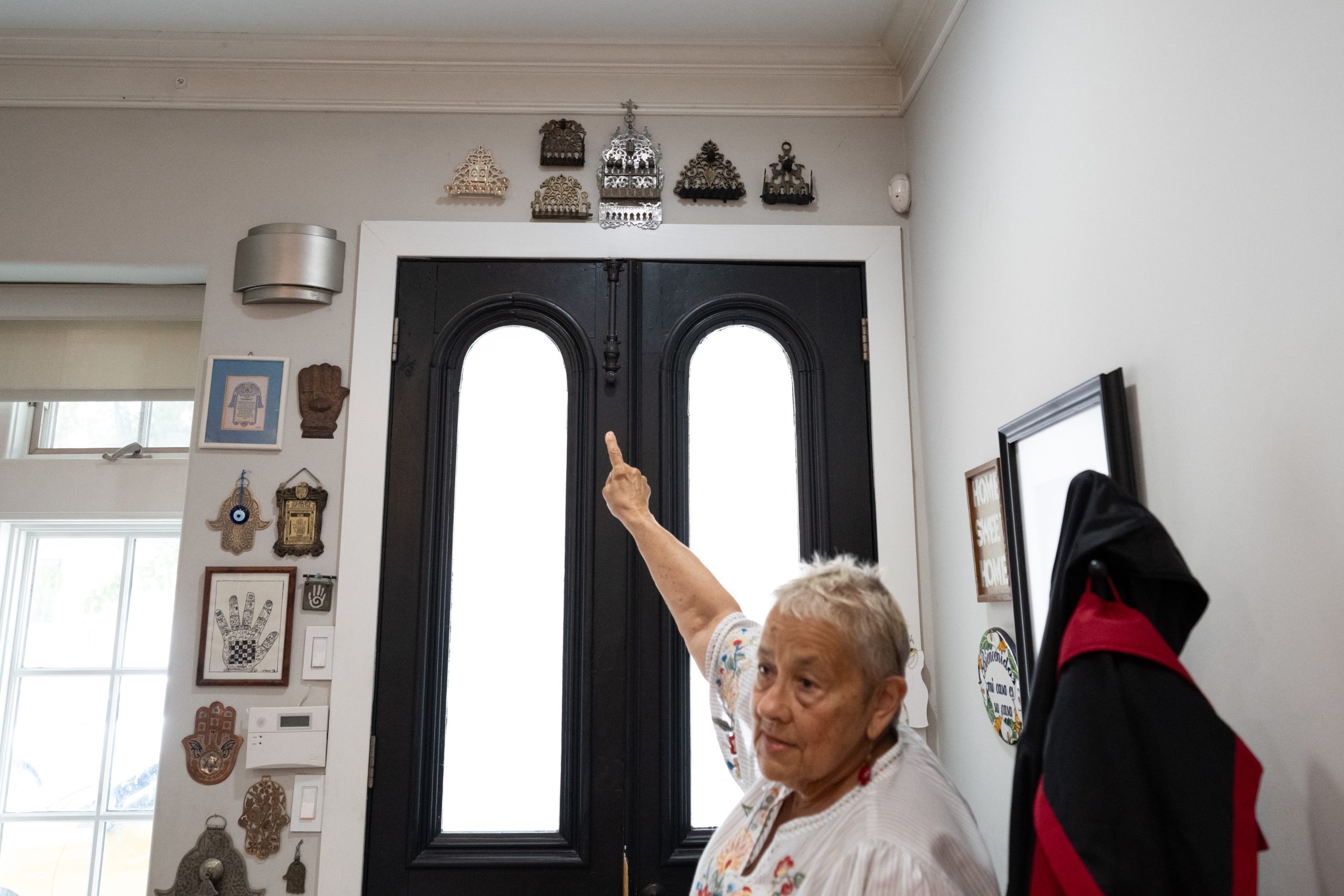
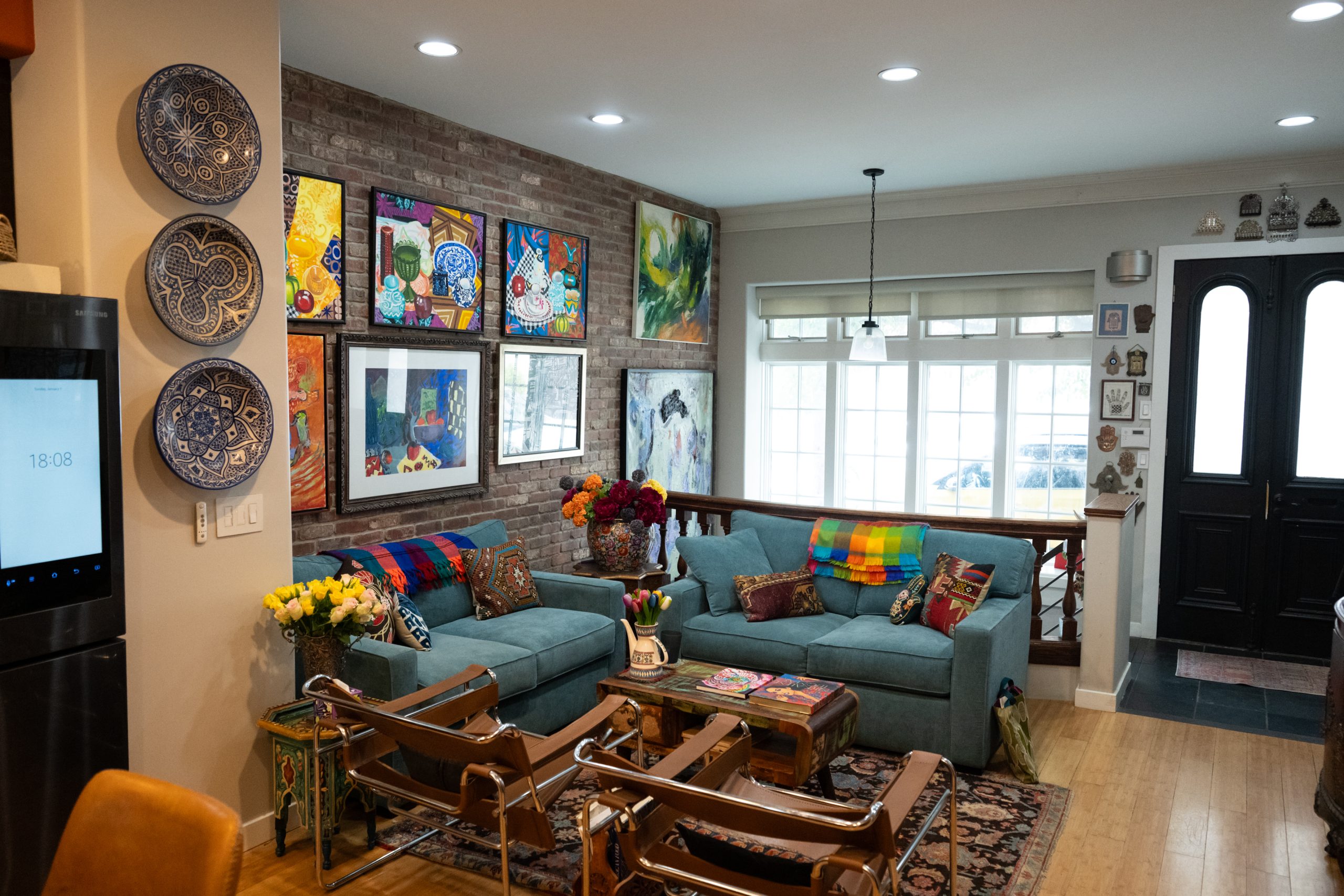
    Though she purged half of her furnishings, Andrea kept favorites such as an elaborately carved antique buffet with brass fittings. Over the front door hang vintage Hanukkah oil lamps from Spain and Italy. White painted and exposed brick walls are hung with abstract art.

    Andrea Preis points to vintage Hanukkah oil lamps from Spain and Italy hanging above the front door.Erin Blewett / For The Inquirer
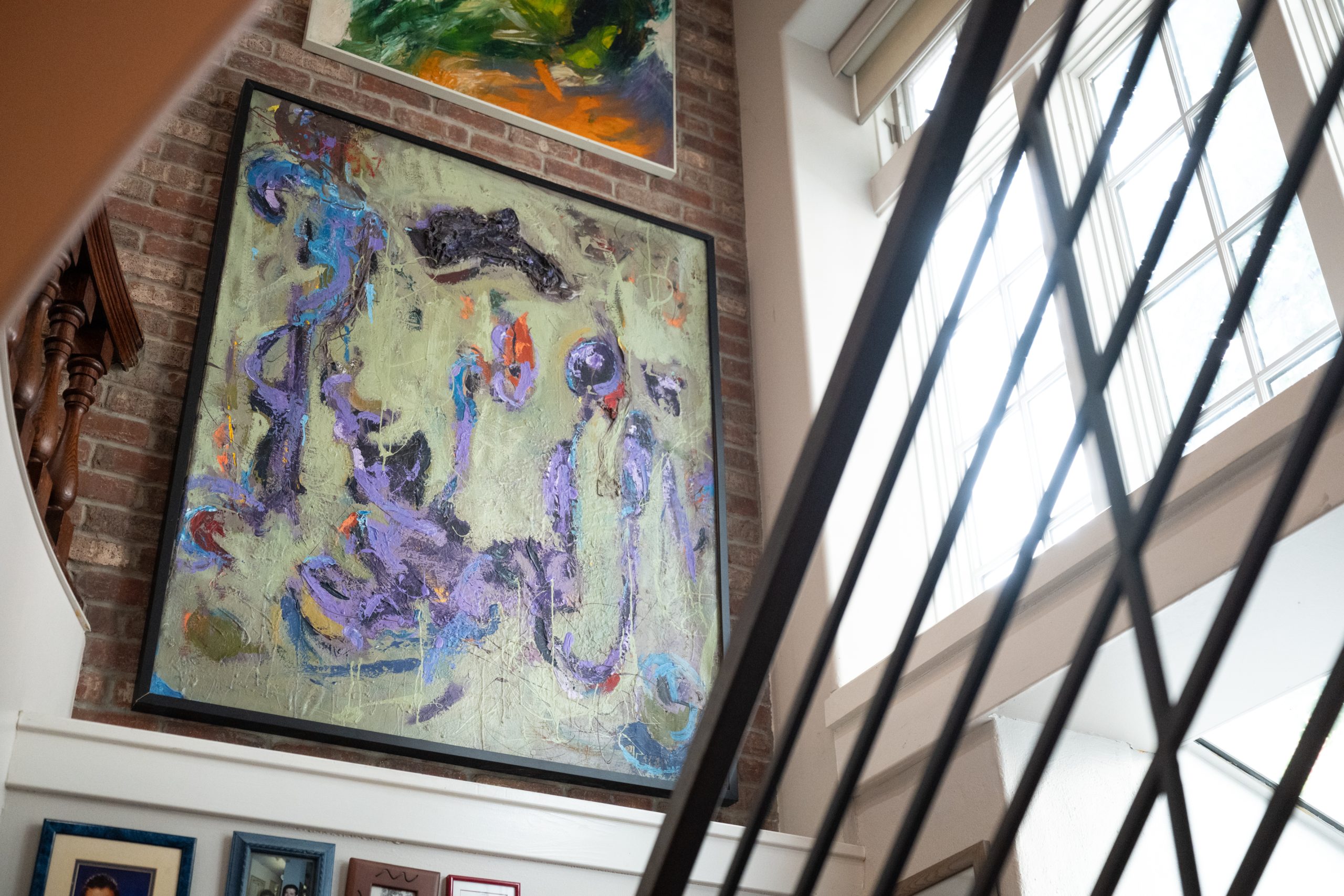
    A painting created by the couple’s son hangs in the stairwell.Erin Blewett / For The Inquirer

    Several paintings are by Andrea and her son Abner. Her cousin Harriet Quick painted the swirls of green, gold, and orange on a white background.

    The sitting area has two blue couches from Macy’s, two leather slingback chairs from a nearby furniture store, and a Persian rug from Material Cultures.

    The living room walls are covered in art, echoed by brightly colored throw blankets and pillows.Erin Blewett / For The Inquirer

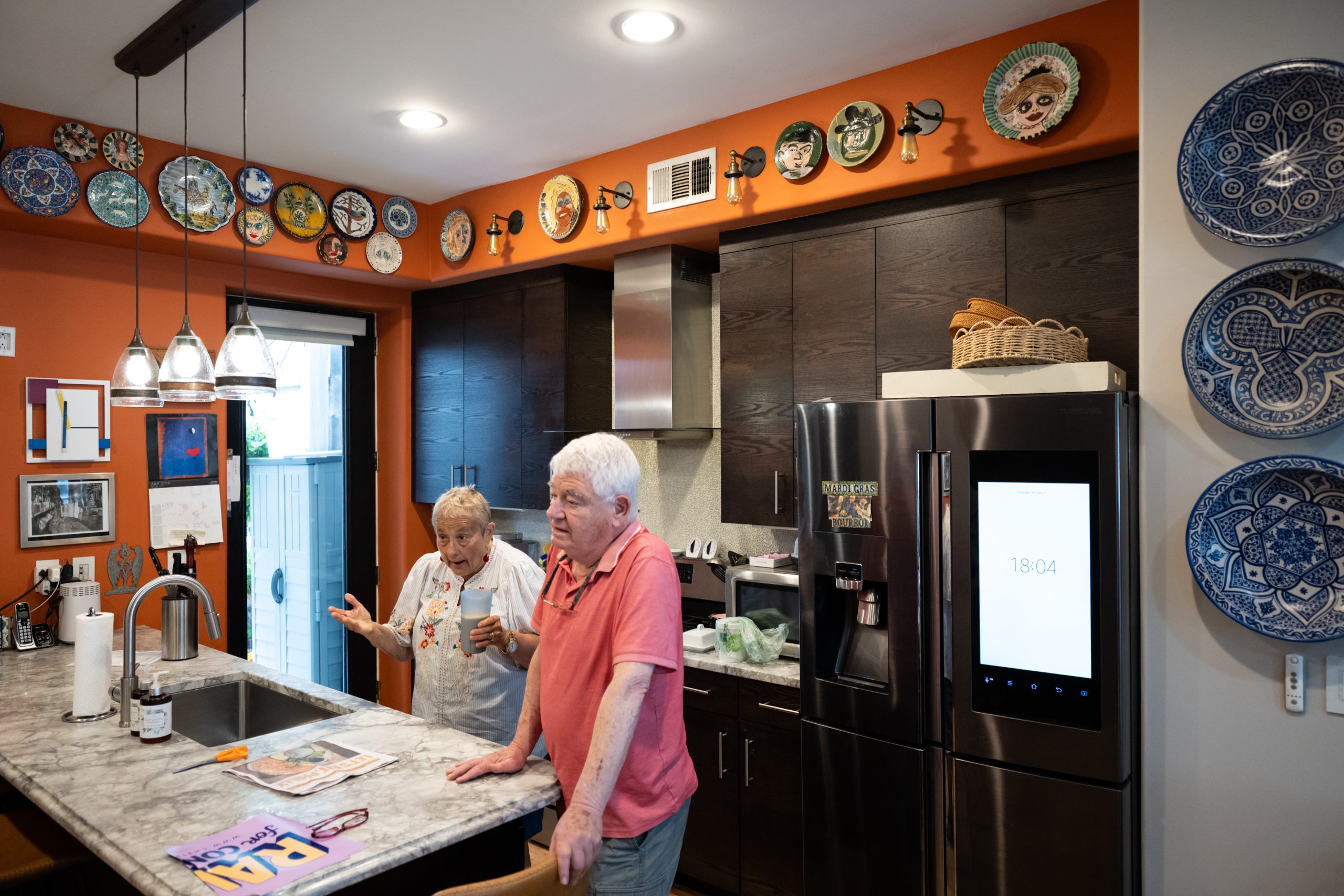
    The kitchen’s pumpkin accent wall is decorated with over a dozen artfully arranged plates. Several of them, depicting whimsical women’s faces, were crafted by Andrea, a talented ceramicist and painter. Walnut double doors conceal a commodious pantry.

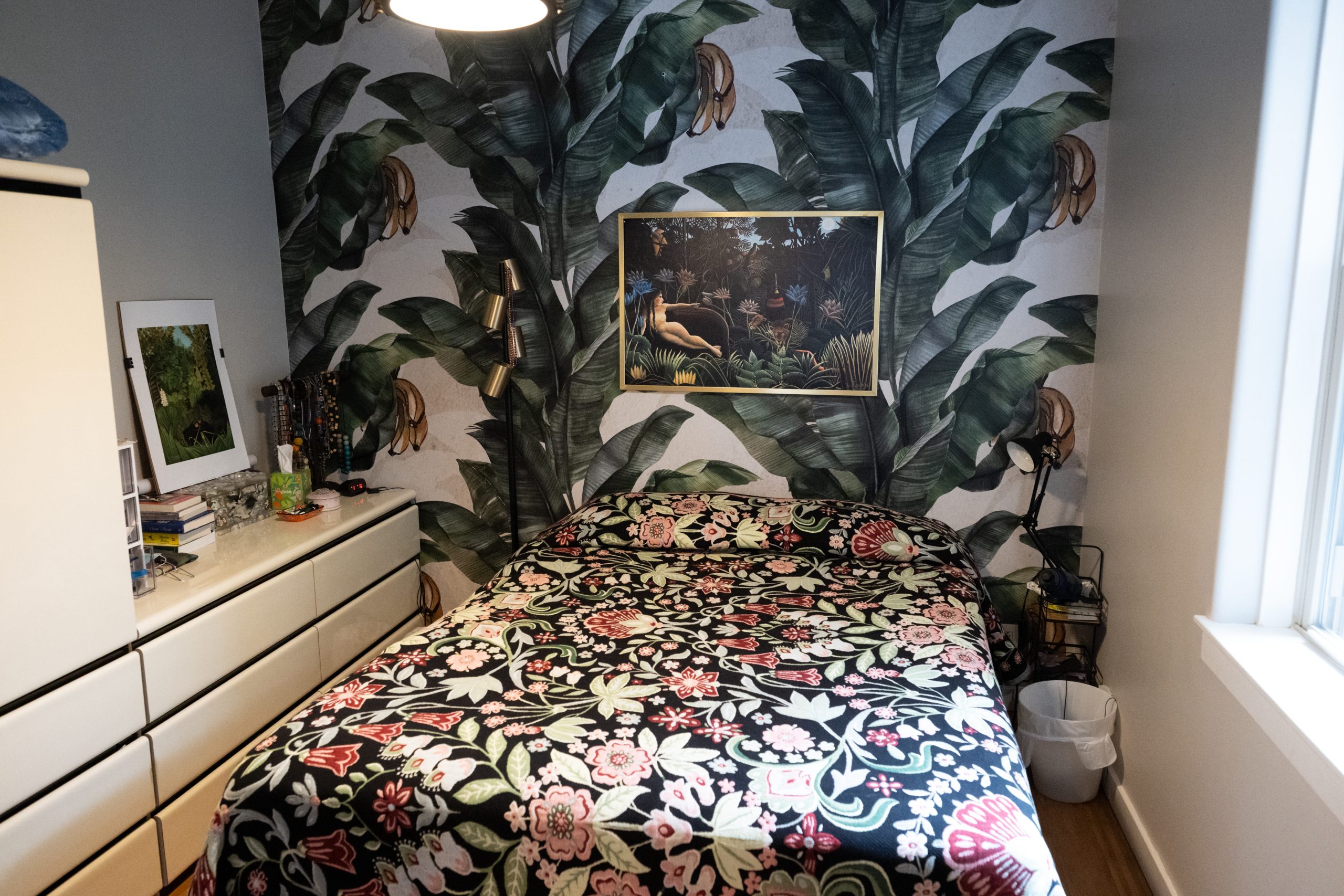
    The queen-sized bed just fits in the bedroom, papered in an oversize leaf pattern. A poster of Henri Rousseau’s Eve in the Garden of Eden continues the leaf motif.

    Andrea gave her dining table, which seated 14, to a family of 10. She now uses three folding tables, which seat 12, when she entertains.

    The couple stand in their kitchen. Erin Blewett / For The Inquirer
    The bedroom design includes a bold wallpaper and a print of a Henri Rousseau painting.Erin Blewett / For The Inquirer
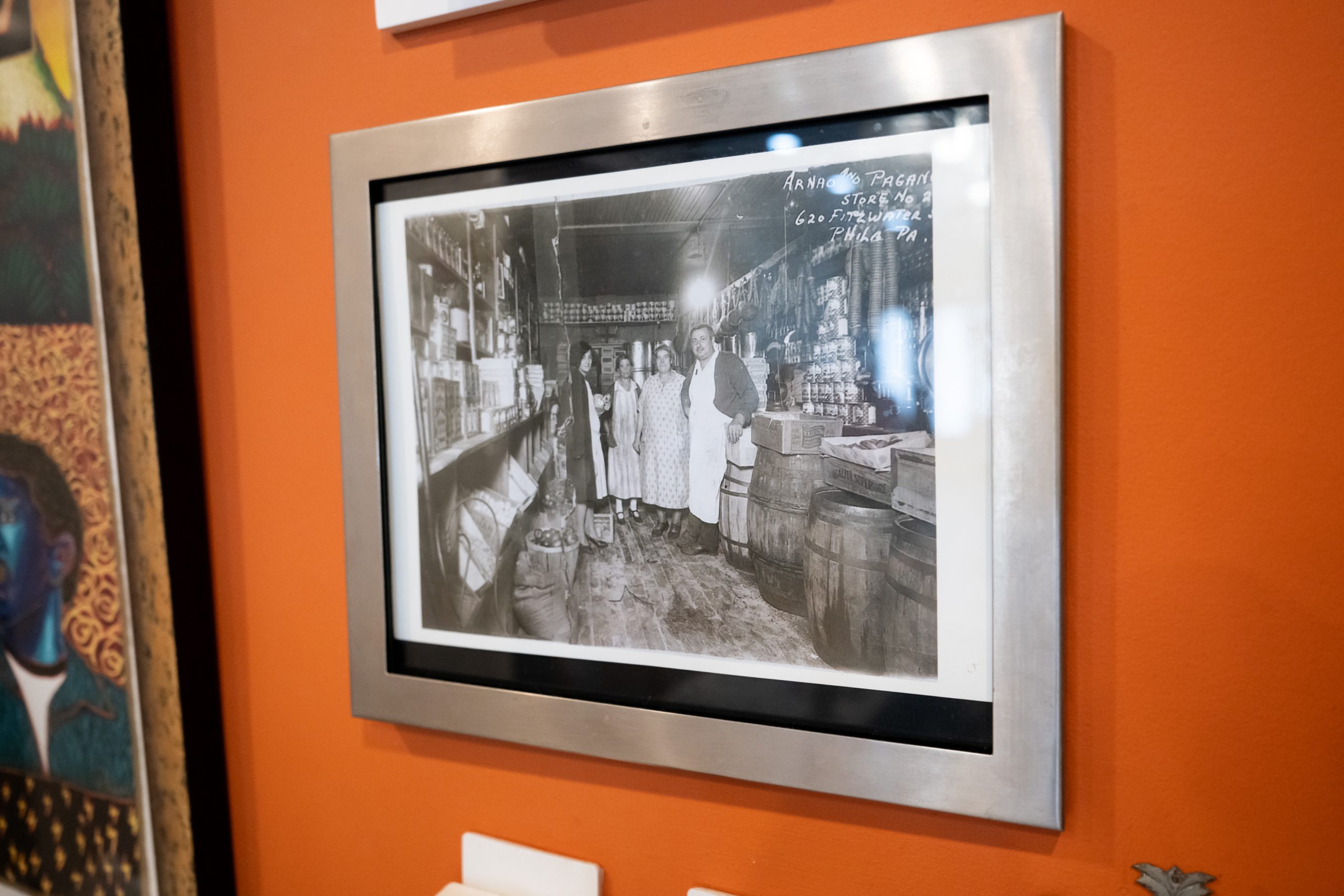
    A photograph showing the building when it was used as a store in the early 20th century. The image has been passed down from one homeowner to the next, Preis said.Erin Blewett / For The Inquirer
    Ceramic plates hanging on the wall above the kitchen include some Andrea Preis made herself.Erin Blewett / For The Inquirer

    One new treasure from previous owners is a photo of the rowhouse when it was Arno & Pagano’s grocery store in the early 1900s.

    During the building’s renovation, the exterior cellar door was replaced with a window to add light. Andrea did not want to tend fish in the former owner’s aquarium in the stairwell under the window. She replaced it with an array of fabric dolls in colorful costumes from around the world.

    The basement sitting room is furnished with a love seat, two striped chairs, and a pullout couch for visiting family. Andrea and Eran have three sons and four grandchildren.

    Bookshelves are filled with travel souvenirs and there is a large television.

    Next to Eran’s basement desk hangs a poster for Beyond the Walls, an Israeli movie he cowrote. The prison drama was nominated for an Academy Award for Best Foreign Film in 1984.

    Andrea, who grew up in Akron, Ohio, met Eran in his native Israel when she was living on a kibbutz. They married in 1969 and lived in Israel for 17 years, where Eran was a playwright and screenwriter for Israeli television, theater, and films.

    The basement is where the couple enjoy watching movies with friends.Erin Blewett / For The Inquirer
    Decor in the basement, including several books, though Eran gave away much of his collection when the couple moved.Erin Blewett / For The Inquirer

    After earning a Master’s in Fine Arts from Ohio University, he taught at Midwestern universities before joining Temple University’s faculty in the late 1990s. He retired as a professor of film and media arts at Temple two years ago.

    The couple have a film club with friends. Movie showings in the basement sitting room are followed by refreshments and discussions led by Eran.

    “If and when we are no longer able to navigate the stairs,” Andrea said, “we will move the television upstairs and live in our cozy one-floor apartment.”

    Is your house a Haven? Nominate your home by email (and send some digital photographs) at properties@inquirer.com.

  • Moving in the city is a stressful puzzle. These Philly pros make it look easy.

    Moving in the city is a stressful puzzle. These Philly pros make it look easy.

    On a humid Wednesday morning in Manayunk, movers in sweat-soaked T-shirts hauled three movie chairs, each at least 100 pounds, up two flights of a spiral staircase in a three-story home about to welcome its new owner.

    Kevin Boras, a recent Temple University graduate working at Gentle Giant Moving Co. for the summer, has learned some tricks of the trade. As he tilted the widest chair on its side to squeeze through the entrance and over the railing, he explained, “Sometimes you gotta puzzle-piece it up the stairs.”

    After the unwieldy seats were handled, the movers looked to the next item — a thin floor lamp.

    Boras grabbed and huffed his way up the stairs, joking, “I don’t know if I’m gonna make it!”

    For most homeowners and renters, moves are stressful — once ranked more stressful than getting a divorce — but for the city’s professional movers, it’s just another day at work. Between parking troubles on tight South Philly streets and narrow doorways in historical trinity homes, these crews encounter and overcome Philly-specific challenges daily.

    But, as Sultans of Schlep owner Tom Brouillette said, most of the city’s biggest moving obstacles can be overcome.

    “Not everything is possible, but most things are,” Brouillette said.

    Old homes, big furniture

    Half of Philadelphia’s housing units were built before 1950, and movers say older homes tend to have smaller doorways, hallways, and staircases.

    So, larger, modern furniture is often a mismatch in these older homes, according to Jay Leone, a managing partner at EverSafe Moving Co. Sometimes, it’s unrealistic for a Samsung refrigerator to fit inside the entrance of a trinity.

    “There’s only so much you can do in terms of disassembling something to buy yourself an extra inch of space,” Leone said.

    An aged setting isn’t helped by the sizable items many Philadelphians own. James Dawkins, a regional manager at Two Men and a Truck, said his movers have faced retro pinball machines, pianos, and gun safes weighing more than 600 pounds. “People have a lot of fun toys in their house,” he said.

    One time a customer had Two Men and a Truck movers transport a casket inside a residential home. Once they confirmed it was empty, no further questions were asked.

    Fred Meder (right) holds the elevator door while John Wulffen loads in furniture during a July move in the city.Aidan T. Gallo / Staff Photographer

    Often, the solution to small entrances can be hoisting larger items through a balcony or window. Sometimes, it’s more complicated.

    Fred Meder of EverSafe recalls an especially tricky move into a four-story South Philly home. Since its tiny staircases couldn’t accommodate the customer’s bulky furniture, Meder hoisted it in pieces up to the third and fourth stories through literal holes in the floor — the home had been designed with 5-by-5-foot trap door-esque openings in the floorboards of each level.

    “That was an interesting and tough scenario that I’m glad we don’t run into very often,” Meder said.

    Devin Latimore, owner of No Stress Movers, said older, mid-rise apartment buildings present additional challenges. While these buildings have elevators, the elevator shafts were typically built first, Latimore said, and the building was constructed around it “with no mind for modern, bigger furniture.” The elevators also tend to be manually operated, slowing down the moving process.

    “If the operator has to go to the bathroom, we’re stuck,” he said. “We have to wait for him to come back in order to do anything.”

    Still, stairs are not always the preferred option. Latimore once carried a 350-pound office printer up 184 stairs and said it was one of the hardest jobs he’s ever accomplished.

    “It feels like gravity gets stronger the higher you go,” he said. “We were trying not to drop it, and not die at the same time.”

    Parking troubles

    Parking in Philadelphia can be difficult for any driver on a regular day. It’s a nightmare for professional movers.

    South Philly’s narrow streets were not designed for big trucks — “You could lay across the street and touch both curbs,” Lattimore said — and one must be an experienced truck driver to navigate the area.

    For a recent South Philly move, Dawkins’ team had to park at the end of the block because they couldn’t get their truck to the house. The farther the truck is parked from the house, the longer and more strenuous the move.

    Manayunk is another challenging neighborhood for parking: “The worst of both worlds,” according to Latimore. Not only does it have tight streets, but traffic comes from both directions.

    For the Gentle Giants recent move in Manayunk, the moving truck was parked across the street, but the home was at a busy three-way intersection. The movers rolled furniture on top of dollies on the crosswalks, avoiding oncoming traffic like a game of Crossy Road.

    To reserve a parking zone, movers can obtain temporary permits from the city’s Department of Streets that bar other vehicles from parking in a specific area. But these permits aren’t foolproof.

    “It’s almost a 50-50 shot in Philly as far as whether the locals will abide by those parking permits, or even notice them,” Leone said. “We’re hoping nobody takes our spot before we get there.”

    Tom Martin of EverSafe Moving Co. moves furniture into his company truck for a Philly customer in July.Aidan T. Gallo / Staff Photographer

    Moving tips

    For a seamless move, Latimore emphasized the importance of hiring movers early. He said a majority of customers reach out only two weeks before a move and are quickly surprised and stressed by pricing and availability.

    “Start earlier than you think,” Latimore said. He recommended collecting estimates up to six months before a move, as costs increase closer to the moving date.

    Nearby parades, road closures, and block parties also are a factor to consider when choosing a moving date, as they can make a movers’ job near impossible.

    “You have so much happening in the city, and everyone is always celebrating something,” Dawkins said. “Sometimes it can throw a wrench in your plans.”

    When creating an estimate, movers will want to discuss a home’s challenges so the company can allot the correct amount of time and muscle. It’s important to be straightforward about all potential roadblocks.

    “Moving is one of the most challenging things; no one’s excited for it,” Dawkins said. “We try to make it as easy as possible.”