Category: Real Estate

  • Going native at the Shore | Real Estate Newsletter

    Going native at the Shore | Real Estate Newsletter

    Large groups of butterflies freak me out. I learned that the hard way as a kid during a nectar feeding incident on a field trip to the Philadelphia Zoo.

    So I personally wouldn’t want to attract the insects en masse to my home. But I know how important pollinators are and applaud homeowners who do their part to help them thrive.

    Planting native species can go a long way. At the Jersey Shore, gardeners are ditching manicured lawns and joining the growing trend that benefits the environment and wildlife.

    Read on to find out more.

    Keep scrolling for that story and more in this week’s edition:

    — Michaelle Bond

    If someone forwarded you this email, sign up for free here.

    Ditching manicured lawns
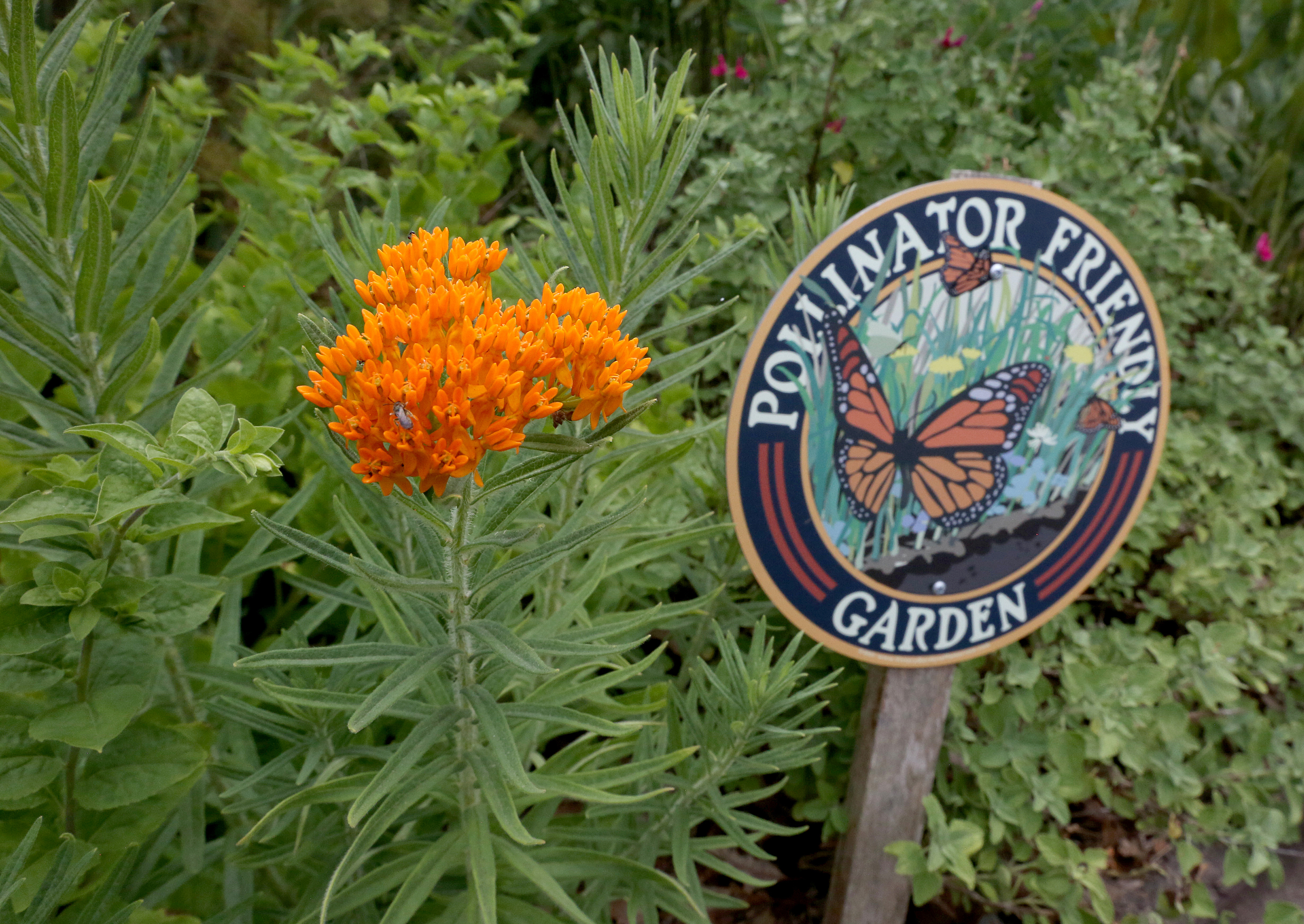
    Virginia Rettig has about 200 varieties of native plants on her Cape May property. And she runs a business that helps other Shore residents go native, too.

    She said she’s found plenty of clients who are down for the cause.

    Why plant native species? These types of plants provide habitats and food for birds and other wildlife.

    Notable quote: “There has been a lot of focus for too many years on instant gratification — pretty things that are forced to be in bloom well before nature intends,” said Pat Sutton, a working naturalist. “The focus on native plants is a focus on making sure wildlife can persist.”

    Sutton says her tiny yard feels like a wilderness. She’s recorded hundreds of species of birds, butterflies, and other pollinators.

    In some places, areas that used to be covered in native vegetation have been cleared for development. In one Shore community, residents have come together to make native plantings a priority.

    Keep reading to learn about the Jersey Shore’s native plant varieties and the gardeners who love them.

    📮Do you have a native garden? I want to see it.

    Philly region = millennial homebuying hot spot

    Making the leap from renting to owning a home hasn’t been easy for millennials.

    In prime homebuying years, folks born between 1981 and 1996 have been challenged by low housing supply, skyrocketing home prices, high inflation, expensive financing, and student loans.

    But millennials are buying properties. And the Philadelphia area has been a homebuying hot spot for the country’s largest generation.

    Millennial homeownership in the Philly region almost doubled over five years. That growth outpaced increases in every other major Northeastern metro and the country as a whole.

    Our area has a lot going for it, and a combination of features make us stand out.

    Keep reading to learn why millennial homeownership has grown so much in the Philadelphia area and how we compare to other regions.

    The latest news to pay attention to

    Home tour: North Wildwood family retreat
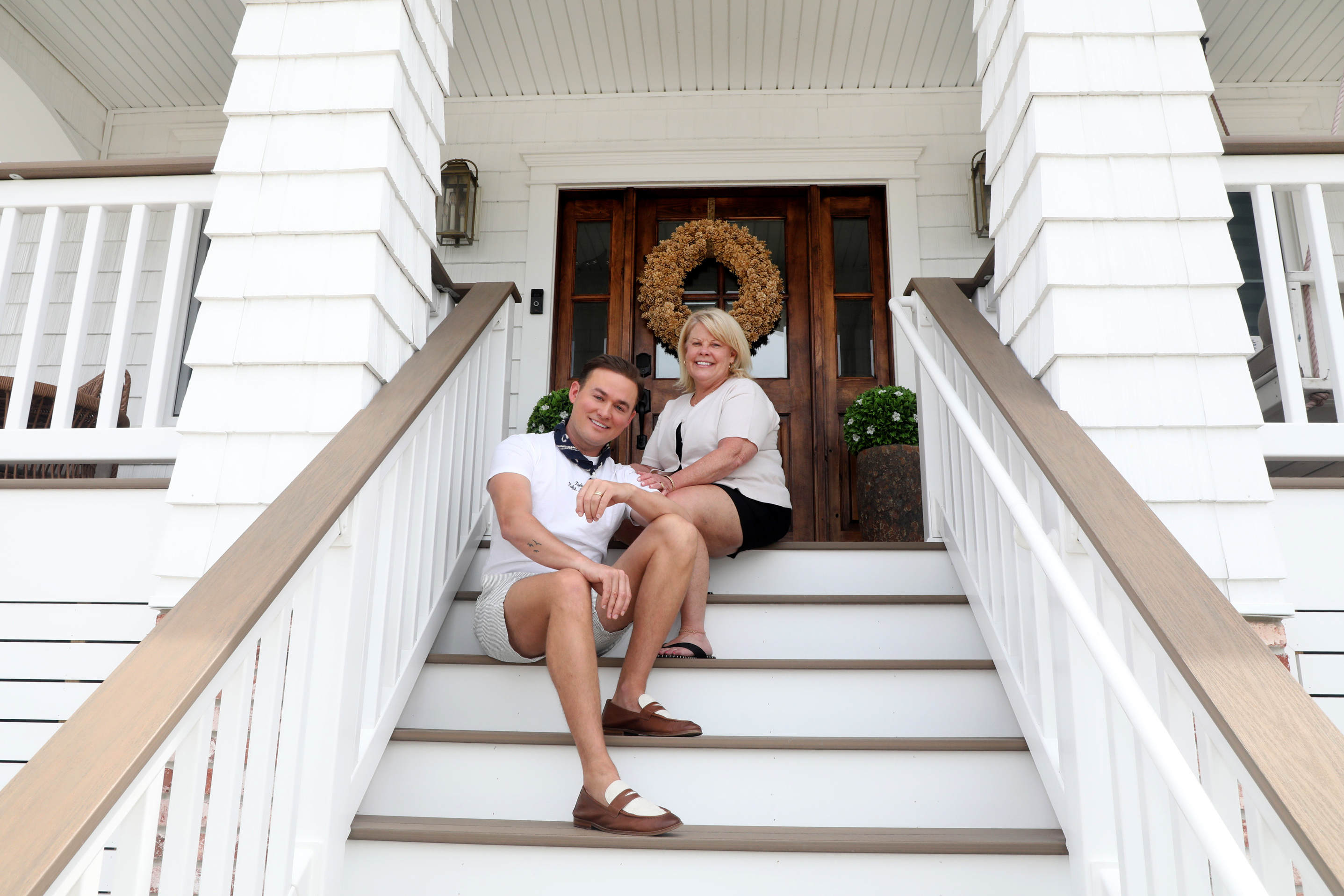
    Dolly Kelly initially lost out on buying her favorite house in North Wildwood. But the owner’s deal with the buyer who outbid her fell through. A few months later, Kelly moved in to the cottage.

    But it actually wasn’t her dream home. Kelly has a big, close-knit family, and she wanted her house to be a gathering place for everybody.

    She wasn’t able to add on to the century-old, 675-square-foot house. So she knocked it down and spent a year and a half building her 2,400-square-foot home. Her nephew helped her design it.

    The new house includes a covered carport, open-concept living area, and primary bathroom that feels like a spa. There’s a heated pool in the backyard.

    Peek inside Kelly’s home and her family’s retreat.

    📊 The market

    Across the region, we’re seeing a trend play out that makes sense. As home prices and mortgage rates continue to rise, the folks who can most afford to buy homes are the ones driving sales.

    In the Philadelphia metro area, the high end of the market is outperforming the market overall.

    In July, the number of homes for sale was up from last year, but the number of showings was down, according to the multiple listing service Bright MLS. First-time and moderate-income buyers were less active.

    Across the Philadelphia metro area in July, according to Bright MLS:

    🔺The median sale price was $430,000 — $10,000 more than in July of last year.

    🔻 The number of showings dropped by about 4%. But home tours in Chester County increased.

    🔺The numbers of active and new home listings were up from last year, meaning buyers had more homes to choose from. Roughly 14,200 homes were on the market at the end of July.

    🔻The number of new pending sales dropped by 4%.

    📷 Photo quiz

    Where is this Philly mural?

    📮 If you think you know, email me back.

    Last week’s quiz featured a photo of Lemon Hill in East Fairmount Park.

    Shout-out to Susan T. and Bruce R. for knowing that. As Susan mentioned, the site is currently looking rough in the aftermath of this summer’s FIFA Fan Festival.

    Enjoy the rest of your week.

    By submitting your written, visual, and/or audio contributions, you agree to The Inquirer’s Terms of Use, including the grant of rights in Section 10.
  • She turned a tiny cottage in North Wildwood into a retreat for the whole family

    She turned a tiny cottage in North Wildwood into a retreat for the whole family

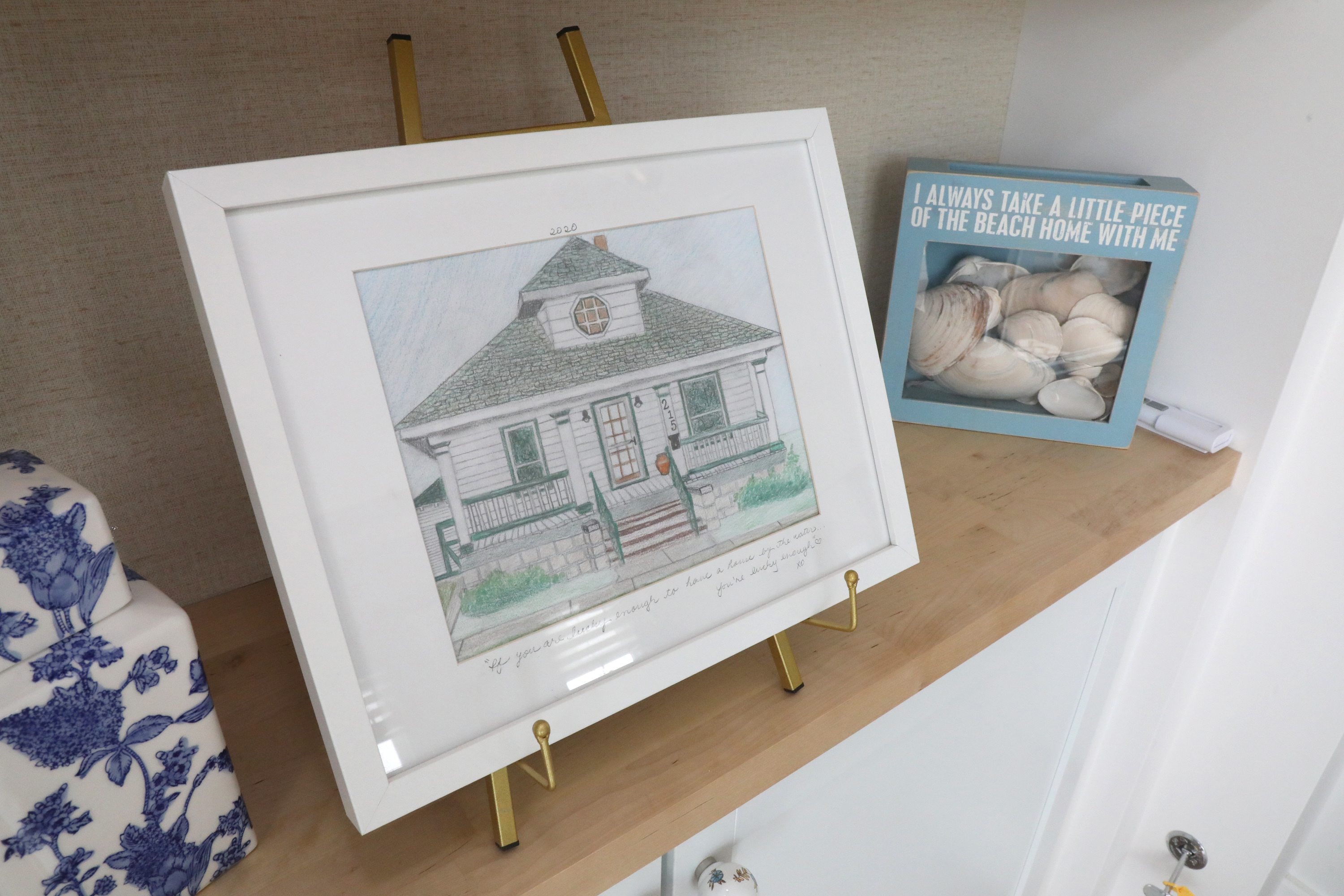
    Dolly Kelly was leaving the beach with her nephew Sean Kelly on a sunny day in 2020, when she passed the Angelsea Cottage, her favorite house in North Wildwood.

    When she spied the For Sale sign on the front lawn, she got excited.

    “I just loved that porch,” Dolly recalled. “We actually walked up the steps, sat down, and took a picture.”

    The next day, Dolly walked through the house and made an offer, but she was outbid. She was devastated.

    A framed drawing of the original cottage is on display in the home. Vernon Ogrodnek / For The Inquirer

    But two months later, she got a call that the deal had fallen through — the house could be hers. She made a successful offer that day and moved in three months later.

    While Dolly loved the 675-square-foot cottage built in 1913, it had only two bedrooms and one bathroom. With a large, close-knit family, she wanted a gathering place with lots of space to entertain. She was sad to knock down the original house but given its age and condition, adding on wasn’t a viable option.

    “I have 13 nieces and nephews and 13 great-nieces and -nephews who come over all the time,” Dolly said.

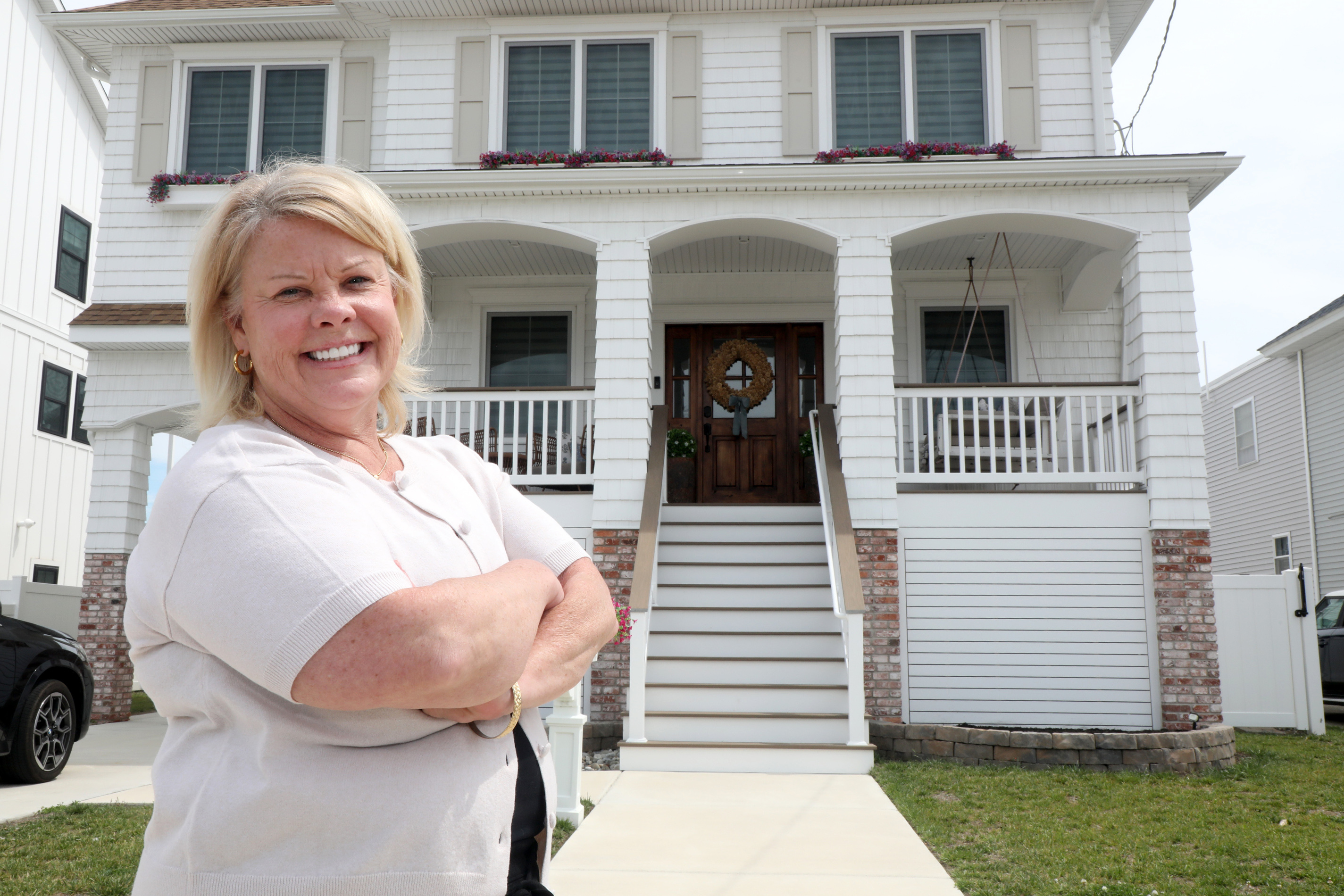
    She spent a year-and-a-half building a 2,400-square-foot home with an open concept and a porch similar to the original one she adored. She was helped by Shore Pro Builders in Wildwood. And her nephew, owner of DUNE by Sean Kelly, handled most of the home’s design with “modern coastal living” in mind.

    Dolly Kelly stands outside her rebuilt home.Vernon Ogrodnek / For The Inquirer
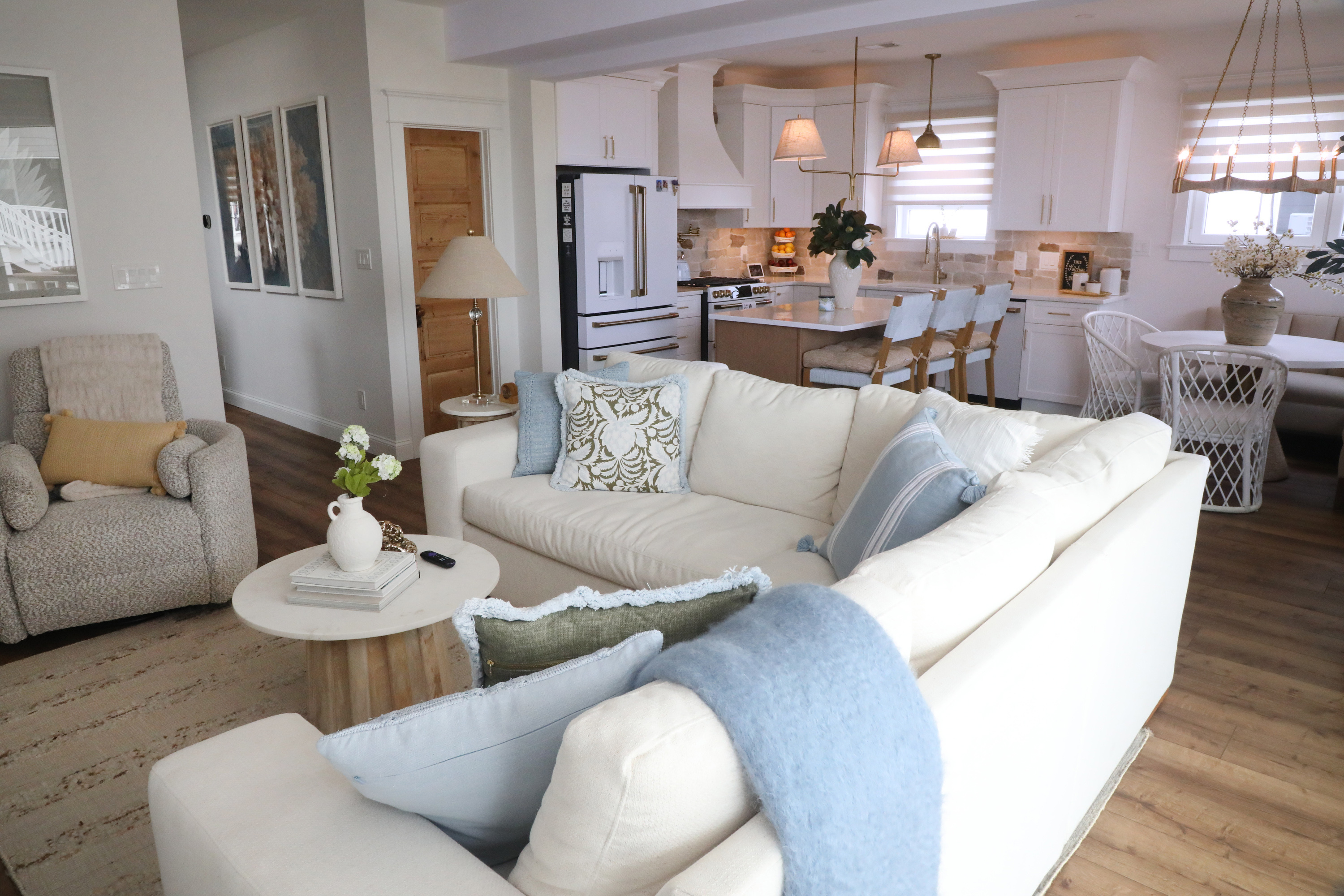
    The new house has an open concept, with the living room flowing into the kitchen.Vernon Ogrodnek / For The Inquirer

    “The finished home blends the timeless architecture of Nantucket and the Hamptons with a distinctly North Wildwood personality,” Sean said. It “honors the history and character of the original Anglesea Cottage while creating something entirely new.”

    Dolly’s must-haves included a covered carport, large covered porch, open-concept living area, and three bedrooms. She calls her design style elevated and intentional.

    To honor the history of the original house and the town itself, their goal was building a home in a traditional style with a lot of character. The home’s interior is mostly white with blue accents — for summer. She changes the pillows and accessories for each season.

    The living room blends style with comfort. The furniture is white, which might seem like a risky move in a house where lots of kids are encouraged to play. But Dolly isn’t concerned because the performance fabric is easy to clean.

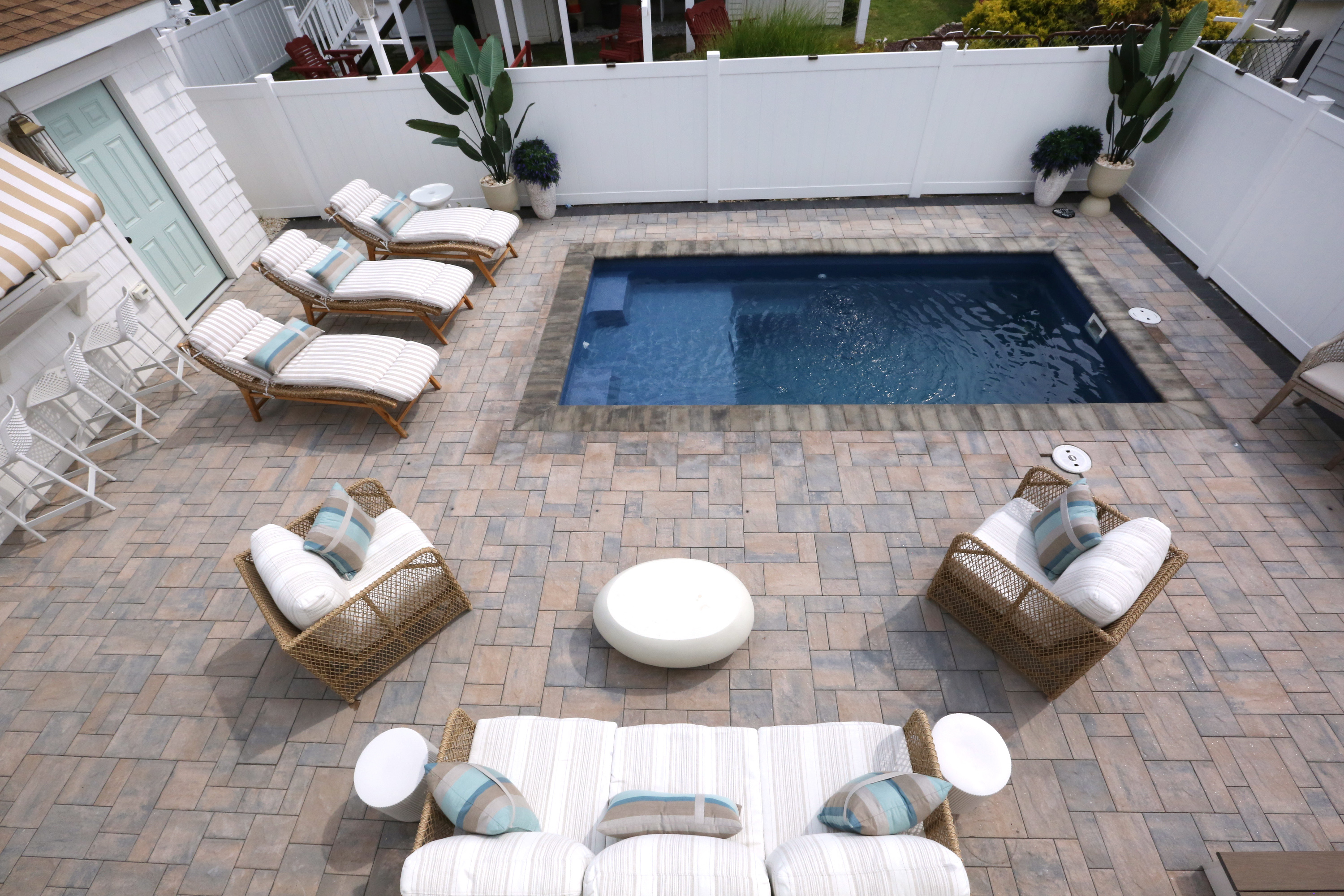
    The backyard has comfortable seating and a heated pool.Vernon Ogrodnek / For The Inquirer

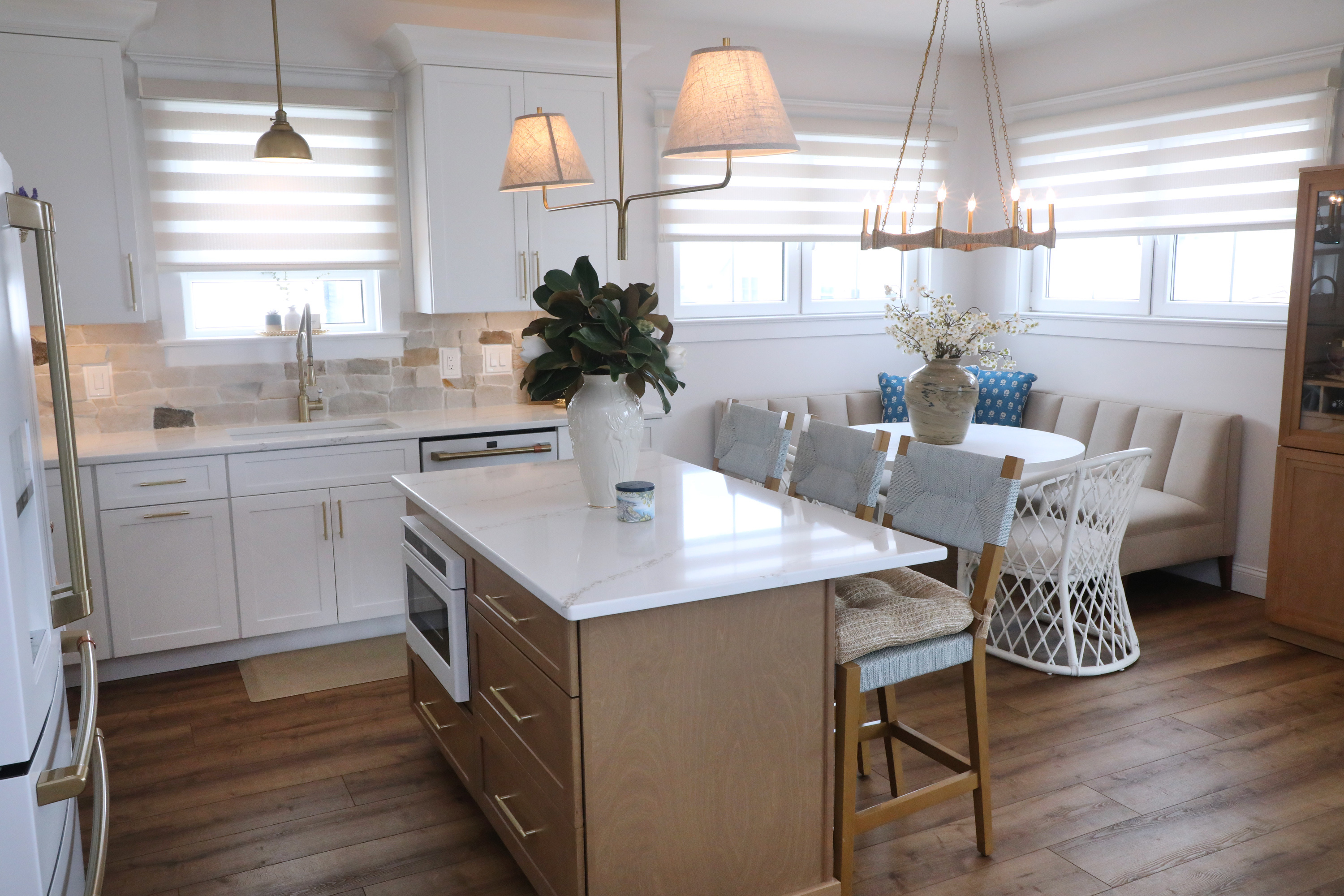
    The kitchen is the hub, where everyone congregates as Dolly cooks. It’s not unusual for a dance party to break out. The island is quartz; the appliances are all GE Café, and the pot-filler is a prized possession. The backsplash is made from three types of stone.

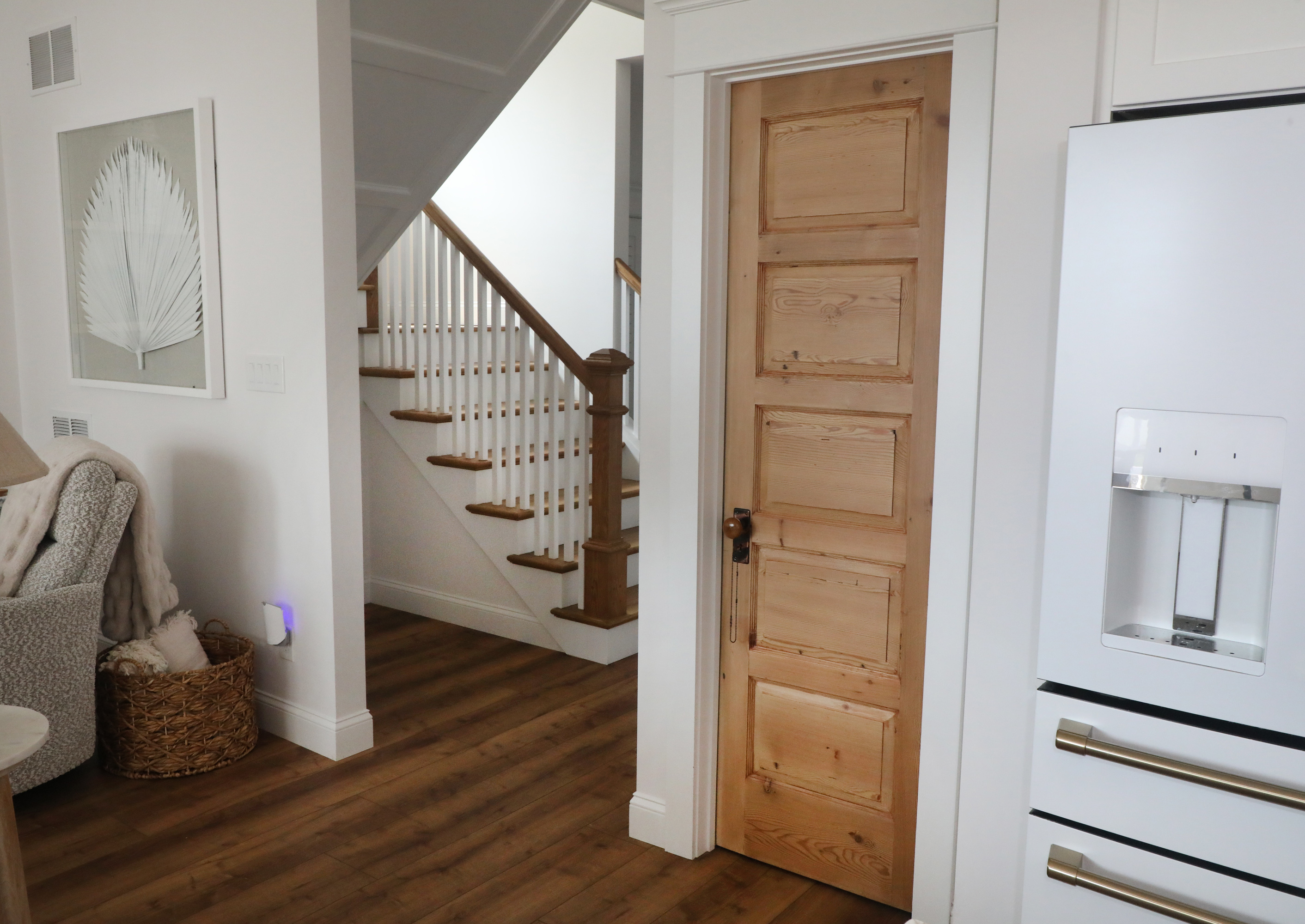
    Dolly eats most of her meals in the breakfast nook, bathed in natural light. One door from the original house was salvaged and repurposed as the pantry door.

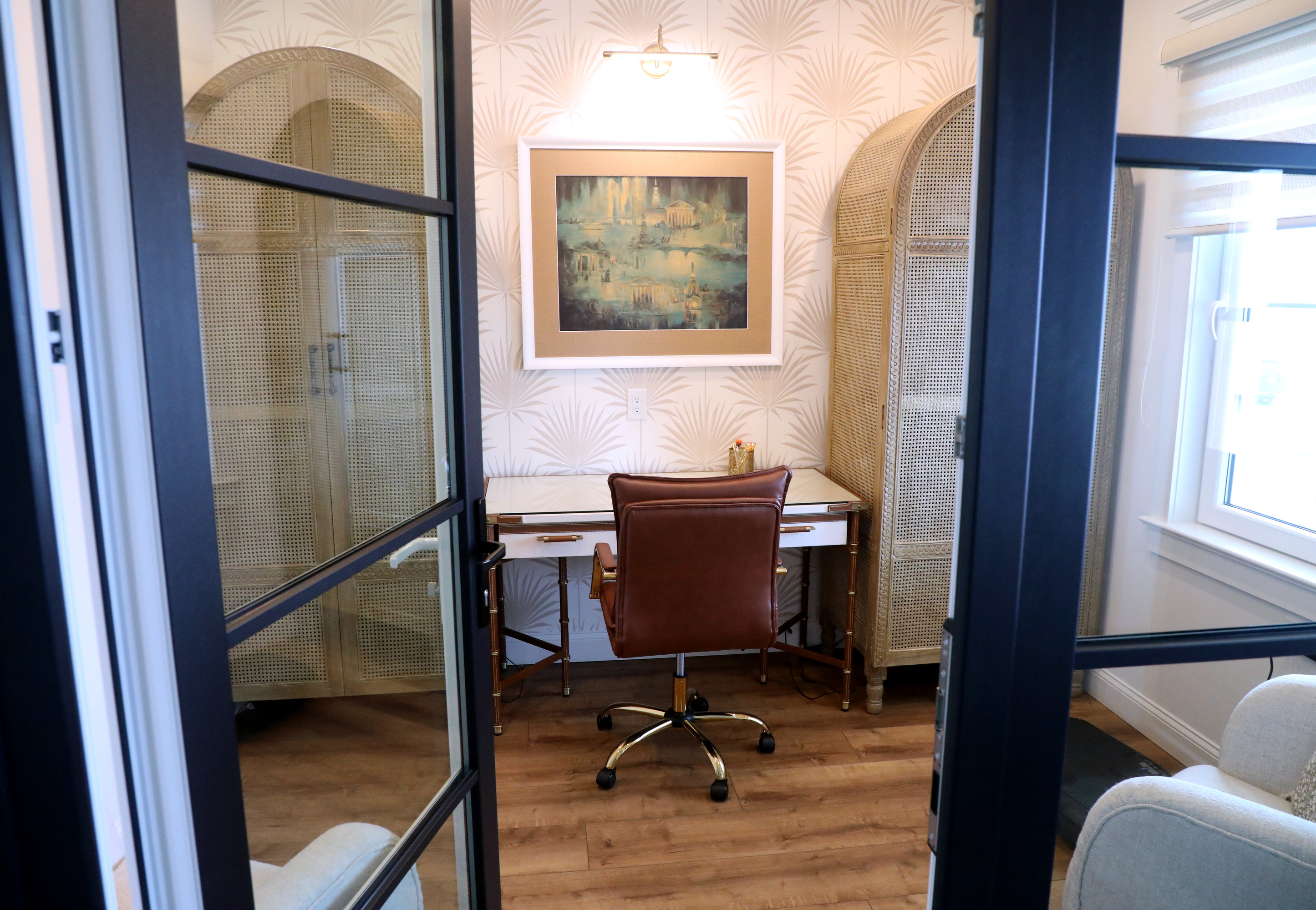
    Her office is tucked behind large glass doors with black windowpanes, custom designed by North Wildwood-based Window Hub. She appreciates being able to see out, while also having privacy.

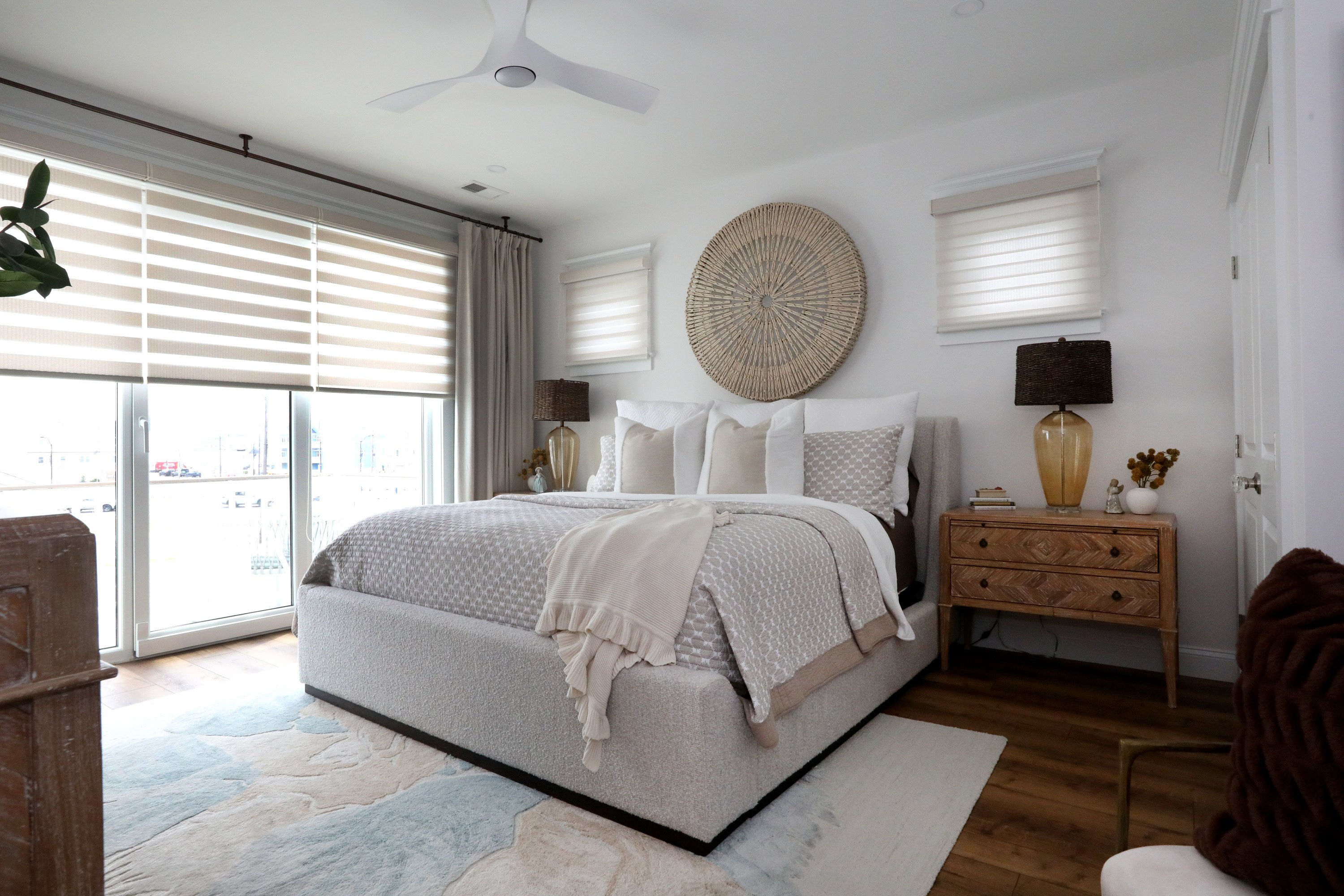
    The main bedroom.Vernon Ogrodnek / For The Inquirer
    A print in Kelly’s office is one of her favorite items in the house. The space has custom doors.Vernon Ogrodnek / For The Inquirer
    Kelly enjoys cooking for the family in her kitchen and dines in the breakfast nook daily.Vernon Ogrodnek / For The Inquirer
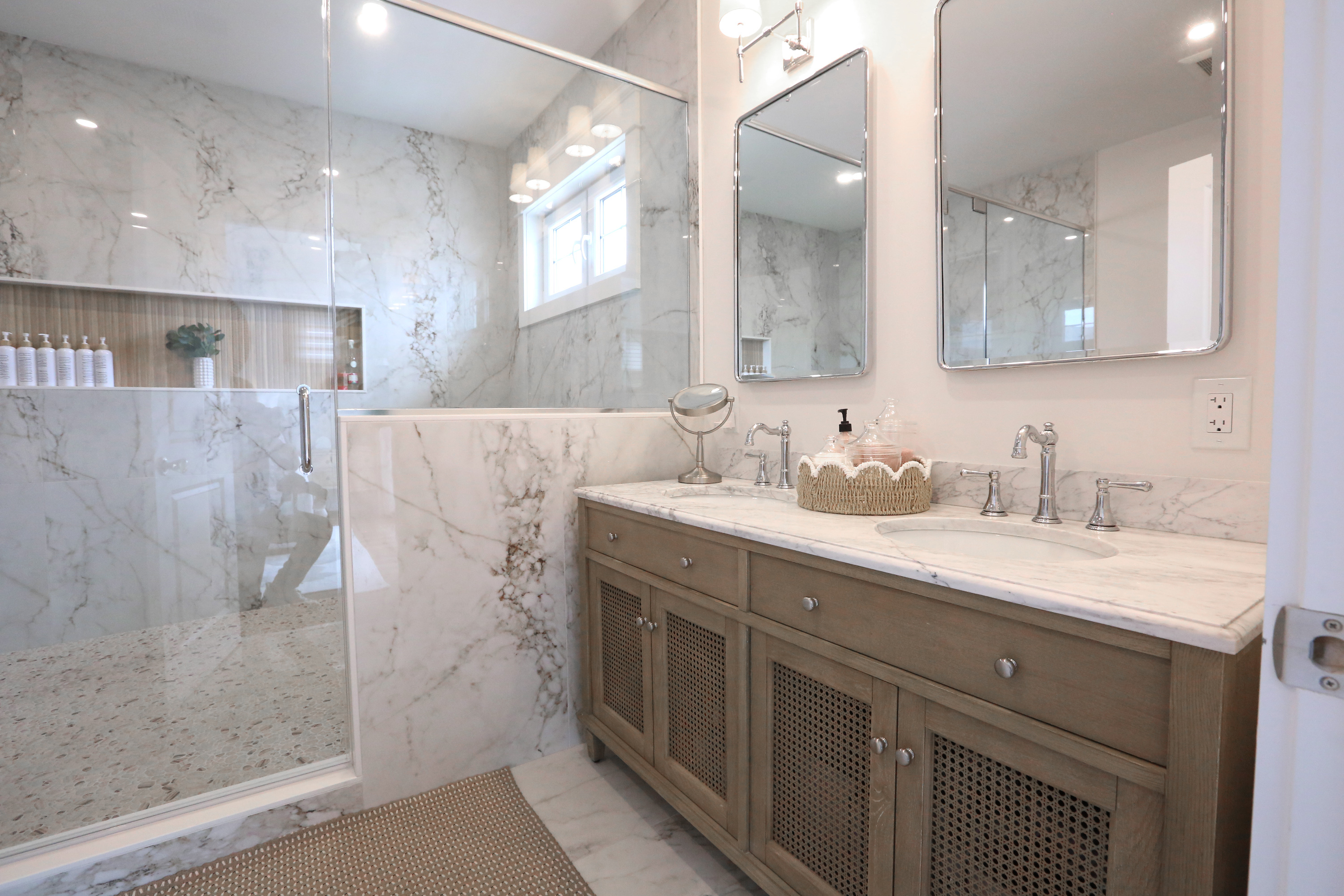
    The primary bathroom includes a spa-like bathing area.Vernon Ogrodnek / For The Inquirer

    The primary bedroom features a water room — a large enclosed shower with a soaking tub, offering the feel of a luxurious spa.

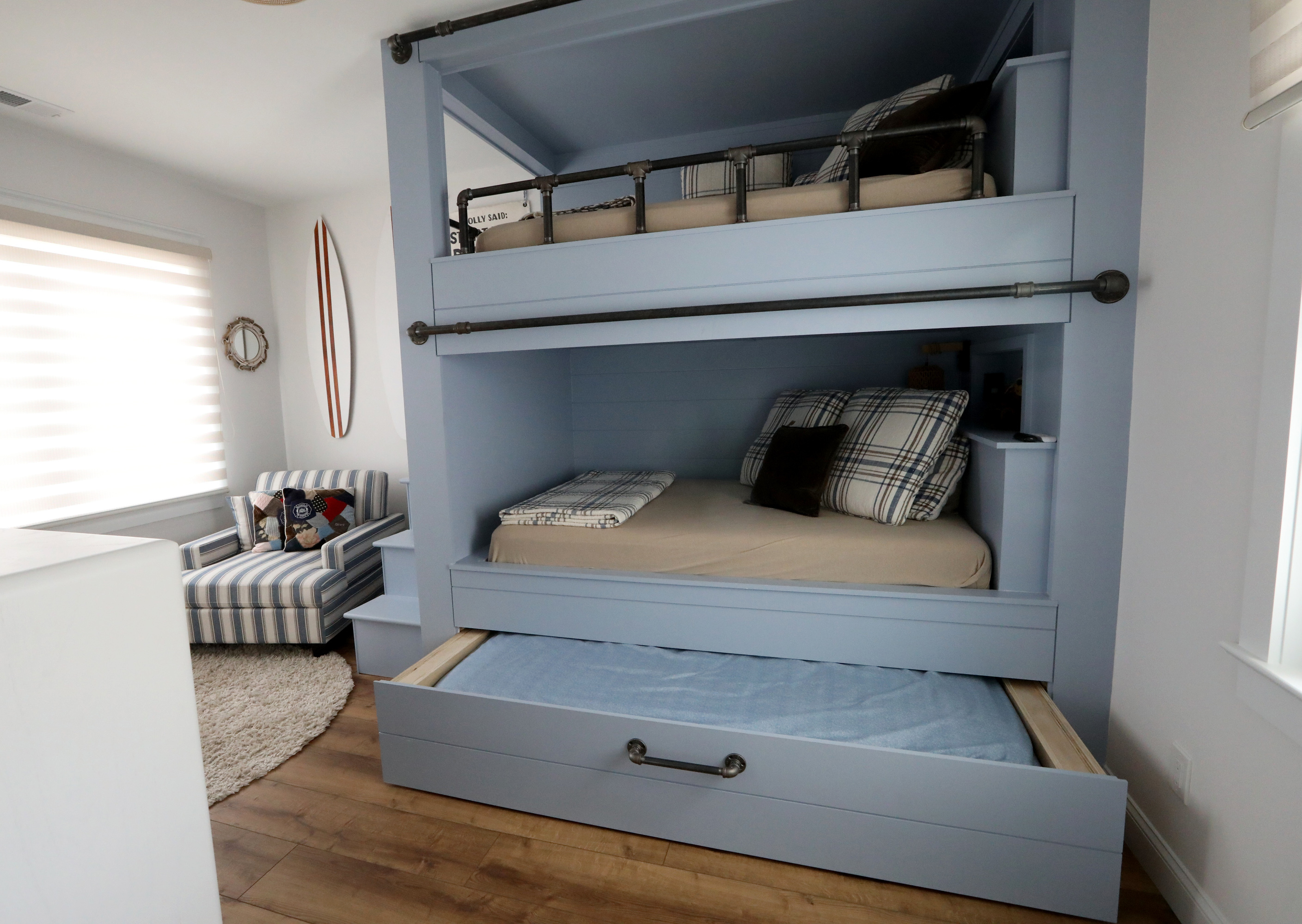
    To maximize sleeping space, one bedroom contains queen-sized bunk beds with a queen-sized trundle. The home can comfortably sleep 12, but when there are more guests, the kids find other creative spaces to spend the night.

    Dolly loves shopping, finding beautiful accessories to match the decor. The spherical crystal floor lamp she found at Restoration Hardware blends traditional crystal with contemporary metal geometry.

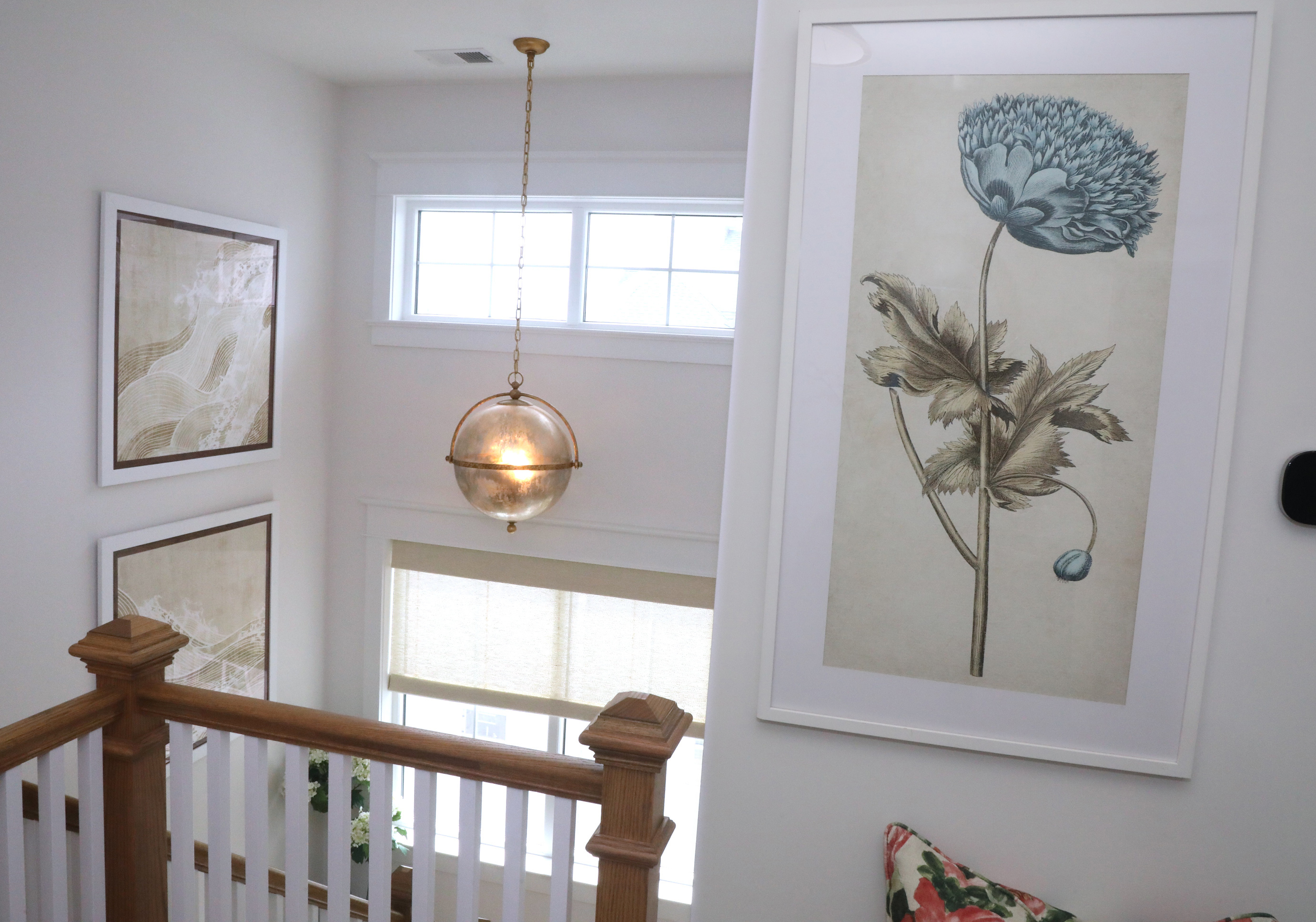
    The chandelier that hangs in the stairwell — a globe pendant featuring a hand-hammered mercury glass shade — came from Visual Comfort & Co. in High Point, N.C.

    A bedroom for the younger members of her family has queen-sized bunk beds and a trundle.Vernon Ogrodnek / For The Inquirer
    A door from the original home leads into a pantry.Vernon Ogrodnek / For The Inquirer
    Kelly’s shoe collection is displayed in her custom closet.Vernon Ogrodnek / For The Inquirer
    A chandelier featuring a hand-hammered mercury glass shade hangs in the stairwell.Vernon Ogrodnek / For The Inquirer

    The home has become the family retreat Dolly envisioned. This past Memorial Day weekend, 19 family members descended to hang out with their beloved aunt.

    “I couldn’t be the aunt I am today if I didn’t have them all around,” she said.

    The group spends time at the beach but also in the built-in heated swimming pool in the backyard. She keeps it open from April through October.

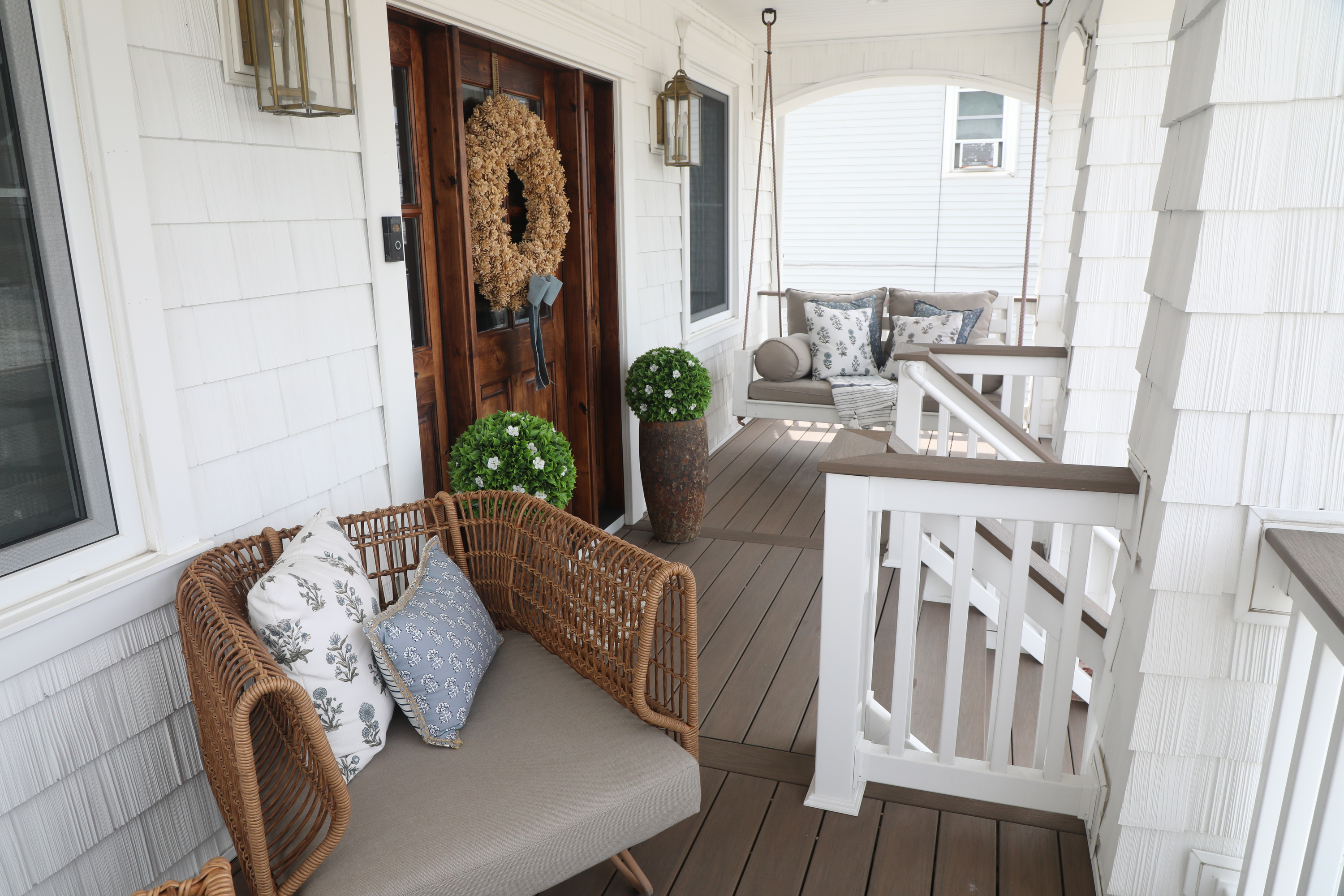
    The porch.Vernon Ogrodnek / For The Inquirer

    The front porch features comfortable furniture including a two-person swing and is one of Dolly’s favorite spots to entertain or chat with neighbors.

    “This is the gathering place whether it’s just a casual Sunday-Funday sitting by the pool barbecuing, or if it’s a big bash,” she said.

    Is your house a Haven? Nominate your home by email (and send some digital photographs) at properties@inquirer.com.

  • Millennial homeownership in the Philly area almost doubled in 5 years, outpacing every other major Northeastern metro

    Millennial homeownership in the Philly area almost doubled in 5 years, outpacing every other major Northeastern metro

    The Philadelphia region became a homebuying hot spot for millennials in recent years.

    The number of millennial households that own their homes in the Philadelphia area almost doubled between 2018 and 2023, outpacing the generation’s homeownership growth in every other major metropolitan area in the Northeast, according to an analysis by RentCafe.

    In that five-year period, homeownership among Philadelphia-area millennial households jumped roughly 92%, from about 201,000 to about 386,000, according to the nationwide apartment search website.

    That’s higher growth than the 74% increase nationally. In RentCafe’s analysis of 107 metro areas with the biggest populations of millennial households, the Philadelphia region ranked 17th for its jump in millennial homeownership. And among metros with at least 100,000 millennial households in 2023, it ranked seventh.

    “Philadelphia stands out because it’s unique in the Northeast,” said Doug Ressler, manager of business intelligence at Yardi Matrix, RentCafe’s sister company.

    He points to the Philadelphia area’s combination of positive characteristics. Compared to many other markets, the region has lower home prices, stronger job opportunities, and good wage growth, Ressler said.

    It also has a good supply of starter homes, which he called “key.” Rowhouses in particular “provide an entry point for homeowners at a price you can’t find anywhere else,” he said.

    Coastal areas are popular among millennials — people born from 1981 to 1996. But “millennials in many coastal markets remain locked out of homeownership,” Ressler said. The Philadelphia region’s relative affordability gives renters a chance to become homeowners.

    RentCafe’s report specifically points to the area’s older housing stock and availability of homebuyer assistance programs to further explain why millennials can buy homes in the Philadelphia region.

    Also, the generation’s income growth has outpaced the growth of home prices. Between 2018 and 2023, area millennials’ incomes increased by roughly 38%, while home prices increased by 18.5%, according to the RentCafe analysis.

    Roughly 56% of Philadelphia-area millennial households were homeowners in 2023. More millennials owned homes than rented them in 83 of the 107 metro areas RentCafe analyzed.

    While millennial homeownership in the area increased by about 92% between 2018 and 2023, the number of millennial renter households increased by just 2.4% — below the roughly 5% increase nationwide.

    (function(){function e(){window.addEventListener(`message`,function(e){if(e.data[`datawrapper-height`]!==void 0){var t=document.querySelectorAll(`iframe`);for(var n in e.data[`datawrapper-height`])for(var r=0,i;i=t[r];r++)if(i.contentWindow===e.source){var a=e.data[`datawrapper-height`][n]+`px`;i.style.height=a}}})}e()})();

    Where millennials are buying homes nationwide

    Small and mid-sized metro areas have seen the highest concentrations of millennial homeowners, thanks to more affordable home prices. In the Lancaster area, roughly 63% of millennials owned homes in 2023.

    In the Grand Rapids, Mich., area and two metros in Utah — Ogden and Provo — more than two-thirds of millennial households owned their homes.

    From 2018 to 2023, small and mid-sized metros in Florida and California had the highest increases in millennial homeowners. They’re all places with more affordable home prices and strong income growth. And they attracted millennials during the pandemic who moved away from denser and more expensive major cities.

    The number of homeowner millennial households more than doubled in 12 of the 107 metro areas RentCafe analyzed.

    The nearest of these to the Philadelphia area is Youngstown in northeastern Ohio, near the Pennsylvania border. The number of millennial households that own homes increased from about 15,900 in 2018 to about 32,400 in 2023.

    Three Florida metro areas topped RentCafe’s list for highest rates of millennial homeownership growth: North Port, Lakeland, and Jacksonville. The North Port area has ranked among the country’s fastest-growing metros overall.

  • 45 affordable apartments for artists on Broad Street will be partly funded by Knight Foundation

    45 affordable apartments for artists on Broad Street will be partly funded by Knight Foundation

    Affordable artist apartments will be coming to South Broad Street next year after the John S. and James L. Knight Foundation awarded a $2.5 million grant to the development company that promises to turn former University of the Arts dorms into low-priced housing.

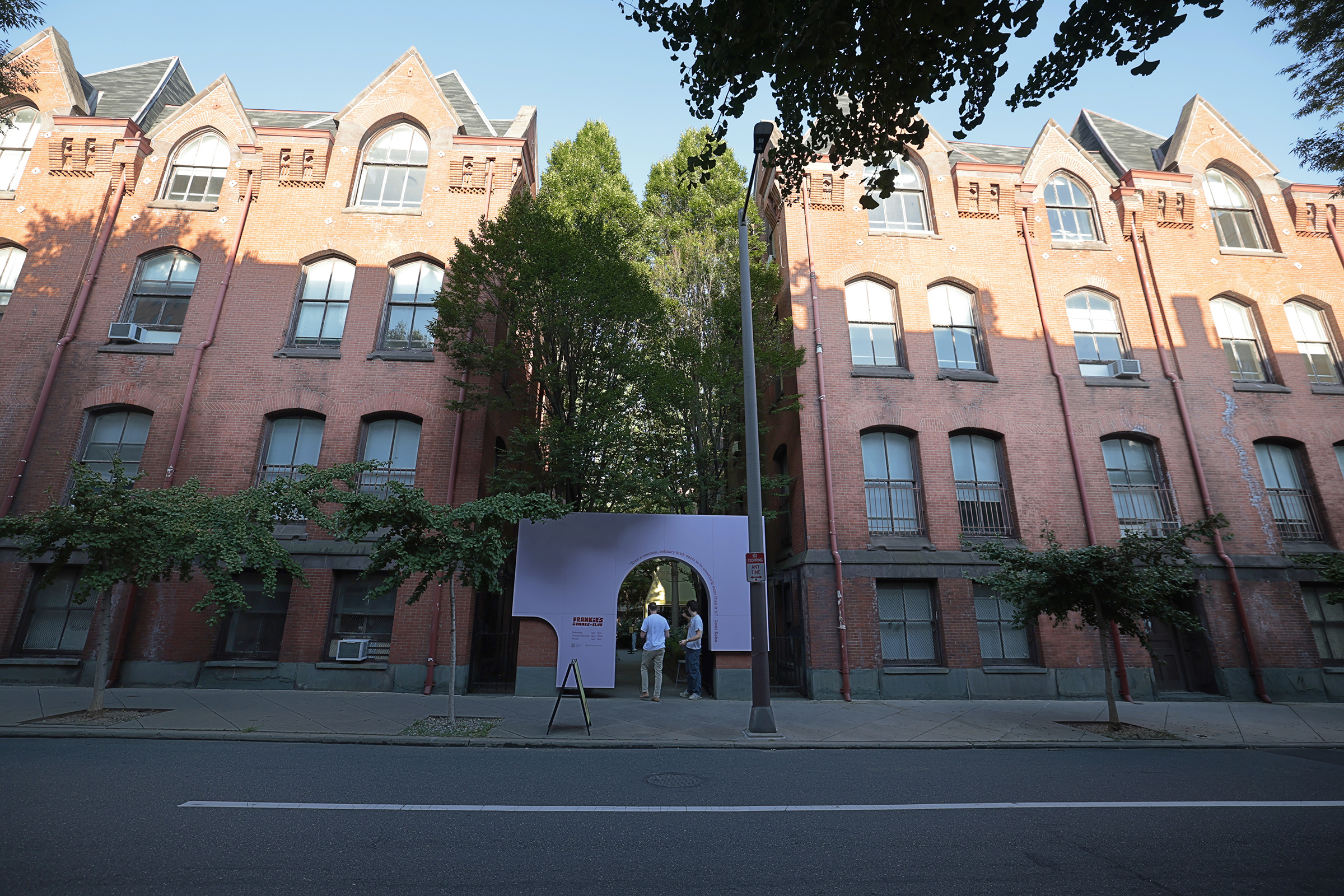
    Lindsey Scannapieco’s company Scout acquired Hamilton Hall, facing Broad Street, and the accompanying Frank Furness-designed former dormitory that front on 15th Street in early 2025 after the surprise bankruptcy and closure of the University of the Arts.

    Scout has renamed the combined complex as the Village of Industry & Art. The company is most known for its redevelopment of a former South Philly public school into a warren of artist studios, small businesses, and eateries, now known as the Bok Building.

    Scannapieco has long promised 45 affordable artist apartments for the former dormitory space, and the Knight Foundation grant provided the final funding to move forward.

    “We have the rest of the funding in place, so this was really about bridging the gap that was required to make this happen,” Scannapieco said.

    She also noted that the project’s affordability would be deed-restricted, locking it in place for the long term.

    “We have a deep commitment now that regardless of what happens to me or my team, this will be affordable housing for artists and cultural workers,” Scannapieco said.

    Scout plans for 35 of the units to be long-term rentals for artists who make between 60% and 80% of area median income, or between $50,000 and almost $67,000 for a one-person household.

    Ten of the units will be furnished and are slated for visiting artists conducting short-term residencies in Philadelphia.

    The apartments range in size from the smallest at a little over 500 square feet to the largest at 726 square feet, with the majority around the 600 square-foot range.

    Those sizes are comparable with the Philadelphia apartment market. In 2023, a study showed that the average size of a new one-bedroom apartment built in Philadelphia over the previous decade had been 764 square feet, while the average studio was 445 square feet. A more recent study found that $1,500 a month would get a renter 591 square feet in the city.

    Scannapieco says Scout has been studying complexes that include artist housing and workspace in cities like New York, Baltimore, and Pittsburgh. The 15th Street project will include specialized amenities like dark rooms, slop sinks, and material storage libraries.

    “Artists are essential to Philadelphia’s identity, economy and future,” said Kristina Newman-Scott, Knight Foundation’s vice president of arts. “This project demonstrates what becomes possible when we design cities with artists in mind, creating affordable places for artists to live and work is an investment in Philadelphia’s long-term vitality.”

    Scannapieco says she expects the affordable artist apartments will be open by mid-2027.

    “A lot of people talk about the need for permanent commitments and allocation of housing for artists and cultural workers, and we’ve never been able to frankly do it at this scale in Philadelphia,” she said. “So that’s very much what this project will provide.”

    The Village of Industry & Art, which covers over 110,00 square feet, currently hosts the popular outdoor restaurant and bar Frankie’s Summer Club in its courtyard facing 15th Street.

    A news release from Knight and Scout noted that it already includes tenants such as BlackStar Projects, Monument Lab, DesignPhiladelphia, and the Stained Glass Project.

  • A 224-unit senior living facility is proposed for Radnor to help address ‘a woeful lack of senior housing’

    A 224-unit senior living facility is proposed for Radnor to help address ‘a woeful lack of senior housing’

    A Gladwyne-based senior services organization is planning to build an independent living community on an estate in Radnor Township, a move the group says is necessary as demand for senior living services rises in the region.

    Waverly Senior Services presented an early proposal to Radnor Township’s planning commission on Aug. 3 for a large senior living facility at 452 S. Roberts Rd., a historic estate owned by the Haverford School.

    The proposal includes 208 multifamily housing units across 15 buildings, 16 twin homes, and a handful of administrative buildings, including a maintenance building and a welcome house.

    Waverly Senior Services, a nonprofit organization, is in the process of purchasing the 43-acre property, which the Haverford School acquired in 2022.

    Waverly operates Waverly Heights, a life care residence in Gladwyne, as well as in-home healthcare and personalized care management services.

    Tom Garvin, Waverly’s president and CEO, told the Radnor planning commission that the organization is seeing “unprecedented demand” for life care facilities as baby boomers age and their housing and care needs change.

    “There’s a woeful lack of senior housing across the country to serve that sort of bubble that’s coming in the population,” Garvin said.

    The number of U.S. residents 65 and older grew nearly five times faster than the total population between 1920 and 2020, according to the U.S. Census Bureau.

    More than 560,000 senior housing units will be needed to meet the demand for older adult housing, according to market research firm NIC MAP. Under current development rates, only 191,000 will be built.

    Waverly currently serves around 365 residents, the vast majority of whom are local, Garvin said.

    The Radnor site would primarily be home to independent living, with some additional care for residents who need it as they age in place. It will not be a skilled nursing facility.

    Waverly representatives said that they are early in the process — they will still need to finalize the land sale and secure township approval — and that it could be three to five years before shovels hit the ground. However, Garvin said, the organization felt it had to jump on the opportunity in a region where it is difficult to find open space to develop.

    “This opportunity for a piece of property that’s 43 acres, zoned institutional, in our primary market area is one we just couldn’t pass up,” he said.

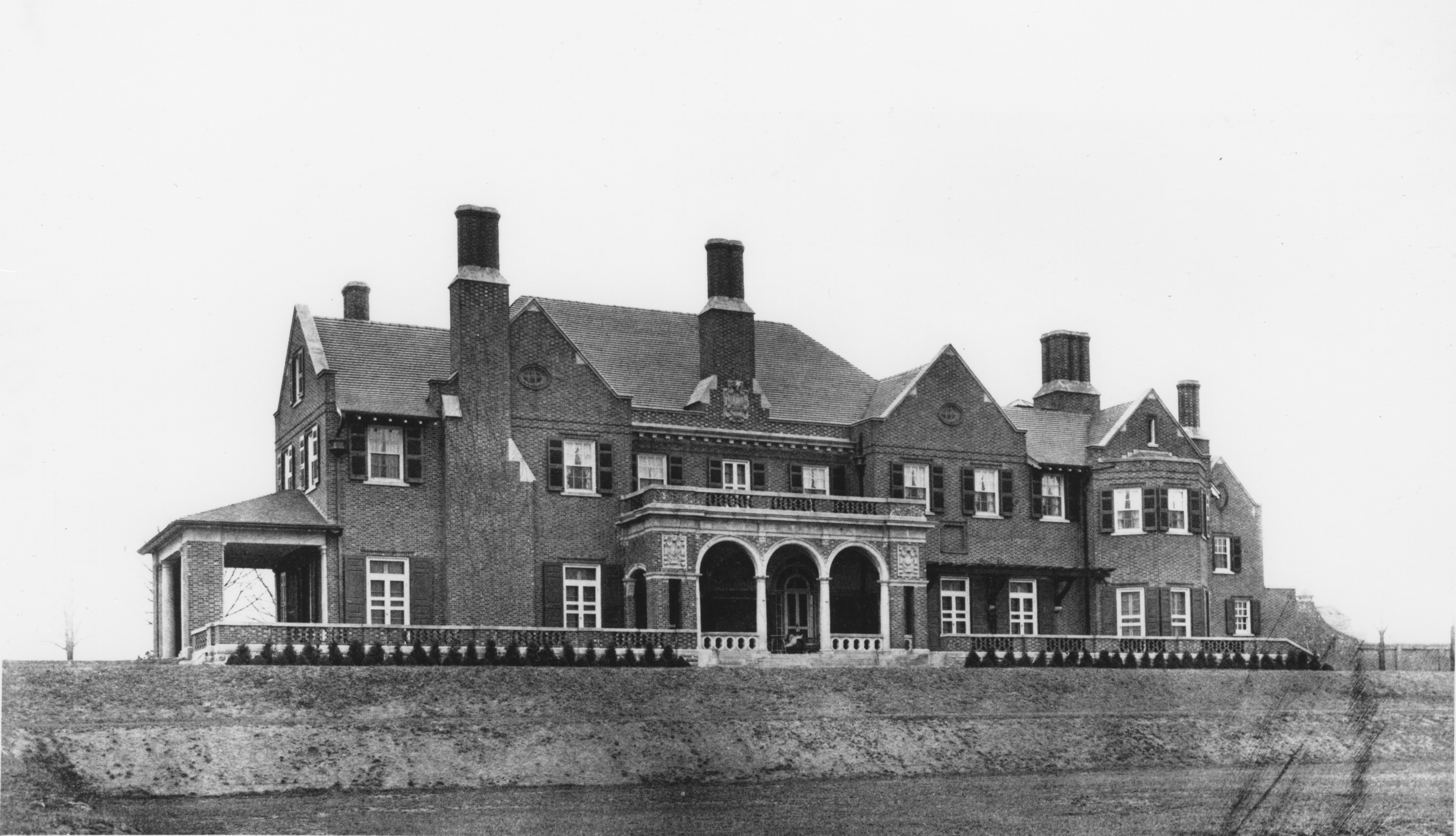
    The property is home to the Glencoe estate, built in 1907 for Thomas McKean Jr., and purchased by Samuel Robinson, founder of Acme Markets, in 1925, according to the Radnor Historical Society. In 1960, Robinson left the estate to Presbyterian Children’s Village, an orphanage run by a local Presbyterian group. The orphanage transitioned over time to become a residential treatment program for children with emotional and behavioral challenges, and in 2019 became Gemma Services after a merger with Silver Springs-Martin Luther School. Gemma Services is building a new campus in Plymouth Meeting.

    The Haverford School purchased the property in 2022 from Gemma Services for $19.88 million and said at the time that it did not have a specific plan for the site.

    Waverly’s early proposal involved retaining the historic mansion and knocking down its dormitory buildings, which are in “poor shape,” said Marc Heil, Waverly’s vice president of campus development.

    Heil said any new construction would “have that Main Line flair to it” and would not be “commercial looking.”

    Planning commission members expressed an openness to having the site developed, but raised concerns about the early plans.

    Commission member Stephen Varenhorst called the plan “chaotic” and “random” and encouraged the organization to reconsider its approach. Lane Vines, the commission’s chair, said he hoped more of the historic property could be retained.

    Residents expressed concern about increased traffic in the quiet neighborhood, stormwater management, and a potential increase in ambulance traffic, especially if an EMS station is placed on the site, a possibility.

    Waverly officials said they will submit plans to the planning commission, which will issue a recommendation to the Radnor Township commissioners, who will ultimately vote on whether to approve the project. Representatives from Waverly said the organization may also seek additional zoning relief if they pursue renovations outside of the property’s institutional zoning classification, which would require a separate approval process through the zoning hearing board.

    This suburban content is produced with support from the Leslie Miller and Richard Worley Foundation and The Lenfest Institute for Journalism. Editorial content is created independently of the project donors. Gifts to support The Inquirer’s high-impact journalism can be made at inquirer.com/donate. A list of Lenfest Institute donors can be found at lenfestinstitute.org/supporters.

  • House of the week: A Queen Village trinity for $349,000

    House of the week: A Queen Village trinity for $349,000

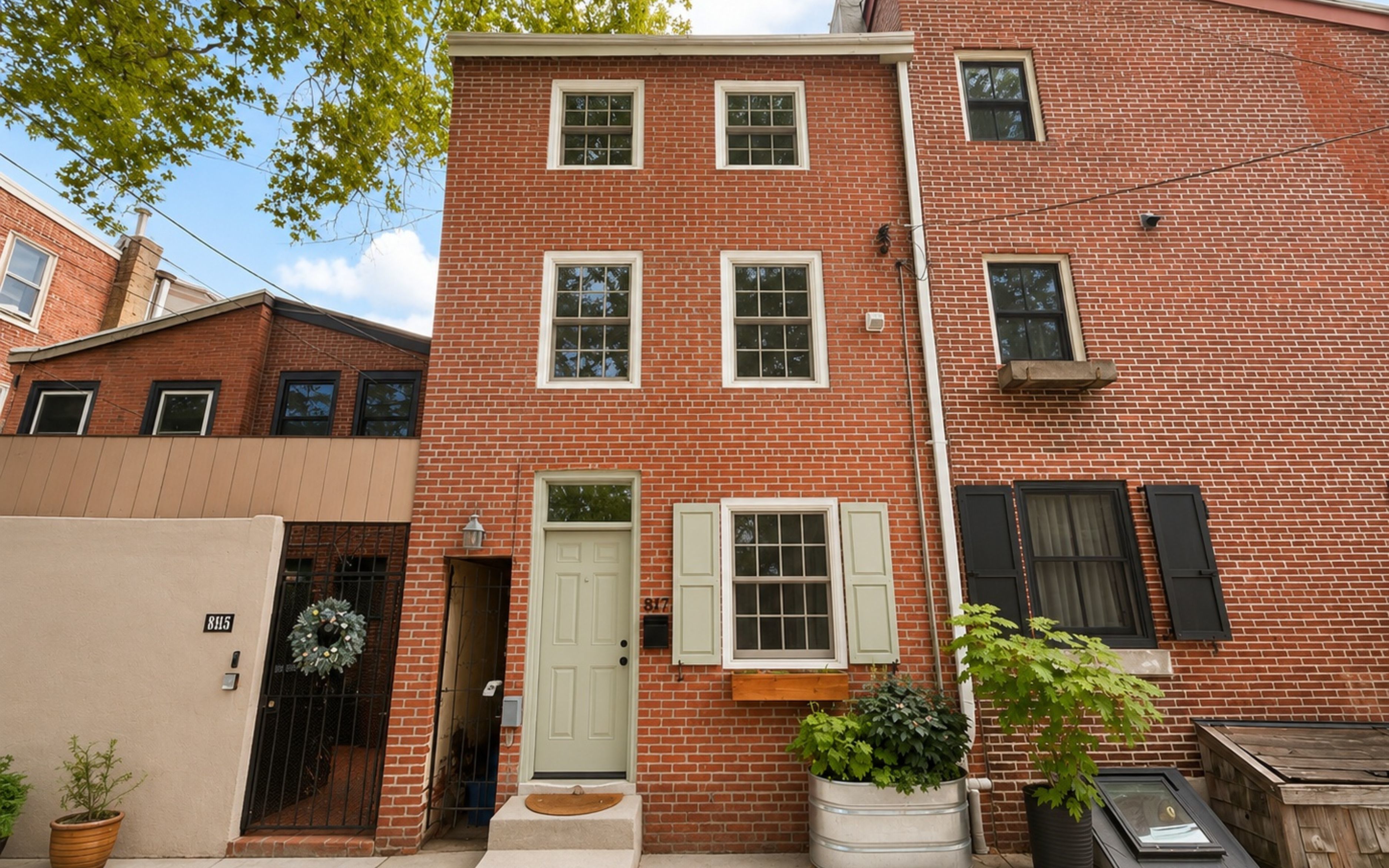
    When Hunter Wages and his wife, Lauren Nalley, bought their Queen Village trinity in 2023 after renting nearby for two years, they especially liked having the Weccacoe Playground across the street.

    They liked the constant activity there, such as park cleanup days, and, “It’s hard to beat having a tennis court in your front yard,” said Wages.

    For Nalley, an environmental engineer in water resources, and Wages, who does software testing for a veterinarian agency, the two-bedroom, 1½-bathroom house was the first they had owned together.

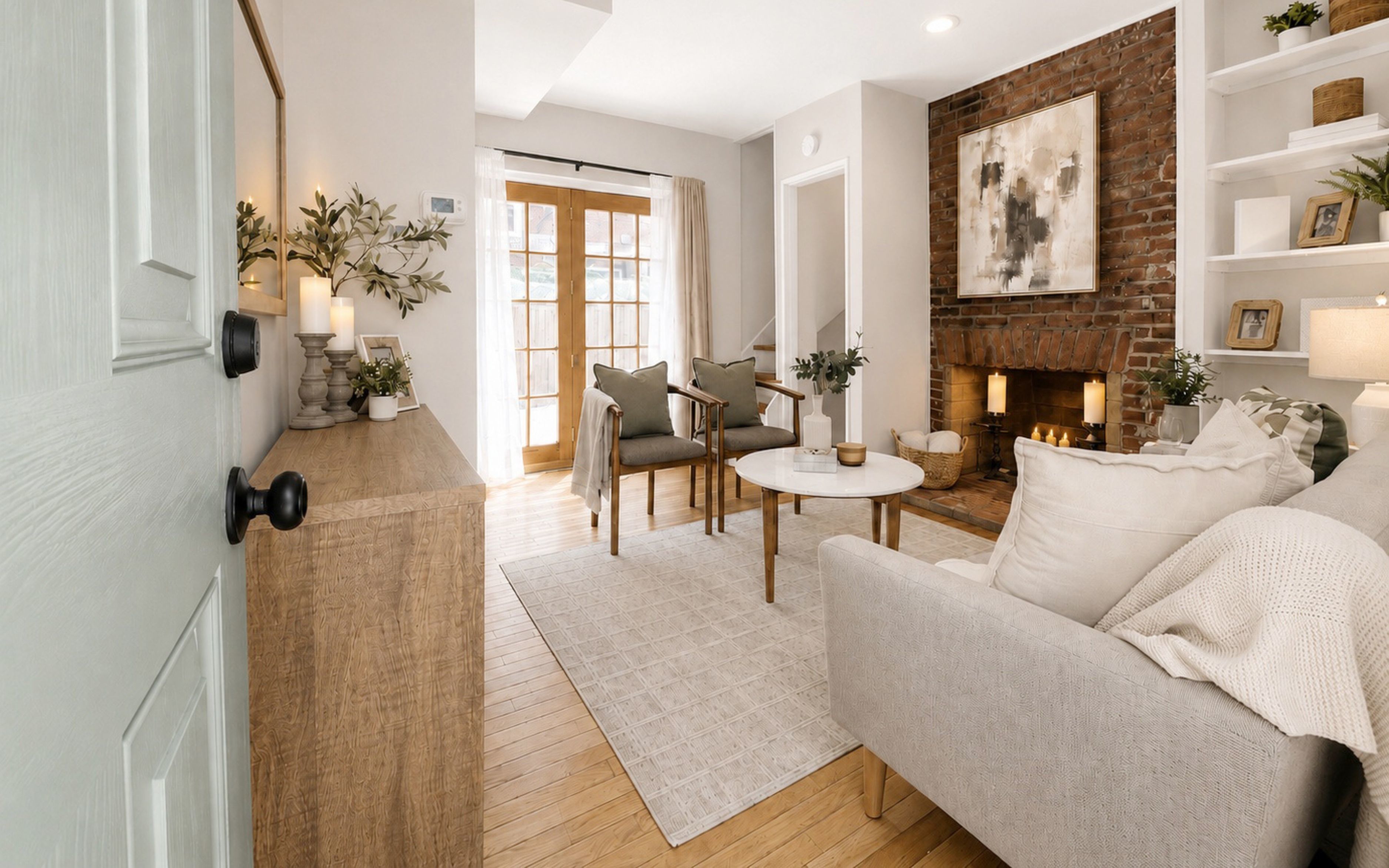
    Living roomJim Armstrong

    Noting the home’s “historic charm,” Wages said, “trinities are unique.” And he found the exposed brick sections of the interior attractive. But they are moving to Colorado to be with friends and family.

    The 710-square-foot house on a tree-lined street has replacement windows and central air-conditioning.

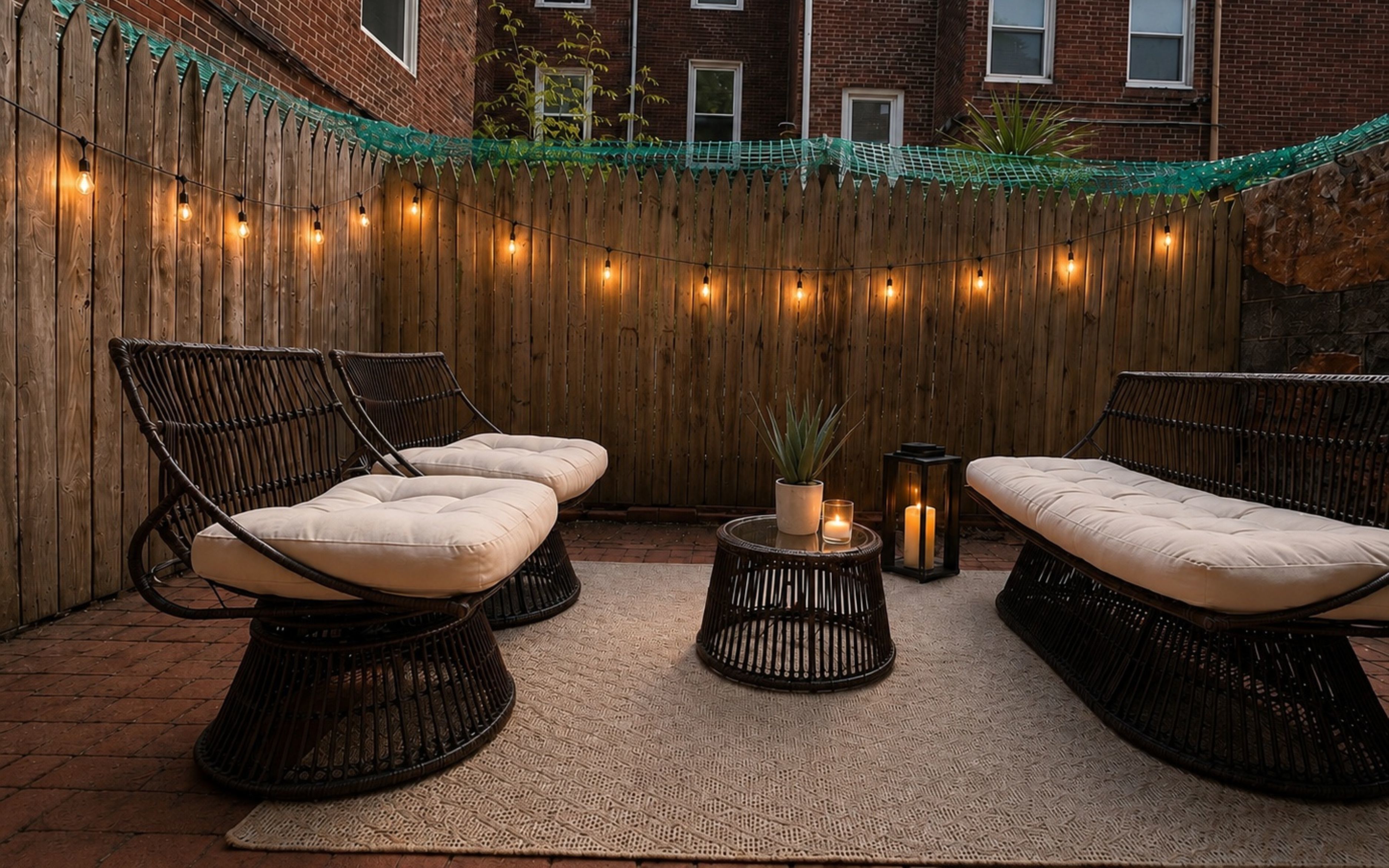
    The private fenced patioJim Armstrong

    The living room has hardwood floors, built-in custom cabinetry, and French doors opening to a private fenced patio.

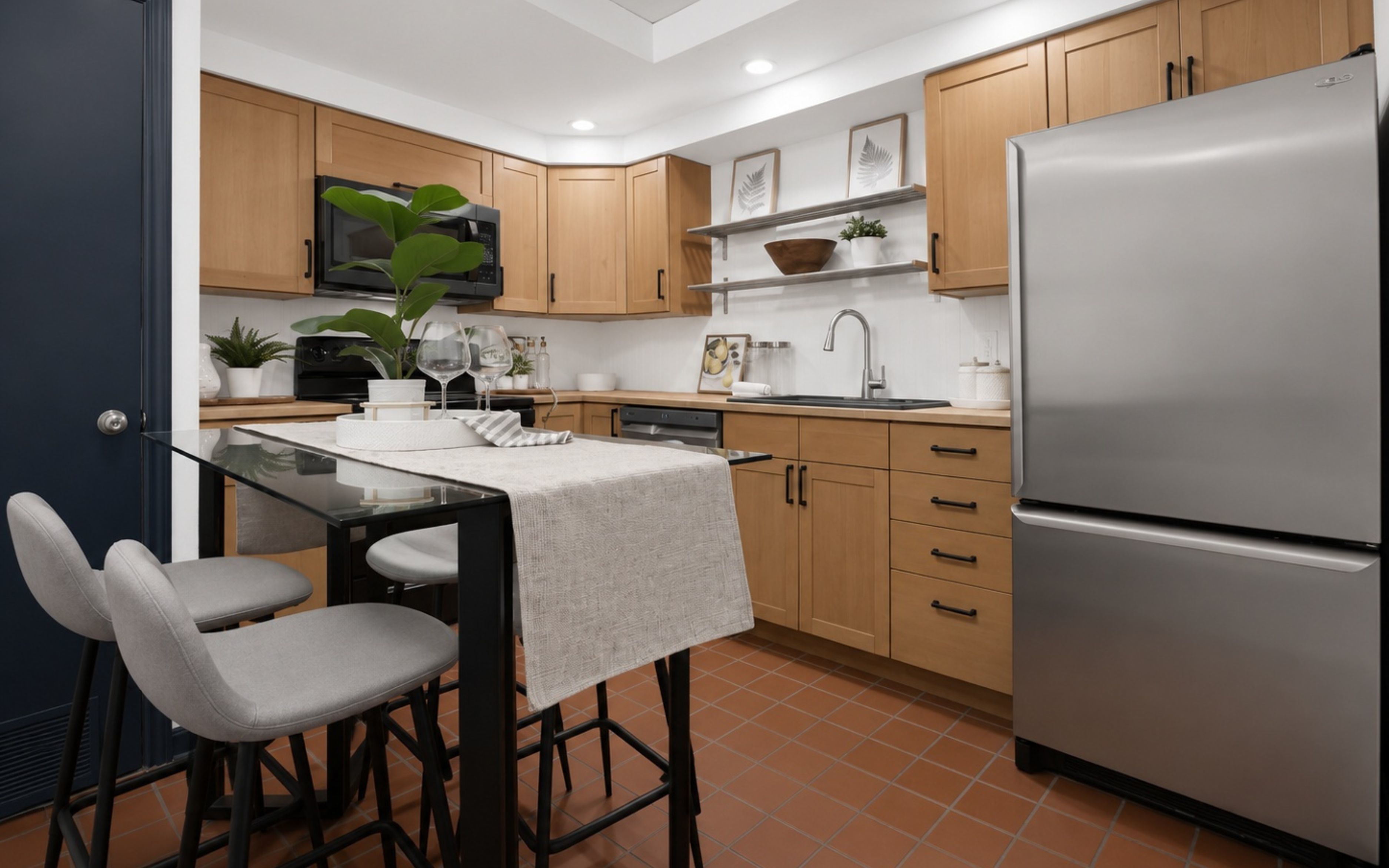
    The lower level also has a modern kitchen.

    KitchenJim Armstrong

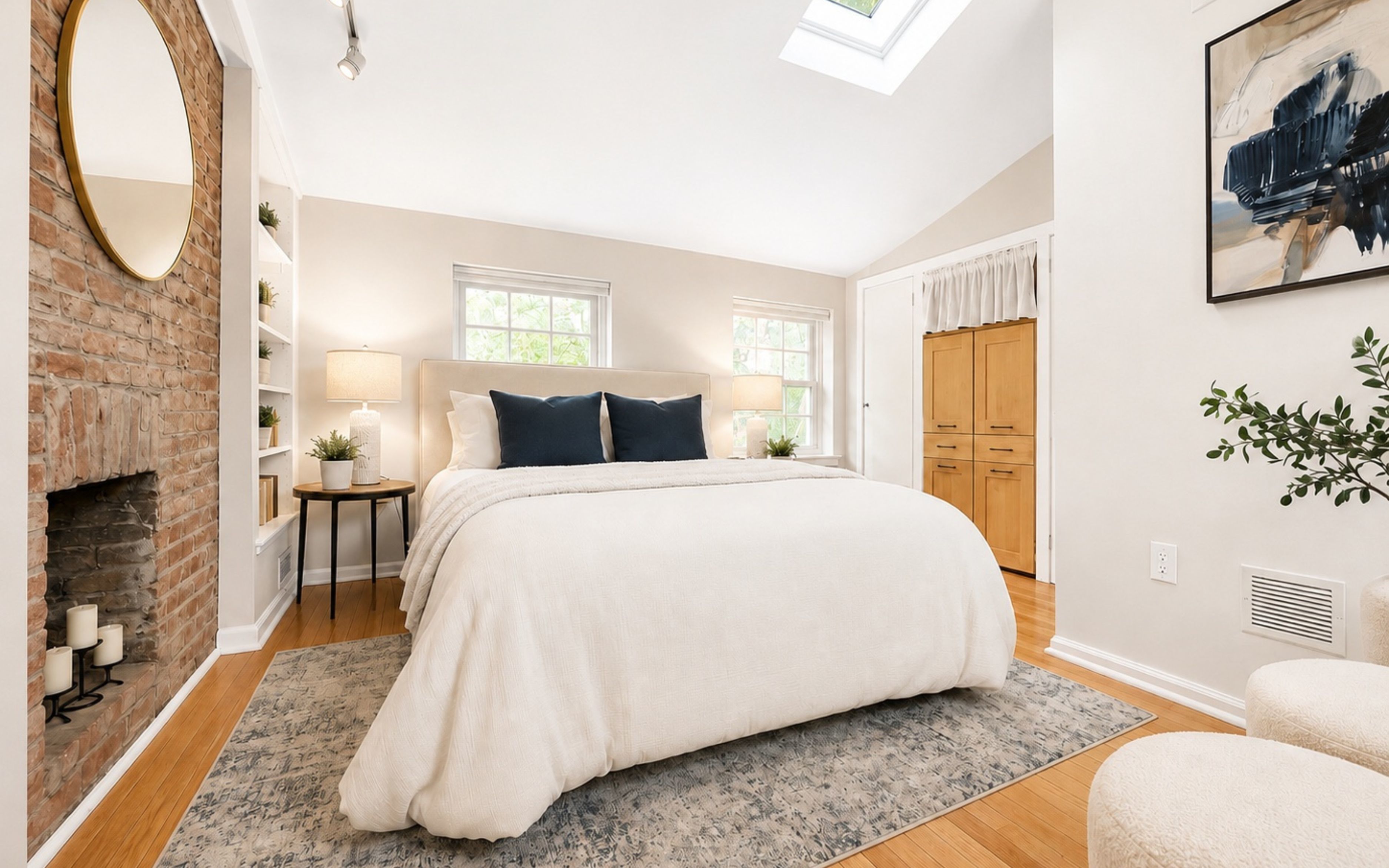
    The second floor has a bedroom, the full bathroom, and multiple closets. The primary bedroom is on the third floor, with built-in shelves, vaulted ceilings, and an updated half-bathroom.

    There are also decorative fireplaces on the first and third floors.

    The primary bedroom has built-in shelves and a decorative fireplace.Jim Armstrong

    The house is steps away from neighborhood restaurants such as Southwark and Ambra, as well as the Famous 4th Street Delicatessen and the Delaware River Trail.

    It has easy access to I-95 and several bus routes.

    It is in the William M. Meredith School catchment area.

    It is listed by Jim Armstrong of JG Real Estate for $349,000.

  • PennDot to repair deteriorating steel beams on University Avenue Bridge

    PennDot to repair deteriorating steel beams on University Avenue Bridge

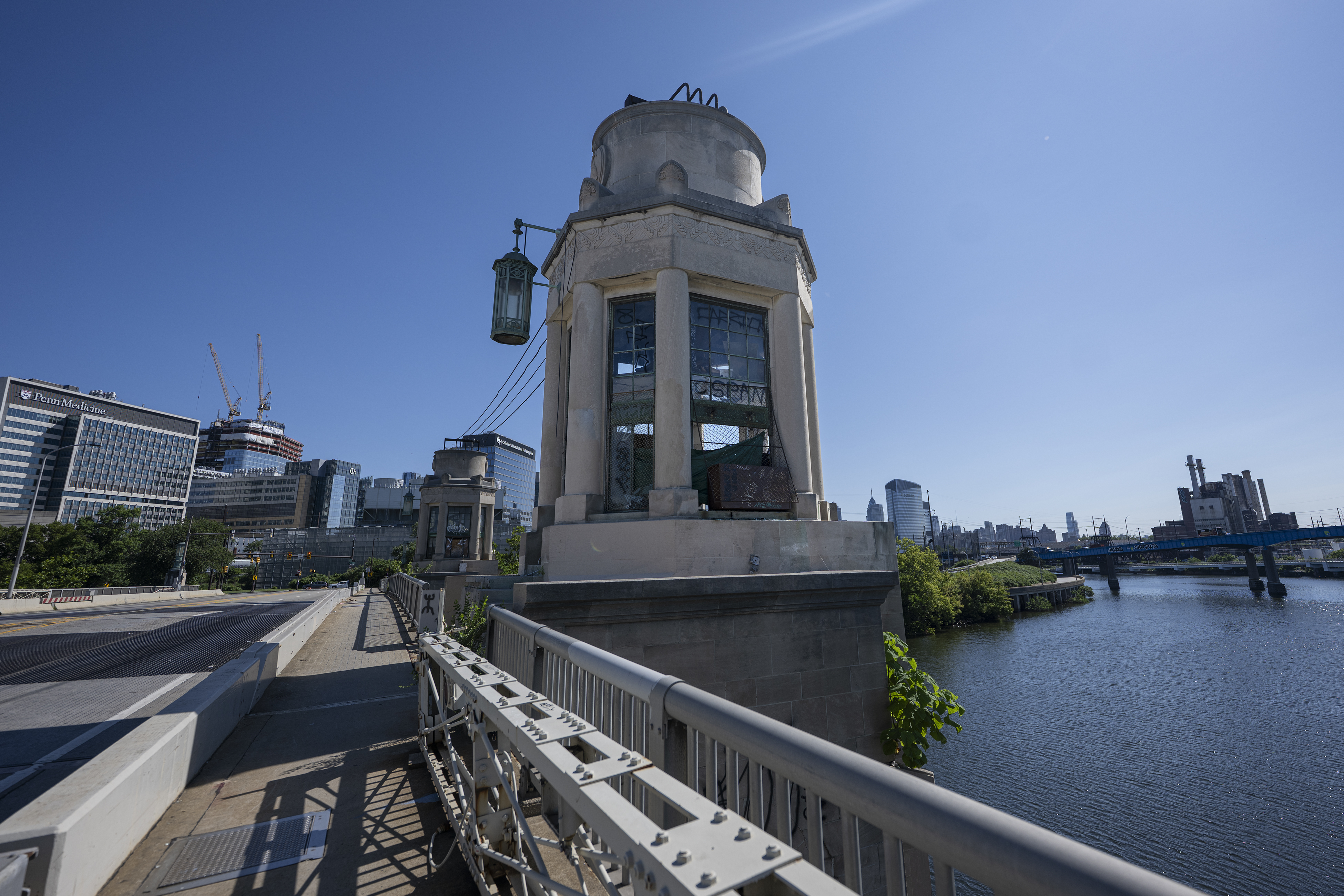
    The University Avenue Bridge will soon receive structural repairs, and some of its architectural details will be secured from further vandalism, but a full-scale restoration of the historic span isn’t happening anytime soon.

    PennDot is slated to begin work on the drawbridge Aug. 17, the agency announced Monday. Pedestrian and vehicular traffic will be partially impeded for the duration of the job.

    A routine inspection in March of the Paul Philippe Cret-designed structure turned up deterioration in some of the steel members, said PennDot assistant district executive for assets Kerri Cutright, “and we were a little concerned, and so that’s why we’ve initiated these repairs.”

    The goal is to move the drawbridge from “poor” to “fair” condition, said Cutright.

    In addition, plans call for the installation of 8-foot-tall chain-link fencing in front of the two operator’s houses on the east side of the bridge to deter vandals.

    Work is expected to continue through Dec. 15.

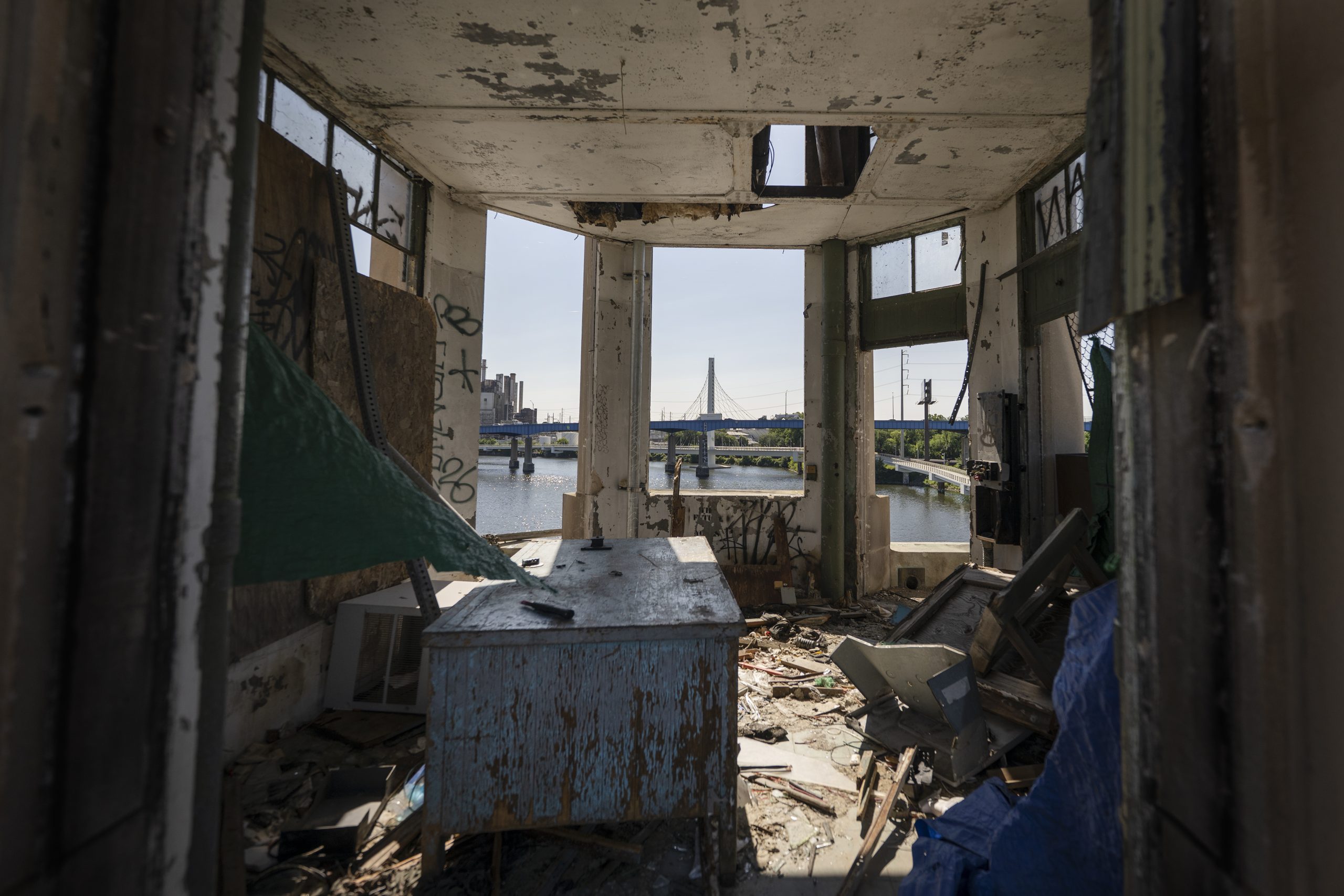
    Broken windows and vandalism are visible inside one of the operator’s houses on the University Avenue Bridge on July 23.Jose F. Moreno / Staff Photographer

    The project, estimated to cost about $2 million, leaves unaddressed the needs of some major features of the bridge, which was built around 1930. It will not bring back the bridge’s ability to raise its leaves, though the work won’t prevent restoration of that function in the future. The 10 elaborately detailed lighting fixtures will not be returned to working order as part of the job.

    Graffiti has marred the bridge in several places, most noticeably on the Center City-facing sides of the operator’s houses, but there is no immediate plan to clean up the scrawls.

    “At this time, graffiti removal is not in the scope, but it is being explored in the near future,” said PennDot spokesperson Brad Rudolph.

    Graffiti on the University Avenue Bridge, seen from the Schuylkill River Trail, on May 21.Elizabeth Robertson / Staff Photographer

    Vandalism and deterioration on the bridge linking West Philadelphia and Grays Ferry have attracted sporadic public attention for decades. The Inquirer highlighted the conditions last September, with another article in June, and other news outlets have called for the bridge’s stabilization and restoration. A recent change.org petition advocating that it be protected from further damage collected hundreds of signatures.

    “Without intervention, these unique design elements risk permanent loss,” the Preservation Alliance for Greater Philadelphia wrote in its magazine, which lists the bridge as one of the city’s places to save.

    “We welcome PennDot’s attention to the University Avenue Bridge and the planned work to address some of its most urgent deficiencies. This is a positive first step, especially after years of visible deterioration, but it should not be the end of the effort,” said Paul Steinke, executive director of the Preservation Alliance for Greater Philadelphia. “The bridge is one of Philadelphia’s most distinctive historic spans, and it deserves a broader rehabilitation plan that addresses its historic features, long-term condition and role as a public gateway between neighborhoods.”

    The repairs at hand will address the structural elements beneath the bridge’s deck. The bridge uses a girder floor beam stringer system to carry the load, said Cutright, and the deterioration will be addressed with plating, cleaning, and repainting, and some steel members may be replaced.

    Vandalism and the elements have damaged the two operator’s houses on the Center City-facing side of the bridge. They will be cleaned out and sealed, and a chain-link fence will be installed in front of the two structures to deter trespassers.

    Lane closures will reduce vehicular access to one lane in each direction during construction. Two of the bridge’s four lanes will be closed all day every day, with two lanes left open (one in each direction) through mid-December. The work will begin with closing the two lanes closest to the operator’s houses, and moving all traffic to the other side. Then, in a couple of months, the closure pattern will flip.

    The bridge carries more than 36,000 vehicles per day, according to PennDot, and the agency expects significant backups during construction. Pedestrian access will be permitted on the side of the bridge opposite from where work is being conducted.

    A fish and other details adorn the operator’s houses on the University Avenue Bridge.Elizabeth Robertson / Staff Photographer

    Cutright said that while PennDot would like to restore the bridge, the cost is estimated around $50 million, and no funding is currently lined up for an effort on that scale.

    Even if funding were in place now, a major rehabilitation would be a long way off. Planning and construction would take five years or more, she said.

    “It’s a beautiful bridge, and I would imagine that if we were to do a major project that we would want to restore it to its former glory.”

  • Planting native species is gaining popularity. Here’s how Jersey Shore gardeners do it.

    Planting native species is gaining popularity. Here’s how Jersey Shore gardeners do it.

    Virginia Rettig’s garden is her passion.

    The 60-foot-by-100-foot plot on her Cape May property boasts about 200 varieties of native plants, which she estimates have drawn roughly 135 wildlife species. Monarch butterflies, hummingbirds, cardinals, gray catbirds, moths, and a host of other creatures suck nectar from her flowers and drink water from the small waterfall that flows into a pond.

    Once she even saw a black-billed cuckoo, a rarity in Cape May.

    “During spring and fall migration, millions of birds fly through Cape May County, and every blade of vegetation is critically important for them when they need to stop for food,” Rettig said.

    Rettig owns Cape NativeScapes in Cape May. After a 30-year career in the U.S. Fish and Wildlife Service, she is sharing her knowledge and passion for managing wildlife habitats by helping clients create native gardens.

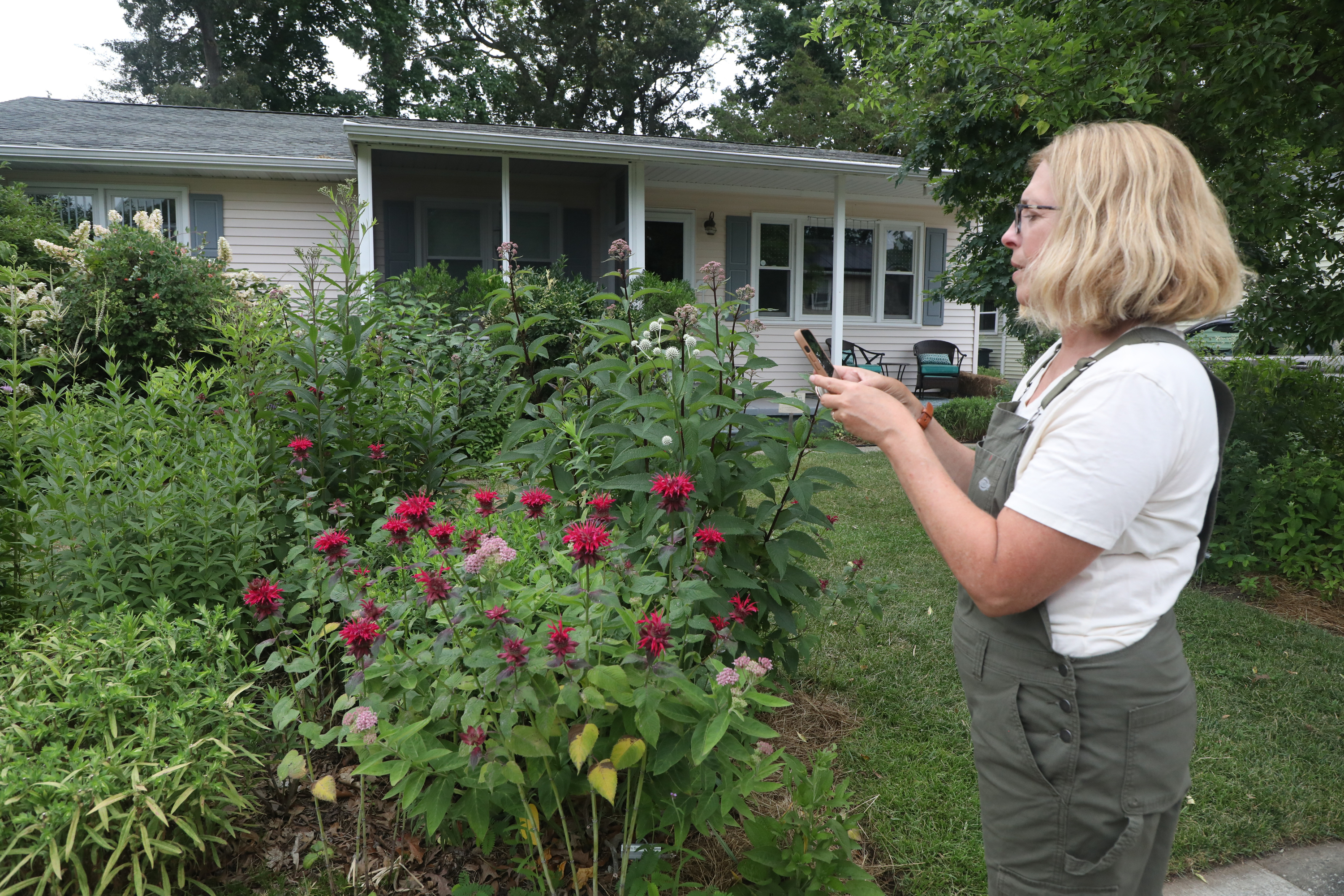
    Virginia Rettig photographs a bush of bee balm and Eastern swamp milkweed outside her home.Vernon Ogrodnek / For The Inquirer

    She’s found plenty of customers who live at the Shore and want to help — not hinder — native species with their own landscaping choices. Nearly 80% of self-identified gardeners incorporate native plants into their outdoor spaces, according to gardening consumer research organization Simple Spring. And over a third dedicate a quarter to half of their garden to local flora.

    “People love nature and are itching for good information and support so they can provide these habitats for wildlife,” Rettig said.

    Areas once covered by native vegetation have been lost to development, replaced by ornamental landscapes, manicured lawns, and invasive species.

    But this increasingly popular practice of replenishing native plants serves the environment, birds, and wildlife, while growing roots to hold off erosion and conserve water.

    Types of plants at the Shore

    Native plants adapt well at the Shore where the conditions include wind, sandy soil, and salt spray, said Andrew Bunting, vice president of horticulture for the Pennsylvania Horticulture Society.

    Popular varieties include native grasses, such as American beachgrass, coastal panicgrass, and little bluestem varieties, which have a steely blue-green color in the summer and a coppery red hue in the fall.

    Butterfly milkweed, a favorite of monarch butterflies, blooms in Rettig’s garden.Vernon Ogrodnek / For The Inquirer

    “Butterfly weed is one of the most iconic of all the pollinator plants,” Bunting said. It “has vibrant orange flowers and is especially a magnet for the monarch butterfly, which is a threatened species.”

    It’s important to have perennial varieties that bloom at different times in the season to consistently provide nourishment to wildlife, Bunting said. For example, early spring might include a beach plum shrub, butterfly milkweed in midseason, and goldenrod late in the season.

    Native species are very hearty, need full sun, and require little care once established. They need to be watered when first planted, but once they take hold, rainwater is usually sufficient. Native plants can be mixed with non-native varieties as long as they have similar sun and water requirements.

    Attracting wildlife

    Pat Sutton, a working naturalist since 1977 for the Cape May Point State Park, and then the New Jersey Audubon’s Cape May Bird Observatory, hopes education will encourage more people to move toward native gardens.

    “There has been a lot of focus for too many years on instant gratification — pretty things that are forced to be in bloom well before nature intends,” Sutton said. “The focus on native plants is a focus on making sure wildlife can persist.”

    A bumblebee pollinates a bush of wild bergamot in Rettig’s garden.Vernon Ogrodnek / For The Inquirer

    Sutton’s website includes resources for native plants that attract birds and insects. For example, the coral honeysuckle vine and southern arrowwood shrub are especially attractive to moths when laying their eggs.

    Along with her husband, Clay, Sutton transformed her property into a wildlife habitat containing 205 native plants, including perennials, native trees, shrubs, vines, grasses, and ferns. She has recorded as visitors 213 bird species, 79 butterfly species, and 121 assorted other pollinators, including wasps, flies, bees, and beetles.

    “When I step outside, it’s like going into a wilderness, and it’s just a tiny yard,” she said. “But that’s what’s possible for people who embrace gardening with native plants.”

    Civic responsibility

    Strathmere residents have made native plantings a priority in homes and public areas throughout town. Along with N.J. Fish & Wildlife and Upper Township, the Strathmere Improvement Association Native Plant Committee members have erected gardens at several beach entrances, in front of the Schiavo Library, and around the Welcome to Strathmere sign.

    “We have a gem of a town and wanted to maximize the beauty of our beaches by cleaning up and planting at our entrances,” said Linda C. Bateman, a member of the committee that began planting gardens three years ago, adding a couple streets at a time.

    Native plants, including goldenrod, milkweed, bayberry, elderberry, Virginia rose, and New Jersey-native wildflowers, are labeled to educate beachgoers. The committee has raised awareness by offering talks led by gardening experts, holds native plant sales, and presents garden awards to residents who have dedicated yard space to pollinator plants. The town is a designated monarch butterfly way station.

    The entrance to Corson’s Inlet State Park, a part of Strathmere overseen by Belleplain State Forest, is also getting a makeover to include native plants.

    “Before development, there were areas across the barrier islands that were covered in low shrubs and small patches of forest,” said Chris Konicki, a Strathmere resident who is heading up the Maritime Forest Project with Peter Manzelmann from Belleplain State Forest.

    Their goal is to reintroduce native species that are indigenous to the area. Tree species such as eastern red cedar, American holly, black cherry, sassafras, black gum, and pitch pine will be planted, along with shrubs including bayberry, wax myrtle, beach plum, and Virginia rose. Small trees will feature winged sumac, a non-poisonous native species.

    A bumblebee pollinates a bush of Eastern swamp milkweed in Rettig’s garden.Vernon Ogrodnek / For The Inquirer

    “It’s an ongoing project that will slowly evolve over time and highlight some historical species that are no longer common in Strathmere and the surrounding islands,” Konicki said.

    These initiatives are important, Bateman said, as the native gardens do much more than just beautify and unify the beach entrances. Bees, butterflies, moths, and other insects are drawn to them. Wildlife including bats, frogs, songbirds, red wing blackbird, and finches, will feed on the insects.

    “We used to have fireflies in town, we used to have frogs trying to jump into our garage, and our windshields used to be covered in bugs,” Bateman said. “Where are they all? Clean air and clean water are not just human needs.”

  • The advice about rooftop solar panels is changing. Do this instead.

    The advice about rooftop solar panels is changing. Do this instead.

    For a decade, it was a better deal to own, not lease, rooftop solar panels. The end of solar tax credits for homeowners may flip that on its head.

    New subscription offerings are making solar more like subscribing to a cellular or streaming service: Pay monthly to reap the benefits, and cancel when it no longer suits you. If you don’t like the deal you’re getting, the company will remove the panels free of charge.

    The solar industry has long used the word subscription to describe something rather different: long-term, often 25-year leases or power purchase agreements, known as PPAs, that could be canceled only by paying fees or penalties.

    But a new model from an upstart company called Terra Energy is shaking things up in Florida, Texas, and soon California. After subscribing for three years, customers can cancel and have the panels removed from their roof free of charge. If they keep them, they lock in a low, predictable electricity rate relative to their local utility, like any other leasing model.

    Bankrupt companies litter the solar industry. An estimated 50% of residential solar systems in the U.S. are “orphaned,” installed by companies that no longer exist, said Sam Thompson of the solar and home electrification marketplace EnergySage. Although most solar systems deliver on their promises to homeowners, shady sales practices and bankruptcies have plagued the market.

    But industry analysts and some of Terra Energy’s customers say this subscription model might just be the future.

    Here’s why the loss of federal tax credits means that leasing now dominates new home solar sales, and why subscribing to the sun can now be a better bet than owning those rooftop panels.

    When renting beats owning

    Bob Scheeler, 65, had been interested in going solar for years. But as a retired real estate agent in Cape Coral, Fla., he had seen homeowners run into trouble with leased solar panels when securing insurance coverage, qualifying for financing, or reselling their property.

    Then he ran across Terra Energy’s subscription offer and signed up. Earlier this year, the company installed about two dozen panels on his roof, with the option to add more. His typical $250 utility bill has since fallen by about 40%: He pays $120 to Terra and $30 to his utility.

    Scheeler said the subscription offered the most appealing package. “This actually came out the least expensive and the best bet,” he said. “I think it’s great.” He has no plans to remove the panels once he reaches the three-year mark, when Terra would do it for free.

    Solar deals typically come in three flavors: leases, purchase power agreements (PPA), or ownership.

    Leases get panels onto your roof for a fixed monthly payment, often 25 years, but the company you’re leasing from owns the solar array (some let you purchase them after a fixed period).

    PPAs are similar, but a homeowner pays only for the electricity that the panels on their roof produce, generally for less than what the utility charges.

    Finally, homeowners can finance or purchase their own solar systems. Self-financed ownership is still likely to deliver the best return on investment in the long term: a cash purchase of a home solar system averages $30,500 before any incentives, with average savings of $61,093 over 25 years, EnergySage estimates, a roughly 10-year payback period.

    But the elimination of a 30% tax credit for homeowners in the One Big Beautiful Bill last year effectively raised the cost of the average home solar system by $8,000.

    While homeowners lose out, businesses enjoy the solar investment tax credit through 2027, making leases and PPAs more attractive. That’s scrambling two decades of “own, don’t lease” advice because only businesses like Terra and others can pass on the tax credit to homeowners.

    Third-party ownership now makes up the majority of new residential solar sales, according to Wood Mackenzie, an energy research firm, up from a minority share last year.

    “Our view has historically been that ownership is the best path,” said Thompson of EnergySage. “But not everyone can pony up $30,000 or get a loan. New leasing models are a vehicle that gives people the opportunity.”

    Free of commitment

    Terra Energy, which was founded in Mexico in 2016 and started operating in the United States in 2023, placed a bold bet as its home country began deregulating its electricity market. It offered to remove its solar panels at company expense if customers weren’t happy after the first few years.

    Terra faced huge bills if many customers canceled. But founder and CEO Jaime Martinez said the promise eliminated one of new customers’ biggest fears: commitment. “We’re going to be your best energy provider,” Martinez argued when I asked about the strategy. “We’re proving that by allowing customers to cancel. They almost never do.”

    Terra says that its retention rates beyond the three-year mark are 98% in Mexico and 100% in Florida, where it launched in 2023 and is now one of the largest residential solar providers. When people do cancel, Martinez said, it tends to be because the home is no longer occupied. The company runs sales, financing, and installation under one roof, so it can deliver good customer service with electricity prices 20% to 60% below utility rates where it operates.

    In Texas, where Terra launched in June, it offers a package of rooftop solar panels, a 40-kWh whole-home battery backup system, and retail electricity in a single monthly bill.

    The company is now adding about 1,000 new customers per month, said Martinez, with plans to expand to California later this year and then across the South.

    Can you trust a subscription?

    I asked EnergySage to review a sample Terra Energy contract. “The customer opt-out options are more consumer-friendly than typical. Otherwise, most contents are fairly standard,” wrote EnergySage energy adviser Matt Schuler. “[But] every homeowner should evaluate the contract to see if the subscription costs pencil out with their electric rates and usage.”

    The major difference was the option to cancel free anytime after three years. Terra will remove the panels and then repair the roof so it remains “watertight” at no cost.

    Otherwise, the 10-year lease continues and then renews annually at the customer’s discretion once the decade is up. Terra repairs and maintains the system, and will remove and reinstall the panels for free if roof repairs are needed. (Doing that triggers a 36-month extension of the contract.)

    Buyers of a home that already has a Terra system may assume the contract, if they pass a credit check, or choose to end it free of charge. Martinez said the company ensures that annual cost increases, or escalators, are under 2%. Escalators above 3% risk negating the energy bill savings from solar.

    The primary restriction is that you can’t buy the system even if you want to. While that could cut into long-term returns, Terra says it has historically upgraded customers’ solar panels over the course of their 10-year contract as technology improves.

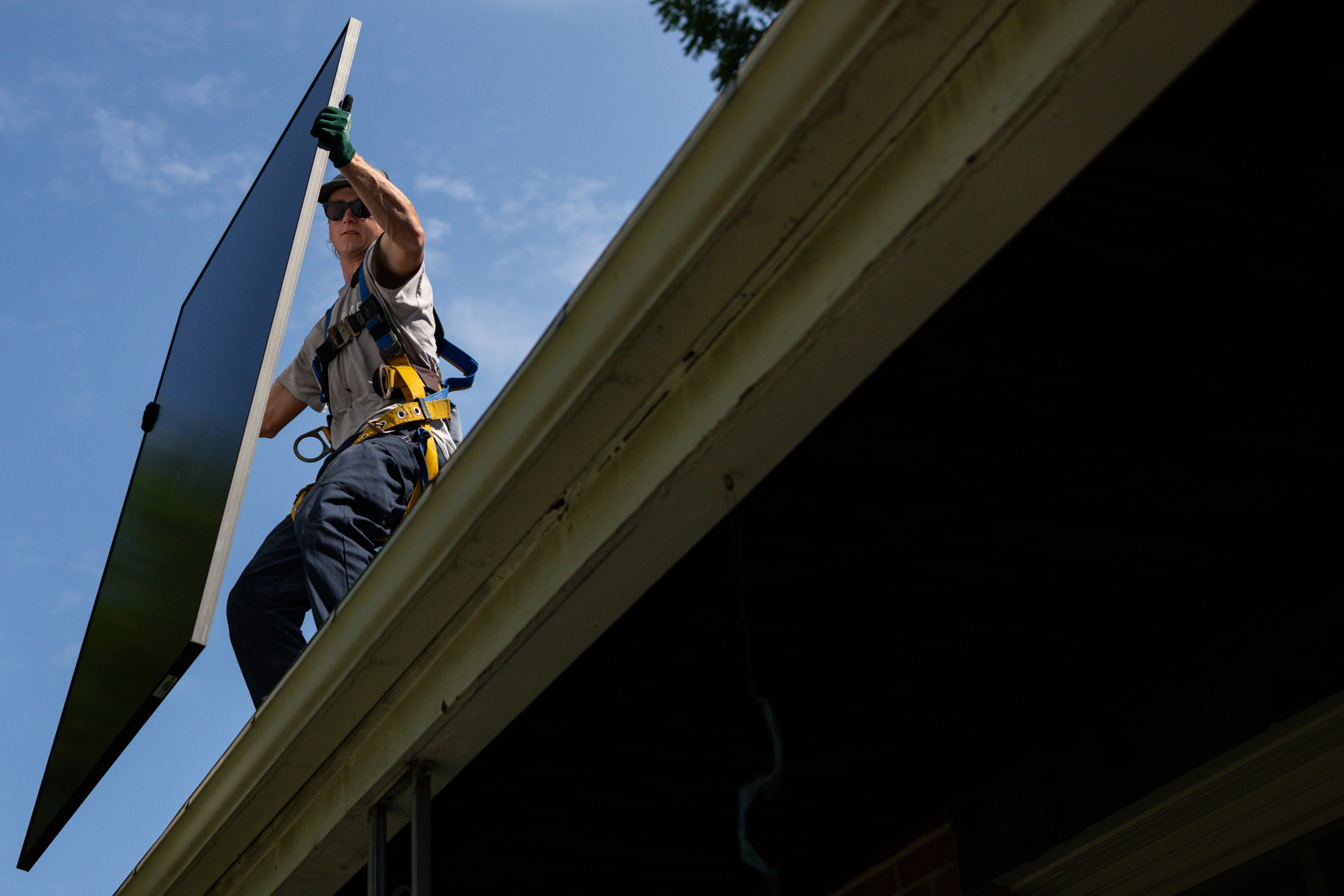
    The home solar market, researchers said, is maturing. Residential solar remains more expensive in the United States than almost anywhere else in the developed world. It’s one of the reasons that utility and community solar is a more cost-effective way for society to deploy panels and electrify.

    But for most individual homeowners, subscribing pencils out as a positive and should only get more attractive as utility rates surge. After a wild-west period, the solar industry will keep consolidating into something more professional and profitable, even after the remaining tax credits expire.

    For homeowners on the sidelines, subscriptions prioritize flexibility and convenience over maximizing long-run savings, a deal many are willing to make.

    “It has the potential to be the national model,” says EnergySage’s Thompson.

  • Rowdy residents at Plymouth Township zoning meeting draw rebukes as they push back on big data center plan

    Rowdy residents at Plymouth Township zoning meeting draw rebukes as they push back on big data center plan

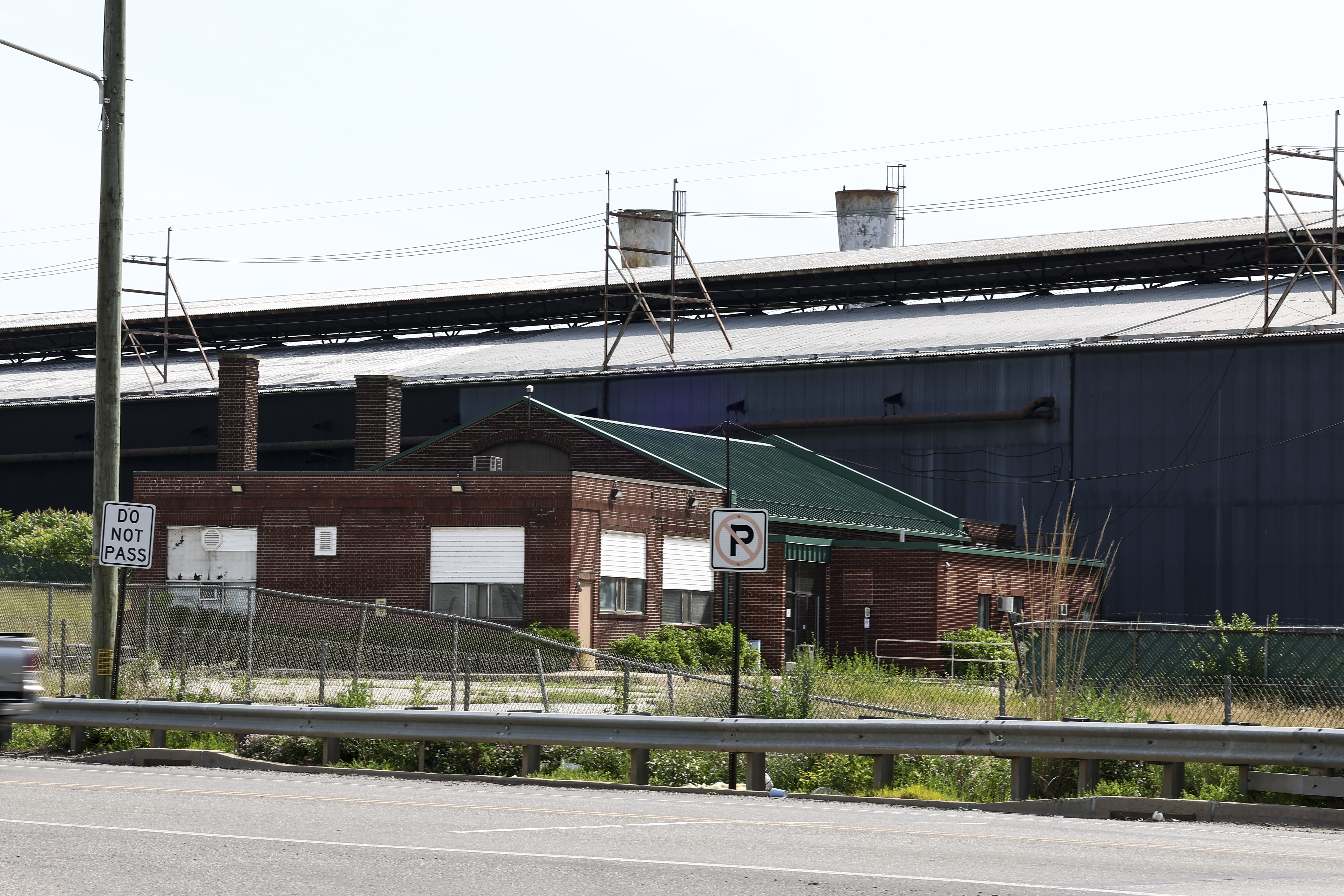
    The crowd at a raucous Plymouth Zoning Hearing Board meeting on Thursday repeatedly shouted down an attorney and expert witness representing developer Brian O’Neill’s plans for a hyperscale data center on the site of a closed steel mill.

    The hoots and hollers, which included some expletives, provoked repeated pleas for order from the board’s solicitor David Sander, who said the outbursts interfered with the court reporter’s ability to make accurate transcripts of the meeting.

    Although the two-and-a-half hour meeting was largely procedural, it was emblematic of flaring tempers throughout the region when it comes to data centers.

    The hearing, the first of at least several quasi-judicial proceedings, was held at Colonial Middle School to accommodate the number of residents expected to attend. Many have expressed fears about potential power and water usage, and pollution by a data center.

    The hearing also came on the heels of a recent social media post by Pennsylvania Gov. Josh Shapiro calling O’Neill’s plans “the exact wrong way to do development,” and public opposition by township council and Montgomery County commissioners.

    O’Neill, stung by the attacks, went on the offensive in the days before the meeting, releasing a study showing the economic might he says the data center will flex. In an interview with The Inquirer, he called his proposal the “opportunity of a lifetime” for the township, and said officials have bowed to political pressure by residents misinformed by social media.

    But residents at Thursday night’s meeting weren’t interested in the economic argument, which was set to establish who could testify and which experts could be admitted as the township considers zoning for the site.

    Frances Wood, who lives on West Elm Street, about 400 feet from the steel mill, was allowed to testify after outlining her personal health concerns regarding the data center’s potential air emissions.

    “I walk my dog every day by that building,” she said. “I also have respiratory distress and asthma related to my health as well. I will be breathing the air immediately because it is right there.”

    Residents interjected so frequently during Thursday’s meeting that Sander admonished them, especially after someone shouted an epithet.

    “We can’t get a record, and the zoning board can’t decide this case if we can’t hear the questions and answers because someone’s screaming and yelling at everything that the witness says or the counsel says,” Sander said.

    O’Neill’s lawyer, Edmund J. Campbell Jr., suggested there should have been security at the meeting.

    “I would ask that those who repeatedly disrupt the proceedings be removed,” Campbell said, to more jeers.

    What is O’Neill’s data center proposal?

    O’Neill wants to build a 2 million-square-foot data center at the shuttered Cleveland-Cliffs steel mill at 900 Conshohocken Rd., a 66-acre site along the Schuylkill. It would sprawl over 10 existing buildings as part of a reuse of a current industrial-zoned site.

    O’Neill, who did not testify at Thursday night’s meeting, cited Alan Wood, who founded what became the now-closed Cleveland-Cliffs steel mill, as an example of a job creator. That’s the same site where O’Neill wants to build a data center.

    And he noted John Ellwood Lee, who founded the nearby Lee Tire and Rubber Company, the site of which O’Neill has since developed into an office park. Both the steel mill and tire company once employed thousands.

    O’Neill said he hoped to kick-start thousands of construction jobs.

    “We’re bringing new technology to town, and we’re bringing it in a way that is sensitive to our neighbors and sensitive to the town,” he said.

    The hyperscale AI data center just outside Conshohocken would generate $21.11 million a year in taxes, according to a report O’Neill commissioned by 4Ward Planning. And it would create 5,000 construction jobs a year over a three-year period, the report said. It would result in 371 “direct data center jobs” and 468 “indirect and induced jobs,” according to the report.

    But opponents of the plan are concerned about light, noise, and air pollution. They worry about emissions from on-site power generation that’s been proposed, water use, and the impact on electricity costs, as well as the proximity to existing homes.

    O’Neill has said the facility would provide its own on-site electricity generation via natural gas-fired turbines. The operation, he has said, would be cooled by a closed-loop system that does not require outside water.

    O’Neill said the facility would utilize “dark sky standards” to ensure there is not light pollution, with outdoor lighting “less than a single soccer field.”

    He asserts that the proposed data center would not violate local noise ordinances and that his team has hired sound consultants.

    O’Neill has not named an operator or tenant, but said he is “negotiating with multiple large tenants.” He has indicated those tenants would be related to life sciences.

    (function(){function e(){window.addEventListener(`message`,function(e){if(e.data[`datawrapper-height`]!==void 0){var t=document.querySelectorAll(`iframe`);for(var n in e.data[`datawrapper-height`])for(var r=0,i;i=t[r];r++)if(i.contentWindow===e.source){var a=e.data[`datawrapper-height`][n]+`px`;i.style.height=a}}})}e()})();

    Who decides whether to allow a data center?

    O’Neill has applied for a special zoning exception so the data center can be built in the township’s heavy industrial zoning district. He argues that zoning should include data centers.

    The township zoning code allows a warehouse or laboratory, but does not specifically cite data centers.

    The township council has taken the position that a data center is not the same use as a warehouse. They said O’Neill’s application for a special exception must be decided by the zoning hearing board.

    If that exception is granted, the project would move onto the township’s land development process, which includes additional reviews, public meetings, and approvals.

    Richard Roseberry, an engineer at Colliers Engineering & Design who O’Neill hired, testified during Thursday’s zoning meeting that data centers fit in with other heavy industrial uses.

    But Charles Campbell, an attorney representing nearby property owners, said O’Neill’s team has not supplied enough information to make informed decisions, including a drawing of what’s being proposed.

    “It’s clear as day that this application is insufficient,” Campbell said. “It does not include what the applicant intends to put on the property. It talks generally about a data center … but does not provide a scale plan as required.”

    What does O’Neill say?

    Under Pennsylvania law, O’Neill argues, municipalities must have zoning for all legitimate land uses, and data centers have been recognized by the courts as a legitimate commercial or industrial use. Developers have, as a result, targeted industrial or commercial zones for data center proposals.

    A municipality cannot ban data centers under Pennsylvania law. As a result, many municipalities have raced to craft ordinances to limit their impacts.

    But municipalities are allowed to treat a land use not specifically mentioned in a zoning ordinance as a special exception or conditional use. That requires a developer to go through a zoning hearing board.

    If a municipality refuses to classify data centers as a legitimate use, a developer can file what’s known as a “substantive validity challenge,” which O’Neill says he has done because some township officials are on record as saying they don’t support his application.

    “If they don’t work with us in good faith, we’re going to get it by right,” O’Neill said.

    Sander, the zoning hearing board solicitor, ended Thursday’s hearing without setting a date for the next, saying it would likely continue in September.

    This story has been updated to say that developer Brian O’Neill did not testify at the meeting, and clarified the estimated number of jobs that would be associated with the data center.