Category: Obituaries

  • Ron Avery, retired Daily News reporter and Philadelphia historian, has died at 85

    Ron Avery, retired Daily News reporter and Philadelphia historian, has died at 85

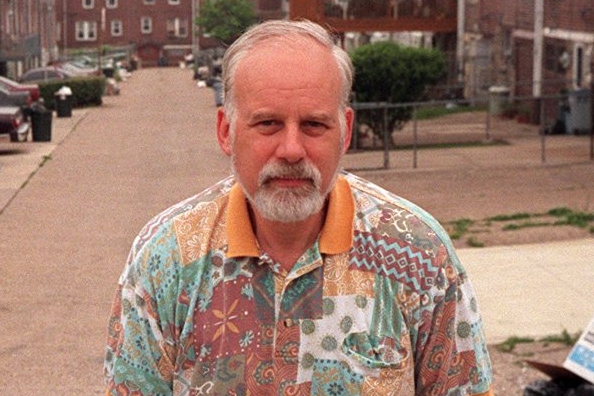
    Ron Avery, 85, of Philadelphia, retired eclectic reporter and columnist for the Daily News, Philadelphia historian, volunteer city tour guide, author, high school history teacher, veteran, and canoe enthusiast, died Sunday, Aug. 2, of complications from amyotrophic lateral sclerosis at his home in East Falls.

    Reared in Fairmount, Mr. Avery graduated from Thomas Edison High School and earned a bachelor’s degree in history at Pennsylvania State University. He was assigned to the ship newspaper in the Navy after college, found a creative niche in journalism, and went on to work for more than 30 years at the Associated Press, the Bucks County Courier Times, the Courier-Post in South Jersey, and the Daily News.

    He wrote for the Daily News as a correspondent in 1981, joined the staff in 1982, and, until his retirement in 2000, wrote thousands of stories about crime, casinos, war orphans, historic houses, the MOVE bombing, local notables, and other subjects. His columns, “Poor Ronald’s Almanac” and “One of Us,” hammered away at local issues and featured everyday people doing exceptional things.

    “He covered every nook and cranny of the city,” said his son Serge. “That burning curiosity sustained him till his last days.”

    He wrote three books about Philadelphia, including A Concise History of Philadelphia in 1999. He produced a series of video guides he called the Urban Explorer for local TV in 2004 and posted blogs about the city from 2017 to 2019 on a website called Philadelphia Cracks Me Up.

    “Like all cities,” he said in a 1995 Daily News column, “Philadelphia is honeycombed with hidden spaces and forgotten places.” In a 1997 review of his book, City of Brotherly Mayhem: Philadelphia Crimes and Criminals, The Inquirer’s Thomas Brady said: “The book … is decidedly a fun read.”

    Alex Strang, his director on the Urban Explorer videos, called Mr. Avery an “unforgettable legend” and “a walking encyclopedia of the city’s history and eccentricities” in a Facebook tribute. Other former colleagues said he was “a clever journalist” and “a true Philadelphian.”

    Longtime Daily News colleague Robin Palley said on Facebook: “He had an amazing knack of finding quirky people with fascinating skills or habits and making them come to life on our pages.”
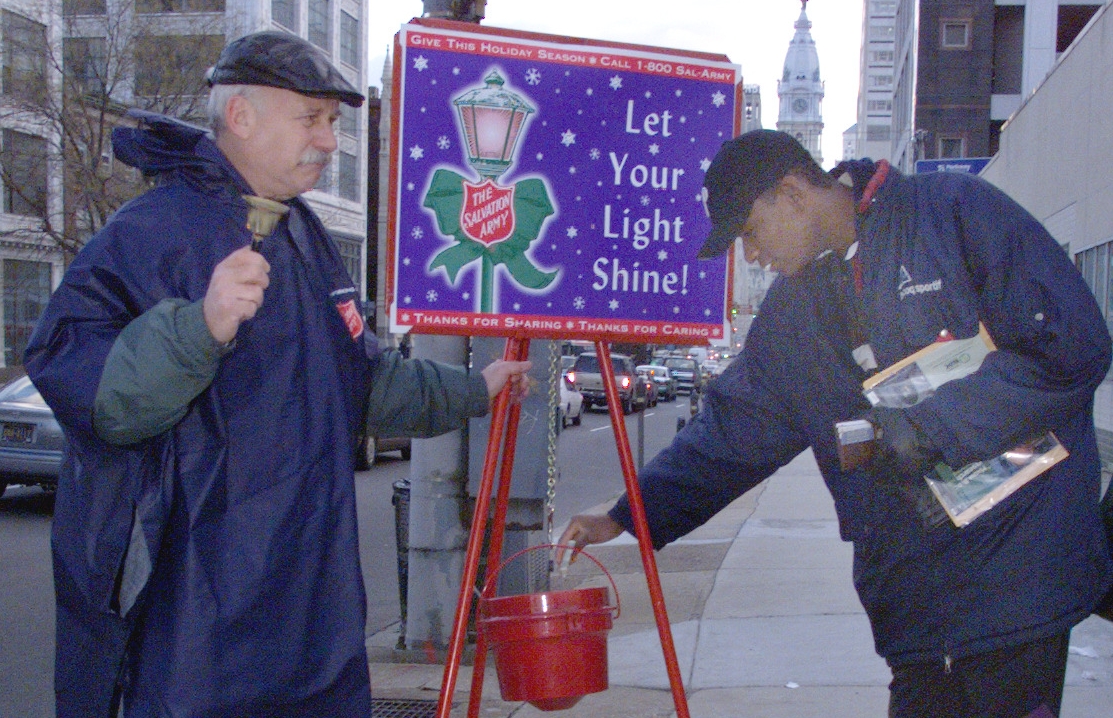
    Mr. Avery (left) mans a Salvation Army donation kettle in 1999.Steven M. Falk / Staff Photographer

    Before the Daily News, Mr. Avery wrote news and feature stories for the Courier-Post in the 1970s, and the Courier Times and the AP in the 1960s. He moved to Israel for six months in 1972 but returned to work for the Courier-Post in 1973.

    He also wrote freelance pieces for the Hidden City Daily, PhillyHistory.org, UShistory.org, and op-eds later for The Inquirer and Daily News. He served in the Navy from 1964 to 1966, joined the Philadelphia Canoe Club later, and led water trips in the New Jersey Pine Barrens and elsewhere.

    Knowledgeable, energetic, and naturally affable, he was a tireless promoter and volunteer guide in Philadelphia. He led walking tours throughout the city for students, civic groups, and other organizations, and his explanatory video tours featured cobblestone alleys, urban gardens, museums, statues, and other features of city life.

    He was a stickler for details and historical accuracy, and he helped spur City Council to pass an ordinance in 2008 to educate and certify paid Center City tour guides. “They score high as Philadelphia ambassadors of good will,” he said in a 1995 column about uneducated guides, “but as historians they often flunk out.”
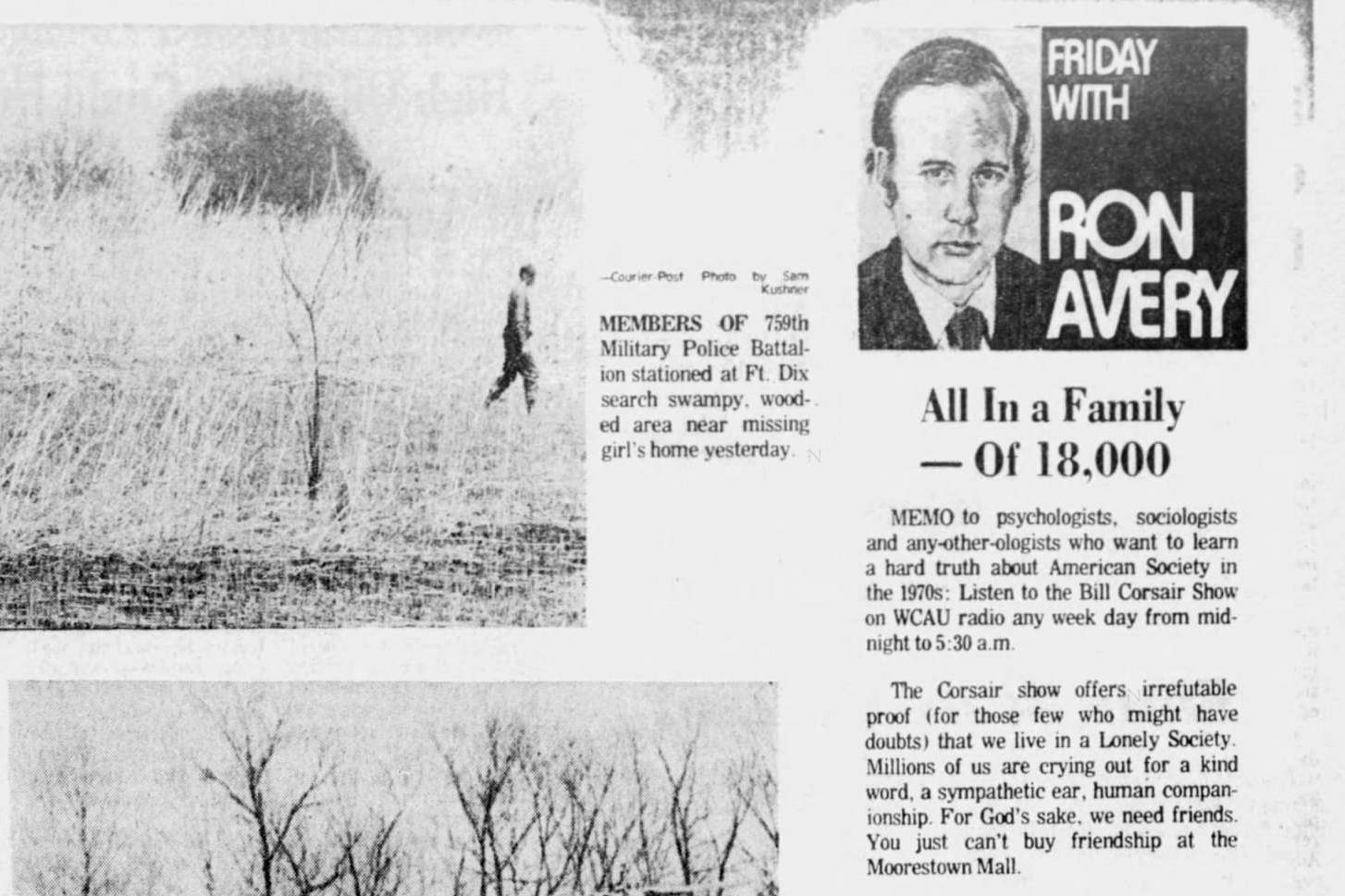
    Mr. Avery wrote a column for the Courier-Post in 1974.Newspapers.com

    Ronald Avery was born June 10, 1941, in Strawberry Mansion. He joined the Boy Scouts, earned his bachelor’s degree at Penn State in 1963, and taught history at Bensalem High School for a year.

    He was a boxer in college and, mesmerized by the sport, later worked as a referee for amateur matches.

    He met Suzet Habif in Israel in 1967, and they married in 1968. They had sons Serge and Ben, and lived for years in a rowhouse in Oxford Circle.

    Mr. Avery cared for his wife during her long illness in the 1980s and ’90s. She died in 1993.
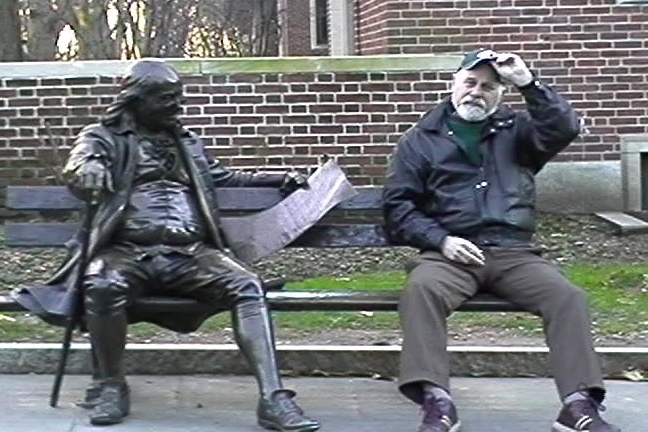
    Mr. Avery liked to hang out with Benjamin Franklin and other historic figures. Alex Strang

    He lived later in Pennsport and East Falls, was diagnosed with ALS in 2015, and proudly outlived its average life expectancy of 18 months by nearly a decade. “He defied that diagnosis and did not let it define him,” his son Serge said. “He always said he had a lot to live for.”

    Mr. Avery was an avid reader and street photographer. He liked poetry, wrote limericks on birthday cards, and posted hundreds of his photos on flickr.com. One of his photos won a contest and was displayed at the airport.

    He enjoyed jazz and jokes, led the prayers at family gatherings, and gave Yiddish quizzes to his two grandsons. He shared favorite recipes with Daily News colleagues and whipped up memorable homemade soups, especially white bean.

    “I’ll greatly miss his endless anecdotes about all things Philadelphia,” said his daughter-in-law, Rebecca Houlding, “the stories about the local criminals, and his love of his family and friends.”
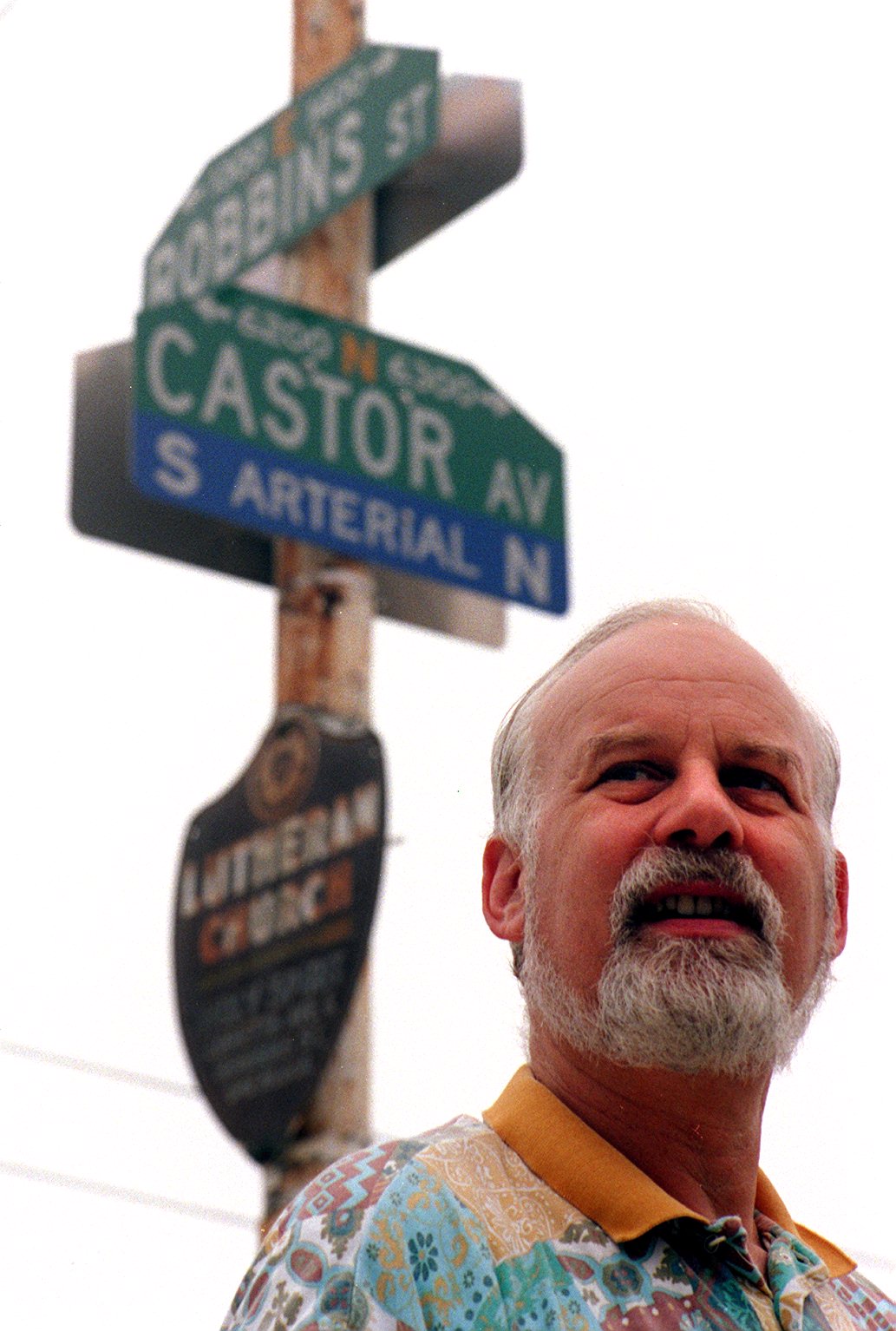
    Mr. Avery wrote about his life in Northeast Philadelphia for the Daily News in 1997.Alejandro A. Alvarez / Staff Photographer

    His son Serge said: “He loved chasing the stories from the back alleys and driveways, highlighting the working people of our town.”

    In addition to his sons, daughter-in-law, and grandsons, Mr. Avery is survived by other relatives. A sister died earlier.

    Services were held earlier.

    Donations in his name may be made to Paralyzed Veterans of America, Box 758589, Topeka, Kan. 66675; and the Hebrew Immigrant Aid Society, Box 8688, Philadelphia, Pa. 19101.
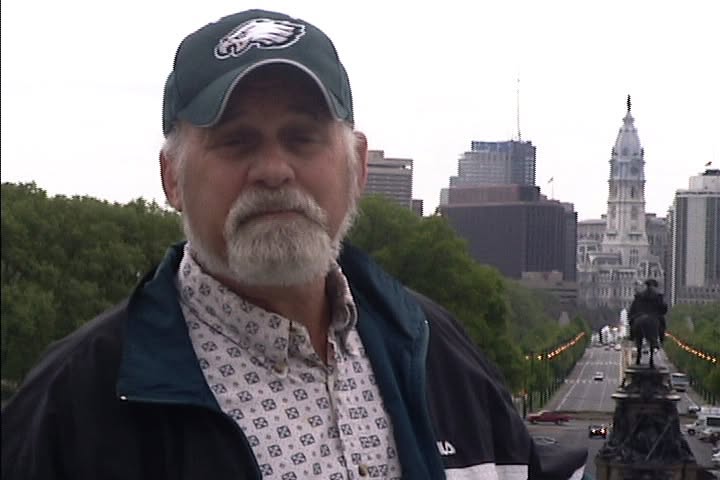
    Mr. Avery “loved chasing the stories from the back alleys and driveways, highlighting the working people of our town,” his son Serge said.Alex Strang
  • Shelley Fabares, ‘Johnny Angel’ singer and actor in ‘The Donna Reed Show’ and ‘Coach,’ dies at 82

    Shelley Fabares, ‘Johnny Angel’ singer and actor in ‘The Donna Reed Show’ and ‘Coach,’ dies at 82

    Shelley Fabares, an actor who was a fixture on television for decades from her days as a young teenager on The Donna Reed Show, through One Day at a Time and Coach, has died. She was 82.

    She died Saturday in Los Angeles, her family said in a statement to the Associated Press. No cause was given.

    “To her family and friends, Shelley was a source of love, strength, laughter, and comfort,” her family wrote. “She had a remarkable ability to make people feel welcomed, valued, and cared for.”

    Ms. Fabares was born in Santa Monica, Calif., in 1944, and started acting as a young child. Her first television credit came at age 10 when she appeared on The Loretta Young Show. Many movies and television shows followed: She acted with Paul Newman, Frank Sinatra, and Eva Marie Saint in a Producers Showcase production of Our Town; was in the Rosalind Russell movie The Girl Rush and the Rock Hudson drama Never Say Goodbye. Other early credits include Annette, Captain Midnight and the “Black Leather Jackets” episode of The Twilight Zone.

    Her biggest break came when she was cast as Mary Stone on The Donna Reed Show, where she was a regular from 1958 through 1963. During that time she also got a recording contract and had two Top 40 hits including “Johnny Angel.” In the early 1960s, she also co-starred in three movies with Elvis Presley: Girl Happy, Spinout and Clambake.

    “I think the years on The Donna Reed Show, the years from 14 to 19, were so incredibly important,” Ms. Fabares told the Los Angeles Times in 1993. “Donna Reed was simply an extraordinary woman, a woman of great strength, kindness, integrity, and compassion. I am not trying to make her sound like a saint, but she had the most profound influence on me. I carry her with me today.”

    In the late 1970s, Ms. Fabares made an impression as Francine Webster on the CBS sitcom One Day at a Time. She also played James Caan’s wife in Brian’s Song. One of her biggest roles came when she was cast as Christine Armstrong in Coach, although the show took a minute to find its audience.

    “I did always feel from the very beginning if they could find the right spot for us, this was a show that would last,” she said in the 1993 Los Angeles Times interview.

    Ms. Fabares married twice, first to producer Lou Adler in 1964. She had been married to M*A*S*H actor Mike Farrell since 1984. She was also a devoted advocate for awareness of Alzheimer’s, which affected her mother.

    In early 1999, a visit to the emergency room for an esophageal bleed revealed that she had progressive liver failure. After spending 22 months on a waiting list, she had liver transplant surgery in October 2000.

    In an interview with Cedars-Sinai Medical Center in Los Angeles three years after the transplant, she said she’d been “changed by the experience” and was eternally grateful to Farrell, who was with her “every step of the way.”

    Her family, in their statement, said, “We will remember Shelley for her kindness, loyalty, wit, courage, and beautiful spirit. We will miss her deeply — not only as a celebrated performer, but as the loving and extraordinary person she was in our everyday lives.”

  • Margo Howard, reluctant columnist and daughter of Ann Landers, dies at 86

    Margo Howard, reluctant columnist and daughter of Ann Landers, dies at 86

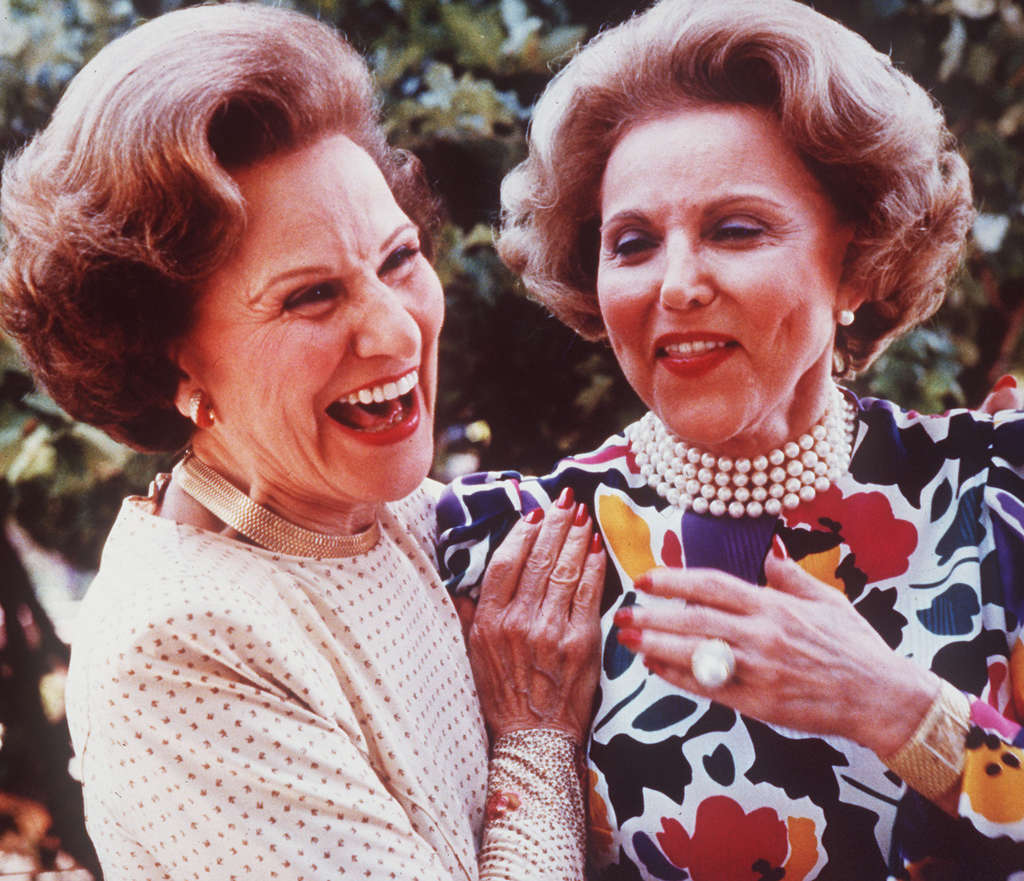
    Margo Howard was a reluctant columnist, despite the encouragement of her mother, Eppie Lederer, the wildly popular advice maven known as Ann Landers, and a succession of admiring editors.

    She lacked ambition, she was quick to say, as well as journalistic training. (She had dropped out of Brandeis University to marry her first husband.) But she was mouthy — a “mouth on a trolley,” as her father put it — and possessed of a tart wit.

    When she divorced that first husband, she thought that a job might be nice, if it wasn’t too taxing, and in 1970 she began producing a frothy, thrice-weekly column called “Margo” for the Chicago Tribune. She wrote of mores on college campuses (“Parietal rules are so relaxed they’re prone”), the conundrum of marriage (“Marriages are all quite happy. It’s the living together afterward that’s so tough”), and playground hierarchies, deploying the phrase “the nanny mafia” to describe the action, after which novelist Tom Wolfe’s lawyers threatened to sue, saying she had stolen the phrase from him.

    David Reuben, author of Everything You Always Wanted to Know About Sex (But Were Afraid to Ask), the 1969 blockbuster, also threatened a lawsuit after she compared the book’s style to a cross between Helen Gurley Brown and Popular Mechanics. (“I was only nervous once,” she wrote of their interview. “When he removed his cuff links and rolled up his sleeves.”)

    Ms. Howard was proud, she said much later, that soon all her columns had to pass muster with the paper’s lawyers before publication.

    “You are the star in my crown and the thorn in my side,” her exasperated editor told her.

    Ms. Howard died on July 13. She was 86. Her daughter Cricket Coleman confirmed the death but did not give a cause or location.

    Over the decades, Ms. Howard dipped in and out of the news business, and marriage. After ditching the wealthy businessperson whom she described as her “starter husband” and who was the father of her three children, she went on to marry three more times. Husband No. 2 was an undertaker — when she left him after three years, she gave him the family dog as consolation, which upset the children — and No. 3 was actor Ken Howard, whom she married in 1977.

    The couple fell in love after she interviewed him for a column, after which she gave up newspapering for a spell. It was a mostly happy union and lasted more than a decade.

    No. 4, a keeper, was Ronald J. Weintraub, a cardiologist whom she referred to variously as Dr. Pussycat and Dr. Perfect.

    In 2014, Ms. Howard published a memoir of her matrimonial adventures, Eat, Drink and Remarry: Confessions of a Serial Wife.

    “Writing is what Margo does between husbands,” editor James Hoge once teased.

    But Ms. Howard’s most significant relationship was with her mother. Her first book, Eppie: The Story of Ann Landers (1982), told of how the twin daughters of Russian-Jewish immigrants became celebrated (and often feuding) advice columnists.

    Esther Pauline Lederer was first to the game, winning a contest in the 1950s to write the “Dear Ann Landers” column for the Chicago Sun-Times. Soon after, her deeply competitive sister, Pauline Esther Phillips, known as Popo, began writing her own advice column for the San Francisco Chronicle, “Dear Abby.” The rivalry, as depicted by Ms. Howard, was one-sided, with Phillips sniping, often in public, at her sister, and Lederer doing her best to rise above, and frequently cutting off contact altogether.

    “She was a girl who kept on trucking,” Ms. Howard said, describing her mother to an interviewer in 2003. “She sucked it up.”

    When Jules Lederer, Lederer’s husband of 35 years, left her for a much younger woman, she soldiered on, even buying him clothes and food once he was in his new apartment. It had been a drawn-out process: He had enlisted his daughter to deliver the news of his affair and plans for divorce months earlier.

    Unlike her mother, Ms. Howard never forgave him, and they remained estranged until just before his death.

    Ms. Howard’s second book, A Life in Letters: Ann Landers’ Letters to Her Only Child, published in 2003, a year after her mother’s death, chronicled their intimacy through the decades. Her mother’s vivid, salty style, peppered with the Yiddishisms she grew up with, is enticing, as are her passions, which included the Democratic Party and anti-war activism, as well as the happiness and intellectual growth of her precocious daughter.

    “One of the good things she passed on to me was that it’s almost immaterial what happens to you — it’s how you deal with it that matters,” Ms. Howard told Alex Witchel of the New York Times in 2003. “She’d say, ‘When things go seriously haywire, take a nap and then get busy.’ I went into a depression when she died, so I had my nap. It was time to get busy.”

    Margo Lederer was born on March 15, 1940, in Sioux City, Iowa. Her father was a salesperson turned businessperson who would go on to found Budget Rent A Car. He wooed her mother, then Esther Pauline Friedman, who was affianced to someone else, while she was shopping for wedding veils.

    The family lived in eight cities by the time Margo was 7, including New Orleans and Eau Claire, Wis., before moving to Chicago, where she would later settle as an adult, after her first marriage.

    Throughout her peripatetic journalism career, Ms. Howard fielded many offers to write an advice column, including a plea from her mother to take over as Ann Landers. “Honey, I don’t want to work that hard,” Ms. Howard responded.

    But in 1998, when economist Herbert Stein quit after a few months of writing “Dear Prudence,” the pithy advice column he had pioneered (and written anonymously) for Slate, the publication’s editor, Michael Kinsley, offered the column to Ms. Howard. The effort required would be minimal, he promised; she would have to answer only four letters twice a week.

    As she told Vanity Fair, “I’d had a big life: I’d been analyzed, I’d been married — certainly more than once — and I decided that I would write from my experience.”

    Her tone was sassy and wise, and “Dear Prudence,” which she wrote for eight years, was a hit.

    To Turned Off in Kansas, a reader whose boyfriend’s underwear was problematic, Ms. Howard replied:

    Dear Turned,

    He wears the baggy briefs underneath? I offer you two suggestions. Since things are going over his head, try under his nose. Write him a short love note saying it would mean a lot to you if he — forgive the pun — bagged his lucky underpants and only wore boxers. Alas, the alternative is to forget it. Would you think Prudie salacious if she were to suggest that it’s what’s inside the briefs or boxers that counts?

    — Prudie, briefly

    In addition to her daughter Cricket, Ms. Howard is survived by her husband, Weintraub; another daughter, Abra Coleman; a son, Adam Coleman Howard; and seven grandchildren.

    This article originally appeared in the New York Times.

  • Nancy Kissinger, philanthropist and wife of former Secretary of State Henry Kissinger, dies at 92

    Nancy Kissinger, philanthropist and wife of former Secretary of State Henry Kissinger, dies at 92

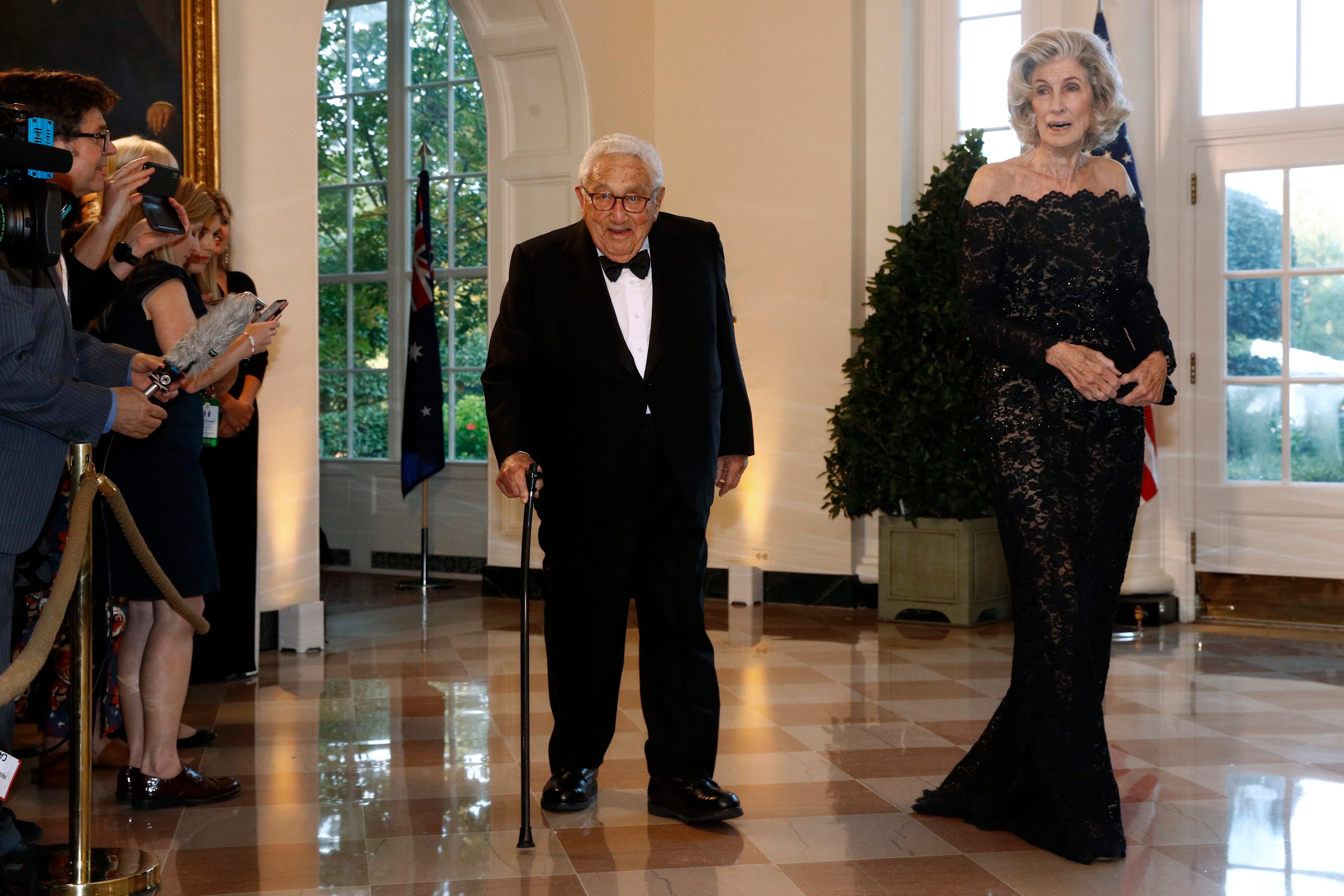
    NEW YORK — Philanthropist Nancy Kissinger, onetime foreign policy researcher and wife of former Secretary of State Henry Kissinger, has died. She was 92.

    She died Thursday at her home in Kent, Conn., Robert Johnson, manager of the property, told the Associated Press. The cause of her death was not disclosed. Johnson said she will be buried next to her late husband at Arlington National Cemetery at a later date.

    The daughter of a New York City lawyer, she met Henry Kissinger while working for New York Gov. Nelson Rockefeller. The couple wed in 1974.

    She was described by one profiler as a brainy, Blass-bedecked blond. She was often seen at high fashion openings and was a strong presence on the New York philanthropy scene.

    “Nancy Kissinger can pick up the phone and get right through to the CEO. Nobody keeps her waiting,” philanthropist Judy Peabody said after chairing a successful hospital charity event in 1989.

    Michael Bloomberg — the billionaire founder of the Bloomberg financial-news empire, former New York City mayor, and a friend of the Kissingers — said in a social media post that Nancy Kissinger “was a powerhouse of ideas and insights that she put to work throughout her life in government and philanthropy — and as Henry’s most valued and trusted adviser.”

    He added, “She was the ultimate diplomat — as wise as she was discreet — and I know how completely Henry admired and loved her. Diana and I were fortunate to call her a dear friend, and to see their extraordinary partnership in action over the decades. We will miss her greatly.”

    Nancy Kissinger made headlines in 1982 when she tried to throttle a woman who harassed her and her husband with insulting questions at Newark Airport. The couple was going to Boston, where Henry Kissinger was to undergo bypass surgery.

    The woman, a leafleter for a group affiliated with politician Lyndon LaRouche, accused Nancy Kissinger of choking both her throat and her free-speech rights. Nancy Kissinger said she only wanted to protect her husband from upset.

    A judge acquitted Nancy Kissinger of assault and called her behavior “a spontaneous and somewhat human reaction to an offensive question.”

    The Kissingers met in the mid-1960s when he was a consultant for Rockefeller and she was on the staff of Rockefeller’s Commission on Critical Choices for America.

    Henry Kissinger had joined the Nixon administration and was secretary of state when he and the former Nancy Sharon Maginnes married on March 30, 1974, in a civil ceremony in Arlington, Va.

    After leaving Washington, they returned to New York and lived in homes in Manhattan and Kent, Conn.

    The daughter of an Episcopalian Park Avenue lawyer, Nancy Kissinger grew up with two brothers and a horse on an estate in White Plains.

    She attended Good Counsel Academy, a Catholic girls school in White Plains, and the exclusive Master’s School in Dobbs Ferry, from which she graduated in 1951. She returned to the school to teach history for two years after graduating from Mount Holyoke in 1955.

    Graduate studies at the University of California at Berkeley followed before she went to work for Rockefeller.

  • Barbara McDermott, a longtime Philadelphia homicide judge who worked with jurors and resentenced juvenile lifers, has died at 71

    Barbara McDermott, a longtime Philadelphia homicide judge who worked with jurors and resentenced juvenile lifers, has died at 71

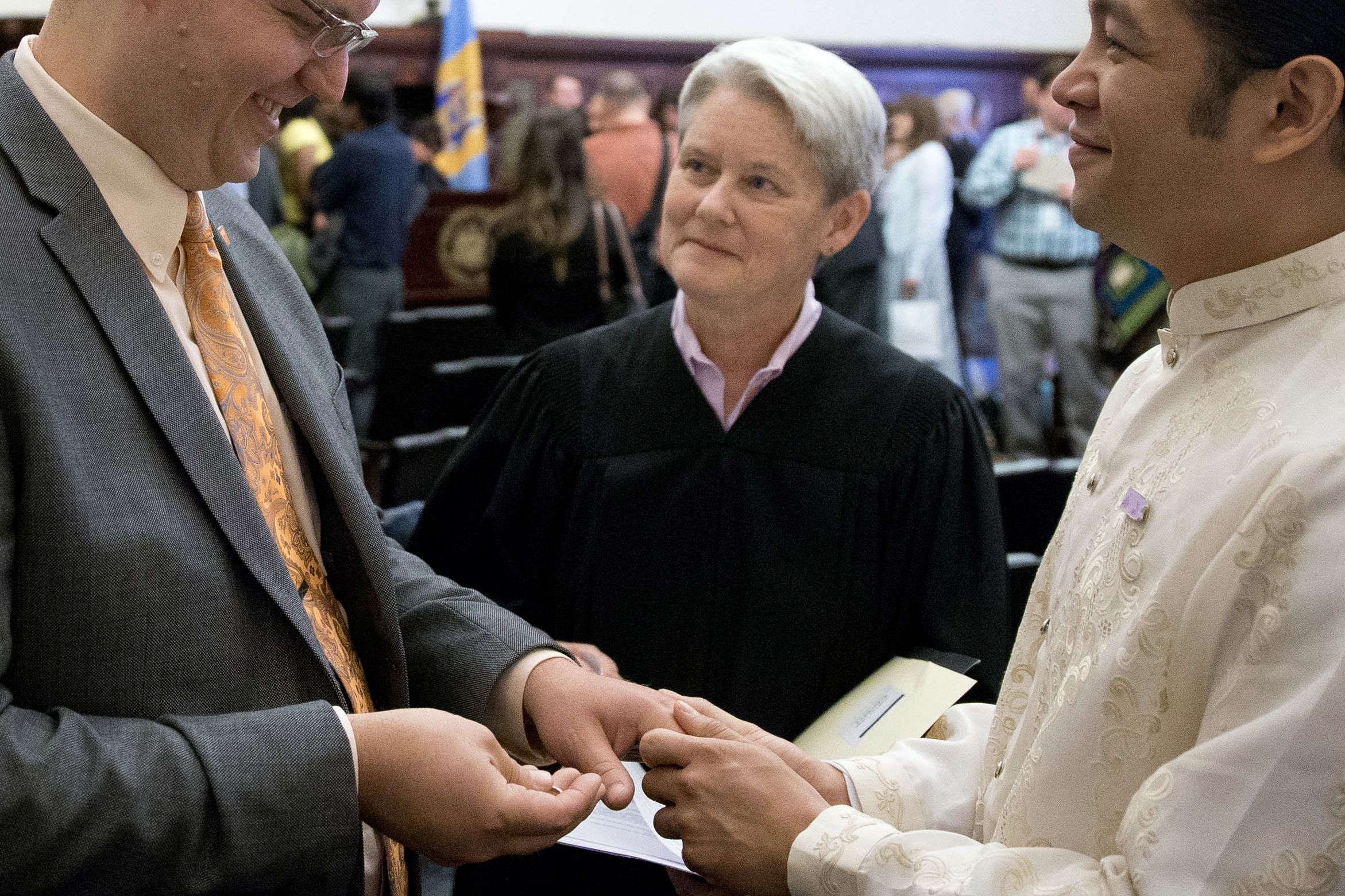
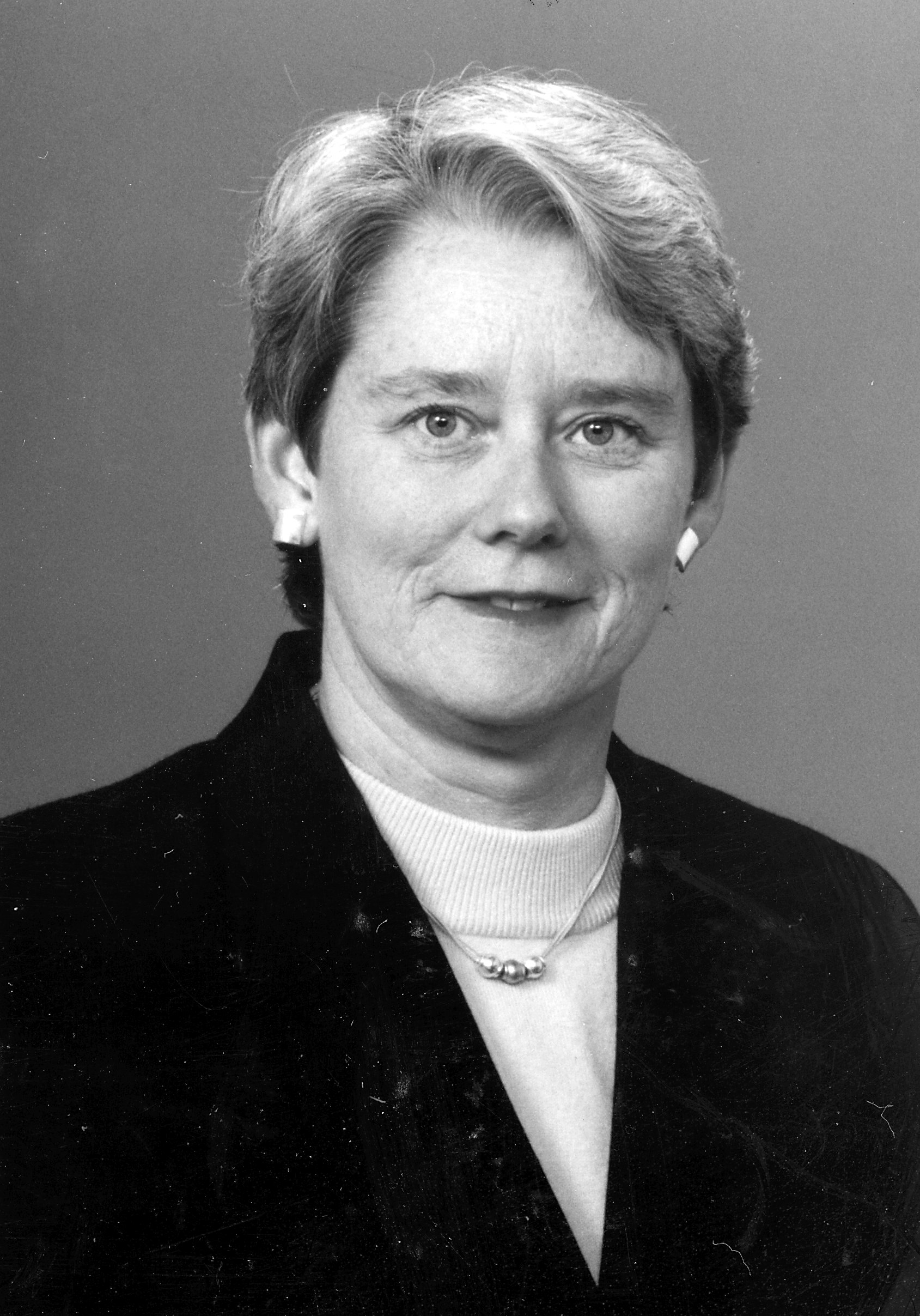
    Barbara Ann McDermott, 71, a former Philadelphia judge who, for 40 years, spent nearly every workday inside the city’s criminal courthouse defending, prosecuting, and later presiding over some of the city’s most serious criminal cases, died Tuesday, Aug. 11, following a yearslong battle with a rare form of uterine cancer.

    “Heaven will now be well-run and much more efficient,” her family wrote in an obituary shared online.

    Judge McDermott spent nearly 14 years in Philadelphia’s Common Pleas Court — the majority of that time presiding over homicide cases — before retiring earlier this year.

    She was known for running a tough and orderly courtroom, starting her day promptly and putting up with little fuss and few excuses from prosecutors, defense attorneys, police, and defendants alike.

    Born and raised in Aliquippa, in Western Pennsylvania, Judge McDermott said in an interview this spring that, growing up, she was a tomboy who pushed the boundaries of her small, steel mill town. She delivered the local paper even when supervisors said the work was only for boys. When leaders of her local Catholic school balked at her request to start a girls basketball team — saying young women “weren’t strong enough” to play full-court — she found a coach who would let her.

    She attended Seton Hill College, then an all-women’s university outside of Pittsburgh. There, she became passionate about pastoral theology and social justice, and led the student government association.

    She initially thought she would follow local tradition and become a teacher or establish a chain of daycares, but then, she said, “I realized … I’ve been gifted with a brain. I want to do something more than the tradition.”

    She took an interest in legal issues and attended Georgetown Law School. (She enjoyed pointing out that she was rejected by the University of Pennsylvania.)

    Barbara McDermott in 2001.Courtesy of Barbara McDermott

    She first worked in the attorney general’s office, but longed to practice in Philly, where she said she was inspired by female judges like Lois Forer, Lisa Richette, and Juanita Kidd Stout.

    “I wanted to practice around lawyers that were better, and I wanted to practice around a diverse bench,” she said.

    She joined the Philly DA’s office in 1984 under Ron Castille’s leadership, but left after several years due to what she described as “disagreements,” including that she did not support the death penalty.

    She started her own practice as a criminal defense attorney, and adopted two daughters, Nicole and Colette, in the early 1990s. She raised them alongside her partner — and, later, wife — of 37 years, Jeanne Buckley.

    Buckley, in an interview with the Philadelphia Gay News, said she and Judge McDermott had been introduced by friends at St. Vincent de Paul Catholic Church in Germantown, a service-oriented congregation they remained a part of through their life.

    She told the outlet that, early in their relationship, they went to Rehoboth Beach, Del. There, Judge McDermott asked her to close her eyes and placed sparklers around her. This was what life would be like together, she said.

    As their life together went on, Judge McDermott was later elected to Common Pleas Court, joining the bench in 2012. Soon afterward, she started overseeing homicide cases.

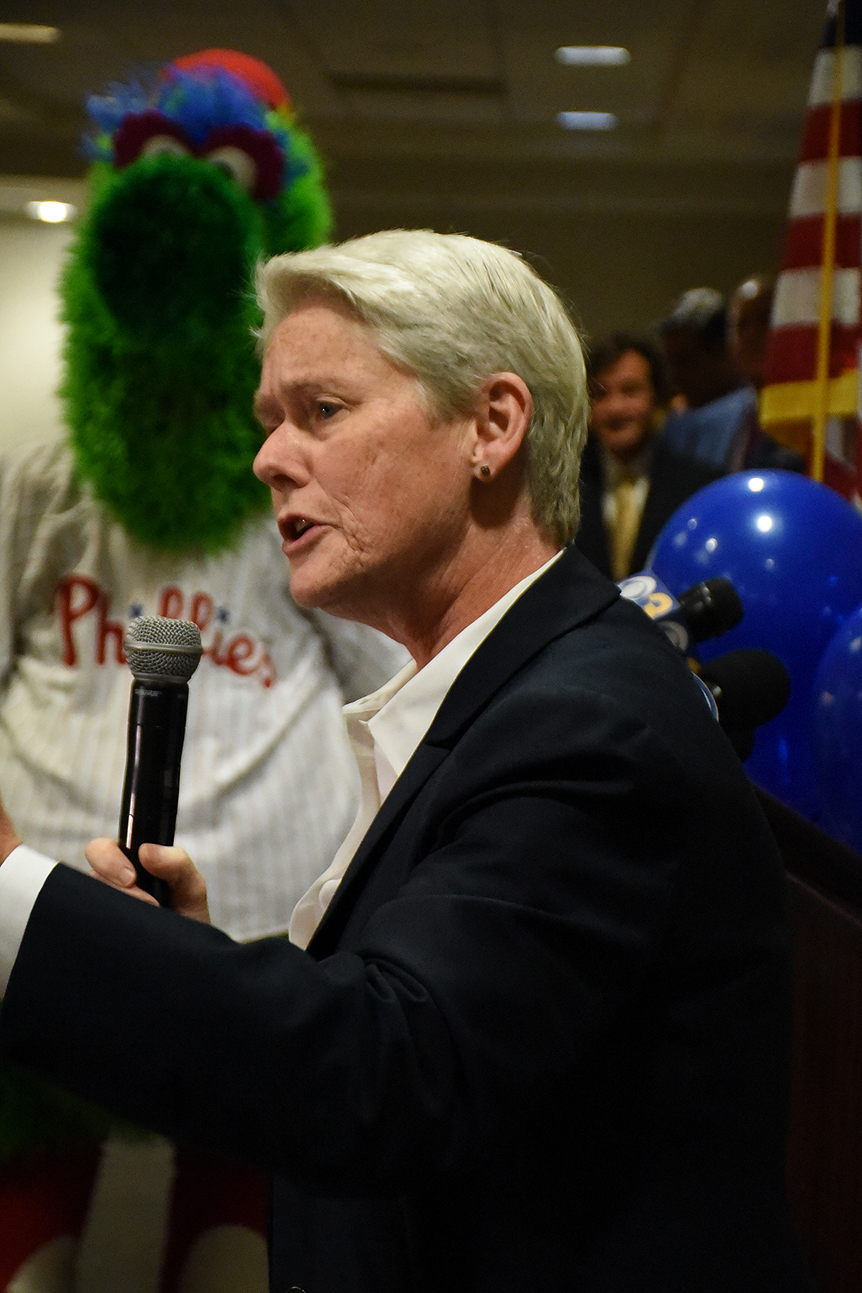
    Barbara McDermott speaks at an event with the Phillie Phanatic in the background.Courtesy of Barbara McDermott

    She presided over numerous resentencings of former juvenile lifers, in one case surprising both defense lawyers and prosecutors when she decided to exonerate one, Terrance Lewis, who had been found innocent by a federal magistrate judge but remained in prison on a procedural issue.

    She said that work, seeing how people changed over time, was some of the most fulfilling of her career.

    But she also drew criticism from some youth justice advocates who said she was unduly harsh in dealing with teenagers accused of violent crimes, denying requests to transfer their cases to juvenile court and imposing substantial state prison sentences.

    Judge McDermott could be exacting from the bench. But her concern for how people experienced the courthouse and the justice system extended beyond the parties before her.

    Colleagues called her a trailblazer for women and LGBTQ+ attorneys, and said she worked to get more female judges in leadership at the First Judicial District. She helped create a curriculum on how judges and court staff should treat transgender witnesses and victims. She also sought to improve conditions for jurors, and coordinated efforts to add a lactation booth to the criminal courthouse.

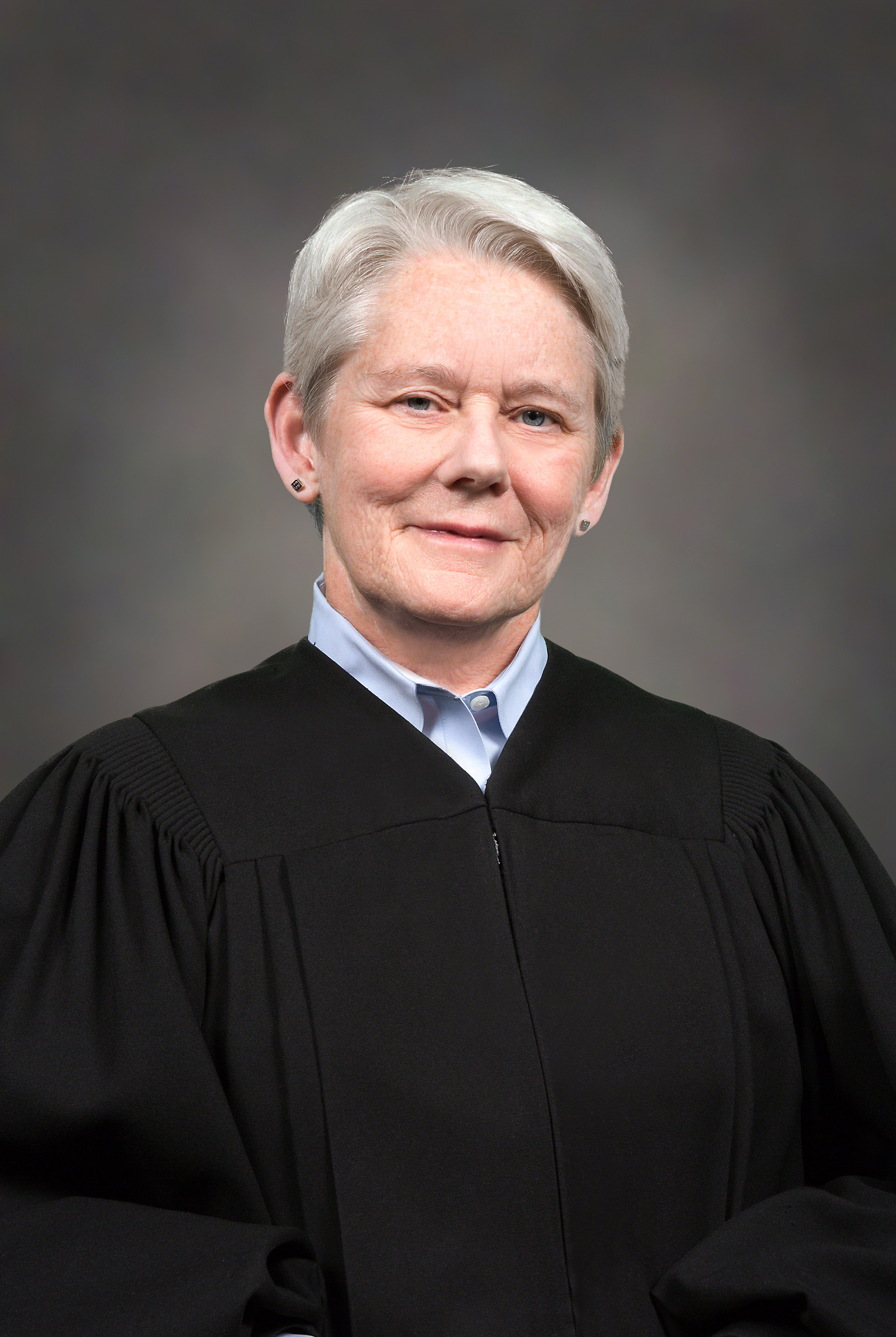
    Barbara McDermott joined Philadelphia’s Court of Common Pleas in 2012.Anthony Leonardo

    When she was fed up with how rundown the furniture was in the jury deliberation room, she brought in a sander and refinished the tables and chairs herself. A pungent smell took over her courtroom that “did linger longer than I thought,” she later joked.

    Jury Commissioner Pat Martin said their work with jurors led to an unexpected friendship.

    “I don’t know how or why,” he said. ”But I’m grateful.”

    He particularly enjoyed her dry sense of humor.

    “She took on people and didn’t care. She didn’t worry about the feathers that she ruffled,” he said.

    Outside of court, she enjoyed volunteering, biking, camping, hiking, traveling, and spending time with her family and grandchildren, her family wrote.

    Friend and retired Common Pleas Court Judge Ann Butchart recalled a time when she and her wife had plans to meet Judge McDermott and her wife for dinner. McDermott invited them to go on a walk beforehand — which quickly became a challenging, miles-long hike.

    “It’s getting darker and darker, and the hills are getting steeper and steeper,” she said. “We ended up at some hole in the wall in Roxborough.”

    That was Judge McDermott, she said: “This very intense, very, very funny, very, very smart, and very, very determined woman.”

    On the bench and in their friendship, she said, Judge McDermott was complex and honest, and rarely wavered in her positions.

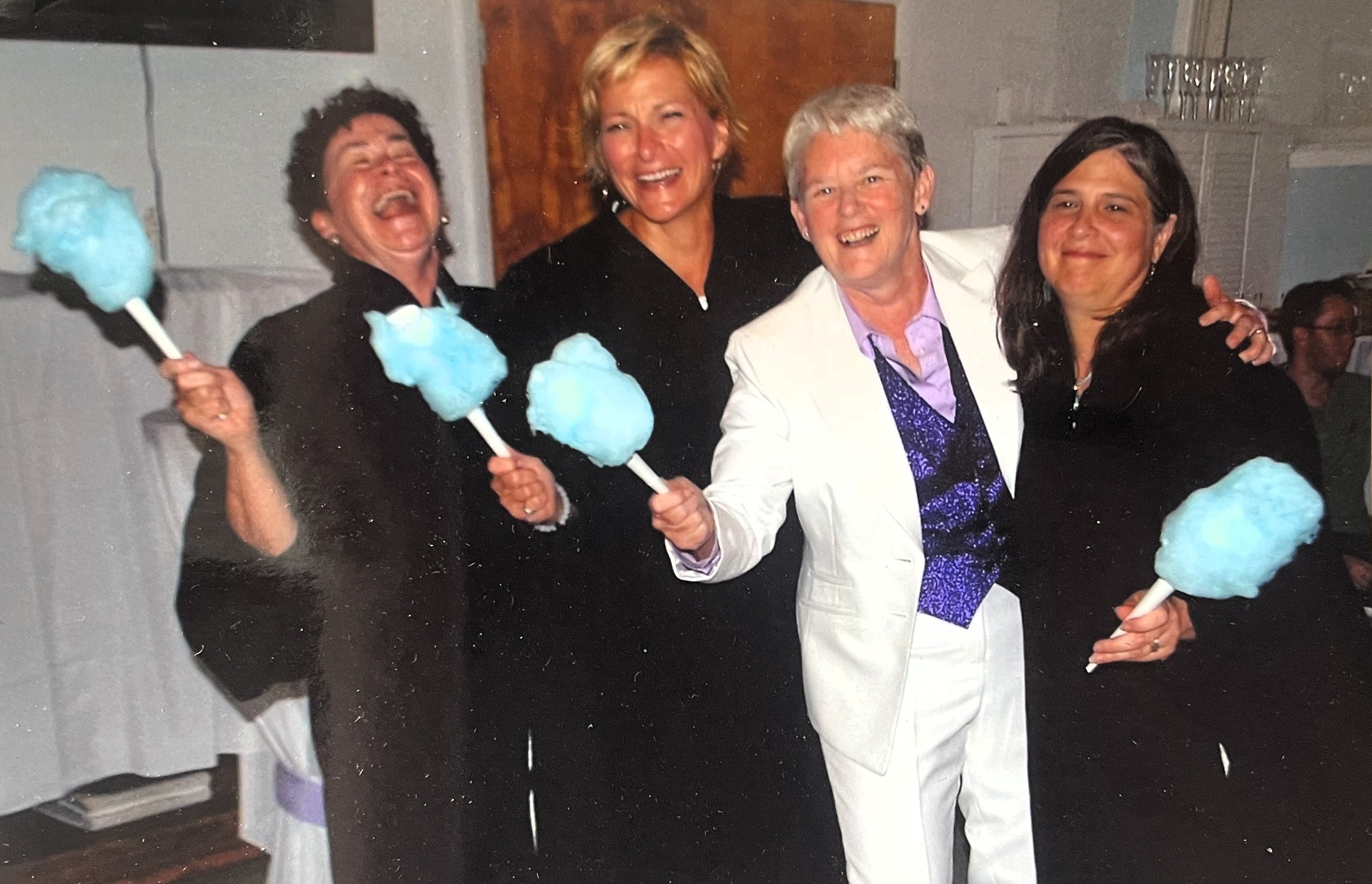
    Barbara McDermott, center right, with fellow judges at her wedding in 2014.Courtesy of Barbara McDermott

    She pointed to a Latin saying: “Sometimes wrong, but never in doubt.”

    “She was so fiercely certain of her decisions and her perspective and her positions on things,” she said. “It was challenging at times, but to see and live in that confidence is a pretty amazing place to be. She manifested that in every part of her life, including her approach to her illness.”

    When Judge McDermott was diagnosed with a rare form of cancer several years ago, Butchart said, there was little research on the illness and many doctors were unsure about the best course of treatment.

    “She challenged every doctor. She was certain that if an approach had been recommended, it wasn’t thorough enough, wasn’t complete enough, wasn’t the best,” she said. “I think personally it added a good year and a half to her life.”

    Martin and Butchart said they will never forget the unveiling of her judicial portrait at the criminal courthouse. A ceremony that is typically stale and sleepy became a celebration of her life.

    She asked her colleagues to perform a skit that featured “a day in the life” of her courtroom, 507.

    Butchart said she and other judges wore sparkly collars on their robes, waved little flags, and sang a personalized song to the tune of “Gloria” by Laura Branigan.

    When they finished, she said, Judge McDermott quipped that the song was not even original — they had sung that at her birthday.

    They could only shake their heads and laugh.

    “This was so vintage Barb,” Butchart said. “She never had an experience that she couldn’t have improved upon or found wanting in some way.”

    And then, naturally, she gifted them shirts donning her portrait.

    Judge McDermott, in the months before her death, said she embarked on a “World Tour” to see and thank the people who had touched her over the years. It reinforced, she said, that her life was a gift.

    “You’ve had 70 years,” she said she told herself. “You’ve had a life.”

    Judge McDermott is survived by her wife and daughters, three grandsons, six siblings, and 20 nieces and nephews.

    A celebration of her life is to be held in mid-September.

  • AP reporter Christopher Bodeen, a tenacious chronicler of China’s rise, dies at 55

    AP reporter Christopher Bodeen, a tenacious chronicler of China’s rise, dies at 55

    TOKYO — Christopher Bodeen, a tenacious, old-school wire service reporter who brought a keen analytical eye and a wry sense of humor to decades of work in China, Taiwan, and in war zones and natural disasters across the globe for the Associated Press, has died. He was 55.

    Mr. Bodeen died Monday after a struggle with cancer and complications from a stroke, his daughter, Ingrid, said Thursday by telephone from Taiwan.

    Mr. Bodeen, who spoke fluent Mandarin with a proud Taiwan accent, spent much of his career detailing China’s rise to an economic, political, and military superpower — and the accompanying friction from what critics have long called Beijing’s heavy-handed efforts to establish dominance in Asia and beyond.

    “Chris was a reporter who would go anywhere and do anything for the story,” said Charles Hutzler, AP’s former bureau chief in Beijing. After a huge quake flattened a swath of Sichuan Province in 2008, Mr. Bodeen composed his account from one devastated town sentence by sentence over text messages because of damaged telecommunications networks. “It was one of the first eyewitness reports the AP and the world received about one of the worst earthquakes in decades,” Hutzler recalled.

    He was an expert on politics and Chinese military issues

    From AP bureaus in Shanghai, Beijing and Taipei, Mr. Bodeen was for years the news agency’s go-to person on Chinese politics and military issues, able to quickly determine the newsworthiness of the government’s often abstruse statements.

    “A chat with Chris would inevitably turn into a remarkable history lesson,” said Emily Wang Fujiyama, former Greater China news director. “He had astounding knowledge of the region and would be writing about China’s military presence in the South China Sea, pivot to Taiwan’s intricate politics, and just as deftly write about the political sensitivities of Tibet, Mongolia, and China.”

    Mr. Bodeen was born in Missouri on Sept. 9, 1970, but he spent parts of his childhood in the Middle East, Europe, Africa, and Asia. His father was a foreign service officer and his mother a former diplomat, his daughter, Ingrid, said. Friends and colleagues remembered his love of the Boston Red Sox, esoteric punk rock — and his contagious enthusiasm for the job of journalism.

    “He was the blondest, palest person you’ll ever meet” yet also spoke pitch-perfect Chinese, said Ted Anthony, AP’s former China news editor and news director for Asia. “So when the earthquake in Sichuan happened in 2008, he went out there, put on one of his ever-present ball caps to cover his hair, and slouched down. He passed as Chinese, started interviewing people and sailed under the scrutiny of the authorities.”

    He was ‘always ready for adventure’

    Mr. Bodeen joined the AP in 1996, in Taiwan, the self-governing democratic island China claims as its own, before working as an editor on the agency’s international desk in New York and then joining the AP bureau in Beijing as a correspondent, in 2000. He majored in history and Asian studies at Tufts University, graduating in 1993.

    “Chris Bodeen was always ready for adventure. Hiding in the hills of Hainan Island, China, to try to report on the return of an American Air Force plane forced down in 2001, he was the best colleague to be with,” said Raf Wober, a video journalist in the AP’s Hong Kong bureau.

    In a 2017 story on efforts to burnish the image of Chinese leader Xi Jinping, Mr. Bodeen described state broadcaster China Central Television leading its evening national news bulletin “with more than four minutes of uninterrupted clapping for Xi as he met with adoring citizens,” and a Russian translator who “was so engrossed with reading a recent speech by Xi, Xinhua [the official news agency] said, that he skipped lunch and dinner just to finish studying it.”

    While much of this might have seemed amusing to outsiders, Mr. Bodeen was careful to note that “the domination of [Xi’s] image in official propaganda evokes, for some, the painful memories of the upheaval of the 1960s and ’70s, when Mao [Zedong] was accorded the status of a near deity.”

    Julie Pace, AP’s executive editor, remembered Mr. Bodeen as not only an effective China correspondent but as a fellow journalist whose knowledge elevated those around him.

    “Chris cared deeply about his work and the value of on-the-ground reporting in such an important region of the world,” she said. ”His expertise informed AP’s audiences for so many years, but also helped lift up so many colleagues.”

    Passion for family and work was his hallmark

    Mr. Bodeen was deeply proud of his two daughters and loved showing off their artwork and achievements — and creative Halloween costumes — to colleagues. “Every parent thinks their kids are the best, but, hand to God, these girls are both adorable and seriously tough cookies,” he wrote of his children.

    “He truly, passionately loved what he did, as much as he loved being a dad,” Ingrid Bodeen said. She recalled that when her father spent long stints reporting from Afghanistan during her childhood, “he would always have my mom fax over my spelling lists and homework so we could work on them together. He never missed a spelling test week.”

    Mr. Bodeen was also beloved by colleagues for his sharp sense of humor, his knowledge of good local food, and an encyclopedic knowledge of movie and TV comedies from the ’70s and ’80s.

    Kanis Leung, an AP reporter in Hong Kong, said that Mr. Bodeen once told her about an old correspondent’s description of news reporting as “the art of shoving 50 pounds of oatmeal into a 10-pound sack.”

    “Except,” Mr. Bodeen told Leung, “he didn’t say oatmeal.”

    Mr. Bodeen is survived by his wife, Yen Ling, daughters Ingrid, 26, and Naomi, 22, his parents and a sister.

  • Frank Beard, drummer of boogie-rock trio ZZ Top, has died at 77

    Frank Beard, drummer of boogie-rock trio ZZ Top, has died at 77

    NEW YORK — Frank Beard, the drummer for the Texas boogie-rock trio ZZ Top who kept the tempo for the band’s biggest hits like “Sharp Dressed Man,” “Gimme All Your Lovin’,” and “Legs,” has died. He was 77.

    Mr. Beard was in hospice care when he died Tuesday at his ranch in Richmond, Texas, with family members at his side, according to publicist Bob Merlis. Band cofounder and guitarist Billy Gibbons, on tour with bassist Elwood Francis, hailed Mr. Beard in a statement.

    “Today, Elwood and I lost a great friend and collaborator, and the world lost one of the most naturally innovative drummers and a great and true son of Texas. His signature backbeat was key to keeping ZZ on top. The band of which he was part for six decades is going to keep on keeping on as he had wished,” Gibbons said.

    ZZ Top sold more than 50 million records and had six singles that reached No. 1 on Billboard’s Mainstream Rock Airplay chart. Seven of their albums have been in the Billboard 200’s Top 10 and they earned three Grammy Award nominations.

    “I’ve found the people I was meant to play with,” Beard says in the 2019 documentary ZZ Top: That Little Ol’ Band from Texas. “I never wanted to quit, and never wanted to get fired.”

    Drummers went to social media to pay tribute to Mr. Beard’s influence, including Rage Against the Machine’s Brad Wilk, who wrote his mind was blown seeing Mr. Beard’s two-hand shuffle live in high school. Former Guns N’ Roses drummer Matt Sorum called Mr. Beard “a very special and unique man behind the kit.”

    How the band came together

    Mr. Beard, from Frankston, Texas, met Gibbons in a band called the Moving Sidewalks and later introduced bassist and vocalist Dusty Hill who had been in several bands with Mr. Beard.

    The trio formed ZZ Top in 1969, naming themselves in part after blues singer Z.Z. Hill and influenced by the British power trio Cream and Jimmy Reed. They maintained their original lineup for more than five decades. Their signature look — long, bushy beards on Gibbons and Hill, and dark sunglasses for all — didn’t change much, either.

    When Rolling Stones guitarist Keith Richards helped induct the trio into the Rock & Roll Hall of Fame in 2004, he joked: “These cats know their blues and they know how to dress it up. When I first saw them, I thought, ‘I hope these guys are not on the run, because that disguise is not going to work.’ ”

    ZZ Top songs — with their sly and humorous lyrics — were popular in Hollywood, which used “Gimme All Your Lovin’” in Happy Feet, “Sharp Dressed Man” in Evan Almighty, “Legs” in Air, “Sleeping Bag” in I, Tonya, “Tush” in Dazed and Confused, “Mexican Blackbird” in From Dusk Till Dawn, and “La Grange” in Armageddon.

    “The best way to describe ZZ Top is we’re interpreters of a great American art form,” Gibbons told the Dallas Morning News.

    Their debut release, ZZ Top’s First Album, came out in 1970. Their sound was described as a hybrid mixing elements of rock, blues, and funk into a steaming-hot Houston stew. They called themselves a “Little Ol’ Band From Texas.”

    Breaking through

    Three years later, they broke through commercially with “La Grange,” a funky blues song on the album Tres Hombres that paid tribute to the Chicken Ranch, a brothel outside of the Texas town of La Grange that operated from 1905 until 1973 and was immortalized in the Broadway show and the film The Best Little Whorehouse in Texas. Gibbons has ascribed the power of “La Grange” to its simplicity — just two chords and a Robert Johnson-inspired guitar solo.

    The band went on to have such hits as “Tush” and “Cheap Sunglasses.” But their 1983 Eliminator — named after one of Gibbons’ custom cars — added more production elements, synthesizers, and drum machines to their stripped-down sound and yielded the hits “Gimme All Your Lovin’,” “Legs,” and “Sharp-Dressed Man.” The band toured with a Texas-shaped stage, live rattlesnakes, and a longhorn steer.

    Long beards weren’t always part of the band’s look. Gibbons said it happened by accident: In 1976, the trio took a long break and scattered. Mr. Beard went to Jamaica, Hill went to Mexico, and Gibbons went to France.

    “Although we were speaking by phone, this was pre-video phone. And Dusty and I did not know that we had gotten so lazy that we had decided to forget to shave,” Gibbons told The Tribune in San Luis Obispo in 2010. “So after three years we returned and showed up, and lo and behold here was this sort of wacky-looking image. And it just kind of stuck with us.”

    A boost from MTV

    The band’s rock-chic cool played well on the nascent MTV crowd and their videos, featuring models in short skirts emerging from one of Gibbons’ custom roadsters, became a mainstay.

    They kept the beards, hats and cheap sunglasses in the video trilogy of “Gimme All Your Lovin’,” “Sharp Dressed Man,” and “Legs,” made with director Tim Newman.

    “ZZ Top reveled in the humor and ridiculousness of it all, busting their synchronized dance moves and spinning their white-fur guitars. These guys always got the joke, at a time when other bands were still just nervously lip-syncing in front of brick walls,” Rolling Stone said in 2021.

    In 2012, superstar producer Rick Rubin helped update the trio’s sound with the band’s comeback album, La Futura. The album landed at No. 6 on the Billboard chart, their highest position since 1990’s Recycler, some 22 years previously.

    Hill died in 2021.

    In March 2025, the band announced via Instagram that Mr. Beard would temporarily step away from the band’s tour to tend to foot and ankle problems. Mr. Beard died weeks after ZZ Top called off its Aug. 5 concert at the Hollywood Bowl due to his health issues.

    Mr. Beard is survived by his wife, Debbie Meredith, and three children.

  • Bill Rasmussen, ESPN co-founder, dies at 93

    Bill Rasmussen, ESPN co-founder, dies at 93

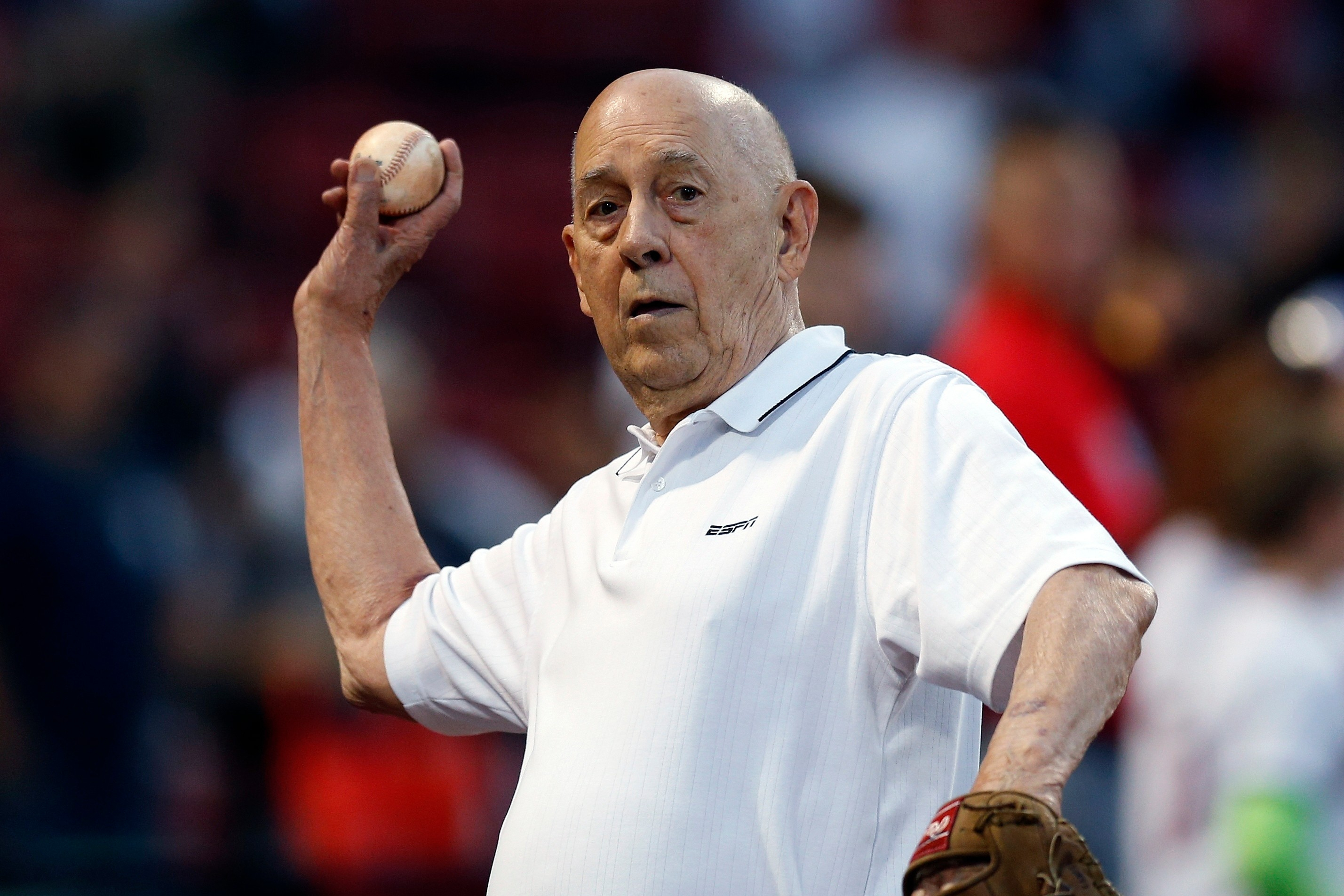
    LAND O’ LAKES, Fla. — Bill Rasmussen, who co-founded ESPN in 1979 after being fired from a public relations job in the World Hockey Association, died Tuesday. He was 93.

    ESPN historian Mike Soltys said Mr. Rasmussen died at his Florida home from the effects of Parkinson’s disease. Mr. Rasmussen announced in 2019 that he had been diagnosed with the degenerative disease in 2014.

    “Bill was a remarkable man — a visionary and an innovator who conceived the idea of a network entirely devoted to sports,” ESPN chairperson Jimmy Pitaro said in a statement. “Quite simply, none of us would be here today if it wasn’t for Bill’s passion and all the hard work and entrepreneurial spirit he put into building ESPN in the late 1970s — key aspects of our company culture that still carry on to this day.”

    Mr. Rasmussen and his son Scott came up with the idea of a network carrying sports around the clock, and it would revolutionize Americans’ TV-watching habits. But the pair didn’t stick around long. They were forced out after only a year by ESPN majority owner Getty Oil.

    Bill Rasmussen’s original idea was a cable channel covering only Connecticut sports. Many cable operators in the state were skeptical, but someone suggested buying satellite time to reach a national audience.

    ESPN was launched on Sept. 7, 1979. George Grande welcomed viewers to the first SportsCenter broadcast before the network’s first live event, a slow-pitch softball game between the Kentucky Bourbons and the Milwaukee Schlitz.

    “In those days, we didn’t know if we’d last four weeks, four years, let alone 40-some, but we knew it was special,” Grande said. “Bottom line was Bill Rasmussen was the true purveyor of the original American dream, and he gave us all something very special that we still have today.”

    The Rasmussens secured financial backing from Getty Oil and a rights deal with the NCAA, and built a studio in Bristol, Conn., still under construction when ESPN went on the air.

    The Getty investment and the deal with the NCAA occurred on the same day.

    “When someone tells you you can’t do something, you want to prove them wrong,” Bill Rasmussen said. “Many, many people told us there wasn’t enough sports to do a 24-hour channel. I didn’t argue with anybody. I just thought they were wrong and I was right.”

    When the Rasmussens were forced out of ESPN in 1980, Getty owned 85% of the network. Texaco, which had acquired Getty, sold its interest in ESPN to ABC in 1984.

    Bill Rasmussen and ESPN were estranged until 1999, when company executives invited him to the 20th anniversary celebration. Since then, he has been embraced and recognized for his vision of creating an all-sports network. He toured the country in 2019 for the 40th anniversary and gave speeches at Walt Disney Co. and ESPN events.

    “Bill was our George Washington and a good friend,” said veteran anchor Chris Berman, who joined ESPN three weeks after the network launched in 1979. “He was such a grateful person and every sports fan can be grateful for Bill. He wasn’t a glass half-full guy; his glass was always overflowing with optimism. He greeted everyone with a smile and we can all smile knowing Bill’s legacy.”

    Born in Chicago, Mr. Rasmussen earned degrees from DePauw University in Indiana and Rutgers University and served in the Air Force. He started an advertising services business, then worked in radio and television as a broadcaster during the 1960s.

    He was hired in 1974 as public relations director for the WHA’s New England Whalers in Hartford, Conn. The team’s entire front office was fired in 1978, and Mr. Rasmussen soon turned his attention to brainstorming with his son on the creation of sports on cable TV with the help of a $9,000 credit card advance.

    “There was a whole lot of chutzpah and a whole lot of vision, and they’re maxed out on their credit cards. It’s the American dream,” said Bob Ley, one of the network’s original anchors.

    Mr. Rasmussen was inducted into the Sports Broadcasting Hall of Fame in 2025.

    Mr. Rasmussen was preceded in death by his wife of 56 years, Lois, in 2011 and is survived by two sons, Scott Rasmussen and his wife, Laura, and Glenn Rasmussen, daughter Lynn Van Hollebeke and her husband, Louie, seven grandchildren, one great-grandson, and one great-granddaughter. In addition to his wife, Mr. Rasmussen was predeceased by his brothers Robert and Donald Rasmussen, sister Vivien, and a grandson.

  • Mark Rydell, the Oscar-nominated director of ‘On Golden Pond,’ dies at 97

    Mark Rydell, the Oscar-nominated director of ‘On Golden Pond,’ dies at 97

    LOS ANGELES — Mark Rydell, the Oscar-nominated director of the sentimental blockbuster On Golden Pond who worked with such Hollywood heavyweights as Henry Fonda, Katharine Hepburn, Steve McQueen, and John Wayne, has died. He was 97.

    His daughter, Amy Rydell, told the Hollywood Reporter that her father died Thursday of natural causes at a retirement community for the entertainment industry in the Woodland Hills section of Los Angeles.

    “Hard to put into words how much I loved my dad,” she posted Friday on her Instagram account. “He was truly one of a kind. Funniest and most talented person I’ve ever known.”

    ‘On Golden Pond’ earned 10 Oscar nominations

    On Golden Pond, which teamed Fonda with Hepburn and his daughter, Jane Fonda, was nominated for 10 Oscars. Henry Fonda and Hepburn won leading acting honors and the film won for screenplay, which Ernest Thompson adapted from his play of the same name. Mr. Rydell was nominated for directing but lost to Warren Beatty for Reds.

    It earned over $119 million at the box office, making it the second-highest grossing film of 1981 behind Raiders of the Lost Ark.

    On Golden Pond was Henry Fonda’s final movie role. He starred as Norman Thayer, an emotionally brittle and distant father who becomes more accessible at the end of his life after his teenage grandson spends the summer with him and his wife, Ethel (played by Hepburn), at their cottage in New England. The film’s story resembled Fonda’s real-life relationship with daughter Jane, who said working on the movie together helped resolve some of their issues. The elder Fonda died at age 77 months after winning his only Oscar.

    Mr. Rydell’s other Oscar-nominated films were The Fox in 1967, The Reivers with McQueen in 1969, Cinderella Liberty with James Caan and Marsha Mason in 1973, The Rose with Bette Midler in 1979, and The River with Mel Gibson and Sissy Spacek in 1984.

    Born Mortimer Harold Rydell on March 23, 1929, in New York City, he studied with jazz pianist Teddy Wilson at the Julliard School of Music. During a stint in the Army, he spent two years in Japan developing entertainment for military personnel. He majored in English and philosophy at New York University.

    Early acting career opposite Steiger, Cassavetes, Mineo

    He turned to acting when he won a scholarship to the Neighborhood Playhouse in New York. Among his early jobs were roles on the CBS soap operas The Edge of Night and As the World Turns.

    Mr. Rydell made his Broadway debut in Seagulls Over Sorrento with Rod Steiger. In 1956, he made his movie acting debut opposite John Cassavetes and Sal Mineo in Don Siegel’s Crime in the Streets.

    Among his film acting credits were Robert Altman’s The Long Goodbye in 1973 and Woody Allen’s Hollywood Ending in 2002.

    Mr. Rydell moved into directing television, helming episodes of Mr. Novak, Ben Casey, I Spy, The Wild Wild West, The Long, Hot Summer, The Fugitive and Gunsmoke.

    He made his feature-film directorial debut with 1967’s The Fox starring Sandy Dennis, and it was a hit.

    Two years later, Mr. Rydell directed McQueen in the comedy-drama The Reivers.

    Teaming with Sydney Pollack

    Mr. Rydell and Sydney Pollack, who became friends during their acting days, formed Sanford Productions in 1971. Among their efforts were the films Jeremiah Johnson starring Robert Redford and Scarecrow with Al Pacino and Gene Hackman, which won the Cannes Film Festival’s top honor, the Palme d’Or.

    Mr. Rydell directed Wayne in 1972’s The Cowboys. He reunited with Caan for the 1976 flop Harry and Walter Go to New York.

    He scored a major hit with 1979’s The Rose, with Midler in her Oscar-nominated role as a self-destructive rock star loosely based on Janis Joplin.

    Mr. Rydell re-teamed with Caan and Midler in For the Boys in 1991, but it wasn’t successful.

    “He was an actor of note before he became a director, and I was so lucky to have met him when I did; he taught me so much on The Rose and later on For The Boys,” Midler posted on Instagram. “Two Oscars nominations both because of him. He was the actor’s whisperer; just a few words was all it took to understand what was needed. Devoted to Meisner. So many happy memories.”

    TV movies and series among his credits

    Mr. Rydell directed the pilot of the hit ABC drama Family in 1976.

    Among his TV movie directing credits were McBride and Groom, Crime of the Century with Isabella Rossellini and Stephen Rea, and James Dean, which earned actor James Franco a Golden Globe award. Mr. Rydell also appeared in the movie as Warner Bros. chief Jack Warner.

    He directed the movies Intersection in 1994 and Even Money in 2006.

    In 2009, Mr. Rydell, Oscar-winning actor Martin Landau, and screenwriter Lyle Kessler taught a film workshop at UCLA. Mr. Rydell and Landau were co-artistic directors of the Actors Studio West, teaching and coaching actors, writers, and directors.

    “All great art rests on telling the truth,” Mr. Rydell told UCLA’s student newspaper the Daily Bruin. “The real pursuit of an artist is to tell the truth.”

    Besides his daughter, he is survived by son Christopher. The siblings, who went into acting, were from his first marriage to actor Joanne Linville. He had another son, Alexander, from his second marriage to producer Esther Rydell.

  • Violet Hensley dies at 109; Ozarks fiddler made Opry debut at 99

    Violet Hensley dies at 109; Ozarks fiddler made Opry debut at 99

    Violet Hensley, who grew up in Arkansas learning from her father how to carve and play a fiddle, and whose nearly 60-year performing career reached its peak at age 99, when she debuted at the Grand Ole Opry, died on Aug. 7 at her home in Yellville, Ark., in the Ozarks. She was 109.

    Her daughter Sandra Flagg, a guitarist, confirmed the death.

    Ms. Hensley made a clear distinction between a fiddle and a violin, even though they are essentially the same instrument. “If you can read music, you play the violin,” she told the Tulsa World in 1982. “I can’t read music, so I just play the fiddle.”

    By the time she turned 99, Ms. Hensley had performed old-time mountain music — not bluegrass, which she deemed too fancy — at the Silver Dollar City theme park in Branson, Mo., for more than 50 years; played on radio stations and at schools; recorded at least two albums, one of them, with family members, called Old-Time Hoedowns; and appeared on TV programs like Captain Kangaroo, The Beverly Hillbillies, and Live! With Regis and Kathie Lee.

    She also handcrafted 73 fiddles — she played No. 4, which she made in the 1930s — thus acquiring nicknames like “The Whittlin’ Fiddler” and “Stradivarius of the Ozarks.” She could have built more fiddles if not for time spent gardening, canning, sewing, and cutting her neighbors’ hair, she told CBS News when she was 90. To make ends meet, she was a cleaning lady at a hospital for many years.

    One wish lingered: to play at the Grand Ole Opry, the citadel of country music, in Nashville, Tenn. When another fiddler, Tim Crouch, read about that desire in Ms. Hensley’s autobiography, Whittlin’ and Fiddlin’ My Own Way (written with Randall Franks and published in 2014), he called banjo player Mike Snider, who brought her onstage at the Opry on Aug. 6, 2016.

    “This little lady was born in 1916,” he said as he introduced her, to cheers. She played “Angeline the Baker” and “Black Eye Susie” with Snider, Crouch, and other fiddle players, and received three standing ovations, Flagg, her daughter, said.

    “Man, she just tore it up,” Crouch said in an interview. “And afterward, she was the backstage star, everyone wanting her autograph and their picture made with her.” He added that her fiddle “didn’t look great, but it would shock you how good it sounded.”

    Ms. Hensley told the Springfield News-Leader, a Missouri newspaper, “I was just me. Yes, I was pleased. But it’s still just me. You don’t want to try to be somebody you’re not.”

    She performed twice more at the Opry, in 2017 and in 2018, the year she was inducted into the National Fiddler Hall of Fame in Tulsa, Okla.

    Mary Violet Brumley was born on Oct. 21, 1916, in Alamo, Ark., near Mount Ida, in the central-western part of the state. Her father, George Washington Brumley, was a farmer, and her mother, Nora (Springer) Brumley, who ran the home, died when Violet was 11.

    She observed her father making fiddles and, at 15, began to build her own, splitting, planing, and shaping wood that she found nearby. She had begun playing at 12.

    “I wanted to play the fiddle just because we didn’t have anything else to do,” she told KCPT, the public television station in Kansas City, Mo.. “We didn’t have television or radio, and Dad played, and I guess it struck me that I wanted to play.”

    After she married Adren Hensley in 1935 and began to raise their nine children, she stopped whittling and performing (she also sang and clogged) for 27 years, until she reemerged in the 1960s, winning second place in the Turkey Trot Talent Show in Yellville.

    In 1967, she began her long association with Silver Dollar City, where she fiddled onstage and demonstrated her fiddle-making skills at a crafts booth.

    “She wasn’t simply one of America’s most respected fiddle makers and musicians,” the theme park said in a statement. “She was at the heart of an Ozarks tradition that connected generations to this special place.”

    While performing at Silver Dollar City around 1999 with her son-in-law, Tim Nelson, a banjo player and guitarist, she met another fiddler, Betse Ellis, whose band was also playing at the park. Ms. Hensley’s invitation to Ellis to perform together at the park started a long friendship.

    “She was a one-in-a-million fiddler who made an impact on everyone who got to hear her,” Ellis said in an interview.

    On trips to see Ms. Hensley in Yellville, Ellis added, “She taught what I was getting wrong, and I paid more attention to how to play like her.”

    Before a concert around 2010 at the Rock House Center for the Arts in Reeds Spring, Mo., that was to have two 45-minute segments with an intermission, Ms. Hensley confided to Ellis that she was tired.

    “But she sat down to play, and we didn’t stop for three hours,” Ellis said.

    In addition to Flagg, Ms. Hensley is survived by two other daughters, Beatrice Porter and Lewonna Nelson; three sons, Marvin, R.G., and Eddie Hensley; Wilma Flagg, a family friend who came to live with her as a teenager; 32 grandchildren; 85 great-grandchildren; 29 great-great-grandchildren; and two great-great-great-grandchildren. Her husband died in 1997. Four of their sons — Calvin, Russell, and Gary Hensley, and Larry Hensley, who was stillborn — predeceased her.

    Making fiddles was one of many skills Ms. Hensley developed over her lifetime. She also made lye soap, tanned leather, broke horses, and tended crops.

    “I always say,” she told the Tulsa World, “making a fiddle is a lot easier than plowing a field with a team of mules.”

    This article originally appeared in the New York Times.