Category: Obituaries

  • Ward Churchill, professor who challenged his dismissal over 9/11 essay, has died at 78

    Ward Churchill, professor who challenged his dismissal over 9/11 essay, has died at 78

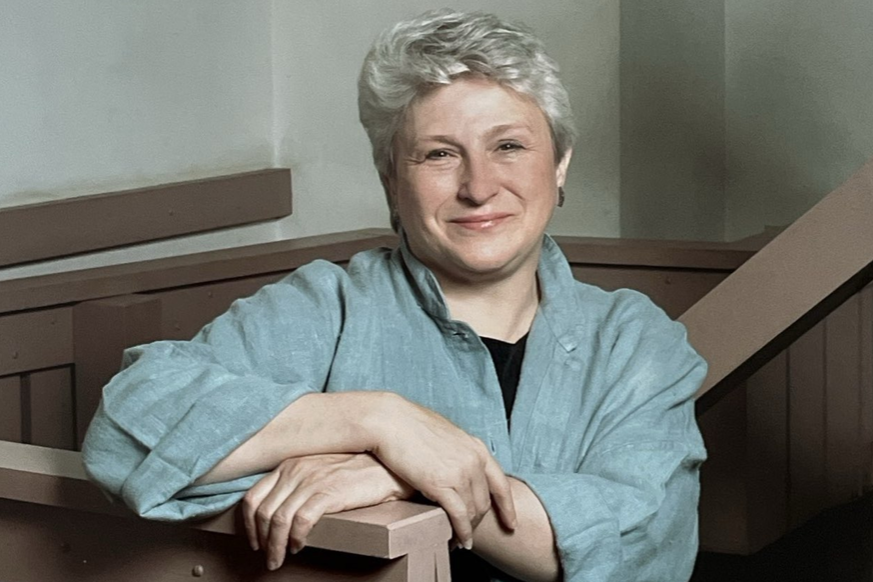
    Ward L. Churchill, a professor whose firing by the University of Colorado in 2007 inspired a lawsuit that became a landmark case about academic freedom and free speech, has died. He was 78.

    The death was confirmed by his former lawyer, David Lane. No further details were provided.

    When he was dismissed, Mr. Churchill had been a tenured professor at the university’s Boulder campus since 1991 and had served as chairperson of its ethnic studies department. In 2007, a faculty panel found that he had plagiarized and falsified parts of his research on Native Americans, prompting his dismissal.

    He filed a wrongful termination suit against the university, claiming that the real cause for his firing was to punish him for an essay he had written on Sept. 12, 2001, and published online a few days later, in which he argued that the United States had brought on itself the 9/11 terrorist attacks.

    In the essay, he compared office workers who had been killed with Adolf Eichmann, a Nazi official whose later defense that he was merely “following orders” helped inspire writer Hannah Arendt to develop the concept of “the banality of evil.”

    In Mr. Churchill’s essay, titled “Some People Push Back: On the Justice of Roosting Chickens,” he wrote that the financial workers who died at the World Trade Center were not innocent bystanders, but “little Eichmanns” who were part of “a technocratic corps at the very heart of America’s global financial empire.”

    The essay garnered little notice at the time of its release, nor when it was expanded and published as a book in 2003. But when Mr. Churchill was invited to speak at Hamilton College in New York in 2005, it resurfaced and caused an uproar, and the organizers canceled the event.

    Under pressure, including from Colorado Gov. Bill Owens, the university formed a panel to investigate Mr. Churchill’s conduct. It concluded that he had committed serious academic misconduct, including falsifying and fabricating historical details and plagiarizing work by an environmental group and another scholar.

    The panel was divided about whether he deserved to be dismissed, with three of the five members in favor, and two recommending a two-year suspension.

    The university’s leaders decided to fire him, prompting Mr. Churchill to start his legal challenge. When the lawsuit went to trial in March 2009, Mr. Churchill’s lawyers described the university panel’s search for professional misconduct as a pretext for a foregone decision to dismiss him. Lane, his lawyer, said at the time that Mr. Churchill was the victim of a “howling mob” of university administrators, conservative media, and politicians “falling over themselves” to secure his removal.

    In April 2009, the jury found that Mr. Churchill had been wrongfully dismissed, awarding him a symbolic $1 in damages. It found that his political views had been a “substantial or motivating” factor in his dismissal, and that the university had not shown that he would have been dismissed anyway for his academic misconduct.

    “The jury’s award is some vindication,” Mr. Churchill said. “I didn’t ask for money, I asked for justice.”

    A Denver District Court judge ruled that the university did not have to reinstate or compensate Mr. Churchill, a decision upheld by the Colorado Court of Appeals. In 2012, the Colorado Supreme Court affirmed the lower courts’ rulings.

    Ward LeRoy Churchill was born Oct. 2, 1947, in Urbana, Ill., to Jack LeRoy Churchill and Maralyn Lucretia Allen. They divorced when he was a year old. In a 2003 essay in an academic journal, he claimed to be of Muscogee Creek descent through his father and an enrolled member of the United Keetowah Band of Cherokee Indians through his mother.

    The Cherokee tribe said in 2005 that he was an associate member rather than a full member. A former member of the tribe’s enrollment committee said Mr. Churchill could not prove his eligibility by blood but was granted associate status based on his advocacy work.

    Mr. Churchill grew up in Elmwood, Ill., and graduated in 1965 from Elmwood Community High School, where he played football and basketball. Former classmates told the Denver Post in 2005 that he liked to debate politics, even as a teen.

    He joined the U.S. Army in 1966, training as a light-truck driver and projectionist, then served in Vietnam. He told the Denver Post in a 1987 interview that he had attended paratrooper school and was assigned to an elite reconnaissance patrol unit, details that did not appear on his Army record.

    He was discharged from the Army in 1968. He said in the 1987 interview that he became active in anti-war leftist circles in Chicago after he returned from Vietnam.

    He earned a bachelor’s degree in technological communications from Sangamon State University in Springfield, Ill., (now the University of Illinois Springfield), in 1974, and a master’s degree in communications theory from Sangamon State in 1975.

    He was hired by the University of Colorado in 1980 to be the acting director of its American Indian Equal Opportunities Program. In 1991, he became an associate professor in the communications department and received tenure. He became a full professor and transferred to the ethnic studies department in 1997.

    His classes were popular enough that up to 60 students would be on the waitlist, Arturo Aldama, a professor in that department, told the Denver Post in 2005.

    Mr. Churchill was married four times. His first wife, Dora-Lee Larson, filed to end their common-law marriage in 1984 and accused Mr. Churchill of “past violence and threats.” His second marriage, to Marie Annette Jaimes, a colleague at the University of Colorado, ended in divorce in 1995. That same year, he married Leah Kelly, who was struck and killed by a car while crossing a street near Boulder in 2000 at age 25.

    Mr. Churchill’s fourth wife, Natsu Saito, was a fellow professor in the University of Colorado’s ethnic studies department. In 2006, while he was being investigated by the university, Saito resigned to teach at Georgia State University.

    Information about his survivors was not immediately available.

    In 2017, Mr. Churchill returned to speak at the Boulder campus, and he remained defiant. “Academic freedom in America is dead,” he told the crowd. “I had my identity before I was a professor, I had it while I was a professor, and I have it now.”

    This article originally appeared in The New York Times.
  • John Crowley, whose fantasy novels blurred reality and dream, dies at 83

    John Crowley, whose fantasy novels blurred reality and dream, dies at 83

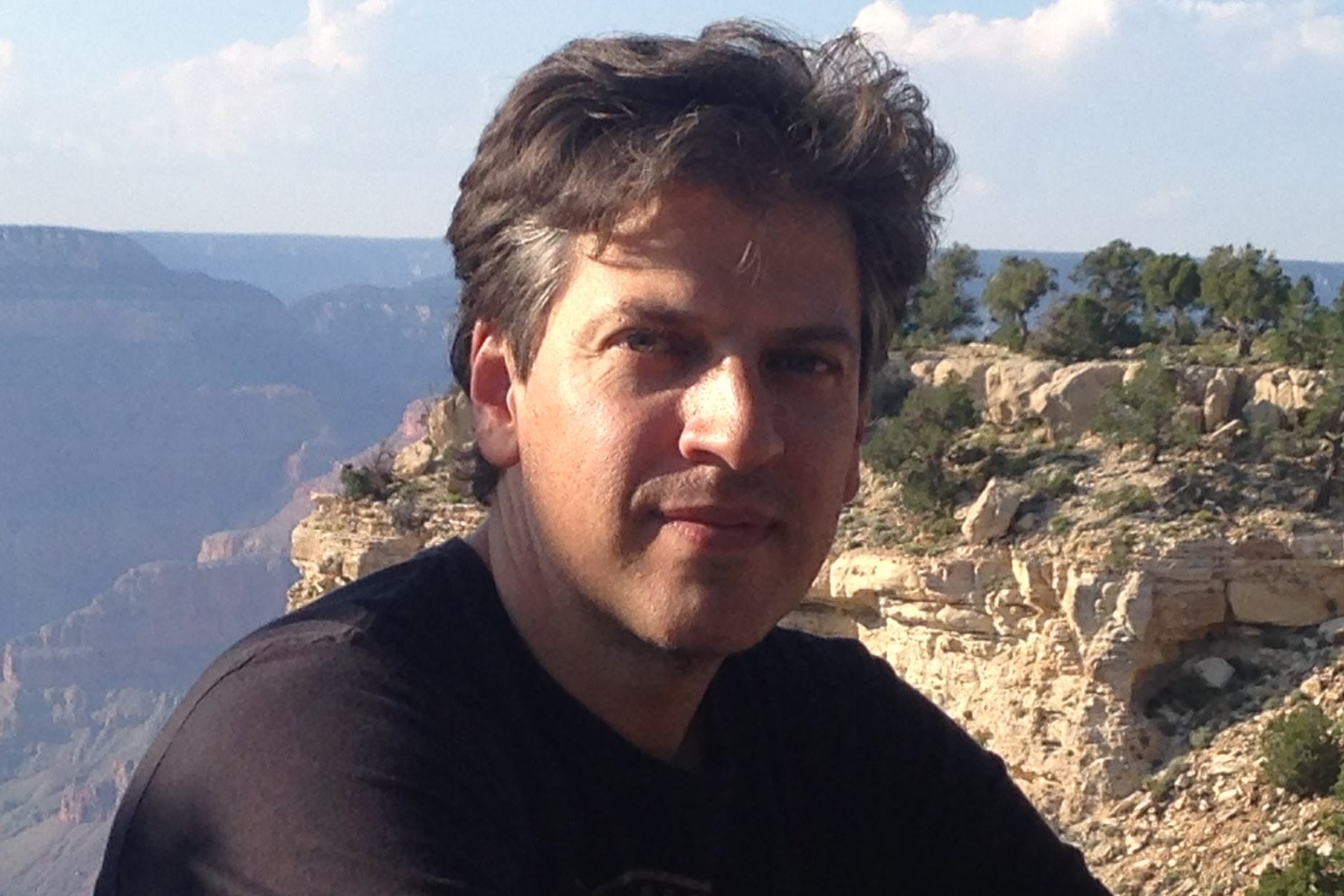
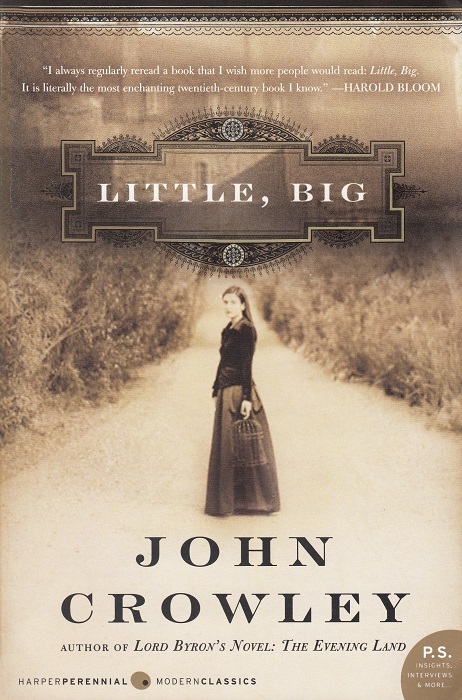
    John Crowley, an author of sweeping fantastical narratives whose ability to blend such disparate material as American history, dreams of lost utopias, and Alice in Wonderland-tinged occult allowed him to transcend the fantasy genre in novels like Little, Big, which critic Harold Bloom called a “neglected masterpiece,” died Sunday at his home in Conway, Mass. He was 83.

    His wife, Laurie Block, said the cause was complications of dysphasia and dementia.

    The author of 14 novels and 10 volumes of essays and short fiction, Mr. Crowley explored a considerable range of subjects and genres. His first novel, The Deep (1975), was set on a disc-shaped world and involved a war between two factions, the Reds and the Blacks, loosely based on the 15th-century War of the Roses in England.

    Even his most straightforward, realistic novel, Four Freedoms (2009), about the workers at an airplane factory in Oklahoma during World War II, is an alternative history of the homefront, in which Americans of marginalized identities — Black Americans, women, disabled people — find themselves liberated by a common purpose.

    His work drew comparisons to C.S. Lewis, J.R.R. Tolkien, and Thomas Pynchon; reviewers recognized notes of Dante, William Shakespeare, and Lewis Carroll. Writing in the Washington Post in 2000, critic Michael Dirda called Mr. Crowley “arguably the most original and accomplished American fantasy writer ever.”

    Despite his wide range, certain themes persisted. He was consistently interested in the way that narrative shapes perception; in the sometimes murky line between fantasy and reality; and in the possibility, as he wrote in his 1987 novel, Aegypt (eventually republished as The Solitudes), that “there is more than one history of the world.”

    Little, Big, Mr. Crowley’s fourth novel, was his best known and most widely read. Its plot revolves around the long marriage of Smoky Barnable and Daily Alice Drinkwater, which plays out against a tableau of urban decay, a fascist takeover of the United States, and a rural manse that offers a gateway to a realm of fairies and, possibly, a redemptive future.

    Any summary of its plot makes it sound twee; in fact, it is an achingly melancholic and deeply humane meditation on mortality and memory.

    Like all Mr. Crowley’s books, Little, Big reads almost like a fable, starting with its first sentence: “On a certain day in June, 19 —, a young man was making his way on foot northward from the great City to a town or place called Edgewood, that he had been told of but had never visited.”

    Mr. Crowley continued, “His name was Smoky Barnable, and he was going to Edgewood to get married; the fact that he walked and didn’t ride was one of the conditions placed on his coming there at all.”

    Poet James Merrill was a gushing fan of Little, Big and arranged for Mr. Crowley to receive a grant from the Ingram Merrill Foundation, which Merrill directed. Eminent fantasy writer Ursula K. Le Guin said that it “calls for a redefinition of fantasy.” Bloom, the critic, wrote that it was “literally the most enchanting 20th-century book I know.”

    It was named the best novel at the 1982 World Fantasy Awards, the highest prize in the genre.

    Mr. Crowley was unafraid of boldly original stories and sprawling epics. The four books in his Aegypt cycle, written over two decades, follow the waking and dream life of a historian named Pierce Moffett, with parallel story lines set during the Renaissance. His 2017 novel Ka: Dar Oakley in the Ruin of Ymr centers on a sentient, immortal crow as it follows the course of human history.

    “The kind of fiction that always interested me,” Mr. Crowley told the Believer magazine in 2009, “is stuff that somehow manages to be convincingly actual — in the sense that you believe that truths are being told about the world you live in — and are also somehow connected to the imaginary in some way.”

    John Michael Crowley was born Dec. 1, 1942, in Presque Isle, Maine, where his father, Joseph, was a doctor with the Army. His mother, Patience (Lyon) Crowley, managed the home and later worked as a librarian.

    The family moved frequently because of Joseph Crowley’s work, living in Vermont, eastern Kentucky, and finally Indiana.

    Though he at times dreamed of becoming an archaeologist or a set designer, John Crowley studied English at Indiana University. As a freshman, he was a member of the university’s quiz team, which won the 1961 GE College Bowl, an event broadcast on national television.

    After graduating in 1965, he moved to New York, where he wrote documentary screenplays.

    He moved to western Massachusetts in the mid-1970s, where he began writing fiction. He continued to write documentaries, eventually joining his wife, Block, in forming Straight Ahead Pictures, a nonprofit production company.

    His film scripts include The World of Tomorrow (1984), about the 1939 World’s Fair, and, with Block, Fit: Episodes in the History of the Body (1991), about American fitness culture.

    Mr. Crowley and Block married in 1984. He is also survived by their children, Hazel and Zander Crowley, and his sister, Jo Busha.

    Thanks to the presence on the Yale English faculty of two of his great admirers, poet John Hollander and Bloom, Mr. Crowley became a lecturer there in 1993, retiring in 2018.

    Mr. Crowley insisted to his students and readers that fantasy was, at its heart, no different from any other genre, and could achieve greatness if it followed the rules of literature.

    “To actually articulate a way of being in a literary world without boundaries between reality and fantasy — it can’t just be a bunch of craziness and surreal carrying on,” he told Locus magazine in 2010.

    He added, “Fantasy fiction at bottom, or at its best, is about making true fictions by the rules, in worlds you make up out of whole cloth, or out of your heart.”

    This article originally appeared in The New York Times.

  • Alfonso Fanjul Jr., Cuban American sugar baron, dies at 89

    Alfonso Fanjul Jr., Cuban American sugar baron, dies at 89

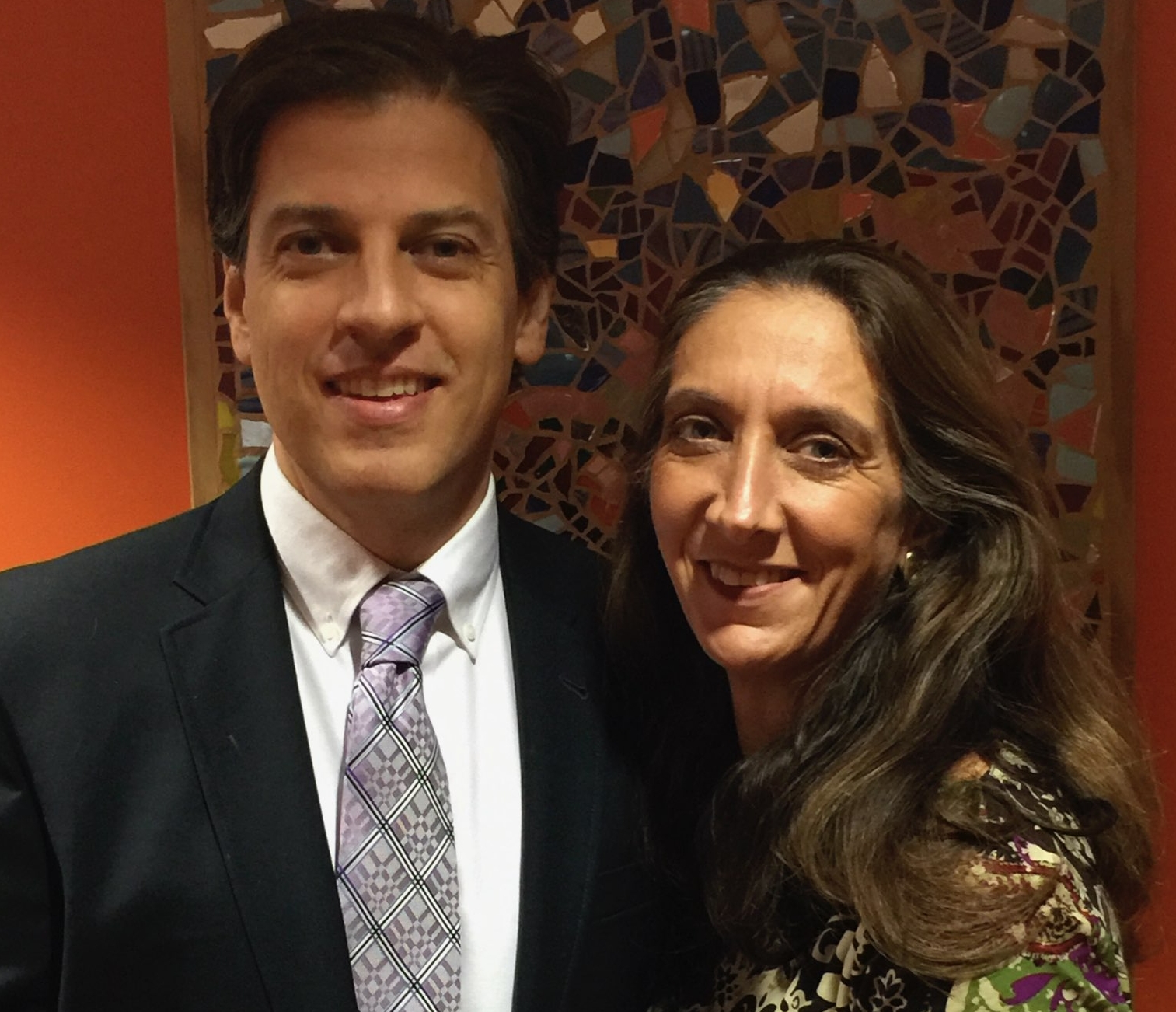
    Alfonso Fanjul Jr., the patriarch of a family that lost one of Cuba’s largest sugar businesses in the revolution of 1959 and fled to the United States, where, thanks to pluck and government price supports, they built an even vaster empire, died Aug. 3 in South Florida. He was 89.

    The death was announced by Florida Crystals Corp., part of the privately held family business that Mr. Fanjul presided over. The company provided no further details.

    A billionaire who called himself a farmer and lived a luxurious life in Palm Beach, Fla., where he docked a 95-foot yacht, Mr. Fanjul, known as Alfy, was co-chair and co-CEO of the family businesses alongside his younger brother José, known as Pepe.

    Their two other brothers and sister also have interests in the empire, which includes the world’s largest cane sugar refiner and the Domino and C&H brands.

    Alfy and Pepe Fanjul became major donors to both political parties in the United States, a lesson in realpolitik that they learned after Cuban communists confiscated 90,000 acres of the family’s property as well as its mansions and an art collection.

    “One of the reasons we get involved in American politics is because of what happened to us in Cuba,” Alfy Fanjul told Vanity Fair in an article published in 2011.

    He gave generously to Democrats and was a co-chair of Bill Clinton’s 1992 presidential campaign in Florida. Pepe Fanjul has donated more than $2.5 million to the political campaigns of President Donald Trump, a longtime friend whose protectionist tariffs have benefited the Fanjuls.

    Clinton and former Speaker Nancy Pelosi attended Mr. Fanjul’s funeral in Palm Beach on Saturday.

    During one of the few in-depth interviews he gave to the press, Mr. Fanjul was described by Marie Brenner of Vanity Fair as having “the old-world manners of a Spanish aristocrat, a cool detachment that indicates he is accustomed to being in control.”

    For decades, the Fanjuls attracted critics of their labor, environmental, and business practices. Environmentalists accused Florida Crystals of spoiling the Everglades with chemical runoff from their 180,000 acres of cane around Lake Okeechobee. (As evidence that it was a good environmental citizen, the company pointed to a renewable energy plant that it built, as well as to sustainable practices on its farms.)

    Even sharper criticism came from free trade advocates, who said the Fanjuls profited from import quotas that ensured American sugar farmers got an inflated price, some three times higher than the rest of the world’s price. The difference was said to cost American consumers billions of dollars a year. The libertarian Cato Institute called Big Sugar in the United States a “candy-coated cartel.”

    The Fanjuls, usually speaking through public relations specialists, responded that they had built their business over decades of hard work and determination — in the best tradition of the American dream.

    Mr. Fanjul was born in Havana on June 27, 1937, to Alfonso Fanjul Sr. and Lillian (Gómez-Mena) Fanjul. His parents’ marriage united two wealthy Cuban sugar families, whose properties included 10 mills, mansions, and the Manzana de Gómez, a full-block commercial building in central Havana that is now a luxury hotel.

    Alfy, who was sent to Fordham University in New York for college, was back home on New Year’s Eve in 1959, watching the fireworks at the Havana Yacht Club, when Cuban dictator Fulgencio Batista fled the country ahead of the advancing communists.

    Mr. Fanjul later told the story of a meeting in the family office soon after with Fidel Castro’s guerrillas, who opened the discussion by laying their machine guns on a table. The family lost all its assets and left for New York.

    Mr. Fanjul, his father, and his maternal grandfather, Pepe Gómez-Mena, set out to rebuild the business in America; they had already sent some money out of Cuba.

    With other wealthy exiles, they raised $640,000 (about $7.3 million today) and bought 4,000 acres of land in western Palm Beach County and three rundown Louisiana sugar mills. The mills were shipped to Florida, where the first cane harvest was cut in 1961. Over the years, much of the cane was harvested by Jamaican workers on temporary visas.

    Seven years older than his brother Pepe, Alfy became the leader of the Fanjuls’ rise in America. He took over as chairperson and CEO of the companies in 1980, after his father died.

    The business expanded in 1984 when it acquired large holdings in Florida and the Dominican Republic from Gulf & Western, a conglomerate that then included Paramount Pictures. According to Forbes, in 2025 the family-controlled businesses were worth about $4 billion.

    The family’s holdings also include a 7,000-acre luxury resort in the Dominican Republic, Casa de Campo, which is known for golf courses, a marina, and an equestrian center.

    The Fanjul portfolio includes a stake in Central Romana Corp., a large sugar producer in the Dominican Republic. Last year, Trump officials lifted a ban that had been imposed by the Biden administration on imported sugar from Central Romana because of accusations that it used forced labor. Labor rights groups have said the company has not improved those practices.

    Besides political donations, Mr. Fanjul gave to educational institutions and charities. He was a trustee of the University of Miami and the Brookings Institution, and a co-founder of Mission International Rescue Charities in the Dominican Republic. The Fanjul family has supported hospitals, schools, and civic groups in Palm Beach County.

    Mr. Fanjul’s marriage to Maria Cristina de los Reyes ended in divorce, and in 2007 he married Raysa Herrera, who survives him, along with his brother Pepe; their three siblings, Alexander, Andres, and Lillian Fanjul; two daughters from his first marriage, Crista Ryan and Lillian Fernandez; a stepdaughter, Raissa Enis; five grandchildren; and seven great-grandchildren.

    From his waterfront home in Palm Beach, Mr. Fanjul liked to set to sea on his yacht for big-game saltwater fishing. He was twice a member of winning teams in the Sailfish Club of Florida’s Gold Cup tournament, in 1979 and 2007.

    Unlike some members of the Cuban exile community, he did not obsess over how to reclaim his family’s lost holdings on the island they fled.

    “My father spent the last years of his life trying to figure out how to get to Cuba,” he told Vanity Fair.

    But Mr. Fanjul understood that the family’s future was American.

    This article originally appeared in The New York Times.
  • Thora Jacobson, award-winning former chief executive officer at the Fleisher Art Memorial, has died at 77

    Thora Jacobson, award-winning former chief executive officer at the Fleisher Art Memorial, has died at 77

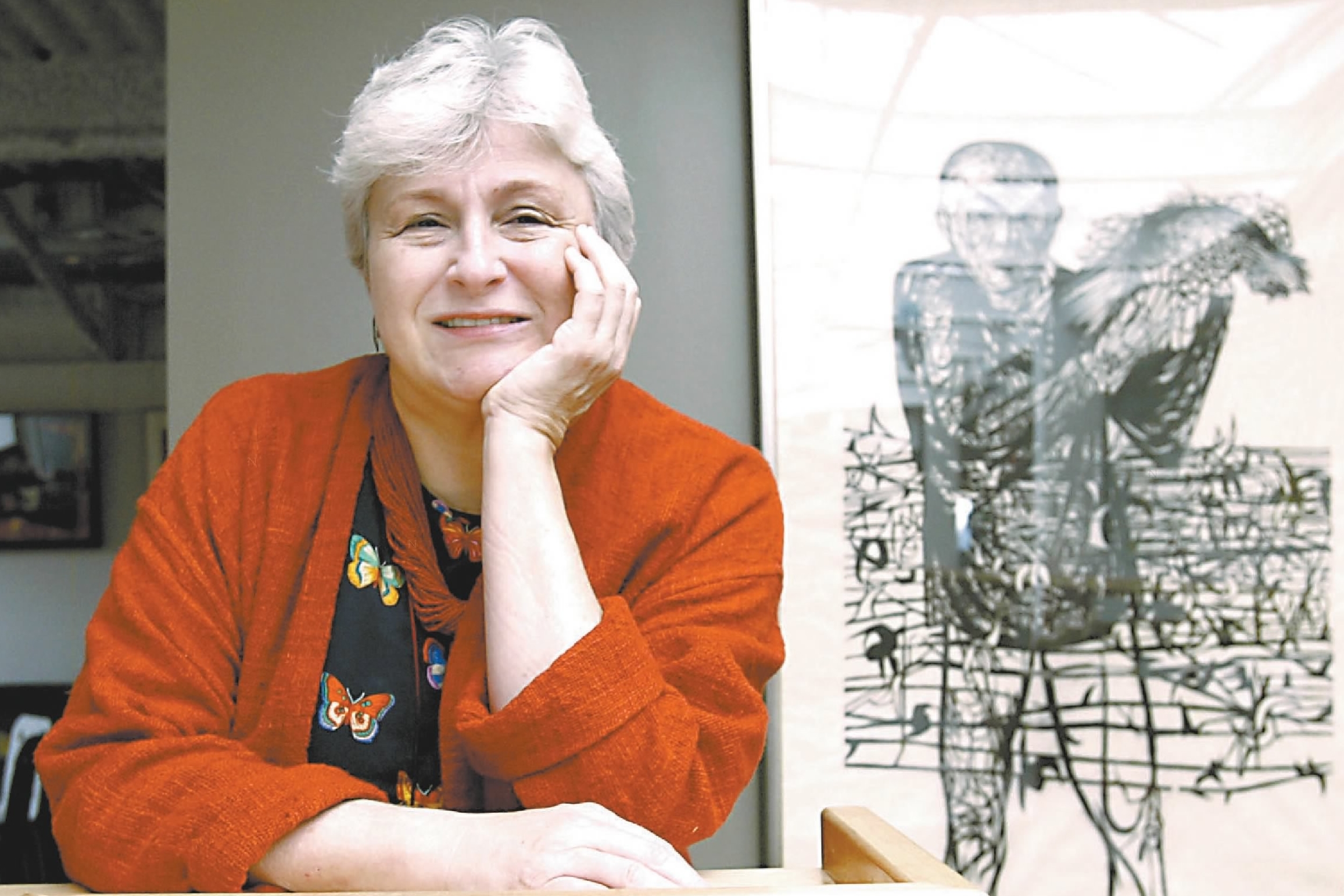
    Thora Jacobson, 77, of Philadelphia, award-winning former chief executive officer at the Fleisher Art Memorial, former executive director at the Philadelphia Art Alliance, former director of design review for Mural Arts Philadelphia, former chief operating officer for Philagrafika, former chair of the Philadelphia Art Commission, onetime adjunct instructor at Drexel University, independent curator, artist, mentor, Mummers Parade judge, and much more, died suddenly Sunday, Aug. 2, at her home. The exact cause of her death has not been determined.

    Born and reared in Ridley Park, Delaware County, Ms. Jacobson became interested in art education, administration, and conservation at Trinity Washington College in Washington in the 1960s. She settled in South Philadelphia after college in the 1970s and spent the next 50 years organizing, promoting, and inspiring local artists and art organizations.

    “Philadelphia richly deserves to be known as a place that honors its own,” she told The Inquirer in 2006.

    She joined Fleisher in 1972, rose to CEO in 1983, and left in 2006 to work over the next two decades at Philagrafika, Mural Arts Philadelphia, the Philadelphia Art Alliance, and elsewhere. During her 34 years at Fleisher, she developed its Center for Works on Paper, the Community Partnerships in the Arts program, and the Challenge series juried competition.

    She also oversaw three capital campaigns and told The Inquirer that her priority was “seeing connections and possibilities between and among artists, institutions, and their constituencies.” A colleague said on Facebook: “To many of us she was Fleisher.”

    She prepared Philagrafika to host the city’s first international festival of printmaking in 2010, consulted with artists on major projects at Mural Arts, and organized popular national juried exhibitions at the Art Alliance. “Her love and commitment to the arts knew no bounds,” Jane Golden, executive director of Mural Arts Philadelphia, said in a tribute. “Thora’s imprint was profound.”

    John Ittmann, former curator at the Philadelphia Museum of Art, told The Inquirer in 2006: “Thora is a real firecracker. She has a wonderful type of energy that is really infectious.”

    Ms. Jacobson was also chair of the Philadelphia Art Commission for a decade, interim director of operations for the Asian Arts Initiative, vice president of the Philadelphia Volunteer Lawyers for the Arts, trustee of the National Guild of Community Arts Education, member of the American Swedish Historical Museum, and, most recently, a visual arts management consultant.

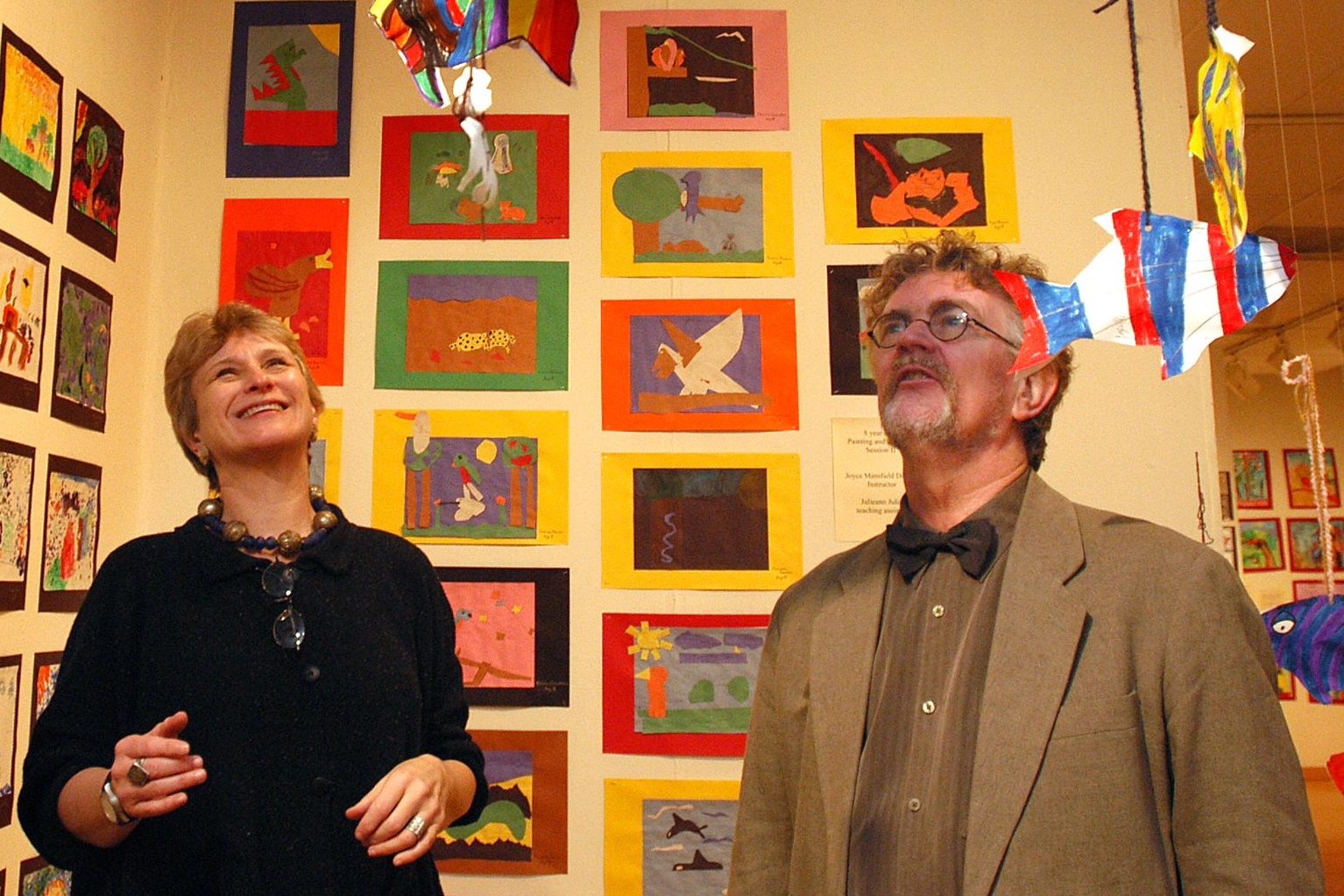
    Ms. Jacobson and fellow curator Warren Angle admire an exhibition at the Fleisher Art Memorial in 2002. April Saul / Staff Photographer

    “Thora was kind and clear,” colleagues at Social Impact Studios said on Facebook, “but firm as she pushed us to keep tweaking things until they were as strong as they could be.”

    She was an adjunct instructor at Drexel University from 2010 to 2014 and led research projects at Drexel and the University of Pennsylvania on social impacts of art in Philadelphia neighborhoods. Her first job out of college was coordinator of the student center at the Art Museum.

    She curated and juried shows, and wrote forwards and essays for art books and catalogs. She drew in her spare time and judged the Mummers Parade for years.

    She was featured in The Inquirer and Daily News, and appeared in the 1992 TV art documentary Monuments in Love. In 2006, she earned the Visionary Woman Award from Moore College of Art and Design, and was honored for lifetime achievement by Tri-State Artists Equity.

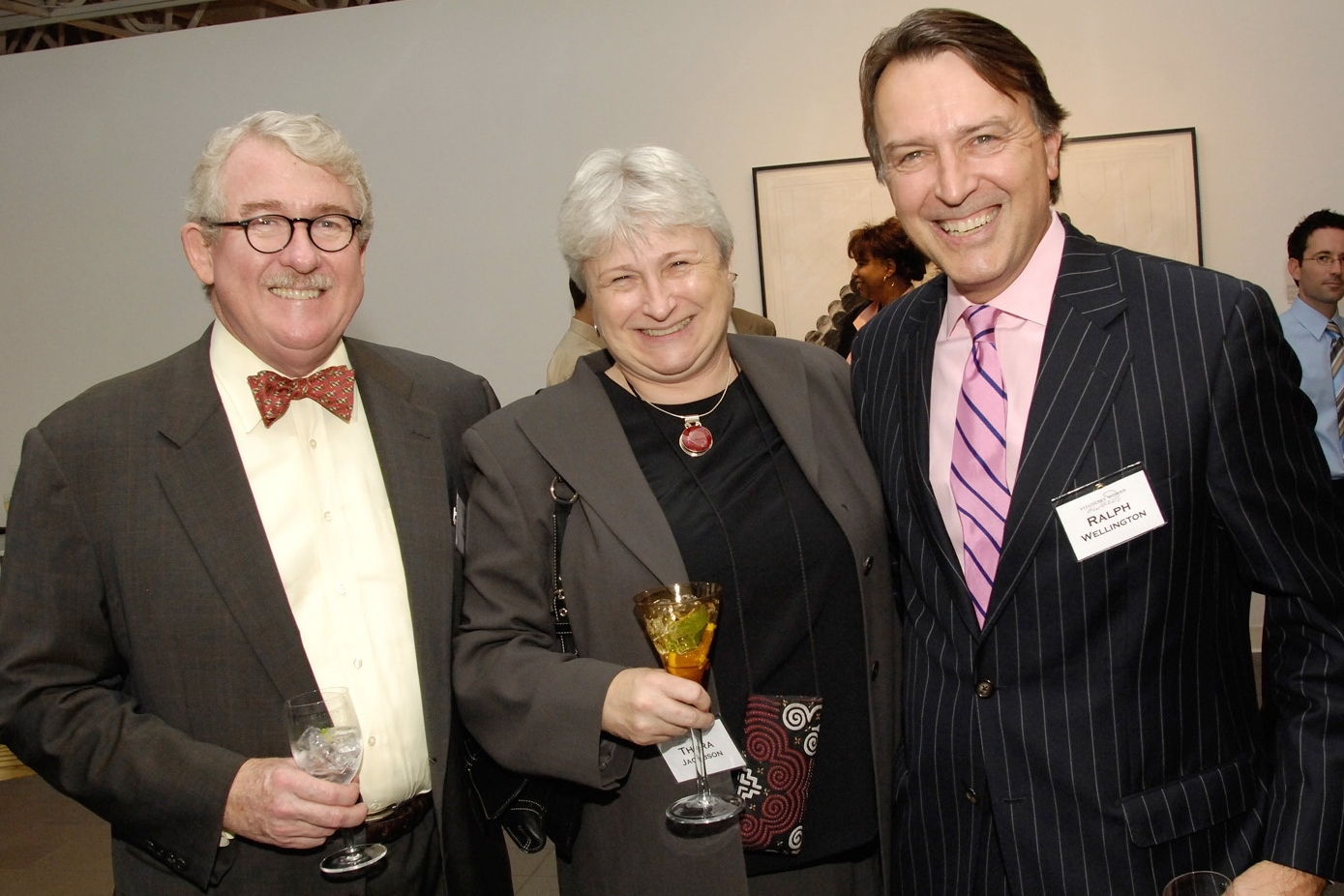
    Ms. Jacobson, standing between Jim Straw, to the left, and Ralph Wellington to her right, earned the Visionary Woman Award from Moore College of Art & Design in 2006.Gary Horn Photography

    “She’s really respected throughout the arts community in Philadelphia,” Happy Fernandez, then president of Moore, said in 2006. Anne d’Harnoncourt, then director of the Art Museum, said Ms. Jacobson’s “impact has been enormous.”

    William Valerio, director and CEO of the Woodmere museum, said: “Thora was a towering figure in the arts of Philadelphia, a builder of institutions whose accomplishments are lasting.”

    Thora Elizabeth Jacobson was born Feb. 19, 1949, in Ridley Park. She was the youngest of three children; her father died when she was 3. She played field hockey in high school, was fascinated by words and language, and graduated from the old Holy Child Academy in Sharon Hill.

    She met her husband, Antonio Sorgini, when he was taking classes at Fleisher, and they married in 1980 and had a son, Antongiulio. Her husband died in May.

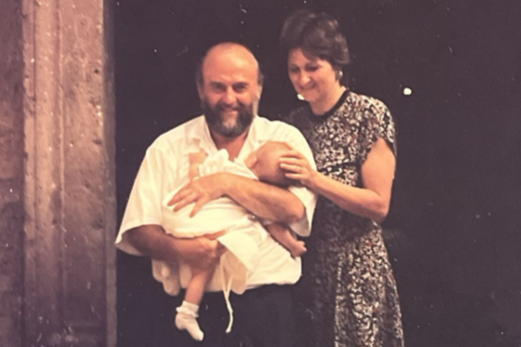
    Ms. Jacobson, her husband, Antonio Sorgini, and their son, Antongiulio, lived in South Philadelphia.Courtesy of the family

    Ms. Jacobson was a talented seamstress and baker. She did humorous impersonations, collected art, and enjoyed working with young people.

    Friends noted her “many kindnesses” and “decades-long advocacy for artists and the cultural community” in online tributes. Woodmere’s Valerio said: “She was both a strong voice and a warm friend to many.”

    Her son said: “She had a sharp wit and relished cheerful banter among friends and colleagues. Above all, she took the work of mentorship very seriously.”

    In addition to her son, Ms. Jacobson is survived by a sister and other relatives. A brother died earlier.

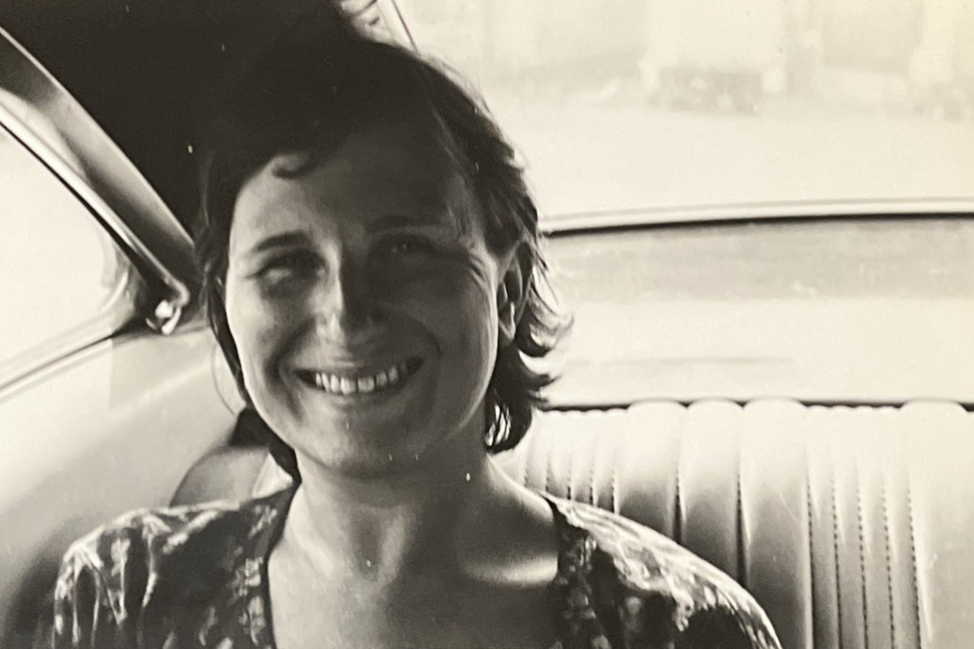
    Friends noted Ms. Jacobson’s “many kindnesses” and “decades-long advocacy for artists and the cultural community.”Courtesy of the family

    A celebration of her life is to be held later.

    Donations in her name may be made to the Fleisher Art Memorial, 719 Catharine St., Philadelphia, Pa. 19147; and Mural Arts Philadelphia, 1727-29 Mount Vernon St., Philadelphia, Pa. 19130.

    Ms. Jacobson was a talented seamstress and baker.
    Mark Garvin, / Philadelphia Museum of Art
  • Albert James Mamary, attending physician and professor of thoracic medicine and surgery at Temple, has died at 59

    Albert James Mamary, attending physician and professor of thoracic medicine and surgery at Temple, has died at 59

    Albert James Mamary, 59, of Wynnewood, attending physician and professor of thoracic medicine and surgery at Temple University, researcher, writer, mentor, artist, outdoorsman, craftsman, and amateur bicycling champion, died Thursday, July 9, of cholangiocarcinoma at Temple University Hospital.

    A 1999 graduate of Temple’s Lewis Katz School of Medicine, Dr. Mamary spent his career at Temple and affiliated hospitals. He was an expert in pulmonary disease, transplants, and sleep disorders at the Temple Lung Center, and became program director of the Pulmonary and Critical Care Fellowship at Temple Hospital in 2006.

    He earned a master’s degree in anthropology at the College of William and Mary in Virginia and his premedical school credits at the University of Pennsylvania. In a tribute, his family said: “His education in both medicine and anthropology reflected a lifelong belief that caring for a patient required understanding not only the disease but the whole person.”

    Over more than three decades at Temple — as a student, resident, fellow, professor, and physician — Dr. Mamary treated thousands of patients, mentored hundreds of students and doctors, lectured in classrooms and at seminars, and wrote more than 60 scientific papers and textbook chapters. He was named a top doctor by Philadelphia Magazine several times and was featured in The Inquirer and on 6abc TV for his lead role in a successful double-lung transplant in 2015.

    “It’s been 120 to 145 patients, individual patients that we’ve been able to help every year,” Dr. Mamary told CBS News in 2024. “That’s really the aim here, is to add years of life to patients who otherwise wouldn’t have that opportunity.”

    Colleagues called Dr. Mamary a “physician’s physician” and noted his “amazing intelligence and clinical acumen” in tributes. Gerard J. Criner, chair of Temple’s Department of Thoracic Medicine and Surgery, said: “His patients loved him not only for his clinical skills but also for the warmth, compassion, and humanity he brought to every encounter.”

    A former patient said online: “He was a calm in the storm of my end stage disease. … The world has lost a hero.”

    A former student said: “His kindness, thorough and balanced approach to medicine, and quiet, thoughtful approach to even the most stressful emergencies reminded me of a Jedi master.”

    Dr. Mamary and his wife, CeilaSue, married in 1996.Courtesy of the family

    Away from the hospital, Dr. Mamary liked to bike, hike, and camp. He built his own 18-foot mahogany canoe, walked the entire 272-mile Long Trail in Vermont, and won masters bicycling championship races.

    He also painted and sculpted, and earned a bachelor’s degree in art and psychology at Haverford College. He and his wife, CeliaSue, initiated the Shortridge Memorial Park Arboretum in Wynnewood and earned a 2024 community service award from Narberth and Lower Merion officials.

    “James brought wisdom, kindness, curiosity, and genuine joy to every moment,” his wife said.

    Albert James Mamary was born June 12, 1967, in Hempstead, N.Y. He grew up in Binghamton, N.Y., became an Eagle Scout, and was a wilderness river guide for the Boy Scouts in Maine during his college years.

    Dr. Mamary was an avid bicyclist and won masters championship races. Courtesy of the family

    He met CeliaSue Jaffe in class at Haverford, and they married in 1996 and had daughters HannahRose and LilyRuth. They lived in East Falls and Wynnewood, and he rode his bike from home to Penn and then Temple as often as he could.

    Dr. Mamary enjoyed traveling, baking, cooking, and gardening. “His specialty is fruits and vegetables, and I grow the flowers,” his wife said.

    He followed the Phillies, rescued cats and dogs, and doted on his daughters. Everybody said he was funny and silly.

    “He was curious and always learning or doing something new,” his daughter LilyRuth said. “He took joy in simple things.” His daughter HannahRose said: “Even if he wasn’t my dad I would want him as a friend because he was so interesting and so easy to talk to.”

    Dr. Mamary was a wilderness river guide for the Boy Scouts in Maine during his college years.Courtesy of the family

    Dr. Mamary was diagnosed with cholangiocarcinoma, bile duct cancer, in 2020 and treated by longtime colleagues and friends at Temple, some of whom he had mentored. “It was a profound reflection of the life he lived,” his family said, “that so many of those he had taught ultimately became his caregivers.”

    His wife said: “He was a very vibrant and adventurous person but so thoughtful, steady, and reliable. James was incredible.”

    In addition to his wife and daughters, Dr. Mamary is survived by a sister and other relatives.

    Private services were held earlier.

    Donations in his name may be made to the Albert James Mamary Memorial Fund at the Cholangiocarcinoma Foundation, 5526 West 13400 South, No. 510, Herriman, Utah 84096.

    Dr. Mamary “was a very vibrant and adventurous person but so thoughtful, steady, and reliable,” his wife said. Courtesy of the family
  • Ex-Chinese Premier Zhu Rongji, who drove economic reforms and led China into the WTO, has died at 97

    Ex-Chinese Premier Zhu Rongji, who drove economic reforms and led China into the WTO, has died at 97

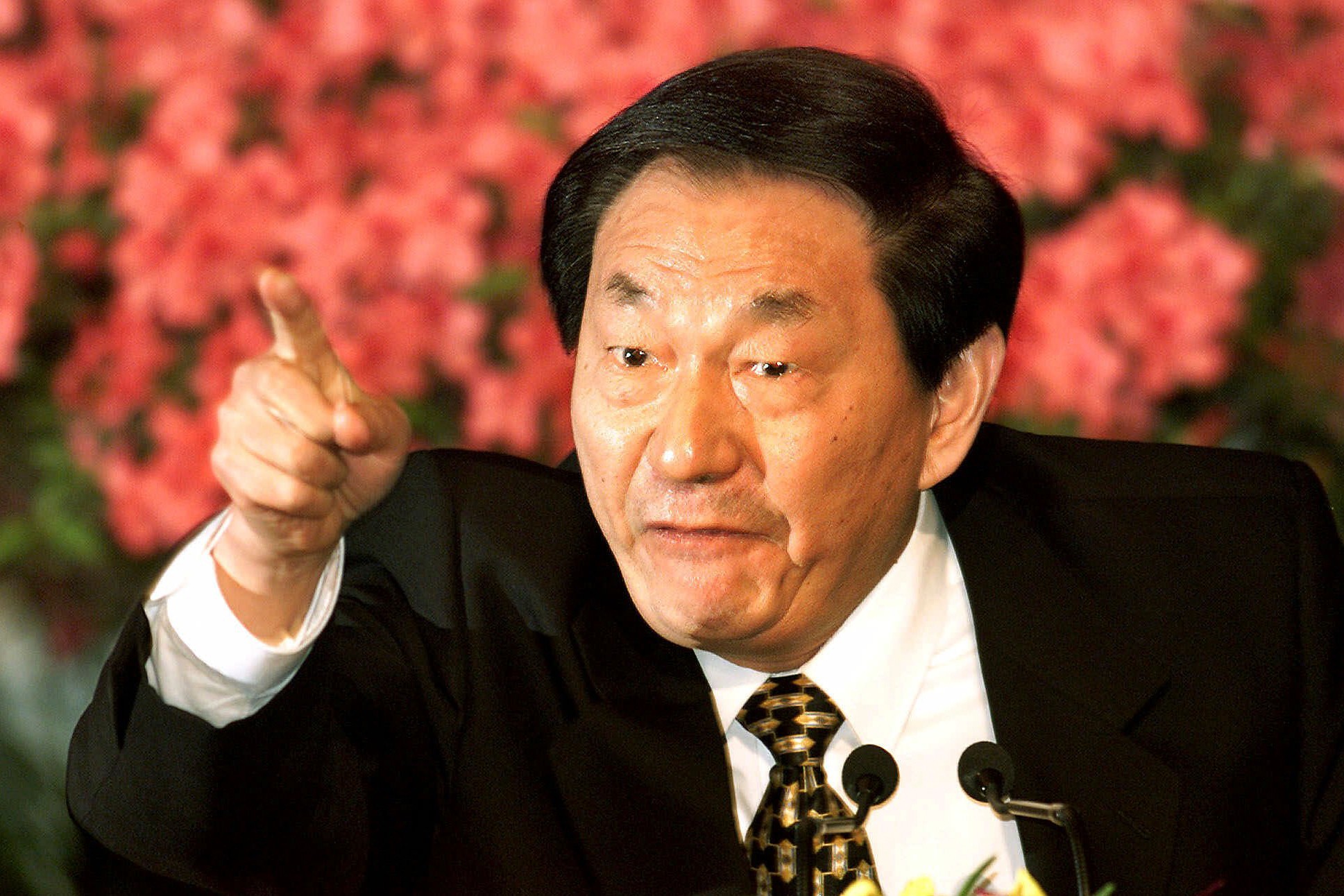
    BEIJING — Former Chinese Premier Zhu Rongji, the impatient, sharp-tongued reformer who helped ignite China’s explosive economic boom by forcing wrenching change on state industry in the 1990s and leading the country into the World Trade Organization, has died of illness, state media reported Wednesday. He was 97.

    Mr. Zhu died in Beijing at around 11 a.m. on Wednesday, the official news agency Xinhua reported.

    Once sent into rural exile to do manual labor for praising reforms in other communist countries, Mr. Zhu pushed through a dizzying array of changes as premier, China’s top economic post, from 1998 to 2003 under former President Jiang Zemin.

    Mr. Zhu clashed with Communist Party conservatives and state industry bosses as he pushed state-owned companies to become efficient and profitable. That cost millions of layoffs, but helped propel China to overtake Japan as the second-largest economy behind the United States in 2010.

    Building on former leader Deng Xiaoping’s 1979 reforms, Mr. Zhu is credited with supplying the resourcefulness and tenacity to push through history-making changes such as China’s WTO membership, which helped to transform China into the world’s biggest exporter.

    Those changes helped to keep economic growth above 8% a year from 2000 to 2010, peaking at 14.2% in 2007.

    A spiky personality who fought corruption and conservatives

    Named premier in 1998 at age 69, Mr. Zhu became a popular figure by criticizing official bungling and graft and accepting blame when the government fell short. His demanding style earned him the nicknames Boss and Zhu Fengzi, or Madman Zhu.

    “I have prepared 100 coffins here — 99 for corrupt officials and one for myself,” Mr. Zhu said in 1998, according to the party newspaper People’s Daily.

    Mr. Zhu ranked No. 3 in the party hierarchy behind Jiang and Li Peng, chairman of the ceremonial legislature, the National People’s Congress. But he was a technician without his own power base. Mr. Zhu complained that allowed officials to ignore his orders.

    Mr. Zhu made his name as a deputy premier in the 1990s by crushing inflation. He enforced price controls and cut off loans to money-losing state companies, rebuffing resistance by local leaders — a pattern Mr. Zhu would repeat as he fought conservatives over the pace of reform.

    Mr. Zhu led efforts to secure WTO membership following marathon negotiations that began in the 1980s. That status would enshrine free trade as a national commitment, giving Mr. Zhu a tool to force local officials to stop protecting favored companies.

    Mr. Zhu’s campaign was nearly derailed when he went to Washington in 1999 with market-opening concessions to win U.S. endorsement of the WTO bid. The Clinton administration rejected the offer as inadequate, while his political enemies at home accused him of offering too much, but Zhu survived and China went on to join the body in December 2001.

    Mr. Zhu launched China’s home ownership boom in 1998 with an initiative to sell apartments owned by state companies. Families rushed to buy, and within a decade the majority of urban housing was privately owned.

    Still, Mr. Zhu was less an advocate of free enterprise than a skilled bureaucrat who carried out party orders to whip state industry into shape.

    Mr. Zhu showed no interest in privatizing the economy. He played a key role in drafting plans in the 1990s to turn banks, airlines, oil companies, and other enterprises into profit-oriented corporations but to retain government ownership.

    Zhu stood out for admitting official failings

    Born Oct. 23, 1928, in Mao Zedong’s home province of Hunan, Mr. Zhu paid an early price for his willingness to take risks and speak out.

    After a start as an economic planner, his career went into a 22-year eclipse when he was labeled a “rightist” in 1957 for praising reforms in Hungary and Yugoslavia. He was banished to the countryside during the 1966-76 Cultural Revolution to do manual labor.

    Rehabilitated in 1979, Mr. Zhu rose swiftly, becoming deputy Shanghai party secretary in 1987 and mayor the next year.

    As mayor in 1989, Mr. Zhu gained a reputation for moderation when he placated protesters and pledged not to call in the military.

    “He managed to defuse, with considerable subtlety, a tense political situation that could have developed into localized violence or worse if the military had felt it necessary to intervene,” wrote Australian diplomat Shelley Warner in the 1991 book The Pro-Democracy Protests in China: Reports from the Provinces.

    Mr. Zhu’s boss, Jiang, would soon be called to Beijing by Deng and made party leader. Mr. Zhu was named deputy premier in 1991 and joined the party’s ruling Standing Committee in 1993.

    Mr. Zhu broke with the leadership’s stance of infallibility by admitting and taking blame for official failings.

    In 1998, after summer floods killed 4,150 people and officials were accused of embezzling money meant for anti-flood dikes, Mr. Zhu complained some barriers were no stronger than bean curd.

    Three years later, he apologized on national television for his cabinet’s failure to protect the public after an explosion in a schoolhouse in southern China killed at least 42 people, most of them children.

    Mr. Zhu enlivened the party’s bland image by cracking jokes in public, sometimes at his own expense. Laughter erupted at a 1999 news conference when he said a recent photo “made me look like a dead man.”

    One of Mr. Zhu’s proudest triumphs as deputy premier was to craft a tax system that required local officials to hand more revenue to Beijing. He said in 1996 that he deserved a Nobel Prize in economics for that.

    Mr. Zhu rarely appeared in public after leaving office as premier.

    Mr. Zhu was married to Lao An, a fellow Hunan native. Their son, Yunlai, also known as Levin Zhu, is a former CEO of China International Capital Corp., a government-owned investment bank.

    Their daughter, Yanlai, led a charity organization supporting schoolchildren that was backed by Zhu Rongji.

  • Jackie, the California bald eagle who became an internet sensation, dies after illness

    Jackie, the California bald eagle who became an internet sensation, dies after illness

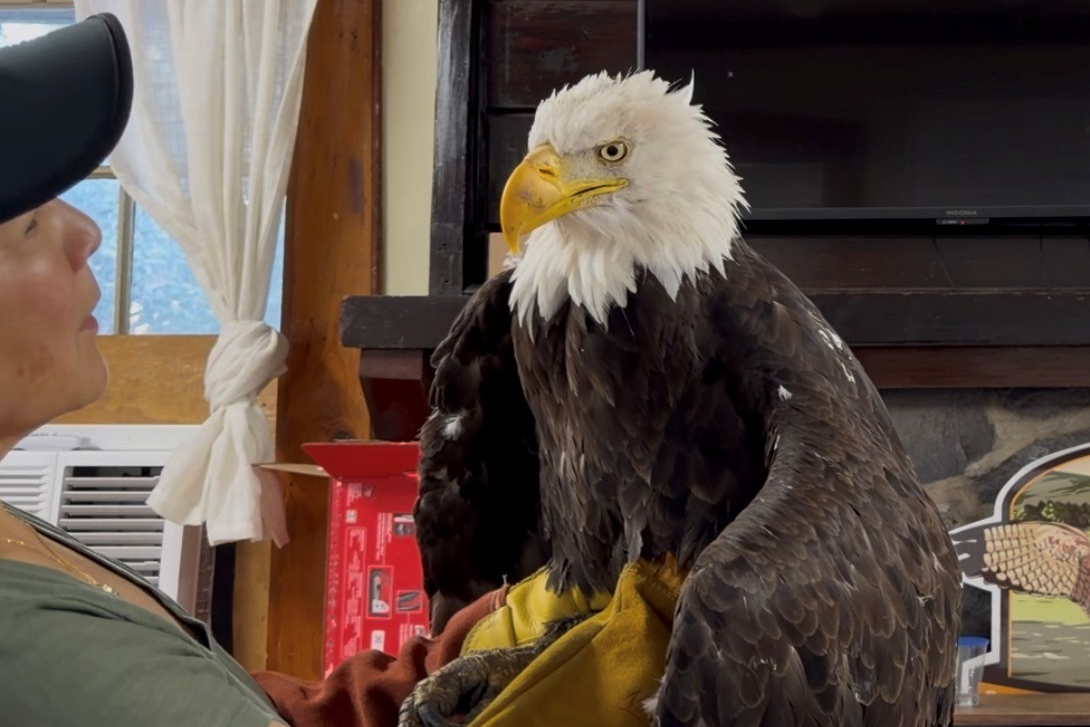
    BIG BEAR LAKE, Calif. — Jackie, the bald eagle who became an internet sensation and a symbol of the species’ recovery in California, died Monday after being treated for an illness at a veterinary facility, her caretakers announced.

    For more than a decade, nature lovers watched via an online video feed as Jackie and her partner Shadow tended to their nest each year atop trees near Big Bear Lake in the San Bernardino Mountains east of Los Angeles.

    The nonprofit Friends of Big Bear Valley installed the nest camera in 2015 and documented the successes and failures of each breeding season. In 2024, Jackie diligently sat on her eggs for more than 2½ days straight after a winter storm blanketed the nest with snow.

    The Los Angeles County Department of Parks and Recreation’s San Dimas Raptor Rescue team found Jackie on July 17 following reports that the bird had been involved in a fight with two other eagles and was found to be ill.

    Jackie had been receiving medical treatment for three weeks at the Ojai Raptor Center, where she was treated for a variety of ailments including anemia. Despite undergoing a blood transfusion and oxygen therapy, her condition worsened and the center announced the animal’s death Monday.

    “We know this news will be deeply felt by the many thousands of people around the world who have followed her journey, hoped alongside us, prayed for her, and supported the people caring for her,” the center’s statement said. “Our team is heartbroken. It has been an extraordinary privilege to care for her.”

    The California Department of Fish and Wildlife is caring for the remains.

    Among those who enjoyed monitoring Jackie’s nests from afar was biologist Kelly Sorenson, executive director of the Ventana Wildlife Society in central California. While his group was not involved with the Big Bear eagles, he sees their breeding as emblematic of the comeback the species has made in the state over the past decades.

    American bald eagles teetered on the brink of extinction until the pesticide DDT was banned in the 1970s and other protections were established, leading the species to rebound and be removed from the federal endangered list.

    “You want to see a success story like that,” Sorenson said Monday. “Having access to a live cam to see the nesting first hand is very powerful. It brings people in on an emotional level.”

  • Janet Klein, celebrated longtime historic preservationist and philanthropist, has died at 96

    Janet Klein, celebrated longtime historic preservationist and philanthropist, has died at 96

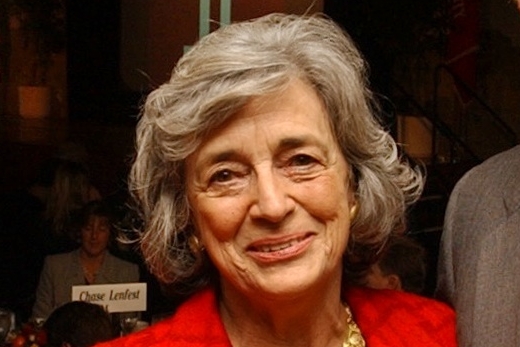
    Janet Klein, 96, of Rydal, Montgomery County, former member of the Philadelphia Historical Commission, historic program director for the Fairmount Park Commission, regional project coordinator for the National Trust for Historic Preservation, chair of the Pennsylvania Historical and Museum Commission, volunteer, and philanthropist, died Tuesday, Aug. 4, of age-associated decline at her home.

    Born in Philadelphia, Mrs. Klein earned degrees at Philadelphia High School for Girls and the University of Pennsylvania. She and her husband, Lewis, traveled the world after they married in 1952, and she told The Inquirer in 1973 that she became interested in local historic preservation after returning from abroad in 1964.

    “I felt something was lacking here,” she said. “There was no pride nor a thorough knowledge of what we really have in Philadelphia to share with visitors.”

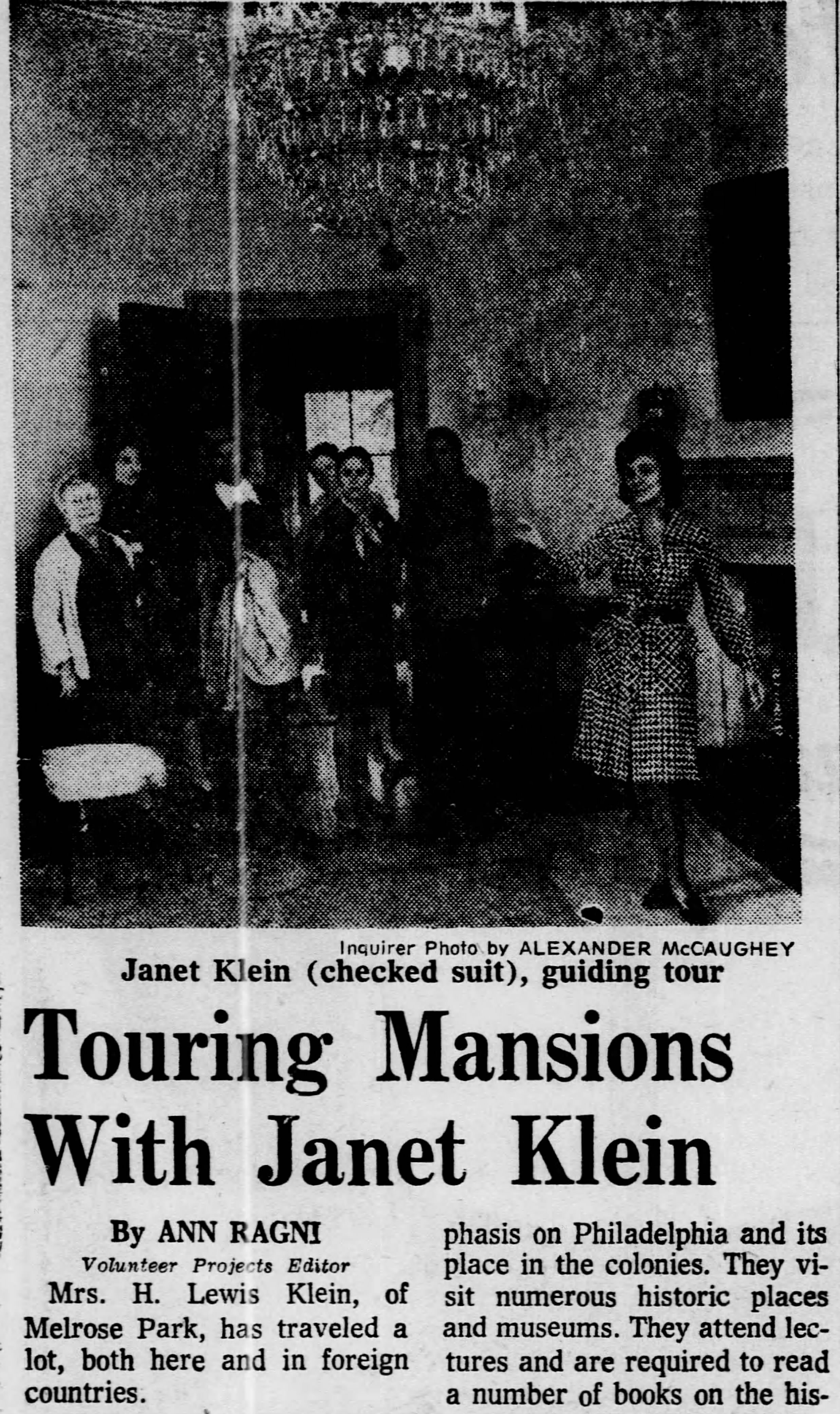
    So she joined the Philadelphia Museum of Art’s tour guide program, rose to chair of guides for the Fairmount Park house tours, and conducted hundreds of tours for thousands of visitors to the eight historic houses in the park. “The guides,” she said in 1973, “can’t help but sense that somehow they have passed on to the visitors the continuing life of historic Philadelphia.”

    Eventually, Mrs. Klein became historic program director for the Fairmount Park Commission, was appointed to the Philadelphia Historical Commission by then-Mayor Wilson Goode in the 1980s, and served as chair of the Pennsylvania Historical and Museum Commission from 1997 to 2003. Friends called her “formidable” and compared her to the Energizer Bunny.

    Keen to spark public interest in historic sites, Mrs. Klein forged partnerships between site officials and schools, community groups, businesses, and the media. In 1997, she oversaw filmmakers as they shot scenes for the movie Beloved at the Landis Valley Museum in Manheim Township.

    She appeared often in The Inquirer and said in 1989: “We often find that people who live just around the corner from a house museum don’t know it existed.”

    At Fairmount Park, she redefined the commission’s operating procedures and enlisted students as volunteers at its public mansions. At the city historical commission, she led walking tours of Old City and helped determine the historic designation of the old Lit Bros. building, the Boyd Theatre, the Dilworth house, and other significant structures.

    This story and photo of Mrs. Klein (right) was published in The Inquirer in 1973.Newspapers.com

    With the state historical and museum commission, she erected historical markers across the state, helped designate the Art Museum as a Commonwealth Treasure in 2002, and directed the commission’s public relations, tourist promotions, and preservation efforts.

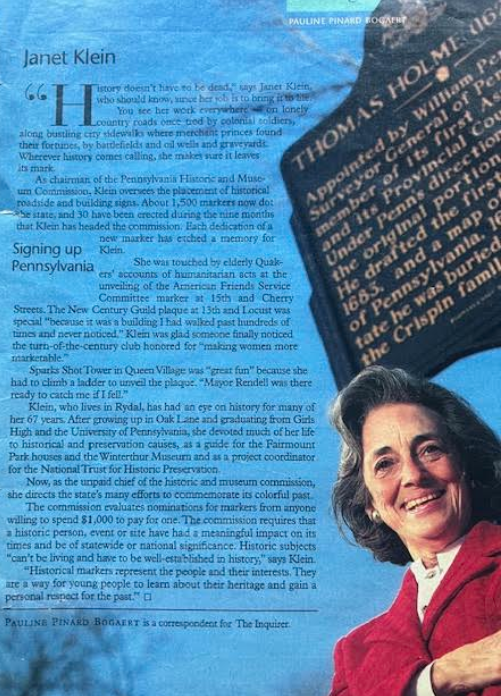
    “History doesn’t have to be dead,” she said in 1998. “Historical markers represent the people and their interests. They are a way for young people to learn about their heritage and gain a personal respect for the past.”

    She also led the Comprehensive Historic Assistance Program for the National Trust for Historic Preservation in the 1980s, helped create the Liberty Trail near Independence Hall, and directed the restoration of the first historic home in the Lukens National Historic District of Coatesville.

    She served on the board of visitors at Temple University’s Ambler campus and Klein College of Media and Communications, on the collections committee at the Union League, and as a guide at the Winterthur Museum in Delaware. She was active with the Pennsylvania Department of Conservation and Natural Resources, the Museum Council of Philadelphia, and other groups.

    This story and photo of Mrs. Klein appeared in The Inquirer in 1998.Temple University

    She was honored for her service by the Women’s Center of Montgomery County in 1999 and by the Preservation Alliance for Greater Philadelphia in 2001, and was named a Distinguished Daughter of Pennsylvania in 2000. In 2018, she earned an award for service and philanthropy from Coatesville’s National Iron and Steel Heritage Museum.

    As philanthropists, Mrs. Klein and her husband supported what became, named after them, the Klein College at Temple, the National Association of Television Program Executives, the Police Athletic League, the American Heart Association, and other organizations dedicated to education, healthcare, youth development, and social service. They created the Janet and Lew Klein Making A Difference Award for the Pennsylvania Association of Broadcasters and donated his professional papers to Temple.

    “She was an inspirational community leader,” said David Boardman, dean of Temple’s Klein College, “who inspired others through her generosity, her brilliance, and her warmth.”

    Janet Surman was born March 3, 1930. She grew up in Oak Lane and earned a bachelor’s degree at Penn.

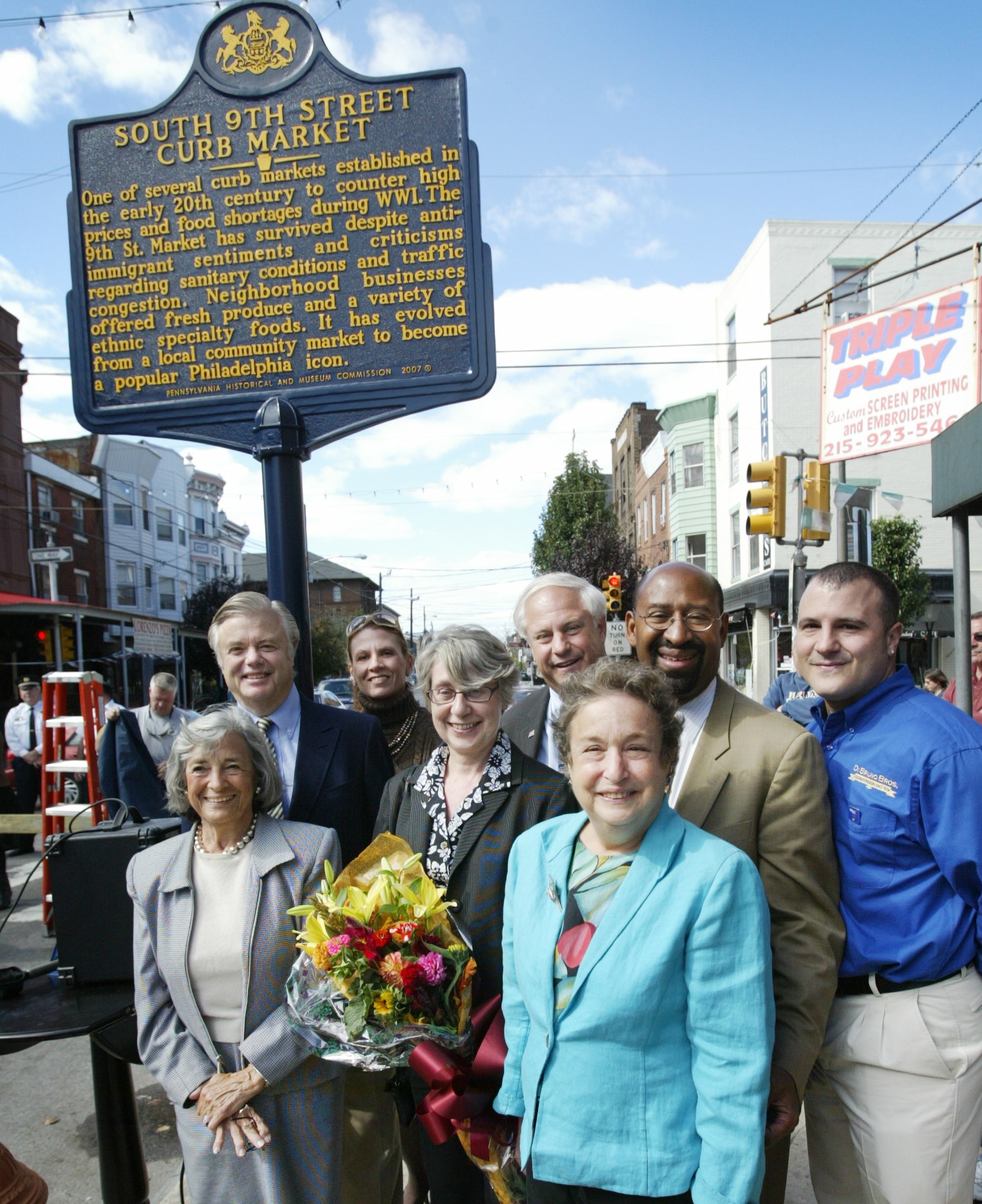
    Mrs. Klein (left) appeared with others in 2007 to celebrate a historical marker at the corner of 9th and Christian Streets.Alejandro A. Alvarez / Staff Photographer

    She met Lewis Klein in college, and they married in 1952. They had a son, Stephen, and a daughter, Ellen, and lived in Melrose Park and Rydal. Her husband, a pioneering TV broadcaster and cofounder of Gateway Communications, died in 2019.

    Mrs. Klein and her husband traveled the world for decades and attended dozens of galas and fundraising events. She enjoyed gardening, was an avid reader, and liked to play Scrabble.

    In 1993, Inquirer columnist Clark DeLeon called her “a wonderful, funny, vivacious lady.” Temple’s Boardman said: “She was truly one of the best human beings I’ve ever had the privilege to know.”

    In addition to her children, Mrs. Klein is survived by a granddaughter, two great-grandchildren, and other relatives.

    A celebration of her life is to be held later.

    Donations in her name may be made to the Abington Police Athletic League, 1166 Old York Rd., Abington, Pa. 19001.

    Mrs. Klein grew up in Oak Lane and earned a bachelor’s degree at Penn. Courtesy of the family
  • Ben Jones, ‘Dukes of Hazzard’ actor and 2-term U.S. House member, dies at 84

    Ben Jones, ‘Dukes of Hazzard’ actor and 2-term U.S. House member, dies at 84

    Ben Jones, who played the good ol’ boy mechanic in The Dukes of Hazzard TV series and parlayed his fame into a political career and two terms in the U.S. House, has died. He was 84.

    Mr. Jones had a heart attack in his home Sunday in Washington, Va., as he was waiting to watch his beloved Atlanta Braves play baseball, his wife, Alma Viator, said on social media. Rappahannock County Sheriff Connie Compton confirmed his death.

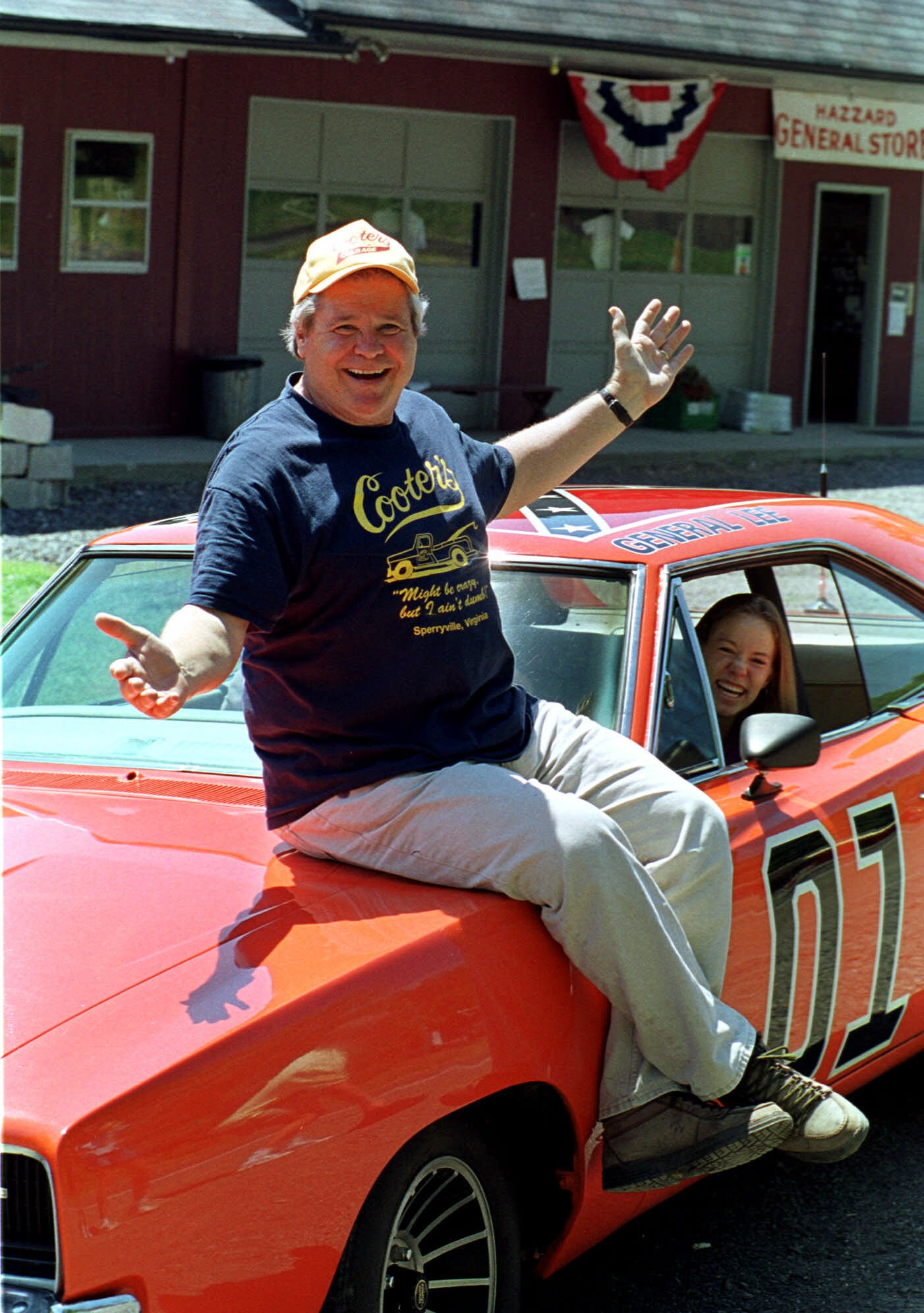
    Mr. Jones’ fame came from his role as Cooter Davenport, the mechanic who got the Duke boys out of jams as they tried to do the right thing and fight the corrupt Boss Hogg in the fictional Hazzard County, Ga.

    After playing Cooter for all seven seasons of the series from 1979 to 1985, Mr. Jones turned to politics and was elected to the U.S. House from a district near Atlanta in 1988. The Democrat served two terms before he was redistricted out of the seat.

    Mr. Jones was born in North Carolina and in college got involved in acting and civil rights, he wrote in his autobiography Redneck Boy in the Promised Land: The Confessions of ‘Crazy Cooter.’

    Acting took over his life. Mr. Jones performed in numerous stage productions and had a few minor TV and movie roles in Atlanta during the 1970s before his life-defining break came on a TV show Jones defended as a modern-day morality tale and a fine example of Southern values.

    For seven seasons, Mr. Jones was one of a small band of friends and family helping Bo and Luke Duke in The Dukes of Hazzard. The brothers were on probation for running moonshine and were constantly trying to clear their names and stop the crooked and powerful Boss Hogg from stealing or cheating.

    The Duke boys drove a modified 1969 Dodge Charger called the General Lee with a Confederate flag on its roof. Cooter owned Cooter’s Garage in the town square. Nearly every episode involved a car chase with jumps and stunts and a patrol car badly in need of repairs.

    Cooter was often on the CB radio in his pickup truck saying, “Breaker one, Breaker one. I might be crazy but I ain’t dumb. Crazy Cooter coming at you.”

    The Dukes of Hazzard was a hit for CBS and its popularity never waned. It went into syndication and later became a prominent fixture on cable’s Nashville Network.

    Mr. Jones also credited the series with pulling him out of a self-destructive, alcoholic lifestyle that led to the failure of several marriages.

    ″It was like being in a Beatles movie,″ Mr. Jones said. ″Our lives changed.″

    Tom Wopat, who played Luke Duke, said Mr. Jones was an integral part of making the series work.

    “Ben Jones was a fine friend and a fierce advocate of all the best things we can offer in the entertainment business. He will be sorely missed,” Wopat wrote on Instagram.

    After The Dukes of Hazzard, Mr. Jones went into politics. He kept his aw-shucks personality, but took the issues seriously. In his four years in Washington, Mr. Jones was known as a Democrat who could buck his party. He was liberal on social issues and conservative on economics.

    But even in politics, he made a splash. After losing in 1992 in his redrawn district, Mr. Jones ran for Congress again in 1994. He lost to Newt Gingrich in the elections that elevated the Republican to the Speaker’s Office.

    Mr. Jones would file an ethics complaint that Gingrich used tax-deductible donations to fund his partisan college course, leading to a House reprimand and Gingrich’s decision to leave the body.

    Mr. Jones always embraced his role as Cooter. After moving to Virginia, he would open at least three Cooter’s country stores in Nashville and Pigeon Forge, Tenn., and near his home. They sold plenty of T-shirts, key chains, and insulated tumblers and included Dukes of Hazzard memorabilia like one of the 300 or so General Lee cars used and abused in the TV series.

    The show and Cooter lived on because it was funny, had plenty of action and car chases, and had a good, family-friendly heart, Mr. Jones told the Richmond Times-Dispatch at a 2001 car show where he played in a band, signed autographs, and met fans.

    “The show reflects the values of the heartland of America. The good guys always win,” Mr. Jones said.

  • Beloved author Benjamin Alire Sáenz, first Latino PEN/Faulkner winner, dies at 71

    Beloved author Benjamin Alire Sáenz, first Latino PEN/Faulkner winner, dies at 71

    NEW YORK — Benjamin Alire Sáenz, an award-winning fiction writer and poet who drew upon his sexuality and his life on the Southern border, has died at age 71. He was the first Latino to win the PEN/Faulkner prize.

    Mr. Sáenz, who produced a story collection that won the PEN/Faulkner prize and a young adult novel that received acclaim from readers and reviewers and condemnation from censors, died last week in El Paso, Texas, after a lengthy illness, according to a spokesperson for Simon & Schuster Children’s Publishing. Additional details were not immediately available.

    Mr. Sáenz, born in Old Picacho, N.M., was an ordained Catholic priest who eventually left the order and came out as gay. His Aristotle and Dante Discover the Secrets of the Universe, the story of two Mexican American boys falling in love, was published in 2012 and received a pair of citations for outstanding LGBTQ+ literature: a Stonewall Honors Book Award and the Lambda Literary Award.

    Hamilton playwright Lin-Manuel Miranda, who narrated the audio edition and helped produce a 2023 film adaptation, wrote in an Instagram post that he was “heartbroken” over Mr. Sáenz’s death.

    “Rest easy, maestro,” Miranda wrote. The movie starred Max Pelayo and Reese Gonzales as the title characters and also featured Eva Longoria.

    The novel’s love story led to its being removed temporarily from a school district in Granbury, Texas, and to bans in Russia and in Belarus.

    Mr. Saenz’s other books included the sequel Aristotle and Dante Dive into the Waters of the World, the poetry collection The Book of What Remains, and such adult novels as In Perfect Light and Names on a Map.

    He received the PEN/Faulkner award in 2013 for Everything Begins & Ends at the Kentucky Club, a story collection set in El Paso, and across the border in Juarez, Mexico. Starting in the 1990s, he taught for decades at the University of Texas at El Paso, where he had received a master’s degree in creative writing. He served as chair of the school’s creative writing department before retiring in 2016.

    Next month, Simon & Schuster will publish When the World Was Happy, which draws in part upon the loss of his niece in 1990 in a Las Cruces, N.M., bowling alley shooting. He was reminded of that tragedy by the 2022 school shooting in Uvalde, Texas.

    “That was when I decided that this was not gonna leave me alone until I wrote about it,” he wrote in an author’s note shared by the publisher. “I wanted to write a book about how people survive and live through something as senseless as this.”