Category: Philadelphia News

  • Philly pools to start opening Friday, but details are scarce

    Philly pools to start opening Friday, but details are scarce

    Philadelphia will begin opening pools across the city Friday, just in time for an uncomfortable heat wave.

    Public pools will begin opening on a rolling basis on Friday, the city announced. No word yet on which pools will open first, and Mayor Cherelle L. Parker’s office did not immediately respond to a request for comment.

    Why can’t Philadelphia open all its pools at once? As with previous years, it is all based on lifeguard staffing. The more lifeguards the city hires and trains, the more pools it can open.

    More than 60 public pools are expected to open throughout the summer, the city said, up from 41 pools in 2025. It took until July 7 for the final pools to open for the season last year.

    The pools will open amid a heat emergency in Philadelphia, with temperatures expected to top 90 degrees through Friday. The emergency could extend into the weekend if the high temperatures linger. The all-time high temperature for both Thursday and Friday in Philly, 95 degrees, could be threatened.

    “The Health Department declares a Heat Health Emergency when the temperature gets high enough that vulnerable people — especially our elderly neighbors and family members — are at an increased risk of getting sick or dying from the heat,” Health Commissioner Palak Raval-Nelson said in a statement.

    To find pool hours, swimming lessons, or accessibility details, visit the Parks and Rec Finder App at phila.gov/parks-rec-finder.

    This story will be updated when the city releases more information on pool openings.

  • Steamy weather threatens fan fest, and Philly’s 1st World Cup game won’t feel like home to either team

    Steamy weather threatens fan fest, and Philly’s 1st World Cup game won’t feel like home to either team

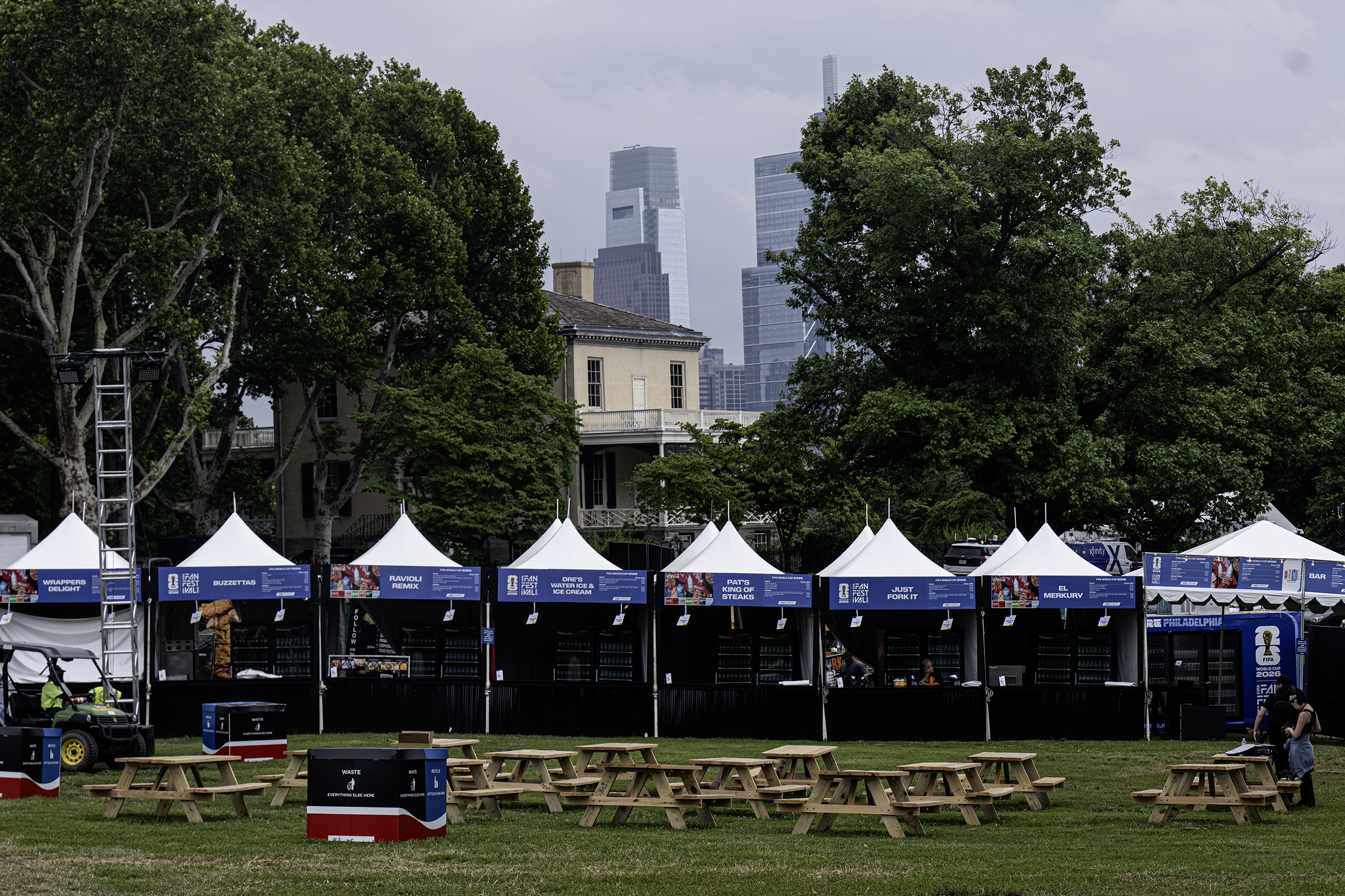
    No matter what else happens at the World Cup’s FIFA Fan Festival events Thursday and Friday on Fairmount Park’s Lemon Hill, expect hot times.

    After setting four high temperature records since April, two more could fall this week in Philadelphia as a very warm June picks up steam and the mercury heads to the mid-90s on both days, while the atmosphere turns to soup.

    “It’s going to be very uncomfortable,” said Bob Oravec, senior branch forecaster at the Weather Prediction Center in College Park, Md.

    The National Weather Service in Mount Holly said heat indexes could reach 103 on Thursday and 105 on Friday in the city, and the Philadelphia Department of Public Health has declared a heat emergency.

    With the increase in water vapor and an approaching front, thunderstorms also could pop up, and festival organizers are well aware of the potential at what will be a “rain-or-shine event,” said Philadelphia Soccer 2026 spokesperson Melissa Ferdinand.

    Conditions are due to improve on the weekend, with lower humidity and just an outside chance of showers during the Sunday night match between Ecuador and Ivory Coast in South Philly.

    The weather outlook for the fan fest activities

    When the fan festival gets underway at 2 p.m. Thursday, chances are excellent that Philly will be chasing a record, with a Friday encore. The all-time high for both Thursday and Friday in Philly is 95 degrees.

    Thunderstorms are possible both afternoons, with about a 15% chance that they reach severe status — with wind gusts near 60 mph — according to the Storm Prediction Center in Norman, Okla.

    Soccer matches will be televised throughout the festival, including Sunday’s game in Philly, and in the event of severe weather, the screens will carry evacuation orders, along with announcements and text communications, Ferdinand said. “Our highest priority is the safety of our guests,” she said in an email.

    On Saturday, conditions should improve markedly, with daytime highs several degrees lower and the mugginess backing off. On Sunday, temperatures are expected to climb back to the low and mid-90s, but the humidity should not approach the Thursday and Friday levels.

    The weather outlook for Sunday’s game

    Temperatures around game time are forecast to be in the upper 80s with comfortable humidity and a breeze under 10 mph.

    The only caution flag would be the chance of a shower, said Mike Lee, a meteorologist at the weather service office in Mount Holly, but “it looks like it’s going to be on the hit-or-miss side of things.”

    It should be comfortable for the fans, but upper 80s would not be a cool dip in the pool for the players, who can run six miles or more during a match — no home run trots in soccer. Throughout the tournament, heat and humidity certainly are going to be players, said Ryan Calsbeek, a runner and Dartmouth College biological sciences professor.

    He allowed that running this week was an ordeal. Granted, it got up to only 85 degrees where he lives in New Hampshire, but it was the first warm shot of the season, and his body let him know it was not enjoying the adjustment. Acclimatization certainly will be a challenge to the World Cup participants at the venues across the United States, Canada, and Mexico, he said.

    The atmospheric conditions on Sunday in Philly are not going to feel much like home to either team.

    The Ecuadorians may even get a little homesick. They play in Quito, right on the equator, but their stadium is at an elevation of more than 9,000 feet — 1.7 miles. Temperatures decrease with height, and the average high in June in Quito is 70 (the same as it is in January).

    Conversely, the Ivory Coast team’s home field is in Abidjan, a city of more than six million on the south-central Atlantic coast. The region gets prodigious amounts of rain as storm waves move across east to west across the continent, said Tom Kines, senior meteorologist with AccuWeather Inc. And is it ever muggy.

    Les Elephants might view South Philly as a vacation spot.

  • Philly can’t proceed with non-renewing a city charter school — for now

    Philly can’t proceed with non-renewing a city charter school — for now

    A judge has barred the Philadelphia School District from continuing nonrenewal proceedings against a city charter — for now.

    Philadelphia Common Pleas Court Judge Damaris Garcia ordered Tuesday that the school board cannot move forward with a nonrenewal vote for Philadelphia Montessori Charter, which sued the district last month. That vote would have been the first step on a road to possible closure.

    Garcia said the district was barred from “proceeding with charter nonrenewal proceedings against Philadelphia Montessori Charter School, pending further order of the court.”

    Garcia set a hearing on the matter for July 27.

    Philadelphia Montessori‘s lawsuit claims the district violated state charter law with “shifting standards, inconsistent methodologies, and procedures that do not provide fair notice or a neutral adjudicative structure.”

    Mark Seiberling, a lawyer for Philadelphia Montessori, had asked the court to prohibit action on any charter renewals and nonrenewals, not just Montessori’s.

    The legal dispute between the district and Philadelphia Montessori began after school board president Reginald Streater recently directed the district’s charter office to prepare notices of nonrenewal for Philadelphia Montessori and another charter, Global Leadership Academy Charter School Southwest at Huey. Streater and other members of the board had concerns about academics, operations, personnel, and finances at both schools.

    Votes have not been scheduled or taken for either school’s nonrenewal.

    A nonrenewal vote does not mean a school closes; it instead triggers a hearing, with witnesses and evidence. The hearing officer would then recommend renewal or nonrenewal, and the board would take another vote.

    The nonrenewal process, if triggered, typically takes at least a year, and schools remain open while it plays out.

    Philadelphia Montessori, on Island Avenue in Southwest Philadelphia, educates 250 students in grades K through 6.

    The school board had no comment.

  • In a striking reversal, the Philly DA’s office said it no longer supports a man’s bid to overturn his murder conviction

    In a striking reversal, the Philly DA’s office said it no longer supports a man’s bid to overturn his murder conviction

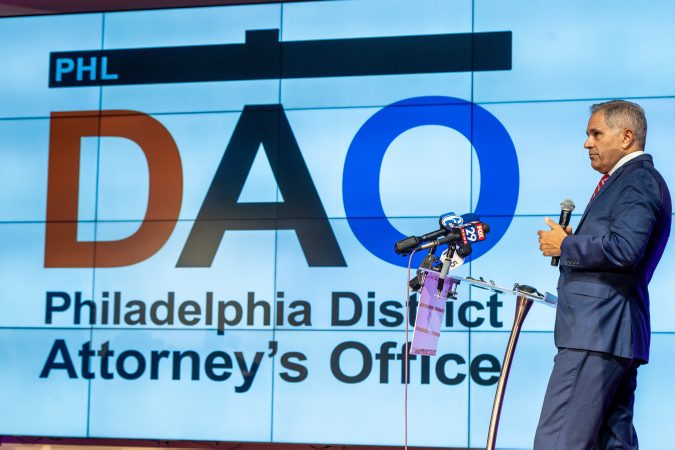
    The Philadelphia District Attorney’s Office is attempting to withdraw a recommendation it made in federal court that a man’s murder conviction should be overturned, saying the prosecutors who oversaw that request did so by filing court documents that were “not supported by the record” or “legally erroneous.”

    The about-face, made in a motion filed last week, represents a striking reversal of a posture that could have led a judge to wipe out a guilty verdict in a deadly shooting.

    The filing was all the more unusual because the prosecutors who signed it named the colleagues who they said had made “material misstatements” about witness testimony in the case, and took a position the office no longer supports. Prosecutors now believe the conviction should be upheld.

    “The Commonwealth respectfully requests leave to withdraw its prior response and apologizes to the Court for the errors,” said the new motion, which was signed by four prosecutors: David Napiorski, Steven Wildberger, Peter Andrews, and Katherine Ernst.

    The filing was submitted Friday, just months after a panel of federal judges took the rare step of voting to ban another prosecutor in the district attorney’s office from practicing in federal court — one of the most serious penalties a lawyer can face. In that case, the judges accused the lawyer, Paul George, of being “misleading and dishonest” while seeking to overturn an inmate’s death sentence, and they were extremely critical of what they called George’s repeated misrepresentations on behalf of his office, saying the conduct threatened the integrity of the legal system.

    “Lies like those George told … are even more problematic when asking a federal court to disturb a state-court conviction,” the judges wrote in a sternly worded opinion.

    One of the judges involved in that disciplinary decision, U.S. District Judge Paul S. Diamond, is the person who will now have to decide what to do with accusations of misstatements in the most recent case. An evidentiary hearing is scheduled for next month.

    Diamond had initially ordered that hearing to learn more about the strength of the evidence against Dennis Johnson, who was convicted of second-degree murder in the 2007 killing of Kenyatta Smith outside a corner store in North Philadelphia.

    It was not clear whether Diamond would follow through with his plan to hear witness testimony about Johnson’s role in the crime — or if he might use the hearing to instead ask prosecutors how and why their office had urged him and a federal magistrate judge to undo a conviction based on assertions they now say were wrong.

    The assistant district attorney who signed that original request, Jaclyn Mason, resigned on June 2, according to court documents. She declined to comment.

    Her supervisor in 2022, when she filed the request, was Matthew Stiegler, who has since become the chief of the office’s Conviction Integrity Unit. He did not respond to a request for comment.

    A spokesperson for District Attorney Larry Krasner did not respond to questions about the situation or the office’s change of heart.

    A flawed conviction?

    The crime for which Johnson was convicted occurred on Aug. 17, 2007, when Smith was fatally shot while being robbed outside a convenience store near 30th Street and Lehigh Avenue, court documents say.

    Several witnesses identified Johnson as the shooter, and he was convicted of second-degree murder and sentenced to life in prison.

    Johnson appealed his conviction and said his lawyer had been ineffective for failing to object to a detective’s testimony that a witness who did not testify, and who could not be cross-examined, had also identified Johnson as the shooter.

    In 2022, Mason — then assigned to the district attorney’s Federal Litigation Unit — agreed, writing in court documents that the detective’s testimony was improper and had “tipped the scales” toward a conviction.

    She also said the office had discovered problems or inconsistencies with testimony from other key witnesses, and asked a federal magistrate judge to recommend that the conviction be thrown out.

    “The case against Johnson was not overwhelming from the outset and his counsel was constitutionally ineffective,” Mason wrote. “The post-trial investigation unearthed additional factors that highlight weaknesses in the prosecution and confirm a low level of confidence in the outcome of Johnson’s trial.”

    The magistrate, Judge Lynne A. Sitarski, agreed with Mason and recommended that Johnson’s conviction be overturned. Still, her decision was not binding.

    Diamond, the district court judge, was the one with the power to reverse Johnson’s conviction. And he did not seem inclined to accept the assertions made in Mason’s briefing.

    ‘Material misstatements’ in court documents

    Last month, Diamond scheduled an evidentiary hearing at which he ordered all of the witnesses who testified against Johnson to take the stand in his courtroom and testify again.

    Prosecutors from the district attorney’s Law Division said they then began working with Mason to prepare for the proceeding. But as they did, they said in their motion, they discovered that Mason’s filings “contained material misstatements” about the case.

    Most of the issues concerned ways in which they said Mason characterized witness testimony at trial. In one example, prosecutors said, Mason wrote that a key eyewitness “did not visually identify Johnson” as the shooter while on the witness stand.

    But the trial transcript shows that the witness did so “repeatedly,” prosecutors said, and the witness also said he had “known Johnson for at least five or six years.”

    That issue and several others led the Law Division staffers to conclude that the office’s earlier filing seeking to undo the conviction was flawed — and they also concluded that the case against Johnson was stronger than Mason contended, and that “relief on Johnson’s claim was not warranted.”

    It remains unclear what Diamond might do in the case, or how it might affect any of the lawyers involved.

    Johnson’s fate is also unclear. One of his lawyers, Nilam Sanghvi of the Pennsylvania Innocence Project, said she and her colleagues will continue advocating for his freedom.

    “We believe in Dennis Johnson’s innocence, and that Magistrate Judge Sitarski’s recommendation that Dennis receive habeas relief based on the violation of his constitutional rights is thorough and well-reasoned,” Sanghvi said.

    The evidentiary hearing currently remains scheduled to take place in July.
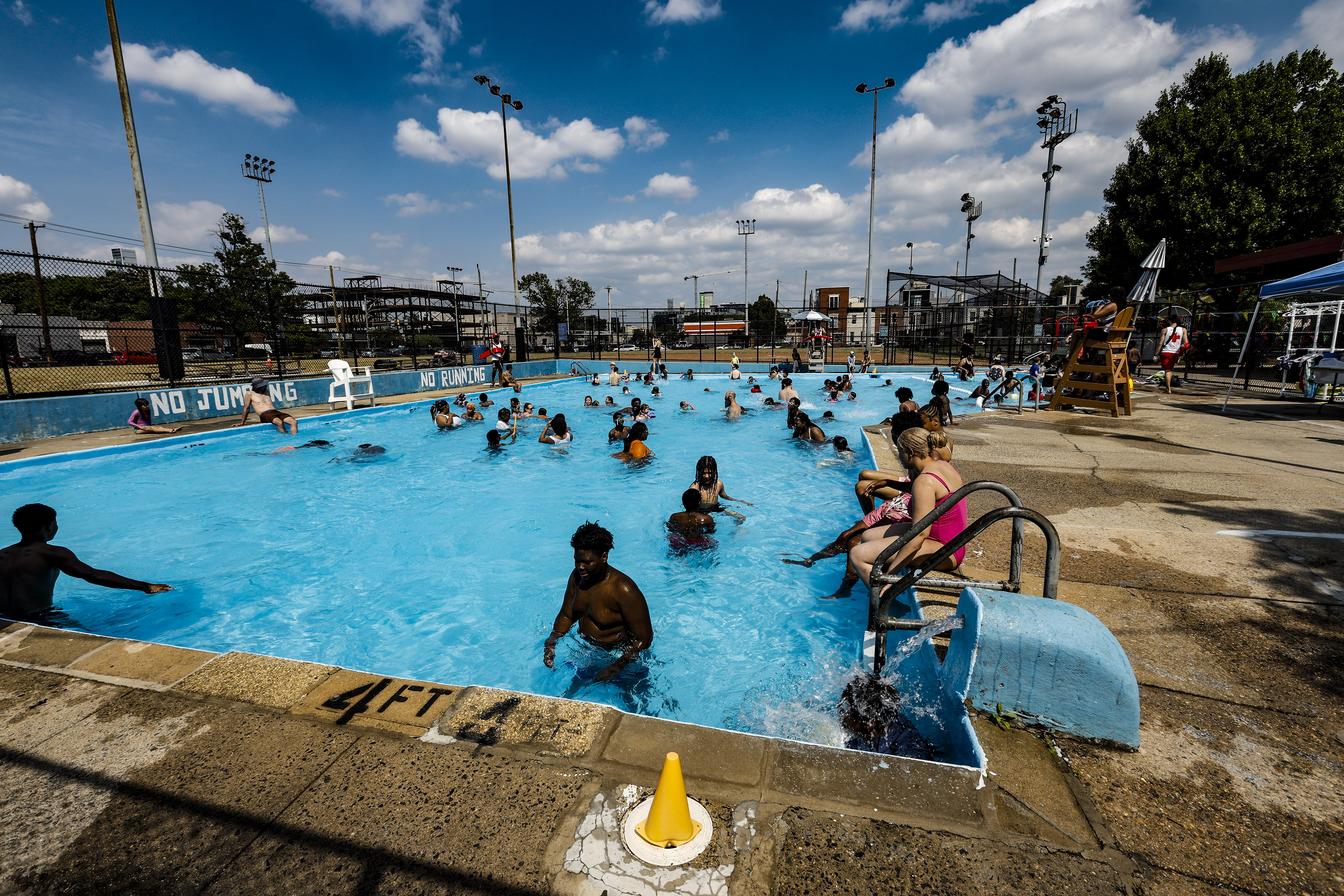
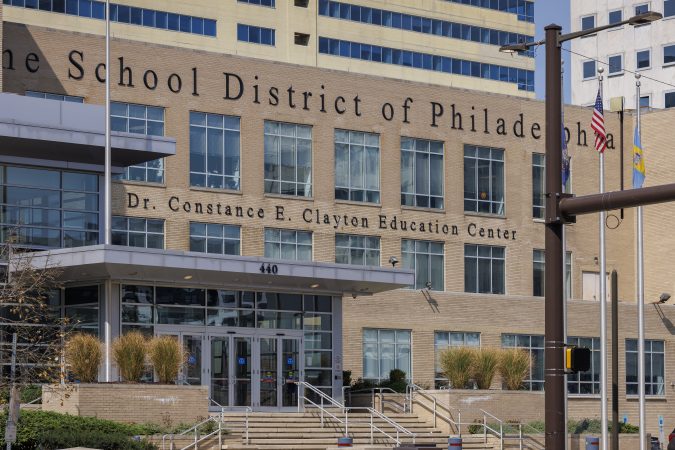
  • These 52 Philly schools will dismiss early Thursday — the last day of school — because of heat

    These 52 Philly schools will dismiss early Thursday — the last day of school — because of heat

    Thursday is the last day of classes for the Philadelphia School District’s 216 schools.

    A quarter of them will dismiss early because of hot temperatures, officials announced Wednesday.

    Forecasters predict it could feel like 100 degrees on Thursday.

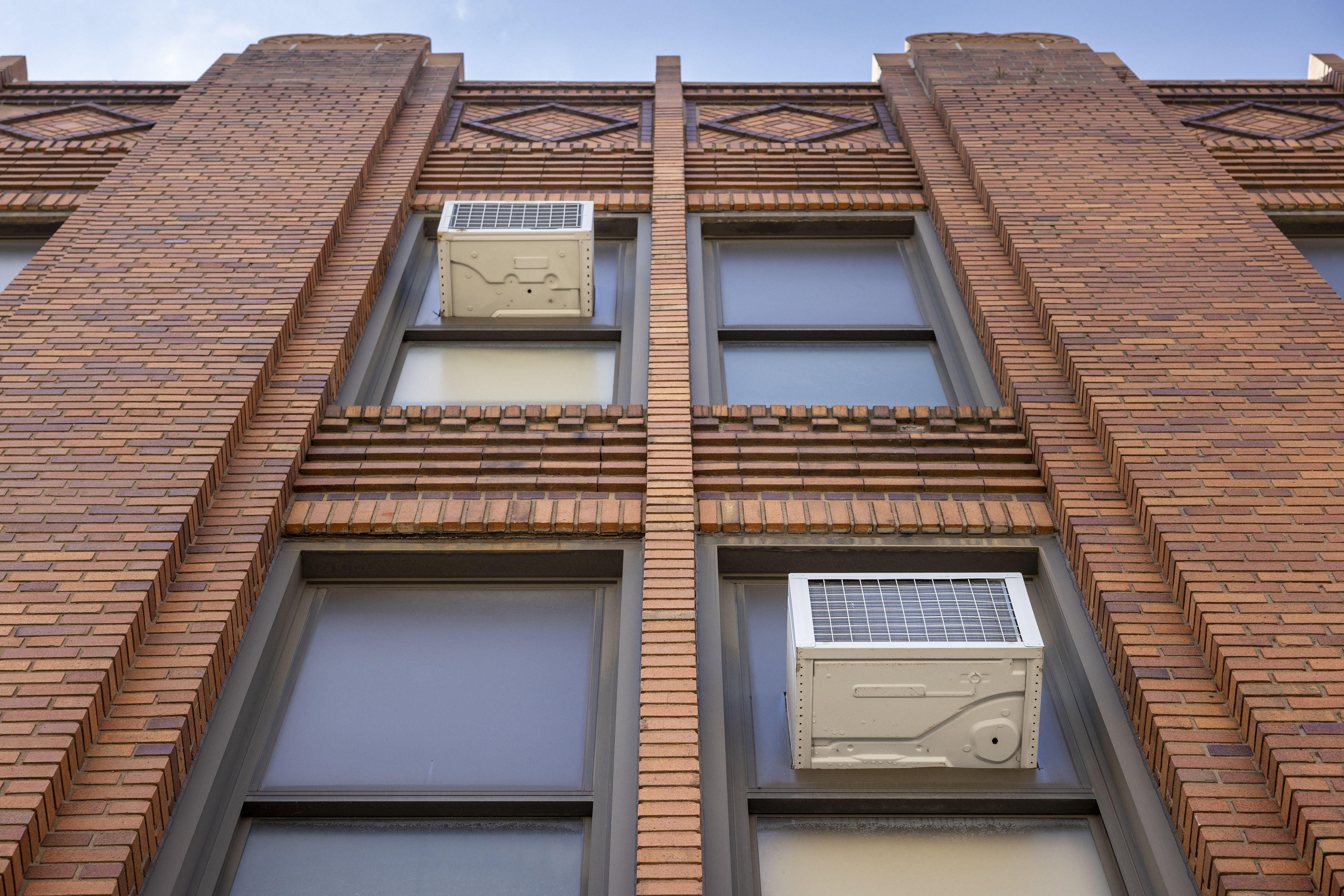
    “While the district has made significant progress toward ensuring our schools are adequately cooled in order to provide safe and comfortable learning environments, there are still a number of schools with inadequate cooling systems,“ Deputy Superintendent Oz Hill said in a letter to families and staff.

    The 52 schools, and early childhood programs located inside them, will all close early, and any after-school activities at those schools are canceled.

    Schools’ dismissal times vary based on their start times.

    While Thursday is district students’ last day of classes for the 2025-26 school year, staff are expected to report to work Friday.

    The schools that will dismiss early Thursday are:

    • AMY Northwest
    • Bache-Martin
    • Blaine
    • Building 21
    • Catharine
    • Comegys
    • Comly
    • Cooke
    • Crossan
    • Disston
    • Dunbar
    • Emlen
    • Fell
    • Fox Chase
    • Ben Franklin High
    • Girard
    • Harding
    • Henry
    • Hill-Freedman
    • Hopkinson
    • Houston
    • Howe
    • A.S. Jenks
    • J.S. Jenks
    • Lamberton
    • Lingelbach
    • Loesche
    • Ludlow
    • McCloskey
    • McClure
    • McMichael
    • Mitchell
    • J.H. Moore
    • MYA
    • Olney Elementary
    • Overbrook Elementary
    • Parkway West
    • Patterson
    • Rhawnhurst
    • Rowen
    • Roxborough
    • Sayre
    • Sharswood
    • Sheppard
    • South Philadelphia High
    • Spring Garden
    • Spruance
    • Sullivan
    • Tilden
    • The U School
    • Wagner
    • Martha Washington
  • Philadelphia’s top public defender warns of service cuts if city budget passes unchanged

    Philadelphia’s top public defender warns of service cuts if city budget passes unchanged

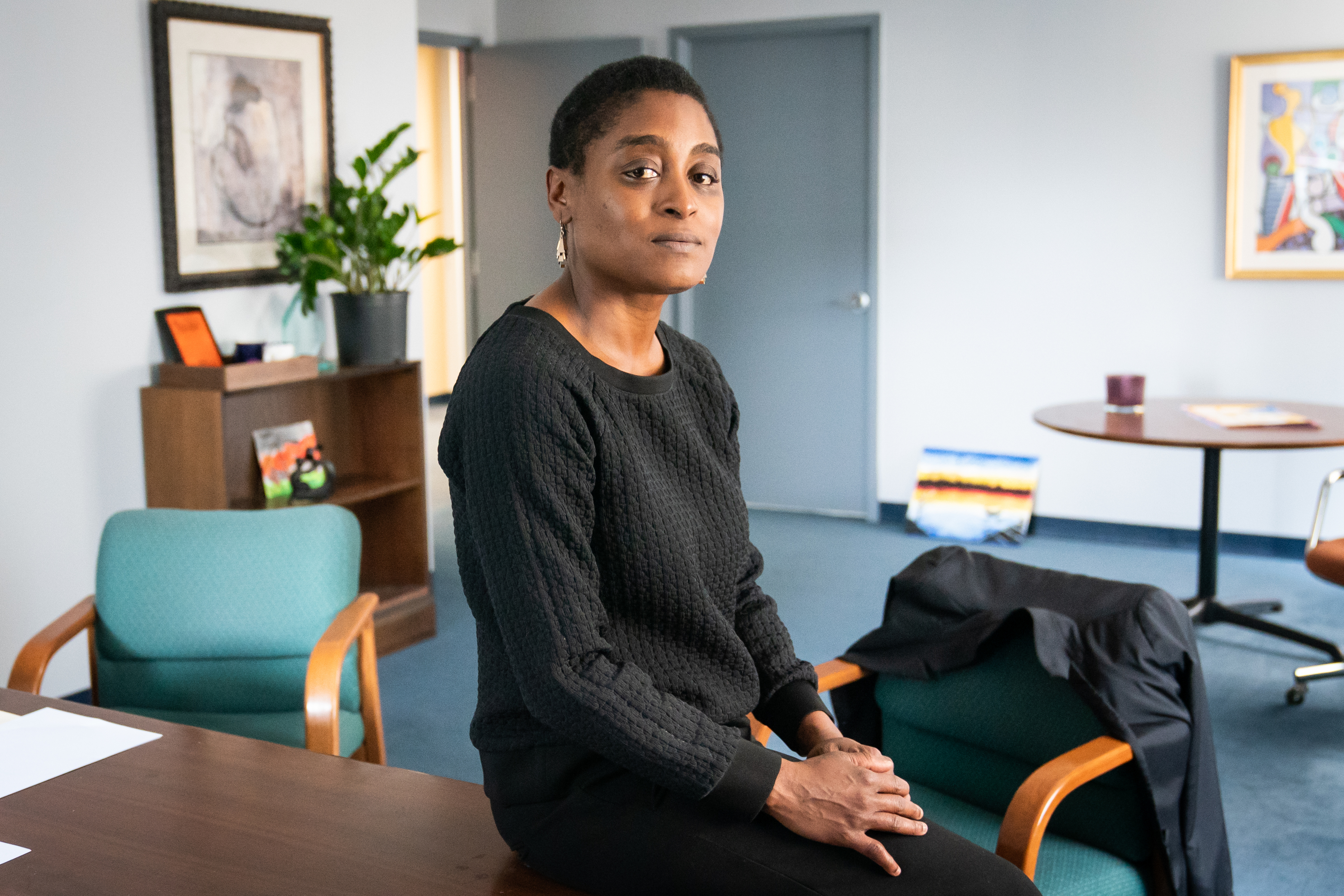
    Philadelphia’s chief public defender warned this week that the city’s indigent defense system will begin scaling back services next month unless City Council approves additional funding for the Defender Association of Philadelphia.

    In an email sent Tuesday to judges, City Council members, and Mayor Cherelle L. Parker, Chief Defender Keisha Hudson said the agency would reduce or withdraw from several programs beginning July 1 if lawmakers on Thursday adopt the mayor’s proposed budget as is.

    The planned changes include ending representation at expungement hearings and reducing participation in specialty courts and programs, including Neighborhood Wellness Court and the Accelerated Misdemeanor Program, according to the email.

    Hudson said the Defender Association would also stop staffing emergency bail hearings, a practice she credited with helping to significantly reduce the city’s jail population.

    The warning escalates a monthslong dispute over funding for the Defender Association, which has argued that its expenses and responsibilities have expanded without a corresponding increase in city support.

    Despite that growth, Hudson said in an interview, the Defender Association is the only major criminal justice stakeholder that would receive no additional money under Parker’s proposed budget. That decision “felt very much personal and political,” she said.

    A spokesperson for Parker did not respond to a request for comment Wednesday.

    Parker’s proposed budget allocates $69 million to the Defender Association for the coming fiscal year, unchanged from its current funding level. Hudson had sought about $5 million more, saying the bulk of the money was needed to cover rising labor costs — including contractual obligations to unionized attorneys and staff — and higher rent, insurance, and technology expenses.

    The disparity had left the agency facing “difficult decisions” about what services it can continue to provide, Hudson said. “There are human and financial costs to us not being in certain spaces,” she said.

    Hudson wrote in the email that additional reductions could follow in the coming months, including in Veterans Court, Treatment Court, and other tasks that are not constitutionally required — such as representing people at preliminary arraignments.

    A spokesperson for the courts did not respond to a request for comment on the cutbacks’ potential impact.

    A written statement by UAW Local 5502, which represents public defenders, immigration attorneys, and child advocates at the Defender Association, said this was the third year in a row that funding for the agency had remained flat — which it called “a funding decrease when accounting for record-high inflation.”

    The announcement came as other criminal justice agencies also made final appeals for funding before City Council’s scheduled vote on the budget Thursday.

    On Monday, District Attorney Larry Krasner publicly urged Parker to provide additional funding for his office, delivering a letter to the mayor requesting $5.6 million beyond the amount included in the proposed budget. Krasner said the money would support shooting investigations, domestic violence prosecutions, victim services, and other public safety initiatives.

    Parker has allocated $62.4 million to the district attorney’s office — about $3 million more than last year.

    Parker’s proposed budget would spend roughly $7 billion next fiscal year, with major investments in housing, public safety, and other priorities. City officials have cited financial constraints and uncertainty about future revenue as they weigh competing requests for additional funding.

    Vincent Thompson, a spokesperson for City Council President Kenyatta Johnson, said that Council members had advocated for the Defender Association’s funding priorities during budget negotiations but that “any additional funding increases must be agreed upon through the budget negotiation process.”

    Last Thursday, after City Council rejected a series of tax increases the mayor had proposed, Parker told a reporter that the association’s request was among several funding priorities her administration weighed with Council members “to do the best we could with what we had.”

  • Mother of four beaten to death with brick in North Philadelphia; two suspects sought

    Mother of four beaten to death with brick in North Philadelphia; two suspects sought

    A 45-year-old mother of four was beaten to death with a brick in North Philadelphia on Sunday, according to police.

    Keisha Furlow was found in a rear alley on North Opal Street around 6:15 a.m. that morning by first responders, who pronounced her dead at the scene.

    Furlow had suffered severe lacerations to her face, police said. Officers found two bloodied bricks on the ground near the woman’s body and believe they were used in the attack, which occurred around 2 a.m.

    Investigators are searching for two people they believe are responsible for the attack, according to a law enforcement source who was not authorized to speak publicly given the ongoing nature of the investigation.

    One of the attackers, captured on surveillance footage, appears to kick Furlow and beat her repeatedly with a brick, according to the source.

    Investigators believe both assailants fled with Furlow’s purse after the attack. The department released an image of one of the suspects, a man, on Wednesday afternoon.

    Furlow is a resident of the 2700 block of North Opal Street, according to police.

    No arrests have been made, and homicide detectives continue to investigate.

  • Former Philly union leader Chris Woods found not guilty of fraud

    Former Philly union leader Chris Woods found not guilty of fraud

    Christen “Chris” Woods, the former leader of one of Philadelphia’s largest labor unions, was acquitted of theft and conspiracy charges Wednesday by a judge who rejected prosecutors’ allegations that he used a union-funded renovation project to secretly funnel money into local political campaigns.

    In delivering her verdict, Common Pleas Court Judge Tracy Brandeis-Roman said prosecutors had failed to prove beyond a reasonable doubt that Woods — who once led District 1199C of the National Union of Hospital and Healthcare Employees — acted criminally when he hired longtime political operative Tracy Hardy to oversee the renovation of a bar inside the union’s Center City headquarters in 2019. The case against him, she said, relied on circumstantial evidence that did not definitively tie Woods to any wrongdoing.

    As the judge declared Woods, 41, not guilty, he lowered his head toward the defense table, overcome with emotion. Behind him, family members and friends sprang to their feet, raising their hands toward the ceiling and shouting in celebration until Brandeis-Roman restored order by rapping her gavel.

    The verdict brought to an end a protracted prosecution by the Pennsylvania Attorney General’s Office that accused Woods of orchestrating a plot to covertly channel money into Philadelphia’s 2019 Democratic primary elections.

    Prosecutors alleged that Woods used a bar renovation project as a vehicle to steer more than $100,000 in union funds toward political consulting and campaign work benefiting candidates he supported, including one of Woods’ closest friends, Isaiah Thomas, who won a City Council seat.

    Rather than rely on traditional campaign contributions, prosecutors said, Woods hired Hardy — who owned bars but did not work in construction — to develop fake and inflated estimates for the renovation project, then got one of those bloated proposals approved by the union’s board. Then, they said, Hardy took the excess money and used it to surreptitiously support the candidates.

    Woods, who now owns a consulting firm and medical transportation business, was once viewed as a rising star in city political circles, and dozens of supporters sat in the courtroom to watch the case unfold. Thomas was among those who attended the proceedings, making a brief appearance during the trial’s opening phase in February. Brandeis-Roman conducted the nonjury trial over the course of months, before hearing closing arguments in May and issuing her verdict Wednesday.

    During the trial, Woods’ attorneys blamed Hardy for any issues with the renovation’s cost or the accuracy of its invoices. Woods never intended to use the union’s funds for anything other than construction, they said, and if Hardy overbilled the union, he did so on his own — and to line his own pockets.

    Hardy pleaded guilty in federal court last year to charges stemming from the bar renovation, as well as a separate scheme in which he fraudulently obtained $2 million in pandemic relief funds.

    He is scheduled to be sentenced in September.

    “This isn’t a case about theft from a union,” Woods’ attorney, Keir Bradford-Grey, said in court. “This case is about a fraud between Hardy and [his contractors].”

    Among the evidence presented were financial records and witness testimony that prosecutor James Price said showed the renovation project’s cost ballooned from an initial estimate of about $47,000 to nearly $150,000 by the time the board approved it. Price said that was because Woods and Hardy were secretly using the arrangement to fund political consulting by Hardy for candidates of Woods’ choosing.

    “You cannot spend union money just because you think it’s for the best,” he said in his closing argument.

    But Woods’ attorneys said that the initial estimate for the construction project was unrealistically low, and that Hardy did ultimately renovate the bar.

    If Hardy was a sloppy bookkeeper or dubious project manager, they argued, that did not make Woods guilty of knowingly misdirecting his union members’ funds to another purpose.

    Woods’ trial also included testimony by Ryan Boyer, head of the politically influential Philadelphia Building and Construction Trades Council and one of the city’s most powerful political figures. Boyer spent half a day on the witness stand answering questions about his relationship with Woods and Hardy, as well as his assessment of the bar renovation’s costs.

    Although Boyer served as a prosecutors’ witness, he delivered testimony that appeared to bolster Woods’ case: He said Hardy was a shady operator who cut corners and spread himself too thin, and suggested that any issues with the bar renovation likely stemmed from Hardy’s conduct.

    On Wednesday, Brandeis-Roman said the evidence left room for competing interpretations, with facts that felt as if they “could go both ways.” Combined with testimony from 19 character witnesses who vouched for Woods’ integrity, she said, the uncertainty convinced her that prosecutors had not met their burden of proof.

    “Sometimes,” she added, “all you have is your good name, and that should mean something.”

    Among those in the courtroom was Woods’ mother, Valencia, who jumped from her seat after the verdict and repeatedly shouted, “Thank you, Jesus. Thank you, God,” until she embraced her son in the hallway outside the courtroom.

    There, surrounded by loved ones, Woods said the verdict meant “I’m finally able to move on with my life.”

    Bradford-Grey added: “I am glad people will finally get to see he is not the person he was portrayed originally in the paper. It’s time to put this to bed and let Chris be the man we know he is.”

  • Mayor Parker responds to the police use of force during Philly’s Pride celebration

    Mayor Cherelle L. Parker says she is looking for answers after Philadelphia police arrested 15 people at a Pride celebration in the Gayborhood on Sunday that drew anger from community members over police use of force.

    “I know that members of our LGBTQ+ community are hurting, frustrated, and looking for answers. … I want everyone to know that I hear you, I see you, and my Administration is taking your concerns seriously,” Parker said on social media Tuesday evening.

    Images and videos spread across social media of police using crowd control tactics to disperse Pride-goers in the neighborhood, in what some considered to be an outsize and aggressive law enforcement presence.

    In one image shared on X, a police officer on a motorcycle appears to push against a woman’s chest, and, in a separate photo, another officer pushes the same woman against a storefront security door while arresting her.

    Other videos posted on social media showed police on horseback dispersing young people from a sidewalk, as well as officers physically struggling with a man outside the gay bar Woody’s. Another clip shows a row of police officers — two of them wearing face coverings — forming a line to clear a barricaded Gayborhood street while officers on motorbikes rode along the sidewalks.

    On Wednesday, Sgt. Eric Gripp, a spokesperson for the police department, said that officials had identified five officers who wore face coverings during the enforcement, and that those officers had violated department policy by doing so.

    The department is still working to determine what type of corrective action will be taken depending on the outcome of an internal investigation, he said.

    On Tuesday, Parker said she and some of her top staff, Director of LGBTQ+ Affairs Tito Valdes, and Philadelphia Police Commissioner Kevin Bethel had met to “review the information available to us and discuss next steps.”

    “In the days ahead, we will meet with community leaders as part of that effort. As we move forward, we must reject the notion that public safety and accountability are mutually exclusive,” Parker said in the statement posted to social media.

    Commanding officers at the scene gave orders to disperse crowds, according to Gripp, the police spokesperson.

    The crowd control tactics used on Sunday drew ire from local elected officials like City Councilmember Rue Landau, who said she has been in talks with city departments and police to understand why PPD used this strategy. “Police brutality has no place at Pride,” Landau said.

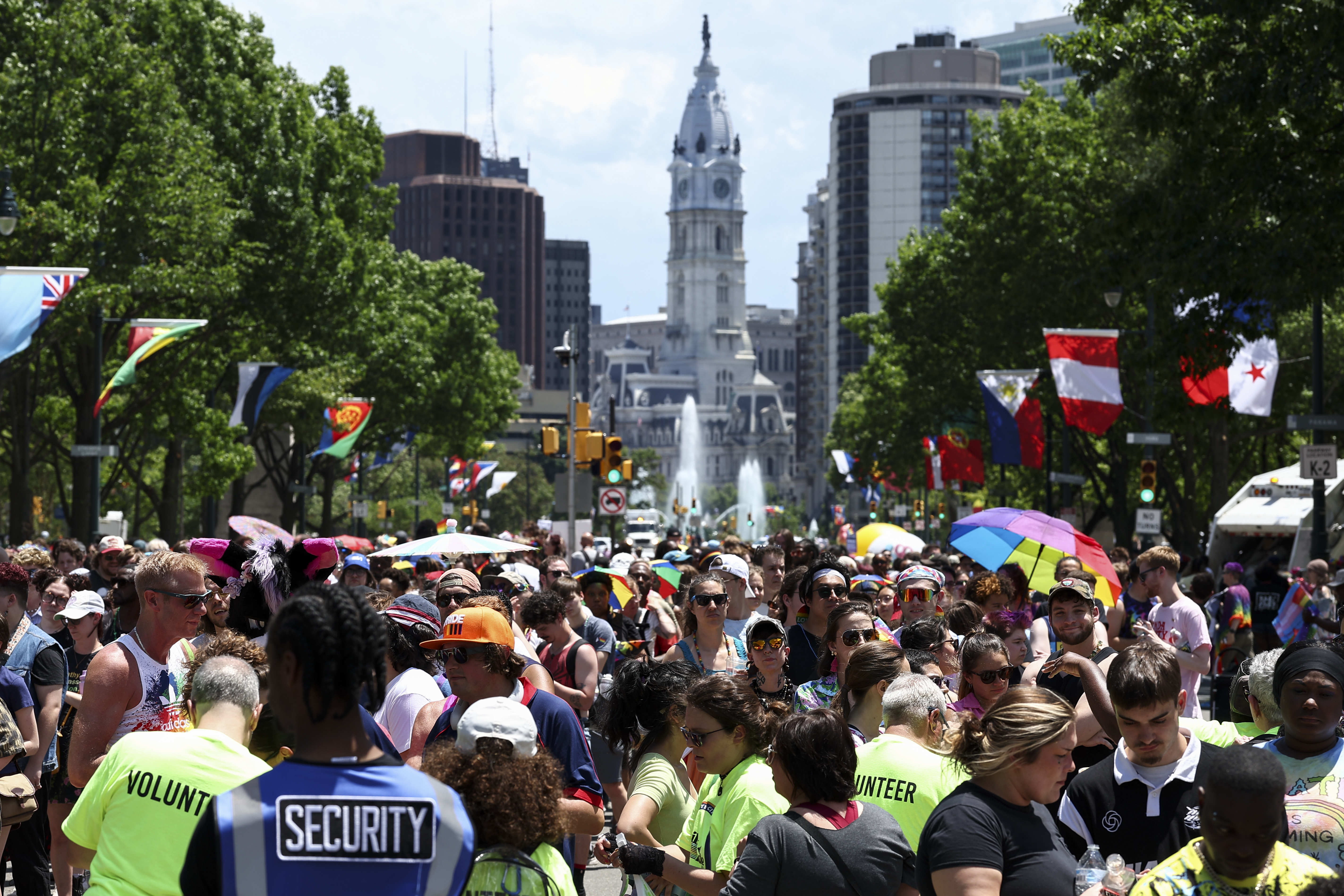
    People wait to enter the Philly Pride Festival at 21st Street on the Ben Franklin Parkway on Sunday.Monica Herndon / Staff Photographer

    A different Pride this year

    This year’s Pride looked different from that of earlier years. Usually, Philadelphia Pride celebrations and parades occur within the Gayborhood in Center City, east of Broad Street. But this year Philly Pride 365 and the city moved the parade and festival to the Benjamin Franklin Parkway because of security concerns over crowd sizes that had grown to more than 150,000 people, among other reasons, festival organizers said.

    The festival portion of Pride also asked attendees to pay $10 to enter an event that for years had been free to attend.

    Before and after the official celebrations ended, Pride-goers gathered in the Gayborhood, patronizing bars and spilling into the streets — a common practice during the celebration. But guests were surprised to find that several Gayborhood blocks around 13th and Walnut Streets were blocked with metal barricades, limiting crowds to sidewalks, said Joshua Stokem, a New Jersey resident who regularly attends the city’s Pride celebrations.

    Stokem said the layout caused large groups to pack into the corridors outside bars and restaurants and, in his view, created confusion and exacerbated some of the issues attendees had with police.

    On Sunday, police had 600 officers assigned to Pride celebrations with around 150 officers in the Gayborhood monitoring festivities, Bethel said.

    “By all accounts, [it was] a successful event attended and enjoyed by thousands of people. As crowd sizes increased in the Gayborhood, officers responded to a growing number of public safety concerns, including fights, disorderly behavior, blocked roadways, and the challenges associated with safely managing large crowds in a confined area,” he said in the statement.

    Bethel said the department had expected the Parkway celebration to gradually transition to the Gayborhood event, but that did not happen.

    Instead, he said, two separate gatherings were essentially happening at once, creating a situation that was “challenging to manage safely” and led to the decision to clear parts of the neighborhood.

    “That decision was not made in any way, shape, or form because people were celebrating Pride,” he said.

    Most of the arrests during Sunday’s event were for disorderly conduct, according to Bethel, while one person was charged with aggravated assault of a police officer.

  • Plenty of Philly hotel rooms and Airbnbs still available days before FIFA World Cup kickoff

    Plenty of Philly hotel rooms and Airbnbs still available days before FIFA World Cup kickoff

    To Ed Grose, the FIFA World Cup is not looking like a bust for Philly-area hotels.

    Yet the president of the Greater Philadelphia Hotel Association said the matches, which start Sunday and end July 4, have not brought booming business.

    “It hasn’t delivered what we thought it would in terms of hotel rooms,” Grose said Monday.

    Some of Center City’s 14,500 hotel rooms remain available on game days and game-day eves, he said, though he declined to provide an estimated occupancy rate.

    Grose’s assessment — based on conversations with local hoteliers, he said — exemplifies the tourism uncertainty that remains just days before kickoff.

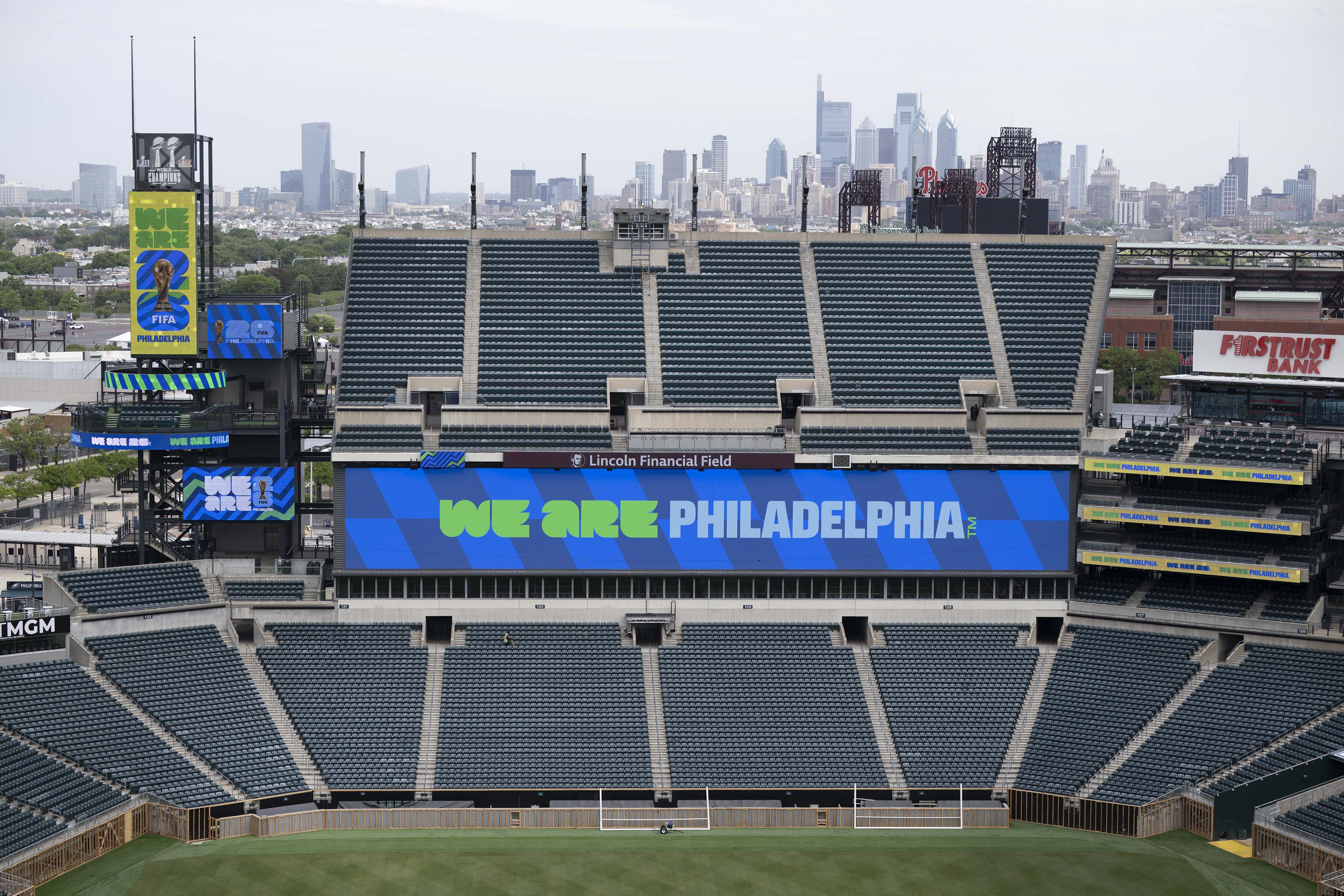
    Philadelphia has raised about $140 million in public and private funding to host the World Cup, according to Front Office Sports, and officials are heavily marketing the six South Philly games and other fan events across the city.

    A FIFA World Cup banner hangs from an entrance of Philadelphia City Hall, as seen on June 3.Jose F. Moreno / Staff Photographer

    Yet some soccer fans have said they’re avoiding World Cup matches due to a bevy of factors, including high ticket prices, expensive airfare, frustrations over FIFA’s business practices, and concerns among international fans about entering the U.S. due to the Trump administration’s immigration policies. On average, international tourists stay longer and spend more money than domestic travelers.

    There are other signs that lofty World Cup projections — which included FIFA’s broad promise of tens of billions of dollars in total economic impact — may not come to fruition.

    The Wall Street Journal reported Monday that every U.S. host city except San Francisco was seeing hotel occupancy of 40% or less, citing a recent CoStar report. Host cities in Mexico and Canada saw slightly better hotel occupancy, though still under 50%, according to the Journal.

    In Philadelphia, Google Travel searches show abundant hotel vacancies at prices under $300 or even $200 a night on some match days.

    The region’s short-term rental market has seen some last-minute demand, with about 60% of local Airbnbs and Vrbos set to be occupied on game days and game-day eves, according to AirDNA, which analyzes the platforms’ booking data. In early May, fewer than half available rentals were booked on those days.

    The inside of a South Philadelphia Airbnb was shown in early May, as its owner waited for last-minute World Cup bookings.Joe Lamberti / For The Inquirer

    As of Monday, World Cup demand has helped drive a 15% year-over-year increase in the number of Philly-area bookings and an 8% increase in occupancy on game days and game-day eves, said Bram Gallagher, AirDNA’s director of economics and forecasting.

    Those figures place Philly “right in the middle” of the World Cup markets, he said.

    “Some places are doing very, very well and some places are seeing marginal benefits,” Gallagher said, noting that Mexican markets are doubling demand. “In Philly, Boston, Atlanta, we’re seeing respectable gains.”

    Airbnb, which has partnered with FIFA, is still predicting that the World Cup will be “the biggest hosting event in Airbnb’s history — surpassing the 2024 Olympic and Paralympic Games in Paris,” according to a company statement, which noted “meaningful excitement for the tournament,” including among first-time guests.

    Some Philly Airbnb hosts still wait for World Cup guests

    Jenica Jones outside her South Philly Airbnb in early May. As of Tuesday, she said she has only gotten two World Cup bookings for a total of three nights.Joe Lamberti / For The Inquirer

    Jenica Jones received her first World Cup booking last month, after being included in an Inquirer article about low short-term rental demand during the tournament.

    A guest from the Dominican Republican reserved Jones’ South Philly rowhouse for two nights in June, Jones said, and the host was hopeful that World Cup demand would finally pick up.

    It hasn’t.

    The 42-year-old said she got just one other booking for a single night.

    Her Airbnb has a perfect 5-star rating, sleeps seven people, and is less than three miles from Lincoln Financial Field, the site of Philly’s six World Cup matches.

    The app’s dynamic-pricing tool had initially suggested she list the property for about $900 a night during the World Cup. Since then, she has dropped prices and offered discounts on some nights to entice soccer fans, she said.

    “I was predicting being full the entire month of June,” Jones said Tuesday. “They’re just not coming in as I expected.”

    “My schedule was booked more last year,” she said. As of Tuesday, she even had availability July 4, when the city is hosting a World Cup match and an Independence Day concert for America’s 250th birthday.

    Can World Cup fans get last-minute deals in Philly?

    The Live! Casino Hotel Philadelphia (at left) is located in the stadium complex. As of Tuesday, it still had rooms available at high prices for some World Cup matches.Elizabeth Robertson / Staff Photographer

    Despite the sluggish demand, last-minute planners shouldn’t count on scoring World Cup deals in the Philly region, according to hotel and short-term-rental experts.

    Gallagher, of AirDNA, said the most affordable Airbnb and Vrbo properties were the first ones to book up during the tournament. But individual hosts like Jones may choose to lower prices if their homes remain unbooked.

    Grose, of the Greater Philadelphia Hotel Association, said guests will pay higher rates on average during the World Cup than they would on a normal summer day.

    Yet on Sunday and three of the other five match days, many Center City hotels appeared to have rooms available for about $300 or less per night, as of Tuesday, according to Google Travel. Prices skewed higher and availability seemed more limited on the holiday nights of Friday, June 19, and Saturday, July 4, though rooms were still available across the city, including at the few hotels near the stadiums in South Philly.

    Grose said he remains optimistic about the coming weeks, which includes not only the World Cup and America’s 250th birthday celebration, but also the MLB All-Star Game in July.

    “Overall, the summer is still going to be a good summer for us,” he said.