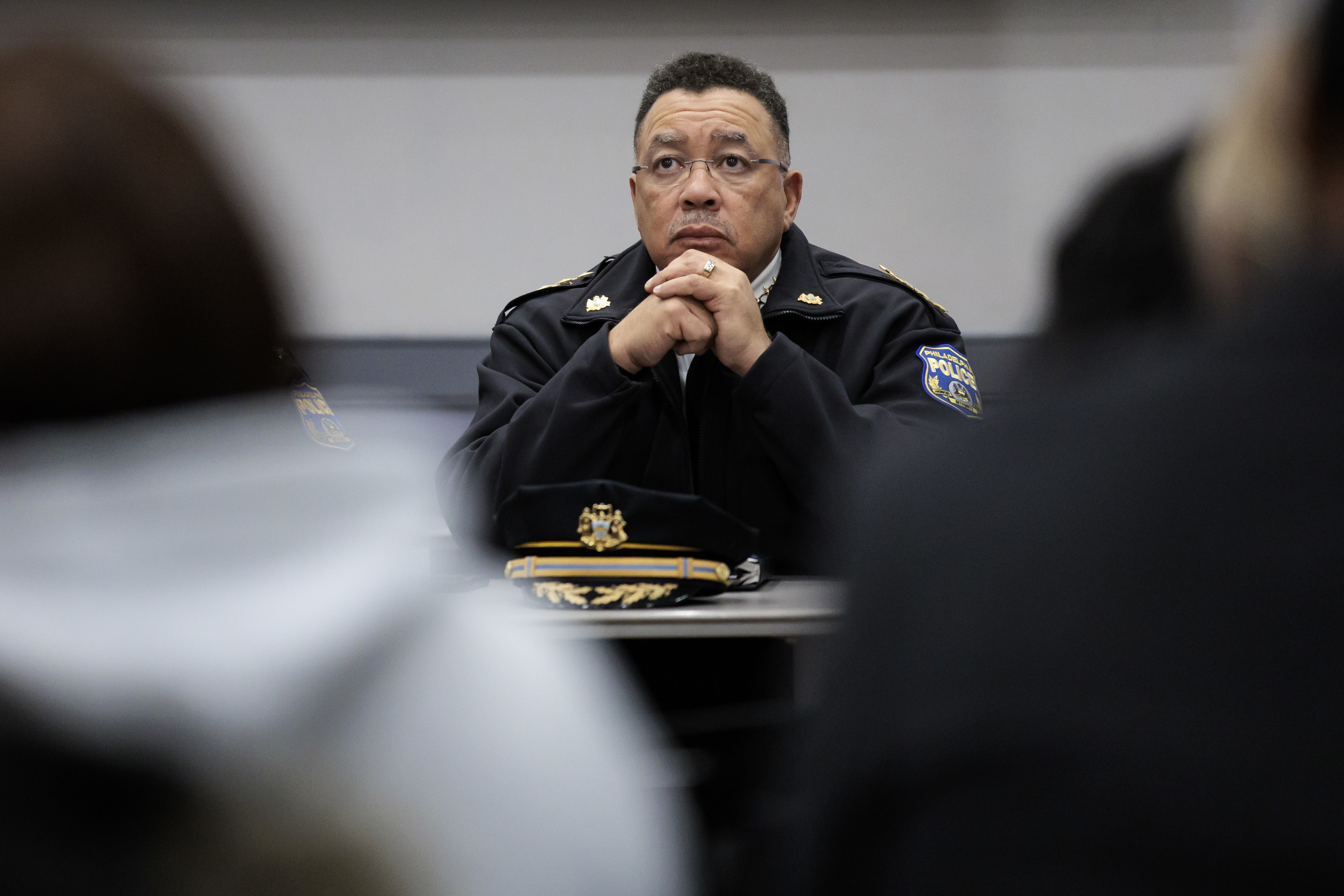
Addressing criticism of his department’s handling of crowd control at a Pride celebration in the Gayborhood over the weekend, Police Commissioner Kevin Bethel said Friday that his officers became overwhelmed by dueling events and unruly behavior from large groups of teenagers.
The turmoil — which led police to arrest 15 people and shut down street festivities in the LGBTQ+ neighborhood earlier than anticipated — stemmed from a change in the way the city celebrated Pride this year, Bethel said in a news conference at police headquarters.
The decision to hold Philadelphia’s official Pride celebration on the Benjamin Franklin Parkway on Sunday deviated from the tradition of holding it in the Gayborhood, according to Bethel, who said the competing events created a public safety risk.
In retrospect, he said, barricades that police set up on the Gayborhood sidewalks — another deviation from past celebrations there — might not have been a wise move.
“We now know that might not have been the right decision,” he said, noting they caused ‘frustration” among guests.
Bethel said the evening took a turn when large groups of people began arriving at both the Parkway and the Gayborhood,overwhelming the 600 officers dispatched across both events.
And in the Gayborhood, that included crowds of teenagers, some breaking out into fights, he said.
The commissioner said commanding officers made the decision to close down the streets near popular gay bars like Woody’s around 8 p.m. as a consequence.
To underscore the point, Bethel played a video of one of those altercations, which showed a throng of young people acting erratically, some yelling and pushing each other.
He called the arrival of young people to the Gayborhood a “surge” that saw teens “taking over” a parking lot and getting on top of cars.
“At that point there are some decisions that have to be made,” Bethel said. “We can’t have thousands of individuals swirling together.”
Bethel also acknowledged public outcry over images of police officers on horseback and motorbikes engaged in crowd control. Those officers had been dispatched to the Gayborhood from the Parkway event once crowds began to get out of hand, he said.
“That is not pretty — it is not pretty when you move people,” he said.
Responding to questions over the department’s enforcement at LGBTQ+ festivities, Bethel repeated his earlier assertion that the nature of the event had nothing to do with police response.
“All of this is not about Pride, it is not about the Gayborhood, it is not about anyone’s feelings about anything,” he said. “It is about safety.”
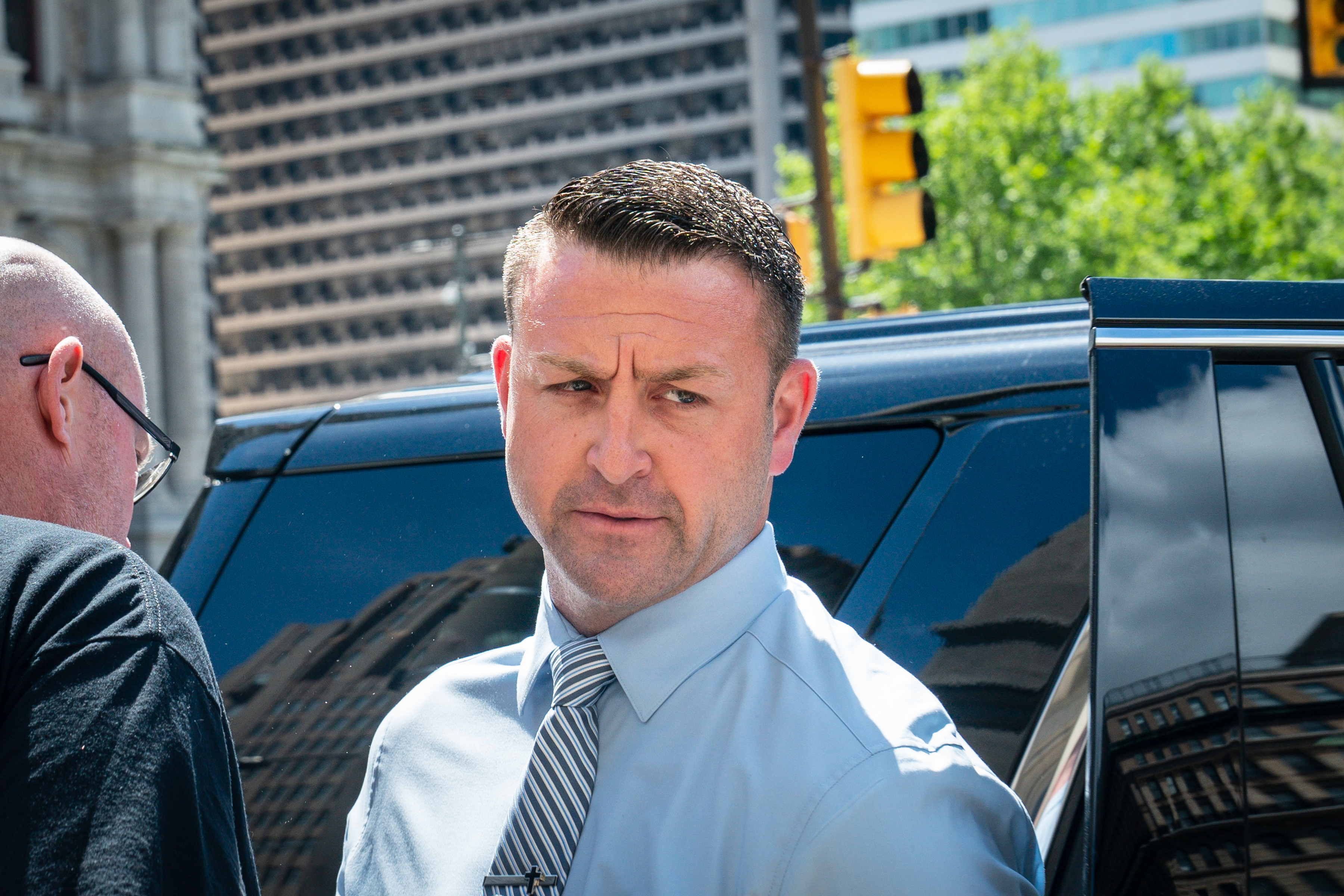
A former Philadelphia police officer who pepper sprayed several people on I-676 during the 2020 protests over George Floyd’s murder has pleaded no contest to assault and related crimes, ending a legal saga that captured national attention.
Richard P. Nicoletti, 41, will serve one year of probation in exchange for accepting punishment — but not admitting guilt — in the case.
In addition to assault, prosecutors had accused Nicoletti of reckless endangerment, official oppression, and possessing an instrument of a crime.
The former SWAT officer was one of two Philadelphia police officers charged with crimes for their conduct during that summer’s protest over racial justice and police brutality.
Nicoletti had served 12 years with the police department before he was fired over the incident in 2020. Then-Police Commissioner Danielle Outlaw said she was “disgusted” by his conduct and then-Mayor Jim Kenney described his actions as unacceptable.
The Philadelphia District Attorney’s Office first sought to hold Nicoletti accountable in 2021, when prosecutors said his decision to pepper spray several protesters in the face amounted to a crime.
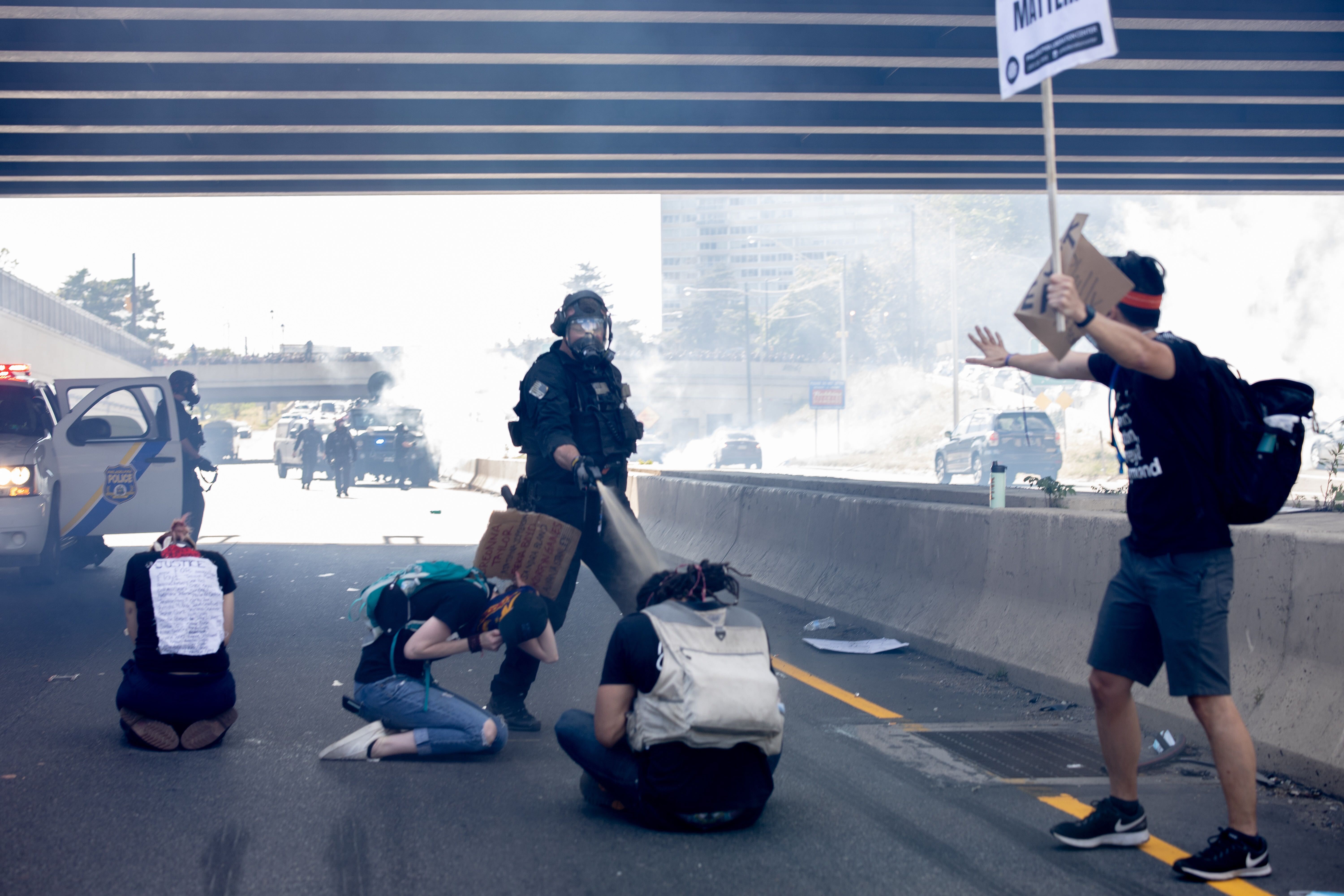
Philadelphia SWAT officer Richard P. Nicoletti shown pepper spraying three kneeling protesters on I-676 on June 1. Nicoletti is now being charged with simple assault, reckless endangerment, official oppression, and possession of an instrument of crime.Courtesy Wolfgang Schwan
Prosecutors continued to press the case.
Nicoletti’s lawyers argued that a subsequent trial should be held outside of Philadelphia, where they suggested too many jurors had already formed opinions about the widely publicized demonstrations, which ended with police using tear gas against protesters on the Vine Street Expressway.
Common Pleas Court Judge Roxanne E. Covington agreed that the case should be moved to another jurisdiction.
Court records show that the case was later moved to Veterans Court, a system designed for people who have served in the military and who have been charged with generally low-level offenses. The court emphasizes treatment and services and is designed to rehabilitate, rather than incarcerate defendants.
Nicoletti served in the Army and was deployed several times to Iraq and Afghanistan, according to a fundraiser circulated to raise money for his defense.
In March, court records show, Nicoletti pleaded no contest to all 10 charges he faced in a proceeding overseen by Municipal Court Judge David C. Shuter.
A spokesperson for the district attorney’s office did not respond to multiple requests for comment on the case and its diversion to Veterans Court.
Nicoletti’s defense attorney, Charles Gibbs, did not immediately return a request for comment Friday.
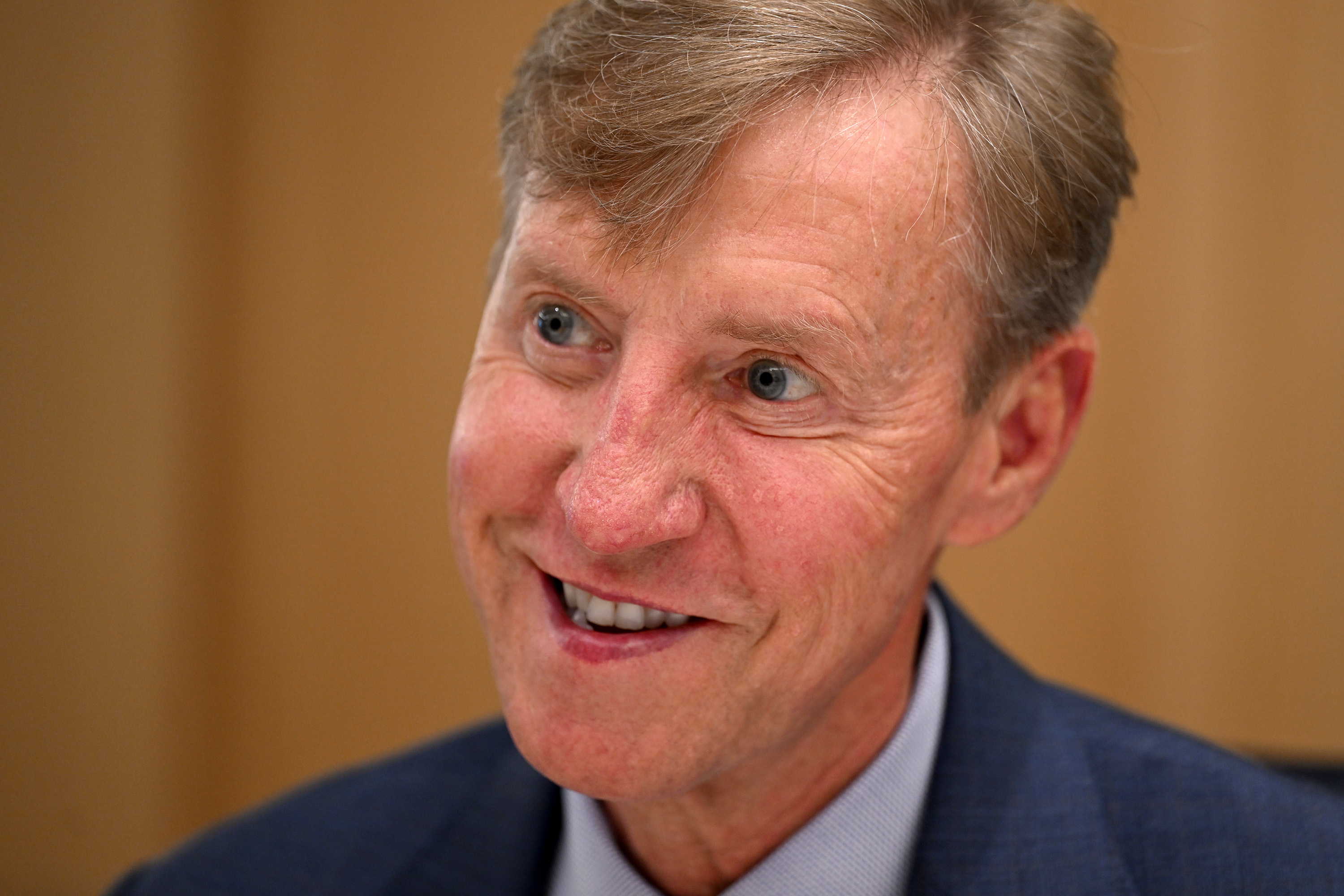
University of Pennsylvania President J. Larry Jameson will conclude his presidency next June, he announced in an email to the Penn community Friday.
“Although I greatly enjoyed serving as president, now is the right time for Penn to begin its next chapter under new leadership,” Jameson said in the email. “My goal was to help restore stability during unanticipated leadership transitions, refocus our community on Penn’s mission, and strengthen Penn for the future during a challenging time for higher education.”
There was much speculation about whether Jameson — an endocrinologist who previously led Penn’s health system and medical school for more than 12 years — wanted or would be asked to remain in the seat beyond next year’s expiration of his current contract. Many have credited Jameson with steadying the school during a turbulent time, including as the school faced funding threats and increased scrutiny by President Donald Trump’s administration.
His departure will leave the Ivy League school searching for a new leader during a time of uncertainty under Trump, who has targeted elite universities.
Board chair Ramanan Raghavendran said he respected Jameson’s decision and the board will begin searching for the school’s next president in the fall.
Jameson, 71, will have served in the top job at Penn just three-and-a-half years, one of its shorter presidential tenures. But he came into the job by circumstance rather than desire.
Jameson took over in December 2023 during perhaps one of Penn’s greatest leadership upheavals. Former President Liz Magill had just resigned amid a bipartisan backlash over her testimony involving the school’s response to antisemitism complaints. He first was named interim president and then was elevated to the permanent post in March 2025.
Jameson earned total compensation of more than $8 million in 2024, the most recent tax year available. That included $5.4 million in “reportable compensation” and more than $2.5 million in other compensation.
“Dr. Jameson stepped in at a pivotal moment, and what he has accomplished in two-and-a-half years has been simply extraordinary,” Raghavendran said in a statement.
Neither Raghavedran nor Jameson were available for interviews Friday, the university said.
In his message, Jameson said “the momentum we have built will continue,” noting his intention to work over the next year on implementing the Penn Forward plan. The plan calls for everything from more transparent and predictable tuition and cost policies and improved student experience to more efficient operations, a focus on keeping Penn at the forefront of best uses of artificial intelligence, and a growing presence in the San Francisco Bay Area — where Wharton already has a campus.
Penn also has some tough decisions ahead in his final year. During the spring semester, the school proposed new open expression guidelines that some on campus say are too restrictive and would chill free speech. The university is considering the feedback and plans to issue final guidelines next academic year.
The university also is undergoing belt-tightening in anticipation of potential federal cuts and increased legal and insurance costs. Penn in January asked schools and centers to pare 4% from their budgets for the next fiscal year, on top of a 5% cut last year.
Penn’s Graduate School of Education laid off several staff members last week as part of those cuts, according to The Daily Pennsylvanian, the student newspaper.
Many at Penn speak highly of Jameson’s leadership, though some wish he had made a stronger defense against some Trump demands.
“Even if this were a good time to search for a new president — and it decidedly is not — I cannot imagine Penn finding a more effective leader,“ Eric Feldman, faculty senate tri-chair and a law school professor, said last month. ”His deep knowledge of the medical school is a significant asset amid continuing pressures on federally funded research, and his extensive leadership experience, spanning decades, makes him uniquely well suited to guide the university through what are likely to be several more complex years.”
During an interview with The Inquirer last month, Jameson explained his decision to resist the Trump administration on some things and negotiate on others.
“My approach has been not just to complain,” Jameson said during his first interview as Penn’s president with a major media outlet, “but to say, ‘Well, here’s where we’re working together very effectively. Here’s where we’re not necessarily aligned, but let’s discuss how to move forward.’”
Jameson was at the helm when Penn last summer struck an agreement with the White House over the prior participation of transgender swimmer Lia Thomas on the school’s swim team. The school agreed to adhere to the Trump administration’s definitions of sex, female, male, women, and men in regard to athletics, and send letters of apology to female athletes who felt aggrieved by Thomas’ participation on their team during the 2021-22 season.
But he also was at the helm when Penn rejected a compact that would have given it preferential treatment for federal funding if it agreed to the Trump administration’s operational demands. The school also is actively fighting a demand by the Equal Employment Opportunity Commission to turn over lists of Jewish people on its campus for its investigation into alleged antisemitism at Penn. The agency sued Penn for not complying with its subpoena and a federal judge sided with the EEOC, but Penn is appealing the decision.
Jameson said he gained new perspective in the presidential role, which “allowed me to learn each day from the people, ideas and achievements that define this university and its extraordinary breadth. …While my career has been in academic medicine, it has been illuminating to reacquaint myself with other fields, from poetry to political science, from finance to fine arts.”
He said the university is on a positive trajectory.
“Penn has tremendous momentum and is exceptionally well positioned for the future,” Jameson wrote.
But a jury acquitted him of those crimes, and he walked free in May 2023.
Three years later, Bowie, now 22, is back in jail — again accused of killing two people.
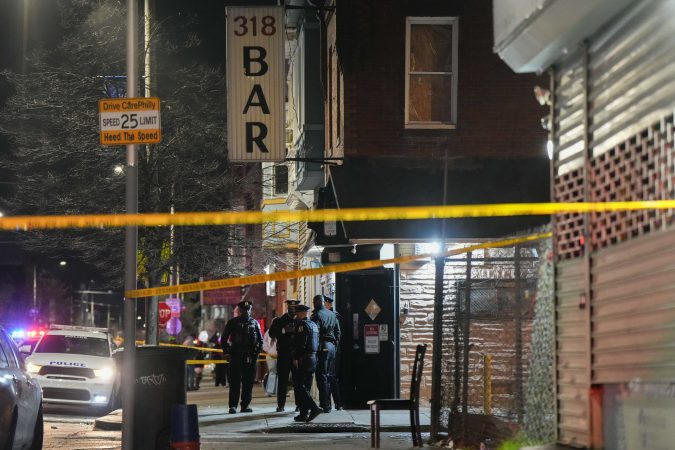
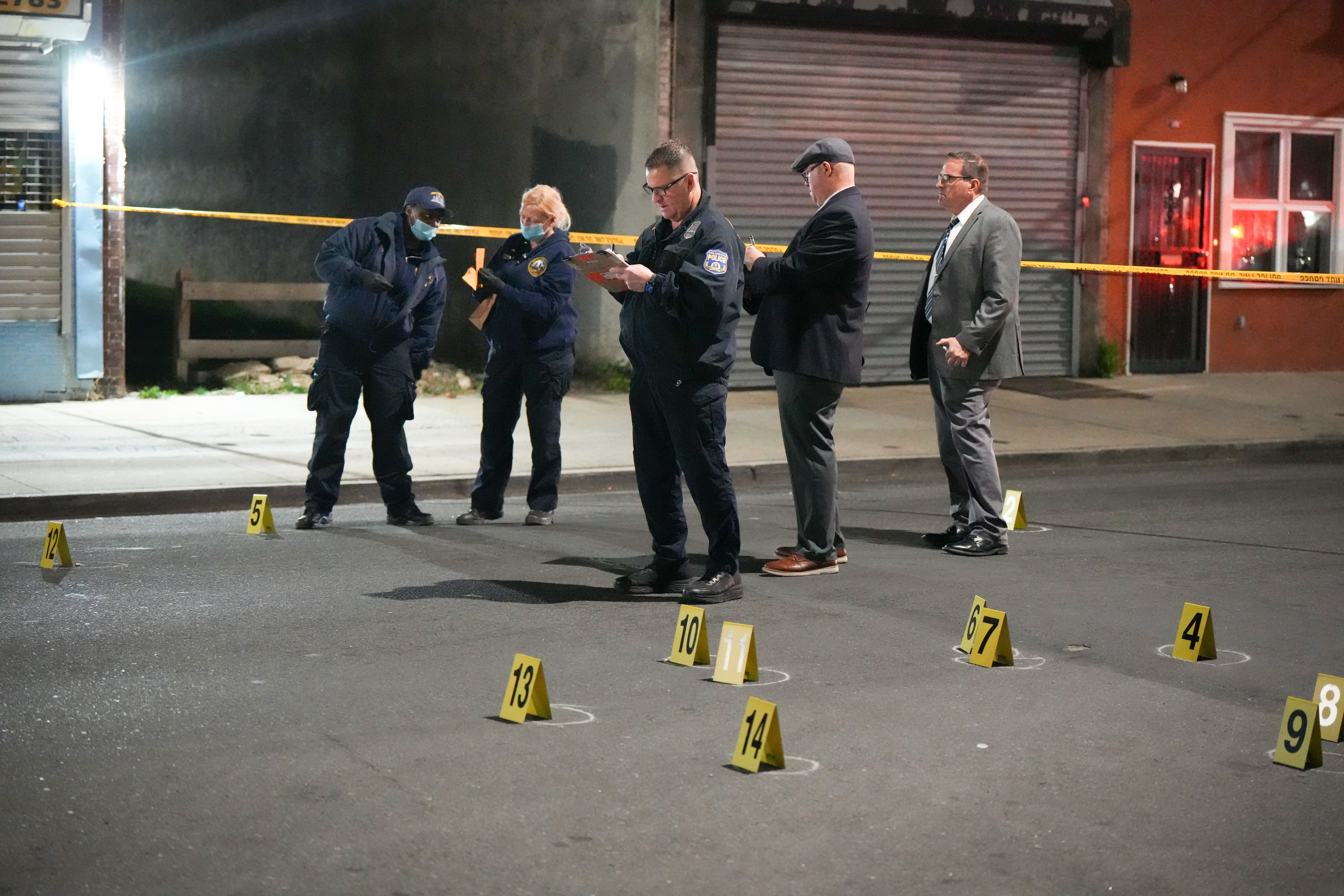
Police said Bowie and several others drove to 60th and Delancey Streets on the night of March 30, and opened fire on a group of people standing outside a corner bar, wounding three and killing Paul “PJ” Cobb and Naasir Boyd, both 24.
More than a dozen shots were fired from three different 9mm handguns, police said. In the hours after the shooting, police found the Mercedes on fire on the 1200 block of Cumberland Street.
Another man, Marquis Andrews, is also expected to be charged, police said. Andrews, 22, has been in custody since April after he was charged with illegally carrying a loaded gun, court records show.
Paul “PJ” Cobb, 24, was shot and killed near 60th and Delancey Streets on March 30. Cobb was the eldest son in his large, blended family, and was born and raised in West Philly.Courtesy of the Cobb family
The deaths of Cobb and Boyd, childhood friends born and raised in the neighborhood, came amid what law enforcement officials described as an escalating feud between the crews “Northside” and “Southside” in West Philadelphia — groups that have warred across the Market Street corridor for more than a decade.
Cobb’s and Boyd’s killings not only devastated their families, but police said the shooting likely led to another. The week after they were killed, police said, four Southside affiliates seeking revenge opened fire on a Northside rival standing outside a corner store at 60th and Market Streets.
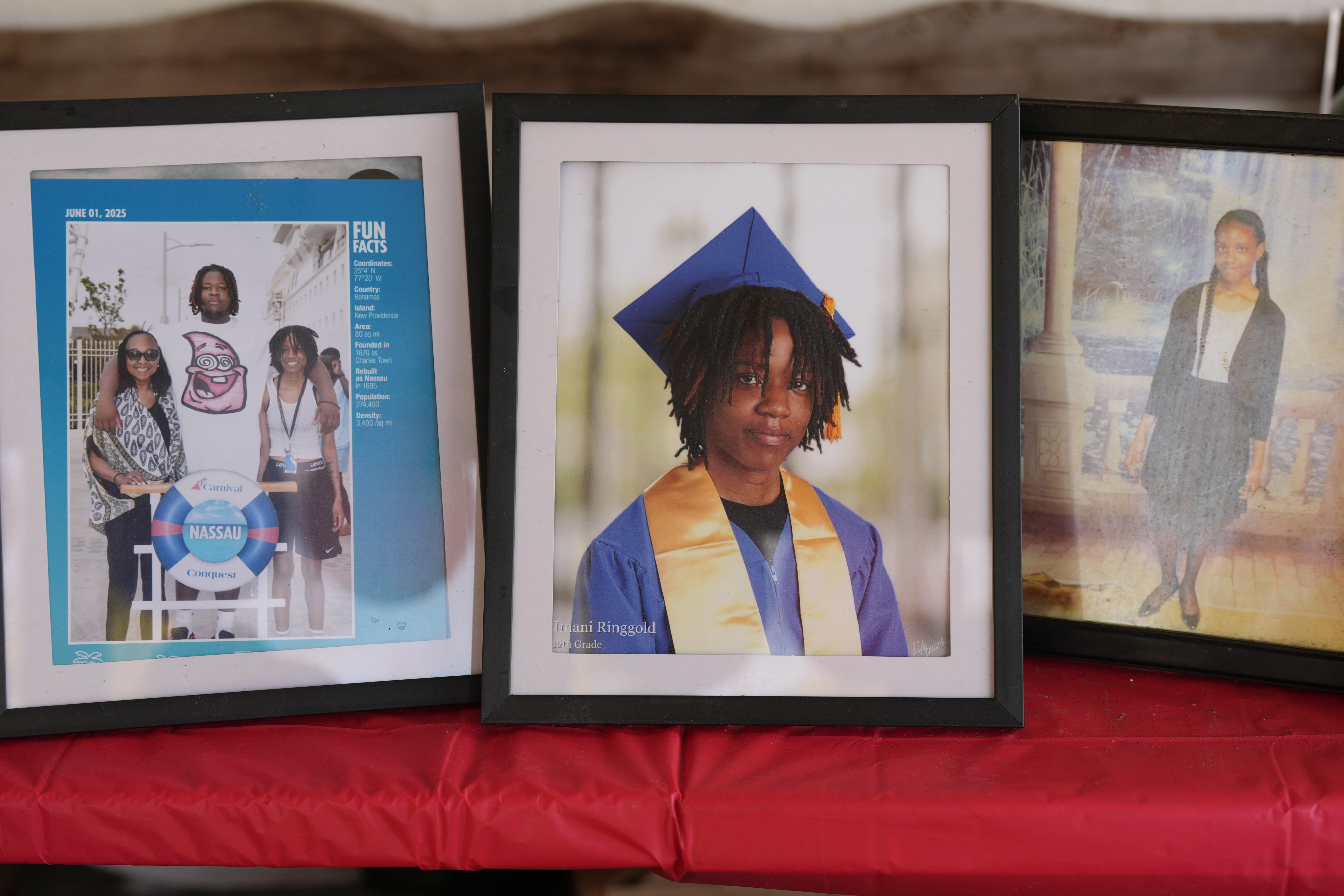
Instead, the bullets struck and killed 20-year-old Imani Ringgold, who was walking with a slice of pizza and talking to her grandmother on the phone — and who had nothing to do with the feud.
Photos of Imani Ringgold are laid out on the table at her grandmother’s home. Jessica Griffin / Staff Photographer
One detective, at a recent court hearing, testified that at least 30 people have been killed in connection with the groups’ conflicts since 2015 — a beef that has festered for so long that many people at the center don’t even know how it started.
Bowie’s cases
Prosecutors previously said the first two killings Bowie was charged with — and later acquitted of — were also tied to the Northside-Southside feud.
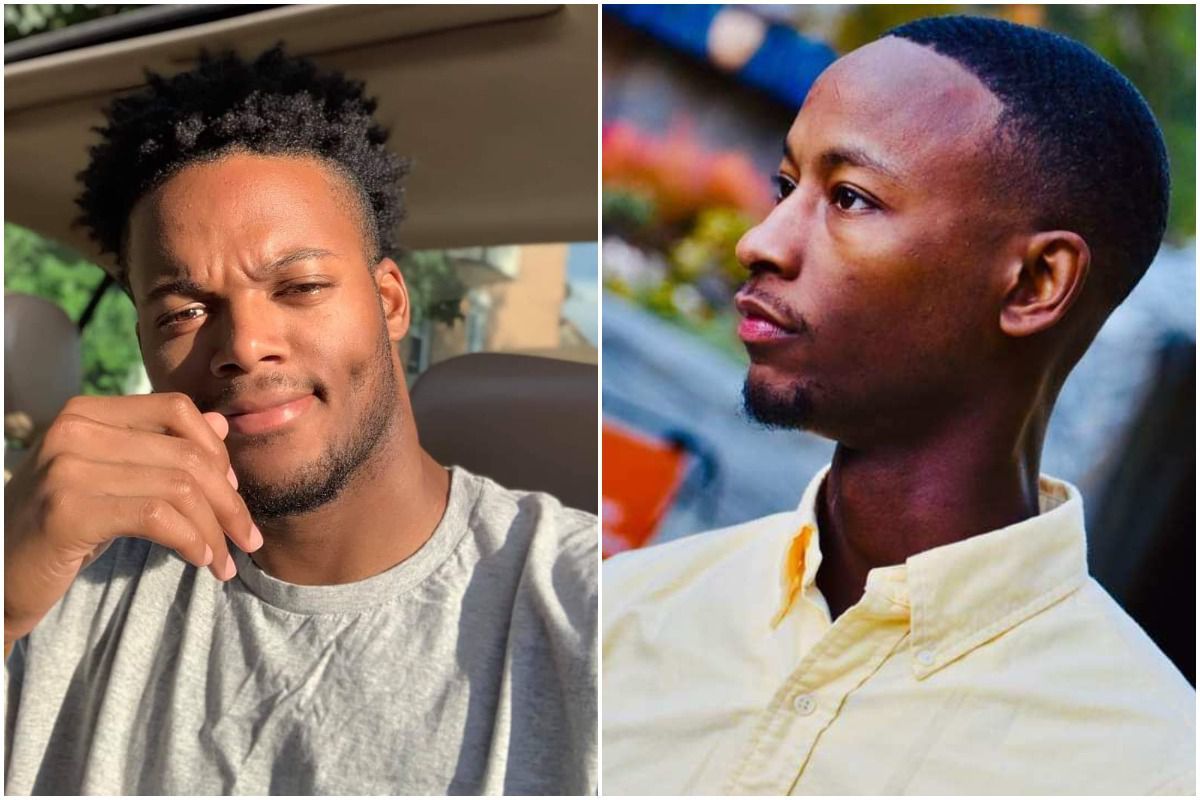
In that case, lifelong friends Jarell Jackson and Shahjahan McCaskill, both 26, were driving near 57th Street and Locust Avenue when three gunmen jumped out of a black SUV and fired more than two dozen bullets into their car, killing them, in October 2020.
Jarrell Jackson, left, and Shahjahan McCaskill were killed in a case of mistaken identity in West Philadelphia in October 2020.Family photos
Investigators at the time said they believed the gunmen were Northside members who shot up the car in a botched retaliation for an earlier homicide.
Chesley Lightsey, then-homicide chief at the district attorney’s office, said Jackson, a Jefferson Health technician who mentored troubled teens, and McCaskill, who was a cancer survivor and small-business owner, had nothing to do with that conflict. The men, she said, “were targeted because of the neighborhood they live in.”
Bowie was among three teens charged. But at the May 2023 trial, jurors acquitted him and his co-defendants. (Bowie was convicted of illegal gun possession in the case, and sentenced to 11½ to 23 months in jail, allowing his immediate parole, court records show.)
Marisa Palmer, a spokesperson for the district attorney’s office, said in an emailed statement that at Bowie’s trial, prosecutors presented witness testimony, and social media, video, and firearm-related evidence that prosecutors “believed established the defendants’ guilt beyond a reasonable doubt.”
The office respects the jury’s decision, she said. She called the new allegations against Bowie “deeply concerning,” and declined to comment further.
Bowie was taken into custody last week and charged with two counts of murder, as well as three counts of attempted murder, arson, and related crimes.
Police and homicide detectives investigate a double homicide at 60th and Delancey Streets on March 30. Jessica Griffin / Staff Photographer
Investigators tied Bowie to the crime after his cell phone location data placed him near the scene of the shooting, according to the affidavit of probable cause for his arrest. Andrews’ cell data also links him to the crime, the affidavit says, and call detail records and text messages show the two men were in communication in the hours after the killings.
The records say that police also recovered the murder weapon linked to Bowie. During an April 30 car stop in Kensington, the records say, police encountered Bowie and another man, and officers recovered a 9mm handgun that a ballistics test showed was used in the killings of Boyd and Cobb.
Court records did not list an attorney for Bowie.
Families in mourning
Boyd and Cobb have deep ties to the neighborhood, and were killed just blocks from where they lived.
Cobb’s mother said in an interview that her son was raised in a house at 60th and Delancey, and that she had countless memories of him playing and riding bikes on the block where he was killed. He was the eldest son of a large, blended family.
Cobb’s mother and sisters, who asked not to be identified for fear of retaliation, said he was goofy and protective, loyal and independent. He attended Sayre High School, before earning his GED, they said, and worked in construction with his father.
Paul “PJ” Cobb, 24, loved helping take care of a collection of nieces and nephews. Courtesy of the Cobb family
But his favorite role, they said, was being an uncle to his many nieces and nephews. He picked several of them up from school and daycare each day, and cared for them as if they were his own until his sisters finished work.
The sisters said they now tell their kids their favorite “Uncle P” is “in the sky.”
One older sister said that on a recent flight, her 3-year-old kept staring out the airplane window, looking for him in the clouds.
“She asked ‘Mom, where’s Uncle P at?’” she said. “And I had to tell her, ‘He’s further in the sky than we are on the plane.’”
His death, they said, has fractured their lives and ability to feel safe in their neighborhood.
Cobb’s mother said the conflicts of Northside and Southside have always loomed. Her son was not affiliated with Southside, she said, but having grown up on blocks at the center of the group’s feuds, he was cautious about his whereabouts, and she often worried about him.
When she first heard police made an arrest, she said, she was relieved. But learning that Bowie had been charged and acquitted before left her uneasy.
“There are things that happened,” she said, “that could have prevented this.”
As graduating seniors at St. Joseph’s Preparatory School prepared for college, summer jobs, and other hallmarks of young adulthood this spring, 17-year-old Shawn Rinnier was focused on a simpler goal.
He hoped to muster the physical strength to walk across the graduation stage to collect his diploma.
That’s because the Bryn Mawr teenager is recovering from a traumatic brain injury that his parents say he suffered during an assault at a late-night party in Wissahickon Valley Park last month.
The attack knocked him unconscious, they said, and he has since experienced poor memory, fatigue, delayed vision, balance issues, and numbness in the right side of his body.
Now, in addition to caring for their son during what they expect to be a lengthy recovery, the Rinniers are seeking accountability for the people who assaulted their son.
“Nobody will talk at this point, and it just seems like people are trying to protect themselves, protect their friends,” said his mother, Susan Rinnier. “There’s some young adults that have a lot on the line here.”
Alongside investigators with the Philadelphia Police Department, Rinnier’s parents are working to piece together the events of the May 10 “tiki party” in the woods near Chestnut Hill, where they say about 250 teenagers had gathered before the evening turned physical.
Rinnier’s brain injury has left him with little recollection of what happened, said his father, Shawn Rinnier Sr., leaving his parents to look for clues after being sent photos and videosof the assault that partygoers took on their cell phones.
That night, students from a nearby Philadelphia private school as well as those from schools in the suburbs gathered for the party, which had been promoted on social media, Shawn Rinnier Sr. said.
He did not name the schools, deferring comment on those details to investigators.
The videos, Susan Rinnier said, show young people growing increasingly aggressive and eventually fighting.
“A couple fights broke out where the video evidence is showing that the other students were the aggressors” in the assault of her son, Susan Rinnier said.
“Some kids are on the sidelines yelling and chanting ‘punch on him’ and riling things up,” she said. “Our son, kind of scared, turns around and starts walking out of the event. The group follows him for about a second or so. That’s all we can see.”
A woman driving home in Chestnut Hill that night discovered Rinnier lying in the street around midnight and called 911, his father said. Shawn Rinnier Sr. later spoke to the woman, who told him “hundreds” of people had been fleeing through the woods with flashlights.
The parents did not recognize the young people involved in the assault, and they continue to communicate with detectives who told them they are interviewing people who may be involved.
A spokesperson for the police department did not return requests for comment on the investigation.
Rinnier was rushed to Jefferson Einstein Philadelphia Hospital and put on a ventilator, his parents said, and doctors later determined that his traumatic brain injury was moderate to severe.
“When he finally awoke, he was suffering from poor memory, couldn’t follow instructions, was confused, acting impulsive,” his mother said. The teen then moved to a rehabilitation unit at Bryn Mawr Hospital, where he continues to recover, she said.
The violent events of that spring night were life-altering, Rinnier’s parents said.
Their son, a tennis player, was preparing to attend the University of Florida on a scholarship this fall, they said. Those plans are now on hold.
Instead, the teen is taking part in an extensive outpatient rehab program, and his parents are working to have his enrollment deferred to 2027, when they hope he will be well enough to attend school.
Making sure that Rinnier took part in graduation at St. Joe’s last month was a more readily attainable goal, his parents said, and they were determined that he would achieve it.
Susan Rinnier was pleased to see that he was able to walk across the stage on May 31, even if he soon grew fatigued and experienced numbness in his legs after the ceremony, she said.
The Rinniers’ next hope is that police will find and charge their son’s attackers. Meanwhile, they continue to scan social media for additional photos and videos that may offer a better view of the incident.
“We owe it to Shawn to continue to move this forward any possible way we can, to get to the bottom of this,” his father said. “That’s our job as parents, and we’re not gonna stop.”
Think you know your news? There’s only one way to find out. Welcome back to our weekly News Quiz — a quick way to see if your reading habits are sinking in and to put your local news knowledge to the test.
Question 1 of 10
Philly is opening a “hospitality hub” for visitors this summer along the Benjamin Franklin Parkway. What is the hub’s main feature?
CorrectIncorrect. XX% of other readers got this question right.
On Tuesday, the city opened four new “hospitality hub” restrooms along the Parkway to welcome and accommodate the many visitors expected in Philadelphia over the next two months. Each of the restroom trailers has four genderless stalls and an adjacent port-a-potty for individuals who cannot make it up the restroom steps. Each stall has a sink, soap, paper towels, and “air care” to keep it smelling fresh. There are also water refill stations.
Question 2 of 10
On her podcast, Good Hang, Amy Poehler spoke to West Philly-bred Colman Domingo and told him all about how she was once cursed out at this Philly spot:
CorrectIncorrect. XX% of other readers got this question right.
Poehler told Domingo that the only time she’d been called “a c-word” to her face was at the Philadelphia International Airport alongside Tina Fey. Her offense? Turning down an autograph flipper. Fey brushed off the interaction, telling Poehler at the time, “Welcome to Philly.”
story continues after advertisement
Question 3 of 10
American Airlines has permanently removed all future flights from Philadelphia to the capital of this country. Until now, the airline’s flight there held the title of the longest-ever flight departing from Philadelphia International Airport.
CorrectIncorrect. XX% of other readers got this question right.
The airline’s flight to Doha, the capital of Qatar, held the title of the longest-ever flight departing from Philadelphia International Airport (PHL), 14½ hours covering approximately 6,800 miles. The cut route follows a late February decision that suspended all Philadelphia-Doha flights until 2027, because of the flare in regional hostilities.
Question 4 of 10
Nihonbashi Philly, a well-known cheesesteak shop and unofficial Philadelphia embassy in Tokyo, posted on Instagram that it would need to switch up its default cheese offerings, citing a shortage across Japanese Costcos. What kind of cheese has gone missing in Japan?
CorrectIncorrect. XX% of other readers got this question right.
“American cheese is all gone from Japan,” read Nihonbashi Philly’s frustrated post to Instagram on May 30. The restaurant would be using Whiz and provolone only, going forward. Cooper Sharp has never been available in Tokyo. An orange-hued American cheese that resembled Kraft Singles has been discontinued from Costco’s inventory, the company said.
Question 5 of 10
The Tony Awards were hosted Sunday by this Doylestown native:
CorrectIncorrect. XX% of other readers got this question right.
Suspended from the rafters, Pink joked about feeling underqualified to host the awards ceremony because she’s never appeared on Broadway. But actor Neil Patrick Harris assured the Bucks County native that she would excel as her entertaining, acrobatic self: “Listen, you’re Pink, you’re singular, you’re the best.” Then she went on to belt “Lady Marmalade” with some of Broadway’s best performers and fit right in.
Subscribe to The Philadelphia Inquirer
Our reporting is directly supported by reader subscriptions. If you want more journalism like this story, please subscribe today.
Olney High School stands to lose 17 staff because of Philadelphia School District budget cuts — perhaps the deepest cuts of any school in the district. At the Class of 2026’s graduation ceremony, a group of students protested the cuts by doing the following:
CorrectIncorrect. XX% of other readers got this question right.
As the class valedictorian spoke, several students behind her unfurled signs: “A school is its people” and “Don’t rip away our teachers and counselors.” The audience applauded. Valedictorian Iamdra Peguero was part of a small group that met with school board president Reginald Streater at the school Monday, imploring him to find a way to stop the budget cuts coming Olney’s way.
Question 7 of 10
Which coach with Philly ties made Time’s inaugural list of the most influential people in sports?
CorrectIncorrect. XX% of other readers got this question right.
Dawn Staley made the list. The longtime South Carolina women’s basketball coach grew up in North Philly and graduated from Dobbins Tech in 1988 before playing collegiately at Virginia.
Question 8 of 10
Designer Sheila Bridges has drawn on her Black American Wynnefield childhood to create "the Philadelphia Collection," the 14-piece collection of kitchen and serving ware, available exclusively where?
CorrectIncorrect. XX% of other readers got this question right.
The Philadelphia Collection dropped Monday exclusively on Walmart.com. Prices for the limited-edition collection range from $12.76 for a pitcher to $19.76 for a set of four melamine dinner plates. The 76 cents in the pricing was intentional.
Question 9 of 10
Cultural influencer Reuben "Big Rube" Harley is suing a Philly-based company, saying they failed to pay him for promoting their products. What was Big Rube known for promoting?
CorrectIncorrect. XX% of other readers got this question right.
A.J. Brown reportedly left a message on the wall of Eagles’ facility. What did it say?
CorrectIncorrect. XX% of other readers got this question right.
Less than 24 hours after his trade to New England, Brown stopped into the Eagles’ facility after the deal to pick up a few items, say his goodbyes, and leave a parting message on the wall. Throughout the Jefferson Health Training Complex, the team has life-size photos of franchise greats lining the walls. Underneath his picture alongside other Eagles Pro Bowlers, Brown reportedly wrote: “The best to ever play here. Always open.”
Your Results
You have skipped .
You scored XX out of 10.
The average reader scored XX out of 10
Seems like you’ve been skimming more than reading there, buddy. There’s always next week.
You’ve read some articles (or made some educated guesses) but we wouldn’t come to you first for our local news recaps. Better luck next week!
Do you work here? You’re a local news stan with the latest updates on Philly happenings. Your friends definitely ask you for summaries on what’s going on and it shows.
Take the B (Broad Street) Line to 15th Street/City Hall, transfer to the eastbound L, and disembark at Spring Garden Station, on the southern edge of the neighborhood.
Correct, to a point.
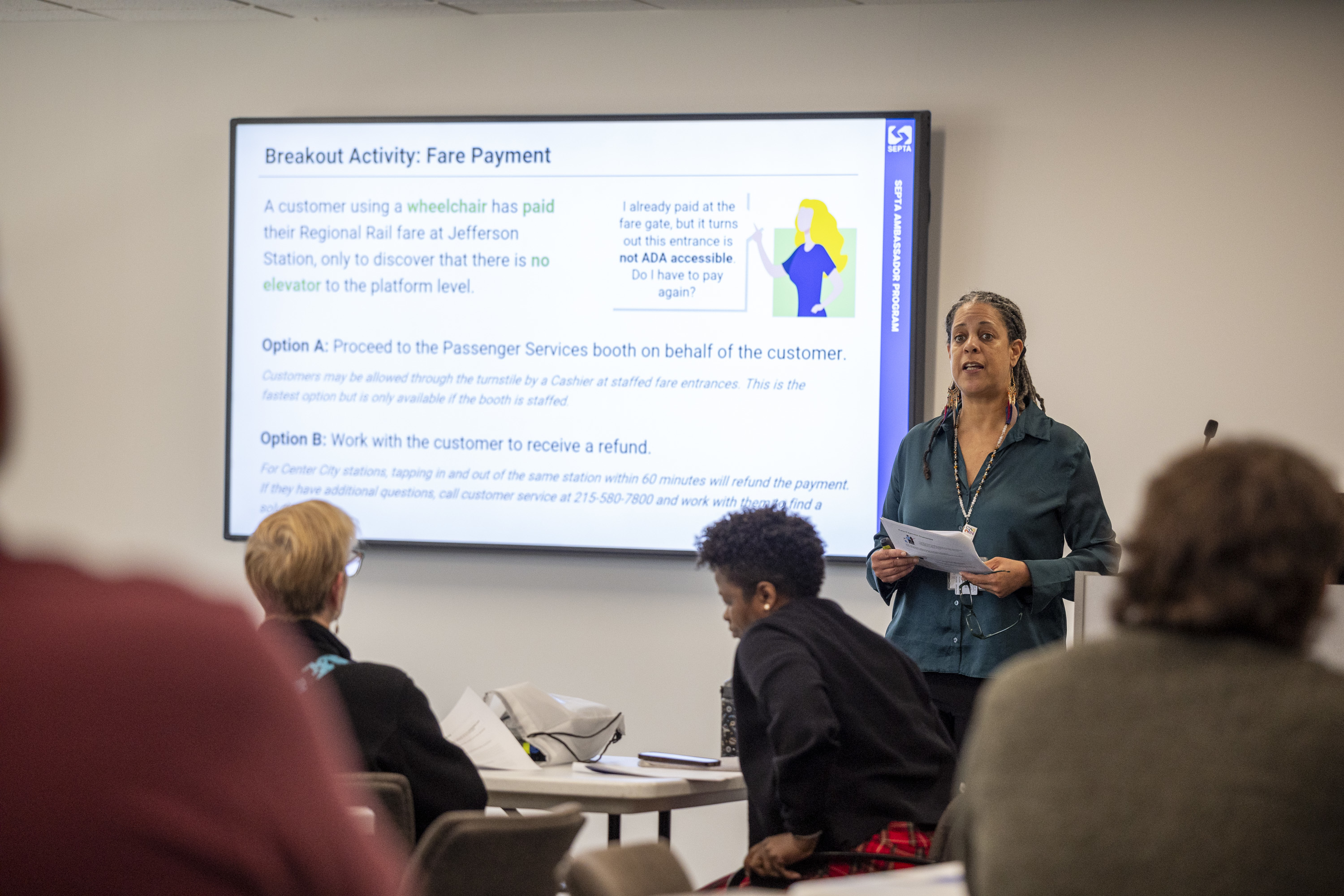
“I didn’t say where I need to get to in Northern Liberties, right?” said Jena Burley, the SEPTA training facilitator teaching the class.
Ack! Maybe the passenger would be better off taking the L for one more stop to Front-Girard, depending on the precise destination.
“Ask for as much specific information as possible,” Burley said.
SEPTA supervisors, administrators, and managers have been assigned 1,300 shifts as ambassadors in critical transit and Regional Rail stations from June 13 through July 19.
Jena Burley leads the SEPTA ambassador class.Tyger Williams / Staff Photographer
Four to 12 ambassadors will provide information, directions, and, ideally, a friendly welcome in each designated station — along with crowd control, and de-escalation techniques for conflict.
It’s a lot, which is why up to 1,000 employees have spent half a day in training with a detailed curriculum that feels like cramming for finals.
I worked with them through scenarios of escalating severity to simulate situations they will encounter: sweaty, frustrated crowds on platforms; medical emergencies; confusion over SEPTA’s fares and methods of payment; and how to troubleshoot travel glitches. And scarier stuff.
“This summer is an opportunity for SEPTA to shine, and you are such a big part of that,” said Lex Powers, chief officer for customer experience.
The Disney approach
This summer SEPTA is also debuting a new customer-service philosophy that subordinates other priorities to creating a safe and positive experience for people using the system.
The transit agency has used ambassadors since 2000 to help customers during special events like the Eagles Super Bowl parade last year, service changes, and the like. Officials rebooted the training program.
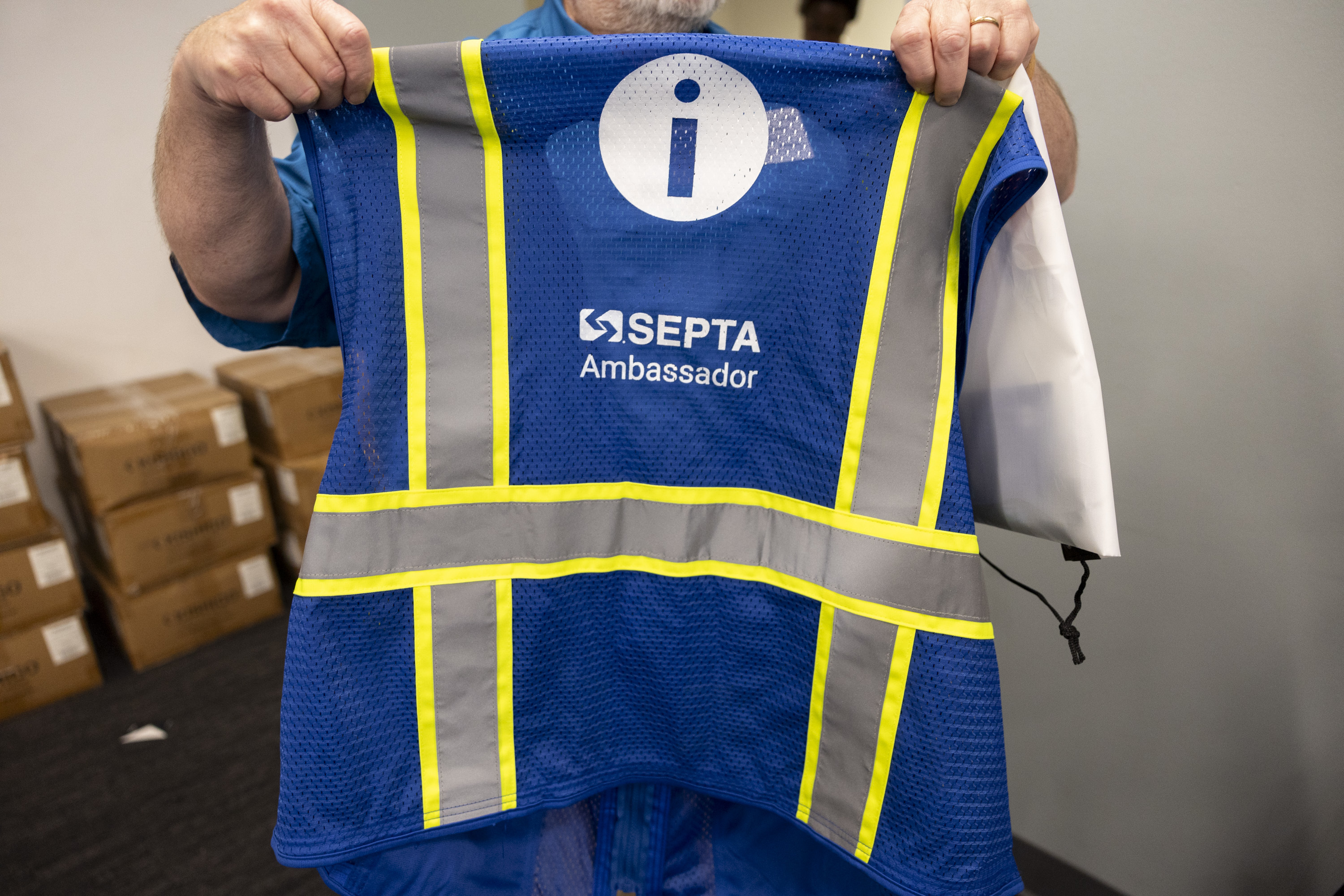
This summer, ambassadors will carry “cheat sheet” cards and wear blue vests to differentiate them from other workers in typical yellow safety vests.
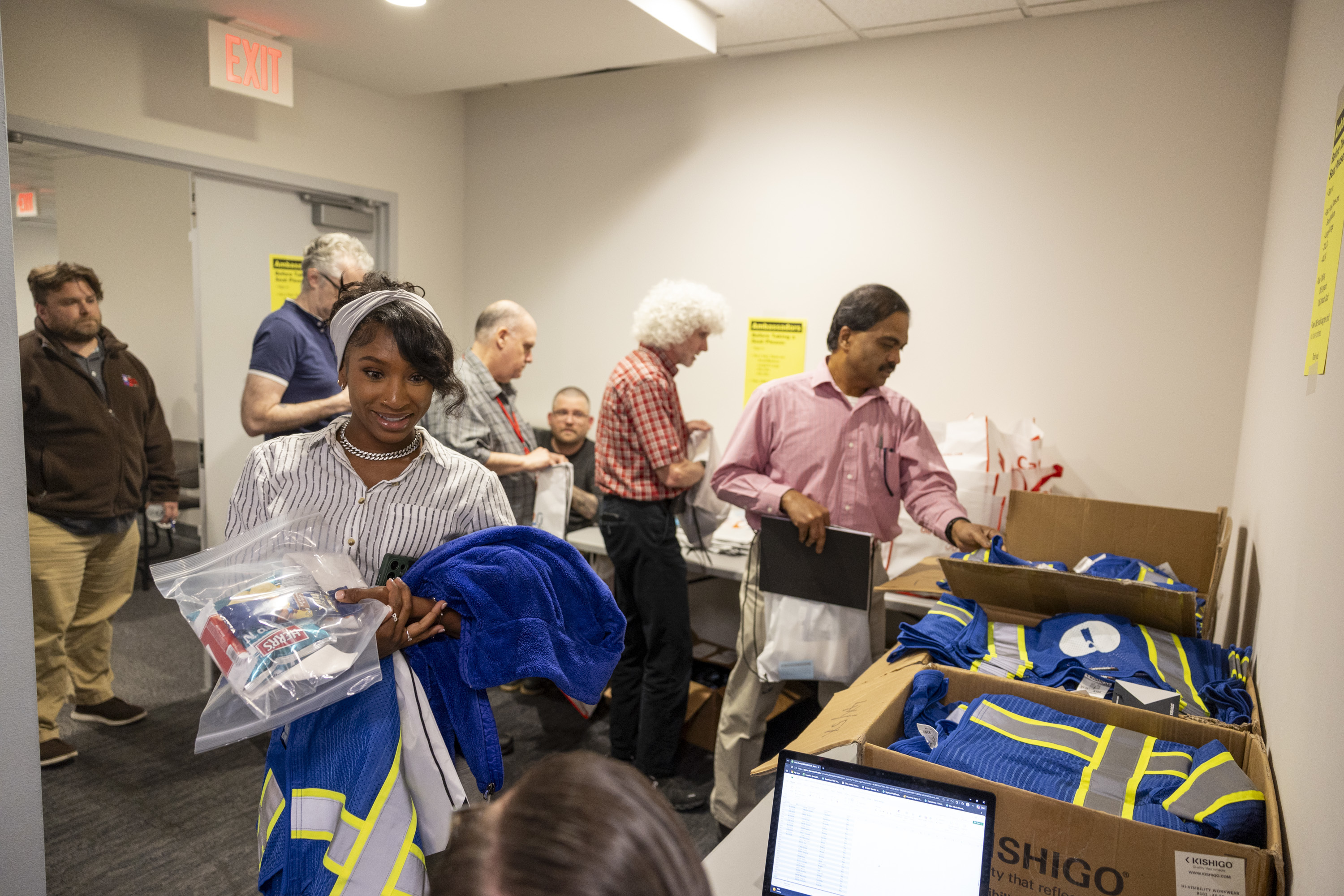
I got my own blue vest at the start of the class — pretty snazzy — and tried to earn it.
Brittany Davis, of Northeast Philadelphia, a service planner at SEPTA, gets her vest.Tyger Williams / Staff Photographer
Cultural correctness
The recent training included “cultural diplomacy” briefing sheets with guidance on customs and backgrounds of the countries with national teams playing here, prepared by the World Affairs Council of Philadelphia and protocol experts.
For instance,I learned:
Never flash the “OK” hand gesture to a Brazilian. It’s offensive, like flipping the bird.
When greeting or handing things to a person from Ivory Coast, use your right hand. It is a social slight to use the left, which is reserved for personal hygiene.
In some cultures, such as Ghana, it is customary to exchange pleasantries before getting down to business. People from Curaçao, influenced by Dutch culture, can be more direct and, while friendly, value personal space.
‘Bring the temperature down’
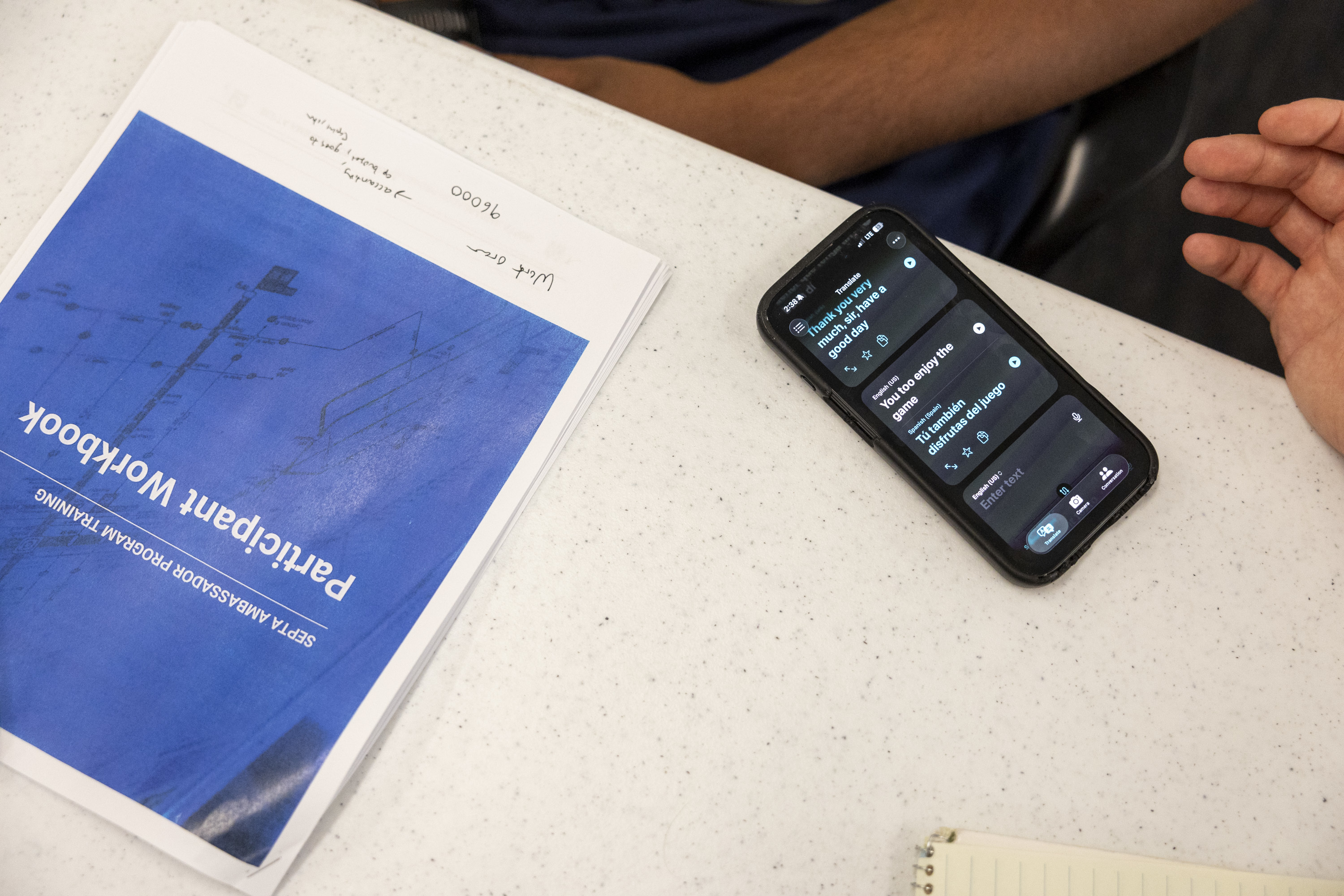
My fellow trainees and I shared tables in a conference room and huddled to work through often complex scenarios in a 24-page workbook.
You notice a particularly long line forming at one fare gate and go to investigate. …
A customer is tapping a credit card over and over, but it doesn’t work. Another customer tries to squeeze past them, increasing tension, and voices in the line start to rise.
“You want to bring the temperature down,“ said Noah Lee, manager of service-information development, with whom I shared a table. ”Take the person whose card doesn’t work off to the side to figure it out, and let other people go through.“
Nithin Vejendla, an operation planner, speaks Spanish in the Google Translator app.Tyger Williams / Staff Photographer
Nithin Vejendla said the bottleneck could be a two-person job and suggested bringing in another ambassador to wave people through the gate.
“Try empathizing with them,” said Vejendla, a SEPTA operations planner who was at my table. “Like, ‘I know it’s frustrating. I’ve had times where [tapping] doesn’t work. … We’ll get you on the next train.’”
Meanwhile, fix it. Is the person tapping incorrectly? Maybe the card reader’s bad, so try another turnstile. Consult a cashier.
The situation worsens.
A customer that has been held up in the line starts pushing and shoving the people in front of them. They are clearly agitated … [and] verbally threatening people.
“If they keep escalating, at that point your responsibility shifts to keeping the other passengers safe,” Vejendla said. “Maybe you stay between them and the fare gates, a physical barrier.“
Lee worked an ambassador shift during the 2025 Super Bowl parade and said he didn’t see anything like that.
“The atmosphere was joyful, and it was in the morning,” Lee said.
Vejendla, an operations planner who has worked at SEPTA for almost three years, was an ambassador for the Eagles parade and the Flower Show, and when SEPTA briefly cut and changed bus routes last year.
Later, trainees downloaded Google Translate to practice.
Vejendla speaks fluent Spanish and rough French. Powers, his boss, was teasing him about it.
“Lex was like, and I quote, ‘I can’t believe the system understood you. That French accent was terrible.’”
When emergencies arise
Sometimes, the scenarios are more serious. People wind up in the track area, trying to retrieve an item or having fallen off a platform. What do you do?
“Stop the train. Think about everything else later,” Burley said.
Heather Jordan, employee relations manager, (right), and Kim Smith, senior project engineer and track engineering with SEPTA, (left), are looking at the SEPTA app to answer questions for an exercise during the SEPTA’s Ambassador class.Tyger Williams / Staff Photographer
Go to the cashier and get them to push the Emergency Train Stop button, which activates a “stop” signal light. There are red flags in the booth to wave at incoming trains.
Moving your arm back and forth at chest level is a traditional railroad stop signal. “Or go berserk,” Burley said, waving your arms over your head or flashing a phone flashlight.
Do not enter the track area, and don’t try to pull a person up. The third rail carries 600 to 750 volts of electricity.
“You’re there to keep customers safe, but if you’re not safe, you can’t help,” Burley said.
As class ended and everyone left, I carried a deeper respect for the job of ambassador. I wished my fellow students good luck.
Prosecutors have dismissed at least 24 firearms cases after defense lawyers challenged the legality of stops conducted by two Philadelphia police officers who they say systematically targeted Black men for unlawful searches.
Lawyers with the Defender Association of Philadelphia say former partners August Gershwin and John Lee initiated hundreds of pedestrian investigations in Northwest Philadelphia without sufficient legal justification — ordering Black men to submit to searches during interactions that were supposed to be voluntary, delaying activation of body-worn cameras until after stops were underway, and rarely documenting investigations unless they yielded illegal guns or contraband.
The allegations come more than a decade after Philadelphia entered into a federal consent decree aimed at curbing unconstitutional stop-and-frisk practices. The agreement requires officers to document investigative stops for review by independent monitors and encourages police to handle low-level violations through so-called mere encounters — voluntary interactions with officers in which people are free to ignore questions and walk away.
The lawyers contend that Gershwin and Lee exploited that distinction, routinely detaining people without the legal justification required for a stop while avoiding the scrutiny those interactions would otherwise receive.
Their review, detailed in recent court filings, has prompted prosecutors to abandon dozens of cases tied to the officers, while the fate of dozens more remains uncertain.
The dismissals began with the case of Namir Mack, charged with firearms offenses and evading arrest after a March 2025 stop by Gershwin and Lee led to the recovery of an illegal handgun.
According to court filings, the officers stopped Mack as he walked along West Erie Avenue. Body-worn camera footage showed Mack lifting the back of his sweatshirt after the officers ordered him to expose his waist.
Mack then ran. During a brief chase, he was struck by an SUV on Hunting Park Avenue, and officers recovered a handgun. A supervisor’s body-worn camera footage captured the aftermath.
“What is this?” Sgt. Christopher Bloom asked. “A mere encounter turned into a foot pursuit?”
Defender Association lawyers characterized the pattern of conduct discovered in their review as deeply concerning.
The officers’ actions were “flying in the face of everything that’s supposed to be happening with this march toward more equitable policing in Philadelphia,” said Michael Mellon, who, along with Paula Sen, leads the association’s police accountability unit and conducted the review.
Efforts to reach Lee, who left the department last November, were unsuccessful. Gershwin directed inquiries to his supervisor, who declined to comment.
The police department declined to comment on the dismissed cases and the Defender Association’s findings.
Police Commissioner Kevin J. Bethel declined an interview request, and police union leaders did not respond to requests for comment.
The district attorney’s office, too, declined to comment.
Police spokesperson Sgt. Eric Gripp said that pedestrian stops must be based on something more than a “hunch,” and that “the mere presence of a firearm” or “a person being in a particular area does not, standing alone, automatically justify a detention or frisk.”
Department policy also requires officers to activate body-worn cameras at the outset of investigative stops. But the lawyers found that in every reviewed stop for which footage was available, the officers activated their cameras only after the interaction had begun, obscuring the moments most critical to determining whether the stop was lawful and whether citizens had voluntarily complied with police requests.
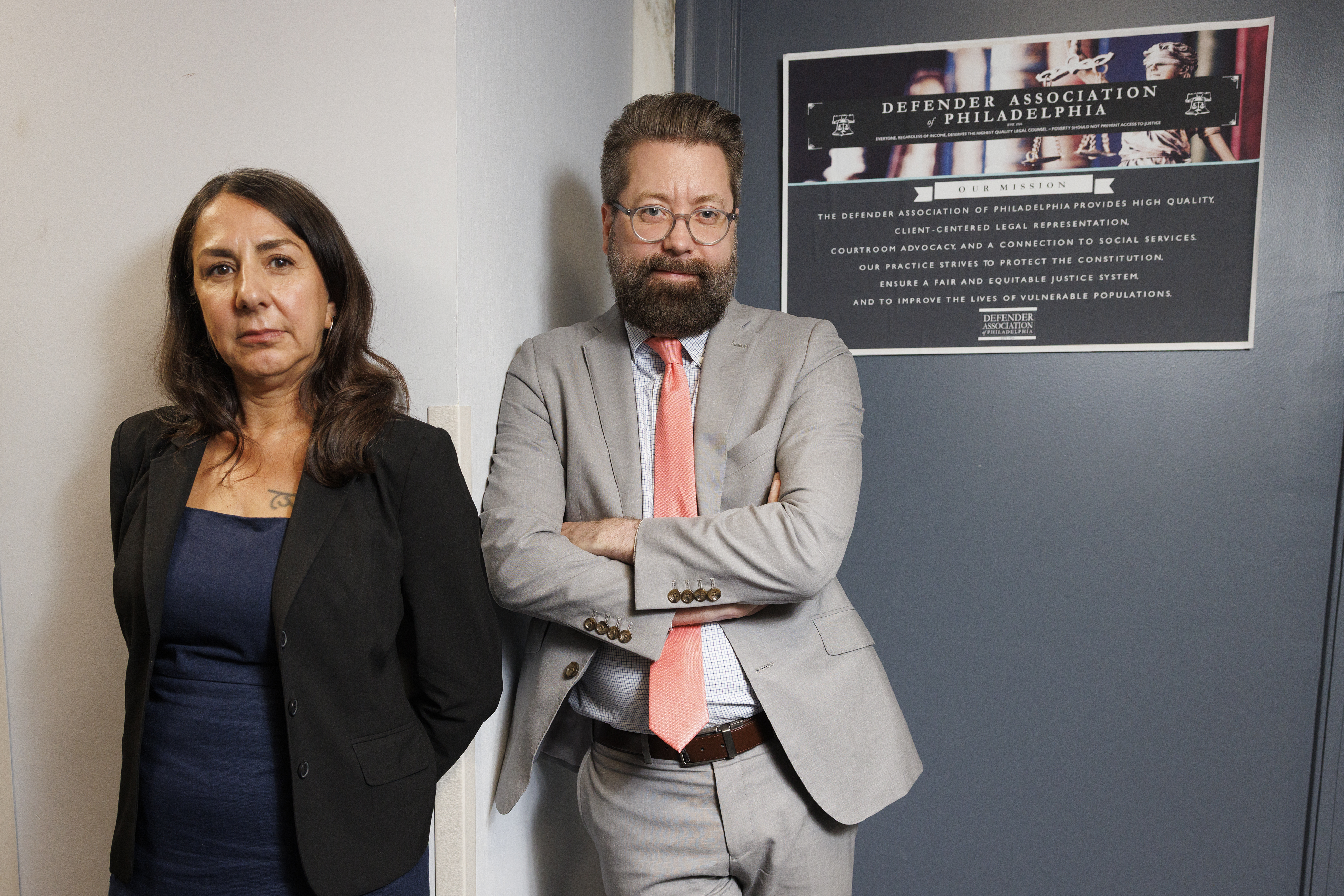
Paula Sen and Mike Mellon, who lead the police accountability unit of the Defender Association of Philadelphia, at their offices.Alejandro A. Alvarez / Staff Photographer
According to the lawyers’ legal filings, the department sustained at least three investigations for body-worn camera violations against both Gershwin and Lee during the two-year period reviewed by attorneys.
Of the nearly 500 pedestrian interactions reviewed by Mellon and Sen, only 130 were documented as investigative stops. The officers recorded an additional 320 as mere encounters.
After reviewing body-worn camera footage, police paperwork, and other materials, the lawyers concluded that 277 of the interactions described as mere encounters should have been classified as investigative stops and subjected to consent-decree review. Of those, 218 involved weapons license investigations. None resulted in the recovery of an illegal firearm.
The lawyers also found that all but one of the nearly 500 people the officers stopped during the review period were Black. All but two were men.
<div data-analytics-viewport="autotune" data-analytics-label="stops-06-11-26" id="stops-06-11-26__graphic" data-iframe-fallback="https://media.inquirer.com/storage/inquirer/ai2html/stops-06-11-26/fallback-mobile.jpg" data-iframe-fallback-width="350" data-iframe-fallback-height="1062" data-iframe="https://media.inquirer.com/storage/inquirer/ai2html/stops-06-11-26/index.html" data-iframe-height="1038" data-iframe-resizable></div> <script type="text/javascript">(function() { var l = function() { new pym.Parent( 'stops-06-11-26__graphic', 'https://media.inquirer.com/storage/inquirer/ai2html/stops-06-11-26/index.html'); }; if(typeof(pym) === 'undefined') { var h = document.getElementsByTagName('head')[0], s = document.createElement('script'); s.type = 'text/javascript'; s.src = 'https://pym.nprapps.org/pym.v1.min.js'; s.onload = l; h.appendChild(s); } else { l(); } })(); </script>
In one encounter classified as voluntary, body-worn camera footage showed Gershwin asking to search a man’s bag outside a beer deli. When a woman in the group objected, Gershwin searched the bag anyway before walking away, having found nothing.
In another supposedly voluntary encounter, Gershwin warned two teenage boys that if they did not lift their shirts, “we’re gonna cuff you.” Neither teen was found to have a weapon.
“They know they don’t have reasonable suspicion,” Sen said, “so they’re simply not documenting them.”
Gripp said the department’s internal affairs bureau conducted six investigations involving Gershwin and four involving Lee related to pedestrian stops and searches. Two allegations against Gershwin were sustained, he said, and none of the cases against Lee was sustained.
David Rudovsky, a civil rights lawyer who helped secure the consent decree, said he is “concerned that at least some officers in the department are doing an end run around the consent decree.”
Rudovsky said he plans to press the department to investigate Gershwin, Lee, and other officers who appear in body-worn camera footage reviewed by defense attorneys.
“If we’re not satisfied,” he said, “ultimately we can seek relief from the court.”
The Citizens Police Oversight Commission also said it plans to analyze department data on mere encounters and conduct audits as a result of the Defender Association’s findings and complaints from residents.
While most active cases handled by the Defender Association have been dismissed, Mellon and Sen estimate that an additional 30 to 40 cases involve private defense attorneys. They said they next plan to press the district attorney’s office to review closed cases tied to the officers’ arrests and broaden their analysis to other officers.
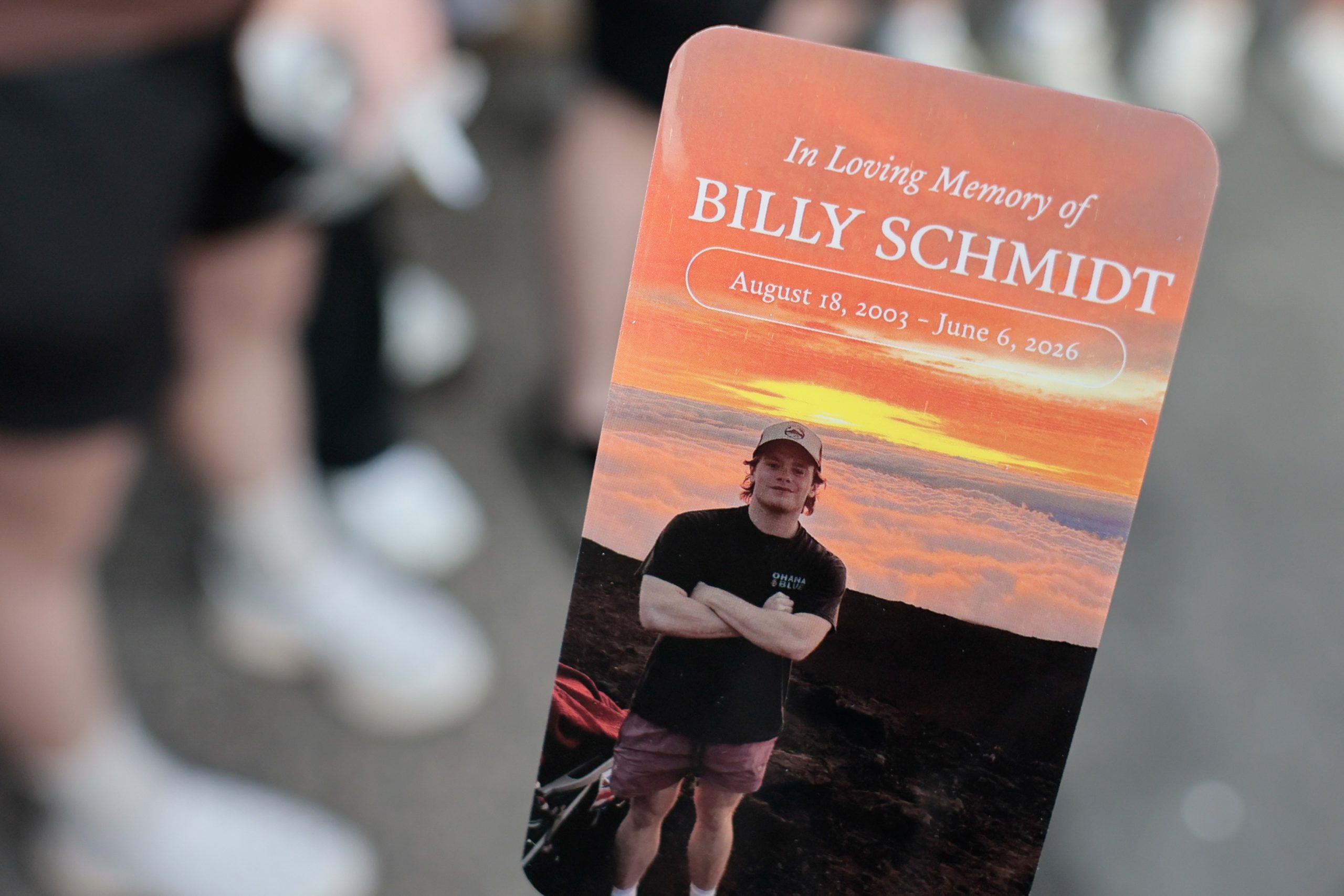
Family and friends gathered in South Philadelphia Thursday night to mourn William Schmidt, a Penn State student they all knew simply as “Billy.”
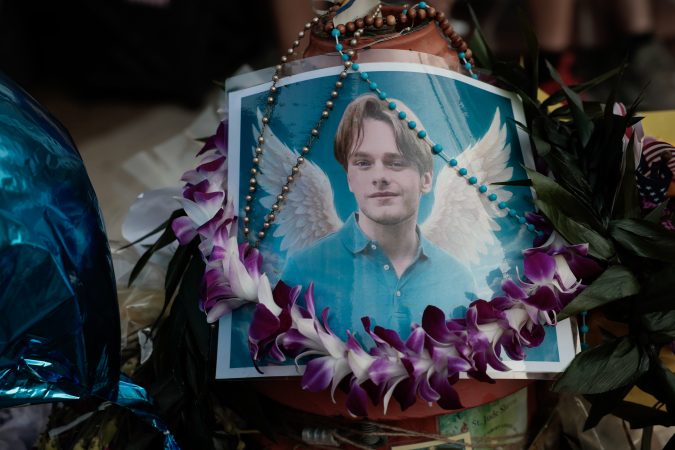
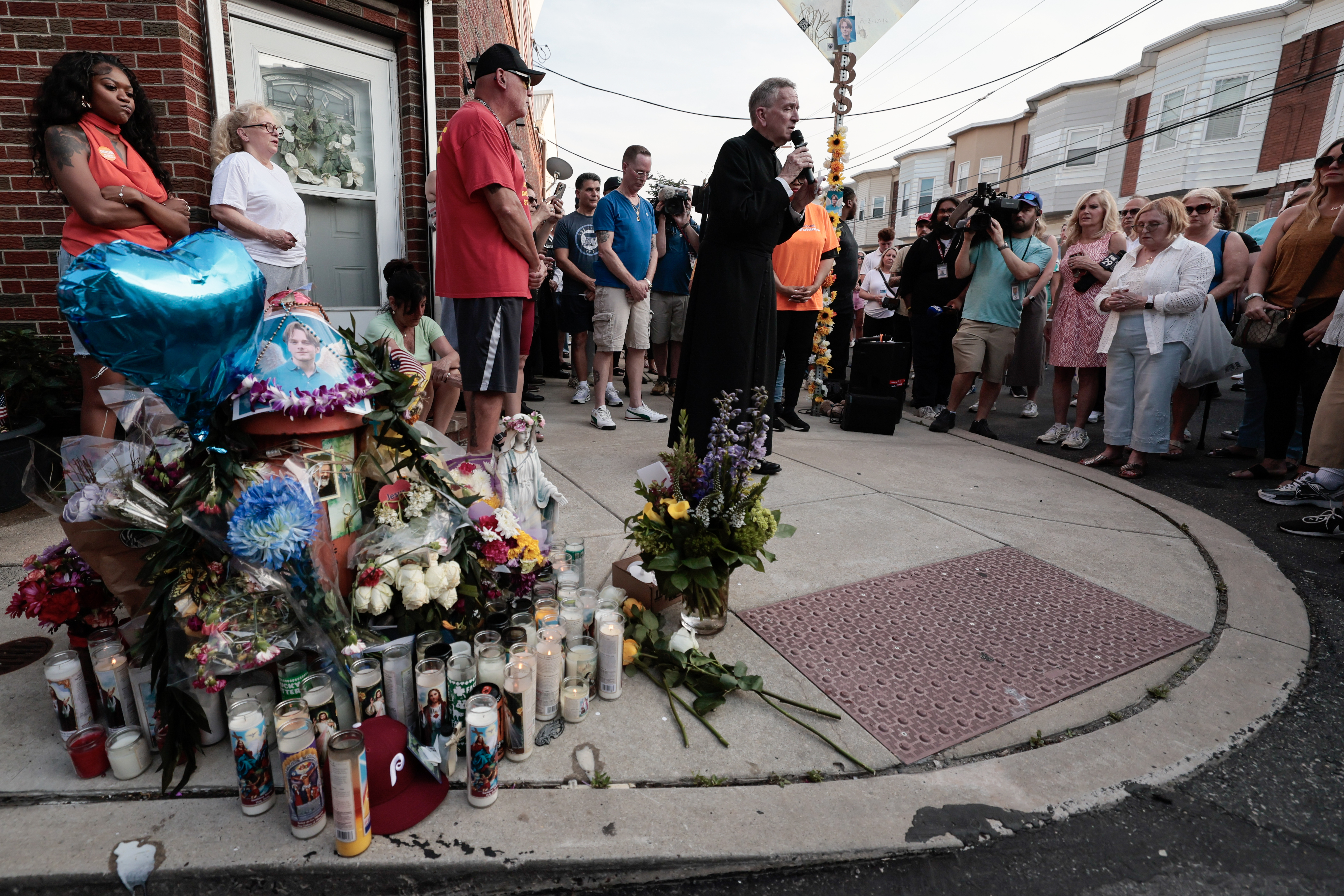
Spanning three blocks, loved ones and neighbors sang songs and held back tears on the corner of 20th and Durfor Streets, where a memorial to Schmidt near a fire hydrant where he was shot and killed was covered by candles, flowers, and balloons.
“He was my son, my best friend,” William Schmidt, Billy’s father, said, holding back tears. “How am I supposed to watch the Eagles play without him now? I am heartbroken without him.”
Father Kelly speaks at a vigil in memory of South Philly shooting victim Billy Schmidt Thursday, June 11, 2026, in South Philadelphia.Elizabeth Robertson / Staff Photographer
Trying to find comfort in the outpouring of love surrounding his son’s memorial, Schmidt said the crowd was a testament to Billy’s life and how good a person he was. But it’s not enough to outweigh a father’s pain.
“I’m thrilled he had such a great group of friends. He was a very candid person who never bothered anyone,” Schmidt said. “But I don’t have my son.”
One of those friends, Gino Russo, can’t even remember life without Billy, whom he’d known since kindergarten.
“Every time you call him, he was there,” Russo said. “Billy never let anyone down. I never saw him walk into a room not smiling and making sure everyone is smiling around him.”
Anna, Billy’s sister, called him “my best friend + best brother in one” in a message on a poster featuring lots of memories and a heart made with pictures of the siblings.
“Being your sister is the biggest honor,” she wrote. “Spending every Eagles game with you was so much fun, and you will always be watching the games with me now.”
Video captured on a home surveillance camera obtained and broadcast by 6abc shows a man wearing a hoodie throwing a cell phone down Durfor Street. Schmidt appeared to be chasing him and another man, who shot the Penn State student in the chest as he turned the corner.
Schmidt was pronounced dead at Penn Presbyterian Medical Center a short time later.
“This is senseless,” Councilmember Kenyatta Johnson told the crowd standing beside Schmidt’s father and sister, who held each other tightly.
William Schmidt was studying digital journalism and media at Penn State’s online campus.Elizabeth Robertson / Staff Photographer
Schmidt was a fourth-semester student studying digital journalism and media at the Penn State World Campus, the university’s online campus. Schmidt’s father told 6abc he was shocked his son chased the two men to retrieve his phone, which was found under a car on Durfor Street and turned over to police.
Philadelphia police are still trying to identify the two suspects, who were also captured in security footage both approaching the scene and fleeing the area following the shooting.
One suspect was wearing a light gray custom designed “KONFUSED” brand hooded sweatshirt. The other was wearing dark clothing and a light gray camouflage face mask, which he removed following the shooting.
Anyone with information is asked to call the homicide unit at 215-686-3334, or submit an anonymous tip by calling or texting 215-686-TIPS (8477). The city offers a $20,000 reward for information that leads to an arrest and conviction.
Dawaun Lewis, 30, has been charged with murder, robbery, and related crimes in the death of 45-year-old Keisha Furlow, police said. He was taken into custody Thursday after being arrested by Highway Patrol officers near his home on West Girard Avenue.
First responders discovered Furlow, a mother of four, in an alley near her North Opal Street home in North Philadelphia early Sunday morning, according to police.
Her face had been badly injured, and investigators believe two bloodied bricks found near her body had been used in her slaying hours before, around 2 a.m.
Furlow was pronounced dead at the scene, and medical examiners determined she died from blunt force trauma.
Investigators said they reviewed surveillance footage showing a person kicking Furlow and beating her head with a brick. That person and another individual fled with Furlow’s purse before ditching it nearby, they said.
There was no word if police have any information about the second attacker. The investigation is continuing.