Category: Philadelphia News

  • Ragweed season is approaching its peak in Philly, and the rains likely gave it a boost

    Ragweed season is approaching its peak in Philly, and the rains likely gave it a boost

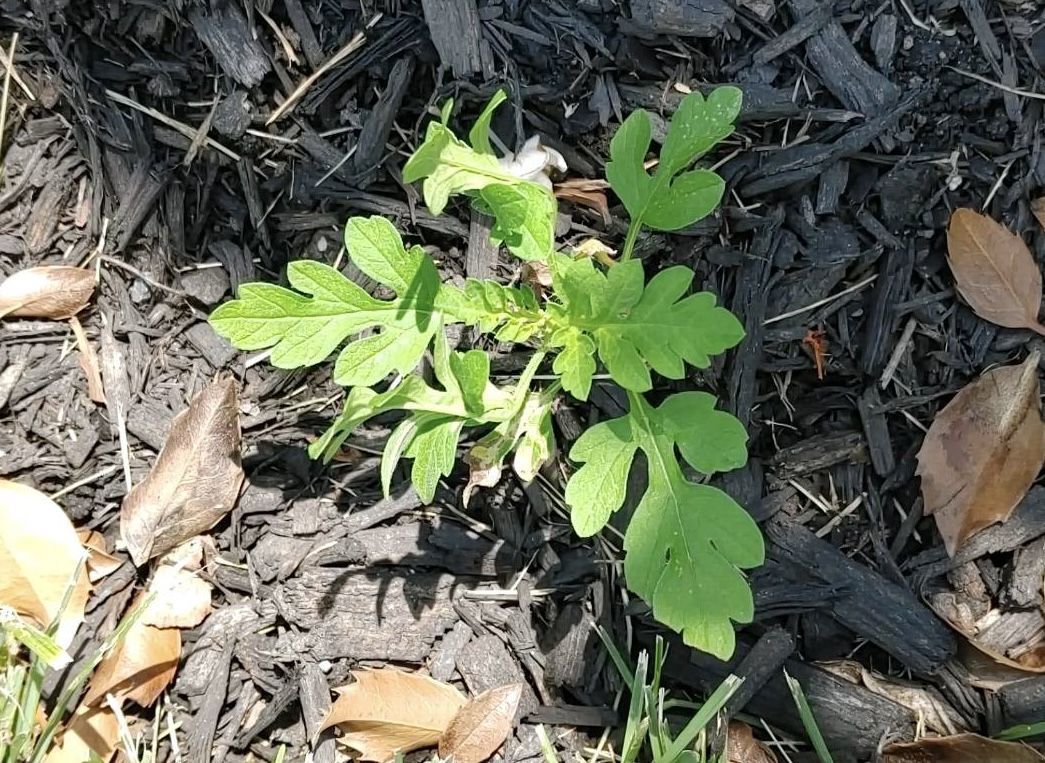
    The recent rain rally has been a boon to the Philadelphia region’s plant life, and, unfortunately for the legions of the allergic, the beneficiaries include the homely and ubiquitous tormentor commonly known as ragweed.

    It belongs to the plant family Ambrosia, from the Latin for “food of the gods.” One can only assume the gods did not have allergies.

    Estimates vary, and it’s not as though it is a census category, but in all likelihood several hundred thousand people in the region annually endure the slings and arrows of ragweed pollen, notorious for setting off episodes of sneezing and attendant dopiness.

    It also can induce coughing, wheezing, and chest discomforts, particularly among asthmatics, allergy experts warn.

    The season — the third in the equinox-to-equinox pollen trilogy, successor to the trees and grasses — typically begins modestly in early August, then intensifies late in the month and continues well into September. And this year sufferers may pay a price for the episodic drought-easing rains that have been watering the plants in the Mid-Atlantic region since mid-June.

    “Ragweed thrives on the nitrates in rainwater,” said Payel Gupta, an allergy, asthma, and immunology specialist based in New York City. The rains’ timing has coincided with “ragweed’s late-summer growth window,” she added, and the result likely will be “denser plants and higher pollen output.”

    As for precisely when the pollen will peak: “Every year is different,” said Donald Dvorin, who for more than 30 years was the Philly region’s official National Allergy Bureau pollen counter, “but the first week of September is most common.”

    In addition, with the planet’s temperatures increasing and first frosts taking their good old time, the seasons appear to be lasting a bit longer.

    The prime pollen flight hours are from 5 to 10 a.m.; effects can linger, however, as pollen can stick to clothing and find its way indoors via unwitting humans and pets.

    What is ragweed?

    Ragweed is a tooth-leaved plant that can grow in almost any environment, native to North America but spreading worldwide.

    For the allergenic, Dvorin said, the heavy hitters are the “short” ragweed (Ambrosia artemisiifolia), and the “giant” (Ambrosia trifida).

    A typical pollen grain is a mere 1/25,000th of an inch in diameter, but a single plant can generate a billion of them.

    While the plants live for only about a year, do they ever reproduce! Pollen has been found as far as 400 miles from the source, according to the Allergy and Asthma Network.

    New York City spent millions after World War II to eradicate ragweed in the city, a war it lost resoundingly. For one thing, the warriors discovered that about half the ragweed pollen in the five boroughs was commuting from elsewhere.

    The torments of ragweed

    Most people inhale ragweed pollen without incident, but for the allergic, the body interprets the pollen as an invader, and sneezes and other reactions are part of the immune response.

    For the sufferers, each season can be a little bit different, said Gupta, assistant clinical professor at the State University of New York and Mount Sinai Medical Center in Brooklyn.

    Severity would depend on “how many consecutive high-count days there are,” Gupta said. Exacerbating factors could be “viral infections or air pollution compounding irritation,” she said.

    In addition, some patients may be subject to “priming,” a particularly nasty season that might make some more susceptible to pollen discomforts the following year.

    And ragweed is nothing to just sneeze at, according to the International Ragweed Society, which is based in Switzerland and aims to promote ragweed research.

    In addition to a “socioeconomic burden due to rising healthcare costs” and “productivity losses,” the society states, the weed’s pervasiveness can endanger certain crops and natural habitats.

    How much ragweed is in the air?

    Unfortunately, that has become harder to know. Dvorin, an allergist who had practiced in Center City and Mount Laurel, stopped counting pollen last year, and that was symptomatic of a trend. The network has been shrinking.
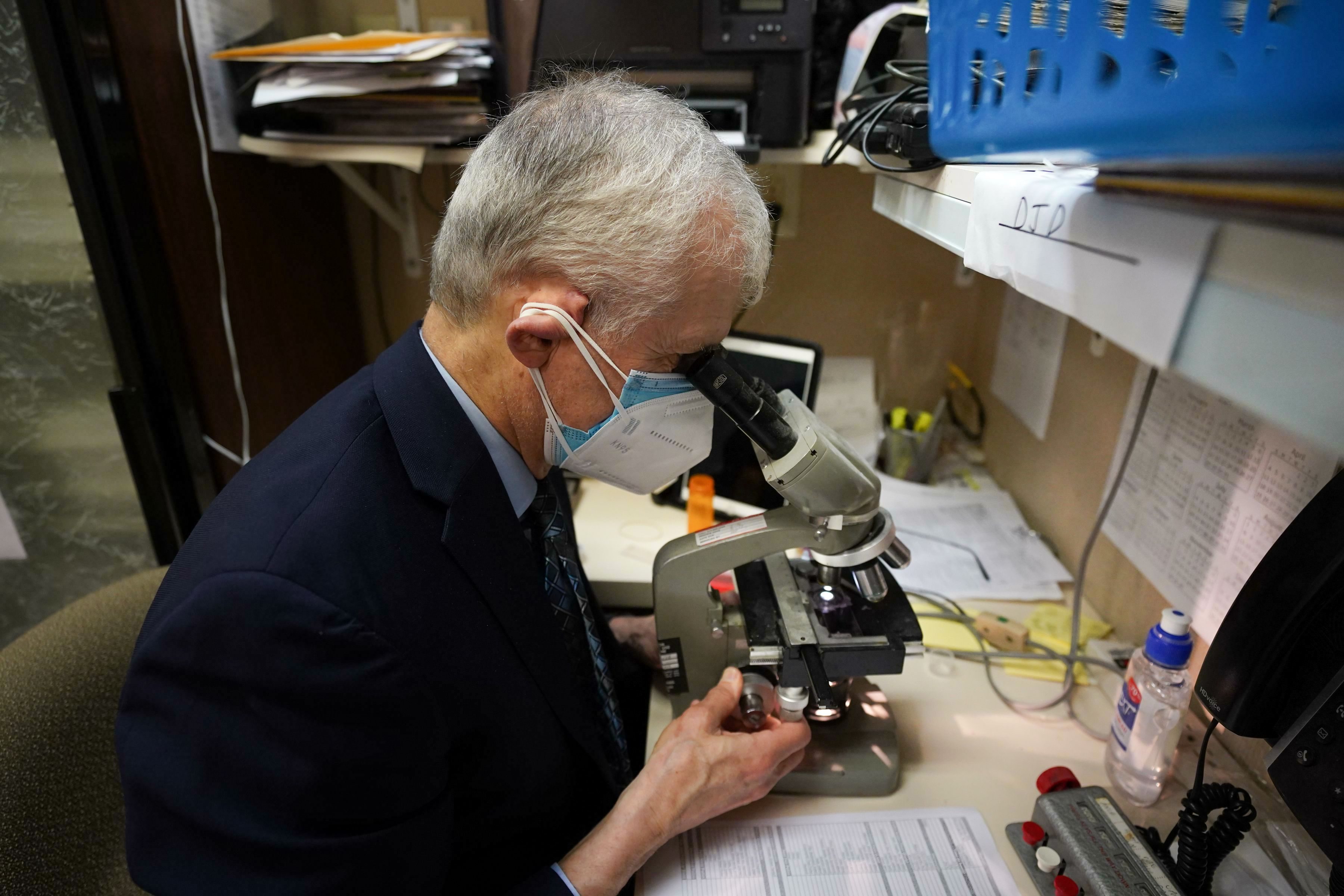
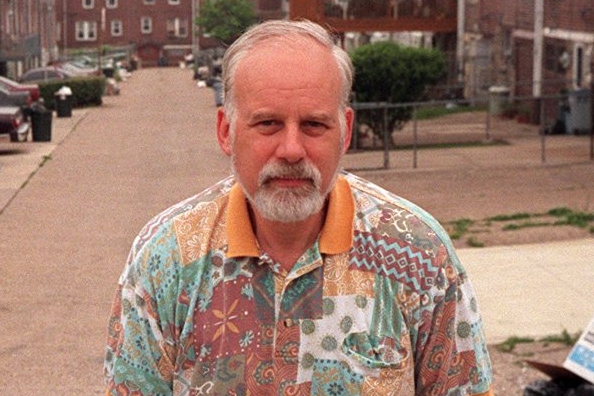
    Gotcha! Donald Dvorin analyzing a pollen specimen. He stopped counting pollen last year, and the network has been shrinking.Jessica Griffin / Staff Photographer

    Traditionally, allergists such as Dvorin supplied daily counts on a voluntary basis as part of the National Allergy Bureau network. However, the analyses require expertise and time that allergists could devote to revenue-paying patients.

    Fewer doctors evidently have been willing to participate.

    The nearest allergy bureau counter who posts frequent counts is in the Washington area.

    The Asthma Center in Center City posts daily counts that are AI-generated, and while that technology shows tremendous potential, the allergy bureau has not yet approved any of the machines for official use, said Pamela E. Gabrish, the bureau’s program director.

    “There has actually been more backlash against using automated devices than ever,” she said.

    Advice for ragweed sufferers

    Day-to-day pollen volumes are difficult to predict, but expect the peak to arrive next week.

    It is a good bet that counts will be high on a warm, dry, and breezy day.

    This will be evident in the online pollen forecasts, but be aware that pollen is commuting on the chaotic whims of the atmosphere.

    In a study of five major cities, published in 2024, allergy experts concluded the accuracy of online pollen forecasts was “low.”

    Along with medications, here are a few suggestions from allergy professionals:

    • Limit time outdoors on dry, windy days.
    • When outside, wear a dust mask.
    • Inside, keep the windows closed.
    • Shower before going to bed.

    And hope for rain, within limits.
  • Man in Halloween mask accused of menacing people near City Hall arrested in Las Vegas

    Man in Halloween mask accused of menacing people near City Hall arrested in Las Vegas

    A 22-year-old man accused of menacing pedestrians near City Hall while wearing a Halloween mask earlier this month was arrested in Las Vegas, the U.S. Marshals Service said Tuesday night.

    Zymire Hughes was being held at the Clark County Detention Center awaiting extradition proceedings, the U.S. Marshals Service said.

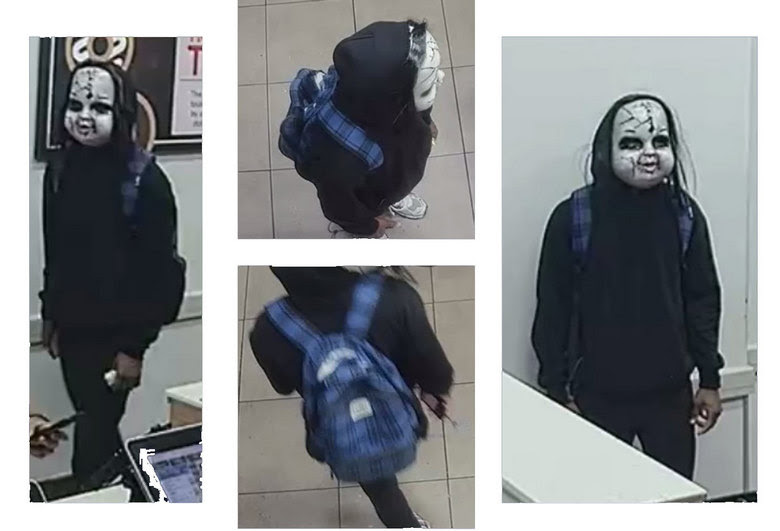
    Hughes gained national attention when viral images circulated online showing him allegedly wearing a mask resembling a cracked porcelain doll with a baby face. Masks advertised for Halloween that look very similar to what Hughes allegedly wore are available for sale on both Amazon and eBay.

    On the morning of Aug. 12, a man in the mask — which some also have described as resembling Chucky from the movie Child’s Play — harassed and scared more than a dozen people near City Hall, authorities said, including a 40-year-old woman who was injured when she fell while running from the masked man.

    Hughes allegedly harassed around 16 people during a half-hour period that morning, authorities said.

    At one point, he allegedly harassed a woman who was jogging and asked her if she was “ready to die,” police said.

    Hughes eventually rode a bus to his apartment near 23rd and Venango Streets, authorities said. He later left his apartment with packed bags, and police suspected he was heading to Los Angeles or Las Vegas, where he is believed to have connections through an employer.

    Investigators did not believe he intended to physically harm those he harassed, given that he did not produce a weapon during any of the interactions, authorities said.

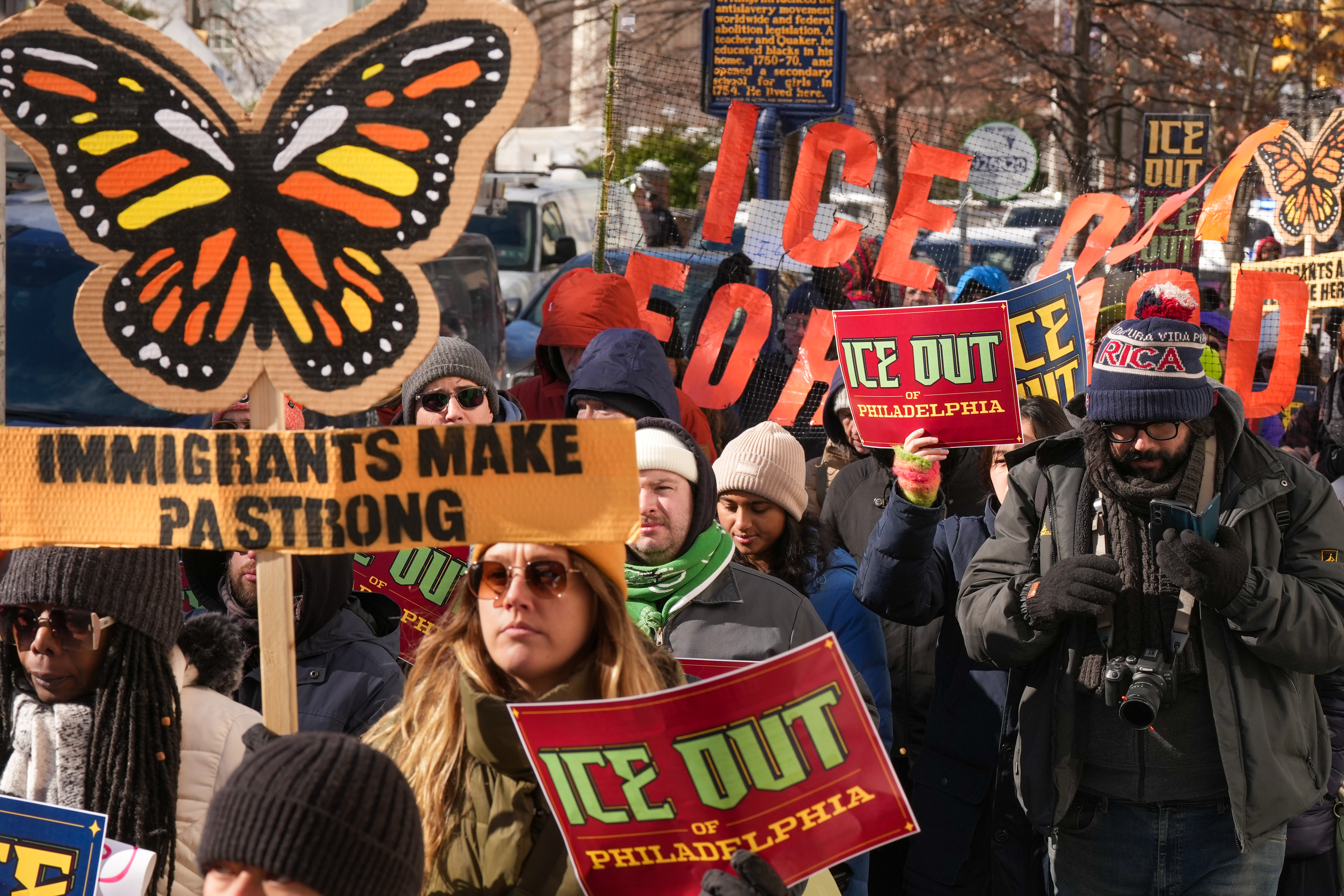
  • Justice Dept. targets another Philly ‘ICE Out’ ordinance after a court win on masking ban

    Justice Dept. targets another Philly ‘ICE Out’ ordinance after a court win on masking ban

    When President Donald Trump’s administration sued Philadelphia over one of seven new local restrictions on U.S. Immigration and Customs Enforcement — a ban on law enforcement officers from wearing masks or concealing their identity — the federal lawsuit included a footnote.

    “The United States has grave concerns over the constitutionality of other parts of the Bill as well as other components of the ‘ICE Out’ legislation and reserves the right to bring additional challenges in the future,” the June complaint said.

    The U.S. Department of Justice did so Monday evening, expanding its lawsuit to challenge a second ordinance.

    The “ICE Out” legislation package that took effect July 6 codified the city’s long-standing practice of not honoring immigration detainers, which are requests by ICE that a local law enforcement agency keep a person in custody long enough to be handed over to federal agents.

    The ordinance makes it illegal for a city agency or employee to comply with a detainer by keeping people otherwise eligible for release in custody because of an immigration detainer, an administrative warrant, or suspicion that they violated immigration law.

    The ordinance imposes a “blanket refusal” by the city to cooperate with the federal government, the suit says, and amounts to a “standing assurance that the federal handoff Congress built into federal immigration law will never happen within Philadelphia, whatever the circumstances.”

    The amended complaint does not mention Philadelphia’s history of not cooperating with ICE jail detainers. But with the local law, the city “foreclosed” the prospect of using the mechanism to deport people who were arrested, the suit says.

    Since the ordinance took effect, ICE’s Enforcement and Removal Operations office in Philadelphia sent the city 26 detainers, the suit says. Fifteen were not honored and the city released the people from custody, the complaint says, while the subjects of the remaining 11 are incarcerated and the detainers remain active.

    The detainers were for people arrested for crimes that include violent assaults, harassment, and drug distribution.

    “Without these detainers being honored, ICE was only able to arrest a fraction of the aliens, with the remaining criminals ending up at-large,” the suit says.

    A spokesperson for the city’s law department declined to comment. District Attorney Larry Krasner, who is also named as a defendant, did not respond to a request for comment.

    The Justice Department beefed up its lawsuit nearly two months after a judge ruled Philadelphia could not enforce a ban on law enforcement agents concealing their identity or using an unmarked vehicle, with some exceptions, finding it was an unconstitutional attempt by a city to regulate how federal agencies operate.

    Mayor Cherelle L. Parker allowed the mask bill to become law without her signature in May, following the advice of City Solicitor Renee Garcia that signing the bill “would send an inaccurate signal to the public that the Administration can legally or practically enforce” its provisions.

    Parker signed the ban on honoring immigration detainers.

    The case against the mask ordinance also benefited from a ruling by the U.S. Court of Appeals for the Ninth Circuit that a California bill requiring agents to “visibly display identification” was unconstitutional.

    But courts so far have been unconvinced that the federal government can force cooperation with ICE.

    For example, last year a federal judge in Illinois dismissed a Justice Department lawsuit challenging Cook County and Chicago’s sanctuary city policies that included a ban on honoring immigration detainers.

    Detainers offer localities and states “the opportunity to assist in civil immigration enforcement,” U.S. District Judge Lindsay C. Jenkins wrote. But policies that ban honoring these requests “don’t make ICE’s job more difficult; they just don’t make it easier,” the Joe Biden appointee said.

    And last month, Eric C. Tostrud, the Trump-appointed chief judge of the federal district court in Minnesota, issued a similar ruling finding that immigration detainers were requests, not mandates.

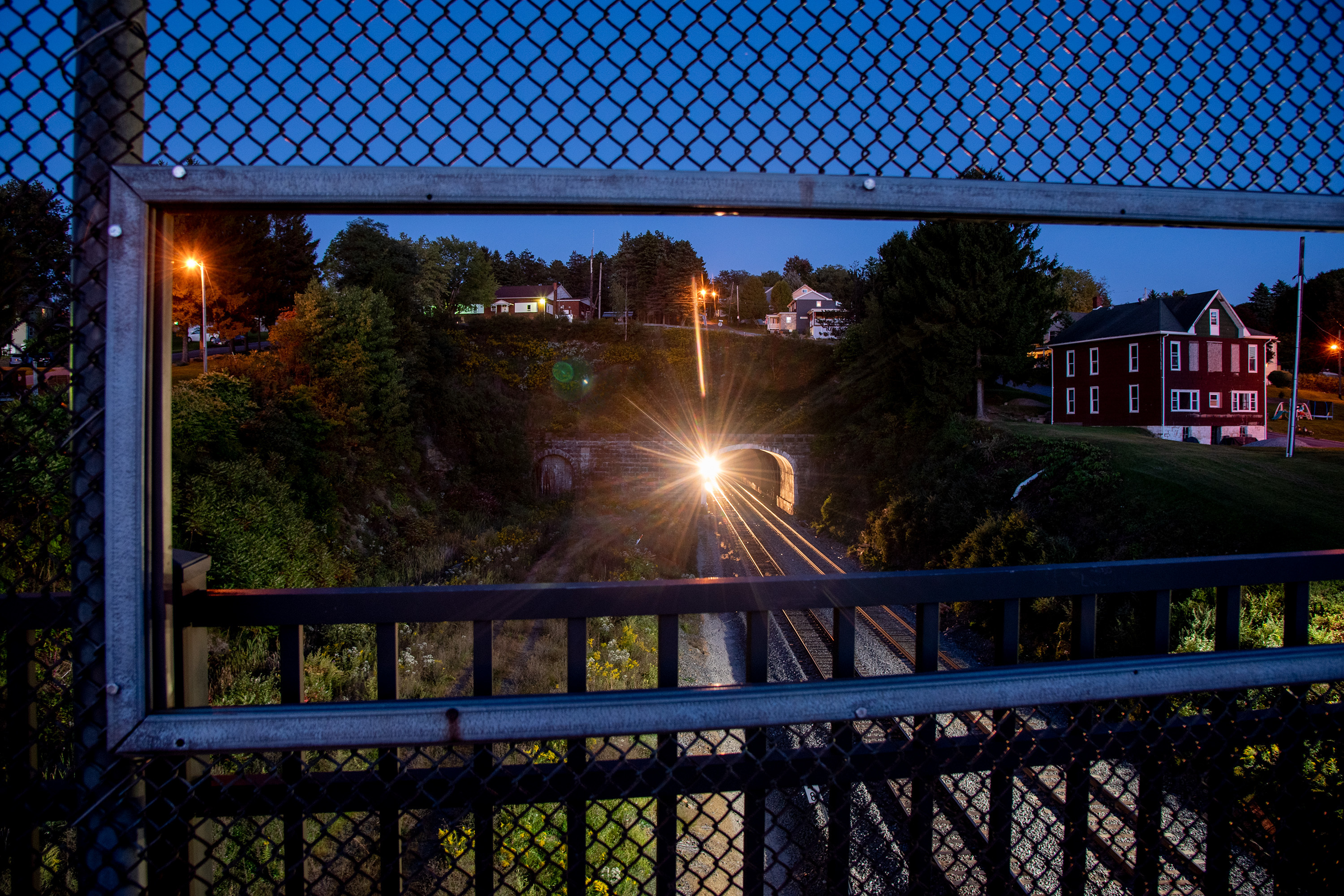
  • Amtrak to expand daily service between Pittsburgh and New York before Thanksgiving

    Amtrak to expand daily service between Pittsburgh and New York before Thanksgiving

    A second daily Amtrak passenger train between New York’s Penn Station and Pittsburgh will begin operating in mid-November, after an $80 million state investment in track and safety upgrades, the Pennsylvania Department of Transportation announced Monday.

    Bringing another Pennsylvanian train into service will double travel options for people traveling east-west between the state’s two largest cities; it also will provide more capacity for riders to and from New York.

    The train currently has stops in Philadelphia, Harrisburg, Altoona, Johnstown, Latrobe, Greensburg, and Pittsburgh.

    “The people of Western Pennsylvania have waited a long time for more passenger rail service and my administration has chased every opportunity to get this done,” Gov. Josh Shapiro said in a statement.

    The Pennsylvanian travels the Norfolk Southern-owned Pittsburgh Line, part of a main artery for freight moving between Chicago and metropolitan New York. The freight railroad has major terminals in Toledo, Cleveland, Pittsburgh, Harrisburg, and the Lehigh Valley.

    To expand passenger rail service on the line, the Shapiro administration in 2023 obtained $143 million in federal passenger rail funding for infrastructure improvements, including crossovers, sidings, and signals. Construction continues and is scheduled to be finished by 2030.

    In fiscal year 2025, the daily round-trip Pennsylvanian carried 236,000 passengers, according to Amtrak.

    Details about schedules and booking information will be released closer to when the expanded service begins, Amtrak spokesperson Beth Toll said.

  • Ron Avery, retired Daily News reporter and Philadelphia historian, has died at 85

    Ron Avery, retired Daily News reporter and Philadelphia historian, has died at 85

    Ron Avery, 85, of Philadelphia, retired eclectic reporter and columnist for the Daily News, Philadelphia historian, volunteer city tour guide, author, high school history teacher, veteran, and canoe enthusiast, died Sunday, Aug. 2, of complications from amyotrophic lateral sclerosis at his home in East Falls.

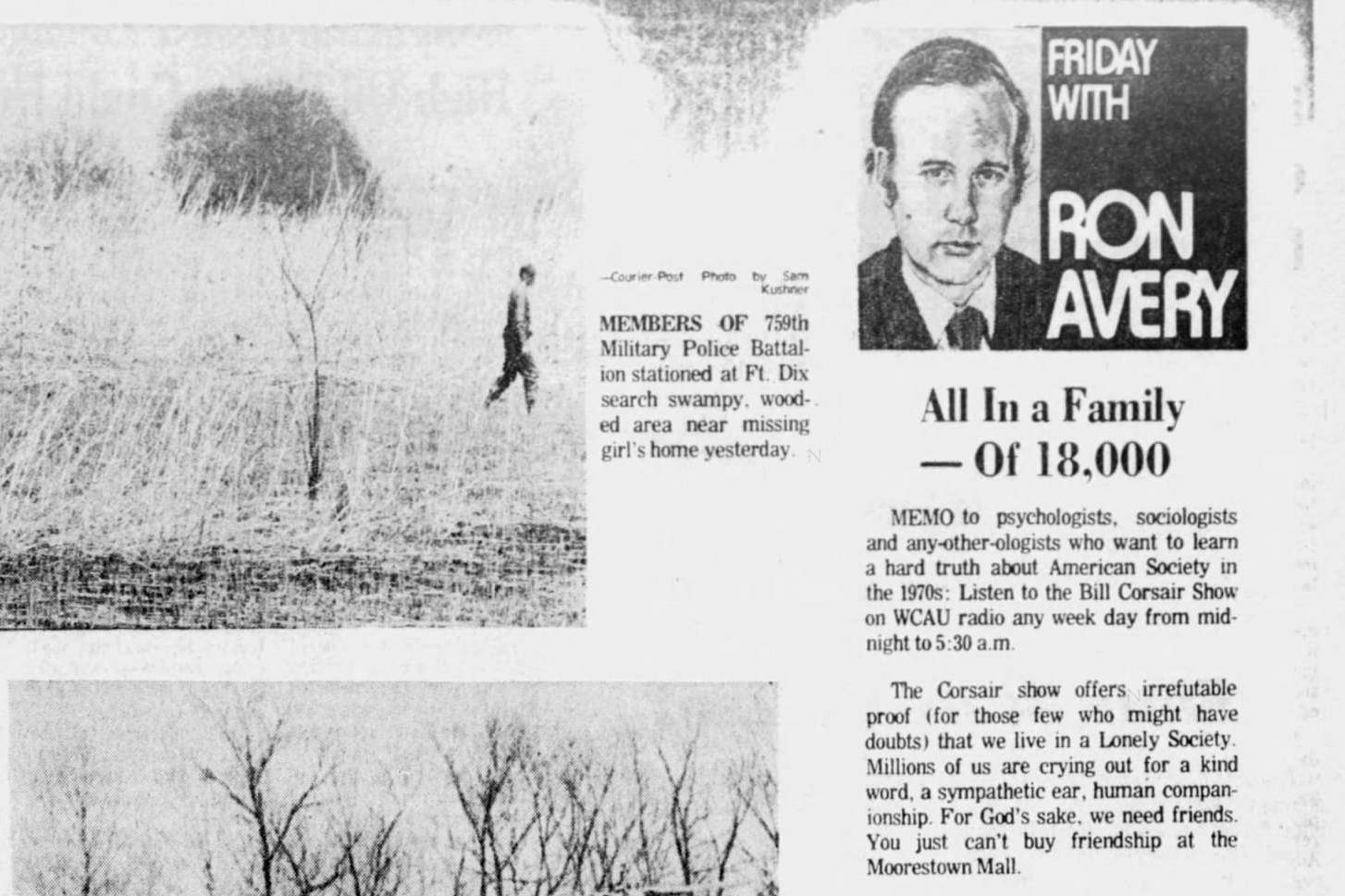
    Reared in Fairmount, Mr. Avery graduated from Thomas Edison High School and earned a bachelor’s degree in history at Pennsylvania State University. He was assigned to the ship newspaper in the Navy after college, found a creative niche in journalism, and went on to work for more than 30 years at the Associated Press, the Bucks County Courier Times, the Courier-Post in South Jersey, and the Daily News.

    He wrote for the Daily News as a correspondent in 1981, joined the staff in 1982, and, until his retirement in 2000, wrote thousands of stories about crime, casinos, war orphans, historic houses, the MOVE bombing, local notables, and other subjects. His columns, “Poor Ronald’s Almanac” and “One of Us,” hammered away at local issues and featured everyday people doing exceptional things.

    “He covered every nook and cranny of the city,” said his son Serge. “That burning curiosity sustained him till his last days.”

    He wrote three books about Philadelphia, including A Concise History of Philadelphia in 1999. He produced a series of video guides he called the Urban Explorer for local TV in 2004 and posted blogs about the city from 2017 to 2019 on a website called Philadelphia Cracks Me Up.

    “Like all cities,” he said in a 1995 Daily News column, “Philadelphia is honeycombed with hidden spaces and forgotten places.” In a 1997 review of his book, City of Brotherly Mayhem: Philadelphia Crimes and Criminals, The Inquirer’s Thomas Brady said: “The book … is decidedly a fun read.”

    Alex Strang, his director on the Urban Explorer videos, called Mr. Avery an “unforgettable legend” and “a walking encyclopedia of the city’s history and eccentricities” in a Facebook tribute. Other former colleagues said he was “a clever journalist” and “a true Philadelphian.”

    Longtime Daily News colleague Robin Palley said on Facebook: “He had an amazing knack of finding quirky people with fascinating skills or habits and making them come to life on our pages.”

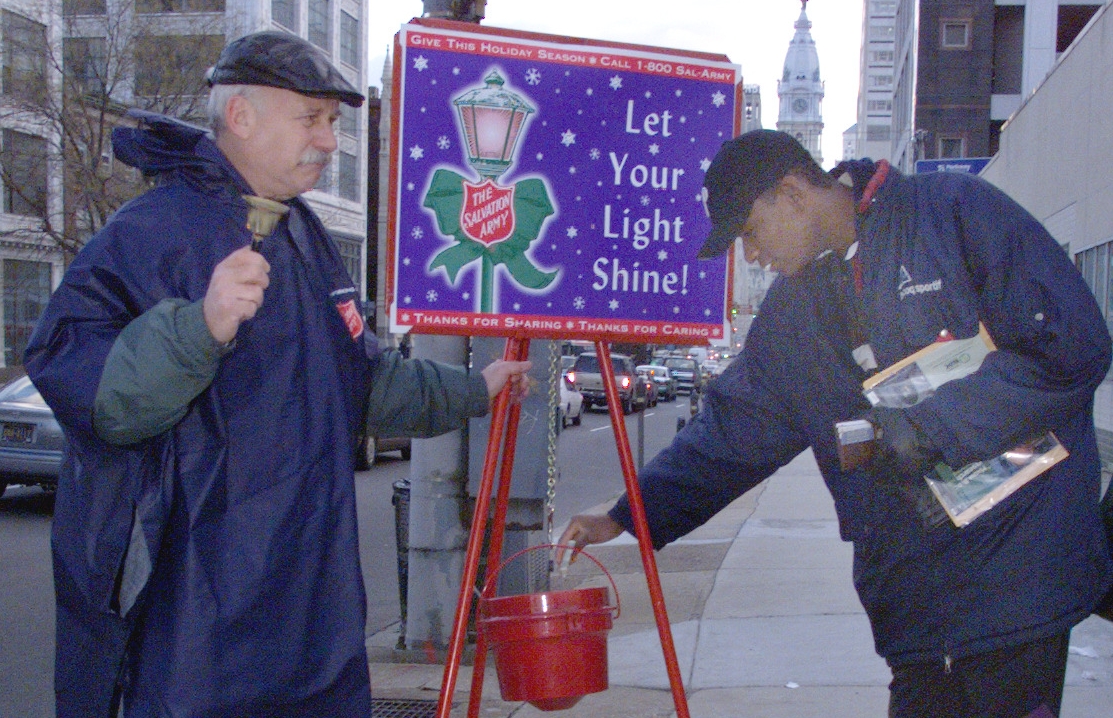
    Mr. Avery (left) mans a Salvation Army donation kettle in 1999.Steven M. Falk / Staff Photographer

    Before the Daily News, Mr. Avery wrote news and feature stories for the Courier-Post in the 1970s, and the Courier Times and the AP in the 1960s. He moved to Israel for six months in 1972 but returned to work for the Courier-Post in 1973.

    He also wrote freelance pieces for the Hidden City Daily, PhillyHistory.org, UShistory.org, and op-eds later for The Inquirer and Daily News. He served in the Navy from 1964 to 1966, joined the Philadelphia Canoe Club later, and led water trips in the New Jersey Pine Barrens and elsewhere.

    Knowledgeable, energetic, and naturally affable, he was a tireless promoter and volunteer guide in Philadelphia. He led walking tours throughout the city for students, civic groups, and other organizations, and his explanatory video tours featured cobblestone alleys, urban gardens, museums, statues, and other features of city life.

    He was a stickler for details and historical accuracy, and he helped spur City Council to pass an ordinance in 2008 to educate and certify paid Center City tour guides. “They score high as Philadelphia ambassadors of good will,” he said in a 1995 column about uneducated guides, “but as historians they often flunk out.”

    Mr. Avery wrote a column for the Courier-Post in 1974.Newspapers.com

    Ronald Avery was born June 10, 1941, in Strawberry Mansion. He joined the Boy Scouts, earned his bachelor’s degree at Penn State in 1963, and taught history at Bensalem High School for a year.

    He was a boxer in college and, mesmerized by the sport, later worked as a referee for amateur matches.

    He met Suzet Habif in Israel in 1967, and they married in 1968. They had sons Serge and Ben, and lived for years in a rowhouse in Oxford Circle.

    Mr. Avery cared for his wife during her long illness in the 1980s and ’90s. She died in 1993.

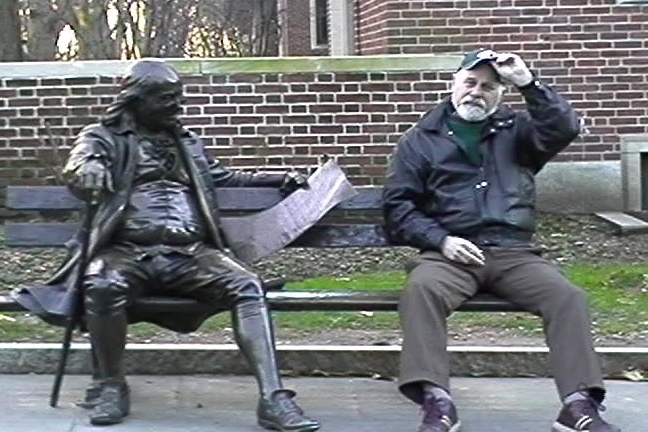
    Mr. Avery liked to hang out with Benjamin Franklin and other historic figures. Alex Strang

    He lived later in Pennsport and East Falls, was diagnosed with ALS in 2015, and proudly outlived its average life expectancy of 18 months by nearly a decade. “He defied that diagnosis and did not let it define him,” his son Serge said. “He always said he had a lot to live for.”

    Mr. Avery was an avid reader and street photographer. He liked poetry, wrote limericks on birthday cards, and posted hundreds of his photos on flickr.com. One of his photos won a contest and was displayed at the airport.

    He enjoyed jazz and jokes, led the prayers at family gatherings, and gave Yiddish quizzes to his two grandsons. He shared favorite recipes with Daily News colleagues and whipped up memorable homemade soups, especially white bean.

    “I’ll greatly miss his endless anecdotes about all things Philadelphia,” said his daughter-in-law, Rebecca Houlding, “the stories about the local criminals, and his love of his family and friends.”

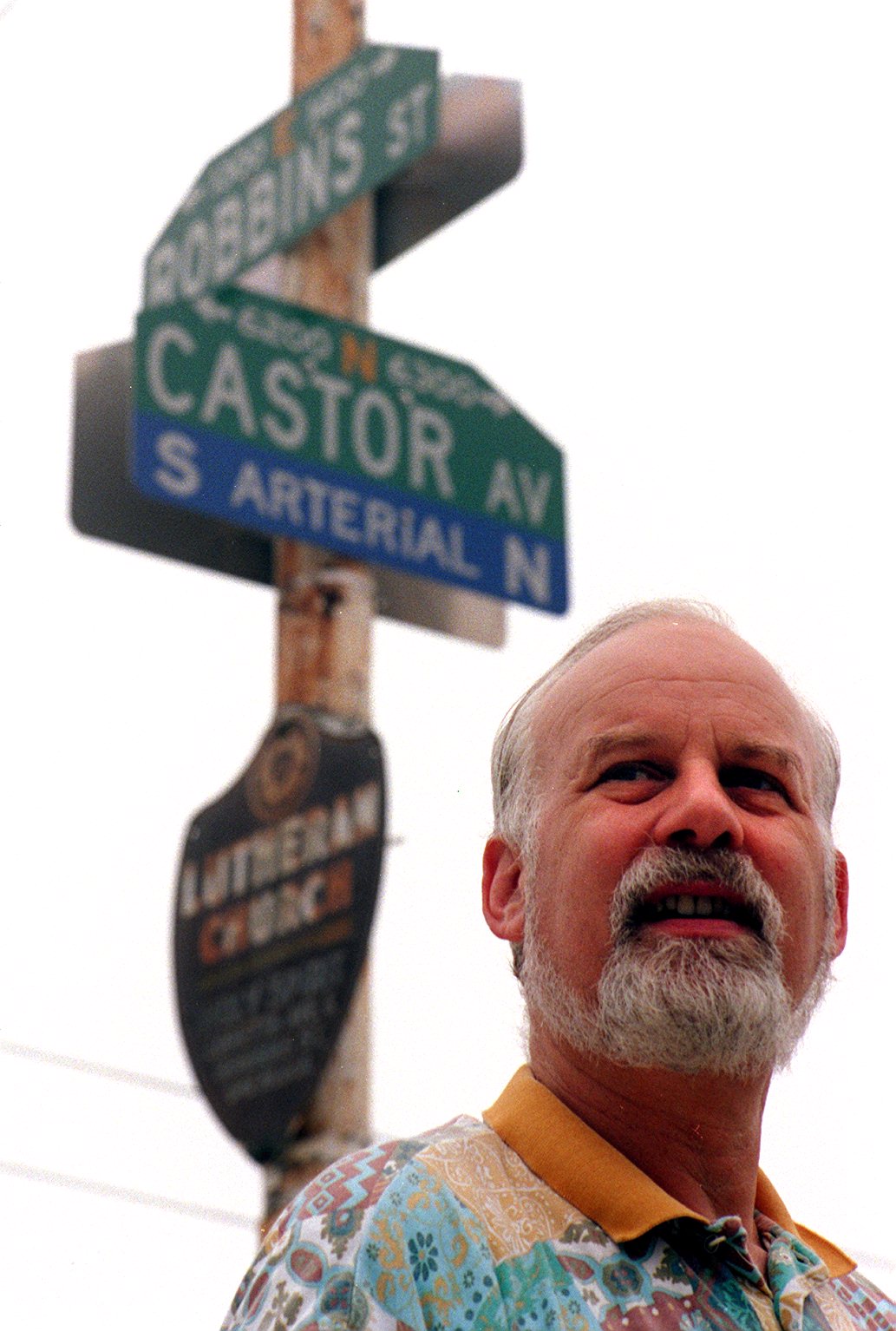
    Mr. Avery wrote about his life in Northeast Philadelphia for the Daily News in 1997.Alejandro A. Alvarez / Staff Photographer

    His son Serge said: “He loved chasing the stories from the back alleys and driveways, highlighting the working people of our town.”

    In addition to his sons, daughter-in-law, and grandsons, Mr. Avery is survived by other relatives. A sister died earlier.

    Services were held earlier.

    Donations in his name may be made to Paralyzed Veterans of America, Box 758589, Topeka, Kan. 66675; and the Hebrew Immigrant Aid Society, Box 8688, Philadelphia, Pa. 19101.

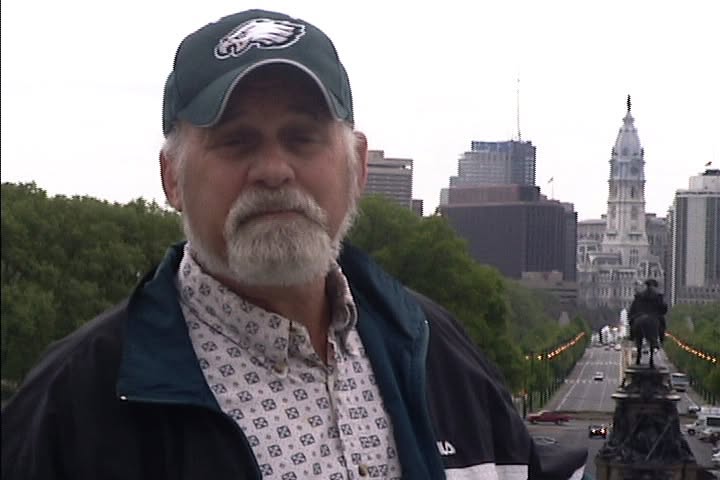
    Mr. Avery “loved chasing the stories from the back alleys and driveways, highlighting the working people of our town,” his son Serge said.Alex Strang
  • A man who tried to hire a hit man to kill a rival was sentenced to more than 15 years in prison

    A man who tried to hire a hit man to kill a rival was sentenced to more than 15 years in prison

    Not long after Xin Guang-Go’s skill game business in North Philadelphia collapsed — a development that led to tension between him and his onetime business partner — Guang-Go decided he wanted his former colleague to die.

    To follow through on his threat, Guang-Go sought to hire a hit man — supplying the man with his target’s address, pictures of his intended victim’s car and home, as well as a cash deposit and a tip about where his rival might be storing about $100,000 in a safe.

    Guang-Go said the hit man could keep that money as long as the murder was carried out. And he also asked that his target’s girlfriend be killed in the process. For both killings, Guang-Go was willing to pay $30,000.

    But unknown to Guang-Go, the hit man he tried to hire was working as a confidential informant for the Bureau of Alcohol, Tobacco, Firearms, and Explosives. Guang-Go was arrested before either of his victims was harmed.

    In federal court Monday, Guang-Go, 48, of Plymouth, N.C., was ordered to serve more than 15 years in prison for seeking to carry out his scheme — a plot that U.S. District Judge Harvey Bartle III said was one of the most serious crimes a person could commit.

    “It’s totally unacceptable to settle a business dispute by entering into a contract to have your opponent murdered,” Bartle said.

    Guang-Go apologized, saying he had been consumed by impulses he now recognizes were wrong.

    It was “as if there was evil in my heart,” he said through an interpreter. “Evil was controlling my brain.”

    Neither of Guang-Go’s victims appeared in court Monday. Assistant U.S. Attorney Amanda McCool said both remain traumatized by his attempt on their lives.

    She said Guang-Go was not simply an unlucky or bumbling criminal who made a deal with the wrong source. He fully intended for his victims to die, she said — and in court documents, prosecutors said he had asked his would-be hired killer to provide photographic proof that the victims had been slain.

    “This is not some one-off of the defendant, that [he] ran into someone who suggested” the plot, McCool said. “Throughout the course of a week, he made multiple proactive steps to further his plan.”

    Guang-Go — who pleaded guilty this spring to murder-for-hire offenses — said that he had brought shame to his entire family through his actions, and that he regretted his prison sentence would take him away from his children and his aging mother.

    In addition to ordering Guang-Go to 188 months behind bars, Bartle imposed a three-year term of supervised release.

    Guang-Go, a native of China and a legal permanent resident of the United States, is likely to be deported whenever his term of incarceration is finished.

  • Two dead in weekend shootings, even as city’s homicide decline continues

    Two dead in weekend shootings, even as city’s homicide decline continues

    Two men were killed in separate shootings over the weekend in Philadelphia, police said, adding to the homicide toll in the city even as it continues to see a sharp decline in deadly violence.

    The killings occurred within hours of each other late Saturday and early Sunday. Investigators have not publicly identified the victims or released a motive in either shooting. No arrests have been made.

    Police continue to investigate, said Officer Shawn Ritchie, a police spokesperson.

    The first shooting was reported shortly before midnight Saturday near Wakeling and Jackson Streets in the Frankford section of Northeast Philadelphia. Responding officers found a 64-year-old man with a gunshot wound to the face, police said.

    He was pronounced dead at the scene.

    Officers detained a 39-year-old man for questioning and recovered two handguns at the scene, police said. The man had not been charged as of Monday afternoon, according to police.

    Several hours later, shortly after 5 a.m., officers were called to the 3200 block of Kensington Avenue for a report of a person with a gun. When they arrived, police said, they found a 35-year-old man with multiple gunshot wounds to his back, chest, and right leg.

    The man was taken to Temple University Hospital, where he was pronounced dead, police said.

    The Kensington shooting occurred along a stretch of the avenue that has long been associated with the city’s open-air drug trade, but police have not said whether the killing was connected to any activity in the area.

    Despite the two weekend killings, Philadelphia’s homicide total remains significantly lower than in recent years. By the same time last year, the city had recorded 146 homicides, and 176 in 2024, according to police data. As of Sunday, the data show, the city has logged 117 homicides this year.

    Both shootings remain under investigation, police said. Anyone with information about either killing is asked to contact the police department’s tip line at 215-686-8477 (TIPS). A reward of up to $20,000 is available for information leading to an arrest and conviction, police said.

  • Masked men used an AR-15-style rifle to rob three people in Center City this weekend, police say

    Masked men used an AR-15-style rifle to rob three people in Center City this weekend, police say

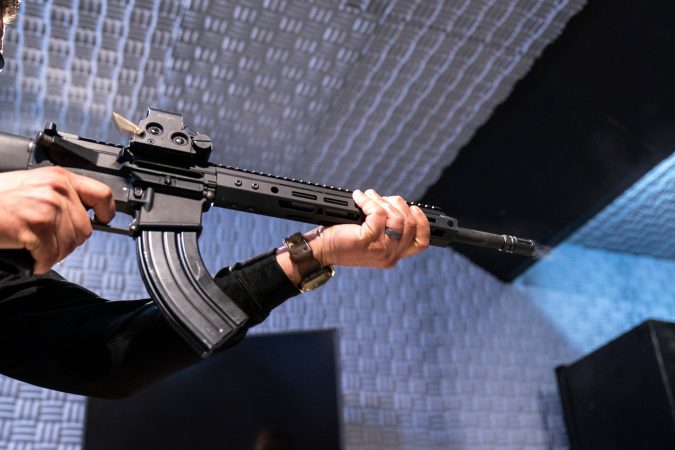
    Masked men armed with handguns and what appeared to be an AR-15-style rifle robbed three men early Sunday morning in Center City, forcing at least one of the victims to his knees at gunpoint, according to police.

    The victims — ages 27, 35, and 36 — were talking on the sidewalk around 3 a.m. on the 1500 block of Locust Street when three robbers stepped out of a gray Hyundai sedan and demanded the men’s belongings, said 9th District Capt. Anthony Ganard.

    Two of the men complied, police said, but the third resisted, and one of the robbers hit him in the face with a handgun. He was taken to an area hospital with injuries that were not life-threatening, Ganard said.

    The assailants took cell phones, watches, car keys, wallets, driver’s licenses, and cash, police said.

    No arrests have been made.

    Surveillance video reviewed by investigators shows one of the victims on his knees on the sidewalk as two of the robbers pointed guns — including what appeared to be an assault rifle — at his head. The video shows the victim handing over cash and the watch on his right wrist before the robbers ran back toward the Hyundai, Ganard said.

    “It’s always concerning, any type of robbery involving a firearm, [but] especially when you have a high-powered-style firearm,” Ganard said at a news conference Monday.

    Police believe a fourth man acted as the getaway driver and remained in the Hyundai during the robbery.

    The Hyundai had been circling the area for about three hours before the robbery, Ganard said. It was unclear Monday whether the men were targeted or victims of a random crime, he added.

    The sedan, which police recovered early Monday morning, had been stolen from Cheltenham Township on Wednesday, Ganard said. He declined to say where the car was found.

    Detectives are examining the vehicle for evidence and searching for additional surveillance footage that may have captured the robbery. Investigators have not linked the men to any other similar robberies, Ganard said.

    The investigation remains active, police said.

    Anyone with information is encouraged to contact investigators at the department’s tip line, 215-686-8477 (TIPS).

  • Market Street Bridge will be closed to cars for over a year

    Market Street Bridge will be closed to cars for over a year

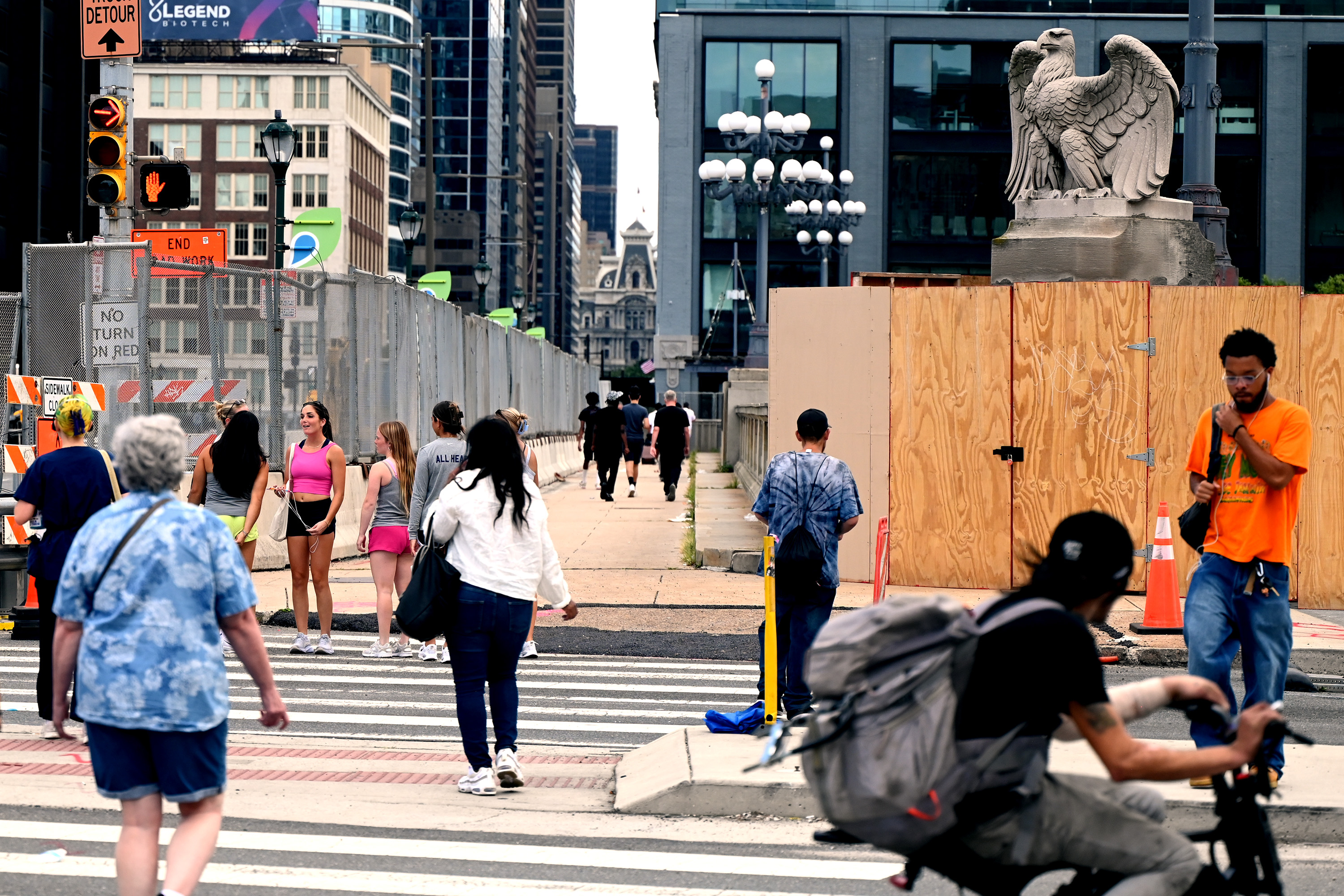
    Drivers should expect detours around the Market Street Bridge for over a year as the bridge undergoes rehabilitation.

    On Monday, the Market Street Bridge closed to vehicle traffic and is expected to remain shut down for 14 months.

    The work is part of a $149 million Pennsylvania Department of Transportation project that includes reconstruction of the bridge and other construction work in the area.

    Construction work on the bridge began in March 2025 and is expected to be completed by April 2029. The project requires moving around and installing water, electric, gas, and fiber-optic utility lines in the area.

    During the bridge closure, cars and bicycles will be detoured to Chestnut and Walnut Streets, according to PennDot’s plans. The agency has said one sidewalk would remain open to pedestrians to cross the bridge during construction.

    Six SEPTA bus routes will be detoured in the area for roughly a year starting Monday: buses 31, 44, 49, 124, 125, and L1 Owl.

    Parking restrictions are also in effect in the area through 2028 because of the project, PennDot spokesperson Helen Reinbrecht confirmed. Those restrictions affect Chestnut Street between 23rd and 22nd Streets, 23rd Street between Market and Walnut Streets, and Walnut Street between 23rd and 33rd Streets.

    PennDot work in the area has recently led to temporary closures and detours near Amtrak’s 30th Street Station.

    PennDot’s multimillion-dollar project is mostly funded with federal money, with 20% of the cost paid for by the state.

    Pedestrians can cross, but the Market Street Bridge (at left) is closed to vehicle traffic Monday for a Pennsylvania Department of Transportation project that could span 14 months.Tom Gralish / Staff Photographer
  • Phillies installed artificial turf at FDR Park field without environmental permit, record shows

    Phillies installed artificial turf at FDR Park field without environmental permit, record shows

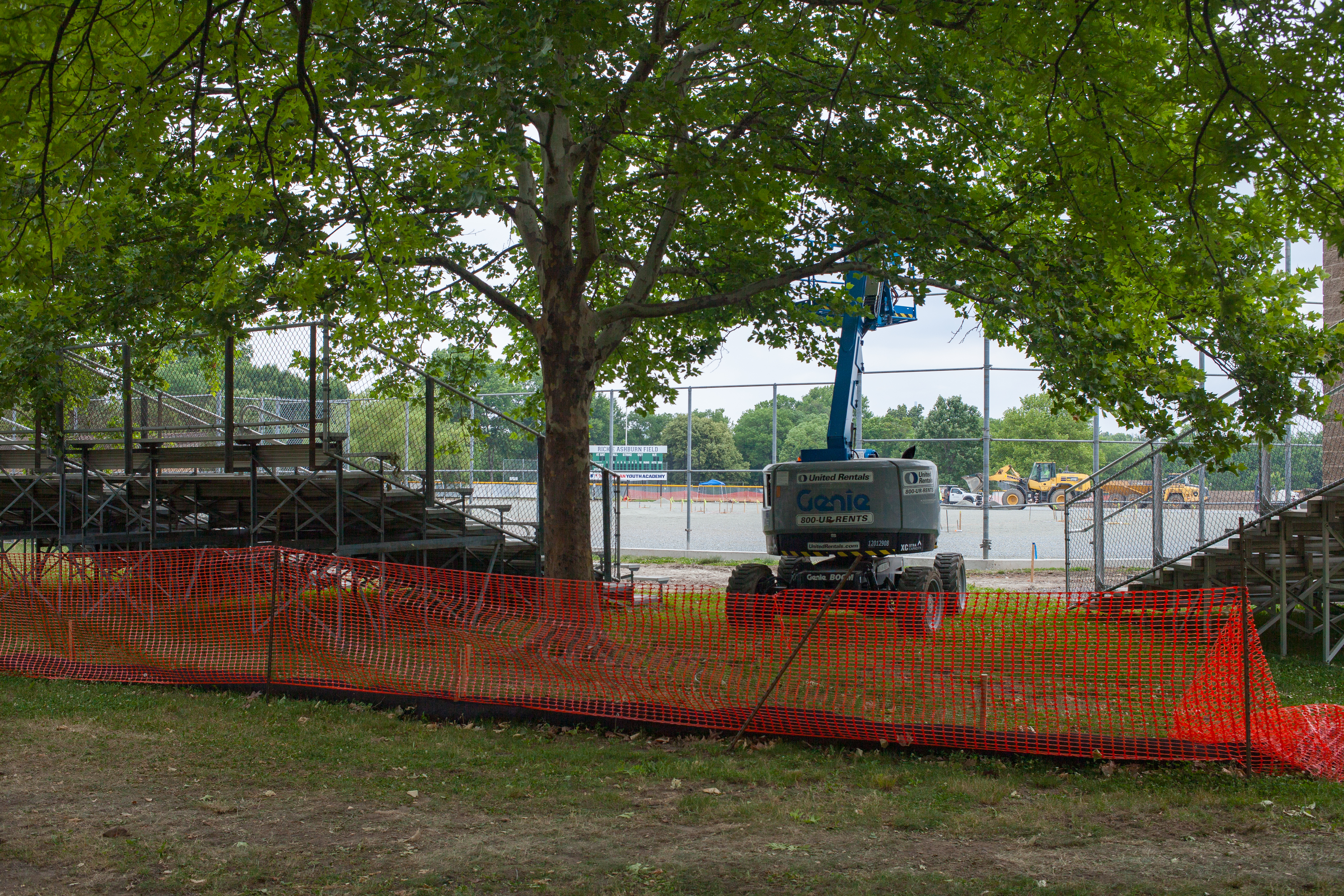
    The Philadelphia Phillies installed artificial turf at Ashburn Field in FDR Park in July but still have not obtained a required state permit, according to Pennsylvania Department of Environmental Protection records.

    Major League Baseball and Phillies Charities Inc. held a ribbon-cutting for the renovated field, named after Hall of Famer Richie Ashburn, on July 10. It was part of festivities leading up to the MLB All-Star Game.

    The renovation of the decades-old field included removing natural grass in favor of a “high-performance synthetic turf system and upgraded drainage” at the five-acre complex, according to an MLB news release.

    However, documents from the Pennsylvania Department of Environmental Protection (DEP) show that the Phillies never obtained the required permit designed to address erosion control and stormwater release at the site.

    Under Pennsylvania law, anyone disturbing more than one acre of ground is required to obtain a permit for stormwater discharges before beginning the work and explain how the work will affect drainage going forward.

    DEP spokesperson Robyn Briggs said in an e-mailed statement that the agency is “currently reviewing the Phillies’ permit application and the compliance situation at the site. Because this matter is still under review, DEP cannot comment on whether any enforcement action or penalty will be taken.”

    The permit review is listed as “paused,” the statement said, because the DEP is still waiting for the Phillies to address outstanding issues.

    “Once the necessary information is received, DEP can continue its review,” the statement said.

    City approval?

    Bonnie Clark, a spokesperson for the Phillies, said in an e-mailed statement that “the recent upgrades to Richie Ashburn Field were undertaken in coordination with the city and relevant governmental agencies.”

    Clark said the city authorized the work to proceed while permit applications were in process so the upgraded field could host All-Star Week events.

    “We expect to obtain all necessary final approvals as early as next week,” Clark said.

    Clark did not specify who at the city, or what department, the Phillies were working with. City officials did not respond to requests for comment.

    When asked if this was proper procedure, Briggs reiterated that the DEP is “reviewing the compliance situation at the site” and noted the state law that requires the stormwater permit for construction-related earth disturbance.

    Typically, state law supersedes city authority.

    What is Ashburn Field?

    Ashburn Field was part of an investment MLB made in Philadelphia’s youth baseball community for the 1996 All-Star Game. The field, owned by Philadelphia as part of its park system, is managed by the Phillies. It is the first large turf field installed at FDR Park.

    MLB said the newly renovated field will serve about 8,000 participants in the Phillies Reviving Baseball in Inner Cities and Youth Academy programs, “while providing a weather-resistant playing surface in an area where rain often forces cancellations.”

    ‘Deficient’

    The Phillies notified the DEP they were applying for a permit on May 13.

    On May 27, the DEP sent a letter to the Phillies notifying the team that it needed additional information and logged 32 items that needed to be addressed, according to documents obtained by The Inquirer. That letter noted that final plan drawings had not been submitted, other drawings failed to include the project’s boundary, and not all water discharge areas were noted.

    A local engineering firm hired by the Phillies responded in June to each point.

    On July 7, the DEP sent another letter to the Phillies again noting technical deficiencies. And it sent another letter on July 24, about two weeks after the ribbon cutting, noting an outstanding deficiency and telling the Phillies to resubmit information in coordination with the Philadelphia Water Department.

    The permit is still listed as pending on the DEP website.

    The fight against artificial turf at FDR Park

    Adding artificial turf to Ashburn Field is the latest in a yearslong debate about changes to FDR Park.

    In 2019, the city’s parks and recreation department released a master plan to overhaul FDR Park, including the installation of 12 artificial turf fields in the footprint of a former golf course. (Those fields are separate from Ashburn Field.)

    The department said average rainfall left sections of the park unusable for days because of frequent flooding. Officials predicted that flooding would only worsen because of climate change and said artificial turf fields would provide better flood control. The plan would require cutting down dozens of trees.

    But that was pre-pandemic.

    As COVID restrictions shut down the world, the golf course returned to a wild state and became a beloved space by dog owners, hikers, and birders. They nicknamed the space “the Meadows.”

    Local opposition to the city’s plan grew, with critics objecting to the use of artificial turf amid natural lands. A grassroots group of South Philadelphians formed the Coalition to Save the Meadows, which has been vocal in its efforts to stop the park overhaul.

    At the same time, the fields drew support from youth athletic clubs.

    In March 2024, 11 South Philly residents filed suit calling for a stop on all work across FDR Park.

    In May, Orphans’ Court Judge Sheila Woods-Skipper denied the critics’ request to temporarily stop work on the park as the trial played out.

    In a recent social media post, the Coalition to Save the Meadows asked why the Phillies were allowed to move forward on Ashburn Field without the permit.

    “PA DEP regulations and permitting requirements exist for a reason: to protect our waterways, watershed, and the people and wildlife that depend on them,” the post read. “So how was this project allowed to move forward without a permit — and will there be consequences?”

    A legacy of artificial turf

    Although Citizens Bank Park, the home of the Phillies, has a natural grass field, the team is no stranger to artificial turf.

    The Inquirer reported in 2023 that six former members of the Phillies who played on the artificial turf field at the former Veterans Stadium died of brain cancer.

    The article noted that the death of former Phillie David West in 2022 came at a time when there was growing scientific concern about the perils of PFAS, known as “forever chemicals” because of their resistance to breaking down.

    PFAS were used to make the AstroTurf that was used at Veterans Stadium. The Vet opened in 1971 and was demolished in 2004.

    For Ashburn Field, the Phillies also installed AstroTurf. However, AstroTurf says on its website that it now uses a PFAS-free formula. A company news release on Ashburn Field said the infill for the new turf uses an organic material made from cork and olive.