Category: Philadelphia News

  • Pa. Supreme Court blasts DA Larry Krasner’s office, saying it misled judges in seeking to vacate old murder convictions

    Pa. Supreme Court blasts DA Larry Krasner’s office, saying it misled judges in seeking to vacate old murder convictions

    In a forceful and scolding opinion, the Pennsylvania Supreme Court ruled Tuesday that District Attorney Larry Krasner’s office misled the courts, “violated its duty of candor,” and submitted false statements when asking a judge to vacate a 2004 murder conviction.

    In the opinion released Tuesday, Justice Kevin Dougherty wrote that prosecutors’ pattern of misleading judges in seeking to overturn murder convictions is so troubling and recurrent that, going forward, before Krasner’s office seeks such relief, judges must notify the state attorney general’s office and allow it to review the case.

    The decision amounted to one of the most scathing rebukes yet of Krasner’s efforts to revisit decades-old convictions, and arrives amid intensifying scrutiny of the office’s Conviction Integrity Unit and appeals division, whose handling of post-conviction cases has drawn criticism from judges in both state and federal court.

    Just last week, Krasner’s office reversed course in a separate murder case, writing in a federal court filing that one of its prosecutors had made “material misstatements” and submitted “legally erroneous” statements when seeking to overturn a man’s murder conviction. The office sought to withdraw its recommendation to grant the defendant a new trial.

    And in December, a panel of federal judges voted to disbar a supervisor in the office’s appellate unit, saying he “lied repeatedly” while seeking to overturn the death sentence of a man who killed a couple inside their East Mount Airy home, then left their infant daughter inside to die.
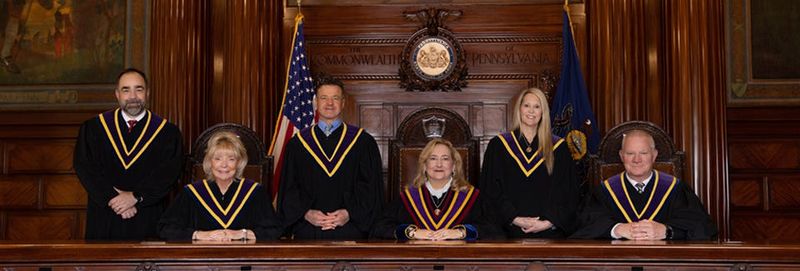
    Supreme Court of Pennsylvania Justices Kevin Brobson, Christine Donohue, David Wecht, Debra Todd, Sallie Updyke Mundy and Kevin Dougherty in 2023.Provided by Administrative Offic

    By giving the state attorney general authority to intervene when Philadelphia prosecutors decline to defend a conviction, the high court added a new layer of oversight to the state’s largest prosecutor’s office — a rare step that reshapes who controls post-conviction litigation in Pennsylvania.

    Krasner, in a video statement shared late Tuesday, said the high court’s ruling “undermines the value of a vote in Philadelphia as compared to every other county.”

    In the video, which featured images of the Rev. Dr. Martin Luther King Jr. and Rosa Parks, Krasner compared the pushback to his criminal justice reform efforts to those of other social justice movements.

    “First they ignore you — we’re past it. Then they laugh at you — we’re past that. Then they fight you — and we have been fighting for 8½ years,” he said.

    While four justices — Dougherty, Sallie Updyke Mundy, P. Kevin Brobson, and Daniel McCaffery — agreed there are systemic concerns about the district attorney’s office, three — Debra Todd, Christine Donohue, and David Wecht — supported neither that narrative nor the court’s remedy.

    Wecht cast the lone full dissent, arguing that the case did not warrant the Supreme Court’s intervention and that the lower courts already have the tools necessary to prevent improper concessions by prosecutors.

    The case at the center of the court’s ruling was that of Lavar Brown, who was sentenced to life in prison without the possibility of parole after a jury convicted him of second-degree murder in the robbery and shooting death of Michael Richardson, a North Philadelphia Rite Aid worker, in 2003.

    Brown was later convicted of shooting and killing a second man, Robert Crawford, in 2005, and was sentenced to death — in part because of the first conviction.
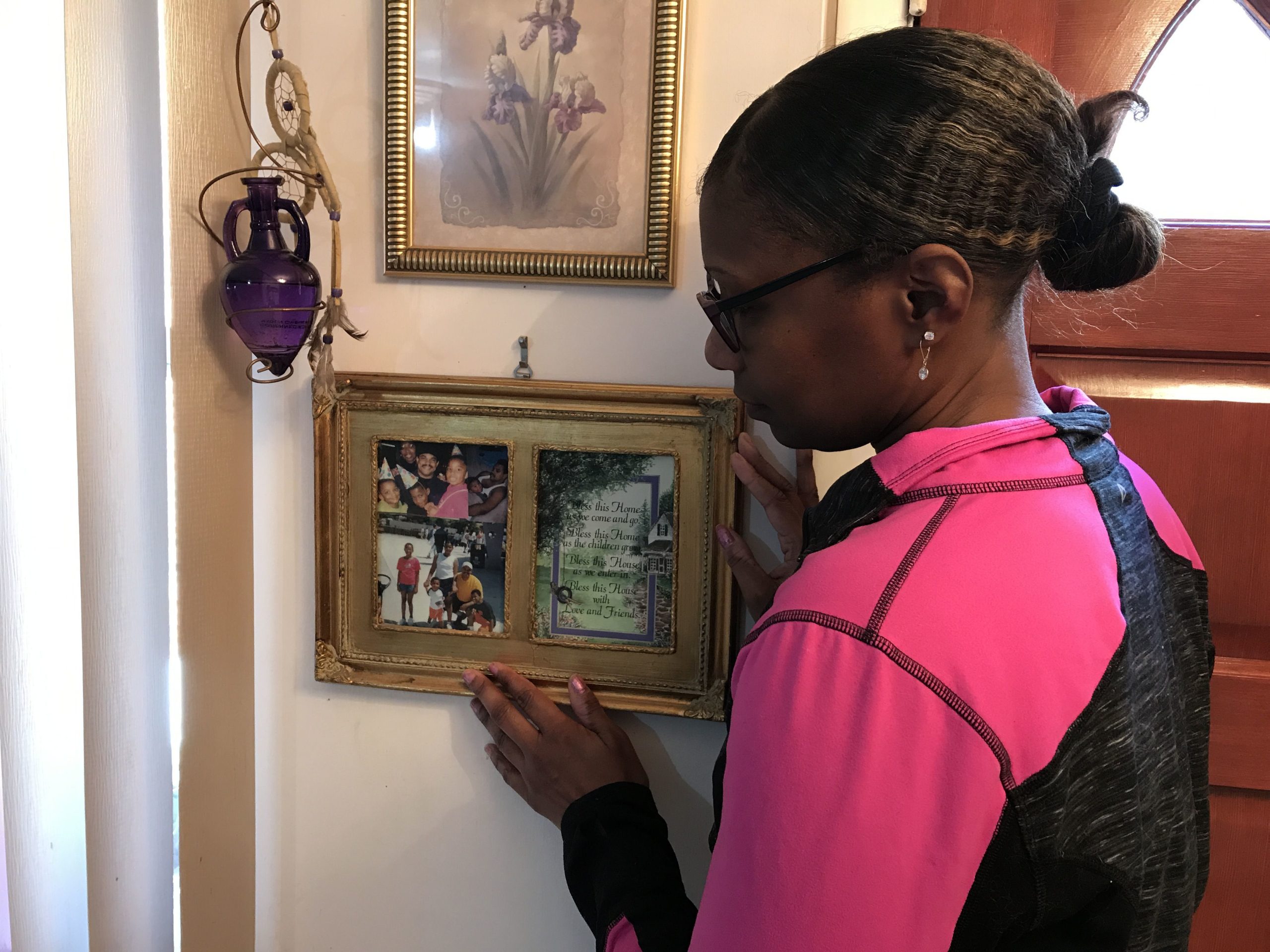
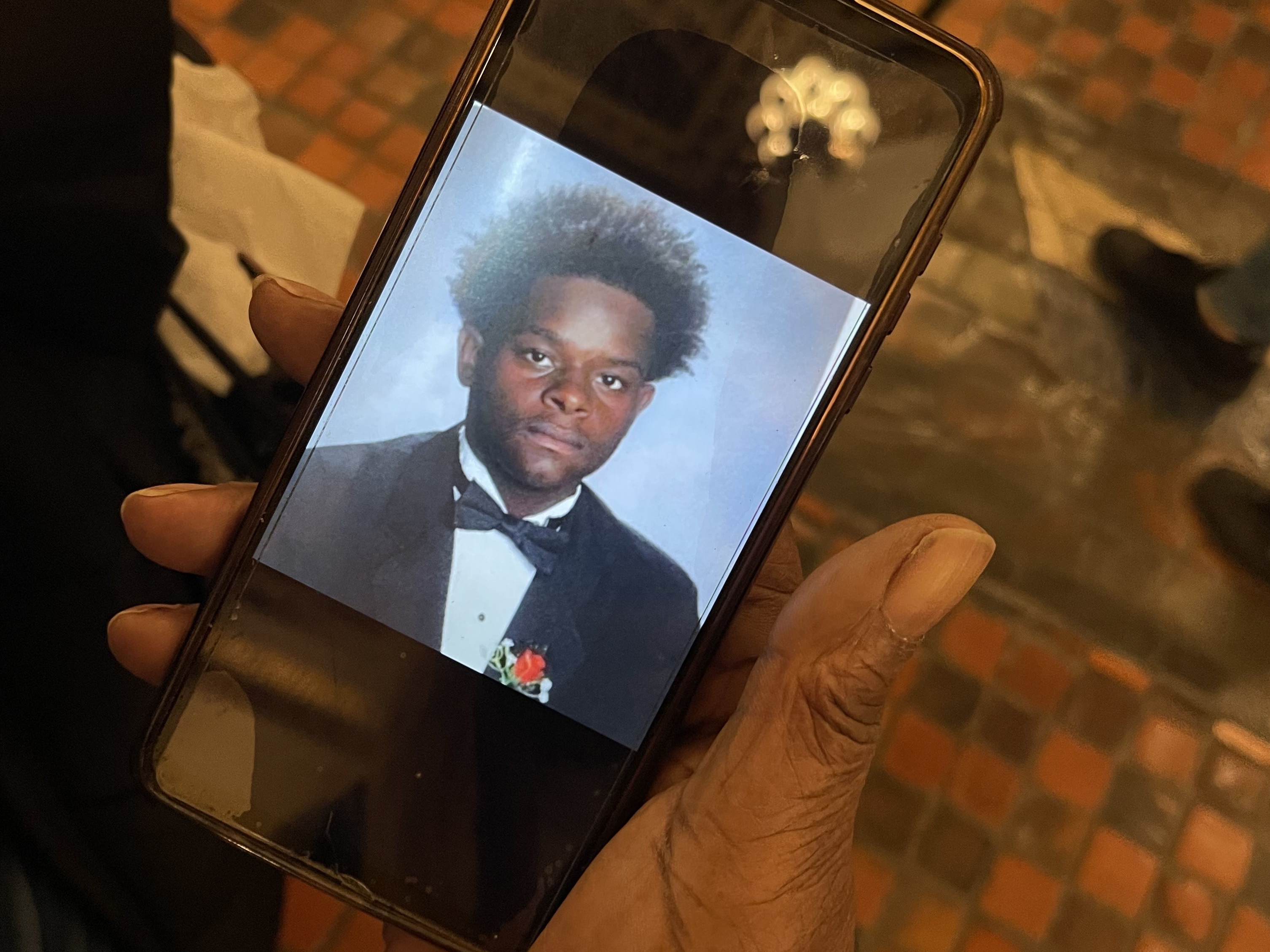
    In this 2019 photo, Kristi Richardson looks at photos of her husband, Michael Richardson, who was shot and killed during a robbery at the Rite Aid where he worked in 2003.JULIE SHAW / Staff

    In post-conviction court filings, Brown’s attorneys said the prosecution’s case in Richardson’s killing largely relied on the testimony of two witnesses — including one who, in a statement to police, implicated a teenage girl who was incarcerated at the time of the murder. The witness’ earlier statements were never provided to his trial lawyers, the attorneys said, which violated his right to a fair trial.

    In 2021, Krasner’s office said Brown should be granted a new trial, arguing his case had been “infected by serious misconduct” by past prosecutors.

    When a Common Pleas Court judge later granted Brown a new trial, the families of Richardson and Crawford took the unusual step of asking Pennsylvania’s highest court to intervene.

    The families said Krasner had a conflict of interest because two of his former law partners had previously been involved in Brown’s case. They also argued the district attorney’s office was trying to “circumvent” the courts by conceding relief in the Rite Aid killing, which had served as an aggravating factor for his death sentence.
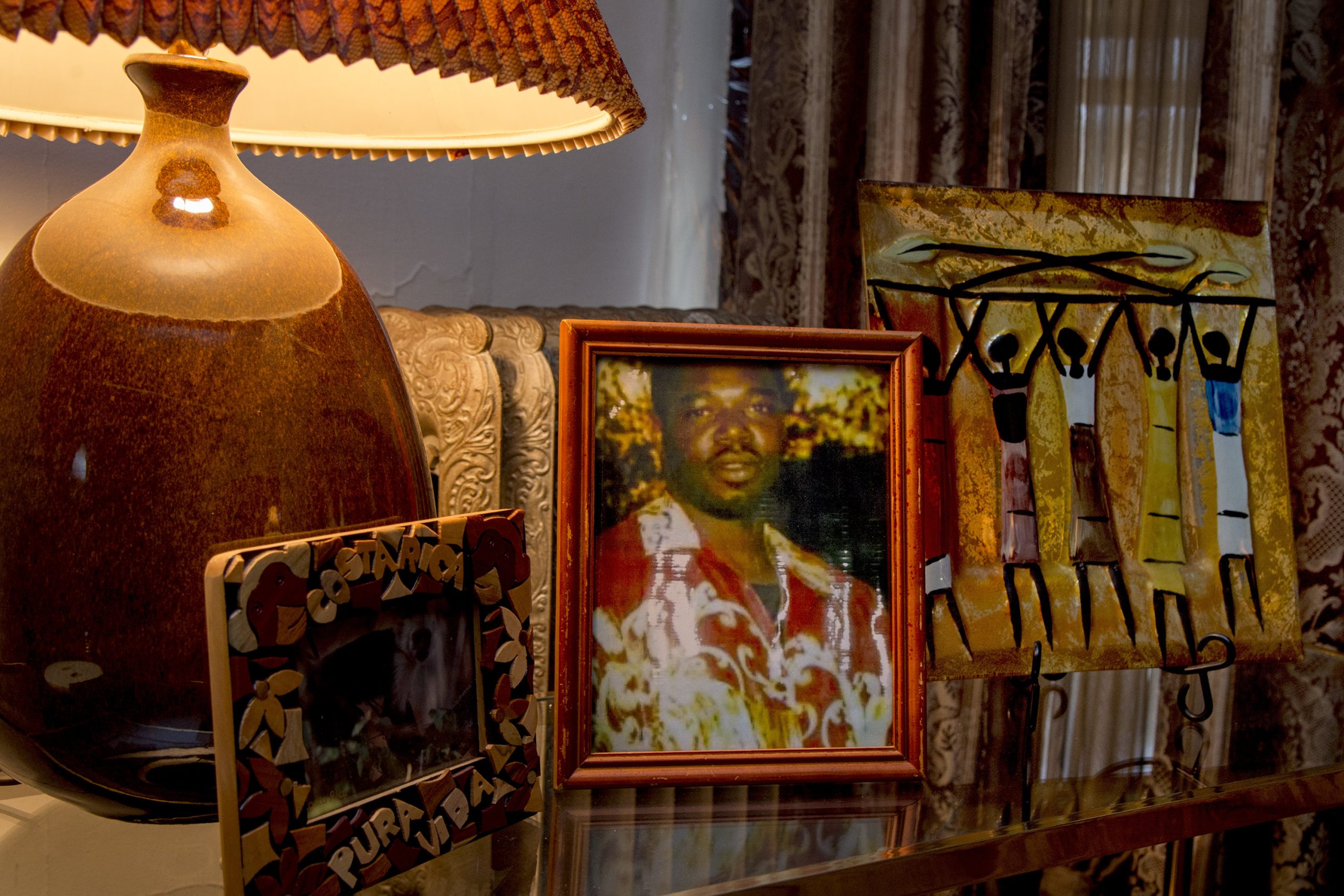
    A photo of Robert Crawford in the home of his sister Suzette Crawford March 27, 2019. Robert was shot to death in Philadelphia in December 2003. His killer, Lavar Brown, is on death row.TOM GRALISH / Staff Photographer

    The Supreme Court agreed to hear arguments in March 2025. And on Tuesday, six justices agreed that Brown’s conviction should not have been overturned and ordered a new hearing in the case.

    Dougherty, in writing the majority opinion, was scathing in his assessments of prosecutors’ conduct.

    In a case involving a murder conviction and death sentence, he wrote, the district attorney’s office’s “fidelity to its duty of candor should have been at its zenith. Regrettably, it was anything but.”

    The opinion said prosecutors did not disclose a memorandum in which a key witness, Ronald Vann, identified Brown as being involved with the murder, even as they asked Common Pleas Court Judge Glenn Bronson to vacate the conviction.

    Instead, the court said, they asserted that the document was irrelevant to Brown’s claims.

    Krasner’s office also tried to keep the victim’s families from accessing it.

    But the memorandum was “unquestionably relevant” to the case and showed a consistency over time of Vann’s statements, the opinion said. That Krasner’s office would say otherwise “rings hollow and smacks of post hoc rationalization,” the court said.

    “The memorandum would have poured salt on the ‘fertile ground’ for impeachment envisioned by the DAO,” the ruling said, adding that withholding the document was a “breach of its duty of candor” to the court.

    The high court also said prosecutors filed a joint stipulation with Brown’s attorneys that “was false in multiple respects,” including mischaracterizations of the timeline of witness statements to police.

    The justices said prosecutors had not interviewed a single witness or investigator who had handled the case, and rejected their claims that it had conducted a “thorough, independent review of the records in this case.” Krasner’s office, the court said, “cut corners and shirked its duties in conducting its post-conviction ‘investigation.’”

    The court reversed Bronson’s order granting Brown a new trial.

    To “promote just outcomes” moving forward, the opinion said, the courts handling appeals must notify the attorney general’s office of any case in which Krasner’s office plans to seek relief, and give state prosecutors the opportunity to review it and weigh in on whether the decision is appropriate.

    A lawyer for Brown could not be reached for comment. The Pennsylvania Innocence Project, which had filed a brief supporting Brown and the district attorney’s office alongside dozens of other prosecutors’ offices, former judges, and defense attorneys, declined to comment.
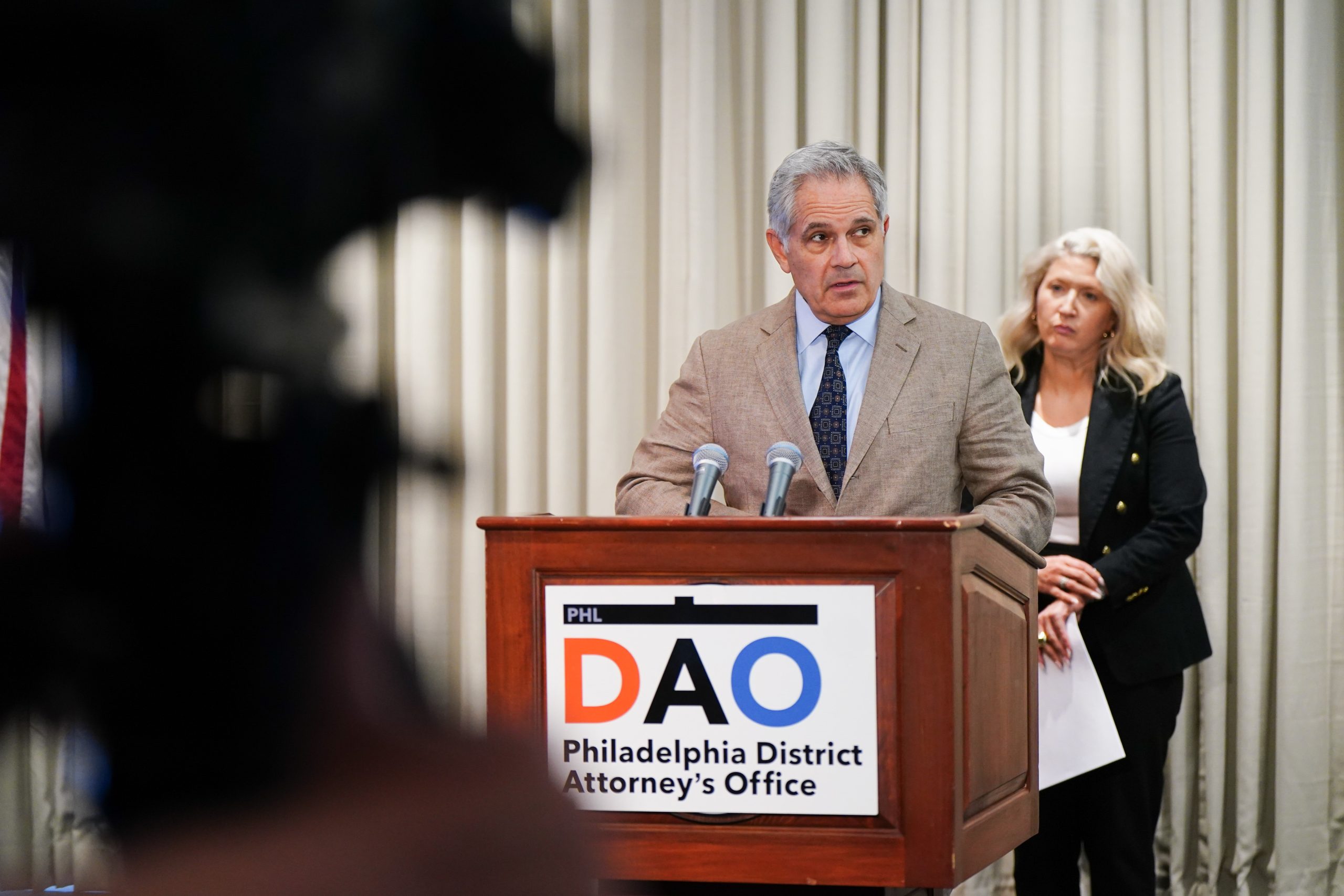
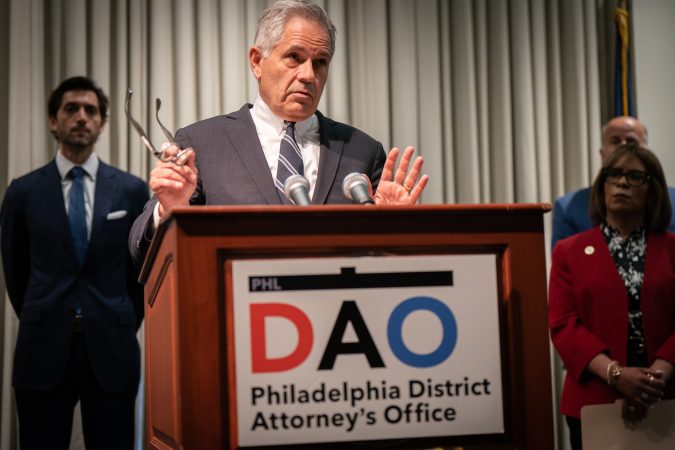
    Da Larry Krasner speaks during a May 2026 press conference. Jessica Griffin / Staff Photographer

    Chris Lynett, the lawyer who represented the families of Richardson and Crawford, said the high court’s opinion supported their belief that Brown’s case — like others — had not been scrutinized closely enough by prosecutors.

    “We can’t just say that if we feel uncomfortable with a conviction that we are going to overturn it,” he said. “You need a full record, you need honesty, and you need an evaluation.”

    Lynett, who worked as an assistant district attorney in Philadelphia for five years before leaving the office in 2020, said its leadership needs to “think about what they’re doing and what they’re encouraging their line prosecutors to do in court.”

    The attorney general’s office had filed an amicus brief in support of the families, arguing that, since 2018, Krasner’s office agreed to overturn convictions in 115 cases with little to no meaningful opposition to defendants’ claims.

    Attorney General David Sunday, a Republican, said in a statement Tuesday that his office is grateful to serve “as a check on this process for the citizens of Philadelphia and ensure that the interests of victims’ families are represented.”

    When an investigation shows that a defendant was wrongfully convicted, his office said, prosecutors have a duty to remedy the situation — through the established court processes.

    “As the Court noted,” his office said, “this case is about the failure of the process in Philadelphia, both as to this defendant and many others.”

    Krasner, for his part, stood by his office’s policies. Philadelphia is on track to record the fewest homicides in recent memory, he said in the video, and correcting past mistakes builds trust in the criminal justice system.

    Acting as an adversary in overturning wrongful convictions, he said, “doesn’t help safety, it doesn’t help democracy, it doesn’t help freedom, but that’s OK. Because we know where we are in the fight, and once we get past the fight, we all win.”
  • Parents of CHOP physician killed riding her bike in Center City sue the drunk driver who hit her

    Parents of CHOP physician killed riding her bike in Center City sue the drunk driver who hit her

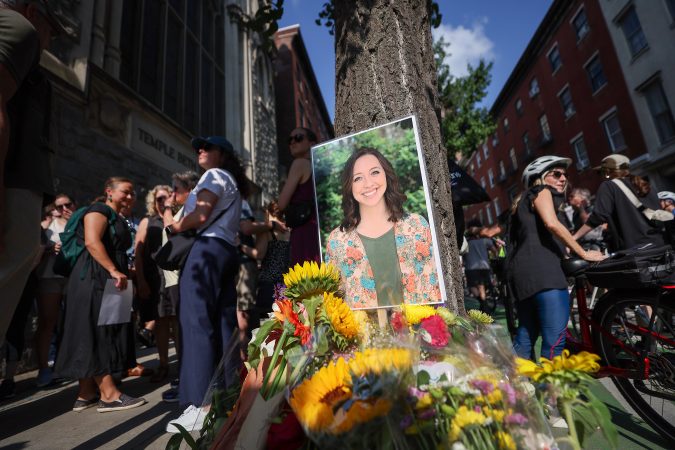
    A white bicycle marks the spot on Spruce Street where a drunk driver struck and killed Barbara Friedes in July 2024. The 30-year-old doctor’s death led to an outpouring of grief from her loved ones, Children’s Hospital of Philadelphia colleagues, and the cyclist community.

    Two years later, the driver is in prison but the pediatric resident’s parents are still seeking justice.

    John and Mary Dietrick have sued Michael Vahey, who was driving his Volkswagen intoxicated at roughly 60 mph in a 25-mph zone when he hit Friedes as she was riding her bike near Rittenhouse Square. His blood alcohol limit exceeded the legal threshold for intoxication.

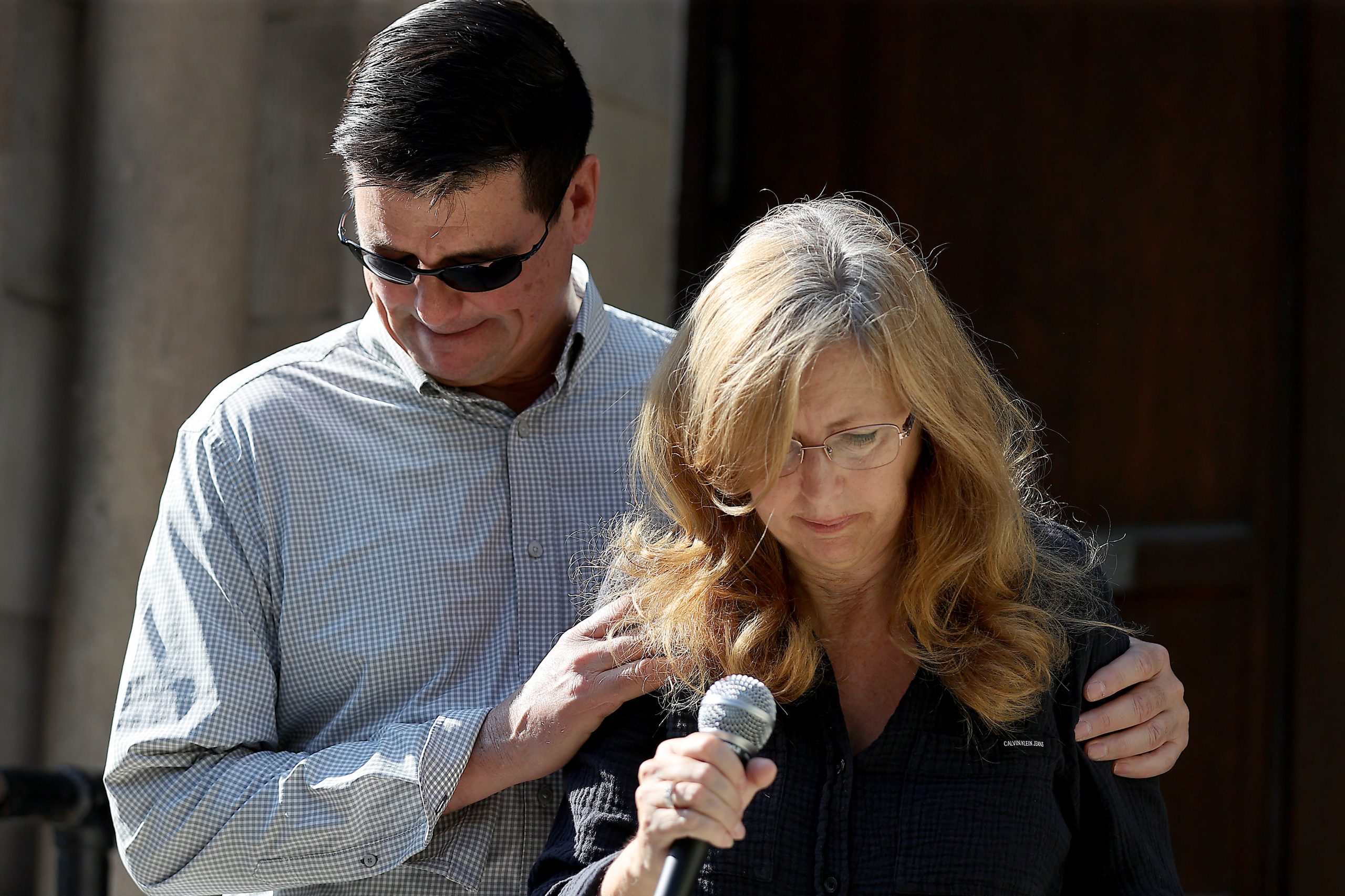
    Mary Dietrick (right) is embraced by her husband, John Dietrick, as she speaks about her daughter Barbara Friedes at a vigil in 2024.David Maialetti / Staff Photographer

    Vahey, 70, pleaded guilty to third-degree murder, homicide by vehicle while driving under the influence, and related charges. He was sentenced last year to six to 20 years in prison.

    The lawsuit seeks “the full measure of damages available under Pennsylvania law for Vahey’s negligent, reckless, and outrageous conduct causing her death and the immeasurable loss to Barbara’s family,” according to the complaint, which was filed Monday in Common Pleas Court.

    Friedes was riding her bicycle on the 1800 block of Spruce Street in the designated bike lane on the evening of July 17, 2024. Intoxicated, Vahey sped through Center City at an “outrageous speed,” the suit says.

    “His foot never left the accelerator of his car as he struck Barbara,” according to the complaint.

    Amato Sanita, an attorney who represented Vahey in his criminal case, said in a statement that his heart goes out to all parties involved in the tragedy.

    Friedes was a chief resident physician at CHOP and applied for fellowship training in pediatric oncology. She was remembered by her colleagues for her kindness and compassion.

    Barbara Friedes was killed when a man driving a Volkswagen hit her from behind while she was riding her bike in the bike lane on the 1800 block of Spruce Street.Courtesy Cole Friedes

    Her husband, Cole Friedes, said his wife of three years loved children, devoted her career to them, and longed to be a mother.

    “She was the kindest person I’ve ever met in my entire life,” he told The Inquirer after her death. “She taught me the true meaning of kindness.”

    Friedes’ killing sparked protest and public discourse over traffic safety. Hundreds of cyclists filled the streets of Center City following the incident, calling for infrastructure improvements to protect bike lanes.

    Mayor Cherelle L. Parker joined a symbolic ride of unity later that summer with activists who criticized her administration for not taking action to make bike lanes safer.

    City transportation officials in fall 2024 recommended $4.8 million in safety upgrades to bike lanes along Pine and Spruce Streets that would include concrete barriers. And in December 2024, Parker signed a law that prohibits motor vehicles from stopping in city-designated bicycle lanes.

    Some residents of Pine and Spruce Streets filed a lawsuit over the planned upgrades. The case is ongoing.

    The parents’ lawsuit does not name any defendants except Vahey and stays away from the debate over bike lane infrastructure.

    “The primary purpose of this lawsuit is to establish full accountability under the civil justice system,” said Tom Kline, a Kline & Specter attorney representing the Dietricks. “It is the second half of the equation.”

  • Robin Cogan, renowned Camden school nurse and national health and safety advocate, has died at 65

    Robin Cogan, renowned Camden school nurse and national health and safety advocate, has died at 65

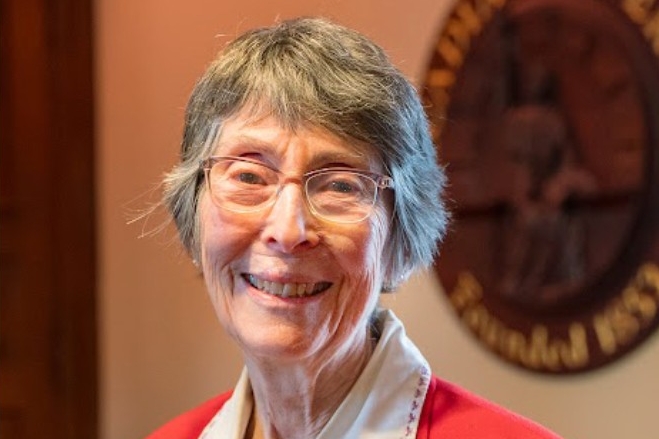
    The letters that follow Robin Cogan’s name represent some of healthcare’s most impressive achievements. NCSN, nationally certified school nurse. FNASN, fellow of the National Academy of School Nursing. FAAN, fellow of the American Academy of Nursing. Also, RN and MEd.

    Then there are the awards. Two-time President’s Award winner from the National Association of School Nurses. The 2017 Population Health Hero Award from the New Jersey Department of Health. The Johnson & Johnson 2017 School Nurse of the Year. And many more.

    Robin Cogan joined the Camden City School District as a school nurse in 2001 after training earlier as an art therapist and spending 14 years as a psychiatric clinical nurse and corporate health services manager. It was with the school district and its students, families, and staff where she really found her groove.

    For nearly three decades, Robin Cogan championed school safety and population healthcare, and advocated tirelessly for school nurses everywhere. Her website, blog, frequent podcast appearances, and wide-ranging institutional activism gave voice to school nursing stories, and combated gun violence and other pressing problems.

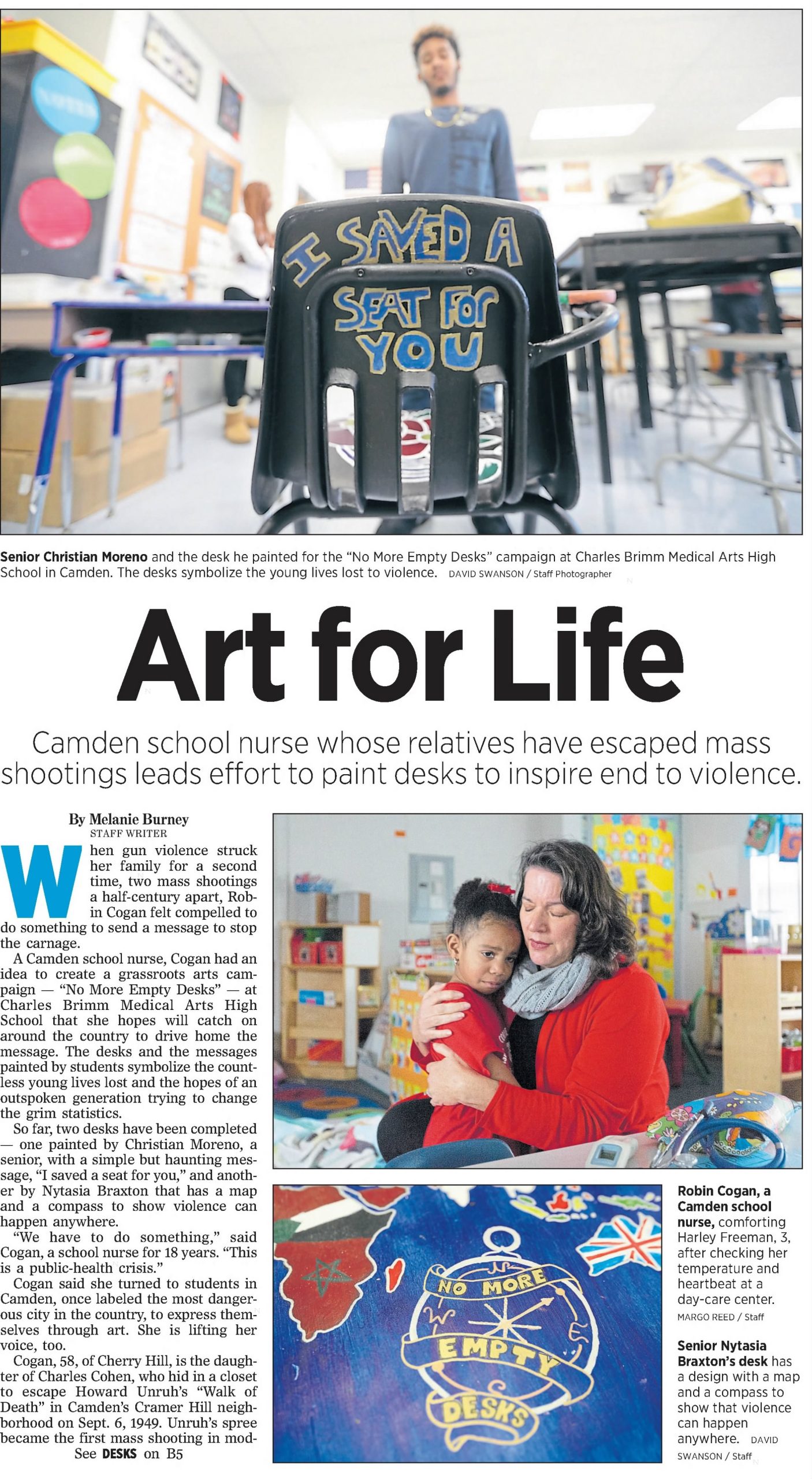
    She started blogging on RelentlessSchoolNurse.com in 2017 and cocreated the No More Empty Desks student art campaign in 2019 to memorialize students killed in gun violence. “Robin’s national reach and advocacy know no bounds,” a Camden colleague said on Facebook. “Robin Cogan is the embodiment of the school nursing profession.”

    On May 10, Robin Cogan blogged: “The profession is better, and so are countless children, because of the relentless, brilliant nurses who choose school nursing year after year.”

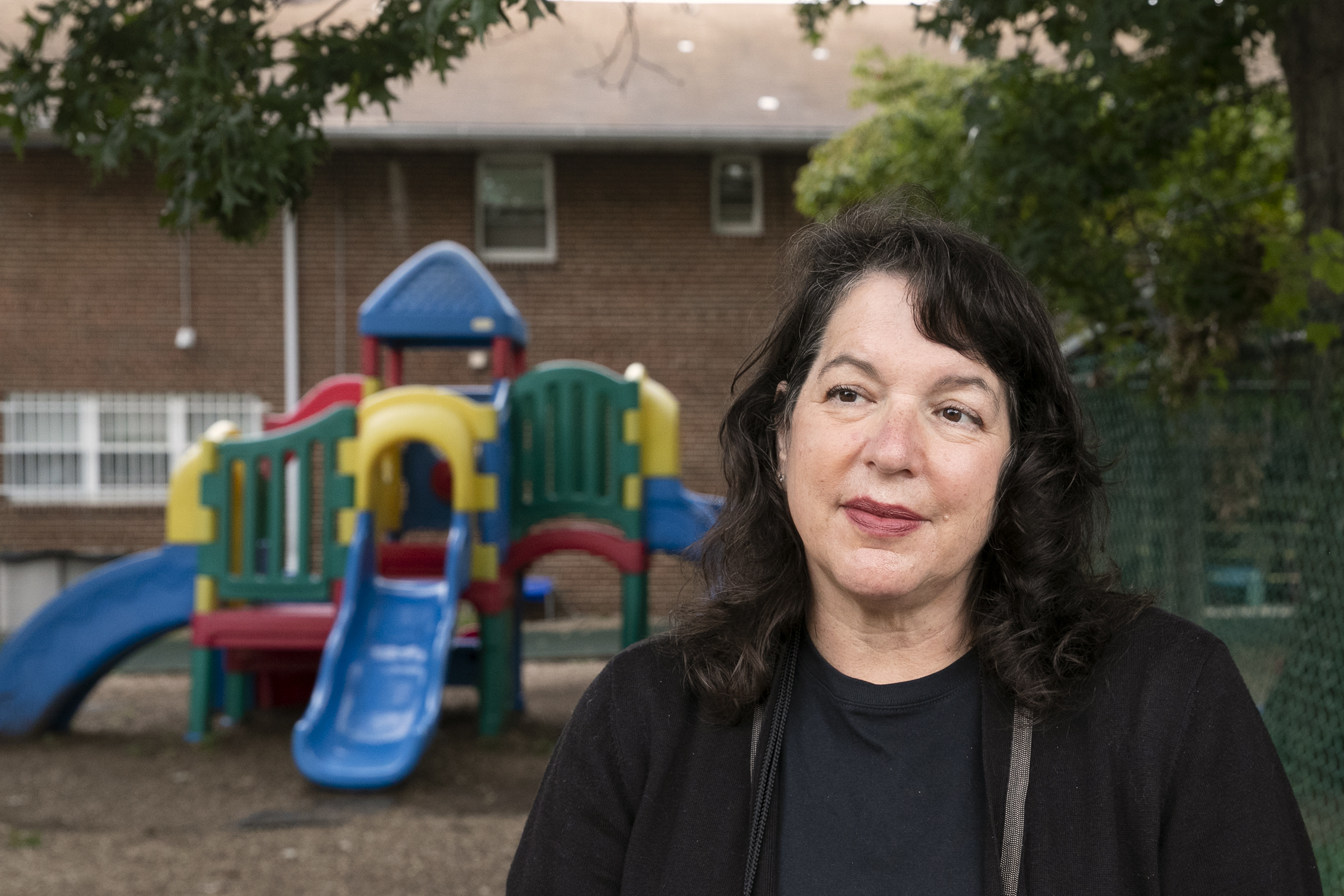
    Mrs. Cogan became a school nurse in Camden in 2001.Heather Khalifa / Staff Photographer

    On Thursday, June 11, Robin Cogan died of cancer at Cooper University Hospital in Camden. She was 65.

    “Robin dedicated her life to caring for others,” Pamela K. Clark, president of the Camden Education Association, said in a tribute. “Her work extended far beyond the walls of our schools, leaving a lasting impact on the profession she loved.”

    Born in Philadelphia, Mrs. Cogan graduated from Cherry Hill West High School in 1978 and earned a bachelor’s degree in art therapy and psychology in 1982 at what is now the College of New Jersey in Trenton. She gained her nursing credentials at the Helene Fuld College of Nursing in New York and Rowan University, and earned a master’s degree in clinical, counseling, and applied psychology at Wilmington University in Delaware in 2009.

    As a school nurse in Camden, she oversaw more than 900 students from preschool through eighth grade at Cooper’s Poynt School and, most recently, more than 400 students at three preschools. She took temperatures, counseled worried parents, and personally helped thousands of people weather the COVID-19 pandemic.

    “She influenced policy, championed health equity, elevated the role of school nurses,” a colleague said on Facebook, “and reminded us that one person truly can create ripples that become waves.”

    Mrs. Cogan was the New Jersey director for the National Association of School Nurses and taught in the school nurse certification program at Rutgers University-Camden. She earned grants, sat on boards, lectured around the country, wrote or cowrote dozens of columns, papers, and articles about health issues, and posted advice and information frequently on X, Bluesky, Facebook, and other online platforms.

    The Inquirer published this story and photos about Mrs. Cogan’s art program in 2019.Newspapers.com

    She was featured in The Inquirer and other publications, and appeared on TV and radio programs and podcasts. She focused on “shared values” to connect people, she said often, and posted the motto for her Relentless Nurse website on the homepage: “Be relentless in your practice whatever it is.”

    Robin Michelle Cohen was born June 28, 1960. She met Ed Cogan in college, and they married in 1984, lived in Trenton and Cherry Hill, and had twin daughters Allie and Jill.

    Mrs. Cogan was driven to address gun violence, she said, after her father survived a mass murder in Camden in 1949, and her niece survived the 2018 mass shooting at Marjory Stoneman Douglas High School in Florida. “I hope my legacy is helping solve this crisis,” she told The Inquirer in 2022. “Don’t we owe that to our kids?”

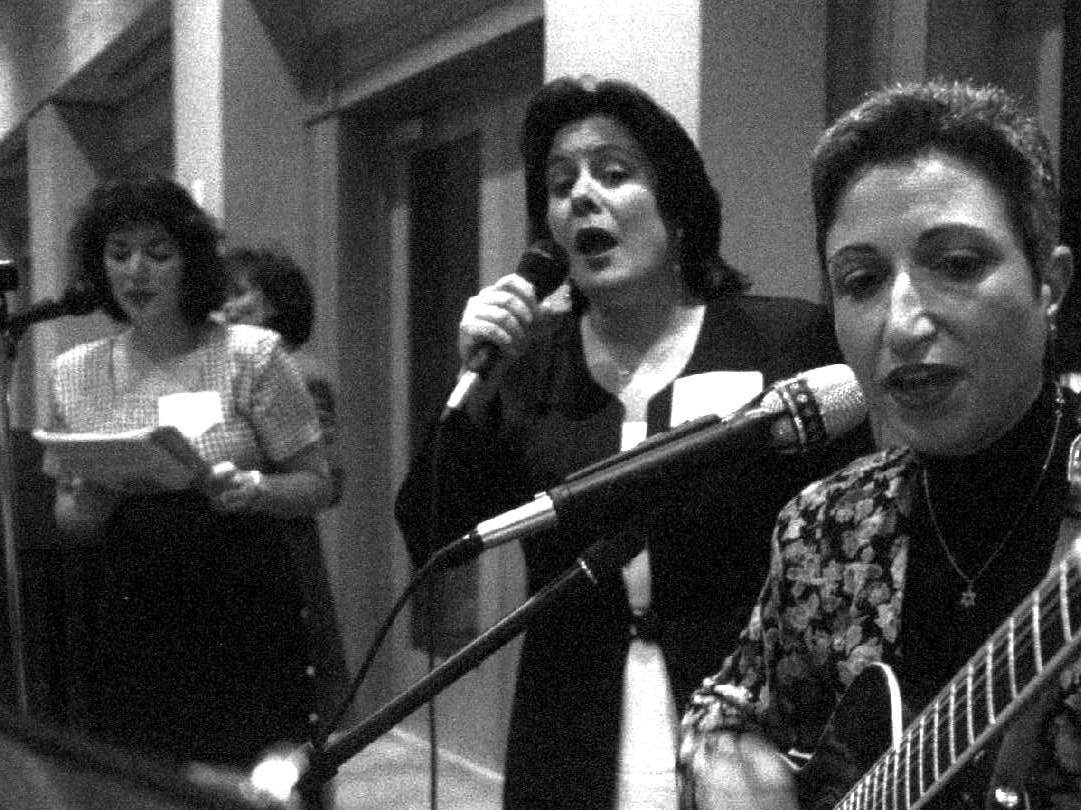
    This photo of Mrs. Cogan (left) and others at the old Temple Emanuel in Cherry Hill appeared in The Inquirer in 1996.Elizabeth Robertson / Staff Photographer

    She was a talented painter and designed a popular pin that she and a friend sold in a home-based spiritual jewelry and art business. She loved nature and 1970s folk music. She enjoyed hosting Thanksgiving dinners and visiting the Jersey Shore. She was one-time president of the old Temple Emanuel Sisterhood in Cherry Hill.

    “She was a helper,” said her daughter Allie. “She was good at relationships and never really turned off her working mind.”

    In addition to her husband and daughters, Mrs. Cogan is survived by a granddaughter, Nora, a nephew, Matthew, sisters Lori and Merri, and other relatives.

    Private services were held earlier. A celebration of her life is to be held later.

    Donations in her name may be made to Brady: United Against Gun Violence, 840 First Street N.E., Suite 400, Washington, D.C. 20002; and Grandparents for Vaccines.

  • A 17-year-old is in critical condition after being stabbed outside Logan house party, police say

    A 17-year-old is in critical condition after being stabbed outside Logan house party, police say

    A 17-year-old is in critical condition after being stabbed Monday evening outside a party in the Logan section of Philadelphia, authorities said.

    The crime happened around 11:30 p.m. on the 4500 block of North Carlisle Street, according to police.

    Police said the teen, whom they did not identify, had been approached on the street by a group of men he had argued with earlier in the day.

    Someone in that group pulled a knife and another person drew a gun, police said.

    As the teen fled, he realized he had been stabbed and called police, authorities said.

    First responders found that he had been stabbed three times in the back and once in the left thigh. He was taken to Jefferson Einstein Philadelphia Hospital, where he remained in critical condition as of Tuesday afternoon, according to police.

    Officers have not identified any suspects or recovered any weapons as they continue to investigate, police said.

  • PPA tickets and tows Fairmount residents with Fan Festival parking permits

    PPA tickets and tows Fairmount residents with Fan Festival parking permits

    Justin Siebel woke up on Sunday to drive with his wife to the Pocono Raceway and enjoy the NASCAR Cup Series, a two-hour drive from their Fairmount home.

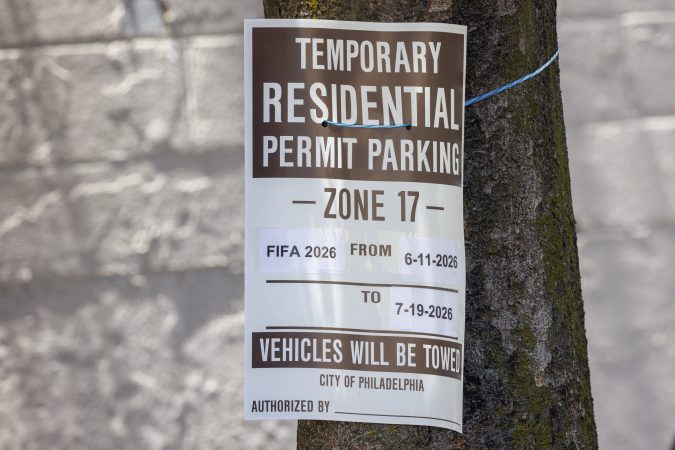
    But when he walked to where he had parked his car a few days prior, near Harper Street, a block from the FIFA Fan Festival, the vehicle was gone.

    Though Siebel had registered for special permit parking with the Philadelphia Parking Authority that allows residents to park in the neighborhood during the festival, his car was ticketed and towed to a South Philly tow yard.

    “My wife and I did the right things, we registered our vehicles with PPA, and still came out to my car and it wasn’t there,” Siebel said.

    Fairmount residents have been taking to social media to share accounts of parking tickets despite having registered for special permits. Since the fan festival started last week, residents have expressed concern over the city’s management of road closures, parking restrictions, and communication.

    The PPA issued nearly 2,500 tickets for illegal parking in the festival parking enforcement zone over the weekend, with 173 of those tickets written in error to residents with valid parking permits, said Gabe Roberts, the agency’s acting executive director. PPA’s internal system has flagged these tickets for cancellation and will continue to flag wrongfully issued parking tickets by “cross-checking them with our existing residential parking permit holder lists,” Roberts said.

    Residents who have permits and were wrongfully ticketed will receive a cancellation notice by mail, the PPA said.

    “The PPA utilizes a daily internal accuracy control mechanism that identifies and cancels any FanFest Enforcement Zone ticket written in error for vehicles with valid residential parking permits or Lemon Hill permits,” a PPA spokesperson said. “Any vehicle towed in error will also have its violation canceled and all fees refunded. The PPA apologizes for any inconvenience.”

    Most ticketed residents will simply have their ticket canceled, Roberts said. But four residents with valid parking permits had their vehicles towed, and later returned with no fees.

    However, Siebel’s was not returned, and he needed to call PPA to locate his car, then call the tow yard in South Philly about picking it up. Siebel said he was initially told it would cost $238 to drive out of the tow yard, but his fees were waived upon arriving and he was able to freely leave with his car.

    “It did cost me an Uber and an afternoon to retrieve. But I recommend that anyone else stay calm and use humor. Everyone in Philly has a sense of humor,” Siebel said.

    Residents can contact the PPA with questions or to confirm that their ticket has been canceled by calling 215-683-9421 or 215-683-9677 or by emailing engageppa@philapark.org.

  • 3 Philly-area athletes, including 2 Syracuse football recruits, arrested in Old City attack

    3 Philly-area athletes, including 2 Syracuse football recruits, arrested in Old City attack

    Three Philadelphia-area athletes were recently arrested in connection with an April assault in Old City that left the victim with a concussion, a broken nose, and two chipped teeth, among other injuries.

    Charles W. Foulke and Masiia Acrey, both 18, have been charged with aggravated assault, conspiracy, simple assault, recklessly endangering another person, and harassment.

    Jalen Millevoix, 19, was charged with criminal mischief and conspiracy.

    Foulke is a former starting quarterback for St. Joseph’s Prep who transferred to Glassboro High School in the last school year. Acrey is currently a cornerback at St. Joe’s. Millevoix played football at Eastern Regional High School in New Jersey and graduated in 2025, according to his social media.

    As first reported by Syracuse.com, Foulke and Acrey are Syracuse University football recruits. The university’s athletics department did not immediately respond to a request for comment, but a source familiar with the football program’s thinking told Syracuse.com the school still considers Foulke and Acrey part of the 2027 football class.

    The incident started with a “noogie” just before 2:30 a.m. on April 12, according to Philadelphia police.

    The group of athletes encountered a man and woman outside waiting for their rideshare when one of the football players proceeded to rub his knuckles against the man’s head. The interaction appeared to have ended after the man told the group to knock it off.

    But as the rideshare arrived, one athlete gave the man another noogie. The man lunged in response, took a swing, and the group began to attack him.

    Police said the victim was taken to Thomas Jefferson University Hospital with abrasions to the left side of his face and body, requiring stitching for his nose, which was also broken. The rideshare car was also damaged in the scuffle.

    Millevoix was arrested May 23 and released without bail, with his preliminary hearing scheduled for June 22. His attorney, Gregory Joseph Pagano, could not immediately be reached for comment.

    Foulke was arrested May 26 with his unsecured bail set at $200,000 and his preliminary hearing scheduled for July 10. His attorney, Joseph Kelly, declined to comment.

    Acrey was arrested June 3 with unsecured bail set at $50,000 and a preliminary hearing scheduled for June 22. His attorney, Fortunato Perri Jr., could not immediately be reached for comment.

  • Officer wounded in fatal West Philly shooting released from hospital, as questions about the incident remain

    Officer wounded in fatal West Philly shooting released from hospital, as questions about the incident remain

    One of three Philadelphia police officers wounded in an exchange of gunfire that left a retired firefighter dead in West Philadelphia late Saturday was released from the hospital Monday, as authorities continued to investigate the shooting.

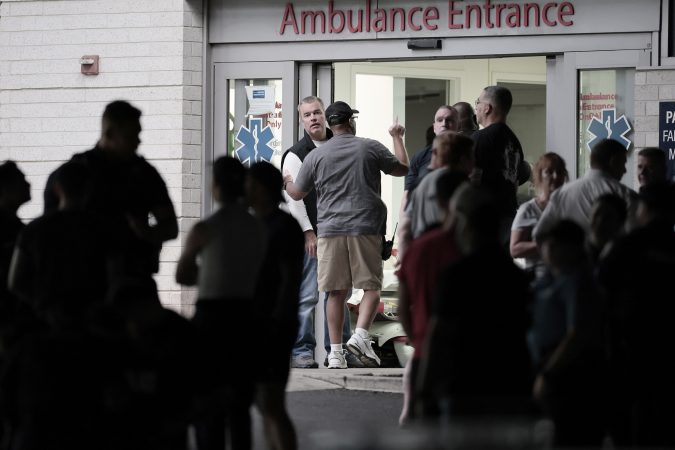
    The officer, whom police did not identify, left Penn Presbyterian Medical Center shortly after 1 p.m. Monday, 6abc reported. Dozens of uniformed officers lined the emergency department entrance and saluted as their colleague was pushed outside in a wheelchair and helped into a silver SUV. The crowd erupted in applause as the vehicle pulled away.

    His release came nearly two days after authorities say Eric Franks, 57, opened fire on officers who were investigating an unrelated report of a vehicle struck by gunfire near 54th and Arlington Streets in Wynnefield around 10:30 p.m.

    As the investigation entered its second day, both law enforcement officials and Franks’ family struggled to understand what could have led him to shoot at police. The police department declined to provide additional details about the confrontation, but a source familiar with the case said footage from the officers’ body worn cameras offered little explanation for such a reaction.

    According to the source, who spoke on the condition of anonymity to discuss an ongoing investigation, as officers investigated the vehicle that had been struck by bullets, Franks approached and began complaining about crime and policing in the area.

    He appeared frustrated, the source said, that officers had not yet cordoned off the area around the vehicle with crime scene tape, and became increasingly agitated as officers repeatedly asked him to step back so they could do their jobs.

    Video obtained by The Inquirer appears to show Franks yelling at officers, then pushing one, before stepping back and pulling a gun from his waistband.

    Franks then fired multiple shots at the officers, according to the video and police accounts, and four officers returned fire. Three officers — including a sergeant — were struck by gunfire. Franks was shot in the chest and leg and later died at Thomas Jefferson University Hospital.

    Police said Franks had a license to carry a firearm. Commissioner Kevin Bethel said investigators are trying to determine why Franks confronted the officers.

    District Attorney Larry Krasner said at a news conference Monday that his office is investigating. He said representatives of his office had spoken with Franks’ family, and had visited the scene and begun reviewing evidence, including video footage that captured the events leading up to the fatal encounter.

    Krasner declined to provide additional details, describing the investigation as “very active” and saying he could not divulge further information in order to “preserve the integrity of the investigation.”

    The district attorney said his “thoughts are with all the people who have been affected and harmed,” but added that his office — like Franks’ family and members of the community — has questions about what transpired.

    He joined Mayor Cherelle L. Parker in a promise to “make sure officers receive the support they need as they heal and process the trauma connected to the shooting.” At the same time, he said, “We also stand in solidarity with all Philadelphians who want to make sure we get the truth, and that we apply the law appropriately.”

    He encouraged anyone with information about the shooting — including police officers — to contact his office and speak with investigators.

    Franks’ wife, Michele, described her husband as a longtime Wynnefield resident, business owner, and former Marine who spent nearly two decades with the Philadelphia Fire Department before retiring last year.

    “He cared very much about community, and about Wynnefield,” she said.

    The retired firefighter was also a community activist, an attorney representing Franks’ family said, adding that Franks had met with City Councilmember Curtis Jones Jr. about an uptick in drug-related crimes in the neighborhood.

    In a letter posted Sunday on Facebook that did not mention Franks by name, Jones wrote that he was “deeply saddened and heartbroken” by the shooting, and called for a continued commitment to “building a safer, and more peaceful Wynnefield for all.”

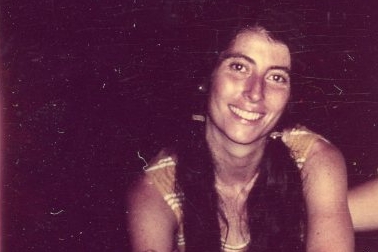
  • Phyllis Taylor, pioneering hospice nurse, celebrated prison chaplain, and renowned world peace activist, has died at 84

    Phyllis Taylor, pioneering hospice nurse, celebrated prison chaplain, and renowned world peace activist, has died at 84

    As a young nurse in Philadelphia, Phyllis Taylor met dying people desperate for hospice care. So she did it.

    She met people in prison desperate for a healthcare advocate and an empathetic chaplain. So she did that, too.

    In 1963, she met Sarah Baker and her family as they struggled to live as the first Black family in Folcroft, Delaware County. The Bakers were desperate for fearless allies to help fend off months of racism and violence. She also did that.

    For nearly her whole life, Phyllis Taylor championed peace, justice, and human rights, and helped people who were desperate. She got arrested for civil disobedience, cofounded and directed several nonprofit social service programs, and, with her husband, Richard, helped establish Witness for Peace in Nicaragua, and the Movement for a New Society in Philadelphia.

    She fed the hungry at St. Vincent de Paul Church, befriended immigrants and refugees with the New Sanctuary Movement, and comforted children and families at St. Christopher’s Hospital for Children. “Her entire life was about giving,” her son Dan said. “She refused to be someone who watched injustice and did nothing.”

    On Thursday, June 4, Phyllis Taylor died of endometrial cancer at KeystoneCare Hospice in Wyndmoor. She was 84.

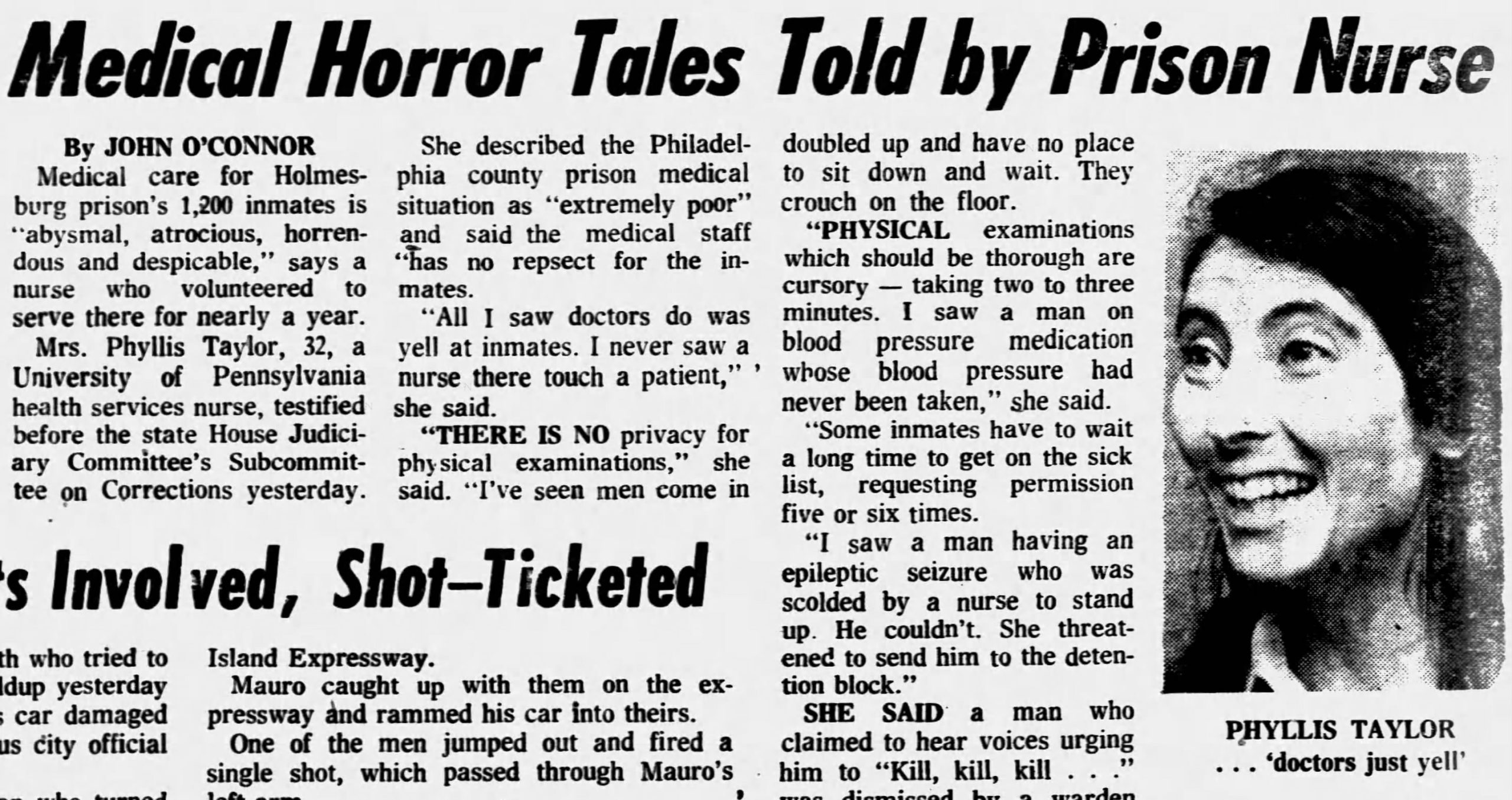
    The Daily News published this story about Mrs. Taylor in 1973.Newspapers.com

    “I really love what I do,” Mrs. Taylor told the Pennsylvania Prison Society in 2025. “I get the satisfaction of being able to journey with somebody, to let them know that they are not abandoned and alone.”

    Born in Brooklyn, N.Y., Mrs. Taylor earned a bachelor’s degree at what is now Arcadia University in 1963. After nursing school, she became a volunteer nurse and then a consultant for the University of Pennsylvania health services at Holmesburg Prison and elsewhere.

    She became senior counselor of hospice service for the new Death and Dying Program at Albert Einstein Medical Center’s Northern Division in 1978, and taught classes about death and grief, counseled parents whose babies had died, and comforted patients with terminal illnesses.

    Mrs. Taylor graduated from what was then known as Beaver College in 1963. It is Arcadia University now. Courtesy of the family

    She was featured in a 1980 story in the Sunday Inquirer called “The Gift of a Good Death” and said that her own health scares motivated her to embrace nursing. The horrors of the Holocaust, she said, compelled her to human rights activism, and the deaths of a friend, her brother, and her father moved her to hospice work.

    “It makes me happy to give someone the gift of a good death,” she told The Inquirer.

    Mrs. Taylor was also an enterostomal therapy nurse, head of the AIDS committee at the Philadelphia College of Osteopathic Medicine medical center, and director of education at the old Hospice of Delaware Valley. She wrote research articles for journals and letters to the editor, appeared on local TV and radio shows, and lectured often at conferences and seminars about death, grief, and medical and financial ethics. She never retired.

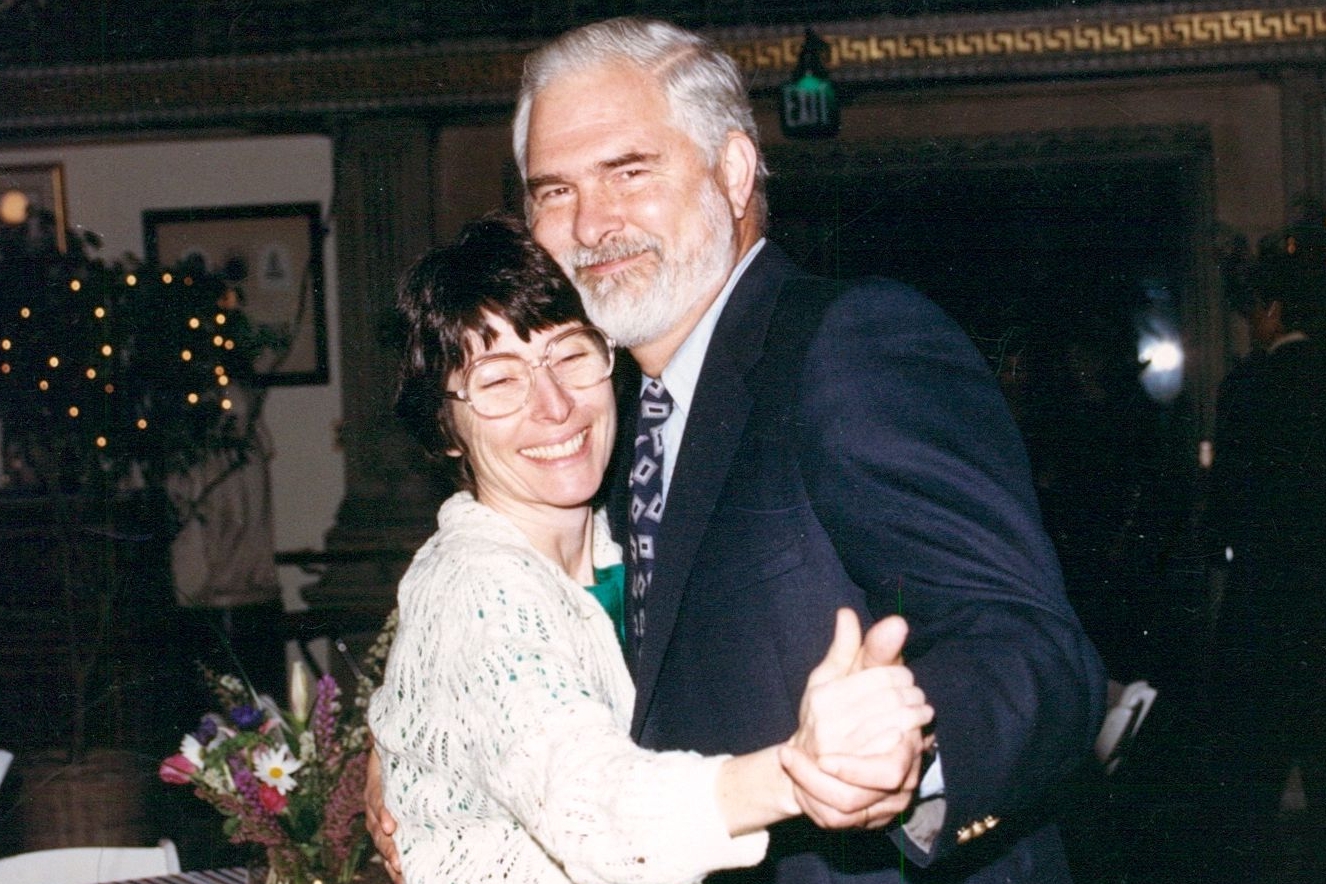
    Mrs. Taylor and her husband, Richard, traveled the world together fighting for peace, justice, and human rights. Courtesy of the family

    She went on Freedom Rides to integrate buses in the South and moved in temporarily with the Bakers as they sought to integrate Folcroft in the 1960s. In the 1970s, she demonstrated against the Vietnam War and America’s involvement in Iran and elsewhere.

    In the 1980s, she taught civil disobedience classes and protested violence at the border between Nicaragua and Honduras. In the 1990s and beyond, she volunteered to protect Muslims and Arabs from reprisals after the Sept. 11 attacks, traveled the world to decry pollution and unfair housing practices, and volunteered with Amnesty International and Planned Parenthood.

    She earned credentials as a chaplain and volunteered for decades with the Pennsylvania Prison Society to counsel and advocate for crime victims and prisoner rights. She was featured in the 2016 documentary Blockade, named the Prison Society’s Volunteer of the Year in 2022, and honored at Arcadia’s 2025 Women Who Lead Forum.

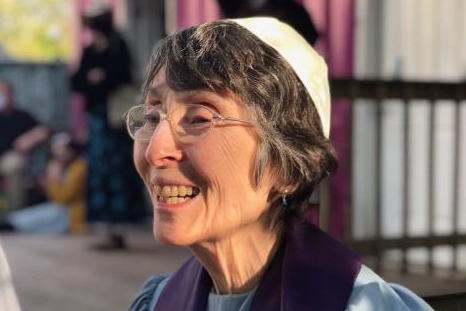
    As a chaplain, Mrs. Taylor officiated at weddings and funerals, and advocated for prison reform.Courtesy of the family

    “She felt a deep unwavering need to dedicate all her waking time to marginalized populations,” her son said. “Someone called her a merging of Ruth Bader Ginsburg and Mother Teresa.”

    Phyllis Claire Brody was born Aug. 10, 1941. She grew up Jewish in Lawrence, N.Y., and joined a Quaker meeting after she moved to Philadelphia.

    She met fellow peace activist Richard Taylor at a civil rights event in 1962, and they married in 1963 and lived in Germantown, Mount Airy, and West Philadelphia. They reared their son, Dan, and daughter, Deborah, and welcomed Blessing Mtshali and other children and families into their home for extended stays. Her husband died in 2024.

    Mrs. Taylor and her husband liked to hike and canoe. She lived with lupus and mailed handmade birthday cards to family and friends year after year.

    “What a life well lived,” her son said.

    In addition to her children, Mrs. Taylor is survived by her sisters, Margaret Noonan and Audrey Randolph, many grandchildren and great-grandchildren, and other relatives. A brother died earlier.

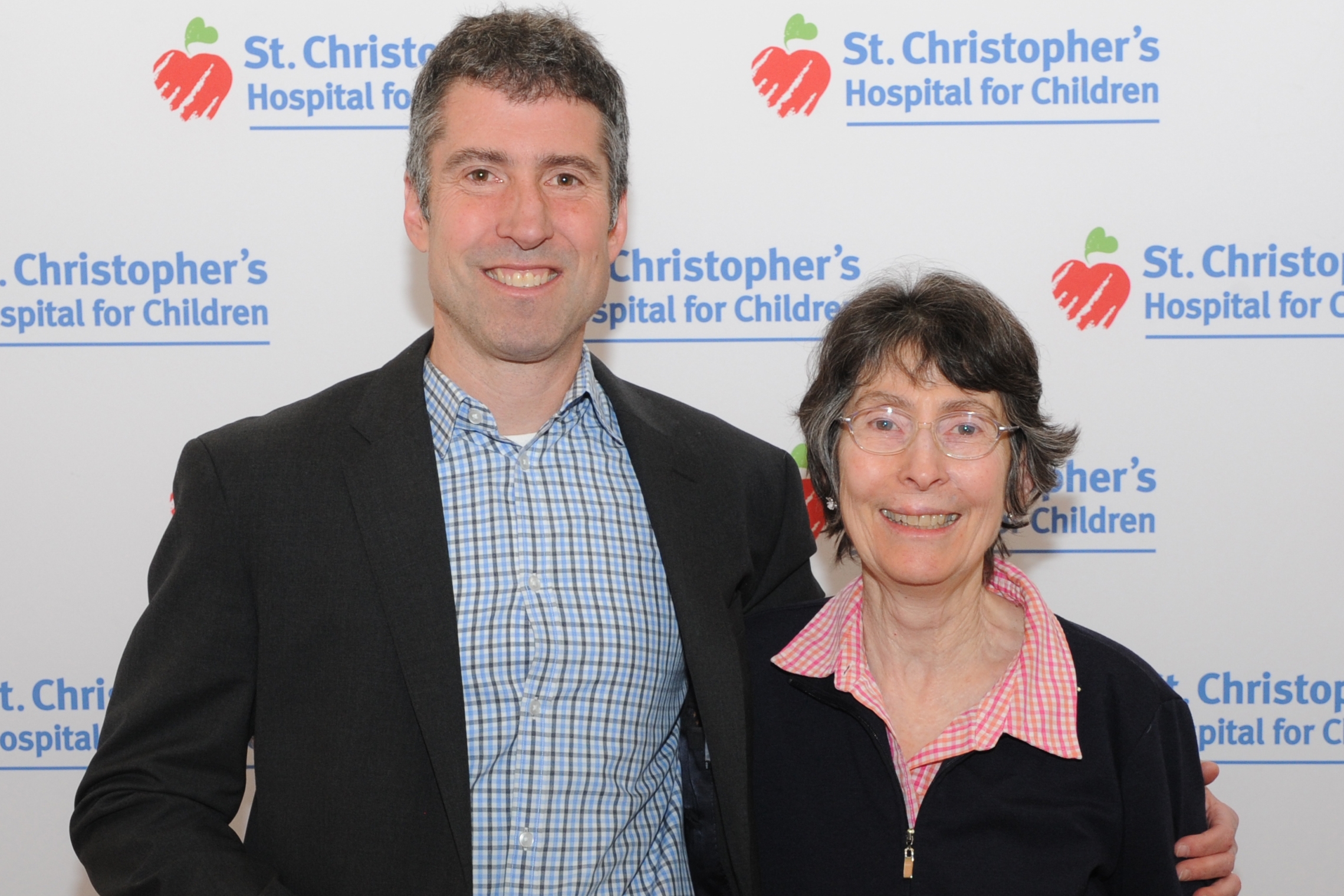
    Mrs. Taylor stands with her son Dan in 2017.Handout

    A celebration of her life is to be held at 2 p.m. Sunday, Sept. 20, at Germantown Monthly Meeting, 47 W. Coulter St., Philadelphia, Pa. 19144.

    Donations in her name may be made to the New Sanctuary Movement of Philadelphia, Box 46242, Philadelphia, Pa. 19160; and Face to Face, 123 E. Price St., Philadelphia, Pa. 19144.

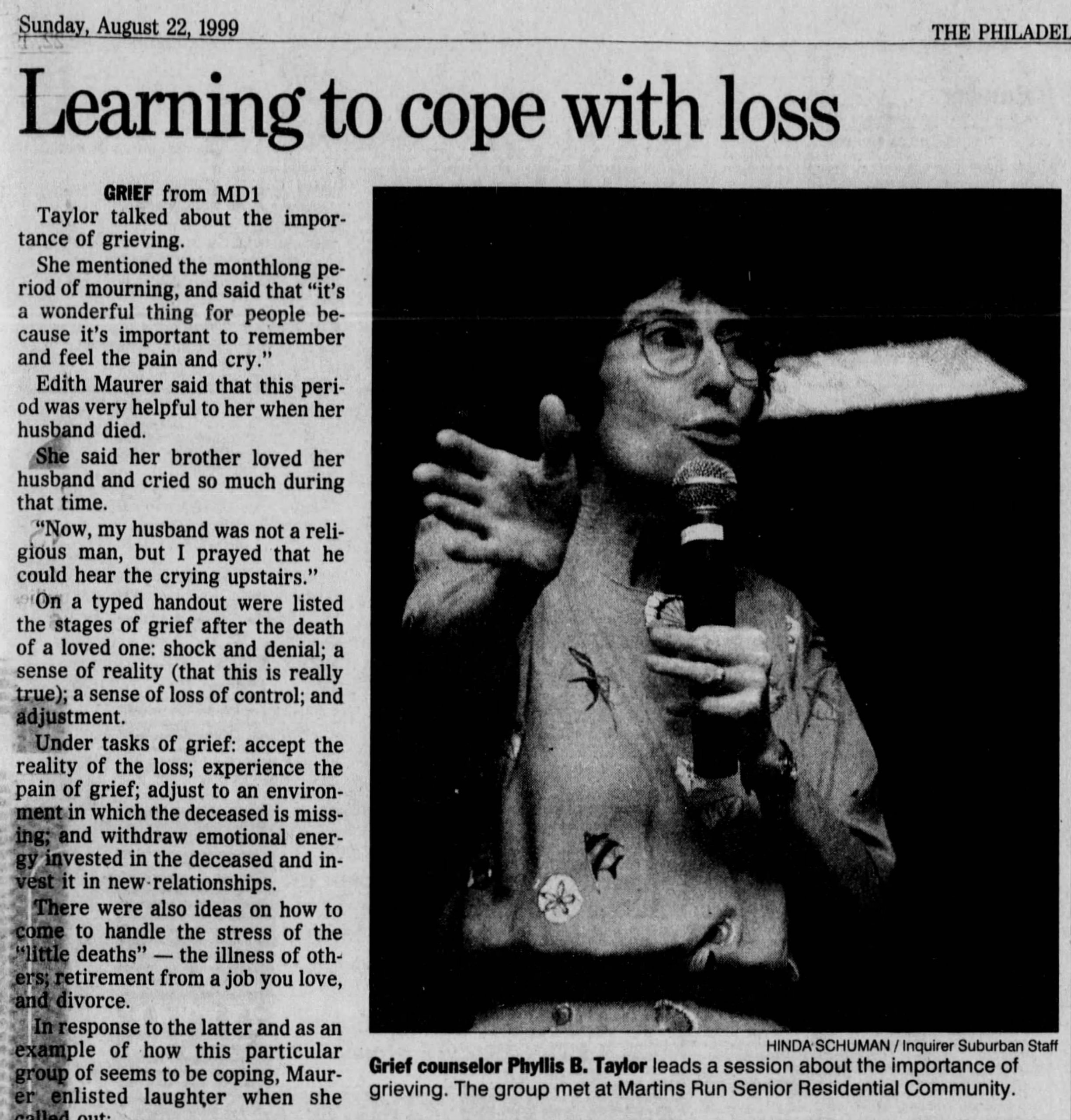
    Mrs. Taylor was featured in The Inquirer in 1999.Newspapers.com
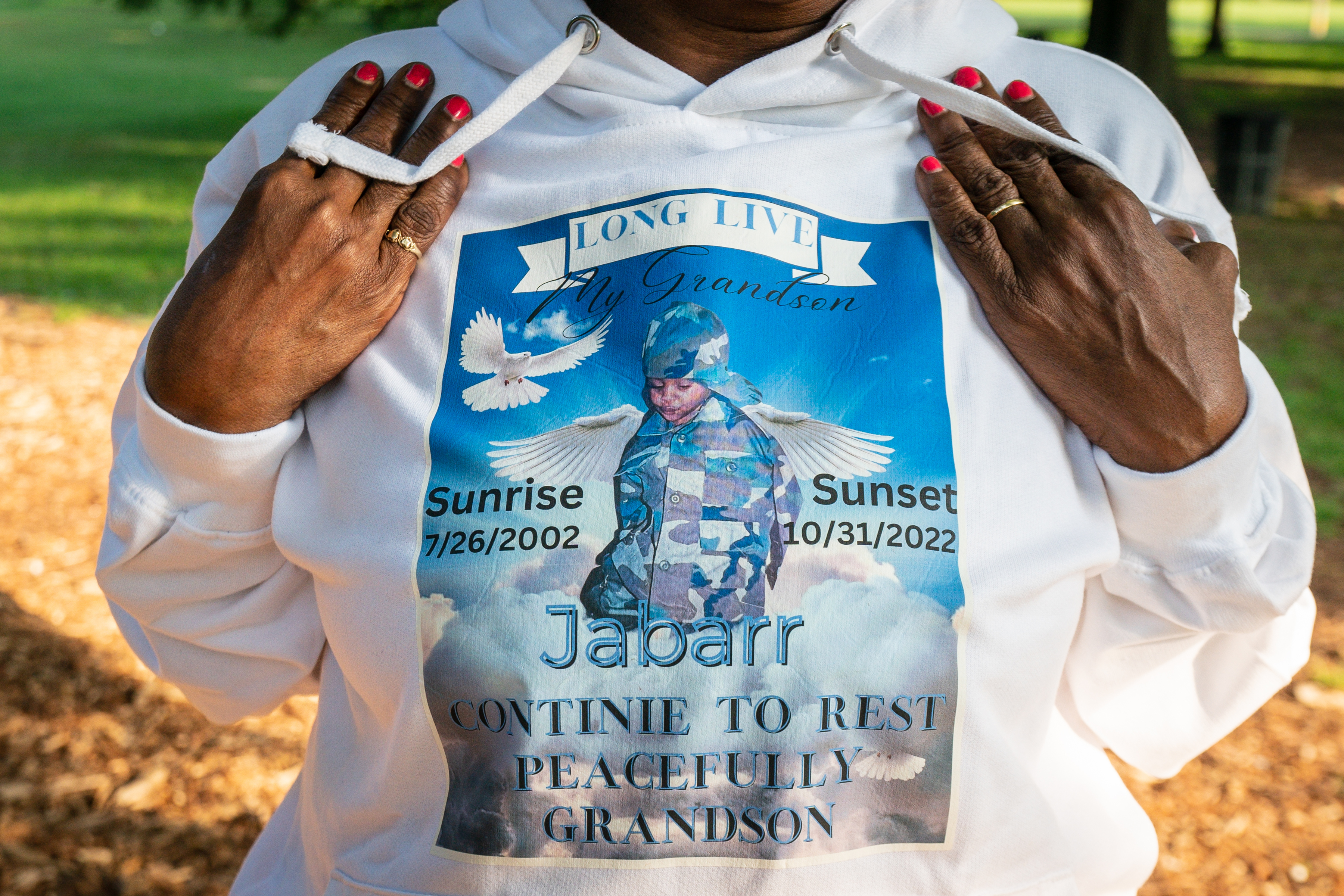
  • Her nephew was killed on Halloween in 2022. A teen shooter’s guilty plea brought some answers — but not enough.

    Her nephew was killed on Halloween in 2022. A teen shooter’s guilty plea brought some answers — but not enough.

    Tanya Clark’s knees bounced as she sat in the courtroom, her eyes darting toward the doors. For nearly four years, she’d waited for this moment — for the person who killed the nephew she’d raised like a son to admit to what he’d done.

    But as Aaron Coles, 21, took a seat next to his lawyer and prepared to plead guilty to killing Jabarr Richards, 20, in Southwest Philadelphia in 2022, Clark had to leave the room.

    How, she said she thought, could this be the person that ruined my life?

    “I went in with anger and hatred,” she said. “And then you see this child.”

    Coles on Monday pleaded guilty to third-degree murder, conspiracy, and gun crimes, admitting that when he was 17, he and two others shot Richards nine times at 53rd Street and Greenway Avenue on Halloween night.

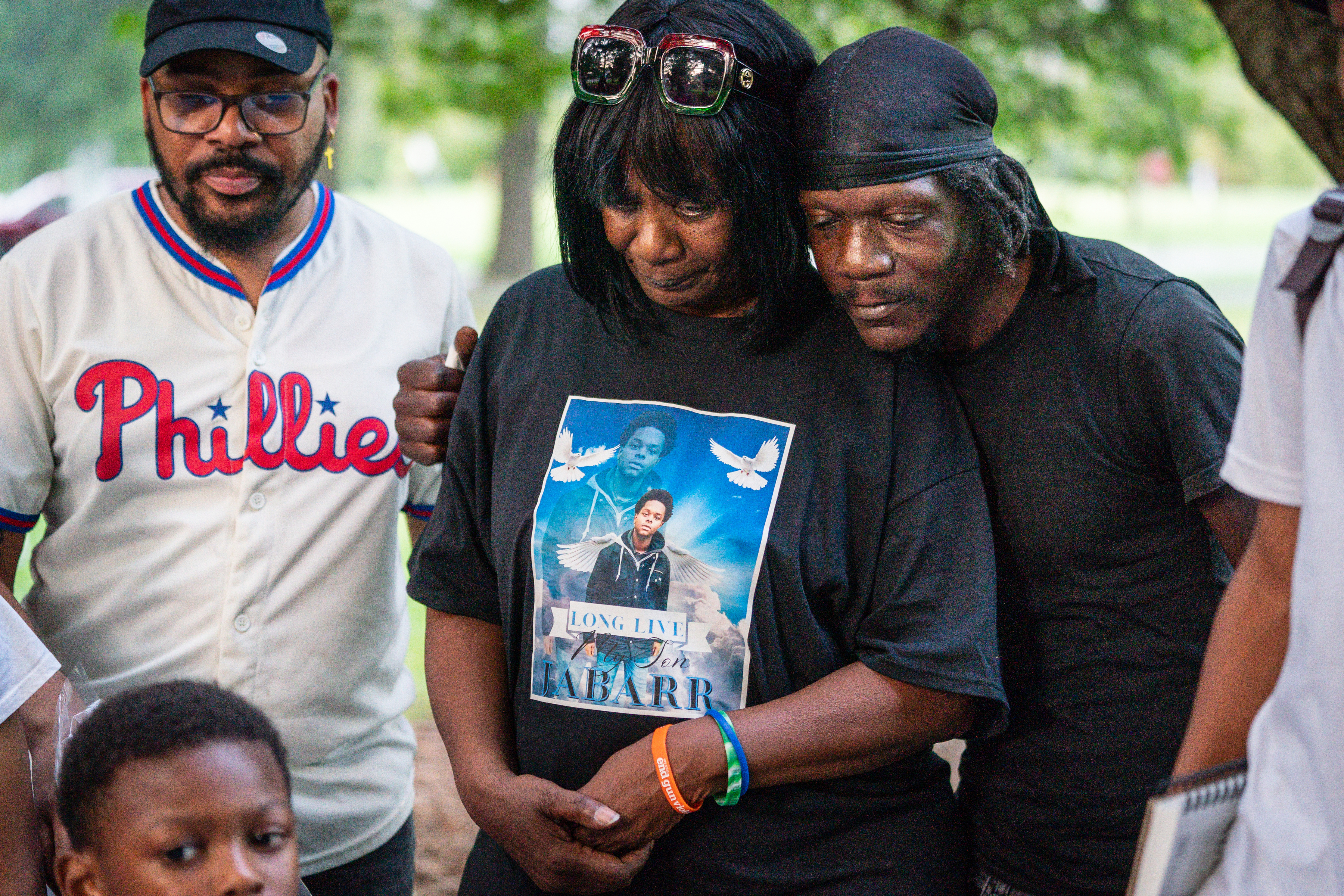
    Tanya Clark (center) gathers with family to celebrate and mourn on what would have been Jabarr Richards’ 21st birthday in July 2023. Jessica Griffin / Staff Photographer

    For nearly 18 months, Richards’ killing — one of more than 500 homicides in 2022 amid an unprecedented spike in violence — went unsolved. Clark and her family agonized over the possibility of becoming one of the hundreds of families in the city who might never get to face their loved one’s killer in court.

    But Assistant District Attorney Anthony Voci said Homicide Detective Joseph Cremen had persistently worked the case, amassing evidence that ultimately showed Coles was involved.

    Voci said Coles’ cousin had been killed several months earlier, and that his crew from the Bartram Village projects blamed young men from 53rd and Greenway. The lawyer said there’s no evidence to suggest that Richards was involved with that earlier homicide, and believes he was targeted simply because he was from the area.

    Tanya Clark holds a photo of her nephew Jabarr Richards, who was fatally shot in Southwest Philadelphia in October. He was 20 years old, and she had raised him like a son.Ellie Rushing

    At the time of the shooting, he said, Coles was wearing a GPS ankle monitor for an earlier illegal gun possession arrest, and had placed aluminum foil around the monitor to try to obscure his location.

    But even through the foil, Voci said, the monitor communicates with cellphone towers, which showed Coles near 53rd and Greenway at the time of the shooting. Coles’ Instagram messages also referenced the shooting, he said, and included a photo of a firearm that appeared to resemble one of the Smith and Wesson guns used to kill Richards.

    Coles was arrested and charged in June 2024.

    In the courtroom on Monday, Coles’ mother bounced her knee anxiously and wiped away tears as her son repeated that he was guilty.

    He’s scheduled to be sentenced in August.

    In the hallway, Clark, alongside her daughter and Richards’ older brother, David, tried to find some comfort in the fact that they wouldn’t have to sit through a lengthy trial.

    “One step over the hill, toward healing,” Clark said.

    Tanya Clark raised her nephew Jabarr Richards as if he was her son. Jessica Griffin / Staff Photographer

    She thanked Cremen, the detective, who told her he was still working to identify the two other gunmen.

    Clark nodded and believed him.

    Back at her West Philadelphia home that afternoon, Clark sat with the morning’s hearing still running through her mind. She just kept thinking about Coles.

    “This boy was lost and caught up in a world that was too fast for him,” she said. “What hurt so bad that you had to take my child? Why my child?”

    Her child — the goofy one who’d survived his own painful childhood with absent parents, who played basketball and pestered his older siblings but would have done anything for them.

    Her voice cracked and faded as she repeated: “I just wanna know. I just wanna know. I just wanna know.”

  • Philly women make 89 cents for every dollar men make, new report finds

    Philly women make 89 cents for every dollar men make, new report finds

    Women working in Philadelphia continue to make less than their male counterparts, according to a new report from the Forum of Executive Women.

    While the gender pay gap in the city narrowed between 2015 and 2024, women in the local workforce still earn on average about 89 cents for every dollar men make, according to the organization’s annual report, citing Philly-specific research from the Economy League of Greater Philadelphia.

    And the pay gap is worse for women of color, the report found.

    “Persistent pay gaps do more than reduce annual income,” Meghan Pierce, forum president and CEO, wrote in the report. “They affect lifetime earnings, retirement security, access to capital, business formation, and the generational wealth of women and their families.”

    “Pay gaps impact who leads, who invests, and who builds lasting economic power in our region.”

    The gender pay gap is narrower in Philadelphia than the national average, which is roughly the same as it was in 2010. Across the country, women earn on average 81 cents for every dollar made by men, according to data from the Economic Policy Institute, a left-leaning nonprofit think tank.

    Because of the gap, working women in the U.S. collectively lose about $1.7 trillion in wages each year, according to the forum report, and each woman loses about $500,000 on average during their career.

    While the gender pay gap is smaller in Philadelphia, racial disparities persist.

    Compared to non-Hispanic white men, white women in Philadelphia earn 94 cents on the dollar, the report found, while Black women earn 64 cents, and Hispanic and Latina women earn 57 cents.

    Women in the city also remain concentrated in lower-earning professions, making up 76% of healthcare workers and 66% of education workers, two sectors where the median annual earnings was below $60,000, according to the report, titled “The Philadelphia Paradox.”

    While a pay gap persists for local women at every education level, some industries have narrowed the gap more than others in recent years, the report found: Finance, retail, and real estate saw their gender pay gaps narrow, while the gap widened in arts, utilities, and construction.

    When it comes to Philadelphia’s gender pay disparity, the report concluded: “Progress is real, but closing the remaining gap requires addressing the structures that determine who enters higher-paying fields, who advances within them, and who benefits from the systems that shape long-term economic security.”