Category: Philadelphia News

  • How South Philly’s full-block light displays work

    How South Philly’s full-block light displays work

    The twinkling of colorful lights can make everything feel more vibrant — like the Miracle on South 13th Street display during Christmas.

    For some South Philadelphia blocks, however, holiday lights are not enough: They light up the night all year round.

    Wondering about the blocks with iconic lights strung across the street, a reader asked Curious Philly, The Inquirer’s forum for questions about the city: “How does one get the decorative street lights and who looks after them?”

    » ASK US: Have something you’re wondering about the Philly region? Submit your Curious Philly question here.

    For many residents, the lights had inhabited the streets before they even moved in, so the answer is not straightforward. But it seems to fall on block captains and rely on the neighbors agreeing and paying the bill.

    Anthony Scola III, 66, remembers when the decorative lights were set up on his block, the 1600 block of South 13th Street. He was 6 years old and his father, Anthony Scola II, was part of the neighborhood group that organized putting them up, he said.

    At first, Scola said, neighbors wanted the holiday lights only on the trees, then around their homes, and soon the light show continued to grow.

    He doesn’t remember the organizing process, or how the adults got the lights, and with his 94-year-old father recently dying, that part of neighborhood history remains untold.

    But, as he pointed to the tree outside, Scola showed how the lights connect through a window to an outlet inside his home. Most of the lights are on year-round, he said, but Christmas lights are not lit until the Saturday after Thanksgiving.

    If the lights are affecting his electric bill, he said, he hasn’t noticed it.

    At the end of the block, Julia Morrison and her husband, Michael Edmonds, are settling into the neighborhood. The couple moved in over the summer, after having lived around the corner for six years.

    “We always thought the lights were owned by the city, but the neighbors told us that everyone has to pay for the cost,” Edmonds said.

    According to Peco, how the string light displays are paid for depends on the specific installation and location.

    Some connections go directly into homes, and the cost comes out directly in each homeowner or resident’s electric bill. Other displays, however, can be paid for through a separate account specifically for the lights. Then that account gets billed instead of each individual neighbor with lights connected to their home.
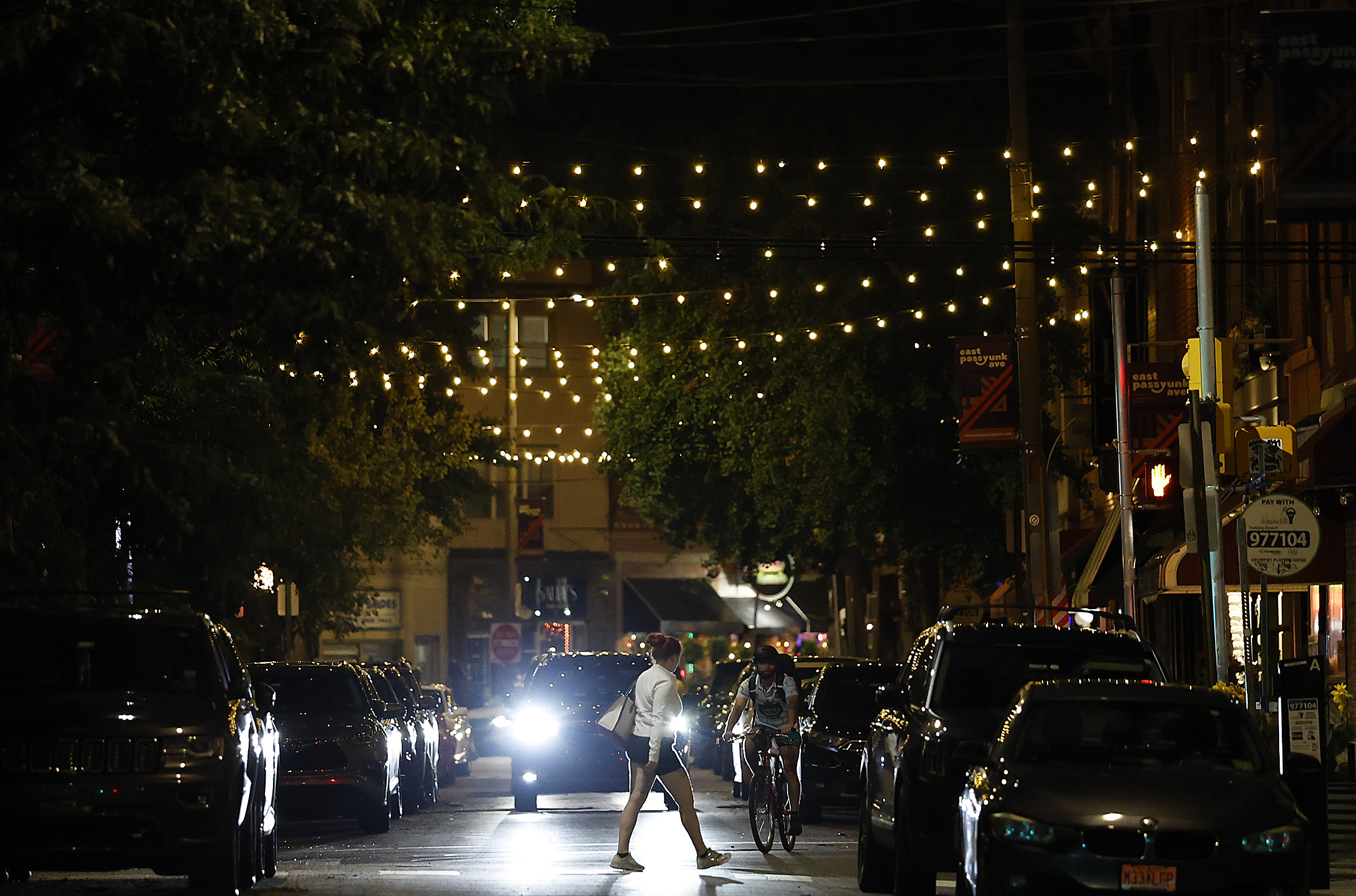
    Lights string across the street along East Passyunk in South Philadelphia on Thursday, Sept. 3, 2026.Yong Kim / Staff Photographer

    The couple is not sure how much the bill will be for the year-round lights. They are hoping to find out more after Thanksgiving, when everyone in the block comes out to set up the Christmas lights.

    Whatever the cost, they said, it is worth it for the effect on the block.

    “It brings the people together, and it’s just cheer,” Morrison said. “It brings the community street together, makes people feel closer.”

    On the 1200 block of Wolf Street, tiny blue, yellow, and red light bulbs dance in the wind on a zigzag above the street.

    They have been there for as long as Maryann Mooney, 69, remembers.

    “When I was a kid, it was magical to see the lights,” Mooney said.

    Over the years, she said, the tradition shrank to only putting big lighting displays out for Christmas, but small light fixtures remain all year round.

    She has moved away from the block but works at a hair salon in the area, and the lights continue to make her feel like “the block is alive,” she said.

    Karen Farrell, the salon owner, said the block captain comes to collect the money for the light bill, usually in December. He also is in charge of replacing any broken bulbs throughout the year, she said.

    “Last year they asked for $35,” Farrell said. “I like it. I think it is pretty. It makes it festive.”

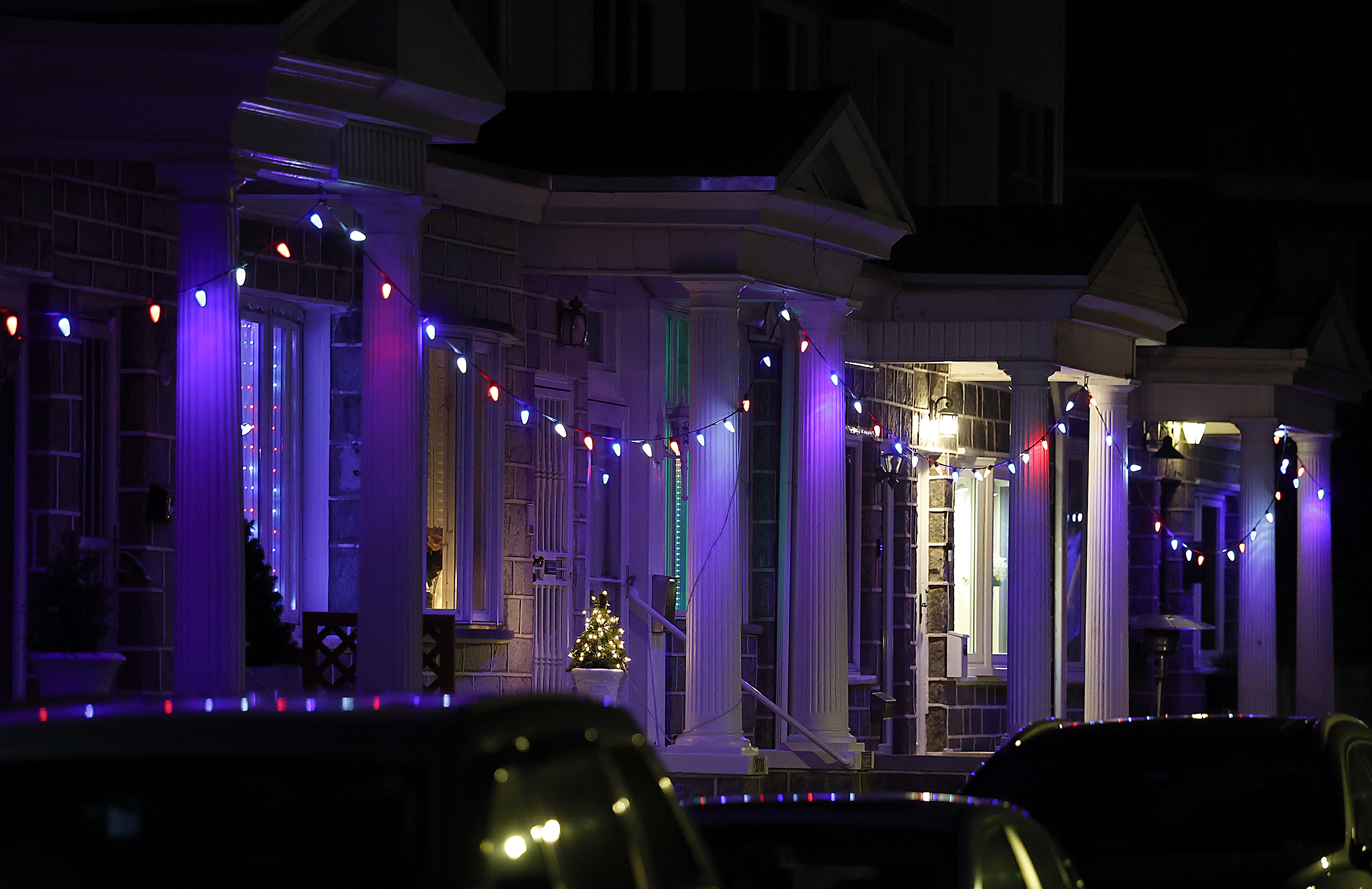
    On the 2700 block of South Smedley Street, blue, red, and white lights hang from every house. They put up Christmas lights, too, but these ones are up all year long.

    Ryan Schubert, 31, moved to the block in 2022. The house, he said, belonged to his wife’s grandmother, so the lights hanging from his front porch preceded their ownership.

    Schubert does not know when exactly the lights arrived, but he keeps a postcard from 1991 that already features the lights across the home’s porch.

    “Right now, they are red, white, and blue for the Fourth of July, but the light bulb colors are changed depending on the occasion,” Schubert said.

    As far as Schubert knows, the block captain is in charge of changing the bulbs and asking neighbors for collaboration to pay the bill.

    “We chip in once a year. It’s not a requirement, and it’s a pretty cool time,” Schubert said.

    The most he has contributed is $100, but he has also given $20, he said.

    According to Peco, neighbors looking to set up an additional account for this type of lights can contact customer service for information through an online form or by calling 1-800-494-4000.

    “The Christmas display can be a little annoying because lots of people come, but I love it and it’s worth it because everyone seems happy,” Schubert said. “The all-year lights feel unique to our street, but to be honest I’m so used to big displays that I don’t even pay much attention or register the little ones.”
  • Flyers update arena rendering after fans say women were left out of the first version

    Flyers update arena rendering after fans say women were left out of the first version

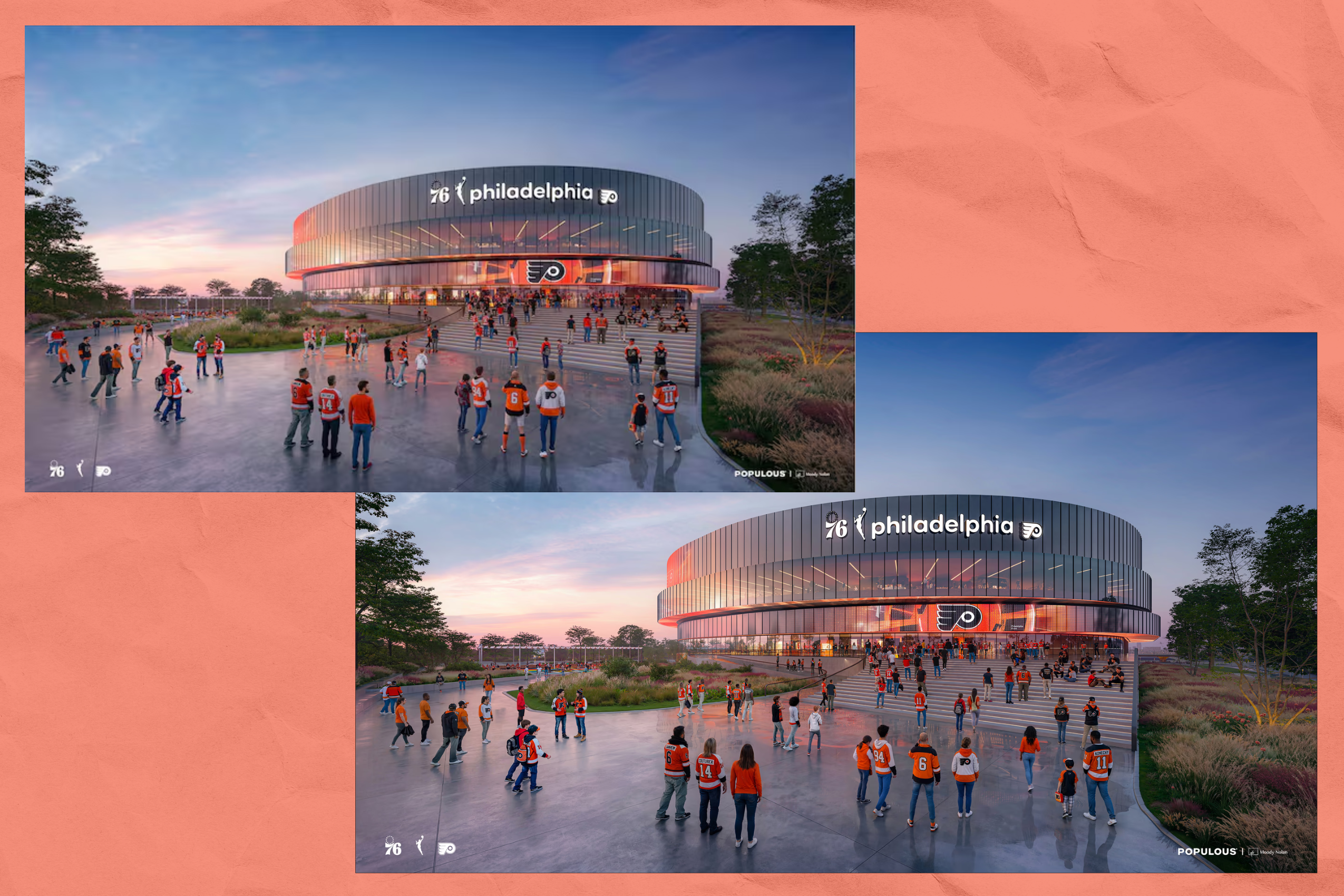
    The Sixers and Flyers released the first public renderings of their new arena, which is scheduled to open in 2030, earlier this week.

    Two images, which were created by Populous, the global design firm responsible for the arena’s conception, showed fans attending basketball and hockey games in the new state-of-the-art digs. But some fans say the Flyers’ rendering was missing one key detail: female fans. What ensued was a Where’s Waldo? level of analysis by people on the internet. The Flyers have since updated the rendering.

    The original Sixers rendering had a handful of what appeared to be female-presenting fans, wearing crossbody purses over their jerseys, with long hairstyles and ponytails. The Flyers version was more ambiguous. There appeared to be some women sitting toward the top of the image, in clusters across the stairs, but none wearing Flyers gear.

    A Populous spokesperson said the company accepted responsibility for the oversight and worked quickly to update the rendering as soon as it became aware of the issue.

    “The website now reflects the updated image,” the spokesperson said.

    Camille Barrière was one of the initial critics who pointed out the apparent lack of women via an X post. Barrière, who lives in Paris, studied architecture and is pursuing her master’s degree in media design at the School of Design Nantes Atlantique, with a focus on the delegitimization of women and non-male sports fans.

    When the renderings came out, Barrière said online that it was “new source material” for her thesis. Her post has been viewed nearly 200,000 times on X and has since spread to other social media platforms, particularly Reddit and Instagram among women’s sports pages.

    Some fans worry the lack of visibly female fans in the original rendering was more than an innocent mistake and is actually indicative of the male-centric way sports fandoms are still stereotypically viewed. Others say it’s not that serious and this much intense dialogue based off a rendering is laughable.

    “As a woman, I’m hyper aware of the amount of men in public spaces, and it’s for that reason that the image struck me. I continued searching and couldn’t find a single woman in Flyers gear in that picture,” Barrière told The Inquirer.

    Creating architectural renderings is not one size fits all and the process can vary considerably, but the final product can help represent the future of a space and who it belongs to, says Rashida Ng, an architecture professor at the University of Pennsylvania’s Stuart Weitzman School of Design.

    “I wouldn’t presume to know how or why the particular Flyers image was produced, or suggest that the omission was intentional,” she said. “But something can be unintentional and still be meaningful. If an image of a major public venue inadvertently leaves out a substantial part of the public, I think it’s worth asking how that happened.”

    The Gist and Togethxr, two popular women-founded sports media brands, called out the original renderings on Instagram. Reports show women are one of the fastest-growing audiences in sports.

    “They’re buying season tickets, filling arenas, creating fan communities, and shaping sports culture across every major league. The future of sports already includes women,” the Gist wrote in its post. “The renderings should too.”

    Ng says she sees the rendering debacle as a “teachable moment.”

    “Design is not neutral. The spaces we create — and the images we use to imagine and communicate them — both reflect and shape ideas about who belongs, who is welcome, and whose experiences matter,” she said. “That doesn’t mean every design decision or omission is intentional, but it does mean that designers have a responsibility to think critically about the worlds their work helps to envision.”

    Thursday morning, the Flyers updated the rendering on its website with a new version, one that added many new visibly female fans.

    As for Barrière, she’s shocked that a non-fan’s observation from across the world sparked discussion.

    “If my silly tweet that was just meant for my 40 followers can initiate a discussion on the issue, then I’m all for it,” she said. “I think inclusivity in hockey spaces, whether online or in real life, still has a long way to go, and calling out the teams directly is one of the ways we can help move the conversation forward in a positive direction.”

    And thinking about those women fans is particularly pertinent for the new arena — it’s also the future home of Philadelphia’s new WNBA franchise.

  • Kelly N. Moore, award-winning clinical psychologist, Rutgers professor, and mental health activist, has died at 46

    Kelly N. Moore, award-winning clinical psychologist, Rutgers professor, and mental health activist, has died at 46

    Kelly N. Moore, 46, of Burlington Township, award-winning clinical psychologist, founder of Moore Wellness LLC, director of the Center for Psychological Services at Rutgers University, graduate school clinical associate professor, former fellow at the University of Pennsylvania’s Center for the Treatment and Study of Anxiety, mentor, author, mental health activist, volunteer, and 2026 Willingboro High School Hall of Fame inductee, died Thursday, Aug. 20, of kidney cancer at Virtua Voorhees Hospital.

    Adept at treating anxiety, depression, trauma, and perinatal disorders, Dr. Moore became director of the Rutgers Center for Psychological Services and a clinical associate professor in the Graduate School of Applied and Professional Psychology in 2020. As CPS director, she mentored hundreds of doctoral students regarding academic requirements and clinical procedures, and supervised the center’s community mental health clinic.

    She significantly expanded the center’s services and outreach, Rutgers colleagues said in a Facebook tribute, and forged important partnerships on campus and in the community. Colleagues said: “Her warm demeanor, melodic voice, vibrant spirit, and calming presence made all who met, and were fortunate enough to know her, feel seen, welcomed, and heard.”

    Earlier, Dr. Moore was program manager for the Rutgers Children’s Center for Resilience and Trauma Recovery. She also taught in the school’s juvenile justice and youth development programs.

    She spent two years as a fellow at Penn’s Center for the Treatment and Study of Anxiety after earning her doctorate in clinical psychology at Rutgers in 2011. During the COVID-19 pandemic, she founded Moore Wellness LLC and focused on helping women, children, and clients of color.

    “Wellness does not mean you will never experience challenges,” Dr. Moore said in an online profile for Psychology Today magazine. “Rather, it means having the tools to manage the challenges when faced with them.”

    Dr. Moore was an outspoken activist for mental health education and services. She spoke with groups often, organized workshops, and was featured in newspapers and magazines and on TV and podcasts. “Just trying to get people to understand as much as they can about the impact their mental health and well being have on their day-to-day lives,” she said in a 2026 podcast interview with the Multicultural Counseling Institute.

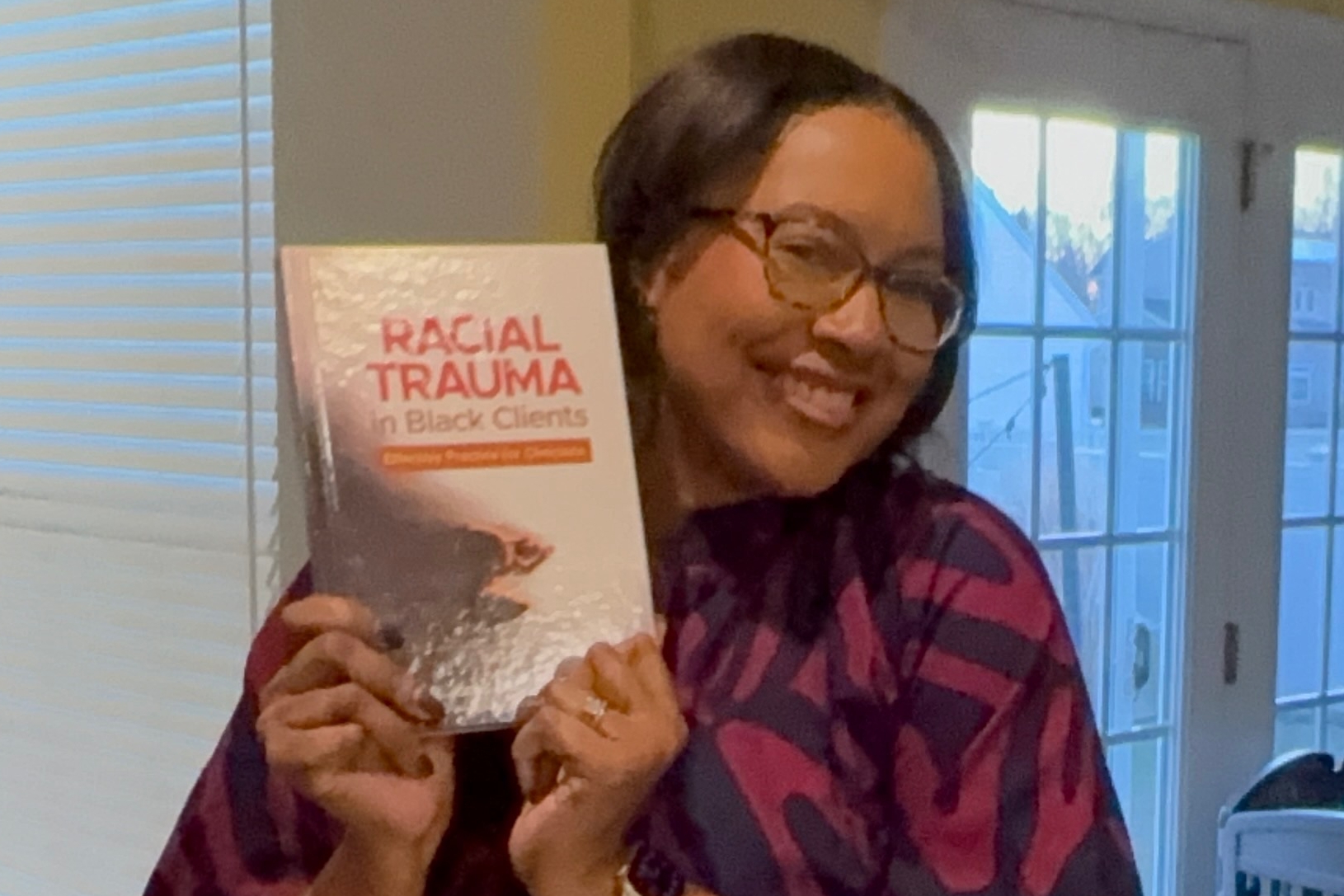
    She blogged about mental health on her website, moorewellnessllc.com, and contributed pages to academic texts. In 2025, she cowrote Racial Trauma in Black Clients: Effective Practice for Clinicians.

    She belonged to the American Psychological Association and the New Jersey chapter of the Association of Black Psychologists. She was active with the Therapy for Black Girls podcast and the Leadership Institute for Women in Psychology.

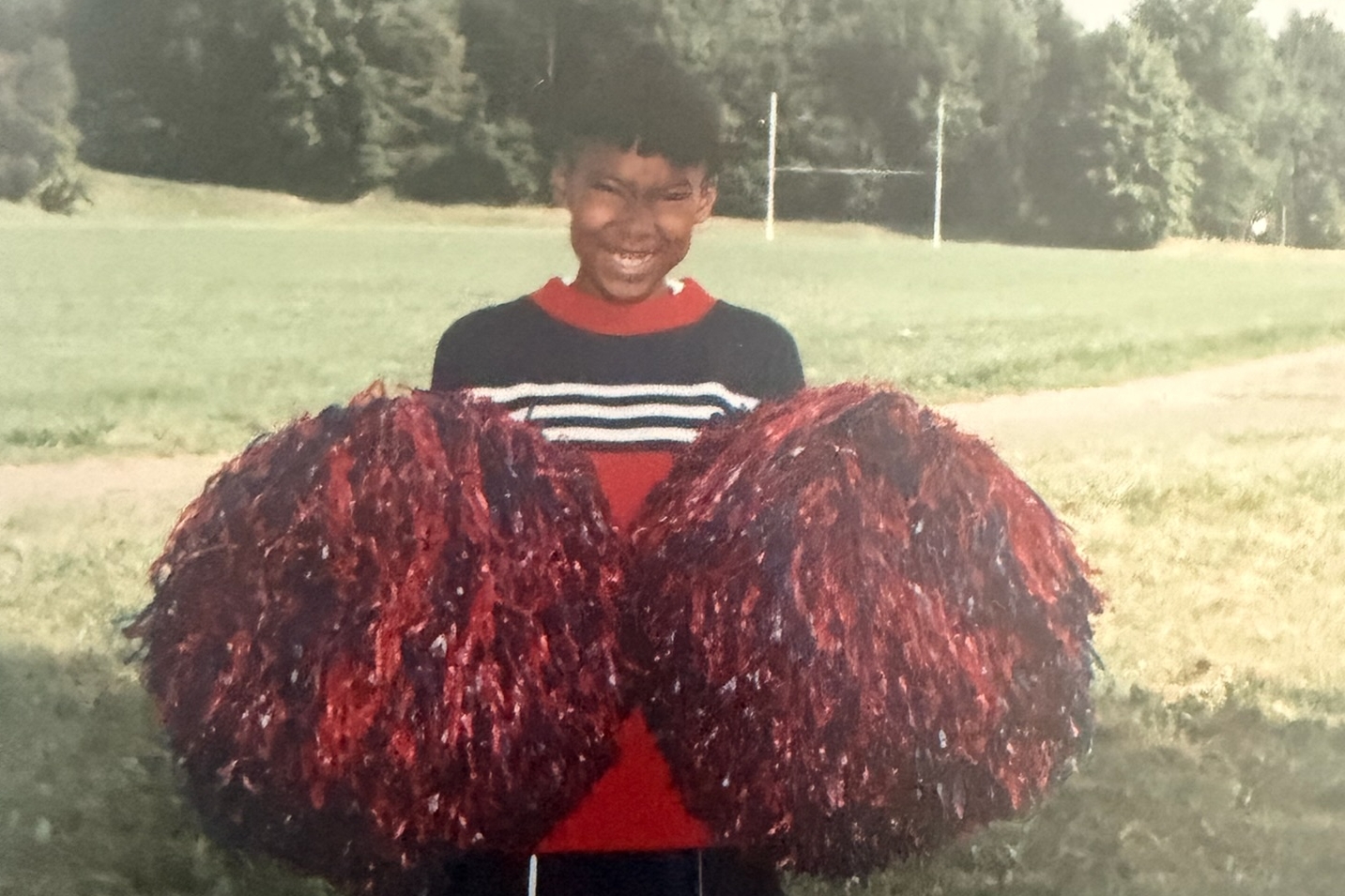
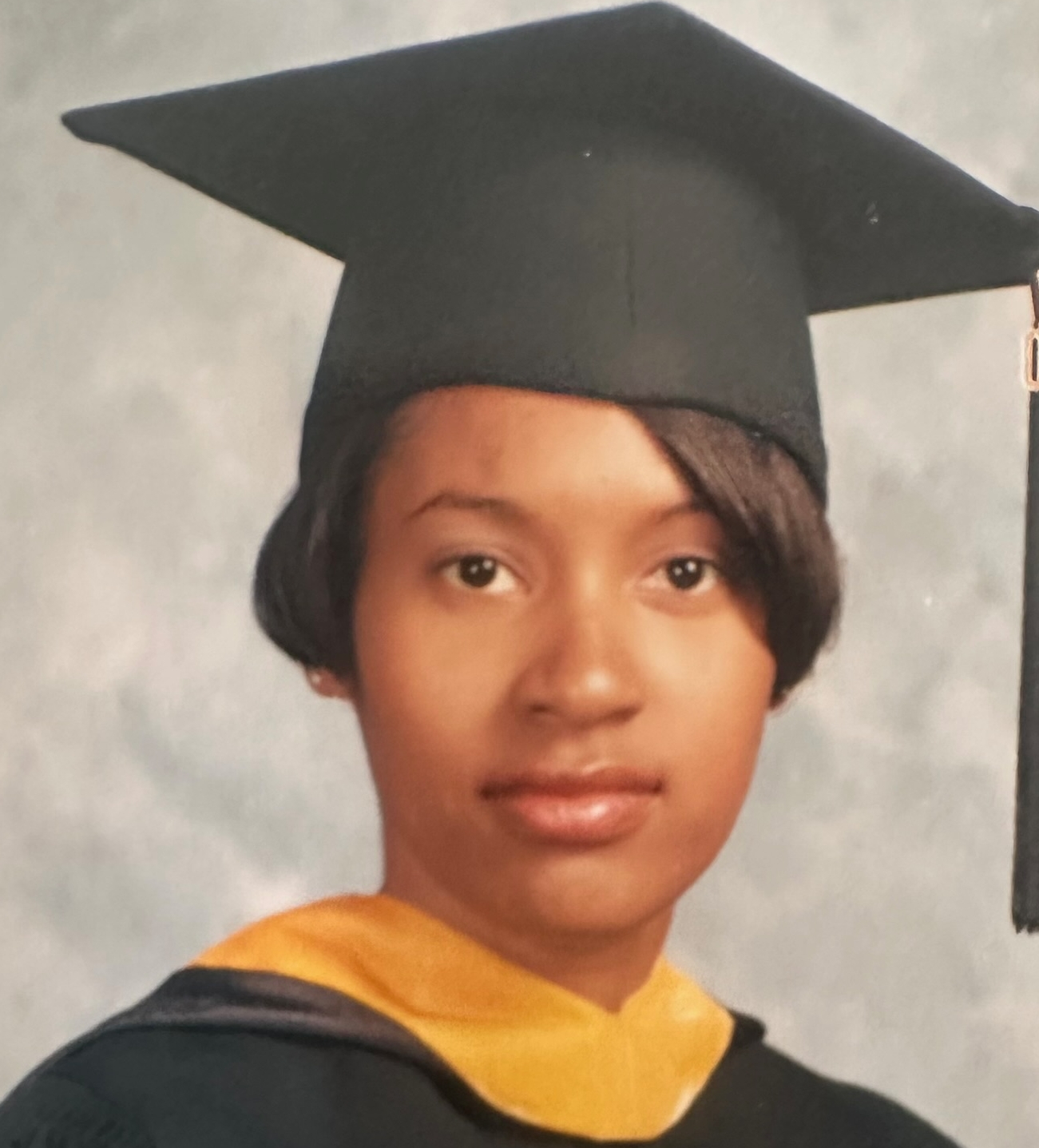
    Dr. Moore was a cheerleader and lacrosse player, and graduated from Cornell University in 2002.Courtesy of the family

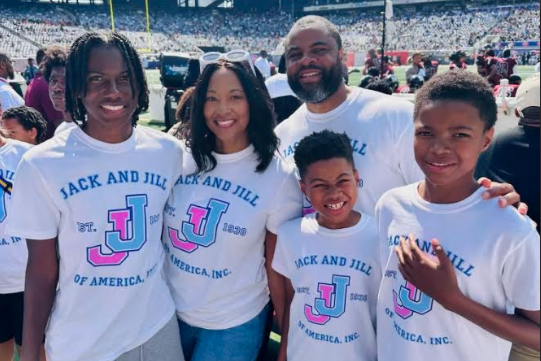
    She earned leadership and achievement awards from the New Jersey Psychological Association, the National Council of Schools and Programs of Professional Psychology, and other groups. She was president and a board member of the Burlington County chapter of Jack and Jill of America Inc. Colleagues there called her “a beautiful example of leadership, service, grace, and love.”

    Kelly Nicole Walker was born Aug. 20, 1980, in Philadelphia. Her family moved to Willingboro when she was 2, and she graduated from Willingboro High School in 1998.

    She was a cheerleader and played lacrosse and viola as a teenager. Her mother, Diana, was a social worker, and she showed Dr. Moore up close how one person could impact their community.

    “I was just fascinated by this concept,” Dr. Moore told the Multicultural Counseling Institute in the podcast interview. “It was already set at a young age that this was the kind of work I should be doing.”

    She earned a bachelor’s degree in human development at Cornell University in 2002 and a master’s degree in education at Penn in 2003.

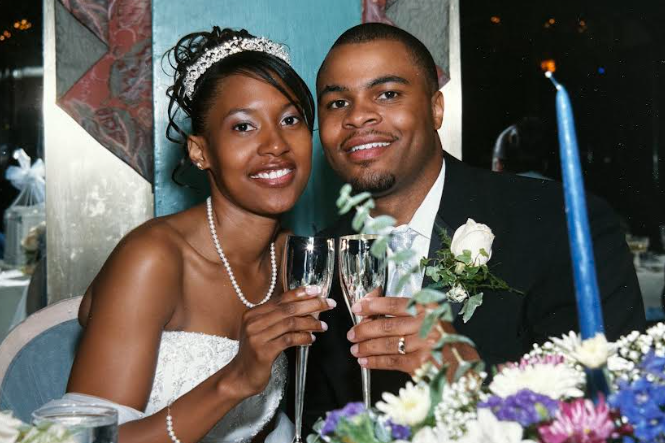
    She met Melvin Moore through friends, and they married in 2004 and had sons Miles, Mason, and Matthew. They lived in Marlton and Delanco, and, since 2015, in Burlington Township.

    Dr. Moore was a longtime member and dance choreographer at the Gospel Tabernacle Church. She joined Alpha Kappa Alpha Sorority Inc. at Cornell in 2000 and was on the executive board of its Pi Mu Omega chapter in Willingboro.

    Friends noted her “warmth, generosity, and kindness,” and called her “genuine” and “quietly brilliant” in online tributes. One friend said: “She sure made me proud to be from Willingboro.”

    Dr. Moore and her husband, Melvin, married in 2004 and had three sons. Courtesy of the family

    Dr. Moore doted on her sons and called them her “M & M’s.” She was an avid reader and led several book clubs.

    She liked to garden, play piano, take photos, cook, and crochet. She was diagnosed with renal medullary carcinoma about a year ago and was determined, her husband said, to reach her 46th birthday. She did it.

    “She always led with purpose and intention,” her sister, Kim Hayes, said. “She was such an amazing person.”

    Dr. Moore’s husband said: “Kelly exemplified unmatched strength in how she lived, how she loved, and how she led. She loved helping other people.”

    In addition to her husband, sons, and sister, Dr. Moore is survived by her father, Michael, her brother, Ahmeen, and other relatives.

    A celebration of her life was held earlier.

    Donations in her name may be made to the Chris “CJ” Johnson Foundation, Box 292, Sugar Land, Texas 77487.

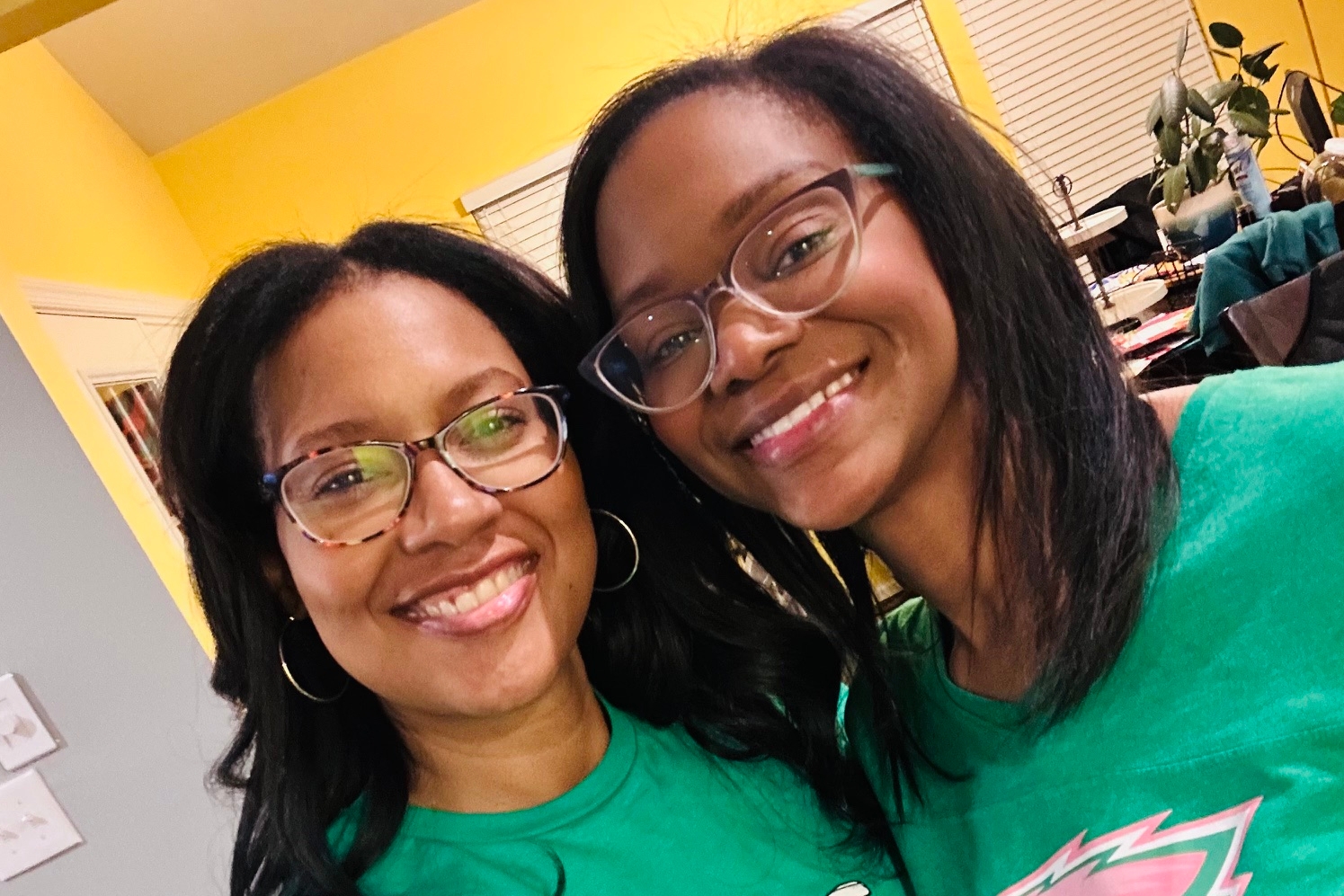
    Dr. Moore (left above) was close with her sister, Kim. Below, she celebrated when her book was published in 2025.Courtesy of the family
  • Meet the humanitarian aid worker and independent candidate running against Chris Rabb in November

    Meet the humanitarian aid worker and independent candidate running against Chris Rabb in November

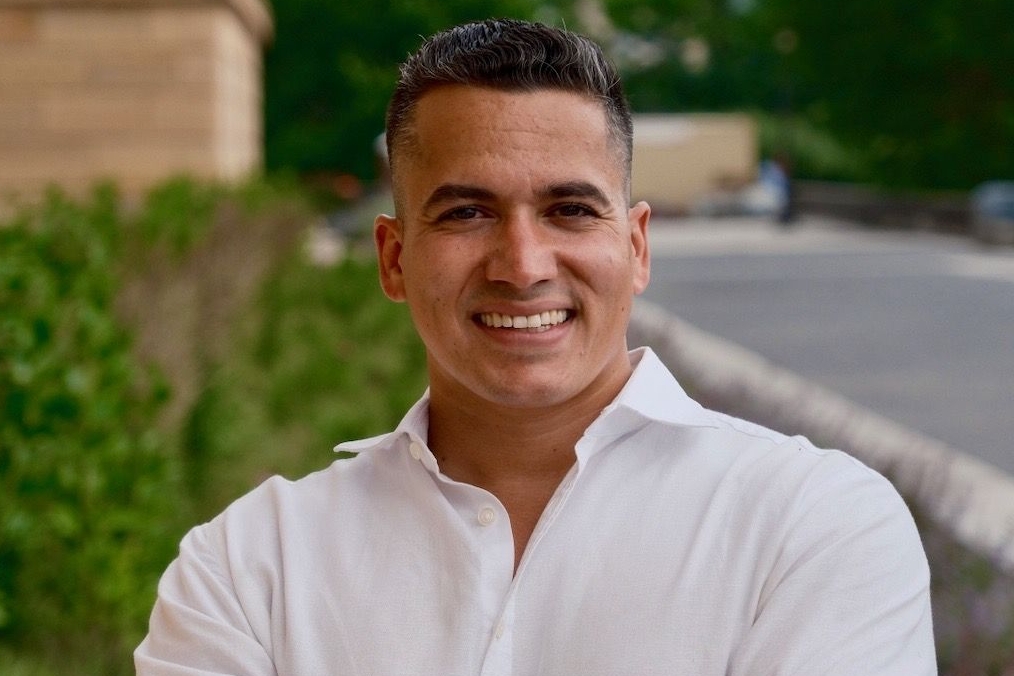
    Dennis Mahoney has spent a decade in disaster relief, dispatching humanitarian aid in the wake of devastating hurricanes in the United States and Puerto Rico and poverty crises in 18 countries in Asia, Africa, and Latin America.

    Now the 34-year-old independent candidate is using that same determination to engage in an uphill battle as he seeks to represent Philadelphia’s 3rd Congressional District this November.

    Mahoney, from South Philadelphia, is the lone opponent running against State Rep. Chris Rabb, a democratic socialist from Northwest Philly who won the crowded Democratic primary in May to succeed retiring U.S. Rep. Dwight Evans.

    “I think it’s going to be a hard fight and a hard run, but I feel so strongly that people in Philadelphia want something different,” Mahoney said of his independent campaign.

    Mahoney will have his work cut out for him to persuade voters to back his grassroots candidacy.

    The 3rd Congressional District is one of the most Democratic-leaning districts in the country, where Rabb won with almost 45% of the vote. Rabb saw national support from big-name progressives, including U.S. Rep. Alexandria Ocasio-Cortez (D., N.Y.), and used his victory to support other like-minded candidates throughout the United States.

    And the last time Pennsylvania elected an independent to Congress was in 1920, when Milton W. Shreve of Erie won as an Independent Republican.

    But Mahoney and his allies view his candidacy as an opportunity to present an alternative option after more than half of 3rd District voters in the May primary cast their ballots for Rabb’s opponents. Mahoney’s platform focuses on addressing poverty, expanding access to affordable housing, and investing in education.

    Rabb’s campaign did not comment on Mahoney’s candidacy Wednesday.

    The race comes amid shifting political dynamics in the United States in response to growing frustration with the two-party system.

    On one hand, progressive candidates — many of whom, like Rabb, are part of the Democratic Socialists of America — have been gaining momentum in elections nationwide.

    Earlier this year, meanwhile, a Gallup poll showed a record high of 45% of U.S. adults identified as independents in 2025.

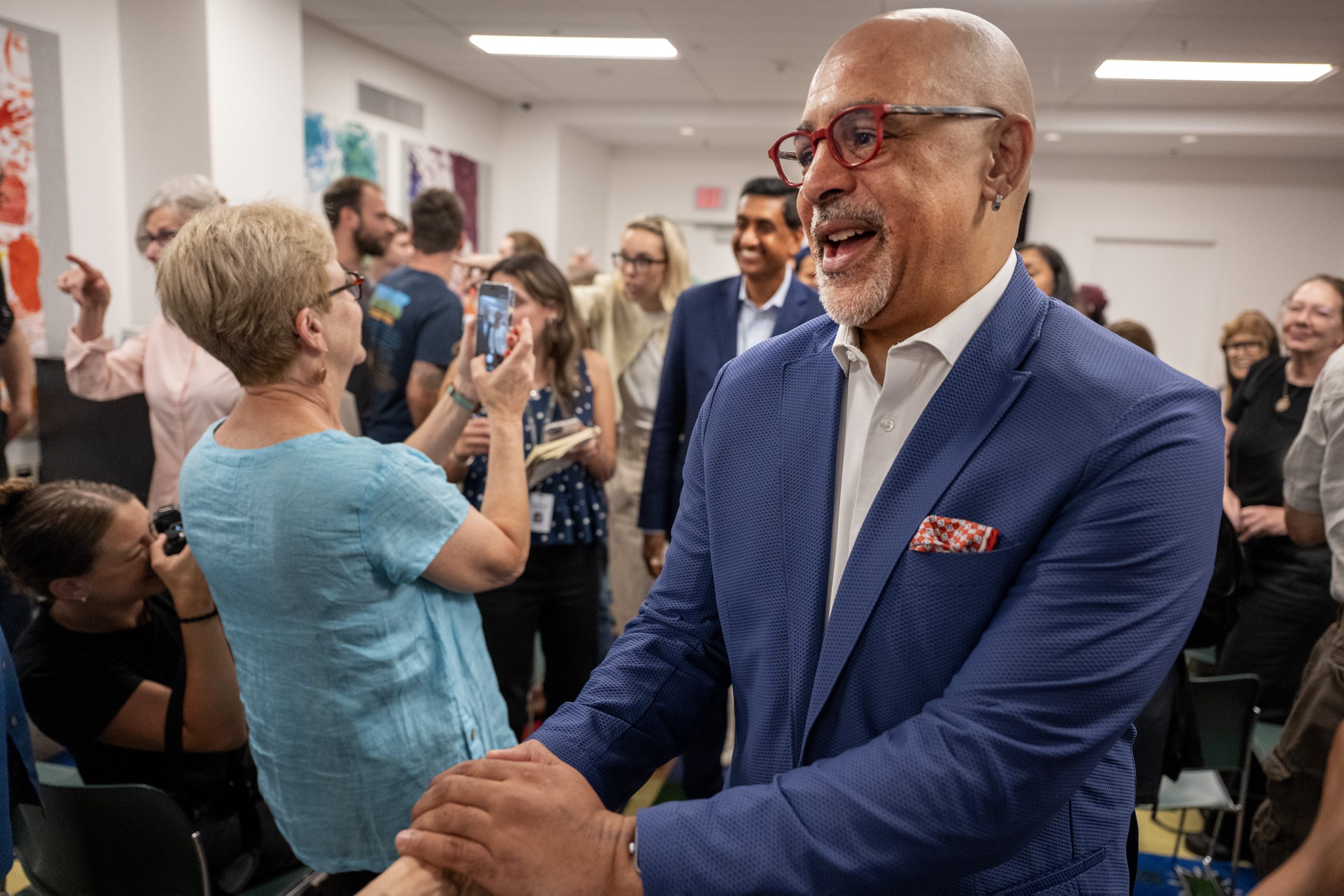
    State Rep. Chris Rabb greets supporters after appearing with U.S. Rep. Ro Khanna (rear) Tuesday, July 28, 2026, on his “Made in PA: New Economic Patriotism Tour” at the City Institute Library on Rittenhouse Square.Tom Gralish / Staff Photographer

    Mahoney said he has belonged to both political parties in the past, but did not find a home in either.

    The first-time political candidate worked in humanitarian aid through his former Washington, D.C., church, the Christian nonprofit Food for the Hungry, and now his own firm, AOI Solutions. He said the experience provides lessons for overcoming partisan division in Congress.

    “Let’s build bridges and partnerships and bring results. And that’s the same work that I did in the disaster relief field, where we would land in a spot where a disaster happened, and we’d work with anyone we could to really make the place come back to whole,” Mahoney said.

    ‘Anti-MAGA’ and ‘anti-DSA’

    It’s those middle-of-the-road qualities that made Mahoney an appealing candidate to Craig Snyder, a registered Republican who led an effort to support Vice President Kamala Harris’ presidential bid two years ago and is now leading the Philly-based Forward Party Victory Fund.

    The super PAC plans to support Mahoney and other independent candidates across the country — including a pair of independent Senate candidates running in GOP-leaning states, Todd Achilles of Idaho and Brian Bengs of South Dakota — this fall via spending on digital ads and text messages. The PAC is also supporting U.S. Rep. Kevin Kiley, who switched from the GOP to run for reelection in California as an independent, and Kevin Block, an independent running for Rhode Island governor.

    Snyder said the group is an independent offshoot of the Forward Party, founded in 2022 by former presidential candidate Andrew Yang and former New Jersey Gov. Christine Todd Whitman. He described the centrist candidates the PAC is backing as both “anti-MAGA” and “anti-DSA.”

    He said a win in one of the group’s targeted races would be “an earthquake in American politics.” But even if Mahoney is unsuccessful, Snyder said, it will be the start of elevating the independent movement in Philly politics.

    “I think people don’t want to be told that they have to vote for somebody just because of the party label,” Snyder said. “I think that they want there to be alternatives, and so it’s our job to make that case.”

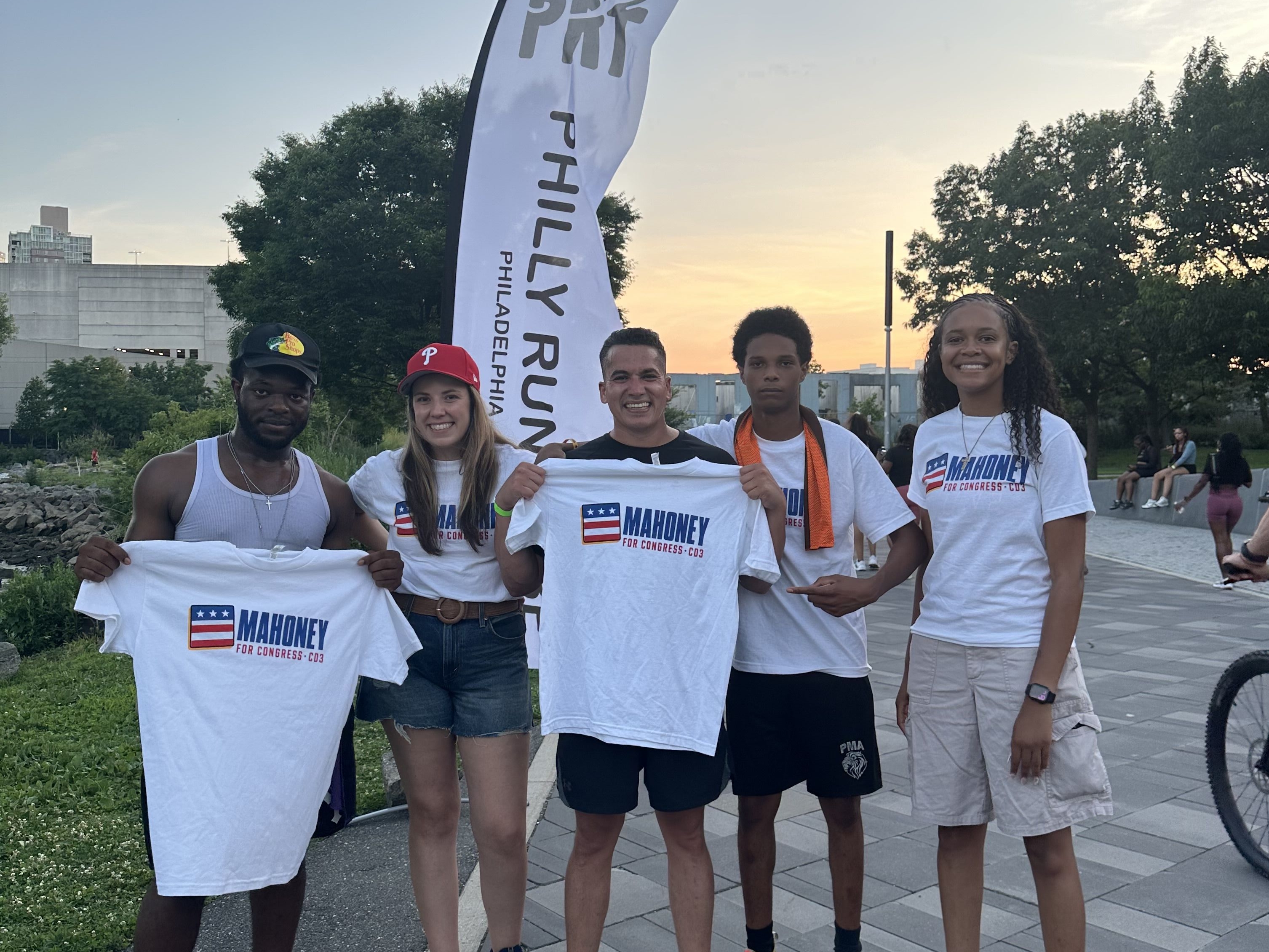
    Dennis Mahoney (center) on the campaign trail as he prepares to run against State Rep. Chris Rabb in the general election in the 3rd Congressional District this November.Dennis Mahoney

    Mahoney said, if elected, he would help form the first independent caucus in the U.S. House, contending he would become a coveted vote for both parties that would enable him to influence legislation and score committee assignments.

    But under current House rules — which Kiley has proposed changing — Mahoney would not be able to hold a committee seat if he does not caucus with either party. Kiley, for instance, has continued caucusing with the GOP even after becoming an independent.

    Mahoney pointed to the 19,000 signatures he received for his petition to join the ballot as a sign some voters are open to a choice in the deep-blue district.

    He said he would like to debate Rabb.

    “He talks a lot and engages a lot, and I think that that’s wonderful,” Mahoney said. “But I think at the end of the day, there’s people who are hurting in the district who need somebody who isn’t worried about being on, you know, MSNBC or TV, but who really is like, let’s just get into the community and drive results.”

    Mahoney said he has been connecting with religious leaders, educational organizations, community groups, and youth organizers to hear feedback on what they want public service to look like in the 3rd District.

    The independent will have scant resources to spread his name in just two months but said he is not concerned with raising big money for advertising. He had roughly $8,200 cash on hand in his most recent campaign finance report.

    Rabb had a little more $21,000, but that was after the Democrat raised and spent more than $1.3 million for the primary campaign in which he out-raised his opponents.

    Mahoney, meanwhile, has been trying to meet voters where they are — at running clubs and other fitness groups, for example.

    “I think people find it refreshing to have somebody who wants to represent them out there running alongside them,” he said.

  • Police investigating after decomposed body found in Frankford residence

    Police investigating after decomposed body found in Frankford residence

    Police said they were investigating the discovery of a decomposed body inside a residence Wednesday in the Frankford section of Philadelphia.

    Police responded to the 1500 block of Foulkrod Street around 12:15 p.m., and the person was pronounced dead by medics at the scene.

    The scene was secured and the investigation was ongoing, police said.

    No other details were available.

  • Police say man shot wife and then himself in North Philly

    Police say man shot wife and then himself in North Philly

    A man allegedly shot his wife and then himself in what authorities said was a domestic dispute that unfolded Wednesday afternoon inside a car on Broad Street in North Philadelphia.

    In a separate shooting about 40 minutes later, a man was fatally wounded on the 4900 block of Old York Road in the city’s Logan section, police said.

    Just before 2:50 p.m., police responded to the 2900 block of North Broad Street near West Glenwood Avenue for a shooting and found a 36-year-old woman who had been shot twice, including in her face.

    Police took her to Temple University Hospital, where she was listed in critical condition.

    The gunman, 41, was taken by SEPTA Transit Police to Temple, where he also was listed in critical condition with a self-inflicted gunshot wound to his head, police said.

    Police said the man shot his wife inside a Volvo on Broad Street. A gun was recovered from the scene.

    No other details were immediately available.

    In the shooting on Old York Road, the man who was shot was taken by private vehicle to nearby Jefferson Einstein Philadelphia Hospital, where he was pronounced dead at 3:37 p.m.

    The man was not identified.

  • Open Streets is returning to the Rittenhouse Square area on Sundays this fall

    Open Streets is returning to the Rittenhouse Square area on Sundays this fall

    Fall is near, and though peak foliage has yet to come, another autumn staple is waiting around the corner: the Center City District’s Open Streets program.

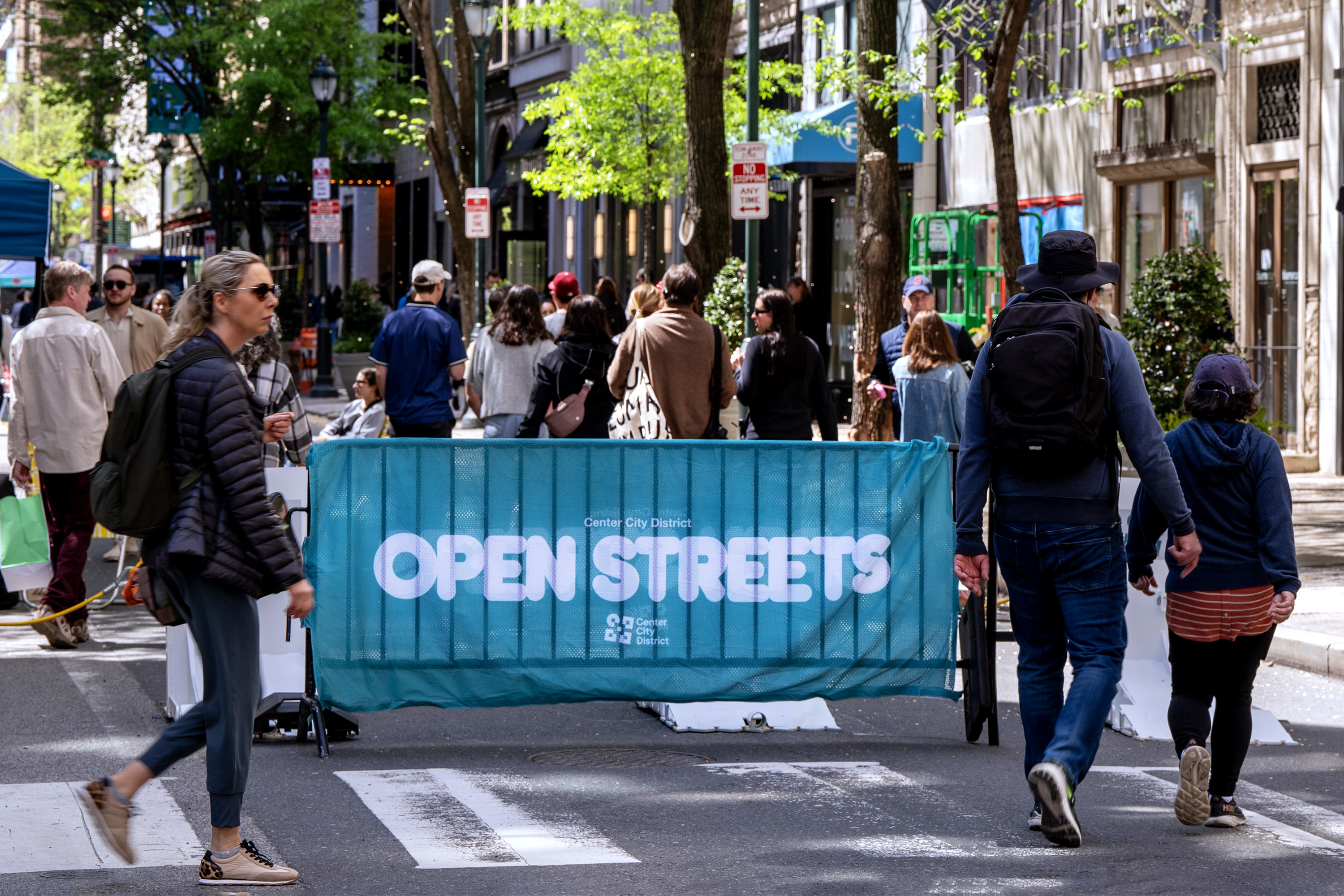
    Between Sept. 13 and Oct. 25, the street closure program shuts down car access to eight blocks in the Rittenhouse Square area on Sundays to let pedestrians enjoy more of the urban space.

    Open Streets runs along Walnut Street from Broad to 19th Streets, and on 18th Street between Locust and Chestnut Streets.

    From 10 a.m. to 5 p.m., Philadelphians will be able to walk in the car lanes, and have access to sidewalk retail and outdoor dining — featuring local vendors with special promotions or exclusive experiences, according to the Center City District.

    Every Sunday brings different activities, including double Dutch lessons, live music, mini golf, and broadcast of Eagles games at the Fulton Fun Zone at 18th and Chestnut Streets.

    Two things the event won’t have are restrooms and rain dates, so plan accordingly.

    Most activities are wheelchair accessible. However, bikes, e-bikes, scooters, skateboards, and similar devices can be in the area only if they are walked through the street.

    Sponsored by Fulton Bank, the program has been in place since 2024, bringing more than 10,500 visitors each Sunday, according to the Center City District.

    Fifteenth, 16th, 17th, and 19th Streets will remain open to cars, as will the 1700 and 1800 blocks of Sansom Street.

    Road closures and parking restrictions begin Sunday at 7 a.m. and go on until 6 p.m.

    Planning on taking SEPTA? From 6:30 a.m. to 6 p.m., detours will be in place for Routes 9, 12, 21, and 42. Check the bus system status at septa.org.

  • These famous Philadelphia-adjacent folks are hosting Saturday Night Live this season

    These famous Philadelphia-adjacent folks are hosting Saturday Night Live this season

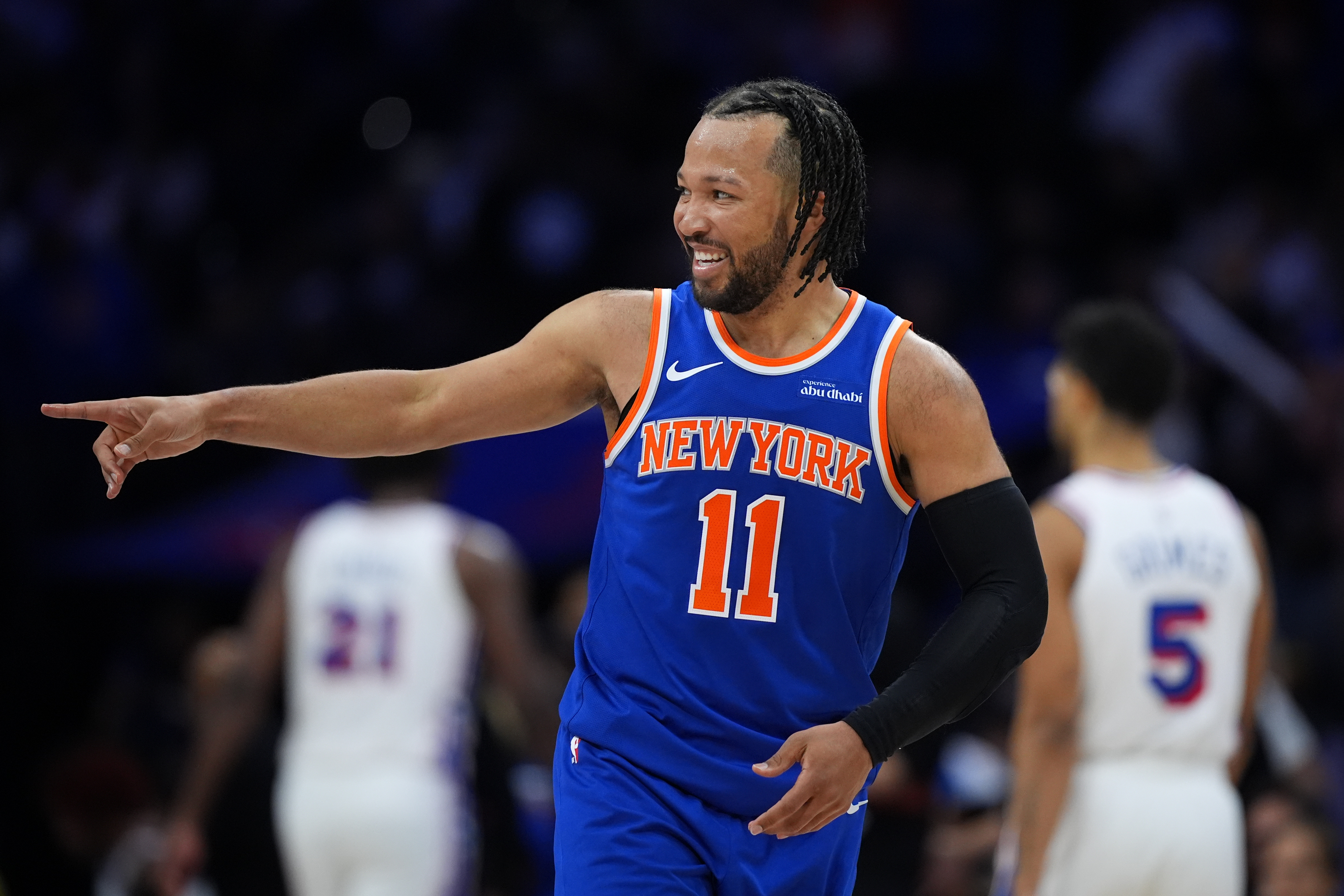
    If Jalen Brunson, who just won the NBA championship for the New York Knicks, and Shane Gillis, who broke two Guinness World Records for a one-night-only comedy show at Lincoln Financial Field, weren’t already having a good year — they’re now gracing the stage of Saturday Night Live’s 52nd season.

    Brunson, who is known to many locals as the Villanova superstar who brought home two NCAA national championships to the Philadelphia-adjacent school, will host the season premiere on Sept. 26 with girl pop group Katseye as musical guest.

    Gillis, a comedian from Mechanicsburg, Pa., who got his start in Philadelphia, will host episode three on Oct. 10 alongside Spanish singer-songwriter Rosalía. Gillis cocreated the West Chester-filmed Netflix series Tires, and was at one point hired and fired from SNL.

    SNL is charging forward after more than a half century in the American cultural zeitgeist, bringing celebs into 30 Rockefeller to flub, break, and laugh through the jokes.

    Pennsylvania showed up in a big way last season, too, with Quakertown’s Sabrina Carpenter, Downingtown’s Miles Teller, and West Philadelphia’s Colman Domingo (the latter of whom was honored by Mayor Cherelle L. Parker on July 4).

    Joining the first slate of episodes, announced on Wednesday, are actress Dakota Johnson with Baltimore rockers Turnstile on Oct. 3. Inde Navarrette, a breakout star from indie horror film Obsession, will host on Halloween, with Gracie Abrams as musical guest.

    SNL’s 52nd season will premiere Sept. 26 at 11:30 p.m. Philadelphia time on NBC. Stream episodes the day after they air on Peacock.

  • State prosecutors say DA Larry Krasner’s office should be kicked off a contentious federal court case. Krasner disagrees.

    State prosecutors say DA Larry Krasner’s office should be kicked off a contentious federal court case. Krasner disagrees.

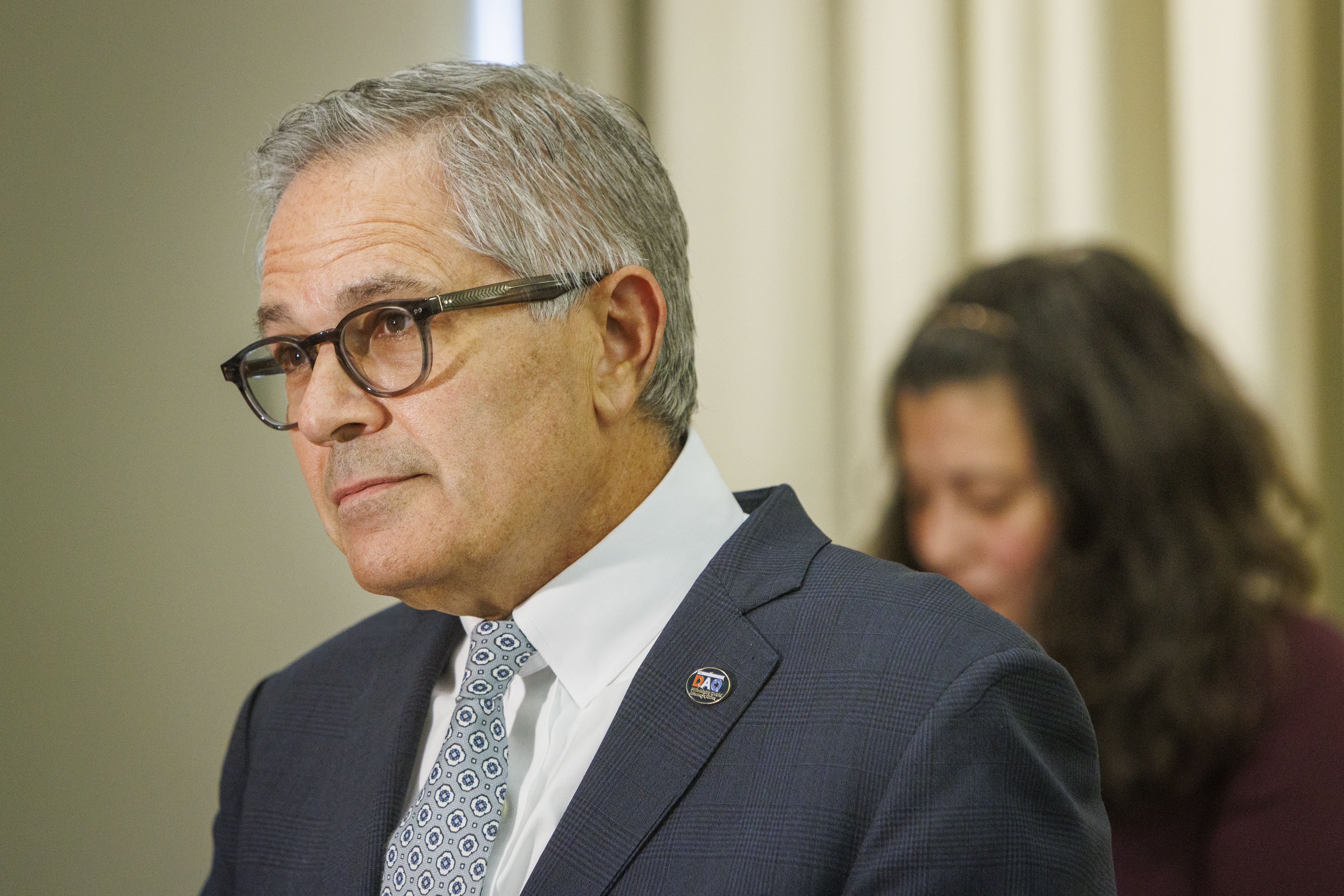
    The Pennsylvania Attorney General’s Office said in court documents Tuesday that District Attorney Larry Krasner should be barred from continuing to oversee a controversial post-conviction case in federal court — and that his office should be kicked off the case as well.

    In a brief filed with U.S. District Judge Paul S. Diamond, state prosecutors said Krasner’s office should not be allowed to continue to weigh in on whether a man’s murder conviction should be overturned. In recent months, prosecutors wrote, inner-office drama about the case has consumed Krasner’s office, and “the DA placed his personal interest in protecting the office above the Commonwealth’s interest.”

    But Krasner’s office countered in its own filings Tuesday that that was not true.

    Without denying that the case had caused contentious internal disagreements between Krasner and his staff, Assistant District Attorney Thomas Gaeta wrote that Krasner had handled the matter in legally appropriate ways, and that his office should be allowed to continue overseeing it.

    And even though some of Krasner’s own staffers have accused him of questionable conduct in the case — including by saying he told them to “protect the office” and that they could face “consequences” if they didn’t — Gaeta wrote Tuesday that Krasner had taken pains to ensure the case was handled “with competence and integrity.”

    “DA Krasner has taken no action inconsistent with his obligation to fairly represent the Commonwealth on behalf of the people of Philadelphia, despite the intemperate comments witnesses claimed he made,” the document said.

    The dueling filings came a week after the end of testimony in a multiday hearing in front of Diamond, during which the judge sought to learn more about how various attorneys connected to the case have behaved while it has been moving through federal court.

    The underlying case began as a routine post-conviction matter, as Dennis Johnson — found guilty of second-degree murder in 2009 — sought to have his conviction overturned.

    But in recent months, the case has led to a series of explosive revelations about the inner workings of the district attorney’s office. Many of the accusations have come from four prosecutors who said they advised Krasner to refer the case to the attorney general’s office, which, in their telling, led Krasner to respond angrily, or by suggesting tactics they thought were legally inappropriate.

    Those tactics, they said, included keeping the case in-house, potentially seeking to assign blame to a line prosecutor while protecting her supervisor, and taking steps to “protect the office” in court.

    Diamond, at one point during the proceedings, suggested he viewed the allegations as potentially criminal, saying if they were true, they could amount to perjury, conspiracy, or obstruction of justice. He did not specify who he believed might be at fault.

    The attorney general’s office wrote Tuesday that the testimony from Krasner’s staff in the case demonstrated that he had acted in ways that were self-motivated or otherwise disconnected from the merits of the underlying petition — a situation that, in court cases, is considered a conflict of interest.

    And that conflict, wrote the state prosecutors — Susan E. Affronti and John J. Boscia — would inevitably extend to anyone working for Krasner, particularly after his threat of “consequences” for those who did not follow his orders.

    “At that point, any attorneys working under DA Krasner would themselves be subject to the conflict, knowing that they were required, on the one hand, to do what the boss wanted, and, on the other hand, to do what professional ethics required,” they wrote.

    Krasner, in his office’s filing, said that was not so.

    Although the filing acknowledged that Krasner “plainly did not appreciate [his staffers’] repeated, unsolicited, and wavering advice” to refer the case to state prosecutors, he said their recommendation was “inexpert and legally unsupported.” And he said he had consulted with legal experts who agreed with him, including one whose written opinion his office attached to Tuesday’s brief.

    He also reiterated that he had hired an outside attorney to handle the case on his office’s behalf: Jean Peters-Baker, a longtime prosecutor from Missouri who previously led the prosecutor’s office in the county that includes Kansas City.

    In addition, Krasner’s filing said, “as the elected chief prosecutor, the decision on whether or not to refer the case was entrusted to him. It was not a decision for his employees to make, or attempt to force him into making, via unauthorized and legally inappropriate public pleadings.”

    His office’s brief did not deny another notable allegation from his staff: that when they suggested he refer the matter to the attorney general’s office, he described that office’s lawyers as “Nazis.”

    While the filing did not address the use of that particular term, it did say Krasner had “general mistrust” of many people working in that office “based upon decades of observing their work” in the legal system — including, in his view, people who sought to secure or defend wrongful convictions. Some lawyers who now work in that office were fired by Krasner just days after he took office in 2018.

    “DA Krasner’s view (i.e. that illegally and willfully acting to convict and incarcerate an innocent person for decades is akin to kidnapping, torture, or other war crimes) is well known,” the filing says. “But any animus he may have towards individual employees of that office based upon their own actions and inactions has nothing to do with whether he correctly declined to refer a case.”

    The attorney general’s office, in its filing, said Krasner’s refusal to send the case to an office he disliked was another demonstration of how his judgment in the matter had been flawed.

    “His actions, and his words, thus demonstrate that he acted on the basis of personal animus, not the interests of the Commonwealth,” the filing said.

    Johnson’s attorneys, meanwhile, also filed a brief Tuesday in which they took no position on who should serve as the prosecutor in his ongoing case. Their only request was that Diamond appoint only one agency to handle it moving forward, rather than forcing him to litigate his petition against prosecutors from both the city and the state.

    The decision on whether to allow Krasner’s office to continue handling the case will now fall to Diamond. The judge has not indicated how quickly he might rule.

  • Stanley M. Schwarz, community-minded trial lawyer and former assistant district attorney, has died at 95

    Stanley M. Schwarz, community-minded trial lawyer and former assistant district attorney, has died at 95

    Stanley M. Schwarz, 95, of Philadelphia, community-minded trial lawyer and founder of what is now the Schwarz & Schwarz law firm, former Philadelphia assistant district attorney, Army veteran, mentor, and golfer, died Friday, July 17, of heart failure at his home in Society Hill.

    Public-spirited throughout his life and adept at litigation regarding workplace accidents, medical negligence, reckless driving, careless manufacturers, and other personal injury issues, Mr. Schwarz founded what is now Schwarz & Schwarz PC in 1967. He represented all kinds of clients in all kinds of cases and appeared before the Pennsylvania Supreme, Superior, and Commonwealth Courts more than 20 times.

    He was featured in the Daily News in 1968 when, at no charge to his client, he won $150 from the city for a Philadelphia hairdresser whose car was mistakenly towed. “I was disturbed by her experience” with city officials, he told the Daily News.

    “To many,” his family said in a tribute, “he was more than an attorney. He was a source of guidance and hope.”

    Mr. Schwarz doted on his children.Courtesy of the family

    Mr. Schwarz lived for decades in Society Hill Towers at Second and Locust Streets near the Delaware River and represented its owners association in 1997 as it contested high-rise development along the nearby waterfront. “They’re trying to take away this little Garden of Eden,” he told the Daily News.

    He joined the district attorney’s office in 1960, worked as an assistant district attorney in the major trials unit, and handled hundreds of cases involving murder, assault, robbery, burglary, arson, and other crimes. In one notable case in 1966, he noticed that the photo of a man in the Daily News looked like the at-large suspect in a recent robbery. Detectives tracked the man down and made an arrest.

    He also served as a temporary judge and arbitrator for local, state, and federal courts. He belonged to several legal associations, won awards for his legal and community service, and was an honorary member of the Knights of Columbus.

    He joined the Army after high school, rose to first lieutenant, and served as an intelligence cryptographer during the Korean War. He was admitted to the Temple University School of Law after just a year in college, became editor-in-chief of its law review, and graduated in 1958.

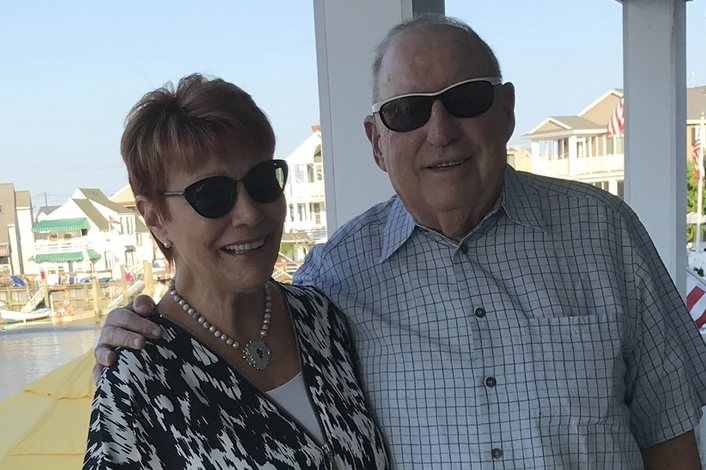
    Mr. Schwarz and his wife, Kathy, married in 1991.Courtesy of the family

    He served two years as a law clerk in the Philadelphia Court of Common Pleas and then as assistant to three district attorneys over six years. “He mentored generations of young lawyers and quietly helped countless people through difficult times,” his family said.

    Born in Philadelphia during the Great Depression, Mr. Schwarz and his family moved often when he was a boy. He lived in New York when he was young and worked part-time as a stock boy and janitor when he was 10 to help pay the bills.

    He attended two dozen schools before moving to Philadelphia in middle school and graduated from Germantown High School in 1948. His family praised “the work ethic and compassion that guided him throughout his life.”

    They said: “Stan’s life was shaped by perseverance, resilience, and a deep commitment to helping others.”

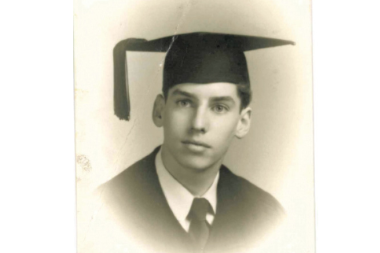
    Mr. Schwarz graduated from Germantown High School in 1948.Courtesy of the family

    Stanley Morris Schwarz was born Jan. 22, 1931. He worked as a mail clerk and accountant after high school and joined the Army when he was 20.

    He married Lee Rosen in 1955, and they had a son, Daniel, and a daughter, Stacy. After a divorce, he married Kathy Campbell in 1991, and they danced and traveled the world together for years. He was especially good at the jitterbug.

    Mr. Schwarz played golf and socialized for more than 50 years at the Bensalem Township Country Club. He was a longtime member of the Society Hill Club. He took his family to boat shows and on memorable vacations to Ocean City, Puerto Rico, the Pocono Mountains, Disney World, and elsewhere.

    He self-published a breezy memoir called The Roller Coaster Life of Flappy in 2022 when he was 91, and said: “As a father, it gave me the greatest pleasure in playing with the kids, whether in our backyard, in the community pool, or in the nearby parks.”

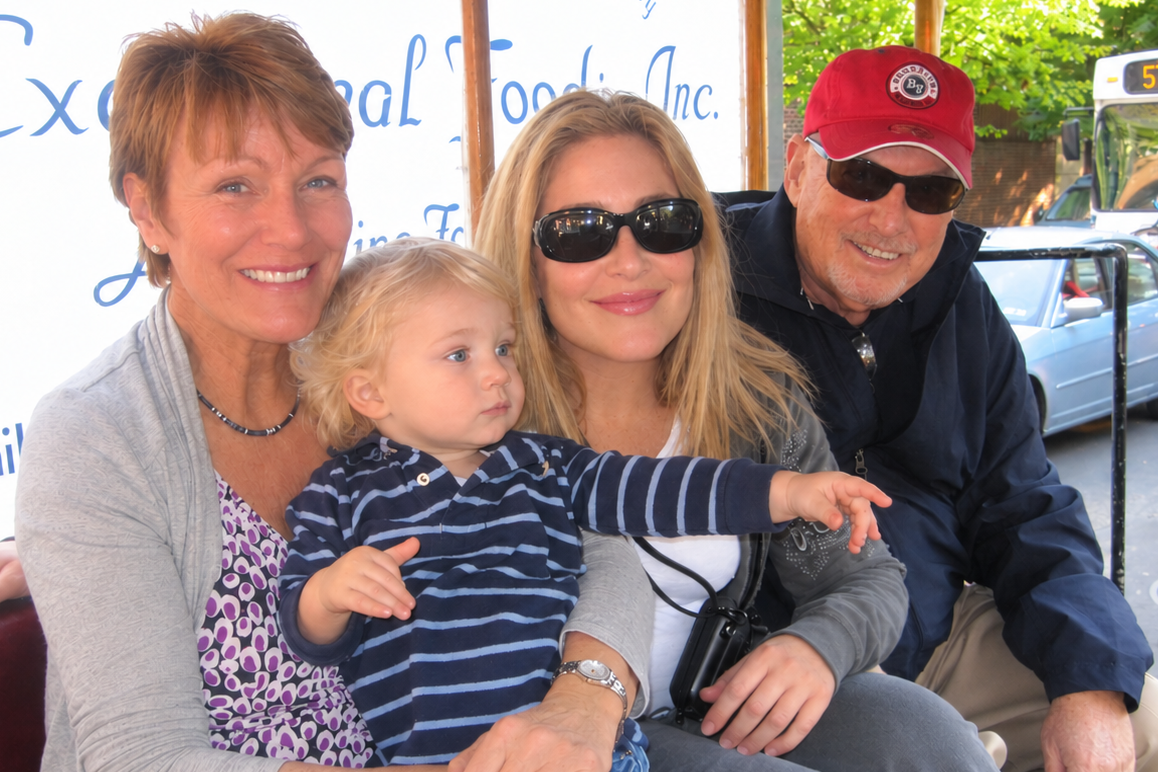
    Mr. Schwarz enjoyed time with his family.Courtesy of the family

    Mr. Schwarz was fun and funny, his daughter said. He taught himself to play piano and saxophone, and they performed duets.

    He was an engaging storyteller. He made personal scrapbooks for his children. Friends called him “amazing” and “incredible” on Instagram.

    His family said: “He made people feel valued and left them better than he found them.” His daughter said: “He was down to earth and playful. He was great with kids. He loved everybody’s children, and the children loved him.”

    In addition to his wife and children, Mr. Schwarz is survived by four grandchildren, a sister, and other relatives. A sister and a brother died earlier.

    Services were held earlier.

    Donations in his name may be made to Congregation Beth El, 8000 Main St., Voorhees, N.J. 08043.

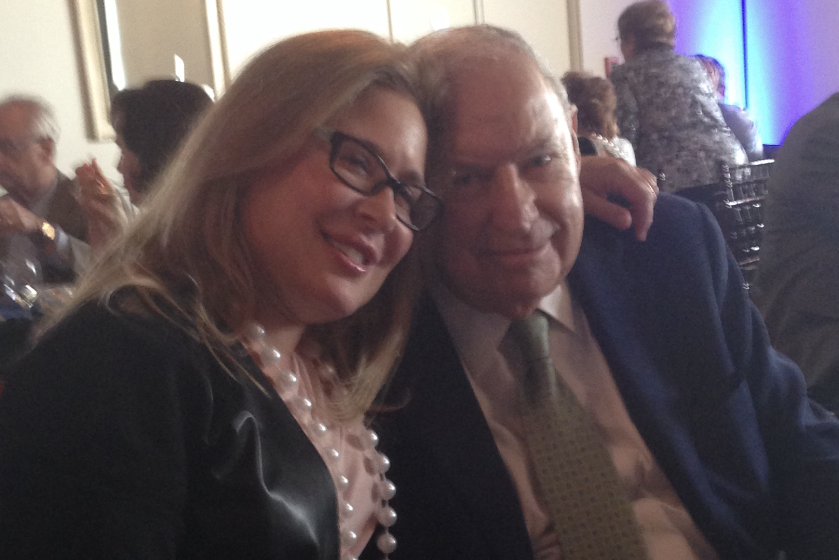
    Mr. Schwarz was close with his daughter, Stacy, above, and his son, Daniel, below. Courtesy of the family