Category: Pennsylvania News

  • Kathy M. Winter, lifelong artist, teacher, and former parish council president, has died at 91

    Kathy M. Winter, lifelong artist, teacher, and former parish council president, has died at 91

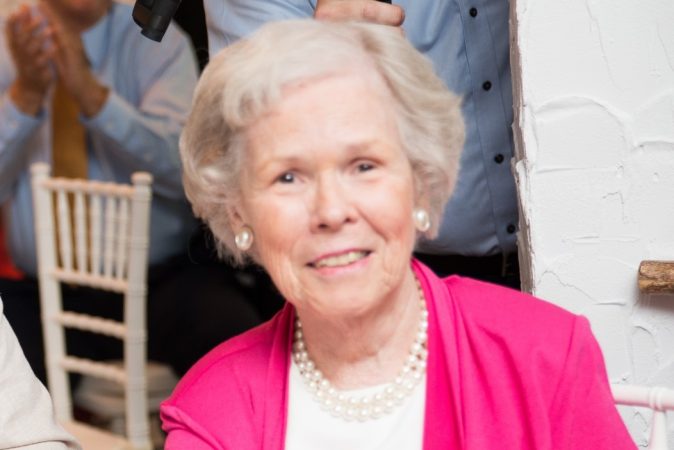
    Kathy M. Winter, 91, formerly of Philadelphia, lifelong artist, art and grade school teacher, author, and former council president at Our Mother of Consolation Parish in Chestnut Hill, died Tuesday, June 9, of complications from pneumonia at Forbes Hospital in Monroeville, Pa.

    Born in Philadelphia, Mrs. Winter studied art at the Pennsylvania Academy of the Fine Arts and earned a bachelor’s degree in fine arts at the University of Pennsylvania. She specialized in portraits, still life, and landscapes, and worked mostly in watercolors, pastels, oils, and acrylics.

    She painted portraits of celebrated naval chaplain John F. Laboon and Chinatown icon T.T. Chang, and contributed to a collection called “Lost Dreams on Canvas” that featured portraits of innocent victims of violent crime in Philadelphia. “You get into a portrait like that,” Mrs. Winter told the Chestnut Hill Local in 2012, “and you’re into the person.”

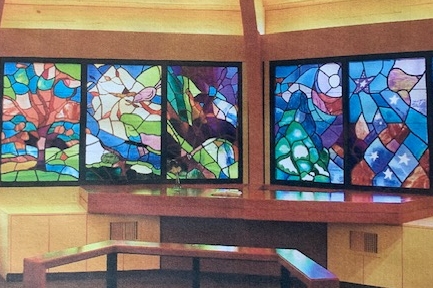
    She painted the statue of St. Gianna Beretta Molla for the Shrine of the Nativity of Our Lord in Warminster, and her painting of a restored statue of St. Gabriel for a church in New Orleans was featured in The Inquirer in 2007. She also designed stained glass windows for St. Bede the Venerable Church in Holland, Bucks County, and the chapel at Shore Memorial Hospital in Somers Point, N.J.
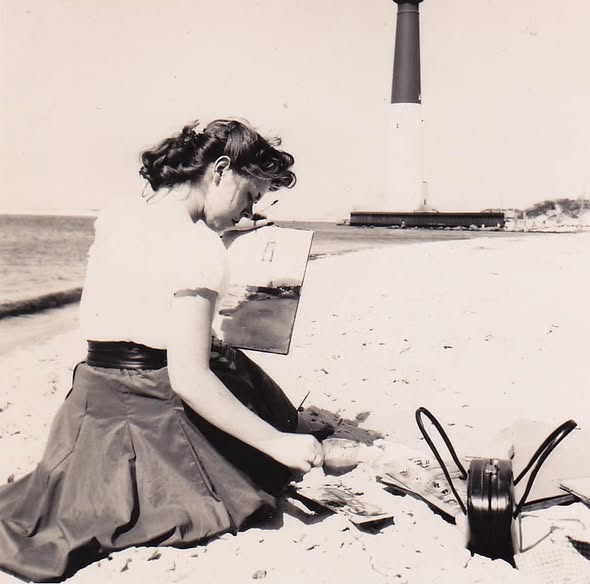
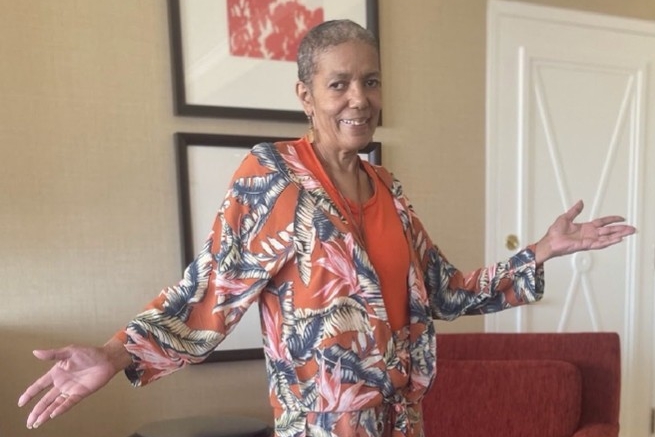
    “The best thing,” Mrs. Winter told the Chestnut Hill Local in 2012, “is that you don’t have to retire from making art.” Courtesy of the family

    Mrs. Winter studied Chinese brush painting with artist Phoebe Shih in Flourtown and showed her work at the Woodmere Art Gallery, the Conshohocken Art League, Daylesford Abbey, the Lutheran Theological Seminary, the Knickerbocker Exhibition in New York, and elsewhere. She also taught art classes at the Abington and Main Line Art Centers, the Conshohocken Art League, Our Mother of Consolation School, and elsewhere.

    “The best thing,” she told the Local in 2012, “is that you don’t have to retire from making art.”

    She met her husband, sculptor Joseph Winter, at the Pennsylvania Academy of the Fine Arts in 1953, and they opened Winter Art Studio in their Chestnut Hill home in 1983. For several commissions, he created the sculpture, and she painted it.

    “Since Joe was a sculptor and I’m a painter, we complemented each other very well,” Mrs. Winter told the Chestnut Hill Local in 2021. “If we had both been painters or both been sculptors, it would not have worked out so well. There would have been too much competition.”


    Mrs. Winter painted fruit and flowers.Courtesy of the family

    In 2021, she self-published a 48-page children’s book called How the Bears Got to the Park. It features illustrations by her husband, and the plot she wrote is based on his award-winning 1966 sculpture Family of Bears that is displayed at Three Bears Park at Third and Delancey Streets in Society Hill.

    Mrs. Winter was a longtime member and onetime council president at Our Mother of Consolation Parish. She and her husband moved to Chestnut Hill from Southwest Philadelphia in 1962 so their children could attend the parish school, and she taught all subjects to third and fourth graders for a few years.

    Parish members scheduled Mass intentions to honor her on June 28, July 5, and July 10. “She was very determined,” her daughter Genienne Navarro said. “She never let anything stand in her way and would move mountains to get something done.”

    Kathleen Marie McKenna was born April 21, 1935. Her family moved to Virginia when she was young and returned to Philadelphia a few years later, and she graduated from West Philadelphia Catholic High School for Girls.
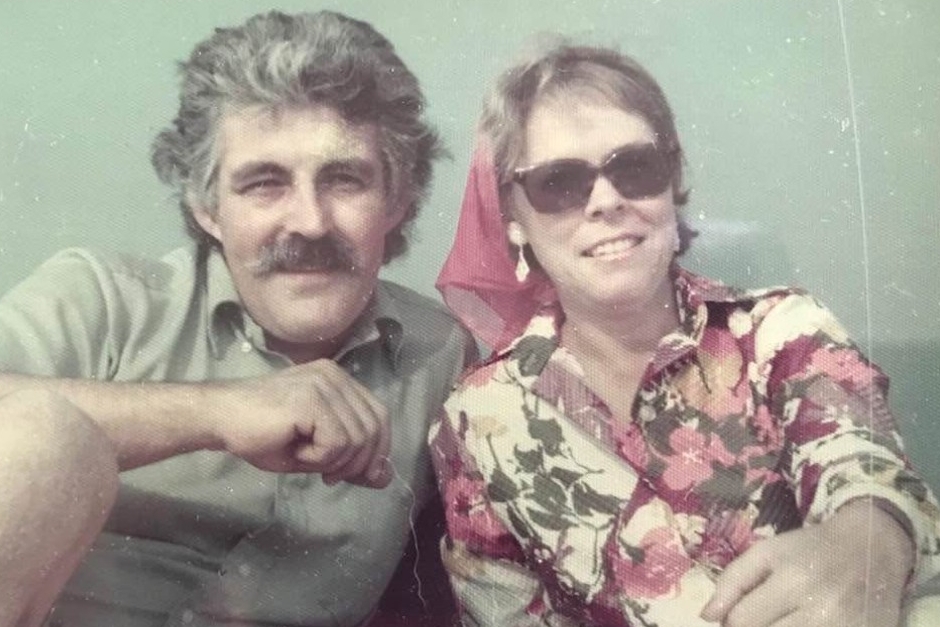
    Mrs. Winter and her husband, Joe, married in 1956. Courtesy of the family

    A perceptive nun recognized her artistic skills in high school and arranged for an admission interview with officials at the Pennsylvania Academy of the Fine Arts. She received a full scholarship, met her husband there, and they married in 1956 and had daughters Kathy and Genienne and a son, Joseph.

    Her husband died in 2020, and she moved to the Pittsburgh area a few years ago to be close to family. Mrs. Winter kept in touch with former classmates at the Pennsylvania Academy of the Fine Arts for years and took additional art classes later at Temple University and Chestnut Hill College.

    She played piano, doted on her family, and survived cancer in the 1970s. A longtime friend called her a “true, loving, nourishing, protective, guiding, steadfast Blessed Mother to me.”

    Her family said in a tribute: “She will be remembered for her friendship, spiritual support, listening ear, humor, deep caring, generosity, and undaunted optimism.”
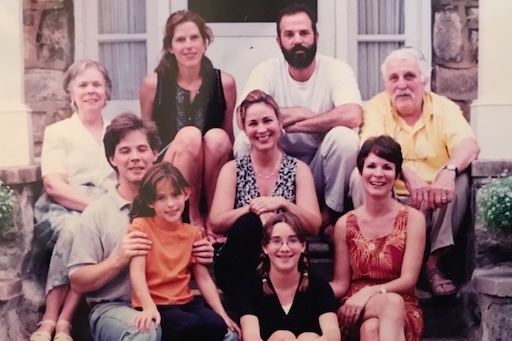
    Mrs. Winter (rear left) enjoyed time with her family.Courtesy of the family

    Her daughter Genienne said: “Her favorite saying was, ‘Nothing is impossible with God.’”

    In addition to her children, Mrs. Winter is survived by six grandchildren, three great-grandchildren, and other relatives. A sister died earlier.

    A memorial service is to be at 11 a.m. Saturday, Sept. 19, at Our Mother of Consolation Church, 9 E. Chestnut Hill Ave., Philadelphia, Pa. 19118.

    Donations in her name may be made to Our Mother of Consolation Church and School, 9 E. Chestnut Hill Ave., Philadelphia, Pa. 19118.
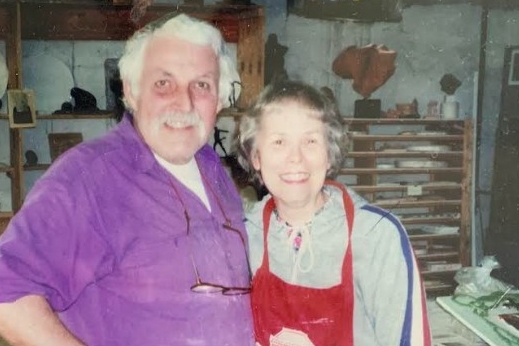
    Mrs. Winter and her husband, Joe, pose in their Chestnut Hill home studio. Courtesy of the family
    Mrs. Winter was an expert in designing stained glass. Courtesy of the family
  • Why the Exton Square Mall pushback is an ‘anomaly’ | Inquirer Chester County

    Hi, Chester County! 👋

    As the battle over Exton Square Mall’s future wages on, we speak with the lawyer fighting for its redevelopment. Also this week, a township and its historical commission are at odds over the future of the Darlington Inn, U.S. Rep. Chrissy Houlahan brings personal experience to her affordability legislation, plus, more measles cases have been identified in the county.

    If someone forwarded you this email, sign up for free here.

    Meet the real estate lawyer fighting to convert Exton Square Mall

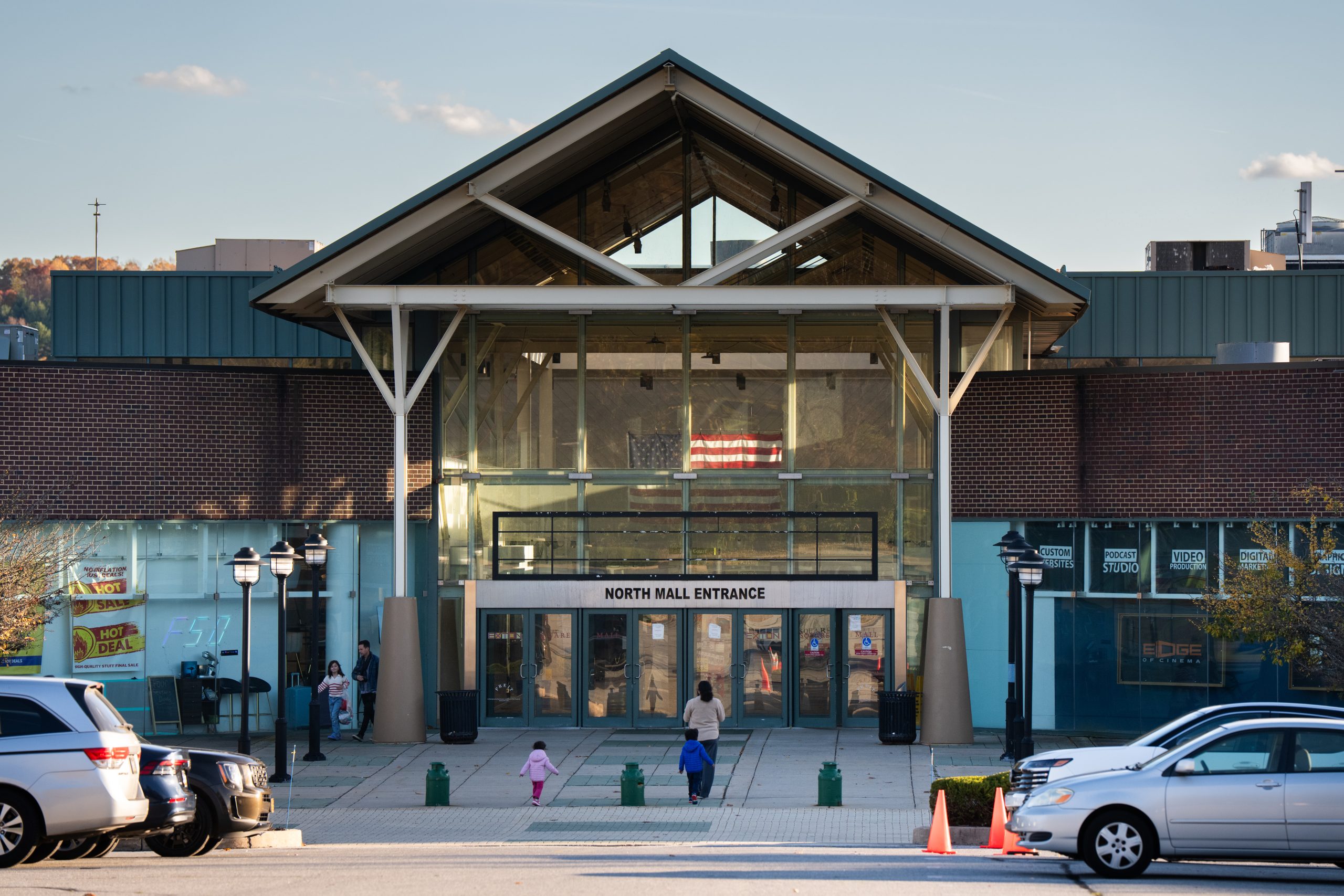
    Developers want to convert the defunct Exton Square Mall into a mixed-use town center. Jessica Griffin / Staff Photographer

    Real estate lawyer Marc Kaplin is feeling “pretty optimistic” about the future of Exton Square Mall, which shuttered at the end of June.

    He’s currently representing the developers looking to transform the largely defunct space into a mixed-used town center, waging a legal battle to get the project going.

    Unlike other similar redevelopments in the region, this one has received pushback, including West Whiteland supervisors’ denial, something he sees as an anomaly given the tax drain vacant sites like this can have.

    The Inquirer’s Brooke Schultz spoke with Kaplin for a Q&A on how his work has shaped major developments in the region.

    📍 Countywide News

    💡 Community News

    • In case you missed it, Westtown Township’s supervisors are looking to remove members of the historical commission as the two groups butt heads over the future of the Darlington Inn. The Inquirer’s Brooke Schultz has the details.
    • Kevin Krebs, the Malvern man who brought guns to a West Chester No Kings protest last year, and was later discovered to have homemade pipe bombs at his house, has been sentenced to over three years in prison.
    • More potential amendments to a proposed 1.5 million-square-foot data center struck a nerve with some East Whiteland Township residents when the developer presented them last week. Here’s what to know.
    • Family members are mourning Sean O’Connor, the 29-year-old who died during storms that swept through the region when he was at Downingtown’s Marsh Creek State Park on July 4. He was “the sweetest man you could ever meet,” his wife, Lucy Troutman, recalled, while O’Connor’s father remembered his kindness and willingness to go out of the way to help others.
    • Students at West Chester University will see tuition go up 4.3% after a Pennsylvania State System of Higher Education board of governors vote last week.
    • Peco has purchased the former Vanguard-leased building at 100 Chesterfield Parkway in Malvern, expanding its real estate footprint in the region.
    • Fans of Berwyn native Brad Ingelsby’s hit HBO shows Task (which just got six Emmy nods) and Mare of Easttown will finally see their two worlds collide in a crossover. Here’s what we know.
    • Downingtown’s borough manager, Jeffrey A. Smith, recently stepped down, but will continue to consult on borough matters. He’s being replaced on an interim basis by Corinne Badman.
    • The Nest, a new holistic health community and retreat space, has opened in Lincoln University.

    🏫 Schools Briefing

    🍽️ On our Plate

    • A mother-and-son-owned juice joint is opening in Kennett Square. Located at 148 W. State St., Lupita’s Juice Bar will host a grand opening on Sunday. It will serve fresh-squeezed and blended juices, as well as smoothies, yogurt parfaits, overnight oats, and salads.
    • A new ice cream shop soft launched over the weekend at 503 E. Gay St. in West Chester. Urban Scoop serves up an array of flavors in cups and bubble waffle cones.

    🎳 Things to Do

    🎵 Chill on the Hill: This month’s edition of the East Whiteland concert series features bluegrass artist East Nash Grass, as well as Americana singer/songwriter Jack Blocker. ⏰ Wednesday, July 15, 6:30-8:30 p.m. 💵 Free 📍 Valley Creek Park, Malvern

    🎹 Tredyffrin Township Summer Concert Series: Rick’s Office Band, which plays cover tunes, headlines this week’s show. ⏰ Thursday, July 16, 7 p.m. 💵 Free 📍 Wilson Farm Park, Wayne

    🇺🇸 Charles Towne Market: Charlestown Township is celebrating the nation’s 250th anniversary with a history-inspired market, complete with period dress, quill writing, and a flag dedication. There will also be food trucks and vendors. ⏰ Saturday, July 18, 10 a.m.-4 p.m. 💵 Pay as you go 📍 Brightside Farm, Malvern

    🍦 Ice Cream Social: This family-friendly event includes ice cream, crafts, a photo booth, face painting and more. ⏰ Sunday, July 19, 2-5 p.m. 💵 Free 📍 Springton Manor Farm, Glenmoore

    🎡 Kimberton Community Fair: Now in its 97th year, the fair features carnival rides, livestock shows, a beer garden, and more throughout the six-day event. ⏰ Monday, July 20-Sunday, July 25, times vary 💵 Pay as you go 📍 Kimberton Fair Grounds, Phoenixville

    🏡 On the Market

    A four-bedroom Downingtown home with a sun room

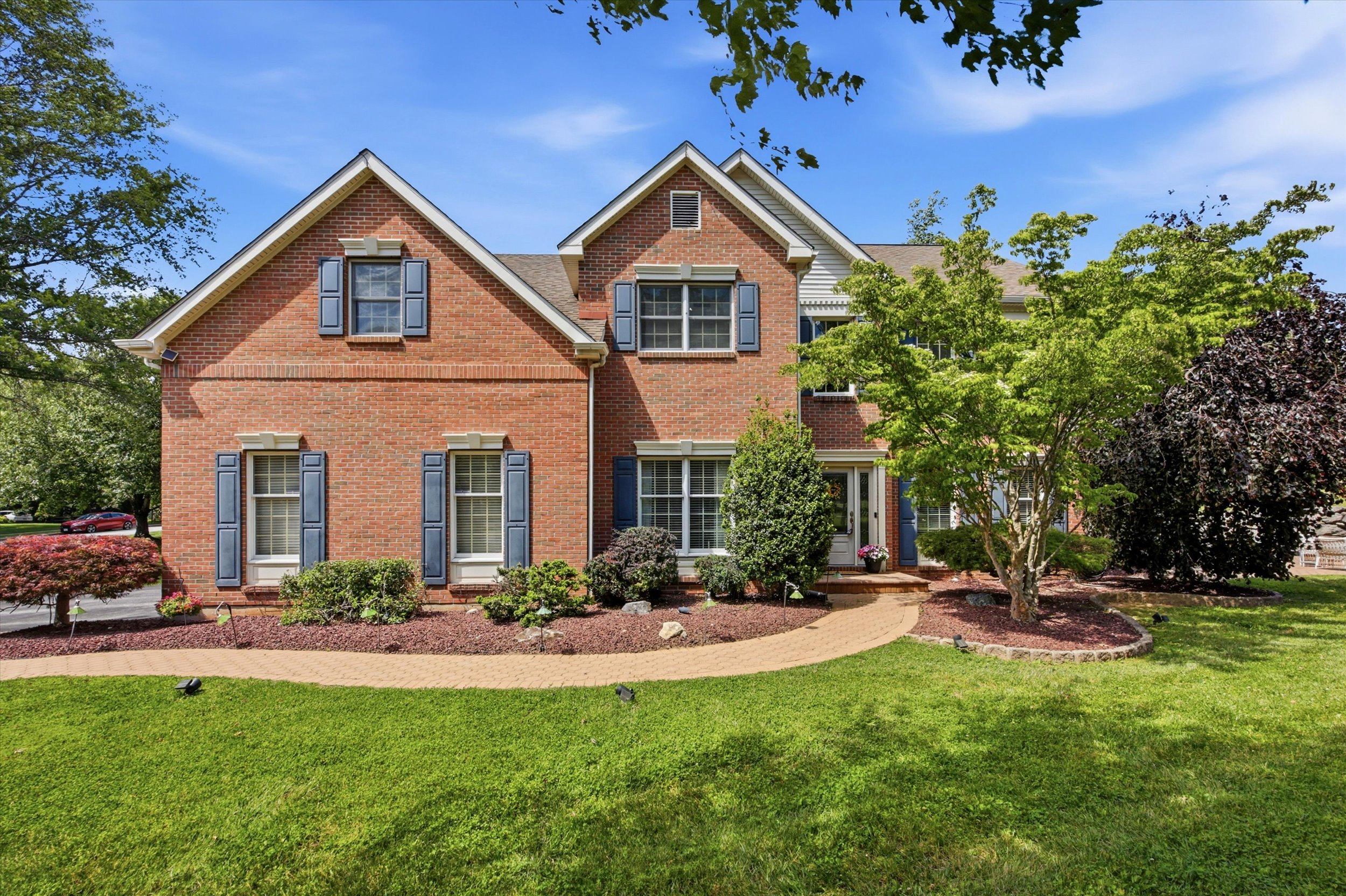
    The home has a brick front and sits on a corner lot.Alcove Media | Courtesy of Cory McDonald/Holloway Real Estate Group

    With easy access to the Uwchlan and Struble Trails, this four-bedroom Downingtown home blends the indoors and outdoors. That’s evident in a sun room addition that opens onto a patio and the backyard. Other features include a kitchen with granite countertops and an island, an office, dining and living rooms, and a family room with vaulted ceilings, a skylight, and a fireplace. The primary suite also has its own sitting area and a double vanity. There are open houses Friday from 4 to 6 p.m. and Sunday from 11 a.m. to 1 p.m.

    See more photos of the home here.

    Price: $850,000 | Size: 3,031 SF | Acreage: 0.8

    🗞️ What other Chester County residents are reading this week:

    By submitting your written, visual, and/or audio contributions, you agree to The Inquirer’s Terms of Use, including the grant of rights in Section 10.

    This suburban content is produced with support from the Leslie Miller and Richard Worley Foundation and The Lenfest Institute for Journalism. Editorial content is created independently of the project donors. Gifts to support The Inquirer’s high-impact journalism can be made at inquirer.com/donate. A list of Lenfest Institute donors can be found at lenfestinstitute.org/supporters.

  • Real estate ‘pit bull’ Marc Kaplin says Exton Square Mall pushback is an ‘anomaly’

    Real estate ‘pit bull’ Marc Kaplin says Exton Square Mall pushback is an ‘anomaly’

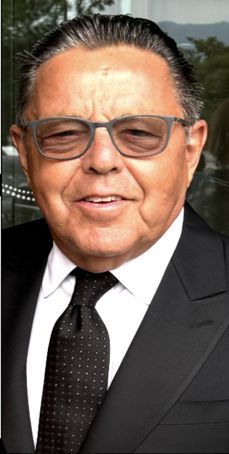
    Marc Kaplin takes “pit bull” as a compliment when it’s used to describe him. The longtime real estate lawyer who has championed property rights for developers in the region takes it to mean “aggressive, prepared, knowledgeable.”

    He’s using that tenacity right now in court, battling over whether his client’s plan to redevelop the recently shuttered Exton Square Mall into a mixed-use town center can go forward despite the town supervisors’ denial.

    For decades, Kaplin, 82, has been behind dozens of regional development projects, with clientele spanning the Delaware Valley, into the Lehigh Valley, the Poconos, Delaware, and New Jersey.

    Kaplin’s interest in real estate law kicked into high gear when his family moved to Blue Bell in 1978, near Wings Airways. It was still “a prairie” with little development, he recalls. The airway owners wanted to expand the runway, challenging the township’s ordinance. He was hired by a group of neighbors to oppose it.

    Marc Kaplin, a real estate powerhouse, talked to The Inquirer about the Exton mall redevelopment project and more.Courtesy of Marc Kaplin

    That led to his role as township solicitor for Whitpain Township in Montgomery County in the early 1980s. Eventually, he moved into development: First working for his landlord, Bud Hansen of Hansen Properties, which became one of the biggest developers in Montgomery and Chester Counties.

    When Toll Brothers started, Kaplin was there. He’s represented the home construction company for more than 40 years. Other clients, like retail developers Wolfson Group, have also spent decades alongside Kaplin.

    With the closure of the Exton mall, and his client’s proposed redevelopment plan still in the courts, Kaplin spoke with The Inquirer about the downfall of the indoor mall, the challenges of building more affordable housing, and the rise in AI data center development.

    This conversation has been edited for clarity and brevity.

    You’ve worked in the city and the suburbs. Where is it easier to get projects done?

    They’re both extremely difficult and getting more and more difficult for different reasons.

    Philadelphia, if you don’t have a by-right project, you’ve got to go to the neighborhoods, the RCOs [registered community organizations]. You got to spend a lot of time, and it’s more political and satisfying people, than it is complying with every small [thing].

    Not only do you have to make sure that all the I’s are dotted and T’s are crossed in the suburbs, you got to know what to look for.

    There’s often community pushback in development projects. What are you hearing now when communities oppose a project?

    Just seems like everybody is against almost everything for a variety of reasons. Everybody complains about traffic. That’s the biggest thing. It’s ‘We’re here, we live here, we don’t need any more stores. We don’t need any more of this or that.’ But a lot of times you get a mixed bag.

    Now the Exton mall, we got very good reception to the Exton mall. It’s only a small group of people who are against the redevelopment of the Exton mall.

    Does the pushback to Exton Square Mall feel representative of larger trends in the region?

    It’s an anomaly for a project like that. When you look at the malls that are in really bad shape, townships are reaching out and want them redeveloped. Montgomery Mall. Plymouth Meeting Mall. Some over in New Jersey. I’m working on the Berkshire Mall up in the Reading/Wyomissing area, and we’re getting tremendous cooperation.

    These malls are 1,500-pound gorillas. They killed tax base, millions and millions of dollars that were coming in before. … I can’t give you a logical reason why two supervisors in West Whiteland are putting up this fight. I’m waiting for a judge to make a decision.

    We’re pretty optimistic that we’ll be able to go ahead, but it ain’t over until it’s over.

    You’ve been quoted as saying ‘indoor malls don’t work,’ but we are seeing some success in King of Prussia and Cherry Hill. What do you think sets them apart from places like Exton mall?

    They are the super regional malls, and they do work, and Simon controls many, many of them. They work, but the Plymouth Meeting Mall doesn’t work, the Exton mall doesn’t work, the Willow Grove mall doesn’t work, and many, many more.

    There’s a whole long history of why that’s so. There were, in the ’60s and ’70s, department stores we no longer have: Wanamakers, Strawbridge’s, Snellenburg’s, and on and on. … And then you had J.C. Penney and Sears, and it was much easier way back then to get three large anchors. Then the Kmarts came along, and the Walmarts, the big boxes that didn’t have all of the infrastructure. The common operating expenses are much less, because you have all interior halls — heating, air-conditioning, and all that.

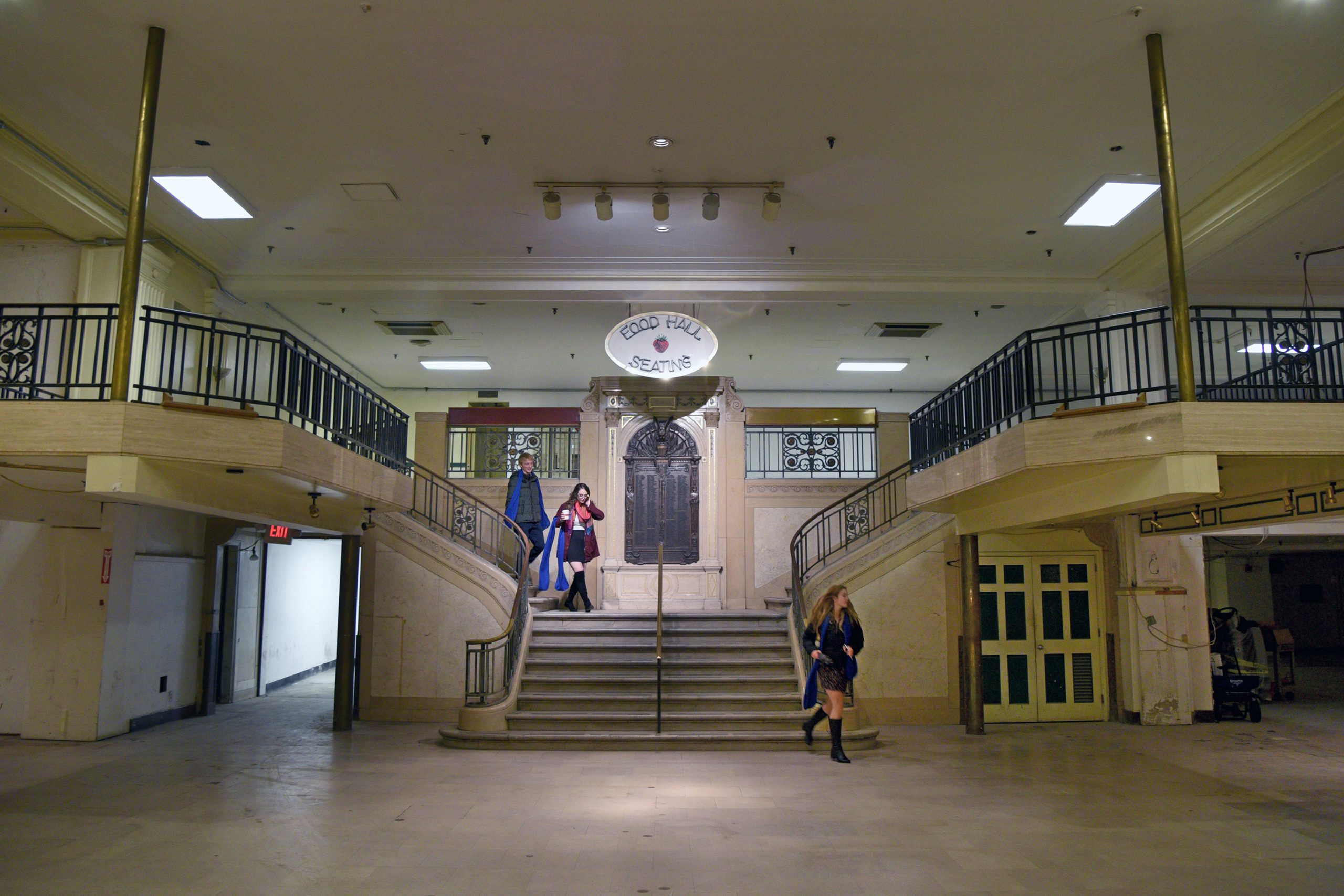
    Members of the Strawbridge family explore the old Food Hall on the first floor of the former Strawbridge & Clothier department store site on the north side of the 800 block of Market Street Dec. 17, 2019.Tom Gralish / Staff Photographer
    Why do you think Main Street at Exton, a mixed-use shopping center that opened in the 2000s, has been such a success?

    Because it’s run by the best operator around. That’s my client, Steve Wolfson. It’s had a[n] … anchor for now over 20 years.

    In Exton, there was about a 10-year period when there were two supervisors who were against everything. So you didn’t see a great deal more development, but the Main Street at Exton used the new urbanist approach 22, 23 years ago and made huge improvements to the roads. There are great roads there, and it was right in the path of development.

    Are there any cases or projects that have shaped Chester County as we know it today?

    Exton has always been called the crossroads of Chester County. You’ve also got the Hankin Group that has done all the development in Chester County. … You had very big companies come in — Vanguard — and you had good school systems and relatively decent roads. I think it’s just the continued outward development from Philadelphia.

    Many suburbs are facing affordable housing crises. How do you predict municipalities will overcome NIMBYism when it comes to those projects?

    It’s a very, very, very difficult problem. There are very few places in the entire country where it’s been solved. New Jersey has the most extensive program in the country to cause the development of affordable housing … that’s really the Mount Laurel doctrine, and where the townships are required not only to make affordable housing available, but also to make it happen.

    The market cannot create affordable housing without governmental help. Just can’t be done. It’s not enough land. Regulations are enormous, expensive.

    It’s a societal problem that can’t be solved just by municipalities and homebuilders and homebuyers.

    Do you think all of the proposed data centers will actually get built?

    I’m involved in a couple of data centers. … At first the communities were dead set against more warehouses, particularly up in the Lehigh Valley, and then when this particular community heard ‘data center,’ they were ecstatic — for a whole variety reasons: very little traffic, very few people in schools, high-paying jobs, and now there’s this national swell attacking data centers.

    The data centers we’re seeing now, in one fashion or another, are creating their own energy. So my own particular opinion is that it’s just blown up, overblown, over-exaggerated, and we’re going to need all this computing power as we move into the next technology age.

  • A new Pa. Turnpike ramp connects the Fort Washington exit to a 536-acre multiuse development

    A new Pa. Turnpike ramp connects the Fort Washington exit to a 536-acre multiuse development

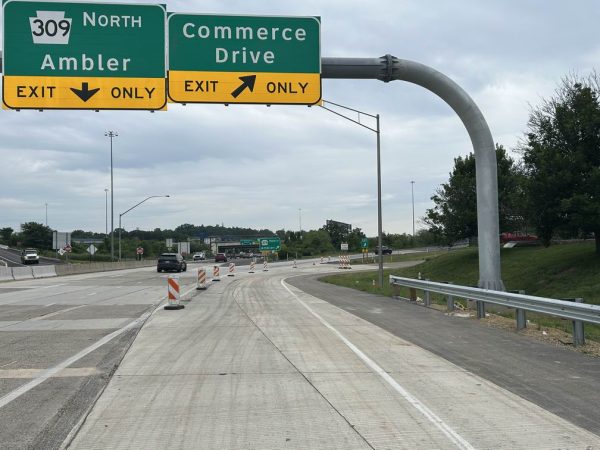
    The ribbon was snipped Tuesday, and the first car, a green Audi S5 convertible, rolled down the new “zip ramp” providing direct access from the Pennsylvania Turnpike’s Fort Washington interchange to a 536-acre office park redevelopment in Upper Dublin.

    “This is a milestone day for Upper Dublin,” said Kurt Ferguson, executive director of the township’s municipal authority, which for 10 years has managed the ongoing transformation of the underused office buildings of the former Fort Washington Industrial Park into the multiuse Greater Fort Washington District.

    The authority has invested about $45 million in infrastructure to support the revitalization project, about 70% from state and county transportation and development grants, Ferguson said. That includes the 2,100-foot ramp, designed and built for about $3 million.

    A Lifetime Fitness complex, new retail outlets, and TruMark Credit Union headquarters have been built in the district.

    Three former office properties have been converted to apartment buildings, with a fourth turned into a storage facility, Ferguson said. Upper Dublin moved the township library to Virginia Drive in the district, which includes a segment of the Cross County Trail operated by Montgomery County.

    The new ramp was made possible by the turnpike’s move to open-road tolling, in which motorists pay tolls by E-ZPass or by plate while passing under gantries. Toll booths are being torn down, leaving more room at interchanges for direct-connect projects like the zip ramp.

    “Open-road tolling enables us to be a better neighbor,” turnpike CEO Mark Compton said. “In terms of today’s transportation dollars, this project is not large money … [but] it opens up economic opportunity for this community.”

    The Pennsylvania Turnpike Commission is designing a roundabout off the Mahoning Valley Interchange (Exit 74) on the Northeast Extension and plans a park-and-ride lot there.

    It is also looking to develop truck parking at the Gateway interchange (Exit 2), near the Ohio state line in Western Pennsylvania, spokesperson Marissa Orbanek said.

  • Heat near 100 degrees and Canadian wildfire smoke are on tap as Philly’s hot summer continues

    Heat near 100 degrees and Canadian wildfire smoke are on tap as Philly’s hot summer continues

    The Philadelphia region on Wednesday will be under an extreme heat warning, with high temperatures expected to once again hover around the 100-degree mark. But, on the bright side, at least it’s not likely to be record heat for the date.

    That dubious honor for July 15 belongs to 1995, when the mercury hit a scorching 103 degrees. Still, Wednesday will be markedly hotter than normal, with typical highs for the date around 86 degrees, according to the National Weather Service.

    “Any time we put a warning out, it’s telling people this is significant, and you need to take precautions and be aware of this,” said Paul Fitzsimmons, lead meteorologist at the weather service’s Mount Holly office. “Stay in the air-conditioning, do not exert yourself during the hottest parts of the day.”

    It will likely also be noticeably hazy, thanks to smoke from wildfires in Western Ontario, weather service forecasts said.

    Wednesday’s forecast high marks yet another hot day in an already steamy summer, with 2026 posting 21 days at 90 degrees or higher so far — and three 100-degree days, just two shy of the record number of century-mark days set in 1988, weather service data indicate. If Wednesday hits 100 degrees, we would only need one more similarly hot day to tie the record.

    The record number of 90-degree days in a year, meanwhile, stands at 55, set in 2010. But in general, the region typically has only 13 90-degree days by mid-July, and 30 for the entire year, according to weather service data. The area’s temperatures have been about 3.2 degrees above average this month, Fitzsimmons said.

    “That’s certainly noticeable,” Fitzsimmons said. “It’s been quite warm to hot.”

    So, no, you’re not imagining things — it has been plenty hot for us around here lately.

    We’re not in for much relief in the latter half of the week, either. Weather service forecasts indicated a cold front was expected to pass through the area late Wednesday, dropping temperatures slightly, but highs could stretch into the low to mid-90s Thursday and Friday.

    And then, the weekend storms may come. Again.

    Weather service forecasts indicate another cold front is likely to approach the area Friday, bringing with it the chance for weekend storms. It remained too early to tell Tuesday how it would shake out, but early forecasts said that there was potential for severe weather threats Saturday, with a possible risk of heavy rain and flash flooding, similar to what the area has seen the last two weekends.

    Meteorologists have said that it is not uncommon for storms to come in seven-day cycles because of the spacing between atmospheric waves that move weather systems across the country, The Inquirer has reported.

    “The overall setup is not that different — we’re going to have hot conditions and humidity,” Fitzsimmons said. “And we are at a time of year where severe weather is favorable, so it’s possible.”

    Wednesday’s heat serves as yet another day of record-territory temperatures this month. Less than two weeks ago, during the Fourth of July, Philadelphia saw three consecutive days hit 101 degrees or higher, marking the first time that has happened in records dating to 1873, the weather service said.

    Severe storms also hit the region late on Independence Day, bringing heavy rain and wind that caused significant delays to the holiday celebrations, which wrapped up around 3 a.m. A week later, severe weather cropped up once again in the form of several microbursts of winds up to 70 mph that toppled trees, damaged buildings, and knocked out power around the area Saturday — and affected the celebration of the Ben Franklin Bridge’s 100th anniversary.

    Even the FIFA World Cup festivities have been affected, with the FIFA Fan Fest closing early on a few occasions because of heat and storms since it launched in June.

    The heat has also had deadly effects in Philadelphia, as city officials earlier this month confirmed eight heat-related deaths for the season.

    Heat deaths in Philadelphia have averaged about five a year for the last decade. That figure is down significantly from the 1990s; in 1993, the city recorded 118 heat-related deaths. But the number of heat deaths this year so far is the most since Philadelphia recorded eight in 2022, health department records indicate.

  • Michelle Widgins-Lewis, singer-songwriter and founder and CEO of Northwest Counseling Service, has died at 69

    Michelle Widgins-Lewis, singer-songwriter and founder and CEO of Northwest Counseling Service, has died at 69

    Michelle Widgins-Lewis, 69, of Philadelphia, singer-songwriter, founder, president, and executive director of Northwest Counseling Service Inc., longtime community housing and education advocate, lecturer, and mentor, died Monday, June 29, of endometrial cancer at Jefferson Abington Hospital.

    Inspired to educate and counsel underserved potential homebuyers about predatory mortgage lending, foreclosure, and other important real estate and housing issues, Ms. Widgins-Lewis founded Northwest Counseling Service on North Broad Street in 1982. For the next 44 years, until recently, she interviewed nearly 5,000 people each year seeking mortgage prequalification and, funded by the Philadelphia Division of Housing and Community Development, advised them about insurance, eviction, credit rating, grants, conflict mediation, and inspections.

    “She helped transform homeownership in Philadelphia,” her family said in a tribute.

    Ms. Widgins-Lewis was appointed to the Pennsylvania Housing Advisory Committee in the 1990s by then-Gov. Ed Rendell and served as a technical adviser on real estate matters for the Philadelphia Division of Housing and Community Development. She worked closely with the Pennsylvania Housing Finance Agency and continually lobbied local, state, and federal government officials for better borrowing and foreclosure laws.

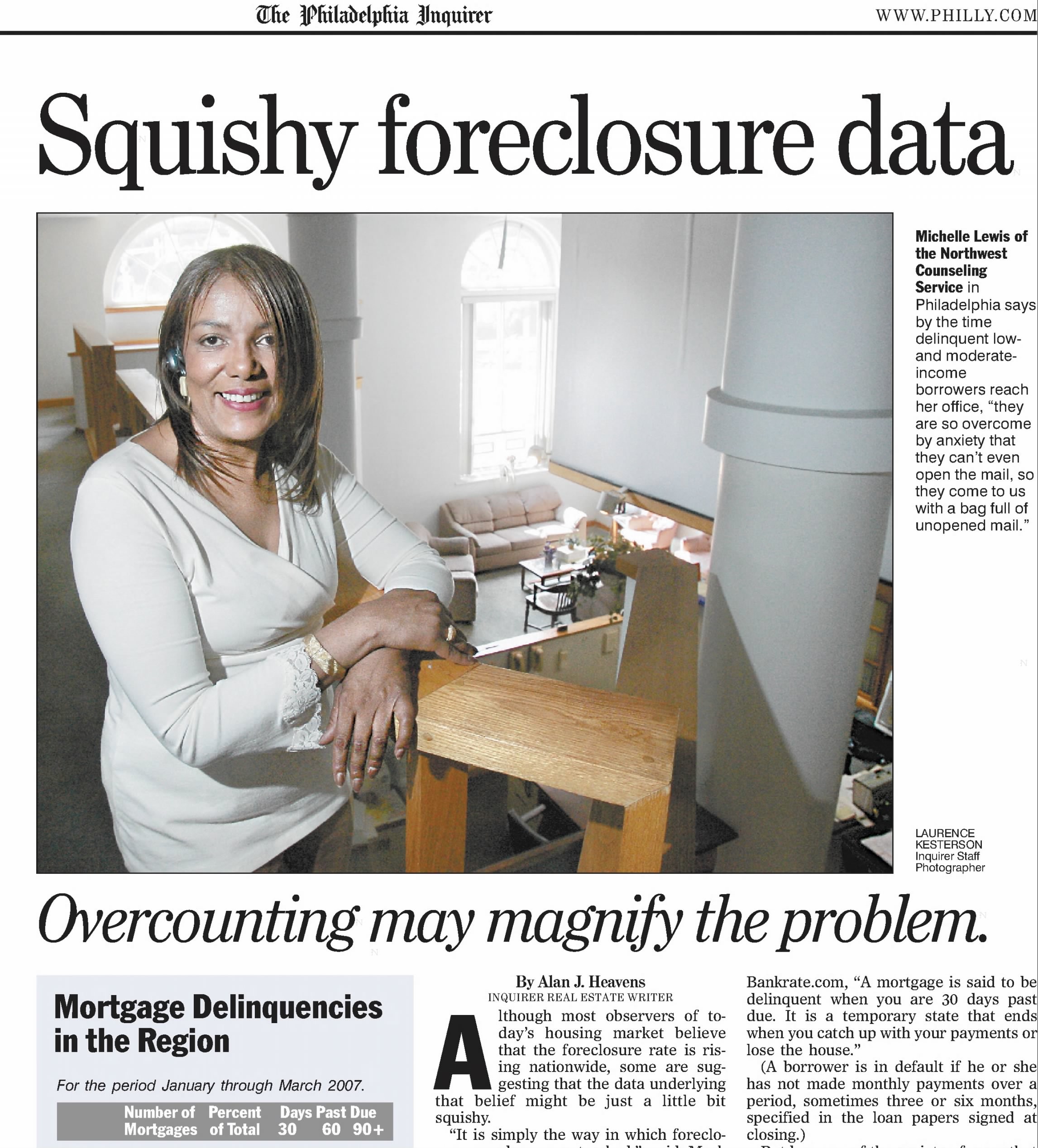
    This photo and article about Ms. Widgins-Lewis appeared in The Inquirer in 2007.Newpapers.com

    She examined property disputes as a forensic real estate specialist, scrutinized scams as a fraud examiner, testified in federal court as a qualified expert, and was licensed as a real estate broker and appraiser. She monitored local landlord-tenant mediation cases closely and told The Inquirer in 1996 that many tenants “end up with an agreement they can’t live up to.”

    People, she said often, are rarely ready to buy their first house. “Instead of considering whether they are prepared to buy a home, people are being propelled into the market by economic pressure that says they should buy because it’s cheaper than renting,” she told The Inquirer in 1995. “That’s not always true.”

    She also founded and chaired the Philadelphia Predatory Lending Task Force, which collected and publicized data about unfair lending practices. “This gives us a picture of the type of problems going on in our neighborhoods,” she told the Daily News in 2001.

    Ms. Widgins-Lewis was an instructor for the National Real Estate Institute and a leader for the American Society of Certified Housing Executives, the Real Estate Educators Association, and other groups. She wrote articles for journals and forged educational partnerships with colleges and universities.

    Ms. Widgins-Lewis performed in several bands and with her sister Dionne.Courtesy of the family

    She spoke on panels and at conferences and workshops about homeownership, and was quoted often in The Inquirer and Daily News. Friends called her “truly inspiring” and “a true champion in the mortgage industry” in online tributes. One friend said: “She was a beast in the housing world.”

    Ms. Widgins-Lewis sang often as a young girl, got rave reviews on karaoke night when she was older, and went on to perform in several bands and with her sister Dionne at local clubs and festivals. She sang rhythm and blues, pop, standards, and jazz, and wrote at least one song that was recorded and released.

    Daily News columnist Stu Bykofsky wrote about her dual career as a singer-songwriter and executive in 1995 and said: “She still has trouble calling herself an artist but feels, at the very least, she’ll always be able to get up and sing at fundraisers for her agency.”

    Her family said: “From childhood, Michelle drew people in with her light and her voice.” Her daughter Tracey Thomas said: “She would light up the room.” Her son Mike said: “Everybody loved her.”

    Her family said Ms. Widgins-Lewis had “an unwavering commitment to education, integrity, and service.”Courtesy of the family

    Michelle Widgins was born May 29, 1957, in Philadelphia. She graduated from Martin Luther King High School and earned a bachelor’s degree at La Salle University and a master’s degree in human services at Lincoln University.

    She married Michael Brown, and they had a daughter, Anji, and a son, Mike. After a divorce, she married Tyrone Lewis, and they had a daughter, Tracey, and a son, Richard. They divorced later.

    Ms. Widgins-Lewis enjoyed reading and writing. She belonged to the Pi Gamma Mu international honor society, was close with Mayor Cherelle L. Parker and former Mayor Wilson Goode, and was guided, her family said, by “an unwavering commitment to education, integrity, and service.”

    Her family is hoping to rename a Northwest Philadelphia street in her honor.

    Ms. Widgins-Lewis lived with cancer for 10 years.Courtesy of the family

    “She was humble but had drive and determination,” her son Mike said. Her daughter Tracey said: “The world was her stage. I can only imagine how her light will shine in heaven.”

    In addition to her children and former husbands, Ms. Widgins-Lewis is survived by eight grandchildren, a sister, two brothers, and other relatives. A sister and a brother died earlier.

    Services are to be at 11 a.m. Thursday, July 16, at Verity Church, 2017 W. Diamond St., Philadelphia, Pa. 19121.

    Donations in her name may be made to Northwest Counseling Service Inc., 6521 N. Broad St., Philadelphia, Pa. 19126.

    Ms. Widgins-Lewis “was humble but had drive and determination,” her son Mike said. Courtesy of the Family
  • States reach $18 million settlement with 23andMe, with Pa. and N.J. getting more than $400,000 each

    States reach $18 million settlement with 23andMe, with Pa. and N.J. getting more than $400,000 each

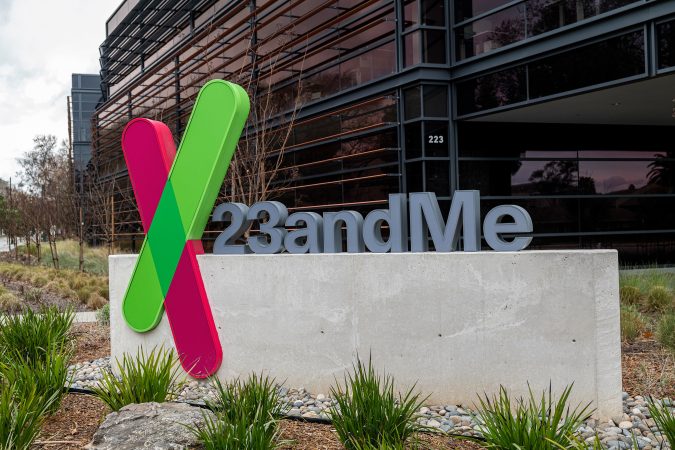
    Genetic testing company 23andMe and a group of attorneys general nationwide have reached a multimillion-dollar settlement following the major data breach that led to the company’s demise three years ago.

    More than 40 attorneys general, including Pennsylvania‘s Dave Sunday, announced the national $18 million settlement with the genetic testing company Tuesday.

    “This company was trusted by millions of Americans to safeguard very private data and information, but failed to do so, learning about a data breach far too late, then pointing fingers at their own customers,” Sunday said in a statement. “I find it appalling that a company dealing with customers’ personal information would be so lax about their system protections, then have the audacity to deny and attempt to wash their hands of wrongdoing.”

    As part of the settlement, Pennsylvania will receive $491,902. Nearly 200,000 Pennsylvanians were impacted by the data breach, according to the state attorney general’s office. About 150,000 customers were impacted in New Jersey, which will receive nearly $410,000, said the state’s attorney general, Jennifer Davenport.

    Here’s what else we know.

    What happened with the 23andMe data breach?

    In October 2023, 23andMe launched an investigation after a “threat actor” claimed to have obtained millions of users’ personal data.

    By December, the company confirmed through a filing with the Securities and Exchange Commission that a hacker directly accessed 0.1% of its users’ accounts, or about 14,000 profiles. Still, because of the networks users can build, connecting their information to possible relatives, the hacker was able to view the information of millions of users.

    A spokesperson for the company told news outlets at the time that 6.9 million people had been affected: about 5.5 million customers who had opted into 23andMe’s “DNA Relatives” feature and 1.4 million users whose family tree information was accessed.

    Of those customers, 192,093 were in Pennsylvania.

    What information was accessed?

    Information accessed included:

    • Display name, profile picture, and birth year.
    • How recently they had logged into their account.
    • Their relationship status.
    • Their self-reported location by city and zip code.
    • Predicted relationships with others.
    • DNA percentages users share with their “DNA Relatives.”

    An additional 1.4 million customers who used the “DNA Relatives” feature had their “Family Tree” profiles accessed, which includes a limited subset of profile data, the company said.

    The hacker activity was contained and required existing users to reset their passwords and enable multifactor authentication, 23andMe said at the time. Still, experts warned consumers that they should consider deleting their accounts.

    When did 23andMe declare bankruptcy?

    The company declared bankruptcy in March 2025 and eventually was sold.

    That’s when states, including Pennsylvania, filed claims related to the data breach investigation. As part of the bankruptcy proceedings, 23andMe’s consumer data was sold to TTAM Research Institute, a nonprofit organization formed by 23andMe founder and former CEO Anne Wojcicki. That sale is bound by new guardrails regarding data security that were put in place with the help of the coalition of attorneys general.

    Sunday joined the lawsuit to prevent 23andMe from selling consumer data as part of its bankruptcy proceedings.

    The lawsuit said the California-based genomics biotech company was proposing to sell an “unprecedented compilation of highly sensitive and immutable personal data: a human being’s permanent and everlasting genetic identity.”

    The risk of a data transfer was too great, the complaint said, as DNA data are unique to an individual and can be used to identify relatives — past and future. And genomic data live forever, even after a person dies.

    “If stolen or misused, it cannot be changed or replaced,” the complaint said.

    What happened this week?

    A group of 42 state attorneys general announced the $18 million settlement. This is in addition to a $46.75 million class-action settlement arising from the bankruptcy, for affected U.S. consumers who submitted claims by Feb. 17. Impacted customers should have received an email notifying them about their eligibility for the class-action settlement, according to the Pennsylvania Attorney General’s Office.

    All 50 states and territories except for California, Hawaii, Mississippi, Missouri, Montana, Nebraska, Nevada, Rhode Island, and Wyoming were involved in the settlement.

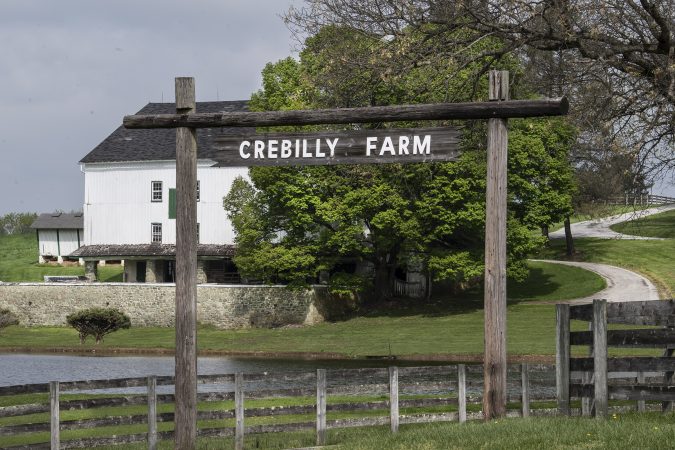
  • Westtown may ax its historical commission over a dispute to preserve Crebilly Farm’s 19th-century inn

    Westtown may ax its historical commission over a dispute to preserve Crebilly Farm’s 19th-century inn

    A schism between Westtown Township’s elected officials and its historical commission reached a boiling point this week, with the municipality’s supervisors planning to remove the commission over what several members say is a disagreement regarding a historic building that residents have fought for years to preserve.

    An email sent to each of the six volunteer commission members Monday alerted them that Westtown’s three supervisors planned to take a vote at their meeting next week to remove them.

    At the center of the conflict is the historic Darlington Inn, a 19th-century building that sits on a two-acre parcel at the corner of State Routes 202 and 926. The inn was acquired in 2024 as part of a larger battle, led by the community, to preserve the 206-acre Crebilly Farm and fend off plans for residential redevelopment of the land.

    But the township has regarded the inn, which is along the farm tract, as a temporary purchase that it would eventually auction or sell off to recoup the $200,000 in taxpayer funds used to buy it. That has put the officials at odds with its own historical commission, whose members have adamantly fought to preserve the inn.

    “It’s really disheartening,” said Pamela Boulos, who has served on the commission for roughly a decade. “It’s really disheartening to know that this is the level that they’re willing to go to.”

    In an email, shared with The Inquirer, that included the subject line “Courtesy notice,” Township Manager Mila Carter said she was providing “advance notice, as a courtesy,” that the board’s agenda for Monday’s meeting “will include an item regarding your appointment to the Historical Commission.”

    “The Board will be considering a motion to remove your appointment from the Commission,” she wrote. “No action has been taken at this time, and the matter will be discussed and considered during the public meeting.”

    She also notified members that the commission’s planned Tuesday meeting had been canceled.

    Members said they were told separately they could reapply.

    The township did not immediately respond to a message seeking comment.

    The board’s decision comes as tensions have been increasing between the commission and the elected officials. Commission members say the relationship has grown more hostile recently, particularly as it pertains to the Darlington Inn.

    Last week, supervisors voted to rezone the property to commercial use, rather than agricultural or residential. The change would allow for “future adaptive reuse” of the inn, board members said previously. They said in April that the inn is currently not at “its highest and best use” by sitting vacant.

    Commission members felt that the community had largely believed that the inn was to be preserved alongside Crebilly Farm when the township purchased it in 2024. When it became clear the intention was to offload the inn as a separate parcel, the commission began to raise awareness among residents about the possible loss of the building. Members said they wanted to see if there was appetite from private donors to purchase and maintain the property.

    And the community, which has been willing to enter the fray to preserve the tract, started showing up to meetings.

    “My belief is that some of the supervisors felt that this was untenable, this was an annoyance, this was interfering with what they wanted to accomplish,” said Stephen Wahrhaftig, who has been on the commission for four years. “A few of the people on the commission were viewed as the troublemakers, and to get rid of only one or two people probably would have been bad optics … so the easy thing to do, as other townships have done, is just dissolve the whole thing, just get rid of it.”

    At its July 6 meeting, Patrick McDonough, chair of the historical commission, asked the township to consider easements on the land, to preserve the facade of the structure. The commission wanted to guard against “Wawa popping up there, or CVS,” he said separately.

    The board of supervisors declined to put any restrictions on the property. Jodi Nawrocki, chair of the board, said at the meeting nothing precluded the township from adding such easements in the future.

    “I think the way to use the building to the best use is through changing the zoning,” she told McDonough.

    McDonough said he felt that, in the process of the commission arguing its point, the board “thought that we were overstepping our bounds as a historic commission.”

    “My own township is willing to just auction this building off with no protection, no easements, and allow it to basically fall into the hands of what everybody else wants to do with it,” McDonough said. “I never thought that my own township would be the one I’d be fighting against the hardest.”

    The commission, formed in 2013, was created to help develop community appreciation of the township’s history and to preserve that history. The commission has created Westtown Day, an annual community day; has published a history book about the township; and hosts a litany of lectures. The volunteer-run body is appointed by the supervisors for three-year terms, and serves as an advisory committee to the board.

    “You would think, being a municipality in one of the oldest counties in America, that historic preservation, especially here in our year of America 250 … would be top of mind and not something swept aside,” Wahrhaftig said. “But I guess right now that’s not the case.”

    This suburban content is produced with support from the Leslie Miller and Richard Worley Foundation and The Lenfest Institute for Journalism. Editorial content is created independently of the project donors. Gifts to support The Inquirer’s high-impact journalism can be made at inquirer.com/donate. A list of Lenfest Institute donors can be found at lenfestinstitute.org/supporters.

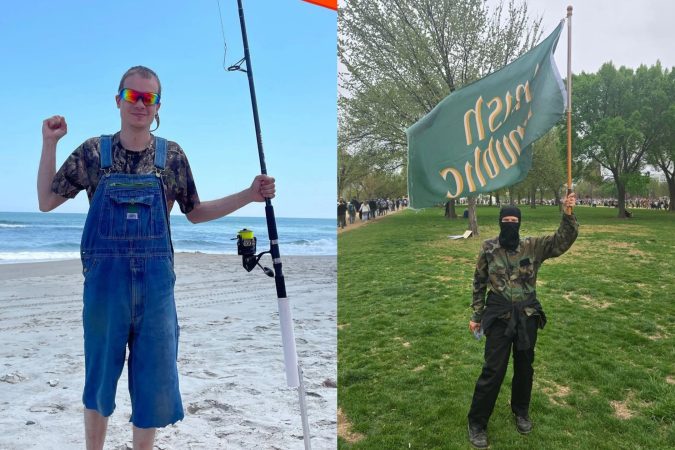
  • A Main Line man who brought guns to a ‘No Kings’ protest was sentenced to more than 3 years in prison for having bombs at his house

    A Main Line man who brought guns to a ‘No Kings’ protest was sentenced to more than 3 years in prison for having bombs at his house

    A Malvern man was sentenced Tuesday to more than three years in prison for having a collection of homemade bombs at his house — a discovery police made after he was arrested for bringing guns to a “No Kings” protest in West Chester last year.

    Kevin Krebs, 32, apologized for his actions, saying he had let his family down and adding: “I really screwed up, and I regret everything that I did.”

    His family said in court that Krebs — who was adopted from a Lithuanian orphanage as a toddler — had suffered from lifelong developmental disabilities, including autism. And they believed his interest in bombs and firearms was part of an obsessive nature that he also displayed in other, non-threatening technical areas, such as electrical work, which he performed professionally.

    Krebs told U.S. District Judge Mary Kay Costello that he had built the bombs only to blow up pumpkins in the Poconos, calling his pursuit “purely recreational.”

    Costello said she was not sure that was true. And in any case, she said, his possession and interest in building such devices was a threat to himself and others.

    “Just having these bombs in your home posed a grave danger to other people,” Costello said.

    In addition to imposing a 37-month prison sentence, Costello ordered Krebs to serve three years of supervised release. He had pleaded guilty in December to a charge of possessing unregistered devices.

    A firearms case remains pending in Chester County, with a trial scheduled to begin next week, according to court records.

    The events that led to Krebs’ arrest began last June, when attendees at a “No Kings” protest in West Chester told officers they thought Krebs had been carrying a gun.

    Police who stopped Krebs found him carrying a loaded handgun, extra rounds of ammunition, and other weapons including a knife and bayonet, prosecutors said. He also had an AR-15 rifle in his car.

    He did not have a concealed carry permit, and Chester County prosecutors charged him with illegal gun possession.

    Two days later, police searched his home on Conestoga Road and found 13 homemade pipe bombs, prosecutors said, some of which contained nails or screws, which can make the devices more violent when they detonate. Investigators also found components used to make detonators and tactical vests, which prosecutors said demonstrated that he was not simply experimenting with explosives — he was building an “arsenal” of dangerous weapons.

    County prosecutors charged Krebs with new crimes including possessing weapons of mass destruction and causing a catastrophe, and federal prosecutors went on to adopt the portions of the case that related to explosives.

    Krebs’ case attracted attention in part due to its connection to the No Kings demonstration, one in a series of recurring events at which protesters across the country rally against President Donald Trump. But prosecutors said Krebs’ beliefs and potential motives were not particularly clear.

    Krebs was a registered Democrat but had previously been registered as a Republican and said online that he had voted for Trump. Writing online, Krebs later said he came to regret that vote, and before the No Kings event, he had been posting violent rhetoric about Trump and police.

    Krebs said in court Tuesday that he attended the protest “in support of the rally” but did not elaborate.

    Krebs’ parents told Costello, the judge, that they harbored deep remorse and shame for failing to recognize their son’s drift toward dangerous habits.

    But Costello said they had done everything they could to provide their son a better life — welcoming him into a safe home, providing him structure and support, and seeking to connect him with therapy and medications throughout his life.

    “This is not your fault,” Costello said. “This was Mr. Krebs’ doing, and he’s going to have to face the consequences of that.”

  • Who’s rebuilding Jenkintown’s only playground? Maybe you are.

    Who’s rebuilding Jenkintown’s only playground? Maybe you are.

    Jenkintown residents are building a playground this month.

    Or at least, part of a playground.

    “They’re not professional contractors,” said Darrell Campana of Eustace Engineering, which is handling land work, like regrading and water drainage. The playground company Kompan is installing the play equipment.

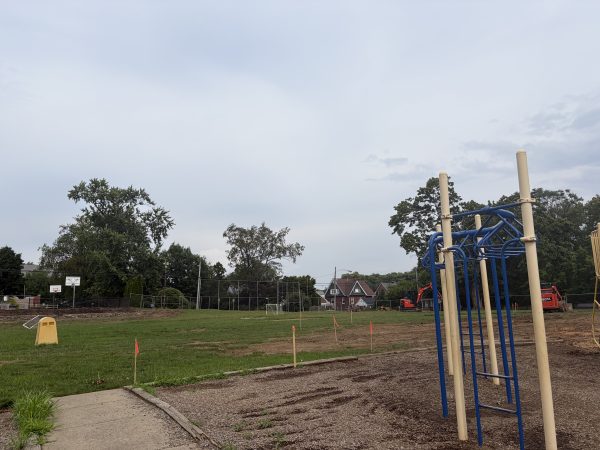
    But local volunteers do plan to construct parts of the replacement for Jenkintown’s only playground on the last weekend in July after Eustace demolished the beloved Jenkintown Castle there in April.

    The finished playground, dubbed Legacy Park, will include slides, swings, a toddler section, and an imaginative play area with a stage donated by Jenkintown Music Theatre, said Kelly Hudson, who spearheaded the roughly $1.3 million project as a volunteer on the newly formed playground board.

    Residents have led planning and fundraising for the project as Jenkintown tries to balance its proud DIY ethos with the present-day constraints of construction, insurance, and liability.

    Beloved Jenkintown Castle demolished

    Playground renovation plans began after a 2024 inspection revealed several parts of the play area, which is next to Jenkintown Elementary, were unsafe.

    The castle play area was built in 2002 and lovingly maintained by residents — which may be why the structure, expected to last about 12 years, lasted more than two decades said Nina Russakoff, a Jenkintown school board member who’s helping to coordinate the new project.

    In a 2024 update on the damaged castle ahead of the renovation, school officials had to remind residents to stop fixing it themselves: “We know your intentions are good, but we need to … [follow] the recommendations of the engineer.”

    Residents held a farewell picnic and fundraiser at the castle in March before it was destroyed.

    The school’s nonprofit arm, the Jenkintown Education Foundation, and other community groups have raised about $1.5 million for the project known as Legacy Park, Hudson said. If the playground doesn’t go over budget, the remaining funds will be used to make further improvements to the park.

    There are many older, community-built parks like Jenkintown’s in the Philadelphia area, said Scott Lean of Kompan, the company providing the play equipment, but that model has become less viable in recent years.

    “The liability standpoint from doing a community build just seems a little risky in this day and age,” he said.

    Residents help rebuild Jenkintown playground

    Residents can still shape the playground’s future, though.

    Project leaders are recruiting volunteers for the community build weekend from July 30 to Aug. 2. The residents will be supervised by experienced crew leaders, with a meal and free childcare for people who volunteer a shift.

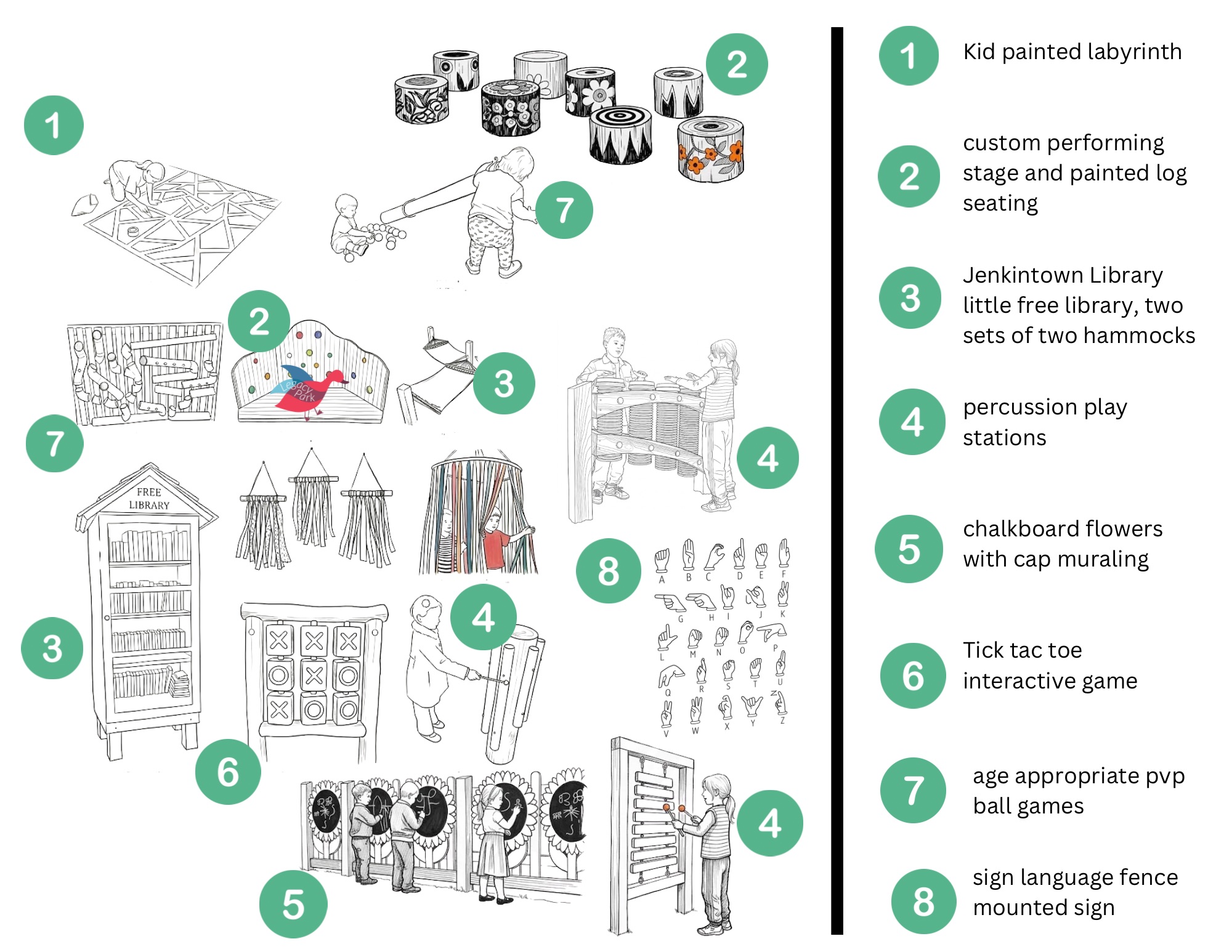
    Residents will be working on drumming stations, a sign language fence, and log seating carved from trees felled on the school grounds.

    An illustration of the DIY projects that Jenkintown residents will work on during the volunteer weekend planned this month for the town’s new parkLegacy Park Community Board

    In the meantime, land work will continue this month, although several retaining walls are already in place, Campana said.

    Volunteers may be playing a smaller role in playground construction this time around, but it was local residents who fundraised most of the park’s budget.

    Large donations came from fastener factory SPS Technologies and other local businesses, a state grant, and several families, with more than 1,600 individual donations.

    What will Jenkintown’s new playground look like?

    Volunteers also led the design of the new playground with guidance from students, teachers, and parents.

    The layout will be different from the old playground: All play areas will be visible to teachers calling children back from recess, Hudson said, and the equipment will be situated so that kids can play without distracting students inside during school hours.

    “Most screaming will move to the new location,” Russakoff said.

    Residents wanted to ensure the new play equipment is both accessible and durable, Hudson said: “Everything the kids touch in Jenkintown is 10 times over because it’s the only playground. It gets used heavily.”

    Slides, swings, mountaineering ropes, and a toddler area are set to be finished around the start of school, Lean said. The theater area will open later this fall.

    Legacy Park will be open to the public outside school hours, and the toddler area will stay open during school when students aren’t at recess.

    Jenkintown School District “has an outsized impact on the community around it,” the borough’s state representative, Napoleon Nelson, said in a statement on the project. “Its grounds are open to all, Jenkintown residents and non-residents alike.”

    Hudson said Jenkintonians want the playground “to be a community project that benefits the most people.”

    “We’re very prideful about our small little town.”

    This suburban content is produced with support from the Leslie Miller and Richard Worley Foundation and The Lenfest Institute for Journalism. Editorial content is created independently of the project donors. Gifts to support The Inquirer’s high-impact journalism can be made at inquirer.com/donate. A list of Lenfest Institute donors can be found at lenfestinstitute.org/supporters.