Makini, the last African lion at the Philadelphia Zoo, has died, zoo officials announced Friday.
Makini, who was about 17.5 years old, suffered from advanced arthritis, and he recently began showing signs of weakness in his hind end and was struggling to navigate, zoo officials said.
“The team made the difficult and compassionate decision to humanely euthanize him,” the zoo said in a statement.
“At 17.5 years old, he was considered geriatric and surpassed the life expectancy for this species. The life expectancy of lions in the wild is 10-14 years,” the zoo said.
The Smithsonian’s National Zoo website said that a lioness in the wild can live up to 16 years, but males rarely live past the age of 12. In zoos, the website said, lions may live into their teens or early 20s.
Makini arrived in Philadelphia in December 2011 from the Tulsa Zoo in Oklahoma where he was born. His name means “dignity” in Swahili.
“Makini was a force to be reckoned with and he made sure you knew that. He was all sorts of tough and manly, yet was goofy and would have you laughing several moments later. His presence is something that is surely going to be missed. I will cherish all the time we spent together,” said an animal care specialist identified by the zoo as Shannon K.
“He served as an incredible ambassador for his species for the hundreds of thousands of guests who had the chance to know him,” the zoo said.
The zoo said it was having conversations with the Association of Zoos and Aquariums “on the future of lions at the Philadelphia Zoo. We will keep you informed as the process progresses.”
Makini and Tajiri at the Philadelphia Zoo in an undated photo. Tajiri, Makini’s partner, died late last year.Philadelphia Zoo
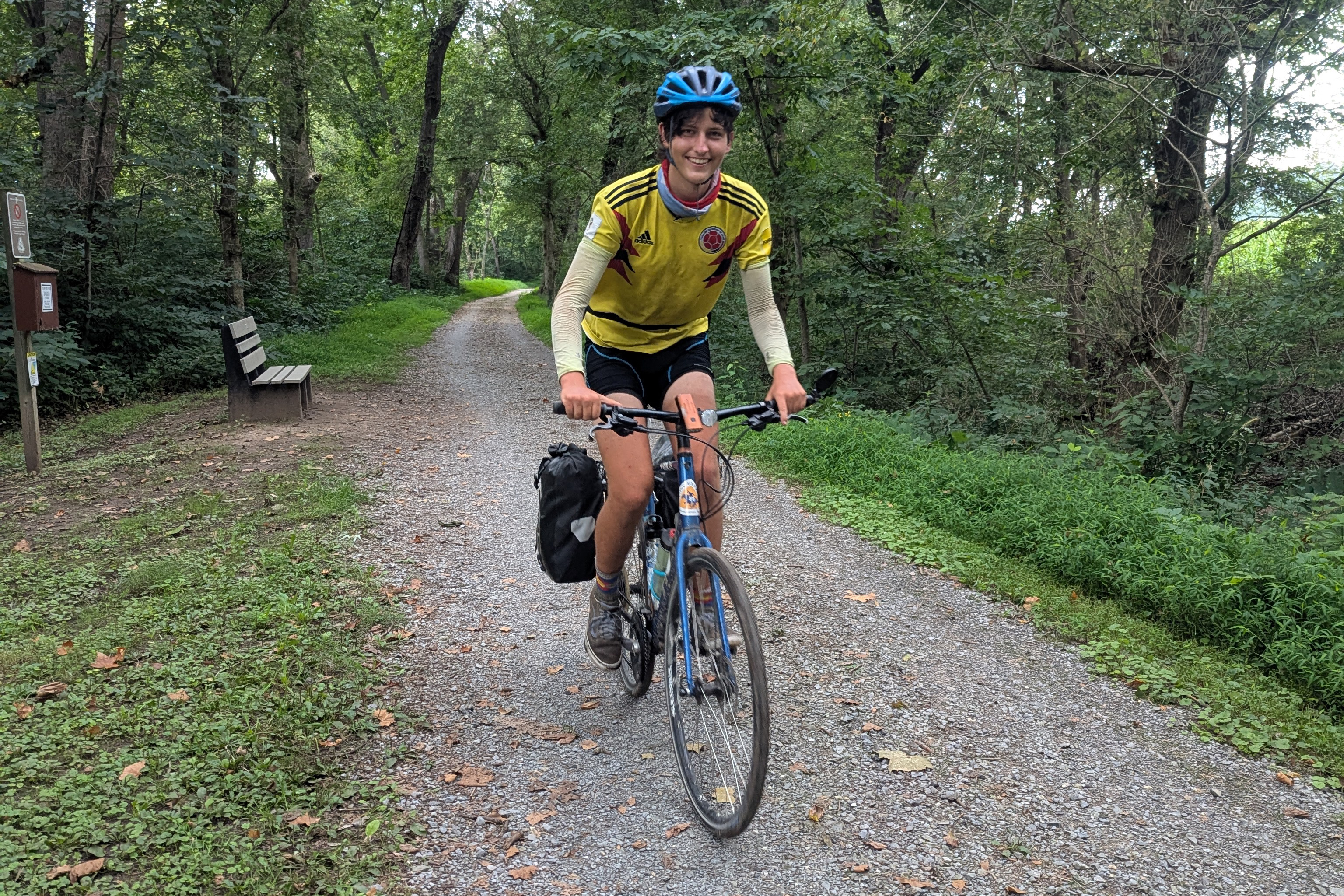
Finn Fremstad has spent the last month biking past rolling hills and endless cornfields, through state capitols and sleepy Main Streets, and in heat waves and torrential storms. Fremstad isn’t competing in an ultra-cycling competition or checking off a 50-state bucket list — he’s commuting to school.
Fremstad, 18, is an incoming first-year at Swarthmore College. Since July 23, he’s been on the road, biking from his hometown of Fort Collins, Colo., to Swarthmore College to start his first year.
“To me, it just seems like kind of the perfect way to experience this country,” he said, calling in from Pennsylvania’s Franklin County on day 29 of his anticipated 31-day journey.
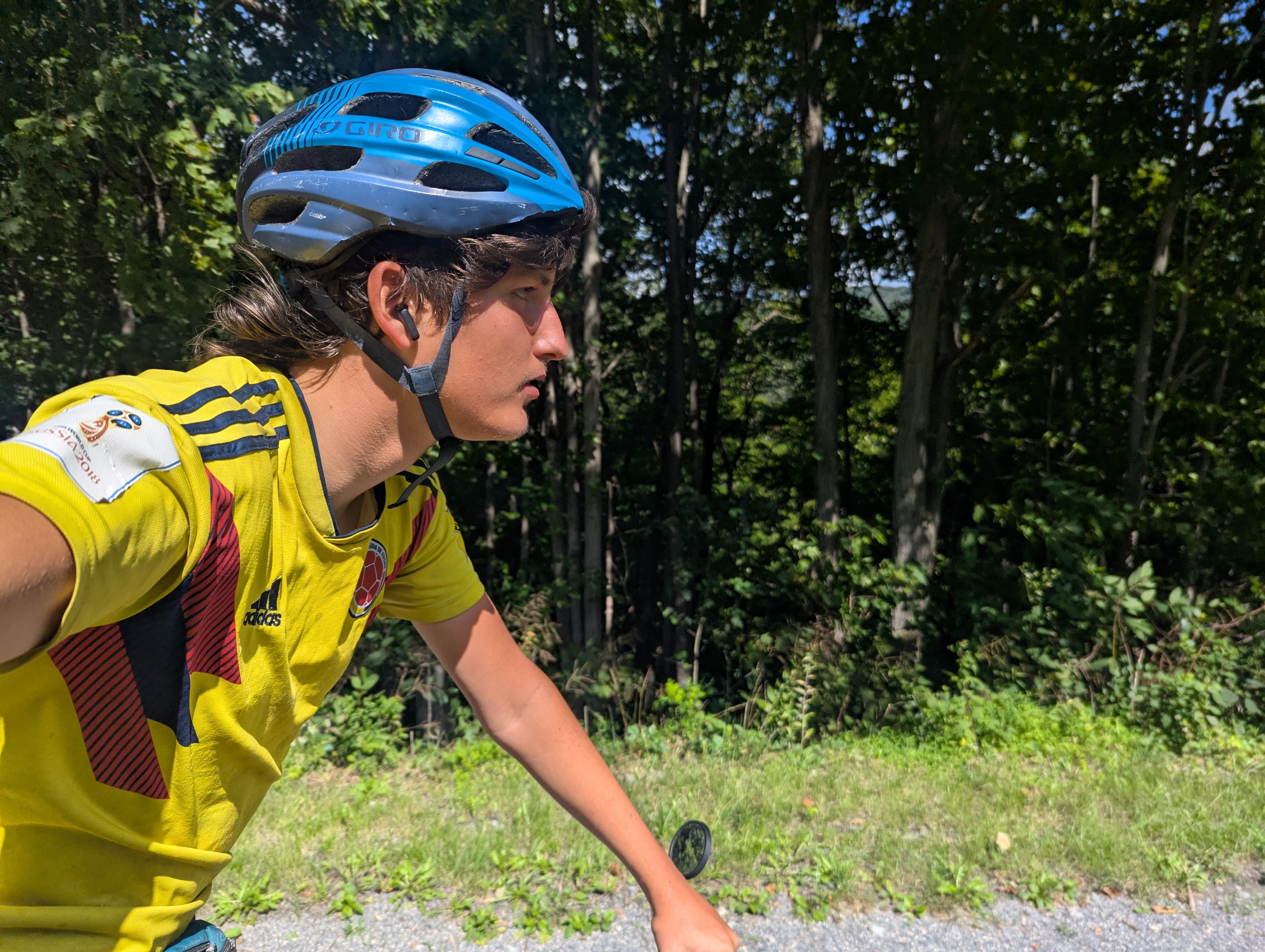
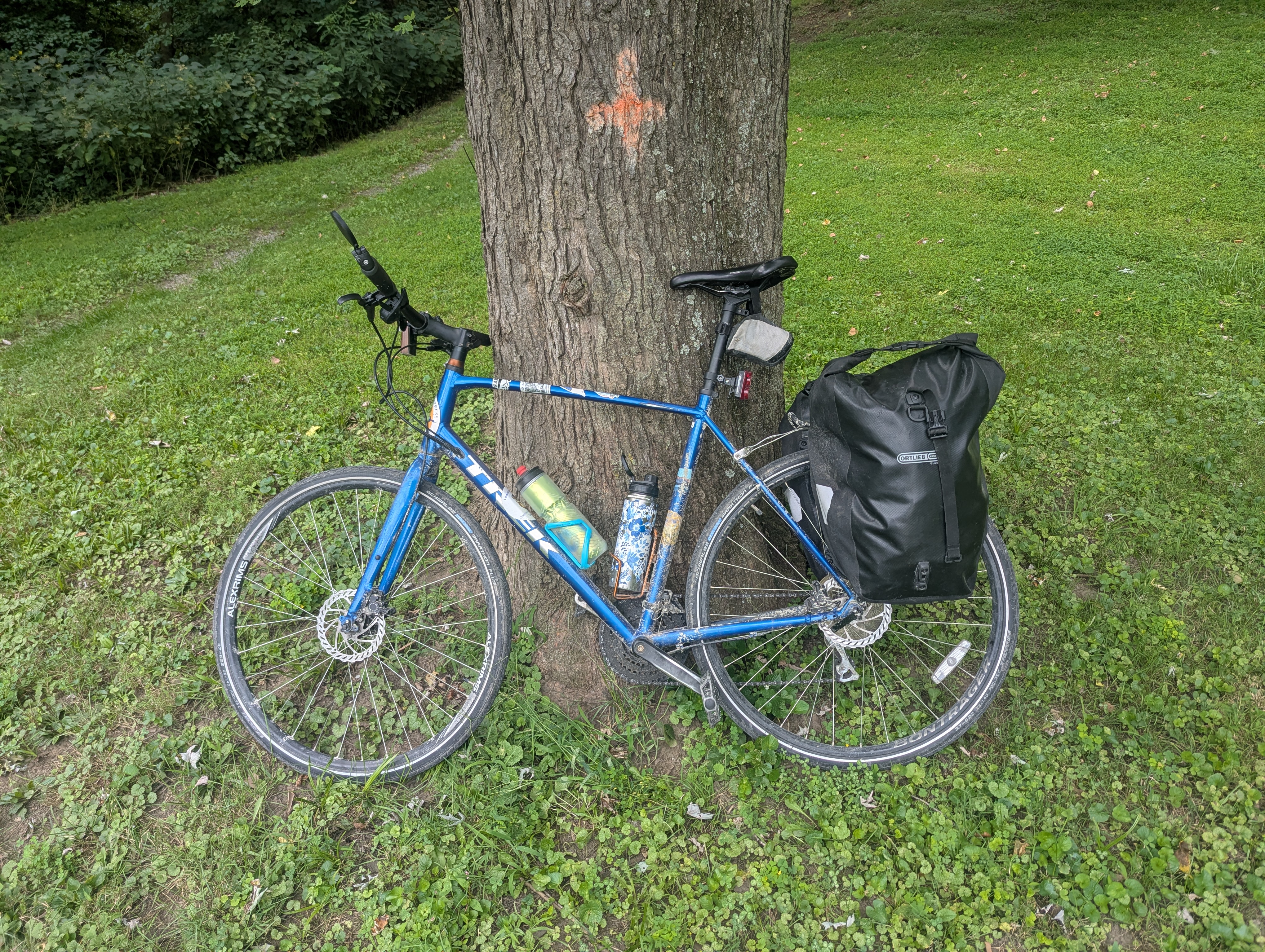
Incoming Swarthmore freshman Finn Fremstad is biking to school from his hometown of Fort Collins, Colo.Courtesy of Finn Fremstad
Why is Fremstad biking the roughly 2,000 miles it takes to get from northern Colorado to Delco, rather than, say, fly?
Fremstad grew up cycling around Fort Collins, taking his bike into town and riding it to school. He had his sights set on a big trip this summer, and when a few other possibilities fell through, he decided to plan a solo cycling journey. It’s by far the longest bike trip he’s ever taken.
He left home on July 23, armed with a playlist his parents made him and a healthy dose of pre-college excitement. As July turned to August, Fremstad passed from Nebraska into Missouri, Indiana into Ohio, and, finally, Pennsylvania. He strolled through state capitols and stopped into local museums. Sometimes he rode in silence, but most days he listened to podcasts or music (the soundtrack to the Broadway musical “Hadestown” has been a stalwart). He called his parents nightly.
What has stood out about his travels?
“A lot of corn and soybeans. I mean, just remarkable,” Fremstad said.
Finn Fremstad is commuting from Colorado to Swarthmore College via bike.Courtesy of Finn Fremstad
Each night, Fremstad rode into the nearest town and knocked on strangers’ doors asking if he could camp in their backyards. Most said yes, and some sent him on his way with food or some extra cash for his journey.
“All of the greatest things about this trip have been how I’ve been able to interact with people,” Fremstad said.
The trip, he said, has allowed him to “discover places and people in a much more intimate way than I would have been able to otherwise.”
Weather has been the hardest part of the trek. He passed through Nebraska during a record heat wave and Indiana and Ohio amid torrential rain.
Fremstad is set to hit Philly this weekend, where his mom will meet him with a checked bag (he will need a bit more than what he’s carrying on his back for college).
Of Swarthmore, where he’ll be studying math, Fremstad said, “I’m just really excited to finally get there.”
This suburban content is produced with support from the Leslie Miller and Richard Worley Foundation and The Lenfest Institute for Journalism. Editorial content is created independently of the project donors. Gifts to support The Inquirer’s high-impact journalism can be made at inquirer.com/donate. A list of Lenfest Institute donors can be found at lenfestinstitute.org/supporters.
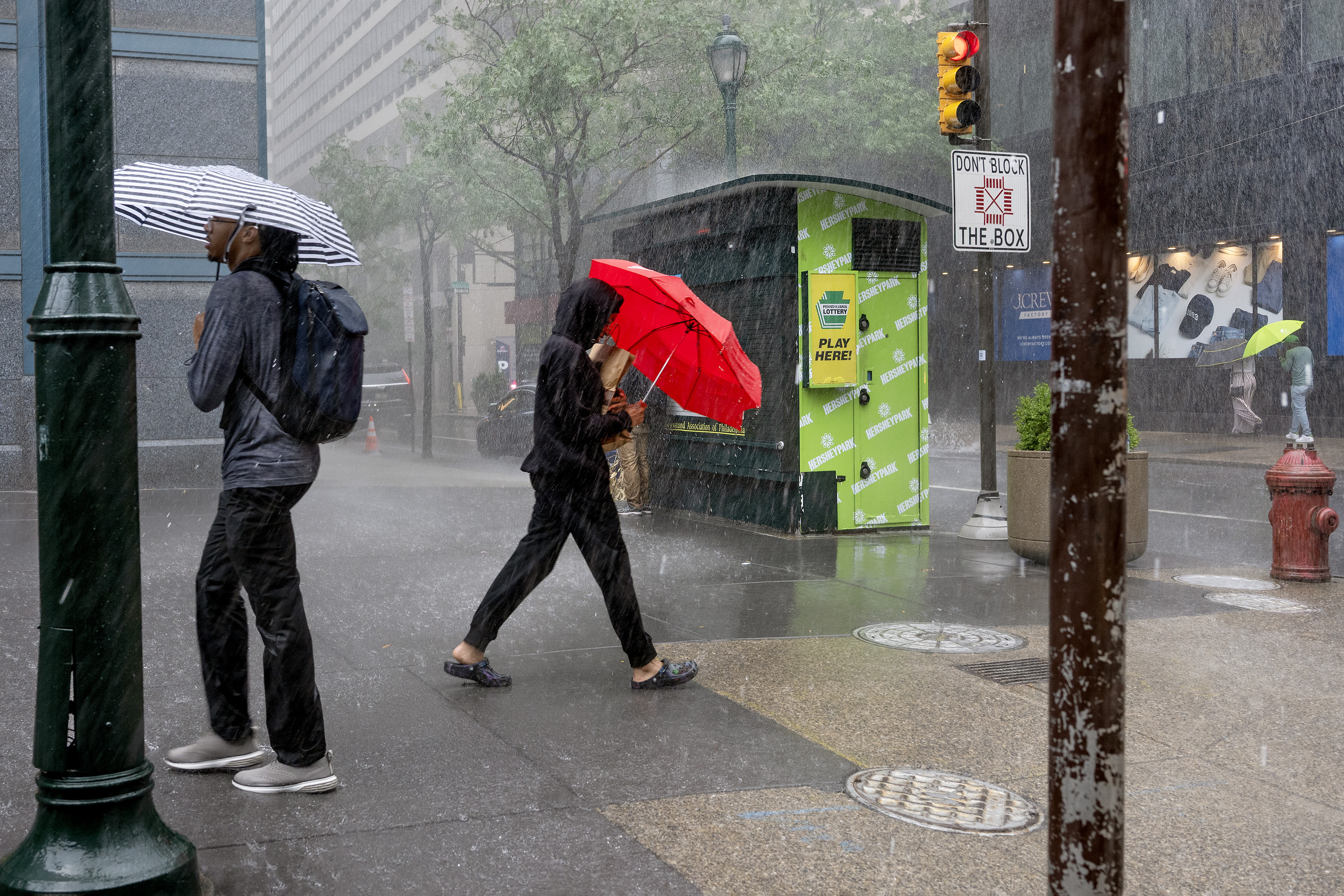
Another round of rain showers is expected Saturday, with potential flooding into Saturday night, but it shouldn’t be as intense as last weekend.
Multiple rounds of rain are possible Saturday, with most of the region expected to see up to an inch of precipitation, according to AccuWeather. A chance of thunderstorms will creep onto the horizon starting after 4 p.m.
While the rain is expected to continue into the night with a chance of flooding on streams and ponds, there likely won’t be devastating flash floods, said AccuWeather meteorologist Matt Benz.
“Certainly, just given the amount of rain that we’ve seen as of late, it doesn’t take a lot of rain to create flooding issues, so there could be some low-end flooding concerns tomorrow,” Benz said.
Most areas across the region received over an inch of rain on Thursday, with some places getting more than three inches.
“While a strong to severe thunderstorm can’t be ruled out completely, the threat for damaging winds/tornadoes/hail is much lower compared to what we saw Thursday,” weather service meteorologists said in a forecast discussion.
Despite the above-normal precipitation over the summer months, the region had experienced 16 consecutive months of below-average precipitation totals leading up to June. Most of the Philadelphia region is classified abnormally dry, with parts of the suburbs in moderate drought, according to the U.S. Drought Monitor. Sunday’s rain ended the first seven-day period without measurable rain in Philly in two months.
In addition to Thursday’s rain, a tornado touched down in Dover, Del., toppling trees that closed streets and causing widespread power outages. Power has been restored, but crews were still clearing debris from affected areas in Dover.
Sunday brings another chance of showers on and off throughout the day, especially in the afternoon. Benz advised residents to get their errands done in the morning on Saturday and Sunday to avoid showers.
The forecast is similar for folks headed down the Shore, as Saturday brings an increased chance of rain showers in the afternoon and evening. Sunday should be drier in the morning, but beachgoers could see a chance for afternoon rain showers or thunderstorms, Benz said.
Fair weather is expected to return early next week.
A shuttered bridal shop in downtown Conshohocken will soon become the home of another family-run business with local roots.
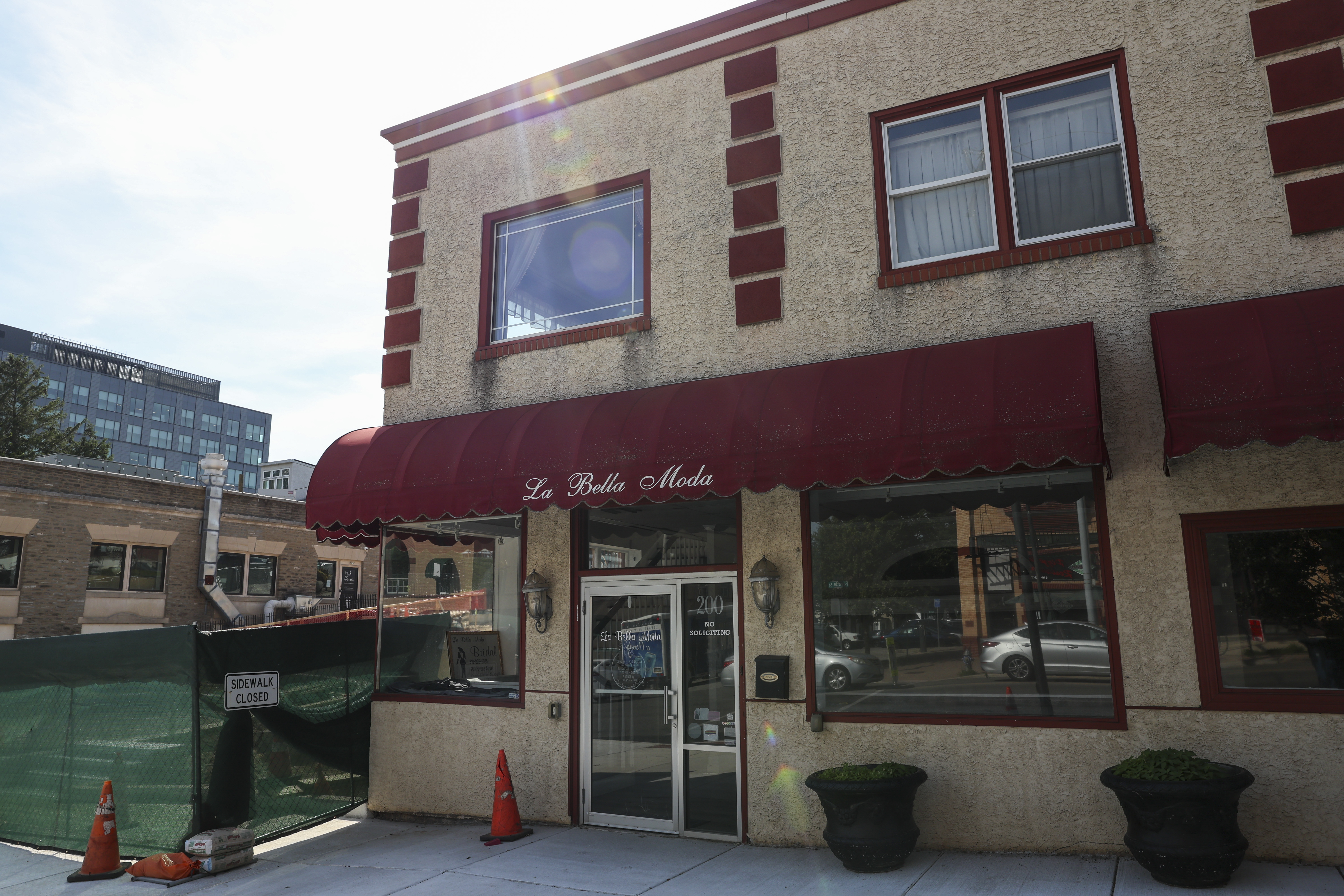
Goodness Bowls, a “healthy-eats cafe” chain run by Montgomery County residents, has signed a lease for the former La Bella Moda bridal shop at 200 Fayette St., with the goal of opening a corporate headquarters there by early 2027. La Bella Moda closed in May after 45 years in business.
“I always looked at La Bella Moda, and I thought, ‘God, that would be the perfect corner,’” said Susan Persichetti, Goodness Bowls’ cofounder and CEO. “ But I never thought they would close their doors.”
In the coming months, the Goodness Bowl team plans to open a 1,500-square-foot restaurant on the first floor, according to company executives, and use 2,000 square feet upstairs for additional seating and its corporate offices. They declined to share the terms of the lease.
The Conshohocken restaurant will be Goodness Bowls’ 10th location and its third corporate outpost. The rest of its cafes are franchised.
The closed La Bella Moda, as seen in June.Monica Herndon / Staff Photographer
The chain’s expansion comes as acai bowls — smoothie bowls loaded with toppings like fruit, granola, and peanut butter — and other more nutritious fast food have surged in popularity.
Shops selling these bowls seem to be popping up everywhere. Over the past decade, Belmar, N.J.-based Playa Bowls has grown to more than 100 locations in 20 states, including more than a dozen spots in the Philly area. And the Juice Pod, founded in Avalon and now headquartered in Bryn Mawr, has expanded to more than two dozen cafes, most of which are in the region.
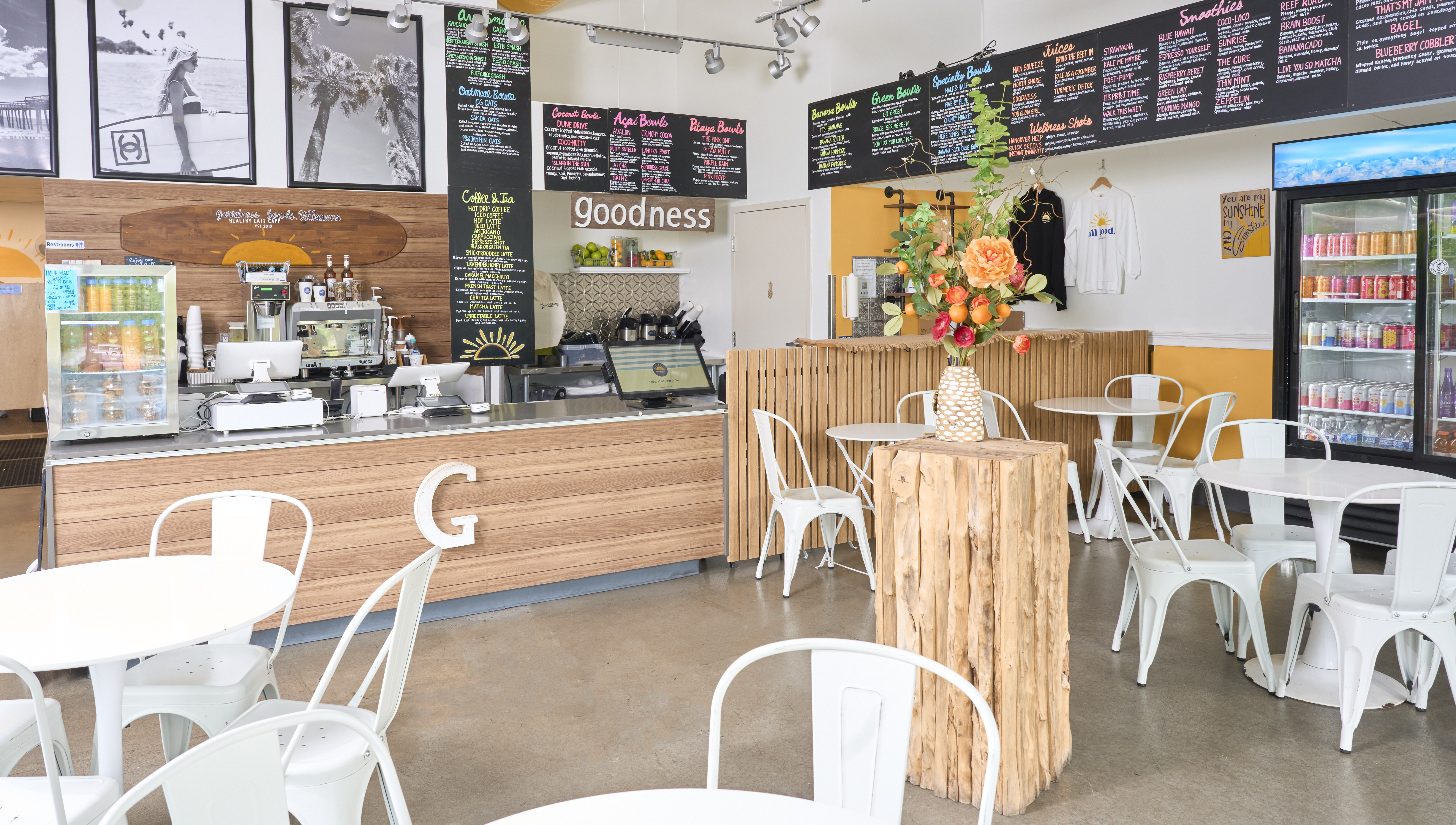
A mother-daughter duo, Susan and Corinne Persichetti, opened the first Goodness Bowls in Avalon in 2019. Susan said her daughter Corinne — a former Division I field hockey player at Fairfield University and a health enthusiast — was the driving force behind the business.
Susan Persichetti, cofounder and CEO of Goodness Bowls, with her daughter Corinne Persichetti, cofounder and chief operating officer.Courtesy Goodness Bowl
Corinne created the cafe’s menu, which includes acai bowls, salads, wraps, and smoothies, and came up with its slogan, “Eat Good. Feel Good. Do Good.” Susan, meanwhile, crafted the shop’s coastal aesthetic and branding.
For a couple years, Susan and Corinne ran the Avalon location in the summertime while working corporate jobs. In 2022, they opened a second location in Villanova, where they quickly found success. They realized there was demand for the Shore-inspired business in the Philadelphia suburbs, Susan said, and started franchising.
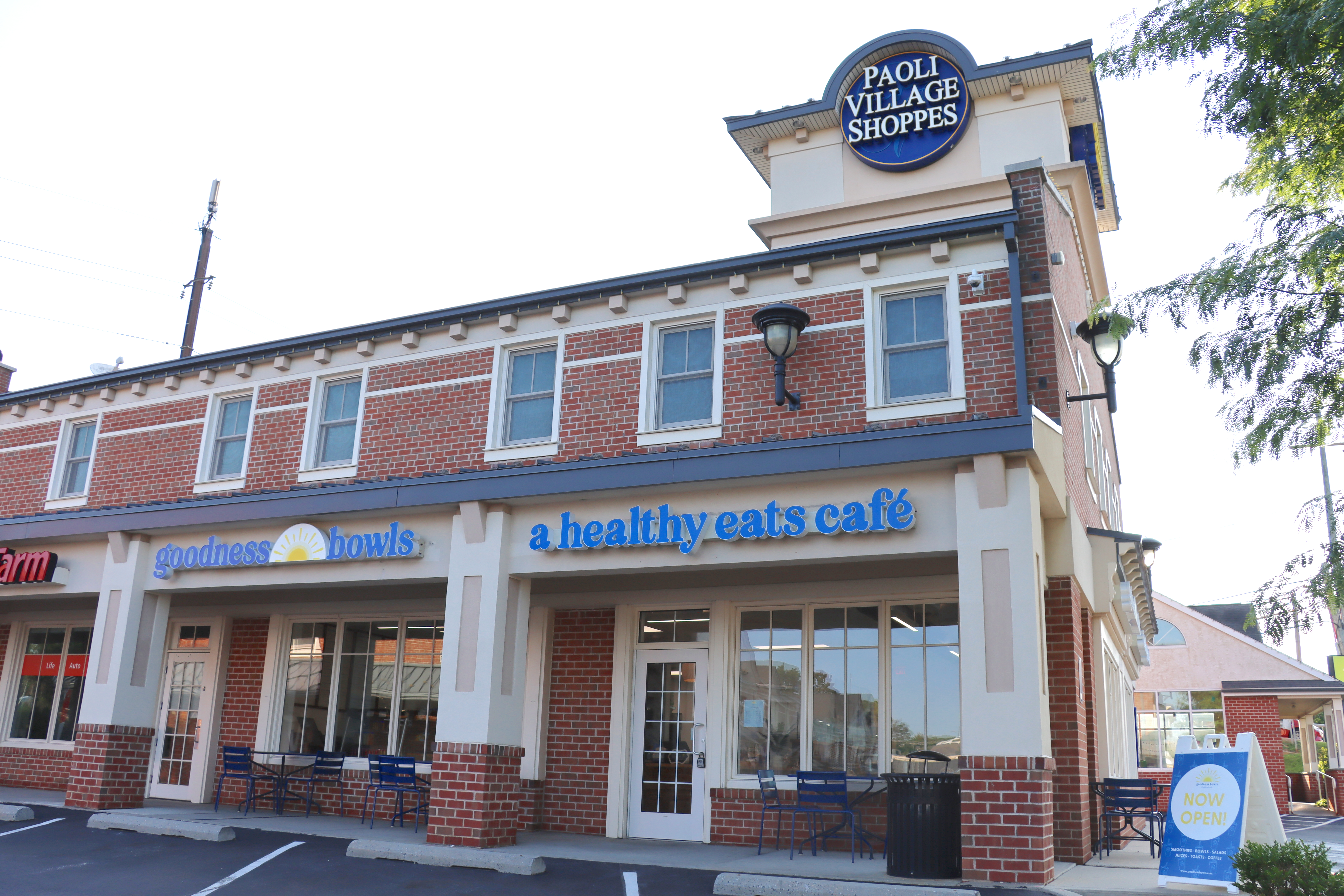
Goodness Bowls currently has franchise locations in Narberth, Paoli, Collegeville, Spring House, Haddon Township, Sea Isle, and Scranton.
The new Paoli location of Goodness Bowls.Courtesy Goodness Bowls
In recent years, Goodness Bowls has also expanded their team, including by hiring a company president, Finn Loftus, who also lives in Montgomery County.
“People really are craving healthy options,” she said. “And they really want food that they’re able to get quickly.”
Customers also say they are drawn to the bright cafes and friendly service, according to Susan.
Goodness Bowls executives look at their move to Conshohocken as a homecoming, and are excited to be back in the borough where Susan raised Corinne and her other children.
“We want to add to the community,” Susan said, by “keeping a small, family-owned business there on a really great corner that’s built such great traditions.”
A proposed settlement with the developer who is seeking to turn the rolling, open Rock Hill Farm into housing could significantly preserve more of the land than initially planned, if township officials decide to accept it.
During a public meeting Thursday, Willistown Township officials laid out for residents a potential settlement between the township and Rock Hill Farm Acquisition LLC, the developer who purchased the sprawling 222-acre parcel, and an adjacent 24-acre property, in 2021. Supervisors did not vote on the plans Thursday night; a vote will be held at a future, undetermined meeting.
A Chester County judge last month sided with the developer, overturning the township’s September 2024 denial of plans to build more than a dozen homes on the property. The township appealed the ruling earlier this month.
But under a proposed settlement, the developer would radically scale down the plan that was before the court, preserving roughly 166 acres of the larger tract, or 75% of the land, under a conservation easement. The land would be subdivided into 18 lots, down from roughly 24, with all but one lot proposed for residential development. The one non-residential lot would be conserved as open space. The lots vary from about four acres to up to 26 acres.
“This is a good ‘best-case scenario’ for us,” said Molly Perrin, chairperson of Willistown’s board of supervisors. “It could get a lot worse than this. Ongoing litigation would almost ensure that.”
A view of part of Rock Hill Farm, in Paoli, Tuesday, August 2, 2022. JESSICA GRIFFIN / Staff Photographer
A conservation easement for the preserved land would be held by the Willistown Conservation Trust. The trust would maintain the protected woodland as private property, not public land.
Separately, the developer has offered Willistown Conservation Trust the exclusive option to buy the adjacent 24-acre property, if the settlement agreement is approved by the township and court. The township would plan to buy it from the trust using designated open space funds, and preserve the property as open land. The board voted to approve the purchase in February, officials said.
“We understand there are members of the community who feel very strongly that the entirety of the 222-acre parcel should be coJ. Brian O’Neillmpletely conserved with no future development,” Perrin said. “Municipalities cannot simply ban a property from being developed. It would be nice if we could, except that when that’s turned against us, we would all hate it.”
The property, purchased by developer for $25.4 million, boasts rolling hills, meadows, woodlands and historically significant properties across its hundreds of acres.
For years, it had been owned by a conservation-minded local family. When it sold to O’Neill, who originally planned to build up to 24 residential lots on the grounds with only roughly 52 acres of land preserved, it sparked a community battle.
Rock Hill Farm in August 2022. JESSICA GRIFFIN / Staff Photographer
At Thursday’s meeting, residents were relatively open to the proposed settlement.
David Rawson,who lives in thetownship, thought it was a “far better plan than I thought anybody would be able to negotiate.”
It’s the “best deal you’re going to get short of continuing to fight,” resident Joe Heenan told the board.
“I’m not opposed to the fight,” he said, “but I think it’d be nice to have odds in the favor.”
Others hoped more could still be done.
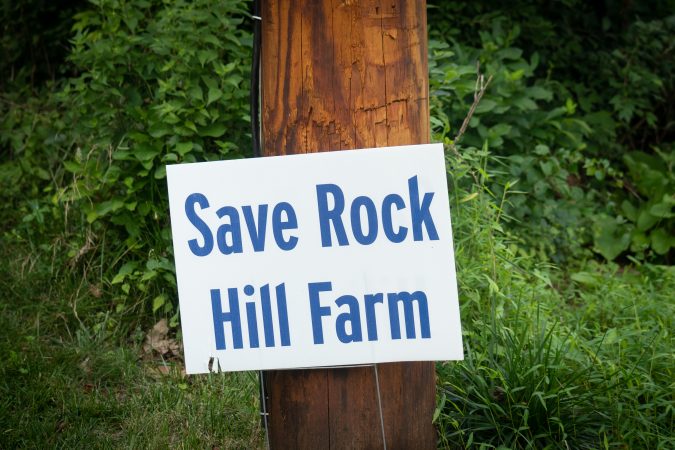
Invoking President Franklin D. Roosevelt, Les Haggett, a leader of Save Rock Hill, noted, “Sometimes fear is the only thing we have to fear.”
“I don’t think it’s the right time to settle,” he said. “My thought is, don’t be afraid. Don’t settle.”
Supervisor Bill Shoemaker said the township was working to achieve the best possible plan. Though they feel their appeal is “based on good and solid reasons,” they thought that of their initial filing, too, he said.
“The court is always a bit of a gamble,” he said. “So we have to consider very, very carefully what the best possible plan would be.”
This suburban content is produced with support from the Leslie Miller and Richard Worley Foundation and The Lenfest Institute for Journalism. Editorial content is created independently of the project donors. Gifts to support The Inquirer’s high-impact journalism can be made at inquirer.com/donate. A list of Lenfest Institute donors can be found at lenfestinstitute.org/supporters.
West Chester will limit where future smoke and vape shops can open within the borough, after an innocuous corner store grandfathered into a residential neighborhood became a glowing, neon vape shop and brought pushback.
Council voted unanimously Wednesday to amend its zoning ordinance to allow smoke and vape shops by conditional use only in the town center and commercial services district. The goal is to considerably limit where the shops can appear, after a resident came to council with concerns about the sale of a small corner store to a new owner who put in a vape shop. Its bright lights flooded the resident’s home, and it was right by school bus stops.
The ordinance also defines smoke and tobacco shops as a retail store that primarily sells tobacco, CBD, THC, kratom, and vaping products. If at least 20% of the store’s display area is dedicated to the sale of smoking products, it’s considered a smoke shop.
The measure also outlined parameters including limits on how close the shops can be to one another and requiring them to be more than 500 feet away from schools, public recreation facilities, day cares, school bus stops, libraries, and religious institutions. The shops can’t be permitted on a lot or within a building that is also residential. The shops can’t sell food.
It also places restrictions on age, prohibiting those under the age of 18 from entering the shop without a parent or guardian, and requiring the business to verify ages. Anyone under 18 cannot be employed to work within the store.
“It helps us kind of separate incompatible uses, preserve the quality of life, health, safety, and welfare of our residents, particularly the vulnerable populations,” said council member Lisa Kearns. “It also helps us make certain our business district remains diverse, and vape shops don’t take over our commercial areas or neighborhoods.”
West Chester’s town center has at least five smoke and vape shops and the updated zoning won’t affect any of the existing businesses. Instead, the ordinance will keep others from coming into the roughly handful of other retail locations that are in residential areas, officials said.
“We in the borough are not trying to stifle business as much as we’re trying to create a balance so that families and residents can have the quality of life that they’re looking for,” said Nicole Scimone, council president.
A suggestion from the borough’s planning commission to carve cigar shops out as a separate entity was ultimately not included, as the amendment would require months before it came back to council for approval. At Wednesday’s meeting, Kearns urged the borough to adopt the amendment because she would “hate to see another vape shop open up where we don’t want it to be between now and then.”
Meanwhile, an ordinance seeking to regulate the sale of kratom — an herbal substance that can have effects similar to opioids and stimulants, according to the National Institutes of Health — was sent back to committee for further refinement. Kratom often appears in vape and smoke shops.
The ordinance would have prohibited the sale and public use of kratom and 7-OH, the synthetic of kratom, in the borough. It wouldn’t have prohibited the use or possession.
Supporters of the “leaf” version of the substance — which often appears as a supplement or a tea — opposed West Chester’s proposed ordinance and pressed council to tweak the language.
Some council members felt they were overstepping in passing a measure.
“I think this is a big lane violation, quite frankly. We are not the FDA,” said council member Brian Travis. “I asked point blank the chief of police if this even was on the radar. It’s not. Nothing’s come up. It’s not a problem right now locally, but we’re making it a problem.”
Council member Bernie Flynn said that, after talking with two soon-to-be West Chester University students, neither had heard of it. It made him wonder how popular it really was.
“I don’t think we should be in the business of telling adults what they can or cannot do,” he said.
Several bills in the state legislature have been introduced regarding the sale and use of kratom. In July, the U.S. Drug Enforcement Administration announced it planned to temporarily place the chemical found in the synthetic kratom, 7-OH, in Schedule I of the Controlled Substances Act, alongside drugs like heroin and LSD. That won’t apply to the plant itself.
This suburban content is produced with support from the Leslie Miller and Richard Worley Foundation and The Lenfest Institute for Journalism. Editorial content is created independently of the project donors. Gifts to support The Inquirer’s high-impact journalism can be made at inquirer.com/donate. A list of Lenfest Institute donors can be found at lenfestinstitute.org/supporters.
In between his shifts as a guard at the State Correctional Institute at Chester, David Lemmon sent multiple child pornography videos to users on an encrypted messaging app, according to court documents obtained Thursday by The Inquirer.
After sending one video involving a girl that appeared to be between 5- and 7-years-old performing a sex act on an adult man, Lemmon, 45, bragged about his collection, the affidavit of probable cause for his arrest said.
“I have quite a bit I can share,” he told an unidentified person in a June 12 conversation.
Lemmon, of Clifton Heights, was charged last week with more than 100 counts of possessing and distributing child pornography after detectives in the Delaware County District Attorney’s Office received a tip from the National Center for Missing and Exploited Children.
Arik Benari, whose law firm is representing Lemmon, declined to comment Thursday. Lemmon, who was freed after posting $10,000 bail after his arrest, did not respond to a request for comment.
The investigation into Lemmon began in March, after county detectives received the tip that an IP address connected to Lemmon’s email had uploaded a video to Snapchat of an adult man sexually assaulting a girl between 3 and 6-years-old, according to the affidavit.
Detectives served a search warrant on Lemmon’s cell phone in June, and found nearly 190 child pornography files on the device.
The warrant also showed Lemmon had been sending some of those files through Session, an end-to-end encrypted messaging application that detectives said is commonly used to share child pornography, the affidavit said.
Within those chat logs, Lemmon also discussed having sex with another user who told him she was 17, the affidavit said. Detectives noted that Lemmon “sent more [child pornography] than he was receiving.”
Maria A. Bivens, press secretary of the Pennsylvania Department of Corrections, said Lemmon has not worked at SCI Chester since his arrest last week, and that the department is moving to suspend him.
Lemmon is scheduled to appear before a district judge for a preliminary hearing on Sept. 24.
A shuttered veterinarian’s office in Wayne may become the new site of a local courthouse.
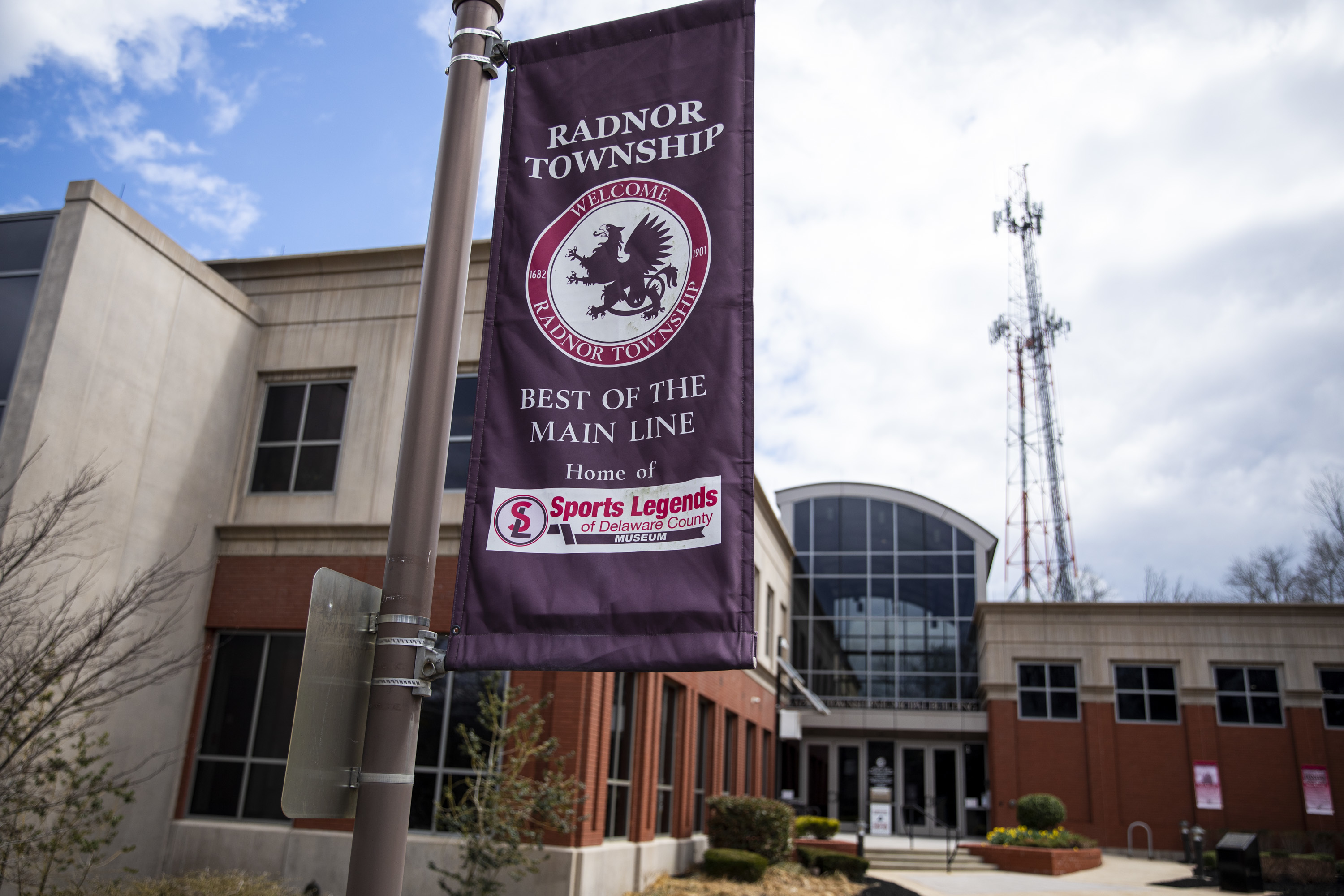
Radnor Township has set its sights on purchasing 405 W. Wayne Ave., the former home of St. George Hunt Memorial Veterinary Hospital, for $1.45 millionand converting the building into its magisterial districtcourt.
The building would be owned by the township and leased back to Delaware County, which pays for and operates the county’s 30 district courts. District courts are the first level in Pennsylvania’s state court system and typically handle traffic cases, minor criminal cases, and civil cases involving amounts up to $12,000.
Radnor’s district court cases were previously split between Marple and Newtown Townships, meaning Radnor residents looking to challenge a speeding ticket or sue a faulty contractor would have to do their legal business in another town. Three years ago, a realignment of the court once again gave Radnor its own court, but a struggle to find a home has forced Radnor’s court proceedings to take place in Newtown Square.
Radnor’s district judge is Sloan Walker.
Officials said bringing Radnor’s district court home would make hearings more convenient for residents and law enforcement officers, would save the police department on gas and overtime expenditures, and would, the next time court realignment occurs, send a message to the state that Radnor should retain its own court.
“Eventually there’s going to be pressure, some other district is going to want a judge, and when the Supreme Court looks at Radnor and we haven’t had a magistrate in Radnor for 15 years, they’re going to say, ‘Well, they don’t really want one,’” Township Commissioner Jack Larkin told attendees at a July meeting, warning of the consequences of continuing to hold Radnor’s legal proceedings in Newtown Square.
Why is Radnor’s district court judge still sitting in Newtown Square? The cash-strapped county has been unable to afford the high cost of renting a space in Radnor, Larkin said.
Officials said they looked far and wide for commercial space in the township that would fit the court’s needs. Though “there are other places that are probably better locations” in the township, Larkin said, the Wayne Avenue site is already zoned for commercial use, has ample parking, is within the county’s price range, and is, most importantly, available.
Under the proposal, officials say, the county would pay the township back for the cost of purchasing the building and retrofitting it as a courthouse over the course of 10 years.
Township Commissioner Moira Mulroney said Radnor has “exhausted every option” during its three-year search.
At a meeting this week, residents pleaded with the commissioners to find another location for the court, citing concerns over traffic, parking, and the safety of having court proceedings happening in a neighborhood full of children.
“Respectfully, this is a square peg going in a round hole,” resident Jason Bologna said. “This is a court that is being put into a residential neighborhood, and that is not appropriate for our neighborhood.”
Diane Edbril, another resident, said the commissioners’ proposal is “an idiotic solution” and “ridiculous.”
“I am absolutely terrified by the idea of shackles and handcuffs in my backyard. I don’t think that that should be in anybody’s backyard,” resident Marciana Bradley said.
Larkin told residents that it is “incredibly early in the process” and that there will be a “lot of opportunities for feedback.”
In order to move the court into the old vet building, the township board of commissioners would need to approve and finalize the sale, and the county would need to agree to a lease price.
Radnor Township is planning to hold a public meeting in September, where residents will be able to ask questions and learn more about the district court.
This suburban content is produced with support from the Leslie Miller and Richard Worley Foundation and The Lenfest Institute for Journalism. Editorial content is created independently of the project donors. Gifts to support The Inquirer’s high-impact journalism can be made at inquirer.com/donate. A list of Lenfest Institute donors can be found at lenfestinstitute.org/supporters.
Severe storms set off tornado and flood warnings on Thursday in the Philly region, and in some places turned the phrase “rush hour” into an oxymoron.
Intense thunderstorms took down trees and wires in parts of Chester County, and fallen trees blocked portions of heavily traveled Route 322 in Honey Brook, the weather service reported.
Streams came out of their banks, and flash flooded occurred in West Norriton and Lower Providence Townships, in Montgomery County, making “many streets” impassable.
A tornado warning had been issued for portions of Chester and Delaware Counties, but it was not known if a twister was sighted.
About 21,000 Peco customers were without power as of 8 p.m.
All of Philadelphia; areas to the west of the city, including the Main Line; northern Delaware; and in New Jersey along the Delaware River were under a flash-flood warning until 8:45 p.m.
Lines of storms gathered to the west and south of the region during the day with the approach of an eastward-moving front interacting with a volatile, energized atmosphere.
“It’s a pretty juicy air mass,” said Matt Benz, senior meteorologist for AccuWeather Inc. And more juice might be squeezed out of it over the next few days, especially Saturday.
It turns out that the front that set off the storms may return in a repurposed form during the weekend.
Disruptive storms came at a bad time
The storms arrived between 5 and 5:30 p.m. in the immediate Philly area, right when a lot of people likely would have been heading home.
The storms moved quickly, but the downpours were strong enough to set off flash-flood warnings.
The fact that the sun interrupted the afternoon gloom on Thursday didn’t help matters, meteorologists said. On a day when the air was so full of moisture and energy, that was about the last thing they wanted to see.
“It’s ironic, isn’t it,” said Joe Wegman meteorologist with the government’s Weather Prediction Center, in College Park, Md.
The solar heating likely provided a power jolt to an already charged atmosphere.
The outlook for the weekend
If you have outdoor plans Saturday, this is probably something you don’t want to read.
After the front clears the region, Friday should be a decent day, Wegman said.
But it’s likely to migrate back, this time as a warm front, said Wegman. Showers are possible Friday night, and might be tapping into a generous moisture supply on Saturday.
Said Benz, “I wouldn’t throw out the word washout, but it could be pretty wet on Saturday.” Steady rain is possible, as are more downpours Saturday afternoon into the night.
As for Sunday, you guessed it — another chance of showers.
Authorities have identified the pilot of a small plane who died Wednesday after colliding with a Pennsylvania State Police helicopter.
Paul Sokoloski, 57, of Hershey, died in the crash, the Cumberland County Coroner’s Office said Thursday morning.
Sokoloski was an emergency room doctor at Penn State Health, according to the health system, which described him in an emailed statement as a valued member of its team.
“We are focused on supporting Dr. Sokoloski’s loved ones and the members of our care teams who worked alongside him and are grieving his passing,” the statement said.
Sokoloski worked as an emergency physician since 1999, according to his LinkedIn profile. Since 2022, he had worked at three Penn State Health hospitals around Harrisburg and Lancaster. From 2017 through 2021, he was an assistant professor of emergency medicine at the Pennsylvania State University College of Medicine.
The crash happened at Carlisle Airport, a small public-use airport about a half-hour southwest of Harrisburg.
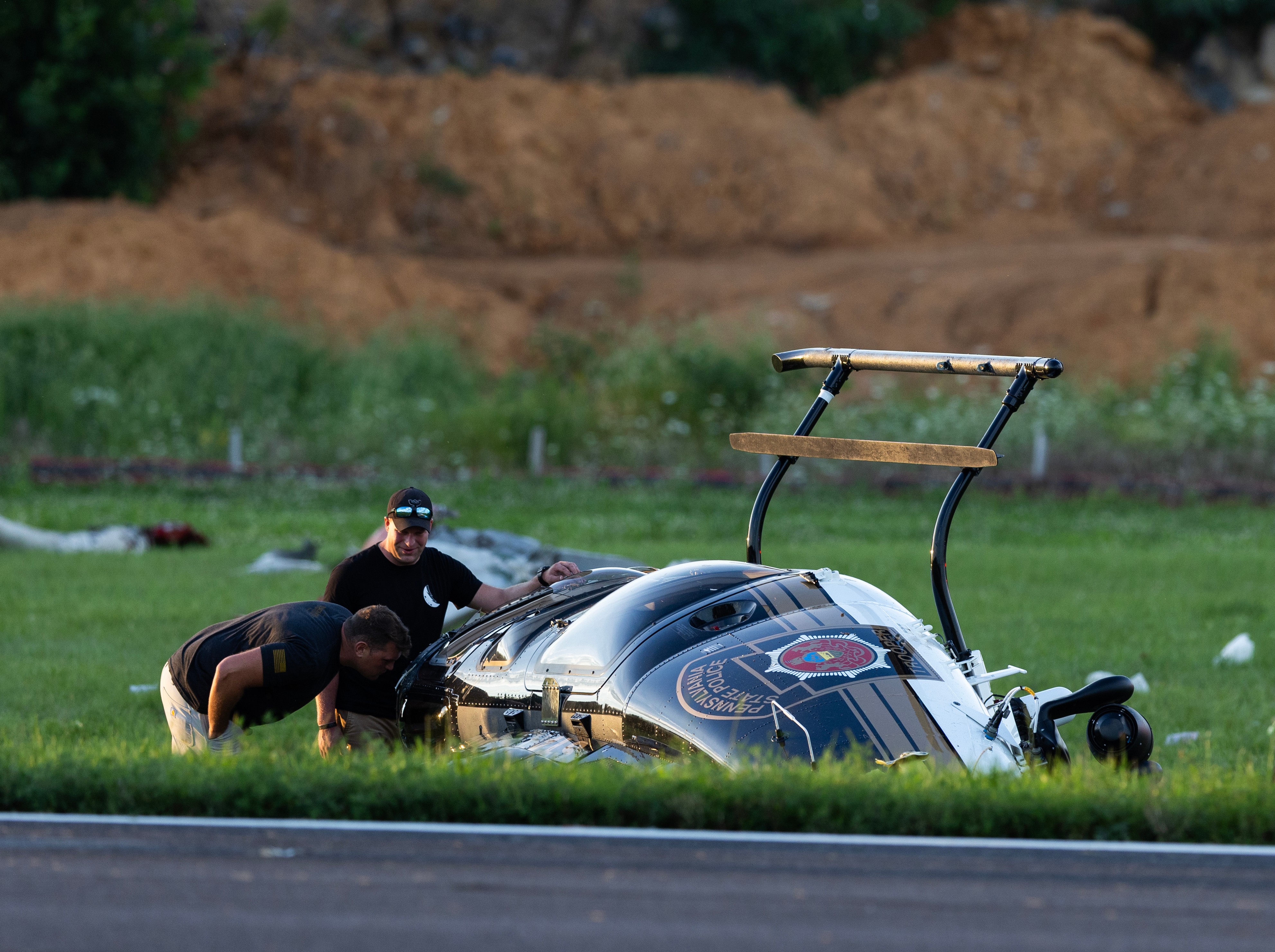
Pennsylvania State Police were conducting a training exercise in a helicopter when it was struck by the Cessna 150 airplane piloted by Sokoloski, state police said Thursday.
“The Cessna 150 was attempting to land when, for an unknown reason, it veered off the north side of the runway and collided with the rear of the PSP helicopter, which was hovering in mid-air,” state police said in a statement.
Sokoloski was the only person in the plane, state police said.
Aaron McCarter, aviation accident investigator with the NTSB, confirmed at a Thursday afternoon briefing that a video clip circulating on social media did capture the collision. The video shows the helicopter hovering above a grassy area when the Cessna veers from the runway path and sheers off the top main rotor blade and the tail blades of the helicopter. The Cessna immediately breaks apart after contact.
A witness saw the Cessna pilot, who was a certified flight instructor, earlier performing maintenance on his plane, McCarter said. The pilot earlier on Wednesday then flew south before returning to Carlisle Airport in the evening.
McCarter said pilots who fly at small airports that do not have control towers, such as Carlisle, use a designated radio frequency known as CTAF, or common traffic advisory frequency.
The pilot of the Cessna, who was a certified flight instructor, “was made aware” of the helicopter’s activity at the airport, McCarter said.
On Friday, crews will transport the wreckage of the plane and the helicopter to a secure hangar in Clayton, Del., where investigators will work to find out “what brought those two vehicles together in such a violent way,” McCarter said.
Two state police troopers in the helicopter, Cpl. Bryce Corman and Trooper Jason Mills, were airlifted to Penn State Health Milton S. Hershey Medical Center in Hershey, police said.
Corman has since been released, and Mills remained hospitalized in stable condition, police said.
Pennsylvania Gov. Josh Shapiro on Wednesday night called the injured state police troopers “heroes” and expressed his sympathy to their families.
“They are people who are absolutely essential to the operations of the Pennsylvania State Police, and we are so grateful they are going to be OK,” Shapiro said.
State police, the Federal Aviation Administration, and the National Transportation Safety Board are investigating the incident, police said.
Staff writer Robert Moran contributed to this article.