Category: Pennsylvania News

  • Lawsuit alleges staff at Montco psychiatric hospital failed a suicidal teen before her death

    Lawsuit alleges staff at Montco psychiatric hospital failed a suicidal teen before her death

    All Abrianna McClintic’s parents wanted was for her to get the help she needed.

    The 19-year-old had spent the second half of her life in and out of psychiatric facilities, receiving treatment for PTSD, schizophrenia and other mental-health issues, her mother, Cynthia Lewandowski, said.

    When a bed opened up at a facility in the Poconos, the North Carolina native boarded a bus for the hourslong ride, her mother said. She later transferred to Provive, a mental-health treatment center in King of Prussia, in January.

    That was the last update Lewandowski had received. A week later, she said, McClintic’s biological father told her that their daughter harmed herself at Montgomery County Emergency Service, a psychiatric hospital in West Norriton. McClintic, who was involuntarily committed to MCES after attempting suicide at Provive, harmed herself while unsupervised at MCES, when she should have been closely monitored, her family said.

    Six days later, McClintic died from her injuries at Thomas Jefferson University Hospital in Center City.

    Now, McClintic’s mother and stepfather have sued Montgomery County Emergency Service and the nurses and doctors who cared for her in Philadelphia’s Court of Common Pleas, asserting they “weakened the safeguards designed to keep her alive.”

    “Abrianna’s death was not the result of a danger that defendants failed to anticipate,” according to the lawsuit, filed recently on the family’s behalf by Center City attorney Jordan Strokovsky. ”It was the realization of the precise danger they had already identified and undertaken to prevent.

    “Abrianna paid for each of those failures with her life.”

    Lawyers for MCES and the individuals named in the lawsuit did not return requests for comment.

    Meanwhile, her family is left mourning. McClintic’s stepfather, Stephen Lewandowski, said the people she entrusted to keep her daughter safe could not have been more negligent.

    “In that moment, their complacency, their lack of wanting to do their job, whatever the hell it was, is why my daughter’s not here anymore,” he said.

    The lawsuit asserts that the nurse responsible for McClintic who failed to check on her later altered her logs to falsely show McClintic was only out of her sight for five minutes.

    Instead, the lawsuit said, she was left alone for more than 30 minutes before being found gravely injured after attempting suicide in her room’s attached bathroom.

    Records from the state Department of Human Services show the facility had its license to operate as a psychiatric facility temporarily revoked for “gross incompetence, negligence or misconduct” after McClintic’s death.

    A state auditor found staff at the facility “did not check with the patient to ensure safety,” despite being required to do so every 10 minutes.

    Months later, the state reinstated the facility’s license, finding it had corrected the issue it had previously flagged.

    But McClintic’s family believes, even though state auditors reapproved the facility to treat patients, pervasive issues remain: Medical staff ignored clear warning signs, they said, that their daughter was a danger to herself.

    The doctor who performed McClintic’s intake interview at the facility said she posed only a “moderate suicide risk,” the lawsuit said, despite her suicide attempt at a different facility hours earlier.

    Another doctor ordered a change to the psychiatric medication McClintic had been taking without tapering her off or observing the effects of that change. That decision increased her risk for “rapid psychiatric deterioration,” according to the lawsuit.

    A nurse later elevated McClintic’s suicide risk designation, which required her to have a constant aide, after the teen appeared disheveled and withdrawn and told her she was hearing voices telling her to kill herself.

    But the doctor who changed her medication later lowered her risk designation again, which only required that a nurse be “within eyesight of McClintic,” the lawsuit said.

    The next day, Jan. 29, McClintic asked a nurse to unlock the bathroom attached to her bedroom, and then closed the door to her room, violating the direct-eyesight rule.

    A half-hour later, staff at the facility found her harmed in the bathroom.

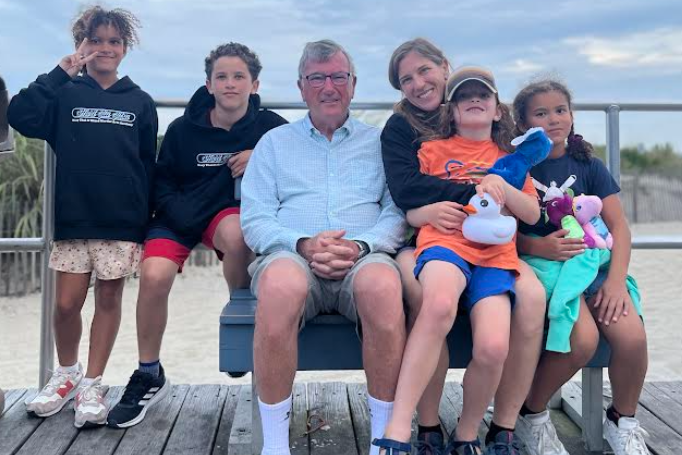
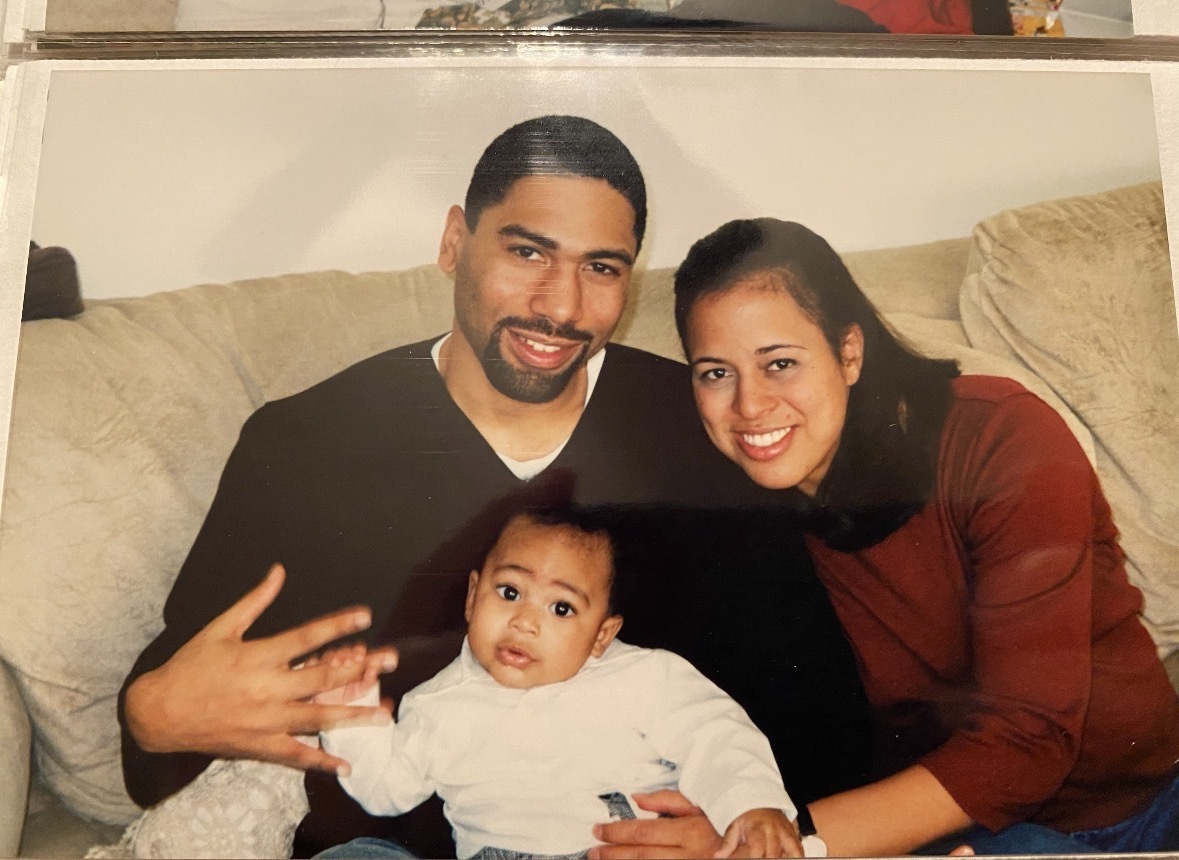
    In life, when she was feeling like herself, McClintic was “the human SpongeBob,” a bubbly, innocent soul who loved to draw and dreamed one day of sharing her art with the world, according to her family.

    They hope their lawsuit brings about change for what they described as a deficit of treatment options for children dealing with mental-health issues.

    “I could drive almost anywhere, and I can find a therapist for an adult,” Stephen Lewandowski said. “But there’s not very many for kids, and when [there] is, a lot of insurances don’t cover” the treatment.

    And he said teenagers were especially vulnerable even when they do find treatment.

    ”As they get older, like in Abrianna’s case, facilities tend to think, ‘Oh, well, they’ve been doing this so long, there ain’t no help for them,’“ he said. ”‘We’ll just medicate them and stick them in a corner somewhere.’”

  • Pa.’s largest electric company seeks new protections for customers who shop for suppliers

    Pa.’s largest electric company seeks new protections for customers who shop for suppliers

    Spotlight PA is an independent, nonpartisan, and nonprofit newsroom producing investigative and public-service journalism that holds power to account and drives positive change in Pennsylvania. Sign up for our free newsletters.

    A case before state utility regulators could lead to new guardrails for customers who shop for their energy supplier, as Pennsylvania’s largest electric company says the current system leads to consumers inadvertently paying more.

    Existing regulations don’t do enough to ensure that customers understand what they’re signing up for, or that suppliers charge reasonable prices, FirstEnergy Pennsylvania argued in a case filed with the Public Utility Commission earlier this year.

    Under a landmark state law passed in 1996, Pennsylvania residents can choose the company that supplies their electricity; otherwise, they receive the “default service” offered by their utility.

    But choosing to shop has generally not worked out for residential customers, instead leading to higher bills and greater risk of termination, FirstEnergy says. The company serves more than 2 million customers in central, southern, and western Pennsylvania under the brand names Met-Ed, Penelec, Penn Power, and West Penn Power.

    The case will test whether regulators are willing to reconsider long-standing policies intended to bolster the retail electric market, and comes at a time when rising energy prices are top of mind for customers and politicians. FirstEnergy says it saw a sharp uptick in customer complaints about suppliers last year.

    The administrative law judges overseeing the case have recommended the utility commission adopt FirstEnergy’s proposed changes, but those recommendations are not binding. The commission was to consider them at its public meeting on Thursday. In recent years, the commission has rejected similar but narrower changes in cases involving other utilities.

    FirstEnergy’s arguments echo concerns that consumer advocates have raised for years. The proposed changes “would fix some of the extractive loopholes in the market that suppliers take advantage of to jack up prices and confuse consumers,” said Elizabeth Marx, executive director of the Pennsylvania Utility Law Project, which represents low-income customers.

    Electricity bills in Pennsylvania have increased sharply in recent years. Surging demand — driven largely by the rapid growth of data centers — and a lag in new energy generation have led to dramatic spikes in wholesale power prices.

    Utility profits have also drawn criticism, including from Democratic Gov. Josh Shapiro, who has publicly warned utilities to stop seeking “unacceptably high” rate hikes. Those profits don’t come from the supply for electricity, the part of customers’ bills at issue in the FirstEnergy case. Utilities are required to pass the cost of buying electricity on to customers without any markup.

    Suppliers, who vehemently oppose FirstEnergy’s plan, argue they are being scapegoated for recent price increases. They argue the changes would upend years of established policy, undermine state law, and effectively kill Pennsylvania’s retail market.

    “Sometimes there’s a tendency to reach for the nearest lever even when it’s not necessarily the right lever,” said Frank Caliva, national spokesperson for the Retail Energy Supply Association.

    “The solution can’t be to shut down the market and take away people’s choice.”

    A FirstEnergy spokesperson told Spotlight PA that the company “does not comment on pending litigation and legal proceedings.”

    A high-stakes choice

    Electric bills are made up of two parts: supply — the cost of the electricity itself — and delivery, the cost of the poles and wires that bring it to a customer’s home. Most customers get their electric supply from their utility. State law requires utilities like FirstEnergy to buy power for these customers through a competitive process meant to achieve the lowest cost over time.

    Some customers choose to have their electricity supplied by a different kind of company, a retail supplier. They still pay their utility to deliver that power.

    In 2025, FirstEnergy customers could pick from more than 80 retail suppliers. A state website — papowerswitch.com — allows customers to compare offers from suppliers with what they’d pay if they stayed with their utility.

    Roughly 17% of FirstEnergy’s residential customers were served by retail suppliers in the first three months of the year, state data show — in line with the median rate statewide.

    Those customers mostly ended up paying more, according to data FirstEnergy submitted in regulatory filings earlier this year.

    In 2025, the data show, residential customers served by an alternative supplier paid almost $82 million more than if they had stayed with the utility — even after accounting for customers who saved money. Suppliers raised various objections to the data, but the administrative law judges overseeing the case rejected their arguments.

    Statewide, customers who shopped for their supplier paid $350 million more in 2024 than they would have for default service from their utility, said Andrew Tubbs, CEO of the Energy Association of Pennsylvania, at a legislative hearing earlier this year. His association represents electric and natural gas utilities.

    Suppliers argue that some customers are willing to pay more for benefits that utilities cannot offer, like electricity from renewable sources or a price that is guaranteed for a year or longer. The cost of utilities’ default service changes every six months.

    FirstEnergy also submitted data showing customers served by a retail supplier were nine times more likely to have their service shut off.

    “It lacks credibility to suggest that a consumer would knowingly and voluntarily choose a higher price that they cannot afford to pay when the consequence is involuntary termination,” a coalition of consumer advocates said in a filing in the case.

    Action vs. inaction

    In light of the evidence that signing up with an alternative supplier has serious drawbacks for many customers, FirstEnergy argues that several changes are necessary.

    Under current regulations, customers who don’t take any action after their contract with a supplier expires can be rolled into a new contract, with new pricing and new terms. For example, a customer can be switched from a contract with a fixed monthly price to one that fluctuates. The supplier is required to send the customer at least two notices with information about the changes before the contract ends.

    Suppliers often offer lower-priced “teaser” rates to encourage customers to sign up, then increase prices once the initial contract expires, according to testimony from FirstEnergy. Consumer advocates say customers can easily miss the required notices and end up funneled into higher-priced contracts through inattentiveness — not by choice.

    FirstEnergy wants to flip that on its head by putting a customer back on default service if they do not take “affirmative action” to enter a new supplier contract.

    The change would require the state utility commission to waive an existing regulation.

    Regulators considered what FirstEnergy is proposing when they originally created the rule, but “we wanted to fulfill the legislative intent to make electric choice work,” said James Cawley, who served on the utility commission at the time and now works as a consultant for NRG Retail, one of the largest competitive suppliers in the U.S.

    “We wanted customers to stay shopping.”

    Suppliers argue that contracts that automatically renew are common in many industries, including cell phone plans and streaming services. When customers don’t respond, the last clear choice someone did make — in this case, to sign up with a supplier — should be honored, they say.

    FirstEnergy also wants new safeguards for customers on variable-rate contracts, in which prices can change daily or even hourly as the wholesale electricity market shifts. The company’s plan would require suppliers to certify every three months that residential customers on variable contracts have consented to those terms. Suppliers argue the change is unnecessary and would require customers to repeatedly confirm choices they already made.

    At a legislative hearing in January, state consumer advocate Darryl Lawrence said his office tells customers to steer clear of variable-rate contracts.

    “Unless you’re an energy expert, it’s probably not something you want to engage in,” he said.

    ‘Totally eliminating the risk’

    FirstEnergy also seeks major changes to a program that suppliers say is essential for the competitive market to function.

    Under the program, the utility buys customer accounts from suppliers — before customers have paid their bills. That means suppliers get paid upfront, regardless of how much money FirstEnergy is able to collect from customers. The utility’s ratepayers ultimately shoulder the cost of any debt that cannot be collected.

    The program provides an “enormous benefit” to suppliers, “totally eliminating the risk that some of their customers will not pay their bills,” FirstEnergy argued in a filing in the case.

    FirstEnergy wants to restrict access to the program to suppliers whose prices are the same or lower than the cost of its default service at the time a customer signs up. Suppliers say the utility’s proposal amounts to a price cap, which state law prohibits.

    Because of the program, suppliers “do not need to screen customers for payment risk,” a witness for Town Square Energy testified. If suppliers like Town Square had to “bear full credit risk” for their products, many would reduce their offerings, or leave Pennsylvania altogether, he said.

    Other large utilities in Pennsylvania offer similar programs. They aren’t required to by law, but in the late 2000s, the utility commission signaled that utilities should adopt them in order to encourage suppliers to enter the market.

    Residential customers served by retail suppliers account for a disproportionate amount of FirstEnergy’s uncollectible debt, data submitted by the utility show. Between 2022 and 2025, 40% of uncollectible debt came from shopping customers, even though only 18% of customers shopped, according to the data.

    Up for a vote

    In August, the administrative law judges overseeing the case included FirstEnergy’s proposed changes in their recommendations to the utility commission. Next, the commission will vote on the recommendations at a public meeting. The commissioners can accept, reject, or modify the recommendations.

    Critics say such significant changes should not be made on a case-by-case basis.

    “If you’re going to make major changes, it should be elevated to a widely noticed rulemaking proceeding,” said Cawley, the former PUC commissioner.

    “That’s really the unfairness of doing this piecemeal.”

    Several Republican lawmakers have also written to the utility commission, arguing that changes of the kind FirstEnergy wants would require legislative action.

    Democrats in the state House and Senate have introduced bills that would change the rules around contract expiration, similar to what FirstEnergy is proposing, but the legislation has not advanced.

    Any changes approved by the utility commission would apply only to customers of FirstEnergy, but the case could set a precedent for other utilities to follow.

    If approved, the changes would go into effect June 1, 2027.

    This story was originally published by Spotlight PA and distributed through a partnership with the Associated Press.

    SUPPORT THIS JOURNALISM and help us reinvigorate local news in north-central Pennsylvania at spotlightpa.org/donate. Spotlight PA is funded by foundations and readers like you who are committed to accountability and public-service journalism that gets results.


  • Amid ongoing data center fight in King of Prussia, this developer is eyeing another Montco town

    Amid ongoing data center fight in King of Prussia, this developer is eyeing another Montco town

    Developer Brian O’Neill, who is trying to build a data center campus in Upper Merion Township and another facility on the outskirts of Conshohocken, has set his sights on another nearby property.

    Last month, O’Neill submitted a conditional use application to West Conshohocken Borough for a proposed three-story data center on a vacant property. Data centers handle the cloud-storage and computing needs of increasingly sophisticated AI tools.

    The 60-acre West Conshohocken site is on Front Street, according to Montgomery County property data, and borders Upper Merion Township and I-476. O’Neill owns the land, which previously operated as a quarry, a cement plant, and a Montgomery County solid-waste disposal site, the application says.

    “This is at the early stages of the borough’s land development and conditional use review process,” West Conshohocken Borough Manager Doug Borgerson said, adding that public meetings or hearings on the application will be publicly advertised as legally required.

    One of the Upper Merion Township properties where Brian O’Neill wants to build an AI data center.

    Meanwhile, across the borough line, O’Neill is continuing his fight to build a 4.6 million-square-foot data center campus in Upper Merion Township, despite a unanimous rejection by the township supervisors over the summer.

    O’Neill’s withdrawal of specific zoning appeals — which led to the cancellation of a public zoning hearing board meeting that had been scheduled for this week — does not equate to a withdrawal of the broader legal appeals of the supervisors’ rejection, said Marc Kaplin, an attorney for O’Neill.

    “The appeals of the rejection are ongoing,” Kaplin said.

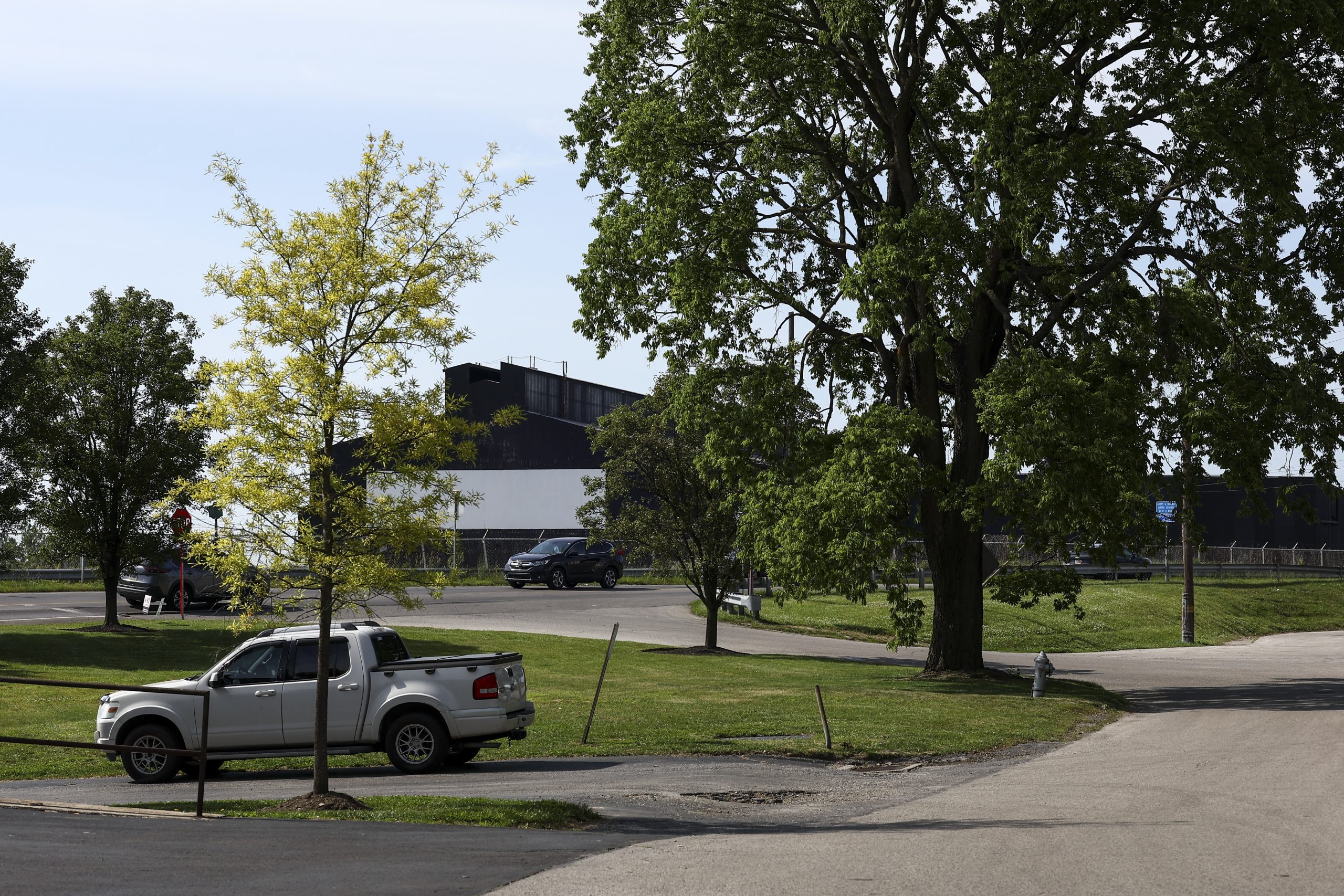
    Across the Schuylkill River, O’Neill and his team are making their case for another 2 million-square-foot data center before the Plymouth Township Zoning Hearing Board. That proposed facility would be on the site of the closed Cleveland-Cliffs steel mill on Conshohocken Road.

    The latest special meeting of the Plymouth Township Zoning Hearing Board was held last week. The quasi-judicial proceeding was the second procedural meeting about the plans and included testimony from O’Neill and his attorney Edmund J. Campbell. It did not include public comment. Township officials have said public comment will occur after all the evidence is presented.

    At last week’s meeting, Montgomery County was granted party status as the owner of Ivy Rock Quarry across the street from the proposed data center. That means county officials can now present evidence, call their own witnesses, and cross-examine other witnesses.

    The closed Cleveland-Cliffs steel mill, where Brian O’Neill wants to build a 2 million-square-foot AI data center.Monica Herndon / Staff Photographer

    The data center is expected to be the subject of several Plymouth Township Zoning Hearing Board meetings, with the next one scheduled for November.

    O’Neill is requesting a special exception to Plymouth Township’s zoning ordinance to allow for a data center in the municipality’s heavy industrial zone, which permits warehouses and laboratories. O’Neill has argued that data centers should be included among those uses.

    In West Conshohocken, data centers are permitted in the borough’s heavy industrial zone under certain conditions, according to a data center ordinance that officials passed earlier this year. O’Neill’s Front Street property is in the heavy industrial zone.

    However, according to the borough’s data center ordinance, a data center developer must show that their facility will meet specific parameters related to light and noise pollution, landscaping, power generation, and other factors.

    O’Neill has said his data centers would emit little light and noise, operate on a closed-loop system that requires no outside water, provide their own power, and be an economic engine for Montgomery County. He released an economic impact study saying the Upper Merion project alone would result in more than 10,000 jobs during construction, more than 700 permanent jobs, and more than $55 million a year in local tax revenue.

    In Upper Merion and Plymouth Townships, many neighbors near the longtime developer’s proposed data centers have rallied against the plans, expressing concerns about pollution, light, noise, electricity prices, property values, and quality of life.

    The developer has declined to specify who would operate the centers, though he indicated the facilities would fuel AI-powered biotech to complement his existing life-sciences complex, Discovery Labs.

  • Joseph T. Cox, celebrated former headmaster of the Haverford School and decorated 30-year Army veteran, has died at 80

    Joseph T. Cox, celebrated former headmaster of the Haverford School and decorated 30-year Army veteran, has died at 80

    Joseph T. Cox, 80, formerly of Haverford, celebrated former headmaster of the Haverford School, decorated 30-year Army veteran, former associate professor of English at the U.S. Military Academy in West Point, N.Y., author, poet, mentor, and volunteer, died Thursday, Oct. 8, of complications from dementia at Echo Lake assisted living center in Malvern.

    Born in Springfield, Mass., Dr. Cox joined the Army after college, served in Vietnam and stateside, rose to colonel, and taught English to cadets at West Point for more than 14 years. He joined the Haverford School in 1998 as its eighth headmaster and, until he retired in 2013, championed servant leadership, compassion, and enhanced student engagement at the all-boys school on Lancaster Avenue.

    “When I was a battalion commander, I had 660 young men to work with,” Dr. Cox told The Inquirer in 2011. “And then I came [to the Haverford School] and had 893 young men to work with. They have amazing character, and they make [the job] worthwhile.”

    A former Haverford student said recently on Facebook: “He had an incredible way of making sure every student knew they mattered.”

    At West Point, Dr. Cox coached the sprint football team and was officer representative to the men’s lacrosse team.Courtesy of the family

    In a tribute, former colleagues at the Haverford School praised his “extraordinary leadership, his unwavering dedication to Haverford, and the lasting impact he had on generations of Fords.”

    Dr. Cox lived on the school grounds at Haverford and taught senior English classes for several years. “I think my being in the classroom sends a message that teaching is the most important part of the school,” he told The Inquirer when he was hired.

    He went on to establish a student honor code and mentorship program, and a modern teacher evaluation process. He oversaw new campus construction and was a fixture at sports games and other events.

    He had the words respect, honesty, and courage stamped onto the football team uniforms, and was inducted into the school’s athletic Hall of Fame in 2013 for “special recognition.”

    Dr. Cox was close to his daughter, Ansley, and son, Matt. Courtesy of the family

    In 2011, a Haverford colleague praised his “forward thinking.” A student said then: “That’s his most important quality, his approachability.”

    In 2010, Haverford School donors established the Joseph T. Cox Servant Leadership Symposium. In 2013, they founded the Joseph T. Cox Leadership Scholarship Fund.

    He also served as president of the Pennsylvania Association of Independent Schools and secretary of the International Boys’ Schools Coalition. He was active with the Lafayette College Board of Trustees and the City Year Philadelphia education nonprofit.

    After Haverford, he mentored graduate students in the University of Pennsylvania’s School of Education and was headmaster briefly at the La Jolla Country Day Upper School in San Diego. At West Point, he also coached the sprint football team, was officer representative to the men’s lacrosse team, and founded a Big Brothers Big Sisters chapter.

    Dr. Cox and his wife, Kathy Stevenson, traveled the world together. Courtesy of the family

    Before West Point, Dr. Cox was a ranger and a paratrooper, and he commanded a battalion in the 101st Airborne Division in Kentucky. He earned the Legion of Merit and two Bronze Stars.

    A former West Point cadet said on Facebook: “The world was a better place because of Joe Cox’s leadership.”

    Dr. Cox was also a writer. His 282-page book, The Written Wars: American War Prose Through the Civil War, was published in 1995. His poetry appeared in journals, magazines, and elsewhere, and his 50-page collection, Garden’s Close, was published in 2002.

    He wrote several opinion essays for The Inquirer and said in 2011: “We need to develop an understanding of masculinity that respects the emotional lives of boys and men, recognizing their demonstrations of emotional depth as natural and, in the long run, healthy.”

    Dr. Cox doted on his grandchildren.Courtesy of the family

    On Facebook, a friend called him “one of the greatest men I’ve ever known.”

    Joseph Thomas Cox was born July 31, 1946. He played track and field, and football at a technical high school in Massachusetts, and briefly considered work as an engineer.

    He earned a bachelor’s degree in English at Lafayette College in 1968 and, following his father, joined the Army on an ROTC commission as a lieutenant. Later, while serving in North Carolina, he earned a master’s degree and a doctorate in 19th-century American literature at the University of North Carolina.

    He married Joanne Shirk, and they had a son, Matt, and a daughter, Ansley. After a divorce, he married Kathy Stevenson, and they lived in Haverford, San Diego, Illinois, and Malvern.

    Dr. Cox “was extremely compassionate,” his son said. Courtesy of the family

    Dr. Cox enjoyed camping, hiking, fishing, and photography. He and his wife traveled often, and his home library was extensive.

    “He was extremely compassionate,” his son said. “He was a role model. He had standards. You knew what they were, and he would help you get there if you were willing to work.”

    In addition to his children and wife, Dr. Cox is survived by five grandchildren and other relatives. His former wife died earlier.

    A celebration of his life is to be at 2 p.m. Monday, Nov. 16, at the Haverford School, 450 Lancaster Ave., Haverford, Pa. 19041. He is to be interred later at Arlington National Cemetery in Virginia.

    Donations in his name may be made to the Joseph T. Cox Leadership Scholarship Fund, the Haverford School, 450 Lancaster Ave., Haverford, Pa. 19041, Attn: Palmer House.

  • Cheltenham Walmart worker killed by masked gunman as she prepared to drive home, police say

    Cheltenham Walmart worker killed by masked gunman as she prepared to drive home, police say

    An employee of the Walmart in Cheltenham Township was killed late Wednesday, police said, as she stood next to her car in the store’s parking lot, preparing to drive home.

    Latosha Ann Cooper, 45, had just finished her shift when she was shot multiple times just before 11:30 p.m., according to a statement from Montgomery County District Attorney Kevin Steele.

    The killer, who witnesses told police wore a mask, fled the scene. Responding officers took Cooper to a nearby hospital, where she was later pronounced dead.

    A spokesperson for Steele said Thursday the motive for the shooting remained unclear, and that Cooper’s death was being investigated as a homicide.

    Cooper had worked at that Walmart, located on Easton Road in the township’s Wyncote section, for 22 years, most recently as a stocking coach, according to her Facebook profile.

    Her family did not return requests for comment Thursday.

    Eight years ago, that same Walmart was the scene of another shooting that left five people injured and the area on lockdown by local police.

    In August 2018, Keenan Jones, 38, pulled his girlfriend’s gun from her waistband and opened fire as the couple was waiting in line to check out, according to testimony at Jones’ trial.

    His attorney argued that Jones was in the middle of a psychotic break, paranoid and delusional that the people in line behind him were threatening his life. Jones acted in what he believed to be self-defense.

    Jurors were not swayed, and convicted him of multiple counts of aggravated assault, reckless endangerment, resisting arrest, and firearm offenses. He is currently serving a 25 to 62 year-sentence in state prison.

    Anyone with information about Cooper’s death is asked to call Cheltenham Police at 215-885-1600.

  • Havertown’s hometown quarterback | Inquirer Haverford

    Havertown’s hometown quarterback | Inquirer Haverford

    Hello, Haverford!

    Bryce Young may sport an opponent’s colors, but the NFL quarterback has roots in Havertown. This is his story. Also this week, Haverford resident Jeffrey Yass is contributing to the White House ballroom project, plus Haverford College has named its next president.

    — Lisa Dukart (haverford@inquirer.com)

    P.S. Tell us what you think of the newsletter by taking our survey or emailing us at haverford@inquirer.com.

    If someone forwarded you this email, sign up for free here.

    Carolina Panthers quarterback Bryce Young’s story started in Havertown

    Bryce Young’s return to Philadelphia, where the quarterback helped lead the Carolina Panthers to victory over the Eagles on Sunday, was a homecoming of sorts.

    Young spent the first six months of his life in Havertown, after which his family moved to California. Despite his short tenure in the township, it’s become an important place for him. Every time the family returns to the area, they revisit their old haunts, driving past their one-time home on Hillcrest Avenue and seeing what’s changed in the neighborhood.

    Young’s mom even likes pointing out his former favorite spots, including Paddock Park.

    The Inquirer’s Alex Coffey looks at Young’s roots to the region, which grew deep thanks to his parents.

    💡 Community news

    • Haverford resident Jeff Yass, who cofounded Bala Cynwyd-based Susquehanna International Group, is among those who donated to President Donald Trump’s White House ballroom project, committing $5 million, according to documents obtained by The Washington Post.
    • Haverford College has hired Tulane University dean Brian T. Edwards as its next president. The Middle East and North African studies scholar, who starts July 1, will succeed Wendy Raymond. Raymond’s tenure was riddled with controversy over how the school handled pro-Palestinian activism on campus.
    • Delaware County nurse Monica Ryadi faced her first Immigration and Customs Enforcement check-in last week after being detained on her way to Disneyland in September. Ryadi — who is in the country legally after fleeing religious persecution in Indonesia with her parents two decades ago — is being tracked by ankle monitor.
    • Attention commuters: SEPTA made changes to some of its Regional Rail schedules as of Sunday, so be sure to check times before heading out the door this week.
    • Last week, Gov. Josh Shapiro visited Manoa Fire Company, where he heard from members about the importance of grant funding for local fire houses. The fire house recently used grants to buy new equipment.
    • Penn Valley resident Charles Weiner, who previously owned popular North Philadelphia sandwich shop Max’s Steaks & Eagle Bar, has been indicted on tax fraud charges.
    • Tomorrow is the deadline to submit an application through the online lottery for the township’s Shade Tree Commission giveaway of 120 trees.
    • Tuesday is the last day to request a mail ballot for the November election. Check out The Inquirer’s guide to the 2026 midterms here.

    🗺️ Other nearby news

    🏫 Schools briefing

    🍽️ On our plate

    • Popular Havertown eatery Sophie’s BBQ has ended its bar collaboration with Four Birds Distilling. While it’s not ready to announce who’s taking over, the restaurant says it’s working “on a massive new partnership” and will be operating as a BYOB for up to eight weeks.
    • Spicebox Indian Kitchen has opened at 20 E. Eagle Rd. in Havertown, serving popular Indian dishes such as samosas, kababs, tandoori-style meats, and curry.
    • Battle Royale Brewing Co., a new brewery and arcade complete with nostalgic games like pinball and Pac-Man, opened this week in Springfield.

    🎳 Things to do

    🖼️ Arts Equity: The Big Works Show: It’s your last chance to see the exhibition, featuring a range of artistic works. ⏰ Through Saturday, Oct. 24 💵 Free 📍 Main Line Art Center

    🍎 Heirloom Apple Tasting: Sample heirloom apples, apple-based treats, and more at this annual event. ⏰ Saturday, Oct. 24, 2-4 p.m. 💵 $5.04-$12.51 📍 Harriton House

    🎶 Barry Harris, Jeremy Galyon, and Hugo Vera: Local singer/songwriter Barry Harris will host the event, which features wide-ranging performances. ⏰ Saturday, Oct. 24, 7:30-10 p.m. 💵 $19.36-$26.50 📍 Kelly Center

    👑 Marie Antoinette: Catch a screening of the 2006 Sofia Coppola film starring Kirsten Dunst as the controversial former queen of France. ⏰ Tuesday, Oct. 27, 7:15 p.m. 💵 $11.75-$16.25 📍 Bryn Mawr Film Institute

    🏡 On the market

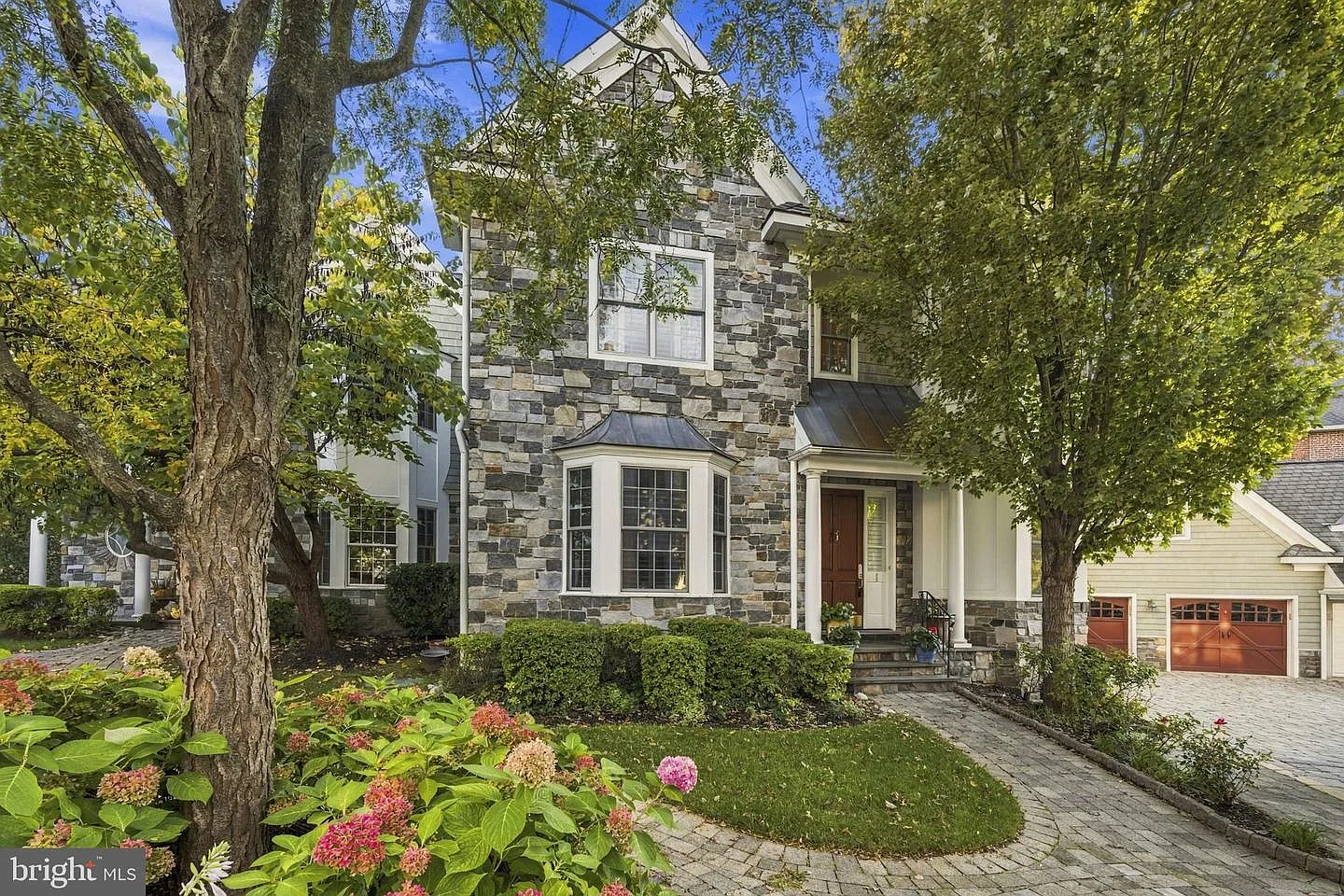
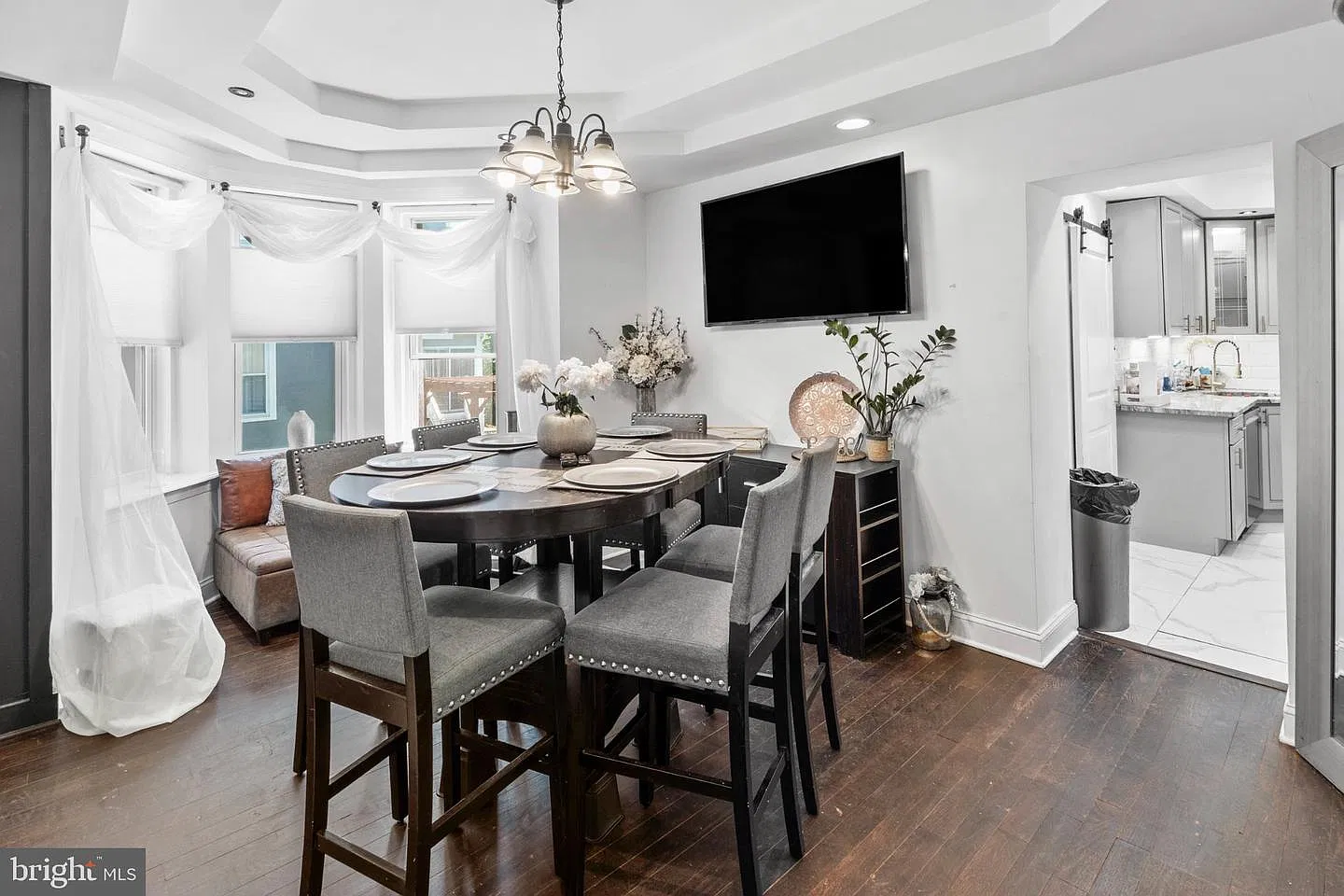
    A fully renovated five-bedroom Havertown home

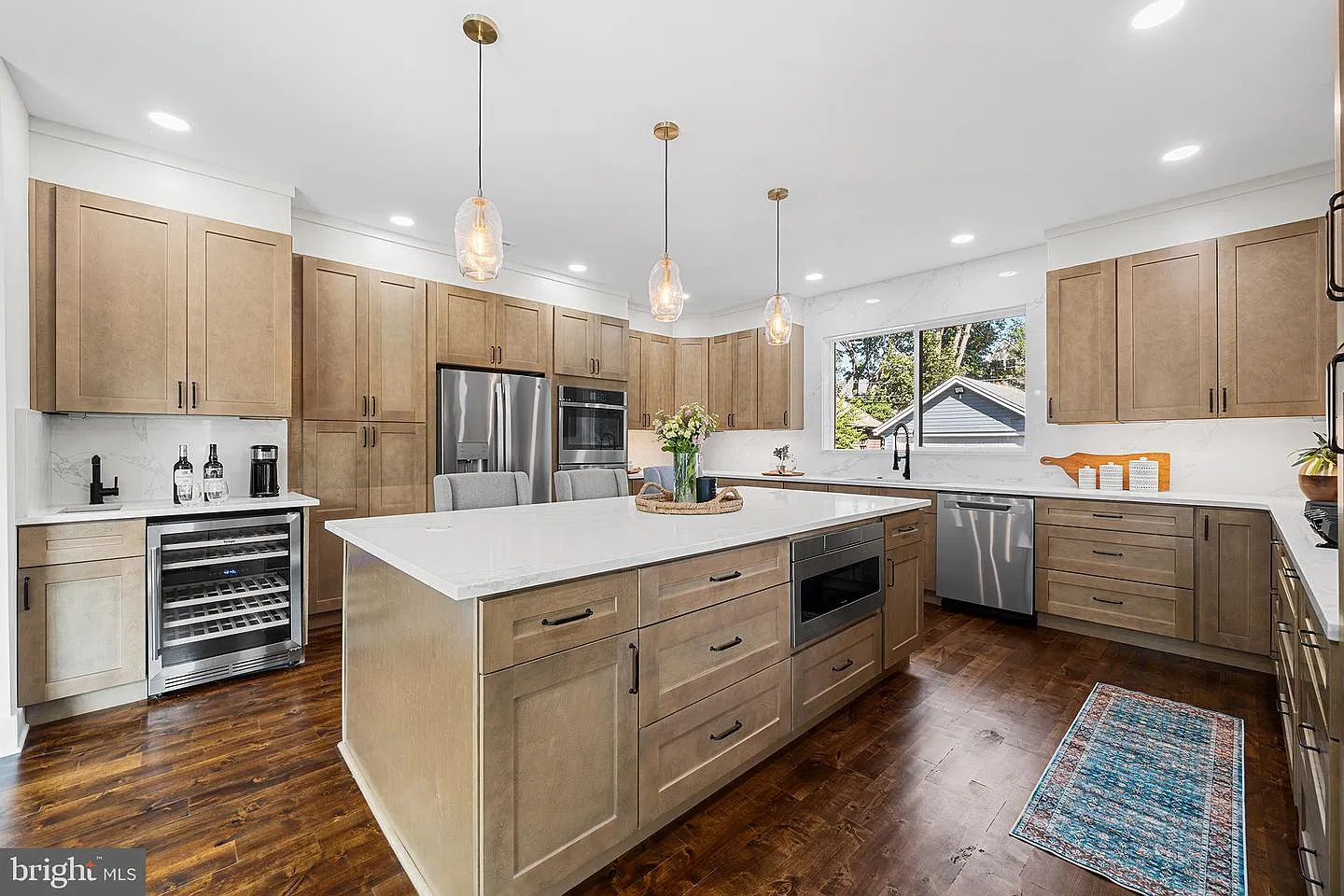
    This century-old Havertown home has been fully renovated and expanded. It has an open-concept first floor, including a living area with a fireplace, a dining room, and a kitchen with a large island. There are five bedrooms upstairs, three of them with ensuite bathrooms, including the primary suite, which has a large walk-in closet and a soaking tub. There’s additional living space in the finished basement, which has a full bathroom. Outside, there’s a deck overlooking the yard and a detached two-car garage.

    See more photos of the home here.

    Price: $1.375M | Size: 4,625 SF | Acreage: 0.31

    Each week we feature an interesting local listing in or around the township. Have one we should consider? Email us at haverford@inquirer.com.

    📈 Haverford market report

    • Median listing price: $575,000 (down $20,000 from August) 📉
    • Median sold price: $455,000 (down $127,500 from August) 📉
    • Median days on the market: 21 (down 11 days from August) 📉

    This Haverford market report is published on a monthly basis. Above is data for September from realtor.com.

    🗞️ What other Haverford residents are reading this week:

    Staffer Patricia Madej contributed to this newsletter.

    Clarification: This newsletter has been updated to reflect that the November election is the general election.

    By submitting your written, visual, and/or audio contributions, you agree to The Inquirer’s Terms of Use, including the grant of rights in Section 10.

    This suburban content is produced with support from the Leslie Miller and Richard Worley Foundation and The Lenfest Institute for Journalism. Editorial content is created independently of the project donors. Gifts to support The Inquirer’s high-impact journalism can be made at inquirer.com/donate. A list of Lenfest Institute donors can be found at lenfestinstitute.org/supporters.

  • Main Line Health ups malpractice reserves | Inquirer Radnor

    Hello, Radnor!

    What should have been a “banner” fiscal year for Main Line Health has ended in a loss. Here’s why. Also this week, Villanova University has 12 interns working in and around the Vatican, underscoring the school’s ongoing connection to the Catholic center. Plus, a King of Prussia sinkhole remediation project wraps up.

    — Lisa Dukart (radnor@inquirer.com)

    P.S. Tell us what you think of the newsletter by taking our survey or emailing us at radnor@inquirer.com.

    If someone forwarded you this email, sign up for free here.

    Why Main Line Health upped its medical malpractice reserves

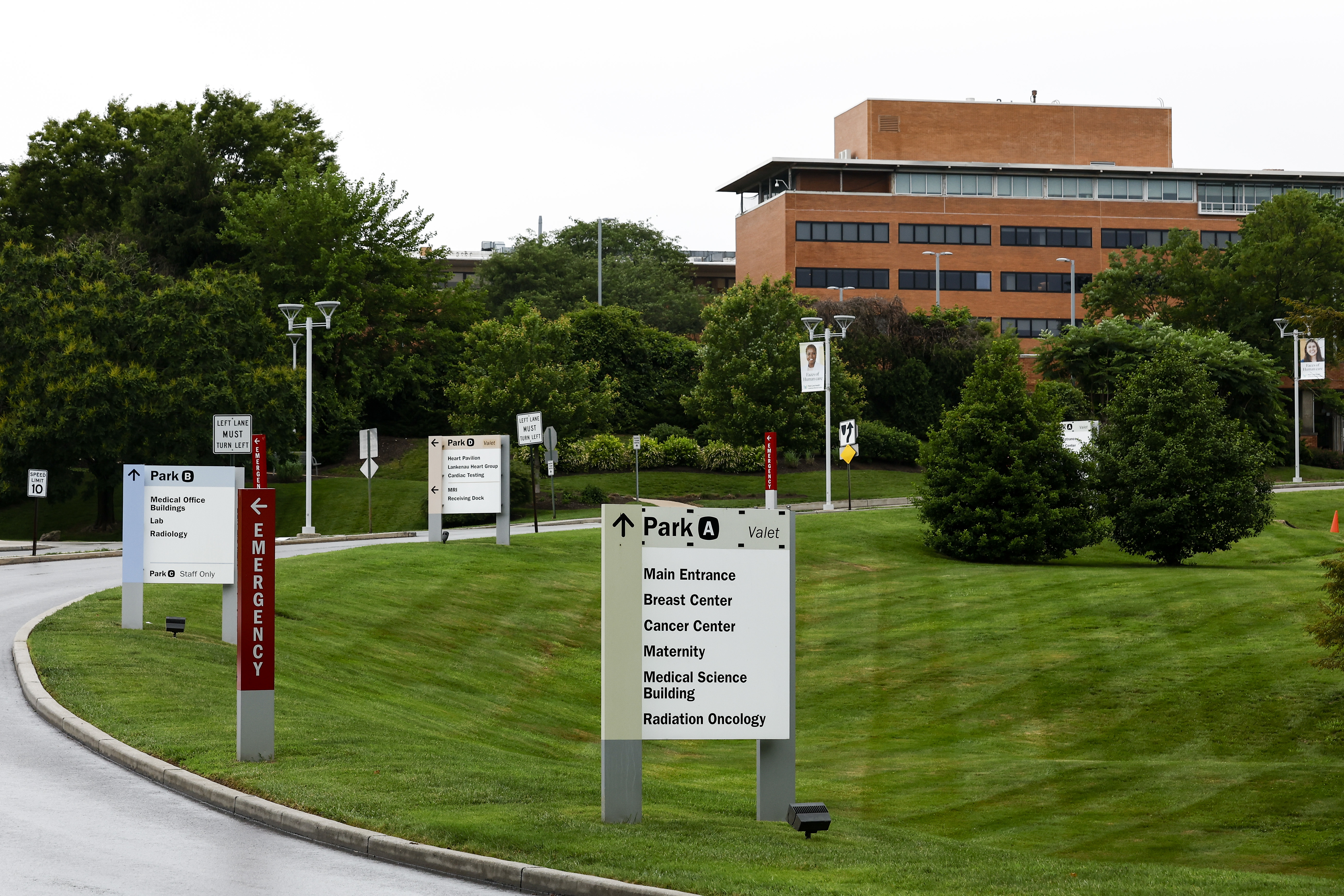
    Main Line Health operates several area hospitals, including Lankenau Medical Center. Monica Herndon / Staff Photographer

    Radnor-based Main Line Health would have had a “banner year” had it not been for the system increasing its reserves for potential medical malpractice claims, CEO Ed Jimenez told The Inquirer.

    Main Line Health upped its reserves by $134 million, as a Pennsylvania special rule requiring healthcare malpractice cases be filed in the same county where the injury occurred comes to an end.

    The Inquirer’s Harold Brubaker explains what that means for Main Line Health.

    💡 Community news

    🗺️ Other nearby news

    🏫 Schools briefing

    • Students in kindergarten through eighth grade have an early dismissal tomorrow. Tomorrow is also Radnor’s homecoming game and ceremony.

    🍽️ On our plate

    • Cooler weather have you craving a night in? Johnny’s Pizza, with locations in Wayne and Bryn Mawr, has made our list of best spots for takeout, based on The 76, or The Inquirer’s guide to the area’s most essential restaurants. But, be warned: Johnny’s does turn off online ordering when volume is high.

    🎳 Things to do

    🍎 Heirloom Apple Tasting: Sample heirloom apples, apple-based treats, and more at this annual event. ⏰ Saturday, Oct. 24, 2-4 p.m. 💵 $5.04-$12.51 📍 Harriton House

    🧟 Music Video Bingo: Test your horror movie knowledge during this bingo-trivia mashup. ⏰ Saturday, Oct. 24, 4 p.m. 💵 Free 📍 118 North

    🇮🇹 Regional Italian Cuisine: This culinary class includes spaghetti, a roasted chicken dish, and tiramisu. ⏰ Thursday, Oct. 29, 6-8:30 p.m. 💵 $85 for members, $100 for non-members 📍 Wayne Art Center

    🏡 On the market

    A four-level carriage home with an elevator

    Spanning four levels, all served by an elevator, this Wayne carriage home has lots of living space. Its first floor has an office, an open-concept kitchen and living room, and a dining room. There are three bedrooms on the second floor, including a primary suite with a soaking tub and a walk-in closet with built-in cabinetry, and another bedroom on the third level. It also has a home theater and bar in the finished basement, where there’s additional living space. There’s an open house Sunday from 1 to 3 p.m.

    See more photos of the home here.

    Price: $1.695M | Size: 3,178 SF | Acreage: 0.31

    Each week we feature an interesting local listing in or around the township. Have one we should consider? Email us at radnor@inquirer.com.

    📈 Radnor market report

    • Median listing price: $962,500 (up $50,500 from August) 📈
    • Median sold price: $1,300,000 (up $100,000 from August) 📈
    • Median days on the market: 25 (down six days from August) 📉

    This Radnor market report is published on a monthly basis. Above is data for September from realtor.com.

    🗞️ What other Radnor residents are reading this week:

    Staffer Patricia Madej contributed to this newsletter.

    Clarification: This newsletter has been updated to reflect that the November election is the general election.

    By submitting your written, visual, and/or audio contributions, you agree to The Inquirer’s Terms of Use, including the grant of rights in Section 10.

    This suburban content is produced with support from the Leslie Miller and Richard Worley Foundation and The Lenfest Institute for Journalism. Editorial content is created independently of the project donors. Gifts to support The Inquirer’s high-impact journalism can be made at inquirer.com/donate. A list of Lenfest Institute donors can be found at lenfestinstitute.org/supporters.

  • A new barcade taps into nostalgia | Inquirer Greater Media

    A new barcade taps into nostalgia | Inquirer Greater Media

    Hi, Greater Media!

    A nostalgia-inducing bar and arcade opened this week. Here’s a look inside. Also notable, a Riddle Hospital nurse recently detained by ICE despite living here legally faced her first check-in with the agency, plus Boeing’s Ridley Park facility faces uncertainty amid a contract slowdown.

    P.S. Have a question about town? Submit it to Curious Greater Media and one of our reporters might track down the answer.

    If someone forwarded you this email, sign up for free here.

    A new bar and arcade concept brings nostalgia to Springfield

    A new brewery, complete with arcade games such as pinball and Pac-Man, soft-opened yesterday in Springfield.

    Located just steps from the SEPTA Media–Sharon Hill trolley line, Battle Royale Brewing Co. is the brainchild of husband-and-wife duo Matt and Stephanie Courchain.

    The intimate space has a colorful bar with 10 taps that, in time, will feature some of Matt’s own brews, as well as a selection of craft hard and alcohol-free seltzers, mocktails, and root and birch beers.

    Inspired in part by roller rinks from the 1980s and ‘90s, it has what Stephanie calls a “dopamine vibe,” thanks to whimsical touches throughout.

    Here’s how the space came together and what you can expect.

    💡 Community news

    • Monica Ryadi, a nurse who works weekends at Riddle Hospital, faced her first Immigration and Customs Enforcement check-in last week after being detained on her way to Disneyland in September. Ryadi — who is in the country legally after fleeing religious persecution in Indonesia with her parents two decades ago — is being tracked by ankle monitor.
    • A new study from the Welcoming Center found that the county’s population grew between 2020 and 2025 thanks to immigration, without which it would have shrunk. The county was also the only one in the region to see H-1B certifications rise between 2025 and 2026. The Inquirer’s Jeff Gammage unpacks the major takeaways.
    • Attention commuters: SEPTA made changes to some of its Regional Rail schedules as of Sunday, so be sure to check times before heading out the door this week.
    • Delaware County recently launched an online directory where families can access doula services. The Delco Doula Collaborative has also trained 30 county residents to become doulas. The Inquirer’s Sarah Gantz delves into the program and how it’s providing support for families.
    • Surrey Services, a nonprofit that works with older adults, has opened a new location at 176 S. Middletown Rd. The Middletown Township outpost spans 7,000 square feet and offers art and exercise classes, meeting rooms, social spaces, and a dental office, the Daily Times reports.
    • Ridley Creek Road in Upper Providence Township will be closed between Steeplechase Drive and Feathering Lane today and tomorrow from 9 a.m. to 3 p.m. for pipe replacement work.
    • T. Kaori Kitao, formerly of Swarthmore, and a retired professor emerita of art history at the college, died last month of age-associated decline in New York. Kitao, a pioneering transgender scholar who taught “legendary” classes, also championed the growth of Swarthmore’s dance, theater, film and media programs and served as a mentor to many students and colleagues. She was 93.
    • Tuesday is the last day to request a mail ballot for the November election. Check out The Inquirer’s guide to the midterms.

    🗺️ Other nearby news

    Inside Boeing’s Ridley Park facility. DAVID M WARREN / Staff

    🏫 Schools briefing

    🎳 Things to do

    🦮 Bark in the Park: Lace up your sneakers for this dog-friendly 5K run or walk benefiting the Providence Animal Center. After, there will be a fall festival with food trucks, pet events, music, and crafts. ⏰ Saturday, Oct. 24, 10 a.m.-3 p.m. 💵 $30-$50 for the race 📍 Rose Tree Park, Media

    👻 Halloween Parade: Residents and groups alike will parade along State Street decked out in Halloween costumes. ⏰ Saturday, Oct. 24, 11 a.m. 💵 Free 📍 State Street, Media

    🩰 Cinderella: See a colorful take on the Disney fairytale as ballerinas perform in glow-in-the-dark costumes. ⏰ Saturday, Oct. 24, 4 and 6 p.m. 💵 $38.88-$76.68 📍 Media Theatre

    🧙 Haunted Trail: Kids 12 and under can take a stroll through a Halloween-themed trail. There will also be trick-or-treating and games. ⏰ Saturday, Oct. 24, 4-7:30 p.m. 💵 Free 📍 Sleighton Park, Media

    🍂 Fall Fest: Community Arts Center’s festival includes over 30 vendors, live music, and pumpkin painting. ⏰ Sunday, Oct. 25, 11 a.m.-4 p.m. 💵 Pay as you go 📍 Community Arts Center, Wallingford

    🎃 PumpkinPalooza: See and vote on the best jack-o-lanterns, and enjoy yard games and fall treats at this annual event. ⏰ Sunday, Oct. 25, 6:30-8 p.m. 💵 Free 📍 Media Borough Hall

    📈 Greater Media market report

    Media

    • Median listing price: $695,000 (down $32,500 from August) 📉
    • Median sold price: $707,500 (up $58,000 from August) 📈
    • Median days on the market: 33 (up one day from August) 📈

    Swarthmore

    • Median listing price: $429,900 (same as August)
    • Median sold price: $375,000 (down $49,000 from August) 📉
    • Median days on the market: 21 (down 11 days from August) 📉

    Wallingford

    • Median listing price: $495,000 (up $45,000 from August) 📈
    • Median sold price: $400,000 (down $160,000 from August) 📉
    • Median days on the market: 42 days (up 11 days from August) 📈

    This Greater Media market report is published on a monthly basis. Above is data for September from realtor.com.

    🗞️ What other Greater Media residents are reading this week:

    Staffer Patricia Madej contributed to this newsletter.

    Clarification: This newsletter has been updated to reflect that the November election is the general election.

    By submitting your written, visual, and/or audio contributions, you agree to The Inquirer’s Terms of Use, including the grant of rights in Section 10.

    This suburban content is produced with support from the Leslie Miller and Richard Worley Foundation and The Lenfest Institute for Journalism. Editorial content is created independently of the project donors. Gifts to support The Inquirer’s high-impact journalism can be made at inquirer.com/donate. A list of Lenfest Institute donors can be found at lenfestinstitute.org/supporters.

  • Schools walk a tight line with measles plans | Inquirer Chester County

    Schools walk a tight line with measles plans | Inquirer Chester County

    Hi, Chester County,

    Area school districts are taking different approaches to preparing for potential measles outbreaks. Here’s a look at some of their plans. Also this week, East Whiteland resident are threatening to sue, a beloved community theater could be without a home, plus a popular West Chester winery is adding a restaurant.

    — Lisa Dukart (chestercounty@inquirer.com)

    If someone forwarded you this email, sign up for free here.

    How some Chester County school districts are preparing for measles vulnerabilities

    A sign for vaccinations directs visitors at the Chester County Health Department.Kriston Jae Bethel / For the Inquirer

    As measles cases continue to climb and spill over into Chester County, districts throughout the region are taking varying approaches to preparing for possible outbreaks.

    West Chester Area School District has created a secure portal for employees to upload vaccination records, and district nurses have reached out to families that don’t have vaccine records on file.

    Downingtown Area School District said it’s communicated with staff about possible quarantines in the case of exposure. Others, such as Kennett Consolidated School District, are working to let families know “that immunizations for measles are a protective measure for all.”

    But for some administrators, especially those who faced backlash during the pandemic, preparing for a measles outbreak is something of a tight-rope walk.

    The Inquirer’s Maddie Hanna looks at how some are navigating it.

    SALT’s future could be in jeopardy

    A beloved theater company’s future is in a precarious state following what at least one community member calls a “bait-and-switch” by the township.

    SALT Performing Arts, a performing arts space at 1645 Art School Rd. in Chester Springs, has been operating out of the township building for the past 12 years. The group put in about $400,000 in renovations that concluded last year.

    But this week, the West Pikeland board of supervisors voted to put the building up for bid, potentially leaving SALT without a home. The township hopes to get up to $2 million, offsetting the cost of a new police facility.

    The decision drew backlash. Reporter Brooke Schultz has the details.

    📍 Countywide news

    💡 Community news

    • Frustrated residents in East Whiteland are threatening, with the help of a newly hired attorney, to sue the township and developer of a controversial 1.5 million square foot data center project if their concerns aren’t addressed. This comes after the township hired a PR firm to help it handle “inquires and information requests.”
    • The long-awaited Phoenixville Wawa at 799 Valley Forge Rd. is slated to open on Thursday.
    • Beth Chaim Reform Congregation’s longtime rabbi Michelle Denker Pearlman died last month of leiomyosarcoma, a rare soft tissue cancer. Outside of her work at the Malvern congregation, Pearlman, 56, was a social justice activist, musical stage performer, and mentor.
    • Gov. Josh Shapiro announced a 10-year plan to support farmers as they face land loss, rising costs, and labor shortages. He made the announcement from historic Milky Way Farm in Chester Springs late last week.
    • A 14-year-old boy was shot last week by Zaid-An Butcher, 15, in Coatesville. The victim was taken to the hospital and listed in fair condition at the time. Butcher will be prosecuted as an adult, 6abc reports.
    • A woman reported being assaulted on a trail near the 500 block of Dean Street in West Chester last week. Police are investigating.
    • Schuylkill Township last week appointed Hans Mueller to its board of supervisors, filling a vacancy left after Devin Hager’s resignation. Mueller will serve through December 2027.
    • It may only be October, but Jingle & Co., a holiday shopping collaboration between eight local brands, has opened at 812 E. Lancaster Ave. in Berwyn.
    • West Chester Refillery Station, which provides bulk refills of common household items, has opened its doors at 54 E. Street Rd.

    🏫 Schools briefing

    • Downingtown Area School District Superintendent Robert “Bob” O’Donnell will step down from the role at the end of the 2026-27 academic year, he announced at last week’s school board meeting. O’Donnell has been in the role since July 2022.
    • Great Valley’s homecoming festivities take place Friday and Saturday.
    • Owen J. Roberts School District has nominated Danielle Ryan to fill the school board seat left vacant after Rita Pederson’s recent resignation. The board is slated to vote on her nomination at Monday’s meeting.

    🍽️ On our plate

    • Popular West Chester winery Turks Head Wines has morphed into a winery-restaurant. Added to its tasting room at 120 N Church St., the concept builds on their mission to bring a bit of California to Pennsylvania. They’ve brought on chef Dave McDonald, of Laurel Creek Country Club and Helm BYOB, to help.
    • Baithak Indian Cuisine opened recently at 10 Riverside Dr. in Spring City.
    • Steel City Brewing in Coatesville is planning its “very first soft opening” in the form of a Haunted Speakeasy on Oct. 30 where costumes are encouraged. The brewery/community hub inside the county’s first YMCA said the event comes ahead of a January opening.

    🎳 Things to do

    ☀️ Solar Astronomy: Get an introduction to safe sun-gazing at this event. ⏰ Saturday, Oct. 24, 10 a.m.-noon 💵 Free 📍 Starr Farm Park, West Chester

    🌻 Chrysanthemum Festival: Explore the colors of fall, including a double chrysanthemum arch. ⏰ Through Sunday, Nov. 15, times vary 💵 Free for members, prices vary for non-members 📍 Longwood Gardens, Kennett Square

    👻 Halloween events

    🎃 Here’s a look at community festivities in the coming days:

    🏡 On the market

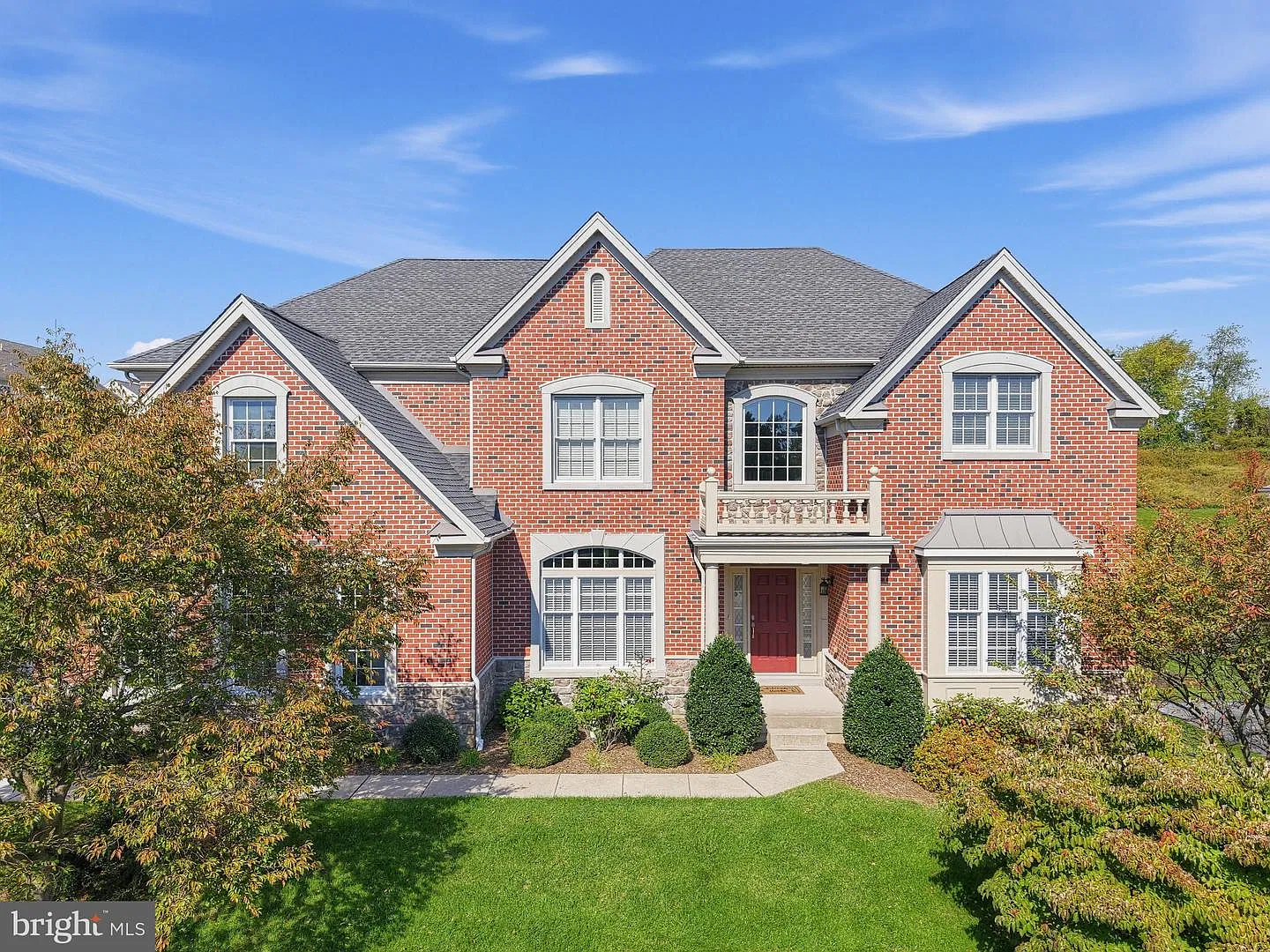
    A five-bedroom Chester Springs home with a spacious yard

    Located in the Summit at Byers Station neighborhood, this five-bedroom brick home has living and dining rooms, and an eat-in kitchen — with granite countertops and a butler’s pantry — that opens onto a family room with a fireplace. It has a first-floor bedroom and full bathroom, with four additional bedrooms and bathrooms upstairs, including the primary suite with dual walk-in closets and a soaking tub. Other features include a bonus room and a deck overlooking the backyard.

    See more photos of the home here.

    Price: $1.15M | Size: 4,730 SF | Acreage: 0.37

    📈 Chester County market report

    • Median listing price: $590,000 (down $9,000 from August) 📉
    • Median sold price: $590,000 (up $21,800 from August) 📈
    • Median days on the market: 32 (down one day from August) 📉

    This Chester County market report is published on a monthly basis. Above is data for September from realtor.com.

    🗞️ What other Chester County residents are reading this week:

    Staffer Patricia Madej contributed to this newsletter.

    Clarification: This newsletter has been updated to reflect that the November election is the general election.

    By submitting your written, visual, and/or audio contributions, you agree to The Inquirer’s Terms of Use, including the grant of rights in Section 10.

    This suburban content is produced with support from the Leslie Miller and Richard Worley Foundation and The Lenfest Institute for Journalism. Editorial content is created independently of the project donors. Gifts to support The Inquirer’s high-impact journalism can be made at inquirer.com/donate. A list of Lenfest Institute donors can be found at lenfestinstitute.org/supporters.

  • Changing weather is changing restaurants | Inquirer Greater Abington

    Changing weather is changing restaurants | Inquirer Greater Abington

    Hi, Greater Abington.

    Extreme weather is causing a challenge for the culinary industry, local chefs and farmers said as they gathered to strategize last week at FarmerJawn in Elkins Park. Also noteworthy this week, Cheltenham changed course on purchasing an AI-powered surveillance camera, The Inquirer looks at measles vaccination rates at local kindergartens amid a statewide outbreak, and we go inside the home studio of a Glenside sculptor tapped to create a memorial for the nation’s capital.

    — Laura Smythe (greaterabington@inquirer.com)

    If someone forwarded you this email, sign up for free here.

    Extreme weather is challenging independent farms and restaurants

    Christa Barfield, CEO and founder of FarmerJawn.Tyger Williams / Staff Photographer

    Ingredient shortages, supply instability, long-term planning.

    Those are some of the difficulties plaguing the Philadelphia-area farmers and restaurateurs who gathered last week at FarmerJawn Community Greenhouses in Elkins Park to plan how to adapt to the impacts of extreme weather last spring.

    Some chefs lament how environmental shifts are threatening menu staples, from corn and apples to mollusks and cereals. And with Pennsylvania’s climate growing warmer and more intense, the industry is largely anticipating the situation to worsen.

    Inquirer reporter Jess Rohan unearths the menu-foiling predicament and potential solutions, including closer collaboration between independent restaurants and farms.

    🌰 Further reading: Sunflower picking and less-common crops such as chestnuts and jujubes are cropping up on farms’ fall offerings.

    Cheltenham cancels AI-powered surveillance camera plans

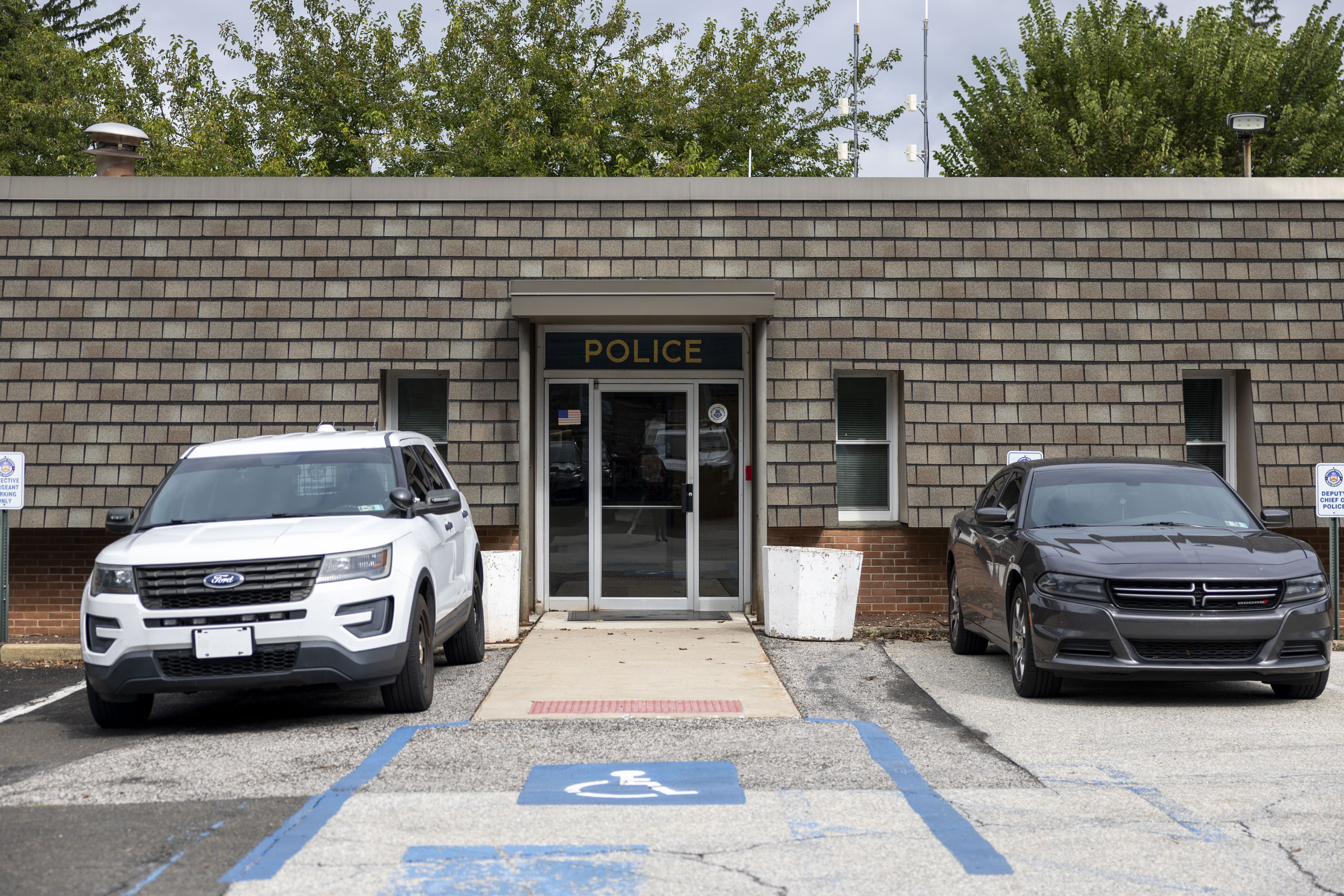
    The Cheltenham Police Department building.Tyger Williams / Staff Photographer

    Cheltenham officials backtracked plans to buy a $35,000 surveillance camera.

    The purchase had been approved by the board of commissioners at a Sept. 16 meeting. At that time, several residents voiced concerns about officials’ apparent confusion about the equipment after Township Manager Jonathan Altshul said he didn’t think the camera used license-plate reading technology — yet it does.

    “If you don’t even know if that’s a license plate reader or not and you’re ready to vote, I’m not filled with confidence about this board,” one resident said at the meeting.

    Rohan takes us inside Cheltenham’s switch-up and the confusion over the tech.

    💡 Community news

    • Redeemer Health, the financially struggling Montgomery County nonprofit that owns Holy Redeemer Medical Center in Abington Township, failed to make a Sept. 1 bond payment. It said it’s working on a “reorganization.”
    • Inquirer columnist Stephanie Farr recently visited the home studio of Glenside sculptor Zenos Frudakis, the creator of notable Philadelphia pieces such as the controversial statue of former Mayor Frank Rizzo and 10-foot-tall likenesses of Phillies players at Citizens Bank Park. He’s now been commissioned to create a Thomas Paine memorial for the nation’s capital.
    • Attention commuters: SEPTA made changes to some of its Regional Rail schedules as of Sunday, so be sure to check times before heading out the door this week.
    • Abington Township begins collecting leaves on Monday. Residents can find schedules and pick-up details here.
    • Abington Township is also accepting applications for the role of Ward 1 commissioner, following the resignation of Tom Hecker. The board of commissioners is tentatively planning to consider an appointment at its public meeting on Nov. 12 at 7 p.m.
    • Community members are invited to the 17th birthday celebration for Kareem Bayoumy, who has Down syndrome and autism and, per his mother, has never had a friend attend his birthday party. The event is organized by the nonprofit Cherab Foundation, and will take place on Sunday from 1 to 4 p.m. at Crestmont Park. Glenside Local has the details.

    🗺️ Other nearby news

    🏫 Schools briefing

    • As Pennsylvania experiences one of the country’s largest measles outbreaks in decades, data show that 40% of Philly-area kindergarten classrooms were vulnerable to infection last school year — an increase of 7 percentage points from 2024-25. See how vaccination rates at your local school stack up.

    🍽️ On our plate

    • Black sesame, known for its nutty, earthy flavor, is having a moment in the culinary world. It’s cropping up in menu items across the region, The Inquirer’s Kiki Aranita writes.

    🎳 Things to do

    🍬 Trunk or Treat: Put on your best costume and select your candy favorites from decorated trunks around campus. ⏰ Wednesday, Oct. 21, 5-7 p.m. 💵 Free 📍 Manor College, Jenkintown

    👻 Living Room of Horrors Improv Show: This unscripted act that leans on audience involvement promises bits “inspired by creepy campfire stories” and riffs on “nightmare-fueled” daily life. ⏰ Friday, Oct. 23, 8-10 p.m. 💵 $16-$20 📍 The Royal, Glenside

    🔥 Fall Fest and Bonfire: Come for the hayrides and bonfire, stay for the Brews with a View beer garden and the food trucks. ⏰ Saturday, Oct. 24, 4 p.m. 💵 Free 📍 Curtis Arboretum, Wyncote

    🏡 On the market

    An updated Elkins Park abode

    This five-bedroom, three-and-a-half bathroom home in Elkins Park boasts plenty of room spread throughout its three stories. Its kitchen has been updated according to the listing, while other features include first-floor laundry, a mudroom, and off-street parking. Looking to entertain outdoors? The home has both a front porch and back deck.

    See more photos of the property here.

    Price: $450,000 | Size: 2,518 square feet | Acreage: .21

    📈 Greater Abington market report

    Abington

    • Median listing price: $525,000 (up $40,000 from August) 📈
    • Median sold price: $440,200 (up $15,200 from August) 📈
    • Median days on the market: 30 (down eight days from August) 📉

    Jenkintown

    • Median listing price: $407,500 (up $17,500 from August) 📈
    • Median sold price: $550,000 (up $60,000 from August) 📈
    • Median days on the market: 38 (down 23 from August) 📉

    Cheltenham

    • Median listing price: $449,900 (same as August) ✔️
    • Median sold price: $355,000 (down $80,000 from August) 📉
    • Median days on the market: 49 (up four days from August) 📈

    This Greater Abington market report is published on a monthly basis. Above is data for September from realtor.com.

    🗞️ What other Greater Abington residents are reading this week:

    Staffer Patricia Madej contributed to this newsletter.

    Clarification: This newsletter has been updated to reflect that the November election is the general election.

    By submitting your written, visual, and/or audio contributions, you agree to The Inquirer’s Terms of Use, including the grant of rights in Section 10.

    This suburban content is produced with support from the Leslie Miller and Richard Worley Foundation and The Lenfest Institute for Journalism. Editorial content is created independently of the project donors. Gifts to support The Inquirer’s high-impact journalism can be made at inquirer.com/donate. A list of Lenfest Institute donors can be found at lenfestinstitute.org/supporters.