Category: Pennsylvania News

  • A man seeking asylum was detained during a routine ICE appointment in Philly. He fears being tortured or killed if deported.

    A man seeking asylum was detained during a routine ICE appointment in Philly. He fears being tortured or killed if deported.

    Jhon Perez Romero carries a driver’s license, Social Security card, and an employment permit, working as a Spark Driver for Walmart in York, Pa.

    He also carries the fear of being tortured or killed if he should be deported to his Venezuelan homeland, where he’s been accused as a “traitor” by the government he once served as an intelligence officer.

    Perez Romero, who was interviewed and released by U.S. immigration officials when he crossed the border in 2023, was arrested by ICE in Philadelphia on June 30, when he appeared for what he thought would be a routine check-in. He joined a growing number of immigrants taken into custody even while they pursue asylum, a long-established legal process that can grant permission to live in the United States to people who could be harmed at home.

    Perez Romero, 39, is being held at the Moshannon Valley Processing Center, the 1,876-bed ICE facility in Philipsburg, Pa., his future uncertain, his wife and step daughter in anguish.

    “I thought the U.S. represented a place where people who are escaping political or religious persecution can come here and find safety,” said his wife, Sandra Quinones, an American citizen and high school teacher. “Especially if you’re law-abiding and contribute to society. That’s where my heart is broken.”

    The Trump administration’s aggressive approach departs from previous administrations, where asylum seekers with no criminal record were mostly allowed to remain free while they pursued their claims. Now applicants have been detained in communities across the United States, including Pennsylvania and South Jersey.

    Last week news broke that the administration intends to revoke the business and tourism visas of up to 200,000 people who are seeking asylum, putting them at risk of arrest and detention. That comes on top of procedural changes that have made it harder for people to prove they should be allowed to stay.

    A spokesperson for the Department of Homeland Security said Perez Romero was released at the border by the Biden administration, not by officials under President Donald Trump.

    “He will remain in ICE custody pending removal proceedings and will receive due process,” the spokesperson said in a statement. “A pending application does NOT confer legal status in the United States.”

    The agency said that on Jan. 20 Perez Romero was charged with “harassing communication,” an offense that usually involves phone calls or text messages sent to upset someone.

    DHS provided no other information. Dauphin County court records show that Perez Romero pleaded guilty in magisterial district court in March, but do not include details of what occurred. A court worker said Friday she could provide no additional information.

    “Criminal illegal aliens are not welcome in the U.S.,” Homeland Security said. “We will find you, we will arrest you, and we will deport you.”
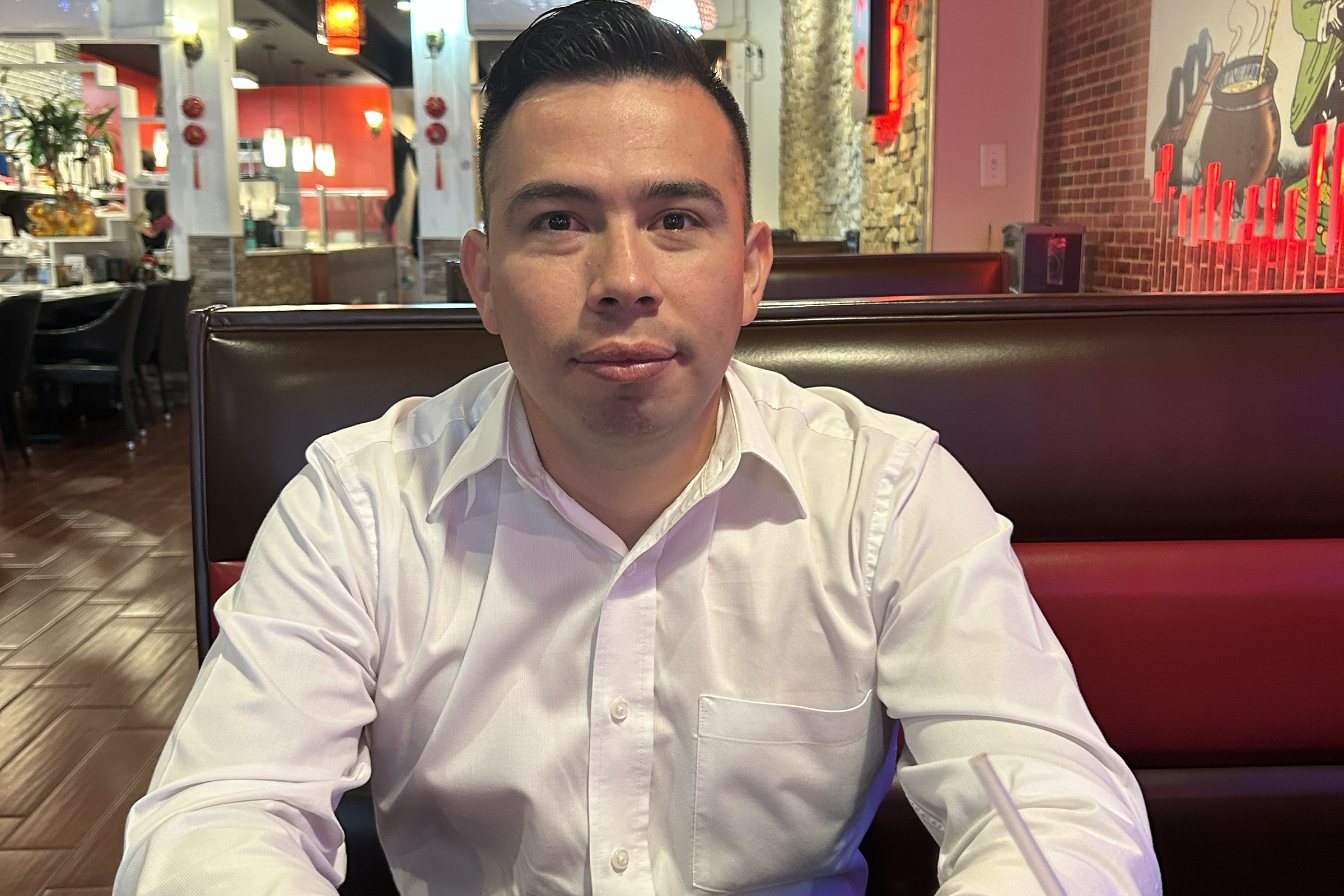
    Jhon Perez Romero, originally of Venezuela, came to the United States seeking asylum in late 2023, afraid he could be harmed or killed by government agents in his homeland. Now Perez Romero, 39, is being held at the Moshannon Valley Processing Center, the ICE detention facility in Philipsburg, Pa., as the Trump administration detains more people who are seeking safety in the United States.Courtesy of family

    Generally, the government cannot deport someone while their asylum claim is being decided — claimants must be given what’s called a merits hearing, where they can present evidence, before any final removal action.

    The government does have the power to hold asylum seekers in detention for certain reasons, including if it believes the person might flee or is a danger to the public.

    Immigration lawyers argue that there’s no gain for the government in detaining asylum seekers, since their names, addresses, and identifying information are already known to authorities, who require regular, in-person check-ins.

    “The Trump administration is targeting people to subject them to detention, knowing they won’t be able to fight their way out of the system, so they’ll give up and leave,” said lawyer Lilah Thompson, who leads the immigration unit at the Defender Association of Philadelphia. “They’re wearing people down.”

    For immigrants, freedom while pursuing asylum means everything, enabling them to work and earn money to hire an attorney, and to more easily gather evidence and documents for their cases.

    Asylum cases can take years to decide — more than 2.3 million people now await asylum hearings or decisions — and appeals can go on for additional months or longer.

    Prolonged detention leads some to drop their legal cases and accept voluntary departure. Leaving voluntarily avoids the automatic 10-year ban on returning that can accompany a formal deportation.

    “It’s very tough, for people who are facing these choices,” said immigration lawyer Robert Barchiesi II, who represents Perez Romero.

    Thompson is helping defend a Chester County newlywed who has so far spent two months in detention after being arrested at a late-June check-in.

    Nelson Contreras-Gelves, 35, originally from Venezuela, has followed government directions and broken no rules, Thompson said, noting that he recently married a U.S. citizen.

    People seeking asylum must show not only that they could be harmed in their homeland, but also that the danger springs from at least one of five specific causes — their religion, race, nationality, political beliefs, or membership in a particular social group.
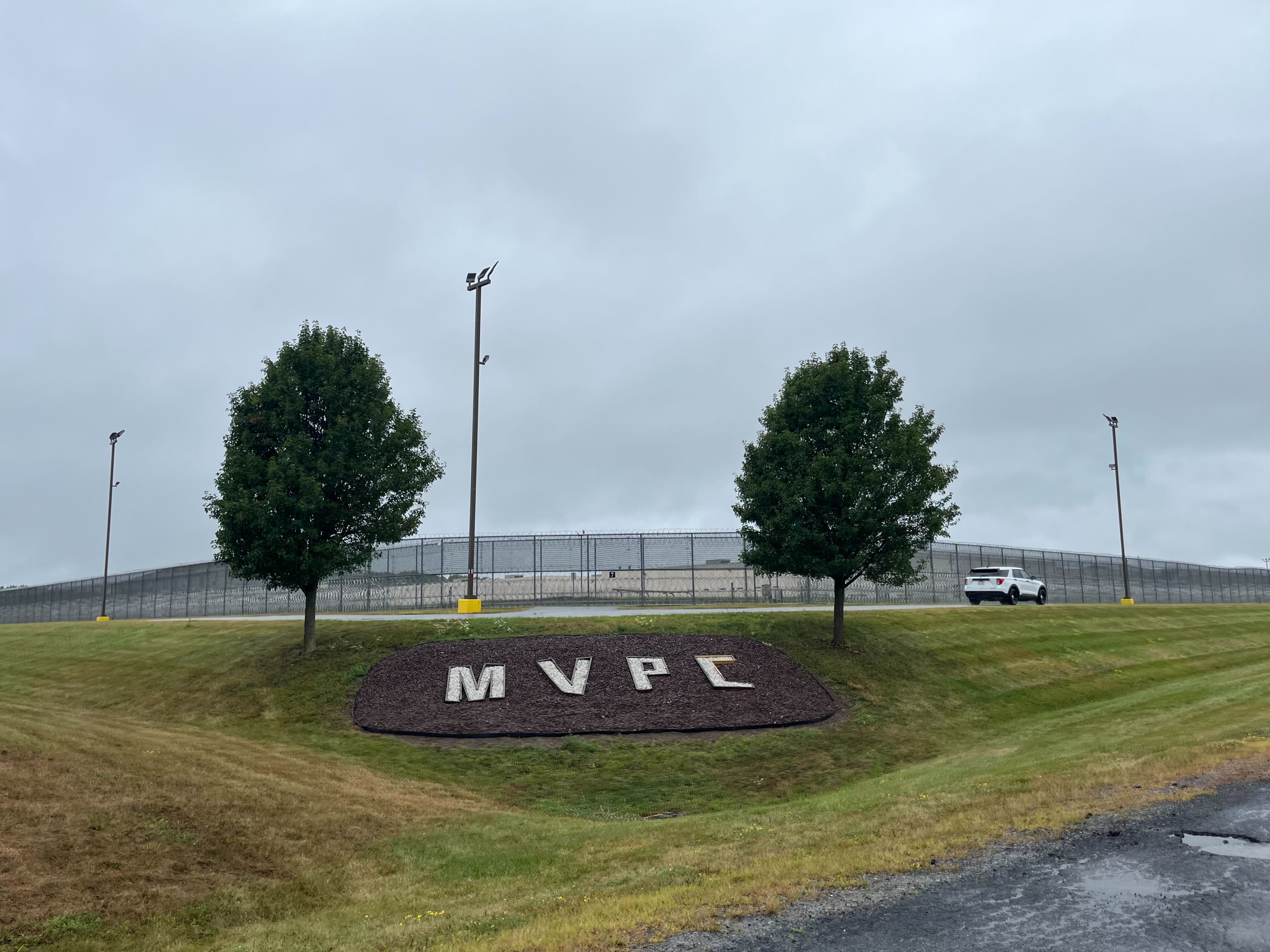
    Moshannon Valley Processing Center, in Clearfield County, Pa., is the largest immigrant detention facility in the Northeastern United States.Max Marin / The Philadelphia Inquirer

    People granted asylum can apply for lawful permanent residency and eventually for U.S. citizenship.

    Perez Romero’s life has taken him from a position in Venezuela’s notorious national intelligence agency, to a flight across countries in fear of his life, to love and marriage to a U.S. citizen and a caring role as stepfather to her 17-year-old daughter.

    From roughly 2011 to 2019, according to his asylum application, Perez Romero was an agent at the Servicio Bolivariano de Inteligencia Nacional, known as SEBIN. It was created in 2010 by then-President Hugo Chávez, officially aimed at protecting the nation but accused by human-rights groups of arresting and torturing political opponents, journalists, and activists.

    Perez Romero said he quit the agency after receiving instructions — the specifics were not described in his asylum application — that he refused to obey. His resignation came less than three months after a failed military uprising against authoritarian President Nicolás Maduro triggered a purge of the intelligence services, targeting those suspected of disloyalty.

    Perez Romero was told to report to government officials — and that he was accused of treason.

    “Which is erroneous,” he wrote in his asylum application, “since I have not committed any crime.”

    In March 2020, facing an arrest warrant, Perez Romero fled to Colombia, keenly aware of “what happens to political prisoners in Venezuela, things like imprisonment for life or murder.”

    Two years later, after Gustavo Petro was elected as that nation’s president, he said, he began receiving threats from Venezuelan agents that he would be seized and forced home.

    Perez Romero headed north. On New Year’s Eve 2023, he reached the U.S. border at Eagle Pass, Texas, where he was interviewed and released by immigration agents.

    The next year he met Quinones at La Iglesia de Dios Voz de Alerta Church in York, and they wed in 2025.

    She described him in an interview as an outstanding husband and father, working long hours to provide for their family. He’s deeply invested in their church, she said, and before his detention was developing a resource package to help missionaries serving in remote and dangerous areas.

    Last month, he tried and failed in federal court to win his freedom from Moshannon.

    U.S. District Court Judge Joseph Leeson ordered the government to hold a bond hearing, but Immigration Judge Tamar Wilson ruled that Perez Romero did not show he was not a flight risk or a danger to the community.

    He may say he’s innocent of treason, the judge wrote, but “the court cannot simply take his word for it.”

    Quinones says the family hasn’t lost hope. Their GoFundMe has raised $8,000 of its $9,000 goal, all of it going for legal fees and related expenses. They await the hearing to present evidence to support Perez Romero’s case for asylum.

    Quinones said her husband relies on his Christian faith to stay strong. She’s trying to stay optimistic as well, she said, but so much is uncertain and in flux. Her husband could end up having to accept voluntary departure to a third country, like Colombia.

    She’s prepared to retire early and join him, if necessary, and has begun exploring job possibilities there.

    “I can’t be apart from my husband,” she said. “I can’t picture my life without him.”

    Staff writer Dylan Purcell contributed to this article.
  • The new head of Chesco’s economic engine knows that open-space preservation is part of the county’s ‘culture’

    The new head of Chesco’s economic engine knows that open-space preservation is part of the county’s ‘culture’

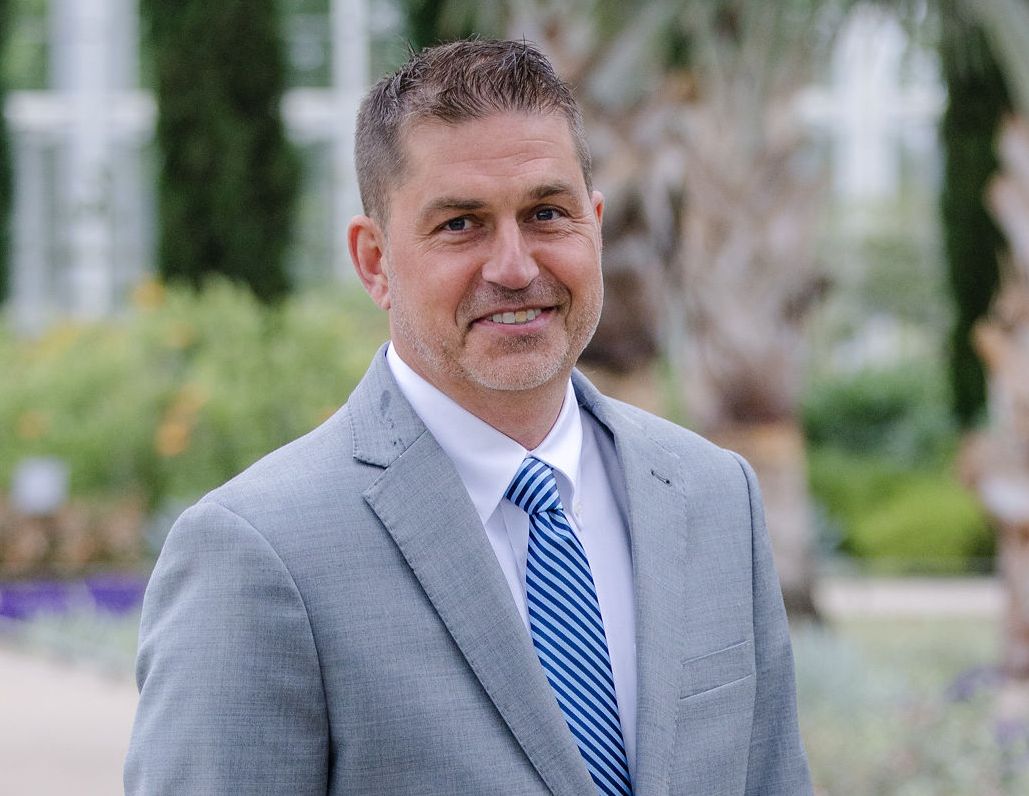
    When he started as an intern 27 years ago, Mike Grigalonis never expected to become CEO at the Chester County Economic Development Council. But now he’s taken the top job, leading an organization that propels business growth in the county.

    Since then, he’s seen the council grow from a six-person operation to one that boasts more than 40 employees, with teams dedicated to building out the workforce, supporting agriculture, and directing hundreds of millions of dollars to projects in the county. Grigalonis succeeds his longtime boss, Gary Smith, who stepped down July 1.

    As the council has grown, so too has Chester County, which remains the richest of Pennsylvania’s 67 counties.

    “I’m excited and grateful and humbled for this opportunity,” said Grigalonis, 53, who lives in Upper Uwchlan Township. “I don’t take it for granted, and I’m really excited about what’s to come.”

    The Inquirer talked with Grigalonis about the current economic landscape of the county.

    This conversation has been edited for clarity and brevity.

    What’s changed most since you started in 1998?

    In some ways there has been a lot of change, but in some ways there haven’t. I think about open space preservation, for example. … I think what this county, over generations of leaders, has done an amazing job of is balancing, making sure that we continue to have that open space, which is a big part of our culture, a big part of I think what makes us attractive and successful, but still having development and job creation and innovation and all those things happening at the same time.

    How do you balance preserving the culture of Chester County while fulfilling the council’s mission?

    Very carefully. … I always start by saying up front that I totally support open space preservation. I completely acknowledge the value that it’s brought to the county.

    Do I feel that sometimes we sometimes lean maybe a little too heavily with the open space? Maybe. The planning commission does what they call a non-residential construction report. They look at institutional, they look at industrial, and they look at commercial. And in 2025, which is the most recent data, that was down pretty dramatically, the lowest it’s been in like 10 or 11 years. Is that a trend? Is it an aberration? It’s too early to tell.

    And why is that? There’s lots of reasons — construction costs are high, borrowing rates are high. There are tariffs that maybe were at play. There’s lots of reasons, but do people sometimes shy away from doing projects in Chester County? I don’t know that.

    I want to make sure that we strike the balance again.

    What do you see as the future for farming in Chester County?

    I think the future remains bright. I think we, as an organization, are highly committed to supporting ag[riculture]. … It’s a really strong ag team that’s grown over the last couple years. We have something called AgConnect, which is an awesome partnership with the county, and I’m seeing a lot of a lot more awareness and visibility.

    We’ll see how that, longer term, translates to some of the economic metrics, but I think that awareness, engagement, visibility with the ag community is stronger because of the efforts of AgConnect and others.

    What do you see as the future of suburban office development in the county?

    I don’t know the answer. I wish I did. What I do see is obviously everybody’s aware of it. Developers are thinking smart about it. … Obviously, King of Prussia has the main street, adjacent to the mall. … In Philadelphia, this is a huge thing where they’re converting office buildings to residential. There hasn’t been a ton of that out here, but there’s been a few of those that have happened. … You’re probably going to see some more destination mixed-use creative amenities, maybe some conversion to residential, and then a refresh of office space.

    What’s the future of Coatesville?

    I think, obviously, there’s been some starts and stops, and there’s been some successes and some things that haven’t worked. But I think there’s some great people in that community. There’s a lot of people that are dedicated to making sure that redevelopment happens there. I think there are signs. The train station obviously has made tremendous progress. There’s a new energy around The Flats. There’s some things that are going to happen on Lancaster Ave[nue] that are on the verge. Ash Park was just completed, so there’s a lot of things happening there. I just don’t want it to be forgotten.

    We’re seeing some proposed redevelopment of Superfund or brownfield sites. Do you see this as a viable way of reusing this land?

    We’ve always been super supportive of that. … I think that will absolutely continue, and it should always be a top priority, because that enables us to strike that balance to take already developed sites and buildings and kind of repurpose them. That should be a huge part of our strategy moving forward.

    Do you think the proposed data centers will actually be built here?

    There are concerns that need to be addressed. I do think that data centers aren’t all evil. I think there are some positives that can come out of it. There’s construction jobs and there’s tax ratables. … We’ve always competed as a county, as a region, really as a nation, on innovation. So I think data centers, we’re going to have to figure out: How do we construct them the right way? It should not be the Wild West. It needs to be very thoughtful and very careful.

    What’s the future of QVC and its campus in West Chester?

    QVC is an incredible success story. So, no matter what happens, we’ll always be super proud and grateful that QVC was born in Chester County. … I don’t know how to forecast the future [as the company emerges from bankruptcy]. … We certainly want to be supportive. We certainly hope they succeed.

  • A Chesco play area memorializes a child who died at 7 days old. His father is fighting plans to move it.

    A Chesco play area memorializes a child who died at 7 days old. His father is fighting plans to move it.

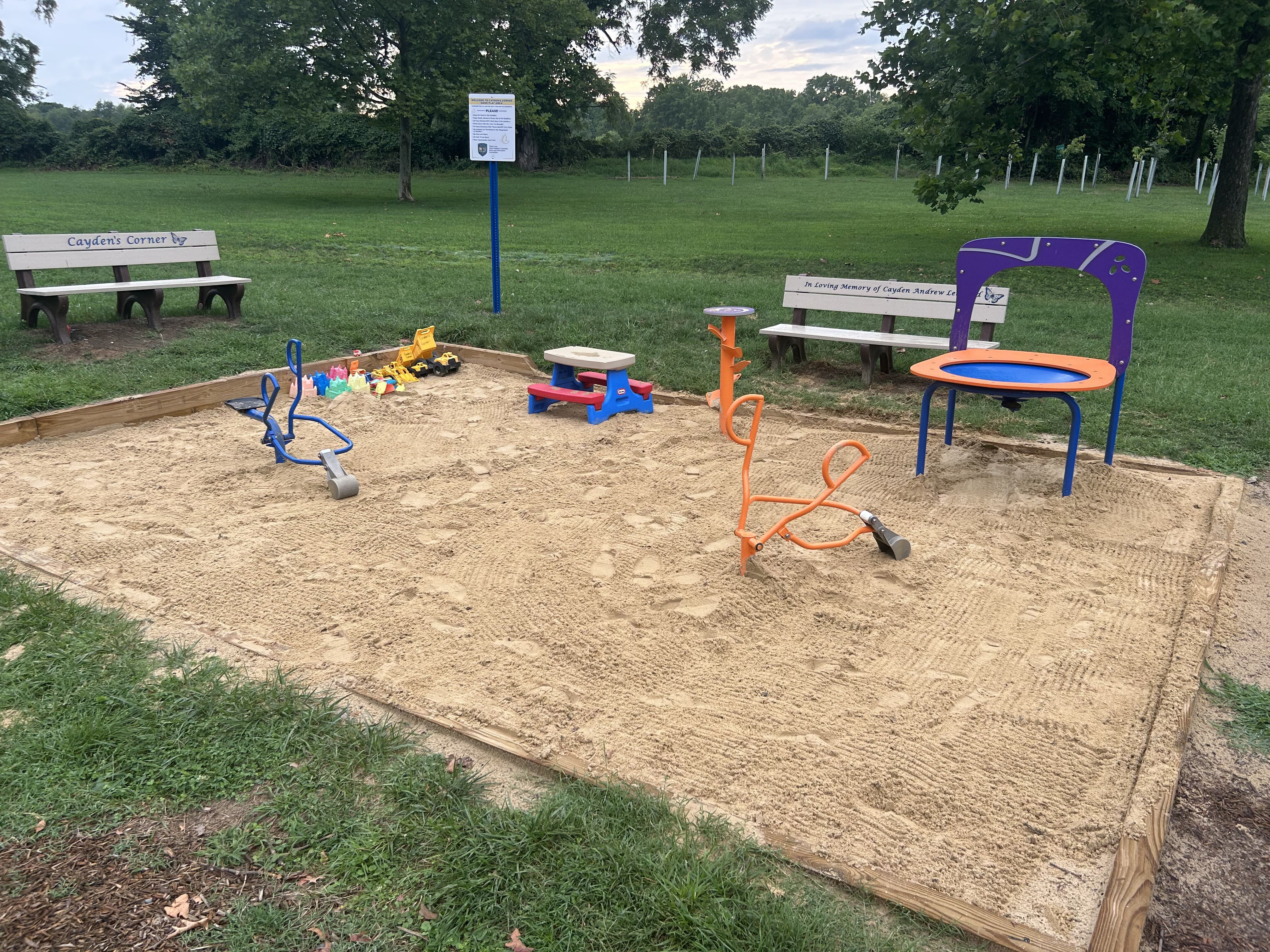
    When Ryan Leithead’s son Cayden died at just 7 days old in 2022, he channeled his grief into making something. Alongside West Pikeland Township officials, Leithead worked for weeks, mostly in freezing rain, to build what became Cayden’s Corner, a sandpit play area at Pine Creek Park’s playground.

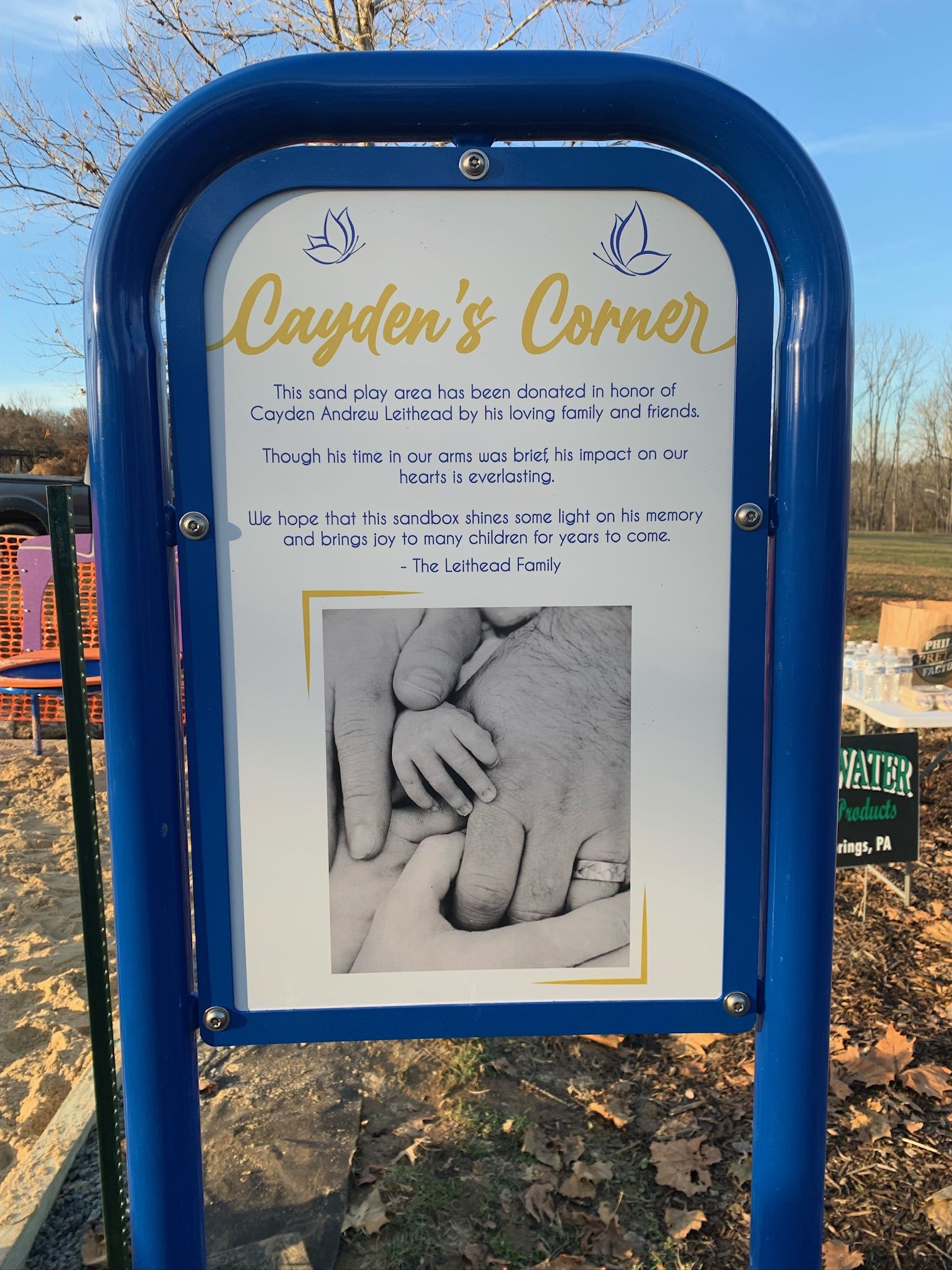
    A dedication sign, with a photo of Cayden’s little hand encircled by his parents’, notes that the hope is “that this sandbox sheds some light on his memory and brings joy to many children for years to come.”

    It offered a glimmer of light amid a tragic, unexpected loss. Leithead’s oldest son, 6, and daughter, 2, play there often. “It’s kind of like they’re playing with their brother because they’re there,” he said.

    But now, just a few years later, Leithead, 37, worries the memorial will be swept up in proposed playground renovations, which are the subject of several grants and public fundraising efforts to update the decades-old equipment and make the site more accessible. Final plans haven’t been released yet, but officials say it could involve relocating the sandpit and replacing the memorial.

    For Leithead, it feels like losing Cayden again.

    “It was built by those who loved Cayden. It kind of goes into that term of ‘grief in action,’” he said. “I spent the first year after he died kind of focusing on this — right, wrong, or indifferent, that’s how I grieved. So it’s a memorial built by his father.”

    The elected board of supervisors will vote on the proposal and plans “when they are available,” said Joan Blatcher, township manager. Completion of the full renovation is anticipated for mid-2027, she said.

    “The intention behind Cayden’s Corner was to provide a memorial for Cayden Leithead. If the sandpit is relocated, it will continue to be called Cayden’s Corner,” she wrote in an email. “The benches and a dedication explaining the reason for the name have always been part of the plan for the new playground.”

    After his son Cayden died at just seven days old in 2022, Ryan Leithead worked with West Pikeland Township to build a sandpit in honor of Cayden’s memory. Under proposed renovations of the playground, officials are considering relocating the sandpit and removing the existing dedication sign.Photo courtesy of Ryan Leithead

    Leithead isn’t against renovating the playground. When he helped bring the sandbox to life, seeing the whole playground renovated was something he hoped for. His work with the project is also how Leithead became involved with the township’s parks and recreation committee. But he struggles with the idea of relocating or altering the memorial they built in the early days of that grief.

    “The analogy my wife used was: Say you have a wedding ring that was a family heirloom for generations, and you lost it, and your husband turns around and says, ‘Well, I’ll just buy a new one, it’ll be bigger and better,’” he said. “It’s not the same, right? You lose the meaning behind that heirloom.”

    At a meeting on Aug. 17, vice chair of the supervisors Noreen Vigilante said that the sandpit was within the “fall zone” of the swing set, according to a recording shared with The Inquirer. A preliminary design, which the township hasn’t released, would relocate the sandbox and make it bigger. A recording of the public meeting is not available online.

    She also mentioned removing the existing sign dedicating the corner, saying that the playground designers felt it was “depressing.” Signage would still be there, later saying they could “negotiate” the sign, but not the sandpit’s placement.

    In an email, Vigilante said that in early meetings “it was requested that the playground not be moved.” Leaving the sandpit where it is “severely limits the opportunities for a safe and accessible design.”

    The sign, she said, is a “trigger for others who have also lost children or have family members who have lost children.”

    “The sign is so large and centrally located that it cannot be avoided if it makes one uncomfortable. An alternative is to have a smaller sign with the same text by the tot lot/sand play area of the playground so that those who may also be grieving do not have to look at the sign when they are attempting to enjoy a playground with other children,” she wrote. “A playground should provide the opportunity for adult-child enjoyment.”

    During the meeting last week, officials said they hadn’t heard of any complaints about the sign when the Leitheads asked. Separately, Leithead said the purpose of the sign was “to honor Cayden’s life and to show how a community came together to support a grieving family.”

    Other supervisors disagreed with the playground designers’ assessment.

    “I don’t care what the playground people think,” supervisor Harold Hallman III said at the meeting. “It’s a park of West Pikeland playground. It’s a part of West Pikeland. It should stay there.”

    An early supporter of the memorial plaque and sandpit, Vigilante wrote in an email that she continues “to support the sandpit and a memorial plaque in the playground.”

    “However, I feel very strongly that in my role as a township supervisor, I have an obligation to represent all of the residents/children of the township and that all children of all abilities should have safe access to a playground,” she added in an email.

    A Facebook page, Preserve Cayden’s Corner, has collected just shy of 100 members, asking fellow residents to push back on the proposed relocation.

    The board will meet next on Tuesday, Sept. 8.

    Blatcher, the township manager, said that officials have “had multiple conversations with the family” and said it will share the plans with the family when they’re available. Leithead said he hadn’t heard about the possible relocation officially from the township; he approached them at August’s meeting after hearing about the possibility through someone else.

    Blatcher wrote that Vigilante championed the proposed renovation, helping secure a second grant for $230,000 and has been “instrumental” in raising more than $65,000 in private donations to cover what the grants don’t.

    “The updating of the playground is for the benefit of all West Pikeland Township’s residents and will make the playground ADA accessible and allow more children to access the full play area, including the sandpit,” she said.

    Leithead said he just wants the ability to weigh in on the design, saying it wouldn’t be hard to modify the existing sandpit to be ADA accessible, or to relocate the swing set to keep the sandbox out of the fall area.

    “We would have never built this three years ago if they said there is even a 1% chance that, ‘Oh, when we redo the playground, we’re going to have to move it,’” he said.

    This suburban content is produced with support from the Leslie Miller and Richard Worley Foundation and The Lenfest Institute for Journalism. Editorial content is created independently of the project donors. Gifts to support The Inquirer’s high-impact journalism can be made at inquirer.com/donate. A list of Lenfest Institute donors can be found at lenfestinstitute.org/supporters.

  • Reed E. Pyeritz, pioneering medical geneticist and Penn professor emeritus, has died at 78

    Reed E. Pyeritz, pioneering medical geneticist and Penn professor emeritus, has died at 78

    Reed E. Pyeritz, 78, of Radnor, pioneering medical geneticist, cofounder of the Marfan Foundation and the American College of Medical Genetics and Genomics, professor emeritus of medicine and genetics at the University of Pennsylvania, author, mentor, veteran, and nationally ranked masters triathlete, died Monday, Aug. 10, of interstitial lung disease at Bryn Mawr Hospital.

    Dr. Pyeritz was a trailblazing expert on the diagnosis and treatment of Marfan syndrome and other inherited cardiovascular disorders. His 44 years of research and clinical work, from 1978 to 2022, advanced the understanding and management of the diseases, and extended the life expectancy of Marfan patients by 30 years.

    “So many of us in the community owe Reed so much,” Bert Medina, board chair of the Marfan Foundation, said in a tribute. “His legacy lives on in all of us, thanks to his dedication.”

    In an online tribute, a relative of former patients said: “Without this amazing doctor, I wouldn’t have my sister or dad. He changed the world for Marfan patients and their families.”

    Dr. Pyeritz joined the faculty at Penn in 2001 and spent more than 20 years treating patients, teaching students, doing landmark studies on the value and social implications of genetic testing, and championing patient-centered care. He was codirector of Penn’s research center on hereditary hemorrhagic telangiectasia, onetime chair of the faculty senate, and a fellow at the College of Physicians of Philadelphia and other medical associations.

    His “vision and scholarship fundamentally transformed the care of patients,” Nimesh D. Desai, director of the Penn Aorta Center, said on X.

    Before Penn, Dr. Pyeritz spent nine years in Pittsburgh with what is now the Allegheny Health Network and 17 years at the Johns Hopkins University School of Medicine in Baltimore. In 1991, his team at Hopkins discovered that mutations in the FBN1 gene cause Marfan syndrome and followed up with new regimens to treat it.

    He cofounded the Marfan Foundation in 1981 and the American College of Medical Genetics and Genomics in 1991. “It became clear that folks with Marfan syndrome could benefit by an organization that allowed them to communicate [and] to stimulate other physicians to become involved,” he said in a 2018 video interview.

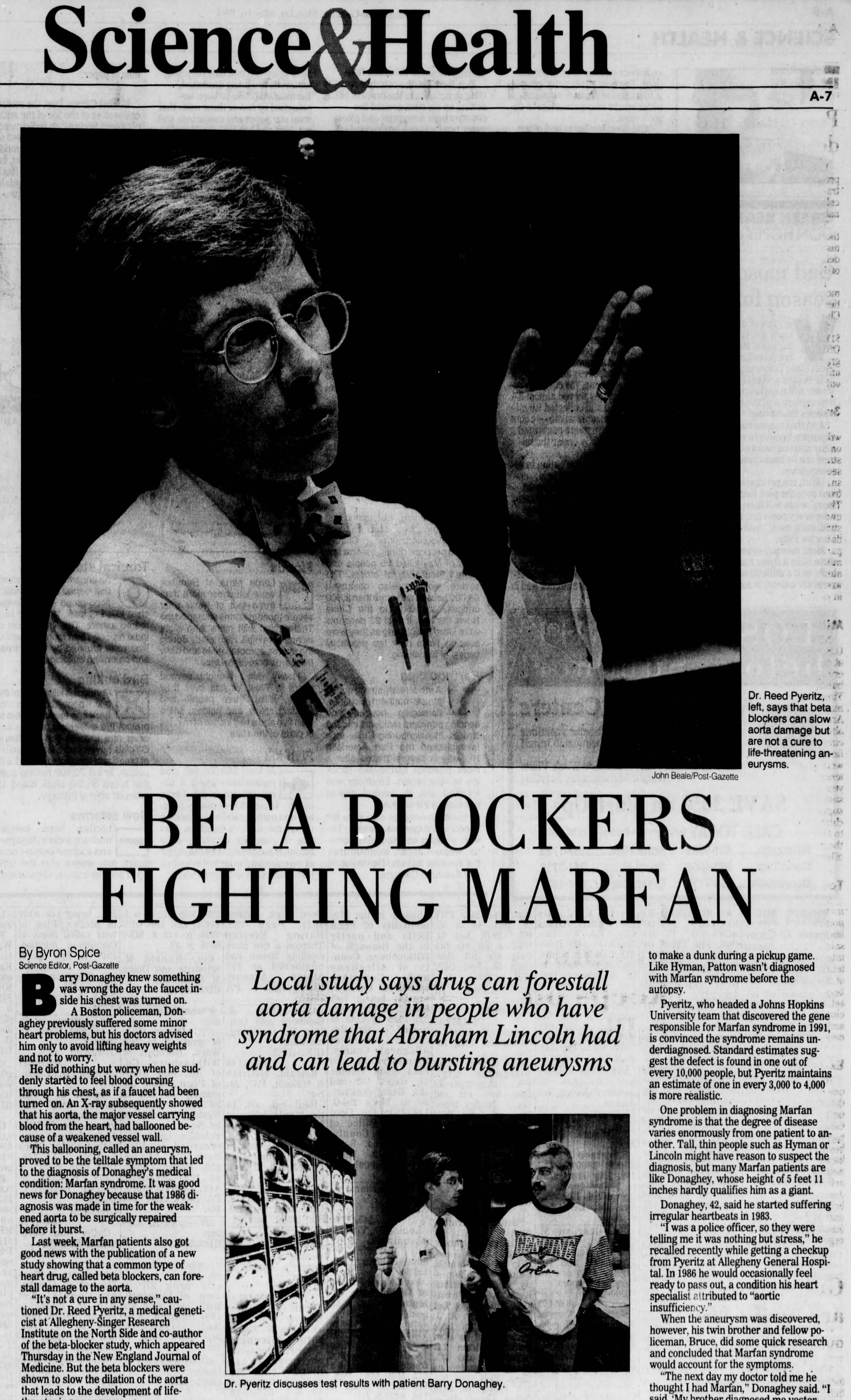
    This story and photos about Dr. Pyeritz appeared in the Pittsburgh Post-Gazette in 1994.Newspapers.com

    Colleagues, friends, and former patients called him “a phenomenal physician,” “a guiding light,” and “an extraordinarily reassuring presence” in online tributes. In 2018, he said: “The most gratifying thing is the fact that folks [with Marfan syndrome] are living their normal life expectancy.”

    Dianna Milewicz, chair of the John Ritter Foundation advisory board, noted his “excellence in clinical care, teaching, and research” on Facebook. Michael L. Weamer, president and CEO of the Marfan Foundation, called him “a true hero” and said his “impact on our community is immeasurable.”

    Dr. Pyeritz edited medical reference books and wrote The Marfan Syndrome and Uncertain Precision: Managing Health Care with Personalized Technologies. More than 700 of his research studies, reviews, and book chapters were published.

    He served 13 years in the Army Reserve Medical Corps and earned lifetime achievement awards from the Marfan Foundation, the American College of Medical Genetics and Genomics, and other groups.

    Dr. Pyeritz and his wife, Jane Tumpson, married in 1972.Courtesy of the family

    On weekends, he did marathons and triathlons, and was part of a world record 100-man, 100-mile relay. His family said in a tribute: “He measured a successful life less by titles or awards than by what one gives, what one learns, whom one loves, and what one leaves behind in others.”

    Reed Edwin Pyeritz was born Nov. 2, 1947, in Pittsburgh. He was fascinated by science and space as a boy, and he built rockets in his backyard and performed scientific experiments in his bedroom.

    He earned a bachelor’s degree in chemistry at the University of Delaware in 1968, a master’s degree and doctorate in biological chemistry at Harvard University in 1972, and his medical degree at Harvard in 1975.

    He met Jane Tumpson in first grade, and they graduated together from Mount Lebanon High School near Pittsburgh in 1965. They reconnected on the tennis court a few years later, married in 1972, and had daughters Allyson and Abigail.

    Dr. Pyeritz, left in the top photo and right in the bottom photo, enjoyed time with his family.Courtesy of the family

    Dr. Pyeritz and his wife honeymooned on Mount Kilimanjaro in Africa and traveled the world together for years. In April, the whole family went to Spain.

    He liked to wear bow ties, build stone walls, watch the news, and spend time outside with his dogs. He followed the Pittsburgh pro sports teams closely and enjoyed Manhattans and chocolate milkshakes.

    “I will miss it all,” he told colleagues at Cure HHT when he retired a few years ago. “But I am certainly looking forward to spending time with my two granddaughters, Tallulah and Penelope.”

    His daughters said: “Ever an adventurer, he instilled in us the importance of making the most of every day, watching the sunrise or sunset, and cherishing the time you have.”

    His wife said: “He loved without exception and reservation.”

    In addition to his wife, daughters, and granddaughters, Dr. Pyeritz is survived by son-in-law Keith Hopkins and other relatives. A brother died earlier.

    A celebration of his life is to be held later.

    Donations in his name may be made to the Marfan Foundation, 22 Manhasset Ave., Port Washington, N.Y. 11050.

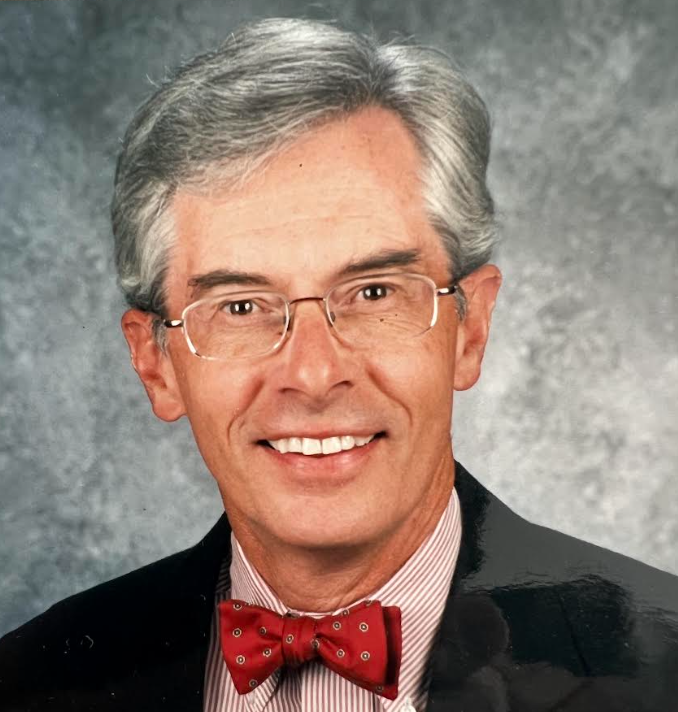
    Dr. Pyeritz “loved without exception and reservation,” his wife said.Courtesy of the family
  • Shooting death of man by police in Montgomery County ruled a homicide

    Shooting death of man by police in Montgomery County ruled a homicide

    The Montgomery County Coroner’s Office said Thursday that the death of a 22-year-old man shot by a police officer was a homicide caused by two gunshot wounds to the chest.

    The determination confirms that Glenwood Pysher IV was killed by another person, but not whether the fatal use of force was legally justified.

    Around 12:30 a.m. on Aug. 23, the Upper Pottsgrove Police Department received a 911 call reporting an active burglary at a residence, the coroner’s office said. Officers responded to the scene and Pysher was fatally shot. The officer who fired has not been identified.

    “Consistent with Pennsylvania law and Coroner’s Office policy, the classification of homicide is a medical determination for death certification purposes and does not indicate criminal intent or assign legal responsibility,” the coroner’s office said.

    The case remains under investigation by the Montgomery County Detective Bureau.

    The Montgomery County District Attorney’s Office said that police arrived to find Pysher “in the rear of the the residence. An encounter ensued and police fired at Pysher, fatally striking him.”

    Pysher’s mother, Erin, told the Inquirer that her son had been out celebrating a friend’s 21st birthday and was heading to another friend’s place to spend the night when accidentally ended up at a stranger’s home.

    Pysher was about to begin his senior year at St. Elizabeth University in North Jersey, his mother said.

    “This was all a huge mistake, and they killed him,” she said.

    <iframe src="https://www.facebook.com/plugins/post.php?href=https%3A%2F%2Fwww.facebook.com%2Fmontcocoroner%2Fposts%2Fpfbid0qSGr8ZBJmmXMTUnNnrJyLTRm66Frp8vG2QNYqeDmfDLA22JgCGUjTVv2ie8GNSisl&show_text=true&width=500" width="500" height="608" style="border:none;overflow:hidden" scrolling="no" frameborder="0" allowfullscreen="true" allow="autoplay; clipboard-write; encrypted-media; picture-in-picture; web-share"></iframe>
  • Upper Darby may dole out ‘quick tickets’ for overgrown grass, improper trash disposal, and other property violations

    Upper Darby may dole out ‘quick tickets’ for overgrown grass, improper trash disposal, and other property violations

    Upper Darby may soon hand out tickets for more than a dozen property maintenance and “quality of life violations,” including improper waste disposal, overgrown grass, and illegal dumpster placement.

    Upper Darby’s council earlier this month advanced an ordinance that would allow the township’s licenses and inspections department to dole out “quick tickets” for 17 property-related violations. Tickets would range from $50 to $100 and would, according to officials, allow the township to enforce property-related infractions without engaging in a drawn-out compliance process each time.

    “This is something that we really need. Our inspectors really need it,” Amrinder Singh, Upper Darby’s director of licenses and inspections, said at an Aug. 19 meeting.

    Singh said the program would give inspectors “another practical tool to address routine violations more quickly and encourage prompt, corrective action” with the ultimate goal of “trying to change human behavior.”

    Council voted to advertise an ordinance establishing the property maintenance quick ticket program and is set to vote on the ordinance on Sept. 2.

    Upper Darby currently addresses property issues through a violation and compliance process, which Singh said can be lengthy and delay corrective action. Under the existing system, code enforcement officers conduct an inspection, either proactively or following complaints. If a violation is detected, the property owner receives written notice describing the infraction and required action with a deadline. After the compliance period, the property is reinspected, and, if the issue isn’t corrected, enforcement actions can be taken, including fines, citations, and criminal proceedings before a district judge.

    Ultimately, Singh said, many property owners just ignore the citations.

    The proposed program would send tickets straight to property owners after violations are documented, bypassing the existing, and sometimes protracted, process. Money collected through tickets would go into Upper Darby’s general fund. Property owners will be able to appeal tickets to the township, Singh said. The township’s existing violation process would still exist, Singh said, and would work in tandem with the quick tickets.

    Norristown and Reading have implemented similar programs.

    The township selected the 17 specific violations because they contribute to unsafe conditions, neighborhood blight, pests, and pedestrian obstructions, Singh said.

    Upper Darby’s licenses and inspection department has received over 7,000 complaints this year, according to Singh, with around 40% being for grass and trash violations.

    At recent council meetings, residents have complained of rat infestations and improper trash storage in their neighborhoods.

    If passed by council, the quick ticket program ordinance would go into effect immediately, but fees and penalties wouldn’t be collected until Jan. 1. Singh said the four-month wind-up would allow the department to train inspectors, establish payment procedures, and engage in education and outreach with residents.

    Council members at the Aug. 19 meeting seemed poised to approve the program. Council member Myron McNeely said it is “way overdue.”

    Here’s a full list of the violations proposed for enforcement under the quick ticket program:

    • Accumulation of rubbish, garbage, or debris
    • Improper dumping or disposal of waste
    • Failure to clean up animal waste
    • Improper storage of trash containers or recyclables
    • High weeds or overgrown grass
    • Overgrowth obstructing sidewalks or public rights of way
    • Outside placement of indoor furniture or appliances
    • Exterior accumulation of construction debris or materials
    • Improper storage of hazardous materials
    • Illegal placement or storage of dumpsters without authorization
    • Unregistered, uninspected, unsafe, immobilized, or inoperative motor vehicles
    • Unsafe or noncompliant swimming pools
    • Snow and ice removal violations
    • Graffiti defacement
    • Failure to obtain required permits
    • Failure to post required permit placards
    • Failure to secure vacant unoccupied structures

    This suburban content is produced with support from the Leslie Miller and Richard Worley Foundation and The Lenfest Institute for Journalism. Editorial content is created independently of the project donors. Gifts to support The Inquirer’s high-impact journalism can be made at inquirer.com/donate. A list of Lenfest Institute donors can be found at lenfestinstitute.org/supporters.

  • Elementary school teacher in North Penn district charged with making child pornography

    Elementary school teacher in North Penn district charged with making child pornography

    A suburban elementary school teacher was arrested Thursday and charged with making and attempting to make child pornography, U.S. Attorney David Metcalf said.

    Eric Sanville, 39, of Norwood Borough, Delaware County, is a teacher at Gwynedd Square Elementary School in the North Penn School District, which is mainly located in Montgomery County, officials said.

    Sanville made his first appearance Thursday afternoon in federal court in Philadelphia and was being held pending further court proceedings, Metcalf said.

    Prosecutors allege that Sanville used the Snapchat social media app to separately entice two 8-year-old girls, including one living in Sweden, to engage in sexually explicit conduct to create images of those acts.

    If convicted, Sanville faces a maximum sentence of 30 years in prison, Metcalf said.

    The North Penn School District issued a statement saying Sanville was “immediately placed on leave, prohibited from being present on District property, and directed not to have any contact with students.”

    The district said it was notified Thursday by the FBI that Sanville was arrested at his home and charged with production of child pornography.

    “The authorities shared that, based on the information they currently have, there is no evidence to suggest that any students in the North Penn School District or the surrounding area were involved. They also shared that they do not believe that district technology was involved in the alleged activity,” the district said.

    “We recognize that news of this nature is deeply concerning to our families, staff, and community. The safety and well-being of our students remain our highest priority. North Penn School District is cooperating fully with law enforcement and will continue to review any information provided to us,” the district said.

  • Lower Merion’s technology policy is an unconstitutional ‘digital free-for-all,’ parents say in lawsuit

    Lower Merion’s technology policy is an unconstitutional ‘digital free-for-all,’ parents say in lawsuit

    The Lower Merion School District violated the constitutional right of parents to choose what content their children are exposed to online by requiring students to use internet-connected computers without safeguards or controls, seven families with school-aged children say in a federal lawsuit.

    The Lower Merion school board in June repealed a technology policy that allowed parents to opt their children out of using district-issued laptops and iPads. In August, the board adopted a new technology policy that doesn’t have an opt-out option, despite continued outcry from parents.

    The parents, who are part of a grassroots group called “Pencils over Pixels” that objected to the policy change, say in the suit that their children “encounter pornography, violent images, and violent or disturbing video games through their school devices.”

    In addition to the exposure to inappropriate materials, the suit says that by having AI chatbots readily available, the district’s policy can “impede learning” and “encourage cheating.”

    While three of the seven families behind the lawsuit have children enrolled in Lower Merion School District schools, three have withdrawn their children from the district because of the policy. Another considered enrolling their children in Lower Merion schools, but decided not to because of the device-use requirement.

    The families are being represented by the EdTech Law Center and Anapol Weiss, a Philadelphia-based law firm involved in multiple lawsuits against social media companies.

    Lower Merion is aware of the lawsuit, district spokesperson Amy Buckman said in a statement.

    “The District denies the allegations and will respond further through the judicial process,” Buckman said.

    The lawsuit says “the environment in many classrooms in the District has become like a casino. Students sometimes sit and repeatedly hit keys or the spacebar while playing repetitive online games, creating a classroom environment that is loud, chaotic, and overstimulating.”

    The heated public process that resulted in the repeal of the policy was a facade, the suit says, accusing the board of making its decision behind closed doors months before the summer. According to the complaint, Lower Merion superintendent Frank Ranelli “instructed” principals to refuse to accommodate technology opt-outs despite the “plain language” of the now-repealed policy before its repeal.

    The fight over technology in Lower Merion has boiled over in recent months, as parents in favor of opting their children out of technology have found themselves increasingly at odds with the school board. Two parents were banned from school board meetings for “disruptive” behavior during meetings on the technology policy, a move legal experts said may infringe on the parents’ constitutional rights.

    Andrew Liddell, attorney with the EdTech Law Center, said in an interview that plaintiffs “allege profound violations of parents’ rights and disruptions of family life caused by the district’s policies.”

    “Here we have a school board, or at least seven members of the school board and a superintendent, who are determined to press forward with this policy that really does harm kids,” Liddell said.

    Under the policy, kindergarten, first, and second graders will no longer receive personal iPads and laptops, and in-class technology time for the youngest grades will be limited to “specific educational purposes.” Third and fourth graders will have “teacher-directed” access to devices within the classroom. Fifth and sixth graders will be issued individual devices, which will stay in the classroom unless parents want their kids to bring them home.

    Seventh and eighth grade students will be permitted to take their devices to and from school but will not be penalized for not doing computer-based homework. By high school, students will be assigned individual devices to carry with them throughout the day and take home.

    The complaint accuses the seven school board members who voted to repeal the opt-out policy of acting in “contravention of their proper role as public educators and leaders of the District” and “thwarting” the ability of parents to protect their children. It asks a federal judge to issue an injunction that preserves the old policy by accommodating parents who wish to decline or limit their child’s use of internet-connected devices.

    “A parent’s right to make decisions regarding their children’s care includes the right to make decisions to safeguard their health, safety, and privacy,” the lawsuit says.

    The lawsuit was filed as social media and technology companies are facing a reckoning over the impacts their products have on the well-being of children and youth. Meta, the parent company of Facebook and Instagram, agreed this week to pay states up to $17.1 billion as part of a settlement over claims its platforms harmed kids. Pennsylvania is expected to receive more than $500 million from the payout.

    Earlier this month, Montgomery County sued Meta, ByteDance, Snap, and Google on behalf of the county’s 148 schools and more than 180,000 minor students, accusing the tech giants of negligence and creating a public nuisance.

    This suburban content is produced with support from the Leslie Miller and Richard Worley Foundation and The Lenfest Institute for Journalism. Editorial content is created independently of the project donors. Gifts to support The Inquirer’s high-impact journalism can be made at inquirer.com/donate. A list of Lenfest Institute donors can be found at lenfestinstitute.org/supporters.

  • Strong storms are moving through the Philly region, bringing yet another round of flood warnings

    Strong storms are moving through the Philly region, bringing yet another round of flood warnings

    It’s been a while — about a week, actually — but fresh rounds of strong thunderstorms and flooding bedeviled the Philadelphia region yet again Thursday.

    South Jersey evidently was bearing the brunt of the ferocity during the afternoon, with 5-plus inches of rain reported in Gloucester County, where flooding closed portions of Route 130.

    A tornado warning had been posted in Salem County, but it was not yet known if one was sighted.

    During the late-day commute, a second round of heavy rain moved into northern Chester County and central Montgomery County, prompting flood warnings.

    “Multiple water rescues” were reported in Parkesburg, Chester County, the National Weather Service said, with water up to car windows. Flooding on Route 422 in East Conventry Township resulted in at least one vehicle accident.

    After a couple of uncharacteristically pleasant days, pulses of moisture have returned, and the National Weather Service was warning that as much as three to five inches of rain could fall in “isolated” areas into Thursday night.

    Drivers on the New Jersey Turnpike exit for the Molly Pitcher Service Area during a rain storm Thursday.Tom Gralish / Staff Photographer

    Strong storms rumbled through the area late in the morning and pounded South Jersey in the afternoon.

    Officially, 1.48 inches of rain was measured at Philadelphia International Airport, bringing the 2026 total to 28.84 inches, for 0.03 inches over the year-to-date normal.

    (function(){function e(){window.addEventListener(`message`,function(e){if(e.data[`datawrapper-height`]!==void 0){var t=document.querySelectorAll(`iframe`);for(var n in e.data[`datawrapper-height`])for(var r=0,i;i=t[r];r++)if(i.contentWindow===e.source){var a=e.data[`datawrapper-height`][n]+`px`;i.style.height=a}}})}e()})();

    Heavy rains also set off flash flooding warnings in Delaware County and in portions of Bucks County.

    In addition, a severe thunderstorm watch was in effect for the entire region.

    The flood watch is in effect for the city and the seven neighboring counties from noon Thursday to 4 a.m. Friday, with rain-repelling high pressure moving offshore and a warm front migrating northward.

    Said Cody Snell, meteorologist with the national Weather Prediction Center in College Park, Md., “It’s a pretty typical pattern that we’ve seen before this summer.”

    Indeed.

    Computer model runs were suggesting that the atmosphere would not only be moist, but charged with energy, the weather service in Mount Holly said Wednesday afternoon.

    The federal Storm Prediction Center in Norman, Okla., listed a 15% chance of severe storms, those with wind gusts approaching 60 mph, along the I-95 corridor. At least it made no mention of possible tornadoes — yet.

    When might the storms hit the Philly region?

    The likeliest window for the main events would be between 2 and 8 p.m., said Bill Deger, senior meteorologist with AccuWeather Inc. said

    The sun is likely to appear after the morning rain shuts off, he said, and that would “help destabilize the atmosphere,” adding a kick to potential thunderstorms.

    He expected a midafternoon round, followed by an encore in the evening.

    What areas are likeliest to see flooding or severe storms?

    For severe weather, all of Southeastern Pennsylvania and New Jersey areas along the Delaware River are in the storm center’s highest risk zone, which extends from the Maryland-Virginia border to upstate New York.

    Along the Delaware River, Snell said, “there’s a little bit of signal for training thunderstorms.” Those are the kind to develop and not move, the kind that can wring out three to five inches.

    “The biggest threat is flash flooding,” said AccuWeather’s Deger, with the higher potential in Philly and areas west of the Delaware.

    He said the west-to-east moving storms may run out of steam by the time they get to Jersey.

    However, any rains are likely to cause trouble, he said.

    “Our ground can’t handle much more at this point,” said Deger, who lives in the Quakertown area and has seen the harvests of the downpours in his backyard.

    “I’m mowing every four days,” he said.

    Staff writer John Duchneskie contributed to this article.

  • 2 Philly men charged in Chester County road-rage shooting

    2 Philly men charged in Chester County road-rage shooting

    Two Philadelphia men were charged with attempted murder for a shooting that occurred during an alleged road-rage incident in May, Chester County District Attorney Christopher L. de Barrena-Sarobe said Thursday.

    Sophay Yem, 35, and Intanon Chay, 36, who also were charged with terroristic threats and related offenses, surrendered to police, de Barrena-Sarobe said.

    Yem was being held in lieu of $500,000 cash bail, and Chay was being held on $350,000 cash bail. Both men did not post bail and remained in custody at the Chester County Prison, court records show.

    Thomas Kenny, Yem’s attorney, said he intended to “vigorously defend” his client against the charges.

    “I am fighting this case,” Kenny said.

    Patrick T. Doherty, Chay’s lawyer, said his client “denies any involvement in these crimes,” and looks forward to his day in court.

    On May 12, the victim, who was not identified, contacted Tredyffrin Township police to report that his vehicle had been shot in the driver’s side door, de Barrena-Sarobe said.

    The victim said he unintentionally cut off another driver on Route 202 near the Route 30 Bypass, and then the other driver followed him aggressively, attempting to force the victim’s vehicle off the road, de Barrena-Sarobe said.

    The passenger in the other vehicle allegedly threw objects onto the road toward the victim’s vehicle. When the victim exited onto Route 252, he heard glass shatter and later found a bullet hole in his door, de Barrena-Sarobe said.

    The driver was identified as Yem and the passenger was Chay, de Barrena-Sarobe said.

    “Just because someone cuts you off does not mean you get to shoot at them. This was absurd criminal conduct that put the lives of everyone on the road that day in danger,” de Barrena-Sarobe said in a statement.