Category: News

  • Oregon man pleads guilty to murder, admits stabbing Cherry Hill veterinarian to death in 2024

    Oregon man pleads guilty to murder, admits stabbing Cherry Hill veterinarian to death in 2024

    An Oregon man who drove across the country in a jealous rage to kill his ex-boyfriend’s new partner in Cherry Hill has pleaded guilty to first-degree murder in connection with the 2024 slaying, prosecutors said Wednesday.

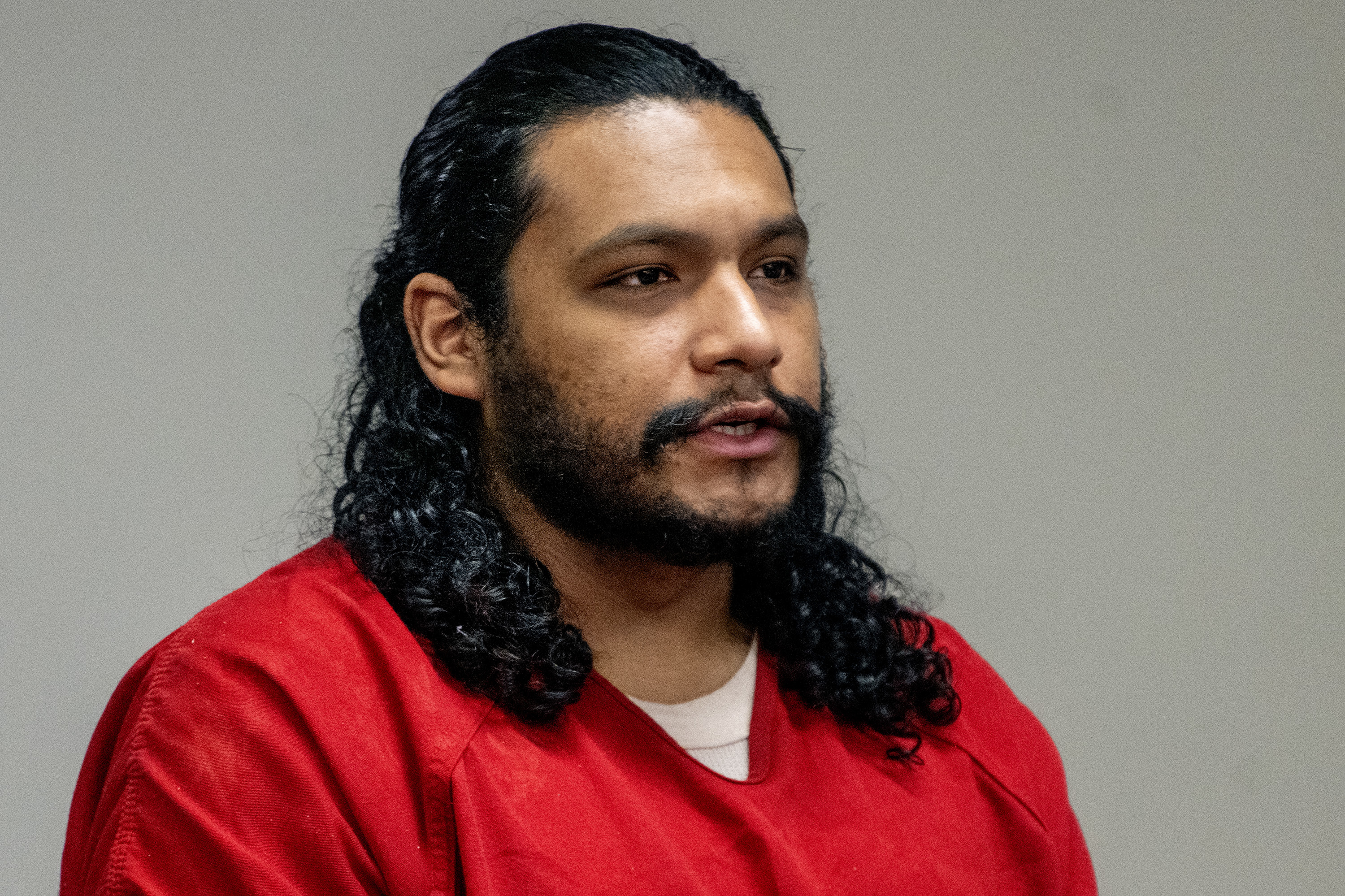
    Cristian Custodio-Aquino, 28, of Portland, was charged in the stabbing death of Michael Anthony, a well-liked South Jersey veterinarian.

    The body of Anthony, 45, was discovered on the front lawn of his home on Sharrowvale Road early on a December morning, prosecutors said.

    Anthony had been stabbed in the body, neck, and head. Detectives soon linked the killing to Custodio-Aquino using DNA from a pair of prescription eyeglasses he had left at the scene and by tracking his vehicle entering and leaving the neighborhood.

    He was arrested in California and has since been incarcerated in a New Jersey correctional facility.

    With his guilty plea, Custodio-Aquino is expected to be sentenced to 30 years in state prison without the possibility of parole, according to the Camden County Prosecutor’s Office.

    Grace C. MacAulay, the county prosecutor, called Anthony’s death tragic, saying it had deeply affected the Camden County community.

    “This guilty plea represents a significant step toward justice and ensures the defendant will be held accountable for his actions,” she said in a statement.

    Custodio-Aquino’s defense lawyer had said there was little evidence tying him to the crime, but prosecutors pieced together what they said was a compelling case.

    In addition to the eyeglasses investigators linked to the Peru native, prosecutors were able to identify Custodio-Aquino’s black Nissan Altima entering Anthony’s neighborhood on the morning of the Dec. 10 killing, and later leaving the scene.

    After Anthony’s murder, prosecutors said, Custodio-Aquino drove to Fresno, Calif., where he stayed with a friend. He also wiped his phone and attempted to sell his vehicle. Investigators later recovered samples of Anthony’s blood from inside the car.

    Michael Anthony, 45, a South Jersey veterinarian, was found dead outside his home in Cherry Hill.Courtesy of Haddon Vet

    All the while, prosecutors said, Custodio-Aquino searched the internet for news stories that mentioned Anthony’s killing and his memorial service.

    Investigators eventually learned that Custodio-Aquino had a previous relationship with Anthony’s partner, Kyle Bartsch, and killed Anthony out of jealousy. Custodio-Aquino and Bartsch had lived together in Haddon Township but separated in 2021 after a domestic dispute, prosecutors said.

    Not long before Anthony’s murder, he and Bartsch had communicated with Custodio-Aquino and knew that he was returning to the East Coast, according to prosecutors.

    The death of Anthony, a divorced father of two, rattled neighbors in the Barclay Farm section of Cherry Hill.

    His body was discovered facedown on the front lawn by his 16-year-old son, who had gone to look for his father after he did not return from an early morning walk, prosecutors said.

    Relatives described Anthony as devoted to his family and two sons, and after his death, tributes poured in from friends, neighbors, and people whose pets he treated at his Haddon Heights veterinary clinic.

    Bartsch said in an interview last year that he was devastated by the “sudden and senseless” loss of his partner. He described Anthony, his partner of three years, as “an exceptional person, universally loved by those who knew him.”

  • Philly pools to start opening Friday, but details are scarce

    Philly pools to start opening Friday, but details are scarce

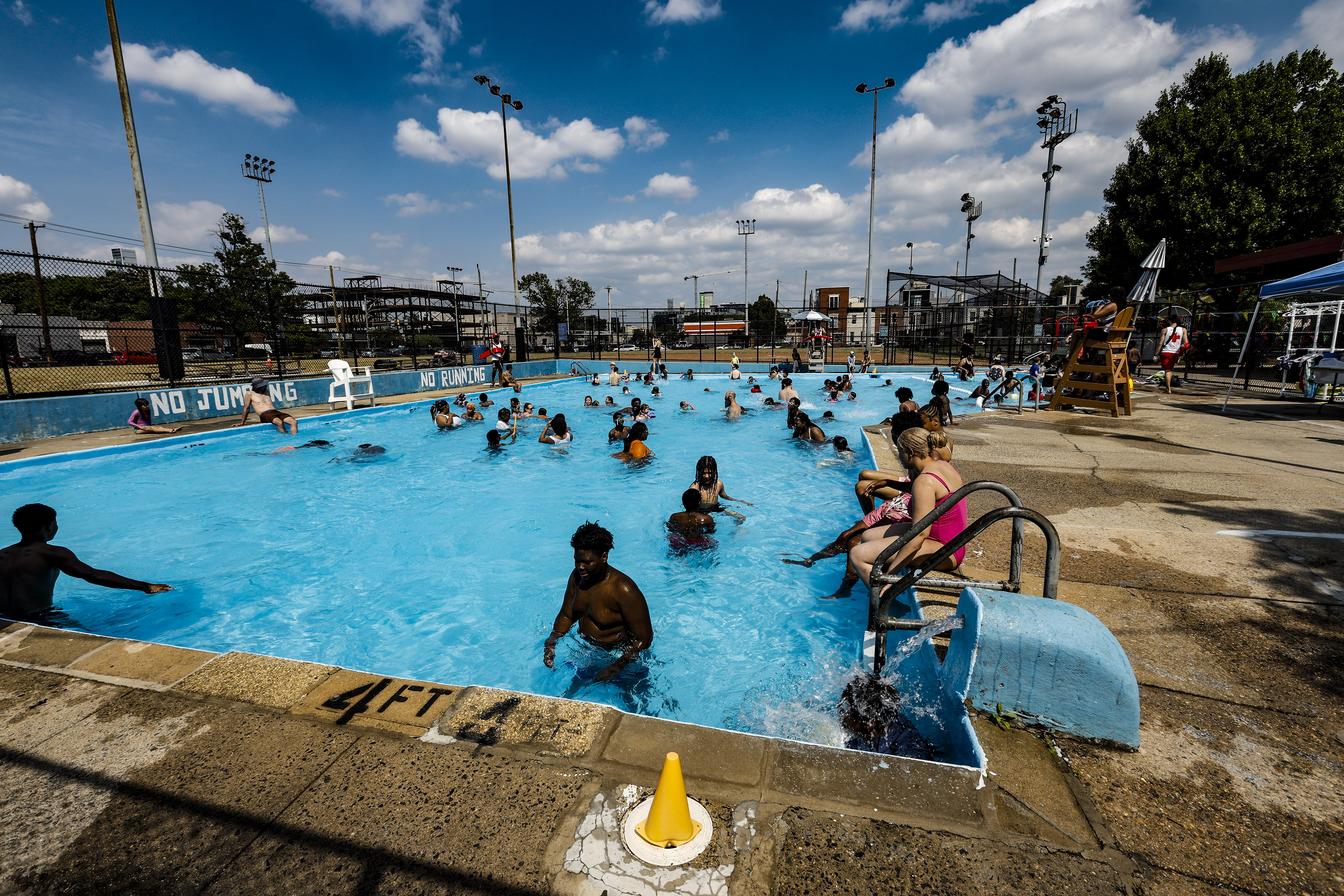
    Philadelphia will begin opening pools across the city Friday, just in time for an uncomfortable heat wave.

    Public pools will begin opening on a rolling basis on Friday, the city announced. No word yet on which pools will open first, and Mayor Cherelle L. Parker’s office did not immediately respond to a request for comment.

    Why can’t Philadelphia open all its pools at once? As with previous years, it is all based on lifeguard staffing. The more lifeguards the city hires and trains, the more pools it can open.

    More than 60 public pools are expected to open throughout the summer, the city said, up from 41 pools in 2025. It took until July 7 for the final pools to open for the season last year.

    The pools will open amid a heat emergency in Philadelphia, with temperatures expected to top 90 degrees through Friday. The emergency could extend into the weekend if the high temperatures linger. The all-time high temperature for both Thursday and Friday in Philly, 95 degrees, could be threatened.

    “The Health Department declares a Heat Health Emergency when the temperature gets high enough that vulnerable people — especially our elderly neighbors and family members — are at an increased risk of getting sick or dying from the heat,” Health Commissioner Palak Raval-Nelson said in a statement.

    To find pool hours, swimming lessons, or accessibility details, visit the Parks and Rec Finder App at phila.gov/parks-rec-finder.

    This story will be updated when the city releases more information on pool openings.

  • First Amendment debate erupts over reproductive, transgender healthcare bill

    First Amendment debate erupts over reproductive, transgender healthcare bill

    Free-speech advocates are warning that legislation meant to protect reproductive and transgender healthcare — which is heading for a key vote in the Statehouse this week — contains a provision that unconstitutionally violates the First Amendment.

    The concerns come as supporters of the bill say its passage is crucial, with the Trump administration increasingly acting to restrict or in some cases block access to both types of care. The Assembly is set to vote on the bill Thursday in Trenton.

    At issue is one section in the 12-page bill that would punish people for speech that causes a “reasonable” person who provides or assists in reproductive or transgender healthcare to suffer emotional or reputational harm or mental anguish.

    Ronald Chen is a law professor at Rutgers Law School who teaches constitutional law. That verbiage makes the bill “clearly unconstitutional” and should be deleted, Chen said.

    “It is a bedrock holding of the First Amendment that speech, even speech that is intentionally hurtful in and of itself, is protected unless it amounts to a threat of violence or a threat of some imminent actual act that the law has the ability to forbid,” he said. “But something that causes emotional harm or distress in the perception of a ‘reasonable’ person? Who’s going to define what type of emotional harm is reasonable on this issue?”

    He pointed to accusations of human trafficking that anti-abortion advocates have increasingly lobbed against people who facilitate abortions.

    “Let’s say I say, ‘You’re a human trafficker!’ And that causes that person emotional harm. Can you use this statute?” Chen said.

    Defining reasonable emotional harm is “an inherently impossible task, one which a court would certainly not want to get in the middle of,” Chen added. “And even if it did, I think it would say, ‘This is something that government cannot take sides on.’”

    The New Jersey Press Association issued a statement Tuesday urging legislators to strike the section from the bill, warning it chills the free speech rights of both journalists and citizens and predicting it would not survive a court challenge.

    “Language around the vague term ‘reasonable person’ enables broad claims to ostensibly protect reputations or hurt feelings,” said Brett Ainsworth, the association’s chairman. “For example, contrary to what the Constitution requires, the expansive language means a reporter could be civilly or criminally liable for publishing an article about the troubling practices of a reproductive healthcare services provider, even if the reporting was well-documented and fully accurate. A provider could simply assert his or her reputation or emotions were harmed by that truthful reporting.”

    Senate President Nicholas Scutari (D-Union), one of the bill’s sponsors, declined to comment through a spokesperson.

    Khadijah Silver, an attorney with Lawyers for Good Government who contributed to the bill’s drafting, told the New Jersey Monitor they were surprised to hear about the New Jersey Press Association’s concerns “at the 11th hour.”

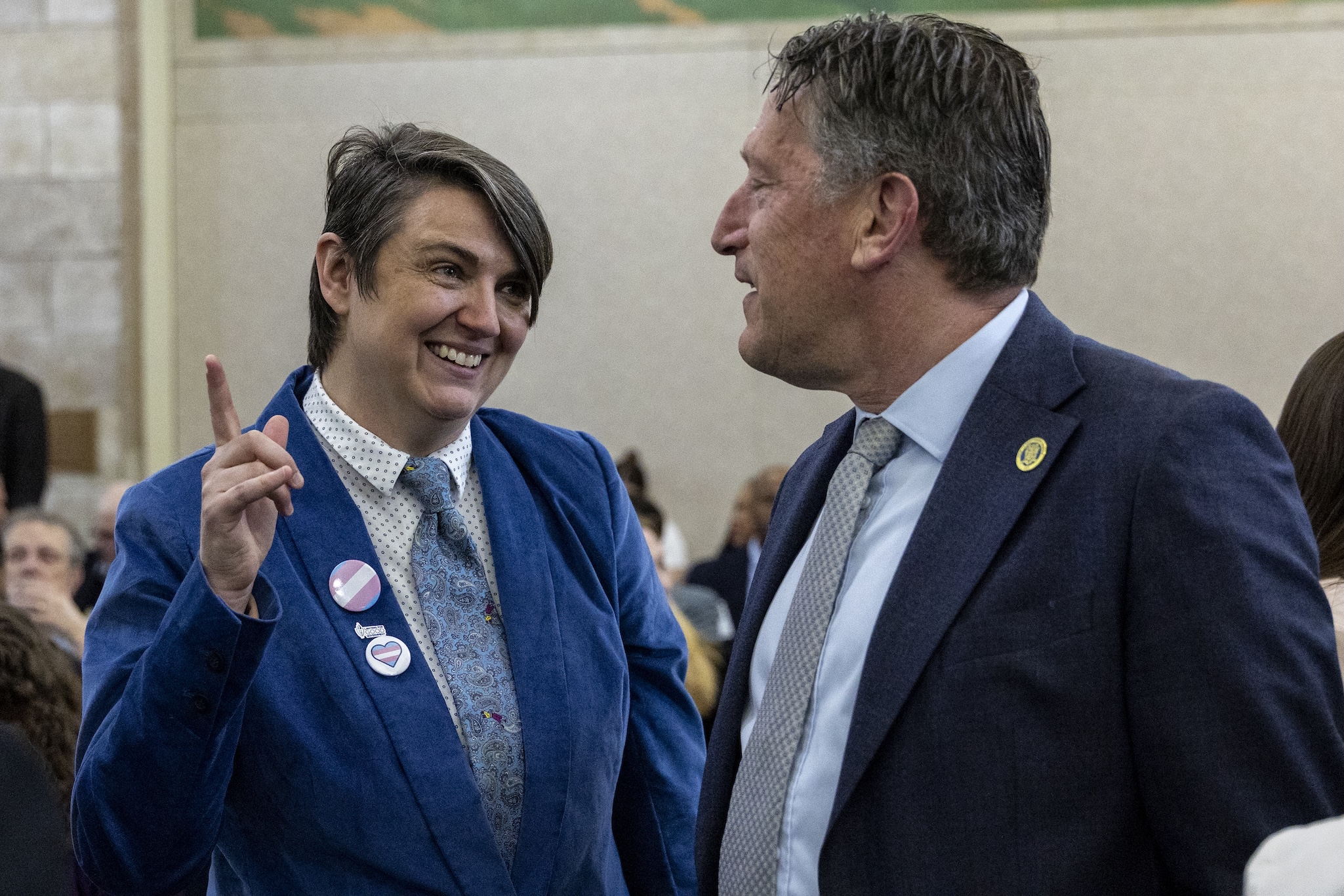
    Khadijah Silver speaks with Sen. Andrew Zwicker at the Trenton Statehouse on May 11, 2026, as the Senate health committee considers a transgender healthcare protections bill.Anne-Marie Caruso/New Jersey Monitor

    Silver, a civil rights attorney, said they worked closely with civil liberties advocates, academic experts, and the American Civil Liberties Union of New Jersey to ensure the bill protects the free speech rights of journalists and protesters.

    “I’m very shocked that the association feels this sense of threat by a law that has literally the opposite intention. We want to make sure that if someone enters a space to receive healthcare that they do not experience harassment and threats that are of a heightened nature that would stop them from pursuing that healthcare,” Silver said.

    Freedom of speech and freedom of the press are “paramount” to everyone involved in the creation of the bill, they added.

    Attorney CJ Griffin has represented the New Jersey Monitor and other media outlets in public records fights and lawsuits. She said she supports the intent of the bill but agrees with Chen that the contested section cannot stand.

    “I’m an LGBT person, so I’m sensitive to the fact that there’s a good intention behind it to protect people that are having a difficult time accessing reproductive health services and transgender care. But you can’t unconstitutionally punish speech that you don’t like. You have to adhere strictly to the Constitution, and like any bill that unconstitutionally punishes speech, it can end up backfiring on you yourself,” Griffin said. “I get that lawmakers have constituents that are pushing very hard for this. But their biggest constituent needs to be the Constitution.”

    Anti-abortion advocates and conservatives also had objected to that section, arguing it would criminalize praying and “sidewalk counseling” outside clinics.

    The Assembly’s appropriations committee passed the bill along party lines Monday. The lower chamber’s bill is slightly different from the Senate’s version, with the Senate making such speech a crime and the Assembly making it a civil violation.

    Either way, it’s unconstitutional, Chen said.

    “The First Amendment protects speech in both the civil and the criminal context,” he said.

    The legislation has long been a priority for LGBTQ+ organizations, and abortion rights groups have called for state action since the Trump administration stopped enforcing the Freedom of Access to Clinic Entrances Act when it comes to anti-abortion protesters. The 1994 federal law made it a crime to block or damage abortion clinics or assault or threaten providers and patients.

    This story originally appeared on New Jersey Monitor.

  • Bill Gates testifies about his ties to Epstein, calls meetings a ‘grave error in judgment’

    WASHINGTON — Bill Gates said Wednesday that he made a “grave error in judgment” by meeting with Jeffrey Epstein but denied any wrongdoing as the Microsoft cofounder faced hours of questioning from lawmakers about his relationship with the disgraced financier.

    In an opening statement provided to the Associated Press, Gates said he “should never have met with Epstein in the first place,” but that he “never witnessed nor had any indication that Epstein was engaged in ongoing criminal conduct.”

    The tech billionaire became the latest powerful figure linked to Epstein to testify before the House Oversight Committee in a closed-door deposition. The committee chairman, Republican Rep. James Comer, formally requested that Gates testify after he appeared multiple times in a trove of documents released by the Justice Department as part of its Epstein probe.

    As Gates arrived at the Capitol, he noted that his appearance was voluntary and said he hoped his testimony would help lawmakers “find justice for the victims.” Gates did not take questions from reporters at the conclusion of the interview late Wednesday afternoon.

    Gates, who chairs the Gates Foundation, has not been accused in connection with Epstein’s crimes and has repeatedly denied any knowledge of Epstein’s abuse of girls. He has said the two met only to discuss philanthropy and previously described the relationship as “a huge mistake.”

    Most Democratic members who participated in Wednesday’s questioning described Gates as cooperative. They said some of the most useful information he provided involved other influential people in Epstein’s orbit. Lawmakers also said they pressed Gates on why he continued interacting with Epstein after he pleaded guilty in 2008 to soliciting prostitution from a minor.

    Gates was aware that Epstein had been convicted of “a horrific crime and continued to interact with him to seek money for his foundation,” said Rep. Robert Garcia, the top-ranking Democrat on the committee, who described Gates’ actions as “a horrific judgment call.”

    Before the interview began, Comer told reporters that the committee’s effort was “about trying to figure out how the government failed.”

    Lawmakers scrutinize Gates’ relationship with Epstein

    Gates said he was introduced to Epstein through people involved in his professional and philanthropic work and was drawn in by Epstein’s claims that he could help raise billions of dollars for global health initiatives.

    Their relationship began in 2011, three years after Epstein’s guilty plea in Florida, according to the Justice Department files. Gates said he cut ties in 2014 after concluding Epstein could not deliver on those promises.

    Included in the files are calendar entries for meetings between Gates and Epstein, email correspondence between the two about philanthropic projects and photos of Gates at events that Epstein also attended.

    Gates added that he never went to Epstein’s island or his other infamous properties.

    “I have never victimized anyone. While he may have sought to foster a personal relationship, I was never interested in that and never reciprocated,” Gates said.

    Lawmakers offered differing accounts of the interview as they exited the room throughout the day.

    GOP Rep. Tim Burchett described the questioning as “intense,” while Democratic Rep. Raja Krishnamoorthi said Gates was “combative” and “not terribly forthcoming or candid.” Garcia, by contrast, said that while Gates pushed back on some inquiries, “he’s answering the questions.”

    Democratic Rep. Melanie Stansbury said Gates acknowledged maintaining contact with Epstein because he believed the “narrow relationship” was “an acceptable means to access wealthy donors.”

    The Gates Foundation said in February that a small number of employees had met with Epstein based on his “claims that he could mobilize significant philanthropic resources” for global health. They never created a charitable fund together, and the foundation made no payments to Epstein.

    Both Gates and his ex-wife, Melinda French Gates, have said his association with Epstein created tension in their marriage.

    Broader Epstein investigation continues

    Epstein was federally indicted in July 2019 on charges of sex trafficking of minors and conspiracy to commit sex trafficking of minors. The Justice Department alleged that Epstein formed a vast network of girls, some as young as 14, for him to sexually abuse between 2002 and 2005. He died by suicide in a New York jail cell in 2019 while awaiting trial.

    The files released by the Justice Department read like a who’s who of powerful men across tech, finance, politics, and other industries. All have denied involvement in Epstein’s crimes, but some maintained or formed friendships with him even after his history of sexual abuse came to light.

    At another closed-door deposition in February, former President Bill Clinton faced more than six hours of questioning from lawmakers about his association with Epstein more than two decades ago. Epstein visited the White House several times during Clinton’s presidency, and Clinton flew occasionally on Epstein’s private jet.

    The former Democratic president said he saw no signs of Epstein’s sexual abuse and stopped associating with him long before Epstein’s 2008 guilty plea. Clinton has not been accused of any wrongdoing in connection with Epstein.

    Democrats on the House committee have pushed for testimony from President Donald Trump, a Republican who had his own relationship with Epstein. Republicans have said they have not come across any evidence that Trump did anything wrong during his well-documented friendship with Epstein.

    Comer said Wednesday that he’s planning to ask attorney Alan Dershowitz to appear and that he’s been in communication with the Justice Department about acting Attorney General Todd Blanche coming in for questioning as well.

  • Trump sticks with Pulte for intel job as risk grows of lapse in spy powers

    WASHINGTON — A lapse in a law that allows the U.S. to gather intelligence abroad grew more likely on Wednesday as President Donald Trump resisted calls from Republicans and Democrats on Capitol Hill to immediately name a permanent head of the nation’s intelligence agencies.

    Trump has doubled down on his temporary pick for director of national intelligence, federal housing finance regulator Bill Pulte, even though he has little experience for the job. Democrats say they won’t support the renewal of Section 702 of the Foreign Intelligence Surveillance Act, known as FISA, unless he withdraws Pulte’s appointment and nominates a permanent replacement.

    The impasse could soon result in limitations on what intelligence the U.S. government can collect abroad just as World Cup games begin in cities around the country and ahead of celebrations for the nation’s 250th anniversary. The law expires on Friday at midnight.

    Trump on Wednesday asked Congress for a short-term extension of the law to “provide time for the selection and confirmation” of a permanent director.” But he stuck with Pulte as the acting head and said he wants to begin downsizing intelligence agencies.

    “We can’t let them extort us,” Trump said of Democrats.

    Senate Republicans floated a two-week extension of the law after Trump’s request, but it was immediately rejected by Democrats who argued that it’s up to the president to replace Pulte.

    As the bill stalled in the Senate, Speaker Mike Johnson announced the House would hold a vote Thursday on a two-week stopgap even as the chances of passage appeared slim.

    “We’re going to ask every member here to do the right thing,” Johnson said. “We cannot allow that to go dark.”

    House Democratic leader Hakeem Jeffries said if Trump wants a shot at a short-term extension, he needs to pull the Pulte appointment. Pulte is a “disgraceful individual” and a “partisan political hack” who is deeply unqualified for the job, Jeffries said.

    GOP leaders lobby the White House, to no avail

    Congressional Republicans have lobbied Trump all week to quickly nominate a permanent replacement. But he said he needs more time to do so.

    Senate Majority Leader John Thune (R., S.D.) said Wednesday that Republican leaders have “made our views known” to the White House about the easiest way to get the bill passed, and “we’re just doing what we can here to ensure that the White House understands what will be necessary in order to make that happen.”

    Trump said on Friday that he is interviewing five candidates for his pick to lead the agency permanently and that all have a national security background.

    “It’s an important position and one that I think will be filled by a highly qualified person,” said Johnson, who met with Trump twice this week to talk about the FISA impasse.

    Trump made it very clear, Johnson said, that Pulte will serve a “very short term — a sort of renovation role” to help the Office of the Director of National Intelligence be “renovated and downsized.”

    To unlock votes for FISA, the pick would have to be soon — and Trump’s choice would have to satisfy both Republicans and Democrats.

    One of several possible replacements could be Pete Hoekstra, Trump’s ambassador to Canada and a former chairman of the House Intelligence Committee. The White House has reached out to Hoekstra about the job and conversations are ongoing, according to a person familiar with the outreach who requested anonymity to discuss the private conversations.

    FISA will lapse at midnight Friday

    Section 702 of FISA allows agencies such as the CIA, National Security Agency, and FBI to collect communications from foreign targets overseas without a warrant.

    While members of both parties who cite privacy issues have long wanted to limit the authority, there was broad bipartisan support to renew it, especially after Republicans and Democrats recently worked out a compromise bill.

    Virginia Sen. Mark Warner, the top Democrat on the Senate Intelligence Committee, has worked with Republicans on the compromise legislation to renew the authority. But he called Pulte’s appointment to replace outgoing DNI Tulsi Gabbard “a live hand grenade” as they were trying to pass it. Republican leaders tried to start the process last week, but seven Republicans joined nearly all Democrats in blocking a long-term extension after Pulte was appointed.

    Warner said Wednesday that the only way he’ll support a short-term extension of the surveillance law is if the principal deputy director of national intelligence, Aaron Lukas, is the acting leader during the duration of that extension.

    Sen. Tom Cotton, the chairman of the Senate Intelligence Committee, and Sen. Chuck Grassley, chairman of the Senate Judiciary Committee, have warned the administration that the spy tool is likely to lapse.

    The administration should prepare “for a potential significant gap in foreign intelligence collection,” they wrote in a letter.

    Trump doesn’t back down on Pulte

    After bipartisan pushback to Pulte’s temporary appointment, Trump said last week that he would not permanently nominate him to the position. But Democrats, and some Republicans, want his appointment pulled immediately and for Trump to nominate a replacement that can be confirmed by the Senate.

    On Tuesday, though, Trump announced that Pulte would not only take over as acting director — he’d also start earlier than expected, on June 19.

    And he stuck with Pulte on Wednesday, posting that he needed more time to find a permanent replacement and telling reporters that the agencies need to be downsized.

    Both Republican and Democratic senators skeptical of Pulte have pointed to his lack of intelligence experience and also his record at the Federal Housing Finance Agency. In the position, the Trump loyalist has been linked with criminal referrals over allegations of mortgage fraud by public officials Trump sought to punish, including New York Attorney General Letitia James, a Democrat; Sen. Adam Schiff (D., Calif.); and Lisa Cook, a board member of the Federal Reserve.

  • Steamy weather threatens fan fest, and Philly’s 1st World Cup game won’t feel like home to either team

    Steamy weather threatens fan fest, and Philly’s 1st World Cup game won’t feel like home to either team

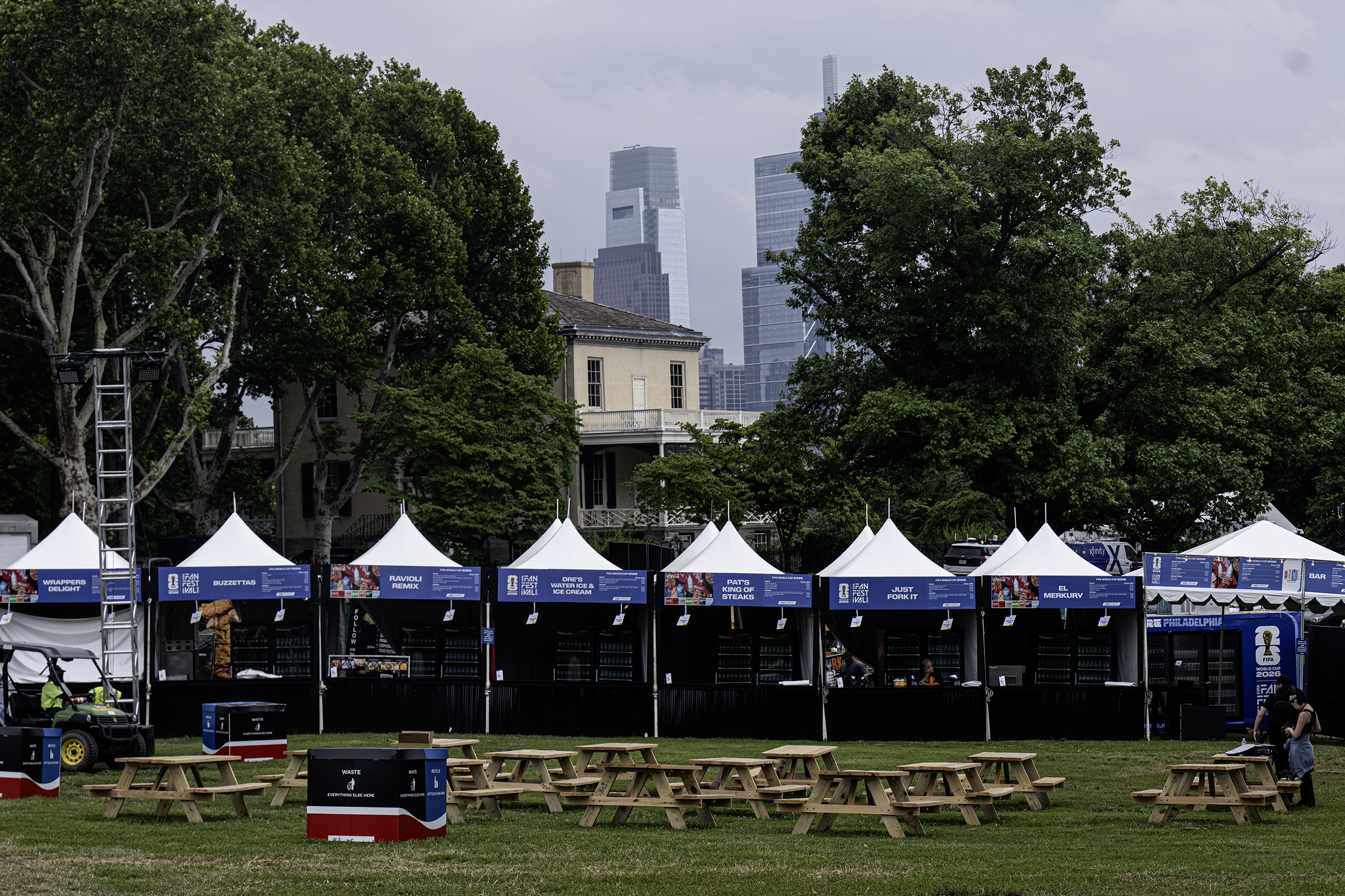
    No matter what else happens at the World Cup’s FIFA Fan Festival events Thursday and Friday on Fairmount Park’s Lemon Hill, expect hot times.

    After setting four high temperature records since April, two more could fall this week in Philadelphia as a very warm June picks up steam and the mercury heads to the mid-90s on both days, while the atmosphere turns to soup.

    “It’s going to be very uncomfortable,” said Bob Oravec, senior branch forecaster at the Weather Prediction Center in College Park, Md.

    The National Weather Service in Mount Holly said heat indexes could reach 103 on Thursday and 105 on Friday in the city, and the Philadelphia Department of Public Health has declared a heat emergency.

    With the increase in water vapor and an approaching front, thunderstorms also could pop up, and festival organizers are well aware of the potential at what will be a “rain-or-shine event,” said Philadelphia Soccer 2026 spokesperson Melissa Ferdinand.

    Conditions are due to improve on the weekend, with lower humidity and just an outside chance of showers during the Sunday night match between Ecuador and Ivory Coast in South Philly.

    The weather outlook for the fan fest activities

    When the fan festival gets underway at 2 p.m. Thursday, chances are excellent that Philly will be chasing a record, with a Friday encore. The all-time high for both Thursday and Friday in Philly is 95 degrees.

    Thunderstorms are possible both afternoons, with about a 15% chance that they reach severe status — with wind gusts near 60 mph — according to the Storm Prediction Center in Norman, Okla.

    Soccer matches will be televised throughout the festival, including Sunday’s game in Philly, and in the event of severe weather, the screens will carry evacuation orders, along with announcements and text communications, Ferdinand said. “Our highest priority is the safety of our guests,” she said in an email.

    On Saturday, conditions should improve markedly, with daytime highs several degrees lower and the mugginess backing off. On Sunday, temperatures are expected to climb back to the low and mid-90s, but the humidity should not approach the Thursday and Friday levels.

    The weather outlook for Sunday’s game

    Temperatures around game time are forecast to be in the upper 80s with comfortable humidity and a breeze under 10 mph.

    The only caution flag would be the chance of a shower, said Mike Lee, a meteorologist at the weather service office in Mount Holly, but “it looks like it’s going to be on the hit-or-miss side of things.”

    It should be comfortable for the fans, but upper 80s would not be a cool dip in the pool for the players, who can run six miles or more during a match — no home run trots in soccer. Throughout the tournament, heat and humidity certainly are going to be players, said Ryan Calsbeek, a runner and Dartmouth College biological sciences professor.

    He allowed that running this week was an ordeal. Granted, it got up to only 85 degrees where he lives in New Hampshire, but it was the first warm shot of the season, and his body let him know it was not enjoying the adjustment. Acclimatization certainly will be a challenge to the World Cup participants at the venues across the United States, Canada, and Mexico, he said.

    The atmospheric conditions on Sunday in Philly are not going to feel much like home to either team.

    The Ecuadorians may even get a little homesick. They play in Quito, right on the equator, but their stadium is at an elevation of more than 9,000 feet — 1.7 miles. Temperatures decrease with height, and the average high in June in Quito is 70 (the same as it is in January).

    Conversely, the Ivory Coast team’s home field is in Abidjan, a city of more than six million on the south-central Atlantic coast. The region gets prodigious amounts of rain as storm waves move across east to west across the continent, said Tom Kines, senior meteorologist with AccuWeather Inc. And is it ever muggy.

    Les Elephants might view South Philly as a vacation spot.

  • Philly School District will not make 340 classroom job cuts after all, mayor announces

    Philly School District will not make 340 classroom job cuts after all, mayor announces

    Philadelphia School District officials are restoring 340 classroom-based jobs that were slated to be cut, despite top district leaders saying last week that they did not have the recurring funding needed to keep the positions.

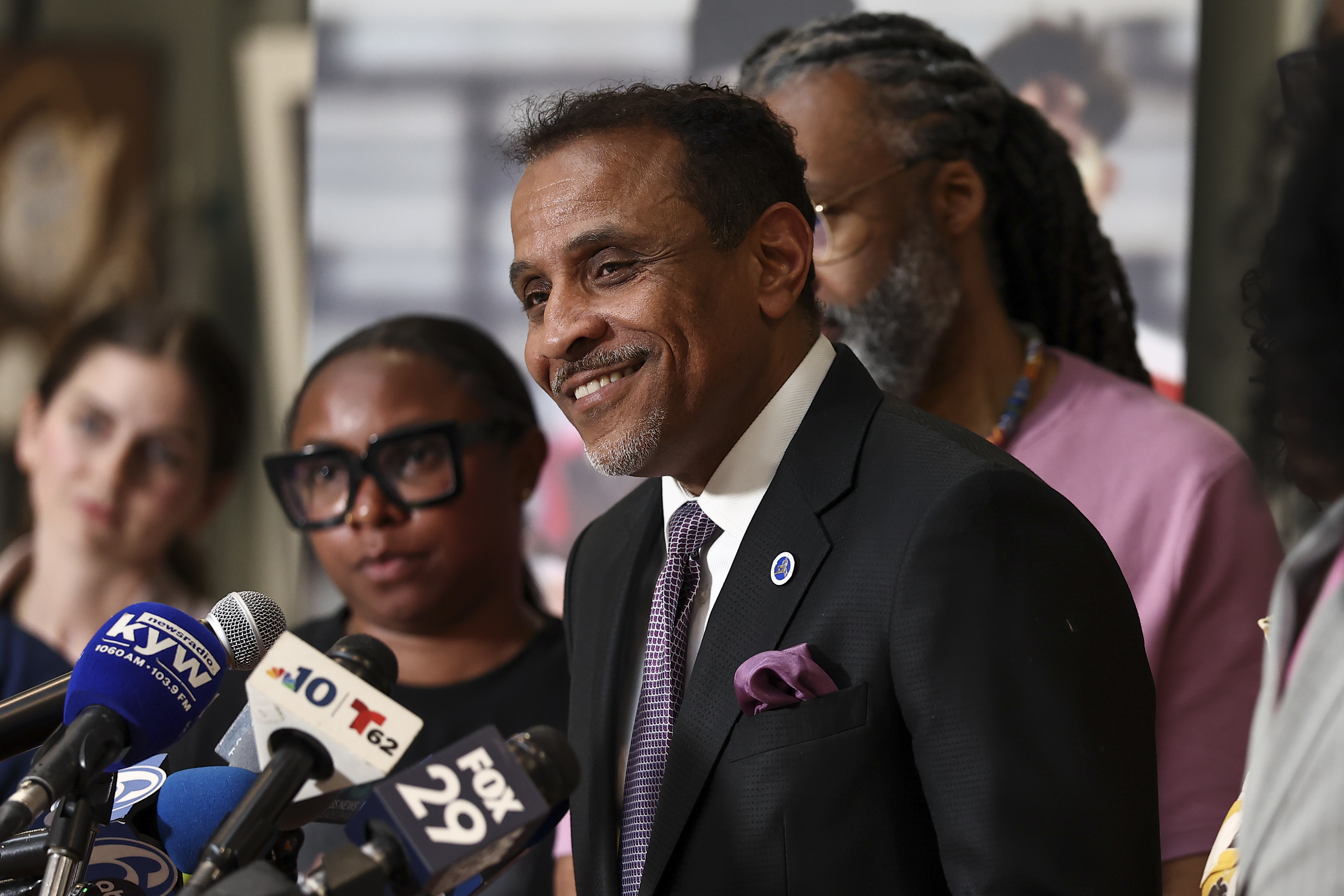
    In a surprise, dramatic announcement late Wednesday, Mayor Cherelle L. Parker — flanked by Superintendent Tony B. Watlington Sr., school board president Reginald Streater, and Council President Kenyatta Johnson — said the city had identified enough money in the existing budget to stave off the cuts.

    “We have delivered for the School District of Philadelphia today,” Parker said. The mayor added that the city “made some tough decisions” to save the positions of 149 teachers, 130 climate staff, and 23 counselors.

    Parker and Johnson pledged $216 million over five years to keep funding the school workers.

    Officials said the $48 million in new money the city is providing for the 2026-27 school year is the floor, and not a one-time fix.

    The administration will look to new, recurring revenue sources in the future, Parker and Johnson said, but if those are not found, the money will come from the city’s capital spending and other areas the mayor said she would release Thursday.

    “Everything is on the table” for those new funding streams, Parker said, though she did say that raising property taxes was a nonstarter.

    Superintendent Tony B. Watlington Sr. speaks during an announcement at the School District of Philadelphia Headquarters on Wednesday, June 10, 2026 in Philadelphia. Philadelphia School District officials will move to restore 340 classroom-based jobs that were slated to be cut, despite top district leaders saying last week that they did not have the recurring funding needed to keep the positions.Monica Herndon / Staff Photographer

    The mood at district headquarters, where leaders gathered for a hastily arranged news conference, was positively jubilant.

    “It’s Christmas in June,” Johnson said. Thursday is the last day of school for district students, and Johnson said he was thrilled that teachers and staff “will have an opportunity to remain in the schools that will continue next year, in the years beyond, to support our young people.”

    “I can’t stop smiling,” Streater said.

    An about-face

    The move was an about-face from last week, when Watlington wrote in a letter to Council that the system — which is facing a longstanding $300 million structural deficit — could not restore the 340 positions “without a commitment to recurring and predictable funding over multiple years.”

    After that grim moment, Parker said, members of her team, Johnson’s office, and district officials worked “around the clock” to find a way to cobble funds together to save the jobs, which were imperiled amid a $300 million district budget deficit. City Council last week rejected Parker’s proposed $1-per-ride tax on rideshare services like Uber and Lyft, which she said would generate about $48 million a year in revenue for the district to cover the classroom cuts.

    Instead, legislators and the mayor’s administration agreed last week to use money in the existing budget to increase the city’s annual contribution to the school district by $48 million this year.

    Council members gave initial approval to that plan last week and are expected to take a final vote on the budget on Thursday.

    After Parker’s tax plan collapsed, she held a fiery news conference, casting one-time money for the city’s public schools as a Band-Aid and saying that the lawmakers did not “offer an alternative plan for recurring revenue.”

    “Our children deserve better. They deserve more,” Parker said. “We didn’t meet the moment here in the city of Philadelphia.”

    “Billionaire big tech companies just won round one in this process,” says Mayor Cherelle L. Parker at City Hall Thursday, June 4, 2026 after City Council rejected most of her tax proposals for the city budget.Tom Gralish / Staff Photographer

    But Council members, already frustrated with the school board for voting in April to advance a plan to close 17 schools, were up in arms.

    Council leaders said that they had been under the impression that the school district would not make the job cuts if the city came through with an additional $48 million this year, regardless of whether the money came from a new tax or the city’s existing coffers.

    “We wouldn’t have gone to the lengths that we went to to come up to what we thought was an agreement with the administration for the district to then say that was not adequate,” Majority Leader Katherine Gilmore Richardson said in an interview Friday.

    The union that represents Philadelphia teachers and other schools advocates also implored Watlington to change course. Arthur Steinberg, president of the Philadelphia Federation of Teachers, said last week that it was “deplorable and really absurd” that the district was opting to move forward with staff cuts despite getting $48 million in new money from the city.

    No ‘tricky math’

    Parker on Wednesday said she did not regret waiting for a guarantee on paying for the positions going forward.

    “I don’t know how they do math in other cities, Mr. President, but I know here in the city of Philadelphia, we can’t have tricky math,” the mayor said, addressing Johnson. But, she said, “we were committed to ensuring that politics of any kind were not going to stand in the way of us doing what we’re supposed to do as elected representatives for the city, and that is delivering for our school district.”

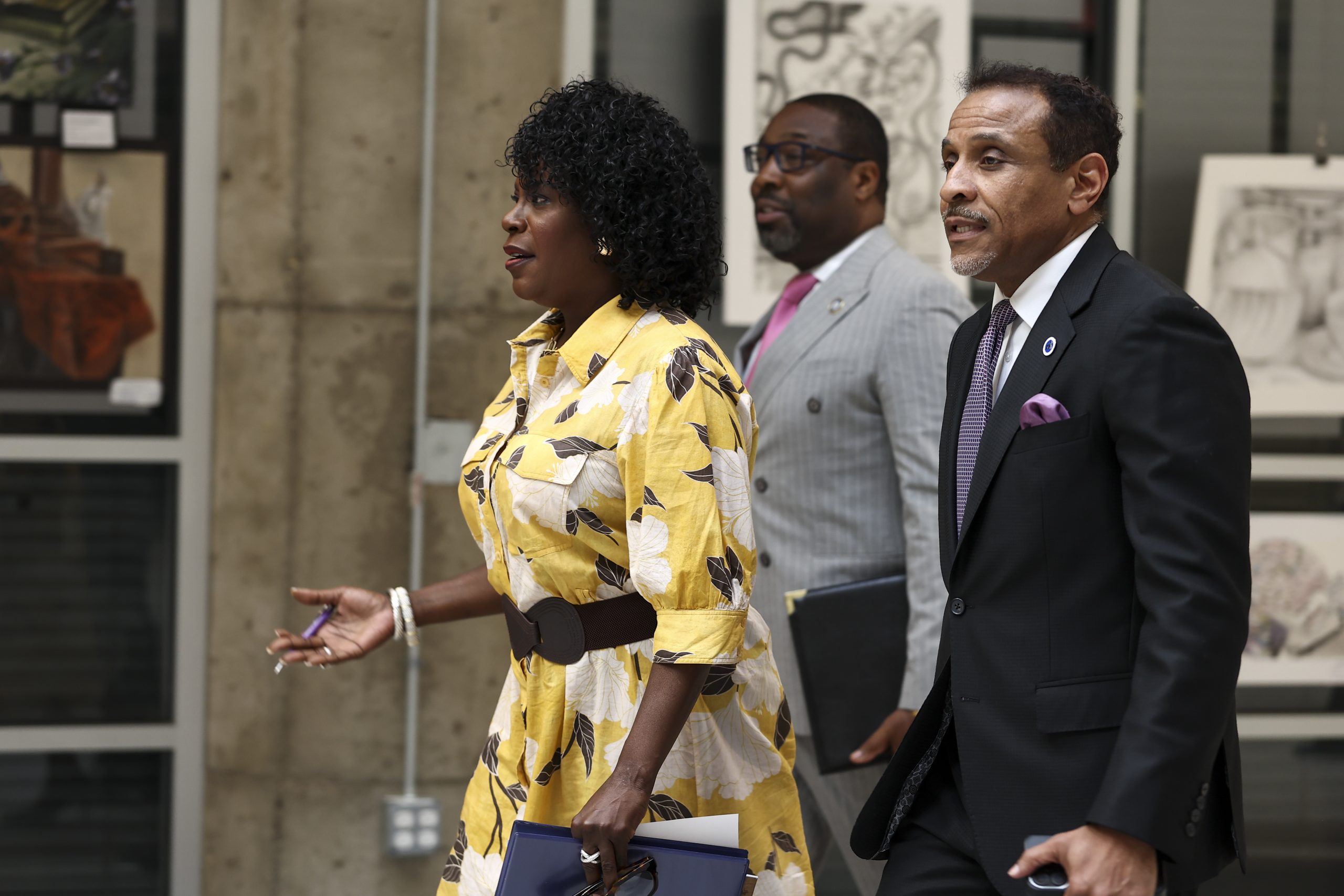
    Mayor Cherelle L. Parker, Council President Kenyatta Johnson and Superintendent Tony B. Watlington Sr. arrive for an announcement at the School District of Philadelphia Headquarters on Wednesday, June 10, 2026 in Philadelphia. Philadelphia School District officials will move to restore 340 classroom-based jobs that were slated to be cut, despite top district leaders saying last week that they did not have the recurring funding needed to keep the positions.Monica Herndon / Staff Photographer

    The district must now shift immediately to figuring out how to restore the 340 positions. Schools built their budgets based on the cuts, and the teachers, counselors, and climate staff who believed their positions were ending either found new jobs or, in the cases of some, left the district altogether in what has been an especially chaotic school-hiring season.

    It was not immediately clear what would happen, logistically, with the positions, but Watlington said he would be delighted to figure it out with representatives of the Philadelphia Federation of Teachers and the principals union.

    “I can guarantee you’re going to work through all those issues,” Watlington said. “It’s not a problem.”

  • Philadelphia’s new floating art installation finally arrives on the Schuylkill at Bartram’s Garden

    Philadelphia’s new floating art installation finally arrives on the Schuylkill at Bartram’s Garden

    FloatLab, a public art feature that will offer an eye-level view of the Schuylkill, finished its voyage up the East Coast from North Carolina to Southwest Philly on Wednesday.

    The 75-foot-wide floating structure arrived at its permanent home at Bartram’s Garden amid cheers from officials, who have been waiting 10 years for this project to come to fruition.

    Expected to open in September, the semisubmersible structure was created through a partnership between Mural Arts Philadelphia, the nation’s largest public art program, and Bartram’s Garden, Kingsessing‘s 50-acre public park.

    Without that partnership, “we couldn’t be here today making FloatLab a part of one of the most vibrant sections of riverfront in the city,” said Maitreyi Roy, executive director of Bartram’s Garden.

    The project cost $5.5 million, funded by both public and private assistance from organizations such as the William Penn Foundation, the Pennsylvania Redevelopment Assistance Capital Program, the U.S. Department of Housing and Urban Development, and the City of Philadelphia, among others.

    FloatLab represents a collaboration between ecology and art.

    Bartram’s Garden’s more than 125,000 annual visitors will be able to participate in outdoor art programs, boating, fishing, and other riverfront activities. Additionally, officials anticipate the space serving as a classroom where students can learn about this section of the Schuylkill’s unique tidal wetland ecosystem.

    FloatLab arrives at Bartram’s Gardens in Southwest Philadelphia.Aidan T. Gallo / Staff Photographer

    “The possibilities are endless,” said Jane Golden, the founder of Mural Arts. “It’s really a platform where great things can happen — both that are educational, that are performative, and that are also just about the beauty that is all around us.”

    Designed by artist J. Meejin Yoon and Höweler + Yoon Architecture, FloatLab is the country’s first tide-responsive public space, utilizing a ballast system to keep the structure at water level, with a portion submerged underwater. At FloatLab’s highest point, visitors will be positioned above the surface of the river as if they are standing on a dock; however, as they continue along the circular ramp, a declining sectional tilt brings visitors eye level with the Schuylkill.

    Judy Hellman, the director of special projects at Mural Arts, said that at the structure’s lowest point, she can reach over the wall and touch the river. “It just totally changes one’s perception of the river and this landscape.”

    As crews moored FloatLab to four steel columns on Wednesday, officials with Bartram’s Garden and Mural Arts hugged and shouted “finally!” — indicative of a long-awaited plan manifesting before their eyes. The project originated from a grant received from the William Penn Foundation for implementation in 2016. Then, Mural Arts entered into a contract with North Carolina-based East Coast Steel Fabrication, who oversaw the creation of FloatLab.

    FloatLab departed from North Carolina on May 20, a decade after the first grant was obtained, and traveled north via a tugboat called the Island Trader and a barge. After a three-week journey, FloatLab arrived at its destination — the southernmost point of the Schuylkill — where Commerce Construction will complete the installation, which is expected to take approximately six weeks.

    Roy emphasized that FloatLab will celebrate the efforts of those who have worked to make the river cleaner, and spark community engagement with the area’s natural environment.

    “I firmly believe that people care for and will take care of things that they love,” Roy said. “So the more they have those relationships, the more they’ll speak up when bad things happen. They feel that they are truly stewards.”

  • Pope honors Barcelona’s Sagrada Familia as masterpiece of stone, color, and light on Gaudí centenary

    BARCELONA, Spain — Pope Leo XIV celebrated the Sagrada Familia Basilica as a masterpiece of “stones, colors, and light,” as he marked the centenary of the death of its architect, Antoni Gaudí, with a Mass on Wednesday to inaugurate its final soaring sandcastle spire.

    Leo called Gaudí’s unfinished temple, one of the world’s most visited monuments, a “sign of unity and harmony for all of Spain,” an ongoing building project like the lifelong journey all Christians make to find God.

    “We are all the living stones of this edifice,” Leo said from the altar of the basilica, with Spanish King Felipe VI and Queen Letizia sitting to his side and a hundreds-strong choir filling the basilica with song.

    The service marked the highlight of Leo’s weeklong visit to Spain, the first by a pope in 15 years to the once staunchly Catholic European country that, like many others, has experienced secularizing trends.

    The trip, though, has underscored how the country of 50 million people, which experienced a religious crisis after its 20th century dictatorship ended, still has plenty of faithful Catholics who have turned out in droves to welcome the American pope.

    An estimated 120,000 people lined the streets around Sagrada Familia for the event, with streets closed to traffic and a heavy police presence, given the attendance of the royal couple and Prime Minister Pedro Sánchez. The crowds remained after Mass to watch as Leo inaugurated the basilica’s final Tower of Jesus Christ that has made it the world’s tallest church.

    Speaking in Catalan and Spanish, Leo blessed the tower and its illuminated ceramic cross from outside the basilica, surrounded by bishops craning their mitre-capped heads to look up. An angelic boy’s choir sang as a spectacular light show lit up the basilica’s stained glass windows from the inside and fireworks shot off its facade.

    Honoring Catalonia’s Christian traditions

    Earlier Wednesday, Leo celebrated a more ancient sacred monument, traveling to Montserrat, a mountain complex outside the city that is dear to many Catalans. The complex, which includes an 11th-century Benedictine abbey and a 16th-century basilica, is revered for its Black Madonna statue and is home to a boys choir that has existed since the 13th century and is Europe’s oldest.

    Thousands of faithful arrived early at the monastery, with groups of nuns and schoolchildren singing and waving signs and photographs of the pope outside the basilica. Bells rang out over the spire-like rock formations that top Montserrat and the valley below as Leo arrived in a golf cart.

    In recent years, the Montserrat abbey has faced numerous accusations from survivors of clergy sexual abuse and was included in the Spanish ombudsman’s 800-page report on the crisis in 2023. The report found 15 victims and three alleged perpetrators linked to the abbey.

    “It’s very painful because there are members of the church who committed errors,” said the Rev. Cesario Escarda, a Toledo priest, as he waited for Leo at the abbey. “What the pope wants to do is shine a light on the truth and ask forgiveness and bring in the victims and listen to them and accompany them.”

    The Bible carved in stone

    The highlight of Leo’s visit, though, was his Mass at Sagrada Familia to commemorate the 100th anniversary of the death of its famed Catalan designer, Gaudí, who died at age 73, three days after he was hit by a tram.

    A century after construction began during the pontificate of Leo’s namesake, Pope Leo XIII, the basilica has become one of the world’s most visited but unfinished monuments, annually drawing upward of 5 million visitors a year.

    Commemorating Gaudí’s death, Leo said he wanted to give thanks to all the supporters, artists, and workers who “cooperated in the construction of an architectural masterpiece, which is also an eloquent catechesis made of stones, colors, and light.”

    Gaudí, who is on the path to possible sainthood, spent four decades designing and building the temple as the summary of the Christian faith carved in stone. The most important stories of Jesus’ life, the Nativity and Passion, are etched into the basilica’s east and west facades. A third facade facing south, the Glory, will serve as the basilica’s main entrance when finished.

    The temple is an architectural and geometrical masterpiece inside and out, an art nouveau celebration in form and symbol of Christianity and God’s creation through stone and light.

    “Much more than a monument, the Basilica of the Sagrada Familia remains a work in progress today, reminding us that the Christian life is always a journey, because it is a project that God is carrying out,” Leo said in his homily.

    A total of 18 sandcastle spires rise up from the top and pierce Barcelona’s skyline: 12 to symbolize Christ’s 12 apostles, four for each of the four Evangelists who recorded Christ’s life in the Gospels, one topped with a star over the apse honoring the Virgin Mary and, tallest among them, the Tower of Jesus Christ.

    When the final Christ tower was finished last year at a height of 564 feet, it made Sagrada Familia the world’s tallest church.

    “The entire structure of the Sagrada Familia is striking,” said Laura Rincón, who was on hand outside along with two friends for the Mass, after she finished work in a nearby shop. She said that she was sure the pope would be impressed by the church she marvels at every time she passes by.

    “If you look at it just for its architecture, it is amazing,” she said. “Inside, its columns make you feel like you are inside a forest.”

    An interior that looks like a forest

    The cross-shaped interior, with the altar at the apse, is an homage to light and nature. Treelike columns soar to the sky, colored by constantly changing light filtered through stained glass windows like the sun poking through leaves in a forest.

    “Nature is my teacher,” Gaudí once said. “Everything comes from the great book of nature, always open that we must read.”

    The colors of the window glass have meaning: The blues and greens of the eastern portal windows, where the facade depicts Christ’s birth, look more joyful and are most brilliant when the sun rises and light passes through. The coarser shades of red and orange, illuminated by the setting sun on the western portals, color the side of the basilica that depicts Christ’s Passion. Behind the altar and above the cross are yellows and gold that glimmer in the noonday sun.

    Historian Mònica Santín, who leads tours of the basilica, said that in designing Sagrada Familia, Gaudí was guided by two books: the Gospels and nature.

    “The way he lets in the natural light is also an invitation to the Christian mystery,” she said, citing the three facades depicting Christ’s birth, death, and glory.

    “And when you enter inside, it is all light,” Santín said. “What is that the symbol of? We can’t see God, but we perceive his light all around us. I think that is how you can read this message, and it is fascinating.”

  • Trump officials lay out aggressive timeline to build triumphal arch

    Trump officials lay out aggressive timeline to build triumphal arch

    Federal officials are laying more groundwork to begin construction on President Donald Trump’s planned 250-foot-tall triumphal arch, sharing additional documents that detail the project’s scope and an aggressive timetable for potentially completing work before Trump’s term ends.

    According to National Park Service documents posted this month, the administration envisions 20 hours per day of construction on the arch, year-round, in hopes of completing the project within two to three years. Construction experts said that timeline — which would involve two 10-hour daily shifts — is unusually aggressive for a nonemergency project.

    The arch also would be built with concrete clad in granite, unlike the nearby Lincoln Memorial and other monuments that were constructed with natural stone like marble and limestone — another way to expedite its construction, experts said.

    “He’s obviously in a hurry to try to get this all done before he leaves office,” said Matthew Bell, a University of Maryland architecture professor, commenting on the timeline and materials. “Most of the major monuments in D.C. are stone.”

    The Park Service said the project would require large cranes, including one that may be 320 feet tall and another that could be as high as 300 feet. The planned site for the arch is on a flight path to nearby Reagan National Airport, where planes can sometimes fly at around 500 feet of altitude, raising concerns about safety.

    The Federal Aviation Administration has said it is reviewing whether the arch’s planned height would present risks to airplanes transiting the area, concluding in a preliminary report last week that the arch would need red blinking lights to alert planes at night. An FAA spokesperson said Tuesday that the agency was still conducting a full study on the project.

    FAA, Transportation, and Interior Department spokespeople did not respond to questions about whether the additional height of the cranes would pose further risk.

    The White House declined to comment on the Park Service documents. Officials said they planned to begin construction as soon as all approvals are received.

    “The Triumphal Arch in Memorial Circle is going to be one of the most iconic landmarks not only in Washington, D.C., but throughout the world,” Davis Ingle, a White House spokesman, said in a statement.

    Trump has insisted that the 250-foot-tall arch be built to mark America’s 250th anniversary, and two federal panels led by Trump allies have rushed the project through reviews. The arch would be erected at Memorial Circle, a traffic roundabout near Arlington National Cemetery that is tucked inside Washington’s boundaries, and it would represent the president’s most significant change to Washington’s skyline.

    The administration is not planning to seek authorization for the project from Congress, drawing rebukes from Democrats who say the president continues to flout long-established laws and norms. Trump has also demolished the White House East Wing to clear space for his planned ballroom, decided unilaterally to renovate the Lincoln Memorial’s Reflecting Pool, and undertaken other construction projects without going through the usual legally required reviews or seeking approval from Congress.

    “Running through all these incidents is an inexplicable disregard for legal process,” Sen. Richard Blumenthal (D., Conn.), the top Democrat on the Senate’s permanent subcommittee for investigations, wrote in a letter Tuesday to Park Service leaders.

    Blumenthal asked for the Park Service to explain and justify its use of urgent procedures, including no-bid contracts, to complete Trump’s projects; to share its internal records on the arch, the Reflecting Pool, and other work driven by the president; and to provide a full list of projects underway or under consideration on Park Service land in the D.C. area. The letter was shared with the Washington Post.

    Some construction and design firms have declined to work on the arch, worried that they could not meet the administration’s aggressive timeline and wary of the risks of participating in the controversial project, according to two people who spoke on the condition of anonymity to describe internal deliberations around the project.

    Fifty-two percent of Americans are against the planned arch, compared with 21% who favor it, according to a Washington Post-ABC-Ipsos poll conducted in April.

    The project is also the subject of a lawsuit brought by several military veterans who say the towering structure would alter their visiting experience to nearby Arlington National Cemetery. Lawyers for Public Citizen, a watchdog group that is representing the military veterans, have urged a federal judge to halt the project.

    “With every passing day, Defendants’ arch moves closer to construction,” Public Citizen lawyers argued in a filing to U.S. District Judge Tanya Sue Chutkan last week.

    Trump administration lawyers have argued that the project should not be halted because it has not officially begun. Administration officials have also said they will provide at least 14 days’ notice before beginning construction of the arch.

    The Park Service last week opened a 10-day comment period for the public to weigh in on the arch project. The comment period, which the agency and administration officials have not publicized on their communications channels, according to a Post review, is a legally required step before beginning construction.

    The Park Service has acknowledged the potentially adverse effects of the arch on Arlington National Cemetery and other nearby monuments — “all of which derive significance in part from their planned visual, commemorative, and spatial relationships across the Potomac River and through the monumental core,” one report concluded.

    The Interior Department last month awarded a contract to Otak Inc., a Portland, Oregon-based architectural firm, to perform compliance-related work related to the arch project. Otak declined to answer questions about the contract and its involvement in the project, referring comment to the Trump administration.

    The project has already received approval from the Commission of Fine Arts, which reviews designs for major federal projects. A second panel, the National Capital Planning Commission, is expected to approve the project as soon as next month.

    Will Scharf, the Trump-appointed chairman of the National Capital Planning Commission, also said last week he believed a federal law limiting the height of construction in Washington should not apply to the arch. The law restricts most construction in Washington to a maximum height of 130 feet.

    Meanwhile, Trump officials have declined to include a half-dozen historic preservation and advocacy groups, such as the National Trust for Historic Preservation and the Cultural Landscape Foundation, in a federally required process to consider the arch’s potential effects on historic properties. All of the excluded organizations, which have historically offered input on past federal projects, have sued the Trump administration over the president’s planned ballroom, his Reflecting Pool and other initiatives.

    “Each of these organizations brings subject area expertise that could be helpful,” Charles Birnbaum, the president of the Cultural Landscape Foundation, wrote in a letter Monday to the Park Service, asking to participate in the process. The letter was shared with the Post.