Category: News

  • FDA nominee voices support for vaccines at Senate hearing scrutinizing Trump administration efforts

    FDA nominee voices support for vaccines at Senate hearing scrutinizing Trump administration efforts

    WASHINGTON — President Donald Trump’s pick to lead the Food and Drug Administration voiced support for the safety of long-established vaccines at a hearing Thursday, even as senators questioned her about the White House’s efforts to upend childhood immunizations.

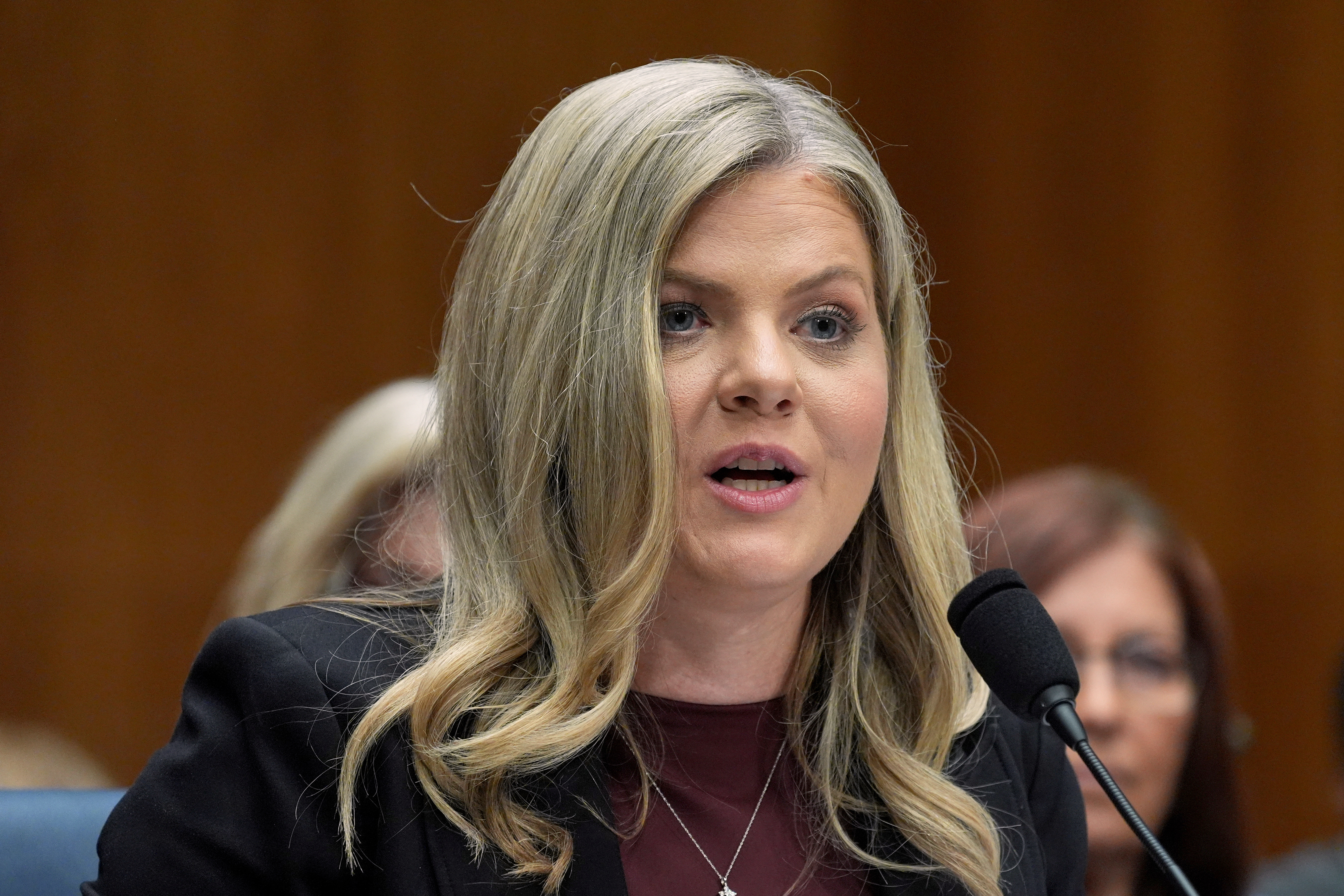
    Heidi Overton is currently serving as a White House adviser and has worked on a series of Trump health initiatives, including an executive order last month that called for splitting up and spacing out childhood vaccinations, bucking decades-old guidelines. Overton, a physician, stood beside Trump in the Oval Office when he falsely remarked that the combined measles, mumps and rubella vaccine could be “quite lethal.”

    Senate Health Committee Chairman Sen. Bill Cassidy, a physician from Louisiana, pushed Overton to reject that statement and affirm the safety of FDA-approved vaccines.

    “Right now every vaccine that is on the market has been determined to be safe and effective,” including the MMR vaccine, Overton said.

    Cassidy has repeatedly tried to extract commitments from Trump health nominees to uphold vaccine standards, including from Health Secretary Robert F. Kennedy Jr., only to see the Republican administration push forward with efforts undermining their use.

    “Kennedy gave me guarantees, and he did not keep them,” said Cassidy, a Republican. “If the president asks you to do something that goes against those guarantees you give us today, what will you do?”

    Overton said she would “follow the statutory requirements” for FDA commissioners and give Trump her best advice. Later in the hearing, Overton declined to explicitly say that Trump was wrong about the MMR vaccine’s safety.

    “This committee needs to know whether you will be radically honest, whether you will use your authority to stand up for sound science and protect children’s health,” Cassidy said. He didn’t indicate whether he’d support Overton’s nomination or when he might schedule a committee vote on it.

    If confirmed, Overton would inherit a raft of other controversial projects at the agency, including a safety review of the nation’s principal abortion drug and new rules that make it easier to sell flavored electronic cigarettes. Both issues were a focus for Republicans and Democrats on the panel.

    Overton sidesteps past statements on abortion pill

    The FDA approved the abortion pill mifepristone in 2000 and has repeatedly affirmed its safety while broadening access, including allowing it to be sent through the mail. But Kennedy ordered an FDA review of the drug’s safety last year, following calls from anti-abortion groups and lawmakers favoring abortion restrictions.

    While working at the Trump-aligned America First Policy Institute, Overton wrote that the FDA decision to allow mail delivery of mifepristone was “dangerous to women,” referring to the practice as “chemical abortion on demand.”

    In response to questions from Washington Sen. Patty Murray, Overton sidestepped her personal views on the drug, stating that it “has met the safety and efficacy determinations of the FDA.” Overton said she didn’t want to “prejudge” the FDA’s ongoing safety review of the pill.

    “The FDA has said this is safe,” responded Murray, a Democrat. “We need someone in FDA to make sure this is done by science.”

    Republicans on the health committee, including Cassidy, recently published a report suggesting the handful of companies that sell mifepristone may not be complying with rules for overseeing doctors who prescribe the drug.

    “If I’m confirmed as commissioner I would be committed to making sure every company is following the law,” Overton told Republican Sen. Jim Banks of Indiana.

    Overton’s abortion views could complicate her efforts to win over two moderate Republicans on the panel: Maine Sen. Susan Collins and Alaska Sen. Lisa Murkowski. Both have bucked their party on the issue, supporting federal access to abortion. Collins is currently locked in a tight reelection race in which abortion access is a central issue.

    But Collins focused her questions Thursday on a different issue: recent FDA decisions allowing new flavored e-cigarettes onto the market. Under previous administrations, including Trump’s first term, the agency had restricted sweet vaping flavors due to their potential appeal to kids.

    Overton pointed out that approval of several fruit-flavored vapes had the backing of FDA scientists, who determined the products met the standard of “appropriate for the protection of public health,” by helping adult smokers quit cigarettes.

    “They believed that standard was met because so many adult smokers are using flavors preferentially,” Overton said.

    To become commissioner, Overton will need a majority of votes from the 21-member health committee, followed by a positive vote from the full Senate.

    Under the current administration, leading the agency has involved balancing Trump’s demands for slashing regulations — such as those for vaping products — alongside Kennedy’s interests in scrutinizing vaccines, drugs and food ingredients.

    The previous FDA head faced numerous challenges before quitting

    Those challenges dogged the tenure of the previous FDA head, Marty Makary, who resigned in May. Makary’s time at the agency was defined by scientific disputes, leadership changes and a string of media stories detailing low morale and internal dysfunction among staffers. The FDA has lost about 20% of its employees to layoffs, buyouts, retirements or resignations since Trump took office.

    Overton studied under Makary at Johns Hopkins University, where she received a doctoral degree in clinical research after earning her medical degree at the University of New Mexico.

    Like Makary, Overton has no experience running a large bureaucracy, a critical skill for steering the FDA’s 16,000 staffers spread across numerous U.S. and international locations.

    In financial disclosure forms, Overton reported no investments in healthcare or food companies. That’s a stark contrast to Makary and other recent FDA nominees who have had to divest investments or cut other financial ties with companies regulated by the FDA.

    Overton reported $50,000 to $100,000 in student loans.
  • Ms. Rachel’s shout-out to a South Jersey coffee shop boosts business: ‘What are the chances?’

    Ms. Rachel’s shout-out to a South Jersey coffee shop boosts business: ‘What are the chances?’

    A Washington Township coffee shop is seeing longer lines after YouTube star Ms. Rachel gave it a shout-out on social media.

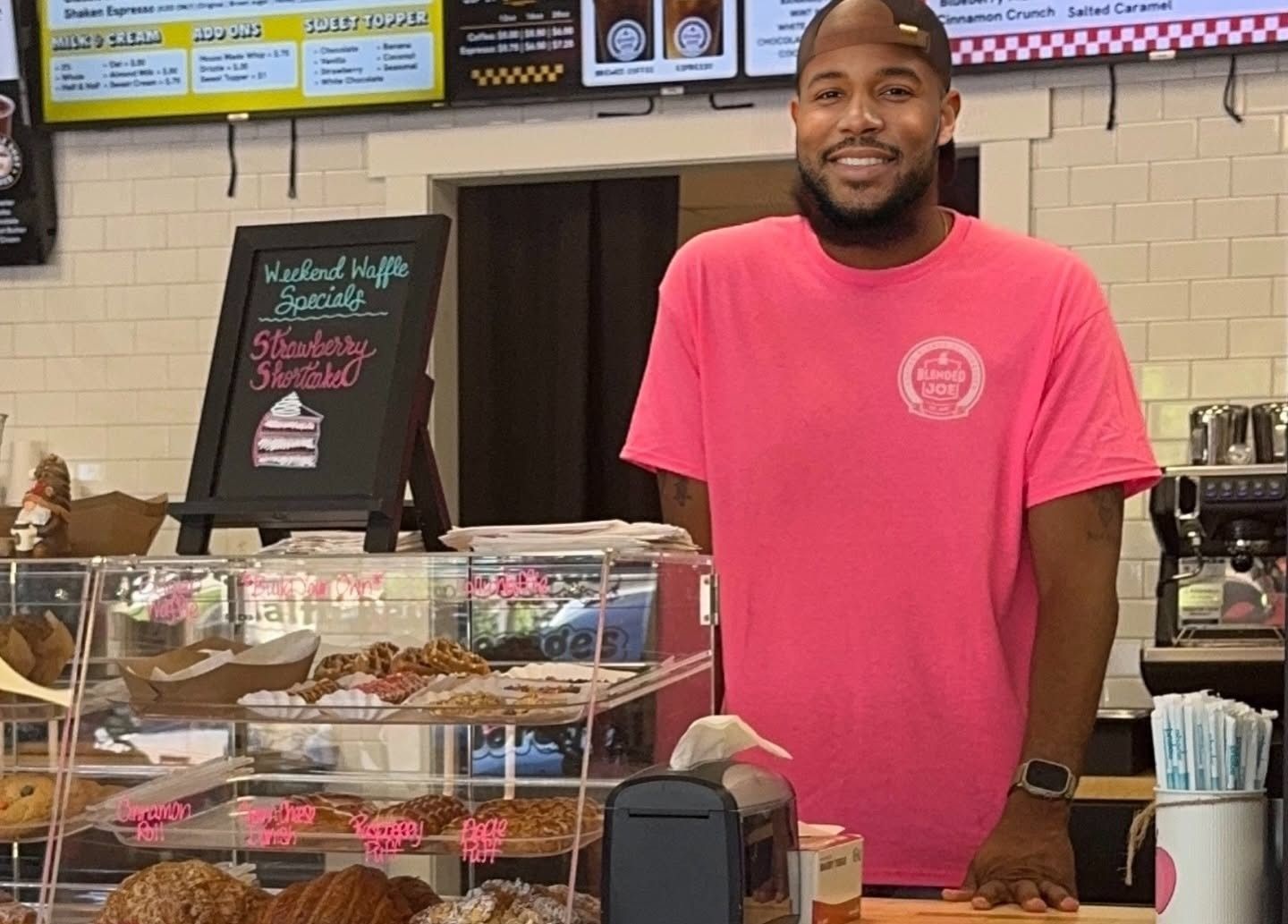
    Blended Joe Coffee Bar, a South Jersey coffee roaster, has had an influx of customers after Rachel Anne Accurso, the online educator and songwriter, chose the business to feature for National Black Business Month.

    On Aug. 11, Ms. Rachel asked Black business owners to share the names of their businesses under her post on Threads.

    Eric Powell took a chance.

    A part-owner of Blended Joe, a 13-year Air Force veteran, and a father of four, Powell commented when he spotted the post a few weeks later. He promoted the coffee shop and an app he created, HEARTBEAT, which reminds users to reach out to the people they care about.

    It only took two days for Ms. Rachel to shout out Powell and the coffee bar in a post that included its address at 421 Hurffville-Cross Keys Rd. and has been viewed over 81,000 times. Powell’s phone was dead when it happened, but his coworkers broke the news the next morning. He immediately called Joe Iaconelli, the founding owner of Blended Joe.

    “I called Joe,” Powell said, remembering he told him: “‘I think we need to beef up [our staff] this weekend.’” The shop, which opened in 2018, has 15 employees.

    Powell was one of only a few business owners to get a shout-out from Ms. Rachel.

    She has since made a follow-up post telling people to follow the Camden native on Instagram, which has garnered 90,000 views. He gained 5,000 Instagram followers, including Ms. Rachel herself.

    Powell’s sons, who range from 10 to 18, have been teasing him about his newfound fame, but Powell said he knows they think it’s cool.

    “My oldest son is laughing at me the whole time,” Powell said, adding a joke by his son. “’Bro, you’re not gonna be single for long now.’”

    The Gloucester County coffee shop has seen a boost in customers since the promotion. One couple drove all the way from Virginia, Iaconelli said, and others have come from at least an hour away.

    Blended Joe, which sells coffee drinks made with flavored beans rather than pump syrups, moved to Washington Township from Mantua in March 2025. It’s one of several jobs for Powell, who also has a laser-engraving business and writes children’s books.

    Powell said he hopes the posts by Ms. Rachel inspire other fathers and up-and-coming entrepreneurs.

    “What are the chances of Ms. Rachel seeing a small coffee shop in South Jersey? It got her attention,” Powell said. “My message would be to keep trying.”

    And it’s not the first celebrity encounter for Blended Joe, Iaconelli said.

    Blended Joe ships coffee to Delatron Johnson, the mother of former Eagles safety C.J. Gardner-Johnson, for her own coffee shop, Cafe Krewe Breakfast Bar, in Rockledge, Fla.

  • Trump ad airing with government funding despite law against ‘propaganda’

    Trump ad airing with government funding despite law against ‘propaganda’

    A television ad promoting President Donald Trump began airing on cable Wednesday saying it was paid for by the U.S. government, despite a federal prohibition on using taxpayer dollars for “publicity or propaganda.”

    The ad is similar to spots released earlier by the nonprofit arm of Trump’s political operation to promote his record in the midterms campaign. But this one includes a tag reading, “Paid for by the U.S. Government.”

    Since the 1950s, annual appropriations legislation — including the funding bill Trump signed in February — has routinely included a ban on using federal funds for “publicity or propaganda purposes.” The Government Accountability Office has said the prohibition applies to communications that are “purely partisan” and “designed to aid a political party or candidates.”

    The ad consists of a supercut of Trump photos and videos interspersed with text of campaign slogans. The soundtrack features snippets of Trump speeches and a chorus of women singing, “I’ll make them love me.” It ends with Ultimate Fighting Championship CEO Dana White praising Trump over footage of the June match on the White House lawn and military flyovers.

    It has aired so far on Newsmax in Chicago and Fox News in Los Angeles, according to ad-tracking firm AdImpact. More details about who bought the airtime were not available.

    The White House and representatives of Trump’s political team did not immediately respond to questions about the ad.

    Rep. Jamie Raskin (D, Md.), the top Democrat on the House Judiciary Committee, said on social media that the ad could amount to “felony criminal theft and conversion of government property for political campaign purposes.” He also cited the Hatch Act, which prohibits government employees from using their positions or official resources for political activities.

    There is no immediate precedent for a government-sponsored political ad during a campaign.

    In 2004, the administration of President George W. Bush was criticized for releasing ready-to-air video segments showing Bush signing a Medicare prescription drug law, complete with hired contractors posing as reporters. The GAO said the materials violated the propaganda prohibition.

    In the first Trump administration, the Department of Health and Human Services commissioned a $250 million coronavirus ad campaign that congressional Democratic investigators found included partisan interests. The agency backed off using pro-Trump celebrities in the ads.

    Last year, the Department of Homeland Security under then-Secretary Kristi L. Noem spent more than $200 million on ads promoting her and Trump’s immigration policies. In March, Noem testified that Trump approved the campaign, prompting him to fire her.

  • Renewed fighting in northern Ethiopia effectively shatters 2022 peace deal that ended war

    Renewed fighting in northern Ethiopia effectively shatters 2022 peace deal that ended war

    ADDIS ABABA, Ethiopia — Renewed fighting between Ethiopian federal troops and Tigrayan fighters escalated Thursday, effectively shattering a peace pact that ended a devastating two-year war in 2022, as rebel forces mobilized for an armed struggle they hope will lead to the removal of the federal prime minister.

    The main combatants are Ethiopian federal troops and fighters loyal to the Tigray People’s Liberation Front, or TPLF, an armed political group in Tigray, Ethiopia’s northernmost regional state.

    Ethiopia’s military said Thursday that dozens of TPLF fighters had been killed in ongoing operations and that federal forces “have been able to detain many” others and seize a large quantity of weapons from them.

    The TPLF and Ethiopian federal troops waged war between November 2020 and November 2022, when a peace deal was signed in Pretoria, South Africa.

    Eritrean troops fought alongside Ethiopian forces against the TPLF in that conflict. The civilian death toll was estimated by Ghent University researchers to be 500,000, including from violence, famine and the collapse of health services.

    After both sides signed the Pretoria peace deal, a caretaker administration seen as loyal to Ethiopian Prime Minister Abiy Ahmed was installed in Mekelle, the Tigray capital. But tensions remained, with the TPLF maneuvering for political control in Mekelle.

    Rebel fighters forge a coalition

    This time, the TPLF appears to have mobilized widely, bringing together former foes in its stated goal of removing Abiy from power in Addis Ababa, the federal capital.

    On Sunday, the TPLF and six other opposition groups announced that they had formed an alliance to overthrow Abiy’s governing Prosperity Party, which was reelected in June polls that were boycotted by major opposition groups.

    Both sides had been accusing each other of bad faith, and for months some civilians in Tigray expected a return to armed hostilities. In May, the TPLF forced out regional leader Tadesse Werede, who reported to Abiy, and replaced him with a new council led by TPLF leader Debretsion Gebremichael, who led the Tigrayans in the previous conflict.

    Ethiopian federal authorities accused the TPLF of seeking to build an alliance with neighboring Eritrea to destabilize Ethiopia. The TPLF accused Ethiopian authorities of conducting drone attacks in Tigray. Eritrea said that it was alarmed by Abiy’s repeated assertions of his wish for sovereign access to the Red Sea via Eritrea.

    Both sides deny responsibility for launching this round of hostilities, and most of the fighting is believed to be in remote areas of often ragged, mountainous territory. On Wednesday, TPLF fighters seized the airport in Mekelle from federal police, and national carrier Ethiopian Airlines canceled flights there and elsewhere in the region.

    Observers say pressure is building on Abiy

    The Ethiopian News Agency, the official news organization of the Ethiopian government, described the TPLF as a “Trojan horse,” saying that the group’s “repeated attempts to incite conflict” defy the government’s “patience, concessions and magnanimity.”

    The coalition formed by the TPLF and six other opposition groups said that it would be known as the Ethiopian Peoples’ Forces Alliance for Survival. In addition to the TPLF, the others include the Amhara Fano National Movement, the Oromo Liberation Army, the Ogaden National Liberation Front, the Afar Revolutionary Democratic Unity Front, the Benishangul Peoples’ Liberation Movement and the Gumuz Peoples’ Democratic Movement.

    That alliance, which unites some groups previously opposed to each other, may put pressure on Abiy, according to Kjetil Tronvoll, an academic analyst of Ethiopia at Oslo New University College.

    “The situation now differs substantially from the 2020-2022 war on Tigray,” he said in an analysis posted on X. “This time around Fano is an ally and Eritrea a backer. Supply lines are also secured through Eritrea.”

    Regional blocs and the U.S. call for an end to fighting

    The African Union and a key regional bloc known as IGAD called for de-escalation of hostilities. U.S. Ambassador Ervin J. Massinga said in a statement that he felt disappointed by the TPLF’s “poor decision to launch a large-scale offensive.”

    His statement said that the TPLF’s “unwinnable fight does nothing for the people. Other armed groups would be wise to avoid this.” A TPLF official, Amanuel Assefa, said the statement was unfair.

    Abiy has been praised by many for his ambitious infrastructure projects that seek to turn Addis Ababa into a world-class city. To his supporters, the prime minister is a renaissance man trying to reimagine the old greatness of Ethiopia.

    Abiy rose from relative obscurity to power in 2018 as a reform-minded pragmatist. Ties with Eritrea, which broke away from Ethiopia in 1993 after decades of brutal guerrilla warfare, had been cold since the 1990s, and Abiy’s efforts to repair relations with Eritrean President Isaias Afwerki helped him win the 2019 Nobel Peace Prize.

    A year later, Abiy confounded expectations by launching a military operation against the TPLF.

    Some of Abiy’s critics now see him as a provocateur whose actions could lead to hostilities in the Horn of Africa. His push for sovereign access to the Eritrean seaport of Assab has reignited tensions with Eritrea, which shares a border with Tigray. Abiy also angered Somalia by trying to negotiate access to the sea via the territory of Somaliland.

  • 8 sailors in USS Lincoln group attempted suicide on extended deployment, Navy leader says

    8 sailors in USS Lincoln group attempted suicide on extended deployment, Navy leader says

    WASHINGTON — Eight sailors attempted suicide while deployed with the USS Abraham Lincoln aircraft carrier strike group, which spent a record-setting uninterrupted time at sea supporting the Iran war, the Navy’s top civilian leader said this week.

    Acting Navy Secretary Hung Cao provided the information to Sen. Kirsten Gillibrand in a letter dated Tuesday after the New York Democrat inquired last month about the strike group’s crew of thousands. The Lincoln’s extended deployment drew the nation’s attention following reports of crew stress and poor mental health, as well as supply shortages, including food and hygiene products.

    Gillibrand asked Cao specifically if there were any suicides.

    “There have been no suicides on board during this deployment,” Cao wrote in the letter, which was obtained by The Associated Press and reported earlier by CNN. “Since the beginning of LINCOLN’S deployment, there have been a total of eight suicide attempts across the strike group — this number includes the LINCOLN crew and Sailors from the carrier wing, strike group and destroyer squadron staff, escorting destroyers, and all embarked aviation squadrons.”

    President Donald Trump had downplayed reports about conditions on the Lincoln, which left its homeport in San Diego in November, arrived in the Middle East in January in support of Iran operations, and spent a record-setting uninterrupted time at sea of more than 260 days.

    The carrier and some of its supporting ships stopped in Thailand in early September on their way back home to California. The Lincoln’s commanding officer, Capt. Dan Keeler, said then that the ship will be heading home soon but may make further supply stops. He declined to comment on the exact date the strike group is expected back in the U.S.

    Last month, Trump called the nearly nine months at sea that the sailors endured a “good period of time” but added that “over the years, we’ve had them out there much longer.”

    Trump told reporters in August that he spoke with a retired admiral who recounted being on ships for “much longer.” Trump said the admiral assured him that the Lincoln is “beautifully maintained and beautifully taken care of.” Trump did not name the admiral.

    Defense Secretary Pete Hegseth also had said that conditions about the Lincoln were “completely misrepresented.”

    Gillibrand took aim at both in a statement released this week in response to Cao’s letter.

    “What Trump and Secretary Hegseth dismissed as ‘fake news’ turned out to be serious and deteriorating conditions for our service members,” she stated.

    “Our troops and their families make immense sacrifices every single day, yet the president dismissed them with open disrespect,” Gillibrand said. “That this administration can find endless taxpayer dollars for bombs, ballrooms, and billionaires, but cannot take care of our service members, is completely unacceptable.”

    Extended deployments of carriers wear on service members who are away from home for long periods and increase strain on the ship and its equipment. The Navy is continuing to enforce a blockade on Iranian ports in the Strait of Hormuz, and the Trump administration has offered no clarity on how it intends to wind down the war.

  • A Dunkin’ operator wants to repurpose a Mount Laurel bank building

    A Dunkin’ operator wants to repurpose a Mount Laurel bank building

    In the ubiquity race in South Jersey, Dunkin’ seems to be edging out Wawa. Banks used to be a leading competitor in that race, but with the growth of online banking, they’re disappearing to other development.

    A Dunkin’ operator in Mount Laurel is proposing to repurpose a former Wells Fargo Bank at 4523 Church Rd., east of the North Maple Avenue intersection, into one of the chain’s coffee and doughnut restaurants.

    Applicant Siya Kinjal LLC is scheduled to appear at an Oct. 7 zoning board of adjustment meeting for a use variance and preliminary and final site plan approval. The bank property is zoned residential.

    The Dunkin’ is projected to add 130 in and 120 out vehicle trips in the morning peak hour and 109 in and 114 out in the Saturday peak hour, according to a developer’s traffic study by McDonough & Rea Associates Inc. of Manasquan.

    The 2,999-square-foot Dunkin’ would include a drive-through lane. The property abuts single-family homes on Camelot Court and a gas station, according to a report by board engineer Richard A. Alaimo Associates of Mount Holly.

    The property would be purchased by the developer from 4523 Church Road Associates LLC of Saw Mile Drive in Mount Laurel, according to the zoning application.

    Gulu Puri of Marlton and Ashwin Chaudhary of Pittsgrove filed with the board as owners of Siya Kinjal LLC.

    70and73.com is a hyperlocal news site focused on South Jersey, including the communities of Cherry Hill, Evesham, Mount Laurel, Voorhees, Medford, Medford Lakes, and Moorestown.

  • From 16,000 to 185 to zero: Trump’s claims of illegal voting in Nevada fizzle

    From 16,000 to 185 to zero: Trump’s claims of illegal voting in Nevada fizzle

    When the Department of Homeland Security sent Nevada a list of 185 names last month that it claimed identified noncitizens who had been improperly allowed to register to vote, state election officials got to work.

    On Tuesday, the state sent a strongly worded rebuke to the federal government: Every single person on the list was a lawful citizen.

    “As for the 185 individuals, our records indicate that they were citizens,” Greg D. Ott, a deputy attorney general in Nevada, wrote, according to a copy of a letter sent to Department of Homeland Security officials obtained through open records requests. “You have provided nothing of substance to suggest otherwise.”

    Ott also stated that DHS officials had still not provided enough data for election officials to investigate their claims. Nor have they turned over the list of nearly 16,000 individuals they claim may be noncitizens.

    “Our records do not support DHS’s claims, and DHS has still not provided evidence to change that,” Francisco Aguilar, the Democratic secretary of state in Nevada, said in a statement. “Instead, DHS officials continue their attempts to intimidate election officials into compliance and deter voters with huge claims of fraud with no evidence. Repeating unsupported claims does not make them true.

    It was the Trump administration’s latest stumble in a broad campaign to find proof of widespread noncitizen voting in U.S. elections, despite decades of evidence that it is extremely rare.

    The Department of Homeland Security said in a statement that Nevada’s characterization was “false” and “the list of 185 were simply a subset of individuals that had gone through a rigorous manual review process” at the time of the last meeting between the two agencies.

    The back and forth began in July, when President Donald Trump and Markwayne Mullin, the homeland security secretary, said they had identified more than 270,000 noncitizens on voter rolls in just four states: Nevada, California, New Jersey, and Pennsylvania.

    Both men stated the claims as fact, yet letters sent to election officials in the four states in the days that followed indicated that the numbers may have been inflated. Each letter qualified Trump’s concrete assertions with the phrase “there may be as many as.” None offered actual proof of noncitizens on voter rolls.

    In Nevada’s case, Mullin initially claimed that there were as many as 15,903 noncitizens on the voter rolls. But in a meeting between Nevada election officials and the Department of Homeland Security last month, department leaders admitted that their initial claim was unsubstantiated. That prompted some pointed questions from Nevada election officials, according to a video recording of the virtual meeting.

    “So what you’re saying is the 15,000 number has not been vetted?” asked C. Murphy Hebert, the chief deputy in the Nevada secretary of state’s office.

    “I probably wouldn’t use the sentence, ‘It hasn’t been vetted,’” replied Kimberley Vogt, an official with Homeland Security. “Because definitely we’ve done something with it to get down to 15,000. So I wouldn’t say that. But it hasn’t had a full manual review of each one.”

    Following the meeting, Vogt sent a clarifying email to Nevada officials. “I also wanted to be sure I clarified that we did not reduce the 15,903 to 185,” she wrote. “We’ve manually reviewed some of the 15,903 and confirmed 185 are not U.S. Citizens.”

    Now, Nevada officials are saying even that 185 number is wrong. They also took issue with a letter DHS sent them in early September, in which the agency reiterated its initial claims about nearly 16,000 noncitizens on the rolls and pressured state officials to review each case in a letter to Nevada officials in early September.

    “Each one of the 15,903 individuals identified should be carefully reviewed by your state to determine eligibility for voting in a federal election,” read a letter from the Department of Homeland Security sent Sept. 9.

    But Nevada election officials said in their letter that DHS “has never provided Nevada with a list of 15,903 individuals.” Instead, they said, the department sent them a smaller batch of roughly 6,000 individuals, identified only by what Homeland Security called a voter case number.

    “DHS still has not provided any additional verifiable information for the individuals it suggests are noncitizens,” they wrote.

    The Department of Homeland Security said in a statement that the 6,218 individuals had “the highest number of matching attributes” to a potential noncitizen in their records, and that the smaller tranche of voters “was at the request of Nevada. They wanted to start with a subset less than the 15,903 registrants DHS originally identified.”

    Nevada officials disputed that claim, and records reviewed by the Times did not show Nevada making that request.

    Ott also said the use of so-called voter case numbers, which Nevada officials took to mean voter registration numbers, was imprecise.

    Using only “voter case numbers” without any other information such as a name, date of birth, address, or another verifiable data point could lead to the identification of multiple individuals, Ott said. This is because Nevada recently transitioned to a statewide voter registration system that was previously run by counties. So an individual may have been assigned one number by a county in the past and a different number under the new statewide system.

    “The number also doesn’t tell us whether an individual was born in the United States, naturalized, derived citizenship through a parent, or holds any particular immigration status,” Ott wrote. “A number that matches a voter record thus establishes only that a number exists in, or once existed in, a voter registration system.”

    Trump’s demand for evidence of fraud has prompted multiple governmental efforts. The New York Times this month reported that hundreds of agents with Homeland Security had been temporarily pulled from their duties investigating international crimes and terrorism for a roughly three-week intensive search for noncitizens on voter rolls. The methodology was criticized by Democrats as faulty and potentially illegal, and the Virginia attorney general wrote a letter demanding more information.

  • A business trip from Philly led to an ICE arrest at a California airport. Now a local man is in detention.

    A business trip from Philly led to an ICE arrest at a California airport. Now a local man is in detention.

    Michael “Sandy” Sims was supposed to be back in Philadelphia by now, after a business trip to the West Coast. Instead, he is locked up in an ICE detention center in California.

    Sims, 42, a veteran of the entertainment-lighting industry, told his wife that immigration agents were waiting for him when his Lyft driver pulled up at the San Jose airport early on Sept. 2.

    Sims was born in Ireland and raised in London, and had been expecting approval of a green card that he and his wife, an American citizen, sought after they married in 2017.

    Now he is in custody as U.S. airports become risky places for foreigners, amid an ICE push for ever-greater numbers of arrests.

    “It’s horrible,” said Sims’ wife, Jennifer, 46. “We thought we were waiting for a green card.”

    For so long, she said, the United States has been a beacon for people around the world who want to come, work, and contribute, to create better lives for their families. Now, she said, “the American dream is gone.”

    Sims is being held at the Mesa Verde ICE Processing Center in Bakersfield, a 400-bed facility operated by the for-profit, Florida-based GEO Group.

    The advocacy organization Asian Americans United, which works to track airport arrests, said it estimates more than 20 people have been arrested at Philadelphia International Airport or while seeking to fly there since July 12. That includes at least 13 taken into custody at the Philadelphia airport itself.

    The Department of Homeland Security said Sims had entered the country legally but overstayed his visa.

    “Criminal illegal aliens are not welcome in the U.S.,” DHS said in a statement. “Under President Trump and [Homeland Security] Secretary [Markwayne] Mullin, if you break the law, you will face the consequences.”

    The department said Sims faces a criminal charge of domestic battery in Nevada, where he lived at one time. DHS provided no further details and, along with ICE, did not respond to requests for information on what allegedly happened and when.

    In a search of Nevada court documents, The Inquirer could find no record of any criminal case against Sims. And Sims’ Philadelphia immigration lawyer, Hunter Yost, said he had no knowledge of and could locate no record of such a case.

    Jennifer Sims said her husband has never been charged with a crime.

    When she subsequently asked her husband about the government’s assertion that he had a pending criminal case, she said, he told her that when he was arrested and handcuffed by Immigration and Customs Enforcement, one of the agents kept saying, “You’re a wife-beater,” and the other repeatedly said, “No, he’s not.”

    Jennifer Sims pictured with her husband, Michael “Sandy” Sims.Courtesy of the family

    Sims’ family and friends have started a GoFundMe campaign to cover legal expenses to free him from ICE detention and pay related costs, so far raising more than $20,000 of the $30,000 goal.

    Sandy Sims sent a note from detention that was posted there:

    “Hello to everyone from Dorm B Mesa Verde Detention Center,” he wrote. “Thank you one and all for your support. … I’m so grateful. Thank you all and I hope this situation will be over soon.”

    Sims’ wife said he legally entered the U.S. on a work visa in 2016. When that expired, he was subsequently approved for entry under ESTA, the Electronic System for Travel Authorization. That is an online initiative the federal government uses to prescreen travelers before they visit the United States under the Visa Waiver Program.

    The waiver program allows citizens from 42 countries, including Ireland and the United Kingdom, to travel here for tourism or business for up to 90 days at a time.

    Jennifer Sims said after they wed, she filed Form I-130, the document required to prove a valid family relationship with a foreigner who wants to immigrate to the United States. That application, she said, was approved in March 2020 ― a key step toward a green card. Her husband had completed his biometrics appointment, where the government collects the applicant’s fingerprints, photograph, and digital signature, three months earlier, she said.

    He was given a U.S. Social Security number, she said.

    The couple worries their green-card paperwork might have been lost when they relocated to Las Vegas and back to Philadelphia between 2018 and 2021.

    Meanwhile, the Trump administration’s nationwide effort to increase arrests at U.S. airports has spurred warnings from immigration attorneys that even those with valid work permits and government-issued identification can be in danger.

    An ICE summer push saw a record 49,571 people arrested across the nation in July, many of them taken into custody at airports, courthouses, and scheduled immigration check-ins. That is an average of 1,599 arrests a day, a 15% increase over the previous month, according to figures from the Deportation Data Project.

    The July arrests included 1,174 in Pennsylvania and 2,112 in New Jersey.

    Homeland Security said airport arrests are occurring because the Trump administration “reversed the horrendous Biden-era policy that allowed aliens in our country illegally to jet around our country.”

    “Under President Trump, DHS will no longer tolerate this,” the agency said last month, as news spread of Philadelphia airport arrests. “This administration is working diligently to ensure that aliens in our country illegally can no longer fly unless it is out of our country to self-deport.”

    The Trump administration says that its immigration-enforcement effort targets criminals, that it has been arresting and deporting killers, rapists, and child-abusers to make the country safer. However, the latest data showed that half of those arrested in July had no criminal convictions or charges, and less than 25% had been convicted of a crime.

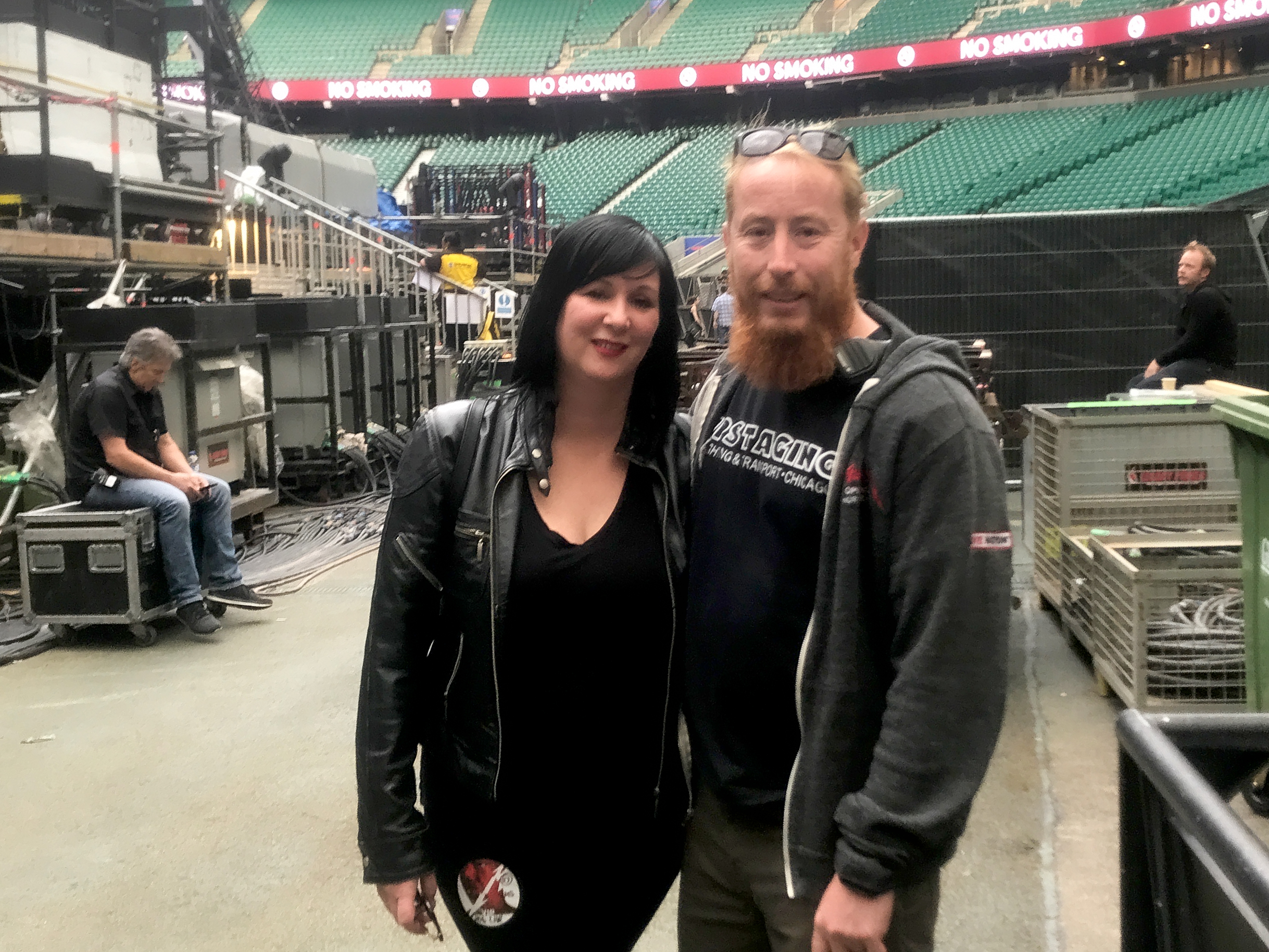
    Sandy Sims has worked in entertainment lighting since 2002, including on shows for Metallica, Usher, and Florence + the Machine, the popular English rock band, his wife said.

    She said she feels as if the immigration system has been turned into a moneymaker, where people trying to follow the law are charged high fees, and private companies reap profits by keeping people in custody.

    The GEO Group signed a contract with ICE in 2019 to run five locations, including the Mesa Verde center, where Sims is being held, that is expected to bring the company $200 million a year.

    “I feel,” Jennifer Sims said, “like they just want people’s money.”

    Inquirer staff writer Dylan Purcell contributed to this article.

  • Gold statues and staff cuts: How Trump has disrupted America’s parks

    Gold statues and staff cuts: How Trump has disrupted America’s parks

    WASHINGTON — Ever since Theodore Roosevelt ventured into the wilderness of California’s Yosemite Valley in 1903 and emerged with a sweeping conservation policy, presidents in both parties have valued the country’s national parks.

    The public has, too. Polling shows that Americans of all stripes and political persuasions overwhelmingly love their parks.

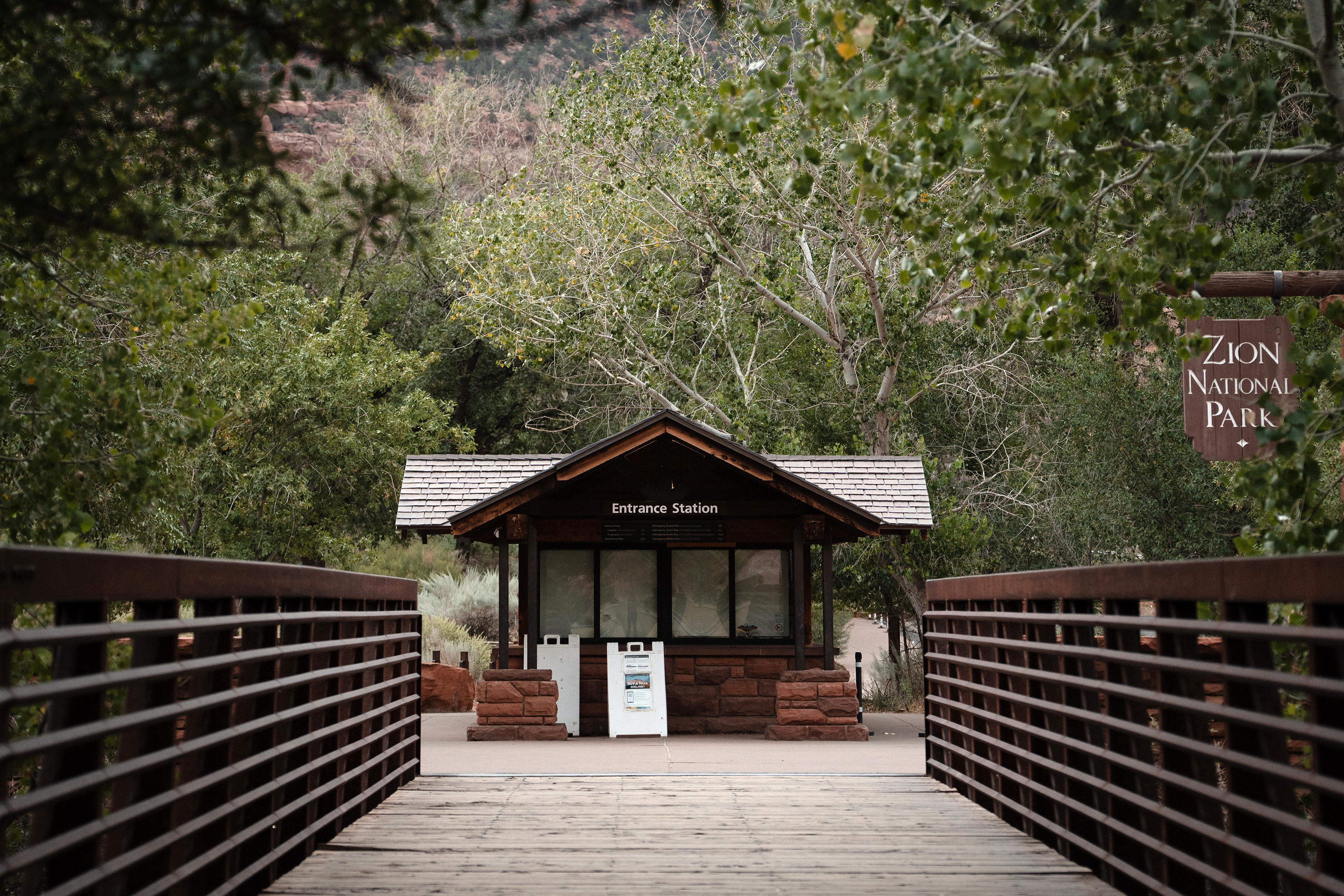
    But President Donald Trump’s administration has thrown the 433 sites managed by the National Park Service into turmoil, shifting funding and workers to pet projects in Washington, slashing staff across the country, and scrubbing exhibits that it says “inappropriately disparage Americans.”

    Moves like putting Trump’s face on some park passes have been largely symbolic. Others have upended the lives of park service workers and marred the experiences of some of the hundreds of millions of people who visit national parks each year.

    The changes have come one after the other, affecting everything from the rugged shorelines of Acadia National Park in Maine to the high desert of Joshua Tree National Park in California.

    Early last year, the Trump administration began making steep cuts to the park service workforce, leaving at least 20% of parks significantly understaffed. This spring, the administration used at least $67 million generated by entrance fees from parks to help fund projects in Washington favored by Trump, such as the botched Lincoln Memorial Reflecting Pool repairs. As a result, hundreds of repairs and upgrades around the country may go unfunded this year, according to government documents reviewed by the New York Times.

    Then there is the contentious proposal to trade away a small parcel of land in Yosemite National Park, a crown jewel of the park system, to a private developer. A bipartisan group of 153 lawmakers pledged this month to block the land exchange, declaring that “public lands belong in public hands.”

    “Any one of these changes could be catastrophic in its own right, especially as it relates to staffing and funding,” said Dan Wenk, who retired as superintendent of Yellowstone National Park after nearly 43 years with the park service. “When the next administration comes, Republican or Democrat, funding may be restored, but it’s going to be incredibly difficult to rebuild.”

    Fran P. Mainella, who led the park service under President George W. Bush, said Trump may not realize the value of parks to the public and the economy.

    “We have to find a better way to tell that story to him, so he understands that these parks are here for current and future generations, and part of his responsibility is to make sure they stay that way,” said Mainella, a Republican.

    It is unclear if Trump has ever visited a national park, either while in office or as a private citizen; his forays outdoors typically involve a golf course. Taylor Rogers, a spokesperson for the White House, would not say if Trump had been to a park but said he “loves our national parks and is personally invested in making them great.”

    Charlotte Taylor, a spokesperson for the Interior Department, which oversees the park service, said in an email that the agency “remains focused on its long-standing mission: protecting America’s natural and cultural resources, telling the nation’s history accurately, and welcoming visitors to these extraordinary places.”

    Sen. Steve Daines (R., Mont.), who leads a subcommittee on national parks, said in an interview that Trump “has been an incredible supporter of the parks.” He dismissed reports of funding and staffing issues at parks as “fearmongering” by the president’s critics before the midterm elections.

    “You know, there’s always room for improvement, but I think some of this is just, it’s the political season,” Daines said.

    Shifting funding

    As he tried to do on the facade of the Kennedy Center, Trump has left his stamp on the parks and monuments in the capital.

    In one flashy example, the administration awarded a no-bid contract to cover four statues near the National Mall in 23.75-karat gold leaf before the country’s 250th birthday. It also repaired nine ornamental fountains in Washington that had been dry for years.

    These cosmetic fixes siphoned money from urgent upgrades elsewhere.

    While the administration added Washington sites to a list of White House priorities, it relegated about 1,500 other projects at more than 200 sites nationwide to a separate list labeled “low priority,” according to government documents reviewed by the Times.

    Work was approved for many of those projects this year. But now most may not be funded before the end of the fiscal year Sept. 30, according to two former park service employees, who spoke on the condition of anonymity because they feared retaliation.

    At Big Bend National Park in Texas, where the administration wants to build a border wall over the objections of local leaders, a project to pay “water haulers” to provide drinking water for visitors has been shelved, the documents show.

    Another stalled project would replace enormous batteries that store power from solar panels that help supply electricity for visitors and staff members at Natural Bridges National Monument in Utah.

    “These batteries serve as critical park utility infrastructure and failure to complete would impact health and life-safety as well as the ability to keep the park open and operational for visitors,” the documents say.

    Emily Thompson, executive director of the Coalition to Protect America’s National Parks, an advocacy group of current and former park employees, said the administration should be tackling the $24 billion backlog of deferred maintenance projects across the country.

    “While the fountains look lovely and regilding statues has value, is that really more important than some of these other very strong needs at parks throughout the system?” Thompson said.

    But Steve Coleman, executive director of Washington Parks & People, a nonprofit group focused on urban parks, welcomed the influx of federal funding in the capital. He said that Washington’s many federally owned sites often get short shrift because the city lacks voting representation in Congress.

    “It’s funny, because we have a lot to criticize about the ways that this Trump regime is attacking our parks, but even a broken clock is right twice a day,” Coleman said. “And it’s a long-overdue thing to have the country supporting the capital. If you look at other countries, they really invest in their capitals.”

    In addition to funding, the park service deployed more than 1,000 employees from sites nationwide to Washington this year, according to government documents reviewed by the Times. The employees typically stayed for two to three weeks to assist with events related to the 250th anniversary, and about 40 remain this month, the documents show.

    Politics in the parks

    Controversy is not entirely new for the park service. During the George W. Bush administration, the agency was accused of promoting religious or conservative content at parks, including on plaques bearing biblical verses at the Grand Canyon.

    But Mainella, the park service director at the time, said the Trump administration had gone much further, pointing to Trump’s directive to remove or revise exhibits that “inappropriately disparage Americans.” To comply, park service workers dismantled an exhibit on slavery at Independence National Historical Park in Philadelphia, a sign about climate change at Fort Sumter in South Carolina, and a sign about Indigenous people at Acadia National Park in Maine.

    “Our parks tell the history of this country,” Mainella said. “You may not like the history, but it is the history, and so you should tell the story that did take place, not come in and edit.”

    Rogers, the White House spokesperson, said Trump “has put an end to the radical left and the media’s divisive and inaccurate characterization of our nation’s history, which infiltrated our national parks and museums.”

    In another contentious move, the park service canceled at least $25 million worth of proposed agreements with outside organizations, including nearly $13 million with the Great Basin Institute, a nonprofit conservation group, according to documents reviewed by the Times and first reported by the Washington Post.

    Some of the scuttled agreements would have supported efforts to reduce wildfire risk and remove hantavirus-carrying rodents in Joshua Tree National Park in California. Others would have helped the park service research and address record-low water levels at Lake Powell, one of the nation’s largest reservoirs, within Glen Canyon National Recreation Area along the Utah-Arizona border.

    Peter Woodruff, CEO of the Great Basin Institute, said he only learned of the cancellations through a two-sentence message relayed by staff members at partnering parks.

    The funding requests were denied, the message said, because of a change in administration priorities.

    This article originally appeared in the New York Times.

  • Activists fooled by Hannah Gann want Philly schools to hold her accountable for hurting students

    Activists fooled by Hannah Gann want Philly schools to hold her accountable for hurting students

    The teacher activists who organized alongside Hannah Gann want accountability on behalf of the vulnerable students who believed the Philadelphia School District teacher was someone she was not.

    “We hope the district will take the necessary steps to hold Hannah accountable for the harm she caused, prevent any further harm to students, and provide meaningful support to the students and school community as they process what occurred,” the Racial Justice Organizing Committee and Philly Educators for Palestine said in a statement.

    Gann, who works at the Workshop School, a project-based high school in West Philadelphia, claimed for years that she was Palestinian and Black. After direct questioning, Gann admitted she is a white, Jewish woman and the relative of Israeli settlers.

    Ultimately, Gann acknowledged she is “a white woman of significant privilege and wealth.”

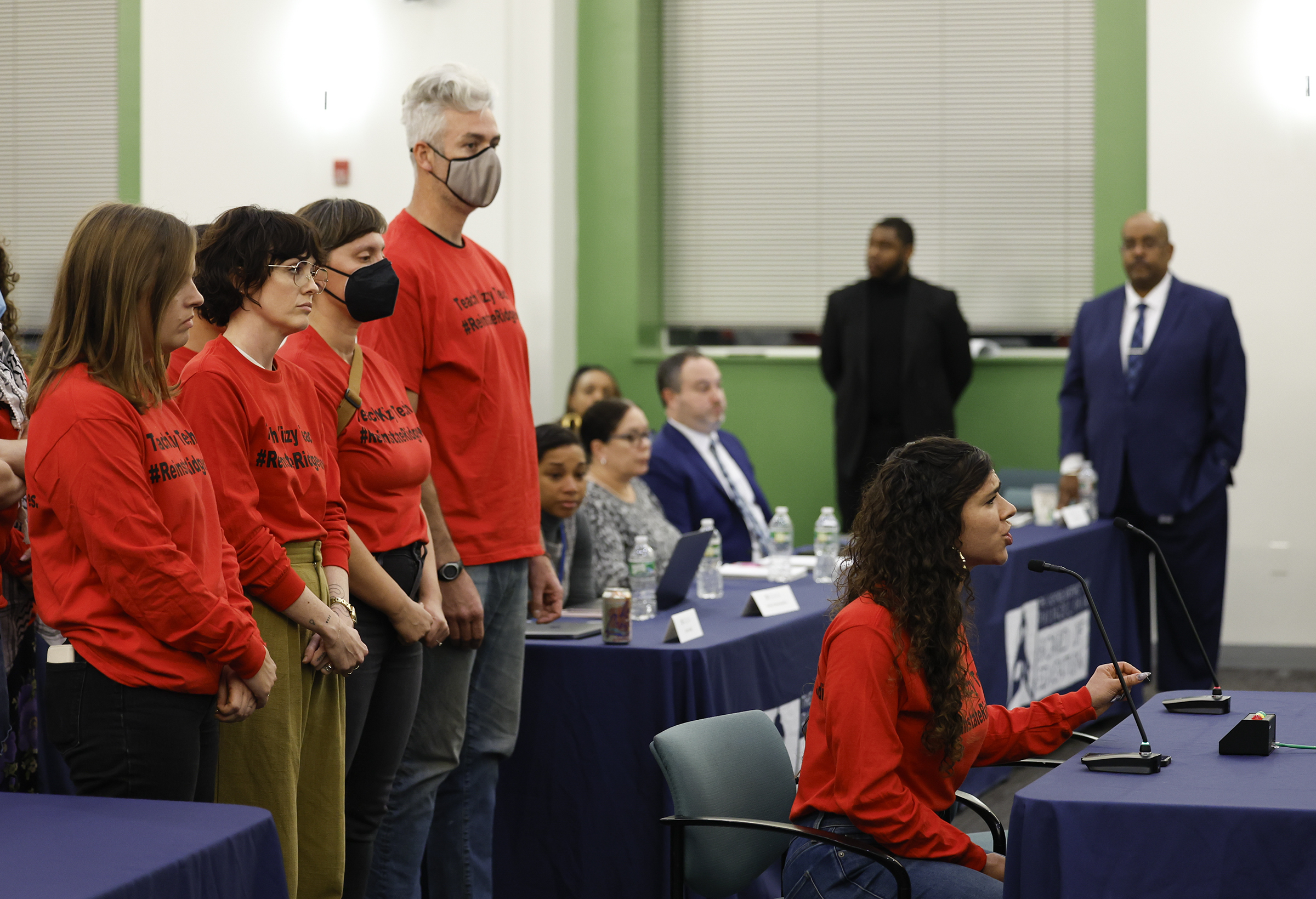
    Gann was a key member of both organizing groups — which are made up of district teachers but unaffiliated with the district. She led teach-ins after the Oct. 7, 2023, Hamas-led attacks on Israel, decrying “scholasticide” in Gaza and defending Keziah Ridgeway, a Philadelphia teacher who was disciplined by the district over her private, pro-Palestinian social media posts. (Ridgeway has since sued the district, alleging anti-Islamic bias.)

    Gann’s deception has earned national attention and comparisons to Rachel Dolezal, the scholar and former NAACP official who had claimed to be Black. Racial Justice Organizing Coalition and Philly Educators for Palestine members, in the statement, said they understood why the matter is receiving attention, “but for us, it is not a spectacle. The emotional harm is real and palpable for the people who knew, trusted and worked alongside, and learned from Hannah.”

    Most important, the Philadelphia activists who once claimed Gann as a friend and colleague said, the focus needs to be on her students.

    Gann remains employed by the district, teaching students at a majority-Black school who viewed her as a trusted adult, someone who helped them create community and feel protected, the Philly organizers said.

    “Finding out that someone who taught them about identity and belonging had been dishonest about her own identity could deeply damage their trust in her and other adults,” the committee said.

    The school system has said it does not comment on personnel matters, but noted that it made support available to any Workshop student or employee who needed it.

    Blackness, the groups said, “cannot be donned as a costume. Black and Palestinian identities, grief, and genocide are not identities or experiences that anyone has the right to adopt for credibility, access or belonging.”

    Gann “could’ve easily been an invaluable ally to these communities without lying about who she was,” the groups said.

    Gann has not commented beyond a 10-minute video posted to her Instagram account in which she admitted to the deception.

    “I hid my family’s background from everyone in Philly and also hid from the people in my own family what I was doing,” she said, adding that she believed in the causes she fought for despite her deception.

    Gann said she “allowed half-truths and obfuscations to grow into outright lies.”