Category: News

  • Lawmakers slam Trump’s move to cancel $810M in funding approved by Congress

    Lawmakers slam Trump’s move to cancel $810M in funding approved by Congress

    Lawmakers blasted a plan by President Donald Trump to claw back more than $800 million in congressionally approved spending across the government, saying the president had no right to defy Congress in how he directs federal funding.

    The White House late Friday said it was taking a legally contested move to cut funding at federal agencies for a range of programs that direct government services toward immigrants, minority groups, climate change programs, and other issues. It was the latest bid by the Trump administration to assert sweeping control over the government and to trim congressional powers.

    Trump is using his authority under the Impoundment Control Act to do a “pocket rescission” of the funds, the White House said in a statement, a move it also used last year to cut nearly $5 billion in funding for foreign aid, the first time the maneuver had been used in nearly 50 years.

    The Supreme Court allowed the 2025 effort to proceed, though it did so by issuing a stay of a lower court’s ruling that the move was illegal and rested part of its justification on the president’s wide-ranging authority to act on foreign affairs. It held back from declaring that Trump was on solid legal ground. This year’s action is mostly focused on domestic spending.

    The largest slice of funding, $567 million, was clawed back from the Department of Health and Human Services, the White House said, saying that it was cutting money for programs that directed services toward refugees and asylum seekers that it said encouraged a flow of migrants to the United States.

    “These funds previously went to pro-illegal immigration programs and Non-Governmental Organizations that provided services to refugees, asylees, and other non-citizens and put unaccompanied children in harm’s way,” the White House said in its statement.

    Other cuts included an Education Department program for migrant students, a Justice Department program intended to reduce racial tensions in policing, and a Department of Housing and Urban Development program that funded housing counseling for minorities and immigrants.

    Congress typically needs to approve White House rescissions. The White House argues that submitting a rescission request near the Sept. 30 end of the fiscal year allows it to withhold the money until it expires, bypassing Congress.

    The House is out of session until November, while the Senate plans to adjourn in early October to allow lawmakers to campaign for the Nov. 3 midterm elections.

    Sen. Susan Collins (R., Maine), the chairperson of the Senate Appropriations Committee, and top Democratic appropriators have argued that the pocket rescission strategy is illegal. Russell Vought, director of the Office of Management and Budget, has pointed to a Government Accountability Office letter from the 1970s to argue that the strategy has precedent.

    Lawmakers of both parties condemned the move.

    “Without warning or consultation, Congress just received an $810 million package of pocket rescissions from the Administration. This is the most recent attempt by this Office of Management and Budget (OMB) to undermine Congress’s Constitutional power of the purse,” Collins said in a statement.

    Collins is running a tight race for reelection in November for one of the seats that will help determine which party controls the Senate.

    “The independent Government Accountability Office has concluded that pocket rescissions are unlawful and not permitted by the Impoundment Control Act,” she said. “I will work with my colleagues to address these illegal actions.”

    Collins’s Democratic counterpart also blasted the spending decision.

    “This is theft from the American people, plain and simple,” Sen. Patty Murray (D., Wash.), the top Democrat on the Appropriations Committee, said in a statement. “These are funds Congress has delivered on a bipartisan basis and should be helping people — not cut off by a president more focused on building a ballroom than investing in families.”

    Democratic appropriators unsuccessfully fought to bar the Trump administration from using pocket rescissions in their latest funding extension, Murray said. “Republicans refused to take common-sense action and prevent this from happening,” she said.

  • House Democrats plan vast oversight of Trump administration. Impeachment is an option

    House Democrats plan vast oversight of Trump administration. Impeachment is an option

    WASHINGTON — House Democrats are preparing a vast oversight agenda, with investigations of President Donald Trump, his family, and his administration if the party sweeps control of the chamber from Republicans in the November elections.

    The undertaking is as robust as it is daunting, spanning several House committees. With majority power comes bigger budgets and staff, and the ability to investigate, subpoena, and potentially course-correct what the Democrats say are widespread corruption and abuses of power. Impeachment of the Republican president and cabinet officials is not off the table.

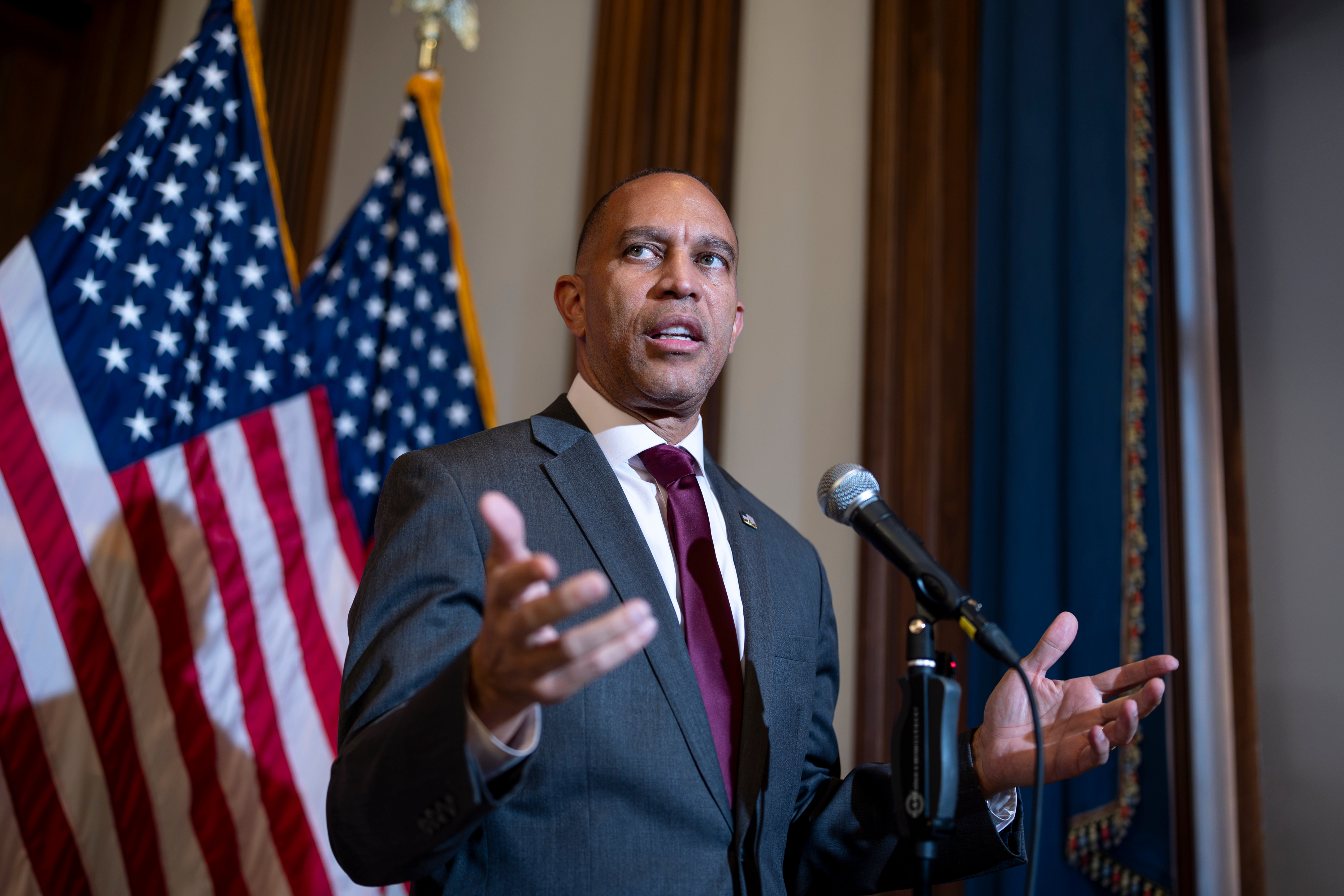
    “There is a cost to the American people of the out-of-control corruption,” said Democratic leader Hakeem Jeffries of New York, who is in line to become House speaker if Democrats win control at the Capitol.

    “If folks have been stealing from the American people, shortchanging the American people, or screwing over the American people,” Jeffries said, “we are going to hold the crooks accountable.”

    Congress has enormous ability to conduct oversight of the executive branch as part of its power as a coequal branch of government, and a road map for the Democratic-run investigations has already been set by the almost daily letters lawmakers send to the administration and in amicus court filings.

    Democrats are asking about the money-making by Trump and his family, whose wealth has grown dramatically since he returned to the White House in January 2025. They are investigating the potential civil rights violations of Americans killed protesting U.S. Immigration and Customs Enforcement operations and of detained immigrants being deported to faraway countries. They have fought the closing of the Kennedy Center, launched investigations into private funding of the America at 250 celebrations, and tracked the shuttering of federal operations, including the U.S. Agency for International Development.

    New questions emerge daily, including the Trump family’s recent acknowledgment that a weekend wedding party for the president’s son Donald Trump Jr. was partly funded by a Russian oligarch, with reportedly close ties to the Kremlin.

    Rep. Jamie Raskin (D., Md.), who is in line to become the chairperson of the Judiciary Committee, characterized the issues involved as “gargantuan.”

    “We need to zero in quickly on the forms of systemic corruption that have cost the public huge amounts of money,” Raskin told the Associated Press, “and where there are legislative cures available.”

    Trump impeachments made history then. Could it happen again?

    Jeffries will almost certainly be under pressure from the far left to move more swiftly to articles of impeachment against Trump, who during his first term became the first president to be twice impeached by the House. Both times, he was acquitted by the Senate.

    Impeaching the president a third time may not hold the currency that it once did. Democrats will more likely focus their impeachment efforts on cabinet members. Defense Secretary Pete Hegseth already faces articles of impeachment from a Republican, Rep. Thomas Massie of Kentucky, over his leadership at the Pentagon and his management of the Iran war.

    “We haven’t ruled anything out,” Jeffries said recently about the tools available to Congress, “and we haven’t ruled anything in.”

    The White House is likely to play hardball if confronted with investigations, and Democrats are bracing for an administration that potentially ignores subpoenas or refuses to turn over paperwork that lawmakers are demanding.

    The Democrats are also reaching beyond the administration into various corporate and business entities for potential wrongdoing.

    ‘We’ll act like the Congress,’ says one Democrat in line to lead a committee

    Ranking Democratic lawmakers who are in line to lead committees if power shifts are beginning to chart the investigations they plan to tackle.

    Rep. Robert Garcia of California, the top Democrat now on the Oversight and Government Reform Committee, has outlined five priorities, including Trump family business dealings, the administration’s handling of the Jeffrey Epstein investigation, and ICE operations.

    “We’re already doing work,” Garcia told the AP.

    He also mentioned the Department of Health and Human Services under Secretary Robert F. Kennedy Jr., as well as broader allegations of corporate corruption.

    The top Democrat on the House Foreign Affairs Committee, Rep. Gregory Meeks of New York, whose jurisdiction includes the State Department, said the committee plans to investigate Trump’s international dealings, including around the Iran war.

    He expects the committee will also look into the administration’s Venezuela operations — from the military strikes on alleged drug boats in the Caribbean and Pacific waters to the U.S. partnership with a private company to develop and access the South American country’s oil.

    Rep. Jared Huffman of California, the ranking Democrat at the Natural Resources Committee, which overseas the Interior Department and its National Park Service operations, has begun digging into Trump’s “vanity projects,” including the demolition of the White House’s East Wing for a new ballroom and the president’s proposed arch.

    Huffman and other committee members have also been eyeing the Trump family’s role in various minerals deals.

    At the committee’s last session before lawmakers recessed to campaign for the midterm elections, Huffman said that if Democrats take charge, he plans to call witnesses, put them under oath, and follow the evidence where it leads.

    “When people ask what will we do,” he said he responds, “My answer is simple. We’ll use those tools. We’ll act like the Congress.”

  • Trump rejects Iranian proposal for ceasefire and opening of strait

    Trump rejects Iranian proposal for ceasefire and opening of strait

    WASHINGTON — President Donald Trump said Saturday that he turned down Iran’s latest ceasefire proposal, which would have reopened the Strait of Hormuz and restarted talks on the country’s nuclear program.

    “They made a proposal, but I rejected it,” Trump told reporters as he left the White House on Saturday morning.

    Trump demurred when asked if he expected to restart military strikes after the November midterm elections, saying Iran wanted “to make a deal where they open the strait immediately because they’re losing so badly.”

    Trump’s rebuff was the latest turn in what has been a cycle of bombings, peace proposals, grandiose threats, and conflicting messages throughout the nearly seven-month U.S.-Israeli war against Iran. Trump’s rejection of Iran’s offer came after his aides held a three-hour meeting with Iranian officials at the United Nations General Assembly this week in New York.

    In his speech at the United Nations, Trump issued an ultimatum to Iran, saying its leaders could strike a deal with the United States or risk annihilation.

    “Will a deal be made with Iran that lets them rebuild and create a far greater country than it ever was before — maybe one of the greatest in the Middle East or even the world?” Trump asked in speech Tuesday. “Or do I annihilate the Islamic Republic and do it quickly, never giving them a chance to kill and destroy people and countries again?”

    Trump also suggested that Iran was dragging the war out to the midterm elections in the hopes of politically damaging Trump and Republicans. The closure of the Strait of Hormuz, a key shipping route for oil and gas, has surged energy prices across the globe.

    Iran’s foreign minister, Abbas Araghchi, told reporters Thursday that the seven-point proposal Trump rejected closely mirrored the commitments laid out in a so-called memorandum of understanding that was struck between the United States and Iran in June but that quickly unraveled.

    Araghchi added “it would be better” if a deal were reached before the U.S. midterm elections.

    He said that the proposed agreement would end fighting for seven days, including in Lebanon, and require the United States to release Iranian frozen assets estimated to be at least $12 billion, waive sanctions on Iranian oil, and lift the naval blockade on Iran. Then, on the last day, the Strait of Hormuz would be opened.

    After the seven days, negotiations over Iran’s nuclear program would restart.

    Trump said Saturday that he was still open to negotiating with Iran.

    “They want to make a deal, and I think that’s fine, I like making a deal too,” Trump said. “But that deal would not be acceptable.”

    This article originally appeared in The New York Times.

  • A rare September nor’easter is battering the Jersey Shore and Philly region Saturday

    A rare September nor’easter is battering the Jersey Shore and Philly region Saturday

    The effects of an early-season nor’easter along the Jersey Shore may continue to be felt Sunday, as the potential for more hazardous weather and high tides threaten already wind-tattered and soggy coastal cities.

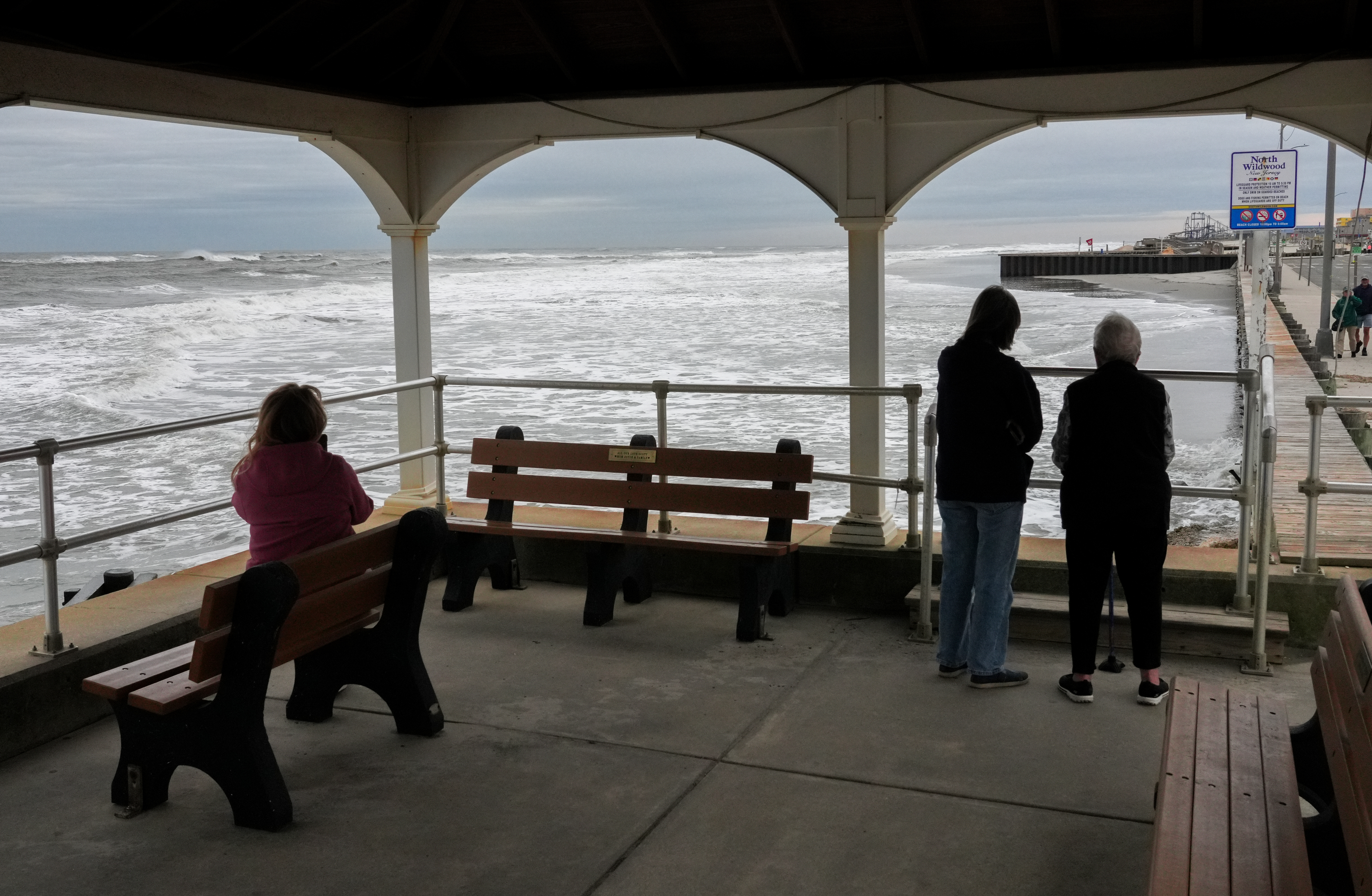
    The unusual September weather system on Saturday unleashed ferocious showers, high winds, massive waves, and cascading floodwaters on the Shore, where New Jersey officials had issued a state of emergency Friday.

    “This is the worst I’ve seen it in a long time,” said Atlantic City Battalion Chief Mike Famularo, whose crews were busy rescuing drivers trapped after the morning tide brought what he called “major flooding” to the area. One thoroughfare, Albany Avenue, had more than two feet of water on it, Famularo said.

    The highest tides and strongest winds — with gusts of up to 60 mph on the coast — were forecast through Sunday morning, according to the National Weather Service. Waves pounding the oceanfront and swelling back bays were expected to bring multiple rounds of at least moderate flooding at the Shore and at least minor flooding along the Delaware River in Philadelphia.

    “We’re pretty much in it right now,” Lee Robertson, a meteorologist at the National Weather Service in Mount Holly, said Saturday morning in a phone interview.

    What’s to come

    The nor’easter, howling from off the Eastern Seaboard and battering much of the Northeast, will likely continue generating rain and winds across the region Sunday.

    NWS meteorologist Matt Brudy said in a phone interview Saturday afternoon that the worst of the coastal flooding had likely passed and high tides into Sunday may crest lower. Prolonged rainfall may also worsen the consequences of coastal flooding, according to the weather service.

    Flood warnings and hazardous weather advisories have been extended through the bulk of the weekend, and the widespread flooding may still make roadways impassable and damage vulnerable structures. Famularo, who is also a deputy coordinator of the Atlantic City Office of Emergency Management, recommended that people stay inside and avoid driving.

    Atlantic City nor’easter flooding
    Video: Atlantic City nor’easter flooding

    Video from the Margate City Fire Department captured ankle-deep waters creeping up on white picket fences and park benches. Ocean City officials said Saturday morning’s high tide reached 7.63 feet — almost as high as during the historic 2016 nor’easter Jonas — temporarily closing bridges into the Cape May County resort town.

    Hotels along the Black Horse Pike in Atlantic County were evacuated as the roadway was underwater earlier in the day. Nine adults, including one using a wheelchair, and a dog were rescued from the Travel Inn and New Sea Breeze motels, where the first-floor rooms had more than 2 feet of water, according to Egg Harbor Township police. Bargaintown Volunteer Fire Co. both rescued the guests and extinguished a small fire in the Travel Inn, police said.

    Nor’easter disruptions

    As noon approached Saturday and the tide receded in Atlantic City, people left their homes to survey the damage.

    One resident found his garbage can a block up the street. Another used a broom to push water away from her front door.

    Gaetano Petinga put on boots and trekked through the water to reach his Volkswagen Jetta, which had water pooled inside from flooding.

    “Don’t park on the sidewalk tonight,” he advised a neighbor who drove by.

    Petinga, who is 23, said he was just a child when flooding from Hurricane Sandy in 2012 left two feet of water in his family’s house.

    This time, the water stopped at his top step.

    “I’m definitely getting some water tonight,” he said, and he saw little he could do to prevent it. “Can’t control Mother Nature.”

    Mother Nature has also thwarted weekend events planned across the region: The City of Wildwood ceased all outdoor events this weekend, and the Bike MS: City to Shore cycling event and Saturday’s South Street Fall Fest in Philadelphia were canceled. The Philadelphia Half Marathon training run and 31st Chinatown Mid-Autumn Festival were postponed.

    Meanwhile, according to the PowerOutage.us tracker, about 14,300 outages were reported in New Jersey as of 3 p.m. Saturday. Peco reported about 220 outages, affecting more than 5,800 people, across the Philadelphia area.

    In Atlantic City, Star Rios’ vacation to celebrate her daughter’s birthday was cut short. The Syracuse, N.Y., resident checked out of Club Boardwalk Resorts a day early.

    “We still had a blast yesterday, but I was like, ‘I just want to go home,’” Rios said.

    “The weather’s better back home.”

    This is a developing story that will be updated.

  • Even with $9.2 million in recent funds, a Germantown housing and community center needs more help

    Even with $9.2 million in recent funds, a Germantown housing and community center needs more help

    You might roll your eyes if a real estate agent tells you about a fixer-upper with a lot of potential. But that truthful line of persuasion has been working for supporters of the Germantown Life Enrichment Center.

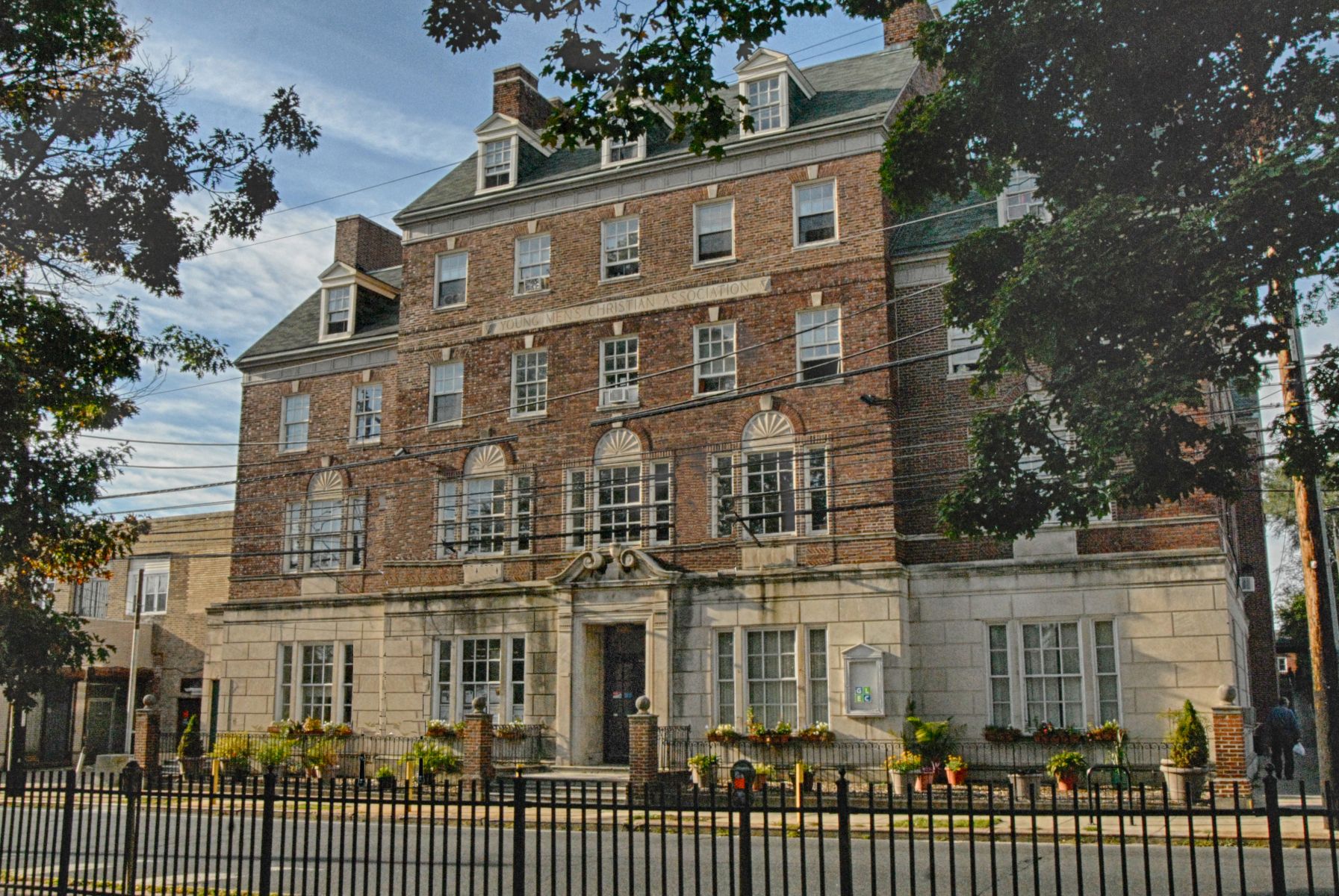
    The center, known as GLEC, is an unusual two-in-one facility at 5722 Greene St. It offers an array of community programming, including pool, fitness, and youth activities, and transitional housing for formerly homeless men.

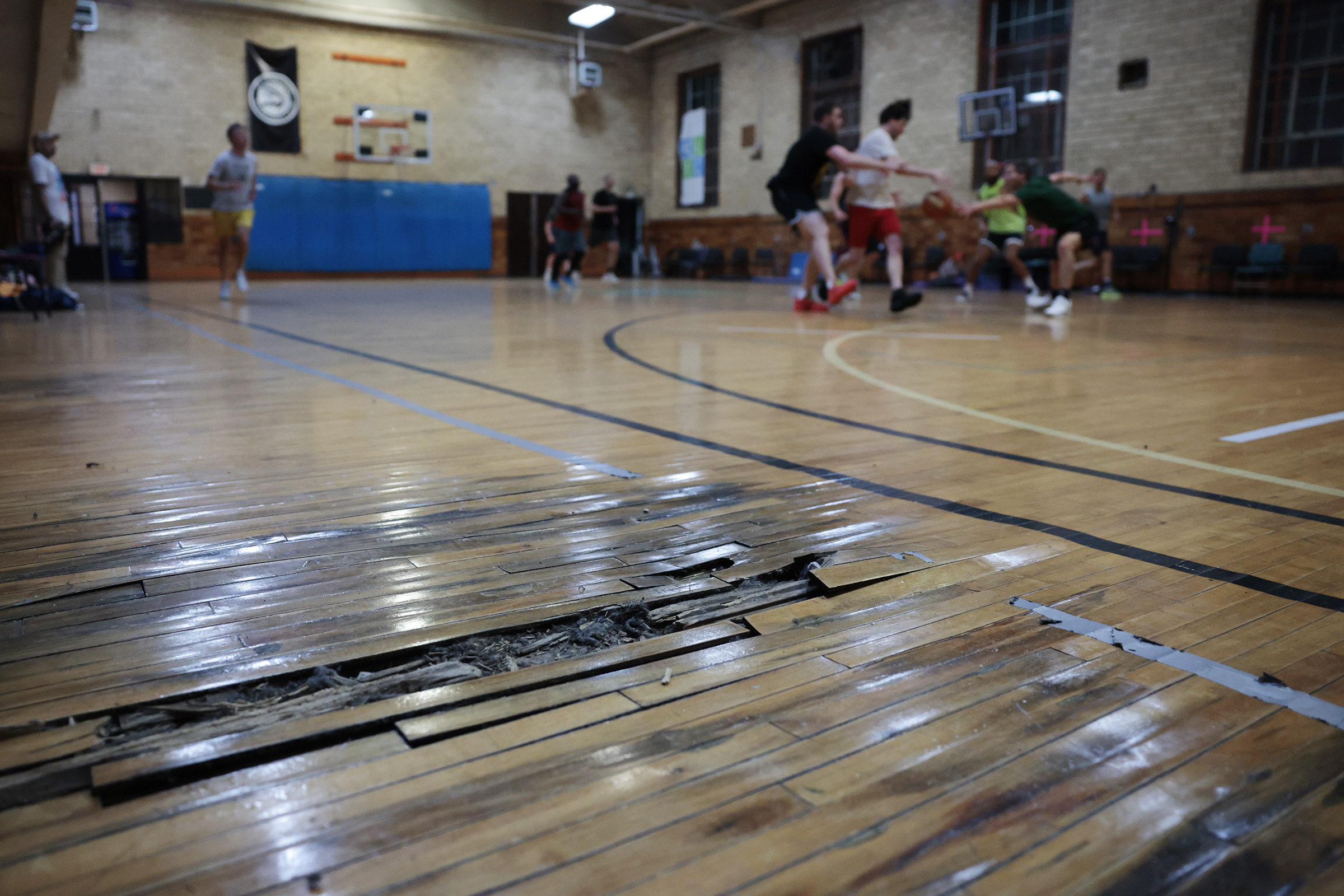
    The former YMCA building opened in 1922, and has not received major renovations since the 1990s. It has gradually decayed while waiting for essential repairs, including to its HVAC system and roof.

    The building was in dire financial condition in late 2024 into 2025, after the pandemic hurt memberships and childcare participation. Utility bills and shutoff notices piled up, and it appeared the center could close at any time. Germantown would lose a vital community resource, and one of the city’s few housing options for homeless men would disappear.

    But over the last several months, GLEC has begun receiving support it has long needed, by way of a combined $9.2 million from various sources. In the spring, the center learned it had been awarded $5 million from the city’s funding for homeless housing, courtesy of the American Rescue Plan, to use on its residential section. Then the center received an additional $2.5 million for the creation and repair of residential housing units in July from state funding. The money will go toward new central air-conditioning, new showers, updated bathrooms, and more.

    Last week, GLEC learned it will receive about $950,000 from state Local Share Account funding, raised from gaming revenues, which will go toward repairs to the building’s community center offerings, like replacing the basketball floor and renovating locker rooms and bathrooms.

    Macy Brown, 4, center with swimcap, uses her life vest to stay above the water as she kicks up a storm to navigate the pool at the Germantown Life Enrichment Center in 2018.MICHAEL BRYANT

    And on Sept. 17, Democratic State Sen. Art Haywood presented GLEC with a $750,000 grant from a state program that goes toward housing affordability and rehabilitation measures, also meant for improvements to the community center sections of the building.

    The inflow of funding represents a remarkable and hopeful turn of events for those who have fought to keep the building open.

    “It feels like a miracle. … I’m so profoundly grateful to the entire community that rallied around to to work together to make this happen,” said Doron Taussig, chair of the GLEC board.

    Yet even with those funds, Taussig said, the building’s daily financial challenges remain.

    The center still operates with a monthly deficit of about $25,000, executive director and CEO Lyn Kuebler said. She said even while the major investments from the city and state suggest they are committed to the center’s being used for this kind of housing work for the next 30 to 40 years, there is still a long way to go before all of its needs are met.

    “Even though we’ve gotten awards … it’s not money in the bank that can pay your electric bills,” Kuebler said.

    Not finished

    When the center hit its low point at the end of 2024, Kuebler said, she began warning people that without an intervention soon, “we’re not gonna be here.” She invited Haywood, who represents parts of Philadelphia and Montgomery County, to tour the building that December to see both its potential and how much was needed to reach it.

    “There’s not many places for men who have been hard on their luck,” Haywood said, noting that it is one of the few single-occupancy housing options for homeless men in the city. He said he admired the resiliency of the center’s leadership, and agreed to help secure funding.

    “The organization just needed a lot of love,” he said.

    A Dadball basketball game (in background) at the Germantown Life Enrichment Center in Philadelphia, where there are some badly needed repairs, in 2025.Elizabeth Robertson / Staff Photographer

    While Haywood and other officials went to work to preserve the building’s long-term future, Taussig sought out smaller donors to help with the daily expenses. For over a decade, the center has been the home of Taussig’s pickup basketball group, which nicknamed itself “Dadball.” The group of once-new dads in their 30s and 40s kept playing as their kids grew up, and formed a community.

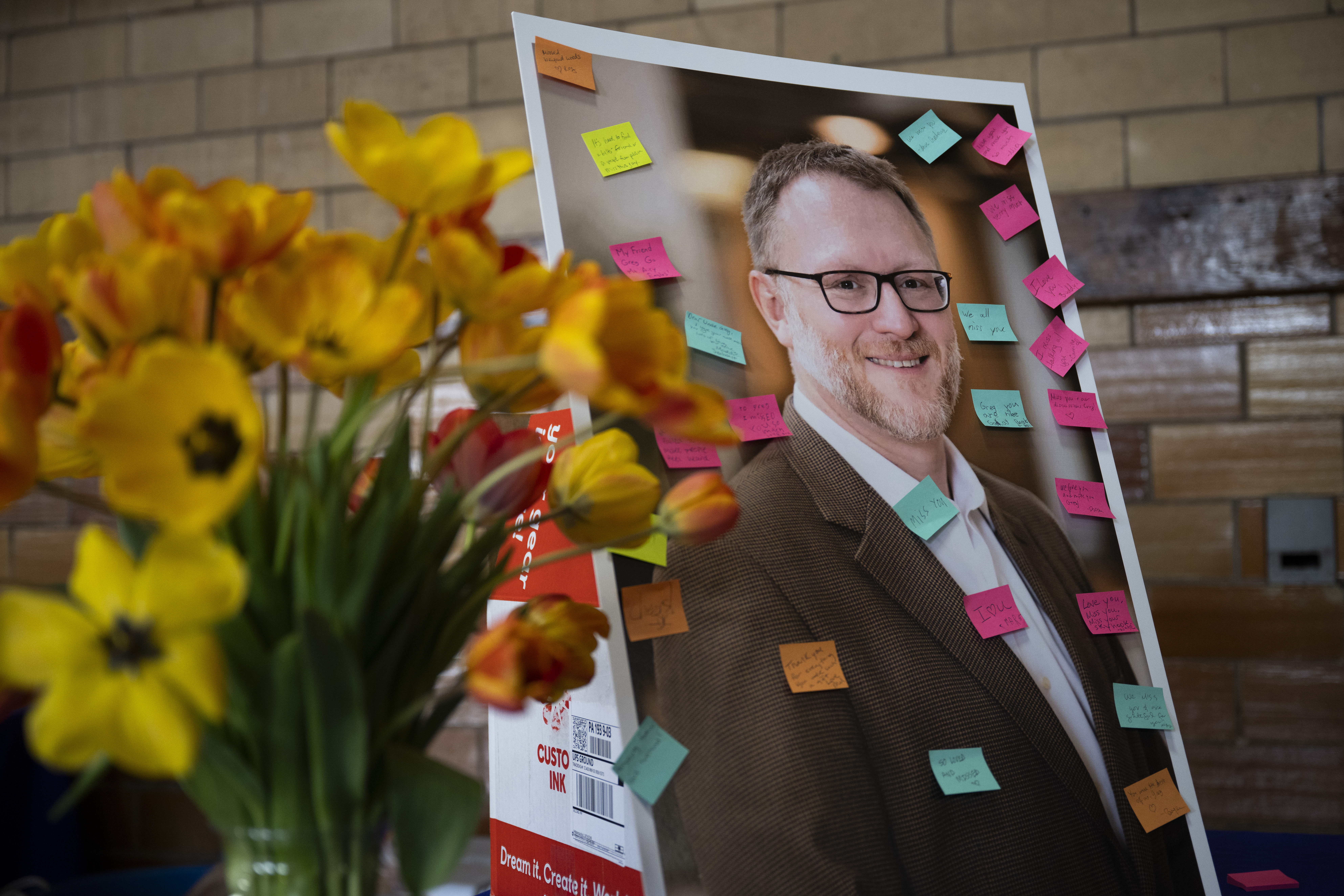
    In April 2025, one of the group’s most beloved members, Greg Anderson, died after suffering cardiac arrest during a game. In their grief, Taussig and the other Dadballers rallied and raised about $100,000 to keep the center open. They have since renamed the basketball gym in Anderson’s honor.

    Personalized notes are stuck to a portrait of Greg Anderson during a gym dedication ceremony for the late Mount Airy Dadball basketball player on Saturday, May 2, 2026 in Philadelphia.Joe Lamberti / For The Inquirer

    Kuebler said the organization determined it needs about $4 million more to address all of the community center renovations, so several items are on hold, like installing an elevator. She is asking community members to help in any way they can.

    “We are further than we’ve ever been. It helps you not be weary,” said Kuebler, who has been with the center for 16 years.

    People are riding the fundraising momentum, Taussig said. Another Dadballer will soon begin a culinary education program focused on teaching people to make affordable, high-nutrition meals. Anderson’s widow, Melanie Anderson, is organizing a women-only dance party in the basketball gym, he said.

    And a Jefferson University master’s in architecture class is conducting a community design project on GLEC. The students will study the building and surrounding community for what the best uses of the space may be, and offer suggestions on how to accommodate them, Taussig said.

    “It’s bringing all of this energy into the building. … It’s what this building needed and really ought to be used for,” Taussig said.

    Correction: Lyn Kuebler’s name was spelled incorrectly.
  • Hurry up and wait

    Hurry up and wait

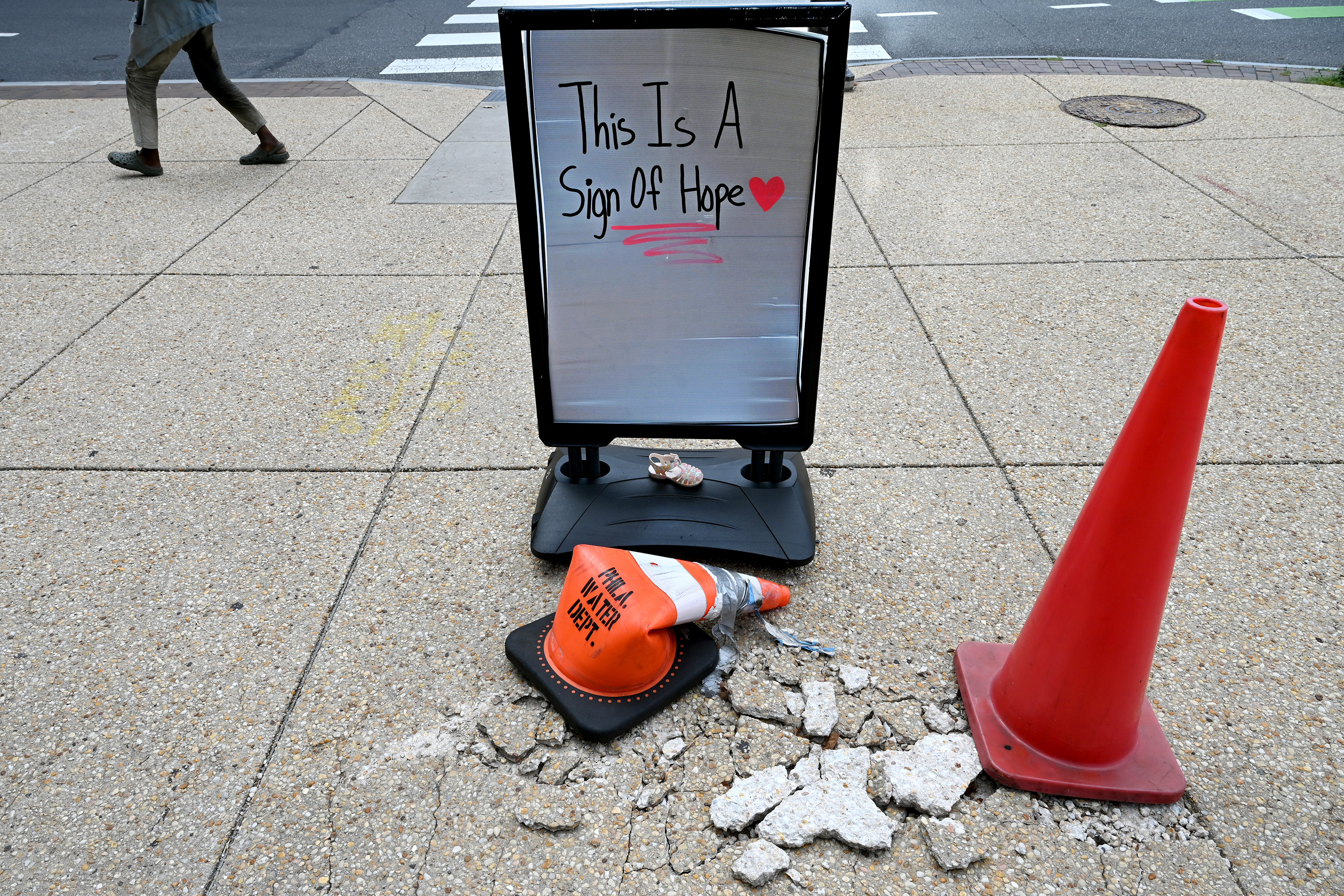
    The “hurry up and wait,” often for ridiculously long times for a news conference to start, or a newsworthy event to happen, or even everyday life to unfold is not just an occasional part of a career in journalism, it becomes the basic rhythm of the job.

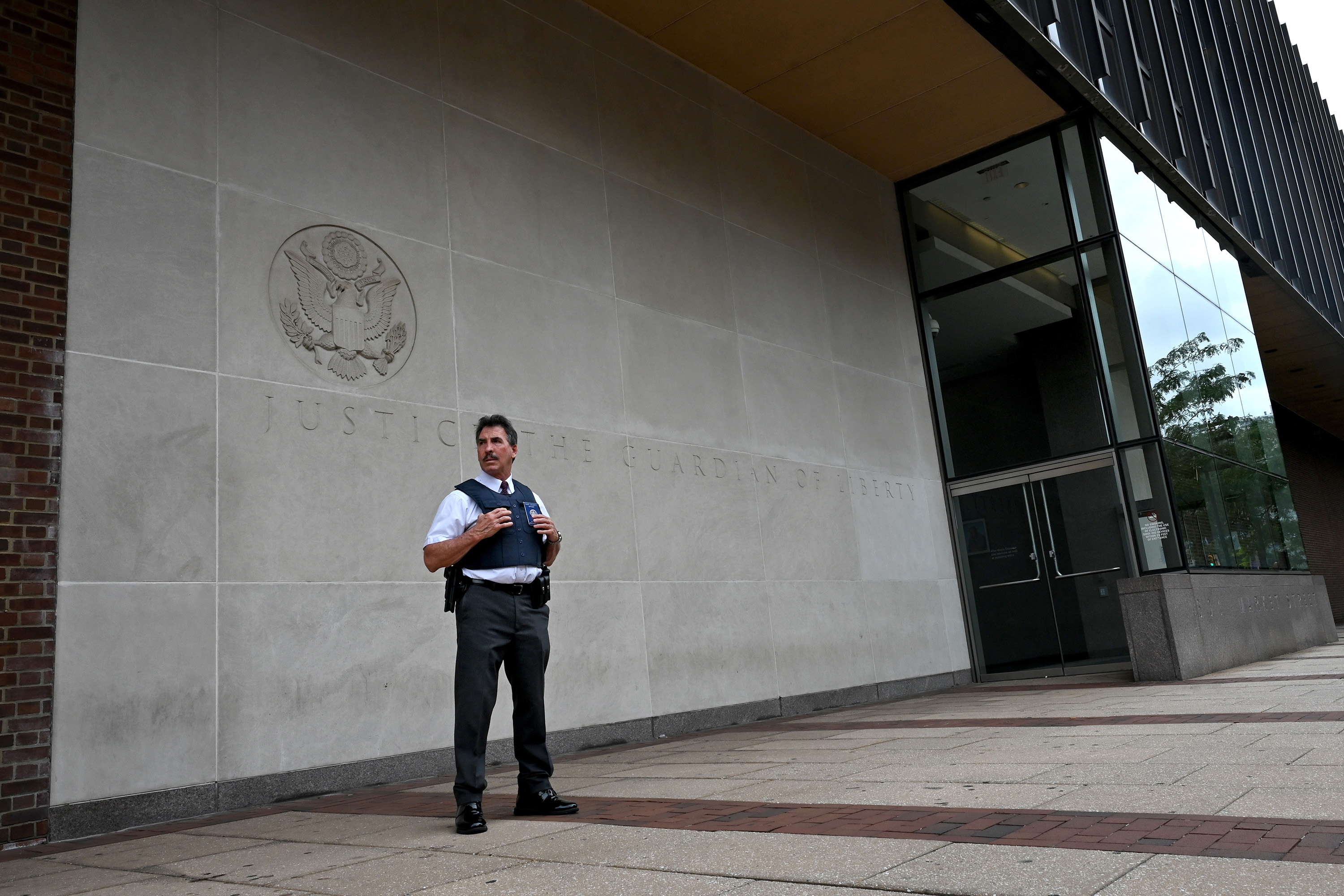
    Like spending an entire day outside a courthouse for a few brief moments and the opportunity to photograph defendants arriving or leaving (cameras are not allowed in courtrooms in Pennsylvania).

    Waiting, with an officer with the United States Marshals Service, outside the James A. Byrne U.S. Courthouse at 6th & Market Streets.Tom Gralish / Staff Photographer

    You’re waiting for something you can’t control, all the while trying to alert for the moment it finally happens.

    Over my years as a photographer there has been one “wait” that is even more constant and one that I probably could control.

    When I am assigned to photograph a building or city street scene I could just make sure my camera setting are all correct, my battery is fresh and I have clean SD card in the slot. Then make a quick snap to show readers what the building or street scene looks like and move along.

    But no, I wait. A lot. For a bunch of random elements to line up perfectly.

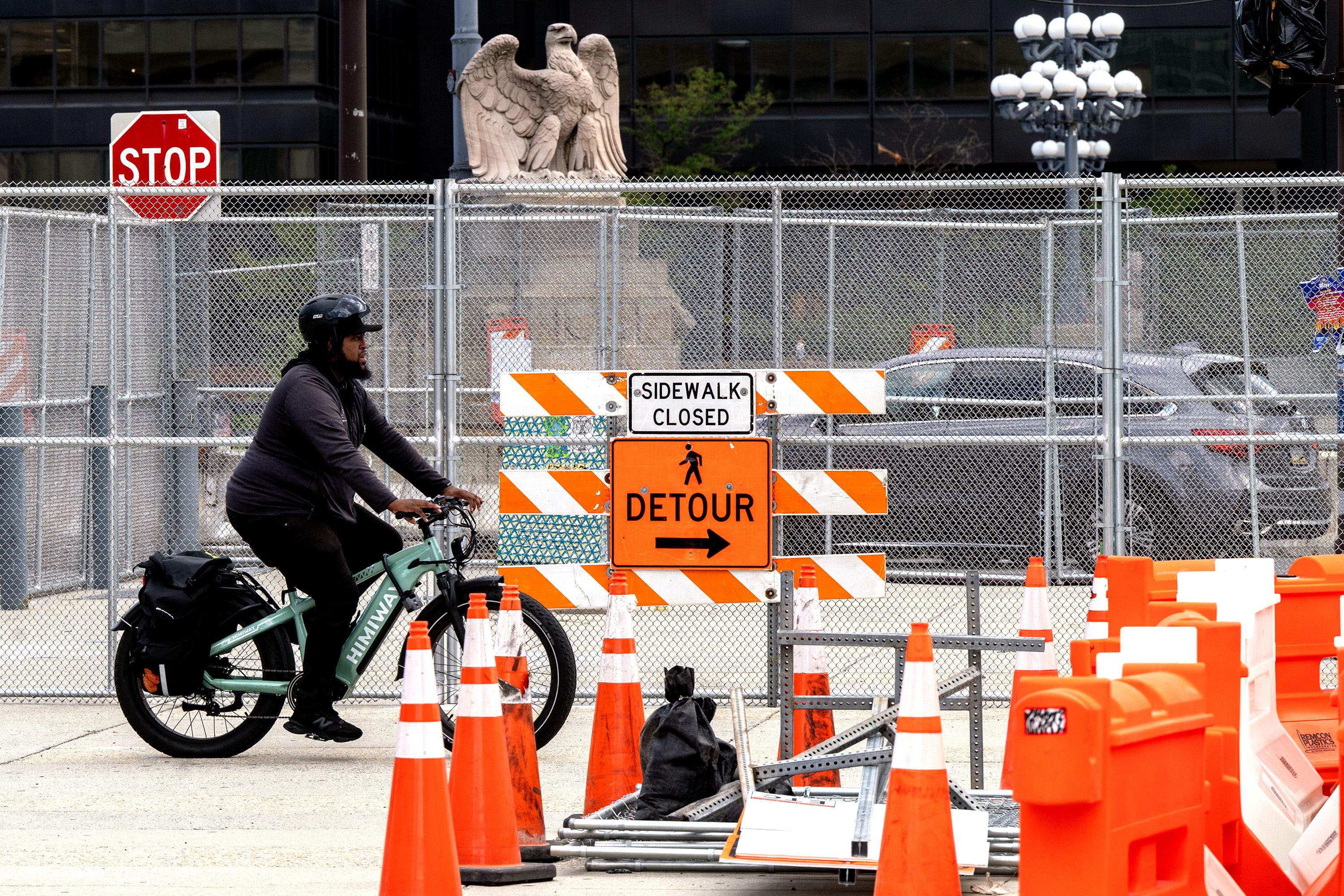
    Waiting – without any luck – for an orange-clothed pedestrian or bicyclist. Tom Gralish / Staff Photographer

    I stand there like the two characters in the 1952 Nobel Prize-winning Samuel Beckett absurdist play, Waiting for Godot. But instead of some mysterious stranger, I am waiting — and hoping — the stars all align just right, the photo gods are willing, and the universe gets it together to allow that one person, dog-walker, jogger, bicyclist, scooter, car, bus, or trolley to pass through my carefully pre-composed frame at just the “right” time. In the “right” place.

    And maybe the “right” color. Like my yearslong Oy-Yo yellow pursuit (those waits however were for a mere 7.6 minutes at a time).

    I like to think of myself as being patient and even visually heroic; good qualities to have in a photojournalist.

    But anytime I really think about it or try to explain the “why?” to friends or even colleagues it ends up sounding both obsessive and pathetic.

    The solitary waits are a great time for self-reflection. Or during more media busy events a chance to hang out with photo friends.

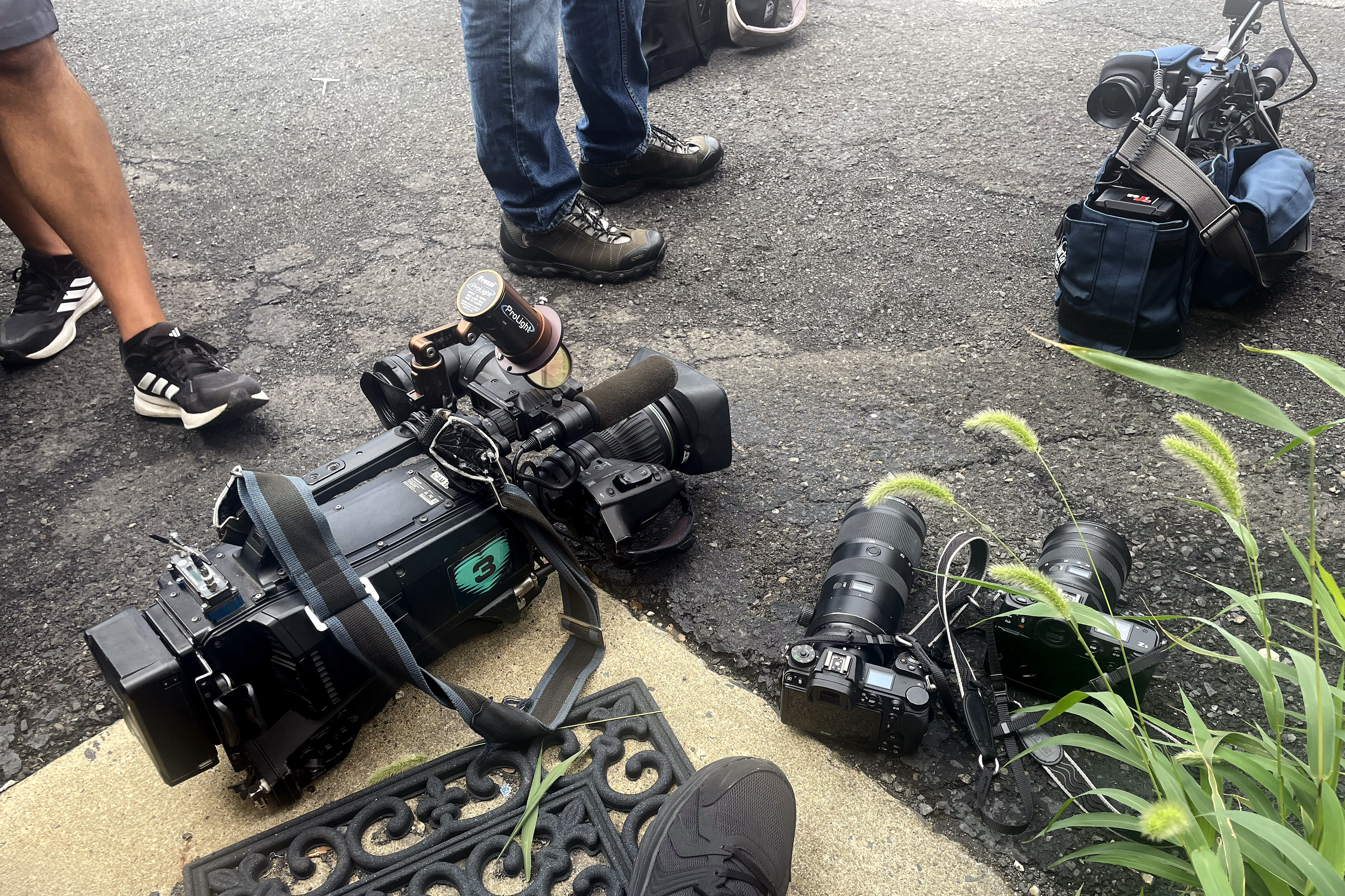
    Waiting with the cameras and news photojournalists outside Montgomery County Magisterial District Court in Jenkintown.Tom Gralish / Staff Photographer

    One last literary reference, before unfolding a few of the photos I’ve made recently while waiting. They’re another way I keep myself entertained, and help avoid feeling too much like Sisyphus, condemned to push that stone up the hill only to watch it roll back down.

    Waiting in University City and looking up as a helicopter conducting power line inspections passes overhead.Tom Gralish / Staff Photographer
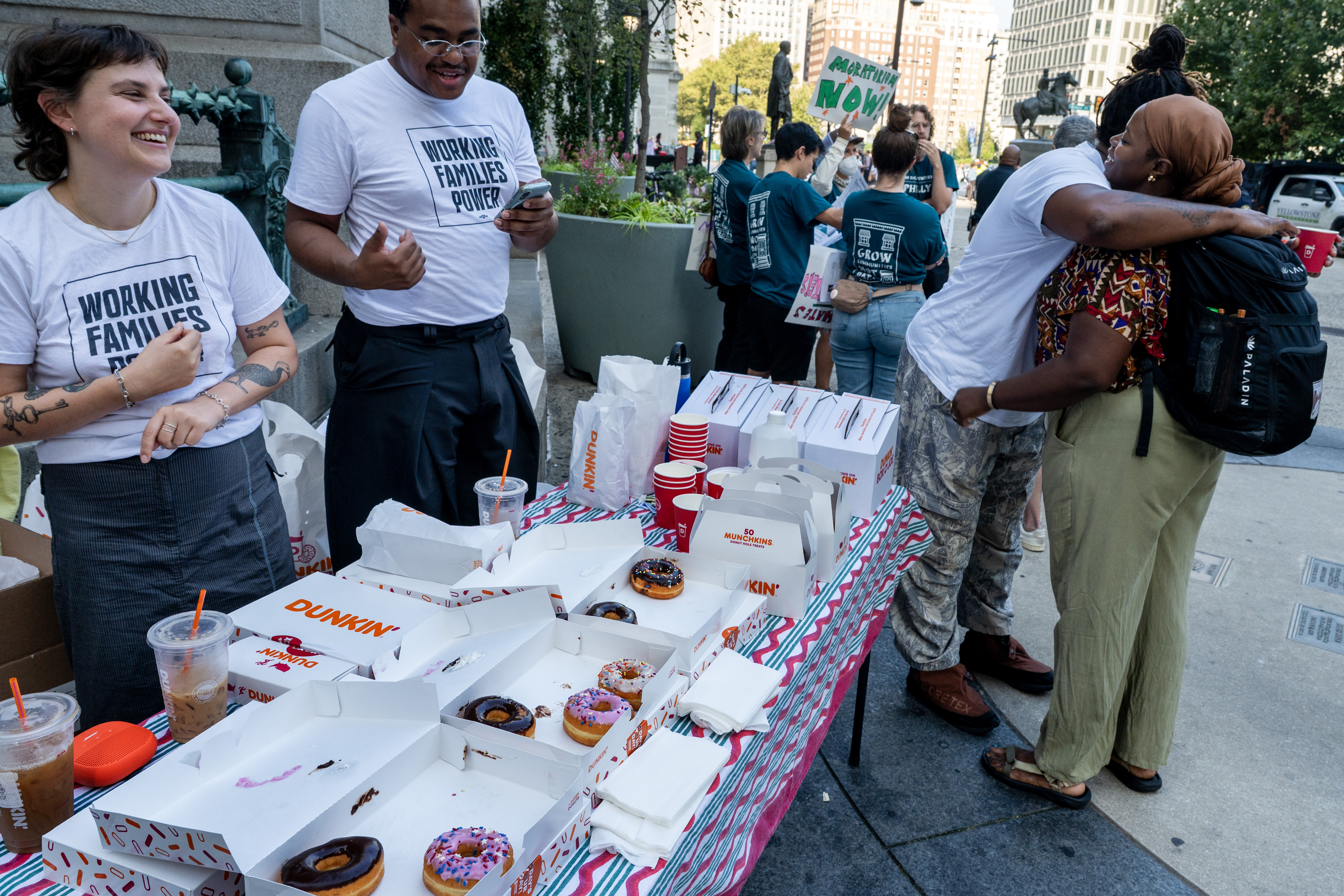
    Waiting outside City Hall – with free coffee and donuts for those arriving early – for the day’s meetings and protests to begin.Tom Gralish / Staff Photographer
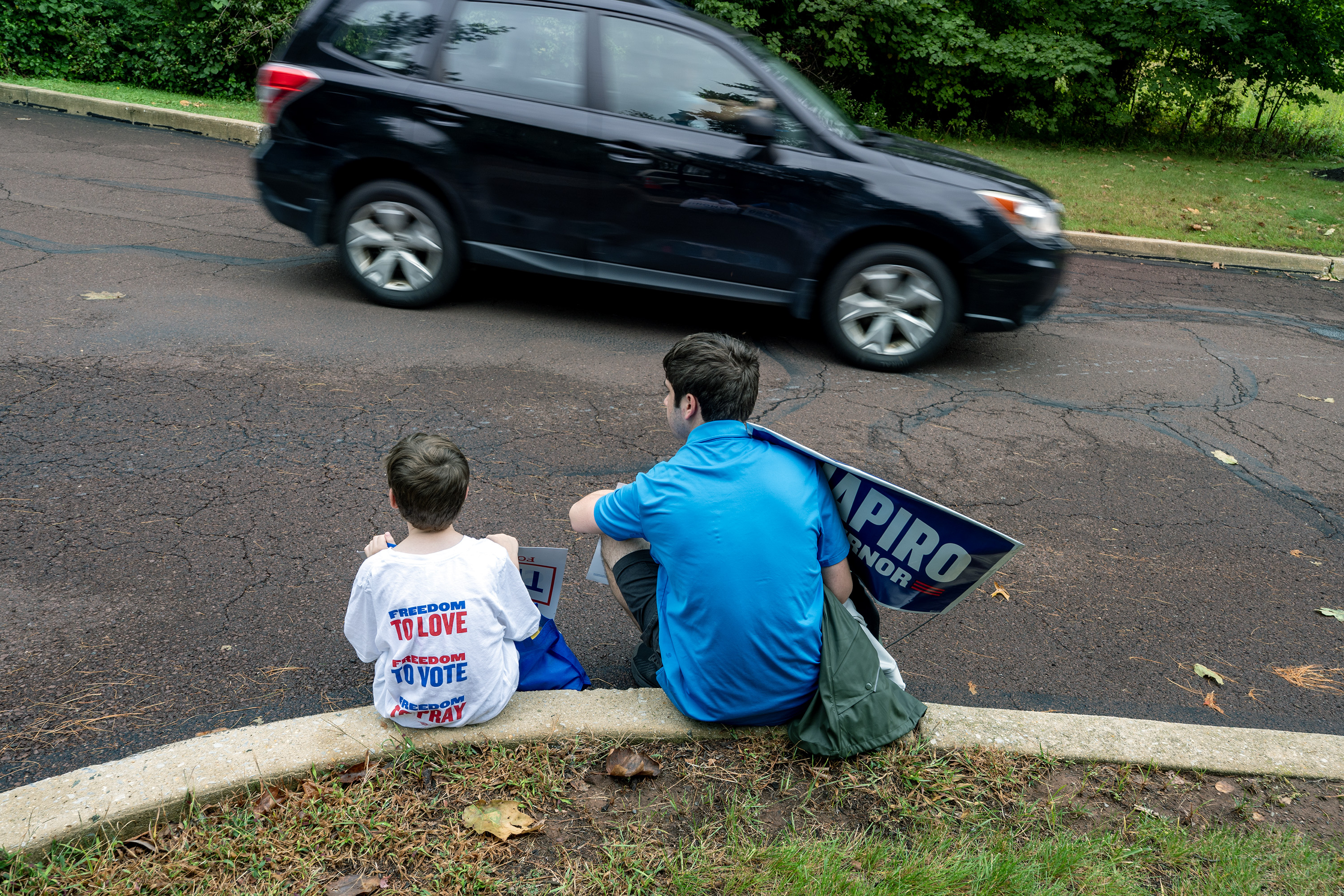
    Waiting at a candidate’s rally.Tom Gralish / Staff Photographer
    Waiting outside a courthouse, and watching the cell phone – and reflections – for that text from inside that a hearing is over.Tom Gralish / Staff Photographer
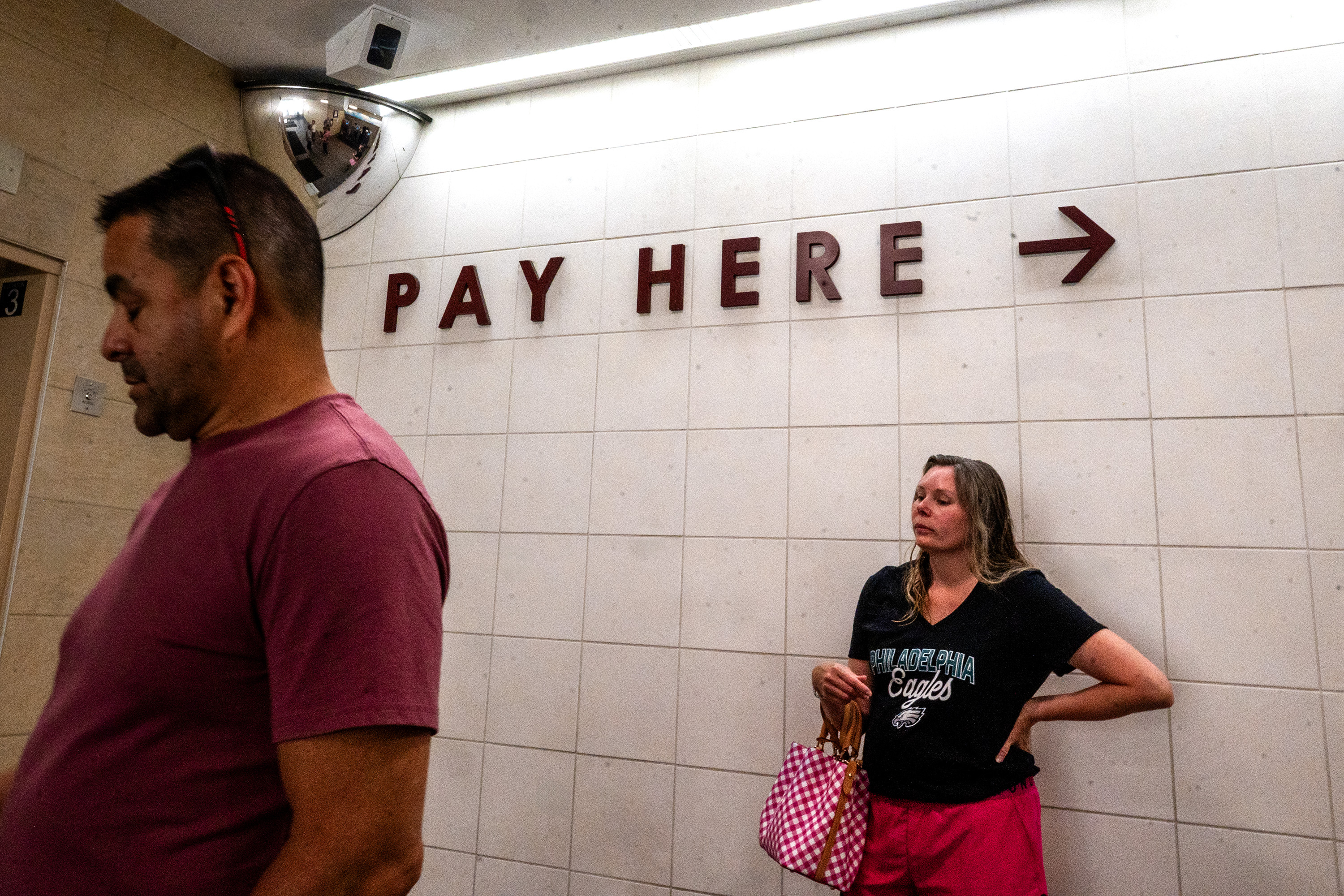
    Waiting for the parking garage elevator.Tom Gralish / Staff Photographer
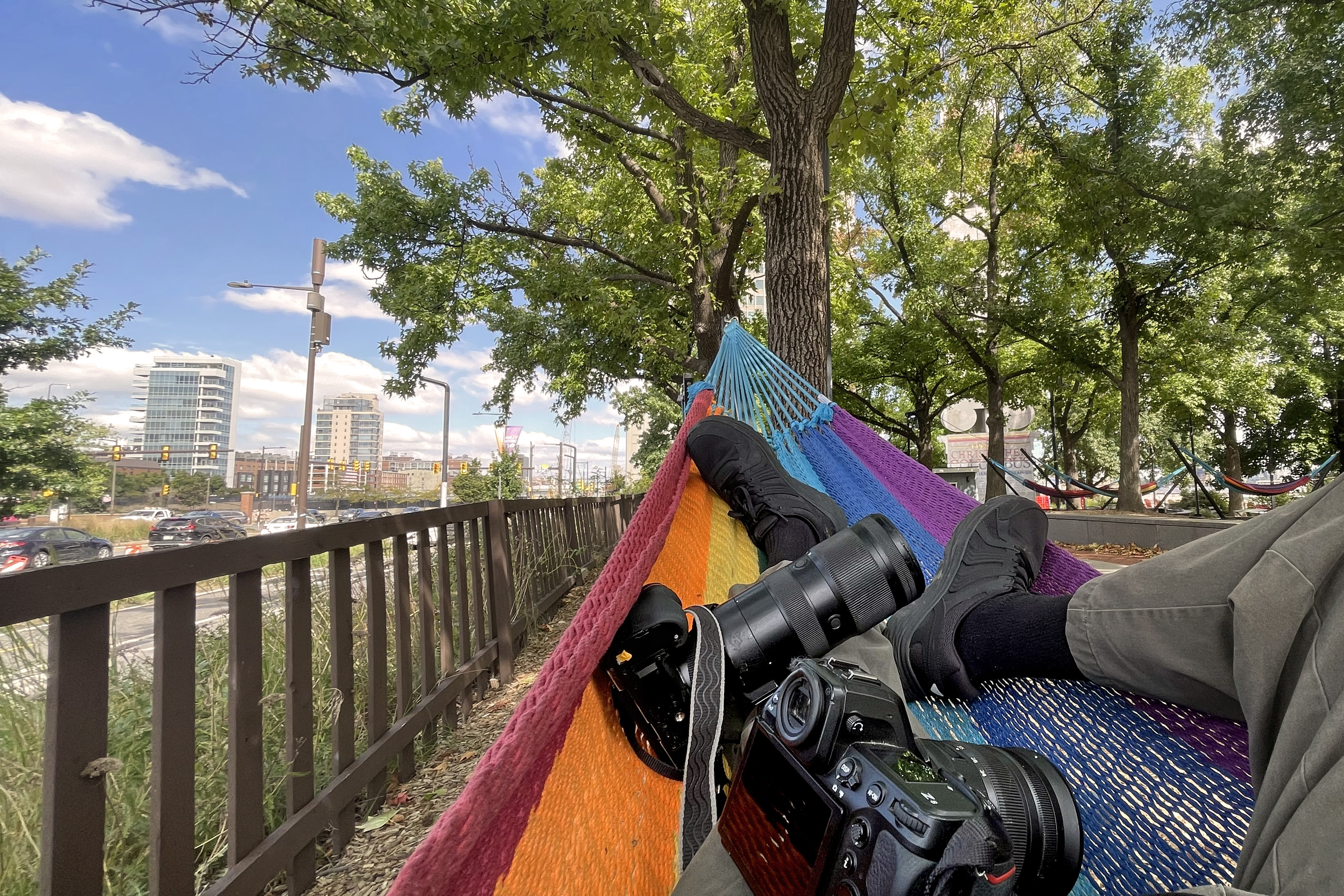
    The photographer takes a break from waiting – and hoping.Tom Gralish / Staff Photographer

    Since 1998 a black-and-white photo has appeared every Monday in staff photographer Tom Gralish’s “Scene Through the Lens” photo column in the print editions of The Inquirer’s local news section. Here are the most recent, in color:

    » SEE MORE: Archived columns and Twenty years of a photo column.

  • These 32 Philadelphia middle school students just got their white coats, on a path to becoming doctors someday

    These 32 Philadelphia middle school students just got their white coats, on a path to becoming doctors someday

    When Martha Glasco was growing up in North Philadelphia, she said, her opportunities were limited.

    So when a teacher told Glasco — now an adult with a bright child of her own — about a new program that aimed to give promising Philadelphia kids six years of medical-school education with an eye toward careers in healthcare, Glasco was thrilled.

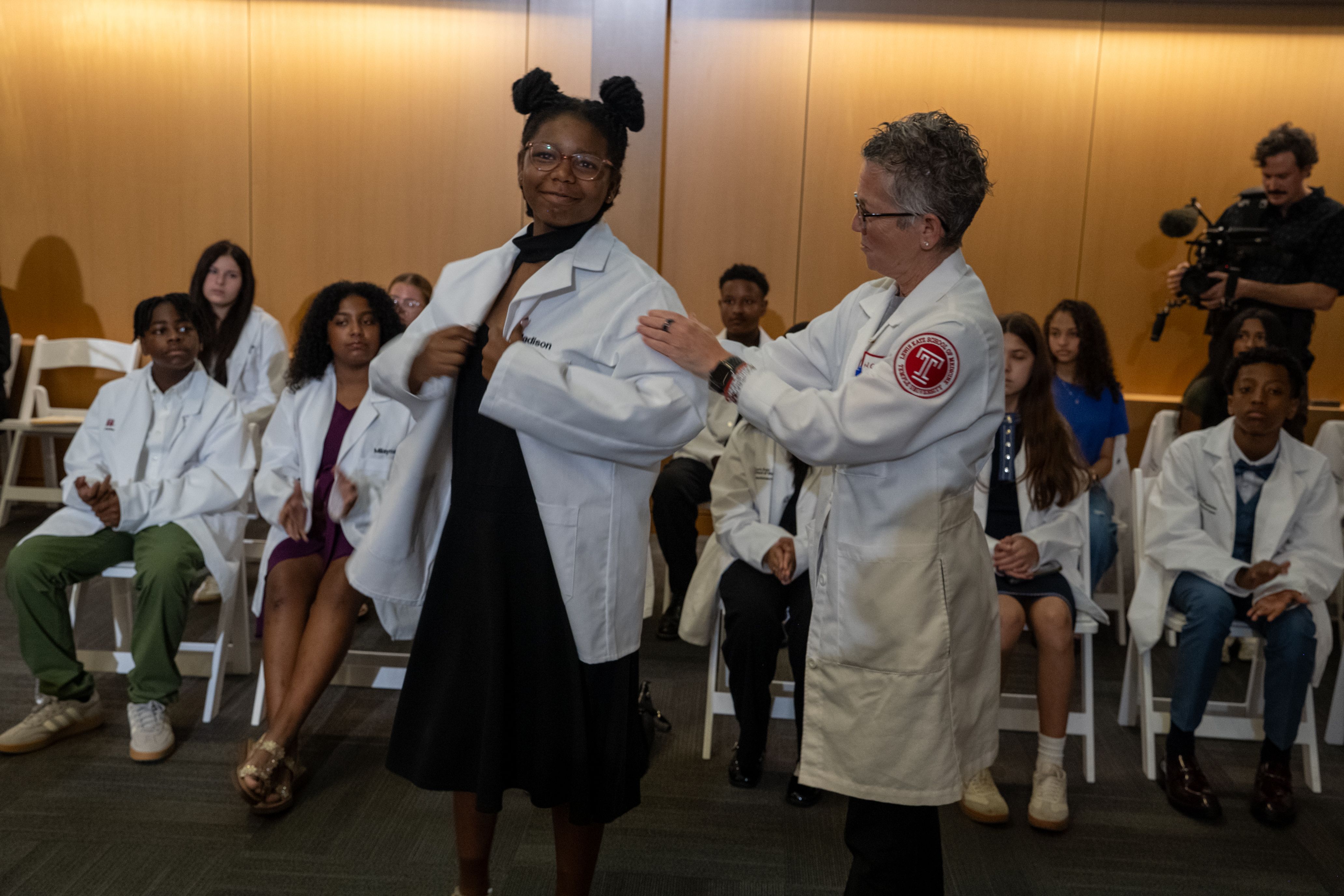
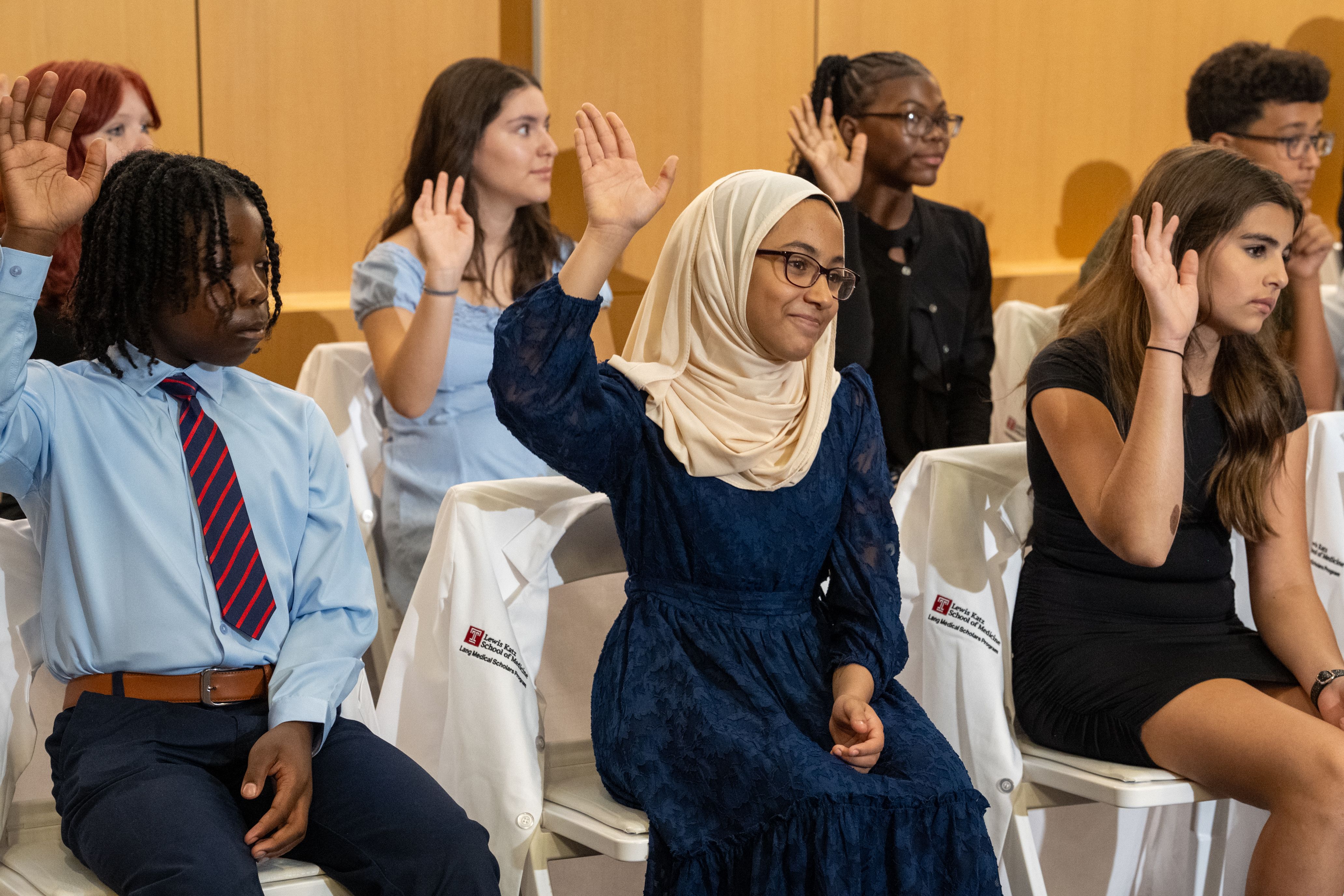
    This month, Glasco’s daughter Madison Miller slipped a white coat over her shoulders, one of 32 Philadelphia seventh graders chosen for the initial class of Temple University’s Lang Medical Scholars Program. The 12-year-old, a student at E.W. Rhodes Elementary at 22nd and Clearfield Streets, will spend weekends and summers learning about systems of the body, completing internships, and engaging in rigorous college prep.

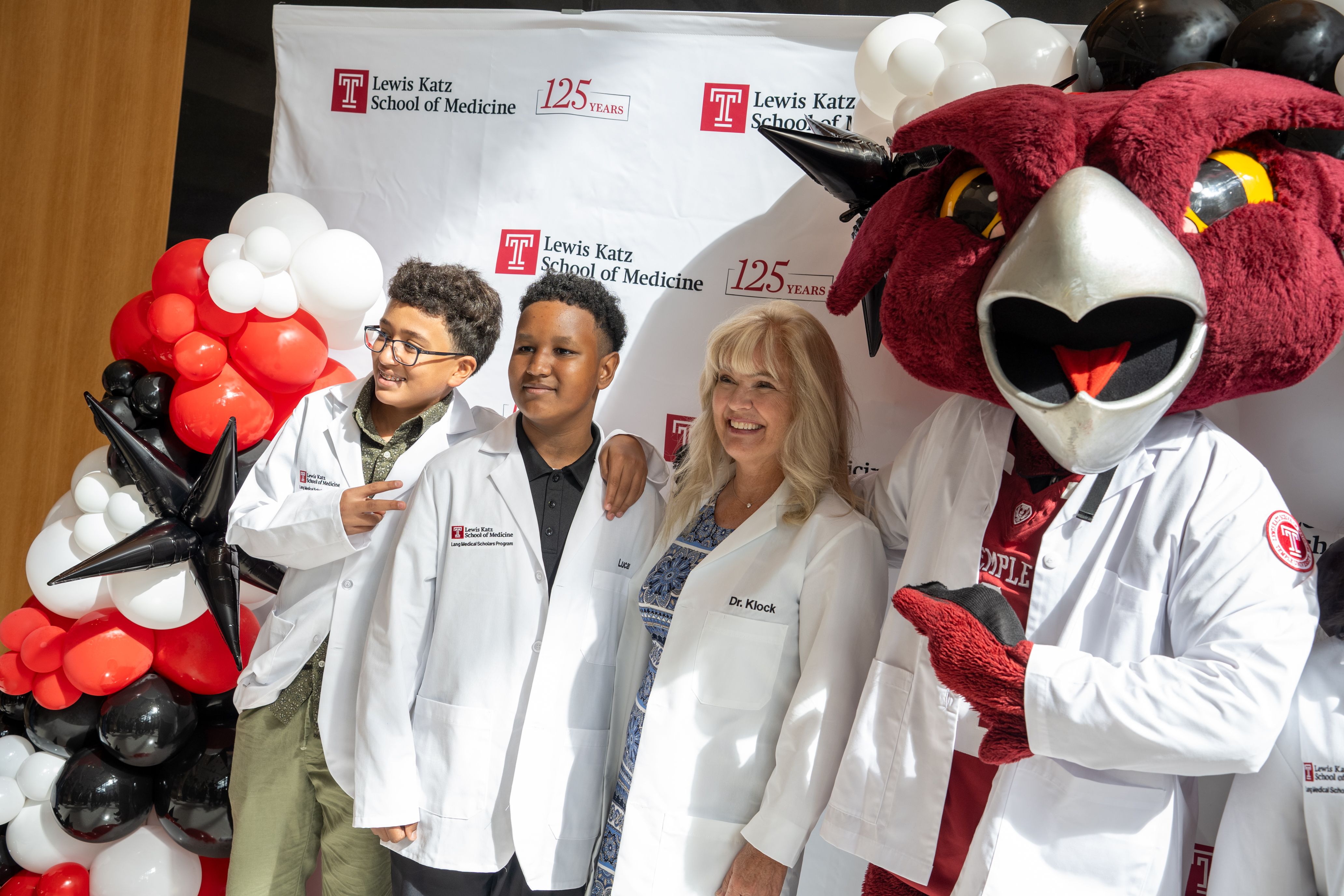
    Seventh graders in Temple University Medical School’s Lang Scholars program prepare to get their white coats. The new program identifies promising students and gives them six years of pre-medical school education.Courtesy of Temple University

    “This is a big deal,” said Glasco, who dreams of buying Madison scrubs and a stethoscope, tangible evidence of her place in Lang Scholars and the doors it could open.

    “The passion around this, the mission is just — talent abounds and opportunity does not, right?” said Barbara Klock, the program director and its architect. Lang, she said, aims to change that for its students.

    A long-held vision

    Klock carried the idea of the Lang Scholars around for years, through a career as a Children’s Hospital of Philadelphia pediatrician and the Philadelphia School District’s chief medical officer.

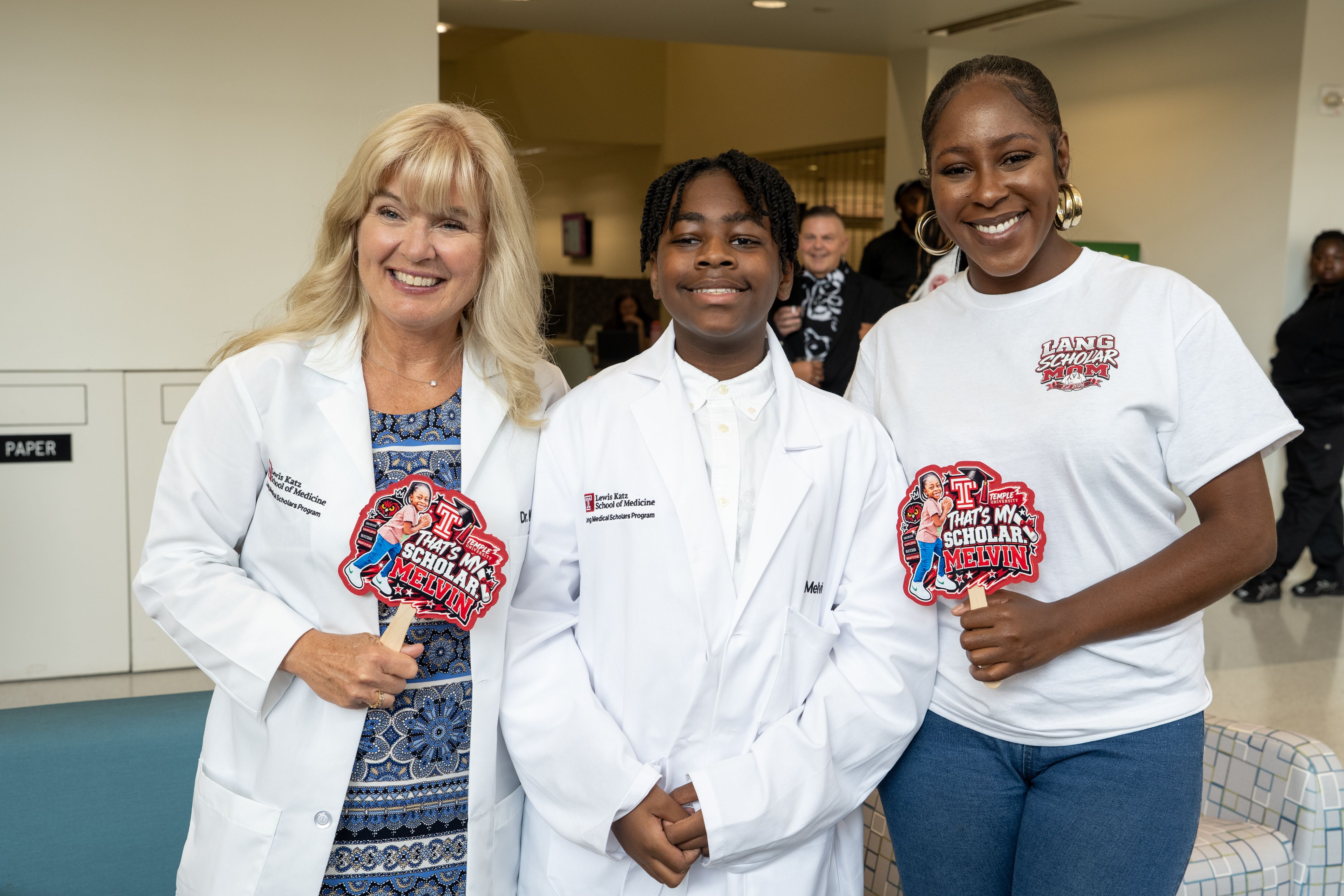
    Melvin Poulson IV, a student at Hope Partnership School, and his mother, Allison Agee, pose with Barbara Klock, director of the Lang Scholars program.Courtesy of Temple University

    Klock, who grew up in Philadelphia’s working-class Juniata Park section, was mentored by Eugene Lang at Swarthmore College. Lang, a businessperson and philanthropist, famously promised a class of Harlem sixth graders that he would pay for their college educations if they graduated from high school.

    Lang and Klock kept in touch after her Swarthmore graduation, and on one chance encounter at 30th Street Station in the 1990s, Lang mentioned to Klock that he was launching something he was really excited about.

    “He said, ‘I have this idea for a program, but the kids start really young.’ He was always, ‘If you’re going to do something, it’s got to be the best,’ and for him, the best would be going to medical school,” Klock said.

    That program, the Lang Youth Medical Program, has been thriving in New York for decades. Klock admired it from afar, and, sometimes, up close.

    “I would go on Saturdays and see the program with the dream of bringing it to Philadelphia,” she said.
    Klock decided it was time to go for her own version of that program in 2024. She reached out to Mitchell Morgan, chair of Temple’s board of trustees, via e-mail.

    “I said, ‘I have this program. I would love to bring it to Temple,’” Klock said. “I wanted to do this with Temple because of where Temple is located, Temple’s mission and vision, and they really do what they say they do.”

    Temple University Lang Scholars white coat ceremony.Courtesy of Temple University

    She expected she might hear from Morgan within three weeks. Instead, she had a response, and a connection to Lewis Katz School of Medicine dean Amy Goldberg, by the end of that day.

    In short order, the program was off and running, with Temple’s backing and philanthropic support, including some funding from Lang’s private foundation.

    Klock pounded the pavement in the 2025-26 school year, reaching out to every Philadelphia school she could connect with — district, charter, private — to ask: Can I come talk to your sixth graders about an idea? Thirty-five schools opened the door for Klock to make presentations.

    She didn’t ask counselors to recommend kids; she feared she would get only straight-A students and student council presidents. Those were fine, but she also wanted the bright-but-bored kids, the ones who were curious about science and life but maybe had hit a few bumps along the way.

    Klock hoped to bring in 20 Lang scholars for the inaugural class. Nearly 14 times that number applied, and those who made it to the interview round flat-out wowed her, Klock said. She ended up getting permission to build a class of 32 — 22 girls and 10 boys — and will grow a grade every year.

    The program’s aim is not to produce a class full of doctors. It is to produce a class full of curious and confident learners grounded in an academic medical setting. If some enter the medical field, Klock would be delighted, but that is not the main objective.

    “These are kids who are so eager to learn,” Klock said. “They want to be with other students who are eager to learn. They are incredibly curious. They ask, ‘why?’ and ‘what if?’ What I want to do is give them the chance to continue to ask, ‘why?’ and ‘what if?,’ no matter what.”

    ‘This is serious’

    Glasco was tipped off about the program by a teacher friend.

    Madison first expressed her desire to become a doctor at age 3. Her preschool teacher has a photo of Madison holding a sign stating her career goal.

    “She wants to be in the medical field, and I used to be in the medical field, so it’s actually perfect,” said Glasco, who used to work as an EMT and a medical assistant and is now a paraprofessional in a suburban school district.

    It’s not far from her North Philadelphia house to Temple’s medical school, Madison said, but walking into the Medical Education and Research Building on North Broad Street felt like a different world in some ways.

    Going to the interview was “very exciting,” Madison said, “but I was also very nervous. There were a lot of windows, and I could see everyone.”

    When she got the word that she was a Lang Scholar, Madison was thrilled.

    “My teacher was really excited, too, because he knew I was going to be in the medical field soon — kind of in medical school, like college,” Madison said. “My friends were really excited because they knew they were going to have a medical friend.”

    Madison and the other Lang Scholars received their professional white coats to kick off the program on Sept. 19. They will begin their studies Oct. 3. Klock will teach the biweekly courses on the human body, health equity, public health, and more.

    Over the years, the students will take trips, work at paid internships, sit in SAT prep courses, and receive help with college applications — all for free. They will dive into the health issues facing their communities, and have access to the same labs and facilities as Temple medical students.

    Glasco cannot wait to drop Madison off for her first day of class as a Lang Scholar.

    “I’m going to be on her really hard about this, because this is serious,” Glasco said. “I want her to get all the knowledge she can, and maintain it, so she can go further in whatever medical field she decides to do in the future.”

  • SEPTA dreams big, $350 Broad Street signs, and Wonderland disappears | Weekly Report Card

    SEPTA dreams big, $350 Broad Street signs, and Wonderland disappears | Weekly Report Card

    Wonderland really is disappearing: F

    Wonderland Pier closed almost two years ago. Now, Ocean City has declared part of the former amusement pier unsafe after a wall beneath the decking began caving in. Developer Eustace Mita says the iconic Ferris wheel — which his original hotel proposal called for preserving — is in such bad shape that it will have to be “literally torched” and cut into pieces to come down.

    Oof.

    For generations of families, that Ferris wheel was part of the Ocean City skyline. You could see it from the beach, the boardwalk, blocks away. Even after Wonderland closed, it was still there.

    There’s plenty of debate over what happens to this property next, including Mita’s proposed hotel. But whatever eventually replaces Wonderland, this part is just sad.

    A bad-luck sports September: F

    Did the Phillies, Eagles, and Flyers collectively break a mirror? Walk under a ladder? Open an umbrella indoors?

    Because in the span of 11 days, three of the most important players on three Philadelphia teams got hurt.

    First, Phillies All-Star starter Jesús Luzardo landed on the injured list with a sore shoulder, just as the postseason approached. Then the Eagles lost three-time Pro Bowl guard Landon Dickerson to injured reserve with a bone bruise in his already twice-repaired right knee. And Tuesday, Flyers MVP Dan Vladař left a preseason game injured after a collision.

    The Phillies were counting on Luzardo as a major part of an October rotation. The Eagles already look like they desperately miss Dickerson in the run game. And Vladař was the heart of the Flyers team that finally made hockey fun around here again last season.

    Bad luck comes in threes, right? Well, apparently not.

    Thursday night, Luis Arráez sprained his left ankle trying to beat out a grounder against Milwaukee and had to be helped off the field, unable to put weight on his leg. X-rays were negative, but with the playoffs days away (hopefully), it’s unclear when he’ll be able to return.

    So much for completing our allotment of sports misery.

    Whatever dark cloud is following Philadelphia sports around, please find another city. Four is plenty. We’ve officially met our injury quota for the month.

    Fall understood the assignment: A+

    Finally, fall in Philly actually feels like fall. The autumnal equinox arrived Tuesday, and somehow the weather timed it perfectly: cool mornings, highs in the 60s, and just enough color starting to show up in the trees.

    This is the good stuff. Open windows, sweatshirts, and walks that don’t end in sweating. It’s the beginning of leaves changing along Kelly Drive and the few glorious weeks when sitting outside is actually pleasant.

    Of course, Philly weather couldn’t just let us enjoy this. A powerful early-season nor’easter is expected to bring heavy rain and winds that could gust to 45 mph in the city this weekend, with even worse conditions and significant flooding possible at the Shore.

    Fall arrived right on time. Apparently, it also brought weather.

    The promise of a well-funded SEPTA: A

    After years of hearing what SEPTA might have to cut, it’s refreshing to hear what SEPTA might actually add.

    The agency unveiled an ambitious 10-year vision this week that includes new trolleys, new El cars, more accessible stations, and a pretty wild idea for Regional Rail: trains every 15 minutes or better on several lines. SEPTA says the change would essentially give the region another 75 miles of subway-level frequent rail service.

    And people are riding again. SEPTA says it’s now carrying more than 800,000 daily riders, after reporting a summer spike tied in part to Philly’s huge slate of events.

    There is, naturally, a very SEPTA-sized catch: Someone has to pay for all of this. The agency still faces a $192 million operating deficit next fiscal year, and much of this vision depends on additional funding.

    But after years of “save SEPTA,” it’s nice to spend a week imagining a SEPTA that gets better instead of merely surviving. Regional Rail that comes every 15 minutes? Keep talking.

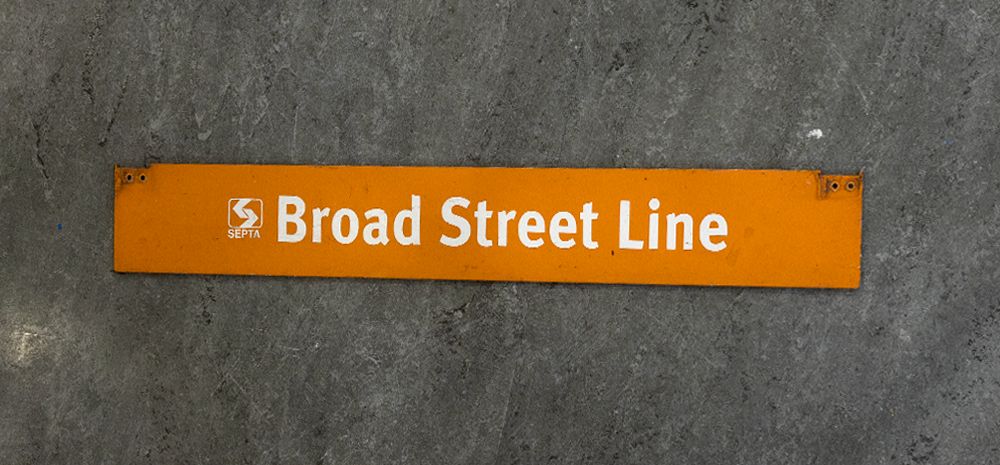
    Broad Street Line signs, like the one pictured above, quickly sold out in SEPTA’s RETROmania sale.Courtesy of SEPTA

    $350 for an old SEPTA sign?: B

    Speaking of SEPTA, it may have accidentally discovered its next funding source.

    Philadelphians have spent years complaining about SEPTA. Turns out, we like to own pieces of it.

    SEPTA dug through its vault and put old transit signs, maps, and TransPass sheets up for sale this month, and people went nuts. More than 100 decommissioned signs sold, some for $350 apiece, and the old Broad Street Line signs were among the first to go. (Duh.)

    The sale came about because riders kept asking what SEPTA was doing with the old signs as it switched the Broad Street Line to the “B” — a name change many Philadelphians are still politely declining to participate in.

    And apparently nothing says the Broad Street Line will always be the Broad Street Line quite like paying $350 to hang the evidence in your basement.

    Lynnewood Hall is getting a second chance under new ownership.Monica Herndon

    Lynnewood Hall opens its doors: A

    For 84 years, one of the most spectacular buildings in the Philadelphia region has been sitting in Elkins Park with its doors closed to the public, but not anymore.

    Lynnewood Hall, the 100,000-square-foot Gilded Age mansion built for industrialist Peter A.B. Widener, is now open to the public for the first time since 1942. And naturally, a house this over-the-top is reopening (through Oct. 4) with thousands of flowers and a show inspired by HBO’s The Gilded Age.

    But the really exciting part is what happens after the flowers leave.

    The mansion sat abandoned for decades before the Lynnewood Hall Preservation Foundation bought it for $9.5 million in 2023 and began the enormous job of bringing it back to life. Now, the group is planning more public programming for 2027.

    There are plenty of old buildings around Philly that people wish somebody had saved before it was too late, so it’s pretty nice to watch one actually get a second chance.

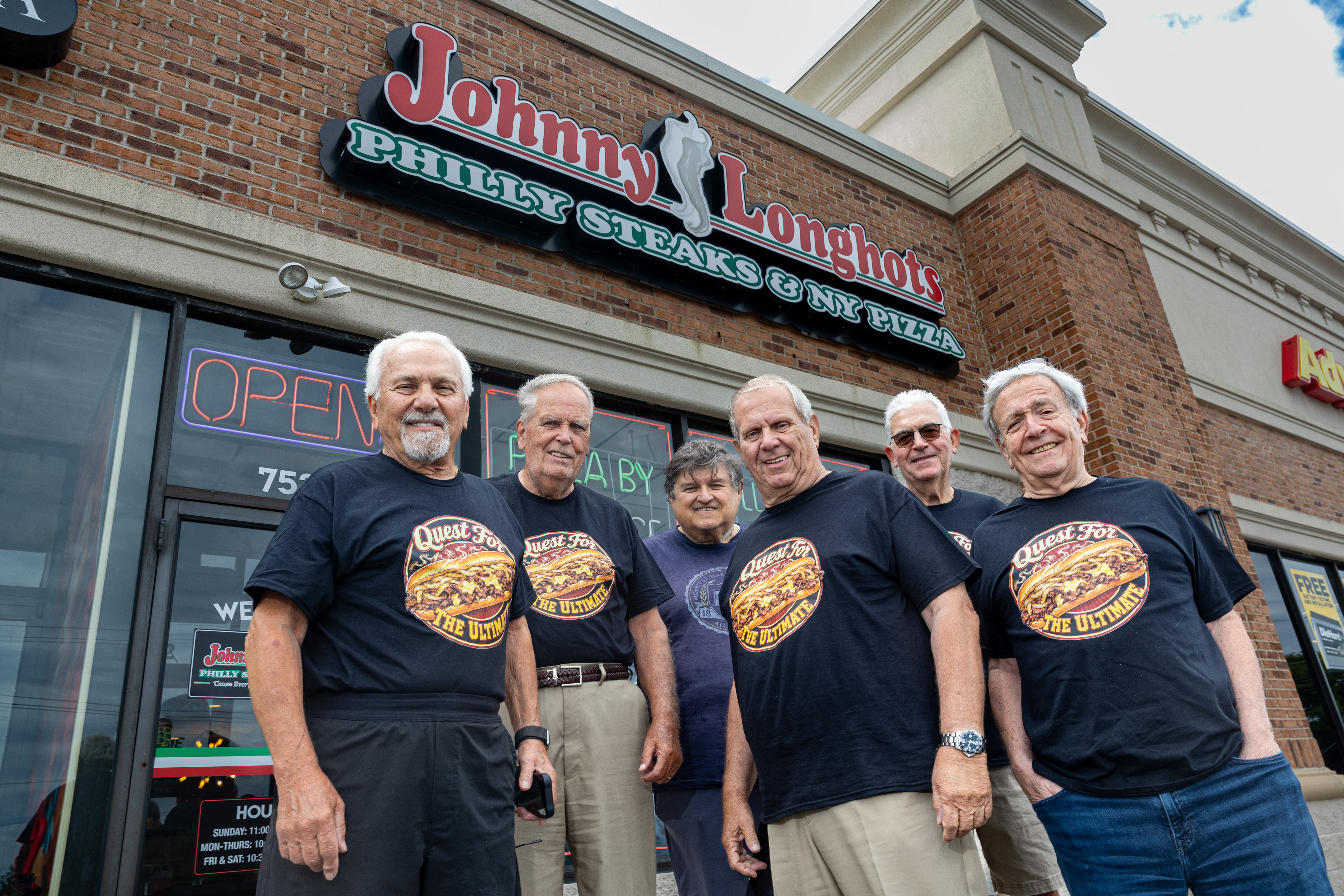
    At Marlton’s Johnny Longhots on Sept. 18, 2026, are (from left): Ralph DiSibio, 85, Bob McDermott, 83, Gary Mazzucco, 78, Paul Ferretti, 79, John DeSilvio, 74, and Mike Mouber, 79.Aidan T. Gallo / Staff Photographer

    Retirement, but make it cheesesteaks: A+

    Six friends from a 55+ community in Moorestown have embarked on a mission to find the best cheesesteak in South Jersey, trying a new spot every month and debating the important things: bread firmness, hot peppers, meat-to-money ratio and whether Cooper Sharp was actually the right call.

    There’s a spreadsheet, but no real scoring system. They mostly decide whether a sandwich is “good” or not while talking about sports, movies, and whatever else comes up.

    So far, Chick’s Deli is winning. Donkey’s lost points for the kaiser roll. And they refuse to cross the bridge because there are too many cheesesteaks in Philly and, as they put it, they’re not sure they have enough time to eat them all.

    Forget pickleball, these guys have retirement figured out.

  • A man was charged with ethnic intimidation after allegedly trespassing at a Philly synagogue

    A man was charged with ethnic intimidation after allegedly trespassing at a Philly synagogue

    A 34-year-old Philadelphia man was arrested and charged with ethnic intimidation after he allegedly trespassed at a synagogue with a preschool, tried to open doors, and made antisemitic statements, authorities said Friday.

    Angel Viera was taken into custody and also charged with defiant trespass and disorderly conduct, court records show. His bail was set Friday at $25,000 unsecured.

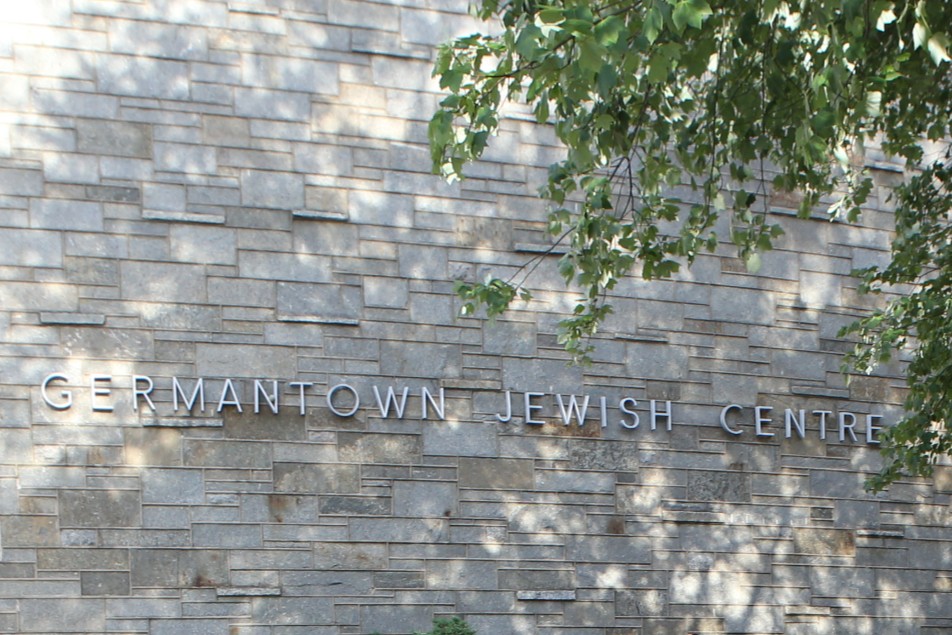
    Police said that around 10 a.m. Thursday, officers responded to the Germantown Jewish Centre in West Mount Airy for a report of a disturbance involving an unidentified man who was refusing to leave the property.

    The man, later identified as Viera, “had been pulling on doors and attempting to gain entry to the school and synagogue,” a police spokesperson said in an email Friday.

    “Security personnel instructed the male to leave the property, but he refused. While on the property, the male made several derogatory and antisemitic statements directed toward Jewish people,” the police spokesperson said.

    Viera was then arrested, police said.

    Nina Peskin, executive director of the Germantown Jewish Centre, said in a phone interview that a security guard first noticed Viera allegedly standing across the street and appearing to take photos or videos with a phone of the property.

    Viera then allegedly crossed the street and a lawn area to attempt to open several doors, Peskin said. The security guard, who called police, allegedly told Viera that he was on private property and that he should leave.

    Viera then sat on a curb of the property’s driveway and allegedly refused to leave until after police arrived within three minutes of being called, Peskin said.

    He allegedly said “F— the Jews” and questioned the security guard for working for a Jewish institution, Peskin said.

    The Germantown Jewish Centre has been the target of two bomb threats and multiple hostile phone calls in the last few years.

    However, this time a man allegedly tried to enter the property while children were attending the synagogue’s preschool, Peskin said.

    “This felt different,” Peskin said, adding that the incident has rattled “our whole community.”

    Viera is represented by the Defender Association of Philadelphia. George Jackson, a spokesperson for the association, declined Friday to comment on the case.

    Philadelphia police have offered to provide an increased presence at the synagogue and preschool, Peskin said.

    Although no one was injured, Peskin said she fears the situation could have been much worse.

    “If he had entered the building, it would have been a different story,” Peskin said.

  • Philly Youth Basketball hopes a $50M workforce hub can help young adults ‘on a really big scale’

    Philly Youth Basketball hopes a $50M workforce hub can help young adults ‘on a really big scale’

    Philly Youth Basketball, a nonprofit that hosts a range of programming within the sport and outside it from its massive Nicetown facility, is expanding its footprint.

    On Friday, it announced a $50 million workforce development project called the Generator. The 40,000-square-foot building will be constructed next door to Philly Youth Basketball’s home, the Alan Horwitz “Sixth Man” Center, located at 4250 Wissahickon Ave.

    The Generator is designed to help adults from ages 18 to 29 build pathways to careers in skilled trades like carpentry and welding, healthcare, tech, and entrepreneurship. Its offerings will include hands-on training and certification, a small-business accelerator, and clinical health and mental health resources.

    The Generator will also focus on developing its young adults’ soft skills, through services like career coaching and job placement, financial literacy education, and supplementary essentials like driver’s education and academic support. Philly Youth Basketball estimates 600 young people each year will be involved in its certificate programs.

    The organization plans to break ground next fall, with an estimated opening in early 2029.

    “In our city, it is entirely too hard for young adults, especially those who’ve not gone to a well-resourced K-12 schooling experience, who’ve not had a college diploma, who don’t come from an affluent, high social capital family … to build a career and to transcend one’s circumstances,” said Kenny Holdsman, president and CEO of Philly Youth Basketball.

    “And we think we can do something about that on a really big scale,” he said.

    A rendering created by Voith & Mactavish Architects of The Generator, Philly Youth Basketball’s planned $50 million workforce development hub, slated to open in early 2029. The Generator will help young adults build careers in the skilled trades, healthcare, tech and entrepreneurship.Voith & Mactavish Architects

    Philly Youth Basketball has raised $10 million for the project so far, largely through philanthropic donations. As part of the overall funding, $1.5 million has come through the state’s Redevelopment Capital Assistance Program, including a newly announced additional $500,000 from Gov. Josh Shapiro’s administration. Other money has come from the Small Business Administration. It is unclear where the rest of the funding will come from.

    “What happens here is different than what happens anywhere else. I believe this is a special place,” Shapiro said Friday at an event announcing plans for the workforce hub.

    “Here in Pennsylvania, we recognize all pathways to success and opportunity, and we invest in them. Whether you go to college, you go to the military, you go to a union training hall, all of those pathways deserve our respect and all of them deserve our investment,” he said.

    Mayor Cherelle L. Parker said expanding career pathways in the trades was especially valuable, given that artificial intelligence would not easily replace those jobs. She said the Generator would help young people who might otherwise face barriers to economic mobility.

    “We’re teaching young people how to fish. Our city will be safer when folks are going to bed at night and waking up in the morning to do a job that will allow them to take care of their families, go on a vacation, live with a sense of dignity and pride,” she said.

    Skills for life

    Philly Youth Basketball has been running programs throughout the city for over a decade, but it did not have a permanent space until it opened the Sixth Man Center in 2024. The facility was designed to use basketball as a means of positively impacting Philly youth and exposing them and their families to opportunities outside the sport.
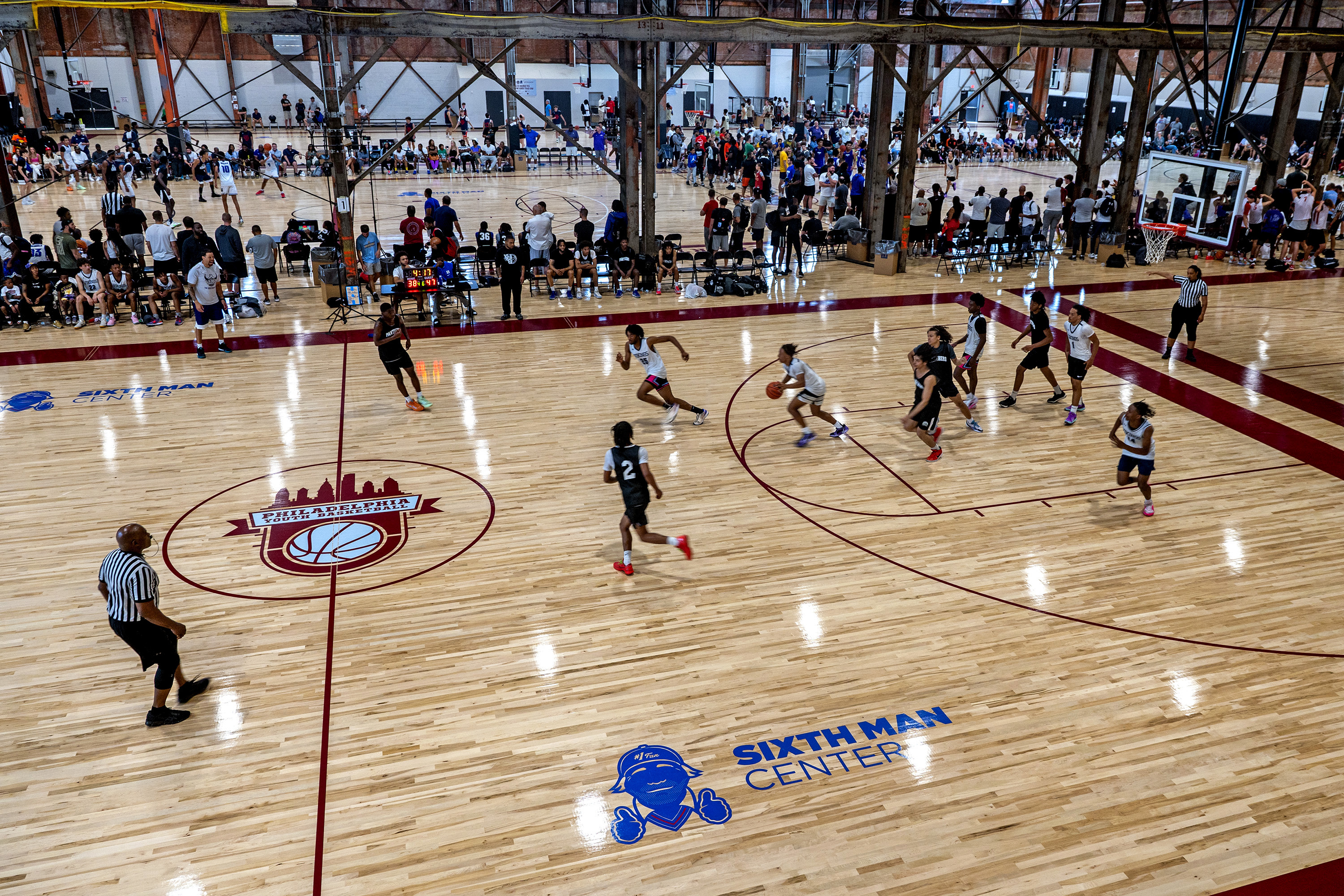
    The Sixth Man Center features not just six full-size courts and basketball programs for all ages, but also a healthy foods cafe, and spaces and programs focused on education, mental health, and entrepreneurship. Holdsman said the 100,000-square-foot facility welcomes about 1,400 visitors a day, and even more when it has hosted other community events, like a recent Eid celebration that drew 8,000.

    There is action on six courts during a Philly Live event on Sunday, June 30, 2024, at the Alan Horwitz “Sixth Man” Center.Tom Gralish / Staff Photographer

    The Generator represents the culmination of Philly Youth Basketball’s mission to go beyond athletics. Holdsman said the nonprofit identified a need to help young people not only growing up, but after high school, too. Organizers chose to focus their work on careers in the trades, healthcare, and tech, Holdsman said, because the fields demonstrated growth, reliable credentialing, trainers and educators who could be relatable to young adults (and especially young Black men), and pathways for economic mobility.

    Amin Ray, 17, has embodied the organization’s “kinder to career” model. The Germantown high school senior has been involved with nearly every program Philly Youth Basketball has to offer, beginning with basketball when he was 11 and then branching out to off-court offerings.

    Now, he is part of the first cohort of the organization’s Varsity Trades Academy, which will serve as an on-ramp to the Generator before it opens. Ray and the 49 other academy participants have received instruction in various trades, and he has become most fascinated with carpentry.

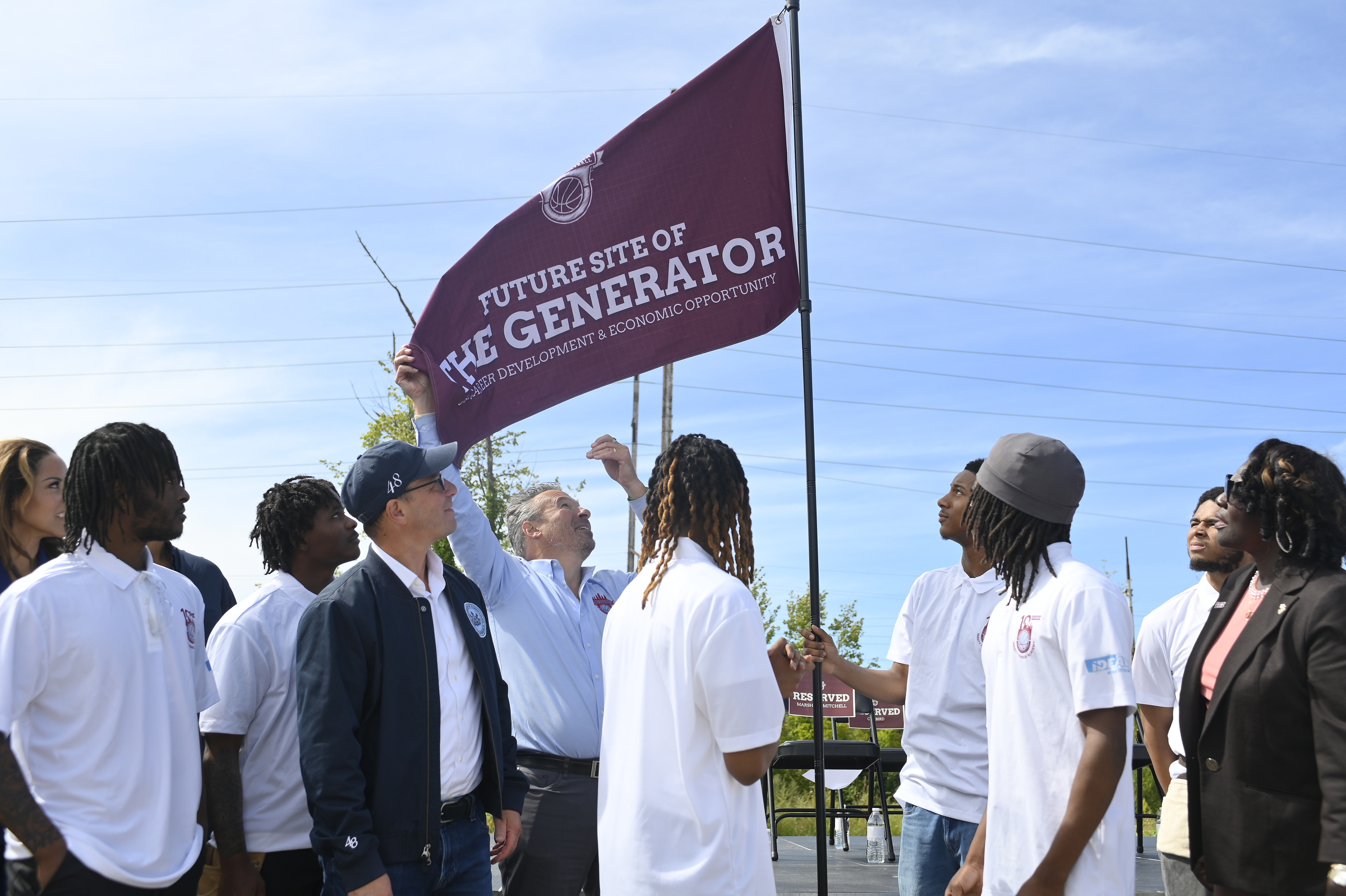
    Gov. Josh Shapiro and Philly Youth Basketball Varsity Trades Academy students watch as Kenny Holdsman and Amin Ray hold up a flag at the future site of the Generator on Friday.Bastiaan Slabbers/ For the Inquirer

    “It’s something about — after you finish a job … and you ride past, that satisfaction. You’re telling yourself, ‘Yeah, I built that,’” he said, pointing out a set of wooden benches he and the cohort built that people attending the event were sitting on.

    He will finish with the academy in December, and start working in a manufacturing program in partnership with Community College of Philadelphia in February while he finishes his virtual school program. Twelve others from the academy have already been placed in jobs through the program.

    “As human beings, we’re never done learning. We’re always still growing. So as much knowledge as you can possibly obtain, the more valuable you can be as a human being,” Ray said.