Category: News

  • Pope Leo XIV is popular with Pa. Democrats after feud with Trump. But Republicans are split.

    Pope Leo XIV is popular with Pa. Democrats after feud with Trump. But Republicans are split.

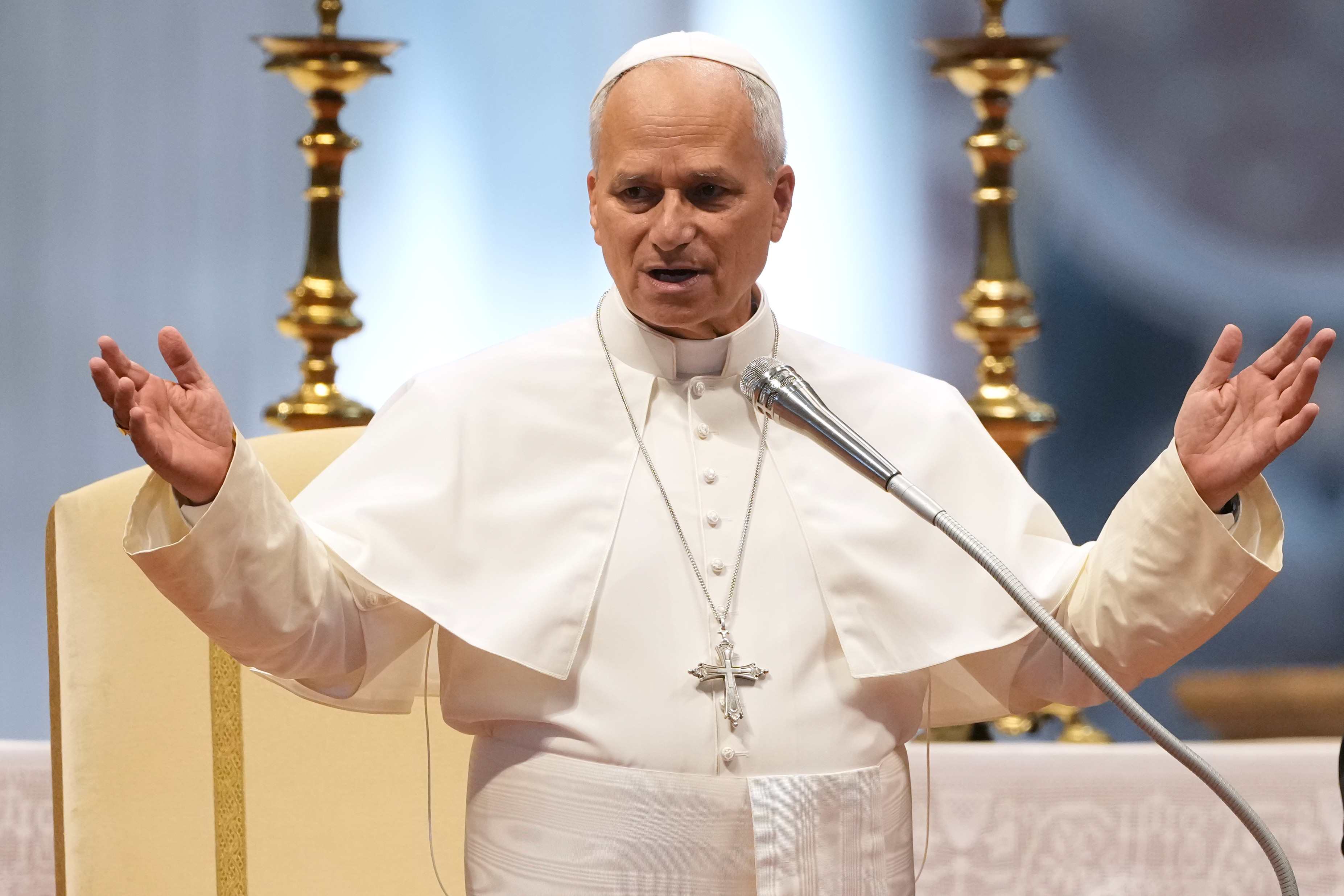
    Pope Leo XIV is significantly more popular among Pennsylvania Democrats than Republicans in the state, according to an Inquirer/New York Times/Siena University poll released this week.

    While 75% of Democrats expressed a favorable opinion of Leo, only 40% of Republicans did. Meanwhile, 37% of Republicans viewed the pope unfavorably, compared with just 7% of Democrats, according to the poll.

    The pope’s disfavor with GOP voters likely links back to his widely publicized dispute with President Donald Trump in the spring over the Iran war, when the two engaged in contentious exchanges, said Don Levy, who supervises the Siena Research Institute’s political polls.

    (function() { var l = function() { new pym.Parent( ‘nyt-pope__graphic’, ‘https://media.inquirer.com/storage/inquirer/ai2html/nyt-pope/index.html’); }; if(typeof(pym) === ‘undefined’) { var h = document.getElementsByTagName(‘head’)[0], s = document.createElement(‘script’); s.type = ‘text/javascript’; s.src = ‘https://pym.nprapps.org/pym.v1.min.js’; s.onload = l; h.appendChild(s); } else { l(); } })();

    Among independent voters, 64% viewed the pope favorably and only 16% viewed him unfavorably.

    Similarly, voters who cast their ballots for Vice President Kamala Harris in 2024 were more likely to hold a favorable view of the pope than were Trump voters: 79% of Harris voters held favorable views of Leo, compared with just 38% for Trump voters.

    Among all likely Pennsylvania voters, nearly 60% have a favorable opinion of the first U.S.-born pope — making him about as popular as Democratic Gov. Josh Shapiro, according to the poll of 760 likely Pennsylvania voters conducted between Aug. 17 and 21.

    Leo has ties to Pennsylvania, having attended Villanova University as an undergraduate student and earning a bachelor of science in mathematics in 1977.

    The pontiff made a virtual appearance in Philadelphia on the eve of the United States’ 250th birthday to accept the National Constitution Center’s prestigious Liberty Medal. In a speech live streamed to an interfaith crowd inside the Center City museum, the pope extolled the virtues of immigration, drawing a clear contrast with the president.

    One day later, he spent his home country’s anniversary visiting migrants in the Mediterranean.

    “Pope Leo has embodied a different way of being an American on the world stage. He believes in collaboration with other nations, and has concerns about immigration,” said Massimo Faggioli, a professor of theology and religious studies at Villanova University and an expert on the papacy.

    “He’s relatable, and many Americans like that,” Faggioli added about Leo’s appeal.

    Vince Stango, interim president and CEO of the National Constitution Center, presents Pope Leo XIV with the Liberty Medal.The Vatican and National Constitution Center

    In the spring, the war with Iran brought tensions between the Vatican and the White House to the forefront of the national political conversation as the U.S.-born pope emerged as a leading international voice against Trump’s policies.

    “Pope Leo never wanted to get into a fight with Trump about the war,” Faggioli said. “But certain things Trump said were not acceptable to the pope.”

    The Leo-vs.-Trump fracas caught fire in April, when Trump threatened Iran by saying a “whole civilization will die tonight, never to be brought back again,” if the country’s leaders did not open up the Strait of Hormuz.

    Within hours, the pope labeled Trump’s words “truly unacceptable.”

    Days later, Trump posted on Truth Social that “Pope Leo is WEAK on Crime, and terrible for Foreign Policy.”

    Trump also claimed that Leo had been selected as pope only because of his election as president and referred to the fact that one of the pope’s brothers is a Trump supporter.

    Trump went further in a lengthy post: “I don’t want a Pope who thinks it’s OK for Iran to have a Nuclear Weapon. … And I don’t want a Pope who criticizes the President of the United States because I’m doing exactly what I was elected, IN A LANDSLIDE, to do.”

    During that same period, Vice President JD Vance said the pope should “be careful” when talking about religion.

    Pope Leo responded: “I have no fear of the Trump administration.”

    Around the same time, Trump posted an image of himself dressed as Jesus healing the sick as an American solider and others reverently gaze upon him. Trump claimed that the now-deleted post was meant to show him as a doctor.

    A majority of likely Pennsylvania voters — 58% — disapprove of Trump’s performance as president and an even greater number — 66% — disapprove of his handling of the war, including 30% of Trump voters, according to the poll.

    (function(){function e(){window.addEventListener(`message`,function(e){if(e.data[`datawrapper-height`]!==void 0){var t=document.querySelectorAll(`iframe`);for(var n in e.data[`datawrapper-height`])for(var r=0,i;i=t[r];r++)if(i.contentWindow===e.source){var a=e.data[`datawrapper-height`][n]+`px`;i.style.height=a}}})}e()})();

    For the poll, 592 likely Pennsylvania voters completed the full survey and responded to the question about the pope.

    Among that group Catholic voters, in particular, had a more favorable view of the pope than the overall electorate, with 81% viewing him favorably, while 15% viewed the head of the church unfavorably.

    Trump won a majority of Catholic voters in 2024, according to national exit polls. But Catholic voters were split on the president’s performance in the new Pennsylvania poll — 50% disapproved of Trump, while 44% approved.

    Explaining how people feel about the pope, the Rev. Paul Galetto, the pastor of St. Paul’s Church in South Philadelphia and a friend of Pope Leo’s for 51 years, said Tuesday that “everyone knows this pontiff is focused on peace in the world.”
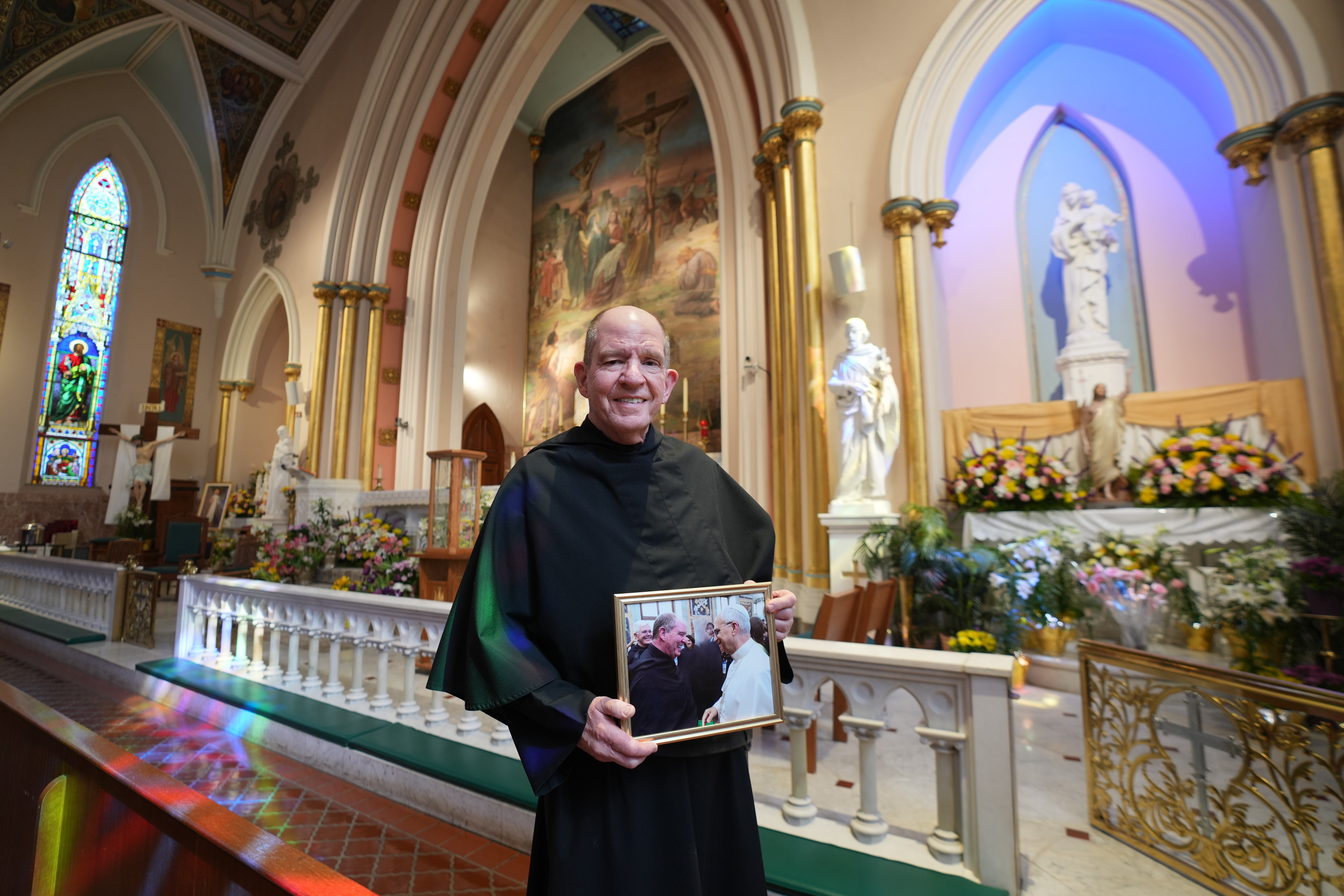
    Father Paul Galetto shown here at St. Paul’s Roman Catholic parish, in Philadelphia, Friday, April 10, 2026. Galetto studied with the pope in Rome in the 1980s. Jessica Griffin / Staff Photographer

    More basically, people are drawn to his “intellect and his humbleness,” Galetto said.

    “I think Pope Leo’s favorability comes about because he is seeking solutions to problems that affect all of humanity,” he added. “People will always be attracted to someone with a larger vision to help the common good.”

    Staff writer Joe Yerardi contributed to this article.
  • A Lower Pottsgrove man knocked on the wrong door. A cop killed him, thinking he was a burglar.

    A Lower Pottsgrove man knocked on the wrong door. A cop killed him, thinking he was a burglar.

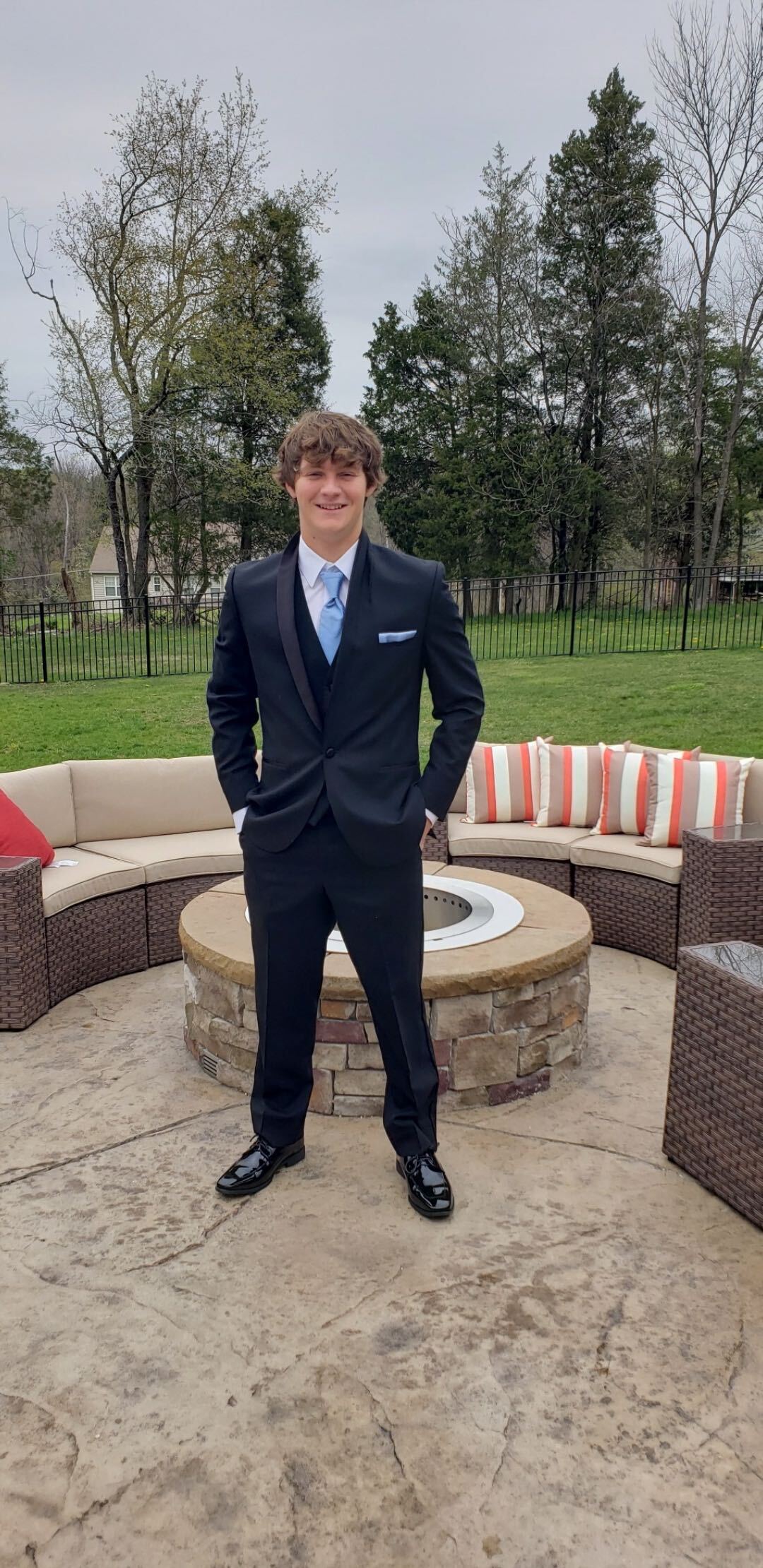
    When Erin Pysher dropped her son off Saturday at Frankie & Johnnie’s, the Pottstown bar where one of his friends was celebrating his 21st birthday, she told him she loved him and to be safe.

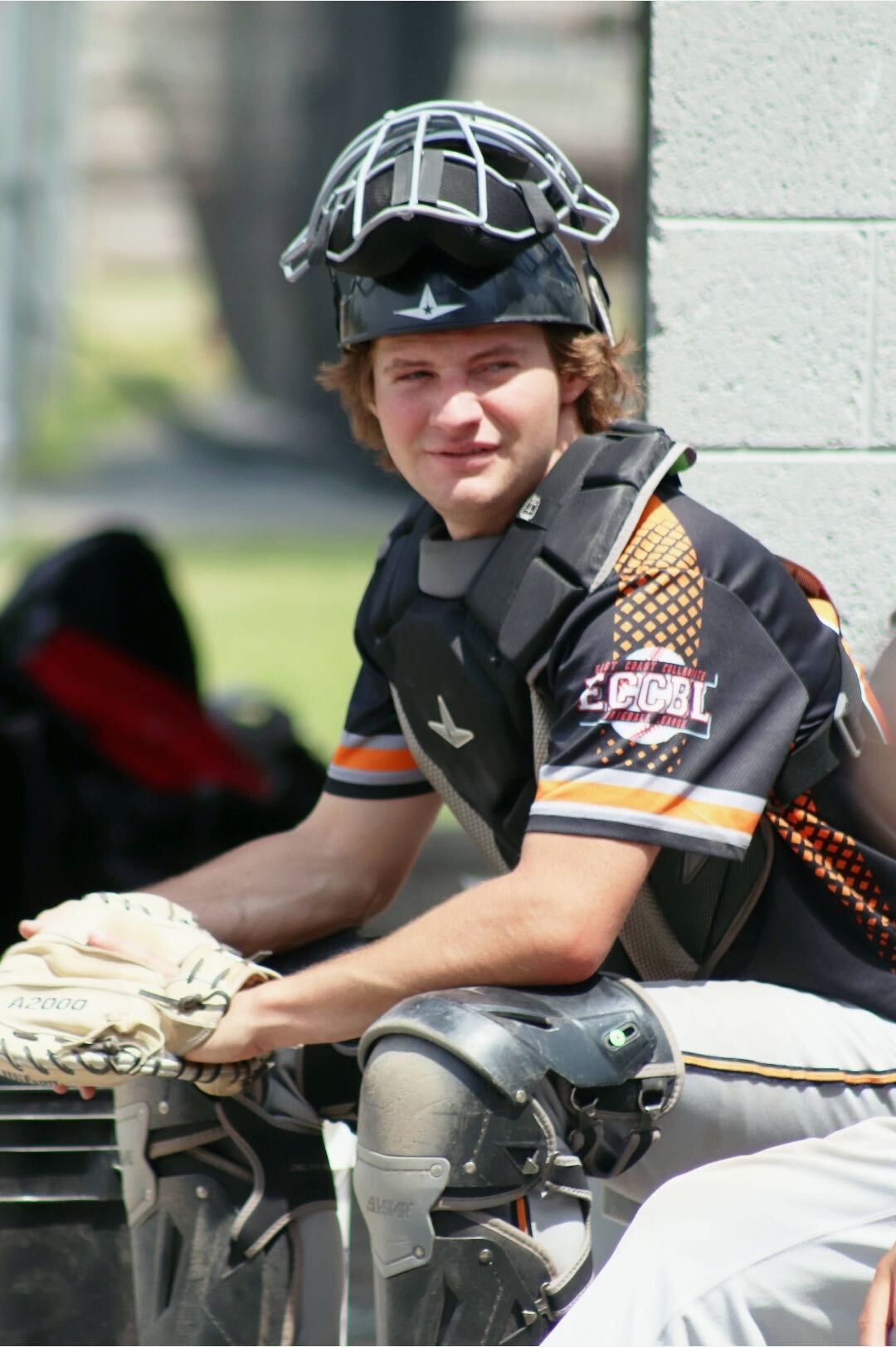
    It was Glenwood Pysher IV’s last weekend of summer fun. Come Monday, he would be at St. Elizabeth University in North Jersey for his senior year and one final season as a college baseball catcher.

    Pysher, affectionately called “Bubba” by those who knew the 22-year-old Lower Pottsgrove native best, had his sights set on becoming a history teacher and baseball coach after graduation.

    But he never made it home.

    After the bar, Pysher and his friends headed to an after-party at the birthday boy’s home, according to his mother. Later, as Pysher walked to another friend’s house to spend the night, he missed a turn and got separated from the group.

    He ended up at the wrong house on Snyder Road, pounding on a door and yelling to be let into what he did not realize was a stranger’s home.

    An Upper Pottsgrove police officer, responding to a 911 call for a reported break-in, shot him twice, killing him almost instantly.

    The shooting is under investigation by the Montgomery County District Attorney’s Office. A spokesperson for District Attorney Kevin Steele declined to provide any additional details or to identify the officer, citing the investigation.

    “It was a senseless loss, and it shouldn’t have happened,” Erin Pysher said, her voice cracking with emotion. “I don’t know what the officer was thinking or doing that his first response was to shoot an unarmed kid.

    “This was all a huge mistake, and they killed him.”

    Glenwood Pysher IV was the oldest of four, his mother said. She described him as a lovable, goofy son who spent his summers in between college working.Courtesy Erin Pysher

    She said she reviewed her son’s cell phone logs and saw that he had called his friends to pick him up at 12:32 a.m. Sunday after realizing his error. By 12:35, the police-radio call had come out that the officer had shot someone.

    Pysher’s friends later told his parents that as they drove to get him, the officer sped past them, lights and sirens activated.

    “There was no attempt to stop him another way,” his mother said. “He never got into a fight in his life, never harmed a soul. I don’t believe he had any ill intention toward the officer.”

    Pysher was the oldest of four, a lovable, goofy son who, she said, spent most of his summers working at the Walmart store in Pottstown or helping a friend at his seasonal landscaping business.

    She laughed while retelling one of her final days spent with him: He had a habit of texting her every day, even while away at college, asking, “What’s for dinner?”

    Last week, he joined her for a grocery run for ingredients for that night’s meal. When they got home, Erin Pysher still got that usual text from her son, even as he sat a few feet away from her.

    “As a mom, I couldn’t ask for a better kid,” she said.

    “All these news reports keep saying, ‘A man was killed,’” she added. “But he wasn’t a man, not to me. He’ll always be my baby.”

  • Man in Halloween mask accused of menacing people near City Hall arrested in Las Vegas

    Man in Halloween mask accused of menacing people near City Hall arrested in Las Vegas

    A 22-year-old man accused of menacing pedestrians near City Hall while wearing a Halloween mask earlier this month was arrested in Las Vegas, the U.S. Marshals Service said Tuesday night.

    Zymire Hughes was being held at the Clark County Detention Center awaiting extradition proceedings, the U.S. Marshals Service said.

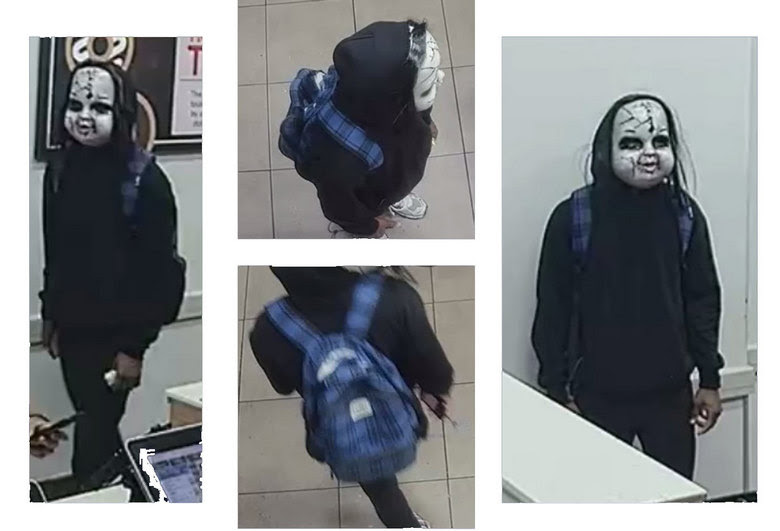
    Hughes gained national attention when viral images circulated online showing him allegedly wearing a mask resembling a cracked porcelain doll with a baby face. Masks advertised for Halloween that look very similar to what Hughes allegedly wore are available for sale on both Amazon and eBay.

    On the morning of Aug. 12, a man in the mask — which some also have described as resembling Chucky from the movie Child’s Play — harassed and scared more than a dozen people near City Hall, authorities said, including a 40-year-old woman who was injured when she fell while running from the masked man.

    Hughes allegedly harassed around 16 people during a half-hour period that morning, authorities said.

    At one point, he allegedly harassed a woman who was jogging and asked her if she was “ready to die,” police said.

    Hughes eventually rode a bus to his apartment near 23rd and Venango Streets, authorities said. He later left his apartment with packed bags, and police suspected he was heading to Los Angeles or Las Vegas, where he is believed to have connections through an employer.

    Investigators did not believe he intended to physically harm those he harassed, given that he did not produce a weapon during any of the interactions, authorities said.

  • Watchdog files bar complaint against Jeanine Pirro over bid to indict 6 Democratic lawmakers

    Watchdog files bar complaint against Jeanine Pirro over bid to indict 6 Democratic lawmakers

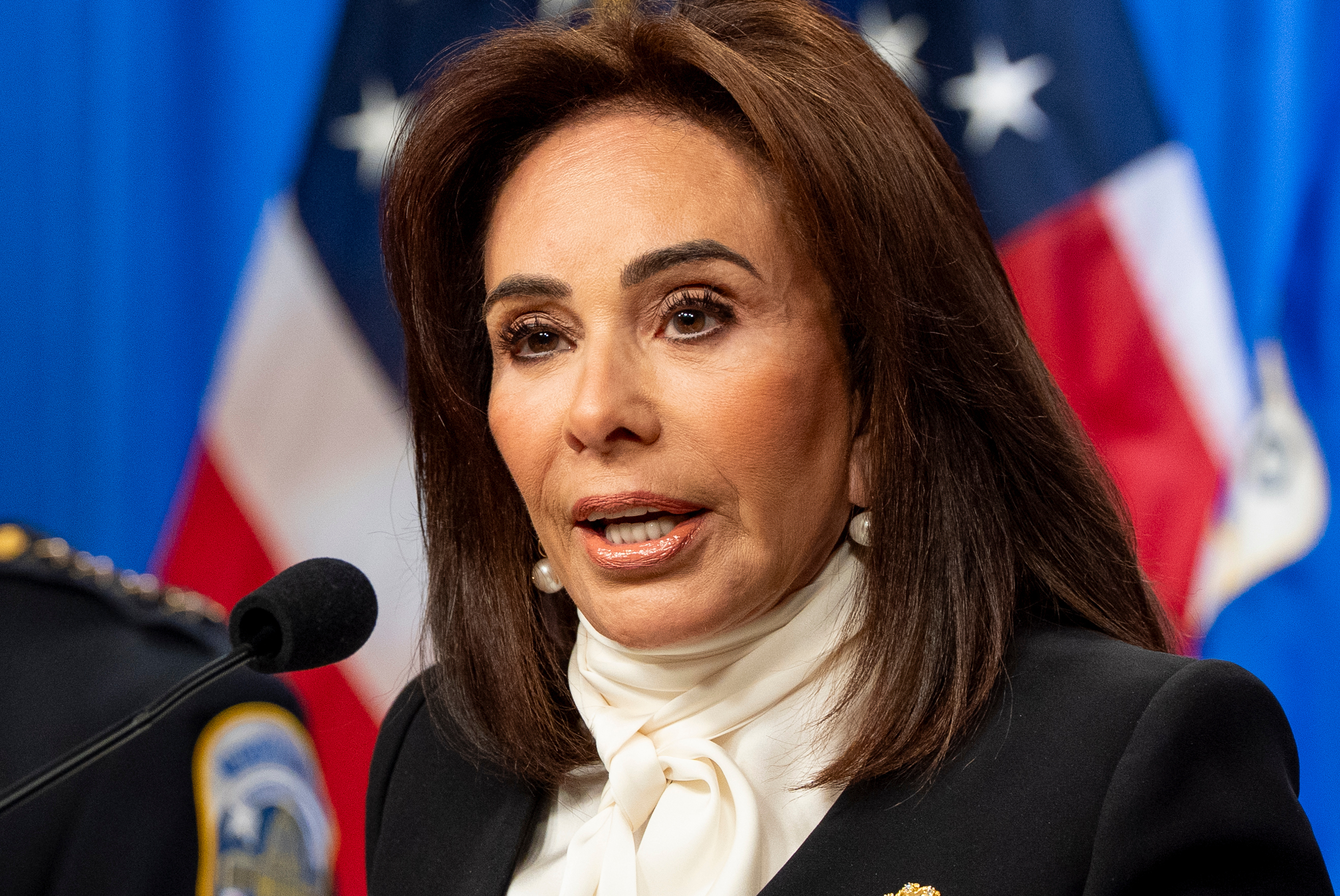
    WASHINGTON — A legal watchdog says it filed bar complaints on Tuesday accusing U.S. Attorney Jeanine Pirro and two lieutenants of violating their ethical duties in seeking to charge six Democratic lawmakers with federal crimes for appearing in a video that called on troops to resist unlawful orders.

    The Legal Accountability Center’s bar complaints, filed in New York and Virginia, claim Pirro and her subordinates, Carlton Davis and Steven Vandervelden, abused their prosecutorial powers to seek “meritless” indictments against President Donald Trump’s “perceived political enemies.”

    Tim Lauer, a spokesperson for Pirro’s Washington-based office, noted that it’s a grand jury’s job — not prosecutors’ — to decide whether to hand up an indictment.

    “Attempting to weaponize the disciplinary process against prosecutors for doing their jobs amounts to nothing more than a frivolous complaint,” Lauer said in a statement.

    In February, a grand jury in Washington refused to indict Sens. Mark Kelly and Elissa Slotkin and four House Democrats for urging U.S. service members to follow established military protocols and reject orders they believe to be unlawful. All six lawmakers previously served in the military or at intelligence agencies. Trump accused them of sedition “punishable by DEATH” in a social media post.

    A grand jury’s refusal to return an indictment is extraordinarily rare, but it has become increasingly common in Washington during Trump’s second term. Pirro’s critics have accused her of pursuing other legally dubious and politically motivated cases at the Republican president’s behest, such as the recently abandoned felony charge against a former Olympian who was accused of defacing the Lincoln Memorial Reflecting Pool.

    The center has filed complaints against other Trump administration officials, including Ed Martin Jr., Pirro’s predecessor as U.S. Attorney for the District of Columbia. Martin has been a leading figure in Trump’s campaign to use the Justice Department to prosecute his political opponents.

    In its complaint against Pirro, the center asks bar officials to investigate whether she and her colleagues violated rules of professional conduct for attorneys — and to “pursue appropriate discipline” against them. Its complaint against Pirro says her office had no legal basis for its “patently improper effort” to secure an indictment against the six lawmakers.

    “The only purpose could have been political animus and a desire to intimidate perceived enemies of the federal government and the President, who personally criticized the lawmakers’ video as seditious and punishable by death,” the complaint says.

    Defense Secretary Pete Hegseth has tried to punish Kelly, a former Navy pilot representing Arizona, for participating in the video. Kelly sued in federal court to block the censure from Hegseth. A district court judge ruled in his favor. Hegseth has asked an appeals court to review the decision.

    The center filed its complaint against Pirro and Vandervelden with a grievance committee based in White Plains, N.Y. In New York, the state Supreme Court’s appellate division governs ethical complaints against attorneys. The center filed its complaint against Davis with the Virginia State Bar.

    “Prosecutors have enormous power, and with that power comes an obligation to exercise independent legal judgment rather than use the criminal justice system to carry out a president’s political demands,” the center’s co-founder, Michael Teter, said in a statement.

    Pirro, who served as a county prosecutor and judge in New York, left her Fox News hosting job to become the top federal prosecutor for Washington last year.

  • FEMA crew broke law by skipping homes with Trump signs, federal watchdog says

    FEMA crew broke law by skipping homes with Trump signs, federal watchdog says

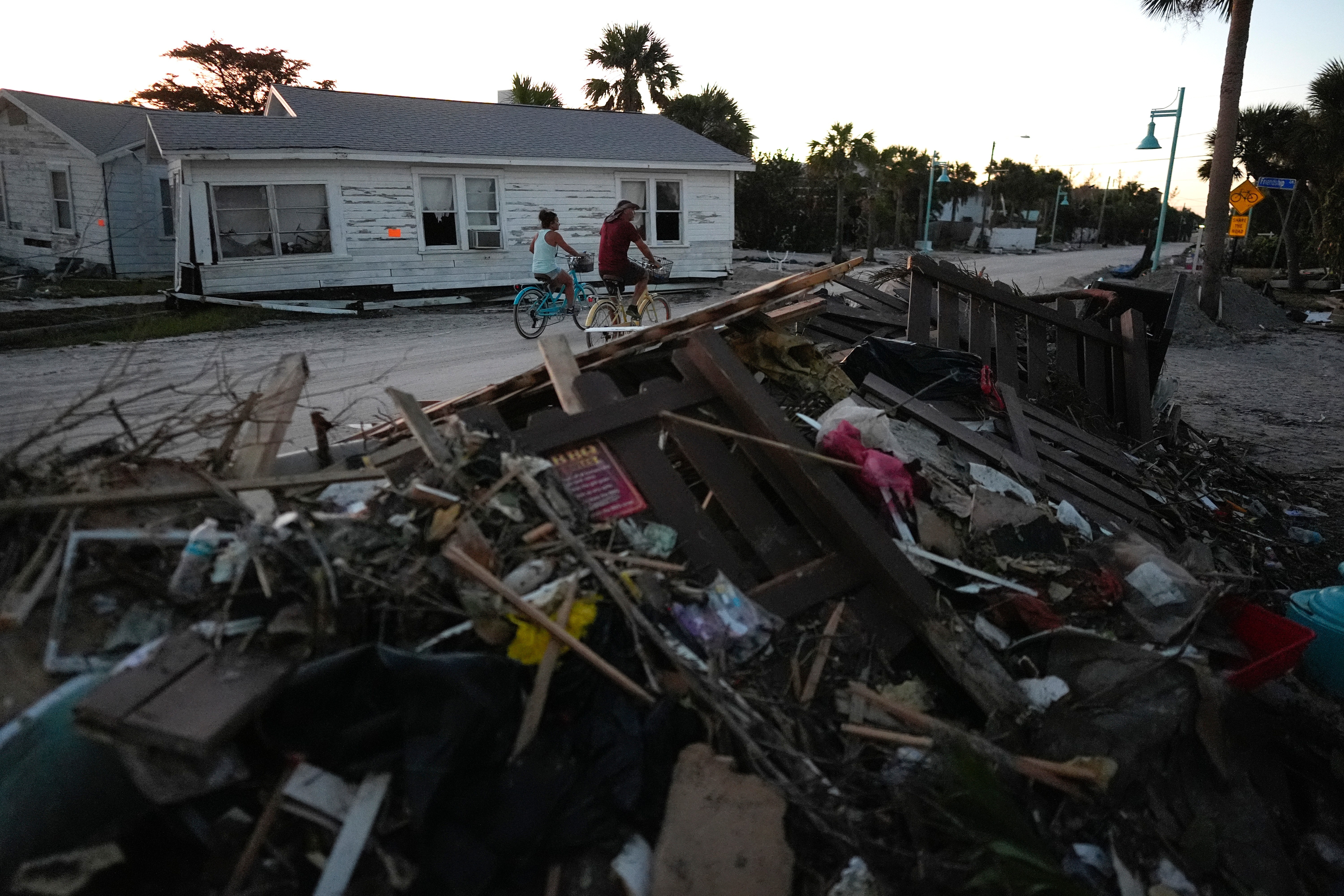
    A crew of Federal Emergency Management Agency staffers working on the response to Hurricane Milton in 2024 violated the law and agency policy by skipping nearly a dozen homes displaying signs supporting then-presidential candidate Donald Trump, a federal watchdog said Tuesday.

    The new report by the Department of Homeland Security’s Office of Inspector General found that the decision by a crew with the agency’s Disaster Survivor Assistance program “eroded public trust in FEMA’s ability to treat everyone impartially, offer unbiased and consistent assistance, and ensure equal access to resources and tools.”

    Back-to-back hurricanes hit Florida within two weeks of each other in late September and early October 2024, prompting emergency declarations and federal assistance. FEMA Disaster Survivor Assistance crews canvassed 744,288 homes and other sites in response, according the report, and did not contact “555,374 locations for reasons such as private property signs or safety concerns.”

    During FEMA’s hurricane response, which was unfolding during the last few weeks of the pivotal election, a FEMA crew lead instructed team members to avoid homes with Trump signs due to safety concerns. The same crew bypassed those 11 homes in Florida, according to survey notes obtained by the inspector general’s office.

    At the time, the crew leader did not feel safe given the heightened tension and “was looking for ways to define safety. People were not getting good guidance, so she made her own way,” said a former senior FEMA official with direct knowledge of the situation.

    After several FEMA workers filed a complaint, the agency started its own investigation and officials referred the complaint to the Office of Special Counsel and DHS’ inspector general office. Gov. Ron DeSantis (R) blamed the Biden administration, writing online that it represented a “blatant weaponization of government by partisan activists in the federal bureaucracy.” FEMA quickly fired the crew leader and several other staffers involved in the incident.

    The watchdog found that the incident highlighted weaknesses in “FEMA’s training, documentation, and oversight.” Those Disaster Survivor Assistance crews did “not receive ethics and Hatch Act training before deploying to disasters,” the report said, nor was there a policy that required “crews to explain why they skipped homes.”

    Deanne Criswell, who headed FEMA during the Hurricane Milton response, said in a Signal message Tuesday that the report “validates the actions we took at FEMA when this incident was brought to our attention. Politics should never play a role in disaster response, and even one home skipped is unacceptable.”

    Criswell said that after they learned that the crew had bypassed those homes, officials ensured the “neighborhoods were recanvassed.”

    The agency did not have a formal system for reporting potential safety threats at the time, said the senior official, who spoke on the condition of anonymity because they were not authorized to speak publicly about the internal investigation. The inspector general report also identified this as a hole in the agency’s operations.

    Criswell and the other former official noted that FEMA’s internal review found that the Hurricane Milton incident was isolated to that crew.

    “FEMA personnel conducted more than 744,000 canvassing visits following Hurricanes Helene and Milton, and the Inspector General identified 11 homes skipped for political reasons by the same crew — findings that reinforce my confidence this was an isolated incident and not a systemic practice within FEMA,” Criswell said.

    However, safety concerns during disaster response are common, the former senior official said, with most of the encounters that FEMA canvassers faced involving guns.

    The inspector general report said that after FEMA learned of the crew skipping homes, it provided mandatory training to all disaster survivor teams, including those deployed in the field.

    FEMA concurred with all of the inspector general recommendations. In a letter from July, the agency said that “when concerns were raised regarding adherence to law and policy in performance of this work — FEMA leadership acted swiftly to investigate, remediate, and strengthen training and oversight. As a result, FEMA increased mission readiness training and no longer conducts FEMA-led door-to-door outreach efforts. Staff now provide support to survivors from fixed locations determined by state and local officials through a data-informed approach.”

  • FBI sets $25,000 minimum reward for dozens of unsolved Indian Country cases

    FBI sets $25,000 minimum reward for dozens of unsolved Indian Country cases

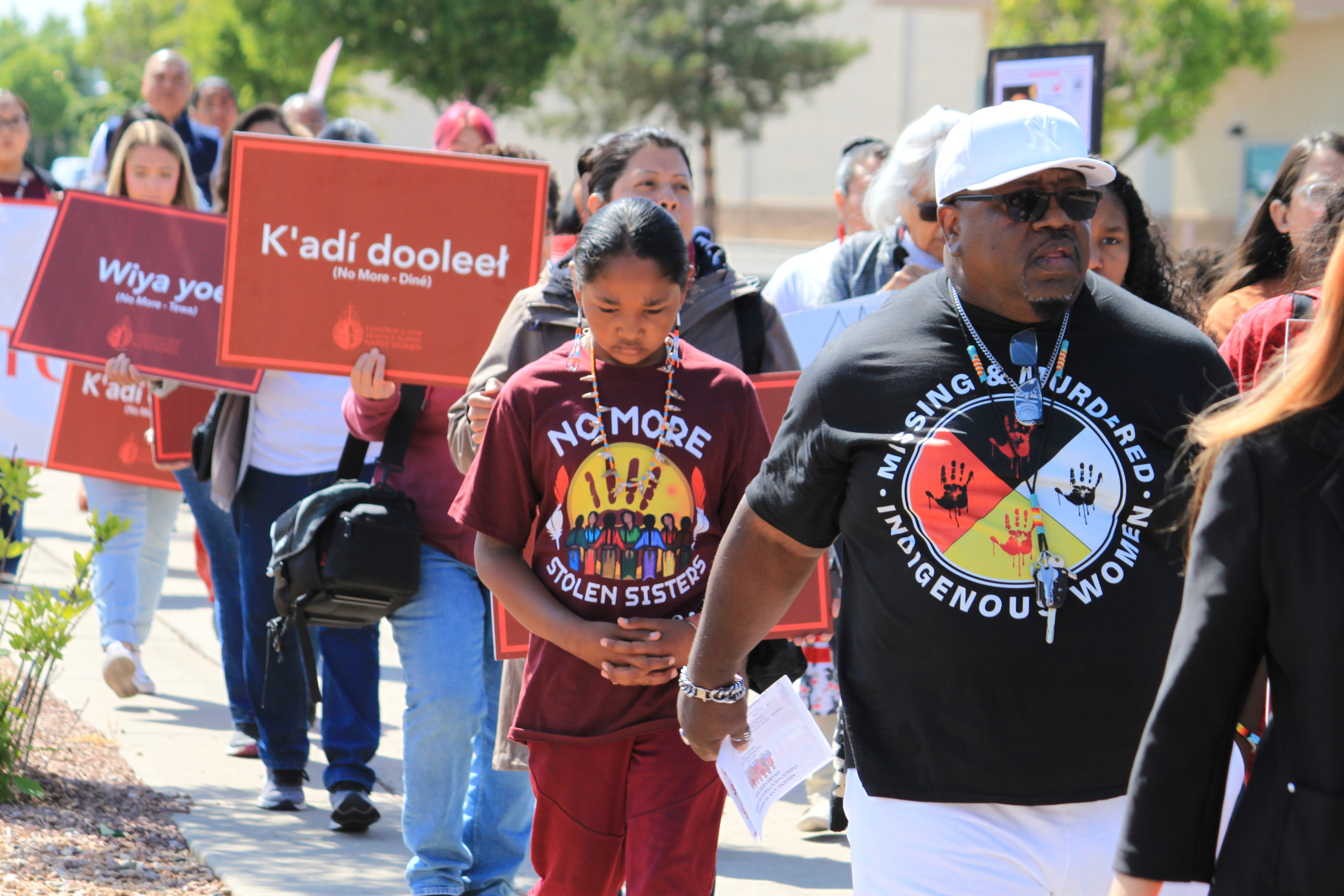
    SIOUX FALLS, S.D. — The Federal Bureau of Investigation has established a minimum reward of $25,000 in cases where people went missing or were killed in Indian Country, part of a broader effort to address high rates of violence affecting Native American communities.

    The new minimum applies to more than 50 unsolved homicides and missing-person cases in tribal communities. Most of the cases are less than 10 years old, though a dozen have been unsolved for more than two decades, an AP analysis found.

    Victims’ families and experts are unsure the higher amounts will be enough to get tipsters to come forward, citing people’s fears and distrust of the federal government.

    “Everybody’s scared in Oglala,” said Lisa Carlow, whose father, Patrick Carlow Sr., was found dead in his Pine Ridge Reservation home in 2023. “So to me it’s like, OK, what do you guys know that you’re not saying?”

    The FBI investigates federal crimes on nearly 200 Native American reservations, along with the U.S. Bureau of Indian Affairs. At the end of 2025, the FBI’s National Crime Information Center recorded just under 1,500 active cases involving missing Native Americans, though not all become federal cases. There isn’t a minimum reward that applies across all FBI cases.

    The FBI cited several cases in its recent announcement, including that of 8-year-old Maleeka Boone, who it said was likely struck by a vehicle on the Navajo Nation, and San Carlos Apache teenager Emily Pike, whose body was found after she disappeared from an Arizona group home.

    Higher rewards could stir new interest

    Mary Kathryn Nagle, a citizen of the Cherokee Nation of Oklahoma and an attorney who advocates for families of missing Native Americans, said federal investigators often “parachute in” to investigate crimes in tight-knit communities where witnesses may stay silent because of distrust and fear of retribution.

    Still, she said, larger rewards could provide an incentive for people to talk, and show families their loved ones’ cases are being taken seriously.

    “We have people in Indian Country who know what happened to our relatives,” she said.

    Luana Ross, who is Bitterroot Salish and a co-director of the Native Voices program at the University of Washington, said cash rewards could boost interest but often aren’t paid out.

    “It is my opinion that in reservation communities, people would be extremely reluctant to turn a friend or relative into a criminal justice system that hasn’t served them well,” she said.

    Lisa Foster’s longtime friend Mona Renee Vallo was found dead after a suspected hit-and-run along historic Route 66 in Laguna Pueblo, N.M., in 2022. Foster hopes the higher reward money will renew interest in the investigation.

    Foster described Vallo as a positive, bubbly friend who could have fun no matter what. She was a member of the Confederated Tribes and Bands of the Yakama Nation.

    “Someone knows something there,” Foster said. “They have to. I mean, it’s weird that she went to work and then all of a sudden this happened to her.”

    Frustration mounts as families seek answers

    The reward in Carlow’s case was increased to $25,000 in July, up from $10,000.

    Carlow’s family says the 73-year-old rancher was respected in the Oglala community. He mowed the grass for others and spent time with his grandchildren. The family said more calls started coming in after the reward was increased, but the wait for answers continues.

    Meanwhile, the FBI declined to provide the Associated Press an update on the case.

    “It’s so hard to get your hopes up like that and think, ‘This is it, we finally got Dad’s killer.’ And then nothing comes of it,” Lisa Carlow said.

    She said fear keeps community members who may have information from contacting authorities.

    “I think that’s like deep-rooted within our people,” said her sister, JoDee Carlow. “It’s not just on Pine Ridge. It’s on every reservation.”

    Relatives don’t want cases to be forgotten

    The FBI initially offered $5,000 for information in the deaths of two brothers from Ohio, Matthew and Philip Reagan. The reward was later doubled and now will hit $25,000. Though not Native Americans, they were killed on the Navajo Nation and are featured on the FBI’s Indian Country cases website.

    The brothers planned to visit Canyon de Chelly National Monument during a trip to California. Authorities believe their SUV got stuck in mud after GPS sent them off course near Sawmill. They were shot multiple times while walking to seek help, authorities said.

    Matthew Reagan’s wife, Faye Wurstner-Reagan, said she doubts a $25,000 reward will persuade anyone in the small community to come forward.

    “You would have to promise someone, like, actual protection,” she said. “I mean, they brutally murdered two men.”

    She suggested the FBI instead put resources toward law enforcement to keep the cases from going cold and for liaisons to keep families informed.

    FBI spokesperson Brooke Brennan in Phoenix said investigating crimes in Indian Country often is complex because of the remoteness, limited resources, and extensive workload.

    Wurstner-Reagan hopes that families united in pain and grief over missing loved ones and unsolved killings might one day see justice.

    “We’re just getting forgotten, like no one is remembering any of us, and we’re just told it’s an active investigation,” she said.

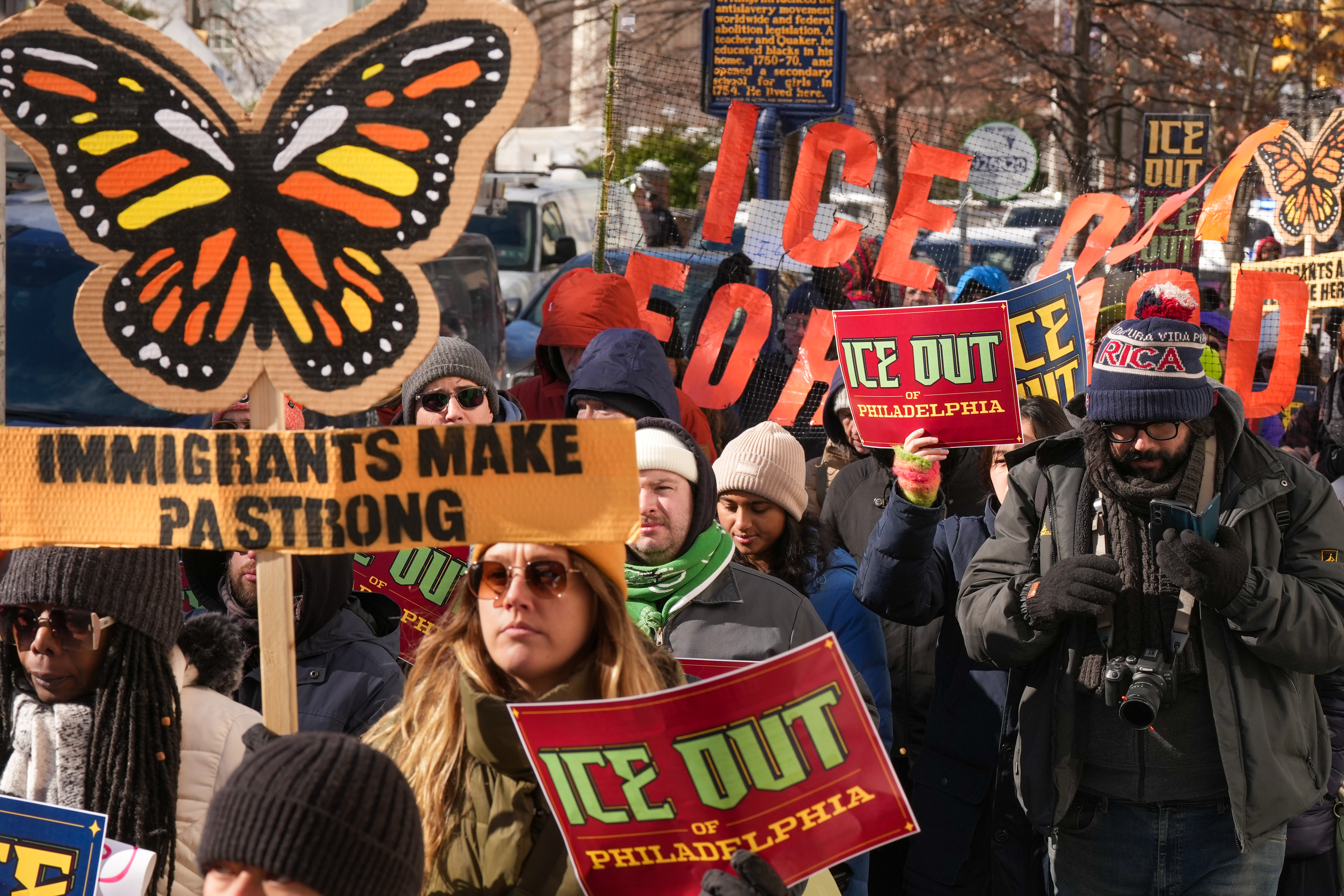
  • Justice Dept. targets another Philly ‘ICE Out’ ordinance after a court win on masking ban

    Justice Dept. targets another Philly ‘ICE Out’ ordinance after a court win on masking ban

    When President Donald Trump’s administration sued Philadelphia over one of seven new local restrictions on U.S. Immigration and Customs Enforcement — a ban on law enforcement officers from wearing masks or concealing their identity — the federal lawsuit included a footnote.

    “The United States has grave concerns over the constitutionality of other parts of the Bill as well as other components of the ‘ICE Out’ legislation and reserves the right to bring additional challenges in the future,” the June complaint said.

    The U.S. Department of Justice did so Monday evening, expanding its lawsuit to challenge a second ordinance.

    The “ICE Out” legislation package that took effect July 6 codified the city’s long-standing practice of not honoring immigration detainers, which are requests by ICE that a local law enforcement agency keep a person in custody long enough to be handed over to federal agents.

    The ordinance makes it illegal for a city agency or employee to comply with a detainer by keeping people otherwise eligible for release in custody because of an immigration detainer, an administrative warrant, or suspicion that they violated immigration law.

    The ordinance imposes a “blanket refusal” by the city to cooperate with the federal government, the suit says, and amounts to a “standing assurance that the federal handoff Congress built into federal immigration law will never happen within Philadelphia, whatever the circumstances.”

    The amended complaint does not mention Philadelphia’s history of not cooperating with ICE jail detainers. But with the local law, the city “foreclosed” the prospect of using the mechanism to deport people who were arrested, the suit says.

    Since the ordinance took effect, ICE’s Enforcement and Removal Operations office in Philadelphia sent the city 26 detainers, the suit says. Fifteen were not honored and the city released the people from custody, the complaint says, while the subjects of the remaining 11 are incarcerated and the detainers remain active.

    The detainers were for people arrested for crimes that include violent assaults, harassment, and drug distribution.

    “Without these detainers being honored, ICE was only able to arrest a fraction of the aliens, with the remaining criminals ending up at-large,” the suit says.

    A spokesperson for the city’s law department declined to comment. District Attorney Larry Krasner, who is also named as a defendant, did not respond to a request for comment.

    The Justice Department beefed up its lawsuit nearly two months after a judge ruled Philadelphia could not enforce a ban on law enforcement agents concealing their identity or using an unmarked vehicle, with some exceptions, finding it was an unconstitutional attempt by a city to regulate how federal agencies operate.

    Mayor Cherelle L. Parker allowed the mask bill to become law without her signature in May, following the advice of City Solicitor Renee Garcia that signing the bill “would send an inaccurate signal to the public that the Administration can legally or practically enforce” its provisions.

    Parker signed the ban on honoring immigration detainers.

    The case against the mask ordinance also benefited from a ruling by the U.S. Court of Appeals for the Ninth Circuit that a California bill requiring agents to “visibly display identification” was unconstitutional.

    But courts so far have been unconvinced that the federal government can force cooperation with ICE.

    For example, last year a federal judge in Illinois dismissed a Justice Department lawsuit challenging Cook County and Chicago’s sanctuary city policies that included a ban on honoring immigration detainers.

    Detainers offer localities and states “the opportunity to assist in civil immigration enforcement,” U.S. District Judge Lindsay C. Jenkins wrote. But policies that ban honoring these requests “don’t make ICE’s job more difficult; they just don’t make it easier,” the Joe Biden appointee said.

    And last month, Eric C. Tostrud, the Trump-appointed chief judge of the federal district court in Minnesota, issued a similar ruling finding that immigration detainers were requests, not mandates.

  • Pennsylvania attorney general sues Snapchat over addictive features

    Pennsylvania attorney general sues Snapchat over addictive features

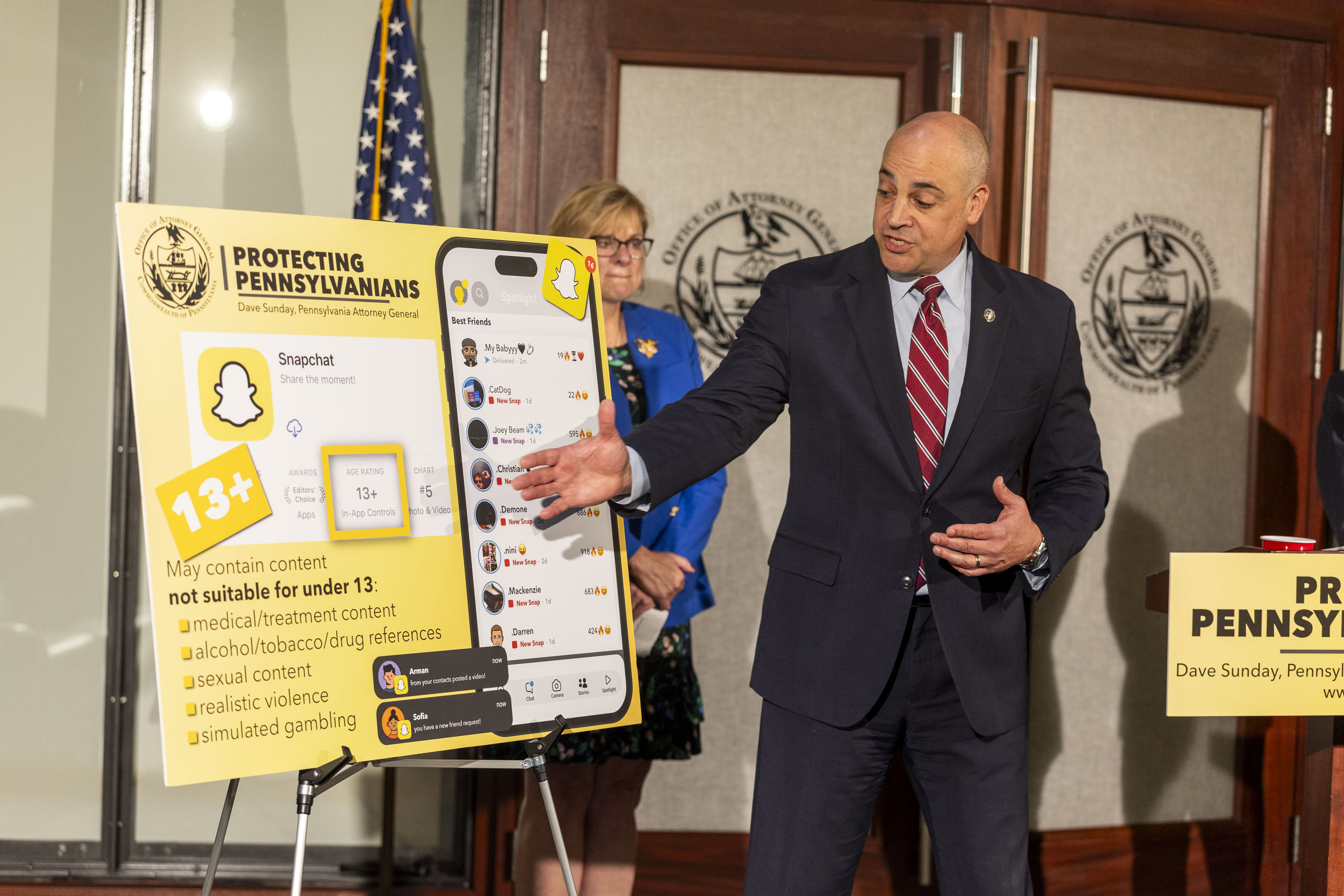
    Pennsylvania Attorney General David Sunday is suing Snapchat’s parent company for allegedly failing to protect children from addiction.

    This comes after he announced a lawsuit against TikTok over the same issue earlier this month.

    “Both of these actions reflect my priority as attorney general to protect our young people from tech giants who are choosing growth at all costs over the mental wellness of its users,” Sunday said Tuesday at a news conference in Philadelphia.

    The suit alleges that Snap Inc., owner-operator of Snapchat, does not properly warn users of the addictiveness of its features and does not protect children properly from compulsive use.

    “The allegations against Snap fundamentally misrepresent our platform and our approach to teen safety,” a Snap spokesperson said in a statement. “We share the Attorney General’s commitment to protecting young people online and are disappointed they have chosen litigation rather than working with us toward that shared goal.”

    The complaint, which Sunday’s office filed this week in Common Pleas Court in Philadelphia, asks the company to take steps to protect children from becoming addicted. It cites the SnapStreak feature and the ephemeral nature of the content as examples of ways the app hooks teens specifically.

    “To a 13-, 14-, 15-year-old, social acceptance is everything,” Sunday said. “The streak feature puts a tangible value on friendships and influences a child’s feelings of self-worth.”

    The app sends an implicit message that the more a child is on the app, the more friends they will have and the more socially accepted they will be, Sunday said.

    “That exploits the fear-of-missing-out culture to the absolute extreme,” he said.

    It also alleges that Snapchat improperly promotes how frequently adult-themed material — including sexual content and nudity, suicidal ideation, and drug use — appears on the platform to achieve an age-13-plus app rating in app stores.

    Through this litigation, Sunday said, he hopes to see Snapchat required to provide a more honest depiction of its content to app stores so it can be marked with a more mature rating, and to change its algorithm to be less addictive.

    Montgomery County similarly sued some of the nation’s largest social media companies, including Snapchat’s and TikTok’s parent companies, in a federal court in Northern California earlier this month.

  • Iran may have little to lose as U.S. tries to squeeze its economy

    Iran may have little to lose as U.S. tries to squeeze its economy

    Facing a fresh economic assault from the United States, Iran’s leaders are gambling that they can weather the coming storm and make the cost of their suffering felt in an oil-rich region that is critical to the global economy.

    As Iran’s ever more devastating economic crisis deepens, experts warn, Iranian leaders may feel they have little to lose by responding to U.S. pressure with the kind of military escalation President Donald Trump now seems keen to avoid.

    “The danger is that ‘economic D-Day’ is being presented almost as a substitute for further war when it may instead become another mechanism for escalating it,” said Sina Toossi, an Iran expert at the Center for International Policy. “The harder Washington pushes third countries to sever Iran’s remaining lifelines, the stronger Tehran’s incentive becomes to demonstrate that participating in Iran’s isolation carries costs of its own.”

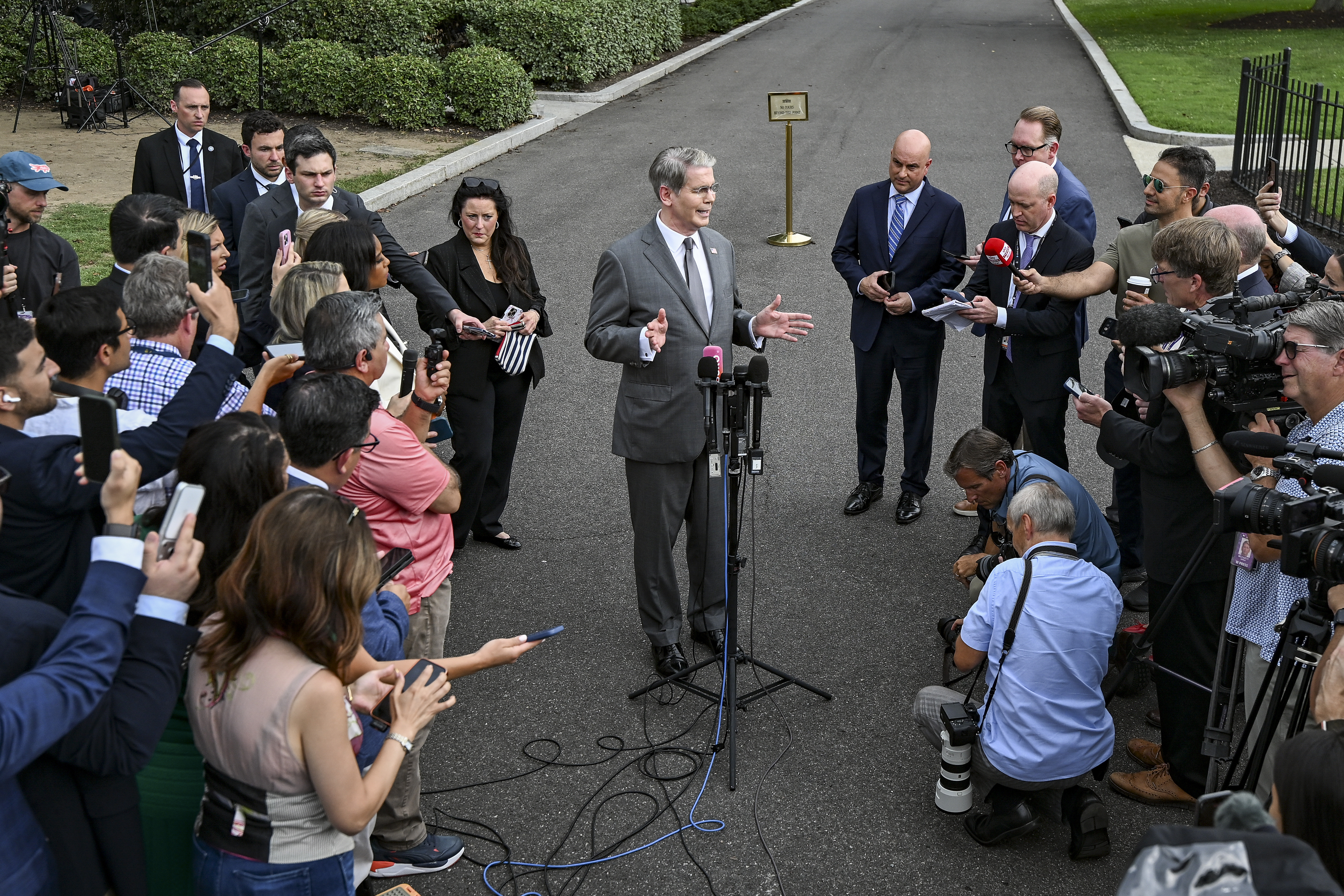
    Treasury Secretary Scott Bessent on Monday announced a new package of U.S. measures to disrupt Iran’s economy, although he offered few details. The success of the U.S. efforts will also depend on how much the Trump administration can persuade other countries to go along with its plan — especially critical trade partners for Iran, such as Turkey, Russia, and China.

    Still, as the Trump administration reached for military metaphors to convey the severity of its plans — calling them an “economic D-Day”— Iran responded in kind. Iranian officials have labeled the U.S. campaign the next phase of the war that Washington has waged since U.S.-Israeli strikes were launched in February.

    Economic warfare is the “main battlefield” in the current confrontation, Iran’s Revolutionary Guard was quoted as saying in a statement Monday cited by Press TV, an Iranian state news outlet.

    In statements broadcast after Bessent’s news conference, Iran’s economy minister, Ali Madanizadeh, warned that the country would find ways to push back.

    “The enemies intend to launch an economic terrorist attack on us, but we also have our own tools and know how to play the game,” he said, in comments carried by the semiofficial news agency, Tasnim.

    A day before Bessent’s announcements, Iran’s top security chief, Mohsen Rezaei, vowed that “not a single drop” of oil would leave the region if its Persian Gulf neighbors joined the U.S. effort, and that they would be considered enemy states.

    The severity of the Iranian warnings also highlights just how bad Iran’s current economic crisis is — and it is worsening by the day.

    A report Monday by Iran’s most prominent economic newspaper, Donya-e-Eghtesad, said Iran’s rial has depreciated to new lows. It has plummeted 41% since December, when the currency rate sparked protests that morphed into weeks of nationwide unrest. Iranian security forces responded with a deadly crackdown.

    Inflation and unemployment have soared, with prices of everyday goods increasingly out of reach for many Iranians. At the same time, the U.S. strikes that damaged Iranian energy infrastructure and the ongoing U.S. naval blockade have intensified an ever-worsening fuel supply crisis — an issue that sparked massive protests in 2019.

    But Iranian officials are projecting confidence that their leadership can survive because this new wave of U.S. measures looks similar to old ones. For decades, U.S. leaders have vowed to devastate the Iranian economy through ever harsher sanctions that the Islamic Republic’s leaders have learned to withstand.

    Iran’s leadership “has been planning to confront U.S. sanctions for a long time and is fully prepared for new sanctions,” Madanizadeh said late Monday. He said the government had a two-year plan in place for dealing with such sanctions.

    Iran’s ability to withstand the Trump administration’s economic pressure campaign will depend on the attitude of Iran’s key trading partners.

    Mahdi Ghodsi, an economist at the Vienna Institute for International Economic Studies, said that “faced with sufficiently credible secondary-sanctions risks,” those trading partners may “prefer to protect their much more important financial and commercial interests with the United States and reduce the services they provide to Iranian entities.”

    Some analysts also warn that the brunt of further economic pain is likely to be borne by ordinary Iranians, not Iran’s leaders.

    Among the sectors Bessent identified as being targeted in the new U.S. campaign were gold, digital assets, technology, aviation, and shipping — sectors that Esfandyar Batmanghelidj, who heads the Bourse & Bazaar Foundation, a London-based think tank focused on Iran’s economy, called “lifelines for the Iranian people.”

    “Digital assets and gold are how ordinary Iranians protect their savings from inflation,” he wrote in a social media post. “Technology keeps Iranians connected with the world. Aviation keeps Iranian families connected with loved ones across borders. Shipping is how essential goods, including food and medicine, reach Iran.”

    This article originally appeared in the New York Times.

  • Trump officials propose sale of ‘woke’ painting by Kehinde Wiley

    Trump officials propose sale of ‘woke’ painting by Kehinde Wiley

    The State Department wants to sell a painting by celebrated artist Kehinde Wiley that the director of its Art in Embassies program called “very woke” and “aesthetically terrifying.” It was removed from the U.S. Embassy in the Dominican Republic last week.

    The painting by Wiley, who rose to fame after being selected to create President Barack Obama’s official portrait, features four Dominican models against a floral backdrop. It was commissioned by the federal government in 2013 and paid for with taxpayer dollars.

    State Department officials removed the painting from the embassy last week, after first hiding it behind a tarp designed with an image of the American flag.

    Erin Scavino, the director of Art in Embassies, criticized Wiley’s painting in a recent podcast interview and pointed out the artist’s connection to Obama. Leah Campos, the U.S. ambassador to the Dominican Republic, celebrated its removal on social media with a video playing the rock anthem “We’re Not Gonna Take It,” writing that the painting was an example of “globalist and woke ideologies.”

    Neither elaborated on what she found objectionable.

    In a statement on Monday about the removal of the painting, a State Department spokesperson did not directly address the artwork. The statement instead criticized comments Wiley had made in 2023 about his “Judith and Holofernes” painting, which he described as “a play on the ‘kill whitey’ thing.” It also cited accusations of sexual assault that Wiley has denied.

    “The work of an individual with such violent and racist words and depictions has no place in the America First State Department,” the spokesperson said.

    The statement said the State Department is determining whether it can legally sell the painting of Dominicans, which is titled “Young Artists After Siamesas 1960.”

    “If that is feasible,” the spokesperson said, “it would be the goal of Art in Embassies to proudly do so.”

    A smaller painting by the artist sold at a Phillips auction in 2024 for nearly $845,000. Wiley and his gallerist, Sean Kelly, did not respond to requests for comment.

    Virginia Shore, who commissioned the Wiley painting, established many of the embassy art collections as director of acquisitions and chief curator for the Art in Embassies program between 2000 and 2017. She described the work as nonpartisan and said there was no precedent for selling embassy artworks.

    “Calling this woke is difficult for me to understand,” she said. “This is a program validated and financially backed under Bush. There is a science of building trust and empathy across borders.”

    Wiley received an award from the State Department in 2015 because of his contributions to cultural diplomacy. He often takes inspiration from historic paintings, asking contemporary Black models to pose inside his version of the compositions. For “Young Artists After Siamesas 1960,” he spent two years studying paintings by Dominican artists Celeste Woss y Gil and Gilberto Hernández Ortega, working with art students in the country to finish the scene.

    The artwork’s removal was the latest attempt to politicize the State Department’s art program, which became part of the government during the Kennedy administration in 1963 to foster cultural diplomacy. The program was strengthened in 1999 under the Secure Embassy Construction and Counterterrorism Act, which led to embassies developing their own permanent art collections.

    This year, Scavino claimed to have gotten an ambassador in Bucharest, Romania, fired over “satanic baby art,” though the diplomat’s departure was reported as a planned retirement. She also selected a friend with no curatorial experience to serve as the commissioner of the U.S. Pavilion at the Venice Biennale, bypassing normal procedures. In July, Scavino organized an exhibition in Washington that aimed to “Make Art Great Again” with nearly 70 versions of the American flag on display.

    In a statement about the removed Wiley painting, Campos, the U.S. ambassador, said, “It is my intention that everything we project from U.S. Embassy Santo Domingo, including the art and décor, reflect the beauty, strength, and commitment to liberty of the United States of America and its people.”

    Online, she had a stronger perspective: “Under the Trump administration and my leadership, we are leaving behind globalist, ‘woke’ ideologies to embrace, instead, American patriotism and the beauty of our great country.”

    She ended the sentence with an emoji of the American flag.

    This article originally appeared in the New York Times.