Category: Nation & World

  • Ontario premier answers Trump’s ‘Lake America’ with giant ‘Lake Ontario’ sign

    Ontario premier answers Trump’s ‘Lake America’ with giant ‘Lake Ontario’ sign

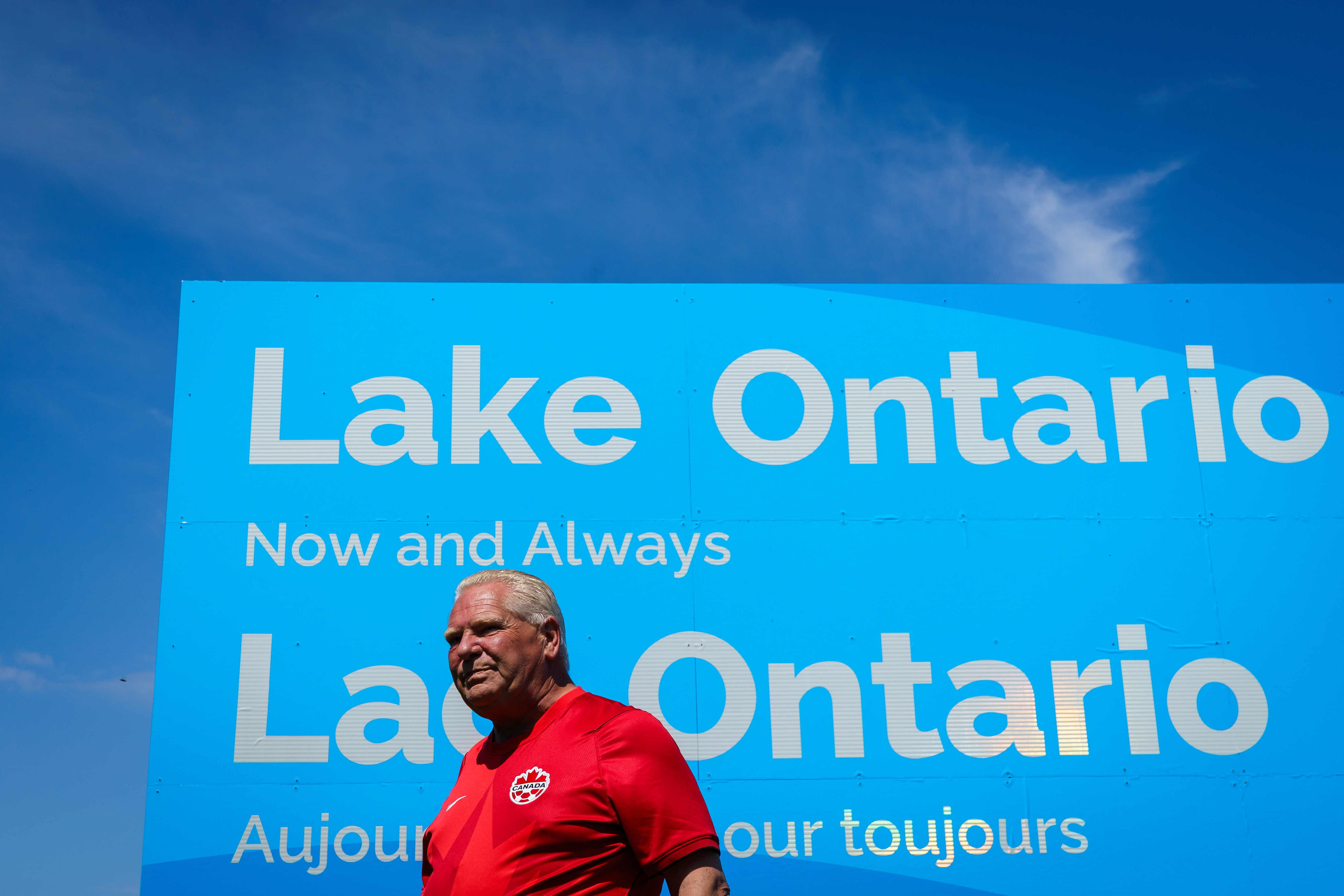
    TORONTO — Ontario Premier Doug Ford answered President Donald Trump’s “Lake America” decree Saturday with a billboard-sized message on the Canadian shoreline: “Lake Ontario. Now and Always.”

    Wearing a Team Canada soccer jersey, Ford unveiled the sign near Grimsby, Ontario, and posed for photographs. The 24-by-12-foot sign stands on 6-foot legs, putting its top about 18 feet above the ground — roughly two stories high. The message is repeated in French.

    It was the latest show of defiance after Trump signed an executive order directing U.S. federal agencies to call Lake Ontario “Lake America.” After months of tariffs, threats to make Canada the 51st U.S. state, and personal attacks on its leaders, the move has been met in Canada largely with ridicule.

    Ford said Trump was trying to rename the lake because Ontario and Canada were “standing up for ourselves” and argued the name would outlast the president.

    “Long after President Trump is gone, it will still be called Lake Ontario,” Ford said in a video posted on social media.

    Manitoba Premier Wab Kinew compared Trump to an aging rock band trying to revive an old hit.

    “You know when a rock band is really over the hill and you see them like in a casino playing some song from like 50 years ago. I think that’s the part of Donald Trump’s presidency we’re at now, Like he thought they had a real hit, a real golden oldie, with the Gulf of Mexico,” Kinew said, referring to Trump’s executive order renaming the Gulf of Mexico the Gulf of America. “And he’s trying to bring back that, and he’s trying to play the hits for his base. But I think everybody here thinks it’s a little sad and it’s not his best work.”

    The mockery was not limited to politicians. Canadian historian Robert Bothwell was even more scathing.

    “The greatest country on earth takes this moron seriously?” Bothwell said.

    But Bothwell said the dispute was more serious than the jokes, arguing Trump’s broader aim was “to subordinate Canada and at best make it a colony, at worst absorb it into the United States.”

    Nelson Wiseman, professor emeritus at the University of Toronto, said Trump “would like Canada to act like a vassal state, but it refuses to do so. That irritates him.”

    The dispute comes as relations between the longtime allies worsen over trade. Negotiations collapsed last week, both governments accused the other of making late demands, and Canada announced retaliatory tariffs set to take effect next month.

    Trump’s order also came amid an escalating war of words with Ford. In an interview with the Associated Press earlier this week, Ford said Ronald Reagan would be “throwing up” over Trump’s tariff policies and “disgusted with President Trump.”

    Trump fired back by dismissing Ford’s comments as “bluster,” calling him Prime Minister Mark Carney’s “flunky” and mocking him as the “less charismatic, intelligent, and overall unimpressive brother” of the late Toronto Mayor Rob Ford.

    Trump continued promoting the new name Saturday, reposting a meme showing Canada geese with Trump-like blond hair firing rifles as they “protected” Lake America.

    Trump has repeatedly used maps to make political points. A “Gulf of America” map was displayed for a time beside the Resolute Desk in the Oval Office, and Trump has posted images depicting Canada as part of the United States or as the 51st state.

    The name Lake Ontario comes from the Huron Indigenous people’s word “oniatarí:io,” which means “lake of shining waters.” The Canadian province of Ontario, founded in 1867, took its name from the lake.

    Wendat Nation Grand Chief Pierre Picard, whose people historically lived from the St. Lawrence Valley to the Great Lakes and whose language gave Lake Ontario its name, called Trump’s move an attempt to erase Indigenous history.

    “I want to tell him that it is unacceptable for us, as a nation, to have a president who can eradicate our history, our culture, and our identity,” Picard said.

    Canadian Prime Minister Mark Carney rejected the move, noting the lake’s Indigenous roots and that the name predates both Canadian Confederation and the U.S. Declaration of Independence. Trump cannot require Canada to adopt the new name.
  • Far-right British provocateur Milo Yiannopoulos has been deported after his immigration arrest in US

    Far-right British provocateur Milo Yiannopoulos has been deported after his immigration arrest in US

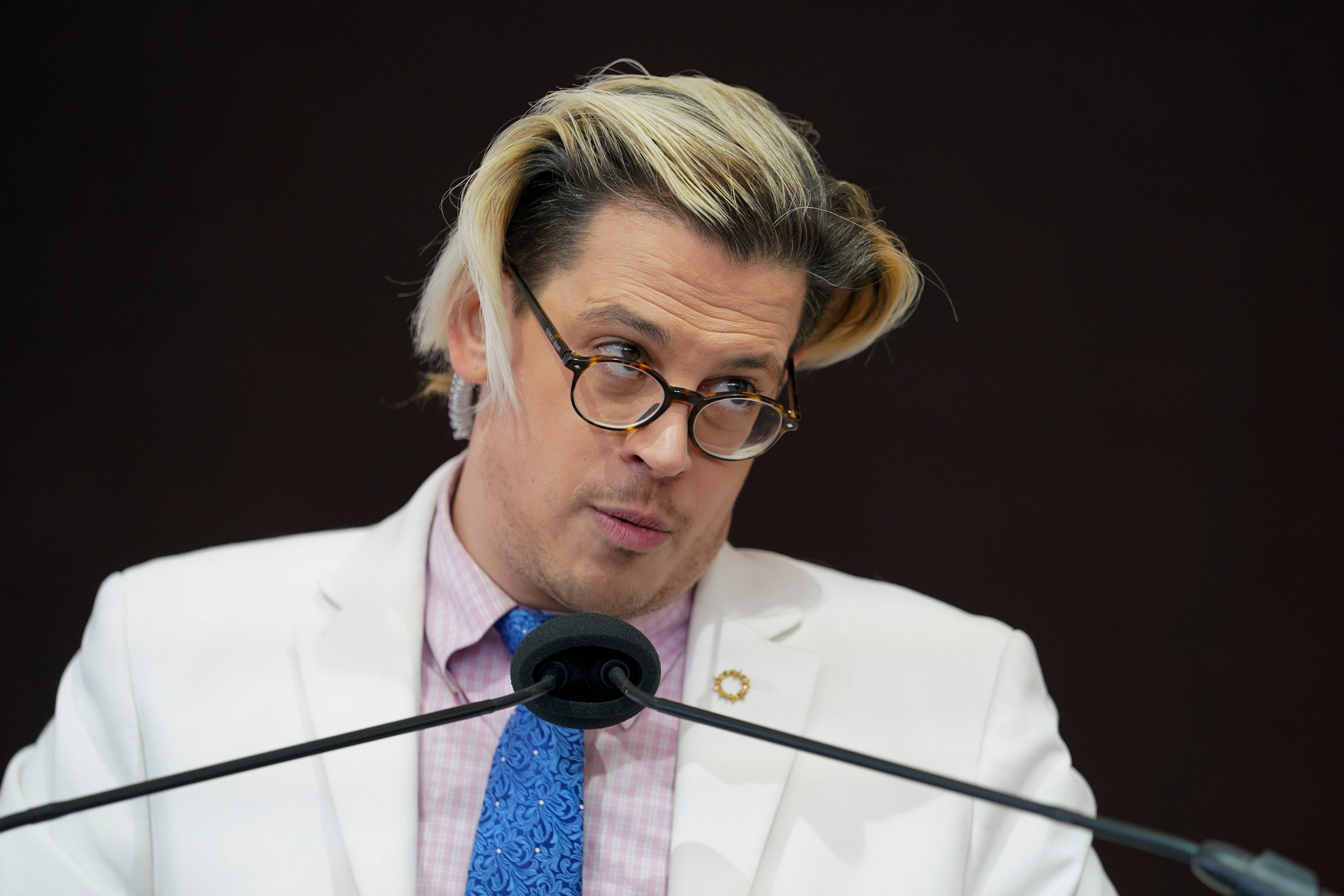
    British far-right commentator Milo Yiannopoulos has been deported back to the United Kingdom after his arrest by American immigration authorities, U.S. officials said Saturday.

    The U.S. Department of Homeland Security said Yiannopoulos was returned to his home country on Friday after being accused of overstaying after entering the U.S. legally in May 2019. An immigration judge had issued a final order of removal on July 22 after he failed to show up for an immigration hearing, a Homeland Security spokesperson said.

    Yiannopoulos was arrested Thursday at Louis Armstrong New Orleans International Airport in Louisiana and detained by Immigration and Customs Enforcement.

    “He chose to overstay his welcome in violation of our nation’s laws,” a Homeland Security spokesperson said in a statement.

    Yiannopoulos and his representatives did not respond to requests for comment. He has not posted on his X social media account since Thursday.

    Yiannopoulos is a well-known champion of conservative causes and has frequently taken provocative public positions criticizing feminism, Islam, and immigrants. He has been especially supportive of President Donald Trump’s immigration crackdown.

    “Zero immigration for the next 20 years. No ifs, no buts,” Yiannopoulos wrote on X last year.

    The British national has most recently worked for the rapper Ye, formerly known as Kanye West, who performed in New Orleans on Friday evening.

    Yiannopoulos rose to fame in the early 2010s as an incendiary writer for the conservative website Breitbart News. He resigned from the company in 2017 after a video of him endorsing pedophilia resurfaced online. He later apologized for the remarks and said he himself was a victim of sexual assault as a minor.

    Yiannopoulos’ arrest on Thursday comes amid a nationwide uptick in detentions as part of Trump’s immigration crackdown.

    Far-right conservative activist Laura Loomer swiftly took to social media to applaud Yiannopoulos’ arrest after years of public feuding between the two personalities.

    “I was the first person to report on the fact that Milo was in the U.S. illegally where he incited violence against President Trump and worked for Marjorie Traitor Greene,” Loomer wrote on X.

    Controversy around Yiannopoulos ballooned in 2017 when he carried out what he called his “Troll Academy Tour” across college campuses nationwide. Fights broke out when some students protested Yiannopoulos’ appearances and accused him of hate speech, while others celebrated him as a champion of free speech. Around that time, Buzzfeed reported on Yiannopoulos’ cozy relationships with self-proclaimed white nationalists.

    In recent years, Yiannopoulos continued to work in the orbit of conservative activism. In 2022, he was an intern for former U.S. Rep. Marjorie Taylor Greene, according to the Washington Post. He subsequently ran the short-lived 2024 presidential campaign for Ye.

    Most recently, Yiannopoulos has worked as a spokesperson for Ye, who has been beset by controversy of his own following antisemitic comments that the rapper has since apologized for. The Washington Post reported Saturday that two sold-out Ye concerts in St. Petersburg, Russia, were canceled in part because of his history of such remarks.

  • Trump cannot deport students for criticizing Israel, judge rules

    Trump cannot deport students for criticizing Israel, judge rules

    SAN JOSE, Calif. — Citing the importance of the First Amendment, a federal judge in California says the U.S. government is unconstitutionally silencing critics of Israel’s war in Gaza and others as part of the Trump administration ‘s quest to deport noncitizens who it says disrupted college campuses while expressing their views.

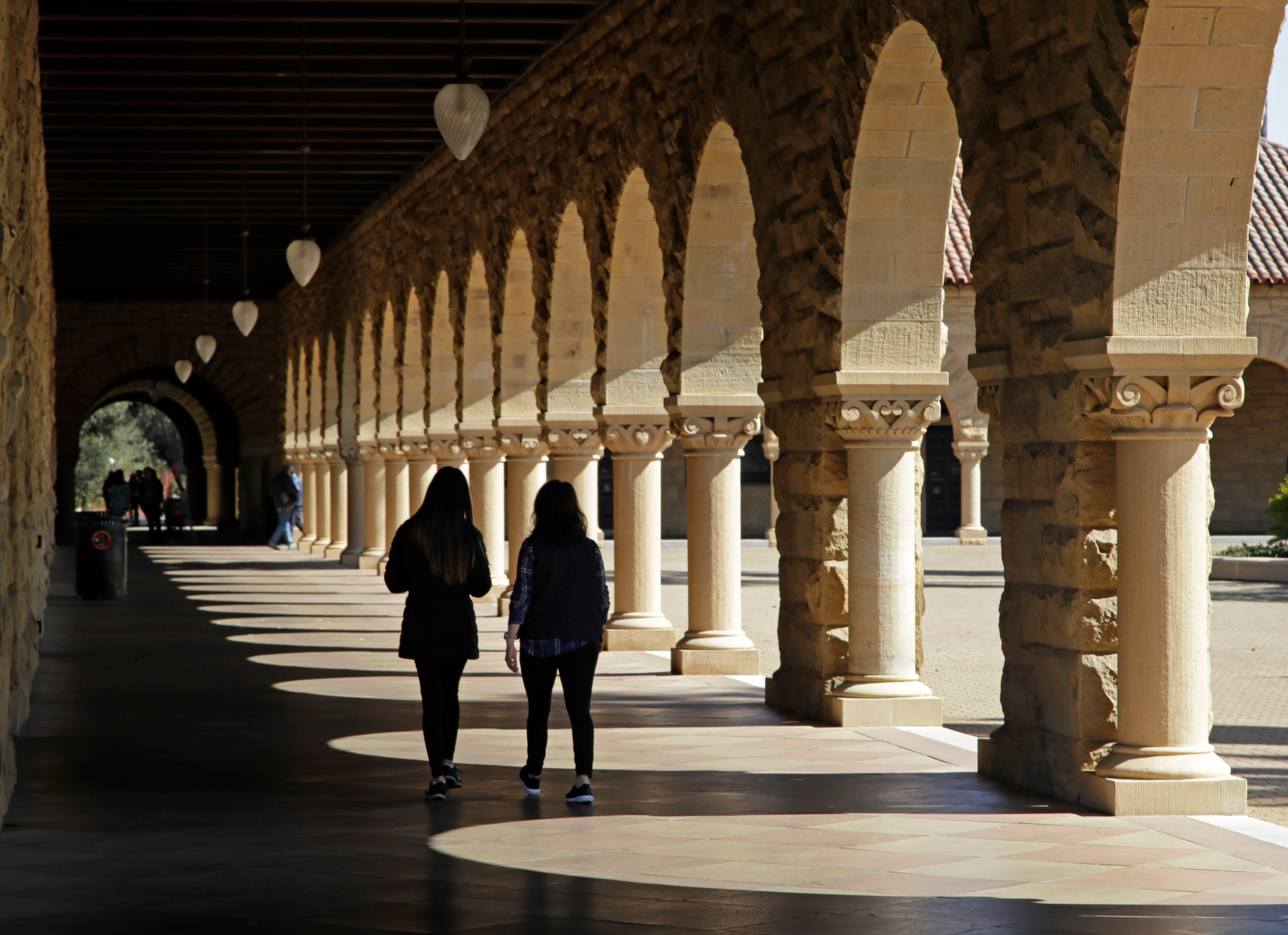
    Judge Noël Wise, in a ruling Friday, delivered a victory for the student newspaper at Stanford University, which has said some international students were afraid to speak out because of the deportation threat.

    The decision largely piggybacks on findings from nearly a year ago by a U.S. district judge in Boston, who ruled that the Trump administration violated the Constitution when it targeted people who are not citizens for deportation solely for supporting Palestinians and criticizing Israel.

    Wise wrote that the freedoms of speech and the press are “foundational to America’s enduring democracy.” The judge cited free-speech and vagueness flaws that violate the First Amendment and Fifth Amendment as she struck down portions of the provisions that the federal government follows regarding deportations.

    Wise cited retaliation in March 2025 by U.S. immigration authorities against people who engaged in speech supporting the Palestinians and against Israel’s actions — which a growing number of experts, including those commissioned by a U.N. body, have said amount to genocide. The judge also cited retaliation against people who were critical of Charlie Kirk after the Turning Point USA co-founder was assassinated last September.

    “Tomorrow, or perhaps even today, targets may include anyone in the United States who exercises their freedom of speech to simply express opinions the government does not like,” the judge in San Jose said.

    “This downward spiral is antithetical to our Constitution that recognizes our right to speak freely,” she added. “Here you can simultaneously hate the content of a person’s speech and love the country that cherishes the freedom to allow it. Zealous protection of our Constitutional right to free speech is a provocative demonstration of our country’s powerful lack of fear.”

    The Justice Department did not respond Saturday to a message seeking comment on the decision.

    Conor Fitzpatrick, an attorney with the Foundation for Individual Rights and Expression, which brought the lawsuit, praised the ruling.

    “In America, free speech doesn’t just belong to the people who say things the government agrees with,” Fitzpatrick said in a release.

  • The Delaware psychiatrist who testified in the Lindsay Clancy case has resigned from Nemours, the health system said

    The Delaware psychiatrist who testified in the Lindsay Clancy case has resigned from Nemours, the health system said

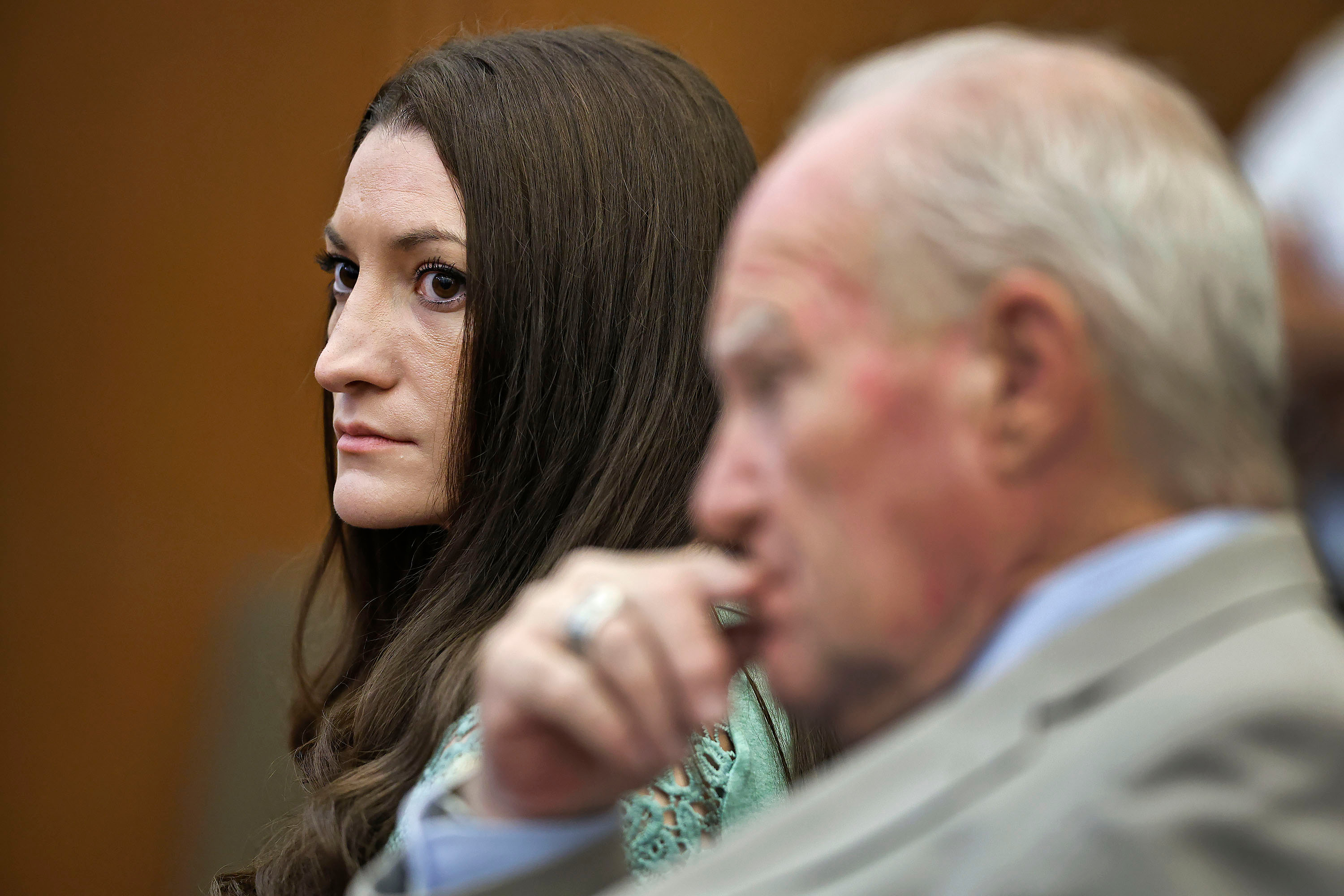
    A psychiatrist with Nemours Children’s Health in Delaware resigned his position after he began testifying in the nationally watched murder trial of Lindsay Clancy in Massachusetts, the health system said in a statement Friday.

    Avram Mack testified on Friday, Aug. 21, and Monday, Aug. 24, as a prosecution rebuttal witness in the case against Clancy, 36, whose lawyers have argued was experiencing postpartum psychosis when she killed her three young children in 2023.

    “Dr. Avram Mack is no longer employed by Nemours Children’s Health, he resigned on Monday, August 24th,” Shelley Meadowcroft, a Nemours spokesperson, said in an email.

    Meadowcroft declined to comment further on “confidential personnel matters.”

    Mack could not be reached for comment Friday.

    CT Insider, which is covering the trial, reported that Mack’s resumé submitted during the trial listed him as a psychiatrist at Nemours Children’s Health since 2023.

    Mack testified that he interviewed Clancy before the trial and did not notice any episodes that he would diagnose as bipolar, the Connecticut-based news site reported.

    Mack also testified that Clancy having some odd thoughts, including fear that someone would take her children, was normal, CT Insider reported.

    Kevin Reddington, Clancy’s defense attorney, reportedly sparred with Mack over the doctor’s experience working with adults, the definition of “postpartum,” and technical questions related to postpartum depression and psychosis.

  • ‘Immense’ devastation as Nepal continues search for 2,400 missing in floods

    ‘Immense’ devastation as Nepal continues search for 2,400 missing in floods

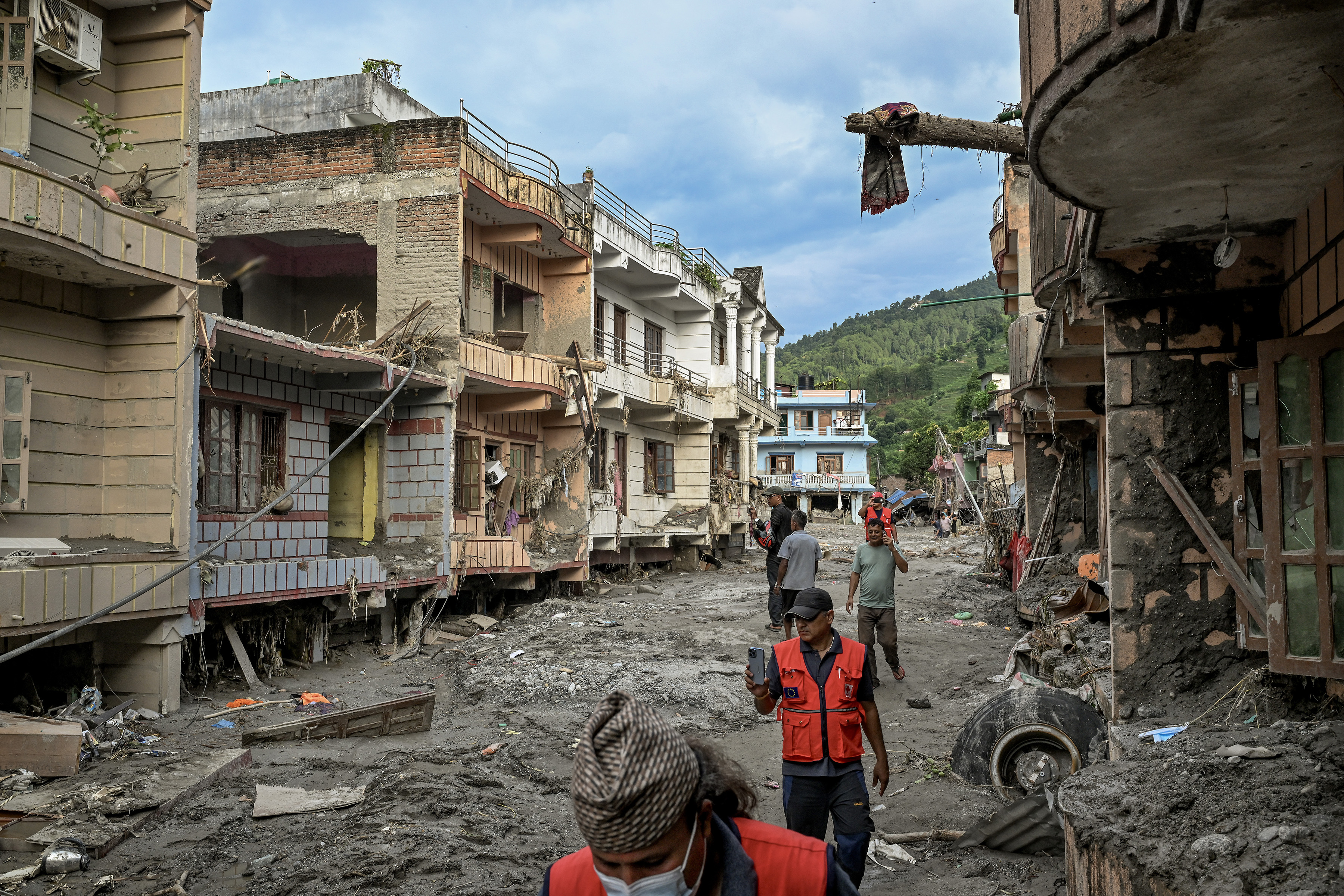
    KATHMANDU, Nepal — Entire towns wiped out. Roads, bridges, and communication lines washed away. In just a matter of moments, tens of thousands of people were left devastated and disoriented as catastrophic floodwaters tore through the tranquil Himalayan valley.

    Four days later, as the rescue efforts in Nepal and neighboring Tibet continued Saturday, the staggering scale of the flood’s devastation was coming into focus.

    The official count of missing people jumped to more than 2,400, more than double the figure from a day before. The death toll rose to at least 675 and was expected to keep climbing. Morgues in several of the towns downstream from the deluge have been overwhelmed by the number of bodies, with officials forced to improvise makeshift arrangements.

    “In living memory, we haven’t seen a mountain hazard event like this,” Kamal Kishore, the United Nations’ top official for disaster risk reduction, said Friday. “The impact on lives, livelihoods, buildings, infrastructure, bridges, hydroelectric projects, power generation is really immense.”

    The recovery will be daunting.

    Nepal is one of the poorest countries in the world. Its economy, long stagnated, is heavily reliant on the tourism industry and the remittances its workers send from abroad.

    The catastrophe comes amid a shortfall in global humanitarian funding, as some of the largest traditional donors, particularly the United States under President Donald Trump, have pulled back from international aid in recent years.

    The United States, for example, has announced that it will contribute $500,000 to the rescue effort — a fraction of what it had promised in the days immediately after a devastating earthquake hit Nepal in 2015. Sri Lanka, still emerging from its own economic crash, has pledged $1 million.

    The limited pledges so far do not bode well for funding the reconstruction effort, said Pradeep Gyawali, a former foreign minister.

    “The contrast with the 2015 earthquake is staggering, when Nepal struggled even to manage the huge volume of relief materials that arrived from around the world. Assistance came almost immediately, and on a much larger scale,” he said. “This time, however, the response has been much weaker.”

    The small Himalayan nation also remains highly susceptible to climate change. Scientists have long warned about potential flooding from the lakes that melting glaciers have formed in the mountains. Even in normal years, smaller floods related to monsoon rains cause mudslides and block roads, straining the country’s vulnerable infrastructure.

    The threat of fresh flooding hangs heavy over the rescue and relief efforts.

    China reported Friday that a barrier lake, created when the landslide that started Wednesday’s deluge blocked the river system, had begun overflowing in Tibet, near where the floods originated. Nepali authorities issued repeated alerts downstream, and police officers hurried through nearby towns with megaphones, asking people to move to higher ground. China’s state broadcaster, CCTV, later reported that the risk of a breach at the barrier lake had “gradually decreased,” though the threat of another flood remained.

    Much of the rescue effort on the Nepali side of the border appeared focused on several hydropower plants that were swept away by the torrent of water and debris. Army rescue teams rushed to recover workers from the muddy tunnels in dramatic scenes.

    In a sign of how uncertain the situation remained, hundreds of workers from those plants had not been counted among the initial missing tally, Nepali officials said in explaining the sudden jump in the number of missing.

    The threat of flooding temporarily paused the rescue efforts in Tibet on Friday. But on Saturday, Chinese rescue workers resumed their search efforts, looking for survivors near the Gyirong border crossing between Nepal and Tibet, CCTV reported. The footage showed firefighters combing the leveled site, tapping on the ground with shovels and shouting, “Is anyone there?”

    The government in Nepal, which swept to power this year on the back of Gen Z protests, is trying to assert control and restore order in the face of the overwhelming tragedy.

    Balendra Shah, the 36-year-old prime minister, has not addressed the nation but has been seen visiting the sites of destruction and leading meetings to coordinate the country’s response.

    His government has deployed more than 30,000 security forces for rescue and recovery efforts. Possibly drawing on lessons from the response to a previous natural disaster in the country, which was criticized as chaotic and disorganized, authorities this past week initially declined foreign rescue teams.

    But by the end of Friday, news media in Nepal reported that the government was easing that restriction.

    On Saturday, Shisir Khanal, Nepal’s foreign minister, said the country was seeking support for tunnel rescues, with an Indian team already in the country and two teams from China also coming. He said the government also required outside help with forensic capabilities, and teams that can help identify bodies with DNA sampling.

    More than 7,000 people had been rescued by late Saturday, many of them pulled out of flooded villages in helicopters before being sent to hospitals and relief camps, where they have been given meals and medical help.

    Soon, the focus will have to shift to rebuilding. But for those who survived the surging waters — losing loved ones, livelihoods, and homes — a path to recovery may seem distant. It is unclear whether many survivors will be able to return home or if they will need to resettle elsewhere.

    The damage has also been particularly heavy at the site of hydropower projects built along the Bhotekoshi and other rivers downstream. Tens of miles of roads and more than 40 bridges have been destroyed.

    Initial government estimates in Nepal have put the cost of physical damage at more than $1.3 billion, and the country’s finance minister has predicted that recovery efforts could run into “a few billions.”

    This article originally appeared in the New York Times.

  • 37 killed near Kyiv as Russian drone blitz exposes air defense gap

    37 killed near Kyiv as Russian drone blitz exposes air defense gap

    KYIV, Ukraine — For several terrifying days, air raid sirens have wailed nonstop in Kyiv, Ukraine’s capital, as waves upon waves of armed Russian drones surged into the city, straining its limited air defenses and exhausting a population worn down by years of war.

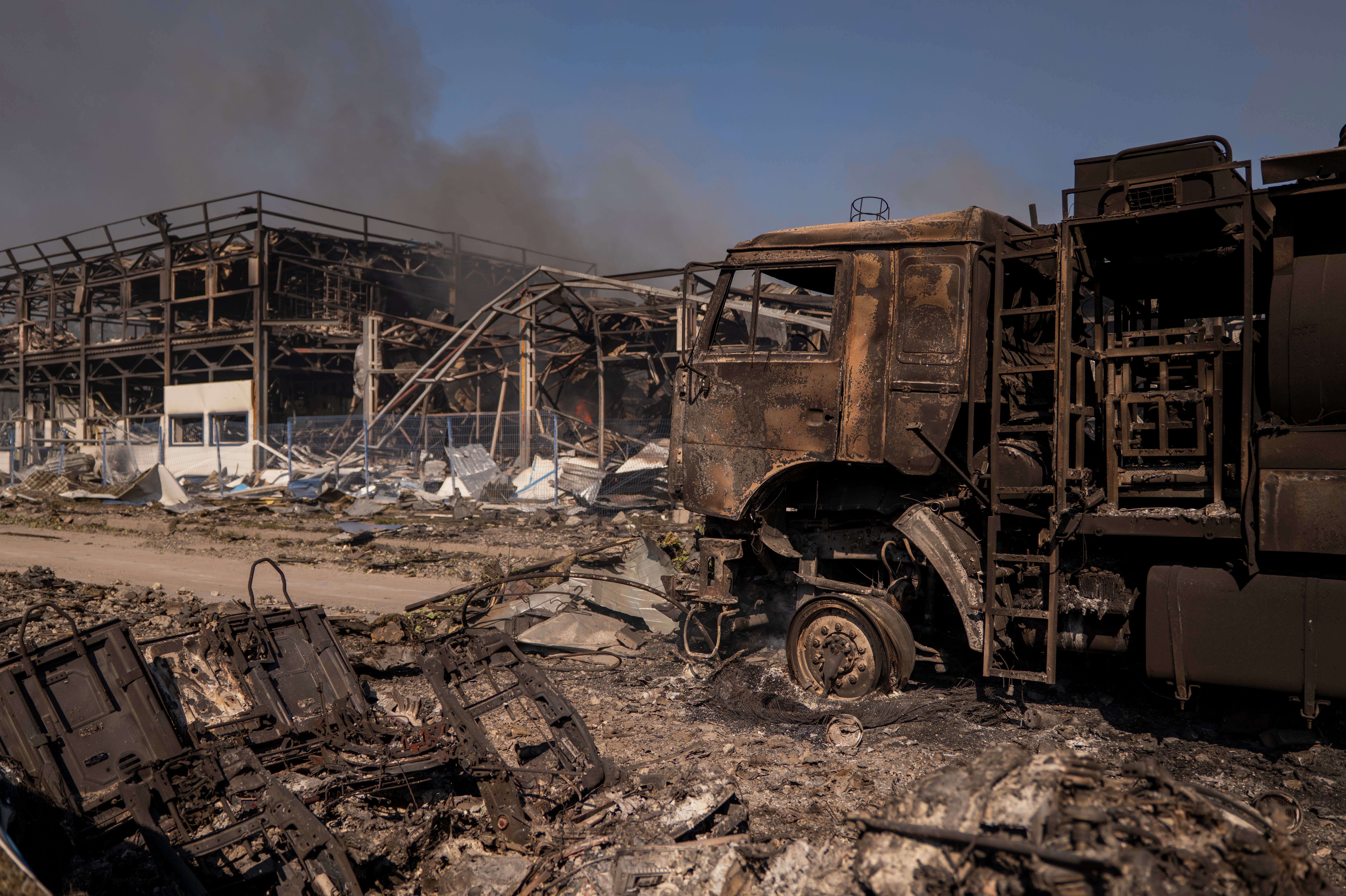
    This latest stage of Russia’s air campaign has targeted warehouses and shopping centers, and on Saturday, the Ukrainian authorities said that a strike on a facility just outside Kyiv had killed at least 37 people.

    The strike, which took place late Friday, caused huge secondary explosions that engulfed an entire suburban area in plumes of smoke. The Ukrainian authorities did not say what the facility was, but their comments suggested it was a warehouse with ammunition.

    President Volodymyr Zelensky of Ukraine said on Saturday that a criminal investigation was already underway into the management of the warehouse, which is near private homes and a facility for older adults and people with disabilities. The capital region will observe a day of mourning on Sunday, officials said.

    An ammunition depot in another area outside Kyiv was destroyed last month, killing several people and prompting a separate investigation into the decision to store dangerous arms in civilian areas.

    “Making the same mistakes for the fifth year of the full-scale invasion is criminal negligence,” Serhii Koretskyi, Ukraine’s prime minister, said on Saturday. “And all those responsible, without exception, must face severe punishment so that such situations do not happen again.”

    Ukraine is struggling to counter the onslaught of Russian drones, many of which are powered by jet engines that allow them to fly at nearly 400 mph.

    The latest drone campaign has coincided with Ukraine’s dire shortage of Patriot interceptor missiles, the only weapon the country has that can shoot down ballistic missiles.

    Russia has seized on that gap in Ukraine’s arsenal this summer. Civilians are bracing for the possibility that waves of Russian drones are intended to wear down air defense units before an even larger ballistic attack in the coming days.

    In the past, Russia often launched daytime waves of reconnaissance drones before combined drone and missile attacks overnight. But the droves of armed drones that now swarm the capital daily suggest that Russia is using a new tactic to spread fear and anxiety.

    Most shops and restaurants remain open in Kyiv, but the constant attacks have caused major traffic jams and delays on the metro system. They could also significantly complicate plans for students to return to school on Tuesday.

    This article originally appeared in the New York Times.

  • Governor joins push to rename airport for Dolly Parton

    Governor joins push to rename airport for Dolly Parton

    An effort to rename Nashville International Airport for Dolly Parton has exploded since her death Tuesday.

    More than 150,000 people, including singer Sheryl Crow, had signed an online petition for the change as of Friday afternoon, and now Gov. Bill Lee of Tennessee has backed the effort.

    Tributes have poured out globally since Parton, the country music superstar, actor. and philanthropist, died at 80 after a battle with cancer. She is especially beloved in Tennessee, her home state, where vigils, singalongs, and tribute performances have taken place.

    “We want the love, acceptance, and good times that Dolly espoused to be what people experience when arriving in Tennessee for the first time, or coming home,” said Lydia Popovich, a 49-year-old comedian and lifelong fan. She started the petition last year with the photographer Dan Dion, and the number of signatures has more than doubled since Parton’s death.

    “Dolly represented the best of Tennessee, and the best of what we can be as human beings,” Popovich added. “Who doesn’t want to be ‘departin’ from Parton’?”

    The airport has already leaned into celebrating the city’s roster of music stars and celebrities, featuring outposts of the Country Music Hall of Fame and Museum, the Grand Ole Opry, and some downtown music venues. The outpouring of support for a Dolly Parton rebranding has not gone unnoticed by local and state lawmakers.

    Lee, a Republican, said Friday that he would put a proposal before the state-run airport authority at its next meeting, in September, to rename the airport. He did so, he said, after consulting with Parton’s team.

    “At a place where Tennessee welcomes the world, it is fitting that Nashville International Airport would bear the name of our state’s favorite daughter and greet travelers with the enduring legacy of Dolly’s music, generosity, faith, and kindness,” Lee said in a statement.

    The Metropolitan Nashville Airport Authority, which oversees the airport and controls its name, has rules that prohibit naming any property after a person who has not been dead for at least two years. The policy also dictates that the honoree should have contributed to aviation in Tennessee or made a “substantial personal contribution” to the airport authority.

    The Sept. 17 meeting will also include discussions about changing the naming policy in order to accommodate plans to rename the airport for Parton, Lee’s office said in a statement.

    Since Parton’s death, the authority has received several inquiries about renaming the airport, a spokesperson said.

    There were also questions about whether Tennessee politics would add to the bureaucratic tangle: Local and state leaders are battling over who oversees the airport. The Republican supermajority in the General Assembly approved a law this year giving the state power over major municipal airports. Nashville leaders have challenged the law and refuse to recognize the state-controlled authority.

    The General Assembly does not convene again until January. But lawmakers stressed they were considering a number of ways — including airport renaming — to commemorate a figure who is broadly cherished in the state.

    “We will work with legislative leaders, as well as the Parton family, to find the most fitting way to honor Dolly’s extraordinary legacy in a manner that will reflect her and her family wishes,” Speaker Cameron Sexton, a Republican, said in a statement.

    At least one state senator, Jessie Seal, also a Republican, has proposed legislation naming Sept. 25 as “9 to 5” Day, in honor of Parton’s famous anthem.

    The United States already has numerous airports named in honor of performers and athletes: Louis Armstrong New Orleans International Airport; John Wayne Airport, in Orange County, Calif.; and Louisville Muhammad Ali International Airport in Kentucky among them.

    Only a few U.S. regional airports or airport facilities are named solely for women. Examples include Amelia Earhart Memorial Airport in Atchison, Kan., and Barbara Jordan Terminal at Austin-Bergstrom International Airport in Texas.

    Major international airports rarely change names. The most recent example, Palm Beach International Airport in Florida was renamed President Donald J. Trump International Airport in July.

    Nashville International has only had its current name since 1988. The airport opened in 1937 as Berry Field — after Col. Harry S. Berry, a World War I veteran who ran the Works Progress Administration in Tennessee — and still uses the three-letter code BNA.

    Fans have also called on the General Assembly to revive a previous effort to honor Parton with a statue on the state Capitol grounds in Nashville — one she politely rebuffed at the time.

    “Somewhere down the road several years from now, or perhaps after I’m gone, if you feel I still deserve it, then I’m certain I will stand proud in our great state Capitol as a grateful Tennessean,” she wrote on Instagram in 2021.

    This article originally appeared in the New York Times.

  • Trump administration asks Supreme Court to uphold ban on transgender troops

    Trump administration asks Supreme Court to uphold ban on transgender troops

    The Trump administration has asked the Supreme Court to allow the U.S. military to fully enforce its ban on transgender service members, setting up the latest test of the administration’s policy priorities in front of the court.

    The justices are expected to consider whether to review the legality of the administration’s ban this fall and, if they accept the case, could schedule oral arguments during the Supreme Court’s term that begins in October.

    A few days after returning to office, Trump issued an executive order banning all trans troops and characterizing transgender identity as a “falsehood” that “conflicts with a soldier’s commitment to an honorable, truthful, and disciplined lifestyle.”

    The ban was one of a series of actions by the administration targeting transgender rights. The president also directed government agencies to withdraw federal funding from schools that allow transgender athletes in girls’ and women’s sports.

    The Defense Department implemented Trump’s military order in February 2025, effectively forcing trans troops out of the military.

    “No more dudes in dresses,” Defense Secretary Pete Hegseth announced then.

    Transgender service members quickly sued. About 4,200 openly transgender people were in the military last year, according to government court filings — about 0.1% of the armed forces. They worked as infantry platoon leaders, pilots, nuclear engineers, doctors, intelligence analysts, police, and other key professionals.

    A series of lower-court rulings have protected a group of transgender troops who challenged the ban from being discharged while litigation continued. But last May, the Supreme Court’s conservative majority agreed in a separate case to generally allow the administration to dismiss troops while litigation continued.

    Solicitor General D. John Sauer urged the justices in a filing Thursday to reverse the lower courts on a permanent basis and defer to the nation’s military leaders by upholding the Defense Department’s “considered military judgment” that accommodating trans troops would undermine “military effectiveness and lethality.”

    “The authority of the U.S. military to determine who may serve in the nation’s armed forces is a matter of exceptional importance,” he wrote, pushing back on lower-court rulings that said the administration’s policy was discriminatory.

    In the past year, many transgender service members have left the military voluntarily rather than face uncertainty and possible harm by contesting the new policy. Hundreds of others have stayed, insisting that their cases be considered individually by military retention boards consisting of fellow service members. Discharge has generally been a foregone conclusion, given the president’s order.

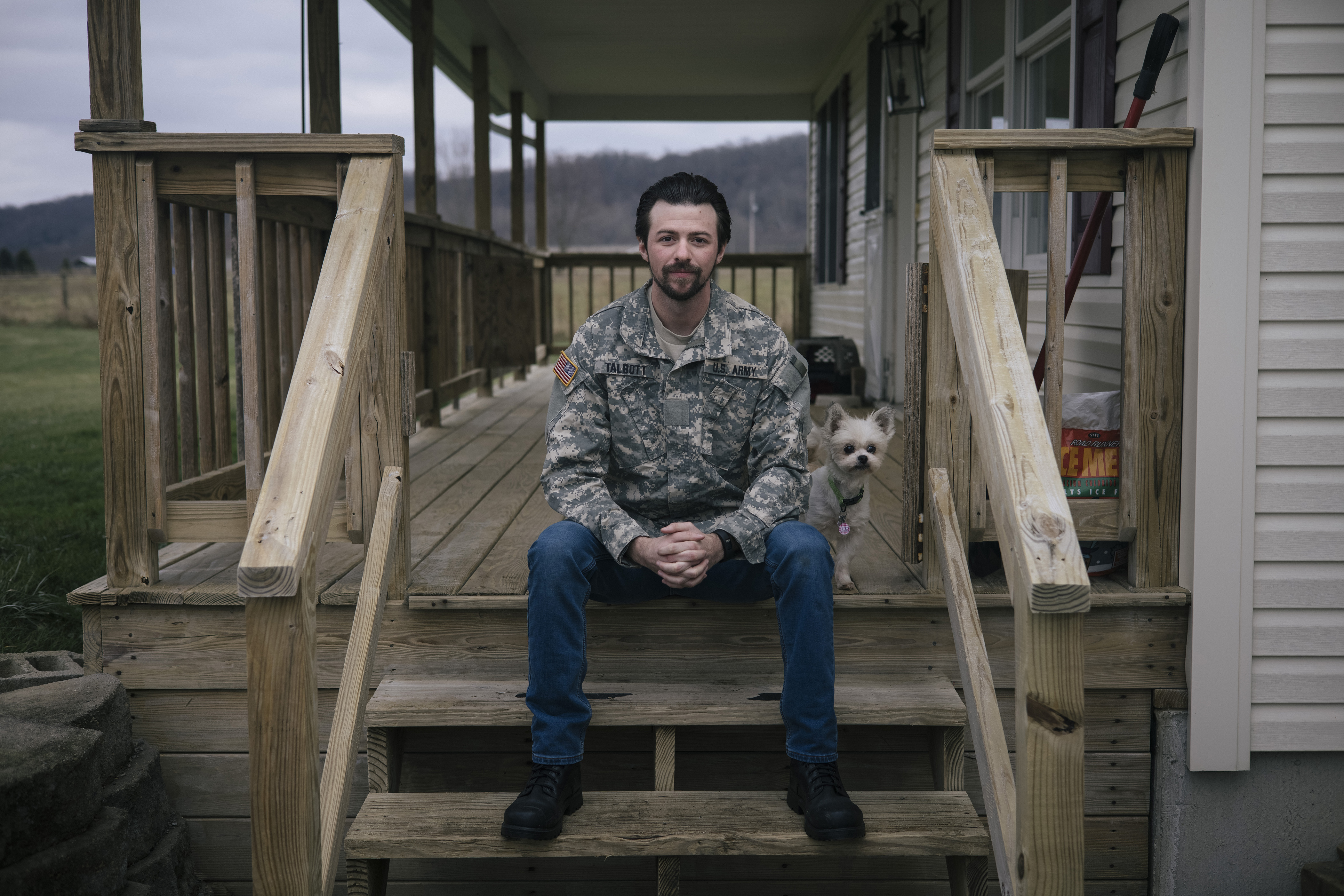
    The 28 challengers in the case before the justices are led by Nicolas Talbott, a second lieutenant in the U.S. Army Reserve. The group claims the policy unfairly and illegally directs hostility and prejudice against a group of people.

    In a 2-1 decision in June, the U.S. Court of Appeals for the District of Columbia Circuit sided with the group, but its lawyers have asked a lower court to extend protections to all transgender troops.

    The policy seemed to be “driven by the bare desire to harm a politically unpopular group,” wrote Judge Robert L. Wilkins, who was joined by Judge Judith W. Rogers.

    Judge Justin R. Walker dissented, saying courts do not have the power to make such decisions about the military: “The Constitution assigns that authority to Congress and the commander in chief,” he wrote.

    In the meantime, the 28 service members have been in limbo, still technically in the military but on leave, according to their lawyers.

    Attorneys for the service members urged the justices Friday to deny the administration’s request and allow the case to first go to trial in January. The service members are meeting the military’s standards and the government should not “kick out thousands of highly trained, skilled, and decorated troops based on nothing but hostility,” Jennifer Levi, GLAD Law’s senior director of transgender and queer rights, said in a statement.

    When the Supreme Court first dealt with the issue on an emergency basis last May, the majority did not explain its reasoning, as is common when the court issues emergency orders. The court’s three liberal justices — Sonia Sotomayor, Elena Kagan and Ketanji Brown Jackson — said they would have kept Trump’s policy on hold.

    In his first term, Trump also announced a transgender ban, but two federal judges blocked the policy.

    The Supreme Court lifted those injunctions in 2019 by a 5-4 vote, allowing a revised ban to take effect while legal challenges moved forward. The cases were dropped after Trump left office, and President Joe Biden rescinded the ban.

    This article originally appeared in the New York Times.

  • FBI no longer treating an applicant’s experience with prostitution as automatic bar against hiring

    FBI no longer treating an applicant’s experience with prostitution as automatic bar against hiring

    WASHINGTON — The FBI is dropping a categorical hiring ban on applicants who have had sexual encounters with prostitutes and will instead consider in a more holistic manner at least some candidates who have engaged in the practice in the past, according to people familiar with the matter.

    The move away from an automatic disqualification falls along a continuum of evolving recruitment standards within federal law enforcement and at the buttoned-up bureau, which several years ago relaxed its approach to candidates’ past marijuana use and has drawn more recent concern among some current and former agents about a perceived loosening of recruitment requirements as it seeks to replenish its ranks.

    The bureau still intends to dismiss applicants who are revealed during the vetting process to have engaged in prostitution within the last 10 years, three or more times overall, or while in a position of trust such as public safety, according to guidance issued this past spring and described by a person familiar with the matter who was not authorized to discuss internal decision-making and spoke on condition of anonymity. For others, it will allow for consideration of the context of the conduct rather than treat it as grounds for an automatic rejection from the FBI’s hiring process.

    The practical impact is not immediately clear since many who have engaged in prostitution may still be either immediately disqualified or weeded out upon further scrutiny from FBI polygraphers and security officials.

    The FBI said the change was meant to account for the fact that some otherwise suitable candidates, including service members, may have engaged in the practice in places where it is legal and to accommodate applicants who may done so as a young child or have themselves been victims of sexual abuse.

    “It is false to suggest criminal behavior like this is no longer disqualifying at the FBI. Any applicant who has engaged in criminal sexual acts like those referenced would of course not be eligible for employment, and it is ridiculous to suggest otherwise,” the FBI said in a statement that described the background check process as “wide-ranging and extensive.”

    “The FBI has and always will maintain some of the highest suitability standards for its applicants and employees in the US Government,” the statement added.

    Justice Department easing recruitment requirements in general

    Even so, the shift is being made at a time when current and former officials worry that the FBI, and the Justice Department more generally, have eased recruitment requirements while facing a mass personnel exodus brought on by retirements, voluntary resignations, and firings. The bureau, for instance, has taken steps to make it easier for its own professional staff to become agents and has offered a truncated training academy for applicants from other federal law enforcement agencies.

    “If they’re moving the bar for sexual encounters to include prostitution, what is that saying about the applicant pool? They’re trying to bring in more people, which to me indicates that the applicant pool is extremely shallow right now,” said Daniel Brunner, a retired FBI agent who spent two decades in the bureau.

    In 2015, then-Attorney General Eric Holder issued a memo reiterating that all Justice Department employees were prohibited from soliciting or accepting prostitution, including in places where it was legal. But both before and since that directive, the FBI and other federal law enforcement agencies have confronted periodic episodes in which agents serving abroad have been accused of sexual encounters with prostitutes.

    As recently as last year, for instance, the Justice Department inspector general substantiated allegations that a supervisory special agent solicited and used prostitutes on multiple occasions while overseas and used a bureau-issued cell phone for the transactions.

    Chris Piehota, a retired top FBI executive, said he would be more troubled if the bureau were to loosen its standards for current employees who require periodic renewals of their security clearances. But he said he could understand the FBI leaning “toward leniency” for actions taken as a teenager or college student.

    “I don’t think you get a better or worse candidate from something you did in your college years,” Piehota said. “That’s why they have the screening process, that’s why they have the vetting process. And the people who do the recruiting and hiring, they look at all those things.”

    Background checks, polygraph tests, and more

    Applicants to the FBI undergo a multistep application and vetting process that includes, among other things, a background check, a detailed questionnaire, credit checks, interviews with neighbors and colleagues, and a polygraph test. The comprehensive regimen is meant to uncover any prior criminal conduct in an applicant’s past as well as embarrassing personal information that could make an employee vulnerable to blackmail.

    Felony convictions, domestic violence convictions, failure of a urinalysis, and violations of the bureau’s drug policies are among factors treated as automatic disqualifiers.

    Though the new guidance will allow for a broader and more contextual evaluation of applicants who disclose past experience with prostitution during their polygraph admission, such an admission has historically been typically regarded as a “death knell” for potential employees at agencies including the FBI, CIA, and NSA, said Daniel Meyer, a Washington lawyer with the Tully Rinckey law firm who specializes in the background check and the security clearance process.

  • Trump plans to mark 9/11 at the Pentagon, not ground zero

    Trump plans to mark 9/11 at the Pentagon, not ground zero

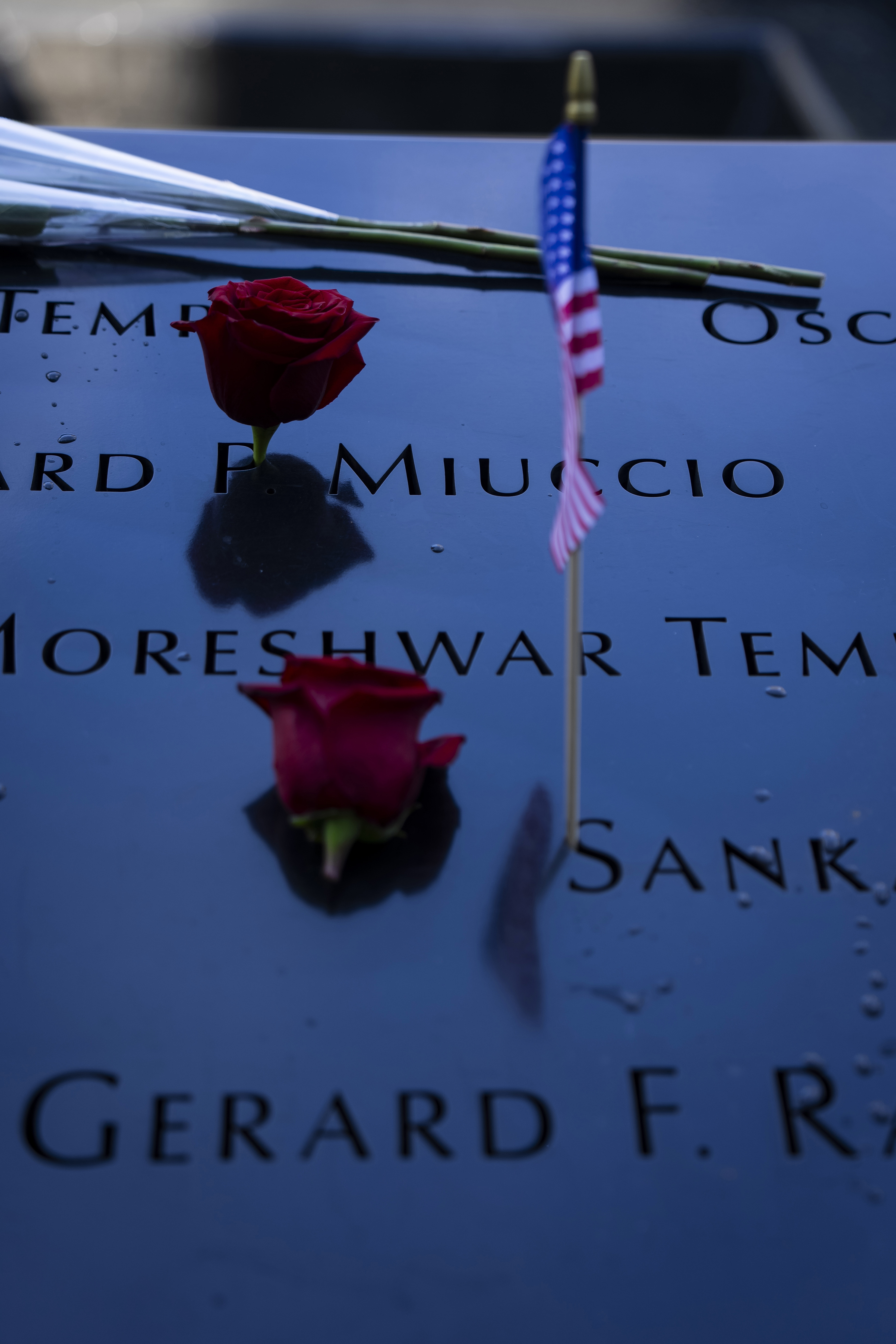
    President Donald Trump is not planning to attend a ceremony in New York for the 25th anniversary of the terrorist attack on the World Trade Center, in part because he wanted to deliver a speech and the annual event has long barred remarks, according to four people with knowledge of the events.

    Trump’s team had conducted advance visits at the site and had initially signaled to officials in New York and in Washington that the president intended to visit the memorial space known as ground zero, two of the people with knowledge of the events said.

    The president’s interest in speaking on 9/11 was conveyed to memorial planners in recent weeks, three of the people with knowledge of the events said. But since 2012, politicians have been barred from speaking at the site. The National September 11 Memorial & Museum, which oversees the site, has worked rigorously to keep the venue nonpartisan and focused on the solemnity of the day.

    Trump, a native New Yorker who talked often about the 9/11 attacks during his 2016 presidential campaign, is now expected to commemorate them at the Pentagon, two of the people with knowledge of the events said. The Pentagon also came under attack on 9/11.

    Vice President JD Vance is expected to represent the White House in New York.

    The president will go to the Pentagon after he attends a midterm political convention in Texas. Officials have discussed some kind of tribute to the terrorist attack victims during that convention, which takes place Sept. 9 and 10.

    There are other considerations that led to Trump honoring the day in Washington, including that he will depart the next day for his golf course in Doonbeg, Ireland, where the Irish Open tournament will take place. Leaving from John F. Kennedy International Airport in New York City, or from Newark Liberty International Airport in New Jersey, would snarl air and motor traffic to a much greater extent than with Trump leaving from Joint Base Andrews in Maryland.

    Trump last attended the ceremony at ground zero in 2024, when he stood alongside Vance, former Mayor Michael Bloomberg, President Joe Biden, and Vice President Kamala Harris.

    None of the officials made formal remarks. Trump visited a fire station in New York City after the event.

    This year’s anniversary marks a quarter-century since the worst attack on the United States after the assault on Pearl Harbor. Anna Kelly, a spokesperson for the White House, did not address the president’s plans in a response to an email seeking comment.

    “On the 25th anniversary of this tragic day, the president will remember those who were killed at the hands of evil terrorists, honor their loved ones, and pay tribute to the brave first responders who put their lives on the line to rescue their fellow Americans,” she said.

    At the Pentagon, Trump will be allowed to speak, as he did last year, when he attended the remembrances there. His speech that day came less than 24 hours after conservative activist Charlie Kirk, whose efforts to draw college-age voters into the MAGA movement were seen as significant to Trump’s 2024 victory, was shot and killed while speaking on a campus in Utah.

    The ceremony had been intended to be held in a different spot that day but was moved to a new one amid security concerns about the president after Kirk was assassinated.

    “We recall the light of America’s best and bravest and the love that they showed in their final moments,” Trump said at the time. “In their memory, we make a solemn pledge and a noble promise. We will honor always our great heroes, and you are our heroes.”

    The president has faced two assassination attempts and other murder-for-hire plots by alleged Iranian proxies. He has faced an uptick in threats since he began a war against Iran on Feb. 28.

    This year’s event in Manhattan is expected to include former Mayor Rudy Giuliani; former President Bill Clinton and his wife, Hillary Clinton; former President George W. Bush and his wife, Laura; and former President Barack Obama, among others, according to several people who have been close to the planning.

    In the first decade after 9/11, elected officials would read poems and historic American documents, like the Gettysburg Address, at the ceremony. But since 2012, the memorial has barred any speeches by politicians. Instead, politicians stand alongside their peers from opposing parties as families step onto a stage to read the names of the dead over the course of hours.

    Trump’s advisers have discussed possibly taking federal control of the National September 11 Memorial & Museum, including as recently as last year. Families of the Sept. 11 victims have in recent years criticized the site over its leadership and finances.

    Trump, who was in New York on the day of the attacks, spoke to a New Jersey television station in the aftermath, saying that a building he owned had gained in stature because the twin towers had fallen. That building, 40 Wall Street, “actually was the second-tallest building in downtown Manhattan, and it was actually — before the World Trade Center — was the tallest.”

    He went on, “And then, when they built the World Trade Center, it became known as the second-tallest. And now it’s the tallest.” (The statement was not correct; 70 Pine Street, nearby, was taller than Trump’s building.)

    This article originally appeared in the New York Times.