Category: Nation & World

  • Do DEI bike paths exist? The Trump administration says yes

    Do DEI bike paths exist? The Trump administration says yes

    Four years ago, after Joe Biden fell from a bike, Donald Trump made a pledge to the American people.

    “I will never, ever ride a bicycle,” he declared.

    The joke landed because Trump is known to be more of a limo-and-golf-cart sort of guy. But more recently, his administration has begun acting on its deep aversion to cycling, revoking federal grants for what it calls “DEI bike lanes.”

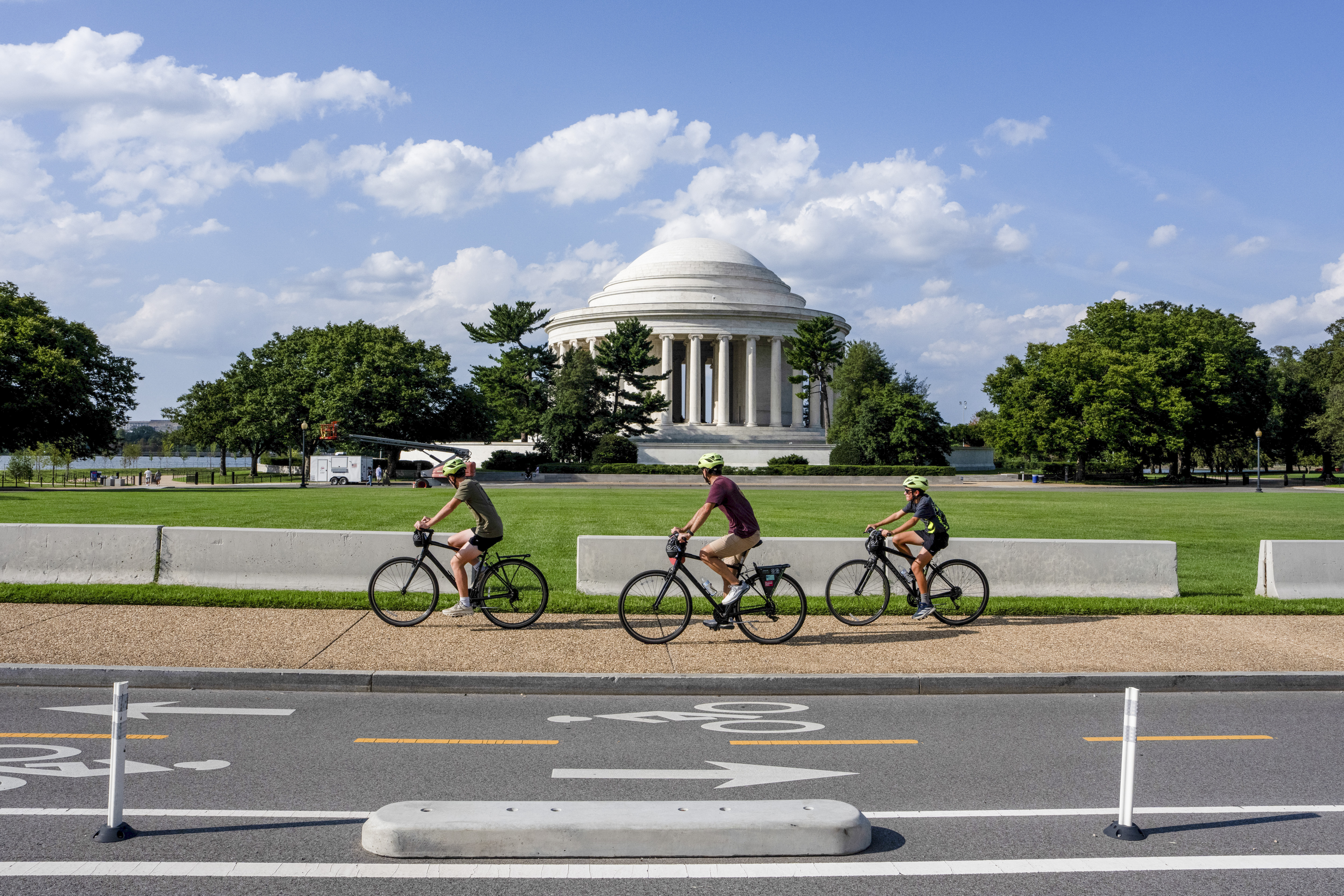
    In a high-profile move this year, the administration even tried to remove a bike lane near the White House.

    Sean Duffy, Trump’s transportation secretary, has argued that when bike lanes cut into space for cars and trucks, the result is more congestion, “longer travel times and wasted fuel.”

    But Duffy and his colleagues have also deployed rhetoric that suggests the bicycle is hopelessly lefty, belonging in the same category as green-haired baristas, Rosie O’Donnell, and yard signs professing that love is love.

    Last month, the Transportation Department told National Public Radio that liberals believe “that everyone should ride a bike to their shoebox-sized apartment to eat crickets to achieve a phony climate agenda.”

    The attacks are depressing to longtime cycling advocates like Bill Nesper, executive director of the League of American Bicyclists. “There is something there that they’re playing on, which is ‘Look at that dork on a bike,’” Nesper said.

    Whether this strategy pays off politically remains to be seen. A 2025 YouGov poll showed that 76% of Americans supported bike lanes in and around places where they live, including 66% of Republicans. But it also showed that only one-third of Americans are pining for more.

    As it is, many communities in the U.S., regardless of politics, have embraced bike-friendly policies, on the grounds that bikes are good for the planet and for the body, and address congestion by taking cars off the road. Often inspired by bike-friendly European cities such as Copenhagen and Amsterdam, the moves are a major shift in the way communities in the U.S. approach transportation planning.

    There are 4,400 directional miles of protected bike lanes today, up from 108 directional miles in 2000, according to PeopleForBikes, an industry trade association and advocacy group. (Directional miles are miles that can be traveled in one direction; with a two-way bike lane 1 mile long counting as two directional miles.)

    The group notes that more than 25,000 miles of rail beds have been converted to bike-friendly trails, double what it was two decades ago.

    But the Trump administration is trying to put the brakes on the trend.

    In Nashville, Tenn., the future of an ambitious series of bike lanes, called the East Nashville Spokes project, is up in the air after the Trump administration froze a $9.3 million grant, prompting a court battle that remains unresolved.

    In Washington this year, the administration announced it was tearing out the 15th Street bike lane as “part of the president’s initiative to revitalize” the city. But in a 61-page ruling in April, Judge Amy Berman Jackson temporarily blocked the demolition plan citing an “absence of reasoned decision-making” in justifying the removal.

    In Fairfield, Ala., a majority Black city of 9,500 people southwest of Birmingham, the administration canceled an $11.7 million grant for a bike and walking path, originally awarded under the Biden administration as part of a “sustainability and equity” program. Advocates had said that 17% of the families in the area do not have access to a car.

    In an interview, the city’s mayor, Herman Carnes Jr., said he did not know why the grant had been canceled. “It got ripped away from us,” he said.

    Bike lanes have long enjoyed bipartisan support. In 1967, Ronald Reagan, then the Republican governor of California, signed a law that for the first time allowed city governments to create bicycle lanes.

    Ray LaHood, a Republican who served as transportation secretary under President Barack Obama, avidly supported federal money for bike projects. He once wrote of “the end of favoring motorized transportation at the expense of nonmotorized.”

    But as the bike-lane revolution picked up steam — along with calls to make cities more walkable — some conservatives feared that it amounted to a series of intrusive social engineering schemes.

    In a few conservative circles, city planning even became falsely linked to dark conspiracies about Agenda 21, a nonbinding United Nations resolution encouraging sustainable development, and the voguish concept of the “15-minute city,” which said that people should be able to walk or bike to amenities such as grocery stores in 15 minutes or so.

    It was not long before the bicycle itself was portrayed as a political cause supported by left-wing dingbats.

    In 2020, Matt Walsh, the right-wing pundit, painted cyclists as childish hobbyists.

    “If you want to play with your bike, go to a park, or a bike trail in the woods, or maybe Daddy can take you down to the tennis court near the playground so you can ride your Big Wheel,” he said.

    Last year, Trump poked fun at Pete Buttigieg, the Biden-era transportation secretary, for riding a bike, tossing in a gratuitous reminder that Buttigieg is gay.

    “Buttigieg, who has no clue, you know, he drives to work on his bicycle, in all fairness, with his husband on the back, which is a nice, loving relationship,” he said.

    At a conference last year, Duffy suggested that the idea of European bike-friendly cities were unsuitable for Americans. “We’re not Europe,” he said, citing vehicle sizes. “I don’t think we should necessarily buy into the European model.”

    This summer, Duffy pushed for more change. On July 22, Duffy wrote a letter to a group of senators, urging them to restrict future funding for bike lanes and support removing ones “that contribute to congestion.”

    To Nester, the letter represented something “much worse” than canceling or stalling individual grants. Duffy, he said, was now calling for ripping out existing lanes and advocating for “a systematic change in transportation law to restrict the funding of bike lanes overall.”

    Hostility to bike lanes, in fact, can be found in surprising places.

    In Boston, Mayor Michelle Wu, a progressive Democrat, had put in miles of lanes, but eventually slowed down because of complaints.

    Her administration is navigating opposition in some traditionally Black neighborhoods to a plan to redesign Blue Hill Avenue, a major thoroughfare. Much of the criticism has been directed at a proposal for a center-running bus lane, which some say will create new traffic problems.

    But a plan to add bike lanes has also rankled such critics as Reggie Stewart, a real estate agent and climate and environmental justice chairperson of the Boston NAACP.

    “You’re taking away parking and adding to an already congested corridor,” he said.

    Stewart and others are now asking the Trump administration to rescind an $80 million grant to fund the project.

    “Ironically, in my climate and environmental justice work, we’re opposing a lot of what Trump is for,” Stewart said.

    But in this case, he said, the president might be an ally.

    “Mayor Wu,” Stewart said, “falls into that category of liberals who think they know best without having real conversations with the people affected.”

    Marcela Dwork, a spokesperson for the city of Boston, said officials would continue “to work with community members” on the design proposal, with a number of meetings scheduled for September.

    This article originally appeared in the New York Times.
  • Trump says he will report NBC host to FCC for ‘rebuke or punishment’

    Trump says he will report NBC host to FCC for ‘rebuke or punishment’

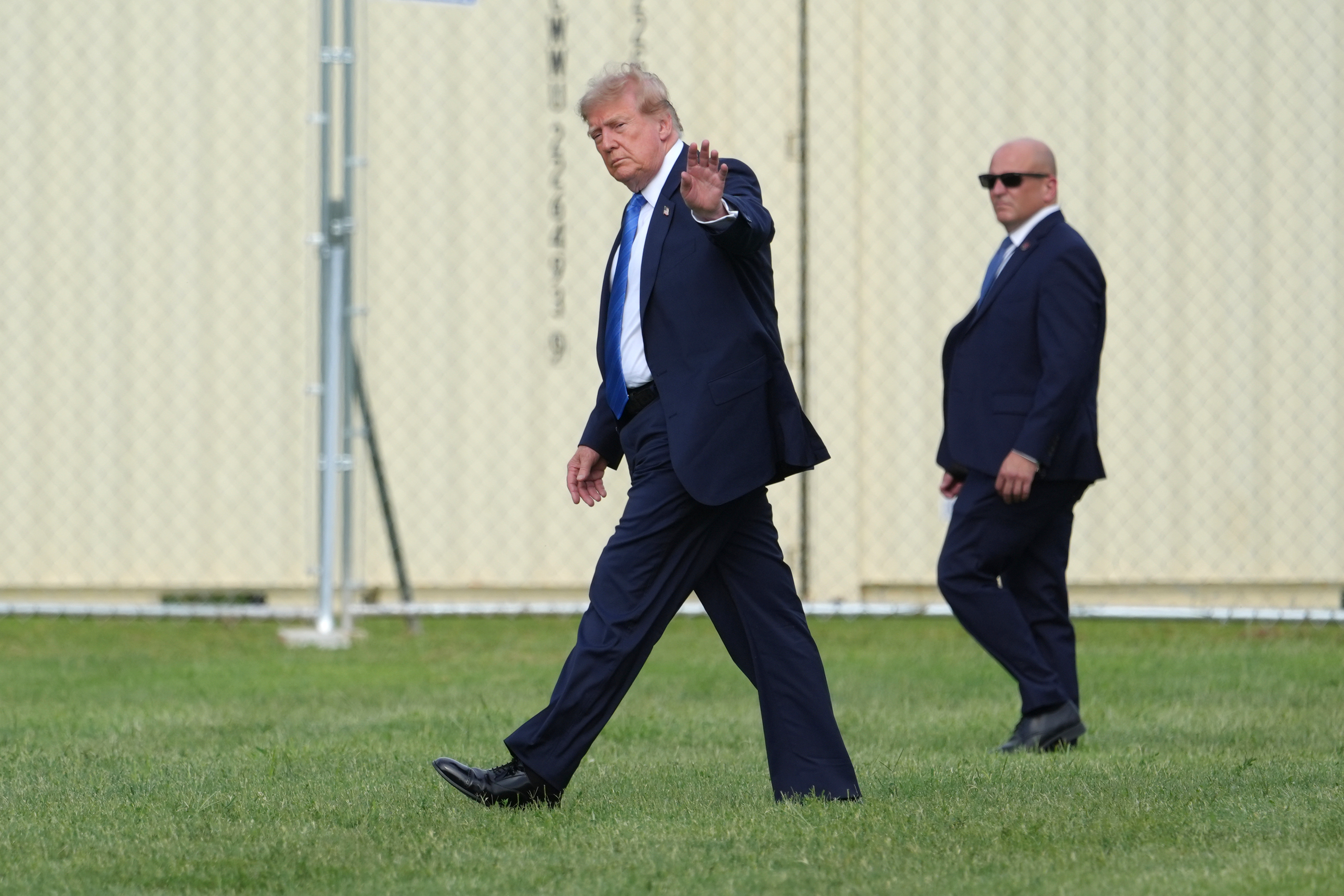
    President Donald Trump, angered by a comment that NBC anchor Kristen Welker made about his endorsements in the midterm elections, said Sunday he would report her to the Federal Communications Commission for a “rebuke or punishment” in his latest call for the agency to take action against broadcasters.

    Welker, ahead of the airing of her show Meet the Press, told NBC D.C. affiliate WRC-TV that Trump is “going to loom large” over the November midterm elections. She noted that he endorsed several candidates in the primaries and said he had “some mixed results.”

    Trump took issue with Welker’s characterization, insisting in a Truth Social post that his record of endorsements is, “without question, the strongest Endorsement in the History of Politics.”

    “Because of this purposeful inaccuracy, she will be reported to the FCC for rebuke or punishment,” Trump said in a post on Truth Social, saying he hoped its chairperson, Brendan Carr, “will take this Threat to our Country very seriously.” In a later post, Trump also complained about polls used by media organizations, without giving details, saying, “FCC TO THE RESCUE!”

    Trump’s calls for FCC action are the latest move by his administration to seek investigations and sanctions against journalists and media companies. The FCC did not immediately respond to a request for comment.

    In a statement, NBC News said, “Kristen is one of the best in the business and we stand by her.”

    Welker is a Philadelphia native and a former reporter and anchor for NBC10.

    In the Sunday comments, Welker pointed out that Trump’s most recent pick of Sen. Darline Graham in South Carolina’s GOP Senate primary was successful.

    Other major candidates in competitive primaries who won with a Trump endorsement include Texas Attorney General Ken Paxton, who defeated Sen. John Cornyn in the state’s GOP Senate primary runoff, and Julia Letlow, who defeated Sen. Bill Cassidy in the Louisiana GOP primary for the Senate seat.

    Some candidates Trump endorsed lost their primaries. Among them were GOP gubernatorial candidates Burt Jones in Georgia and Randy Feenstra in Iowa, and Rep. Cory Mills (R., Fla.), who was seeking reelection. As of Sunday, four Trump-endorsed House candidates and six Trump-endorsed statewide candidates have lost their GOP primary races.

    Historically, U.S. presidents have usually preferred to stay out of the fray in House and Senate primary races to preserve party unity. But Trump has taken pride in the power of his endorsement, especially in a year when his name is not on the ballot. On the campaign trail, he’s told voters: “What I really want you to do is pretend, please, that I’m on the ballot.”

    Carr, who since becoming FCC chairperson in Trump’s second term has relished the role of media enforcer, has previously warned that he would deny or revoke government-issued licenses if broadcasters run what the agency deems “fake news.”

    Under the Communications Act of 1934, the FCC has the power to issue broadcast licenses, and it has the authority to monitor that licensed stations serve the “public convenience, interest, or necessity.” It can enforce this by enacting broadcast programming restrictions, but it must adhere to First Amendment limitations.

    While the FCC has the limited ability to revoke stations’ broadcast licenses, it has not done so in over 40 years, and its powers do not include revoking licenses because of a disagreement over a viewpoint expressed on the station. Experts have said that revoking a license or censuring a news station because the president disagrees with its content would amount to a violation of the First Amendment.

    In March, Carr threatened to remove broadcast licenses over news coverage of the U.S.-Israeli war in Iran — a move Trump endorsed.

    Last month, the president demanded that ABC and NBC lose their government-issued broadcast licenses because they did not interrupt regularly scheduled programming to air one of his speeches.

    The FCC also mounted a separate battle against ABC over the summer after the president criticized the network’s late-night comedy host Jimmy Kimmel.

    As the FCC conducted an early review of its eight local broadcast licenses, ABC sued the agency, alleging that the commission’s review is unconstitutional under the First Amendment.

  • Links exposed physician cell numbers and work schedules at health systems in Philly and nationwide

    Links exposed physician cell numbers and work schedules at health systems in Philly and nationwide

    Philadelphia-area health systems have been moving swiftly to pull offline web links that publicly revealed the daily work schedules and cell phone numbers of healthcare workers, information that hospitals traditionally do not make available online.

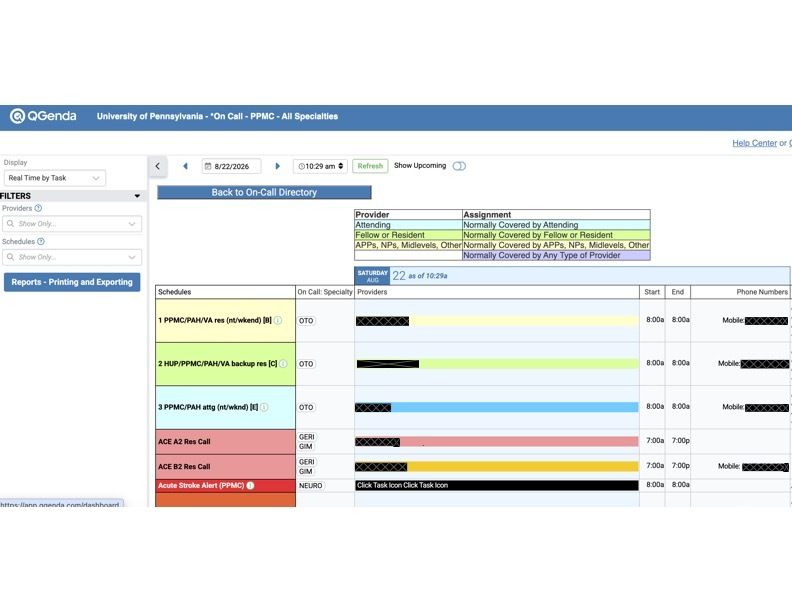
    The information for thousands of medical workers at Penn Medicine, Children’s Hospital of Philadelphia, ChristianaCare, and dozens of hospitals nationwide was published online through a popular scheduling service, QGenda.

    Experts said the online availability of internal information raises serious security and privacy concerns at a time when healthcare workers increasingly face the threat of workplace violence and doxing.

    The Philly-area health systems took down the schedules in late August after The Inquirer alerted them that the information was publicly available. Penn and CHOP did not respond to questions about whether they were aware the link was accessible without a log in.

    A spokesperson for ChristianaCare said the system “recently became aware” the pages were public, and “immediately” worked with the QGenda to “eliminate the vulnerability.”

    “We are not aware of any impact to caregivers, clinicians, patient care, or operations,” Christiana’s statement said. “Protecting the privacy and security of our caregivers, clinicians, patients, and information systems remains a top priority.”

    Other Philadelphia-area systems did not appear have publicly available links.

    The web pages managed by QGenda, an Atlanta-based workforce management software company, exposed months of schedules of physicians, nurse practitioners, social workers, and other hospital employees.

    The links don’t appear on Google searches, but anyone with access to basic AI chatbots could pull up live schedules showing the hours and assigned hospital service for on-call doctors and other providers.

    “That’s very concerning,” said Lane Kantor, a fourth-year medicine-pediatrics resident at Penn and CHOP, explaining that healthcare providers’ work “sometimes comes with patients who can harass and threaten us.”

    Kantor, a leader at Penn’s resident union, said the public information of providers who work with undocumented immigrants or in the areas of gender-affirming or abortion care was especially concerning.

    QGenda is used by more than 4,500 organizations, according to the company’s website, including many hospitals that use the software as a one-stop source of information about providers who are on-call and available for consult at any given moment.

    It is not clear how the schedules became public, how long the information was available online, to what extent hospital administrators knew the information was not safeguarded with a log in requirement, or whether anyone — let alone someone wishing to inflict harm — accessed the information.

    QGenda did not respond to multiple requests for comment.

    The Hearst-owned company offers “QuickLinks” to allow “any staff member without a QGenda account” to easily access the schedule, according to the company’s website. The site also notes that “on-call schedules may contain sensitive information” and that there is risk of “unauthorized access or data breaches” without proper safeguards.

    The platform also enables healthcare systems to restrict access, “so that only devices on your practice’s secure network can access schedule data on the public-facing landing page,” the company’s site says.

    Health systems in the Philadelphia area and across the country have taken steps in recent years to minimize doctors’ publicly available information in response to the growing politicization of many health services, especially those involving diversity, equity and inclusion, abortion, and gender-affirming care.

    CHOP, for example, removed provider names from the webpage of its gender and sexual development program in 2022 as the clinic received threats because it provides gender-affirming care for teens. But information on clinic’s providers was available through the now-removed public schedule.

    Security experts say releasing public work times and locations alongside cell numbers leaves providers vulnerable to being targeted by dissatisfied patients, or individuals who disapprove of the type of medicine a doctor practices.

    “This is really alarming,” said Will Owen, a spokesperson for Surveillance Technology Oversight Project, a New York-based privacy nonprofit. “Hospitals must scrutinize the platforms they work with in their data collection to minimize information that can be weaponized.”

    Live hospital schedules exposed

    After receiving a confidential tip that three East Coast health systems had public QGenda web pages, The Inquirer identified public landing pages for nearly 50 health systems or hospitals nationwide, including Veterans Affairs hospitals, using OpenAI’s Codex.

    For some, like Penn and CHOP, the landing pages for the entire system were public. For other hospitals, schedules for only one department or service surfaced.

    Some of the United States’ largest and most prestigious institutions had public QGenda links, including Johns Hopkins Medicine and the University of California-San Francisco.

    The Inquirer attempted to reach out to each hospital or system for which it found schedules before publication. At least 10, including Hopkins and UCSF, have removed the public link completely or added a password requirement.

    A spokesperson for Cedars-Sinai Medical Center in Los Angeles said it was “unaware” that its anesthesia department’s schedule was public. The schedule has since been removed.

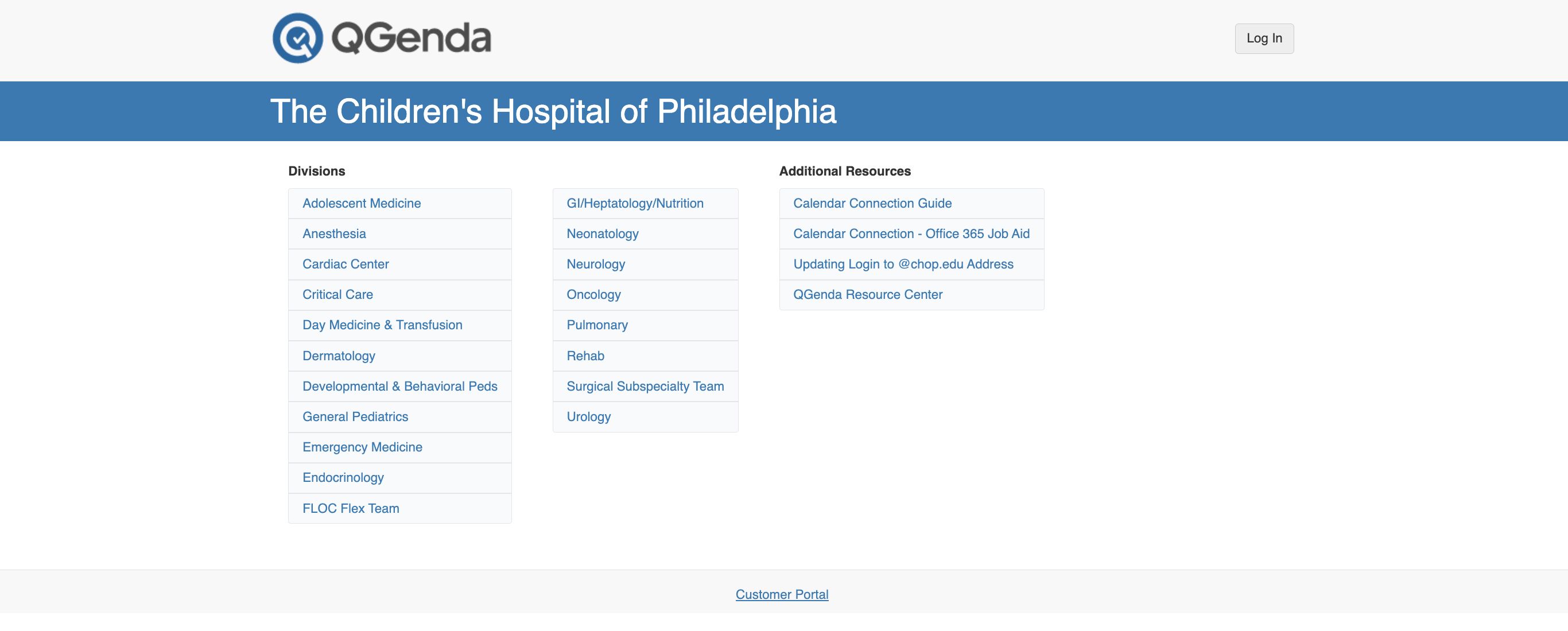
    The call schedule for the Children’s Hospital of Philadelphia, and dozens of hospitals nationwide, was available online through a public QGenda link. CHOP updated the web page’s permissions to require a login after being alerted by The Inquirer.Screenshot

    CHOP informed hospital staff last week about security updates made to QGenda “out of an abundance of caution.”

    “We are taking a precautionary step to update access to the QGenda platform used to display CHOP on-call schedules,” CHOP said in an email to staff obtained by The Inquirer.

    QGenda’s platform does not contain patient information, and CHOP “continually assess our systems, processes, and technologies with an eye toward privacy, security, and operational needs,” a CHOP spokesperson said in a statement.

    Penn said it uses QGenda to support communication among care teams.

    “We continually monitor the risk environment surrounding online information and, as it continues to evolve, we are adding controls that both preserve appropriate protection and provide reliable access for those who need the information to coordinate patient care,” Penn said in a statement.

    Privacy concerns rattle doctors

    Healthcare workers have been reporting increased rates of online harassment and workplace violence since the COVID-19 pandemic.

    The problem has become so pronounced that Colorado, for example, enacted in 2021 an anti-doxing law that made it a crime to share the personal information of health workers and their families online.

    An American Medical Association policy from 2024 says the organization supports data privacy and anti-doxing laws to prevent threat and harassment.

    Gennadiy Ryklin, a hospitalist at ChristianaCare, was surprised to learn a colleague had done a work-hour analysis for ChristianaCare’s attending union using an AI model.

    “I asked him, ‘well, how’d you do that without having Claude get access to our private schedules?’ And, well, it’s not private, there’s a public link here,” Ryklin said.

    Privacy and data security are principles are drilled into physicians through policies, procedures, and training courses, Ryklin said.

    “We understand that patient information in the wrong hands can cause a lot of harm,” the doctor said. “Where’s that same concern for us?”

    A June shooting that killed one IT intern and left another injured in ChristianaCare’s Wilmington Hospital underscored for Ryklin the threat of violence within health systems. Law enforcement charged a third intern in connection to the incident.

    He reached out to hospital administrators and last week the hospital began removing the public web pages.

    Employee privacy exists in a legal gray area, with protections often dependent on institutional policies, said Matthew Bodie, a law professor at the University of Minnesota.

    Publicly sharing schedules and cell numbers does “feel invasive,” Bodie said, “especially if employees didn’t know about it.”

    The combination of cell numbers and work schedules could be used to cause harm, whether by patients, politically motivated individuals, or stalkers, said Sharona Hoffman, a co-director of the Law-Medicine Center at Case Western Reserve University.

    The lack of any sweeping federal employee privacy requirements makes the online availability of the information, “not surprising though very disturbing,” the professor said.

  • G20 finance officials gather in U.S. as Iran war grips global economy

    G20 finance officials gather in U.S. as Iran war grips global economy

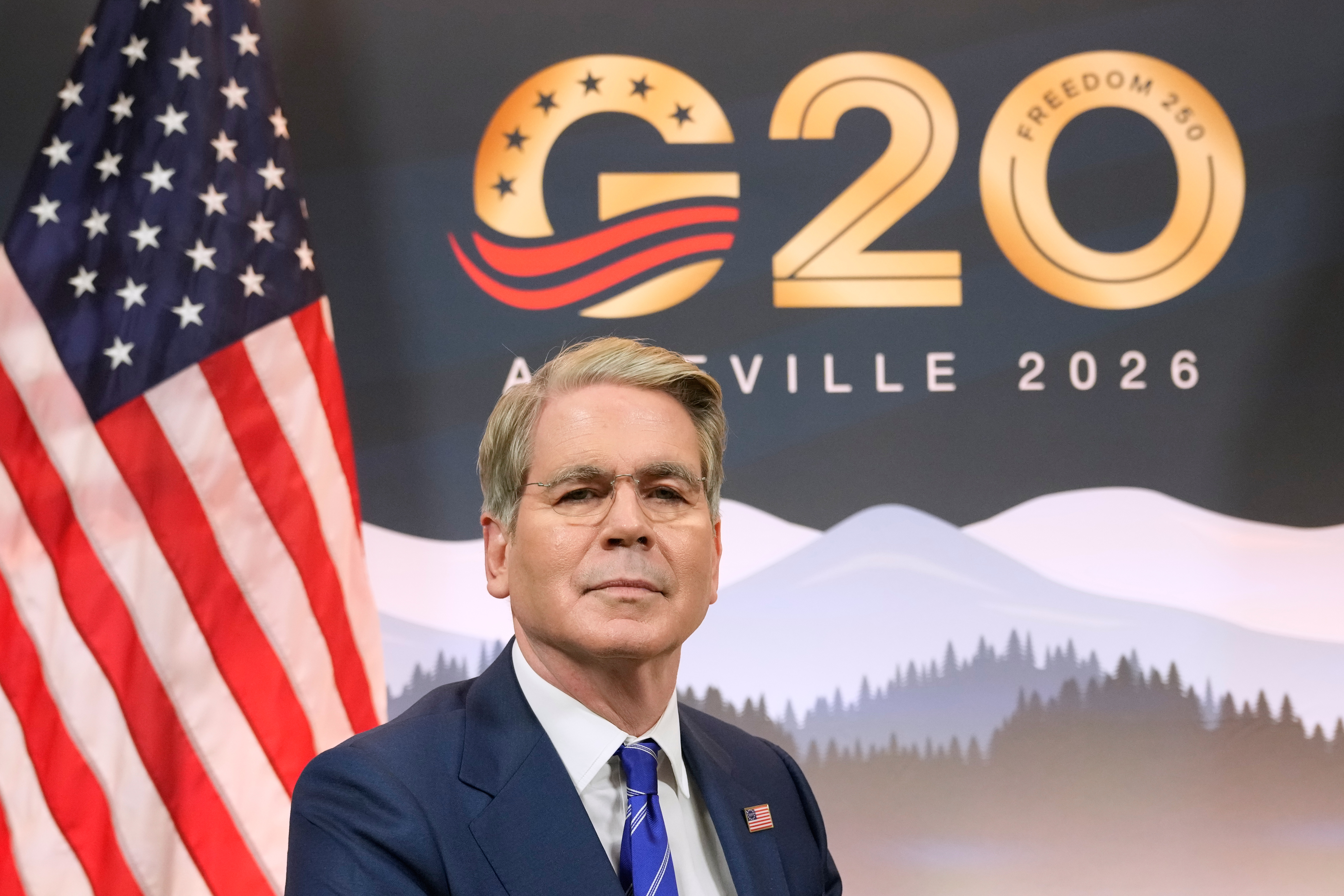
    Top economic policymakers from many of the world’s wealthiest nations began two days of meetings Monday in Asheville, N.C., at an incredibly challenging moment. Global inflation is high, growth is choked by war in the Middle East, and rising borrowing costs are straining government budgets.

    But on the eve of the summit of finance ministers and central bankers from the Group of 20 nations, those questions were clouded by a series of controversies around participation, including whether the Trump administration would let Russia attend while refusing to allow South Africa’s delegation to join.

    Representatives from South Africa, a longtime member of the G20 and Africa’s largest economy, were not invited by the Treasury Department to Asheville. President Donald Trump announced last year, after skipping a G20 summit hosted by South Africa, that he would exclude the country from this year’s meetings, citing a false narrative that white South Africans were being indiscriminately killed and their land was being seized.

    Administration officials also invited a group of American business executives from industries including banking and cryptocurrency to meet with the government leaders, in an effort to create networking opportunities between government officials with the private sector. They rebuffed requests to also include executives from other G20 countries. The moves have unsettled some attendees at the gathering.

    The summit comes at a pivotal moment, with the International Monetary Fund projecting that global growth will slow this year and inflation will rise. The decision by the United States to attack Iran in February disrupted the flow of oil and pushed energy prices higher, darkening the outlook for a world economy that has been battered by wars and a pandemic in recent years.

    Huddled in a North Carolina mountain resort, officials are expected to discuss ways to reinforce global supply chains for commodities such as critical minerals, opportunities to increase international investment, and strategies for reducing or restructuring debt. The conversations are taking place as the U.S. gross national debt just topped $40 trillion, creating anxiety among bondholders and raising fears about higher borrowing costs.

    “Mounting fiscal pressures, as evidenced by rising bond yields, and a stalled disinflation process — they are sources of worries both for markets and for policymakers,” Kristalina Georgieva, managing director of the IMF, told reporters before the meetings.

    Those concerns have been especially evident in the United States. In recent weeks, Treasury Secretary Scott Bessent initiated surprising interventions in global currency markets and in the U.S. bond market in an effort to contain rising borrowing costs. Those measures have so far been only modestly effective, and they have drawn pushback from the European Union, which has seen its own currency suffer as a result of some of Bessent’s machinations.

    Global leaders also remain wary of the ongoing U.S.-Israeli war with Iran, which has driven up energy costs worldwide, disrupted supply chains and dragged on growth.

    “Everyone must contribute to reducing the massive global uncertainties” affecting growth, Lars Klingbeil, the German vice chancellor and finance minister, told reporters before flying to the summit. “That is why we are pushing for an end to the war with Iran and open shipping lanes through the Strait of Hormuz.”

    Unifying the G20 has been a challenge for the administration, as countries continue to cope with uncertainty surrounding Trump’s trade policies and the steep tariffs that he has imposed on imports, along with fallout from the war.

    U.S. officials have asked allies to join their Operation Economic Outcast initiative, which aims to strangle the Iranian economy and resolve the conflict through economic sanctions. Bessent last week warned that countries that do not sever economic ties with Iran would also face U.S. sanctions.

    A senior Treasury official said in a briefing before the Asheville meetings that the Iran plans would feature prominently in the discussions. Bessent signaled last week that the United States would have limited patience for countries that maintain economic ties with Iran but that he hoped other countries would comply with the Trump administration’s demands to cut off Iran in order to avoid a broader global economic war.

    “Why would I want to blow up the global financial system?” Bessent said.

    In another controversy, the Treasury has denied press credentials for attending the meetings to certain U.S.-based reporters for the New York Times and the Wall Street Journal, along with correspondents for Bloomberg News from several countries.

    Germany’s Finance Ministry intervened with the Treasury after it initially denied credentials to German-based reporters from the Times and Bloomberg, who planned to travel with Klingbeil to Asheville.

    The ministry succeeded in securing a credential for the Times reporter, the newspaper’s Berlin bureau chief, but not the Bloomberg reporter.

    A diplomatic official, speaking on condition of anonymity under a customary practice in the official’s home country, said German officials viewed the denial of credentials for Bloomberg, an international news agency, as unprecedented and unacceptable.

    This article originally appeared in the New York Times.
  • Metropolitan Museum of Art scraps John Galliano-focused Met Gala plans

    Metropolitan Museum of Art scraps John Galliano-focused Met Gala plans

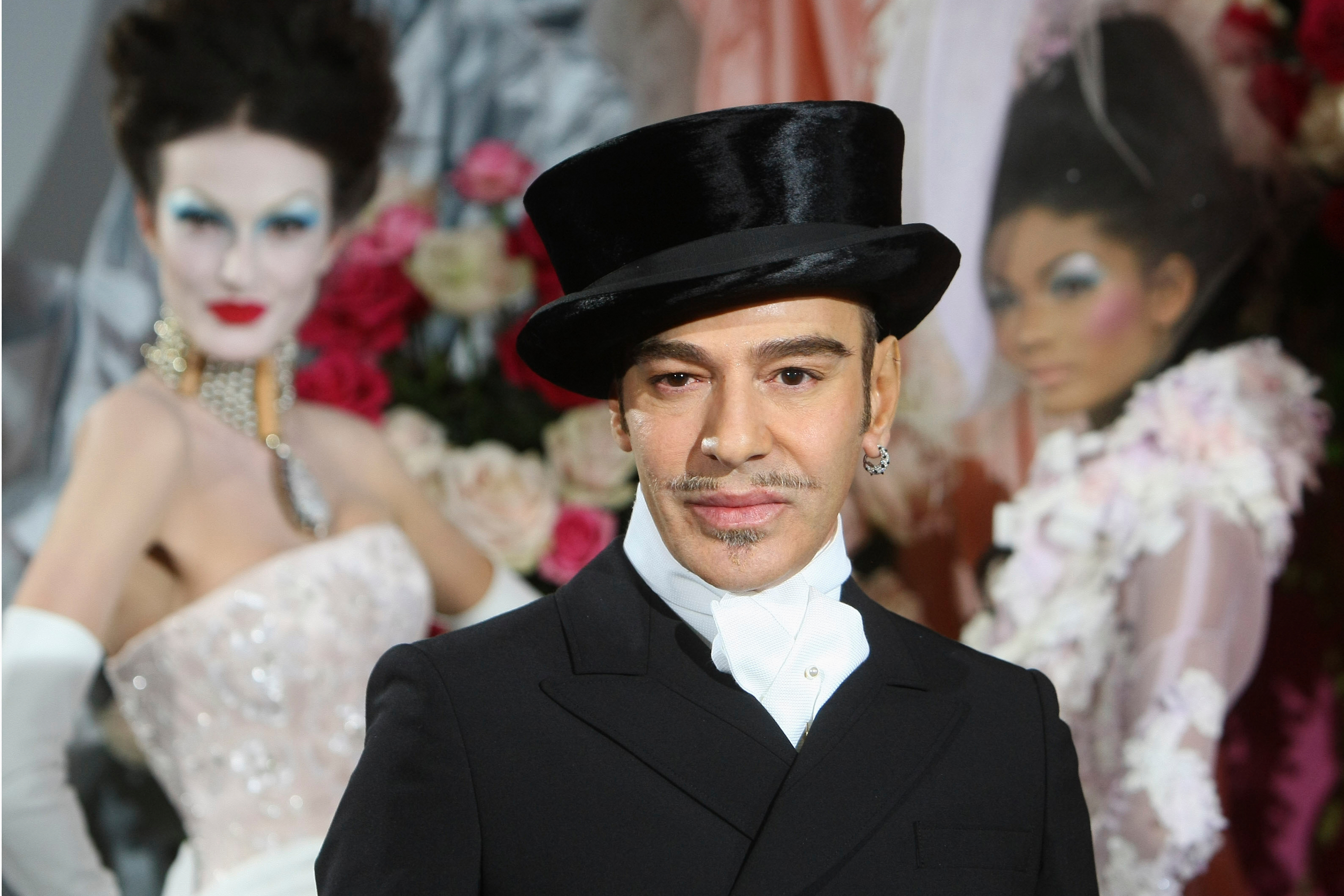
    Next year’s Met Gala will not spotlight controversial fashion designer John Galliano after all.

    The Metropolitan Museum of Art and Galliano announced in a joint statement that the museum would not move forward with John Galliano: Horizons. Galliano, 65, is a British designer who has worked for some of the industry’s top fashion houses, including Christian Dior, Givenchy, and Oscar de la Renta.

    At the peak of his career, he served as Dior’s creative director for nearly 15 years. But in 2011, he was infamously canceled after his conviction in a Parisian court over a series of racist and antisemitic comments. It cost him his job leading Dior. At the time, Galliano said his alcohol abuse sparked the outburst.

    The museum’s retrospective was reportedly going to highlight the fashion director’s portfolio while also addressing his personal life, including his public exile and the work he later did to atone and get sober.

    “Following thoughtful discussions with many stakeholders and with John Galliano, we together have decided not to proceed with the exhibition,” said Metropolitan Museum of Art director Max Hollein.

    The announcement came exactly one month after the initial Met Gala theme reveal. Galliano’s exhibit would have only been the third retrospective for a living designer in the Costume Institute’s history.

    While fashion experts largely agreed the fashion director’s work is seminal, critics said the exhibit’s timing — which coincides with a global surge in antisemitism — was cause for concern.

    Professional thrifter and fashion writer Virginia Chamlee previously told The Inquirer that while the Met was equipped to accurately cover the designer’s checkered past, she was concerned about whether the storytelling would resonate with the average Met Gala consumer.

    The annual exhibit’s largest publicity draw is a televised red carpet where celebrities invited often wear pieces by or paying tribute to the spotlighted designer — not the exhibit itself.

    “Even if the museum intends to offer a complete examination of Galliano’s complicated legacy, it may come off as a straightforward celebration of someone who said things so heinous and racist that they were charged and fired for them.”

    In the joint statement, Galliano himself said he requested not to move forward with the exhibit.

    “After much reflection and discussion with The Met and all those involved, I have decided, with great sadness, that it is best for the exhibition not to take place at this time,” Galliano said. “I remain fully accountable for the pain caused by my words in the past, particularly the hurt I caused to the Jewish and Asian communities, and I remain deeply sorry for it. I understand that meaningful atonement is not achieved through an exhibition, institutional recognition or a single public gesture. It is a continuing responsibility, demonstrated through listening, learning and one’s conduct over time.”

    Galliano went on to thank Anna Wintour, a longtime champion of Galliano’s and the global editorial director of Vogue, chief content officer of Condé Nast, and Met Gala chairperson responsible for the event’s programming.

    In her extended statement to Vogue, Wintour framed Horizons’ cancellation as a “postponement.”

    “John’s decision to ask the Museum to postpone the exhibition devoted to his work is very courageous and a measure of the man he is,” she said. “I believe this is the right decision, and both he and the Museum have my full support.” The Met’s version of Wintour’s statement does not use that phrasing.

    Information on a new Spring Costume Institute exhibition and the 2027 Met Gala will be announced later, the museum said. The Gala itself was initially scheduled to take place May 3, though it’s unclear if that date would shift in light of the exhibit change.

  • Grand Canyon braces for more storms after deadly flash flood, about 15 people still missing

    Grand Canyon braces for more storms after deadly flash flood, about 15 people still missing

    FLAGSTAFF, Ariz. — More rain and thunderstorms were possible Monday at the Grand Canyon following a major flash flood that left one person dead and about 15 others missing or unaccounted for, with scores of visitors evacuated and the only water pipeline for tourists and residents destroyed.

    Emergency water restrictions that began Monday prevented tourists from staying overnight at lodges and hotels within the park. Year-round residents were asked to conserve water.

    A flood watch was in effect. Visiting the Grand Canyon — a crown jewel of the national park system — can be particularly dangerous in the summer because of the risk of flash flooding that accompanies the monsoon, or rainy season. Clear days can give way quickly to thunderstorms and downpours.

    “With deep monsoonal moisture in place and already saturated soils in some locations, an elevated risk of flash flooding will be in place through Monday,” the National Weather Service said early Monday.

    The body of a 46-year-old man was recovered Sunday evening near Crystal Rapids along the Colorado River, the National Park Service said without providing additional details.

    The flooding Saturday in Bright Angel Creek, which flows into the river, led to more than 60 people being airlifted from the depths of the canyon. The park service asked anyone with details about hikers or campers still unaccounted for to get in touch. The Arizona Department of Public Safety helped with additional evacuations Sunday.

    “These measures are crucial for ensuring the safety and sustainability of water resources,” the park said in a statement.

    Parth Desai was hiking through a narrow passage in Bright Angel Canyon with fellow physicians and a park ranger when heavy rain started falling Saturday.

    “We saw the creek flood, waterfalls coming up out of nowhere, boulders, mud, landslides happening everywhere,” he said.

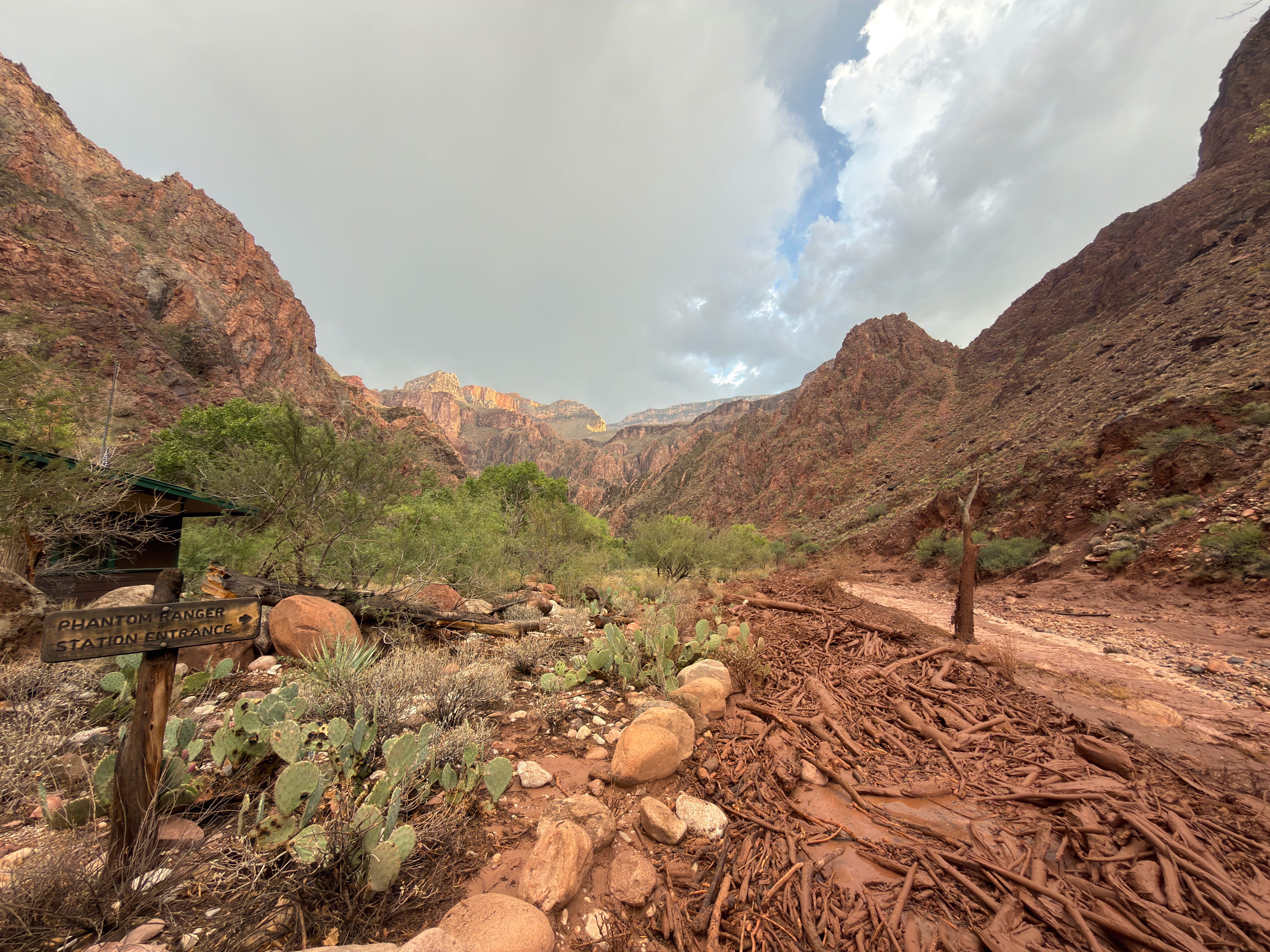
    Later, as they made their way toward Phantom Ranch, a colleague shouted “Up, Up, Up, Up!” as a 4-foot (1-meter) debris wall headed toward them and they ran up into a patch of cacti, he said. They were rescued by helicopter late Saturday after making it to the Phantom Ranch area, he said.

    Torrents of water wiped out footbridges over the creek and altered the landscape, widening the creek bed and extending an existing river rapid or creating a new one. The flood was a major blow to an enduring effort to modernize the pipeline that serves 6 million visitors a year and roughly 1,600 residents of Grand Canyon Village.

    “Heaven help us if the whole thing down there at the bottom has to be reconstructed,” said Jack Schmidt, director of the Center for Colorado River Studies at Utah State University. “Where are they going to get the money?”

    Halting overnight stays at the park because of a lack of water is rare, although the pipeline frequently has failed over the years. While the Grand Canyon has large storage tanks for potable water on the South Rim, they won’t be refilled while the pipeline is out of service.

    A $208 million rehabilitation of the pipeline and upgrades to the associated water delivery system started in 2023, with the park service calling it a crucial investment to ensure the park can meet the needs of residents and visitors. The project was expected to be completed next year.

  • This principal in Nepal evacuated 900 students before flooding swept away their school

    This principal in Nepal evacuated 900 students before flooding swept away their school

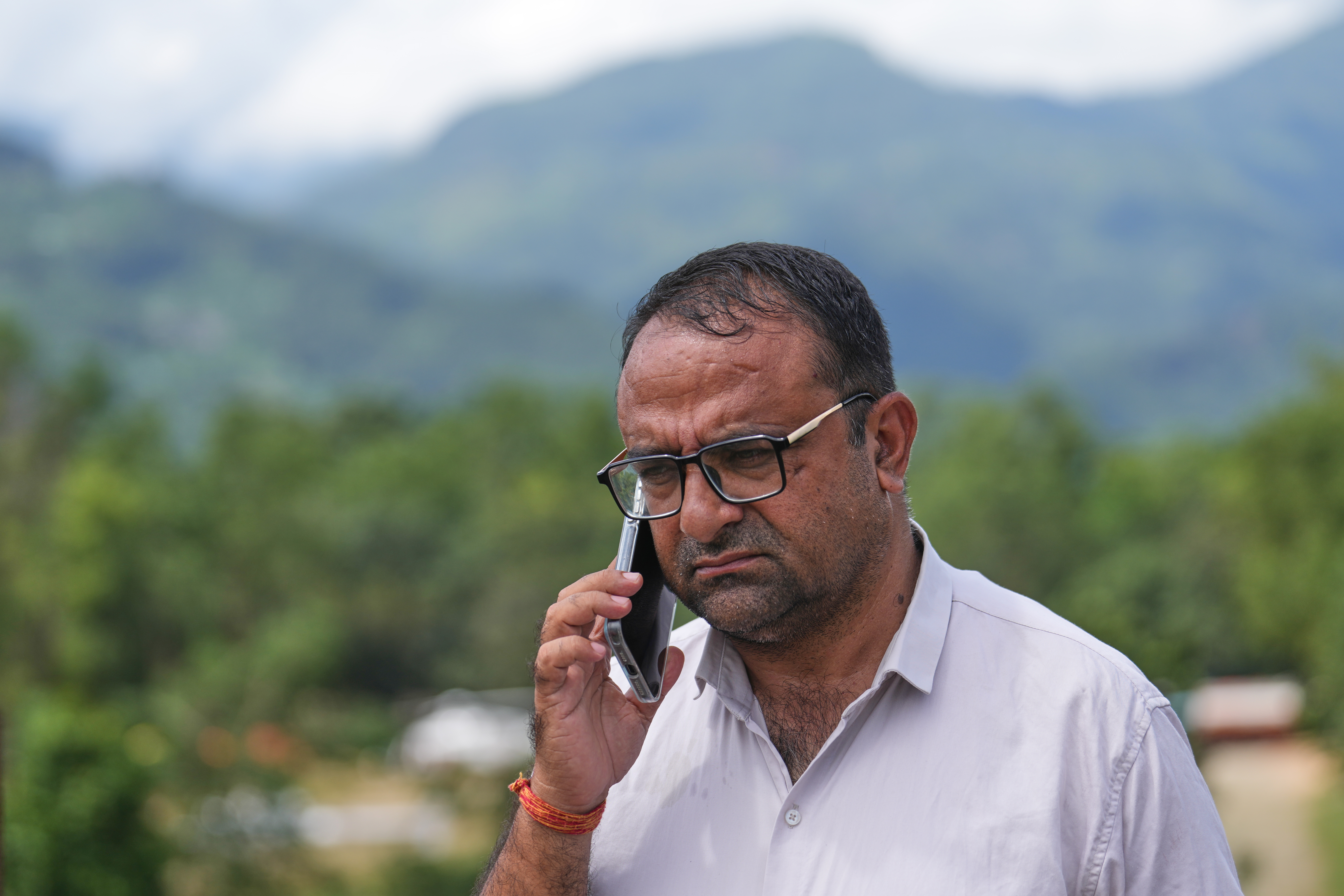
    BIDUR, Nepal — Rajendra Dawadi was inside his classroom when the school’s accountant rushed in with a warning: Floodwaters were racing through Nepal’s Trishuli Valley, tearing apart homes, bridges and entire villages.

    Then a teacher received another warning by phone. Moments later, a parent arrived to take her child home. The danger had not yet been confirmed, but Dawadi had little time to act. He rang the school bell and ordered his students and staff out of the building and toward higher ground.

    “I immediately decided to stop … school and (get the children out),” he told The Associated Press.

    As he followed them to a nearby hill, the floodwaters rose behind him. From the safety of the hillside, he turned to watch the school where he had once been a student — and where he had spent years teaching — disappear beneath a torrent of water, mud, boulders and debris. Two staff members could not make it and remain missing.

    Dawadi’s decision to evacuate the school saved at least 900 students from last week’s devastating flash floods in Nepal, unleashed after a glacial collapse in the Himalayas. The disaster killed over 900 people across Nepal and China, while more than 4,700 remain missing.

    As Nepal grapples with the catastrophic natural disaster, Dawadi’s story has emerged as a striking example of foresight and courage.

    The Tribhuvan Trishuli Secondary School in the Trishuli Valley of north-central Nepal had 1,643 students. At least 900 were on campus that morning, while some students were still making their way to school. Dawadi ordered those already there to leave and called bus drivers, telling them to only stop at safer places.

    One bus, packed with students, had already reached the school when Dawadi told the driver to turn back, he said. The bus crossed a newly constructed bridge and, moments later, the old bridge beside it collapsed.

    For Dawadi, the scale of the destruction has become personal, as the school had been both his workplace and a large part of his life.

    “I have no words. I got education from that school. And I gave education at that school,” he said.

    The destruction of Dawadi’s school was not an isolated loss.

    Across northern Nepal, the floods have left thousands of children without classrooms, disrupted their education and raised fears that the disaster could cost them months of schooling. Charity group Save the Children said in a statement that at least 69 schools in northern Nepal have been completely destroyed, putting the education of nearly 19,000 students at risk.

    Dawadi’s quick thinking and swift response during the disaster have been hailed as an act of heroism. When he returned to the site of the school days later, parents embraced him as they thanked him for saving their children.

    “Their parents hugged me, they cried with me,” he said. “They were emotional.”

    Student Suvina Tamang, 14, said the school’s three-story building was swept away shortly after all the students had been evacuated.

    “I will thank him when I see him” for saving my life, she said.

    But Dawadi is reluctant to accept the role of hero. For him, rescuing his students was his responsibility. Now he says, students will need psychological counseling. Then, lessons must begin again, even if the school must temporarily relocate.

    His appeal to the Nepalese government is simple: rebuild the schools and get children back to classes.

  • A man seeking asylum was detained during a routine ICE appointment in Philly. He fears being tortured or killed if deported.

    A man seeking asylum was detained during a routine ICE appointment in Philly. He fears being tortured or killed if deported.

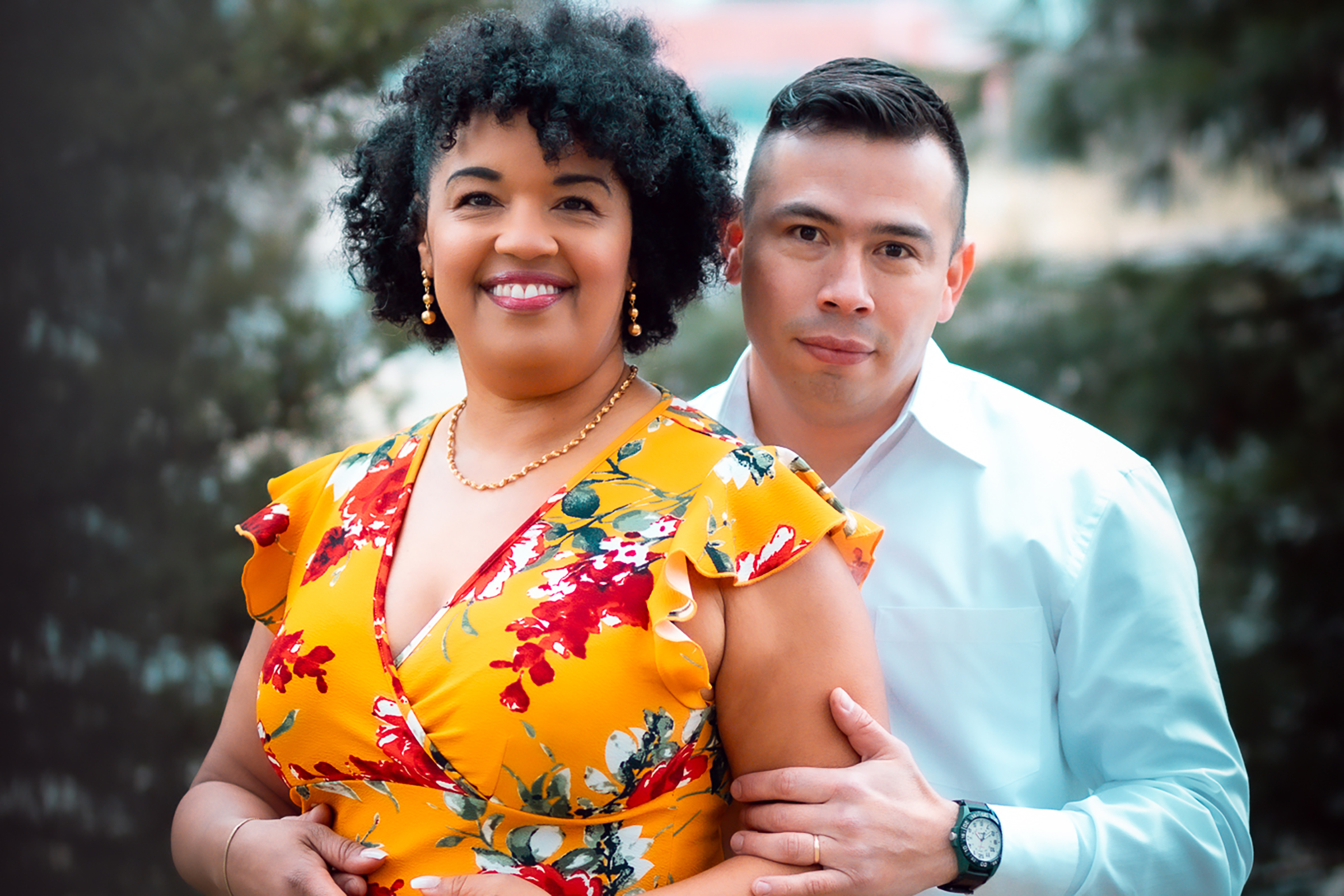
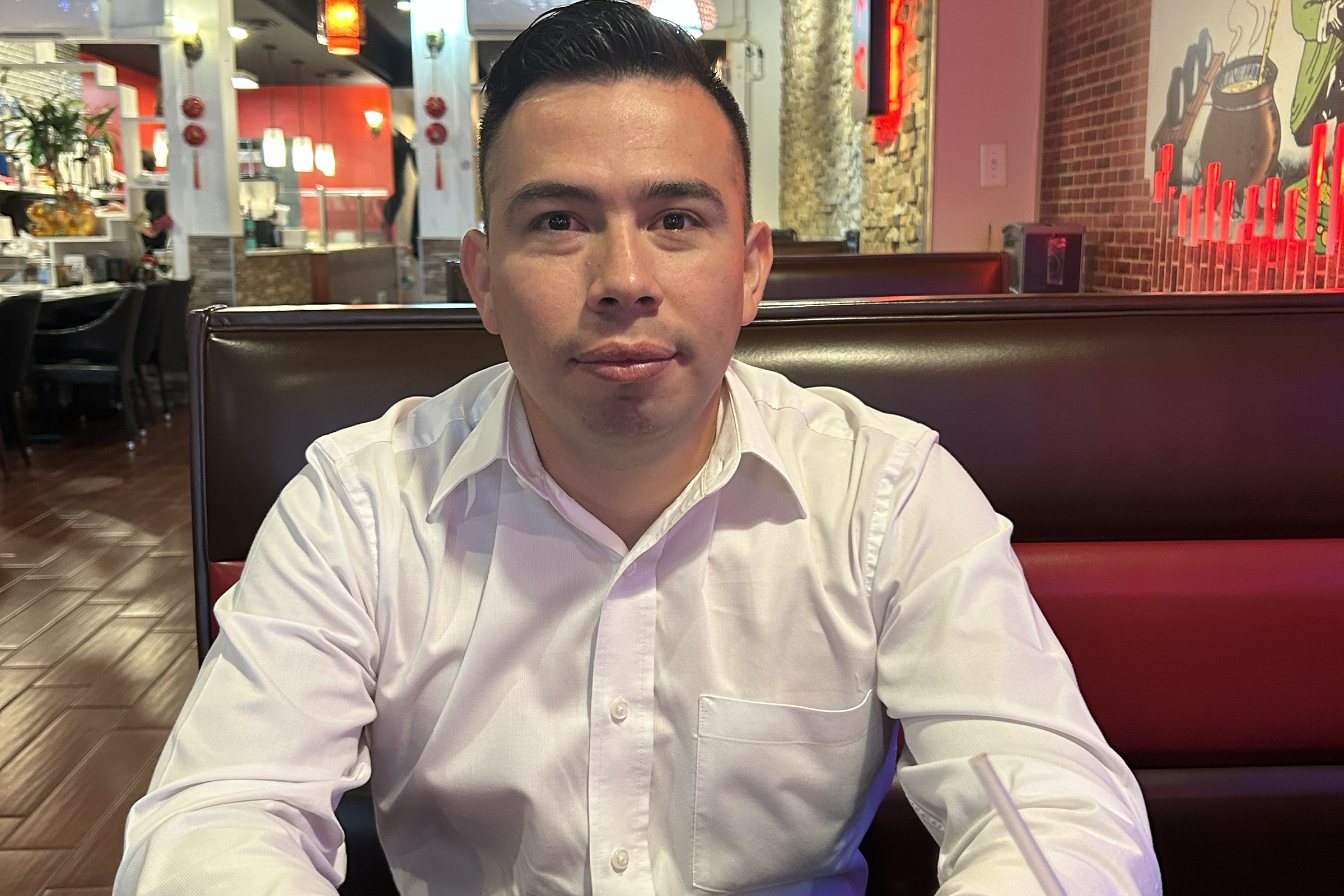
    Jhon Perez Romero carries a driver’s license, Social Security card, and an employment permit, working as a Spark Driver for Walmart in York, Pa.

    He also carries the fear of being tortured or killed if he should be deported to his Venezuelan homeland, where he’s been accused as a “traitor” by the government he once served as an intelligence officer.

    Perez Romero, who was interviewed and released by U.S. immigration officials when he crossed the border in 2023, was arrested by ICE in Philadelphia on June 30, when he appeared for what he thought would be a routine check-in. He joined a growing number of immigrants taken into custody even while they pursue asylum, a long-established legal process that can grant permission to live in the United States to people who could be harmed at home.

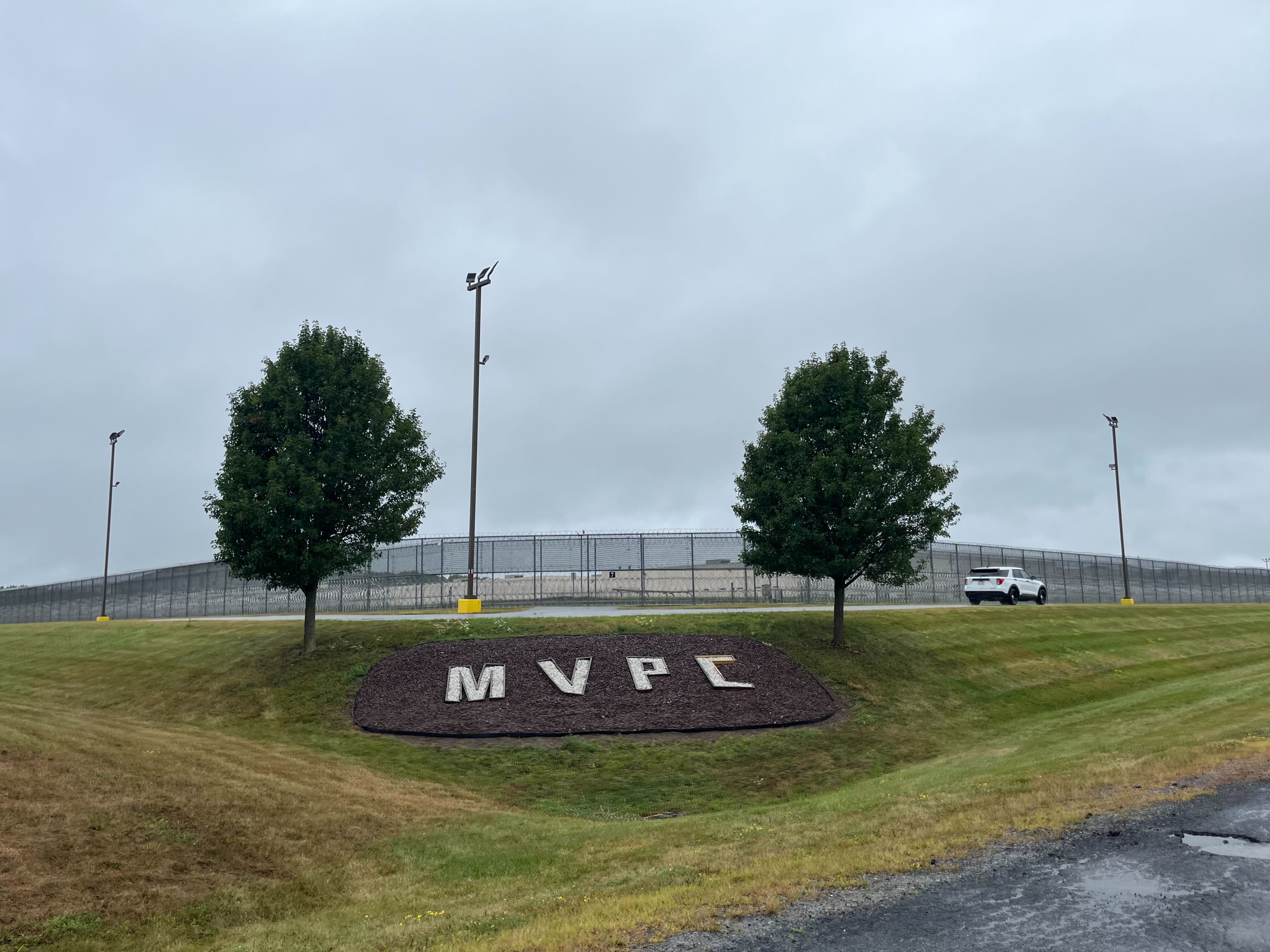
    Perez Romero, 39, is being held at the Moshannon Valley Processing Center, the 1,876-bed ICE facility in Philipsburg, Pa., his future uncertain, his wife and step daughter in anguish.

    “I thought the U.S. represented a place where people who are escaping political or religious persecution can come here and find safety,” said his wife, Sandra Quinones, an American citizen and high school teacher. “Especially if you’re law-abiding and contribute to society. That’s where my heart is broken.”

    The Trump administration’s aggressive approach departs from previous administrations, where asylum seekers with no criminal record were mostly allowed to remain free while they pursued their claims. Now applicants have been detained in communities across the United States, including Pennsylvania and South Jersey.

    Last week news broke that the administration intends to revoke the business and tourism visas of up to 200,000 people who are seeking asylum, putting them at risk of arrest and detention. That comes on top of procedural changes that have made it harder for people to prove they should be allowed to stay.

    A spokesperson for the Department of Homeland Security said Perez Romero was released at the border by the Biden administration, not by officials under President Donald Trump.

    “He will remain in ICE custody pending removal proceedings and will receive due process,” the spokesperson said in a statement. “A pending application does NOT confer legal status in the United States.”

    The agency said that on Jan. 20 Perez Romero was charged with “harassing communication,” an offense that usually involves phone calls or text messages sent to upset someone.

    DHS provided no other information. Dauphin County court records show that Perez Romero pleaded guilty in magisterial district court in March, but do not include details of what occurred. A court worker said Friday she could provide no additional information.

    “Criminal illegal aliens are not welcome in the U.S.,” Homeland Security said. “We will find you, we will arrest you, and we will deport you.”

    Jhon Perez Romero, originally of Venezuela, came to the United States seeking asylum in late 2023, afraid he could be harmed or killed by government agents in his homeland. Now Perez Romero, 39, is being held at the Moshannon Valley Processing Center, the ICE detention facility in Philipsburg, Pa., as the Trump administration detains more people who are seeking safety in the United States.Courtesy of family

    Generally, the government cannot deport someone while their asylum claim is being decided — claimants must be given what’s called a merits hearing, where they can present evidence, before any final removal action.

    The government does have the power to hold asylum seekers in detention for certain reasons, including if it believes the person might flee or is a danger to the public.

    Immigration lawyers argue that there’s no gain for the government in detaining asylum seekers, since their names, addresses, and identifying information are already known to authorities, who require regular, in-person check-ins.

    “The Trump administration is targeting people to subject them to detention, knowing they won’t be able to fight their way out of the system, so they’ll give up and leave,” said lawyer Lilah Thompson, who leads the immigration unit at the Defender Association of Philadelphia. “They’re wearing people down.”

    For immigrants, freedom while pursuing asylum means everything, enabling them to work and earn money to hire an attorney, and to more easily gather evidence and documents for their cases.

    Asylum cases can take years to decide — more than 2.3 million people now await asylum hearings or decisions — and appeals can go on for additional months or longer.

    Prolonged detention leads some to drop their legal cases and accept voluntary departure. Leaving voluntarily avoids the automatic 10-year ban on returning that can accompany a formal deportation.

    “It’s very tough, for people who are facing these choices,” said immigration lawyer Robert Barchiesi II, who represents Perez Romero.

    Thompson is helping defend a Chester County newlywed who has so far spent two months in detention after being arrested at a late-June check-in.

    Nelson Contreras-Gelves, 35, originally from Venezuela, has followed government directions and broken no rules, Thompson said, noting that he recently married a U.S. citizen.

    People seeking asylum must show not only that they could be harmed in their homeland, but also that the danger springs from at least one of five specific causes — their religion, race, nationality, political beliefs, or membership in a particular social group.

    Moshannon Valley Processing Center, in Clearfield County, Pa., is the largest immigrant detention facility in the Northeastern United States.Max Marin / The Philadelphia Inquirer

    People granted asylum can apply for lawful permanent residency and eventually for U.S. citizenship.

    Perez Romero’s life has taken him from a position in Venezuela’s notorious national intelligence agency, to a flight across countries in fear of his life, to love and marriage to a U.S. citizen and a caring role as stepfather to her 17-year-old daughter.

    From roughly 2011 to 2019, according to his asylum application, Perez Romero was an agent at the Servicio Bolivariano de Inteligencia Nacional, known as SEBIN. It was created in 2010 by then-President Hugo Chávez, officially aimed at protecting the nation but accused by human-rights groups of arresting and torturing political opponents, journalists, and activists.

    Perez Romero said he quit the agency after receiving instructions — the specifics were not described in his asylum application — that he refused to obey. His resignation came less than three months after a failed military uprising against authoritarian President Nicolás Maduro triggered a purge of the intelligence services, targeting those suspected of disloyalty.

    Perez Romero was told to report to government officials — and that he was accused of treason.

    “Which is erroneous,” he wrote in his asylum application, “since I have not committed any crime.”

    In March 2020, facing an arrest warrant, Perez Romero fled to Colombia, keenly aware of “what happens to political prisoners in Venezuela, things like imprisonment for life or murder.”

    Two years later, after Gustavo Petro was elected as that nation’s president, he said, he began receiving threats from Venezuelan agents that he would be seized and forced home.

    Perez Romero headed north. On New Year’s Eve 2023, he reached the U.S. border at Eagle Pass, Texas, where he was interviewed and released by immigration agents.

    The next year he met Quinones at La Iglesia de Dios Voz de Alerta Church in York, and they wed in 2025.

    She described him in an interview as an outstanding husband and father, working long hours to provide for their family. He’s deeply invested in their church, she said, and before his detention was developing a resource package to help missionaries serving in remote and dangerous areas.

    Last month, he tried and failed in federal court to win his freedom from Moshannon.

    U.S. District Court Judge Joseph Leeson ordered the government to hold a bond hearing, but Immigration Judge Tamar Wilson ruled that Perez Romero did not show he was not a flight risk or a danger to the community.

    He may say he’s innocent of treason, the judge wrote, but “the court cannot simply take his word for it.”

    Quinones says the family hasn’t lost hope. Their GoFundMe has raised $8,000 of its $9,000 goal, all of it going for legal fees and related expenses. They await the hearing to present evidence to support Perez Romero’s case for asylum.

    Quinones said her husband relies on his Christian faith to stay strong. She’s trying to stay optimistic as well, she said, but so much is uncertain and in flux. Her husband could end up having to accept voluntary departure to a third country, like Colombia.

    She’s prepared to retire early and join him, if necessary, and has begun exploring job possibilities there.

    “I can’t be apart from my husband,” she said. “I can’t picture my life without him.”

    Staff writer Dylan Purcell contributed to this article.

  • Dozens evacuated from Grand Canyon after flash flood hits creek leading to the Colorado River

    Dozens evacuated from Grand Canyon after flash flood hits creek leading to the Colorado River

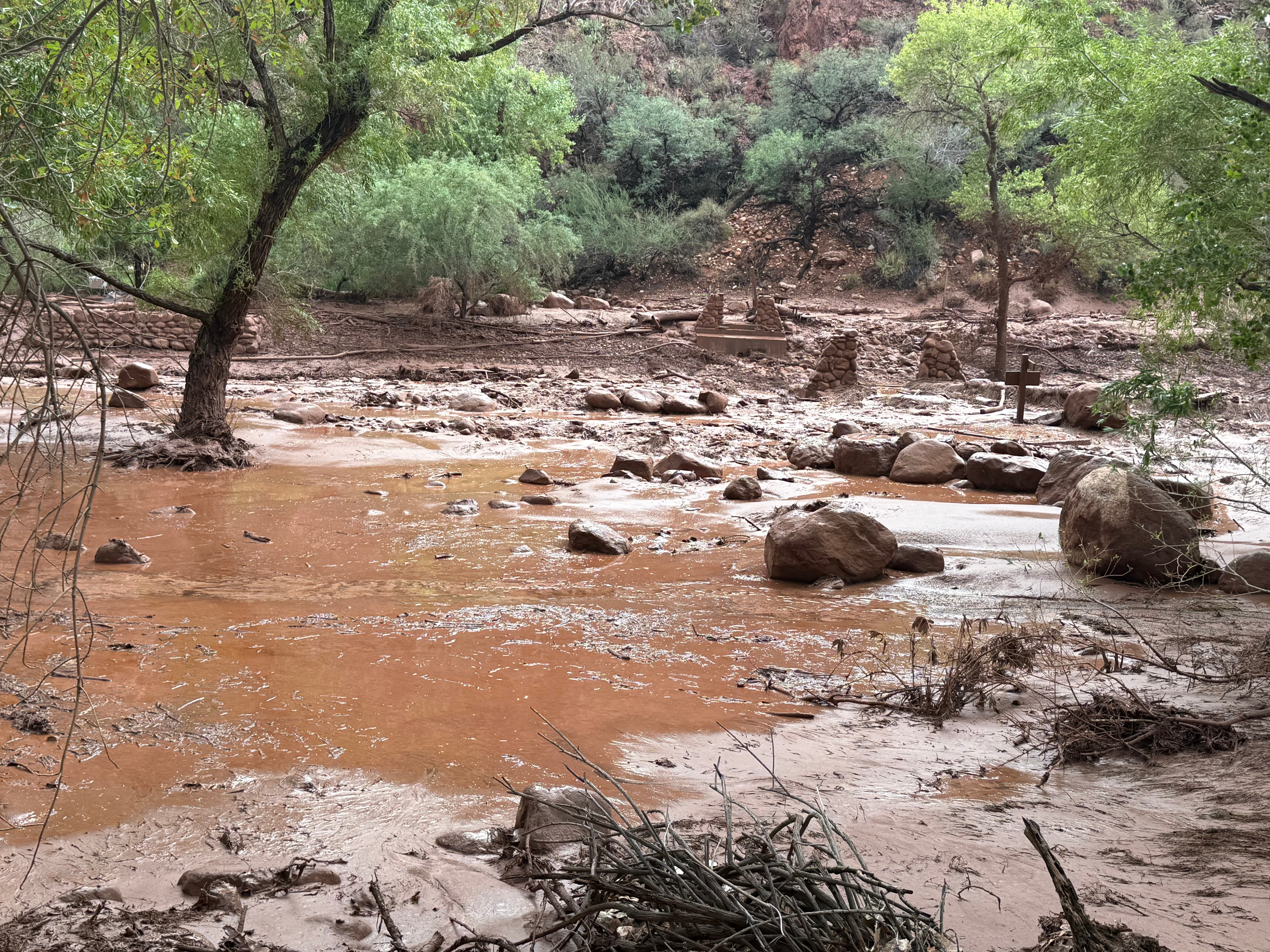
    FLAGSTAFF, Ariz. — A major flash flood at the Grand Canyon forced the evacuation of dozens of people and swept large boulders, metal structures and other debris into the Colorado River that runs through it, the National Park Service said.

    The flooding in Bright Angel Creek, which flows into the river, happened Saturday afternoon and has left the park service seeking information about 15 people who may be missing or unaccounted for. Torrents of water wiped out footbridges over the creek and significantly altered the landscape, widening the creek bed and creating what appeared to be a new river rapid.

    As the park service tries to account for everyone in the area, it is asking anyone with details about people hiking or camping there to get in touch. It said it was working with the Arizona Department of Public Safety to continue evacuations Sunday.

    “This is a reminder of what a dynamic and active landscape Grand Canyon is,” said Jack Schmidt, director of the Center for Colorado River Studies at Utah State University.

    Popular tourist spots including the Bright Angel Campground, Phantom Ranch and parts of the North Kaibab trail remained closed on Sunday while park officials surveyed the damage, the park said. Rafting trips on the Colorado River also have been halted for now.

    More than 60 people were evacuated from Phantom Ranch, which has a historic canteen and dorms, and is a common spot for rafters to get off and on the river. More evacuations were planned Sunday, the park said. No injuries have been reported.

    Erica Viola said she was at Bright Angel Campground when the rain started Saturday afternoon, and she and about 50 other hikers watched the creek rise and then debris start to flow by, including what looked like a bunkhouse. The group was taken by helicopter to safety, ending her adventure two days early, she said.

    About half an inch to 1 inch of rain fell within about 30 minutes in the rocky area where there’s a steep drop in elevation, said National Weather Service meteorologist Justin Johndrow in Flagstaff.

    “Most of it ran off instantly,” Johndrow said.

    He said the flooding happened on the north side of the Grand Canyon, where Bright Angel Creek comes from the North Rim down to the Colorado River, dropping around 6,000 feet.

    More rain and thunderstorms were possible for the area into Monday.

  • U.S. forces strike Iranian rocket launchers on the Strait of Hormuz in first military action in weeks

    U.S. forces strike Iranian rocket launchers on the Strait of Hormuz in first military action in weeks

    WASHINGTON — U.S. forces struck Iranian rocket launchers on the Strait of Hormuz in the first military action in a month on Sunday, according to a U.S. official, breaking a lull in fighting during an intermittent war that has lasted more than six months.

    Forces with the Revolutionary Guard Corps were observed preparing to launch rockets with sea mines into the strait, according to the official, who spoke on condition of anonymity to detail sensitive military movements.

    The U.S. military last week completed clearing sea mines from the strait’s international shipping routes.

    Semiofficial news outlets in Iran reported sounds of explosions near Larak island on the strait. The Guard in a statement carried by Iran’s state broadcaster noted “the martyrdom and injury of several of our fighters and compatriots.”

    The statement said the attack will “result in punishment of the aggressor.”

    The fighting comes just days after the Trump administration said it would turn its focus to increasing economic pressure — rather than military action — to try to end its war with Iran. The shifting strategy centers on threats to punish any country or entity that continues to conduct business with Tehran.

    The turn to using sanctions as the cudgel of choice comes as the administration weighs diminished munitions stockpiles after months of war, sparking concerns that the prolonged conflict could undermine U.S. military readiness in other parts of the globe.

    As the conflict grinds on, Trump’s talk of finding a quick end to the war also appears to be fading. He stressed last week that he’s “not in a hurry” to get Iran back to the negotiating table, and he continues making the case that the Islamic Republic’s leadership is on the ropes.

    Trump has consistently emphasized that the U.S. and Israel campaign has been devastating for Iran’s navy and air force. Iranian officials have said the country has suffered $270 billion in direct and indirect damage. Israeli military strikes in the first weeks of the war wiped out much of the theocratic government’s leadership structure.

    But Iran has found leverage through its own strikes in the critical Strait of Hormuz, where relatively few vessels carrying oil and liquefied natural gas are risking passage. Iran still has enough drones and missiles to fire at vessels transiting the vital energy waterway, through which 20% of the world’s oil normally flows, effectively controlling much of the traffic in the strait.

    Trump has repeatedly declared that the “Strait of Hormuz is open,” saying 24 vessels passed through last week. But that’s a fraction of the roughly 130 vessels that passed through the vital waterway daily before the war began.

    Earlier on Sunday, a multinational coalition overseen by the U.S. Navy said commercial traffic through the strait remained at “reduced levels.” And a monitoring agency run by the British military said an unknown projectile struck a tanker ship on Saturday north of Khasab, Oman, in the strait.

    The United Kingdom Maritime Trade Organization said the ship had been moving inbound and no casualties or environmental impact had been reported. It cited unspecified military authorities. There was no immediate claim of responsibility.