Category: Nation & World

  • U.N. report finds Syria was building a nuclear reactor in Deir el-Zour under former President Assad

    U.N. report finds Syria was building a nuclear reactor in Deir el-Zour under former President Assad

    VIENNA — Syria was constructing a nuclear reactor in Deir el-Zour under the leadership of ousted former President Bashar Assad, according to a U.N. report seen Tuesday by the Associated Press.

    Inspectors with the U.N. nuclear watchdog visited several sites in Syria in August and carried out verification work that confirmed the existence of a long-suspected nuclear site, according to the confidential report circulated to member states.

    Based on this visit, the International Atomic Energy Agency reported that it is “able to establish that the former Syrian authorities had failed to report nuclear material, facilities, and activities as required under the NPT Safeguards Agreement.”

    This information included a nuclear reactor under construction in Deir el-Zour, a fuel fabrication plant, and another site used for fuel storage during the rule of Assad.

    Under Assad, Syria was believed to have operated an extensive undeclared nuclear program that included a nuclear reactor built by North Korea in eastern Deir el-Zour province. Following Assad’s ouster, the new government agreed to give IAEA inspectors access to suspected former nuclear sites.

    The site in Deir el-Zour only became public knowledge after Israel launched airstrikes in 2007 that destroyed the facility. Syria later leveled the site and never responded fully to the IAEA’s questions about it. Israel is believed to have its own undeclared atomic weapons program that makes it the only country in the Mideast with nuclear bombs.

    Israel neither confirms nor denies having atomic weapons.

    The IAEA took samples at the site in 2024 and reported last year that they contained uranium particles.

    The new Syrian authorities have also expressed an interest in developing a civilian nuclear energy program and said any nuclear material found in the country would remain in Syria’s custody under international safeguards.

    The IAEA reported Tuesday that its inspectors visited the Deir el-Zour site on Aug. 29 “to monitor progress on the excavation work.”

    “Based on observations made at the location, the Agency confirms that the cooling infrastructure which has now been uncovered is consistent with that of a nuclear reactor.”

    In its confidential report, the IAEA said three locations were “functionally related” to the Deir el-Zour site. One was related to “conversion and/or fuel fabrication activities,” another was for “temporary storage of construction material,” and another was for the “temporary storage of construction materials being transferred to/from” the site, as well as for “planned reprocessing activities.”

    During the visit to Syria, IAEA Director General Rafael Grossi and a team of senior inspectors also visited a previously undeclared site in the country.

    Syria notified the agency of the site’s existence in a July 17 letter and invited the IAEA “to cooperate with the Syrian authorities in the inspection and verification of the site and of any nuclear material to be potentially found.”

    The IAEA said in its report that this new site contained “natural uranium metal in the form of fuel rods with cladding.” The agency verified the material and confirmed “the presence of around 73 tonnes of natural uranium metal.” The agency reported that “all of this nuclear material is currently subject to Agency containment and surveillance measures.”

  • Drones helped find people after Nepal floods but the search inside hydropower tunnels is a challenge

    Drones helped find people after Nepal floods but the search inside hydropower tunnels is a challenge

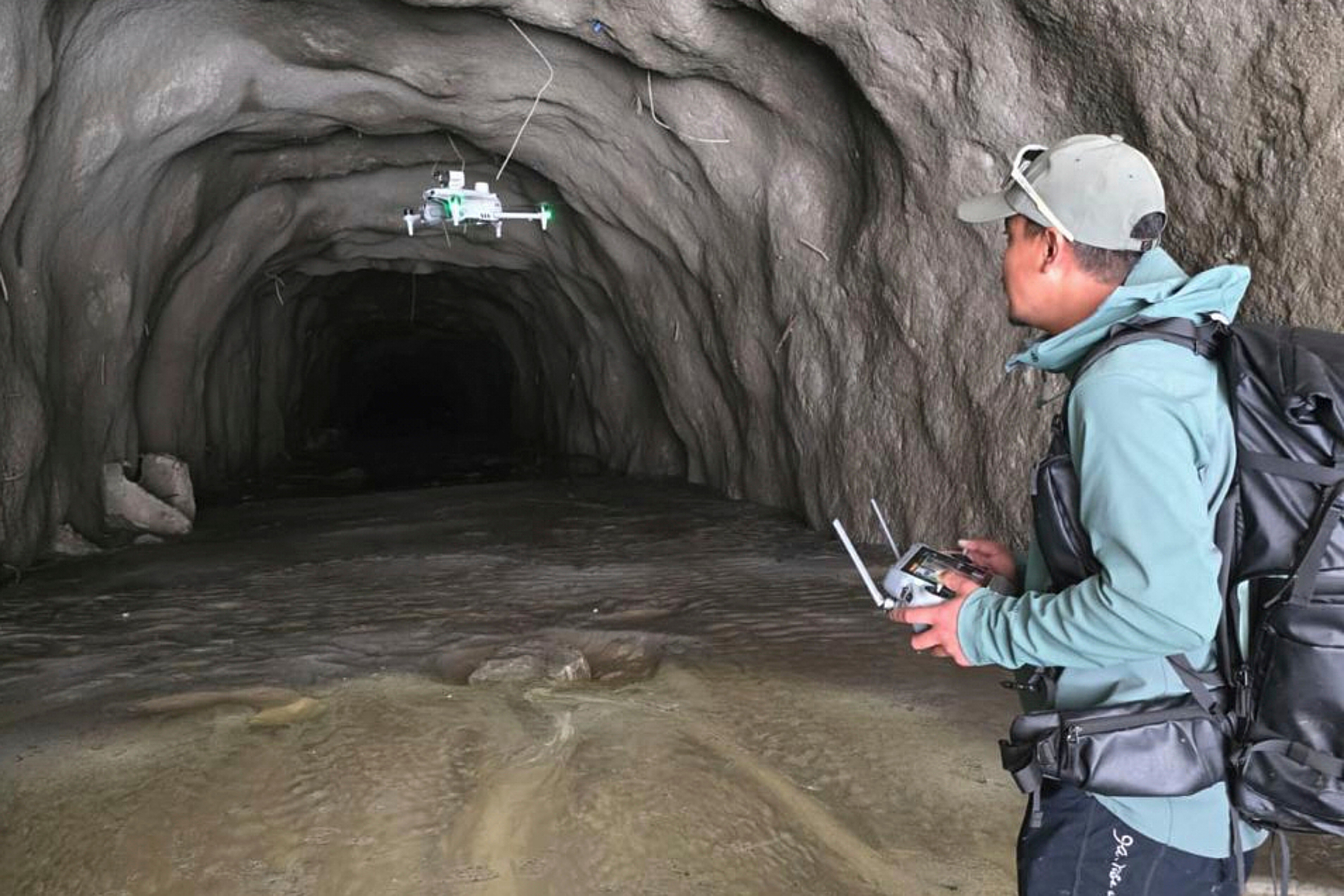
    KATHMANDU, Nepal — Drone pilot Manish Maharjan has helped rescue teams in Nepal find people missing after last week’s catastrophic floods, sometimes using speakers mounted on the devices to call out to or play music for those stranded on hillsides.

    But the search for hundreds of workers believed to be trapped in power plant tunnels — now a major focus of rescue operations — presents an entirely different challenge, he said.

    “We found tunnels were filled with mud like toothpaste in a tube,” Maharjan said. “There was no hollow or empty space inside.”

    Maharjan, who is also a filmmaker, joined the Nepal Army’s rescue efforts a day after the Aug. 26 flash floods, which have killed more than 1,000 people and left thousands missing in Nepal and Tibet.

    “We used microphone speakers to call out to them. In some places, we even played songs and then waited for a response,” Maharjan said. “That worked in a few cases and helped us locate people.”

    The torrent of water unleashed after a glacial collapse caused widespread damage to critical infrastructure, including roads, buildings, bridges, and hydropower plants — in the latest sign of the growing risks across the rapidly warming Himalayas. At least 900 workers are still missing from 12 hydropower projects buried under mud and debris. About 500 of them are believed to be trapped inside power plant tunnels.

    Some workers in the tunnels managed to call for help when the disaster struck, according to Mohan Kumar Dangi, president of the Independent Power Producers’ Association. But it was unclear whether rescuers have had any contact with the trapped workers since the initial calls for help.

    As time slips away, rescuers are finding it increasingly difficult to locate these missing people.

    Maharjan, who has been operating thermal drones in the tunnels, said the searches were challenging because of their difficult access and the absence of any empty space.

    “I can only fly drones in tunnels that are long and straight,” he said. “Once there are bends, turns, or zigzags, it becomes much harder to operate and search effectively.”

    At the Rasuwagadhi hydropower project on Monday, Maharjan managed to send a drone to search deep inside and all the way to the end of the tunnel but found no sign of any life.

    “We checked repeatedly but it was filled with mud and debris,” he said. “Looking at it, I could only imagine the force of the flood.”

  • How the Pentagon is getting into the Venezuelan oil business under Trump

    How the Pentagon is getting into the Venezuelan oil business under Trump

    WASHINGTON — As the U.S. government faced shortcomings in the country’s weapons manufacturing, the Pentagon set up a new office that would make investments to help boost defense industrial production.

    That effort, which began in 2022 during the Biden administration, is now taking a sharp turn with the Pentagon’s involvement in an oil production deal between the United States and Venezuela that President Donald Trump announced on Friday.

    The Pentagon’s little-known Office of Strategic Capital, which reports to the deputy defense secretary, is the leading U.S. government entity in forming a partnership with a private oil producer whose founder, Alejandro Betancourt López, is a powerful and polarizing figure in international commerce.

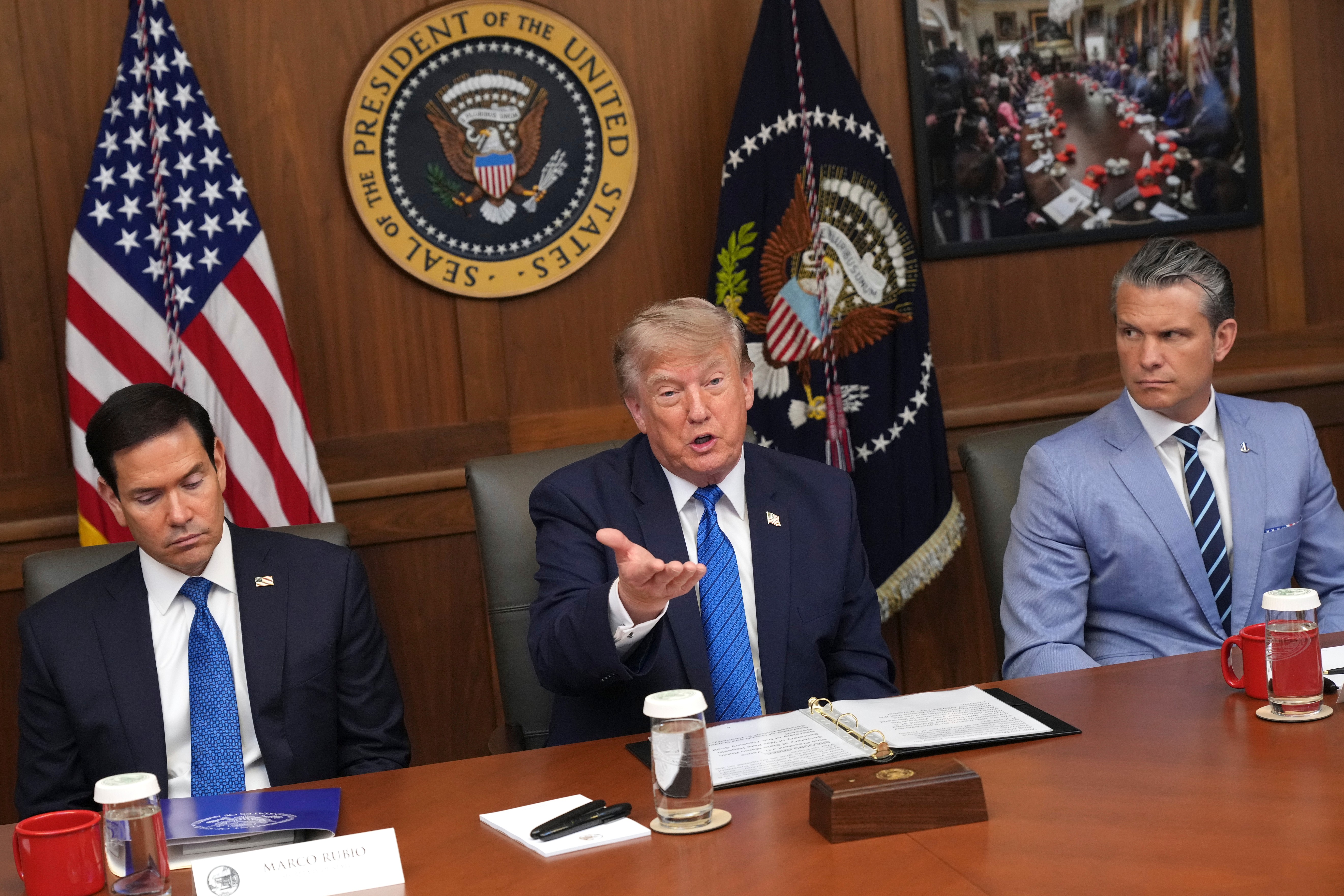
    Trump said Pete Hegseth, the defense secretary, and Marco Rubio, the secretary of state and White House national security adviser, reached the agreement with the Venezuelan government on securing billions of barrels of oil reserves “through a partnership with private business.”

    The deal would give the U.S. government the option to take up to a 35% stake in the parent company of Betancourt’s firm, North American Blue Energy Partners. This would come in the form of a financial instrument known as a warrant, plus preferential access to much of the oil that the company produces.

    Warrants would give the government the right to buy shares in the oil company at a predetermined price. The value of warrants, which can be bought and sold, fluctuates based on the value of the company that issued them.

    In this case, the warrants would be what are known as penny warrants, according to two people familiar with the deal, meaning they could be converted into shares for very little money, often just 1 cent.

    Typically, companies issue warrants in exchange for something of value. During the coronavirus pandemic, for example, the federal government bailed out U.S. airlines with more than $50 billion in grants and loans to help the companies pay employees and cover other costs. In return, the Treasury Department received warrants from roughly a dozen airlines, most of which it later sold to private investors.

    In this case, the deal would come “all at zero cost to the United States,” the White House said in a statement Monday night. The federal government’s partnership and seal of approval could make it easier for the company to raise money from private investors and also shield it from legal scrutiny or political upheaval in Venezuela.

    In a statement, Betancourt said the deal would unleash Venezuela’s potential “to the great benefit of both Venezuelans and Americans.”

    During the Biden administration, the Office of Strategic Capital made loans to private companies to bolster strategic industrial production in the United States, and asked for repayment of the loans with interest at below-market federal rates. In the Trump administration, the office has typically asked companies to give it warrants as well as repay the loans.

    The office falls under Stephen A. Feinberg, the deputy secretary of defense. Feinberg, a billionaire businessperson and political appointee under Trump, has been tasked with trying to help rejuvenate the U.S. defense industrial base. Feinberg approves the office’s deals.

    The office was founded under the previous defense secretary, Lloyd Austin. At that time, in 2022, U.S. officials were concerned about the fact that critical items for certain weapons systems were made in China. They were also grappling with weaknesses in arms production exposed by Russia’s war against Ukraine and global supply chain problems exposed by the pandemic.

    Those issues have become even more acute, given the drawdown of U.S. weapons stockpiles during the war against Iran that Trump and Israel started six months ago.

    The office’s initial $1 billion loan authority has ballooned to $100 billion, largely because of a boost from Trump’s major domestic policy legislation that Congress passed in July 2025.

    The director of the office is now David Lorch, who worked at Cerberus Capital Management, the private equity firm cofounded by Feinberg. In November, the month Lorch started his job, the office announced a loan of $620 million to Vulcan Elements and one of $80 million to ReElement Technologies to increase domestic magnet production and “significantly bolster U.S. critical minerals supply chains.” The office said it would get warrants from those companies.

    That kind of financing would help the United States decrease its dependency on Chinese manufacturing. But Vulcan Elements has financial ties to the president’s oldest son, Donald Trump Jr., which prompted Democratic senators to criticize the arrangement. Peter Navarro, a White House aide and friend of the younger Trump, requested the financing, ProPublica reported.

    By July, the other company, ReElement Technologies, a rare earths firm, had withdrawn from the loan process because it was struggling to meet federal due diligence standards, Reuters reported.

    On Saturday, the chief Pentagon spokesperson, Sean Parnell, said in a statement that the office “does not take equity stakes in private companies.” The White House’s statement on Monday about the deal contradicts Parnell’s assertion.

    In addition to receiving warrants, the federal government would be guaranteed 20% of the oil that Betancourt’s company produces “at production cost,” according to the White House, meaning at a favorable price. The State Department would also have right of first refusal to buy the remaining 80% of the company’s output.

    That would put the State Department in an unusual role since it is oil companies and other traders who typically buy and sell oil. Any decision to buy oil to refill U.S. government stockpiles would require authorization, including from Congress, and typically be handled by the Energy Department.

    In any case, it would most likely take years for new projects in Venezuela to generate meaningful amounts of oil.

    Betancourt, the U.S. government’s partner, received no-bid oil contracts in Venezuela many years ago. He has been under investigation in Spain and Switzerland on accusations of money laundering and tax fraud. He usually lives in Britain and was barred from foreign travel by the British government while he was in that country because of an extradition agreement with Switzerland, where prosecutors had issued an arrest warrant.

    However, Rubio wanted to get Betancourt to Venezuela to work on oil deals and production, and the State Department in recent months pressed the Swiss and British governments to ease up on him, said a person with knowledge of that effort.

    “Mr. Betancourt has never been charged with a crime in any jurisdiction,” Sara Chouraqui, general counsel for North American Blue Energy Partners, said in a statement Saturday.

    This article originally appeared in the New York Times.

  • Germany blames Russia for last month’s attempted drone attack at Leipzig airport

    Germany blames Russia for last month’s attempted drone attack at Leipzig airport

    BERLIN — The German government on Tuesday blamed Russia for an attempted attack at Leipzig/Halle Airport last month using a drone laden with explosives, and announced that it would shut down a Russian consulate among other measures.

    The drone was found near a Ukrainian plane on Aug. 4 and the device was defused. German officials said at the time that the incident posed a new level of danger.

    Moscow has been widely accused by Western officials of running a campaign of sabotage and disruption with the aim of undermining support for Ukraine and destabilizing European nations.

    Minister says evidence points to a familiar pattern

    German Interior Minister Alexander Dobrindt said authorities found elements such as the drone configuration, components, explosives, and detonator that are “known to us from other Russian hybrid operations and its war against Ukraine.” He said the device pointed to “a high degree of technical expertise” and painstaking planning, but carrying out the plan appears to have been left to “low-level” agents.

    Dobrindt told reporters that intelligence points to “people being involved who acted on behalf of Russian state entities,” though he didn’t specify which ones. “Taken together, the police investigations, the pattern, and intelligence findings prove a Russian responsibility for the attempted attack at Leipzig airport.”

    Germany will shut a Russian consulate

    Foreign Minister Johann Wadephul said that “with the attempted attack in Leipzig, the Russian leadership decided deliberately to do significant damage again to our already massively burdened bilateral relationship.” He said the Russian consulate in Bonn will be closed effective Sept. 18 and the contract under which the Russian House cultural center in Berlin is operated will be rescinded.

    Germany will propose the addition of more people from Russia to European Union sanctions lists “in the context of hybrid attacks,” step up entry controls for people from Russia, and increase “pressure on the shadow fleet,” a reference to tankers suspected of shipping Russian oil in violation of international sanctions, Wadephul said. The EU has sanctioned hundreds of “shadow fleet” ships.

    The Russian ambassador was summoned to the Foreign Ministry in Berlin.

    Russian Foreign Ministry spokesperson Maria Zakharova said there would be a “fitting response” to the planned closures, Russian state news agency Tass reported.

    She rejected claims of Russian involvement in the attempted drone attack, calling them a “far-fetched and contrived pretext” for Berlin to escalate tensions and arguing that “as usual, no convincing or serious evidence has been presented whatsoever.”

    Around 200 incidents blamed on Russia

    Leipzig/Halle is a major hub for international freight and for providing support to Ukraine. The planes that regularly use it include Ukrainian Antonov transport aircraft.

    It is also home to NATO’s Strategic Airlift International Solution, or SALIS, which is currently operational almost every day in delivering equipment to NATO battle groups along its eastern flank from Finland to Romania and supporting EU and alliance nation missions.

    In 2024, an incendiary device ignited at a logistics center at the airport and set fire to a freight container before it could be loaded onto a cargo plane, part of a plot that Western security officials suspect was organized by Russian intelligence.

    The Associated Press has tracked around 200 incidents of sabotage and malign activity across Europe blamed on Russia by Western officials since the invasion of Ukraine.

    That includes organizing plots to set fire to warehouses, launching drones and trying to kill enemies abroad as well as stealing defense technology and carrying out cyberattacks on critical European infrastructure.

    In May, Russian President Vladimir Putin responded to the AP findings and said Moscow is not waging a sabotage campaign against Europe. He demanded that AP “name one proven fact.”

    Russia has faced many packages of EU sanctions

    The EU has slapped almost two dozen packages of sanctions on Russia over its war in Ukraine, targeting roughly 3,000 people and entities. EU foreign ministers will meet in Ireland Wednesday.

    European allies rallied around Germany after Tuesday’s announcement. NATO Secretary-General Mark Rutte said in a post on X that he had spoken with Chancellor Friedrich Merz and “NATO stands in full solidarity with Germany after the Russian hybrid attack in Leipzig.”

    In mid-August, the German Cabinet approved plans to give the country’s intelligence services broader powers for actions such as disabling sabotage and hacking attempts. The planned reform, which had been in the works for months, still requires parliamentary approval.

    Hours before Tuesday’s German statement, Polish Prime Minister Donald Tusk, who has frequently warned that Russia is carrying out a campaign of sabotage against NATO countries, said Poland has been targeted by new acts of sabotage including arson within the past “dozens of hours.”

    He spoke the day after a fire broke out at WB Electronics, which the Polish government has described as Europe’s biggest drone manufacturer.

    Prosecutors said Monday they launched an investigation based on suspicions of the “participation of foreign intelligence activities against the Republic of Poland,” without elaborating on what country might be responsible. They said the fire in Skarżysko-Kamienna destroyed warehouse facilities and caused damage estimated at at least 15 million zlotys ($4 million).

  • Police identify the victim of the Times Square fatal stabbing as a 32-year-old Penn grad

    Police identify the victim of the Times Square fatal stabbing as a 32-year-old Penn grad

    Police have identified the victim killed in a knife-wielding spree in Times Square as a 32-year-old from Chester, N.J.

    Erin Piacenti was a vice president of business at Bank of America based out of Manhattan with a background in law, according to her LinkedIn profile. But before that, she was a singer at Penn.

    As a young girl, Piacenti, whose given name was Guiltinan, attended the private Catholic girls’ school in Morristown, N.J., Villa Walsh Academy. She went on to enroll in the University of Pennsylvania, graduating in 2016, and, later, Fordham University for law school in 2021.

    She had deep roots in New Jersey and made lifelong friends through her involvement in the New Jersey Youth Chorus and later, Penn’s Dischord A Cappella group. A spokesperson for the New Jersey Youth Chorus confirmed Piacenti’s involvement but declined to comment further, citing sensitivity and privacy.

    In Dischord, Piacenti was a frequent soloist with an explosive alto range, taking on renditions of big pop and R&B divas, from Ariana Grande to Tina Turner with confidence. Even when she wasn’t soloing, Piacenti often worked on Dischord’s song arrangements, according to credits from past performances.

    Piacenti recently celebrated her second wedding anniversary. The couple — who both attended Fordham law school — married in Manahawkin, N.J., in 2024. Piacenti’s husband could not immediately be reached for comment.

    “We are shocked and deeply saddened by the tragic loss of our colleague,” Bank of America told The Inquirer in an emailed statement. “She was ​a valued teammate who will ​be greatly missed. Our hearts go out ⁠to her family and all of ​her loved ones.”

    Piacenti was fatally stabbed by Pamela Cisneros of Queens, who reportedly had a documented history of mental health concerns, but no criminal history, NYPD Commissioner Jessica Tisch said at a news conference.

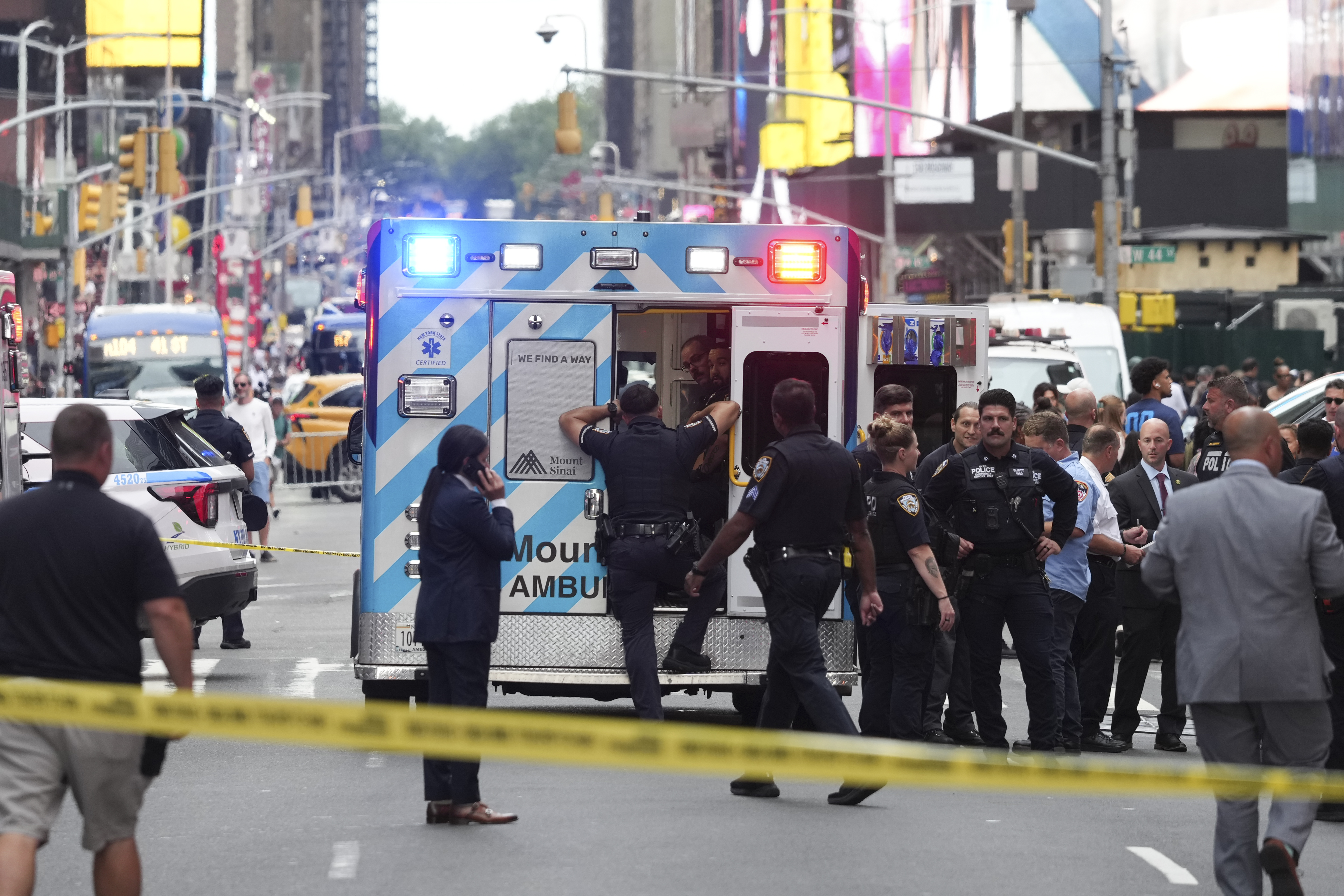
    Cisneros, 49, was caught on a string of now-viral videos waving around two large knives. Police fatally shot her Monday in the middle of Times Square after they said she injured two people at random: a 68-year-old man exiting the subway and, about 20 seconds later, Piacenti.

    Piacenti was rushed to the hospital with a puncture to her abdomen and was pronounced dead, according to Tisch. The male victim, who has not been publicly named, was separately hospitalized and is recovering, according to police.

    Tisch said that police attempted to negotiate with Cisneros, who held the knives toward officers for “four minutes,” but that she remained hostile and threatened to kill them instead. Responding officers deployed Tasers, but she advanced anyway, police said. Two officers opened fire at Cisneros, who was taken to the hospital where she died.

    Tom Harris, the president of the Times Square Alliance, which represents the area’s businesses, said the stabbings were a “tragedy.”

    “Our hearts go out to the victims and their families at this time,” Harris told the New York Times. “We are thankful that once again the NYPD was swift to act and put themselves in harm’s way to stop the perpetrator before more were injured.”

  • Russian finance minister, invited by Trump, draws objections at G20 meeting

    Russian finance minister, invited by Trump, draws objections at G20 meeting

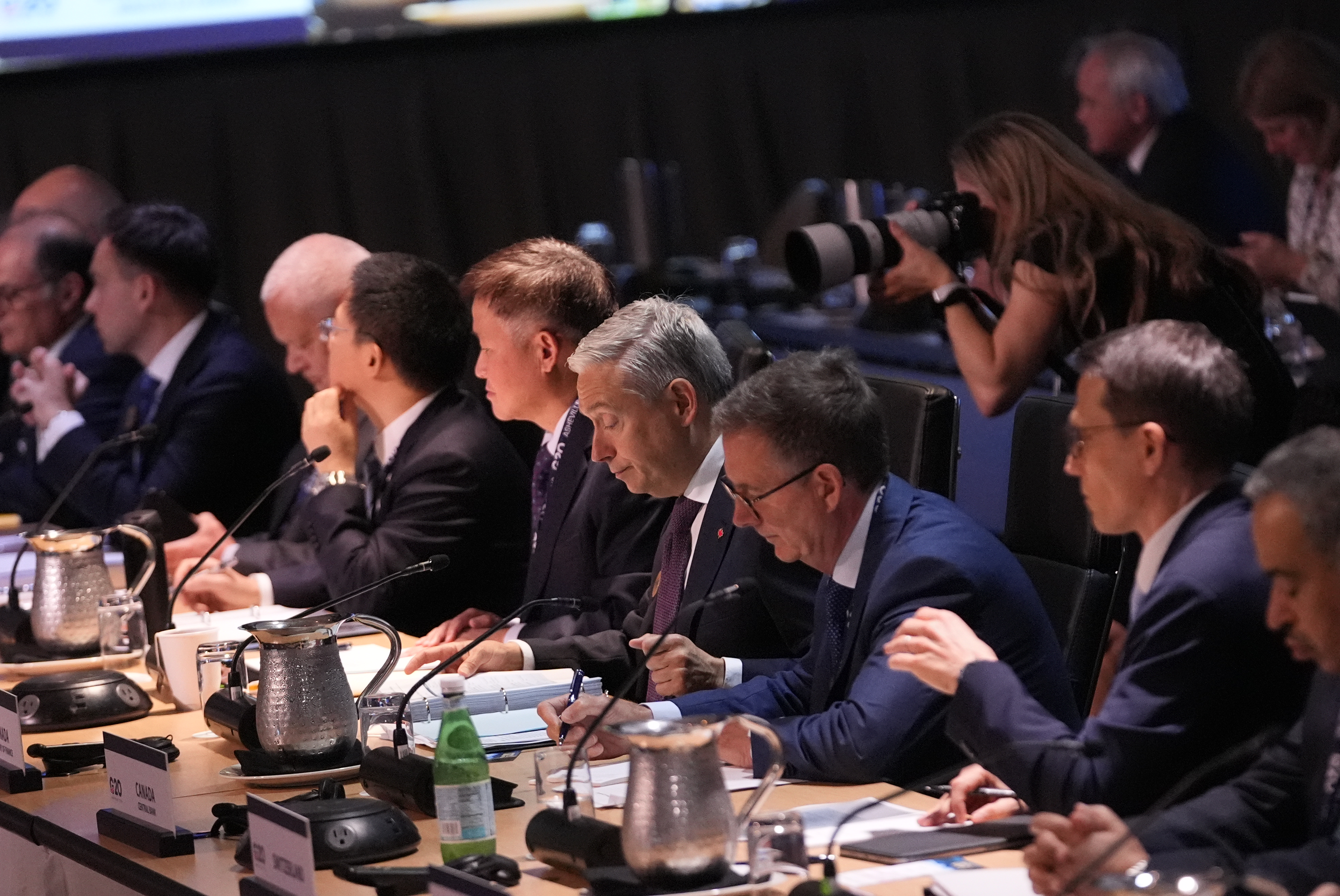
    ASHEVILLE, N.C. — The appearance of Russia’s finance minister at a G20 meeting, his first in person since Moscow’s full-scale invasion of Ukraine, sparked protests Monday from European participants.

    Anton Siluanov and leaders of the Russian central bank were invited to the meeting of the G20 finance ministers and central bankers by the Trump administration.

    Moscow targeted civilian infrastructure in Ukrainian cities with ballistic missiles and drones on Monday for the fifth day in a row. European governments, opposed to Russia’s attempt to redraw the continent’s borders by force, have given Kyiv more than $250 billion in financial and military support since the February 2022 invasion.

    “I find the signal sent ​by ​receiving the ⁠Russian finance minister here quite troubling,” German Finance Minister Lars Klingbeil ​told reporters in Asheville. “I ​would ⁠have wanted greater clarity from the American side that he ⁠should ​not be received ​here as a normal guest.”

    President Donald Trump defended the invitation Monday.

    “We’re going to see what happens, but we like getting along with everybody,” Trump said told reporters in the Oval Office. “One of the reasons that I’m so successful, I get along with everybody.”

    Erin Browne, the Treasury undersecretary for international affairs, said the delegation was invited because Russia is a member of the G20.

    “It’s important to have dialogue even during times of conflict,” she told the Washington Post. Asked about the Europeans’ concerns, she said: “We’ve had constructive dialogue around the table in the plenary session.”

    Treasury Secretary Scott Bessent said he would reemphasize Trump’s peace plan for Ukraine during his meeting with Siluanov.

    Siluanov’s most recent previous appearance at a G20 meeting, by video link in April 2022, prompted several Western finance ministers to walk out in protest.

    Russia was expelled from the Group of Eight of most industrialized nations — subsequently, the G7 — after it illegally annexed Ukraine’s Crimean Peninsula in 2014, but it remains a member of the G20.

    European officials demanded Monday that Siluanov be excluded from the family photo, the traditional group picture of the leaders. It was taken without him.

    Siluanov’s appearance comes less than a week after CIA Director John Ratcliffe made a rare unannounced trip to Moscow. He warned Russia against ramping up its war against Ukraine, according to a person familiar with the matter.

    A Russian drone attack on a munitions depot in the Bucha district of Ukraine on Friday, three days after Ratcliffe’s visit to Moscow, triggered an explosion that killed 38 people.

    “People are dying every ​day,” Klingbeil said. “We have just seen another ​escalation in the attacks. … You cannot simply return to normality.”

    Russian drone incursions into neighboring European Union and NATO countries and sabotage attacks have rattled security on the continent. German Chancellor Friedrich Merz said Sunday his government was preparing a response to an attempted armed drone attack on Leipzig/Halle Airport this month that analysts and some governments say appears to have been the work of Russia.

    Former senior German security officials say the attack appeared to be part of a significant uptick in hybrid warfare by Moscow that has targeted weapons plants and other facilities in Europe supplying Ukraine as it seeks to sap Western support.

    Bessent planned to rally his foreign counterparts to focus on economic growth to beat back rising global debt and to encourage countries to sever economic ties with Iran as part of the administration’s Operation Economic Outcast.

    In sessions on Monday, participants discussed the global economic landscape, trade imbalances, and opportunities for growth, Browne told reporters. Several noted the risks to the global economy posed by Iran’s closure of the Strait of Hormuz, a major chokepoint for the world’s oil supply, in response to U.S.-Israeli attacks.

    “It remains our ultimate objective to ensure that Iran never acquires a nuclear weapon,” she said. “Doing so will reduce long-term economic and market volatility.”

    The administration also invited several American CEOs, including Goldman Sachs CEO David Solomon and JPMorgan CEO Jamie Dimon, to the meeting to connect public officials with private sector leaders.

  • Jury convicts Davis of first-degree murder for the 1996 killing of rap icon Tupac Shakur

    Jury convicts Davis of first-degree murder for the 1996 killing of rap icon Tupac Shakur

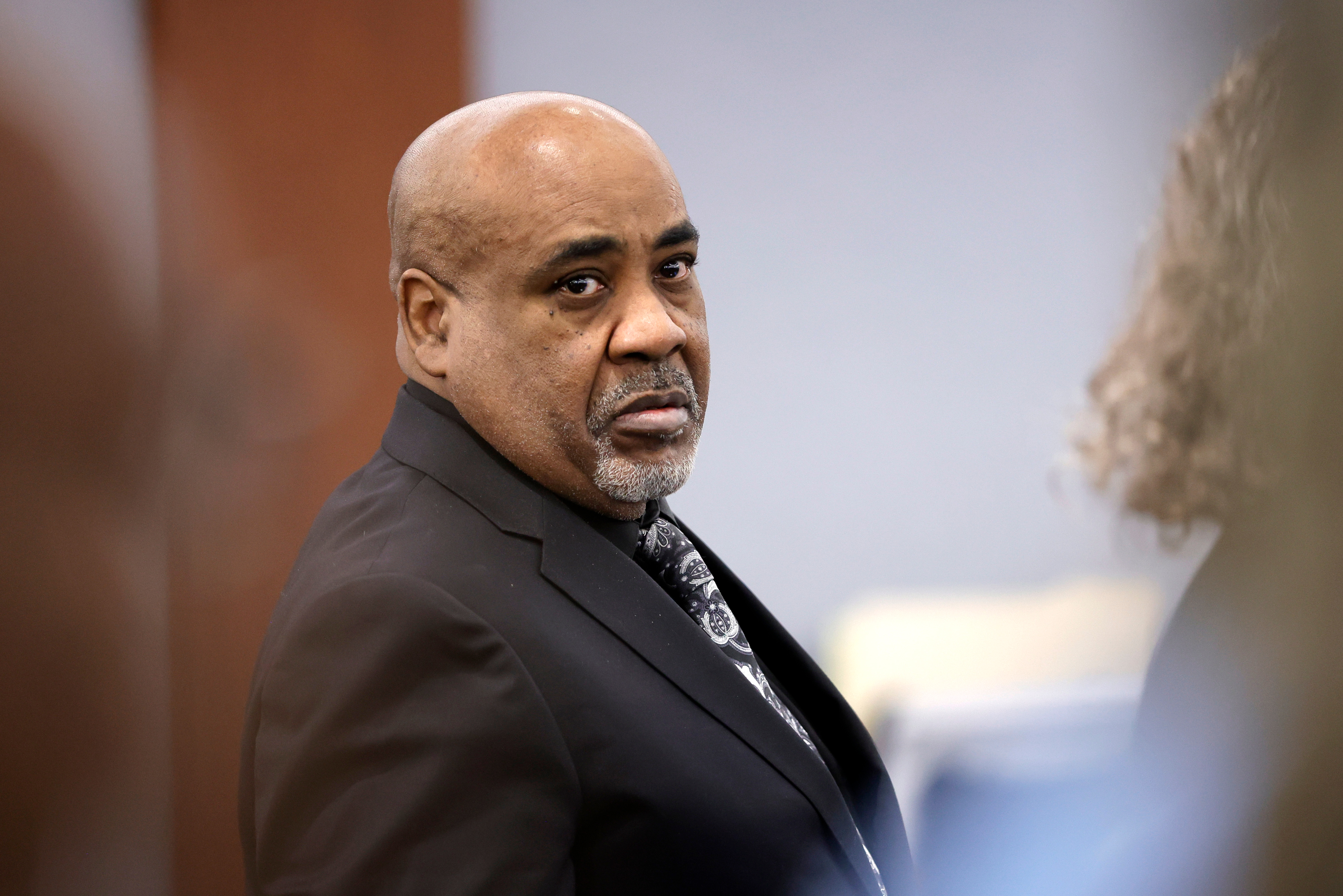
    LAS VEGAS — A jury found Duane “Keffe D” Davis guilty of orchestrating the 1996 killing of rap icon Tupac Shakur, finally bringing a measure of resolution to a case that had gripped hip-hop fans and lingered in the public imagination for decades.

    The 63-year-old Davis was convicted Monday of a single count of murder with a deadly weapon and could be sentenced to life in prison. The jury deliberated for less than three hours after a weekslong trial in Las Vegas.

    After the verdict was read, Shakur’s sister, Sekyiwa “Set” Shakur, cried and hugged the prosecutors. Davis’ son covered his face with one hand.

    Chief Deputy District Attorney Binu Palal told jurors in closing arguments earlier Monday that Davis acquired a gun and “went hunting” for Shakur and Death Row Records co-founder Marion “Suge” Knight after the men had beaten up Davis’ nephew earlier that night.

    “He is responsible of the murder of Tupac Shakur,” Palal said. “Tell him you hear him. Find him guilty.”

    Prosecutors said that while his story had changed over the years, Davis repeatedly placed himself inside a white Cadillac from which the shots were fired. And they said that while he did not pull the trigger, evidence showed he’d called for the gunfire as a powerful gang leader the younger men in the car, including his nephew, were going to listen to.

    Defense attorney Michael Sanft asked jurors if there was any evidence that Davis had ever called the shots before or after the shooting.

    The panel of 16 jurors, four of whom are alternates, heard testimony from 24 prosecution witnesses and three defense witnesses over nine days.

    The prosecution said the state would dismiss a gang enhancement charge due to witness logistics. Prosecutors declined to comment following the verdict, and members of Shakur’s family said they were waiting until sentencing, which is scheduled for October.

    Decades-old case has drawn attention of hip-hop fans and crime experts alike

    The trial brought to a head a decades-old case that for years has drawn the attention of hip-hop fans and true crime experts alike. Shakur, who was considered one of the most influential rappers of all time, was in Las Vegas on Sept. 7, 1996, and stopped at a red light when a white Cadillac pulled up beside him, and shots were fired. He died six days later from his wounds. Knight was also wounded but survived.

    For years, nobody had been charged in the rapper’s death until Davis began making public statements, saying he was in the Cadillac and gave the gun to others in the backseat, calling the shooting a retaliation for the earlier beating of his nephew. Davis is the only person still alive among the four men prosecutors say were in the Cadillac.

    Defense argued public statements were untrue, physical evidence was lacking

    Sanft, Davis’ attorney, argued there was no physical evidence connecting his client to the shooting. He said the book Davis co-authored and the public statements he made were dramatized bravado designed to make money, not to tell the truth.

    Throughout the trial, Sanft poked holes in prosecutors’ narrative. He said investigators did not back up the claims made by his client, and he repeatedly pointed out a lack of physical evidence, such as phone records, that showed Davis was the shot caller.

    “They have nothing in this case that says that man was here in Las Vegas on Sept. 7, 1996,” Sanft said during his closing argument.

    In a rebuttal argument, prosecutor Marc DiGiacomo pointed to a scrapbook Davis kept containing articles about Shakur.

    “This guy’s scrapbooking his murder, for God’s sake,” DiGiacomo told jurors.

    Davis’ own words were front and center

    Palal held up Davis’ 2019 memoir, Compton Street Legend, and played an interview in which Davis encouraged people to buy it to get the “real truth.” Although the book contains a disclaimer saying some facts were changed, prosecutors argued the central account did not.

    Sanft also turned to his client’s memoir during his closing argument. While reading an excerpt, he said the N-word aloud, prompting people watching in an overflow courtroom to recoil and shake their heads.

    In multiple interviews, Davis said he handed the gun to the back seat, but in others as well as in his book, Davis wouldn’t say who pulled the trigger.

    Gang and record label rivalries provided the backdrop

    While insisting Davis’ words alone were enough to convict him, prosecutors said a gang rivalry helped explain why the shooting happened.

    Witnesses described the hostile rivalry between the Los Angeles gang sects leading up to Shakur’s death, and how the gangs became affiliated with two rival labels — Mob Piru with Knight’s Death Row Records and the South Side Compton Crips with Sean “Diddy” Combs’ Bad Boy Records.

    The shooting death of Bad Boy’s the Notorious B.I.G. six months after Shakur came up many times during the trial, with law enforcement witnesses saying Davis was briefly a suspect in that killing before being discounted. That case, which has also been an obsession of hip-hop fans, remains unsolved.

  • Postal Service plans may keep voters from getting ballots, whistleblower says

    Postal Service plans may keep voters from getting ballots, whistleblower says

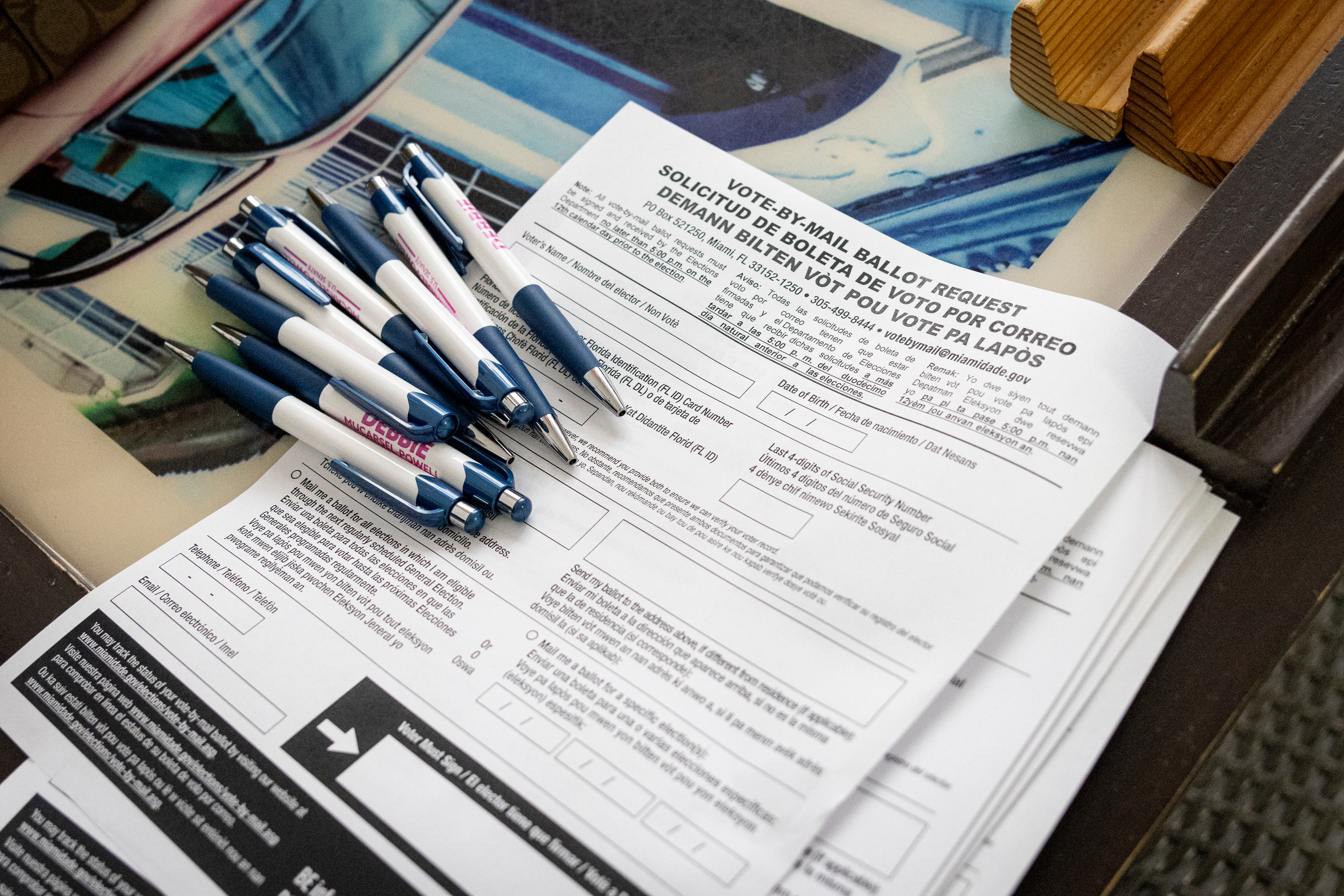
    An anonymous federal official warned in a disclosure to Congress that a rushed and insufficiently tested U.S. Postal Service system could prevent large numbers of Americans from receiving mail ballots this fall if courts approve President Donald Trump’s plans for the midterm elections.

    The disclosure, made public Tuesday morning by Sen. Richard Blumenthal (D., Conn.), says the Postal Service has adopted an internal “zero-percent failure policy” under which an entire batch of ballots would be rejected if a single barcode sampled by a postal employee could not be scanned or matched with information submitted through a new online portal. A batch could contain tens of thousands of ballots, according to the disclosure.

    “The Postal Service has designed a system to disenfranchise millions of Americans,” Blumenthal said in a call with reporters.

    Postal officials and the White House did not immediately provide comment.

    In public statements, the Postal Service has previously said information submitted through the portal will be updated immediately. It has said postal employees will not determine voter eligibility or check names and addresses for accuracy. The rule does not disclose the sampling formula or zero-failure policy described in the whistleblower disclosure.

    The fight over the Postal Service’s plans is rooted in an executive order from Trump that seeks to overhaul mail voting. A judge has blocked those plans for now, but the administration is seeking to reinstate them ahead of this fall’s midterm elections.

    If the administration gets its way, state and local election officials would have to upload lists of voters to an online portal the Postal Service is designing. Postal employees would refuse to deliver to anyone who is not on those lists.

    The unnamed official alleged that the portal was assembled under constantly changing requirements and with as few as four working days available for customer testing before a planned launch.

    If the Postal Service’s plans go into effect, election officials will confront new challenges when they mail ballots in large batches. Postal workers plan to scan barcodes on a sample of envelopes to ensure the voters appear on the state’s list, according to the whistleblower. If they find even one mismatch, they will refuse to accept the entire batch, the whistleblower said. That means a single mismatch in a batch of 10,000 ballots would prevent the 9,999 other ballots from being mailed until discrepancies were resolved.

    “As designed, the process is entirely unforgiving,” the disclosure said. “It could delay ballots by the thousands in repeated verification cycles — and thus prevent states from mailing enormous numbers of ballots.”

    State and local officials often mail ballots in large batches to manage them as effectively as possible. Some states send ballots to all registered voters, and they must place millions of ballots in the mail in a short period.

    Many election officials have expressed alarm about the Postal Service’s overall plans under Trump’s executive order because they don’t believe they have been adequately thought through for a fast-approaching election.

    Among the issues they worry about are potential mismatches for mundane reasons. States constantly update their voter rolls, and the lists they send to the Postal Service could be out of date within minutes as new voters register and existing ones update their registrations because they’ve moved.

    The Postal Service has said states can update their voter lists, but election officials have expressed concerns that the new online portal won’t be able to handle a steady stream of updates.

    The whistleblower disclosure could add to those concerns and bolster legal challenges to the executive order and postal rules.

    The disclosure, dated Sunday, was submitted to Blumenthal by Whistleblower Aid on behalf of an anonymous federal official it represents.

    The organization described the unnamed whistleblower as a “federal official with direct knowledge of potentially catastrophic problems in the development” of the Postal Service’s plans and said the official feared reprisal by administration officials if identified.

    Blumenthal sent the disclosure late Monday to Postmaster General David Steiner and asked him to provide documents about the Postal Service’s plans.

    Blumenthal is the ranking Democrat on the Permanent Subcommittee on Investigations for the Senate Committee on Homeland Security and Governmental Affairs.

    States and voting rights groups sued over the executive order soon after Trump signed it in March. The Supreme Court last week allowed work on the executive order to proceed for the moment, but days later a lower court blocked it.

    The administration is seeking to get it reinstated but faces timing challenges. Officials in North Carolina are preparing to start mailing ballots on Friday under a state law requiring them to send them to those who ask for them starting 60 days before an election. Other states are set to start mailing their ballots in the following days and weeks.

    The whistleblower said the Postal Service stopped working on the portal around June 25 after a federal judge blocked implementation of Trump’s directive, then resumed work around July 29 while that order remained in effect.

    The disclosure said work continued after the judge issued a new order on Thursday barring the Postal Service for 14 days from taking further preparatory steps that would apply to all states for the November election. In a brief ruling Monday, the judge said the Postal Service could work on the portal for states that want to voluntarily use it.

    Postal officials planned to launch the portal on Tuesday, according to the whistleblower. One of the whistleblower’s attorneys, David Kligerman, said work on the portal had continued in recent days but didn’t know whether the Postal Service was sticking with its plan to make it available on Tuesday.

  • Lindsay Clancy jury goes home after a fourth day without a verdict and signals an impasse

    Lindsay Clancy jury goes home after a fourth day without a verdict and signals an impasse

    PLYMOUTH, Mass. — Jurors in the Lindsay Clancy trial ended a fourth day of deliberations without a verdict Tuesday after earlier saying they couldn’t agree whether the Massachusetts mother is criminally responsible for killing her three young children.

    Not long after arriving at the courthouse, the jury sent Judge William Sullivan a note saying they had been unable to reach a unanimous decision despite many hours of back and forth. He told them to keep trying.

    It was the jury’s first indication of an impasse in the closely watched trial that has focused on maternal mental health after childbirth, and which has stirred deep divisions among the public.

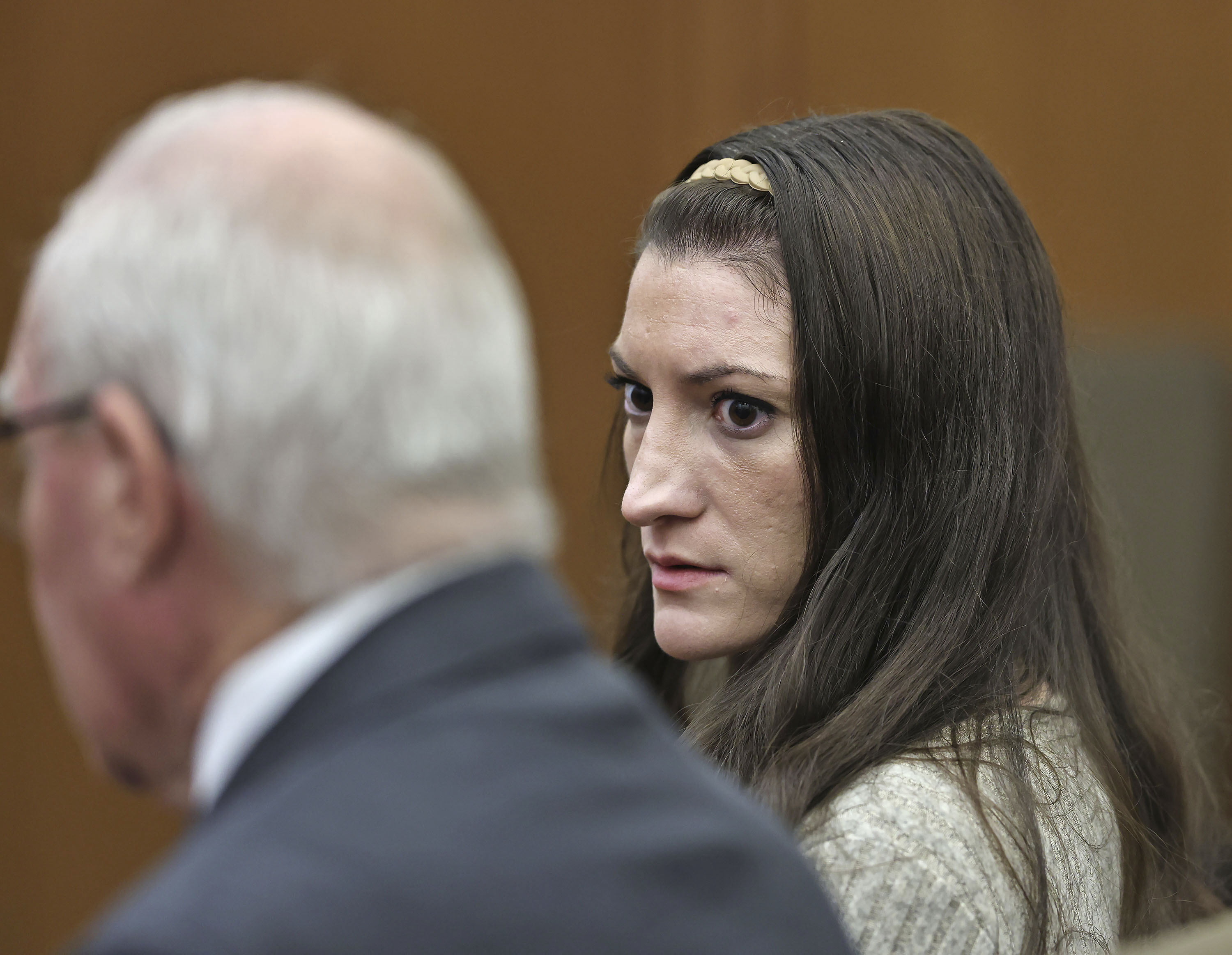
    Clancy, a former labor and delivery nurse, doesn’t deny strangling her children but says postpartum psychosis led to her actions. Prosecutors argue she knew what she was doing. Clancy, 36, has pleaded not guilty by reason of lack of criminal responsibility.

    Clancy stared straight ahead as the jury entered in the morning to say they were at a standstill, then looked toward them as the judge spoke.

    Sullivan told the jurors that he recognized it had been a long trial with more than 80 witnesses and 300 exhibits. “But because of that, I’m going to ask you to go back out,” he said.

    They’re expected to resume deliberations Wednesday.

    What happens if there’s a hung jury

    The jury, which began deliberating Thursday afternoon, could convict Clancy of murder or manslaughter, or acquit her if they believe her deteriorating mental health was to blame.

    A conviction could lead to a life prison sentence. If she is acquitted, a judge could still order her confined to a mental health facility if an evaluation determines she is a danger to the public.

    If jurors can’t reach a verdict and a mistrial is declared, the charges against Clancy would remain. Prosecutors would need to decide whether to try Clancy again before an entirely new group of jurors.

    Prosecutors could offer a plea deal to Clancy, although her attorney is more likely to push for them to drop the charges, said Brad Bailey, a Boston defense attorney and former prosecutor who is not involved in the case.

    Defense attorney Kevin Reddington called it a good sign that the jury hasn’t given up. “I think that they’re showing that they are more than willing to keep working at it,” he said.

    Trial focused on mental health

    During more than four weeks of testimony, jurors heard differing views from medical experts.

    Clancy’s lawyer argued she loved her children, but killed them because she lost her grip on reality — and on herself — due to bipolar disorder and postpartum psychosis, a rare mental illness that can follow childbirth.

    Prosecutors said Clancy was depressed and tired of living, and made a conscious choice to kill the children. A forensic psychologist who testified for the prosecution said he concluded that Clancy killed the children because she wanted to end her life but didn’t want to leave them behind.

    Clancy’s mother and sister testified that she became anxious, paranoid, and suicidal after the birth of her third child. She sought treatment for her worsening mental health, including a stay in a psychiatric hospital, in the months before killing Cora, Dawson, and Callan Clancy, ages 5 years, 3 years, and 8 months.

    Less than three weeks after being discharged, she sent her husband on an errand and killed the children with exercise bands in the basement of their home south of Boston. She then jumped from a second-floor window and remains paralyzed from the waist down. Her lawyers say she heard a voice telling her to kill the children so she could end her own life.

    Lindsay Clancy didn’t take stand during her trial

    Clancy chose not to testify. She watched the proceedings from the defense table, occasionally weeping, as when prosecutors showed autopsy photos of the children to the jury.

    Jurors spent two days listening to testimony from her former husband, Patrick Clancy, and his anguished 911 call. He was on the phone when he discovered the children’s bodies, minutes after finding his wife.

    Patrick Clancy has said in interviews that he forgives his ex-wife, whom he viewed as ill rather than evil. The trial marks the first time he has seen Lindsay Clancy since the killings.

    Postpartum psychosis, the condition that Clancy’s attorney says she had when she killed the children, is more serious and less common than postpartum depression. Researchers estimate that the condition afflicts 1 to 2 out of 1,000 women after delivery.

  • Donald Trump Jr.’s firm leads $1 billion funding round for Polymarket

    Donald Trump Jr.’s firm leads $1 billion funding round for Polymarket

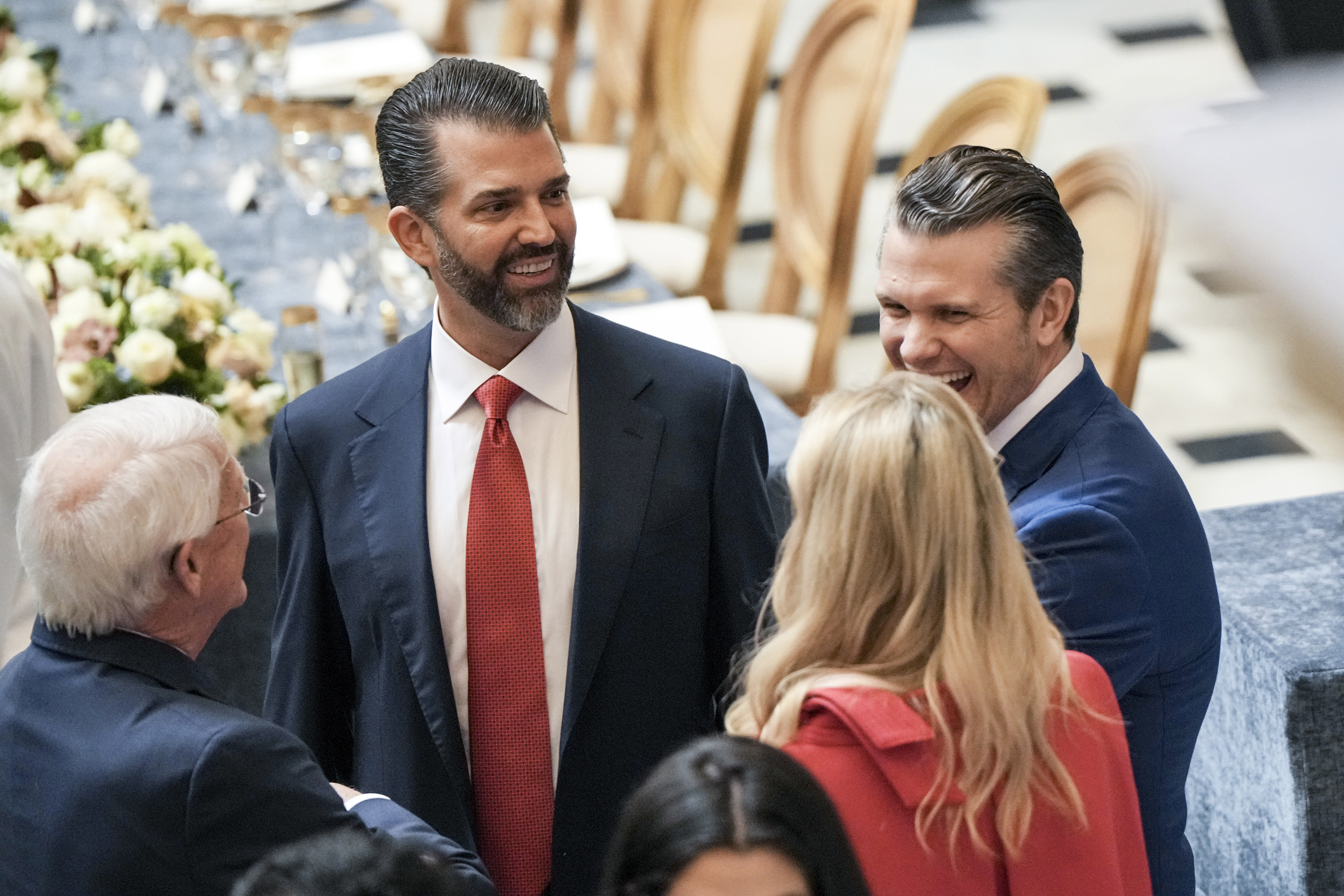
    Donald Trump Jr.’s venture capital firm, 1789 Capital, is leading a new funding round in Polymarket that values the prediction market at $21 billion, a spokesperson for 1789 Capital said Monday.

    Polymarket plans to raise $1 billion, including around $300 million from 1789 Capital, the spokesperson, Alexa Henning, said. The investment firm previously invested about $200 million in the prediction market, which is currently valued at about $15 billion.

    Prediction markets such as Polymarket and Kalshi have exploded in popularity over the past year. The platforms allow users to place wagers on the outcome of a wide variety of events, such as what the president will say in a speech or who will get married on “Love Is Blind.”

    The Trump family has built up a financial stake in the industry since last year. Donald Trump Jr. joined Kalshi as an adviser last year and received shares in the company worth more than $300,000. He also began advising Polymarket and invested in it via 1789 Capital.

    At the same time, his father, President Donald Trump, has taken steps to boost the industry. Michael S. Selig, whom the president appointed to lead the Commodity Futures Trading Commission, which oversees prediction markets, has spoken enthusiastically about the companies and sued states that tried to regulate them. The president declared on Truth Social that prediction markets would “thrive” under his leadership and said Selig was “respected by all.”

    Bloomberg earlier reported that 1789 Capital was leading Polymarket’s funding round.

    Many of the companies that 1789 Capital has invested in have large government contracts, while others, like Polymarket, have benefited directly from new Trump policies or rollbacks of existing laws, The New York Times has reported. The investment firm also bought shares in some of the most coveted private companies before many went public, including SpaceX, Anduril, Cerebras and Reflection AI.

    Two years ago, 1789 Capital managed a few hundred million dollars. It now oversees more than $3 billion.

    Donald Trump Jr. told the Times this year that he invested as a private citizen and held “no policy position and no role within the administration whatsoever.”

    This article originally appeared in The New York Times.