Category: Nation & World

  • Healthy Moms, Healthy Babies America pledges $100M to cut U.S. maternal mortality rate in half

    Healthy Moms, Healthy Babies America pledges $100M to cut U.S. maternal mortality rate in half

    Healthy Moms, Healthy Babies America, a bipartisan campaign founded by philanthropists Olivia and Tom Walton, announced a $100 million pledge Thursday to make giving birth in the United States safer.

    The five-year commitment aims to cut the maternal mortality rate in the United States in half by 2031.

    “For millions of moms in America, maternal health is bad and getting worse,” Olivia Walton told The Associated Press in an interview. “There’s just so much bipartisan consensus around wanting to fix this. I really think the political will is there, and part of our job is to help surface that with an information campaign.”

    According to the most recent data available, the United States has one of the highest maternal mortality rates among wealthy nations. The Centers for Disease Control and Prevention said 688 people died in 2024 during pregnancy or shortly after giving birth. The maternal mortality rate rose to 19 deaths per 100,000 live births in 2024, up from 18.6 the year before.

    Improving data collection and accelerating hospitals’ reporting of deaths is an important pillar of the new Healthy Moms, Healthy Babies America initiative, Walton said. The most recent state-level data on maternal mortality is still from 2022, with annual totals based on provisional data available through 2024.

    “You can’t fix what you can’t measure,” she said, adding that the Waltons’ nonprofit Heartland Forward partnered with the U.S. Department of Health and Human Services in May to collect more data on maternal and infant health outcomes from 220 hospitals around the country called the Perinatal Improvement Collaborative.

    The U.S. maternal mortality issue is ‘eminently solvable’

    Healthy Moms, Healthy Babies America President Neel Shah said that, unlike many medical issues, maternal mortality is “eminently solvable.”

    “The biggest cause of suffering isn’t a lack of knowledge,” he said. “It’s a lack of execution on the knowledge. … This is a matter of will.”

    The initiative will focus on expanding access to maternal health in rural areas, training midwives and expanding postpartum care, and helping states use strategies that have proved successful, Shah said. He points out that California has managed to reduce its maternal mortality rate by half by combining strategies with investments. He said New Jersey, which previously ranked 47th among states in maternal mortality, has improved its outcomes by focusing on the cities where the needs are greatest.

    Walton said states are “in the driver’s seat” for making changes to maternal and infant healthcare, in part because about 40% of births are paid for by Medicaid.

    “I’ve got blue-state solutions of what works, red-state solutions of what works, and purple-state solutions of what works,” she said. “It’s really possible.”

    Using the $100 million initiative to generate more funding

    For that reason, Healthy Moms, Healthy Babies America plans to fund these care improvements by focusing on states. Walton plans to use the $100 million commitment as a way to encourage state governments to match the nonprofit’s investment. She hopes that corporations and other funders also contribute to the cause.

    “Taking on risk and going first is a great use of philanthropic capital,” she said. “The goal is to prove that this works and then have state funding take it over.”

    The focus on states, however, doesn’t mean the initiative won’t seek federal solutions as well.

    Healthy Moms, Healthy Babies America is supporting bipartisan Congressional legislation, including the Rural Obstetrics Readiness Act and the NIH IMPROVE Act, which would expand access to maternal care.

    “It’s unacceptable that in 2026 in the U.S., maternal mortality rates are moving in the wrong direction,” Republican Sen. Katie Britt, of Alabama, said in a statement. “It’s imperative we work together across both the public and private sectors to reverse this alarming trend.”

    Democratic Sen. Cory Booker, of New Jersey, said poor maternal health outcomes don’t just hurt families.

    “The economic consequences are equally alarming,” Booker said in a statement, estimating a cost of $165 billion each year.

    Walton said the issue is a personal one for her and her husband, Tom, grandson of Walmart founder Sam Walton, who live in Arkansas.

    “I’m a mom myself and I just had three kids in the last eight years,” she said. “I live in a state with the worst maternal mortality in the country.”

    However, she also believes the issue has broad, national implications.

    “I have an overarching belief that if you take care of mom, she’ll take care of everything else,” Walton said. “Healthy moms lead to healthy families. Healthy families lead to healthy communities. Healthy communities lead to a healthy economy.”

  • U.S. airstrikes targeting Houthis killed scores of civilians in Yemen

    U.S. airstrikes targeting Houthis killed scores of civilians in Yemen

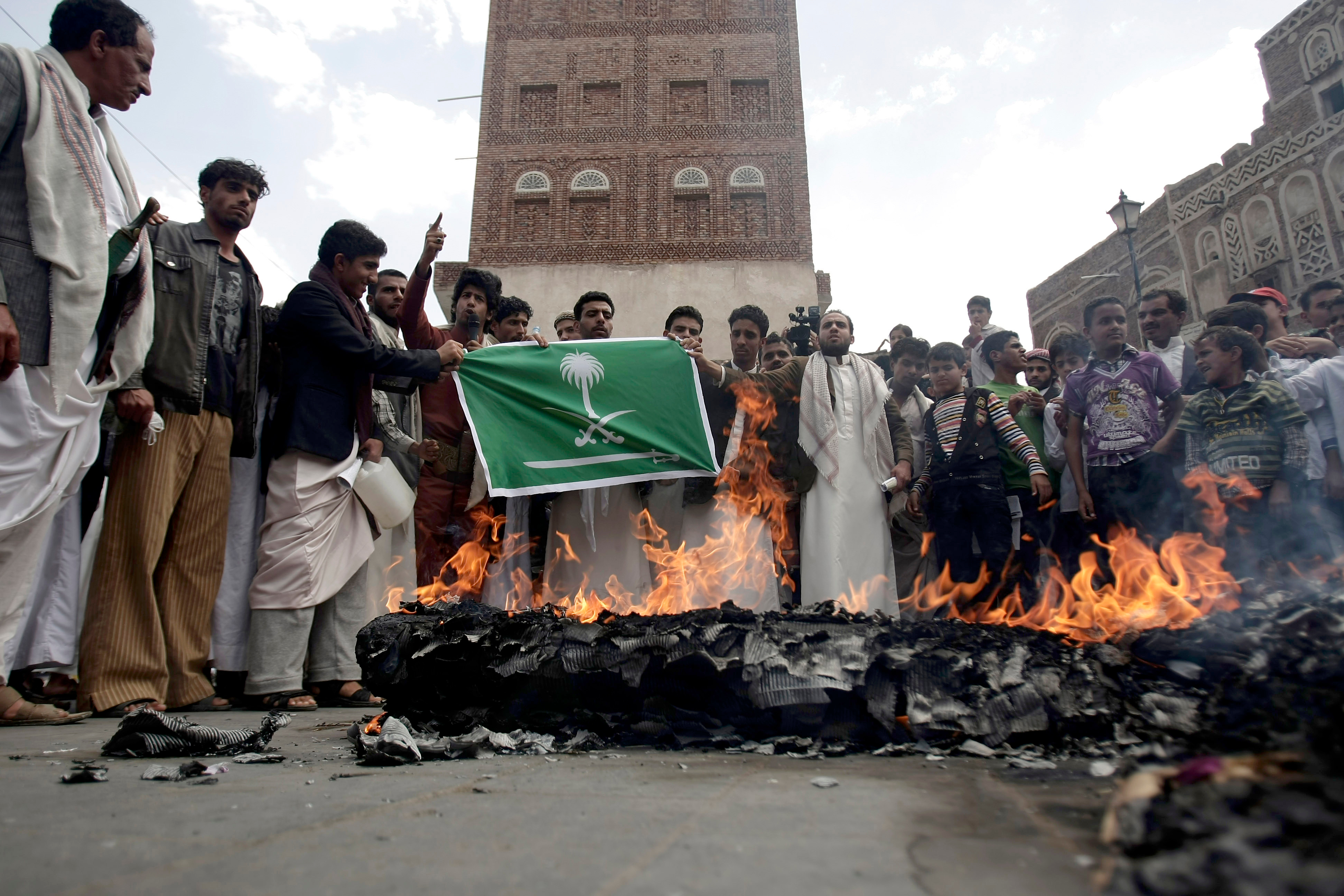
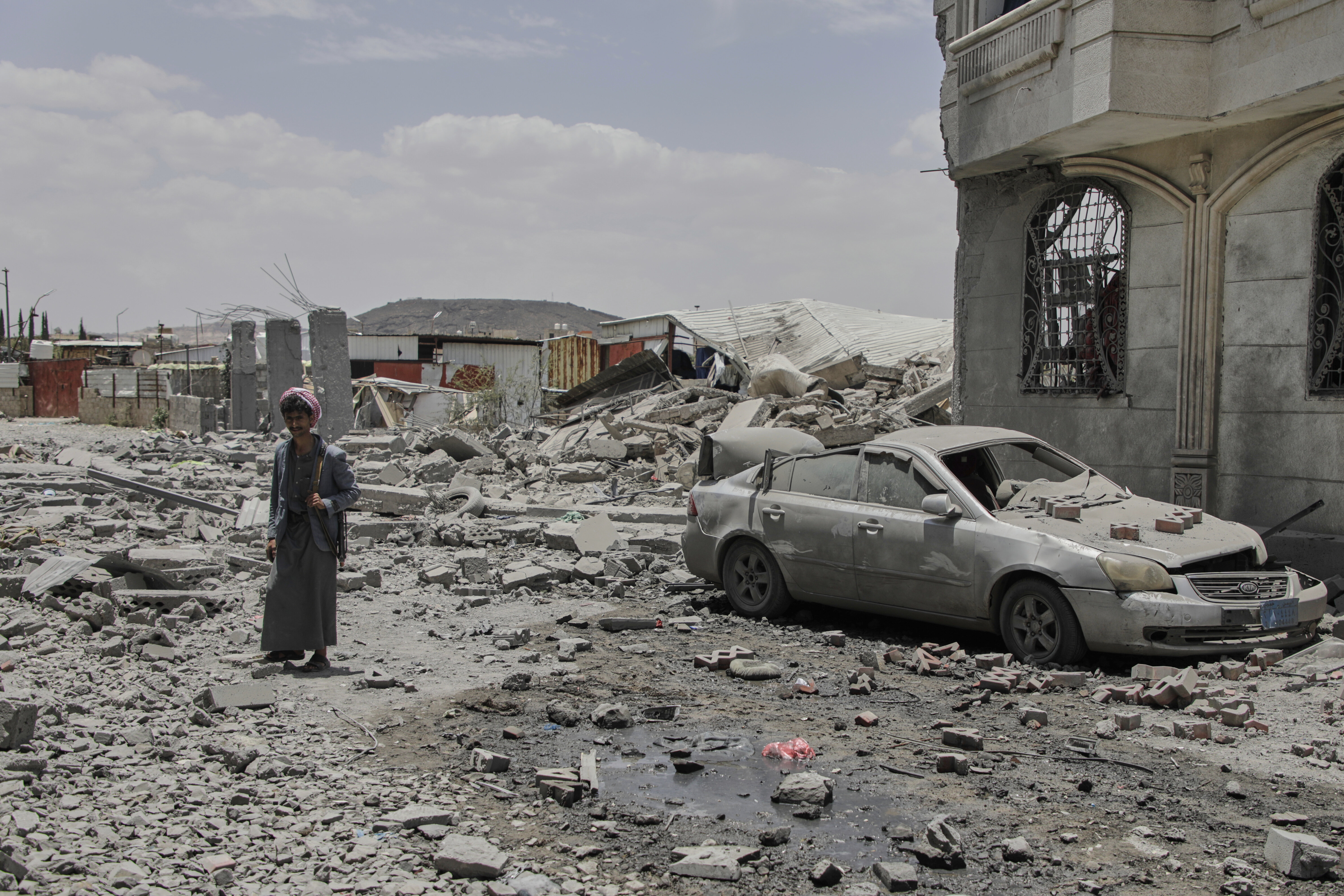
    WASHINGTON — U.S. airstrikes against Yemen’s Houthi militants from late 2023 to mid-2025 killed 213 civilians, according to a report released Thursday by the Costs of War Project at Brown University.

    Most of the casualties — 208 deaths and 341 wounded — occurred during President Donald Trump’s second term as his administration pursued the Iran-backed group.

    The Pentagon has not publicly acknowledged civilian deaths in the 2024 attacks but has reported that it killed 153 civilians and wounded 243 in Yemen in 2025.

    In October 2023, President Joe Biden ordered retaliatory airstrikes in Yemen after Houthi fighters attacked a Navy destroyer in the Red Sea, and again in January 2024 after Houthi missiles and drones targeted civilian vessels in the region.

    The latter series of strikes continued until just weeks before Biden left office.

    Trump ordered strikes on Houthi fighters in March 2025 in response to attacks on commercial shipping vessels in the Red Sea launched from Yemen.

    Beyond the loss of life, the report said hundreds of Yemenis lost farms, shops, factories, and small businesses in the attacks, leading to increased homelessness and worsening poverty among people who were already desperately poor.

    “There’s a myth that an airstrike is going to strike a military target and kill a militant and it’s over,” said Stephanie Savell, an anthropologist and director of the Costs of War Project. “But what this report highlights are the reverberating, indirect, human costs of war. The report looks precisely at civilian infrastructure that’s targeted, not military infrastructure or outposts.”

    Two U.S. attacks were particularly devastating, according to the researchers.

    On April 17, 2025, the researchers said, U.S. forces killed 80 civilians in an attack on a port facility in the Houthi-controlled province of Hodeida.

    Less than two weeks later, a U.S. attack on three warehouses used to detain African migrants killed 68 civilians.

    Most of the workers killed at the port were the main breadwinners for their families, who have since slid deeper into poverty and hunger, according to Savell.

    The Pentagon did not immediately respond to a request for comment.

    The Costs of War Project is a collective of scholars who research the consequences of U.S. wars launched after the terrorist attacks in the United States on Sept. 11, 2001. The project published the report with Mwatana for Human Rights, which did research inside Yemen and coproduced the report.

    Investigators collected evidence by conducting interviews, analyzing weapon remnants and collecting documents including death certificates.

    While the Pentagon has carried out many airstrikes in Yemen targeting al-Qaida fighters since the Sept. 11 attacks, the most recent U.S. strikes in the country have targeted the Houthis, who are part of the so-called Axis of Resistance led by Iran, along with the armed groups Hamas in the Gaza Strip and Hezbollah in Lebanon.

    According to the report, the Pentagon launched 930 airstrikes in Yemen from Dec. 18, 2023, to January 2025.

    Then in March 2025, Defense Secretary Pete Hegseth launched Operation Rough Rider against the Houthis. By the end of April, the cost of Hegseth’s campaign was more than $1 billion.

    Trump, frustrated with the lack of progress, halted the operation on May 5.

    Brian Finucane, a former State Department attorney who advised on the law of war, said, “There are more significant civilian casualty incidents over the Rough Rider campaign than all the previous attacks during the Biden administration.”

    He added that the Trump administration “launched two to three times the number of strikes Biden did.”

    “Trump was also willing to bomb targets in more densely populated areas than Biden was,” he said. “Additionally, the migrant detention facility that was bombed in April 2025 had routinely been visited by officials from the Red Cross and should have been understood by Central Command as off-limits for attack.”

    A Defense Department report on military operations for 2025 acknowledged the civilian death toll from the attacks on the port and the migrant detention facility, along with a strike in Sanaa, the capital, on April 6 that killed five civilians and wounded 25.

    Condolence payments to survivors and the families of those who were killed, the report noted, were “determined to not be appropriate” in all three cases.

    Just days after Hegseth took office in January 2025, the Army announced that it planned to close an office dedicated to reducing and mitigating civilian harm during combat operations. The office was reduced in March of that year from roughly 200 people to 11. At the time, Hegseth’s office declined to answer questions about the reductions.

  • Sending armed ICE agents to polling places would be a federal crime, lawsuit says

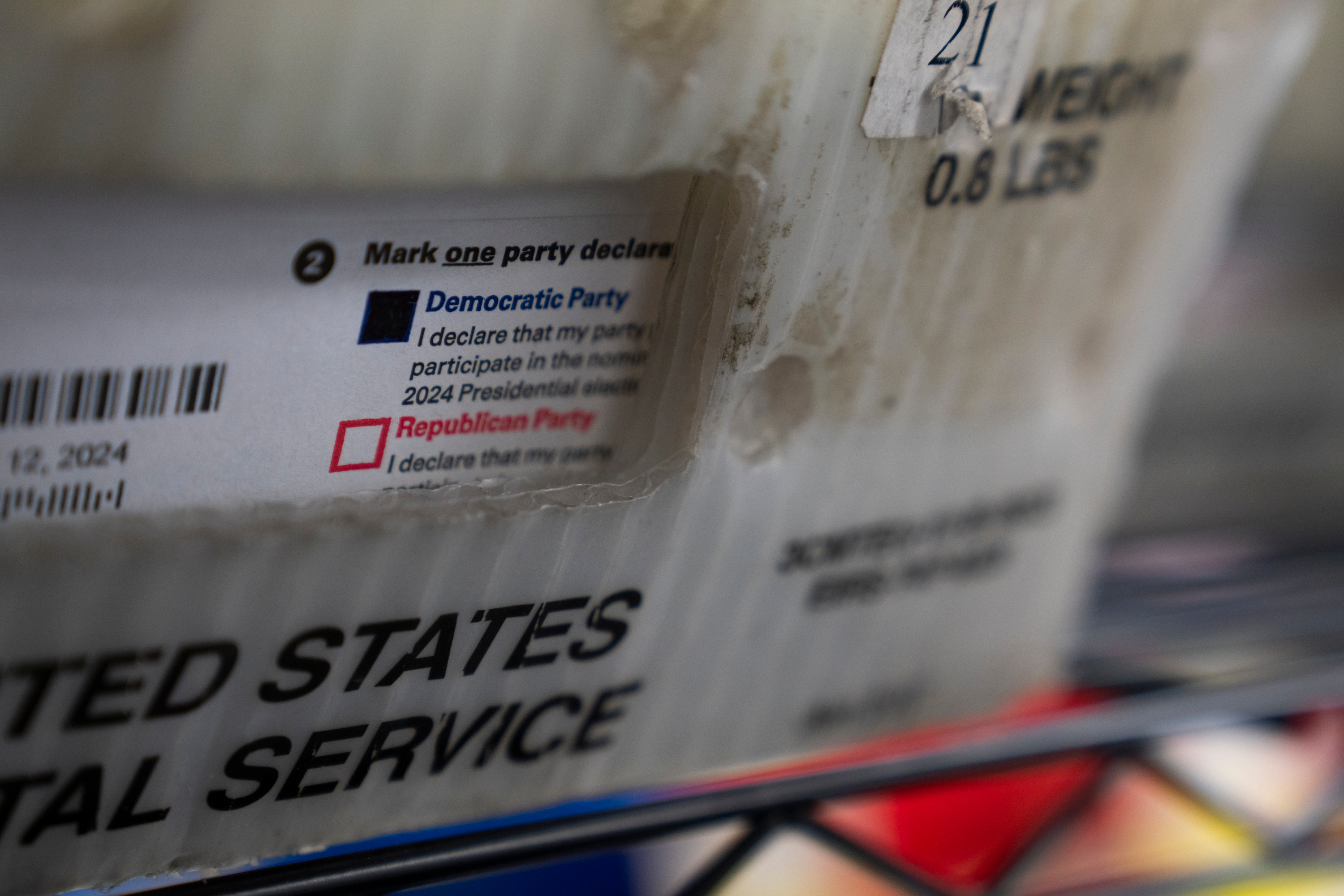
    Two major Latino civil rights groups, a voting rights organization, and the city of Denver sued the Trump administration on Thursday to keep armed immigration enforcement agents away from polling places, invoking a Civil War-era criminal law that generally prohibits federal officials from bringing “troops or armed men” to places where elections are held.

    The lawsuit, filed in federal court in Washington, D.C., comes eight days before in-person early voting begins in some states, such as Minnesota and South Dakota. It asks a judge to declare it unlawful for the administration to send armed agents to polling sites.

    Homeland Security Secretary Markwayne Mullin said at a Sept. 1 news conference in New York that ICE agents would not patrol polling places, but that they would go to one if there were a threat there or if they were serving a warrant on someone they had been tracking. “If we’re serving a warrant, we will be where we need to be,” he said.

    DHS has said in statements to media following Mullin’s comments that it “is not planning operations targeting polling locations,” but added that people could be arrested at a polling place if an active public safety threat arose there.

    Democratic lawmakers and election officials have grown increasingly worried in recent months that armed federal officers or troops could be sent to polling sites. Local officials in states such as Arizona and Minnesota have gone as far as preparing emergency court filings and training personnel on how to respond.

    Those fears have been fueled by calls among some allies of President Donald Trump — including at least three Republican gubernatorial candidates in different states — for sending armed federal agents and the National Guard to voting sites.

    The lawsuit cites a year of public comments by Trump administration officials and allies. In February, former Trump adviser Stephen K. Bannon said, “We’re going to have ICE surround the polls come November.” Days later, White House press secretary Karoline Leavitt told reporters she “can’t guarantee that an ICE agent won’t be around a polling location.” And in March, then-Deputy Attorney General Todd Blanche, who is now attorney general, asked at a conservative gathering, “Why is there objection to sending ICE officers to polling places?”

    The plaintiffs argue that pattern, capped by Mullin’s recent remarks, amount to a policy and plan by the administration.

    The lawsuit Thursday was filed on behalf of the League of United Latin American Citizens, UnidosUS, Common Cause, and the city and county of Denver.

    It relies on an 1865 law that makes it a felony for any federal official to order “troops or armed men” to places where an election is held, unless the force is needed to “repel armed enemies of the United States.” Violators face up to five years in prison and disqualification from holding federal office. In 1909, Congress removed the law’s other exception — allowing armed men to “keep the peace at the polls.”

    The plaintiffs argue that armed federal agents at polling places would intimidate voters — particularly Latinos and naturalized U.S. citizens — and could turn voting sites into places of confrontation.

    “The right to vote is foundational to our democracy and yet this administration continues in its endless attempts to weaken the very institutions it is entrusted to protect,” said Juan Proaño, CEO of LULAC. “The outcomes of elections define the future for all of us, and in America, voters should be able to cast their ballots without fear of intimidation by armed ICE officers at polling places.”

    DHS did not immediately respond to a request for comment.

    The military has drawn a clearer line. Gen. Dan Caine, chairman of the Joint Chiefs of Staff, told Sen. Elissa Slotkin (D, Mich.) in an Aug. 28 letter that the Joint Force “has no plans” to send federal troops or federalized National Guard members to polling places, or to use them to seize ballots or voting machines.

    “I have neither received nor anticipate receiving any unlawful order concerning the role of the Joint Force in the upcoming November 2026 midterm elections,” Caine wrote.

    Trump has made sweeping claims of election fraud without evidence, alleging that large numbers of unauthorized immigrants will vote in November absent federal intervention. In March he signed an executive order directing the U.S. Postal Service to restrict how mail ballots are handled and instructing DHS to build lists of U.S. citizens and share them with states. The Supreme Court allowed parts of the order to move forward last month, and the administration returned to the Supreme Court this week for a third time after a federal judge in Boston blocked the Postal Service rule.

    The lawsuit invoked an 1865 law advanced by then-Democratic lawmakers angered by the Lincoln administration’s deployment of Union troops interfering in presidential elections in Kentucky, Maryland, and Delaware, according to legal historians.

    That statute has never been tested, said University of Houston law school professor Chris Mirasola. No court has interpreted what counts as a place where an election is held, according to a Brennan Center for Justice analysis published in July, leaving unanswered whether the law reaches ballot drop boxes, election offices, and counting facilities as well as polling sites.

    “The statute is incredibly old, and there is no case law about it, so all of this is going to be before the courts for the first time,” he said. “That always leaves questions about how it’s going to be interpreted.”

    The plaintiffs, represented by attorneys with Democracy Forward, argue Congress explicitly banned armed federal officers from election sites to “provide and preserve free and fair elections, the rule of law, the right to vote, and Americans’ confidence in the sanctity of the ballot box.”

    DHS’s “disregard for that statutory framework threatens our upcoming election,” the complaint said.

    Mirasola said the law was a reaction to multiple instances of Union soldiers detaining Confederate-aligned candidates and blocking voters with ballots favoring those candidates during the wartime election in border states. Though the bill authors at the time were in the throes of a specific armed conflict, the rhetoric of the congressional debates were just as contemporary then as they are now, Marisola said. Lawmakers were hyper-focused on preserving the integrity of the electoral system.

    “This lawsuit is alleging that what we are seeing in the lead-up to the midterms is the same kind of election interference because the administration has been dangling the possibility that there might be a deployment of armed federal agents,” Mirasola said.

    The only exception for armed officers that has withstood time is in order to “repel armed enemies” of the United States. Lawmakers in the 1860s imagined those being Confederate soldiers. But the Trump administration could try to make a narrow argument identifying a different enemy, Mirasola said.

    Plaintiffs will face another obstacle, according to Mirasola. The U.S. Supreme Court has significantly narrowed the avenues for the federal courts to issue prospective nationwide injunctions.

    The complaint cited Justice Department actions to remove a manual explicitly stating the long-standing position of the government that armed federal agents are prohibited from election sites. They also pointed to the gutting of the department’s public integrity section, which wrote the document and advised law enforcement on legal matters during elections.

    The complaint also points to three encounters involving immigration officers at voting sites during this year’s primaries: ICE officers converging on a traffic stop outside a San Antonio early voting site, where the county sheriff told them to leave; ICE vehicles outside a vote center in Simi Valley, California; and two federal agents entering a Syracuse, New York, library to warn a poll worker about an Instagram post naming the ICE agent who fatally shot Renée Good in Minneapolis.

    LULAC, the nation’s oldest Latino civil rights organization, has registered and mobilized Hispanic communities to the polls for nearly a century. Its hundreds of thousands of members have communicated worries that any federal presence could dampen turnout and fuel fears of racial profiling.

    LULAC pointed to reporting by ProPublica, which found that immigration agents had detained more than 170 U.S. citizens, including more than 50 — nearly all of them Latino — who were held after agents questioned their citizenship.

    Election workers across the country have been preparing for months. Some are being trained on de-escalation techniques in case of run-ins with federal agents and what hotlines to call to report potential disturbances.

    In Denver, the clerk and recorder is already preparing to retrain the election judges who check in voters and empty the city’s 48 ballot drop boxes. The training covers how to de-escalate an encounter with federal agents, how to document what they do, and how to identify agents who are in plainclothes, according to the complaint. Election officials are also drawing up contingency plans to move voters to alternative polling sites.

    The election judges are temporary workers, and Denver says it struggles to recruit enough of them for every election. Some, the city told the court, may now decline the job altogether.

    “Stationing ICE agents near polling places is only meant to scare people and suppress votes,” Denver Mayor Mike Johnston said in a statement. “We’ll fight tooth and nail to prevent it.”
  • Appeals court hands Trump a loss on mail voting as Supreme Court considers his executive order

    Appeals court hands Trump a loss on mail voting as Supreme Court considers his executive order

    WASHINGTON — An appeals court on Thursday upheld a block on President Donald Trump’s executive order limiting mail voting, a decision that comes as the Supreme Court considers the same case and states have already started sending out ballots for the high-stakes midterm elections.

    The three-judge panel refused to lift a preliminary injunction against the order issued last week by U.S. District Court Judge Indira Talwani. It prohibits the U.S. Postal Service from implementing Trump’s directive. The Postal Service has said it would not deliver ballots from states that did not pre-clear their envelope design with the federal government and submit a list of voters to an online portal, which has yet to be activated.

    Election officials warn that it’s impossible to comply with those terms, especially with the first mail ballots already being sent out in Alabama, North Carolina, and Wisconsin.

    The panel of three judges nominated by former President Joe Biden agreed with the plaintiffs that the president does not have the power to regulate states’ election policy.

    “Appellants have not made a strong showing that the district court erred in determining that the Final Rule is likely unlawful,” they wrote, a reference to a rule published by the Postal Service to implement Trump’s order.

    The panel wrote that the Trump administration had done little to dispel arguments by many election officials that the changes would bring “chaos and widespread disenfranchisement.”

    “Indeed, appellants have not even seriously challenged this aspect of the district court’s ruling, much less demonstrated why it is clearly erroneous,” the order states.

    The government also hasn’t shown evidence of past fraud to justify the restrictions, the judges said.

    A request for comment from the White House was not immediately returned.

    The panel’s decision comes even as the Supreme Court is already considering the same case, which is part of a frenzied legal rush as states are beginning to send out mail ballots for this fall’s midterm elections. Democrats and civil rights groups in a separate lawsuit in Washington, D.C., also are trying to halt the executive order.

    The 1st Circuit also had upheld a previous hold Talwani placed on the executive order. But that ruling was lifted by the Supreme Court in a procedural decision that did not determine whether the plan was constitutional.

    The plaintiffs swiftly filed new lawsuits after the Postal Service finalized its rule governing mail ballots.

  • Jimmy Kimmel says he dropped Talarico interview from broadcast after FCC pressure

    Jimmy Kimmel says he dropped Talarico interview from broadcast after FCC pressure

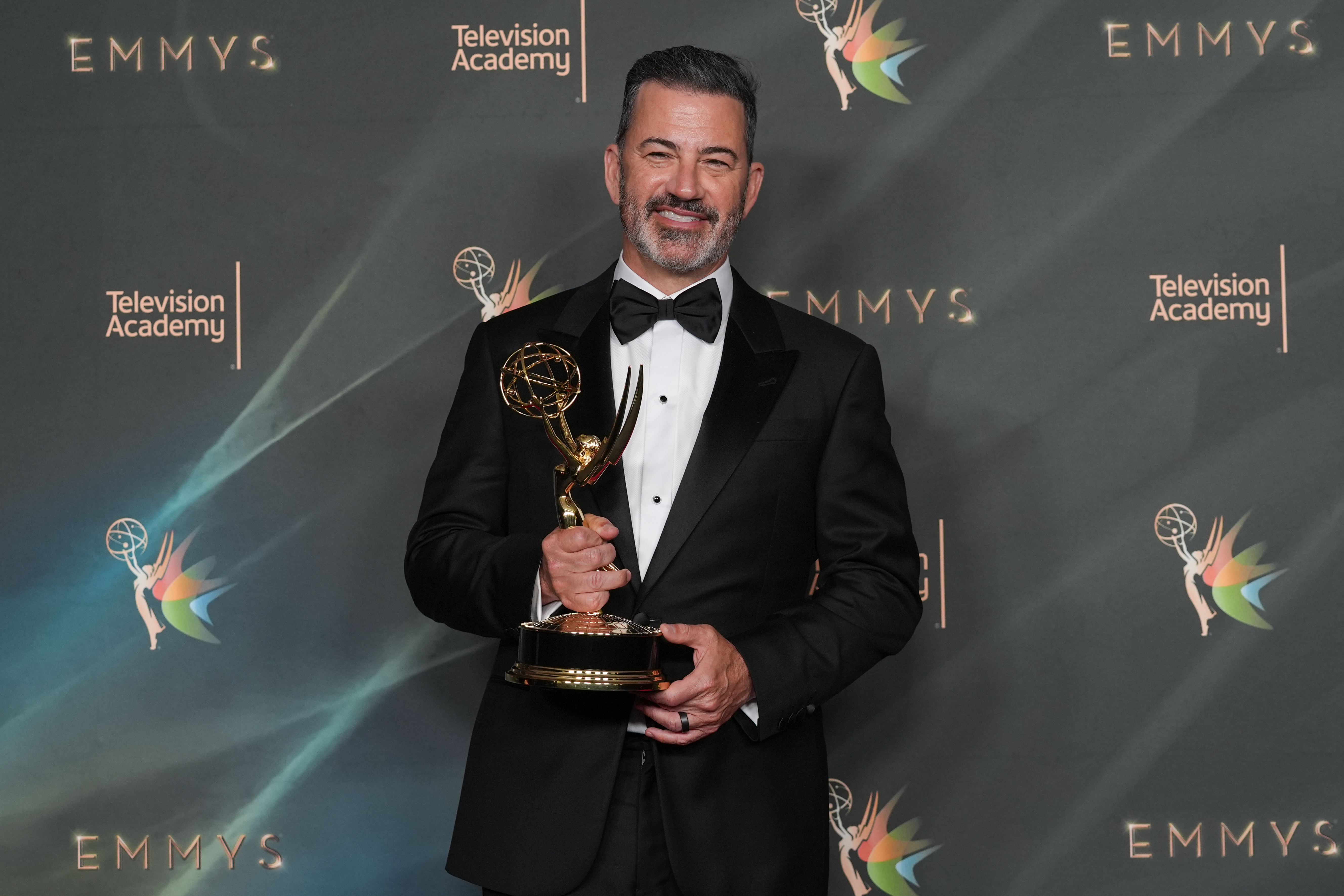
    Late-night talk-show host Jimmy Kimmel said Wednesday that he would not broadcast an interview he conducted with Texas Democratic Senate candidate James Talarico because of pressure from the Trump administration.

    Kimmel did not specify what that pressure was but said the Federal Communications Commission had “threatened” him, Jimmy Kimmel Live!, the ABC network, and ABC’s affiliate and local stations “based on simple traditional editorial decisions, guest bookings it would seem they don’t like.”

    Kimmel also suggested the pressure was politically motivated. Polls show a close race between Talarico and his Republican opponent, Texas Attorney General Ken Paxton.

    “They’re very nervous about the midterms, and rightly so. … They’re in danger of losing a Senate seat in Texas, of all places,” Kimmel said on his show Wednesday.

    ABC has been in a monthslong feud with the FCC and its chair, Trump appointee Brendan Carr. Last year, the FCC successfully pressured ABC to briefly suspend Kimmel because of comments he made about the death of conservative activist Charlie Kirk.

    In April, President Donald Trump and first lady Melania Trump again called on ABC to punish Kimmel for a joke he made about the first lady. Shortly afterward, the FCC formally ordered an early review of the eight broadcast licenses owned by Disney — which include ABC stations in major cities such as New York and Philadelphia — because of concerns about diversity policies.

    Last month, ABC sued the FCC, alleging that the commission’s early review of its broadcast licenses is unconstitutional under the First Amendment.

    Kimmel on Wednesday noted that he had interviewed several candidates for public office on his show in the past — including Trump himself when he was a presidential candidate in 2015 in 2016.

    “And at that time, when he was the one sitting next to me, he seemed to have no problem with the idea of a talk-show host interviewing candidates. … But for some reason — and I can’t seem to figure out what that reason is — something has changed,” Kimmel quipped.

    Representatives for the FCC did not immediately respond to a request for comment Wednesday. Representatives with Disney, ABC’s parent company, declined to comment.

    FCC Commissioner Anna M. Gomez, the only Democrat on the commission, accused the Trump administration of waging a “campaign of censorship and control” and said the government agency does not have lawful authority to threaten broadcast licenses over guest bookings or editorial decisions.

    “I urge broadcasters everywhere to keep resisting this pressure, and I hope courts will soon make clear that the FCC has no place dictating editorial choices or what viewers are allowed to see,” Gomez said in a statement Thursday.

    Kimmel said he decided not to air his interview with Talarico during his broadcast in part so that ABC affiliates and local stations, especially those in Texas, would not “have to deal with this nonsense.” His interview with Talarico would instead be posted in its entirety on his YouTube channel on Thursday, he said.

    “And thank goodness we have that, because in the America we live in right now, that is the best that we can do until November,” he said.

  • Trump claims rebate checks are on the way for people overcharged by ACA

    Trump claims rebate checks are on the way for people overcharged by ACA

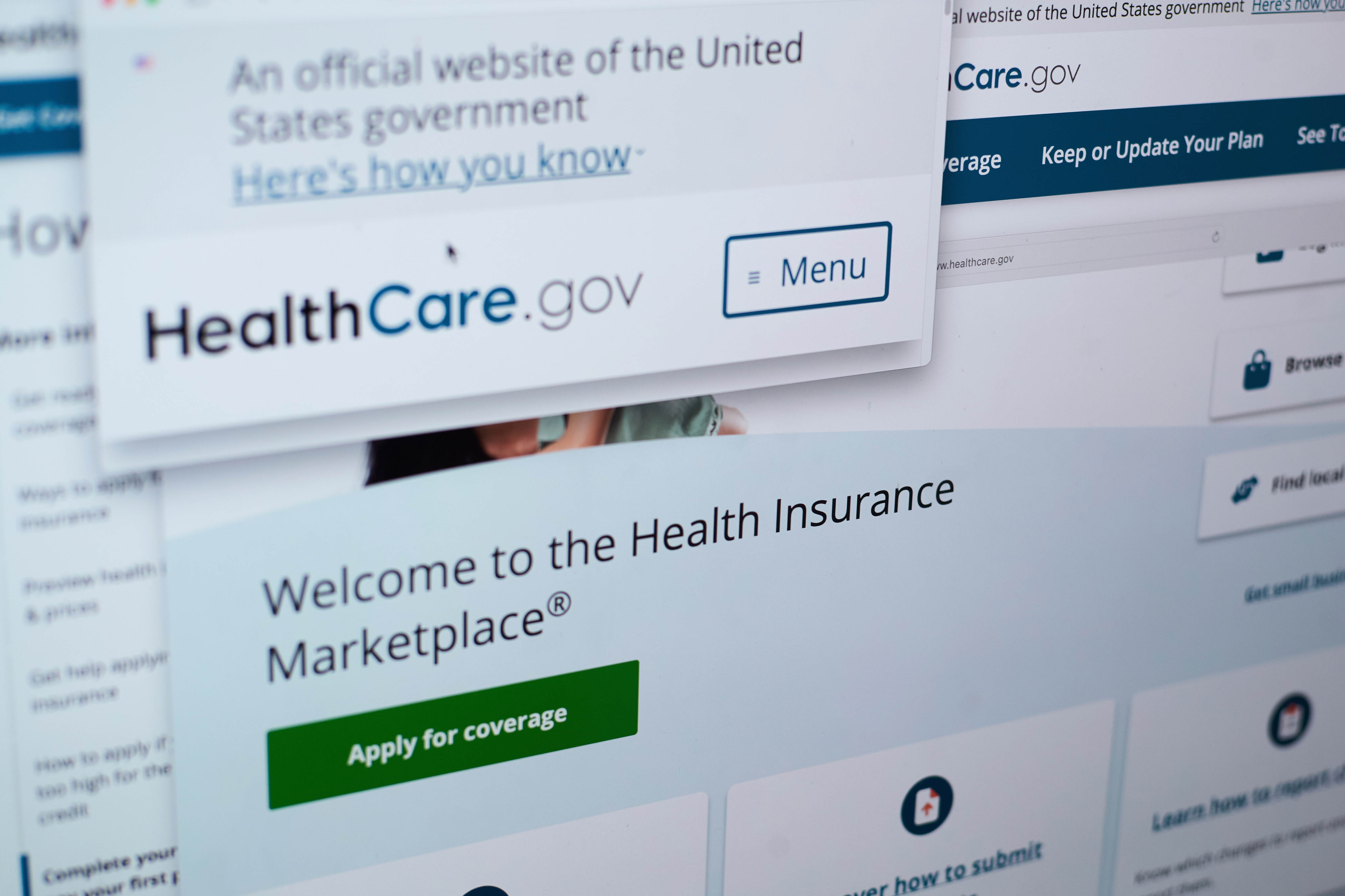
    President Donald Trump on Thursday announced that his administration would issue $500 rebate checks to about 1 million Americans he said had been wrongly overcharged through the Affordable Care Act.

    Administration officials said the funds would be drawn from fees that were used to fund operations of the ACA federal insurance exchange. Thirty states — including Florida, Iowa, Ohio, and others expected to be key battlegrounds in November’s midterm elections — use the federal exchanges for their ACA operations.

    “Thanks to President Trump’s actions, nearly 1 million Americans will receive a refund check of $500 per person. Checks will be sent to eligible Americans beginning in October 2026,” the White House said in a fact sheet.

    Democrats immediately panned the idea and compared it to the administration’s past ACA moves. Trump last year declined to support the extension of ACA tax credits that helped subsidize the costs of health coverage for more than 20 million Americans.

    They also called it a stunt ahead of November’s elections.

    “What an absolute joke,” Brad Woodhouse, president of Protect Our Care, a Democrat-aligned healthcare advocacy group, said in a statement. “Five hundred dollars is a drop in the bucket compared to what Americans are paying because Trump and Republicans gutted health care to bankroll massive tax breaks for billionaires and big corporations.”

    Trump has floated multiple proposals to send dividends to Americans during his second term, but so far, they have not materialized. In February 2025, he said his administration was considering a proposal to give 20% of savings from the controversial DOGE government cost-cutting effort to Americans. That proposal would have delivered roughly $5,000 to each of the roughly 79 million households in which residents pay federal income tax.

    That number was based on Elon Musk’s goal of cutting $2 trillion from the federal budget. A DOGE website claims that the initiative saved only a small fraction of that, and the Government Accountability Office has said the group’s accounting was riddled with errors.

    Trump also claimed he would give Americans $2,000 stimulus checks, drawn from the revenue generated by his tariffs. His administration has had to refund much of the money gained from tariffs after the Supreme Court struck down many of the levies.

  • Yemen risks a return to civil war as Iran-backed rebels target a crucial shipping route

    Yemen risks a return to civil war as Iran-backed rebels target a crucial shipping route

    CAIRO — Yemen is moving closer to a return to civil war as Iran-backed rebels threaten a crucial shipping alternative to the Strait of Hormuz.

    Here’s a look at the intensifying conflict along the Red Sea that could tear the Arab world’s poorest country apart once more and potentially send oil prices even higher above the $100 per barrel mark.

    What’s happening could return Yemen to civil war

    Yemen is home to over 40 million people who fear a return to the civil war that killed 150,000 and brought many others to the brink of famine in one of the world’s most sprawling humanitarian crises. A ceasefire with Yemen’s internationally recognized government and a wider coalition backed by the Saudis began in 2022.

    Now that truce is buckling.

    Yemen’s troubles are in part because of its strategic location at the southern tip of the Arabian Peninsula and alongside the Bab el-Mandeb Strait at the southern end of the Red Sea. It’s one of the busiest global shipping lanes and one that the world is turning to as Iran continues to target ships on the Strait of Hormuz.

    The civil war left many Yemenis hungry and beyond the reach of aid. In a significant advance, Houthi and Yemeni officials said the Houthis had taken over Yemen’s port city of Mokha, which has been held by Yemen’s internationally recognized government.

    That endangers another crucial entry point for food and other assistance.

    The Houthis’ takeover of Mokha puts them about 50 miles from the Bab el-Mandeb, creating further complications for shipping on the Red Sea — and not only for neighboring Saudi Arabia. The United States has shown signs of wanting to wrap up the Iran war and get oil-laden vessels on the move everywhere, not broaden the fight.

    Houthis’ grievance with Saudis could affect global oil

    The ceasefire’s fragile calm held until weeks ago, when the Houthis tested a Saudi-led blockade of rebel-held areas. The Saudis struck the international airport in the rebel-held capital, Sanaa, which the Houthis called an attempt to prevent a plane carrying Houthi leaders from returning home after attending the funeral of Iran’s late supreme leader Ayatollah Ali Khamenei.

    The Houthis already objected to the Saudis’ backing of Yemeni government forces, which the rebels say have been pounding them this week with dozens of airstrikes after the rebels attacked several oil facilities and utilities in Saudi Arabia, wounding dozens of people.

    Now, with the Iran war choking the Strait of Hormuz, the Houthis have a new way to inflict pain on their neighbor by declaring a blockade against Saudi Arabia and targeting its efforts to ship its oil via the Red Sea.

    The Houthis’ backer, Tehran, doesn’t object to causing the U.S.-allied Saudis pain as it tries to limit oil shipments from the Gulf in service of its war aims.

    This week, Saudi Foreign Minister Prince Faisal bin Farhan said the path was not closed to diplomacy but that his country would not hesitate to defend itself.

    Houthis have been relatively unscathed by the recent war

    Among Iran’s armed proxies in the region, the Houthis have had a lower profile than Hezbollah in Lebanon and Hamas in Gaza. That, as well as their relative distance, has helped shield them from Israeli attack in the nearly three years since the war in Gaza began.

    But the Houthis were quickly targeted with U.S. airstrikes when they tried to insert themselves into the regional conflict by targeting what they called Israeli-linked shipping on the Red Sea off Yemen’s west coast. Those attacks soon faded.

    Now, the Houthis are back with a different target, aiming at ships and other assets of Saudi Arabia as it seeks to get its oil out to the world via the Red Sea and the Bab el-Mandeb strait. That Red Sea corridor usually sees $1 trillion of goods move through it per year.

    The Houthis are “no longer just positioned on the northern part of the western coast; they now control a much larger stretch of the coastline, bringing them closer to the areas around Bab al-Mandeb,” said Ahmed Nagi, a senior analyst on Yemen at the International Crisis Group.

    For global oil consumers already worried about Iran’s attacks on vessels trying to transit the Strait of Hormuz, the threat to yet another global shipping lane is a flashing danger sign, especially with the price of crude oil again trading above $100 a barrel.

  • Home from college, 2 weeks later

    Home from college, 2 weeks later

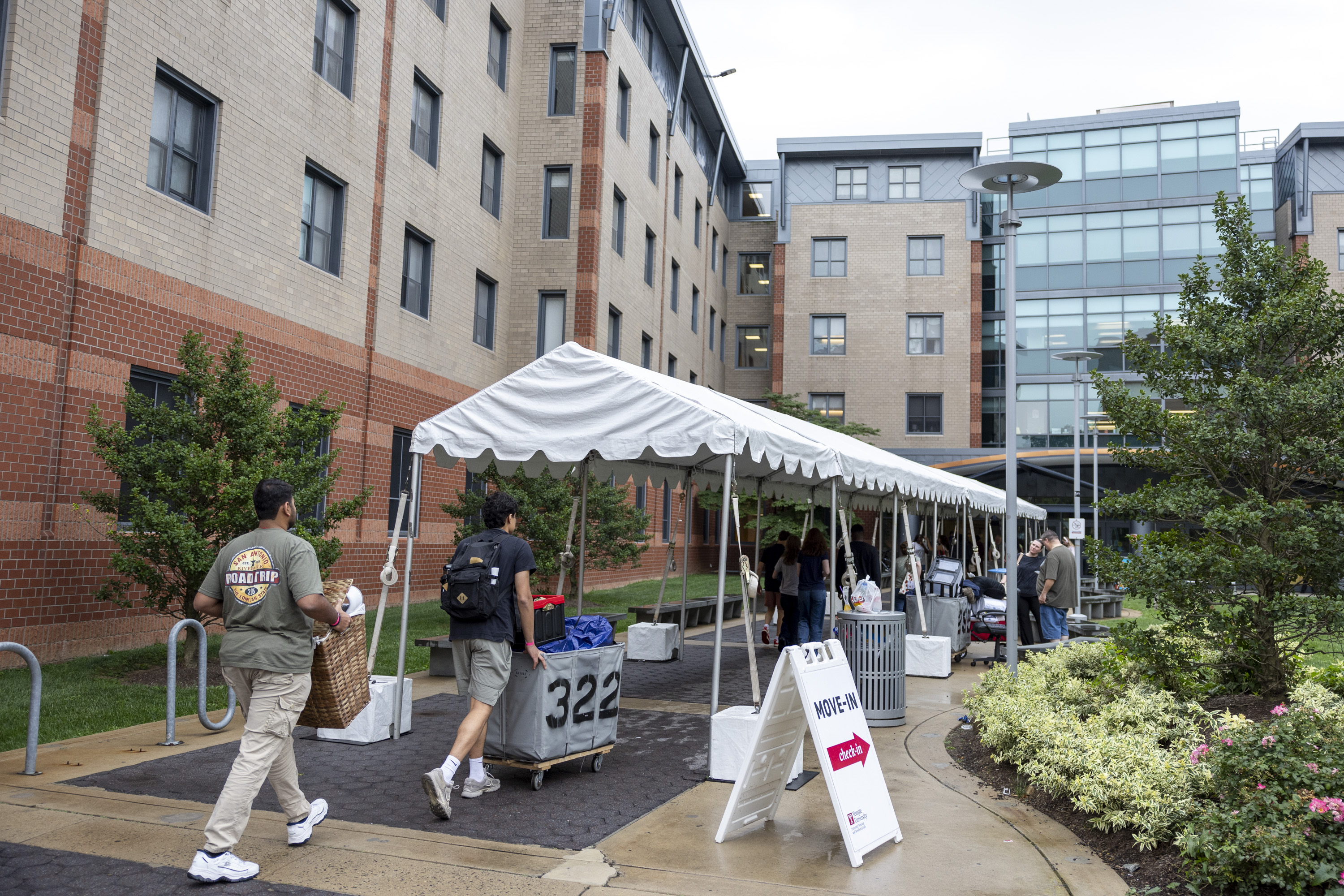
    Last month, Daii’yaHnna Fleming posted a video of her move-in day at Southern University in Louisiana. As a bleary-eyed rising freshman, she lugged a half-dozen candy-hued suitcases on her trip from Las Vegas to Baton Rouge. After arriving, she began to settle into her new life on campus, stocking up on school supplies and setting up a side business doing makeup from her dorm room.

    Then the trouble began. The ample walking across campus aggravated her health issues, and Fleming didn’t feel safe commuting to her job near campus. One night, she decided to join friends for an off-campus party. “I had never really been to a party, and I really just did not like it at all,” Fleming, 17, said. “I got really fed up with everything.”

    On the way back to her dorm, Fleming texted her mother and told her she was coming home for good. She had been in college for two weeks.

    In a TikTok video about her decision to switch to her university’s online program, Fleming panned over her dorm room. “I’m not gonna force myself to be uncomfortable and unsafe, ’cause randos think I should be,” she wrote in the caption, adding, “I don’t care about the college experience. I just want my degree.”

    In the thousands of comments underneath her post, as well as under similar viral videos of other students moving out or dropping out and sharing it online, a firestorm of debate has been playing out: Are Generation Z students too unwilling to face discomfort, to the point of missing out on a formative experience? Or are older generations valorizing struggle?

    Though leaving campus early is nothing new — and the rate of college dropouts has declined slightly in recent years — social media has put a magnifying glass on students’ struggles and prompted a wider discussion about generational differences. As they face shrinking federal financial aid and a tough job market with no guarantees, some say they are reconsidering whether college is worth the staggering tuition fees. Others say they are switching to online school or becoming commuter students.

    Many of the videos, like Fleming’s, focus on the mental health impacts, saying they feel anxious and overwhelmed. One student mentioned a towed car and more homework than they expected. Another expressed concern about wasting tuition money on an experience they disliked that affected their mental health.

    The debate touched a nerve.

    In response videos, millennials and Gen Xers have been pleading with students to hold on and tough it out.

    “Everything worth having is not easy,” said Ebony Simpson, a mother of a college sophomore who posted one of those videos.

    She said that students needed to put themselves out there. “It’s for you to sit up and say, ‘Oh, they’re having a cookout, let me go,’” Simpson said.

    Her daughter, Adrianna Bankston, said she struggled as a freshman last year at a Georgia university. The idea of leaving “was a thought that we all had when we first got here,” Bankston, 19, said. She didn’t leave her room much during that first week, she said. But she had a realization: “I need a friend group. I need to go out and do stuff.”

    She pushed herself to meet people at parties and campus events, and she’s learned a lot. “I did have fun,” she said. “I found out not everybody is your cup of tea.” She said she now had a busy social life and great people around her.

    Rates of college dropouts have declined: According to a report from the Education Data Initiative, 22.9% of all students who entered college as freshmen in fall 2024 did not return in fall 2025, down from a prepandemic average of around 24%.

    Yet the videos highlight real issues for those working to fight college attrition. “Kids are not weak,” said Sarah Manville, an assistant dean and adviser at Case Western Reserve University in Cleveland. “They’re extremely resilient — but there’s something about this phenomenon that they cannot persist through.”

    Feeling homesick in the first few weeks is normal, but Manville said she noticed some younger students were reluctant to seek help. “My concern is students are not giving themselves enough of a chance to be successful,” she said, “and that’s where I think that fear-based decision making comes in.”

    Michael Williams, a New York City-based college access and success professional, said, “I’ve noticed a definite dip this year and last year, compared to prior years, in how socially adjusted and how much, like, social emotional competency this set has compared to the prior classes.”

    Students also face grim job prospects, amid worries of artificial intelligence encroaching on entry-level jobs, and steep tuition. “The barriers to entry just keep compounding in this particular moment,” Williams said.

    The costs of dropping out or moving home will vary from school to school, but student loans are generally easier to cancel in the first two weeks.

    Fleming said she had not yet paid the fee for room and board for this year. Another student who posted a video on TikTok said in a comment that she had received a refund from her university after leaving.

    Back home in Las Vegas, Fleming said she felt good about her decision: “If I would have stayed longer, it would have made everything harder.”

    She’s doing well in online business management classes and has dreams of law school. But she hasn’t discounted the idea of returning to Southern: She’d like to spend more time with her suite mate, who’s now a close friend, and other classmates she met from her stint in Baton Rouge. But if she returns, perhaps next year, she plans to live off campus.

    This article originally appeared in The New York Times.

  • Ding! Ding! Ding! The long, strange fight over your car’s seat-belt chime.

    Ding! Ding! Ding! The long, strange fight over your car’s seat-belt chime.

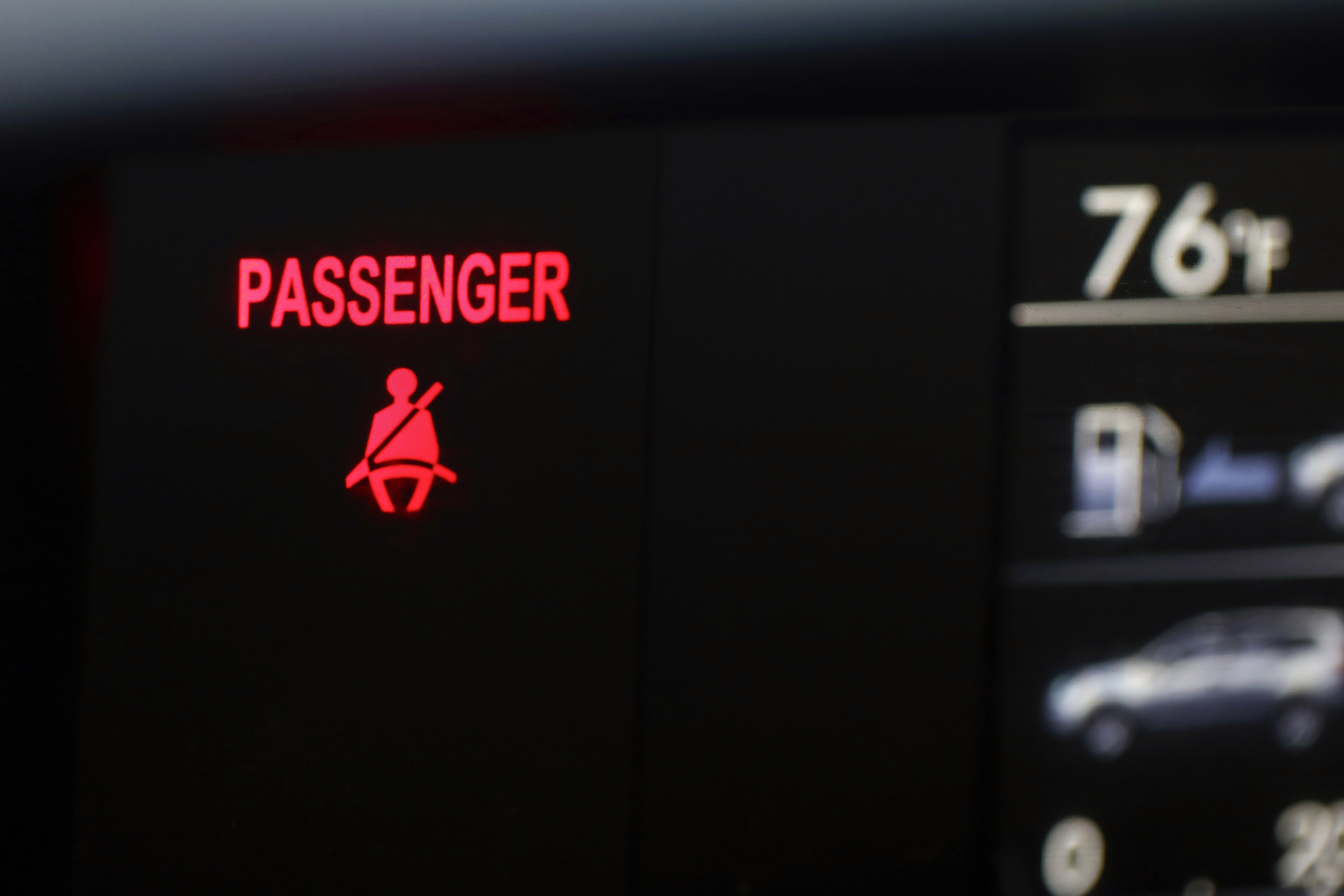
    David Kidd is an expert in something that some people hate and others tend to just tolerate: seat-belt warning systems — the “ding ding ding” chimes and flashing dashboard lights that serve as reminders to buckle up.

    He’s spent years testing different systems in cars and trucks as part of his work at the Insurance Institute for Highway Safety. So he knows very well that the incessant chimes can be annoying.

    They’re “an irritant,” he admits. But he prefers a different term.

    “We use the word ‘motivating,’” Kidd said.

    The lowly seat belt is still considered the best way to avoid serious injury or death in a crash. Forget air bags, anti-lock braking systems, or any other new-fangled safety technology. Unbelted occupants are roughly twice as likely to be killed in a car crash.

    Buckling up works.

    So does nagging. Kidd’s research found that belt warnings came in a variety of tones and volumes, but if they are “heard and persistent,” people respond.

    The seat-belt chime is such a recognizable refrain that when pop star Olivia Rodrigo needed an iconic car sound to open her hit song “Drivers License” a few years ago, she reportedly used a recording of the seat-belt beep in her mom’s car.

    The “buckle up” reminders were set to become even more widespread this month, when new federal safety regulations were supposed to require more persistent chimes not just for the driver’s seat but for the front passenger seat, as well. But automakers objected, saying they couldn’t be ready in time. Regulators backed down. So the new rules have been delayed for another two years — 2028 at the earliest — when some rear-seat warnings would be required, too.

    The National Highway Traffic Safety Administration said in a statement that it found the automakers’ worries “have merit.”

    Others were not convinced.

    “It was a bit of mystery to us why this has taken so long already. And now it’s going to take even longer,” said Peter Kurdock, general counsel for Advocates for Highway and Auto Safety, which began pushing for the new rules in 2007.

    “It’s disappointing,” he said.

    The technology is not cutting-edge. Europe has required seat-belt alarms in new vehicles since 2021. Some automakers, such as Volvo and Subaru, already have voluntarily installed them in vehicles sold in the U.S.

    But the fight over the warning chimes feeds into Americans’ long-running love-hate relationship with seat belts.

    Seat belts are still seen by some as a question of choice and freedom.

    State laws and education campaigns have helped soften some of those attitudes. Today, 49 states require adults in the front to buckle up. The lone holdout is New Hampshire, which lives up to its license plate motto of “Live Free or Die.” Just 34 states plus D.C. require adults to wear seat belts in rear seats. (Children are covered by different restraining-device requirements.)

    Still, researchers know some people remain militant in their opposition. They’re the ones buying $6 devices and printing 3D tools to fool the alarm. They sit on top of buckled seat-belt straps. They watch online videos claiming to reveal the hidden tricks to deactivate the warning chimes.

    “Those that don’t like seat belts are really hardcore against buckling up,” Kurdock said.

    These holdouts are why U.S. seat-belt usage rates have largely flatlined in the last decade, according to NHTSA observational studies. The unbuckled make up a minority of all vehicle occupants, but they die at a much higher rate in crashes: Roughly half of all vehicle fatalities involve unbuckled occupants.

    At one point, federal officials tried a much tougher tactic than just chimes.

    In 1974, the federal government required many cars to have ignition interlock devices that prevented a car from even starting until the front occupants were buckled up. Motorists hated it. It blew up in NHTSA’s face.

    “That got a lot of blowback that reached Congress,” Kidd said.

    The idea was quickly pulled, and Congress banned NHTSA from requiring interlocks. Lawmakers then went further and limited seat-belt warning chimes to a fleeting eight seconds.

    Some advocates say this is why NHTSA has seemed reluctant ever since to even tinker with seat-belt warnings.

    In 2007, Public Citizen and Advocates for Highway and Auto Safety petitioned NHTSA to change the belt-reminder rules and add them for rear seats.

    Little happened for years.

    In 2012, Congress passed a bill that abolished the eight-second chime limit and required federal officials to create new warning rules for seating positions besides the driver’s seat. It was a start, but a very slow one.

    “The chime is very important,” said Shaun Kildare, research director for the Advocates for Highway and Auto Safety.

    While NHTSA worked on a plan, the lack of government action created an opening for the Insurance Institute for Highway Safety, which rates vehicles on a series of safety metrics. It began rating cars and trucks on the quality of their seat-belt reminders with the 2021 model year.

    IIHS wants seat-belt chimes to last at least 90 seconds and be easy to hear, among other criteria. The chimes should annoy drivers enough to get them to buckle up — but not so much that they complain.

    “It was: Get them to wear a seat belt, but at the same time not email their congressperson to demand a change,” Kidd said.

    Compliance has been voluntary, but some automakers have jumped at the chance to make a good showing. IIHS saw rapid adoption, even without federal regulations, Kidd said.

    At first, less than 20% of vehicles scored IIHS’s top “good” ranking for seat-belt reminders. Five years later, 71% of vehicles qualified.

    “You’ve had a complete change in the seat belt reminders in the new vehicles,” he said.

    In 2025 — 13 years after Congress asked for a plan — NHTSA finally unveiled its blueprint for overhauling the nation’s seat-belt warning system.

    The new rules will require a chime lasting at least 30 seconds for either an unbuckled driver or front passenger when the vehicle starts up, and if they are still unbuckled when the vehicle reaches slightly faster than 6 mph, a second chime will play endlessly until the seat belt is secured.

    That’s the rule that was supposed to hit new vehicles on Sept. 1. A rule requiring a 30-second chime if someone unbuckled a seat belt in the rear seats was set to start in September 2027.

    But in April, NHTSA acquiesced to arguments from the Alliance for Automotive Innovation, an industry trade group, that the changes “require significant hardware and software changes” and would need more testing.

    Now, regulations for both front- and rear-seat warnings are being pushed back to September 2028.

    Despite the delay, automakers still “support efforts to increase seat belt use and for decades have voluntarily and proactively installed seat belt reminder systems across the vehicle fleet,” Audrey LaForest, communications director for the Alliance, said in a statement last week.

    Kurdock, whose group first petitioned for this change nearly 20 years ago, was in disbelief.

    “This is not a new technology. Seat-belt reminders have been in cars for a very long time,” he said.

    Kidd said he was frustrated with what he saw as an unnecessary delay. He has estimated that nearly 1,600 lives could be saved annually if all vehicles had more noticeable and persistent seat-belt warnings leading to more people buckling up.

    “The disappointing piece is we’ve known what to do for a long time,” he said, “but we just haven’t done it.”

  • Supreme Court is asked to settle Missouri dispute causing electoral chaos

    Supreme Court is asked to settle Missouri dispute causing electoral chaos

    A group seeking to block Missouri from using a new congressional map that favors Republicans in November’s midterm elections has asked the Supreme Court to intervene.

    The appeal is the latest twist in an extraordinary legal fight that has plunged the state into electoral confusion just as it was supposed to finalize ballots and shortly before it begins distributing mail-in versions to voters.

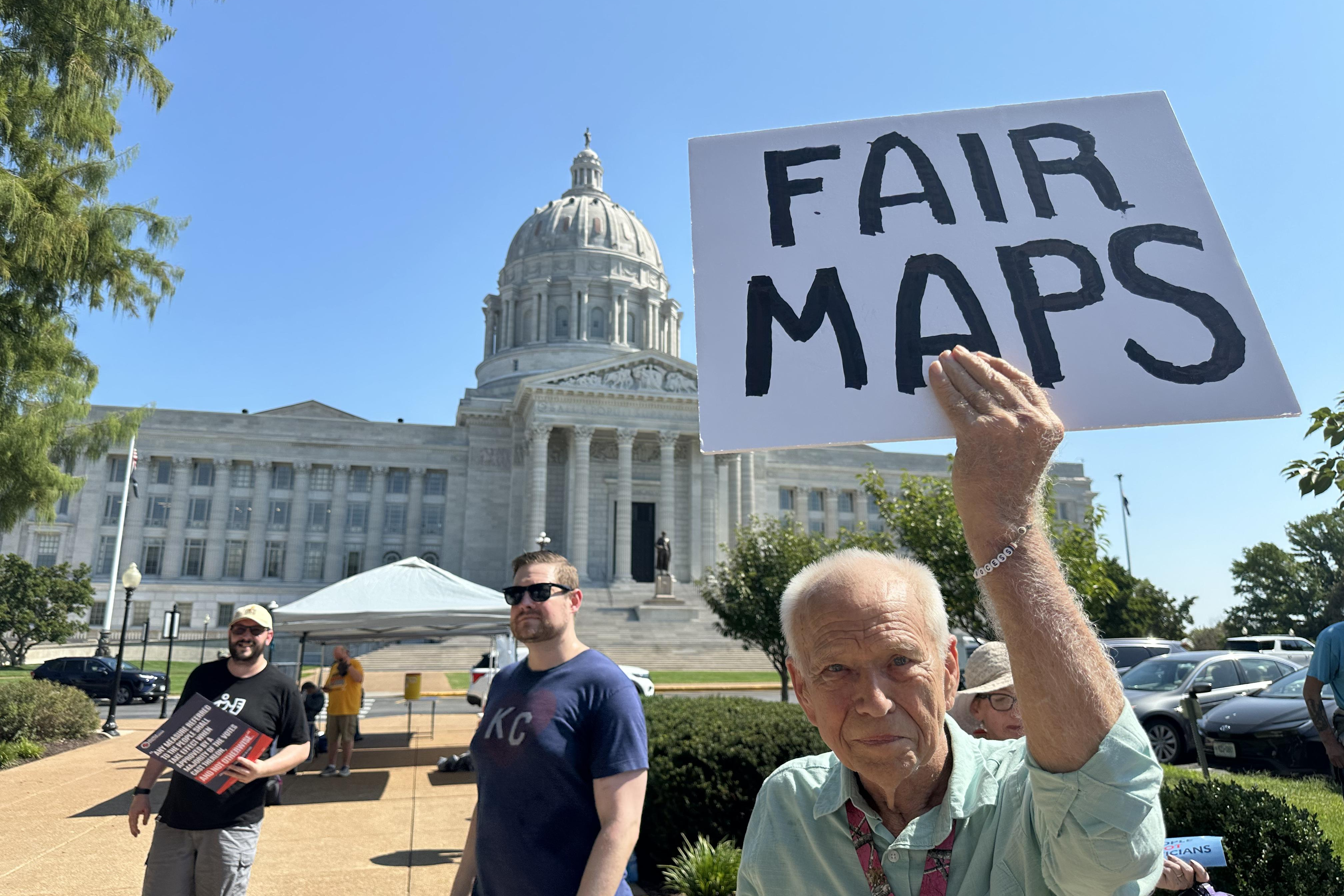
    People Not Politicians, an anti-gerrymandering group, asked the Supreme Court to review the case late Wednesday afternoon, just minutes after its appeal was rejected by a federal appeals court.

    In a brief ruling, a three-judge panel of the U.S. Court of Appeals for the 8th Circuit said they did not have jurisdiction, or the plaintiffs had not met the legal bar, to obtain an injunction against Missouri’s use of the new map.

    The legal uncertainty has left voters and election administrators unsure about what Missouri map will be in play less than two months before voters head to the polls on Nov. 3.

    Roy Temple, a longtime Democratic strategist in Missouri and former head of the state Democratic Party, said voters “can’t possibly understand who they’re going to be voting for.”

    “There is a great deal of chaos,” Temple said. “The sad part is that it’s almost entirely inflicted by people whose responsibility was to ensure the orderly conduct of elections.”

    The appeals court ruling came after a furious night of legal developments Tuesday, as Supreme Court Justice Brett M. Kavanaugh and a federal judge in Missouri issued conflicting rulings less than a half-hour apart about whether the state could use the new map.

    Republicans currently hold six of Missouri’s eight congressional seats, and the new map, adopted by the GOP-controlled state legislature, is designed to give the party a good shot at picking up an additional seat.

    Kavanaugh denied an appeal by Missouri Secretary of State Denny Hoskins to overturn a Missouri Supreme Court ruling last week blocking the new map, without giving his reasoning. The state high court had ordered Missouri to use a 2022 map that gives Democrats a better chance of keeping two seats.

    But soon after Kavanaugh denied the appeal, a federal judge, Stephen Clark, a Trump appointee in the St. Louis area, ordered Hoskins in a separate case to use the new, more GOP-friendly electoral map.

    Hoskins and the state’s Republican leadership quickly announced that they would abide by that ruling. But the anti-gerrymandering group, People Not Politicians, appealed Clark’s temporary restraining order to the U.S. Court of Appeals for the 8th Circuit.

    “If the TRO remains in effect, elections officials will effectively be in contempt of either the Missouri Supreme Court or the federal district court if they implement either HB 1 or the 2022 map, leaving ballots and voters in flux,” attorneys for People not Politicians wrote in the group’s filing.

    HB1 refers to the law that created the new map. It was adopted by the legislature last year at the behest of President Donald Trump, who has urged GOP-controlled states to draw maps more favorable to Republicans to help the party retain control of Congress in a difficult election year.

    The result has been a nationwide redistricting war in which at least 20 states have redrawn — or are in the process of redrawing — legislative maps to favor one party or the other.

    The Missouri Supreme Court also threatened to hold Hoskins, the state’s top election official, in contempt late Tuesday. The state’s high court ordered Hoskins to explain why he approved the new congressional map favoring the GOP despite its order blocking it. It was set hold a hearing on the issue on Thursday.

    People Not Politicians collected more than 300,000 signatures to force a statewide referendum on the new Missouri map in November’s election.

    Hoskins rejected the petitions, saying the state constitution did not permit referendums on congressional redistricting. People Not Politicians sued.

    A federal judge upheld Hoskins’s move, and the state held its August primaries for November’s contests using the GOP-friendly map. Afterward, the state Supreme Court issued its ruling blocking the use of the new map.

    Missouri Attorney General Catherine Hanaway, a Republican, said in a statement that this would leave state officials in an impossible position: holding a general election using different maps than were used in the primaries.

    “We maintain that changing the congressional map in between the primary and general elections is simply not feasible and profoundly unjust to Missouri voters,” Hanaway said.

    State Sen. Rick Brattin, the GOP nominee in the district redrawn to favor Republicans, said in a social media post that he was disappointed in the U.S. Supreme Court ruling. He is taking on Democratic Rep. Emanuel Cleaver.

    Brattin praised the temporary restraining order from the lower court that preserves the maps used in the primaries, saying it would ensure that “voters will not be disenfranchised by being forced to vote in a different district for November.”

    “The stakes are high for our nation in the upcoming election,” Brattin posted on X, “and I look forward to continuing to campaign across the 5th District, where I know many voters feel like it’s time to send eleven-term incumbent Emanuel Cleaver home.”

    Former U.S. senator Claire McCaskill, a Democrat, called Hoskins “lawless” and said he had intentionally waited to act until “he thought it was too late for anybody to do anything about it.”

    It was extraordinary that the conservative state Supreme Court ruled against him, McCaskill said, noting that five of its seven members were appointed by Republicans.

    “So it was really a very strong signal that they had gone too far, but according to the new Republican Party, the law is a mere nuisance that can be avoided if there is political gain to be made,” McCaskill said.

    Boone County court clerk Brianna L. Lennon said that she has been left “in a holding pattern” while the various courts and officials decide the shape of this fall’s elections.

    “I am hoping that they move quickly,” Lennon said, adding that her county and its 125,000 voters are “heavily impacted by which map we’re going to use.”

    About 40% of Boone County voters are directly affected, she said, both because the congressional district numbers change depending on which map is in effect and because the boundary shifts across the entire county.

    Because the situation has been fluid for much of the year, Boone County has preset its election systems with both maps, Lennon said. That process involves manually linking each street address to a particular precinct based on each of the competing maps, she said, so that every voter has double precinct assignments until the situation is resolved.

    “So the question is not, ‘Oh my gosh, what do we do?’ It’s just, ‘Tell us which map to use,’” she said.

    But the clock is ticking. Missouri uses paper ballots, and court clerks have been in regular contact with printing vendors to ensure there’s time to get them prepared. Ballots have to go to military and overseas voters by Sept. 18, Lennon said, and early absentee voting begins Sept. 22.

    In Boone County, the practice is to test voting equipment three to four weeks before Election Day, which means officials will need paper ballots by then. Election Day — Nov. 3 — is now seven weeks away.

    “So it will be a crunch, I think, to get the ballots printed,” Lennon said. “But it’s still doable at this time.”