I called to check on one of my patients recently after a preventive screening test showed that he had the beginnings of diabetic eye disease.
If untreated, this can cause severe visual impairment or blindness. Our office staff arranged an expedited appointment with an ophthalmologist for evaluation and treatment to slow the progression and preserve his eyesight.
Such screening for preventable disease has long been crucial to my work in primary care. In the clinic, we typically offer counseling and discussion, and then send patients elsewhere for a screening test. For example, we tell patients to visit a lab for blood work, a radiology office for mammography, to see specialists for gynecologic, colon screening and eye exams, and to get many vaccines at the pharmacy.
The most important screenings that we have traditionally performed in the office are measuring blood pressure, listening to patients, and physical examinations.
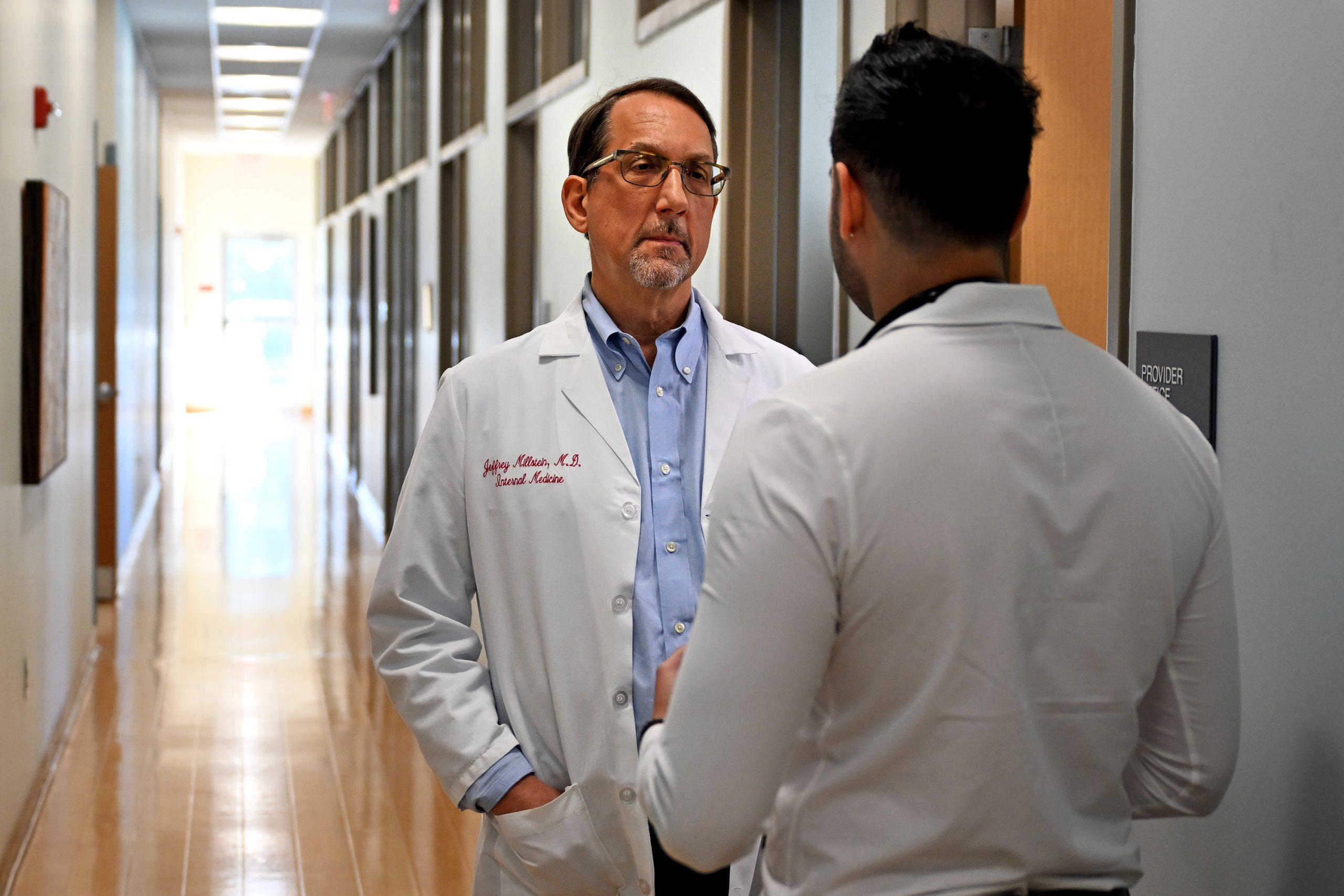
Jeffrey Millstein at his practice at Penn Medicine Woodbury Heights.Tom Gralish / Staff Photographer
Until now. My patient was diagnosed with diabetic retinopathy based on a retinal screening completed before he left my medical office.
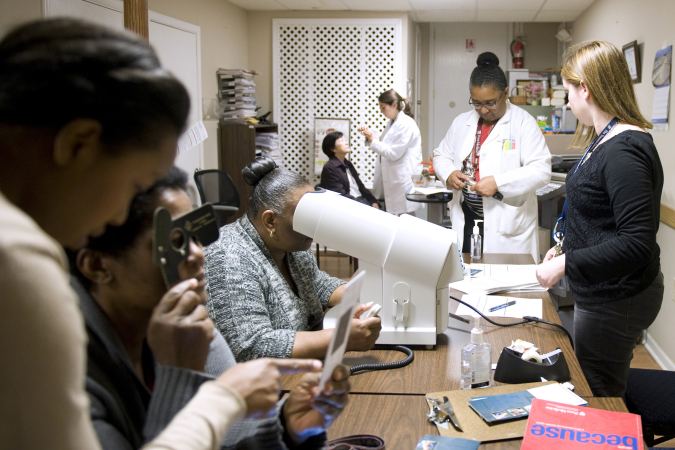
One of our nurses performed the noninvasive exam using a machine that takes a photo of the retina, the part of the eye that processes or “develops” images we see to send through nerve pathways into the brain where we can make sense of them.
The patient sat in a chair and looked into the machine’s eye pieces, which resemble a pair of binoculars. The retinal photos are then analyzed by an artificial intelligence assisted program that can accurately detect diabetic retinal disease. The screening is safe, takes only about 10 minutes, with results immediately available.
Like high blood pressure, diabetic retinal disease is best treated early on, usually before a patient experiences warning symptoms.
The primary care-based screening is not meant to take the place of regular yearly visits to the eye doctor. Rather, it helps to prioritize eye care for high-risk patients with diabetes, who are often juggling many medical appointments. The ophthalmology visit can easily drop down, on or fall off, their to-do list, especially when they have not noticed new vision issues.
This type of retinal screening is becoming more common in primary care offices, with most insurances offering coverage for patients with diabetes.
That’s not to say that more screening is always better. In healthcare, over screening can become an issue in its own right — when unnecessary, screening can add to the cost of care and may distract from the reason for your office visit. Your concerns should always be first priority, and it’s reasonable to ask your provider to explain the clear health benefit for any screening.
Retinal screening is quick, accurate, and may help save your vision. If you are offered the opportunity to have one next time you see your primary care clinician and it fits into your visit agenda, I recommend you go for it. I think the patient whom I called this week would agree.
Jeffrey Millstein is an internist and regional medical director for Penn Primary and Specialty Care.
One Team Philly athlete underwent a heart transplant while experiencing homelessness at 14.
Another is on his third organ transplant after a severe case of COVID-19.
And a third received his new heart three weeks after his daughter was born.
All are competing, from Thursday through this weekend, at the Transplant Games of America, an Olympic-style event for transplant recipients, living donors, and donor families. Held in Denver this year, the competition celebrates organ donation and showcases life after a transplant.
The local nonprofit Gift of Life Donor Program organized Team Philly, whose 86 athletes hail from eastern Pennsylvania, South Jersey, and Delaware. They are competing thanks to transplants ranging from hearts and lungs to kidneys, livers, and other organs.
The Inquirer spoke to three athletes about their journeys with heart transplantation and motivation to compete.
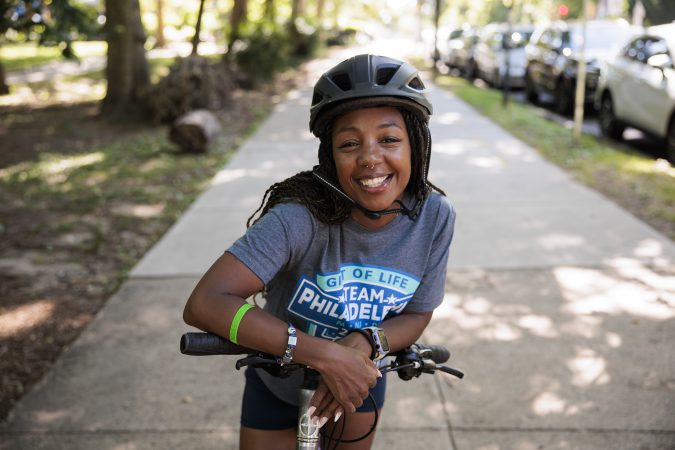
Evett Hawks is competing in Denver this week as part of Team Philly.Monica Herndon / Staff Photographer
Childhood as a two-time transplant recipient
Evett Hawks stared at the mirror in awe.
After months looking “white as a sheet,” the West Philadelphia native saw in the bathroom mirror a 14-year-old girl whose cheeks were rosy. Her skin was warm and she could feel her fingers.
“I want to look like this forever,” she recalls thinking.
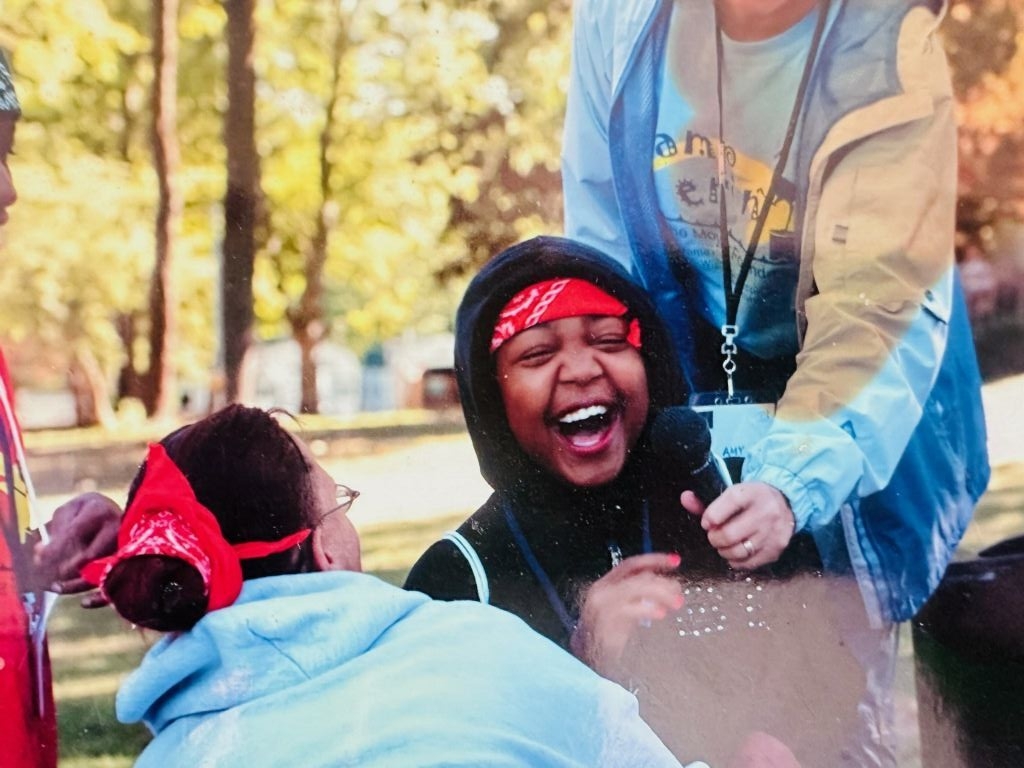
A photo of Evett Hawks smiling after her second transplant at age 14.Courtesy of Gift of Life Donor Program
Hawks, who was born with a hole in her heart, underwent her first transplant at age 3 after a cardiac arrest episode landed her on life support. The donor heart kept her healthy for adecade, until her body started shutting down again in 2006.
Doctors diagnosed her with end-stage heart failure. At the time, she and her mother were living in a shelter without a permanent home.
“Why me?” and “This isn’t fair” thoughts overwhelmed her,as she moved to Children’s Hospital of Philadelphia to wait for a new heart.
She started to doubt her odds of finding a match as months passed. She watched other pediatric patients die before they could get their own transplants.
“Oh, I’m going to die, too,” Hawks recalled thinking.
After nearly a year at CHOP, doctors found her a heart.
While recovering from her surgery, Hawks saw a little boy who was still on the transplant waiting list walking laps around the hospital floor.
He abruptly stopped in front of her room and said, “I can’t do this anymore. It just is too hard.”
His nurse took him back to his room.
Hawks said to herself, if “he can’t do it, I’m going to do it.”
Now, nearly two decades later, at 33, she is competing in her first Transplant Games in the cycling and singing events. She has trained by biking seven miles to and from her job as a registration specialist at Carvana.
“The goal is just to do my best, and maybe come back with a medal,” she said.
Evett Hawks will compete in the cycling and singing events at the Transplant Games of America.Monica Herndon / Staff Photographer
Rebuilding his life after three transplants
Leston Hall Sr.’s heart stopped in December 2022.
Airlifted to Thomas Jefferson University Hospital in Center City, he learned from doctors that he could not leave the hospital withoutheart and kidney transplants. His organs had suffered major damage from an earlier COVID-19 infection.
Hall, who lives in Bridgeton, N.J., had receivedhis first kidney transplant in 2013 due to familial hypertension. At the time, he had an identified donor: his wife, Tonia.
This time, he didn’t know how long he would have to wait for a match.
Then in his 50s, he was so sick he required a scooter to get around. Mostly, he lay in bed.
“I was barely holding on,” he said.
Other patients would invite him out on walks, but he always declined. He finally agreed to go with them one day, thinking, “Maybe they’ll leave me alone.”
They became an inseparable group of four that he now considers “family for life.” Their friendship helped him endure the difficult waiting period that lasted until June 2023, when doctors found him a new heart and kidney.
After the surgeries, Hall struggled to adjust back to living at home. He hesitated to go down stairs for fear of not being able to get back up, and kept a chair by the stove whenever he cooked.
Over time, he built his leg strength back up by using an elliptical machine.
By early August, he was able to cook without the chair. He surprised his wife with a dinner of chicken breast, rice, broccoli, and green beans — the first full meal he had cooked since coming home.
Leston Hall Sr. pictured with his wife, Tonia, and daughter, Shales.Courtesy of Leston Hall Sr.
Hall celebrated the three-year anniversary of getting his new heart and kidney last week.
At his first Transplant Games this week, he is competing in pickleball, cornhole, basketball, and poker.
Hall said he is grateful “just to be able to accept that challenge.”
Leston Hall Sr. celebrated his 60th birthday last October. He is pictured with his sons Lavon and Leston Hall Jr.Courtesy of Leston Hall Sr.
Wanting to see his children grow up
Todd French watched his daughter’s birth over FaceTime in October 2021 from his bed at the Hospital of the University of Pennsylvania.
He had learned he needed a heart transplant earlier that month.
“All I could think about was, ‘I would do whatever to get to watch them grow up,’” he said, referring to his son and newborn daughter.
In October 2021, Todd French used FaceTime from his hospital bed at HUP to watch his wife give birth. His wife, Lauren, brought their newborn daughter to meet him before his transplant.Courtesy of Todd French
The teacher from Milford, Del., had exhausted other treatment options for his cardiac sarcoidosis, an autoimmune disease where cells clump up in heart tissue and interfere with its functioning. For eight years, his heart would randomly beat out of control in episodes called “V-tach.”
“It caused the electrical system in my heart to kind of go haywire,” French said.
Doctors placed a defibrillator — a device that shocks the heart back into a normal rhythm — in his chest and conducted ablation procedures. However, the episodes recurred. Each time, the defibrillator would deliver a painful shock that felt like “a mule kick to the chest,” he said.
After suffering 22 shocks in two hours in 2021, he was admitted to the hospital to wait for a transplant.
On Nov. 11, 2021, three weeks after his daughter’s birth, French received a donor heart.
With the help of a personal trainer and cardiac rehab, he rebuilt his lung capacity. Today, he teachesphysical education at Milford High School.
A family photo taken in November 2025.Courtesy of Todd French
Staying active and healthy is “a respect thing,” he said. “You want to honor the person that helped you and your family.”
At his first Transplant Games in 2024, he won two gold medals in golfing events and a silver medal in Texas Hold ’em.
He is hoping to win the golfing events again this year.
“It gives an opportunity to shine a light on everything that a transplant does for people,” he said.
During her internship at Virtua Mount Holly Hospital, student Alyssa Eiring greeted cardiology patients with her signature charm, “Welcome to cardiologyyyyyyy!”
Her disarming and bubbly personality quickly put patients at ease, said medical secretary Heather Davenport, who mentored Eiring in the hospital’s cardiology department.
“Coming into the hospital for testing isn’t someone’s happy place but Alyssa sure made it feel like that for everyone,” Davenport said.
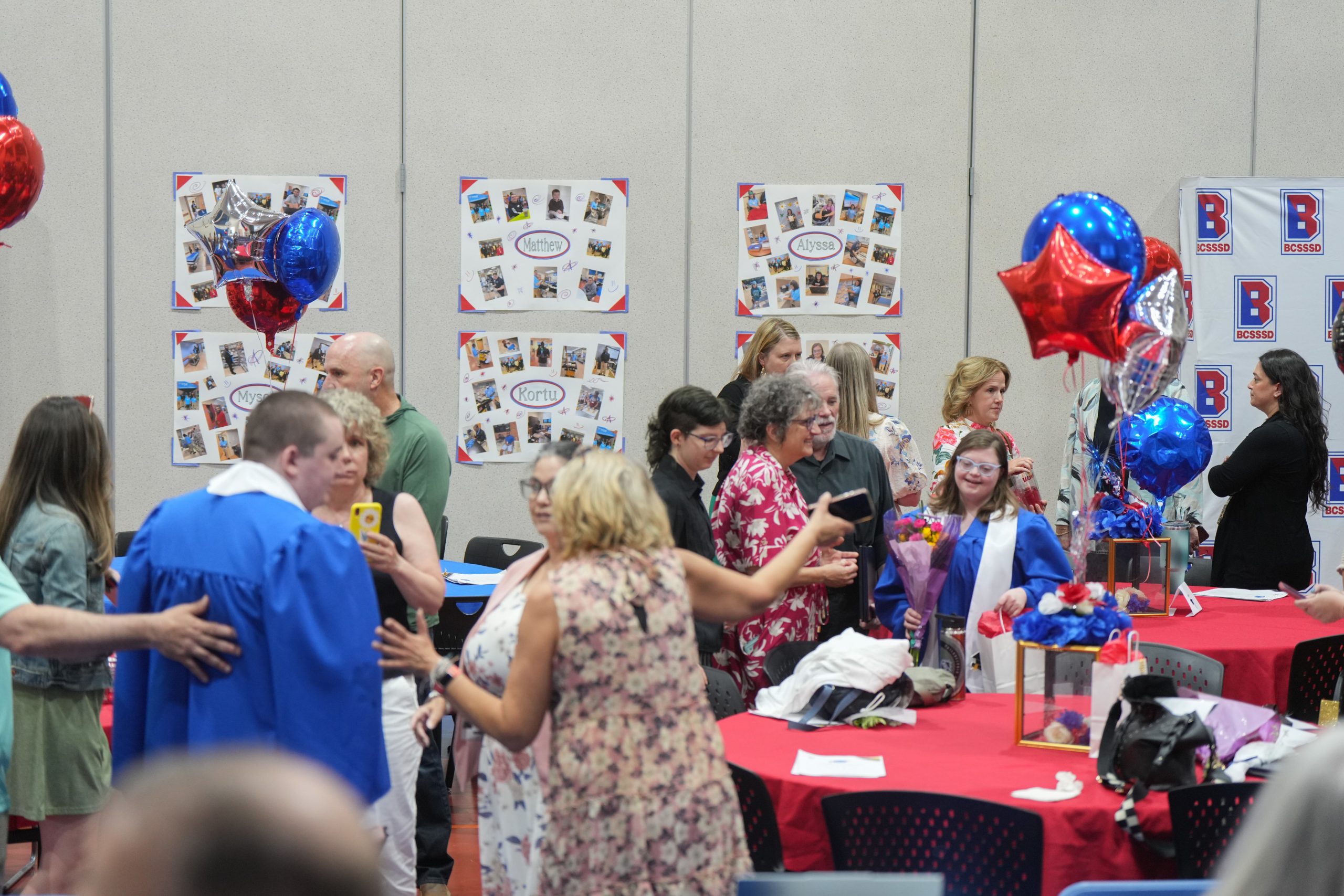
Eiring and five other students formed the inaugural class of Project SEARCH, a collaboration between Virtua Health and the Burlington County Special Services School District. The nine-month internship program gives students with intellectual and developmental disabilities hands-on job training.
Eiring was born with Cornelia de Lange syndrome, a rare genetic disease that causes cognitive and developmental delays. At a graduation ceremony Tuesday, she won the “Compassion in Action Award” for “excellence in customer service.”
The 21-year-old from Florence Township led the procession of graduates in royal blue gowns onto a stage festooned with blue, red, and silver balloons. She then took to the podium — one of two commencement speakers.
“I have built real skills, gained so much confidence, and discovered what I am truly capable of achieving,” she said, addressingfamily, friends, educators, and Virtua employees gathered in a gymnasium on the campus of the Burlington County Special Services Transition Program in Westampton, N.J.
“We are ready to take everything we have learned here and step out into the employment world.”
“We did it!” she shouted, eliciting cheers.
Alyssa Eiring, 21, of Florence Township, celebrates her graduation from Project SEARCH.Jessica Griffin / Staff Photographer
Eiring will now begin looking for a job. Her 26-year-old sister, Toni Eiring, said she’s up to the task.
“She has more faith in herself in the workplace,” her sister said. “Her demeanor changed. The way she stands on her own two feet. It’s almost like she developed a different part of her brain.”
Grace Sullivan (back right, blue eyeglass frames) celebrates her graduation from Project SEARCH with her mother, Teresa Sullivan, and other family members inside the gymnasium on the Westampton campus of the Burlington County Special Services Transition Program. Jessica Griffin / Staff Photographer
`A true turning point’
Each student completed 10-week rotations in three hospital departments over the schoolyear. Fellow graduate Tristian Villafuerte, who has autism, started off in patient transport and finished in food services.
The 21-year-old Burlington Township resident calledhis second internship in equipment services “a true turning point.”
“I was given the autonomy to independently navigate the hospital,” he said in his speech, noting he was responsible for collecting soiled equipment and bringing it back to the central supply for sterilization.
“Having that trust placed in me changed everything,” Villafuerte said.
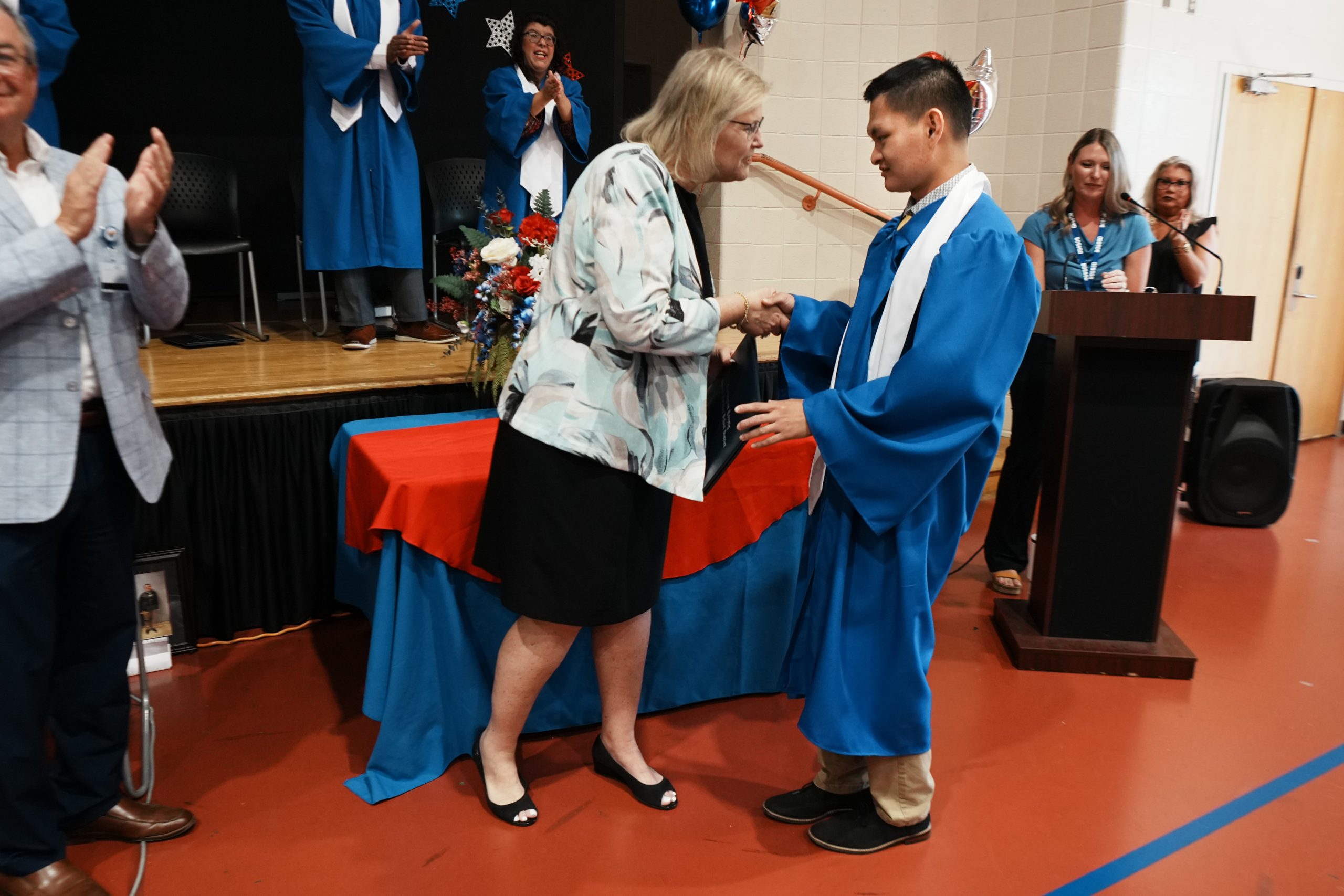
Mary Jean Kneringer, principal of the Burlington County Special Services Transition Program, congratulates graduate Tristian Villafuerte. The 21-year-old from Burlington Township was hired by Virtua Health after completing an internship at its Mount Holly hospital.Jessica Griffin / Staff Photographer
Villafuerte now joins Virtua Health, one of two graduates hired out of the program. He will work as an equipment services technician at Virtua Voorhees Hospital in Camden County.
The program creates a new pipeline of employees in hard-to-fill areas, said Katherine Kealey, Virtua’s director of workforce development.
“We have to start thinking about looking at other populations that we haven’t really tapped into previously,” Kealey said. “This is a really great opportunity for us to expand our workforce, mirroring the communities that we serve.”
Myson Parham, left, and Kortu Lemu attend graduation at Virtua Health at Burlington County Special Services Transitions Campus, in Westampton, NJ, on June 16.Jessica Griffin / Staff Photographer
Landing a `perfect’ job
The program landed graduate Matthew Pettola, 21, of Cinnaminson Township, a job at Virtua. He starts later this month as a food services worker at the hospital’s Mount Holly location.
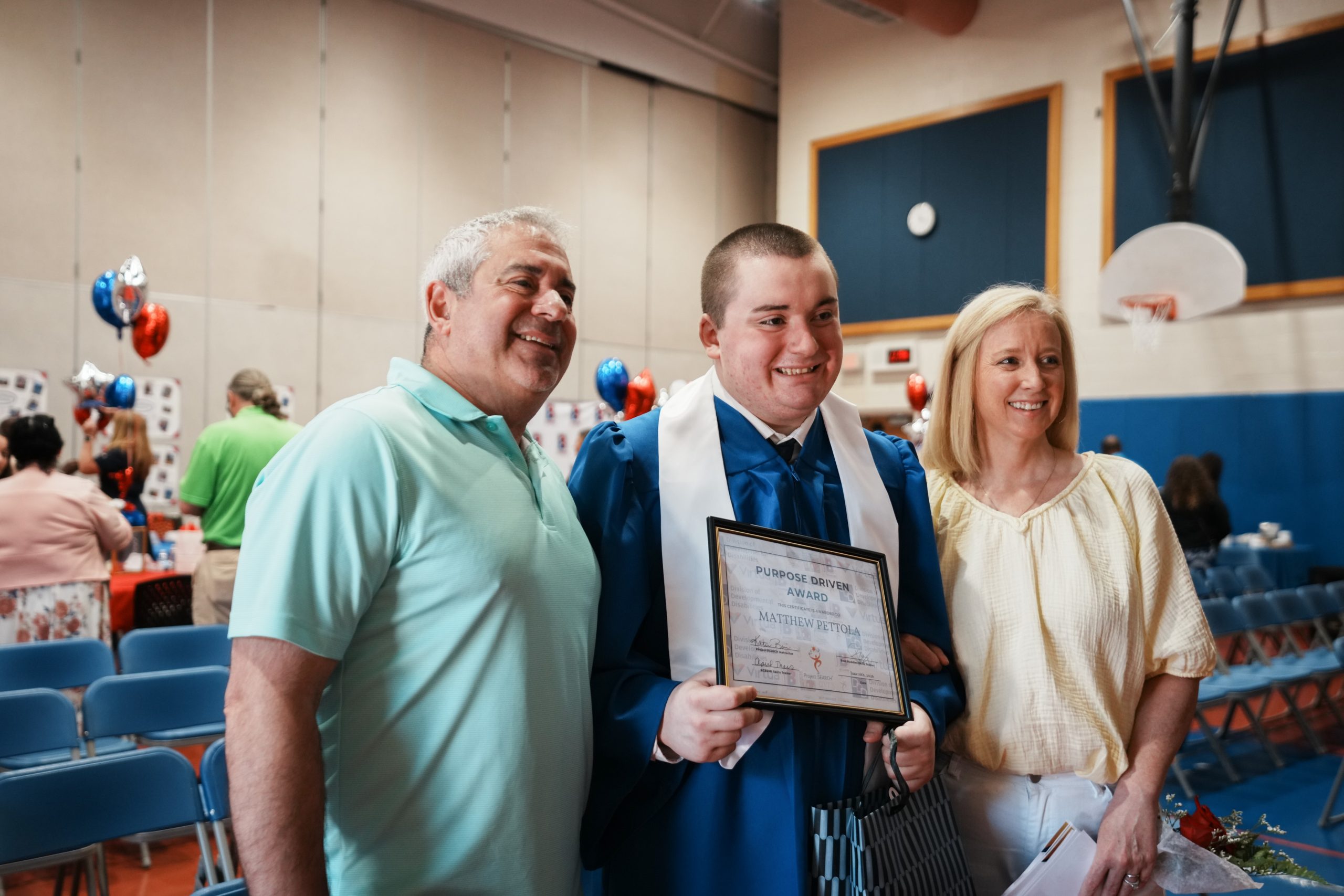
Pettola won the “Purpose Driven Award,” recognizingthe intern who “used unexpected challenges as a compass — turning difficult experiences into valuable insights.”
He is autistic, and the frenetic pace of kitchen work proved a “perfect fit,” said his stepmom, Tracey Pettola.
“Doing the tray line, food prep, dishwashing. It was real fast-paced, which is great for him because he’s fidgety,” she said. “It just worked for him. He loved it.”
“Every day, he came home so much more confident. He was so excited to talk about his day. What he learned. He made friends. He became more social,” she said.
Pettola’s father, also named Matthew Pettola, described the program as a “godsend.”
Matthew Pettola (center) shows off the award he won after completing an internship at Virtua Mount Holly Hospital. His father, also named Matthew Pettola, and his stepmom, Tracey Pettola, attended his graduation on June 16.Jessica Griffin / Staff Photographer
Teresa Sullivan watched her 21-year-olddaughter become increasingly independent during her internship in the rehabilitation department.
Grace Sullivan would tell her mother to relax and “stay in bed,” because she wanted to get herself up and out the door on her own.
She took the bus to the hospital aloneand started insisting on making her own meals once back at her Florence Township home. Her communication skills and ability to follow directions sharpened, her mother said.
“We used to give her a little bit more guidance — now she puts her hand up and says, ‘I got it,’” Teresa Sullivan said.
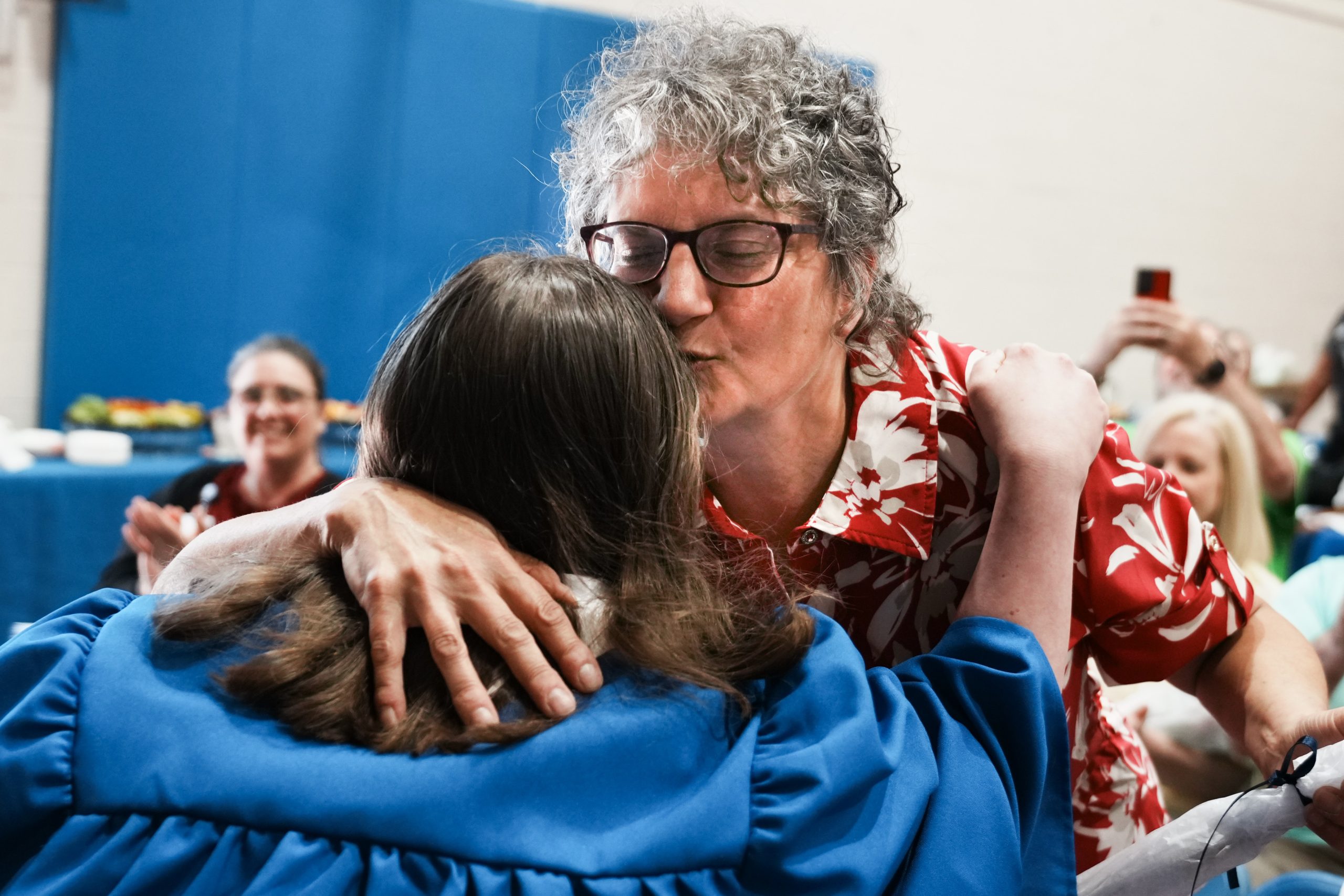
After accepting her certificate, Grace Sullivan, who was born with Down syndrome, walked to her mother in the audience. Smiling broadly, she handed her a rose as a thank you for supporting her.
Her mother accepted the flower through tears.
“I feel good. I liked all of it,” Grace Sullivan said after the ceremony. “My favorite thing was the patients and making friends with my coworkers.”
The program is accepting applications for new interns, who will start Aug. 31.
Teresa Sullivan embraces her daughter, Grace Sullivan, from the audience of her graduation ceremony. After receiving her certificate, Grace Sullivan walked over to her mother and handed her a rose to thank her for her support. Jessica Griffin / Staff Photographer
Julie Harrison, a clinical psychologist in South Jersey who works with children who have experienced abuse, received a letter from Rowan University: Notice of Layoff.
Her position as a teacher, researcher, and provider in Camden County would be eliminated “due to the loss of state appropriation funding,” the May 12 letter said. Harrison works for the Rowan-Virtua Child Abuse Research Education and Service Institute (CARES), which provides evaluation, treatment, and other services to children who have experienced abuse in South Jersey, and conducts research on the subject.
The notice came after Gov. Mikie Sherrill proposed slashing the $1.85 million line item in her state budget plan for the program.
CAREShas offices in Stratford in Camden County and Vineland in Cumberland County. The Vineland location, which opened two years ago to provide better access to families in deeper South Jersey, is shutting down due to the anticipated cuts.
“With Mikie Sherrill being in office, we had a lot of hope because she really was pretty loud about wanting to help kids, wanting to help families, wanting to really champion mental health services, and so we were pretty surprised about this budget,” Harrison said in an interview.
The clinician ispregnant with twins and her job prospects are uncertain as the clock ticks until her final day at CARES. But she is mostly concerned about the impacts the funding cuts will have on children facing trauma in South Jersey, and the workers caring for them.
The South Jersey program serves more than 1,500 children across more than 4,000 visits in both locations. Though just about 200 families use the more rural Vineland location, that is where these types of services can be the most critical, Harrison said.
“It’s a pretty resource-dry community,” she said. “There’s not a ton of public transportation to get around. … The amount of services that are available to these families generally is much lower than other parts of New Jersey.”
Harrison is one of about 20 people whose jobs are being impacted by the anticipated funding cuts across both office locations, according to union members. The majority of those are layoffs, and some employees had their hours dramatically reduced to the point they lost their healthcare benefits, according to union members.
Ali A. Houshmand, president of Rowan University, said in a May 11 email that Sherrill’s proposed cuts forced the child abuse care center to pull back its services beginning July 1. He announced the closure of the Vineland office without saying it outright.
“CARES will consolidate its work into our Stratford campus offices and will continue to fulfill its mission there: delivering high‑quality evaluations and treatment, supporting partner agencies across the region and educating the next generation of physicians and health professionals,” he said in the email.
Joe Cardona, a Rowan University spokesperson, said the program also receives $3 million from other state agencies that will not be cut. He said the program’s goal is to offer the same services but reduce the quantity of care.
“The exact outcome, of course, is to be determined,” he added.
What is clear is that the closing of the Vineland center will have a domino effect on Stratford.
“It’s creating an environment where people who are already doing multiple roles, performing multiple jobs, are going to be asked to do more,” Harrison said. “It’s just that horrible ‘do more with less.’”
Harrison said she was just days away from submitting a grant application to start a food pantry out of the Vineland office when she heard the news. Her team did not submit the application after learning about the cuts and Vineland’s planned closure.
CARES is one of four legislatively mandated diagnostic and treatment centers through the New Jersey Department of Children and Family, though it provides more expansive medical and mental healthcare than legally required. The center champions trauma-focused cognitive behavioral therapy, an internationally recognized model that was developed by the South Jersey program’s codirector.
The program has tried to keep waiting lists for trauma care to under three weeks, but it has now grown to 10 to 12 weeks and the wait for care will probably get longer, Harrison said.
“There is a high cost to what untreated trauma can look like for medical, mental health, all those services down the road if trauma isn’t treated early on,” she said.
Dr. Ali A. Houshmand, president of Rowan University, speaks to students and staff at a fundraising event in September 2025. Erin Blewett / For The Inquirer
‘Tough choices’
Sherrill championed improving mental health for young people on the campaign trail and in her budget proposal by allocating $33 million to expand mental health services for students with high needs in K-12 schools, $500,000 for a new social media research center focused on young people’s mental health, and $125,000 for the newly created New Jersey Office of Youth Online Mental Health Safety and Awareness.
Her office did not respond to a request for comment on her proposal to decrease funding for CARES.
In response to a request for comment for an earlier Inquirer story about Sherrill’s decision to cut all state funding for Rowan’s brand-new veterinary school, an administration official cited the governor’s “blanket cut to all legislative add-ons.” These items refer to funding allocations legislators secure for their district that are sometimes criticized as “pork” or “Christmas tree items.” They can range from improvements for a local park to community services, like CARES.
Sherrill, in her budget address, spoke about making “tough choices” in order to have “the most fiscally responsible budget that our state has seen in years.”
The state budget is a negotiation between the governor and legislative leaders due June 30, so it is unclear how much funding these programs will get in the end. But Rowan has moved forward as if the money for CARES is not on the table.
This is not the first time the program has been at risk as part of the budget dance.
Former Gov. Phil Murphy proposed cuts to the program last year, citing “belt-tightening,” but legislators were able to get the money back in the budget.
This year, Harrison said, people are not optimistic because CARES is one of so many programs Sherrill struck a pen through.
Dio Tsitouras, the executive director of the American Association of University Professors Biomedical and Health Sciences union, said he hopes Sherrill allocates more money to CARES because more state revenue has been identified since her budget proposal. But state officials have still warned of financial uncertainty on the horizon.
“The CARES program is invaluable to protecting our state’s most vulnerable children,” Tsitouras said.
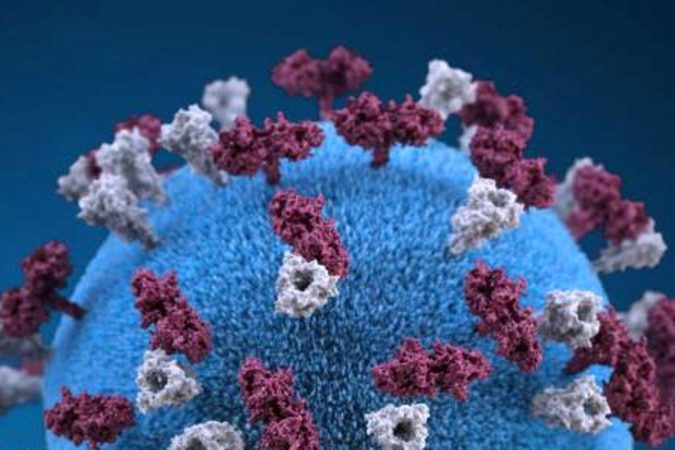
Measles was detected in wastewater samples taken in Delaware County on two days last week, local health officials said Wednesday.
This means someone infected with measles used a bathroom connected to the county’s public water supply, although no one in the county has been officially diagnosed with measles, said Lora Siegmann Werner, director of the county’s health department.
Detecting the highly contagious disease in wastewater can serve as a reminder for parents to vaccinate their children, and for health providers to be on the lookout for people experiencing measles symptoms.
“We’re not trying to scare people, but we thought it was a good opportunity to raise awareness,” she said.
The treatment plant where measles was detected in samples on June 9 and June 11, DELCORA Western Regional Treatment Plant in Chester, serves about 500,000 people in Delaware and Chester Counties.
Health officials were able to determine the positive samples came from Delaware County, Siegmann Werner said. But it was impossible to tell whether that person was passing through the county or lives there.
As of Wednesday, state health officials had identified 55 cases in that outbreak, with 32 in Lancaster County. Physicians there have said they fear more cases are circulating in the community among people who avoiding seeking medical care or notifying the state health department.
“We’ve been tracking the outbreaks that occur, knowing it’s likely a matter of time before we have our own cases,” Siegmann Werner said.
The county is engaging in planning exercises and reaching out to healthcare providers to prepare for potential cases in the area.
Measles spreads through the air, lingering in a room for up to two hours after an infected person has left it. About nine in 10 unvaccinated people who come into contact with the virus will contract it themselves.
Two doses of the measles, mumps, and rubella vaccine are 97% effective against the disease.
The virus’ early symptoms include a fever, cough, runny nose, red and puffy eyes, and a rash. In serious cases, measles can lead to pneumonia, brain infections, and death.
There is no evidence it is spread through contact with untreated wastewater, Delaware County health officials said.
Without a confirmed measles case in Delaware County, Siegmann Werner said, the detection of measles in its wastewater will not trigger an investigation into its origin.
“It’s really limited to saying there was someone who was ill” who either passed through the county or lives there, she said. “Please be vigilant and get vaccinated.”
NEW YORK — Scientists have found the oldest known evidence of the plague, which sparked deadly outbreaks dating back about 5,500 years ago — some 200 years earlier than previously thought.
The disease has sickened humans for thousands of years and wiped out a significant chunk of Europe’s population in the 14th century during what’s known as the Black Death. Though rare, the plague is still around today and is treated with antibiotics.
“To understand our own history, we believe that understanding the history of plague is extremely important,” said study co-author Eske Willerslev, an evolutionary geneticist with the University of Copenhagen in Denmark.
Willerslev and other researchers looked for traces of plague-causing bacteria in remains from four cemeteries near Siberia’s Lake Baikal. They found remnants of plague DNA in teeth from 18 ancient hunter-gatherers.
Dating the carbon in the bones revealed that the plague triggered two outbreaks, with the first cases detected around 5,500 years ago.
The team found that the prehistoric plague developed in stages and infected several small families. It likely spread from marmots — large native rodents — when people ate their raw organs or touched infected hides during butchery. The disease also traveled between people through coughing and sneezing, the authors said.
Many of those who died were young children aged 8 to 11. Three young girls were buried side by side, two of whom were likely cousins. An aunt and nephew were found together, but her niece was in a different shared grave, according to the study published Wednesday in the journal Nature.
“People were around to bury the dead who knew who these people were when they were alive. And that’s a really human element to all of the scientific work,” said study co-author Ruairidh Macleod, who studies ancient DNA at the University of Oxford.
Kids may have been at greater risk because their immune systems weren’t as strong, researchers said.
The presence of multiple victims suggests that the prehistoric plague was capable of causing both individual cases and outbreaks, said geneticist Aida Andrades Valtueña with the Max Planck Institute for Evolutionary Anthropology. She had no role in the study.
Researchers found that this type of ancient plague evolved long before bubonic plague, which was responsible for the Black Death that struck medieval Europe. But there’s evidence that earlier plagues were just as deadly. The disease decimated not only crowded cities, but also small, nomadic hunter-gatherer groups.
Knowing this can help us “understand the steps that the bacterium took to become the deadly pathogen we know today, and that can provide clues on how pathogens may emerge in the future,” Andrades Valtueña said in an email.
Q: I let my dog sleep in bed with me, but some of my friends say it’s unhygienic and possibly bad for my sleep. Is it?
A: When Shelby Harris, a sleep psychologist in New York City, starts working with patients who are having trouble sleeping, she always asks if they have pets. “The first thing they say to me is: ‘I have a dog. You’re going to tell me not to sleep with the dog,’” she said.
That’s not necessarily the case, Harris said. Some people experience great joy from sleeping with their pets, and not everyone suffers from sleep disruptions. But if the pet is the source of the problem, Harris said, that’s good for everyone to know.
In an online survey of about 2,000 U.S. adults published in 2022, nearly half said that they slept in the same bed as their pet. If you’re one of them but are not sure whether you ought to be, here are some things to consider.
Pets can sometimes transmit disease.
Pets can expose us to a variety of bugs and germs, like ticks, fleas, parasites, and bacteria, said Josh Daniels, a veterinarian and microbiologist at Colorado State University’s veterinary school. Having them in the bed only increases your exposure, he said. And in some cases, they can make us sick.
In 1991, for instance, an 81-year-old woman was hospitalized in Finland with a fever and signs of a bacterial skin infection in her leg. Scientists reported that she had an ulcer between her toes, and was infected with a type of bacteria commonly found in the mouths of dogs and cats. She regularly slept with her cat, who had a habit of licking her feet and toes. Another case, published in 2000, described a 69-year-old man who had slept with his dog before and after hip surgeries and developed an infection around the surgical site. The bacterium was a type found in the mouths of cats and dogs and transmitted through bites and scratches. There have also been reports of dog owners who caught plague, which can be transmitted by fleas, after sleeping with their pets.
Such cases are rare, however. And unless you’re susceptible to infection or have a weakened immune system, the risk of actually getting sick from sleeping with a pet is generally low, said Bruno Chomel, a professor emeritus at the University of California, Davis, Weill School of Veterinary Medicine.
Ticks and fleas are the most common bugs people are exposed to when sharing a bed with a pet, Daniels said, so be sure to use flea and tick prevention methods as recommended by a veterinarian. Ticks can transmit Lyme disease and other serious illnesses.
Routine deworming will also kill common and potentially dangerous intestinal parasites, such as roundworm.
If your pet recently came from a shelter, or is a puppy or kitten, watch out for skin problems like ringworm, which spreads easily through touch, said Daniels (who sleeps with his dog).
When deciding whether to sleep with a pet, Chomel said, it comes down to your appetite for the risk of getting sick — it’s small, he said, but real.
Your sleep may suffer (though you may not notice).
There isn’t much research on how sharing a bed with a pet affects sleep, said Brittany Lancaster, an assistant professor of clinical psychology at Mississippi State University. But a few limited studies suggest that sleeping with a pet can make sleep worse, she said.
In a study published in 2017, for instance, 40 dog owners (mostly women) wore activity monitors while sleeping for seven nights. The researchers found that when the dog was on the bed, the participants slept less efficiently than when the dog was in the room but not on the bed.
Some evidence suggests that people may not know they’re being disturbed. In a 2020 study of 12 women who slept with their dogs, researchers saw that the dogs disrupted their owners’ sleep, but the participants rarely reported those disruptions afterward. Scientists have also found that some people perceive their pets as being beneficial to their sleep.
Douglas Wallace, a sleep physician and clinical neurology professor at the University of Miami Miller School of Medicine, has noticed this in his own research and in his clinic.
He theorized that the emotional support of sleeping with a pet might somehow outweigh any negative effects the pet has on sleep quality.
Pets offer wellness benefits that may improve sleep, Wallace said. Owners who walk their dogs every morning get regular exercise and may have to wake up at the same time every day, both of which promote good sleep.
If you think sharing a bed with a pet is interfering with your sleep, Harris recommended taking the animal out of bed for a few nights and seeing if you notice a difference. If you don’t, “I’m fine with it being there,” she said.
Lancaster, on the other hand, prefers a more conservative approach: “I do not sleep with my cats, if that tells you anything,” she said.
Pennsylvania families will gain access to detailed information about vaccination rates in their schools before the new academic year, when the state health department launches a new online database to better inform the public.
More than 200 Philadelphia-area schools with kindergarten classrooms — roughly one in three — have measles vaccination rates insufficient to protect against an outbreak, The Inquirer found earlier this year in an analysis that identified pockets of vulnerability hiding in plain sight at schools across the Philadelphia region.
The Pennsylvania Department of Health routinely releases county-level data about childhood immunizations, which for the Philadelphia region shows only overall higher rates of measles protection.
The highly contagious disease, which can linger in the air for two hours and infect nine in 10 unvaccinated people exposed to it, was once considered nearly eradicated after years of vaccination.
But as more families opt out of vaccines required for school attendance through religious and philosophical exemptions, cases are on the rise. Pennsylvania has reported a total of 66 measles cases so far this year — the highest number in three decades and more than four times the total cases in 2025.
The new data initiative follows a drumbeat of reporting by The Inquirer and the Pittsburgh Post-Gazette revealing the declining vaccination rates within communities across the state. Families are often in the dark about the risk because local data are not readily available.
The joint effort between the state’s health and education departments stems from Gov. Josh Shapiro’s executive order last fall to improve access to vaccines, and from intense media scrutiny of vaccination efforts locally and nationally, said Debra Bogen, Pennsylvania’s health secretary.
“We’re following the same instincts that you all were following,” Bogen said. “There is a huge interest among the public in this information.”
The new initiative will offer a closer look at childhood vaccination rates, similar to an interactive school lookup tool published by The Inquirer with the latest available data from last school year.
With the new online tool, the state wants to make people more aware of risks within their community and encourage schools to do more to improve access to vaccines.
(function () {window.addEventListener(‘message’, function (e) { var message = e.data; var els = document.querySelectorAll(‘iframe[src*=”‘ + message.id + ‘”]’); els.forEach(function(el) { el.style.height = message.height + ‘px’; }); }, false); })();
Better access to local vaccine data
Pennsylvania law requires schools to report vaccination data for students in kindergarten, seventh grade, and 12th grade. Kindergarten rates, in particular, are seen as a bellwether for a community’s attitudes toward vaccination, as parents are deciding whether to get the shots required to attend school.
Families will be able to use the database to find vaccine information by school, county, and grade. It will allow people to search by vaccine and exemption type, and determine what portion of students in a school are attending unvaccinated without an approved exemption.
The database will not include schools with fewer than 20 students in kindergarten, a privacy protection.
In a joint letter to school administrators and nurses last week, state officials said the move was aimed at increasing transparency around vaccination rates. “We want to help ensure that parents, guardians, students, and community members have accurate, science-backed information to make immunization decisions for their family,” the letter read.
As of Tuesday, the department had not received feedback from schools. Bogen hopes that schools will become more aware of potential vaccination challenges and work closely with local health providers to coordinate clinics.
“We don’t want lack of access to be the barrier,” Bogen said. “That’s what public health does best — bring access to the resources.”
Joshua Good, the head of a Lancaster County school where two students developed measles earlier this year, said he has no issues with the state’s new initiative, but does not expect it will negatively affect enrollment at schools like his.
Fewer than half of the 27 students in the kindergarten class at Good’s Ephrata Mennonite School are vaccinated against the measles, and many people in his community have opted against vaccination in the last decade.
He thinks parents at Ephrata Mennonite and other private Anabaptist (part of a Christian denomination that includes Amish and Mennonite churches) schools are already aware of vaccination rates there.
“Information is always good, so that folks can make their best decisions,” he wrote in an email.
More informed vaccine decisions
In Delaware County, which has some of the Philadelphia region’s lowest kindergarten measles vaccination rates, public health leaders see an opportunity to help families make decisions about vaccinating their children.
“Making this transparent at the school level helps parents, helps schools, helps all of us,” said Lora Siegmann Werner, director of Delaware County’s health department.
At Chester Community Charter School, for instance, 66% of kindergartners were vaccinated against measles in 2024 — well below the 95% vaccination rate scientists say is necessary to prevent the disease from spreading.
A majority of those students did not have a signed exemption form or a plan for getting vaccinated, according to The Inquirer’s analysis.
Public health experts say that high rates of so-called noncompliant but attending students can indicate that the community struggles with access to healthcare.
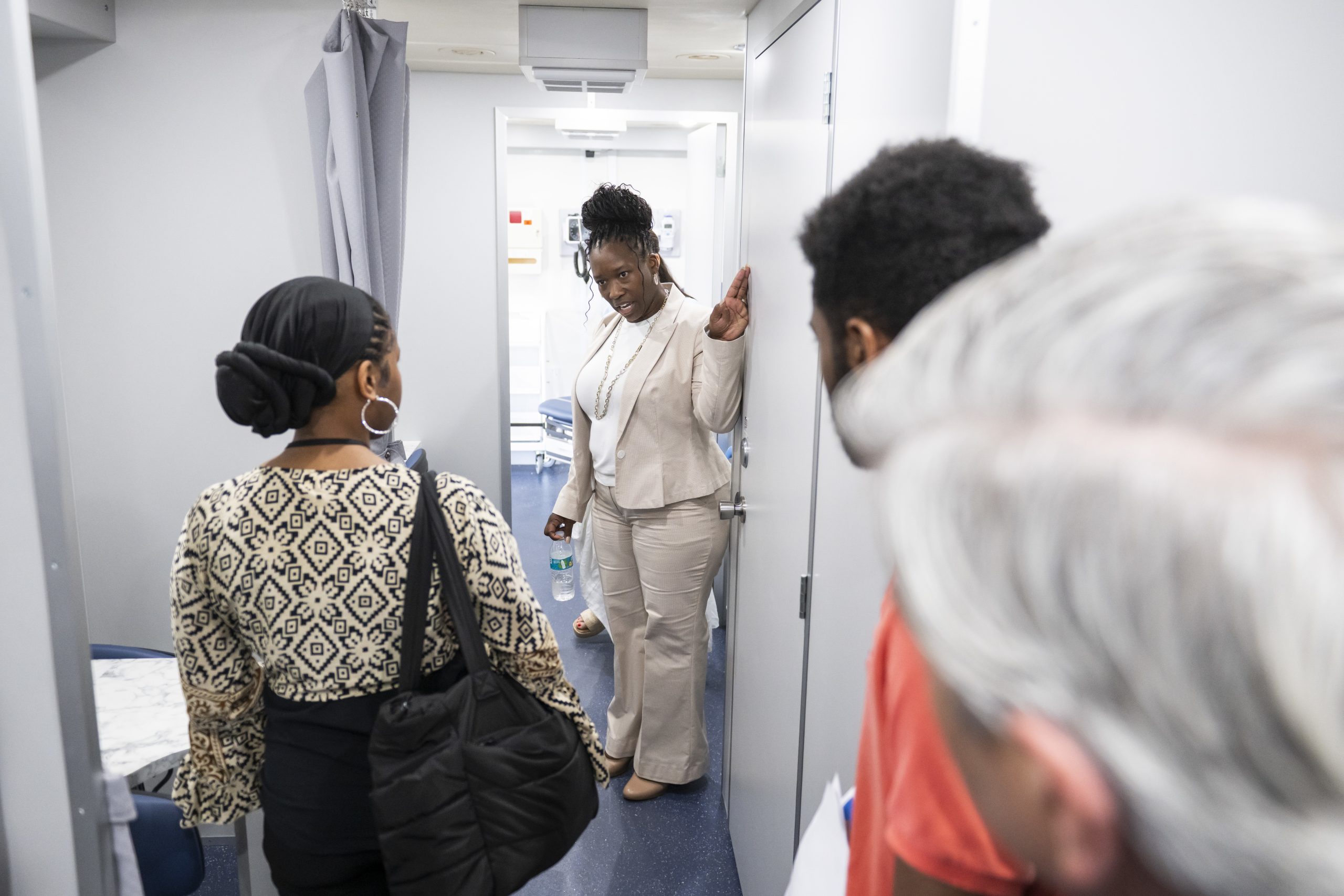
The county health department launched a mobile health clinic earlier this month to improve healthcare access and provide vaccine education in a region where the leading hospital, Crozer-Chester Medical Center, closed last year.
Dr. Gifty Key, administrator for the Delaware County Health Department, gives a tour this month of the new mobile health clinic, meant to help with public health education, vaccinations, and health services.Allie Ippolito / For The Inquirer
Werner said she hopes the new state database will help her staff show families why it is important to get vaccinated, and encourage more schools to host vaccine clinics.
Pennsylvania’s lax rules
Pennsylvania’s vaccine exemption rules are among the loosest in the country, with the state among 15 that allow families to opt out for medical, religious, or philosophical reasons.
With the resurgence of measles, some states, including New York and California, have updated their rules to allow only medical exemptions. Many more states allow medical or religious exemptions.
Any future legislation proposing to tighten Pennsylvania’s rules would likely meet resistance in its split legislature, where Democrats narrowly control the House and Republicans control the Senate.
Many GOP members broadly believe that parents should be free to decide whether their children are vaccinated.
“Parents know what’s best for their kids,” State Rep. Robert Leadbeter (R., Columbia), chair of the House Freedom Caucus, told The Inquirer earlier this month. He did not respond to a request for comment for this story.
Nearly a decade ago, State Rep. Michael Schlossberg (D., Lehigh), the majority whip, introduced unsuccessful legislation to tighten Pennsylvania’s rules.
Now the state’s greater data transparency will “allow the public to hold school leaders accountable for enforcing Pennsylvania’s important vaccination requirements,” Schlossberg said in a statement.
Improving access to information could help families make more informed decisions, he said.
“Parents, students, and teachers deserve to know whether public health is at risk in our classrooms,” Schlossberg said.
Ricky Resendez first tried e-cigarettes in eighth grade. By the time he got to high school, he was vaping daily.
“It was just kind of normal,” said Ricky, a 17-year-old recent graduate in Superior, Wis. “Kids were vaping in class, in the bathrooms, wherever.”
Nationally, nearly 6% of middle and high school students — amounting to 1.63 million kids — reported using electronic cigarettes in 2024, federal figures show. Although that is down from previous years, e-cigarettes remain the most commonly used tobacco products among teens, and nearly 9 out of 10 of kids choose flavored products.
Some doctors are concerned that youth vaping rates may rise again. The Food and Drug Administration recently announced its first authorization of fruit-flavored vapes intended for adults interested in quitting or cutting back on more harmful traditional cigarettes. The policy shift came after months of appeals to President Donald Trump from the vaping industry. An FDA memo released this week said these fruit-flavored e-cigarettes are not significantly better at helping smokers quit than tobacco-flavored e-cigarettes.
“I understand the goal of giving adult smokers a less harmful off-ramp, but fruit and sweet flavors are precisely what draw young people in,” said Scott Hadland at Mass General Brigham for Children and Harvard Medical School. “I worry this could erode the hard-won progress that brought teen vaping to its lowest level in roughly a decade.”
Experts say there are ways parents can counteract the allure of e-cigarettes, teach kids about the dangers of vaping, and help them quit.
Vaping poses many dangers to kids
Devika Rao, a pediatric pulmonologist at Children’s Health in Dallas, sees lots of kids with respiratory problems caused by vaping, including coughing, worsening asthma, bronchitis, and more severe types of lung disease.
Studies show teens who vape report higher rates of wheezing, shortness of breath, and a reduced ability to tolerate exercise. Gaby Cuadra of Miami, who vaped for nine years starting at age 15, remembers how it hurt her high school track-and-field performance.
“As the years kept going on and I would keep vaping, the distances that I used to be able to run, I, like, couldn’t do them anymore,” said Cuandra, 25. “I would run out of breath.”
While an e-cigarette’s aerosol doesn’t contain most of the 7,000 chemicals in tobacco smoke, most vapes “emit numerous potentially toxic substances,” according to a comprehensive 2018 consensus report from the National Academies of Sciences, Engineering and Medicine. Researchers said the long-term health effects of e-cigarettes are not yet clear.
One of the biggest dangers of vaping is nicotine addiction, which can disrupt the developing brain and affect attention, learning, and mood.
“The addiction factor cannot be overstated enough,” Rao said. “Adolescent brains are primed for addiction.”
How to talk to your child about vaping
Start by asking questions, experts advise. You can raise the issue by, for example, pointing out a new vape shop.
“Start open-ended conversations,” Rao said.
Ask what your child knows about vaping and its harms, whether they’ve seen e-cigarettes and if their friends are using them.
Even if your kid is already vaping, Rao said, take a deep breath and don’t yell. Be nonjudgmental.
Consider what your child may see on social media, where some influencers call nicotine a “hack” for stress relief. Some studies show that many people misinterpret the curbing of nicotine withdrawal symptoms as stress or anxiety relief and that quitting reduces stress. A 2025 study in the journal Tobacco Control said vaping may be linked to adverse mental health outcomes and that those who quit “experience fewer urges to vape, reduced anxiety, and stabilized mood.”
Teens’ decisions are often based on their peers and what’s cool, said Anthony Alberg of the University of South Carolina, a member of the expert committee that produced the National Academies vaping report. Tell your teen they don’t have to succumb to peer pressure and that their friends should want to be friends whether they vape or not.
Younger children, Alberg said, may be more likely to listen to arguments about health effects, such as comparing vaping to “putting poison in your system.”
Arming kids with information is better than simply trying to limit access to vapes, experts said, since age restrictions often don’t keep them out of kids’ hands.
“Most teens get e-cigarettes from friends, older peers or online sellers rather than buying them in a store,” Hadland said.
A teen’s journey through vaping and quitting
When Ricky first tried e-cigarettes, he used an older cousin’s vape. Later, an older friend bought e-cigarettes for him and his friends. He particularly liked the flavors blue raspberry, strawberry, watermelon, and kiwi.
In the early days, he thought vaping helped him with his ADHD.
“What I didn’t realize is that because I was addicted to nicotine, when I didn’t have it, I’d be anxious and really couldn’t focus,” he said. “Instead of being something that helped me, it just made things worse.”
Vaping also sapped his stamina, made it harder to sleep, worsened his asthma and compromised his performance as a football player and wrestler.
Eventually, he got into trouble with his school and parents for vaping and selling vapes to others. He began meeting with a school social worker and joined the American Lung Association’s Not On Tobacco program, which helps teens to quit.
The first couple of weeks were extremely difficult. But eventually, he stopped thinking about vaping as much. He quit for good in 2022.
Like Ricky, most middle and high school students who vape want to quit, researchers have found.
Parents can help them by first seeing their doctor, who can connect them with counseling or free text-message quit programs for young people.
For kids who vape heavily, Hadland said doctors may consider medications like Chantix or nicotine replacement therapy as part of a supervised quitting plan.
Cuandra quit after giving up e-cigarettes for Lent, assisted by a free program developed by Truth Initiative and Mayo Clinic called EX, which provides text message support, advice, and encouragement.
“The best thing I ever did for myself was quit vaping,” said Cuandra, who has shared her story on social media.
Since Ricky gave up vaping, he’s also shared what he learned. Usually, he asks his peers what triggers their vaping and how they can avoid those situations, as he did.
“I tell them, like, ‘I’m not here to judge you,’” he said. “‘I’m here to help you.’”
Joseph Ferrari has a nickname for procrastinators — procs — and he’s been studying them for 40 years. He became fascinated with procrastination when he was working on a Ph.D. in experimental psychology and realized that no one had studied the psychology of why some people put off completing tasks. Because he is not a proc, he immediately got to work, exploring what causes procrastination across various cultures and demographics.
He went on to write multiple books on the topic, including Still Procrastinating? in 2010. He now teaches at DePaul University and has found that 20% of people are chronic procrastinators — meaning they habitually, intentionally, and irrationally delay a target task, often to the point that they cause discomfort for themselves and others. “That’s high,” Ferrari said. “Higher than depression, phobia, panic attacks, alcoholism, substance abuse.”
And that’s a problem, he went on: “For 20 percent of people, they’re missing life. Life is too short. You need to get things done.”
Here’s what decades of studying procrastination have taught Ferrari, and the five things he’d like people to know.
Anyone can be a procrastinator, though certain jobs can be procrastination-prone
According to Ferrari, neither gender nor age nor race makes someone more or less likely to procrastinate. Those who dwell in cities procrastinate as often as those who live in rural areas, and people who live in South Korea, India, Israel, and England are as likely to do it as Americans.
The one difference he noticed was between blue-collar and white-collar workers. “If I’m an electrician, a plumber, a carpenter, and I don’t work, I don’t get paid,” Ferrari said. “But if I am white-collar — a corporate person — I’m going to get my paycheck every two weeks or a month anyway.”
You can’t blame your procrastination on technology or your busy life
Ferrari often hears people blame their procrastination on technology. Similarly, he hears people say that modern lives are just busier than they used to be.
“Wow,” Ferrari said. “What an insult to our ancestors.” Our forebears were often farmers, for example, who “had to get up early in the morning and fix the fence, feed the animals, get the hay done, plant the seeds, get the roof done, can those goods. They had a lot to do.”
Ultimately, though, every excuse he hears is just that — and, as Ferrari said, “procrastinators are great excuse makers.”
Years ago, a reporter called Ferrari to ask him what he thought about the alarm clock snooze button, because, the journalist claimed, it was an example of how technology played a role in procrastination.
Ferrari responded, “What about the automobile that came out in 1885?” At one point in history, if you wanted to visit a friend five or seven miles away, you had to have a horse that you fed and took care of and then take time to harness the animal to a carriage and travel to see your friend. “Then this thing called the automobile comes along, and you can go quickly,” he said. Suddenly, there was no preparation involved; you could wait until the last second to get up and go.
These days, we carry our devices everywhere, which means distractions are ever-present, but so are shortcuts. We no longer need paper and pen and stamps to get in touch with people, for instance. And that’s why Ferrari isn’t buying this common excuse that technology is the reason you can’t get things done: Technology has an equal if not greater capacity to make our lives more efficient, not less, he said.
Deadline pressure is not the solution
Some people say procrastination is not a problem for them; they simply need the pressure of an imminent deadline to do their best work. But Ferrari’s research over the years doesn’t support that claim. In one paper, Ferrari documented the results of two experiments that compared the performances of procrastinators and non-procrastinators who were given limited time to complete tasks. Then researchers asked the participants how they thought they did. Procrastinators, as it turned out, took longer and performed worse. And yet they thought they’d done well; in fact, they thought they’d done better than other participants.
In short, Ferrari said, “I found ‘working best under pressure’ was a myth, and they failed.”
There are ways to kick the habit
“Procrastination is sabotage,” Ferrari said, and there are various reasons people engage in it. One is a lack of self-confidence: If a person is not sure whether they can complete a task, Ferrari said, they may introduce obstacles, such as a lack of proper preparation time. If they fail, then, they can blame the obstacle rather than themselves. “And imagine if I succeed with the obstacle,” Ferrari said. “Then I look even better.”
Because procrastination has emotional triggers, Ferrari doesn’t believe it’s a problem that can be solved with time management training. Instead, he recommends cognitive behavioral therapy, a goal-directed type of therapy that aims to adjust behavior to get a better result. “You have to change the way you think and the way you act,” he said.
The solution to procrastination may be a cultural one
“In our culture, we punish for being late,” Ferrari said. “We need to reward for being early.” He believes incentives could transform the collective tendency to put things off. What if, for example, the government gave people a discount if they filed their taxes early, or stores offered their biggest holiday sales on the day after Thanksgiving rather than Christmas Eve?
“People laugh when I tell them this,” he said. But he does it in his own classes: He tells his students that if they turn papers in early, they’ll get extra points. Not everyone will do it, of course, but if he can get half of them to take the incentive, then he’s conditioning them to embrace positive behaviors. Plus, he said, “that’s less work for me at the end.”