Category: Health

  • Jefferson Einstein nurses sign a new contract with raises, more staffing

    Jefferson Einstein nurses sign a new contract with raises, more staffing

    Nearly 1,200 nurses at Jefferson Einstein Philadelphia Hospital this week ratified a contract that includes raises and additional staffing at the Logan hospital.

    The nurses, part of the Pennsylvania Association of Staff Nurses and Allied Professionals union, reached a contract agreement with Jefferson Health officials after authorizing union officials to call a strike last week.

    Jefferson officials said in a statement that the three-year contract “reflects a thoughtful and collaborative approach, balancing the financial realities facing healthcare organizations today with our ongoing commitment to invest in the communities we serve.”

    Nurses had called for assurances that the hospital will not close departments; the health system announced plans earlier this year to close several pediatric outpatient clinics that are staffed by non-union nurses.

    As part of the new contract, union officials said in a news release, the hospital will add staff to behavioral health units. And a committee of nurses and nursing directors must agree with any plans to reduce staffing levels in any hospital department.

    The union negotiated wage increases of 10% to 14% over the course of the three-year contract. In addition, nurses who work weekends will also see higher pay rates to retain staffing levels on weekends.

    The hospital also agreed to continue contributing to nurses’ pensions, and cannot “negatively impact” sick and vacation time. The union said Jefferson employees will also save money on health insurance costs thanks to changes to pediatric-care coverage.

    “We’re trying to make Jefferson Einstein a more desirable place to work by enhancing our benefits,” said Jyll Kurczewski, a registered nurse in Einstein’s emergency department and the Einstein union’s co-president, in a statement.

    “There are many healthcare networks in the area where RNs can choose to work. We want them to want to be at Einstein and to stay at Einstein.”

    A Jefferson spokesperson said that wages and benefits in the contract are “consistent with Jefferson’s compensation philosophy and include the support we provide to all the dedicated professionals who deliver exceptional patient care every day.”

  • Pennsylvania health officials address measles outbreak: ‘We will not slow down until this … is over.’

    Pennsylvania health officials address measles outbreak: ‘We will not slow down until this … is over.’

    Pennsylvania health officials and doctors on Friday said several people have been hospitalized amid a growing measles outbreak that has spread to six counties in the southeastern and central parts of the state.

    At a news conference in Lancaster on the outbreak, which has sickened 72 people in the area since April, health officials stressed that vaccination was the best defense against the highly contagious disease.

    Secretary of Health Debra Bogen said she could not comment on the exact number of people hospitalized to protect their privacy, as the number was still relatively small.

    About one in 10 people who contract measles will require hospitalization, and three people were treated at hospitals in Lebanon County at the onset of the outbreak in late April.

    Fahmida McGann, an infectious disease doctor at Penn State Health, said the health system’s Lancaster Medical Center has treated patients who needed to be hospitalized for several days with symptoms including serious electrolyte abnormalities and liver and kidney dysfunction.

    Measles can infect up to 90% of unvaccinated people who come into contact with the disease, which can linger in the air for up to two hours.

    Newborns and young children are at higher risk for serious complications, but adults can also experience them, especially if their immune systems are weakened. Doctors at Friday’s news conference said they had treated both adults and children in hospitals.

    The state response

    In the current outbreak, state officials have recorded 41 cases in Lancaster County, 20 in Lebanon County, six in Northumberland County, two each in Berks and Dauphin Counties, and one in York County.

    Overall, the state has seen 84 measles cases this year, more than five times the cases recorded in all of 2025.

    The outbreak is spreading largely among people who are unvaccinated, Bogen said.

    “These are not numbers,” Bogen said. “They are children, parents, neighbors and friends.”

    The health department is conducting contact tracing to detect cases, and working with local healthcare providers and community organizations to ensure residents have access to vaccines and accurate information on their efficacy and side effects.

    (function() {
    var l2 = function() {
    new pym.Parent(‘HE_MEASLES2.html’,
    ‘https://media.inquirer.com/storage/inquirer/projects/innovation/arcgis_iframe/HE_MEASLES2.html’);
    };
    if (typeof(pym) === ‘undefined’) {
    var h = document.getElementsByTagName(‘head’)[0],
    s = document.createElement(‘script’);
    s.type = ‘text/javascript’;
    s.src = ‘https://pym.nprapps.org/pym.v1.min.js’;
    s.onload = l2;
    h.appendChild(s);
    } else {
    l2();
    }
    })();

    Health providers in Lancaster have said they believe there were more cases in the area than officials were aware of. Bogen said the department was working with community members to build trust and ensure that cases get reported.

    “People who are part of the community are really the key to the response, because we want people to know that if they call the department, we are here to help them,” she said.

    The department has vaccinated more than 430 people at pop-up clinics in the region in the last two months, she said, and state-run health centers around Pennsylvania have administered more than 1,300 measles, mumps, and rubella vaccine doses this year.

    “We’re not sitting back and just watching the virus spread,” Bogen said. “We will not slow down until this outbreak is over.”

    It’s crucial that residents get vaccinated, she said, to protect people who cannot safely get the vaccine, like newborns and pregnant women, and people whose immune systems are weakened, like organ transplant recipients and cancer patients.

    On Wednesday, the department recommended that physicians vaccinate infants and young children against measles early, beginning at 6 months, in affected areas. The same precautions should be taken by families with infants traveling to these areas.

    The department has also hosted webinars for hundreds of healthcare providers across the state. Measles was considered eradicated decades ago, and many doctors practicing today have never seen a case, Bogen said.

    Jeffrey Martin, a physician at Penn Medicine’s Lancaster General Hospital, said he last encountered a measles case 30 years ago, as a medical student in Colorado.

    “I still remember that patient, a child with a high fever, red eyes, and the classic rash we learned about in textbooks. At the time it was an illness we were trained to recognize,” he said. “None of us imagined that one day measles would become so rare that most physicians would go their entire careers without ever seeing a case.”

    Now, he said, physicians in Lancaster must keep measles in mind when they’re treating patients with respiratory symptoms. The virus’s early symptoms include a fever, a cough, and a runny nose — similar to other respiratory diseases — before patients develop a telltale rash.

    “It underscores the importance of being especially thoughtful about how we identify and respond to possible cases,” he said.

    It’s also key for families to call ahead to doctors’ offices if they’re experiencing measles symptoms, so physicians can prepare to treat them without exposing other patients, Martin said.

    Lower vaccination rates

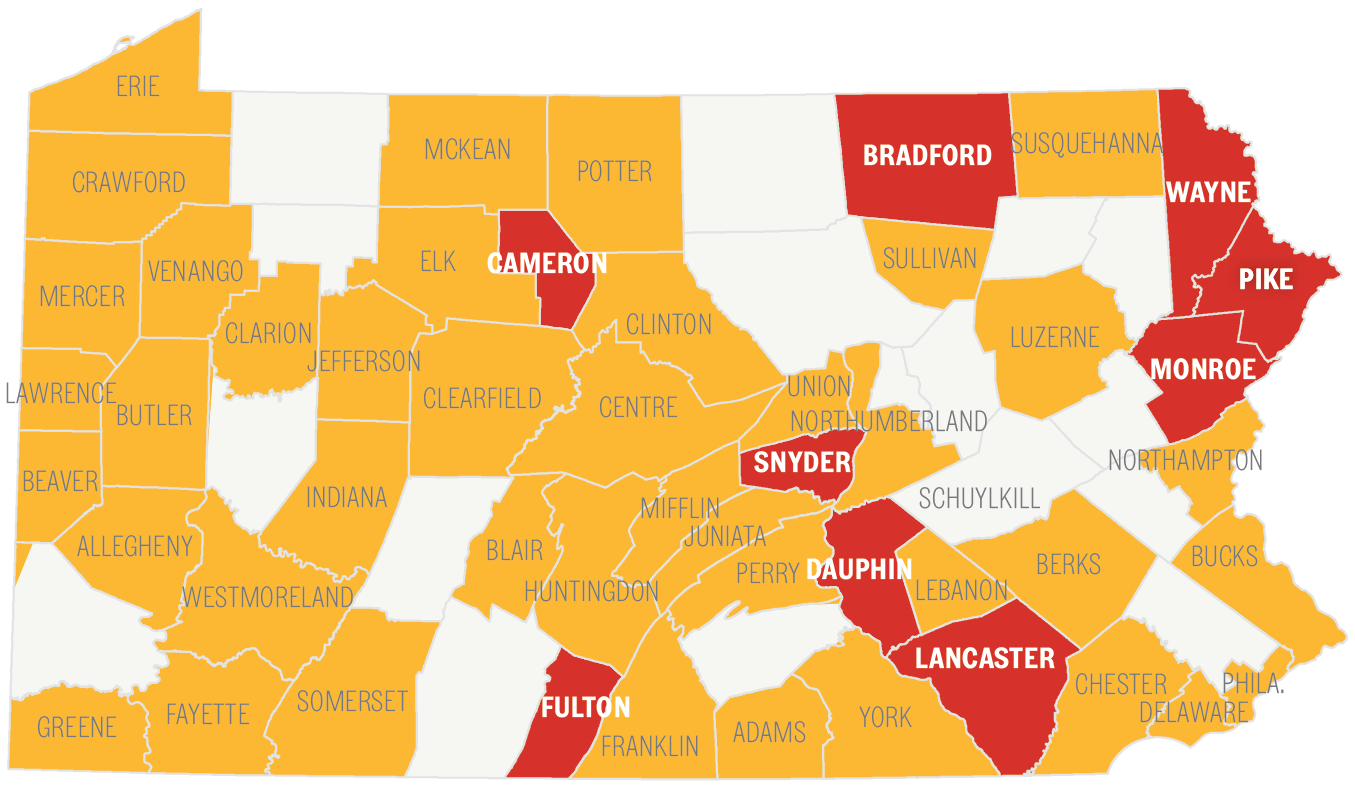
    Vaccination rates among kindergarteners have decreased across Pennsylvania in recent years, and some counties affected in the current outbreak have particularly low rates, including Lancaster, where about 88.5% of kindergarten students are vaccinated.

    Health experts say 95% of a community must be vaccinated to prevent the spread of the disease.

    A map showing vaccination rates in kindergarteners for the 2024-2025 school year. Counties in yellow have vaccination rates between 95% and 90%. Counties in red have vaccination rates below 90%. To halt the spread of measles, at least 95% of a community must be vaccinated against the disease.John Duchneskie

    The state is working with schools to increase vaccination rates, Bogen said Friday.

    After The Inquirer and the Pittsburgh Post-Gazette published analyses on low vaccination rates at individual schools across the state, health officials announced that they would soon publish a public database of school-level vaccination data. (Previously, the state published county-level vaccination data on its website.)

    Bogen said she hoped the new database would encourage schools with lower vaccination rates to reach out to healthcare providers to ensure students have access to vaccines.

    “We want to make sure as a public health department that we’re ensuring that anybody who wants access to a vaccine has that,” she said.

    Encouraging vaccination

    Martin, the Lancaster General physician, said the area was welcoming and helpful to people in need.

    “It is a defining characteristic of our community to help others, especially the most vulnerable, during times of crisis,” he said.

    Residents now have an opportunity to help protect vulnerable people from measles by getting vaccinated, raising awareness about the disease, and helping doctors decrease exposures in care settings, he said.

    “When vaccination rates are high, the virus has very little opportunity to spread. When gaps emerge, even small ones, measles can find a way back in because it is so contagious,” Martin said. “Ultimately what keeps measles rare is not luck. It’s the choices we make together to protect those who cannot protect themselves.”

  • N.J. hospitals could lose an estimated $3.6 billion from Medicaid changes through 2032

    N.J. hospitals could lose an estimated $3.6 billion from Medicaid changes through 2032

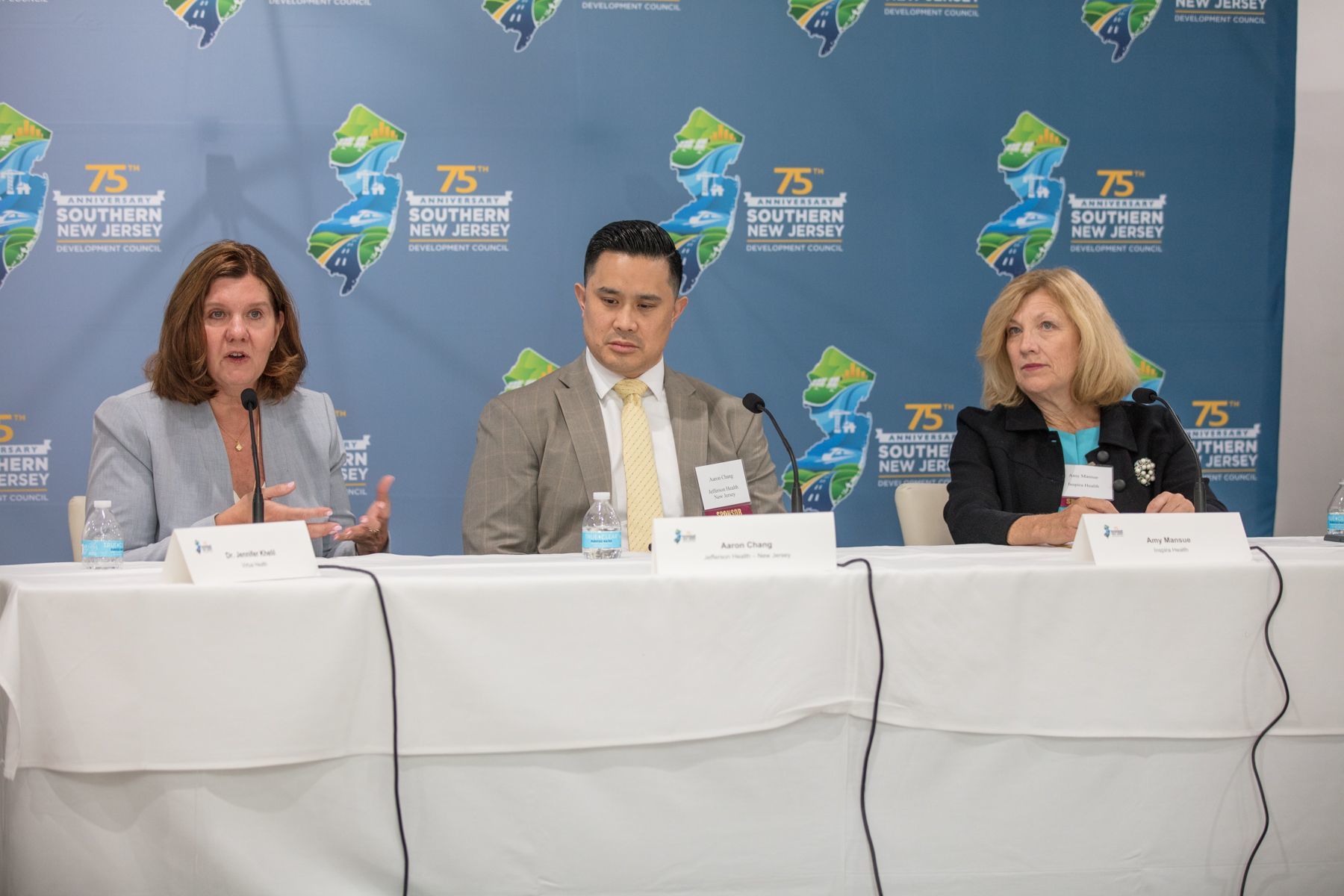
    New Jersey hospitals could lose an estimated $3.6 billion from Medicaid changes through 2032, forcing them to bring their expenses in line, Inspira Health Network CEO Amy Mansue said Friday during a panel discussion in Cherry Hill.

    “That will only happen with dramatic changes in how we look at our business,” she said during the Southern New Jersey Development Council’s Annual Health Care Leadership Forum at the Legacy Club of Woodcrest.

    Mansue predicted that health systems will close little-used programs. “There is no way to cut that much money out of the hospitals without doing some of that,” she said.

    The $3.6 billion estimate from the New Jersey Hospital Association does not include hospitals’ losses from the growing population of uninsured people who show up at emergency departments because they can’t afford to pay cash for a doctor visit.

    Already nearly 69,000 people have allowed their individual coverage from New Jersey’s Affordable Care Act marketplace to lapse after temporarily enhance tax subsidies expired at the end of last year. Thousands more are expected to lose Medicaid coverage next year when new requirements to stay enrolled take affect.

    New Jersey’s regulatory burden

    The hospital executives pleaded for state officials to reduce the red tape that makes it hard to implement programs needed to meet community needs.

    “We need to be more nimble, we need to be more adaptable, we need to be more flexible,” said Aaron Chang, president of Jefferson Health NJ, which includes hospitals in Cherry Hill, Stratford, and Washington Township.

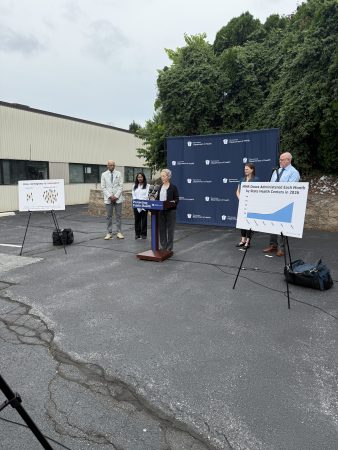
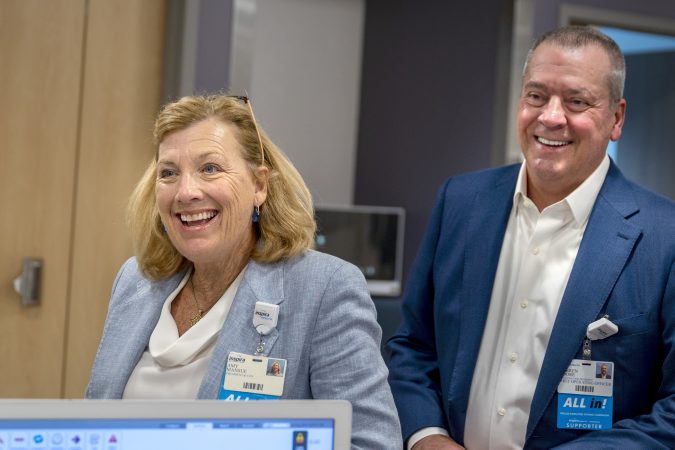
    Jennifer Khelil (left), Virtua Health’s chief clinical Officer; Aaron Chang (center), president of Jefferson Health New Jersey; and Amy Mansue, CEO of Inspira Health spoke Friday at the Southern New Jersey Development Council’s Health Care Leadership Forum.Southern New Jersey Development Council

    Inspira is adding a $220 million patient tower at Inspira Mullica Hill in Harrison Township, near the intersection of Routes 55 and 322. Construction is expected to be completed Oct. 1, Mansue said. “The reality is we’re not going to open until March” because it will take that long to get all the regulatory approvals, she said.

    Inspira operates three other hospitals in Cumberland and Salem Counties.

    Raynard E. Washington, who heads the N.J. Department of Health, spoke after the panel and said Gov. Mikie Sherrill is serious about making it easier to do business in the state. She told state agencies “to limit additional regulations and to look for opportunities to streamline,” he said.

    Workforce development is a top priority

    Six years ago, Virtua and Rowan University started working together to create the Virtua Health College of Medicine & Life Sciences out of Rowan’s School of Osteopathic Medicine, Rowan’s School of Nursing & Health Professions, and Virtua’s Our Lady of Lourdes Nursing School, plus a new school of translational biomedical engineering and sciences.

    The institution officially launched in 2022 with $85 million in support from Virtua and $125 million from Rowan and has seen its class sizes grow steadily.

    “We are now training about 360 nurse graduates every year, 300 medical students,” said Jennifer Khelil, Virtua’s chief clinical officer. Virtua operates five hospitals in South Jersey.

    Workforce efforts also reach into high schools, Chang said. Jefferson Cherry Hill Hospital has a relationship with Cherry Hill West High School that brings 12 to 15 interns to the hospital.

    “Because of the internship, their exposure to the hospital environment, whether it’s the ancillary departments and or the clinical areas, over 95% of those individuals get a healthcare job as a first foray into the workforce,” Chang said.

    Editor’s note: This story has been updated to correct the time period for the Medicaid cuts.

  • One year of inspections at Paoli Hospital: April 2025 – March 2026

    One year of inspections at Paoli Hospital: April 2025 – March 2026

    Paoli Hospital was not cited by the Pennsylvania Department of Health for any safety violations between April 2025 and March of this year.

    Located in Chester County, the hospital is one of four owned by Main Line Health.

    Here’s a look at the publicly available details:

    June 18, 2025: Inspectors came to investigate a complaint but found the hospital was in compliance. Complaint details are not made public when inspectors determine it was unfounded.

    • June 19: The Joint Commission, a nonprofit hospital accreditation agency, renewed the hospital’s accreditation, effective April 2025, for 36 months.
    • Oct. 20: Inspectors came to investigate a complaint but found the hospital was in compliance.
    • March 12, 2026: Inspectors came to investigate a complaint but found the hospital was in compliance.
  • Unionized doctors at ChristianaCare finalize new contract

    Unionized doctors at ChristianaCare finalize new contract

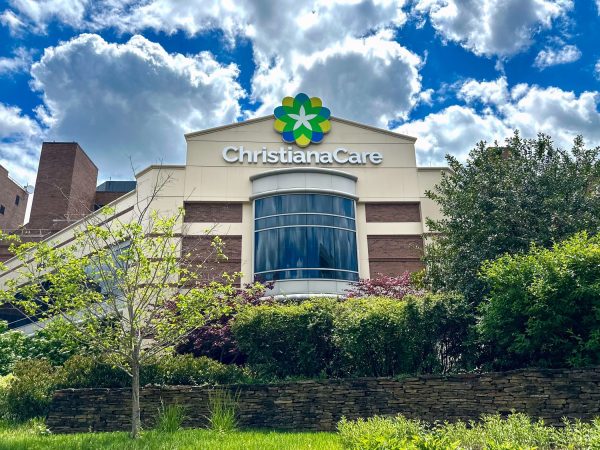
    Unionized ChristianaCare doctors — members of the first healthcare union in Delaware — ratified their first contract with the Wilmington-based health system this week.

    The contract covers three years and includes provisions to establish “formal structures for physician input on issues affecting clinical practice and patient care,” the union said in a statement.

    The contract also establishes a procedure for physicians to file grievances if they feel the contract has been violated, and forms labor management committees to address workplace safety concerns, union officials said.

    One 19-year-old was killed and another injured in a shooting at ChristianaCare’s Wilmington Hospital last week.

    “This is a major step forward in ensuring physicians have a meaningful voice at ChristianaCare,” Nisha Gandhi, an advanced heart failure cardiologist at the health system, said in a statement.

    A ChristianaCare spokesperson said the contract also included provisions against striking and “a mutual commitment to collaboration, stability and long-term partnership.”

    ChristianaCare has medical locations in Delaware, Southeastern Pennsylvania, and Maryland.

    Attending physicians at ChristianaCare voted to unionize in 2024, citing increased workloads with little support for added administrative tasks. They were the first group of attending doctors to unionize in the Philadelphia area.

    Since the 1980s, doctors have shifted from owning their own practices to opting for employment at hospitals and health systems. Just a quarter of physicians were self-employed in 2022, and unionization among physicians is growing.

    Last year, hundreds of medical residents across several Philadelphia hospitals also voted to unionize, but unions of attending physicians, who have completed their medical training, are rarer.

  • Measles detected in two more counties in Pennsylvania as health department recommends early vaccination

    Pennsylvania health officials have now detected measles cases in York and Northumberland Counties as cases in Lancaster County, the center of an ongoing outbreak, continued to rise.

    And the state health department is now recommending early measles vaccinations for infants beginning at 6 months in affected areas in an effort to protect them against the spread of the highly contagious disease, which is particularly risky for young children. The same precautions should be taken by families with infants traveling to these areas.

    Six Pennsylvania counties have now seen measles cases since an outbreak was first confirmed in Lebanon County in April. In all, the state has reported 81 measles cases across eight counties in 2026, more than five times the cases reported in 2025.

    (function() {
    var l2 = function() {
    new pym.Parent(‘HE_MEASLES.html’,
    ‘https://media.inquirer.com/storage/inquirer/projects/innovation/arcgis_iframe/HE_MEASLES.html’);
    };
    if (typeof(pym) === ‘undefined’) {
    var h = document.getElementsByTagName(‘head’)[0],
    s = document.createElement(‘script’);
    s.type = ‘text/javascript’;
    s.src = ‘https://pym.nprapps.org/pym.v1.min.js’;
    s.onload = l2;
    h.appendChild(s);
    } else {
    l2();
    }
    })();

    State health officials said it was too early to tell how the latest cases in York and Northumberland Counties are connected to others in the region, but that contact tracing investigations are continuing. All cases were among people who had not received at least two doses of the measles, mumps, and rubella (MMR) or whose vaccination status was unclear.

    As of Wednesday, six cases had been confirmed in Northumberland County, to the north of Dauphin County, and one case had been detected in York County, along Lancaster’s western border.

    Lebanon County has reported 20 cases and Dauphin and Berks Counties have reported two cases each.

    Lancaster County has seen 38 cases of measles since late April, with health officials confirming seven cases in the last two weeks. The area was at the center of a prior measles outbreak in January, when state health officials confirmed eight cases in Lancaster County and an additional four between Chester and Montgomery Counties.

    Vaccination rates among kindergarteners have decreased across Pennsylvania in recent years, and some counties affected in the current outbreak have particularly low rates, including Lancaster, where about 88.5% of kindergarten students are vaccinated. Health experts say that 95% of a community must be vaccinated to prevent the spread of the disease.

    A map showing vaccination rates in kindergarteners for the 2024-2025 school year. Counties in yellow have vaccination rates between 95% and 90%. Counties in red have vaccination rates below 90%. To halt the spread of measles, at least 95% of a community must be vaccinated against the disease.John Duchneskie

    Health officials have been conducting contact tracing to detect as many cases as possible. In the current outbreak, they have twice warned Lancaster residents that they could have been exposed to measles.

    Shoppers and employees at a local Kohl’s were potentially exposed to the virus over four days after a staffer tested positive in late May, LancasterOnline reported. And a person with measles visited the Lancaster County Courthouse on June 3.

    But doctors in Lancaster County say they fear some measles cases are going unreported, either because patients don’t understand the importance of tracking measles cases or because they fear repercussions.

    No cases have been confirmed in the Philadelphia region during this outbreak. But Delaware County health officials said last week that they had detected measles in two wastewater samples, indicating that someone with measles had used a bathroom connected to the county’s public water supply. It was unclear if that person lived in the county or was passing through.

    Early vaccination recommended

    On Wednesday, a statewide health alert urged physicians to accelerate vaccination schedules to protect children against measles. Officials had said they were considering the measure earlier this month as cases continued to rise.

    Measles can infect nine in 10 unvaccinated people who are exposed to it, and can linger in the air for up to two hours and incubate in patients for three weeks. The disease typically presents with a fever and a rash but can cause brain inflammation and pneumonia in serious cases.

    Typically, children receive the first of two MMR vaccines at 1 year old, then a second between 4 and 6 years old.

    But children as young as 6 months can receive an additional “dose zero” to protect them from the disease amid an outbreak. In its alert, the state health department said parents should vaccinate infants between 6 and 11 months with the “dose zero” if they live in affected areas or if they’re planning to travel there.

    Those children should then receive additional MMR doses at 12 to 15 months and 4 to 6 years.

    This “dose zero” is less effective than doses given at 1 year old, officials cautioned. But it’s 58% effective against measles when given at 6 to 8 months, and 83% effective when administered at 9 to 11 months.

    “Early MMR vaccination is safe and provides modest protection when measles is spreading,” officials wrote in the alert.

    Children older than 12 months who haven’t been vaccinated should get an MMR dose immediately, and a second 28 days later, health officials said. Unvaccinated adults, or those without evidence of immunity, should also get two MMR doses.

    And anyone who has received one dose of the MMR vaccine in the past should get a second at least 28 days after their first, officials said.

    Usually, children who received a first dose at around 12 months wait to get their second dose until they’re 4 to 6 years old. But in an outbreak situation, those children should get their second doses early — at least 28 days after their first shot.

    Adults born before 1957 are typically considered immune, but healthcare workers in that age group who don’t have lab evidence of immunity or prior infection should consider getting vaccinated, state officials said.

    Adults who received an inactivated measles vaccine between 1963 and 1967 are considered unvaccinated during an outbreak, and should also get two doses of the current MMR vaccine.

    Pregnant people, people with severely weakened immune systems, and people who have a history of experiencing severe allergic reactions, like anaphylaxis, to a vaccine ingredient or to a previous dose of MMR cannot receive the vaccine.

  • Merakey USA, a large Montco-based human services provider, is expanding with Ohio acquisition

    Merakey USA, a large Montco-based human services provider, is expanding with Ohio acquisition

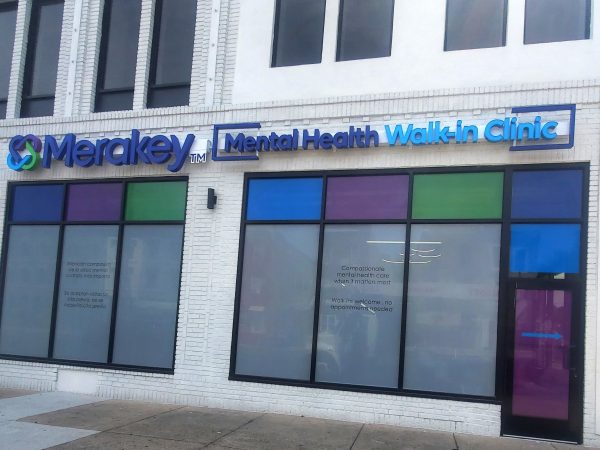
    Merakey USA, based in Lafayette Hill, is acquiring Boundless, an Ohio nonprofit that provides services for people with intellectual and developmental disabilities and behavioral health needs, in a deal that leaders of both organizations described this week as a model for their industry.

    “It’s the marriage of two financially stable organizations” that are preparing for turbulence in the human services sector, said Merakey CEO Joseph S. Martz. More typically human services deals happen because one nonprofit needs a financial rescue, as happened with Philadelphia’s Resources for Human Development in 2024.

    Merakey and Boundless planned to announce the news Thursday.

    Martz and the CEO of Boundless, Patrick Maynard, both said the size of the combined organization — more than $1 billion in revenue — would enable it to invest in the systems, technology, training, and workforce development needed to be financially sustainable.

    The deal, expected to close in July, will create an organization that supports 50,000 individuals and families annually in 12 states and employs 11,000 people.

    Joseph S. Martz is CEO of Merakey USA, which is acquiring Boundless, a human services provider based in Columbus, Ohio.Merakey USA

    The executives cited pressures from an expected change in how their organizations get paid. A shift is underway to payment for results rather than for straight volumes of services. Looming cuts to Medicaid over the next decade are also forcing human services providers to rethink how they operate.

    “We’re entering a time when resources are going to be a lot tighter, and I think organizations need to be thinking differently about how they approach that. We’re seeing some other pretty large consolidations,” said Chuck Ingoglia, CEO of the National Council for Mental Wellbeing, a Washington nonprofit advocacy group.

    Origins of the Merakey-Boundless deal

    Stacy DiStefano, CEO of Consulting for Human Services, a Philadelphia-based adviser firm, introduced Martz and Maynard to each other in July 2024.

    That led to a series of conversations about issues the two organizations were spending money to solve and the realization: “Why don’t we just come together and use the combined resources of our organizations to solve that problem,” Martz said.

    Merakey and Boundless had already been growing through acquisitions, though Boundless has grown more dramatically. In the last seven years, the nonprofit made five acquisitions that helped increase its annual revenue to an expected $200 million this year from $20 million, Maynard said.

    “My goal was to create sustainability in a broken system where most of us are living off of Medicaid, which comes nowhere close to providing the resources that cover the costs,” Maynard said.

    Patrick Maynard is CEO of Boundless, a Ohio human services provider that is merging into Merakey USA, of Lafayette Hill.Boundless

    The added scale enabled Boundless to add healthcare and dentistry for its clients, but the Medicaid shortfall for those dental services is $75,000 a month, Maynard said. That kept Maynard looking for even bigger partners, like Merakey.

    Maynard cited Merakey’s expenditure of $18 million for Workday software, a system for human resources and financial management as an example of something Boundless could never afford. At $200 million in annual revenue, Boundless struggled to spend $2 million on a system for electronic health records, he said.

    A new structure

    Merakey, which started as the Northwest Center in the Mount Airy section of Philadelphia in 1969, remains firmly rooted in Pennsylvania. The state is expected to account for more than half its $850 million in revenue for the fiscal year that ends this month, Martz said.

    In 2023, Merakey and Elwyn, a similar nonprofit based in Delaware County, announced a preliminary merger agreement, but a final deal did not happen.

    States where Merakey operates include Indiana, Kentucky, Ohio, Michigan, and Wisconsin. A new division called Boundless Midwest, led by Maynard, will assume responsibility for Merakey’s operations in that region when the deal is done.

    Both boards have approved the transaction, which remains under review by the Ohio Attorney General.

    Martz said he expect Boundless to continue growing though acquisitions and the development of new programs with the support of Merakey.

    “We are going to be a big organization, but it’s really about being a better organization, about the quality of care that we provide,” Martz said. “If you’re not culturally aligned, bigger for bigger sake, just doesn’t make any sense to me.”

  • Main Line Health and UnitedHealthcare have an ‘agreement in principle’ on new contract

    Main Line Health and UnitedHealthcare have an ‘agreement in principle’ on new contract

    Main Line Health and UnitedHealthcare have an “agreement in principle” on new contract and will extend the current contract until the new deal is completed, Main Line Health said Wednesday.

    Main Line’s contract with United was set to expire Tuesday, potentially disrupting care for 32,000 people who rely on Main Line doctors and have health insurance through United. The negotiations covered employer-sponsored plans and Medicare Advantage plans.

    “For nearly a year, Main Line Health worked diligently and in good faith to reach a responsible agreement — one that reflects the true cost and complexity of the high-quality care we deliver to this community every day. We are pleased to have reached this milestone, and our patients will experience no disruption to their care,“ Main Line said in an email.

    Main Line said the preliminary agreement relieves some of the administrative burden for doctors and patients. They include prior authorization delays, claim denials, and excessive audit activity, Main Line said.

    United, the nation’s largest health insurer, did not immediately provide a comment.

    The company based in Eden Prairie, Minn., this year failed to reach a new agreement with Jefferson Health’s Lehigh Valley Health Network for Medicare Advantage and employer plans. That outcome added to the worry for some patients that the same thing would happen in Philadelphia’s western suburbs, where Main Line is the leading provider of healthcare services.

  • Project HOME adds new beds for homeless patients leaving the hospital

    Project HOME adds new beds for homeless patients leaving the hospital

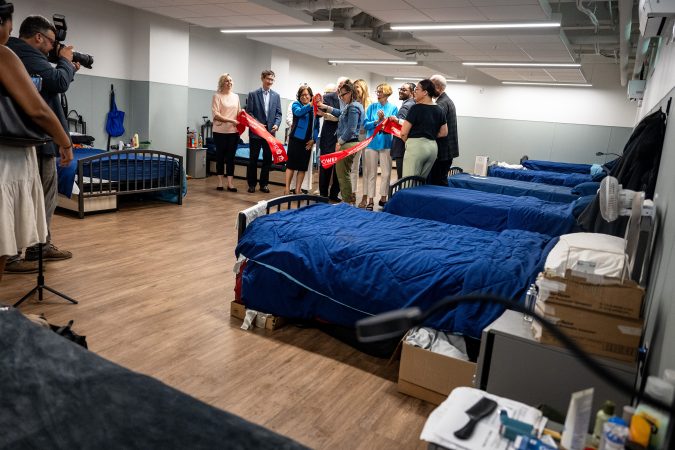
    Project HOME is adding 20 beds to a Hunting Park shelter to house hospital patients who have nowhere to go once they’re discharged.

    The new center, Hawthorne House Respite, expands the respite beds available at the housing nonprofit’s Sacred Heart Recovery Residence on Old York Road.

    Renovations to the building, a former nursing home for cancer patients run by Dominican nuns, added 20 beds in dormitory-style housing — 10 for men, 10 for women — and cost $3.4 million. Funds came in part from $2.3 million raised at the behest of Jon Bon Jovi, a longtime Project HOME collaborator, at the organization’s 35th anniversary gala in 2024.

    “We can’t stress enough how much housing is healthcare, and that respite beds at every level is so important as part of the ecosystem,” said Donna Bullock, Project HOME’s CEO, after a ribbon-cutting ceremony for the new beds Wednesday.

    “People need different levels of care for healing, different levels of housing for stability.”

    Sacred Heart, which also offers longer-term housing for people in recovery, already had 10 respite beds for residents.

    Now, providers can refer more patients directly from the hospital to Sacred Heart. The program is part of the Project HOME Collaborative, a partnership to address homelessness and substance use recovery with Jefferson Health, Penn Medicine, Temple Health, and Prevention Point.

    Project HOME officials say respite beds are in high demand and short supply across Philadelphia. Another respite program run by the Public Health Management Corporation in northwest Philadelphia offers 40 beds for patients with higher-level medical needs.

    “It’s not enough,” Bullock said.

    Gaps in the healthcare, shelter, and addiction treatment systems often make it difficult for homeless patients to heal after a hospital stay.

    Inpatient addiction rehabs and shelters often do not have the capacity to care for patients with ongoing medical needs, while hospitals cannot sustain long-term care for patients who have recovered enough to be discharged.

    “We know that recovery doesn’t stop when we discharge you and send you out into the community. Too often, individuals who are homeless face impossible challenges after they are discharged,” said Steve Carson, Temple Health’s senior vice president of population health.

    Patients placed in respite beds say such programs are crucial to their recovery and continued stability. Amber Moon arrived at Sacred Heart two years ago after she developed endocarditis from injection drug use, resulting in two heart surgeries.

    After months in the hospital, she was well enough to leave — but still needed support to heal. At Sacred Heart, staff arranged rides to doctors’ appointments and helped her navigate new medication regimens. Moon relished the opportunity to continue her recovery outside of a hospital room, surrounded by other residents who’d survived similar experiences.

    “I was happy that I was around other people — not just the girls that I was staying with, but staff that understood what I was going through,” she said. “They treat you with humanity, like a regular person.”

    Now a certified recovery specialist who helps other people with addiction navigate treatment, Moon is set to move into her own apartment soon.

    “I‘m very grateful to have met all the people I’ve met, and been through what I’ve been through, because now I’m able to help others who think that there’s no chance,” she said. “There always is.”

  • Medicare’s AI push snarls patients and doctors in errors and delays

    Medicare’s AI push snarls patients and doctors in errors and delays

    Bill Curry, 65, raises cattle on the same land in rural Oklahoma once owned by his father and generations before him. Each quarter, for several years, he has made the 2½-hour drive to Oklahoma City for an epidural in his spine to treat his back pain.

    But this year, because of a new Medicare program, Curry has traveled a little more often.

    In February, during one trip, he was told unexpectedly that he needed preapproval for the procedure. Then he went again a month or so later to get the injection, for a total of 10 hours on the road. His clinic wanted him to come in a third time, which they had never asked of him before. That appointment was “just to fill out a piece of paper to tell them how you feel again,” Curry said, so he hasn’t gone.

    In January, Oklahoma became one of six states to begin a pilot program testing the use of pre-approvals in traditional Medicare, the federal health insurance program for people 65 and older or with disabilities. Medicare had previously eschewed the practice — also known as prior authorization — which requires patients or someone on their medical team to seek insurance approval before proceeding with certain procedures, tests, and prescriptions.

    Epidurals like Curry’s are among 13 medical services subject to the new program because the Trump administration says they’re prone to fraud or misuse. Powered by artificial intelligence, the program — called the Wasteful and Inappropriate Service Reduction Model, or WISeR — is intended to save the federal government money and protect patients from potentially unsafe or unneeded care.

    Yet early reviews from Oklahoma and the other pilot states — Arizona, New Jersey, Ohio, Texas, and Washington — suggest WISeR’s rollout has not been smooth. Patients, doctors, and other healthcare professionals who spoke with KFF Health News say the effort has created confusion, errors, long wait times, and stress. Some described the rollout as “horrendous” and say people enrolled in Medicare in the pilot states are now getting ensnared in the same red tape as those with private insurance.

    One key concern is that it all happened too hastily. WISeR was announced in June 2025 and launched in mid-January.

    That was “quicker than normal” for the federal government, said Todd Baker, who recently stepped down as CEO of the Ohio State Medical Association. Doctors “just sort of had to figure it out,” added Jeb Shepard, director of policy at the Washington State Medical Association.

    Government contractors have also acknowledged the rapid pace. “We’ve had an aggressive rollout from the time of being notified to going live,” said Jeremy Friese, CEO of Humata Health, the vendor for Oklahoma. Tech executives servicing other states have said they were still adding features to their products in the spring.

    Abe Sutton, director of the Center for Medicare and Medicaid Innovation, which is administering the program, didn’t comment on the rollout schedule. But he said in a statement that the goal of these reforms is to ensure that prior authorization is efficient, fast, and streamlined.

    “The model aims to reduce inappropriate care without delaying appropriate care,” he said.

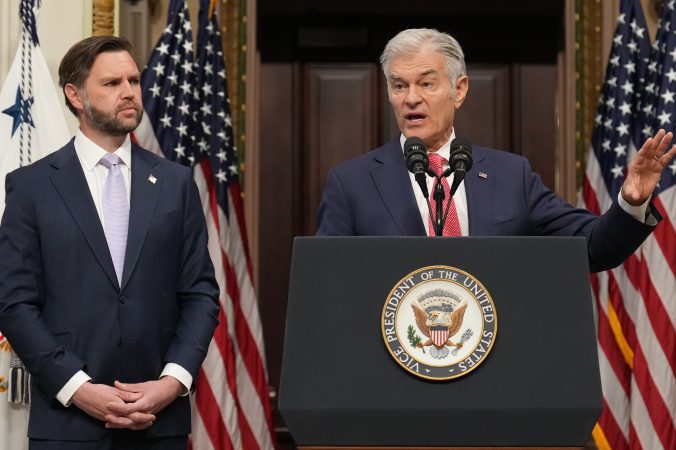
    Mehmet Oz, the leader of the Centers for Medicare & Medicaid Services, told NewsNation in December that they were “rolling out some prior authorization on abused practices.”

    “The purpose of these is not to deny care,” Oz continued. “It’s to make sure you get the care you need and deserve, not the care some unscrupulous doctor wants to use on you.”

    Medicare has struggled in recent years with suspected fraud associated with particular services. The Department of Health and Human Services’ inspector general warned in September that the program’s spending on skin substitutes, for example, had surged nearly 700% over two years, raising “major concerns about fraud, waste, and abuse.” Skin substitutes are among the 13 therapies currently subject to review under WISeR.

    The program also imposes prior authorization requirements for kyphoplasty, a surgery for spinal fractures, which a report by the Medicare Payment Advisory Commission flagged as overused.

    Sutton acknowledged, however, that “the percentage of providers committing waste, fraud, and abuse is small.”

    Consumers and clinicians largely detest prior authorization. Even as federal health officials test the process for Medicare, the Trump administration is trying to scale it back for those with private insurance. According to a KFF poll conducted in January, 69% of insured adults consider prior authorization a burden for care.

    Through WISeR, doctors and their staff log in to online portals to submit medical records that justify the procedures. Using artificial intelligence, the systems quickly approve applications that meet the program’s criteria, Friese, Humata’s chief executive, told KFF Health News. He said there is an “immediate yes” in 88% of cases for which clinical data supports an approval.

    CMS has touted the process as one in which decisions are returned within 72 hours. After that, clinicians receive a “universal tracking number,” which allows them to schedule the procedure and get paid. In practice, however, participants say the process is anything but easy.

    The University of Washington’s medical system alone had nearly 100 patients waiting earlier this year for epidural injections due to WISeR-related delays, according to an April report from the office of U.S. Sen. Maria Cantwell (D-Wash.) that drew on hospital association data. “Now, patients are subject to delays or denials which did not exist prior to the WISeR Model,” the report said.

    Curry, the Oklahoma cattle farmer, said he might go to Kansas for future treatments to avoid the approval process. Dorota Gribbin, a New Jersey-based physical medicine and rehabilitation physician, said that by the time authorization came for one of her patients who needed a back pain procedure, the patient had gone to the hospital for more expensive care.

    Jennifer Valle, a precertification and insurance supervisor at Clinical Radiology of Oklahoma, said when it comes to kyphoplasties, there has been a lot of “nitpicking” from reviewers. Other times, information her practice provides to CMS gets overlooked, she said, and reviewers ask for imaging that’s already in the file.

    Claims with no problems are supposed to be paid within 15 days, said James Webb, a musculoskeletal radiologist in Tulsa, Okla., who has also been frustrated by the prior approval and reimbursement process for kyphoplasties. “Six- to eight-week delays is what we’ve been seeing,” he said.

    “It’s been horrendous,” said Jerry Sobel, a Phoenix-area pain management doctor. “Right from the beginning, there seemed to be no organization.” Sobel said that as of May, he hadn’t gotten paid by Medicare for nine epidurals.

    “We continuously monitor operations and work closely with stakeholders to address questions and improve the provider experience,” said Sundar Subramanian, the CEO of Zyter, which has the contract for Arizona.

    During an April webinar, another Zyter executive acknowledged a large backlog in payments stretching to January. Those backlogs “are currently being resolved,” Medicare’s Sutton said, without providing further detail.

    When asked about other issues — including what doctors suspect are AI-driven errors — Medicare’s Sutton said the agency appreciates “feedback on provider experience.” It will be used “to help providers better understand WISeR processes,” he said.

    Although CMS vendors say humans make the final decisions on approvals, doctors and their staffs believe artificial intelligence is playing a large role in the process and that denials are sometimes the result of AI hallucinations that garble or make up information.

    One Arizona doctor, who wasn’t authorized by his practice to speak, recalled a denial saying his patient wasn’t eligible for procedures in the thoracic region, or midback. The patient needed an injection to the neck. Webb, the Oklahoma radiologist, documented four times that a patient lacked numbness, and yet his WISeR application was still denied, citing numbness, which, in the reviewer’s interpretation, would rule out the spinal surgery procedure.

    Friese, Humata’s CEO, said he hasn’t heard about any AI hallucinations.

    The process is also raising government costs. With more rejections, more appeals are being filed with Medicare’s administrative contractors. The government pays the contractors to handle the appeals, and Medicare’s Sutton acknowledged that the agency has “accounted for potential changes in the volume of Medicare appeals because of the WISeR program and its associated costs.”

    Eighty-four percent of commercial insurers already use AI tools, according to a survey released in 2025 by the National Association of Insurance Commissioners, though they have consistently said AI isn’t used to deny prior authorization requests.

    Its use in Medicare risks introducing friction and frustration into the program — and piling costs onto its beneficiaries. Prior authorization saves money for insurers partly by making patients pay a price in wait times and inconvenience, said Miranda Yaver, a University of Pittsburgh health policy researcher studying the technique.

    “People will end up getting ensnared in a lot of red tape, having to be on hold, and getting rerouted,” she said. She often wonders whether prior authorization simply shifts costs to patients and doctors, rather than saving them.

    Some doctors involved in Medicare’s prior authorization experiment believe it will inevitably expand beyond a few services officials in Washington consider fraud-prone.

    “Everybody knows that if this pilot project works, it will be prior auth for basically all procedures,” said Mary Clarke, a family practice physician in Stillwater, Okla. “If they can show that they can save money, then that’s going to be extrapolated and rolled out to other procedures and multiple other things in other states.”

    When asked whether CMS is considering expansion of its prior authorization pilot, Sutton said in his statement that there are “currently no changes” considered for the list of services subject to the WISeR program, “but CMS continues to assess whether any changes are warranted.”

    KFF Health News Southern correspondent Lauren Sausser contributed to this report.

    KFF Health News is a national newsroom that produces in-depth journalism about health issues and is one of the core operating programs at KFF — the independent source for health policy research, polling, and journalism.