Category: Health

  • Rutgers Women’s Brain Health Initiative will explore how hormonal changes affect the brain

    Rutgers Women’s Brain Health Initiative will explore how hormonal changes affect the brain

    A group of Rutgers researchers led by neuroscientist Ioana Carcea want to learn more about how women’s brains are affected by pregnancy, motherhood, menopause, and other hormonal changes that they say have been under studied.

    The Women’s Brain Health Initiative at the Rutgers Brain Health Institute in Piscataway will focus on research and public education about women’s brain function, neurodevelopment, mental health, and disease vulnerability.

    The Inquirer spoke with Carcea, associate professor in the Department of Pharmacology, Physiology and Neuroscience at Rutgers New Jersey Medical School, to learn more about the initiative, which launched in June.

    The interview has been lightly edited for clarity and length.
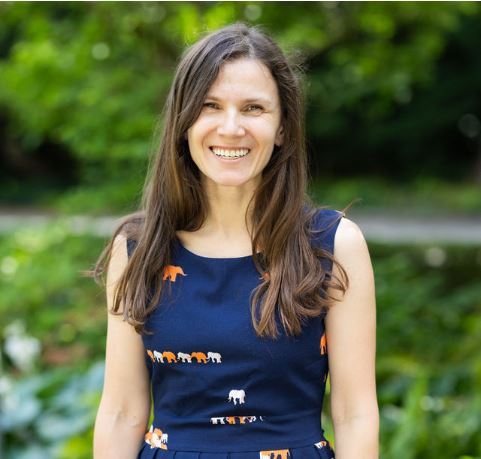
    Ioana Carcea is an associate professor in the Department of Pharmacology, Physiology and Neuroscience at Rutgers New Jersey Medical School.Courtesy of Rutgers
    What is the focus of your research and the Women’s Brain Health Initiative?

    In my laboratory we study different aspects related to how the brain works, how it communicates with the body. One focus area for us is understanding maternal behavior and what regulates maternal behavior. The institute is much broader than what I do. In the Rutgers Women’s Brain Health Initiative, we want to focus on the transitions in life that are specific to women — puberty and monthly menstruation, pregnancy, postpartum, menopause. These are very dramatic hormonal changes that women experience and they impact general health, particularly brain health.

    How are the hormonal changes women experience different from men?

    Men obviously experience puberty, but it’s a different set of hormones. Post-puberty, testosterone does have a full cycle mode of release, but it’s not the monthly cycle that women experience in hormone levels, and the fluctuations are not as profound as in women. Then with aging, men don’t really experience a “pause.” There is going to be a decrease in testosterone levels with aging, but it’s not a complete pause like we see in women.

    What are some of the challenges in this type of research?

    It is a difficult topic to study. Menopause varies among women, as far as when it starts, how long the perimenopause period lasts — it can be two years, it can be 10. The symptoms vary, genetic risks can amplify the risk of disease. Another challenge is we don’t really have great animal models for menopause. Menopause is very rare in nature. Other than women, only orcas and some other whales have true menopause, where they can lead healthy lives after the reproductive window closes. Primates can come close to menopause – it’s not quite the same, but they do experience reproductive aging.

    Has research funding been a challenge?

    We need more funding in this area. The funding climate has been changing and both NIH and private foundations are now investing more in women’s brain health research, but that hasn’t happened for a long time, and I think that’s one of the reasons we have these gaps in knowledge when it comes to women’s brains.

  • CDC’s chief blocked a COVID vaccine study. Now it’s in a top medical journal.

    CDC’s chief blocked a COVID vaccine study. Now it’s in a top medical journal.

    A COVID vaccine study that the CDC’s chief halted this spring over methodological concerns was published Tuesday in JAMA Network Open, a leading peer-reviewed medical journal.

    The analysis used the same methodology that CDC’s interim director had criticized when the paper was not allowed to be published in the weekly scientific report of the Centers for Disease Control and Prevention.

    The study, which had been slated for publication in March in the CDC’s Morbidity and Mortality Weekly Report, found that the COVID-19 vaccine reduced the risk of emergency department visits and hospitalizations among healthy adults by about half last winter. The findings were consistent with what researchers have found in past years, that the vaccine can help reduce the risk of severe illness in adults even after accounting for immunity from prior vaccination or infection.

    “Science was never the issue,” said Michelle Barron, one of the study’s authors and senior medical director of infection prevention and control for UCHealth, a nonprofit health system in Colorado. “Certainly it was within [the CDC’s] purview to keep it out, for whatever reason, but it was clearly not for scientific reasons that the study was withheld from publication in the MMWR.”

    Jay Bhattacharya questioned the study’s methodology. (AP Photo/Julia Demaree Nikhinson)Julia Demaree Nikhinson

    Jay Bhattacharya, CDC’s interim director, delayed publication of the study before it was subsequently not published in the MMWR at all, The Washington Post previously reported. Bhattacharya had concerns about the methods used to calculate vaccine effectiveness, a Health and Human Services spokesman said at the time.

    Barron said she believed the study was not published because the findings did not support Health Secretary Robert F. Kennedy Jr.’s agenda that wants to limit the use of COVID vaccine specifically.

    Kennedy, the founder of a prominent anti-vaccine group, has been an outspoken critic of COVID shots, once referring to them as the “deadliest vaccine ever made.”

    A spokeswoman for the Health and Human Services Department did not directly address the author’s allegation Tuesday that the paper was withheld because it conflicted with the administration’s vaccine agenda. Spokeswoman Emily Hilliard said the CDC evaluates studies using rigorous scientific methods and reviews methodological concerns before publication.

    “The CDC does not make scientific determinations based on predetermined conclusions,” Hilliard wrote in an email. “We evaluate the weight of evidence using rigorous methods, communicate uncertainty and limitations, and subject our work to scientific scrutiny before publication.”

    A commentary accompanying Tuesday’s JAMA Network Open report said the methodology in question, known as test negative design, has limitations, like any study. But those shortcomings are well understood, actively studied, and outweighed by the method’s practicality for routine vaccine-effectiveness monitoring, wrote Natalie Dean, associate professor of biostatistics and epidemiology at Emory University’s Rollins School of Public Health.

    “This is not a controversial study design — this is [the] same design that has been churning out vaccine results for a long time,” Dean wrote in an email. “And from a highly experienced group — CDC plus a network of top vaccine researchers across the country. They are a well-oiled machine.”

    She added: “There was no scientific reason to reject this paper. It had undergone internal review, and it clearly meets the standards of peer-reviewed science. It makes my colleagues on edge to see political interference in the scientific process.”

    Dean said the methodology is being “unfairly maligned” and worried that efforts to discard it could weaken the nation’s vaccine surveillance system. “Then we’ll be flying blind with respect to influenza, COVID, and RSV vaccine monitoring,” she said.

    Between September and December last year, healthy adults who received the COVID-19 vaccine reduced their likelihood of emergency department and urgent care visits by 50% and cut the likelihood of COVID-associated hospitalizations by 55%, compared with those not receiving a 2025-26 vaccine dose, the report found.

    Researchers analyzed data from a CDC-funded surveillance network to compare data on adults who sought medical care for COVID-like symptoms and compared outcomes between those who received the updated 2025-26 vaccine and those who had not.

  • Dry drowning isn’t real: What parents should know about water safety | Expert opinion

    Dry drowning isn’t real: What parents should know about water safety | Expert opinion

    No parent should lose sleep over a condition that doesn’t exist.

    Yet every summer, viral headlines resurface the myth of “dry drowning,” the misleading belief that a child can suddenly die days after a normal swim from water hidden in their lungs.

    As a pediatric emergency room doctor, I know these rumors are not harmless. Terms like “dry drowning” create anxiety about letting children enjoy the water. They also generate false expectations about the need for long-term vigilance after swimming. Instead, we must help families recognize the real signs of respiratory distress after a water incident.

    Water play and swimming are fun ways for kids to stay cool and active in the summer, but water safety should always come first. Drowning is the No. 1 leading cause of death in children 1 to 4 years of age in the U.S., and a major risk for older children as well. Inaccurate information can distract from proper prevention, recognition, and treatment, so we must understand the facts to stay safe around water.

    What is drowning?

    Drowning occurs when water gets in the way of normal breathing. This can happen quickly (in under 30 seconds) and silently; most kids do not scream and splash like in the movies. Drowning is not always fatal; symptoms can present or persist after a child gets out of the water but they occur shortly after the event, not days later.

    Symptoms of drowning include coughing, trouble breathing, chest pain, vomiting, pale or blue-appearing skin, or being unusually sleepy, irritable, or less interested in playing. These symptoms occur as a result of the body’s natural response to drowning; the body tries to clear water from the windpipe and lungs through protective reflexes like coughing before critical organs like the heart and brain suffer from a lack of oxygen. Children who develop concerning symptoms should be promptly evaluated by a medical professional.

    Drowning can occur in either salt water or fresh water, or any kind of liquid. And it doesn’t just happen in oceans and pools; young children have drowned in bathtubs, buckets, and even toilets. All it takes is a few inches of water.

    Why is ‘dry drowning’ a myth?

    “Dry drowning” — the idea that a child can look well after a water incident and then deteriorate days later without warning due to water in their lungs — doesn’t exist. Drowning by definition requires breathing issues caused by water. Since oxygen is necessary for life, the body does not wait days before telling you that something is awry.

    So how long should parents monitor their child? Multiple analyses of drowning events have shown that symptoms occur immediately or shortly after water exposure — usually within eight hours. If water reaches the lungs, it can trigger inflammation that may take several hours to become apparent. A child who is acting like their normal self is unlikely to develop symptoms from drowning beyond this initial period.

    If we recognize drowning and intervene quickly, we can help a child before breathing issues can lead to organ failure and death. The effects of non-fatal drowning range from no injury at all to severe complications, including brain damage or permanent disability. Swift action, however, can help limit the long-term consequences.

    If a child gets sick days after playing in the water, they haven’t drowned, but they still need to be seen by a healthcare professional to be evaluated for other serious conditions.

    How to prevent drowning

    I once cared for a young child who wandered out of her house without her parents noticing, only to be found unconscious in her neighbor’s unfenced pool. Kids are naturally curious and want to explore the world; it is up to us to keep them safe. Using multiple layers of protection can greatly reduce the risk of drowning:

    • Swim lessons: Swimming is a life skill; the American Academy of Pediatrics recommends that all children start swim lessons after their first birthday. Similar to putting on your own oxygen mask before helping others in an airplane emergency, supervising adults should know how to swim so they can help others. Check out classes in Philadelphia and the surrounding area for you and your children.
    • Properly fitted life jackets: Small children and weak swimmers should wear U.S. Coast Guard-approved life jackets whenever they are near water, including pools and waterparks. Everyone should wear a life jacket when boating or participating in water-based activities in open water, such as lakes, rivers, and oceans. Inflatable aids like “floaties” are not safe substitutes as they can deflate and do not prevent drowning. Refer to the U.S. Coast Guard brochure for guidance on choosing a properly fitted life jacket.
    • Four-sided pool fencing with a self-latching gate: Fencing that surrounds pools decreases the risk of drowning by a whopping 83% compared to three-sided fencing or no fencing. Barriers should be a minimum of four feet high, and avoid horizontal bars, chain links, or nearby patio furniture that children could easily climb.
    • Close supervision: Even with a lifeguard present, adults should closely supervise infants, toddlers, and noncompetent swimmers at all times when near water, staying within arm’s reach and avoiding distractions like phones, socializing, or alcohol. This applies to bathtubs, buckets, and toilets as well. Caregivers should always clearly hand off supervision responsibilities. 
    • Emergency preparedness: Parents, caregivers, and pool owners should be CPR trained in case of an emergency. Older children and adolescents can learn too. For the patient I cared for, CPR saved her life. A year later, she is thriving with no residual deficits. 

    With the right precautions, we can help kids enjoy the water safely all summer long. Talk to your pediatrician or visit CHOP Pediatric Health Chat whenever you have questions about kids’ health.

    Priya Shah is a fellow physician in Pediatric Emergency Medicine at Children’s Hospital of Philadelphia. She earned her medical degree from Harvard Medical School and is board-certified in General Pediatrics. Her work focuses on child injury prevention.

    The views expressed in this article are those of the authors and not necessarily those of CHOP. This information is not intended to provide medical advice, diagnosis, or treatment. Always consult a qualified healthcare professional regarding any health or medical concerns.

  • CHOP names Joseph Mitchell to succeed Madeline Bell as CEO

    CHOP names Joseph Mitchell to succeed Madeline Bell as CEO

    The Children’s Hospital of Philadelphia announced Tuesday that Joseph Mitchell will succeed Madeline Bell as CEO, when Bell retires Oct. 1 after a nearly 40-year career at the University City nonprofit.

    Bell, 65, became CHOP’s CEO in July 2015 following eight years as chief operating officer. During Bell’s tenure as CEO, CHOP more than doubled its annual revenue to more than $5 billion, added a hospital in King of Prussia, and started building a $2.6 billion patient tower on its main campus.

    Mitchell, 51, joined CHOP as president in April 2025 following a national search by CHOP’s board for Bell’s successor. In 2024, Bell had notified the board of her intention to retire, CHOP said.

    Before coming to Philadelphia, Mitchell was an executive vice president at Boston Children’s Hospital and president of Franciscan Children’s, a specialty hospital that Boston Children’s acquired in 2023.

    “The opportunity to lead an institution that is so iconic, impactful, and relevant, and has the opportunity to impact pediatrics and have an indelible imprint on kids and families was just irresistible,” Mitchell said in an interview this week. “It was an easy decision to move my family from Boston to Philadelphia.”

    CHOP is financially strong as Mitchell assumes the top job, but like other health systems it will face financial pressure from Medicaid cuts starting next year. The nonprofit has also been under fire from the Trump administration for its program that serves transgender youth.

    Mitchell trained as a urologist and worked at McKinsey & Co. as a consultant for 14 years before becoming CEO of Franciscan Children’s in 2021. He led a financial turnaround effort there and planned for a dramatic expansion of its campus in Boston’s Brighton neighborhood.

    “Joe brings a fresh perspective, a patient-first approach, and a strong strategic mindset,” Greg Davis, CHOP’s board chair, said in a news release. “We are confident he will guide CHOP into its next chapter with continued excellence and impact.”

    Bell’s tenure as CEO

    Bell, who started at CHOP as a nurse, oversaw substantial growth of CHOP’s footprint in West Philadelphia and on the eastern side of the Schuylkill with two research towers on Schuylkill Avenue near the South Street Bridge. CHOP also expanded its specialty-care network in the suburbs.

    CHOP became the pediatric partner for Main Line Health, Lehigh Valley Health Network, and ChristianaCare under Bell’s leadership. Such relationships with systems focused on adults help steer patients needing advanced specialties to CHOP. CHOP has long been Penn Medicine’s pediatric partner.

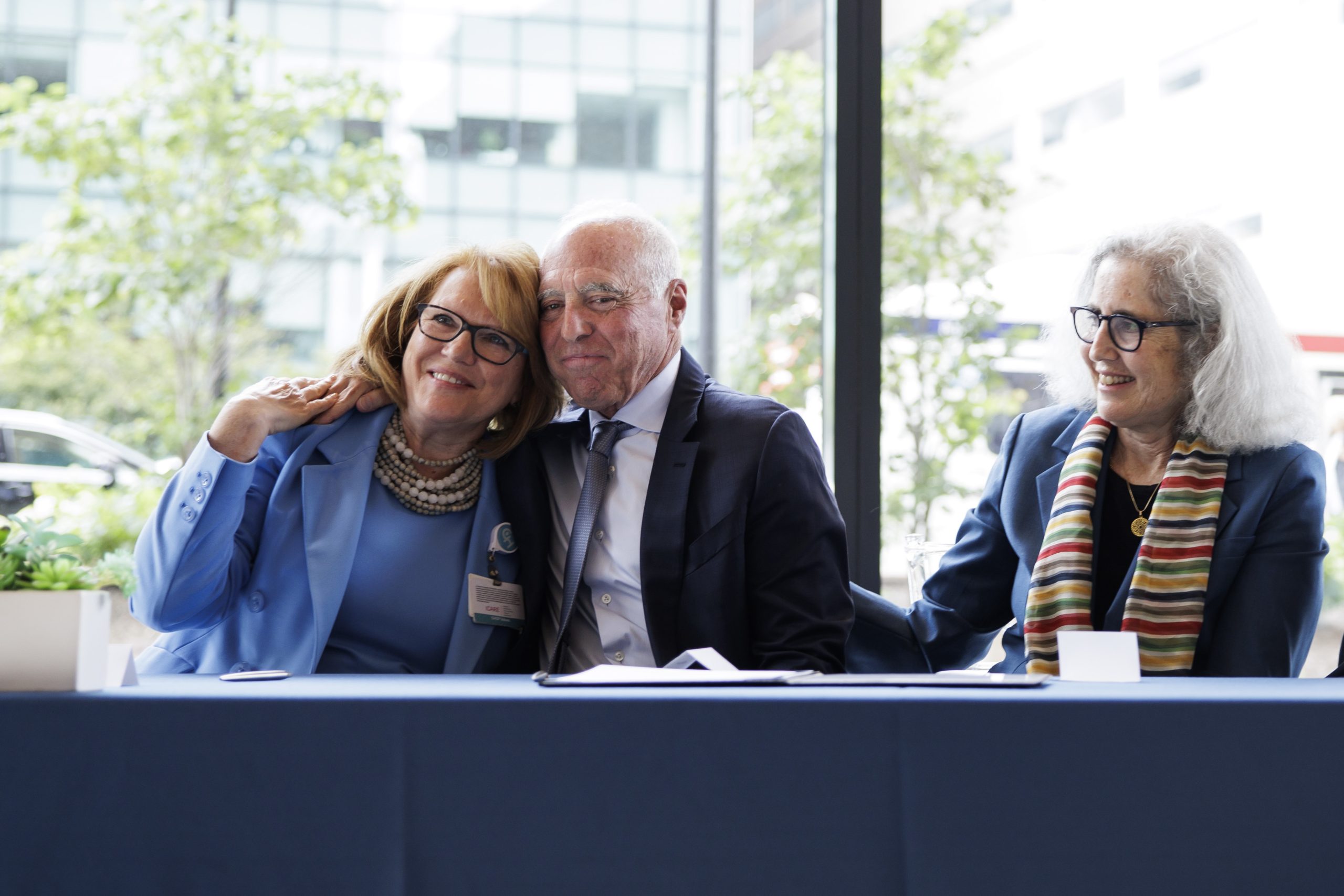
    Madeline Bell sat next to Philadelphia Eagles owner Jeffrey Lurie last year during a ceremonial signing of documents for the Lurie family’s $50 million donation to create the Lurie Autism Institute at the University of Pennsylvania and CHOP.Monica Herndon / Staff Photographer

    In a prerecorded statement for staff and others viewed by The Inquirer in advance of the transitional announcement, Bell highlighted medical breakthroughs in cell and gene therapy during the past decade, as well as an expansion of behavioral health services. The Lurie Autism Institute, a partnership between the University of Pennsylvania and CHOP, launched last year thanks to a $50 million gift from Philadelphia Eagles owner Jeffrey Lurie and his family.

    Also last year, CHOP received its largest gift ever, $125 million from Comcast CEO Brian Roberts and his wife, Aileen. The new patient tower expected to open in 2028 will bear their name. In 2024, real estate investor Mitchell L. Morgan and his family donated $50 million toward the cost of one of the two research towers near the South Street Bridge.

    After retiring, Bell plans to continue as honorary consul of Spain for the Philadelphia region, a position she started last July, and hopes to remain on the board of Comcast-NBCUniversal, she said. Also, she will continue to support CHOP philanthropically and will remain a resource for Mitchell.

    CHOP is among the nation’s largest pediatric systems. It has 774 licensed hospital beds and employs 31,000 people. In the nine months that ended March 31, CHOP had 27,643 inpatient admissions and 1.3 million outpatient visits.

    Joe Mitchell’s priorities

    Since arriving in Philadelphia, Mitchell has immersed himself in getting to know CHOP, visiting primary care and specialty sites, as well as the hospitals, he said. The next step was broadening his responsibilities to the point where most of CHOP’s senior executives are now reporting to him.

    He said it’s too soon for him to address specific strategic moves, but emphasized that his priority is expanding access to care for children and families.

    Joseph Mitchell will succeed Madeline Bell as CHOP’s CEO this fall.Children's Hospital of Philadelphia

    That could get harder with Medicaid cuts looming next year. Nearly 50% of CHOP’s patients have the insurance for low-income families.

    “We’re doing everything we can to preserve access for families, to advocate for funding and resources at the state and federal level,” said Mitchell, who grew up in St. Louis in a family “that was deep into healthcare.”

    He moved to Boston for a residency at Brigham and Women’s Hospital. That’s where he met his wife, Vivian. They have two children, 17 and 14, and the entire family has fallen in love with Philadelphia, he said.

    “CHOP has embraced me, but Philadelphia as a community has really embraced us,” he said.

  • Yardley family is suing an infant formula company after their baby developed botulism

    Yardley family is suing an infant formula company after their baby developed botulism

    Erica and Micky Goldfin’s 2-month-old son wasn’t eating and seemed to be having trouble swallowing. His cries were weak, and his eyelids were droopy.

    Within weeks, the Yardley parents were rushing their baby to Children’s Hospital of Philadelphia, where he was admitted June 1 to the intensive care unit and treated for infant botulism, a rare, potentially deadly infection that affects the nervous system and can lead to paralysis, according to court records.

    The couple are now suing Nara Organics, the maker of the whole milk infant formula they began feeding their son days after his birth in March, and Target, where they bought it. New York-based Nara Organics voluntarily recalled all of its infant formula on June 13, after the U.S. Food and Drug Administration and Centers for Disease Control and Prevention reported three cases of infant botulism in babies who had consumed Nara formula in Pennsylvania, California, and Washington.

    In the lawsuit, filed Monday in the U.S. District Court for the Eastern District of Pennsylvania, the family alleges that Nara Organics did not do enough to protect customers after federal regulators cautioned that whole milk powder can carry the bacteria that cause botulism.

    “Parents trusted a label that told them this was the safest, most premium thing they could feed their child,” said Bill Marler, a foodborne illness lawyer and a managing partner at Washington-based Marler Clark, who is representing the family.

    The Goldfins, who declined an interview through their lawyer, are also represented by Cherry Hill’s Ferrara & Gable.

    Nara Organics did not respond to a request for comment, but said on its website that it had issued the recall “in an abundance of caution,” and that none of its formulas had tested positive for the botulism-causing bacterium C botulinum. Tests are ongoing, according to the lawsuit.

    “We believe in taking the strongest possible measure to protect the safety of babies,” the company wrote in its recall. “Your family deserves to have complete confidence in the safety of your baby’s food.”

    Target did not respond for a request for comment.

    This is the second recent botulism outbreak linked to powdered whole milk infant formula. An infant botulism outbreak associated with ByHeart formula that began in November sickened at least 28 babies.

    What is botulism?

    Infant botulism is caused when babies ingest C botulinum in foods or dust and dirt particles. The bacteria’s spores colonize in the large intestine and release a toxin that affects the nervous system.

    Symptoms include changes in facial expressions, such as smiling less; slow feeding; constipation; and low energy.

    Untreated, the toxin can spread and cause paralysis, making it hard for babies to breathe and eat.

    Infants are at greatest risk of illness because their digestive systems are still developing and less able to fight off infection. Nationally, there were 181 cases of infant botulism in 2021, the most recent year for which CDC data are available.

    The Goldfin infant, who was identified only by the initials W.G., spent two nights in the intensive care unit at CHOP, where he was treated with BabyBIG, the botulism antitoxin that is manufactured by the California Department of Public Health and must be flown to hospitals overnight. The medication’s antibodies bind to the toxin and neutralize it, and symptoms improve within 48 hours.

    On June 6 he returned home, where he is feeding well again, and regaining movement in his arms and legs. He is receiving weekly physical therapy for head lag and delays in his gross and fine motor skills, according to the lawsuit.

  • AristaCare at Meadow Springs is keeping patients in-house for a lung procedure that used to require a transfer to a hospital

    AristaCare at Meadow Springs is keeping patients in-house for a lung procedure that used to require a transfer to a hospital

    AristaCare at Meadow Springs, a Plymouth Meeting nursing home that specializes in patients who need ventilators to help them breathe, has started doing a key lung procedure in-house that used to require patients to be transferred to a hospital.

    The effort is part of a broad trend in healthcare to provide more care outside of hospitals, which are the most expensive sites of care.

    Meadow Springs’ goal in doing the lung-clearing procedures in-house is reducing the number of times its residents are hospitalized, the facility’s administrator Rob Nealon said.

    Keeping residents in the facility benefits Meadow Springs financially even though it doesn’t charge for the treatment because it doesn’t lose revenue to hospitals, Nealon said. It’s also better for residents to avoid difficult transitions and long hospital stays, he said.

    The treatment, called a bronchoscopy, uses suction tubing with video to go deep inside a patient’s lungs to clear out secretions and mucus plugs that make it hard for ventilator patients to breath, said Lejoy Mathew, respiratory director for the facility.

    The nursing home with 153 licensed beds has the capacity to care for 72 people on ventilators.

    AristaCare did its first bronchoscopy in February and has done four more since then, Mathew said.

    Patients who are dependent on ventilators often have a chronic respiratory disease, neuromuscular or neurodegenerative diseases, or traumatic brain injuries.

    The company, based in Cranford, N.J., also owns AristaCare at East Falls, another ventilator facility it acquired in 2024, and plans to start doing bronchoscopies there as well. The East Falls facility has 66 beds.

  • Virtua Mount Holly nurses approve contract after threatening to strike

    Virtua Mount Holly nurses approve contract after threatening to strike

    Nurses at Virtua Mount Holly Hospital have voted in favor of a new contract ensuring raises and safety enhancements under a deal reached with employers at the South Jersey hospital after their union threatened to strike last week.

    Under the contract approved Friday, the hospital will enforce minimum staffing ratios to ensure a certain number of nurses are caring for a given patient at all times, and hire new staff in some areas.

    Nurses will receive pay raises at an average of 16.5% through June 2028.

    The three-year contract also includes provisions for new safety measures at the hospital, including panic buttons and wearable devices for staff, and increased visitor screening for weapons, the union said. The hospital will also implement a visitor ID system. Protocols will be improved to notify nurses when they have been exposed to an infectious disease.

    “HPAE nurses are not willing to tolerate the status quo anymore so we are proud that we have won strong language to ensure nurses can care for their patients the way they were trained,” HPAE president Debbie White said in a statement.

    The contract ratification comes after Mount Holly nurses, a local chapter of the Health Professionals and Allied Employees union, voted earlier this month to strike on June 16 if they could not come to an agreement with Virtua officials.

    Both sides had been negotiating for two months, including in a 21-hour session the night before the strike vote. More than 700 unionized nurses work at the Burlington County hospital.

    Staffing levels, a concern raised by nursing unions across the country, were a particular sticking point in bargaining. Many nurses say that the number of nurses assigned to care for a given patient is a safety issue.

    Nurses last week said the strike vote — in which 92% of nurses threatened to walk off the job — helped the union reached a tentative contract agreement with Virtua.

    In a statement Monday, Chrisie Scott, senior vice president and chief marketing officer, said the three-year contract “will enable Virtua Mount Holly to continue delivering safe, high-quality care for our patients, while providing wage increases, enhanced safety measures, and updated staffing levels for our nurses.”

    “We look forward to moving ahead together,” she said.

  • For these military veterans, Brazilian jiujitsu is a path to healing and finding a new community

    For these military veterans, Brazilian jiujitsu is a path to healing and finding a new community

    As a U.S. Army soldier in Afghanistan in 2013, Dan Kovalik got used to the adrenaline rush of bullets whizzing by while on patrol. Risking his life was part of his job as he radioed in Apache helicopters to protect other soldiers.

    But by the time he retired from the Army in 2018, his 23 years of military service had taken their toll. He had been diagnosed with post-traumatic stress disorder and was rated 80% disabled by the U.S. Department of Veterans Affairs. Kovalik moved back to his hometown of Johnstown, Pa., where he struggled to find the sense of purpose and camaraderie that had come so easily in the military.

    “I was looking for ways to be part of the community,” Kovalik said. “Church. The VFW. Then I tried jiujitsu.”

    Kovalik, 49, shared his story Saturday from the deck of the USS New Jersey, the decommissioned Navy battleship in Camden. The battleship was host to dozens of fans of and participants in Brazilian jiujitsu — a martial art that uses grappling and leverage to subdue opponents — for a day of competition.

    It was part of a two-day jiujitsu seminar and fundraiser put on by the We Defy Foundation, a Texas-based nonprofit that provides qualified combat veterans with free local jiujitsu classes and mentors who help them reintegrate into civilian life. Veterans must have been honorably discharged and have a VA disability rating of at least 80%.

    “The physical execution and mental chess game helps me to focus,” Kovalik said. “That, and just going out for a beer or dinner with friends afterwards.”

    Omar Feliciano, a 33-year-old Marine Corps veteran from Brooklyn, wins his match against Matthew Castillo, with Prodigy BJJ, at the We Defy Foundation jiujitsu event at the USS New Jersey in Camden on Saturday, June 20, 2026.Tyger Williams / Staff Photographer

    The program has over 500 veterans currently enrolled, We Defy Foundation executive director Kevin Linderman said. About 70% of those who enroll complete the one-year program.

    “What makes it so different is, you have to do it with someone else,” Linderman said of jiujitsu. “When you’re grappling, you’re connecting with someone deeply. You’re both getting better through the process. It’s physical, and you’re learning how to operate under stress.”

    It’s also one more way to fight an ongoing crisis, Linderman said. Though military veterans made up 7.6% of the U.S. population in 2020, they accounted for 14% of suicides, according to research published in the National Library of Medicine. The suicide rate among veterans is 1.5 times higher than that of the overall population, after adjusting for age and sex, researchers noted.

    Though prevention efforts have shown some success, nearly 6,400 veterans died by suicide in 2023 — the most recent year for which data were available — according to the Department of Veterans Affairs.

    Omar Feliciano of Brooklyn, N.Y., said he found Brazilian jiujitsu after struggling to process a traumatic event he witnessed while in the Marines.

    “It really affected my sleep, my relationships with people,” Feliciano said. “I was irritable for no particular reason.”

    After another Marine recommended the We Defy Foundation, Feliciano applied. Now, Feliciano benefits from the structure of attending jiujitsu class twice a week, keeping him physically active and building camaraderie with other people in his community.

    The 33-year-old mechanical engineer said jiujitsu is helping him be a better father. He fought — and won — a jiujitsu match Saturday.

    “We’ve seen that it has a significant impact in reducing PTSD, depression, and anxiety,” said Linderman, 52, who came to the sport in 2015 while dealing with multiple deaths among his family and friends. Much like the veterans he helps, Linderman said, he was caught in a “rumination cycle,” and he quickly learned that an evening of grappling with opponents was a great way to break that cycle.

    Ethan Wanner, 21, of Williamsport, Pa. and Tried and True Gym, celebrates after winning his match against Josh Newhart, with 10P Bethlehem, at the We Defy Foundation jiujitsu event at the USS New Jersey in Camden on Saturday, June 20, 2026.Tyger Williams / Staff Photographer

    The foundation was formed in 2015 by Army veterans Alan Shebaro and Joey Bozik. Though Bozik lost part of one arm and both legs from the blast of a roadside bomb in Iraq, he learned how to adapt his body to the martial art. In the process, Bozik regained much of the community he had been missing, Linderman said.

    As the COVID-19 pandemic waned, interest in the group accelerated, Linderman said. The organization has gotten $250,000 a year in financial backing from Facebook head Tom Alison. With 2,000 people moving through the program so far, interest is only growing. Linderman estimated that there are hundreds of thousands of Iraq or Afghanistan veterans who qualify for the program — including some who are struggling to find connection in civilian life.

    “I think that a way for people to stay connected to each other is one of the most important things right now,” Linderman said.

  • Safe sleep tips for babies to avoid SIDS and other injuries

    Safe sleep tips for babies to avoid SIDS and other injuries

    I remember the four-month-old boy, unmoving in his hospital bed, who had suffered severe brain damage from a sleep accident. This four-month-old boy had slept on the couch with a parent. When morning came, he was lying between couch cushions and not breathing.

    Paramedics revived the baby and took him to a hospital. The baby survived, but his brain went so long without oxygen that he would likely never grow up to walk or talk. He was the first of too many babies that I have seen who sustained severe injuries, or have died, from suffocation or Sudden Infant Death Syndrome (SIDS).

    Parents visiting in pediatrician’s offices in the last 30 years have probably heard us talk about “safe sleep.” We see a lot of misinformation and confusion about sleep practices these days, with social media rife with images of sleeping babies in hazardous conditions. Serene captions misleadingly encourage improper positioning and unsafe environments.

    Many people who get their health information online are unaware of what “safe sleep” means.

    The American Academy of Pediatrics (AAP) defines safe sleep as having babies sleep solo on their backs on a firm, flat mattress. Loose blankets, pillows, toys, or other soft objects should be kept out of the sleep space. In pediatric clinics, we call these recommendations the “ABCs” of safe sleep: Alone, on their Back, in a Crib.

    We know this advice saves lives. After the AAP recommended that babies be placed on their backs to sleep in 1992 rates of SIDS plummeted by over 50% in 10 years. Yet this progress has plateaued. SIDS remains the leading cause of death in children under 1.

    Frances Avila-Soto is a physician in her second year of residency training at the Children’s Hospital of Philadelphia.Frances Avila-Soto

    As pediatricians, we still have work to do to prevent SIDS deaths. For starters, we must address persistent racial and ethnic disparities.

    Black and American Indian/Alaska Native infants throughout the 2010s were more than double or triple as likely to die of SIDS, compared with white infants. The reasons are complex. Low socio-economic status, unemployment, and housing instability are associated with higher risk for SIDS. These issues often stem from systemic racism.

    We can’t trace how many SIDS deaths result from online misinformation. That makes me all the more committed to talking about the importance of safe sleep practices.

    At my primary care clinic in South Philadelphia, I see patients from a wide range of cultural and ethnic backgrounds. I often hear questions about babies sleeping from families flooded with conflicting information from social media or their peers.

    Here are some common concerns, and what I share to educate families:

    “I’m worried that if they’re not next to me, I won’t notice if something is wrong.”

    Avoiding bedsharing doesn’t mean your baby can’t be near you. The AAP recommends sleeping in the same room as your baby for at least the first six months. This means you can keep an eye on them and comfort them easily, but they still have their own space where they can sleep safely.

    “Our babies have always slept in bed with us. It’s part of our culture.”

    It is true that cultures have different sleep practices. But the sleep environment can also be different in many countries — including bedding/mattresses, the house, environmental exposures, and other factors. Here in the U.S., we know from decades of research that following the ABCs is what’s safest for your baby. 

    “My baby will only sleep in my arms. They won’t sleep when I put them in the crib.”

    Babies are constantly learning new skills, such as rolling, eating, and babbling. They can learn to sleep on a new surface. It’s all about establishing a routine. You can still comfort and hold your baby until they fall asleep, then move them to their own sleep surface. If you must share a bed with your baby — or worry that you may fall asleep while your baby is in your bed — make sure to remove any pillows, sheets, blankets, or any objects that could cover your baby’s face.

    Your pediatrician is not judging you by asking how your baby is sleeping. We know how challenging sleep is with infants. We want your baby to be safe and to minimize harm from confusing or misleading advice.

    Discuss questions about safe sleep with your pediatrician. You can also visit CHOP’s Pediatric Health Chat for more information on safe sleep and children’s health.

    The views expressed in this article are those of the authors and not necessarily those of CHOP. This information is not intended to provide medical advice, diagnosis, or treatment. Always consult a qualified healthcare professional regarding any health or medical concerns.

    Frances Avila-Soto is a physician in her second year of residency training at the Children’s Hospital of Philadelphia, with a focus on leadership development in issues involving equity, advocacy, and policy.

  • One year of inspections at Shriners Children’s Philadelphia: April 2025 – March 2026

    One year of inspections at Shriners Children’s Philadelphia: April 2025 – March 2026

    Shriners Children’s Philadelphia was not cited by the Pennsylvania Department of Health for any safety violations between April 2025 and March of this year.

    The specialty children’s hospital is part of Shriners Hospitals for Children, a Florida-based nonprofit that operates health facilities across the country.

    Here’s a look at the publicly available details:

    • July 15, 2025: Inspectors came to investigate a complaint but found the hospital was in compliance. Complaint details are not made public when inspectors determine it was unfounded.