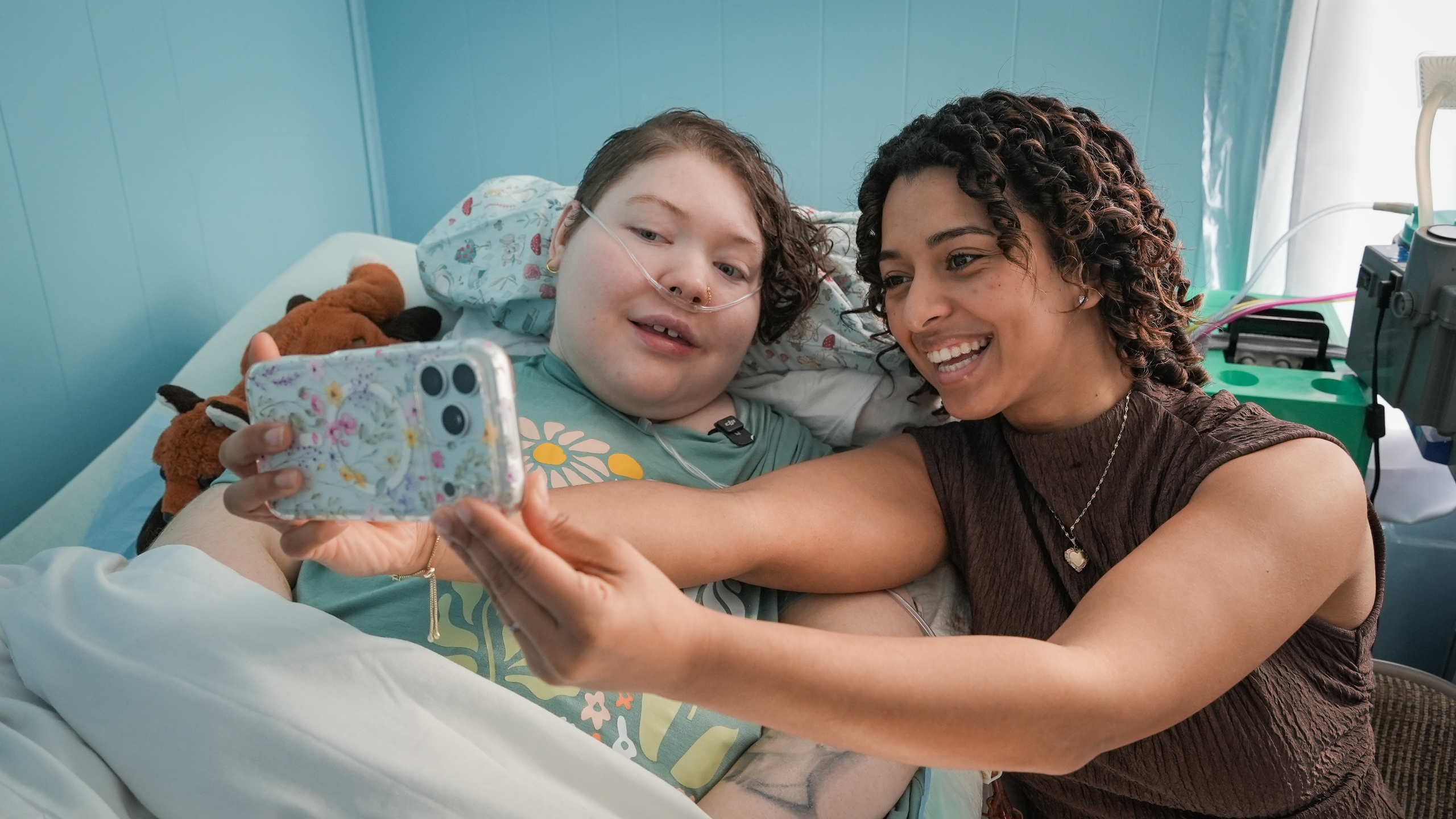
Alexus Mackenzye Dick and Trinity Jagdeo were 5 years old when they met on the blacktop at Mary F. Janvier School in rural Franklinville, Gloucester County.
While Dick isn’t around to tell the story anymore, Jagdeo remembers it well: They played hopscotch, but not in the traditional way. Dick zipped through the squares in her wheelchair. Jagdeo, a Vineland resident, said it amazed her.
“I’ve told the story 1,000 times,” said Jagdeo, 25. “But now that I think about it — and I’ve revisited the location — there was nothing else for her to do.”
The pair quickly became best friends. They bickered over the Justin Bieber tattoo Dick got at 15, gossiped at sleepovers, and traded lip gloss recommendations.
There’s a reason Jagdeo repeats those tales so often.
When they were still teenagers, Jagdeo founded a nonprofit, From We Can’t to We Can, inspired by her best friend. She has self-published comic books that turn local kids with disabilities into superheroes, hosted fashion shows for models with disabilities, frequented local TV stations, and gifted thousands of pieces of medical equipment to families denied by insurance or who can’t afford the supplies. Jagdeo has talked about Dick on social media for years, including to her nearly 50,000 TikTok followers.
The daily posts haven’t stopped since Dick died five months ago at 25 due to complications related to spinal muscular atrophy type 2, a genetic disease diagnosed in childhood that causes progressive muscle weakness.
“One of the things she said was, ‘I wish I could help people.’ … And so, in my heart, I knew that at that point, I wasn’t going to just let that conversation stay there,” Jagdeo said.
Now, another family is benefitting from the efforts to keep Dick’s memory alive.
Domenique Meyer, 33, lives in Aberdeen Township, Monmouth County, with her husband Mike and two children, Mikey and Mia. Born prematurely at 30 weeks, a lack of oxygen to Mikey’s brain left him with severe spastic quadriplegic cerebral palsy.
“He knows our voices, loves being talked to and cuddled, and has his own special way of showing us what he likes and dislikes,” Meyer said. “He has been fighting since the very beginning of his life.”
At 3 years old, Mikey is blind, nonverbal, unable to sit independently, and has multiple seizures per day. He receives his nutrition through a gastrostomy tube since he has a hard time swallowing. His disabilities mean a lot of time spent on care, and on one income, it’s been hard to get by, Meyer said. Their family fell behind on household bills as medical expenses piled up.
Mikey Meyer, 3, sits in a stroller given to him by From We Can’t to We Can in Aberdeen Township, Monmouth County.Domenique Meyer
“When you have a medically complex child, life does not stop because bills are due,” Meyer said. “There have been so many times when Mikey needed us at an appointment, in the hospital, or at home, and work simply had to come second.”
When Meyer reached out to From We Can’t to We Can for a medical stroller that would better suit Mikey’s needs, she explained their financial stressors to Jagdeo. Since the nonprofit had recently received thousands of dollars from anonymous donors, Jagdeo decided it was time to fulfill her best friend’s wish.
The Alexus Mackenzye Legacy Fund provided Meyer and her family with about $5,500 that went toward their mortgage and brought their utility bills up to date. And while times are still hard, Meyer said the foundation’s support gave them hope.
“For the first time in a while, it felt like we could breathe again and focus on our children instead of constantly worrying about what bill was coming next,” Meyer said.
The Meyers will attend Roar for a Reason at the Edelman Fossil Park & Museum in Mantua on Saturday, the first major event and fundraiser the nonprofit has hosted since Dick died. There, Jagdeo said she plans to release a hundred butterflies, Dick’s favorite, and read a letter addressed to her best friend. Kids with disabilities will walk the runway, and Jagdeo will introduce her newest book, Jaiyana and the Jainosaurus, which takes place at the museum and is based on the experiences of a local child with autism and a rare brain condition. She’ll introduce the new legacy fund to the public, which she said she hopes will support a family in need annually from now on.
Jagdeo has kept busy in the meantime. She still posts on social media every day, usually about Dick, and recently flew to Michigan to judge this year’s Miss Wheelchair USA competition. She’s been putting in hours on an outdoor memory garden for Dick in her yard, and she said she hopes monarch butterflies hatch this weekend in time for the celebration.
“Some people say, ‘This person was my world,’” Jagdeo said. “And for me, she wasn’t just my world. She was the world. I created a world because of her.”
When her back began to ache, Maria Morales attributed the soreness to her job as a therapist for children with autism, where she often moved around and sat in “little kid” chairs.
Then after a week with this pain, the 26-year-old from Miami started to feel like she had the flu, but a test for influenza was negative. The next day, she woke up with abdominal pain. At work, it seemed like her belly kept growing. “I couldn’t button my pants,” she said.
She went home, where later that day her boyfriend checked on her. “He put pressure on my stomach, and I yelled out in pain,” she said.
He took her to the emergency room, where a scan showed a mass on her right kidney surrounded by a pool of blood. Doctors said she had an angiomyolipoma, a benign tumor that is more common in women than in men. After undergoing a procedure to stop the bleeding, she was released from the hospital with a plan to monitor the tumor.
But four months later, her bloating and fatigue persisted, and the mass continued to grow. The diagnosis she eventually received was much more serious, requiring treatments that caused life-changing complications. The diagnosis was also surprising, given that the condition is almost always found in young children.
Scan finds a mass
Morales, now 34, grew up healthy. She ran regularly and participated in CrossFit programs as a young adult. A cousin’s Down syndrome sparked her interest in helping children with special needs, leading her to become a behavioral therapist for kids with autism.
When her back started to hurt in November 2018, she wasn’t surprised, given that therapy sessions can involve lifting children and twisting on the floor. But the abdominal pain she developed made her worry. When she arrived at the ER, doctors initially thought she might have appendicitis.
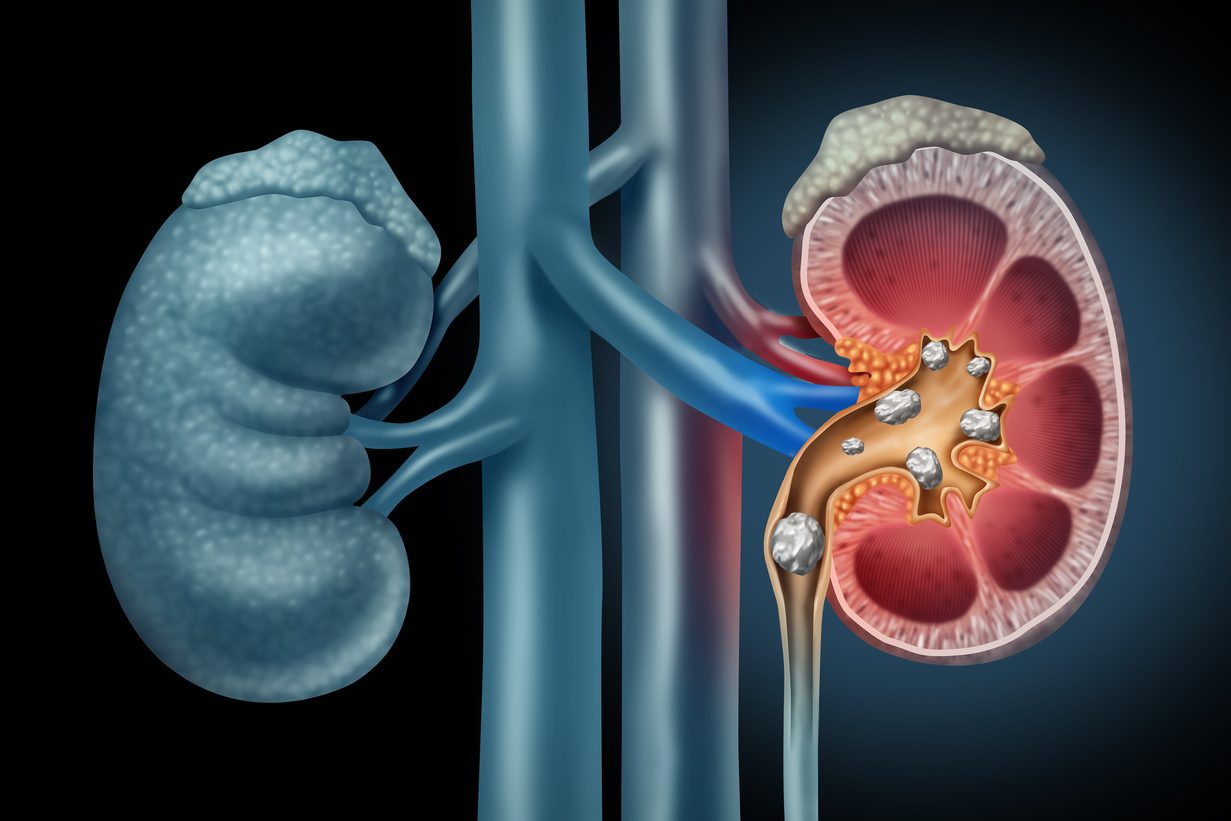
A CT scan revealed a kidney mass nearly the size of a baseball, with bleeding around it. Morales was admitted to the hospital, where additional scans suggested the growth was an angiomyolipoma, doctors said. The noncancerous tumors, made of fat cells, muscle tissue, and blood vessels, are somewhat common, especially in women, typically in middle age. They are often discovered when people undergo imaging tests for other reasons.
Morales said doctors assured her the problem wasn’t serious. “They said it was a very vascular tumor that burst, but it’s nothing to be concerned about,” she said. “We trusted them.”
Four days after Morales arrived at the ER, doctors performed an embolization, using a catheter to insert tiny beads of gelatin into blood vessels around the tumor to reduce the risk of additional bleeding and to try to shrink the mass. The doctors continued to refer to the tumor as a likely angiomyolipoma, even though their report from the procedure said “its appearance was not characteristic” of that.
Five days after the procedure, Morales was discharged from the hospital. Her pain subsided, but she still felt tired and her abdomen still seemed swollen.
The next month, she had clinic visits at separate health systems with two urologic oncologists, who specialize in cancers of the kidneys and the urinary system. Both agreed with the diagnosis of an angiomyolipoma and called for another CT scan in three months, with the first urologist saying it would be better to wait until the bleeding subsided so the image would be clearer.
By the time Morales next saw the first urologist three months later, in March 2019, a new CT scan showed the mass was growing. The doctor said he would continue to monitor the likely angiomyolipoma. He considered doing a biopsy to check if the tumor might be cancerous, according to medical records, but Morales said he didn’t do one. Doctors had not previously suggested she get a biopsy.
Surprising diagnosis
Morales returned to the second urologic oncologist, Mark Gonzalgo, at the University of Miami’s Sylvester Comprehensive Cancer Center. Gonzalgo, noting the large size of Morales’s apparent angiomyolipoma and now suspecting possible cancer, recommended removing the kidney, which would eliminate the root of the problem and allow for confirmatory testing.
But Morales and her parents, having been told by the other doctors that her condition wasn’t serious, were taken aback by the idea of getting rid of her kidney. What if she developed a problem with her remaining kidney?
Gonzalgo referred Morales to an interventional radiologist, who in April 2019 did two embolization procedures, like the one performed earlier in the hospital. When a CT scan showed the mass was still getting bigger, that doctor did another embolization in June 2019.
In July 2019, an additional CT scan was troubling for two reasons. Not only was the mass continuing to grow, but lesions also appeared on her liver. Biopsies of her kidney and liver tissue revealed that she had Wilms tumor, a type of kidney cancer found almost exclusively in children younger than 5. About 600 cases are diagnosed each year in the United States, only about 3% of them in adults.
The prognosis for children with Wilms tumor is good, but the outlook for adults is not as promising. A study in 2020 found that nearly 92% of children with the disease were alive 10 years later, compared with 70% of adults and roughly 52% of young adults.
In August 2019, Gonzalgo removed Morales’s kidney and the tumor, confirming she had Stage 4 Wilms tumor that had spread to her liver. The mass had doubled in size from her initial scan nine months earlier, to the size of a large grapefruit. When Gonzalgo saw Morales in March 2019, he thought she might have renal cell carcinoma, the most common type of adult kidney cancer, though the condition is typically seen in older adults. He did not suspect Wilms tumor, which is named after the German surgeon who first described it in 1899.
“It wasn’t at the top of the list, that’s for sure,” Gonzalgo said.
Morales doesn’t have inherited genetic mutations that account for a small proportion of Wilms tumor cases, said Aditi Dhir, a pediatric oncologist at the Sylvester Comprehensive Cancer Center who treated her. She does have some family history of cancer: Her maternal grandmother died of breast cancer at age 62, and her father, a former smoker, was diagnosed with lung cancer last year.
Treatment complications
Morales received two weeks of radiation treatments and an intense regimen of chemotherapy, getting combinations of five drugs over more than a year. The infusions, overseen by Dhir and other pediatric oncologists familiar with Wilms tumor, were delivered at the cancer center’s clinic for children, where nurses wore scrubs festooned with cartoons.
“It was me and a bunch of kids,” Morales said.
A few weeks after the chemotherapy began, Morales’s skin turned yellow. She developed veno-occlusive disease of the liver, also known as sinusoidal obstruction syndrome, a potentially fatal side effect of chemo and radiation. Small blood vessels in the liver become blocked, causing jaundice and a buildup of fluids.
Morales spent 10 days in intensive care, not allowed to leave her bed even to go to the bathroom. She had low levels of platelets, the blood cell fragments essential for clotting, and doctors worried movement might cause bleeding. Even today, her platelet count remains low, and she must be cautious about her activities.
The cancer treatments triggered early menopause and left Morales infertile, with ultrasounds detecting no follicles or eggs. To manage menopausal symptoms, she wears an estrogen patch and has an intrauterine device that releases progesterone. If she wants to have children, she will need to use an egg donor or surrogate.
For now, she and her husband, Octavio Goren, are uncertain about becoming parents. “I’ve had so much medical trauma. I don’t know if I want to experience more,” Morales said.
She wonders if she could have avoided the complications of her aggressive treatments if the cancer had been diagnosed earlier, before it spread. “What would my life have been like if they’d done the biopsy right away and took it out then?” she said.
Dhir said Morales’s cancer has been in remission since she finished chemotherapy in October 2020.
“The five-year mark was a good celebration point,” Dhir said. “The further and further she keeps going on, the lesser chances of it ever coming back.”
Shortly after Morales and Goren got married in 2024, they moved to the Denver area, where they enjoy hiking, camping, and exploring parks in the Rocky Mountains. They had visited Colorado in 2017, before Morales got sick, and became enamored with the scenery. When she later struggled with her cancer treatments, she vowed that if she survived, she would relocate and spend more time doing what she loves: appreciating nature.
“You can be on the highway and there’s a hike right there, so we’ll just stop and do it,” she said. “Everything is breathtaking, no matter what angle you look at it.”
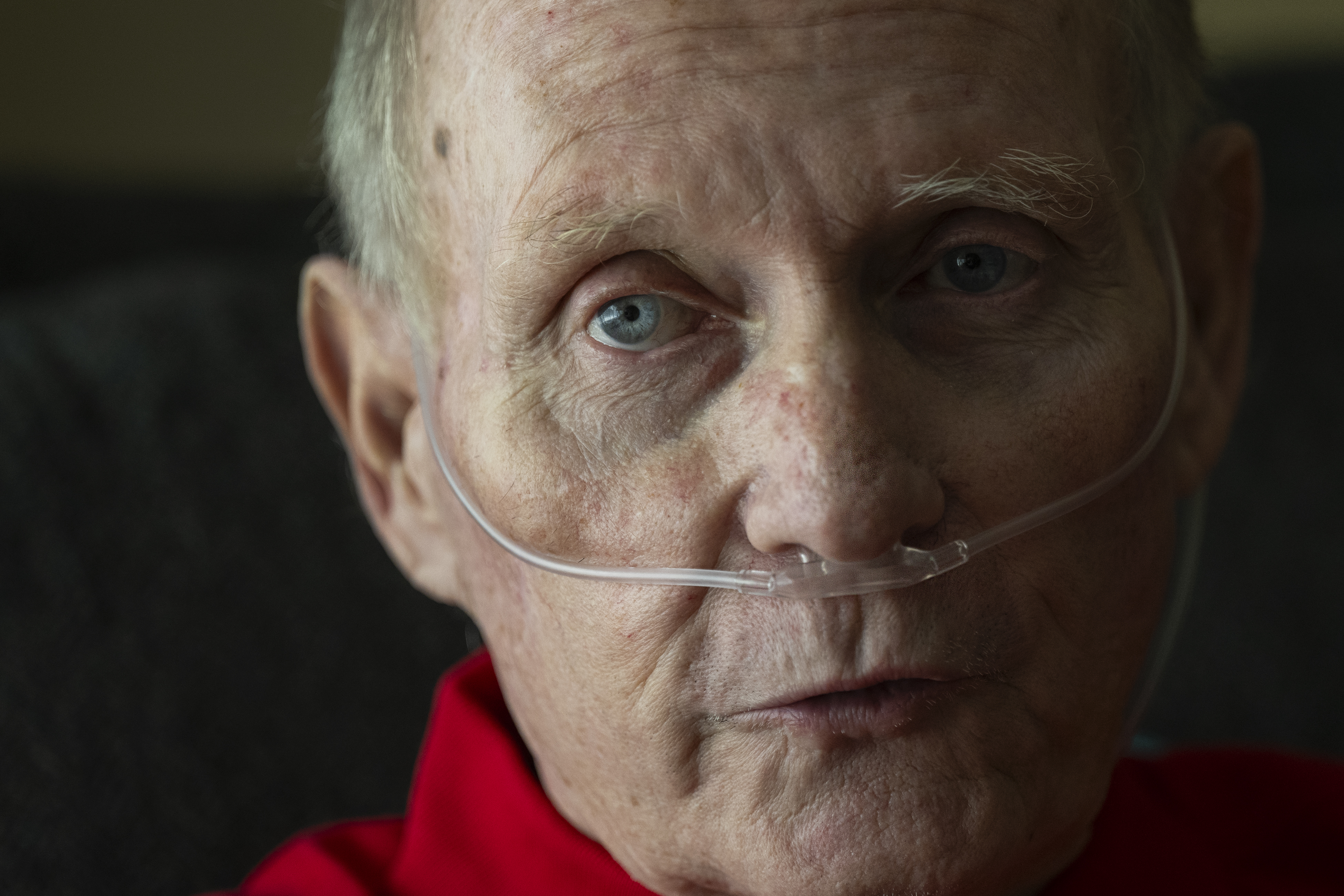
Retired Philadelphia Police Capt. Mark Fisher gets winded and lightheaded while emptying the dishwasher or pushing his gas-powered lawnmower, his lungs forever scarred by the ankle-deep ash that he trudged through at ground zero.
WhenFisherarrived at the nation’s worst crime scene, two days after the Sept. 11, 2001, terrorist attacks, each step he took kicked up a powdery plume, coating his tan work boots. Dense smoke from fires burning beneath the rubble of the World Trade Center site stung his eyes and clogged his lungs.
Then a lieutenant in charge of the Philadelphia department’s crime scene unit, Fisher scoured the wreckage for nearly two weeks. He helped recover the lifeless body of a firefighter crushed under concrete. A torso. The severed arm of a businessman.
The coughing fits started about a year later. Then, about six years after 9/11, a chest X-ray revealed a thick, hardened fluid around his lungs, makingit difficult to breathe. He developedsevere pulmonary disease linked to exposure to toxins.
Fisher, 69, needs a double lung transplant soon, his doctors say, that at best will extend his life by five to seven years. His deteriorating health shows how grossly federal and local health officials underestimated the environmental hazards.
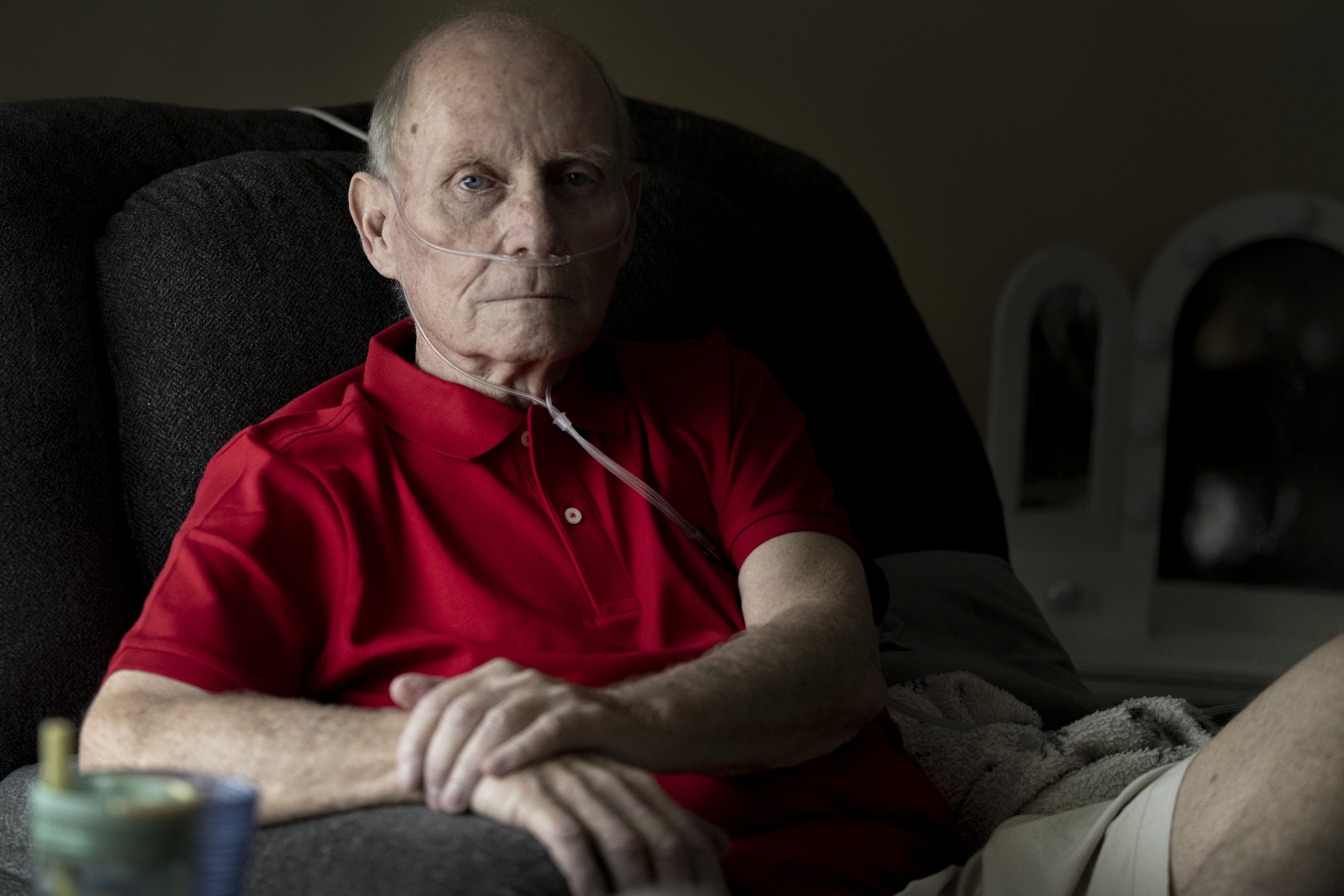
“I can’t breathe worth a darn. My lungs just aren’t going to last,” Fisher said, as he sat in his Northeast Philadelphia home with oxygen prongs in his nostrils and a heating pad against his back.
“Everything aches,” he rasped, coughing relentlessly.
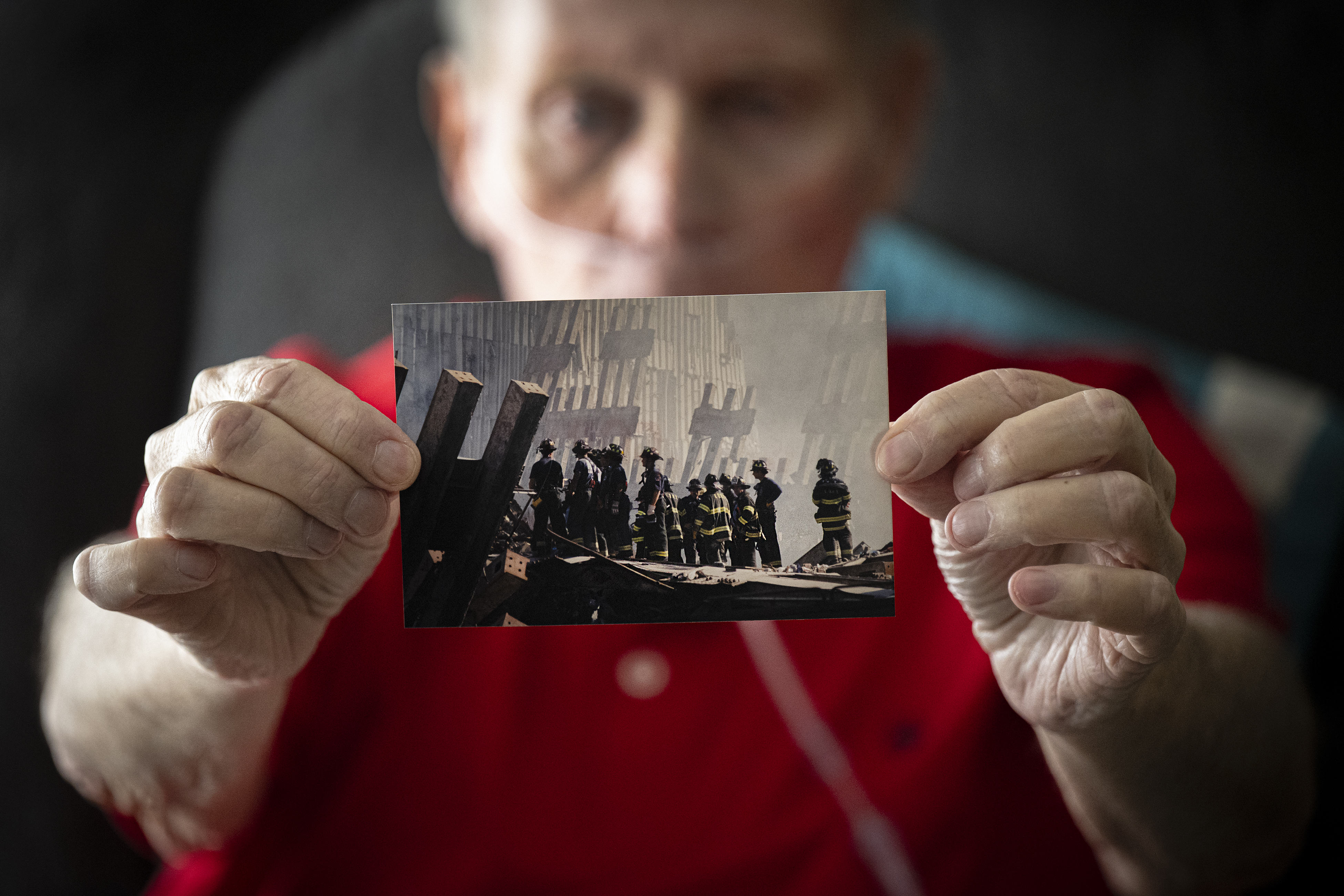
Retired Philadelphia Police Captain Mark Fisher, 69, shows a photograph he took while working as a crime scene investigator at ground zero.Jose F. Moreno / Staff Photographer
Cancer is the fastest-growing diagnosis, now that enough years have passed for tumors and other abnormalities to emerge, soaring from about 3,200 cases to more than 57,000 within the last 11 years.
Most of the toxic dust — as deep as snow drifts in spots — formed when the concrete floor slabs of the 110-story towers collapsed on top of one another in quick succession. The wreckage, known as “The Pile,” contained more than 350 chemicals andmineral agents:potassium hydroxide in concrete, calcium sulfate in wallboard, jet fuel, asbestos, glass insulation fibers, heavy metals — all finely groundand aerosolized.
“It was such a mixture of stuff, like a witch’s brew,” said Iris Udasin, a Rutgers Health doctor who treats 9/11 responders and studies the long-term health effects of the attack.
The alkaline alone in “the cement from all these buildings was toxic in and of itself,” she said. “It basically burned holes in people’s noses and made them more likely to absorb other chemicals and gases that were in the air.”
While at ground zero, then-Philadelphia Police Sgt. Greg Masi took photos of the dust and debris. When Masi started wheezing and coughing a few years later, he thought, “I’m just getting old. I didn’t want to believe that the days I was there affected me,” he said. He’s since been diagnosed with asthma, lung nodules, and a type of blood cancer linked to breathing toxic dust. Courtesy of Greg Masi
From WTC cough to lifelong disease
Udasin directs the WTC Health Program at Rutgers University in Piscataway, N.J. — one of six clinics created nationally to treat 9/11 responders.
When it opened in 2003, Udasin mostly treated responders for what she calls “World Trade Center cough,” a dry and persistent hacking that improved with asthma medication.
Now their cases are far more complicated and life-threatening, often requiring referrals to medical specialists, from pulmonologists to oncologists.
Udasin can name many of the roughly 3,000 responders she treats annually by their faces alone. She prefers to relay test results, both good and bad, to patients herself, rather than delegate.
On a recent morning,she escorted an older man from an exam room to the clinic’s lobby and asked: “Do you want me to call you with the results? If you are going to be scared, I can have somebody else call you with the results.”
Her patients, hailed as heroes after 9/11, could not have anticipated how working at ground zero would impact their long-term health.
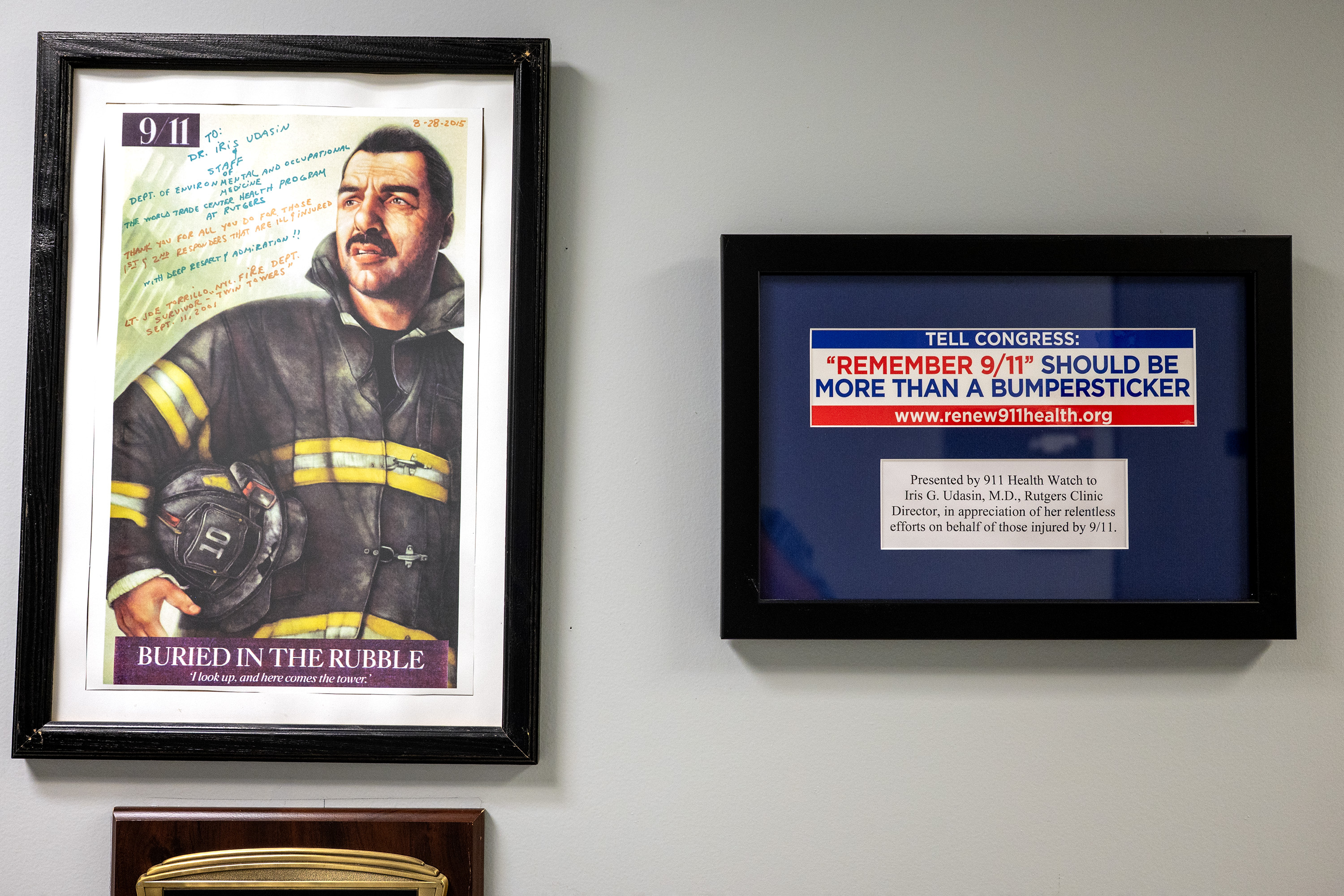
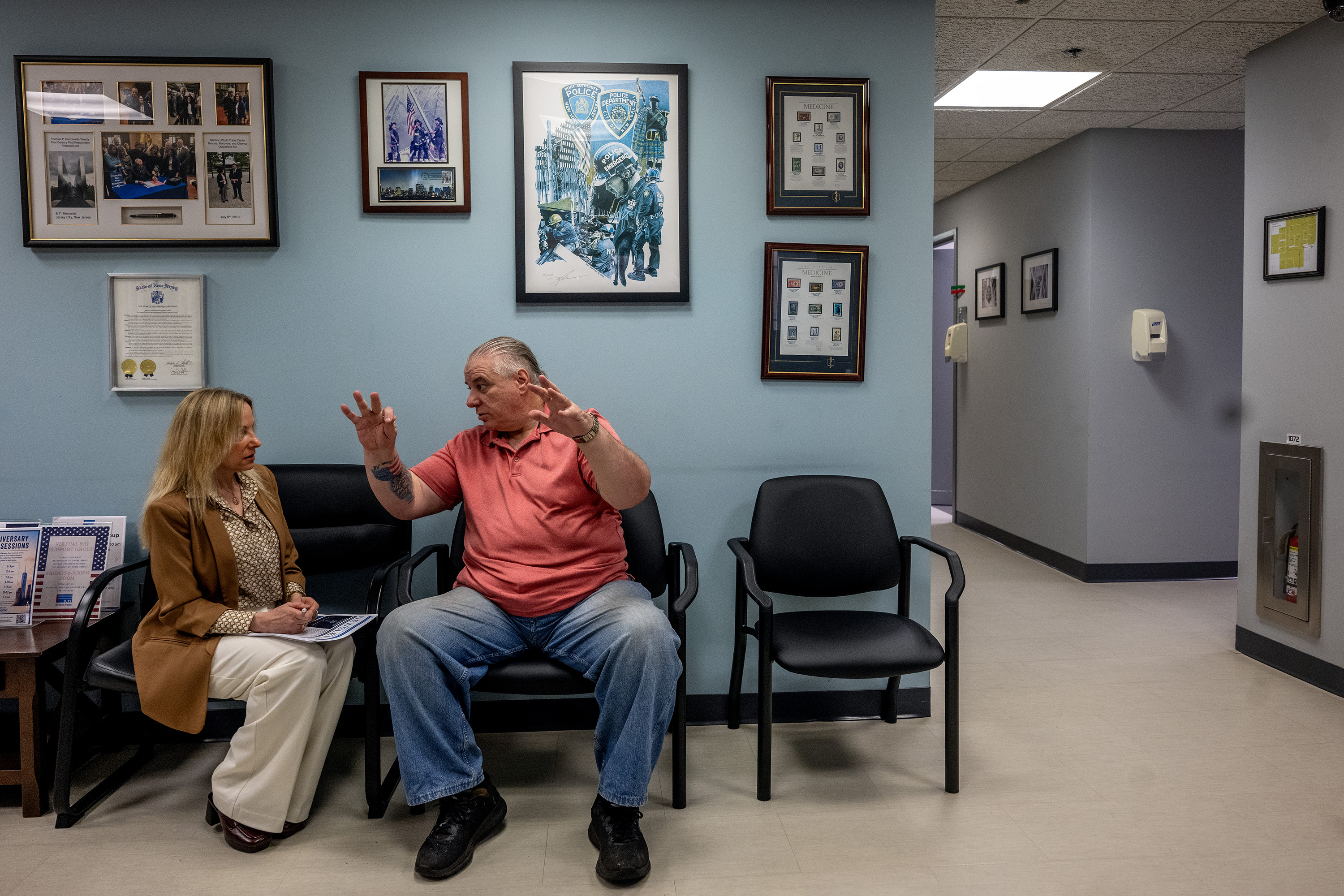
A plaque (right) presented to Iris Udasin, medical director of the World Trade Center Health Program at Rutgers University, hangs on the wall of the patient waiting room. Udasin’s federally funded clinic provides medical monitoring and free treatment to 9/11 responders. Tom Gralish / Staff Photographer
Local and federal officials initially minimized the environmental health hazards. Christine Todd Whitman, who was the head of the Environmental Protection Agency under President George W. Bush, infamously assured the public within days of the attack that the air around the WTC was “safe to breathe.”
“The [EPA] scientists did the best they could with the data that they had and with the knowledge they had at the time,” said Whitman, who had previously served as New Jersey governor.
“It’s a case of you don’t know what you don’t know,” Whitman added in an interview with The Inquirer late last month.
Whitman said her agency did urge responders on “The Pile” to wear protective gear, preferably respirators. The EPA distributed masks, but many refused to wear them, she said.
In hindsight, she said, the masks were not protective enough. Responders are now paying “the price” of breathing toxic air: “It sickens me to say it,” Whitman said.
The Rutgers program grew out of early alarms about air quality hazards, of which details are still emerging. On Tuesday, New York City officials publicly released a trove of documents revealing that toxins lingered in the air for months after the attacks.
Medical monitoring and free healthcare forresponders continue to evolve as the responder population ages.
Researchers evaluated more than 5,000 WTC responders, with an average age of 53 at the start of the eight-year study.
“As this population ages, we are seeing increasing concerns related to memory, attention, and executive functioning, sometimes at ages when the responders themselves are surprised to be experiencing them,” said Jodi Streich, mental health director at Rutgers’ WTC Health Program.
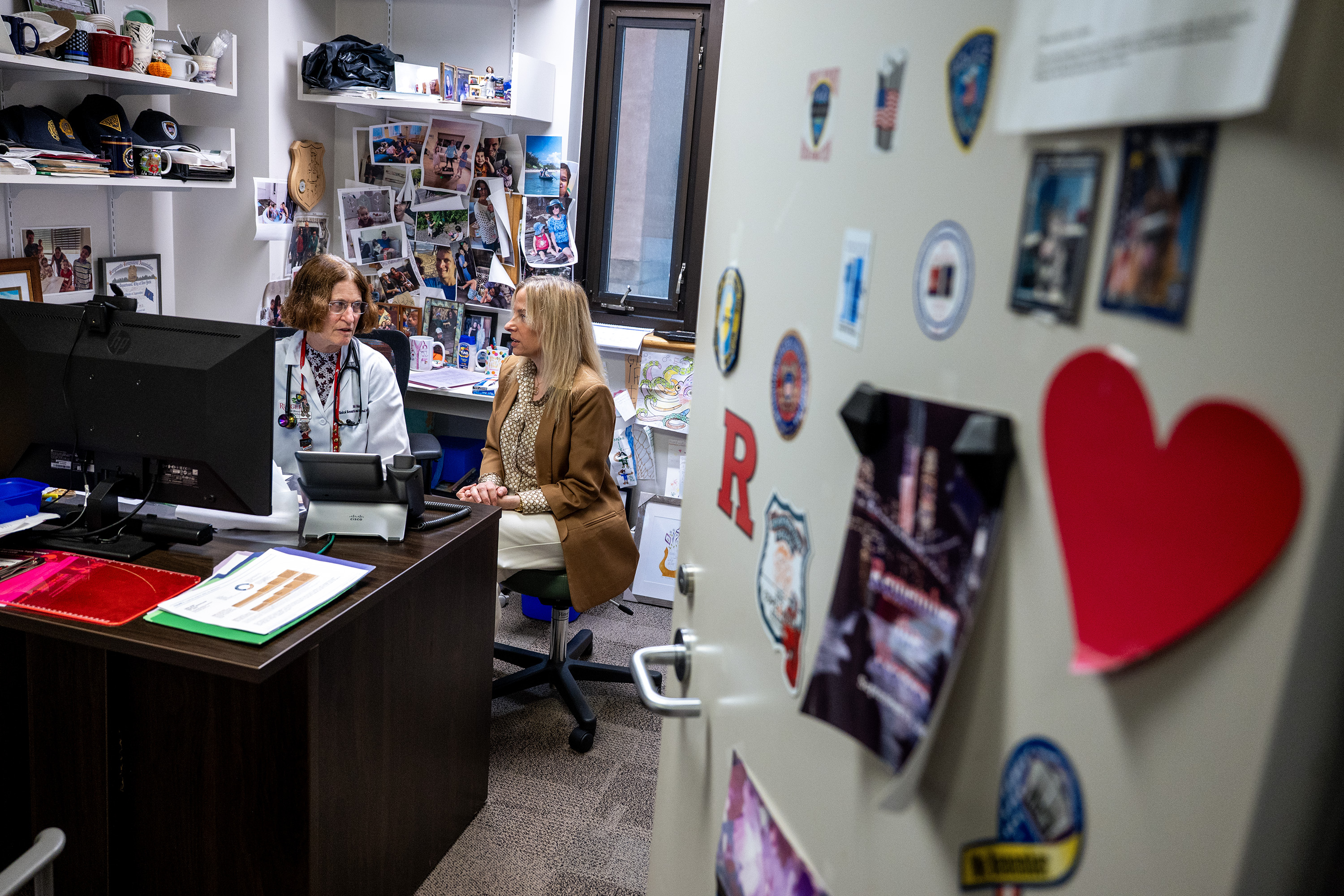
Iris Udasin, medical director, and Jodi Streich (right) mental health director, of the World Trade Center Health Program at Rutgers University sit together in Udasin’s office. They treat responders with WTC-related illnesses at the medical clinic, which is funded by the National Institute for Occupational Safety and Health (NIOSH) within the Centers for Disease Control (CDC). Tom Gralish / Staff Photographer
A stubborn and spreading blood cancer
Udasin’s clinic currently treats 1,177 cancer patients. Research shows that 9/11 responders suffer from thyroid, prostate, lung, and blood cancers at higher rates than the general population.
“The question is: Are certain cancers higher because we looked for them, or are they higher because they’re really higher?” Udasin said. “We really don’t know the answer to that, but my job is to treat everybody.”
In 2023, Udasin successfully lobbiedto have gynecologic cancers, including uterine, included on the list of WTC-related conditions.
Philadelphia Police Department Sgt. Greg Masi at ground zero just days after the twin towers fell. Then-Police Commissioner John Timoney dispatched Masi to New York City because of his expertise in radio communications. He’s developed asthma, lung nodules and T-cell lymphoma from breathing in toxic fumes and dust.Courtesy of Greg Masi
Greg Masi, 71, a retired Philadelphia police sergeant from the Northeast, was diagnosed with a form of blood cancer known as T-cell lymphoma in 2019.
First, red bumps appeared on his left arm. A scaly rash hassince spread over much of his body, killing hair follicles. His oncologists worry the cancer will find “a road map” into his organs.
Light therapy and topical medications did not work. Chemo and radiation would be a last resort. Since there is no cure, the goal is to slow it down.
Masi, an expert in radio communications, can still hear the horns that blared each time responders thought they found someone still alive beneath the rubble at ground zero, or to signal an imminent structural collapse.
The dust that caked cars and blanketed fire escapes struck himas a mere nuisance.
“We figured it was just dust, like dirt,” Masi said. “We had no idea it had harmful toxins in it.”
An avid runner and marathoner, Masi developed bad chest colds with wheezing about five years after Sept. 11. He was later diagnosed with asthma and nodules on his lungs, both common afflictions among responders.
He recently learned that one nodule has doubled in size, and doctors plan to monitor it for signs of cancer.
Then-Philadelphia Police Department Sgt. Greg Masi captured photos of the dust during his time at ground zero. Masi and three other department staffers have been diagnosed with WTC-related illnesses from breathing in deadly dust.Courtesy of Greg Masi
Mental health toll still mounting
Multiple diagnoses are commonly seen in 9/11 responders. Frank Geffre Jr., a retired firefighter from Central Jersey, has asthma, two types of cancer, and post-traumatic stress disorder.
In 2013, surgeons removed a “grapefruit-sized tumor” and parts of his colon and stomach to treat his stage-four colon cancer. Two years later, he learned the cancer had spread to his rectum.
After more than a decade of chemotherapy and radiation, his cancer is in remission. He credits Udasin, his primary care doctor, with saving his life.
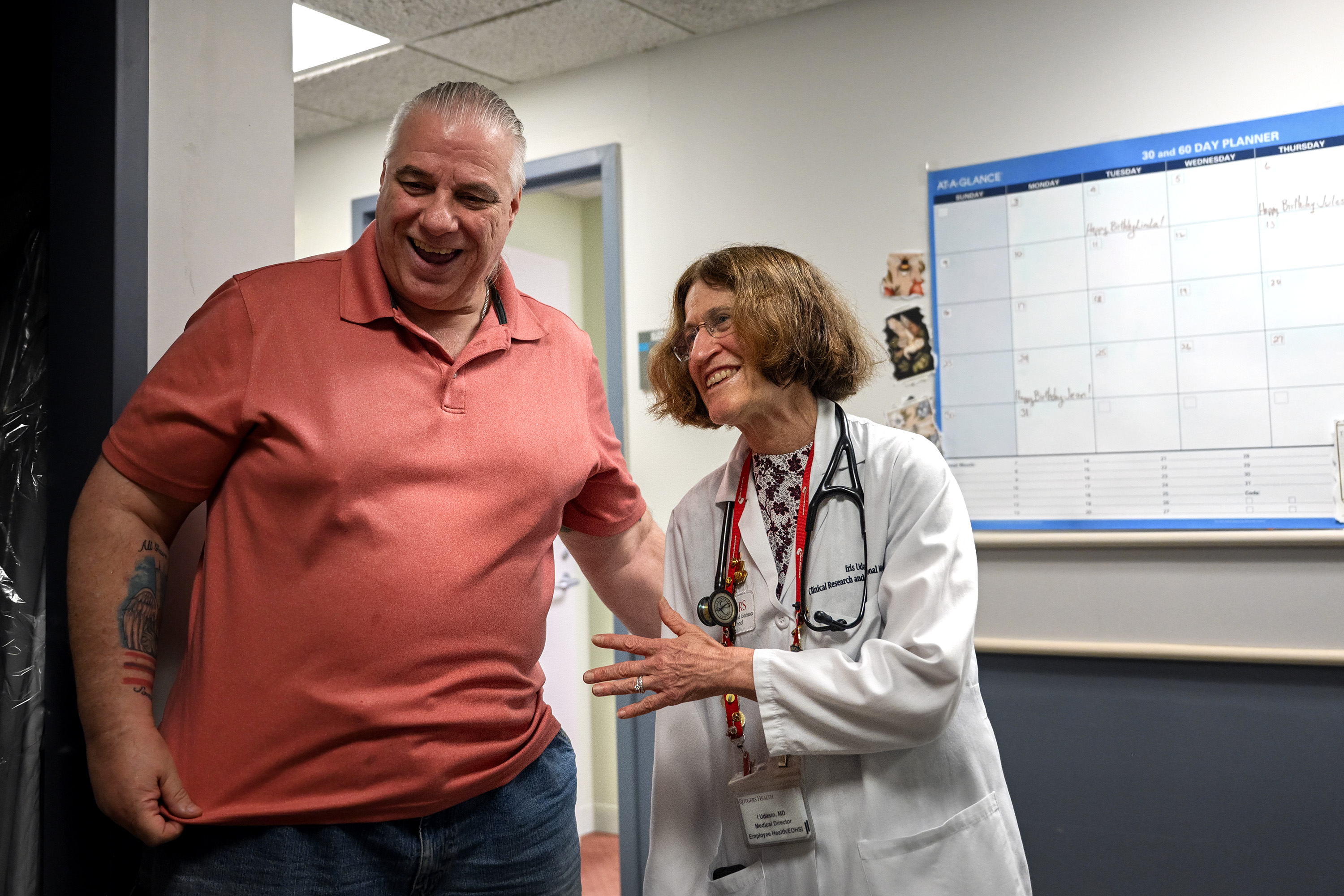
Retired Piscataway firefighter Frank Geffre Jr. shares a laugh with Iris Udasin, medical director at the World Trade Center Health Program at Rutgers University. Geffre credits Udasin and her team at Rutgers with saving his life after he was diagnosed with colon and rectal cancer. “Dr. Udasin is like the quarterback of the team,” he said.Tom Gralish / Staff Photographer
He sees a psychiatrist and a therapist for PTSD, which he finds especially hard to manage as Sept. 11 approaches each year. He lies awake after a recurring nightmare in which he is trapped in Manhattan with his family amid a terrorist attack, and he can’t get them out.
After the first plane struck on 9/11, Geffre and five other firefighters from Fire District No. 3 in Piscataway were immediately dispatched. His team got to ground zero shortly after the second tower violently pancaked.
“It was dark as can be, even though it was daylight. You had smoke clouds so thick you couldn’t even see your hand in front of your face,” Geffre said. “The dust was so thick it was like you had two foot of snow the night before.”
He initially wore respiratory gear, but the oxygen tank ran out as he worked nonstop over the first 30 hours. He saved roughly a dozen people after putting out fires that were blocking their exit from the burning buildings within the World Trade Center complex.
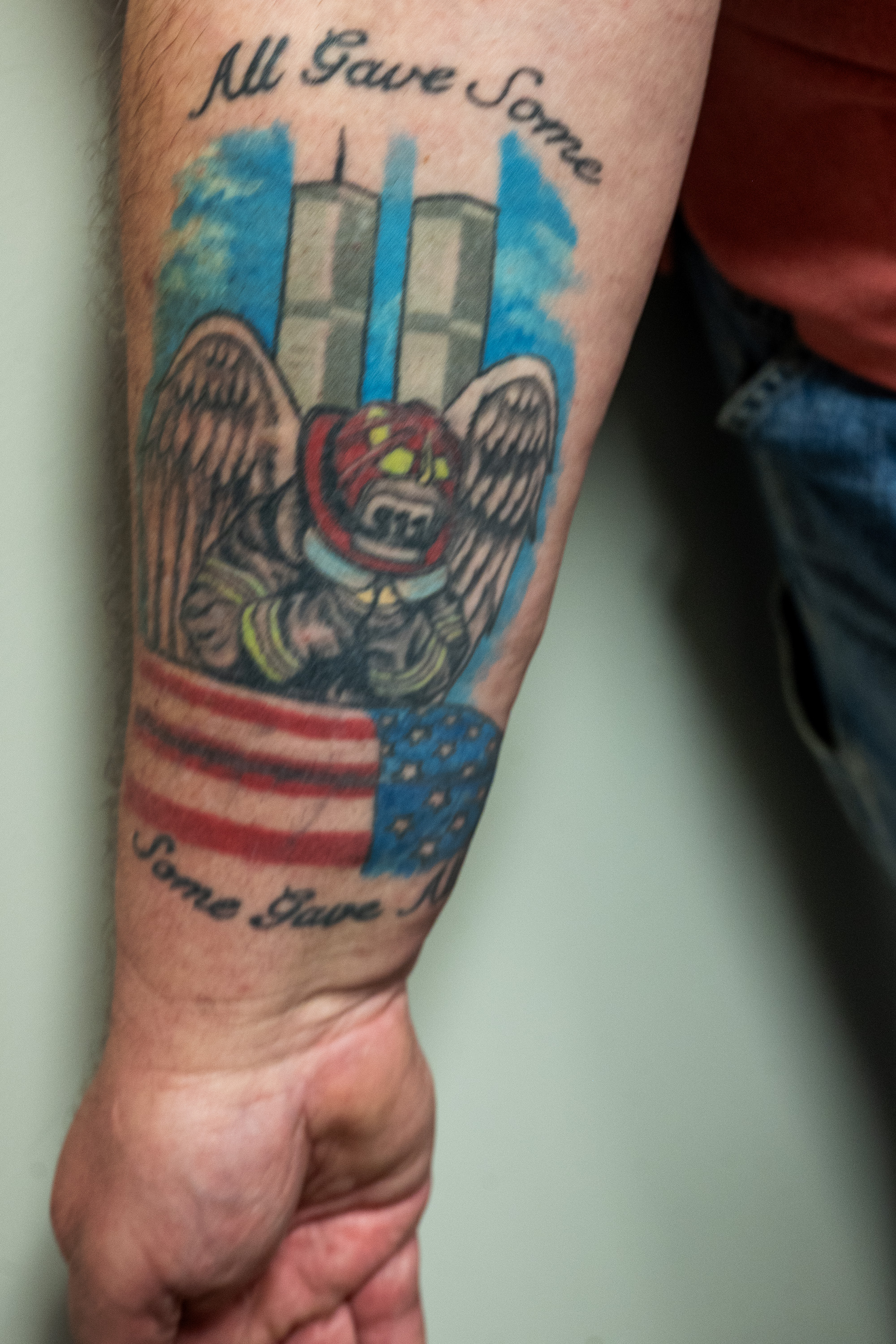
Retired firefighter Frank Geffre Jr. displays his 9-11 tattoo – “All Gave Some – Some Gave All” – during an appointment at the World Trade Center Health Program at Rutgers University. He designed the tattoo from a photo of himself splashing water on his face to rinse off dust and debris from ground zero. His wife said he looked like he was praying in the photo.Tom Gralish / Staff Photographer
He vividly recalls findinga brown dress shoe with a foot still in it. A blue polyester suit jacket with a torso seared to its lining. A wristwatch. A ring.
In all, he worked The Pile for 20 days, smearing Vicks VapoRub under his nose to cope with the“unforgettable, unbearably horrid smell of burning human flesh,” he said.
Now he can’t use the menthol and eucalyptus goo for his bouts of sinusitis, because the scent stirs bad memories.
“It feels like it was yesterday and a lifetime ago,” Geffre said. “The ‘Never Forget’ vow is not for first responders. We won’t ever forget. It’s embedded in us.”
He is ever-vigilant, prone to panic attacks. He avoids movie theaters and other places with crowds. “Too many variables,” he said.
He has a second home in Florida but drives back and forth. He won’t get on a plane. “I get paranoid that somebody on the plane is going to hijack it,” he said.
Two of the five firefighters with him on Sept. 11 have since died of cancer. He keeps in touch with four of the people he helped out of burning buildings. One committed suicide in recent years.
Retired firefighter Frank Geffre Jr. talks with Jodi Streich (left), mental health director of the World Trade Center Health Program at Rutgers University. Rutgers is one of six federally funded health clinics that monitors and treats 9/11 responders, as the health impacts continue 25 years later. The patient waiting room at the Rutgers clinic is adorned with photos of responders. Tom Gralish / Staff Photographer
Geffre, enrolled in the Rutgers program since its start, gets his mental healthcare through the clinic, which has seen a significant increase in demand for these services.
As more responders become ill or die from 9/11-related diseases, some have developed “heightened anxiety and vigilance about their own health,” Streich said.
Having more unstructured time in retirement, along with the loss of job identity and camaraderie, can be detrimental for mental health, she said.
“Things that we once buried — they come fully alive during retirement,” Streich said, adding that the support group she runs for retirees is now the most widely attended after the cancer support group.
Emergency responders who had felt too embarrassed or ashamed to seek help while working — because they feared being seen as weak — are coming in for the first time. Many are unable to eat or sleep, Streich said.
“We see them when they are at rock bottom,” Streich said. “They’ll come in and say, ‘I’m ready to talk about what I’ve been holding in for 25 years.’”
‘Exhaustion, desperation and heartache’
When asked if he regrets being dispatched to ground zero, Mark Fisher is emphatic: “Absolutely not.”
But he is tormented by images of people standing outside makeshift morgues with photos of their missing loved ones.
Fisher recalls becoming so distraught that a Red Cross volunteer pulled apart two tables piled with fresh clothes for responders to reach and embrace him.
“She hugged me for the longest time,” Fisher recalled, blowing air through his lips to steady his breathing and control tears. “I’m an Irish Catholic, so I wear my heart on my sleeve and face. I just had that look of exhaustion, desperation, and heartache.”
These days, he feels exhausted both emotionally and physicallyas his lung disease progresses. Fisher spent most of this summer in the hospital with a kidney infection that required two surgeries.
Five days after he got out of the hospital, his gall bladder became infected. “If I die, I want to die in a Catholic hospital,” he told his wife. Doctors removed his gall bladder in July.
The once-burly cop is rail-thin. He’s lost 35 pounds.
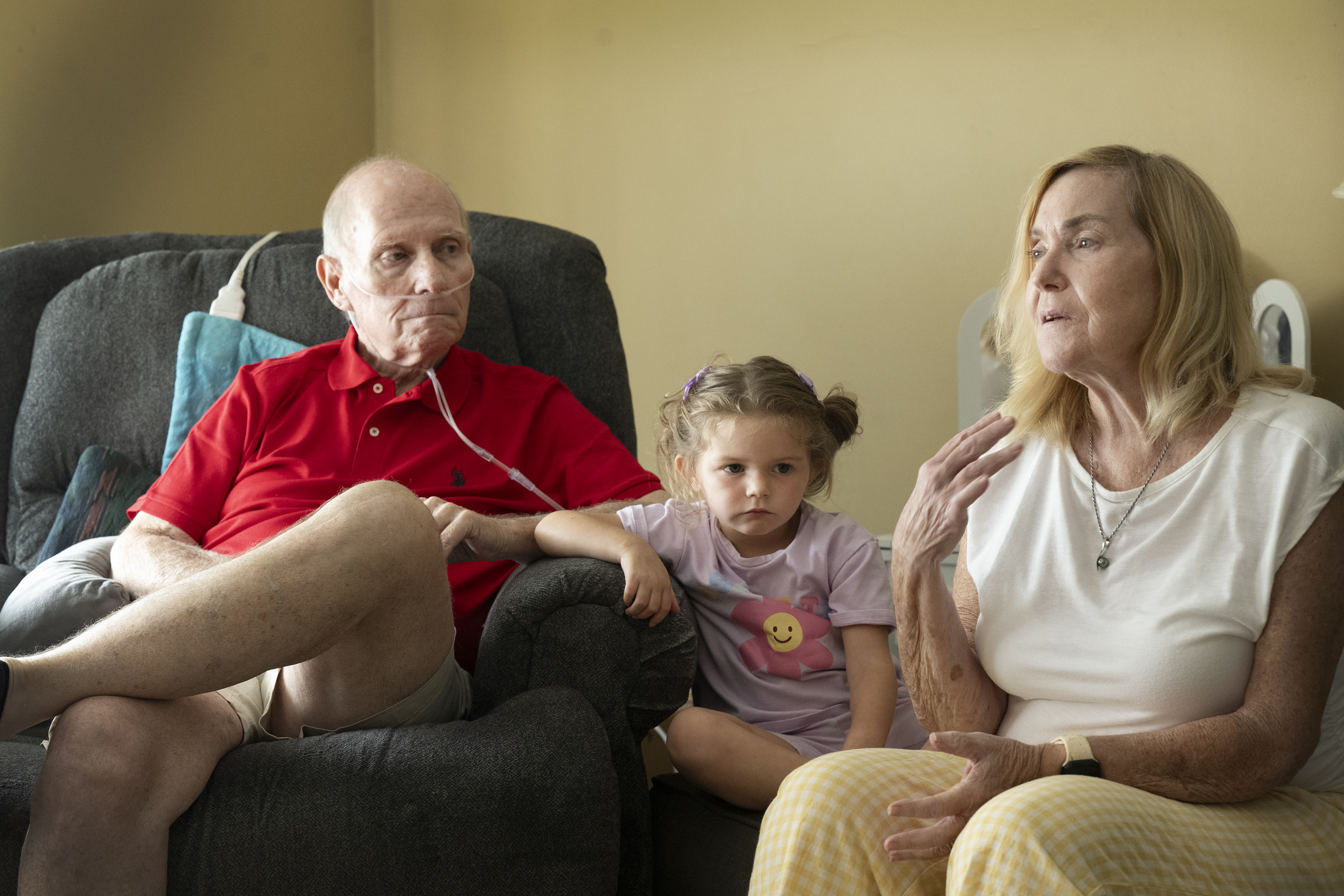
Inside their Northeast Philadelphia home, Sue Fisher (right) talks about the day she learned her husband, Mark Fisher, would need a double lung transplant. The couple’s 3-year-old granddaughter, Morgan Elizabeth Fisher, sits between them. Mark Fisher needs to use a portable oxygen tank to take walks with Morgan. Jose F. Moreno / Staff Photographer
Fisher’s priority right now is spending time with his wife and former sweetheart at Archbishop Ryan High School, and making sure she will be in decent financial shape when he dies.
Fisher, Masi, and two other responders from the Philadelphia Police Department are seeking written assurances from the city that if they die from their World Trade Center-related illnesses, their families will receive line-of-duty death benefits.
The status would enable their spouses to collect their full pensions, rather than half.
City officials said their families can apply to the Philadelphia Board of Pensions and Retirement, which would review each case individually after death.
Sue Fisher tries not to cry in front of her husband of 42 years;she’ll do it behind the shed in their backyard or on a walk with their golden retriever, Bentley.
He wants to delay as long as possible a double lung transplant, for which the survival rate is about five to seven years. “If they say that’s all he’s got, I’ll take it,” SueFisher said. “It’s better than him suffering the way he is.”
At night, she lies awake listening for the sound of Fisher’s breathing. Sometimes, she fears he has stopped. Then she nudges him with her toe until he stirs.
Retired Philadelphia Police Captain Mark Fisher wants the city’s word that if he dies of lung disease from his time at ground zero, his wife will get line-of-duty death benefits. City officials have said that his wife can apply to the pension board after he dies. Jose F. Moreno / Staff Photographer
Kelly N. Moore, 46, of Burlington Township, award-winning clinical psychologist, founder of Moore Wellness LLC, director of the Center for Psychological Services at Rutgers University, graduate school clinical associate professor, former fellow at the University of Pennsylvania’s Center for the Treatment and Study of Anxiety, mentor, author, mental health activist, volunteer, and 2026 Willingboro High School Hall of Fame inductee, died Thursday, Aug. 20, of kidney cancer at Virtua Voorhees Hospital.
Adept at treating anxiety, depression, trauma, and perinatal disorders, Dr. Moorebecame director of the Rutgers Center for Psychological Services and a clinical associate professor in the Graduate School of Applied and Professional Psychology in 2020. As CPS director, she mentored hundreds of doctoral students regarding academic requirements and clinical procedures, and supervised the center’s community mental health clinic.
She significantly expanded the center’s services and outreach, Rutgers colleagues said in a Facebook tribute, and forged important partnerships on campus and in the community. Colleagues said: “Her warm demeanor, melodic voice, vibrant spirit, and calming presence made all who met, and were fortunate enough to know her, feel seen, welcomed, and heard.”
She spent two years as a fellow at Penn’s Center for the Treatment and Study of Anxiety after earning her doctorate in clinical psychology at Rutgers in 2011. During the COVID-19 pandemic, she founded Moore Wellness LLC and focused on helping women, children, and clients of color.
“Wellness does not mean you will never experience challenges,” Dr. Moore said in an online profile for Psychology Today magazine. “Rather, it means having the tools to manage the challenges when faced with them.”
Dr. Moore was an outspoken activist for mental health education and services. She spoke with groups often, organized workshops, and was featured in newspapers and magazines and on TV and podcasts. “Just trying to get people to understand as much as they can about the impact their mental health and well being have on their day-to-day lives,” she said in a 2026 podcast interviewwith the Multicultural Counseling Institute.
She belonged to the American Psychological Association and the New Jersey chapter of the Association of Black Psychologists. She was active with the Therapy for Black Girls podcast and the Leadership Institute for Women in Psychology.
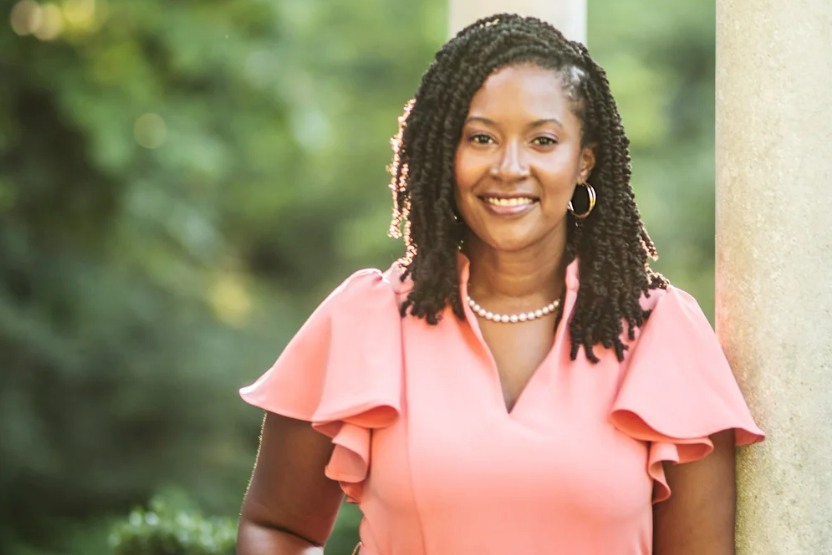
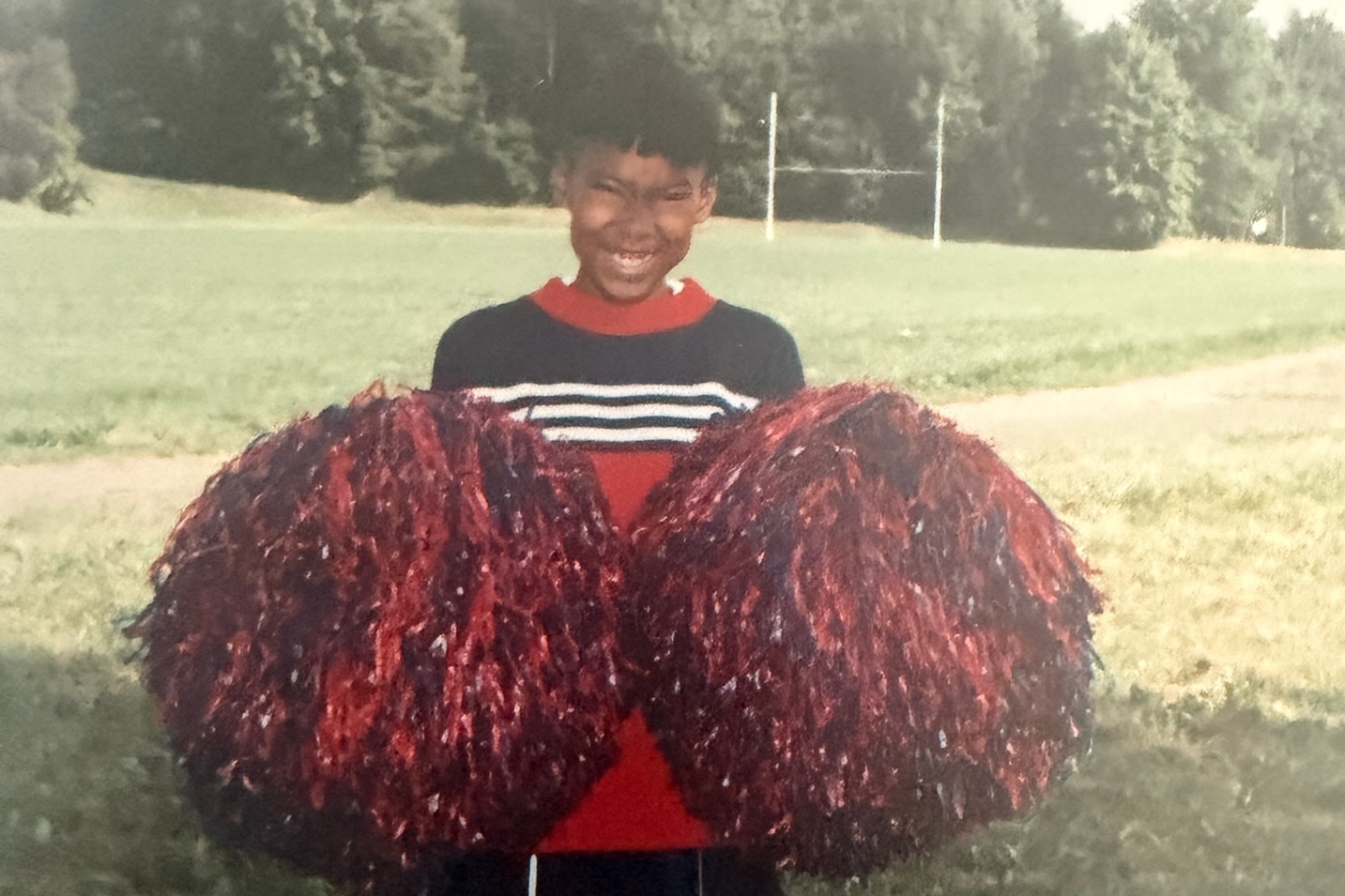
Dr. Moore was a cheerleader and lacrosse player, and graduated from Cornell University in 2002.Courtesy of the family
She earned leadership and achievement awards from the New Jersey Psychological Association, the National Council of Schools and Programs of Professional Psychology, and other groups. She was president and a board member of the Burlington County chapter of Jack and Jill of America Inc. Colleagues there called her “a beautiful example of leadership, service, grace, and love.”
Kelly Nicole Walker was born Aug. 20, 1980, in Philadelphia. Her family moved to Willingboro when she was 2, and she graduated from Willingboro High School in 1998.
She was a cheerleader and played lacrosse and viola as a teenager. Her mother, Diana, was a social worker, and she showed Dr. Moore up close how one person could impact their community.
“I was just fascinated by this concept,” Dr. Moore told the Multicultural Counseling Institute in the podcast interview. “It was already set at a young age that this was the kind of work I should be doing.”
She earned a bachelor’s degree in human development at Cornell University in 2002 and a master’s degree in education at Penn in 2003.
She met Melvin Moore through friends, and they married in 2004 and had sons Miles, Mason, and Matthew. They lived in Marlton and Delanco, and, since 2015, in Burlington Township.
Dr. Moore was a longtime member and dance choreographer at the Gospel Tabernacle Church. She joined Alpha Kappa Alpha Sorority Inc. at Cornell in 2000 and was on the executive board of its Pi Mu Omega chapter in Willingboro.
Friends noted her “warmth, generosity, and kindness,” and called her “genuine” and “quietly brilliant” in online tributes. One friend said: “She sure made me proud to be from Willingboro.”
Dr. Moore and her husband, Melvin, married in 2004 and had three sons. Courtesy of the family
Dr. Moore doted on her sons and called them her “M & M’s.” She was an avid reader and led several book clubs.
She liked to garden, play piano, take photos, cook, and crochet. She was diagnosed with renal medullary carcinoma about a year ago and was determined, her husband said, to reach her 46th birthday. She did it.
NEW YORK — The two measles-related deaths in Pennsylvania last month involved infants, and the virus itself caused one of the deaths, a Pennsylvania coroner confirmed Wednesday.
Lancaster County’s coroner, Dr. Stephen Diamantoni, said he told the Centers for Disease Control and Prevention of his conclusions. CDC officials, however, have not said whether they will count either death as measles-associated, and the agency’s website still carries a disclaimer about them.
Ivan Miller died on Aug. 14 shortly after his birth of a ruptured spleen, Diamantoni said.
Mary Stoltzfus was 6 weeks old when she died Aug. 18 at her home. She was born with a genetic birth defect that left her highly vulnerable to an infection. A measles infection killed her, Diamantoni told The Associated Press.
He said he was releasing the information in response to a state right-to-know law request by WPMT-TV, Fox 43.
The causes of death differed
Diamantoni’s office didn’t perform an autopsy on the girl. The cause of death was determined by the doctors caring for her, he said.
She had been born with a condition called Amish lethal microcephaly that causes an unusually small head and underdeveloped brain. Children with the condition typically live 6 months or less.
The girl’s immediate cause of death was listed as a cardiac arrest, due to hypoxemic respiratory failure, measles, and Amish lethal microcephaly, according to a coroner’s report obtained by The Inquirer through a right-to-know request. The manner of death was listed as “natural.”
Diamantoni’soffice did autopsy the boy, and determined he died from a ruptured spleen. Exactly how and when that happened is still under investigation, Diamantoni said.
The boy was infected with measles, which is listed on the death certificate as a contributing factor. But Diamantoni said measles did not contribute to what happened to the spleen, and that measles is noted only because it was considered “a significant condition” that the boy had at the time of death.
Ivan Miller’s death was attributed to a “traumatic torso injury,” and his manner of death was “pending investigation,” according to another document signed by the coroner and provided to The Inquirer through a public record request.
Neitherchild was old enough to be vaccinated; the first dose is typically given at around 1 year of age.
Because of the ongoing measles outbreak, Pennsylvania health authorities in recent months have recommended that children receive a first dose of a measles vaccine as early as six months old.
The deaths have received outsized attention
Details of the deaths have come under unusual national scrutiny and became the focus of a furious political battle between Pennsylvania’s Democratic governor, Josh Shapiro, and officials in Republican President Donald Trump’s administration.
Pennsylvania officials announced the deaths last month, with Shapiro stressing that vaccinations could have averted the deaths.
Soon after, U.S. Health Secretary Robert F. Kennedy Jr., a Trump administration appointee with a history of raising alarms about established vaccines, attacked Shapiro and suggested the deaths “may even have been altogether fabricated.”
Kennedy’s statements echoed ones he made last year, when three measles-related deaths were recorded. Kennedy questioned whether one of the children who died was killed by measles.
The health secretary oversees the CDC, and some public health experts have voiced concern about whether the CDC can still be counted on to post public health data that clashes with Kennedy’s worldview.
“Frankly, the CDC is not to be trusted in sharing information,” Dr. Georges Benjamin, executive director of the American Public Health Association, told the AP last week. “People are questioning their motives.”
CDC website still doesn’t show the deaths
That worry was fueled by some unusual edits to the CDC’s measles webpage. At one point, the webpage noted two measles-associated deaths but then was changed to say that the CDC was not counting the two deaths until it reviewed additional information.
The page, which was last updated Friday, now says, “CDC will update its reporting as additional information becomes available and relevant reviews are completed.” It still doesn’t reflect either Pennsylvania death.
In a social media post last week, Kennedy acknowledged Diamantoni’s conclusion that one of the deaths was due to measles.
Meanwhile, Pennsylvania’s measles outbreak continues to expand, with more than 620 cases across 37 counties this year, state officials said Wednesday.
The U.S. eliminated the domestic spread of measles in 2000 by maintaining high vaccination rates, but they have fallen in recent years to below the 95% coverage needed to prevent outbreaks. Meanwhile, measles infections have been surging in recent years.
In November, international health officials will meet to determine if the U.S. and Mexico have lost their measles-free status.
Inquirer staff reporter Aubrey Whelan contributed to this article.
Editor’s note: This article has been updated with additional information obtained by The Inquirer through a public records request.
Chinese esports player Jian “Uzi” Zi-hao was more than a star “League of Legends” player: He was so talented that his team structured its entire strategy around his abilities, funneling resources to him and another teammate, Shi “Ming” Sen-Ming, so the duo could lead the team to victory. Over the course of his career, he earned more than $500,000 in tournament prize money.
Video games have a reputation for keeping people glued to the couch. But for those who compete against the best players in the world, gaming can be surprisingly physically and mentally taxing.
The strain of ‘climbing the ladder’
The best esports players often have grinding schedules. They’re expected to regularly practice, participate in scrimmages, and compete in official matches. Even at the recreational level, esports players cite the mental toll: playing for hours a day, every day, to hone their skills so they can “climb the ladder.”
A 2021 study of Portuguese esports players found that 37% experienced anxiety and depression, and 45% experienced sleep disturbances. The most common physical injuries in esports generally fall under eye problems and musculoskeletal issues.
Many esport players — professional or otherwise — also battle hand and wrist pain, with repetitive button-smashing causing injuries such as carpal tunnel syndrome, tendonitis, and “gamer’s thumb,” which arises from overuse or irritation of the tendons around the thumb and wrist. Many of the overuse injuries seen among video game players are also familiar to assembly-line workers, whose jobs can involve similarly repetitive movements.
Then there are the back injuries. Players can remain seated for three or more hours without a break, and this prolonged sitting can take a toll on the lower back and spine.
The sedentary nature of esports has also led to a lesser-known — sometimes fatal — injury called deep vein thrombosis: a blood clot, often in the leg, that can become life-threatening if it travels to the lungs. In 2011, British gamer Chris Staniforth – who would play for as long as 12 hours at a time – died of the condition.
Ellis Celia and other students starting Staffordshire University’s esports degree course play “Counter-Strike” in the school’s London digital studio in 2019. A number of Universities launched degrees in esports to capitalize on the booming industry’s growing demand for skilled professionals. (AP Photo/Kelvin Chang)Kelvin Chang / AP
Preventive measures
As more esports injury research has been published, more treatment and prevention strategies have emerged.
Teams often incorporate group exercise activities to both build rapport among players and reduce the risk of injuries. During competition, proper positioning of the spine and limbs has become an essential injury prevention strategy. For example, selecting a chair that encourages an upright posture can reduce pain and injury risk, especially when gamers couple ergonomics with an exercise program that centers on functional strength, mobility, and stretching of the upper limbs.
Looking to the stage
When esports began gaining mainstream popularity in the 1990s and early 2000s, its proponents were eager to draw comparisons to traditional sports and athletic competition. The parallels helped establish esports’ legitimacy and gave non-gamers a familiar framework for understanding the competition.
As esports became a big businessand a lucrative career path, players and teams hired a web of support staff — trainers, coaches, and therapists — that mirrored the structure of professional sports. In this vein, a lot of esports injury research has pulled from the training methods of traditional sports.
However, as a scholar of exercise science, I think injury treatment and prevention strategies could be further improved by seeing esports competitors as more like musicians and dancers than football players and basketball players.
Performance optimization and injury research on professional performing artists has existed for centuries, and I think it represents a valuable, untapped resource. That’s because the physical and mental stresses experienced during musical performance have a lot in common with esports competition: long stretches of sitting; small, dexterous hand movements; and performing without the real-time input of a coach.
For example, biomechanics research has found similar patterns of forearm muscle fatigue among esports players and piano players. However, no studies to date have directly compared the two groups.
And what if the interest in joint hypermobility or hand size among performing artists were translated to esport populations? Could popular piano warm-up exercises be effective for esports athletes who use keyboards?
Even research on sports like car racing might offer valuable insights. As with gamers, many people overlook how physically demanding car racing can be — and, yes, that includes sitting for extended periods of time.
Prevention and rehabilitation techniques continue to improve. Even Jian, the player who retired in 2020, returned to play for a few splits, or partial seasons, in 2022 and 2023.
“League of Legends” star Lee “Faker” Sang-hyeok was once relegated to the bench due to cubital tunnel syndrome, but came back just a month later after physical therapy.courtesy of Riot Games
Through a treatment plan that included changing his gaming posture and intensive physical therapy, Lee was able to return to play just a month later. He went on to win three consecutive world championships, with his support team helping prevent recurrence of injury throughout each season.
Thanks to his rehabilitation, Lee’s fans will be able to follow his hunt for his fourth “League of Legends” World Championship, which kicks off in October 2026 in the United States.
Sienna Cinti assisted with the research and writing of this article.
Erica D. Henn is an assistant professor of kinesiology and exercise science at Temple University.
Penn Medicine announced a $50 million gift from Stanley C. Middleman on Thursday to support early-stage research and will name a recently expanded building at 3600 Civic Center Blvd. in the businessman’s honor.
Income from the fund will be used to accelerate work on therapies for cancer, autoimmune diseases, infectious diseases, and other serious conditions, with a goal ofshortening the path from the laboratory to the market, Penn said.
“I was born and raised in Philadelphia, and I’m proud to support Penn Medicine and the extraordinary work being done there to advance medicine and improve people’s lives,” Middleman said in a news release provided to The Inquirer in advance.
The Middleman Center “will bring together the people and ideas” to support new approaches to treatment and scientific discovery, he added.
The $50 million gift marks his first to Penn. He previously donated undisclosed amounts to his alma mater, Temple University, and to Children’s Hospital of Philadelphia, which named the main patient tower at its King of Prussia hospital for Middleman’s family.
Middleman founded privately owned Freedom Mortgage Corp. in South Jersey in 1990 and grew it into one of the nation’s largest lenders before moving the company’s headquarters to Florida in the early 2020s.
The building being renamed for Middleman underwent a $376 million, 217,000-square-foot expansion that opened last year. Itadded seven floors, including as many as 37 labs. Penn originally opened the building in 2018 with eight floors and 250,000 square feet of office space, which has also been renovated.
The new floors house the Colton Center for Autoimmunity at Penn and the High-Throughput Institute for Discovery, a specialized lab testing patient samples to help make diagnoses and guide treatments. The Middleman Center also includes a Biosafety Level 3 lab, which is specially equipped to handle infectious disease specimens.
“Anchoring the western edge of Penn Medicine’s campus, the Middleman Center is uniquely positioned to bring together biomedical researchers, physicians, medical students, patients, and experts from engineering, business, and other areas of the University of Pennsylvania,” said university president J. Larry Jamesonin the news release.
“This creates an extraordinary environment for discovery — not just sparking ideas but seeing them all the way through to the moments where lives change for the better, as a result of discovery,” he said.
Highmark plans to end its Pennsylvania contract with Rothman Institute on Oct. 1, according to a letter to members. The insurer claimed that about a half-dozen Rothman surgeons had abused a federal process designed to protect patients from unforeseen out-of-network bills.
The dispute centers on the use of out-of-network physician assistants by Rothman surgeons who do not have residents or fellows working for them and need help treating patients, Rothman president Alexander Vaccaro said in an interview Wednesday.
Rothman physicians are under contract with Highmark, but the physician assistants used by some doctors work for a separate company that Rothman has no control over, he said. He said it’s hard for some doctors to keep physician assistants on staff because there’s so much demand for those skills.
“Now they’re kicking us out, so now we’ll be that out-of-network provider. We will be that individual that Highmark is trying to go after,” Vaccaro said.
From Highmark’s perspective, the use of out-of-network clinicians violates a contract that took effect at the beginning of last year, said Dan Tropeano, president of Highmark’s Southeastern Pennsylvania market.
Even if some Rothman surgeons use out-of-network assistants, they don’t have to go through arbitration for payment, he said. They could instead accept standard out-of-network reimbursement, he said. That’s usually based on Medicare rates, plus some additional percentage.
Help for patients turned into controversy
Congress passed the No Surprises Act in 2020 to prevent patients from facing unexpected bills from out-of-network doctors when they receive care at an in-network hospital. This was a particular problem in emergency departments. The law has been successful on that front.
However, it also created what has become a controversial arbitration process to determine what insurers should pay out-of-network clinicians. Sometimes, that has led to arbitration decisions for amounts that are many times the in-network price, according to the New York Times and other news outlets.
Highmark’s dispute with Rothman centers on that arbitration process, also known as independent dispute resolution (IDR).
“We feel like they’re egregiously abusing the No Surprises Act and the arbitration or IDR process that comes along with it,” Tropeano said in an interview.
Rothman physicians’ use of arbitration for out-of-network physician assistants had caused “significant increased costs to Highmark and its self-insured clients,” Highmark said in a statement posted to its website in July.
Vaccaro said that if Highmark paid a fair rate for physician assistants some doctors need to use, arbitration wouldn’t be needed.
Patients caught in the middle
The dispute is bad news for James Pavlock, a retired federal prosecutor who has a form of Medicare supplemental insurance from Highmark.
“It’s a big deal for me. I’m supposed to have surgery on Oct. 13. Do I go forward and pay thousands of dollars potentially?” the Fairmount resident said in an interview Tuesday, the day he received a letter from Highmark dated Sept. 2 about the termination.
Highmark said 10,100 Highmark members had used Rothman services in the past year.
Highmark will help patients in Pennsylvania find alternate sites of care, including at Penn Medicine and Main Line Health.
Rothman will work with patients to use out-of-network benefits to continue receiving care from Rothman, Vaccaro said. The dispute with Highmark will not impact New Jersey patients, he said.
As a pediatrician, I recommend children get approximately 30 injections between birth and 18 years of age, following the American Academy of Pediatrics vaccination schedule — and that’s not including their annual influenza vaccine.
While these vaccines keep children healthy from vaccine-preventable illnesses, I recognize that pain related to these shots can worry children and their parents. Unfortunately, myths surrounding vaccine pain — including that pain is something that needs to be endured without help, or that the pain is too much for a small child to handle — can lead families to delay vaccination.
This is risky at a time of rising vaccine hesitancy. Pennsylvania is currently experiencing the nation’s third-largest outbreak of measles, a vaccine-preventable disease, with more than 500 cases reported statewide so far this year.
Most parents want to do everything they can to protect their children. That can feel hard when protection comes with a painful experience. Many parents tell me and my colleagues they “can’t look” when their child receives a shot. Some may be drawing on their own fear of needles; others simply find it difficult to watch their child cry or experience pain.
As children grow older and begin to voice their own concerns about shots, these fears can become even more difficult to navigate. “I hate shots,” kids say to me all the time. And while I often quip that “no one likes getting shots,” that’s not entirely true.
The experience of vaccine pain varies by child — age, developmental stage, prior experiences with pain, and temperament can all impact their pain perception. It takes time to assess how best to address a patient’s pain, because there is no one-size-fits-all approach.
Historically, healthcare providers viewed vaccine pain as a normal part of a pediatric medical visit. We expected patients to bear it without any support. In a survey of nurses and medical assistants at Children’s Hospital of Philadelphia in 2022 regarding vaccine pain, one nurse said, “better to get it done and move on.” While well-intentioned, that mindset overlooks what we know about children’s experiences with pain.
Pain is complex and deeply personal. Children’s memories of past procedures and their fears can shape how they respond to future vaccinations and medical visits. Anticipation and anxiety can become as important as the procedure itself.
For some children, fear of pain can become a barrier to healthcare, affecting not only a single visit but their willingness to return for future care. By addressing pain proactively, pediatric practices can reduce distress, strengthen trust, and help children feel safer engaging with healthcare throughout their lives.
That’s why CHOP created the Guided by Comfort program, enabling patients in our primary care locations to choose from a menu of comfort measures to address needle-related pain.
Using evidence-based guidelines on the best way to manage needle pain, patients can be positioned for comfort and offered distractions. We also offer additional options for the appropriate ages, such as breastfeeding, sweetened water, vibration with ice, a plastic disc, and cooling spray. The comfort menu includes photos and descriptions of each item, much like the menu at a restaurant.
In the 16 months since we introduced the Guided by Comfort program in all primary care offices, we have reached nearly 200,000 patients, with 82.5% electing to use a menu offering. One parent reported that her child “felt understood and in control of her own health.” These comfort menu options are helping parents and children to build trust and partnership with their healthcare team.
This program offers a solution to a common concern identified through Pediatric Health Chat, a CHOP initiative tracking common myths and rumors in pediatric healthcare. CHOP teams have also created informational videos that empower parents and their children with practical strategies to make vaccinations more comfortable and help prevent pain from becoming a barrier to vaccination.
We have proven that offering comfort measures to patients and families can make getting vaccines on schedule less stressful. Comfort isn’t an extra; we are treating it as part of the vaccination experience.
The views expressed in this article are those of the authors and not necessarily those of CHOP. This information is not intended to provide medical advice, diagnosis, or treatment. Always consult a qualified healthcare professional regarding any health or medical concerns.
Katie Lockwood is a primary care pediatrician at Children’s Hospital of Philadelphia and cofounder of Pediatric Health Chat, an online initiative providing resources for families looking for good information on the latest myths and misconceptions about children’s health.
Nurses at three Jefferson Health facilities want to unionize under the Pennsylvania Association of Staff Nurses and Allied Professionals, saying their effort addresses safety and quality-of-care concerns.
Nurses at Jefferson Bucks Hospital filed paperwork with the National Labor Relations Board for an election to form a new union chapter at the hospital that, if approved, would represent 170 staff members.
In a separate filing, nurses at Jefferson Health — Center One, a primary care and outpatient facility in Northeast Philadelphia, and Willowcrest, a skilled nursing center at Jefferson Einstein Philadelphia Hospital, are seeking membership in the existing nurses’ union at Jefferson Einstein Philadelphia. If approved, the move would add 43 nurses from Center One and Willowcrest to Einstein Nurses United.
The organization efforts would bring more than 200 Jefferson Health nurses into union chapters affiliated with PASNAP.
At a news conference outside Jefferson Bucks Hospital in Langhorne Tuesday, nurses said they wanted to organize because hospital administrators have not heeded their concerns that understaffing, heavy workloads, and insufficient resources could harm patients and lead to staff burnout.
“Jefferson Bucks nurses are being asked every day to do more with less and less, and it’s getting harder and harder to feel like our concerns are actually being heard,” Ashley Bupp, an emergency room nurse at Jefferson Bucks Hospital, said in a statement.
Jefferson Health accused PASNAP, which represents some 11,000 nurses and other healthcare professionals across Pennsylvania, of “promoting a narrative that serves its organizing efforts and ultimately, its own bottom line.”
“PASNAP has once again relied on a predictable campaign of misleading claims and public attacks designed to generate headlines rather than constructive solutions,” the nonprofit health system said in a statement. “Jefferson remains focused on supporting our nurses, caring for our patients, and meeting the healthcare needs of the communities we serve.”
Kiersten McCalmant, a nurse at Jefferson Bucks Hospital, said she and her colleagues were inspired to organize by the nurses at Jefferson Einstein Philadelphia Hospital.
Einstein Nurses United, which represents nearly 1,200 nurses, signed a new contract earlier this year that gave nurses raises, strengthened staffing, and included protections against forced shift rotations.
“We saw what a great contract they had already, and the fact that they were able to stand together and win improvements, and protect what they already had,” McCalmant said in a statement. “We thought, if nurses at Einstein can bargain with Jefferson and be successful, why can’t we?”