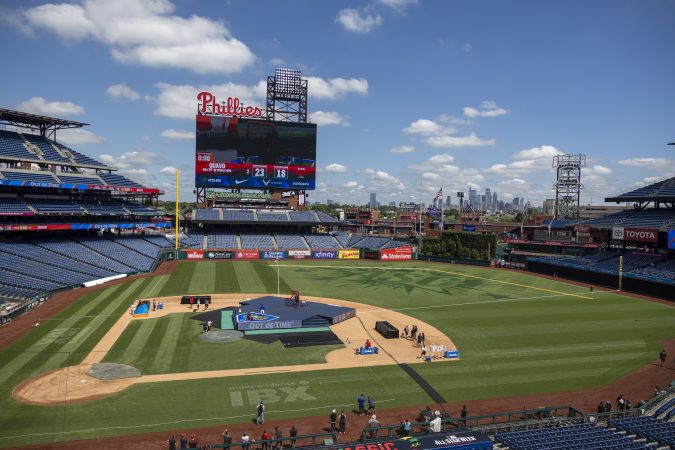
Tattooed Mom, one of the city’s most iconic bars, said it has been ordered to cease all live music and performances by the Philadelphia Department of Licenses and Inspections.
A message posted Saturday morning on the South Street bar’s Instagram page said the order came on March 27 with “no notice.” Along with live music, Tattooed Mom said, it must also stop hosting “drag, burlesque, and karaoke events.”
Now, more than three months later, the order still stands.
“We’re working with legal, government, and small business support groups to figure out the daunting, complicated, and expensive next steps for zoning, permits, and licenses. We believe the interpretation of some of these rules is unjust to queer communities and creative spaces. There’s no clear timeline yet, but we’ll do our best to keep you in the loop,” someone from the bar wrote on Instagram.
Neither Tattooed Mom nor L&I could be immediately reached for comment Saturday. The Instagram post had thousands of likes and numerous comments from supporters, including State Rep. Malcolm Kenyatta (D., Philadelphia).
“What?! Happy to help however I can!” Kenyatta wrote. “I sent a message.”
Others pointed out that Tattooed Mom is a haven for the LGBTQ+ community.
“Wouldn’t be Philly without you,” one fan wrote.
The bar vowed to fight on.
“No red tape can stop Tattooed Mom from being a queer creative space. We will continue to speak out and support the LGBTQIA+ community while navigating outdated policy. We miss the vibrant energy that drag and burlesque bring to Mom’s and hope to welcome these events back again soon,” someone wrote. “In the meantime, we are continuing to create new models to host more queer community events, including workshops, art shows, meetups, and more.”
The All-Star Game returns to Philadelphia in coming days with more than baseball.
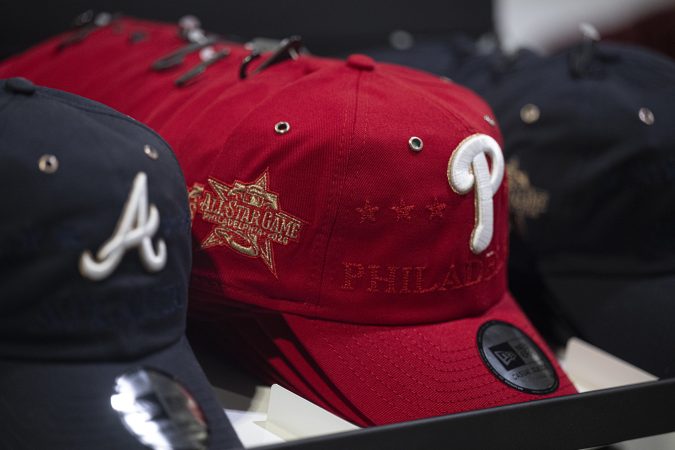
It arrives with two sprawling shopping destinations, hundreds of exclusive products, and a merchandising operation at both the Convention Center and Citizens Bank Park. Fanatics, the sports-commerce giant, will anchor All-Star Village with a flagship store, while Aramark has transformed the two-level Phillies New Era Team Store at the ballpark into a showcase of All-Star-exclusive merchandise.
Like the FIFA World Cup, Super Bowl, Formula One races, and the recent PGA Classic at Aronimink Golf Club in Newtown Square, Major League Baseball treats its marquee events as multiday fan festivals. The result: The Midsummer Classic has become as much a retail event as a baseball event.
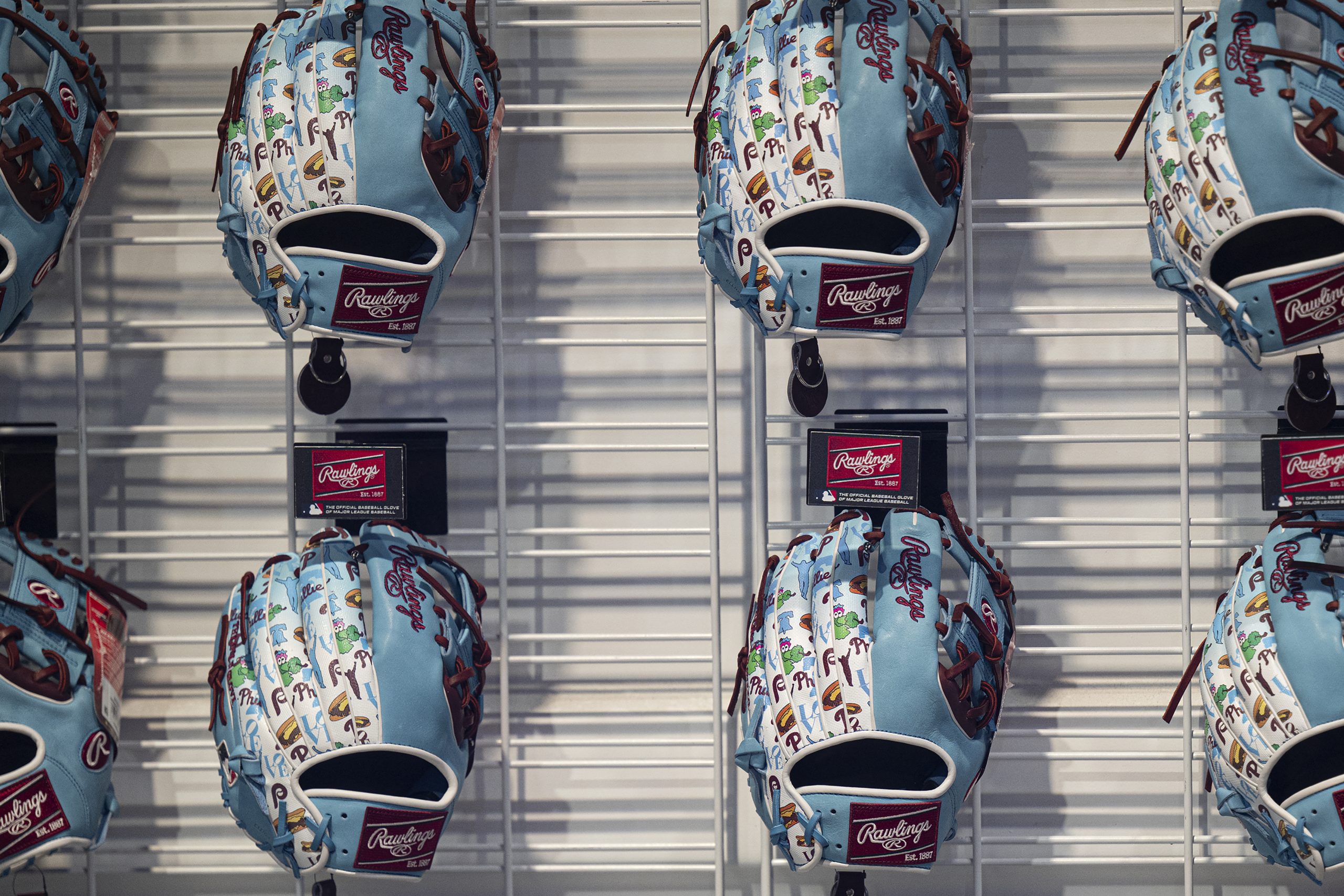
All-Star-theme baseball gloves on display at All-Star Village inside the Convention Center.Jose F. Moreno / Staff Photographer
“Commercially, it ranks in our top three events,” said Jamie Leece, a senior vice president with MLB. “From a business perspective, I’d say it’s our most important because we’re bringing every team together in one place.”
Unlike the postseason, where only a handful of teams remain, the All-Star Game draws fans from all 30 teams. MLB expects more than 80,000 people to visit All-Star Village over the four days.
“We have passionate fans who travel to multiple All-Star Games, and we also have people attending for the first time,” Leece said. “We want to make sure they have an incredible experience and can find merchandise that reflects their fandom.”
A temporary retail city
The biggest attraction inside All-Star Village may also be its biggest business.
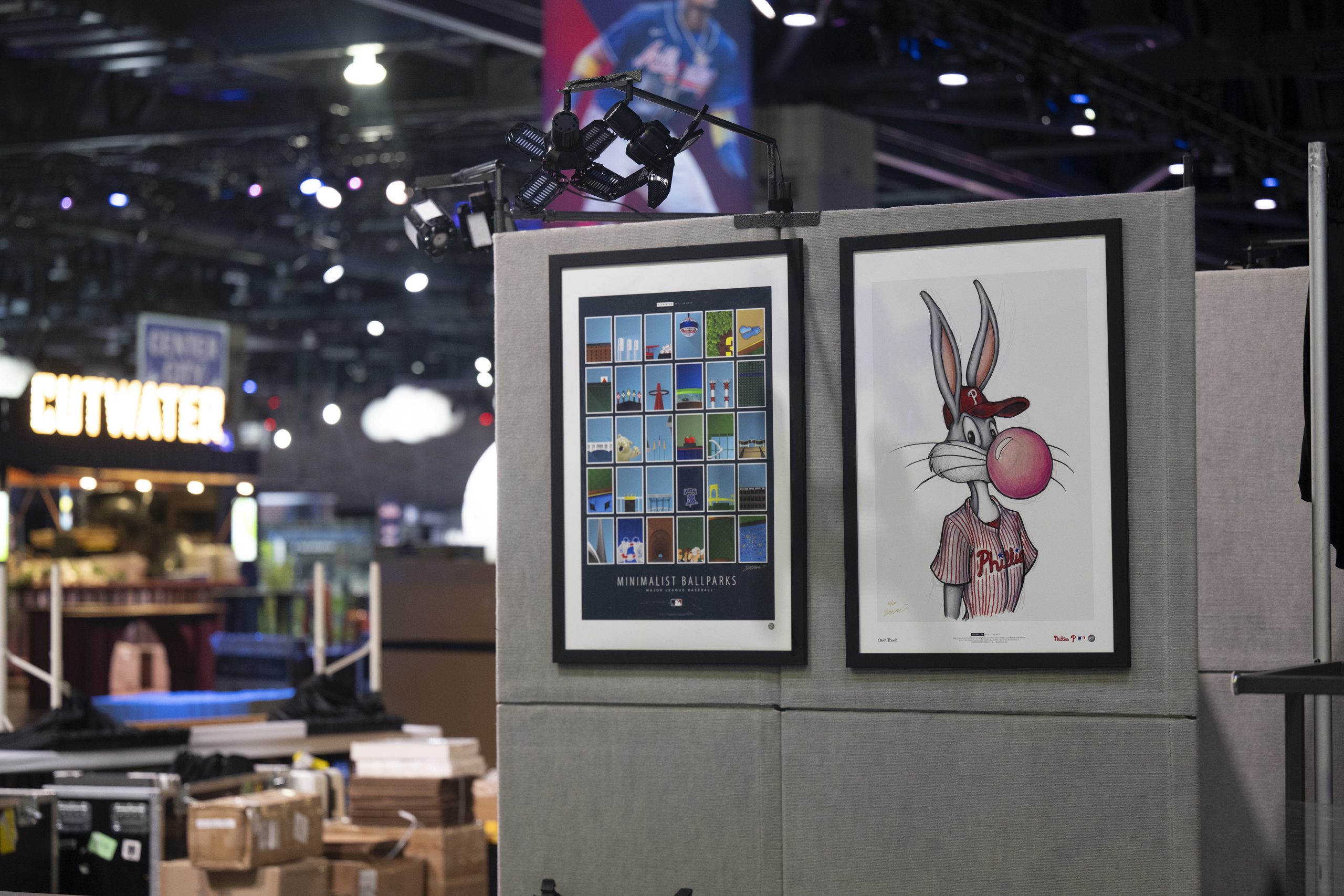
The merchandise at All-Star Village inside the Convention Center includes posters and original art.Jose F. Moreno / Staff Photographer
Fanatics, led by Philadelphia-area entrepreneur Michael Rubin, will operate a 16,000-square-foot flagship store at the Convention Center — its largest All-Star retail footprint since Los Angeles hosted the game in 2022. The company says the store, open to ticket holders, will carry more than 400 product styles from Nike, New Era, Mitchell & Ness, Homage, WinCraft, ’47 Brand, and Fanatics.
The assignment is fitting for a company with deep local roots. Fanatics traces its modern growth to Rubin’s King of Prussia-based GSI Commerce, which acquired the business in 2011. After eBay purchased GSI, Rubin bought Fanatics back and transformed it into one of the world’s largest sports-commerce companies.
Today, analysts say the privately held company expects about $13 billion in revenue this year and employs more than 22,000 people worldwide. In addition to operating licensed merchandise for the major professional leagues, it owns Topps, the baseball-card maker, and has expanded into collectibles, sports betting, live events, and media.
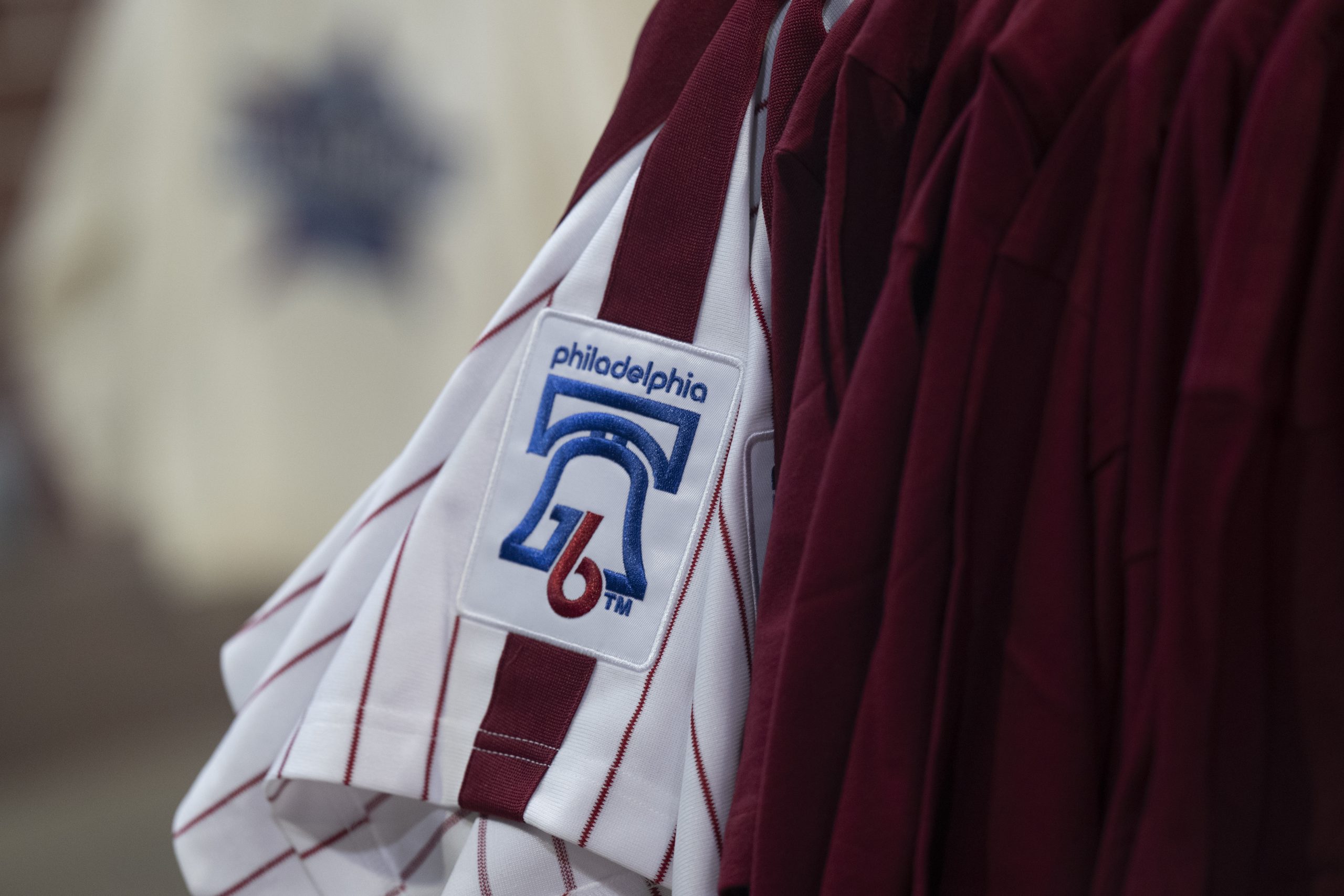
A Phillies throwback jersey on sale at All-Star Village inside the Convention Center.Jose F. Moreno / Staff Photographer
Under a long-term partnership with MLB and Nike, Fanatics manufactures and distributes much of Major League Baseball’s licensed fan apparel, making the All-Star Village store the public face of a merchandising operation that extends far beyond All-Star Week in Philadelphia. Most of the merchandise in the store was conceived, approved, manufactured, and shipped months before fans ever walked through the Convention Center doors.
This year’s assortment leans heavily into Philadelphia.
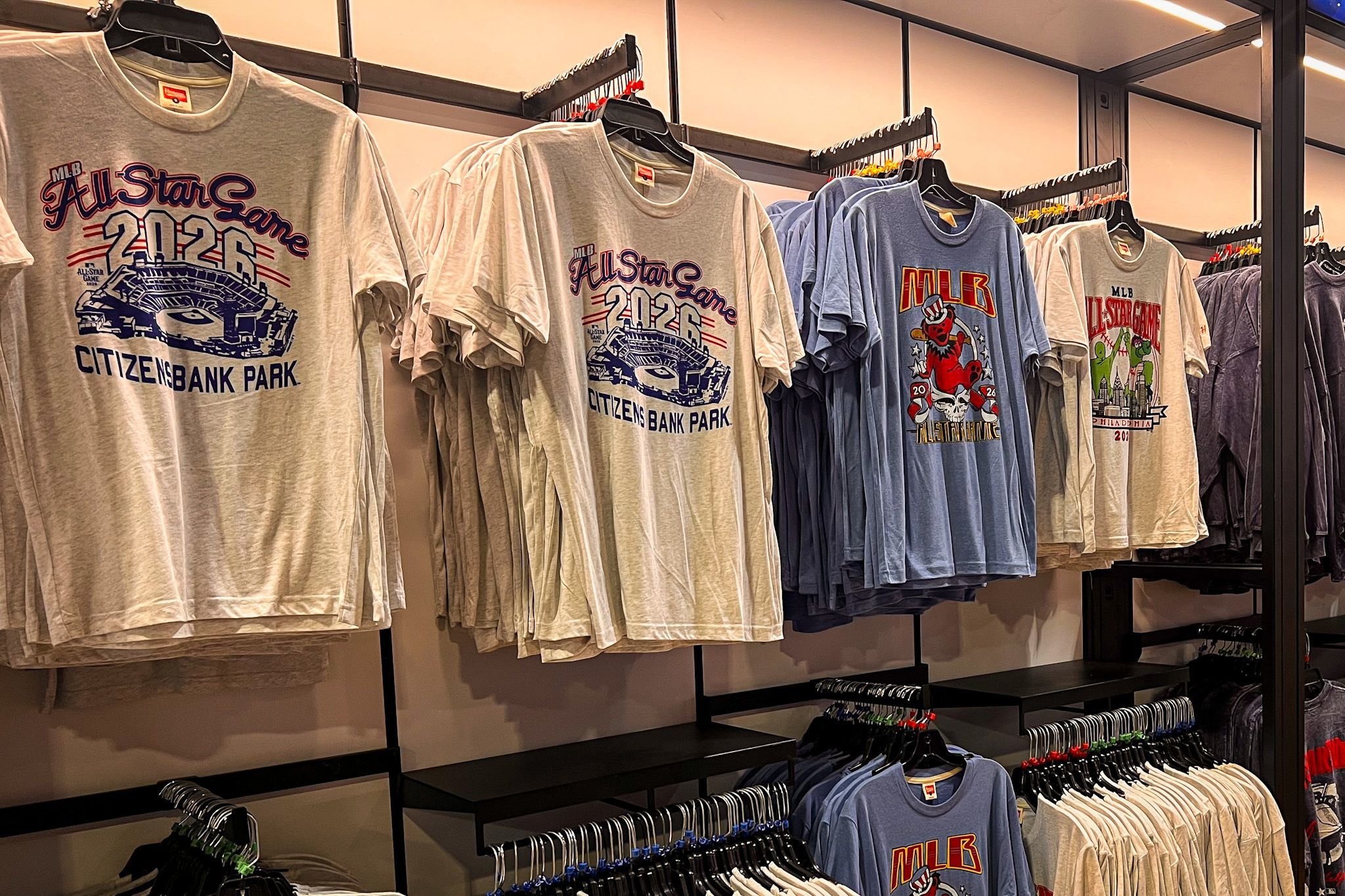
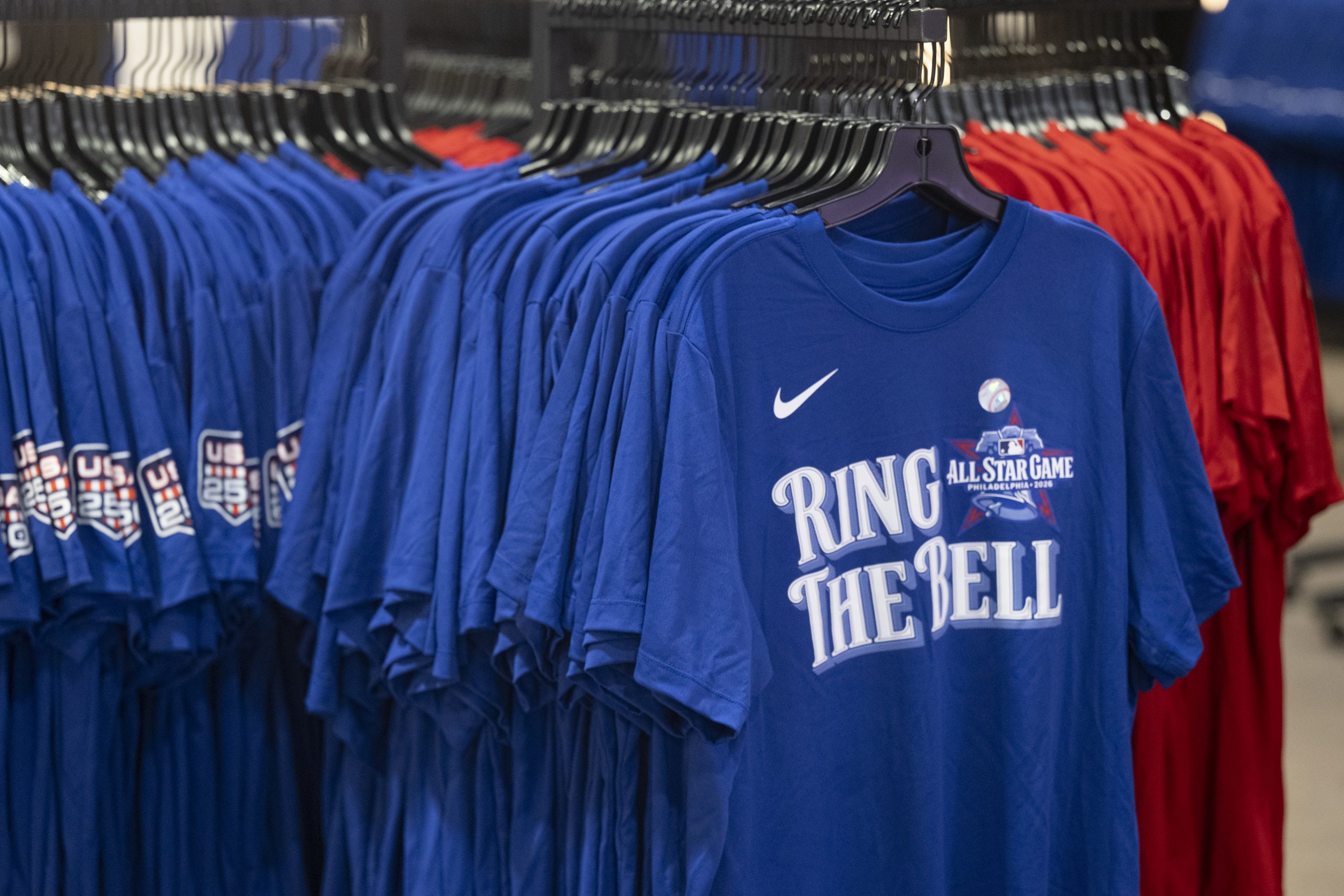
Shirts available at the All-Star Village at the Convention Center.Michael Klein / Staff
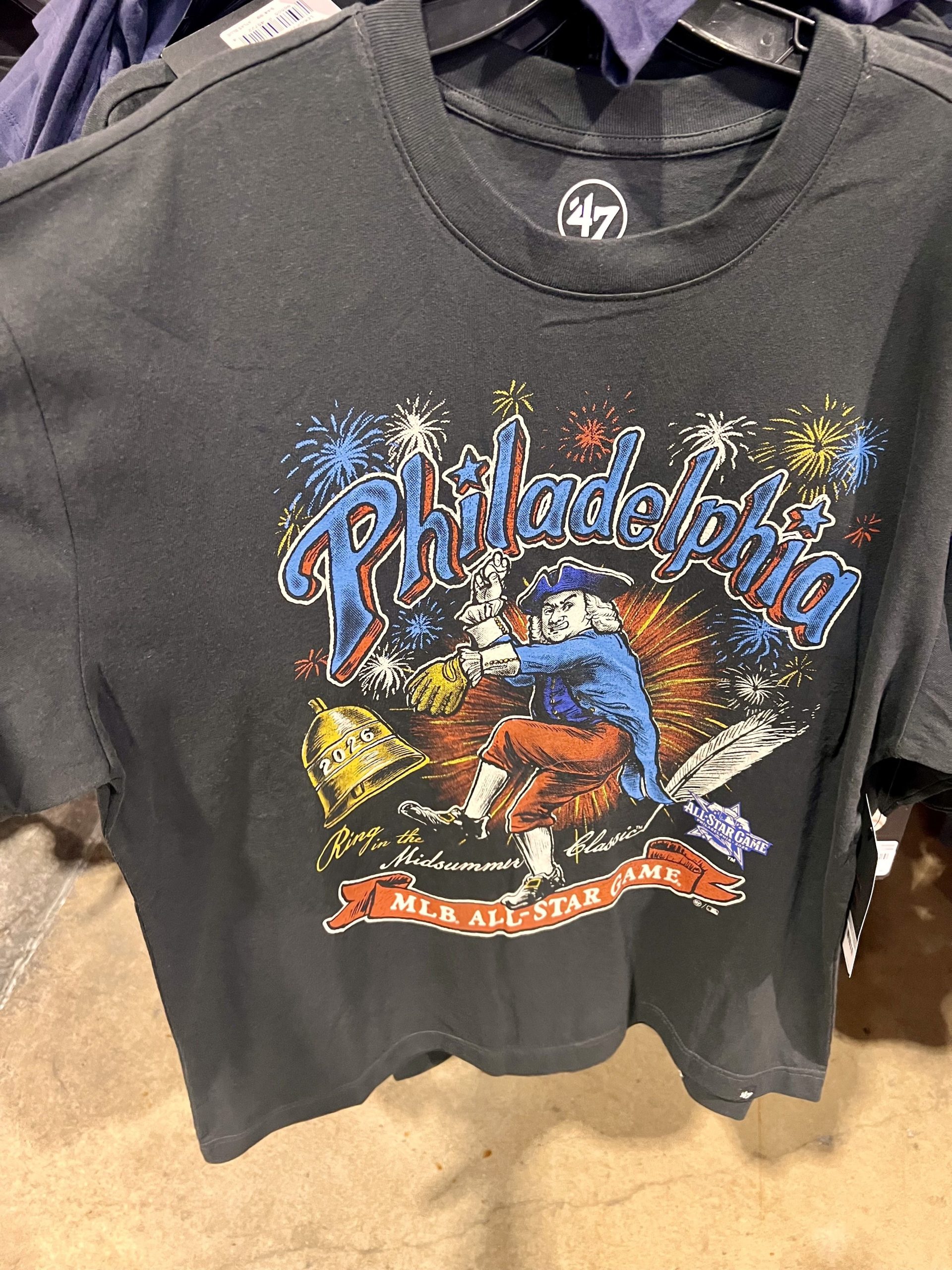
The company said host-city merchandise, particularly jerseys and hats, has become an increasingly important part of every All-Star collection. Philadelphia-themed offerings include Homage’s Grateful Dead-inspired Patriot T-shirt and “Always Sunny in Philly” shirt, ’47 Brand’s “Hit That Jawn” and cheesesteak-themed designs, and Sportiqe’s Elton John-inspired “Philadelphia Freedom” T-shirt.
Home-field advantage
If Fanatics anchors the Convention Center, Aramark — the Phillies’ concessionaire — is treating Citizens Bank Park as a shopping destination in its own right. Its two-story shop is open daily to the public except for Sunday.
After the July 2 home game against the Pirates, Aramark workers cleared the store of all regular Phillies merchandise and began loading in All-Star items. The store was expanded in the offseason to about 7,500 square feet.
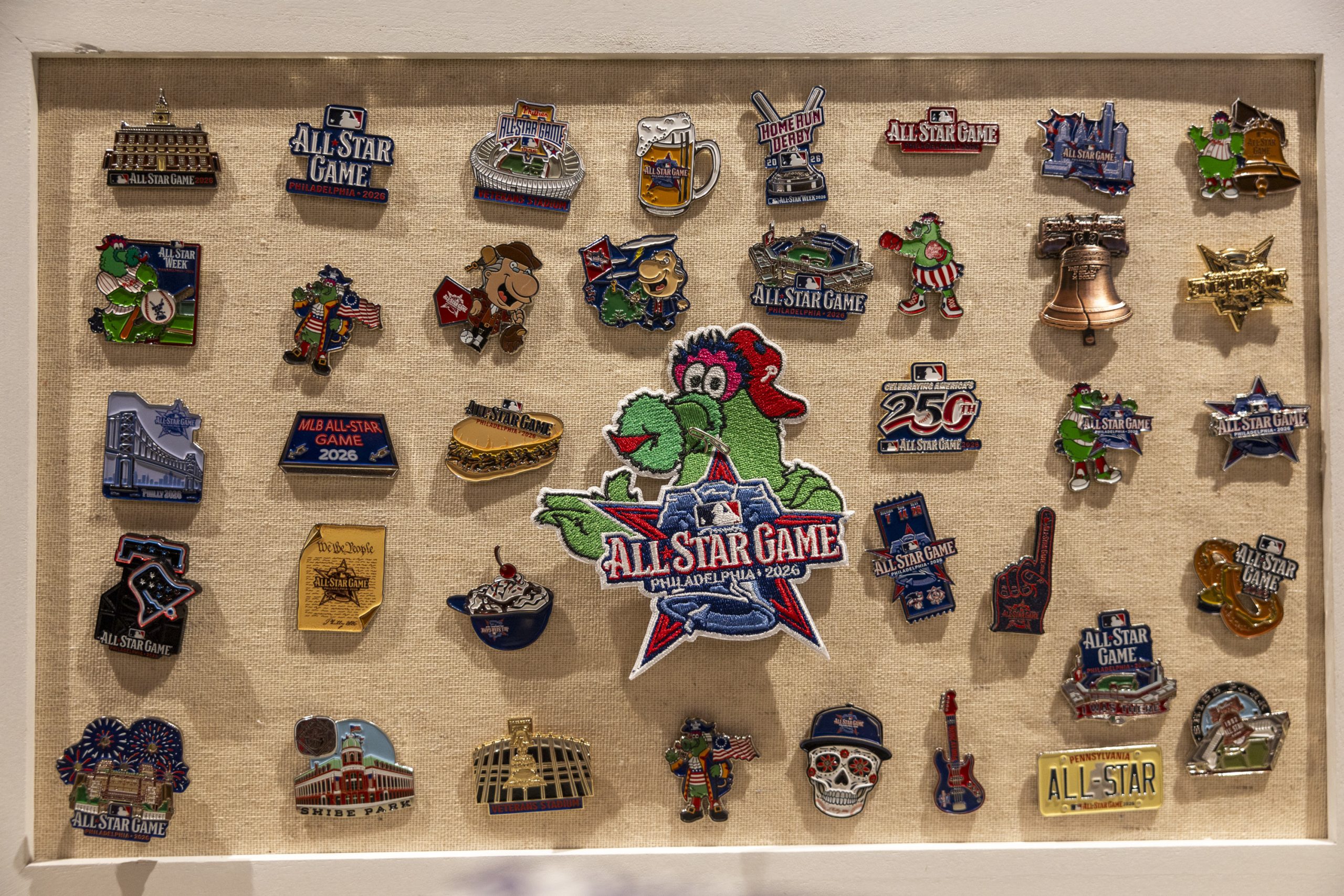
Some of the 84 All-Star pins designed by Aramark that are for sale at Citizens Bank Park. Tyger Williams / Staff Photographer
Francis Winkey, Aramark’s senior merchandise manager at the ballpark, said the store has about 400 All-Star items, about 75% of them exclusive. Winkey, a pin collector himself, commissioned 84 pins, including one representing each major-league team.
Behind the displays is a manufacturing process that begins more than a year before the first pitch. MLB develops the event’s logos and branding, then works with dozens of licensed manufacturers specializing in a wide range of products — caps, jerseys, drinkware, collectibles, and other souvenirs. Companies submit designs for league approval before production begins, often months in advance, at factories overseas.
The biggest complication is that no one knows who will make the All-Star teams until shortly before the game. Most merchandise, therefore, celebrates the event or the host city rather than individual players. When player-specific products are planned, manufacturers often build in flexibility so they can be finished after the rosters are announced.
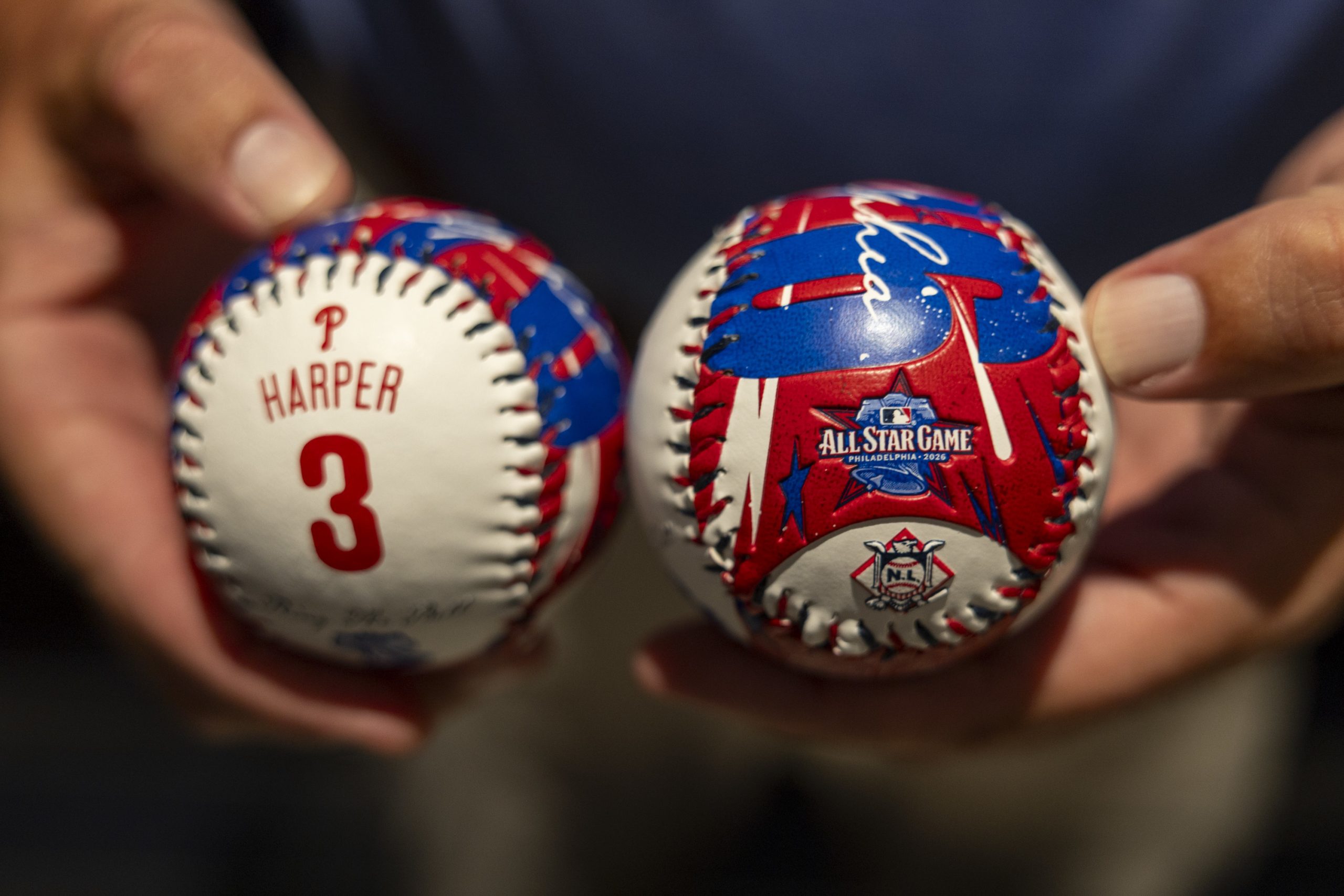
At Citizens Bank Park, Aramark’s Francis Winkey holds souvenir baseballs that were stamped with Bryce Harper’s name after he was named to the All-Star Game roster.Tyger Williams / Staff Photographer
Take the commemorative baseballs that Winkey dreamed up. Last fall, he ordered Rawlings baseballs featuring bold All-Star graphics that intentionally had one blank panel.
Once the rosters were announced, Winkey had a domestic factory finish the baseballs. “When I knew Shohei Ohtani made the team, I could put Ohtani’s name on it,” Winkey said. “It’s a combination of long-term planning and a short-term reaction.”
The store carries six player editions, including Ohtani and Phillies sluggers Bryce Harper and Kyle Schwarber, for $17 a throw.
Bigger every year
MLB executives say the retail operation has grown alongside the event itself.
“Whenever we’ve expanded the retail space, we’ve seen the business grow,” said Leece, of MLB. “It’s always a balancing act because All-Star Village is a celebration of baseball, not just a shopping destination. We want activations, interactive experiences, and things for fans to do beyond buying merchandise.”
The assortment has expanded, too. “We have more licensees creating more unique items,” Leece said. “International fandom has grown significantly, so we now have fans traveling from all over the world. As the audience has expanded, so has the variety of merchandise. One category that’s really emerged over the last several years is oversized chains and necklaces. They’re a good example of a product category that really came out of nowhere.”
A commemorative shirt from Fanatics affiliate ’47 available at the All-Star Village at the Convention Center.Michael Klein / Staff
Philadelphia’s role as host city during the nation’s 250th anniversary celebration also shaped the collection. “It always starts with the identity of the host city,” Leece said. “Philadelphia’s history aligns naturally with the Phillies’ identity.”
Across the ballpark, All-Star Village, and MLB’s online stores, about 600 products will be available during the week.
One operational change won’t be visible on the sales floor.
“We’ll have the largest on-site retail staff we’ve ever had, both at All-Star Village and the ballpark,” Leece said. “We want fans to spend less time waiting in line and more time enjoying everything else the event has to offer.”
Retail analysts say the All-Star Game occupies a unique niche in the licensed sports business.
Commemorative T-shirts on display at All-Star Village.Jose F. Moreno / Staff Photographer
“The All-Star Game is really about on-site souvenirs,” said Matt Powell, founder of the sports retail consultancy Spurwink River. “People are there and want something to commemorate the experience because it’s essentially a one-off event.”
Neil Saunders, managing director of GlobalData, said demand tends to split between wearable keepsakes and collectibles.
“One is simple products like T-shirts or caps linked to the Phillies or the All-Star Game,” Saunders said. “The other is collectible items that can be more expensive. The real fans or those who love collecting are enthusiastic about these.”
The All-Star retail boom reflects the growth of licensed sports merchandise into a multibillion-dollar global business. One industry estimate valued the market at $38 billion in 2025, with North America accounting for more than half of sales. Apparel remains the largest category, helping explain why jerseys, caps, and other wearable souvenirs dominate event retail.
Unlike merchandise driven by blockbuster trades or new uniforms, Powell said, All-Star merchandise derives much of its value from the event itself.
Fans aren’t simply buying apparel. They’re buying proof they were there.
Yet for all the focus on merchandise, Leece said the larger goal is creating memories.
“I hope they slow down,” he said. “I hope they walk in, look around, and appreciate that they’re somewhere special. This is baseball’s World’s Fair. It only happens once a year, and for Philadelphia it only comes around every couple of decades.”
Hidden deep in the Orange Crush heart of the Jersey Shore, there’s a beloved dive bar near West Wildwood’s bay that ignores all the common rules of commerce and good cooking. And yet its ceiling is covered in money and its unlikely hit sandwich is a Reuben made with … scallops?!
Not far away in Cape May, a new Italian restaurant is also doing things differently, crafting extraordinary meals from the highest quality ingredients ― with eye-popping prices to match. At the other end of the dining spectrum, there’s a destination-worthy cutlet sandwich in Sea Isle City and a hot new cheesesteak stand on the Wildwood boardwalk where the crowds come in hopes of glimpsing the owner, an alleged former mob boss who’s refashioned himself as a South Philly sandwich king. A very different kind of celebrity in the making — a giant seagull mascot — is aiming to energize a lively new outdoor restaurant and bar in Avalon and give fresh meaning to “Go Birds!”
Such eating adventures across the southern end of the Jersey Shore this summer were an exploration of dining culture extremes, but never dull and frequently delicious.
These 11 places from Cape May to Ocean City are the ones I’ll remember most.
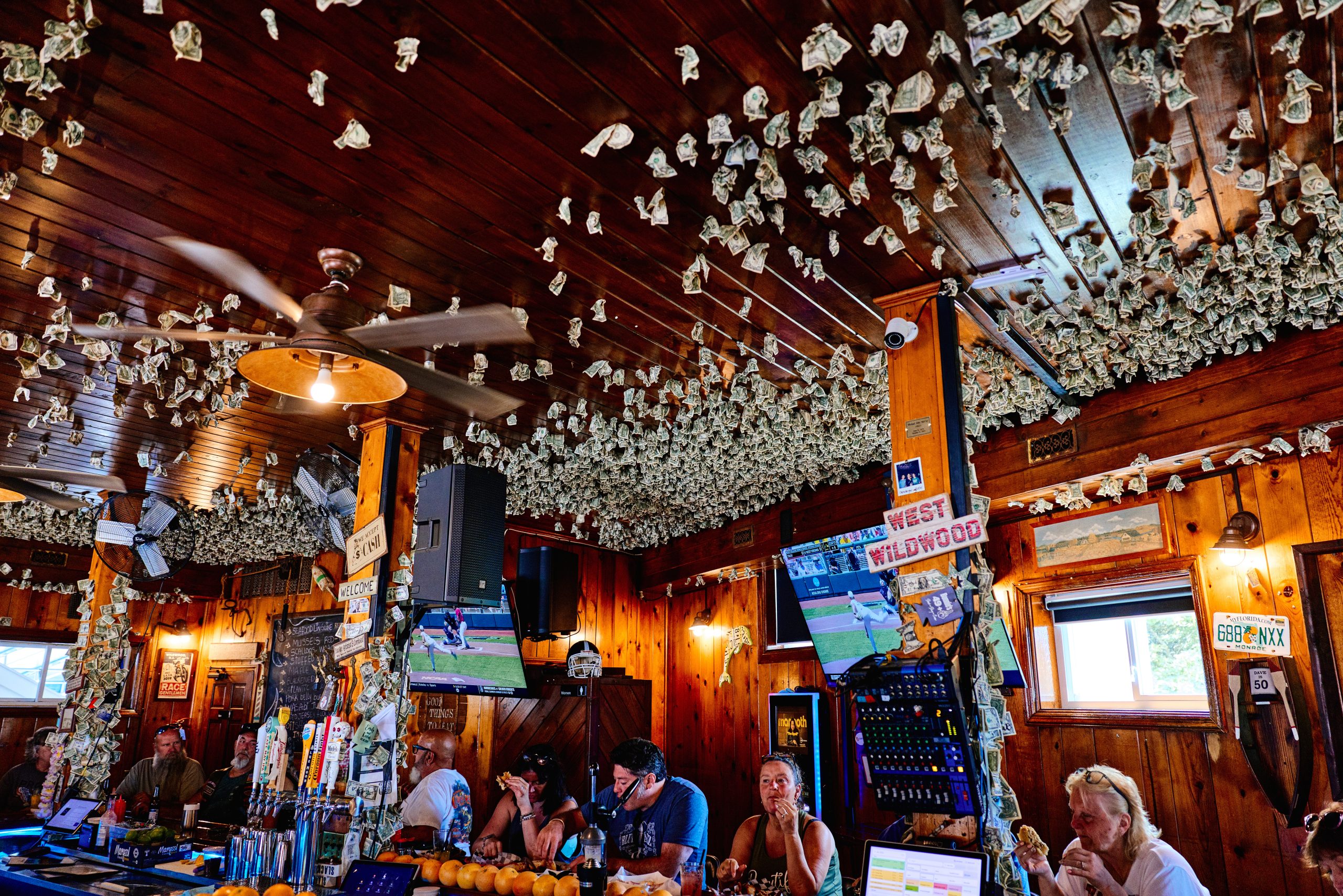
Dollars hanging from the ceiling at Westside Saloon in West Wildwood, N.J. Ted Nghiem / For The Inquirer
WEST WILDWOOD
Westside Saloon
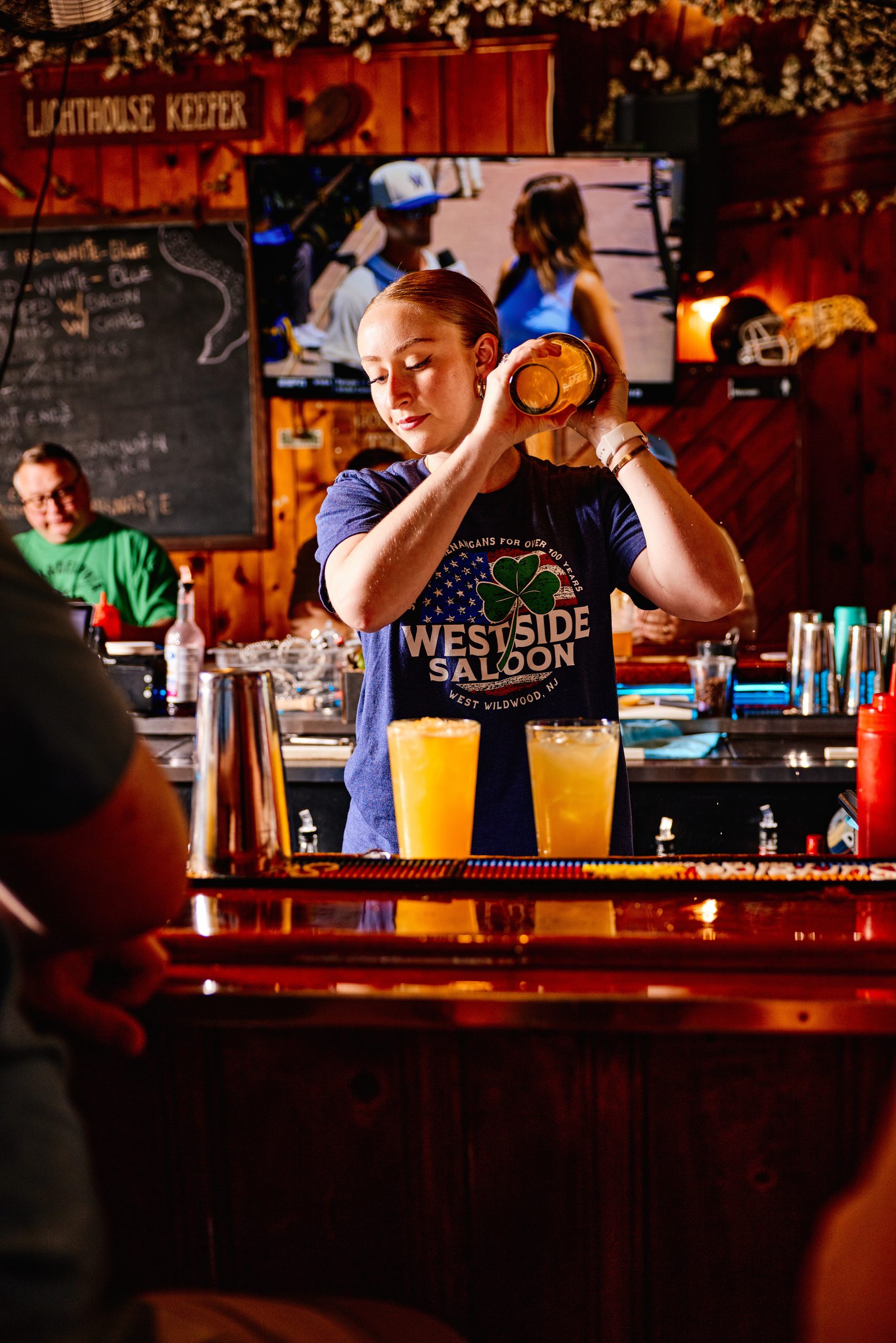
Everyone talks about the dollar bills tacked to the ceiling of the Westside Saloon like Monopoly money confetti, the result of a barroom challenge that’s added a distinctive dive bar quirkiness to this venerable tavern on the tiny isle of West Wildwood. To me, however, those bills are the least intriguing aspect of the Westside Saloon, as this watering hole — which dates to Prohibition and was once known as the Bridge Cafe — was renamed in 2003. My eyes are drawn to the crates of ripe fruit stacked near the front door, set to be juiced daily for the lineup of dangerously smooth crush cocktails made with all-natural ingredients — orange, grapefruit, pineapple, watermelon — shaken with vodka (or tequila) and seltzer. “My mother always told me that drinking would get me nowhere,” says the bar’s manager and chef, Billy Scott, 52. “But it’s worked out pretty well for me here. These drinks are my babies. They make people smile, and I’m definitely the King of the Crush now.”
The saloon is owned by the McCoy and Keating families, but Scott, a family friend, is also the culinary mind responsible for the strokes of whimsy — or cheese crimes against seafood, depending on your perspective — that have prompted the Westside Saloon to tout itself as a “five-star dive bar” that’s booming despite an independent streak with its hours (“We open when we feel like it; we close when we feel like it”) and a published phone number that’s never answered because they ripped the phone off the wall 15 years ago. (“It wouldn’t stop ringing.”)
A bartender making crush cocktails at the Westside Saloon in West Wildwood.Ted Nghiem / For The Inquirer
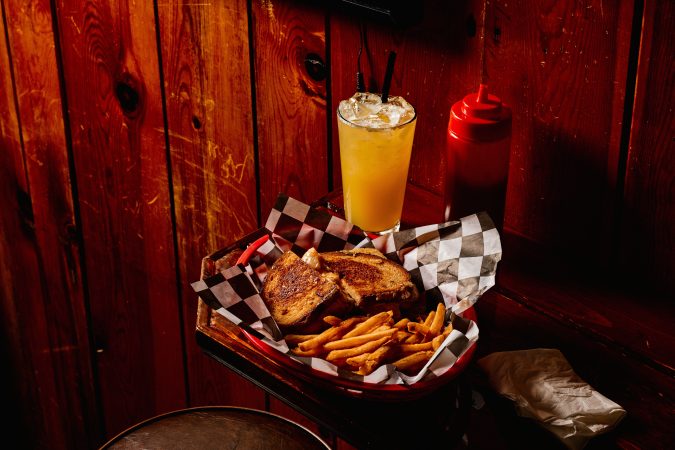
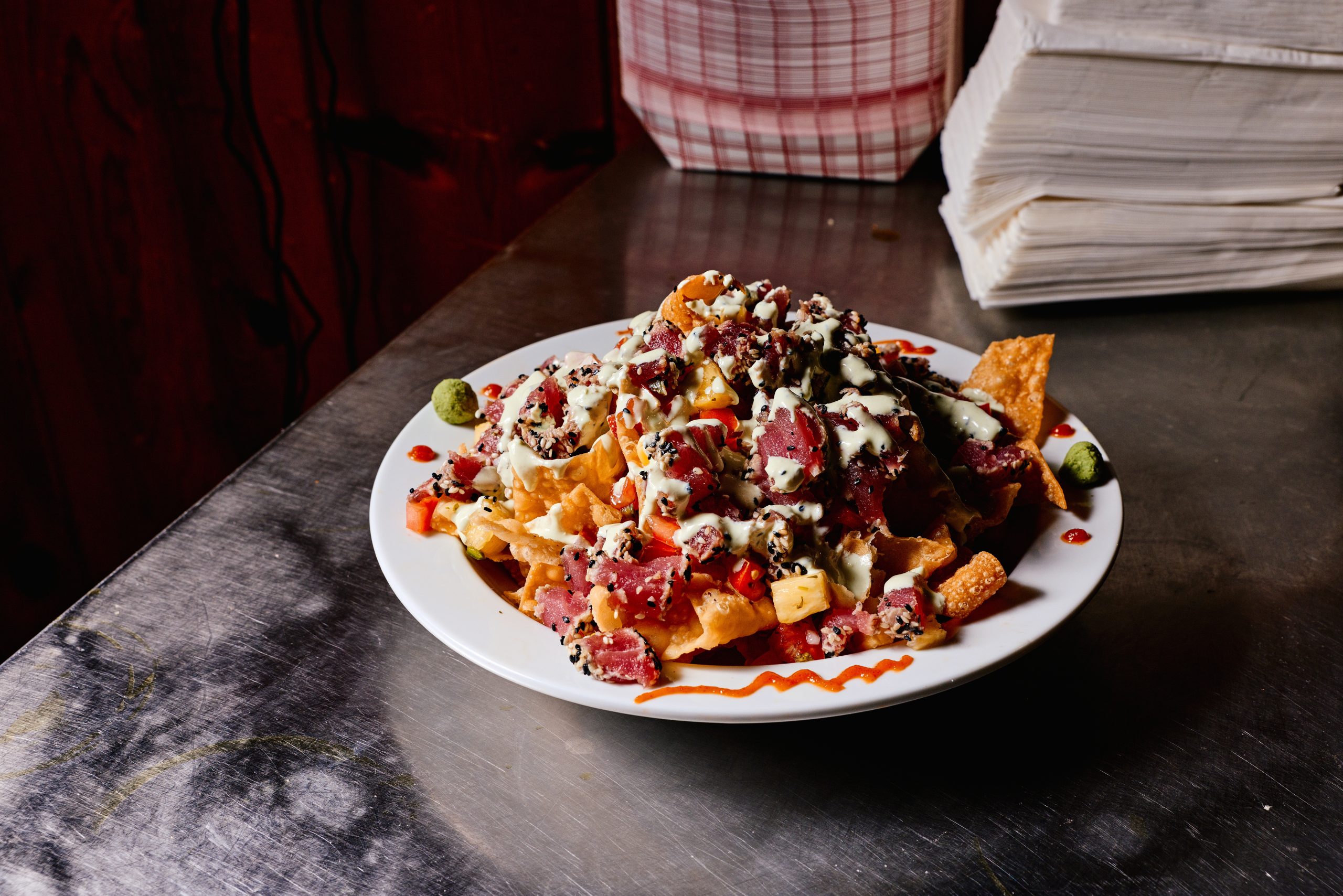
That reclusive attitude hasn’t slowed the crowds that wander into this trapezoid-shaped building for one of the 28 seats at the trapezoid-shaped bar (or 40 outdoor seats) to listen to live music and indulge in one of the Shore’s most unusual seafood menus, headlined by the iconic scallop Reuben. It’s an odd combination that by most conventions should not work, but Scott has access to some of the best ingredients on the East Coast through nearby Dock Street Seafood. The plump Jersey scallops offer a meaty alternative to corned beef, with a briny sweetness that harmonizes with the tangy sauerkraut, piquant Swiss cheese, and butter-toasted rye. It’s not Scott’s only seafood and dairy gambit. The stuffed long hot pepper is exploding with fresh crab and provolone, a prosciutto wrap, and a Gorgonzola finish. There’s so much crustacean in the she-crab soup that our spoon nearly stood up straight. (If it had been hotter, it would have been perfect.) Sesame-seared local tuna comes piled over crisped wonton chips for Asian nachos. But Scott’s most audacious creation is the option to order your seafood “blue,” a marinara sauce blended with Gorgonzola that added an unexpectedly appealing cave-aged funk to our bountiful seafood pasta.
Seared tuna nachos at the Westside Saloon in West Wildwood, N.J.Ted Nghiem / For The Inquirer
For those averse to seafood spectacles, the Westside’s chicken wings and “volcanic eruption” burger (a cheese-stuffed patty topped with bacon and long hots) also have fans. But what surprised me most was that the saloon makes its own desserts, including a towering key lime pie and an Oreo-encrusted cheesecake we could not stop eating. This won’t be news to anyone who knows how much passion Scott and his crew, who also recently bought a bakery, have put into making this iconoclastic institution so much more than a random dive bar.
“The only thing artificial here are my initials — B.S.,” says Scott. “When you come to the Westside Saloon, everything else is real.”
Westside Saloon, 770 W. Glenwood Ave., West Wildwood, N.J. 08260, no phone; on Facebook
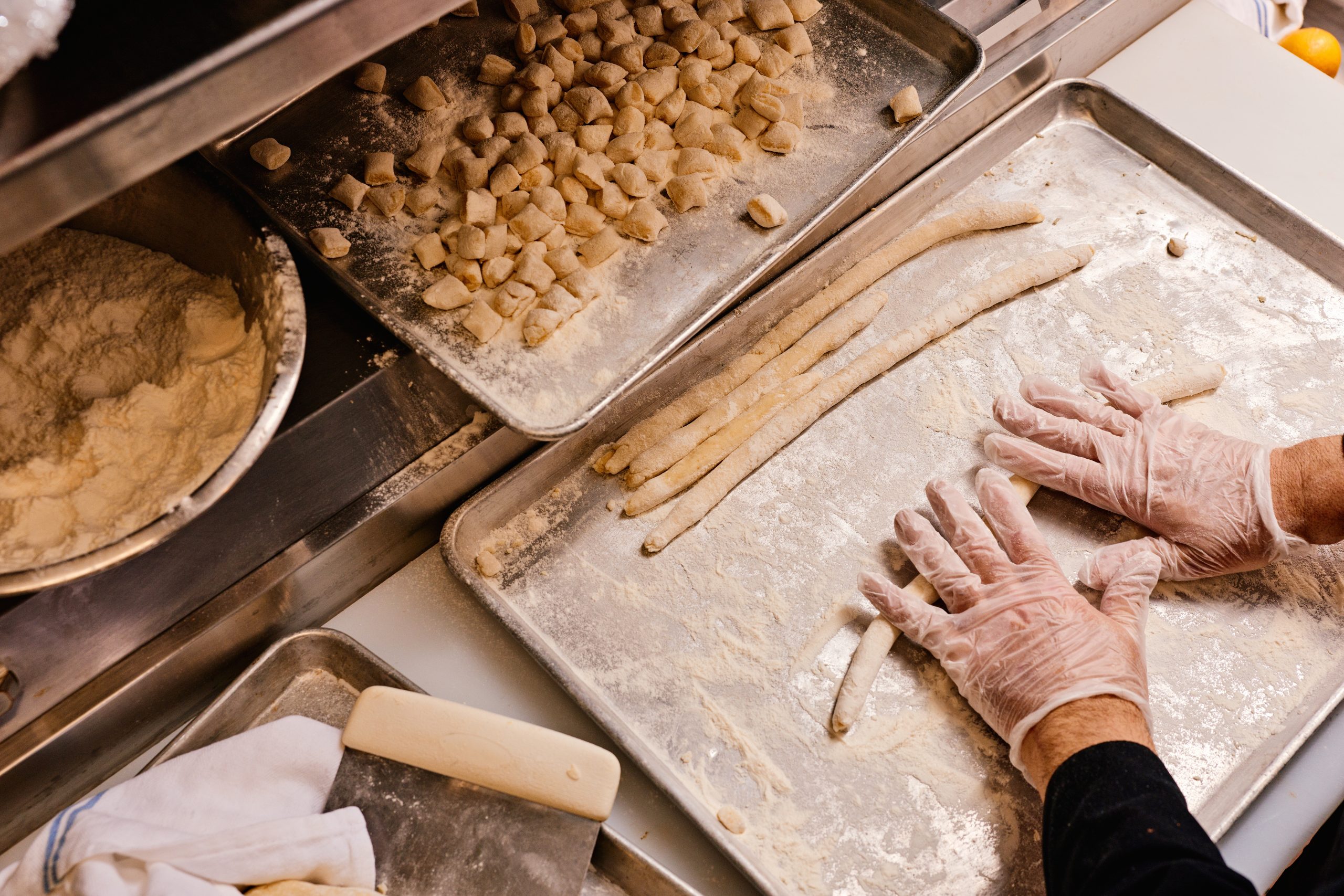
Chef Alfredo Dapi rolls out pasta for pistachio gnocchi in the kitchen at Il Riccio in Cape May, N.J. Ted Nghiem / For The Inquirer
CAPE MAY
Il Riccio
There are so many Italian restaurants at the Jersey Shore, I was not particularly excited about the prospect of yet another, especially considering the newcomer most recommended to me this offseason by my local sources was located in a turnstile Cape May address where I’ve reviewed three different restaurants since 2003.
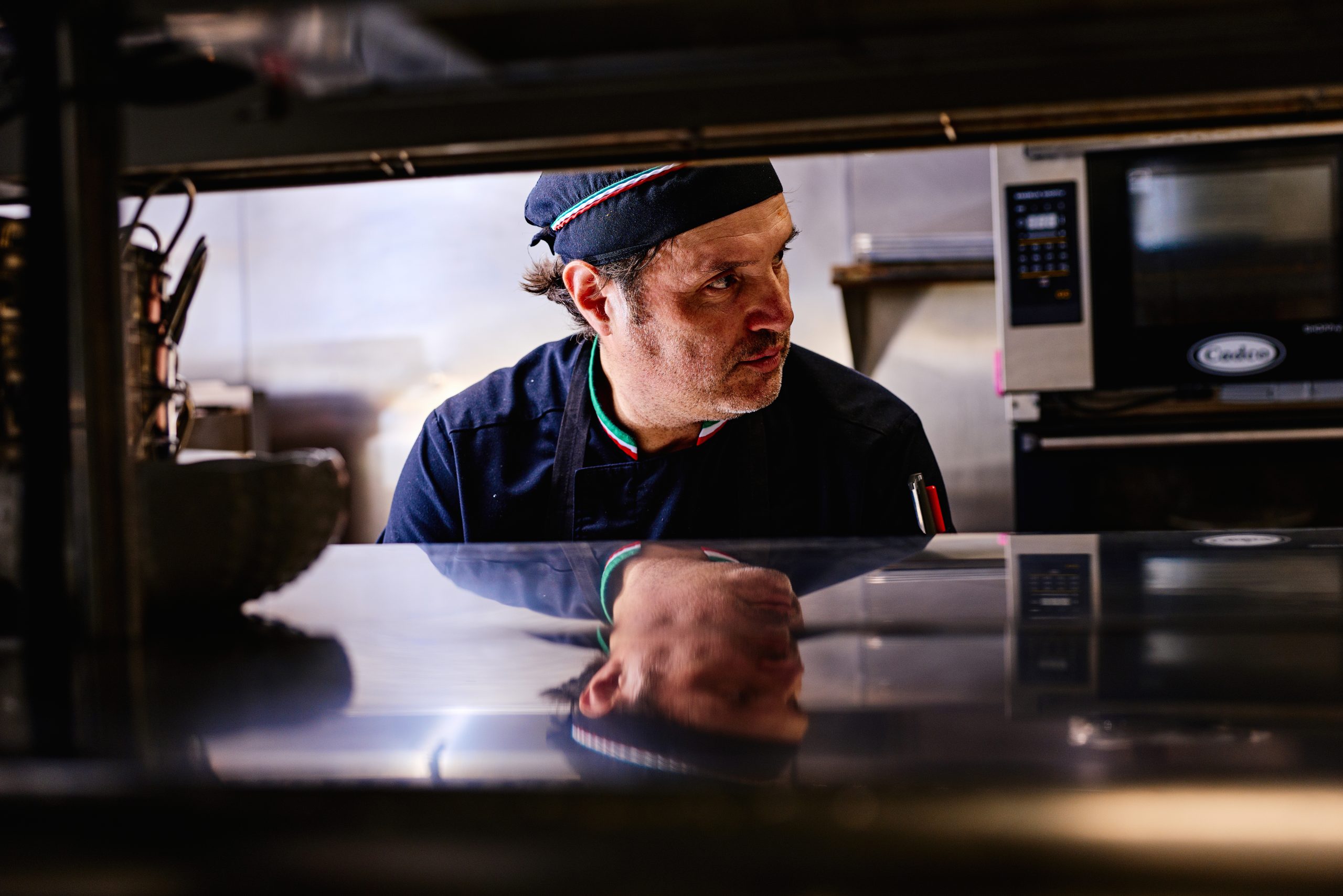
Chef Alfredo Dapi pauses while making pistachio gnocchi in the kitchen at Il Riccio in Cape May.Ted Nghiem / For The Inquirer
Number four — Il Riccio — turns out to be anything but ordinary, and not simply because the lofty prices, with dinner entrees ranging from $38 to triple digits, will make you wonder if the food is gilded. In fact, it is. But the shimmering stamps of 24-karat gold hovering above the cacio e pepe risotto are not the prime reason this showstopper dinner indulgence costs $99. That would be the quarter-pound of meltingly rich A5 Wagyu tenderloin from Hokkaido that comes seared on top, as well as the raisiny sweet swirls of reduced Amarone wine, not to mention the coveted seven-year-old aged Acquerello rice that’s cooked to al dente perfection by chef Alfredo Dapi for 19 minutes on the dot, adding the imported butter from Parma and pecorino cheese only at the end to keep it light.
“We wanted a dish that touched all the senses — sweet, salty, sour, and bitter,” says Il Riccio’s gregarious co-owner Luca Cimmarotta, 52, a Tuscan winemaker, olive oil producer, and importer who, since his earlier days as a sommelier for both Aldo Lamberti and Georges Perrier, has always wanted to open an Italian restaurant that made no compromises when it came to quality.
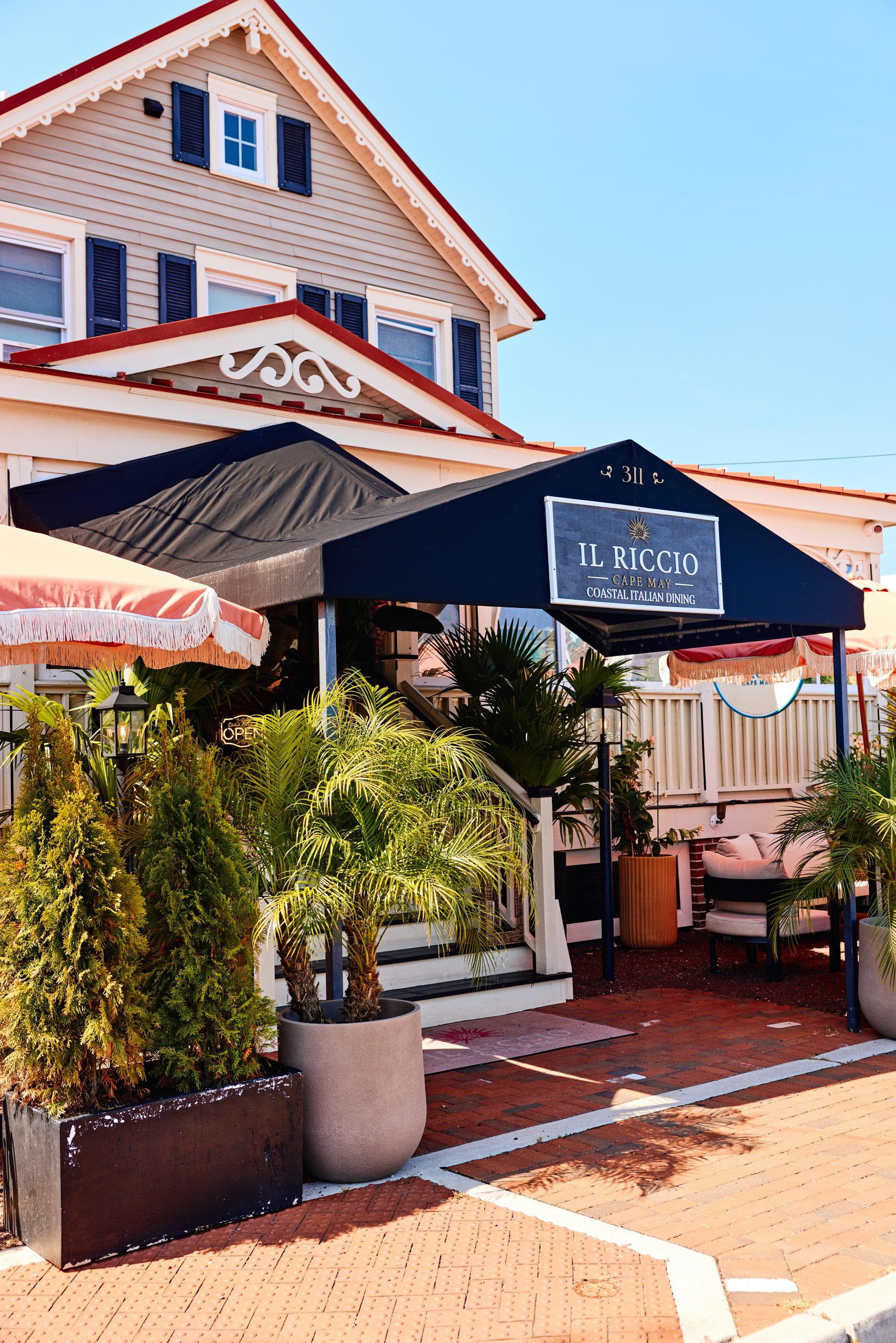
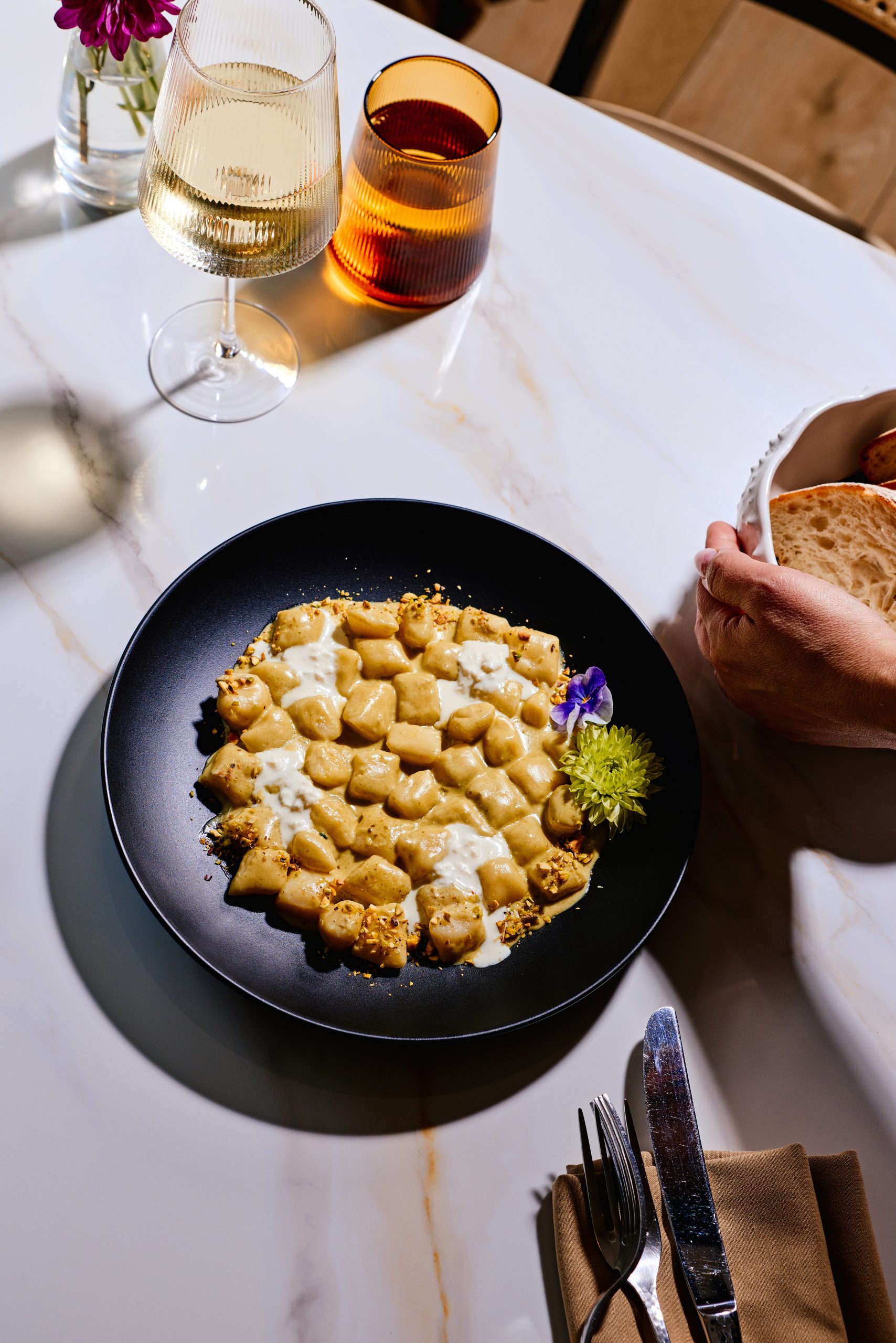
Il Riccio in Cape May, N.J.Ted Nghiem / For The InquirerPistachio gnocchi at Il Riccio in Cape May, N.J. Ted Nghiem / For The Inquirer
That is exactly what he’s done at Il Riccio (“the sea urchin” in Italian), the posh 50-seat BYOB he opened a year ago in a Victorian bungalow beside Collier’s Liquors with his wife, Stefania Chiaro, 46, who works in the kitchen, and their son, Michele Cimmarotta, 21, who charms the dining room as lead server.
Our night, he was offering a wild fresh Holland Dover sole whose beguilingly firm texture, delicate flavor, and roe sack (a bonus!) were expertly deboned tableside, and tasted clearly superior to the more common farm-raised and prefrozen sole found elsewhere for a third of Il Riccio’s $135 price. That includes a side of spaghetti alla chitarra laced with Cimmarotta’s own olive oil and colatura di Alici (Italian fish sauce), and easily feeds two.
Cured ham aficionados will also find rare treasures here, from the acorn-fed Spanish Ibérico ham Cimmarotta slices from a rolling cart in the dining room to the multiple varieties of Italian culatello available with truffled sottocenere cheese. The lunch menu is slightly more affordable, when you can order that risotto minus the Wagyu for $39. You can also still taste the restaurant’s signature baby octopus, a pom-pom of grilled tentacles posed over spicy broccoli rabe. I’d also suggest the soulfully stewed beef braciole stuffed with pecorino. One dish that should not be missed is Dapi’s amazing gnocchi, ethereal dumpling clouds floated across a pool of a creamy Gorgonzola turned pastel green with blended pistachios.
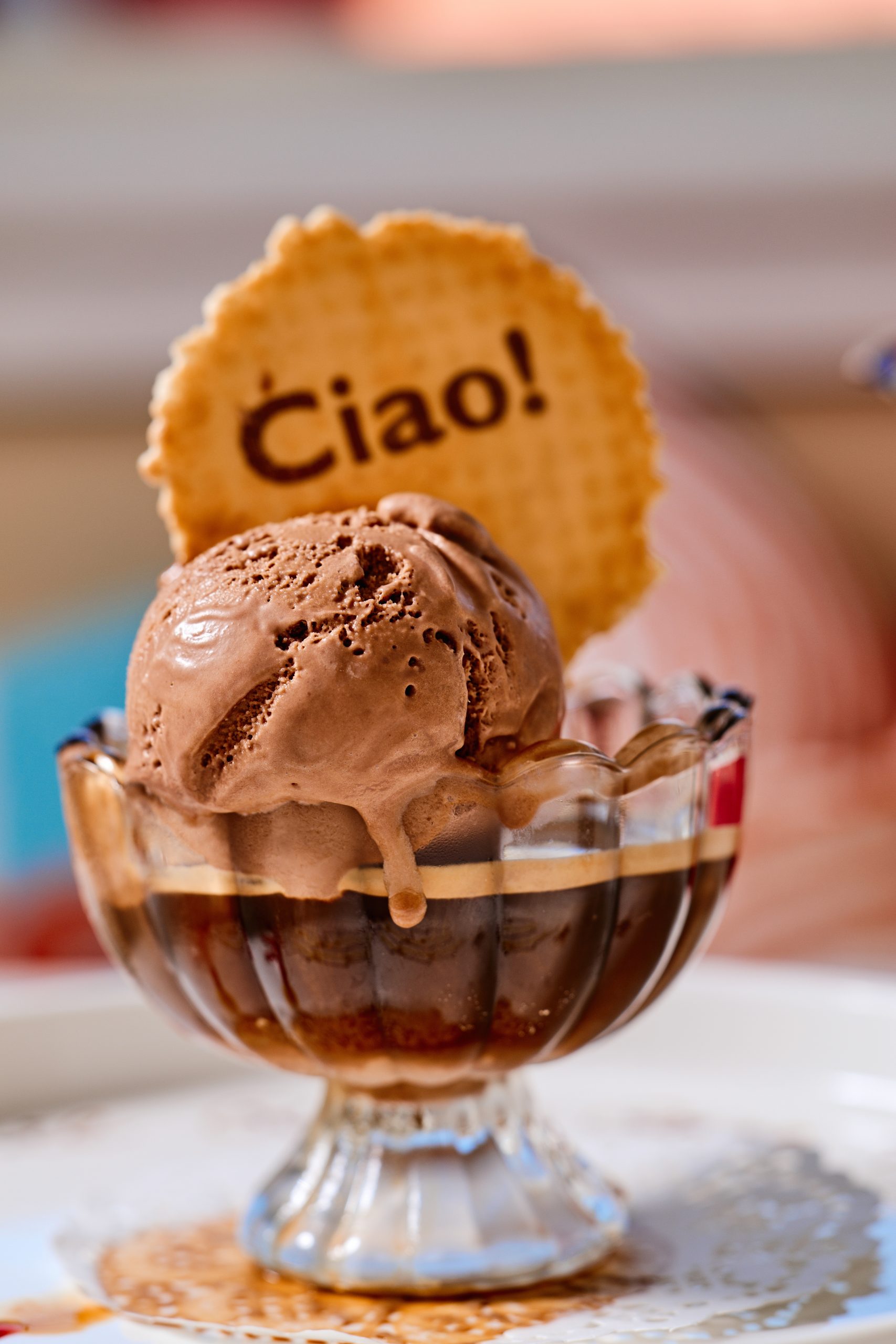
Nutella gelato affogato at Il Riccio in Cape May, N.J.Ted Nghiem / For The Inquirer
For dessert, ignore the more ubiquitous options and head straight for the affogato. A silky Nutella gelato is topped tableside with dark and roasty Caffé Toraldo espresso from Naples poured from a gorgeous little red moka pot designed by Dolce & Gabbana. Like everything else at Il Riccio, it brings luxury, design, quality, and flavor all together into a special fine-dining experience that actually delivers exactly what you pay for.
Il Riccio, 311 Mansion St., Cape May, N.J. 08204, 609-554-3165; ilricciocapemay.com
Mediterrano
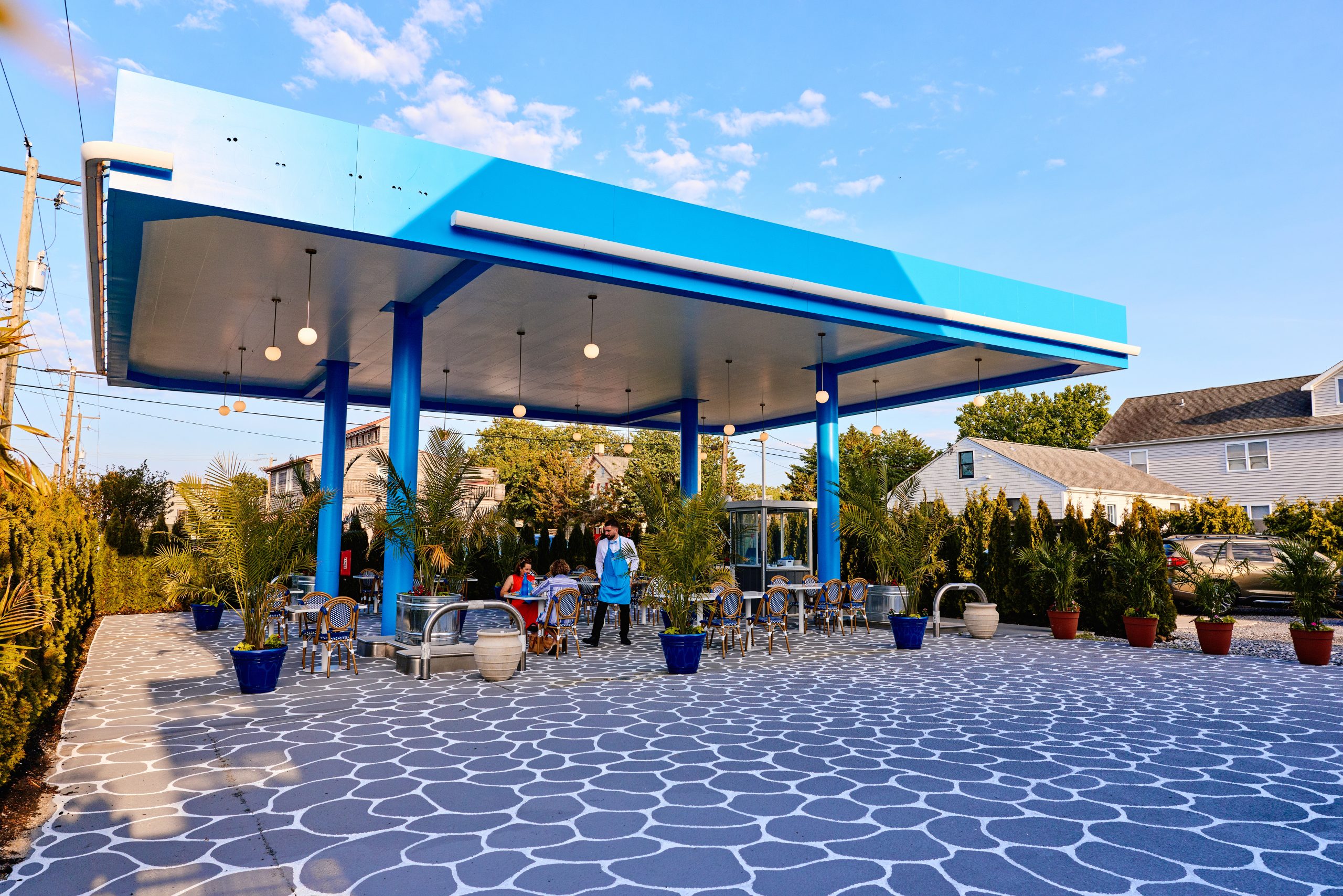
The demise of the Exit Zero Filling Station has left a kraken squid curry-sized hole in Cape May’s funky fusion dining scene. But its unique location — a soaring dining hall fronted by a former gas station pump turned breezy al fresco patio — has been salvaged and retransformed into a vision of Greece. Cue the potted palms, painted faux-cobblestones, and cerulean blue paint job for the old filling station portico that is now a BYOB called Mediterrano. New owner Florian Furxhiu has used his playbook from Santorini, the popular Greek haunt he owns in Wildwood.
Exterior view of Mediterrano in Cape May, N.J.Ted Nghiem / For The Inquirer
A statue of Hebe, the daughter of Zeus, presides over the columned fireplace of this handsomely renovated dining room lined with blooming fake bougainvillea vines, while Santorini’s former co-chef, Caesar Jeromino, and Alban Presheva, newly arrived from Albania, turn out one Greek standard after the next.
Considering their experience, my meal was more inconsistent than I’d hoped for. The Greek meatballs in tomato sauce were unyieldingly dense. The single-serving moussaka built à la minute over a solo eggplant lacked the satisfaction of the traditional large-format casserole.
The big lamb shank, however, was impressively tender, and the butterflied whole branzino, a favorite at Santorini, was as good as ever, its flaky white flesh glazed in lemony butter sauce and capers. I have little doubt Furxhiu’s time-tested team will level up to fine-tune the rest of these dishes as summer progresses. With Ionian-like breezes whistling off the nearby Atlantic through this unique patio and the goddess Hebe casting her magic powers, one can only hope.
The remarkable reinvention of Joseph “Skinny Joey” Merlino from infamous wiseguy to cheesesteak mogul has been well-documented by my colleague Michael Klein. But the arrival of his popular South Philly sandwich stand at a satellite on the Wildwood boardwalk still begs a clear-eyed review, especially with his partner Joe “Lil Snuff” Perri Jr. perpetually hyping the project on social media. It’s a great story, but does that mean it’s also a tasty lunch?
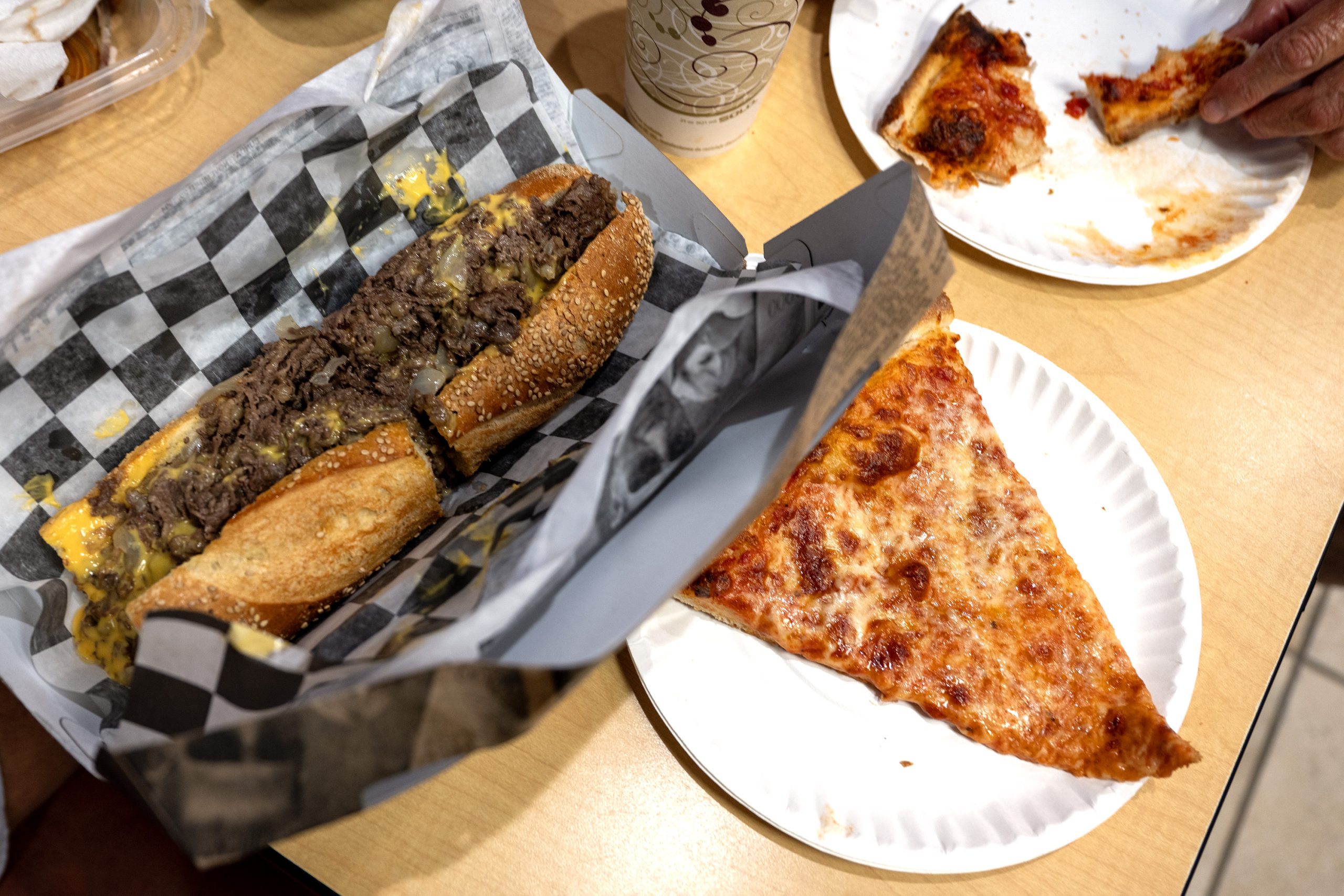
Cheessteak and pizza at Joseph “Skinny Joey” Merlino’s new Skinny Joey’s Cheesesteaks during a soft opening of his new location on the boardwalk in Wildwood.Tom Gralish / Staff Photographer
I admit an initial pause of disappointment that the best sandwich from OG Skinny Joey’s — the roast pork sandwich — did not make it to the beach. But the marquee cheesesteaks are consistent with the original, bountifully portioned and ever-cheesy with molten Cooper Sharp on a seeded roll. It’s overall better than I anticipated given the marketing bluster, but not quite elite (I worked through a clump of gristle amid the otherwise tender chopped meat; the coarse-cut, barely cooked onions also need more love).
The gloriously messy Buffalo chicken is the true steak star here. Skinny Joey’s also does pizza in Wildwood, unlike the original, and while the round pies are average, the strombolis are fantastic. They take extra time to make, because they’re baked to order. They’re also perfectly sized to fit into the slender holster of a cardboard cheesesteak box to go. Or, eat it on-site in Skinny Joey’s pleasantly cool indoor dining room, which has the rare boardwalk perk of a private bathroom, plus the opportunity to buy lots of branded merch.
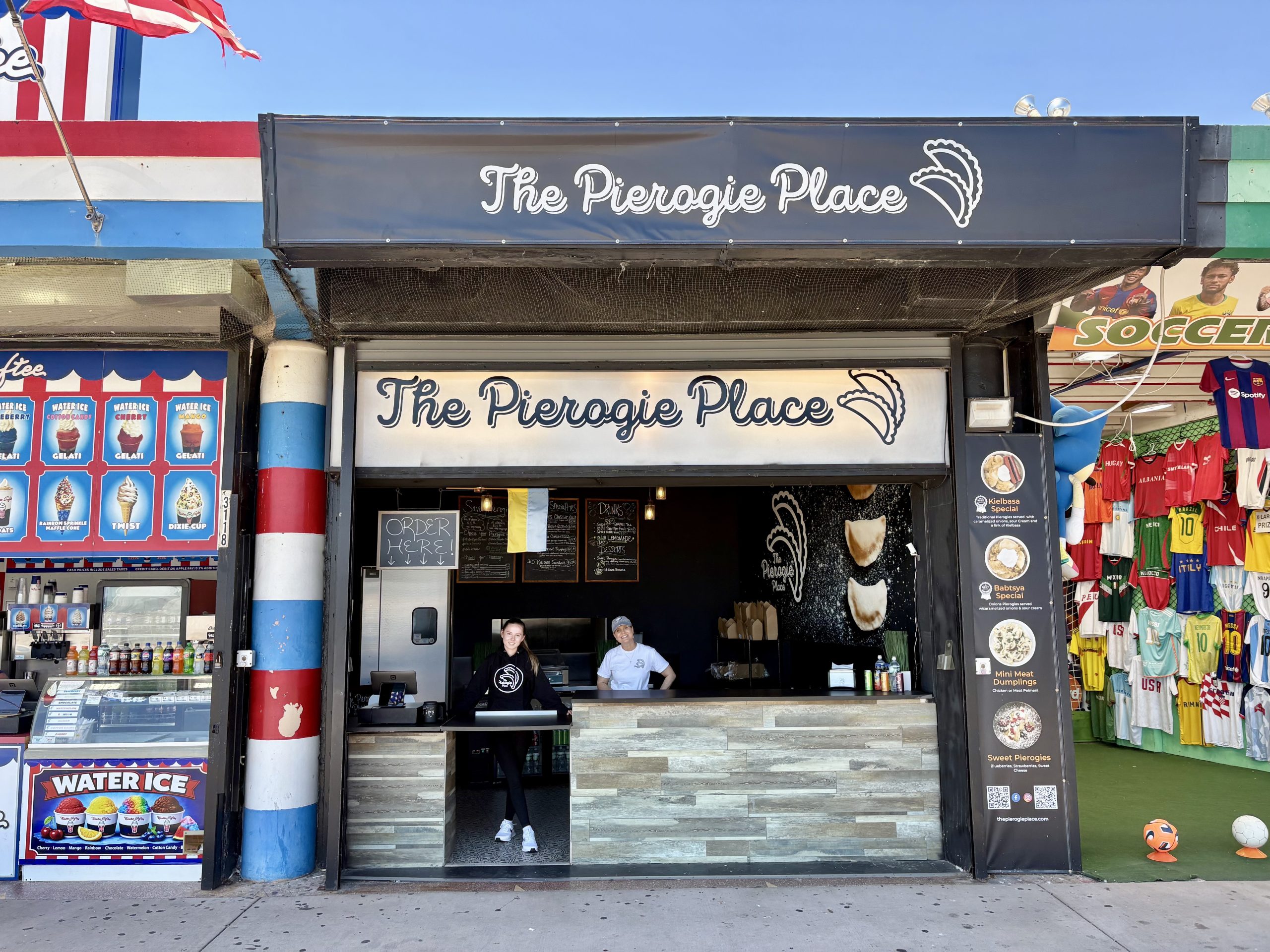
You can get pierogi and all sorts of other Eastern European treats on the boardwalk at Brooklyn’s Brighton Beach, famed for its Slavic community. A notable counterpart to be found at the Jersey Shore is the Pierogie Place, which has two separate stands on the Wildwood boardwalk. It has such a loyal following that a customer who sidled up to the register beside my family swore it was always her first stop when she arrived at the Jersey Shore (“we actually come daily”), not to mention when she visits Lincoln Financial Field, where Pierogie Place founders Liz and Bohdan Kulchyckyj also operate a location of their six-year-old comfort food tribute to Ukraine, where they lived for two decades as expats.
The Pierogie Place has two storefronts on the boardwalk in Wildwood. Pictured behind the counter at the 3116 Boardwalk location are employee Anastasiia Oleska (left) and co-owner Liz Kulchyckyj.Craig LaBan / Staff
The draw are the pierogi (or “vareniki,” as they’re called in Ukraine) offered in a variety of fillings and served with deeply caramelized onions and a dollop of sour cream. I enjoyed the potato and farmer’s cheese filling best, with the jalapeño-cheddar stuffing following close behind — even better crowned with a snappy link of kielbasa. The tortellini-like dumplings filled with pork and veal known as pelmeni are also irresistible. But don’t miss dessert of sweet cheese dumplings topped with strawberries, blueberries, or both and a cloud of whipped cream. Mingling with the aroma of salty sea air, this Slavic carnival in a box tastes particularly sweet.
The Pierogie Place, 3116 Boardwalk and 4302 Boardwalk, Wildwood; thepierogieplace.com
STONE HARBOR
Mother’s Market & Bakery
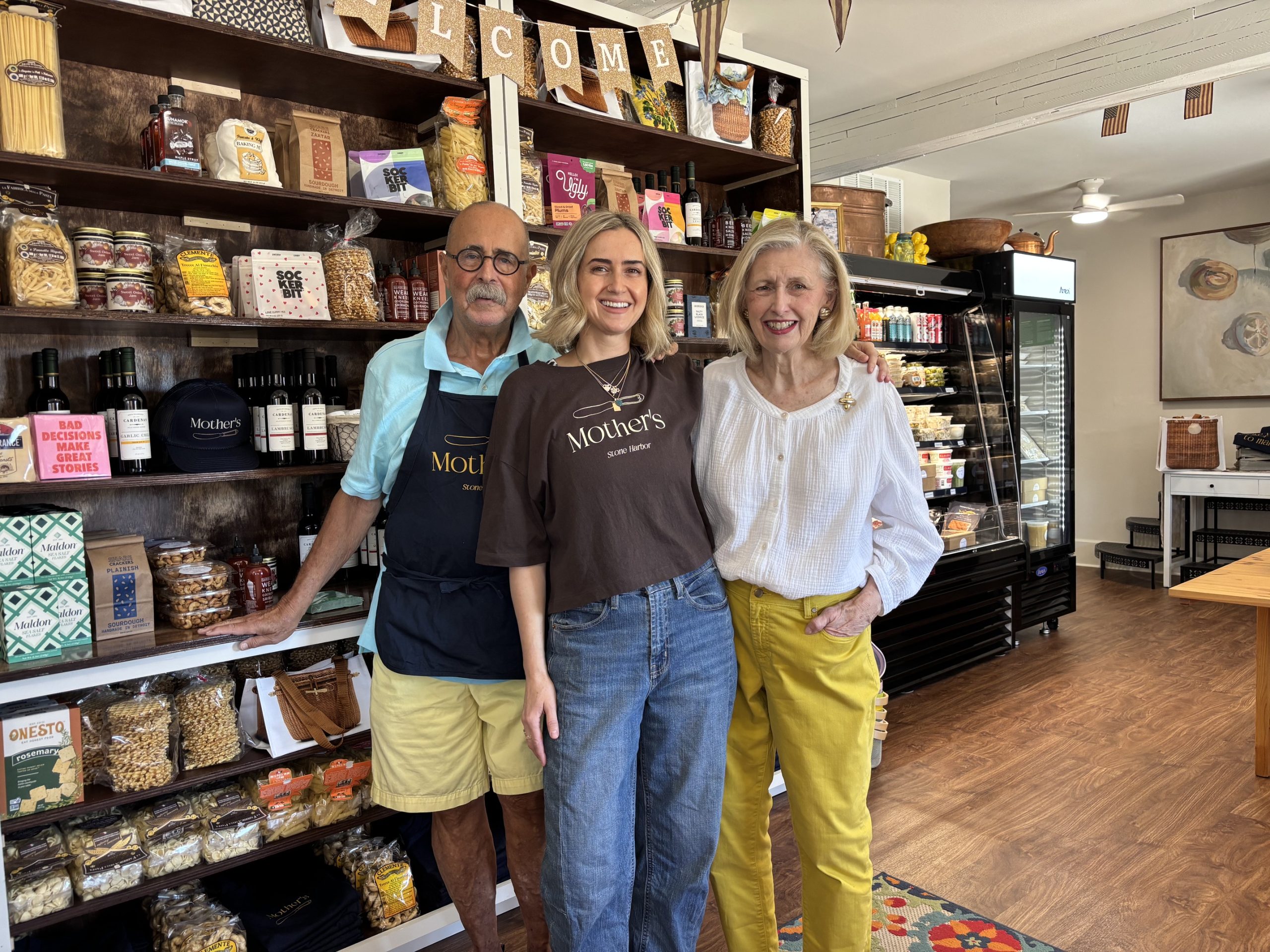
Mother’s Market & Bakery in Stone Harbor is a family affair, operated by Jennie Mopsik (center), her father, Eugene Mopsik (left) and mother, Helen Mopsik.Courtesy Mother's Market & Bakery / Eugene Mopsik
This charming new prepared foods shop in Stone Harbor checks a longtime bucket list wish for Jennie Mopsik to work alongside her parents in the Shore town where they’ve long summered together, and where she now lives year-round. This storefront market with patio seating was inspired by the home entertaining she saw her parents, Eugene and Helen Mopsik, refine over the years. So, while the shelves are stocked with well-chosen products, from top-notch pasta to Samaki smoked fish and frozen pierogi brought in from Port Richmond’s Czerw’s Polish Kielbasa, the real gems here are the specials cooked daily by her dad, a retired photographer who became known as the “Philly Loxsmith” in his tenure at Biederman’s, where he rediscovered a love of cooking. At Mother’s you’ll find him whipping up homey daily soups (cream of asparagus, gazpacho, matzo ball), fresh quiches, muffins, and excellent grab-and-go salads, including his legendary whitefish salad and a farmer’s cheese spread blended with labneh, shallots, and dill that’s my new favorite bagel schmear (not to mention Helen’s favorite happy hour snack). Jennie Mopsik is involved with the baking, too, but her talent and former business for flower arranging is also on display with custom hand-tied bouquets and orchid arrangements that she says will bloom all summer long.
Mother’s Market & Bakery, 8307 Third Ave., 1st Flr., Stone Harbor, N.J. 08247; on Instagram
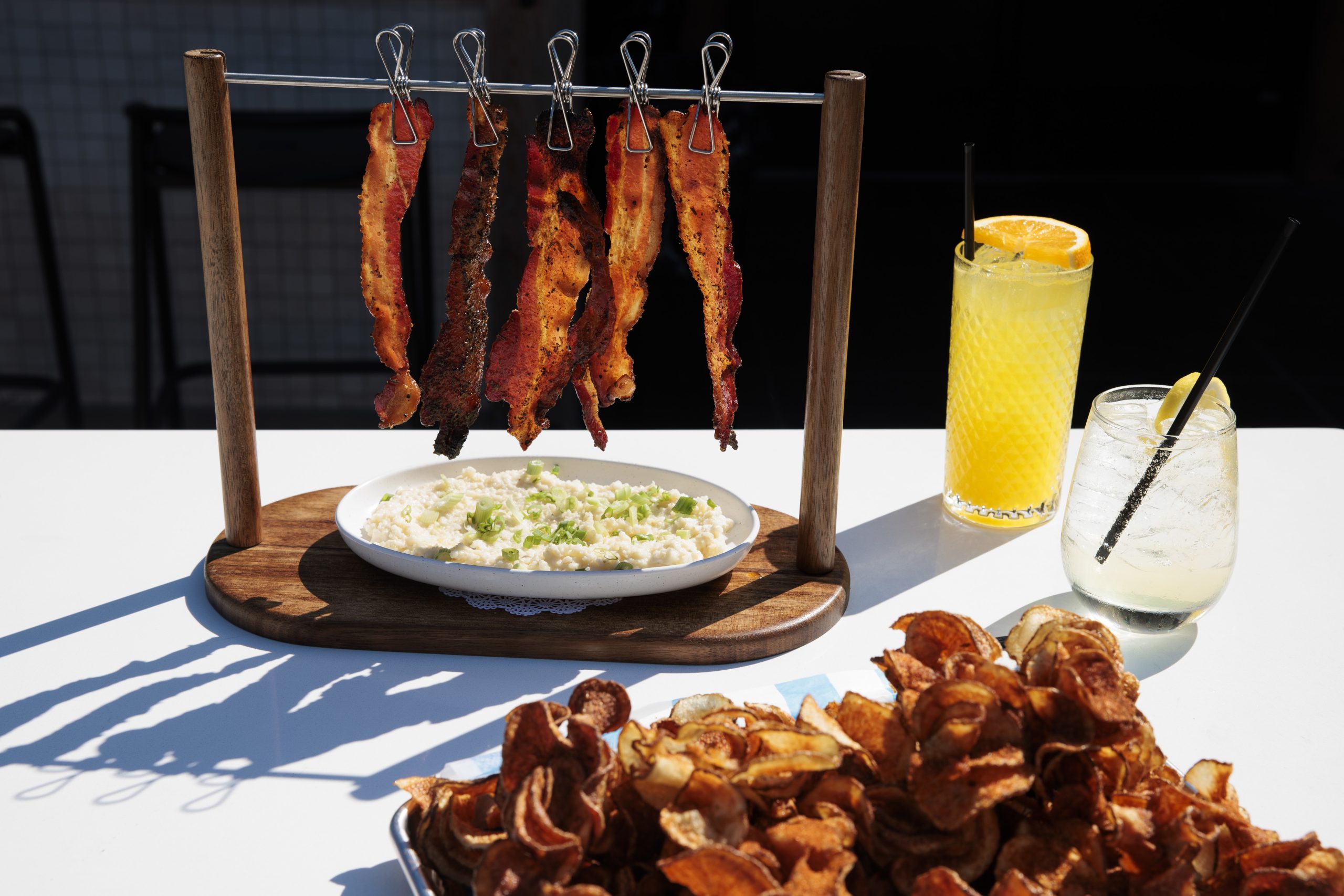
Hanging candied bacon served over grits and Gully’s Blooming Potato at Gully’s in Avalon, N.J.Monica Herndon / Staff Photographer
AVALON
Gully’s
When I was little, the notion of a human-size seagull flapping its wings at my table might have scared me right out of my swim trunks. But the team behind Gully’s is betting on the “sassy but good-natured” energy of its friendly weekend-only mascot, Gully, along with competitive Monday minnow races and updated American pub fare to bring some “old-school beachy vibes” to their makeover of the pergola-wrapped al fresco resto-bar in Avalon that was previously Black Cactus. And … it just might work?
Gully’s is more affordable than its predecessor and the diner-plus menu has a lower success bar to clear. But the food is also a notch better than it has to be, with fresh figs scattered over balsamic and a creamy hunk of burrata with prosciutto, a well-built chicken Caesar wrap, plump shrimp for the feta-dusted Mediterranean salad, and “skinny” crushes made with fresh juice and seltzer (not soda) to wash it down.
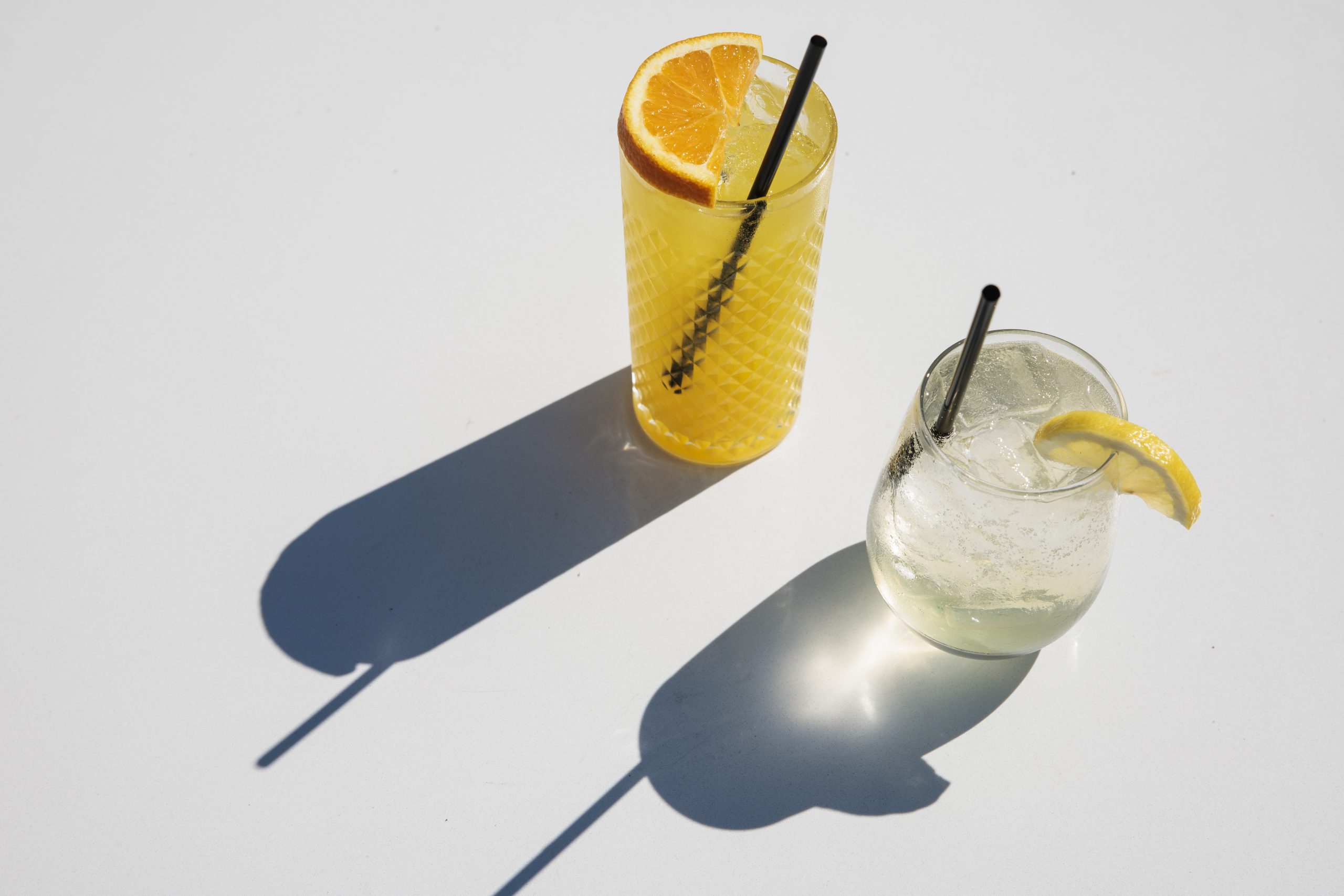
The Orange Crush and Super Spritz cocktails at Gully’s in Avalon, N.J.Monica Herndon / Staff Photographer
A bland and creamy “peri peri” chicken entree was one disappointment for a sauce that should have been spicy. But stick with the menu’s less challenging top half and you should be fine, especially with a tray of spiralized “blooming potato” chips and a clothesline of candied bacon that dangles over a tasty plate of grits — not an original idea, but delicious. They’re so good, I was thinking Gully’s mascot should actually be a human-size piece of bacon just as our outdoor table was suddenly attacked by a relentless swarm of dune gnats. The service team stepped up when a cheerful manager appeared to offer guests some bug spray. (“BYO-bug spray next time?” he joked.) Of course, seagulls eat bugs, too, so Gully the mascot may, in fact, be just the hero we’ve been waiting for. Go Birds!
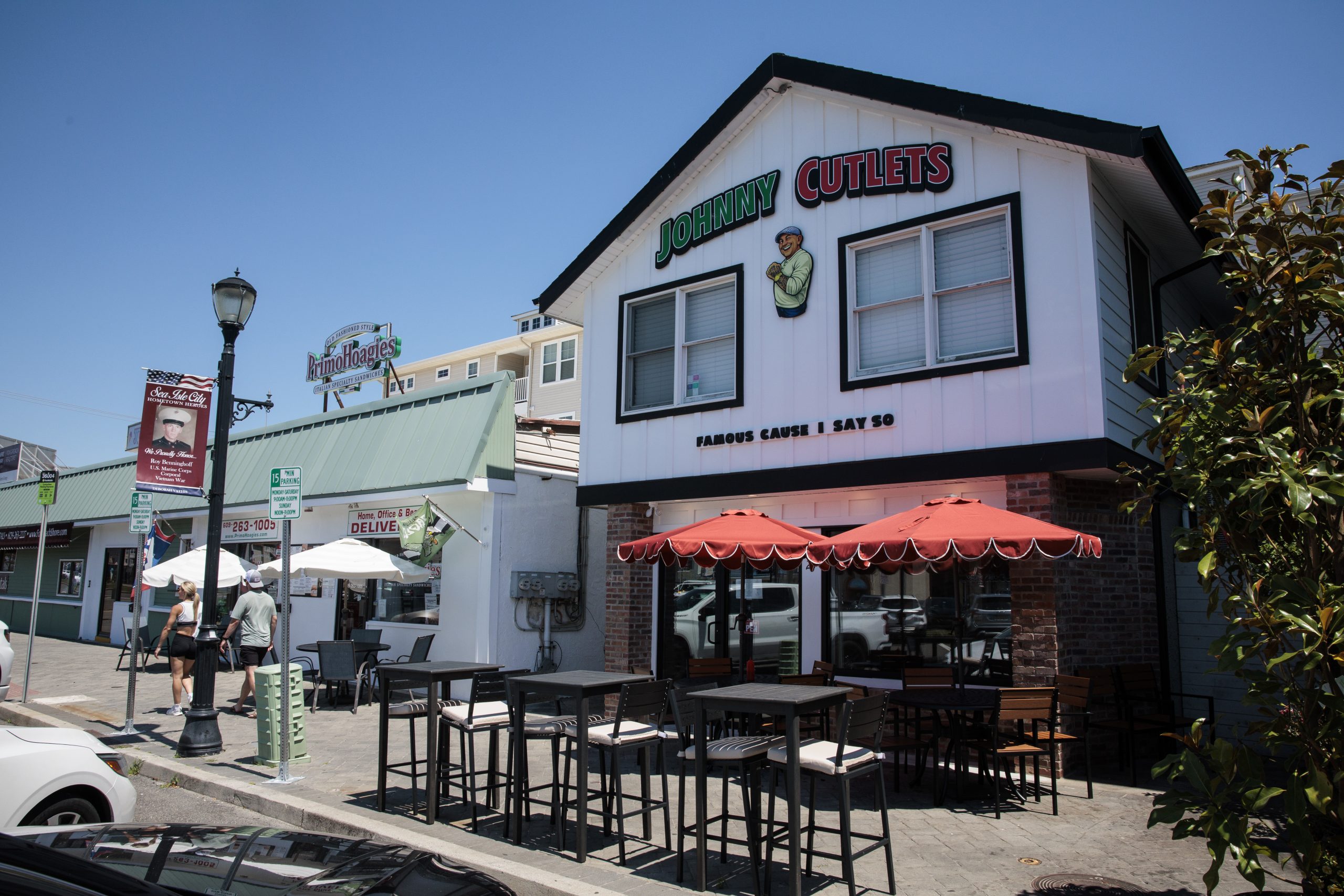
The exterior of Johnny Cutlets in Sea Isle City, N.J.Monica Herndon / Staff Photographer
SEA ISLE CITY
Johnny Cutlets
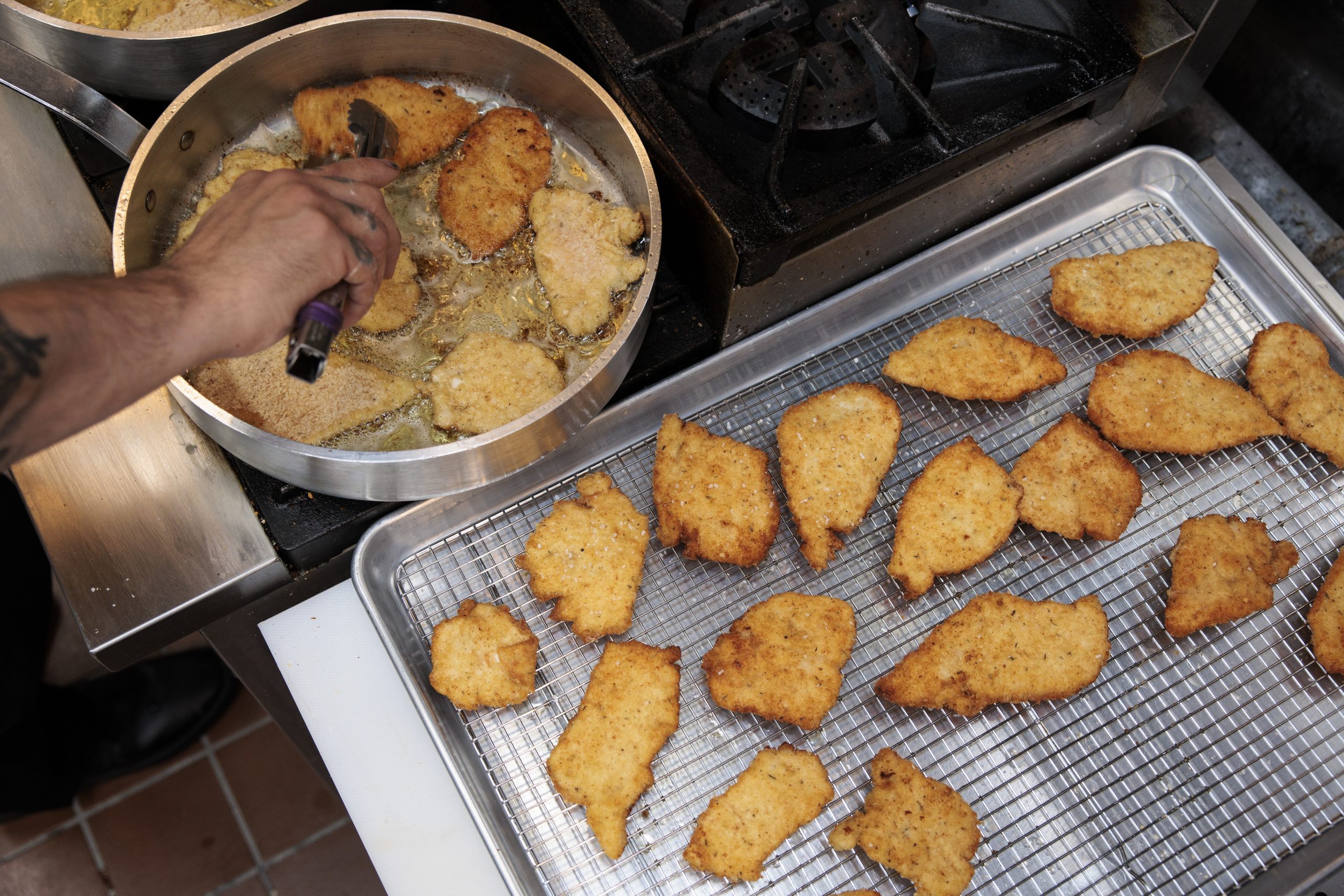
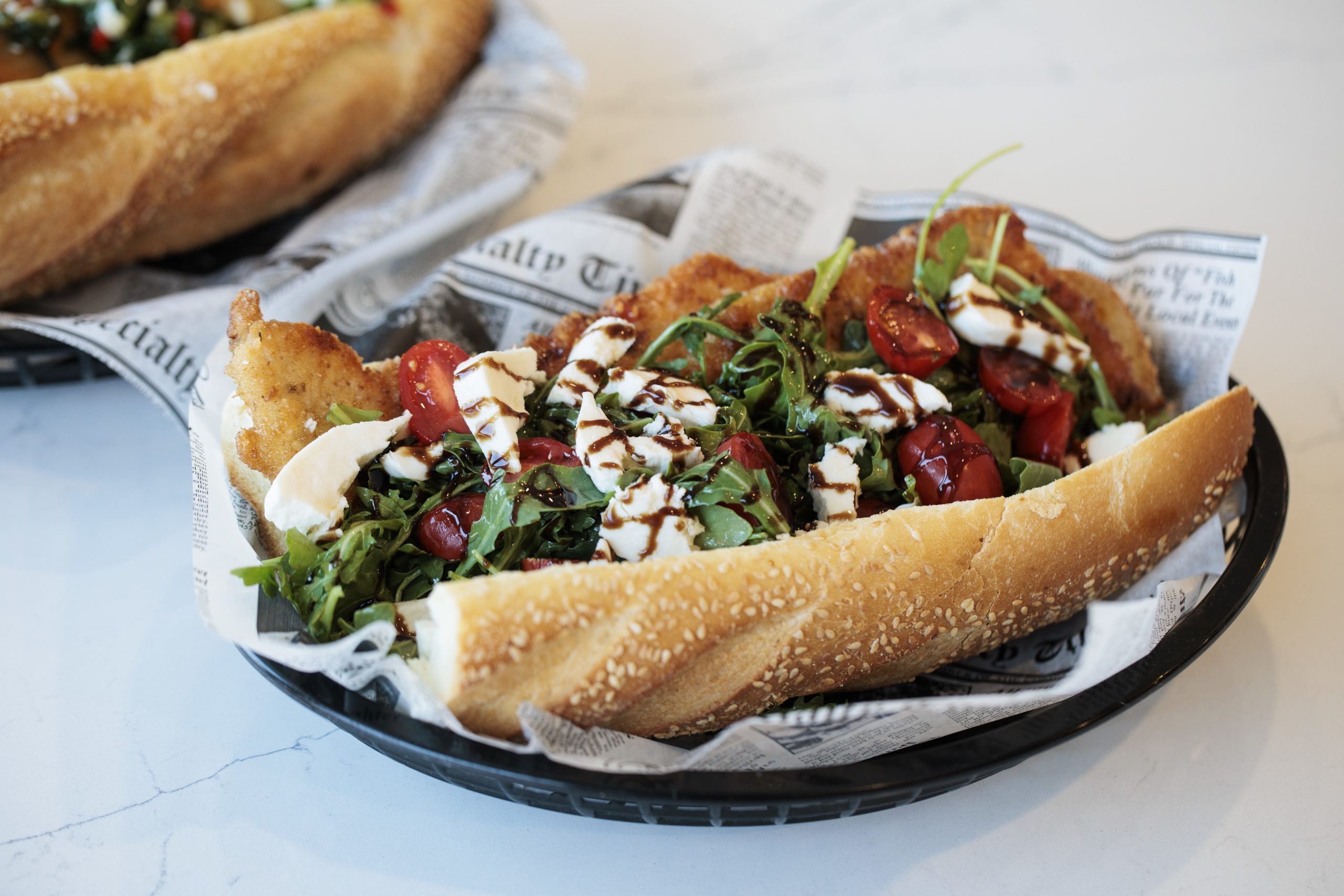
The old Steve’s Grilled Cheese is out. The crispy new swagger of Johnny Cutlets is in. And this smartly revamped Sea Isle City shop is already making a serious bid to join the elite ranks of the Jersey Shore’s sandwich derby. The cutlets are the main event, hand-breaded with two kinds of crumbs, Parmesan and herbes de Provence for a soft herbal note, then fried daily at a lower-than-usual temperature to try to maintain the juicy tenderness of a home-cooked cutlet. I was impressed, especially with its South Philly-style signature served with sharp provolone, broccoli rabe, and a long hot pepper draped over the top of a seeded Aversa’s roll. The Drunken Johnny with vodka sauce and the MJ with fresh mozz and balsamic are also popular cutlet options, but don’t sleep on Johnny’s steaks. They’re more manageably portioned than the overstuffed, overly cheesed steaks currently trending on social media, but I admired the balance of quality ingredients here.
Chef Shawn (no last name given), fries cutlets at Johnny Cutlets in Sea Isle City, NJ.Monica Herndon / Staff PhotographerThe MJ features a chicken cutlet with mozzarella, arugula, cherry tomatoes, hot honey, and balsamic glaze at Johnny Cutlets in Sea Isle City, N.J.Monica Herndon / Staff Photographer
This project is a collaboration between Steve’s former owners, twins Stephen and Fred Freda, and their new partner, “Johnny Cutlets” Markulics, who concluded that fried chicken and cheesesteaks have more “healthy living” appeal than grilled cheese. That’s probably not a scientific conclusion. But if early sales are an indication — selling up to 400 sandwiches a day — the theory wins a popularity contest. It’s just as likely that rebranding with Markulics front and center was also key. An AI-generated portrait of the vividly tattooed body shop owner, whose look Stephen Freda affectionately characterizes as “a friendly, semiscary face,” became the shop’s logo and sign, along with the bold catch phrase, “famous ‘cause I say so.” It’s a bravado this feisty little sandwich shop might actually live up to.
Johnny Cutlets, 27 John F. Kennedy Blvd., Sea Isle City, N.J. 08243, 609-486-6003; johnnycutletssic.com
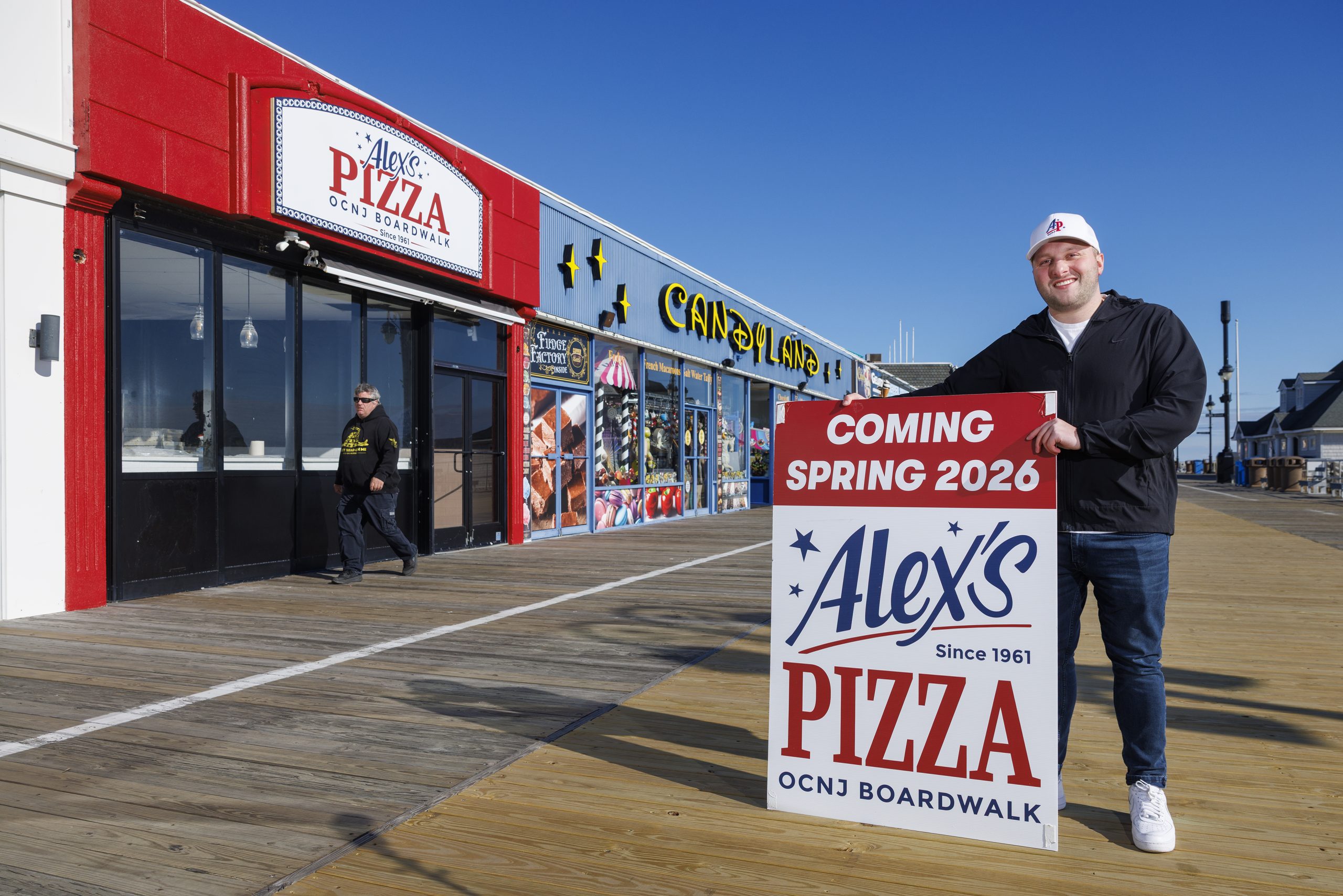
Dylan Bear, owner of Alex’s Pizza, at 1214 Boardwalk, Ocean City, N.J.Alejandro A. Alvarez / Staff Photographer
OCEAN CITY
Alex’s Pizza
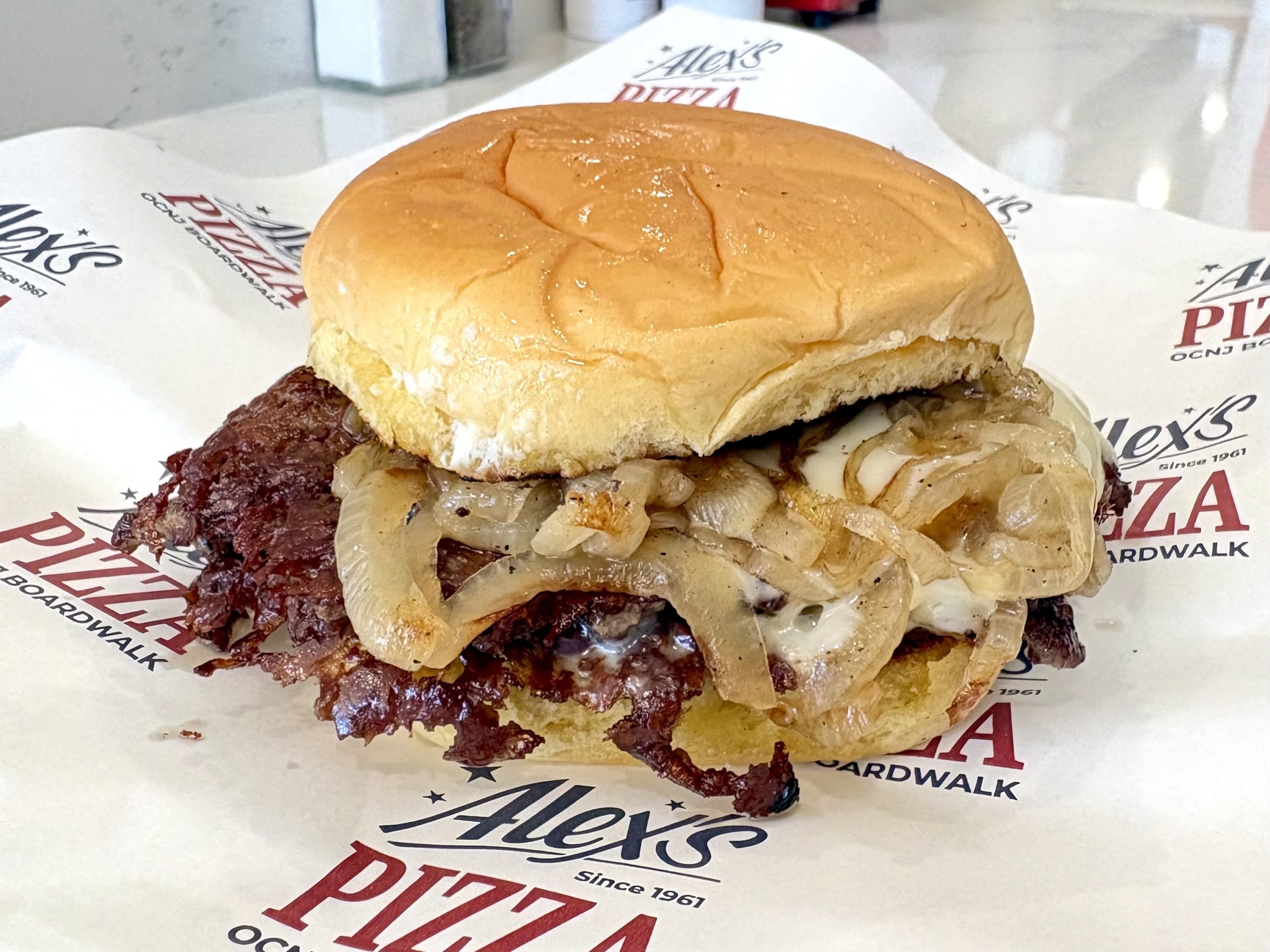
A smash burger with onions and cheese is one of the specialties at the new boardwalk location in Ocean City for Alex’s Pizza from Roxborough.Craig LaBan / Staff
The best part of opening a Jersey Shore branch of a classic Philly pizzeria is that you have a built-in loyal clientele. The bad news is that loyal clientele. They know your pies better than anyone, and if it doesn’t measure up then … well, meet Michele B., a lifelong Roxborough resident seated beside me who grew up eating at Alex’s Pizza, a standby at Pechin and Leverington since the 1960s. She traveled to the Ocean City location specifically to taste a slice of her youth, and while these thin-crusted rounds looked the part, with a signature swirl of red sauce spiraled across the top, there wasn’t nearly enough of it: “It’s too dry!” said Michele bluntly. “Not enough sauce.” To his credit, the manager of this new boardwalk venture was eager for feedback, since he’d never eaten at the Roxborough original himself. An experimental pie with sauerkraut and hot dogs had more pizzazz, albeit a niche audience (me). But Alex’s does one thing especially well: smash burgers. The patties on my double stack were swiftly griddled to an impressively crisp and lacy skirt, then layered with onions and oozy cheese that trapped all of its juices. While Alex’s may indeed one day offer an upgrade to the multitude of boardwalk pizza mediocrity, the local burger competition is considerably more scarce. And this one’s worth the trip.
Alex’s Pizza, 1214 Boardwalk, Ocean City, N.J. 08226; 609-862-0062; alexspizzaocnj.com
Kyma
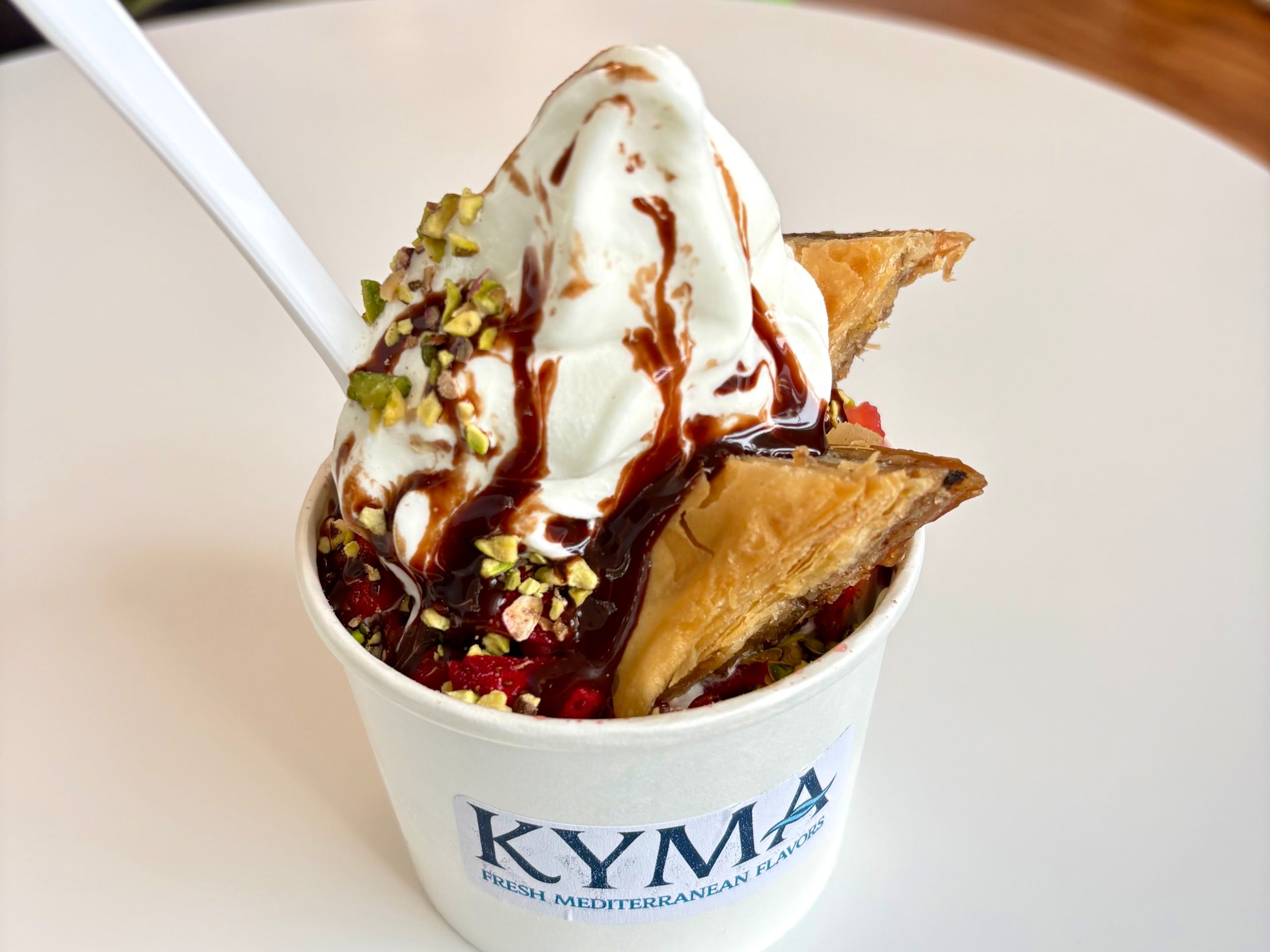
The Beach Baklava yogurt topped with chunks of the Greek pastry, chocolate sauce, and pistachios is one of the highlights at Kyma, a new Greek yogurt cafe in Ocean City.Craig LaBan / Staff
When it comes to island refreshments, Greece has a historic head start of a few thousand years on the Jersey Shore. So I was excited that the Siganos family behind Ocean City’s classic Greek diner, Yianni’s Cafe, opened a frozen treat destination nearby on Asbury Avenue with something different from the norm. Kyma serves Greek-style frozen yogurt that carries a refreshing tartness absent in most standard soft-serve, but its elaborately composed bowls are what caught my eye, especially the “Beach Baklava,” a swirling tower of frozen yogurt drizzled with chocolate, pistachios, berries, and flaky hunks of baklava pastry. There’s another bowl scattered with crunchy kataifi, almonds, and honey and another trendy Dubai-themed bowl drenched in green pistachio sauce and chocolate. There are some more familiar offerings — smoothies, açaí bowls — for maximum audience appeal. But the other prime bonus for me is the bold punch of one of the world’s original iced coffees: frappé, a Greek specialty invented in 1957 that whips instant Nescafé with sugar, water, and milk into a stiff peak that gets shaken with ice into a powerfully caffeinated foam.
Kyma, 838 B Asbury Ave., Ocean City, N.J. 08226, 609-545-2290; kymaoc.com
Island Grill
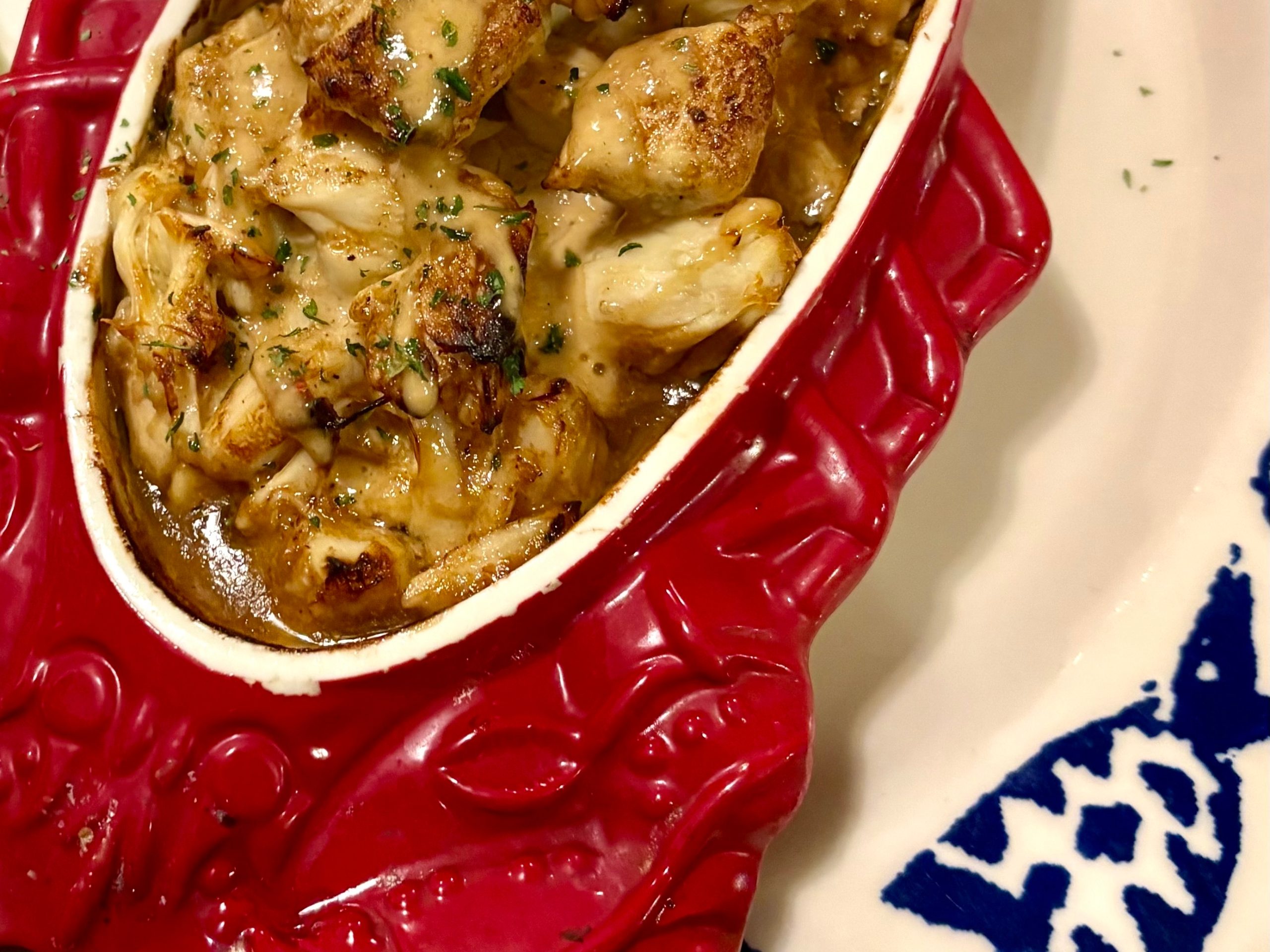
Crab imperial is one of the classic standards at Island Grill in Ocean City.Craig LaBan / Staff
The last time I visited Island Grill in 2021, the chowder and coconut shrimp were being delivered by Peanut the robot, on lease by the restaurant’s owners to cope with a severe pandemic labor shortage. Peanut is gone from Island Grill now, even if food service robots are now everywhere else. But this standby on the island’s northern end is once again humming full steam ahead for walk-in crowds that pack the nautical-themed space, now in its 30th year cooking fresh seafood from its retail market. The vast menu offers classics like fried or broiled fish platters from its extensive fresh catch board, fish tacos, and a broiled crab imperial glazed in zesty sauce that showcased the bounty of sweet meat. What’s also laudable about Island Grill is an extensive selection of gluten-free offerings that are carefully made to avoid cross contamination, from the pecan-crusted salmon to a gf key lime pie and twin crab cakes that were so good my celiac daughter questioned whether she’d received the wrong order. She had not. The kitchen also offers traditional crab cakes, but the gluten-free variety is convincingly bound with rice.
Island Grill, 100 Atlantic Ave., Ocean City, N.J. 08226, 609-391-9616; ocnjislandgrill.com
I’ve been mesmerized by kibbeh nayyeh since my days as a teenage busboy at Phoenicia, the trailblazing Lebanese fine-dining destination just outside of Detroit in Birmingham, Mich. It was my first encounter with a dish that showcased raw meat — in this case, puréed raw lamb mixed with bulgur wheat and spices. And my determination to eat as much of it as possible while on extra-long breaks in the walk-in (instead of cleaning tables) was likely one reason I wasn’t a very good busboy. It did provide, however, one of the earliest sparks in my career as a curious eater. Now, I order it almost every chance I get.
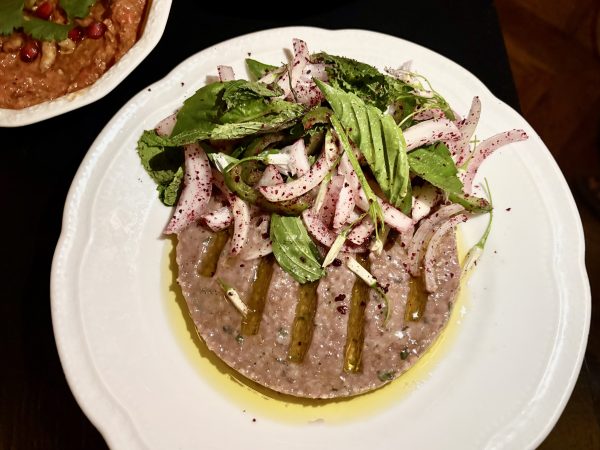
But no kibbeh nayyeh has stopped me in my tracks and triggered a childhood flashback quite like the incredibly soft and vividly spiced version at Suraya. One of the first recipes taught to executive chef Nick Kennedy by Maude El-Harouny — the Lebanese mother of co-owners Roland Kassis and Nathalie Richan — before Suraya’s 2017 opening, it’s a picture of the classic dish at its best. Lean lamb loin is puréed to a silky smoothness before it’s blended with bulgur, puréed onions, jalapeños, and herbs — basil, marjoram, allspice, mint, and cinnamon — before getting shaped into a dimpled pink puck with deep divots for good olive oil.
The spreadable, pâté-like base itself is flavorful enough, but that peppery olive oil and the garnish piled on top, with sumac-dusted raw onions and basil and mint that deliver a contrast of juicy crunch and herbal freshness, elevates the dish overall to another level. One that’s powerful enough to remind me of my first transporting raw taste of kibbeh nayyeh several decades ago. Suraya, 1528 Frankford Ave., 215-302-1900, surayaphilly.com
— Craig LaBan
Omakase at Kissho House
Omakase experiences in Philadelphia run the boardfrom the $78 tasting at Yuhiro in Fishtown to the $355 extravaganza in the back room of James Beard Award-winning chef Jesse Ito’s Royal Sushi & Izakaya. How about one with ambition and value, priced down the middle?
For that, there’s chef Jeff Chen’s Edomae-style omakase at his 12-seat counter downstairs at Kissho House, which opened last year in a former Rittenhouse law office. Chen, a Hiroki alum, delivers the goods without gimmicks, from the appetizers (octopus, asari clams, and Japanese river crab) through the nigiri sequence, which caps off with a toro hand roll and clam soup, followed by strawberry monaka for dessert. Few $150 omakases include well-sourced ingredients (anago from Tsushima, akami from Spain, uni from Hokkaido), and creative bites like king salmon with dry tomato, truffle sauce, and roe in a spring roll shell, plus Wagyu with sea bream and caviar. Kissho House, 1522 Locust St., 610-332-7387, kisshohouse.com
— Michael Klein
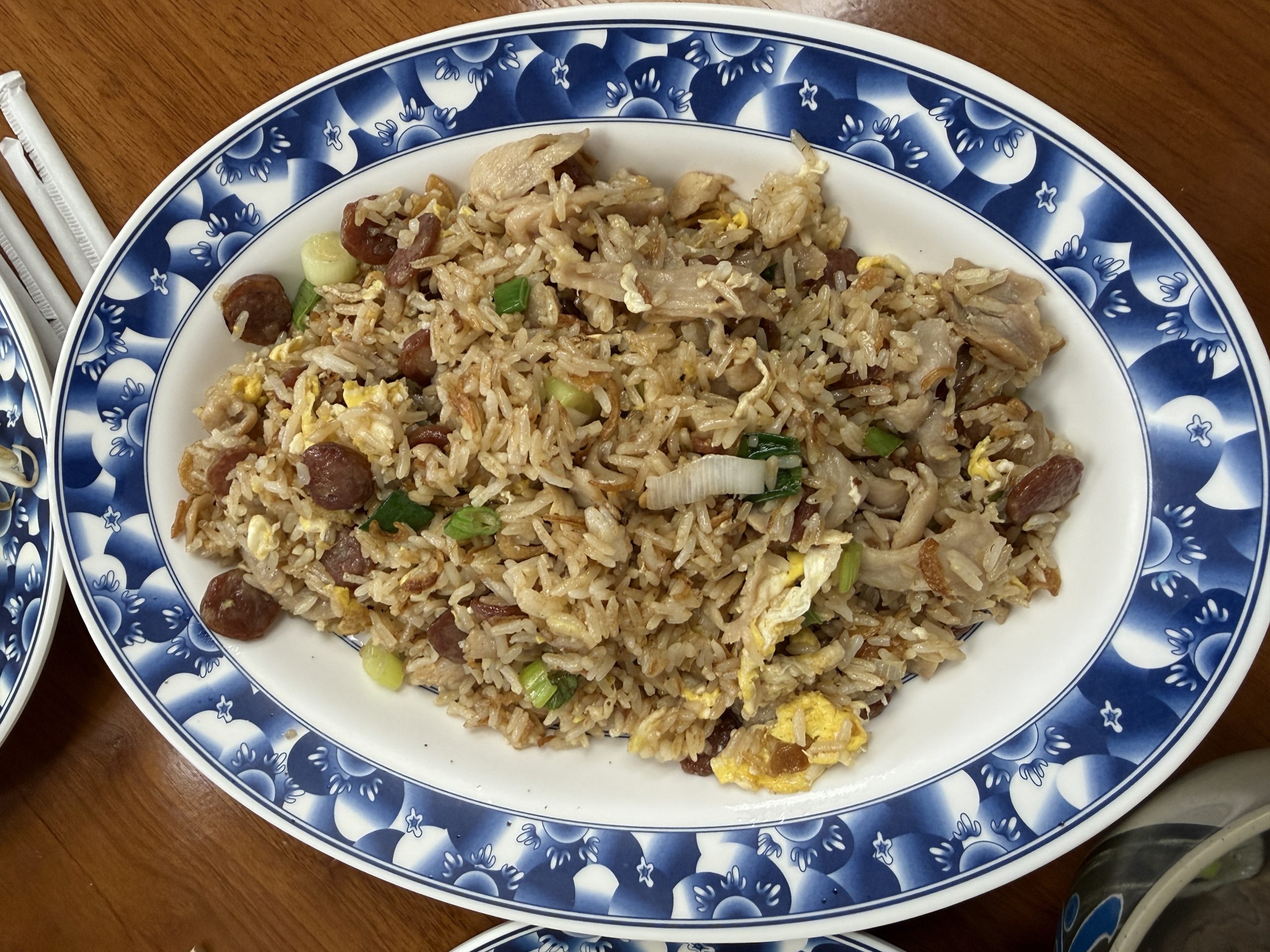
The Bai Cha Sach Mon (chicken fried rice with chinese sausage) at Heng Seng Restaurant, 2217 S. Seventh St.Kiki Aranita / Staff
Chicken fried rice with Chinese sausage (Bai Cha Sach Mon) at Heng Seng Restaurant
I went to Heng Seng Restaurant in South Philly with a craving for Cambodian dry egg noodles. At $15 for a small portion, they hit the spot, bouncy and crinkled yet firm with a side of beef shank bone broth for dipping or sipping. But there was a sleeper hit: the $17 chicken fried rice (called bai cha sach mon in Khmer) with smoky, sweet lap cheong or Chinese sausage.
I usually think of fried rice as a little silly but also a little clever — an excellent way for a restaurant to use day-old rice, which makes for better fried rice than fresh rice. So when the platter landed in front of me, I was delighted but also a little perplexed. How could these slivers of chicken be so tender and flavorful? How could the individual grains of jasmine rice have such a lovely robust texture? Heng Seng’s dishes are heavily influenced by Teochew cuisine (Chinese Cambodians are primarily Teochew Chinese, originally from the Chaoshan region in eastern Guangdong) with its exceptionally earthy, savory fried rice. With a little bit of egg, scallion, and that sweet lap cheong seeping fat into the rice, this version is certainly worth seeking out. Heng Seng Restaurant, 2217 S. Seventh St., 215-755-5390, hengsengrestaurant.com
— Kiki Aranita
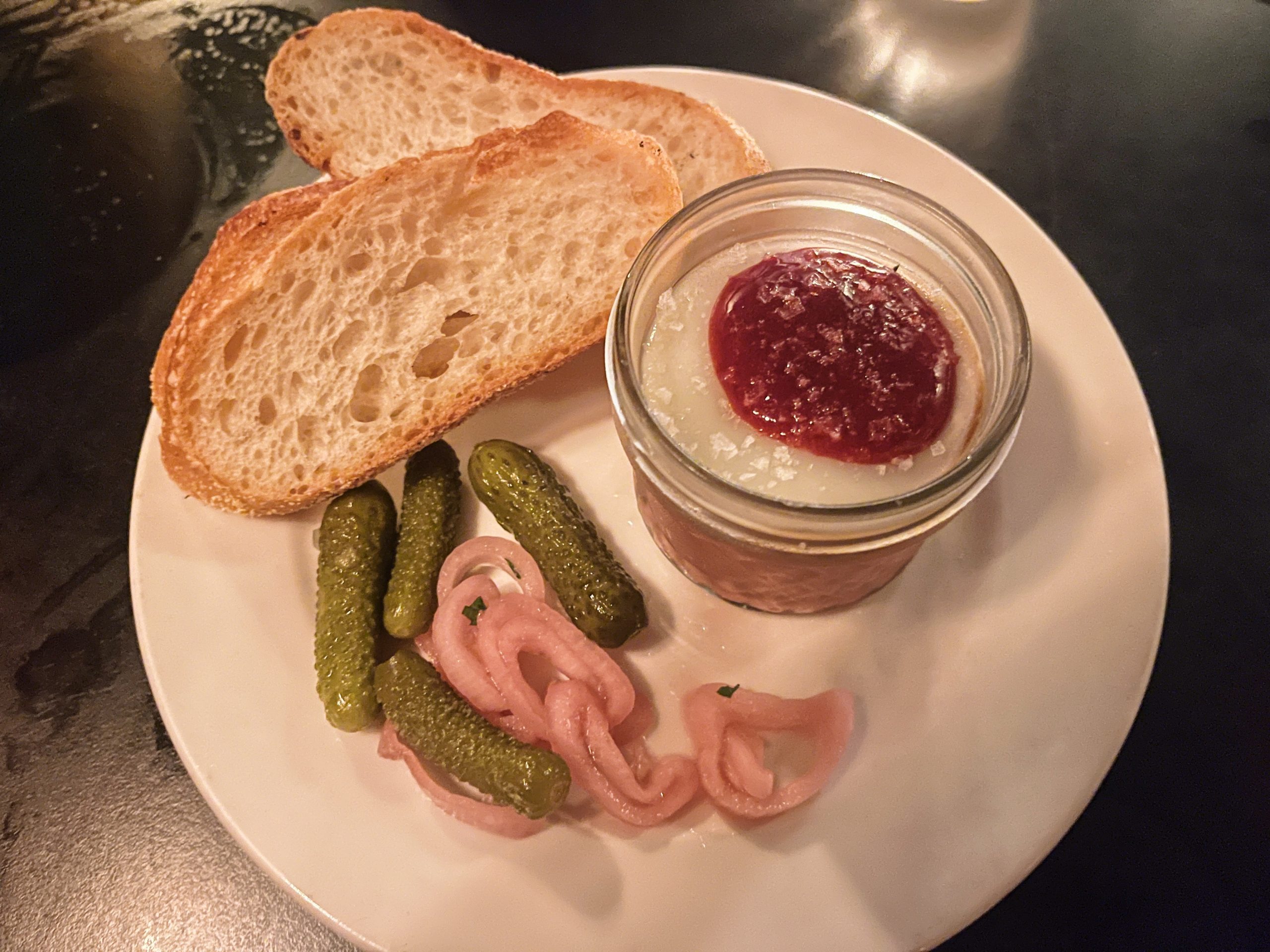
The chicken liver mousse at Royal Boucherie, 52 S. Second St.Beatrice Forman / Staff
Chicken liver mousse at Royal Boucherie
I’ve long considered chicken liver mousse the gateway drug to my beloved chopped liver. Its creamy texture and less polarizing flavor is a good stepping stone to the hard stuff — the chunkier, funkier, and less ritzy mounds of chopped liver behind the counter at most respectable Jewish delis. If it’s your first time eating spreadable liver, the mousse at Old City’s Royal Boucherie is perfect, a textbook example served in a cute little mason jar with crusty bread and cornichons on the side for dipping. Topped with a seasonal berry jam and flecks of flaky salt, the mousse has all the right flavors: a little sweet, a little earthy and rich without feeling heavy. I scraped the jar clean.
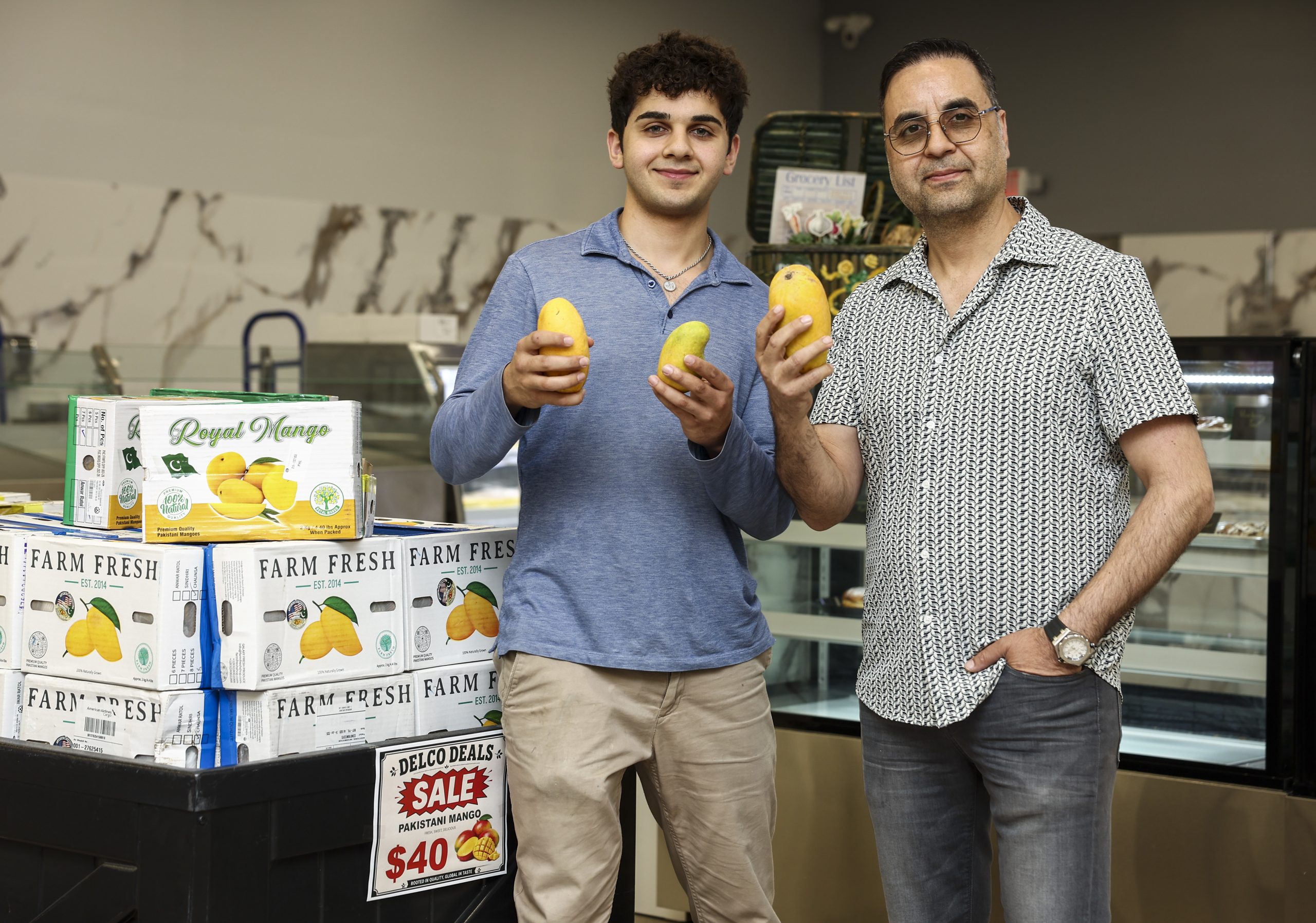
On a warm June evening, Aqeel Ahmed and his son Musa Khan eagerly waited outside their recently opened Delco Farmers Market in Folcroft for a minivan and its long-awaited cargo.
The drop-off occurred at 6 p.m., with their Upper Darby supplier pulling up right on schedule.
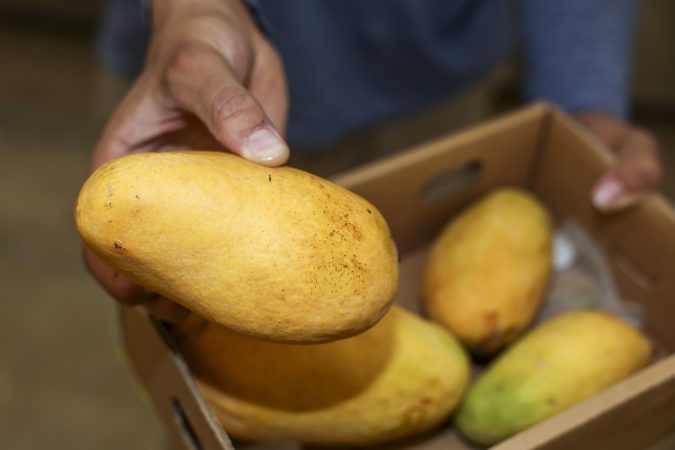
The 36 boxes of Anwar Ratol, Chaunsa, and Sindhri mangos filled the market’s produce section with a smell that defined Ahmed’s summers growing up in Karachi.
“It smells like you’re in Pakistan. That’s how fresh they are,” Khan said.
The cargo of mangoes had traveled more than 7,000 air miles from Khan and Ahmed’s homeland, where they are considered the “King of Fruits” and celebrated in songs and poetry.
Within six hours, all 36 boxes were sold.
With customs restrictions, high transport costs, and a short shelf life, Pakistani mangoes are difficult to come by in the U.S. despite being approved for import in 2010. A network of mango dealers across the country makes it possible for the diaspora to acquire their homeland’s national fruit, albeit from a limited supply.
Musa Khan (left) and his father, Aqeel Ahmed, pose while holding Sindhri mangos at the Delco Farmers Market on Monday, July 6, 2026, in Folcroft.Monica Herndon / Staff Photographer
“For a group of internet-savvy immigrants and their children, a new option has emerged over the past few years: Middlemen and logistics experts acquire the mangoes from farms in Pakistan and sell them over WhatsApp at a premium, often only a few days after harvest,” James Beard-winning writer Ahmed Ali Akbar wrote in the food publication Eater in 2021.
A member of the Philly-area Muslim and Pakistani communities, Aqeel Ahmed was aware of the vast mango trade network and wanted to sell the fruit even before he opened the supermarket in May.
“When it was illegal to bring Pakistani mangoes, people — not my dad — would smuggle it from Canada, because it was legal to bring [the fruit] there,“ Khan said. ”A lot of people used to drive all the way to Chicago, New York, and California to get these mangoes. So it was a big thing and you always knew who had it.”
Ahmed previously ordered from a mango middleman in Long Island. His son was 12 years old when he had his first bite of a Pakistani mango in America.
“It just tasted better; it was so refreshing,” Khan, 19, said. “They’re juicier — you need to eat it over the sink because every time it’s a mess. And it’s definitely sweeter.”
Ahmed began his search for a local mango dealer in early April. Mango season, which lasts roughly from April to September in Pakistan was around the corner and he knew dealers would be overwhelmed with orders soon. He heard through the WhatsApp grapevine that there was a mango middleman in Upper Darby. So he spent the month calling all the people he knew in the area.
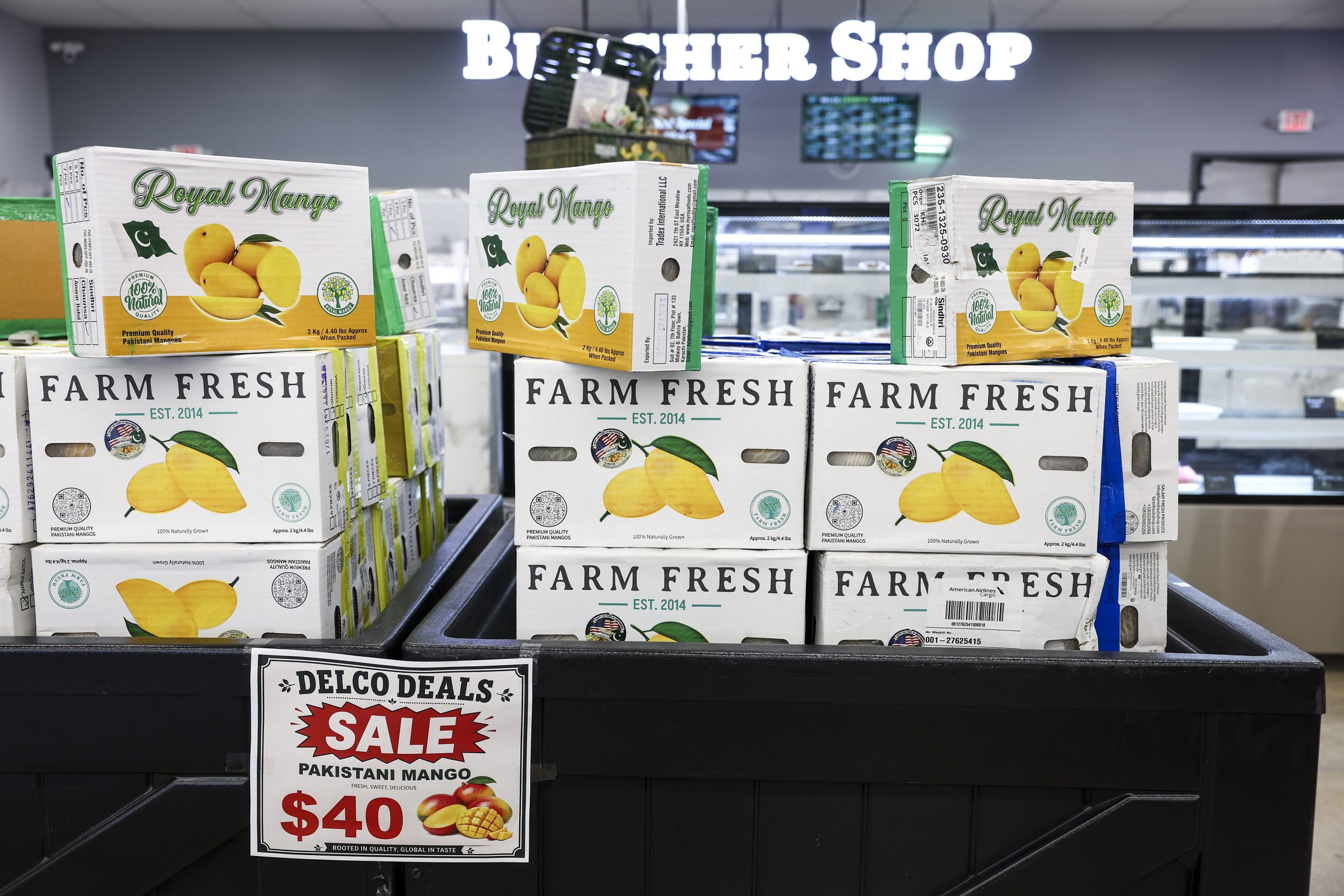
Boxes of Sindhri and Chaunsa mangos from Pakistan are on display at the Delco Farmers Market on Monday, July 6, 2026 in Folcroft.Monica Herndon / Staff Photographer
At the end of April, he made contact.
“My dad called him and said, ‘I’m local in the community as well. We’re opening up a big supermarket and we want to sell Pakistani mangoes,’” Khan said. “It took a little bit of convincing, but [the mango dealer] was able to get us boxes … there’s such a high demand.”
The Upper Darby middleman initially gave the father-and-son duo 12 boxes each of three varieties of mangoes: the small, sweet, and aromatic Anwar Ratol; the almost fiberless, custard-like Chaunsa; and the sweet-tart Sindhri.
Each 4.4-pound box held six or seven mangoes and cost the store $33.
Before the July Fourth holiday, Ahmed ordered another shipment to replenish the first. There were fewer than 200 boxes being sold at the store for $40 each, with a four-to-five day shelf-life.
Pakistani mangoes can go for over $7 apiece due to transportation costs, Akbar said.
After one post about their mango stock, Khan said the store’s Instagram DMs were flooded with people looking to buy. Some even asked if the mangoes could be shipped as far as Kansas, California, and Ohio.
But this was the last order from the mango dealer, Khan said.
With the high demand, the Delco Farmers Market family is looking to cut out the middleman and import directly from Pakistan.
“We didn’t ask [the mango middleman] how he got them,” said Khan, “but we figured out how after a company in Pakistan contacted us on Instagram.”
Middlemen across the country pick up mangoes from airport cargo bays, including Ahmed’s dealer who picks up his stock from the Philadelphia airport. With no direct flights to America from Pakistan, the mangoes need to secure passage to a hub city like Dubai before arriving at an American international airport, said Akbar.
Upon arrival, the fruit is taken to an irradiation facility, quarantined, and then loaded onto another cargo flight.
And all of this needs to happen within a few days of harvest before the fruit spoils.
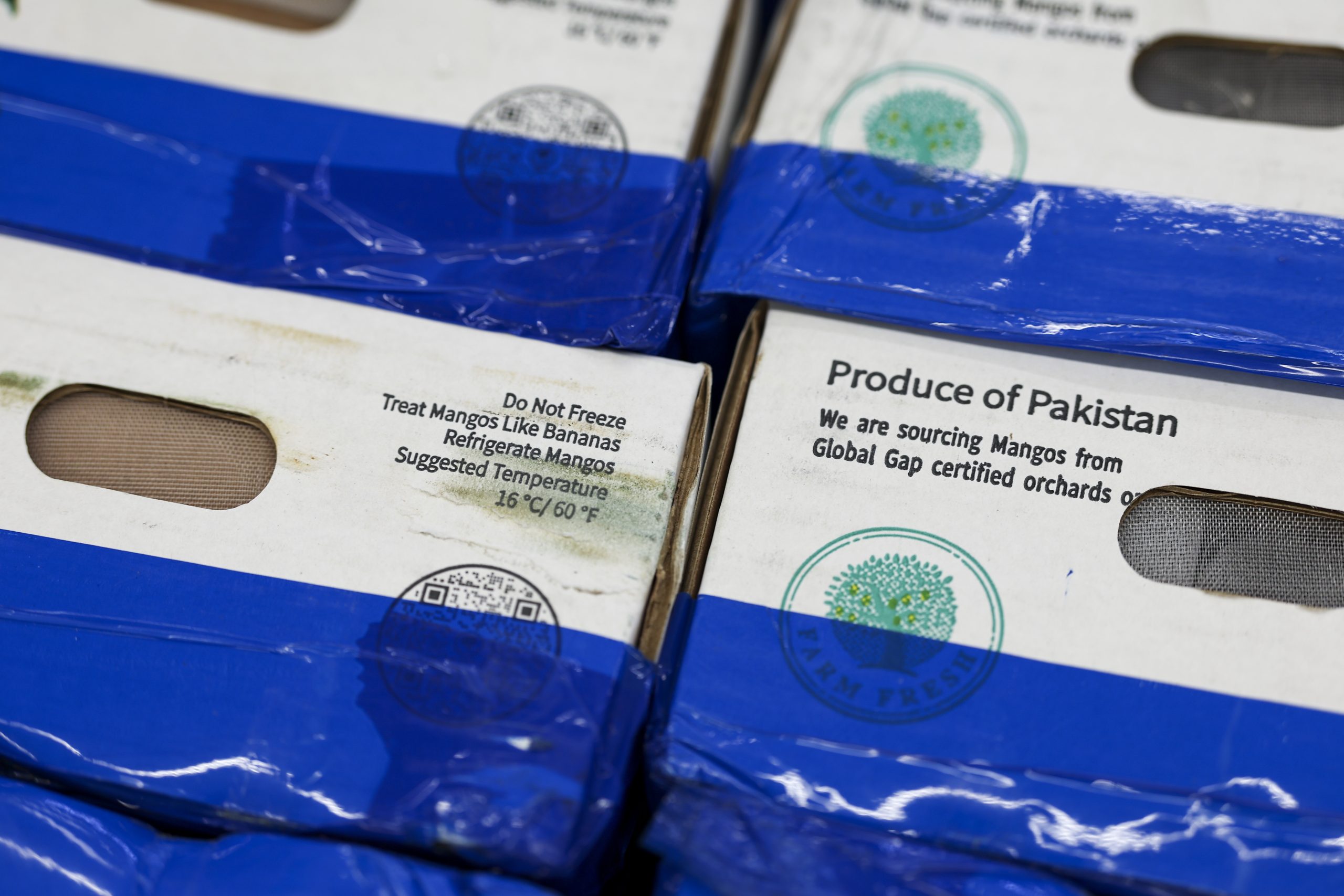
Boxes of Sindhri and Chaunsa mangos from Pakistan on display at the Delco Farmers Market on Monday, July 6, 2026 in Folcroft.Monica Herndon / Staff Photographer
The next step to going solo, Khan said, is to figure out a way to get the mangoes to Dubai and then to an international airport in Texas or New York.
“Our main goal is to have our own boxes — we want them to say Delco Farmers Market,” Khan said.
Growing up in Lower Merion, Khan never saw a big supermarket dedicated to selling Pakistani and halal products in his neighborhood. The goal for his family, he said, was to be that hub where Philly-area immigrants and diaspora could shop for meat, prepared foods, and fruit from their home country.
“We’re not making anything by selling Pakistani mangoes, but we’re serving the community,” Khan said. “And to have them in our own store after eating it as a kid is a full-circle moment.”
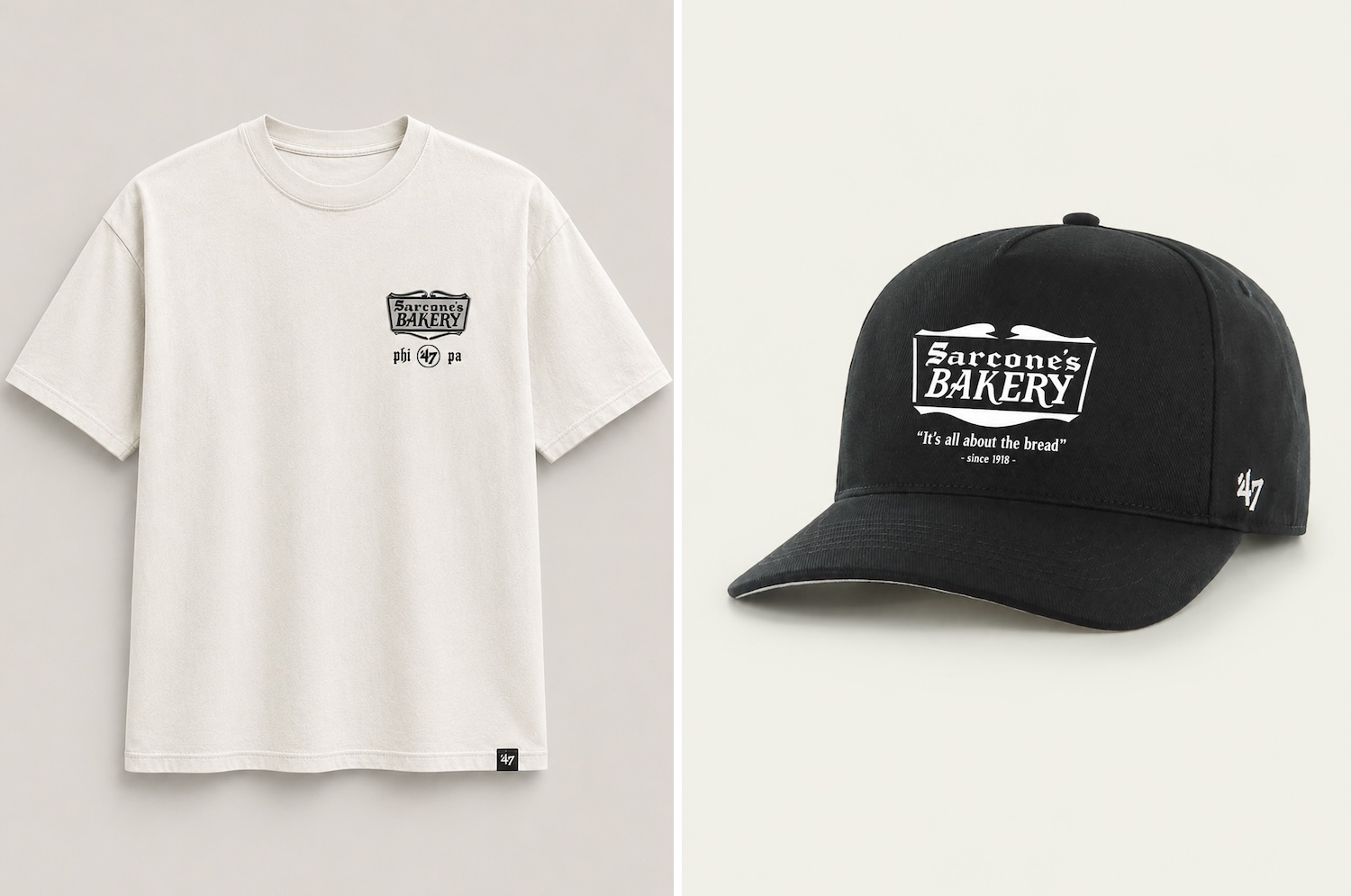
With the MLB All-Star Game around the corner, sports apparel company ’47 is teaming up with Sarcone’s Bakery for an exclusive pop-up inside the South Philadelphia staple.
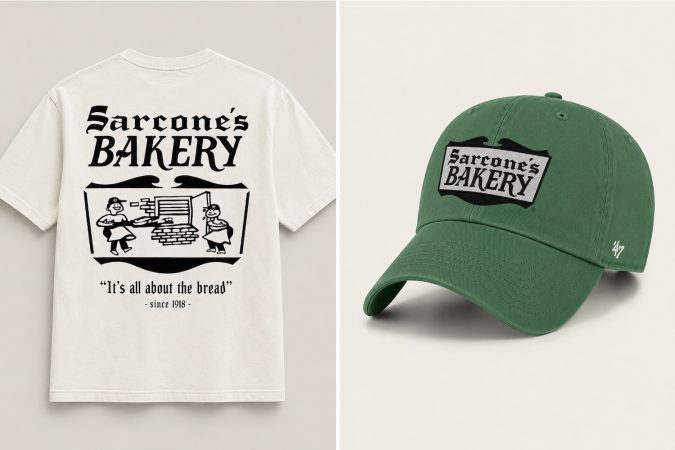
The event will run Monday and Tuesday from 11 a.m. to 5 p.m. The bakery will offer a special ’47 menu that boasts their famous bread and tomato pie. More importantly, guests who purchase food will receive an exclusive Sarcone’s T-shirt and hat, produced in partnership with ’47.
“When you think of Philly, you think of the passionate sports fans, and you also think of the food scene,” bakery owner Louis Sarcone III said. “The main thing of the food scene in Philly is the Philly cheesesteaks, and our bread is a staple in the city of Philly cheesesteaks. And when you go into a stadium, you see the iconic ‘47 logo everywhere. I think we’re two similar companies that have been around for generations.”
Patrick Cassidy, the vice president of marketing at ’47, helped launch the search for a Philadelphia-based business to partner with. Cassidy, who was born in the city and grew up in Delaware County, felt a bit of pressure to pick the right one.
“We’re going into Philly, and I’m from Philly,” Cassidy recalled. “It’s important to me to get this right in a very real way. I’ve got plenty of cousins and aunts and uncles to answer to if I don’t do it right.”
The front of the T-shirt (left) and a black snapback hat from Sarcone’s collab with ’47.Courtesy of '47 Brand
Sarcone’s was eventually brought up as an option. To Cassidy, the partnership made perfect sense. Sarcone’s was opened in 1918 by Sarcone III’s great-great grandfather, an immigrant from Italy. Five generations later, the bakery is still family-owned. Similarly, Boston-based ‘47 was owned and operated by two families until it was sold to New Era in 2024.
“Sarcone’s, much like us, started as a family business,” Cassidy said. “Heart, history, heritage, a crazy attention to detail. The same amount of detail with how they make their bread, we’ve barely touched the ingredients in our headwear for almost eighty years.”
Sarcone III and the rest of his family are just as excited.
“We get to give something back to our existing customers,” he said. “But also we get a reach that we normally wouldn’t get because of how big [‘47 is], get a bump. And for all the people that are coming in for the All-Star Game, we’re going to be able to reach out to new customers and show them what we’re about as well.”
Guests who purchase an item from the ‘47 menu will not only receive a shirt and hat, but they’ll also be able to customize their new gear with a heat-press station on site. The MLB All-Star Game takes place Tuesday at Citizens Bank Park, with the Home Run Derby taking place one night earlier.
Red wines may look dark as night in the glass, but they taste like bottled sunshine. That’s because it takes extra sunlight during the summer months to fully ripen dark-skinned grapes. Plants use photosynthesis to turn light into energy, and this process helps explain why Washington state has a natural advantage over California when it comes to making bold and concentrated merlots, like this value-priced example.
During this time of year, Philadelphia gets the same amount of sunlight per day as Napa in California’s wine country — roughly 15 hours per day. Washington’s Columbia Valley is more than 700 miles north, which adds up to almost 10 degrees of difference in latitude. This differential provides Washington vineyards with an extra hour of sunlight in the critical weeks of the summer growing season.
With more sun, vines don’t just ripen faster. They also produce more of the dark phenolic compounds in grape skins, which add color, flavor, and antioxidant properties to wine. The resulting difference is quite subtle in wines made using the very thickest-skinned red wine grapes — like cabernet sauvignon and syrah — but the effect is more noticeable in wines made using merlot.
It would be difficult to find a California merlot that delivers this much concentration and substance for the dollar, with enough tannic grip on the palate to handle a juicy steak off the grill. Its flavors of blackberries and black plums taste fresh with only a hint of oak influence, similar to a light dusting of cocoa.
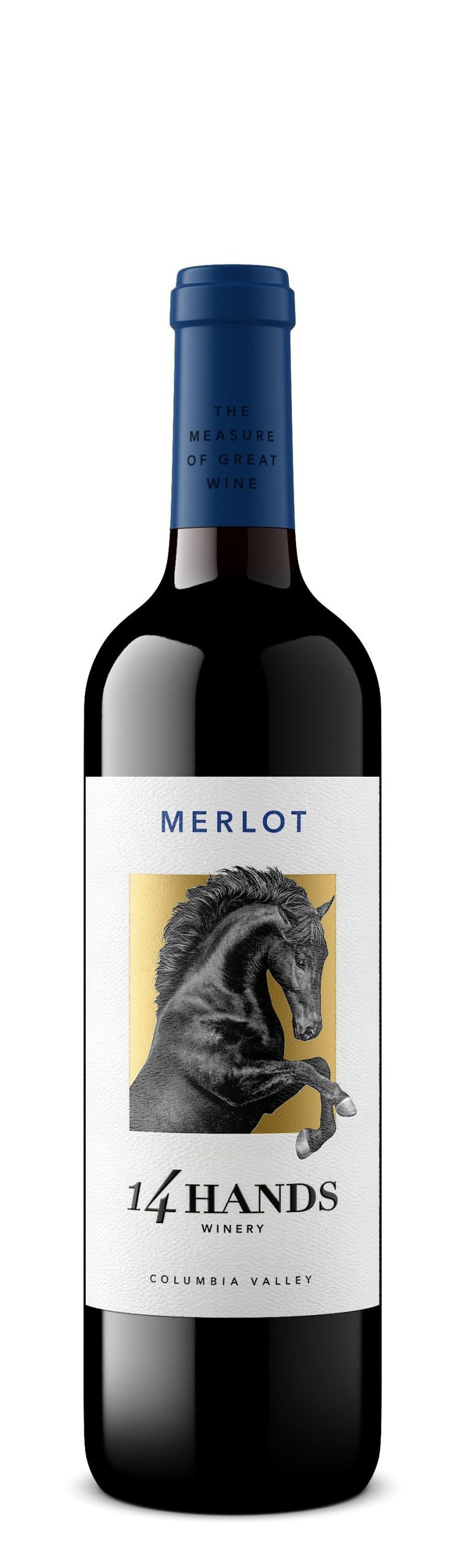
14 Hands MerlotCourtesy of 14 Hands Winery
14 Hands Merlot
Washington; 13.5% ABV
PLCB Item #98025 — $10.99 through Aug. 2 (regularly $13.99)
Also available at: Moorestown Super Buy Rite in Moorestown ($9.49; moorestownbuyrite.com), WineWorks in Marlton ($9.98, wineworksonline.com), and Total Wine & More in Claymont and Wilmington, Del. ($9.99, totalwine.com).
In building the concept for his newest restaurant, Sam Li flew halfway across the world for a culinary research journey. He traveled across China, Japan, and Korea to study, and sample, the three countries’ ways of doing barbecue. It was at a Japanese yakiniku — or grilled meat — restaurant that he knew he had found his next project.
Li is the owner of OGYU Japanese BBQ & Bar, an upscale, grill-it-yourself Japanese barbecue restaurant that opened in Ardmore last month. The restaurant offers a tiered, fixed-price menu with a focus on “higher quality premium Wagyu beef.” OGYU is located in the former Iron Hill Brewery at 60 Greenfield Ave., which closed in 2024 before Iron Hill filed for bankruptcy last year.
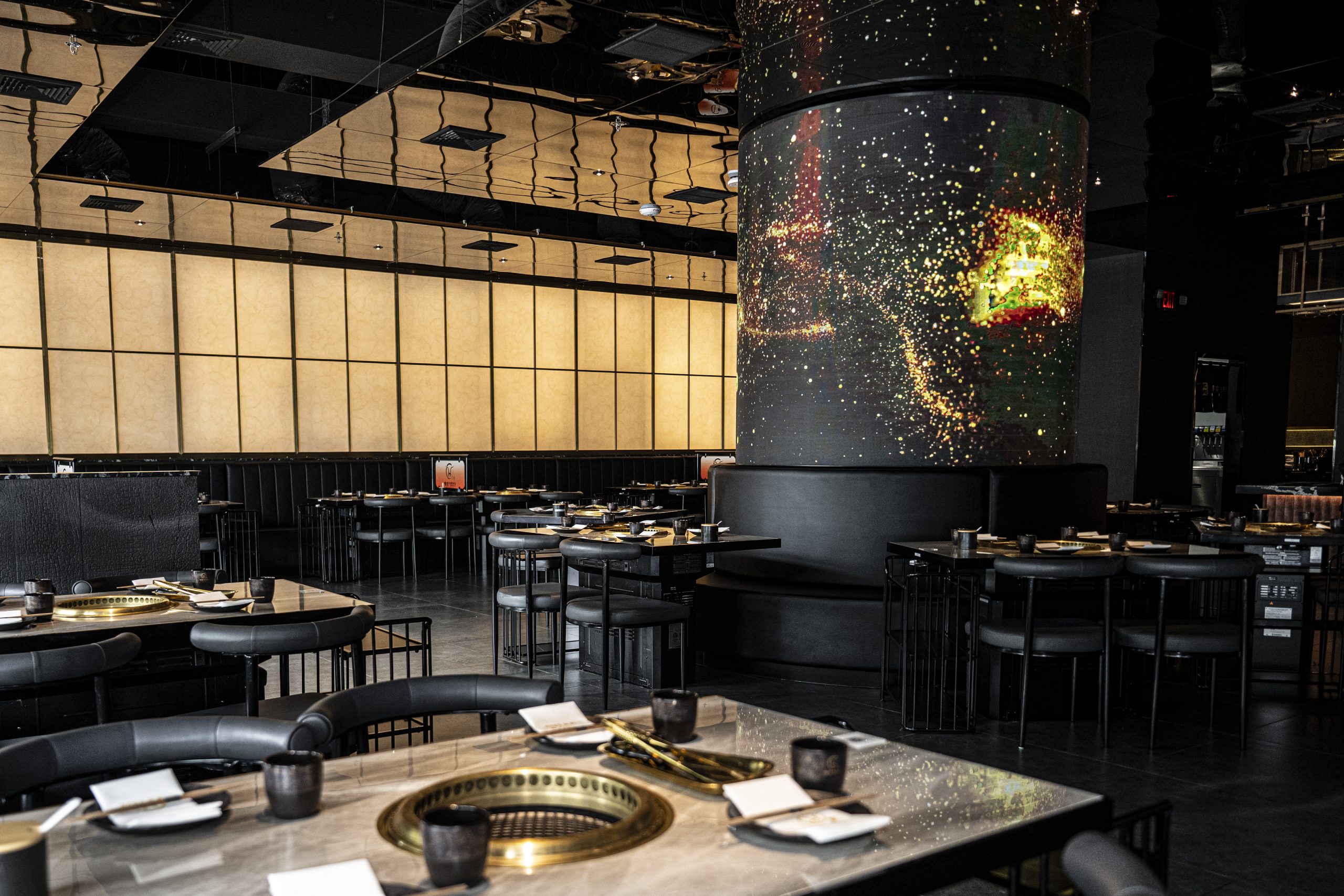
Though OGYU has found a home in what was onceIron Hill, Li and his team have transformed the former brewery’s space into a sleek, club-like atmosphere, with black and gold detailing, marble-paneled walls, and an opulent, fully stocked bar.
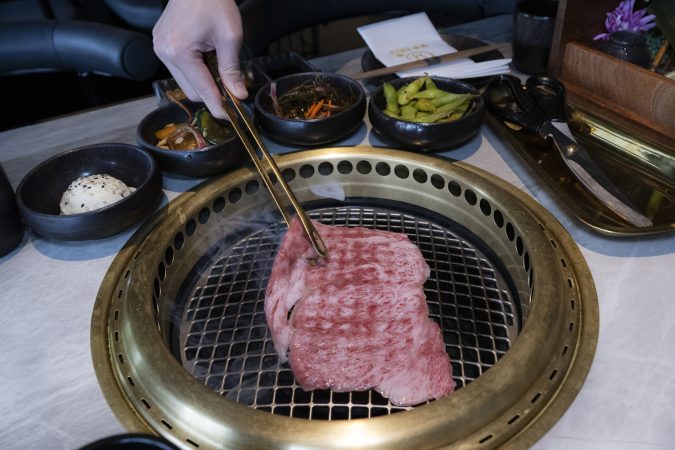
OGYU Japanese BBQ restaurant is shown on Tuesday, July, 7, 2026 in Ardmore. The new restaurant by Sam Li offers a modern Japanese steakhouse experience with tabletop cooking.Jose F. Moreno / Staff Photographer
He now sits at the helm of seven restaurants in the Philly suburbs, including sushi restaurant Osushi, with locations in Marlton, Ardmore, and Wayne; upscale Japanese restaurant Hiramasa in Newtown Square; and fast-casual chain bb.q Chicken, with two locations inSouth Jersey.
While Li has built his brand largely around sushi, he said he saw an opportunity in the market when it came to Japanese barbecue. There aren’t many yakiniku restaurants in the region, he said, and it’s a relatively new concept to many of his diners. People tend to be familiar with Korean barbecue, which leans more into marinades and flavors than its Japanese counterpart, which more often lets the meat speak for itself, Li said.
“We felt that it could be a new concept that we could bring into the U.S, and it’s something new to Ardmore,” Li said.
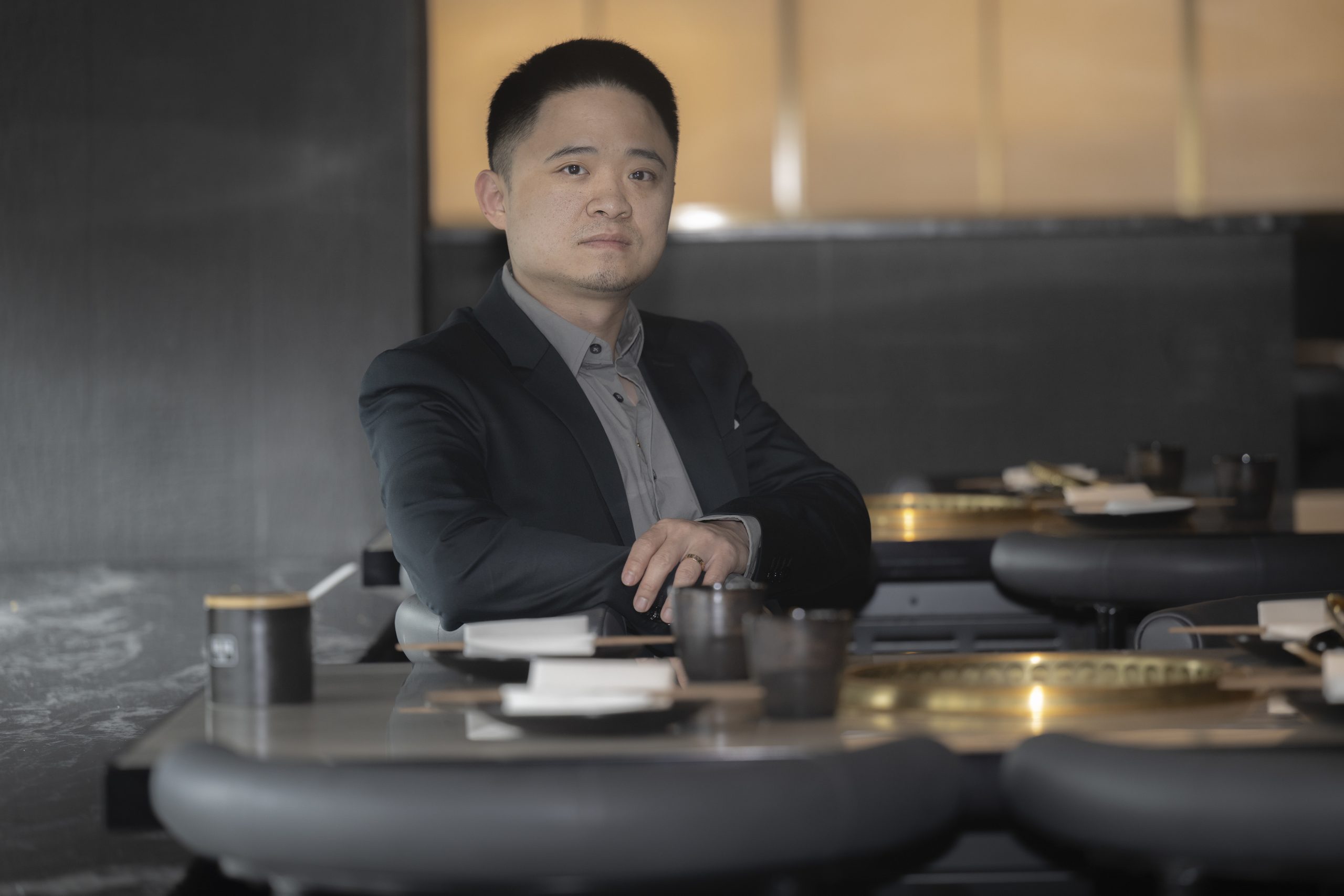
Restaurant owner Sam Li is photographed at OGYU Japanese BBQ restaurant on Tuesday, July, 7, 2026 in Ardmore. His new restaurant offers a modern Japanese steakhouse experience with tabletop cooking.Jose F. Moreno / Staff Photographer
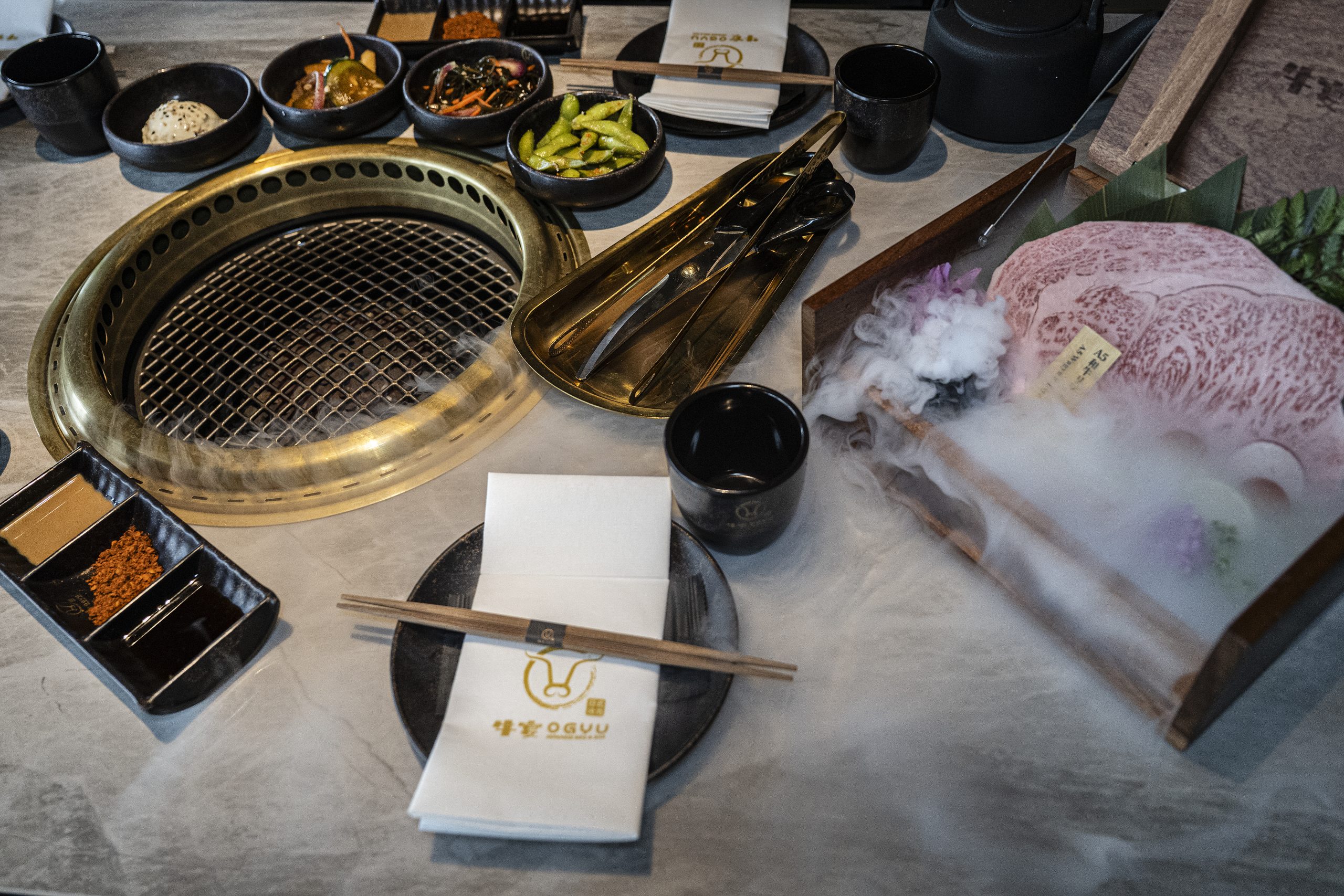
Bringing a new concept to customers has meant lots of education, both for OGYU’s staff and its customers, who need to learn how to operate the tabletop grills and cook pieces of Wagyu to perfection. OGYU is an interactive experience, in addition to a meal, with flashy dry ice presentations and the challenge — and excitement — of grilling your own dinner in the middle of the table.
The main difference in the tiers is the quality of the meat, Li said. The introductory tier is best for diners who “just want to experience and explore what yakiniku is about.” The Diamond tier will be “the ultimate experience.”
OGYU Japanese BBQ restaurant is shown on Tuesday, July, 7, 2026 in Ardmore.Jose F. Moreno / Staff Photographer
Beyond what goes on the grill, OGYU offers a menu of à la carte dishes, including spicy kani salad ($9.95), Wagyu truffle fried rice ($21.95), wasabi lobster tempura ($19.95), butter cheese corn ($9.95), and various hand rolls and sashimi. Li describes the à la carte menu as inspired by Japanese street food.
OGYU is open from 11:30 a.m. to 10 p.m., Sunday through Thursday, and 11:30 a.m. to 11 p.m., Friday and Saturday.
This suburban content is produced with support from the Leslie Miller and Richard Worley Foundation and The Lenfest Institute for Journalism. Editorial content is created independently of the project donors. Gifts to support The Inquirer’s high-impact journalism can be made at inquirer.com/donate. A list of Lenfest Institute donors can be found at lenfestinstitute.org/supporters.
One of Philadelphia’s signature sandwiches is heading back to Citizens Bank Park after a decade away.
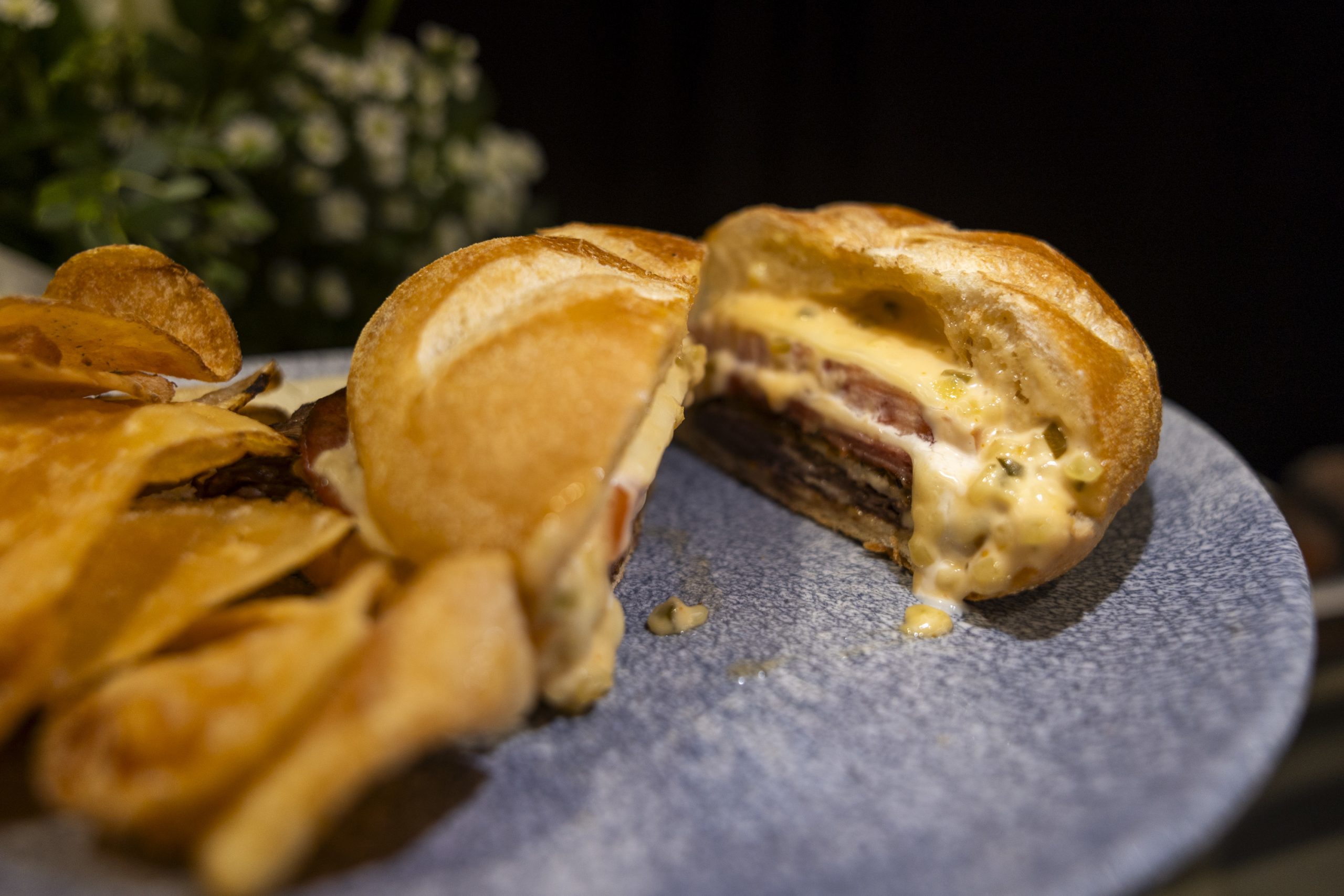
The Schmitter, the classic cheesesteak-salami creation from McNally’s Tavern in Chestnut Hill, will return during the forthcoming Major League Baseball All-Star festivities, Aramark announced as it unveiled a lineup of foods and merchandise at the ballpark Wednesday.
A Schmitter on display at the All-Star media preview Wednesday at Citizens Bank Park.Tyger Williams / Staff Photographer
The Schmitter, which has a spot on The Inquirer’s list of 76 essential foods, will be served at Pass & Stow, the sports bar accessible to ticketed fans, throughout All-Star Week. Aramark, the Phillies’ concessionaire, plans to keep it on the ballpark menu through at least the end of the season.
It joins a lineup of fan-voted creations and Philadelphia chef collaborations at Citizens Bank Park, which hosts four days of events starting with the HBCU Swingman Classic on Friday.
At All-Star Village, which runs Saturday through Tuesday at the Convention Center, Aramark will offer signature dishes from ballparks around the majors, including a pastrami sandwich from Citi Field, the Crawford Dog from Houston’s Daikin Park, and Taco Momalona from Coors Field in Denver.
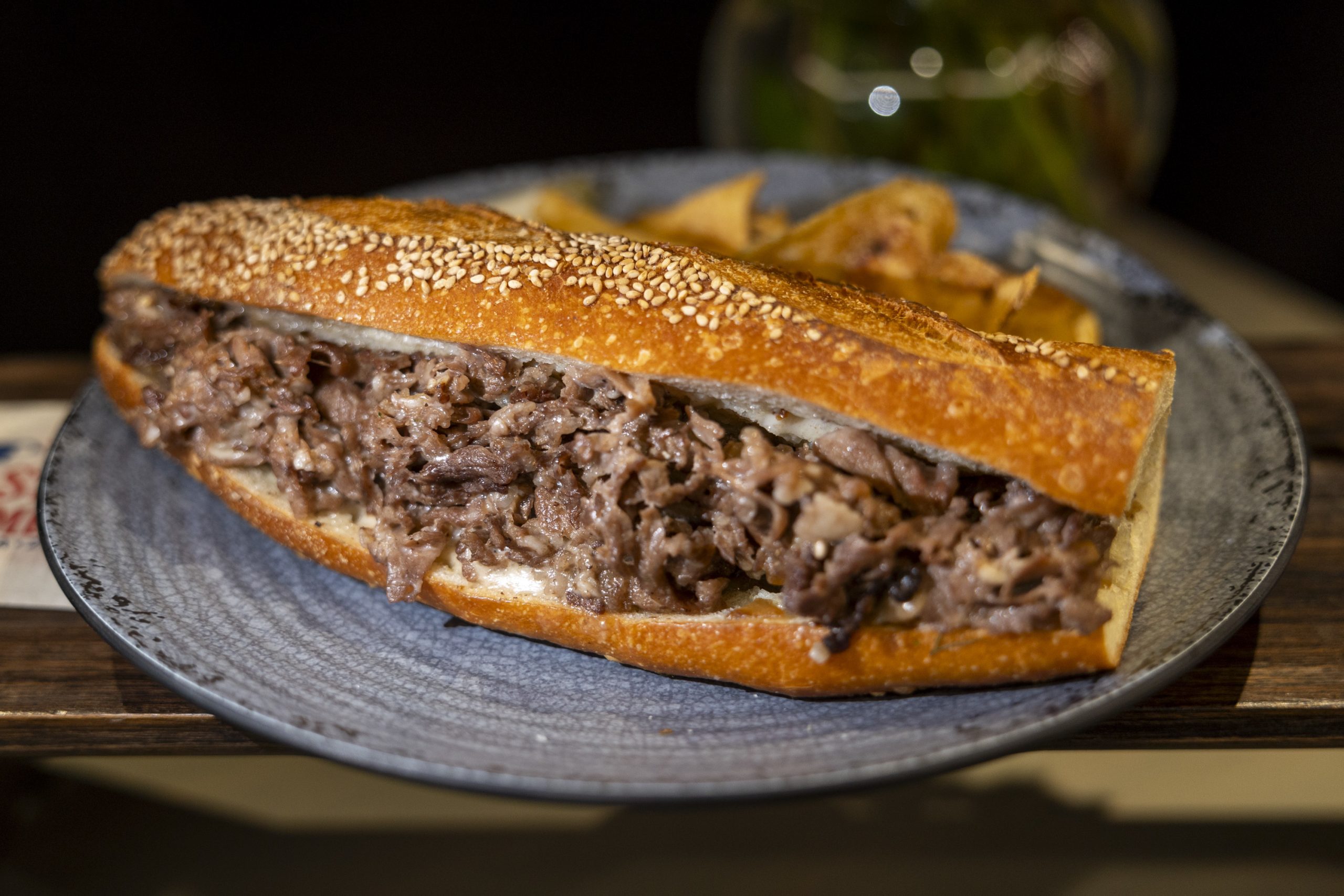
Del Rossi’s cheesesteak will be offered at Citizens Bank Park during the All Star Game festivities. Tyger Williams / Staff Photographer
The food is only part of the attraction.
The two-level Phillies Team Store at the ballpark — open to the public without a ticket every day except Sunday — has been completely reset with merchandise exclusive to the All-Star Game. The usual Phillies caps, jerseys, drinkware, and other souvenirs have been packed into storage for the week while Major League Baseball takes over.
The store is stocked with about 400 All-Star items, “about 80% of them exclusive to the ballpark,” said Francis Winkey, Aramark’s senior merchandise manager. Winkey, an avid trading-pin collector, said he designed and sourced 84 exclusive pins, including one representing each major-league team.
More than 80 original pins will be sold at the Phillies Team Store during All-Star Game events.Tyger Williams / Staff Photographer
“I’ve spent way too much of my life over the last two years developing and dreaming up the bobbleheads, the pins, the bats and balls and pennants, and all the other merchandise we’re offering,” Winkey said.
Additional All-Star merchandise will be sold at All-Star Village.
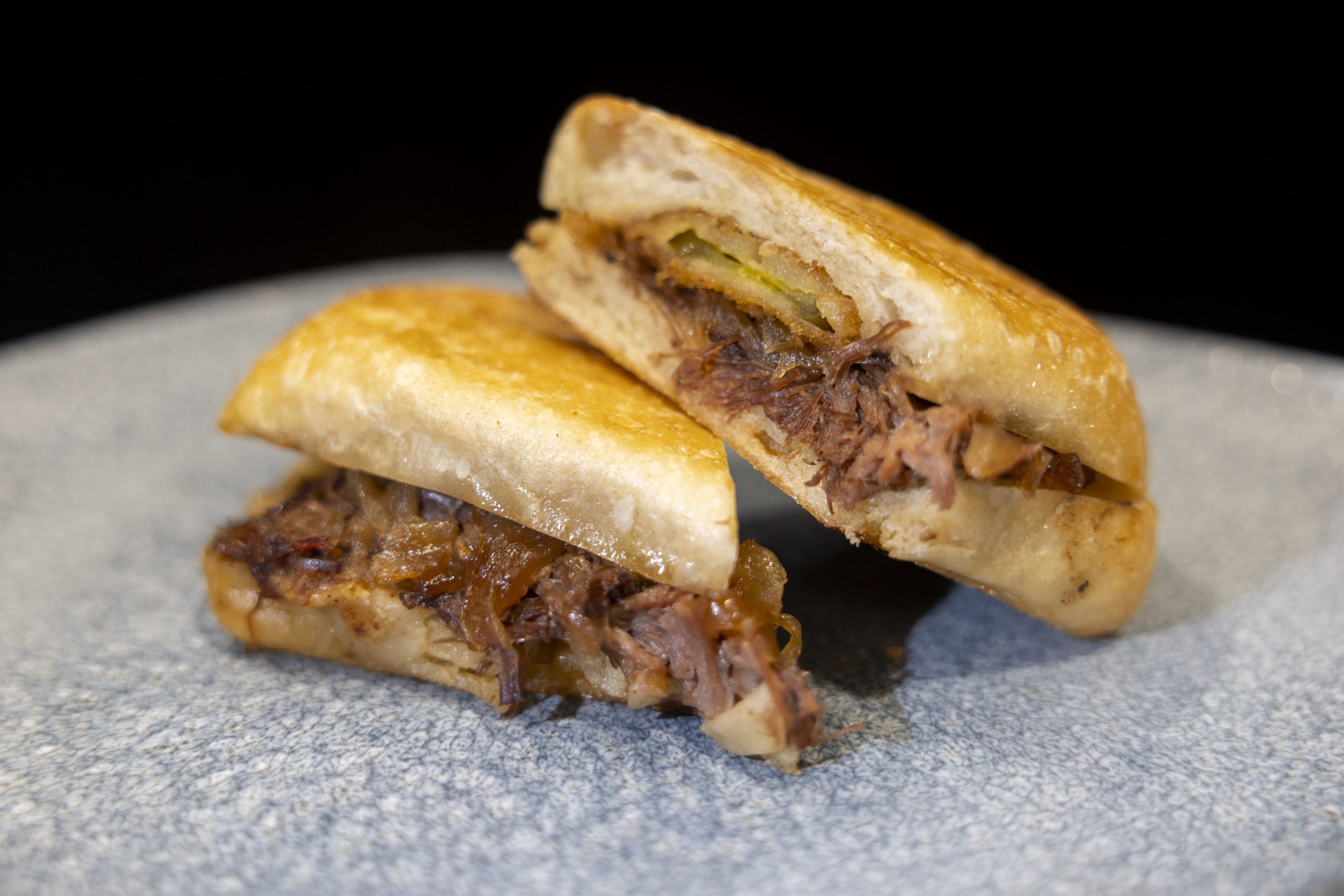
On the ballpark menu for the All-Star events, the showcase dish will be Betsy’s Banana Split Sundae, the winner of a fan vote. The dessert combines banana pudding and vanilla soft serve with crushed vanilla wafers, peanut brittle, hot fudge, strawberry sauce, toasted marshmallow topping, and red, white, and blue sprinkles, all served in a commemorative cap. Because voting was close, Aramark will also feature the runner-up, a rib melt made of braised short rib, sharp provolone, charred onion jam, fried peppers, and pickle butter on ciabatta.
The Revolutionary Rib Melt will be served at Citizens Bank Park during All Star events. Tyger Williams / Staff Photographer
Inside the premium Cadillac Hall of Fame Club, Aramark will feature dishes from Philadelphia chefs and restaurateurs, including Marc Vetri’s meatball Parmesan sandwich from Salvy, Matthew Cahn of Middle Child’s honey mustard chicken wrap, Nish Patel’s Del Rossi’s cheesesteak, and Evan Snyder’s Emmett lamb merguez hot dog. Pricing was not announced.
But the loudest applause at Wednesday’s unveiling was reserved for … a sandwich.
The Schmitter was a Citizens Bank Park staple from its opening in 2004 through the 2015 season. McNally’s owner Joe Pie said it arrived at the ballpark at the request of late Phillies chairman David Montgomery, whose family lived near the tavern. It was originally prepared in a full kitchen near Section 140, but after being moved to an open-air stand near the left-field gate in 2013, Pie said the quality suffered.
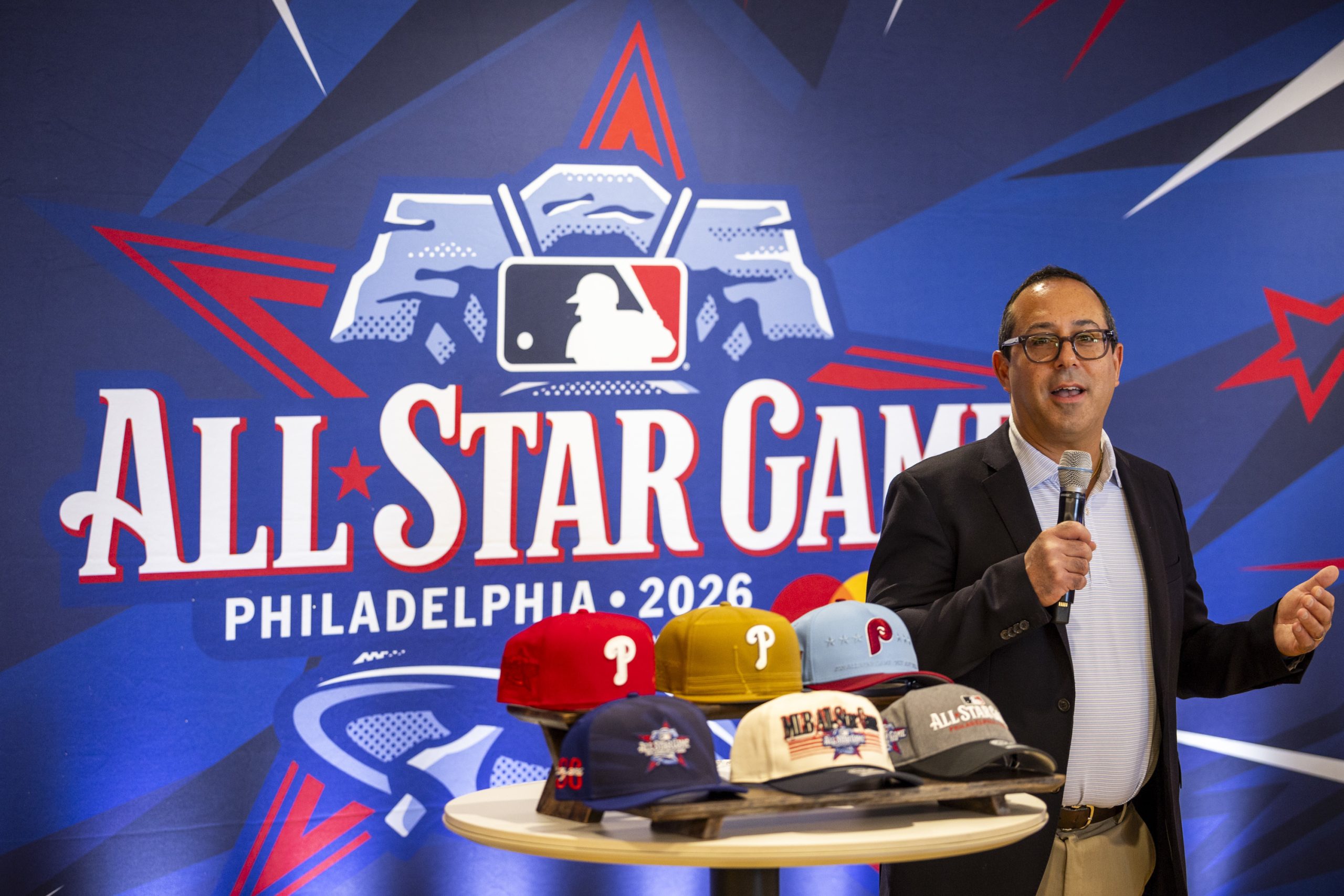
Michael Harris, a Phillies vice president, speaks at the preview of All-Star food and merchandise.Tyger Williams / Staff Photographer
“We were serving a sandwich that wasn’t up to par,” Pie said.
Pie said he and Aramark general manager Kevin Tedesco stayed in touch over the years. Aramark nearly revived the Schmitter before last year’s postseason, but the Phillies’ early playoff exit ended those plans. Tedesco approached Pie again while planning this year’s All-Star festivities.
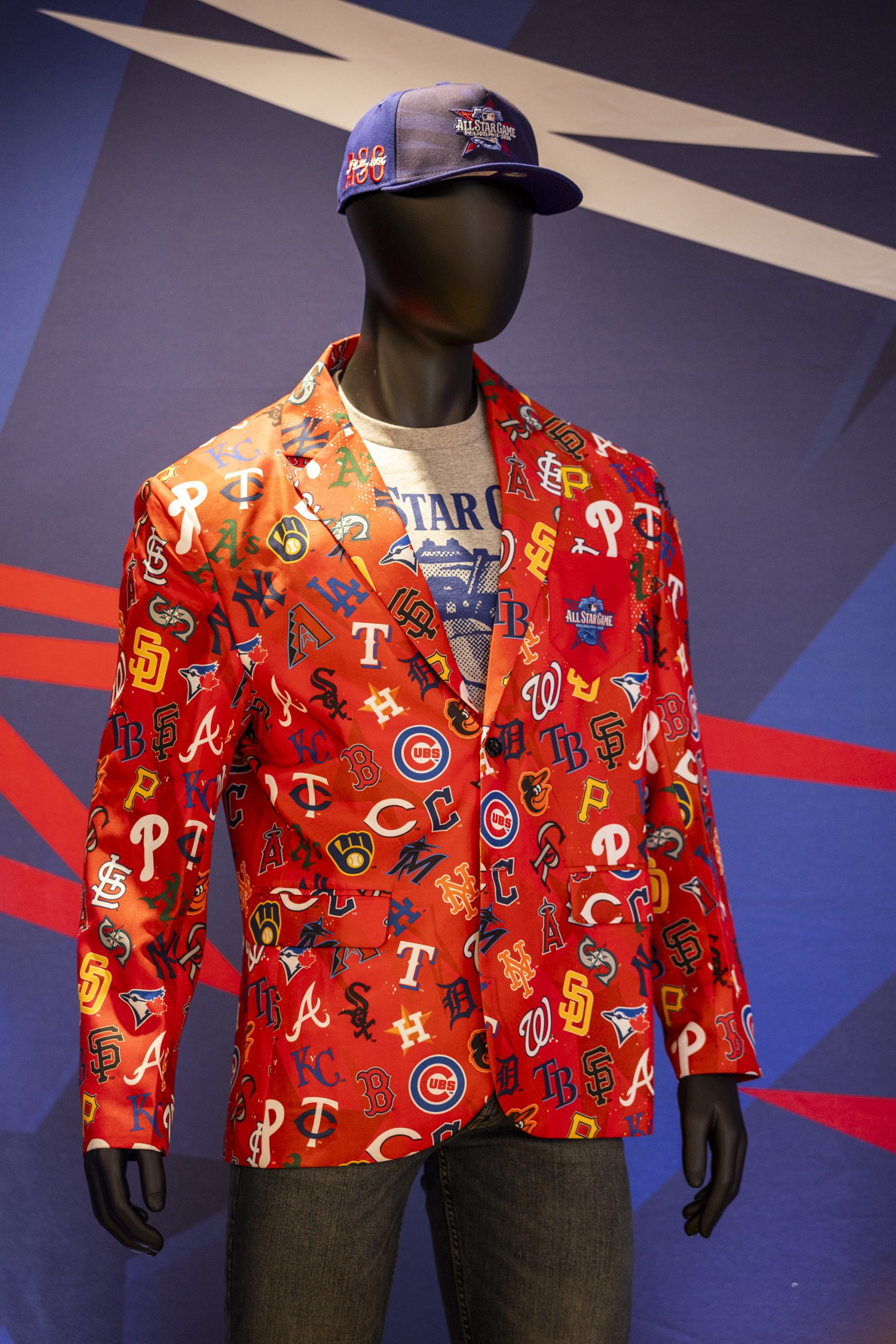
A commemorative jacket festooned with teams logos is shown at the preview of All-Star merchandise. Tyger Williams / Staff Photographer
“Chef Vonnie [Negron] is totally invested,” Pie said of the ballpark’s executive chef. “He said, ‘I understand the sandwich.’”
The Schmitter dates to the late 1960s, when McNally’s founder, Hugh J. McNally, improvised a sandwich for a regular customer who drank Schmidt’s beer. Built with chopped steak, grilled salami, melted cheese, tomatoes, fried onions, and the tavern’s signature Schmitter sauce on a Kaiser roll, it has become one of Philadelphia’s defining sandwiches and earned a place on The Inquirer’s list of essential local dishes.
Its appeal lies somewhere between a cheesesteak, a deli sandwich, and a burger — indulgent enough that former Inquirer columnist Steve Lopez famously joked it came with “a paramedic.”
After nearly a half-century in business, Jollibee has added a fast-food staple it had long gone without: chicken nuggets.
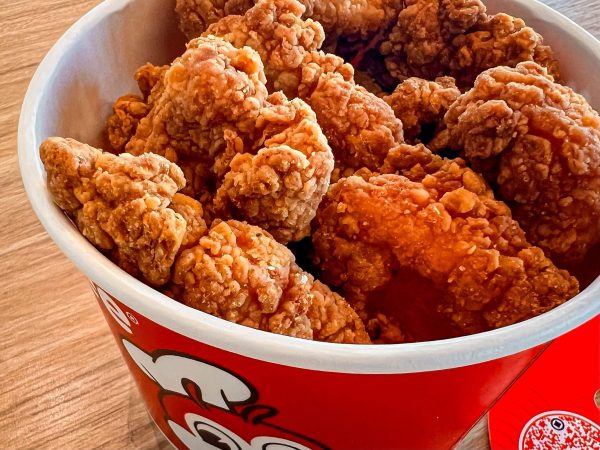
The Filipino-rooted chain, whose lone Philadelphia-area restaurant is at Cottman and Bustleton Avenues in Great Northeast Plaza, introduced the all-white-meat nuggets nationwide last week. They are sold in five-, eight-, 15-, and 30-piece orders, starting at $4.49 for five.
For a company best known for its Chickenjoy fried chicken, Jollibee sees nuggets filling a different niche.
Luis Velasco, senior vice president at Jollibee Group North America, said the company had seen growing demand for nuggets. Rather than competing with the bone-in chicken or its chicken sandwich, which Jollibee introduced in 2021 during the height of the “chicken sandwich wars,” they’re intended as a shareable complement to the fried chicken sandwiches.
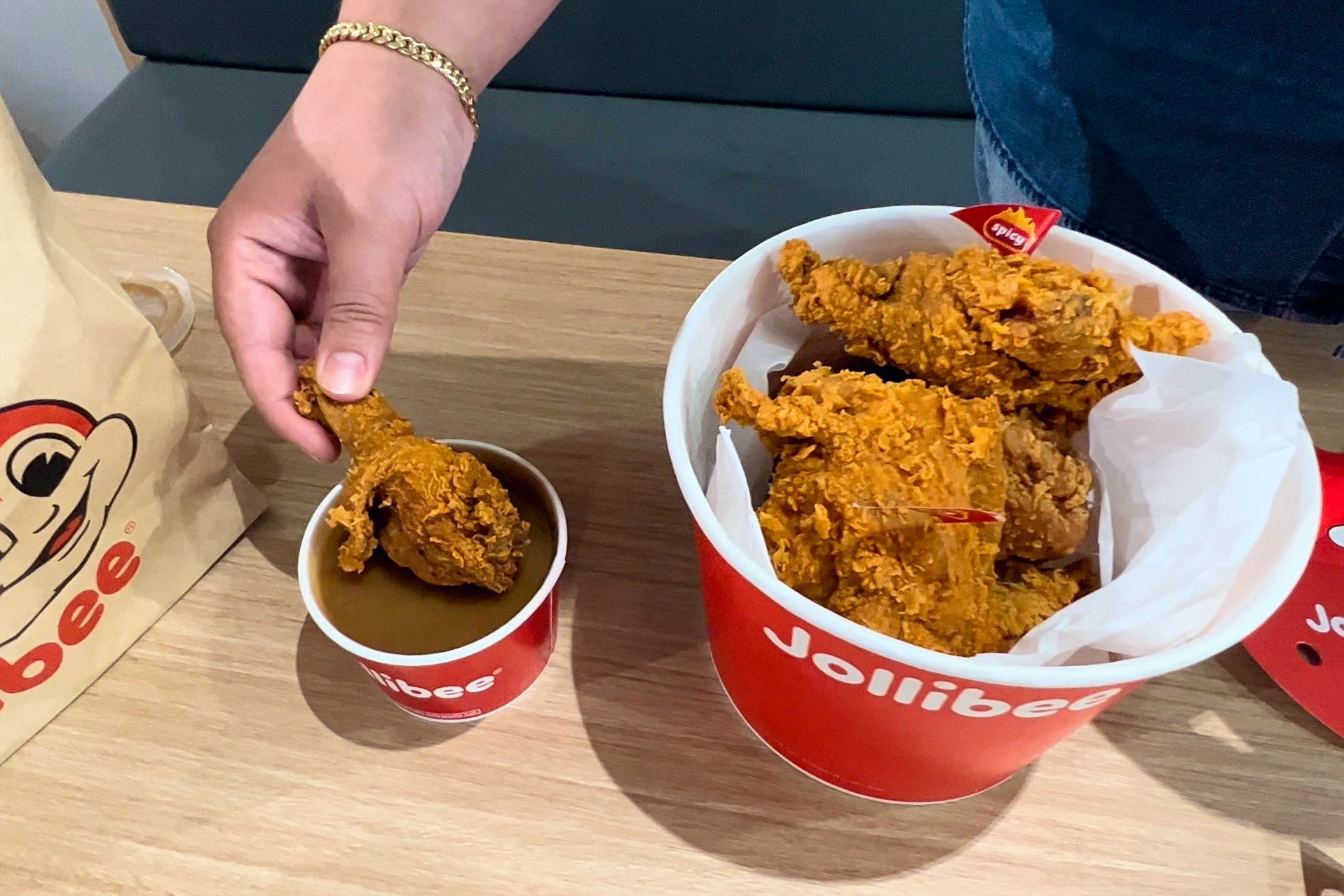
Chickenjoy, the signature fried chicken from Jollibee, gets a dunk into gravy at the location at 7340 Bustleton Ave.Michael Klein / Staff
Jollibee also sells burgers, fried mango-peach pies, and Filipino spaghetti, a saucy dish whose sweet-and-savory sauce is loaded with ground beef, sliced hot dogs, and melted cheese.
Like the sandwich, the nuggets borrow from the same fried-chicken playbook. They are served with its tender sauce (similar to Cane’s sauce), as well as creamy sriracha, honey mustard, ranch, pineapple BBQ, and chicken gravy, the usual accompaniment to Chickenjoy.
The nuggets drew a steady stream of orders at the Northeast Philadelphia restaurant on Friday.
First impressions: They have plenty of crunchy nubs on the thin coating and a juicy interior. They don’t have the soft, processed texture common among fast-food chains’ nuggets.
“They’re crispy and crunchy and all, but they don’t have the same hard crunch as my Chickenjoy,” said Bing Garcia of Lawndale after taking a first bite.
Paul Santos of Castor Gardens sampled his order with a fork before dunking each piece into a cup of Jollibee’s gravy, the savory sauce with a touch of sweetness.
“I ate my first one plain, and it was fine — maybe a little dry,” Santos said. “You can’t beat their gravy.”