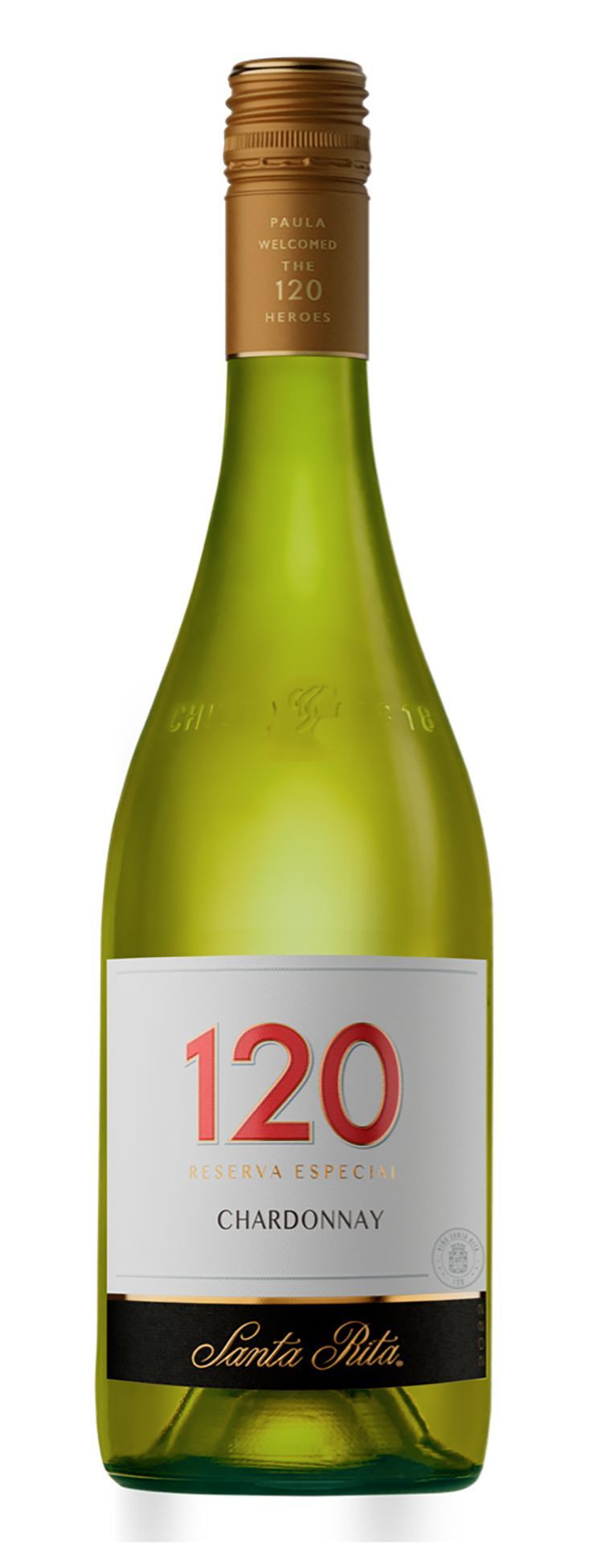
Chile is among the world’s leadingexporters of fresh fruit, and grows outstanding wine grapes as well. But here in the United States, the country’s top wines don’t get much attention. What we do see, however, is that bottles in the Chilean section of the wine store perform well in the value-oriented tier. This chardonnay is a perfect example, delivering far better quality and more finesse than anyone has a right to expect nowadays from a $10 bottle — and with slightly less alcohol than usual for this style, too.
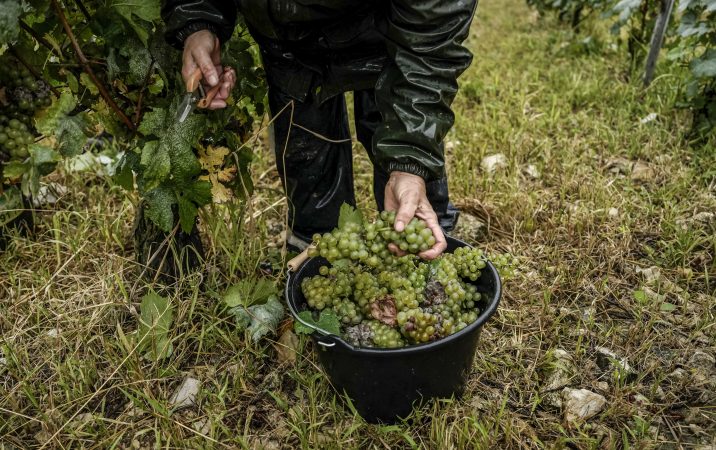
This wine is made in Chile’s Valle Central, or Central Valley, a vast wine appellation anchored by the capital city of Santiago. Think of it as the equivalent of California in the U.S., or Mendoza in neighboring Argentina. Every facet of this region’s geography seems tailored to boost the quality of its wines. Its terrain is made up of a series of four short-but-scenic valleys sandwiched between the snow-capped peaks of the Andes to the east and the chilly Pacific to the west. These dueling influences are a natural form of refrigeration at night, slowing how long it takes for grapes to ripen while preserving the freshness of flavor.
Best of all, the region’s Mediterranean climate rarely sees rain during grape growing season, which reduces risks from both insect pests and fungal disease. These ideal conditions allow vintners to make balanced wines that have great ripeness and preserve the acidity necessary for refreshment. It also allows them to do so at very low cost.
This easy-drinking chardonnay is lightweight in texture but vibrant and surprisingly concentrated in flavor. It tastes of fresh-picked apricots and honeydew melons, but with the zingy finish of a good homemade lemonade. Plus, it has a great synergy with summer salads and shellfish.
Santa Rita 120 ChardonnayCourtesy of Viña Santa Rita
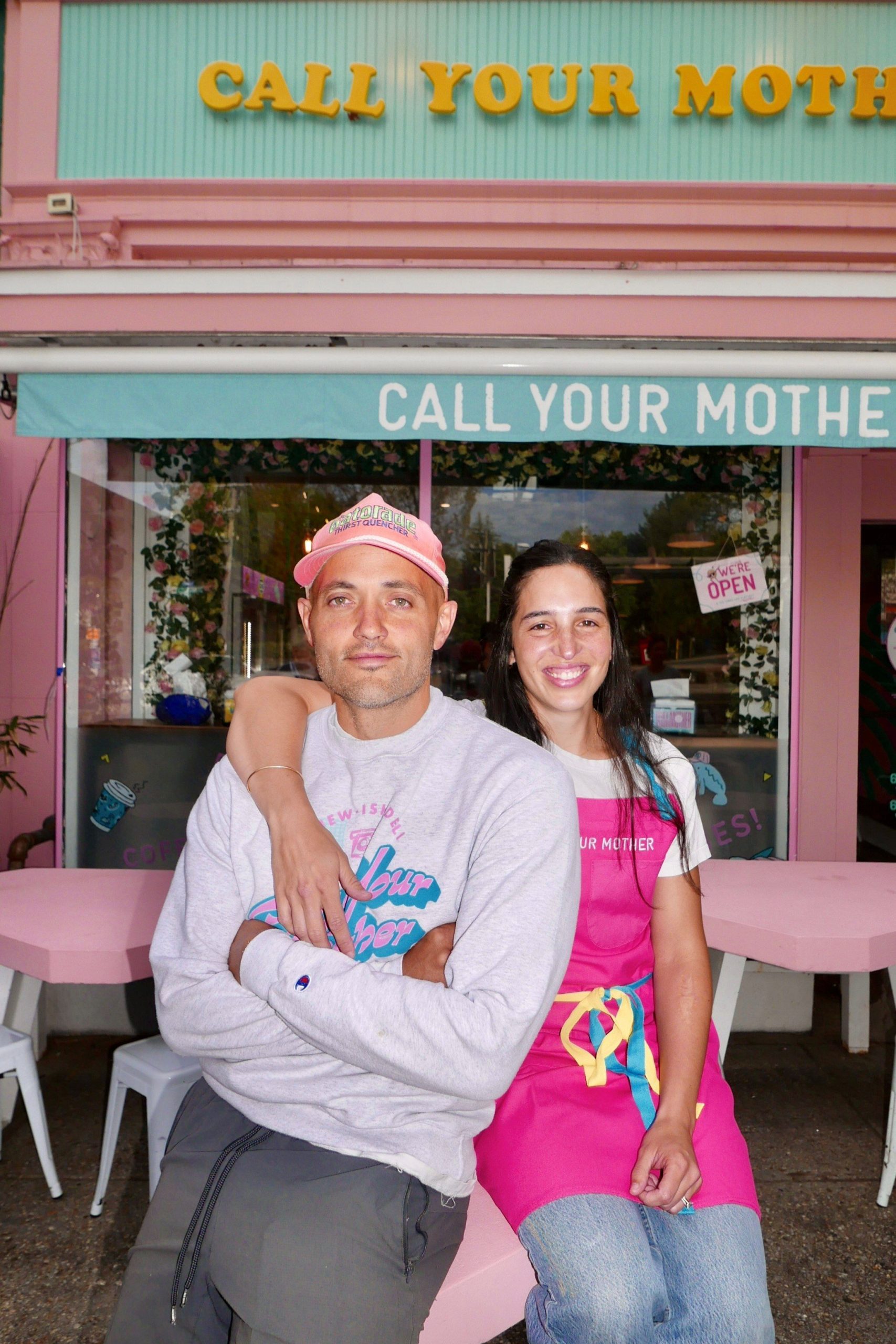
Call Your Mother, the Washington, D.C.-based bagel sandwich shop, has signed for a third Philadelphia location, before its first two have spread a single schmear.
The chain, founded eight years ago by husband-and-wife team Andrew Dana and chef Daniela Moreira, will open at the Jessup House apartment building at 12th and Sansom Streets in Washington Square West. The new shop will join under-construction locations in the former Metropolitan Bakery space at 262 S. 19th St. near Rittenhouse Square, and in a new building at 1500 Frankford Ave., across from El Chingón Fishtown.
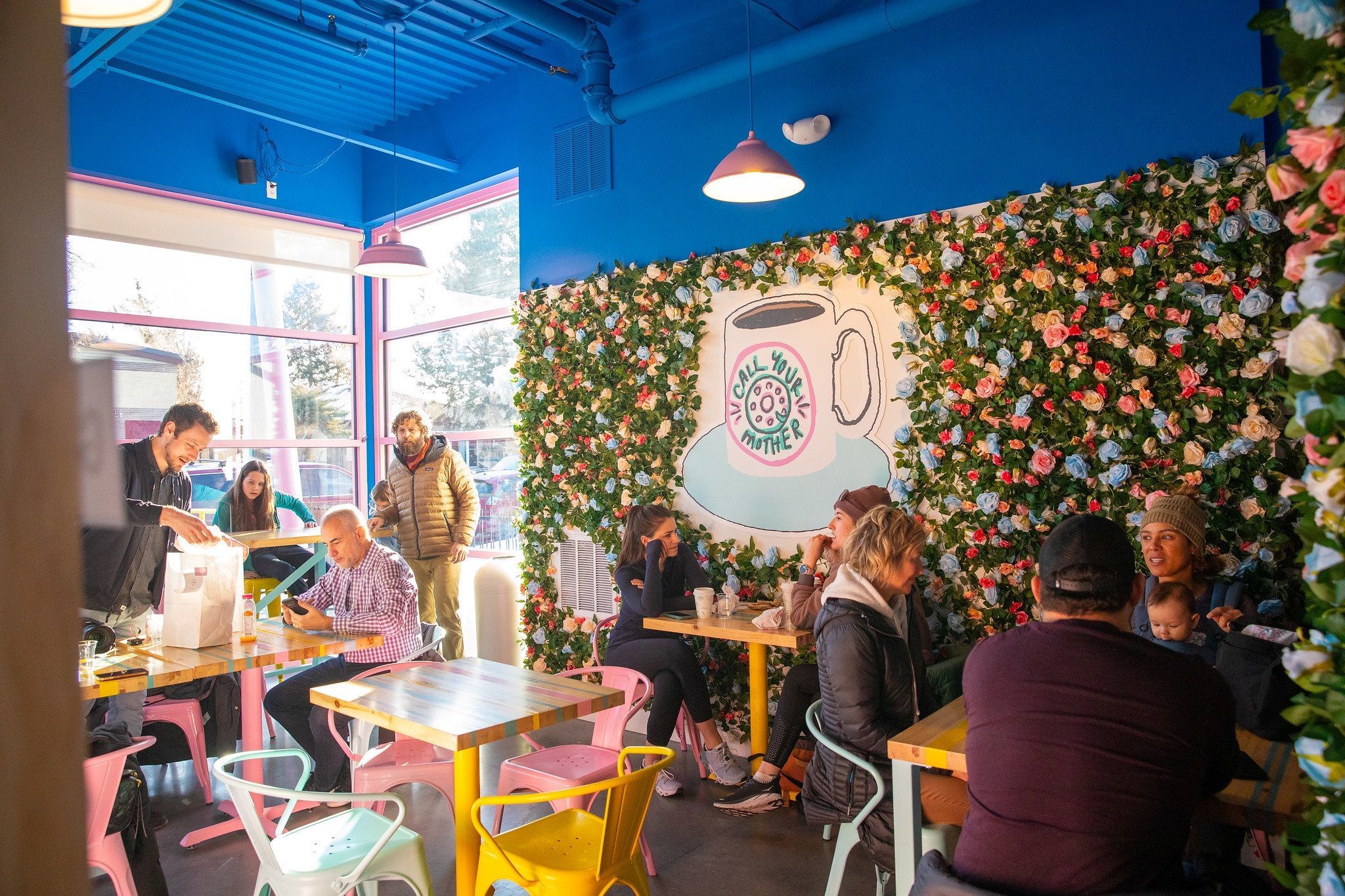
Call Your Mother bagel sandwich shops have a subtropical feel.Courtesy of Call Your Mother
Fishtown is expected to open first, around Aug. 31, followed just weeks later by Rittenhouse Square, Dana said. Washington Square West likely will open in early 2027.
Dana told The Inquirer that Call Your Mother committed to a third Philadelphia location before opening the first two because of “simple math” and confidence in the market.
Three locations in one city would justify hiring an area manager to oversee general managers at each shop. Just as important, he said, is the company’s belief that Philadelphia will embrace the concept. “We’re just that bullish on Philadelphia,” he said. The strategy echoes that of other fast-growing regional chains entering the market, including New York-based 7th Street Burger, which has signed four Philadelphia-area leases before opening its first restaurant.
Andrew Dana and Daniela Moreira founded Call Your Mother in 2018.Courtesy of Call Your Mother
The chain has grown rapidly since Dana, a former pizza food-truck operator whose mother grew up in Germantown, and Moreira, an Argentine-born chef, opened the original Call Your Mother in Washington in October 2018. The couple met while haggling over the last carton of eggs at a Washington farmer’s market. They eventually became business partners before marrying.
The restaurant’s name came after months of brainstorming. Looking for something that captured the playful spirit of Jewish deli culture, Dana asked friends, “What’s something funny our Jewish moms or grandmothers would say?” The answer “was like fireworks went off in my brain,” Dana said. “I said, ‘Oh my God, that’s it.’”
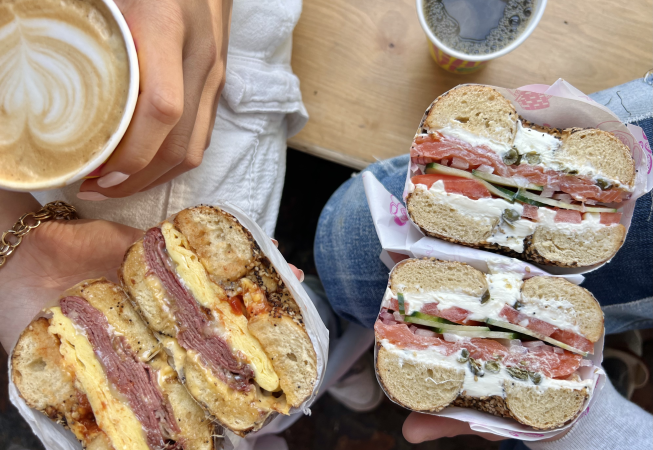
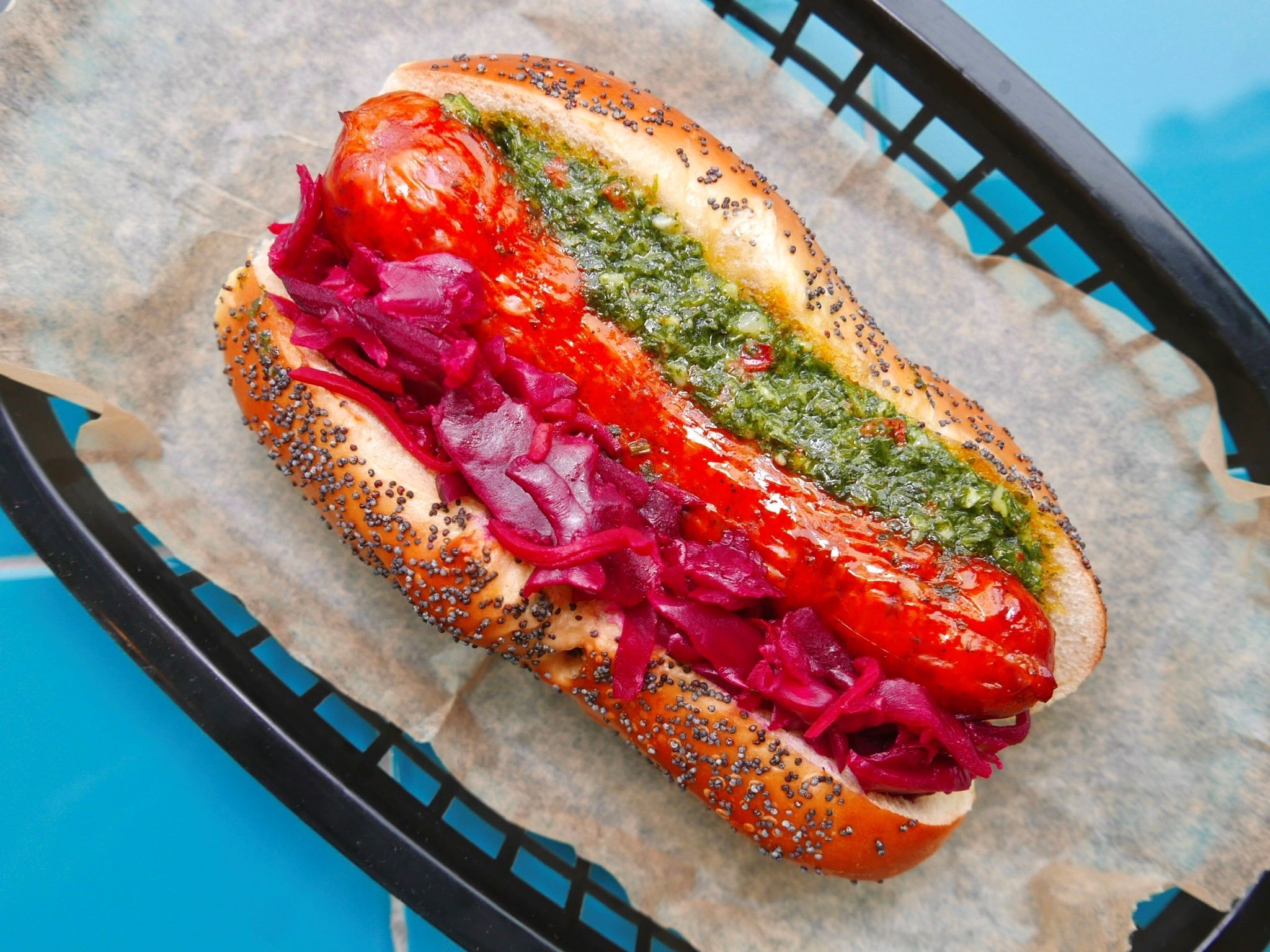
Dana envisioned a brand inspired by the bright colors and easygoing vibe of the South Florida delis he visited while spending time with his grandparents in Boca Raton. Moreira’s upbringing in Argentina brought a fresh perspective to the menu, which pairs hand-rolled bagels with inventive sandwiches and toppings. (Example: the Alta Gracia Choripán, which layers smoked Argentine chorizo, chimichurri, and pickled vegetables on a poppy seed Hawaiian bagel bun.)
Call Your Mother’s Alta Gracia Choripan is an Argentine-inspired sandwich featuring a smoked Argentine chorizo, chimichurri, and pickled vegetables on a poppy seed Hawaiian bagel bun.Courtesy of Call Your Mother
Today, Call Your Mother operates 23 locations, with an additional six to eight in development, including the three in Philadelphia. Beyond Philadelphia, new stores are planned for the Washington suburbs, Colorado, and Chicago.
The company’s expansion accelerated after it sold a majority stake in January 2025 to New York investment firm Invus, an early investor in Cava. Dana said the deal was less about fueling rapid expansion than finding a long-term partner that would provide additional resources while allowing the founders to continue running the business.
“We didn’t need outside capital, so we were only going to do it if we found the right partner,” Dana said. “There’s no mandate that says we have to open a certain number of stores. If food quality or the guest experience starts slipping, we can take our foot off the gas and strengthen the foundation.”
The 12th Street shop will occupy ground-floor space in Jessup House, whose other commercial tenants include Rival Bros Coffee and Solidcore. Dana expects it to seat about 20 people. Like the chain’s other locations, it will offer counter service for dine-in and takeout.
Dana said the neighborhood appealed because it has a dense residential population, strong daytime foot traffic, and nearby hospitals, creating the kind of all-day customer base the company enjoys at several Washington-area stores.
The restaurants, open from 6:30 a.m. to 2 p.m. on weekdays and until 3 p.m. on weekends, position themselves as bagel sandwich shops rather than breakfast restaurants. Breakfast and lunch draw roughly equal business, though sandwiches account for the bulk of sales, Dana said.
Philadelphia has become a hot bagel market, but Dana welcomes the competition.
“We’re big believers that all boats rise with the tide,” he said. “We’re always looking for ways to create great bagel sandwiches, and we think Philadelphia is the kind of city that appreciates that.”
Yet another ice cream shop has opened on the Fishtown-Kensington border — this time with brownie sandwiches, gluten-free cones, and puppy popsicles all the way from Idaho. Beatrice Forman tells us what’s different about Stella’s, and what’s up with all the competition along Frankford Avenue.
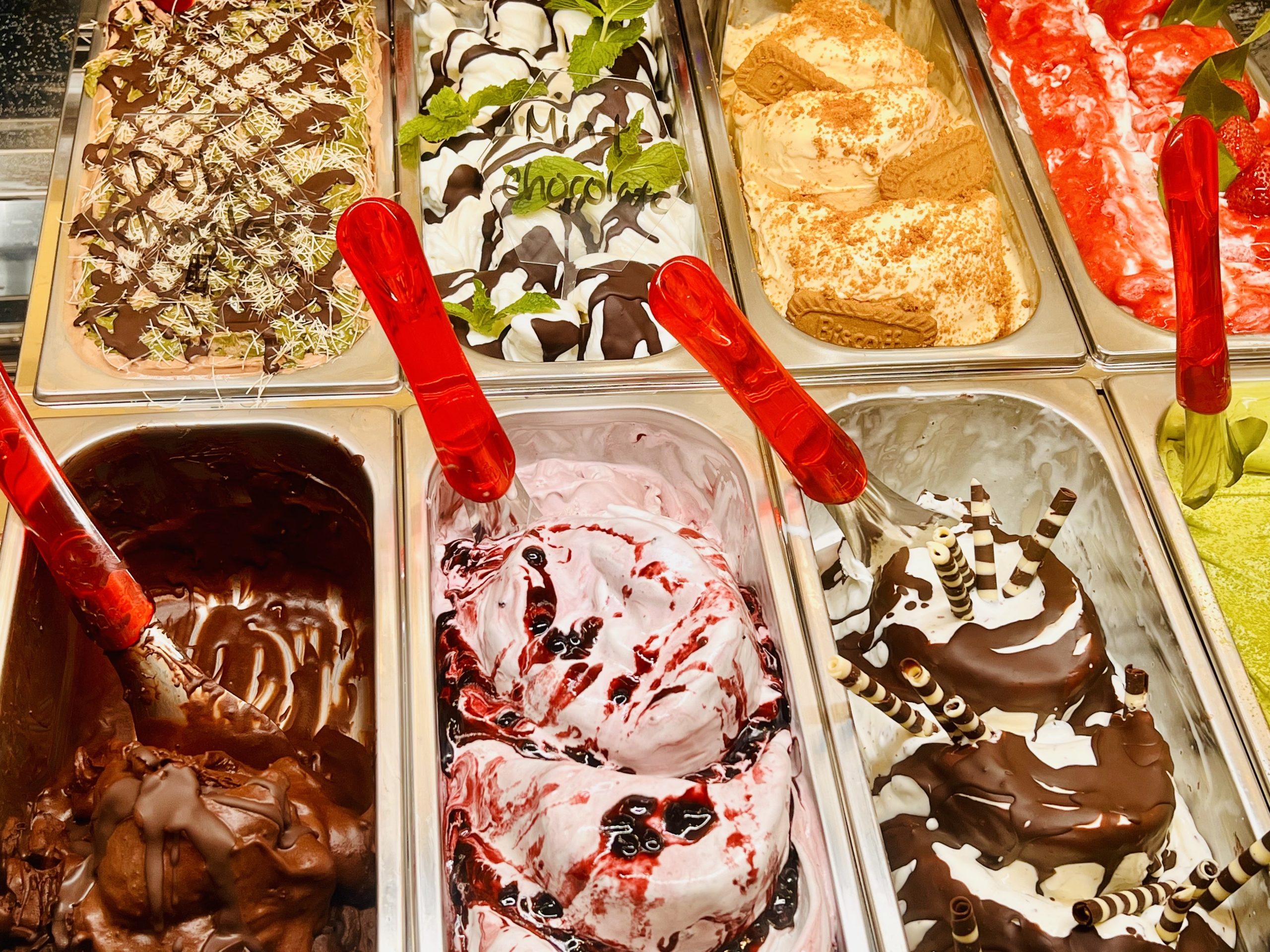
Speaking of cool treats and stiff competition, give a warm welcome to Moment Gelato & Coffee, which soft-opened (is there any other kind?) last week at 129 S. 18th St. near Rittenhouse Square.
Software engineer Jack Chen and his teacher-wife, Xiaoyu Ma, have joined rich competition, what with Jeni’s, Van Leeuwen, Weckerly’s, 1-900 Ice Cream, Gran Caffe L’Aquila, Malai, and Veda nearby. Ma grew up in Kaifeng, one of China’s Eight Ancient Capitals, and says family history suggests ancestors were chefs for the emperor. The couple and their two boys are ice cream lovers, “but as a mom, I really care about what my children eat,” Ma said. She blends natural fruits in her sorbet and opts for less sugar everywhere. There are 12 flavors at all times, as well as matcha and espresso drinks (grapefruit cold brew!).
Moment Gelato & Coffee, 129 S. 18th St. Hours: 7 a.m.-11 p.m. Monday-Friday, 8 a.m.-midnight Saturday, and 8 a.m.-11 p.m. Sunday.
Craig LaBan visited more than two dozen restaurants from Long Beach Island to Cape May for this year’s Jersey Shore dining round-up. Here are the 27 greatest hits, wrapped up into one searchable map.
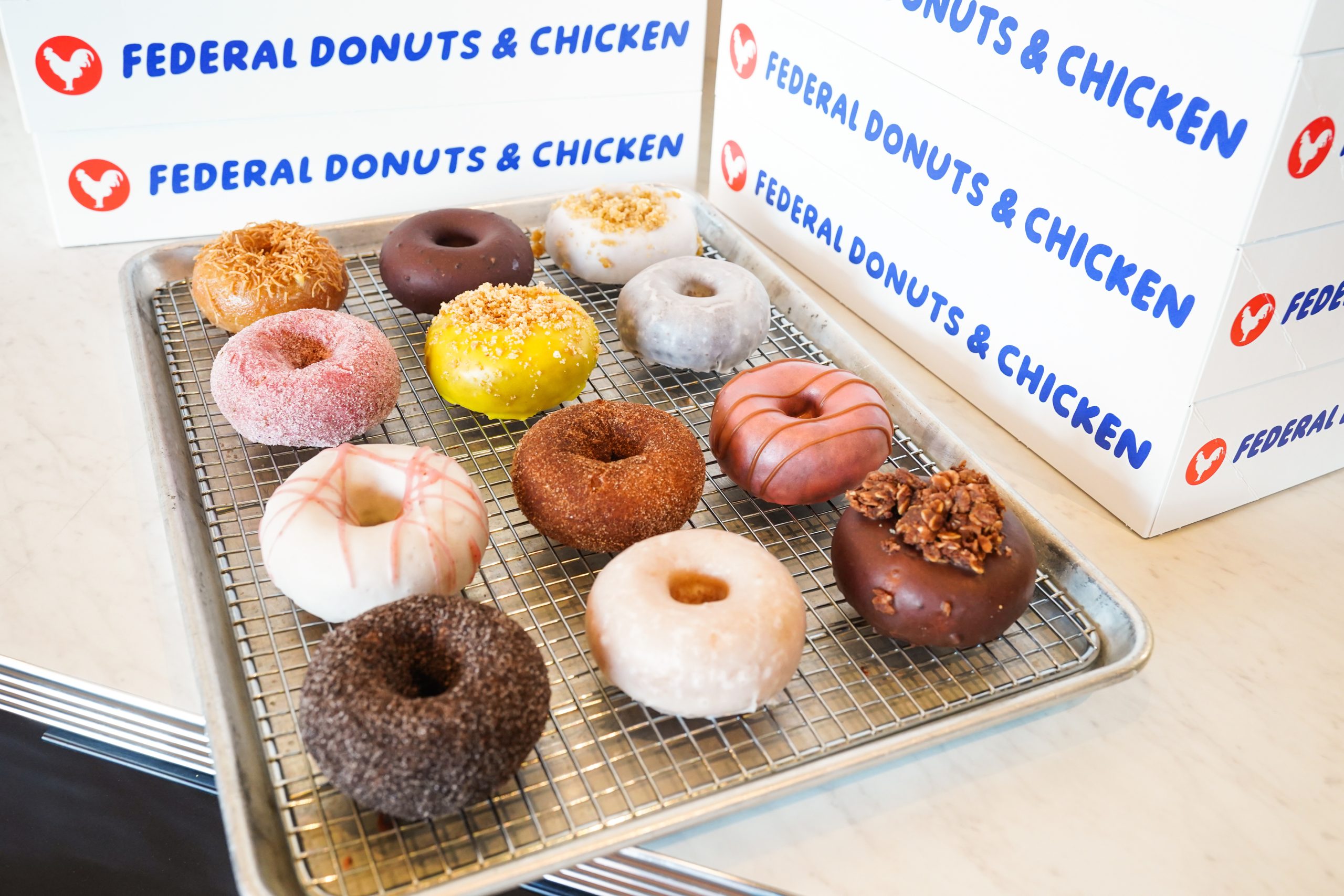
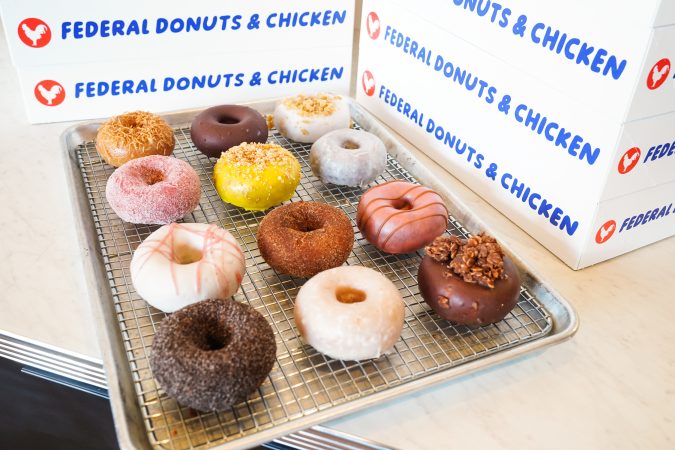
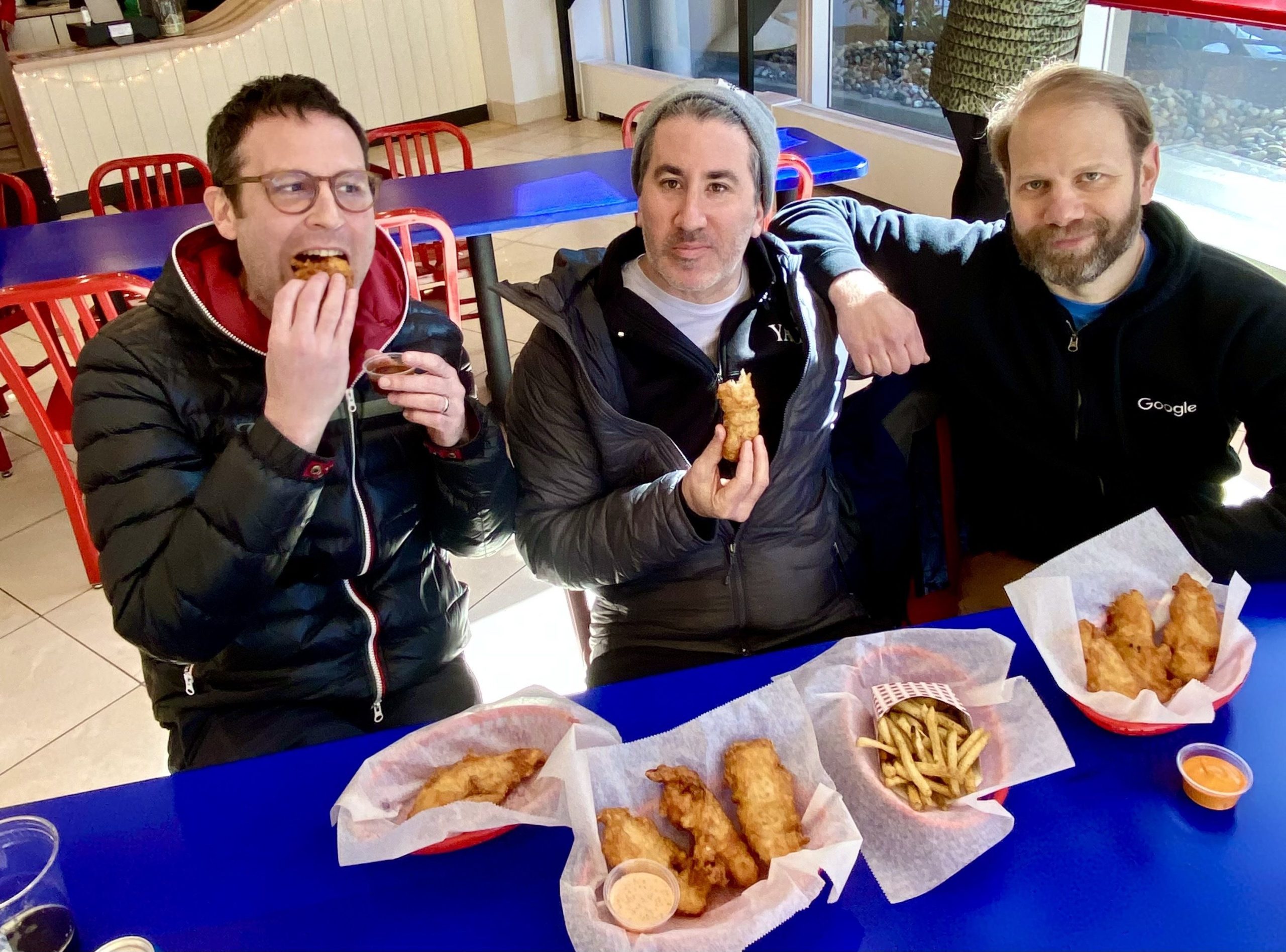
The CookNSolo-founded Federal Donuts & Chicken and Goldie chains are closing three stores apiece. Cofounder Steve Cook attributes the retrenchment to weakened lunch business and shifting consumer spending. CookNSolo has been the target of a boycott and demonstrations by pro-Palestinian activists, who cite the partners’ support for Israel.
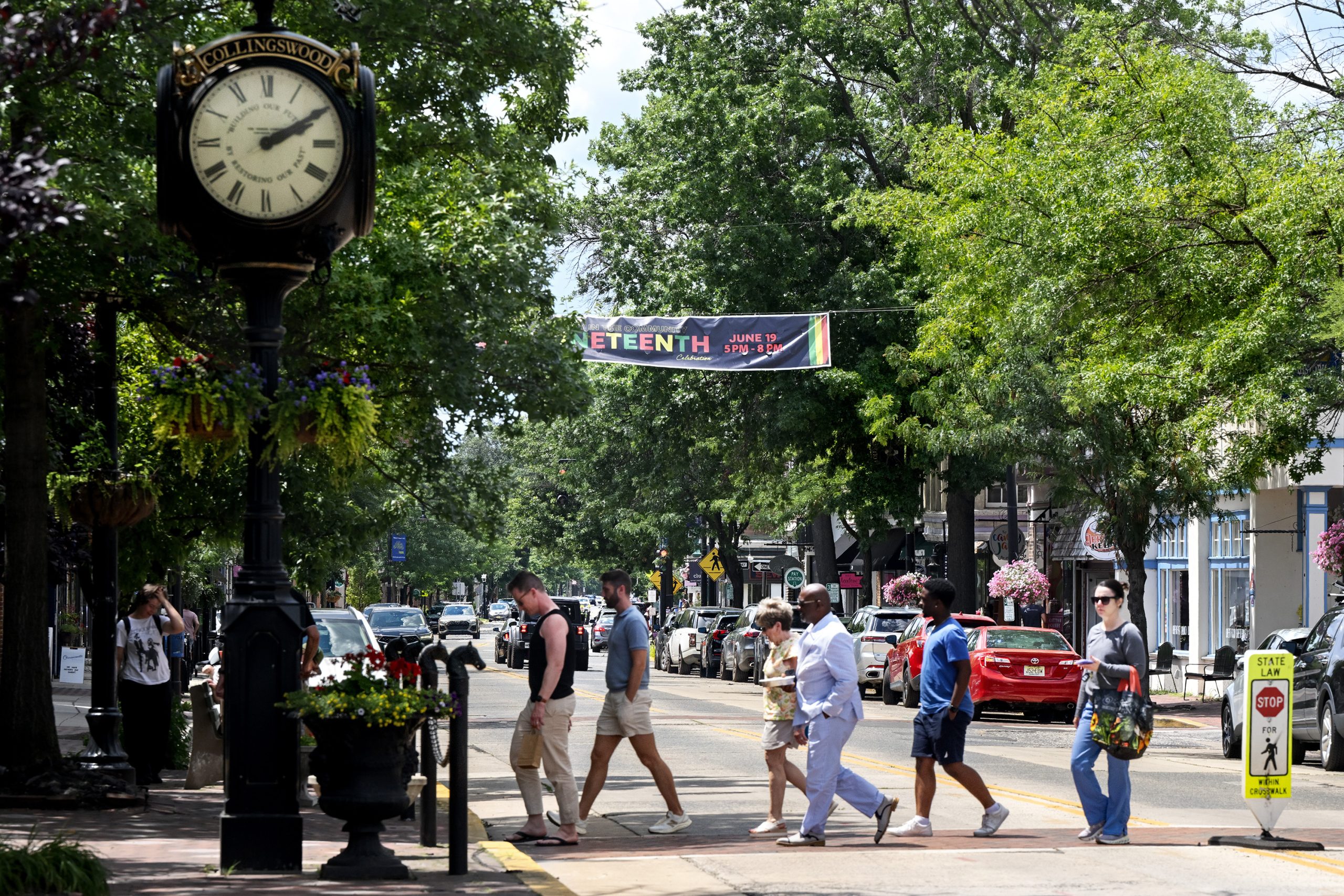
Haddon Avenue in Collingswood is hopping during the day. But restaurant owners say the dinner scene is losing out, perhaps because Collingswood, unlike some neighboring areas, is dry. The matter may go to a vote, reports Zoe Rosenberg.
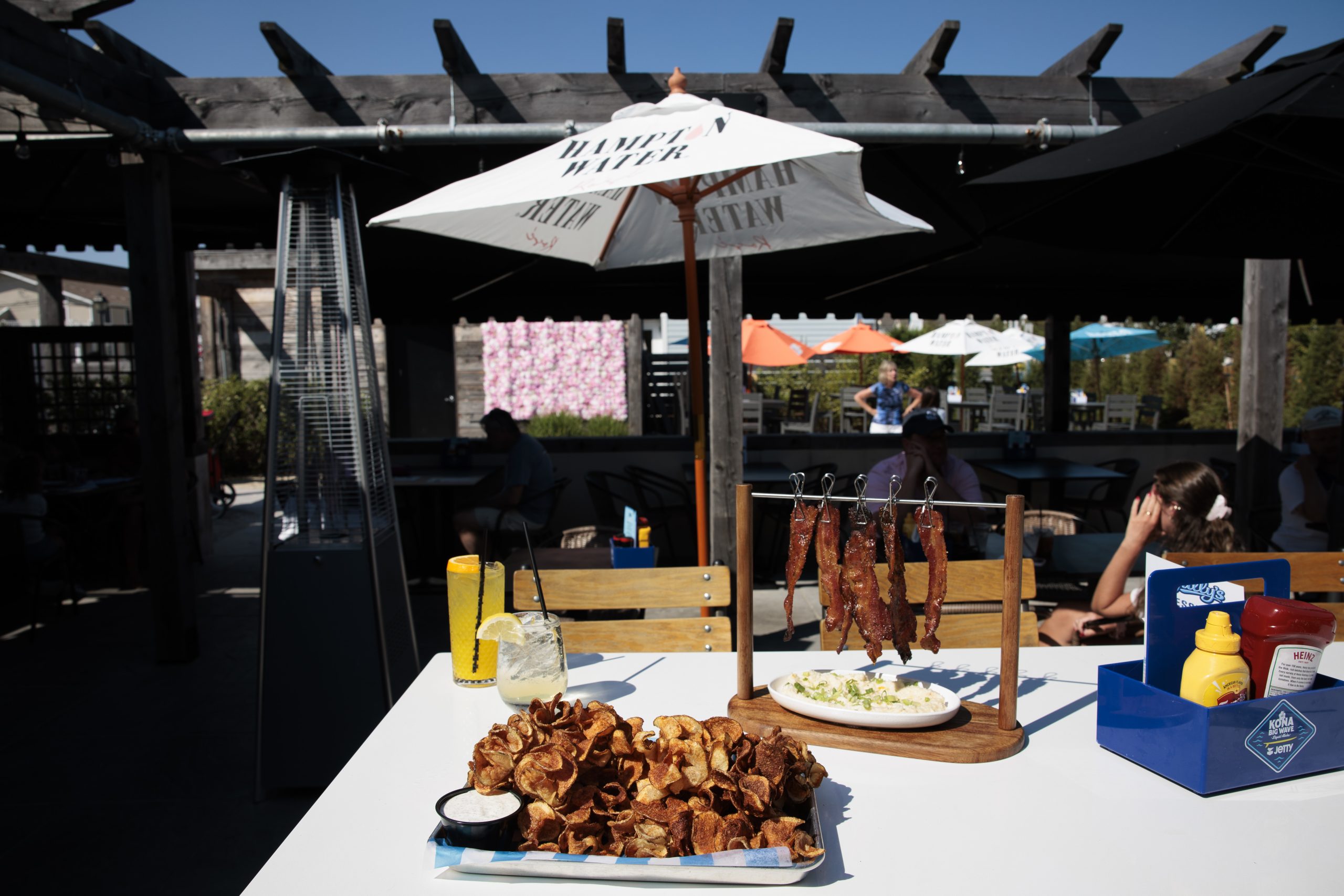
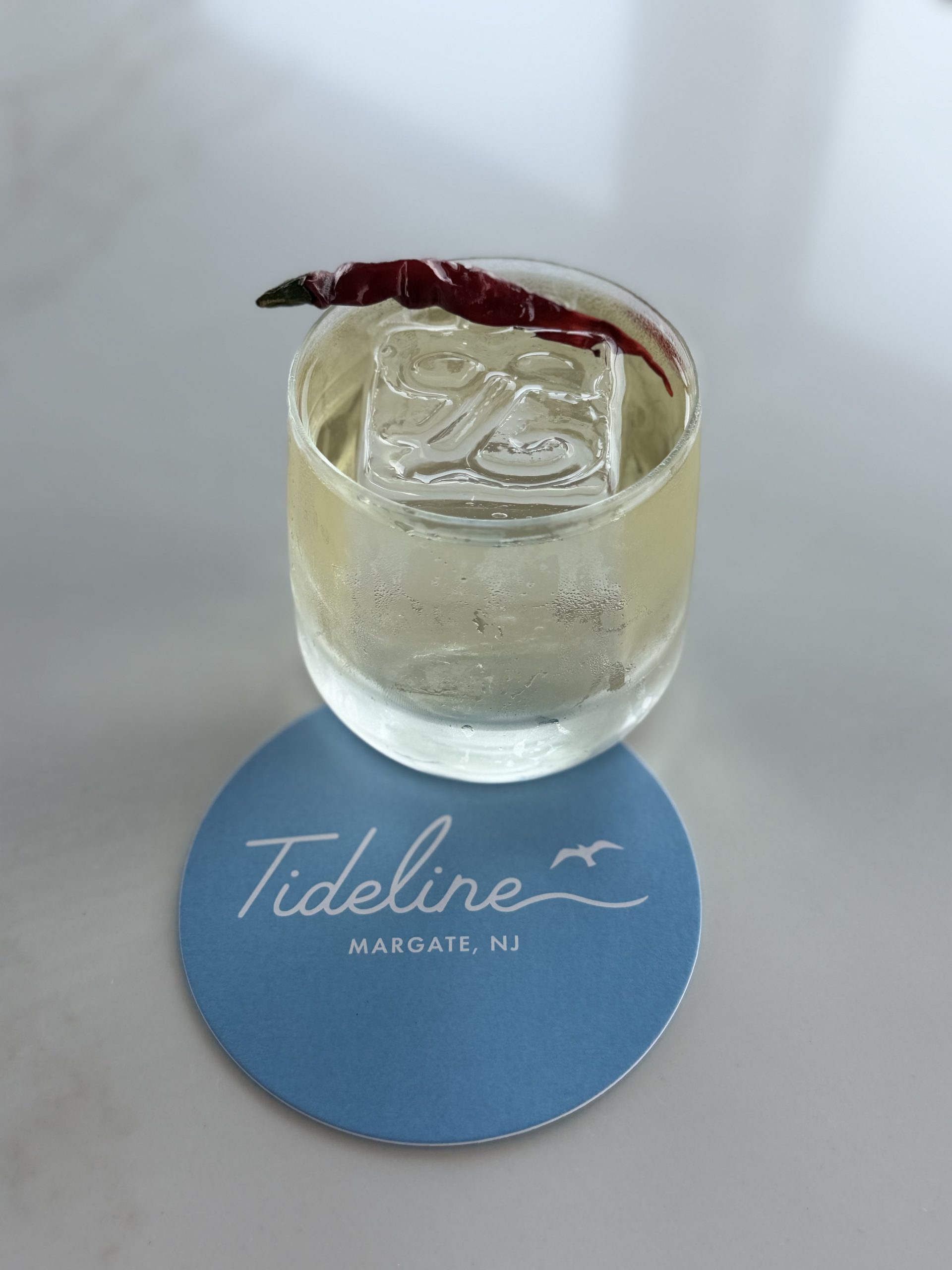
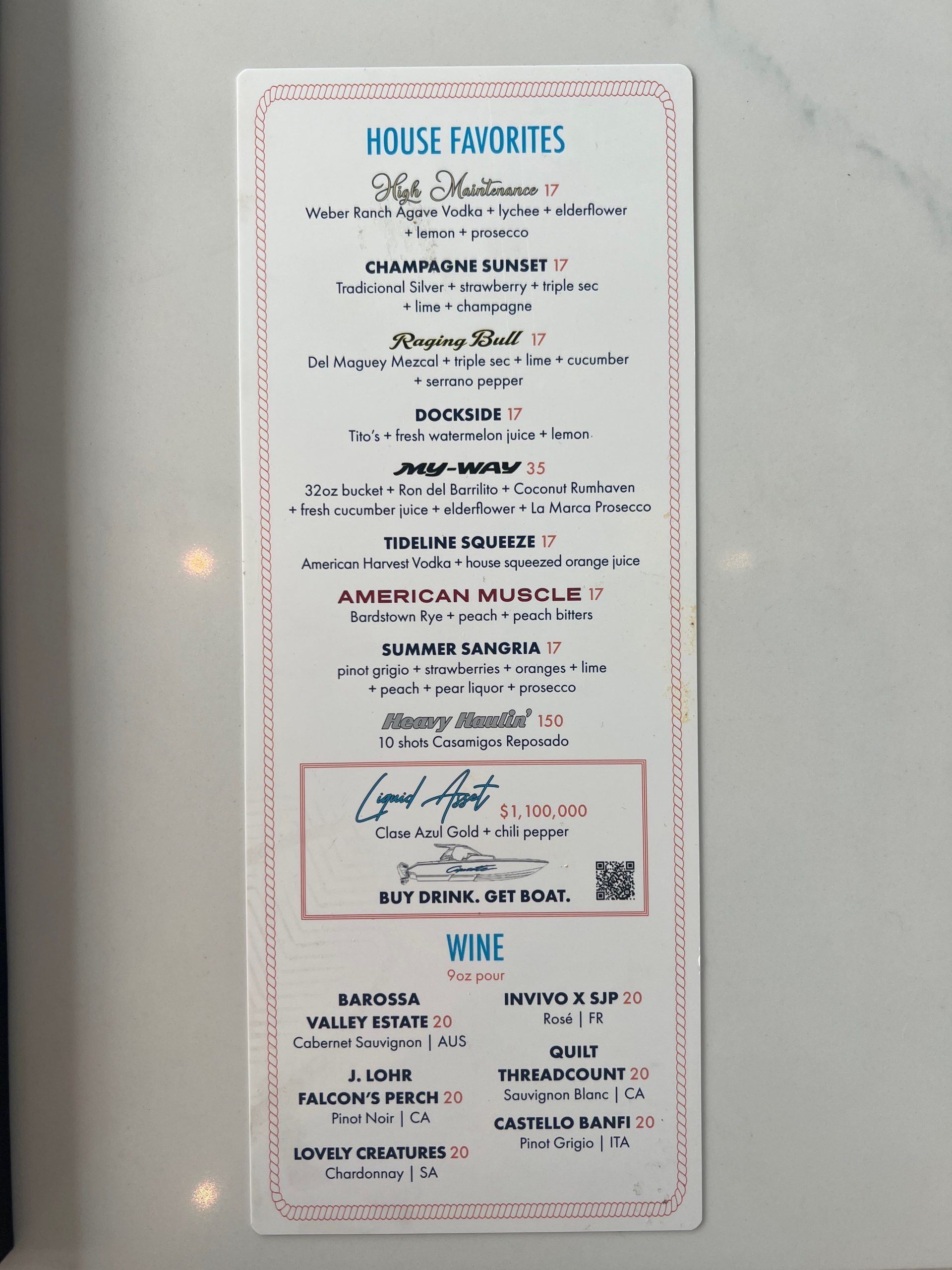
The Liquid Asset, on the menu at Tideline in Margate, N.J., consists of tequila, an ice cube, and a red chili pepper, and it’s $1.1 million. As Hira Qureshi writes, it’s the sidecar — in fact, a custom-built boat — that pushes up the price.
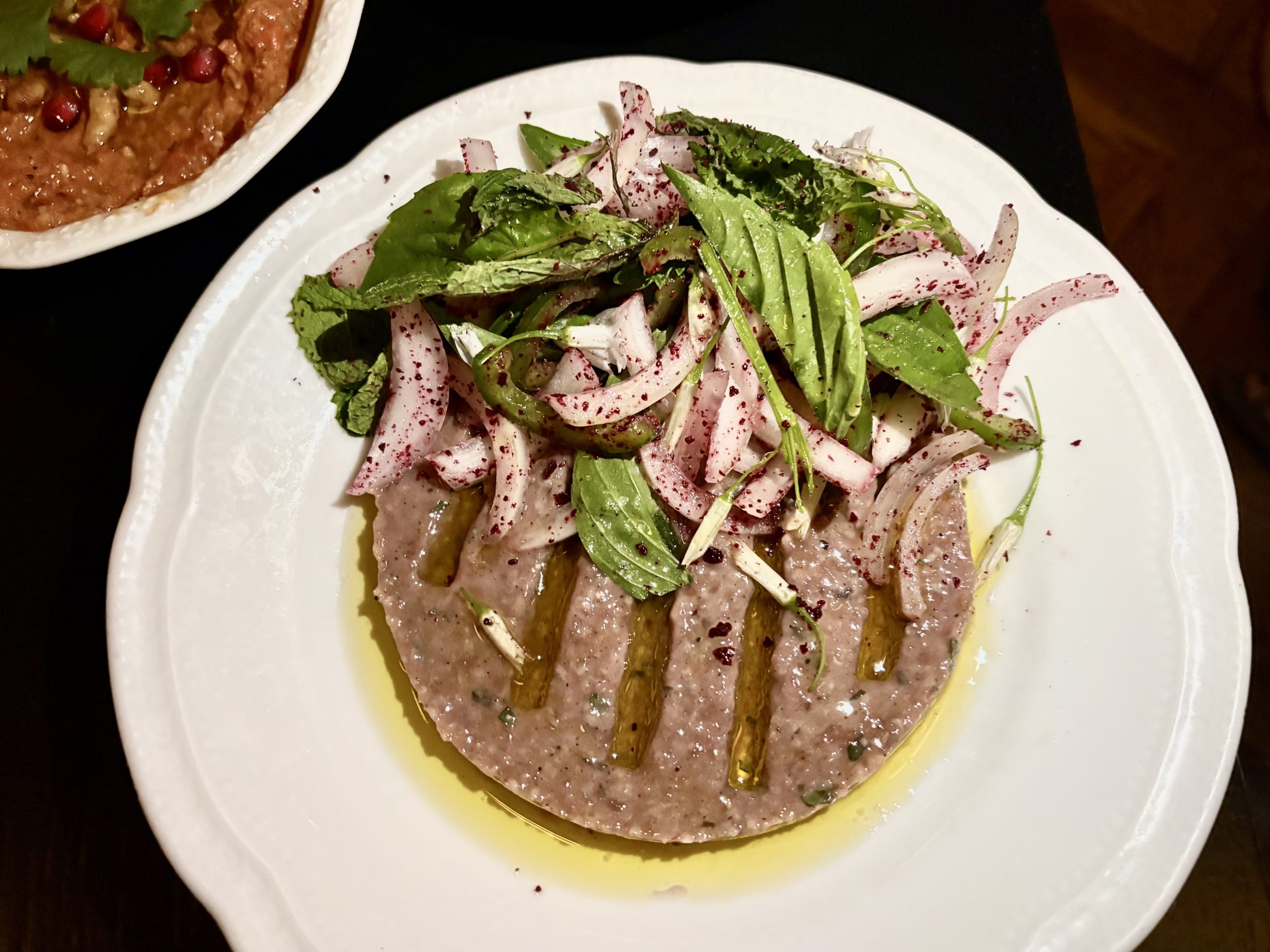
The food team’s consumption included classic kibbeh nayyeh in Fishtown, a $150 omakase feast in Center City, excellent fried rice in South Philly, and a jar of chicken liver mousse in Old City.
Scoops
New York smashburger chain 7th Street Burger has signed its fourth lease for the Philadelphia area, in advance of a rollout. No. 1, as I noted in January 2025, is due to open in early August at 1215 Frankford Ave. in Fishtown. The second is expected to open this fall at 1518 Chestnut St., in Amma’s South Indian Cuisine’s previous space. A third is being teed up for early 2027 at Plymouth Square Shopping Center in Conshohocken, replacing the shuttered Federal Donuts & Chicken. The University of Pennsylvania has leased 3931 Walnut St. in University City, the former Hummus Grill, to 7th Street for a potential fall opening. College friends Kevin Rezvani and Paras Jain founded 7th Street with three cooks on the grill, three items on the menu, and nine ingredients in the restaurant. Signature burgers are topped with grilled onions, melted American cheese, pickles, and house sauce, and are served on a Martin’s potato roll.
Ashni Kumar and Priya Trivedi, who closed their Newtown restaurant Guru’s Indian Cuisine last December, return to Bucks County’s restaurant scene Friday with Ardas Social Kitchen at 800 Bustleton Pike in Richboro. Opening day (starting at 11:30 a.m.) will feature a pay-what-you-wish vegetarian lunch buffet and regular dinner service, with all proceeds benefiting Ivy, a senior rescue dog being treated for a seizure disorder. Ardas, as did Guru’s, operates a nonprofit, Guru’s Guardian Angels, that rescues, rehabilitates, and cares for stray animals.
Mixto, the Cuban, Latin American, and Caribbean mainstay at 1141 Pine St., closed Sunday after 26 years. Owner Jorge Mosquera and family, who announced a sale months ago, are directing aficionados to Tierra Colombiana, the restaurant they opened in 1989 at 4535 N. Fifth St. in Hunting Park. There’s a new restaurant on the way to Mixto’s space, but owners are laying low until settlement. Just down the block is Chibanos, Evan Fong Jaroff’s Chinese-Cuban sandwich shop, which took over for Effie’s earlier this month at 1127 Pine.
Nan Zhou Hand Drawn Noodle House could be moving from its home of 14 years at 1022 Race St. in Chinatown. City records show an application for a sign bearing the restaurant’s name at 919-921 Race St., a double-wide property now undergoing renovation. It happens to be a few doors from Nan Zhou’s original home at 927 Race, where it opened around 2003. Management did not respond to my inquiry.
Restaurant report
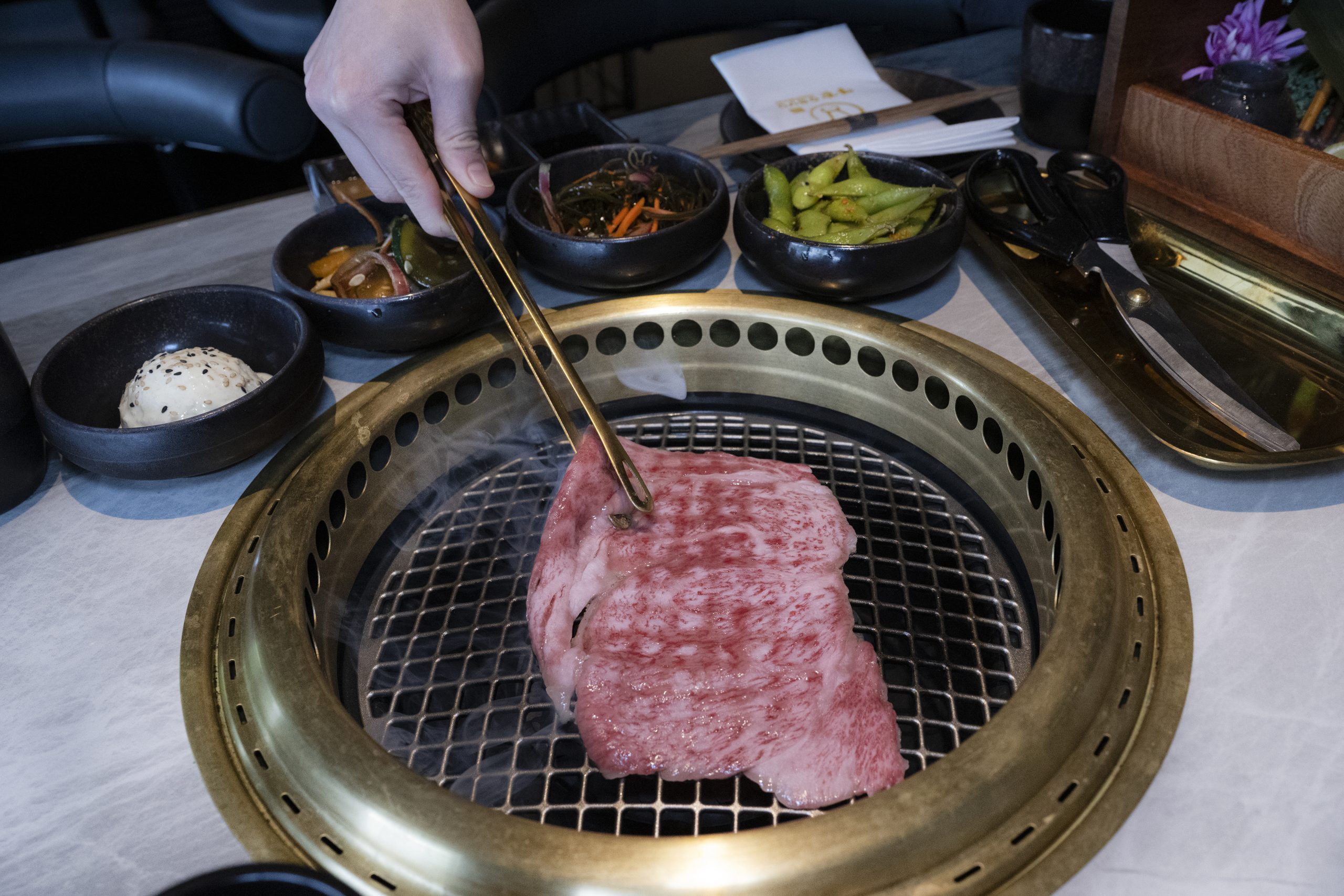
Ogyu Japanese BBQ & Bar, serving an all-you-can-eat menu of foods cooked on tabletop grills, has opened in the former Iron Hill in Ardmore. There’s lots of flash going on, what with the sizzling meats and flashy dry ice presentations. Denali Sagner chatted up owner Sam Li, who also owns Osushi in the same shopping strip.
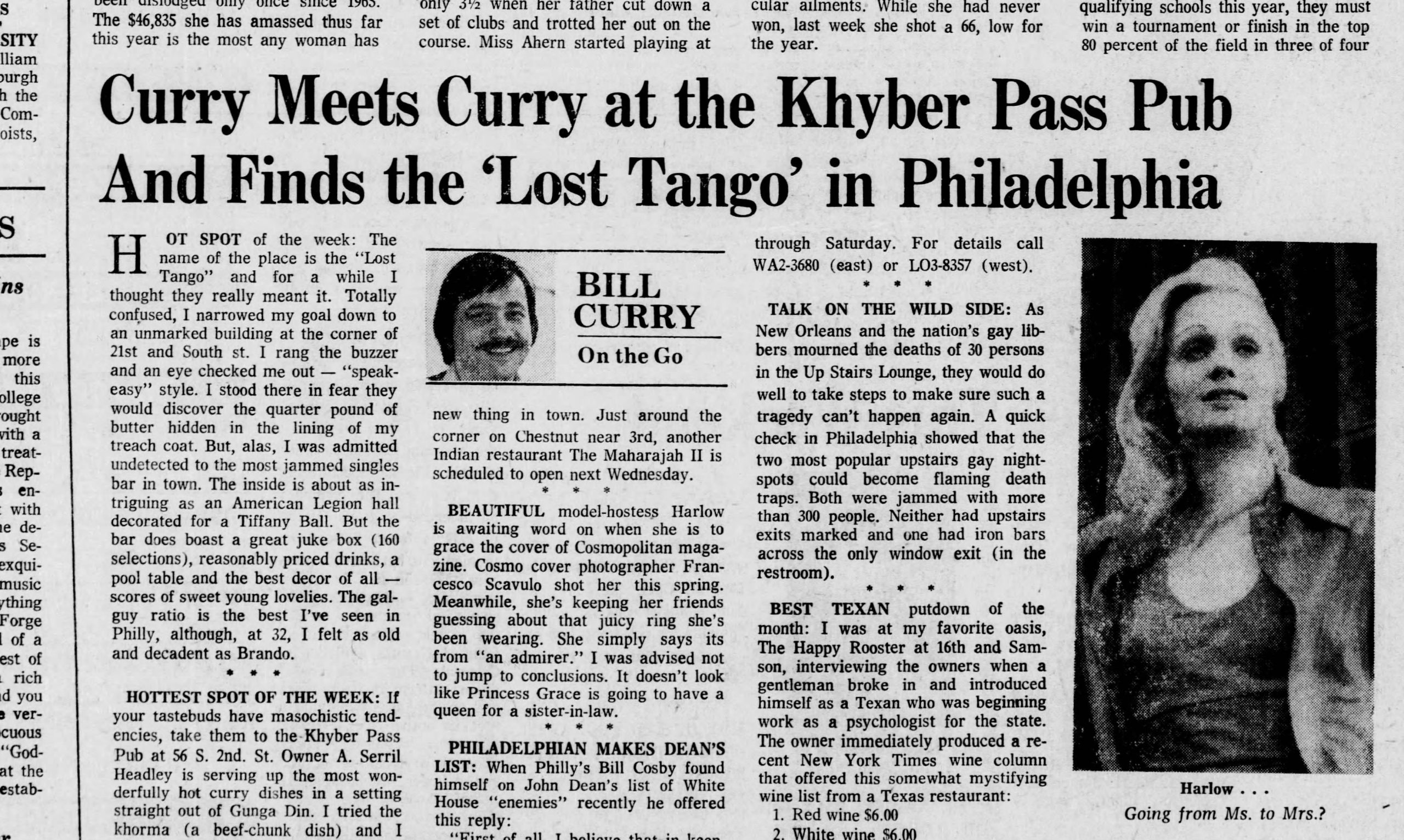
RIP, Bill Curry. He fell in love with South Street in the early 1970s while covering nightlife for The Inquirer and changed careers (not entirely his choice) to open landmark eateries including Copabanana and Cafe Nola.
The Wicked Gluten Free Expo returns to the Greater Philadelphia Expo Center in Oaks on Saturday (10 a.m. to 5 p.m.) with 100-plus exhibitors.
From the Boothas moved its Lafayette Hill location about a mile to 400 Germantown Pike, next to Wawa in the Shops of Lafayette Hill. The family-friendly trattoria opened in 1999 and spawned an offshoot in Ambler.
HipCityVeg’s University City location at 40th and Walnut Streets just closed. A sign directs customers to 127 S. 18th St. — the first HipCityVeg and its sole remaining location.
Just Salad’s Willow Grove location, replacing Mod Pizza at 4025 Welsh Rd., will donate $1 from every in-store purchase next Wednesday to Wissahickon Trails.
Cathedral Kitchen in Camden picked up a $50,000 grant from the Jacques Pépin Foundation as one of its four 2026 Partnership Circle Grant Awardees. The nonprofit has provided culinary-arts training to unemployed and underemployed people since 2009.
YèShì Chinatown Night Markethas set Oct. 8 as its next date, with festivities centered at 10th and Race Streets.
❓Pop quiz
How many miles did Craig LaBan drive for his Jersey Shore reporting? Email your guess, and I’ll send swag to the reader with the closest answer. (I was amazed when he told me.)
Ask Mike anything
Are you aware of any lunch specials/deals in Old City or Chinatown? My office is near the Constitution Center and I get so disheartened spending $20 on a sandwich and beverage when I go out. — Madeline D.
How about a bulgogi, egg, and cheese on a bagel for under $9? That’s from Cafe Walnut, a subterranean sandwich shop at 703 Walnut St. Or a chicken burrito at Tu Rinconcito (17 N. Third St.)? My favorite budget-lunch destination in Chinatown is Yin Ji Rice Roll at 908 Cherry St. The congee ($9-$11) and rice rolls ($6-9) are filling; get a $2 fried dough stick to dip into your congee. Also worth noting: Beginning Aug. 3, Center City District’s Let’s Do Lunch promotion will return, with weekday lunches priced at $10, $15, or $20 at participating restaurants. One tip: Skip the sandwich and splurge on a typically big-portioned noodle bowl at, say, Sang Kee or Nan Zhou, neither of which is that expensive anyway; eat half and take the rest home for dinner or lunch the next day. Second tip: Skip the beverage and opt for water.
📮 Have a question about food in Philly? Email your questions to me at mklein@inquirer.com for a chance to be featured in my newsletter.
By submitting your written, visual, and/or audio contributions, you agree to The Inquirer’s Terms of Use, including the grant of rights in Section 10.
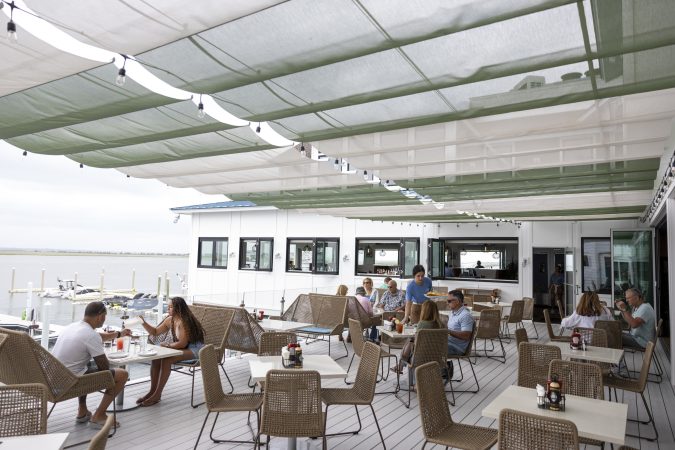
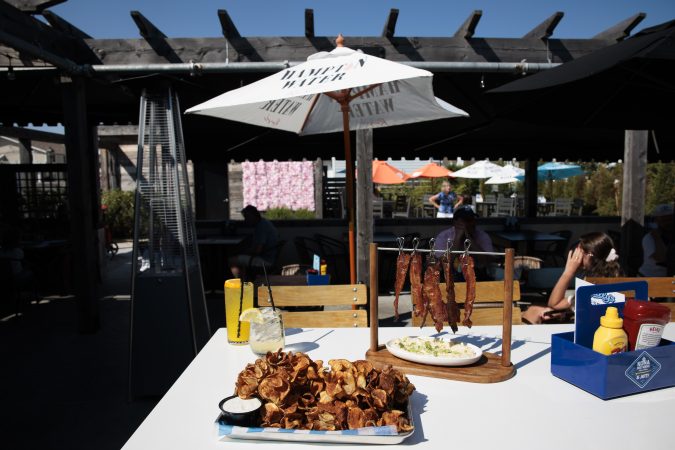
Earlier this year, restaurant owner Ray Leotta decided to add an eyebrow-raising cocktail to the “House Favorites” drink menu at Tideline, Margate’s latest bayside restaurant. The drink would befit the splashy 240-seat restaurant, which spans multiple floors and offers stunning sunset views and full service to the boats and Jet Skis parked in its slip.
Called the Liquid Asset, the drink consists of top-shelf tequila, a big ice cube, and a red chili pepper — for the hefty price of $1.1 million.
The menu has a QR code for interested buyers to see renderings of the boat.Craig LaBan
That’s because this summer sipper comes with acustom-built39-foot speedboat.
“Everybody reads the menu and goes, ‘Oh wow, $1,100. What kind of drink is this?’ And we’re like, ‘No, that’s $1.1 million.’ And then, they freak out for a minute,” Leotta said.
The cocktail-and-a-boat idea was a 3 a.m. musing, said Leotta. Given the Shore’s bustling market for the boats, he thought the combo would be fun for local buyers. If he gets any takers, Leotta plans to offer the option every summer.
No one has purchased the Liquid Asset yet, but five regular customers have expressed interest in the unusual pairing so far, Leotta said.
“These boats are all custom-tailored, so they do take over a year and a half to make,” he said. “That’s another reason people are interested, because you can skip the line and you don’t have to wait.”
A rendering of the speedboat from Cigarette Racing company.Cigarette Racing
A year ago, Leotta reached out to Cigarette Racing, a Miami-based boat builder that specializes in luxury cigarette boats, who put him in touch with a New Jersey dealer to commission the speedboat. The boat, which will sport the restaurant’s blue-and-gray color scheme, is currently in production, with delivery anticipated for mid-August. Customers can use a QR code on the drink menu to view renderings.
If someone buys the“cocktail,” they’ll be presented with a contract to sign off on the purchase price, the boat, and all its features — plus a special engraved bottle of Clase Azul Gold tequila and the cocktail itself.
The Liquid Asset at Tideline costs $1.1M and comes with a custom speedboat.Tideline
Because the boat is still in production, the buyer would be on the hook for a $400,000 deposit now, with the remainder owed once the boat is completed. If someone buys it after delivery, it’s $1.1 million at signing.
Despite the spicy pricing, Leotta is optimistic the Liquid Asset will find a buyer.
And if it doesn’t sell?
“It’s mine,” Leotta said. “And the cocktail will remain on the menu.”
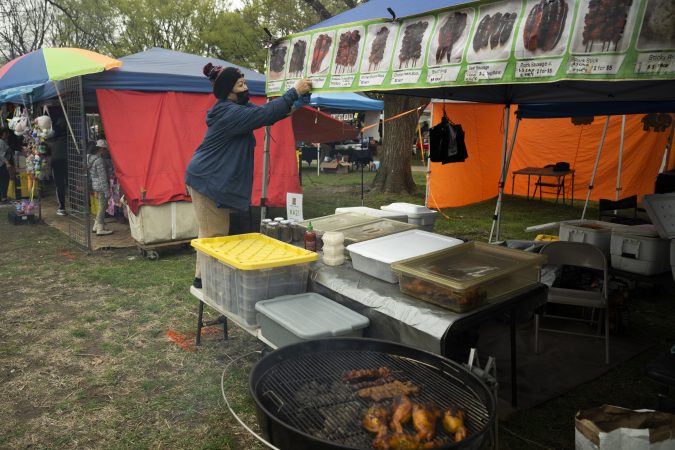
The Southeast Asian Market in FDR Park plans to operate on its regular schedule this weekend, though likely not at full capacity after last weekend’s storms caused damage and forced the market to close. The market’s Dolla Holla event, featuring items like barbecue sticks and light bites for $1, has been moved to this Sunday.
Saturday’s sudden microbursts closed the market early, wreaking havoc on all 53 vendors’ tents. The annual market, which operates on Saturdays and Sundays until Oct. 31, was also closed on Sunday as damage was assessed.
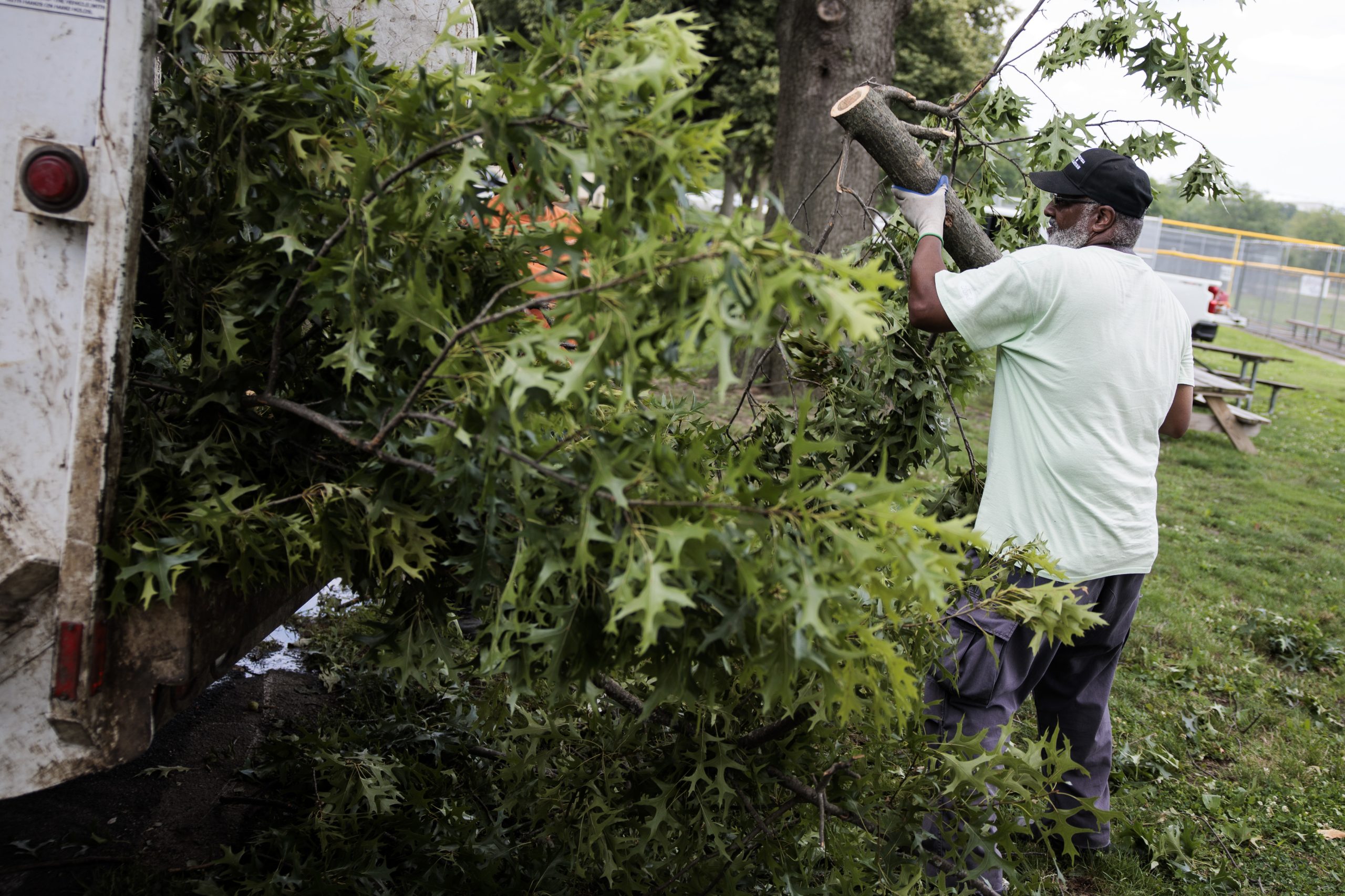
District 7 Parks and Recreation employee Luther Bennett throws part of a downed tree into a trash truck at FDR Park on Sunday, July 12, 2026 in Philadelphia. On Saturday severe thunderstorms caused damage across the region.Monica Herndon / Staff Photographer
Food inventory, merchandise, and tents were all destroyed. The storms were frightening. Catzie Vilayphonh, the market’s community cultivator, said she received photos from staffers “as they were hiding in the porta-potties.”
Vilayphonh was uncertain which vendors would be participating in this weekend’s market but said the hours, from 10 a.m. to 6 p.m., would be the same as usual.
After the storm, market organizers immediately looked to support the vendors, including soliciting community donations to fund the replacement of tents and other materials.
The timing of the storms made the vendors’ losses all the more difficult. “This is the middle of the season, not the end. It’s not like you’re preparing for bad weather. It was supposed to be like any other day,” Vilayphonh said. “Tents were completely ripped, some were inside out, some had nothing left but the frame.”
Vilayphonh, who has been fielding many messages and emails from the public, said the market’s fans have responded to the call for help. “It’s been really great hearing from people who have visited the market before and are now looking for ways to support.”
Restaurant group CookNSolo will close three Center City Federal Donuts & Chicken locations and shrink its Goldie falafel chain from four shops to one as owners Steve Cook and Michael Solomonov retrench, citing weakened demand for fast-casual dining, particularly at weekday lunch.
Federal Donuts’ shop at 1909 Sansom St. — designated only months ago as the company’s flagship after the South Philadelphia location closed in February — shut down after business Sunday. Locations at 21 S. 12th St. and 18th Street and Benjamin Franklin Parkway are expected to close by July 31, although Cook said staff departures could accelerate the timetable.
Of Federal’s 45 employees, 27 will be laid off, Cook said. Eighteen employees will be retained to staff the two remaining Philadelphia stores, on Fairmount Avenue and on South Street. Federal launched in 2011 in South Philadelphia with a menu of fried chicken, coffee, and hot doughnuts from a robotic fryer.
Federal Donuts founders (from left) Tom Henneman, Michael Solomonov, and Steve Cook at the Federal Donuts & Chicken location at 1776 Ben Franklin Parkway in 2022.Michael Klein / Staff
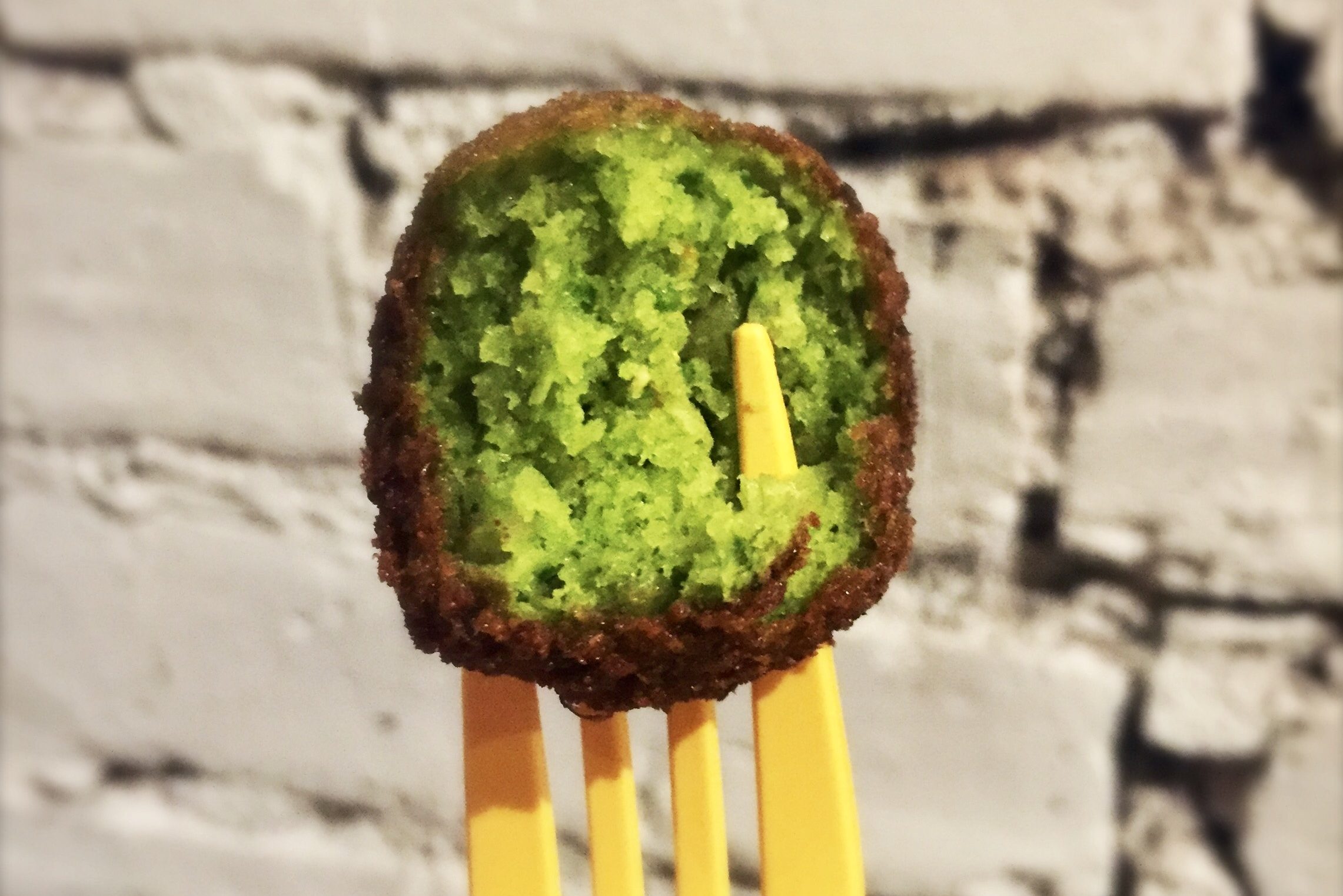
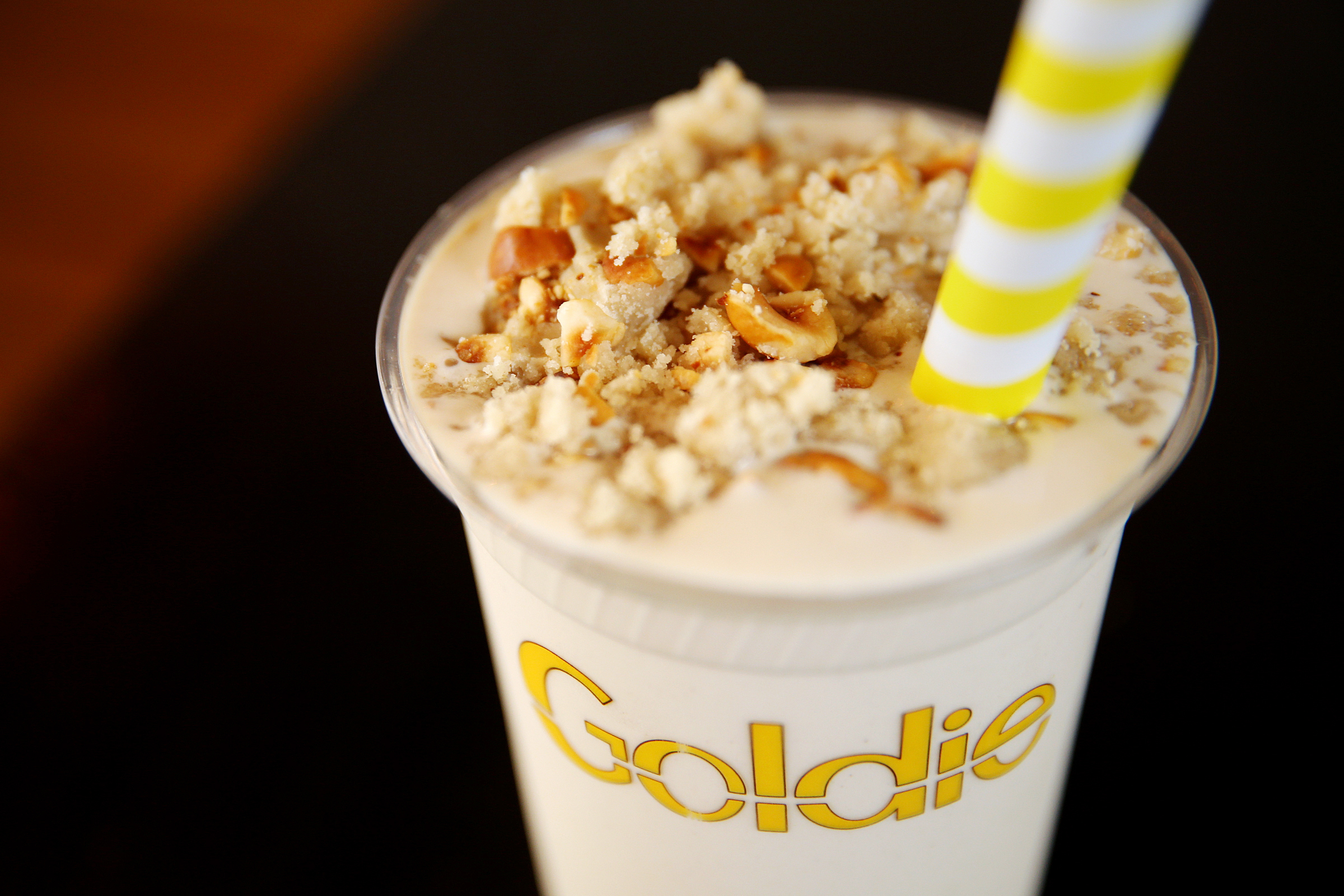
Goldie, which debuted in 2017 with a menu of falafel, fries, and tehina shakes, will close its restaurants at 1218 Sansom St., Franklin’s Table food hall at 34th and Walnut Streets, and the Whole Foods Market at 2101 Pennsylvania Ave. in late July or early August. The lone remaining Goldie, at 1911 Sansom St., will absorb the chain’s delivery, takeout, and catering business.
Eighteen of Goldie’s 36 employees will lose their jobs. Cook said the company is working to help find former Federal Donuts and Goldie workers other roles. Hourly staffers will not be given severance, Cook said, as is standard industry practice.
Cook said the closures reflect a restaurant landscape that has changed dramatically since the pandemic.
Dozens of fast-casual and quick-service restaurants have opened in recent years. “We feel like we’re oversaturated in the city, given the economy right now and the demand for fast-casual restaurants,” he said. Federal Donuts has experienced “significant” year-over-year same-store sales declines, he said. He hopes the closures stem the losses.
“We have two great brands here that are worth saving, and we feel like economically this is the best way to preserve those brands.”
Falafel from Goldie.Craig LaBan / Staff
The company’s full-service restaurants — including Zahav, Dizengoff, K’Far Cafe, Jaffa Bar, and Laser Wolf — are unaffected by the shutdowns.
“Post-COVID, while we’ve seen really good rebounds in the dinner, more fine-dining side of our business, weekday lunch traffic has never really returned to full strength,” he said. “The $10-to-$15 lunch is an easy thing to kind of do without.”
Cook’s assessment reflects broader industry trends.
Tehina shakes are a signature product at Goldie.Tim Tai / Staff Photographer
While some national fast-casual brands such as Chipotle and Cava continue to post strong results, many regional chains are struggling as consumers increasingly choose prepared foods from grocery stores and convenience stores instead of restaurant meals, according to R.J. Hottovy, head of analytical research at Placer.ai, a location analytics and foot-traffic company.
While fine-dining restaurants have generally continued to gain traffic through much of 2026, “fast-casual has been more of a mixed bag,” Hottovy said.
Placer.ai’s findings show visits to grocery stores, convenience stores, and wholesale clubs increasing from a year earlier while overall restaurant visits have declined. “Middle-income consumers are increasingly substituting restaurant visits with meals at home,” Hottovy said.
Restaurants also continue to battle rising labor costs while customer traffic softens as menu prices rise. “Price increases are increasingly showing up as lost visits,” he said.
Federal then operated 11 locations and arena concessions, and executives envisioned a franchise system that eventually could reach 150 stores.
The company’s largest franchisee later closed its restaurants in Radnor, Conshohocken, and Willow Grove and returned several Philadelphia stores to the company. In April, Cook and Solomonov announced plans to regain control of those city locations, simplify operations, and improve execution.
At the time, the Sansom Street restaurant was designated as the flagship to redevelop menu items. “I thought we would get a significant bounce in sales [there] and it just didn’t happen,” Cook said.
Cook said NewSpring remains the majority owner of Federal Donuts, while he and Solomonov retain a significant ownership stake and seats on its board. Representatives of NewSpring did not respond to requests for comment.
Under the restructuring, two Philadelphia stores will remain. CookNSolo will take over the location at Seventh Street and Fairmount Avenue, now owned by the company, as a franchisee around Aug. 1.
Federal cofounder Tom Henneman confirmed that he was in talks to operate the location at Sixth and South Streets as a franchisee.
Cook said those stores were chosen because of their historical performance and geographic separation. Consolidating delivery and takeout in two locations instead of five should improve profitability, he said.
Besides the two city stores, Federal will continue operating independently owned franchises in Marlton, Lancaster, and the Hard Rock Hotel & Casino in Atlantic City, along with its licensed airport and stadium locations.
Goldie, unlike Federal Donuts, is owned entirely by CookNSolo.
CookNSolo has also been the focus of pro-Palestinian demonstrations and boycott campaigns since the start of the Israel-Hamas war on Oct. 7, 2023. Activists have criticized the restaurant group for raising money for an Israeli emergency medical nonprofit as well as Cook’s and Solomonov’s outspoken support for Israel. The chefs have said their support for Israel was “not unqualified” and have criticized the Netanyahu government’s efforts to thwart a two-state solution.
A group with the Instagram handle @boycottcooknsolo on Monday reported word of the store closings, contending that the boycott had softened sales.
Cook disagreed. “Any time there’s been a protest, it’s always resulted in a short-term increase in business,” Cook said. “This is really an economic decision that goes back many years at this point.”
(function(){function e(){window.addEventListener(`message`,function(e){if(e.data[`datawrapper-height`]!==void 0){var t=document.querySelectorAll(`iframe`);for(var n in e.data[`datawrapper-height`])for(var r=0,i;i=t[r];r++)if(i.contentWindow===e.source){var a=e.data[`datawrapper-height`][n]+`px`;i.style.height=a}}})}e()})();
Nab a table at Collingswood’s Sabrina’s Cafe at 11 a.m. on a Sunday without a wait? Good luck with that.
A dinnertime walk-in at one of the town’s many vaunted restaurants might be easier. On a weekday, you’ll practically be a shoo-in.
Despite its reputation as a South Jersey dinner destination — owing to longtime red-sauce staples like Villa Barone and Il Fiore and newer fine-dining joints like Hearthside and June BYOB — restaurant owners on Collingswood’s popular Haddon Avenue say business isn’t booming on weeknights.
With thinner margins brought on by the higher costs of food, supplies such as to-go containers, and labor, it’s getting harder for some of these spots to get by.
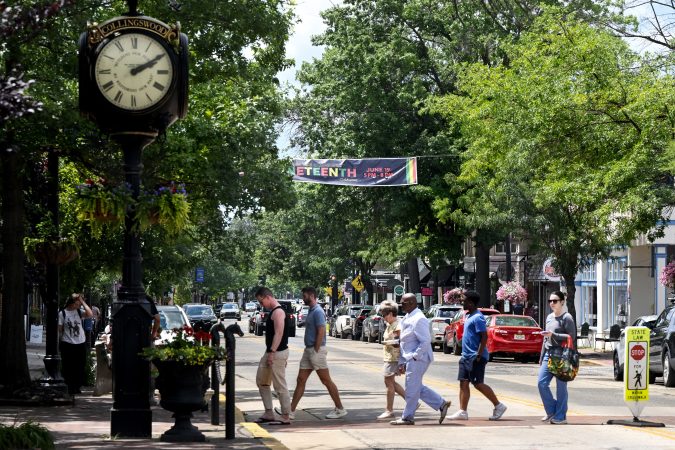
The Camden County town of 14,000 is hopping with energy on weekend days thanks to the beloved Saturday morning farmer’s market, a bevy of city-organized events, and Collingswood’s variety of stores. But the energy on Haddon Avenue often fizzles come evening.
Business owners of all types point to one main reason: Collingswood is dry.
“During the day on Saturday when we’re prepping, there are people walking around everywhere, but on the weekdays after 5 o’clock, there’s just nobody walking around,” said Dominic Piperno, chef and owner of Hearthside, which opened on Haddon Avenue in 2017.
People walk along Haddon Avenue in Collingswood. Elected officials and business owners say the town needs more experiential businesses.Tom Gralish / Staff Photographer
Piperno said weekday evenings have become increasingly quiet in the past few years. There was a boom just after COVID-19 restrictions lifted, when folks were happy to get out of their homes, but it didn’t last. He and other Haddon Avenue restaurant owners say inflation and the rising cost of living are partly to blame, with disposable income for many out the window.
Giovanni Barone, whose family has owned and operated Haddon Avenue Italian restaurant Villa Barone for 32 years, thinks the town could make some changes to support restaurants. He motioned toward nearby Haddon Township, which has long allowed alcohol sales and on-site consumption.
There, “on a weekday night — Wednesday or Thursday, for example — I drive down the street and it’s packed,” Barone said. “We’re losing a bit of that piece of the pie.”
A thriving daytime scene
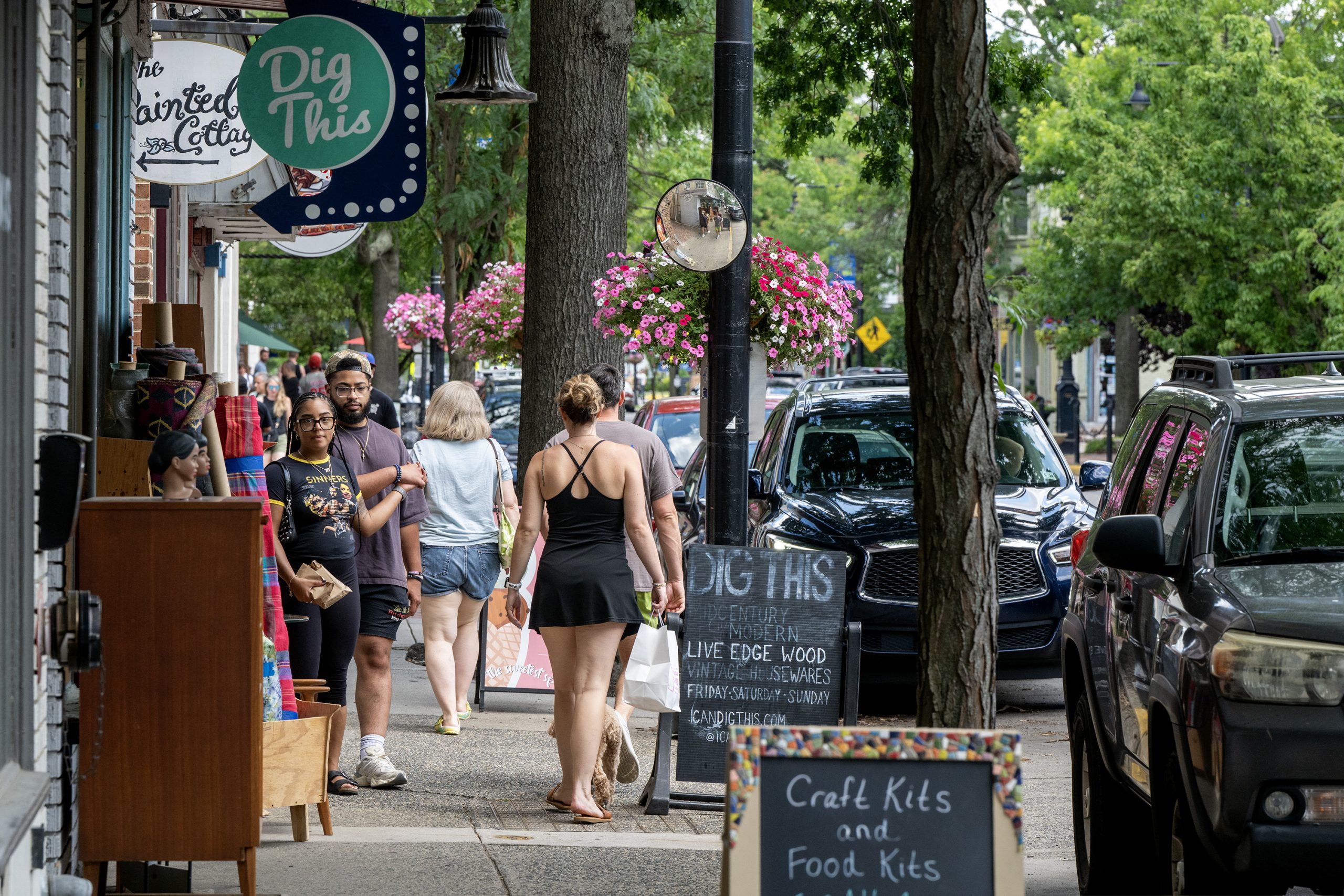
Yet amid the challenges, Collingswood’s share of Haddon Avenue is experiencing a wave of new businesses filling long-vacant storefronts and injecting fresh daytime activity.
Kaival Patel of John’s Friendly Market in nearby Haddon Heights is preparing to open a convenience store-like concept in Collingswood with a deli case and prepared foods in the former Wawa space, likely this summer.
The business was courted by Collingswood Commissioner and Deputy Mayor Amy Henderson Riley. She campaigned with Mayor Daniela Solano-Ward on the promise of ensuring downtown continued to welcome diverse business owners and shoppers of various income levels. James Maley, a commissioner since 1989 and Collingwood’s mayor from 1997 until Solano-Ward took office, continues to serve as a commissioner.
“We’re replacing Wawa in our own way,” Patel said. “We’ve heard that people used to get their groceries from Rite Aid next door that closed, too, so we’re going to try to add groceries as much as possible.”
Nearby, a bank that has sat empty for years is primed for a new life as a three-storefront building topped with condos, said Keller Williams real estate agent Pat Ciervo. The parking lot will become public parking, Ciervo said — a perk for that end of downtown.
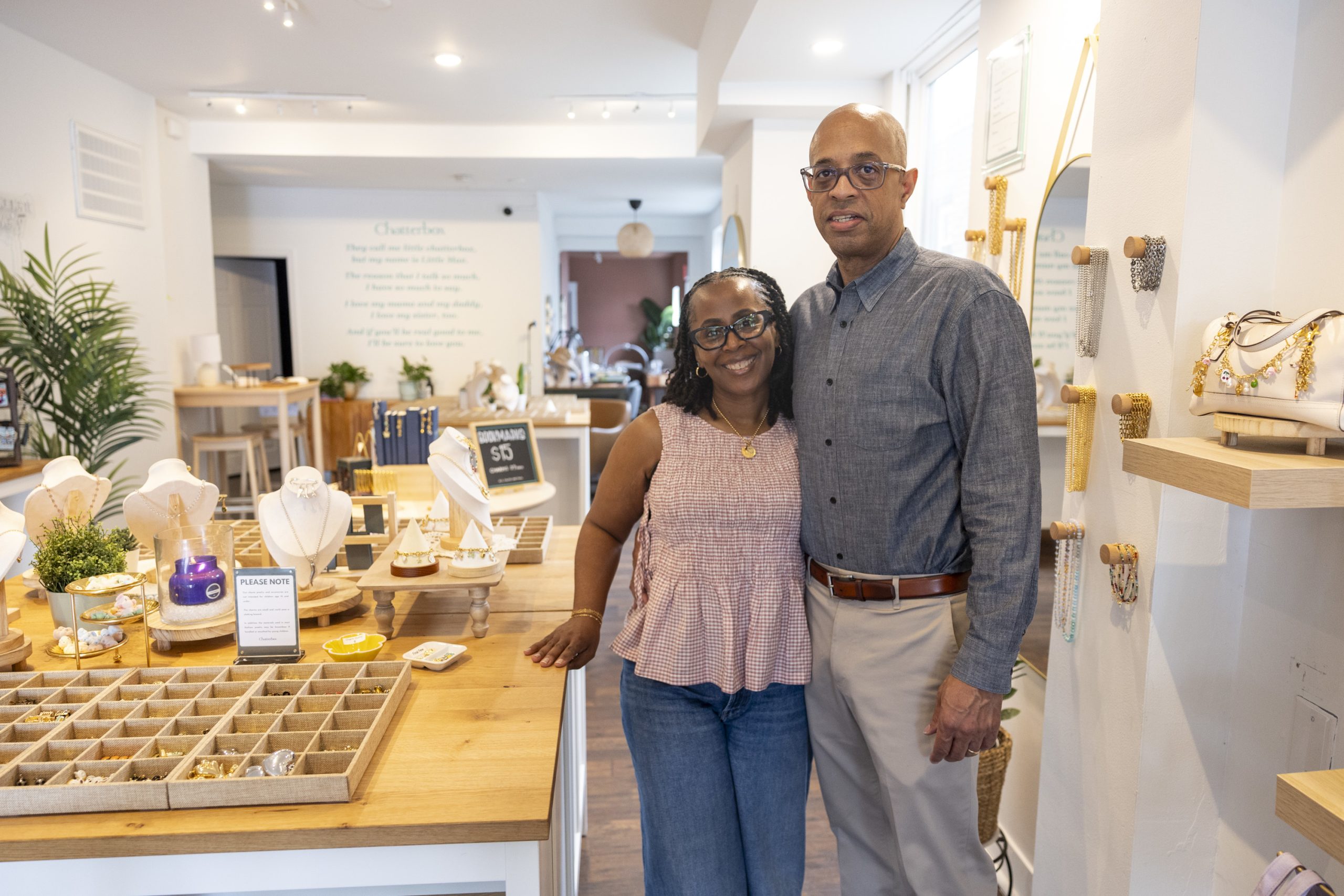
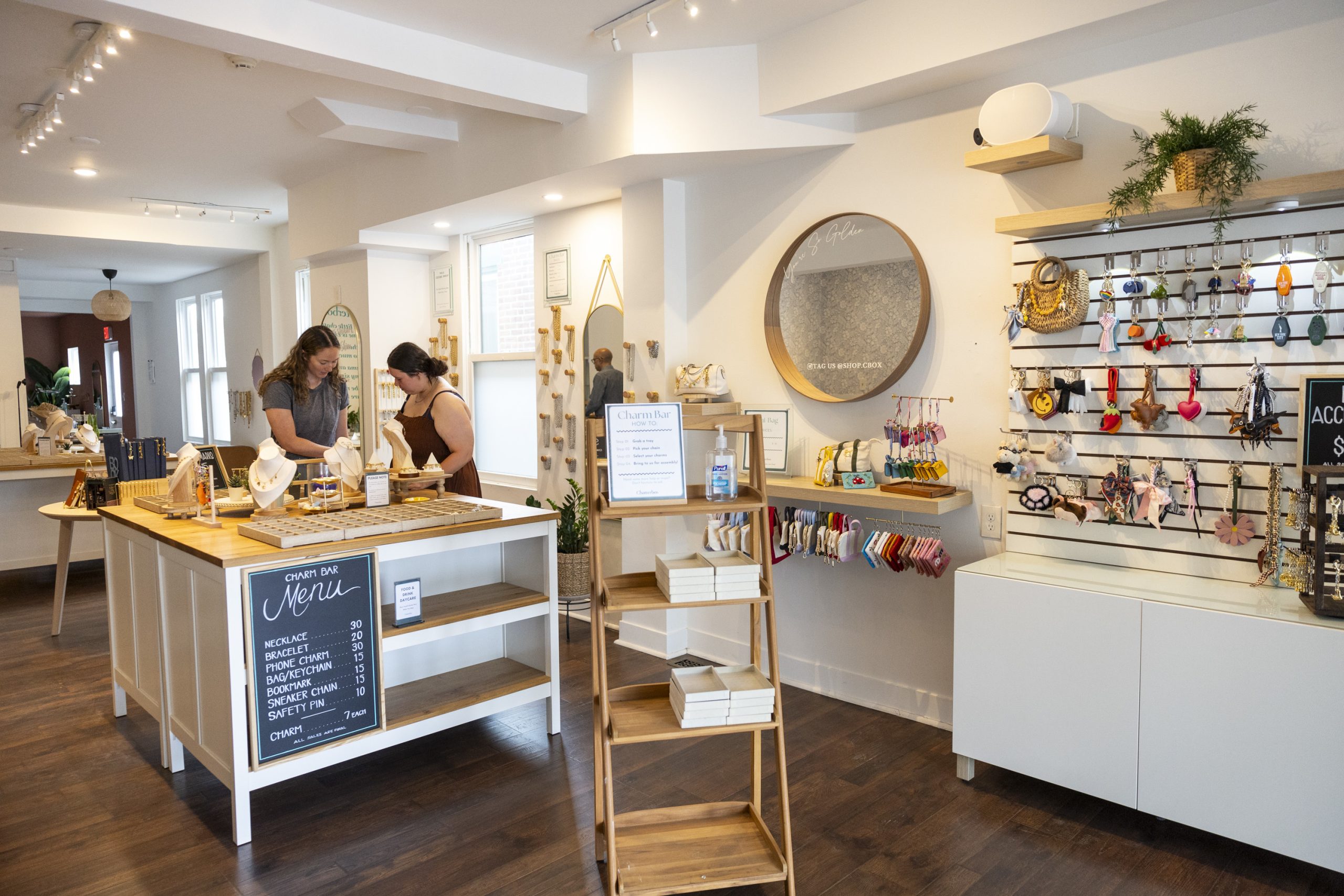
Charm bar and permanent jewelry studio Chatterbox celebrated its first anniversary July 4. Business has been good for owners Douglas and Nikki Coleman. People are eager to support a Black- and family-owned business, Douglas Coleman said.
Douglas and Nikki Coleman at their business Chatterbox in Collingswood.Tyger Williams / Staff Photographer
“Weekends have been very steady for us,” he said. Weekday business fluctuates, “but this has become a destination for people, just the store in itself. We’ve had people come from Boston and Virginia.”
Lindsey Ferguson, Collingswood’s director of business and community development, praised the store.
“We have loved the addition of Chatterbox because, simply, their business model includes waiting for your jewelry, so people then walk around and shop” at other businesses on the avenue like suburban birding store House Finch or Occasionette gift shop, she said.
Ferguson would like to see more so-called experiential businesses like Chatterbox and nearby pottery-painting studio All Fired Up! And she’d like to add nighttime businesses “that can kind of lift everybody up.”
Ends of the Earth, a cigar lounge that recently debuted in Collingswood’s former fire station, is open until 7 p.m. on Thursday, Friday, and Saturday — a welcome evening addition, according to Ferguson.
Ferguson said the chasm between daytime and nighttime foot traffic along Haddon Avenue dates to the pandemic years, when some businesses began closing earlier.
But that lack of deep overlap between so-called daytime and nighttime businesses has left Collingswood’s restaurant scene in the lurch.
The inside of Douglas and Nikki Coleman’s business Chatterbox in Collingswood.Tyger Williams / Staff Photographer
‘Let’s not mess this up’
Liquor was prohibited by ordinance in Collingswood in the 19th century, dating back to its Quaker roots.
Now Collingswood’s three-person Board of Commissioners, which includes Henderson Riley and Solano-Ward, is considering a resolution to put liquor sales on the ballot in November.
“It’s a conversation we need to keep having as a community,” Henderson Riley said. “It would be an influx of cash into the town that would be up to voters to decide.”
In 2015, Collingswood voted to allow craft breweries, and now Raccoon Taproom operates on Haddon Avenue under a state-issued limited brewery license. The license allows operator Swedesboro Brewing to serve beer in the taproom.
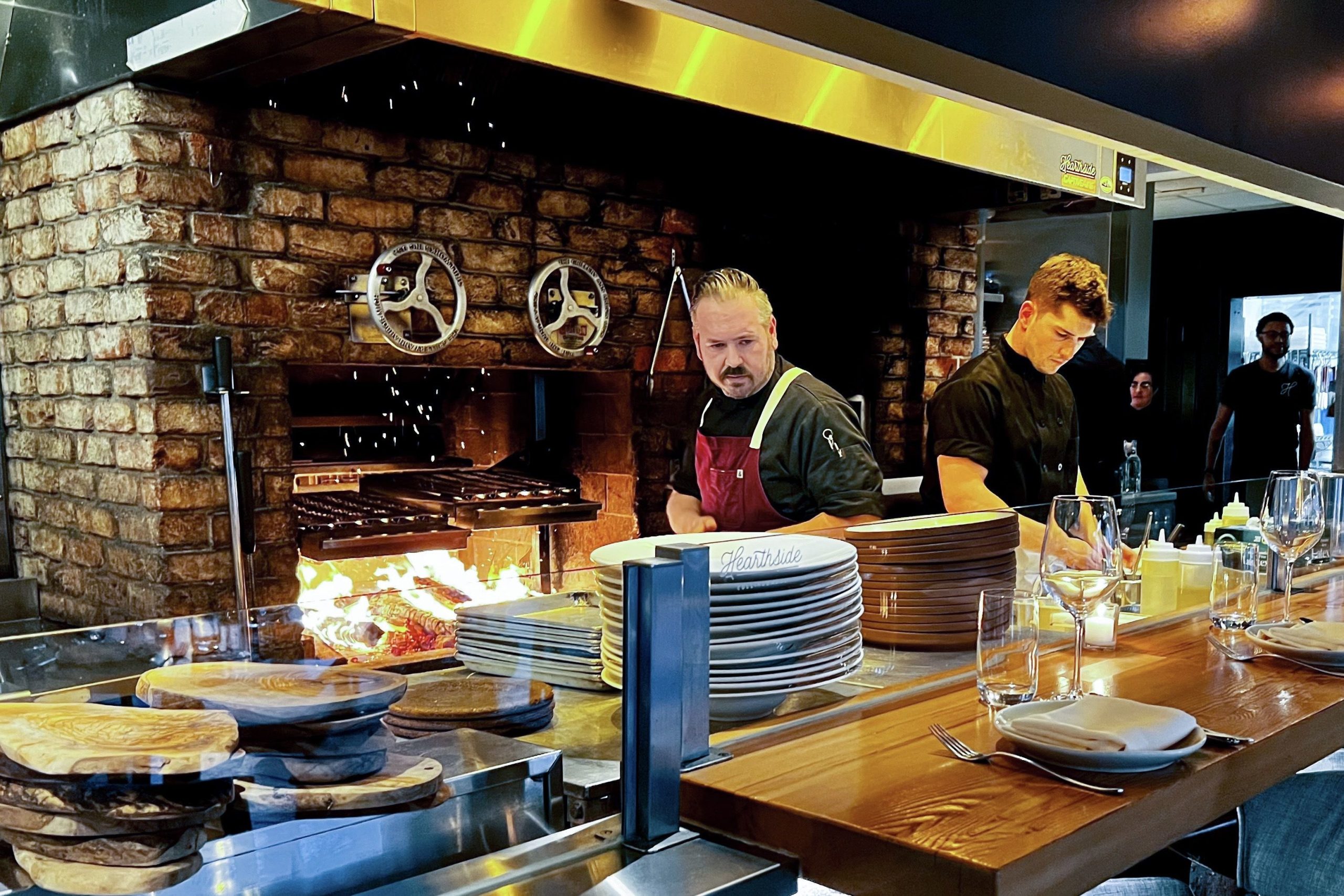
Chef-owner Dominic Piperno (left) with line cook Christopher Ross at Hearthside in Collingswood in 2023.Michael Klein / Staff
Henderson Riley said officials are concerned about how to equitably distribute the restaurant and retail liquor licenses. Collingswood would receive up to four, based on its population, which isn’t enough for all of its dinner-serving establishments. And if they are auctioned to the highest bidder, Ferguson noted, out-of-town restaurant groups could come in and create even more competition for licenses.
“We want to keep restaurants open. We want to keep our downtown thriving,” Henderson Riley said. “We see neighboring towns that are open a little later than us, and the main reason is liquor.”
And as a result, Henderson Riley said, the restaurants in those neighboring towns have a lower price point for their food.
Nearby Haddonfield is also a dry town but allows businesses to operate under state-issued manufacturing licenses — not just for beer — and is now home to a brewery, a winery tasting room, and a distillery. Piperno, of Hearthside, sees how these businesses help feed the area’s restaurants, even if the restaurants can’t sell alcohol.
“My wife and kids and I will walk Haddonfield at night, and like on a Monday, Tuesday, it’s jamming,” Piperno said. “It just has helped that downtown a lot, especially with younger families.”
Piperno said Fridays and Saturdays at Hearthside are still “jammed,” but “it’s really hard to survive this industry with just two really busy nights.” The restaurant plans to relocate to Haddon Township in 2027, where it will have a liquor license.
“It’s a bittersweet thing for us because we love Collingswood,” Piperno said, “but something has to change.”
Still, for Collingswood, much already has. Former Mayor Maley is owed much of the credit, says Henderson Riley, the deputy mayor.
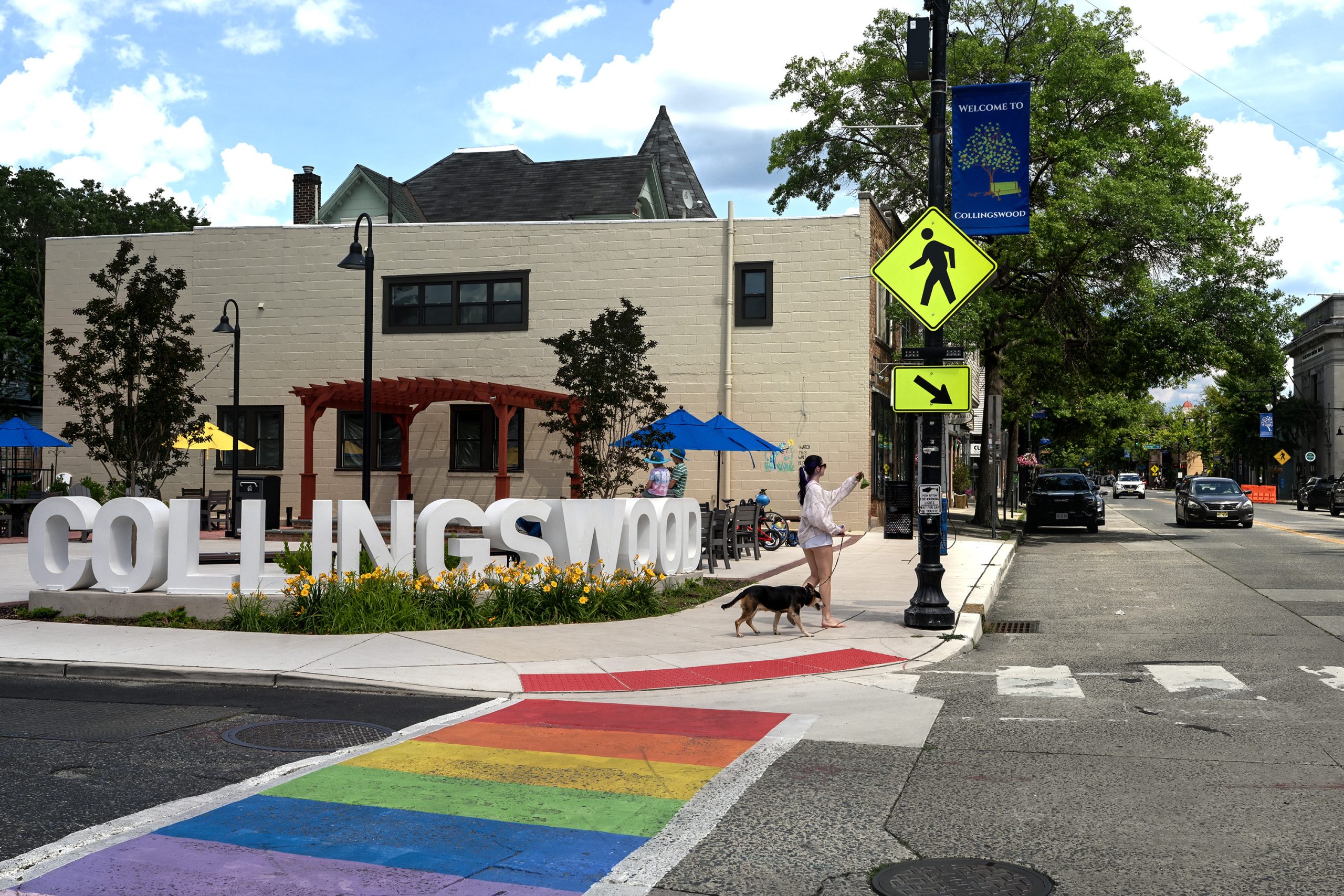
The downtown pocket park with a “Collingswood” sign.Tom Gralish / Staff Photographer
Henderson Riley recalled Maley’s efforts to attract new homeowners by incentivizing converting former duplexes into single-family homes, and appeals to Philadelphia’s LGBTQ+ population to move across the bridge.
“Part of what drew us here was what he used to call the Collingswood story,” Henderson Riley, who has lived there for 15 years, said. The businesses and restaurants that germinated from it are the basis of Haddon Avenue’s reputation today.
Nikki Coleman, of Chatterbox, grew up in Cherry Hill and has watched throughout her life as Collingswood’s downtown transformed from a dingy strip into a robust retail scene. She has shared her observances with her husband.
“This has been a great case study for how to take a town and really bring a certain dynamic to it that I think a lot of other small towns wish they had,” Douglas Coleman said. “I don’t know if we’re doing anything wrong, but it’s more of a ‘Let’s not mess this up.’”
Bill Curry, 85, the former Inquirer columnist who traded his byline for a barstool and transformed a modest South Street tavern into the landmark Copabanana, died Wednesday, July 1, after a long illness.
For generations of Philadelphians, Mr. Curry’s name was synonymous with the colorful restaurant and bar he opened in October 1978 at Fourth and South Streets. Mr. Curry expanded it into a collection of restaurants and nightlife ventures that helped define South Street’s modern identity, including Cafe Nola and Hurricane Alley. The original Copabanana closed last year.
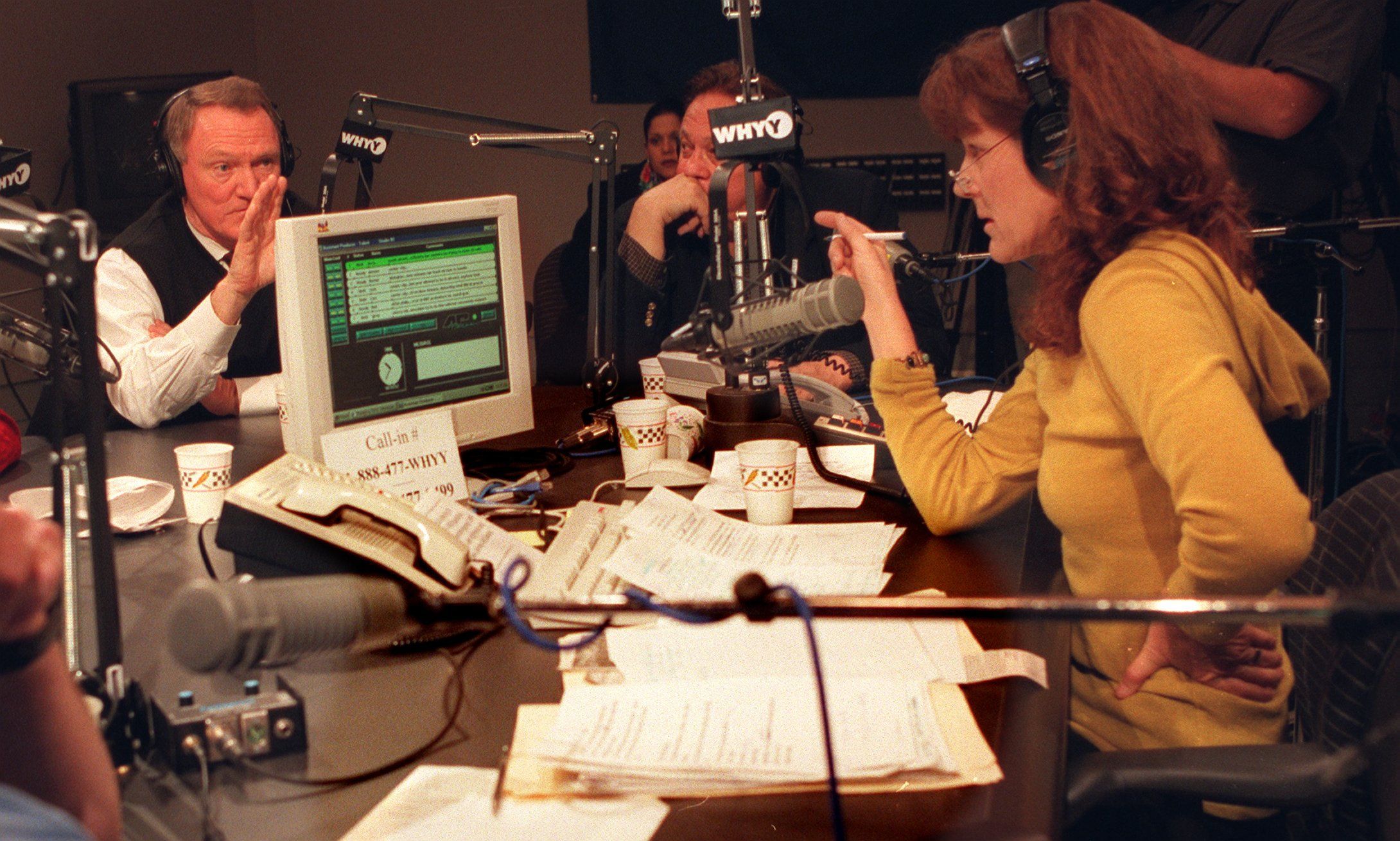
Copabanana owner Bill Curry (center) joins Police Commissioner John Timoney on Marty Moss-Coane’s WHYY radio show for a discussion of Mardi Gras in 2001.April Saul / Staff Photographer
Drawing on his South Florida upbringing, Mr. Curry filled Copabanana with the sounds and aromas that became its trademark: an art deco setting of bartenders squeezing fresh limes for margaritas, burgers sizzling in the front window, and nachos and signature Spanish fries topped with jalapeños and onions crowding nearly every table. It was a time when South Street — a once-thriving commercial district that had languished for years under the threat of a never-built crosstown expressway — was still more counterculture enclave than tourist destination.
But Mr. Curry’s influence on South Street extended well beyond a single restaurant. First as a journalist and later as an entrepreneur, he became one of the corridor’s most visible champions.
South Street’s renaissance was still in its early stages when Mr. Curry arrived in Philadelphia in 1971 from the Miami Herald — initially as an art director on The Inquirer’s Sunday magazine and soon after as a nightlife writer. The corridor had become a magnet for artists, musicians, entrepreneurs, and preservationists who were filling vacant storefronts with galleries, boutiques, restaurants, and bars. Few people did more to promote that hippie-into-punk transformation than Mr. Curry in his column, “On the Go.”
One of Bill Curry’s 1973 “On the Go” nightlife columns from The Inquirer.Philadelphia Inquirer
“I had fallen in love with the neighborhood and wanted to be a central part of its freewheeling, Bohemian culture,” he told an interviewer in 2015.
“Bill had a quality of world-weary amusement about ‘it all’: politics, serious young journalists, himself, his column, his New Orleans mojo,” said former Inquirer columnist Clark DeLeon.
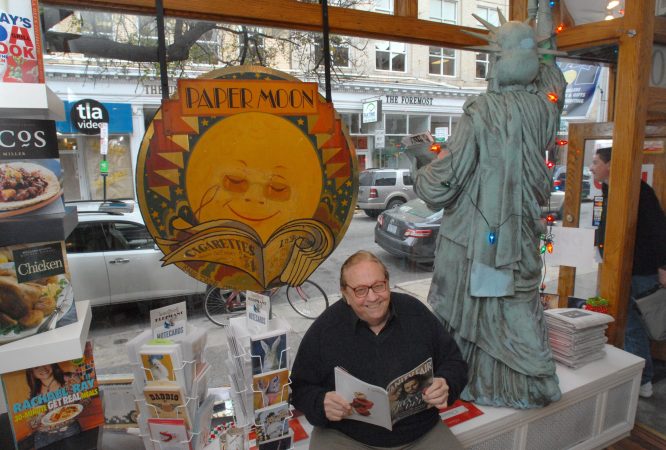
In 1975, Mr. Curry opened a card shop and newsstand called Paper Moon at 329 South St., stocking it with out-of-town papers, international magazines, and specialty cigarettes. A year later, he backed a second location at 15th and Locust Streets called Le Corner Store.
Mr. Curry’s newspaper career ended in September 1978 after he informed executive editor Gene Roberts that he planned to open Copabanana. Roberts concluded that Mr. Curry’s business interests amounted to a conflict of interest and took away the column. He offered Mr. Curry a non-writing role, but Mr. Curry said he chose to leave.
Copabanana opened a month later. When asked whether he had restaurant experience, he told an interviewer: “No, but I had been to plenty — I got paid to drink. I was around town all the time telling folks what was good and what was bad. So I was ready to do it.”
Copabanana — across from Jim’s Steaks and Lickety Split, and down the block from the Theatre of Living Arts — quickly became a destination. In 1981, Mr. Curry and business partner Judy DeVicaris opened the far more refined Cafe Nola a few doors away. With an adventurous, New Orleans-inspired menu and a lush decor, it enjoyed a 15-year run before closing in 1996.
Mr. Curry also developed or helped operate Copa Too!, a Center City offshoot where Jose Pistola’s is now, as well as a still-operating Copabanana at 40th and Spruce Streets in University City.
“He lived for the moment, all the time,” said his nephew David Christensen, who worked for his uncle for a spell. “On the culinary and restaurant side, he was always looking to expand, always wanting to do more. He stretched his assets to the limit, trying to bring in investors and make the next project happen. It was a wild ride.”
Mr. Curry became as much a symbol of South Street as any of his restaurants. “He was the unofficial mayor of South Street,” said Brian Phillips, who in 2003 bought the University City Copabanana from Mr. Curry. “He tirelessly promoted the South Street way of life to make it ‘the hippest street in town.’”
Julia Zagar, who with her artist husband, Isaiah, opened Eye’s Gallery on the next block in 1968, said Mr. Curry “embraced the South Street community with his intellect and tastes, books, magazines, and food. He understood the street life.”
The original Copabanana occupied a shot-and-a-beer bar owned by a former longshoreman named Frank “Turk” Jaworski. Neighborhood lore said Turk’s once housed a Prohibition-era speakeasy reached through a concealed staircase hidden behind a phone booth — a story Mr. Curry happily embraced.
Asked after decades in business why Copabanana endured while so many restaurants came and went, Mr. Curry offered a simple explanation: “Consistency. You can go somewhere once and love it, but if you go back and it’s not good, you might never return. Good consistent food, and consistent drinks.”
The restaurant struggled in its later years. In 2023, Copabanana sought bankruptcy protection as Mr. Curry battled a series of health problems. Later that year, Copabanana moved into Hurricane Alley’s former space two doors away. It closed in January 2025.
The original South Street property, long on the market, is now under agreement of sale, said Billy Creagh, owner of National Realty Commercial, a brokerage.
Mr. Curry’s life partner, Jim Bush, died several years ago. Besides his nephew, Mr. Curry is survived by a sister, Charlotte Christensen, and another nephew, Tom.
A memorial service is being planned, Phillips said.
Yet another ice cream shop has opened on the Fishtown-Kensington border — this time with brownie sandwiches, gluten-free cones, and dog treats, all the way from the Potato State.
Fast-growing Idaho ice cream chain Stella’s opened its first East Coast location at 1832 N. Front St. at the end of June.
Named for husband-and-wife founder Brittney and Chad Hartley’s bulldog, Stella’s opened its first location in 2018 in Nampa, Idaho, a Boise suburb, where it gained a following for its ultra-creamy ice cream recipe, fresh baked goods, and ability to accommodate dietary restrictions. The chain grew to four locations in Idaho by 2020, and began franchising in 2023. Now, the company has 20 locations across Idaho, Arizona, Texas, Oregon, Tennessee, Indiana, Nebraska, and Utah, with more planned in the South and Midwest.
Philly franchisee Shay Marlin had no previous ties to Idaho or the food industry — save for some swing shifts at friends’ ice cream parlors or being a summer regular at Sundae Best in Avalon — when he started pursuing a Stella’s franchise in 2024. At the time, all the tech executivehad was a recommendation from a friend. Stella’s, the friend told him, was some of the best ice cream around, with a high butter fat content that makes each scoop rich and velvety.
Stella’s Ice Cream, in Philadelphia, June 29, 2026.Jessica Griffin / Staff Photographer
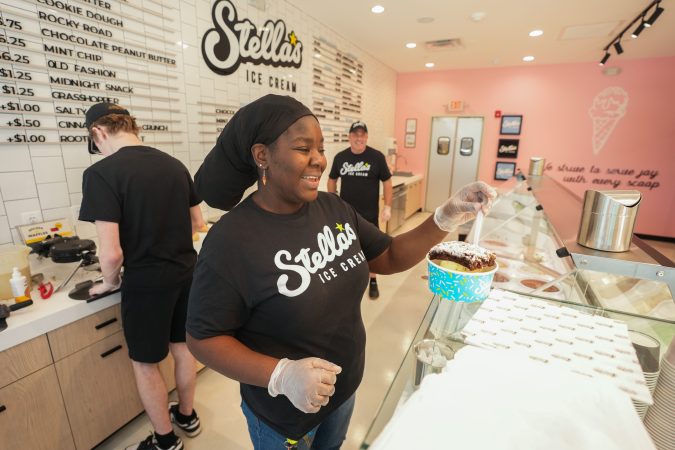
Two years later, Marlin looks at home behind the counter, shaping waffle cones fresh off the press and helping baker and manager Lisa Evans dust brownies with powdered sugar. All of the location’s ice cream flavors are churned on-site using Stella’s proprietary mixes, said Marlin. Its trays of fudgy brownies and slightly crisp chocolate cookies are also baked on site daily, he said, to eventually be heaped with ice cream for sundaes and sandwiches.
Business has been slow but steady, according to Marlin, with a few regulars whose dogs pull them inside daily for $2.50 “pupsicles,” the store’s pooch-friendly pops made of frozen yogurt and peanut butter on a Milk Bone.
Stella’s is located smack in the middle of the neighborhood’s ice cream corridor. The chain is surrounded by competitors: Scoop shop and listening lounge Sweet 45, a block north on Front Street; viral soft serve purveyor 1-900-ICE-CREAM seven blocks south; Weckerly’s on Girard Avenue; chains Van Leeuwen and Jeni’s Splendid Ice Cream around the corner on Frankford Avenue; not to mention one-offs like Fiore and Huda Burger that sell gourmet gelato and ice cream in tandem with sandwiches.
Grasshopper Ice Cream at Stella’s Ice Cream, in Philadelphia, June 29, 2026.Jessica Griffin / Staff Photographer
Why did Marlin choose to plop his shop in a saturated market?
“When we started working on the space, that one ice cream shop nearby wasn’t there,” said Marlin, referring to Sweet 45, which opened last September. “We were actually trying to get away from all the ice cream shops down the road.”
Marlin also pointed out that residents on the Fishtown-Kensington divide might want a shop closer to their apartments, or one that is decidedly unpretentious. While Stella’s offers 24 flavors, the range is more classic than that of stores like Jeni’s and Van Leeuwen, which are currently scooping ice cream blended with goat cheese and trendybanana pudding, respectively.
“A lot of people that live a little north of here have been excited for us because they don’t have to walk all the way down [Frankford Avenue],” just for some ice cream, Marlin said. “I think there’s room for all of us.”
Cones at Stella’s Ice Cream, in Philadelphia, June 29, 2026.Jessica Griffin / Staff Photographer
What makes Stella’s different?
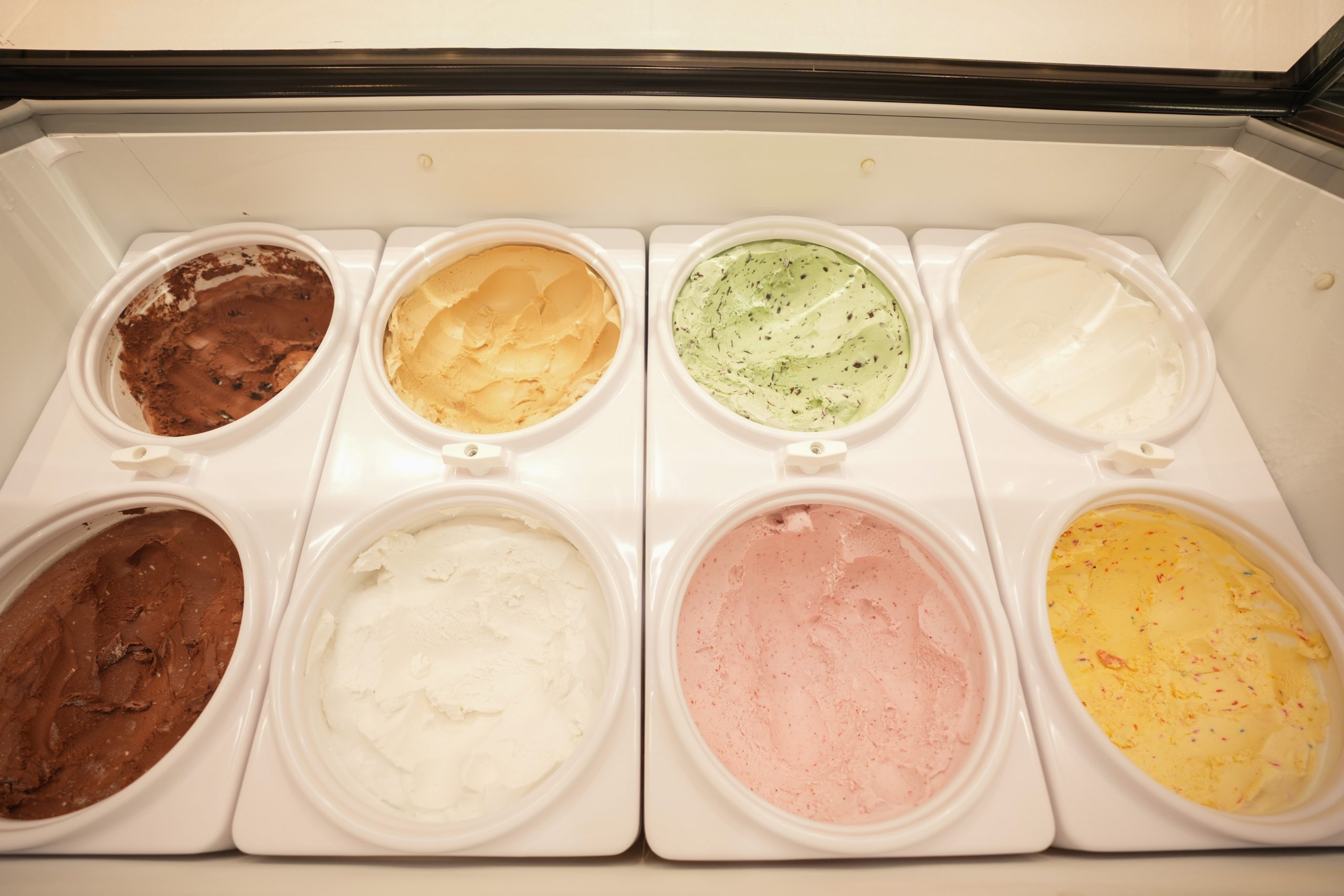
Stella’s specialty is variety. Of the shop’s 24 flavors, eight are dairy-free and made with a coconut milk base. Specials also cycle through weekly. When an Inquirer reporter visited just after its June grand opening, a root beer flavor that tasted like a cold glass of A&W (minus the carbonation) was on rotation.
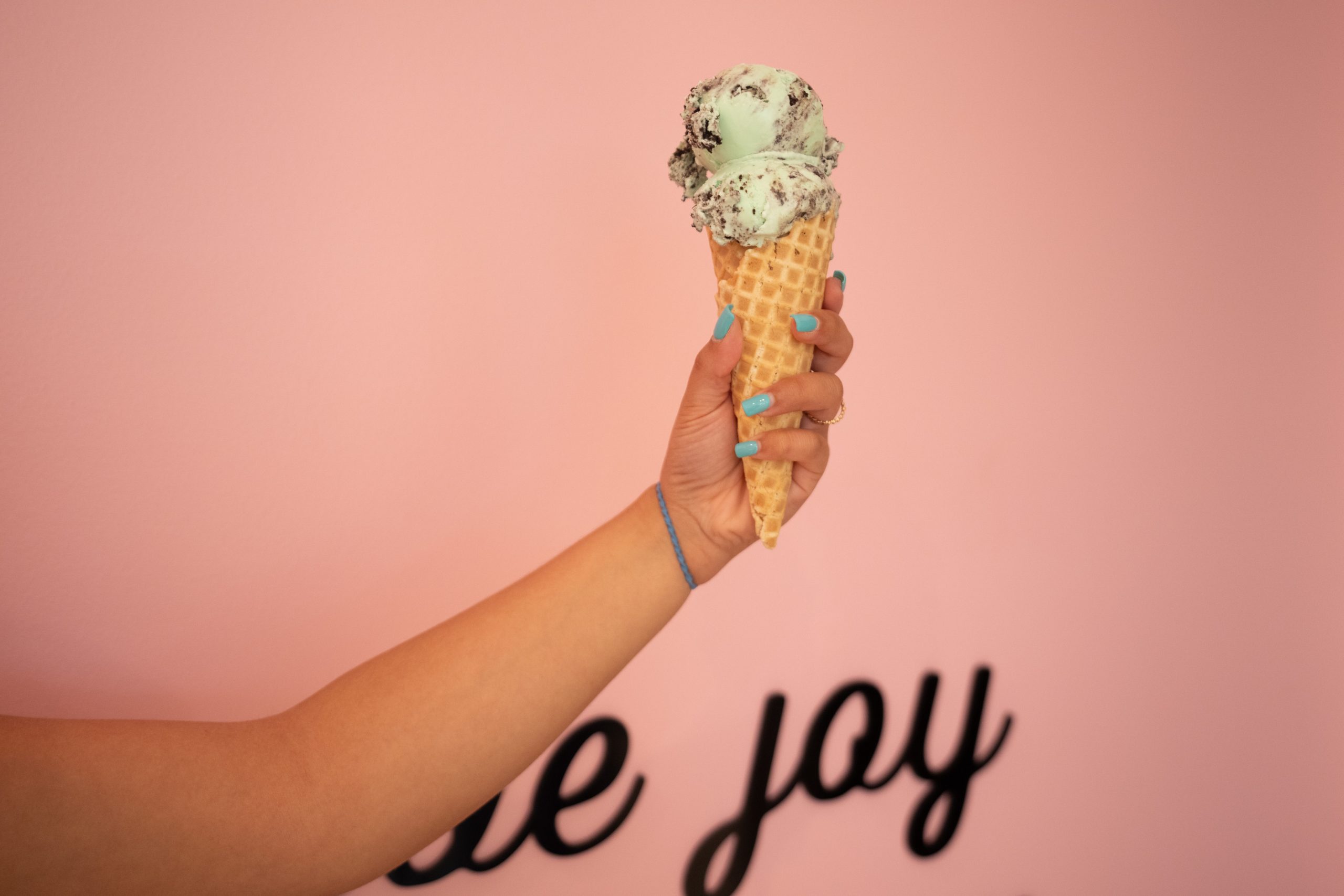
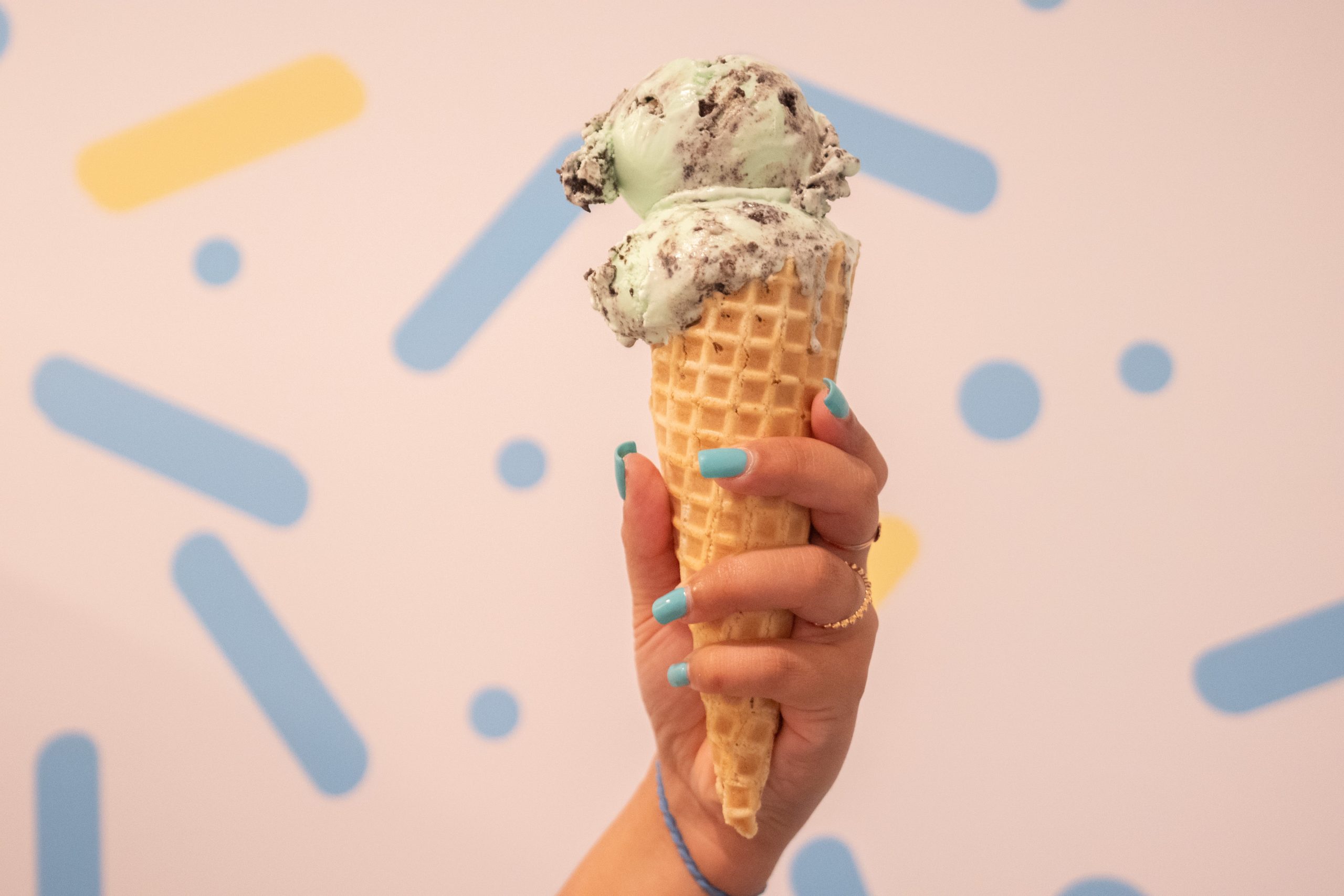
Otherwise, the shop’s ice cream offerings are riffs on parlor classics, like Rocky Road, salted caramel thick with swirls of caramel sauce, and Grasshopper, a take on mint chip that swaps chocolate for chunks of Oreo cookies. Already, Marlin said, the flavor is the shop’s bestseller. A single scoop is $6.25, with a dollar upcharge for dairy-free flavors, putting it about on par with the neighborhood’s other shops.
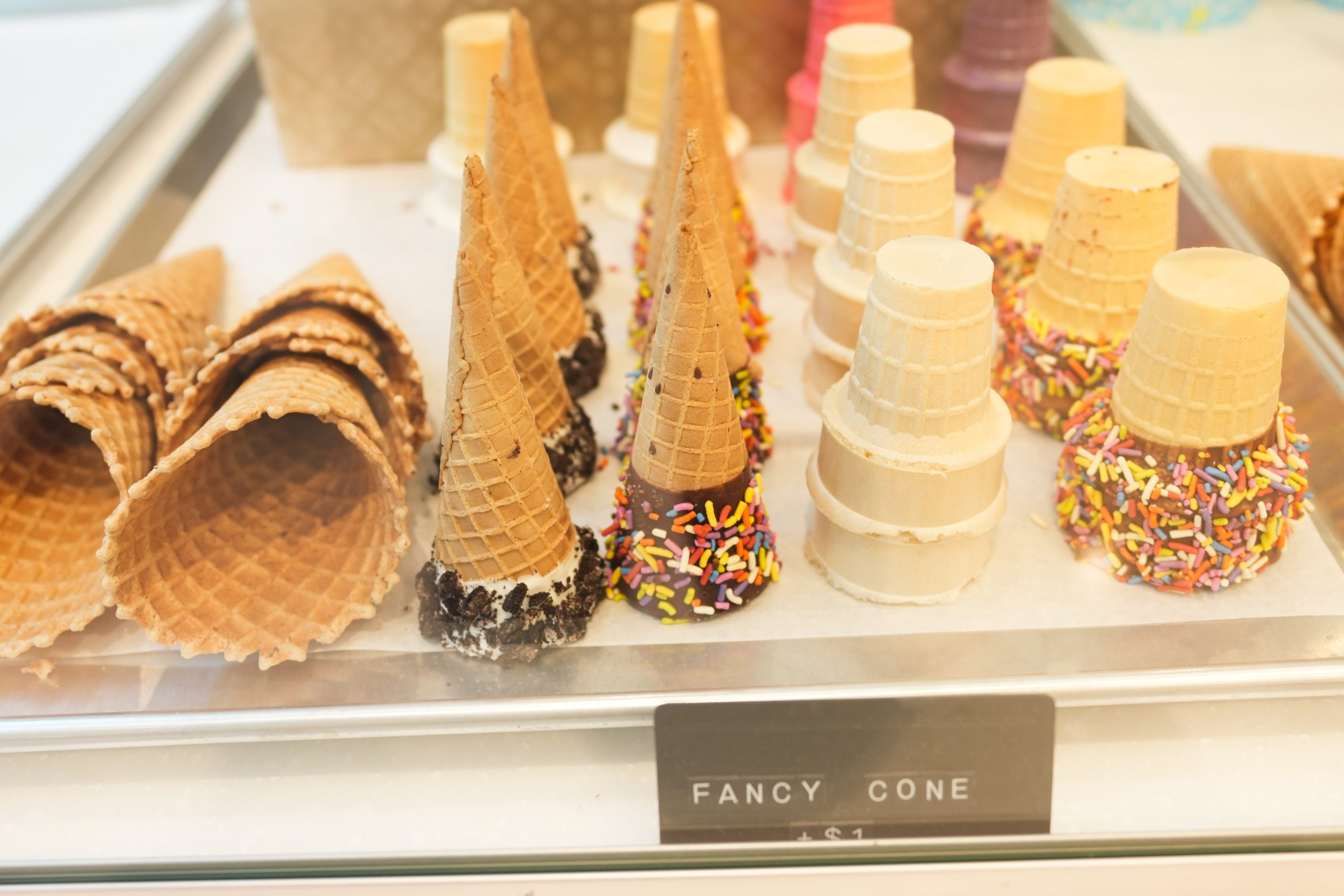
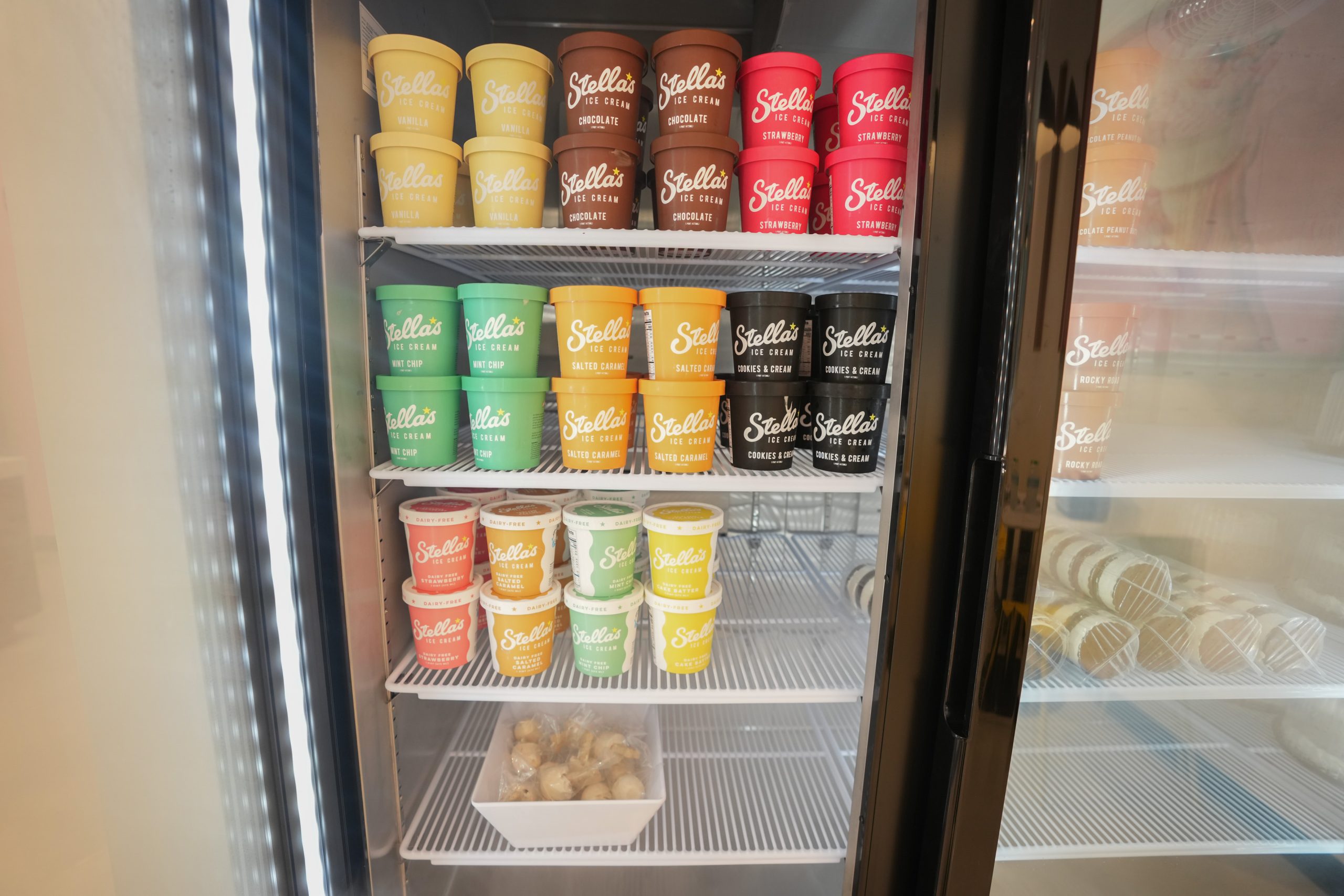
Also on offer: gluten-free waffle and sugar cones — a rarity at ice cream shops — stored separately from their regular counterparts to avoid cross-contamination. There are also novelties galore, including 5-inch chocolate chip cookie bowls for sundaes and hybrid brownie-cookie ice cream sandwiches. To-go pints and ice cream cakes are available in a fridge.
Ice cream at Stella’s Ice Cream, in Philadelphia, June 29, 2026.Jessica Griffin / Staff Photographer
Running Stella’s has been a big adjustment for Marlin, whose training consisted of a weeklong ice cream intensive in Idaho at the chain’s first location. By day, Marlin was making “gallons and gallons of ice cream” and learning things like extrusion, the process by which ice cream is shaped for things like bars or premade sandwiches. By night, he worked the store’s register.
Marlin called himself an “average” ice cream-making student at best, but the 10-to-12-hour days gave him a newfound appreciation for the power of the scoop.
“I don’t think people come into an ice cream shop mad at the world,” he said. “Everyone’s there to have a good time.”
Stella’s Ice Cream, 1832 N. Front St., 215-550-1032, stellasicecream.com. Hours: Noon-10 p.m. Sunday through Thursday; noon-11 p.m. Friday and Saturday.