Category: Food

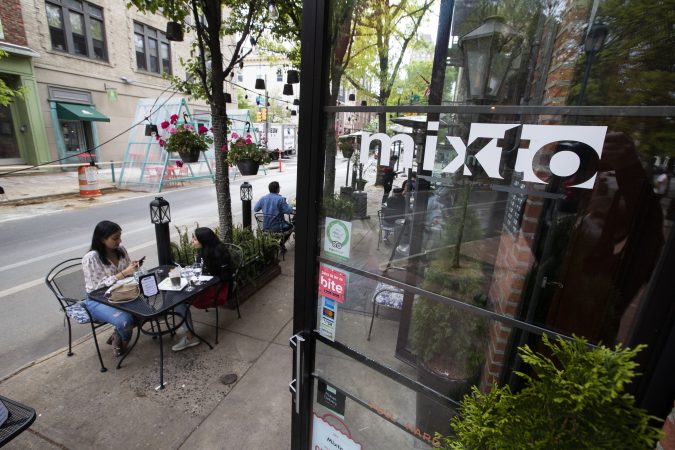
  • Sports bar Toll Man Joe’s will replace Mixto in Washington Square West

    Sports bar Toll Man Joe’s will replace Mixto in Washington Square West

    Toll Man Joe’s is coming back to Philadelphia, nearly five years after the South Philadelphia sports bar closed during the pandemic.

    Founder Lori Penrose has purchased the former Mixto at 1141 Pine St. in Washington Square West, which closed July 12 after a nearly 24-year run. She said she plans to open as Toll Man Joe’s in three or four weeks, timed to the start of football season.
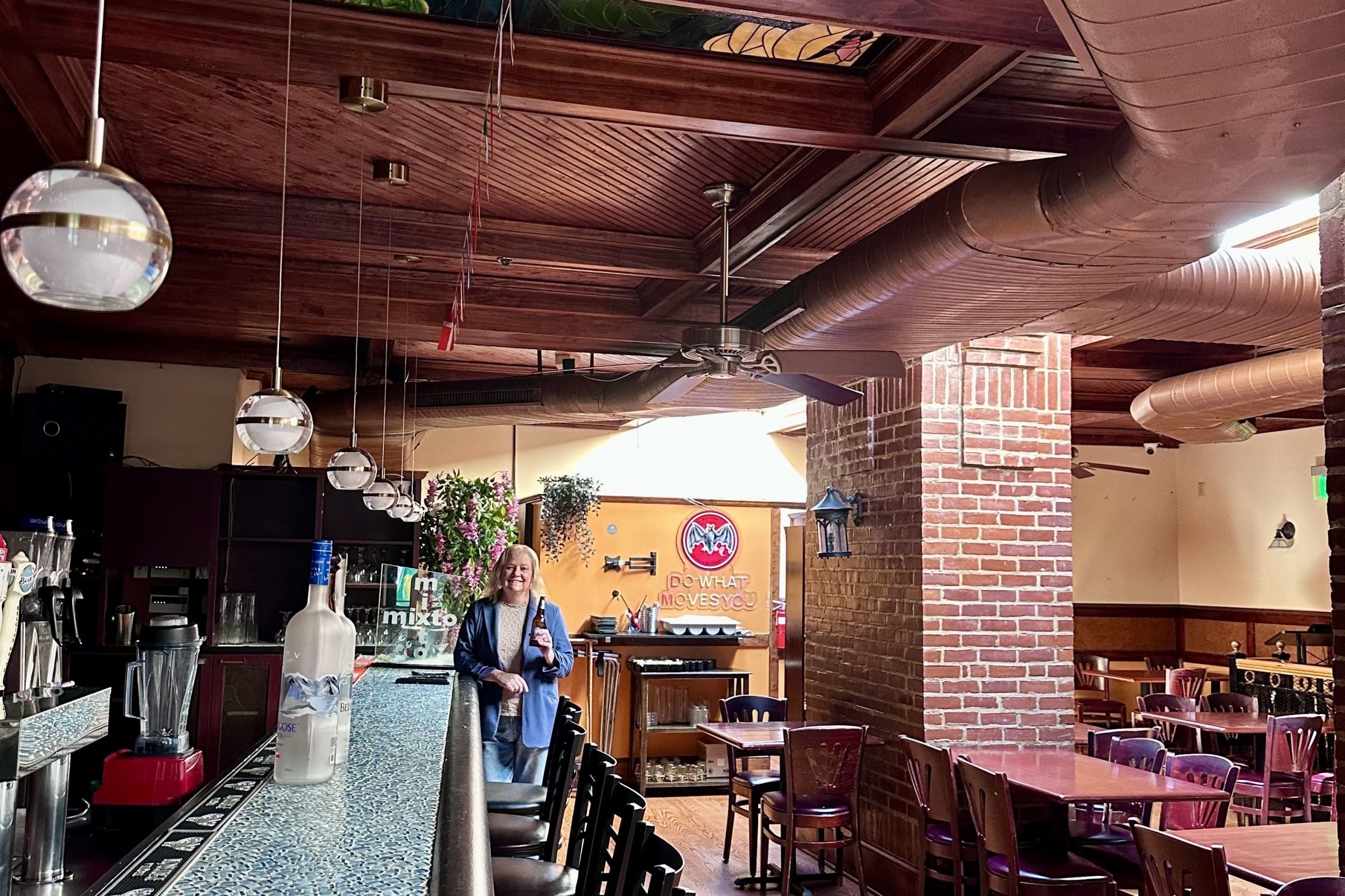
    New owner Lori Penrose of Toll Man Joe’s inside the former Mixto, 1141 Pine St.Lori Penrose

    The two-story property, last listed at $2.1 million, spans a pair of circa-1860 rowhouses and is up the block from Chibanos, the new Chinese-Cuban sandwich shop that replaced Effie’s, and across the street from Kiddo.

    Mixto’s owners, Jose Mosquera and his family, continue to operate the Latin restaurant Tierra Colombiana in Feltonville, which made The Inquirer’s 2024 list of 76 essential restaurants.

    The new Toll Man Joe’s will operate as a full-service restaurant and bar serving its signature wings alongside lunch and dinner menus blending comfort food with global influences. Breakfast and brunch also are planned, along with cocktails, local beers, and wine.

    For Penrose, the opening caps a comeback that began in 2023 with a small food operation inside a coffee shop in Woolwich Township, Gloucester County.
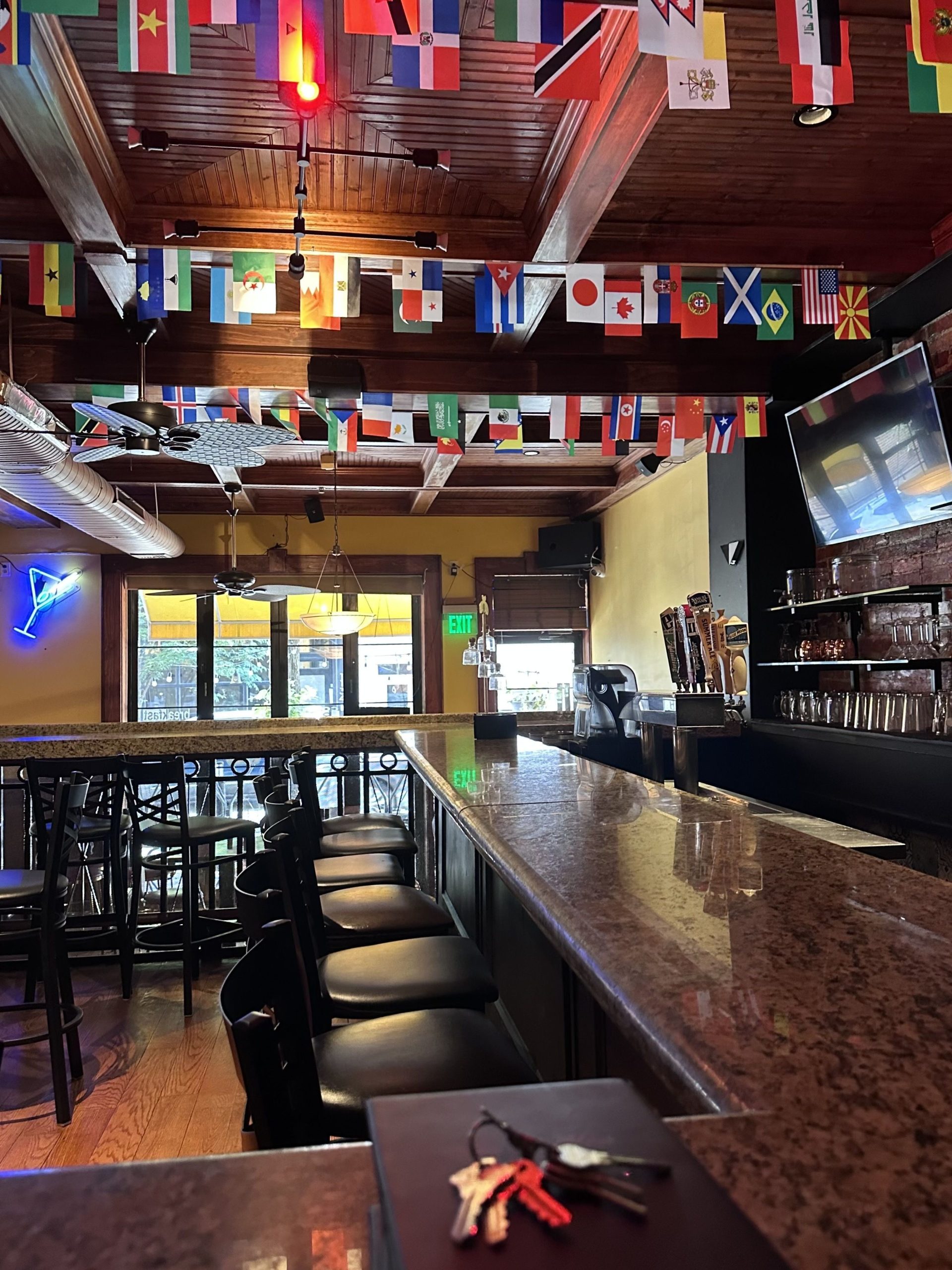
    The bar at Mixto, 1141 Pine St.Lori Penrose

    Toll Man Joe’s has since grown into a neighborhood BYOB with dine-in service in nearby Woolwich Center. Penrose said it will remain open after the Philadelphia restaurant debuts.

    She said she had long promised her daughter, Shannon, and executive chef Arturo Bermudez Luna that she would return to Philadelphia if the right opportunity arose. Bermudez Luna was the original chef at the South Philadelphia restaurant and remained involved after its closure, helping develop menus and train staff.

    The original Toll Man Joe’s, at 26 E. Oregon Ave., was named for Penrose’s uncle, Joseph “Toll Man Joe” Paul, a longtime Pennsylvania Turnpike employee at the Norristown Interchange who won WIP’s Wing Bowl VIII in 2000 by eating 90 wings — the record for the fewest wings consumed by a Wing Bowl champion. Paul died in 2012.

    The opportunity arose after Shannon Penrose, who lives in Washington Square West, spotted the Mixto property on the market. Lori Penrose said she initially hoped to lease the building but instead decided to buy it. Billy Creagh of National Realty Old City handled the sale.

    Shannon Penrose will serve as general manager and director of brand and operations, while Bermudez Luna will return as chef.

    The restaurant plans to open daily, initially serving lunch, happy hour, and dinner before adding weekend brunch. Weekday breakfast and grab-and-go offerings also are planned, using the existing espresso bar to serve nearby hospital workers and commuters.

    While Toll Man Joe’s remains best known for its wings, menu favorites including the cheesesteak, Nashville hot chicken sandwich, short rib grilled cheese, grilled chicken Caesar wrap, and arugula pear salad, also will return. Bermudez Luna, who is from Costa Rica, plans to expand the dinner menu with steaks, seafood, healthier lunch options, and Latin-inspired dishes acknowledging Mixto’s legacy.

    Penrose said the goal is to create a neighborhood restaurant rather than a late-night destination, with plans to close around midnight.
  • 333 Belrose is back with a new look and the same popular nachos

    333 Belrose is back with a new look and the same popular nachos

    Radnor’s 333 Belrose shut down in June 2025 for what was billed as a six- or seven-month renovation.

    But when the January target came and went, chef Ross Essner said, regulars would show up at the door to ask the same two questions: “First, they wanted to know when we would reopen and then, ‘Will the nachos return?’”

    The answers: late June, and yes.

    The Main Line mainstay, which opened off King of Prussia Road in the St. Davids section in 1999, reopened in late June after an extensive renovation that rearranged its dining rooms and enlarged the bar.
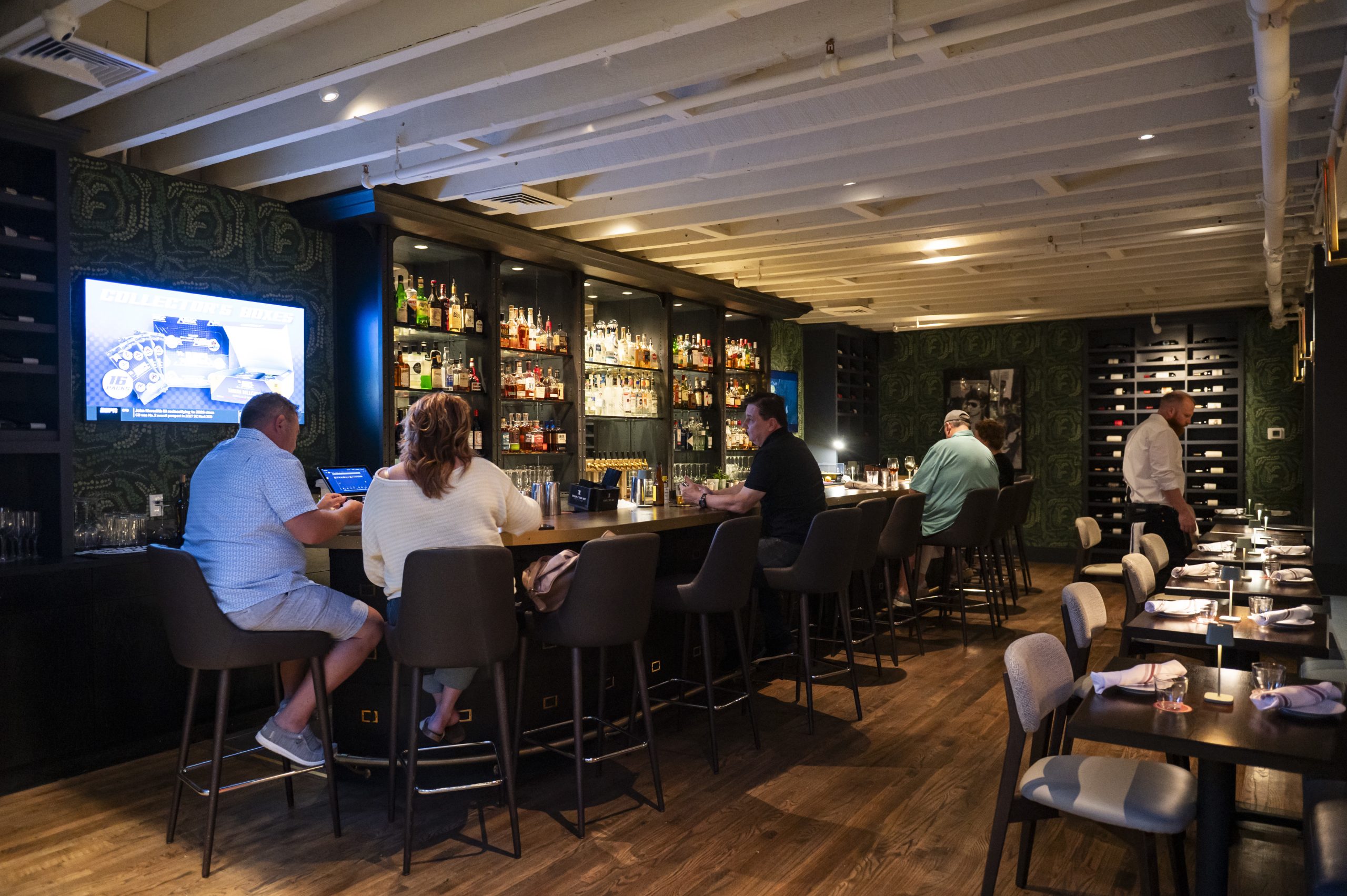
    Capano Management, which acquired the property in December 2022, initially expected the work to take only a few months. But early in the project, Essner said, designer Barbara Gisel of Haverford proposed flipping the layout, turning the dining room into a larger, dark-toned bar with 13 seats, a backlit wall of spirits, and a poster of Keith Richards, while converting the old bar into a bright dining room. “It ended up opening the whole space,” Essner said. “Now the bar is the focal point when you walk in.”

    That dining room, boasting a vaulted, paneled ceiling, white millwork, and divided-light windows, and a checkerboard wood floor, has the feel of an updated country house. Woven chairs, pale tabletops, sculptural floral chandeliers, and contemporary artwork modernize the historic shell without hiding its character. The patio spills out from the bar through full-length doors.

    Customers dine at the bar inside 333 Belrose in St. Davids on Thursday, July 23, 2026.Allie Ippolito / For The Inquirer

    The 3,870-square-foot building was once used as a stable where lore holds that George Washington once watered his horse.

    Essner, also Capano’s director of hospitality, described the menu as American food with occasional international influences. “Our goal isn’t Michelin stars or accolades,” he said. “The food is approachable. Nothing too cerebral, nothing too crazy. We want to be good enough for the neighborhood every day, but also nice enough that you can come here to celebrate something.”

    Entrées ($29 to $46) include goat-cheese gnocchi with short rib and horseradish cream, steak frites, black cod with mashed potatoes, a cowboy pork chop, and a long-bone short rib. Desserts include crème brûlée, peanut-butter mousse with chocolate ganache, and a warm skillet cookie with coffee-toffee ice cream.

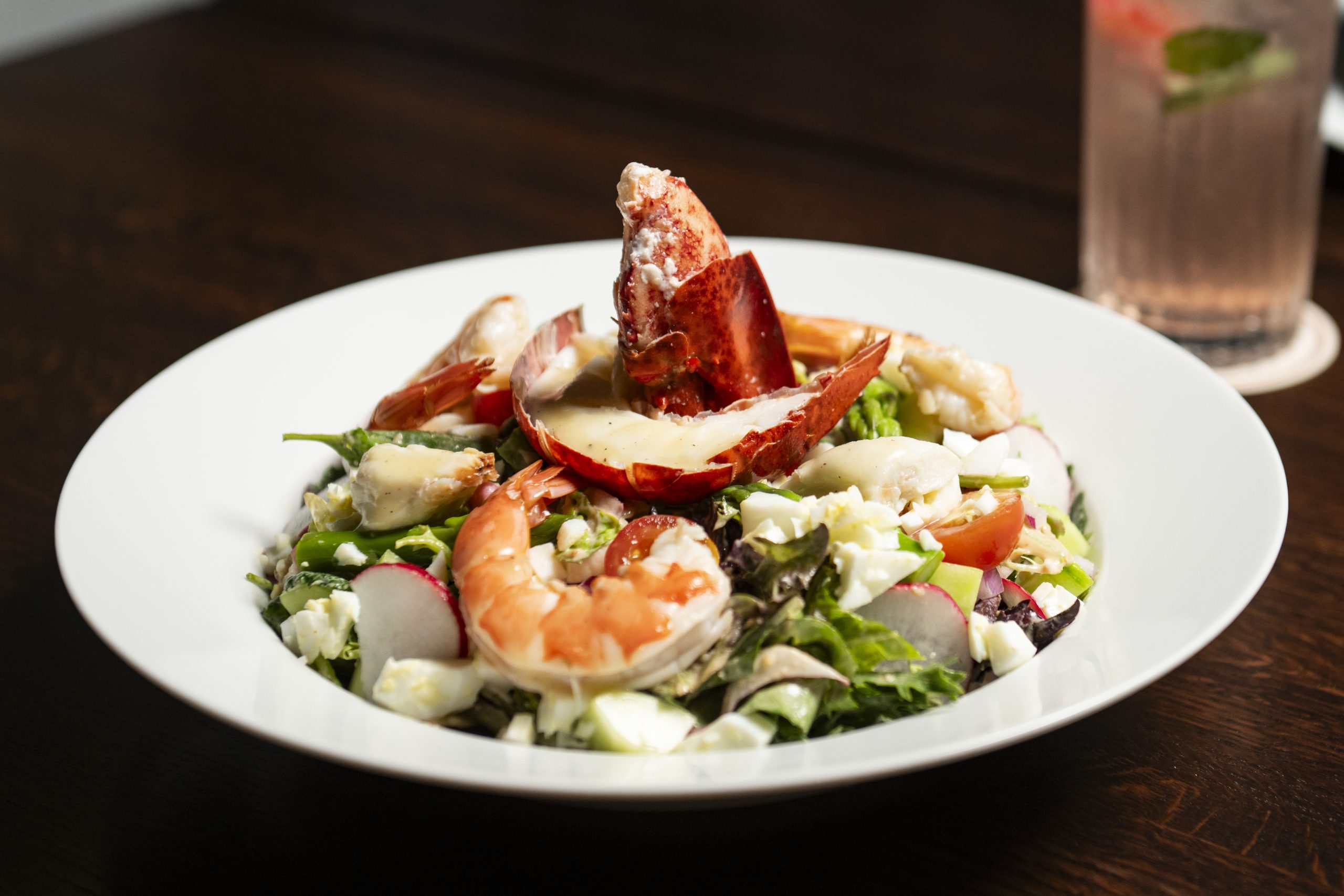
    Shellfish cobb salad at 333 Belrose.Allie Ippolito / For The Inquirer

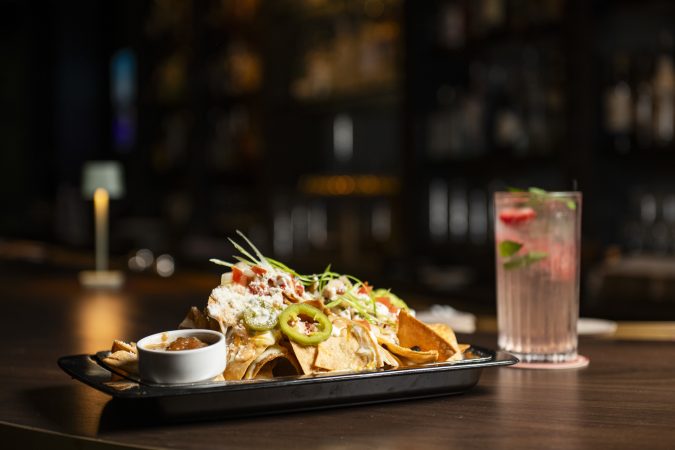
    And yes, the nachos are back. Layered with black beans, house-made lime and chipotle cremas, pickled jalapeños, cheddar, Colby Jack, guacamole, pico de gallo, tomatillo salsa, a Cooper Sharp sauce infused with peppers, and cotija, they remain one of the restaurant’s signatures. They were landing on table after table during a recent dinner service. “We would never take this off,” Essner said.

    The company, which also owns such Delaware restaurants as Columbus Inn and Charcoal Pit, views Belrose as a long-term investment rather than a project expected to produce an immediate return, Essner said. “The goal is to be here for the next 20 years.”

    333 Belrose, 333 Belrose Lane, St. Davids. Hours: 5 to 9 p.m. Tuesday to Saturday.

    A previous edition of this article misstated chef Ross Essner’s title.

  • Saif Manna’s dorm-room cookie company rises into a bakery-cafe in Kensington

    Saif Manna’s dorm-room cookie company rises into a bakery-cafe in Kensington

    Before it became one of Philadelphia’s busiest bakery pop-ups, Manna Bakery operated out of a Temple University dorm room.

    Now, after five years of overnight baking sessions, sold-out farmers markets, and long lines for Levantine and Palestinian pastries, chef-owner Saif Manna is opening his first brick-and-mortar bakery in Kensington — a mile and a half from campus.

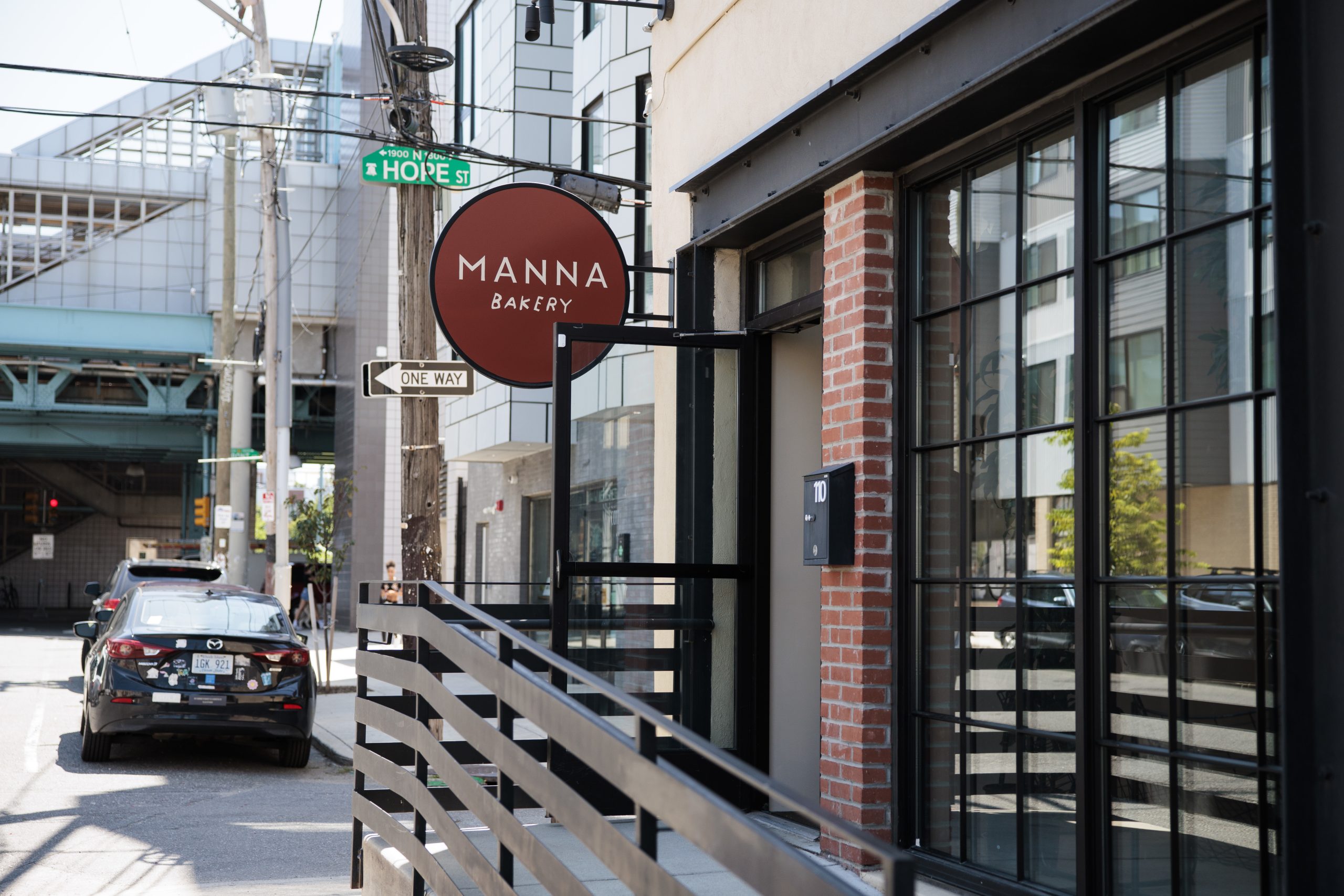
    Manna Bakery opens Thursday at 110 W. Berks St., the former Essen Bakery. This caps a whirlwind year for Manna, 27, who married his college girlfriend, Stefaniya Surikova, earlier this year. They’re expecting their first child.

    Manna’s rise has the familiar outline of a pandemic success story, although the traditions reach back generations. He said his grandfather’s family lived in Yafa (also known as Jaffa) but left in 1948 after their house was bombed during the Nakba, the mass displacement of Palestinians in the Arab-Israeli war, when hundreds of thousands fled or were expelled from areas that became part of Israel.

    His grandfather headed first to Cyprus and then to Lebanon, studied medicine in England, and made his way to Kuwait to practice.

    Manna was born in California and raised in Dubai before moving to the United States to attend Texas A&M University on a Division I tennis scholarship. After transferring to Temple, he began baking cookies during the pandemic while living in a dorm. Encouraged by Surikova — also on Temple’s tennis team — in 2021, he started selling them online before expanding into pop-ups and the Rittenhouse, Headhouse and Clark Park farmers markets.

    As demand grew, Manna baked overnight at nearby Char Pizza before outgrowing the space.

    Since Manna never lived in the Levant, he describes his business as a third-culture bakery. He said his shop’s logo, a dandelion flower, is a nod to a belief popular in China that equates Palestinians with dandelion seeds that can thrive anywhere they land.

    Manna has followed a path blazed by the recent crop of independent bakeries such as Kouklet, Second Daughter, Machine Shop, Copihue, and Majdal, growing from home kitchens, pop-ups, and farmers markets into storefronts. Manna said he would keep his farmers market stops.

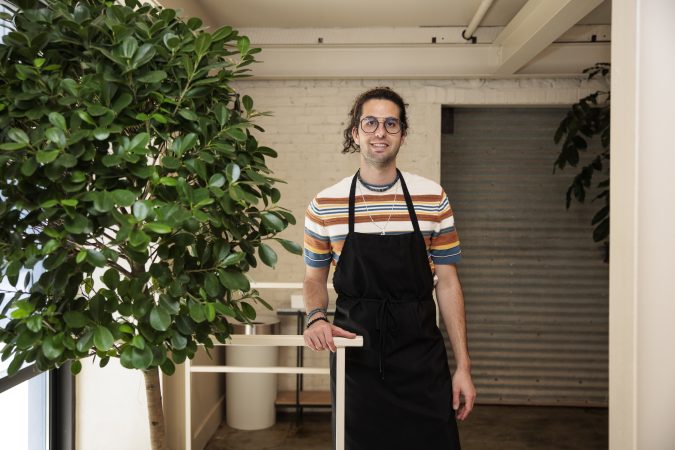
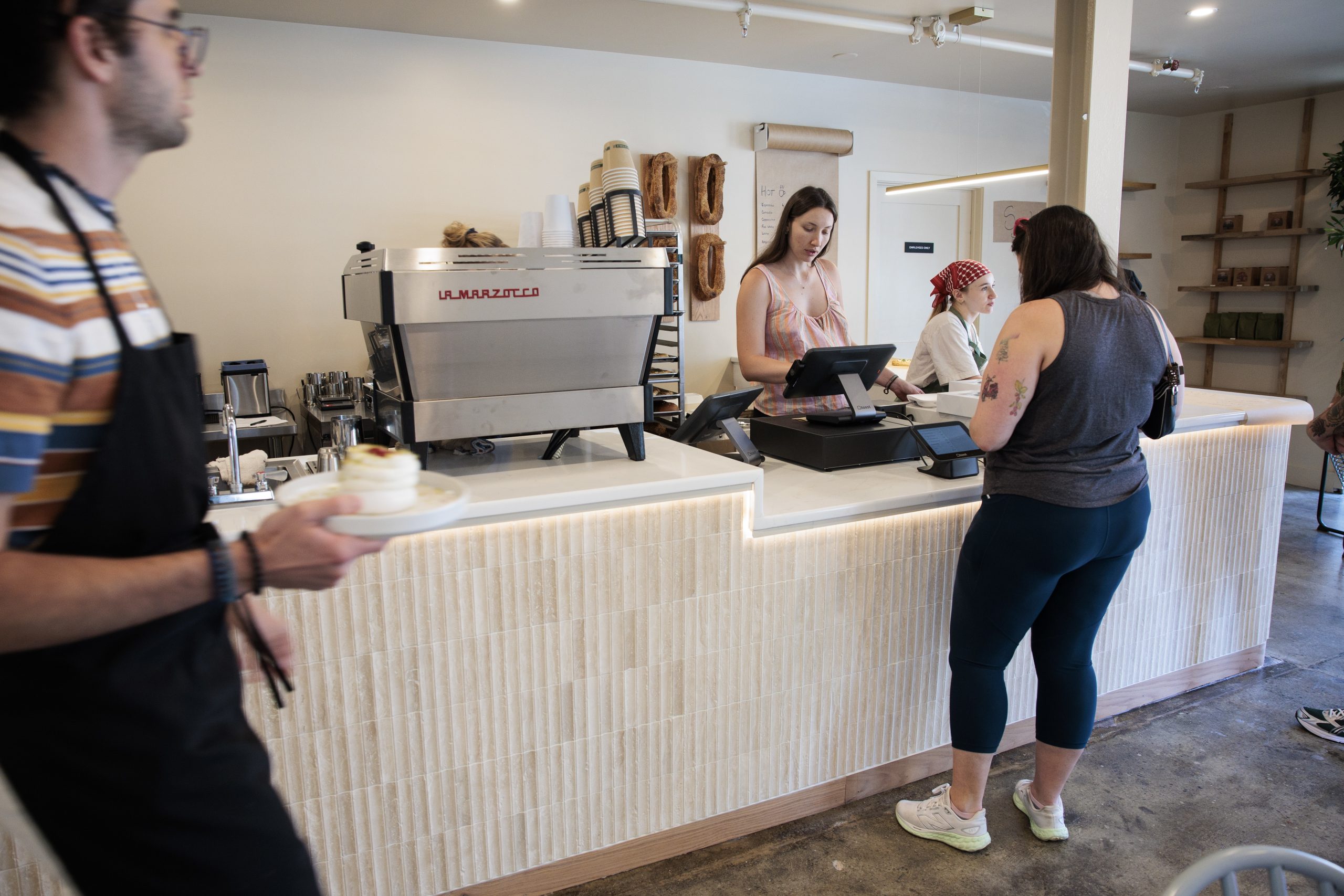
    Stefaniya Surikova serves customers at Manna Bakery.Monica Herndon / Staff Photographer

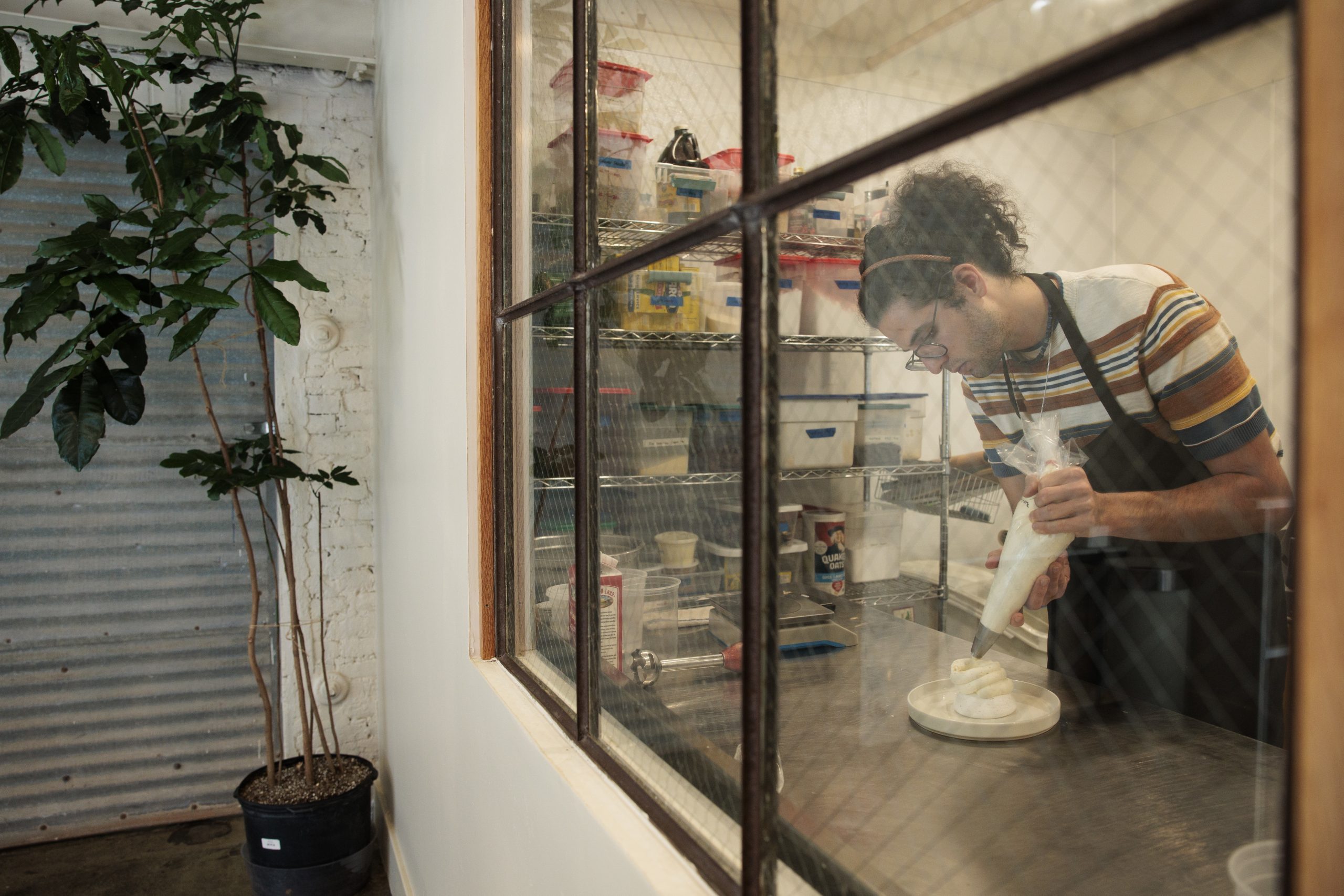
    His new bakery’s roomy kitchen includes a window where customers can watch the bakers. Manna is still awaiting his chairs and tables for the 60-seat cafe.

    Weekday fare will feature many of Manna’s signatures, including manakeesh, chicken sumac buns, fatayer, cardamom buns, Basque cheesecake, seasonal cakes, and his pistachio chocolate chunk and extra-brown butter chocolate chunk cookies. Weekends will bring an even broader selection.

    The coffee program, featuring beans from Seekers Coffee in Princeton, includes drinks flavored with rose, cardamom, tahini, dates and saffron, along with Manna’s grandmother’s orange blossom lemonade.

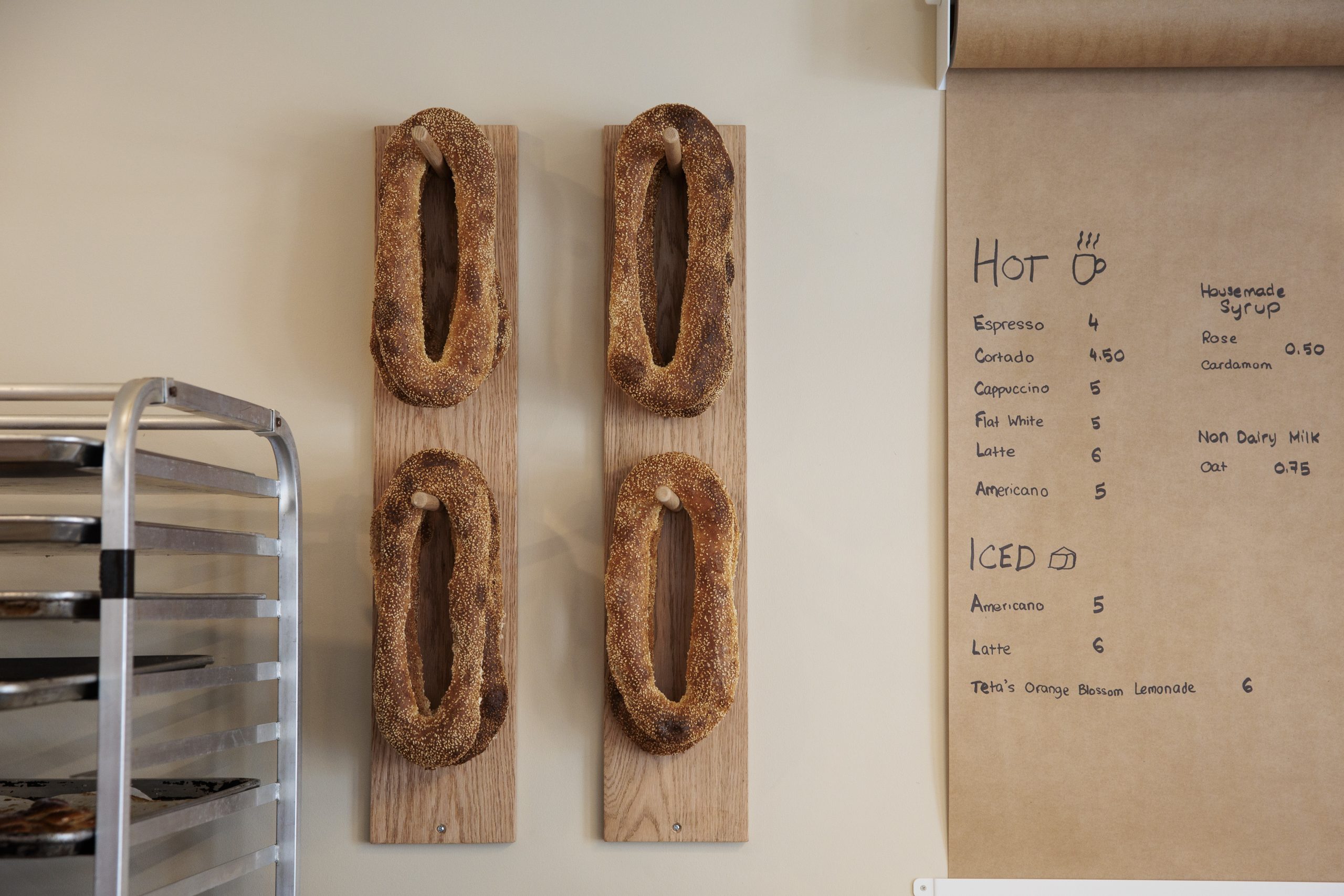
    Jerusalem bagels (ka’ak al-quds) hang on hooks behind the counter at Manna Bakery.Monica Herndon / Staff Photographer

    The shop has been redesigned with warm stone finishes, a small souk stocked with Levantine spices and pantry goods, and a rear room intended for future baking workshops, classes and private events.

    For a soft opening last week, Manna and Surikova recreated their farmers market display, laying pastries across sheets of craft paper.

    Among them were savory offerings such as the open-faced herby cheese fatayer and the banadoura manakish — a tomato-topped Levantine flatbread. Ka’ak al-Quds, the oblong, sesame-seeded Jerusalem bagels, hung from hooks behind the counter.

    A smaller version of those bagels will eventually become Manna’s egg, cheese and za’atar breakfast sandwich. “That’s something I grew up eating,” Manna said. “My mom used to make me that before school.”

    Dillon Assfalg, a line cook at Char who watched Manna’s overnight baking sessions firsthand, said the quality of his pastries stood out from the beginning. He describes himself as a cheesecake fan and ranks Manna’s lemon-and-orange-blossom Basque cheesecake among his favorites.

    Saif Manna working on a pavlova for a customer at Manna Bakery.Monica Herndon / Staff Photographer

    “Whenever he’d leave fillings at Char after his middle-of-the-night baking sessions, I’d eat them all the time,” Assfalg said. “They were always super good.”

    Manna isn’t rushing to turn it into a full-service café. He hopes to add options such as slow-roasted lamb sandwiches for brunch, followed by baking workshops, cooking classes and supper clubs before introducing several nights of dinner featuring the Palestinian dishes he grew up with. But those plans can wait until the bakery is firmly established.

    “Long term, I definitely have aspirations. I love cooking as much as baking, so I think people will see more of that from me,” Manna said. “Would I like to have a restaurant one day? Absolutely. But right now my focus is making this bakery the best it can be and continuing to deliver the quality people expect. We’ll go from there.”

    Manna Bakery, 110 W. Berks St. Hours: 7 a.m. to 3 p.m. Thursday to Sunday.

    Manna Bakery is about a half-block from the Berks Station of the Market-Frankford Line.Monica Herndon / Staff Photographer

    Manna’s tip for home bread bakers

    Saif Manna shared one of his favorite tips for home bread bakers: use an autolyse. The technique calls for mixing only the flour and water for about a minute, then letting the shaggy dough rest for an hour or two before adding the remaining ingredients.

    “When you come back, it’ll almost look like someone kneaded it for you,” he said. “It’s like magic. During that rest, the flour hydrates and the gluten begins to develop naturally.”

    Only then does he add the salt, yeast, sugar and, if needed, oil before kneading. “You’ll end up with a much smoother, more beautiful dough, and you’ll never want to skip that step again,” he said.

    The method also reduces mixing time. “People ask, ‘Why do you do it if you have these beautiful mixers?’” Manna said. “If you mix dough too long in a machine, you can overwork it. Bakers sometimes call it ‘bleaching’ the dough. We let it rest through the autolyse, then add the rest of the ingredients and finish the mixing in the machine. Because the gluten has already started developing, we can reduce the machine mixing time and preserve more of the flavor.”

  • After years working behind the scenes, Royal Tavern chef Nic Macri is opening his own Center City restaurant

    After years working behind the scenes, Royal Tavern chef Nic Macri is opening his own Center City restaurant

    After decades of opening and running restaurants for other people, chef Nic Macri and operations executive Suzanne O’Brien are becoming owners themselves.

    The Royal Restaurant Group colleagues are joining cofounder Stephen Simons as partners in a still-unnamed Italian-inspired tavern planned for the former 1225 Raw space at 1225 Sansom St. in Washington Square West. It’s just steps off the 13th Street bar-restaurant cluster that includes El Vez, Prunella, Pearl & Mary, Double Knot, Vintage, Time, Barbuzzo, Darling Jack’s, and Little Gay Pub.

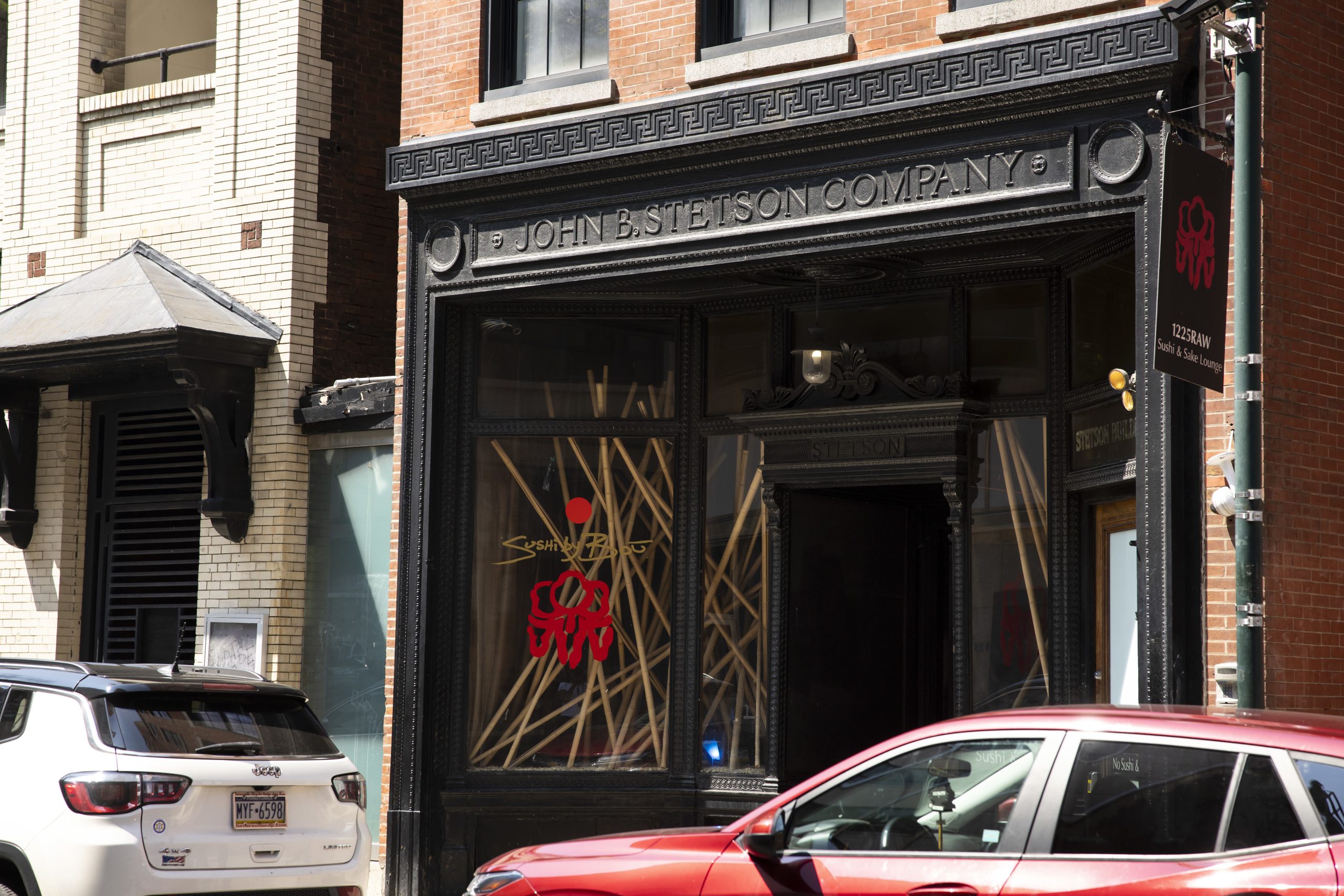
    The restaurant space at 1225 Sansom St. was last 1225 Raw and Sushi by Bou.Monica Herndon / Staff Photographer

    The project remains in the design stage, with demolition expected to begin shortly. Simons said a late April 2027 opening would be the best-case scenario, though it could take about a year.

    For Macri, 41, the restaurant will be the big leap in a career that has taken him from his native Ontario to some of Philadelphia’s best-known kitchens and butcher shops. O’Brien, 58, has spent more than three decades opening and operating restaurants, including Dock Street Brewery, Cantina Los Caballitos, Royal Boucherie, and dancerobot, but has never before held an ownership stake.

    Macri, the son of Calabrian immigrants who settled in the Toronto suburbs, came to Philadelphia on a Drexel University soccer scholarship. After cooking at Osteria and Southwark, he founded La Divisa Meats, the acclaimed Reading Terminal Market butcher shop that established him as one of the city’s premier charcutiers. He joined Royal Tavern as executive chef at its 2023 reopening from the pandemic shutdown.

    The new restaurant will draw partly on Macri’s Sunday Sauce dinners at Royal, though he described the idea more broadly as “Philadelphia cooking with an Italian accent.”

    “It won’t be rooted in one particular style or region,” he said. “It’s more about the Italian diaspora than one specific place.”

    The menu will include fresh and dried pastas, house-made bread and salumi, preserved vegetables, and shareable large plates. Vegan dishes will be built around vegetables rather than meat substitutes.

    One likely signature is a house-made mortadella sandwich on ciabatta, which Macri hopes can become the restaurant’s counterpart to Royal Tavern’s burger. His charcuterie program will focus on one featured item at a time rather than a large assortment.

    “Especially if we’re making it ourselves, I want to highlight one thing and give people a chance to really enjoy it,” he said.

    The beverage program is expected to include wines by the glass, a larger selection of Italian bottles, frozen cocktails, nonalcoholic drinks, and a small beer list. Desserts will likely include tiramisu and seasonal fruit tarts or crostatas.

    Macri said the partnership offered a chance to take on more responsibility without moving away from the daily work of running a restaurant.

    “I wanted to do something slightly larger and have more involvement than I do at Royal Tavern,” he said. “This seemed like the best opportunity for me to grow.”

    He jokingly proposed calling it “Another Italian Restaurant,” an idea that did not survive.

    “I don’t think they thought it was as funny as I did,” he said.

    O’Brien brings deep operations background to the partnership. In 1991, she began waiting tables at the then-hotspot Metropolis — now the Fine Wine & Good Spirits store at 1515 Locust St. — and moved into management at the Palm and Cuba Libre before helping Simons and Frank build Royal Restaurant Group, whose holdings include Royal Sushi & Izakaya and Triangle Tavern. She is now the company’s CEO and said she would remain so.

    “I’ve opened many restaurants, but this is the first one that’s actually mine,” she said. “It’s kind of funny.”

    Macri was the deciding factor.

    “I trust Nic,” O’Brien said. “He just likes really good food. It doesn’t have to be fancy, and he doesn’t try to make things into something they’re not. We’re very aligned on that.”

    The restaurant will occupy the former 1225 Raw space and the adjoining former Sushi by Bou space, vacant since the city Revenue Department shut it down in early 2025 over tax and liquor-licensing issues surrounding the former operator, Glu Hospitality. The property extends a block to Chestnut Street, and will have about 100 indoor seats, a private dining room, and a courtyard and terrace that could accommodate about 40 more.

    O’Brien, who oversees landscaping at several Royal properties, including the seasonal PHS pop-ups, said the outdoor space and the building’s historic character would help shape the design. Ambit Architecture, which worked with Royal on dancerobot, is handling the project.

    The partners envision a restaurant priced between Royal Tavern and Royal Boucherie, with enough flexibility for a casual weeknight dinner, a date, or a family meal.

    “It’s going to be fun,” O’Brien said. “It’s the kind of place where you might come a couple of times a week, bring your mom to dinner one night, or go on a date another night.”

  • Wayne’s new sourdough bakery got its start in a Main Line living room

    Wayne’s new sourdough bakery got its start in a Main Line living room

    In early 2025, John Goncher knew it was time to get out of his living room.

    That’s where the ex-CFO and Rosemont resident was singlehandedly baking some 700 loaves a week for his sourdough startup, Wild Yeast Bakehouse. Between mixing and proofing dough, packing all his product, working weekend markets, and dropping bread at a couple hundred subscribers’ doorsteps, Goncher was running on fumes. Even his smartwatch knew it.

    “My little watch told me, ‘You’re averaging more sleep this year.’ I went from three hours and 10 minutes to three hours and 20 minutes over the year,” Goncher said over a recent interview at Wild Yeast’s newly opened brick-and-mortar bakery in Wayne’s Eagle Village shopping center.

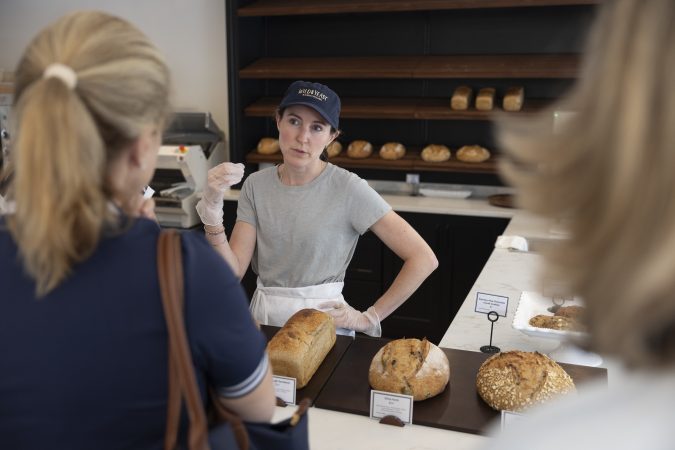
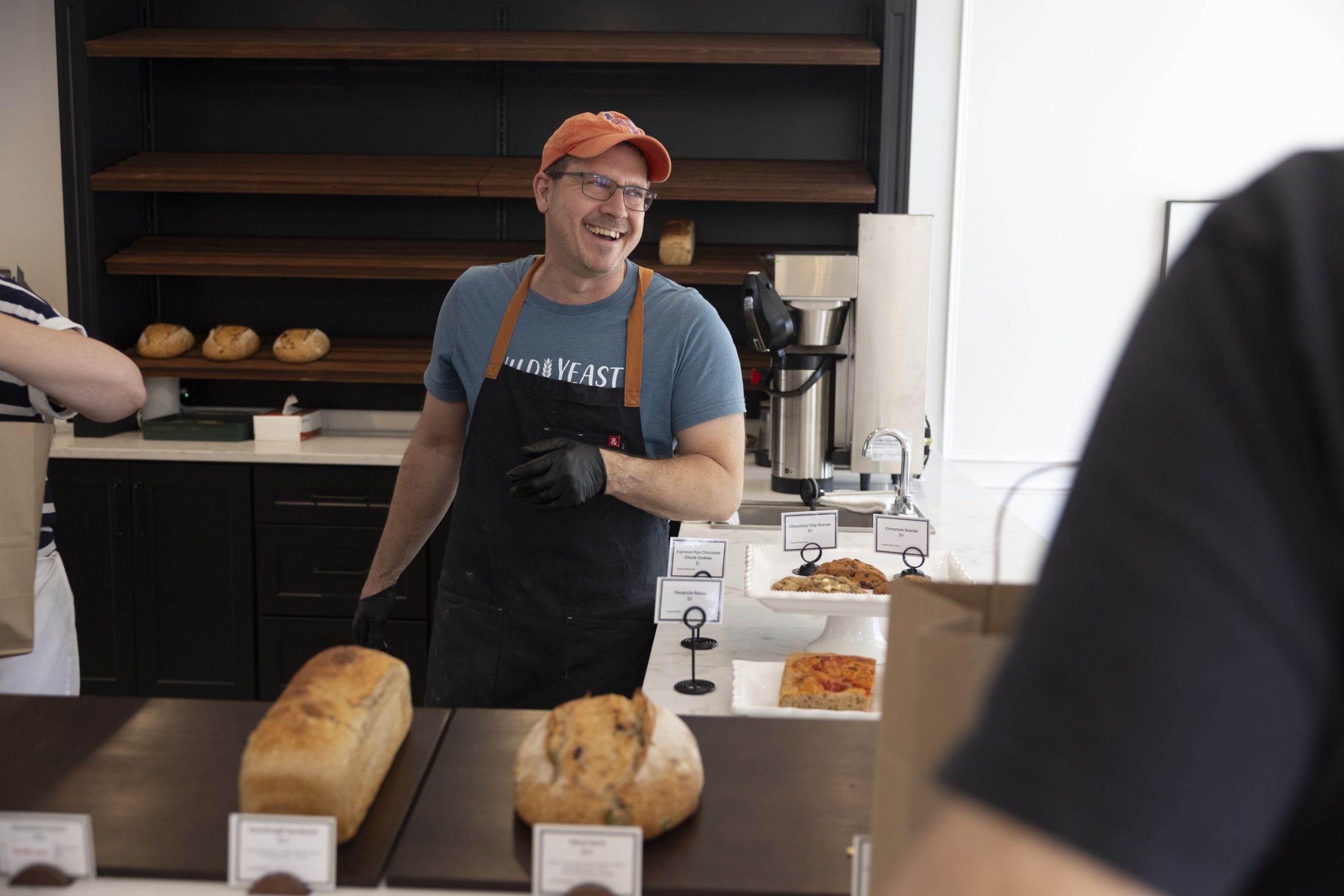
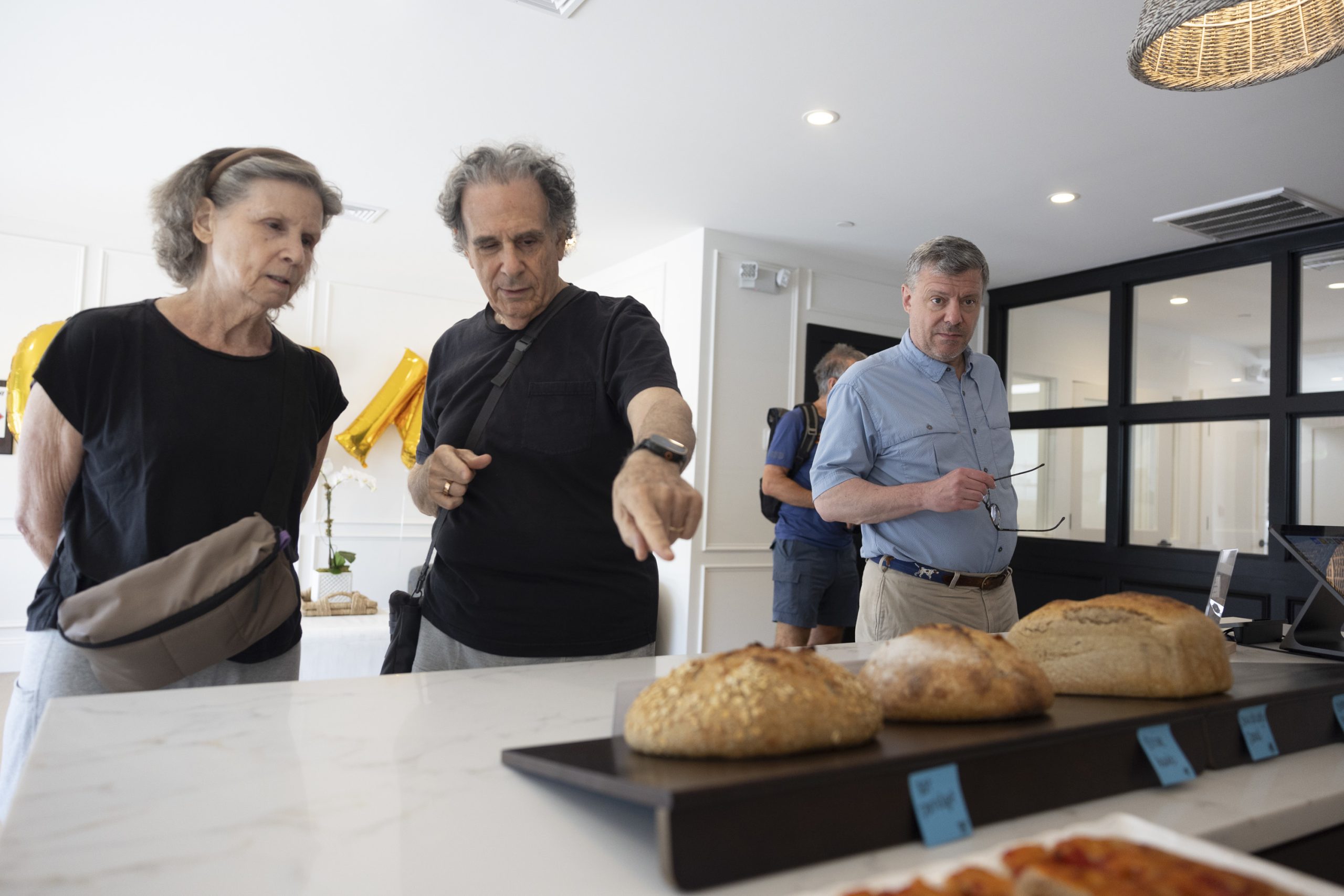
    Owner John Goncher, chatting with D’Arcy Lyness and her husband, Larry Richard, of Wayne, Pa., who discovered the Wild Yeast Bakehouse yesterday and came in to buy some bread on Wednesday, July 22, 2026.Tyger Williams / Staff Photographer

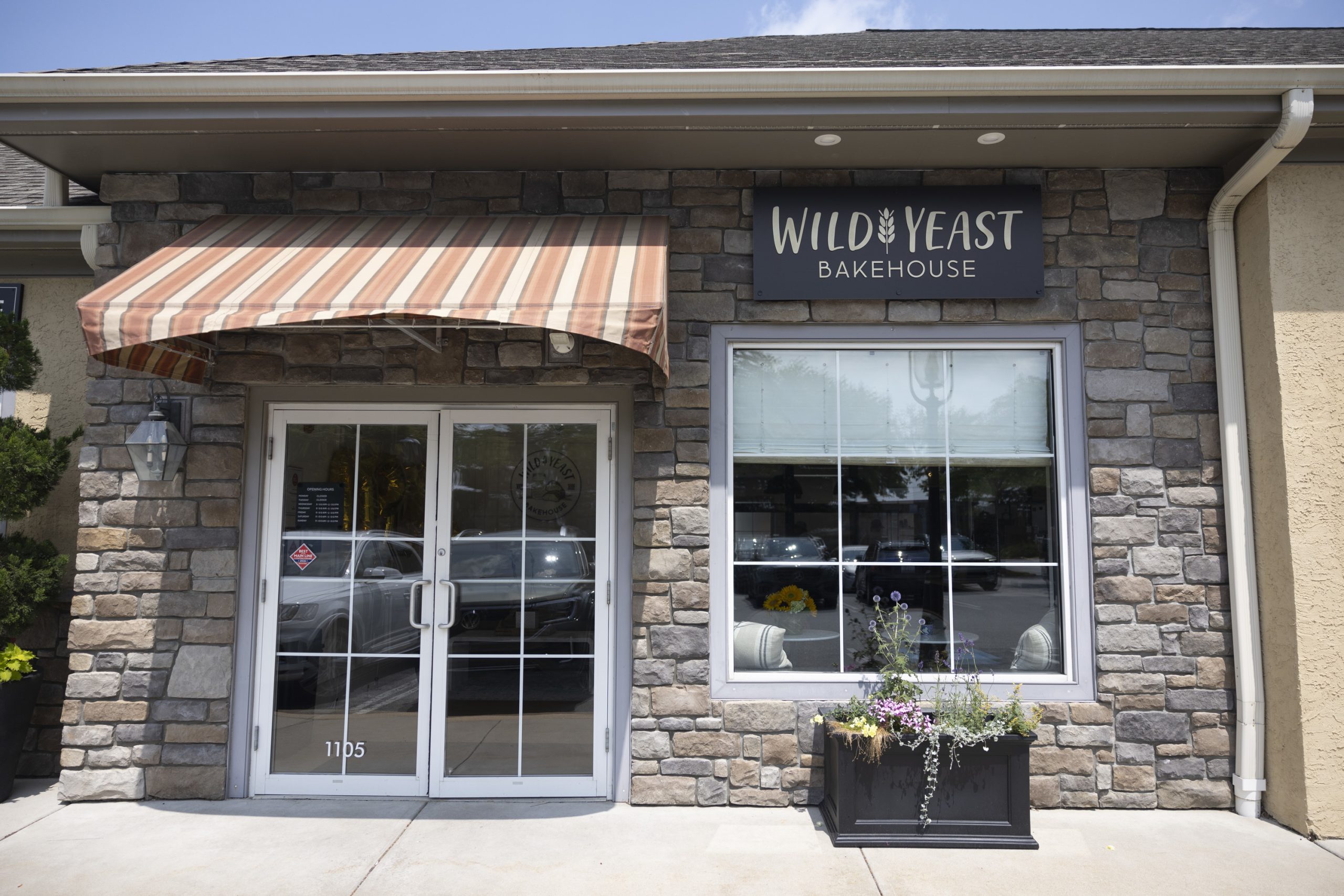
    Sandwiched between two well-established Main Line restaurants (Autograph Brasserie and The Silverspoon), Wild Yeast officially opened July 18. It joins Wayne’s burgeoning food scene: Notable newcomers include the splashy Maison Lotus, Main Line darling Johnny’s Pizza, and boutique wine bar Nature’s Vin.

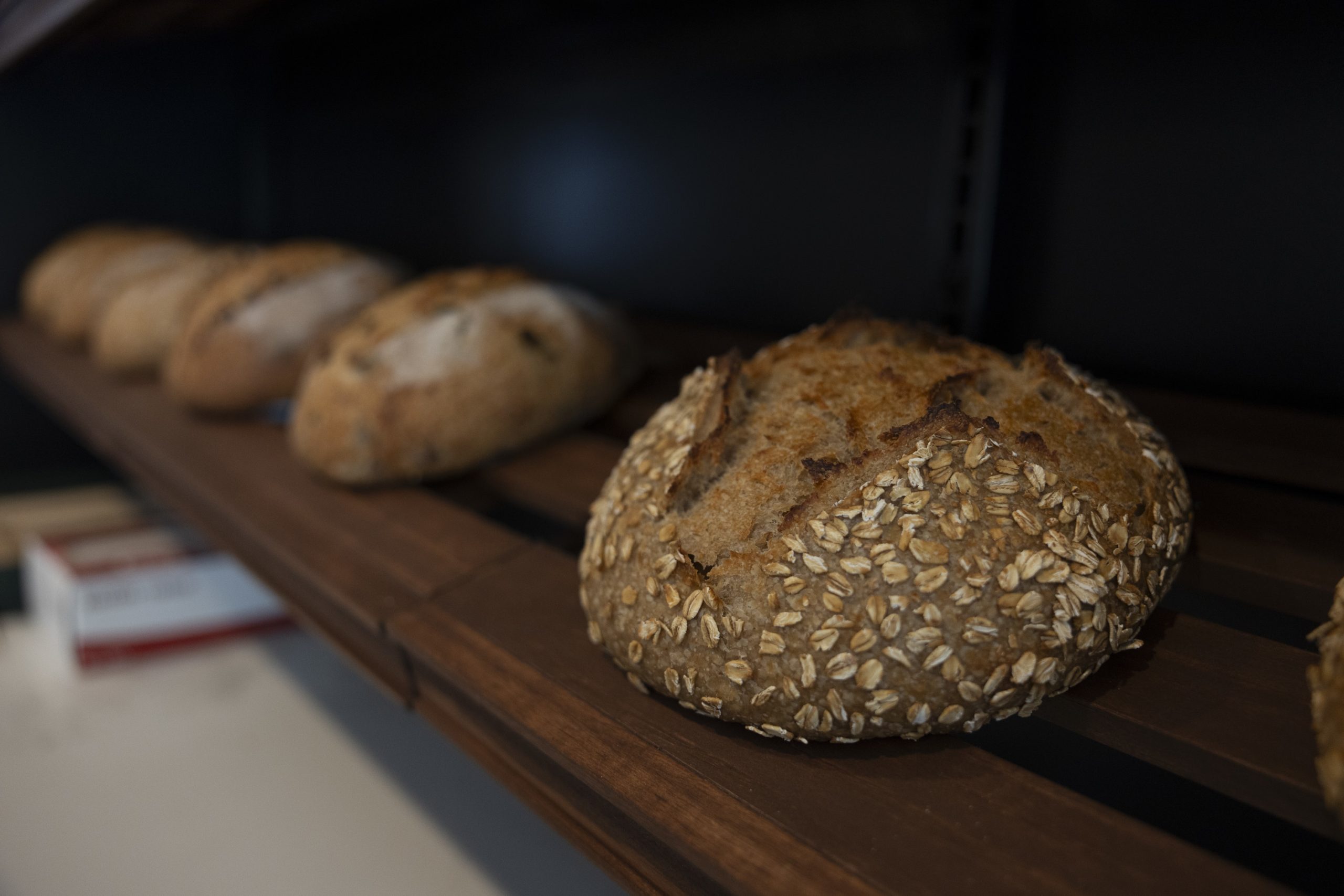
    The bakery is open Wednesday through Sunday, selling a variety of sourdough loaves, from kid-friendly cinnamon-raisin and sandwich bread to olive herb and oat porridge boules. You can also score Gryphon coffee, whole-grain Castle Valley Mill flour, and Wild Yeast’s own sourdough focaccia, cookies, and scones for now. (More discard-fueled pastry projects are in development.)

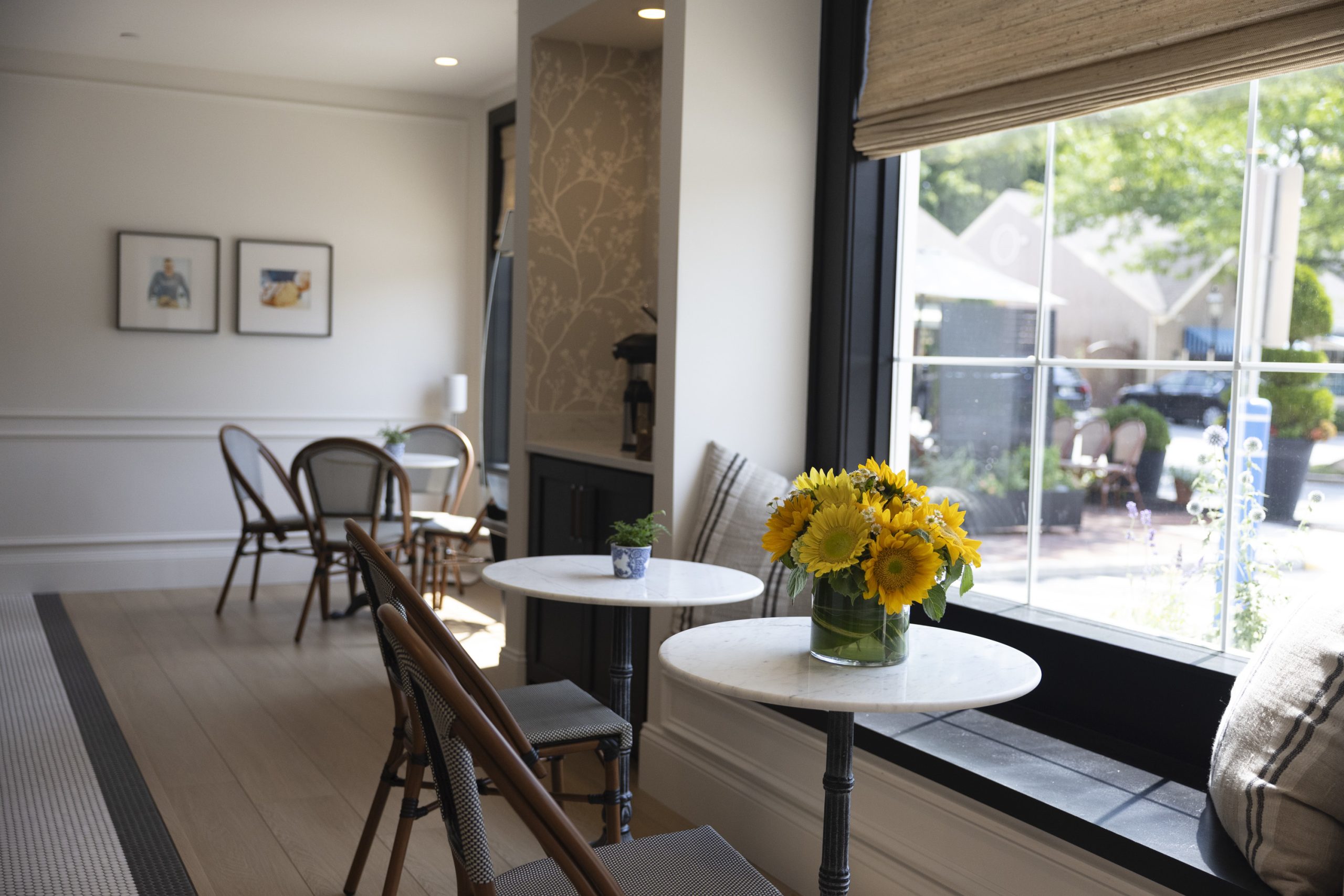
    With crown molding picture boxes, a cozy-chic sofa, and a sunny window seat, the bakery has a living room vibe — perhaps not surprising given Goncher once dreamed of baking out of his living room forever.

    The inside of Wild Yeast Bakehouse in Wayne, Pa., on Wednesday, July 22, 2026.Tyger Williams / Staff Photographer

    It was in early 2025 that Goncher first started looking at spaces to move his cottage business, which he started in 2021 after leaving a career in finance. Thanks to a combination of farmers market traffic and media attention, his business had ballooned. He was baking bread for half a dozen wholesale clients and nearly 250 monthly subscribers, plus a sell-out crowd at the Media farmers market.

    Keeping up with that demand meant maintaining a brutal schedule seven days a week. Goncher would roll into his living room shortly after 2 a.m. and bake until 6 a.m. The meat of the day consisted of readying and making deliveries (or working the market), followed by afternoon and evening dough prep. Most nights, he went to bed at 11 p.m. Meanwhile, he was turning away new business.

    “I said to my wife, ‘It either has to contract or it has to really grow,’” Goncher remembered. “We have to move out and do something with it.”

    D’Arcy Lyness and her husband, Larry Richard, of Wayne, Pa., picking out some bread at Wild Yeast Bakehouse on Wednesday, July 22, 2026.Tyger Williams / Staff Photographer

    Goncher initially considered spaces in Bryn Mawr — “I was looking close to home, because [I had a] 10-second commute, I figured under 10 minutes would be ideal” — but shifted his sights elsewhere when he learned Malvern’s Buttery would be opening a new location there. He looked at leases in Ardmore as well before landing on the bustling Eagle Village complex, which numbers home and clothing boutiques, a florist, a barre studio, and Main Line Mahjong among its varied tenants.

    “This place [gets] constant traffic,” Goncher said.

    Goncher inked the lease on the stone-faced storefront at 503 Lancaster Ave. last November. He spent six months renovating it, working with the same architect and builders who renovated his own home. The 1,500-square-foot space features a retail counter and small seating area, and is subdivided by large picture windows that overlook a roomy, well-lit kitchen destined to be used for evening baking classes.

    The outside of Wild Yeast Bakehouse in Wayne, Pa., on Wednesday, July 22, 2026.Tyger Williams / Staff Photographer

    Offering classes is one aspect of growth the brick-and-mortar space allows for, Goncher said. But it will also enable him to take on more subscribers and wholesale accounts in the near future, expand Wild Yeast’s offerings, get more involved in the Main Line community — and, hopefully, reclaim a whiff of work-life balance.

    Wild Yeast now has six employees, including an operations manager, a delivery driver, and three other bakers besides Goncher.

    Fresh oat porridge at Wild Yeast Bakehouse in Wayne, Pa., on Wednesday, July 22, 2026.Tyger Williams / Staff Photographer

    The additional hands have already helped Goncher get a little more sleep — “my goal is [to work] 5 [a.m.] to 6 [p.m.], I’m 3 to 9:30 as of yesterday” — not to mention most of his living room back. He’s looking forward to what a new chapter holds for Wild Yeast.

    “I was ready to have this stop being about me,” Goncher said. “I want it to to be something that starts to have a life of its own.”

    Wild Yeast Bakehouse. Hours: 9 a.m. to 3 p.m. Wednesday through Sunday; 503 W. Lancaster Ave., Suite 1105, Wayne; 610-672-6884; wildyeastbakehouse.com

  • Wawa and Lands’ End launched a mini tote that sold out online instantly. Unfortunately, it’s perfect.

    Wawa and Lands’ End launched a mini tote that sold out online instantly. Unfortunately, it’s perfect.

    Three major trends have dominated recent cultural discourse: charms, food and fashion collaborations, and mini totes. The tote from Wawa and Lands’ End harnesses all three into one sandwich-sized bag. And I’m obsessed with it.

    Labubu bag charms took the world by storm in 2025, inspiring almost everyone with a handbag to personalize theirs with dangling dolls. The post-Labubu era isn’t so much a reaction to the somewhat cumbersome creatures dangling from key chains, but an evolution into a fixation with different charms, like a bracelet proclaiming one’s devotion to the World Cup, the cities in which games were played, and one’s willingness to wait for many hours in line to procure one from a Bank of America sponsor tent.

    Have you noticed that every big fashion house has to have a restaurant now? Whether it’s Louis Vuitton’s Le Cafe NYC, run by Stephen Starr or Tiffany’s Blue Box Cafe, never have fashion houses been so encompassing that they need to also design your food. And conversely, never has restaurant merchandise been quite so, well, cute. The branding of food and fashion is intertwined.

    Finally, the mini tote. While Trader Joe’s grocery stores only operate within the continental U.S., its colorful mini totes have become a global phenomenon. The $2.99 totes prompt long lines at stores and can resell for 10 times their sale price. In response, Forbes declared the mini tote obsession to be a symptom of our “little treat economy” (which you can see on the food side as well, given the number of bakeries and ice cream shops that have sprung up in Philly in the past year).

    Lands’ End was paying attention to all three trends, leading to the Wawa and Lands’ End limited-edition tote. It debuted Wednesday on both the Lands’ End website, where it immediately sold out, and in select Wawa stores in New Jersey (which allegedly still have them in stock). This is an aggression toward the beautiful city of Philadelphia, but I digress.

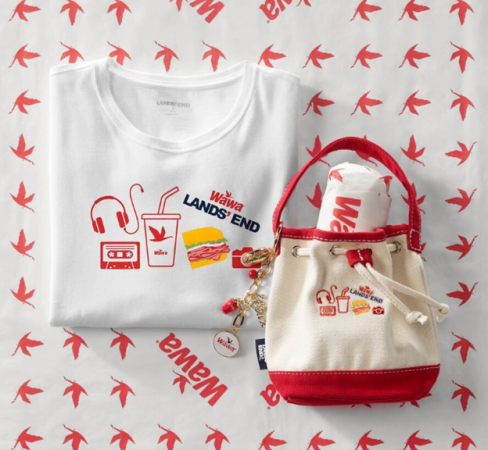
    It’s called the Shorti® Tote. It costs $39.95 for the tote itself and a matching bag charm that features an enamel hoagie, tomato, Wawa coffee cup, and “East Coast” charm. The collaboration also includes a Wawa branded T-shirt from Lands’ End ($44.95) that comes wrapped up like a hoagie (of course). Wawa provided me with a sample bag for this review.

    The collaboration celebrates the Jersey Shore and encourages you to take a Wawa hoagie to the beach, where it will be duly protected from the elements by the thick, high-quality cotton canvas of a dedicated bucket-shaped tote bag. As someone who does not ever go to the Jersey Shore, I found that the tote has numerous other merits: It’s perfectly sized for a small water bottle, my wallet, keys, flashlight (with which I snap food photos because I am a food writer), and other bits of detritus.

    Unlike the Trader Joe’s tote, it has a drawstring opening that can keep all your belongings firmly inside. It’s entirely made of canvas (worthwhile to note because canvas totes with plastic handles are the absolute worst), with metal grommets to secure the drawstring. The embroidered graphic collage of cassette tape, wired headphones, a Shorti, analog camera, cup with straw, feels pretty ‘90s-coded (also so trendy right now), and the Wawa and Lands’ End logos are small and demure. True to its name, it also fits two hoagies very nicely.

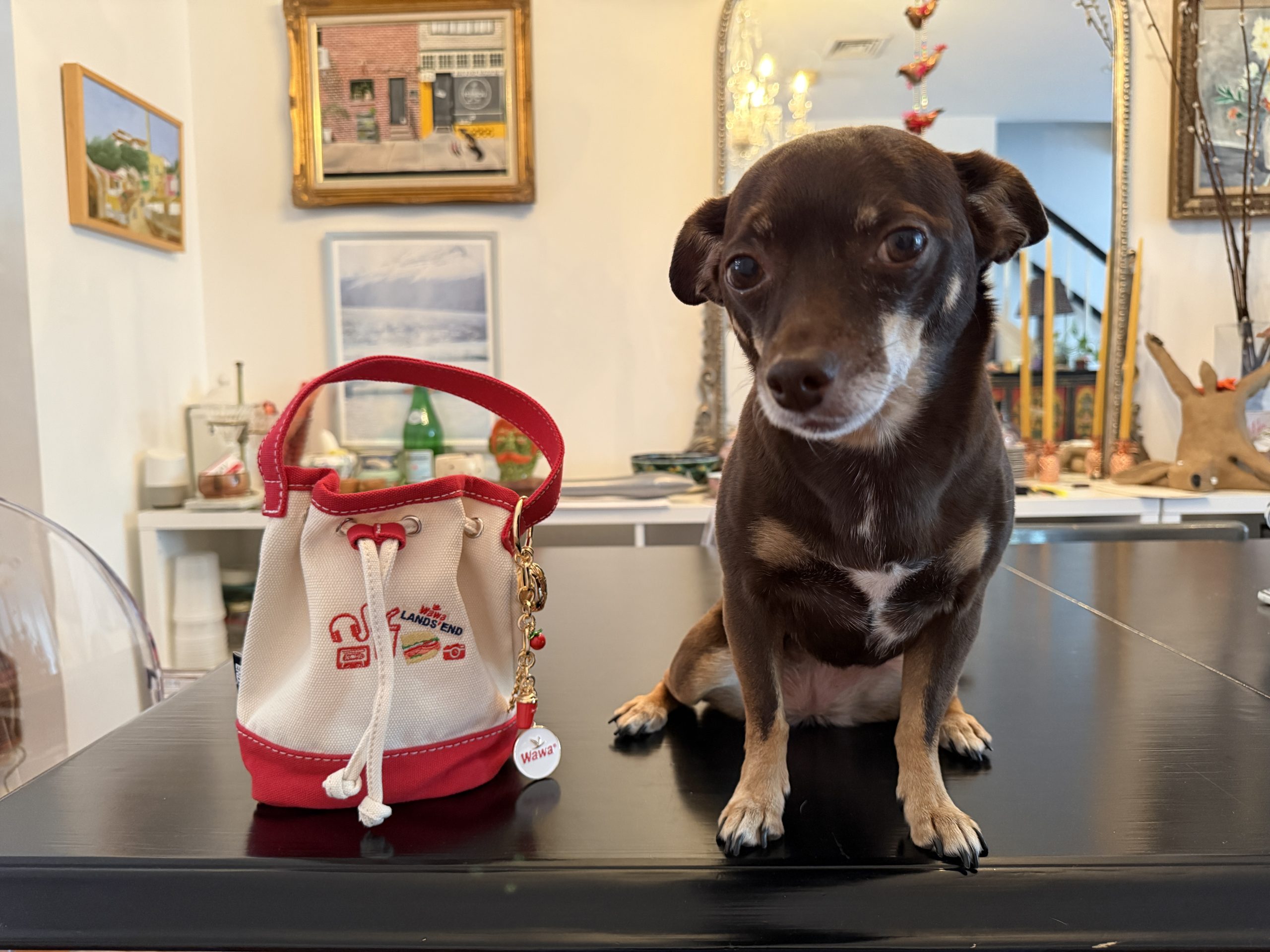
    It’s comfortable to hold on my forearm, and I have found that it’s also the perfect BYOB bag as it holds all the contents of my purse along with a bottle of wine. The only drawback I see is that it does not fit my Chihuahua, Coconut, whom I also generally like to throw into a tote bag.

    The Shorti® Tote next to Coconut the Chihuahua, who does not fit inside the mini tote.Kiki Aranita / Staff /

    But perhaps the greatest part of possessing this tote is the envy I have inspired.

    “When you’re done reviewing it and need to give it to someone, I am available,” said my colleague Beatrice Forman as I slowly backed away from her.

    Get your own.

    Wawas that received totes are in Sea Isle City, Stone Harbor, Avalon, Somers Point, Cape May, Ocean View, Brigantine, Ship Bottom, Wildwood, North Wildwood, Ventnor, Marmora, Dorchester, Ocean City, Manasquan, Rio Grande, Normandy Beach, Margate, Villas, Long Beach Township, Barnegat, and Neptune.

    Editor’s note: This article has been updated to correct the spelling of Lands’ End.

  • The best thing Craig LaBan ate this week: Pasta at Center City West’s first BYOB

    The best thing Craig LaBan ate this week: Pasta at Center City West’s first BYOB

    When Porcini opened in 1996, few people expected the brothers Steven and David Sansone to do much business, with only 30 seats stuffed into a dining room the size of a shoebox, debuting in an era when there were no other restaurants on Sansom Street. A BYOB? Philly hardly knew what that was aside from the original Dmitri’s across Broad Street.

    And yet, 30 years later, this block of Sansom Street near Rittenhouse Square has become a mini-restaurant row. There are now hundreds of Italian BYOBs flourishing across the city, and the pioneer of them all, Porcini, is still kicking as the Sansone brothers continue to host lively Italian meals for their loyal following.

    There’s David at his lookout post near the door, chatting with guests then scampering back to whisk plates of chicken Milanese in sloshy wine-and-butter sauce through the dining room. (“It’s not an Italian meal if you don’t get some on your clothes!” he consoled one guest, dabbing a plate-landing splash of sauce on his shirt.) And there’s self-taught chef Steven, just back from double cataract surgery (“I can see the tickets again!”), overseeing a tiny kitchen whose clattering plates and passionate banter frequently cuts in over the opera soundtrack wafting through the dining room. “It’s just like Big Night here, an argument with my brother every night,” jokes Steven. “We can’t get it out of our blood.”

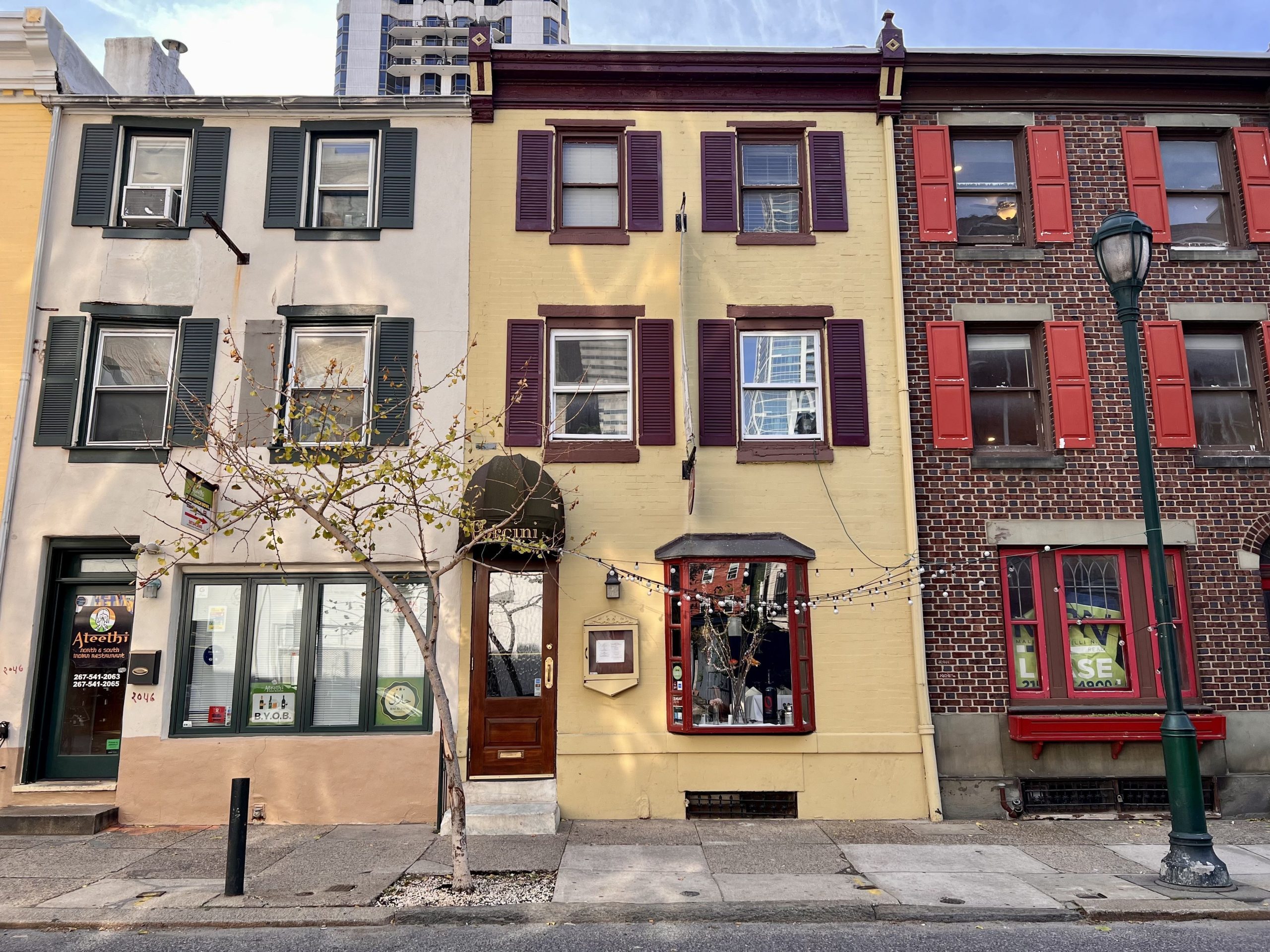
    Porcini, 2048 Sansom St., on Nov. 29, 2022.Michael Klein / Staff

    Whatever it is that propels these two siblings, now in their late 60s, to keep going — be it a pride in their Sicilian and Neapolitan heritage, their top-notch Caffè Motta espresso, or the pure love of hospitality — they’ve preserved the sense of warmth, handcraft, and quirky personality that first endeared this cozy nook to the city. At my recent visit, two handmade pastas were vivid reminders of Porcini’s homey charm.

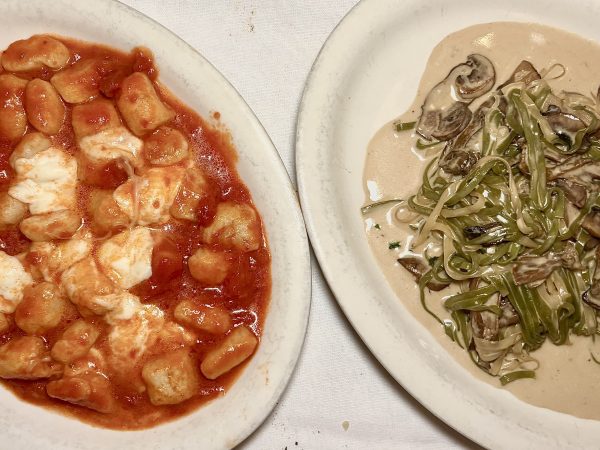
    Some of the airiest potato gnocchi I’ve eaten all year bobbed light as a feather in a bright San Marzano tomato sauce dabbed with creamy clouds of Claudio’s fresh mozzarella. My favorite, though, was paglia e fieno, a plate of hand-cranked green-and-white linguine meant to evoke the changing seasons of “straw” and “hay.” The two-toned noodle dish has been served multiple ways over the years here, but it seemed fitting that I was able to swirl those delicate pasta ribbons through a rich, tan-colored cream sauce infused with the restaurant’s namesake porcini mushrooms. Like the restaurant itself, this humble plate of browns and khaki greens was more about the satisfaction of good, handmade flavors than culinary flash or trends. Four decades later, this kitchen’s simple touch still resonates.

    Porcini, 2048 Sansom St., 215-751-1175, instagram.com/porcinirestaurant

  • Third-generation owner ushers in a new era for Philly’s Ba Le Bakery

    Third-generation owner ushers in a new era for Philly’s Ba Le Bakery

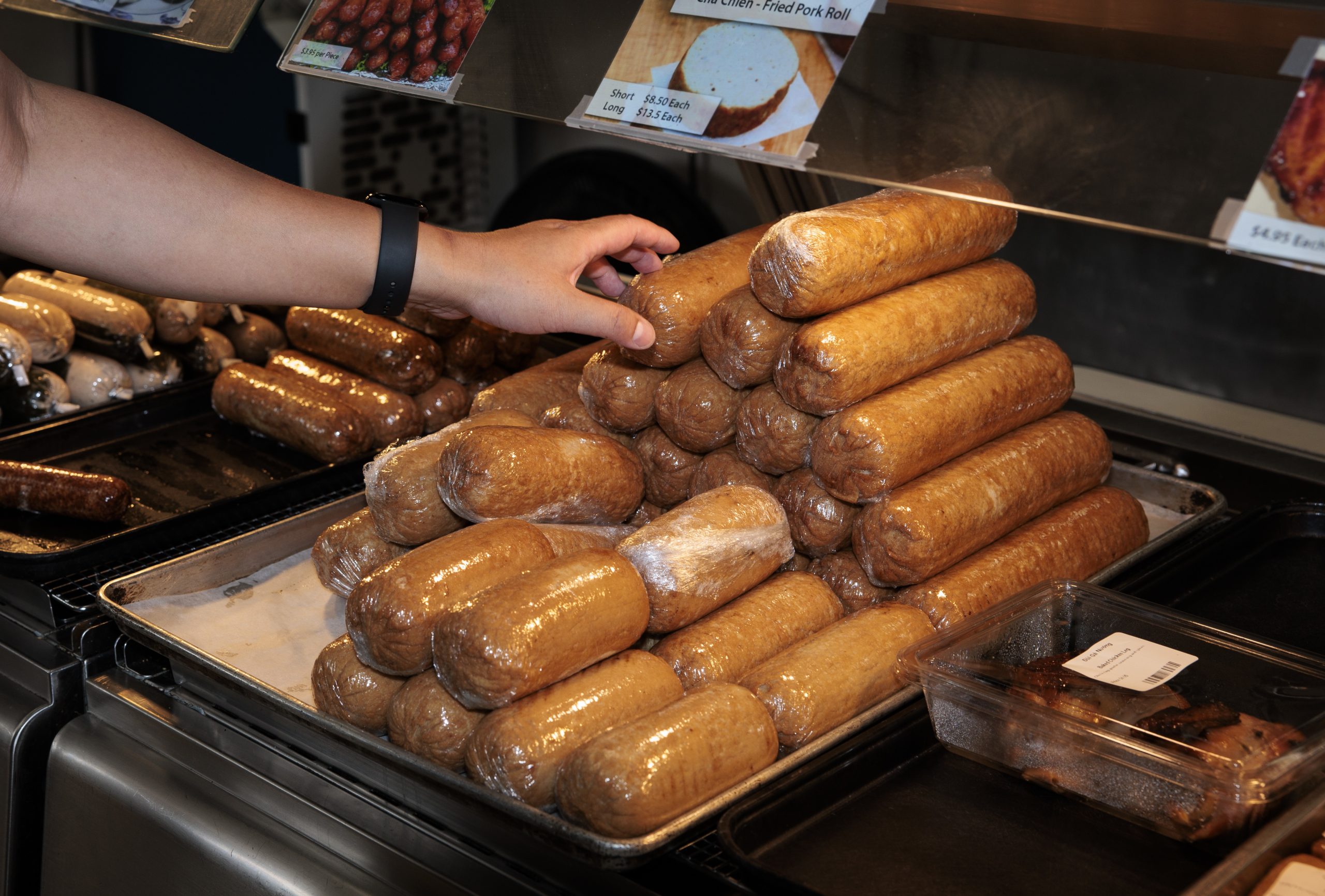
    For decades, Washington Avenue’s Ba Le Bakery has been practically synonymous with bánh mì in Philadelphia, and not only for the beautifully composed Vietnamese sandwiches sold on-site. Ba Le has set the standard for bánh mìs elsewhere. The bakery supplies rolls, crisp with fluffy interiors, to dozens of wholesale customers as far away as upstate New York, and is also our area’s primary producer of Vietnamese bologna, which comes in many variations, from fried pork with pepper to steamed pork wrapped in banana leaves.

    But this Philadelphia institution has siblings all over the United States, all operating independently of each other. There are Ba Les in Hawai’i, Illinois, Virginia, Maryland, and California. Each bakes its own bread and has the same core menu of bánh mìs, summer rolls, house-made pates, and girthy tubes of Vietnamese bologna and fried pork rolls. They all share the same origin story and founder, Le Vo, who went by the nickname “Ba Le.”

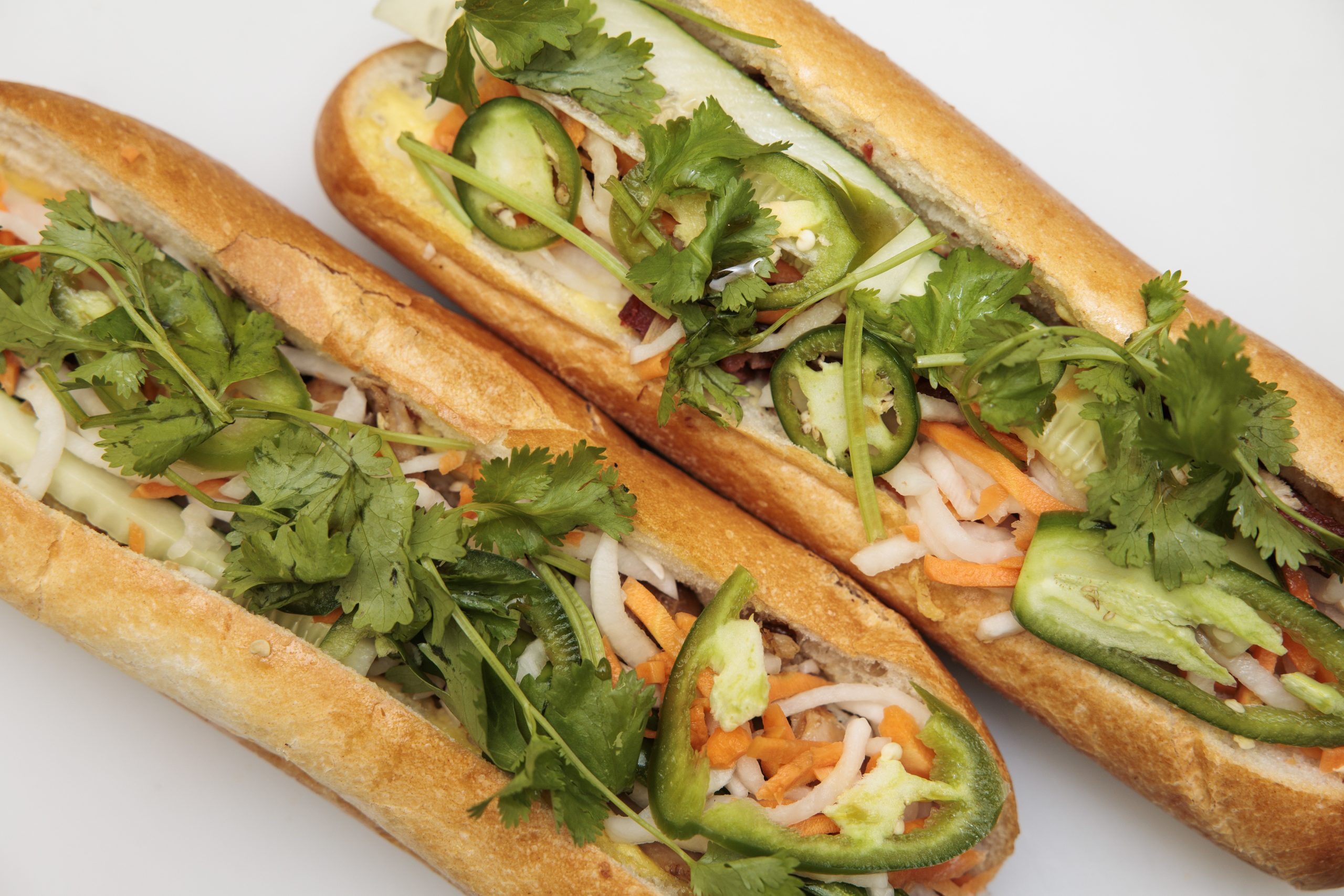
    Lemongrass chicken and bbq pork bánh mìs at Ba Le Bakery on Thursday, July 16, 2026, in Philadelphia.Monica Herndon / Staff Photographer

    Growing up in southern Vietnam, Le was the third of several siblings (“ba” means “three”). He launched the business that would become Ba Le as a Saigon sandwich cart in the 1950s, selling his bánh mìs prototypes. He grew the business to several carts before departing the country with his family in 1972 for San Jose, California, where he started the first stateside Ba Le in 1982. Le helped three of his daughters open Ba Le locations in different American cities over the next couple decades.

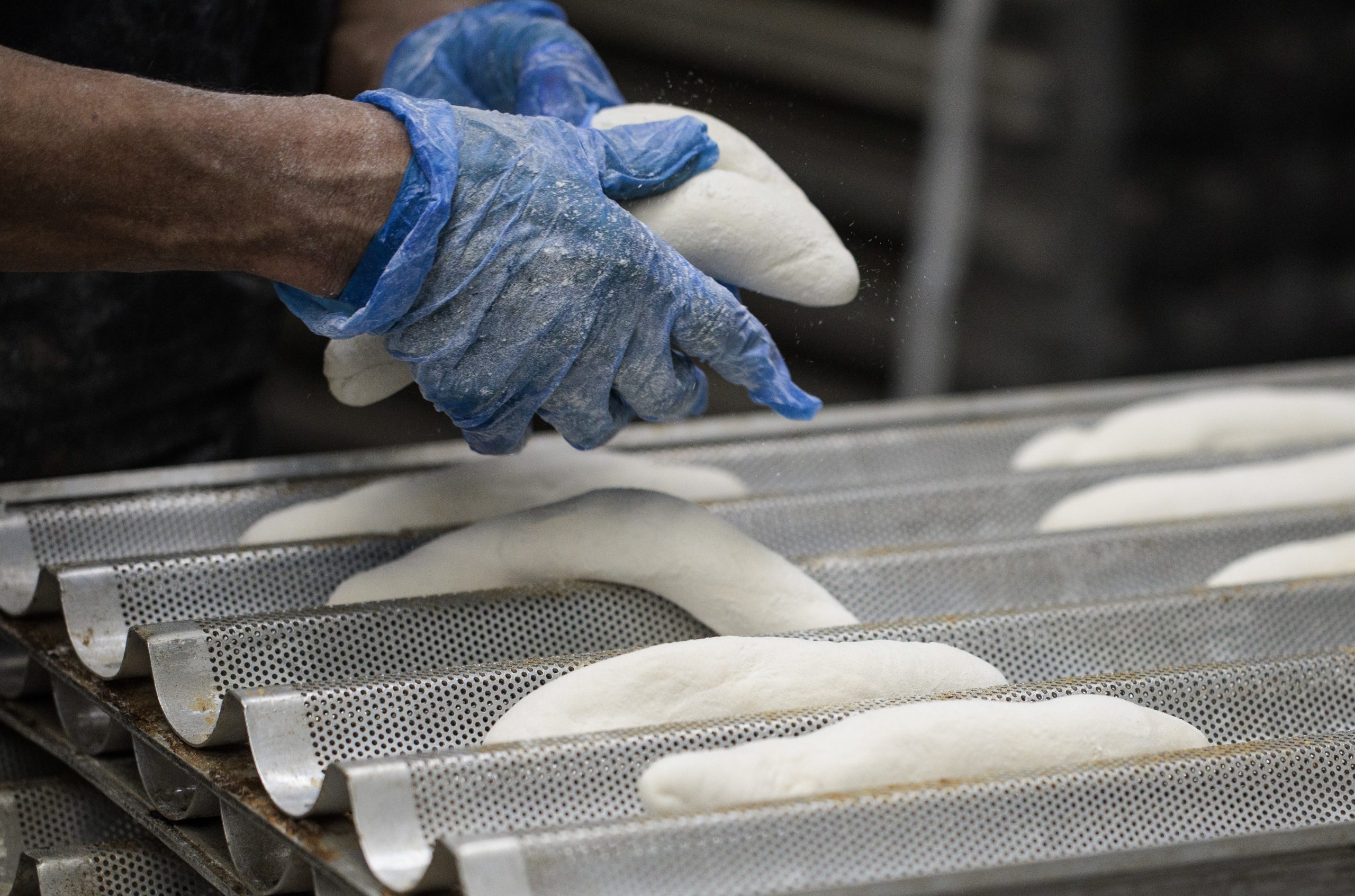
    Workers shape rolls at Ba Le Bakery on Thursday, July 16, 2026, in Philadelphia.Monica Herndon / Staff Photographer

    There are just a few regional differences among Ba Le menus across the country, a reflection of their geographic locations. The shrimp chips at the Ba Le in Falls Church, Virginia, are BBQ-flavored. In Alhambra, California, Ba Le Sandwich Shop sells smoothies and yogurt along with head cheese and vermicelli. The 20 or so Ba Le outposts in Hawai’i serve Spam, locally caught fish like opakapaka, and saimin, the islands’ beloved noodle soup.

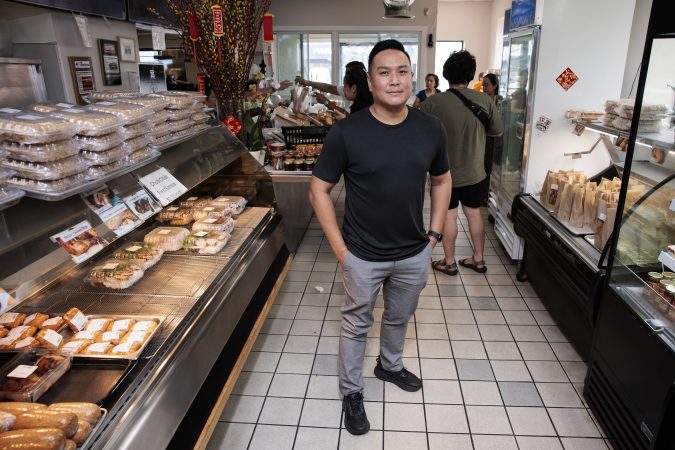
    In Philadelphia, where Le and daughter Thi Nguyen opened Ba Le in 1998, grandson Victor Nguyen, 40, has just unleashed a veritable library of Vietnamese pantry items not found in any other branch of the family business. It’s not the only change the third-generation owner has made.

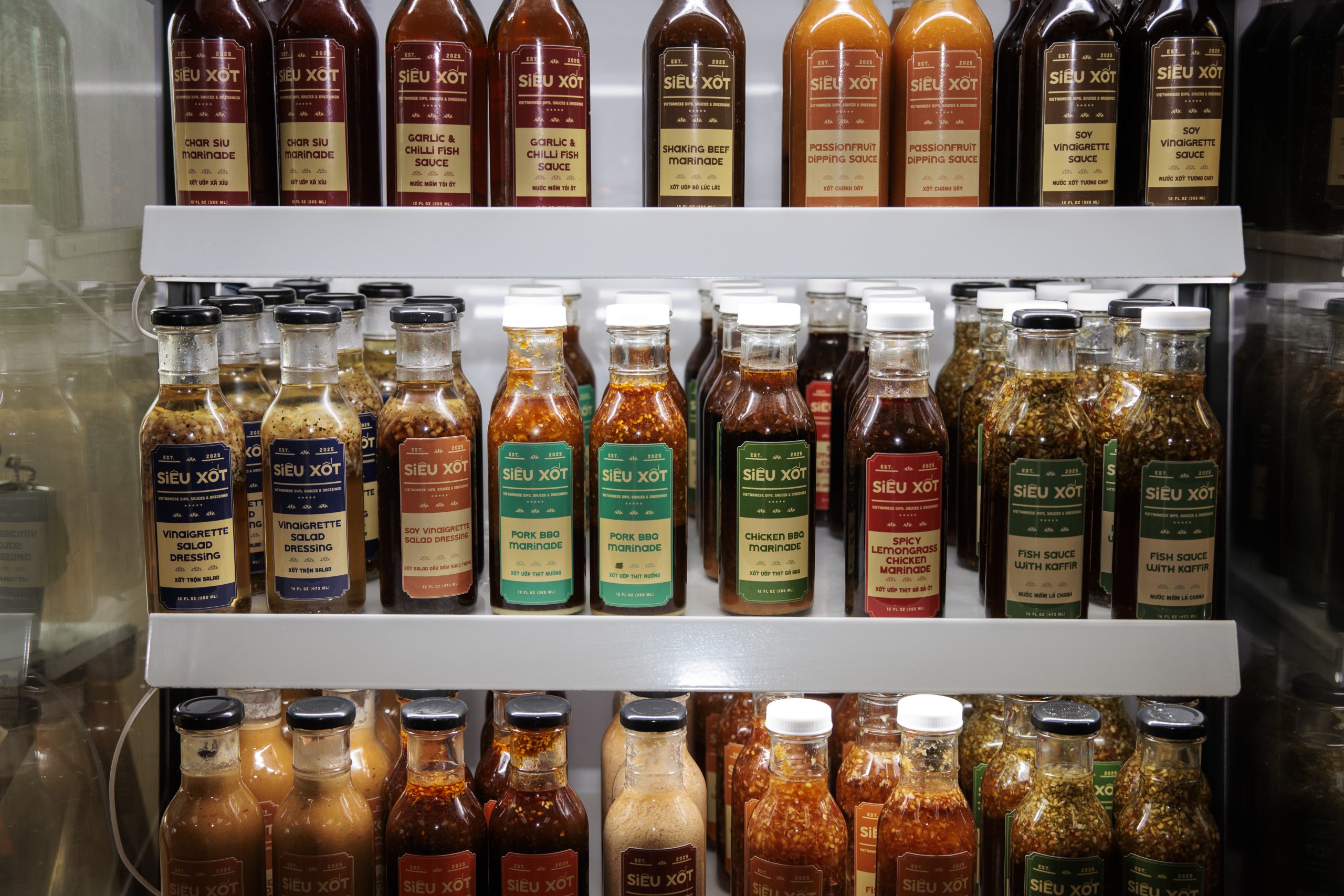
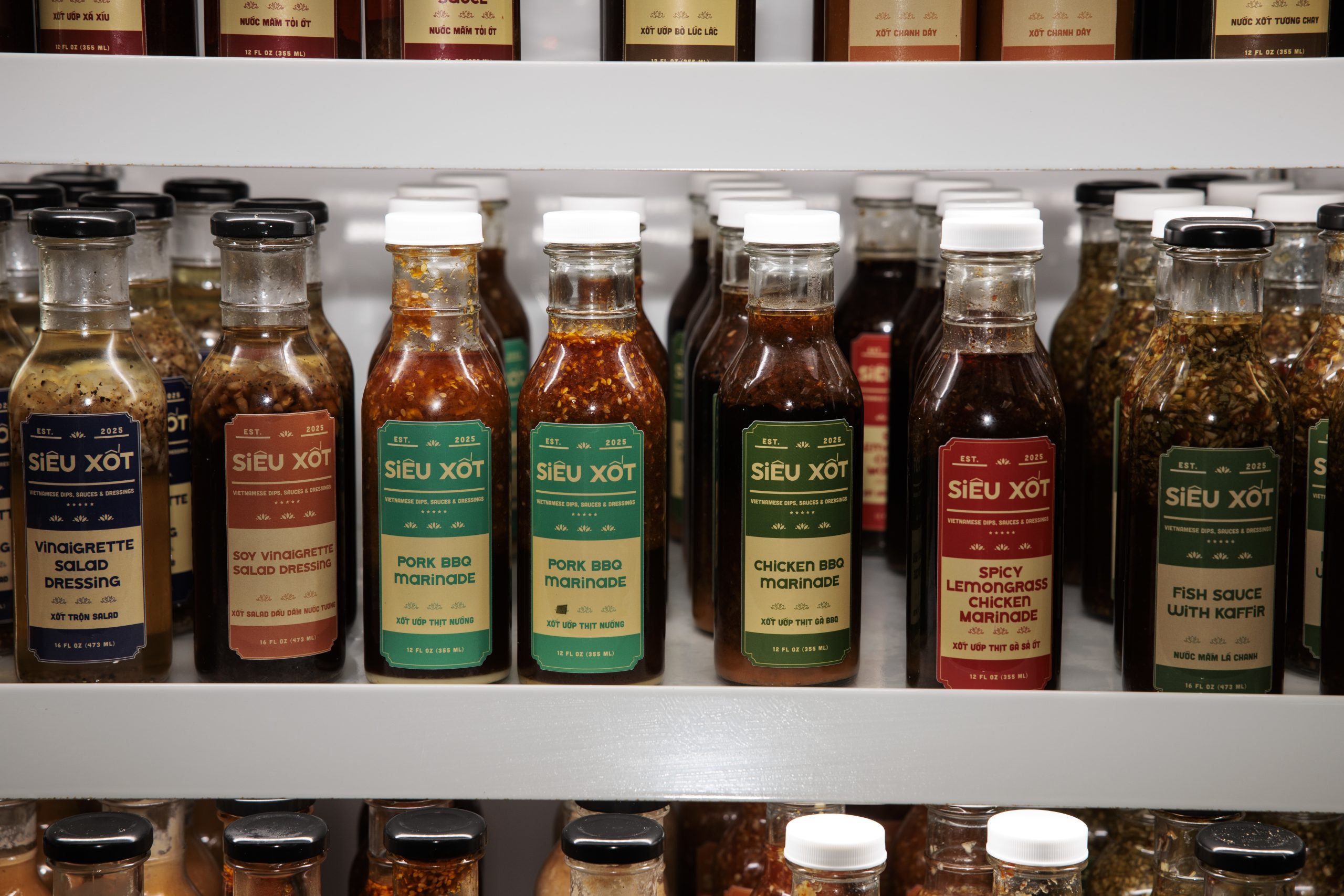
    The new line of Sieu Xot sauces at Ba Le Bakery on Thursday, July 16, 2026, in Philadelphia.Monica Herndon / Staff Photographer

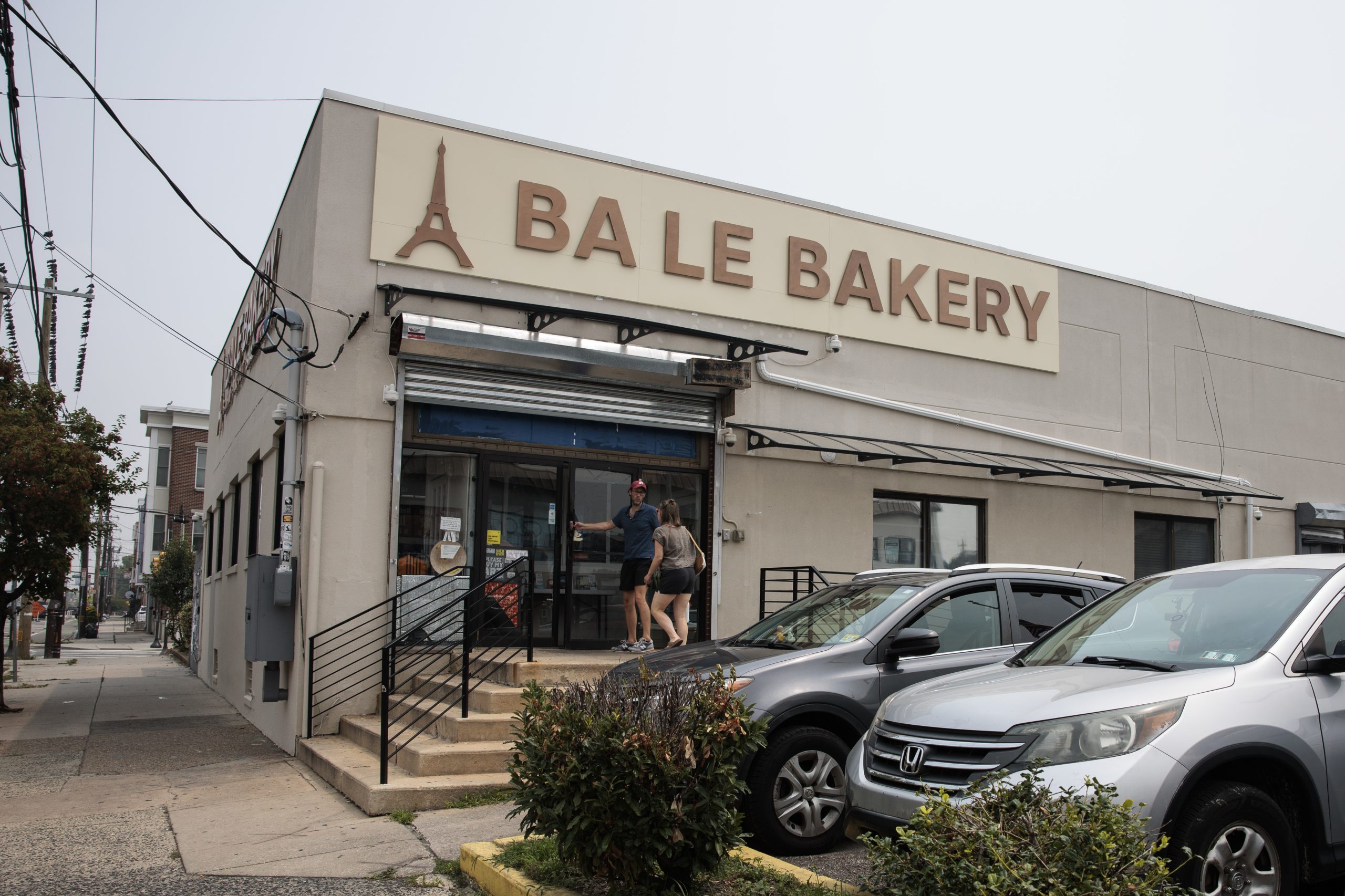
    Victor Nguyen officially took the reins of Washington Avenue’s Ba Le in 2024. Perhaps you’ve seen the storefront’s brand-new caramel-colored signage — sporting an Eiffel Tower logo, as all Ba Le bakeries do — which can now be spotted from many blocks away. Or maybe you’ve noticed that, after years of resisting an online presence beyond a Facebook profile, Ba Le Bakery has a website. You might even be surprised to find a slew of new, hip matcha-based drinks joining the traditional Vietnamese coffees on the beverage menu, as well as gourmet snacks and “shoppy shop” products you’d expect at Biederman’s or Rittenhouse’s Cork.

    The exterior of Ba Le Bakery on Thursday, July 16, 2026, in Philadelphia.Monica Herndon / Staff Photographer

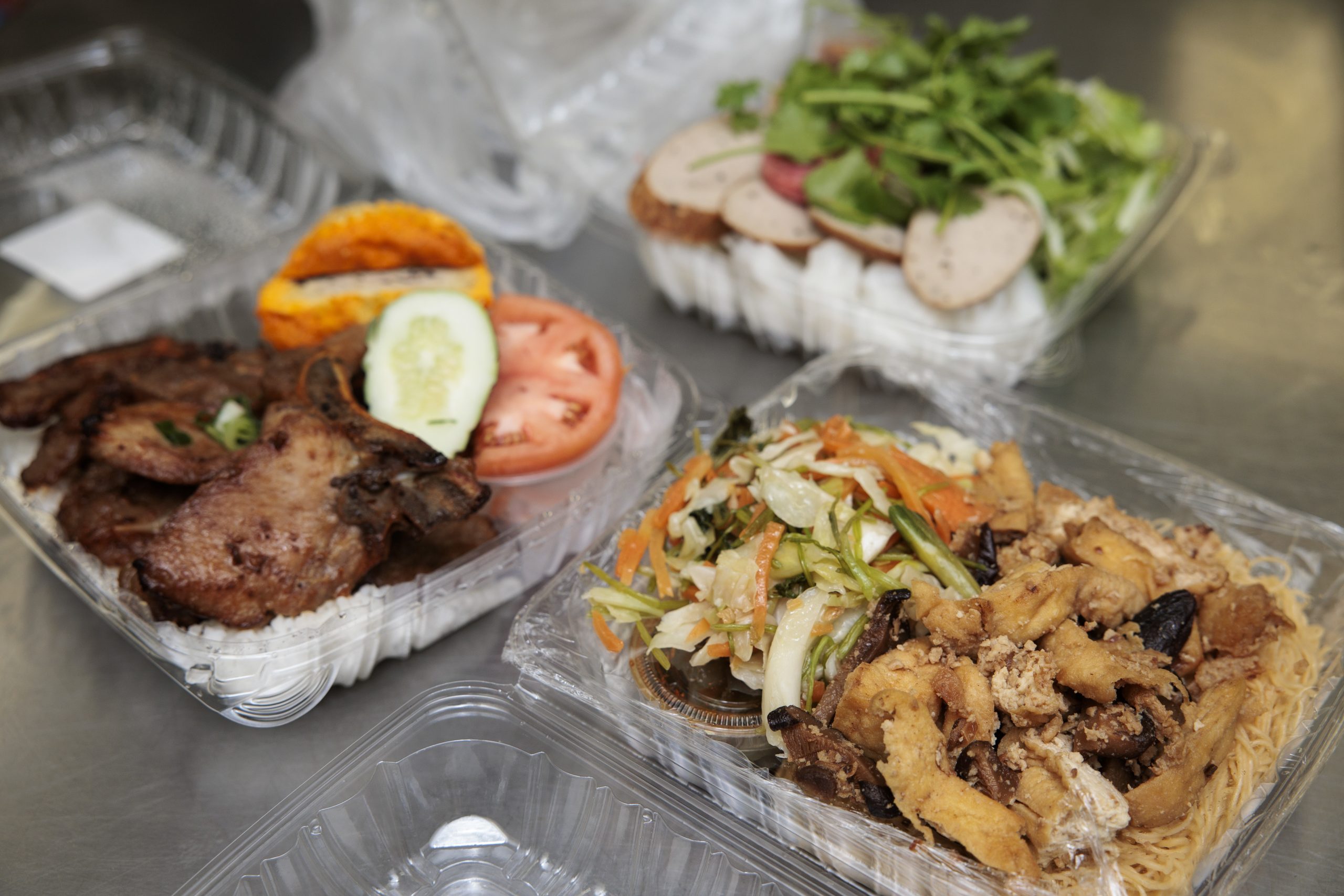
    Today’s Ba Le Bakery stocks truffle- and brie-flavored potato chips imported from France and upmarket tinned fish alongside takeout containers of house-made bánh cuốn (rice rolls stuffed with pork). The selection appeals to a post-pandemic pantry-obsessed demographic, but it still has a firm hold on its old customer base. Before the lunch rush, you’ll still see Cantonese-speaking ladies clutching designer handbags stocking up on Vietnamese lunch platters that feature Chinese-style barbecue pork.

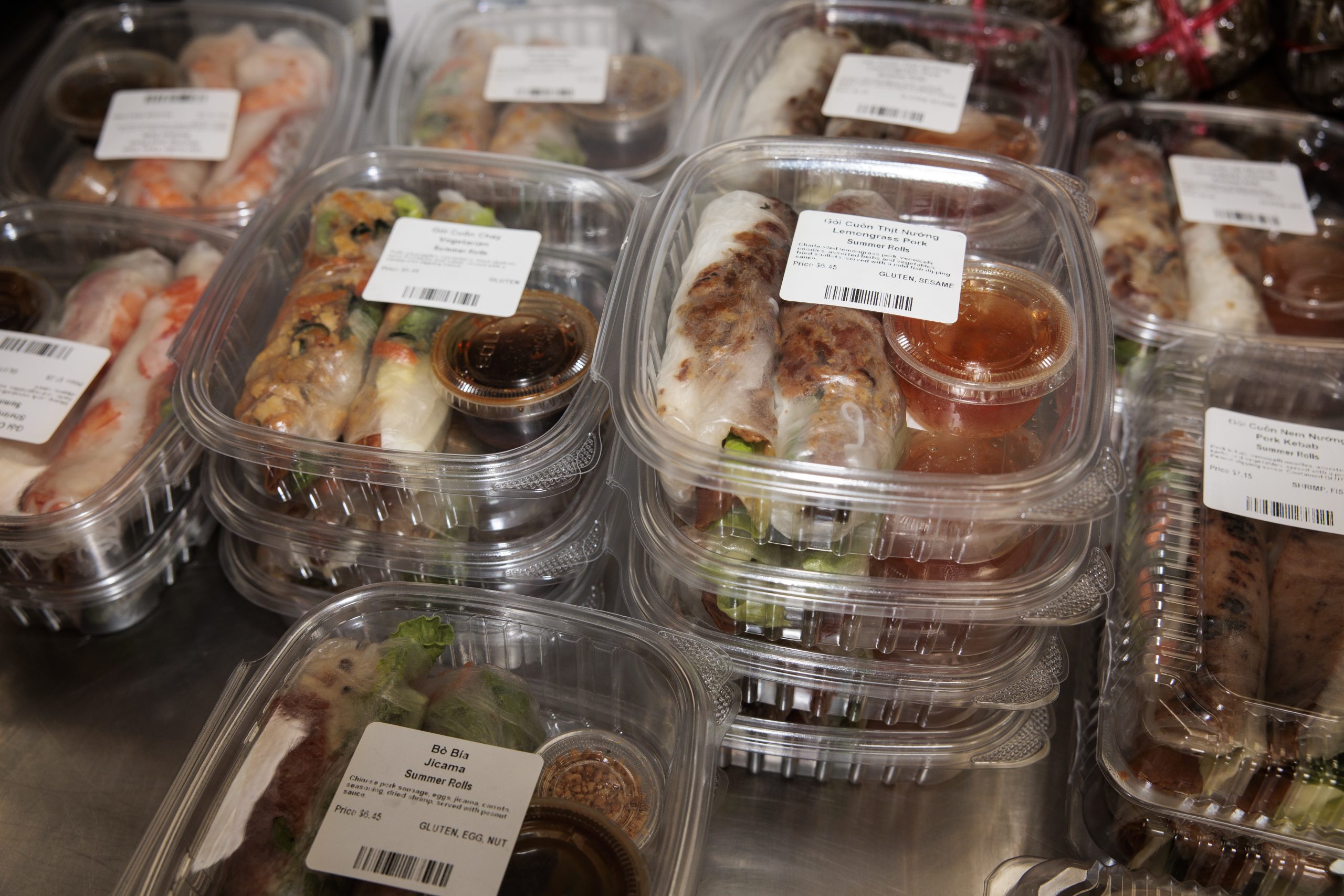
    Summer rolls on display at Ba Le Bakery on Thursday, July 16, 2026, in Philadelphia.Monica Herndon / Staff Photographer
    From left: Pork ribs, rice crepes with pork bologna, and a vegetarian stir fry at Ba Le Bakery on Thursday, July 16, 2026, in Philadelphia.Monica Herndon / Staff Photographer

    Nguyen trained for more than half his life to take over Ba Le. From the age of 17, “I have filled every single position in the bakery, from serving customers, all areas of the kitchen, facility maintenance, and office management,” he said. His first job was making and wrapping many different types of bolognas (fried, steamed, mixed with sea snails on the weekend, and more), which he did for five years.

    He has big plans to continue to pull Ba Le into the future, renovating the 6,000-square-foot store in stages over the next four years; moving some operations off-site, to another family-owned space on Columbus Boulevard; and expanding the bakery’s online business, which is currently run out of Ba Le’s former restaurant in the back of the building.

    Pork bologna on display at Ba Le Bakery on Thursday, July 16, 2026, in Philadelphia.Monica Herndon / Staff Photographer

    In a great departure from the family tradition of naming everything after its patriarch, Nguyen named his new line of sauces Sieu Xot (pronounced “see-yoo sot”), which means “super sauce.” The 20-sauce line includes sweet and savory dressings for salads, marinades for chicken, spicy garlic and chili-spiked fish sauces, zesty kaffir lime leaf-speckled sauces, and some funky fermented sauces that Nguyen’s Vietnamese customers have long had to make for themselves. “Making some of our traditional sauces can stink up your house,” Nguyen said with a laugh. “I think people are relieved to not make them at home now.”

    “This has always been a dream of my mom’s,” he said. “Creating this sauce line makes introducing Vietnamese flavors into households more accessible and easy.” Nguyen also hopes that the sauces will encourage home cooks to experiment.

    The sauce line might be Nguyen’s mother’s dream, but the execution is all Nguyen’s, from the flavors to the branding, which evokes art deco Saigon (with zero Eiffel Towers), created by Tyler School of Art and Architecture student Zoe Nguyen (no relation). While many of the sauces are based on traditional Vietnamese recipes, about a third of the line is Nguyen’s own invention — his signature is kumquat-cilantro dipping sauce. Taken as a whole, the new line is part of Nguyen’s agenda to put his own stamp on the family legacy.

    The new line of Sieu Xot sauces at Ba Le Bakery on Thursday, July 16, 2026 in Philadelphia.Monica Herndon / Staff Photographer

    “All of my efforts, whether it’s within our store or through our online channels, is to usher in my own perspective of Vietnamese food,” he said.

  • McGlinchey’s Bar is back on the market as Center City’s pub scene continues to shift

    McGlinchey’s Bar is back on the market as Center City’s pub scene continues to shift

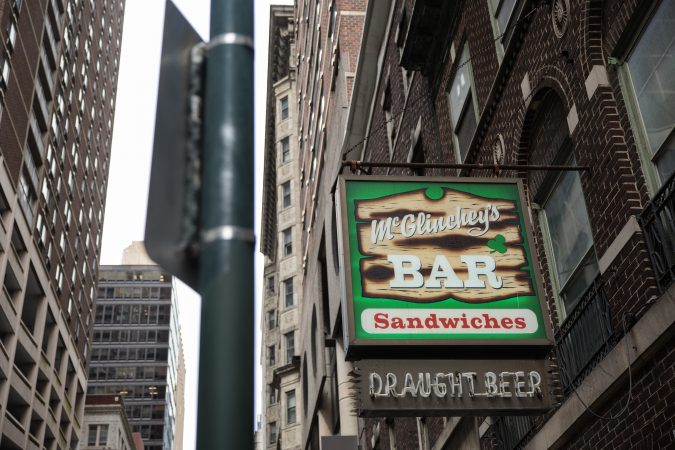
    Center City’s tavern landscape is shifting again.

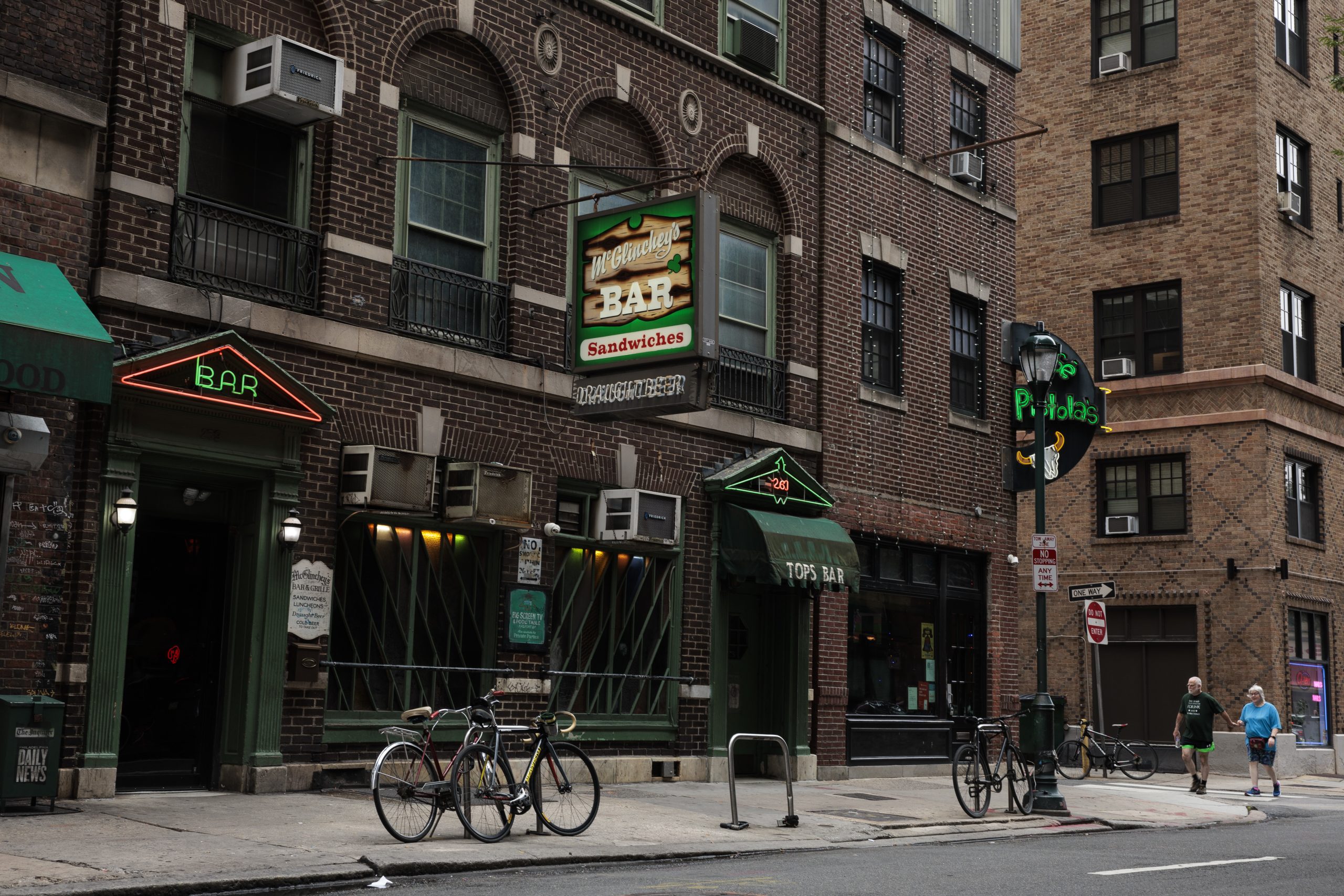
    The building housing the shuttered McGlinchey’s Bar is back on the market after a planned sale fell through. Chef-restaurateur Townsend “Tod” Wentz wants to sell the Hayes, the American tavern he opened in the former Irish Pub building on Walnut Street near 12th. And Cherry Street Tavern, another historic watering hole whose owners announced plans to sell earlier this year, appears close to finding a buyer.

    The biggest surprise may be McGlinchey’s.

    The building housing McGlinchey’s had been a bar for 90 years before last summer’s shutdown.Monica Herndon / Staff Photographer

    In April, Alterra Property Group confirmed that it was under agreement to buy the building at 259 S. 15th St., home to McGlinchey’s for more than 90 years before the dive bar closed in summer 2025. But Leo Addimando, Alterra’s cofounder and managing partner, said Wednesday that the company “decided not to proceed.”

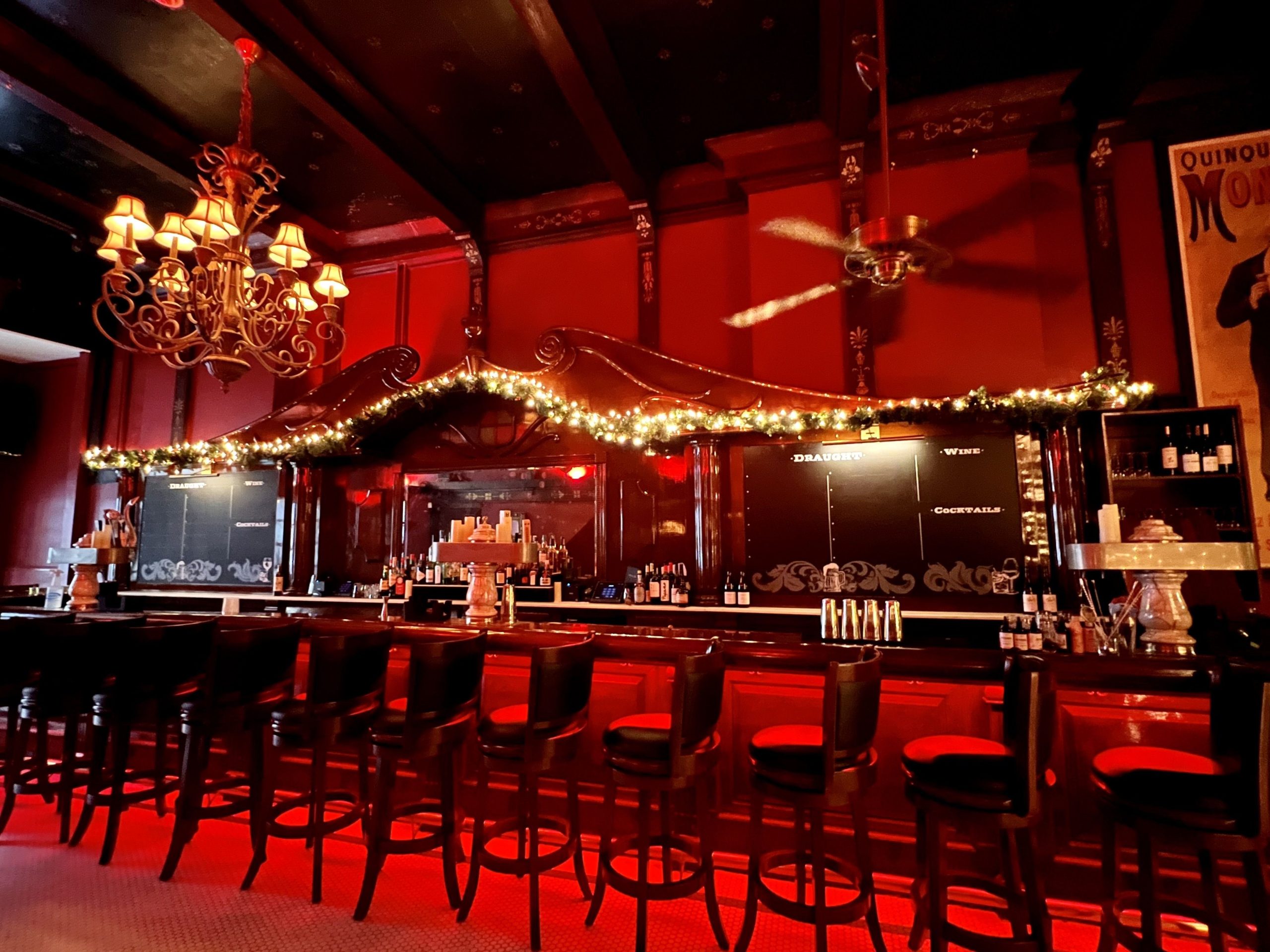
    The building is listed by Nadia Bilynsky and Dennis Carlisle of MPN Realty at $2.45 million. The offering includes the liquor license, two bars, a stage, a small kitchen, and a shell-condition third floor. The property, which occupies nearly 5,000 square feet, is being marketed as a turnkey bar-restaurant opportunity or a redevelopment site.

    A few blocks east, another familiar address is available.

    Wentz has listed the Hayes, his 268-seat American tavern at 1123 Walnut St., through Veronica Blum and Joe Scarpone at MPN with an asking price of $2.93 million. City records show that it sold for $2.3 million in 2019.

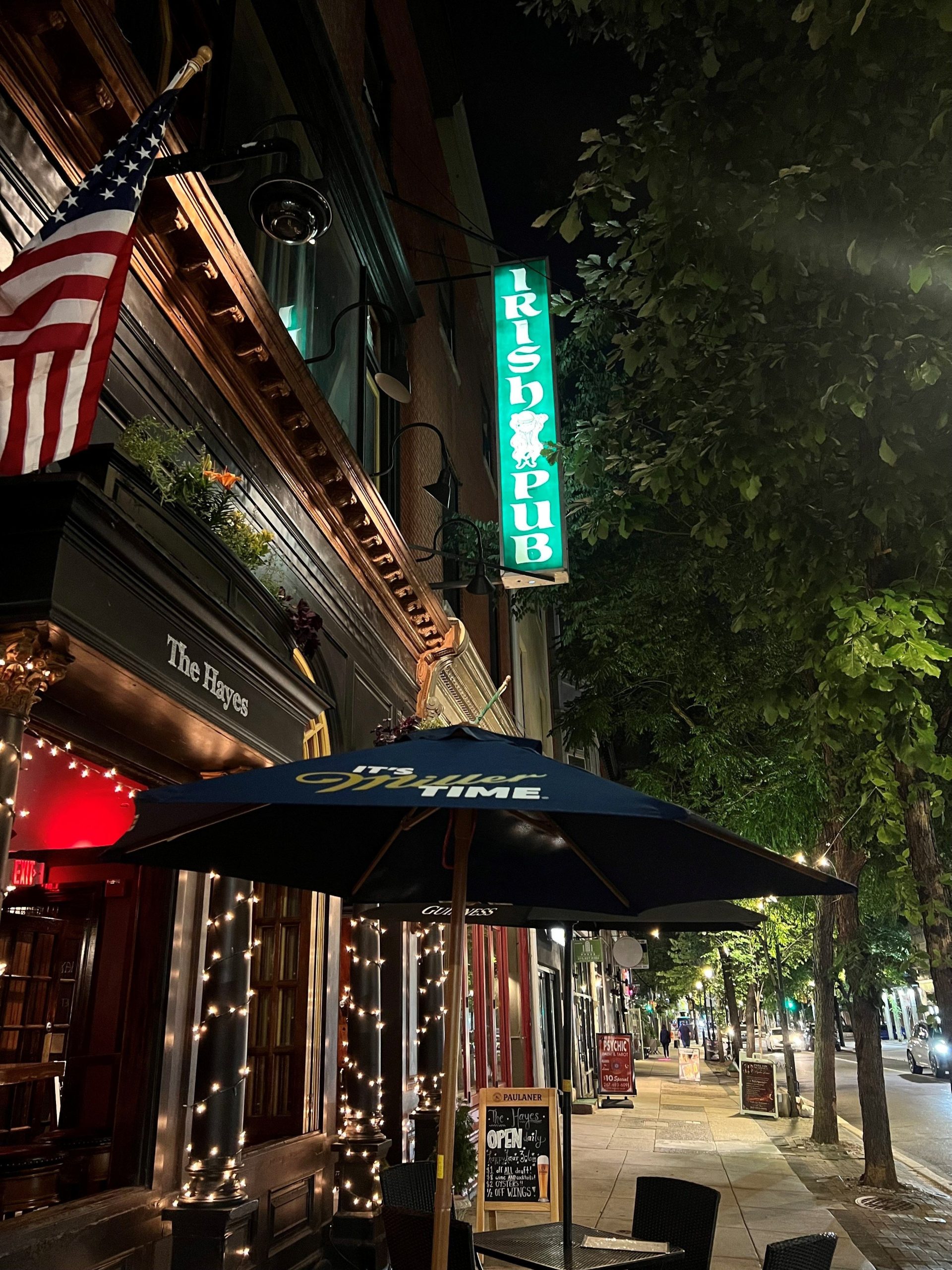
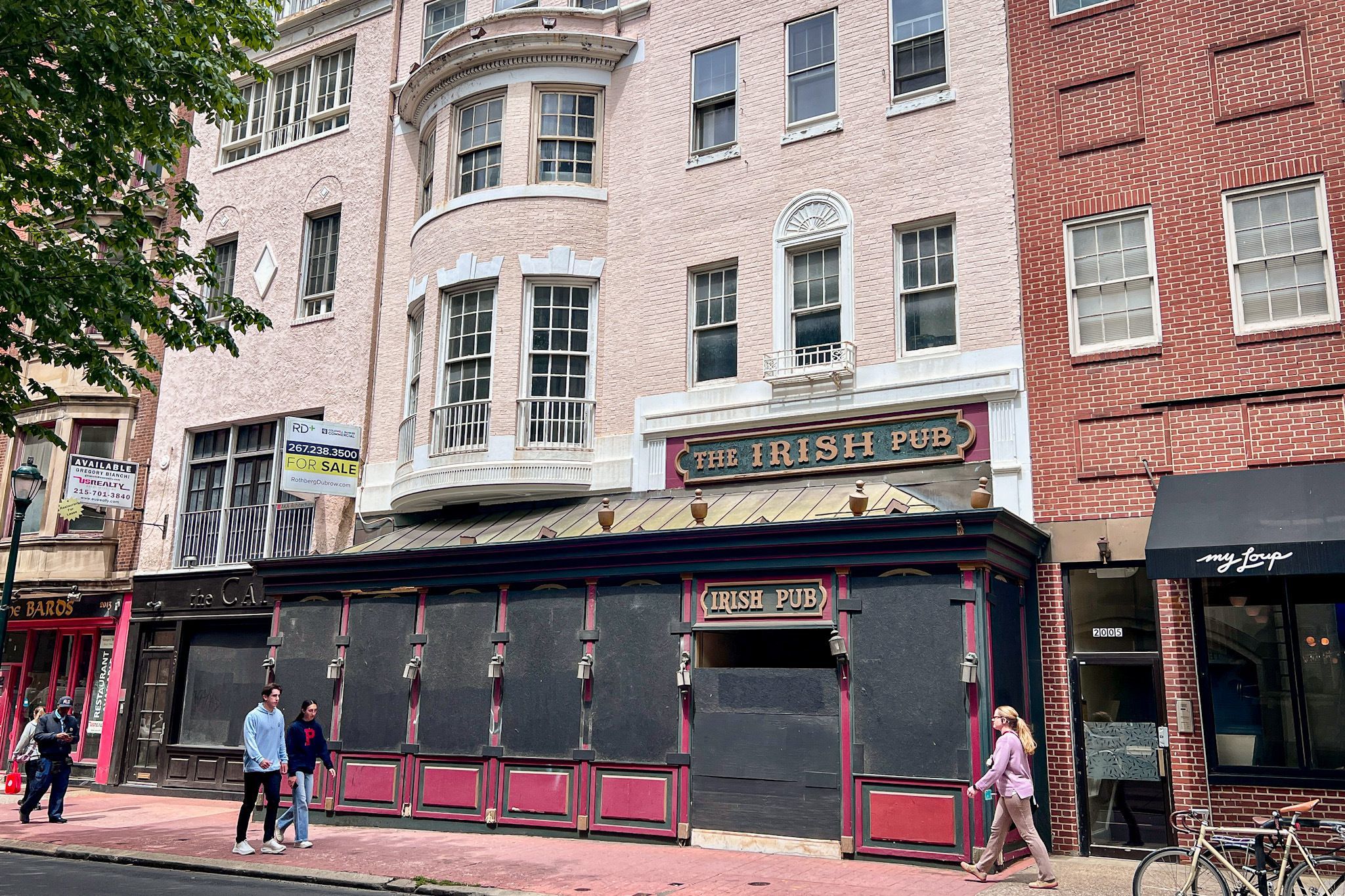
    The Hayes, at 1123 Walnut St., previously was the short-lived Pearl Tavern, after many years as the Irish Pub.Michael Klein / Staff

    Wentz said he intends to keep the restaurant open until a sale.

    Wentz said the decision reflects a personal shift after years of expanding his restaurant group with his wife, Gordana Kostovski. “I want to take advantage of the increase in the real estate market,” he said. “I think it’s time to capitalize on some things and put some money to work elsewhere in my private life.”

    “I just kept opening restaurants instead of buying a shore house or buying a bigger home,” said Wentz, 58. “I don’t want to go into my 60s with that same mindset.”

    The Hayes at 1123 Walnut St., seen on June 16, 2026, still has the original sign of the Irish Pub, its previous occupant.Michael Klein / Staff

    The Hayes occupies one of Center City’s best-known tavern addresses.

    Richard and Catherine Burke opened the Irish Pub there in 1980, bringing with them the concept they had established in Atlantic City. For nearly four decades, it was a gathering place for lawyers, police officers, theatergoers, and neighborhood regulars, known for its carved wooden back bar, inexpensive food, and walls covered with framed newspapers and playbills.

    When longtime operator Mark O’Connor closed it in July 2019, he said he wanted to focus on the second Philadelphia Irish Pub location, at 2007 Walnut St.

    Wentz bought 1123 Walnut later that year, briefly opened Pearl Tavern before the pandemic derailed those plans, then renovated the property and reopened it as the Hayes in 2023. He owns Oloroso next door as well as Caribou Café across the street, A Mano in Fairmount, and Oltremare in Rittenhouse. A sixth restaurant, Townsend on East Passyunk, is closed pending repairs from water damage after a fire next door in May.

    The listing includes the 6,776-square-foot building, restaurant equipment, liquor license, and outdoor seating. The restaurant occupies the first two floors, while the upper levels contain office and unfinished space. The through-block property extends from Walnut Street to Moravian Street.

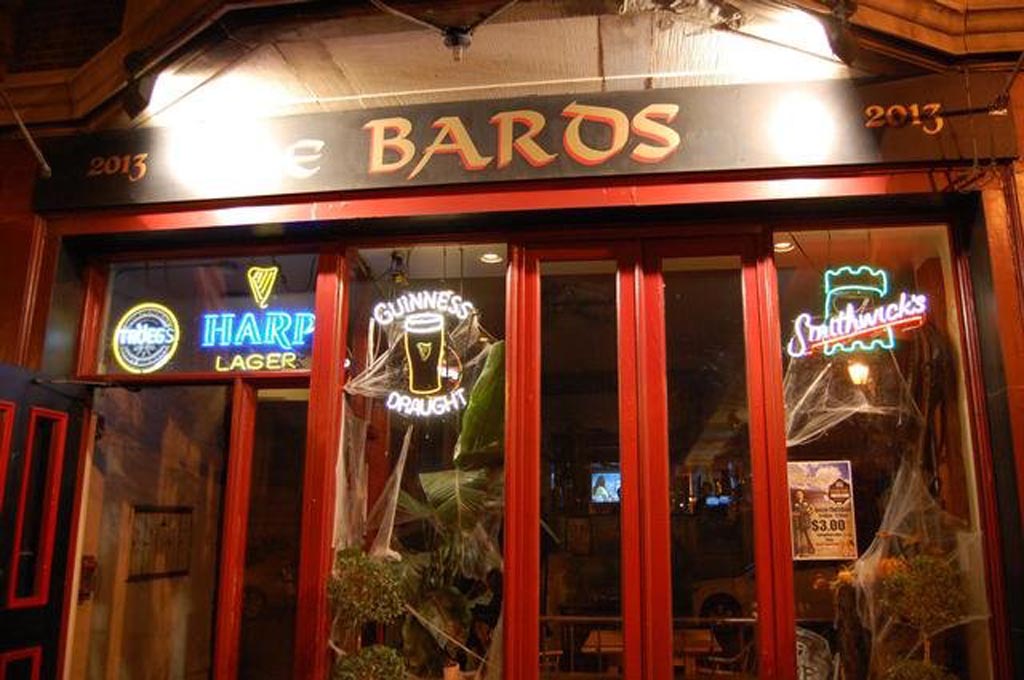
    The Bards at 2013 Walnut St. closed in 2020.

    The Hayes’ listing is the latest chapter in a broader reshaping of Center City’s pub scene. Over the last two decades, Philadelphia has lost a number of big names: Downey’s at Front and South Streets closed in 2016 after four decades. Finnigan’s Wake, the sprawling multilevel pub at Third and Spring Garden Streets, closed in 2014 and is now GoPuff’s headquarters. In 2020, the pandemic led to numerous shutdowns, such as Manny Brown’s at 512 South St. and the Bards at 2013 Walnut St.

    The sister Irish Pub at 2007 Walnut St. also never reopened after the pandemic. Earlier this year, restaurateur Dan Tsao, owner of EMei, purchased the property for a future hospitality project. One of the remaining stalwarts, the Black Sheep at 17th and Latimer Streets, was closed by a fire in May, though owner James Stephens said he hopes to reopen by Christmas.

    The former Irish Pub, 2007 Walnut St., on April 30, 2026.Michael Klein / Staff

    Meanwhile, Cherry Street Tavern, whose owners announced plans to sell earlier this year, also appears headed toward new ownership. A manager told The Inquirer on Wednesday that a sale is believed to be close, though no agreement has been announced publicly.

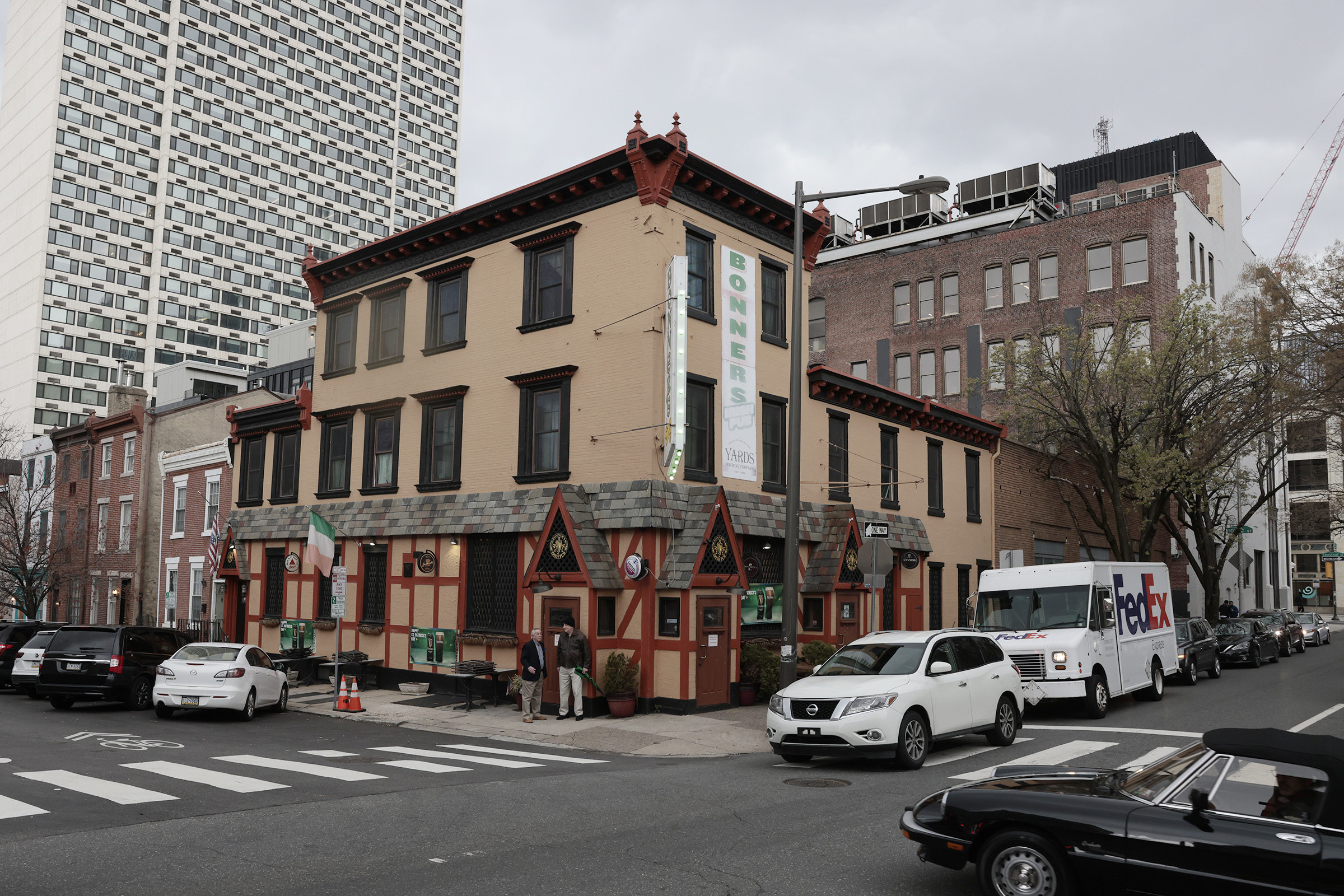
    Meanwhile, the longtime Bonner’s Irish Pub’s future is secure, said owner Danny Bonner, who opened at 23rd and Sansom Streets in 1994.

    Bonner, 71, put the building on the market in 2024, hoping to attract a developer. Instead, he struck a deal with the owner of the property next door to pursue an apartment project that would incorporate a new Bonner’s into its lobby.

    Bonner’s Irish Pub at 120 S. 23rd St. in April 2024.Elizabeth Robertson / Staff Photographer

    Bonner said one preliminary plan calls for a roughly 3,200-square-foot Bonner’s, about 900 to 1,200 square feet larger than the current pub. There is no timetable for the development, whose price tag Bonner estimated at $45 million to $55 million. The existing bar will remain open until construction begins.

    “Where I’m located, we’re fortunate,” Bonner said. “We get professionals, union guys, and loyal neighborhood customers.”

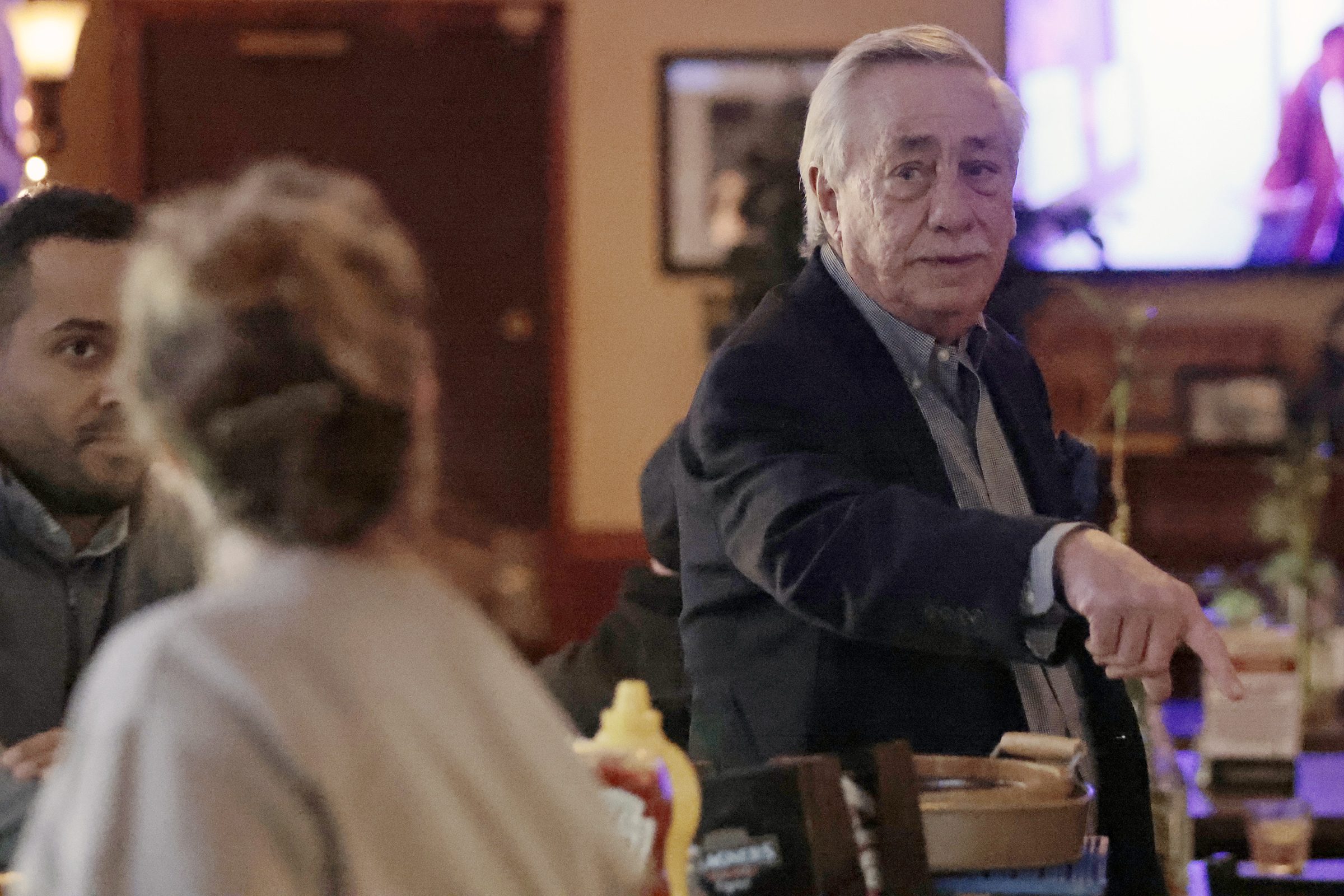
    Bonner’s Irish Pub owner Danny Bonner chatting with patrons in April 2024. Elizabeth Robertson / Staff Photographer

    Bonner hopes the project will allow the bar to outlast him.

    “You have to leave some kind of legacy,” he said. “We’re losing too many mom-and-pop operations. All these big franchises are coming in. Philadelphia is still a city of neighborhoods, and we’re losing that. My customers walk in, and while I don’t know every single one, I probably know 70% of them by their first name.”

    Staff writers Mike Newall and Jake Blumgart contributed to this article.

  • Spain’s most famous wine region is mixing it up with this native grape

    Spain’s most famous wine region is mixing it up with this native grape

    Many wine lovers think of grenache as a French grape — after all, it’s the backbone in red blends like Côtes-du-Rhône and Chateauneuf-du-Pape. However, this grape is native to Spain, where it is known as “garnacha.”

    While this prolific vine is planted extensively in Spain, garnacha is overshadowed by the country’s No. 1 red grape, tempranillo, in export markets like the United States. However, it’s worth keeping an eye out for Spanish garnacha since these are some of Spain’s most interesting red wines nowadays. That’s the case with this surprising offering from the Rioja region, Spain’s most recognized and most widely exported wine appellation.

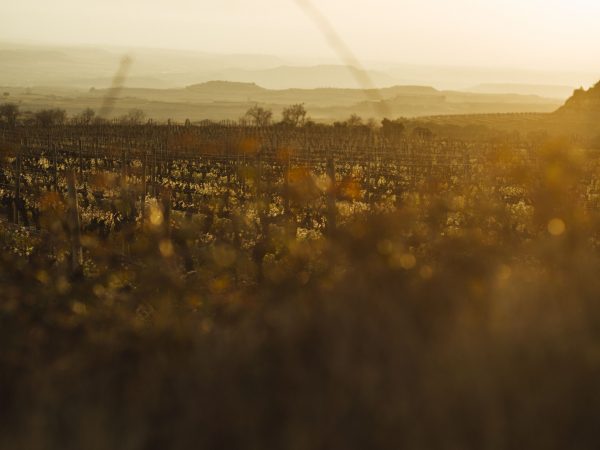
    Rioja is almost synonymous with tempranillo, but other grapes are planted here, too. While garnacha has typically been a minor ingredient in Rioja’s tempranillo-based blends, a growing number of wineries there are branching out to bottle it separately in wines like this “limited edition” from one of Rioja’s largest wineries.

    Garnacha makes lovely wines that are spicy in flavor profile and quite expressive — conveying different tastes depending on where they are grown. In Rioja, garnacha makes wines that are lighter in color, fruitier, and more delicate than the alternatives, which leads winemakers to scale back the use of oak barrels in maturation to preserve their freshness. Here, the wine has a delightful flavor of wild strawberries with hints of white pepper and balsamic glaze. This makes for a great choice with anything off the grill — from salmon or chicken to steaks and beyond.

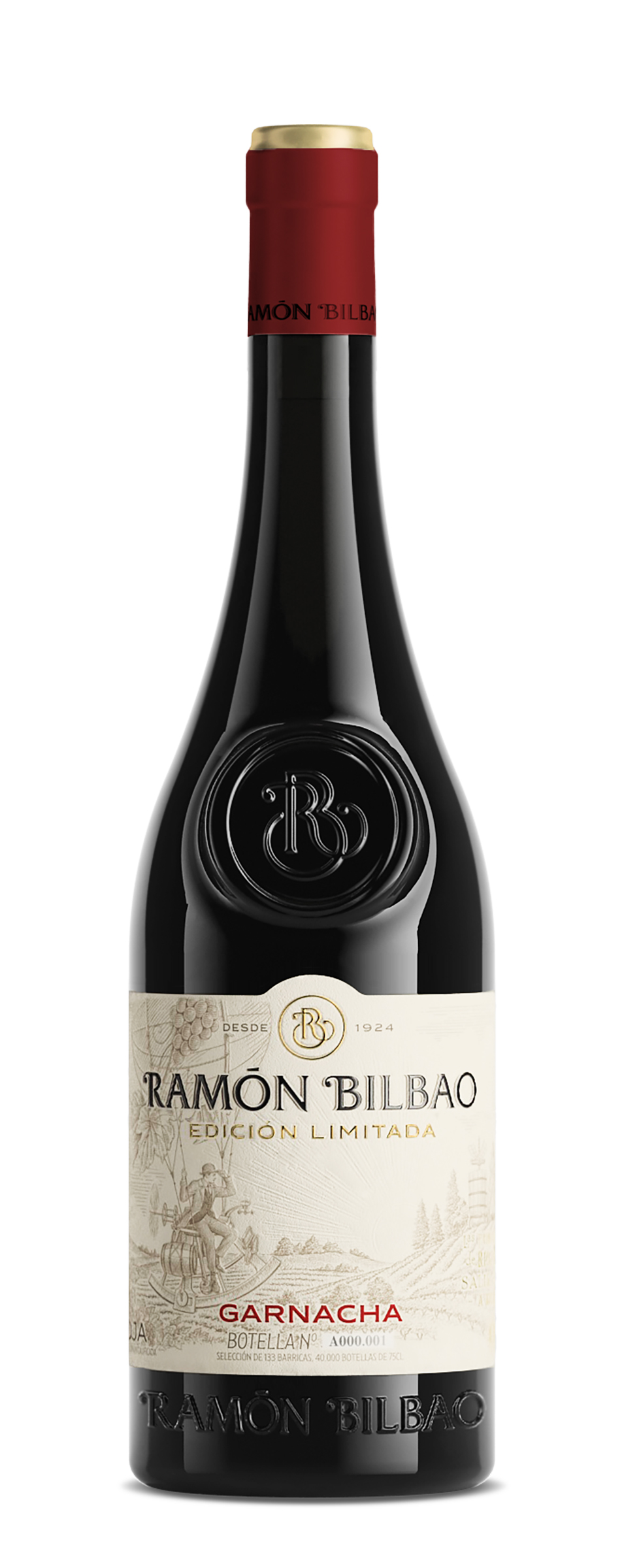
    Ramón Bilbao Rioja GarnachaRamón Bilbao

    Ramón Bilbao Rioja Garnacha

    Rioja, Spain; 14% ABV

    PLCB Item # 100049341 — on sale through Aug. 2 for $16.99 (regularly $19.99)

    No alternate retail locations within 50 miles of Philadelphia according to Wine-Searcher.com.