Category: Food

  • Philadelphia is the birthplace of the all-American cupcake

    Birthdays call for cake and the country’s 250th is no exception.

    America250, the federal agency behind the Semiquincentennial celebration, cut the official national birthday cake in a July 4th ceremony at the Library of Congress. Online, Goldbelly created “America’s Official 250th Birthday Cake Collection.” In Philadelphia, the Independence Visitor Center arranged 5,000 cupcakes into a flag formation.

    When Philadelphia served cupcakes, it was doing more than choosing the simplest way to apportion cake. It was remaining true to its roots as the birthplace of all-American cupcakes.

    The “cup cake” was the brainchild of Eliza Leslie, an accomplished Philadelphia author of cookbooks, fiction, and other prose. Leslie’s cupcake appears in her category-defining 1828 book, Seventy-Five Receipts for Pastry, Cakes, and Sweetmeats, considered the first baking book published in the U.S. and published at a time when recipes were called receipts.

    The small-cakes genre predates Leslie; the first known American cookbook author, Amelia Simmons, included a “light cake to bake in small cups” in her 1796 American Cookery. Simmons didn’t specify the type of baking vessel, so the “small cups” reference in the recipe title is the only allusion to a cupcake-sized cake.

    There are other records of similar baking practices, but Leslie was the first to call the petite cake a cupcake. Not only is her recipe titled “cup cake,” but she also includes specific instructions to bake in “small tins.” Cupcake history thus begins here, in this printed record of the name and form recognized today.
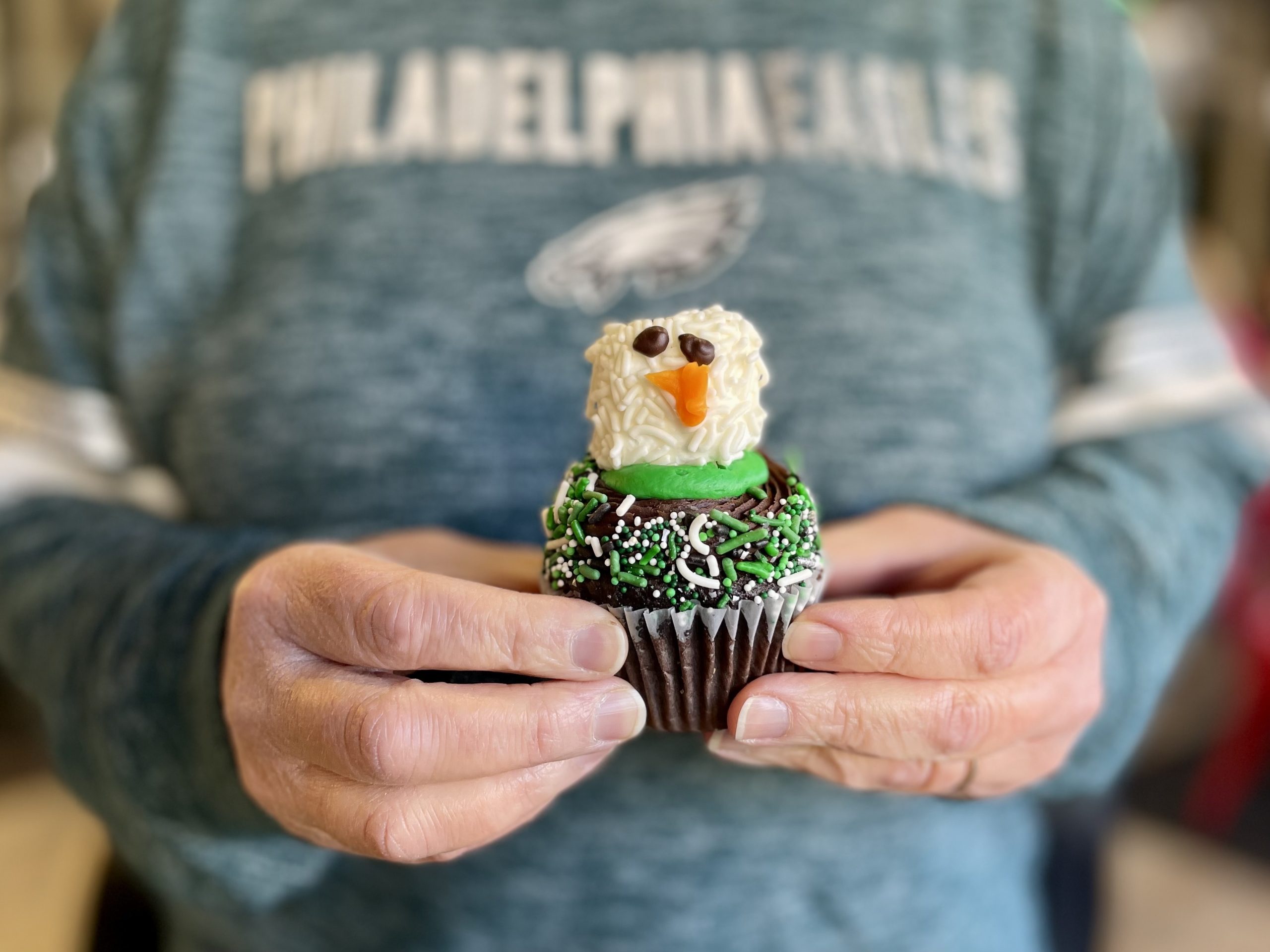
    A chocolate Eagles cupcake from Carlino’s Market in Ardmore.Craig LaBan / Staff

    Leslie was born in 1787 in Philadelphia’s historic core. She learned to read by age 5, educated at home by her father, Robert Leslie. U.S.-born of Scottish ancestry, Robert was a polymath who owned a clock and watchmaking company. Her mother was an American of Swedish descent.

    Eliza wrote that her father was an intellectual who “obtained the custom of the principal people [of Philadelphia], including that of Washington, Franklin, and Jefferson; the two last being his warm personal friends.” He likely debated revolutionary values with politicians, for “[i]t was by Mr. Jefferson’s recommendation that my father was elected a member of the American Philosophical Society,” Eliza wrote in her autobiography, published in Godey’s Lady’s Book in 1858.

    In her late 30s, she enrolled in cooking school, a decision that would change the course of her life. She learned to bake from Elizabeth Goodfellow, a respected Philadelphia pastry chef who owned a bakery and candy store. Leslie took notes and kept the recipes from her studies at Mrs. Goodfellow’s cooking school.

    In response to repeated requests to share the recipes she learned from Goodfellow, Leslie compiled them into a book, having grown tired of handwriting copies for friends. Seventy-Five Receipts was authored anonymously by “a lady of Philadelphia.” Leslie didn’t credit Goodfellow and Goodfellow herself never authored a cookbook.

    Leslie acknowledged her teacher in later books and dropped the anonymity to write under her real name or the pen name of Miss Leslie. Bucking social norms, Leslie was a lifelong childfree, never-married woman who earned her living as a writer.

    Leslie’s was the first American cookbook to list ingredients separately at the beginning of a recipe, a style she copied from Goodfellow. The previous convention was to state the ingredients within the narrative directions.

    She intended to write simple, logical recipes that resolved the common pain points American cooks faced. “There is frequently much difficulty in following directions in English and French Cookery Books, not only from their want of explicitness, but from the difference in the fuel, fire-places, and cooking tools generally used in Europe and America,” she wrote in the Seventy-Five Receipts preface.

    She prioritized locally grown, accessible, affordable ingredients and stressed the economic savings in home baking as opposed to buying cakes from a bakery. “Many of the European receipts are so complicated and laborious that our female cooks are afraid to undertake the arduous task of making anything from them,” she lamented. Confidently patriotic, Leslie affirmed that her recipes were, “in every sense of the word, American.” Her dishes could compete with the standard bearers, she insisted. They “will not be found inferior to any of a similar description made in the European manner,” she declared.

    While statesmen instilled independence in the U.S. political culture, Leslie and other women adopted the same mentality in American cooking. Their DIY spirit was creative, rebellious, defiant, and nonconformist vis-à-vis European culture. For example, Leslie was among the authors to publish an Election Cake recipe, fusing the political and the culinary.

    “Election Cake became the first food strongly associated with American politics,” wrote historian Gregg Mangan, who argued that this baking provided women with an opportunity to express themselves politically long before they got voting rights. Food and gender scholar K.C. Hysmith noted, “While women couldn’t vote, they could bend the ear of the voting-eligible men they hosted on election day. And at the very least, serving slices of cake allowed them access to political conversations they might otherwise miss.” More than just an item in the baker’s repertoire, Election Cake was an “exercise in everyday politics” and “statement of community organizing.”

    “Through their production of Election Cake and other recipes, including Independence Cake, Franklin Gingerbread, and Democratic Tea Cakes, women projected their influence into the public sphere and helped ingrain patriotism into our national culture,” Mangan wrote.

    Food historian Stephen Schmidt locates Leslie in the historical arc extending from America’s infancy to an evolving nation edging towards civil war. “By the end of her career, the tiny, parochial, overwhelmingly culturally English America of Leslie’s youth had been swallowed up by a far larger, rapidly industrializing and urbanizing, and increasingly diverse and factionalized America,” wrote Schmidt. “Food and cooking had changed in tandem, the prevailing taste of the times, at least as exhibited in the many cookbooks now on the market, having shifted from an essentially British, upper-class, 18th-century cuisine, freighted with rich, expensive ingredients and many practical difficulties, to a much simpler, easier, more naturalized cuisine that truly was ‘in every sense of the word, American.’”

    Leslie would go on to write juvenile fiction, etiquette guides, short stories, and a novel, while continuing to author smash-hit cookbooks. There’s broad consensus that her third, Directions for Cookery, was the most popular American cookbook of the 19th century.

    The must-have cookbook “passed through 60 editions from its first appearance in 1837 until 1870, a dozen years after the author’s death,” wrote Dover Publications in its 2013 reprint. According to historian Liz Susman Karp, it sold more than 150,000 copies.

    Made By History sponsors. FOR USE ON MADE BY HISTORY STORIES ONLY.Inquirer Staff

    Leslie spent her later years holding court in a fashionable hotel lobby, having established herself as a lifestyle influencer and public figure. “Long before her death, Miss Leslie had become a Philadelphia institution,” wrote Mary Tolford Wilson in a 1971 biography. “Grown portly and walking with difficulty, she lived for about a decade at the United States Hotel, where she not only met every visiting celebrity, but was herself sought out as one.”

    More than one modern authority has likened Leslie to Julia Child, another American author and chef who taught Americans to cook. In the introduction to a 2022 reprint, chef and author Dorie Greenspan wrote, “As I read Seventy-Five Receipts, I was reminded over and over of Julia. Both are a pleasure to read. Both clearly love sharing what they’ve learned. Both have a generous spirit — you sense it each time they comfort and encourage us as we follow their instructions. And both have an intelligence that sparkles on each page and within each recipe.”

    Leslie died in 1858 at the age of 70 and was buried at St. Peter’s Church in Philadelphia. Her 200-year legacy is baked into all the cupcakes Americans have eaten since she coined the term.

    Andrea Adleman is a journalist specializing in the cultural history of cupcakes. Her forthcoming Cupcake Nation book is based on her award-winning Washington Post story “The psychology of cupcakes.”

    Made by History takes readers beyond the headlines with articles written and edited by professional historians. Opinions expressed do not necessarily reflect the views of The Inquirer.
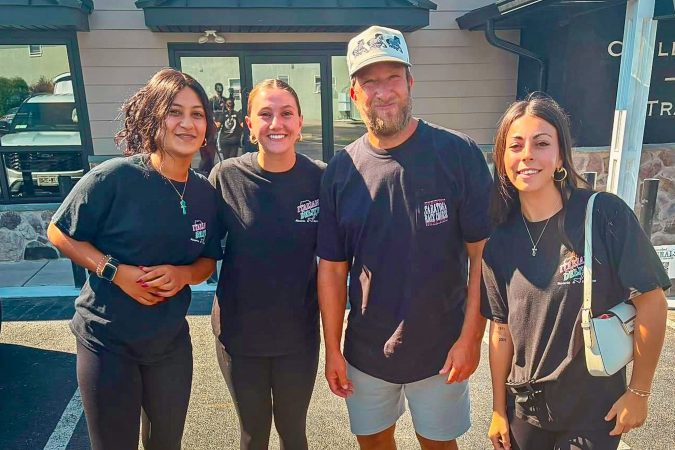
  • Barstool Sports’ Dave Portnoy hit at least 5 Philly-area pizzerias yesterday for ‘One Bite Pizza Reviews’

    Barstool Sports’ Dave Portnoy hit at least 5 Philly-area pizzerias yesterday for ‘One Bite Pizza Reviews’

    For more than a year, Giuseppe Tosco tried to get Dave Portnoy’s attention with a giant roadside sign outside his Montgomery County pizzeria that read, “We Want Dave Portnoy.”

    Two months ago, Tosco finally took it down to replace it with a sign advertising the new patio at Italian Delite in Trappe.

    On Tuesday, Portnoy walked in anyway. “The first thing he asked was, ‘Where’s the sign?’” Tosco said. “I told him we’d taken it down. He said, ‘Oh my God, it’s been that long?’”

    The surprise visit was one of at least five stops Portnoy made across Philadelphia and its suburbs Tuesday as the Barstool Sports founder filmed new installments of his influential “One Bite Pizza Reviews,” whose scores can transform the fortunes of a neighborhood pizzeria.

    Besides Italian Delite, the confirmed stops included Johnny’s Pizza in Bryn Mawr, Marina’s Pizza in Fishtown, Liguria Pizzeria in Kensington, and Pizza Di Vita in Fairless Hills.

    In each review, Portnoy samples a plain cheese slice — often taking much more than one bite — and assigns it a score on a 10-point scale. His ratings have become one of the pizza world’s most sought-after endorsements, often drawing long lines and national attention for top-scoring shops.

    In 2019, Angelo’s Pizzeria in South Philadelphia scored a 9.1 — the highest score ever in the region. Del Rossi’s notched an 8.6 in 2024. In 2022, Pizza West Chester and Lillo’s Tomato Pies in Hainesport each got an 8.4.

    Three of Tuesday’s scores became known almost immediately, as onlookers shared them. Johnny’s received an 8.3, Liguria an 8.2, and Marina’s a 7.9. The owners of Pizza Di Vita and Italian Delite said they never heard their scores before Portnoy moved on; they are waiting for the videos to be released.

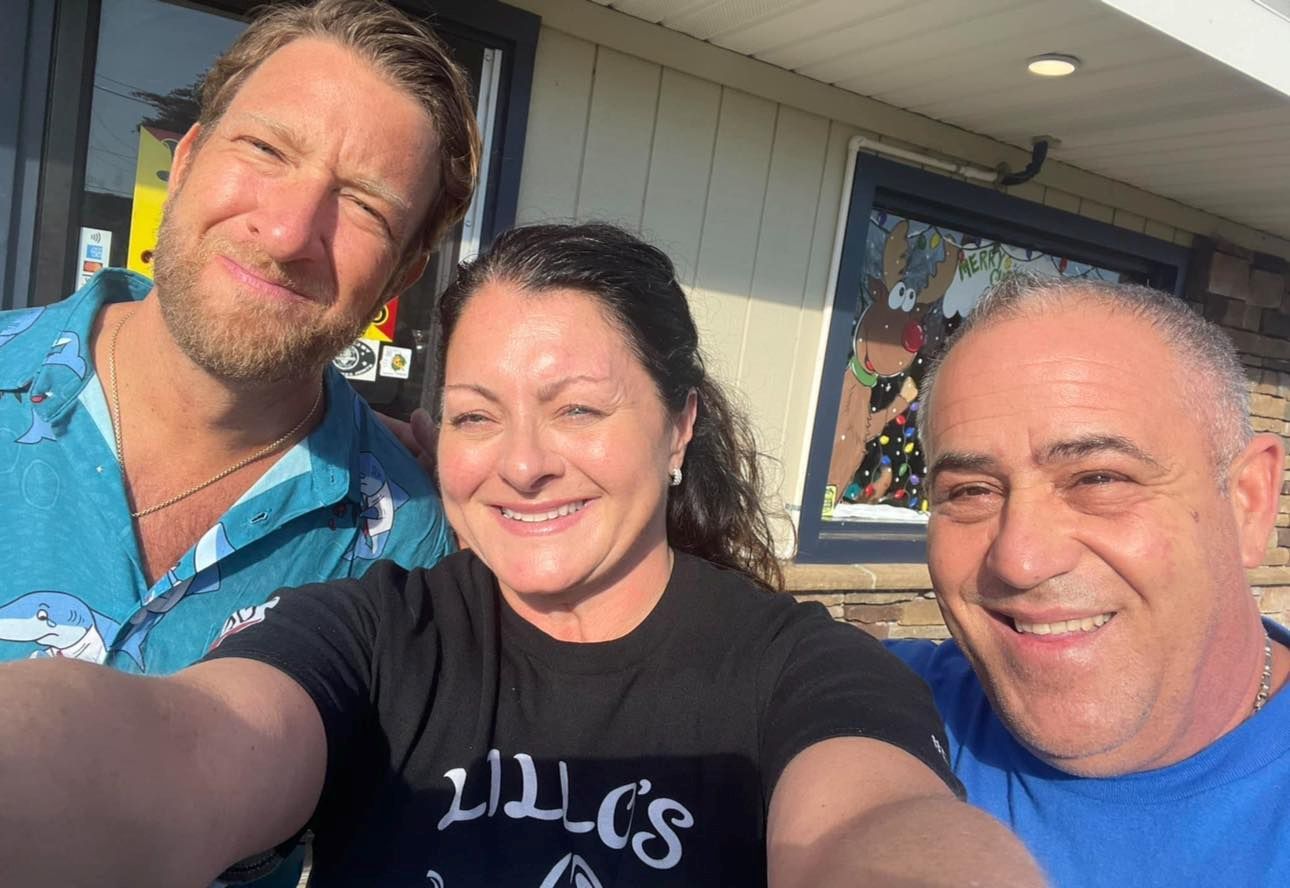
    Lisa and John Paxia of Lillo’s Tomato Pies in Hainesport with Barstool Sports’ Dave Portnoy (left) in November 2022.Courtesy of Lillo Paxia

    If Tosco spent more than a year trying to lure Portnoy to the Collegeville suburbs, John Bisceglie initially refused to believe the reviewer was coming to Johnny’s Pizzeria (which has a spot on The Inquirer’s 76 list).

    “Somebody texted me, ‘Dave’s in Philly. Heads up,’” Bisceglie said. “I just laughed it off. I’ve heard that before.”

    Still, he was working at his shop in Wayne when he sent a photo of Portnoy to his employees at Johnny’s Bryn Mawr, just in case.

    Then, manager Jaison Velásquez called.

    “He said, ‘I just got an order for Barstool,’” Bisceglie recalled. “I said, ‘Oh my God. It’s happening.’”

    Bisceglie stayed on the phone coaching his staff. “I told them, ‘Wait about 10 minutes so the pizza comes right out of the oven. Make it crispy. Well done.’”

    He credited Velásquez and manager Dan Bisceglie, his cousin, with staying calm. “He kept telling me, ‘I got this. Relax. I got this,’” Bisceglie said of Velásquez.

    When Portnoy awarded the pie an 8.3 on camera, Bisceglie knew it was significant.

    “Those pizza guys don’t hand out scores like that very often,” he said. “An 8.3 is a big deal.”

    For Tosco, at Italian Delite in Trappe, the visit was memorable before the review even began.

    Tosco said he had tagged Portnoy incessantly on social media. “I told him, ‘If you came, you came. If you didn’t, you didn’t. I just didn’t want to keep bothering you,’” Tosco said.

    The day became even stranger when Portnoy reviewed the wrong pizza.

    Tosco had been away at a catering meeting when his cousin called to say Portnoy had arrived after placing an order under the name “Austin.” By coincidence, the restaurant’s social media team was filming, and Tosco’s cousin had made workers prepare a practice pizza for the camera. That pie came out of the oven before Portnoy’s order.

    “My cousin said, ‘That’s not your pie,’” Tosco recalled. “Dave said, ‘I don’t care. I want that one.’”

    As Tosco pulled into the parking lot, Portnoy was already recording the review.

    Afterward, Tosco asked Portnoy to hang for five minutes. “I told him, ‘I just want to make you a Philly cheesesteak,’” Tosco said. “He said, ‘You seem like a good dude. I’ll come back in for you.’”

    Tosco still doesn’t know what score Portnoy awarded his pizza. “I ended up getting a cheesesteak review, too, which was really cool,” Tosco said.

  • In Nolan’s ‘Odyssey,’ food and feasting are vehicles for disgust. What a shame.

    In Nolan’s ‘Odyssey,’ food and feasting are vehicles for disgust. What a shame.

    It is immensely exciting to me that right now, everyone is talking about The Odyssey. It’s also a little weird.

    I studied classics in graduate school and before I became a chef and then food writer, I taught Ancient Greek language and Greek and Roman epic poetry both in their original languages and in translation. I traced how Odysseus became Ulysses and how his story was retold through the ages, particularly in other forms of epic poetry. In my everyday life and at The Inquirer, nobody in the last decade has asked me about epic poetry, except for college students wanting help with their homework.

    But I’ll tell you how I felt about Nolan’s version of the poem.

    I felt hungry.

    In Christopher Nolan’s blockbuster movie, Odysseus’ men slurp up what look like tapeworms as the witch Circe, played by Samantha Morton, forcibly manipulates their faces, pulling their mouths into the form of pig snouts. She molds their faces and bodies like clay until the men are transformed into pigs, the animals that best represent their brutish, stupid behavior.

    It’s brilliant, stomach-churning, and wild, an extraordinarily visceral adaptation of the original Homeric text. It’s one of the rare scenes in Nolan’s adaptation of The Odyssey where one sees actual food, despite the food being wholly unappetizing.

    This image released by Universal Pictures shows Matt Damon as Odysseus in a scene from “The Odyssey.” (Melinda Sue Gordon/Universal Pictures via AP)Melinda Sue Gordon

    Reading The Odyssey, though, makes me crave cheese and cakes that have been drizzled with honey, wine to wash down roasted meats like lechon or porchetta, sharing in the heady scent with friends, dining companions, and the gods, for whom the savor (or the aroma) is an offering.

    Watching Nolan’s movie also makes me long for those things, but due to their general absence. None of the food portrayed is conducive to conjuring up the pleasurable excess that is the very drumbeat of the Homeric text.

    In Nolan’s Odyssey, food and feasting are vehicles for disgust.

    The film is undoubtedly a cinematic masterpiece. It is the latest iteration — and I would even venture, translation — of Homer’s Odyssey.

    Back in eighth- or ninth-century BC, the bard, poet, or perhaps multiple bards, created what would be the longest-running superhero franchises of all time, matched only by the authors of the Old Testament. (And the two texts have a lot in common in how they were assembled, with language cobbled together from different eras).

    This image released by Universal Pictures shows, (from left) Mia Goth as Melantho and Anne Hathaway as Penelope, in a scene from “The Odyssey.” (Melinda Sue Gordon/Universal Pictures via AP)Melinda Sue Gordon

    In both translation theory and storytelling, we can accept variances. In superhero movies and movie franchises, we welcome them.

    We can accept different actors playing the same roles. We eagerly anticipate actors’ interpretations of classic characters — just think of how we hunger for news of who will play the next James Bond or Batman.

    Translation theory generally dictates translations need to be updated every generation or so, to match the language of the times. The French philosopher Jacques Derrida saw translation as a never-ending process. It is a task that is necessary and impossible at the same time, he wrote in “Des tours de Babel” in 1985, as language has no fixed, stable meaning.

    This image released by Universal Pictures shows a scene from “The Odyssey.” (Melinda Sue Gordon/Universal Pictures via AP)Melinda Sue Gordon

    Did I expect Nolan’s Odyssey to hew to the text? I did not. But what I did long for was emotion and catharsis (Aristotle’s theory of which was developed four centuries after The Odyssey was composed), and food. I also hoped for a narrator, or bard tying the story together, conveying it to us, an audience at a feast.

    The lack of a narrator shows how much we have changed in nearly 3,000 years. Nolan’s Odyssey is episodic; he doesn’t tell us a story, he shows us one. We no longer gather at dinner and listen to stories performed. We gather for The Odyssey at movie theaters, silent. We gather at our phones. Our community is in the ether.

    Perhaps in the age of TikTok and ever-shortening attention spans, Nolan’s episodic, somewhat disjointed retold narrative is perfect. It is our generation’s translation. The one we deserve.

    Just as sex has been expunged from Nolan’s Odyssey, so have the food and Homer’s lengthy descriptions of feasting. Food is central to the original text. In the movie, I recall a suitor gnawing on one drumstick. There is no free-flowing wine, just drunkenness — effects of the invisible wine.

    I dare you to pick up Emily Wilson’s translation of The Odyssey (which helped inspire Nolan) and not smell the smoke of roasting pigs; not want to lick your fingers of dribbles of floral, fragrant honey; not ache for a creamy, salty cheese like ricotta salata, which was probably what is hanging in the Cyclops’ cave. These aren’t a translator’s embellishments. They are threaded throughout the original Greek, so much so that you may feel rather beaten over the head with how often people are feasting in The Odyssey.

    This image released by Universal Pictures shows Matt Damon as Odysseus, left, and Zendaya as Athen, in a scene from “The Odyssey.” (Melinda Sue Gordon/Universal Pictures via AP)Melinda Sue Gordon

    In Homer, wine is everywhere; the sea itself is like wine. In Nolan, we never see it.

    The code of xenia, a guest-host relationship (often translated as “hospitality”), which Nolan calls “Zeus’ law” in the movie, dictates that you host guests, offer them food, and feast with them. Xenia was the backbone of society and decency in Homeric Greece.

    Watching The Odyssey made me hungry, and given that it’s three hours long, it’ll probably make you hungry, too. Despite AMC Dine-In’s rather vast menu, its high sodium warnings gave me pause. I could not feast in the presence of watching The Odyssey (something its original listeners surely would have done), and could not bring myself to eat the chicken wings. So after you skip the AMC wings, go forth and dine like a Homeric hero.

    Compensate for the lack of feasting in Nolan’s Odyssey.

    This image released by Universal Pictures shows a scene from “The Odyssey.” (Melinda Sue Gordon/Universal Pictures via AP)Melinda Sue Gordon

    Go to Perla and grasp your lechon like Odysseus did when he landed on Ithaca’s shores and went to the cottage of Eumaeus, the swineherd, before he continued on home. Seek after North by Texas, the roving barbecue pop-up, just as Odysseus’ men held out until they could no longer and barbecued one of Apollo’s herd. Order a porchetta from Esposito’s or Porco’s Porchetteria and have all your friends over. Look for Le Virtù’s whole roasted goat, inhale the remnants of smoke, dig in with your hands. Grab yourself a cheesecake, imagine it to be Circe’s “kukion,” drizzle it with honey, and wash it down with wine.

    When I go to restaurants as part of my job, I always, at the end of each meal, ask my dining companions two questions that cut straight to the point: Would you come back? And would you recommend it to others?

    The answers to these are generally the same, both yes or both no. To hold Nolan’s Odyssey to the same parameters as a meal, I would not watch it again, but I would recommend it to others.

    Just please, go get a nice dinner afterward.

  • Your first look at Ellen Yin’s Italian hangout | Let’s Eat

    Your first look at Ellen Yin’s Italian hangout | Let’s Eat

    Ellen Yin is about to open a chichi all-day bar in Rittenhouse, and we take you inside.

    Also in this edition:

    — Mike Klein

    If someone forwarded you this email, sign up for free here.

    Your first look at Ellen Yin’s Italian hangout

    High Street Hospitality founder and James Beard Award winner Ellen Yin is just about ready to hit Rittenhouse with Bar Cicci, an all-day drop-in for espresso and pastries by morning, sandwiches by day, and spritzes, cicchetti, and small plates by night. Join Beatrice Forman on Sansom Street for your first look.

    The crop of Shore farmers markets

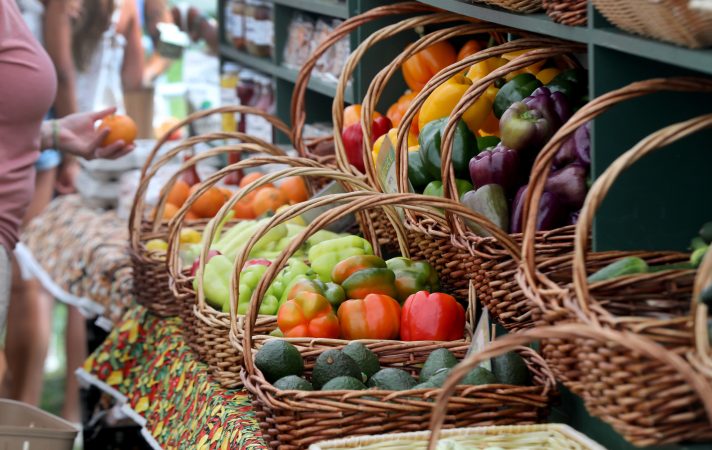
    Shore season isn’t done yet, and neither are farmers markets, which have seen an uptick in business locally in the midst of a cyclospora outbreak. Hira Qureshi maps out where you can buy local produce, baked goods, and more at markets down the Shore.

    New restaurants for August

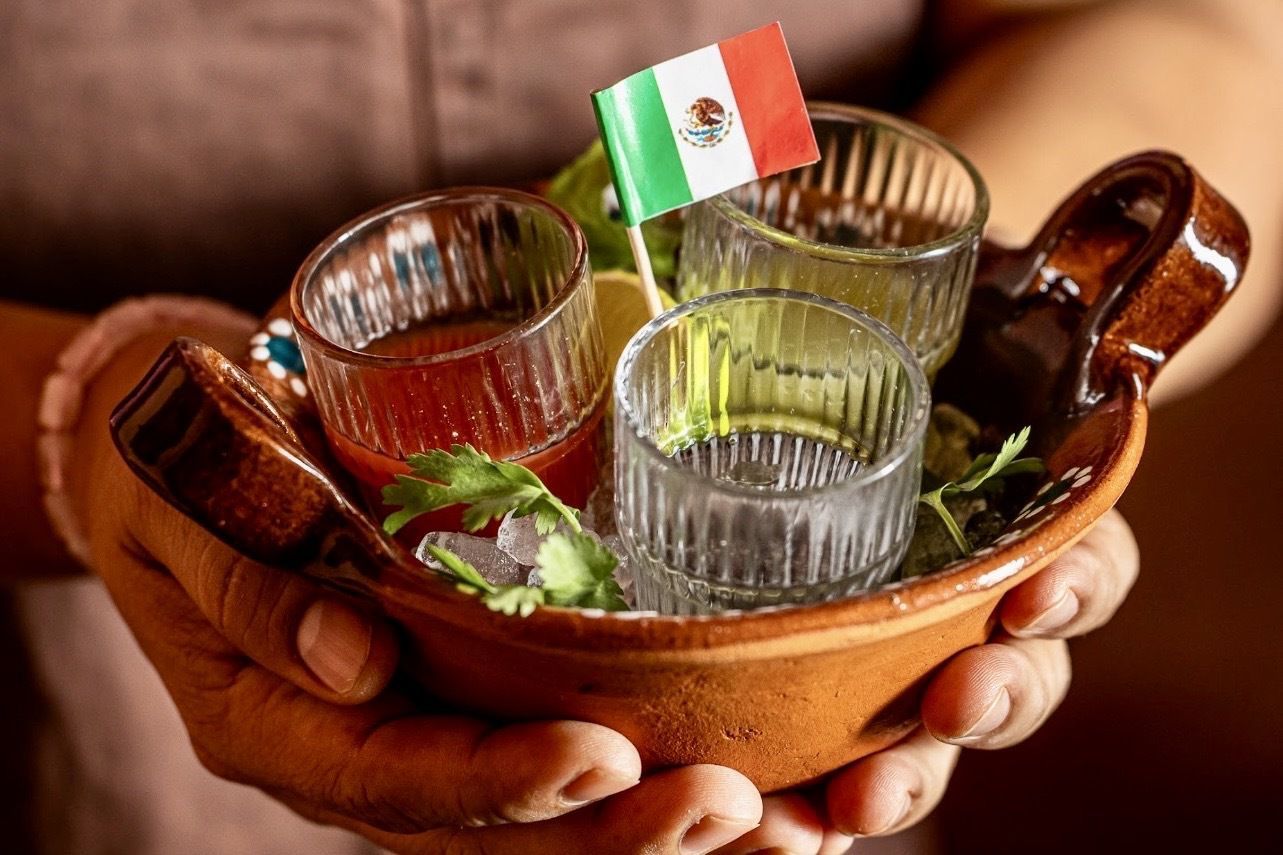
    Besides Bar Cicci, a half-dozen new restaurants are on tap this month, including Recipe Philly in Center City, Cecilia in Bridgeport, and Mixteca in East Kensington, where the red, white, and green of la bandera figures into the signature cocktail.

    One town has cornered the market on ‘little treats’

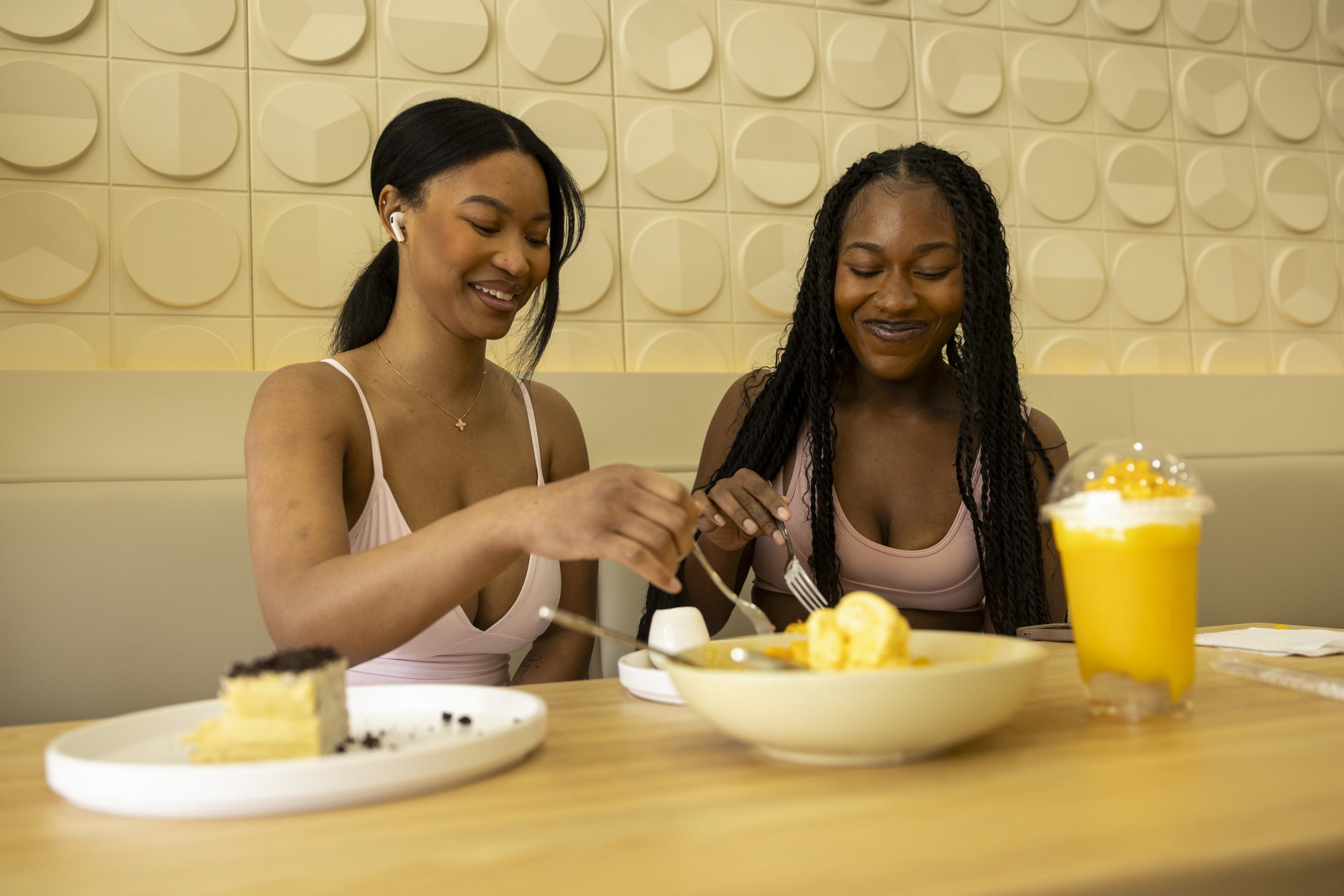
    Lancaster Avenue in Ardmore, one of the Main Line’s busiest commercial strips, is now home to two new dessert shops. Denali Sagner explains that one specializes in tea, cakes, and buns, while the other celebrates the mango.

    A teeny-tiny bar is coming to Fishtown

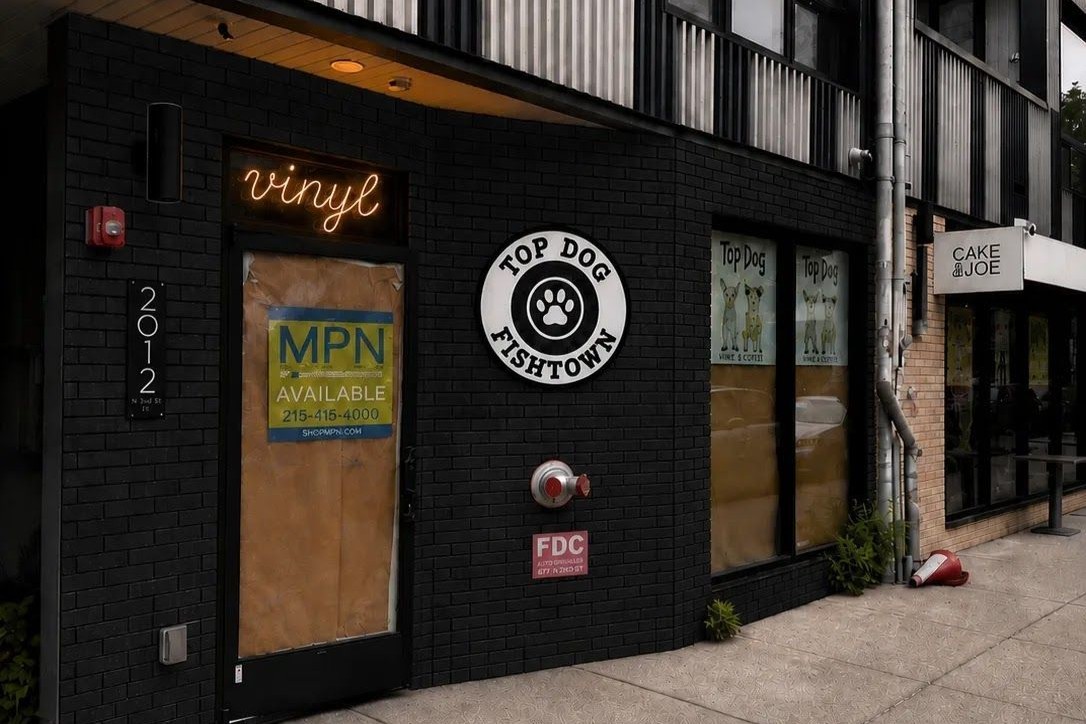
    Canned-cocktail brand Top Dog is setting up listening rooms in Kennett Square and Fishtown, embracing the Japanese jazz kissa model — a music cafe or bar that’s focused on listening to vinyl records. Brooke Schultz chatted up Top Dog’s Ken Smukler, who aims to deliver an “analog feel in a digital world.” The Fishtown location is tiny. It used to be an ATM.

    The best thing Kiki Aranita ate last week

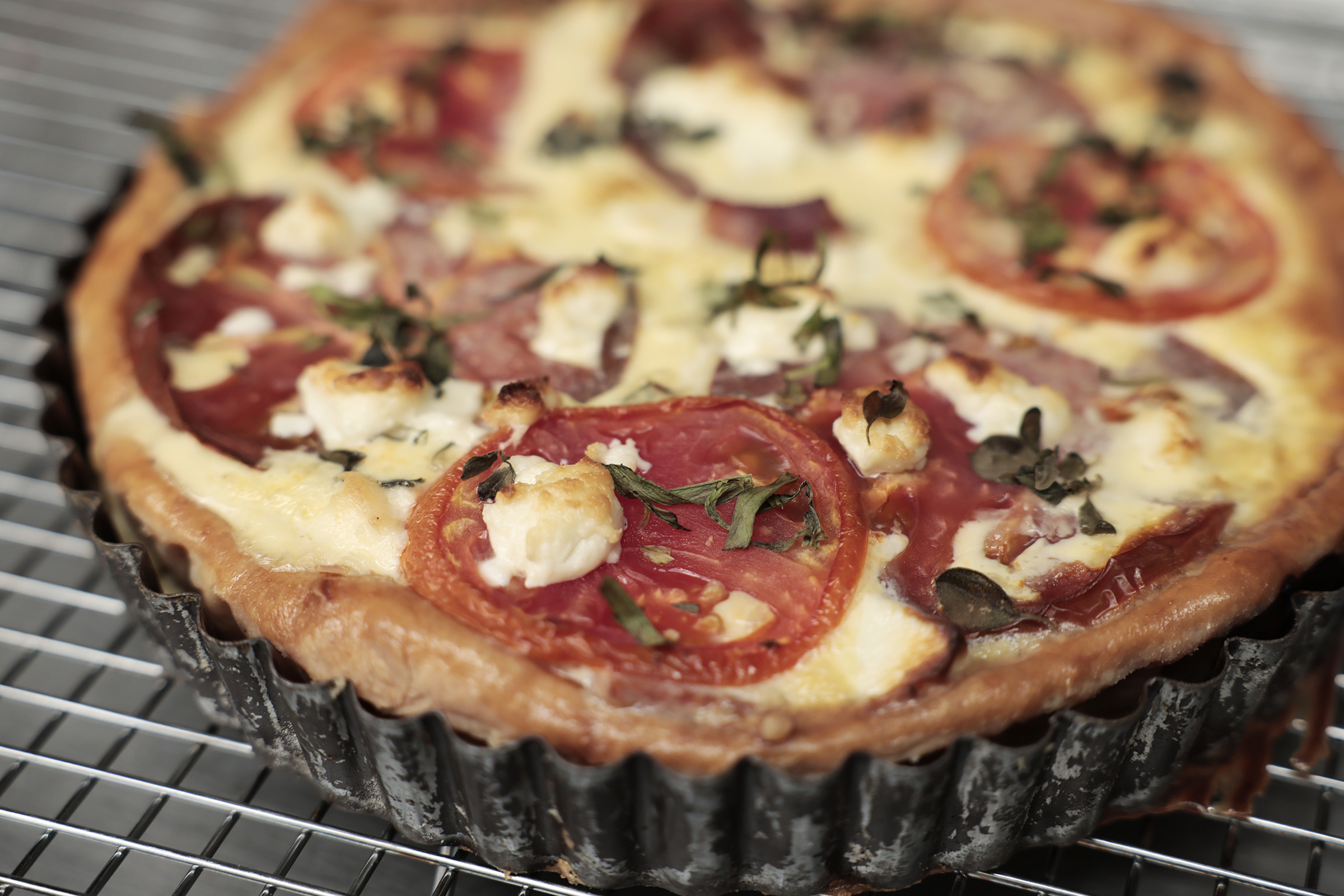
    The handmade tarts from Market Day Canelé layer summer tomatoes over a corn custard with cremini and button mushrooms, herb-roasted cotto ham, eggs, and Gruyère in a flaky crust. Kiki Aranita says you have to act fast to snap one up.

    Scoops

    Two chefs have made big professional strides from their roots in Roxborough, and now they’re coming home to Manayunk to take over the Winnie’s space with a “punk French” eatery.

    Aldar Bistro in Bala Cynwyd is giving way after 34 years to a white-tablecloth Southern Italian restaurant called Bruzi.

    Does a spate of restaurant-closing announcements — such as Hiroki, Federal Donuts & Chicken, and the Lodge by Two Robbers — portend industry doom? No, and I’ll explain why not.

    Restaurant report

    Gabriella’s Vietnam in South Philadelphia is counting down to closing in mid-December as the new owner of her building is planning a restaurant of their own. Chef-owner Thanh Nguyen told Kiki Aranita that she is looking for a new spot.

    Side Eye, the Queen Village bistro, gets a bit of side eye from critic Craig LaBan, who likes the vibe and pricing but thinks the execution could be sharper.

    New drive-thru coffee option: The syndicated 7 Brew has opened at 4000 Woodhaven Rd. in Northeast Philadelphia’s Knights Road Shopping Center.

    More bagels are coming round: Central Florida-based Jeff’s Bagel Run — schmeared with private-equity investment — has cinched a franchisee for 10 stores from the Harrisburg area east through Reading and the Lehigh Valley to suburban Philadelphia. No leases have been signed, the company announced in a press release.

    Briefly noted

    Cantina la Martina’s fourth annual Cemita Festival returns from 11 a.m.-4 p.m. Sunday at the Garden Center across from Mural City Cellars (1825 Frankford Ave). Six restaurants will each serve interpretations of Puebla’s iconic cemita sandwich for $16: Cantina la Martina, Gilda, Bolo, Vientiane Bistro, Cinteotl Tamalli, and Los Cuatro Soles Restaurant. Also: beverages from Mural City Cellars, DJ Cali Rumba, dance performances by Danza Tonantzin Cultura, face painting, and artisan vendors. It’s pay-as-you-go. Some cemita vendors are cash only.

    Post Haste in East Kensington will become Philadelphia’s only participant in the inaugural Global Pay What You Can Day on Aug. 26, joining restaurants from Mexico City to Mumbai in a one-day effort to make dining more accessible. Guests can order whatever they’d like and pay what they can (excluding alcohol), building on chef Ari Miller’s weekly pay-what-you-can program launched earlier this year. (Miller is married to Inquirer staff writer Kiki Aranita.)

    The Fishtown Pickle Project is taking its annual pickle-themed dinner outside of Fishtown for the first time. The Aug. 27 edition will have founders Niki Toscani and Mike Sicinski in Rittenhouse to collaborate with Uchi on a nine-course, pickle-centric tasting menu (e.g. oysters with giardiniera, yellowtail with pickled peach, salmon with pickled enoki, and a dessert featuring pickle jam). Seatings: 6 and 8:30 p.m. Tickets: $125 per person, plus tax and gratuity.

    Chef Chaz Brown, in partnership with Forman Arts Initiative, will present the third annual Oxtail Collective from 1-5 p.m. Aug. 30 at the Substation in Kensington. Titled “The Hercules Posey Celebration” — after George Washington’s enslaved chef — the event will bring together Black chefs, historians, artists, and entrepreneurs to explore the intersections of food, culture, business, and history while serving as an early public introduction to Forman’s future 100,000-square-foot arts campus. Participating chefs include Chad Williams of Friday Saturday Sunday, Omar Tate and Cybille St. Aude-Tate of Honeysuckle, and Shola Olunloyo of Studiokitchen. PBS NewsHour’s Geoff Bennett will moderate panels, and the program also includes tastings from 15 chefs, cooking demos, and a marketplace featuring Black-owned businesses. Tickets ($92.55, including fees) are on sale.

    Delicious City Philly Podcast’s second annual Hoagie Throwdown has a date: Sept. 27, from noon-4 p.m., at Other Half Brewing in Fishtown, drawing 20 chefs, restaurants, delis, and sandwich makers to compete. There will be unlimited hoagie samples, beer/soft drinks, and pro wrestlers grappling. (Last year’s outing was a scene: The Inquirer’s Craig LaBan, in a Zorro mask and big hat, went through hoagie-making boot camp.) The podcast has made 500 tickets available and early pricing starts at $55.

    ❓Pop quiz

    Which Pennsylvania farm crop is in the crosshairs of the U.S. Department of Commerce?

    A) mushrooms

    B) hay/alfalfa

    C) corn

    D) apples

    Find out if you know the answer.

    Ask Mike anything

    What is going on at 117 Chestnut St.? The restaurant 117 is closed already and it just opened. — Chris D.

    Old City restaurant 117, which opened only last November, posted a note on Instragram last week that it had closed “due to circumstances beyond our control.” According to Philadelphia court records, the restaurant was evicted over back rent.

    The space’s previous occupant, the Avery, also had a very short run last year. Previous occupants had better luck: 2nd Story Brewing Co. closed in 2024 after a decade and was the last to use the brewing equipment installed by Triumph Brewing Co. for its own run from 2007 to 2014.

    Adding intrigue now is the liquor license application that was filed at 117 Chestnut St. last week in the name “Finish Your Champagne LLC.” Finish Your Champagne is the name of the long-in-the-works Columbus Boulevard cocktail bar project from Kevin Dolce, owner of Center City’s Taste Cheesesteak Bar and Savù. Dolce declined comment.

    📮 Have a question about food in Philly? Email your questions to me at mklein@inquirer.com for a chance to be featured in my newsletter.

    By submitting your written, visual, and/or audio contributions, you agree to The Inquirer’s Terms of Use, including the grant of rights in Section 10.

  • The best Jersey Shore farmers markets

    The best Jersey Shore farmers markets

    Farmers markets are more than just an alternative to grocery stores — they offer a direct line to local farmers, bakers, and artisans. Instead of buying a mass-market bag of greens, you can chat with the person who planted the seed and ask them questions about how they raise their vegetables. And what better way to experience the abundance of South Jersey produce and products than a beach-adjacent market?

    Here are seven weekly Shore markets worth a trip, from Wildwood to Ocean City.

    Margate Community Farmers Market

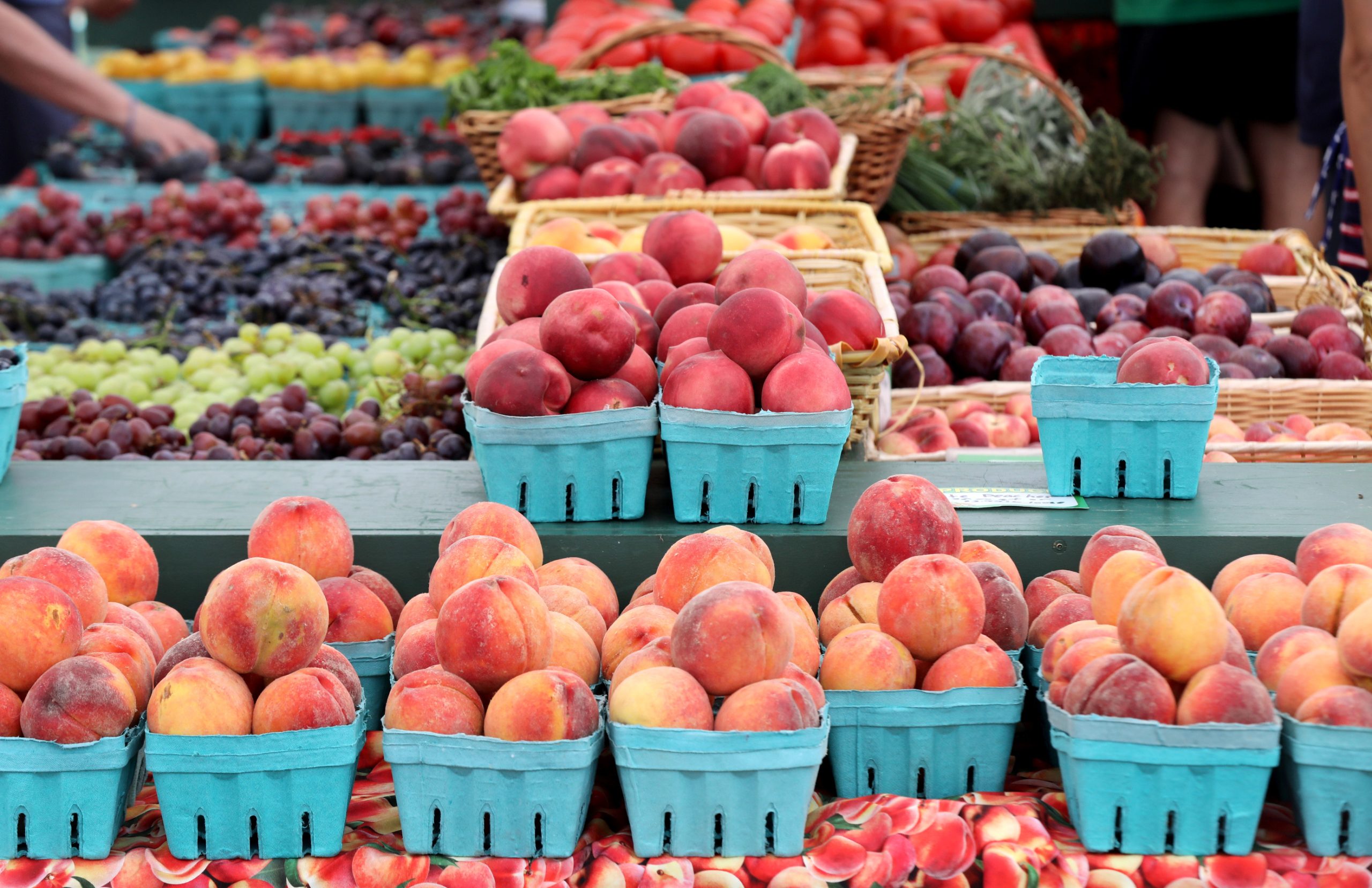
    Every Thursday morning from mid-June to early September, tables filled with fresh produce — cherries, peach cider, corn, potatoes, tomatoes, carrots, and more — populate the corner of Monroe and Amherst. There’s fun on offer, too: This year, the market hosted a peach pie contest and dog show.

    Thursdays, 8:30 to 11:30 a.m.; Parking lot at corner of Monroe & Amherst Ave, Margate City

    West Cape May Farmers Market

    Located at the West Cape May’s Backyard Park, the borough’s late afternoon-to-evening farmers market runs June 23 until Aug. 25, rain or shine. While there are a plethora of fresh produce and local food vendors, the market also offers open mic from 3 to 5 p.m., followed by live music performances after 5 p.m.

    Tuesdays, 3 to 7:30 p.m.; 732 Broadway, West Cape May

    Sea Isle City Farmers Market

    From June to September, vendors descend on Sea Isle’s Excursion Park on Tuesday mornings.. Shop tomatoes, peaches, snap peas, and other seasonal finds from Al’s Produce. Pick up a monstera, peace lily, or an alocasia from Petals and Plants. Or grab a treat from Duck Donuts as you walk around. Other sellers at this year’s market include Telford, Pa. ‘s Nutty Novelties, art-kit expert the Crayon Lady, and Petersburg, N.J.’s Salt and Clover Sheep Farm.

    Tuesdays, 8 a.m. to noon; Excursion Park, Pleasure Avenue & JFK Boulevard, Sea Isle City

    Wildwood Farmers Market

    It’s the 13th season of the Wildwood Farmers Market, and this summer there are over 100 vendors attending, including artists and clothing retailers, plus weekly entertainment for the kids in attendance. There’s plenty of produce to choose from and baked goods to try, including gluten-free options. Grab an iced coffee or cold-pressed juice from one of the vendors and get lost among the booths selling hot sauces, jerkies, spice mixes, wines, sea glass art, and more. This market runs Saturdays till Labor Day, so get there while you can.

    Saturdays, 8 a.m. to 12:30 p.m.; 3400 Pacific Ave., Wildwood

    Brigantine Farmers Market

    Rain or shine, the Brigantine Community School parking lot plays host to the Brigantine Farmers Market every summer Saturday, until Sept. 5 this year. Munch on Kismet bagels and Duke’s Dogs hot dogs.Get Pickled pickles, and Maui Joe’s shaved ice as you shop from farm vendors like Nectar Flow Farm with mushrooms and berries, Recklesstown Farm Distillery’s craft spirits, and Sam Mento Farms with Hammonton blueberries.

    Saturdays, 8 a.m. to noon; 205 Sheridan Pl., Brigantine

    Ventnor City Farmers Market

    Farmers market season in Ventnor runs from May 22 to Sept. 4. The market, which celebrated its 10th anniversary this year, takes place in the parking lot at St. James Church. With more than 80 farmers, food vendors, and crafters, this market is a great place for stocking up on fresh-cut flowers from Far & Away Flowers; grass-fed, free-range meats products from Giordano’s Family Farm; smoked salmon and pastrami from South Jersey Smoke House; and fruits and veggies from Peplowski Fruit Farms.

    Fridays, 8:30 a.m. to noon; 6421 Atlantic Ave., Ventnor

    Stone Harbor Farmers Market

    Every Sunday morning from Memorial Day until Sept. 20, vendors set up shop at Stone Harbor’s Water Tower Plaza. Fill up a tote with tomatoes, sunflowers, cherries, peaches, and other produce from vendors like The Potato Homestead, Springhouse Farms, and Brookeberry Farms; coffee bean bags from Harry & Beans Coffee and fresh squeezed lemonade from Twisted Lemonade Beverage Co.; and specialty foods like Pickle Girl Pickles, RSK Doughnuts, and Carlo’s Empanadas.

    Sundays, 8 a.m. to 12:30 p.m.; 95th St. and 2nd. Ave., Stone Harbor

    Ocean City Farmers Market

    Wednesdays in Ocean City mean a stop at the farmers market. In the summer, local farmers and vendors sell cherries, peaches, cucumbers, and corn at the Tabernacle Grounds. There are also stalls offering tomato pies. Head to Sixth Street and Asbury Avenue for other items — think baby onesies and framed art. This market runs through mid-September.

    Wednesdays, 8 a.m. to noon; 550 Wesley Ave., Ocean City

  • Ellen Yin’s newest Philly restaurant is an all-day aperitivo bar built for snacking and sipping

    Ellen Yin’s newest Philly restaurant is an all-day aperitivo bar built for snacking and sipping

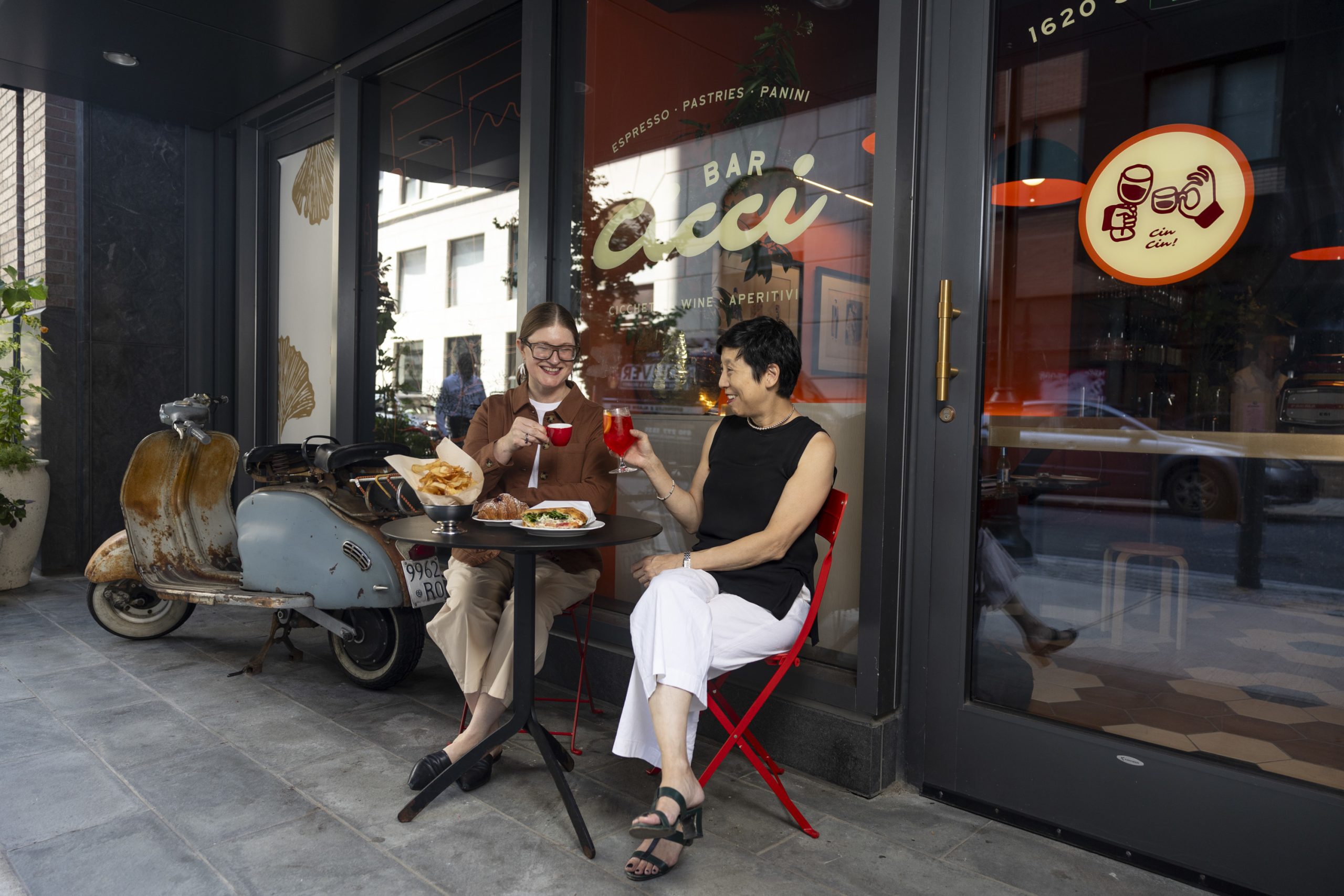
    Ellen Yin’s newest Philly restaurant doesn’t have a grand opening date yet, but it does have a vintage-looking light blue Lambretta scooter parked out front.

    Why? To set the mood.

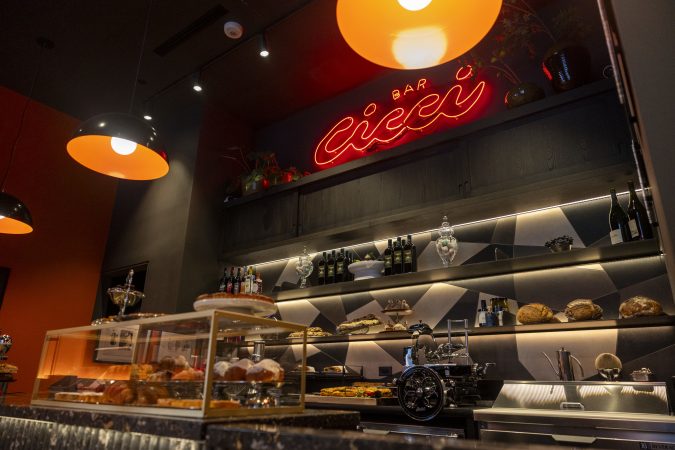
    The acclaimed restaurateur’s latest project is Bar Cicci, an all-day aperitivo bar soft-opening Aug. 18 at 1620 Sansom St., just next door to Uchi. Inspired by Yin’s longstanding, almost obsessive love of northern Italy, the bar is an ode to the country’s casual drinking culture, with classic pastries in the morning followed by sandwiches in the afternoon and snacks and spritzes in the evening.

    Yin has traveled to Italy more than any other country. There, “a bar is a place where you go in the morning to have an espresso and meet up with your neighbors, chit-chatting away,” she said. “And that morning ritual turns into sandwiches and gelato at lunch time, and then [drinks] at dinner.”

    Pronounced “Bar CHEE-CHEE,” the name is a play on the Italian word ciccio, a term of endearment for something small and plump. The menu — curated by Yin and Christina McKeough, the culinary director for High Street and the Bread Room — will be a smorgasbord of little things. The dayside, counter service-only lineup will feature traditional Italian pastries and sandwiches. Starting at 4 p.m., the menu will switch to showcase 20 small plates and a rotating array of cicchetti (or snacks), with prices falling between $5 and $20 each.

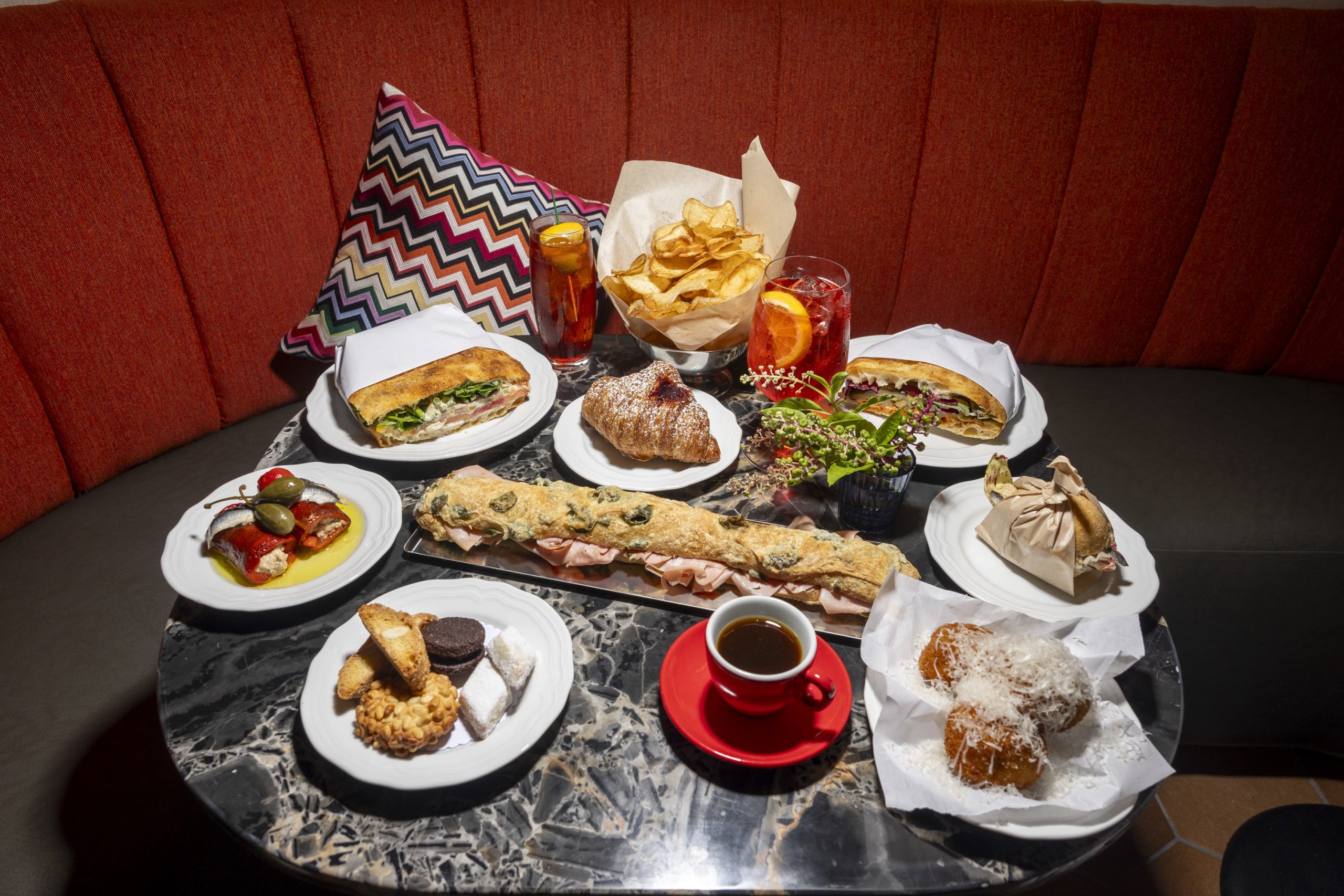
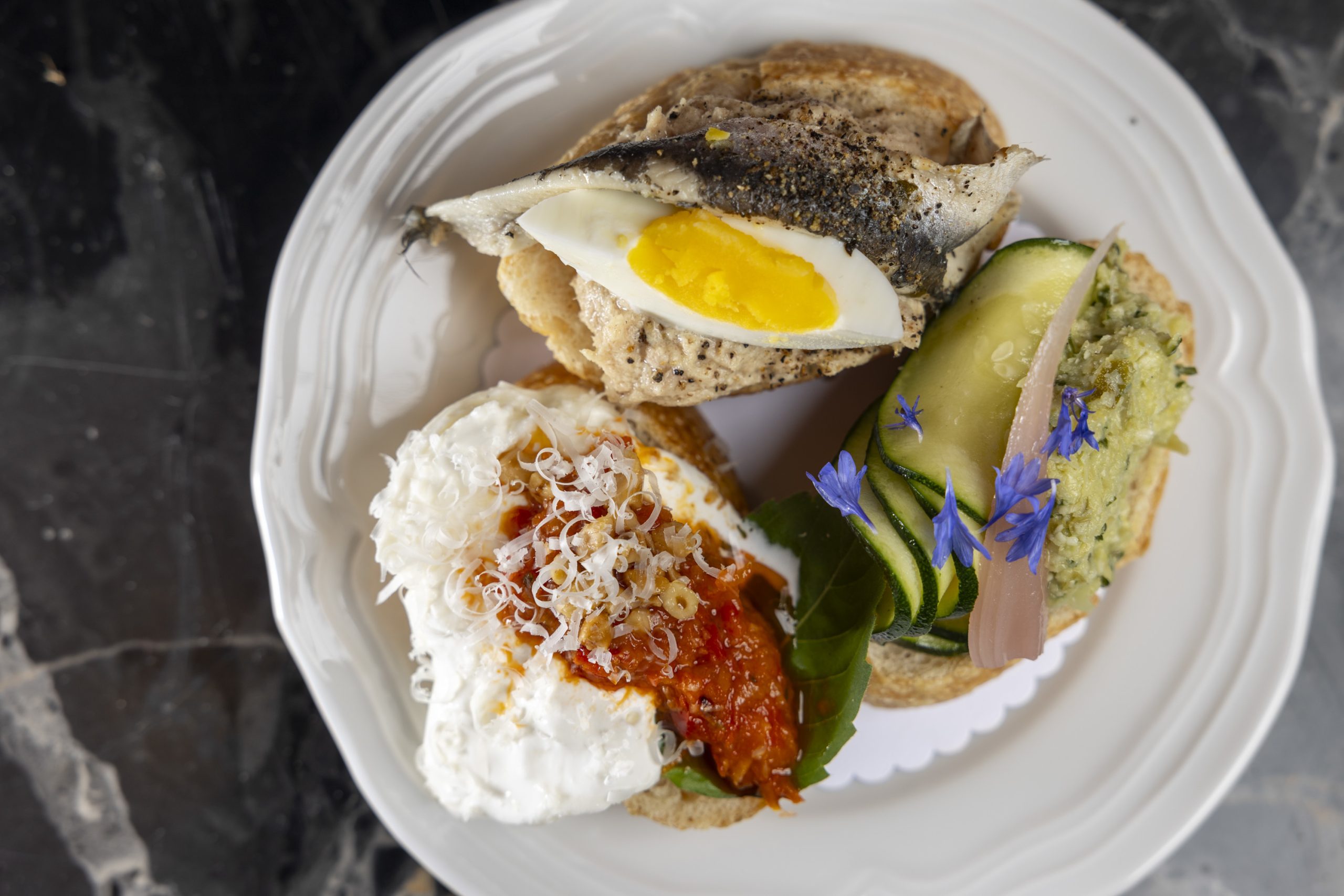
    An assortment of sandwiches, small plates, pastries, and drinks that will be available at Bar Cicci, Ellen Yin’s new restaurant set to open in mid-August. Tyger Williams / Staff Photographer

    Yin envisions Bar Cicci as a catchall space for those who live and work around Rittenhouse Square. In theory, a customer could stop in three times in one day: first for coffee and a pastry on the way to work, then again for a business lunch, and once more for pre-dinner drinks.

    Cicci will be Yin’s sixth Philly restaurant as part of High Street Hospitality, the restaurant group Yin cofounded with chef Eli Kulp. Fork, her first, opened in 1997 and went on to become one of Old City’s most enduring fine dining restaurants. She would follow it up with High Street — one of the city’s first all-day cafes, now located in Center City’s Franklin Residences — and a.kitchen, the Rittenhouse Square hotel restaurant. The Bread Room, known for its grown-up pop-tarts and morning buns, is the group’s bakery.

    Yin and McKeough had been working on Bar Cicci since April 2025. It’s their first themed project. “We don’t just get to do what we want here,” Yin said. Everything in the space has some tie to northern Italy, down to its groovy accent pillows.

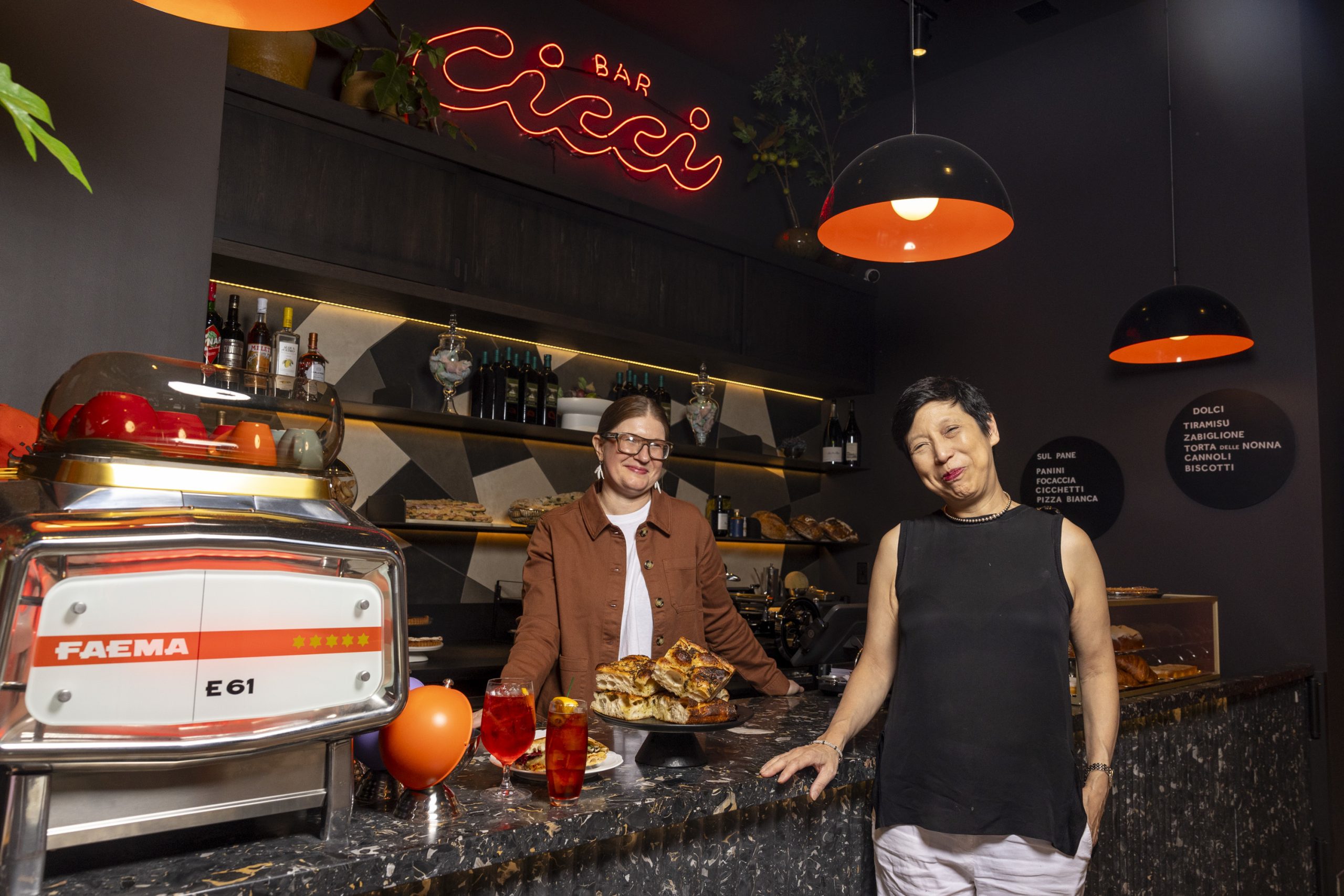
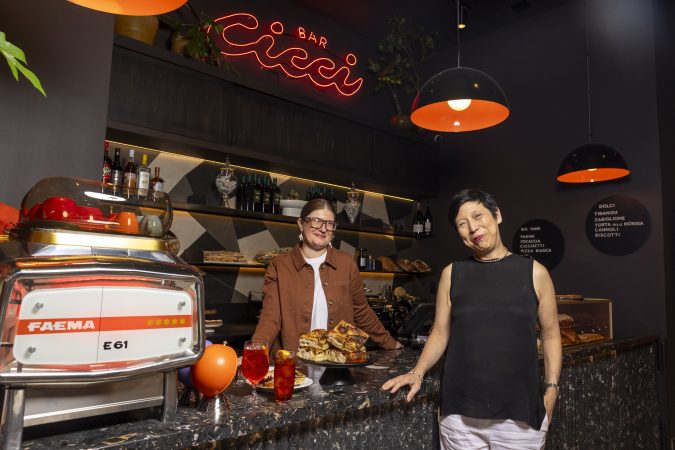
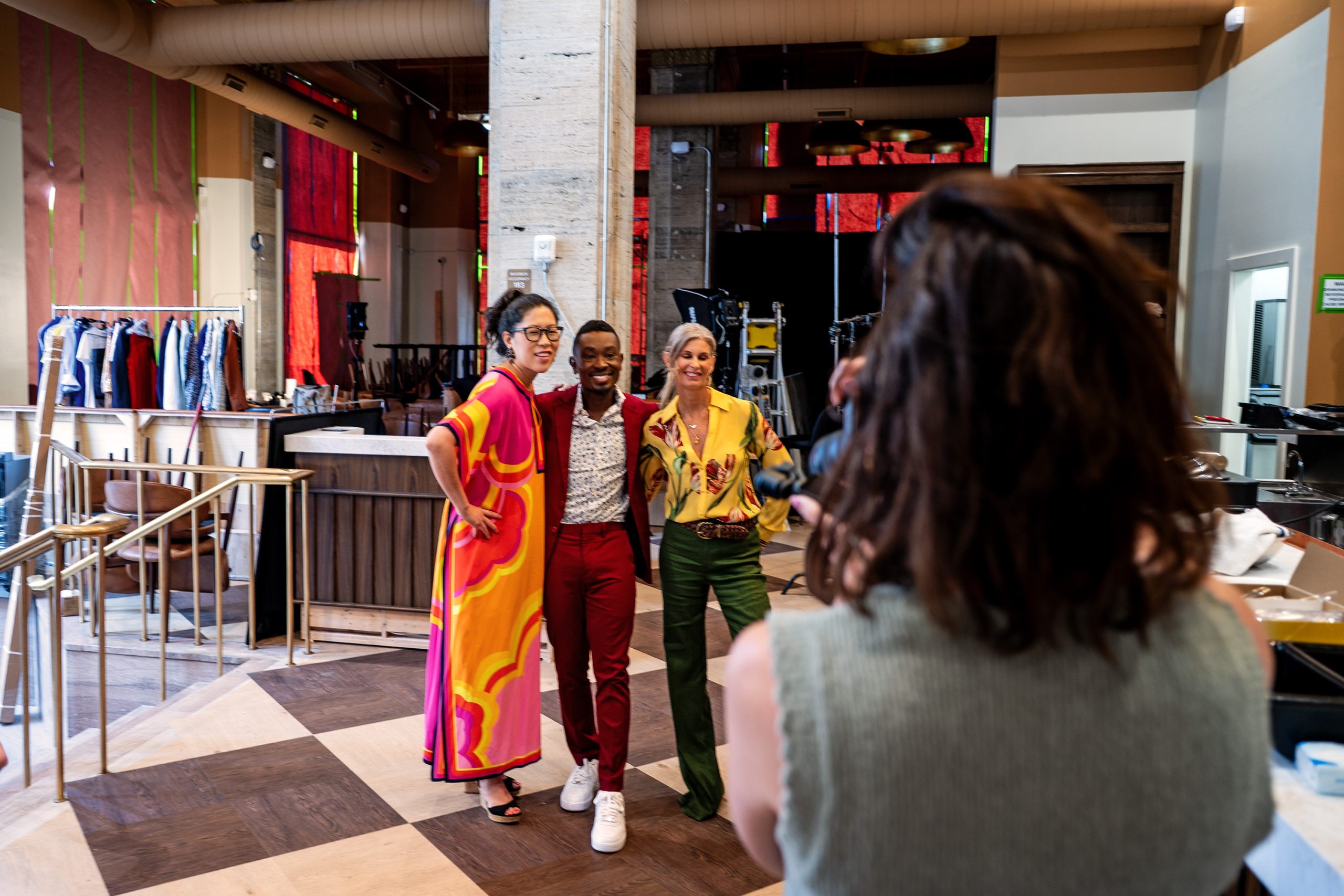
    High Street/The Bread Room culinary director Christina McKeough (left) and restaurateur Ellen Yin outside Bar Cicci, their new restaurant inspired by northern Italy. The light blue Lambretta scooter helps set the mood.Tyger Williams / Staff Photographer

    Bar Cicci’s 30-seat dining room channels 1970s Milan. Plush burnt-orange banquettes decorated with Missoni-style striped pillows wrap around black marble tables that interior designer Marguerite Rodgers repurposed from the lobby bar inside the Franklin Residences.

    The counter is outfitted with a modernized Faema E-61, at one point Italy’s best-selling and only semiautomatic espresso machine. Even the dome-shaped mid-century modern light fixtures — a holdover from when Sandler’s on 9th occupied High Street’s space at 101 S. Ninth St. — cast a slightly hazy glow, as if you’re sitting in a scene from a film.

    An assortment of cicchetti at Bar Cicci. The crostini-like snacks are a Venetian speciality meant to be served with wine.Tyger Williams / Staff Photographer

    The vibe is inspired by Yin and McKeough’s favorite bars from research trips to Venice and Milan, such as Milan’s Bar Basso, where Yin recalled being offered seemingly endless pours of Campari. The duo intend for Bar Cicci to be an introduction to Italy’s slower-paced aperitivo hour, a time in the early evening when lower-ABV cocktails are paired with bite-sized snacks designed to get people socializing without pretense.

    Aperitivo is “supersocial,” McKeough said. “A lot of bars in Italy, people aren’t even sitting down. They’re standing up.”

    Sandwiches, spritzes, and snacks

    The centerpiece of Bar Cicci’s evening menu will be a rotating array of cicchetti, crostini-esque bites that you typically eat with a glass of wine while standing. The restaurant will offer about a dozen at a time, in sets of three or five, all prepared on McKeough’s version of an Italian baguette, which is chewier than its French counterpart.

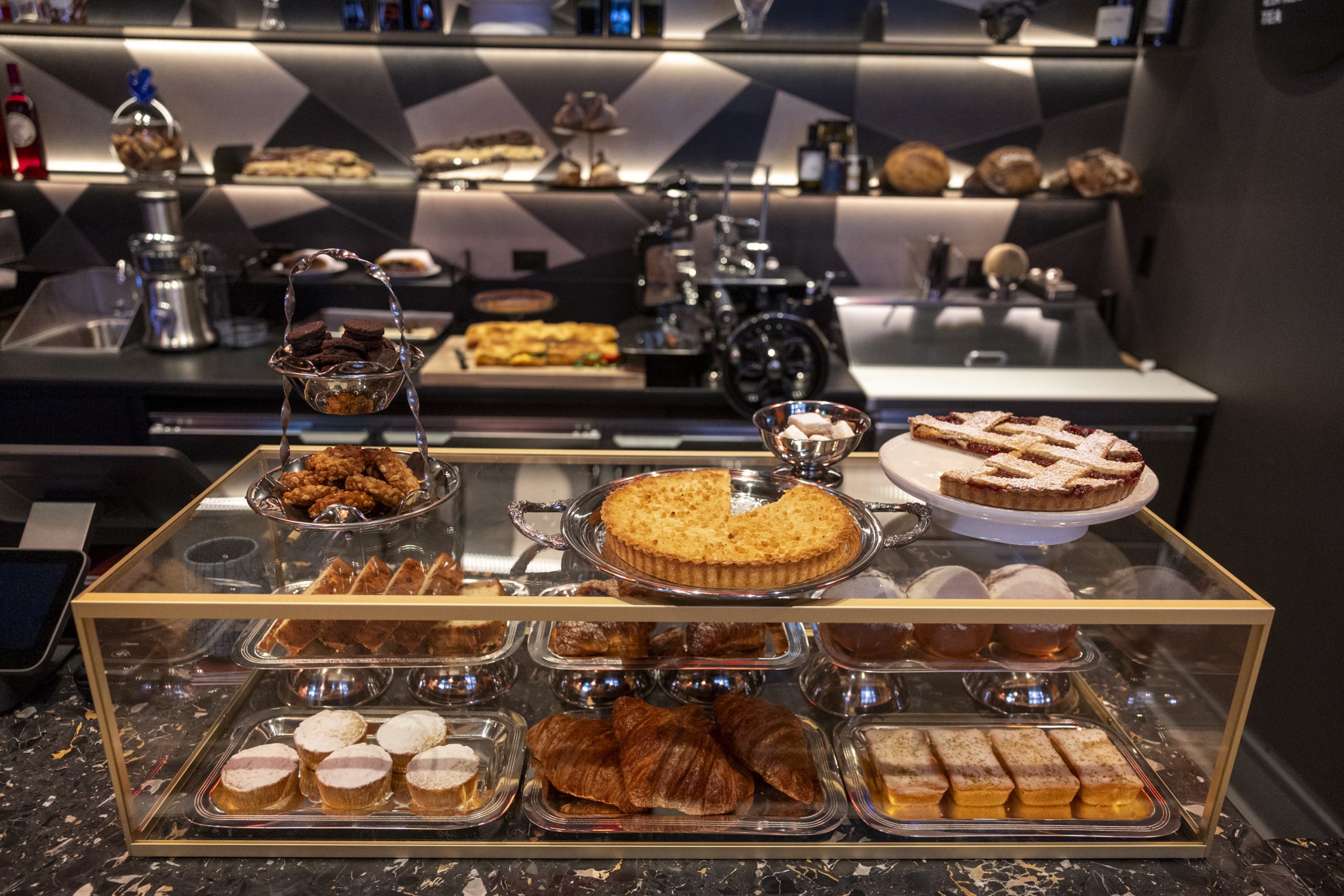
    The pastry case at Bar Cicci is full of classic Italian pastries such as maritozzi and cornetti. Tyger Williams / Staff Photographer

    The bread was the hardest to perfect, according to McKeough, and the most crucial to get right: “No matter where we went, [the cicchetti] were always so easy to eat … you could take a bite without it falling apart.” She anticipates Bar Cicci’s opening lineup will include Venetian standards such as salted cod and tuna with eggs.

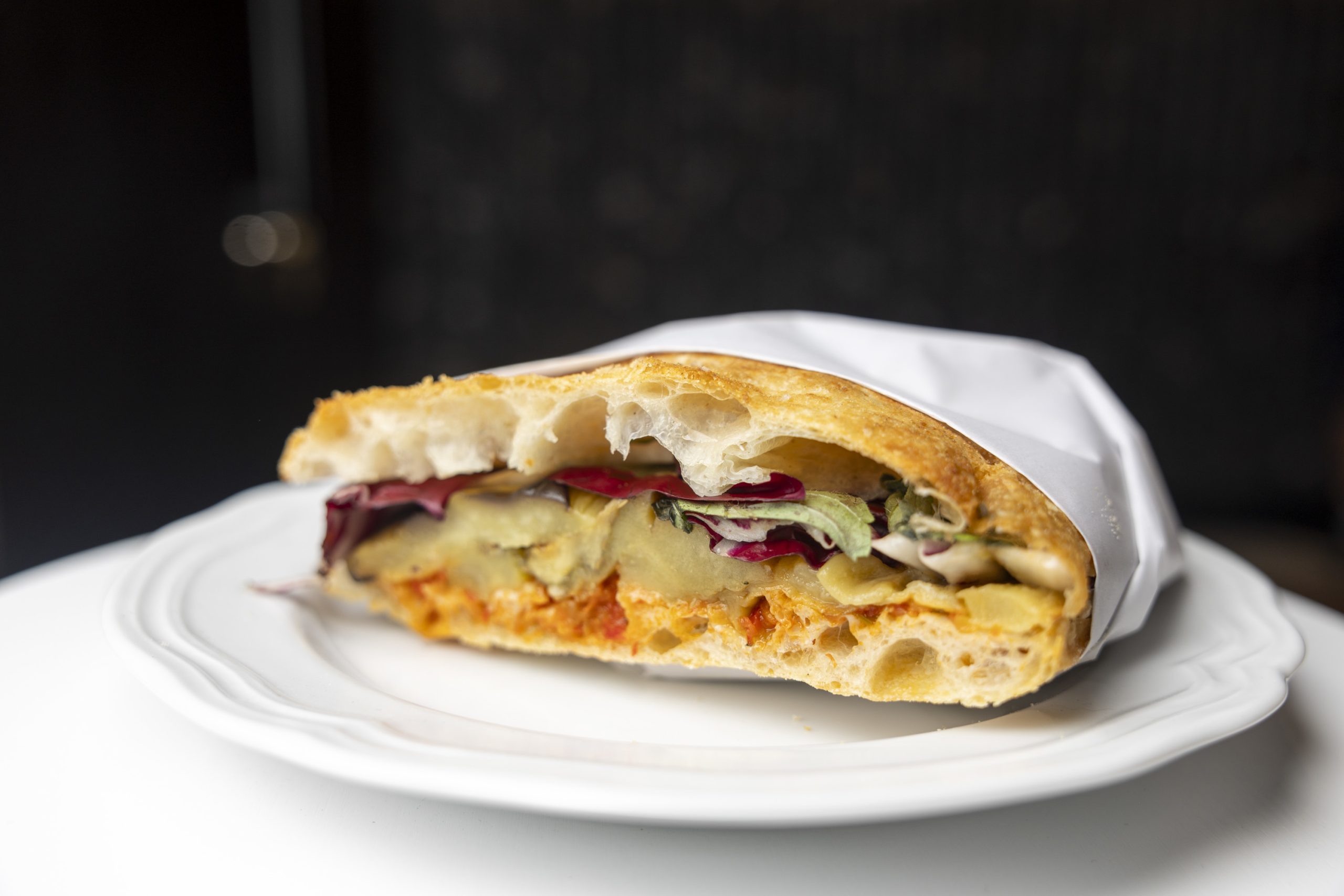
    The Bread Room will bake all the bread for Bar Cicci’s lunchtime sandwiches, will which include a long olive oil sfilatino loaf filled with mortadella; tuna and jammy egg on slider-sized rolls; and Roman-style pizza biancas layered with eggplant, bomba, and radicchio or anchovies, watercress, and tomato tonnato.

    A pizza bianca sandwich from Bar Cicci, which will be baking all of its breads in house.Tyger Williams / Staff Photographer

    As for the grab-and-go case, it will contain tried-and-true pastries that range from trendy cream-stuffed maritozzi to Italian-style chocolate chip pound cake and five versions of cornetti, which McKeough likened to a “reverse-engineered croissant.”

    Bar Cicci will serve dark-roast espresso and coffee from Arkansas-based roaster Onyx and Italian-style wines from Mural City Cellars, the popular Fishtown winery. The restaurant is going all in on aperitivi with its cocktail lineup, which will include a spaghett-style Aperol spritz, foamy espresso martinis al freddo, and the Garibaldi, a Campari cocktail made with the juice of a whole orange.

    For McKeough and Yin, the hope is that the food, if not cocktails, will make people linger.

    “There’s just something about a little bite that makes you want to have another drink,” McKeough said.

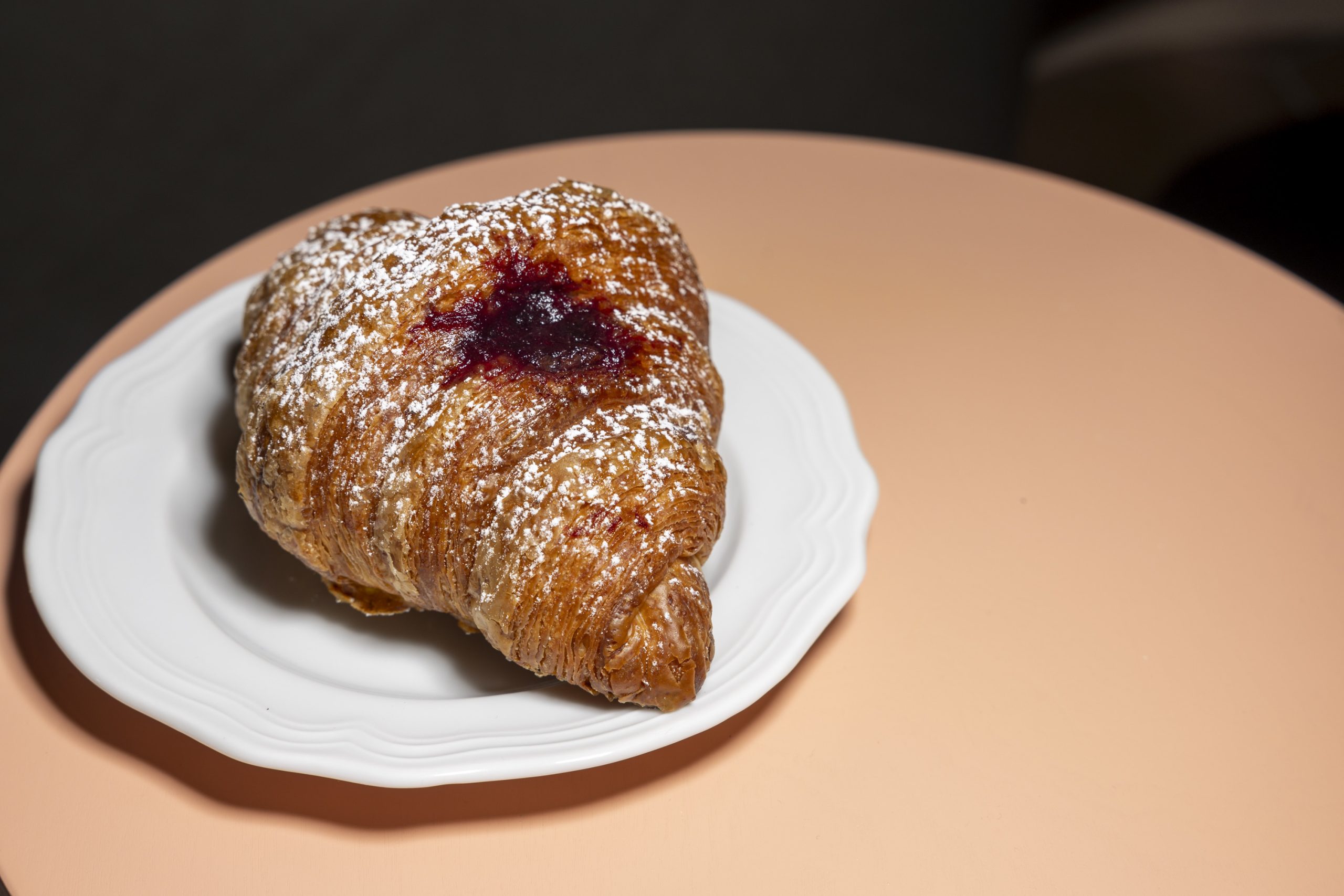
    A cornetto filled with seasonal jam at Bar Cicci.Tyger Williams / Staff Photographer

    Bar Cicci, 1620 Sansom St. Suite C3, 215-515-3793, barcicciphl.com. Hours: 8 a.m. to 9 p.m. Tuesday through Friday; 9 a.m. to 10 p.m. Saturday (to start). Soft-opening Aug. 18.

  • Spritzes, sports bars, and Korean fried chicken: August’s restaurant opening lineup

    Spritzes, sports bars, and Korean fried chicken: August’s restaurant opening lineup

    From Ellen Yin’s Italian aperitivo bar to a restaurant built around a community recipe contest, August’s opening calendar reflects the breadth of Philadelphia’s dining scene. Here’s what’s expected to debut this month — and what’s still to come.

    Note that in most cases, opening dates will not be locked in until shortly before the debuts.

    Christina McKeough (left) and Ellen Yin outside Bar Cicci.Tyger Williams / Staff Photographer

    Bar Cicci (1620 Sansom St., Rittenhouse): Ellen Yin’s all-day aperitivo bar, located next to Uchi, is targeting a mid-August opening. In sum: 30 seats, espresso and pastries in the morning, sandwiches by day, and spritzes, cicchetti, and small plates by night, all in a Milan-inspired space complete with a vintage Lambretta scooter out front.

    Cecilia (266 E. Fourth St., Bridgeport): The crew from Blue Bell Inn in Blue Bell and Horsham’s Copper Crow has revamped Taphouse 23 into a modern American bar-restaurant with a comfort-food menu and massive patio sporting a wood-burning oven. It’s targeting a late-month opening.

    La Bandera is the signature cocktail at Mixteca.Courtesy of Apres Cru

    Mixteca (2113 E. York St., East Kensington): Billed as a neighborhood agave bar and restaurant, this New York City import from hospitality veterans Jeff Bell and Victor Lopez is headed to the former Martha space, with an opening later this month. The roughly 100-seat venue will spotlight tequila, mezcal, Bacanora, and raicilla with 10 margarita variations, agave twists on classic cocktails, and zero-proof drinks alongside contemporary Mexican fare featuring handmade tortillas, ceviche, tacos, and family-style pork al pastor.

    Recipe Philly’s recipe judges are (from left) Clara Park, Josh Moore, and Jennifer Carroll.Tom Gralish / Staff Photographer

    Recipe Philly (1401 Arch St., Center City): Local home cooks take the spotlight at this restaurant at Broad and Arch Streets built around a public recipe competition, with winning family dishes earning a permanent spot on the menu alongside the cooks’ stories. Opening Aug. 13, the concept blends restaurant, community cookbook, and reality-show competition into one distinct experience.

    Toll Man Joe’s (1141 Pine St., Washington Square West): Returning to Philadelphia nearly five years after its pandemic closure, this sports bar will take the former location of the long-running Mixto. Founder Lori Penrose aims to open later in the month to catch football season.

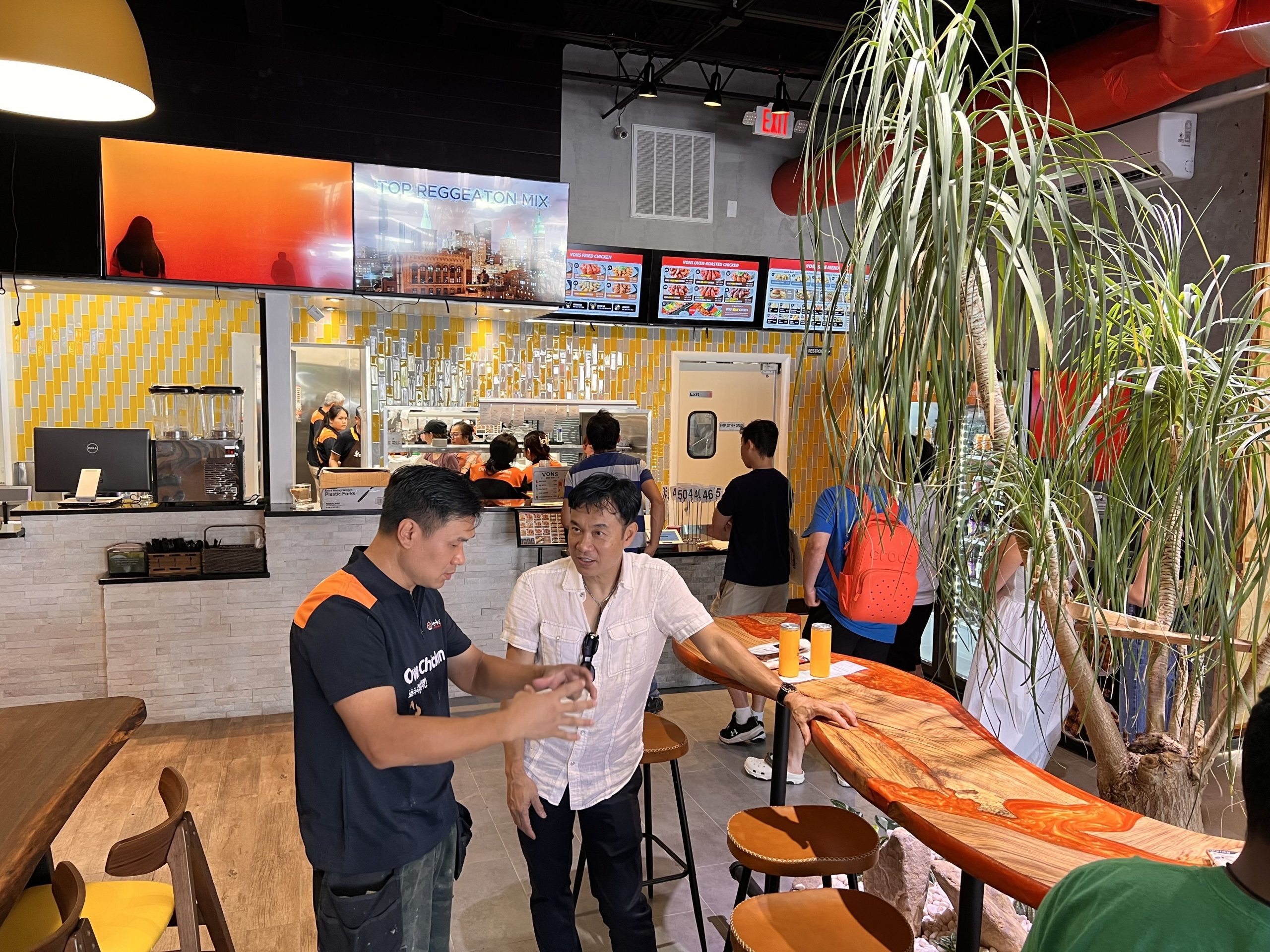
    Vons Chicken is set up with a counter and table seating.Michael Klein / Staff

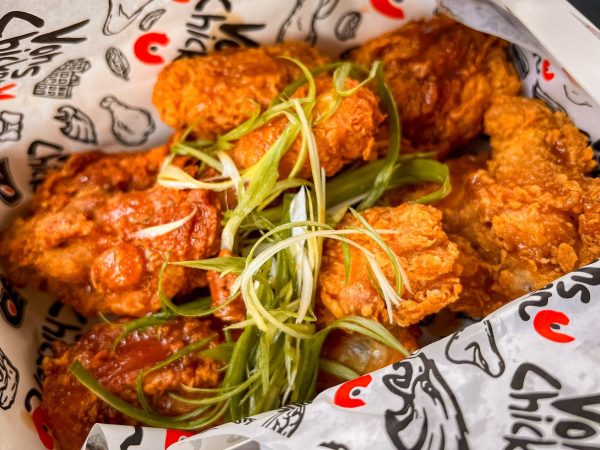
    Vons Chicken (1714 Washington Ave., South Philadelphia): This South Korean-rooted chain, big on the West Coast, opened last weekend in a Point Breeze strip mall next to AutoZone with a roomy dining area offering counter service. Menu includes crispy Korean fried chicken as well as oven-roasted chicken slicked with sauces, plus sides such as kimchi fried rice and tteokbokki. Local franchisee Thao Le, who first tasted Vons in California while visiting family, has assorted restaurant experience, including serving at Pietro’s Italian in Center City. Ever crave a beer with fried chicken? Vons secured a liquor license and stocks mostly local bottles in a fridge.

    Looking ahead

    Restaurants targeting September debuts include the Fishtown and Rittenhouse locations of Washington, D.C.-rooted bagel chain Call Your Mother; the all-day bar-restaurant Eggcetera Haus, filling the former Redcrest at Sixth and Bainbridge Streets on the Queen Village/Bella Vista line; and the New Orleans-inspired Philly Po Boy at Front and Berks Streets in Kensington. The Fishtown opening of Adda, the edgy Indian restaurant from New York’s Unapologetic Foods, is targeting October.

  • A longtime Bala Cynwyd bistro is closing, and Center City Italian restaurant veterans are moving in

    A longtime Bala Cynwyd bistro is closing, and Center City Italian restaurant veterans are moving in

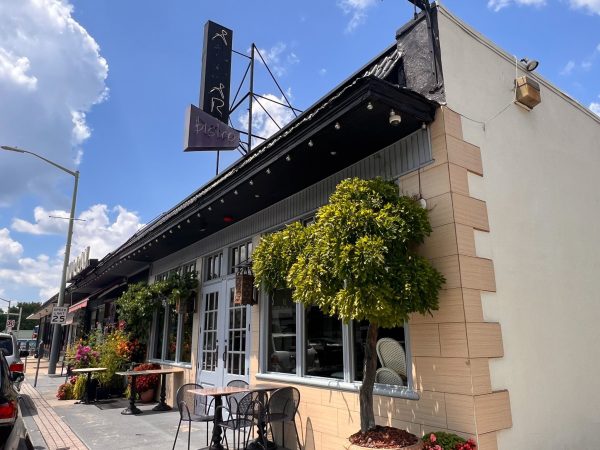
    After more than three decades, the Wakim family is handing off Bala Cynwyd’s Aldar Bistro to veterans of Center City’s Gran Caffè L’Aquila, who plan to transform the longtime Lebanese restaurant into a soft-lit, white-tablecloth Southern Italian destination called Bruzi.

    Two Philly-based couples from Cosenza in Calabria — Luciano and Tania Spensierato and Marco Mondello and Anna Bellizzi — are buying the restaurant at 285 Montgomery Ave. from Joseph Wakim and family.

    The sale, contingent on approval of the liquor license transfer, will end the Wakims’ 34-year run at Aldar, which will be open during the transfer process. The restaurant succeeded the family’s Italian restaurant, Allegresse, which opened in 1980.

    The Wakims — brothers Joseph, Michel, and George, and sister Fadia — also own Murray’s Deli next door, as well as Evviva, a restaurant, catering venue, and private-events space in Narberth.

    “We all grow older, and it’s time to step aside,” Joseph Wakim said. “Over the past five years, we probably had 10 suitors, and I said, ‘No, thank you.’”

    He said he ultimately chose the two couples because they were “the right families for us to pass the torch to.”

    Tania Spensierato said Aldar “checked all the boxes we were looking for. We wanted to be on the Main Line. We wanted tall ceilings, an existing liquor license, and a space that was roomy but not enormous. We weren’t looking for a 200- or 300-seat restaurant. We wanted a spacious kitchen so the chef would have room to do what he does best.”

    “We also wanted to be part of a community,” she said. “Bala Cynwyd and Lower Merion really fit that vision. The location on Montgomery Avenue was exactly what we were looking for.”

    Aldar will remain open until the liquor-license transfer is approved, a process that Wakim believes could be completed in September. The new owners then anticipate about two months of renovations before opening Bruzi in late October or November.

    Luciano Spensierato has worked behind the bar at Gran Caffè L’Aquila since 2015, while Marco Mondello joined the Center City restaurant a year later as a bartender. Tania Spensierato works in retail, though her background is in restaurants. Bellizzi is a scientist at Temple University.

    The name Bruzi refers to the ancient people of Calabria, where all the partners trace their roots. Tania Spensierato, a first-generation Italian American, said the restaurant is intended to reflect that heritage.

    The menu will focus on house-made pastas and traditional Calabrian cooking. Planned dishes include sliced black boar prosciutto, Calabrian cheeses, fusilli with slow-cooked meat sauce, baked lamb with tomatoes, olives, and roasted peppers, and grilled tuna with arugula.

    The beverage program also will be a centerpiece. Marco Mondello, an Italian-trained sommelier, plans to open with about 100 Italian wines and expand the list over time. Spensierato, who has worked as a bartender for 35 years, said cocktails will also play a prominent role.

    Glynis Tart of Verden Interior Design will give the dining room a modern Mediterranean makeover with blue-and-gold accents inspired by the Calabrian flag, along with olive trees and other greenery, Tania Spensierato said. A small retail section will sell imported Italian products.

    The partners have hired an Italian-born chef currently working in Florida but declined to identify him until a later date. “Our first priority is simply to get started,” Tania Spensierato said. “One goal at a time.”

  • One of Philly’s top Vietnamese restaurants is closing, but owners are looking for a new location

    One of Philly’s top Vietnamese restaurants is closing, but owners are looking for a new location

    Gabriella’s Vietnam, the acclaimed South Philadelphia restaurant known for showcasing regional Vietnamese cooking, will close in mid-December after nearly six years as chef-owner Thanh Nguyen searches for a new home.

    Nguyen began looking for another location last fall after the building at 1837 E. Passyunk Ave., near Mifflin Street, was sold. She has continued operating under a month-to-month lease while planning the restaurant’s next chapter.

    The building’s new owners, Bharat Bist and Gigi Giri — who operate Mount Masala in Voorhees and Nepali Momo Kitchen in Spring Garden — plan to open a yet-to-be-named Himalayan restaurant there early next year. Giri said the menu will combine Mount Masala’s bold stews with Nepali Momo Kitchen’s extensive lineup of momos, the steamed, filled dumplings.

    “I have a dream to do something different,” said Giri, whose husband, Bist, is the chef.

    The couple also plan to open a shop serving coffee and momos on Third Street near South Street within the next two months.

    Nguyen said she and Giri reached an agreement that allowed Gabriella’s to remain open through mid-December.

    “Gigi was very sweet and nice,” Nguyen said. “She didn’t kick me out right away, and she gave me a year.”

    Gabriella’s backstory and future plans

    Gabriella’s, which opened in February 2021 in the former home of Ange Branca’s Saté Kampar, has earned widespread acclaim. It appeared on The Inquirer‘s 76 list and was named to the New York Times’ 2022 list of Best New Restaurants.

    The restaurant helped broaden Philadelphia’s understanding of Vietnamese cuisine beyond pho and bánh mì, centering its menu on dishes from across Vietnam’s regions. Among its specialties are lemongrass clams and a catfish hot pot, dishes rarely found elsewhere in the city.

    For Nguyen, Gabriella’s also fulfilled a longtime personal ambition.

    “I came to the U.S. and went to school for my family, not for me,” said Nguyen, who left the University of Pennsylvania one English composition class short of completing an undergraduate degree in biochemistry. “I wanted to make a business like my family did.”

    She told The Inquirer’s Craig LaBan that her parents own a seafood market in Ho Chi Minh City, formerly Saigon, and initially disapproved when she entered the restaurant business with her husband, Chris.

    The couple began building their restaurant company in the suburbs in 2012, opening Banh Mi Bar & Bistro in Norristown, followed by Melody’s Grillhouse in Ambler. Gabriella’s Vietnam, named for their younger daughter, marked a shift toward a more ambitious menu focused on traditional Vietnamese cooking beyond the country’s best-known dishes.

    Nguyen hopes her next restaurant will have a full liquor license, allowing her to expand the beverage program alongside the food. Gabriella’s now operates under a satellite license through Five Saints Distilling that permits it to serve Pennsylvania-produced spirits, including the vodka used in its signature pho cocktail.

    Developing those drinks sparked an unexpected passion for mixology, Nguyen said, and she envisions her next restaurant having a larger cocktail program and a menu of bar snacks to complement its Vietnamese cuisine.

    “I had several restaurants in the suburbs, but when I came to Philly, I realized Philly was really missing traditional Vietnamese food besides bánh mì,” Nguyen said. “There are so many other foods popular in Vietnam that don’t get as much focus. And I want people to try it.”

  • Side Eye, an affordable bistro in Queen Village, has a great concept but so-so execution

    Side Eye, an affordable bistro in Queen Village, has a great concept but so-so execution

    I want to root for a restaurant like Side Eye. There’s the quirky name, of course; a tribute to the owners’ beloved late dog, Sheba, whose legacy lives on in the many pooch pictures posted around the space and which has fostered a strong pull from the city’s canine-centric crowd, my family included. What a perfect place to catch up with our dog Buttercup’s veterinarian over steak fries and a peppercorn burger! And was that the (human) mom of Buttercup’s playmates sipping a glass of wine at the long bar? Yes, it was. Philly’s dog lovers are an easy demographic for any new restaurant to target, especially one with a pet-friendly 10-seat patio outside its Queen Village storefront.

    But there are other reasons to wish for Side Eye‘s success, including its aim to be an affordable neighborhood bistro when soaring prices are on everyone’s mind. In an era when $35 chicken entrees and $20-plus cocktails are not uncommon in local restaurants, Side Eye’s half bird is selling for $25 and nearly every cocktail and glass of wine is $13 or less.

    Given that Side Eye’s co-owner, Hank Allingham, is a numbers guy, having previously spent his career in finance for large restaurant companies, including the Patina Group in New York and Nando’s Peri-Peri in D.C., it’s no surprise he’s using fair prices as a draw for this new venture, launched in February with his wife, Katherine Hanson.

    The exterior of Side Eye on Thursday, July 23, 2026 in Philadelphia.Monica Herndon / Staff Photographer
    Side Eye co-owner Hank Allingham inside the bistro at Sixth and Bainbridge on Friday, January 23, 2026.Yong Kim / Staff Photographer

    But value is a relative concept. What good are house-baked buns if the inexperienced kitchen frequently scorches them before sending a burger out to the dining room? Does it really matter that the roast chicken is relatively inexpensive if the skin on those commodity birds is underseasoned and flabby? (It’s also set over borlotti beans — a nice idea until the beans were overcooked to a sticky paste.) Also, does Side Eye make the worst cocktails in Philly? The drinks at our first visits ranged from watery and muddled to raggedly boozy, providing a reminder that you sometimes get exactly what you pay for.

    That is, until recently, when I’ve finally begun to detect some needed improvements on multiple fronts. One key has been a shift in the front house staff, essential to maintaining the warm neighborhood mojo at the Queen Village space that once housed beloved Bistrot La Minette, which called it quits in 2024.

    The service during my early visits ranged from chaotic — with more plates landing simultaneously at our little table than it could possibly hold (and the server impatiently waiting for us to play Tetris to somehow find space) — to borderline hostile.

    “OK, now who‘s ordering here?!” snapped the waiter at my second meal, scolding me for ordering fries for the table when it apparently wasn’t my turn to speak. He’s coincidentally no longer with the restaurant, Allingham said, before I could even mention it.

    The Lipstick Stain (left) and Bulldog Cooler at Side Eye on Thursday, July 23, 2026 in Philadelphia.Monica Herndon / Staff Photographer

    What a difference the calming presence of a pleasant server such as Tessa Draper can make, righting the mood as weekend sunshine poured through the windows into the cobalt blue room, and we settled into a lovely brunch. It was highlighted by a perfectly fluffy French omelet rolled around house-made fromage blanc, topped with roasted mushrooms, and finished with a dessert of crêpe Suzanne, sweetly named for the chef’s mom. The warm crêpes bundled around that same cheese, all topped with brandied warm caramel and juicy orange segments.

    The crêpe Suzanne at Side Eye on Thursday, July 23, 2026, in Philadelphia.Monica Herndon / Staff Photographer

    The meal was far from perfect. The cucumber-gin Breakfast Cup cocktail had too much bitterness from the lime peel. The avocado toast was not especially green. And this kitchen burned the slender toast “soldiers” served alongside its soft-boiled eggs. But we loved the poached shrimp and fresh-dressed cod rillettes salad that came on the side. The lemony hollandaise for the Parisian ham Benedict served over house-baked brioche was extremely tasty.

    It felt like Side Eye had finally found a comfortable groove, enough for me to return for one more dinner.

    With Draper once again tending to our table, the improvements continued, especially with new vegetable-forward dishes that turn out to be a strength for chef Finn Connors, 26, an alum of Osteria, Wilder, and Sally. He cooks a range of diverse ingredients but also concedes, “I mostly eat vegetables.”

    The tomato and honeydew salad makes the most of summer’s bounty.Monica Herndon / Staff Photographer

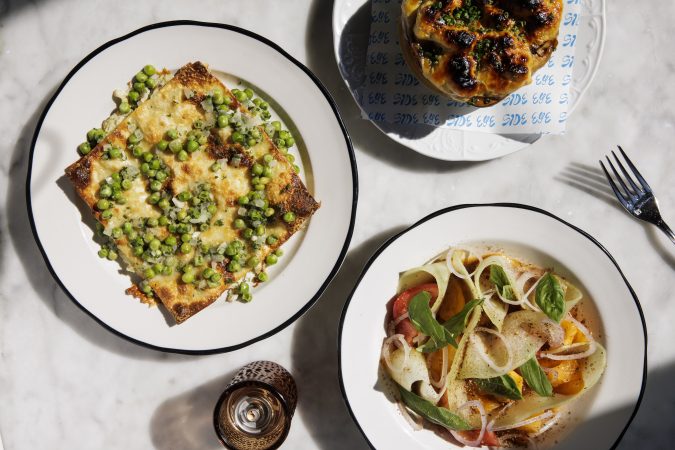
    His tomato and honeydew salad makes the most of summer’s bounty, winding luscious tomato chunks inside ribbons of shaved honeydew that added a textural snap and juicy burst of bright sweetness. Snappy batons of zucchini are roasted with just a touch of char, dressed with basil oil, and paired with a creamy dip of that ricotta-like house-strained cheese for another simple but memorable starter. A classic ratatouille, with separately stewed eggplant, red peppers, and zucchini finished with saucy tomatoes, sherry vinegar, and herbs, was one of the menu’s most confident nods to a French canon the chef had never previously cooked.

    Connors bakes a very respectable French baguette, a nice wink to the standby offering at La Minette. I just wish they offered more than a stubby little heel of it for $5. That bread may be at its best diced into croutons that give the delicious French onion soup a sturdy, spoonable body and an irresistible dome to be gratinéed; delicious even when they occasionally burn it.

    The French onion soup at Side Eye on Thursday, July 23, 2026 in Philadelphia.Monica Herndon / Staff Photographer

    When it comes to cooking proteins, Side Eye has work to do. They struggled to nail a medium-rare doneness on the burger (twice overcooked, once underdone) but also need some basic seasoning to boost the flavors of the Camembert and peppercorn aioli garnish. The coarse-chopped beef tartare was both unpleasantly chewy and overwhelmed by the sharp garnish of crumbled Gorgonzola cheese.

    An intriguing early menu item of stuffed cabbage filled with braised short rib suffered from some less-than-tender braised meat. This kitchen also got too clever with a usually no-brainer pot of mussels marinières, swapping out the shellfish’s natural liquor for a Miller High Life-infused dashi mixed with crab fat and a hunk of not-especially-tender pork belly. Not only was the dashi lacking focused flavor, there wasn’t nearly enough of it, leaving the bowl so dry that the high percentage of empty shells was obvious.

    A simple plate of flaky hake with chile-spiced piri-piri broth and herbed potatoes (reminiscent of the similar retro hit at Meetinghouse) offered minimalist satisfaction. The dish was recently updated to seared cod with a summery garnish of couscous in a tomato-tinted velouté Aurora sauce. I’ll order that next time.

    The lasagna at Side Eye on Thursday, July 23, 2026 in Philadelphia.Monica Herndon / Staff Photographer

    Fresh pasta is consistently one of Side Eye’s better moves. I enjoyed the early menu’s tagliolini with Café de Paris butter and shaved Mimolette cheese. But this summer’s lasagna is one of the kitchen’s best dishes to date; a low rise double stack of fresh pasta sandwiching the fresh cheese with artichoke hearts, topped with a crispy pasta lid that gets gratinéed with Manchego cheese and scattered with a fistful of peas.

    As inconsistent as the drinks were at my early meals, something also clicked in the glass for our final visit. The refreshing tequila and Aperol-fueled Lipstick Stain and a solid old-fashioned hit the spot. For $12 to $14 a pour, an accessible wine list of independent French producers of picpoul de pinet, Anjou rouge, and a cinsault-syrah blend from Les Enfants Sauvage proved to be among the restaurant’s better values.

    The bar at Side Eye on Thursday, July 23, 2026 in Philadelphia.Monica Herndon / Staff Photographer

    When it comes to dessert, Side Eye serves up an olive oil cake trifle layered with lemon curd and a fluffy marshmallow crown torched for drama. But we couldn’t resist the low-key crème caramel, a fresh take on the standard that gives the silky sweet custard a modern update with a crunchy dusting of bittersweet cocoa nibs and flaky Maldon sea salt.

    The effect of those bold contrasting flavors and textures — when perfectly fine-tuned — compels your spoon to return for another scoop. It was an irresistible finale for a meal that finally gave a hint of what this restaurant can be. Side Eye still has plenty of wrinkles to iron out to reach its full potential, but I’ve seen enough signs of progress lately, and I’m hopeful that can continue.


    Side Eye

    623 S. Sixth St., Philadelphia, Pa. 19147, 267-807-1164, sideeyephilly.com

    Dinner Sunday through Thursday, 4 to 11 p.m.; Friday and Saturday, until 1 a.m.; brunch Saturday and Sunday, 11 a.m. to 3 p.m.

    Dinner entrees, $14-$25.

    Wheelchair accessible.

    About half the menu is gluten-free or can be modified.

    Menu highlights: Dinner: French onion soup; tomato-honeydew melon salad; roasted zucchini with fromage blanc; ratatouille; bread and butter; triple-cooked steak fries; artichoke-pea lasagna; cod. Brunch: French omelet; Benedict variations; crêpes Suzanne.

    Drinks: Cocktails and affordable French wines (all $14 or less a glass) drive the program. Reasonable prices are the draw, but craftsmanship on cocktails has been shaky. There are some thoughtful nonalcoholic options and the beer list has several worthy choices, from local Forest & Main and Monk’s Flemish sour to La Fin du Monde.

    The dining room at Side Eye on Thursday, July 23, 2026 in Philadelphia.Monica Herndon / Staff Photographer