Category: Education

  • An ‘influencer’ degree? Colleges bet on content creator major as critics question its value

    An ‘influencer’ degree? Colleges bet on content creator major as critics question its value

    Ask a teen what they want to be when they grow up, and there’s a fair chance being an influencer is on their list.

    Digital media and the people who star in it have been cultural mainstays for teens’ entire lives, so creating social media, video, or podcast content seems a natural, albeit nontraditional, career path. And now they can earn a college degree in that very field.

    Arizona State University recently launched a new bachelor’s degree in content creation, offered through its Walter Cronkite School of Journalism and Mass Communication. The curriculum overlaps with that of ASU’s mass communication and media studies degree, with the major departure being a slate of specialized electives on podcasting, studio production, and on-camera presence.

    ASU’s announcement was met with swift criticism from many sides — from people who feel content creation is not a legitimate profession to those who question the value of a college degree in launching a social media career.

    But the ASU program is not the first of its kind.

    And the university, which declined an interview request about the new program, is not the first to offer content-creation courses.

    Universities, eager to compete for a shrinking student population, are rolling out new majors intended to prepare students for today’s careers. Whether they lead to jobs can be up for debate.

    College courses in content creation have riled critics

    Many higher education institutions have started offering classes focused on the burgeoning content-creation industry over the past couple years, and several have certificate or minor programs. Syracuse University, Quinnipiac University, and Colorado State University offer minors, and St. Bonaventure University announced a content-creation major last winter.

    To Brooke Erin Duffy, a communication professor at Cornell University, these college programs represent an inflection point. During the past year, Duffy said, institutions in education and beyond have been acknowledging content creation as a viable career path — even if the term influencer itself hits a nerve.

    On social media, influencers are everywhere, sharing shopping recommendations and lifestyle content or promoting beliefs about health or politics. Because even influencers with relatively small followings have loyal audiences, brands also often pay them to talk about products.

    The image of a prototypical influencer, Duffy said, is usually a “young girl who is snapping selfies and just reaping in tremendous rewards for seemingly not doing anything.”

    But that’s not the reality for many content creators, who are working on media production, audience retention strategies, brand partnerships, and business relationships associated with their online presence.

    “It is a time-consuming, labor-intensive job that often doesn’t pay well — at least in the beginning,” Duffy said. “But a lot of that gets concealed behind … this assumption that it’s a dream job.”

    The creator economy is booming, but not everyone reaps the riches

    Even if someone has the skills to make it in content creation, it isn’t easy to break in.

    Social media is already a crowded field, and it’s going to get even more competitive in the coming years, said Max Willens, a principal analyst at Emarketer who covers the creator economy.

    Emarketer forecasts that social media creator revenue in the U.S. will climb above $20 billion this year, but Willens said it’s important to contextualize what that means for individual creators.

    “The overwhelming majority of that money is not going into creators’ pockets,” he said, even though their content and their followers form the foundation of the lucrative field.

    Influencers can earn money from social media platforms, which reward high engagement, and some earn commission if people buy a product they’re promoting. But the largest share of influencers’ earnings comes from sponsored content — getting paid to talk about a brand or product. Willens said he expects the amount brands spend distributing and amplifying creator content will eventually surpass the amount creators earn making it.

    The idea that a specialized college degree will “suddenly turn people into viral content machines deserves a bit of a reality check,” Willens said.

    Duffy noted that becoming an influencer often is perceived, incorrectly, as a path to get rich quick. Colleges that introduce content-creation degrees may be hoping to attract new students — and their parents — who are looking for “a job that will pay off,” Duffy said. “Whether or not it does is another story.”

    A degree’s price is also a factor: At ASU, base tuition for Arizona residents is about $12,000 per academic year, excluding scholarships, but the total cost of attendance can exceed $37,000 after factoring in room, board, and other fees. For students from outside of Arizona, tuition is more than $35,000 and the total cost of attendance is around $60,000 before scholarships.

    Creators see value and transferable skills in these programs

    While many content-creation students may be hoping to become viral sensations, Phoenix-based creator Aiesha Beasley said she could see programs like ASU’s being valuable even to those without that dream.

    “Having a digital presence and a personal brand is very important nowadays,” Beasley said. Building a platform and sharing that personal brand online can help a person network and gain entry to settings they may not have had access to otherwise, she said.

    Beasley, who has been a full-time content creator for three years after more than a decade posting online, works with small businesses to help optimize their social media presence. She noted that ASU’s courses would teach several transferable skills in fields such as communications and marketing.

    Content creator and actor Sammy Cristerna graduated from Arizona State University this spring with a degree in sociology and political science, but said he “absolutely” would have taken classes in the content-creation program and considered the major if it had been available.

    The courses, Cristerna said, would have been useful in learning how to negotiate brand deals, maximize monetization opportunities, and cultivate and keep an audience. Some of those skills can be self-taught through experience, he added. Still, “it’s nice to have that formal education.”

    The one thing Cristerna said he isn’t sure will translate in the classroom is personality.

    To connect on camera, a person needs to have “good energy,” he said. “That’s hard to teach.”
  • The Philly School District, with 70,000 empty seats, will spend $7M for a lease for a single school

    The Philly School District, with 70,000 empty seats, will spend $7M for a lease for a single school

    The Philadelphia school board voted Thursday night to spend up to $7 million on rental space to house a district high school in Center City.

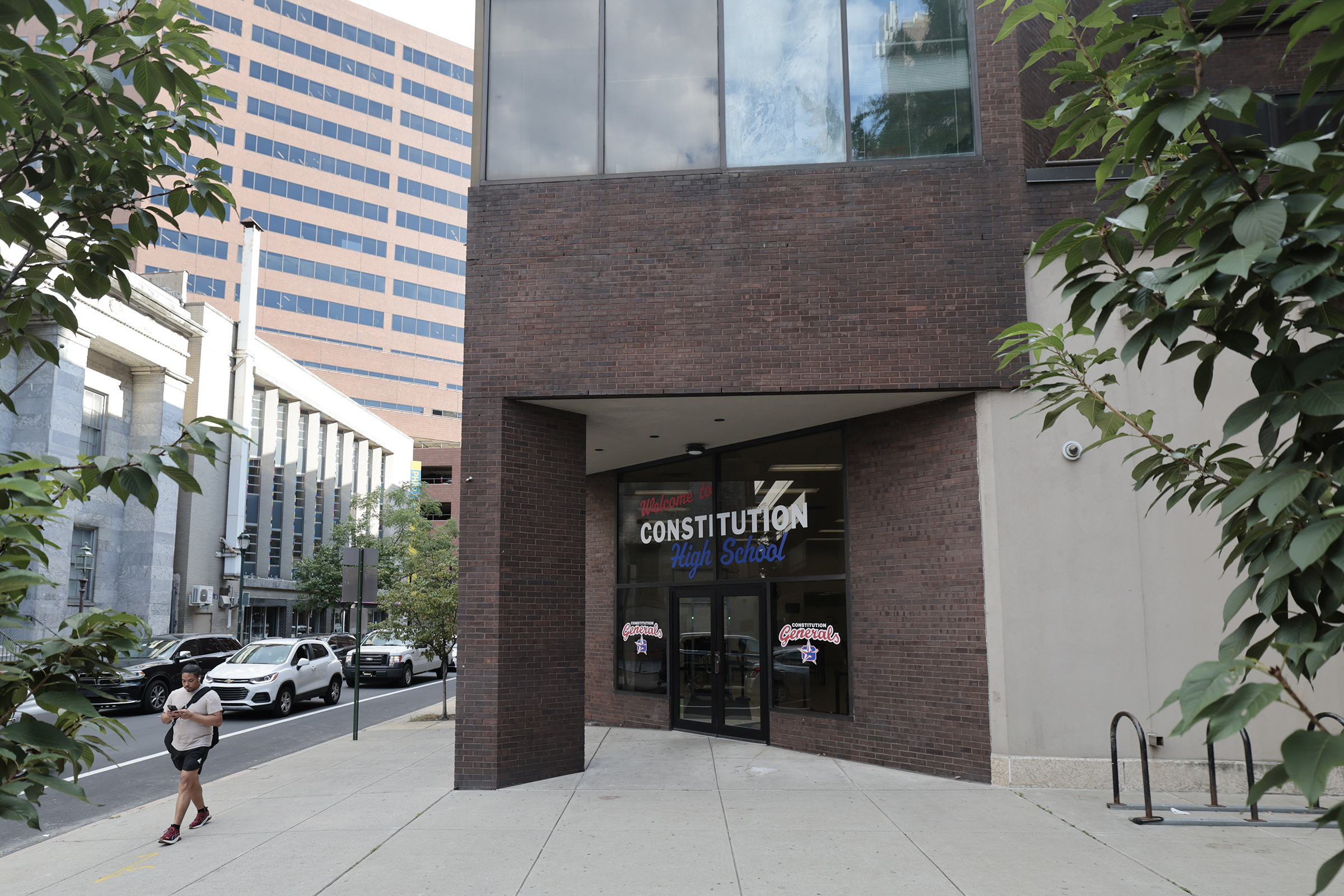
    The four-year agreement — the district will pay $1.7 million annually for two years, then $1.8 million and $1.9 million in the final two years — covers classrooms and related spaces at 18 S. Seventh St., the longtime home of Constitution High School.

    The move comes months after the district voted to close 17 schools, in part because it has 70,000 empty seats in schools across the city. The school system will also merge some schools — like Overbrook High and the Workshop School — as part of its $3 billion facilities master plan, to be enacted over the next decade, but it opted not to move Constitution High into any school with empty space.

    Board members voted unanimously to pass the resolution, which noted the district “continues to work through the completion of the Facilities Master Plan to properly identify appropriate space for our students.”

    Officials will “review the opportunities that may exist in the coming years that would cause us to re-evaluate the current necessary decision to remain at this location, which accommodates the needs of the students within this program. If the opportunity arises for the school district to consider relocation, the community and stakeholders will become aware and involved in this process.”

    The facilities plan calls for Constitution to move in 2035-36 into the current Bodine High building in Northern Liberties. Bodine will eventually expand and move into the current Penn Treaty building, in Fishtown, and Constitution will then occupy the Bodine space.

    Constitution, a citywide admissions school, has been located at its current building since the school opened in 2006 as part of Philadelphia’s small-schools boom. The school was designed with a civics focus, and deliberately located near the National Constitution Center.

    The district has moved other schools out of rental properties. It relocated Science Leadership Academy, which had been in rental space near the Franklin Institute, into Benjamin Franklin High. District officials have pointed to that colocation as a model.

    Charter renewals, but no mention of missing PSSAs or Kensington asbestos relocation

    The board also voted Thursday night to renew two charters: YouthBuild Philadelphia Charter, on North Broad Street in North Philadelphia, and Inquiry Charter, on Belmont Avenue in West Philadelphia.

    Both schools received five-year renewals.

    YouthBuild’s renewal came with conditions: agreeing to submit a student attendance plan, tracking students’ daily attendance, and divulging supports offered; and promising to ensure the school’s suspension rate is at or below the district’s suspension rate.

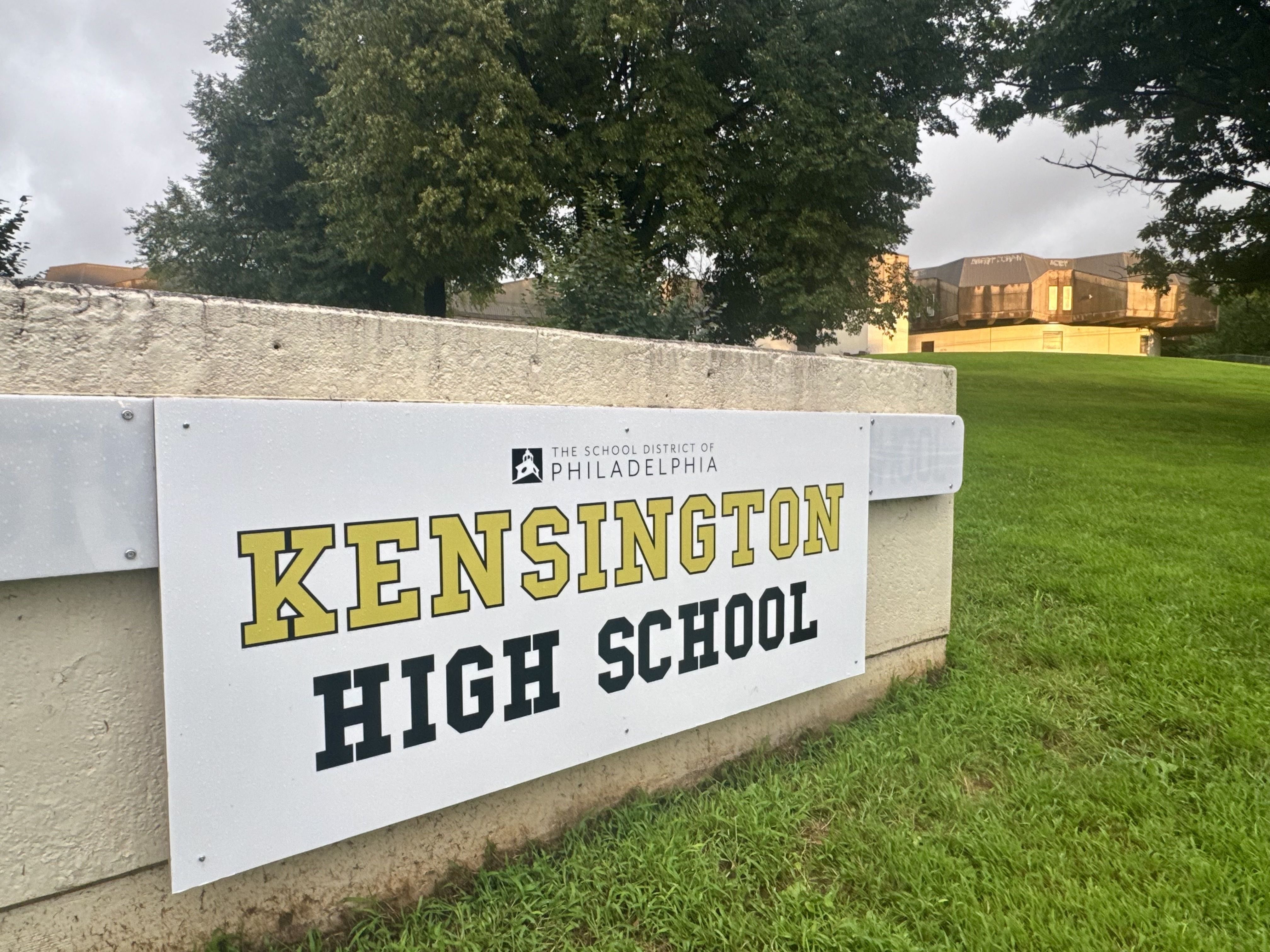
    No district official addressed two brewing matters: either the asbestos-related relocation of Kensington High students to the former Meehan Middle School building in the Northeast, more than seven miles away, or the district’s missing PSSA scores.

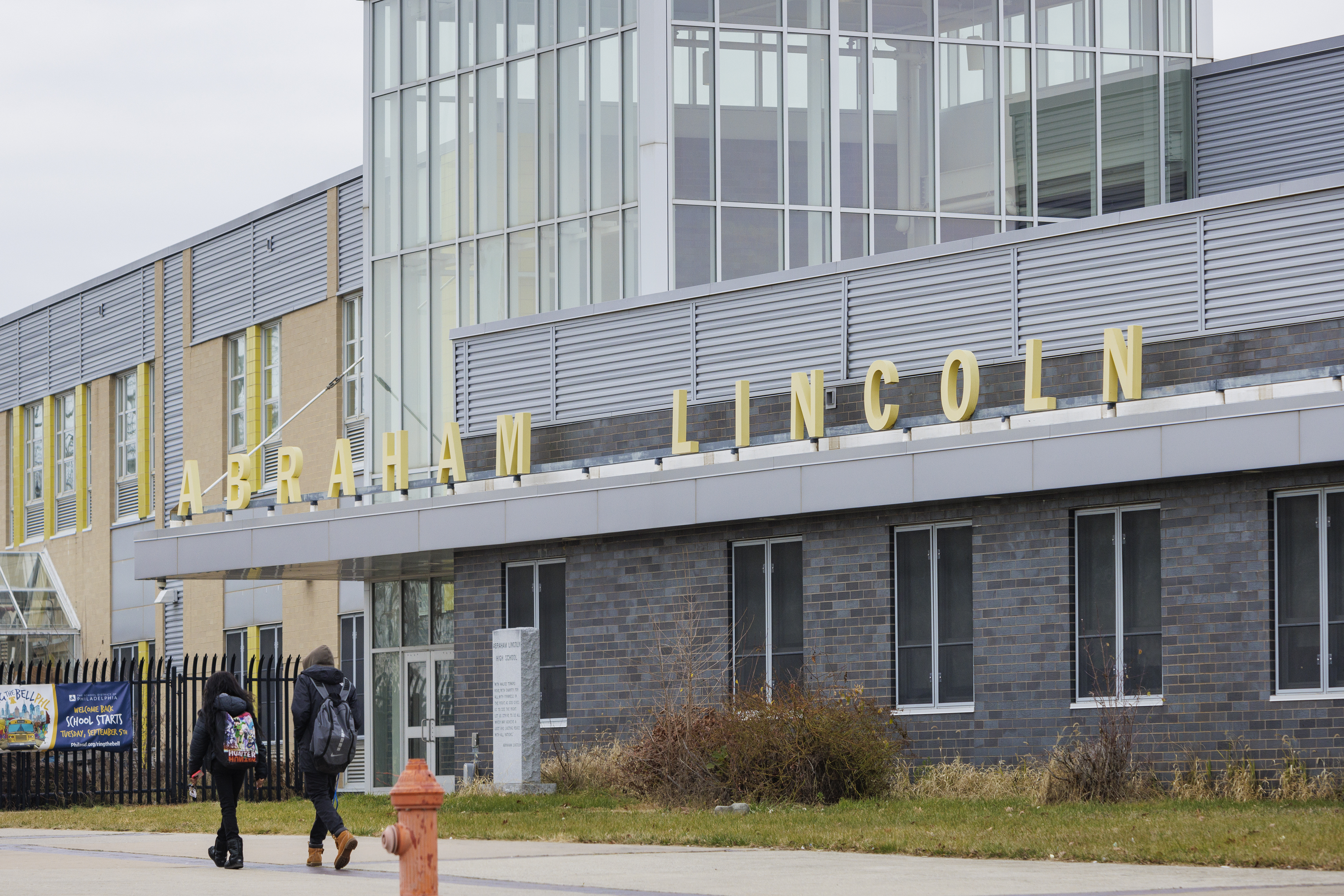
    Earlier on Thursday, a Lincoln High parent and a Mayfair resident were attempting to block Kensington’s move to Meehan, a closed district school currently used as swing space to house school populations that need a temporary home.

    Meehan shares a campus with Lincoln and Northeast Community Propel Academy, both of which are overcrowded. Parent Harold Brown and Peter McDermott, a former Philadelphia teacher who’s active in Mayfair civic life and city Democratic politics, say moving Kensington onto the campus will harm students.

    They also say placing 400 Kensington students and 90 staff at Meehan violates a Community Benefits Agreement signed in 2019, when neighbors OK’d building Propel to ease overcrowding at other Northeast schools.

    No mention was made, either, of the lack of data around Philadelphia students’ PSSA and Keystone exams.

    District officials said they won’t release the scores of students’ spring tests — which district officials have access to — because of a delay in Harrisburg.

    Though the district did receive preliminary student-level scores, and released limited data to some teachers and administrators in order to correctly roster a limited number of students, they have walled off the data from the vast majority of educators.

    A district spokesperson said this week that they won’t be using PSSA scores for the school selection process that admits students to 37 magnet schools. Instead, students can take an alternate assessment the district declined to name or detail.

    The scores are consequential in a district where officials frequently state their goal to become the fastest-improving large urban school system in the country. Philadelphia has posted academic gains during Superintendent Tony B. Watlington Sr.’s tenure and earned national attention for its post-pandemic improvement, but its students still generally struggle.

    Citywide, 34% of students score at grade level in English and 23% in math, as judged by 2024-25 standardized tests.

    Administration of this year’s PSSAs, given to students in third through eighth grades, was snarled by some technical glitches. It was the first year Pennsylvania required students to take the exams online.

    Research shows that scores usually dip when tests move online.

    Kristin Luebbert, a retired district teacher, urged the board and the district to release the scores.

    “Obviously, the administration must have strong feelings about what they show,” Luebbert said of the scores. “At this point, we all know they’re out there, so you might as well release them.”

  • Kensington High kids will go to Meehan after a Philly judge denies an injunction to stop the relocation

    Kensington High kids will go to Meehan after a Philly judge denies an injunction to stop the relocation

    Kensington High students can begin the 2026-27 school year at the former Austin Meehan Middle School in the Northeast, on Monday — despite a lawsuit that hoped to halt the relocation before classes begin.

    Philadelphia Common Pleas Court Judge Christopher R. Hall on Friday declined to issue an emergency injunction that would have prevented moving Kensington students to Meehan, a now-empty Northeast middle school.

    Asbestos issues rendered Kensington’s E. Clearfield Street building temporarily unusable. District officials decided to move Kensington’s 400-plus students and 90 staff to Meehan — on Ryan Avenue in Mayfair — until Kensington’s building is ready, likely in January.

    Meehan shares a campus with Lincoln High and Northeast Community Propel Academy, which are both already overcrowded.

    Harold Brown, parent of a rising sophomore at Lincoln, and Peter McDermott, a former district teacher and Mayfair civic leader, objected to the relocation, saying that moving Kensington into the Meehan space would create safety and other concerns.

    After a four-hour hearing, Hall said he did not “believe that there is evidence of an immediate and irreparable harm” if Kensington students start the year at Meehan on Monday.

    In fact, the judge said, “I think granting the injunction would throw off the Kensington families,” forcing the district to pivot to virtual instruction on short notice, which would harm students’ academics, food security and social and emotional needs.

    “The balance does not tip there,” Hall said in court.

    Hall’s ruling rests on the district meeting a 5 p.m. Friday deadline to submit a safety plan for the Kensington-at-Meehan campus. Hall and McDermott’s lawyers said they would file another injunction request.

    More police, and yellow bus service for most Kensington students

    Witnesses for both sides made their case over several hours.

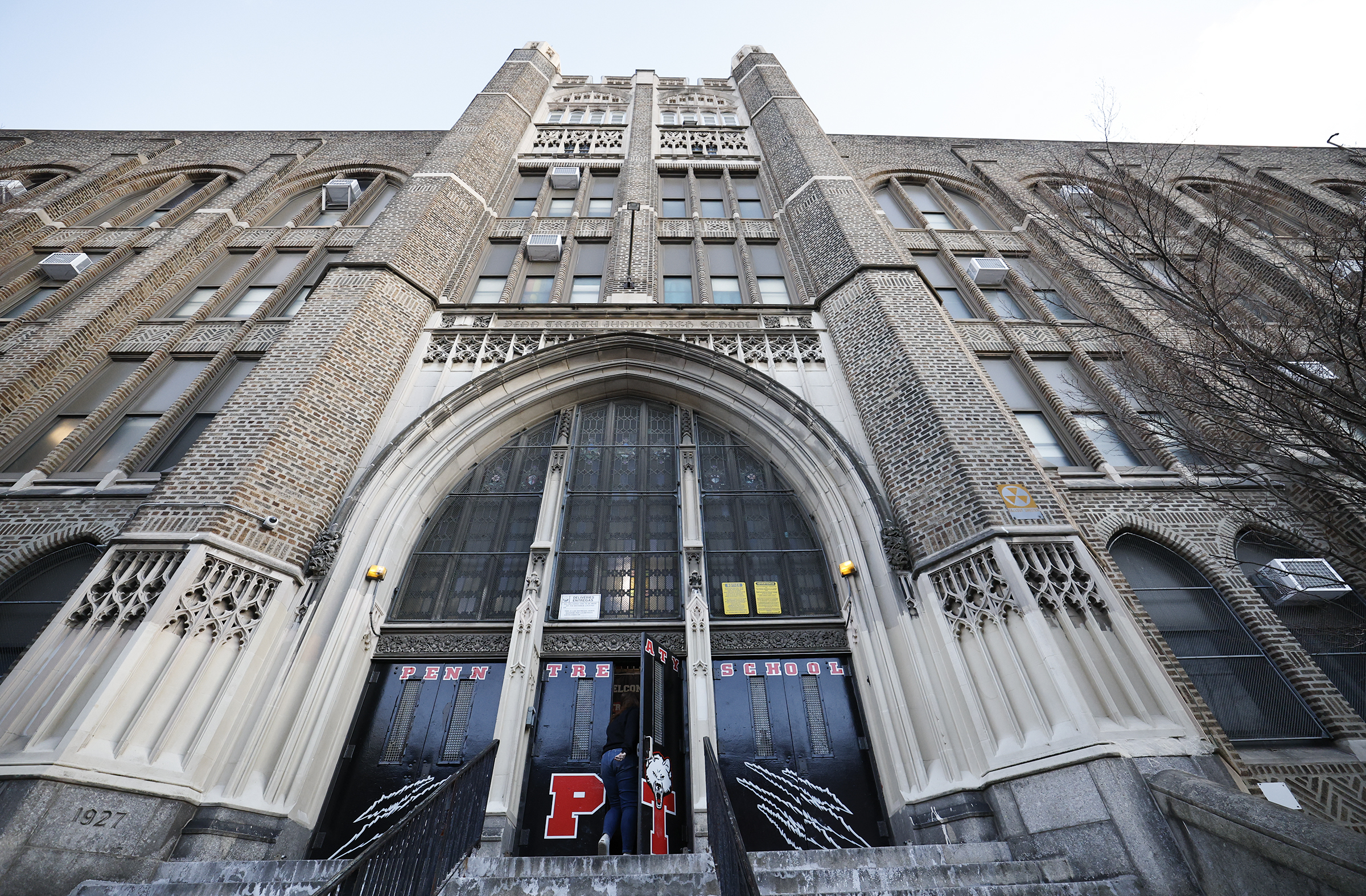
    The school system rejected two alternative sites closer to Kensington — Roberto Clemente Middle School, in North Philadelphia, and Penn Treaty High School, in Fishtown — before settling on Meehan, Teresa Fleming, chief operating officer, told the judge.

    Clemente was considered the better alternative, but ultimately could not accommodate all Kensington programs. Penn Treaty didn’t meet accessibility needs for students with disabilities, Fleming said.

    And Craig Johnson, the school system’s chief safety officer, said the district is adding police officers to ensure student arrival and dismissal run smoothly.

    Kensington typically had four school safety officers; it will get a fifth full-time officer with the relocation to Meehan, and a sixth part-time officer to help with arrival and dismissal.

    Answering concerns about additional students complicating the transit situation at the Lincoln-Meehan-Propel campus, Fleming said there will be no more than 90 Kensington students traveling to Meehan by SEPTA buses.

    Just under 70 Kensington students already receive yellow bus services, and those will continue, Fleming said; an additional 250 students now live close enough to walk to Kensington, and will take yellow bus shuttles from Kensington to Meehan. The remaining 90 students, who are out of catchment for Kensington, already receive SEPTA fare cards and will continue to do so, but may also opt to use the yellow buses if they so choose.

    ‘The kids are just kids’

    Brown, on the witness stand, said he had no problem with Kensington students specifically.

    “I don’t even want to say the kids are bad, the kids are just kids, but if you have more kids, things arise,” said Brown.

    After Hall made his ruling, Michael van der Veen, a lawyer for the plaintiffs, said his clients remained concerned, despite the district’s plans.

    What if “a week from now, or a month from now, we get a shooting, a stabbing, a killing, or violence that breaks out there?” van der Veen said.

    Regardless of Hall’s rejection of the injunction, the lawsuit will continue, van der Veen said, and “we’re going to continue to look at what the legal options are.”

    William Brennan, another lawyer representing the plaintiffs, said the relocation of Kensington students to Meehan is “a neighborhood safety issue, and we’re going to do everything we can to keep the neighborhood safe.”

    Hall, during the hearing, asked Brown and McDermott’s lawyers why parents and the neighborhood groups – who also say the district is violating 2019 and 2020 community benefits agreements – did not object to other students using Meehan.

    In the past, elementary school students from Mayfair Elementary — which was overcrowded, and Thomas Holme Elementary, which needed a temporary building while its new school structure was being built — learned in the Meehan space.

    “There’s a significant difference in that they were K-8 students, and now we’re looking at 9-12 students,” said McDermott, who previously taught in the district, at Benjamin Franklin High, when it and Science Leadership Academy were relocated after construction on their shared building went awry.

    Brennan expressed skepticism that the district’s safety plan, finished a few days before students return to class, will be adequate.

    “It sounds like the plan is to drop the bomb on the neighborhood,” Brennan said, “and just hope for the best.”

  • Philly kids in Head Start would have fewer teachers and English-only instruction under Trump administration plan

    Philly kids in Head Start would have fewer teachers and English-only instruction under Trump administration plan

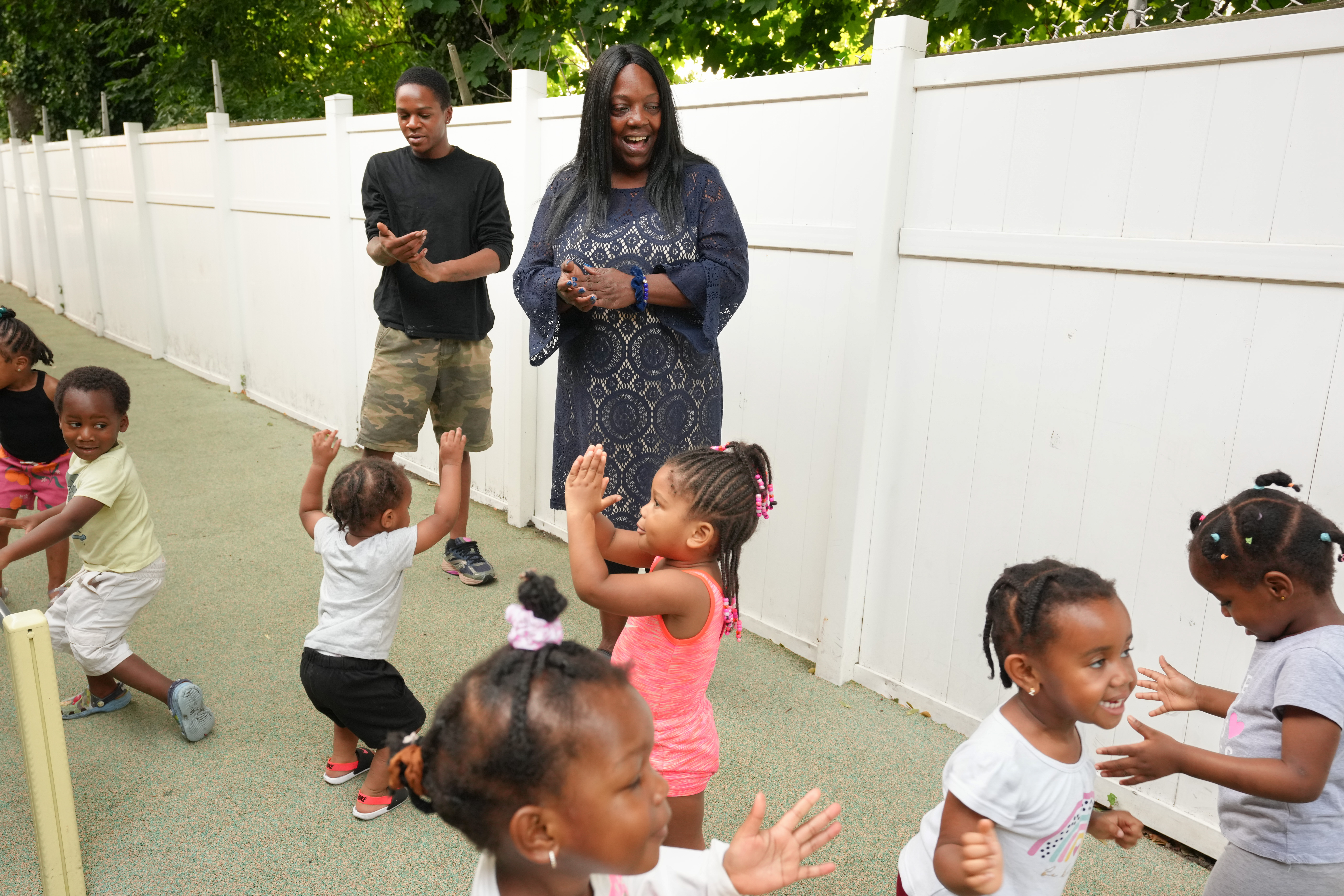
    Like scattered billiard balls, 16 Early Head Start children scampered across a rubber-matted playground in Southwest Philadelphia last week.

    Vigilant for tumbles or conflicts, four teachers calmly monitored the 1- and 2-year-olds in their high-energy frolic at an early learning center run by KenCrest, a nonprofit that operates Head Start and other programs in seven neighborhoods throughout Philadelphia.

    Head Start’s low ratio of one teacher for every four toddlers is a hallmark of standards for the 61-year-old federal program that provides free education, health, nutrition, family support, and daycare services for low-income children from birth to age 5.

    But now, advocates say, Head Start risks being eviscerated by changes proposed by the Trump administration.

    The vaunted teacher-child ratio, along with other foundational principles that make Head Start unique, is being threatened by plans to “deregulate” the program — overhauling the way it operates by eliminating more than 1,400 regulatory mandates that dictate how the program is administered.

    “We could be going to two staff members for 25 toddlers and two for 30 older kids,” said Melanie Brennan, executive director of early learning programs at KenCrest.

    “What’ll bathroom time look like?”

    The Trump administration defends its proposed changes as the building blocks for a better Head Start, which serves 700,000 low-income children nationwide, including an estimated 7,500 in Philadelphia.

    “We are removing unnecessary bureaucracy, strengthening nutrition and physical health, trusting parents and local communities,” said Health and Human Services Secretary Robert F. Kennedy Jr., whose department administers Head Start at the federal level.

    That does not ring true to Head Start professionals in Philadelphia.

    “It’s laughable to say all they’re trying to do is take away some bureaucracy,” Brennan said. “By ending rules that guide Head Start’s high, uniform standards, the administration’s real goal is to leave the education business.”

    In Philadelphia, more than $70 million in federal funding for Head Start goes through the Philadelphia School District, the program’s largest provider in the city, said Diane Castelbuono, the district’s deputy chief for early learning.

    KenCrest Director Josie Jones with staff and Early Head Start students.Jessica Griffin / Staff Photographer

    The district uses that money to directly operate Head Start programming in more than 60 school buildings, mostly elementary schools, throughout the city, she said. It also works with approved contractors who run Head Start classrooms at approximately 75 childcare sites in Philadelphia, Castelbuono added.

    Asked for comment on the proposed changes, the school district said in a statement that the Head Start program has “positively impacted” students and that district officials “remain committed to preserving the robust standards that have proven essential to our program’s success.”

    ‘Stunned and sad’

    While only Congress can repeal the statutory authorization for Head Start, which has an annual budget of about $12 billion, opponents of the Trump administration’s proposal warn the new rules would weaken the program to the point it became unrecognizable — or stopped existing altogether.

    The plan, called “Reducing Federal Burden for Head Start Programs,” was released Aug. 7.

    Public comment will be accepted until October, when the administration hopes to finalize the rules.

    Kush Desai, a spokesperson for the White House, said the changes would enable the government to provide a stronger program that ensures services “are delivered effectively to children and families in need” by reducing “unnecessary administrative burden.”

    Advocates who have spent their late-summer vacations reading the complex, nearly 200-page document say they are in the process of marshaling opposition, which they hope will delay or alter the administration’s plans.

    “There’s so much to unpack,” said Kara McFalls, executive director of the Pennsylvania Head Start Association in Harrisburg. “We’re checking with experts to see if Head Start becomes gravely harmed.”

    Advocates say initial readings of the new rule justify their concerns.

    Beyond altering teacher-child ratios, the administration would lower the cap on Head Start administrative program costs from 15% to 5%, which means local programs could spend only up to 5% of their total budget on operational overhead like management, human resources, IT, and administrative salaries.

    That would be “devastating,” McFalls said, making it harder for programs to pay staff working in these departments.

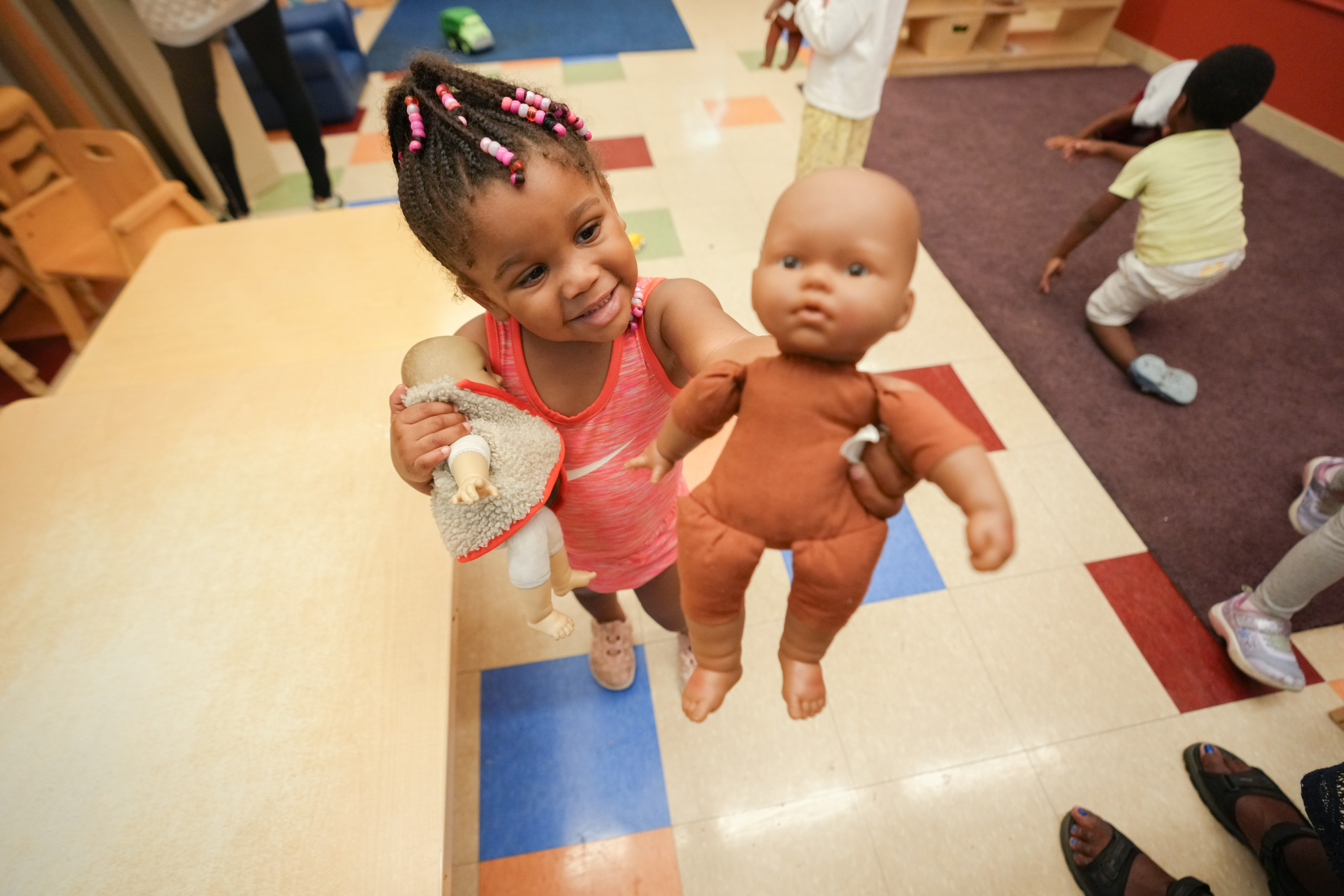
    An Early Head Start student plays with a doll at KenCrest in Southwest Philadelphia.Jessica Griffin / Staff Photographer

    Additionally, the administration would require instruction to be conducted in English only — which could hit several Head Start programs across the city that offer bilingual education.

    “That policy would be ridiculous and biased,” said Rachel Sanders, executive director of Your Child’s World Learning Center, which includes Head Start programs in Southwest and Northeast Philadelphia, as well as in West Oak Lane. “Our children speak multiple languages.”

    While all primary instruction is in English, Sanders said, children who speak Spanish, Mandarin, Arabic, or another language are taught the lessons either by teachers fluent in those languages or by translators brought in to help. She added that 50% of the students in the Northeast location do not speak English on the first day of instruction, but that the additional support helps them eventually learn the language.

    “No way would we ever discontinue translating,” she said.

    Under the Trump administration plan, requirements for math and literacy curricula would be removed. Also gone would be stipulations that programs check on whether families have provided their children with immunizations, dental visits, wellness checks, and mental health consultations.

    And hygiene training — including the Head Start tradition that children brush their teeth in class — would end.

    The proposed changes “left me stunned and sad,” said Chandell Craig-Cromwell, 39, of West Philadelphia, a mother of two Head Start graduates who works in human resources in a city agency.

    “This isn’t just education, or babysitting. It’s developmental support,” she said. “I’m upset for all the moms who’ll get this new version of Head Start.”

    If the administration alters Head Start so profoundly, said Sharon Wolf, an early education expert at the University of Pennsylvania, she questioned whether the program should still keep its name.

    “I fear we could be moving to weakened, ordinary childcare,” she said. “Then, is it Head Start anymore?”

    Madison Marino Doan, a policy analyst in the Center for Education Policy at the conservative Heritage Foundation, disputed the notion that the administration’s proposal represented an effort to eliminate Head Start.

    “The current proposal under consideration is an effort to deregulate the program and give states greater flexibility to design programs that reflect the needs of their communities while maintaining current funding,” she said.

    Doan added that Congress should simply end the program — a recommendation made in the foundation’s Project 2025, a conservative blueprint for a second Trump administration.

    Some advocates warn the administration’s push to change the program has more to do with ideology than concerns about efficiency.

    Tyrone Scott, a director at First Up, a Philadelphia-based early education nonprofit, said he often runs into people who self-identify as conservatives at public forums who say that part of Head Start’s true mission is to “indoctrinate kids with a political ideology that includes ideas like racial justice.”

    But, he said, the mission of Head Start is a lot simpler than that.

    “It teaches kindness,” he said. “That isn’t a political philosophy.”

  • What happens next for Philly schools that are closing or receiving closing schools? Here’s how to weigh in.

    What happens next for Philly schools that are closing or receiving closing schools? Here’s how to weigh in.

    The Philadelphia School District will soon offer a new way to have a say in how Philadelphia school closings, mergers, and other transitions happen.

    The district announced Thursday that it will soon open applications for 50 transition teams to help manage what comes next for a host of schools — those closing or beginning phaseouts at the end of the 2026-27 school year, and those receiving students from those schools in 2027-28.

    The school board voted in April to close 17 Philadelphia schools, some as soon as the end of the 2026-27 school year. It’s also ordering mergers and other changes. The $3 billion plan, the funding for which is not assured, also plans for 169 renovation projects at schools around the city.

    The plan remains unpopular, with several City Council members still pressuring the district to change course on some closures.

    The aim for the transition committees, officials said, it to “bring together students, families, educators, staff, and community partners to provide input, help identify priorities, and support the development of transition plans that reflect the needs of each school community.”

    A new school transition office, led by Shakeera Warthen-Canty, will coordinate the work.

    “We know that successful school transitions require more than a plan — they require meaningful partnership with the students, families, staff, and communities who will experience these changes,” Superintendent Tony B. Watlington Sr. said in a statement. “This next phase gives communities a clear opportunity to help shape the transition process and ensure that we are planning thoughtfully, collaboratively, and with students at the center.”

    The applications will open Aug. 31 and can be filled out through Sept. 18.

    Transition committees, made up of up to roughly 20 members, may include teachers and staff, parents and families, community members, and students.

    Officials said the committees won’t be the only way for people to have their say. School-specific feedback opportunities will be announced later, they said.

    Which 50 schools are forming transition teams?

    The schools closing in 2027-28 are:

    Blankenburg

    Fitler

    Lankenau High School

    Robert Morris

    Overbrook Elementary

    Parkway Northwest

    Parkway West

    Pennypacker Elementary

    Paul Robeson High School

    John Welsh Elementary

    The schools beginning phase-outs in 2027-28 are:

    AMY Northwest

    Penn Treaty

    Harding Middle School

    Stetson Middle School

    Tilden Middle School

    Wagner Middle School

    The schools receiving students starting in 2027-28 are:

    Bache-Martin Elementary

    Barry Elementary

    Bluford Elementary

    Carnell Elementary

    Cassidy Elementary

    Catherine Elementary

    Cramp Elementary

    A.B. Day Elementary

    F.S. Edmonds Elementary

    Ellwood Elementary

    Hackett Elementary

    Hartranft Elementary

    Heston Elementary

    Howe Elementary

    W.D. Kelley Elementary

    Kensington Health Sciences Academy

    Kensington High School

    King High School

    Lawton Elementary School

    Ludlow Elementary School

    John Marshall Elementary

    Morton Elementary

    Motivation High School

    Patterson Elementary

    Pennell Elementary

    Prince Hall Elementary

    James Rhoads Elementary

    Rowen Elementary

    Science Leadership Academy at Beeber

    Sullivan Elementary

    Martha Washington Elementary

  • A Lincoln High parent and Mayfair resident want a judge to halt the move of Kensington HS students to a Northeast Philly school

    A Lincoln High parent and Mayfair resident want a judge to halt the move of Kensington HS students to a Northeast Philly school

    A Lincoln High parent and a Mayfair resident are attempting to block the planned relocation of Kensington High School students to the former Austin Meehan Middle School in the Northeast.

    Harold Brown, a Lincoln parent, and Peter McDermott, who is active in Mayfair civic life and Democratic politics, filed suit Thursday against the Philadelphia School District, Superintendent Tony B. Watlington Sr., and the city itself in Common Pleas Court.

    While the former middle school has been used as a swing space since it closed in 2022, Brown and McDermott say that moving 400 Kensington High students and 90 staff there will create student safety concerns because the campus is already overpopulated. Meehan is adjacent to Lincoln High and Northeast Community Propel Academy, both of which are overcrowded, with student bodies that exceed the capacity of their respective buildings.

    The relocation, they argue, also violates the terms of a 2018 community benefits agreement that allowed the school district to build Propel.

    Brown and McDermott want a judge to halt the move before school begins for students on Monday.

    The district ordered Kensington relocated to the former Meehan site, more than seven miles away on Ryan Avenue, over asbestos concerns. A contractor working on a new HVAC system for Kensington this summer disturbed asbestos, then tracked it throughout the school, officials said.

    District administrators initially believed they could fix the asbestos issues in time for school to start; after urging from the Philadelphia Federation of Teachers, they decided to relocate staff and students through the end of the calendar year.

    The district last year spent $11 million to place trailers at Lincoln, which houses over 2,000 students in a school built for 1,200.

    City Councilmember Mike Driscoll last week raised worries about adding students from another high school to the Lincoln-Propel campus, and the district said it would prepare and share a school safety plan before classes began.

    “The absence of a disclosed and tested plan prevents families from evaluating whether defendants can safely supervise two separate high-school populations and a K-8 population in the same immediate campus area,” the suit says.

    The suit suggests students be moved instead to Penn Treaty High or Roberto Clemente Middle School. (The district had initially planned to move Kensington students and staff into Clemente, then judged that building did not have enough room.)

    Moving Kensington to Meehan will overtax the campus on multiple levels, the suit said, from congestion and personnel to security and transportation.

    “For Plaintiff Brown’s son and the existing Lincoln student body, adding another complete high-school population to an already over-capacity campus will predictably diminish teacher access, disrupt orderly transitions and arrival and dismissal, reduce access to shared services and activities, and materially impair the quality and continuity of the students’ daily learning and overall school experience,” the suit said.

    Brown and McDermott also say the district has failed to live up to several promises made in the community benefits agreement — including demolishing Meehan, sprucing up fields, and replacing fencing. Those things have not been done, the suit says.

    Philadelphia School District officials could not immediately be reached for comment.

  • Temple boosts police salaries by double digit percentages in new contract, will increase number of patrol officers

    Temple boosts police salaries by double digit percentages in new contract, will increase number of patrol officers

    Temple University will significantly raise the salaries of its police force under a new five-year contract aimed at addressing its longstanding problem of attracting and retaining enough officers.

    The new contract — which comes a year before the previous contract was set to expire — was initiated by university president John Fry after a staffing study released in December found the school needed to increase its number of police officers.

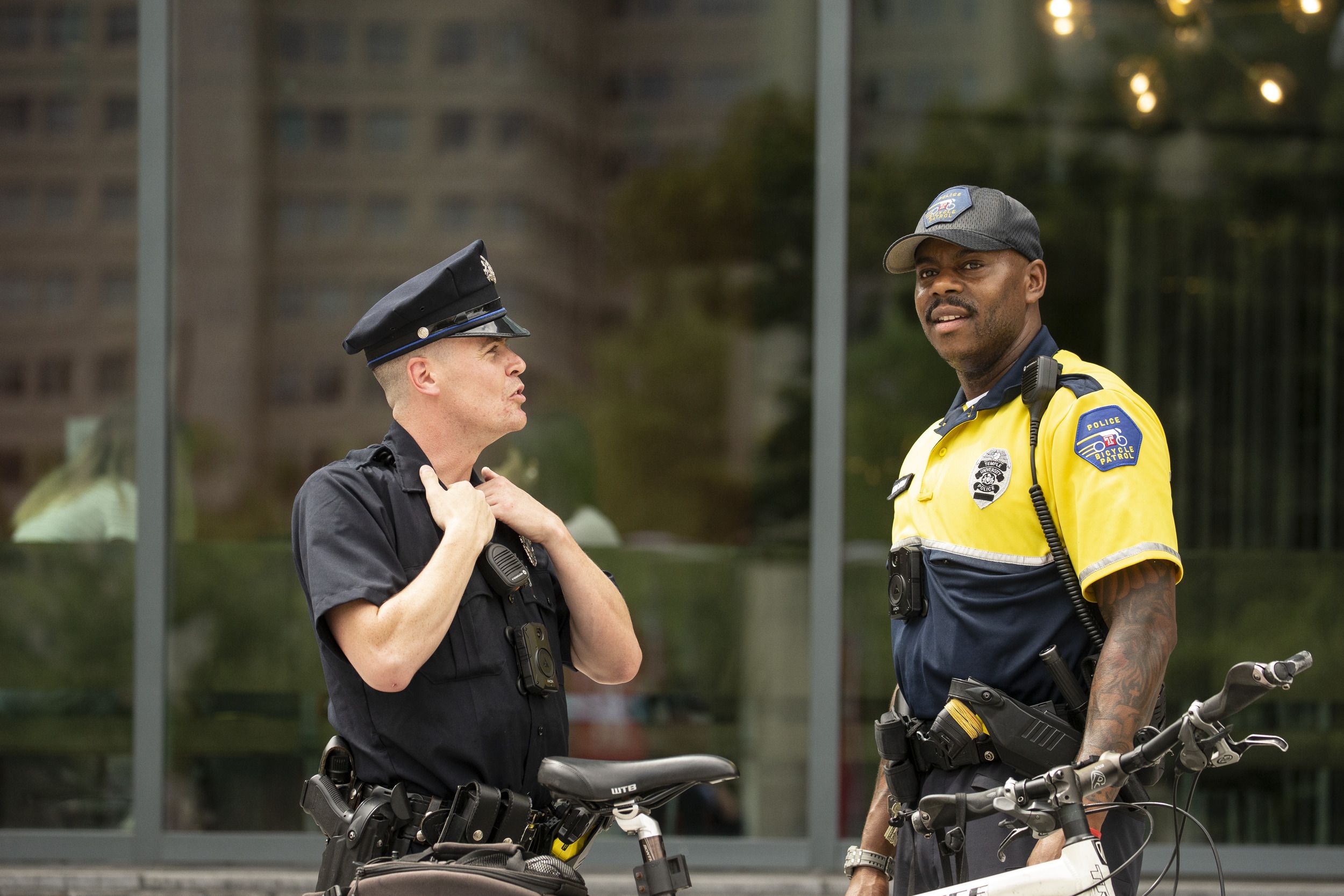
    The new pay scale more closely aligns with that of the Philadelphia Police Department, the university said, and is expected to help the school reach its goal of increasing its number of patrol officers by 29, or 58%, over five years. It now has 79 police officers on staff — about 50 of them patrol officers — with three more poised to start Sept. 8. Five more are ready to graduate from Temple’s police academy in October, with more lined up to start there, the university said.

    “We understand, like in our bones, how vital this work is not only to the safety of our students and our employees but to our neighbors, which we prioritize as well,” Fry said in an interview Thursday. “If we’re going to make North Philadelphia in particular an investable area, it all starts with public environment and public safety. No one’s going to contemplate making major research or commercial or residential or retail investments in an area that they don’t have confidence in.”

    Under the new pact — which was ratified in June and runs through June 30, 2031 — an officer with at least three years of experience will start at a salary of $92,000, up $8,572, or 10.25%, from the previous salary of $83,428.

    Those with at least five years of experience will start at $100,000, up $12,878, or 14.75%, from $87,122.

    And officers will get raises ranging from 3% to 6.5% at anniversary milestones or across-the-board increases of 3% — whichever is greater. The agreement was announced Thursday.

    “From a competitive standpoint, this new contract will make a huge difference,” Andrew Lanetti, president of the Temple University Police Association, the union, said in a statement. “It is going to entice young officers at the beginning of their career to join Temple, and it will also entice officers from other agencies to join our department.”

    And it is helping to keep officers, too, he said in an interview.

    “Many people who were thinking about moving on to other departments have now changed their minds,” he said.

    Officers will see significant salary bumps, ranging from $5,000 to $17,000, as they reach each level, he said.

    The contract, said Denise Wilhelm, interim vice president of public safety, also has made officers feel more valued.

    “This is a true partnership, and it shows,” Wilhelm said.

    Temple enrolled 29,503 students last year excluding its campuses in Rome, Tokyo, and Kyoto, Japan. Its police officers patrol on and around the school’s main campus and health sciences campus in North Philadelphia and on its Ambler campus.

    The university had faced criticism from the Temple police union in the past for not doing enough to recruit and retain officers. In a social media post in December 2024, the union said the department had lost more than 50 officers since 2022.

    The new pact also includes paid parental leave, an additional week of vacation for a total of five after 15.5 years, field training officer pay, and hazard pay for working during declared states of emergency, the university said.

    The staffing study released in December showed that Temple was below the middle tier of a framework that rates law enforcement agencies. The university at that time had 77 sworn officers — 50 of them patrol officers — and Fry pledged to add 29 patrol officers, one detective, six sergeants, and one lieutenant over the next five years. That would increase the overall number of sworn officers to 114.

    “We must, and we will, deploy ever more compelling and creative incentives to make Temple’s Department of Public Safety a destination employer for law enforcement in our region,” Fry, who named public safety a top priority when he started as Temple’s president in November 2024, said at that time.

    Retaining and hiring police officers have remained challenging, as has been true for police departments nationally. The university in the past had increased salaries and benefits, added signing and retention bonuses and higher contributions to retirement accounts, and hired an associate director to focus solely on hiring, recruitment, retention, and training.

    But the overall number of officers had declined over the last few years anyway. Temple ended the last academic year with 76 officers, down one from December.

    Fry said he is confident this time will be different because the strategy is long-term and intentional, with the university prepared to make the budgetary investment, even though it means sacrifices will have to be made elsewhere.

    “We’re certainly going to do better than we have been doing,” he said.

    The university is preparing to bring in new leadership for public safety. Jennifer Griffin, Temple’s former vice president of public safety, resigned in June after nearly four challenging years on the job. The university is conducting a national search for her replacement.

    Griffin had started in August 2022 as the university continued to cope with the aftermath of the shooting death of student Samuel Collington outside his off-campus apartment in November 2021.

    She led the department when Temple Officer Christopher Fitzgerald was shot and killed in 2023 while on duty and through other challenges facing the campus.

    During her tenure, the university implemented or began implementation of all 68 recommendations from a safety audit by former Philadelphia Police Commissioner Charles Ramsey’s firm.

  • Temple will for the first time require most freshmen to live on campus

    Temple will for the first time require most freshmen to live on campus

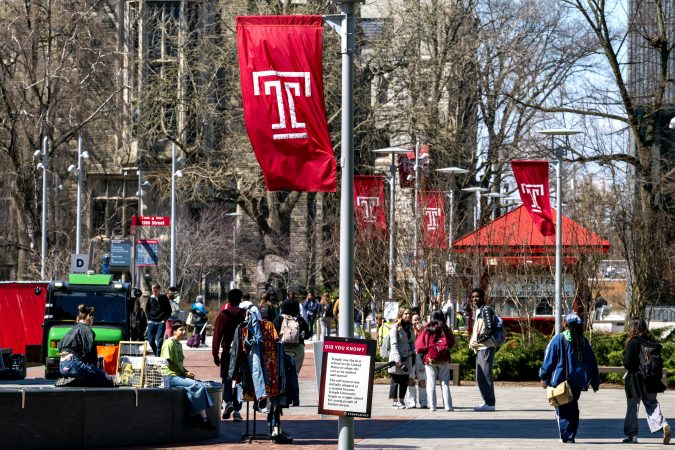
    Temple University for the first time in fall 2027 will require freshmen under the age of 21 to live on campus, with certain exceptions for students living locally with parents or guardians and others facing financial hardship.

    The university’s decision comes as the school makes an effort to improve the first-year experience and stem a declining retention rate.

    It is a significant change for a university that for much of its history was largely a commuter school and only transitioned to a major research university with an on-campus living community in recent decades.

    “The policy gives Temple an important opportunity to strengthen student success by creating a more intentional first-year experience and connecting students earlier to the people, resources and support that can help them persist and thrive,” Temple president John Fry said in a message to the campus community Wednesday.

    Last fall, 63% of first-year students and 22% of all undergraduates lived on Temple’s campus, according to the university.

    Many four-year colleges already require their freshmen to live on campus to better connect them to the college community, ensure they have access to support services, and improve their chances at academic success. It also brings in revenue and eases the burden of off-campus housing in surrounding communities.

    The University of Pennsylvania and Drexel University require students to live on campus their first two years. Pennsylvania State University — like Temple, a state-related university — calls for freshmen to reside on its main University Park campus. Some colleges, including Dickinson in Carlisle, mandate that students live on campus all four years.

    Not all schools have such a requirement, however: West Chester University, which has been tight on student housing over the years, does not, though the majority of first-year students live on campus.

    “We want over time for people to think about Temple as a great residential campus that’s also very friendly to commuter students,” Fry said, “as opposed to a commuter campus that is doing some residential things.”

    Temple will create “an intentional focus on belonging, connection, academic success, wellness, help-seeking and personal growth” during that first year, Fry said.

    Peer mentorship, early intervention and academic support initiatives, mental health resources, and financial counseling for students and families are among the resources that the university will offer, the school said.

    “This work will include stronger coordination across housing, advising, academic support, wellness and other student services so that students experience a more connected first year at Temple,” Fry said.

    Creating closer connections is especially important for first-generation college students and those coming to Temple from outside the area, the school said.

    The university’s recently released strategic plan calls for the construction of a new 1,000-bed residence hall on Broad Street, with work beginning next year. That would increase the current 5,000-bed capacity on the main campus by 20%. Temple welcomed a record-breaking 5,379 first-year students last fall.

    “We think we’re at a minimum several thousand beds short of where we need to be,” Fry said in January when the plan was released. “A stronger residential experience really does make for a much more fulfilling undergraduate experience. The more kids living on campus, the more dense campus is, I think the better we’re going to do on safety.”

    The university has ramped up its safety efforts in recent years following the shooting death of a student outside his off-campus residence in 2021 and the shooting death of a Temple police officer in 2023. But challenges continue in the school’s North Philadelphia neighborhood. In April, a Temple student was chased into the lobby of the school’s Morgan Hall dormitory and attacked by a group of juveniles.

    When the new residence hall opens, Temple will upgrade Johnson and Hardwick Halls, which have an additional 1,000 beds, Fry said in January.

    The Annenberg Hall/Tomlinson Theater building, whose programs will relocate to a new arts and communication building in 2027, could also be converted into more residential space if needed, Fry said.

    Fry expects the new first-year residency policy will lead to increases in persistence and graduation rates in future years, he said in Wednesday’s announcement.

    About a decade ago, 90% of freshmen returned to Temple for their sophomore year, but by last fall, that percentage had slid to 82%, and Temple said in an internal report in April that the figure could fall below 80% this fall.

    Fry said that more than 60% of all four-year residential colleges have some kind of first-year residency requirement. That includes many colleges that belong to the national University Innovation Alliance, which Temple joined in March 2025.

    “Decades of research have shown that students who live on campus ultimately benefit from a more productive and rewarding college experience,” Elizabeth Wentz, Temple’s new senior vice president and provost, said in a statement.

    Temple will offer several exemptions to the requirement, including those living with a parent or guardian in Philadelphia or other approved nearby zip codes. Students facing financial hardship verified through the university; those who are part-time, nontraditional, married, or have custody of one or more dependent children; and those with extenuating medical or personal circumstances that cannot be accommodated in university housing also are exempt, the school said.

  • A PSSA delay means Philly kids may have to take an alternative test to get into special admission schools. Here’s why.

    A PSSA delay means Philly kids may have to take an alternative test to get into special admission schools. Here’s why.

    Call it the mystery of the test scores.

    Philadelphia School District officials said this week that because of a delay in Harrisburg, they cannot use the latest state test scores to judge whether the school system’s academics are improving.

    The apparent bureaucratic delay could have real-world consequences for Philadelphia students who rely on the state test scores for admittance into selective magnet schools. And because the 2025-26 PSSA and Keystone results now will not be part of the closely watched school selection process, district officials said, some kids may need to take an alternate assessment if they want a chance to attend a magnet school.

    But the situation seems murky, with Philadelphia walling off its data in ways that other districts have not.

    Districts across Pennsylvania — including Philadelphia — received preliminary school-level scores from the Pennsylvania Department of Education in the spring, as is typical, sources confirmed to The Inquirer. And though some Philadelphia principals and teachers did see limited data for some incoming students for rostering purposes in August, most of the student- and school-level data remain hidden.

    Here is what we know, and what we don’t know, about the score release.

    PSSA administration was online, and glitchy, this year

    Pennsylvania moved in the spring to fully online administration of the Pennsylvania System of School Assessment, the state’s standardized test for third through eighth graders. Research shows that a shift from paper tests to online exams typically yields drops in student test scores.

    Many districts experienced technical glitches early in the PSSA assessment window, with some students unable to log in to complete their exams. Some canceled testing for a day, shifting assessment schedules because of the problems with the online system.

    PDE just weighed in

    The Pennsylvania Department of Education usually releases preliminary statewide results to districts in August or September, to give educational leaders time to crunch the numbers and prepare for a fall public release of the data.

    But PDE officials, in a letter sent to districts on Tuesday, said there would be a delay because a “review of the preliminary data is still underway.”

    No reasons for the shift were given, and no information was shared about whether the public release, which usually happens in the late fall, will be pushed back.

    Philly took a different tack

    While other districts and charters still have access to school- and student-level data from the 2025-26 PSSAs and Keystones, Philadelphia kept the vast majority of its data hidden from principals and teachers.

    Though some other data, like the results of periodic benchmark tests, are still available, PSSA and Keystone figures are often used to help pinpoint student needs.

    The Philadelphia School District Office of Evaluation, Research and Accountability told principals in June that “state test data are embargoed and not available until they are verified by the Pennsylvania Department of Education,” district spokesperson Monique Braxton said in a statement Wednesday.

    That review was expected to be completed by Tuesday, Braxton said, but has been pushed back.

    “Until this process is complete, assessment data will not be released,” Braxton said. “Additional information will be shared after PDE completes its review and the official statewide results are released.”

    It remains unclear why most Philadelphia data are still inaccessible to school staff.

    Questions around school selection and more

    Philadelphia’s school selection window, when students can apply to the city’s 37 sought-after criteria-based schools, opens Sept. 8.

    But the questions around the state data mean that the district “cannot use the 2025-26 assessment results to evaluate year-over-year student achievement or as the required criterion for school selection,” Braxton said. “In the interim, students will have the opportunity to take an alternative assessment in the fall and submit those results instead.”

    The district did not address questions about what assessment will be given, when it will be offered, whether it will be mandatory for school selection, or what will happen if students want to apply for criteria-based schools but not take the alternative assessment. It also did not answer questions about whether there will be an additional cost for the new assessment.

    Fastest-improving large urban district?

    Superintendent Tony B. Watlington Sr. has staked his reputation on Philadelphia being the “fastest-improving large urban district in the country,” and the district has posted promising, if incremental, gains during his tenure. Philadelphia students’ learning post-pandemic was best in the nation, according to recent research out of Harvard and Stanford Universities, though district students still perform 2.46 grade levels below the pre-pandemic national average.

    District-wide, 34% of students score at grade level in English and 23% in math, as judged by 2024-25 standardized tests.

    Braxton said in the statement that after consulting with PDE, “the district cannot use the 2025-26 assessment results to evaluate year-over-year student achievement.”

    More information will be shared, Braxton said, “as it is received from the PDE.”

  • The former Penn State student charged with running a cocaine-trafficking ring turned himself in

    The former Penn State student charged with running a cocaine-trafficking ring turned himself in

    The former Pennsylvania State University student accused of running a cocaine trafficking ring out of fraternity houses surrendered to law enforcement Tuesday morning, the state attorney general’s office announced.

    Agostino Abbatiello, 24, is charged with orchestrating cocaine sales at Penn State over 2023 and 2024, while he was a student there. He eventually became known as the main cocaine dealer on campus, according to a criminal complaint.

    Abbatiello and another defendant in the case, Thomas Robinson, 23, allegedly were the two key suppliers for the ring and made regular trips to Philadelphia and New York to purchase large quantities of cocaine.

    They arranged for the drugs to be brought to two off-campus fraternity houses, Delta Upsilon and Sigma Chi, where it was packaged for distribution to other Penn State students, according to the complaint. For some fraternity members, preparing the cocaine for sale became part of their indoctrination to the fraternity, Attorney General Dave Sunday said in a statement on Monday.

    Police began investigating in September 2024, and used informants to purchase cocaine, allegedly from Robinson. After Robinson was arrested in December 2024, he told police he had purchased large quantities of cocaine from Abbatiello, including as much as $22,000 for one kilogram at a time, according to the complaint.

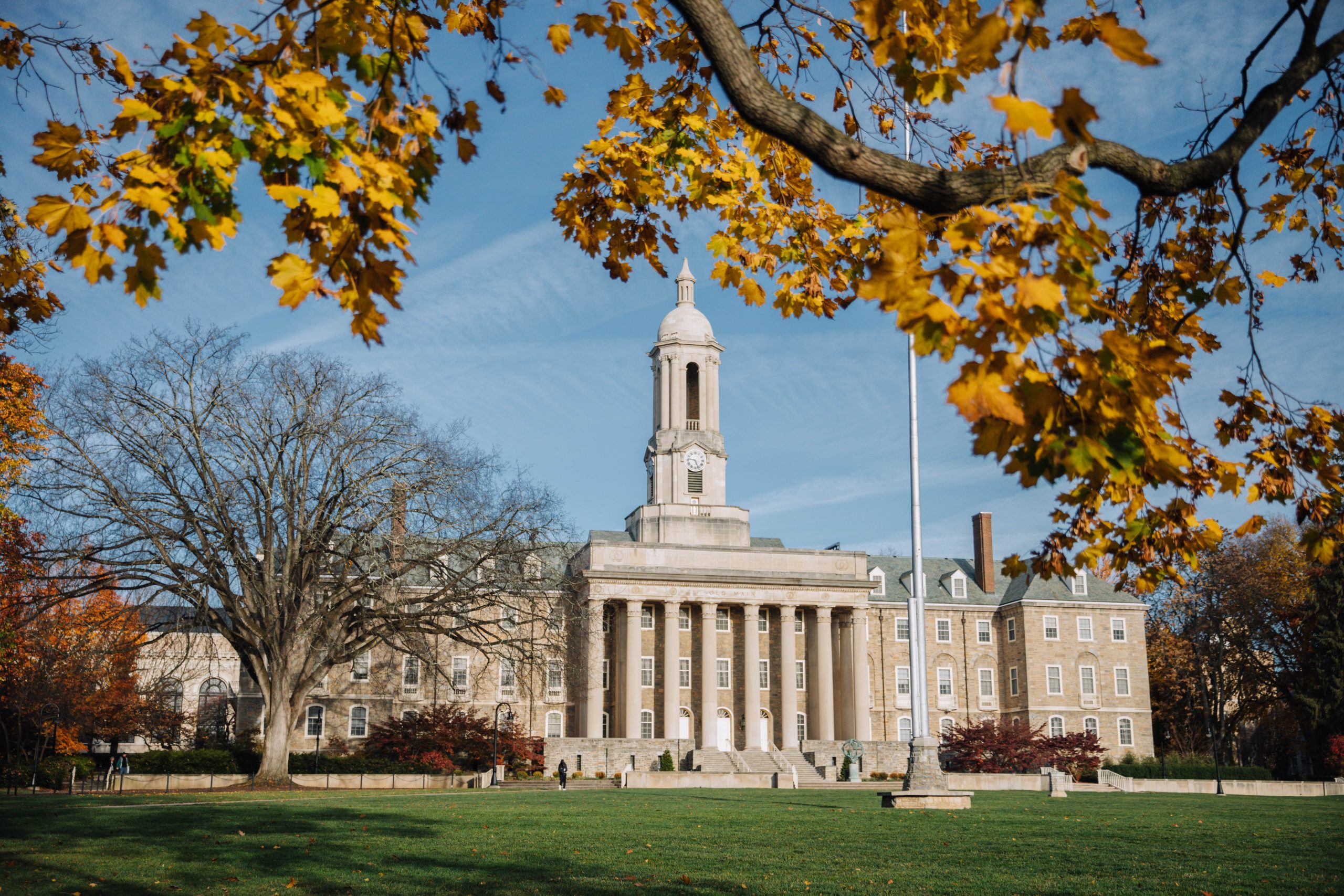
    Old Main on Penn State's University Park campus in State College, Pennsylvania.
    Old Main on Penn State’s University Park campus in State College, Pennsylvania.Georgianna Sutherland / For Spotlight PA

    Abbatiello, of Long Island, N.Y., is charged with felony counts of possession with intent to deliver cocaine, conspiracy, and related offenses. District Judge Kelley Gillette-Walker denied bail at Abbatiello’s arraignment on Tuesday.

    Abbatiello’s attorney, Philip M. Masorti, did not immediately respond to a request for comment Tuesday.

    Penn State has placed Delta Upsilon on interim suspension while it investigates, the university said in a statement Monday. Sigma Chi is not a registered student organization and receives no support from Penn State, it said.

    A total of 14 people have been charged in the case. Abbatiello, Robinson, and three others were charged with felonies related to the alleged cocaine operation and have been arraigned. Eight others were charged with misdemeanor drug possession.

    All are current or former Penn State students, except for Paul Robinson, Thomas’ father. Paul Robinson is charged with tampering and concealing evidence related to law enforcement’s investigation. No lawyers for the Robinsons were listed in court records.