Category: Education

  • Collingswood’s James Garfield Elementary School set to close due to budget cuts

    Collingswood’s James Garfield Elementary School set to close due to budget cuts

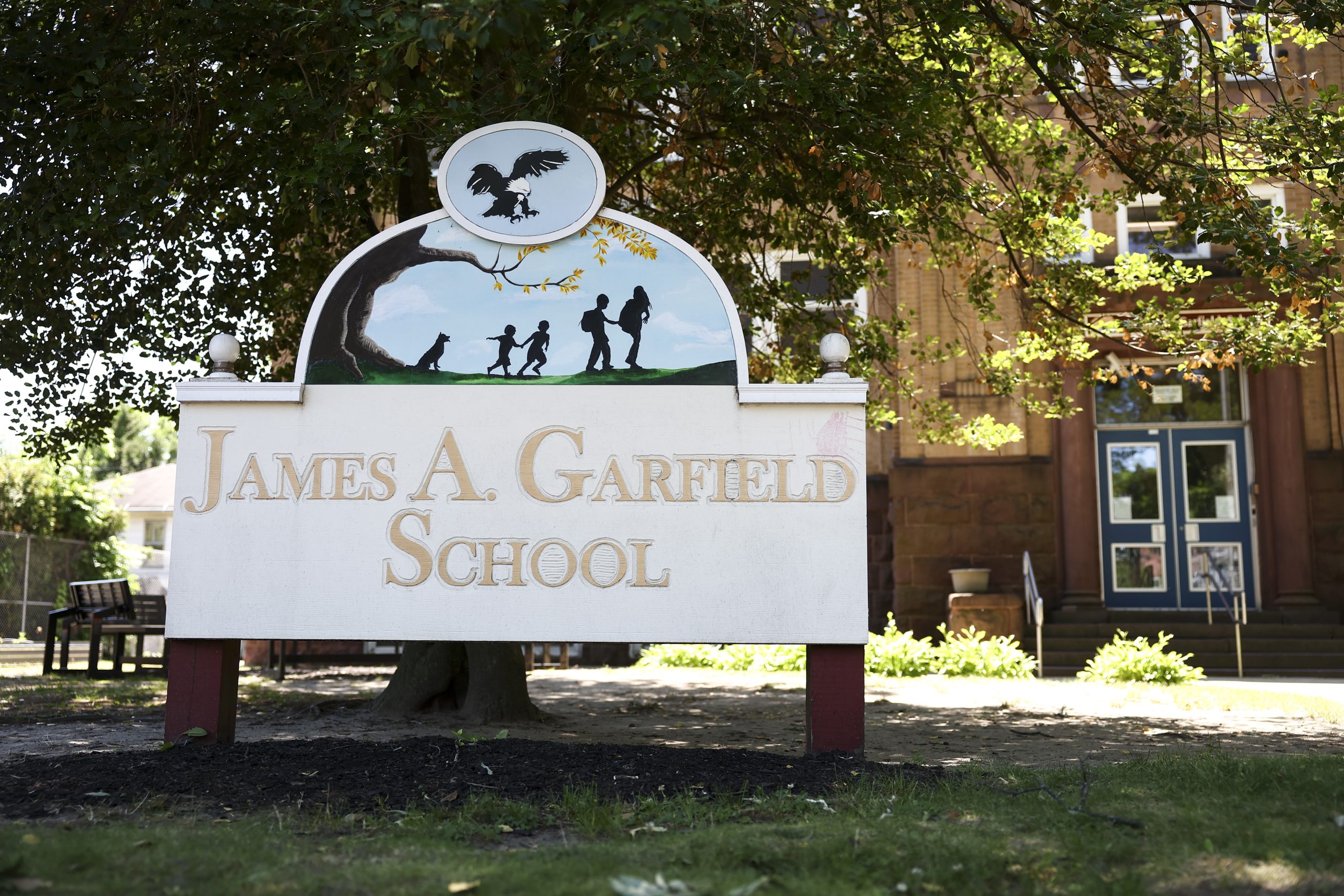
    Tucked away on a bustling tree-lined Collingswood street, James A. Garfield Elementary has been the center of its South Jersey neighborhood for more than a century.

    Built in 1915, it is the second-oldest public school in Collingswood and has educated generations of families. Passersby stop in the front yard to reminisce under two giant trees or sit on a century-old bench.

    Garfield enrolls about 128 students in kindergarten through fifth grade. The teachers know every student by name and parents love the sense of community.

    It will come to an end next week when Garfield closes its doors.

    “It’s been the best 13 years of my career,” said principal Mark Wiltsey. “Is it sad? Of course. I was all about it. It’s who I am.”
    The exterior of James A. Garfield Elementary School in Collingswood.Monica Herndon / Staff Photographer

    Facing a $3.3 million budget deficit for the 2026-27 school year, Superintendent Fred McDowell made the difficult decision to close Garfield and transfer students and staff to other schools. With operating costs exceeding available revenues, the district also cut 33 positions and programs.

    “No one ever wants to make reductions to staff,” McDowell said in an interview this month. “It has become necessary. It’s just not sustainable.”
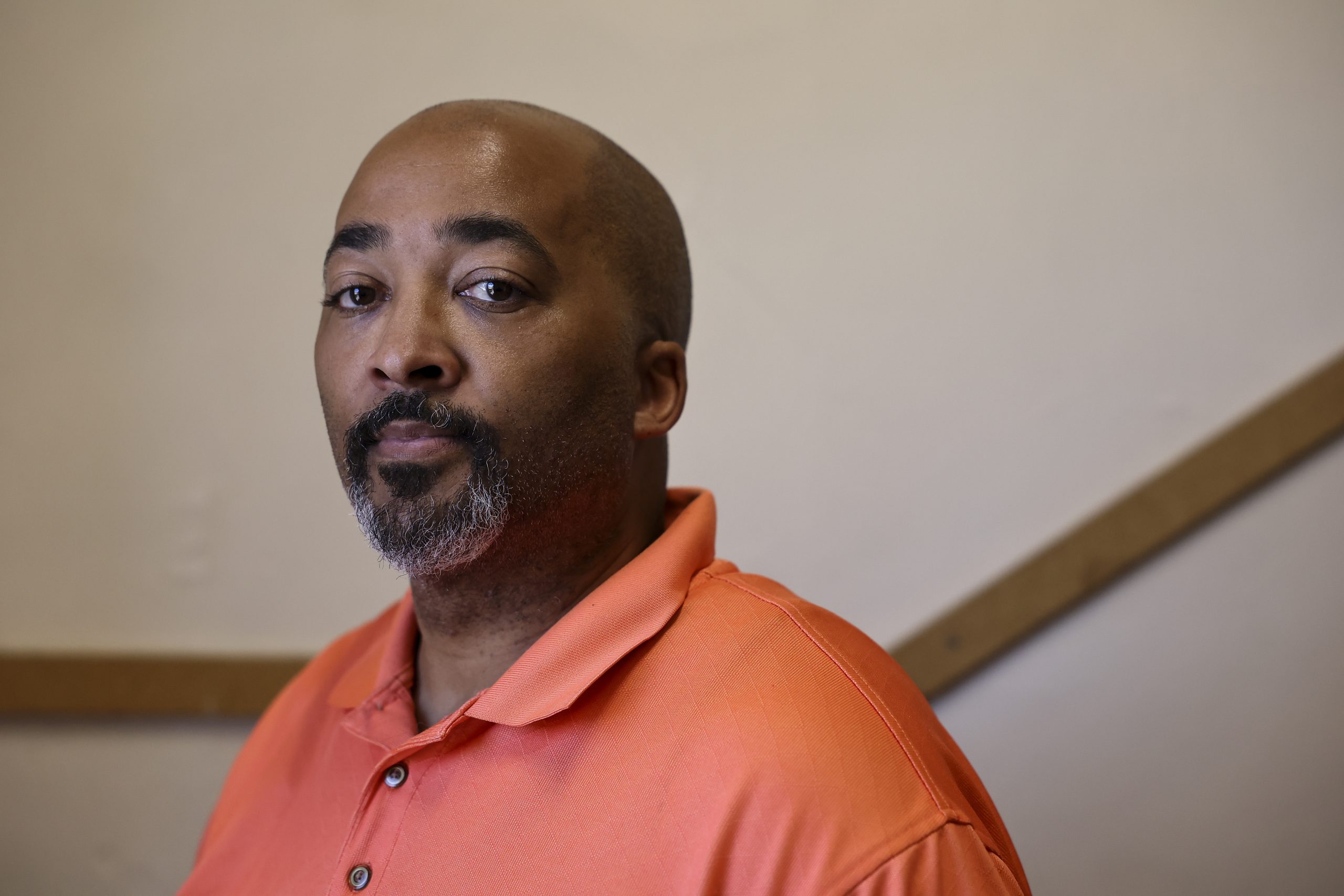
    Collingswood Public Schools Superintendent Fredrick McDowell at James A. Garfield Elementary School earlier this month. He said budget issues forced him to close the school, which his own child attends.Monica Herndon / Staff Photographer

    Collingswood’s state aid for the coming year was reduced by $305,000, while expenses have increased by $4.8 million. The district increased property taxes by 6.4% but still had a budget hole.

    In what has been described as one of the toughest budget seasons in years, districts across the state are facing similar dilemmas. Cherry Hill, Haddonfield, and Washington Township are cutting positions, too.

    A vote of no confidence

    The Garfield closing and other cuts struck a nerve in Collingswood, which currently enrolls about 2,500 students in nine schools. The district plans to consolidate its high school and middle school operations, shut down its high school wellness center, and impose fees for some extracurricular activities.

    The Collingswood Education Association criticized the decisions and took a no-confidence vote against McDowell. Saying there was an “urgent need for a change in the leadership direction,” the union implored the school board to relieve McDowell of his duties.

    The union, which represents about 230 teachers and support staff, said 150 staff members have left since McDowell became schools chief in 2021. Morale has dropped and fiscal decisions have impacted the classroom, the union said.
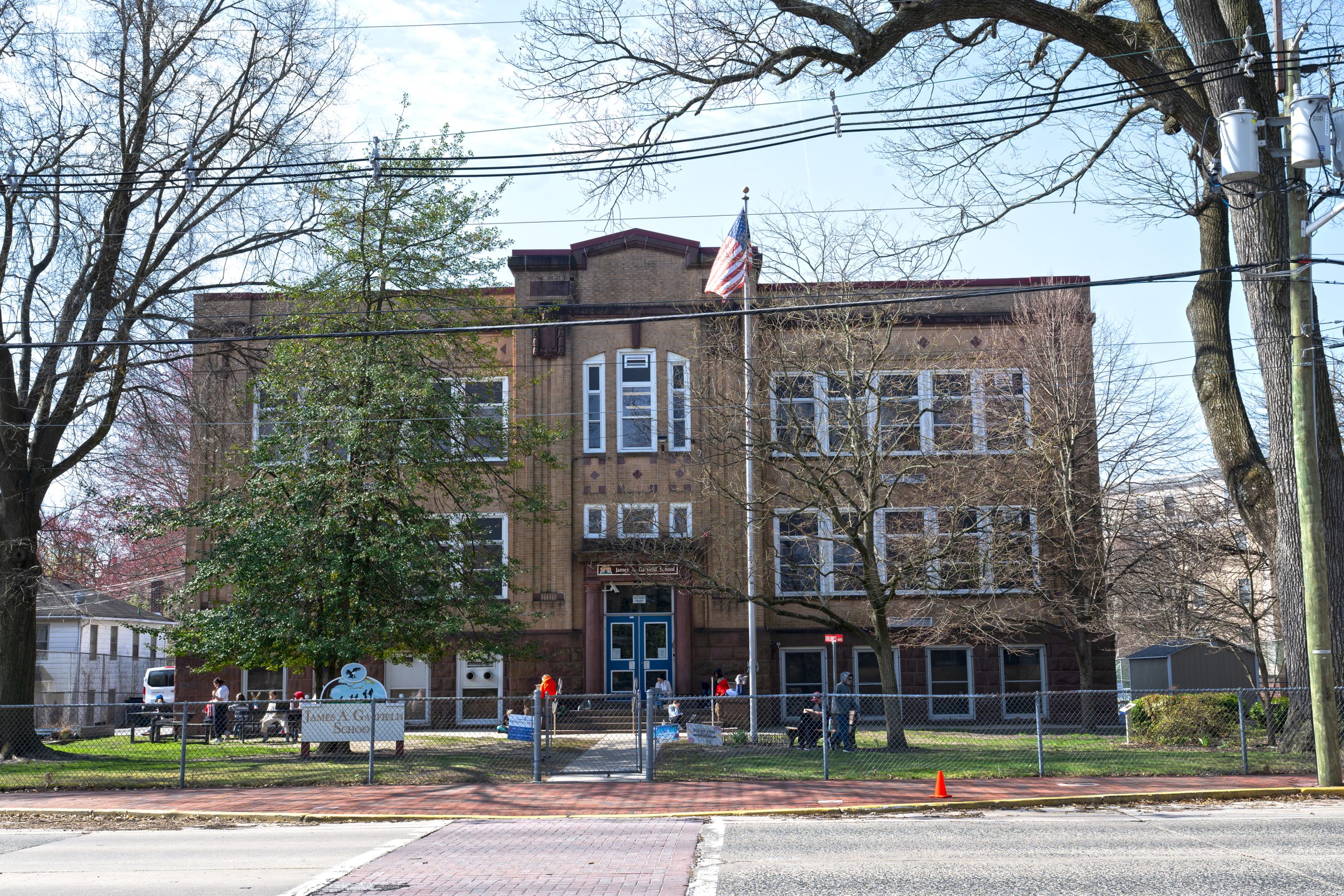
    Garfield Elementary in Collingswood is preparing to close.Jose F. Moreno / Staff Photographer

    McDowell, whose contract expires in 2027, defended his record and blasted the union for finger-pointing during a budget crisis. Staff turnover follows post-pandemic nationwide trends, and Collingswood’s structural budget deficit has been years in the making, he said.

    “It’s not a mismanagement problem. It’s a revenue problem,” McDowell said. The district plans to ask voters to approve a bond referendum on Nov. 5 to cover operating costs. Voters rejected a controversial $44.5 million bond proposal in 2024.

    McDowell will be affected personally by the Garfield closing. His 9-year-old daughter is a fourth grader and a son would have been a kindergartner in the fall.

    “In what world does a father want to close his own child’s school, unless there’s no other way,” the superintendent said.

    ‘Heartbroken’ to lose an elementary school

    There were tears and high emotions as word spread that the two-story neighborhood school would close, affecting about 100 students and about 15 teachers and support staff. The fifth graders will move to middle school, and the remaining students will be sent to the district’s four other elementary schools with larger class sizes to accommodate more students.

    “I feel heartbroken. I feel angry,” said Elizabeth Vukovic Gartlan, whose youngest, Liam, is a fourth grader at Garfield. “It’s such a wonderful school and a beautiful community.”

    Gartlan said Liam asked: “Why can’t we have a bake sale” to save the school? He will go to Newbie Elementary in the fall. His mother worries that more cuts could come.
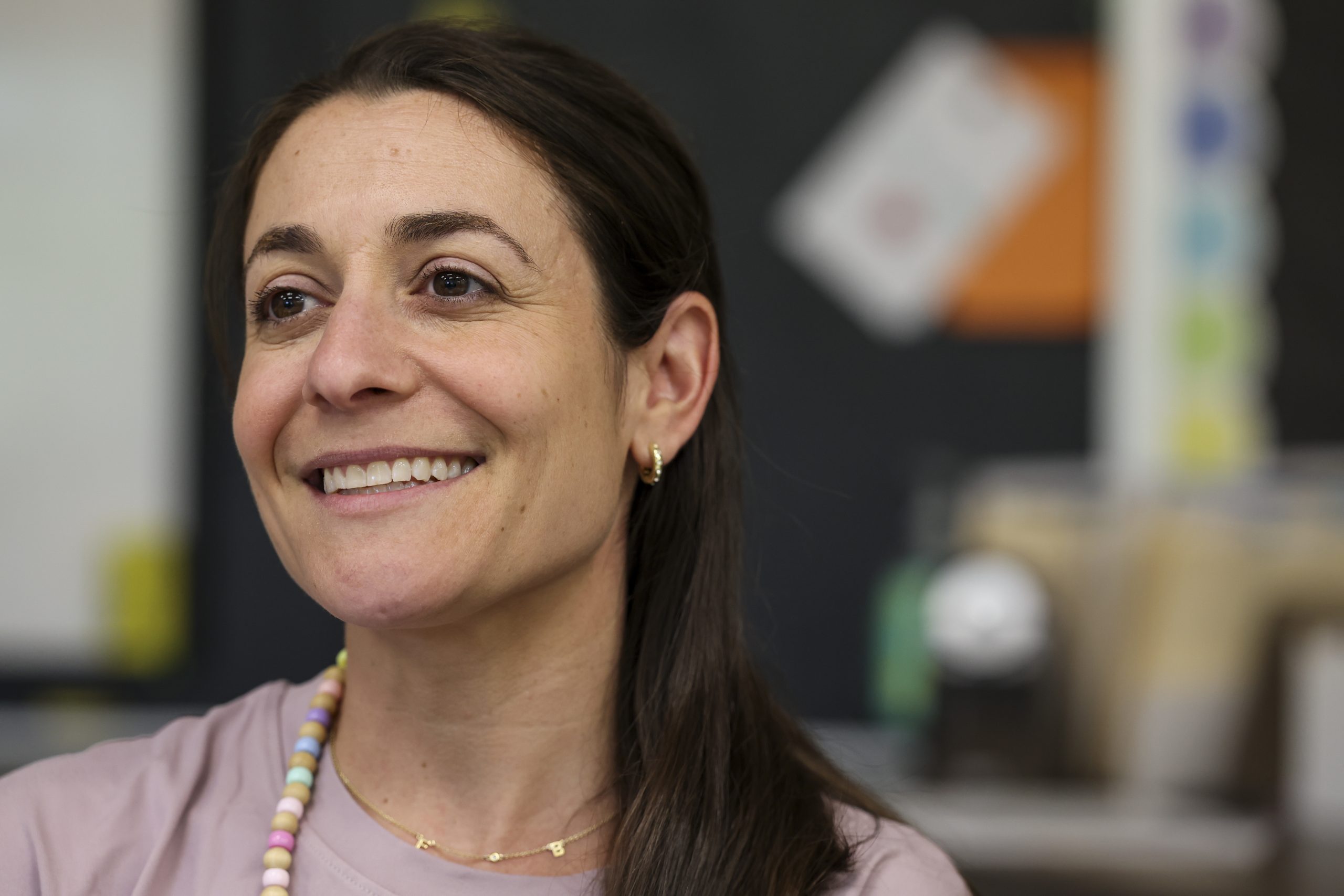
    Teacher Samantha Nash Rovner talks with a reporter at James A. Garfield Elementary School on this month. Garfield is closing at the end of the school year.Monica Herndon / Staff Photographer

    The closing has been bittersweet for teachers, too, as they pack up years of materials. Fourth-grade English teacher Samantha Nash Rovner will have third graders at Zane North.

    “It’s very mixed emotion,” Rovner said. “It’s really sad that Garfield is closing.”

    McDowell said no employees will lose their jobs, although some staff may be put in different positions.

    Located on Haddon Avenue, Garfield is a hub in Collingswood, known for its quintessential Main Street aura. The schools and the downtown district are walkable, making its quaint shops and restaurants popular destinations.

    “It’s just a special place,” said Julie Donato, the mother of two Garfield students. ”Our entire life revolved around this school.”

    The school is decorated with colorful murals and inspirational quotes. Framed pictures of students and their families line the walls. A memorial garden out front pays tribute to Michael Jubb, a student killed in an accident, and a sign honors Dolores Bobb, a beloved crossing guard.

    Donato said her husband’s grandmother attended Garfield. When his grandmother came to the United States from Italy, Garfield students taught her English, she said. And Donato’s children were especially fond of visiting senior citizens who live next to the school at Collingswood Manor.

    The school is named for James A. Garfield, who was elected the 20th U.S. president in 1881 and assassinated just 200 days into his term.

    Most students are unaware of the school’s history, Wiltsey said. Because the school is often referred to as Garfield, they believe the name comes from the comic strip about a cynical orange tabby cat with the same name, he said with a laugh.

    Fifth grade students work in English class at James A. Garfield Elementary School in Collingswood this month. The school is closing at the end of the school year.Monica Herndon / Staff Photographer

    Wiltsey said the school receives letters from former students sharing memories of their time at Garfield. They are archived in an album with old photographs.

    For a Garfield history project that has been saved at the school, Bonnie Brown Saunders of Colorado recalled enrolling as a kindergartner in 1948. She recalled memories for every year, including first grade when a pretty girl transferred in.

    “All the boys liked her — a lot. I learned about two emotions — boys and jealousy. I also learned how to read and become the picture of health,” she wrote.
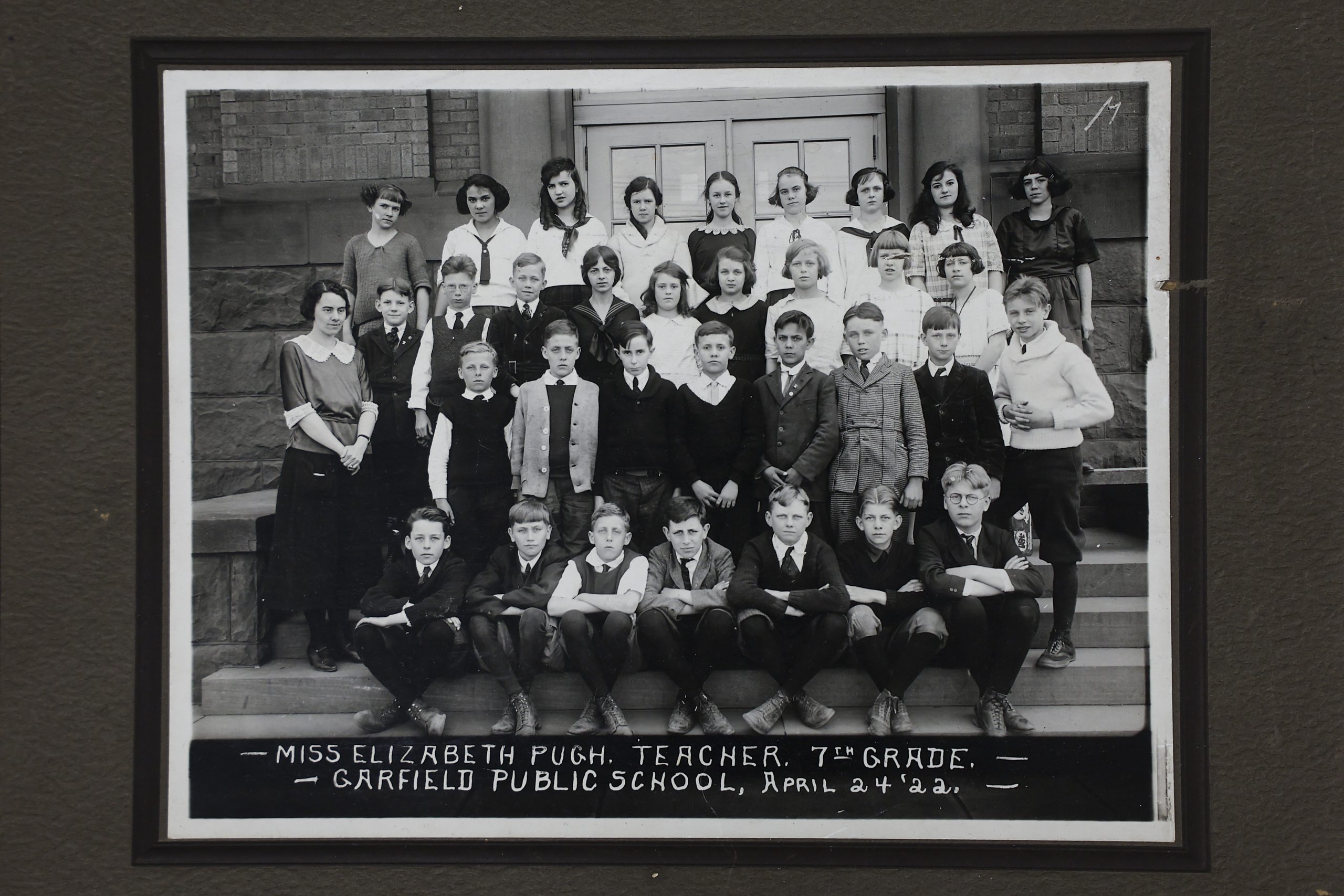
    A photograph of the seventh grade class at James A. Garfield Elementary School on April 24, 1922.Monica Herndon / Staff Photographer

    Wiltsey, who will move to the middle school complex as a supervisor, said school officials began preparing students last month for the closing. Tatum Elementary will get the biggest chunk, about 52 students.

    There have been walking tours and activities to meet new classmates and teachers, he said. Siblings were assigned to the same school.

    Wiltsey compared preparing for the last day of school — June 22 — to the grief process and has experienced a range of emotions. Teacher Jessica Harbridge said the reality will hit in September.

    “I’ve accepted it,” Wiltsey said. “We’re all moving on to new challenges.”
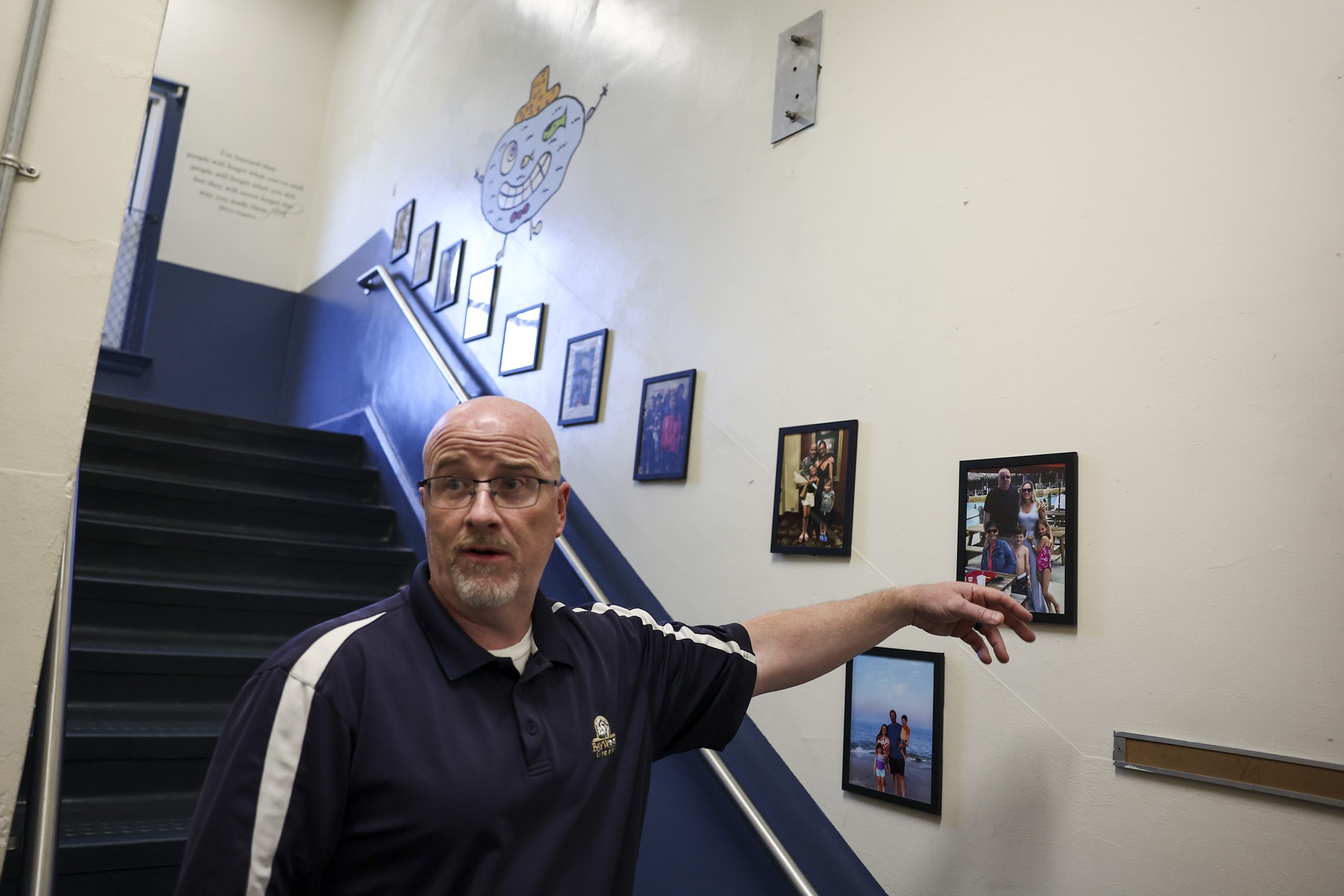
    Principal Mark Wiltsey talks about the family photographs that line the walls at James A. Garfield Elementary School.Monica Herndon / Staff Photographer
  • Philly’s school bus drivers and maintenance workers want higher pay

    Philly’s school bus drivers and maintenance workers want higher pay

    Philadelphia School District bus drivers, maintenance workers, cleaners, and tradespeople are entering contract season.

    Leaders of 32BJ SEIU District 1201, which represents 2,000 workers, are scheduled to begin talks with Philadelphia School District officials Thursday. Their current contract expires Aug. 31.

    The bottom line for members of 32BJ SEIU District 1201 is higher pay, officials said.

    Members’ current pay scale varies, from bus attendants, who are paid $30,762 annually, to building engineers, whose pay rate starts out at $51,155 and tops out at $77,832. The union’s highest-paid workers are its building construction workers, whose salary maxes out at $77,832.

    Tradespeople — bricklayers, HVAC mechanics, electrical mechanics, plumbers, and roofers — are paid $62,899 at the top of the pay scale.

    “We are the foundation of this district, and we’re not asking for the world here. We’re asking to not live in poverty, and we’re asking to help maintain our health insurance,” said Tim Finucan, 32BJ’s Pennsylvania state director.

    Wages are not the only issue. Union leaders are also fighting for “a more clear ladder of opportunity for our membership to advance within the school district,” Finucan said. 32BJ also wants to codify ways it can work with the district to fill vacant jobs in a system that struggles to find qualified engineers and trades workers, including partnering with community organizations, clergy, and others to spread the word about open jobs.

    “We want people to know if you can get into the school district, you know you’re going to have a good check, you know you’re going to have access to good health insurance, we know you’re going to have access to a pension,” Finucan said.

    Naima DeBrest, a district spokesperson, said in a statement that officials “deeply value” 32BJ members and “will diligently engage in good faith negotiations with the hope of securing a new contract as soon as possible.”

    ‘We got there’

    If you want to know what 32BJ workers mean to the district, think back to February, when a major winter storm dumped more than a foot of snow on Philadelphia, said Ronald Smith, a longtime district building engineer and member of the union’s bargaining committee.

    “The whole city was encased in snow and ice, and the engineers still had to be there, and we got there,” Smith said.

    Building engineers — who are in charge of the operations of district facilities, with responsibilities from keeping up with schools’ heating and cooling systems to making sure schoolyards are maintained — are still waiting for the extra pay they are contractually owed for working in those conditions, Smith said.

    “It was a slap in the face when we had to fight to get paid for that,” Smith said. “A lot of engineers are leaving the district — they feel disrespected. Some of the fights that we have to fight, we shouldn’t have to.”

    A too-small workforce affects the district and its workers in myriad ways, Smith said.

    “We’re bringing in new guys without the trainees having enough time to really learn the basics of the trade,” Smith said. “It’s not really fair to the trainee, it’s not fair to the schools. A lot of these buildings don’t have adequate staffing.”

    Despite friction in some areas, union officials are approaching talks with the district as partners, Smith and Finucan said. Officials are well aware of the district’s looming $300 million deficit, they said; 32BJ members have advocated for more funding for Philadelphia schools in City Hall and Harrisburg, and will continue to do so.

    But union member Sherrie Gordan said it is tougher and tougher to feed and house her three kids on what she earns as a cleaner in the district.

    “Even when I work overtime, so much gets taken out for taxes that it’s still not enough,“ Gordan said in a statement. ”Grocery prices keep going up, and my kids eat more every week. I spend $500 on groceries, but it’s gone in just a week. It’s not like it used to be when you could actually afford it.”

  • Future Hall of Fame MLB owner planted ivy at Penn on this week in Philly history

    Future Hall of Fame MLB owner planted ivy at Penn on this week in Philly history

    It’s not just the Chicago Cubs who have a history with ivy.

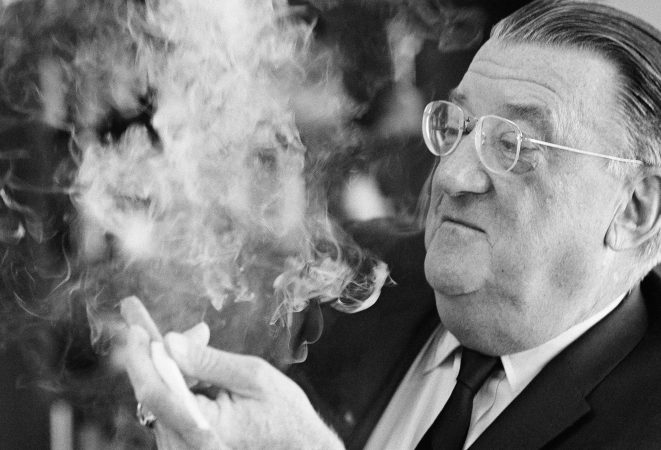
    On June 15, 1926, as the senior class president, future Los Angeles Dodgers executive Walter O’Malley delivered the salutatory address to his classmates during the University of Pennsylvania’s 170th commencement.

    And as part of the tradition, he planted a sprig of ivy representing the 1,700 members of the Class of 1926.

    He was a native New Yorker (forgive him), but at Penn, he was a distinguished undergraduate, leading his class in several significant ways.

    He was his junior and senior class president. And at the Weightman Hall ceremony he was awarded the “Spoon Man” honor, which is voted on by the senior class. The award, a wooden spoon, is a bigger deal than it sounds. It reflects the winner’s leadership and popularity.

    After Penn, he earned a law degree from Columbia. He became associated with the Dodgers when they were still in Brooklyn in 1932. He took over as team president and majority owner in 1950, and he made the controversial decision to move the team to Los Angeles in the mid-1950s. He ran the club until 1979.

    He served as a Penn alumni trustee and board member from 1966 until his death in 1979.

    O’Malley would go on to become the first Penn alumnus to be inducted into the National Baseball Hall of Fame. And he never even played a game.

    He was inducted posthumously into the Hall of Fame in 2008. He is one of only 16 owners among the 354 inductees.

    “Walter O’Malley was as great an executive talent as I have seen,” MLB Commissioner Bowie Kuhn said in 1979. “While baseball was his medium, his skills would have flourished in any walk of life.”

  • Robin Cogan, renowned Camden school nurse and national health and safety advocate, has died at 65

    Robin Cogan, renowned Camden school nurse and national health and safety advocate, has died at 65

    The letters that follow Robin Cogan’s name represent some of healthcare’s most impressive achievements. NCSN, nationally certified school nurse. FNASN, fellow of the National Academy of School Nursing. FAAN, fellow of the American Academy of Nursing. Also, RN and MEd.

    Then there are the awards. Two-time President’s Award winner from the National Association of School Nurses. The 2017 Population Health Hero Award from the New Jersey Department of Health. The Johnson & Johnson 2017 School Nurse of the Year. And many more.

    Robin Cogan joined the Camden City School District as a school nurse in 2001 after training earlier as an art therapist and spending 14 years as a psychiatric clinical nurse and corporate health services manager. It was with the school district and its students, families, and staff where she really found her groove.

    For nearly three decades, Robin Cogan championed school safety and population healthcare, and advocated tirelessly for school nurses everywhere. Her website, blog, frequent podcast appearances, and wide-ranging institutional activism gave voice to school nursing stories, and combated gun violence and other pressing problems.

    She started blogging on RelentlessSchoolNurse.com in 2017 and cocreated the No More Empty Desks student art campaign in 2019 to memorialize students killed in gun violence. “Robin’s national reach and advocacy know no bounds,” a Camden colleague said on Facebook. “Robin Cogan is the embodiment of the school nursing profession.”

    On May 10, Robin Cogan blogged: “The profession is better, and so are countless children, because of the relentless, brilliant nurses who choose school nursing year after year.”

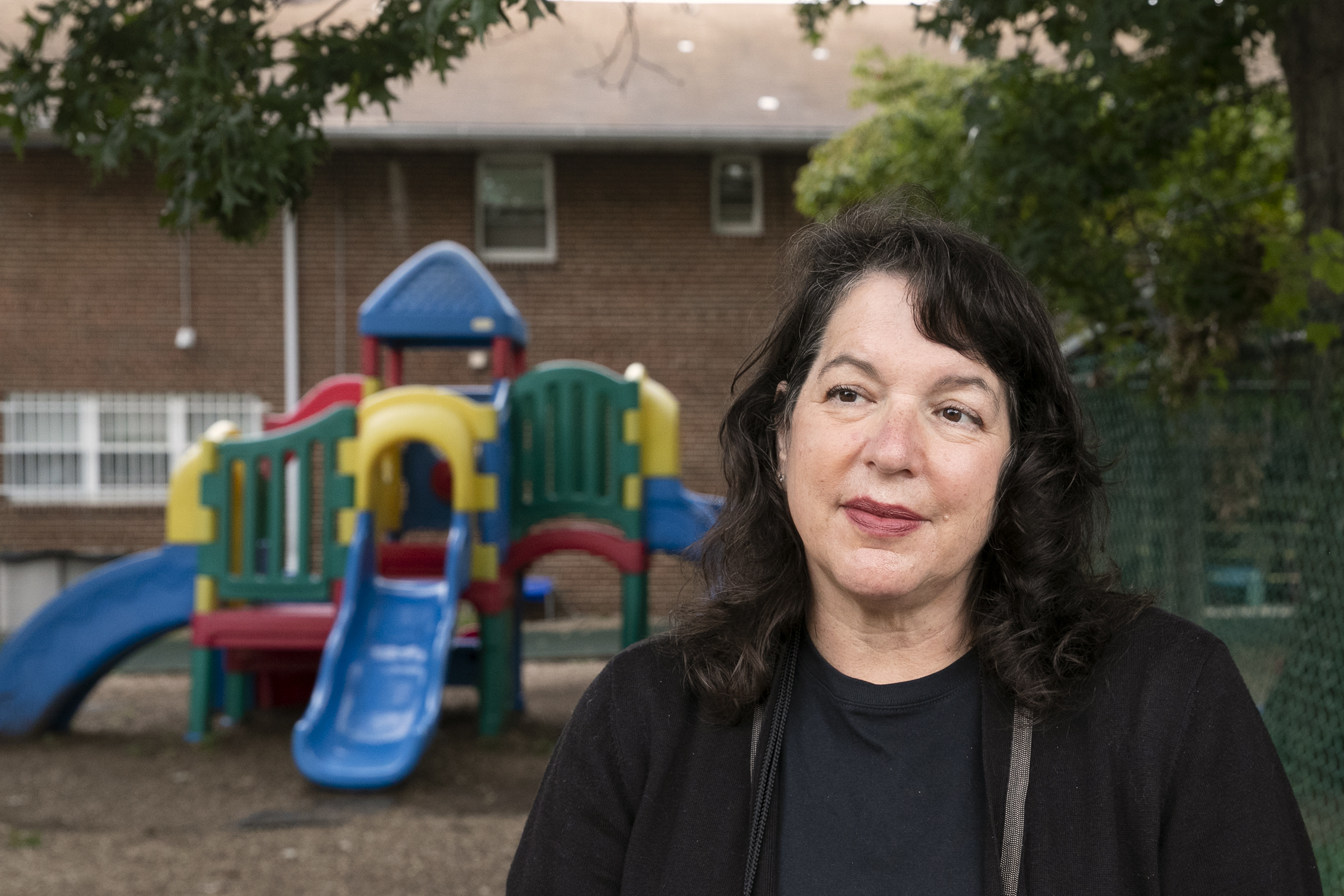
    Mrs. Cogan became a school nurse in Camden in 2001.Heather Khalifa / Staff Photographer

    On Thursday, June 11, Robin Cogan died of cancer at Cooper University Hospital in Camden. She was 65.

    “Robin dedicated her life to caring for others,” Pamela K. Clark, president of the Camden Education Association, said in a tribute. “Her work extended far beyond the walls of our schools, leaving a lasting impact on the profession she loved.”

    Born in Philadelphia, Mrs. Cogan graduated from Cherry Hill West High School in 1978 and earned a bachelor’s degree in art therapy and psychology in 1982 at what is now the College of New Jersey in Trenton. She gained her nursing credentials at the Helene Fuld College of Nursing in New York and Rowan University, and earned a master’s degree in clinical, counseling, and applied psychology at Wilmington University in Delaware in 2009.

    As a school nurse in Camden, she oversaw more than 900 students from preschool through eighth grade at Cooper’s Poynt School and, most recently, more than 400 students at three preschools. She took temperatures, counseled worried parents, and personally helped thousands of people weather the COVID-19 pandemic.

    “She influenced policy, championed health equity, elevated the role of school nurses,” a colleague said on Facebook, “and reminded us that one person truly can create ripples that become waves.”

    Mrs. Cogan was the New Jersey director for the National Association of School Nurses and taught in the school nurse certification program at Rutgers University-Camden. She earned grants, sat on boards, lectured around the country, wrote or cowrote dozens of columns, papers, and articles about health issues, and posted advice and information frequently on X, Bluesky, Facebook, and other online platforms.

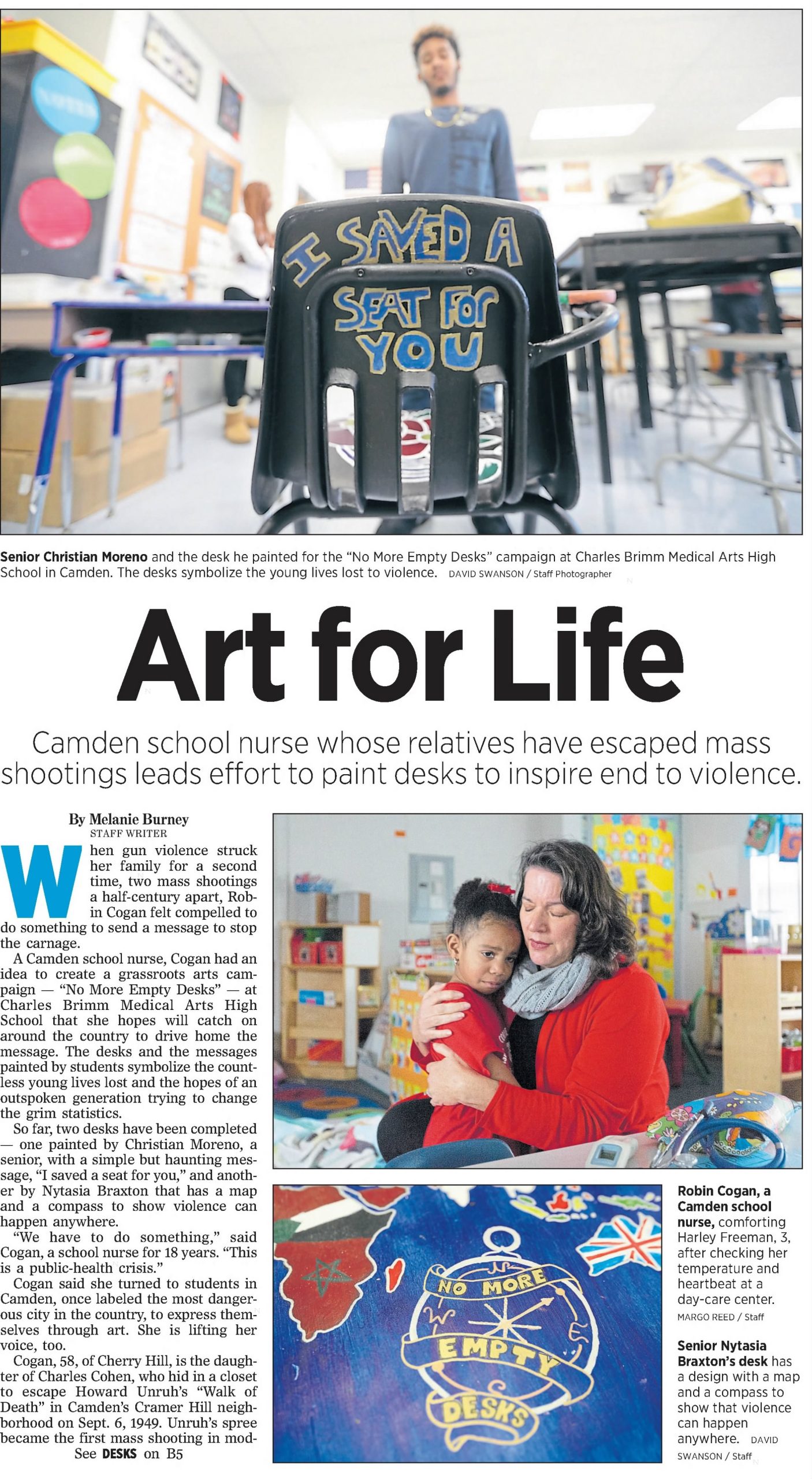
    The Inquirer published this story and photos about Mrs. Cogan’s art program in 2019.Newspapers.com

    She was featured in The Inquirer and other publications, and appeared on TV and radio programs and podcasts. She focused on “shared values” to connect people, she said often, and posted the motto for her Relentless Nurse website on the homepage: “Be relentless in your practice whatever it is.”

    Robin Michelle Cohen was born June 28, 1960. She met Ed Cogan in college, and they married in 1984, lived in Trenton and Cherry Hill, and had twin daughters Allie and Jill.

    Mrs. Cogan was driven to address gun violence, she said, after her father survived a mass murder in Camden in 1949, and her niece survived the 2018 mass shooting at Marjory Stoneman Douglas High School in Florida. “I hope my legacy is helping solve this crisis,” she told The Inquirer in 2022. “Don’t we owe that to our kids?”

    This photo of Mrs. Cogan (left) and others at the old Temple Emanuel in Cherry Hill appeared in The Inquirer in 1996.Elizabeth Robertson / Staff Photographer

    She was a talented painter and designed a popular pin that she and a friend sold in a home-based spiritual jewelry and art business. She loved nature and 1970s folk music. She enjoyed hosting Thanksgiving dinners and visiting the Jersey Shore. She was one-time president of the old Temple Emanuel Sisterhood in Cherry Hill.

    “She was a helper,” said her daughter Allie. “She was good at relationships and never really turned off her working mind.”

    In addition to her husband and daughters, Mrs. Cogan is survived by a granddaughter, Nora, a nephew, Matthew, sisters Lori and Merri, and other relatives.

    Private services were held earlier. A celebration of her life is to be held later.

    Donations in her name may be made to Brady: United Against Gun Violence, 840 First Street N.E., Suite 400, Washington, D.C. 20002; and Grandparents for Vaccines.

  • The Lower Merion school board repealed its technology policy over outcry from parents who don’t want kids on laptops

    The Lower Merion school board voted Monday to repeal its existing technology policies, over outcry from parents who accused the board of stripping their right to opt their children out of district-issued laptops and iPads.

    During a contentious meeting — the board summoned security after interruptions from the crowd in the Lower Merion High School auditorium — parents demanded answers on why the district was denying families the ability to reject devices they said were threatening their kids’ education, and even their lives.

    “A parent’s right to opt out of one-to-one educational technology to do what is best for their children” is “life and death for their development and learning,” said parent Meredith Brisco-Bacik, a cardiologist who likened the district’s use of educational technology to giving kids a risky medical procedure without their parents’ consent.

    By repealing the existing policies, which contain language requiring administrators to accommodate students whose families do not sign electronic device use agreements, “you stand ready to remove the proverbial defibrillators from the room,” Brisco-Bacik said.

    Parents in Lower Merion have been battling the district since the spring over concerns about excessive screen time in school, saying the district is relying too heavily on educational technology programs and failing to stop kids from accessing distracting or inappropriate content.

    District officials have responded to the criticism by advancing a new technology policy that would end the assignment of personal devices to K-2 students and set guidelines for technology use by grade level.

    But officials say it is not possible for families to opt out of devices entirely, despite hundreds of parents signing a petition supporting the ability to do so.

    “That is not an option in Lower Merion School District, nor has it ever been an option in Lower Merion School District to opt out,” said Anna Shurak, the chair of the board’s policy committee.

    She said the policy repealed Monday — which dates to when the district adopted one-to-one devices in 2011 — has been misinterpreted by parents, and was related to families who did not sign agreements about taking electronic devices home.

    But parents said the district had failed to explain why technology was so integral to the curriculum that it was not possible to opt out of personal devices.

    “If there were direct payoffs or dirty money exchanging hands, it would make sense, but to think that our kids and teachers have been sold out for simple ideological capture by tech corporations … is incredibly depressing,” parent Eleanor Stanford said.

    Numerous parents expressed frustration, saying they felt the district had not listened to them.

    Brian Nealis, a parent of children finishing seventh and fourth grades in the district, said that when he tried to talk to his sons’ assistant principal about his concerns, “his response to me was, ‘The kids need to learn self-control.’ And my reaction was like, oh, should we just hand out nicotine packets in middle school? … That is the most asinine thing to hear from an educator.”

    The board voted 7-2 to repeal the current technology policies, with members Sarah Thomas and Abigail Lerner Rubin voting no.

    Rubin said she was uncomfortable with repealing existing policies before the district had adopted new ones, and asked fellow board members to “pause unless and until we can provide the evidence that people have asked for, that these devices are safe, effective, and legal.”

    Shurak said the board needed to repeal the existing policies to allow administrators and teachers to move forward with planning for adoption of the proposed replacement policies for the coming school year.

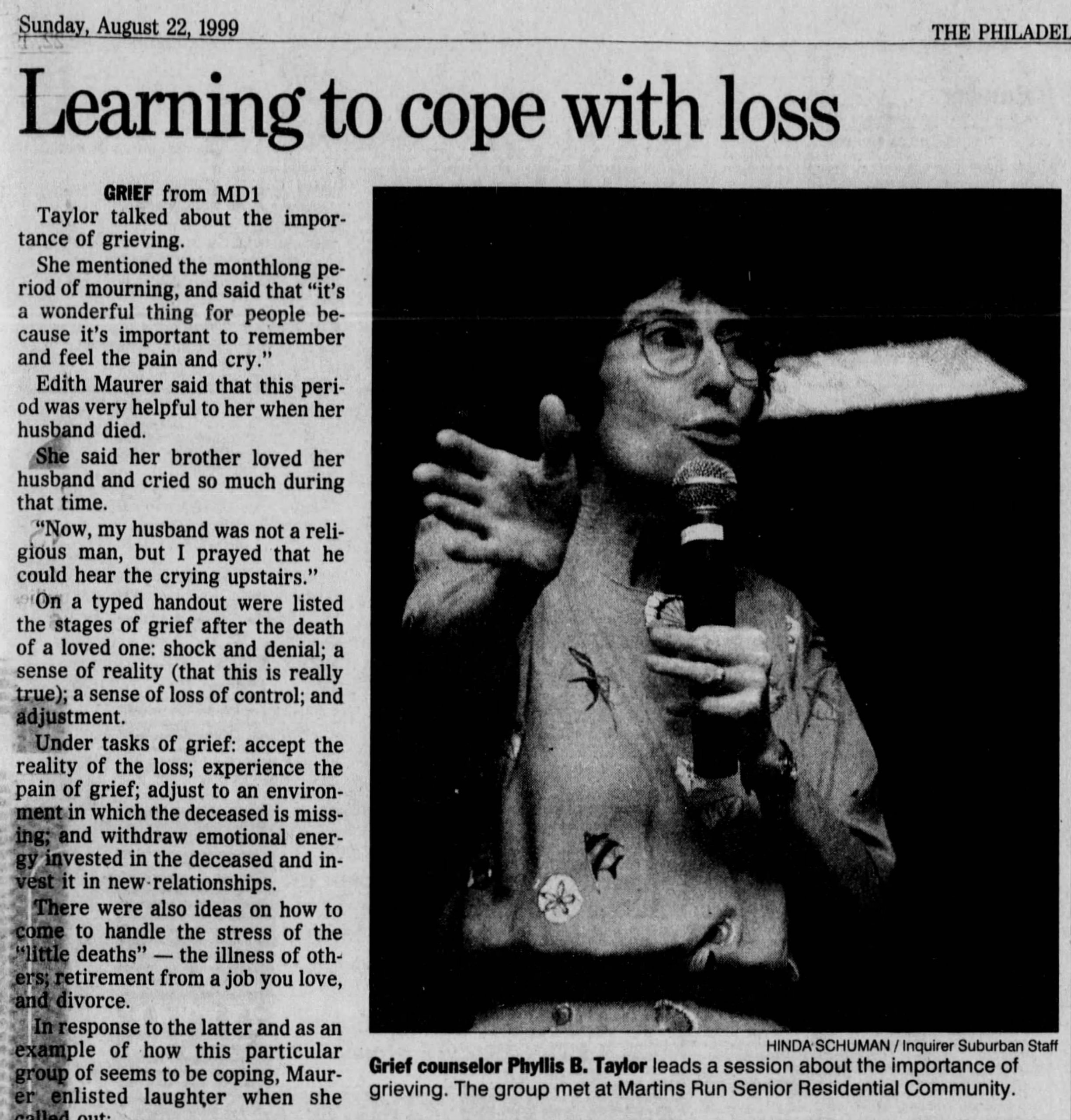
  • Phyllis Taylor, pioneering hospice nurse, celebrated prison chaplain, and renowned world peace activist, has died at 84

    Phyllis Taylor, pioneering hospice nurse, celebrated prison chaplain, and renowned world peace activist, has died at 84

    As a young nurse in Philadelphia, Phyllis Taylor met dying people desperate for hospice care. So she did it.

    She met people in prison desperate for a healthcare advocate and an empathetic chaplain. So she did that, too.

    In 1963, she met Sarah Baker and her family as they struggled to live as the first Black family in Folcroft, Delaware County. The Bakers were desperate for fearless allies to help fend off months of racism and violence. She also did that.

    For nearly her whole life, Phyllis Taylor championed peace, justice, and human rights, and helped people who were desperate. She got arrested for civil disobedience, cofounded and directed several nonprofit social service programs, and, with her husband, Richard, helped establish Witness for Peace in Nicaragua, and the Movement for a New Society in Philadelphia.

    She fed the hungry at St. Vincent de Paul Church, befriended immigrants and refugees with the New Sanctuary Movement, and comforted children and families at St. Christopher’s Hospital for Children. “Her entire life was about giving,” her son Dan said. “She refused to be someone who watched injustice and did nothing.”

    On Thursday, June 4, Phyllis Taylor died of endometrial cancer at KeystoneCare Hospice in Wyndmoor. She was 84.

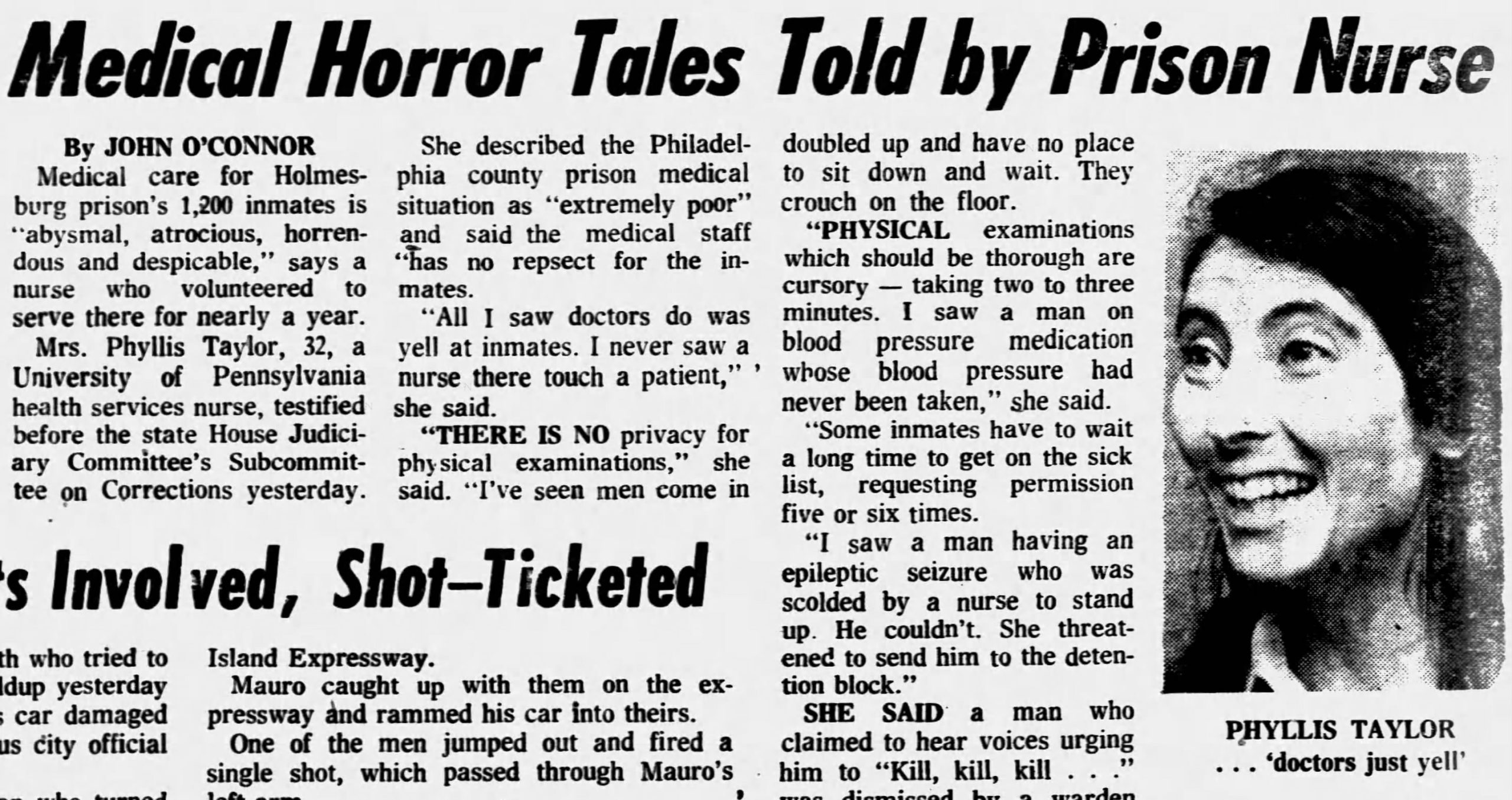
    The Daily News published this story about Mrs. Taylor in 1973.Newspapers.com

    “I really love what I do,” Mrs. Taylor told the Pennsylvania Prison Society in 2025. “I get the satisfaction of being able to journey with somebody, to let them know that they are not abandoned and alone.”

    Born in Brooklyn, N.Y., Mrs. Taylor earned a bachelor’s degree at what is now Arcadia University in 1963. After nursing school, she became a volunteer nurse and then a consultant for the University of Pennsylvania health services at Holmesburg Prison and elsewhere.

    She became senior counselor of hospice service for the new Death and Dying Program at Albert Einstein Medical Center’s Northern Division in 1978, and taught classes about death and grief, counseled parents whose babies had died, and comforted patients with terminal illnesses.

    Mrs. Taylor graduated from what was then known as Beaver College in 1963. It is Arcadia University now. Courtesy of the family

    She was featured in a 1980 story in the Sunday Inquirer called “The Gift of a Good Death” and said that her own health scares motivated her to embrace nursing. The horrors of the Holocaust, she said, compelled her to human rights activism, and the deaths of a friend, her brother, and her father moved her to hospice work.

    “It makes me happy to give someone the gift of a good death,” she told The Inquirer.

    Mrs. Taylor was also an enterostomal therapy nurse, head of the AIDS committee at the Philadelphia College of Osteopathic Medicine medical center, and director of education at the old Hospice of Delaware Valley. She wrote research articles for journals and letters to the editor, appeared on local TV and radio shows, and lectured often at conferences and seminars about death, grief, and medical and financial ethics. She never retired.

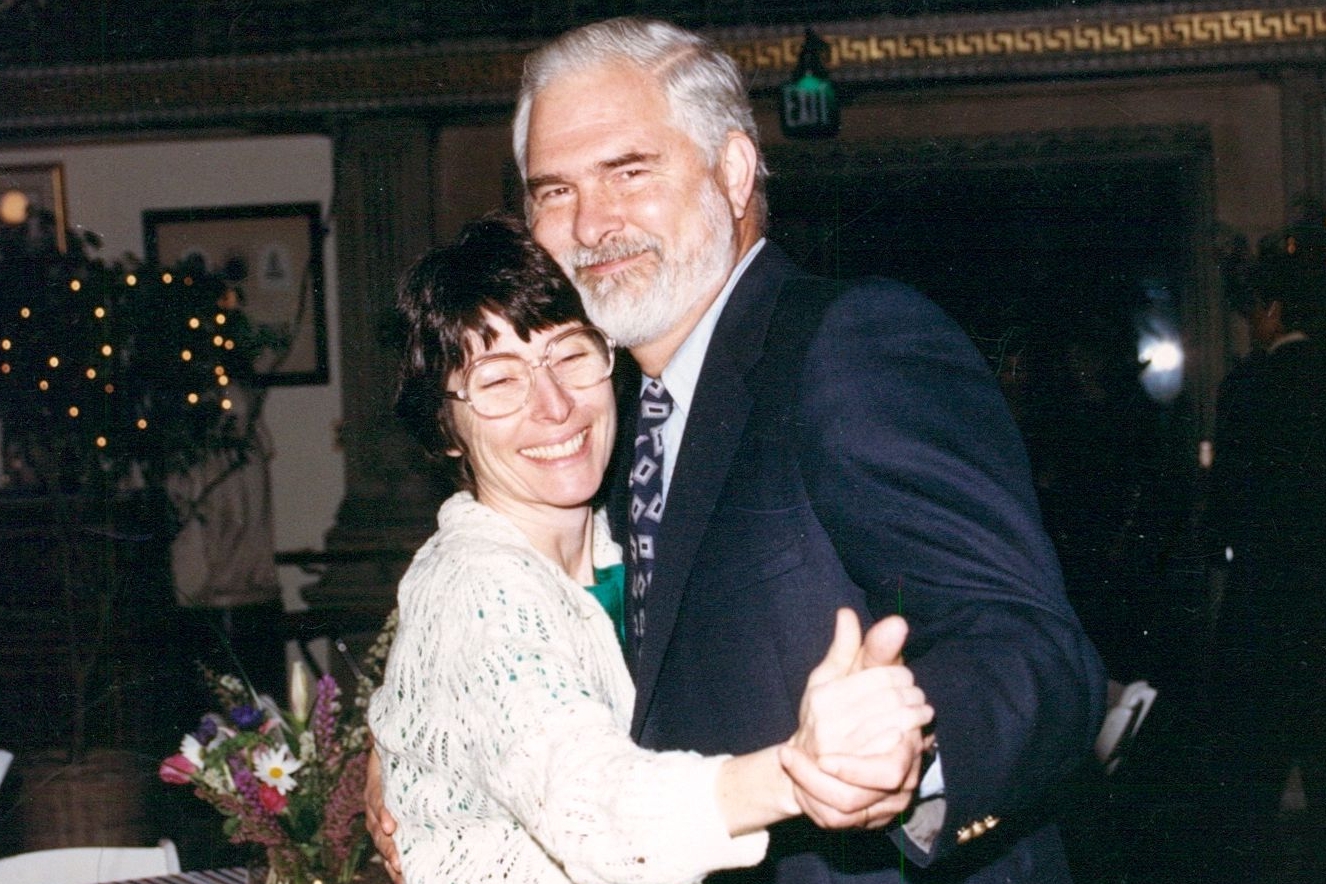
    Mrs. Taylor and her husband, Richard, traveled the world together fighting for peace, justice, and human rights. Courtesy of the family

    She went on Freedom Rides to integrate buses in the South and moved in temporarily with the Bakers as they sought to integrate Folcroft in the 1960s. In the 1970s, she demonstrated against the Vietnam War and America’s involvement in Iran and elsewhere.

    In the 1980s, she taught civil disobedience classes and protested violence at the border between Nicaragua and Honduras. In the 1990s and beyond, she volunteered to protect Muslims and Arabs from reprisals after the Sept. 11 attacks, traveled the world to decry pollution and unfair housing practices, and volunteered with Amnesty International and Planned Parenthood.

    She earned credentials as a chaplain and volunteered for decades with the Pennsylvania Prison Society to counsel and advocate for crime victims and prisoner rights. She was featured in the 2016 documentary Blockade, named the Prison Society’s Volunteer of the Year in 2022, and honored at Arcadia’s 2025 Women Who Lead Forum.

    As a chaplain, Mrs. Taylor officiated at weddings and funerals, and advocated for prison reform.Courtesy of the family

    “She felt a deep unwavering need to dedicate all her waking time to marginalized populations,” her son said. “Someone called her a merging of Ruth Bader Ginsburg and Mother Teresa.”

    Phyllis Claire Brody was born Aug. 10, 1941. She grew up Jewish in Lawrence, N.Y., and joined a Quaker meeting after she moved to Philadelphia.

    She met fellow peace activist Richard Taylor at a civil rights event in 1962, and they married in 1963 and lived in Germantown, Mount Airy, and West Philadelphia. They reared their son, Dan, and daughter, Deborah, and welcomed Blessing Mtshali and other children and families into their home for extended stays. Her husband died in 2024.

    Mrs. Taylor and her husband liked to hike and canoe. She lived with lupus and mailed handmade birthday cards to family and friends year after year.

    “What a life well lived,” her son said.

    In addition to her children, Mrs. Taylor is survived by her sisters, Margaret Noonan and Audrey Randolph, many grandchildren and great-grandchildren, and other relatives. A brother died earlier.

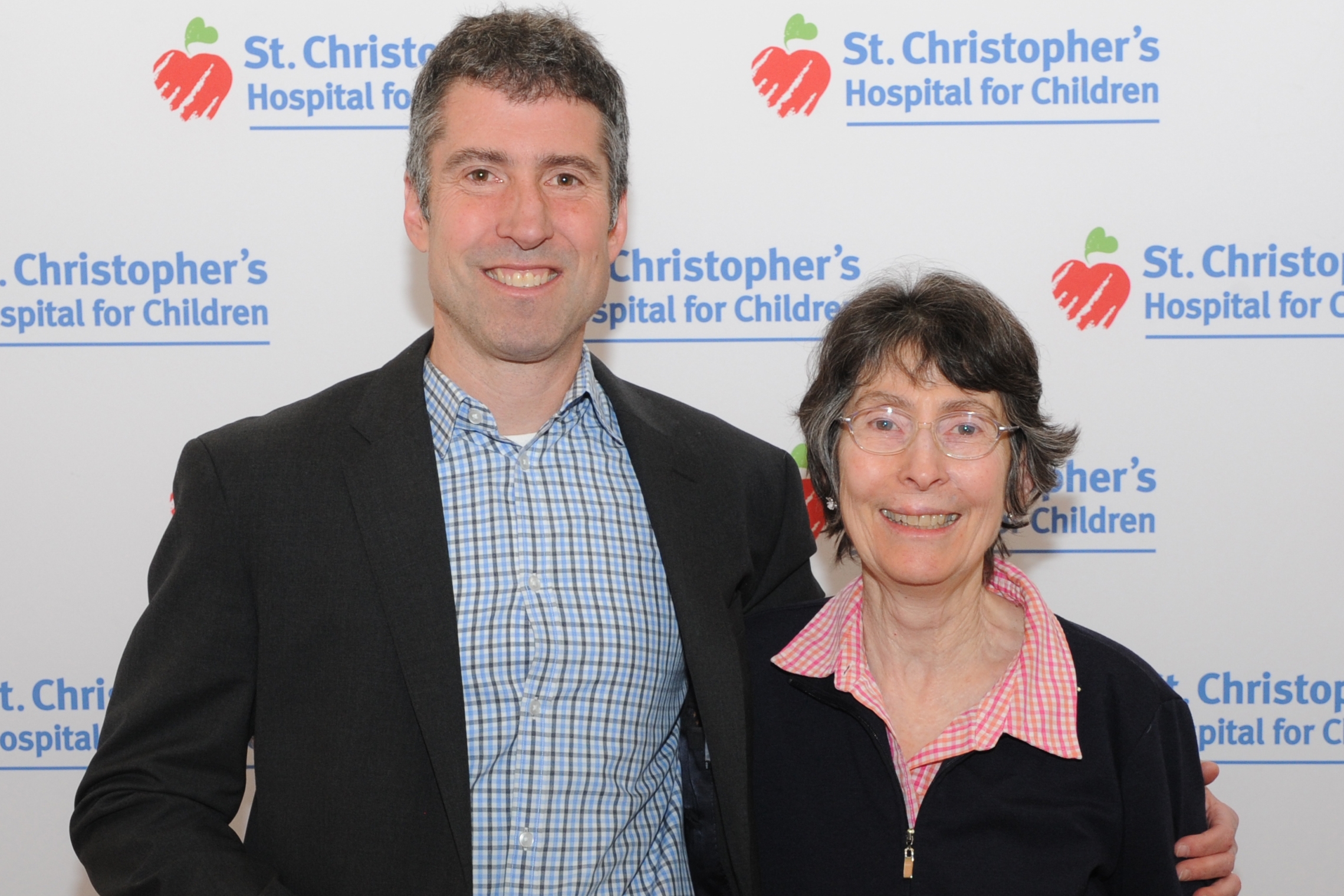
    Mrs. Taylor stands with her son Dan in 2017.Handout

    A celebration of her life is to be held at 2 p.m. Sunday, Sept. 20, at Germantown Monthly Meeting, 47 W. Coulter St., Philadelphia, Pa. 19144.

    Donations in her name may be made to the New Sanctuary Movement of Philadelphia, Box 46242, Philadelphia, Pa. 19160; and Face to Face, 123 E. Price St., Philadelphia, Pa. 19144.

    Mrs. Taylor was featured in The Inquirer in 1999.Newspapers.com
  • This West Philly High graduate almost dropped out of school. Instead, he has a diploma and a full-time job.

    This West Philly High graduate almost dropped out of school. Instead, he has a diploma and a full-time job.

    School wasn’t always Jayzen Smith’s priority.

    For a time, during his 10th grade year at West Philadelphia High, Smith didn’t know where he was going to sleep at night, or how he’d scrape together his next meal.

    “I stopped coming to school,” said Smith. “I was not doing the right things. It got so bad that I used to come only for first period, and leave out.”

    But Smith’s teachers noticed. They pulled him aside to ask what he needed and how they could help. They told him he was smart but he had to come to school and envision a future for himself.

    “That showed me I had people who cared about me,” said Smith. Those conversations, those educators, galvanized him. Coming to school steadily built opportunities — new skills, internships, paying jobs, and a solid future.

    Smith graduated with honors last week after earning a citywide Philadelphia School District honor this winter and maintaining perfect attendance since 2023.

    He’s employed full-time in operations with the Penn Medicine health system, a job with benefits and tuition reimbursement. He’s eyeing trade school after he socks away enough for his own car and apartment.

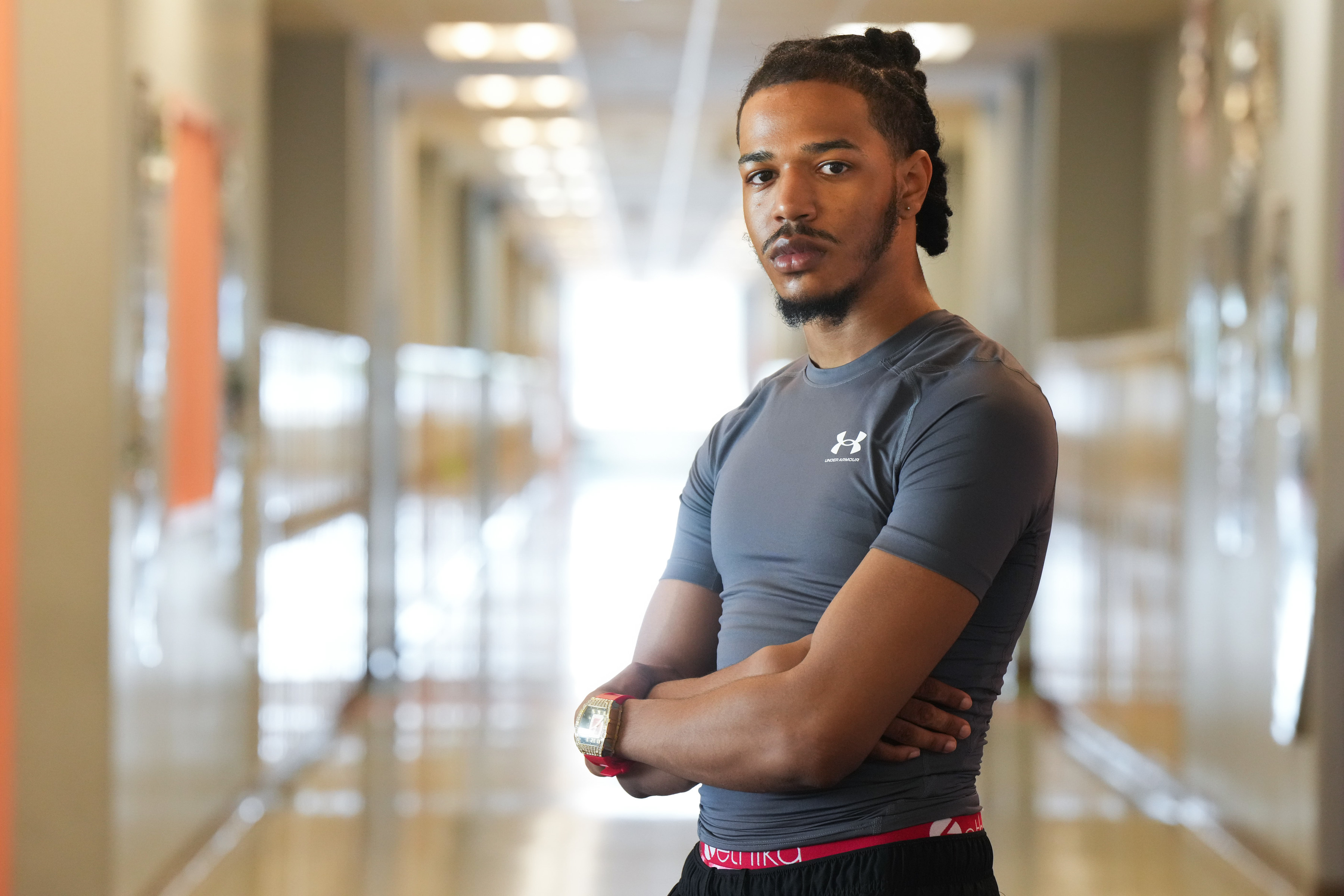
    Jayzen Smith, a West Philadelphia student who has set a path of achievement for himself, at his school in Philadelphia, on Friday.Jessica Griffin / Staff Photographer

    The diploma, the accolades, and the steady path were not a given, said Smith, 19.

    “Honestly, I thought I was going to be dead or in jail by now,” said Smith. “Everything still feels unreal.”

    ‘He just has this way about him’

    Marie Wilkins-Walker, a veteran West Philadelphia computer networking teacher, knew there was something special about Smith, even when he was hardly showing up to class.

    “He just has this way about him, he says hi to everybody, and I noticed he caught on very quick — he was very intelligent,” Wilkins-Walker said.

    Wilkins-Walker and another teacher set up a meeting with Smith during those low-attendance days. Just come to class, they said. You’re so smart, they told him. West is good at connecting kids with resources to fill in the gaps that might exist at home, they said.

    “When we started talking about college, he told me that no one had ever talked to him about college,” said Wilkins-Walker. “He was in 10th grade, and no one had ever talked to him about college.”

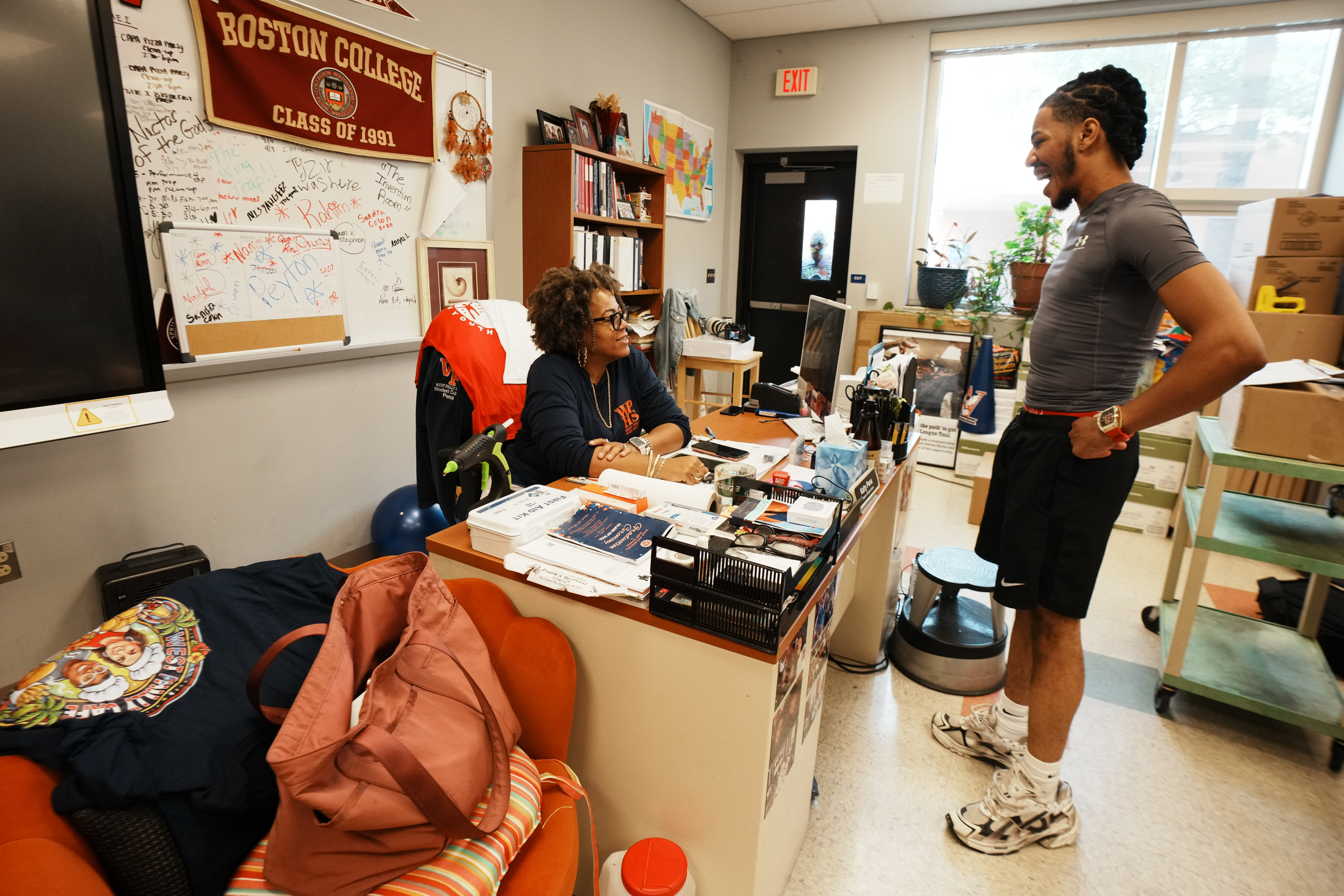
    Marie Wilkins-Walker, a computer networking teacher at West Philadelphia High School, talks with Jayzen Smith.Jessica Griffin / Staff Photographer

    Technology wasn’t on Smith’s radar — he made music and wanted to be a rapper. But he started spending more time with Wilkins-Walker, who also serves as West’s technology coordinator, and picked up some skills.

    Smith doesn’t need prompting to seize opportunities. By his senior year, he was an invaluable member of West’s tech team, fixing Chromebooks and solving staff’s IT issues. He worked for the district supporting other schools installing computer security systems and fixing broken hardware. He volunteered his services to other schools, and he held two separate internships with Penn, leading to his full-time post-graduation job.

    “He’s just been an amazing young man,” said Wilkins-Walker.

    Smith’s resumé is impressive but what sets him apart is his soft skills — he’s the guy who, without prompting, makes the new student feel at home, speaks to everyone who walks in the room, and solves tech problems without making anyone feel less than.

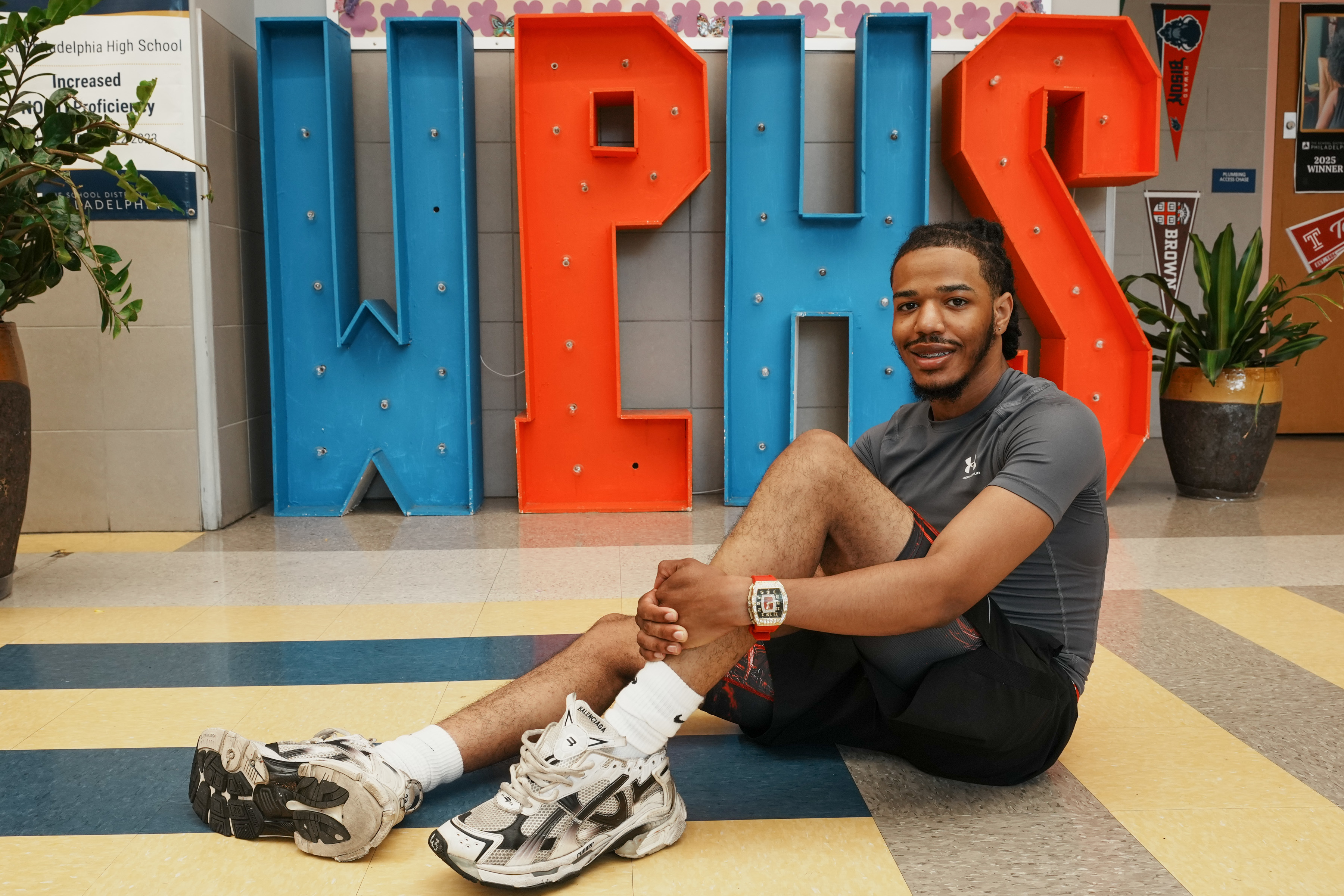
    Jayzen Smith became an invaluable member of the tech team at West Philadelphia High School.Jessica Griffin / Staff Photographer

    When Wilkins-Walker’s own grandson began attending West, she wanted him to meet Smith, because she knew Smith would make the boy feel comfortable, and he did.

    It’s not lost on Wilkins-Walker what Smith, as a young Black man in Philadelphia, might have become.

    “For our students, the line is so thin,” said Wilkins-Walker. “You don’t even sometimes know you’re crossing over to the wrong side of the room — from friends or neighborhoods.”

    Keeping busy

    Opportunities are what set him apart from people from his West Philadelphia neighborhood who find themselves on the wrong side of that line, Smith said.

    “Keeping busy, that’s what’s keeping me out of trouble,” said Smith. “You got to find something to keep you occupied. Certain people in certain environments, if they have time on their hands, it’s tough. I grew up with them, they’re still my friends, and I just try to tell them, do what I’m doing.”

    Jayzen Smith, a West Philadelphia student who has set a path of achievement for himself, at his school in Philadelphia on Friday.Jessica Griffin / Staff Photographer

    Smith doesn’t talk much about the dark times. He’s more interested in the future, he said.

    Smith and his mom both narrowly avoided crying on graduation day, he said, because of a mutual pact to stay away from tears. But earning his diploma has made him reflect on what he came through to get there.

    “Ms. Walker,” he said, “she probably saved my life.”

  • A group of Haverford alumni is pushing the college to remove Howard Lutnick’s name from library

    A group of Haverford alumni is pushing the college to remove Howard Lutnick’s name from library

    Haverford College students have publicly advocated for the school to consider removing U.S. Commerce Secretary and mega donor Howard Lutnick’s name from the library.

    Behind the scenes, an older group has been pushing, too.

    About a dozen vocal Haverford alumni have come out in strident disagreement with president Wendy Raymond’s decision in April not to take steps toward considering the removal of Lutnick’s name.

    Several in the group have called for Raymond’s resignation, while at least one said he had withheld his donation. Some were critical of Lutnick even before Department of Justice documents released earlier this year showed he had contact with sex offender Jeffrey Epstein as recently as 2018, long after Epstein pleaded guilty to obtaining a minor for prostitution and soliciting a prostitute.

    Haverford College president Wendy Raymond has led the college for seven years and previously announced she would step down next June.Courtesy of Haverford College

    But Raymond stood by and explained her decision during a Zoom call last week with former board members, and the current board chair said Lutnick himself feels that he is being targeted in a witch hunt, according to accounts of the meeting.

    Among the concerned alumni is Norm Pearlstine, a 1963 graduate who served on Haverford’s board of managers from 1986 to 1989 and is a former editor of the Wall Street Journal, Forbes Magazine, the Los Angeles Times, and Time Inc. and former chief content officer at Bloomberg.

    “I am appalled,” Pearlstine wrote to Raymond on May 3, days after she announced she would not initiate a committee to consider removing Lutnick’s name from the library. “You should resign immediately so Haverford‘s board can replace you with a leader who puts principle ahead of principal.”

    Another alumnus wrote that he would not advise his grandchildren to attend Haverford.

    “I cannot imagine that my granddaughters or grandsons would want to enter the Lutnick library or the Lutnick cafe or for that matter, any other building on campus with his name on it,” wrote Joseph Schulze, a 1963 graduate and retired Michigan school superintendent who grew up in the Philadelphia area.

    Adi Ignatius, a 1981 graduate and journalist who is editor at large of the Harvard Business Review, said he donated to Haverford every year until 2025, when he withheld his money because of the Lutnick matter.

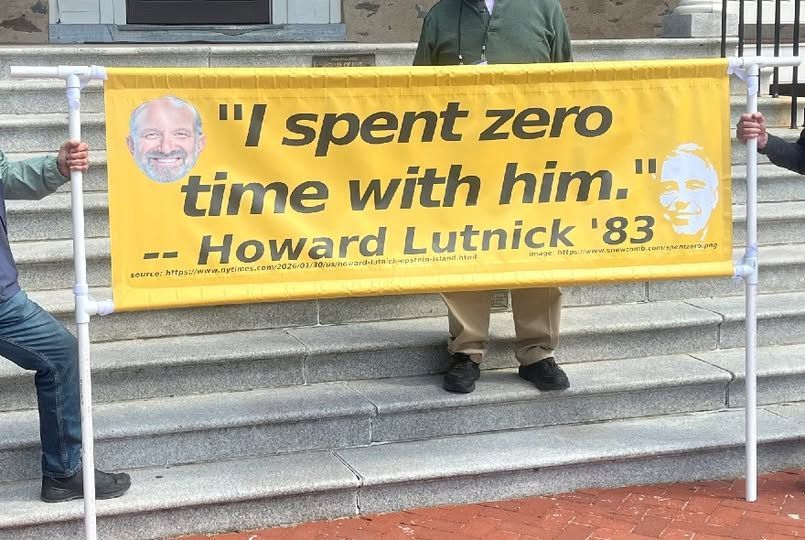
    Haverford College alumni from 1971 hold a banner on campus about Howard Lutnick during alumni weekend.Courtesy of Chuck Durante

    Haverford in a statement said many community members who oppose removing Lutnick’s name have also written to the college or told Raymond they are against the creation of a review committee that was requested through a student resolution this spring.

    “President Raymond felt it was in the best interest of the college to reject the resolution because she did not believe this matter met the threshold necessary to constitute a committee given the college’s established standards and the information available to us at that moment,” the statement said.

    But, the college said, “the matter is not closed.” Haverford is continuing to monitor “publicly available information” and “community sentiment” on the issue and Raymond or her successor could choose to initiate a committee, the college said.

    Haverford not ready to make an ‘indictment’

    Raymond, in the June 11 Zoom call with former board members, said she regarded creating a committee close to an “indictment” and did not think the threshold had been met, according to an email account of the meeting by Pearlstine obtained by The Inquirer. Some concerns about Lutnick are political, she said, and she is not willing to consider politics in her decision-making about a renaming committee, according to accounts of the meeting.

    Students and alumni have pointed out that Lutnick had previously said he had not been in a room with Epstein, whom he found “disgusting,” since 2005, yet he testified to Congress earlier this year that he had visited Epstein’s private island with his family in 2012 and exchanged emails with him in 2018.

    But Raymond, who has led the college for seven years and previously announced she would step down next June, said in Tuesday’s meeting that she did not think Lutnick’s lying about when he last had contact with Epstein was enough of a trigger.

    Some alumni, supporting Raymond’s decision, have noted there is no evidence Lutnick participated in Epstein’s crimes or improprieties.

    “I understand that students might feel strongly in support of wanting to change the name, but I don’t believe there’s a basis to do so,” said Robert Swift, a Philadelphia lawyer and former board member who was on the call Tuesday. “I have serious differences with Howard politically, but that’s not relevant either.”

    Swift, 79, a 1968 Haverford graduate who served on the board for 12 years, said Lutnick, a former chair of the college’s board of managers, was generous and served the board well.

    “His heart was in the right place,” Swift said.

    Some were calling for Lutnick’s removal even before the Epstein connection because they did not like his politics, said one alumnus who asked not to be named because of the sensitivity of the matter.

    “I don’t think it’s fair to remove someone’s name from a building simply because you don’t like their politics,” the alumnus said.

    George Parker, a 1960 alumnus and a professor of finance at Stanford’s Graduate School of Business, said Haverford should rely on its Quaker roots, which requires governing by consensus.

    “We do not have consensus,” Parker, a Quaker originally from the Philadelphia area, said of the Lutnick matter, “and where we do not have consensus, I do not think we should take action.”

    Lutnick’s relationship with Haverford

    Haverford has been in contact with Lutnick. Michael B. Kim, chair of Haverford’s board of managers and a private equity firm leader in Korea, said during the Zoom call that Lutnick communicated he is especially hurt that his alma mater is taking part in what he feels is a witch hunt, according to meeting accounts.

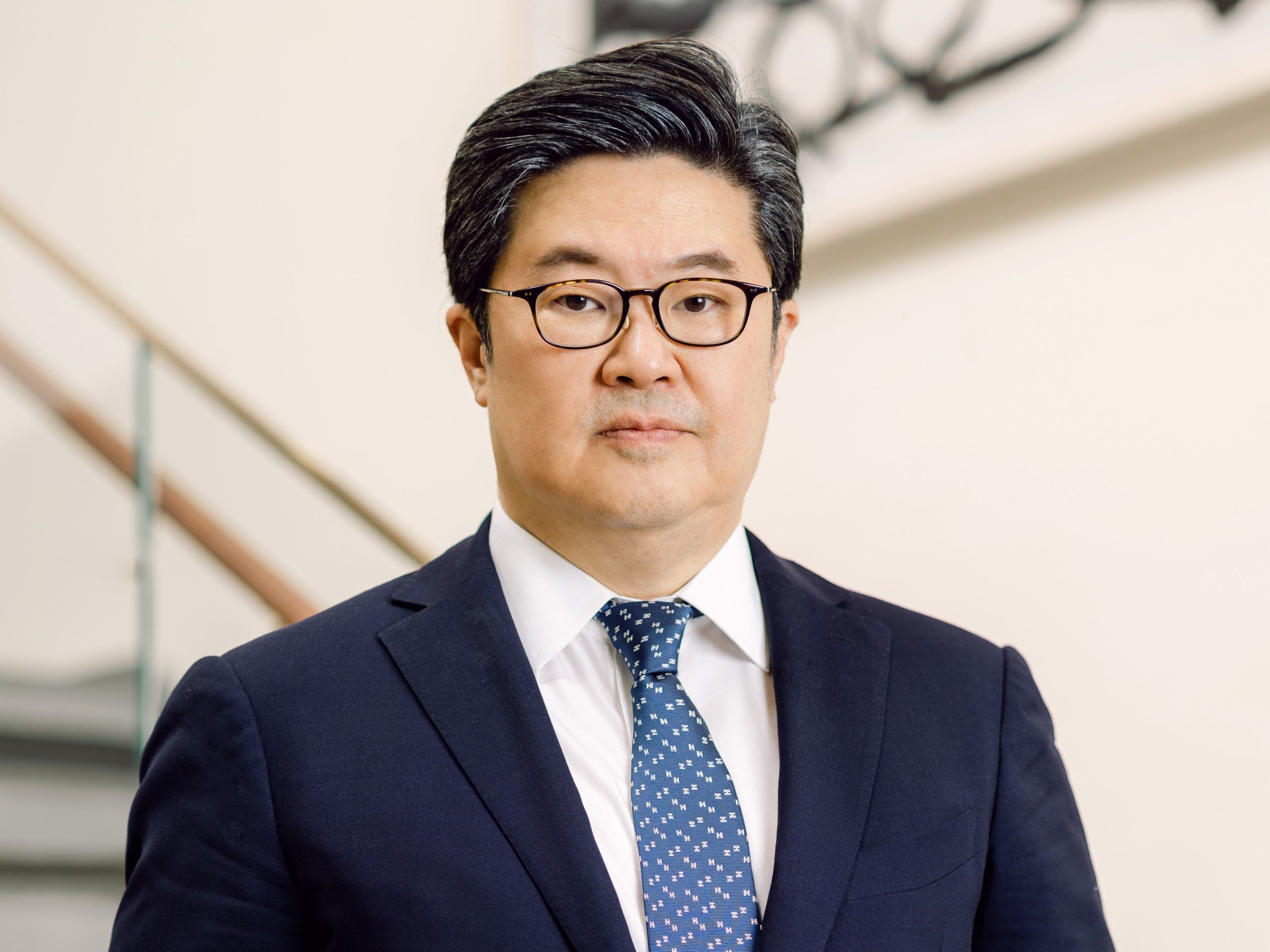
    Michael B. Kim, chair of Haverford College’s board of managers.Courtesy of Haverford College

    The board agrees with Raymond’s decision, he said.

    Lutnick’s relationship with the highly selective, small liberal arts college on the Main Line goes back decades. He lost his mother to cancer when he was in high school and then his father one week into his freshman year. Haverford’s president at the time waived his costs and he graduated in 1983 with an economics degree.

    Former chairman of financial firm Cantor Fitzgerald, he served on Haverford’s board for 21 years, the last three as chair, until 2015. His name was put on the library after a then-record $25 million donation he and his wife made in 2014. Lutnick has given the school $65 million and is one of its biggest donors.

    His Epstein ties gained scrutiny earlier this year. A Commerce Department spokesperson told the Associated Press that Lutnick had had “limited interactions” with Epstein, with his wife in attendance, and had not been accused of “wrongdoing.”

    A request to the Commerce Department’s press office to speak with Lutnick got no response.

    Under Haverford’s gift policy, the school can rename a building if “the continued use of the name may be deemed detrimental to the college, or if circumstances change regarding the reason for the naming.”

    Schulze, the former school superintendent, said he thinks that threshold has been met and a full discussion is needed.

    “Somebody else should take over if [Raymond’s] not ready to do that,” he said.

    Rob Riordan, a 1964 graduate and Trenton native who lives in Cambridge, Mass., said he was upset Raymond did not honor a request from an overwhelming majority of students at a plenary meeting who requested a committee be formed

    “To me, that felt like a violation,” said Riordan, 84, an educator who helped start charter schools in the San Diego area.

    Several alumni pointed out that nearby Bryn Mawr and Swarthmore Colleges have removed names of controversial figures from buildings in recent years.

    Pearlstine, who was on the Tuesday call, first wrote to Raymond and Kim in July 2025, urging that Lutnick’s name be removed. His concerns are not political, he said, but rather about behavior that conflicts with Haverford’s values.

    “Howard Lutnick is a powerful Trump administration cabinet officer who proudly helps the most lawless President in our country’s history implement policies that trample upon human rights, due process, rule of law, and respect for the independence and integrity of institutions of higher learning,” he wrote.

    It was not always that way. Ignatius, 67, who lives in Stonington, Conn., said he recalled interviewing Lutnick on stage at Haverford in 2015 and the good will in the audience toward him. Lutnick, who lost his brother and many of his company’s employees in 9/11, talked about the aftermath and how the company helped care for victims.

    “His trajectory since then has been similar to Rudy Giuliani’s,” Ignatius wrote to Raymond and Kim last August. “He has squandered the goodwill he built up after 9/11 and become a partisan troll, espousing values that are inconsistent with — and offensive to — the ideals that Haverford stands for.”

  • Many Pa. colleges aren’t properly training future teachers how to teach reading, a report finds

    Many Pa. colleges aren’t properly training future teachers how to teach reading, a report finds

    Nearly half of educator preparation programs are failing to adequately train future teachers in how to teach reading, according to a new report, even as states across the country have passed laws to overhaul reading instruction.

    And in Pennsylvania, even more teacher preparation programs may be falling short, according to the National Council on Teacher Quality, which released a report this week reviewing whether colleges and universities had aligned their instruction for future teachers with the so-called science of reading.

    Of 23 graduate and undergraduate programs evaluated in Pennsylvania, five received A’s, according to the report. Just as many received F’s.

    Pennsylvania is “among the lowest-performing states in this analysis,” said Ron Noble, NCTQ’s director of teacher preparation.

    Most of the state’s programs declined to participate in the review — including some, like the University of Pennsylvania, that were ranked poorly when the group last released a report in 2023.

    Some colleges have criticized the group’s methodology, and literacy advocates had mixed reactions to the findings.

    Still, progress has been made since 2023, Noble said, as more states have made changes to how reading is taught amid fierce debate over best practices and deepening concern about poor reading scores. Here is what the group found, and how Pennsylvania universities and colleges fared:

    How reading instruction is evaluated

    For decades, the predominant approach to reading in many schools, balanced literacy, sought to foster a love of reading in children by focusing on stories and de-emphasizing skills-based instruction.

    But literacy experts say most kids need explicit instruction in connecting sounds to letters to learn how to read. In recent years, a growing movement has successfully pushed states, including Pennsylvania, to require schools to adopt structured literacy, which aims to teach kids to read with evidence-based practices.

    The National Council on Teacher Quality scored education programs on how well they prepare teachers in the “five core components” of scientifically based reading instruction: phonics, fluency, vocabulary, comprehension, and phonemic awareness — the ability to identify units of sounds in spoken words.

    The group, which evaluated course syllabi, curricula, and lecture schedules, also considered whether programs taught debunked practices, including “three-cuing” — prompting students to guess words based on context clues — and running records, an assessment that involves listening to a child read aloud to determine what level of book is appropriate.

    Programs that earned A’s are adequately covering all five core components, Noble said, while not teaching more than three practices “that run counter to the science of reading.” Those that received F’s, meanwhile, are not adequately covering more than one of the core components, or teaching enough contrary practices that their letter grades were reduced, Noble said.

    How Pa. colleges scored

    Nationally, the percentage of programs receiving A’s more than doubled from 2023, from 26% to 53%.

    In Pennsylvania, the number of programs receiving A’s grew from two in 2023 to five.

    (function(){function e(){window.addEventListener(`message`,function(e){if(e.data[`datawrapper-height`]!==void 0){var t=document.querySelectorAll(`iframe`);for(var n in e.data[`datawrapper-height`])for(var r=0,i;i=t[r];r++)if(i.contentWindow===e.source){var a=e.data[`datawrapper-height`][n]+`px`;i.style.height=a}}})}e()})();

    Among them was East Stroudsburg University. Brooke Langan, dean of the university’s College of Education, said the school had produced more records in this review.

    East Stroudsburg also reviewed its coursework after Pennsylvania required structured literacy competencies to be embedded in teacher preparation programs in 2022, Langan said.

    “It really made us take a moment and think about: Did we structure those correctly? Are they scaffolded well for our students developmentally?” Langan said.

    Other schools getting top grades were Carlow University, Millersville University, Pennsylvania Western University, and Shippensburg University.

    At the other end, Cheyney University, the Commonwealth University of Pennsylvania, Lincoln University, West Chester University, and Widener University’s graduate education program received F’s.

    Julie Stellfox, a spokesperson for Commonwealth University, said the school “does not subscribe” to NCTQ’s research methodology. She noted a statement about the report from the American Association of Colleges for Teacher Education, which voiced concern about relying “primarily on document review as a proxy for the quality of educator preparation.”

    Nancy Gainer, a spokesperson for West Chester, said that school also disagrees with NCTQ’s methods. She noted that West Chester complied with an “open source request” from the group in 2023 and received a B in its report then; this time, the school did not receive such a request, and West Chester did not supply information, she said.

    An NCTQ spokesperson said the group submitted a formal records request to West Chester.

    Mary Allen, a Widener spokesperson, said the university had asked NCTQ to reassess the graduate education program “and include additional courses that focus on reading instruction, which were not included in their review.”

    “Academic rigor and student success are our top priorities, and we have aligned our teacher education programs to all the required competencies related to structured literacy and the science of reading outlined in Pennsylvania Department of Education guidelines,” Allen said.

    Noble acknowledged the criticism of a review process limited to records. But, he said, NCTQ is evaluating whether colleges adequately cover foundational reading skills, and it was “highly unlikely that something that doesn’t appear in course materials” is being taught.

    Fewer Pennsylvania programs agreed to be evaluated by NCTQ this year — the program reviewed 33 in 2023, compared with 23 in the latest report. Overall, 63% of Pennsylvania teacher preparation programs did not participate.

    Of schools nationally that declined to be reviewed after participating in 2023, NCTQ said, more than 60% had received F’s previously.

    It also said that it identified textbook requirements for more than 80% of nonparticipating programs, and found they used textbooks misaligned with the science of reading at the same rates as programs receiving D’s and F’s.

    Noble noted that the four largest teacher preparation programs in Pennsylvania either did not participate in this year’s review — Pennsylvania State and Temple Universities — or received F’s, in the case of West Chester and Commonwealth.

    “It’s even more concerning: The places producing many of Pennsylvania’s newest teachers are either a black box for us or did not perform well,” Noble said.

    Calls for more state oversight

    Rachael Garnick, Pennsylvania Literacy Coalition manager with the Teach Plus group, which advocates for structured literacy implementation, said there was value in the report’s effort to evaluate how well colleges are preparing future teachers.

    But “I don’t think it’s a conclusive verdict,” including about schools that did not participate, Garnick said, noting that one university she had spoken with said NCTQ had sent its request for information to the incorrect administrator.

    Pennsylvania itself needs to do more to hold teacher preparation programs accountable for reading instruction, Garnick said. While the state now requires structured literacy in teacher preparation programs, it does not set requirements for the number of courses or hours of instruction.

    And the state’s certification exam for new teachers has not been aligned with the science of reading. For instance, it still includes questions on three-cueing, Garnick said — even though Pennsylvania has banned that practice. The coalition is pushing the state to adopt a standalone exam to test teaching candidates on reading.

    The failure of teacher preparation programs to adopt the science of reading has ripple effects, said Kate Mayer, a consultant with Keystone Structured Literacy Partners. Mayer, who has advocated for many Philadelphia-area families whose children are struggling with reading, said she sees area school districts working with universities to make changes to their reading instruction that still are not best practices.

    “In my experience, the bar is even lower than it should be for what we’re looking at,” said Mayer, who served on a committee that worked with NCTQ on its scoring rubric in 2019. She said “there should be no excuses” for universities that are not adequately covering the five reading components.

    Some states, including Ohio and Indiana, have significantly improved teacher preparation programs through new accountability measures, including audits and the prospect of revoking accreditation, Noble said.

    “When you’re providing teacher preparation programs with really clear standards” and consequences for not meeting them, “that’s a recipe for pretty dramatic” changes, Noble said.

  • For the first time in several years, it was a little easier to get into Penn

    For the first time in several years, it was a little easier to get into Penn

    The University of Pennsylvania admitted 5.8% of applicants for the fall, making it a highly selective college.

    But it’s not as selective as it was last year, when it accepted 4.9% of applicants, or the year before that, when it accepted 5.4%.

    Whitney Soule, admissions dean, said the school received fewer applications for the fall 2026 class after years of increasing applications. Applications at the Ivy League university were down 15.5% from last year.

    Soule declined to speculate on the reasons or discuss whether applications from international students or other groups were down. International student enrollments are down nationally amid immigration policies under President Donald Trump’s administration. U.S. universities saw a 20% decline in international students this past spring compared to the year before, Time reported last month.

    Soule said 12.5% of the incoming class are foreign students, down from 13.7% last year.

    Soule released the numbers during the university’s board of trustees meeting Friday.

    Soule said Penn received 61,264 applications, down 72,544 last year.

    The school admitted 3,575 students, including 19 off the wait list, she said.

    Of those admitted, 2,435, or 68.1%, have committed to attending Penn, Soule said. That was similar to last year.

    Pennsylvania residents account for 15% of the class, and 167 are from Philadelphia.

    The incoming class is the first since Penn began requiring standardized test scores again. The requirement was paused during the pandemic. Soule said applicants’ middle 50% SAT scores were 1440 to 1550.

    “It’s an exciting group of students,” Soule said. “They are coming from all over the world and throughout the United States, and they’re ambitious and curious.”

    At Friday’s meeting, the board also agreed to designate former president Liz Magill as president emerita, a prestigious title granted to former leaders. Magill led the university from July 2022 until December 2023, when she resigned amid a bipartisan backlash over her congressional committee testimony regarding the school’s response to antisemitism complaints.