Category: Crime & Justice

  • At 17, he killed a 14-year-old outside Roxborough High — and then killed again. He faces decades in prison.

    At 17, he killed a 14-year-old outside Roxborough High — and then killed again. He faces decades in prison.

    A 21-year-old man was ordered to spend decades in prison for killing two teens in 2022 and 2023 — including firing dozens of bullets outside Roxborough High School in a shooting that left a 14-year-old dead and four other teens seriously wounded.

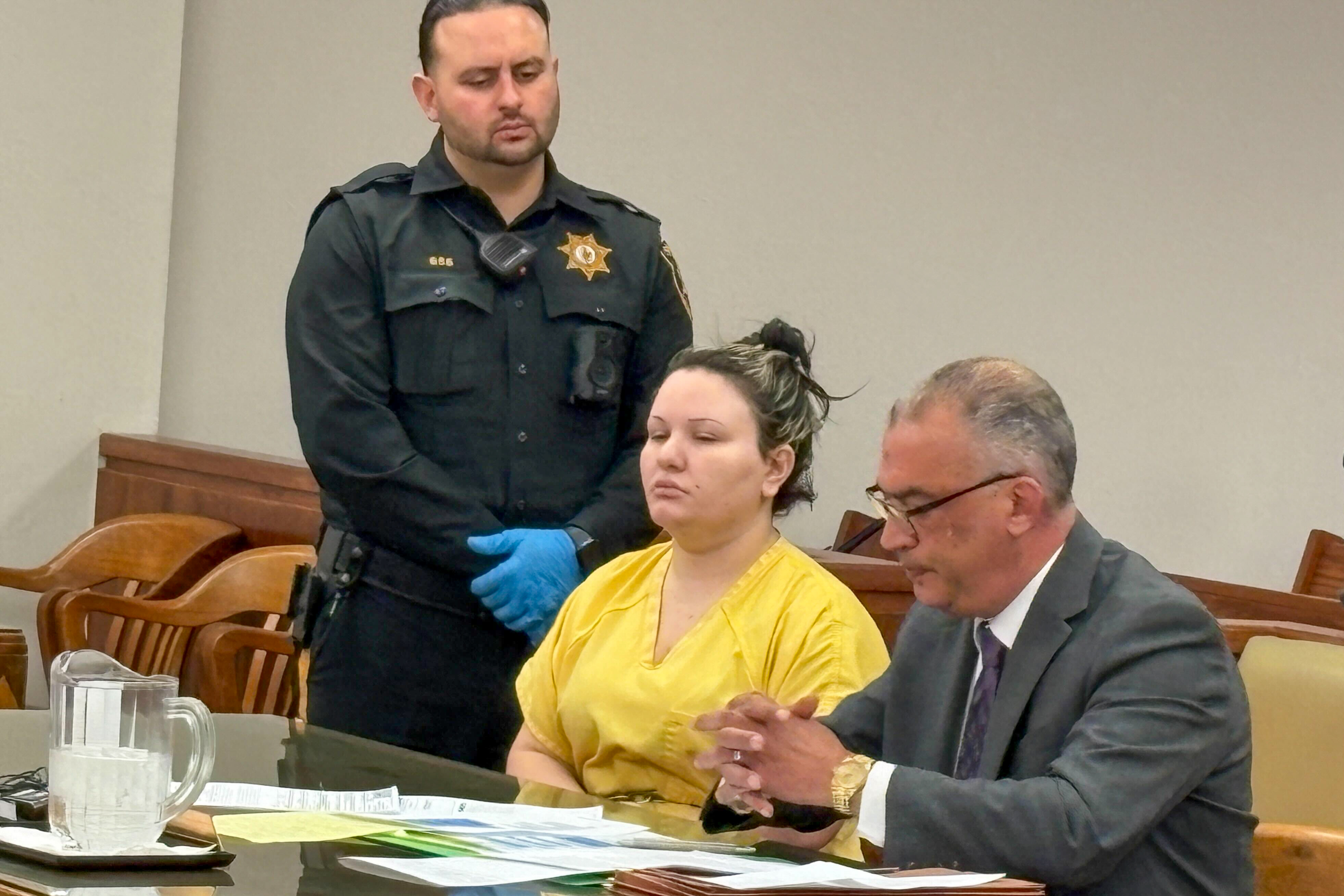
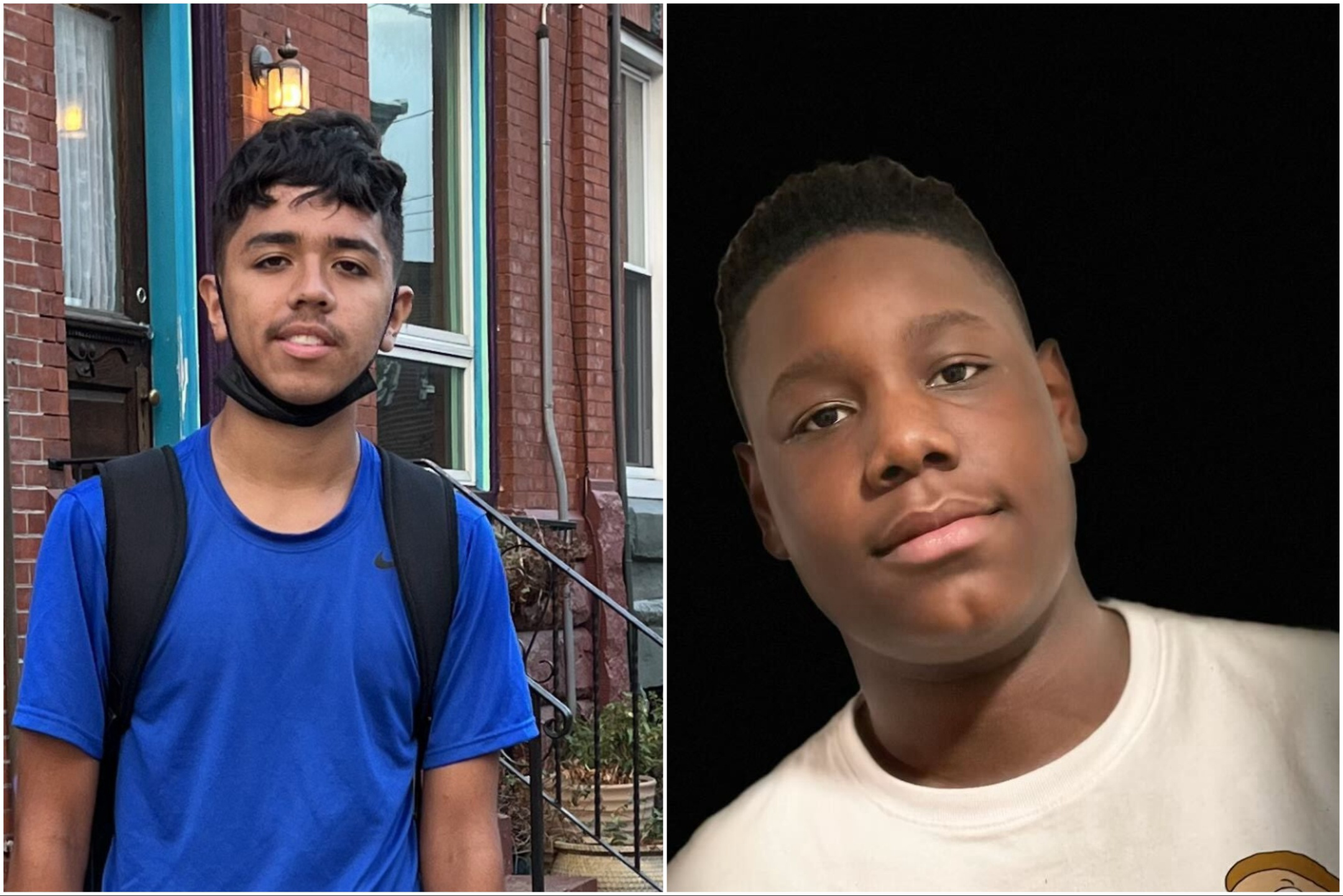
    Following an emotional sentencing hearing Friday, Common Pleas Court Judge J. Scott O’Keefe ordered Zaakir McClendon to serve 40 to 80 years in prison for his part in the shootings that killed Nicolas Elizalde and Nafis Betrand-Hill seven months apart.

    McClendon’s streak of violence began when he was 17. First, on Sept. 27, 2022, he and five others drove to Roxborough High School looking to shoot a teen who McClendon believed had hurt a young woman he was close to, said Assistant District Attorney Ashley Toczylowski.

    They parked their dark green Ford Explorer outside the school’s football field, and as dozens of kids walked toward the locker room, McClendon and four others fired more than 60 shots in all directions toward the players.
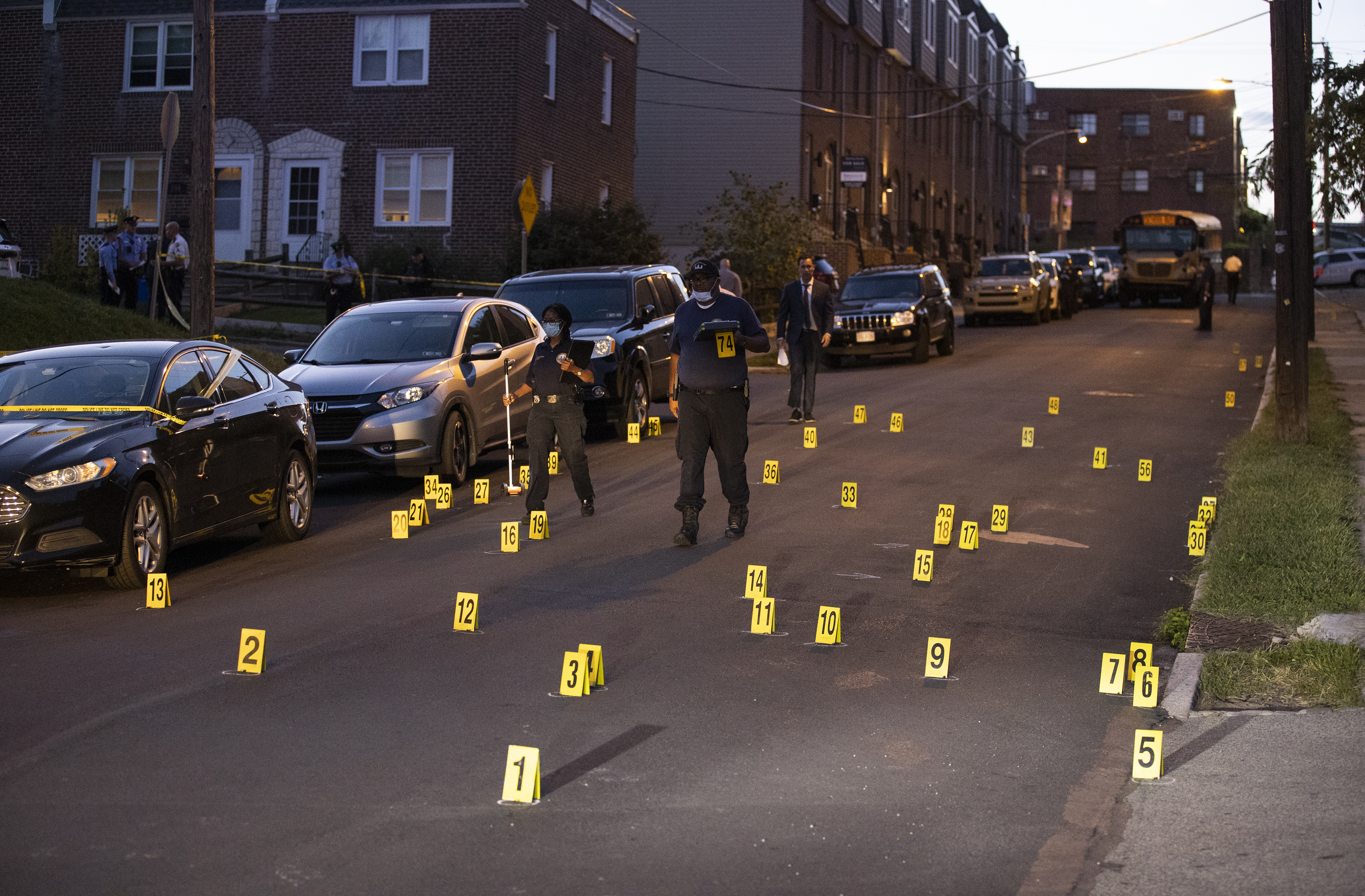
    More than 60 shots were fired outside Roxborough High School on Sept. 27, 2022.Charles Fox / Staff Photographer

    Five teens were shot. Nicolas Elizalde, a junior varsity player, was struck once in the chest by a stray bullet. His mother, Meredith, ran to his side in the aftermath, and held him as he died.

    “This was a planned, coordinated mass shooting at a high school football game,” Toczylowski said. “And [McClendon] was the reason why this happened.”

    In the months after the shooting, homicide detectives identified five of the six people involved, ranging in age from 15 to 21. But McClendon remained free and unknown to police for years.

    In that time, he killed again.

    On the night of April 13, 2023, McClendon and at least two others drove to 23rd Street and West Montgomery Avenue in North Philadelphia, where they shot Nafis Betrand-Hill, 16, multiple times near his home.

    McClendon was finally charged with both killings last year, after DNA evidence linked him to each crime scene: on a fired cartridge casing recovered at Roxborough and on a blue sweatshirt worn by one of the gunman who killed Betrand-Hill.

    He pleaded guilty to both murders in April.

    Ashante Betrand on Friday remembered her stepson, Nafis, as full of life and joy, “a child who deserved to grow up surrounded by love.“ A sophomore at Sayre High School, he was the oldest of four brothers and three sisters. They called him ”Fisso” or “Bo.”
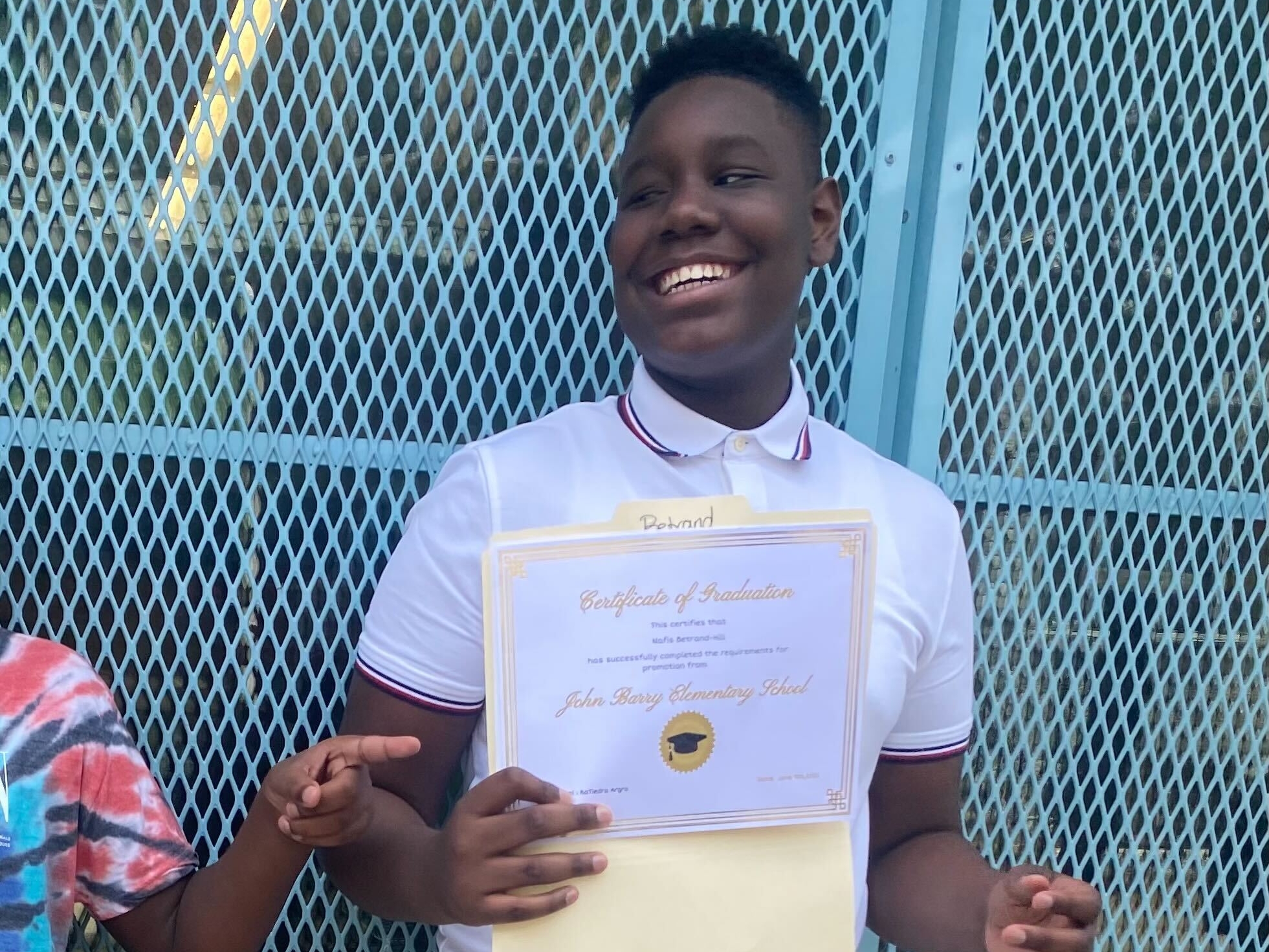
    Nafis Betrand-Hill, 16, was shot and killed in North Philadelphia in April 2023.Courtesy of Ashante Betrand

    Her family, she said, will never stop grieving the “many ordinary but precious moments of adulthood” that he will never experience. They still don’t understand why he was targeted, she said.

    “His life was worth more than a name, a reputation, a street,” she said, adding: “We will never stop loving him, we will never stop missing him and his light.”

    Nicolas Elizalde’s aunt and grandmother spoke next. They wanted McClendon to know about the gentle person he killed — how Nick loved rescuing animals, watching Marvel movies, playing with Legos, and swimming in the pool. He was a freshman at Walter B. Saul High, and should have been finally heading off to college this fall.

    “Did you know that, Mr. McClendon? Do you care?” Nick’s grandmother Marge LaRue asked.

    “I don’t know you, and I don’t want to,” she said. “But you brought evil to my family, and it’s ugly and it’s lonely here. We are joyless. We are empty.”

    Then, Meredith Elizalde stood up, ordering McClendon to look at her. It was the least he could do, she said, after ruining her life.

    McClendon, his small frame hunched in a wooden chair, looked toward her briefly, before turning away again as she spoke.

    When two other teens involved with the crime pleaded guilty last year, Elizalde was firm, but compassionate. She had met and spoken with each of them before their sentencings, and asked a judge to allow each of them to spend a piece of their lives free in Nick’s honor.

    But McClendon, she said Friday, mocked her family and her son’s life by running free for years after the shooting — and killing again. She said she would not ask for any leniency.

    “Did you watch my pleas on TV?” she asked. “I hope to leave this courtroom and never think of you again.”

    Meredith Elizalde at Franklin Fountain, where she and her son Nicolas used to go prior to his death, in Philadelphia, July 24, 2024.Jessica Griffin / Staff Photographer

    Finally, McClendon spoke. His actions, he said, were cowardly.

    “I was still young, your children were still young,” he said, beginning to cry. “I’m sorry. I’m mad it happened the way it did. I’m mad I even made that decision.”

    “I cannot look you in the eyes because I gotta live with what I did,” he said. “I am a menace to the community. … but I will try to be better.”

    His mother’s sobs filled the courtroom as he spoke. Moments earlier, she told the judge she’d raised her son in a loving home. He was a funny, curious child who grew up attending Catholic schools and playing sports. It didn’t make sense.

    At the judge’s sentence, she collapsed into herself.

    After the court hearing, Meredith Elizalde asked the public to remember her son and what he loved — nature, museums, learning — and to invest less in punishment for violence and more in the people, places, and institutions that can prevent it.

    “On Sept. 27, the fourth anniversary of Nick’s murder, the Academy of Natural Sciences — one of Nick’s favorite places and where he celebrated his ninth birthday — is closing its doors to the public.”

    “Think about what these places represent, where children encounter science and nature … and discover the world is bigger than them and there is a place for them in it,” she said. “We cannot punish our way into a healthy society. Prevention is investment, art, nature, community.”

    Accountability for her son’s death belongs to all Philadelphians, she said, and that means protecting the children who are still here.

    Elizalde and her family will return to the courthouse in February, when the three remaining defendants charged with her son’s death are expected to face trial.
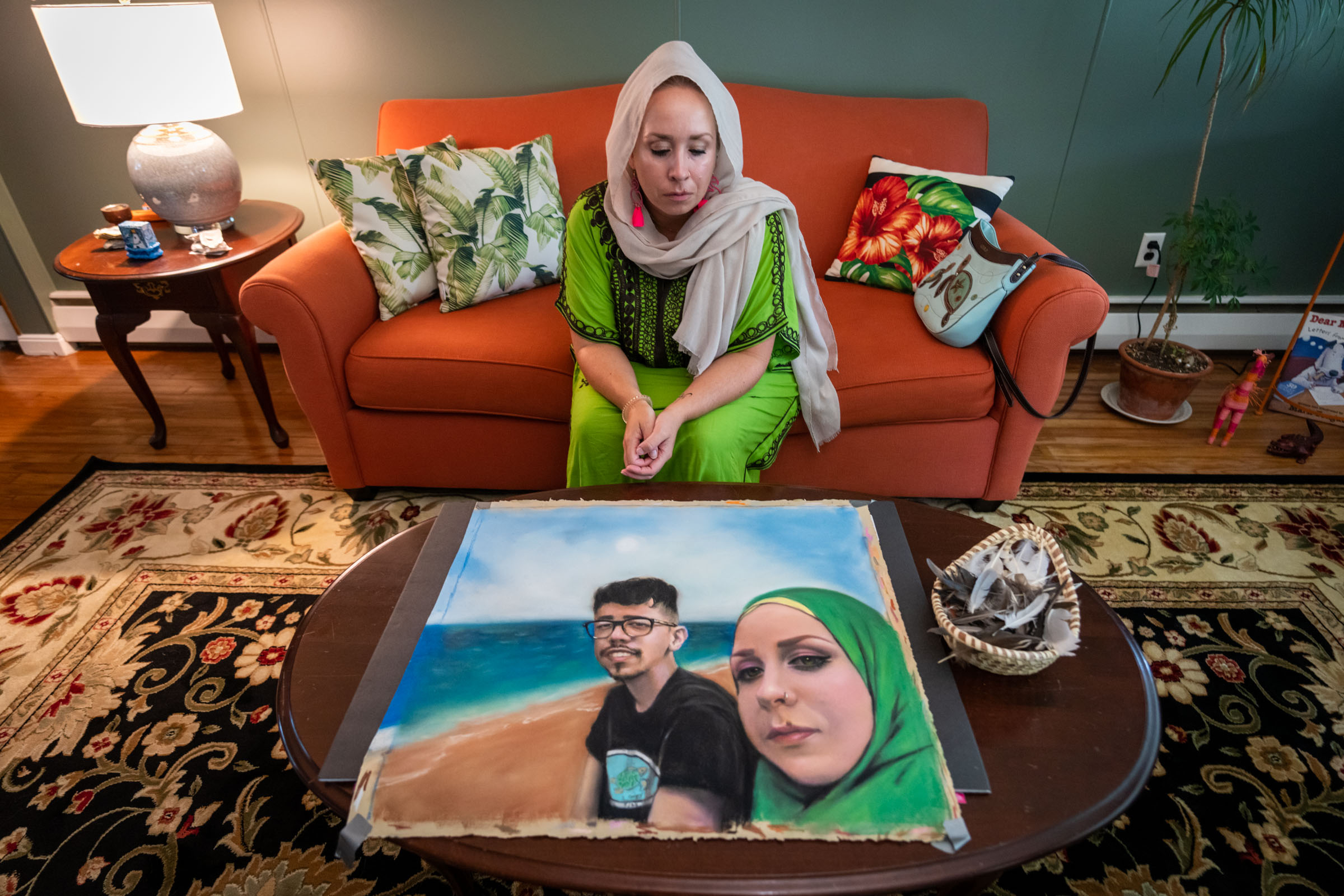

    Meredith Elizalde with a painting of her and her son Nicolas, by Laurie Cooper. Jessica Griffin / Staff Photographer
    Correction: This story has been updated to correct the spelling of the prosecutor’s name.
  • Nicole Fusaro, missing since 2018, identified as woman who police believe Raymond Horsch killed

    Nicole Fusaro, missing since 2018, identified as woman who police believe Raymond Horsch killed

    The woman who police believe was killed by pornographer Raymond Horsch on camera has been identified by family members and law enforcement sources as Nicole Amanda Fusaro, who has been missing since July 2018.

    Fusaro was 27 when she was last seen in Kensington, and after she disappeared, her mother, Diane, combed the streets of the Philadelphia neighborhood looking for her only child. Diane died in January 2020 without answers, and Fusaro’s father, Thomas, had died in 2009. That left Fusaro’s friends and her cousin, Jonathan Halloran-Koren, to continue searching and hoping that one day she might turn up.

    Last month, investigators recovered a video on one of numerous hard drives recovered from Horsch’s decrepit Olney home while in search of clues for other missing persons linked to the property. Law enforcement sources said they believe the video shows Horsch strangling Fusaro to death.

    Nicole Fusaro was reported missing in 2018 when she was 27. Police believe she was killed by Raymond “R.C.” Horsch in his Chew Avenue home.Courtesy of Jonathan Hallo

    Police met with a member of Fusaro’s extended family several weeks ago to alert them of the discovery. Those relatives asked police not to publicly release her name. The relatives declined to speak with a reporter this week.

    Halloran-Koren, in an interview, said those relatives told him Thursday that police had visited their home in recent weeks with the news of his cousin’s death.

    He said he wants her name to be known so that she is not forgotten.

    “Hopefully more attention will be made to missing persons so this doesn’t happen again,” he said, adding that he is still seeking additional information from law enforcement.

    The police department is legally required to release the names of homicide victims, as they consistently do in a typical case. But because Fusaro’s body has not been found, the Office of the Medical Examiner has not ruled her death a homicide, creating a legal gray area.

    Police also have no suspect to charge: Horsch died last year, at the age of 82, of a lung condition.

    Sgt. Eric Gripp, a spokesperson for the police department, said the investigation into the Horsch home at 417 Chew Ave. remains extensive and ongoing. He said officials expect to provide an update to the public next week.

    “As part of that investigation, detectives have spoken with numerous family members, witnesses, and other individuals, and continue to review evidence gathered during the investigative process,” he said in a statement. “Because this is an active investigation, we are not confirming the identities of any individuals who may be connected to specific evidence or discussing information that has been shared privately with families.”

    Last month, police officials announced that they recovered photographic evidence that appeared to show two other missing women — Maribel Fresses and Gabrielle Amarando — dead inside the home.

    Fresses’ and Amarando’s bodies have also not been recovered, and the medical examiner has similarly not ruled a cause or manner of death. Their families gave the department permission to release their names.

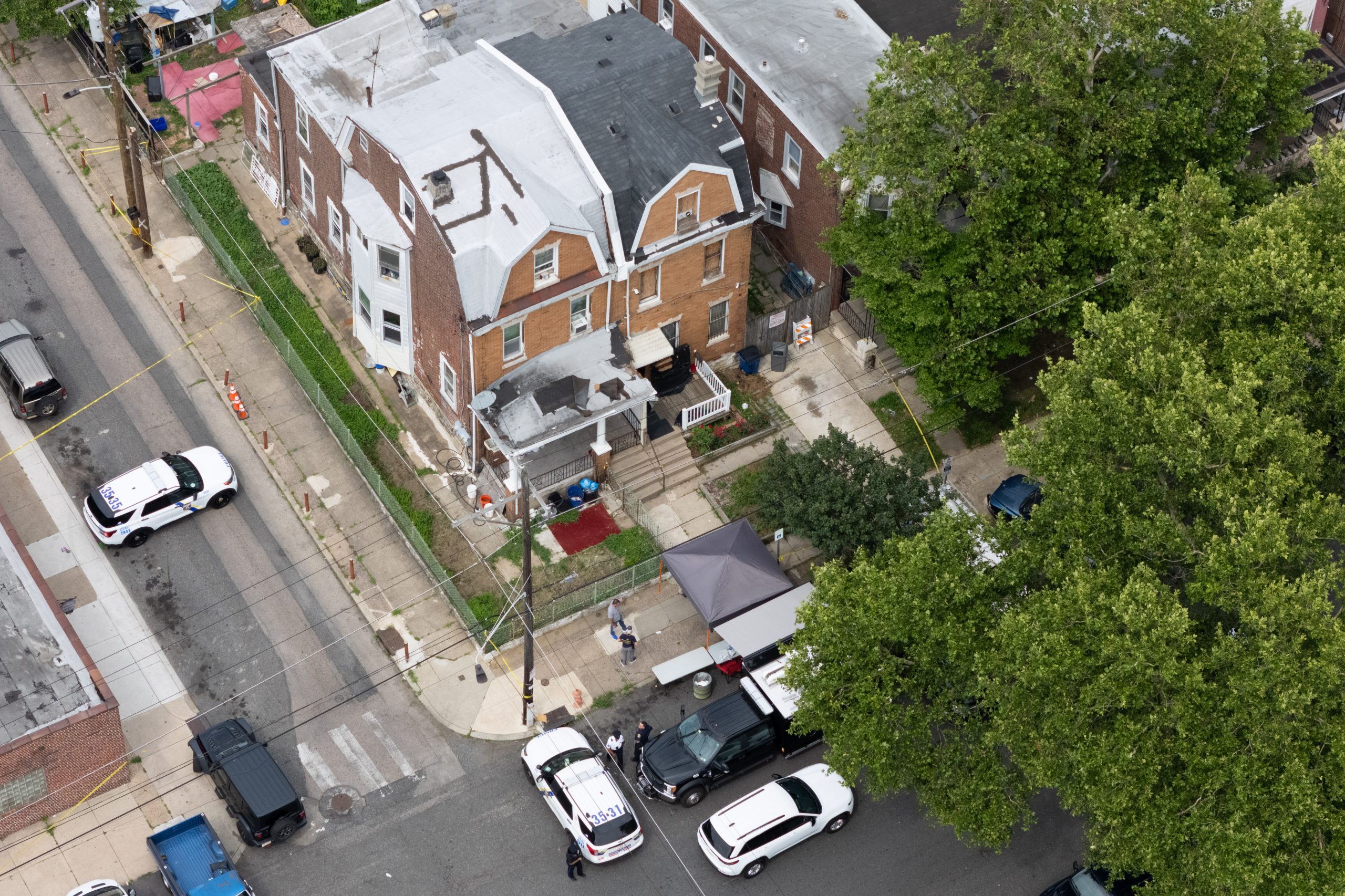
    Investigators searched the home of Eugene Albert Horsch on West Chew Avenue (grey roof) in the Onley section of Philadelphia in June 2026.Gabriel Coffey / Staff

    Fusaro is the fifth dead or missing woman to be tied to the home on Chew Avenue where Horsch lived with his son, Eugene, for decades. Raymond Horsch lured women in addiction with drugs and cash to star in his violent pornographic videos and photos.

    Halloren-Koren said he had come to terms with the reality that his cousin likely died several years ago after so much time had passed without a sighting.

    “I came to grips with that,” he said, of her death. “How it happened is something that is going to take me a little while.”

    Fusaro, who was raised in Northeast Philadelphia, attended George Washington High School, according to her Facebook page. She had dark brown hair and striking, light eyes, and was known as an outgoing young woman who enjoyed being around friends and family.

    Halloren-Koren said she was light-hearted and loved animals. As kids, he said, she enjoyed watching Vampire Diaries and listening to all types of music, from Green Day to the Notorious B.I.G.

    After Halloren-Koren moved overseas for work in 2003, he said he only saw her at sporadic family reunions. His family, he said, was splintered and scattered across the region, and Fusaro’s parents both struggled with addiction. His cousin started using drugs in her late teens, he said, and she fell deeper into addiction in her 20s before drifting into the streets of Kensington.

    When Halloran-Koren sought to reconnect with family in 2020, he learned his cousin was missing and tried to help his aunt’s friends find her, he said. He spoke to women across Kensington who knew her and heard various theories, including that she was last seen getting into a car near Kensington and Allegheny Avenues.

    He asked the women, he said, whether there were any strange men in the neighborhood, and they scoffed — this was Kensington, and there were men like that everywhere.

    But there were a few he said they mentioned: a guy who drove a van without a license plate, and a “creepy” man with the last name Horsch who picked up women on the Avenue.

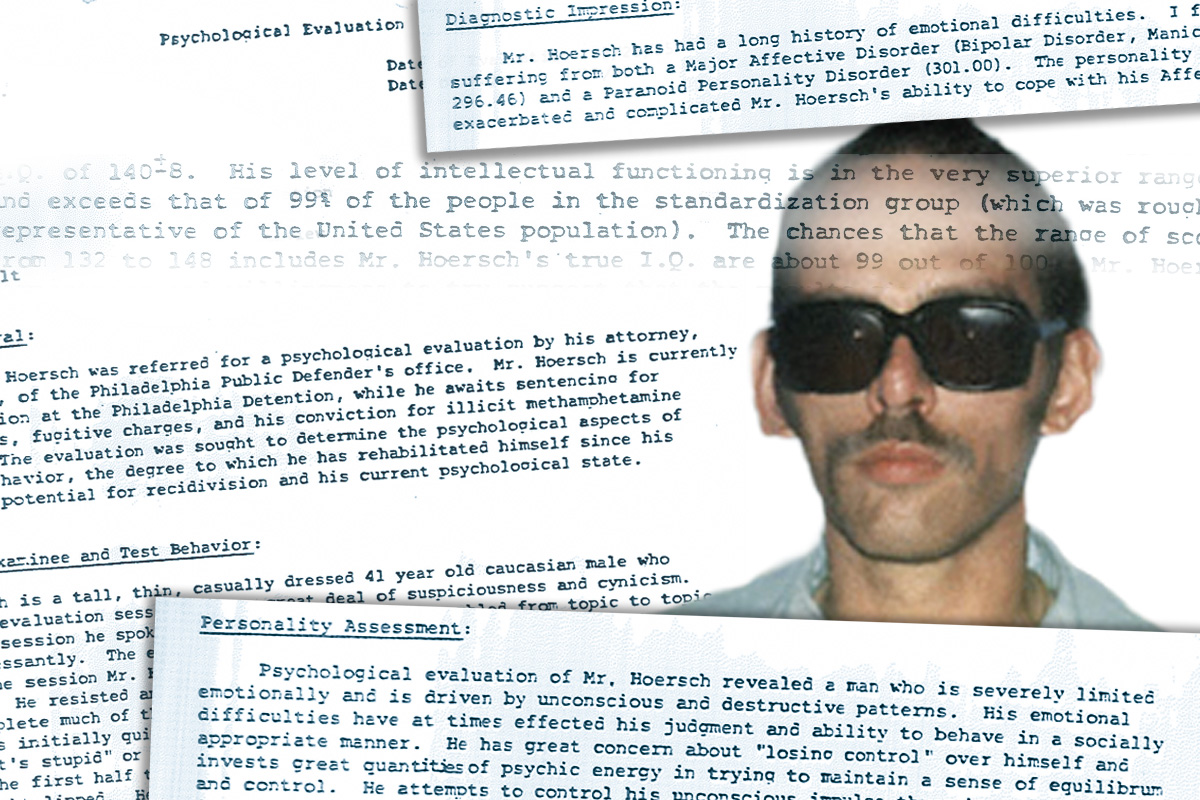
    Raymond Horsch underwent a psychological examination in 1985 with results showing an above-average intelligence, deep-rooted emotional problems, and a diagnosis of a paranoid personality disorder.John Duchneskie / Staff Illustration / Photo obtained by The Inquirer

    Horsch was known to trawl the streets of Kensington in search of sex workers, photographing some from the shadows. He’d offer to pay them in drugs and cash to be featured in his films or photos, often using drugs and in fantasies of being beaten, strangled, or killed.

    He had a lengthy criminal record for manufacturing drugs and other non-violent crimes. And while his ex-wife, Amy McHale, was last seen at his home in 2016 before she went missing, he was never charged with any crimes connected to her disappearance before he died last year.

    The investigation into his connection to the missing women began June 19, after his 44-year-old son, Eugene, was arrested near Independence Mall.

    A federal park ranger found a fake ID in the car in the name of Blair Tonzelli, another woman who was reported missing in 2023, and was last seen at Horsch’s home. Police then interviewed women who said Eugene Horsch had bragged about knowing how to use chemicals to melt bodies in his basement.

    Eugene Horsch has only been charged with illegal drug and weapons violations and has not been linked to any of the disappearances. He is currently in a federal detention center awaiting trial.

    After arresting Eugene Horsch, local and federal law enforcement searched the Horsch home, at 417 W. Chew Ave., even excavating the yard for clues to the disappearance of Tonzelli and McHale. They found drugs, guns, a 55-gallon drum and vats of liquid, as well as a mysterious letter referencing putting drug-addicted women out of their misery.

    Police also recovered dozens of hard drives that they said contained hundreds of thousands of images and videos — including some that showed several women presumably dead at the home. Investigators continue to pore over those materials to determine how far Horsch’s crimes extended and who was involved.

  • Assailants attack, steal handgun from off-duty Philadelphia police officer, authorities say

    Assailants attack, steal handgun from off-duty Philadelphia police officer, authorities say

    An off-duty Philadelphia police officer was beaten by multiple people and robbed of his gun late Thursday, police said.

    The gun — the officer’s service weapon — had not been recovered as of Friday, they said.

    The officer, whose name was not released by police, was taken to Temple University Hospital with cuts to his head and scrapes on his legs and feet. Police did not disclose his condition, but said the officer was stable Friday afternoon.

    Officer Tanya Little, a police spokesperson, said police were called to help the officer at about 11:45 p.m. Thursday on the 700 block of North 10th Street, between Brown Street and Fairmont Avenue in the West Poplar section of North Philadelphia, after the officer said he had been attacked by three people who stole his firearm.

    Little said that investigators took two people into custody for questioning, but charging information was not available.

    The investigation is ongoing, police said.

  • Philadelphia man convicted in killing of homeless man whose mother says she never stopped fighting for him

    Philadelphia man convicted in killing of homeless man whose mother says she never stopped fighting for him

    For the seven months he lived on Manayunk’s streets before he was shot and killed, Joshua Daywalt’s mother said she tried to persuade him to come back to the life waiting for him.

    Jennifer Daywalt, of Phoenixville, ticked off the list: She regularly brought him bottled water, chips, and other easy-to-carry snacks at the encampment he frequented. She brought reassurance, too, reminding him that his family — three sisters, one brother, and two children — loved him and wanted him back home.

    Authorities recovered Daywalt’s body from the frigid waters of the Schuylkill near Kelly Drive and Midvale Avenue on Feb. 7, 2025. A day later, a city medical examiner determined he had been shot at least once in the head, just behind his right ear, turning what had been a death investigation into a homicide.

    And on Thursday, a Philadelphia judge found Roger Gosson guilty of killing Daywalt, 35, delivering the outcome his mother said she had been advocating for since the day she learned her son was gone.

    “I need people to know that not everyone who is homeless is unloved,” Jennifer Daywalt said. “I never stopped trying. I never stopped begging. I never stopped fighting for him.”

    Gosson, 63, was convicted of third-degree murder and related crimes in Daywalt’s shooting death, following the two-day bench trial in Philadelphia Common Pleas Court.

    Gosson — a homeless man living in an intricate, multilevel setup inside a hole in the Green Lane Bridge — became detectives’ lead suspect in part because of body-worn camera footage from a patrol officer who encountered him a month before the killing. In the video, Gosson complained that “somebody [has] got to do something about” Daywalt, whom he accused of stealing from other homeless people in the area.

    Later, inside Gosson’s living space, police recovered the gun they say was used to kill Daywalt .

    Gosson’s fingerprints and DNA, however, were not found on the handgun. And without cellphones to track his movements or street cameras to capture the shooting, prosecutors’ case against Gosson was, as Assistant District Attorney Ashley Toczylowski acknowledged during her closing argument on Thursday, anything but typical.

    “But,” she said, “that doesn’t mean we don’t know what happened.”

    Judge Charles Ehrlich spent less than 10 minutes deliberating before returning a guilty verdict Thursday afternoon. Even so, a case built largely from the testimony of other homeless men created obstacles for prosecutors and, at one point, threatened to unravel before it ever reached trial.

    The witnesses had told police in the weeks after Daywalt’s body was found that Gosson confessed to the killing in a series of conversations and, in one case, a note written on a napkin that was never recovered. But on Thursday, one of those witnesses disputed his previous account, blaming a drug-induced haze for his loose lips and claiming he couldn’t recall his videotaped interview with police.

    And last month, Gosson’s trial was postponed for the fifth time after prosecutors said police had been unable to locate that same witness. The delay prompted Gosson’s defense attorney, Gina Amarillo, to ask the judge to dismiss the case, arguing that prosecutors had already taken more than the 365 days allowed by law to bring Gosson to trial.

    Ehrlich denied her motion. And to ensure the trial could begin on Thursday with the key witness, prosecutors held him in jail on a material witness warrant ahead of the court date.

    At the delayed August trial date, Detective Craig Coulter testified that he’d tried to find the homeless witness for three weeks without success, calling him “a constant moving target.”

    “It’s like trying to find a squirrel in the woods,” he said. “That’s what all the witnesses in this case have been like.”

    Amarillo argued on Thursday that prosecutors had relied on speculation to accuse Gosson of a killing for which no hard evidence had been found implicating him. Changing unreliable witness testimony, she said, was “not enough to say Mr. Gosson did this beyond a reasonable doubt.”

    “My client was hoping for a different verdict based on the evidence presented,” Amarillo said in a phone interview Thursday night. She added that they will likely appeal the judge’s verdict.

    Outside the courtroom, Jennifer Daywalt remembered her son as a “brilliant artist” who’d first picked up pencils to draw at 4, she said. He gravitated toward portraits in pencil and charcoal, often of his favorite hard-rock bands, she said.

    Before he began living on the streets of Manayunk, Daywalt left four psychiatric hospitalizations intended to stabilize him after he stopped taking medication for his diagnosed paranoid schizophrenia and multiple personality disorder, Jennifer Daywalt said. His illnesses, she guessed, may have caused him to steal. “It made him feel as if he couldn’t conform to society,” she said.

    Jennifer Daywalt said she has appealed to lawmakers to change the state’s laws on hospital commitments, and will continue to fight for mandatory holding periods and follow-ups that she believes could have saved her son.

    For now, she said: “It felt good that the judge saw what the rest of us saw. It felt like Joshua’s voice was heard.”

    Gosson is scheduled to be sentenced in December.

  • 2 men charged with rape of student at Eastern University in Delaware County

    2 men charged with rape of student at Eastern University in Delaware County

    Two men have been charged in the sexual assault of a student at Eastern University inside a dorm room earlier this year, Delaware County District Attorney Tanner Rouse announced Thursday.

    Dontae Williams, who turns 20 on Friday, and Chase Thompson, 19, surrendered to Radnor Township police on Thursday to face charges of rape of unconscious person and related offenses. Bail was set at $150,000 unsecured for both men.

    The assaults allegedly occurred in the Kea Hall residence of Naeem Turner, a friend of the victim, Rouse said. Turner was issued a summons to appear in court on three counts of invasion of privacy for allegedly recording video of the victim.

    Robert C. Keller, a lawyer representing Williams, said his client “has been cooperating since the beginning.”

    Keller said he will review the criminal case against Williams and pursue an appropriate defense.

    No lawyers could be identified Thursday evening for the other two men.

    Eastern University, a private Christian institution located in St. Davids, said in an emailed statement Thursday evening:

    “Student safety remains our highest priority. Sexual assault is not tolerated at Eastern University. The university took this incident very seriously, acting swiftly and fully cooperating with the Radnor Police Department throughout their investigation.”

    Eastern University continued: “We are grieved by this situation and the impact it has had on those involved. As a Christian university, we are committed to the safety and well-being of our students.”

    The university said Naeem Turner was no longer enrolled at Eastern.

    On Feb. 1, Radnor Township police responded to Eastern University for a report of a rape, Rouse said. The officers met with the student, who said that after a night out drinking, she reached out to Turner, her friend.

    Turner said he had cousins visiting his dorm room, but she could come over, the police criminal complaint said.

    The student, who already was intoxicated, arrived at Turner’s residence and was given tequila to drink, the complaint said. The student then said she fell asleep.

    She was then allegedly sexually assaulted by Williams and Thompson, the complaint said.

    Investigators collected DNA evidence that matched both men, the complaint said.

    Turner had recorded video of himself engaged in sexual activity with the student, and twice the victim is seen pushing the phone camera away and indicating that she did not want to be recorded, the complaint said.

    Turner, who was not charged with rape or any other assaults, said he had consensual sex with the victim, the complaint said.

    The student said she did not remember having consensual sex with Turner and that she did not consent to being recorded, the complaint said.

    Turner later allegedly sent two video clips to a contact on his phone, the complaint said.

    “This incident is an appalling violation of a person’s safety, dignity, and trust,” Rouse said in statement.

    “No one should ever have to fear being sexually assaulted by someone they know, and especially not by someone they consider a friend. It can be frightening to come forward after an experience like this, and we commend the victim for having the courage to report what happened,” Rouse said.

    “Sexual violence is never acceptable, and my heart goes out to a young woman that will live with this trauma for the rest of her life. No one should have to fear that someone they trust will violate their safety or boundaries. There will be accountability,” Rouse said.

  • Police in Montgomery County are searching for a hit-and-run driver who killed a pedestrian

    Police in Montgomery County are searching for a hit-and-run driver who killed a pedestrian

    East Norriton police are searching for the driver of a vehicle who fatally struck a pedestrian on Labor Day weekend, then fled.

    Ricardo Baptiste, 29, was struck Sunday just after 9 p.m. as he walked along West Germantown Pike near Whitehall Road, police said Thursday.

    The initial vehicle that hit Baptiste, a Lansdowne resident, pushed him into the opposite lane of traffic, where he was struck by a tractor trailer, police said. Medics transported him to nearby Jefferson Einstein Montgomery Hospital, where he was pronounced dead.

    Police say the driver of that first vehicle did not remain at the scene, and they believe the person behind the wheel may have been driving drunk.

    Baptiste’s family told investigators he had just left Jefferson Einstein, which is a few hundred yards away. He was being treated for an unrelated issue.

    He leaves behind a 3-year-old daughter, and worked for a time as a kindergarten teacher, according to his family.

    Anyone with information on the crash is asked to contact the Montgomery County Detective Bureau at 610-278-3368.

  • Prison lifers asked Pennsylvania’s top court to change how unconstitutional sentences are undone

    Prison lifers asked Pennsylvania’s top court to change how unconstitutional sentences are undone

    Nearly six months after Pennsylvania’s highest court struck down automatic life sentences for second-degree murder, four prisoners have asked the justices to extend that ruling to everyone still serving one — and to change how the state handles unconstitutional punishments going forward.

    The court’s landmark ruling in March ended a practice most other states had abandoned or never adopted, and it required judges to weigh a defendant’s role in the crime in every second-degree murder case moving forward. But it left unanswered a consequential question: Does it also apply to the roughly 1,100 people already serving these sentences?

    The four requests, filed Thursday in petitions to the court, are a coordinated effort to force an answer.

    But the prisoners want more. They are also asking the justices to adopt a statewide rule that any sentence the court strikes down as cruel punishment would automatically become void for everyone already serving it.

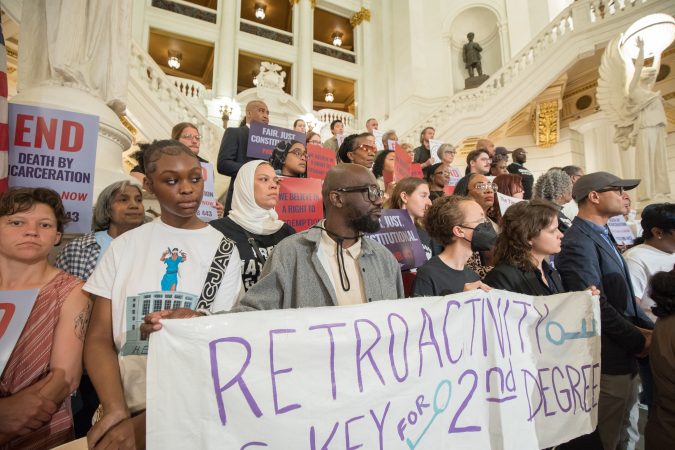
    As things stand, even after the state Supreme Court has declared a sentence unconstitutional, people whose cases closed long ago have no legal path to a new one until the high court declares its ruling retroactive or lawmakers pass a law that covers them — a process that can take years.

    The proposed rule would eliminate that wait.

    That broader request is, “in the most literal sense of the word, an extraordinary request for relief,” said Marsha Levick, cofounder of the Juvenile Law Center in Philadelphia, an organization at the center of a similar fight after the U.S. Supreme Court struck down mandatory life-without-parole sentences for juveniles but did not say whether the ruling applied retroactively.

    The Pennsylvania Supreme Court’s ruling striking down the mandatory sentences came in the case of Derek Lee, a Pittsburgh man convicted in the 2014 killing of Leonard Butler, who was shot by Lee’s accomplice during a home-invasion robbery. Lee argued the automatic sentence violated the state constitution’s ban on cruel punishments. The justices agreed, saying a judge must weigh each person’s individual role before imposing life without parole.

    The court, however, did not say whether the decision applied to people who had already been sentenced. Instead, it put the ruling on hold for 120 days to give lawmakers time to write a new sentencing law and, if they chose, to settle that question themselves. The deadline passed July 24 without a new law.

    The four prisoners argue lawmakers’ inaction has left the courts as the only branch of state government able to resolve the issue. And, so that prisoners are not stranded like this again, they want future rulings of this kind to take effect for everyone automatically.

    “The legislature has made it manifest that they are not going to be prioritizing fixing this constitutional injustice,” said Bret Grote, a lawyer with the Abolitionist Law Center who represented Lee before the state Supreme Court and now represents the four petitioners, along with lawyers from the Pennsylvania Innocence Project and the law firm Phillips Black. “So it is now on the courts to do that.”

    A punishment the state constitution forbids, Grote said, cannot be imposed on anyone — including, he argued, people already serving it. A rule recognizing that from the start, he said, would spare prisoners a separate legal fight that “only prolongs a constitutional crisis.”

    The prisoners filed their requests as what are known as King’s Bench petitions, invoking a power that lets the state Supreme Court take up a case directly, skipping the lower courts, when a matter of public importance cannot wait. In June, the court used that power to require the Philadelphia District Attorney’s Office to notify the state attorney general whenever it declines to oppose a prisoner’s bid to overturn a conviction, giving the attorney general a chance to step in, after allegations of widespread malfeasance.

    King’s Bench petitions are rarely filed and even more rarely taken up, said David Rudovsky, a senior fellow at the University of Pennsylvania Carey Law School. Still, he said, these petitions have a real chance: The circumstances are exceptional, the issue is urgent, and courts statewide need a uniform answer.

    And the prisoners making the request, he added, present compelling cases.

    The prisoners — Cecil Holmes, 70; Lori Ann Lassiter, 62; John Marshall Payne III, 70; and Marsha Scaggs, 62 — have served about 160 years combined.

    Of the four, only Payne has been accused of killing the victim himself. At his 1986 trial, prosecution witnesses testified he had admitted to beating Elsie Rishel, 90, with a telephone during a 1981 burglary of her York County home. No physical evidence tied him to the crime, however, and he has long maintained his innocence. The other three were convicted related to crimes in which, prosecutors said, someone else killed the victim.

    At least two of the petitioners — Holmes and Scaggs — have faced serious medical problems that underscore the urgency of resolving the question, Grote said.

    Holmes, a Philadelphia man, was convicted in 1980 in the death of Joseph Melvin, a taxi driver who was fatally stabbed at a gas station during an attempted robbery the year before. Prosecutors said Holmes had served as an unarmed lookout across the street.

    He now has advanced dementia and is confused about where he is, said Jennifer Merrigan, a Phillips Black lawyer who represents Holmes. Without action from the high court, Merrigan said, his future “looks really bleak.”

    Two of the petitioners’ cases come from Philadelphia, one from Lawrence County, and one from York County. If the court takes up the petitions, prosecutors in those counties would typically argue the state’s side.

    District Attorney Larry Krasner, whose office supported Lee’s challenge, said Thursday that while “retroactivity is necessary,” prosecutors would need to review the four prisoners’ petitions before taking a stance on them. More than 500 of the roughly 1,100 people serving the sentence were convicted in Philadelphia.

    Other prosecutors have signaled resistance. For example, John Adams, the Berks County district attorney and communications chair of the Pennsylvania District Attorneys Association, said in August that district attorneys would not concede the ruling applies retroactively without a new sentencing law. Attorney General Dave Sunday, a Republican, backed a Senate bill that would have made most people already serving the sentence eligible for parole only after 35 years. He warned in July that legislative inaction would be “dangerous.”

    It was unclear whether Sunday’s office would weigh in on the petitions. The attorney general’s office did not immediately respond to questions Thursday.

    Even if the court agrees to hear one or more of the petitions, a decision could be months away, Rudovsky said. That would leave time for lawmakers to act, which some stakeholders predict could be more likely after the Nov. 3 midterm elections.

    The Republican-controlled Senate passed a bill in June that would have set a 35-year mandatory minimum for second-degree murder. The Democratic-controlled House passed its own version in July, which would have made people already serving life eligible for release after 30 years. Neither bill, which made it the state parole board’s responsibility to determine whether a prisoner was fit to be released, cleared both chambers.

    “We’ve no substantive preference as to whether the remedy is through the courts or the legislature,” Grote said. “If something changes in the legislature and they pass a law that applies to everybody … then we would welcome that.”

    If the state Supreme Court considers the petitions and rules in the prisoners’ favor, trial judges would have an opportunity to resentence them and everyone else currently serving the life sentences. But they would do so without sentencing guidelines on Pennsylvania’s books — until lawmakers act.

    That could produce starkly different resentencing outcomes in otherwise similar cases, depending on the county where a case is heard and the judge who hears it, some stakeholders have warned.

    Levick, the attorney whose work helped end life sentences for juveniles, said that although some people may prefer letting the parole board decide, the high court’s ruling requires judges to weigh individual culpability.

    With juvenile lifers, she said, judges “did a great job.”

  • Police investigating after decomposed body found in Frankford residence

    Police investigating after decomposed body found in Frankford residence

    Police said they were investigating the discovery of a decomposed body inside a residence Wednesday in the Frankford section of Philadelphia.

    Police responded to the 1500 block of Foulkrod Street around 12:15 p.m., and the person was pronounced dead by medics at the scene.

    The scene was secured and the investigation was ongoing, police said.

    No other details were available.

  • Police say man shot wife and then himself in North Philly

    Police say man shot wife and then himself in North Philly

    A man allegedly shot his wife and then himself in what authorities said was a domestic dispute that unfolded Wednesday afternoon inside a car on Broad Street in North Philadelphia.

    In a separate shooting about 40 minutes later, a man was fatally wounded on the 4900 block of Old York Road in the city’s Logan section, police said.

    Just before 2:50 p.m., police responded to the 2900 block of North Broad Street near West Glenwood Avenue for a shooting and found a 36-year-old woman who had been shot twice, including in her face.

    Police took her to Temple University Hospital, where she was listed in critical condition.

    The gunman, 41, was taken by SEPTA Transit Police to Temple, where he also was listed in critical condition with a self-inflicted gunshot wound to his head, police said.

    Police said the man shot his wife inside a Volvo on Broad Street. A gun was recovered from the scene.

    No other details were immediately available.

    In the shooting on Old York Road, the man who was shot was taken by private vehicle to nearby Jefferson Einstein Philadelphia Hospital, where he was pronounced dead at 3:37 p.m.

    The man was not identified.

  • Federal case opened against N.J. woman accused of Tinder murder-for-hire plot

    Federal case opened against N.J. woman accused of Tinder murder-for-hire plot

    Federal prosecutors are now involved in the case of a Camden County woman accused of trying to hire a hit man she met on the dating app Tinder to kill her police officer ex-boyfriend and his teenage daughter.

    Jaclyn Diiorio, 28, of Runnemede, was charged this month with two counts of using interstate commerce facilities — in her case, a cell phone — in an attempt to commission a murder-for-hire, according to an indictment unsealed Wednesday.

    Federal prosecutors will be tasked with prosecuting Diiorio after Camden County dropped its case against her in response to the charges.

    It is the latest development in a story that captured national attention from true-crime enthusiasts and curious readers alike.

    In April 2025, Diiorio was charged with two counts of attempted murder, conspiracy, and related crimes in the plot, which Camden County prosecutors said involved Diiorio trying to have both her ex-boyfriend, Philadelphia Police Officer Matthew O’Hanlon, and his 19-year-old daughter killed.

    Prosecutors said Diiorio met the would-be hit man on Tinder. After days of exchanging messages and calls, they said, the two met in the parking lot of a Dollar General store in Gloucester Township, where Diiorio gave the man $500 of a proposed $12,000 payment before being swiftly arrested.

    The hit man, prosecutors said, was actually an informant working with Camden County detectives who had tipped them off to Diiorio’s request days earlier.

    It was not Diiorio’s first attempt at having O’Hanlon and his daughter killed, prosecutors said.

    They alleged the New Jersey hairdresser told the informant she had previously been misled by others who had given her “fake pictures” of a supposed completed contract killing.

    Prosecutors said the tumultuous relationship between Diiorio and O’Hanlon ended about a month before the murder-for-hire plot fizzled.

    The federal indictment, filed Sept. 3 in the U.S. District Court for the Eastern District of Pennsylvania, offers few new details in the case.

    It says Diiorio used a cell phone to facilitate an interstate plan to kill two individuals identified as Person #1 and Person #2.

    Communications took place between March 30 and April 5, 2025, in both Pennsylvania and New Jersey, according to the document.

    Diiorio’s defense attorney, Robert Gamburg, said his client planned to plead not guilty to the charges during a detention hearing before U.S. Magistrate Judge Scott W. Reid on Monday.

    Earlier this year, Gamburg sought to dismiss charges in Diiorio’s Camden County case when he filed a motion accusing prosecutors of relying on information that he said had been gathered by entrapment.

    Gamburg said the informant who led police to Diiorio was desperate for money, and frequently brought unsolicited information to the sheriff’s department in exchange for cash.

    The filing also describes the informant as a rogue operator, one whose phone and text conversations with Diiorio went unmonitored by detectives for days as they orchestrated her arrest.

    County prosecutors declined to comment on the allegations at the time and said the matter would be resolved in court.

    Reached by email Wednesday, a spokesperson for the U.S. Attorney’s Office for the Eastern District of Pennsylvania declined to comment on the indictment.

    A conviction for using interstate commerce facilities to commission a murder-for-hire has a maximum sentence of 20 years in prison.