And while the other driver was trapped, Samuel Marquez, 40, got out of the U-Haul truck he was driving, punched the man in the face multiple times, and eventually stabbed him in the abdomen with a box cutter when he got out of the vehicle, authorities said.
The attack came because Marquez was upset that the man brake-checked him for driving too closely behind him, police said.
Marquez has been charged with aggravated assault, terroristic threats, and related crimes. He remained in custody Wednesday, in lieu of $1 million bail. It was unclear if he had an attorney.
The U-Haul Marquez was driving was part of a caravan of vehicles, including a Toyota Sienna minivan and an Acura SUV, whose drivers were heading to Philadelphia to help Marquez move to the city from Reading, according to the affidavit of probable cause for his arrest.
While driving on I-76 in Upper Merion, the minivan, driven by Marquez’s girlfriend, had engine trouble, and she had to pull over. When the car was repaired and the vehicles attempted to merge back onto the highway, they cut closely in front of a Mercedes-Benz, the affidavit said.
The driver of the Mercedes told police he honked his horn and drove around the group. Moments later, the U-Haul had sped up behind him, driving aggressively, and was practically touching his bumper, according to the affidavit.
The man said he brake-checked the truck to get it to back off, and then took the exit onto a ramp connecting the highway with the Blue Route. As he took the exit, the U-Haul intentionally rammed his vehicle, while the minivan and SUV drove past and stopped in front of him, boxing him in, the affidavit said.
The impact from the collision with the U-Haul spun his car and pushed it about 20 feet, the man told police. Afterward, Marquez and another man ran up to his open window and began punching him in the face, the affidavit said.
The driver heard Marquez tell the other man that he was “going to grab his knife,” the affidavit said.
The driver ran onto the median of the Blue Route, and then back toward the U-Haul, to photograph its license plate. Marquez’s girlfriend got out of her minivan and prevented him from taking a picture of her van’s license plate.
As the man argued with the woman, he felt a sharp pain in his side, the affidavit said. He told authorities that he looked down, saw blood, and realized Marquez had stabbed him.
Medics arrived and took the man to Lankenau Medical Center, where he was treated for his stab wound.
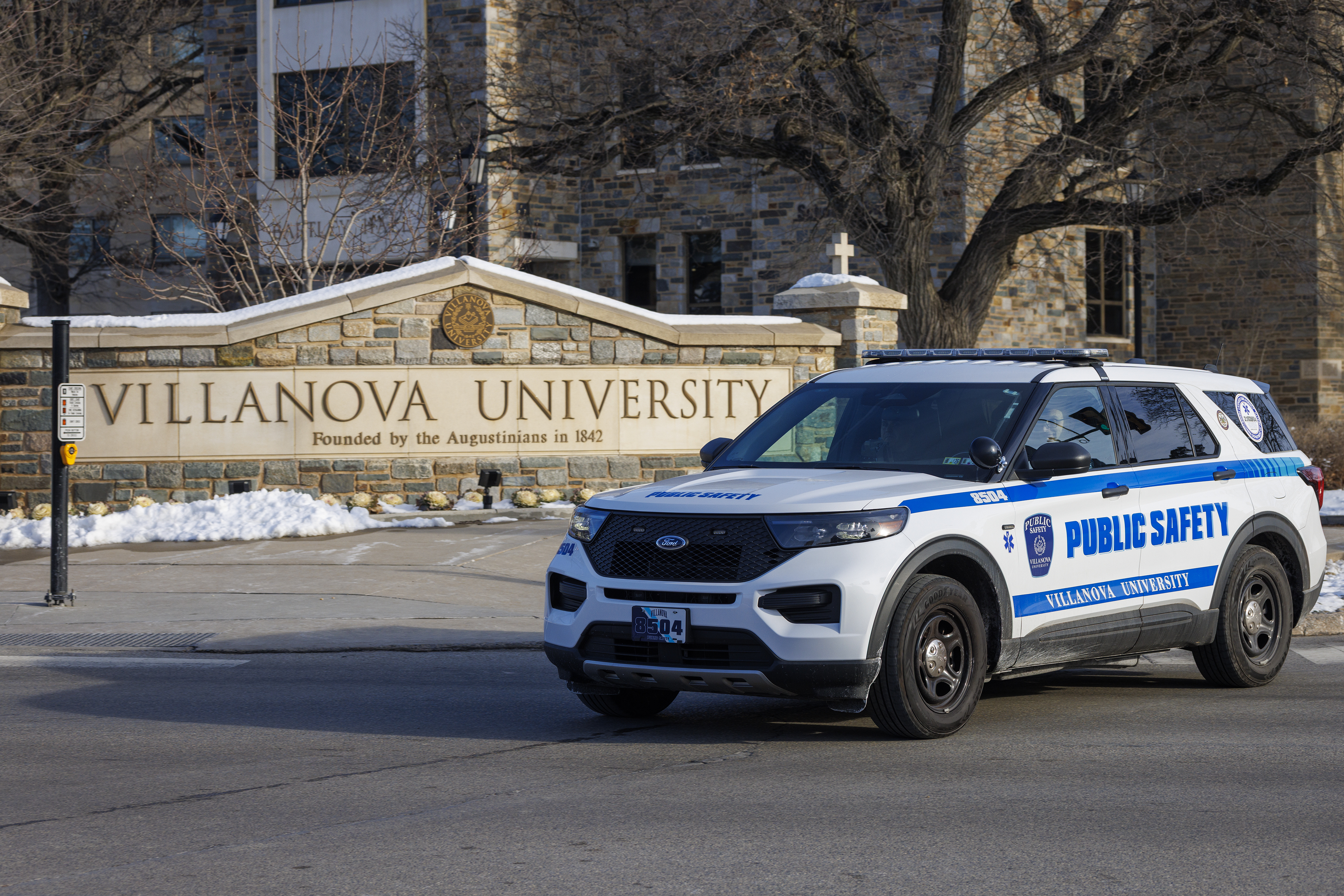
Marquez and the other cars’ drivers fled. Villanova University’s campus was briefly under a lockdown as police searched for the stabbing suspect. Lower Merion police located the U-Haul at a Sunoco gas station not long after and took its passenger into custody.
Marquez, meanwhile, ran away and was later arrested while sitting on a park bench at Memorial Park in Bryn Mawr. He had a silver box cutter in his pocket.
In 2023, Upper Chichester police said that Marquez was wanted in connection with a 2022 armed robbery at a convenience store in the township.
Marquez is scheduled to appear before a district judge for a preliminary hearing on Sept. 22.
Staff writer Robert Moran contributed to this article.
A man arrested in connection with a stabbing Sunday on the Blue Route in Montgomery County during an altercation with another motorist was wanted for a 2022 armed robbery in Delaware County, court records show.
Samuel Marquez, 40, of Philadelphia, was taken into custody by Radnor Township police after a brief search Sunday evening that led to the 100 block of East Lancaster Avenue, according to police and court records.
Pennsylvania State Police were handling the stabbing investigation, Radnor police said.
“Our thoughts are with the victim and their family,” Radnor police said. No information about the victim was released.
In 2023, Upper Chichester Township police said Marquez was wanted for a Nov. 11, 2022, armed robbery at a Royal Farms convenience store at 3314 Market St.
Court records show that Marquez on Tuesday night was being held at the Montgomery County Correctional Facility because his bail was denied. Court records also show that a bail amount had been set at about $1 million.
Villanova University’s campus was briefly under a lockdown Sunday evening as police searched for the stabbing suspect.
The lockdown was lifted at 6:41 p.m. after a suspect was arrested off campus, according to the university’s alert system. The school issued the lockdown at 6:10 as a “precautionary measure due to the proximity of the search,” the alert said.
NBC10 reported that Marquez was driving a U-Haul as part of a caravan of vehicles when a dispute arose. Marquez allegedly struck the victim’s vehicle, then got out and started hitting the victim. Marquez then got a knife from his U-Haul and stabbed the victim in the back, NBC10 reported.
Pennsylvania State Police recovered a knife that was being tested as part of the investigation, NBC10 reported.
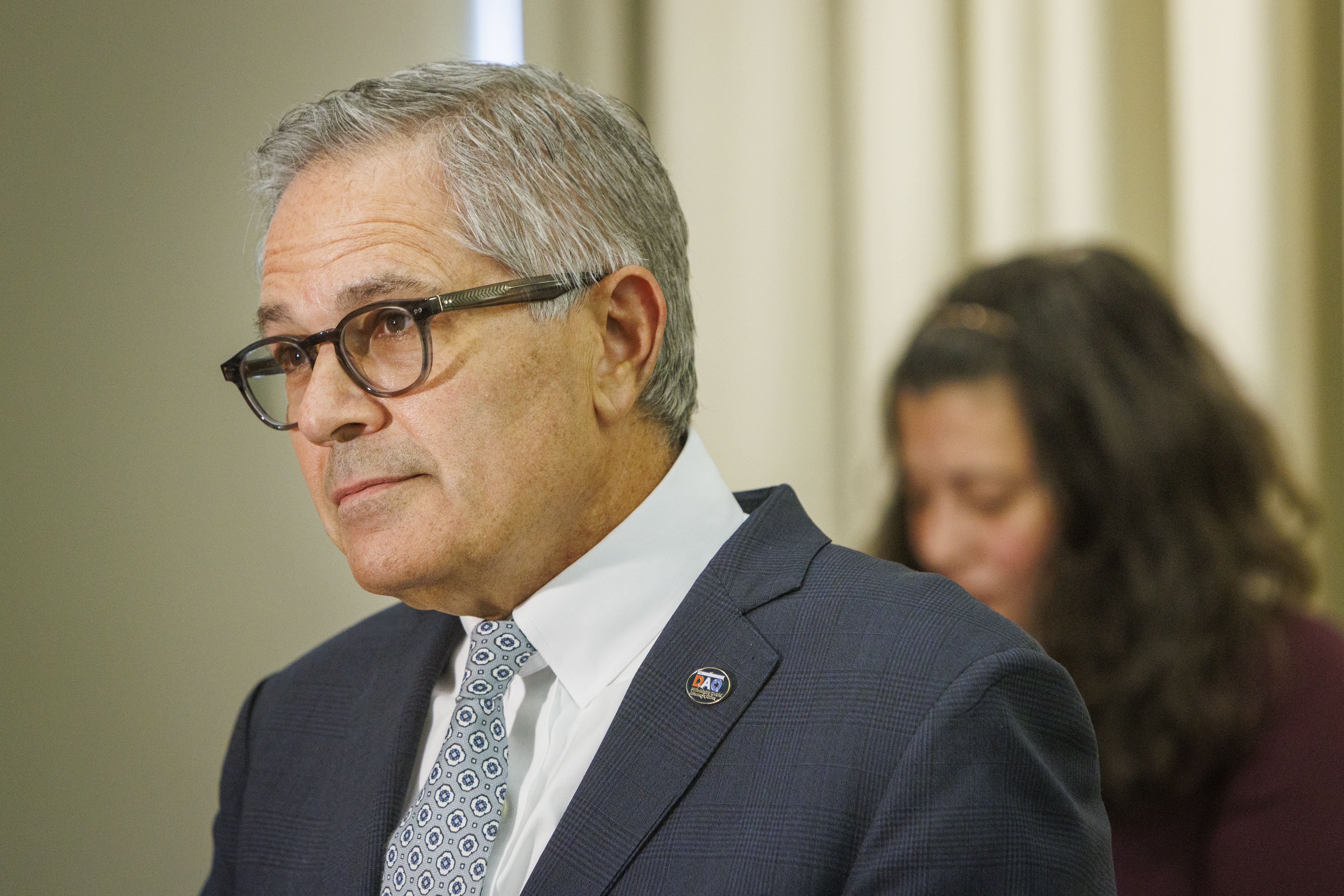
The Pennsylvania Attorney General’s Office said in court documents Tuesday that District Attorney Larry Krasner should be barred from continuing to oversee a controversial post-conviction case in federal court — and that his office should be kicked off the case as well.
In a brief filed with U.S. District Judge Paul S. Diamond, state prosecutors said Krasner’s office should not be allowed to continue to weigh in on whether a man’s murder conviction should be overturned. In recent months, prosecutors wrote, inner-office drama about the case has consumed Krasner’s office, and “the DA placed his personal interest in protecting the office above the Commonwealth’s interest.”
But Krasner’s office countered in its own filings Tuesday that that was not true.
Without denying that the case had caused contentious internal disagreements between Krasner and his staff, Assistant District Attorney Thomas Gaeta wrote that Krasner had handled the matter in legally appropriate ways, and that his office should be allowed to continue overseeing it.
And even though some of Krasner’s own staffers have accused him of questionable conduct in the case — including by saying he told them to “protect the office” and that they could face “consequences” if they didn’t — Gaeta wrote Tuesday that Krasner had taken pains to ensure the case was handled “with competence and integrity.”
“DA Krasner has taken no action inconsistent with his obligation to fairly represent the Commonwealth on behalf of the people of Philadelphia, despite the intemperate comments witnesses claimed he made,” the document said.
The dueling filings came a week after the end of testimony in a multiday hearing in front of Diamond, during which the judge sought to learn more about how various attorneys connected to the case have behaved while it has been moving through federal court.
The underlying case began as a routine post-conviction matter, as Dennis Johnson — found guilty of second-degree murder in 2009 — sought to have his conviction overturned.
But in recent months, the case has led to a series of explosive revelations about the inner workings of the district attorney’s office. Many of the accusations have come from four prosecutors who said they advised Krasner to refer the case to the attorney general’s office, which, in their telling, led Krasner to respond angrily, or by suggesting tactics they thought were legally inappropriate.
Those tactics, they said, included keeping the case in-house, potentially seeking to assign blame to a line prosecutor while protecting her supervisor, and taking steps to “protect the office” in court.
Diamond, at one point during the proceedings, suggested he viewed the allegations as potentially criminal, saying if they were true, they could amount to perjury, conspiracy, or obstruction of justice. He did not specify who he believed might be at fault.
The attorney general’s office wrote Tuesday that the testimony from Krasner’s staff in the case demonstrated that he had acted in ways that were self-motivated or otherwise disconnected from the merits of the underlying petition — a situation that, in court cases, is considered a conflict of interest.
And that conflict, wrote the state prosecutors — Susan E. Affronti and John J. Boscia — would inevitably extend to anyone working for Krasner, particularly after his threat of “consequences” for those who did not follow his orders.
“At that point, any attorneys working under DA Krasner would themselves be subject to the conflict, knowing that they were required, on the one hand, to do what the boss wanted, and, on the other hand, to do what professional ethics required,” they wrote.
Krasner, in his office’s filing, said that was not so.
Although the filing acknowledged that Krasner “plainly did not appreciate [his staffers’] repeated, unsolicited, and wavering advice” to refer the case to state prosecutors, he said their recommendation was “inexpert and legally unsupported.” And he said he had consulted with legal experts who agreed with him, including one whose written opinion his office attached to Tuesday’s brief.
He also reiterated that he had hired an outside attorney to handle the case on his office’s behalf: Jean Peters-Baker, a longtime prosecutor from Missouri who previously led the prosecutor’s office in the county that includes Kansas City.
In addition, Krasner’s filing said, “as the elected chief prosecutor, the decision on whether or not to refer the case was entrusted to him. It was not a decision for his employees to make, or attempt to force him into making, via unauthorized and legally inappropriate public pleadings.”
His office’s brief did not deny another notable allegation from his staff: that when they suggested he refer the matter to the attorney general’s office, he described that office’s lawyers as “Nazis.”
While the filing did not address the use of that particular term, it did say Krasner had “general mistrust” of many people working in that office “based upon decades of observing their work” in the legal system — including, in his view, people who sought to secure or defend wrongful convictions. Some lawyers who now work in that office were fired by Krasner just days after he took office in 2018.
“DA Krasner’s view (i.e. that illegally and willfully acting to convict and incarcerate an innocent person for decades is akin to kidnapping, torture, or other war crimes) is well known,” the filing says. “But any animus he may have towards individual employees of that office based upon their own actions and inactions has nothing to do with whether he correctly declined to refer a case.”
The attorney general’s office, in its filing, said Krasner’s refusal to send the case to an office he disliked was another demonstration of how his judgment in the matter had been flawed.
“His actions, and his words, thus demonstrate that he acted on the basis of personal animus, not the interests of the Commonwealth,” the filing said.
Johnson’s attorneys, meanwhile, also filed a brief Tuesday in which they took no position on who should serve as the prosecutor in his ongoing case. Their only request was that Diamond appoint only one agency to handle it moving forward, rather than forcing him to litigate his petition against prosecutors from both the city and the state.
The decision on whether to allow Krasner’s office to continue handling the case will now fall to Diamond. The judge has not indicated how quickly he might rule.
Stanley M. Schwarz, 95, of Philadelphia, community-minded trial lawyer and founder of what is now the Schwarz & Schwarz law firm, former Philadelphia assistant district attorney, Army veteran, mentor, and golfer, died Friday, July 17, of heart failure at his home in Society Hill.
Public-spirited throughout his life and adept at litigation regarding workplace accidents, medical negligence, reckless driving, careless manufacturers, and other personal injury issues, Mr. Schwarz founded what is now Schwarz & Schwarz PC in 1967. He represented all kinds of clients in all kinds of cases and appeared before the Pennsylvania Supreme, Superior, and Commonwealth Courts more than 20 times.
He was featured in the Daily News in 1968 when, at no charge to his client, he won $150 from the city for a Philadelphia hairdresser whose car was mistakenly towed. “I was disturbed by her experience” with city officials, he told the Daily News.
“To many,” his family said in a tribute, “he was more than an attorney. He was a source of guidance and hope.”
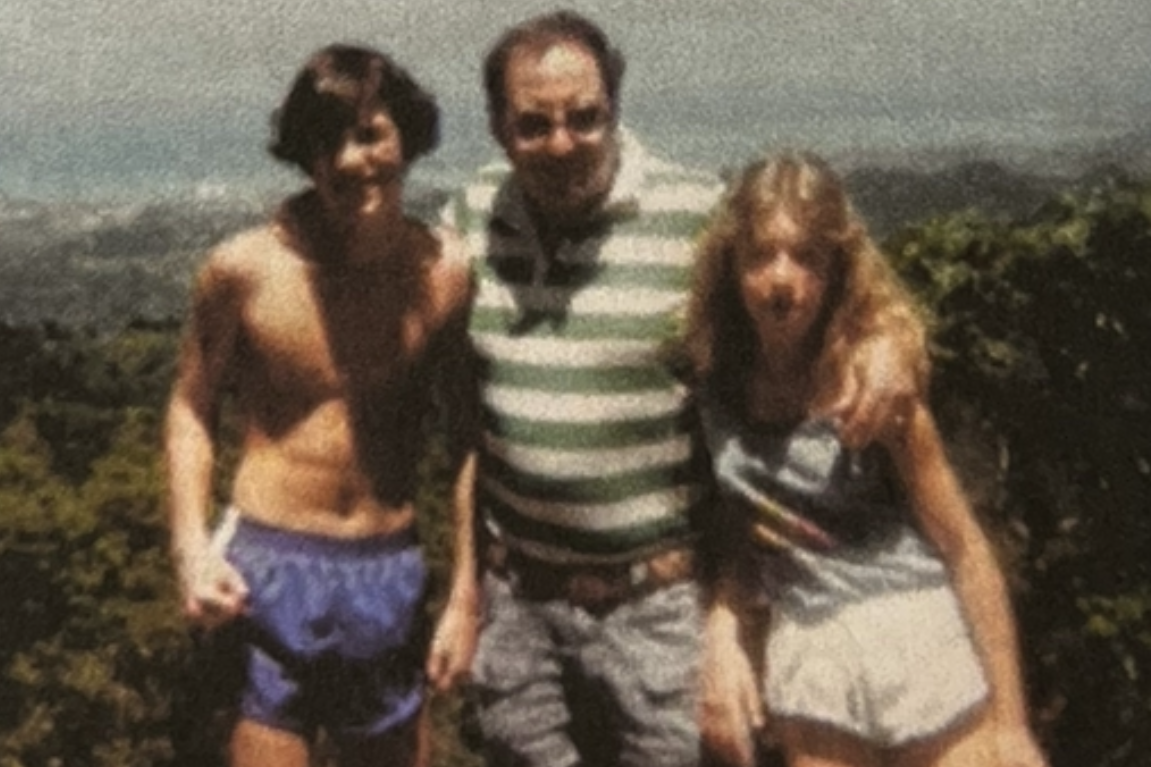
Mr. Schwarz doted on his children.Courtesy of the family
Mr. Schwarz lived for decades in Society Hill Towers at Second and Locust Streets near the Delaware River and represented its owners association in 1997 as it contested high-rise development along the nearby waterfront. “They’re trying to take away this little Garden of Eden,” he told the Daily News.
He joined the district attorney’s office in 1960, worked as an assistant district attorney in the major trials unit, and handled hundreds of cases involving murder, assault, robbery, burglary, arson, and other crimes. In one notable case in 1966, he noticed that the photo of a man in the Daily News looked like the at-large suspect in a recent robbery. Detectives tracked the man down and made an arrest.
He also served as a temporary judge and arbitrator for local, state, and federal courts. He belonged to several legal associations, won awards for his legal and community service, and was an honorary member of the Knights of Columbus.
He joined the Army after high school, rose to first lieutenant, and served as an intelligence cryptographer during the Korean War. He was admitted to the Temple University School of Law after just a year in college, became editor-in-chief of its law review, and graduated in 1958.
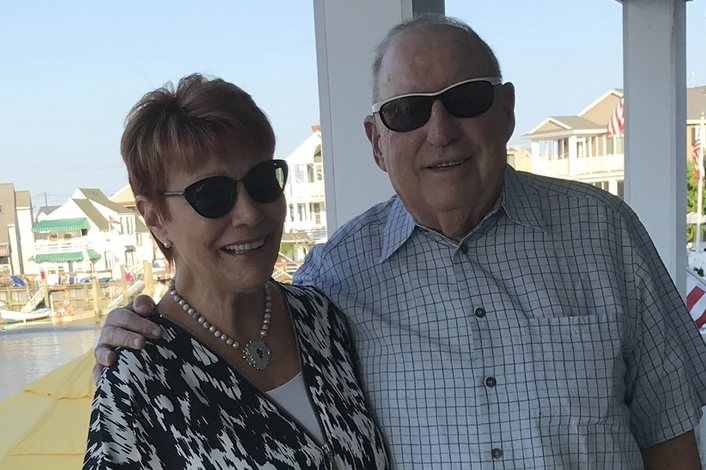
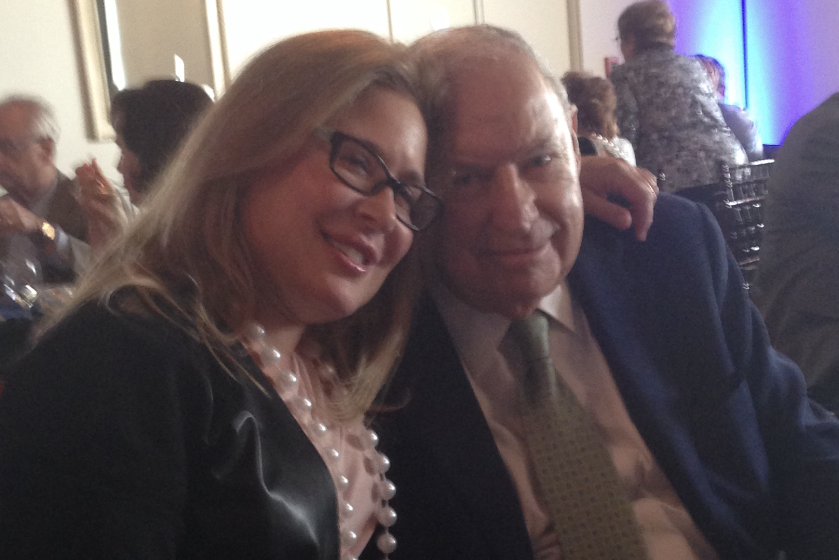
Mr. Schwarz and his wife, Kathy, married in 1991.Courtesy of the family
He served two years as a law clerk in the Philadelphia Court of Common Pleas and then as assistant to three district attorneys over six years. “He mentored generations of young lawyers and quietly helped countless people through difficult times,” his family said.
Born in Philadelphia during the Great Depression, Mr. Schwarz and his family moved often when he was a boy. He lived in New York when he was young and worked part-time as a stock boy and janitor when he was 10 to help pay the bills.
He attended two dozen schools before moving to Philadelphia in middle school and graduated from Germantown High School in 1948. His family praised “the work ethic and compassion that guided him throughout his life.”
They said: “Stan’s life was shaped by perseverance, resilience, and a deep commitment to helping others.”
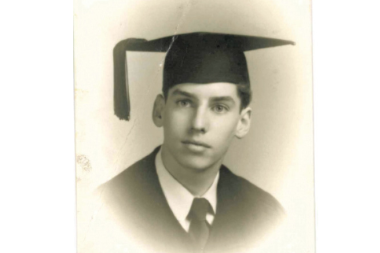
Mr. Schwarz graduated from Germantown High School in 1948.Courtesy of the family
Stanley Morris Schwarz was born Jan. 22, 1931. He worked as a mail clerk and accountant after high school and joined the Army when he was 20.
He married Lee Rosen in 1955, and they had a son, Daniel, and a daughter, Stacy. After a divorce, he married Kathy Campbell in 1991, and they danced and traveled the world together for years. He was especially good at the jitterbug.
Mr. Schwarz played golf and socialized for more than 50 years at the Bensalem Township Country Club. He was a longtime member of the Society Hill Club. He took his family to boat shows and on memorable vacations to Ocean City, Puerto Rico, the Pocono Mountains, Disney World, and elsewhere.
He self-published a breezy memoir called The Roller Coaster Life of Flappy in 2022 when he was 91, and said: “As a father, it gave me the greatest pleasure in playing with the kids, whether in our backyard, in the community pool, or in the nearby parks.”
Mr. Schwarz enjoyed time with his family.Courtesy of the family
Mr. Schwarz was fun and funny, his daughter said. He taught himself to play piano and saxophone, and they performed duets.
He was an engaging storyteller. He made personal scrapbooks for his children. Friends called him “amazing” and “incredible” on Instagram.
His family said: “He made people feel valued and left them better than he found them.” His daughter said: “He was down to earth and playful. He was great with kids. He loved everybody’s children, and the children loved him.”
In addition to his wife and children, Mr. Schwarz is survived by four grandchildren, a sister, and other relatives. A sister and a brother died earlier.
Services were held earlier.
Donations in his name may be made to Congregation Beth El, 8000 Main St., Voorhees, N.J. 08043.
Mr. Schwarz was close with his daughter, Stacy, above, and his son, Daniel, below. Courtesy of the family
Confrontations between large groups of teenagers and Philadelphia police made for a tense scene in Dilworth Park outside City Hall over the holiday weekend and led to at least three arrests.
On Sunday, Philadelphia police issued seven citations for disorderly conduct, a spokesperson said. In addition, three people were arrested, one for robbery, another for disorderly conduct, and a third for violating gun laws.
In addition, an Inquirer reporter observed police detaining several young people on Monday evening as police sought to keep teens from reconvening inside the park. In one of the incidents, an officer appeared to sustain a bloody nose while tackling a young woman.
Philadelphia police spokesperson Corporal Jasmine Colón-Reilly said she did not have information about what led police to respond to the scene Sunday, nor the extent of any injuries. She said she did not have information about the Monday evening incident.
Videos shared on Instagram appear to show a hundred or more young people gathered in the park on Sunday, before police rush into the park to detain a person. In one of those incidents, a young man appeared to be assaulted by others in the crowd. Another video showed an apparently injured person collapse in the street. It was not clear from the videos whether the person was part of the crowd.
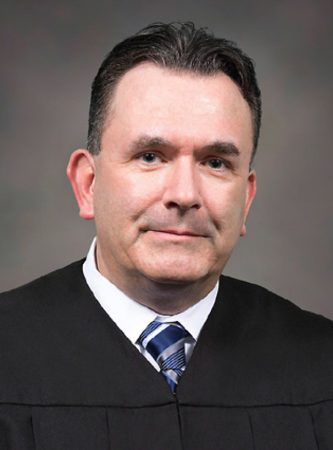
Nearly a decade ago, when U.S. District Judge Paul S. Diamond was asked to determine the fate of a prosecutor who admitted breaking the law, he did not hold back.
Just moments after then-Philadelphia District Attorney Seth Williams pleaded guilty in a public corruption case, Diamond had Williams handcuffed and hauled off to jail to await sentencing.
Then, a few months later, Diamond imposed the maximum prison term allowed by law — five years. And he upbraided Williams as a “criminal” who surrounded himself with “parasites” and “fed his face at the trough” of public money.
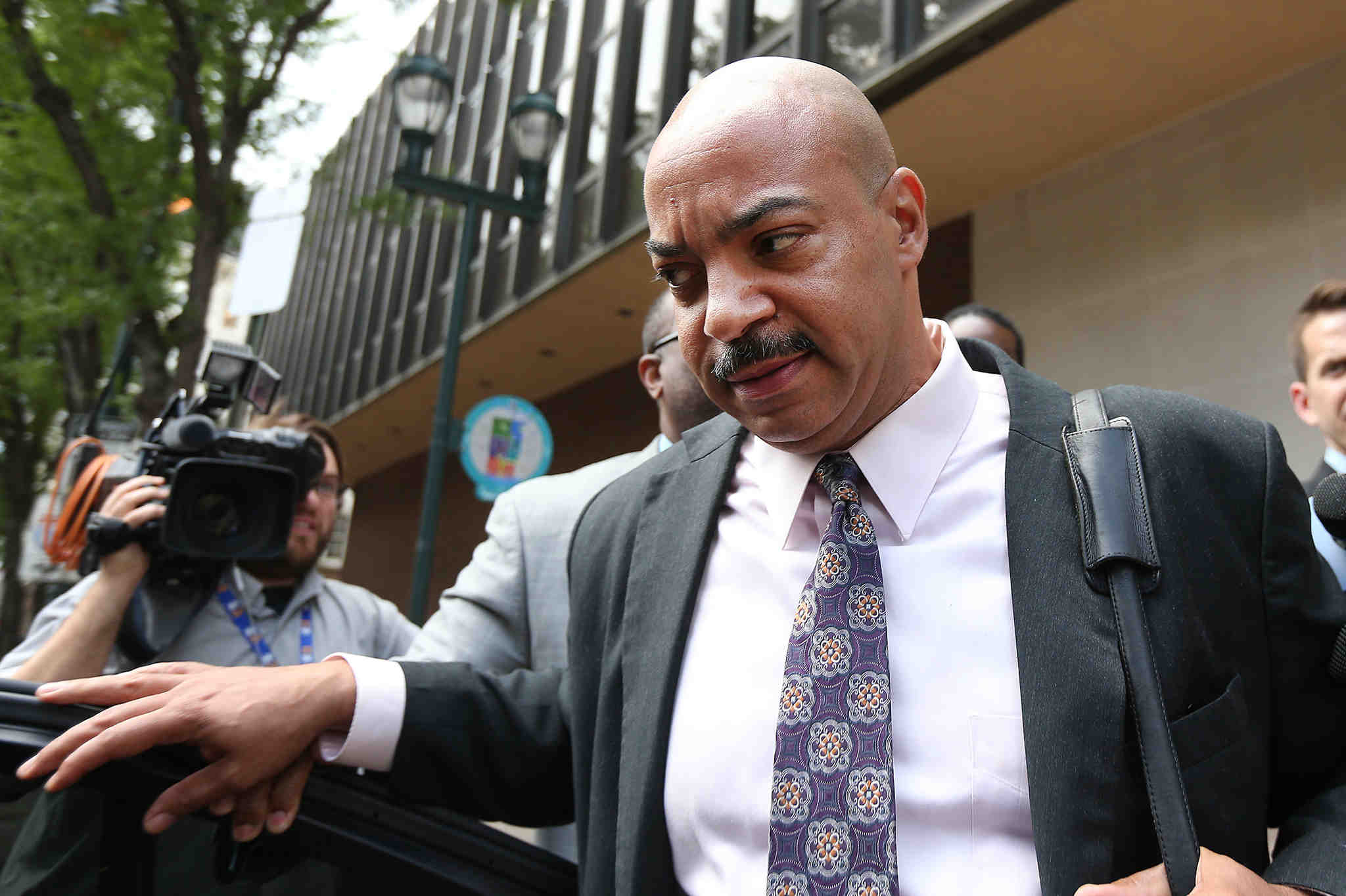
Then-District Attorney Seth Williams leaves the federal courthouse in 2017.DAVID MAIALETTI / Staff Photographer
Now, Diamond is overseeing a new case with a new set of accusations against a different district attorney.
The allegations against top prosecutor Larry Krasner have come as part of a dispute with staffers over how to handle a case, and Diamond has already made clear that he views the assertions as serious — suggesting in a hearing last month that he believed some could amount to federal crimes.
“If what they say is true, potential wrongdoing abounds,” Diamond said, listing off offenses including perjury, conspiracy, and obstruction of justice.
To some area legal observers, the pointed remarks were reflective of Diamond’s reputation as a stern, no-nonsense jurist — particularly when it comes to assessing the conduct of fellow lawyers.
Then-Assistant District Attorney Paul George (back left) was disbarred in federal court in 2025.JESSICA GRIFFIN / Staff Photographer
In 2017, while the case against Williams was still pending, he ordered it to proceed to trial just months after the indictment was unsealed — a highly unusual timetable for a federal case, but one the judge said was necessary because of its “obvious and possibly calamitous effect on the city’s criminal justice system as well as the city itself.”
And even in a comparably trivial legal dispute in 2014, Diamond was unabashedly critical of a lawyer who sued over the rights to a song by the R&B artist Usher, writing: “It is difficult to convey the poisonous atmosphere created by [the lawyer’s] continual belligerence.” The lawyer was ultimately suspended from practicing in the region’s federal courts for three months.
Samuel Stretton, a veteran defense lawyer who often handles legal ethics cases, said Diamond “has high standards. And if someone violates, in his mind, those high standards, he takes a very tough position on them and voices that opinion quickly.”
Still, Stretton said he thinks Diamond’s principled views are sometimes expressed in overly harsh ways.
“He has a strong belief in ethics, and lawyers having those especially, and he feels he must enforce them,” Stretton said. “But sometimes his manner of enforcing them is overstated, and he’s abrupt and a little bit of a bully.”
The question now facing Krasner is what actions Diamond might take in the post-conviction case pending in his courtroom — and whether any could lead to consequences for the city’s DA.
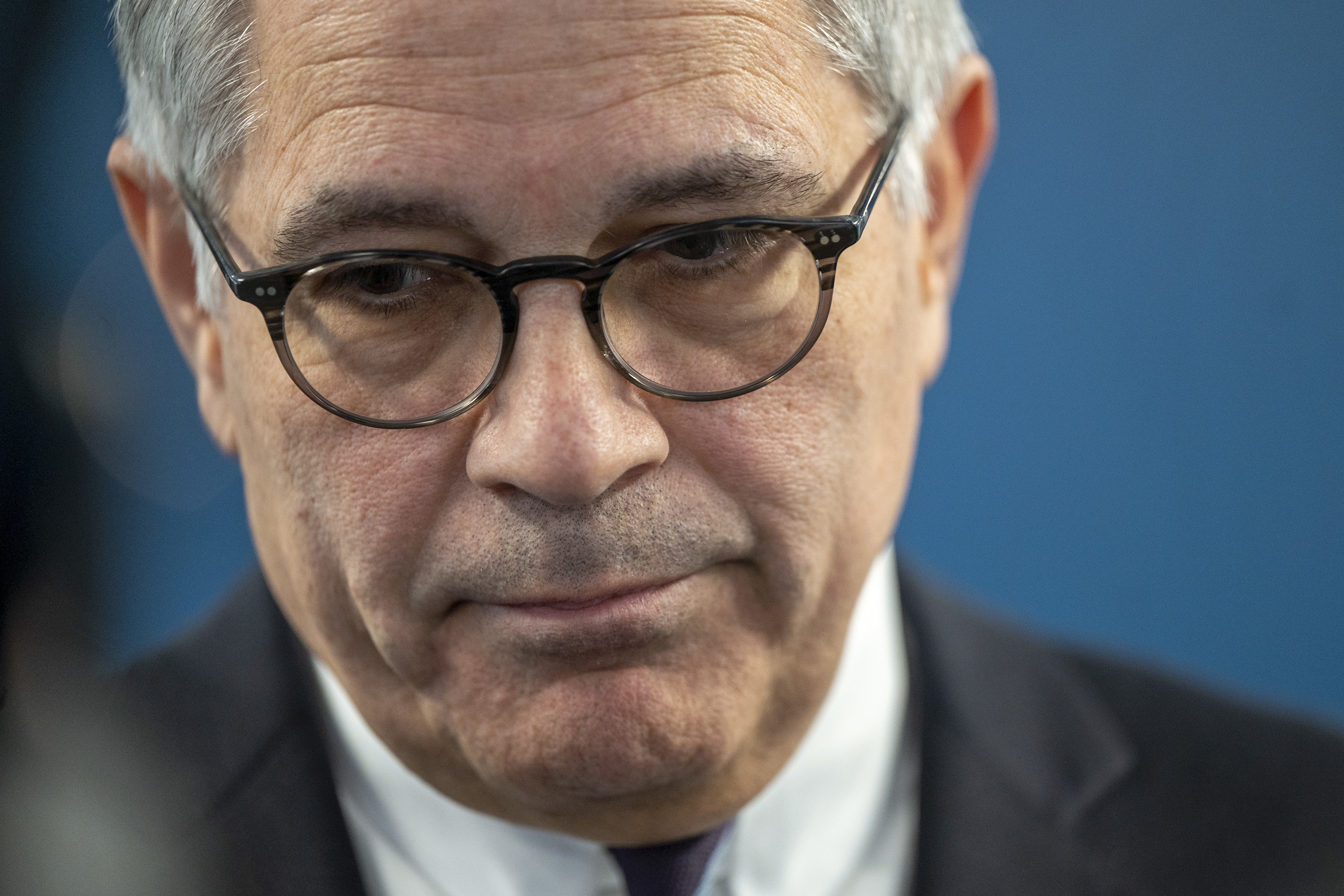
District Attorney Larry Krasner in a file photo from 2023.Allie Ippolito / Staff Photographer
Who is Paul Diamond?
Diamond, 73, was appointed to the region’s federal bench in 2004 by then-President George W. Bush. He was unanimously confirmed by the U.S. Senate.
Before his judicial nomination, he spent nearly two decades in private practice. He began his career as an assistant district attorney in Philadelphia in the late 1970s, and graduated from the University of Pennsylvania law school and Columbia University.
While he worked in private practice, Diamond focused on civil litigation, white-collar criminal cases, and disciplinary matters, according to an online biography. And his clients were sometimes unique.
In 1994, he represented a South Philadelphia candy making company that pleaded guilty to safety violations after an unguarded taffy-pulling machine killed one of its workers.
A few years later, he represented Lower Merion Township when the Barnes Foundation sued and accused township officials of using racism and discrimination to try to hurt the foundation. The suit was dismissed, and a defiant Diamond was later quoted in The Inquirer saying he planned to bill the Barnes around $1 million to cover the township’s legal fees.
“This is a claim that should never have been filed; it’s outrageous that it was ever filed, and now the Barnes is going to see the mother of all fee petitions,’’ he said.
A consistently exacting judge
Like all federal court judges, Diamond oversees a mix of criminal and civil cases. And even though not all receive significant public scrutiny, Diamond is viewed by some as a consistently exacting judge.
In 2012, for example, he ordered a 60-year-old grandmother jailed for using her dead mother’s Social Security checks to support her grandchildren.
“Did it ever occur to you to go out and get a job?” Diamond asked the woman. “Did it ever occur to you that the way to help your grandchildren is not to commit a series of endless federal frauds?”
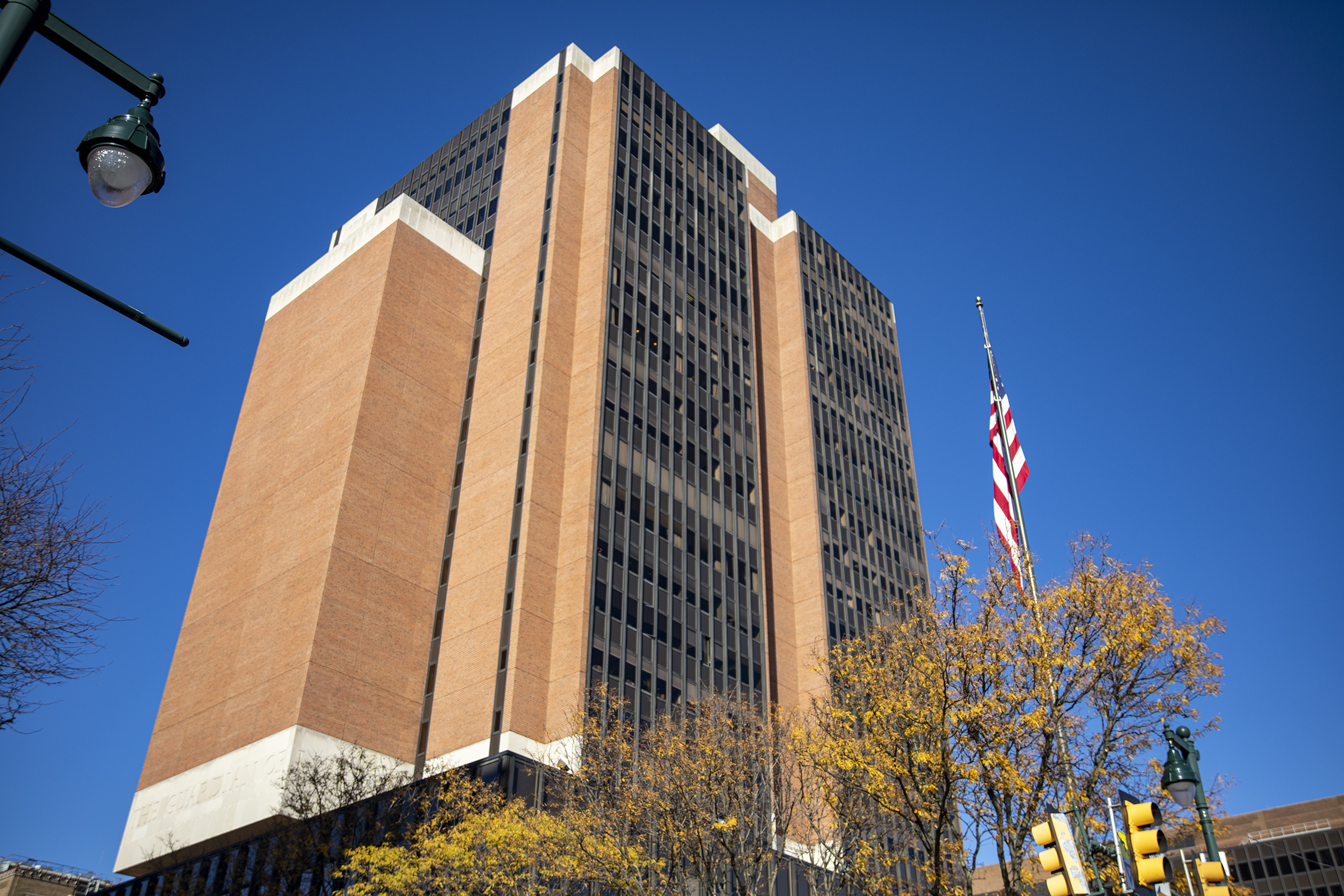
The federal courthouse in Philadelphia.TYGER WILLIAMS / Staff Photographer
Last year, he was subtly critical of the Trump administration in court documents, writing that it was using competing interpretations of the law to try to justify its policy to detain nearly all undocumented immigrants.
It is “difficult to credit the Government’s squarely contradictory position here,” Diamond wrote.
The Krasner matter that ended up in his courtroom arrived as a routine post-conviction case: Dennis Johnson, who was found guilty of second-degree murder in state court in 2009, filed a petition in federal court seeking to have his conviction overturned.
The petition was filed more than 10 years ago, but it wasn’t until 2022 that the origins of the current controversy would begin to take shape.
A frenzy within the DA’s office
That year, after the district attorney’s office had spent years opposing Johnson’s bid for relief, prosecutors changed course.
Then-Assistant District Attorney Jaclyn Mason filed a brief agreeing with Johnson’s lawyers that his trial counsel had been ineffective. And she said her office had discovered problems or inconsistencies with testimony from key witnesses, leading her to recommend that the conviction be overturned.
The case was first sent to a federal magistrate to review, and Judge Lynne A. Sitarski — relying on Mason’s brief — agreed with her position.
But Sitarski’s recommendation was not binding — the final call would fall to Diamond. And this spring, Diamond signaled he was not inclined to accept the assertions in Mason’s brief. He scheduled an evidentiary hearing to hear testimony that could corroborate — or undercut — the office’s conclusion.
That triggered a frenzied sequence of events inside the DA’s office, prosecutors have since testified.
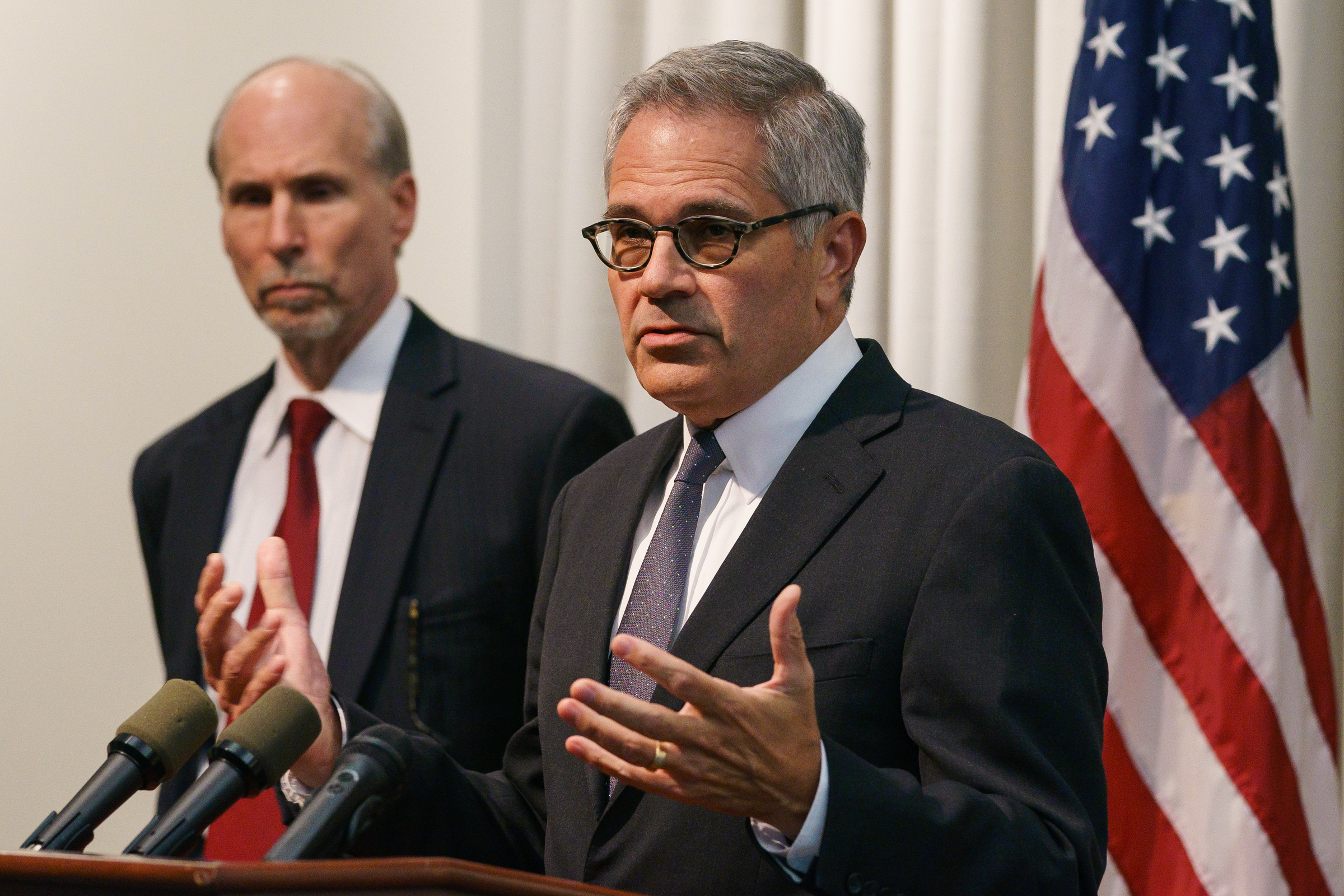
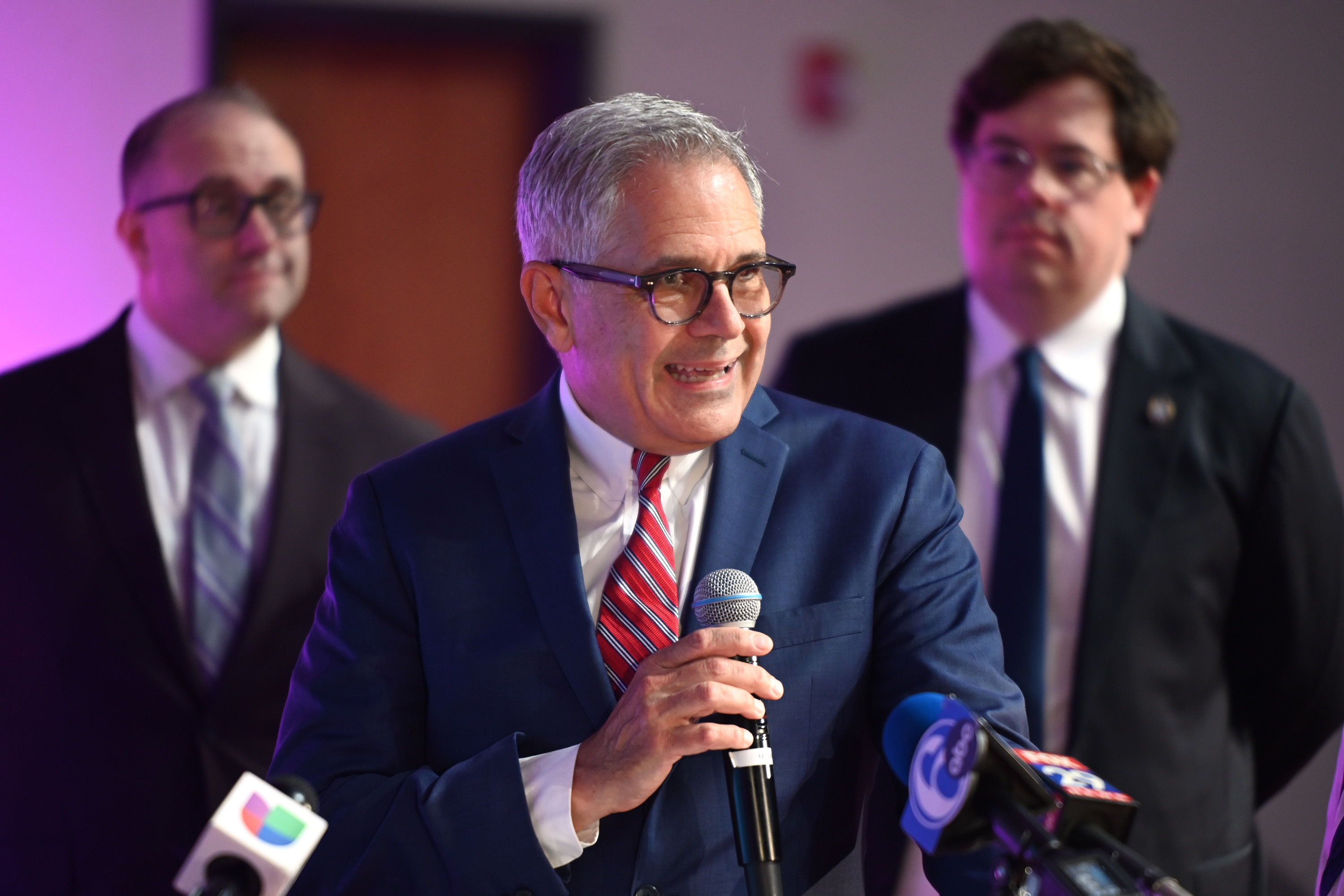
District Attorney Larry Krasner speaks at a news conference while flanked by two prosecutors who have since testified about actions he took in a controversial post-conviction case: David Napiorski (left) and Peter Andrews.Tom Gralish / Staff Photographer
To prepare for the hearing, Mason’s supervisors in the law division reviewed her brief and found a series of what they called “material misstatements.” They decided they needed to try to withdraw Mason’s filing and apologize to Diamond for the mistakes. And they asked that Mason sign on to the new filing with them.
But Mason declined and resigned. She’s since said she only filed her brief at the urging of her then-boss, Matthew Stiegler, who she said had done nothing to review the case himself but instead was “colluding” with Johnson’s defense attorneys to secure his release from prison.
Mason said she didn’t want to become a scapegoat for Stiegler or the office. And she accused her colleagues of attempting to force her to lie to protect the institution.
Her former supervisors have denied that, saying that once they noticed the errors in her brief, they were ethically obligated to correct the record in front of Diamond.
But as they strategized their approach, they said, they encountered consistent resistance from an unusual source: Krasner.
In their telling, Krasner was ardently opposed to asking the state attorney general’s office to take over the case — something the supervisors generally agreed was appropriate because of the drama surrounding the matter within their office.
Assistant District Attorney David Napiorski, head of the office’s law division.Alejandro A. Alvarez / Staff Photographer
And according to the supervisors — Katherine Ernst, Steven Wildberger, David Napiorski, and Peter Andrews — Krasner made a series of notable statements during their discussions, including that he wanted to handle the case in a way that would “protect the office,” that those who didn’t follow his orders would face “consequences,” and that he wanted to keep the matter from the attorney general’s office because he viewed its staffers as “Nazis.”
Several potential paths forward
All of those assertions were aired in Diamond’s courtroom in recent weeks, after the judge decided the evidentiary hearing in Johnson’s case would, for now, focus on the conduct of the prosecutors involved, rather than the merits of his petition. The judge said he’ll evaluate that aspect of the case later.
The attorney conduct portion of the hearing concluded last month, leaving Diamond with several choices about what to do with their startling testimony, legal observers said.
The most immediate issue is whether he’ll allow the DA’s office to continue handling Johnson’s case. Given the dysfunction prosecutors testified to, he could ask the attorney general’s office to take over instead.
But Krasner — who was not called to testify and who has said he can’t comment on the case while it’s pending — will likely have the opportunity to propose his own solution in court documents. In earlier filings, he said he engaged an outside lawyer to handle the matter on the office’s behalf — which, in his view, would insulate the case from the issues roiling his office, and preclude the need to involve state prosecutors.
Beyond that question, however, the testimony about conduct by the DA’s office could, in theory, lead to other consequences.
District Attorney Larry Kranser was not called to testify in front of U.S. District Judge Paul S. Diamond in the post-conviction case that Diamond is overseeing.Heather Khalifa / Staff Photographer
Stretton, the defense lawyer and ethics expert, said Diamond could refer the matter to the federal court’s disciplinary committee. There, a panel of judges could seek to determine if any of the prosecutors involved — including Krasner — behaved in a way that might warrant disciplinary action, such as a suspension or disbarment from practicing in federal court.
That process, which is largely confidential, would also likely be lengthy: In an earlier federal case that led to sanctions for two supervisors in Krasner’s office, a federal judge said he was seeking to initiate the disciplinary process in 2022, and punishments were not decided for another three years.
After that, Stretton said, if discipline is imposed in federal court, the matter would likely be forwarded to the state’s disciplinary board, which would make its own determination of possible penalties. That could also be an extended process.
And in what would likely be the most serious scenario, Stretton said, Diamond could refer the matter to federal or state prosecutors — or prosecutors could decide to pursue it themselves — to determine if crimes were committed. That, too, would almost certainly not be resolved quickly.
Stretton said any of those processes — and any potential outcomes — could also be further delayed or complicated because of inevitable disputes or competing interpretations over what lawyers did. In his view, for example, ethical rules generally allow a supervisor such as Krasner to pursue a legal strategy opposed by his subordinates as long as he had a “reasonable” argument for doing so.
And the testimony that unfolded before Diamond has already demonstrated that different lawyers had different recollections of what occurred: Mason accused her bosses of encouraging her to participate in a cover-up, but the supervisors said that wasn’t true.
The supervisors, meanwhile, accused Krasner of trying to get them to violate their ethical obligations, a contention he has similarly denied.
For now, the case remains on hold as Diamond weighs how to move forward. He has asked lawyers in the case to file additional briefings by Tuesday about how they believe the case should proceed.
Beyond that, Diamond has not indicated how quickly he might rule on the matter.
Villanova University’s campus was briefly under a lockdown Sunday evening as police searched for an attacker wanted in connection with a stabbing.
The lockdown was lifted at 6:41 p.m. after the suspect was apprehended off campus, according to the university’s alert system. The school issued the lockdown at 6:10 as a “precautionary measure due to the proximity of the search,” the alert said.
Authorities took the suspect into custody “without incident” in the 1000 block of East Lancaster Avenue, according to the post. An earlier alert from Villanova University said the person was armed.
“There is no threat to the community at this time, and all involved parties have been placed in custody,” Radnor police said on Facebook. “Our thoughts are with the victim and their family.”
The victim’s condition was not immediately known, and police did not identity the person in custody.
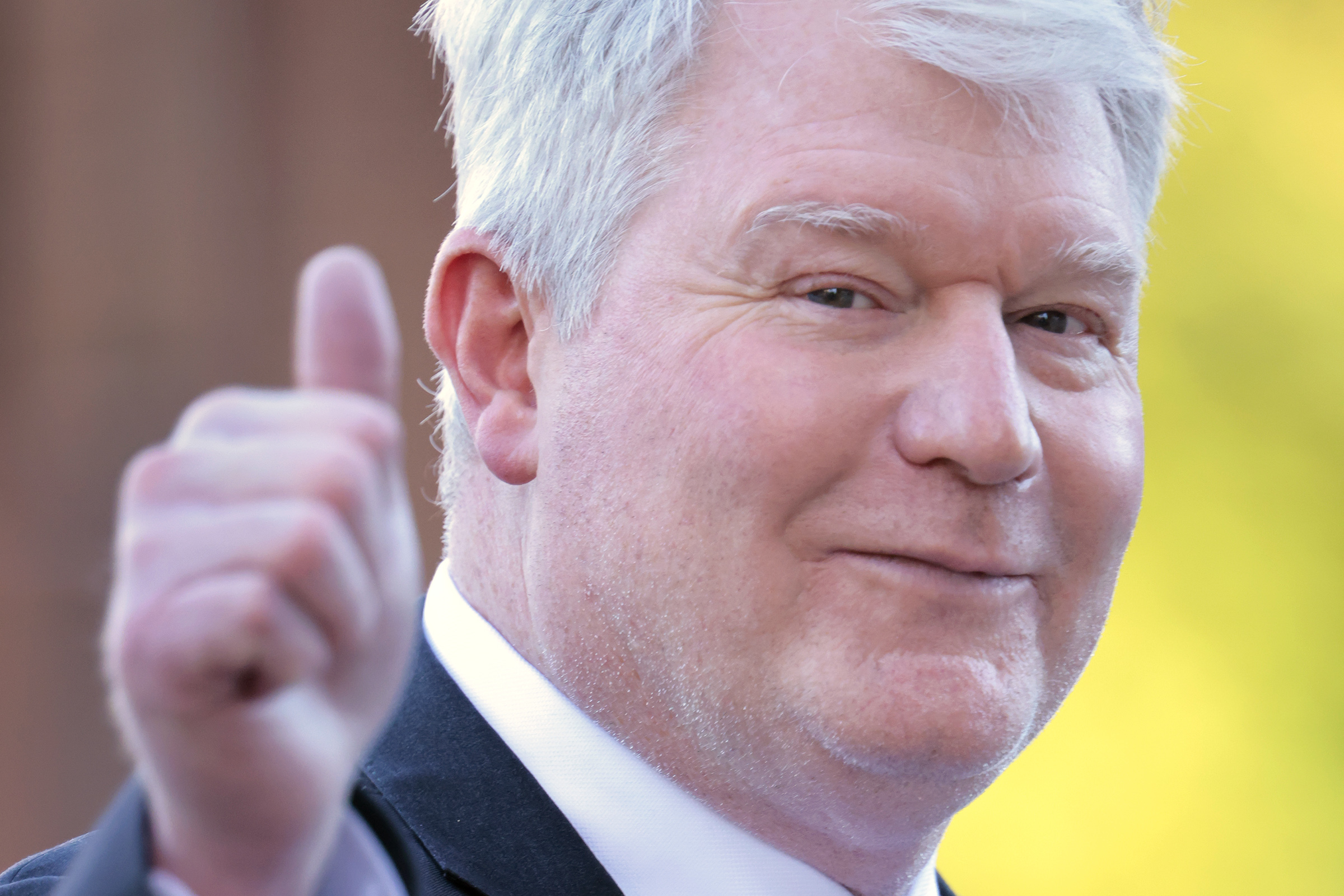
Convicted former Philadelphia labor leader John Dougherty was released Friday afternoon from a federal penitentiary in Lewisburg, his lawyer said, capping a surprise outcome that was the result of President Donald Trump’s decision to commute the remainder of Dougherty’s six-year prison term.
Dougherty’s lawyer, George Bochetto, said he was released around 3 p.m. Attempts to reach Dougherty for comment Friday were unsuccessful.
For much of the past year, Dougherty had been petitioning U.S. District Judge Jeffrey L. Schmehl to release him on house arrest so he could provide care for his gravely ill wife. But Schmehl had repeatedly denied those efforts.
Trump’s decision to commute Dougherty’s sentence instead will result in a more sweeping form of relief: His conviction will remain intact, but he will not be subject to any monitoring or house arrest, and he will no longer have to pay about $1.6 million in restitution to the union he was convicted of defrauding.
Bochetto called Trump’s decision “a magnificent gesture of compassion.” And he said it came after he’d been in regular communication with White House staff members about the dire and longstanding health challenges faced by Dougherty’s wife, Cecilia.
A White House official said Friday that those circumstances figured into Trump’s decision — particularly because Dougherty’s father-in-law, who had been serving as the primary caretaker, died last year.
Bochetto said there was “absolutely no reason” to keep Dougherty behind bars while his wife’s health was continuing to decline.
Dougherty, while testifying before Schmehl earlier this year, said he had done everything he could from prison to lift his wife’s spirits — mailing her letters, routinely calling her, and even singing to her over the phone.
But he said he was desperate to get home and help her manage a set of challenges that have left her paralyzed and largely nonverbal. He said his adult daughters and private aides were struggling to provide the type of intensive, round-the-clock care she requires.
“I just want to take care of Celia,” he said.
The U.S. Attorney’s Office had opposed Dougherty’s efforts to be released. A spokesperson said the office had no comment on Trump’s decision to set Dougherty free.
Beyond caring for his wife, it was not immediately clear Friday what Dougherty’s future might hold — or whether he’d use his newfound freedom to try to return to the political stage.
Before he was prosecuted, Dougherty was a bona fide power broker while running Local 98 of the International Brotherhood of Electrical Workers, which he turned into the biggest independent source of campaign money in Pennsylvania. That funding helped elect mayors, City Council members, and members of Congress. It also helped bolster the judicial candidacy of Dougherty’s brother, Kevin Dougherty, who won a seat on the Pennsylvania Supreme Court in 2015.
Even if John Dougherty did want to seek a return to the spotlight, it would have to come from a different perch.
Not only is Local 98 under new leadership, Dougherty’s convictions on counts of bribery and embezzlement make him ineligible to hold an elected union office for 13 years under U.S. Department of Labor laws.
Labor leader Ryan Boyer, who replaced Dougherty as chair of the Philadelphia Building and Construction Trades Council, said he nonetheless expected Dougherty to end up back in the mix in some fashion.
“If I know John the way I know John,” he said, “he’s not going to sit on his hands.”
Staff writers Sean Collins Walsh and Maggie Prosser contributed to this article.
Michael Fanning, the Philadelphia Family Court judge who faced domestic violence charges earlier this year on allegations heassaulted his wife and adult daughter, resigned from the bench, a person with direct knowledge said.
Prosecutors withdrew all charges against Fanning in July, saying the women did not wish to proceed with the case and the judge had shown proof of “extensive mitigation” in the months since the Marchincident.
The Inquirer was unable to reach Fanning based on publicly available contact information.
The 60-year-old judge was charged with aggravated assault, strangulation, and related crimes after prosecutors said he repeatedly punched his wife in the face, choked her, and dragged his 30-year-old daughter to the ground by her hair, causing her to cut her face, during a fight at their East Torresdale home.
During the July hearing,Assistant District Attorney Brian Collins did not detail the forms of mitigation Fanning presented.
But at a hearing in March, Fanning’s wife said he had voluntarily entered a 30-day inpatient recovery program to treat his alcoholism, an issue the family had worked to address in the past.
“With no charges and no other reason cited for the suspension of Judge Fanning, no reason exists for that suspension to continue,” the order said.
A court spokesperson declined to comment on Fanning’s resignation.
Fanning had been a Family Court judge since then-Gov. Tom Corbett appointed him to the bench in 2014. He won a 10-year term in 2015, and was retained for another term in November.
Gov. Josh Shapiro’s office could not immediately comment on whether the governor received Fanning’s resignation letter.
The resignation gives Shapiro an opportunity to nominate a judge for Fanning’s seat until the 2027 judicial election. The appointment requires state Senate confirmation.
Staff writer Ellie Rushing contributed to this article.
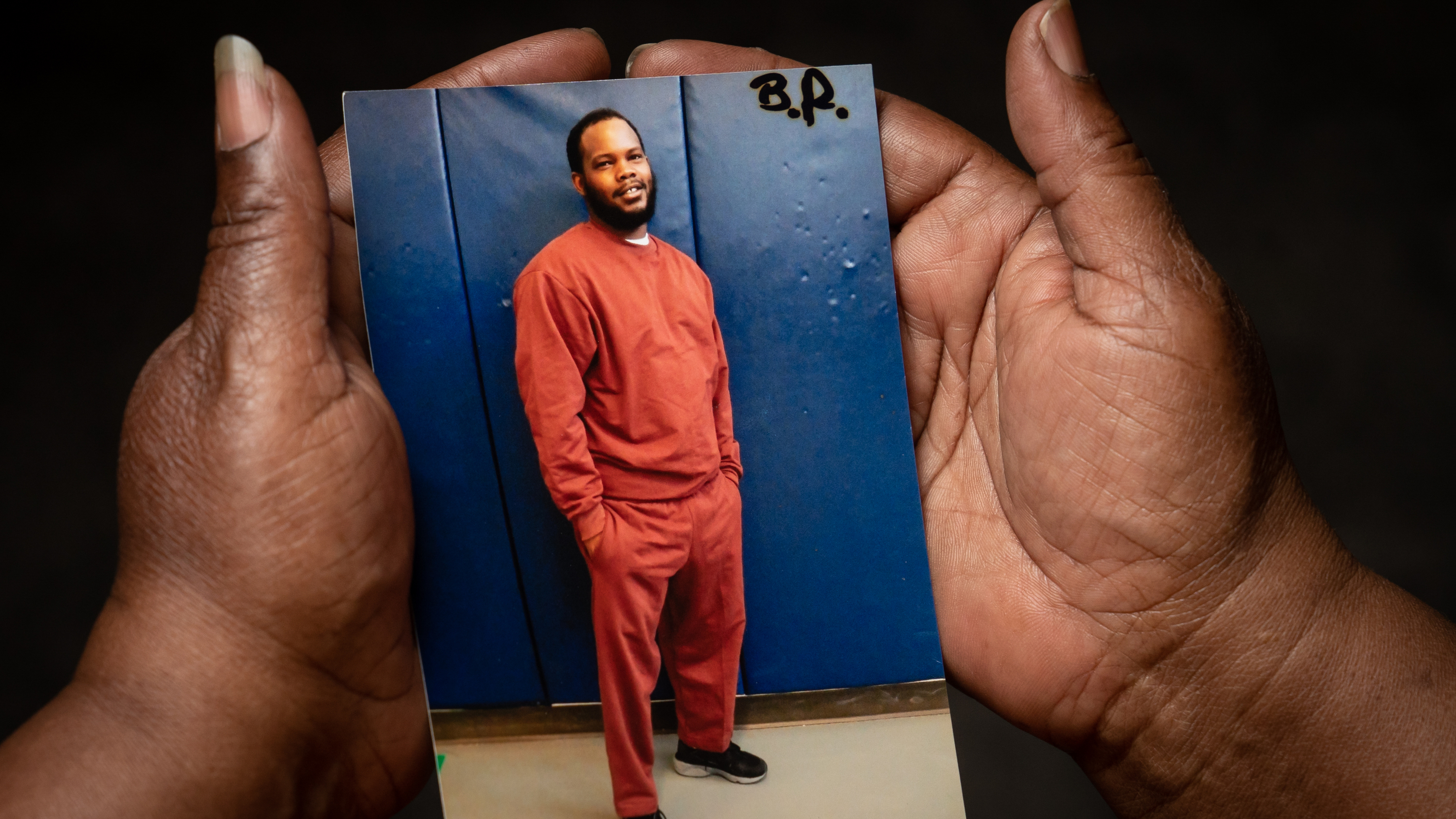
A man serving life in prison for a 2010 first-degree murder conviction will be released from prison after pleading no contest to lesser crimes for his role in a fatal North Philadelphia shooting.
Rasheem Hall, 42, was granted the right to a new trial in April after a judge agreed with his defense attorney that prosecutors had withheld evidence that could have aided Hall’s ongoing effort to appeal his conviction.
They said prosecutors’ main witness had been an unreliable jailhouse informant who had recanted statements he’d made about Hall’s involvement in the 2007 shooting that left 34-year-old Ronald Kennel dead.
Rather than retry the case, however, prosecutors agreed to conditions Friday that allowed Hall to plead no contest to aggravated assault and a firearms violation. During the hearing, Common Pleas Court Judge Diana L. Anhalt approved a sentence of nine to 18 years in prison in exchange for Hall’s plea.
Because he had already served that time in custody, he could be released as early as Friday afternoon, she said.
Hall’s family members reacted to the news with a mixture of smiles and tears.
“I’m just happy for Rasheem, I’m just happy for his family,” Hall’s defense attorney, Robert Gamburg, said after the hearing.
The development comes as District Attorney Larry Krasner’s office faces scrutiny of its handling of post-conviction cases. Last week, a federal judge said actions city prosecutors took in another case could amount to perjury, conspiracy, or obstruction of justice.
Friday’s hearing ended a yearslong campaign by Hall to appeal his conviction.
That effort centered on issues with Deric Williams, an informant who was recorded on a jailhouse phone line telling his mother he had wrongfully implicated Hall in the crime and that he had tried, unsuccessfully, to recant his statements to detectives.
Earlier this year, Gamburg told a judge prosecutors had failed to hand over that recording of Williams to Hall in 2013 during his appeal, though prosecutors contended that jurors had heard similar remarks from Williams at Hall’s 2010 trial.
Judge Rose Marie DeFino-Nastasi sided with Hall, saying that in addition to the phone recording, emails between prosecutors with details of their relationship with Williams should have been turned over to his defense team.
On Friday, Assistant District Attorney Trey Flynn told Anhault that while prosecutors accepted Hall’s plea, they stood by their earlier assertions about the case.
He said prosecutors would have told jurors that Hall and another man, David Satchell, only fired guns during the May 20, 2007, incident after being shot at by another person first.
Hall’s gunfire struck a bystander, Charlene MacDonald, in the leg, Flynn said.
“It was individuals firing at Hall who actually struck Ronald Kennel, who was standing behind them,” Flynn said.
Still, prosecutors would have argued that Hall was responsible for Kennel’s death via transferred intent, Flynn said. The legal theory holds a defendant responsible for injury or death based on their intent to harm, regardless of who was actually affected.
Flynn said he had spoken with Kennel’s brother “at length” about prosecutors’ decision to accept Hall’s plea. And he said District Attorney Larry Krasner agreed with the decision as well.
Outside the courtroom, Hall’s family members were moved to tears by his imminent release and return home for the first time since his early 20s.
“It’s been almost 19 years,” said Hall’s father, Ronald. “He’s got a daughter, he’s got nieces, nephews. People that passed away. It’s a lot of time lost, time you can’t get back.”
Ronald Hall said his son only learned of the opportunity to plea to lesser charges last week, and that the gravity of the news is still fresh.