Category: Arts & Culture

  • Visiting a shrine to the Wyeths in Brandywine, reading a rare manual at the Library Company, and other art to admire this weekend

    Visiting a shrine to the Wyeths in Brandywine, reading a rare manual at the Library Company, and other art to admire this weekend

    A shrine to the Wyeths opens at Brandywine

    There’s plenty of and about Betsy Wyeth’s potent aesthetic in “By Design: The Worlds of Betsy James Wyeth,” currently on view at the Brandywine Museum of Art. In her adaptive reuse of early American buildings in Maine and the Brandywine — in everything she touched, really — Wyeth’s design sense is specific and immediately recognizable: a cool, austere echo of Shaker and other American vernacular styles.

    The show’s star is Brinton’s Mill, the Chadds Ford complex of 18th-century (and later) structures that, with Betsy’s extensive renovations, became the distinctive place where she and her husband, the artist Andrew Wyeth, lived and worked. The shrine is now open to visitors for the first time.

    But to take the full measure of Betsy Wyeth, you will want to read the show catalog of the same name (Rizzoli Electa, $65). Here, in a series of essays and reminiscences, Wyeth emerges as a shrewd businesswoman and impresaria — mastermind of a “generally understood, unified Andrew Wyeth brand,” as Wyeth curator and administrator William L. Coleman puts it in the opening essay.

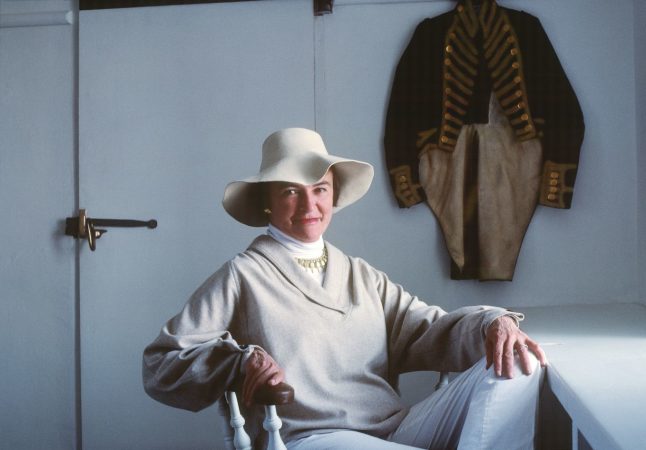
    As you’d expect, the book is filled with illustrations: Andrew Wyeth paintings, striking photos of the craggy Brandywine and Maine landscapes, and structures that make up the familial Wyeth visual language, as well as images of Betsy, always formidable.
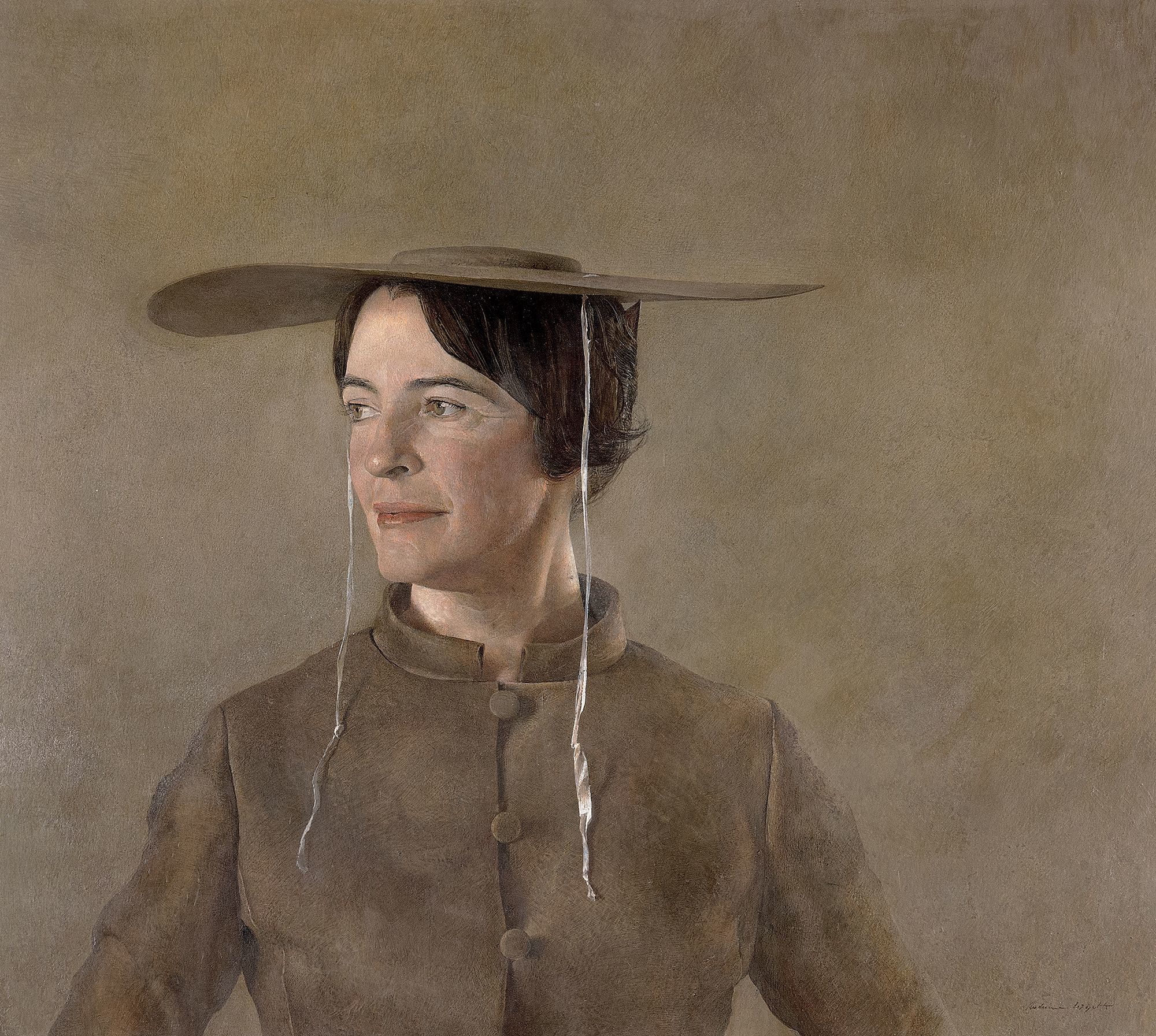
    Andrew Wyeth’s “Maga’s Daughter,” from 1966.Andrew Wyeth (1917 – 2009), Maga's Daughter, 1966, egg tempera on panel, 26 ½ × 30 ¼ in. Wyeth Foundation for American Art Collection, P5008. © 2026 Wyeth Foundation for American Art/Artists Rights Society (ARS), New York

    Perhaps the sharpest image, though, comes in written form, from author David Michaelis on the partnership between Betsy and Andrew.

    We already knew that she handled just about everything that needed doing in order to free her husband to paint. But what Michaelis beautifully details is how deeply involved she was in the art itself — giving titles to his work and exerting influence over the color, composition, and subject matter.

    In many ways, Betsy spent her life creating the aesthetic for which Andrew is known.

    She urged him to simplify, to take things out of paintings he wanted to include.

    “You’re going to ruin it,” he would protest.

    Then, Michaelis wrote, he would go off and do exactly as she said.

    “By Design: The Worlds of Betsy James Wyeth” is on view at the Brandywine Museum of Art, 1 Hoffman’s Mill Road in Chadds Ford, through Jan. 10. Related exhibitions are running at the Farnsworth Art Museum in Rockland, Maine, through Dec. 31; and at Colby College Museum of Art in Waterville, Maine, through Nov. 2. brandywine.org/museum

    — Peter Dobrin

    A portal to Black girlhood in a Library Company artifact

    Nearly every Friday night when I was a child, my mother washed my hair, conditioned it, sectioned it into four parts, and let it dry overnight.

    The next morning, we’d take our places next to the kitchen stove and turn the channel to Soul Train on our small black-and-white TV. Mommy oiled my scalp again then, with a fiery iron comb that had the tiniest teeth, she straightened each section of my hair; making my tresses sizzle. Sometimes the comb would kiss my ear. When she was done, I had shiny shoulder-length hair with a flip on the bottom.

    I don’t remember when she first told me about Sarah Breedlove, also known as Madam C.J. Walker. But by the time I was 10, I knew, without a shadow of a doubt, that because of her, Black women everywhere knew how to press hair. Her haircare business made her the first Black woman millionaire during the early 1900s at the dawn of the Harlem Renaissance.
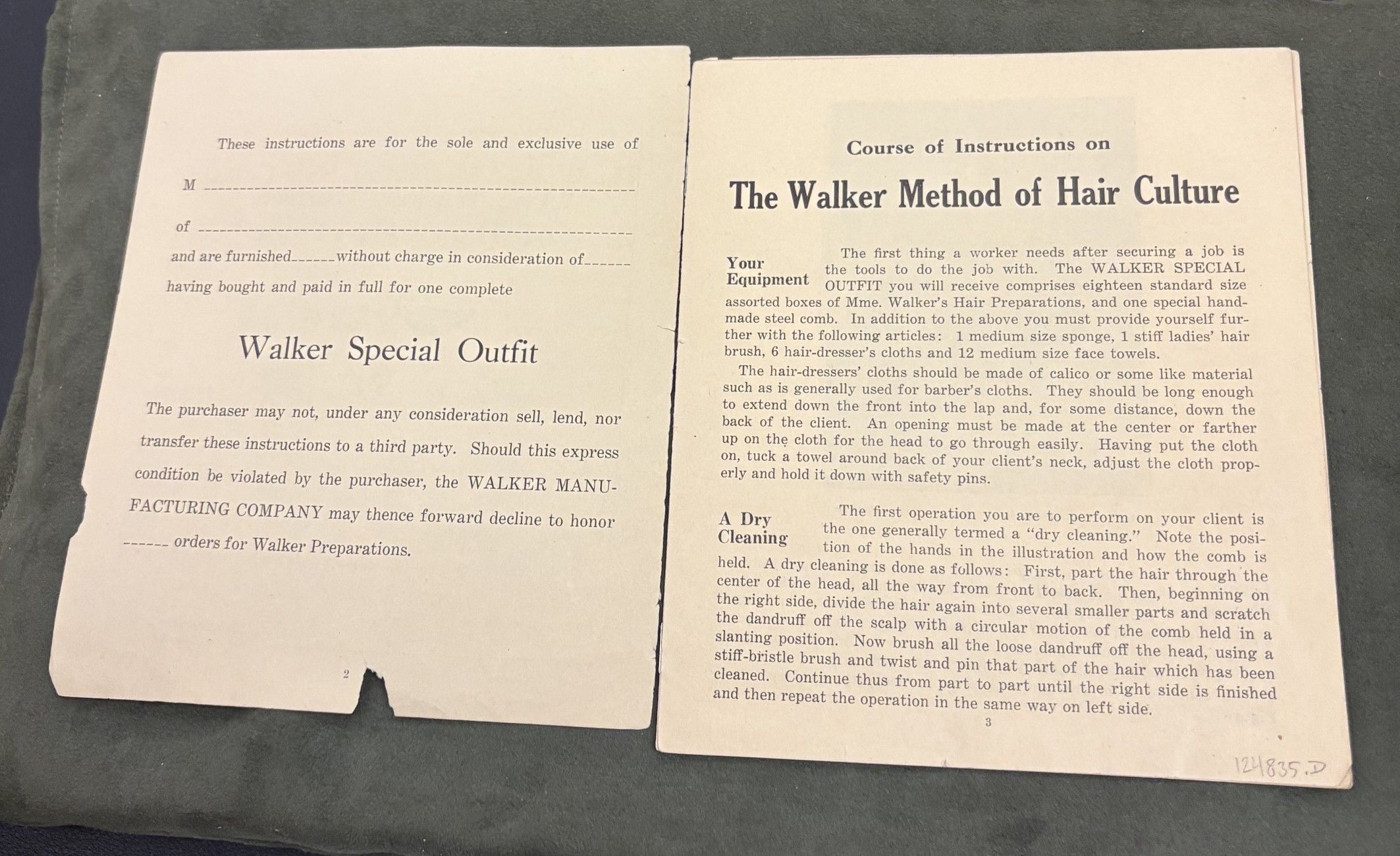
    The first page of this early 1900s pamphlet explaining Madam CJ Walker’s Walker Method to salon owners.The Library Company of Philadelphia

    Walker trained hundreds, possibly thousands, of Black women on how to use the hot comb in a technique she called the Walker Method. Black salons practicing the method became staples in Black neighborhoods and raised many Black women entrepreneurs.

    The Library Company of Philadelphia recently purchased one of the original pamphlets describing the Walker Method, step-by-step, and what was included in the Walker Special Outfit, the all-inclusive entrepreneurial kit. That included a stiff hair brush, face towels, Walker’s specially formulated conditioning concoction, a smock — that Walker refers to as a hairdresser’s cloth — and, of course, a handmade steel comb.

    After a thorough shampoo and conditioning, the hairdressing is applied and each section of the hair is methodically straightened.

    Just reading these instructions brought me back to my girlhood, before chemical relaxers, weaves, and extensions became the norm.
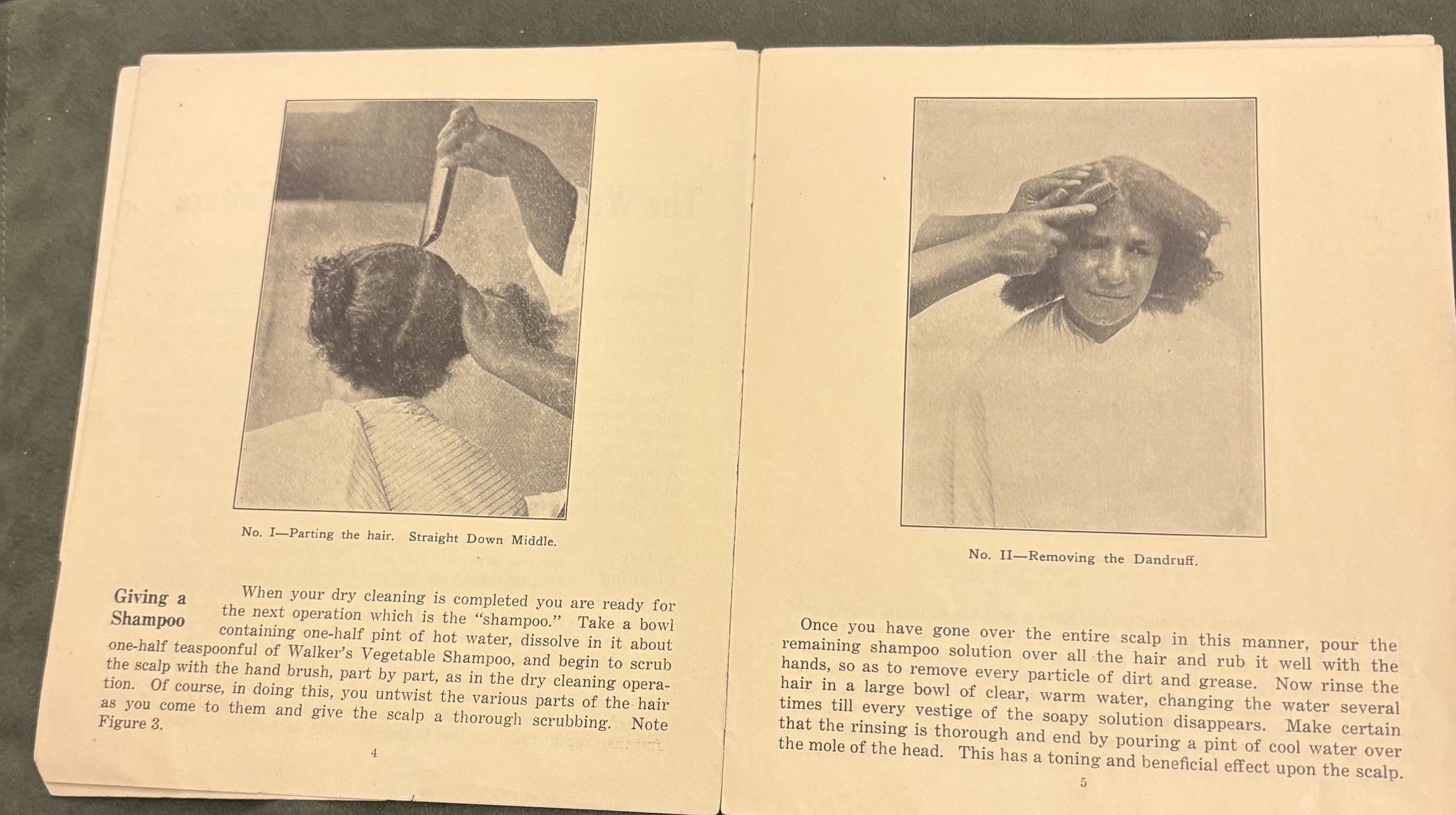
    Step-by-step instructions of how to do Madam CJ Walker’s Walker Method to salon owners. The pamphlet was given to Black salon owners in the early 1900s.The Library Company of Philadelphia

    Wynn Eakins, the Library Company of Philadelphia’s African Americana subject specialist, acquired the pamphlet earlier this year, paying a few thousand dollars for it.

    Like her, I believe it was worth every penny.

    Getting my hair pressed every week wasn’t just my introduction to a beauty regimen, it was how I bonded with my mother and other Black women.

    Funny thing is, I took for granted that Black women always knew how to do press hair. For better or worse, this skill is in our DNA. The Walker Method pamphlet reminded me of a time when pressing hair was new technology and it’s a reminder that every American experience has a history that’s worth saving and remembering.

    The Library Company of Philadelphia is located at 1314 Locust St., librarycompany.org

    — Elizabeth Wellington

    A Bicentennial logo makes a nostalgic comeback during the Semiquincentennial
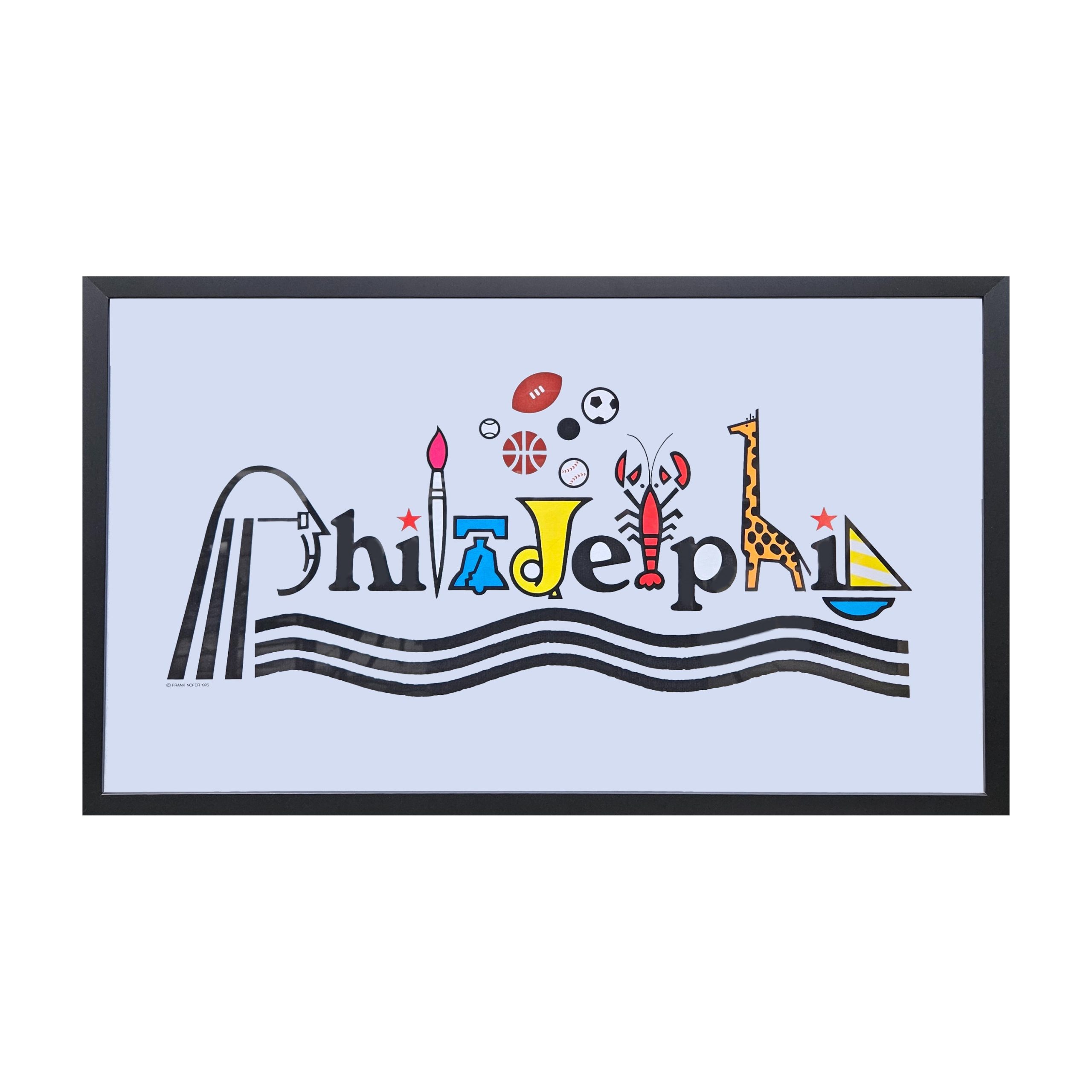
    A vintage print of the logo that was sold by Sales by Helen in 2023.Courtesy of Sales by Helen

    How much has Philly changed from the Bicentennial to the Semiquincentennial? Not much, by the looks of the 1976 Bicentennial logo.

    Created by Philadelphia graphic designer and watercolor painter Frank Nofer, the logo features several iconic symbols of Philadelphia standing in for the letters in the city’s name. After copyrighting, Nofer’s logo was printed on seemingly infinite pieces of merchandise, from T-shirts to mugs to ashtrays.

    There are historic references, like Benjamin Franklin and the Liberty Bell. The logo also features a paintbrush and tuba to represent the city’s arts scene, sports balls for our athletic passion, a giraffe for the zoo, and a sailboat for the rivers on either side of Philly.

    There is one outdated reference: a lobster as the second “l,” a reference to the now-closed seafood restaurant Bookbinder’s. The Old City spot, which shut down in 2009, was world famous for its oysters and lobster. Though it may not be relevant to 2026 Philadelphia, that little lobster is sure to spark nostalgia for anyone who lived in the area before the 2010s.
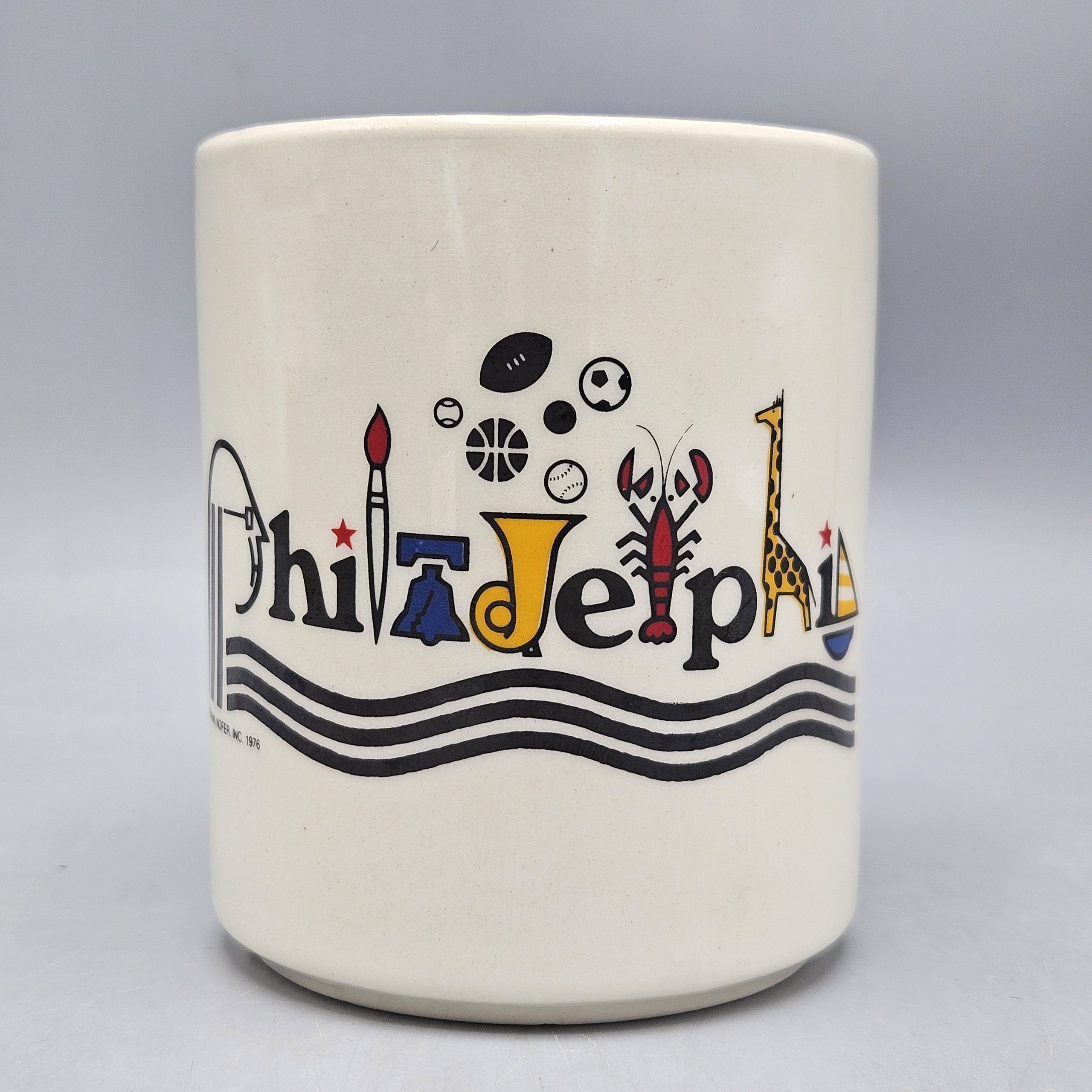
    Frank Nofer’s “Philadelphia” logo featured on a mug, one of many pieces of merchandise.Courtesy of Sales by Helen

    Now, 50 years later, merchandise featuring the logo is no longer sold anew. But vintage pieces have been popping up on eBay (which is where I saw it). Per the comments on a Facebook post from someone who purchased a Nofer “Philadelphia” T-shirt on eBay, several people have held onto their merchandise, praising the design.

    The logo feels timeless, while also maintaining the funky nature of the 1970s. If you have a piece from 50 years ago, I say hold onto it — whether to admire it, or to make a pretty penny from it online.

    — Morgan Ritter
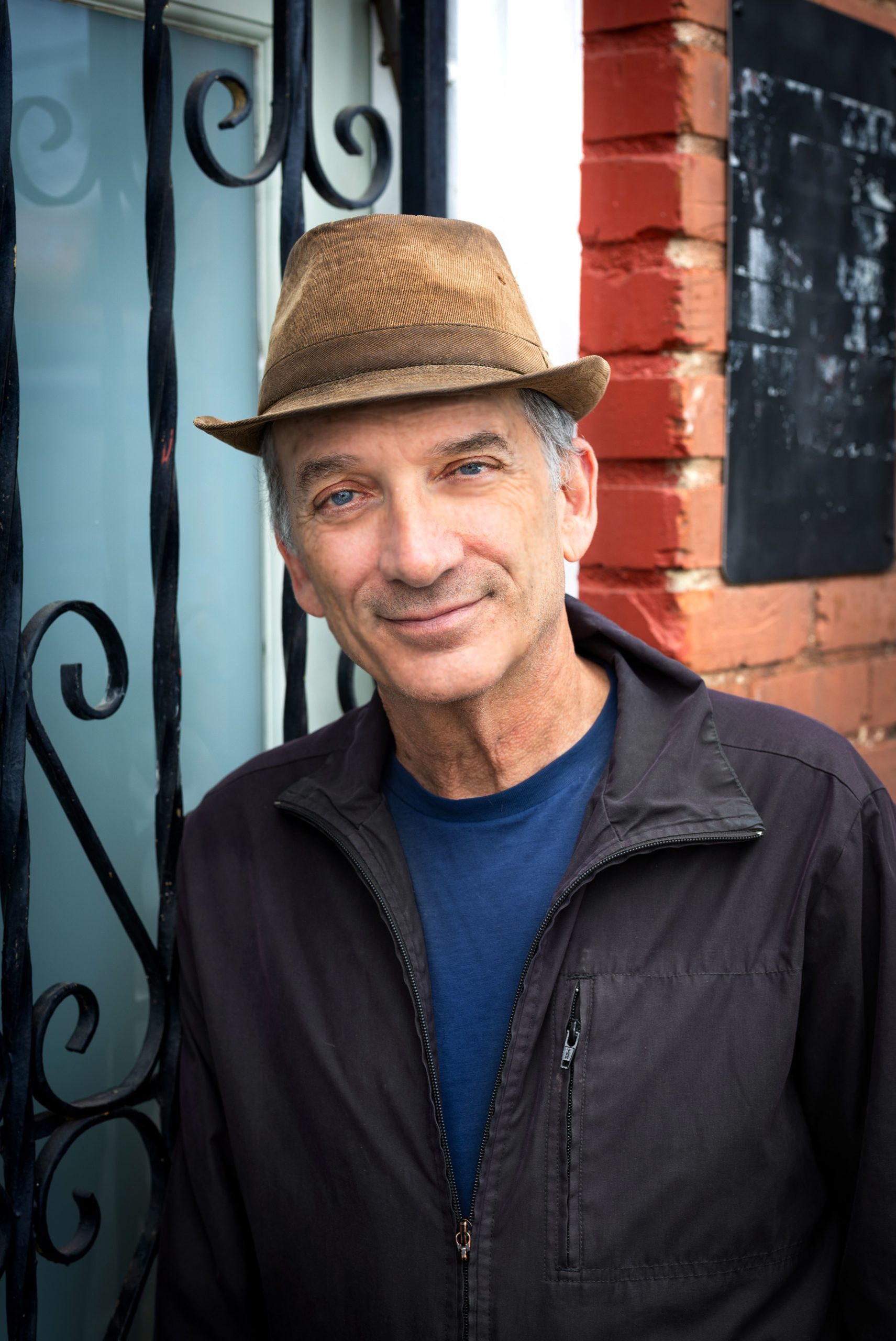
    Ben Vaughn. His new song with Deer Tick is “Imitation Wood Grain.” Vaughn’s just-announced album “Magnetic East: The Deer Tick Sessions” is due on Yep Roc Records in October.Shana Cassidy

    A vintage Ben Vaughn brings back the romance of “the South Jersey pines”

    Back in the 1990s, Camden County rocker Ben Vaughn specialized in producing veteran artists whose greatness the music-loving public needed to be reminded of, like rockabilly eccentric Charlie Feathers and soul music songwriter Arthur Alexander.

    Vaughn, the radio host of the syndicated The Many Moods of Ben Vaughn, which broadcasts from “parts unknown” and airs locally on WXPN-FM (88.5), tells tales of his encounter with such legends on his Straight From the Hat podcast.

    Now, Vaughn is getting the elder statesman treatment himself. Back in 2019, Providence, R.I., rock band Deer Tick did a cover version of Vaughn’s 1990 song “Too Sensitive for This World,” featuring John Hiatt whistling in the background.

    The band’s fandom has resulted in a friendship and playing shows together, and now a forthcoming Ben Vaughn album called Magnetic East: The Deer Tick Sessions due out Oct. 30 on Yep Roc Records.

    This week, “Imitation Wood Grain,” the first track from the album was released.

    “Inspired by a visit to the thrift store, it’s probably [the] most nostalgic song I’ve ever written,” Vaughn wrote in a Facebook post. It’s also vintage Vaughn; a clever, well-crafted ironic-yet-not-ironic song that meshes with Deer Tick’s own bemused sensibility (and features Vanessa Carlton on backing vocals).

    Kitschy details in the lyrics — the sight of an old clock radio or a fake wood-paneled hotel hallway — do the Proustian job of bringing back memories of the romance of cruising through “the South Jersey pines” in the good old days, “when you were mine.”

    Listen below.

    — Dan DeLuca
  • The publisher of a satirical quarterly is determined to bring the laughs to South Philly

    The publisher of a satirical quarterly is determined to bring the laughs to South Philly

    What happens when the publisher of a satirical newspaper wants to stop publishing his “silly” quarterly?

    He opens a comedy club.

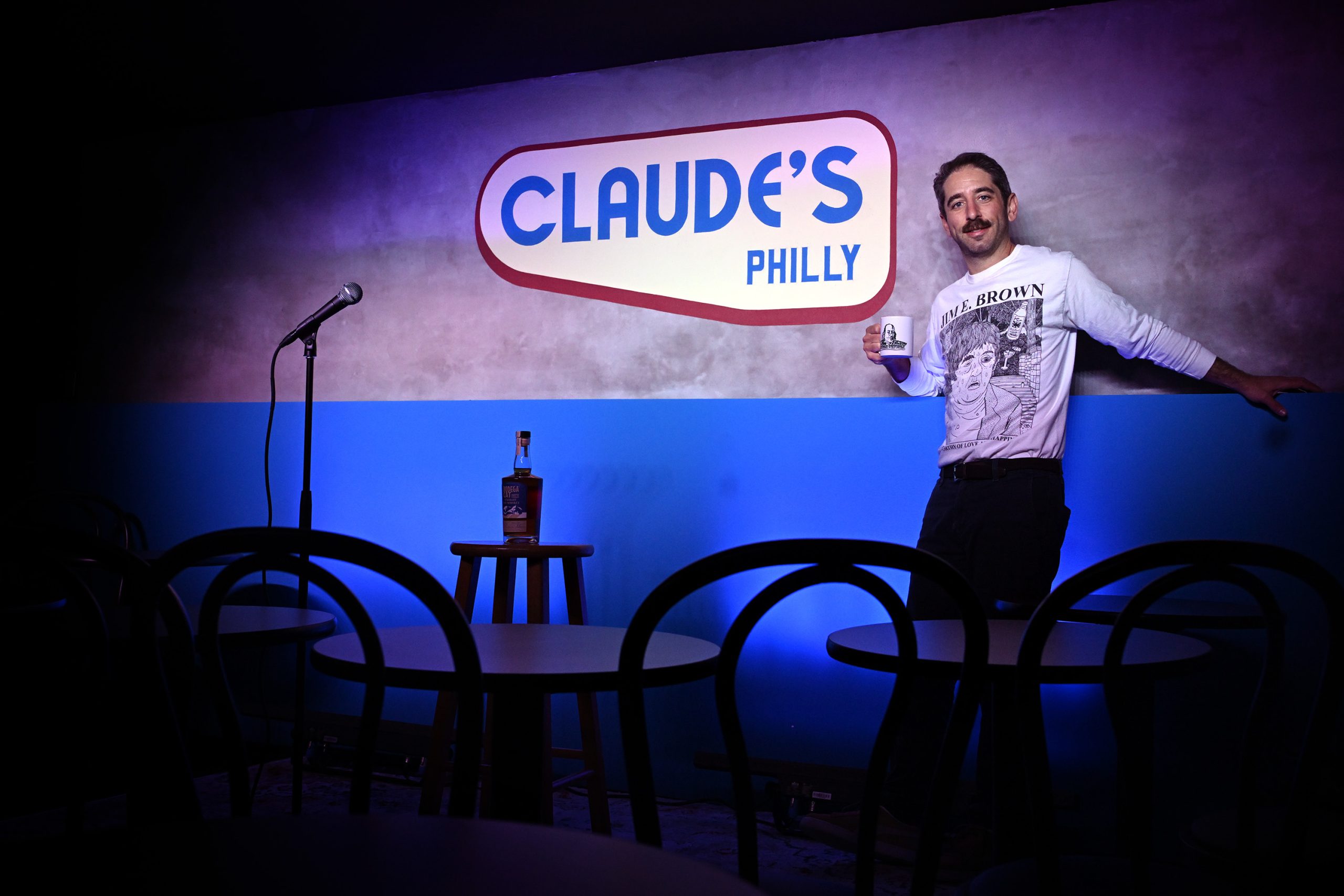
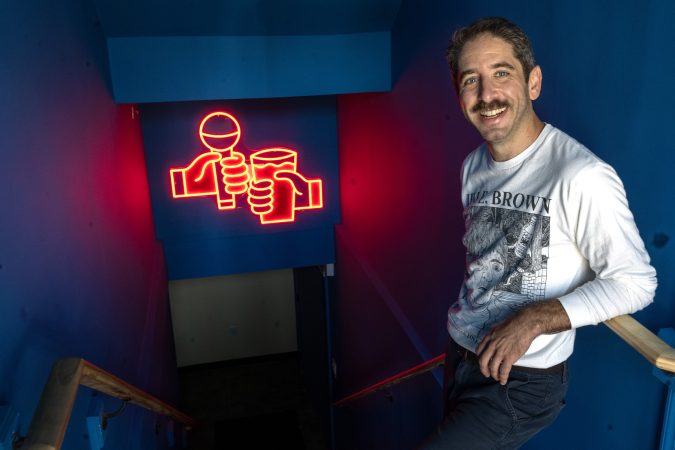
    This isn’t a joke. It’s the story of Reid Benditt, creator of the Philadelphia Jabroni, which he will now put on a hiatus to focus on running Claude’s Comedy Club & Bar, which opened last month.

    Benditt, 43, has spent years of producing comedy shows behind the scenes. He hopes the South Philly venue, at 1123 S. Broad St., will become a premier destination for emerging acts to build their names, and for touring comics to engage with a wider range of fans.

    “We’re kind of like the ‘Adult Swim’ brand of comedy,” Benditt said.

    Owner Reid Benditt is onstage at Claude’s Comedy Club on South Broad Street on Wednesday, July 1, 2026.Tom Gralish / Staff Photographer

    Many rising stand-ups, he said, are reduced to backrooms at Philly dive bars and restaurants, where the crowd is more interested in clearing their plates and drink tabs than they are in comedy. Few, if any, venues are dedicated to rising comics on a nightly basis, Benditt said, which forces early-career comics to test their skills in larger entertainment markets before they’re ready.

    “Philly is a really underserved city as far as the number of [comedy] clubs,” he said. “I think it’s saying something when we only have a handful of clubs, and we have all this great talent around.”

    The clubs are even fewer in South Philly, where Benditt said Claude’s comes in.

    Just under South Broad Street’s United Check Cashing marquee stands Claude’s doors. Visitors are immediately transported to a dimly-lit, subterranean space that’s reminiscent of legendary clubs like New York City’s Comedy Cellar. There are low ceilings, intimate lighting, and an audience that’s fully invested in local comedy.

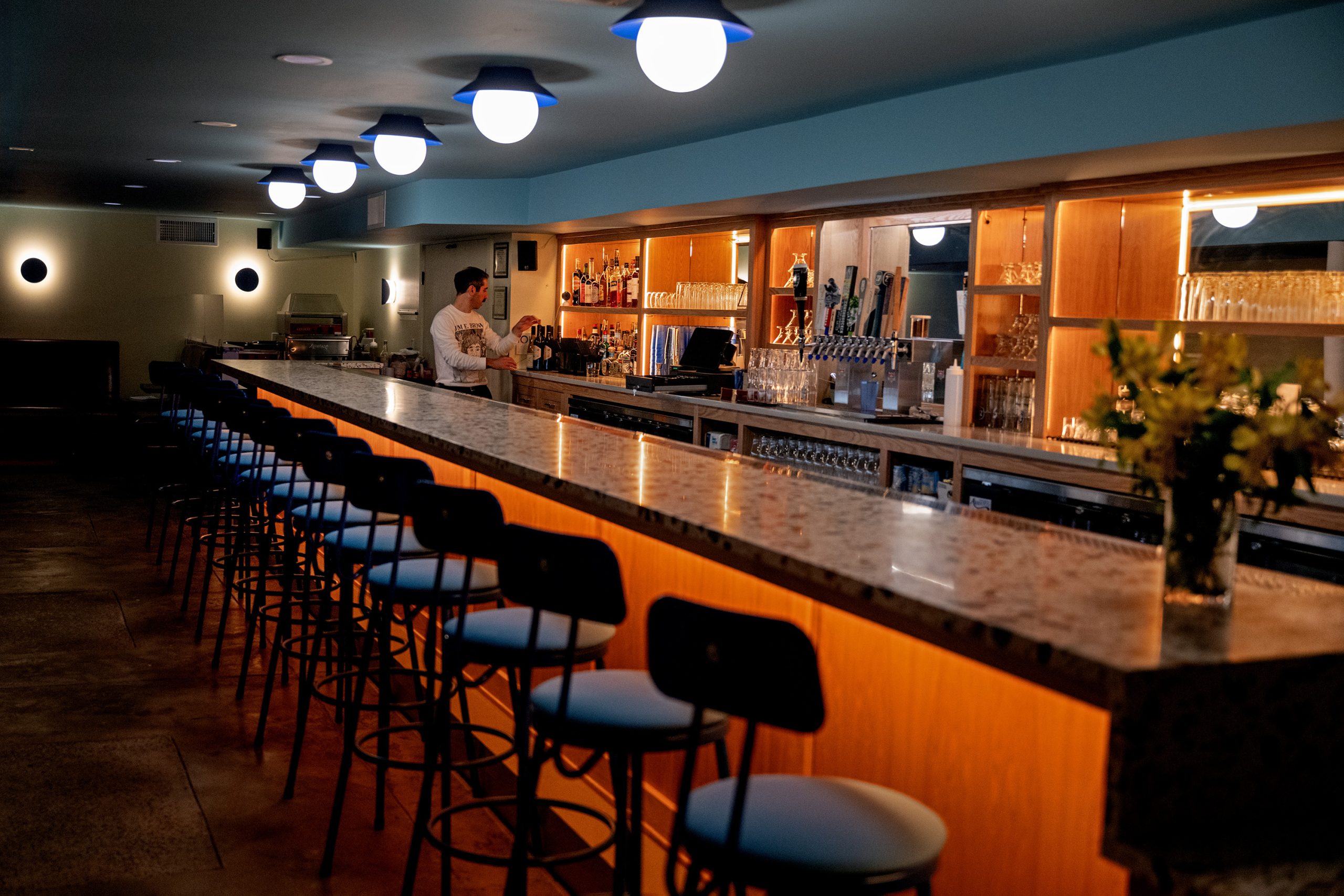
    Down the steps is a full-scale bar, fashioned with lush seating, and a drink menu filled with spirits and nonalcoholic options. The food menu offers small bites like specialty hot dogs, grilled cheese sandwiches, dill pickle plates, and Tastykake flights garnished with small puddles of whipped cream.

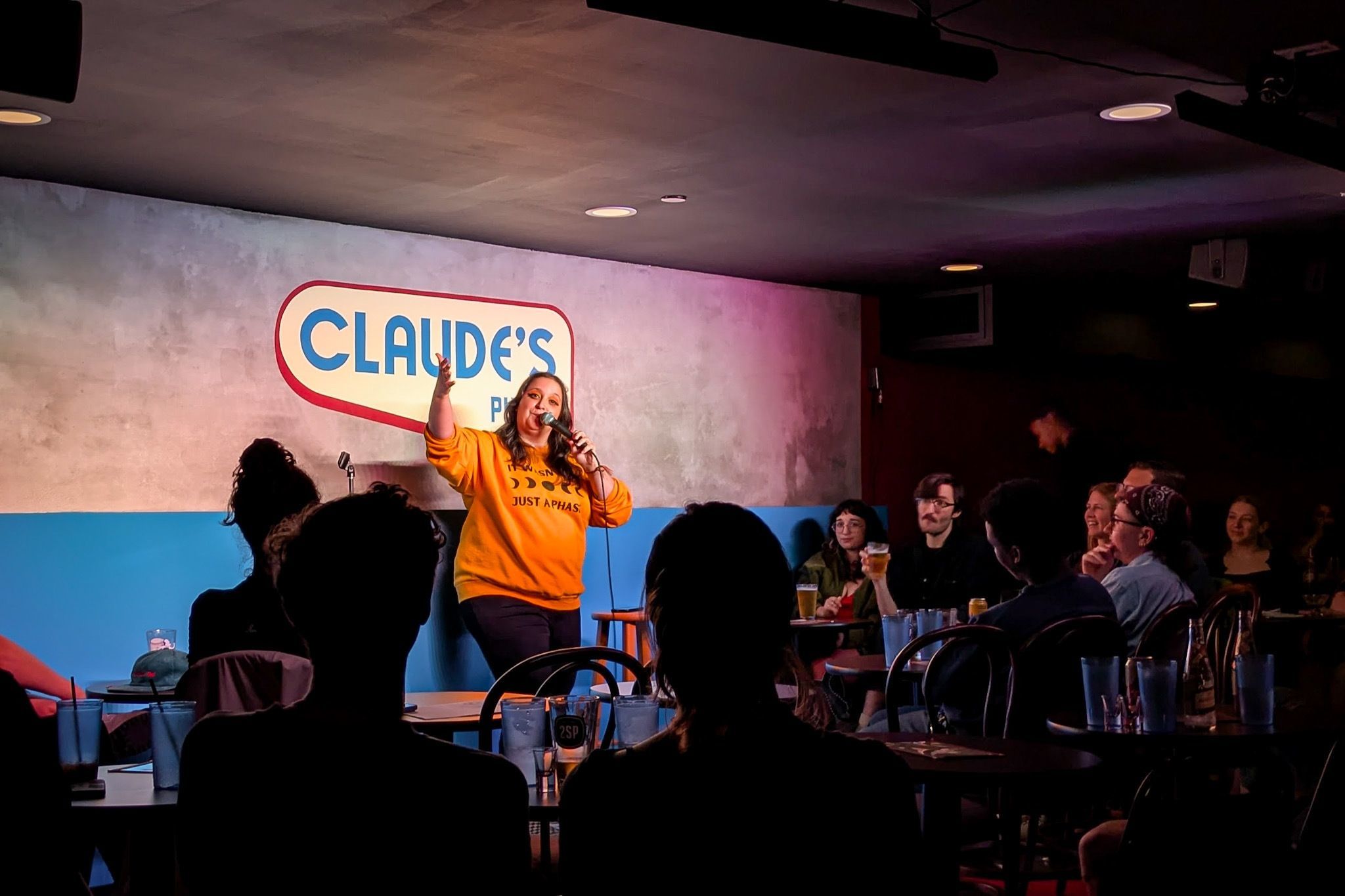
    To the right of the bar are the doors to Claude’s 100-person show space. Cushioned sheets rest on its perimeter, while small table sets are positioned toward the illuminated stage, with the Claude’s logo serving as the backdrop.

    It’s where rising comics can bring their mangled notebooks on stage to test new material, and where touring acts can drop in to perform outside of the city’s long-running venues.

    The bar at Claude’s Comedy Club on South Broad Street on Wednesday, July 1, 2026.Tom Gralish / Staff Photographer

    In less than a month, the club has drawn the kind of talent and crowd Benditt envisioned two years ago when he decided to transform the former thrift store into a comedy hub.

    Comics like Carmen Lynch, KC Shornima, and Lukas McCrary have headlined at Claude’s, their signatures gracing the club’s green room walls. Other comedians have participated in open mic nights, pun comedy showcases, and other themed events. Benditt also plans to establish programming for Philly’s robust clown community.

    While he’s spent the majority of his career as an event coordinator at Union Transfer and Electric Factory, Benditt has been a part of Philly’s comedy scene for more than a decade.

    After taking an improv class in 2013, he began performing stand-up with the collective Laughs on Philly. In 2019, he helped organize the Whiz City Comedy Festival, a two-day, three-venue event on South Street. But he knew, even then, being a performer wasn’t in the cards.

    “Performing was never my thing,” Benditt said. “I’ve done stand-up enough times to know which side of the microphone I belong on, and which side I want to be on.”

    He discussed the idea of opening a comedy club among friends, but it wasn’t until late 2020 that his plans were set in motion. He took a small-business class at Temple University and began searching for potential venues.

    Benditt looked at spaces in Passyunk and West Passyunk before signing the lease to the lower-level venue in November 2024. He chose the South Broad Street location because of the absence of live comedy venues in the area.

    “When you look at the map where the comedy clubs are in the city, it’s easy to see where there’s a void,” he said.

    He didn’t reveal the cost of construction but said he poured his life savings into transforming the “raw” cement stage and barren walls into a formidable entertainment destination.

    “It was enough, where I had to put my house on the line as an insurance policy,” he said. “I’m going all in.”

    Comedian Meg Goetz entertains at a preview at Claude’s Comedy Club & Bar, 1123 S. Broad St.Reid Benditt

    Originally, Benditt anticipated an October 2025 opening, but he didn’t account for the mountain of permits required by the Department of Licenses and Inspections. But after securing the final permit needed to operate as a comedy club and sit-in restaurant in June, Benditt’s dream was finally fulfilled.

    For the name, Benditt wanted something catchy with a more personal touch.

    “Something that gets out of the way and gives performers a spotlight.”

    His mother’s name is Claudia, his family affectionally calls her “Claude.” And like his “selfless” mother, who routinely puts others before herself, Benditt is determined to showcase local and national comics, even with his livelihood on the line.

    Claude’s Comedy Club & Bar, 1123 S. Broad St. Cellar, Philadelphia. Open everyday 4 p.m. to midnight. instagram.com/claudescomedy

  • After a successful debut, 8 Seconds Rodeo to return for a second run in North Philly

    After a successful debut, 8 Seconds Rodeo to return for a second run in North Philly

    In the words of 8 Seconds Rodeo founder Ivan McClellan, the annual showcase is “Black by popular demand.”

    The all-Black rodeo attracted 6,000 attendees to last year’s inaugural Philly event and returns for a second run at the Liacouras Center on Oct. 10.

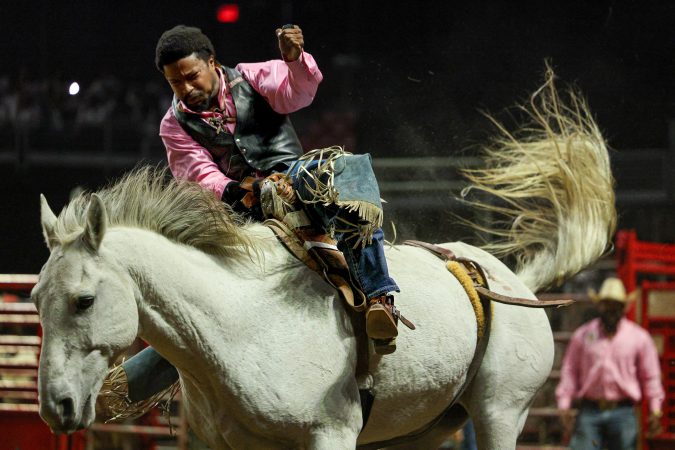
    Dozens of bull riders, barrel racers, bareback horseman, and fiery mutton busters will compete on dirt-covered floors for $150,000 in prize money.

    Last year, McClellan said, the entertainment company “stepped out on faith.”

    “I didn’t know if it was going to be successful at all. We just completely hung it out there and took a big risk,” he said. “And the people showed up.”

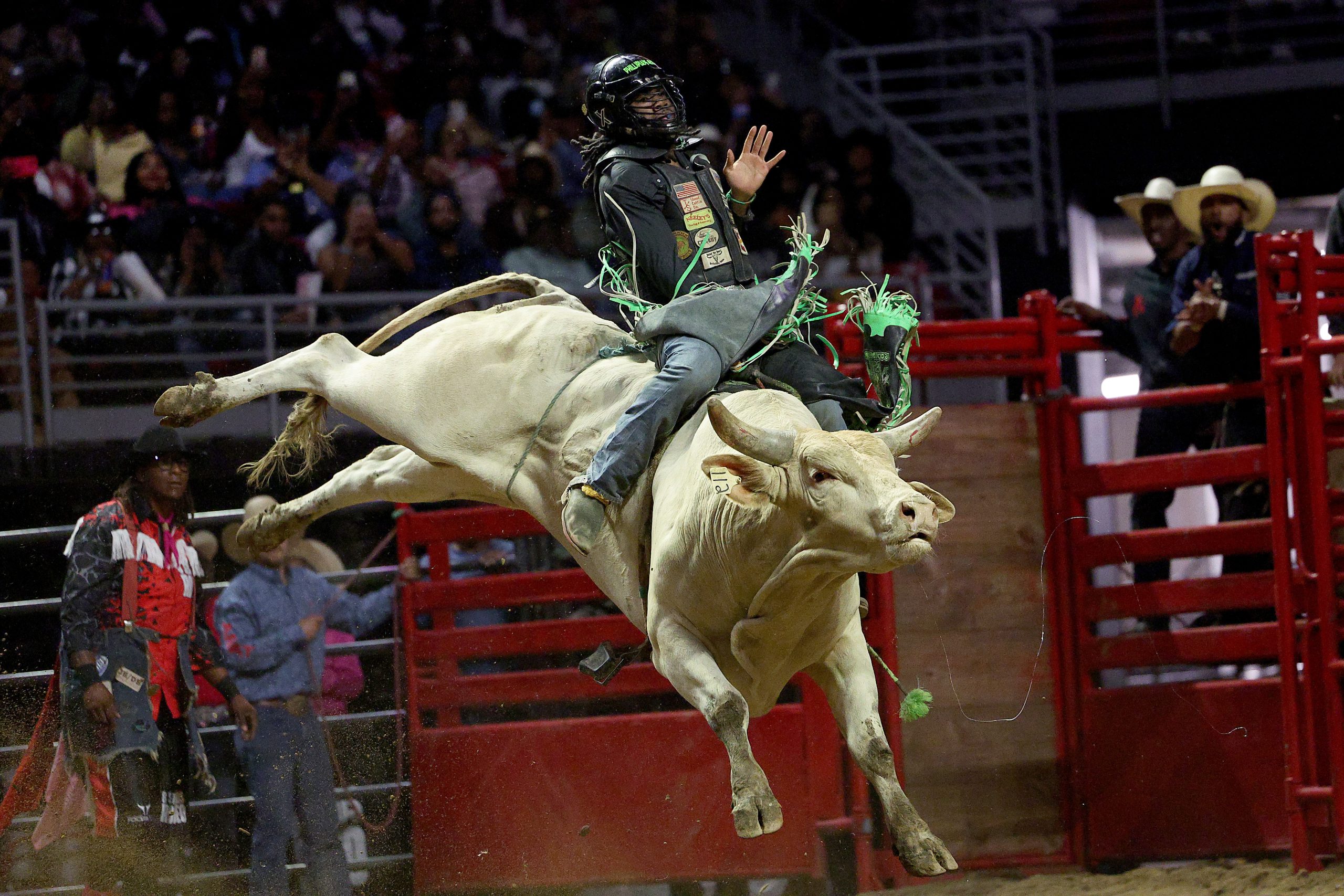
    Au’vion Horton hangs on during the bull riding event at 8 Seconds Rodeo at the Liacouras Center in Philadelphia on Saturday, Oct. 11, 2025.David Maialetti / Staff Photographer

    For years, McClellan put on 8 Seconds Rodeo in his hometown of Portland, Ore. But after moving from the Pacific West to Chester County, he was determined to bring the “unapologetically Black event” to his new home.

    He leaned on legacy organizations and local equestrians to help organize and promote the event, which led to a successful regional debut. Now, McClellan is looking to “refine the production,” and make this year’s event even bigger.

    “We have the best Black athletes in rodeo gearing up for this,” he said. “It’s their Super Bowl.”

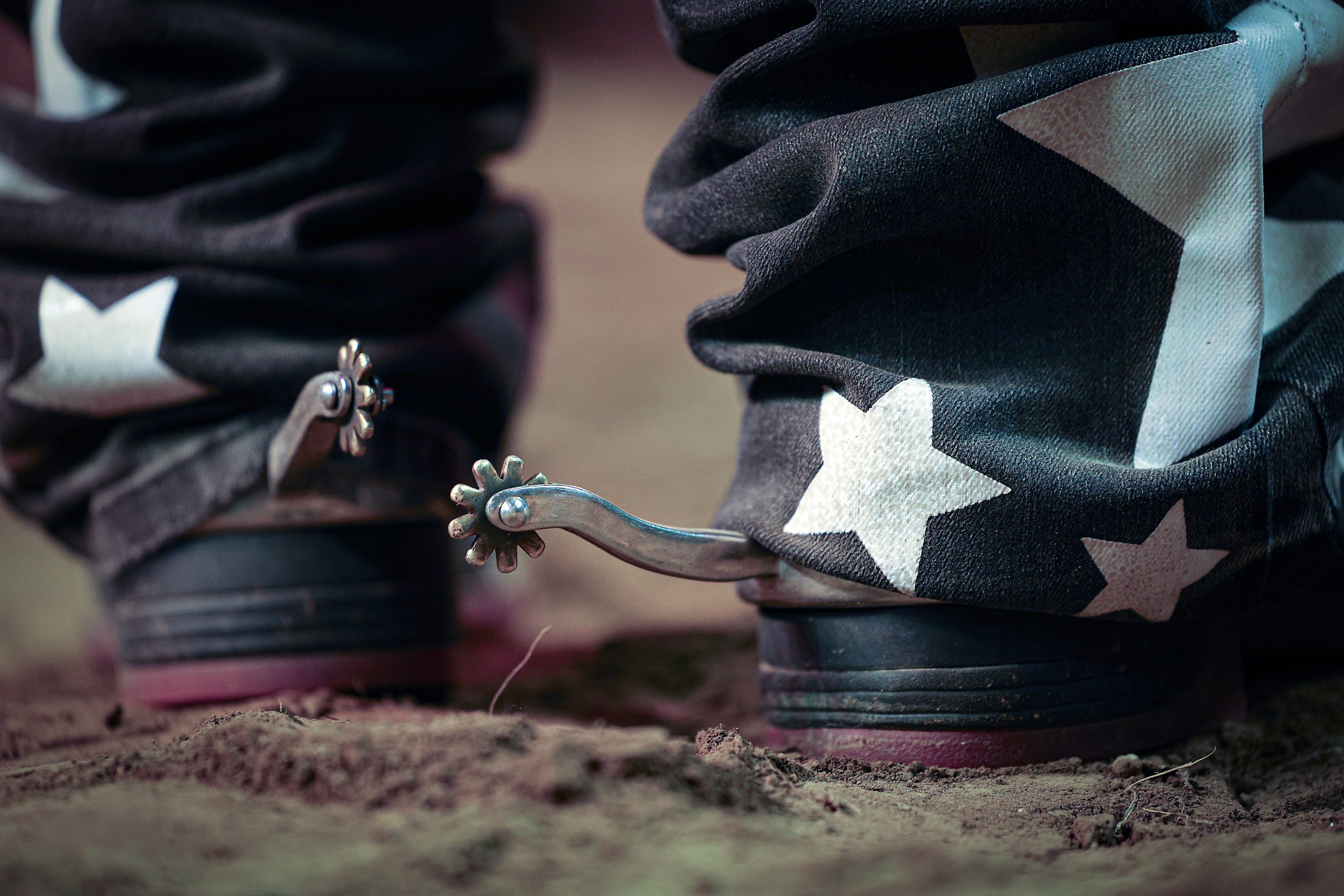
    Randy Savvy, founder of the Compton Cowboys, wears a pair of cowboy boots with spurs as he stands on the dirt before the start of the 8 Seconds Rodeo at Liacouras Center in Philadelphia on Saturday, Oct. 11, 2025.David Maialetti / Staff Photographer

    The essence of the rodeo will largely remain the same. North Philly’s DJ Diamond Kutz will curate the music; 2 million pounds of dirt and dozens of livestock will be transported to the arena; and both local and national athletes will compete.

    “It’s going to be a Philly event through and through,” McClellan said.

    He said he aims to attract 7,700 attendees this time for a “rock concert-like production.” To reach that goal, he’s offering discounted tickets on July 31.

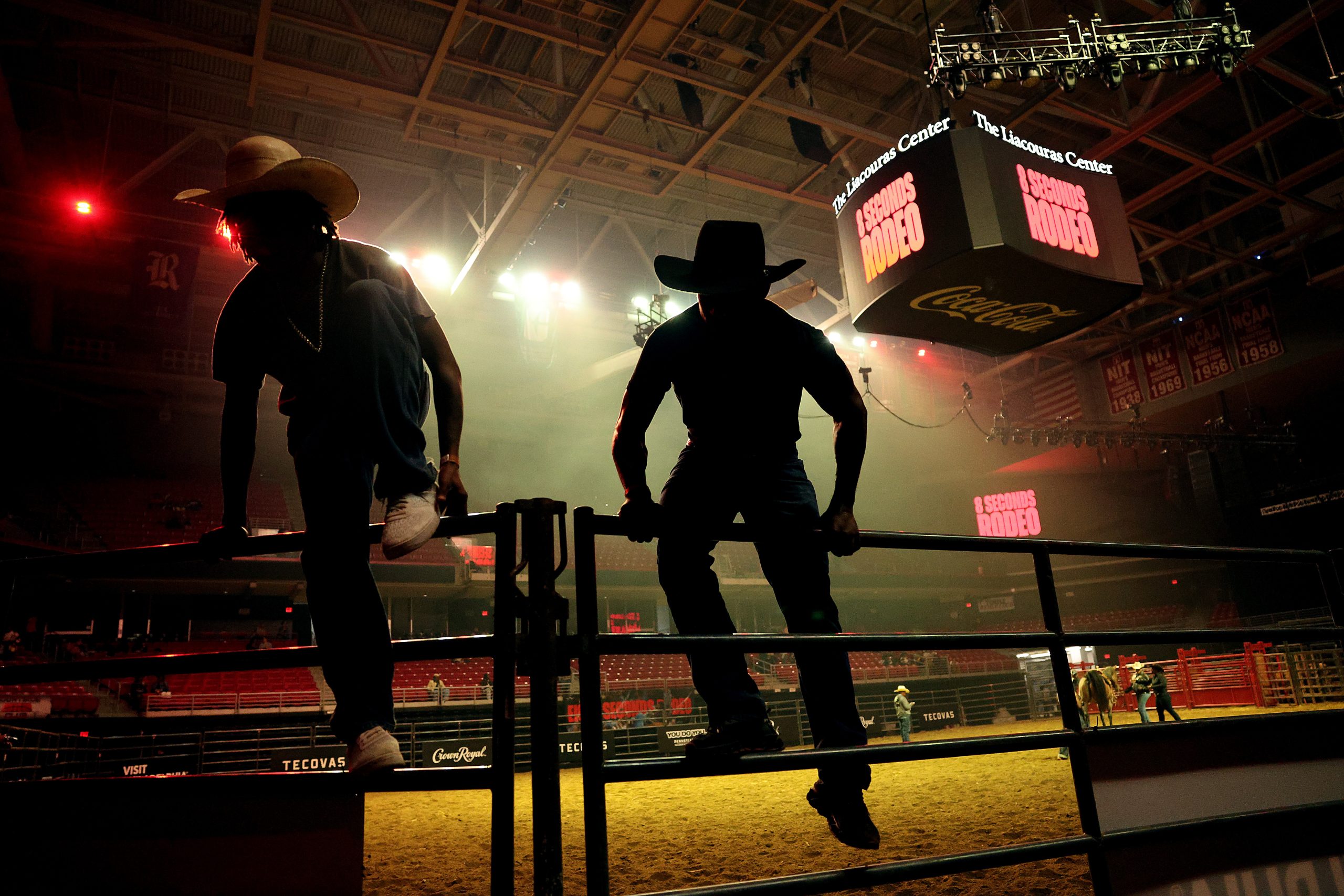
    Competitors climb out of the ring at the 8 Seconds Rodeo in the Liacouras Center in Philadelphia on Saturday, Oct. 11, 2025.David Maialetti / Staff Photographer

    All 8 Seconds Rodeo VIP tickets will be priced at $42 for the first eight hours, then returned to the regular tier-based $60-$100 pricing.

    “I want to reward the people that rock with us,” he said. “It’s all about family. It’s all about community. I want people to experience the rodeo, regardless of where they’re at economically.”

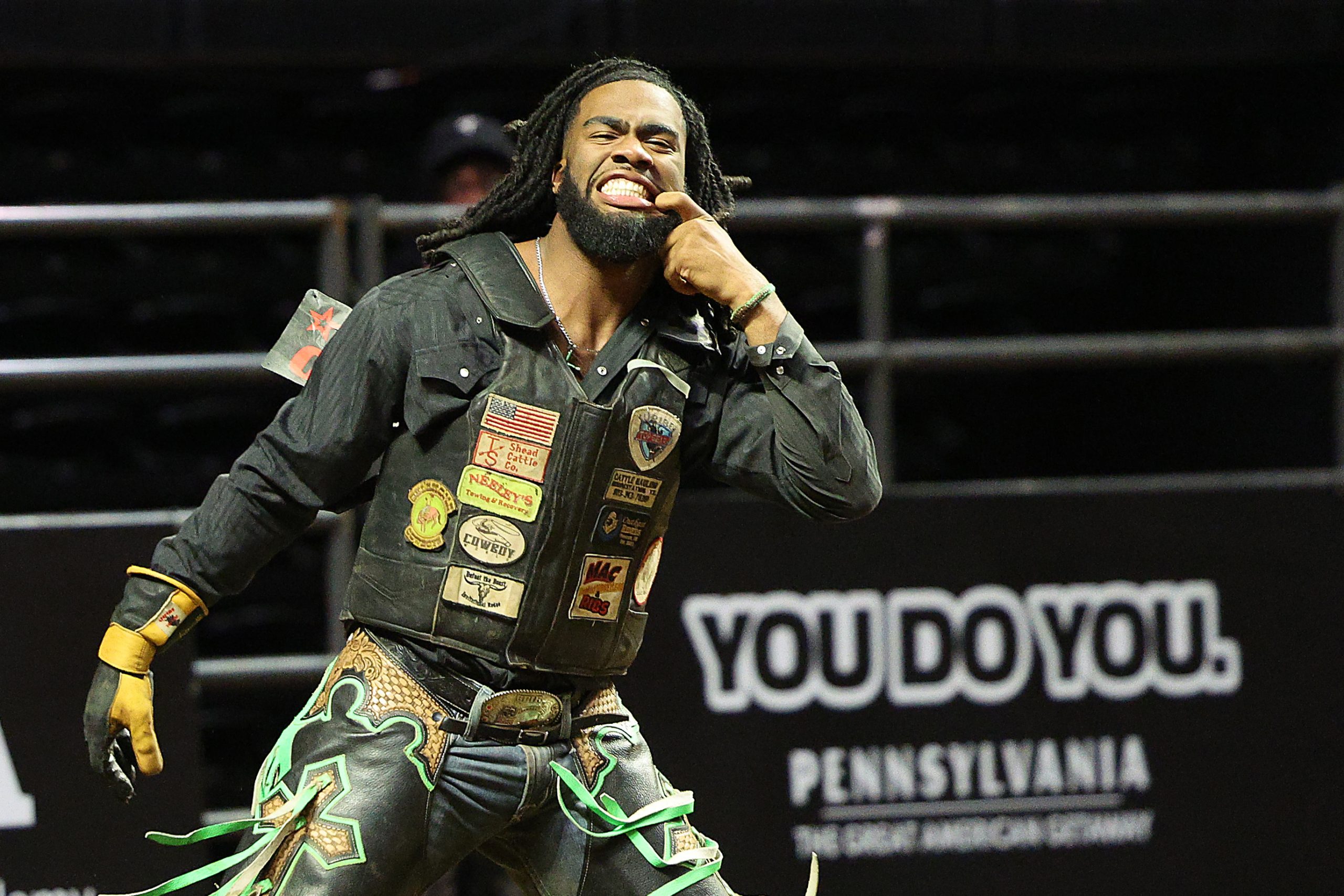
    Bull rider Au’vion Horton celebrates after one of his runs in the bull-riding event at the 8 Seconds Rodeo in the Liacouras Center in Philadelphia on Saturday, Oct. 11, 2025.David Maialetti / Staff Photographer

    Marking down ticket prices, McClellan said, is in line with 8 Seconds Rodeo’s mission.

    He founded the entertainment company in 2023 to celebrate Black rodeo athletes and history, and open doors for others to experience it themselves — no matter their interpretation of the Western tradition.

    “I want anybody from any walk of life to come into our building, feel comfortable, and get excited about rodeo,” McClellan said. “We want to create a space that’s inclusive and an environment that’s welcoming to anybody.”


    Tickets go on sale at 10 a.m. July 31. For more information, visit 8secondsrodeo.com.

  • Philadelphia’s Weitzman Jewish Museum has a new immersive family experience: ‘Colors of Creation’

    Philadelphia’s Weitzman Jewish Museum has a new immersive family experience: ‘Colors of Creation’

    It’s an interactive, color-soaked journey through creation that transforms at the whims of visitors.

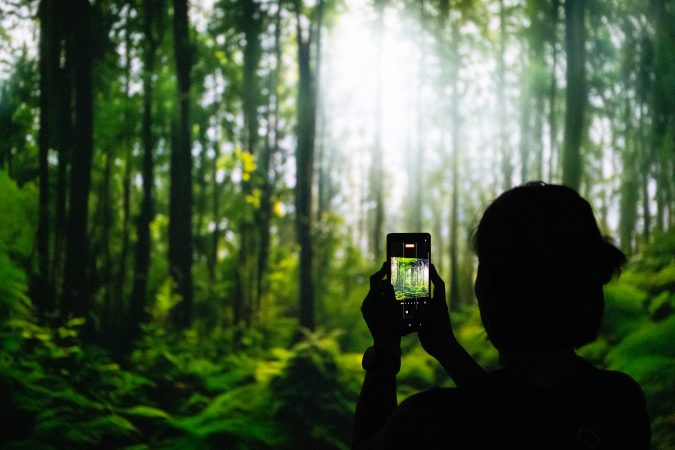
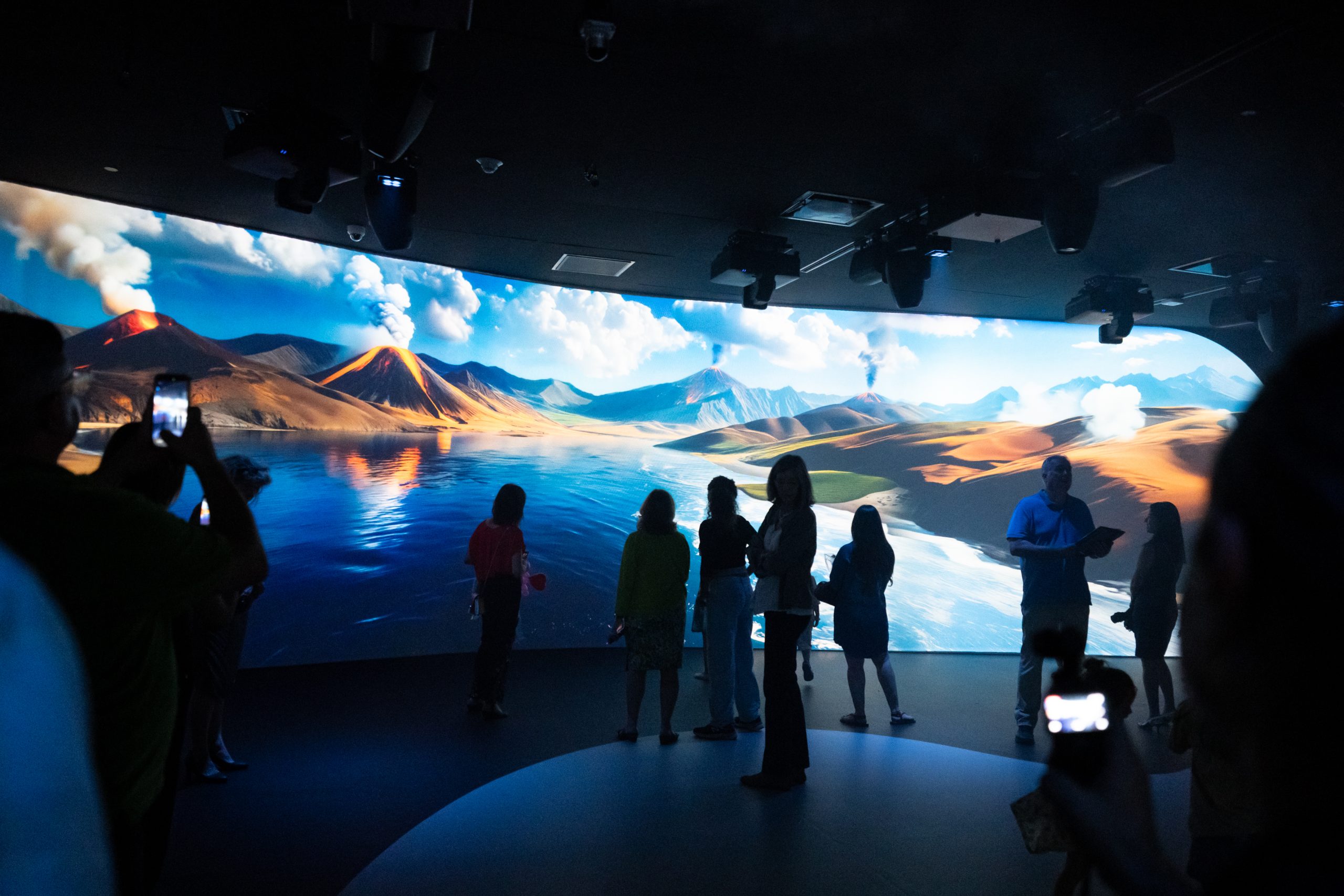
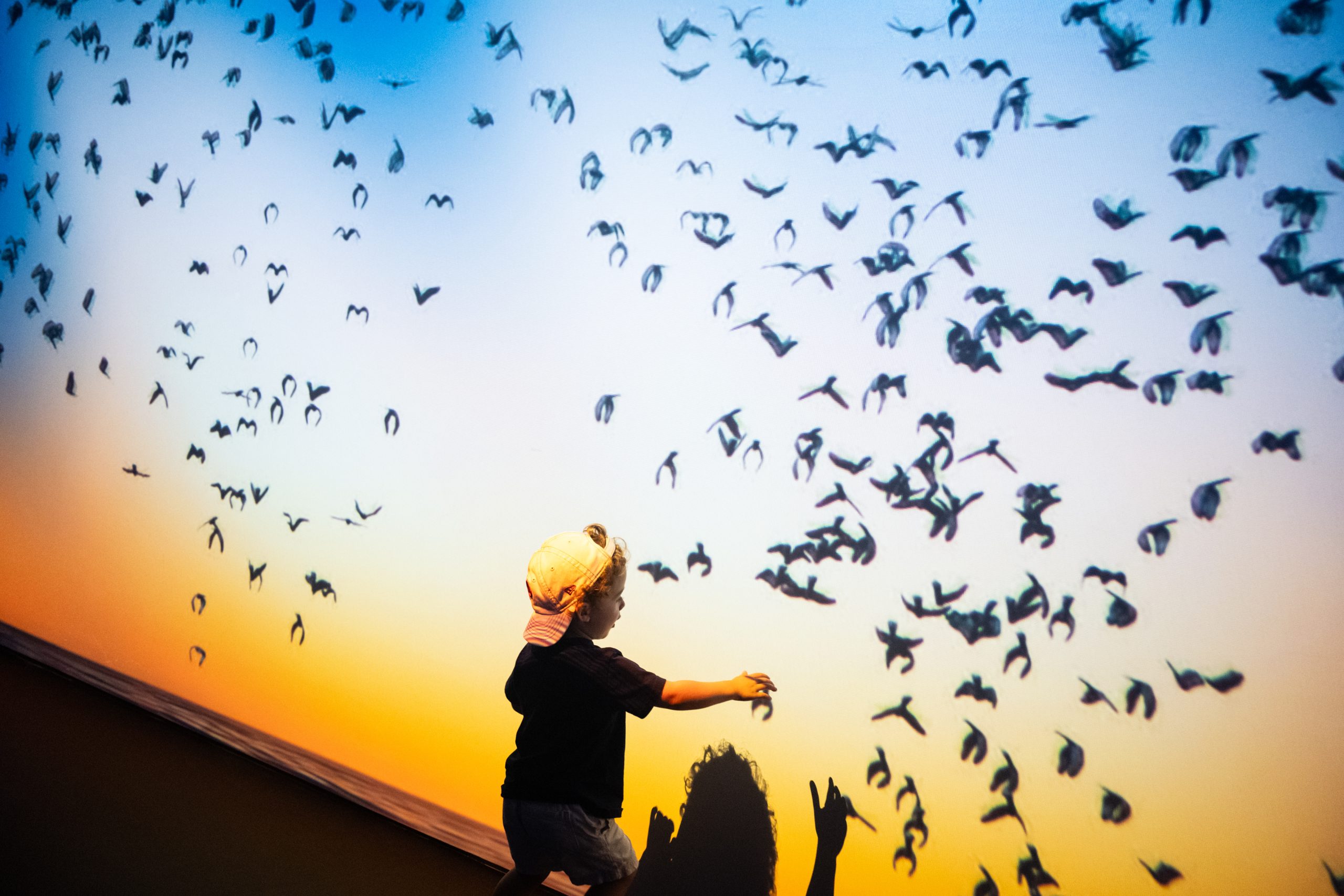
    “Colors of Creation,” the centerpiece exhibit of a large new family gallery at the Weitzman National Museum of American Jewish History, opened July 21. The panoramic experience inspired by the story of creation combines concert-style lighting, interactive projections, and original music to present a form-shifting world of sound, light, and imagery.

    “‘Colors of Creation’ is The Weitzman like you’ve never seen us before,” said Dan Tadmor, President and CEO of The Weitzman. “We started with a story that we all know to create this visually stunning — and most importantly, fun — space for families and visitors of all ages. It’s also a glimpse of where The Weitzman is headed: a museum where stories come alive.”

    Attendees view panoramic projections during the Colors of Creation show at a preview event at the Weitzman National Museum of American Jewish History in Philadelphia on Tuesday, July 21, 2026.Erin Blewett / For The Inquirer

    Designed to be inclusive of all faith traditions and scientific understandings of creation, “Colors of Creation” invites children on a multisensory journey through the origins of the world, Tadmor said.

    Stepping inside the 30-minute explosion of color feels like entering the elusive Hall of Mirrors of an amusement park. Then color and sound blossoms all around, with light transforming into new images of life at a visitor’s every move.

    “It’s an immersive space,” said Tadmor, on a recent afternoon, standing amid the changing colors and shifting images of an expanding universe. “And as more things are introduced into the world, more colors are introduced.”

    The 7,000-square-foot gallery — including a hands-on play space for children featuring peg walls, magnetic puzzles, and light tables — is the second of three major openings at the Weitzman in 2006. “First Salute” — the museum’s landmark 250th exhibit exploring a forgotten story about Jews who helped win the Revolutionary War — opened in April.

    In October, the museum plans to open a new exhibition dedicated to modern antisemitism. The renewal of the 100,000-square-foot museum, which opened its new building on Independence Mall in 2010, comes as it recently unveiled a $100 million fundraising campaign. With half the money already raised, those funds will go to revamping exhibitions, renovations, and an endowment.

    Asher Kirschner interacts with projected imagery during the Colors of Creation show at a preview event at the Weitzman National Museum of American Jewish History in Philadelphia on Tuesday, July 21, 2026.Erin Blewett / For The Inquirer

    As visitors move through “Colors of Creation,” more colors explode onto one the exhibition’s screens, an expanding universe of life followed by a vast sky of shooting stars and far away galaxies.

    ”It’s a chance to be mindful of the beauty and value of what we’ve been given,” said Tadmor, worlds of color forming all around. “We’ve got this gift — let’s appreciate it and take care of it.”

  • It ‘just makes the city look bad’: Petition demands that the University Avenue Bridge be saved from further damage

    It ‘just makes the city look bad’: Petition demands that the University Avenue Bridge be saved from further damage

    The state of the University Avenue Bridge, long neglected and subject to vandalism, is attracting a wave of public scrutiny. An online petition that has collected hundreds of signatures calls for the historically significant span to be secured before further damage is done.

    “We demand that PennDOT and the City of Philadelphia treat this historic structure with the same respect shown to the Ben Franklin Bridge,” wrote the author of the change.org petition. “Officials must act now to secure the site from further destruction so that this beautiful bridge survives to celebrate its own 100-year anniversary in 2030.”

    The Ben Franklin Bridge was feted this month with a special centenary event closing it to vehicles that drew an estimated 50,000 pedestrians, cyclists, and others.

    The publication, Hidden City, also published a cri de coeur this week.

    “As the Benjamin Franklin Bridge receives accolades this year for its 100-year anniversary and receives regular maintenance by its owner, DRPA, the University Avenue Bridge continues to decay, seemingly ignored by PennDOT,” wrote Kimberly Haas in an article posted Tuesday.

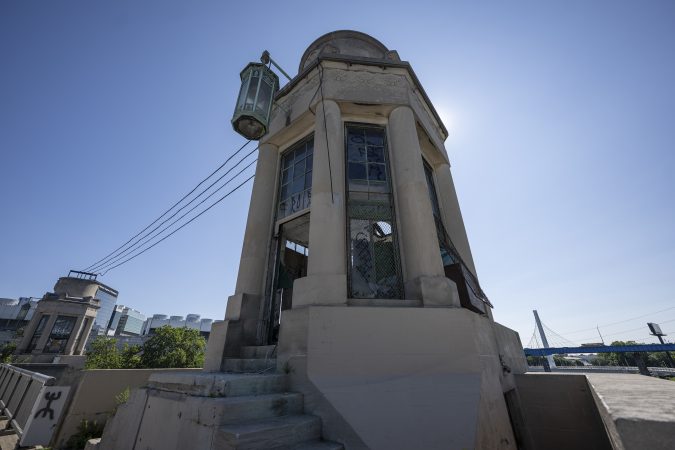
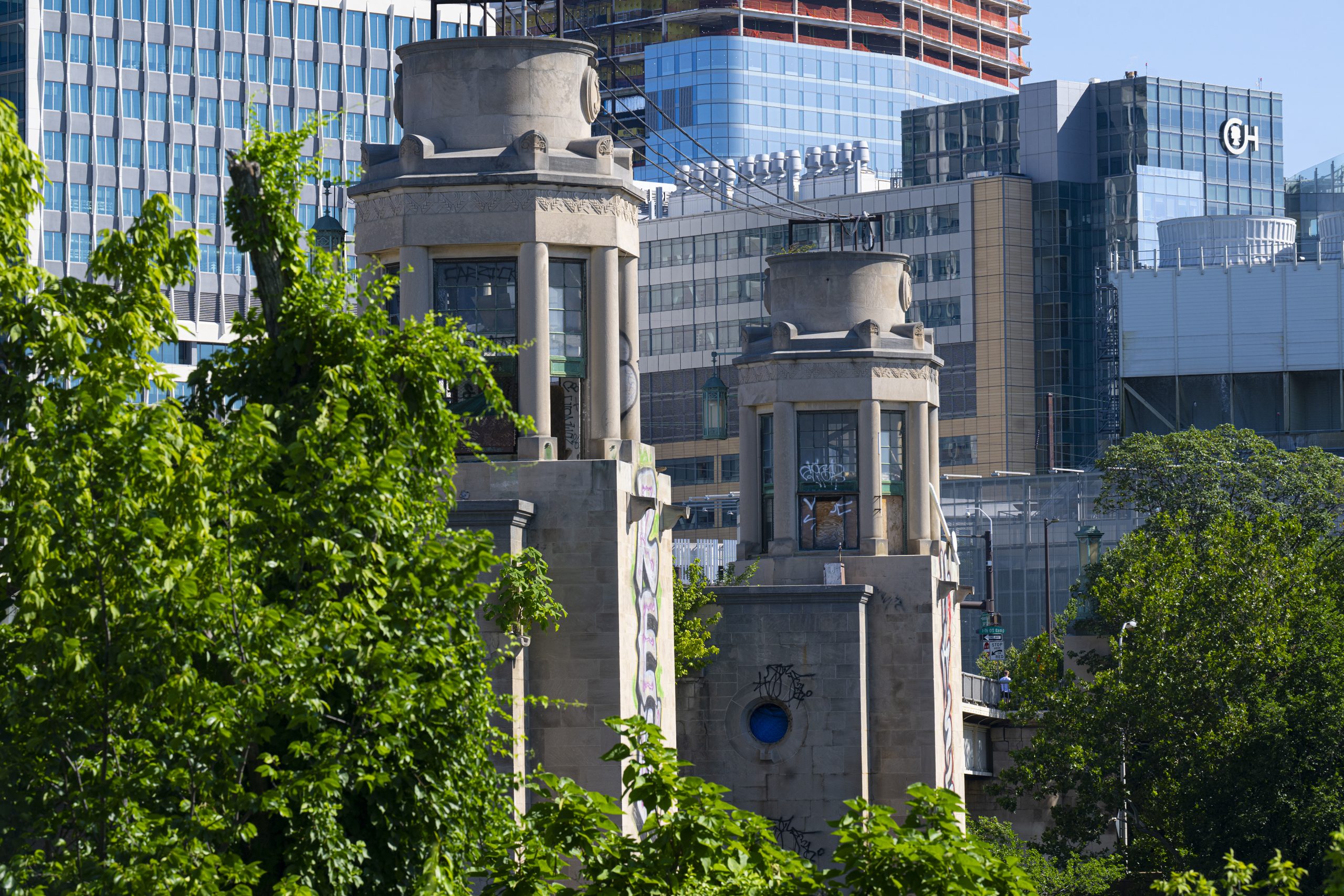
    Broken windows and graffiti at the University Avenue Bridge, with the medical buildings of West Philadelphia in the background, July 23, 2026.Jose F. Moreno / Staff Photographer

    A PennDOT spokesperson said that, in fact, it is in the process of finalizing a contract for work on the bridge, and that the work is expected to start “within a few weeks,” though the exact scope of the job is as-yet undetermined.

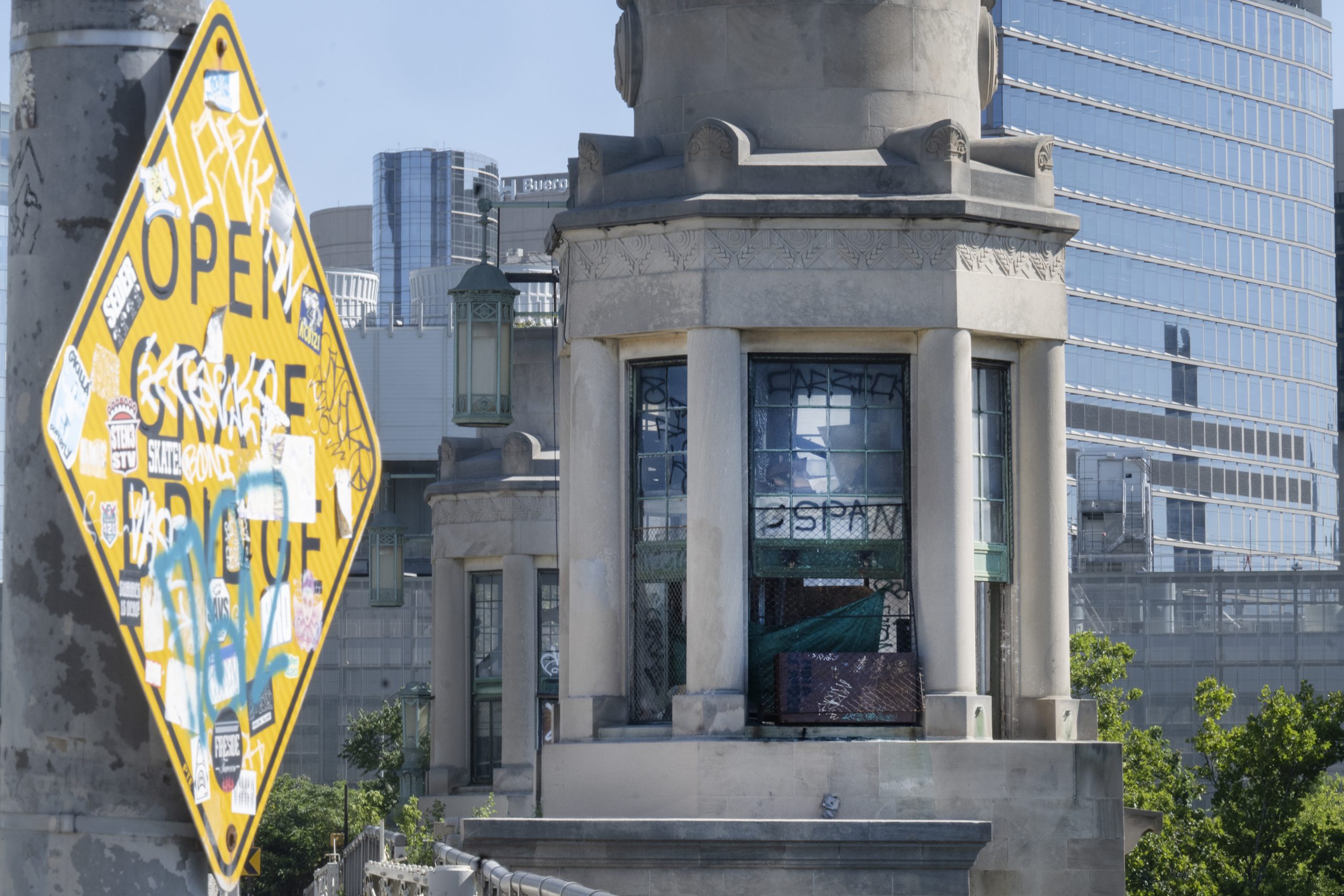
    The two bridges share an architect in widely admired French-born Penn professor Paul Philippe Cret. Today, the windows on the University Avenue Bridge’s richly detailed operator houses are broken or gone, mortar is missing, stone is marred by graffiti, and some architectural elements have been stolen, the petition notes.

    “The bridge must be made secure IMMEDIATELY to prevent further damage,” it states.

    The Preservation Alliance for Greater Philadelphia, which characterizes the bridge as threatened by neglect and has urged its restoration, applauded the petition.

    “We hope it will put pressure on PennDOT to take action to prevent further decay of the bridge and its operator houses,” said preservation alliance director of policy and communications Hanna Stark.

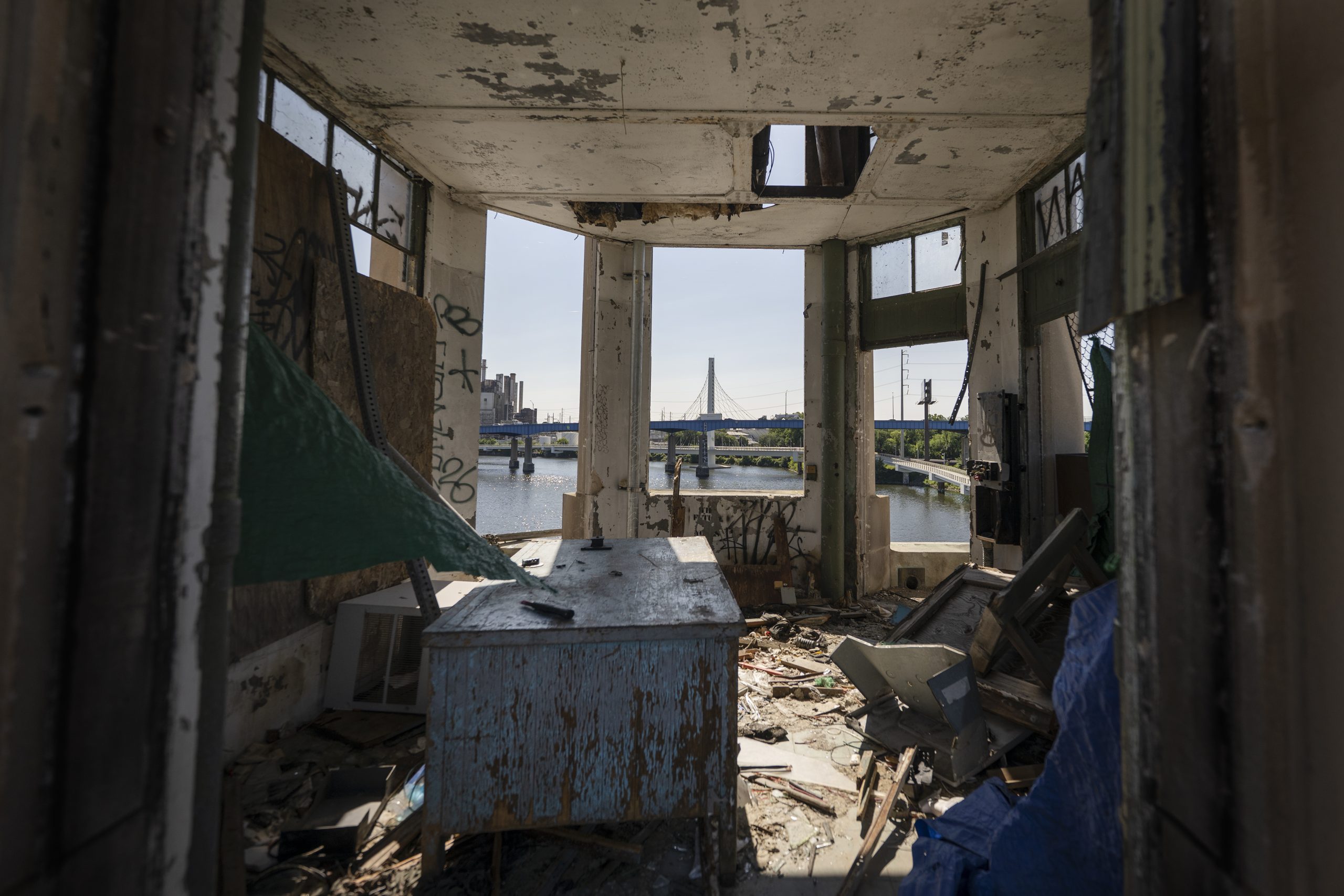
    On the University Avenue Bridge: The condition of the operator’s house closer to Grays Ferry has continued to deteriorate in recent weeks.Jose F. Moreno / Staff Photographer

    An Inquirer column in June highlighted the drawbridge’s condition, as did an article in September.

    The bridge, which links West Philadelphia and Grays Ferry, is owned by PennDOT, though responsibility for its upkeep is split between the state agency and the city’s Streets Department. The city agency oversees operations, including the mechanical components that lift the bridge, which currently do not work. Graffiti removal may also fall under Philadelphia’s jurisdiction.

    PennDOT handles the bridge’s aesthetic and structural components. It is responsible for cleaning up debris, and does routine maintenance on the other aspects of the bridge except for the mechanical components.

    The state agency would also oversee any full major rehabilitation project, whose price tag PennDOT estimates at about $50 million. No such project is planned at the moment. The last major rehabilitation was in 1985.

    The operator’s house closer to Grays Ferry on the University Avenue Bridge.Jose F. Moreno / Staff Photographer

    The complete scope of PennDOT’s work expected to start in the next few weeks is still to be determined, the agency’s spokesperson said, but it will include steel repairs and fortification to prevent vandalism. Completion is expected in late 2026 or early 2027.

    Damage to the bridge has continued in the past month or so at the operator’s house closer to Grays Ferry.

    “It just feels like it’s getting so much worse,” said Heather Calvert, the West Philadelphia resident and regular bridge visitor who started the petition. “It’s not a big ask to secure it to keep more of the historic elements from getting lost for everyone.”

    To have the bridge in this condition, Calvert said, “just makes the city look bad.”

  • John Alviti, retired senior curator at the Franklin Institute and former executive director at the Atwater Kent Museum, has died at 76

    John Alviti, retired senior curator at the Franklin Institute and former executive director at the Atwater Kent Museum, has died at 76

    John Alviti, 76, of Flourtown, Montgomery County, retired innovative senior curator at the Franklin Institute, former executive director at the Atwater Kent Museum, adjunct professor of urban studies, and “Mr. Philadelphia History” to family and friends, died Saturday, June 20, of complications from heart and kidney disease at Jefferson Abington Hospital.

    Born in Chicago and devoted to history and his South Side White Sox baseball team, Mr. Alviti came to Philadelphia in the 1970s to pursue a doctorate in history and urban studies at Temple University. He never got that doctorate.

    But he fell in love with Philadelphia’s history and architecture, got married, settled down in Flourtown, and, for 34 years, was one of the region’s most influential museum curators and historians. Affable, creative, and energetic, by all accounts, Mr. Alviti became a groundbreaking executive director at the now-closed Atwater Kent Museum in 1982 and celebrated curator at the Franklin Institute in 1994.

    Even after he retired in 2018, he was known around town as “Mr. Philadelphia History.”

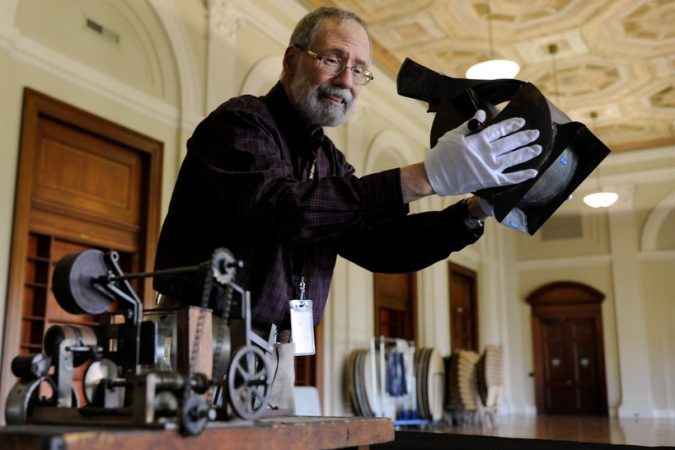
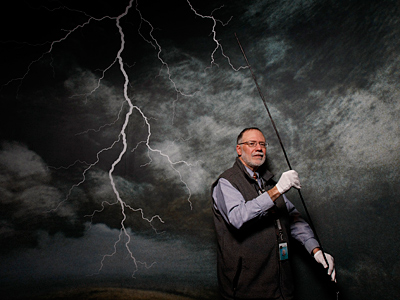
    Mr. Alviti displayed this 5-foot-long fragment of a lightning rod designed by Benjamin Franklin at the Franklin Institute in 2010. Michael S. Wirtz / Staff Photographer

    At the Atwater Kent, Mr. Alviti updated exhibits on William Penn, the history of Philadelphia, the old Enchanted Colonial Village display, and local cemeteries. He added maritime and archaeology galleries.

    At a gala to celebrate the museum in 1984, A. Atwater Kent Jr., son of the museum founder, said Mr. Alviti “has done a great job of creating interesting exhibits and improving the museum.”

    At the Franklin Institute, he reorganized its huge inventory, redecorated the galleries, digitalized many artifacts, and created popular exhibits regarding the Wright Brothers, Benjamin Franklin, antique machines, X-rays, and dozens of other scientific subjects.

    “He loved objects,” said his wife, Maryellen. “He loved the history of objects and telling their story.”

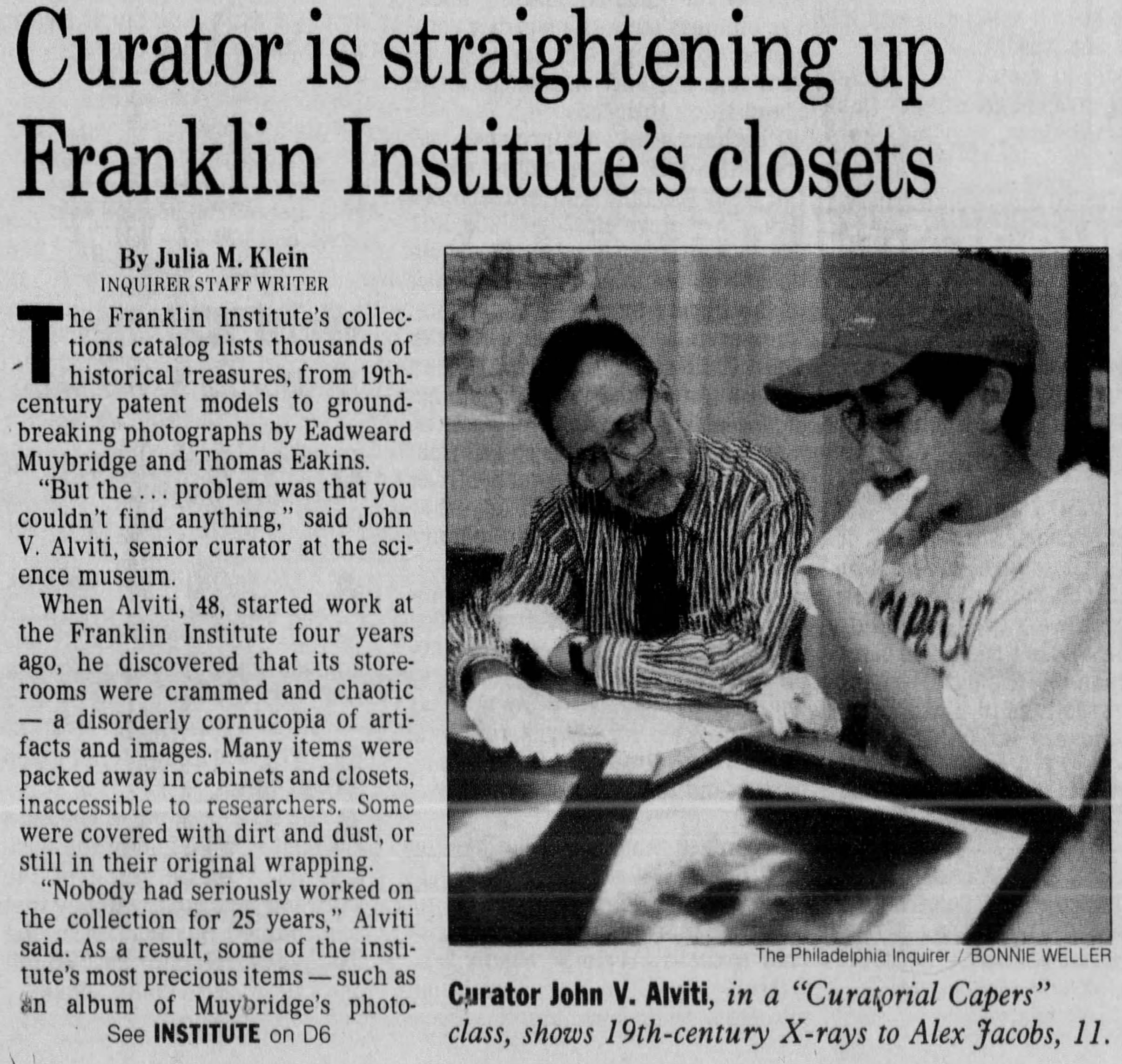
    This story and photo of Mr. Alviti (left) was published in The Inquirer in 1998.Newspapers.com

    In 1998, Mr. Alviti told The Inquirer: “Besides the curator of stuff, I’m also the curator of institutional memory. And institutional memory is more than just simply the facts about what happened in the past. It’s about the legacy of an institution … and how it informs our thinking and decision-making.”

    He was also adept at merging his collections with educational programs, and he helped organize the city’s National History Day competition for students, the Phil-A-Kid hands-on history workshop for fourth and fifth graders, the Peopling of Philadelphia research project, and the Curatorial Capers summer day camp program. Often, in a nod to the ever-present protective gloves he wore to handle the artifacts, he introduced himself as “Johnny Whitegloves.”

    “There are some curators who think I’m crazy,” he told The Inquirer. But a public presentation, he said, “really demonstrates the power of an object.”

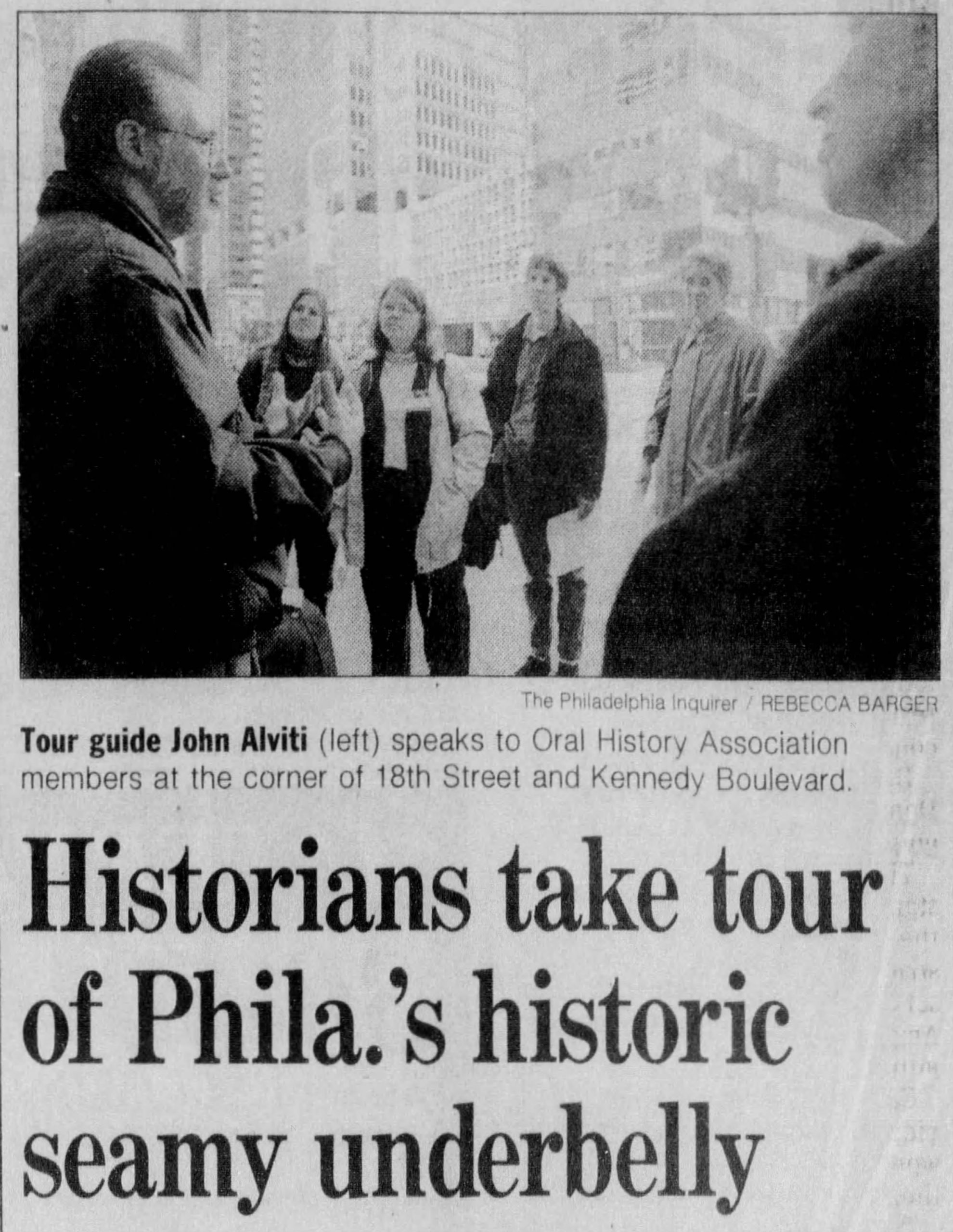
    Mr. Alviti also led walking tours of the city for visiting colleagues from the Oral History Association, the Organization of American Historians, and other groups. He admired and worked closely with amateur historians, and led the successful effort in 1981 to save the historic Lit Bros. building complex on Market Street from demolition.

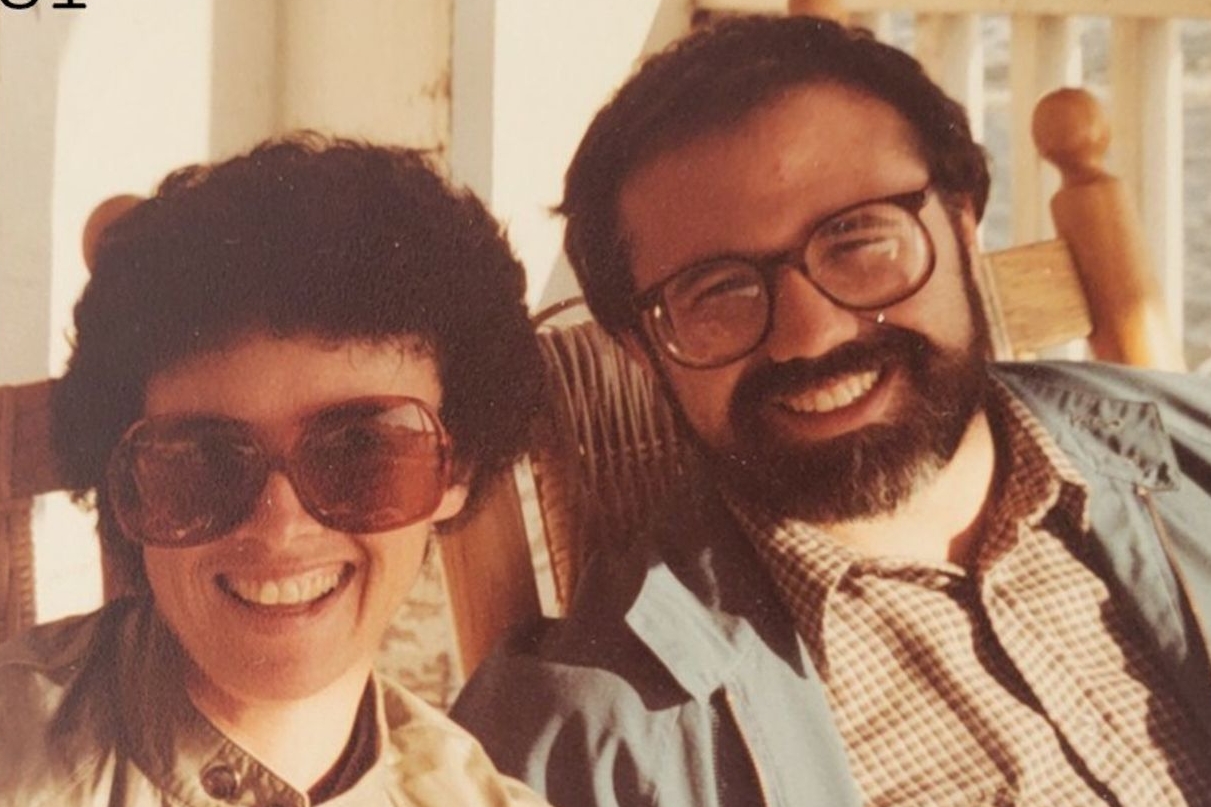
    Mr. Alviti and his wife, Maryellen, married in 1983.Courtesy of the family

    Between the Atwater Kent and the Franklin Institute, Mr. Alviti spent two years as director of the Historical Society of Washington, D.C. He was an expert on public transportation and taught urban studies, American history, and museum training at Temple and Stockton Universities, Rutgers University-Camden, and elsewhere.

    He was onetime curator of historic Fort Mifflin and president of what is now the Museum Council of Greater Philadelphia. He was on the advisory board of the old Philadelphia Alliance for Teaching Humanities in the Schools and active with the American Association of Museums and other groups.

    “He had a gift for making friends for life,” longtime friend Margaret Marsh said, “and he had a legendary generosity of spirit.” Longtime friend Howard Gillette said: “He never met a stranger.”

    John Vincent Alviti was born Sept. 22, 1949. A lifelong avid reader, he earned a bachelor’s degree in urban studies and history at Lewis University in Illinois in 1971 and a master’s degree in history at the University of Wisconsin-Milwaukee in 1975.

    The photo and a story about Mr. Alviti and his city walking tours appeared in The Inquirer in 1996.Newspapers.com

    He played piano and clarinet, and sang in choirs in high school and college. “He left Chicago when he was 25 or 26,” said his younger sister, Rosemarie Alviti Babic, “but never stopped loving the city.”

    He met Maryellen Coonahan when she took an urban studies class he was teaching at Temple, and they married in 1983 and lived in Philadelphia, Washington, and Flourtown. Together, they traveled the world and visited museums in London, Rome, Athens, Madrid, and elsewhere.

    Mr. Alviti enjoyed puzzles, games, and conversation. He lived with a heart condition for most of his life and was the lovable “Uncle Johnny” to his nieces and nephews. “He is missed beyond words,” said his niece Lindsay Hogan.

    He was fascinated by urban architecture and city life around the world, and he routinely bought food and drink for people without homes, picked up litter, and offered correct directions to those who looked lost.

    Mr. Alviti (right) enjoyed time with family and friends.Courtesy of the family

    “He was a curious fellow,” his wife said, “who loved to help people.”

    In addition to his wife, sister, and niece, Mr. Alviti is survived by a sister, Rita Jo Alviti Coyne, a brother, James, and other relatives.

    A celebration of his life was held earlier.

    Donations in his name may be made to Face to Face, 123 E. Price St., Philadelphia, Pa. 19144.

    His wife called Mr. Alviti “a curious fellow who loved to help people.”Courtesy of the family
  • Ravi Coltrane joins ‘one of the greatest orchestras in the history of the world’ to celebrate his legendary father’s 100th birthday

    Ravi Coltrane joins ‘one of the greatest orchestras in the history of the world’ to celebrate his legendary father’s 100th birthday

    John Coltrane wasn’t born in Philadelphia, but we can claim him as the city where his musical identity was forged.

    “Game knows game,” is the slightly incongruous way that 6abc morning anchor Tamala Edwards described Coltrane’s apprenticeship years in Philly at the “Coltrane 100: Legacy″ concert Wednesday night. “Iron sharpens iron.”

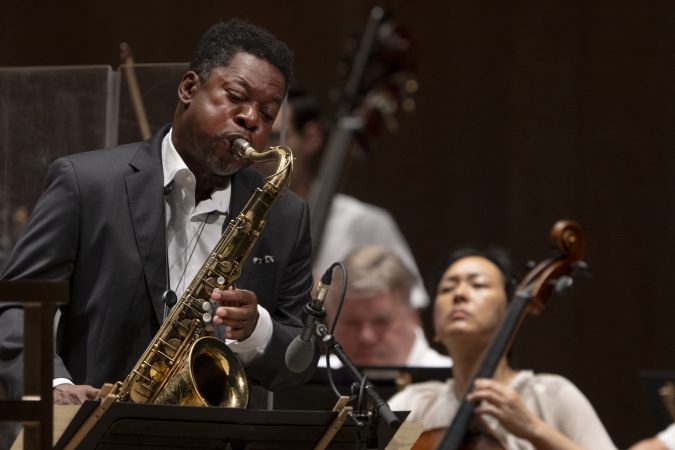
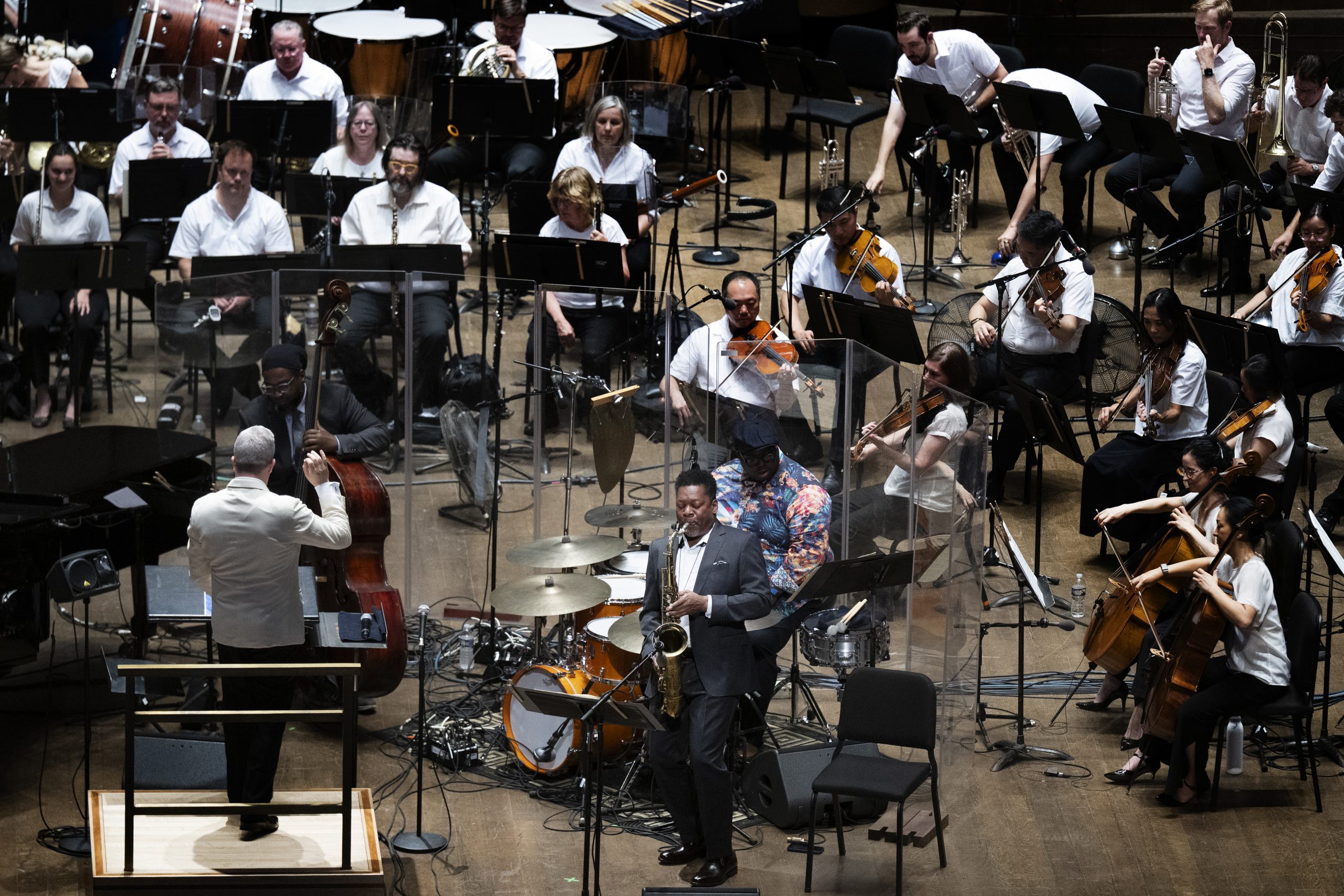
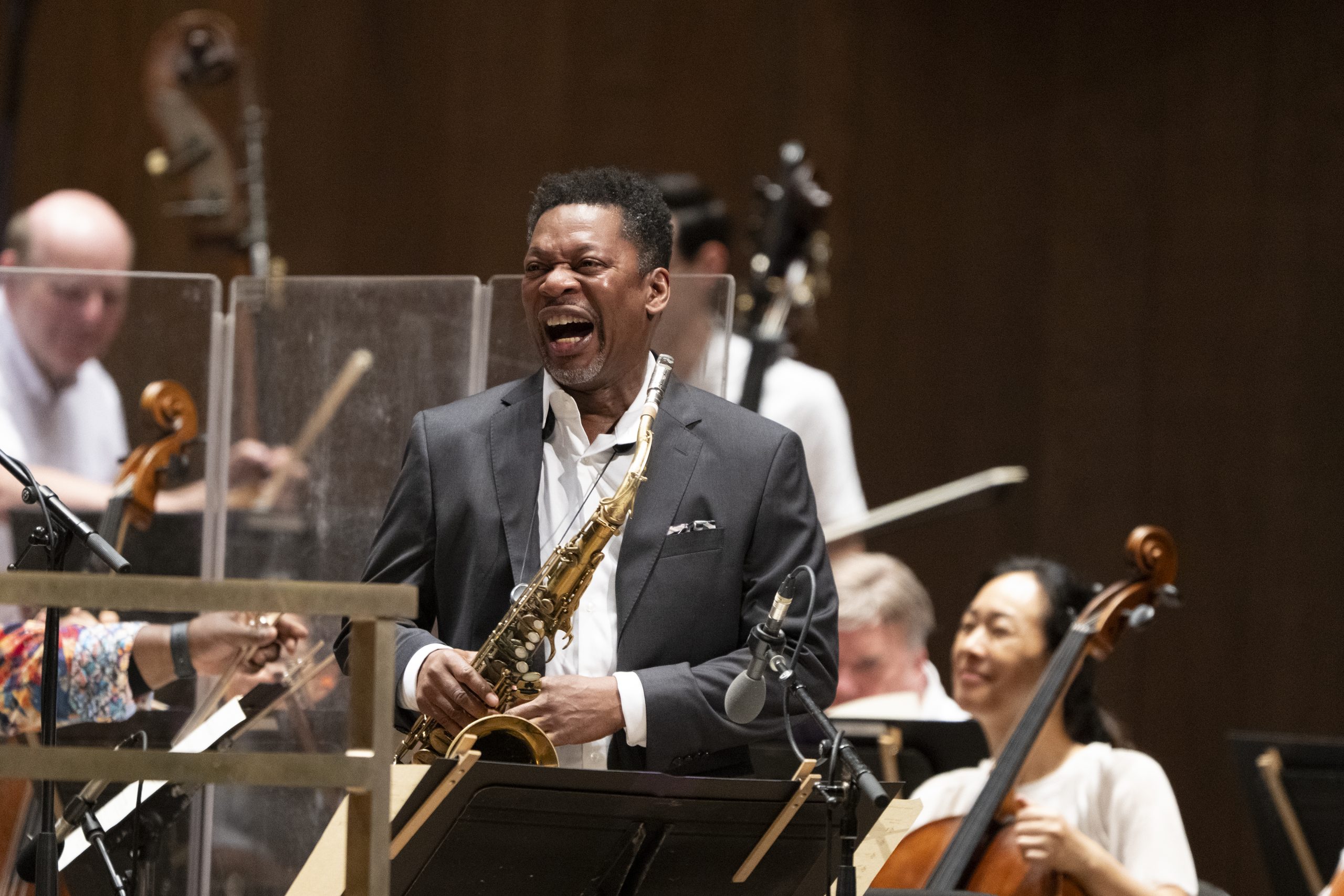
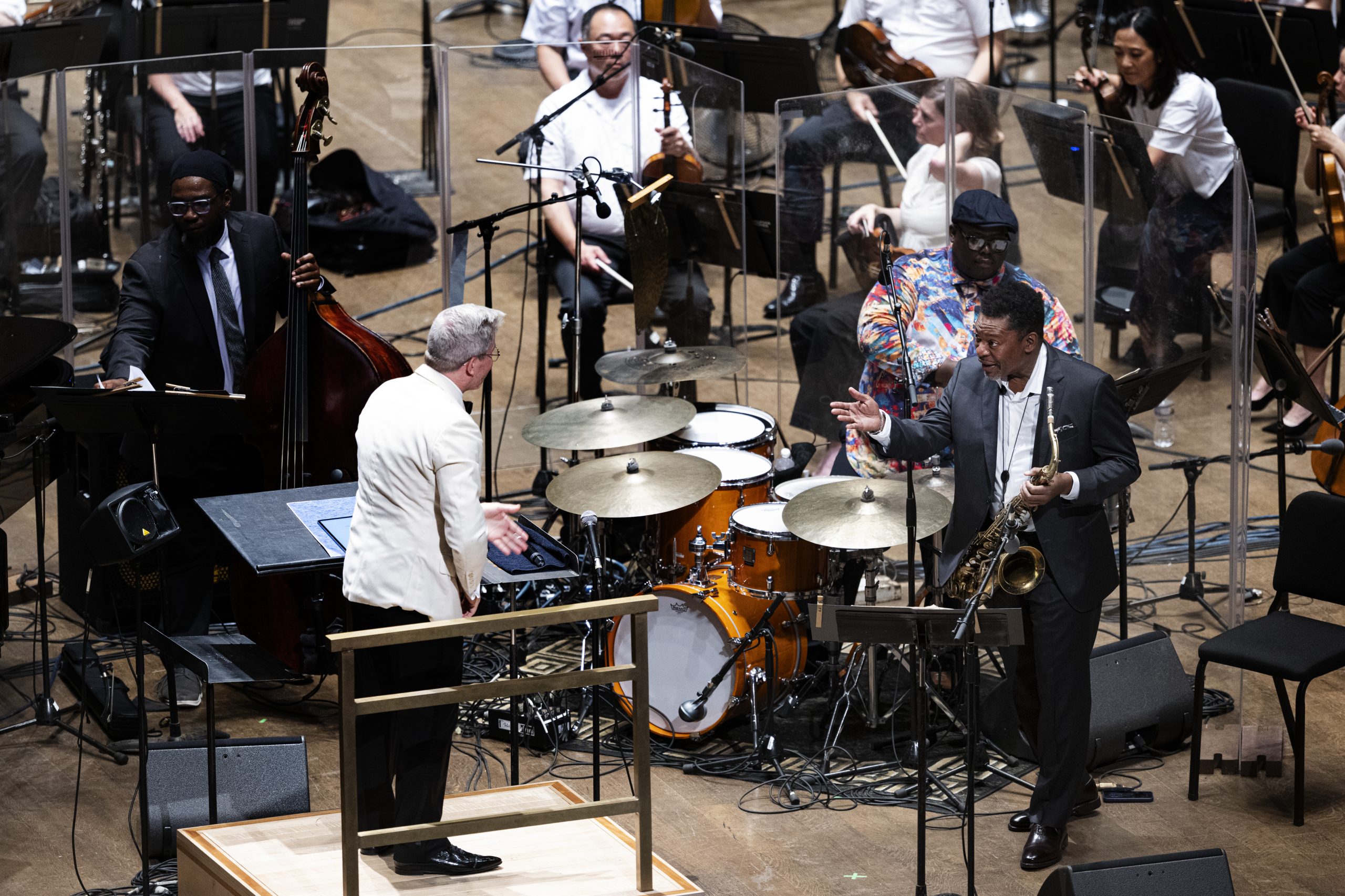
    Ravi Coltrane performs with the Philadelphia Orchestra, conducted by Edwin Outwater, during a concert celebrating the 100th anniversary of jazz legend John Coltrane’s birth at the TD Pavilion at the Mann in Philadelphia on Wednesday, July 22, 2026.Jose F. Moreno / Staff Photographer

    The indelible music that emerged from that honing process was honored by the Philadelphia Orchestra at the Highmark Mann Center. An early celebration of the legendary saxophonist’s 100th birthday (which falls on Sept. 23), the concert featured Coltrane’s son, saxophonist Ravi Coltrane, backed by the Fabulous Philadelphians on an evening of newly orchestrated renditions of pieces written by and associated with his father.

    Composer Carlos Simon curated the program, enlisting a host of arrangers to reinterpret Coltrane classics in a symphonic setting. The repertoire spanned much of the saxophonist’s career, from his tenures with Thelonious Monk and Miles Davis to later masterpieces like “A Love Supreme.”

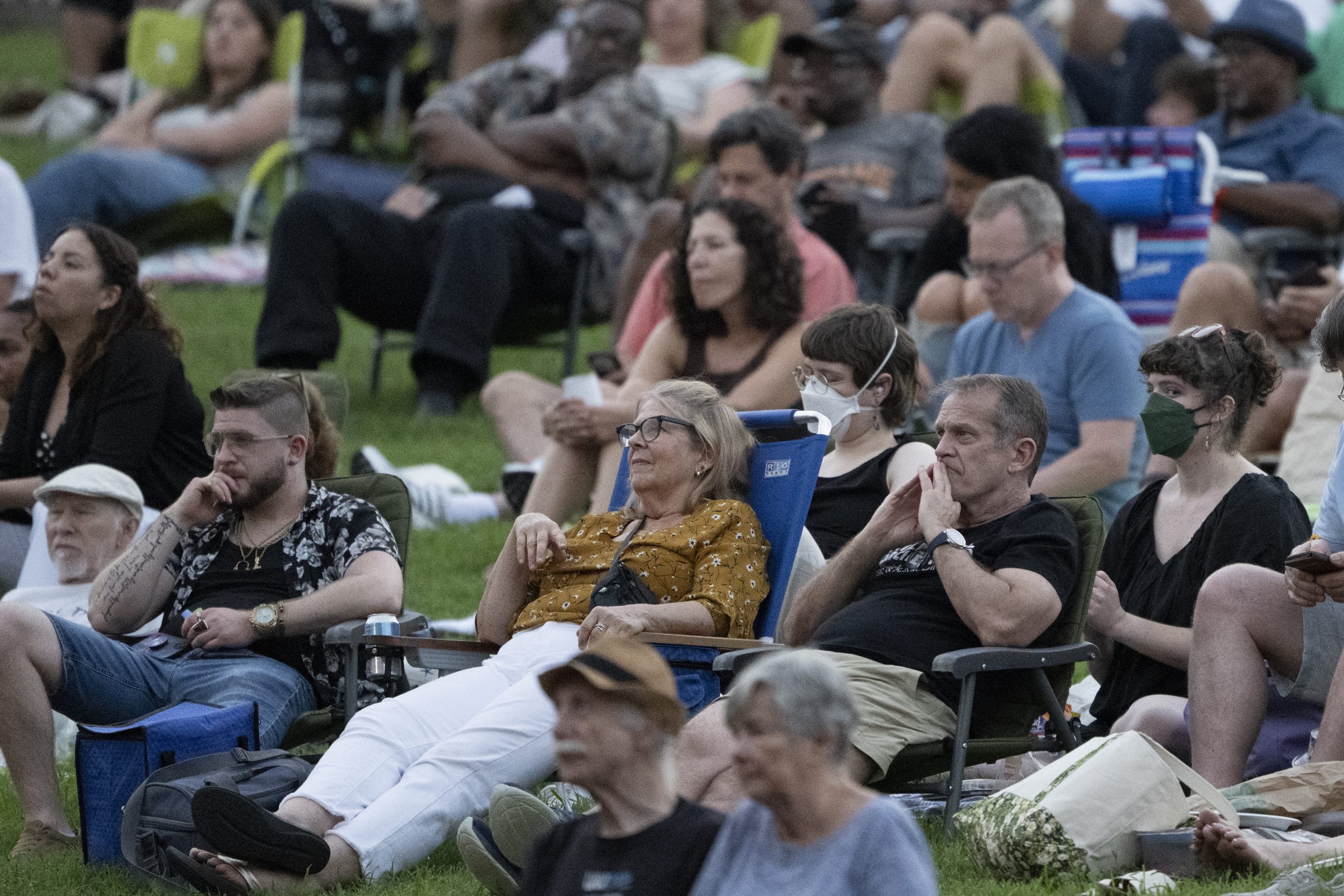
    Concertgoers listen as Ravi Coltrane performs with the Philadelphia Orchestra, conducted by Edwin Outwater, during a concert celebrating the 100th anniversary of jazz legend John Coltrane’s birth at the TD Pavilion at the Mann in Philadelphia on Wednesday, July 22, 2026.Jose F. Moreno / Staff Photographer

    A break in the summer’s unrelenting heat greeted concertgoers at the Mann, virtually just across the Schuylkill from the Coltrane home in Strawberry Mansion — itself undergoing a major renovation in time for a yearlong centennial celebration kicking off in September. The breezes greeted the modest crowd who made up for lack of numbers in vigorously voiced enthusiasm, especially during the evening’s most bombastic moments — an acrobatic “Giant Steps” and the precision, program-closing “Impressions” greeted with roars.

    The night’s loudest ovation may have been reserved for native son Johnathan Blake, the drummer in Coltrane’s stellar quartet. Blake’s father, violinist John Blake Jr., was a regular collaborator with McCoy Tyner, pianist in the revered John Coltrane Quartet, providing another direct connection to the Legacy in the program’s name.

    Ravi Coltrane performs with the Philadelphia Orchestra, conducted by Edwin Outwater, during a concert celebrating the 100th anniversary of jazz legend John Coltrane’s birth at the TD Pavilion at the Mann in Philadelphia on Wednesday, July 22, 2026.Jose F. Moreno / Staff Photographer

    Ravi Coltrane was less than 2 years old when his father died. At 60, he’s reached an age two decades older than his father ever achieved, and boasts an estimable career of his own. He could be forgiven for being ambivalent about the elder Coltrane’s looming shadow, but he played passionately throughout his first encounter with Simon’s orchestral program.

    Past iterations have featured soloists like saxophonist Joe Lovano and trumpeter Terence Blanchard.

    If John Coltrane’s place among the pantheon of 20th-century musical masters seems assured, many of the arrangers appear determined to place him in conversation with other luminaries.

    Steven Feifke’s take on “Giant Steps” began with a Wagnerian flourish, while Andy Milne couched “Acknowledgement,” the first movement of “A Love Supreme,” in horns that dawned like a Copland pastorale over harp shimmers. Monk’s “Crepuscule with Nellie,” again arranged by Milne, seemed to navigate through Leonard Bernstein’s midcentury cityscapes.

    Ravi Coltrane performs with the Philadelphia Orchestra, conducted by Edwin Outwater, during a concert celebrating the 100th anniversary of jazz legend John Coltrane’s birth at the TD Pavilion at the Mann in Philadelphia on Wednesday, July 22, 2026.Jose F. Moreno / Staff Photographer

    As is so often the case with jazz-meets-classical hybrids such as this, the orchestra was often relegated to set dressing for the soloists. Did those famed strings really add anything but volume to the stabs of “So What” or “Blue Train”? Was the profound ballad “Naima” helped or hindered by the sentimental swells swathing its incisive melody?

    Simon took the greatest chances with his own arrangements.

    Duke Ellington’s “In a Sentimental Mood,” which Coltrane recorded with its composer in 1962, seemed to ripple through the ensemble underneath Ravi’s aching statement of the melody. The fervent protest piece “Alabama,” penned in response to the 1963 16th Street Baptist Church bombing in Birmingham, felt aptly stark and dramatic, fueling Ravi’s raw-edge, impassioned soloing.

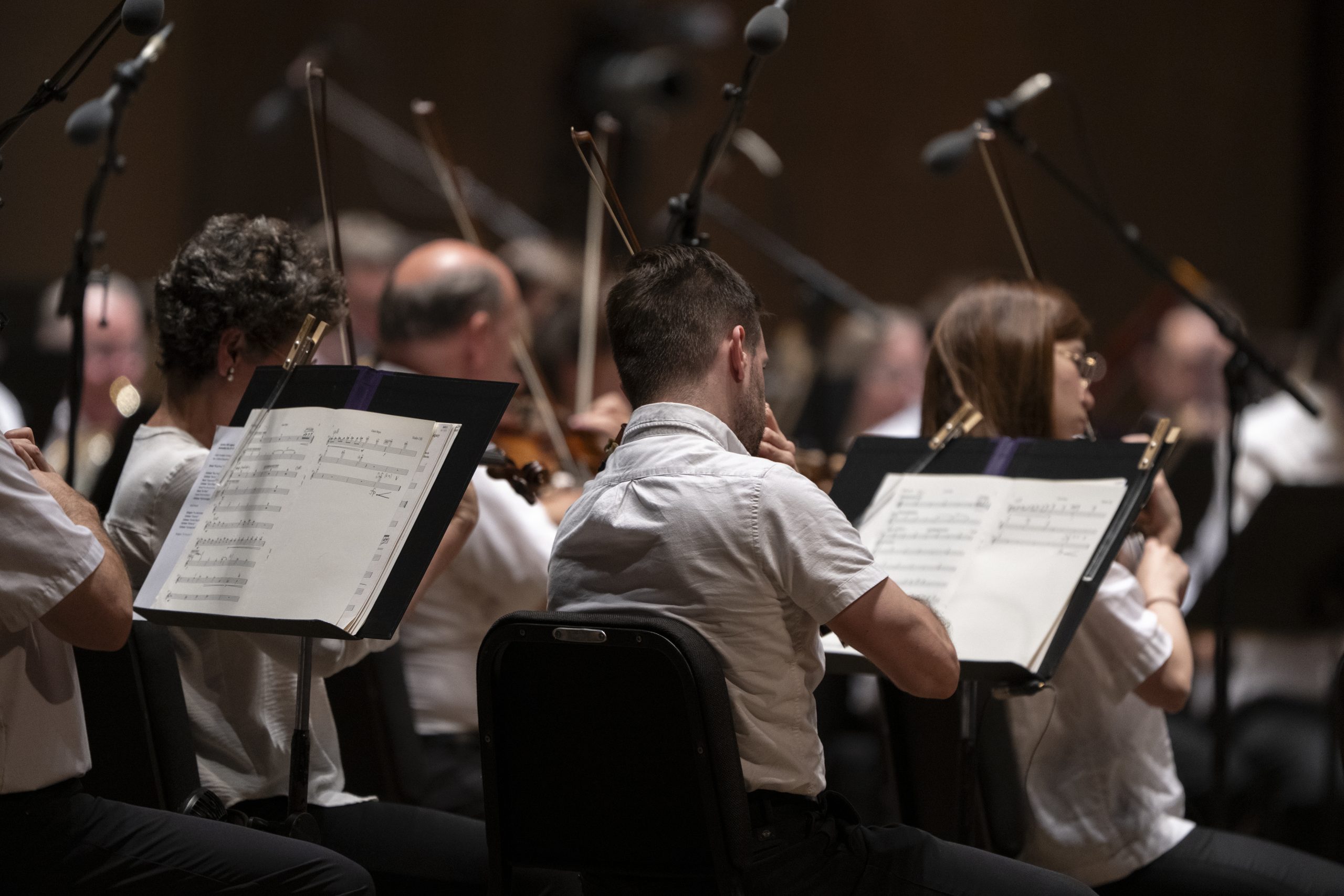
    The Philadelphia Orchestra, conducted by Edwin Outwater, during a concert celebrating the 100th anniversary of jazz legend John Coltrane’s birth at the TD Pavilion at the Mann in Philadelphia on Wednesday, July 22, 2026.Jose F. Moreno / Staff Photographer

    Many of the concert’s highlights arrived in similar moments of alchemy between composition, orchestration, and musicians. Arranger Tim Davies’ use of lush horns seemed to imagine “Central Park West” as an early morning reverie in the park, which Ravi and pianist David Virelles picked up in their solos as if on meditative strolls — the saxophonist’s a hazy daydream, the pianist’s a solemn rumination.

    At times, Ravi directly evoked his father’s voice, beginning his solo on “So What” with a direct quote, weaving his solo on “Acknowledgement” out of ideas from the entirety of “A Love Supreme.”

    Ravi Coltrane performs with the Philadelphia Orchestra, conducted by Edwin Outwater, during a concert celebrating the 100th anniversary of jazz legend John Coltrane’s birth at the TD Pavilion at the Mann in Philadelphia on Wednesday, July 22, 2026.Jose F. Moreno / Staff Photographer

    Virelles took a different approach, conjuring striking moments of abstraction from sudden dissonances and violent clusters, or jarring hints of his Cuban roots. Ravi’s playing on “In a Sentimental Mood” approached it as haunting echoes of the blues; Virelles played with a bold understanding of the deep melancholy undergirding Duke’s elegance.

    Ravi Coltrane called it an honor to perform with “one of the greatest orchestras in the history of the world.” The feeling appeared to be mutual, and whatever the balance of cohesion and collision between the two, “Coltrane 100: Legacy” proved to be a fitting tribute to an iconic artist.

  • 19th century Philadelphia was a finance and science hub. The Pennsylvania Academy of the Fine Arts made it a cultural touchstone.

    19th century Philadelphia was a finance and science hub. The Pennsylvania Academy of the Fine Arts made it a cultural touchstone.

    At the dawn of the 19th century, Philadelphia, having served as the nation’s capital, was well established as America’s founding city.

    The city stood strong as the center of American commerce thanks to Alexander Hamilton’s insistence that the first federal bank open its headquarters here. It was a global hub of science and innovation too, thanks to the country’s earliest universities, medical schools, and hospitals laying down their foundations here.

    Then in 1805, 71 of the fledgling country’s leaders started a movement to turn Philadelphia into a leading arts city, adding culture to our list of wonders.

    That group included Founding Father and signer of the Declaration of Independence George Clymer; businessmen Henry C. Pratt and Simon Gratz; and artists William Rush and Charles Willson Peale. On Dec. 26, the men signed a charter authorizing the creation of the Pennsylvania Academy of the Fine Arts, the nation’s first fine arts museum and art school.

    Clymer was named its first president and Philadelphia’s arts and culture scene was born.

    PAFA will fete their historic first status on Saturday, July 25 as part of the Philadelphia Historic District’s yearlong celebration of America’s 250th birthday. The birthday party, or firstival, will be from 11 a.m. to 1 p.m. at PAFA.

    “As the young United States was finding its footing, a group of visionaries set out to give the new nation a cultural heart,” said Hoang Tran, PAFA’s director of archives, library, and collections.

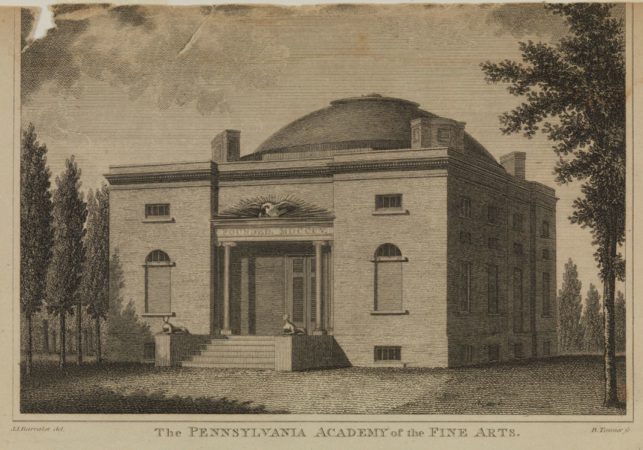
    PAFA opened to the public in the spring of 1806 on Chestnut Street between 11th and 12th. In 1845, that building was nearly destroyed by a fire. The museum and art school reopened in 1847.

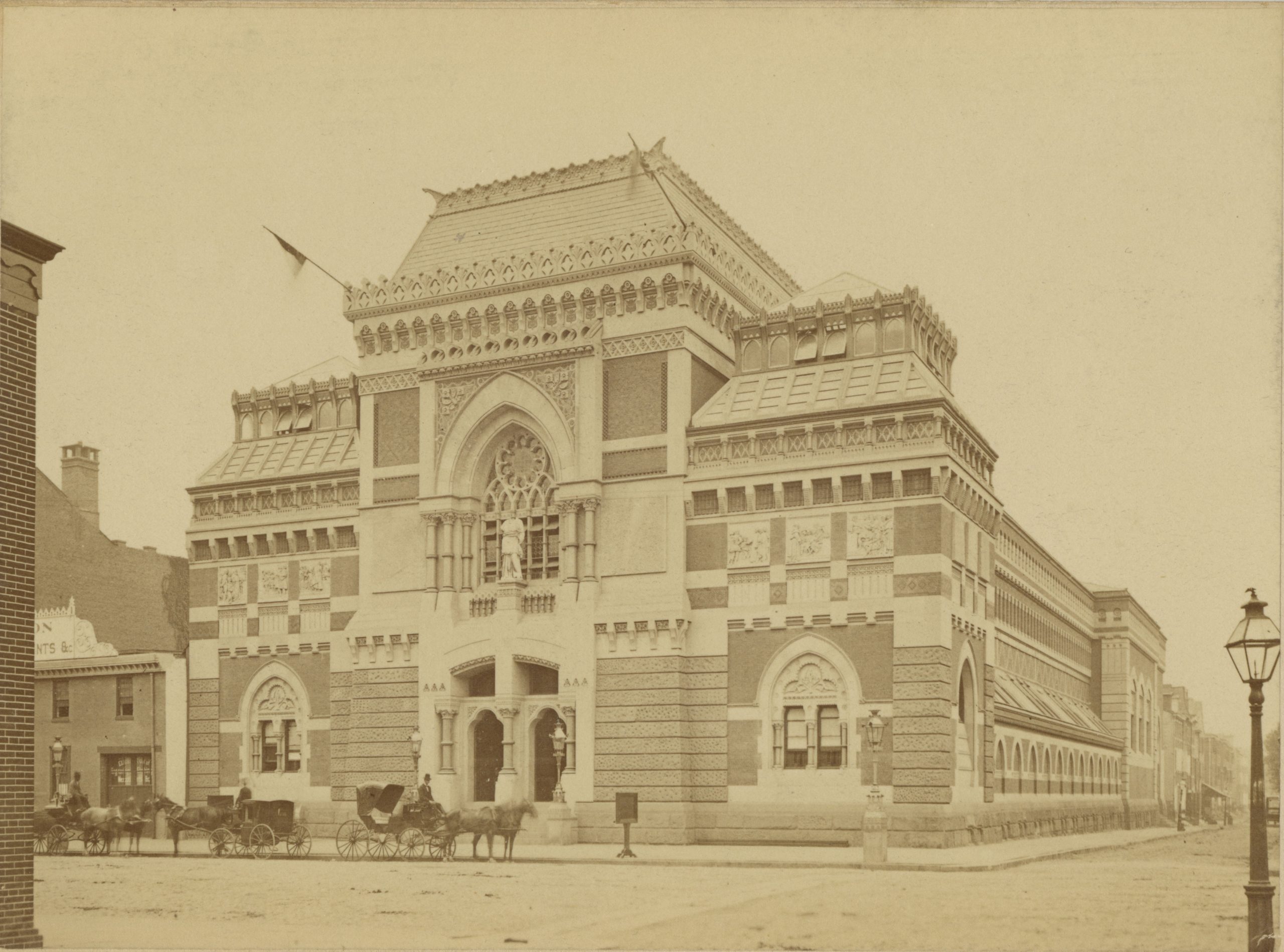
    By 1870, it had outgrown its space and leaders purchased land at Broad and Cherry Streets.

    The Pennsylvania Academy of Fine Arts in 1876, shortly after it moved into its then new building at Broad and Cherry Streets.PAFA Archives

    That building, designed by Frank Furness, opened in April of 1876, a month before America kicked off its centennial celebration. At the time, PAFA’s building was one of the city’s most ornate spaces and was touted as a centerpiece of the Center City landscape. (City Hall wouldn’t be finished until 1901.)

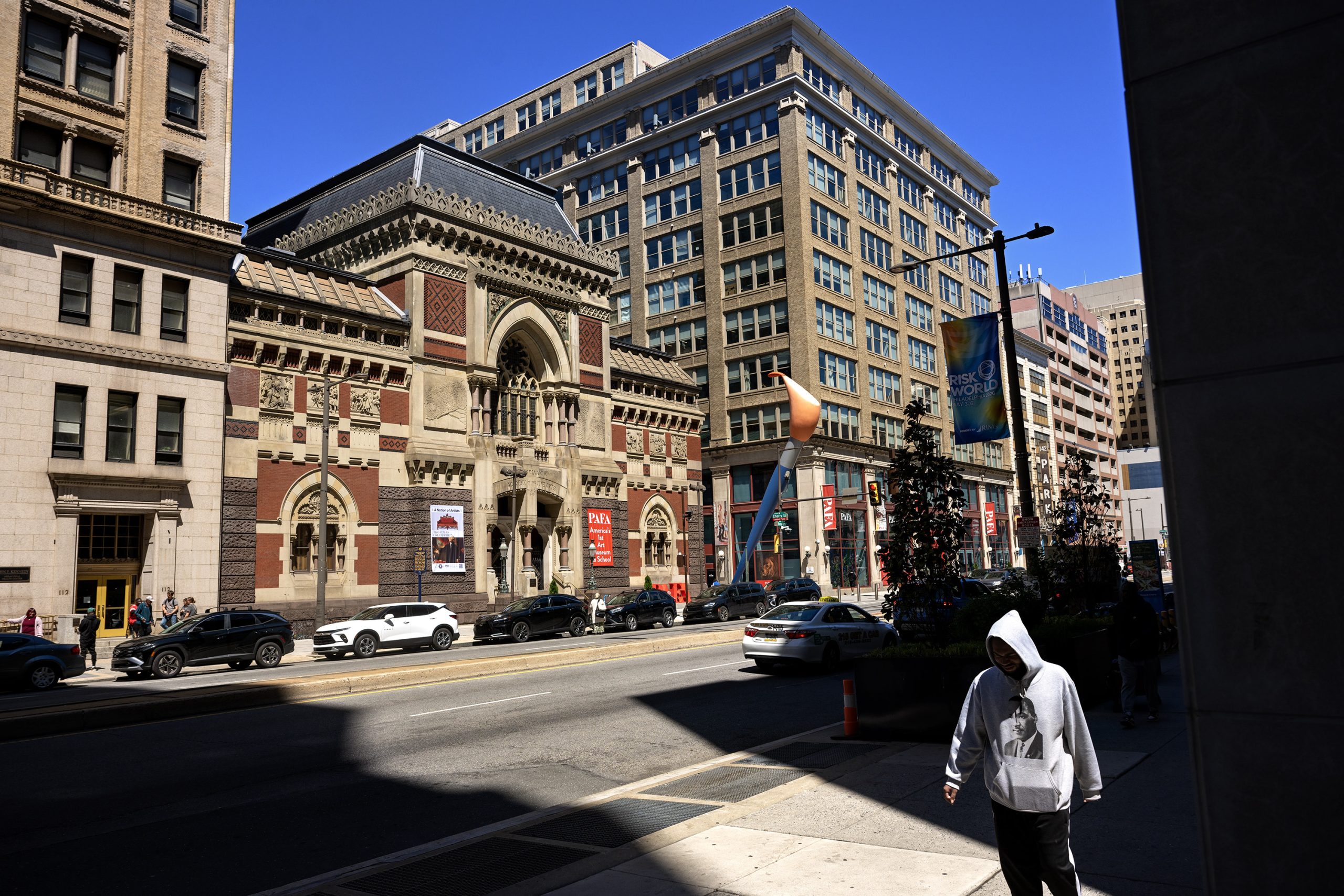
    Newspapers reported that PAFA cost $400,000 to complete, $12.5 million in today’s money. Today, the Furness Building is also known as the Historic Landmark Building.

    The Broad Street building increased PAFA’s shine. Early Americans often turned to Europe as their cultural North Star, but in the late 19th century, PAFA’s leaders began centering American artists like Thomas Eakins, Rembrandt Peale, and James McNeill Whistler in its galleries, forging and defining fine American art.

    PAFA was groundbreaking in its inclusivity, allowing women students into its classes as early as 1844. In 1879, PAFA established the Mary Smith Prize, the first major American art prize established exclusively for women.

    In 1855, eight years before President Abraham Lincoln signed the Emancipation Proclamation, PAFA welcomed Black visitors. And in 1880, African American painter Henry Ossawa Tanner exhibited paintings in PAFA’s annual show. Tanner soon became an international arts sensation.

    “We certainly weren’t perfect but we were definitely progressive,” Tran said. “Today that is a point of pride for us.”

    Nearly every notable American artist has attended, taught, or had their work exhibited at PAFA. That long list includes Mary Cassatt, Cecilia Beaux, Robert Henri, Louis B. Sloan, Barkley Hendricks. Jacob Lawrence, Andy Warhol, and Kehinde Wiley.

    From left, the newly renovated Furness and Hewitt building, Lenfest Plaza and the Samuel M.V. Hamilton building at the Pennsylvania Academy of the Fine Arts Tuesday, May 12, 2026. “A Nation of Artists.”Tom Gralish / Staff Photographer

    In 2025, PAFA stopped offering its degree program and celebrated its 220th anniversary.

    Currently, in honor of America’s 250th, PAFA and the Philadelphia Museum of Art are hosting a joint exhibit, “A Nation of Artists” through September.

    This week’s Firstival is Saturday, July 25, 11 a.m.-1 p.m. at the Pennsylvania Academy of the Fine Arts 118-128 N. Broad Street, Philadelphia, PA

    The Inquirer is highlighting a “first” from the Philadelphia Historic District’s 52 Weeks of Firsts program every week. A “52 Weeks of Firsts” podcast, produced by All That’s Good Productions, drops every Tuesday.

  • If J. Cole’s Xfinity Mobile Arena tour stop is anything to go by, there is no ‘falling off’ in the cards

    If J. Cole’s Xfinity Mobile Arena tour stop is anything to go by, there is no ‘falling off’ in the cards

    What’s a “fall-off” exactly?

    In the NBA, it’s when a player loses his burst or first-step. Eventually, the player’s statistics dip, injuries pile up, and the calls for retirement become unavoidable.

    Rap superstar J. Cole, whose latest album is called The Fall-Off, loves the sport. His music is coded with basketball references, begging comparisons between an athlete’s dedication on the court to Cole’s in the studio. He, being a basketball player himself, understands how the game can force you to hang up your jersey, even when you feel there’s more to give.

    The same rules don’t apply to the rap game, and Cole knows that. At 41, Cole made a brief pro basketball run in China in April, when most athletes his age have either retired or are in the twilight of their careers.

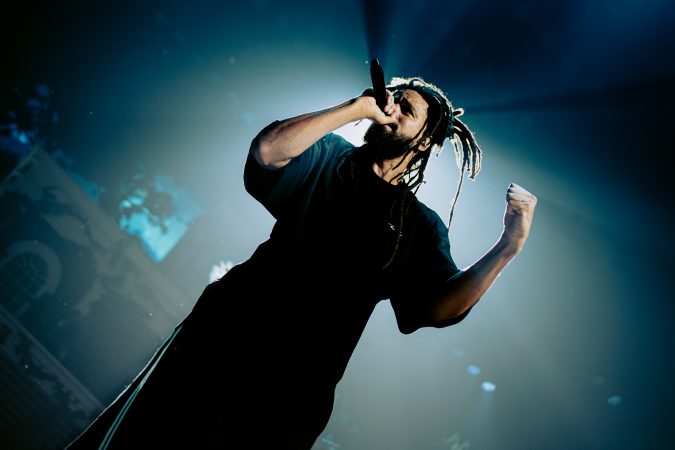
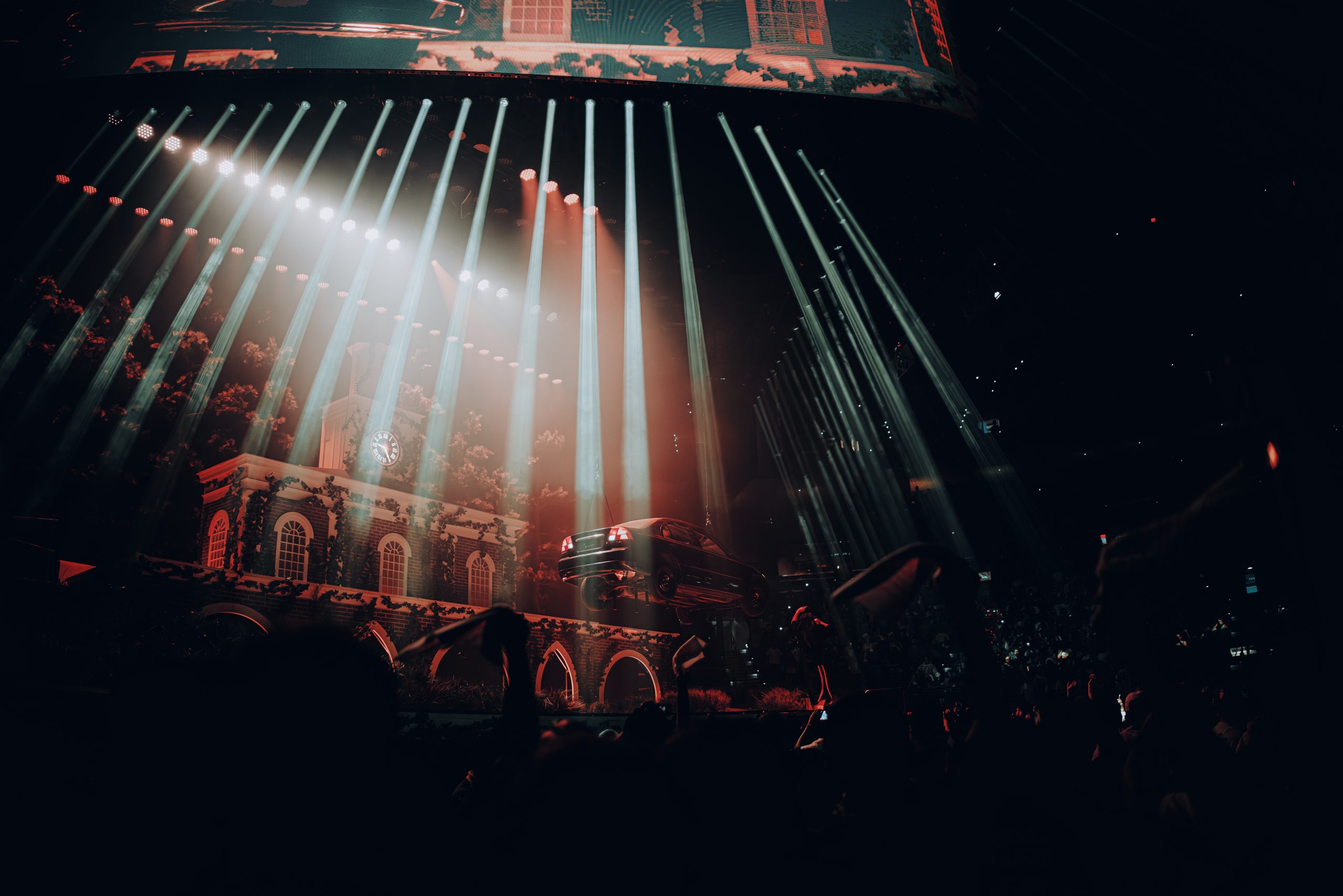
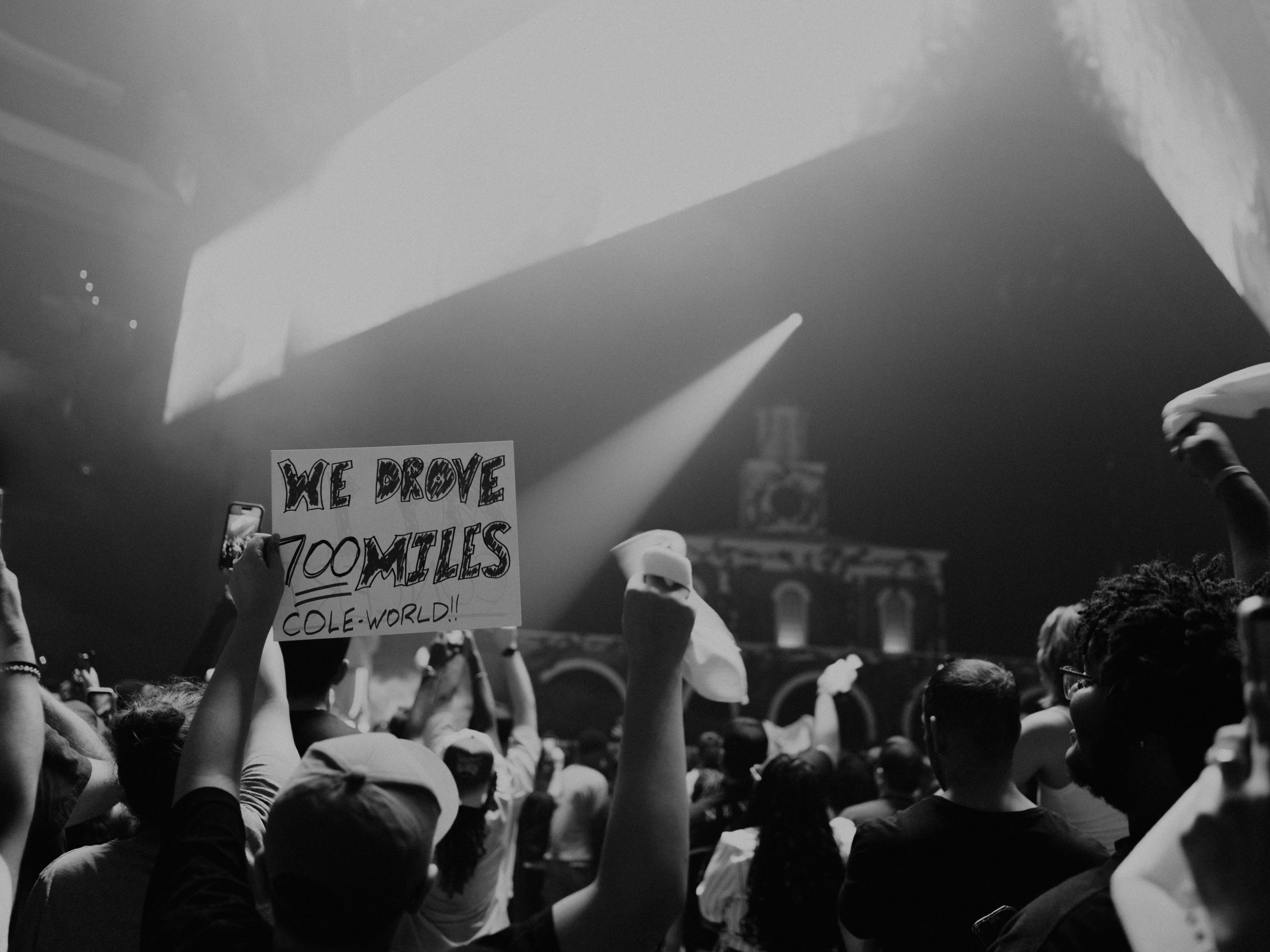
    The Grammy-winning rapper J. Cole brought Fayetteville to Philly on his “The Fall-Off World Tour” stop at Xfinity Mobile Arena on July 20, 2026.MIKE JONES

    Sure, his new song claims “the fall-off is inevitable,” but unlike an aged NBA star, there’s nothing that points to Cole’s musical decline.

    His first of two shows at Xfinity Mobile Arena on Monday night for “The Fall-Off World Tour” was enough proof.

    Despite his initial claims that The Fall-Off would be his last studio album, the man isn’t showing signs of retiring. He’s relishing the moment, enjoying the ride he’s taken with his fans since 2007’s The Come Up, and occasionally taking personal detours along the way. And to his fans’ delight, he doesn’t let his foot off the gas.

    Cole’s journey to the Xfinity Mobile Arena stage began amid the crowd. Dressed in an unassuming black sweatshirt, he appeared sitting in the stands, in the middle of an arena spotlight. . A video of him appeared on the stage’s LED screen; a title card identified Jermaine Lamarr Cole as the director of the show we were about to witness.

    With “39 Intro” blaring in the arena, Cole walked through the crowd shaking hands with everyone in his path.

    The battered Honda Civic that Cole has kept from his college days, and later drove across the country to promote The Fall-Off’s release, descended onto the stage.

    From then on, Cole was in the driver’s seat.

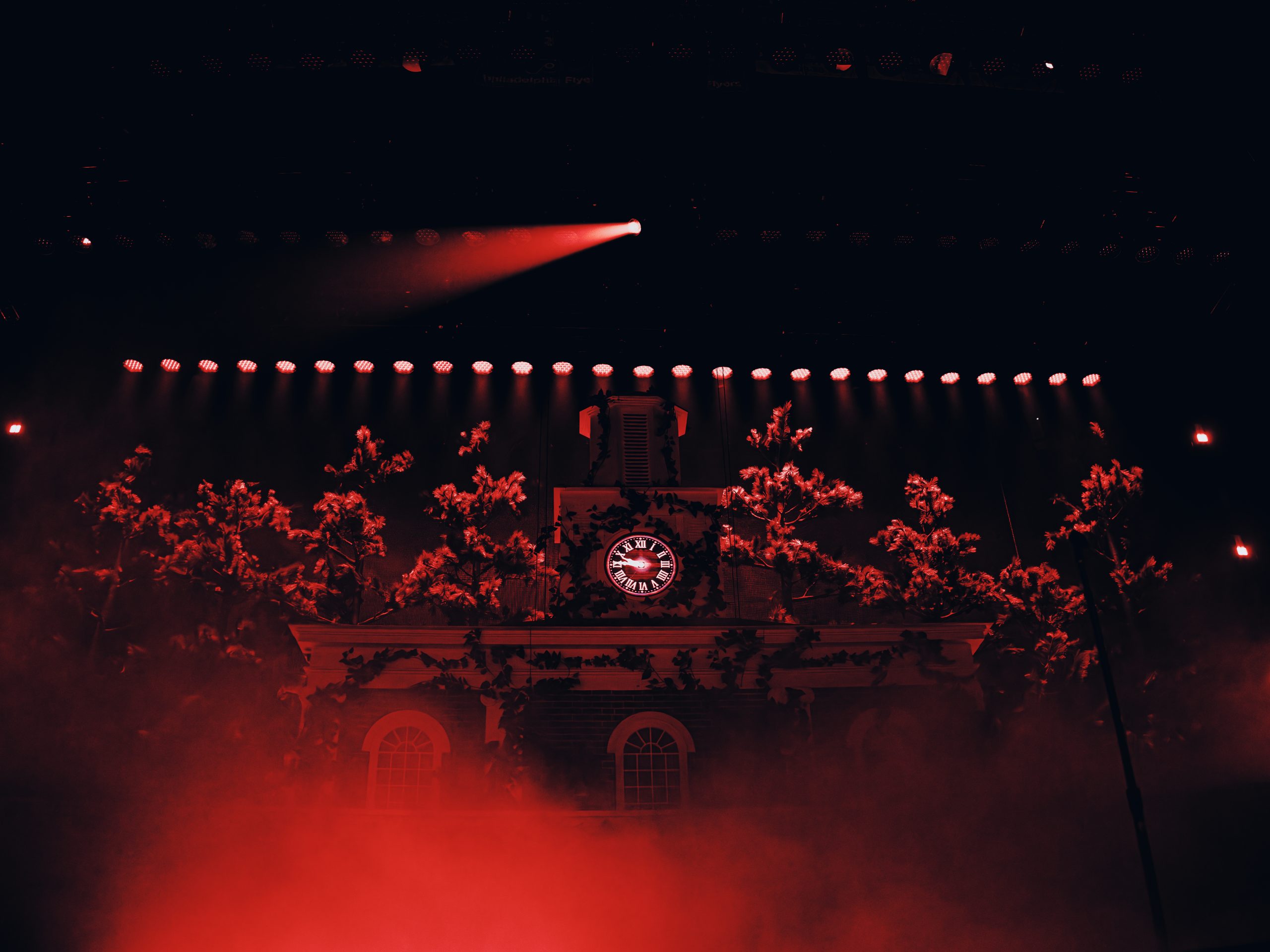
    With a replica of Fayetteville, N.C.’s historic Market House in the background, he transitioned to hard-hitting odes to his hometown.

    When he performed “Two Six,” a reference to the 26th county in North Carolina where his city lies, the crowd swung their tour-branded towels in the air like fans at an NBA playoff game.

    “We’re only a few songs in, and I can tell this [is] one of them ones,” Cole said less than 10 minutes into his setlist, before breaking into “Safety,” followed by a five-minute monologue about Disc 29, the first half of The Fall-Off.

    The Grammy-winning rapper J. Cole brought Fayetteville to Philly on his “The Fall-Off World Tour” stop at Xfinity Mobile Arena on July 20, 2026.MIKE JONES

    These moments allowed Cole to delve deep into his creative choices and concepts, but it was at the expense of the show’s momentum. He halted tracks like “Life Sentence” to express how much he wants his fans’ marriages to succeed, all to little effect.

    Those lengthy spiels aside, the sequencing of his songs provided a window into Cole’s mind. And with every changing record and shift in the emotional weight, the stage backdrop changed hues — from bright amber on “Two Six” to deep blues and violets on “Poor Thang.”

    The smoke intensified as Cole bounced from 2014’s “A Tale of 2 Citiez” and “Fire Squad,” before pausing to ask the crowd for a quick favor. “Philly, I know y’all don’t play about your sports teams … Whether you’re from PA, Philly, or Jersey, can y’all pretend y’all from Fayetteville for this one song? Is that cool?”

    It didn’t take much convincing.

    He broke into “Old Dog,” and the crowd obliged – erupting as the booming record sprung into rotation.

    As a note of thanks, Cole played a medley of one-off singles and collaborative hits, including “MIDDLE CHILD” and “a lot,” his Grammy-winning collab with 21 Savage.

    He polled the audience to see which of his fans could spit his verse on Benny the Butcher’s “Johnny P’s Caddy,” and one lucky Altoona, Pa., native was handpicked to join him on stage.

    Cole then moved to early mixtape favorites like “Lights Please” and “In the Mourning” before leaping to radio jams like “Work Out” and “Nobody’s Perfect,” all with seamless execution. .

    The crowd rose to their feet for “Wet Dreamz” and hoisted their phone lights to “Love Yourz.”

    Then, after singing “Power Trip” and “Planez,” Cole proceeded to spoil the show’s end.

    “I can’t lie, I have two more songs left,” he declared. “The second is a selfish one. It’s for me.”

    The first was “No Role Modelz,” a track accompanied with an AI video of Cole dressed as former President George W. Bush misstating a common proverb during his 2002 visit to a Nashville high school.

    “Fool me once … shame on you. Fool me — you can’t get fooled again,” Cole rapped, repeated the former president’s words. The obviously doctored video briefly amused the crowd (and Cole).

    The Grammy-winning rapper J. Cole brought Fayetteville to Philly on his “The Fall-Off World Tour” stop at Xfinity Mobile Arena on July 20, 2026.MIKE JONES

    The final song of Cole’s performance was “Quik Stop.” Another personal detour, but a welcome one, no doubt.

    “It’s not a hit record. So, if you want to leave to beat traffic, I get it,” he said. “I got to do this song.”

    Fans barely budged as Cole closed the two-hour show with a record that encapsulates how one encounter with a fan reminded him of his musical existence.

    That closing record was reflective of Cole’s delivery throughout the show.

    He isn’t one for onstage theatrics, synchronized pyrotechnics, or elaborate LED graphics. It’s just him and a microphone, a direct exchange between him and his fans with a few monologues thrown into the mix.

    As it stands, Cole hasn’t lost sight of that connection, and he certainly hasn’t lost his musical touch or command on stage.

    There’s no “falling off” here, only falling forward. Cole is still commanding the rap game, as a great point guard controls the flow of offense.

    And neither he nor his Honda Civic has met its last stop yet.


    Setlist

    • “39 Intro”
    • “Two Six”
    • “Safety”
    • “Run a Train”
    • “Poor Thang”
    • “Legacy”
    • “A Tale of 2 Citiez”
    • “Fire Squad / WHO TF IZ U”
    • “Old Dog”
    • “MIDDLE CHILD”
    • “a lot” (21 Savage Cover)
    • “Johnny P’s Caddy” (Benny the Butcher Cover)
    • “Lights Please”
    • “2Face”
    • “In the Mourning”
    • “Nobody’s Perfect”
    • “Work Out”
    • “Can’t Get Enough”
    • “The London” (Young Thug Cover)
    • “She Knows”
    • “Drum n Bass”
    • “The Let Out”
    • “Bombs in the Ville/Hit the Gas”
    • “Wet Dreamz”
    • “G. O. M. D.”
    • “Life Sentence”
    • “Love Yourz”
    • “Power Trip”
    • “Planez” (Jeremih Cover)
    • “No Role Modelz”
    • “Quik Stop”
  • Colman Domingo has taken over ‘Jimmy Kimmel Live!’ and a surprise makeover is his first order of business

    Colman Domingo has taken over ‘Jimmy Kimmel Live!’ and a surprise makeover is his first order of business

    Every year television host and comedian Jimmy Kimmel takes time off over the summer, and every year audiences wonder who is going to fill in his place.

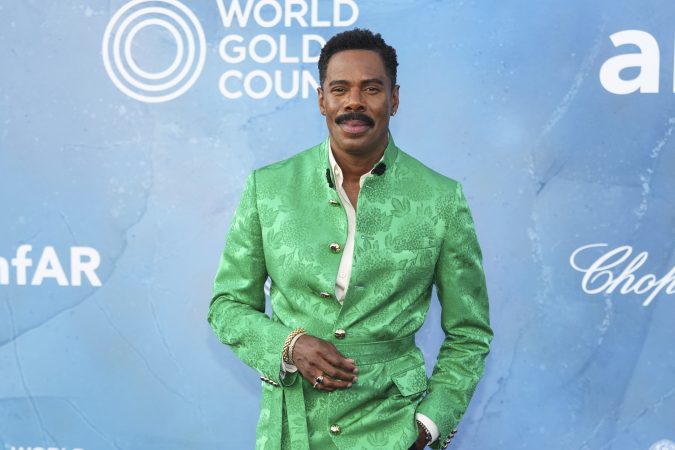
    This week, it’s West Philly’s own Colman Domingo.

    The Disclosure Day actor made quite an entrance in his first show on Monday night, wearing a suit with a bow tie and a white robe-like jacket adorned with a pattern of playing card suits.

    Domingo dived right into current events in his monologue.

    The Four Seasons star talked about Trump getting booed at the World Cup, right-wing anger over The Odyssey casting Lupita Nyong’o as Helen of Troy and Clytemnestra, and the United Kingdom’s new prime minister, Andy Burnham.

    He also called attention to the number of projects he’s been involved in recently, having starred in five films and three television series in the past year alone. Domingo’s busy season corresponds with, as Variety reports, a massive uptick in box office attendance. “Why are movies doing so much better this summer?” the actor asked in his monologue.

    “Three words: Colman. F—. Domingo.”

    The monologue concluded in a skit where he gave comedian Guillermo Rodriguez, Kimmel’s sidekick and mock security guard, a makeover, very Project Runway style. Rodriguez walked out in a suit with a velvet jacket and flared pants, looking like a mini version of Domingo.

    Later in the show, Domingo proceeded to interview Euphoria costar Jacob Elordi and Michael costar Jaafar Jackson. Domingo starred in Euphoria as a recovering addict and sponsor for Zendaya’s character, Rue, and plays Jackson family patriarch Joe Jackson in Michael.

    The Temple alum has no plans of slowing down in the next year. His upcoming projects include thriller film An Innocent Girl, Nat King Cole biopic Unforgettable, satirical drama True-ish, and sci-fi romance Strange Arrivals.

    The article has been updated to reflect that Colman Domingo will host “Jimmy Kimmel Live!” for a week.