Category: Arts & Culture

  • A Black Philadelphia preacher made Shaker history. Her legacy is fueling a new generation of artists.

    A Black Philadelphia preacher made Shaker history. Her legacy is fueling a new generation of artists.

    Rebecca Cox Jackson was often told no. As a free Black woman in Philadelphia at the start of the 1800s, she wasn’t allowed to learn to read. No, she couldn’t leave her husband. No, she couldn’t become a preacher like her brother at Mother Bethel African Methodist Episcopal Church.

    Undeterred, Jackson accomplished everything she set out to do — and more.

    A pivotal pioneer who founded the only Black-led Shaker community, Jackson became a spiritual leader whose legacy has far outlasted her wildest dreams. Today, some 150 years after her death, the Shaker preacher still draws passionate followers: artists, filmmakers, and dancers who have created work inspired by her trailblazing life and archived writings.

    This summer that work took center stage at “A World in the Making: The Shakers,” on view at the Institute of Contemporary Art in West Philly. Running through Aug. 9, the show features several works reflecting specifically on Jackson’s life story as well as highlights of Shaker inventions and creations, like seed packets and minimalist wooden furniture.

    (Shaker furniture is still widely sought, fetching exorbitant prices at auction, like one cabinet that sold for $262,500 in 2024).
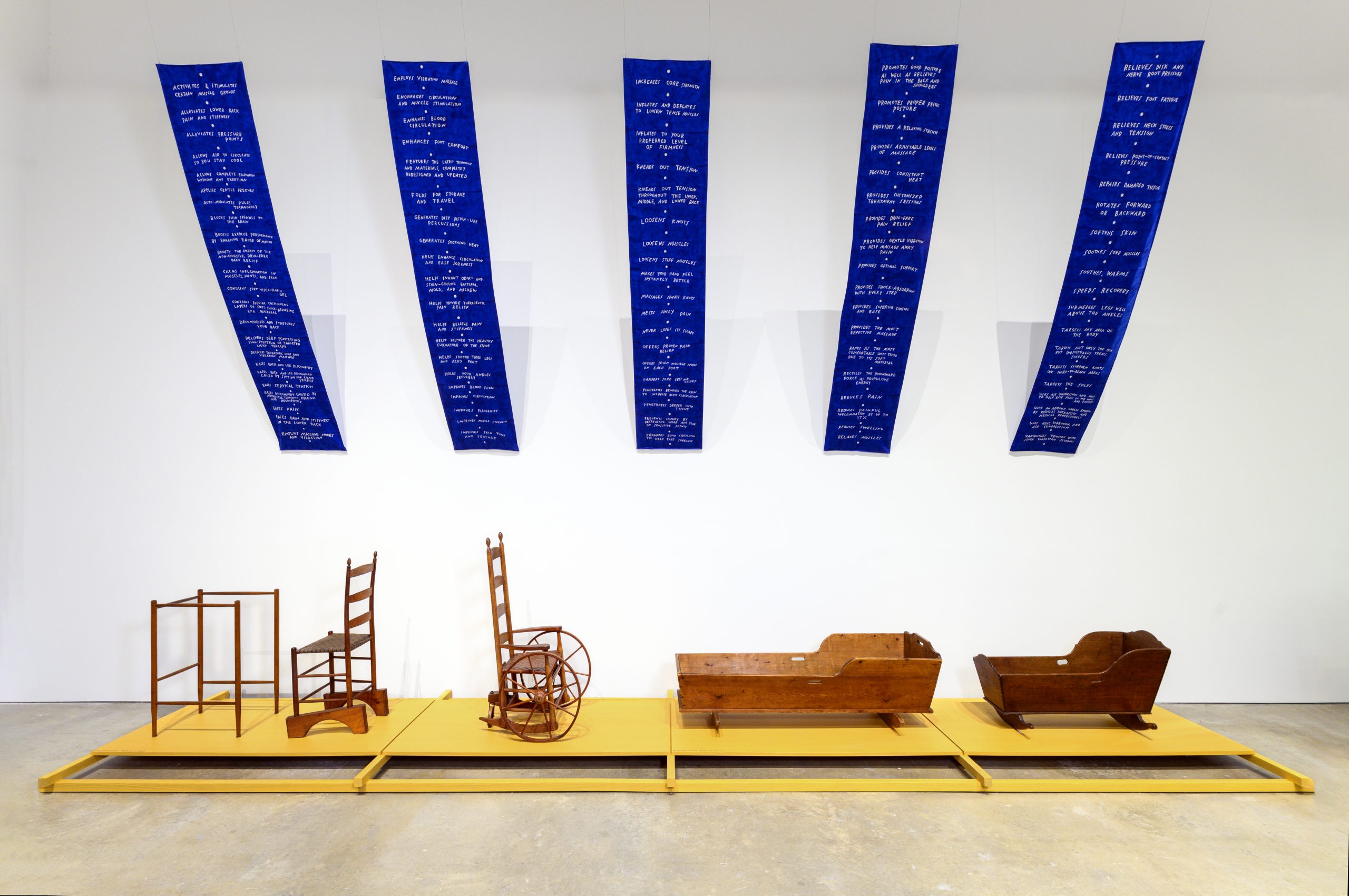
    Finnegan Shannon’s “I Want to Believe” (blue banners) is on view at “A World in the Making: The Shakers,” at the Institute of Contemporary Art in West Philadelphia. The show ends Aug. 9.Constance Mensch

    Shakers have lately seen renewed pop culture interest, with contemporary artists reflecting on the small but impactful Christian sect founded in the 18th century (now only three active members remain). An offshoot of Quakers — initially called “Shaking Quakers” because dance and movement is central to their ecstatic worship — Shakers practice simple communal living, pacifism, celibacy, and gender and racial equality.

    “Shakers are kind of everywhere — and we’re hardly the first institution to do a Shaker show — but I think this is a different show because we’ve inverted the emphasis to be on the contemporary contextualization of the Shakers,” said Johanna Burton, the director of ICA.

    “All of these artists have independently talked about why it’s so important to them to revisit this material, because it’s about utopia … it’s a kind of flawed model of rethinking society that ultimately has its own conditions that have complications, and nothing’s perfect, but it’s inspirational to watch people do it.”

    Revolutionary beliefs

    The most prominent Shaker was Ann Lee, one of the founding leaders of the movement that began in mid-1700s England, about 50 years before Jackson was born. An early feminist, Lee believed in a dual nature of divinity that was both male and female, and later was convinced that she was a prophet representing the second coming of Christ, returning to Earth as a woman.

    Lee was memorialized in the 2025 film, The Testament of Ann Lee, in which Allentown native Amanda Seyfried stars as the charismatic leader (she received a Golden Globe nomination for her riveting performance). It follows Lee’s spiritual awakening and her journey to Watervliet, N.Y., where her congregation built homes, furniture, and a following.

    The idea that a woman could serve as a trusted link to divinity and hold the power of a preacher was revolutionary at the time; even more groundbreaking was the conviction that forsaking marriage for a life of celibacy was a means to get closer to God. At a time when women were only ever considered useful as a wife and mother, the belief that they should have control over their bodies was strikingly liberating.
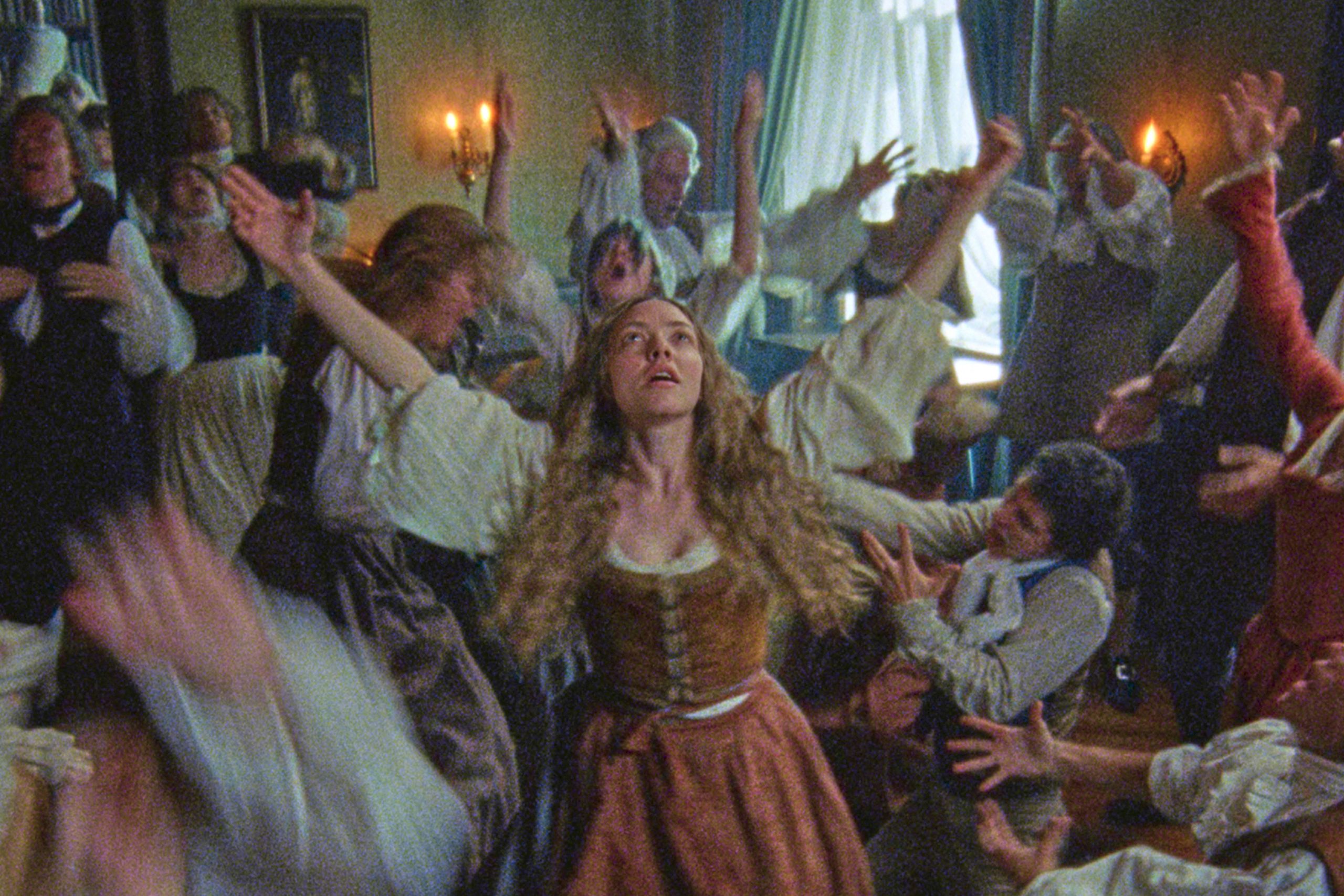
    This image released by Searchlight Pictures shows Amanda Seyfried in a scene from “The Testament of Ann Lee.” (Searchlight Pictures via AP)Uncredited

    For Jackson, that journey began with a fateful thunderstorm one night in 1830 when she was 35 years old.

    “The cloud bursted, the heavens was clear and the mountains was gone,” Jackson wrote in her diary, according to Gifts of Power: The Writings of Rebecca Jackson, Black Visionary, Shaker Eldress. “My spirit was light, my heart was filled with love for God and all mankind, and the lightning which was a moment ago the messenger of death, was now the messenger of peace, joy and consolation. And I rose from my knees, ran down the stairs, opened the door to let the lighting in the house, for it was like sheets of glory to my soul.”

    Motivated by her visions — like Lee — Jackson began preaching, going beyond the confines of Mother Bethel AME Church to lead private prayer groups and causing conflict in her neighborhood, modern-day Bella Vista. She left her husband in 1836 and a year later met Rebecca Perot, the woman who would become her life companion and devoted disciple.

    After the church accused Jackson of heresy, she and Perot left Philadelphia to preach across Pennsylvania and New York, where they encountered a Shaker service that left them invigorated and inspired. Following years on the road, they eventually moved to the Shaker village in Watervliet, where Jackson felt deeply aligned with the group and soon adopted the title Mother Rebecca Cox Jackson.
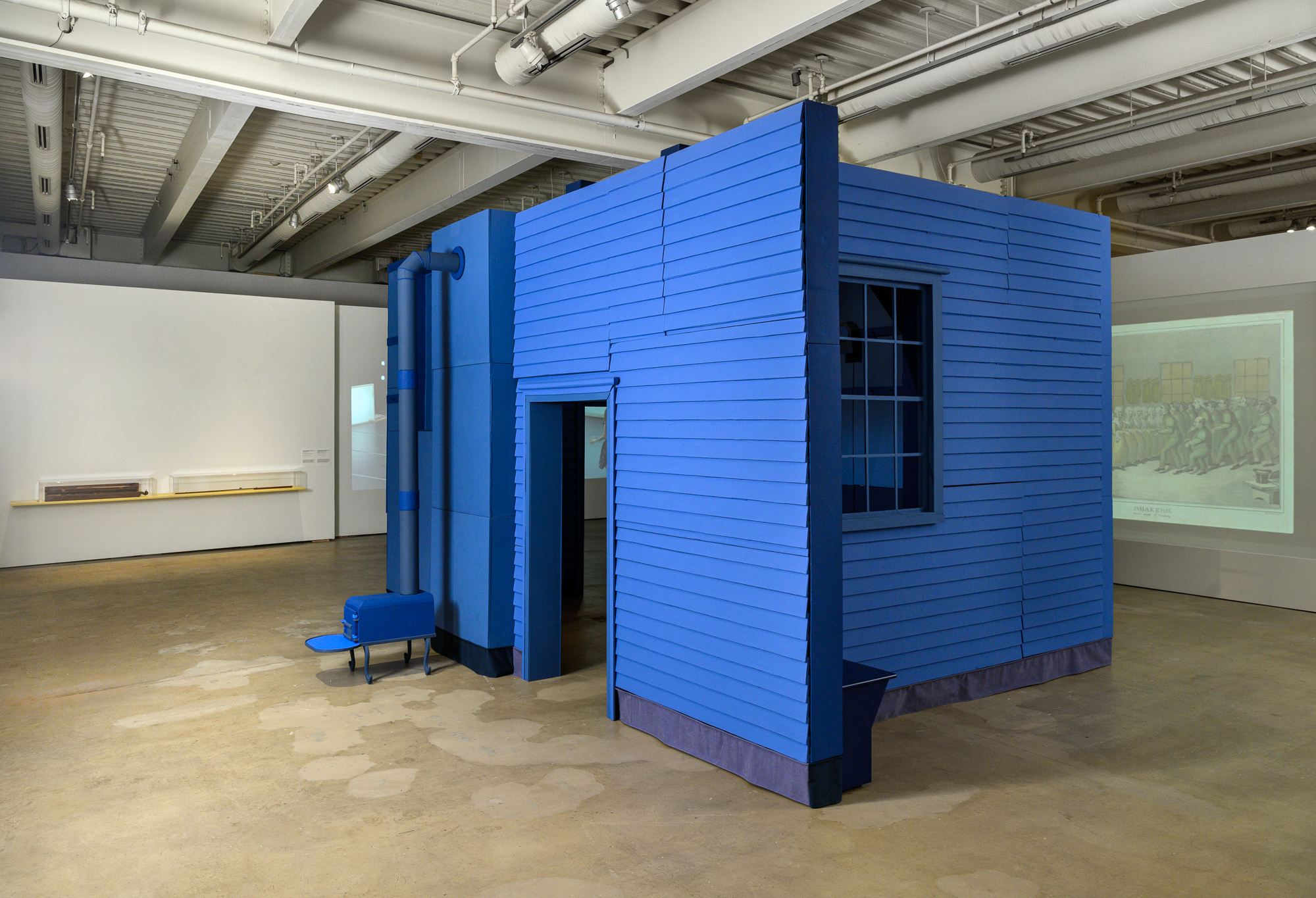
    Amie Cunat’s “2nd Meetinghouse,” on view at “A World in the Making: The Shakers,” at the Institute of Contemporary Art in West Philadelphia. The show ends Aug. 9.Constance Mensch

    By the mid-1800s, Shakers peaked at some 6,000 members in about 20 communities from Maine to Kentucky. But the primarily white village in New York remained rather isolated from the political chaos in other parts of the country as the Civil War neared. Jackson ultimately felt that they were not doing enough to reach Black followers so she and Perot returned to Philadelphia in the 1850s to create their own community.

    The two were so close that fellow Shakers called them “the two Rebeccas.” Today, their relationship has been considered queer, even earning a place on the Philadelphia LGBT Mapping Project.

    The pair founded a modest and mighty community of mostly working-class Black women Shakers, including seamstresses, housekeepers, laundresses, who lived and worshipped together at 724 S. Warnock St. (then known as 724 Erie St.).

    When Jackson died in 1871, it was Perot who took up the title of Mother Rebecca so that she could continue their important work for decades to come.

    Remembering a foremother

    In The Testament of Ann Lee, the film hints at the Shaker belief in racial equality. In one instance Lee sees enslaved people on an auction block and shouts, “Shame! Shame! Shame!” Later, some Black women appear in the congregation, though their presence is largely unexplored.

    There are no blockbuster movies about Jackson and Perot in development, but Black artists today are ensuring that contemporary conversations about the Shakers do not erase their impact.

    As revolutionary as Lee was, Jackson, too, was a foremother for increasingly progressive ideas that still hold urgency hundreds of years later. She fostered a society of Black women in Philadelphia who exercised autonomy over their bodies while slavery remained legal and the Fugitive Slave Act was enforced nationwide.
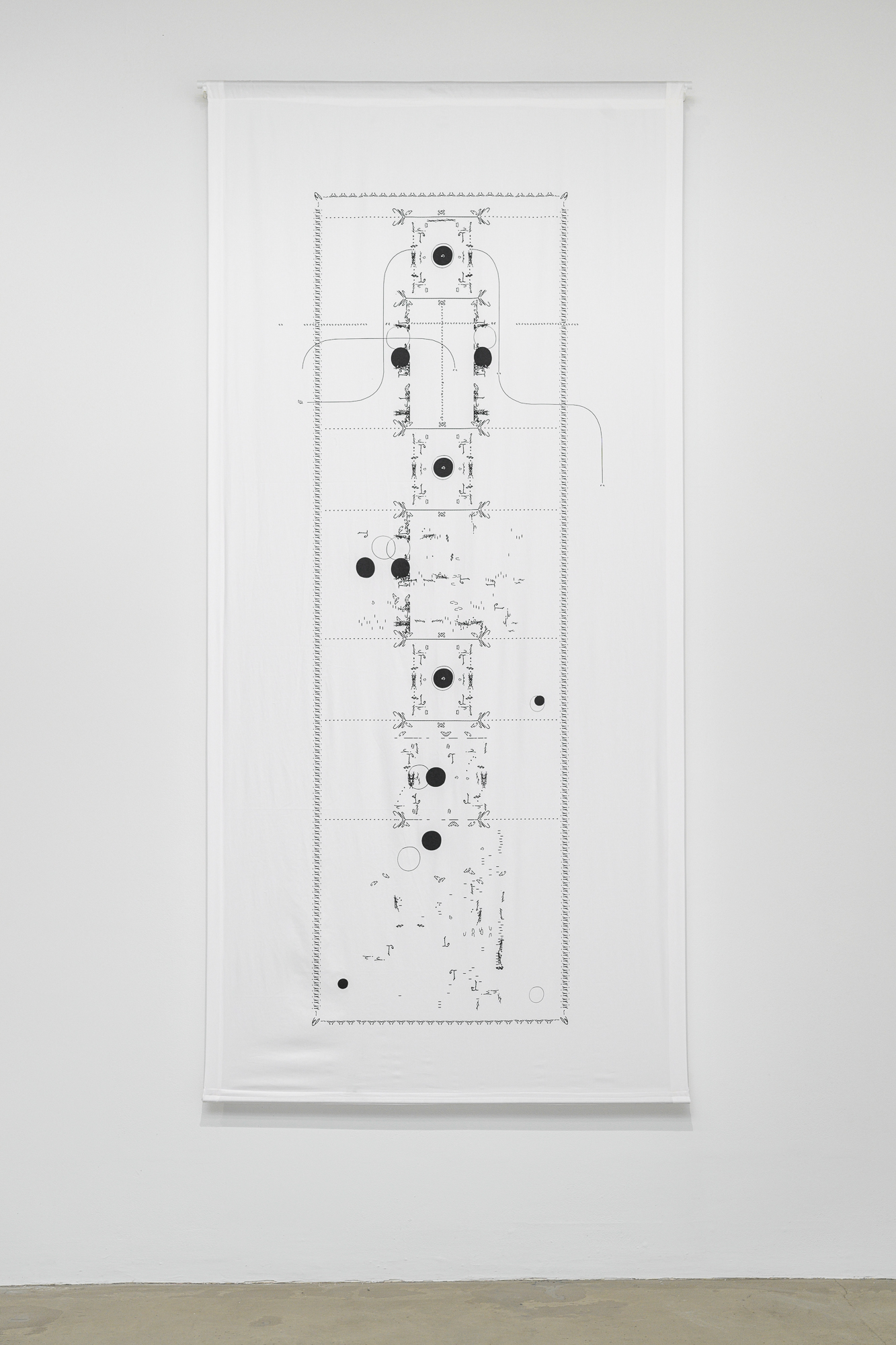
    Kameelah Janan Rasheed’s “Under it, and spread about one yard around…It was all I seen,” inspired by Rebecca Cox Jackson’s writings, appears in “A World in the Making: The Shakers,” running through Aug. 9 at the Institute of Contemporary Art in West Philadelphia.Constance Mensch

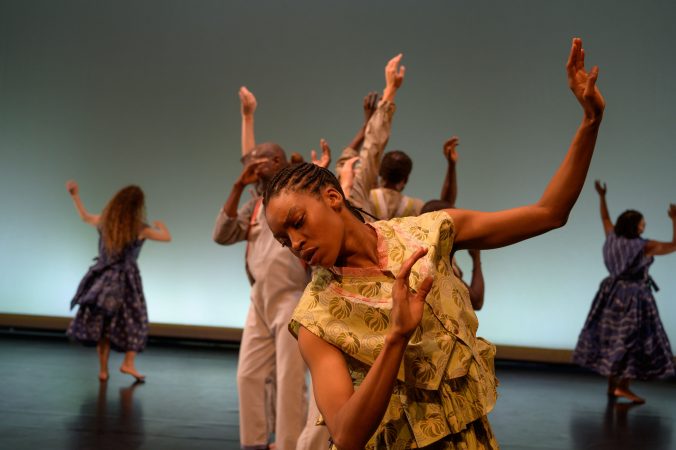
    What did their worship look like? How did Jackson’s style of body movement differ from the Shakers in Watervliet? What African influences appeared in their ecstatic dance practices? Those are questions that dancer and choreographer Reggie Wilson has investigated with his Brooklyn-based company, Fist and Heel Performance Group, in recent years. A recording of their dance work POWER, which came to Philadelphia as part of the 2024 Fringe Festival, is on view at ICA.

    “I never interpreted the Shakers as running away from their bodies. I felt like they were considering their bodies as sacred. To dance and to move, to go through as much work that they did to have dancing spaces … that’s kind of phenomenal, especially with the legacy of the West of degrading women [and] degrading the body,” said Wilson, who calls himself a “kinesthetic anthropologist.”

    In developing the choreography for POWER, Wilson pulled from preserved records of Shaker movements and African traditions of call-and-response, where repetition and rhythm can provide a spiritual experience and lead some into a trance.

    “When we started learning the dances and moving together rhythmically in choreographic architecture and patterns and time and space, it just felt good,” said Wilson. “Just the feeling of breathing and moving in unity with other bodies is profound. It’s deeply, deeply profound, sometimes to the point of tears for some members.”

    Reaching that profound experience sounds remarkably similar to what Shakers sought to achieve.

    “A World in the Making: The Shakers” ends Aug. 9 at the Institute of Contemporary Art, 118 S. 36th St., Phila., 215-898-5911 or icaphila.org.
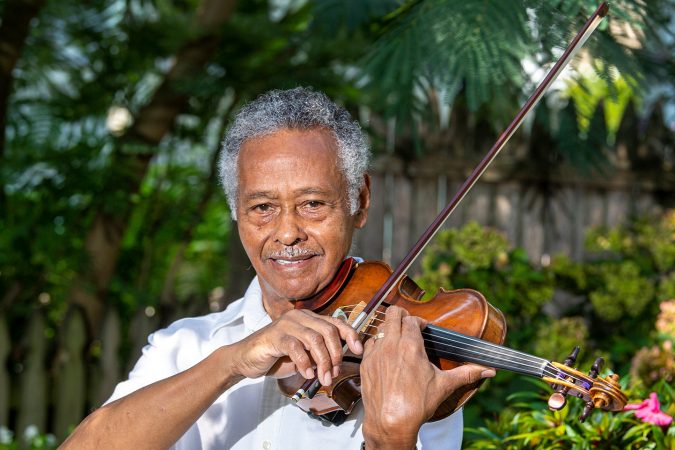
  • Booker Rowe, celebrated trailblazing Black violinist with the Philadelphia Orchestra, has died at 85

    Booker Rowe, celebrated trailblazing Black violinist with the Philadelphia Orchestra, has died at 85

    Booker Rowe, 85, of Philadelphia, award-winning violinist, the first Black musician to play with the Philadelphia Orchestra and the Nashville Symphony String Quartet, the second permanent full-time Black player in the Philadelphia Orchestra, teacher, mentor, and role model, died Friday, July 31, of complications from pneumonia and sepsis at Jefferson Abington Hospital.

    A lifelong musician — he played piano at age 5 and violin at 11 — Mr. Rowe was invited by famed music director Eugene Ormandy in 1968 to become the first Black musician to perform with the Philadelphia Orchestra. He was a substitute violin during most of the 1968-69 season and returned for good in 1971 as the orchestra’s second Black permanent full-time member.

    Mr. Rowe stayed for 49 years.

    “My first day, I came in late from New York, and the orchestra was already rehearsing, and I sat myself down on the last stand to play,” Mr. Rowe told The Inquirer’s Peter Dobrin in 2020. “The sound was amazing. It was like stereo all around me. The stage was slanted down, and when the brass and winds would play I had to brace myself with my right leg from being blown off stage. It was just so beautiful.”

    For five decades, until his retirement in 2020, Mr. Rowe played with half a dozen elite conductors and traveled the world in the orchestra’s second violin section. He and his colleagues gave thousands of memorable performances at the Academy of Music, the Kimmel Center, and the Mann Center in Philadelphia, Carnegie Hall and the Lincoln Center in New York, and the Saratoga Performing Arts Center in Saratoga Springs, N.Y.

    They played at the 1993 World Series at Veterans Stadium, for Pope Francis in 2015, and at the Vail Music Festival in Colorado. They played in Europe, South America, Asia, and elsewhere around the world.

    This photo of Mr. Rowe (left) appeared in the Daily News in 1993Newspapers.com

    In 1973, the orchestra made a historic 10-day, five-concert cultural exchange tour in China, and Mr. Rowe told the Daily News afterward that he visited a commune and returned with Chinese instruments. In 2008, he mingled with former Secretary of State Alexander Haig and other international notables after a concert in Beijing.

    In 2013, he posed for pictures with the Chinese welcoming contingent at Shanghai Airport. “Booker was such a kind soul, and his passion, his artistry, and his humanity are woven into who we are,” Yannick Nézet-Séguin, the orchestra’s music and artistic director, said in a tribute.

    Ryan Fleur, the orchestra’s president and chief executive officer, said: “He was a warm and steadying presence in our orchestra.”

    Born in Kentucky, Mr. Rowe and his family moved to North Philadelphia when he was 2. His father was a singer, and his mother played piano, and they “pushed me in the direction of classical music,” he told the Daily News in 1981.

    He became concertmaster for the West Philadelphia High School orchestra, the All-City high school orchestra, and the old all-Eastern Conference college orchestra. He earned a bachelor’s degree in music at Temple University in 1963 and a master’s degree in music at Yale University in 1968.

    Before Philadelphia, he played solo in New York and with symphony orchestras in Nashville, New Haven, Conn., and Washington. Later, he played with the old Symphony Club of Philadelphia, the Lansdowne Symphony Orchestra, and other local groups.

    Mr. Rowe (left) stands with fellow musicians Andre Watts (center) and Renard Edwards.Courtesy of the family

    He also got freelance gigs with Sammy Davis Jr., Isaac Hayes, Smokey Robinson, the Supremes, Barbra Streisand, Aretha Franklin, and other stars. He played with chamber music ensembles around the country and gave dozens of free concerts for children, churches, and community and scholarship fundraisers.

    He championed racial and ethnic diversity, and was active with the Philadelphia Orchestra’s cultural diversity initiative. He sought and performed work by Black and other minority composers, and mentored dozens of colleagues and students.

    He encountered at least one racist incident that first year in Philadelphia and told the Daily News in 1981: “The time was right for an Afro-American in the Philadelphia Orchestra. It was just a matter of finding somebody who was ready.”

    Mr. Rowe and his family lived in Center City, East Mount Airy, and Germantown. Courtesy of the family

    A friend said on Facebook: “His legacy and historical contributions are unparalleled.”

    Mr. Rowe taught at Settlement Music School and gave private lessons. He earned music and service awards from City Council, the American Foundation for Negro Affairs, and other groups.

    In 2019, he was asked to advise young musicians in a video interview for the Philadelphia Orchestra website, philorch.ensembleartsphilly.org. “Practice, practice, practice,” he said. “But also enjoy, enjoy, enjoy. Do it with love in your heart.”
    Booker Taliaferro Washington Vance Rowe Jr. was born Dec. 10, 1940, in Lexington, Ky. In Philadelphia, he studied at the old Philadelphia Musical Academy and Settlement Music School, and his father worked at RCA Victor records in Camden. So their home was always filled with music.

    Mr. Rowe (rear center) stands with Philadelphia Orchestra colleagues and members of the Chinese welcoming contingent in 2013.

    Jan Regan / Philadelphia Orchestra

    He met soprano Patsy Baxter at a Philadelphia Orchestra concert, and they married in 1970 and had a son, Landis, and a daughter, Vivian. They lived in Center City, East Mount Airy, and Germantown, and visited his family often back in Kentucky and Tennessee.

    Mr. Rowe enjoyed puzzles, hiking and kayaking with his family, and tai chi. Friends noted his “kindness,” “million-dollar smile,” and “cheerful presence” in Facebook tributes.

    “He liked people,” his wife said. “He liked socializing. He liked to stick with one thing and concentrate on it.”

    His son said: “My father and I always had a good time together, and we never knew when playful sparring would break out.”

    Mr. Rowe and his wife, Patsy, married in 1970.
    Jose F. Moreno / Staff Photographer

    His daughter said: “He was very fiery and lovable. He was always who he was. He was one of a kind.”

    In addition to his wife and children, Mr. Rowe is survived by a daughter-in-law, Maria, two granddaughters, and other relatives.

    A celebration of his life is to be held later.

    Mr. Rowe (rear second from left) enjoyed time with his family.Courtesy of the family
  • Did Bradley Cooper and Gigi Hadid secretly tie the knot?

    Did Bradley Cooper and Gigi Hadid secretly tie the knot?

    Did this celebrity Bucks County couple secretly tie the knot?

    After actor Bradley Cooper and supermodel Gigi Hadid were photographed wearing his-and-hers rings during an outing in Paris on Monday, rumors began to swirl about a confidential marriage.

    In close-up photos posted by gossip blog DeuxMoi, Cooper, 51, and Hadid, 31, were spotted wearing what looked like thin wedding bands on their left-hand ring fingers on a walk from their hotel to the gym.

    The couple were all smiles in the photos. Cooper wore light blue shorts with a dark blue T-shirt, and a backward NFL cap, while Hadid sported a white tank top with grey leggings.

    The famously private couple hasn’t commented on the rumors, but fan chats and rumor mills are buzzing about the potential union, which comes nearly three years after dating rumors surfaced.

    The couple was first spotted together on a date at New York City’s Via Carota in October 2023 after meeting at a backyard birthday party for the child of a mutual friend, according to Vogue.

    In a March 2025 interview in Vogue, Hadid said the couple had agreed to keep things quiet but described their relationship as “very romantic and happy” and revealed she feels “lucky” to have someone like Cooper by her side.

    “I respect him so much as a creative,” she said, “and I feel that he gives so much to me: encouragement and, just, belief.”

    Gigi Hadid (left) and Bradley Cooper sit in a box with Philadelphia Eagles owner Jeffrey Lurie (right), during an NFL game between the Eagles and the Detroit Lions on Nov. 16, 2025, in Philadelphia. (AP Photo/Matt Slocum)Matt Slocum

    The couple made it Instagram official in May 2025, when Hadid posted a photo of her and Cooper kissing at her 30th birthday party. “It’s a blessing to feel so loved!! I am grateful and honored to take on a new decade x x G,” the supermodel wrote.

    The pair may now be in Paris but they are bona fide Pennsylvanians.

    Hadid bought a farmhouse in New Hope with then-boyfriend Zayn Malik; they split in 2021. Cooper, who shares his daughter, Lea De Seine, with ex Irina Shayk, grew up in Abington’s Rydal community, though he’s long claimed to be from Jenkintown.

    Actor and director Bradley Cooper attends the special screening of “Is This Thing On?” at the DGA New York Theater on Wednesday, Dec. 10, 2025, in New York. (Photo by Andy Kropa/Invision/AP)Andy Kropa

    Shortly after the Silver Linings Playbook actor began dating Hadid, Cooper purchased a $6.5 million, 33-acre Bucks County estate in Solebury Township, strategically located near Hadid’s residence.

    Before they were sighted in Paris, the couple attended Taylor Swift and Travis Kelce’s wedding at Madison Square Garden on July 3.

  • Does the American masculinity crisis have roots in Valley Forge?

    Does the American masculinity crisis have roots in Valley Forge?

    In the winter of 1777-78, after the Second Continental Congress hightailed it from Philadelphia following the British army’s attack on the city, the Revolutionary Army of the freshly minted United States hunkered down in Valley Forge.

    Soldiers dropped dead from disease and malnourishment, as they huddled for warmth in little wood huts. Lice ran wild.

    By the summer of ’78, American troops, under the leadership of General George Washington, emerged, battered but not beaten, reengaged the British, and turned the tide of the Revolutionary War.

    In that short time, Valley Forge became synonymous with American perseverance and resilience.

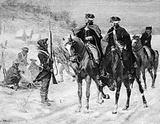
    The Marquis de Lafayette and Gen. George Washington, with whom he had a father-son relationship, at Valley Forge. From John Ward Dunsmore painting, 1909.From John Ward Dunsmore painting, 1909

    Reports of Washington, kneeling in the snow and praying for the Army’s salvation, became part of popular lore — a powerful image of the revolutionary American spirit, blessed by the grace of God.

    Historians debate whether such an appeal even happened. Records show the winter of 1777-78 was mild.

    This push-and-pull between myth and reality — between what the United States aspires to, and what it actually is — is embodied in the legendary status of Valley Forge in the American psyche.

    It’s a tension that, a new book argues, undergirds a current crisis in American masculinity.

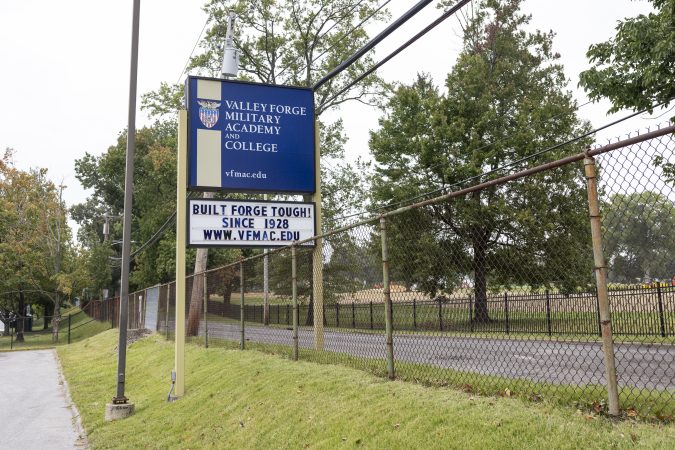
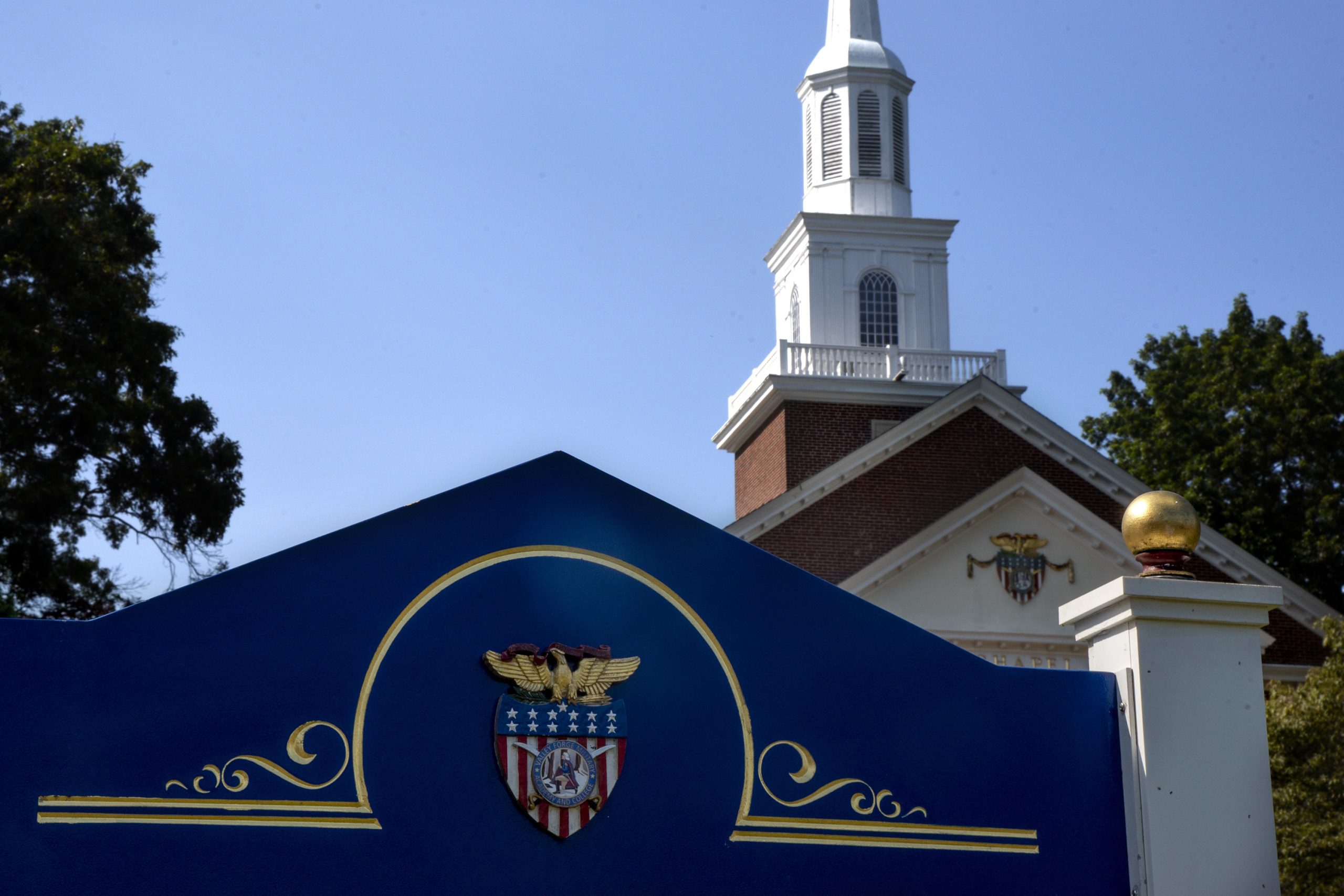
    Established in 1928 by a U.S. Armed Forces lieutenant general named Milton G. Baker, Valley Forge Military Academy (VFMA) in Wayne, Pa., promised parents: “Send us your boy and we will return to you a man.”Jasper Craven

    The George Washington school of American masculinity

    Journalist and author Jasper Craven argues that the figure of the American male, for better and worse, owes a lot to Washington. Or, at least, to the idea of him championing his country’s freedoms against all odds.

    In his new book-length history of American militarized machismo, God Forgives, Brothers Don’t, Craven locates a tension in Washington that proves foundational.

    “Washington made efforts to establish himself as a man who was stronger, mightier, braver than he actually was,” Craven said. “[He] captured the American imagination, and was an early, influential archetype on young boys.”

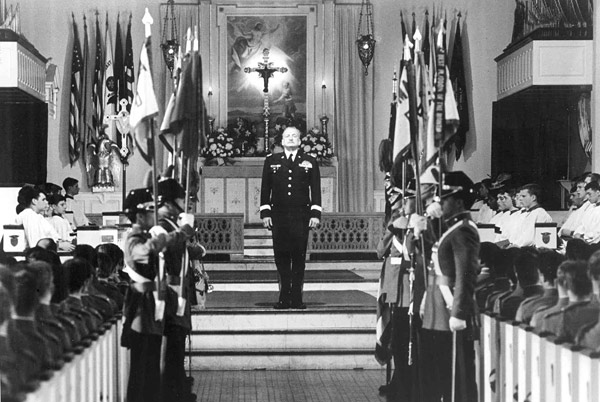
    So it followed that generations of boys would attempt to embody a Washingtonian archetype — resilient, brave, dignified — near the site of that mythic winter encampment at the Valley Forge Military Academy (VFMA) in Wayne. Established in 1928 by a U.S. Armed Forces lieutenant general named Milton G. Baker, Valley Forge promised parents: “Send us your boy and we will return to you a man.”

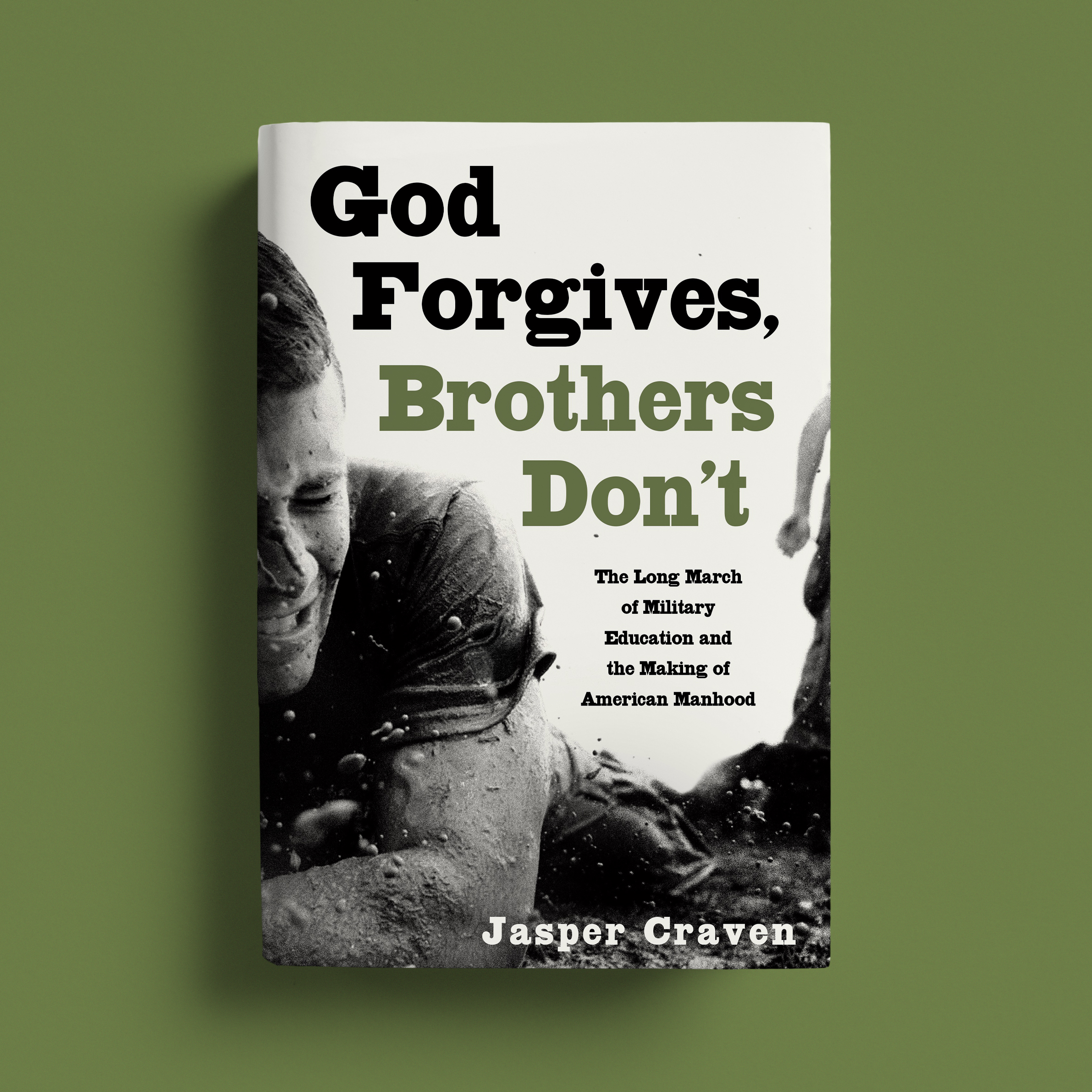
    Author Jasper Craven’s new book-length history of American militarized machismo, “God Forgives, Brothers Don’t” is a look into the fraught history and ominous future of military education in the USA, per its summaryCourtesy of Atria/One Signal Publishers

    Craven’s book argues that it was at schools like Valley Forge that the modern idea of the American male was made.

    “These military schools represent an extended, expanded, more pedagogical version of boot camp,” he says. “You arrive a young boy, a little bit reckless. Maybe you’re a bully. But very quickly, everyone is stripped of their identities, given matching uniforms, see their heads shaved, and are put into a very grueling hierarchy.”

    On paper, this pedagogical vision mirrors America’s notion of meritocracy: Everyone starts at zero, and scrambles for rank, and prestige, among the militarized hierarchy. Ribbons and bows are awarded to the most industrious scramblers.

    But, as Craven’s book reveals, that ostensibly fair model of achievement can be riven with dehumanization, corruption, and systemic emotional, physical, and sexual abuse. Even the nickname “The Forge” has a double resonance — suggesting both hammering something out in fire, and total fakery.

    Established in 1928 by a U.S. Armed Forces lieutenant general named Milton G. Baker, Valley Forge Military Academy in Wayne, Pa., promised parents: “Send us your boy and we will return to you a man.”Jasper Craven

    A history of abuse

    As Craven notes in his book: “Between 2015 and 2020, the Forge logged more than 30 incidents of alleged sexual misconduct, from stalking and fondling to rape, as well as fistfights, assault with a knife, even arson.” Cadets as young as 13 were driven to suicidal behavior.

    Craven played a key role in exposing these incidents.

    God Forgives, Brothers Don’t grew out of his 2022 reporting for Mother Jones magazine, which cast a piercing light on the school’s hallowed halls. His reporting captured not only the violence visited upon “plebes” (military slang for first year cadets) by upperclassmen, but the equally endemic corruption of the school’s administrators, who pocketed hefty tuition fees while essentially operating what one graduate called, “a sleepaway camp for troubled kids with very little supervision … more Lord of the Flies than The Catcher in the Rye.”

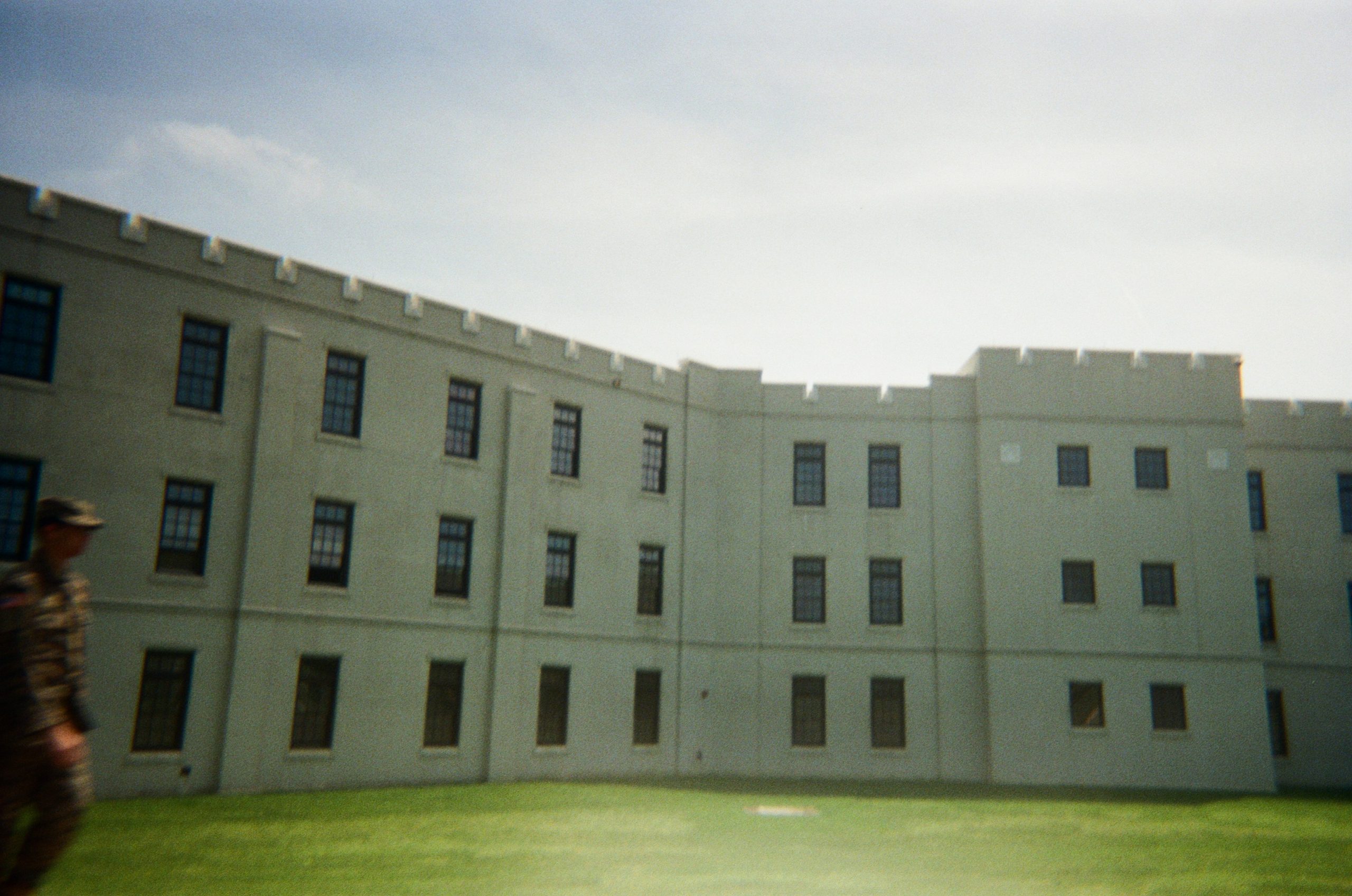
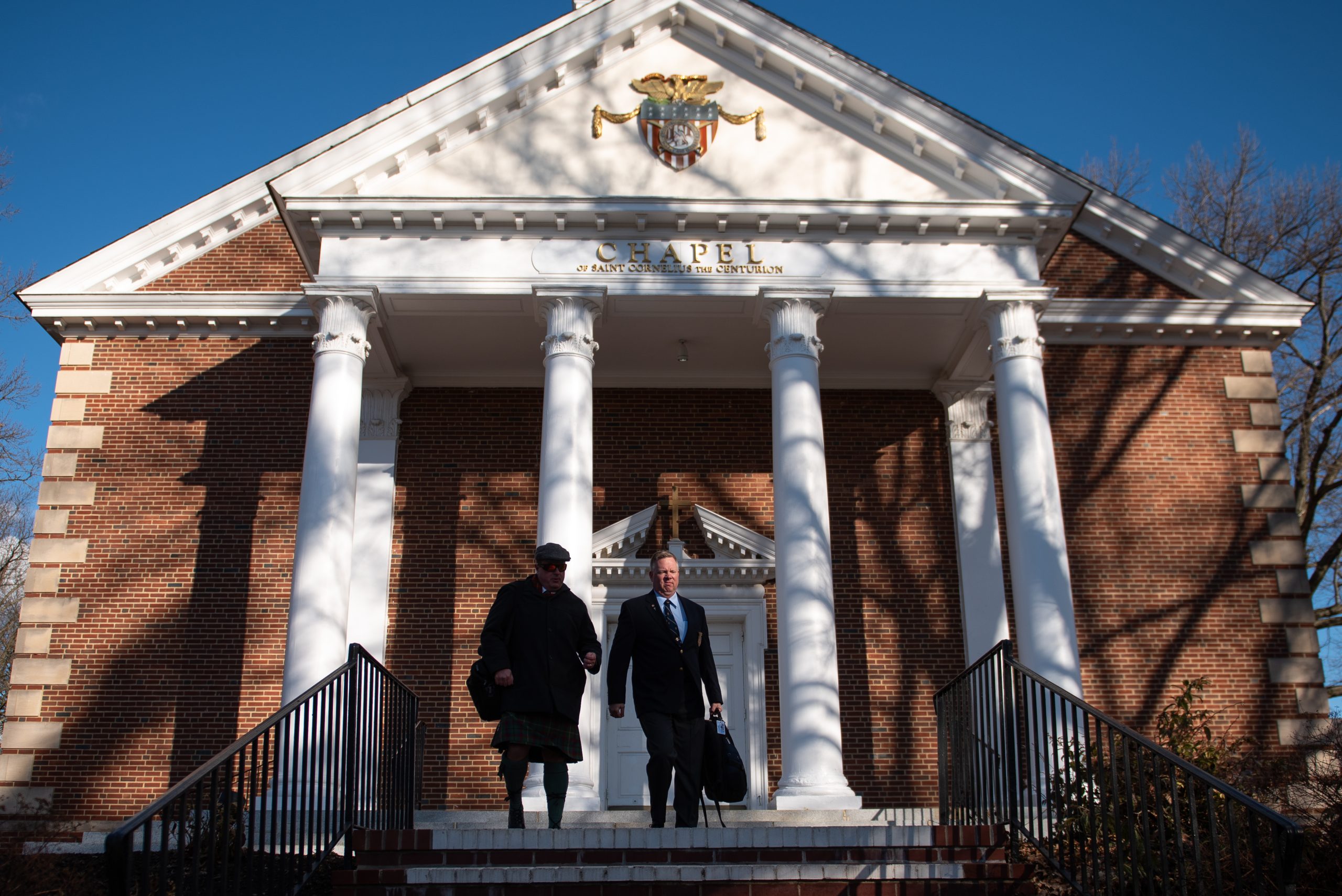
    The Chapel of St. Cornelius the Centurion at Valley Forge Military Academy & College in Wayne is photographed July 21, 2020.TOM GRALISH / Staff Photographer

    (Speaking of Catcher in the Rye: Author J.D. Salinger is among the Forge’s more notable graduates, and Craven traces the author’s conflicted relationship with the school, and its disciplinary culture, as a major influence on his fiction.)

    In 2025, the VFMA announced its closure; the May 2026 graduating class was its last. The neighboring Valley Forge Military College, a private military junior college, remains operational, having separated from the larger Academy in 2023, amid ongoing scandal.

    Last year, the VFMC became the first school in the country to offer support for President Donald Trump’s proposed Compact for Academic Excellence in Higher Education and received a $1 million federal grant earlier this year.

    More than a deeply researched and utterly harrowing inquest into how the American military turns boys into men, Craven’s book doubles as a critique of American masculinity itself: its valorization of violence, its codes of silence, its curated pathologies of aggression and shame.

    “While we have not read the book and therefore cannot comment on its specific arguments, we generally disagree with the author’s perspective on military schools,” the Valley Forge Military Academy Foundation said in a statement. “We believe military schools can have a profoundly positive and transformative impact on students by providing structure, discipline, leadership development, and a strong sense of purpose.”

    George C. Scott faces rebellious cadets in “Taps,” much of which was shot at Valley Forge Military Academy in 1981. After previewing the film, the academy repudiated it and nixed plans to host a premiere.

    It’s a dismal vision of chauvinist mock-virility that endures, culturally, Craven said, in everything from the prevalence of Punisher skull T-shirts and bumper stickers, to the vacant bellicosity of President Donald Trump (himself a military school alum who eventually avoided the Vietnam War draft), and the self-styled posturing of Pete Hegseth as “Secretary of War.”

    A workable alternative

    “Military schools across the country, including ours, have long lists of distinguished alumni who have gone on to achieve great success, many of whom credit their time at these institutions with helping shape their character, leadership, and future direction,” reads the VMAF statement.

    But in the course of his reporting, Craven was disillusioned of any idea that militarized men embody any sort of ideal.

    “The best evidence of my book’s thesis,” he said, “is that all these dudes who claim they’re the most macho and militaristic people around are all so jumpy, so self-conscious, and so uncomfortable with themselves.”

    “They are so clearly not happy with this identity they’ve constructed,” he said, “and yet are desperate to reinforce all the time.”

    Asked if there are any workable alternatives for this conception of the American man, Craven (who is a civilian) draws from a nonmythical figure in his own life: his father, the American activist and filmmaker Jay Craven.

    Valley Forge Military Academy alums pass in front of the school’s chapel on their way to a board of trustees meeting held at the Wayne, Pa. campus on Saturday, March 16, 2019. Kriston Jae Bethel / For The InquirerKRISTON JAE BETHEL / For the Inquirer

    “My dad grew up in Pottstown, Pa., and almost went to Valley Forge, before finding a Quaker school and becoming involved in the anti-war movement,” he said. “There was a moment in America where the peacenik was the prevailing masculine pinnacle. He has his own ‘war stories.’ He was followed by the feds. He was imprisoned. He was beat up. He’s got some scars, which is cool. He even dated Jane Fonda for a bit.”

    In tribute — and, perhaps, in aspiration for the future of the American male — God Forgives, Brothers Don’t is dedicated, “To my dad, who taught me how to wage peace.”

    “God Forgives, Brothers Don’t: The Long March of Military Education and the Making of American Manhood” by Jasper Craven is available at online and physical bookstores. $29, 352 pages, Atria/One Signal Publishers.

    The article was updated to include comments from the Valley Forge Military Academy Foundation.

  • A ‘Join or Die’ sculpture on Independence Mall is slithering its way into completion

    A ‘Join or Die’ sculpture on Independence Mall is slithering its way into completion

    In a historic addition, Independence Mall will soon be home to a sculpture derived from an iconic political cartoon.

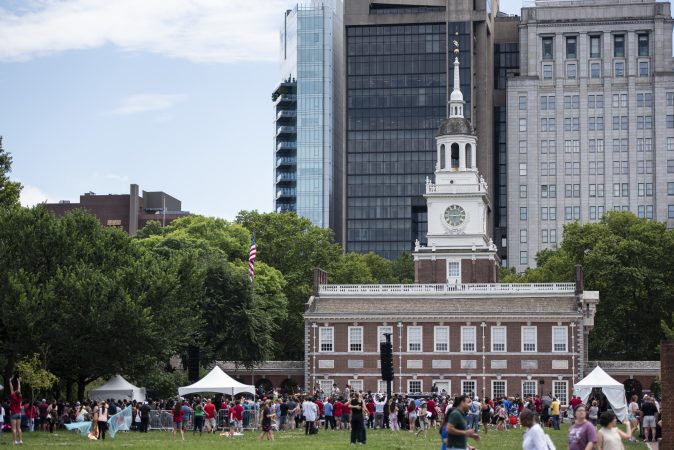
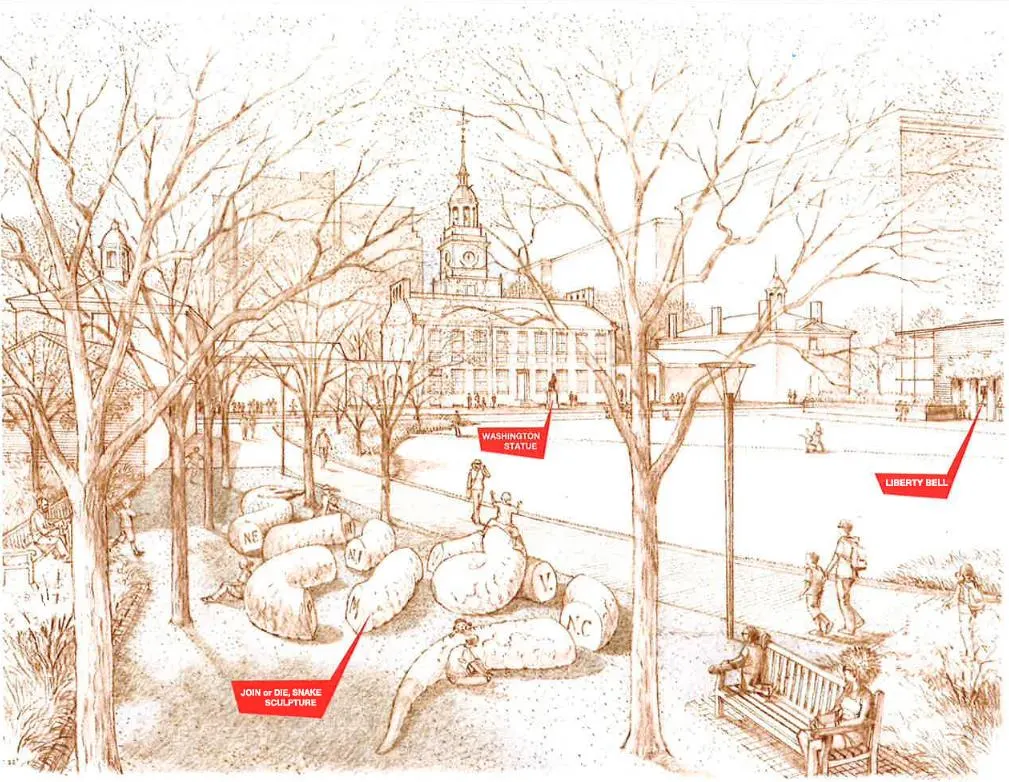
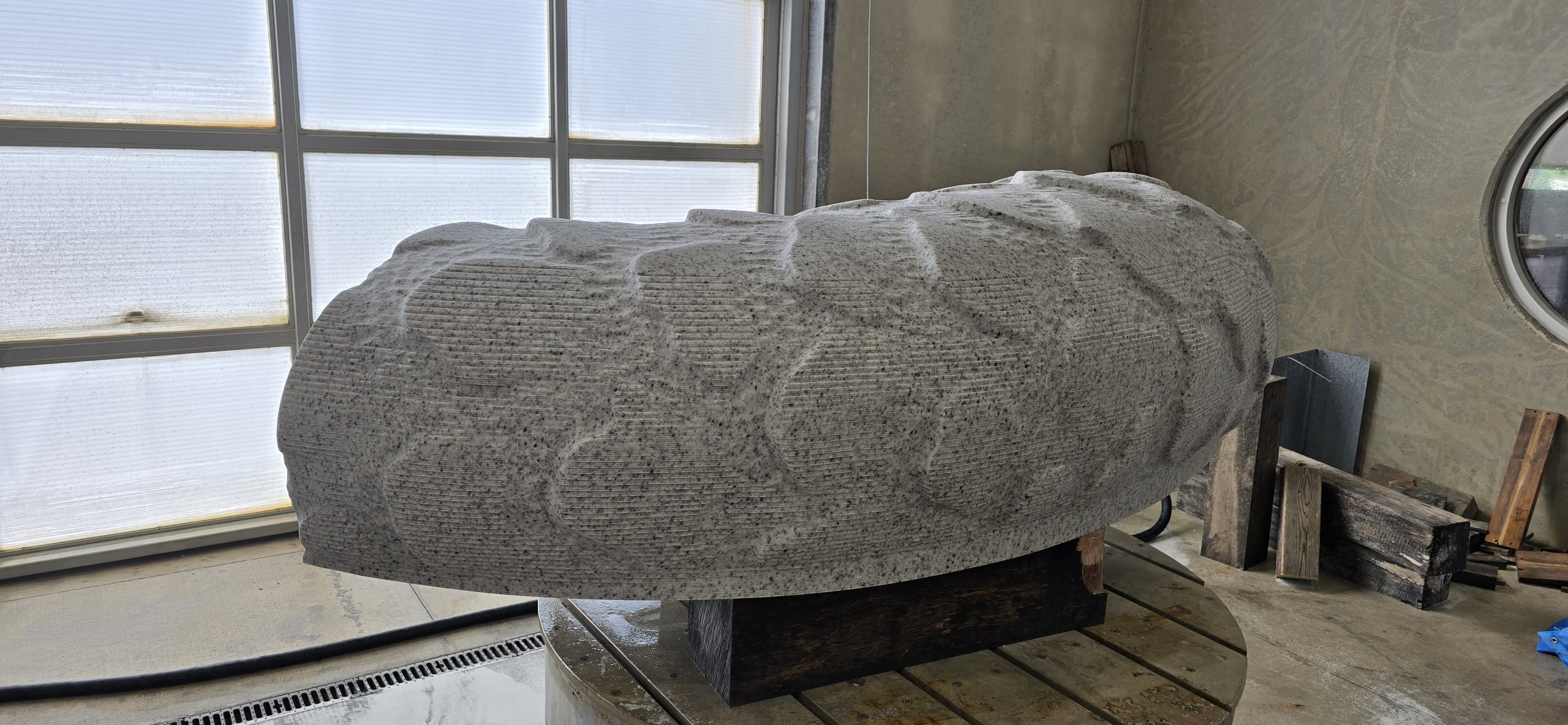
    A 46-foot-long sculpture of Benjamin Franklin’s “Join or Die” snake is set to be unveiled this fall on the Liberty Bell Center block of the Independence Mall, near the corner of Fifth and Chestnut Streets. The sculpture will feature eight pieces that represent segments of the snake’s body. These will be carved out of granite, each marked with the initials of the respective colony it’s meant to represent.

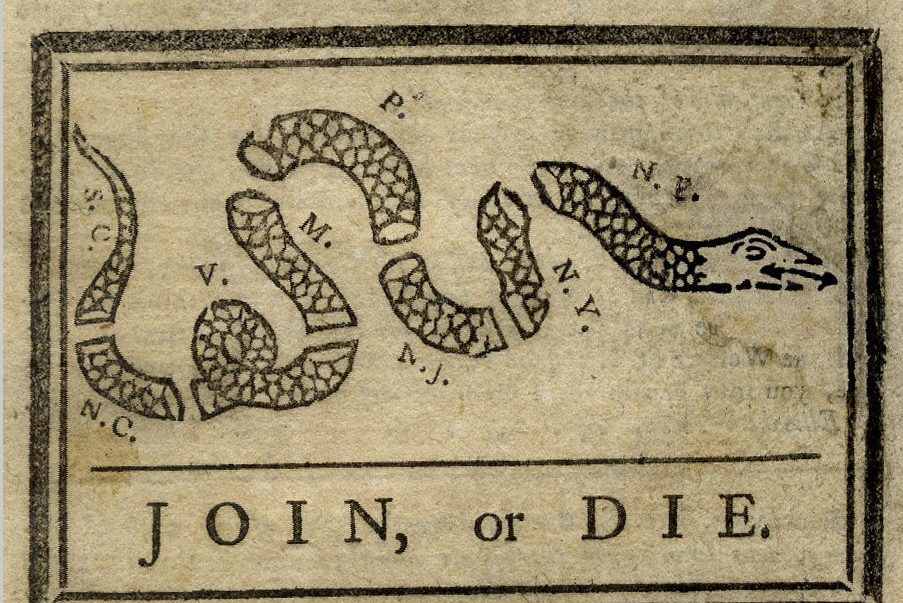
    The political cartoon created by Franklin in 1754 was first published in his newspaper, the Pennsylvania Gazette. Each piece of the snake is meant to represent one of the 13 original colonies, except for the snake’s head which represents the six colonies of New England.

    The cartoon called for unity among the colonies, particularly during the French and Indian War.

    This political cartoon, long said to be the work of Ben Franklin, appeared in the May 9, 1754, edition of Franklin’s Pennsylvania Gazette,Nate D. Sanders Auction

    The Independence Mall sculpture will be installed on the ground, allowing visitors to interact directly with the sculpture.

    “I thought it was a great idea to have that on the mall because it’s considered the first political cartoon in the country before we were a country in 1754,” said John Collins, the artist behind the sculpture. “I thought interpreting that into a large sculptural work that still has a playful element to it, that the mall is really lacking in, would be a great addition.”

    Collins, who was an architect for 15 years after graduating from Penn State, had first heard of the project in the 2000s while working at landscape architecture and urban design firm OLIN. Founder Laurie Olin had proposed the snake sculpture to be included in an interpretive art program for Independence Mall in 1997, but that part never came to fruition.

    An aerial-view rendering of the “Join or Die” sculpture, set to be displayed near the corner of Fifth and Chestnut Streets on Independence Mall.Courtesy of Independence Historical Trust

    “During the pandemic I sent an email to Laurie asking if we could try to resuscitate the snake project and he responded within a couple hours,” said Collins, who left OLIN in 2009. “He said if I put together a proposal with a team and some costs and graphics, we could then shop it around to private donors and try to raise money for it and treat it essentially as a gift to the Park Service.”

    This “gift” has come to a total of approximately $3.9 million, with funds raised by Independence Historical Trust, the park’s nonprofit fundraising organization.

    The sculpture was originally one of several other improvements to the park proposed in 2025 to be completed before this year’s Semiquincentennial. An America250 time capsule was buried at that same corner at Fifth and Chestnut Streets — just a few feet south of where the snake’s head will be.

    A rendering of the “Join or Die” sculpture, which is set to be installed this fall near the corner of Fifth and Chestnut Streets on Independence Mall.Courtesy of National Park Service

    In July of 2025, the Inquirer reported that the project was short the $1.6 million needed to complete the project by this summer.

    Severe budget cuts to the National Park Service and other federal funding gaps forced the trust to turn to public fundraising for their improvement efforts. They were able to secure funding for this project from the state, the city, private foundations, legacy groups, and individual philanthropists.

    Despite the delay, Jonathan Burton, the trust’s director of development, maintains that the fundraising was “intentionally phased.”

    “Early commitments allowed the project to advance through design and engineering while additional support was secured for fabrication,” he said. “We are now working on installation fundraising.”

    A piece of the “Join or Die” snake sculpture carved out of granite stone.Courtesy of John Collins

    The installation of the sculpture still requires an additional $800,000. The trust has set up a public donation page for fundraising.

    “The sculpture will create a new civic destination in the heart of Historic Philadelphia, inviting residents and visitors alike to engage with one of America’s most enduring symbols,” said Burton. “It will strengthen Philadelphia’s reputation as a city where history is not simply preserved but experienced, inspiring new conversations about the values that continue to shape our nation.”

    No official unveiling date for the sculpture has been announced.

    The article has been updated to reflect accurate numbers for the funding shortfall received from the Independence Historical Trust, and details about the America 250 time capsule.

  • Thomas Eakins turned Philadelphia’s medical history into high art. Philadelphians weren’t ready for it.

    Thomas Eakins turned Philadelphia’s medical history into high art. Philadelphians weren’t ready for it.

    In 1866, the realist painter Thomas Eakins was in Paris studying at the École des Beaux-Arts. While there, he wrote to Emily Sartain, a family friend and artist who, from 1886 to 1920, would go on to become principal of what is now the Moore College of Art.

    “I am proud to be a Philadelphian. … I feel 6 ft and 6 inches high whenever I only say I am an American,” he boasted.

    It took some years before Philadelphia accepted and loved the artist back.

    In 1870, Eakins returned to Philadelphia, where he began a career painting subjects of modern life in a straightforward manner without pretense or flourish. Establishing a studio at his family home on Mount Vernon Street, he hoped to find artistic success in Philadelphia.

    But his first paintings received mixed reviews and found no buyers.

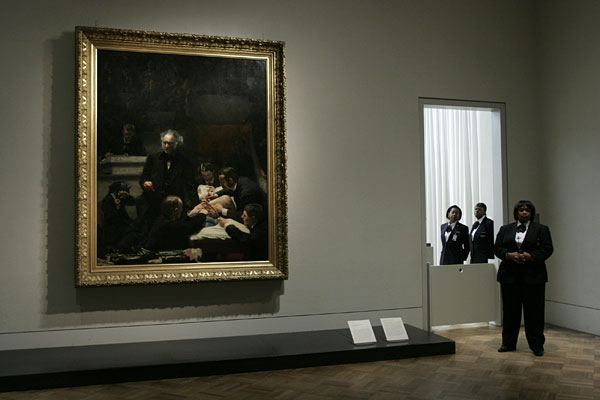
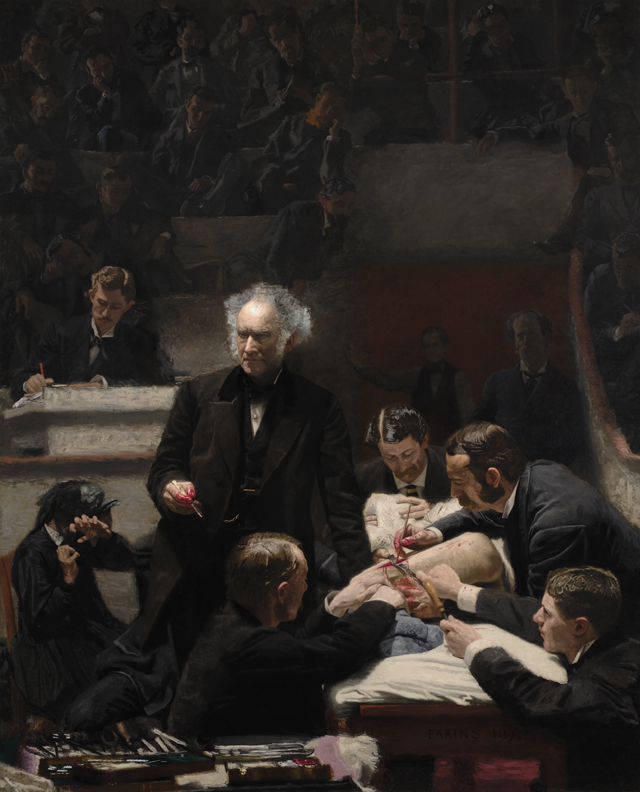
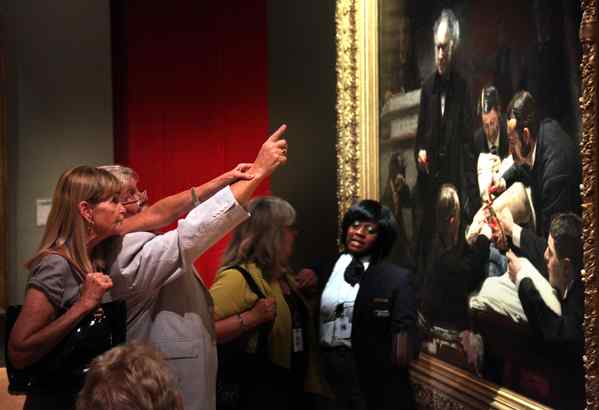
    Thomas Eakins, “Portrait of Dr. Samuel D. Gross (The Gross Clinic),” 1875. Oil on canvas, 96 x 78 ½ in. Courtesy of the Pennsylvania Academy of the Fine Arts, Philadelphia. Gift of the Alumni Association to Jefferson Medical College in 1878 and purchased by the Pennsylvania Academy of the Fine Arts and the Philadelphia Museum of Art in 2007 with the generous support of more than 3,400 donors.Courtesy of the Pennsylvania Academy of the Fine Arts

    ‘The Gross Clinic’

    In 1875, at age 30, Eakins began work on Portrait of Dr. Samuel D. Gross (The Gross Clinic), a noncommissioned oil painting of the eminent surgeon-teacher in clinical instruction at Jefferson Medical College, where Gross was chair of surgery from 1856 to 1882.

    Drawing the nude model was a central aspect of academic art training, and students were required to attend lectures on anatomy and study animal and human cadavers in dissection labs. To better his scientific realism, Eakins attended surgical demonstrations and anatomy lectures at Jefferson, and often observed surgical demonstrations by Gross.

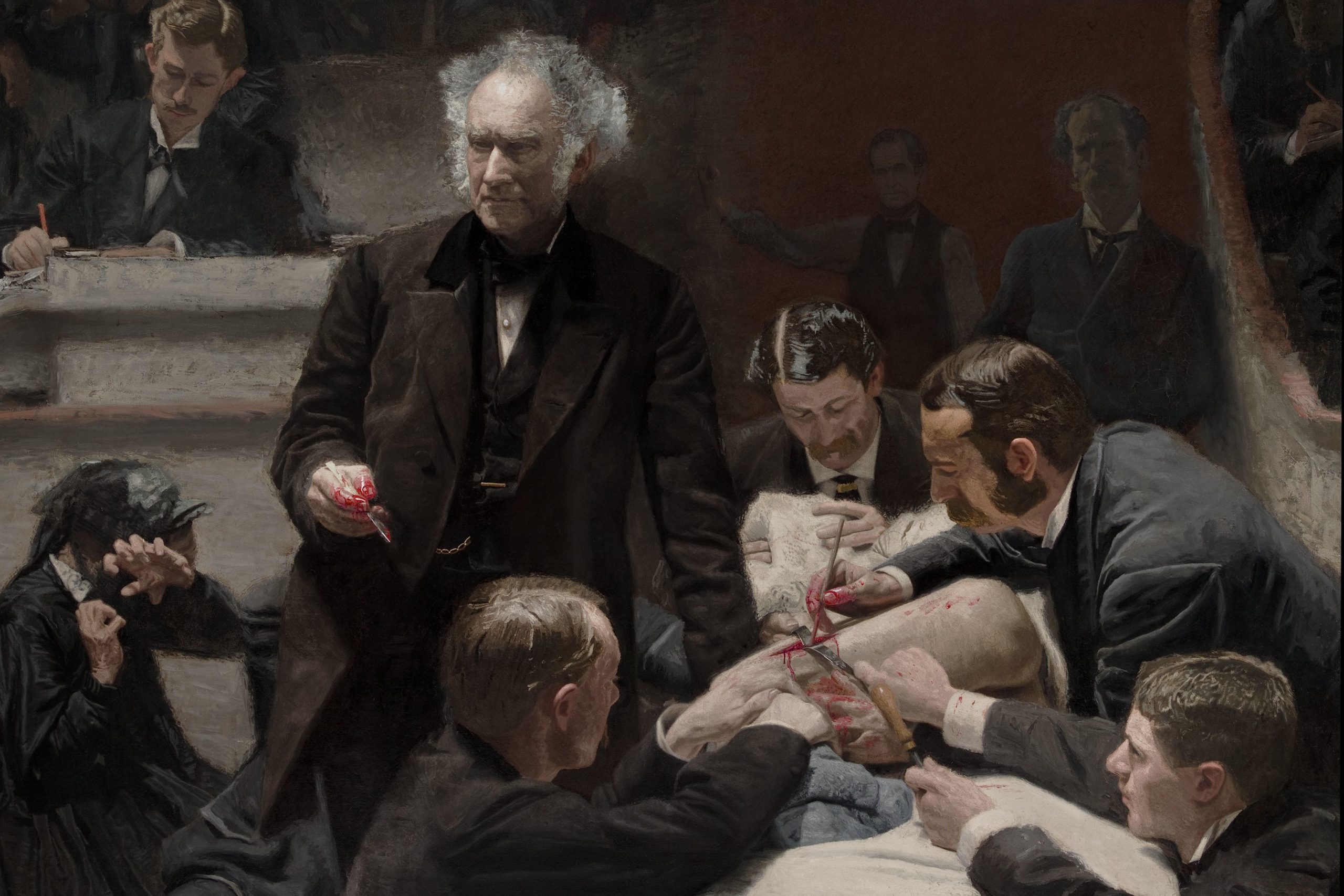
    Detail from “The Gross Clinic” by Thomas Eakins. The painting was a gift of the alumni association to Jefferson Medical College in 1878 and purchased by the Pennsylvania Academy of the Fine Arts and the Philadelphia Museum of Art in 2007 with the support of more than 3,600 donors.Courtesy the Philadelphia Museum of Art and the Pennsylvania Academy of the Fine Arts

    The Gross Clinic, the 8-by-6.5-foot large oil on canvas, shows Gross and his assistants operating in their street clothes worn with long coats. The surgical tools and bandages lie unprotected on a table in the lower foreground. (Germ theory of disease was yet to become an influential factor on medical practice in the United States.)

    For this first clinic portrait, Eakins uses dramatic lighting that reflects off Gross’ forehead and his extended right hand. He holds a believably bloody scalpel, emphasizing how successful surgery requires intellect and manual dexterity.

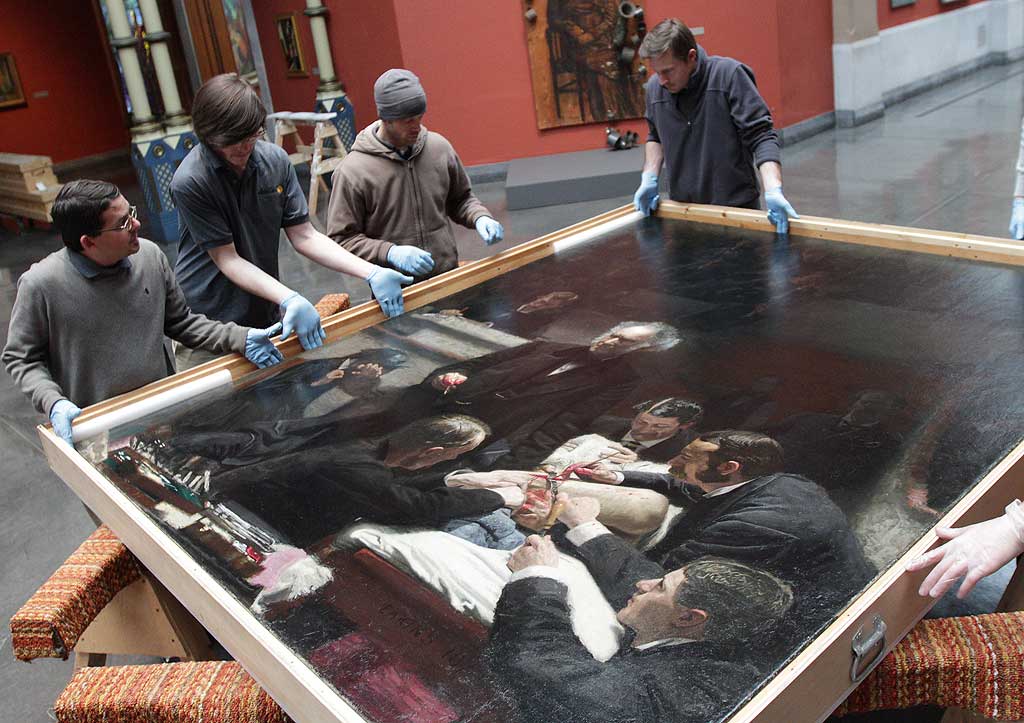
    Art handlers from PAFA and Atelier Art Services Inc. place “The Gross Clinic” in a packing crate in 2014. The painting was being moved for display at the Philadelphia Museum of Art. ( David Maialetti / Staff Photographer )

    The patient is a minor; the seated woman recoiling in horror is his mother. A chloroform-soaked cloth sedates the child .

    In this stopped-action moment, Gross is the commanding figure of the surgical amphitheater. While his assistants hold a retractor to keep the patient’s left thigh incision open, Gross calmly explains to his audience of students the modern practice of removing a piece of diseased bone caused by osteomyelitis.

    The moment celebrates stoic men performing surgery. Gross is a heroic savior giving renewed life to a patient who didn’t have to endure a brutal amputation and will retain use of both legs.

    Much of the amphitheater is cast in darkness, but a self-portrait of Eakins sits by a railing to imply authenticity of direct observation. He holds a pen or brush like Gross’ scalpel, suggesting that art making is akin to surgery.

    The artwork, Eakins believed, was “very far better than anything I have ever done,” as he wrote in an 1875 letter to Earl Shinn, a Philadelphia friend who had also studied at the Ecole in Paris.

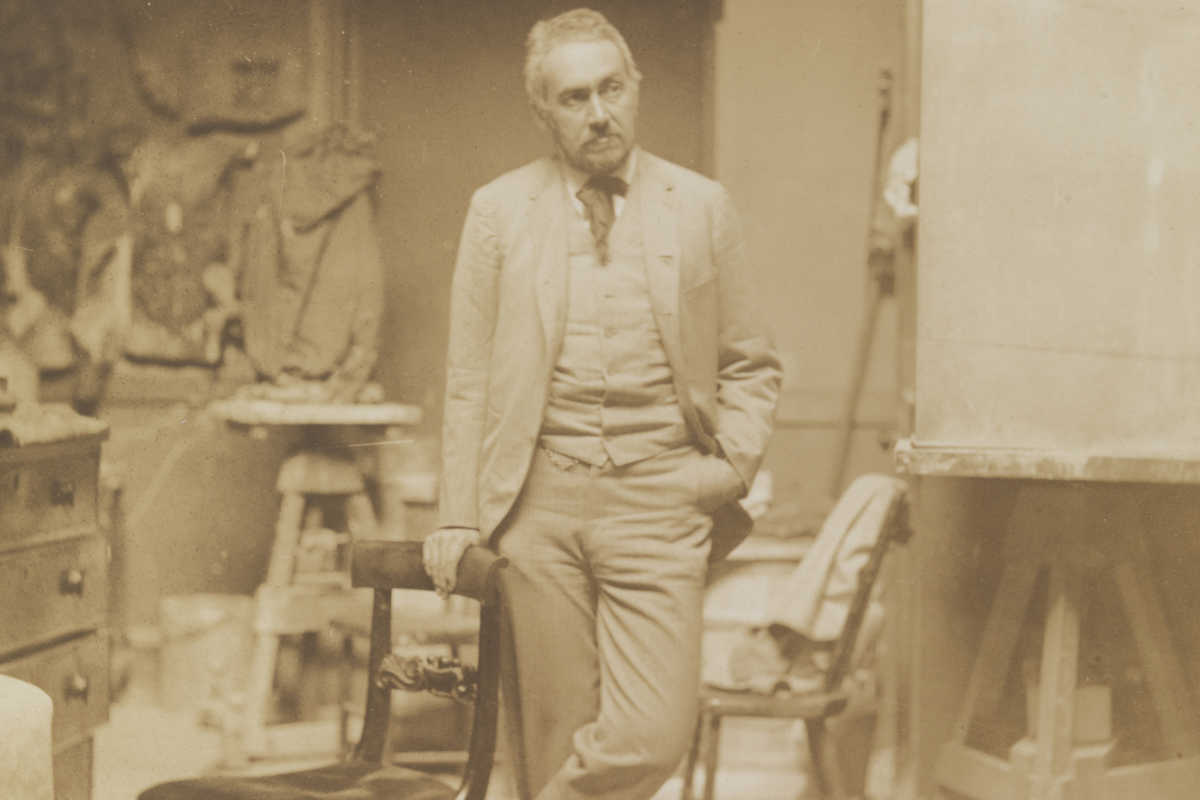
    Thomas Eakins in a Chestnut Street studio, 1891-92.Photo taken by Samuel Murray.

    Eakins had hoped the portrait of Gross would be seen at the large international art exhibition in Memorial Hall during the 1876 Centennial Exposition in Philadelphia, and help establish his reputation.

    It was rejected by the art jury, but was displayed as part of a medical exhibit in the U.S. Army Post Hospital. When the painting was exhibited later at the second annual exhibition of the Society of American Artists in New York, a New York Daily Tribune critic wrote: “It is a picture that even strong men find it difficult to look at long, if they can look at it at all.”

    Given the long-term relationship of Gross with Jefferson Medical College, the artist hoped the institution would acquire the painting for its art collection. It was only in 1878 that the Alumni Association of Jefferson Medical College purchased the portrait for $200 (approximately $6,660 in today’s dollars) and presented it to the school where it remained for 129 years.

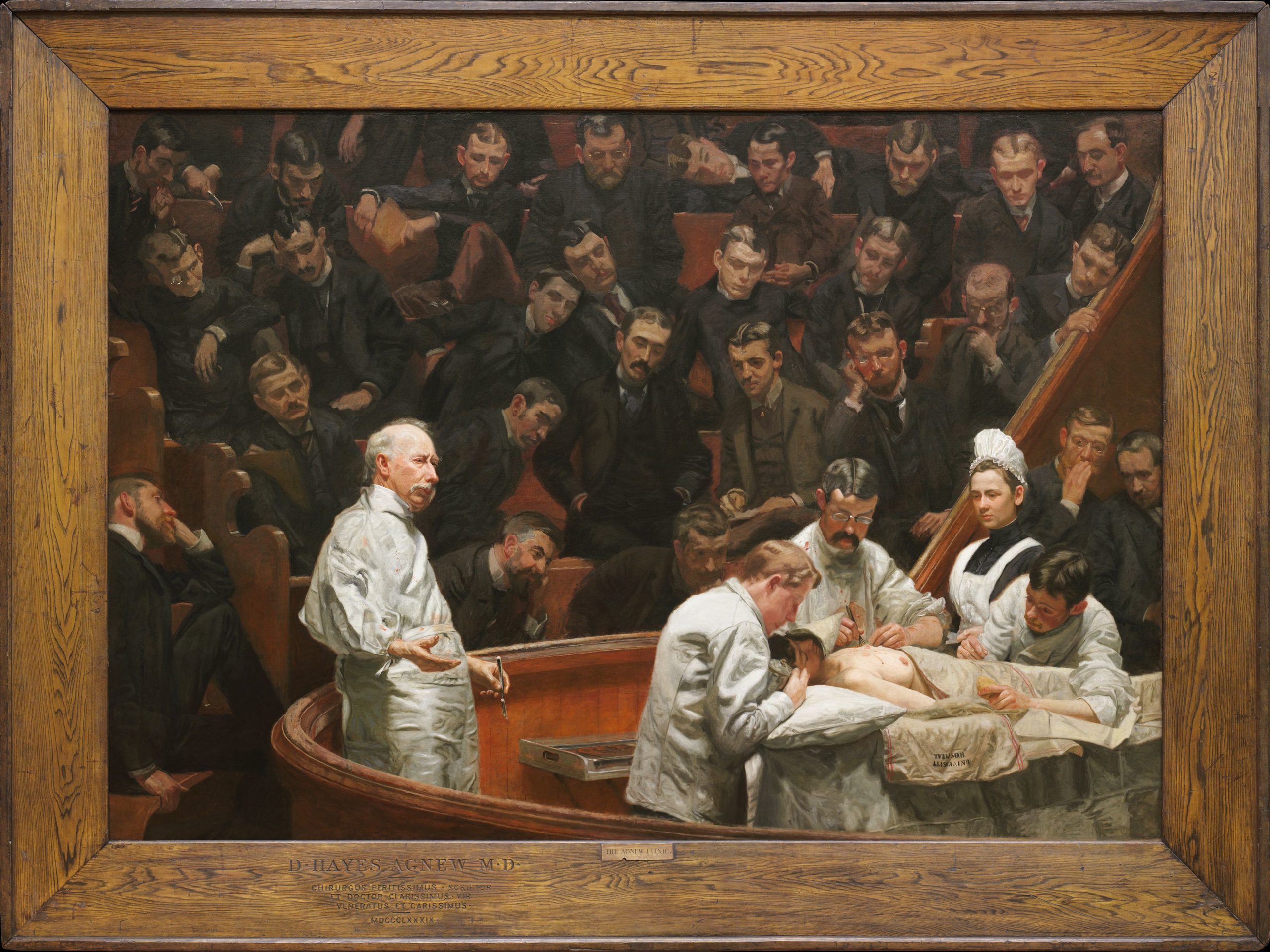
    “The Agnew Clinic” (1889) by Thomas Eakins. On long-term loan to the Philadelphia Museum of Art.Courtesy of the University of Pennsylvania Art Collection

    ‘The Agnew Clinic’

    Fourteen years later, in 1889, Eakins painted The Agnew Clinic.

    By then, he had taught at PAFA, which admitted women; a rarity in its time. Eakins believed all serious art students, regardless of gender, must work from the life model and learn anatomy.

    “I see no impropriety in looking at the most beautiful of nature’s work, the naked figure,” he said. His emphasis on nude life drawing and anatomical study was unsettling to Victorian propriety and his teaching methods eventually proved controversial.

    The last straw came in early 1886 when Eakins was giving an anatomy lecture during which he removed a loincloth from a male model in the presence of female students. As requested by the administration, the artist, who was the academy’s director, submitted his resignation, stating: “Was ever so much smoke for so little fire?”

    This was upsetting for him. In the summer of 1887, to overcome depression, Eakins made “a little trip to the West,” as he then wrote his friend and former student John Laurie Wallace, to experience “camp cure” at a ranch in the Dakota Territories.

    Back in Philadelphia, Eakins received a major boost when in February 1889, he was commissioned by a group of aspiring doctors from the University of Pennsylvania School of Medicine, the nation’s oldest, to paint their retiring teacher, David Hayes Agnew, a colleague of Gross. They offered the artist $750 (approximately $27,148 in today’s dollars).

    Eakins began work on The Agnew Clinic, his second clinic portrait.

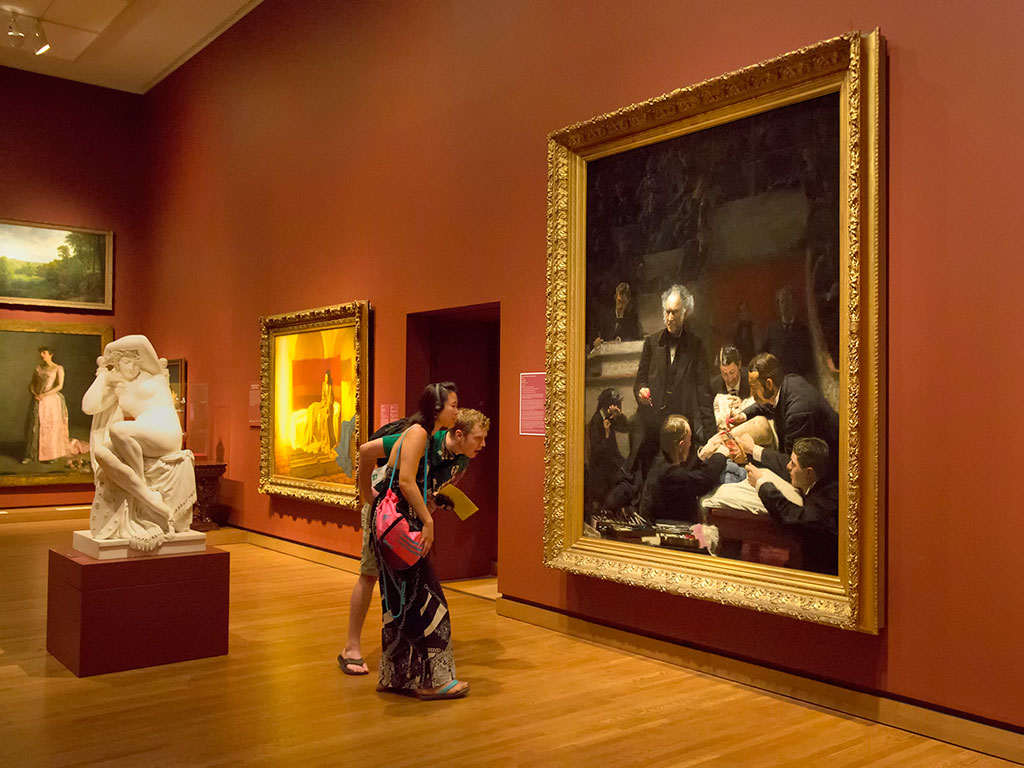
    Visitors look at Thomas Eakins’ “The Gross Clinic” in the newly redone American gallery at the Philadelphia Museum of Art in 2014.

    Even larger, at 6 feet by 11 feet, the painting reveals some newly instituted aseptic practices. Surgeon Agnew and his team wear white gowns; sterilized instruments are placed in a covered tray. The operation has a nurse at the patient’s side, but no gloves or masks are seen being used.

    Because the canvas was too large for his easel, Eakins worked on the lower sections sitting on the floor, spending long days and nights (and occasionally falling asleep) on the studio floor. The work was completed in three months.

    With less dramatic lighting and looser brushstrokes than The Gross Clinic, Eakins shows Agnew in his pedagogical role operating with assistant physicians, a nurse from the HUP Training School, and more easily visible class members who are observing the surgery.

    Eakins places Agnew isolated at the left, lecturing. The patient, who has had a mastectomy, is having her incision sewn as a male assistant leans over her lower body. On the far right, the artist, who in this work was painted by his wife, Susan Macdowell Eakins, observes the nude woman sedated with an ether cone.

    Deemed “not cheerful for ladies to look at,” the painting is a most provocative choice of surgery for Agnew, who wasn’t a breast cancer specialist but an authority on gunshot wounds.

    The Agnew Clinic was given by the medical class of 1889 to their school.

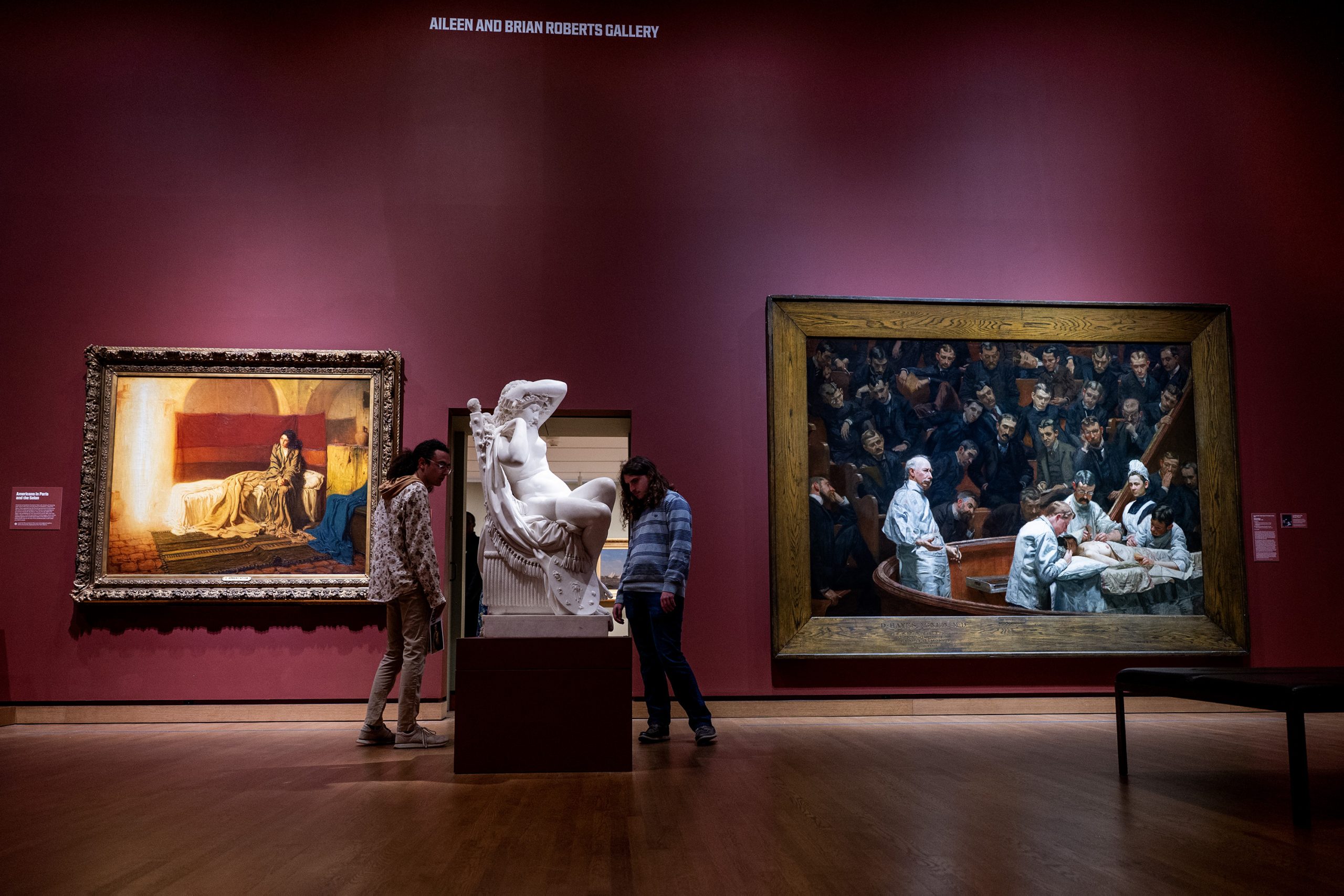
    Marble sculpture “La Première Pose (center, 1873-1876) by Howard Roberts; and paintings “The Annunciation” (left, 1898) by Henry Ossawa Tanner and “Portrait of Dr. Hayes Agnew (The Agnew Clinic)” (right, 1889) by Thomas Eakins.in the “A Nation of Artists” show at the Philadelphia Museum Monday, May 4, 2026, in the newly renovated American galleries which were closed for several years.Tom Gralish / Staff Photographer

    Side by side

    Eakins is a distinguished presence in “A Nation of Artists,” the exhibition of 1,000-plus artworks organized by the Pennsylvania Academy of the Fine Arts and the Philadelphia Museum of Art to mark the 250th anniversary of the founding of the United States.

    The Gross Clinic at PAFA and The Agnew Clinic at the PMA are part of this expansive dual-venue survey of American artworks; each is a tour de force.

    The two medical portraits reveal the painter’s respect for the art of surgery, underscoring Philadelphia’s vital role in medicine and its preeminent medical schools. Anesthesia, which was newly introduced in the 19th century, is used in both operations.

    Both paintings were not well received and regarded as disturbing and unsightly. But both of those large clinical portraits were exhibited together at the 1893 World’s Columbian Exposition in Chicago.

    A Philadelphia Public Ledger writer complained that the “surroundings and accessories are scarcely in good taste for a public exhibition.” Another critic dismissed “the clinical horrors” as “ghastly symphonies in gore and bitumen” and mused: “To have hung the pictures at all was questionable judgment.”

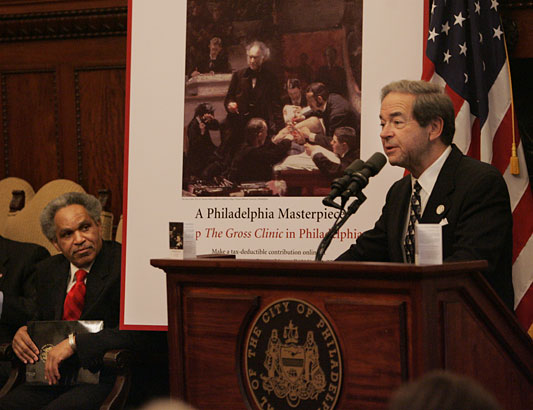
    In this photo from 2007, Herbert Riband, vice chairman of the board at the Pennsylvania Academy of the Fine Arts, speaks at City Hall as Mayor John Street listens during the announcement that the Philadelphia Museum of Art and PAFA are to acquire “The Gross Clinic.” Michael Bryant / Inquirer Staff Photographer)

    Afterlives

    In November 2007, Jefferson Medical College agreed to sell The Gross Clinic for the stunning sum of $68 million offered by Alice L. Walton, Walmart heiress and founder of the Crystal Bridges Museum of American Art in Bentonville, Ark.

    It set off a maelstrom resulting in a spirited fundraising campaign that successfully matched her price in a few weeks, keeping the masterpiece in Philadelphia. With a few thousand donations, PAFA and the Art Museum jointly acquired the canvas.

    The two institutions collaboratively share the painting on a five-year cycle; it will be at PAFA until 2031.

    On opening day of an exhibition at the Art Museum’s Perelman Building, visitors gather around Thomas Eakins’ “The Gross Clinic.” Photo from 2010.LAURENCE KESTERSON / Staff Photographer

    Unlike The Gross Clinic, Eakins was asked to paint the portrait of Agnew, creating his second clinic image and the largest canvas of his career. It was completed for presentation at the graduation ceremony that took place at the Academy of Music on May 1, 1889. Its original wood frame has a Latin inscription believed to have been carved by Eakins honoring Agnew as “the most experienced surgeon, the clearest writer and teacher.”

    Since 2000, the canvas has been on loan from the university to the PMA.

    While recent research has shed light on his pattern of sexual harassment, including allegations that he sexually molested his niece, Eakins continues to be appreciated as an individualist and one of America’s greatest painters. He maintained: “My life is all in my work.”

    “A Nation of Artists” runs through July 5, 2027, at the Philadelphia Museum of Art (2600 Benjamin Franklin Parkway, Philadelphia, 215-763-8100 or philamuseum.org) and through Sept. 5, 2027, at the Pennsylvania Academy of the Fine Arts (118-128 N. Broad St., Philadelphia, 215-972-7600 or pafa.org). Note: Exhibit admission is separate at each venue, though discounts are available to view both.

  • A vast collection of ‘scandalous’ 19th-century sex manuals has made its way into the Library Company’s stacks

    A vast collection of ‘scandalous’ 19th-century sex manuals has made its way into the Library Company’s stacks

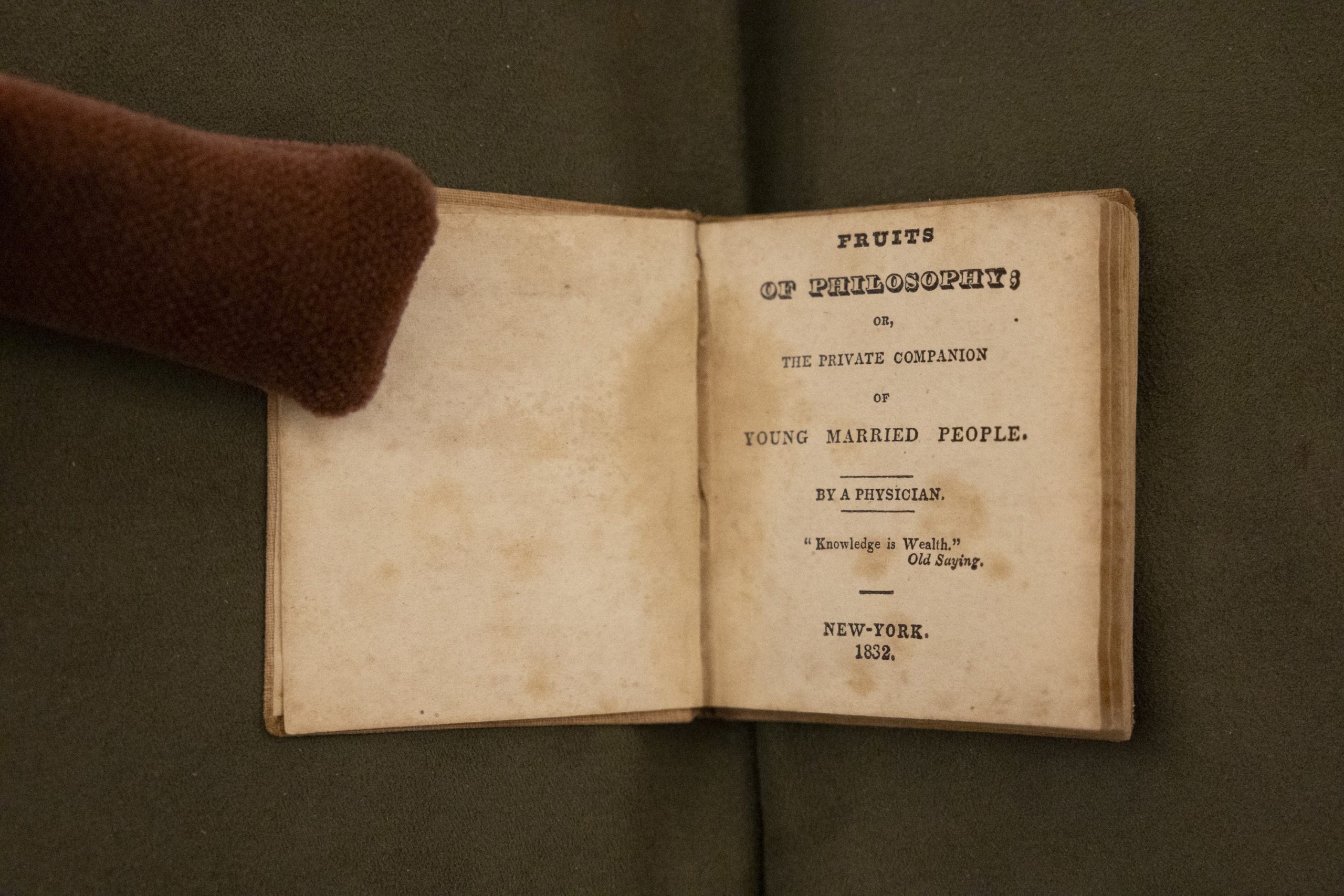
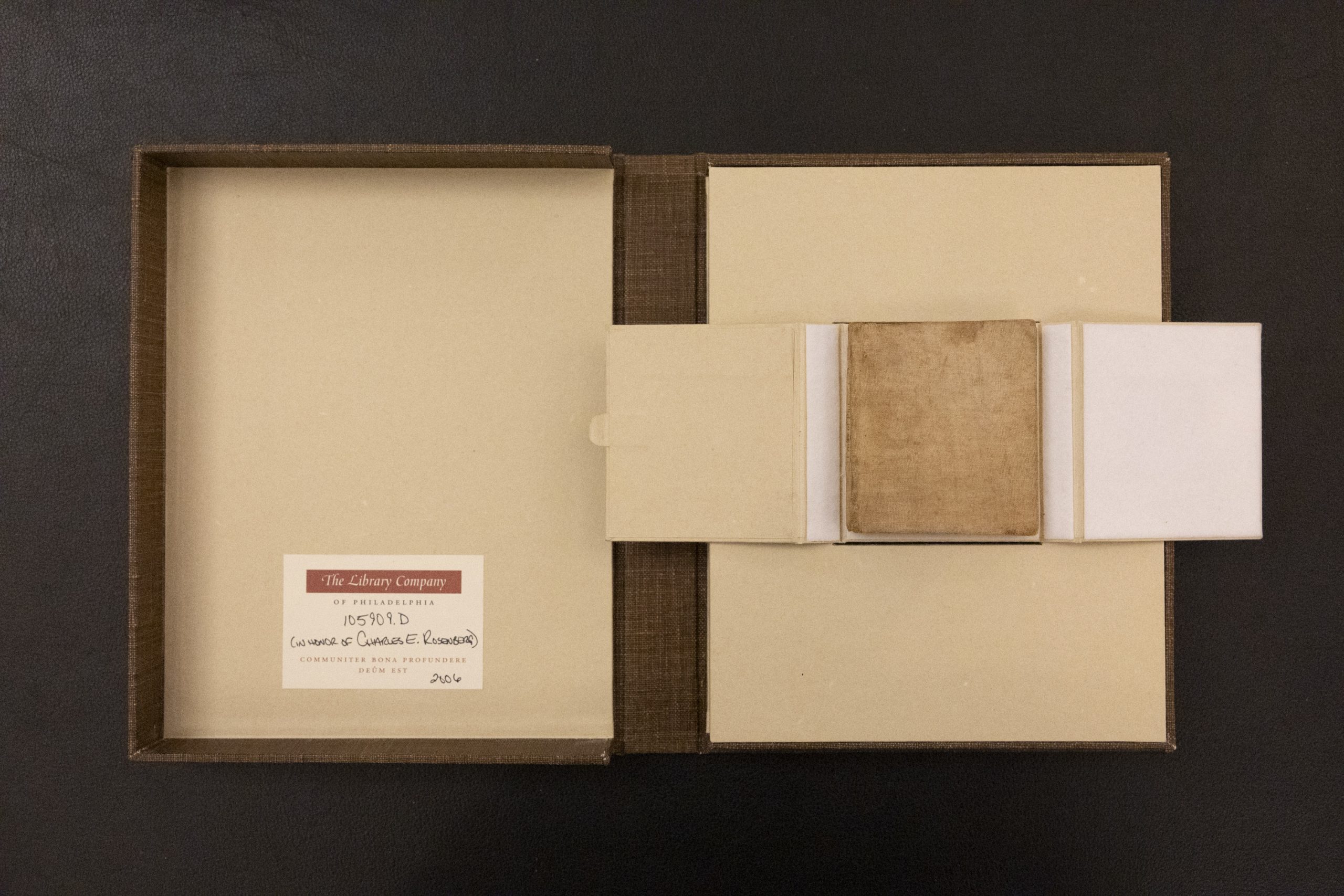
    On a recent visit, the Library Company of Philadelphia’s curator of printed books, Rachel A. D’Agostino, gently removed the delicate 1832 edition of Charles Knowlton’s Fruits of Philosophy from a matchbox-size box within a box.

    The two-and-a-half-inch-tall book’s exquisite packaging was like that of a 1.5 oz. bottle of vintage French perfume.

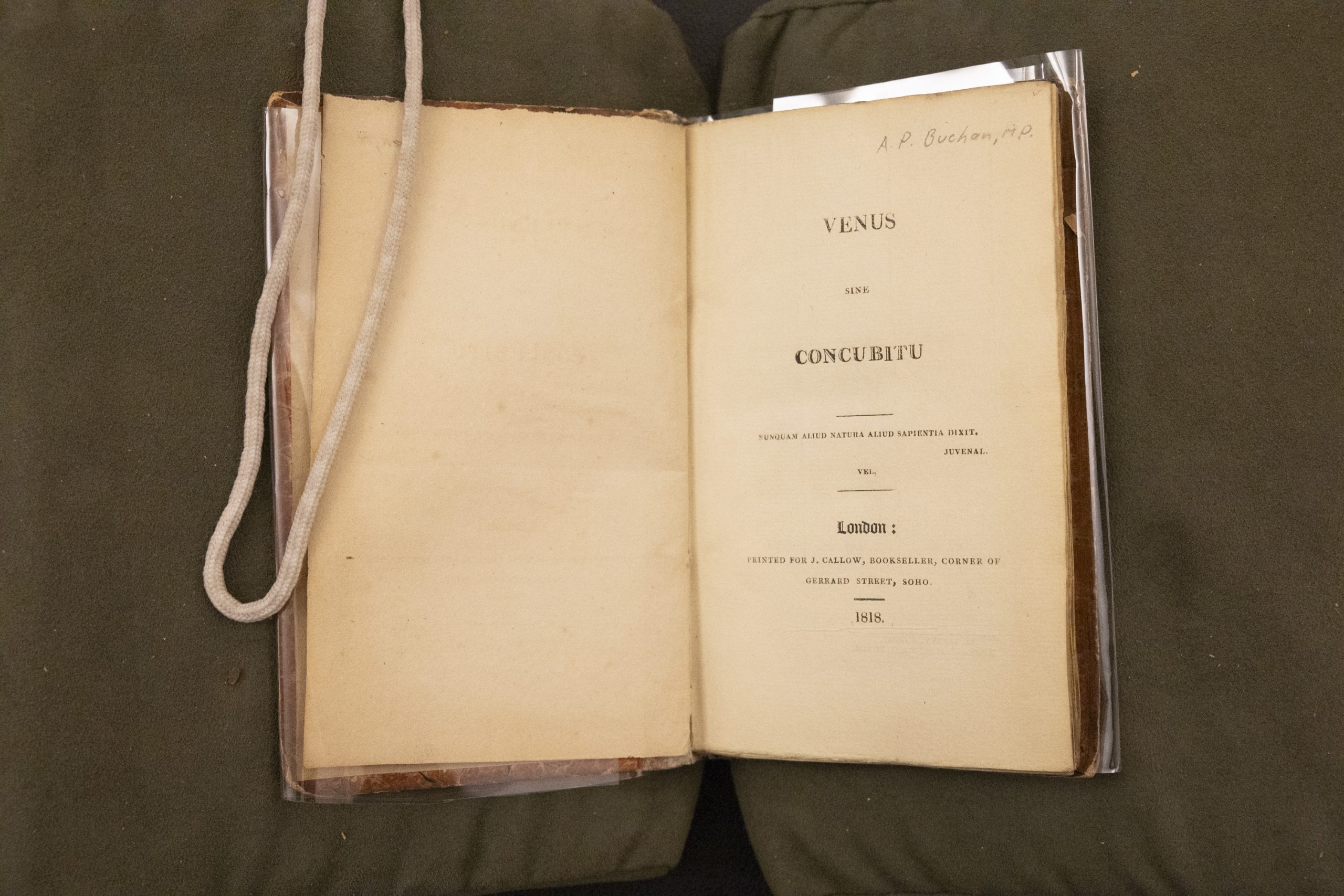
    But unlike Chanel N°5, there were no fancy logos or recognizable typeface on the weathered encasing; just a small sticker with its title. Next to the first edition print were two additional volumes published in 1834 and 1839, respectively.

    Both a tad bigger, yet small enough to fit discreetly on a chatelaine.

    “Fruits of Philosophy is a 19th-century manual about birth control,” D’Agostino whispered like she was sharing a confidence, not simply using her inside-of-the-library voice.

    “Fruits of Philosophy,” a 19th-century manual about birth control first written by Charles Knowlton in 1832. Tyger Williams / Staff Photographer

    ”Everything about it is meant to be hidden, a secret. There is no name of the printer, or publisher. Knowlton’s name is not even there. Everybody knows this book is a potential problem and they are saying, ‘We think this is important and at the same time we have to keep it hidden.’”

    Fruits of Philosophy is one of 1,500 19th-century clandestine hardcovers that are part of the Library Company’s most recent set of acquisitions from respected medical historian, author, and avid book collector Charles E. Rosenberg. Over the last 40 years, he has donated more than 16,000 books to America’s first independent lending library.
    Rosenberg’s own scholarly texts about cholera, mental health, and religion in science are widely read and referenced. However, these bound works donated by him were expected to be tucked away in secret compartments and buried in the bottom of bedroom drawers when they were first published upward of 200 years ago.

    “Fruits of Philosophy,” an 19th century manual about birth control first written by Charles Knowlton in 1832. One of the various books on the science of sex from the 18th and 19th Century at The Library Company in Philadelphia, Pa., on Tuesday, July 21, 2026.Tyger Williams / Staff Photographer

    Why? Because they are all about sex. The books taught denizens of centuries past about sex and their bodies.

    Not scintillating, bodice-ripping sex, but scandalous enough.

    Books about every conceivable unmentionable

    Americans didn’t go to the doctor for regular checkups before the mid-20th century, let alone talk to their MDs about their sexual health. Discussions about sex — even between husband and wife — were taboo.

    So, an entire underground economy of books and pamphlets printed to help people navigate their sexual lives emerged. They were naughty at best, scandalous at worst, and distributed through the kinds of secret channels we think of today as the dark web. Despite their nefarious nature, people sought them out even when the tips — especially the birth control hacks in Fruits — would be considered dicey by today’s standards,

    “They helped people manage their bodies,” said Rosenberg, whose collection spans from the early 18th- to the mid-20th century. “Abortion, birth control, masturbation, anything involving sexual pleasure was controversial in polite company.”

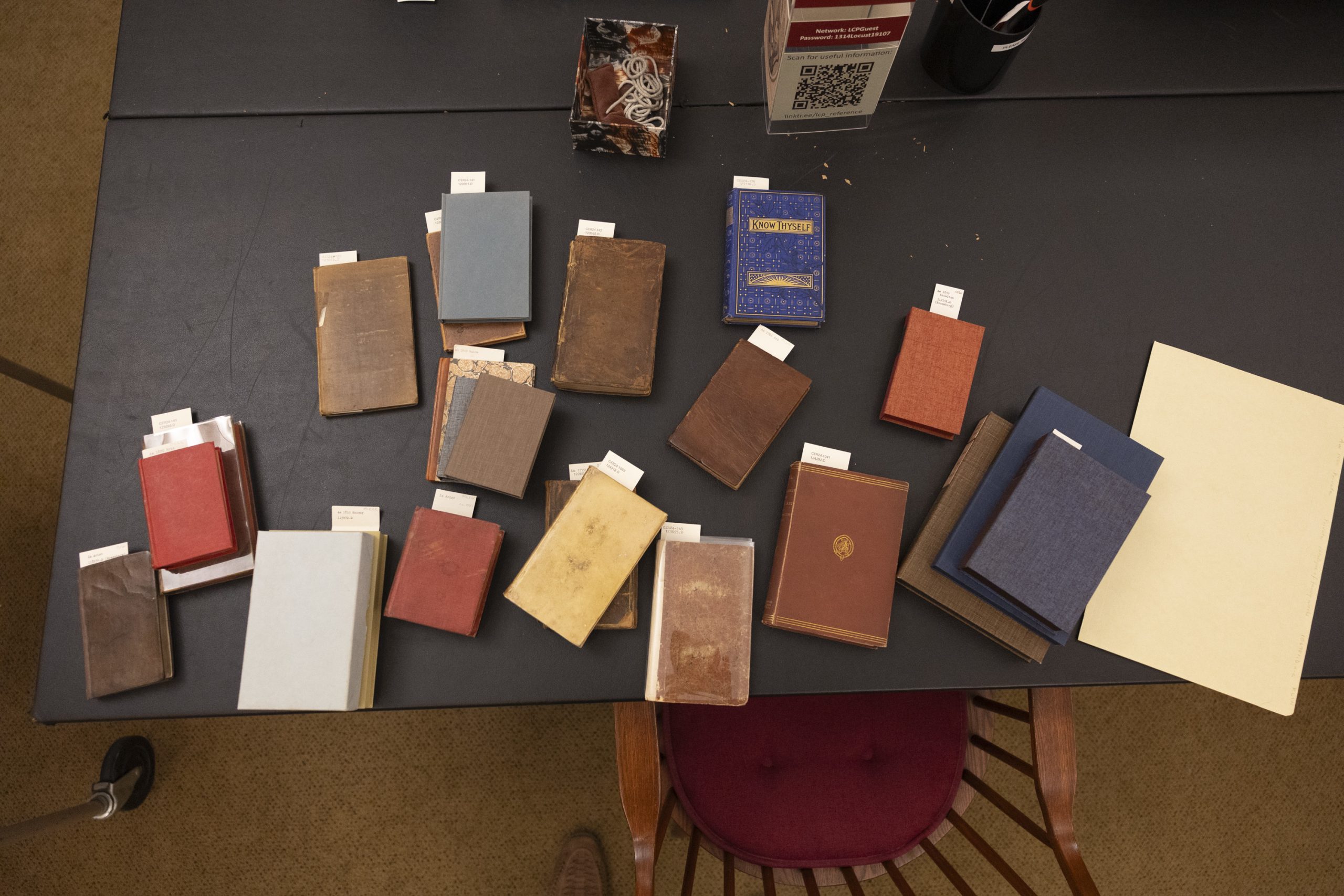
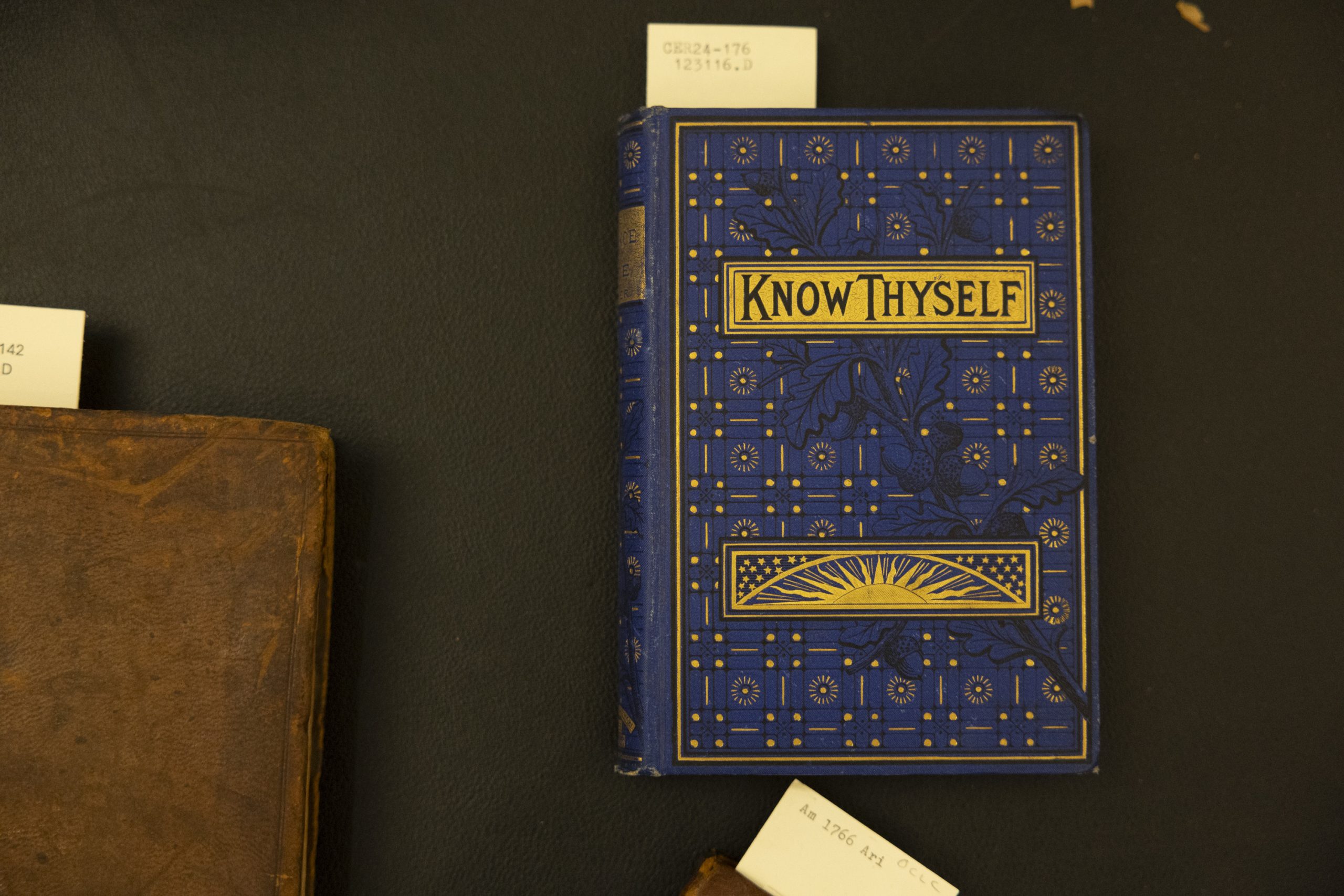
    The title of this book appears to be, “Know Thyself” However, its true name is ‘The Science of Life, or, Self Preservation.” “Perhaps the biblical reference on the cover hints at what the book was really about without telling you directly that its about sex,” Rachel D’Agostino suggests.Tyger Williams / Staff Photographer

    Rosenberg’s provocative collection covers every conceivable unmentionable from sterility to STDs.

    Young wives learned what was expected of them in the marriage bed from sneaking reads of William H. Walling’s 1904 hardcover, Sexology. Men discovered why their virility might be waning through covert perusals of George Howard Jones’ 1881 manual The Science of Life, or, Self-Preservation, whose cover hid the book’s real title and was labeled as Know Thyself.

    “Perhaps, the biblical reference on the cover hints at what the book was really about without telling you directly that it’s about sex,” D’Agostino suggested.

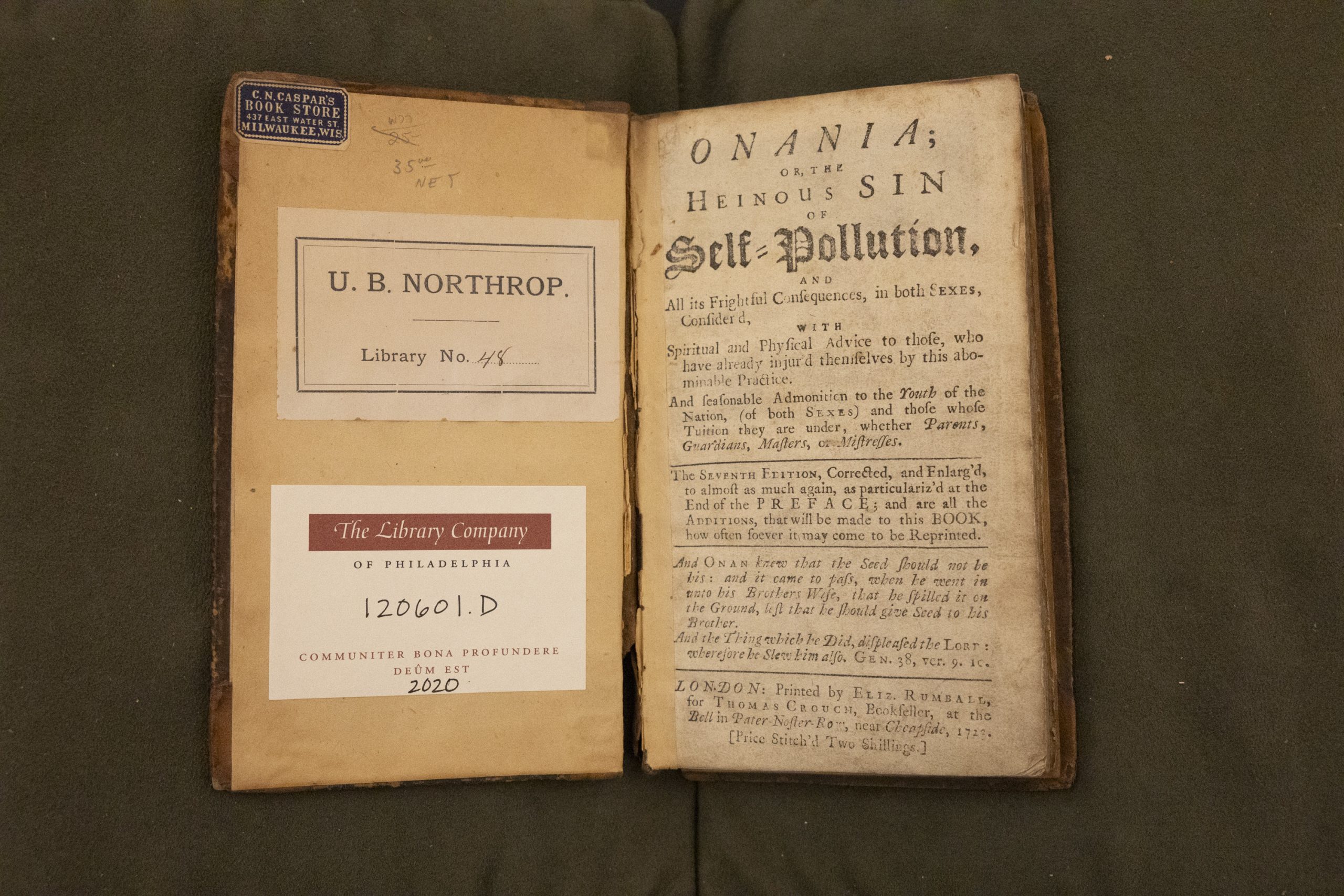
    There are also several editions of the 18th-century masturbation treatise Onania: Or, the Heinous Sin of Sexual Pollution in the Rosenberg donation. In keeping with the mores of the times, the anonymous pamphlet damns the act but also entertains questions from anonymous readers curious about their urges.

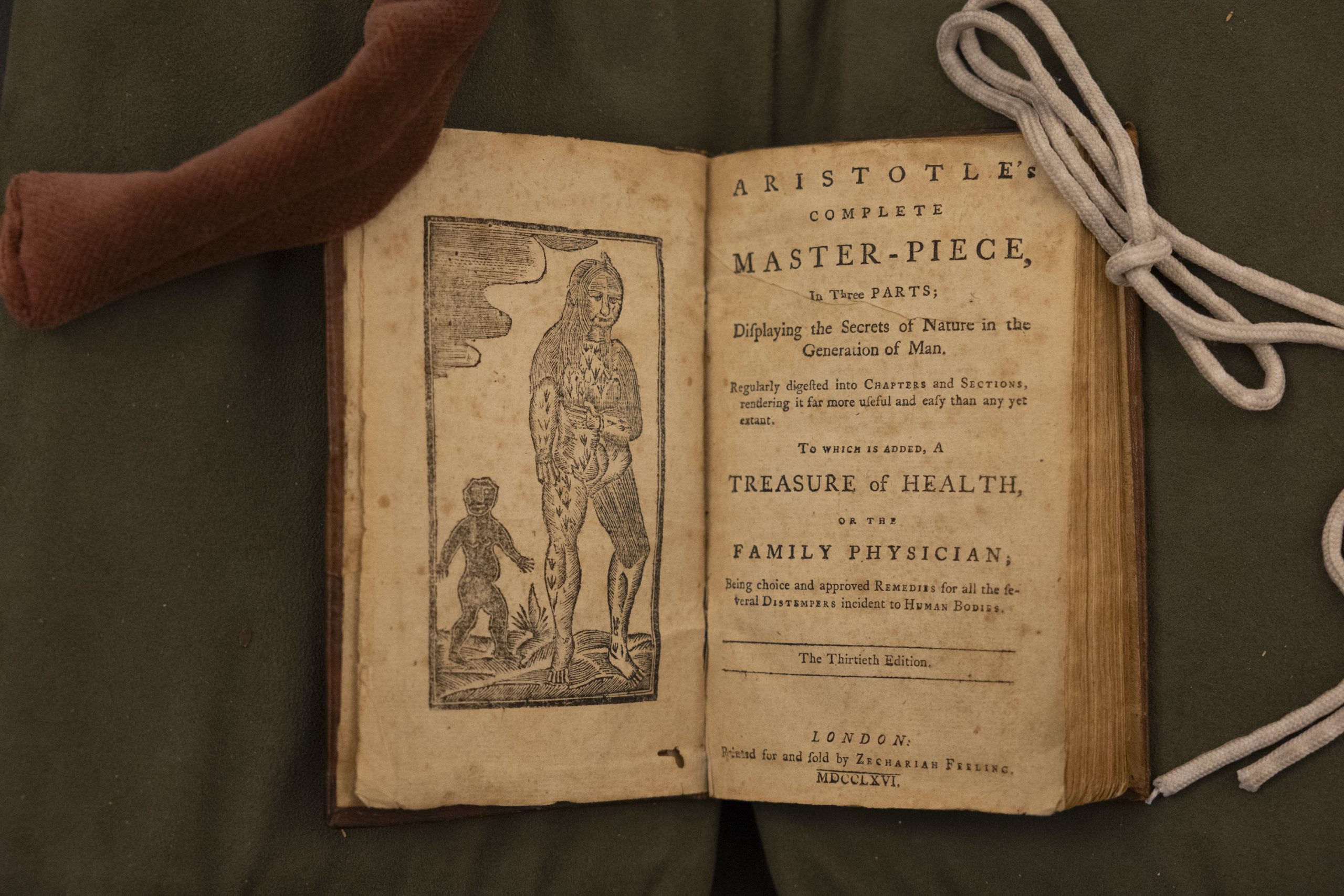
    First published in 1684, “Aristotle’s Masterpiece” is a midwifery and sexual education manual that among other things acknowledged that women do enjoy sex. It’s the collection’s donator Charles Rosenberg’s favorite.Tyger Williams / Staff Photographer

    “The conversations might have been forbidden, but people were still clearly talking,” D’Agostino said. “It really makes you wonder where these conversations started. Were people asking about themselves, or their teenage sons. … These books give us so many hints about what was important in society, what we shouldn’t talk about, but what was talked about anyway.”

    Rosenberg’s favorite are the 35 copies of Aristotle’s Masterpiece. First published in 1684, Aristotle’s Masterpiece — which, by the way was not written by the Greek philosopher — is a midwifery and sexual education manual that among other things acknowledged that women do enjoy sex.

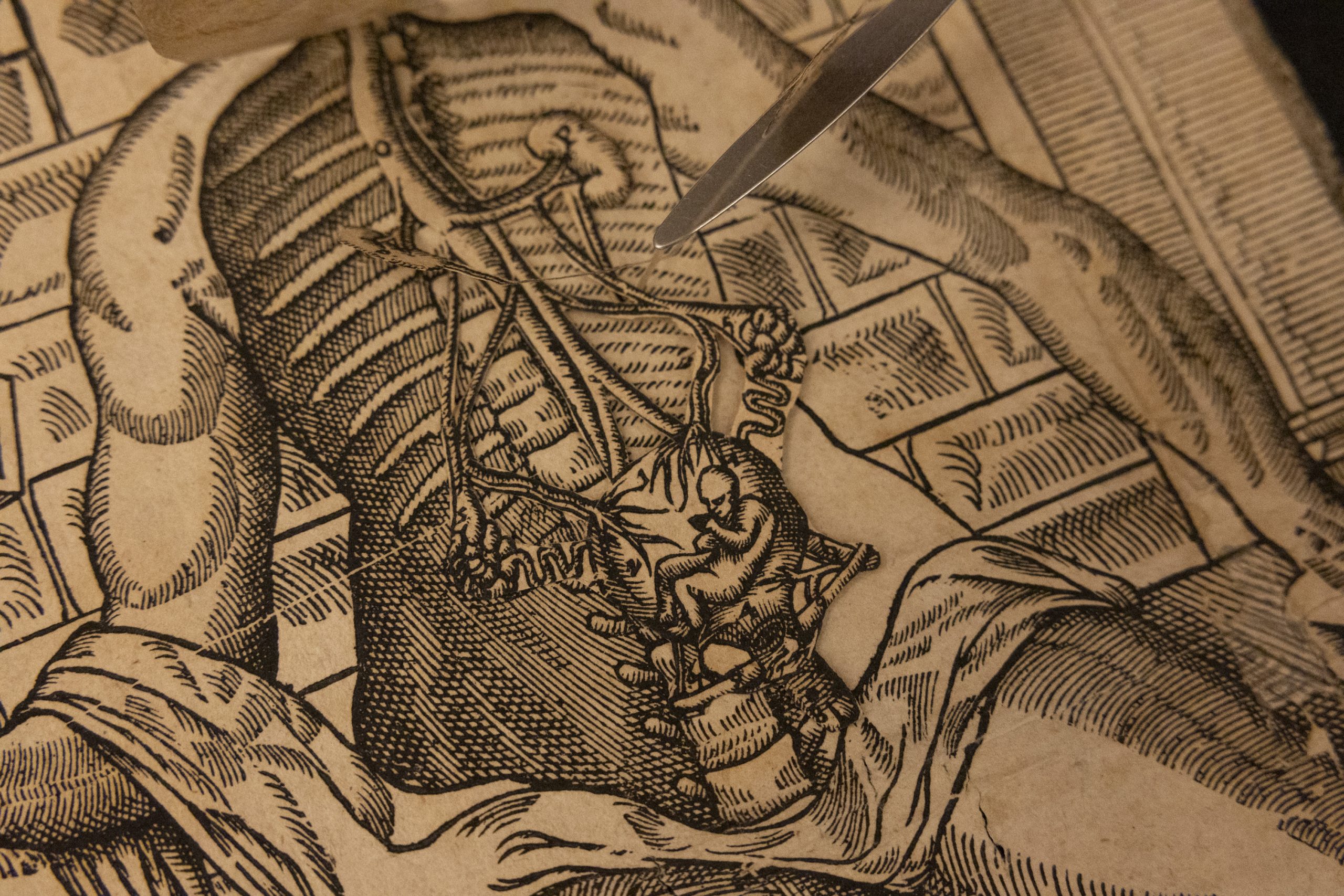
    Illustrations, although rudimentary, firmly place the manual in the naughty category.

    “I was very fascinated by Aristotle’s Masterpiece,” Rosenberg said. “There is just something very romantic about rare items.”

    ” Onania: Or, the Heinous Sin of Sexual Pollution,” an 18th century treatise on the perils of self-pleasure, is among the many books donated to The Library Company by Charles E. Rosenberg. Tyger Williams / Staff Photographer
    A subset of ‘popular medicine’

    Rosenberg’s donated sexual health primers from yesteryear are a subset of his larger collection of hundreds of books on “popular medicine,” a term he’s lauded in academic circles for coining.
    Scientific discoveries made during the Age of Enlightenment challenged the belief that any ailment — whether a stomach ache or a sprained finger — was a punishment from God. As the study of medicine found its way to the halls of universities, a new genre of reading material, blending home remedies with the popular science of the day, came on the scene. Like the wellness gurus of today.

    In the 19th century, such reading material teetered between blindly obeying the will of God and understanding the needs of everyday people.

    Which is why the popular science in sex subset is the most radical part of Rosenberg’s collection.

    “I wasn’t interested in the high culture of medicine,” he said. “I was interested in the questions ordinary people had about their bodies as it related to their health.”

    A view of respected medical historian Charles E. Rosenberg’s collection of “scandalous” 18th and 19th century books about popular medicine centering sex. Rosenberg donated these books to The Library Company of Philadelphia. Tyger Williams / Staff Photographer

    In 1962, while a lecturer at the University of Wisconsin, Rosenberg’s most famous work, The Cholera Years: The United States in 1832, 1849, and 1866, was published by the University of Chicago Press. When the first cholera outbreak hit in 1832, people thought contracting the cholera bug, which caused diarrhea and dehydration, was a punishment from God.

    During the 1849 cholera epidemic, physician John Snow determined the disease spread through contaminated drinking water. When cholera reemerged in 1866, it was treated as a public health issue. Rosenberg’s book examined the societal shift’s impact on medicine and personal hygiene.

    “By this time I already had a great collection of popular science books that I accumulated through my research,” Rosenberg said. “I was a nutty collector.”

    One of the various books on the science of sex from the 18th and 19th Century at The Library Company in Philadelphia, Pa., on Tuesday, July 21, 2026.Tyger Williams / Staff Photographer

    Books, books, books

    Rosenberg moved to Center City in 1963 to take a job as an assistant professor in the University of Pennsylvania’s history department.

    Shortly after coming to Philadelphia, he befriended Edwin Wolf II, the rare book aficionado and bombastic director of the Library Company. Wolf is credited with breathing life into the struggling institution in the 1950s.

    Rosenberg gave his first set of books to Wolf in the 1960s.

    “I liked the notion of it being the oldest surviving colonial library that wasn’t a university,” Rosenberg, 89, said. “It was associated with Ben Franklin, the Declaration. … It was rich with American history.”

    Charles E. Rosenberg, respected medical historian, author, avid book collector and Library Company Emeritus Trustee has donated more than 16,000 books to The Library Company of Philadelphia including, 1500 popular medicine titles centering 19th century sex.Charles E. Rosenberg

    He spent the next 40 years of his life researching, collecting, writing, and giving away books about popular science.

    For his 1968 book The Trial of the Assassin Guiteau. Psychiatry and the Law in the Gilded Age, he read hundreds of scientific and popular science books on insanity. He read a cadre of books on spirituality and medicine for his 1976 collection of essays No Other Gods: On Science and American Social Thought.

    Each book, essay, or paper he wrote meant he amassed books on a new genre of popular science, which would eventually make their way to the Library Company — usually after a major move.

    An example of a 17th century anatomical illustration that showing the insides of a woman carrying a child. Although not a part of Rosenberg’s collection these texts centering science rather than God’s will were not socially acceptable at the time. Tyger Williams / Staff Photographer

    “When I moved from Center City to West Philly, I gave a bunch of stuff to the library,” Rosenberg, who became chair of the department of history and sociology at Penn in 1991, recalled. “Then I moved to Merion and gave even more books.”

    In 2001, Rosenberg’s wife, Penn professor Drew Gilpin Faust, was appointed the first dean of Harvard University’s Radcliffe Institute for Advanced Study, prompting Rosenberg to donate a slew of books to the Library Company. (Faust became Harvard’s first female president in 2007 and served as its leader until 2018.)

    Rosenberg kept donating books through his time on Harvard’s faculty and after his retirement in 2004. The popular sex collection donation, made in the spring of 2024, is his latest batch.

    He held on to them the longest, he said, because he was toying with the idea of writing a book that looked at how sexual agency developed through the centuries and would discuss topics like abortion and masturbation.

    “When I gave up on that project, I decided to part with the books,” said Rosenberg, who is now a Library Company emeritus trustee.

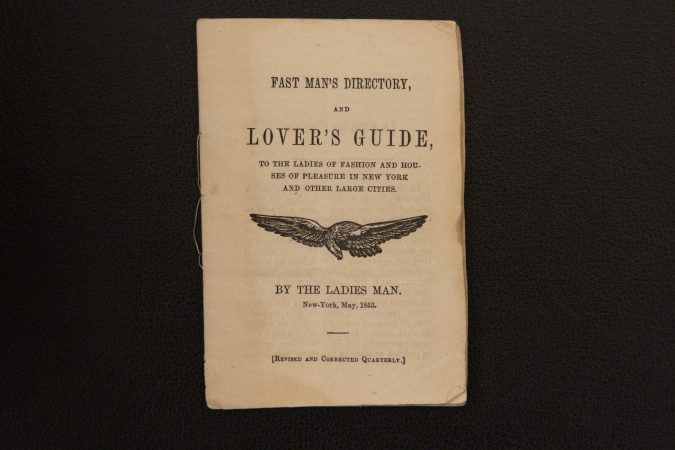
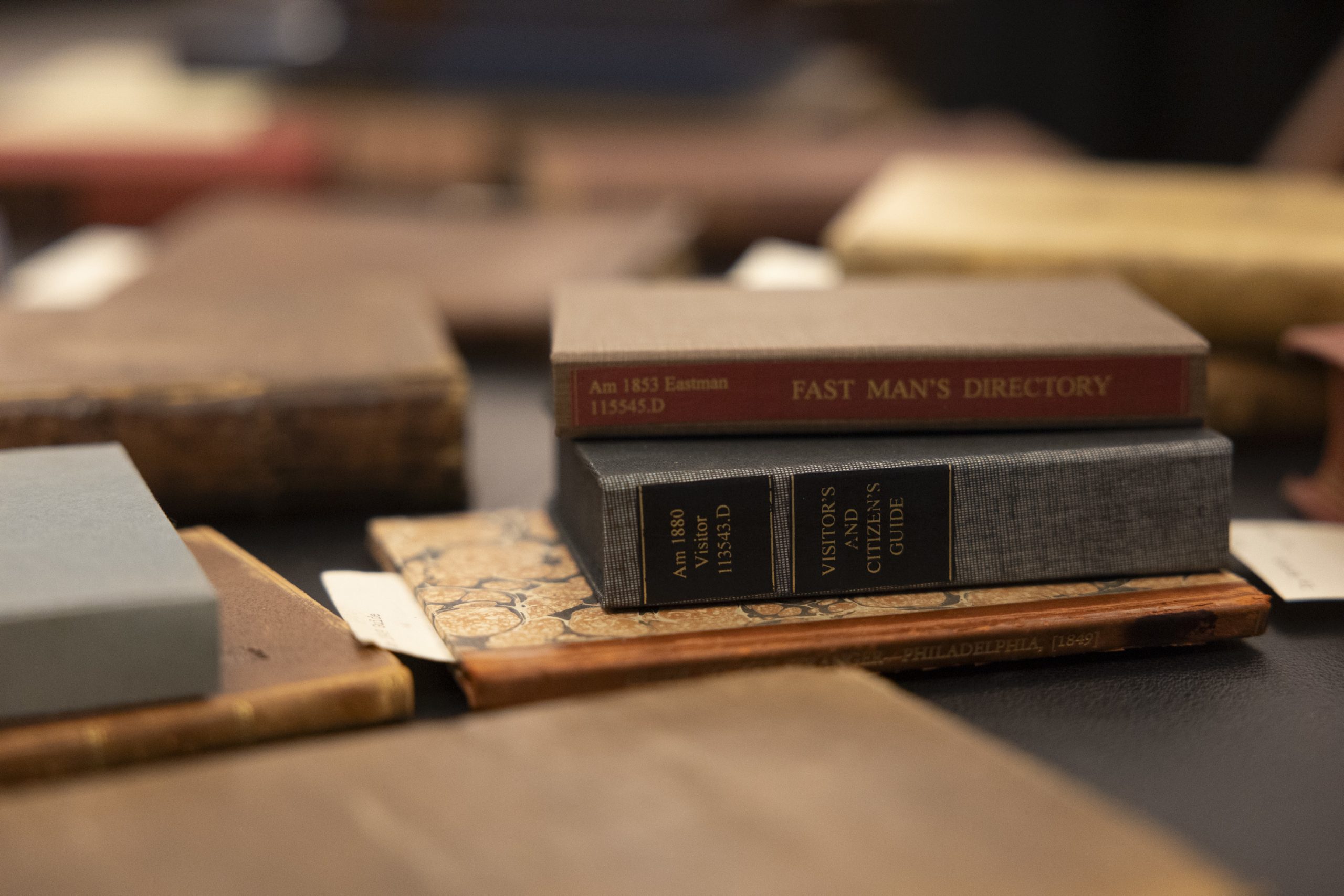
    Pictured here are the “Visitor’s & Citizen’s Guide, of Pleasure and Amusement in the City of New York. New York, 1880. Anonymous. and “Fast Man’s Directory, and Lover’s Guide to the Ladies of Fashion and Houses of Pleasure in New York and Other Large Cities” New York, circa 1853. They are among the collection of books at The Library Company of Philadelphia illuminating the sexual habits of 19th century people.Tyger Williams / Staff Photographer

    Sex in the stacks

    The Rosenberg acquisitions are extra special, D’Agostino said, because they provide a glimpse into how people actually lived, thought about, and had sex.

    “The Library Company didn’t acquire these books on their first run,” D’Agostino said. “We bought for the gentleman, the most upstanding people at the community. They would have come here looking for medical texts, but not books about managing their sex lives.”

    Today, Rosenberg’s donations are nestled in the stacks on the top floors of the Locust Street building that smells of old leather.

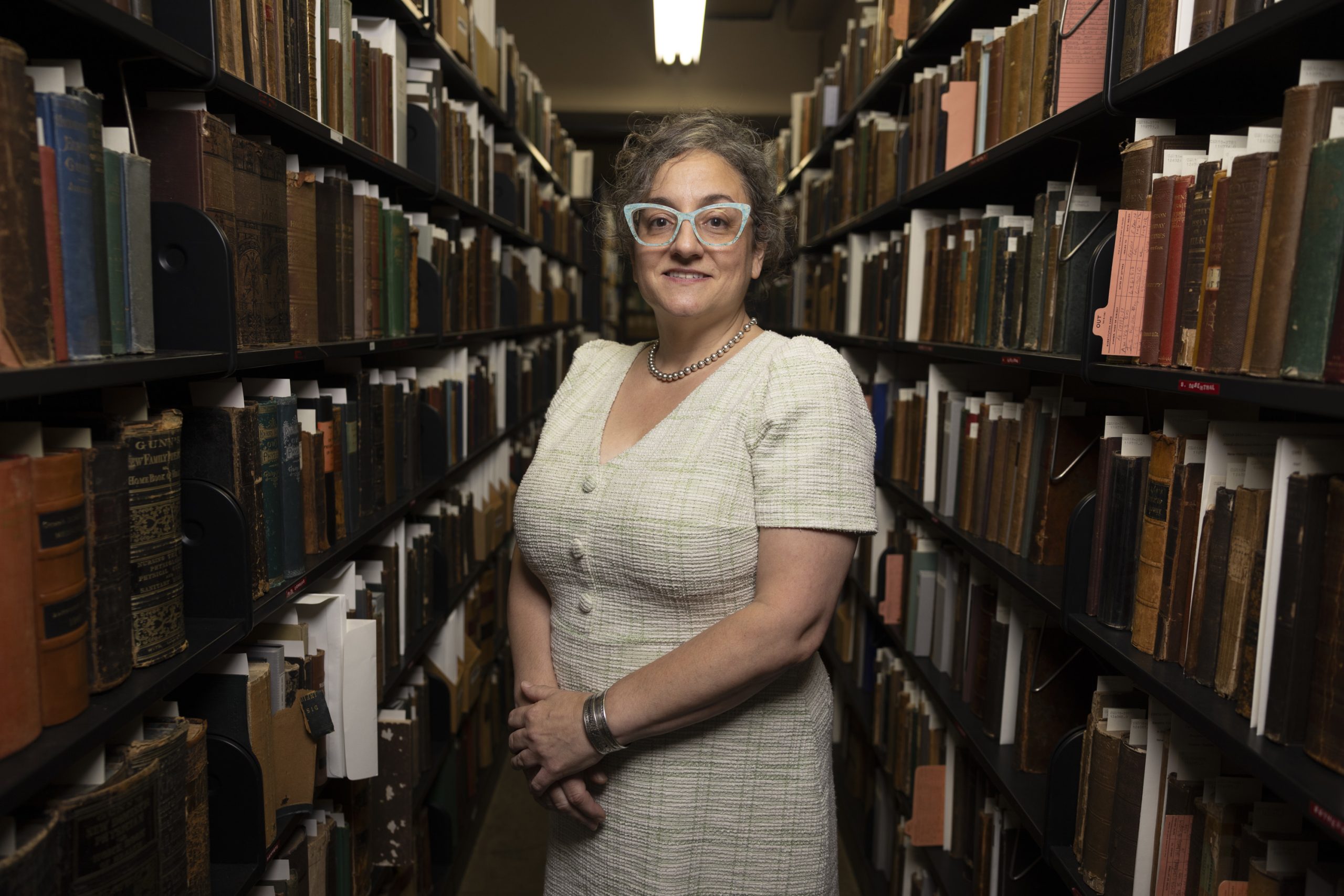
    Rachel D’Agostino, curator of printed books at the Library Company of Philadelphia, in the stacks. Tyger Williams / Staff Photographer

    They sit not far from the quack medicine pamphlets of the late Philadelphia-born collector William Helfand. If Rosenberg’s collection speaks to managing and understanding sexual desires, Helfand’s ephemera — a seemingly endless grouping of city directories telling where and how to cure venereal disease — is proof people were living out those desires.

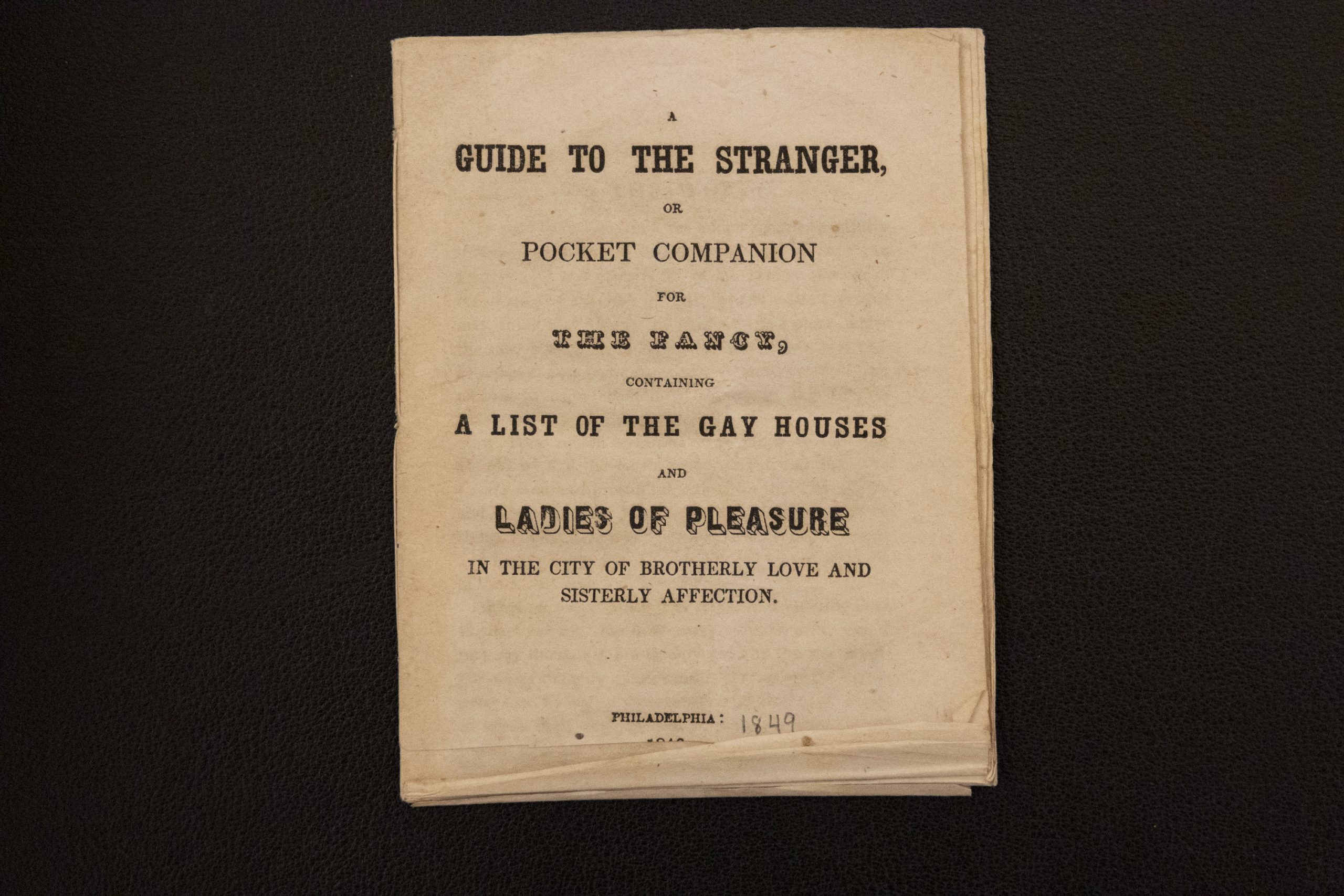
    Also in the vicinity are several brothel directories including A Guide to the Stranger, or Pocket Companion for the Fancy, Containing a List of Gay Houses and Ladies of Pleasure in the City of Brotherly Love and Sisterly Affection from 1849. It reads like a Yelp review, rating things like cleanliness and performance.

    “Look at how they are folded,” D’Agostino said, pointing to a centuries-old crease in one directory. “Proof that this was perhaps hidden in a man’s jacket pocket?”

    Recently, D’Agostino purchased a 19th-century condom and corresponding advertising material.

    “A Guide to the Stranger, or Pocket Companion for the Fancy, Containing a List of Gay Houses and Ladies of Pleasure in the City of Brotherly Love and Sisterly Affection” from 1849. This is a part of the Library Company’s growing collection about the sexual lifestyle of 19th-century Philadelphians. Tyger Williams / Staff Photographer

    People like to romanticize the 19th and early 20th centuries as a time when only people on the societal margins were having sex outside of society’s rules of decorum. And that’s just not accurate, D’Agostino said.

    She still works with Rosenberg to build collections designed to help researchers illuminate stories lost to the dark shadows of disrepute but which are important to America’s story.

    “A market for this work always existed and always will exist,” D’Agostino said. “It’s just finding its way into formal history now.”

    Charles E. Rosenberg’s collection at the Library Company of Philadelphia is available for perusal by appointment only. It is located at 1314 Locust St.

  • A vending machine that dispenses tiny art and a Mary Oliver documentary are among your best artsy things to do this week

    A vending machine that dispenses tiny art and a Mary Oliver documentary are among your best artsy things to do this week

    Teeny tiny art in Queen Village

    I’ve visited At My House a couple of times, scouring the aisles for quirky vintage pieces, loving the eclectic vibe of the store even when I didn’t buy anything. So I was not surprised to see them hosting what is possibly the most whimsical art show I’ve ever been to, displaying art about the size of a postage stamp.

    The Queen Village clothing and homewares store is run by Kelly Braun who, in collaboration with artist Fabiola Lara, started the mini art show last year. They invited artists to create art that was 3 inches x 3 inches, so this year, it had to be even more silly, cutting it in half to 1.5 inches x 1.5 inches.

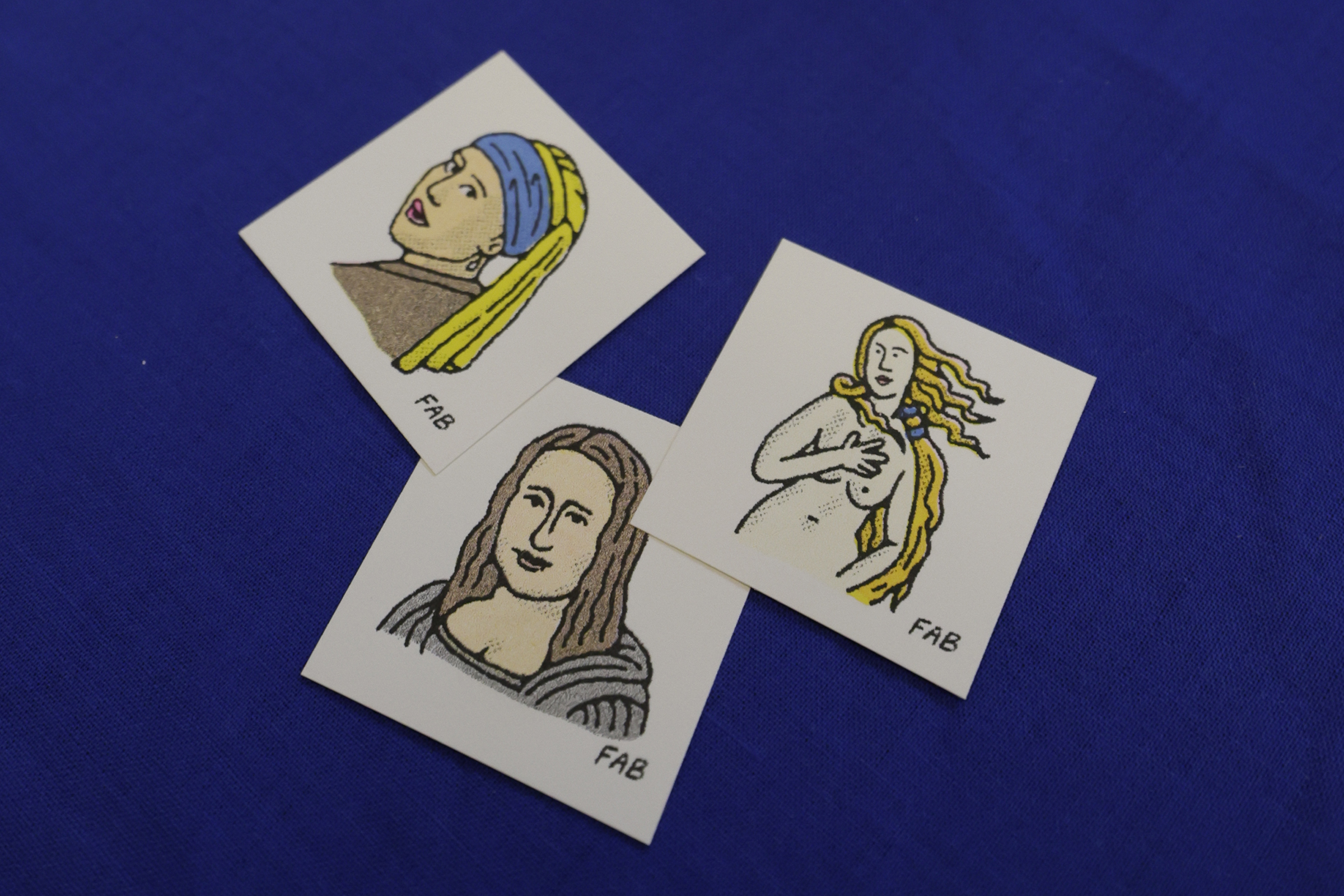
    Prints by artist Fabiola Lara for sale at “The Mini Mini Art Show” at the store At My House on Fourth Street in Philadelphia on Friday, July 24, 2026.Elizabeth Robertson / Staff Photographer

    The opening reception for the show was absolutely buzzing, with people grabbing cocktails and lining up around the store to view the wall of tiny pieces. There was tiny clothing, houses, rooms, closets, and classic art pieces — those were made by Lara, who is no stranger to mini art.

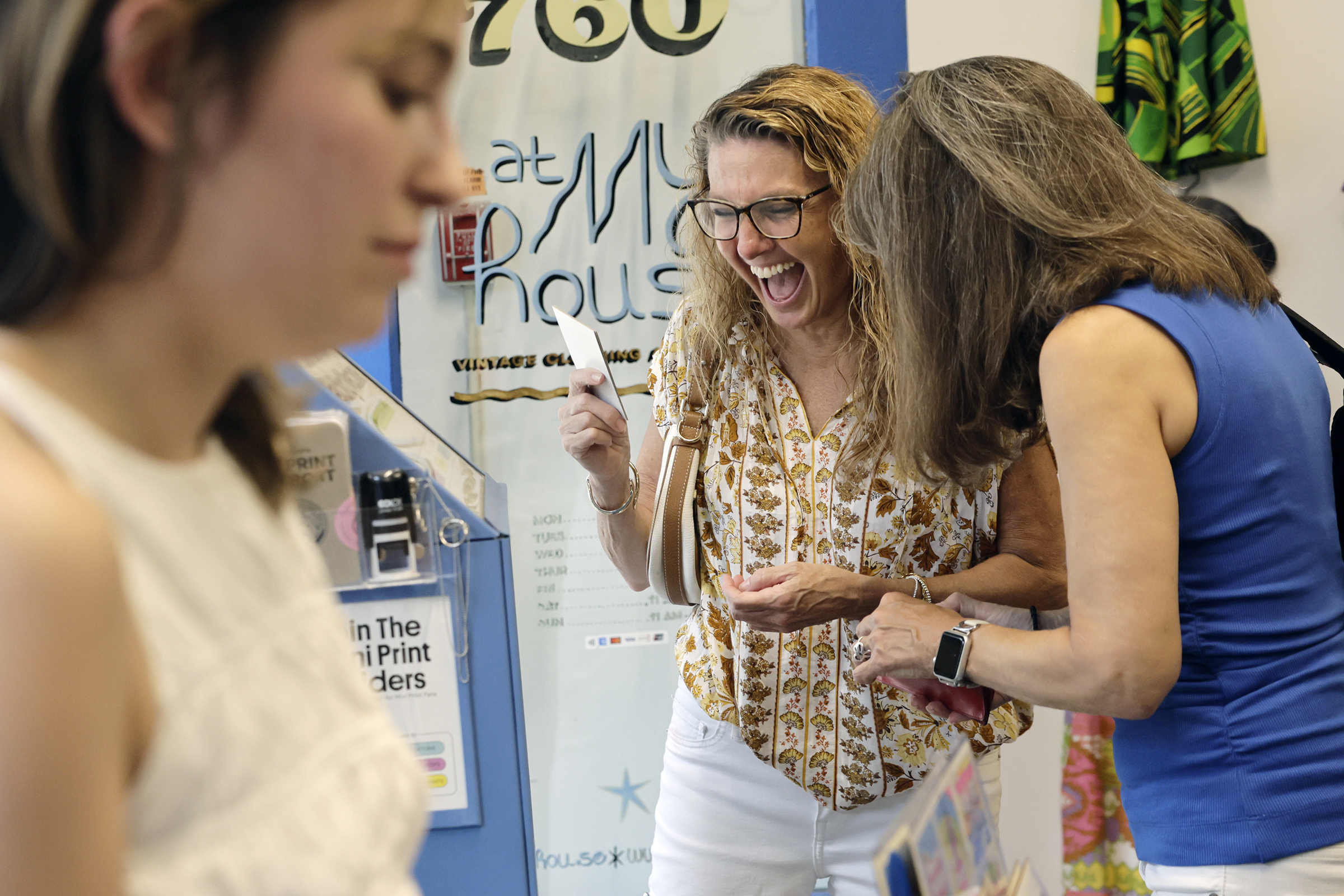
    You may have come across her mini art vending machines, of which there are 13 around the city.

    Leann Curly (middle) and Karen Sarappo (right) were thrilled with artist Fabiola Lara’s (left) mini art print that they purchased from the mini art print vending machine during the opening/public reception of “The Mini Mini Art Show” at the store At My House on Fourth Street in Philadelphia on Friday, July 24, 2026.Elizabeth Robertson / Staff Photographer

    After visiting several major museums with grandiose pieces, I never thought I would see people get the most excited over art that can fit in the palm of their hands. But there was an infectious energy and a sense of joy at At My House.

    In a world where large-scale exhibits are so heavily celebrated, getting giddy over comically tiny art felt like a therapeutic break from artistic snobbery.

    “The Mini Mini Art Show” is on display through Aug. 2 at At My House, 760 S. Fourth St., Philadelphia. atmyhou.se

    — Morgan Ritter

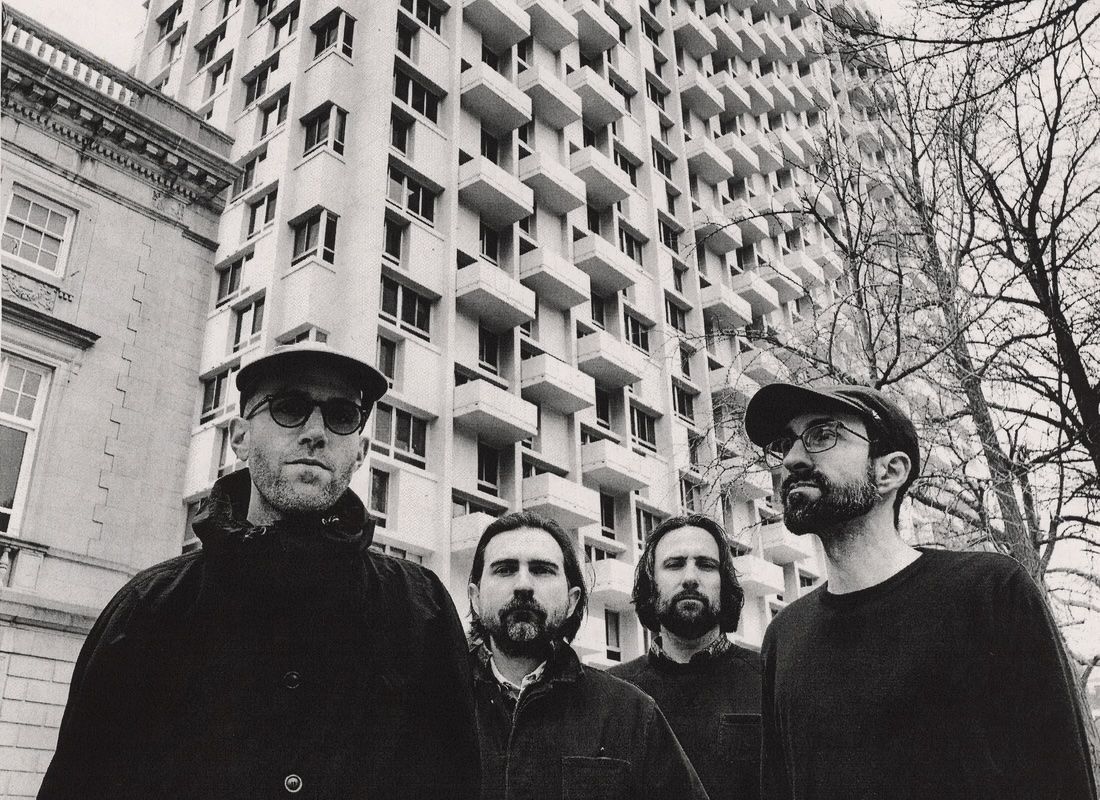
    Philly band Hurry’s new album is “Zoned Out.” They play Main Street Music in Manayunk on Aug. 1 and Philly Typewriter on Aug. 22. Luke Ivanovich

    Harmony-happy Hurry is back with ‘Zoned Out’

    Matthew Scottoline is Zoned Out. That’s the title of the transporting new album by Hurry, the jangly Philadelphia band that has been his creative outlet since 2012, when Scottoline — previously the bassist in Philly emo band Everyone Everywhere, stepped out as leader of his own power-pop project.

    Now six albums in, Scottoline continues to refine the harmony-happy Hurry approach, where longing and yearning and experiencing a bittersweet melancholy is elevated to an art form.

    In his notes to the album — which began as home recordings on cassette and was completed at the Metal Shop in East Kensington — explains that the dreamy, hypnotic song that gives the collection its name came about because “I tend to disassociate. I zone out and sort of crawl into my own head.”

    In this case, that dissociating is a result of facing life changes — the end of one relationship, the beginning of another, and the decision to become a parent — “and how [expletive] scary that is,” as Scottoline puts it in his notes.

    But while that tension exists as an undercurrent, Scottoline’s knack for breezy, cascading melodies mean that Zoned Out is always riding a pleasurable, reassuring wave. The album — which features a cameo from Gerard Love of Scottish power-pop heroes Teenage Fanclub — conveys a sense that any conflicts or “Complications” that may arise will ultimately resolve themselves, just as the melodies do on this seriously catchy set of 10 songs.

    Hurry will perform for free Aug. 1 at Main Street Music, 4444 Main St. in Manayunk with Planette Automatic, mainstreetmusicpa.com. After heading to England and Scotland for a short tour, the band will be back in town at Philly Typewriter, 1735 Passyunk Ave., with Chime School and Te Vista on Aug. 22. r5productions.com.

    — Dan DeLuca

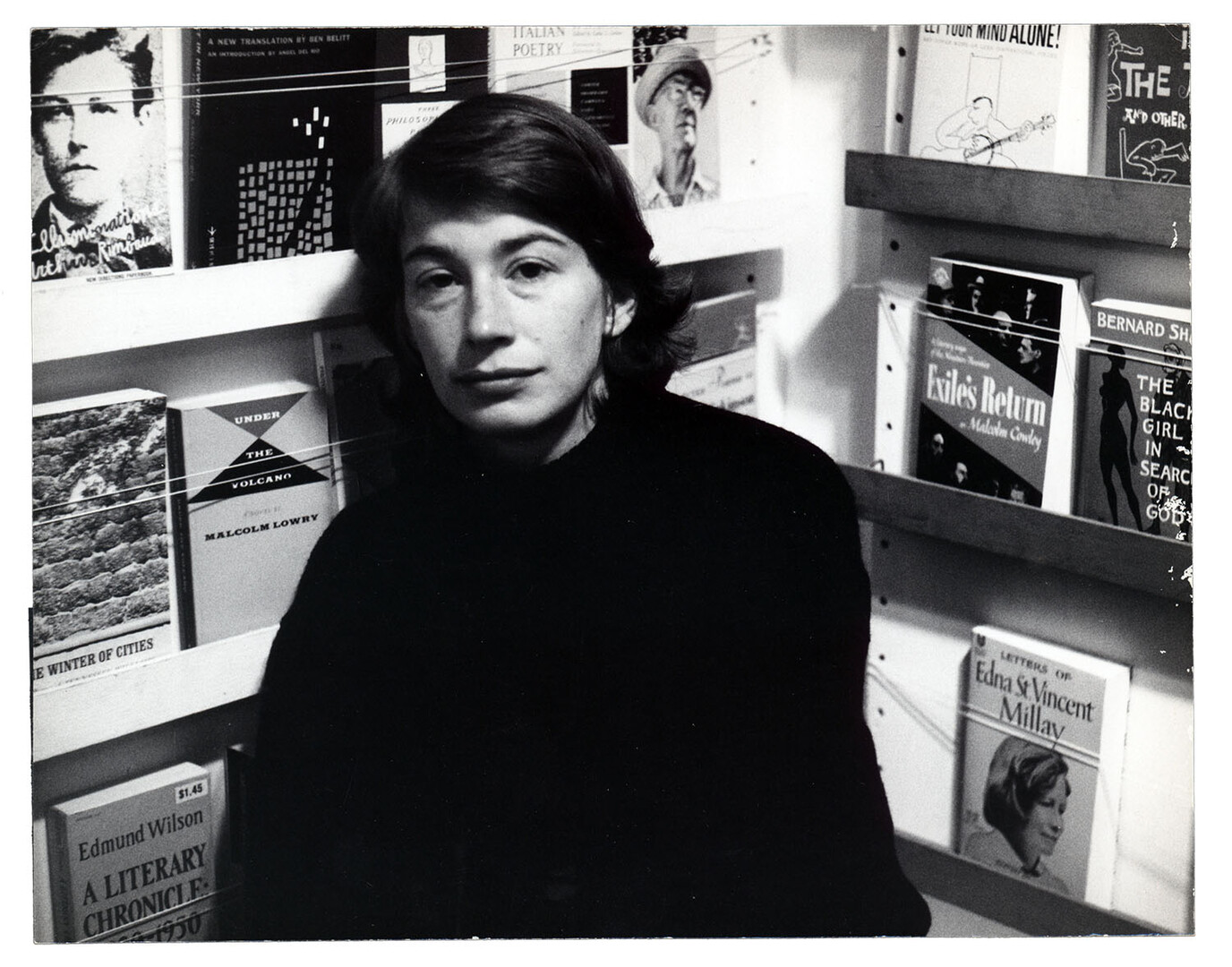
    A photograph of Mary Oliver from Sasha Waters’ documentary, “Mary Oliver: Saved by the Beauty of the World.”Courtesy of Kino Lorber

    Saved by Mary Oliver

    Before Mary Oliver’s poems became the stuff of Instagram inspiration posts, she was the patron saint of college girls discovering love and nature for the first time. I was 16 when I read “Wild Geese,” almost crying at the lines: “You do not have to be good. / You do not have to walk on your knees / for a hundred miles through the desert repenting.”

    In the years since, I have met so many women in love with her words: a former coworker had a tattoo of her lines, a friend will often quote from Oliver’s “The Summer Day” from memory just to describe her joy of being in a beach on a day so hot that the water shimmers as it evaporates in the horizon.

    Oliver, who lived with her partner, Molly Malone Cook, in Provincetown for several years, is also a queer icon whose words never fail to soothe a soul in need of a reminder of the love and tenderness in this world.

    Now, a documentary on her life and career — featuring readings of her poems by the likes of Helena Bonham Carter and Oprah Winfrey — celebrates the poet who died in 2019. Peppered with poetry, remembrances, interviews, photos, and notebook pages, Sasha Waters’ Mary Oliver: Saved by the Beauty of the World is a treat to those who love Mary Oliver and those who are waiting to start.

    “Mary Oliver: Saved by the Beauty of the World” plays July 31-Aug. 6, at the Bryn Mawr Film Institute, 824 W. Lancaster Ave., Bryn Mawr. brynmawrfilm.org

    — Bedatri D. Choudhury

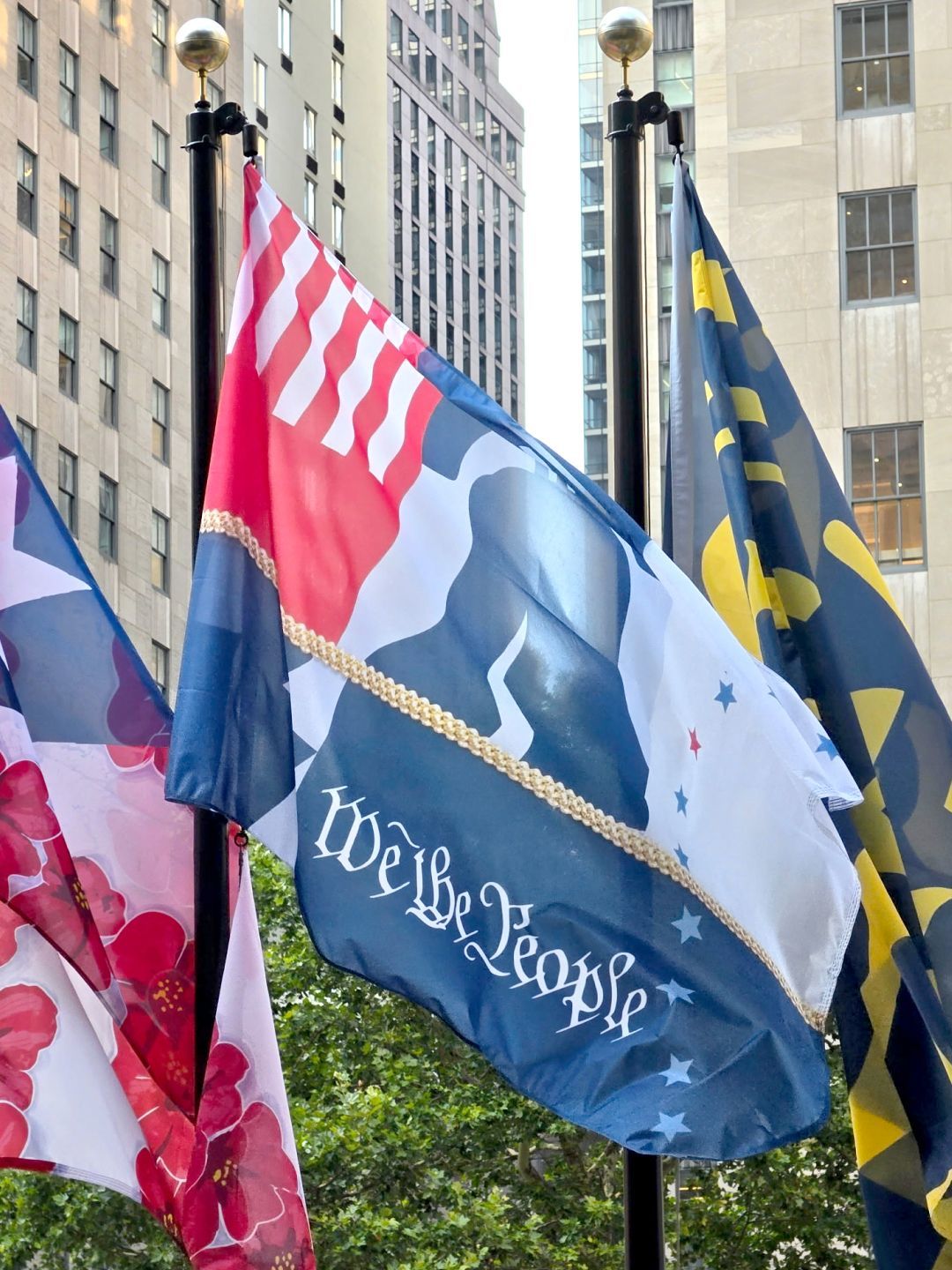
    Jeweler Steven Lagos’ flag is among the 120 flags from national and international designers celebrating America’s 250th birthday in Rockefeller Center. The flags will be up through Sept. 4, 2026.Lagos

    Steven Lagos’ Philly pride at Rockefeller Center

    Philly master jeweler Steven Lagos’ flag blows along the perimeter of Rockefeller Center with graphic images of a cracked bell, 13 stars, and red-and-white striped detail. At first glance, it does not look much different than other art shouting out Philly’s history.

    Then, I noticed Lagos’ golden caviar bead ribbon dancing in the center of the red, white, and blue canvas and thought this is special in a Lagos loves Philly kind of way.

    Those caviar beads are Lagos’ trademark, a part of the design dictionary of Philadelphia, where Lagos has lived and worked for more than 50 years. It’s amazing to see him continuing to integrate Philly in his work.

    Lagos’ flag is among 130 featured in the “United Flags of Fashion,” a joint project between the Council of Fashion Designers of America, Vogue, Rockefeller Center, and America 250 to honor the country’s milestone birthday. CFDA describes the project as a “sweeping tribute to American creativity, identity, and design.”

    Other household-name fashion brands with flags flying high are Tommy Hilfiger, Vera Wang, Calvin Klein, Gap, and Kenneth Cole. Bucks County-born Thom Browne’s flag is steely gray flag and features a crest; Main Line-bred Tory Burch’s red, white, and blue flag also showcases a Liberty Bell, but her image hovers over the words virtue, liberty, and independence. These Pennsylvania makers are full mast.

    While those designers proudly say they are from the Philly area, Lagos — whose red and white stripes represent the columns at the Philadelphia Museum of Art — stayed in Philly. His flagship business is on Philly’s toniest street and, as evidenced in his Rockefeller Center banner, Lagos reps Philly in everything he does.

    The flags will fly at Rockefeller Center through Sept. 4.

    — Elizabeth Wellington

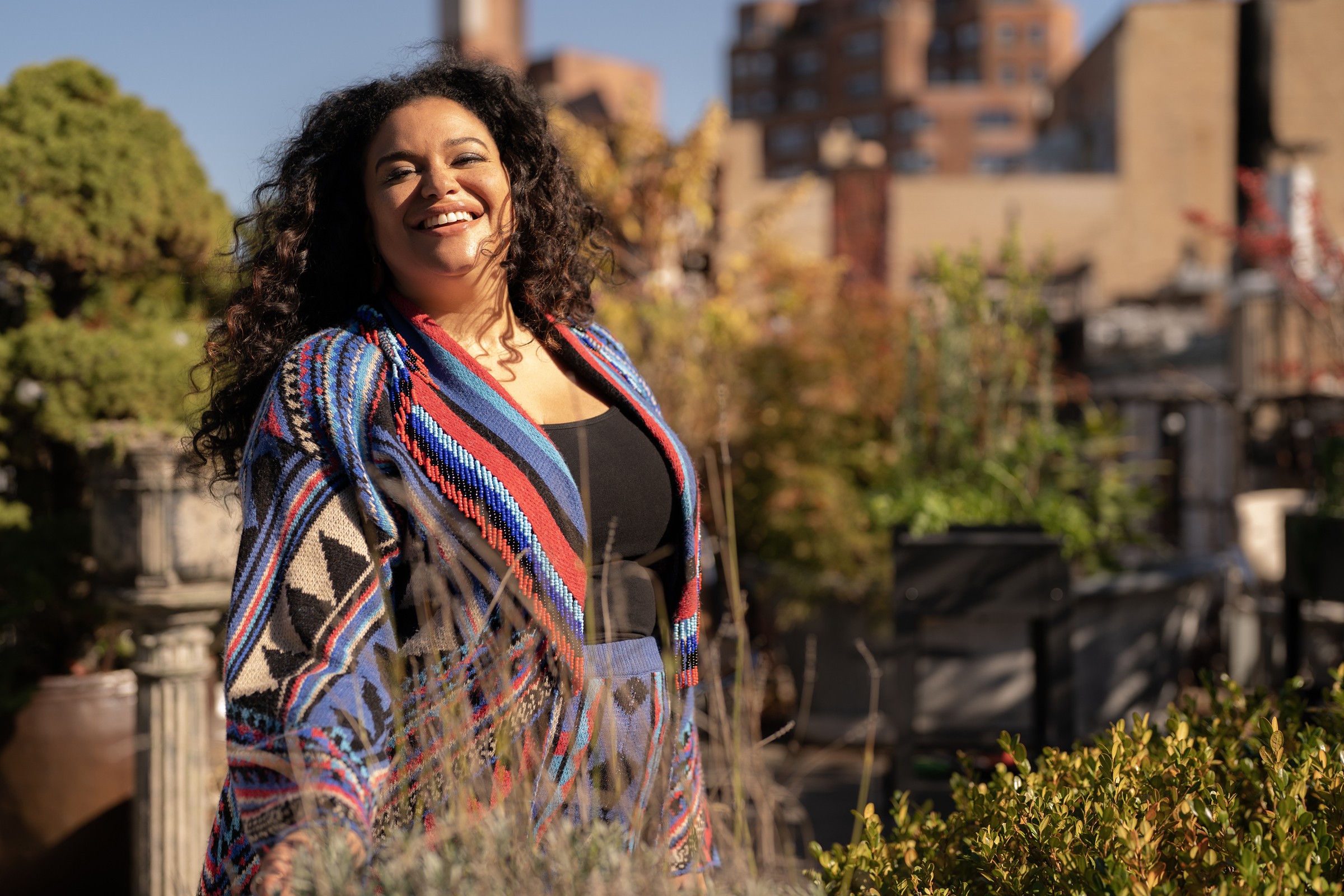
    Michelle Buteau as Mavis in the Netflix comedy “Survival of the Thickest.” MUST CREDIT: Netflix photo by Vanessa Clifton

    God bless you please, Michelle Buteau

    It’s hard to say goodbye to one of my favorite shows, but the third and final season of Survival of the Thickest felt like a fitting ending for Michelle Buteau’s witty comedy. She plays Mavis, an aspiring fashion designer who wants to make clothes that fit all body types — thick girls, genderqueer folks, and anyone else who thrives outside of the fashion world’s narrow beauty standards.

    In this season, (part-time) Delaware County resident Wanda Sykes joins the cast as Mavis’ fertility doctor and she’s a cool-headed, hilarious scene partner who deflates her patient’s babbling anxiety with well-timed precision.

    The show remains funny, warm, and sassy, but the emotions reach new depths as Mavis experiences a miscarriage and struggles in her recovery. Nothing keeps her down for long though, and it’s such a comfort to see Mavis get back up. It’s an uplifting and heartwarming story that could help any viewer overcome summertime (or other time) sadness.

    “Survival of the Thickest” streams on Netflix.

    — Rosa Cartagena

  • Barbara Gillette Price, prolific painter, fine arts teacher, and former president of Moore College of Art and Design, has died at 87

    Barbara Gillette Price, prolific painter, fine arts teacher, and former president of Moore College of Art and Design, has died at 87

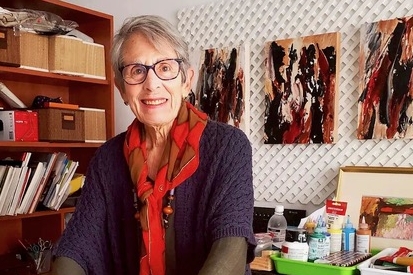
    Barbara Gillette Price, 87, formerly of Philadelphia, celebrated painter and designer, former president of Moore College of Art and Design, former dean of Cranbrook Academy of Art in Michigan, former vice president for academic affairs at the Maryland Institute College of Art in Baltimore, fine arts teacher, mentor, and role model, died Friday, April 24, of age-associated decline at a hospital in Granada, Spain.

    A lifelong artist and longtime educator, Ms. Gillette Price liked to skip her high school classes in the 1950s and wander around the galleries at the Philadelphia Museum of Art. In sixth grade, she told The Inquirer in 1994, her artistic talent drew attention from the teacher when her drawing of a female form was all too accurate.

    She took Saturday classes at Temple University’s Tyler School of Art and the Fleisher Art Memorial when she was young, and earned a scholarship to the old Philadelphia Museum School of Art. She married artist Melville Price in 1957, moved to Tuscaloosa, Ala., in 1958, and earned bachelor’s and master’s degrees in fine arts at the University of Alabama.

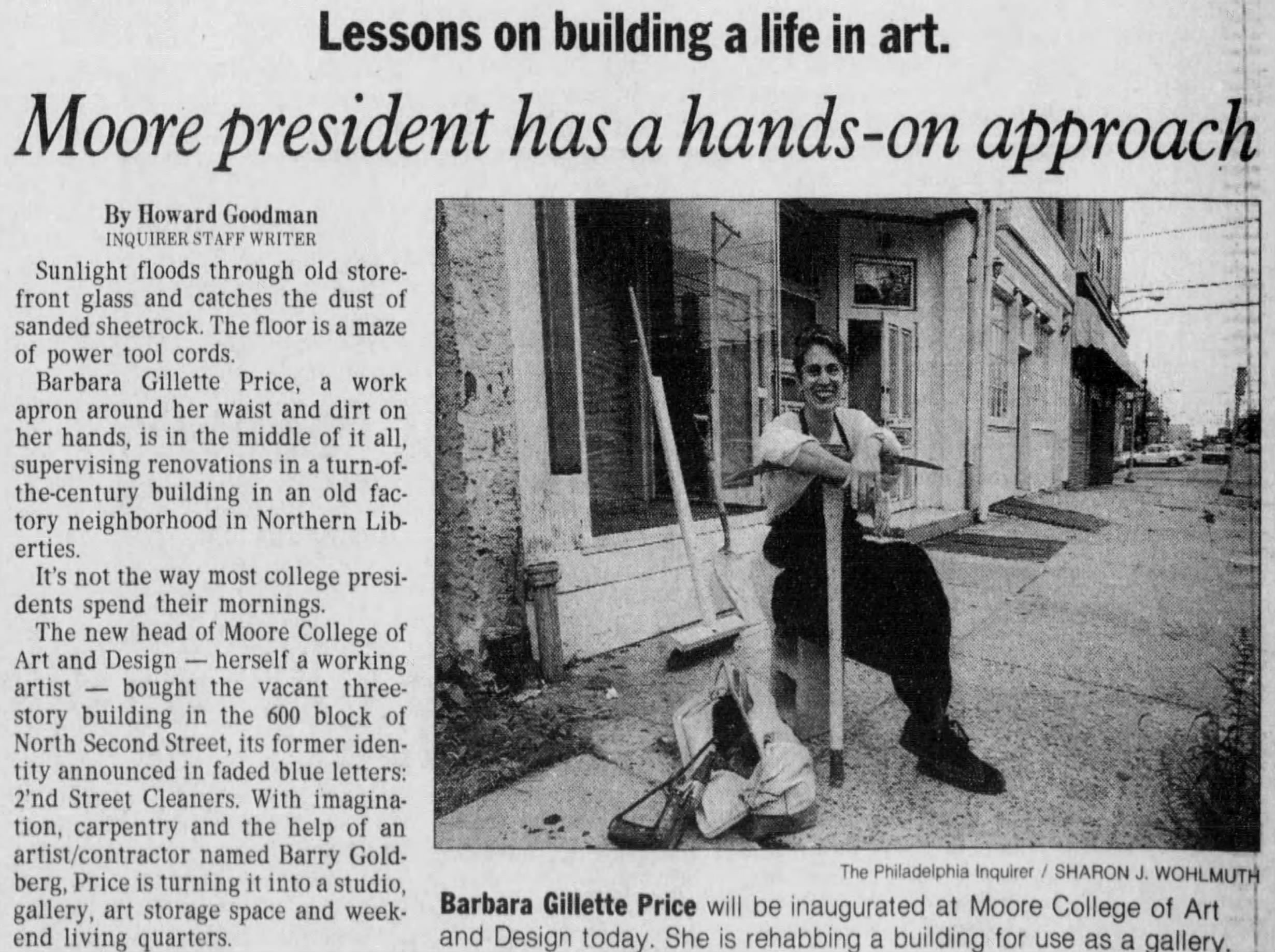
    She joined Cranbrook Academy of Art in 1978, the Maryland Institute College of Art in 1982, and Moore in 1994. At each stop, she renovated nearby old buildings into studios and galleries, expanded curriculum, and invigorated students with international and innovative programs.

    At Moore, she increased enrollment, established a career center, and personally refurbished her three-story studio on North Second Street into a gallery where students exhibited their work and handled logistics and publicity. She also forged working relationships with the Philadelphia School District and other art institutions, supervised an advertising campaign for female artists, and served as a role model for working artists in academia.

    “That’s why I think my presence at Moore is a good thing,” she told The Inquirer in 1994.

    In 1998, Rochelle Levy, then chair of Moore’s board of trustees, said: “Barbara has really been our ambassador out there. She has set an incredible role model for the students as a woman artist.”

    Ms. Gillette Price left Moore in 1998, moved to Spain in 2000, taught art to primary school students, and continued to create and show her work. “Her commitment to arts education helped shape generations of creative thinkers,” former colleagues at Moore said in a tribute. “Her legacy lives on through the institutions she helped strengthen, the students she inspired, and the vibrant body of artistic work she leaves behind.”

    Ms. Gillette Price was featured in The Inquirer when she joined Moore in 1994.Newspapers.com

    As an artist, Ms. Gillette Price was a colorist and inspired by what she called her “labyrinth of imagination.” She expressed herself often in themes and collages, and was adept at abstract and figurative works on canvas, paper, wood, silk, and other textiles.

    One critic said her work “is of an inherent elegance that emerges from excellent craftsmanship and an intelligent narrative.”

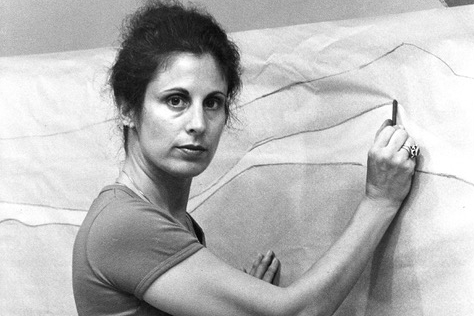
    She showed in dozens of solo and group exhibitions in Spain, Philadelphia, Maryland, Michigan, Washington, and elsewhere, and liked to work in the gallery as well as her studio. She painted about nature, light, woman’s perspectives, isolation and fear during the COVID-19 pandemic, and other topics.

    “I seek to make the ordinary extraordinary,” she said on her website, barbaragilletteprice.com. “I am inspired by images I accumulate as I travel and view the world about me. This takes the form of remembered landscapes, figurative compositions, and subtle political statements.”

    She was active in the Civil Rights Movement in Alabama in the 1960s, worked with the Woman’s Caucus for Art in Washington in the 1970s, and taught ceramics, painting, and drawing at the old Corcoran School of Art and Design in Washington and elsewhere. She belonged to the College Art Association and was on boards at the National Association of Schools of Art and Design, the Philadelphia Art Commission, and other organizations.

    She earned grants for her painting and wrote essays and white papers about art. In one paper, she said: “The arts are the humanizing element in the education of the citizens of the 21st century.”

    Barbara Amelia Gillette was born June 26, 1938, in Philadelphia. She and her family spent many summers in Atlantic City, and she graduated from Philadelphia High School for Girls.

    She took piano lessons, attended Saturday concerts at the Philadelphia Orchestra for years, and hung out with high school boyfriend Edward Cutler and others at jazz clubs and the Gilded Cage coffee shop.

    Melville Price died in 1970, and she reconnected with Edward Cutler. They married, had a daughter, Michelle, and lived in Washington. They divorced later, and he died earlier.

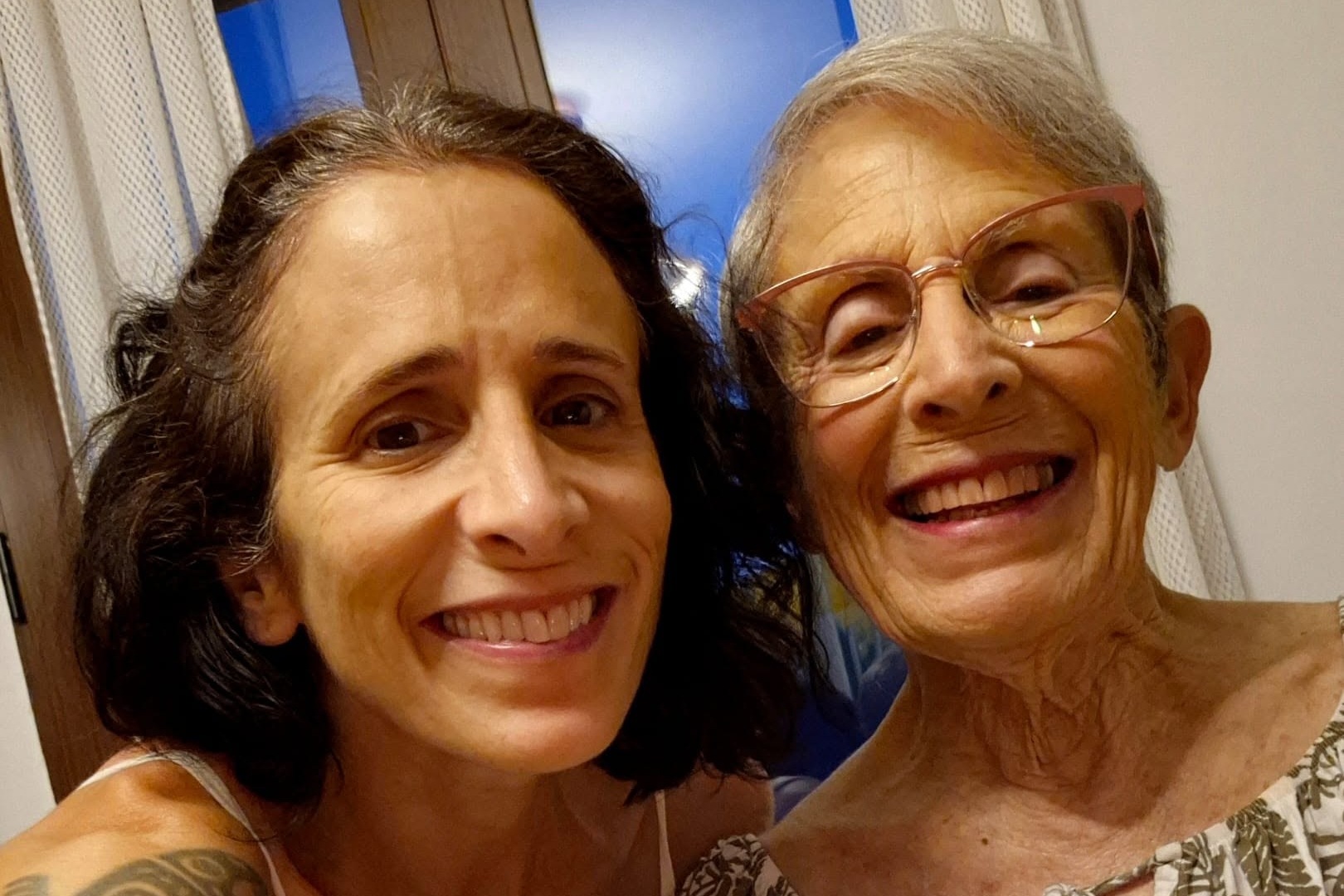
    “I consider my mother’s greatest achievement to be the way she showed up as a parent,” her daughter said. “Her artistic legacy can be found in her paintings, drawings, textiles, and exhibitions. Her personal legacy lives on in the people she inspired, mentored, encouraged, and welcomed into her life.”

    Ms. Gillette Price created in the galleries as well as her studio.Barbara Gillette Price

    In addition to her daughter, Ms. Gillette Price is survived by a son-in-law, Eric Maroldo, and other relatives. A sister died earlier.

    Services were held earlier.

    Donations in her name may be made to Alhama Street Animal Protection in Granada, Spain.

    Ms. Gillette Price (right) and her daughter, Michelle, were close. Courtesy of the family
  • Times Square will be surrounded by a West Philly artist’s work all August

    Times Square will be surrounded by a West Philly artist’s work all August

    Times Square is getting a touch of Philly artistry.

    West Philly-based Maia Chao has been Times Square’s Public Artist-in-Residence since 2023, having been invited to examine the behind-the-scenes experience of what is one of the busiest tourist areas in the world.

    A photo installation and “Midnight Moment” presentation from her work will be on display through the month of August. The art will draw from her studies on the cleaning and beautification processes, and human behavior at the plaza.

    “I’ve always been interested in infrastructure, the management of public space, and the sociality of different places,” Chao said. “Times Square itself was a funny place to be presented with because it’s what a lot of New Yorkers avoid passing through. I was coming to it looking at what the space has become as it became corporatized.”

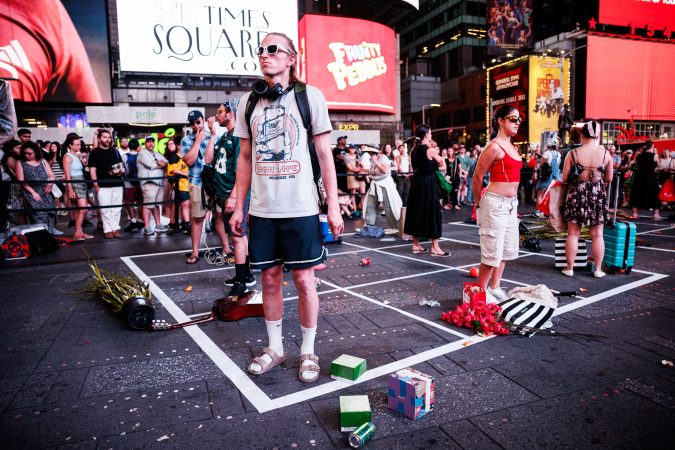
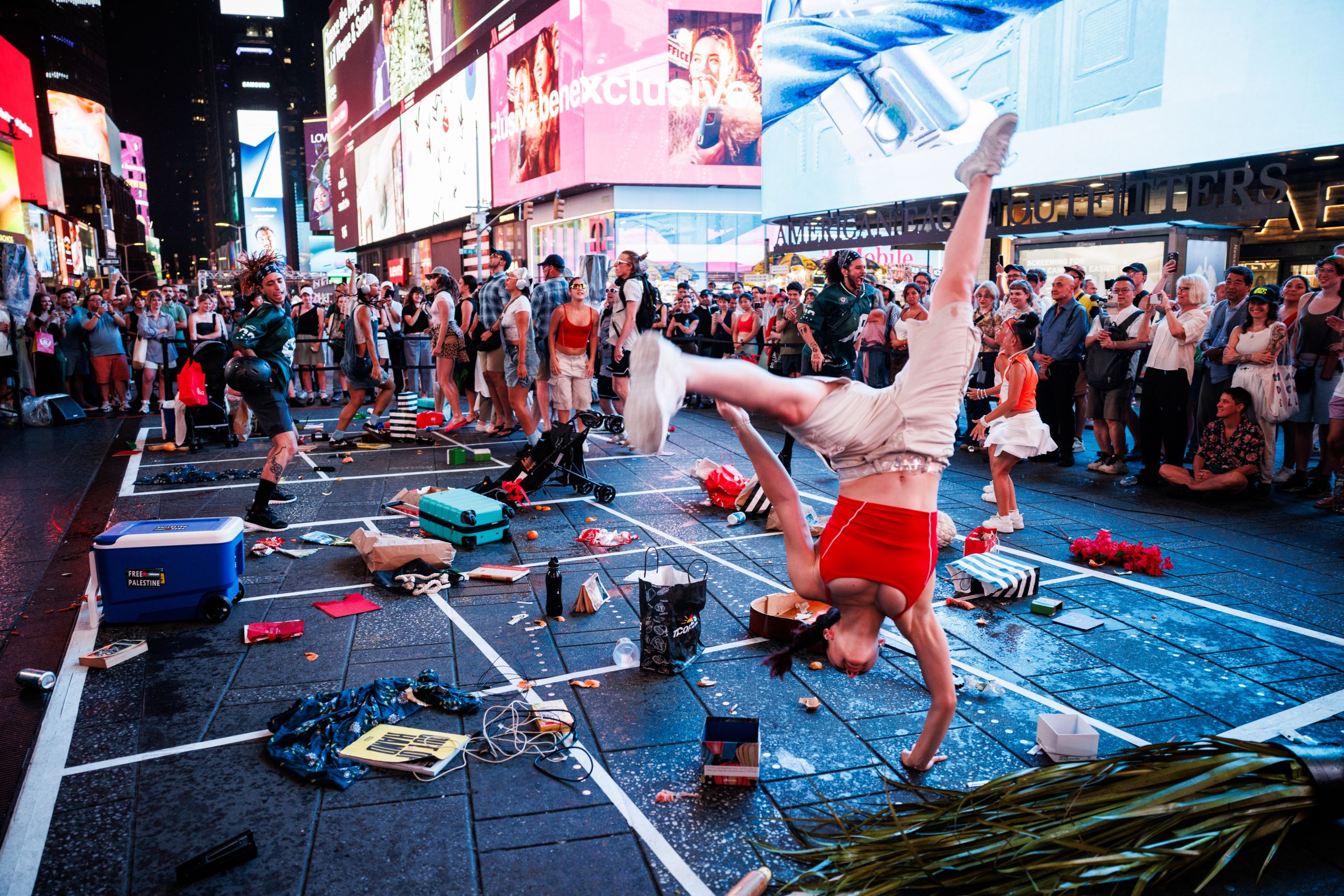
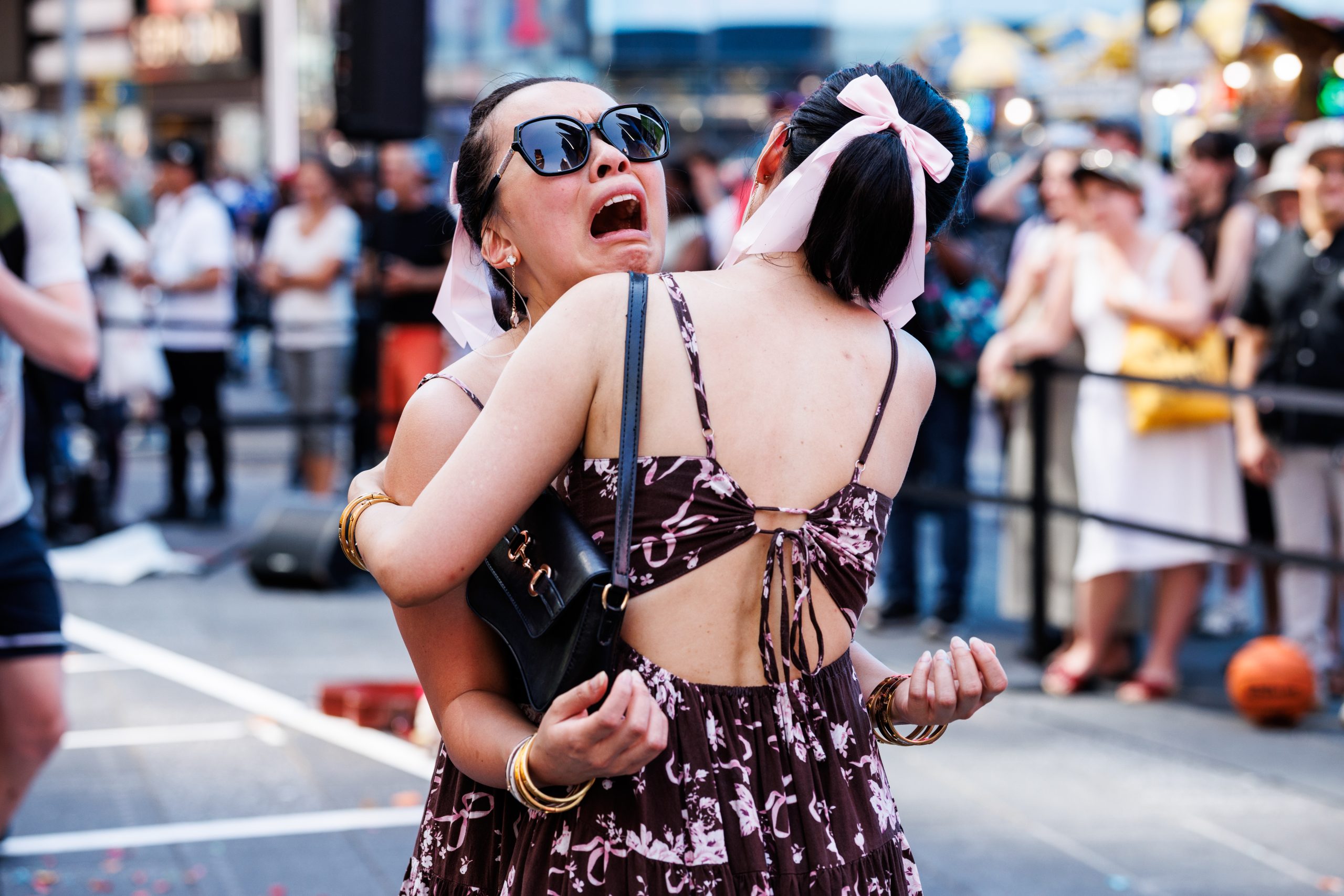
    Actors performing in Philly artist Maia Chao’s show “American Idle” in Times Square. The performance is being restaged August 14, 2026.Maria Baranova-Suzuki

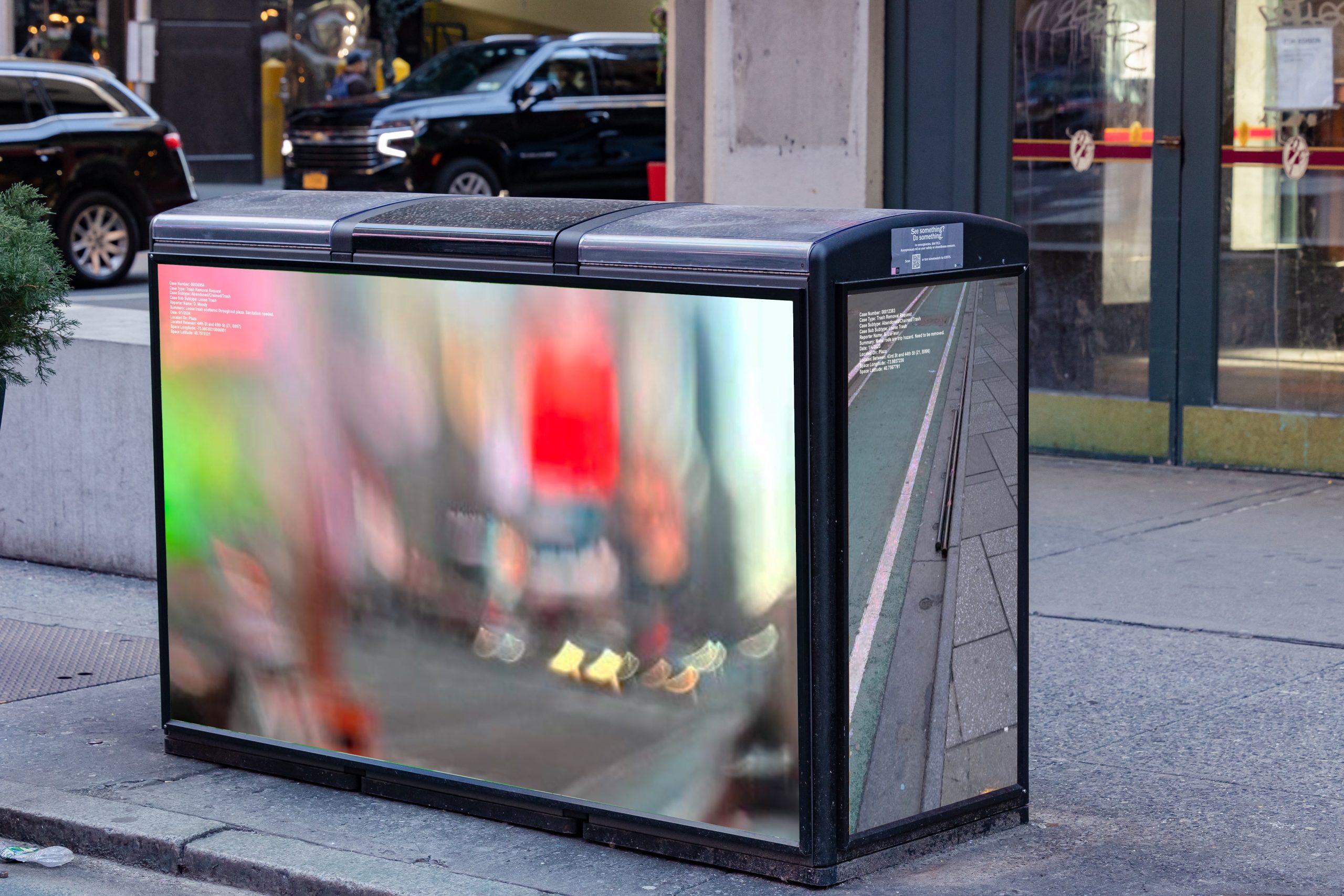
    Chao’s photo project “Case Subtype: Damaged/Nonfunctional” will present 30 photographs displayed on Bigbelly trash cans across Times Square. The photographs were taken by actual sanitation workers, who already document potholes, graffiti, and other abandoned objects as a part of their job.

    “A lot of the work of the Times Square Alliance is to improve the reputation of Times Square from its history of being ‘seedy’ or ‘dangerous’ in the 1980s and 1990s,” said Chao. “A lot of that effort is about maintaining its appearance as clean and safe to visit. I came to that with a critical lens on what and who is deemed clean and safe.”

    The title of her project references how workers mark found objects as “damaged/nonfunctional” when they upload the photos to their system. Details like the location and photographer are seen in small text in the corner of each photograph.

    A mockup of one of the photo installations from Philly artist Maia Chao’s upcoming project “Case Subtype: Damaged/Nonfunctional.” The photos are to be displayed on Bigbelly trashcans in Times Square.Liz Ligon

    “People are used to seeing advertising [on trash cans] and [the art] might catch their eye when they’re putting something in the trash can,” said Anna Starling, director of Times Square Arts. “I’m hoping that people will understand or at least think about what is this, why it is there, and recognize the beauty in the everyday objects that you see.”

    Some of the images on display include photographs of an abandoned bike chained to a pole, a rolling office chair next to a trash can, a spill of light blue paint on the sidewalk, and a pothole with a cone coming out of it.

    “There was something appealing to me about thinking about the people making these strange narratives,” said Chao. “When you see a huge microwave on the street or an abandoned stroller, they feel poetic and narrative, and kind of like traces of people’s lives.”

    Actors perform in Philly artist Maia Chao’s 2025 work “American Idle” in Times Square. The performance will be restaged August 14, 2026.Maria Baranova-Suzuki

    In addition to the photo installation, there will be a restaging of Chao’s 2025 performance piece American Idle on Aug. 14. The show comprises a group of actors playing Times Square archetypes, like tired kids, lost tourists, and influencers, all acting out their typical behavior. At the same time, identically dressed body doubles of each character mimic the other’s actions.

    “Initially, the idea was for the pedestrians of Times Square to be able to watch themselves, so it would be a crowd watching a crowd,” said Chao. “Something that may seem spontaneous when one person is doing it, is all of a sudden seen as learned and programmed when two people are doing it in unison.”

    Chao, who has a bachelor’s degree in cultural anthropology from Brown University, drew inspiration from the human behavioral patterns she noticed in real life and the 3D modeling program Crowds Pro. Typically used to simulate crowds for TV and movies, the system has a collection of characters being “idle,” shifting their weight and/or looking around, and making common gestures like clapping or scrolling on their phone.

    Actors perform in Philly artist Maia Chao’s 2025 work “American Idle” in Times Square. The performance will be restaged August 14, 2026.Maria Baranova-Suzuki

    “It’s a way of showing we’re all scrolling and taking pictures, and there’s definitely a pessimism to the ways we’re all becoming these robots or our attention is being conditioned to become increasingly fractured,” said Chao, a Rhode Island native. “But we also need to bring an observational, loving, and compassionate lens on the beauty of people as they are in their everyday selves.”

    A three-minute video with portions of choreography from American Idle will be playing every night in Times Square throughout the month. This will be August’s “Midnight Moment,” a long-running program that displays digital art across all the billboards in Times Square, daily, for three minutes before midnight.

    “Part of having public art in such large public spaces is having to be accessible to audiences. Maia’s project makes art and its concepts accessible, which draws people in,” said Starling. “The repetitiveness and duplicative aspects of the performance are eye-catching. Then with the art on the everyday receptacles that people pass by, having those two together we felt would engage audiences in new ways.”

    Actors performing in Philly artist Maia Chao’s show “American Idle” in Times Square. The performance is being restaged August 14, 2026.Maria Baranova-Suzuki

    Chao has plans for her own home city, too. This fall, she will be showing Waste Scenes, a video installation, at the ICA Philadelphia. She will also be curating the multimedia exhibit “An Endless Meeting,” organized by Philadelphia arts collective Vox Populi, of which Chao is a former member.

    “I’ve been making live performances for the past few years and I think often there are flows and cycles to my practice,” said Chao. “In the next few years, I might be working in a different way, using one project to escape another, or to exercise a different muscle. I don’t know what medium I’ll be working in next, it could be sculpture. I’m excited to see what the ecosystem of my practice needs or calls for next.”