Tag: Weekend Subscribers

  • FanDuel sent a personal message from Phillies star Bryce Harper to a customer with a gambling addiction

    FanDuel sent a personal message from Phillies star Bryce Harper to a customer with a gambling addiction

    As the 2020 NFL season kicked off, Terry Thompson picked up his phone and placed a wager with FanDuel Sportsbook on his favorite team, the Philadelphia Eagles.

    It was his first time gambling through an app, and he soon started placing microbets, which are in-game wagers on something as small as whether the next play would be a pass or run.

    He grew addicted to the effortless, rapid-fire action. Every game, every quarter, every play — click, click, click. Thompson would ultimately wager $18.5 million with FanDuel, earning him VIP status with the company. That meant exclusive perks, from champagne to Super Bowl tickets, which made him feel important and enticed him to continue gambling.

    By late November 2024, Thompson had incurred steep losses and resorted to desperate measures to fund his addiction. Then, one afternoon, he flicked open his phone and received a FanDuel reward that momentarily distracted him from his debts: a personalized video message from Philadelphia Phillies superstar Bryce Harper.

    The Inquirer obtained a copy of the 21-second video. In it, Harper addresses Thompson by name and acknowledges Thompson’s young son. Harper ends by thanking Thompson for his support.

    Harper is not wearing any FanDuel merchandise, but the video is marked with the company’s logo, and Harper mentions that he was reaching out at the request of Thompson’s VIP manager, “your host Bryttanni at FanDuel,” who wanted to ensure that Thompson had an “extra special Thanksgiving.”

    Professional sports leaders had long recoiled at having any association with gambling. But the U.S. Supreme Court ruled in 2018 that states could legalize sports betting, and each league now has lucrative partnerships with sportsbook companies, whose advertisements can be easily found in stadiums and arenas, and during game broadcasts.

    Still, league officials preach about the importance of protecting the integrity of their games and have rules that are designed to maintain distance between professional athletes and bettors. Although Major League Baseball’s policy does not explicitly reference interactions with VIP gamblers, Harper’s personal message to a bettor — apparently arranged by an employee of a major sportsbook — is a unique test of how cozy the league will allow players to get with gambling companies.

    There is no evidence that Harper has an official partnership with FanDuel, or was aware that Thompson had an addiction.

    The Inquirer could find no other examples of an active athlete recording a personal message to a sportsbook VIP customer who, by definition, had to be regularly betting large sums of money.

    The Inquirer shared the video with Scott Boras, Harper’s longtime agent, and asked if he or Harper would discuss how FanDuel had obtained the video.

    Boras declined to comment.

    The Inquirer also shared the video with the Phillies and MLB. Both declined to comment, and the players union did not respond to a request for comment.

    Multiple experts familiar with the fraught intersection of professional sports and the gambling industry said that while Harper does not explicitly encourage gambling in the video, it still raises concerns.

    Danny Funt, who researched sportsbook VIP programs for his 2026 book, Everybody Loses: The Tumultuous Rise of American Sports Gambling, said in an email that VIP bettors sometimes get to hang out with former athletes. He cited former San Diego Charger LaDainian Tomlinson, who worked in retirement for DraftKings, as one example.

    But the Harper video is entirely different, he said.
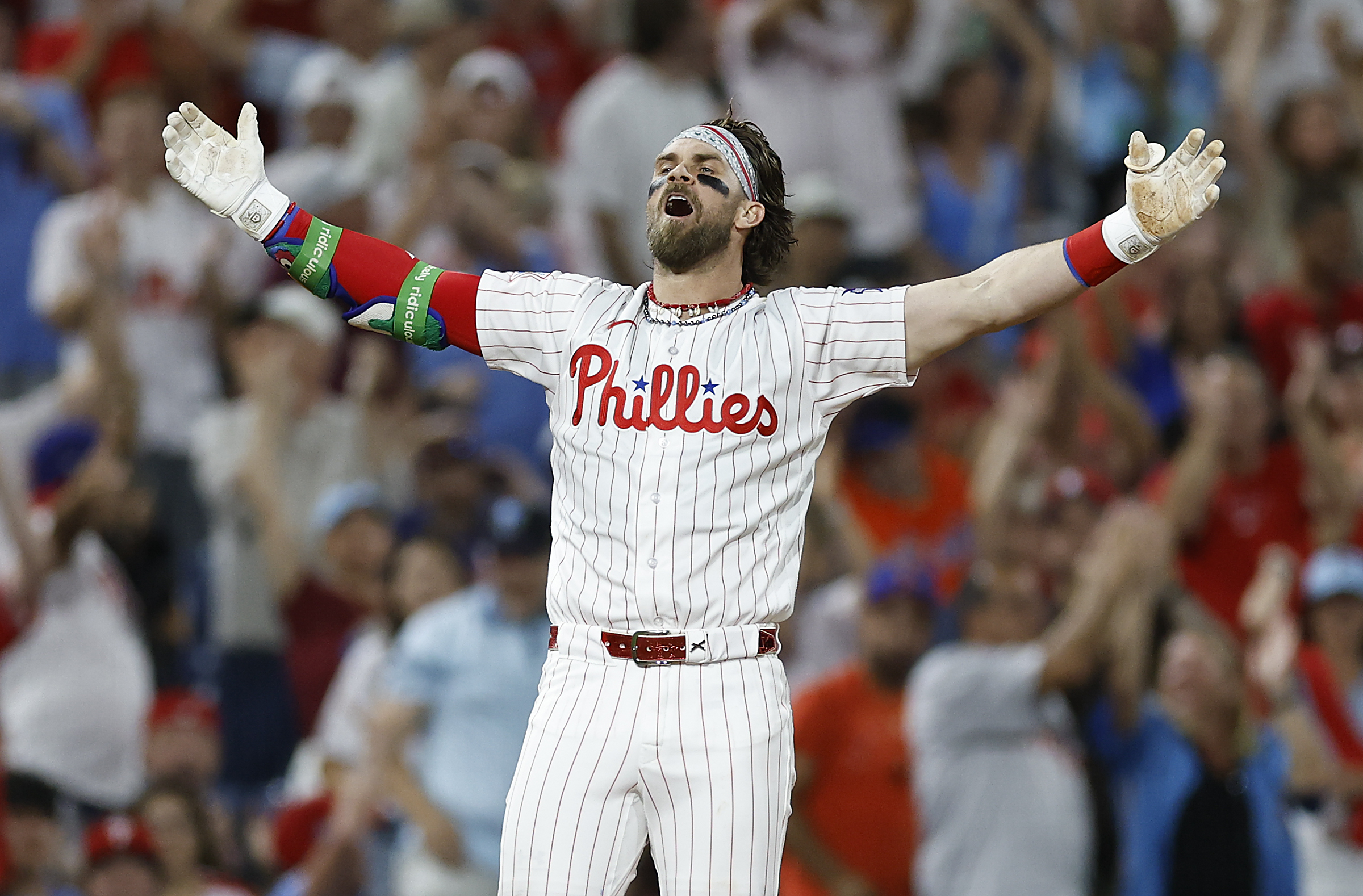
    Harper, a nine-time All-Star and two-time MVP, has been one of baseball’s most marketable stars throughout his 15-year career.Yong Kim / Staff Photographer

    “I’ve never heard of an active player, let alone a former MVP, doing something like this,” Funt said.

    Leigh Steinberg — an agent who represents Kansas City Chiefs quarterback Patrick Mahomes, and whose past clients included MLB All-Stars Manny Ramirez and Will Clark — called the Harper video “bad for sports.”

    Steinberg said if one of his clients approached him about doing promotional work of any kind for a sportsbook company, he would advise them to walk away.

    “It’s not good for your brand,” he said. “It’s exploitative and it’s not the sort of activity you want to be associated with.”

    MLB’s collective bargaining agreement, which is set to expire in December, allows athletes to appear in advertisements or make personal appearances for casinos, racetracks, or sportsbook companies, so long as the ballplayers do not encourage betting on baseball.

    NFL players are prohibited from marketing or promoting “any form of gambling” under the league’s current collective bargaining agreement.

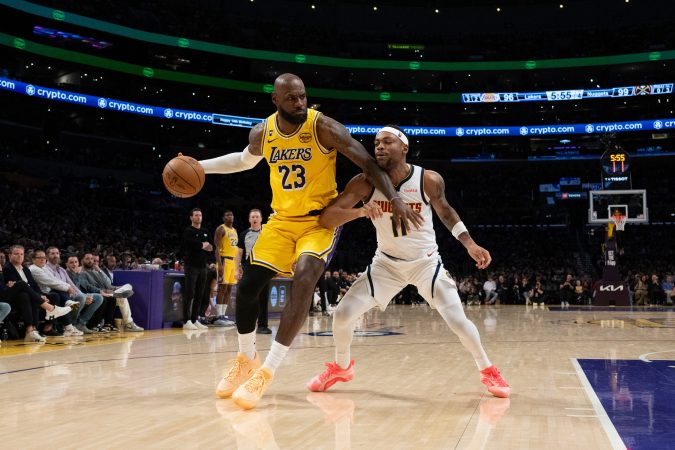
    The NBA, meanwhile, allows its players to own a passive ownership stake — less than 1% — in sportsbook and prediction market companies, and engage in promotional work for gambling companies, provided they do not encourage betting on basketball. As a member of the Los Angeles Lakers, LeBron James appeared in advertisements for DraftKings.

    Harper, 33, has been one of baseball’s most marketable players throughout his 15-year career. He has had endorsement deals with many companies, including Under Armour, Gatorade, Dairy Queen, and Blind Barber, a chain of barbershops and lounges of which Harper owns an equity stake.

    He has also been famously unafraid of the spotlight, openly discussing everything from his Mormon faith — which prohibits gambling and alcohol use — to perceived criticism from his boss.
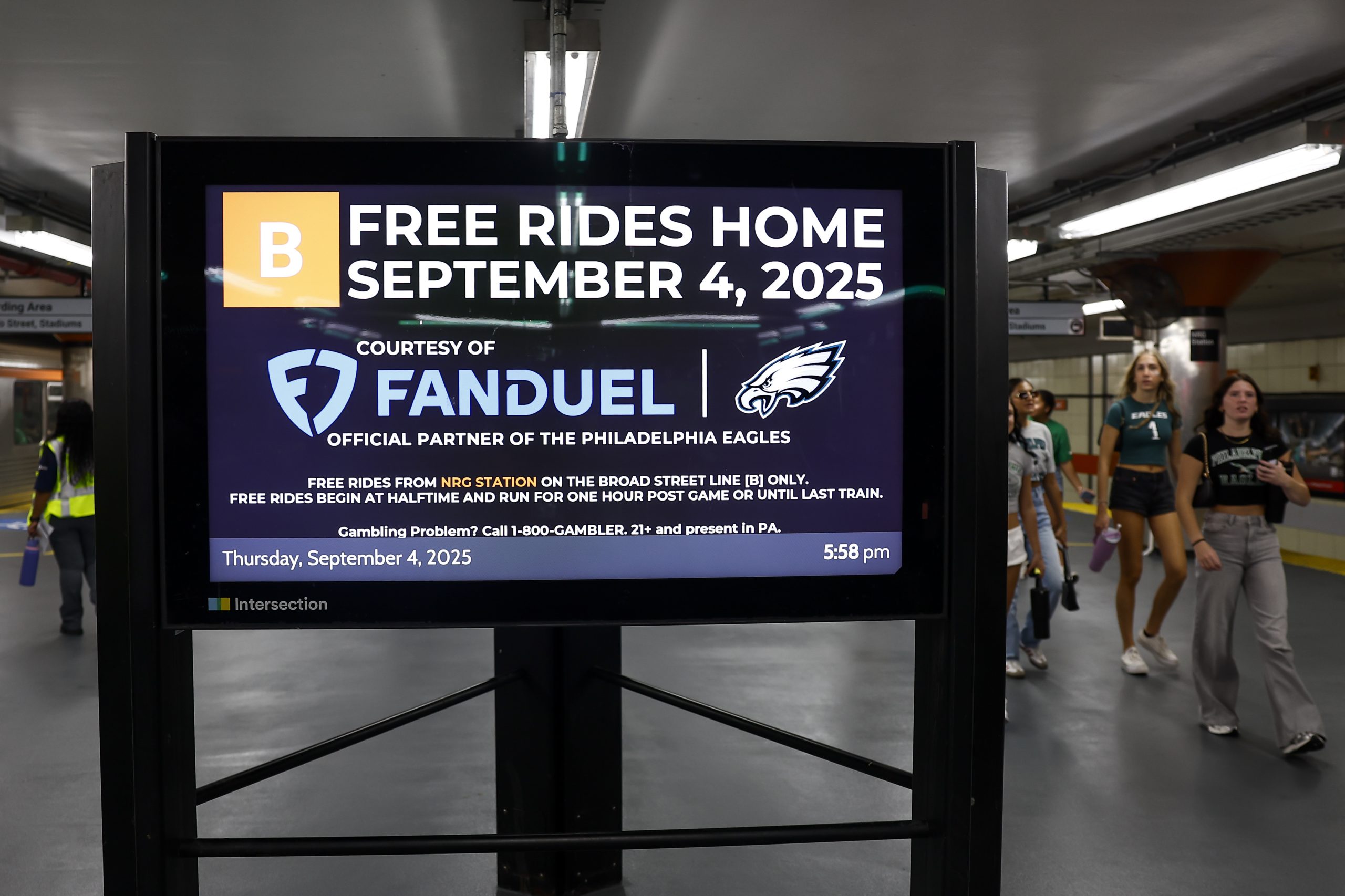
    Professional sports leagues that once vehemently opposed any association with gambling enterprises have now embraced lucrative partnerships with sportsbook operators. Monica Herndon / Staff Photographer

    Jodi Balsam, a former NFL attorney who is now a sports law professor at Brooklyn Law School, said even if Harper’s video does not violate baseball policy, it raises ethical questions about the league’s relationship with gambling companies, whose business practices are facing increasing scrutiny from state and federal lawmakers.

    “The first question I would have is, was [the Harper video] done by the sportsbook company precisely because they know they have an addicted gambler on their hands, and they’re trying to wring every cent out of him that they can?” Balsam asked.

    FanDuel did not respond to a request for comment.

    Balsam’s question is at the center of a lawsuit that attorneys for the nonprofit Public Health Advocacy Institute filed in March in Common Pleas Court in Philadelphia on behalf of Thompson and another plaintiff. The suit alleges that FanDuel and DraftKings, another sportsbook company, use their products and VIP services to intentionally maximize addiction.

    Harper is not named in the lawsuit.

    Thompson, whose attorneys declined to make him available for this story, details the depths of his gambling addiction in his lawsuit.
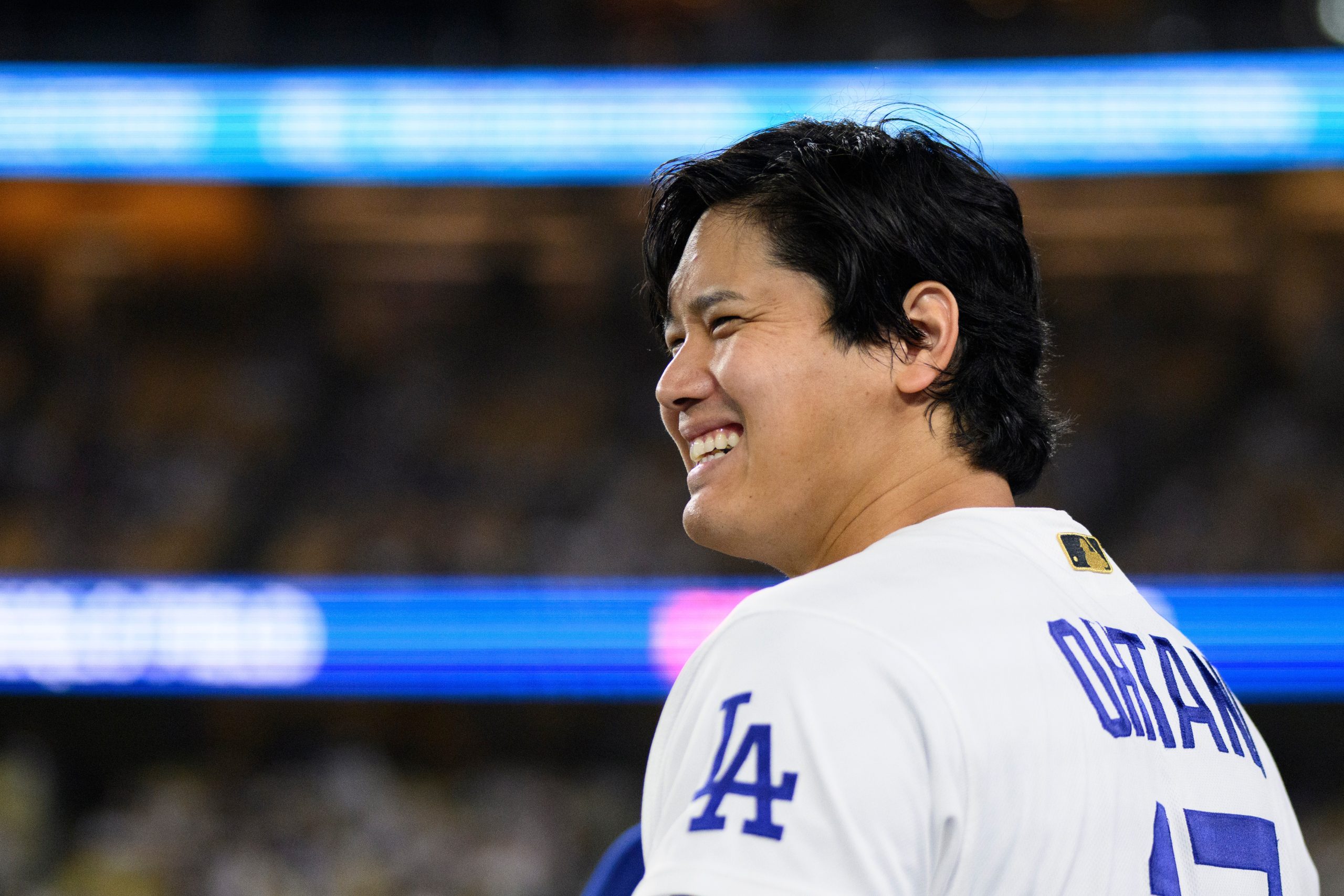
    Los Angeles Dodgers star Shohei Ohtani’s former interpreter, Ippei Mizuhara, was sentenced in 2025 to 57 months in federal prison for illegally transferring nearly $17 million from Ohtani’s bank accounts to pay off gambling debts. Kyusung Gong

    He alleges that he covered his losses by taking out second and third mortgages on his home, which later fell into foreclosure, and then sold his shares of an investment company that he had run for two decades.

    By late February, Thompson’s suit claims, he wagered and lost his last $10,000 on a DraftKings parlay bet.

    His losses totaled nearly $2 million, according to the lawsuit. Desperate and feeling like he could not confess the scope of his financial ruin to his family, Thompson texted his therapist, who then contacted the police. Officers raced to Thompson’s home and prevented him from harming himself.

    Balsam said Thompson’s tragic story should give sports leagues and its players pause.

    “Is this the kind of activity that either the union or the league want their players to be associated with,” Balsam said, “if it leads to addictive and self-destructive behaviors by a fan?”

    How MLB’s betting stance changed

    “People know gambling is deadly,” Allan H. “Bud” Selig said. “I don’t have to conduct focus groups.”

    It was November 2012, and Selig, then MLB’s commissioner, was being deposed for nearly three hours in Milwaukee. A lawsuit instigated by then-New Jersey Gov. Chris Christie sought to overturn a longstanding federal law that restricted legal sports betting to just four states.
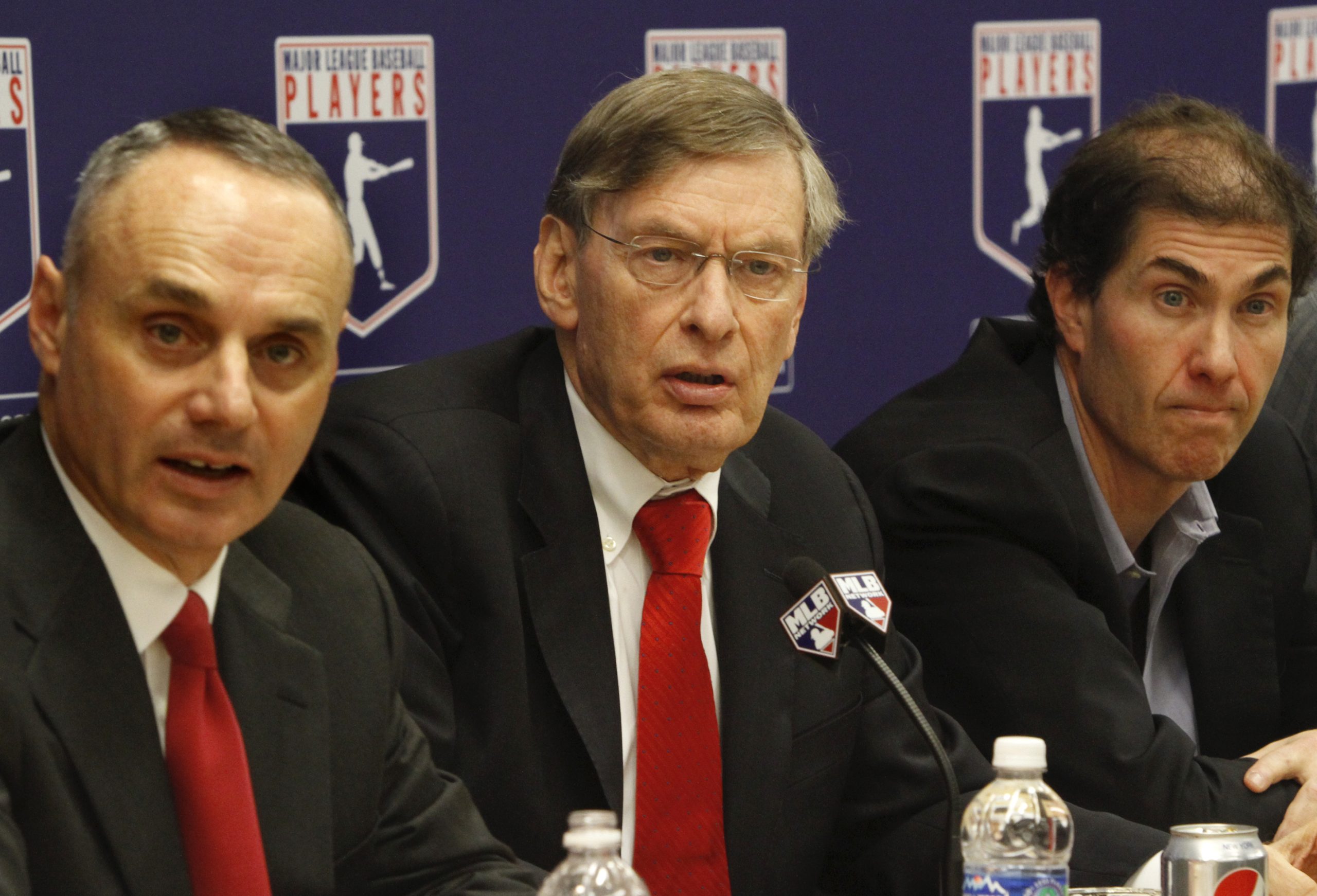
    Major League Baseball longtime commissioner Bud Selig (center) argued in a 2012 deposition that widespread legalized sports gambling would be harmful to baseball. He was later succeeded by Rob Manfred (left), who has overseen partnerships between the league and sportsbook companies. Bebeto Matthews

    Baseball’s leaders had sought for decades to avoid recurrences of past gambling scandals that had threatened the integrity of the sport. Selig had maintained the hard line of his predecessors, perhaps most notably by upholding the league’s 1989 lifetime ban of former Phillies first baseman Pete Rose, who was found to have bet on baseball while managing the Cincinnati Reds.

    Selig said he understood why state lawmakers would welcome the tax revenue that widespread legalized sports gambling could generate. But he argued such a development could only increase the odds of new baseball betting crises, which would be “the end of your sport.”

    “I’m just — guess I have to say to you that I’m appalled,” Selig said in the deposition. “I’m really appalled.”

    In 2019, MLB — led by a new commissioner, Rob Manfred — entered into its first partnership agreement with FanDuel.

    Manfred sent a memo to players outlining the league’s gambling policy. At that time, it prohibited players from performing services “in any capacity involving sports betting for any third party,” a categorization that included “promoting or endorsing sports betting products or services.”

    A new collective bargaining agreement, reached in 2022, allowed players to do promotional work for sportsbooks. Colorado Rockies outfielder Charlie Blackmon soon became the first professional baseball player to secure a deal as a brand ambassador for a sportsbook company.

    Not everyone affiliated with MLB has welcomed the new relationships between the league and gambling entities.

    “We’re entering a very delicate and, dare I say, dangerous world here,” Tony Clark, then president of the players union, told reporters in 2022.
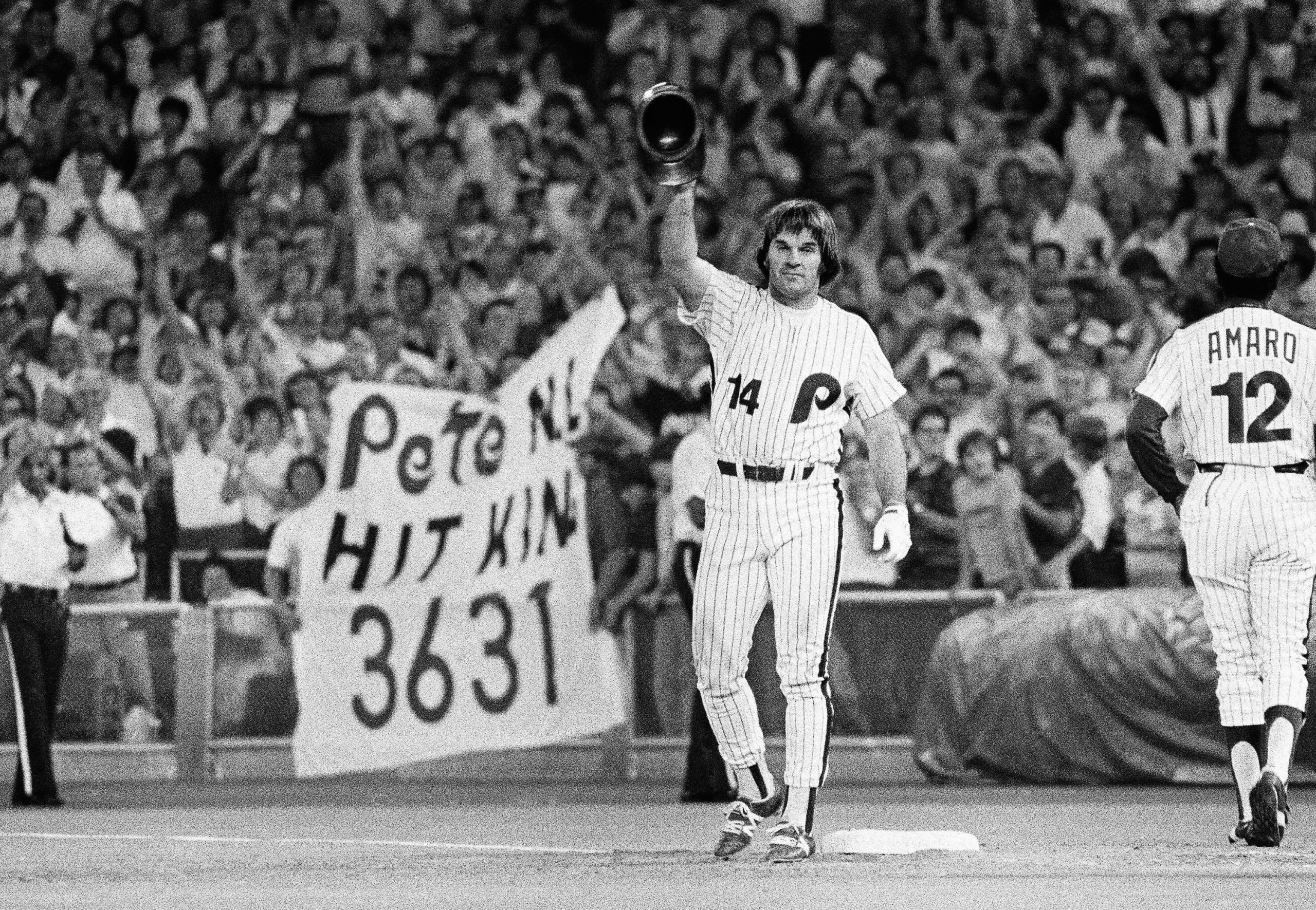
    MLB gave a lifetime ban in 1989 to former Phillie Pete Rose for betting on baseball while he was the manager of the Reds.Anonymous

    Two years later, MLB Players Inc. — a licensing and marketing subsidiary of the players union — filed a lawsuit that accused DraftKings of using without permission or compensation photos of MLB stars on its betting app and in social media posts. FanDuel and Bet365 were also named as defendants in the suit.

    Harper figured prominently in the lawsuit. The complaint against DraftKings, filed in U.S. District Court in the Eastern District of Pennsylvania, included images of Harper’s face on the DraftKings app and a reference to a hypothetical wager on Harper hitting two home runs in a game. Attorneys also mentioned Harper in later courtroom arguments.

    Being able to control how their names, images, and likenesses are used is a “crucial return on their substantial career investment,” the players’ attorneys wrote in the complaint. “It also enables athletes to avoid being associated with companies, commercial products, and industries that they do not wish to be perceived as supporting and endorsing.”

    (The union ultimately dropped its case against FanDuel, and the lawsuit was settled earlier this year for undisclosed terms.)

    In May 2024 — five months before FanDuel sent Harper’s video message to Terry Thompson — Manfred fired umpire Pat Hoberg for sharing a sportsbook account with a professional poker player who placed bets on baseball.

    An investigation found no evidence that Hoberg himself had bet on baseball, Manfred later said. But the existence of the shared account — and the fact the umpire had deleted Telegram messages between himself and the poker player — created the “appearance of impropriety that warrants imposing the most severe discipline.” Hoberg appealed his dismissal but lost.

    A year later, Bud Selig’s stark warning materialized.
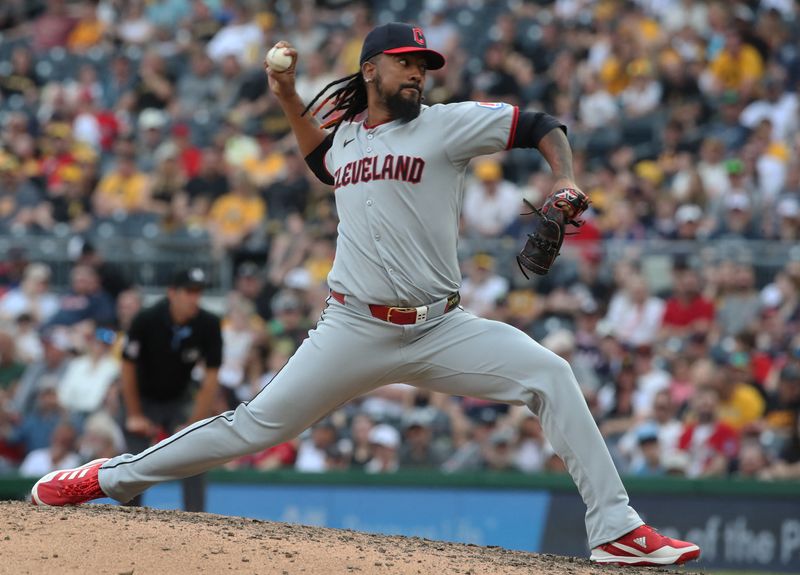
    Former Cleveland Guardians pitcher Emmanuel Clase has been accused by federal investigators of conspiring with bettors in exchange for financial kickbacks.Charles LeClaire, IMAGN IMAGES v

    Federal authorities indicted Cleveland Guardians pitchers Emmanuel Clase and Luis L. Ortiz, and accused each of conspiring with bettors.

    Clase and Ortiz “agreed to throw specific types and speeds of pitches” prior to games, and bettors wagered on those pitches, the indictment states. In exchange, the bettors wired thousands of dollars to the pitchers through a third party in the Dominican Republic. Clase and Ortiz have each pleaded not guilty to wire fraud conspiracy and related charges and are awaiting trial. MLB has placed them on paid nondisciplinary leave.

    That same year, Ippei Mizuhara, a former translator for Los Angeles Dodgers star Shohei Ohtani, was sentenced to 57 months in federal prison for illegally transferring nearly $17 million from Ohtani’s bank account to pay Mizuhara’s gambling debts.

    Those episodes have not resulted in baseball’s demise, as Selig had once imagined. But they also did not rupture MLB’s relationship with gambling entities, which collected a record $165 billion in sports wagers in 2025.

    As part of negotiations over a new collective bargaining agreement with MLB, the players union recently asked the league for to grant players more freedom to seek endorsements from sportsbook operators and prediction markets, ESPN reported.

    The VIP treatment

    FanDuel awards five points for every dollar that a bettor pays on a contest entry fee. To achieve VIP status, bettors must amass 600,000 points, which expire after a year of inactivity.

    “But don’t worry,” the company explains on its website, “it’s easy to stay active.”

    Terry Thompson earned a FanDuel VIP manager, Bryttanni Morgan, in 2021, court records show.

    Morgan texted Thompson often about the fortunes of the Eagles, commiserating over the team’s ups and downs. Their conversations also veered into more personal terrain — favorite restaurants, travel plans, and family.
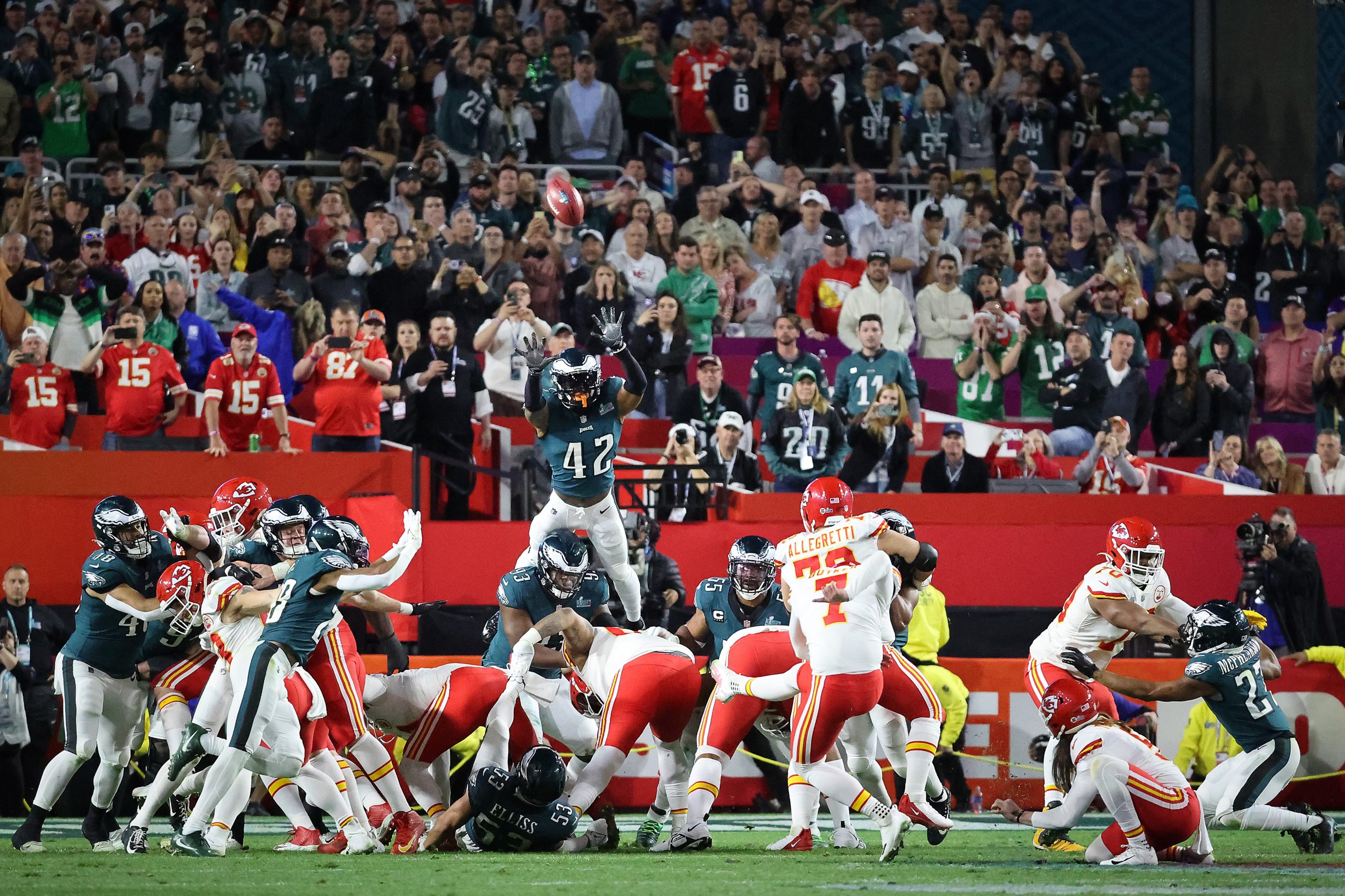
    A FanDuel VIP manager allegedly offered tickets to Super Bowl LVII to bettor Terry Thompson, an Eagles fan who had a gambling addiction.David Maialetti / Staff Photographer

    FanDuel’s intention, Thompson’s attorneys allege, was for Thompson to believe that Morgan was his friend.

    Their exchanges often returned to Thompson’s betting activity. Morgan encouraged him to place more wagers, even when he showed signs of financial strain, the lawsuit states.

    Morgan is named as a defendant in Thompson’s lawsuit. Her attorney could not be reached for comment.

    In late December 2022, after Thompson had suffered more losses, Morgan texted him: “Are we gonna take a little break and start fresh in the New Year?”

    “I’ll try,” Thompson wrote back, adding a smiley face symbol.

    A few weeks later, on Jan. 13, 2023, Morgan offered a FanDuel VIP perk: two tickets to Super Bowl LVII in Arizona — where Thompson’s beloved Eagles would face the Kansas City Chiefs — along with free transportation, and tickets to Sports Illustrated and FanDuel parties.

    On other occasions, Morgan provided Thompson with tickets to Eagles, Flyers, and Sixers games. FanDuel also flew Thompson and his son to Super Bowl LVI in California, with pregame access to the playing field and celebrities like Chris Rock.

    Funt, the author, said he has major concerns about how the VIP programs are used to ensnare gamblers.

    “They exist to egg on a reckless and potentially dangerous style of betting, using perks and other incentives that would be borderline irresistible for many sports fans,” he said. “I can only imagine how someone who loves Bryce Harper would feel indebted (no pun intended) to a sportsbook that facilitated a personalized video from him.”

    Leigh Steinberg said he had not heard of other instances of sportsbook companies using active athletes to send greetings to a bettor.

    “Because it’s not public, it’s hard to understand whether it’s ubiquitous or an exception,” he said.
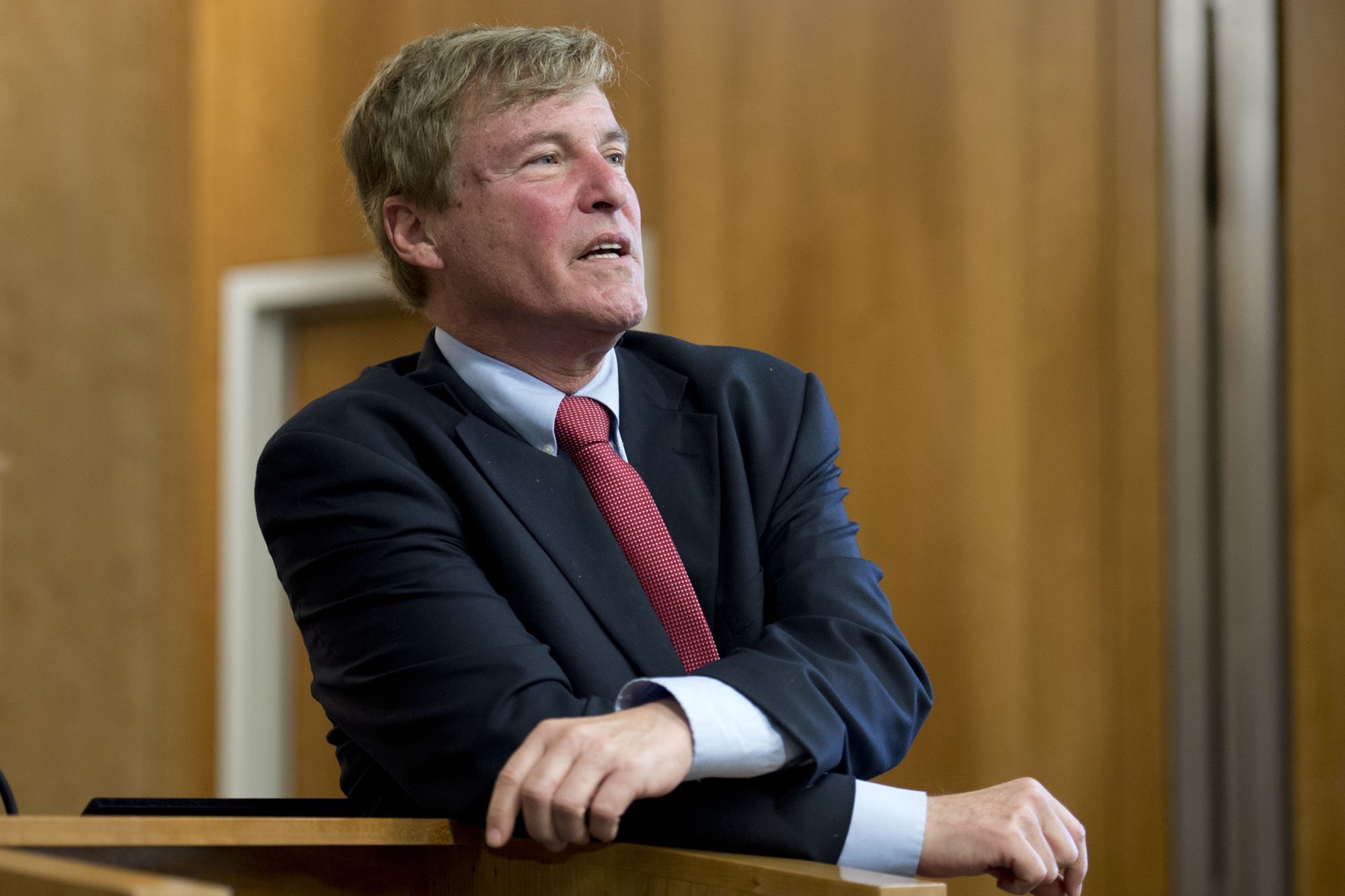
    Leigh Steinberg has represented numerous NFL stars, from Chiefs quarterback Patrick Mahomes to NFL Hall of Famers Troy Aikman and Steve Young.Randy Pench/Sacramento Bee / MCT

    But Steinberg, who publicly struggled with an addiction to alcohol, argues that interactions between athletes and bettors who wager heavily on sports are inherently problematic.

    “Getting a phone call or a zoom or a Cameo from a highly placed player is so flattering,” he said. “It’s stacking the deck unfairly in favor of continuing addicting behavior.”

    The glamour of Thompson’s Super Bowl trips and brushes with celebrities had long since faded when he reached the nadir of his gambling earlier this year.

    There were no more offers of free betting credits to be had, or microbets to chase.

    Broke and broken, Thompson entered a psychiatric facility to undergo treatment for gambling addiction.

    The Inquirer will continue to report on issues related to the growth of gambling addiction — among teens and adults — across Pennsylvania. If you, or someone you know, wants to speak with a reporter, please contact David Gambacorta or William Bender at dgambacorta@inquirer.com and wbender@inquirer.com

    Correction: An earlier version of this story misstated the university where Jodi Balsam works as a law professor. She works at Brooklyn Law School.
  • Gov. Shapiro can’t be sued by his Abington neighbors over a property dispute, judge rules. But Josh Shapiro, a homeowner, can.

    Gov. Shapiro can’t be sued by his Abington neighbors over a property dispute, judge rules. But Josh Shapiro, a homeowner, can.

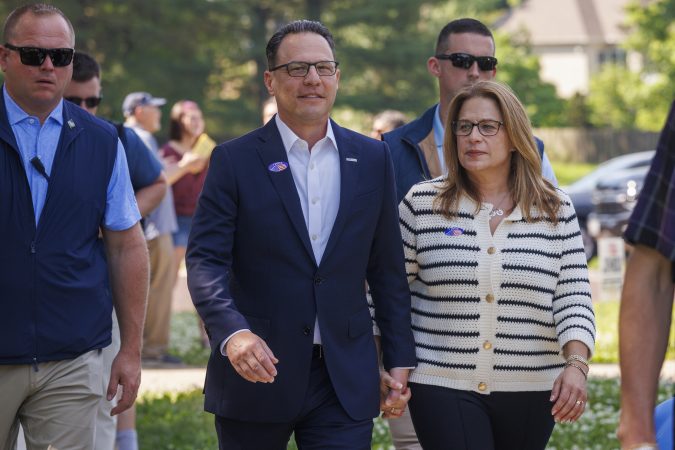
    A federal judge had some good news this week for Josh Shapiro, governor of Pennsylvania, but not so much for Josh Shapiro, resident of Montgomery County.

    Shapiro, as governor, cannot be sued in his official capacity in a dispute over a strip of yard between his and his Abington Township neighbors’ adjoining properties, U.S. District Judge Harvey Bartle III ruled Tuesday.

    But Shapiro and his wife, Lori, will still have to face their neighbors in federal court as homeowners, Bartle also determined.

    The conflict came into public view in February, when Jeremy and Simone Mock, whose backyard abuts the Shapiros’ lawn in a tree-lined neighborhood near Pennsylvania State University’s Abington campus, sued Shapiro — both as governor and in his individual capacity — and George Bivens, acting Pennsylvania State Police commissioner. The lawsuit alleged the officials were illegally occupying part of the Mocks’ yard to build an eight-foot security fence last summer in what they claimed was an “outrageous abuse of power” that violated their constitutional rights. Bartle dismissed those claims in his ruling Tuesday, in what Shapiro’s administration called a major win.

    But while Shapiro and Bivens are immune from the federal lawsuit as state officials, Shapiro as an individual and his wife are not, Bartle’s opinion said.

    “We are pleased that the court has dismissed the claims against the office of the governor and the Pennsylvania State Police, and recognize that the allegations against these officials are without merit,” said Rosie Lapowsky, a spokesperson for Shapiro. “The Shapiros are confident that the facts will ultimately show that the Mocks’ remaining claims are meritless and politically motivated and will fail.”

    The dispute in federal court over the 2,900-square-foot strip of land disrupted the otherwise sleepy suburban neighborhood and led to a separate lawsuit in Montgomery County Court filed by the Shapiros, in their personal capacities, against the Mock family. Shapiro’s office has called the Mocks’ legal effort a political stunt, in addition to other efforts by Republican officials to scrutinize the safety measures state police say are needed to keep Shapiro and his family safe.

    The dueling lawsuits came in the wake of the attempted murder of Shapiro in April 2025 at the state-owned governor’s residence in Harrisburg, when a man firebombed the mansion on the first night of Passover while the governor and his extended family slept inside.

    The attack prompted more than $33 million in security upgrades to the state-owned governor’s residence, in addition to $1 million in upgrades and landscaping to Shapiro’s personal home in Abington Township, where he and his family live part-time.

    Shapiro’s safety remains a priority for state police, as one of the nation’s most prominent Jewish elected officials. A Delaware County man was arrested Wednesday for threatening to burn down the governor’s residence, state police said.

    But the Mocks’ attorney, Wally Zimolong, said the lawsuit at hand is about property rights and due process, and called Bartle’s ruling a “strong decision.”

    “Make no mistake about it,” Zimolong said, “a federal court has said that the sitting governor of Pennsylvania can be held liable for damages over constitutional violations.”

    The Delaware County lawyer who has represented high-profile Republican officials and candidates, including President Donald Trump, said it is “nonsense” to call the litigation political. Zimolong added that he hopes the Shapiros reconsider and attempt to resolve the case amicably.

    The conflict’s origins

    The dispute between the Shapiros and Mocks began last summer when, as part of a plan to build a security fence at the Abington house, a surveyor learned that a sliver of yard that the Shapiros had used for over two decades was actually on property belonging to the Mocks.

    After the Mocks rejected the Shapiros’ offer to buy the land, court fillings said, Pennsylvania’s first couple invoked a state law that allows a person to gain ownership of a property they have actively used for at least 21 years. The Shapiros have lived in their Montgomery County home for 23 years.

    “What followed was an outrageous abuse of power by the sitting Governor of Pennsylvania and its former Attorney General,” the Mocks’ February lawsuit said.

    (function() { var l = function() { new pym.Parent( ‘shapiroyard__graphic’, ‘https://media.inquirer.com/storage/inquirer/ai2html/shapiroyard/index.html’); }; if(typeof(pym) === ‘undefined’) { var h = document.getElementsByTagName(‘head’)[0], s = document.createElement(‘script’); s.type = ‘text/javascript’; s.src = ‘https://pym.nprapps.org/pym.v1.min.js’; s.onload = l; h.appendChild(s); } else { l(); } })();

    A security fence was purchased but never installed, SpotlightPA reported. Instead, contractors hired by the state began planting arborvitae-type trees and other plants on the Mocks’ property. State police also flew drones over the Mocks’ property, threatened to remove healthy trees, and chased away contractors, the Mocks alleged in the suit.

    The complaint also accused Shapiro of directing state police to patrol the property, and instructing the Mocks to leave the “security zone.”

    The Shapiros’ countersuit in Montgomery County asks a judge to find that they are the “legal and equitable owners” of the area in dispute, having tended to the land that borders their front yard for 23 years. That suit is pending and a judge is expected to rule on preliminary objections filed by Zimolong.

    Separately, the Shapiros and state attorneys filed motions asking Bartle to dismiss the federal complaint against them.

    This week, the judge partially obliged, finding the state officials to be immune from the lawsuit while allowing the case against the Shapiros to proceed.

    The judge also refused to freeze the federal case while the lawsuit in Montgomery County plays out, determining that the two cases are different enough to proceed.

    “The claims here extend far beyond a disagreement between neighbors over the metes and boundaries of their properties,” Bartle wrote.

  • Temple University will lay off employees and raise tuition for the second consecutive year

    Temple University will lay off employees and raise tuition for the second consecutive year

    Temple University approved a $1.3 billion operating budget Wednesday that includes an average 3.4% tuition hike for both in-state and out-of-state students and plans for about 40 layoffs.

    Both the average tuition increase — which is for undergraduate and graduate students — and the number of layoffs are smaller than those implemented last year. The university raised tuition an average of 3.6% in 2025 and laid off 50 employees.

    The layoffs, which will occur this week, constitute less than 1% of the university’s workforce. Temple officials did not elaborate on who was affected or which positions but said jobs across the university from senior levels to the operational ranks were considered. An effort was made to limit the impact on “student-facing” roles, said chief strategy officer and former interim provost David Boardman.

    “The decision-making overwhelmingly was made at the local level, at the schools, colleges, and administrative units,” said Boardman, who is also dean of Temple’s College of Media and Communication.

    Fry said last month that layoffs were “inevitable” as the university works to close a projected $85 million budget deficit for 2026-27. Temple, along with many peer institutions, faces enrollment declines and financial pressures as the available pool of high school students drops, public attitudes toward higher education change, and the number of international students declines following changes in federal policy.

    The budget, approved without public discussion by the executive committee of Temple’s board of trustees, includes a projected deficit of $25.5 million.

    “We have met our savings target, which is obviously imperative,” Fry said in an interview after the board meeting.

    Fry had asked schools, colleges, and administrative units to cut a total of $60 million, a significant portion of which was accomplished through the elimination of 236 positions, he said. That is on top of 190 positions that were eliminated last year.

    More than 80% of the positions cut this year came through voluntary retirements, including a faculty program that netted more than 70 takers, as well as resignations and the elimination of vacant positions. Layoffs accounted for the rest.

    “Implementing these targeted budget reductions and undertaking other organizational realignments is a critical first step toward returning the university to a balanced budget over the next three years,” Fry said in a message to the campus community.

    The university is working under a new budget model that will “allow us to better align our resources with our strategic plan,” Fry said.

    While the majority of the $60 million reduction was due to the position eliminations, schools, colleges, and administrative units are implementing other efficiencies. Some of the colleges, for example, have reduced doctoral student admissions, Boardman said.

    The university’s 27% decline in domestic enrollment since 2017 and increased financial aid costs have been the most significant factors causing the school’s budget pressures, Fry said. The loss of students has amounted to an average of more than $200 million in lost revenue annually, according to an internal Temple report obtained by The Inquirer in April.

    That report said the school anticipated falling below an 80% retention rate this fall.

    Temple’s U.S. enrollment stood at 29,503 last fall; projections for this fall are not yet available.

    But Fry said in his campus message that the school has received a record number of deposits for first-year enrollment compared with last year and that deposits from transfer students are up over last year.

    The school also plans to roll out a new “first-year experience” program to help improve the school’s freshman-to-sophomore retention rate, which fell from a high of 90% about a decade ago to 82% last fall.

    Employees from student affairs, enrollment management, and academic affairs have worked on the redesign with support from the National Institute for Student Success diagnostic, Fry said.

    “The teams have taken a comprehensive look at how students transition to Temple and identified where we can better support their success,” he said. “This work has helped us identify barriers and create a more coordinated approach to orientation, advising, communication, and student support.”

    The efforts already are having an impact. Because of changes to orientation, 3,268 first-year students were registered for the fall as of July 5, compared with 2,407 students the same time last year, Fry said.

    With the tuition increase, the new base rate for full-time students from Pennsylvania will rise to $20,376 annually and to $36,600 for out-of-state students. (Excluding Temple’s Japan campuses, 62% of students are Pennsylvania residents.) While the average increase is 3.4%, percentage increases fluctuate across Temple’s schools and majors, from a low of 2.9% to a high of 3.9%.

    Tuition increases are typical; the University of Pennsylvania increased its total costs by 3.8% for 2026-27. Pennsylvania State University, which approves tuition increases a year in advance, hiked tuition 2% for in-state students at University Park for 2026-27 and froze it for those attending Commonwealth campuses.

    At Temple, fees will rise $42, or 3.9%, to $1,098 annually. And room and board will increase 4%. Students in a typical double-occupancy room at Johnson and Hardwick residence hall with 12 meals per week will pay $15,094 for the year.

    Temple said it also would increase its financial aid budget by nearly 7% over last year, to $196.1 million, to help students with need afford the university.

    “We know that financial barriers can impact our students and prevent them from persisting,” David Marino, interim chief operating officer, said in a statement. “This year’s historic investment in financial aid is an investment in the success of our students.”

    Correction: This story was updated to correct the number of first-year students who registered during last year’s orientation, due to incorrect information from Temple.

  • Philly area’s housing market is ‘weird’ right now, agents say

    Philly area’s housing market is ‘weird’ right now, agents say

    Brenda Beiser knows firsthand how difficult buying a home in the Philadelphia area can be. She’s not only a Redfin real estate agent, but she’s also an empty nester who wanted to downsize.

    Her six-bedroom house in Mount Airy sold right away when she put it on the market in May. But she decided not to buy a replacement.

    “I went for a rental because I didn’t really want to compete with everyone who’s trying to get into a smaller house,” Beiser said. “A lot of people who are in their 60s and would have traditionally downsized into a smaller house just aren’t doing it. They can’t find a place to go.”

    Brenda Beiser, a Redfin real estate agent in the Philadelphia area, decided not to buy another home when she sold her Mount Airy house, because she didn’t want to enter the region’s competitive housing market.Courtesy of Brenda Beiser

    The Philadelphia region has a housing supply problem, just like large swaths of the country, and that’s impeding both repeat and first-time buyers. Inventory is particularly low across the Northeastern United States, where construction has not kept up with demand. In the beginning of this year, Zillow predicted that the Philadelphia metropolitan area would be one of the country’s 10 most-competitive housing markets of 2026.

    Home supply, however, has also ticked up a bit in the region compared with last year, and homes are staying on the market a bit longer before they sell. For the four weeks ending June 21, the region was in the top five markets with the highest annual increase in new home listings, according to a Redfin analysis of the 50 most-populous metropolitan areas.

    “The market’s encouraging,” said Jake Markovitz, president of the board of directors for the Greater Philadelphia Association of Realtors. “It’s certainly more balanced than it has been the last four, five years.”

    Erin Thompson, CEO of the Montgomeryville office with Keller Williams and leader of the Erin Thompson Team, agrees. She said buying and selling is “ebbing and flowing but trending toward a more stabilized market.”

    “Although I feel like I’ve said that twice in the recent past, and then it’s gone bonkers,” she said.

    The region’s market is a mixed bag.

    Some homes are sitting for a while, and some owners are at risk of selling properties for less than they bought them for a few years ago. Other homes have inspired five or more buyers to compete against each other, hiking up prices, said Markovitz, an associate broker with the Karrie Gavin Group at Elfant Wissahickon Realtors.

    This Graduate Hospital home went under contract last month a few weeks after it was listed for sale.Courtesy of Jake Markovitz

    “As an example, I’m seeing more inventory in Chestnut Hill than I have in a long time, which is giving buyers a little bit of power,” he said. But if the right property hits the market, it will go fast.

    He’s seen the same happen in neighborhoods such as Graduate Hospital and Fishtown.

    Because of strong demand for homes in the region, “I just don’t think we’ll see any major shift in prices coming down,” he said.

    ‘Weird’

    Markovitz and Thompson both used the same word to describe the recent real estate market: weird.

    They said housing activity isn’t always following time-tested rules.

    Philadelphia homes that sat on the market for months last fall, typically a busy season, suddenly went under contract in the winter, typically a slow one.

    A house that sits on the market for 30 days that a buyer thinks can be theirs at a lower price can suddenly attract two other buyers at the same time. And now they all need to be ready to pay more.

    Housing markets have always been hyperlocal, with buyer demand varying from neighborhood to neighborhood and block to block. But now, “it’s almost like a property-by-property basis,” even for comparable homes, Thompson said.

    Owners bound by ‘golden handcuffs’

    Even with recent upticks in home listings, the region’s housing supply is nowhere near enough to meet demand.

    “Most people are anticipating this year will continue to be a little tough,” Thompson said, “and then next year we’ll start to see some more inventory.”

    Markovitz said homeowners who bought properties five years ago with 3% or 4% mortgage interest rates are still experiencing “some sticker shock” from current rates, which lately have been averaging about 6.5% for a 30-year, fixed-rate mortgage.

    “Those people, even if they’re ready to leave, are kind of bound by their golden handcuffs,” not wanting to sell and then have to buy a home at a higher interest rate, he said.

    But for many homeowners, “the reality of the market has set in a little bit,” he said. “Where people were sort of hoping, wishing that rates would come back down, they’re not.” And life events such as births, deaths, and job moves mean that people need to sell their homes.

    This recently sold Graduate Hospital home has skyline views from the roof deck.Courtesy of Jake Markovitz

    And buyers show up to purchase them.

    Thompson said she was nervous when she listed a Phoenixville home for sale during Memorial Day weekend, when many homebuyers might be traveling. But a lot of people came to see it, and the seller ended up with seven offers and a final price that was well over what they expected.

    Buyers, however, aren’t accepting just anything. They are more selective and less likely than in past years to skip home inspections. If sellers want to get the highest price, they have to prepare their properties for sale, agents said.

    Homes, and especially kitchens and bathrooms, need to be up-to-date, and central air-conditioning is a plus, said Annette Collier, owner and real estate broker at Able Real Estate, based in West Philadelphia.

    “That’s what buyers are looking for, and I don’t think they’re willing to settle,” said Collier, who works in the city and surrounding areas. “I find that less buyers want to do any renovations. Most buyers want a move-in-ready situation.”

    Homebuyers want updated kitchens, like this one in a Graduate Hospital home that recently sold.Courtesy of Jake Markovitz

    And sellers need to be realistic about how much they can get for their home.

    “If you overprice by even just a little bit,” Thompson said, “you’ll end up sitting.”

    Buyers ‘ready to pounce’

    Generally speaking, buyers now have more time to make decisions than they did last year, since homes are staying on the market longer.

    But, in some submarkets, especially in Philadelphia’s collar counties, “there’s so much demand that certain houses are just going to fly off the shelves,” said Beiser, who works in Philadelphia and surrounding areas.

    “I have some buyers in the suburbs, and they‘ve kind of stopped looking because it’s too challenging,” she said.

    This home in Upper Merion Township is listed for sale for $699,900 by agent Erin Thompson.Jacob Schroeder, Left Bank Real Estate Photo Services

    Beiser has been working with a couple with children who live in Philadelphia but want to move to the suburbs. Each spring for the last three years, her clients make a plan to try to find their next home. But every year, they decide that continuing to live in the city is more convenient than facing competitive markets in which they’re expected to skip home inspections to win a property, Beiser said.

    Thompson has seen a growing trend of frustrated buyers putting in offers above the asking price even when they’re not facing direct competition. One client recently went under contract on a Fishtown home they had immediately put an offer on.

    “They came in aggressive, because they’d just lost out on a house, and they’d been looking for a while,” she said. “You have these buyers who are scarred and tired, so they’re coming in more aggressive.”

    Thompson tells buyers to make sure they’re as prepared as possible before starting their home search.

    “You have to be ready to pounce the second [a home] comes to the market,” she said.

    This home on the market in Upper Merion Township spans more than 2,800 square feet and has three bedrooms.Jacob Schroeder, Left Bank Real Estate Photo Services
  • Brad Stevens says he would rather have not traded Jaylen Brown to Philly, but the Celtics did what they had to do

    Brad Stevens says he would rather have not traded Jaylen Brown to Philly, but the Celtics did what they had to do

    It wasn’t the first time Brad Stevens had heard the question. His story piques a natural curiosity. A man widely regarded as one of the world’s finest basketball coaches walked away from one of the world’s finest basketball coaching jobs at 44 years old. He did so to become a suit. Over the last five years, plenty of people have wondered aloud to the Celtics’ president of basketball operations.

    So, do you miss coaching?

    “I did this week,” Stevens said on Monday, recounting a conversation he had with an interrogator last week. “This is not for the faint of heart.”

    Stevens’ news conference alongside Celtics majority owner Bill Chisholm earlier this week offered the world its first chance to inform its opinion on a trade that stunned the NBA like few before it. While the Sixers have yet to announce when they will field questions about their blockbuster acquisition of Boston superstar Jaylen Brown, the guys on the other side of the deal didn’t have the same luxury.

    Rarely does an NBA team encounter such a universal and vociferous disagreement with a trade as the Celtics did to their decision to trade Brown to the Sixers for Paul George and a couple of first- and second- round picks. Here in Philly, the jubilation surrounding such a no-brainer decision was further enhanced by the opportunity to watch Bostonians engage in a collective public meltdown unlike any it has staged since at least the Revolutionary War. One local radio host called it the worst trade in Celtics history. Another said he felt physically ill. Bill Simmons said he woke up from a colonoscopy and assumed he’d died.

    “I’m with you,” Stevens said. “That is a hard thing to trade a guy that you, first of all, care so much about and secondly have so much respect and admiration for, to a team that just beat you in the playoffs and that you’re literally going to play six times before the playoffs next year, with our two preseason games. But I do think that ultimately when you do a deal you need to think about you first and the optionality it creates for you. If I’m being honest, if that exact deal came from a team out west and you were comparing the two, then you’d probably take the team out west. But that’s not the way it was working.”

    Whatever the immediate local reaction to Stevens’ defense of the decision, he and Chisholm offered a master class in how to handle blowback. You do it directly, immediately, and humbly. It helps when you believe in your decision-making process, which the Celtics clearly did. And, look, they were right to feel that way. Because, chances are, this ends up being a good decision for them.

    That’s not the same as saying that the Sixers will regret their decision to trade for Brown. Nor is it the same as saying that the Celtics “won” the deal. None of those things are exclusive from one another. There is a scenario where the Celtics and Sixers both did what was best for them, and that the price was perfectly fair. Granted, things rarely align on all three of those fronts. But this is one of those deals where both sides made the most rational decision and where the market dictated the terms. A lot of the criticism currently being aimed at the Celtics would be better targeted at the 28 general managers who either couldn’t or wouldn’t beat the Sixers’ offer for Brown. If anything, the market was the irrational actor.

    Jaylen Brown spent 10 seasons in Boston after getting selected third overall by the organization in 2016.Monica Herndon / Staff Photographer

    From the Sixers’ perspective, the argument remains largely as it did in the immediate wake of the deal. More than practically any other player in the NBA, Brown at least renders believable the idea that the Sixers can contend for a championship over the next two years, given both their smallish backcourt of Tyrese Maxey and VJ Edgecombe and their preexisting financial condition. Brown’s size, athleticism, explosiveness and shotmaking are a much better fit at about $60 million over three years than George was for essentially the same AAV over two years. That, at the very least, means the Sixers will be doing something other than treading water and praying for a miracle for the duration of Joel Embiid’s contract, which is as immovable — and limiting — as any in the NBA.

    The Celtics were not bound by those constraints. Their desire to remain that way sits at the heart of the decision to trade Brown. Keeping his contract on their books could easily have led them to a fiscal and competitive cliff. A lot of the criticism of the Celtics seems to underestimate this reality.

    The criticism doesn’t account for the idea that Payton Pritchard is worth the entire amount of the four-year, $100 million extension he is eligible to sign. Over the last two seasons, seven guards in the NBA have a .600-plus true shooting percentage while attempting at least 20 shots per 100 possessions. Those seven are Shai Gilgeous-Alexander, Austin Reaves, Jamal Murray, Anthony Edwards, Luka Dončić, Desmond Bane, and … Pritchard.

    The criticism doesn’t account for the contract that former second-round pick Jordan Walsh could command as a free agent next summer. It doesn’t account for Hugo González potentially hitting his option year at the same time Pritchard’s current deal is expiring. The Celtics could have made it work for the next couple of years, sure. But they wouldn’t be able to do it the two years after that. The teams that lose sight of those years are the ones who end up where the Sixers were.

    The criticism of the Celtics also seems to under-assess the Celtics’ return. The 2028 draft pick they acquired is hugely valuable given the probability that it ends up as a maximum-odds lottery pick and the time-value aspect of its relative immediacy. The 2031 unprotected pick will be perfectly timed on a number of levels.

    I don’t have room to show you all of the work. But you should at least be able to accept that a basketball mind as astute as Stevens’ and an organization as accomplished as the Celtics have done the work. In a weird way, all of the factors that have generated such outrage are also evidence of how strongly the Celtics believed in their decision.

    Few teams have the stones to trade a player at the peak of his value. The Celtics’ skids were greased by Brown’s eligibility for a contract extension. More often than not, the word “No” is a first domino.

    “They convinced me this was the best way for us to win, and I got there, I did, but it was hard,” Chisholm said. “It was really hard. And I recognize this is a big, big move.”

    It is unquestionably a move that works in the Sixers’ favor. But that doesn’t mean it won’t work out for the Celtics, too.

  • Property values in Kensington went up more than any other Philly neighborhood this year

    Property values in Kensington went up more than any other Philly neighborhood this year

    The biggest jump in Philadelphia’s property assessments this year occurred in Kensington, a measure that means many homeowners in the long-struggling neighborhood are likely to see higher taxes amid a concerted effort by the city to clean up the area.

    That is according to an Inquirer analysis of recently released property assessments of single-family homes, which found that, citywide, there was a 3% median change in valuations from the 2025 tax year, the last time there was a mass reassessment.

    That increase is far more modest than the widespread jump in valuations that homeowners saw two years ago, which captured multiple years of real estate growth and the volatile post-pandemic market.

    What remains the same: who will be most affected.

    The Inquirer’s analysis of this year’s property assessment data shows that low-income neighborhoods near gentrifying areas saw the sharpest jumps in valuations compared with the rest of the city.

    The four areas that saw the largest percentage increases in median assessments — Kensington, Mantua, Grays Ferry, and Kingsessing — all border more gentrified neighborhoods like Fishtown, University City, and Point Breeze. The results of the analysis are a further sign that market pressures in higher-income areas are pushing into pockets of the city that have long been primarily home to Black and brown working-class residents.

    Of the eight neighborhoods that saw the largest increases between the 2025 and 2027 tax years, five have median annual household incomes around $40,000 or less, according to an analysis of U.S. Census data. The federal poverty level is $33,000 for a family of four.

    (function(){function e(){window.addEventListener(`message`,function(e){if(e.data[`datawrapper-height`]!==void 0){var t=document.querySelectorAll(`iframe`);for(var n in e.data[`datawrapper-height`])for(var r=0,i;i=t[r];r++)if(i.contentWindow===e.source){var a=e.data[`datawrapper-height`][n]+`px`;i.style.height=a}}})}e()})();

    In a statement, officials with Mayor Cherelle L. Parker’s administration noted that many homeowners in those five neighborhoods are benefiting from a popular city tax break. The city said that the median 2027 value in those five neighborhoods is $123,600, so for many homeowners in those areas, the median taxable assessed value is just $23,600.

    That is because of the homestead exemption, a tax break for homeowners who live in their house as their primary residence that exempts the first $100,000 in home value from property taxes. Homeowners must sign up to be included in the free program.

    At least 60% of homeowners in those neighborhoods have signed up for property tax relief programs, according to the city.

    James Aros Jr., the chief assessor of the Philadelphia Office of Property Assessment, and Revenue Commissioner Kathleen McColgan said enrollment rates in property tax relief, including the homestead exemption and multiple tax freeze programs, are “encouraging.”

    They said the city will “build on this progress through extensive targeted outreach, community partnerships, and efforts to make enrollment as simple and accessible as possible.”

    The current property tax rate is 1.3998% of assessed value, which has not changed for nearly a decade. The revenue is split between the city and the Philadelphia School District.

    Rising home values in Kensington

    Citywide, the steepest increase in valuations was in Kensington, where the median property value jumped 15.3%, from $115,700 in the 2025 tax year to $133,400 now. That median increase would translate to a roughly $250 annual property tax hike.

    That comes after Parker’s administration in 2024 launched a multipronged effort to address the long-entrenched open-air drug market in Kensington, which is the epicenter of the city’s opioid crisis and a site of sprawling homelessness.

    While the administration has increased law enforcement’s staffing in the neighborhood and scaled up programs for people who are in addiction, Kensington has also for years seen creeping gentrification from Fishtown to its southeast.

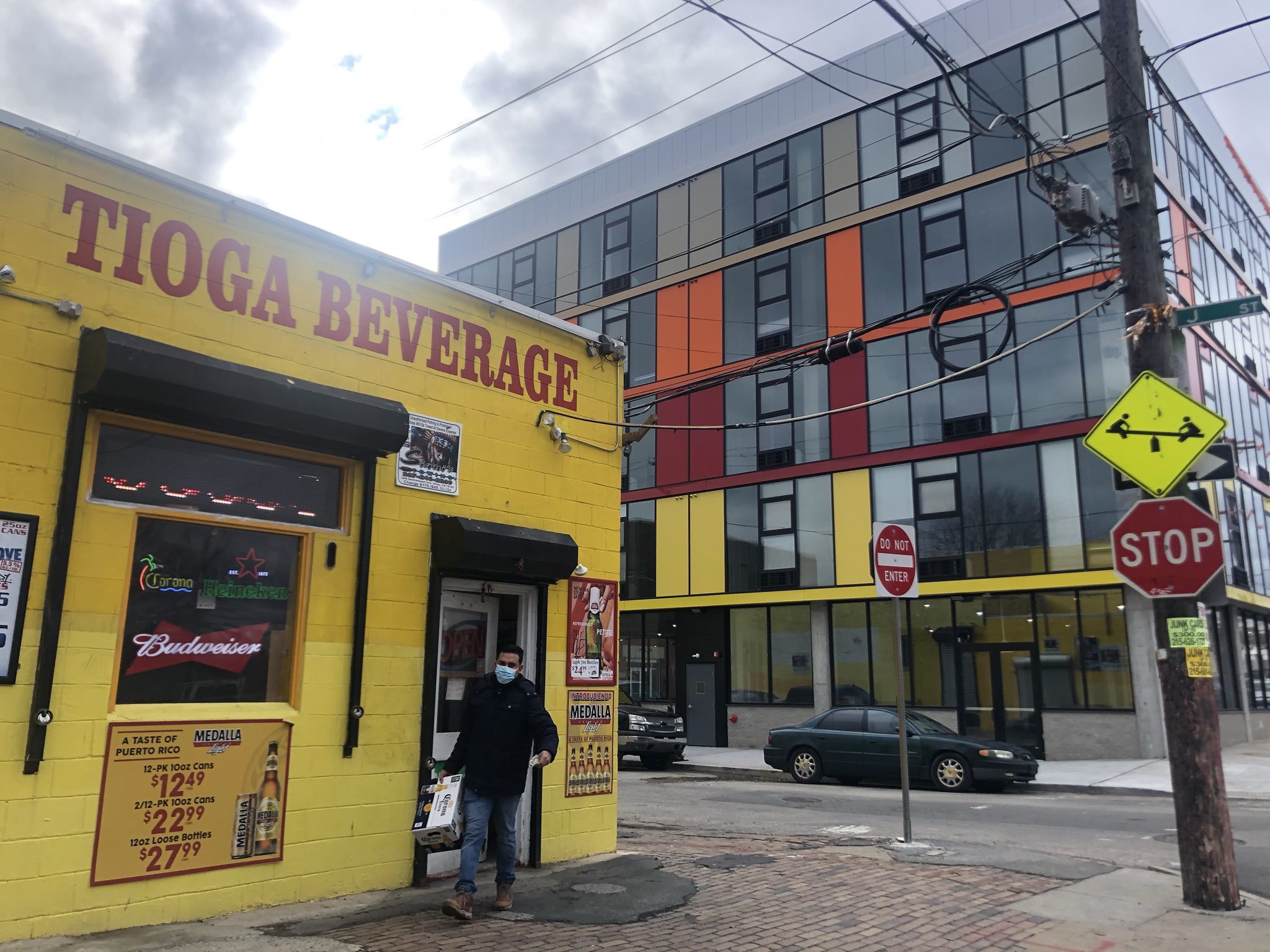
    In this 2021 file photo, a glass building at J and Tioga sits near a beer store in Kensington.Inga Saffron

    Some neighborhood leaders have watched with anxiety as luxury housing developers and out-of-town investors gobbled up properties in the neighborhood, fearing that poorer residents and middle-class homebuyers may be priced out.

    City Councilmember Quetcy Lozada, a Democrat who represents the 7th Council District, which includes parts of Kensington, said she knew speculators from outside the area would want to make it “the next gentrified neighborhood” once the city changed its strategy to more aggressively clean up trash and improve public safety.

    But Lozada said there are not enough programs specific to Kensington aimed at preventing displacement as a result of rising property values, especially as the city is investing millions of dollars a year to improve the neighborhood. She said her office is exploring additional tax relief measures.

    “I’m going to do whatever I have to do to make sure that residents who have lived in that community can stay there, can raise their families there,” Lozada said. “We have witnessed what has happened on the southern end of the district, where there has been rapid gentrification.”

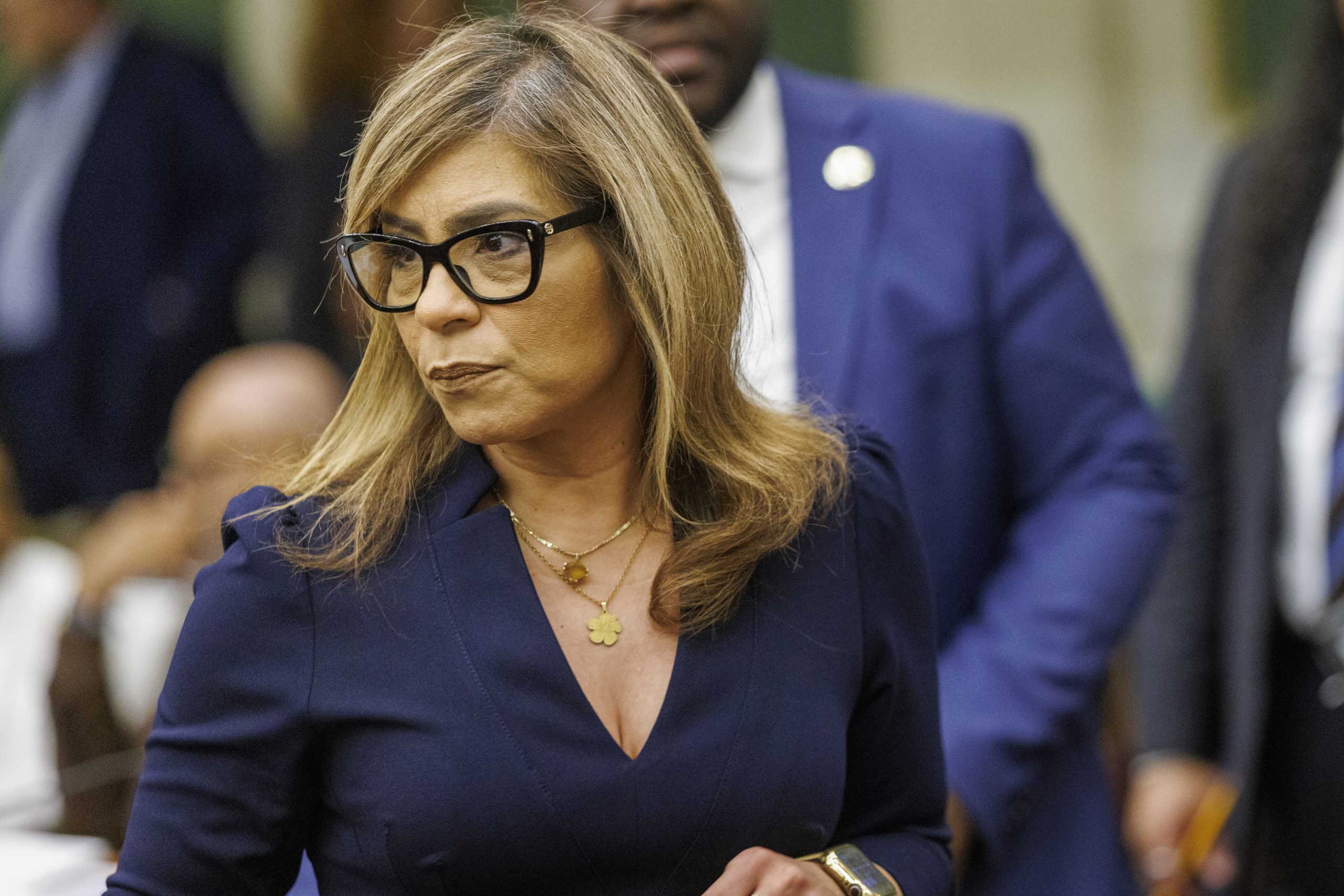
    In this March file photo, City Councilmember Quetcy Lozada stands in Council chambers during Mayor Cherelle L. Parker’s budget address.Alejandro A. Alvarez / Staff Photographer

    Lozada also said rising property values in Kensington are part of why she has been “so careful with projects presented to me” and has prioritized what she sees as equitable development in the neighborhood — at times to the chagrin of developers who think she has been too restrictive.

    “I’m all about people making a return,” she said, “but you can’t continue to do it on the backs of poor people.”

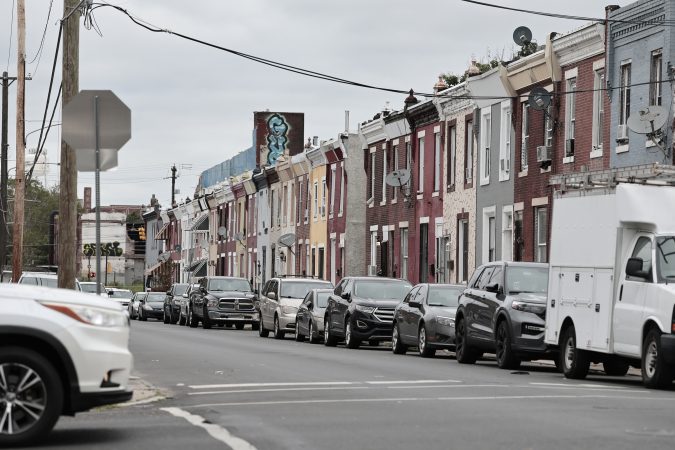
    The 3100 block of Arbor Street in Philadelphia on Tuesday, July 7, 2026.Elizabeth Robertson / Staff Photographer

    Continuing change in pockets of West Philly

    There were also significant property value increases in parts of West Philadelphia.

    The median increase in Mantua, the neighborhood north of University City, was the second highest in the city, at 15%, according to The Inquirer’s analysis. The median increase was 12% in Kingsessing, the neighborhood south of University City that in 2025 saw the largest jump of any neighborhood in Philadelphia.

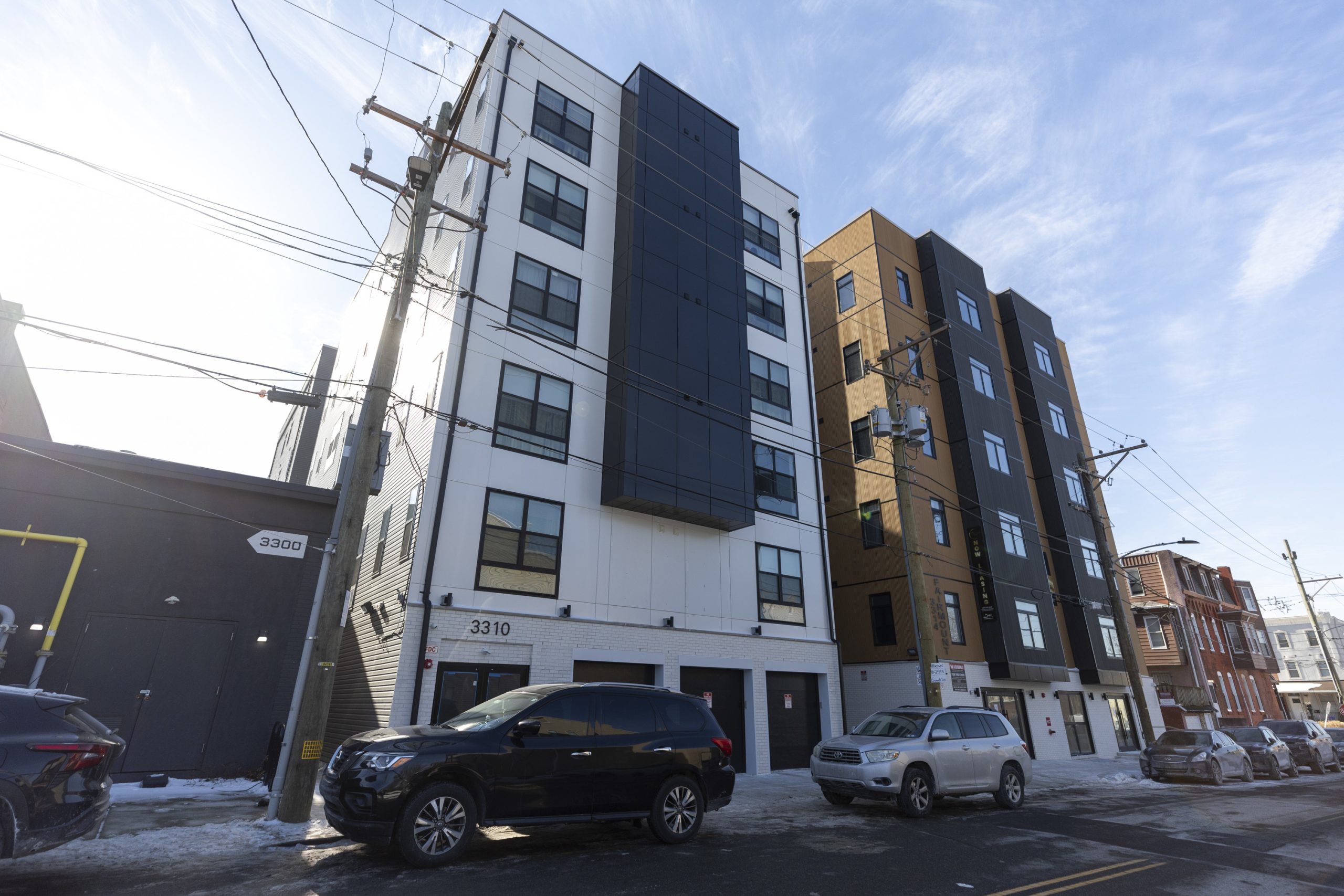
    Newly developed buildings along Fairmount Avenue in the neighborhood of Mantua in Philadelphia, Pa., on Thursday, Jan. 23, 2025.Tyger Williams / Staff Photographer

    Councilmember Jamie Gauthier, a Democrat who represents West Philadelphia and has made preventing displacement a key initiative, said that there has long been racial bias in the city’s property assessments and that the city must “get serious” about protecting low-income homeowners by revamping its system.

    “There has to be a higher level of urgency in making sure that the city doesn’t have a hand in pushing out all of these homeowners that make Philadelphia what it is,” Gauthier said. “It’s unconscionable for us to destabilize our neighborhoods and the longtime homeowners who live there because we didn’t take enough care to make sure that our process was fair and equitable.”

    For too long, she said, city officials have said they intended to examine the property assessment practices and identify improvements. In 2024, Parker convened a task force to study the process.

    Aros told Council in April that the task force’s report was “being finalized.” He said OPA would look to implement recommendations from the report, including conducting more regular reassessments and improving property-level data such as property condition.

    The city is also planning to hire an outside consultant to examine its mass appraisal practices, according to city records. The analyst will be responsible for drafting a report by the end of this year.

    Deputy creative director John Duchneskie contributed to this article.

  • Mayor Parker’s office declined to say if the city will be refunded for Christina Aguilera’s canceled July 4th concert set

    Mayor Parker’s office declined to say if the city will be refunded for Christina Aguilera’s canceled July 4th concert set

    Mayor Cherelle L. Parker’s office on Tuesday declined to say whether the city will save money after pop star Christina Aguilera, who was scheduled to headline the city’s free July Fourth concert, ended up not taking the stage Saturday due to the weather delays that pushed much of the concert and the subsequent fireworks display into the early morning hours of Sunday.

    Parker spokesperson Joe Grace said the city had “no comment as yet” on whether the city would be refunded in light of the change in plans triggered by Saturday’s severe thunderstorms.

    Aguilera was the only artist who ended up skipping their set, and Grace emphasized Parker’s role in ensuring the rest of the performers returned to the Benjamin Franklin Parkway to restart the show around midnight after it was suspended about 9 p.m.

    “We’re focused on the performers who did return and put on a tremendous show once the storms subsided,” Grace said in a statement, noting that the Roots, Kathy Sledge, State Property, Meek Mill, Will Smith, and DJ Jazzy Jeff all performed after the concert restarted. “In the evening, those artists came back, at the request of [concert producer] ESM and Mayor Parker — and put on a great concert. … All the evening artists credited the mayor with bringing them back to perform.”

    The decision to restart the concert pushed the fireworks display to about 2:30 a.m. Sunday.

    “After the storms passed, there were a lot of people who could have called it a night,” Parker said in a statement Tuesday. “Instead, we made one more call. The Roots and the other artists, including Will Smith returned. Thousands of people returned. Our city employees never stopped working. Our first responders stayed at their posts. Together, we finished what we started. That’s who Philadelphia is.”

    Smith, in an Instagram post on Monday, said he returned to the Parkway to perform in the Independence Day concert after midnight after receiving a personal call from Parker.

    Will Smith and DJ Jazzy Jeff (left) perform at One Philly: Unity Concert for America on the Benjamin Franklin Parkway Sunday, July 5, 2026, in Philadelphia.Yong Kim / Staff Photographer

    Parker’s administration this year agreed to pay $15.5 million to ESM Productions, a for-profit Philadelphia-based company known for putting on major events on the Parkway, to organize the show. The city paid ESM at least $10 million prior to July Fourth, but it is unclear if any money was paid out to performers in advance of the show.

    The annual concert was previously managed by the nonprofit Welcome America, a public-private partnership organized by the city in the 1990s, and cost taxpayers far less.

    The last July Fourth concert cost Welcome America about $3 million to produce, according to a person with knowledge of the event who was not permitted to discuss details about its costs. Welcome America’s entire budget for 2024 — its salaries and office expenses, a concert that featured Kesha and Ne-Yo, and several smaller events it organizes — totaled about $6.6 million, about $5.3 million of which came from government grants, according to the group’s most recent federal nonprofit disclosure.

    It is unclear how much Aguilera was supposed to be paid for her performance this year.

    ESM’s original $10 million contract with the city, which was obtained by The Inquirer, included a nearly $3.4 million budget for “talent.”

    The contract between the city administration and ESM did not include a breakdown on how much each artist would be paid, and it did not include details related to artists’ pay in the event of canceled performances.

    The city also signed a $5.5 million contract amendment with ESM that did not include budget details.

    ESM Productions declined to comment.

    Fireworks fill the sky at the One Philly: Unity Concert for America on the Benjamin Franklin Parkway on Sunday, July 5, 2026 in Philadelphia.Monica Herndon / Staff Photographer

    United Talent Agency, which represents Aguilera, did not return a request for comment. The pop star on Sunday posted videos from her rehearsals prior to the show on social media.

    “Philly, we had such a special 4th of July show planned for you!! 😭😫☔️🌧️,” Aguilera wrote on Instagram. “We poured so much heart and soul into this one, but safety always comes first—and sadly, the storm meant we couldn’t give you the show we worked so hard to bring to life 💔 Thank you to everyone who came out, and to my team for all the hard work that went into building this show… I hope to be back to Philly soon! xxxx.”

    The city’s payments to ESM are only part of the taxpayer costs for putting on the annual concert. The city also increases hours for city workers such as sanitation workers and police officers to put on the event.

    Grace on Tuesday declined to share the total cost of the concert, and reiterated Parker’s previous promise to lay out all expenses related to it at a future date.

    “As we’ve said previously, we will account for all expenses associated with the concert, along with producing an analysis of economic benefits accruing to the city, and release a report at a later time,” he said. “We want the report to be comprehensive.”

  • A union fight inside Philly DA Larry Krasner’s office may test his pro-labor reputation

    A union fight inside Philly DA Larry Krasner’s office may test his pro-labor reputation

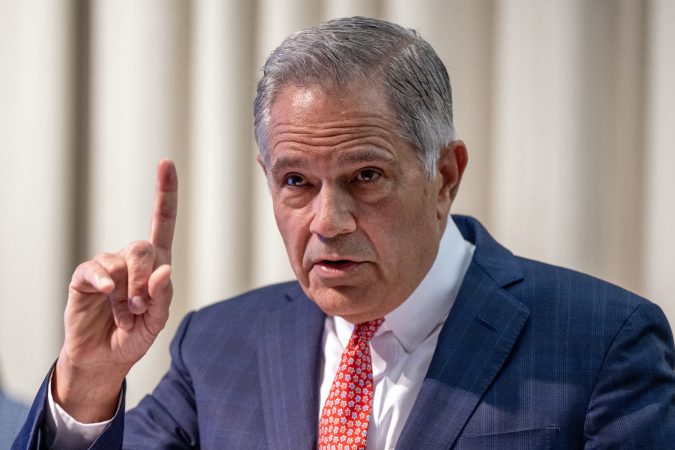
    Philadelphia District Attorney Larry Krasner has long said he’s a friend to organized labor. As prosecutors in his office are gearing up for an election to authorize their union, Krasner has said their efforts could ensure his own legacy, because “whatever person might take my seat later cannot easily undo what we have done.”

    But not everyone in his office is feeling the support.

    More than 100 lower-level employees in the District Attorney’s Office, including paralegals and victim and witness coordinators, are separately trying to secure their own union — and some say they’re meeting resistance.

    Several workers said that Krasner’s administration has put up roadblocks and taken positions that they see as at odds with his public image as a leader of the city’s progressive movement.

    Five paralegals and coordinators, all of whom spoke to The Inquirer on the condition of anonymity to avoid retribution before a union is in place, said the unionization process has left them disappointed with Krasner.

    “He was elected in large part because of a number of very important pro-labor organizations in Philadelphia,” said one employee. “If the DA just came out and publicly supported it, that’s what I would expect from the most progressive DA in America.”

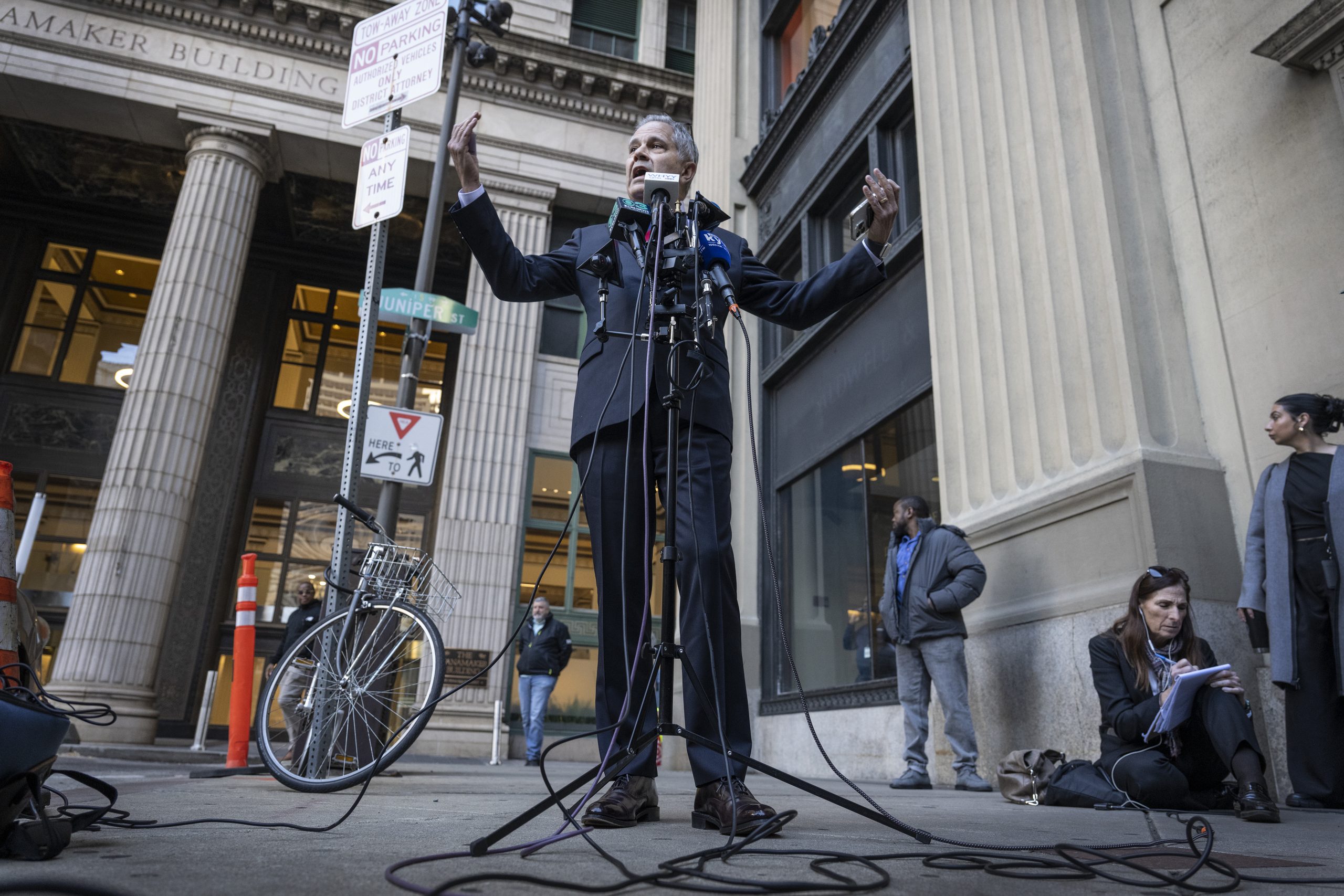
    District Attorney Larry Krasner speaks during a press conference about a homicide in May.Jessica Griffin / Staff Photographer

    And meanwhile, the lower-level employees say there’s been a separate Wild West-style standoff between two unions, which are both vying to represent them.

    Krasner said in an interview on Monday that he supports his employees’ right to organize a union through a “properly conducted free, fair, and final election.”

    “I will support them 100% in whatever decision they make to form or not to form a union, and whatever union they choose if they do form one,” he said.

    Still, it all could become a political flashpoint for Krasner, a third-term progressive Democrat whose name has been floated by some in the city’s political class as a potential candidate for higher office. He has not ruled out running next year, when Mayor Cherelle L. Parker, a more centrist Democrat, will be up for reelection.

    While Krasner has positioned himself as supportive of organized labor, his relationship with some leaders of the city’s politically powerful unions has been strained. He’s received steadfast support from the unions that tend to align with left-leaning politicians, but clashed with others, including the leaders of the building trades unions that last year backed his challenger.

    Krasner last month publicly criticized Parker for not acquiescing to his office’s requests for additional funding, to which Parker countered that his funding has increased every year since she became mayor. He said this week that he believes the unionization effort among his employees is the result of his office being underfunded during Parker’s administration.

    Paralegals and victim and witness coordinators said that they have explored unionization to improve wages. Several staffers described living paycheck-to-paycheck and holding second jobs to meet expenses.

    The starting annual salary for paralegals, who assist attorneys with legal research and drafting documents, and for coordinators, who shepherd victims and witnesses through the court process, is $46,000.

    Several employees also said they’re seeking union representation to improve their workplace culture. Two said the expectations of them change frequently, and that responsibilities often expand with little warning.

    But the road to get there, they said, has not been smooth.

    To unionize, the lower-level employees partnered last year with organizers at the United Steelworkers Local 286. The union represents workers in a diverse range of industries, including school bus drivers, pharmaceutical packaging plant workers, and some clerks in the city’s court system.

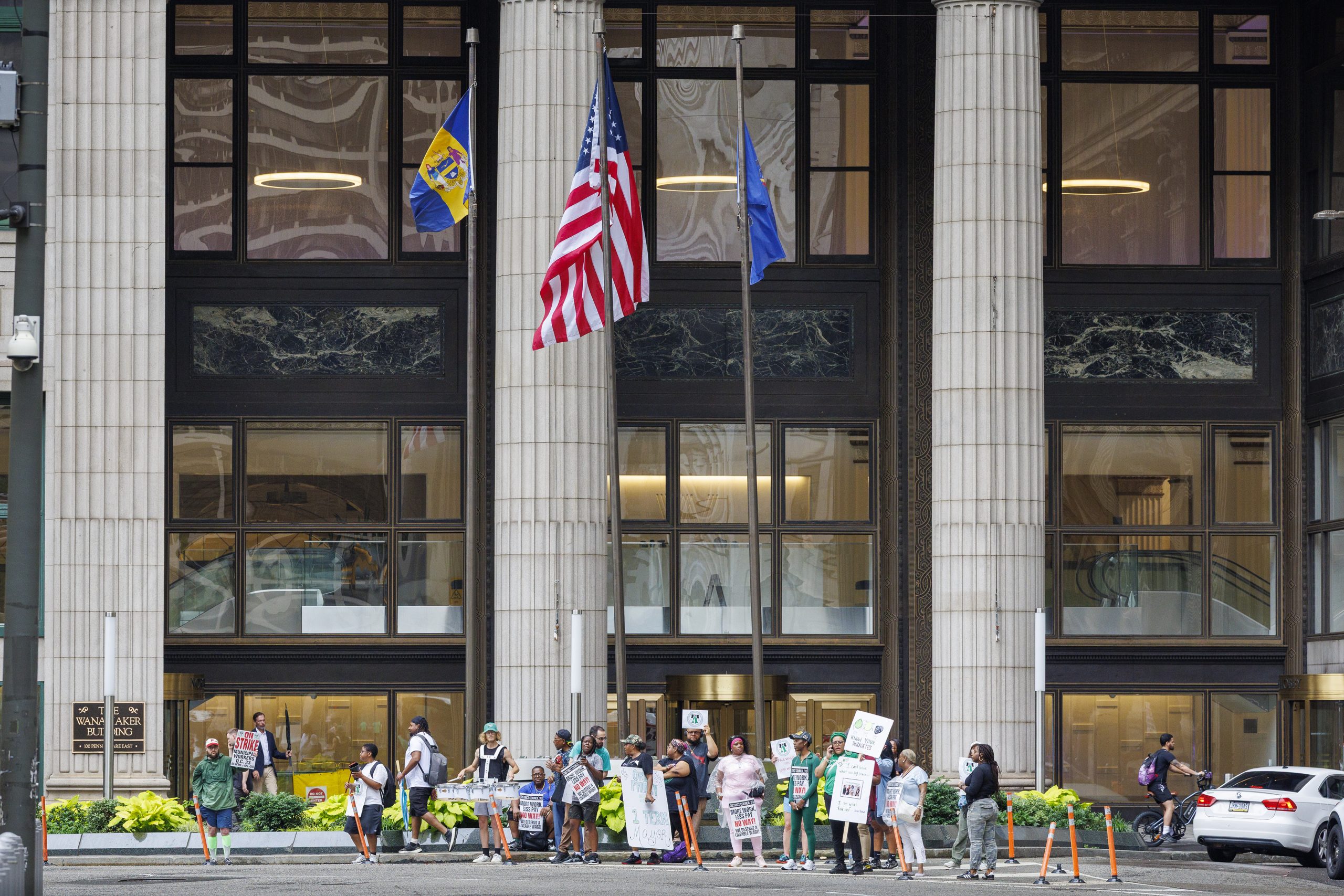
    Picketers employed in the District Attorney’s Office picket outside during the AFSCME District Council 33 strike on Wednesday, July 2, 2025. DC 33 already employs some workers in the DAO.Alejandro A. Alvarez / Staff Photographer

    Carlo Simone Jr., the union’s president and business manager, said his local has been seen by some city employees in recent years as “an alternative” to the American Federation of State, County and Municipal Employees District Council 33 and District Council 47.

    Those two much larger unions represent thousands of city employees, with DC 33 largely representing blue-collar workers and DC 47 working primarily with white-collar staff.

    The prosecutors in Krasner’s office will be represented by DC 47 if their election is successful. But several of the lower-level workers in the District Attorney’s Office had preexisting relationships with USW and said that they thought the steelworkers’ union would be the best fit to represent them.

    In December, USW filed a petition with the Pennsylvania Labor Relations Board, asking the state to authorize an election that would lead to them representing the paralegals.

    But DC 33 had other plans. In February, DC 33 filed paperwork with the state and argued that the paralegals instead belong in their municipal workers’ union, setting up a power struggle with the steelworkers.

    The PLRB agreed with DC 33.

    Last month, the board issued a preliminary ruling that said DC 33 is the appropriate union to organize the workers. The board reasoned that, under longstanding precedent, DC 33 is responsible for representing “nonprofessional” employees — or those that don’t require advanced professional education — who are designated as members of the civil service.

    The vast majority of city employees are members of the civil service, which is the city’s merit-oriented system for hiring and promotion. It is intended to separate municipal employment from political considerations.

    But for decades, most employees in the District Attorney’s Office have been exempt from the designation. Under the Philadelphia Home Rule Charter, employees are civil service unless they are specifically exempted. Assistant district attorneys and some investigators in the DA’s office are exempt, but there is no carve-out for paralegals or victim and witness coordinators.

    The lower-level employees who spoke to The Inquirer said they want their jobs to be classified as civil service, because the designation would require job descriptions and afford them protections against arbitrary discipline.

    But Krasner’s office last month filed paperwork opposing the PLRB ruling, saying that lower-level workers in his office have not been designated as civil service for decades and that the labor board doesn’t have the authority to reclassify them.

    Krasner called the PLRB’s decision a “rogue finding that was illegal.”

    “This is a law enforcement agency. We have to follow the law,” he said. “If there’s going to be civil service, it will be because our workers’ rights are protected because they decide it’s beneficial to them and because legal processes are followed.”

    In this November file photo, District Attorney Larry Krasner speaks to reporters during a news conference outside the District Attorney’s Office after he won reelection.Jose F. Moreno / Staff Photographer

    But employees said they saw Krasner’s opposition as a slight.

    “He is not pushing for us,“ one employee said, ”and in fact is making this process way longer than it should have been.”

    The PLRB has yet to issue a final ruling, and it’s unclear when one may come. A spokesperson declined to comment. DC 33 also declined to comment.

    If the PLRB’s ruling stands, paralegals and victim and witness coordinators would be represented by DC 33, and it’s not clear if they’d have the ability to pursue organizing with another union.

    Simone, of the steelworkers’ group, said that USW is encouraging employees in the DA’s office to “stay the course,” even if they ultimately join a different union.

    “It might not be as soon as they want it,” he said, “but they will be OK.”

  • The USMNT lived down to Donald Trump’s expectations: They played like the losers he thought they were

    The USMNT lived down to Donald Trump’s expectations: They played like the losers he thought they were

    If you didn’t believe it before, you need to understand it now: Donald Trump never should have picked up that phone, never should have put in that call to one of his toadies, FIFA president Gianni Infantino, and never should have tried to exert his icky influence in a sport rife with corruption.

    The 4-1 loss by the U.S. men’s national team to Belgium on Monday night at Lumen Field in Seattle was a fitting result. It was an embarrassing end to the World Cup for the home country. It was cosmic payback for a club that hoped to benefit from a president who wanted to strongarm Team USA into the quarterfinals and found out that sports can resist even an autocrat’s attempts to stack the deck.

    Sometimes, once you show you’re willing to wallow in the mud, you can never wash the stain away. The justifications for the Trump administration’s overtures to FIFA to wipe out the one-game suspension for Folarin Balogun — and for FIFA’s acquiescence — were oh-so easy and obvious: This is FIFA.

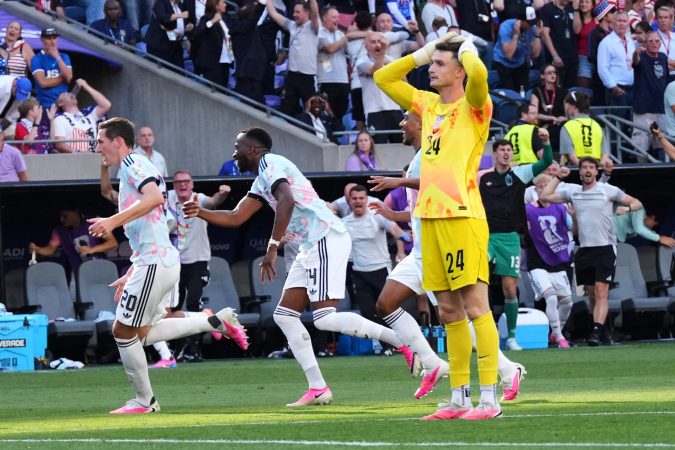
    U.S. forward Folarin Balogun (20) was the center of attention against Belgium in the World Cup’s round of 16 on Monday.Ted S. Warren

    This is an organization with a history of scandal and corruption so long and detailed that Robert Caro could only begin to chronicle it. This kind of back-scratching and deal-making is nothing new at soccer’s highest level. This is how things work, and everyone knows it and holds their nose against the stench, and all the complaints from Belgium and the other countries left in the World Cup were nothing but rank hypocrisy.

    If another national team were in the same situation that the USMNT found itself after Balogun was hit with that questionable (at best) red card last Wednesday against Bosnia and Herzegovina, its president or prime minister would have done the same thing Trump did, right? Any means necessary in an every-country-for-itself system, right?

    Wrong. The corrective to dishonor and dishonesty isn’t to do more dishonorable things. Yet that was the remedy that Trump sought and put Team USA in the position of accepting. No, Balogun never deserved a red card and the subsequent suspension. Yes, it was a terrible call. But terrible calls happen at all levels of sports, because sports — at least until the gamblers and robots take them over completely — are officiated and overseen by human beings, and errors and mistakes are part of the game.

    Stuff happens, and you deal with it as best as you can, and no one gets a do-over days later just because Donald Trump says so. His actions wouldn’t have been appropriate in youth soccer — imagine a parent of a punished player pressuring a league’s commissioner to lift a suspension and the commissioner giving in — let alone in the biggest sporting event on the globe.

    What’s more, Trump and those who supported or tolerated his interference in The Balogun Affair apparently never stopped to consider that he might be damaging his own national team’s chances. In that 2-0 victory over Bosnia, Balogun’s teammates not only survived the final 26-plus minutes of the match without him but also scored shorthanded to extend their lead.

    They had become underdogs. They had acquired the momentum that comes with being a team that had to fight adversity and had given a strong indication that it could overcome it.

    But once FIFA reversed its decision, that entire narrative — that sense that the USMNT might use Balogun’s suspension as inspiration and triumph in the face of an unjust call — disappeared. Now, the USMNT wasn’t the tough, resilient bunch that could withstand the absence of its best player. Now it was so out of its depth without Balogun that it needed the shady political boss to cut a deal in the smoke-filled room to bail it out.

    Belgium players react after their team scored one of four goals against the United States in Monday’s round-of-16 World Cup match. RUTH FREMSON

    Well, the Americans fit that pathetic profile Monday night. They allowed Belgium to take an early lead, then gave up the winning goal just 61 seconds after Malik Tillman tied the game at 1, then conspired to commit a crushing gaffe when goalkeeper Matt Freese played the ball outside the box, burped it up, and watched Hans Vanaken roll a shot past him for a two-goal Belgium edge.

    They were outplayed, outmatched, and outclassed, their performance all the more humiliating for the strings that their president had pulled for them, for the message that he had sent about their chances.

    Donald Trump told the world that these athletes needed a man willing to act like a mob boss to make things easier for them, that the USMNT wasn’t strong enough to take home victory on its own and without his help. It turned out he was right. He treated them like losers, and on Monday night, they met his expectations.

    What an un-American way to bow out.

  • If the Sixers don’t land LeBron James, who should fill their final roster spot? Here are a few options.

    If the Sixers don’t land LeBron James, who should fill their final roster spot? Here are a few options.

    Coming out of the holiday weekend, the 76ers and NBA at large are still on LeBron James Watch.

    Free agency’s initial wave also is over, with players beginning to officially sign new contracts after the moratorium lifted. The Sixers’ new deals with Dean Wade and Anfernee Simons were officially announced Monday afternoon, as was the blockbuster trade for All-NBA forward Jaylen Brown.

    Those moves leave the Sixers with only a veteran’s minimum contract available to fill their final full-time roster spot. One two-way slot also is available.

    It is still possible, however, to find productive players on those types of small deals. Kelly Oubre Jr. joined the Sixers on a veteran’s minimum contract in September of 2023, before three productive seasons. Last year, Dominick Barlow signed a two-way contract in the middle of summer league, before becoming a part-time starting forward and getting converted to a standard deal.

    If James decides to play elsewhere, here is a breakdown of still-available free agents that could fill that spot instead:

    Trendon Watford

    After the Sixers declined the team option for 2026-27 in Watford’s contract, the versatile forward remains uncommitted to a new team. Perhaps he has already signaled his plans to move on no matter what, after he posted Future’s song “Ain’t Coming Back” on his Instagram story shortly after his option was declined. But if he lingers on the market, could a return to Philly be possible? Though Watford was not a consistent member of the Sixers’ rotation, his close friendship with All-NBA guard Tyrese Maxey is a perk.

    The Sixers declined Trendon Watford’s option this summer but he remains unattached to a team. Elizabeth Robertson / Staff Photographer

    Bruce Brown

    Brown played a critical role on the Denver Nuggets’ 2023 NBA championship team. Though his return to Denver last season did not feature the same scoring impact, he is still regarded as an offensive connector and played in all 82 games. He averaged 7.9 points, 3.9 rebounds, and 2.1 assists last season.

    DeMar DeRozan

    DeRozan, who was reportedly waived by the rebuilding Sacramento Kings on Monday, is still a professional scorer. The six-time All-Star is expected to choose a contender as his next destination after averaging 18.4 points on nearly 50% shooting along with 4.1 assists in 77 games last season. Though deadly from the midrange, the 36-year-old DeRozan has never been a high-volume three-point shooter.

    Nick Richards

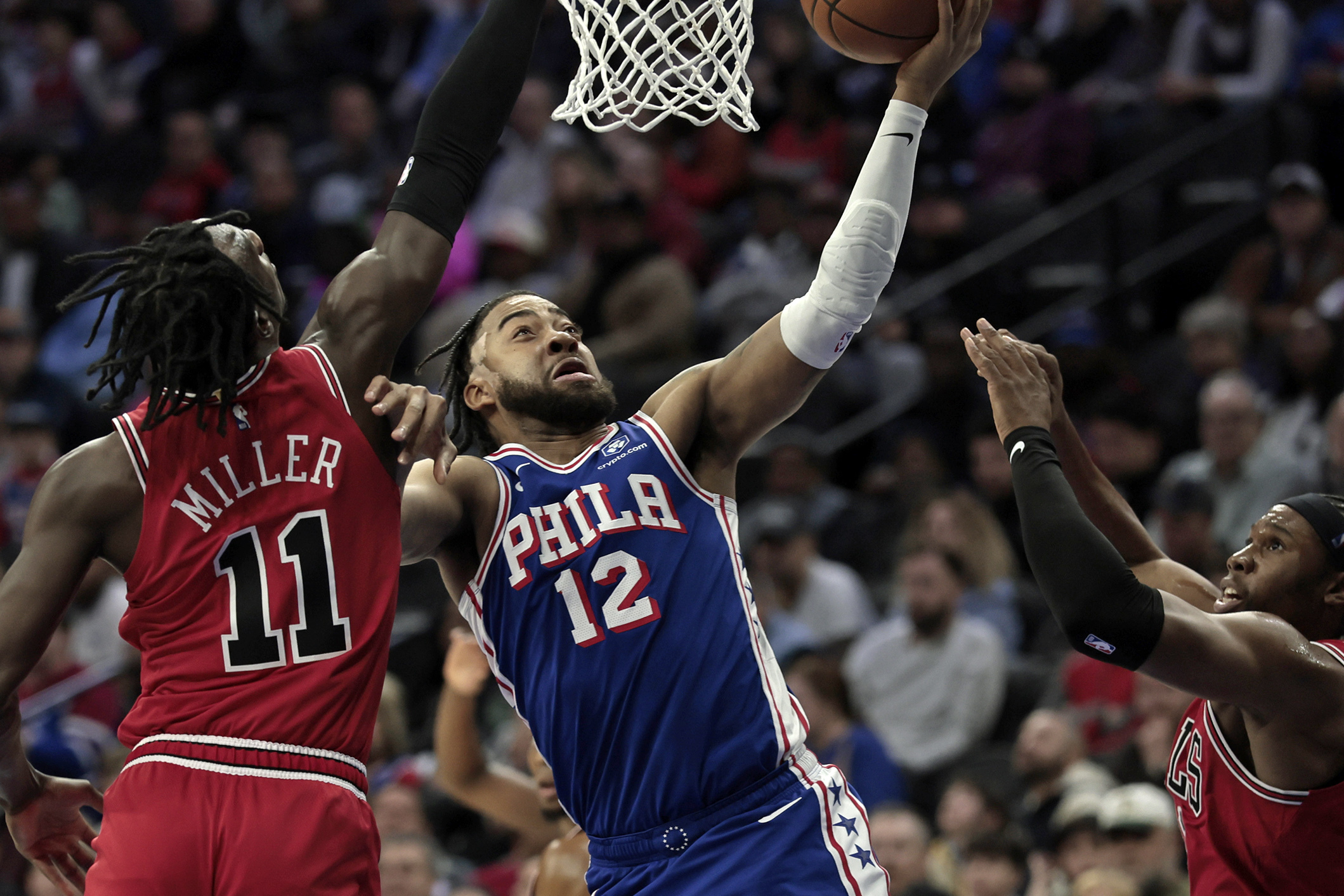
    If the Sixers are a tad wary of the raw, unpredictable play of Adem Bona (whose $2.3 million salary for 2026-27 becomes guaranteed Tuesday) and free-agency addition Ariel Hukporti, Richards is a capable veteran option at backup center. He averaged 5.8 points and 5.1 rebounds in 14.6 minutes last season split between the Phoenix Suns and Chicago Bulls.

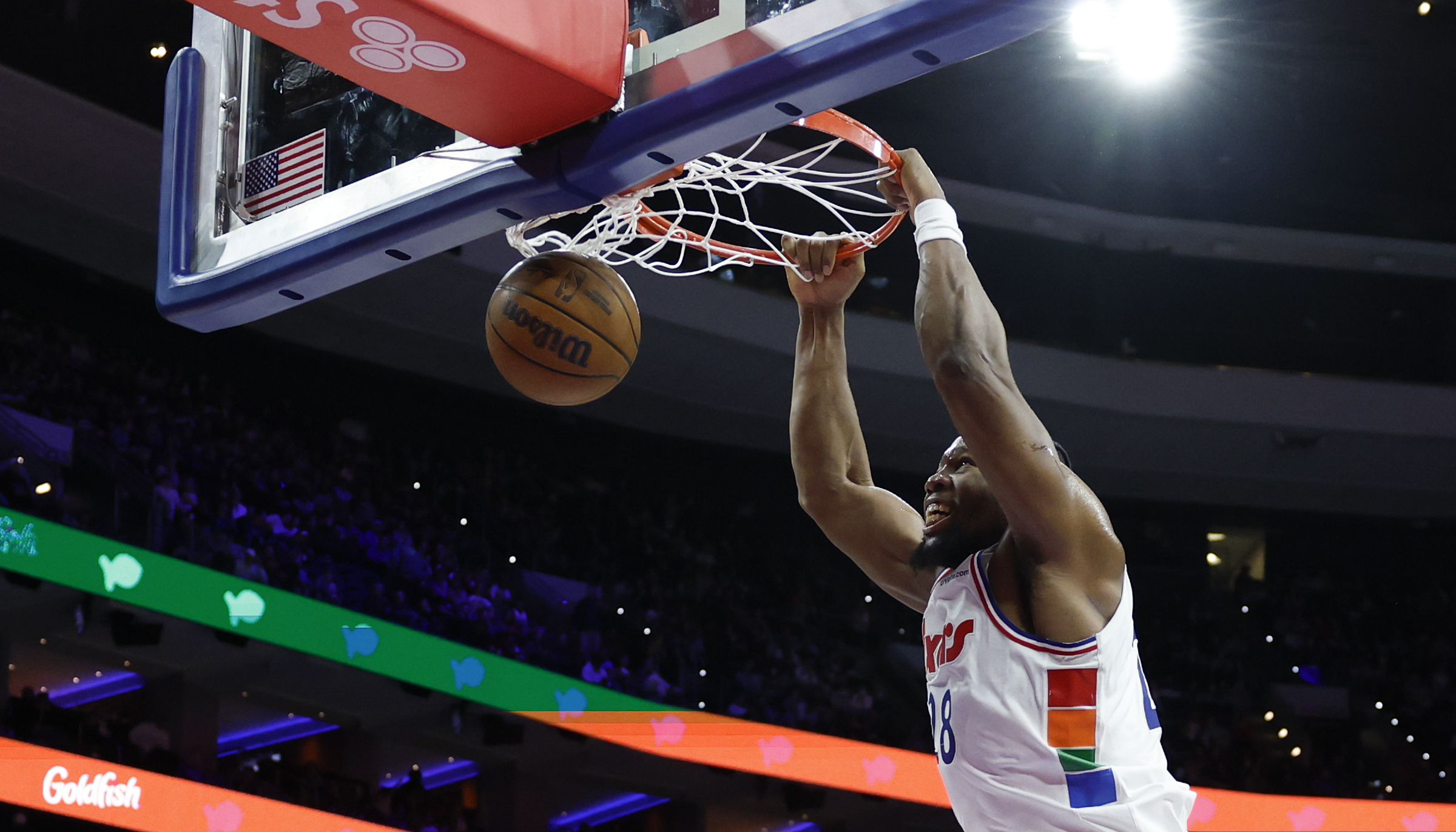
    Guerschon Yabusele had a stellar season for the Sixers in 2024-25 but did not see similar success with the New York Knicks. Yong Kim / Staff Photographer

    Kevon Looney

    A Bob Myers connection, Looney spent his first 10 NBA seasons developing into a well-regarded big man on the Golden State Warriors dynasty teams. The 30-year-old only played in 21 games last season for the New Orleans Pelicans, but is another beloved locker room presence.

    Nico Batum

    The Los Angeles Clippers declined Batum’s $5.9 million team option last weekend, making him an unrestricted free agent. Sixers coach Nick Nurse (and Joel Embiid) had an affinity for Batum’s veteran savvy during his time with the Sixers in the 2023-24 season, when he swung the play-in game against the Miami Heat with his three-point shooting and even became the team’s designated inbounds passer. But he is 37 years old and feels deep family connections to Los Angeles and the West Coast.

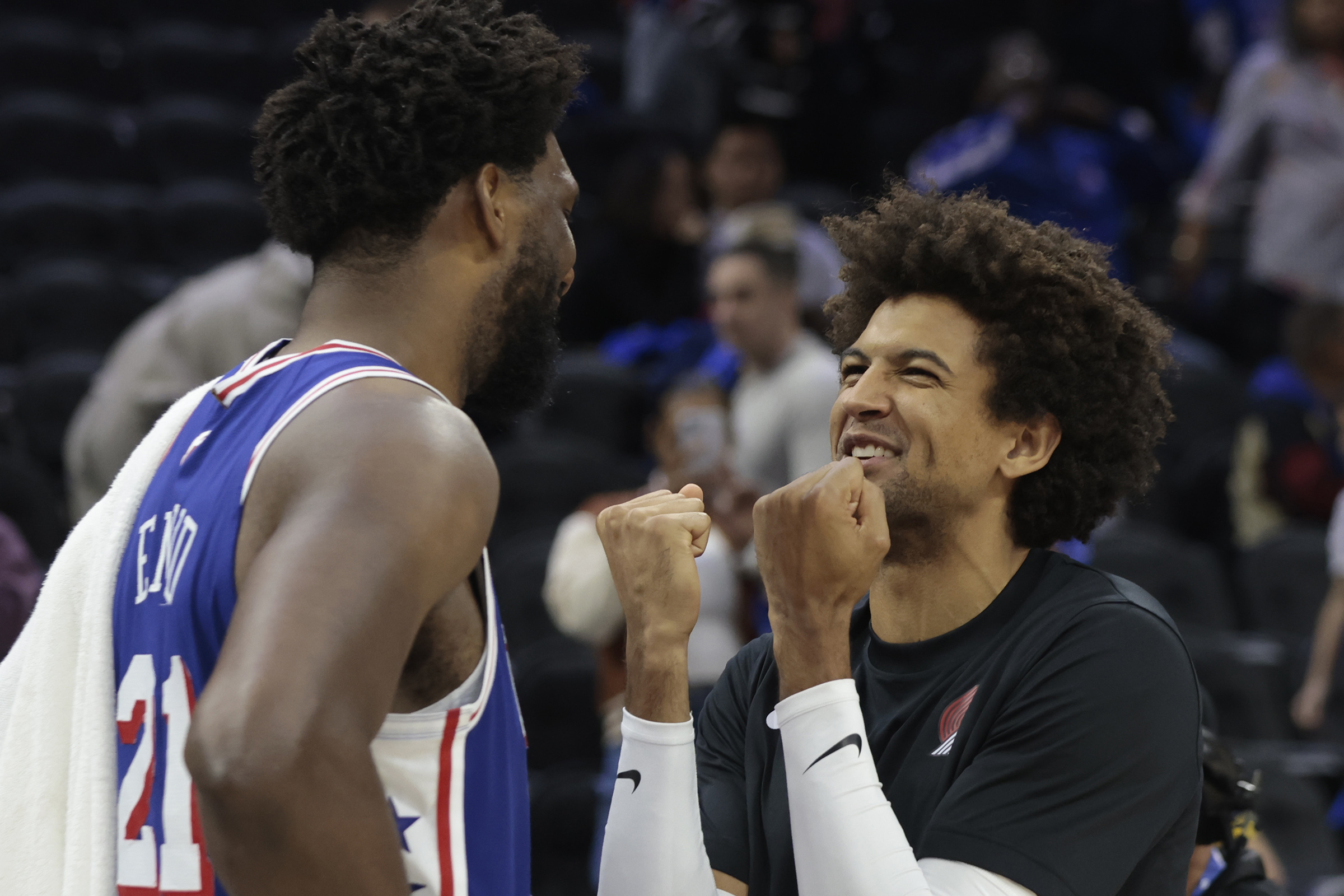
    Matisse Thybulle has been affected by injuries over four seasons with the Portland Trail Blazers after serving as a key defensive cog in Philly. Elizabeth Robertson / Staff Photographer

    KJ Martin

    The former Sixer is a non-shooter but hyper-athletic forward who is a lob threat with defensive versatility. He also displayed ability as a small-ball center, and in playing in the short roll alongside Maxey. Last season, he played for the Ningbo Rockets of the Chinese Basketball Association.

    Gary Payton II

    Another Myers connection, Payton has been a physical defender even going back to his college days. The 33-year-old averaged 7.5 points, 3.6 rebounds, and 1.7 assists in 73 games for the Warriors last season.

    Amir Coffey

    Coffey boasts prototypical wing size at 6-foot-7 and 210 pounds. He also is a career 38.2% shooter from beyond the arc, including when he connected on nearly 41% on 3.4 attempts in 72 games for the Los Angeles Clippers in 2024-25.

    Ben Simmons

    Obligatory inclusion of Simmons, who recently told Men’s Health that he is attempting an NBA comeback and would consider a return to the Sixers.