Tag: Weekend Reads

  • The Legionnaires’ outbreak in Philly 50 years ago led to months of mystery — and gave the disease its name

    The Legionnaires’ outbreak in Philly 50 years ago led to months of mystery — and gave the disease its name

    As Philadelphia wallowed in self-pity over its seemingly botched Bicentennial celebrations 50 years ago, thousands of American Legion members arrived for a late July convention at the Bellevue-Stratford Hotel.

    Weeks later, dozens of them were dead from a mystery ailment, and scores of others were sickened. The victims, authorities said, returned home to develop respiratory infections that in some instances progressed to fatal cases of pneumonia.

    For more than half a year, local and federal health authorities were unable to determine what killed them, resulting in a web of fear, paranoia, and frustration that gripped not only Philadelphia, but also the nation at large.

    This was the infamous Legionnaires’ disease outbreak of 1976, perhaps the blackest of marks on Philadelphia’s record for the year. Today, the disease — known as legionellosis, caused by Legionella pneumophila bacteria — still crops up, most recently in a 50-building outbreak in Manhattan that has so far caused at least seven deaths.

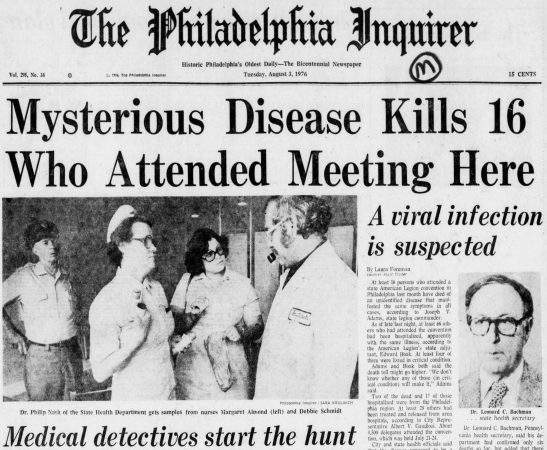
    Philadelphia was not the last, or even the first, city to experience the disease. But that outbreak half a century ago is how it got its name. Here is how The Inquirer and Daily News covered it:

    https://www.newspapers.com/article/philadelphia-daily-news/202696263/

    Article from Aug 3, 1976 Philadelphia Daily News (Philadelphia, Pennsylvania) <!— –>

    The initial outbreak

    About 2,000 American Legion delegates came to town for a convention that ran from July 21 to 24, 1976, at the iconic Bellevue-Stratford Hotel. There were no signs of trouble during the convention, or for several days afterward.

    But by early August, about a week after the convention’s end, 14 Pennsylvania American Legion members were dead of an unclear illness, with their deaths involving “some type of respiratory problem,” reports from the time indicate. Roughly 50 others were reportedly hospitalized.

    Many of the initial victims were from Western Pennsylvania and had traveled to the city, though some Philadelphians were among the sick and dead. All had attended the American Legion convention the month before, officials said.

    https://www.newspapers.com/article/the-philadelphia-inquirer/202696881/

    Article from Jul 17, 1977 The Philadelphia Inquirer (Philadelphia, Pennsylvania) <!— –>

    As officials mounted an investigation that cost the state $25,000 a day, the death toll continued to increase. By mid-August, 29 people were dead and about 200 were sickened, reports indicate.

    The Centers for Disease Control said at the time that the outbreak was “without precedent” in the agency’s 30-year existence, and began conducting laboratory work to determine the cause.

    “We have not seen anything like this take place in such a short period of time,” said Jay Satz, chief virologist with the Pennsylvania Department of Health. “This is something to be quite concerned about.”

    https://www.newspapers.com/article/philadelphia-daily-news/202696483/

    Article from Aug 9, 1976 Philadelphia Daily News (Philadelphia, Pennsylvania) <!— –>

    Conspiracies reign

    Health officials largely expected the cause to be a then-long-awaited epidemic of swine flu, which had killed a soldier at Fort Dix in New Jersey earlier in the year, and focused much of the investigation on identifying that disease, reports indicate. Other possible causes, including toxins such as nickel carbonyl, were also considered.

    But public speculation about the cause, as well as how the disease arrived in the city, ran rampant. Or, as The Inquirer put it at one point, there were more people who had “their own ideas on what is causing the mysterious disease than there are Kennedy assassination conspiracy theories.”

    Inquirer readers wrongly blamed everything from pigeon droppings to contaminated ice. One person claimed the trash piling up on city streets, thanks to a municipal worker slowdown at the time, was the reason. Another contended shellfish was the cause, noting that “mostly men had been stricken because women don’t like shellfish.”

    Others believed the cause was more nefarious. Surely the disease had come from communists from Ecuador or Poland, who intentionally spread it to American Legion members. No, it was a sneak attack staged by the potentially disruptive activist groups Mayor Frank Rizzo had warned about.

    The American Legion, meanwhile, did not believe foul play was involved — nor did investigators, who said no evidence supported any of these theories. The truth, it seemed, was far less salacious.

    The Bellevue closes

    As worry over the illness wore on, the Bellevue-Stratford hotel itself also fell victim to the disease’s impacts, closing in November 1976.

    Though investigators avoided directly implicating the hotel early on, it suffered severe financial damage. Reservations collapsed into single-digit occupancy percentages, resulting in losses of up to $10,000 per day, reports from the time indicate. William G. Chadwick, the hotel’s vice president and general manager, said business had been devastated.

    https://www.newspapers.com/article/philadelphia-daily-news/202696555/

    Article from Nov 10, 1976 Philadelphia Daily News (Philadelphia, Pennsylvania) <!— –>

    “We have found it impossible any longer to withstand the economic impact of the worldwide adverse publicity which has been associated with the Legionnaires’ disease,” he said.

    By then, the Bellevue had operated for more than 70 years and was considered a jewel in the city’s hospitality crown. Its closure, Rizzo said, was a “great loss,” and he vowed the property would host a new, modern hotel to fill the gap. Today, it is a mixed-used development at 200 S. Broad St. that includes a hotel portion.

    Philadelphia’s Bicentennial tourist business also suffered, with several conventions canceling their bookings over fear of the illness, significantly affecting what was expected to be a banner year for visitors. Public perception erred on the side of avoiding the city, which some local officials tried to rebut.

    https://www.newspapers.com/article/philadelphia-daily-news/202696766/

    Article from Aug 19, 1976 Philadelphia Daily News (Philadelphia, Pennsylvania) <!— –>

    “We are still a safe city,” said Eugene Hosmer, director of the Philadelphia Convention and Visitors Bureau, noting the disease struck just as low civic self-esteem seemed to be fading. And then, “we’re hit with this.”

    Robert Jacob, manager of the Penn Center Inn and head of the Greater Philadelphia Hotel Association, put the illness’ impact more dramatically.

    “We’re being crucified,” he said.

    A break in the case

    Investigators searched for months for the disease’s cause to no avail, facing substantial criticism — including a congressional subcommittee hearing during which their efforts were labeled an “embarrassment,” according to reports from the time.

    But in January 1977, after tens of thousands of tests, investigators identified the culprit. The deadly Legionnaires’ disease, the CDC found, was caused not by a toxin or virus, but a bacterium. One so strange and unknown, lab workers and scientists had missed it for months.

    https://www.newspapers.com/article/the-philadelphia-inquirer/202696612/

    Article from Jul 17, 1977 The Philadelphia Inquirer (Philadelphia, Pennsylvania) <!— –>

    Credited with its discovery was Joseph McDade, then a CDC microbiologist in the agency’s leprosy and rickettsia laboratory. On a hunch after receiving a routine report, McDade reexamined slide samples and decided to look for unfamiliar microbe shapes. And he found them — and they appeared not only in samples from Philadelphia, but also in past unsolved outbreaks.

    The disease was found to be present in samples from a 1965 pneumonia outbreak at St. Elizabeth’s Hospital in Washington, in which 18 people died, and a 1968 one that sickened 144 people at a Pontiac, Mich., health department building. Additionally, the illness had struck a 1974 Independent Order of Odd Fellows convention in an outbreak that killed two people — also held at the Bellevue-Stratford.

    https://www.newspapers.com/article/the-philadelphia-inquirer/202696954/

    Article from Jul 17, 1977 The Philadelphia Inquirer (Philadelphia, Pennsylvania) <!— –>

    Investigators later determined the 1976 outbreak had been spread via airborne water mist from the hotel’s air-conditioning cooling towers. The towers allowed the bacteria to grow and be spread to convention attendees, as well as some individuals who had traveled near the hotel, investigators found.

    “We are dealing with a very real phenomenon which has been present in the past but has never been recognized,” said CDC director David Sencer in 1977. “We now know what to look for.”


  • The best thing Kiki Aranita ate this week: The savory tomato tart from Market Day Canelé

    The best thing Kiki Aranita ate this week: The savory tomato tart from Market Day Canelé

    Market Day Canelé’s savory tart is a scrapbook of sorts for owners Gil Ortale and Nem Ngo. It’s sold at farmers’ markets on weekends, each tart a collection of every interaction they’ve had through the week, shopping from their fellow vendors at Rittenhouse, Headhouse, Chestnut Hill, and Swarthmore Farmers’ Markets, and filling in the gaps at Reading Terminal Market, where Ortale once ran Fireworks, a charcoal-grill stall four decades ago.

    It’s tomato season, and the Market Day savory tomato tart ($30) is an ode to this area’s most covetable, most anticipated fruit. Crimini and white button mushrooms, corn, herb-roasted cotto ham from Claudio, Alderfer Farm eggs, and gruyère play supporting roles to the tomato slices splayed across its top. It’s a tart that’s also a philosophical meditation on produce.

    “Flavors [in my cooking] should be crystal clear examples of the very thing you imagine,” said Ortale, whose resume reads like a highlights reel of Philadelphia’s most storied restaurants, as he has worked everywhere from Frog to La Terrasse. “Like when you’re a child and tasting herring or Roquefort for the first time.”

    Ortale’s goal is to make food that tastes exactly like one’s first recollection of tasting any food. And so, his tomato tart reminds me of the first time I tasted fresh tomatoes cooked gently on a pizza, when I was five years old. It made me think of the first time I had sweet, fresh corn and the kernels burst in my mouth, and the savory British pies I ate growing up in Hong Kong.

    Nem Ngo and Gil Ortale are the folks behind Market Day Canelé. They were photographed in their Philadelphia home on Thursday, July 30, 2026.Elizabeth Robertson / Staff Photographer

    It’s so good that I was hesitant to write about it, as Ortale and Ngo usually only make two dozen to sell every week, and if you get one, there’s far less of a chance I’ll be able to get one.

    The crust is intentionally imperfect and not uniform, which makes it so flaky, it will stop you in your tracks, mid-bite. Ortale makes every single tart by hand. He doesn’t use a mixer or a Robot Coupe. “He blends the butter into the dry ingredients for each dough ball. That’s why they taste the way they do, they’re light and never stodgy,” said Ngo. “You can’t get that without elbow grease. It can’t be done with a machine.”

    This approach is also why Market Day Canelé has never opened a brick-and-mortar bakery. They have no desire to scale up.

    “We’re not hardcore capitalists. We just genuinely want to make good food. The farmers’ market industry is the most supportive and values-driven part of the food economy. People are shopping there because they want to know where their food is coming from and they want to see the faces of the people who make the food. We try to uphold that by doing everything by hand, with love, and to the best of our ability,” said Ngo.

    The canelé by Market Day Canelé is a vanilla custard pastry that is the traditional pastry of Bordeaux. It was photographed in Philadelphia on Thursday, July 30, 2026.Elizabeth Robertson / Staff Photographer

    The airy, honey-combed crevices of beeswax and butter-slicked canelés may be the emblem of their business. They certainly have sent Ortale and then Ngo down an obsessive path of perfecting a corner of French-rooted baking traditions. But their savory tarts, with a rotation of ultra-local ingredients, many sourced from their friends, are the finest illustration of how skilled hands and devotion to one’s community can produce extraordinary things.

    Market Day Canelé, instagram.com/marketdaycanele. Hours: Every Saturday, 9 a.m. to 2 p.m. at Rittenhouse Farmers’ Market and every Sunday, 10 a.m. to 2 p.m. at Headhouse Farmers’ Market. Every other Saturday: Chestnut Hill Farmers’ Market and Swarthmore Farmers’ Market, 9 a.m. to 12 p.m.

  • The U.S. faces financial losses as the Trump administration ends temporary protections for thousands of immigrants

    The U.S. faces financial losses as the Trump administration ends temporary protections for thousands of immigrants

    The government protection that allows more than a million immigrants to live and work in the U.S. because it is unsafe for them to go home expired last month for people from Syria and Haiti.

    It is set to conclude for more than 170,000 people from El Salvador in September, and in October 100,000 from Ukraine could face the same termination of temporary protected status (TPS).

    The Trump administration promises to deport those who lose legal status ― a fate advocates say is guaranteed to hurt immigrant families that include spouses and children who are American citizens.

    But immigration researchers and organizations say that immigrants will not be the only ones hurt, that the rest of the U.S. will pay a big financial price ― in lost taxes, wages, spending, and services, as large numbers of workers and dollars exit the U.S. economy.

    The nation’s 1.3 million TPS-holders work at higher proportions than the country as a whole, pay billions of dollars each year in federal and local taxes, and contribute to the solvency of a Social Security system from which they are unlikely to ever draw benefits.

    “Even if you don’t care anything about immigration in this country, removing this many highly productive workers from the economy is going to hurt Americans in their pocketbooks,” said Rebecca Shi, executive director of the American Business Immigration Coalition, a Chicago-based, bipartisan network of companies and CEOs. “Americans are going to get hit, in terms of inflation, in healthcare, in housing.”

    Many TPS-holders work in critical jobs and industries. They are the people who build homes, keep restaurants running, fix plumbing and wiring, and, particularly in the case of Haitians, care for the ill and elderly.

    “If you access our healthcare system in any way, shape, or form, particularly elderly care or senior care, you’re going to feel it,” said Anuj Gupta, president and CEO of the Welcoming Center in Philadelphia, “Whether it’s shortage of staff at facilities, whether it’s longer wait times to get in for the appointment that you need. … And if we start going down the road of Salvadorians, Ukrainians, Venezuelans, all having their TPS removed, then those kinds of day-to-day impacts will be more profound.”

    (function(){function e(){window.addEventListener(`message`,function(e){if(e.data[`datawrapper-height`]!==void 0){var t=document.querySelectorAll(`iframe`);for(var n in e.data[`datawrapper-height`])for(var r=0,i;i=t[r];r++)if(i.contentWindow===e.source){var a=e.data[`datawrapper-height`][n]+`px`;i.style.height=a}}})}e()})();

    TPS-holders live in every state. Florida is home to the largest number, about 404,000, followed by Texas and New York. New Jersey ranks seventh, with 43,360, and Pennsylvania 14th, with 23,770, according to the National Immigration Forum.

    “Certain states are just going to get obliterated by this,” said Jeff Hornstein, executive director of the Economy League of Greater Philadelphia, a regional policy and research organization.

    The Philadelphia region will get hit, too. The league examined four countries where designations are ending or at risk ― El Salvador, Ukraine, Syria, and Haiti.

    In the local area, between 4,100 and 6,100 workers from those countries depend on TPS, and as many as 4,600 could lose legal employment authorization, the league said.

    In the city, those TPS workers bring home $36 million to $76 million in annual salaries and pay $1.5 million to $3 million in wage tax.

    The most affected local sectors are predicted to be construction, building cleaning and landscaping, trucking and warehousing, manufacturing, restaurants, and retail.

    The league’s Saloni Tandon, who directs research and analytics, said area residents may notice changes in everyday life, such as the cleanliness of offices and buildings, and the speed of delivery for goods.

    “Because our minimum wage is so low, there are fewer workers coming into the region,” she said. “So it’s going to get very tricky and very stressful to compensate for that.”

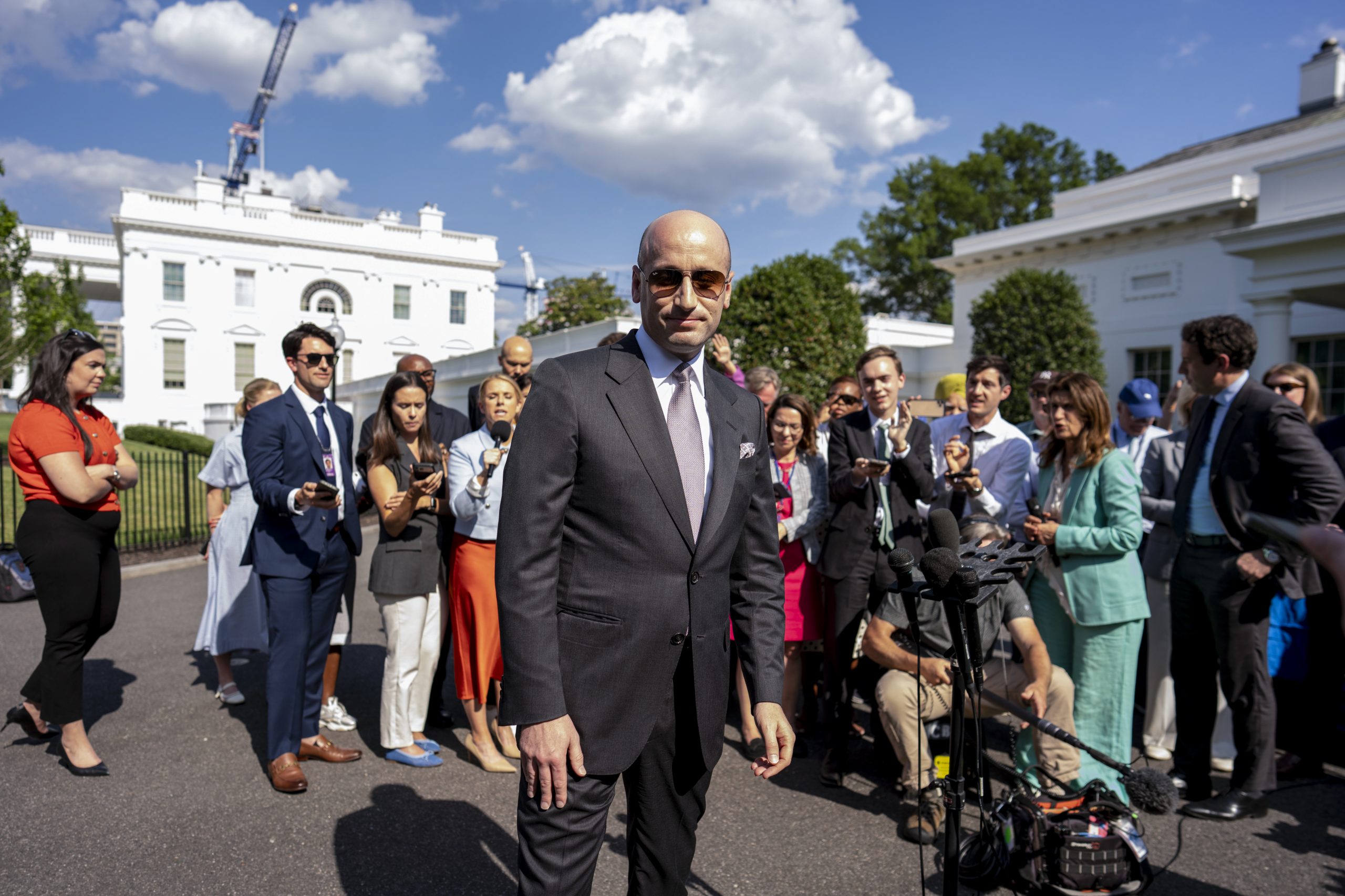
    Stephen Miller, a key White House advisor, speaks to reporters outside the White House after the Supreme Court ruling on June 25. He called Supreme Court’s ruling on TPS “a victory 10 years in the making.”DOUG MILLS

    The American Business Immigration Coalition notes that while the U.S. has only 4% of the world population, it produces 25% of all gross national product and captures 65% of global stock market value. That is tied to the strength of the economy, which depends on the growth and productivity of the workforce.

    With birth rates falling below replacement levels and a shrinking pool of domestic labor, the coalition said, the United States must embrace a robust legal immigration system to ensure sustained economic growth.

    That has become harder for people here under TPS.

    In June, the Supreme Court ruled that the Trump administration could terminate temporary protected status for countries like Haiti and Syria, putting more than 350,000 people from those lands at immediate risk of deportation.

    More broadly, the ruling appears to make Department of Homeland Security decisions about TPS unreviewable by lower courts, creating deep uncertainty for the future.

    Homeland Security says TPS has officially ended for Haiti and Syria, even though cases involving stays and constitutional issues are technically alive in lower courts. The Supreme Court decision started the process for an implementation order that typically takes 32 days. Once TPS ends for individual countries, holders revert to their previous immigration status, meaning those who have no other protection will be subject to arrest and deportation.

    The Trump administration has made a goal of ending TPS, insisting that “temporary” means temporary. It’s unclear if the administration may let TPS designations end on their staggered schedules or attempt to conclude the status for all holders at once.

    Work authorizations for Haitians expired on Monday.

    They face a forced return to a country crippled by natural disasters, governmental collapse, and ongoing gang violence.

    The U.S. government warns Americans not to go to Haiti, issuing its highest “Do Not Travel” advisory. The United Nations estimates that 90% of Port-au-Prince, the capital and largest city, is controlled by criminal gangs, the violence having left thousands dead and displaced more than 1.4 million people.

    White House adviser Stephen Miller told reporters after the court ruling that it was safe for Haitians to return, saying it would be “crazy to say that Haitians couldn’t live in Haiti.”

    Asked if people who lose TPS would be deported, he answered: “Of course. If you no longer have status in this country, then you’re supposed to be deported.”

    CBS News reported last Sunday that U.S. Immigration and Customs Enforcement is preparing a operation to quickly arrest and deport Haitians — including those in Ohio, where Trump falsely accused migrants in Springfield of eating cats and dogs.

    The Haitian Bridge Alliance, a California-based advocacy organization, warns against “one of the largest family separation events in modern-day history,” as TPS-holders live with an estimated 390,000 American-citizen children and 410,000 citizen adults.

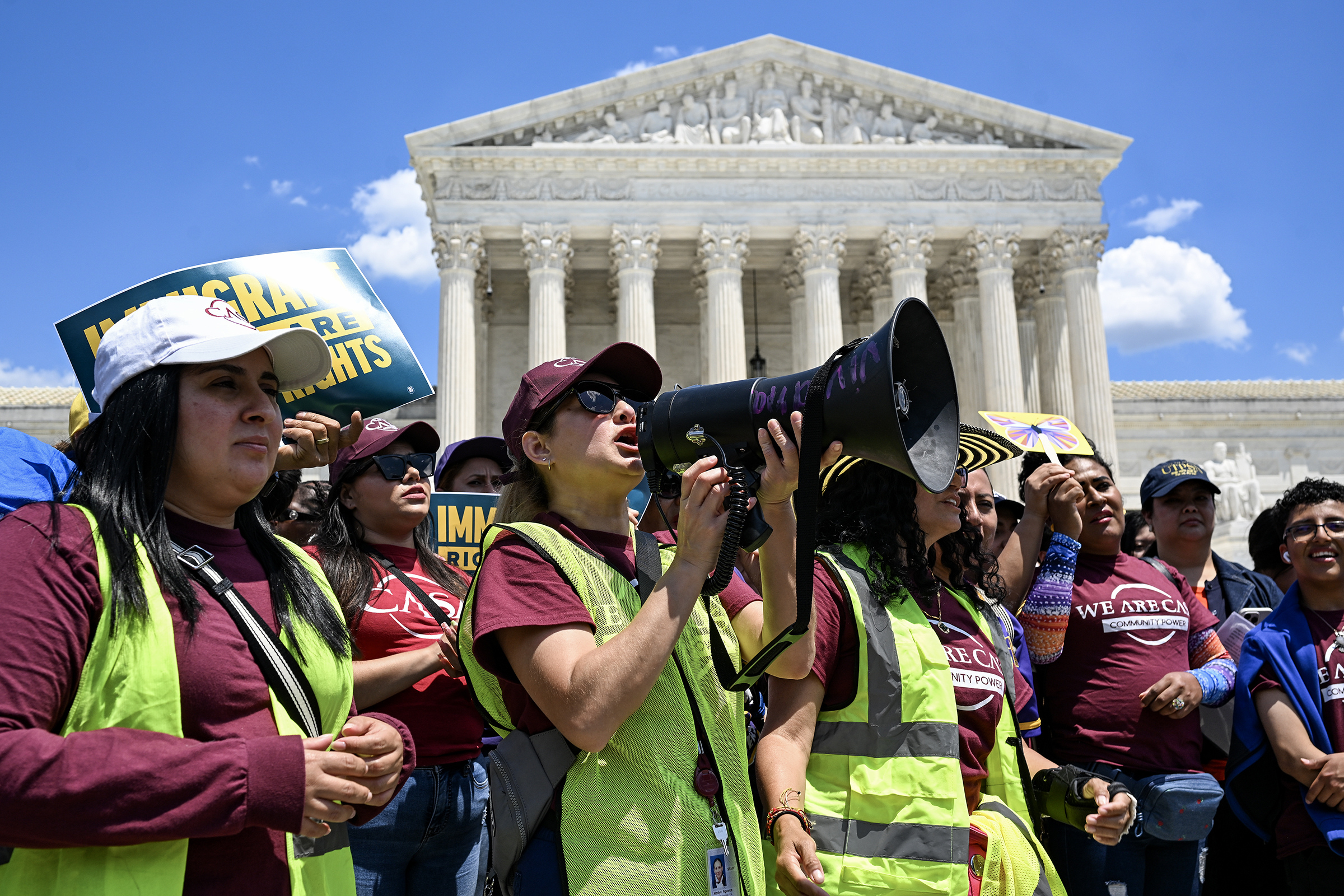
    Demonstrators protest outside the U.S. Supreme Court after the court issued a 6-3 ruling that significantly impacts the future of Temporary Protected Status, a U.S. immigration program established by Congress in 1990.KENNY HOLSTON

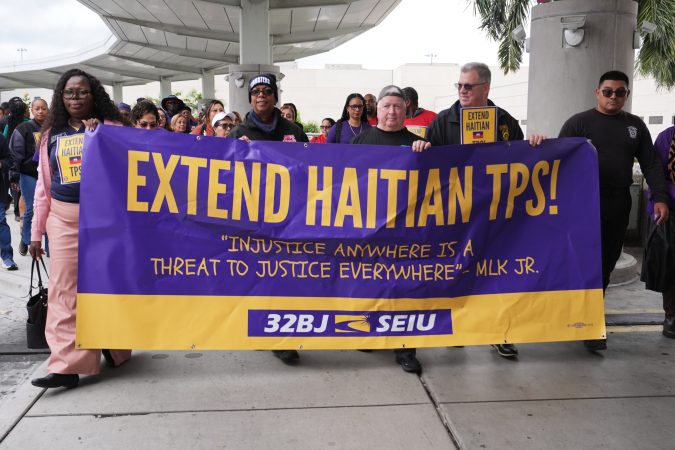
    Immigrant allies are planning a rally for Haitians in Philadelphia on Thursday.

    TPS is a humanitarian status that the U.S. can grant to foreign nationals whose countries are embroiled in war, environmental disasters, epidemics, or other extraordinary circumstances. It provides work authorization and protection from removal, but no path to permanent residency or citizenship.

    People with TPS participate in the labor force at a rate of 85%, well above the overall U.S. rate of 63%, according to a new policy briefing from FWD.us, a bipartisan advocate for immigration and criminal justice reform.

    About one-third of TPS households own homes and pay mortgages.

    Each year, people with TPS pay about $7.8 billion in federal, payroll, state, and local taxes, and contribute $690 million to Social Security, FWD.us said.

    Haitian TPS-holders pay close to a billion dollars in taxes annually, according to the American Immigration Council.

    They compose a disproportionate share of nursing aides and long-term-care assistants, and any removal is expected to hurt nursing homes and assisted-living facilities that already face a shortage of workers.

    “In Ohio, Florida, and Pennsylvania, businesses will lose workers, the elderly will lose caretakers, and families will be separated,” said Vanessa Cárdenas, executive director of America’s Voice, a Washington-based advocacy organization.

    The pro-business U.S. Chamber of Commerce has urged the Senate to pass legislation that would extend protections for Haiti, in order “to prevent significant disruption to America’s workforce and avoid an unnecessary humanitarian crisis.”

    The chamber knows TPS was never intended to be permanent, it wrote in a letter to Senate leadership, but the reality is hundreds of thousands of Haitian nationals have lived and worked lawfully in the U.S., “contributing to communities and filling critical positions throughout the American economy.”

    At the same time, widespread violence and governmental dysfunction in Haiti “make safe and orderly large-scale repatriation unrealistic.”

    Ukrainians in the U.S. face a similar situation.

    Many have nothing to return to ― their homes were destroyed in the war. Or they lived in cities that face constant bombardment, making any return potentially deadly.

    The Philadelphia region has been a main resettlement area for people escaping the war, spurred by the vitality of a local Ukrainian community that is tens of thousands strong. Now Ukrainians who fled to the U.S. see their TPS scheduled to end on Oct. 19, and wonder how they will afford food and housing if that happens.

    “People are really panicked,” said Iryna Mazur, the honorary consul of Ukraine in Philadelphia.

    Ukrainians need both an extension and a redesignation of TPS ― the latter allowing newer arrivals to qualify, she said. Employers are upset, too, worried they are about to lose good, qualified workers, including many employed as mechanics or plumbers’ and electricians’ assistants.

    “They are losing their employees, and their businesses will be hurt,” Mazur said. “We need the [Trump] administration to act.”

  • A Bucks County Quaker school’s abrupt closure has left families wondering where their money went

    A Bucks County Quaker school’s abrupt closure has left families wondering where their money went

    On June 1, Kent Groff wrote two $2,400 checks toward his grandchildren’s tuition this fall at United Friends School, a small Quaker early childhood and elementary school in Quakertown.

    The checks were cashed on June 4, Groff said. He was shocked when a little more than a month later, United Friends announced it would be closing — in five days.

    In a July 10 letter to families, the school’s board of trustees said it could not open for the fall school year because not enough students were enrolled.

    “Unfortunately, with slow enrollment activity in early summer and unexpected late attrition, it became clear that there was no sustainable path forward,” the board said in the letter, noting that the school had built a “conservative” budget on 80 students, but only 50 had committed to attend.

    The news stunned families, who said they were given no warning that the school, which had been open for 42 years, was on the brink of closure.

    “I was like, there’s no way this can be true. There has to be something that can be done,” said Kelly Kringe, Groff’s daughter, who had just picked her children up from a camp at United Friends when she got the email announcing the closure.

    Kringe, whose two children had attended United Friends last year and who also paid tuition for the coming fall, said there was “never any plea for help” from the school: “Nobody really knew anything.”

    The board — which did not list individual trustee names in the July 10 letter — said it was preparing answers to questions including “how prepaid tuition will be addressed during the wind-down process.”

    On Friday, the board said it had followed steps prescribed by the National Association of Independent Schools for closing. It directed families to contact a lawyer, Alex Moretsky, with “questions about tuition reimbursement, compensation or billing.”

    Kringe said she called Moretsky but got a message that he was out of the office. Moretsky did not immediately respond to a request for comment Friday.

    Before Friday, some families said they had not gotten any answers from the board to their questions.

    Groff, for instance, said he got no response to an email he sent the board that read in part: “I’m inquiring on how to get refunded for next year’s tuition that I already paid. … Thanks again for providing 42 years of excellence.”

    The board did not respond to a list of questions sent by The Inquirer. United Friends’ head of school, Daena Berdougo Remondelli, did not respond to a request for comment.

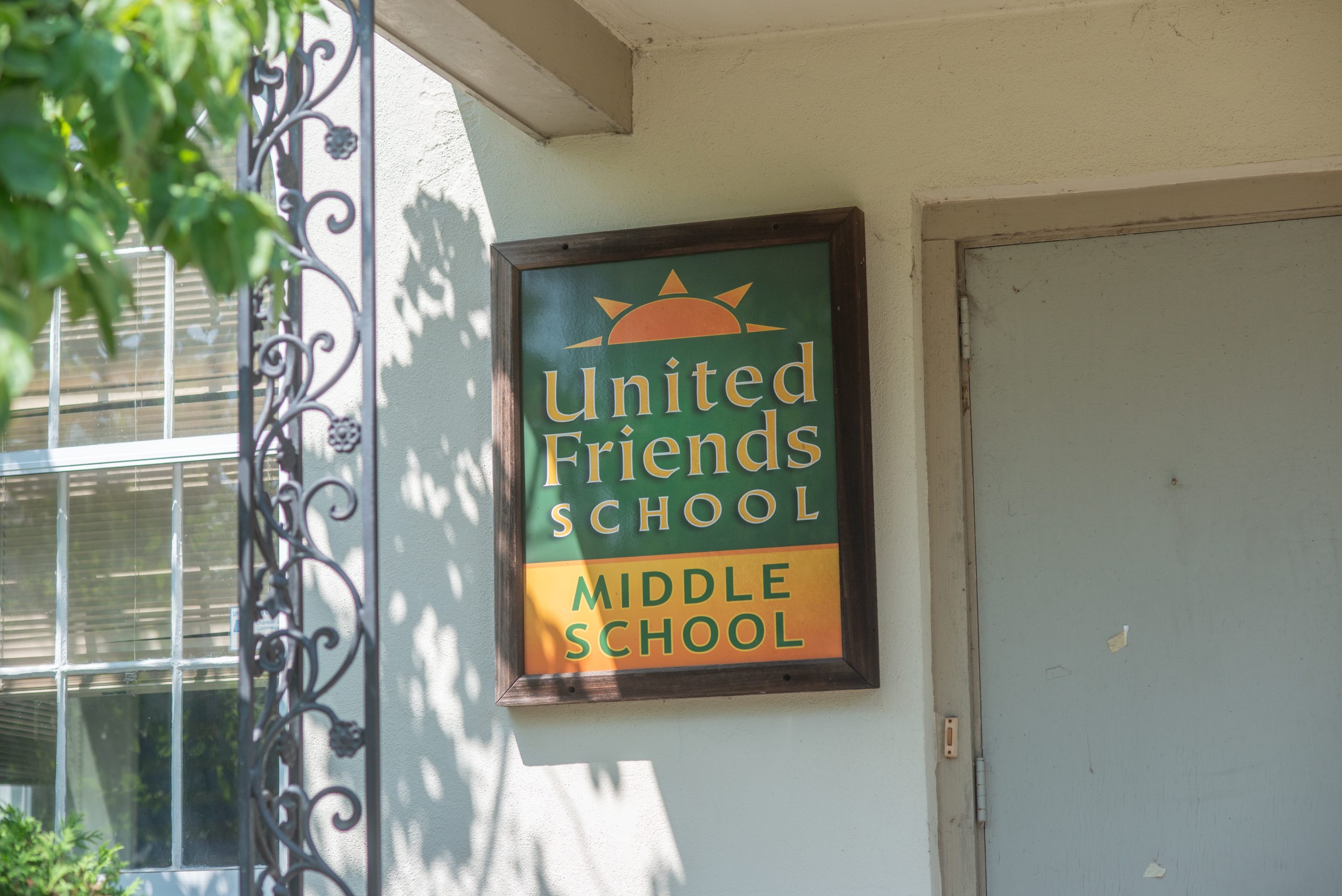
    A sign at United Friends School in Quakertown.William Thomas Cain / For The Inquirer

    The names of the school’s board members are not listed online. One board member, Bob Wirtschafter, said in a brief phone interview last Monday that he could not comment on what would happen with prepaid tuition.

    “We know we owe them,” Wirtschafter said, adding that “I can’t say anything.”

    Wirtschafter, who said he had been on the board for 32 years, said he had “seen all kinds of rumors” about the school’s closure, including that there was financial wrongdoing.

    “I can tell you, it was all about tuition,” Wirtschafter said. There were 60 students enrolled for the coming year in April, but by May, “we lost five families because of the economy,” he said. The school charged $20,000 a year in tuition.

    Wirtschafter said the school had been “struggling for years.” It closed its middle school and sold its building last year, he said, which “kept us alive for another year.”

    County records show United Friends sold several properties for $800,000 in May 2025 to AA Property Holdings LLC.

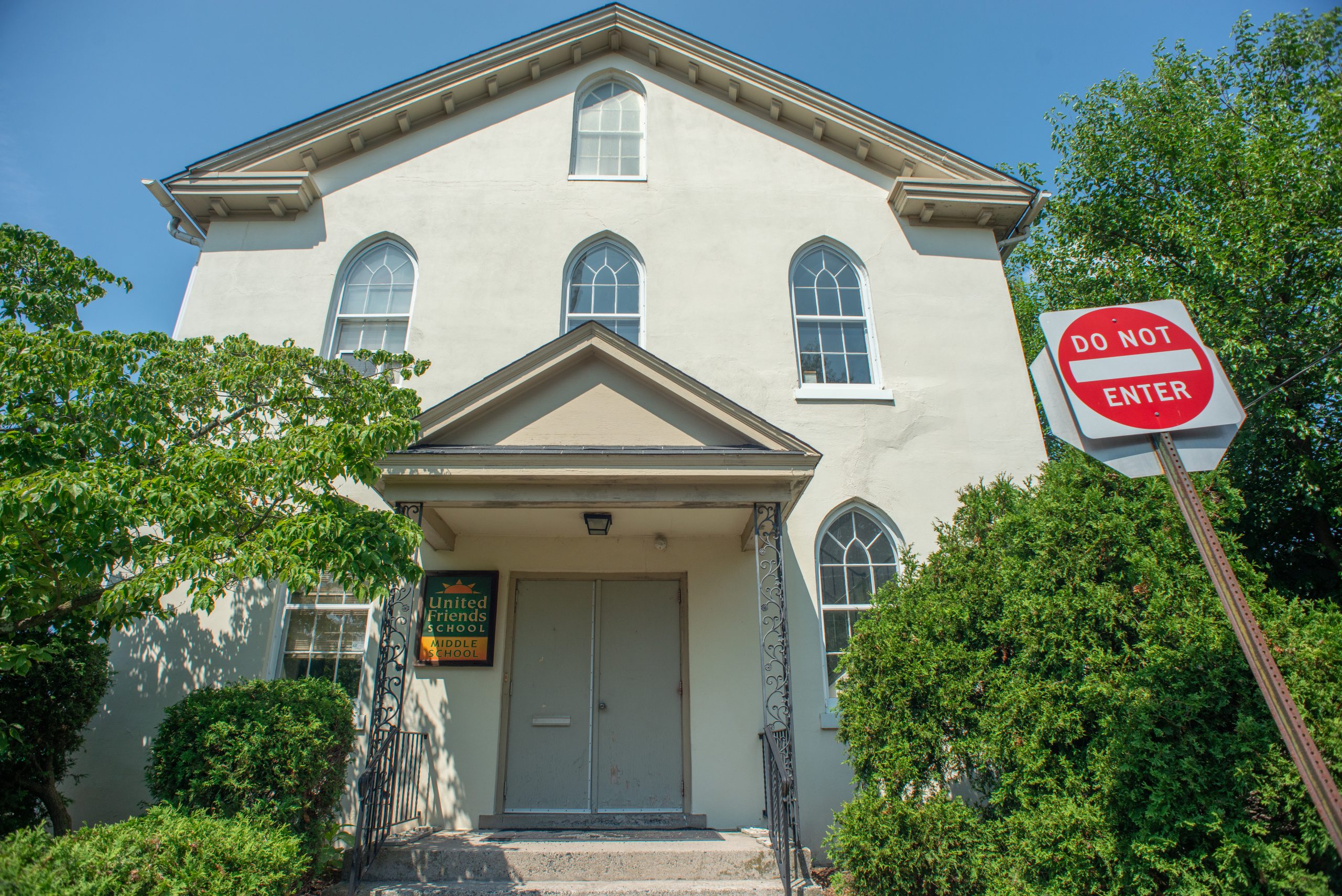
    One of the original school buildings at United Friends School in Quakertown.William Thomas Cain / For The Inquirer

    The LLC is registered to a Sellersville address owned by Mateen Afzal, whose family founded a manufacturing company in Bucks County and who is listed as director of the Afzal Family Foundation. A message sent through the foundation’s website was not returned this week.

    With the drop in enrollment headed into the fall, “we just couldn’t make it work,” Wirtschafter said. “We decided we had to close.”

    He said United Friends was not alone among small Quaker schools facing similar troubles, citing Cambridge Friends School in Massachusetts.

    Cambridge Friends announced in May that it would be closing after the end of the 2026-27 school year.

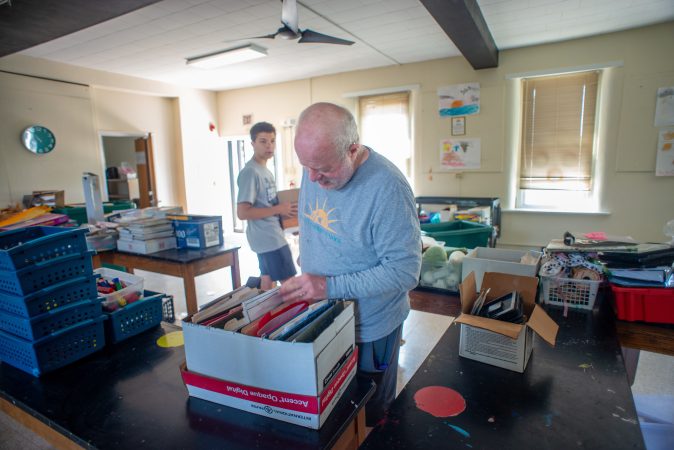
    A week after announcing its closure, United Friends sent another message to families, inviting them to a “voluntary two-day work effort” to clean out the school on July 24 and 25.

    “Community members who are unable to participate in person are welcome to support these efforts by making a voluntary contribution to help offset the costs associated with the cleanup,” the board said in the message.

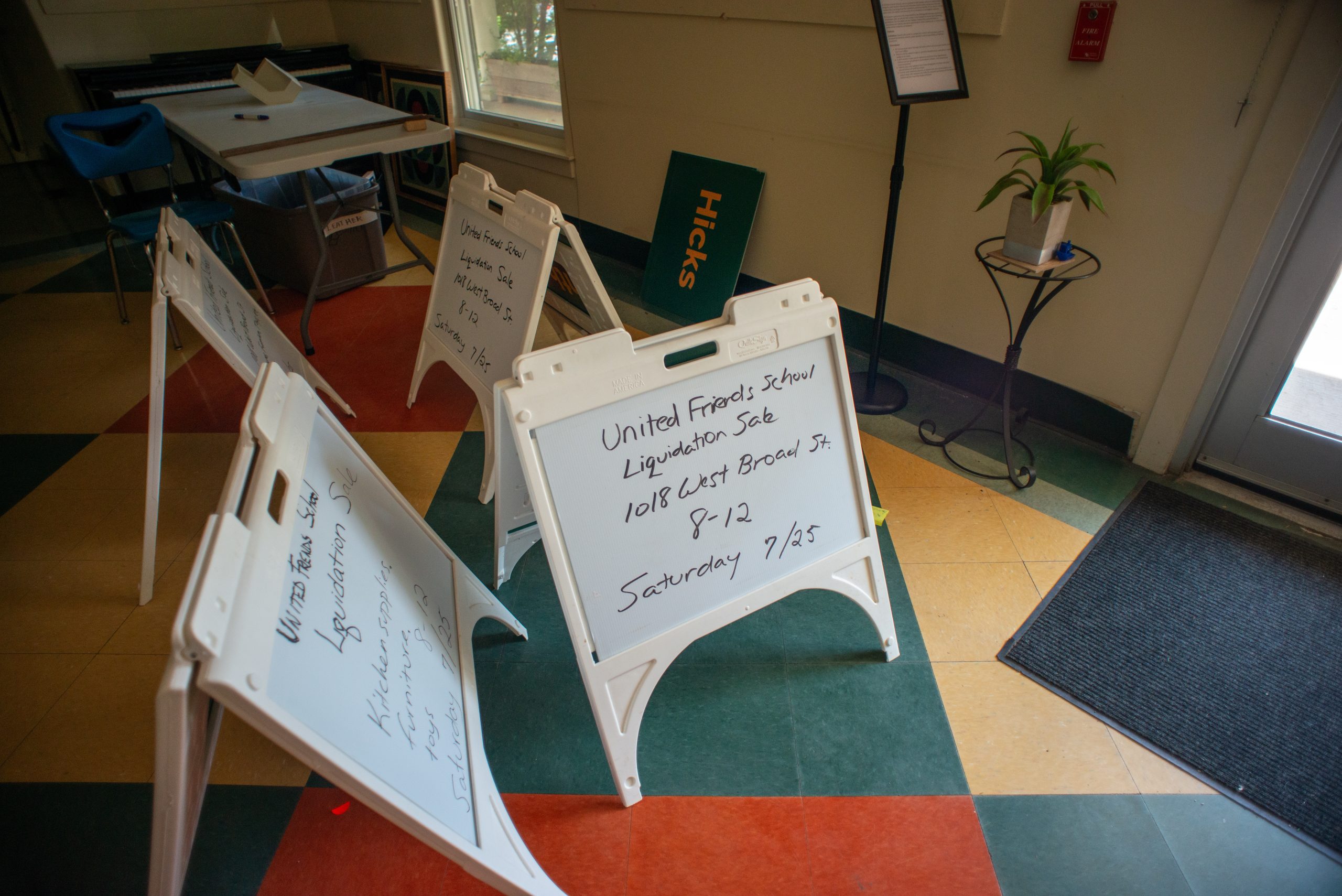
    A sign announcing a “liquidation sale” at United Friends on July 25.William Thomas Cain / For The Inquirer

    “Can you imagine the sheer anger that hit the teachers and the parents? We just closed your school, we took all your money, can you help us clean up and donate more money?” Groff said.

    In his efforts to reclaim his tuition payments, Groff went to his bank and the bank where United Friends had deposited the checks, with no success. He said he also contacted the Quakertown police and the Bucks County District Attorney’s Office.

    Manuel Gamiz, a spokesperson for the district attorney’s office, said the county’s consumer protection division was taking complaints from families and “attempting to mediate these matters.” Anyone affected can call 215-348-6060 or, toll-free, 1-800-942-2669, Gamiz said.

    Groff went to small claims court, but a clerk told him it would be difficult to file a claim because “you won’t be able to serve their papers,” he said. “There’s nothing that exists,” given that the school already closed. Groff said he does not know if the board of trustees has an address.

    Groff, who has another daughter who attended United Friends, said the schools and teachers were “absolutely wonderful.”

    “That’s why this is just so devastating and shocking,” he said.

  • Inside the scramble to save Philadelphia’s only free sexual assault exam center

    Inside the scramble to save Philadelphia’s only free sexual assault exam center

    Philadelphia’s only free sexual assault exam center was so strapped for funding last spring that Drexel University, its former operator, started drafting a closure announcement.

    The school was facing financial strain of its own, and state funding to rape crisis nonprofits was tied up amid a prolonged budget impasse in Harrisburg. Emergency funding from the city was tangled in City Hall’s lengthy contracting process.

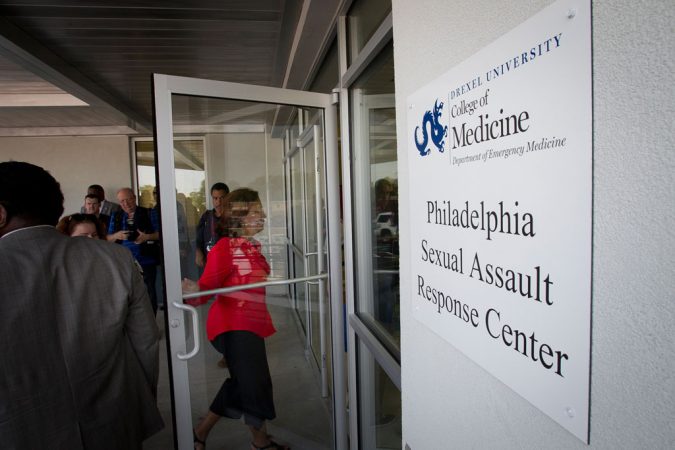
    At the time, there was no plan for who would run the Philadelphia Sexual Assault Response Center (PSARC), where roughly 300 rape survivors a year go for the sexual assault exams used to collect forensic evidence that are commonly known as “rape kits,” which often play a key role in prosecuting assaults.

    Fast-forward to this month, when Mayor Cherelle L. Parker’s administration announced the city’s public health department will assume all control of PSARC. Officials presented the news as the culmination of a careful, collaborative handoff, and one city staffer framed the transition in a news release as “seamless.”

    But hundreds of emails obtained by The Inquirer through a right-to-know request and a review of public records tell a far messier story. The emails show that for more than a year the fate of PSARC lurched from one near-miss to the next and that a failed bid process forced the city to take over the center’s operations when no one else would.

    Taken together, the records offer a granular view of how a critical piece of the city’s safety net for sexual assault survivors nearly broke. And they portray a chaotic process in which the city for months sought to transfer control of the center from Drexel to the nonprofit WOAR Philadelphia Center Against Sexual Violence, even as WOAR faced its own budgetary implosion.

    Over the course of the last year, the exam center never shut its doors to patients. But it came close on several occasions, a collapse that would have had ripple effects in hospital emergency rooms across the region that typically route sexual assault patients to the center.

    If PSARC suspended operations, hospitals would have to find specially trained staff — of which there are few — to perform the exams.

    “Philadelphia emergency rooms were not ready for that,” said Lila Slovak, director of the Philadelphia office of the Women’s Law Project, who spent months warning city officials that PSARC was in danger. “They did not know that [the center] was at risk of closing. It was not on anybody’s radar.”

    Crystal Yates-Gale, the city’s deputy managing director for health and human services, said in a statement that the final outcome — the city running the center — is ultimately what is best for sexual assault survivors.

    “We are proud to have secured the continuity of vital services for victims of crime in a dignified, victim-centered, culturally-competent atmosphere in Philadelphia,” she said.

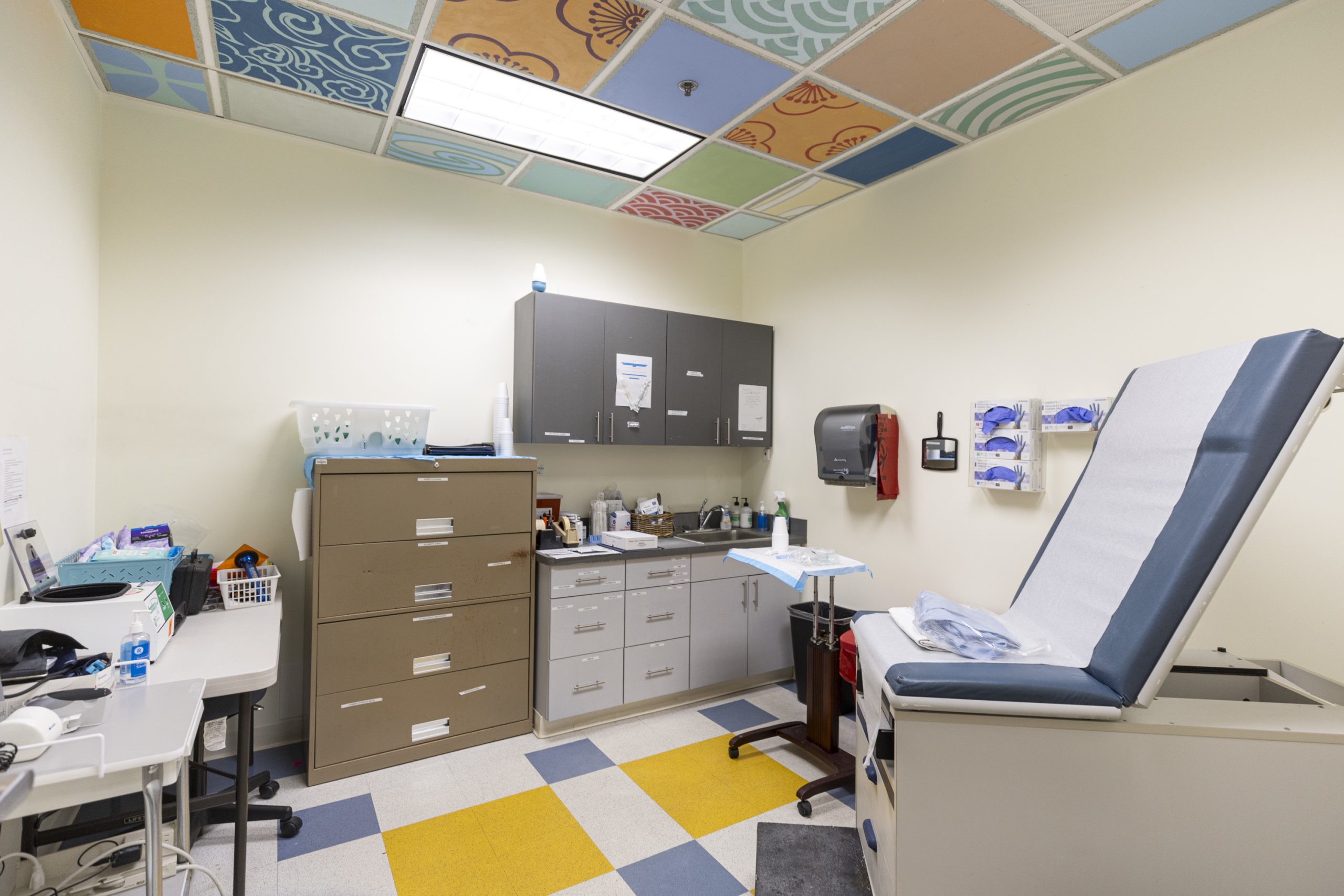
    The exam room at the Philadelphia Sexual Assault Response Center, in Philadelphia, Pa., on Friday Dec. 6, 2024.Tyger Williams / Staff Photographer

    LaQuisha Anthony, WOAR’s executive director, said in a statement that the organization was hamstrung by last year’s monthslong state budget impasse that froze much of its funding.

    She said WOAR was transparent with the city about its financial position.

    “Like most Commonwealth-funded providers, we planned on the assumption that funding would resume,” Anthony said. “The impasse instead ran 135 days. By the time it ended, we had drawn down our reserves.”

    A lifeline center on a shoestring budget

    PSARC, located at 300 E. Hunting Park Ave. in North Philadelphia, has two full-time staff members and a network of about 15 contracted nurses trained to perform sexual assault forensic exams, provided free under Pennsylvania law. The procedures are intended to gather physical evidence, such as DNA left behind by an assailant, and to document injuries that may aid investigators in a future criminal investigation.

    Many hospitals lack the specialized staff required to perform sexual assault forensic exams, so they refer patients to PSARC or work with PSARC to have a trained nurse dispatched to the hospital.

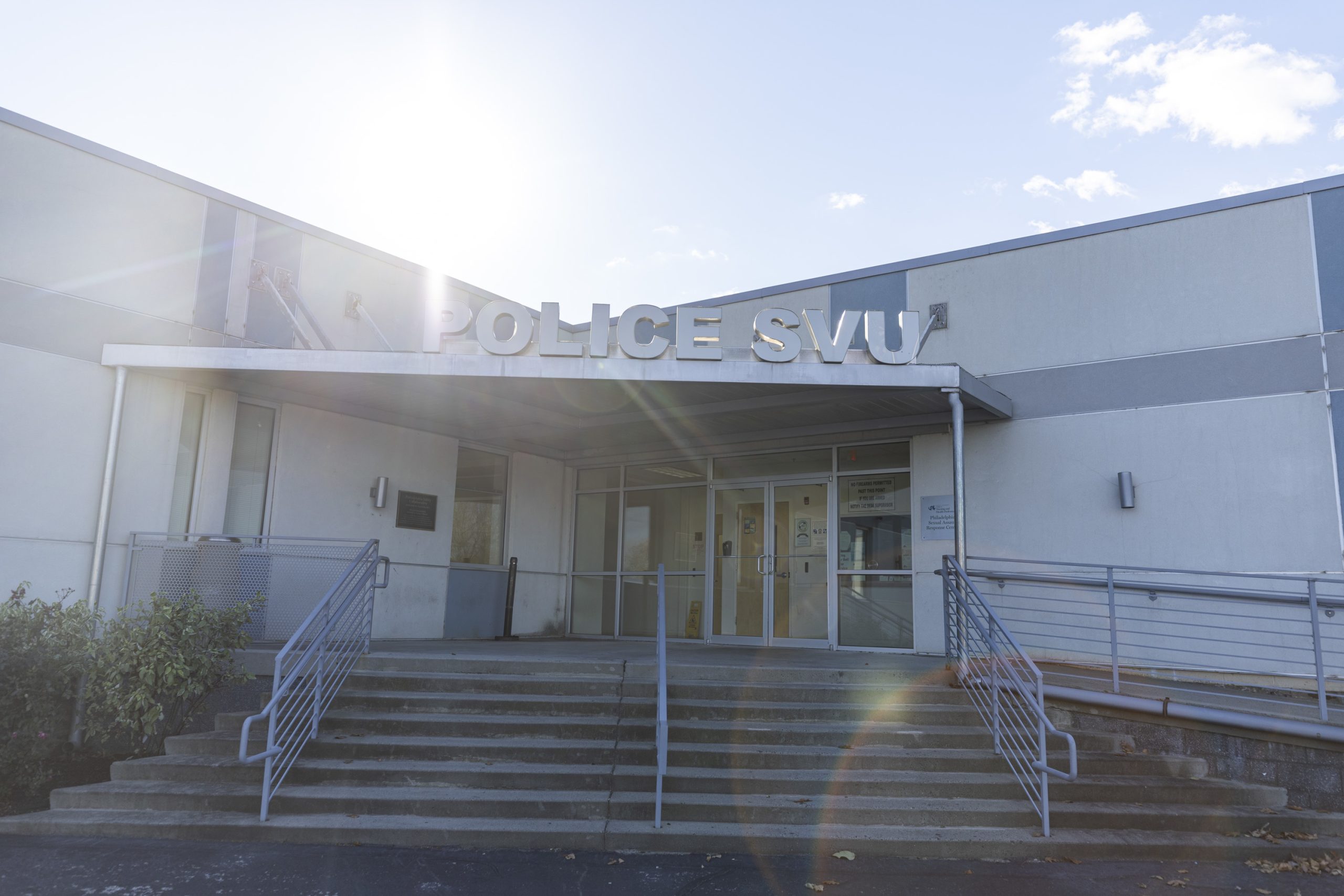
    The center is located next to the Philadelphia Police Special Victims Unit, but patients are not required to report the assault to law enforcement in order to have the free exam performed.

    The Police SVU where the Philadelphia Sexual Assault Response Center, in Philadelphia, Pa., on Friday Dec. 6, 2024.Tyger Williams / Staff Photographer

    Founded in 2011 and initially operated by the now-shuttered Hahnemann University Hospital, PSARC has been run since 2019 by Drexel University’s College of Nursing and Health Professions. For most of that time, the operation ran on a shoestring budget.

    Until last year, PSARC received no dedicated city funding. The state reimbursed Drexel about $1,000 for each patient treated, with Drexel absorbing substantial losses, according to records. The exam reimbursements can take months to flow from the state.

    Brian Keech, then Drexel’s senior vice president for government relations, shared a financial analysis with city officials last year that laid out an annual shortfall averaging more than $175,000.

    As Drexel cut staff and benefits across the university last year amid declining enrollment and a $63 million annual operating loss, its leaders told the Parker administration that the school could no longer manage PSARC on its own.

    In a series of emails last spring, Keech pressed the city for a funding commitment for the center and warned that, without one, the university would have to tell hospitals to stop referring patients for sexual assault exams.

    “We’ve begun to prepare the closure announcement,” Keech wrote in a May 20, 2025, email to Adam Geer, the city’s chief public safety director. “Obviously we’re hopeful we can avoid this scenario, but we do have to adequately prepare area hospitals that they will have to begin providing sexual assault services come July 1 if PSARC closes.”

    By early June, the city had found the money.

    The scramble to save PSARC

    Yates-Gale, the city’s deputy managing director, said in a June 2025 email to Drexel officials that the administration had identified $250,000 in emergency funding to keep the center running.

    The plan was for WOAR — the nonprofit formerly known as Women Organized Against Rape — to operate PSARC. The city would support its efforts by routing those funds to WOAR through an existing health department contract.

    Through the summer of 2025, the money was tangled in the city’s often lengthy contracting process.

    Meanwhile, WOAR was itself under severe financial strain amid the state budget impasse that left community organizations across Pennsylvania unfunded. WOAR’s leaders told city officials that they could not make payroll without the check from the city.

    PSARC was left in limbo. The handoff deadline from Drexel to WOAR was moved from Aug. 1 to Sept. 1, with Drexel agreeing to cover an extra month of payroll to bridge the gap. Then, on Aug. 28 — three days before the already delayed transfer — WOAR’s board chair, Joanne Strauss, wrote in an email to city officials that the organization “will not be acquiring” PSARC.

    She provided no reason other than saying the organization was “further evaluating the proposed transaction.”

    City officials were alarmed. Within an hour, the city’s victim advocate, Adara Combs, emailed Drexel officials to say she was “deeply troubled” by the sudden shift.

    Two weeks later, WOAR appeared ready to operate the center again. The group’s board of directors voted unanimously to approve the acquisition, and money from the city began flowing to WOAR to operate the rape exam center — more than $80,000 in total.

    Then the plan fell apart again.

    In early October, WOAR announced it would lay off staff and cut programs due to its funding crisis.

    Anthony, of WOAR, said in a statement the board’s approval of the acquisition of the sexual assault center came as the nonprofit thought the state budget impasse would come to an end and was “contingent on conditions related to funding and our ability to responsibly take control of PSARC.”

    “It became clear that those conditions were not resolved,” she said.

    Drexel continued to pay to operate the rape crisis center, and WOAR wired the university the city funding it had received. Drexel operated PSARC, with an additional $167,000 in help from the city, until June 30.

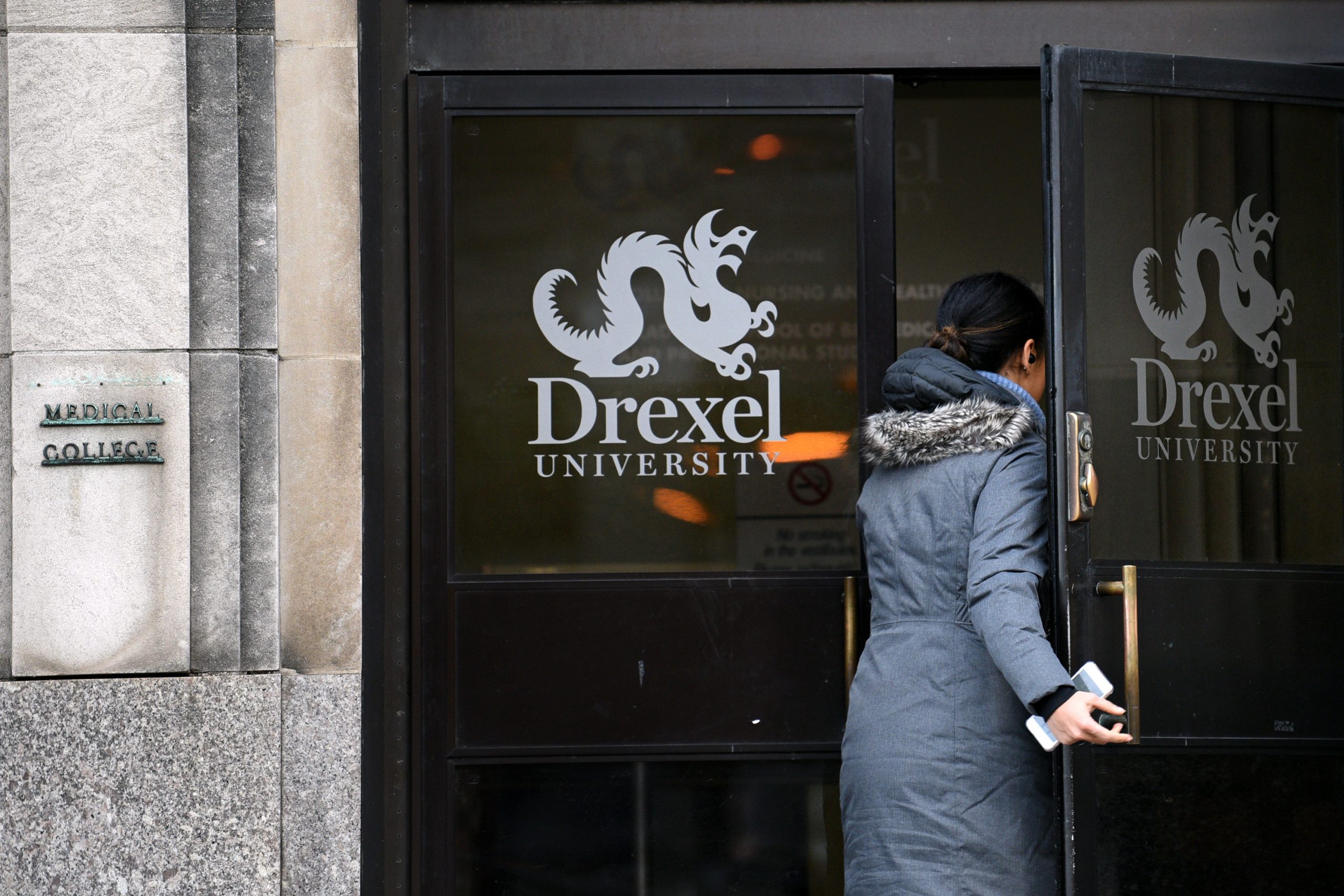
    The 15th Street entrance to Drexel University College of Nursing and Health Professions Feb. 19, 2020. The college has the largest bachelor program in the three-state region.TOM GRALISH / Staff Photographer

    The back-and-forth saga highlighted a central question: Why did the city seek to transfer a critical service to WOAR despite the nonprofit’s existing financial problems?

    Slovak, of the Women’s Law Project, said it made sense that WOAR stepped up to take over the center’s operations, given its mission to treat and prevent sexual violence. It is common in other cities for rape crisis centers to manage forensic exam facilities.

    But overseeing hundreds of sexual assault exams each year, she said, would have been a major expansion of WOAR’s scope because it “is about more than just providing emotional support or accompaniment for survivors.”

    Yates-Gale said WOAR was a natural choice to assume operations of the center. The group had an existing contract with the city and its mission aligned with that of PSARC.

    “Drexel agreed to continue operations until another suitable alternative organization could be identified,” she said, “and the entirety of the funds for the program were transferred back to them.”

    Britt Faulstick, a Drexel University spokesperson, said the school “worked closely with city leadership to ensure a smooth transition.”

    Another failed effort to find an operator

    The city’s $250,000 in emergency funding bought PSARC time. But the same question remained: Who would run it long-term, and where would they find the money?

    This spring, Parker’s budget proposal, which was approved by City Council in June, included $300,000 for the center. The city put the operation out for bid, seeking an outside organization like another hospital or nonprofit to run it.

    City officials met on April 13 with potential operators, including representatives from area hospitals that depend on the center, such as Temple University, the University of Pennsylvania, and Jefferson Einstein Philadelphia. Several expressed concerns about PSARC’s finances.

    According to a public recording of the meeting, multiple attendees suggested that $300,000 a year in city funding would not be enough to cover PSARC’s operations and salaries for medical staff who must be available 24-7.

    The exam room and desk space when patients are in at the Philadelphia Sexual Assault Response Center, in Philadelphia, Pa., on Friday Dec. 6, 2024.Tyger Williams / Staff Photographer

    “This has never been something that’s been profitable, so it’s always needed another source of funds to keep it stable,” one hospital representative said. “It’s the money, right, to keep it open and to be able to run this as a service for the city and keep it maintained so you’re not back in this ‘we don’t have it’ in six months.”

    Combs, the city’s victim advocate, told potential bidders that they were welcome to “reimagine” how PSARC operates and propose new funding streams.

    But hospital representatives remained skeptical and pressed the city to find a different solution, citing a moral urgency.

    “It would be a tremendous tragedy if we lost the resources of PSARC in the city,” said a representative from Jefferson Einstein Philadelphia Hospital.

    “I think we all agree,” said Azucena Ugarte, director of the Philadelphia Office of Domestic Violence Strategies. “That’s why we’re doing this.”

    But following the meeting, no one bid.

    The city takes over

    With no outside bid to operate Philadelphia’s only free rape exam center, the options in front of city officials were either to let it close or to take control themselves.

    The city chose the latter. Parker administration officials framed it as a lasting solution.

    Faulstick, of Drexel, said the school will continue to train nurses in sexual assault examination to help ensure the care is available. He said PSARC is “positioned for continued growth and long-term sustainability.”

    Others have questions about the stabilization plan.

    City Councilmember Nina Ahmad, who represents the city at-large and held a hearing earlier this year about PSARC funding, said that the $300,000 annual allocation to the center is likely inadequate and that she will push for more dollars in future city budgets.

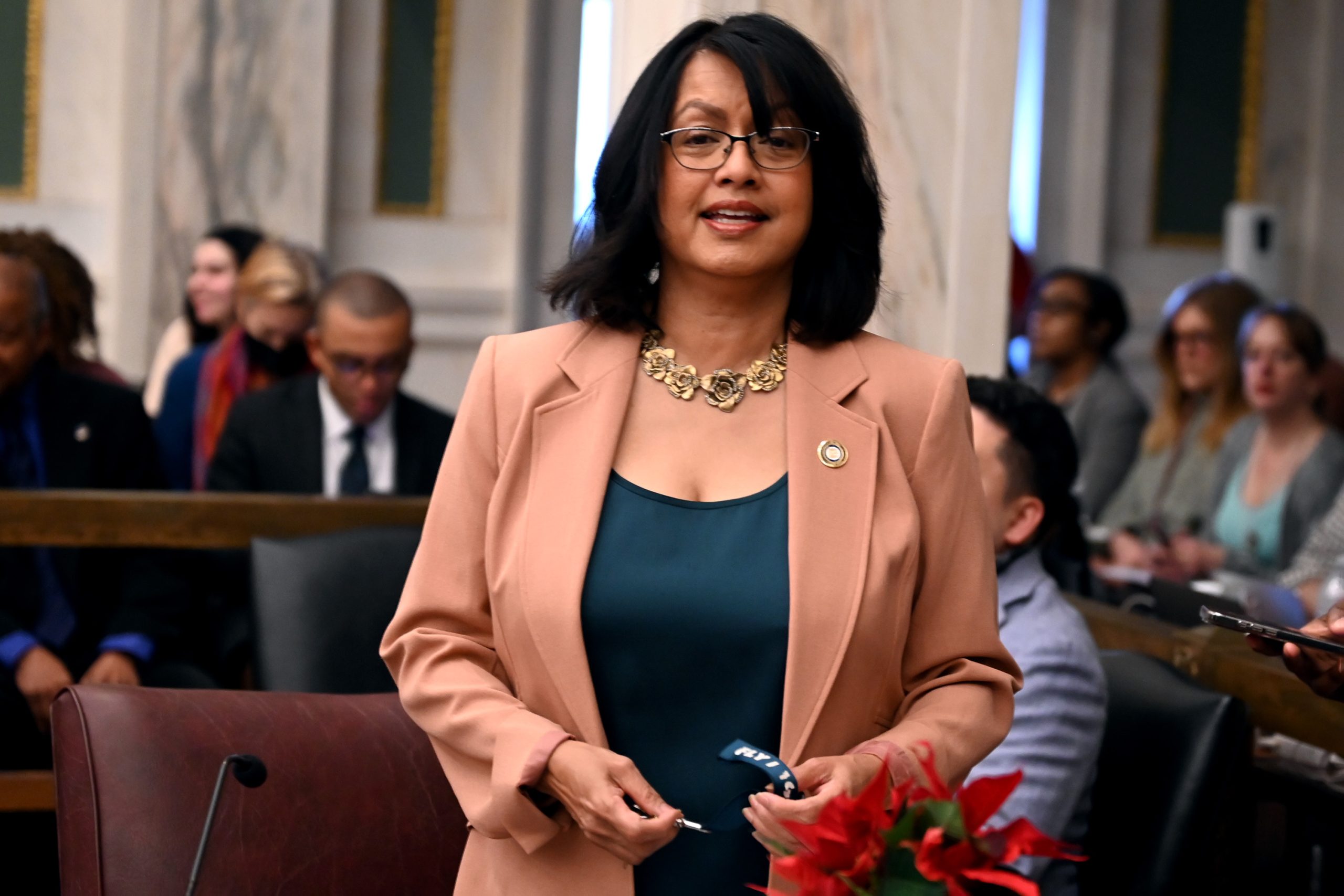
    Councilmember Nina Ahmad in chambers as City Council meets Dec. 11, 2025.Tom Gralish / Staff Photographer

    Ahmad also said she expected more buy-in from hospitals, noting they would have been saddled with the responsibility of providing sexual assault exams if PSARC had shuttered.

    “I am not surprised,” she said in an interview, “but I’m still disgusted that we have not come together on this. … This is evidence being collected, [and] this is how we prevent future rapes.”

    Slovak said ensuring PSARC’s financial survival will take more than a change in management. It will require cooperation, including from hospitals, the city, and the state, to work together “so that survivors aren’t sacrificed in the budget gamesmanship.”

    Still, she said, the city “can really be this positive, central, coordinating force.”

    “And I do feel confident at this point,” Slovak added, that the center “is going to move in a good direction from here.”

  • Biggest project yet planned for Manayunk’s Venice Island with more than 800 homes

    Biggest project yet planned for Manayunk’s Venice Island with more than 800 homes

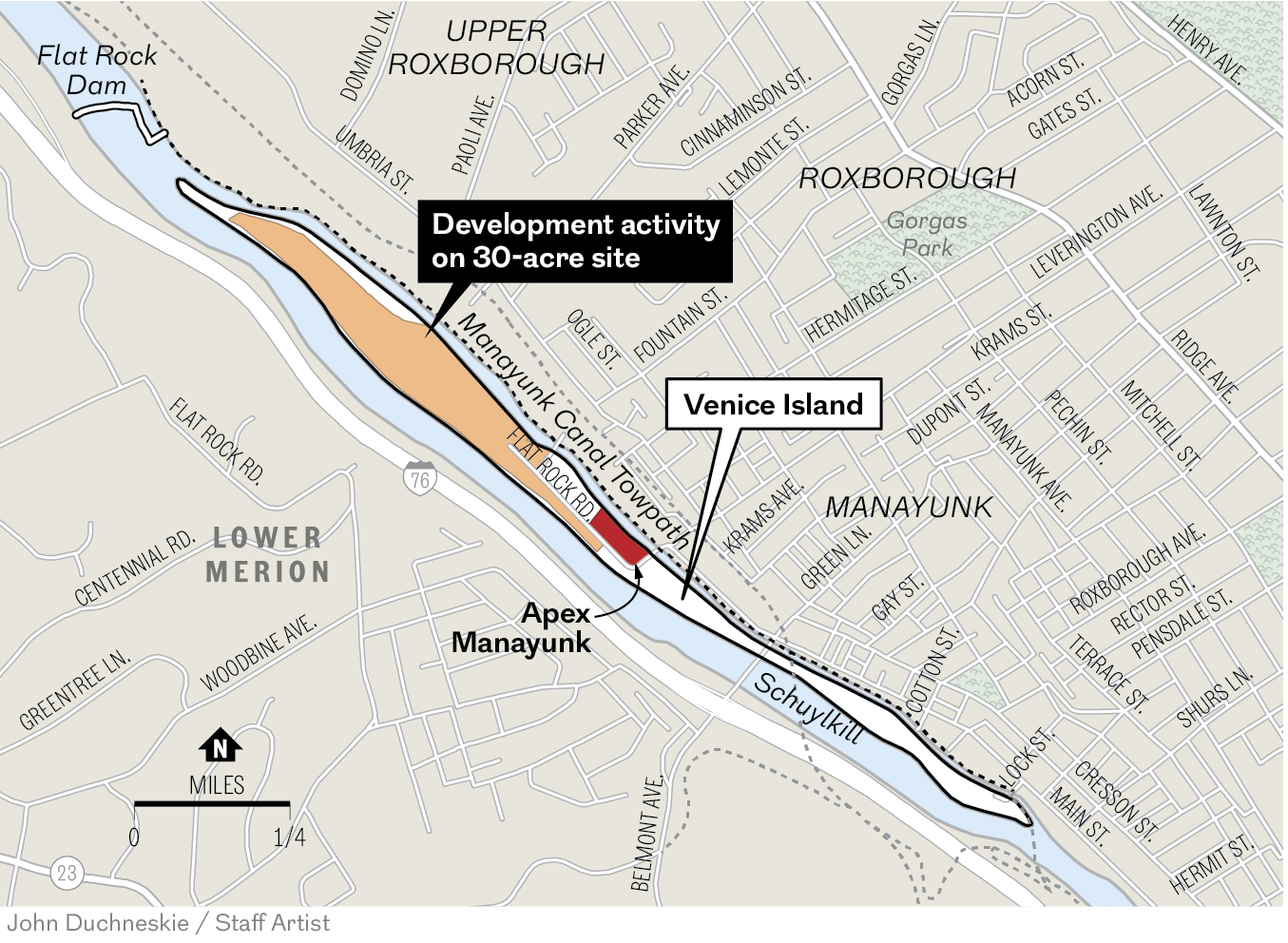
    A developer is planning to build 807 housing units on 30 acres of Manayunk’s Venice Island, bringing an end to years of questions by residents about what would become of the land.

    Manayunk Renaissance LLC told members of local neighborhood groups about the plan during an informal meeting Wednesday. Councilmember Curtis Jones Jr., who represents Manayunk, also attended.

    The company confirmed the plans to The Inquirer on Thursday.

    “Venice Island is one of the most unique areas in Philadelphia, with water views on both sides, proximity to trails and outdoor space, and easy access to both SEPTA and I-76, all within walking distance of one of Philadelphia’s great neighborhoods — Manayunk,” Hercules W. Grigos, an attorney for the company, said in a statement.

    The meeting with community leaders was meant to solicit feedback on the project, which is on the former PaperWorks mill site. Neighborhood input would then be used to “refine the proposal,” Grigos said.

    Manayunk Renaissance LLC said in a statement that it plans to build multiple types of housing at what it calls The Flat Rock at Venice Island. The proposal includes 159 townhouses, 126 duplexes (with 252 units), and 396 apartments.

    John Hunter, an architect and zoning chair of the Manayunk Neighborhood Council, who attended the briefing, has long argued at community meetings against more waterfront housing because he’s concerned about flooding and overdevelopment.

    “It’s unfortunate. It follows a trend,” Hunter said of the plan. “It’s more suburbanization of Manayunk, more residential. There’s no commercial there; it’s not balanced.”

    The company noted that it would be the fifth residential project on Venice Island, although it would still require a zoning change.

    Flat Rock would also be its largest development, by far.

    Apex Manayunk has about 128 units, the Locks has 60 townhouses, and the Isle has roughly 160 apartments. A 181-unit project is also planned by Rock Urban Development, a scaled down version of an earlier proposal.

    Where would the new housing be built?

    The 30-acre site at 5000 Flat Rock Rd. lies on the northwestern side of the island. Manayunk Renaissance LLC purchased the property in 2021 for $23 million, according to city records. The property takes up about 45% of the island’s land mass.

    Some area residents had been hoping for either open space or less dense development with commercial uses mixed in.

    The developer plans 500 parking spaces for the 800 proposed residential units, according to Hunter. That would fall short of the typical one-to-one standard in Manayunk, he noted.

    Manayunk Renaissance LLC did not respond to a question about the parking.

    Who is behind the project?

    It was not immediately clear who is backing Manayunk Renaissance LLC. The company shares an address with A.P. Construction, a South Jersey-based construction company, with an office at the Navy Yard.

    A.P. Construction boasts a portfolio of big projects in the region, including work on bridges, stadiums, and the Manayunk Bridge Connector Trail and Park.

    Hunter said the developer told residents at Wednesday’s meeting that Philadelphia-based Varenhorst would be the architect. The company also designed the Locks, an earlier residential project on the island.

    Map of planned development on a 30-acre site on Venice Island in Manayunk.John Duchneskie

    Flooding concerns

    Hunter said residents are particularly concerned about flooding. Hurricane Ida in 2021 hit Manayunk hard and inundated some of the buildings on the island.

    Hunter and others fear more building will leave Venice Island residents trapped in another big storm, while contributing to even more flooding as runoff flows into the river and canal.

    The 5000 Flat Rock Rd. property lies just below the Flat Rock Dam.

    Venice Island, one of the lowest-lying areas of the city, is a narrow wedge of land, just shy of 70 acres and roughly 1.7 miles long between the Schuylkill River and Manayunk Canal.

    The island falls within a high-risk, 100-year-floodplain designated by the Federal Emergency Management Agency (FEMA), meaning it has a 1% chance of flooding in any given year.

    In September 2021, as Manayunk experienced flooding from Hurricane Ida, people take in the view from Rector Street of the fast running water at the canal that runs along Main Street and feeds into Schuylkill River.ALEJANDRO A. ALVAREZ / Staff Photographer

    In a statement — also shared with neighbors — Manayunk Renaissance LLC said it had hauled in 400,000 cubic yards of soil to raise the site between 9 and 11 feet, bringing it at least 18 inches above flood elevation.

    The company said it had approvals from FEMA, the Pennsylvania Department of Environmental Protection, and the Philadelphia Water Department for the new grading and height.

    Manayunk Renaissance also said it razed a dilapidated 512,000-square-foot mill building and is working to clean up lead and asbestos.

    Manayunk Renaissance said in its statement that it is finalizing an agreement with SEPTA to create an emergency exit from the island via Umbria Street, where the Ivy Ridge railway station is. The company said it would pay all construction costs.

    Hunter said he and others were told during the meeting that the route includes building a bridge over the canal that leads to an on-grade crossing at the railway equipped with three gates. That new road would be reserved for emergencies.

    Zoning is an issue

    The property is zoned for industrial uses, so the developer would either need City Council to change the land use rules legislatively or seek relief from the Zoning Board of Adjustment.

    “After five-plus years of work and planning, Manayunk Renaissance is ready to present its vision to the community and seek city approval to change the zoning,” the company statement said.

    Community support would be a boon for the developer in either case. Having the backing of neighborhood groups is often a positive factor at the zoning board and could sway Councilmember Jones if they go the legislative route.

    The company argues that the existing zoning allows warehouses, data centers, and other projects that “would be inconsistent with the community’s direction.”

  • Despite good intentions from the city, Philly’s streets remain deadlier than those in New York and Chicago | Shackamaxon

    This week, a couple of big names leave City Hall, Philadelphia’s Vision Zero struggles, SEPTA’s biggest woe, and LeBron James comes to town.

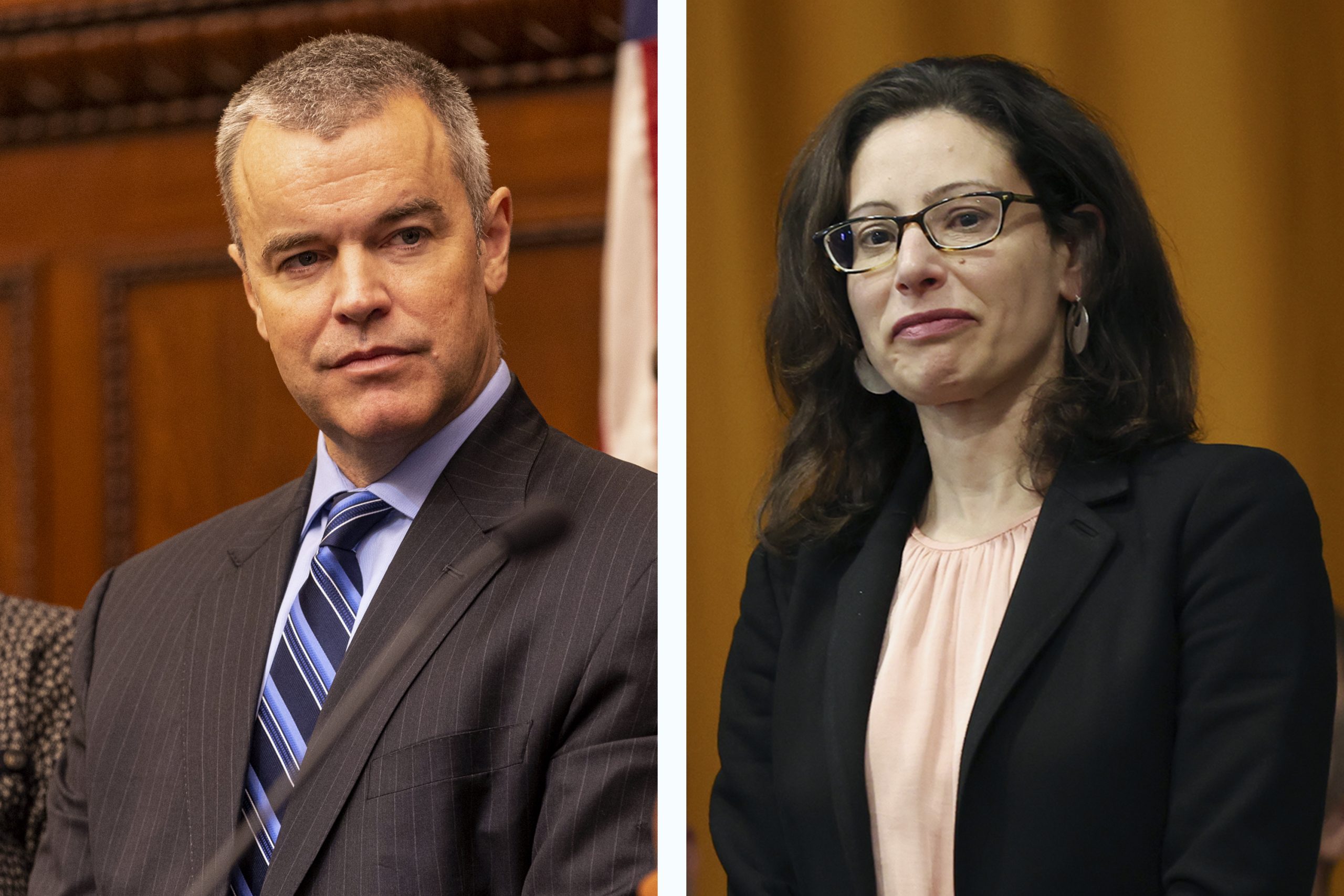
    Managing Director Adam Thiel and City Solicitor Renee Garcia are leaving.Tyger Williams/Heather Khalifa

    Topline turnover

    Philadelphia Mayor Cherelle L. Parker has experienced some turnover during her first term, but this week saw the biggest personnel changes yet. Managing Director Adam Thiel and City Solicitor Renee Garcia are both leaving city government. They’ll be replaced by Carlton Williams and Monique Galloway.

    While Thiel hasn’t answered questions about his departure, it also isn’t very surprising.

    As Inquirer reporters have thoroughly documented, Thiel’s attention has been pulled in multiple directions. In addition to his job with the city, he also serves in the Army Reserve and works as a consultant. In fact, he made more money working outside of city government than he did in it.

    Thiel always claimed that his extra jobs did not create a conflict with city work, but this was harder to believe as time went on. He missed five months of work last year because of his Army duties alone. His absence during events like the month of snowcrete was conspicuous. Indeed, it was Williams who seemed to step into the role of coordinator.

    Garcia’s departure is a little more surprising, especially given her central role in defending the administration’s toughest calls.

    When Parker endorsed the proposed and then canceled Sixers arena on Market Street, Garcia spent hours testifying about the deal at City Council. It also fell to Garcia to defend Parker’s cautious approach to the Trump administration, including the choice to allow some of Council’s “ICE Out” agenda to become law without the mayor’s signature. She’s absorbed a lot of political arrows on Parker’s behalf.

    A sign of how important these roles are to Parker’s success? Both were replaced immediately. Meanwhile, the city still lacks a permanent commerce director over a year after Alba Martinez left the role.

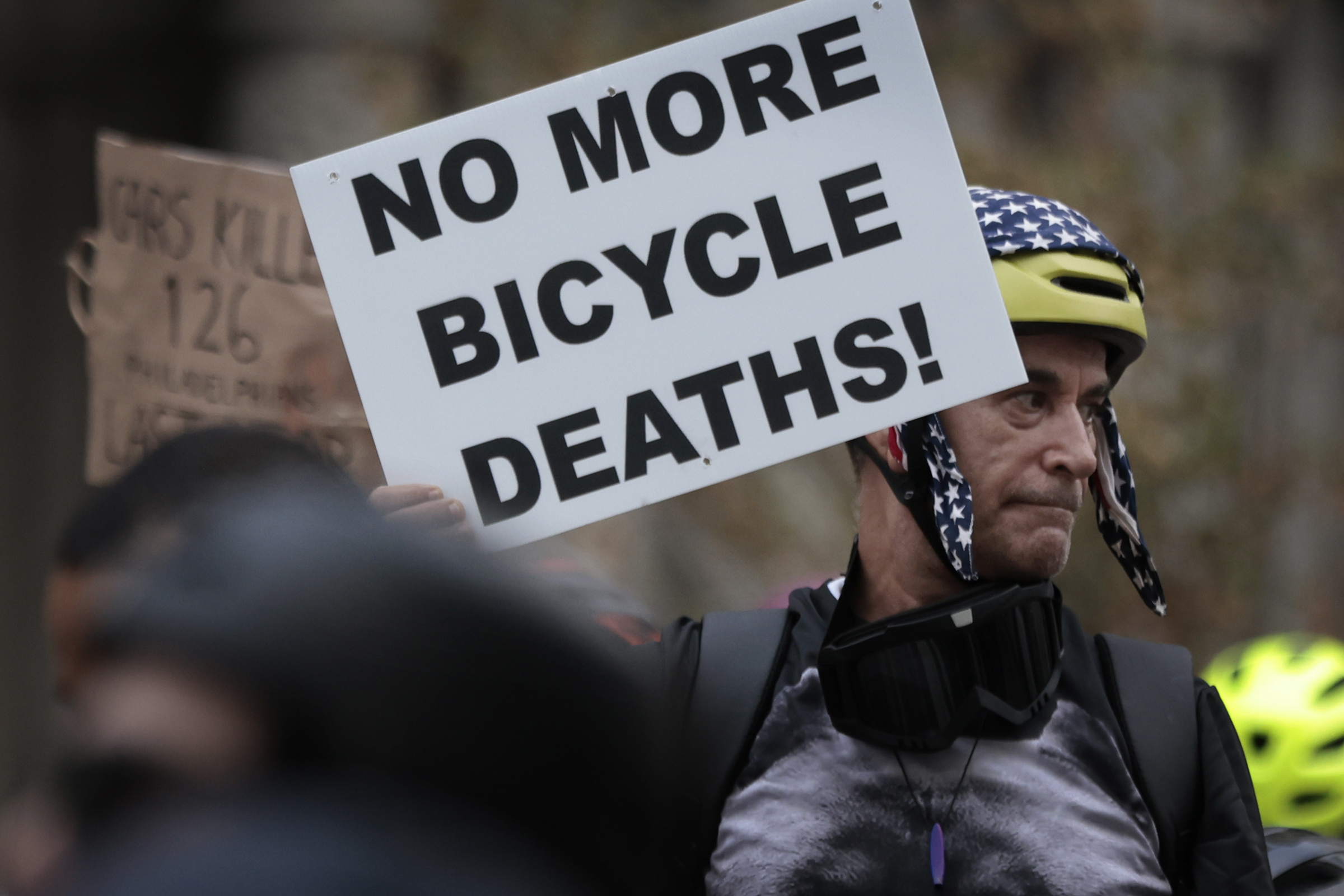
    Robert Tomas of Philadelphia was part of a group that biked from the Art Museum to City Hall to protest what they see as a lack of commitment to traffic safety from the mayor in 2024.Elizabeth Robertson / Staff Photographer

    Blurred vision

    Philadelphia’s roadways remain overly dangerous. In fact, according to a report compiled by City Controller Christy Brady, the city’s fatalities outpace our peers.

    Our traffic fatality rate of 9.04 deaths per 100,000 residents is triple New York’s 2.86 and roughly double Washington’s 4.73. The next closest city, Chicago, came in at 7.15. This means that Philadelphia’s streets are significantly more dangerous than comparable communities.

    To be clear, City Hall is trying to bring these numbers down. Alongside the Philadelphia Parking Authority, city officials have blanketed the roads with speed cameras, which have successfully reduced crashes and fatalities along corridors like Roosevelt Boulevard.

    The city is also working to lower speed limits. While 25 mph may feel slow behind the wheel of a car, research quantifies just how much danger pedestrians face because of a vehicle’s speed. At 20 mph, pedestrians have a 10% chance of death and a 25% chance of serious injury. At 30 mph, this jumps up to a roughly 25% chance of death and a 50% chance of severe injury. At 40 mph-plus, there’s a 50% chance of death, and severe injury is nearly a guarantee.

    This explains why speed limits on roads like Broad Street are set to 25 mph. Given the cameras only give out tickets once a driver is 11 mph over, setting them higher would leave pedestrians exposed to dangerous conditions.

    It is easy for opponents of speed cameras, street redesigns, or concrete protections for cyclists to complain about the supposedly all-powerful and nefarious “bike lobby,” but the data are quite clear. Philadelphia needs to do much more to protect its most vulnerable road users.

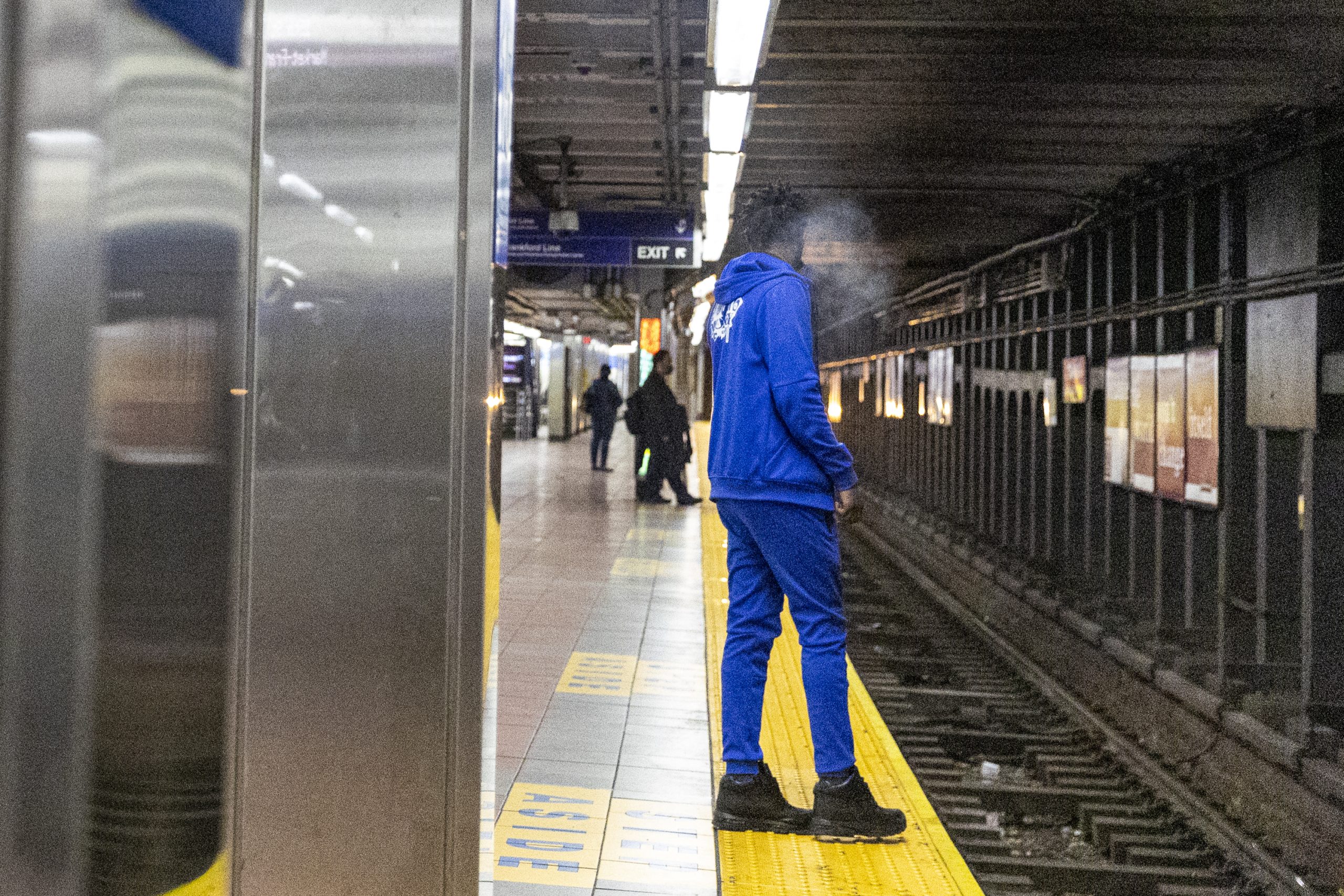
    A person smoking at the inside one of the SEPTA stops in Philadelphia.Tyger Williams / Staff Photographer

    Up in smoke

    After yet another year without a funding deal from Harrisburg, mass transit advocates and their supporters decided to raise awareness by embarking on a 24-hour public transportation marathon. They were joined, at least for part of the journey, by a plethora of elected officials.

    Raising awareness is important because SEPTA won’t survive without sustainable funding from the General Assembly. Still, a trip down to Washington this week reminded me of a problem that can’t be blamed on Harrisburg: the behavior of some of SEPTA’s riders.

    To be clear, the Washington Metropolitan Area Transit Authority system struggles with behavioral issues as well. Fare evasion, especially on bus routes, is out of control. Smoking on the metro, however, seems to be far less common.

    On SEPTA, however, it is ubiquitous.

    More than one person I’ve confronted over it has claimed, “I didn’t know you weren’t allowed to smoke down here.”

    It would be unfair to compound the frustration of riders who already deal with this phenomenon by failing to fund adequate service. At the same time, the constant smell of cigarettes and marijuana must be addressed. Even if SEPTA secures sustainable funding in next year’s budget, it won’t fulfill its potential until quality of ridership issues like smoking have been addressed.

    There’s no question in my mind that this behavior keeps people from riding the system. Beyond the discomfort of secondhand smoke, it also sends a message that the stations and vehicles are out of control. This makes them feel dangerous, even if SEPTA has posted record declines in serious crime.

    Every rider who doesn’t take the subway because of the dive bar atmosphere costs the system money. Some people have even resorted to taking buses, which are slower (and are more expensive for SEPTA to operate), just to avoid showing up at work smelling like a music festival.

    I’ve spent plenty of time in bars that allow smoking and I support the legalization of recreational marijuana. But it is one thing to engage in these behaviors in your own home or at a place of business where it is welcomed. It should never happen on public transit.

    Everyone’s excited about the King coming to town.Courtesy of Giphy.com

    The King’s landing

    When Philadelphia was first mooted as a potential landing spot for LeBron James’ swan song, I was a bit skeptical. After all, how often do good things happen for the Sixers?

    That changed when I heard about a conversation between Gov. Josh Shapiro and the Akron, Ohio native. It isn’t that Shapiro has superpowers when it comes to persuasion. In fact, my guess was that LeBron was most of the way toward choosing Philadelphia when that interaction happened. If the discussion hadn’t gone well, I doubt Shapiro would have ever mentioned it.

    After all, if Shapiro had publicly lobbied LeBron, only for the legend to land elsewhere, he’d have looked inept and desperate. Now, he looks savvy.

    Although there are reports that James may live in New York City while playing for the Sixers, his decision to take his talents to South Philadelphia is another corrective to the old and tired narratives about our city.

    Like a lot of Philadelphians, I can’t wait for the Xfinity Mobile Arena to become the court of King James.

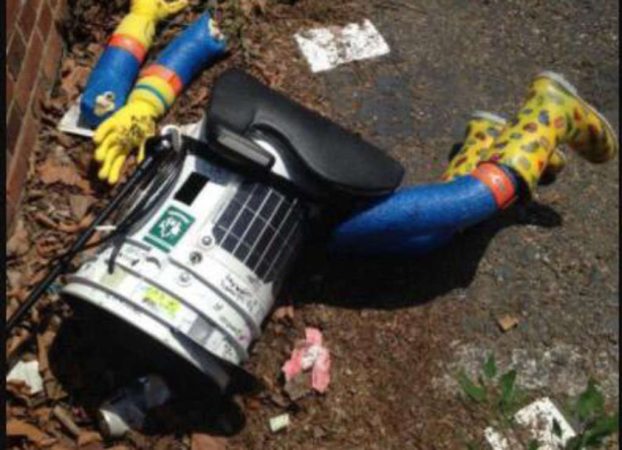
  • hitchBOT was decapitated on this week in Philly history

    hitchBOT was decapitated on this week in Philly history

    The robot was no match for Philadelphia.

    The child-sized figure with robot-like qualities was the brainchild of Canadian researchers in the mid-2010s.

    The goal was to try and better understand human-robot relationships, and to generally gauge how humans would interact with robots.

    He was carried across the Northeast by the kindness of strangers who were kept up to date through social media posts.

    Nicknamed hitchBOT, the oddity developed quite a following, moving through the Netherlands, Germany, and Canada.

    When he hit the United States, he crossed through the northeastern part of the country over a two-week span.

    And he was making — and having — a good time. He took in a Boston Red Sox game, visited an aquarium, and was gleefully photographed in Times Square in New York.

    And then he arrived in Philadelphia.

    hitchBOT’s creators said their baby had been mugged while taking a break at Elfreth’s Alley on Aug. 1, 2015, and stripped for parts.

    They said he had been horrifically decapitated.

    The creators later quipped, “sometimes bad things happen to good robots.”

    In 2015, Laura Blankenship, cochair of the Computer Science Teachers Association, wrote a post about the lessons from the experiment. She remarked that the creators got an answer to their existential question:

    “Humans might treat robots just like humans,” Blankenship wrote.

    hitchBOT became fodder for late-night talk shows, gossip websites, and ammunition for the usual folks who enjoy taking cheap shots at Philadelphia and its inhabitants.

    The New York papers ate it up, as did CNN.

    “This is why we can’t have nice hitchhiking robots,” CNN wrote.

    As far as Philadelphia’s role in the episode, the city still holds a special place in its heart for the headless kind-hunter. On the 10th anniversary, a memorial service and a remembrance were held at the famous alley where hitchBOT met his end.

    Today, hitchBOT’s body is on display at the Heinz Nixdorf Museums Forum in Paderborn, Germany.

    The head was never recovered.

  • Times Square will be surrounded by a West Philly artist’s work all August

    Times Square will be surrounded by a West Philly artist’s work all August

    Times Square is getting a touch of Philly artistry.

    West Philly-based Maia Chao has been Times Square’s Public Artist-in-Residence since 2023, having been invited to examine the behind-the-scenes experience of what is one of the busiest tourist areas in the world.

    A photo installation and “Midnight Moment” presentation from her work will be on display through the month of August. The art will draw from her studies on the cleaning and beautification processes, and human behavior at the plaza.

    “I’ve always been interested in infrastructure, the management of public space, and the sociality of different places,” Chao said. “Times Square itself was a funny place to be presented with because it’s what a lot of New Yorkers avoid passing through. I was coming to it looking at what the space has become as it became corporatized.”

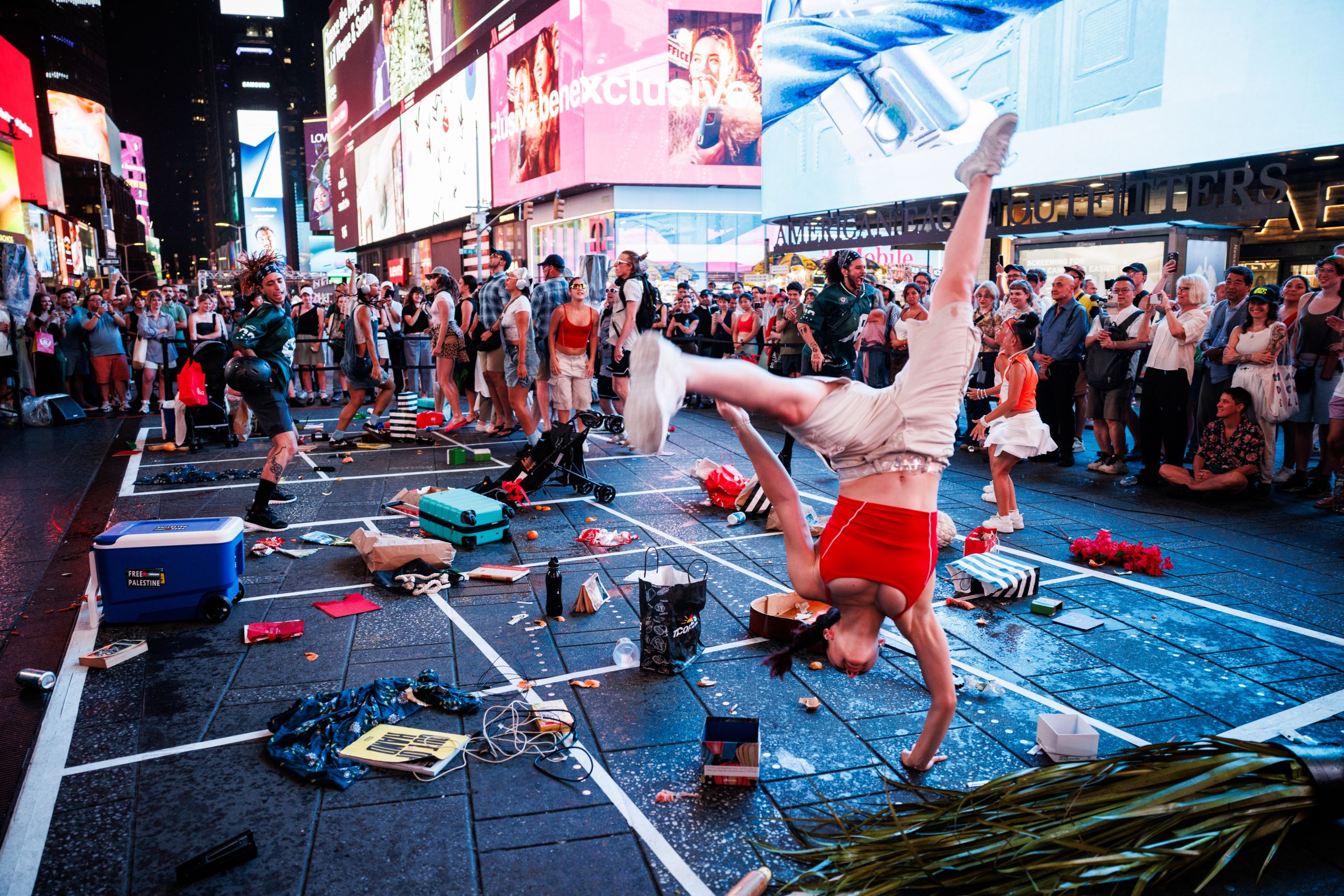
    Actors performing in Philly artist Maia Chao’s show “American Idle” in Times Square. The performance is being restaged August 14, 2026.Maria Baranova-Suzuki

    Chao’s photo project “Case Subtype: Damaged/Nonfunctional” will present 30 photographs displayed on Bigbelly trash cans across Times Square. The photographs were taken by actual sanitation workers, who already document potholes, graffiti, and other abandoned objects as a part of their job.

    “A lot of the work of the Times Square Alliance is to improve the reputation of Times Square from its history of being ‘seedy’ or ‘dangerous’ in the 1980s and 1990s,” said Chao. “A lot of that effort is about maintaining its appearance as clean and safe to visit. I came to that with a critical lens on what and who is deemed clean and safe.”

    The title of her project references how workers mark found objects as “damaged/nonfunctional” when they upload the photos to their system. Details like the location and photographer are seen in small text in the corner of each photograph.

    A mockup of one of the photo installations from Philly artist Maia Chao’s upcoming project “Case Subtype: Damaged/Nonfunctional.” The photos are to be displayed on Bigbelly trashcans in Times Square.Liz Ligon

    “People are used to seeing advertising [on trash cans] and [the art] might catch their eye when they’re putting something in the trash can,” said Anna Starling, director of Times Square Arts. “I’m hoping that people will understand or at least think about what is this, why it is there, and recognize the beauty in the everyday objects that you see.”

    Some of the images on display include photographs of an abandoned bike chained to a pole, a rolling office chair next to a trash can, a spill of light blue paint on the sidewalk, and a pothole with a cone coming out of it.

    “There was something appealing to me about thinking about the people making these strange narratives,” said Chao. “When you see a huge microwave on the street or an abandoned stroller, they feel poetic and narrative, and kind of like traces of people’s lives.”

    Actors perform in Philly artist Maia Chao’s 2025 work “American Idle” in Times Square. The performance will be restaged August 14, 2026.Maria Baranova-Suzuki

    In addition to the photo installation, there will be a restaging of Chao’s 2025 performance piece American Idle on Aug. 14. The show comprises a group of actors playing Times Square archetypes, like tired kids, lost tourists, and influencers, all acting out their typical behavior. At the same time, identically dressed body doubles of each character mimic the other’s actions.

    “Initially, the idea was for the pedestrians of Times Square to be able to watch themselves, so it would be a crowd watching a crowd,” said Chao. “Something that may seem spontaneous when one person is doing it, is all of a sudden seen as learned and programmed when two people are doing it in unison.”

    Chao, who has a bachelor’s degree in cultural anthropology from Brown University, drew inspiration from the human behavioral patterns she noticed in real life and the 3D modeling program Crowds Pro. Typically used to simulate crowds for TV and movies, the system has a collection of characters being “idle,” shifting their weight and/or looking around, and making common gestures like clapping or scrolling on their phone.

    Actors perform in Philly artist Maia Chao’s 2025 work “American Idle” in Times Square. The performance will be restaged August 14, 2026.Maria Baranova-Suzuki

    “It’s a way of showing we’re all scrolling and taking pictures, and there’s definitely a pessimism to the ways we’re all becoming these robots or our attention is being conditioned to become increasingly fractured,” said Chao, a Rhode Island native. “But we also need to bring an observational, loving, and compassionate lens on the beauty of people as they are in their everyday selves.”

    A three-minute video with portions of choreography from American Idle will be playing every night in Times Square throughout the month. This will be August’s “Midnight Moment,” a long-running program that displays digital art across all the billboards in Times Square, daily, for three minutes before midnight.

    “Part of having public art in such large public spaces is having to be accessible to audiences. Maia’s project makes art and its concepts accessible, which draws people in,” said Starling. “The repetitiveness and duplicative aspects of the performance are eye-catching. Then with the art on the everyday receptacles that people pass by, having those two together we felt would engage audiences in new ways.”

    Actors performing in Philly artist Maia Chao’s show “American Idle” in Times Square. The performance is being restaged August 14, 2026.Maria Baranova-Suzuki

    Chao has plans for her own home city, too. This fall, she will be showing Waste Scenes, a video installation, at the ICA Philadelphia. She will also be curating the multimedia exhibit “An Endless Meeting,” organized by Philadelphia arts collective Vox Populi, of which Chao is a former member.

    “I’ve been making live performances for the past few years and I think often there are flows and cycles to my practice,” said Chao. “In the next few years, I might be working in a different way, using one project to escape another, or to exercise a different muscle. I don’t know what medium I’ll be working in next, it could be sculpture. I’m excited to see what the ecosystem of my practice needs or calls for next.”

  • Bryce Harper took the wrong approach. But that’s not saying he wasn’t completely right.

    Bryce Harper took the wrong approach. But that’s not saying he wasn’t completely right.

    Bryce Harper was right to be frustrated.

    He had the right diagnosis. He had the right prescription. He had the right motivation.

    He took the wrong approach.

    The first four of those things are the only ones that should matter to anybody invested in the Phillies’ approach to this year’s MLB trade deadline. That goes for the fan base and the members of the media, both social and mass.

    To the bloggers, the Twitterers and the TikTokers, the radio gabbers, the ink-stained goobers still typing with two hands, and to anybody else who has spent the last couple of days displacing their aggression upon a guy who desperately wants to win and has served honorably on the mission … let’s all heed the words of QB1 and “keep the main thing the main thing.”

    The main thing is this: Harper is right.

    “I think we need some help,” Harper told reporters earlier this week. “But you know, I think we’ve proved pretty much all year we’ve done a pretty good job. But anytime you can get some help in here and reinforcements, I think it helps.”

    The Phillies need all the help they can find. Rarely does a World Series contender arrive at August with this many holes. Dave Dombrowski will be doing his roster a massive disservice if he operates in triage mode. Starting pitching? Relief pitching? One outfielder? Two? Yes and yes and yes and yes. If the Phillies want to escape the slippery slope they are currently sliding down, they can’t afford to treat the deadline as an either-or proposition.

    “I think both,” Harper said when asked whether the Phillies need an arm or a bat. “Obviously, everybody knows what we need …”

    Phillies designated hitter Kyle Schwarber has been one of baseball’s best power hitters. But the question is, how long can he sustain this?Yong Kim / Staff Photographer

    Is it unrealistic to think that the Phillies can acquire everything they need over the next three days? Maybe. But they darn sure need to try. Harper, Kyle Schwarber, Zack Wheeler — all are at points of their career where they may never be as good again as they are right now.

    Factor in Jesús Luzardo and Jhoan Duran and Cristopher Sánchez and the Phillies almost certainly will never have another season with this much individual dominance among their stars. That group alone is enough to give the Phillies a near-even chance in practically any playoff series. But they need to get there, and they need to do it with enough depth to win three or four series in a row.

    Unrealistic? Maybe not when considering how low the bar for improvement is. The Phillies entered Thursday with the lowest on-base percentage in the majors. There’s no mystery why they seem to struggle to score runs. The fewer men a team puts on base, the fewer of them can score.

    Harper sees it. Think about your frustration level when watching it on TV. Now think about how you’d feel if you were watching it from the dugout, or the on-deck circle, or while standing on second base.

    Phillies left fielder Brandon Marsh (right) has been a consistent threat but is in the throes of a slump.Yong Kim / Staff Photographer

    The five most discouraging words in the human language are, “Now batting fifth, Edmundo Sosa.” The seven most discouraging words: “Now batting sixth, Bryan De La Cruz.” The Phillies lineup right now is Harper and Schwarber and a bunch of replacement-level players.

    That’s almost literally true, by the way.

    Besides Schwarber and Harper, the only two regulars with a positive offensive WAR are Bryson Stott and Brandon Marsh. The Phillies entered Thursday with MLB’s fourth-worst aggregate WAR among position players. That’s especially damning when you consider how good Harper and Schwarber have been. The only teams worse are the Mets, Rockies, and Reds. Just ahead of them are the Blue Jays and Angels. All will be selling off their rosters over the next few days.

    The Phillies shouldn’t need to bankrupt their system to bring in a line change at the trade deadline. Four years ago, they acquired Marsh, David Robertson, Noah Syndergaard, and Sosa midseason. Two years ago, they landed Austin Hays, Carlos Estevez, and Tanner Banks. Last year, they traded for Duran and Harrison Bader and also signed Robertson. Quantity is rarely an issue.

    Rarely has it been so sorely needed.

    The trade deadline’s dirty little secret is that it doesn’t matter nearly as much as everybody dreams it does. Baseball is too fluky a sport to expect two months of game-changing impact simply because you paid a high price. I would venture to guess that Dombrowski’s results haven’t been better or worse than the average GM.

    Former Phillies prospect Hao-Yu Lee, who was traded to Detroit for Michael Lorenzen is hitting is hitting .307 in his last 51 games for the Tigers.David Banks

    He won the Marsh deal, marginally lost the Hays deal, and more or less got what he paid for in aggregate. One exception could be the 2023 trade for starter Michael Lorenzen. Prospect Hao-Yu Lee is hitting .307 with an .817 OPS in his last 51 games for the Tigers. He bats right-handed, by the way.

    The overarching point here is the process. The smoke signals are at least promising. The Phillies scouted Mets righty Clay Holmes’ rehab outing earlier this week. He’s a guy who would make a ton of sense, both as a rotation stabilizer in the present and as a potential postseason swingman in the future.

    A report from the New York Post had the Phillies interested in Blue Jays outfielder Daulton Varsho. The son of former Phillie Gary Varsho, he had five extra-base hits in the Blue Jays’ American League Division Series win over the Yankees last October. He’s left-handed, but, again, the Phillies need help everywhere. Plus, he can play center field.

    Toronto Blue Jays’ Daulton Varsho (center), son of former Phillies outfielder Gary Varsho, is a player some say the Phillies are looking at.Nathan Denette

    The broader point about Holmes and Varsho is they are the guys the Phillies should be targeting. Each is a couple months way from free agency. Dombrowski and John Middleton both have a history of taking big swings on players with years of club control beyond the present season. Duran and Marsh both fit that profile.

    Before them: Hunter Pence, Cliff Lee, etc. The Phillies’ needs are broad enough that they can’t afford to pay a premium price for any single player. Rentals sure look like the way to go for a team in their situation. Add the Orioles’ Taylor Ward to the list.

    As for Harper? From at least one perspective, the debate about his comments is much ado about nothing. There’s nothing less consequential than a player’s relationship with his front office.

    From another perspective, Harper would be wise to reconsider his approach. Nothing that he says is going to change a thing about how the Phillies operate at the deadline. It’s far more likely that his outspokenness ramps up the pressure on the guys whom he has implicitly deemed to be not good enough.

    The issue is not so much clubhouse chemistry as it is individual psyche and its impact on performance. Sure, some guys need a kick in the butt. But many others need a comfort zone. Whatever Harper’s evaluation of the talent around him, however accurate it is, the Phillies are likely going to need at least one or two of them to perform to win a World Series.

    Next time, he’d be better off keeping his honesty off the record and taking comfort in the fact that the rest of us already know exactly what the Phillies need to do.